Summary
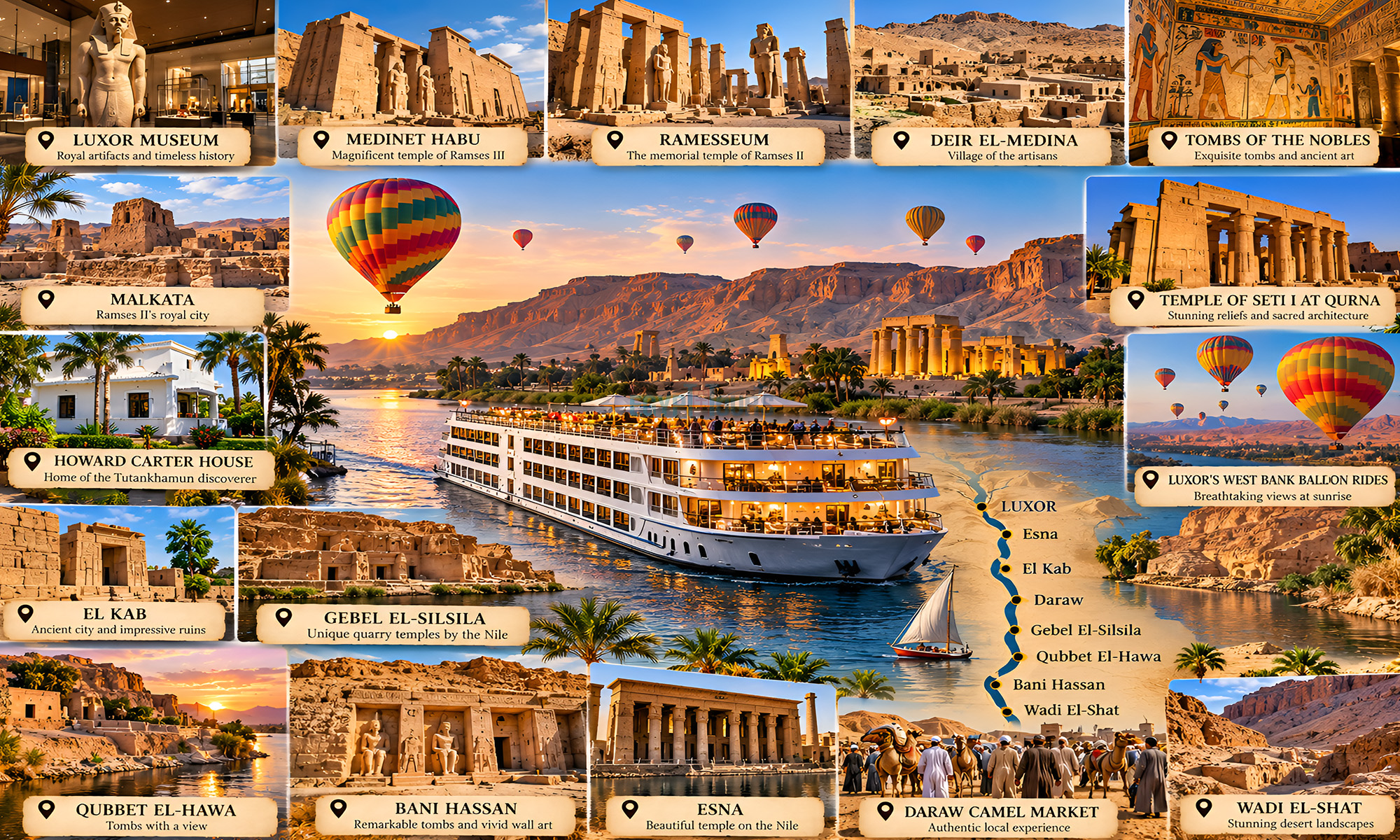
- Sixteen genuinely uncrowded sites sit within reach of the standard Nile cruise route, from Luxor Museum's royal mummies to the ancient quarry at Gebel el-Silsila that supplied stone for Karnak itself.
- Deir el-Medina and the Tombs of the Nobles offer a view of everyday ancient Egyptian life that the grand royal monuments rarely show.
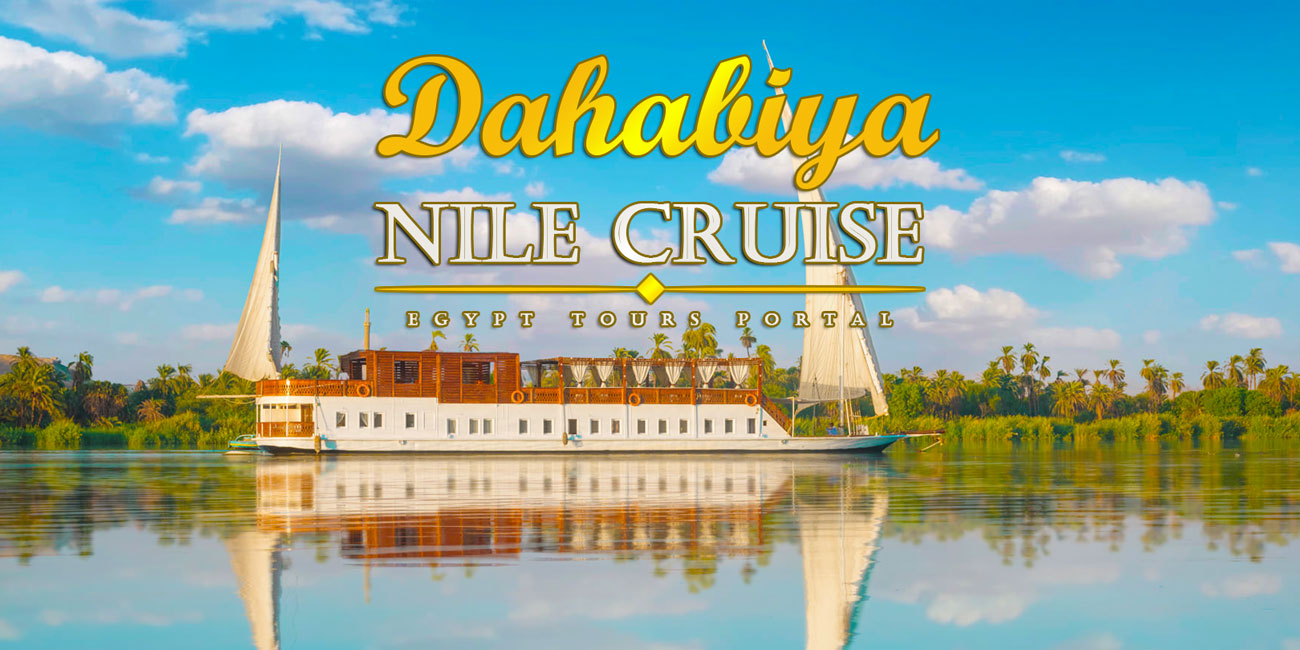
- Some sites, including El Kab and Wadi Shatt el-Rigal, are reachable only by dahabiya or private excursion, not by standard cruise ship.
- Malkata, Amenhotep III's vast palace city, survives with no ticket office, no entry fee, and almost no visitors despite its scale.
- Daraw Camel Market, trading animals brought from Sudan every Tuesday since generations past, offers a living tradition rather than an ancient ruin.
Every Nile cruise sails past the same handful of headline names, and for good reason: Karnak Temple, the Valley of the Kings, and Abu Simbel earned their fame honestly. But the valley on either bank of the river holds far more than any standard itinerary has time for, and a surprising number of its most rewarding sites sit within a short drive, or a dahabiya's mooring distance, of the stops every cruise already makes.
Everyone will come to explore all the unique attractions of Upper Egypt from a museum on Luxor's East Bank built around royal mummies and a lost temple of Akhenaten, to a sandstone quarry that quite literally built Karnak, to a desert market where Sudanese camel traders have gathered every Tuesday morning for longer than anyone can precisely date.
Some demand a dedicated half-day; others are a fifteen-minute stop worth requesting on the way to somewhere else. Each is a genuinely different window onto the Nile Valley than the one the standard route provides.
The Prestigious Luxor Museum
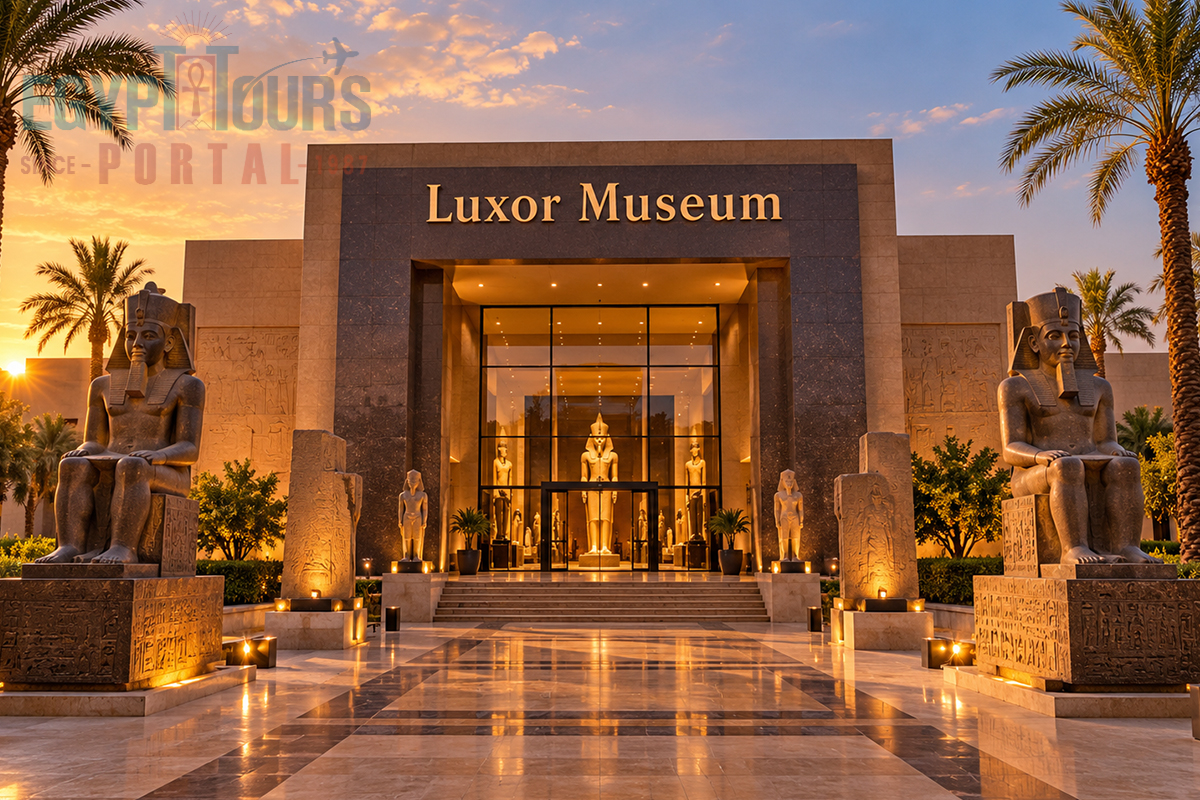
Opened in 1975 on the East Bank between Karnak and Luxor Temple, the Luxor Museum is a modern, two-level building connected by spiral corridors, a deliberate contrast to the dense, maximalist temples most cruise passengers spend their days touring. Its collection is small but exceptional, belonging to some of the most famous rulers in the history of ancient Egypt: the royal mummies of Ahmose I, founder of the 18th Dynasty, and Ramses I, founder of the 19th; a 90-centimeter limestone statue of Thutmose III; a 130-centimeter black granite figure of Amenhotep III; and surviving fragments from Akhenaten's dismantled Theban temple.
Unlike the crowded halls of Cairo's Grand Egyptian Museum, Luxor Museum's pieces are lit and spaced for close viewing, and a visit runs one to two hours, easily fit into a free afternoon or evening between excursions. Foreign adult admission runs 400 Egyptian pounds, with the museum open daily from 9:00 a.m. to 2:00 p.m. and again from 5:00 to 8:00 p.m.
The Noble Medinet Habu
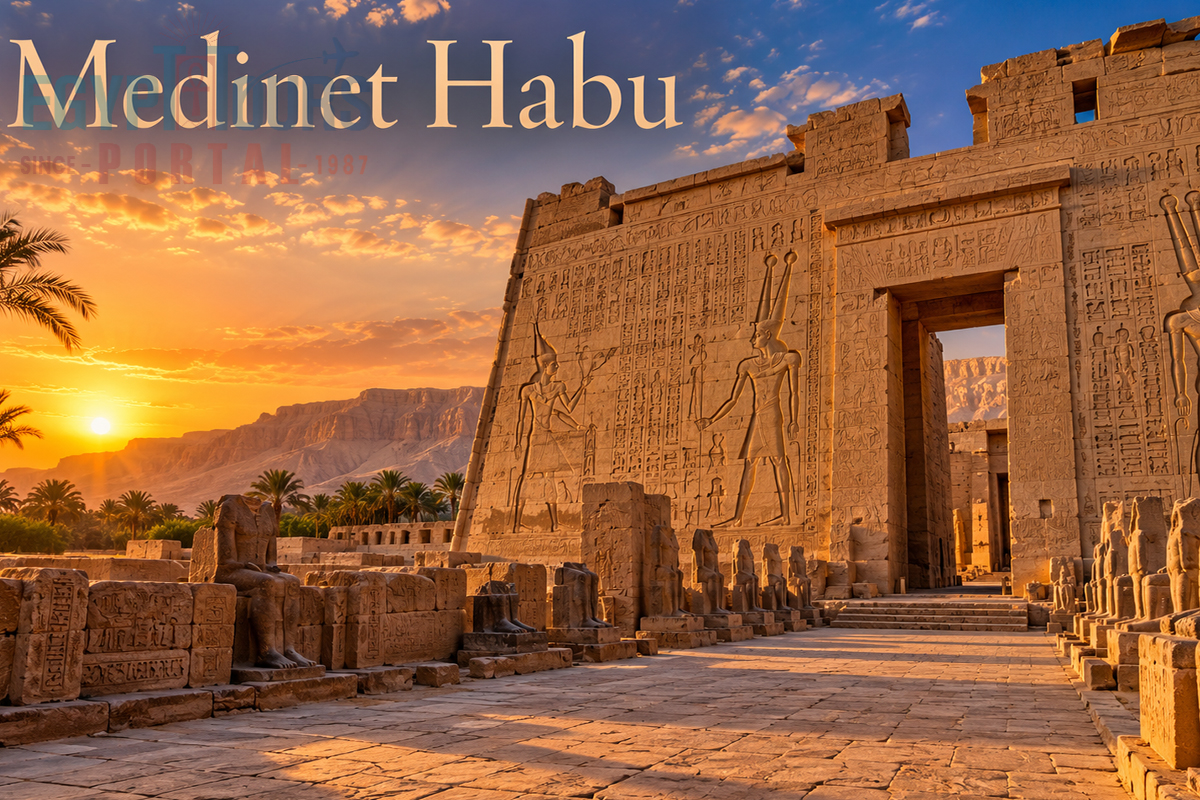
Where the Ramesseum draws steady crowds, Medinet Habu, the mortuary temple of Ramses III, often sees a fraction of them despite being arguably better preserved. Built around 1186 to 1155 BCE, the temple proper runs roughly 150 meters long within a precinct spanning 210 by 300 meters, protected by a massive mudbrick enclosure wall that helped shield its more than 7,000 square meters of decorated relief from the worst of time's damage.
Its most striking carvings depict Ramses III's campaign against the Sea Peoples, a confederation of seaborne invaders whose defeat the temple's walls record in vivid, violent detail, naming the Peleset, Theker, Shekelesh, Denyen, and Weshesh among the attacking forces. A Byzantine church once occupied the temple's second court, a reminder of just how many centuries of use this site has absorbed.
The Forgotten Ramesseum
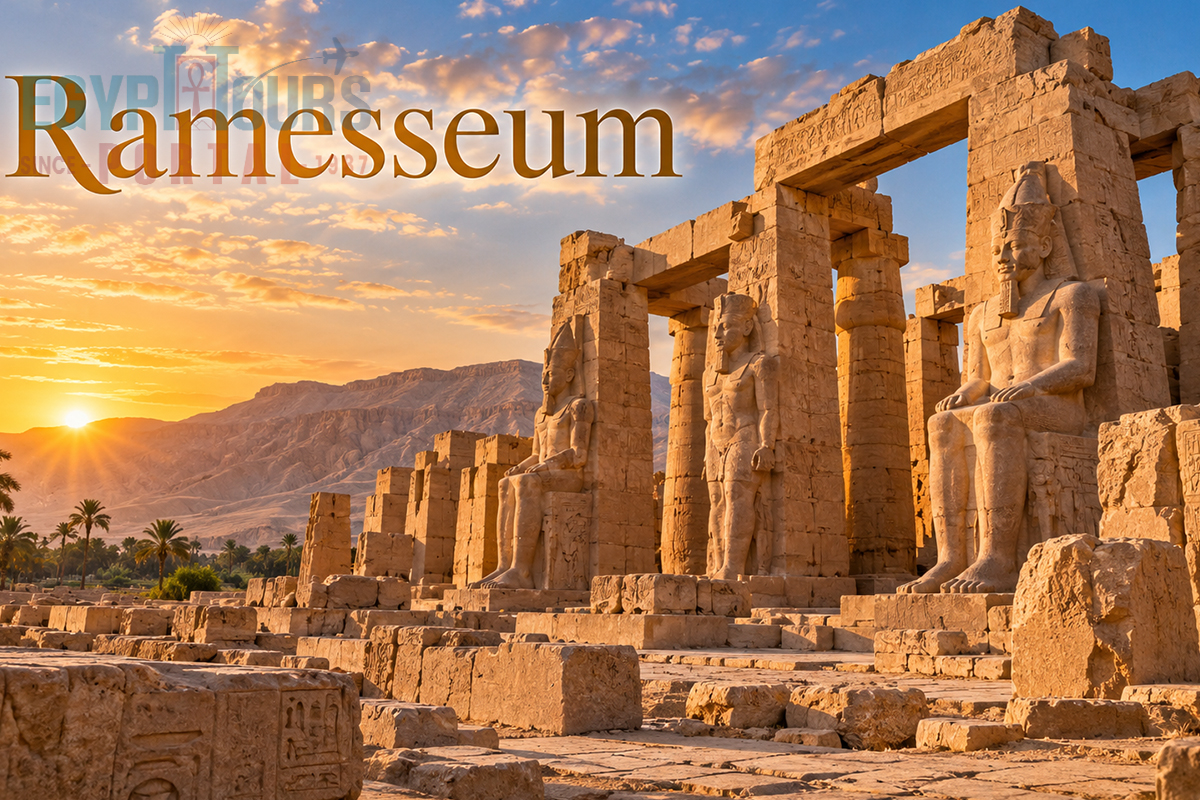
Few ruins carry a more famous literary afterlife than the Ramesseum, the mortuary temple Ramses II built during his reign from roughly 1279 to 1213 BCE. Its fallen colossus, a seated granite statue that once weighed over 1,000 tonnes and stood around 20 meters tall before an ancient earthquake toppled it, is almost certainly the inspiration behind Percy Bysshe Shelley's 1818 sonnet "Ozymandias," though Shelley himself never saw the statue, working instead from travelers' accounts.
The temple originally stretched around 300 feet, its first pylon alone 60 meters wide, opening onto a courtyard once lined with towering royal statues. Reliefs throughout depict the Battle of Kadesh, Ramses II's most celebrated military campaign, repeated across the temple's chambers as a statement of divine and royal authority.
The Miraculous Deir El-Medina
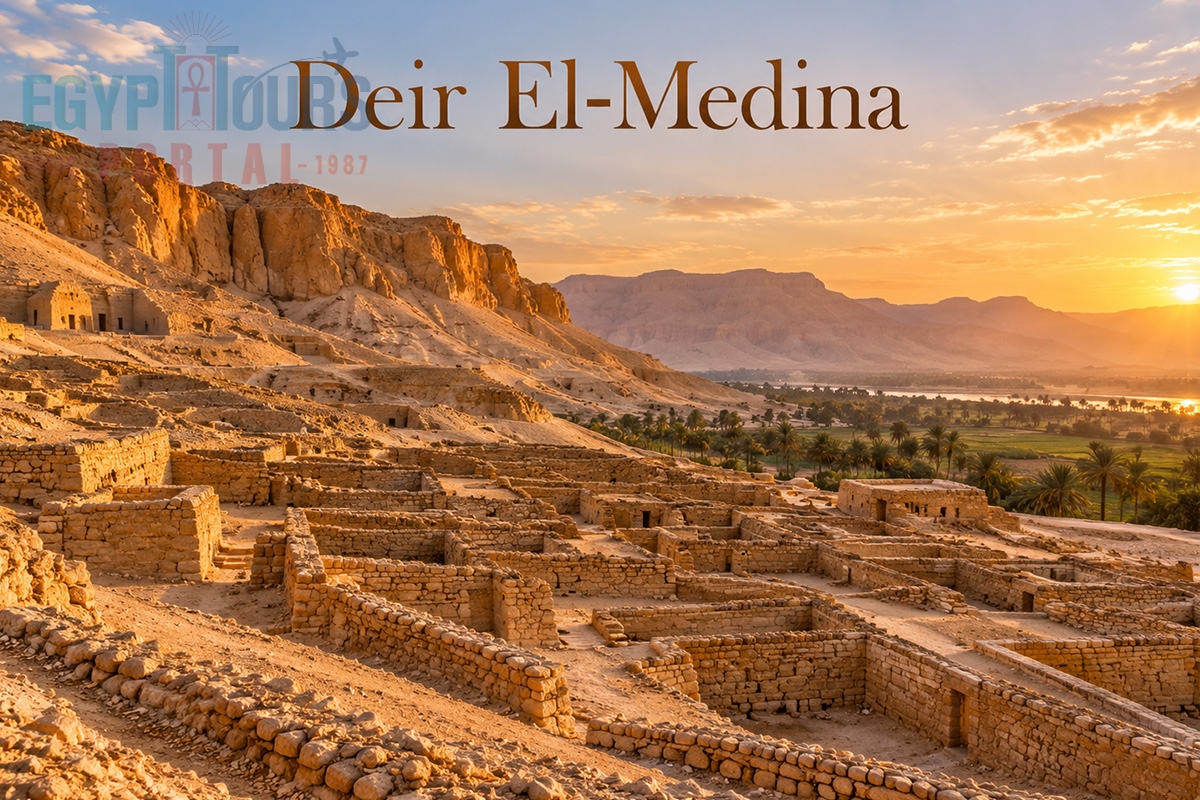
If the great temples tell the story of pharaohs, Deir el-Medina tells the story of the people who actually built their tombs. Founded by Amenhotep I around 1541 to 1520 BCE and occupied continuously until roughly 1069 BCE, this walled village of about 1.4 acres housed the artisans and craftsmen known as "Servants in the Place of Truth," who carved and decorated the royal tombs across the valley while working ten-day rotations away from their families.
Archaeologists have recovered thousands of ostraca, inscribed potsherds documenting trade disputes, medical complaints, and daily gossip, making Deir el-Medina the single richest source anywhere in Egypt for understanding the lives of ordinary people rather than kings. The village's own cemeteries hold beautifully decorated tombs belonging to its residents, a quieter, more intimate counterpart to the grandeur next door.

Ancient Egyptian Architecture
Discover the marvelous architecture of the ancient Egyptian civilization
The Epic Tombs of the Nobles
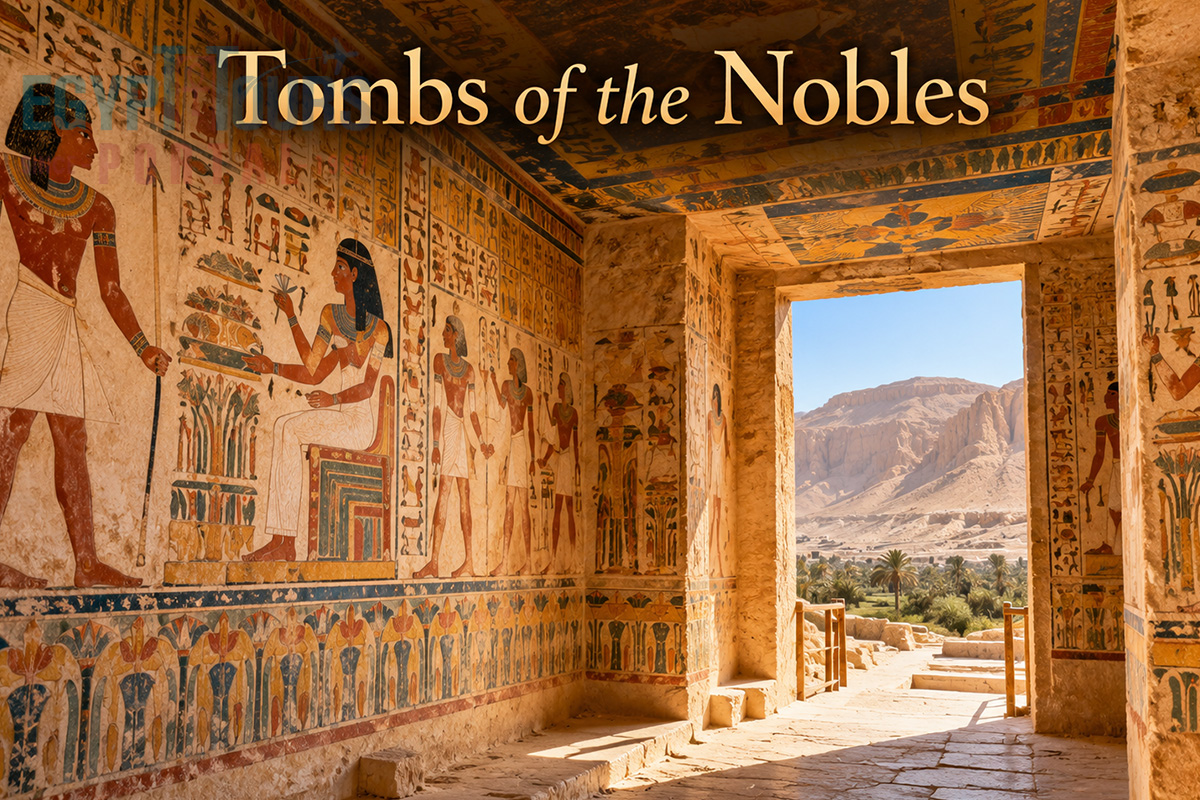
Luxor's Valley of the Nobles holds more than 450 tombs belonging to great ancient Egyptian nobles, officials, scribes, and administrators, far outnumbering the royal burials in the Valley of the Kings, though most cruise itineraries visit only a handful. Sennefer's tomb (TT 96), nicknamed the Tomb of the Vineyards, features a ceiling painted with tangled grapevines; Rekhmire's (TT 100) contains over 600 images documenting his duties as vizier, including tax collection and the receiving of foreign tribute.
Ramose's tomb (TT 55) is historically distinctive for blending traditional Egyptian art with the experimental Amarna style under two different pharaohs, while Nakht's (TT 52) and Menna's (TT 69) depict vivid rural and estate scenes, hunting, fishing, and banqueting rendered with a warmth royal tombs rarely attempt. Where pharaonic burials emphasize grandeur, these nobles' tombs favor personal achievement and everyday life, a genuinely different register of ancient Egyptian art.
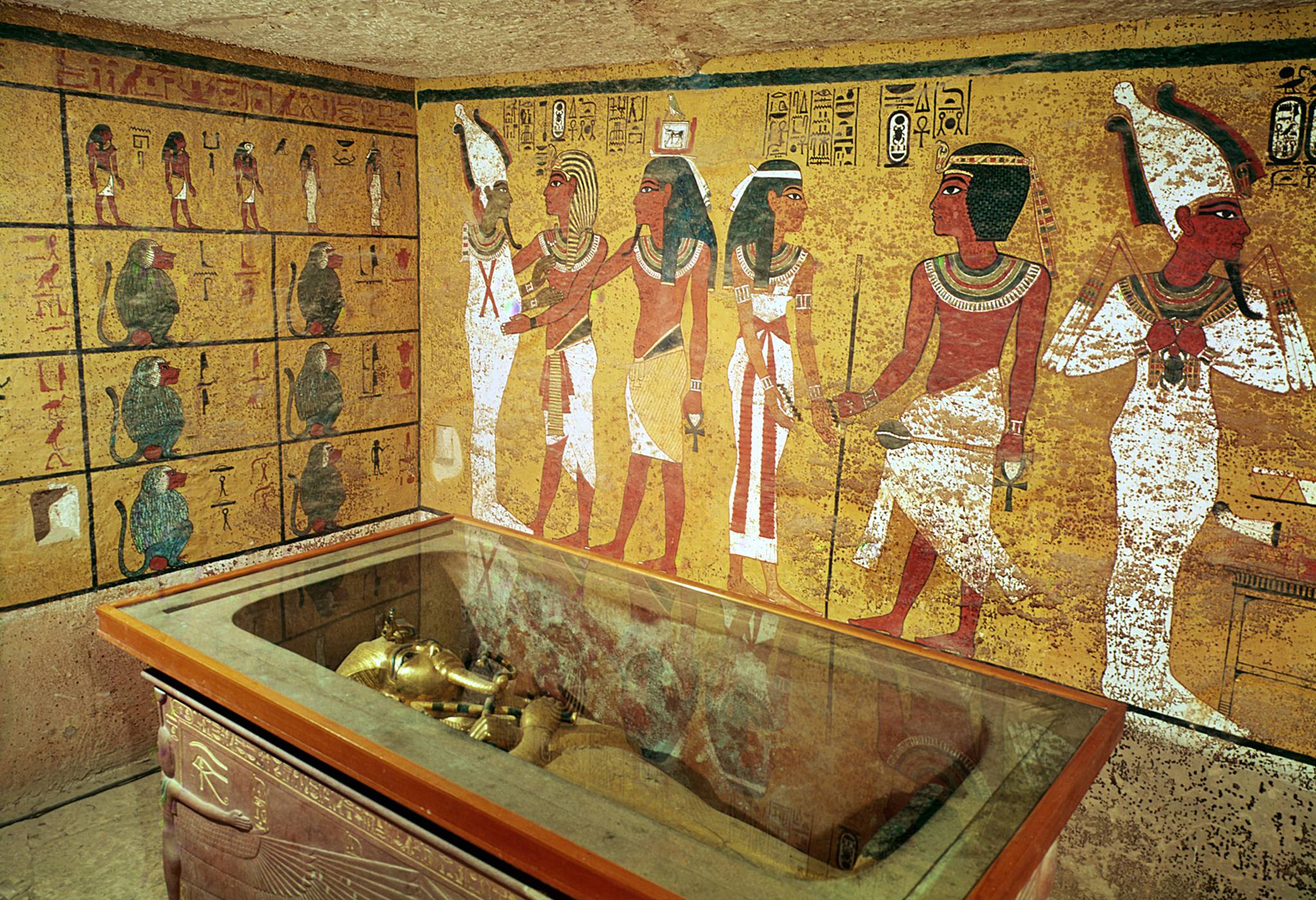
Ancient Egyptian Tombs
Read the most important information about ancient Egyptian tombs, also explore the most famous ancient Egyptian tombs in Luxor and Aswan.
The Glorious Malkata Palace
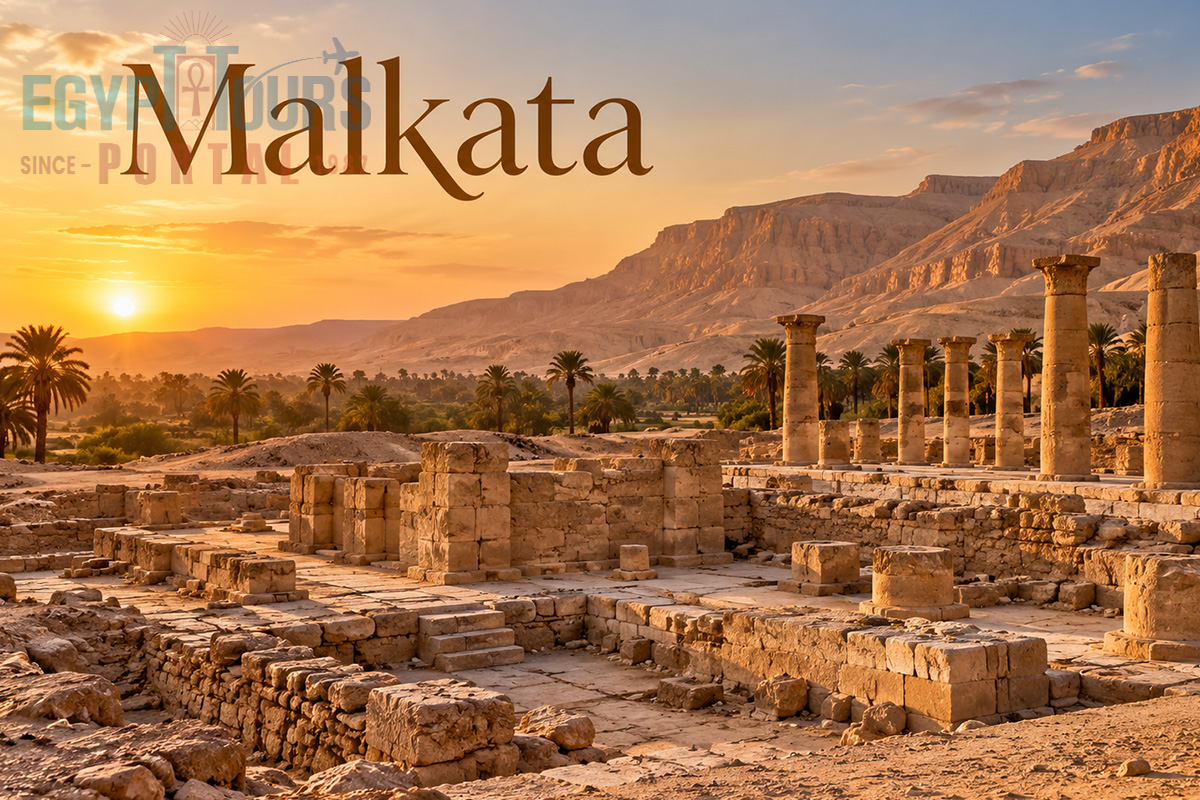
Malkata, built around 1360 to 1350 BCE in the final decades of Amenhotep III's reign, was never a tomb or temple at all but a sprawling palace city covering nearly 50 hectares of desert, constructed primarily to host the pharaoh's heb-sed jubilee festivals after 30 years of rule. Its complex once included painted audience halls, residential quarters for Queen Tiye and the royal family, a temple to Amun, and Birket Habu, an artificial ceremonial lake large enough to float the pharaoh's jubilee barges.
Little remains today beyond foundations, scattered mudbrick, and fragments of painted wall plaster pressed into the sand, and the site has no formal ticket office or entry fee. That absence of infrastructure is precisely what makes Malkata worth seeking out: a genuine royal city, largely unmarked and almost entirely unvisited compared to the West Bank's major stops.
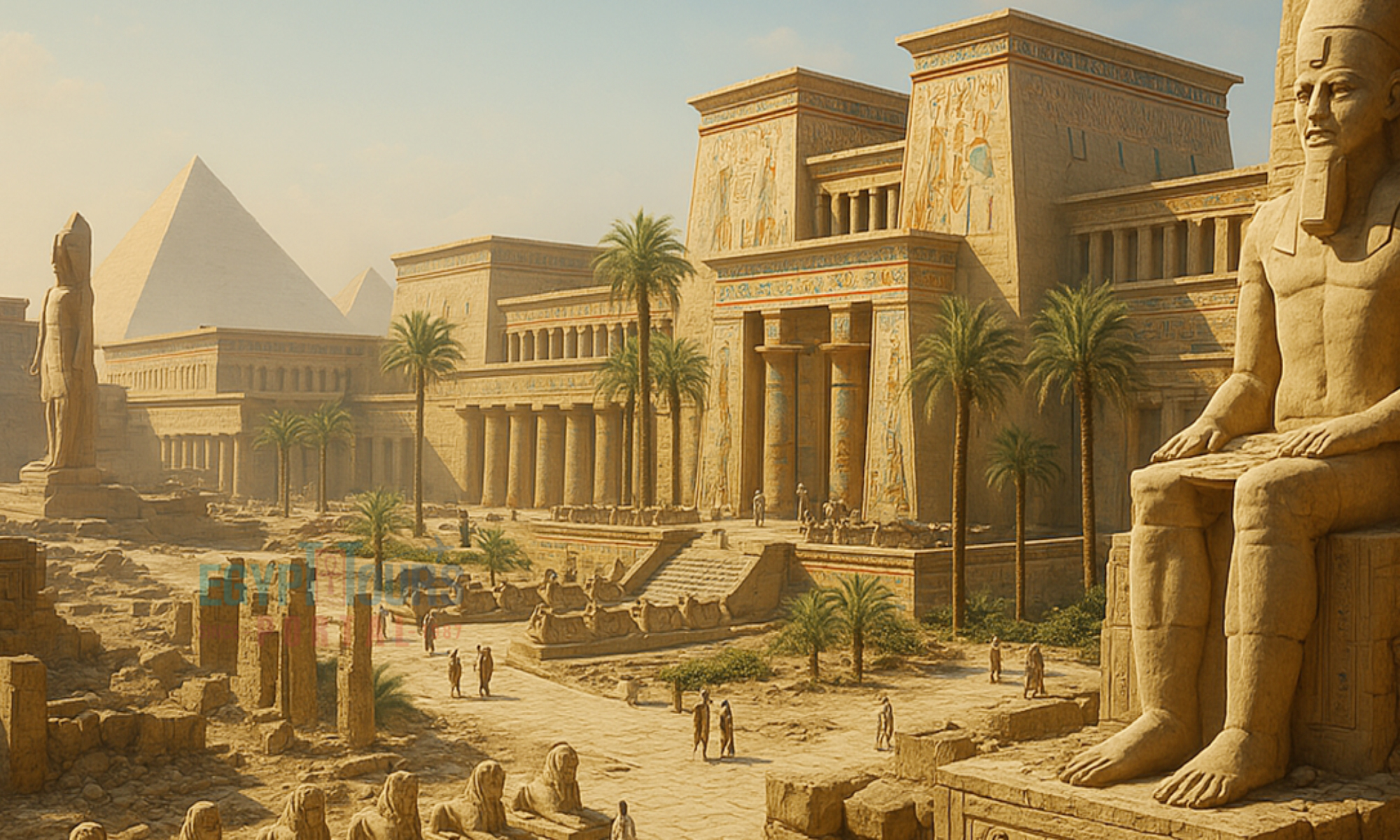
Ancient Egyptian Palaces: Architectural Gems of Royal Glory
Discover the grandeur of ancient Egyptian palaces, opulent homes of pharaohs that reveal secrets of royal life, divine ties, and artistic brilliance.
The Noble Howard Carter House
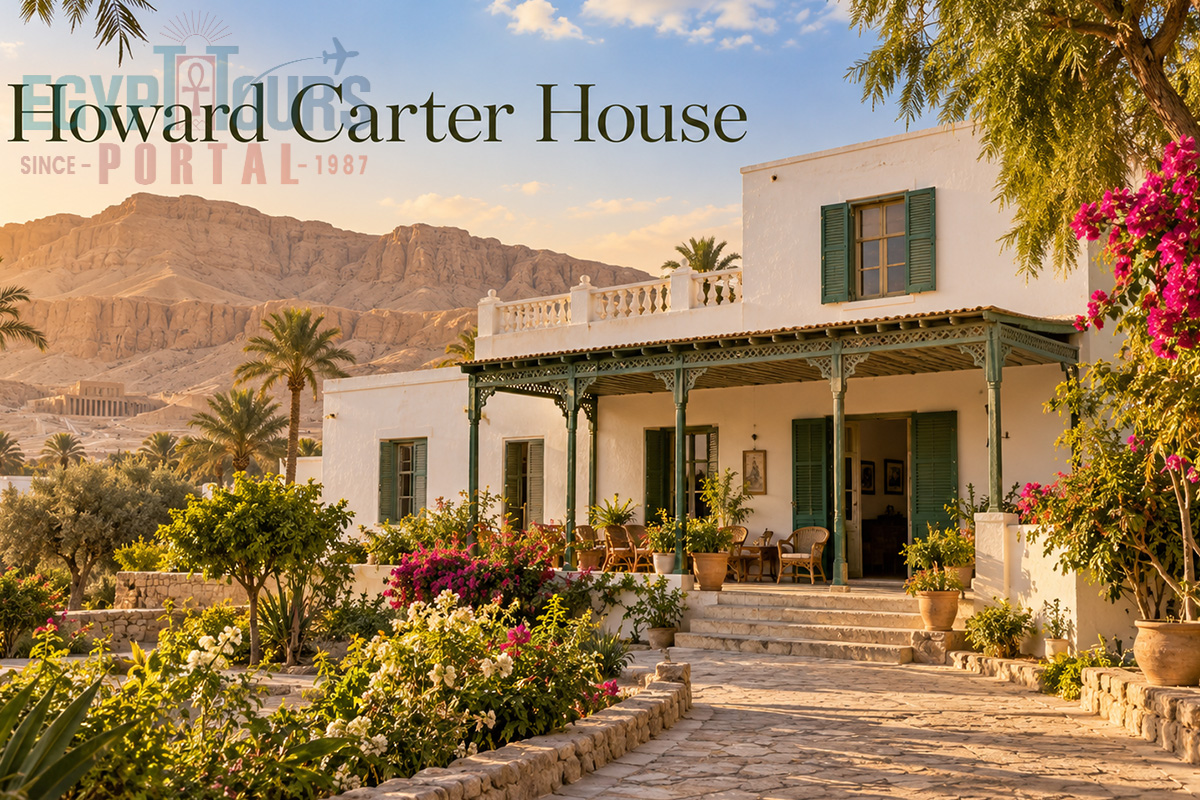
Built in 1910 on Luxor's West Bank near the Valley of the Kings, the Howard Carter House was home to the British archaeologist during his years excavating what would become, in 1922, the tomb of Tutankhamun. Converted into a museum in 2009 and restored by the American Research Center in Egypt, the house displays Carter's personal effects, his walking canes, hats, and typewriter, alongside excavation photographs and his original darkroom.
Its centerpiece is a detailed 2014 replica of Tutankhamun's tomb antechamber, created by the digital conservation studio Factum Arte, letting visitors experience something close to Carter's first glimpse of the burial chamber without the crowds and restrictions of the real KV62 tomb nearby. A visit takes about 45 minutes to an hour, with foreign adult admission at 220 Egyptian pounds.
The Marvelous Temple of Seti I at Qurna
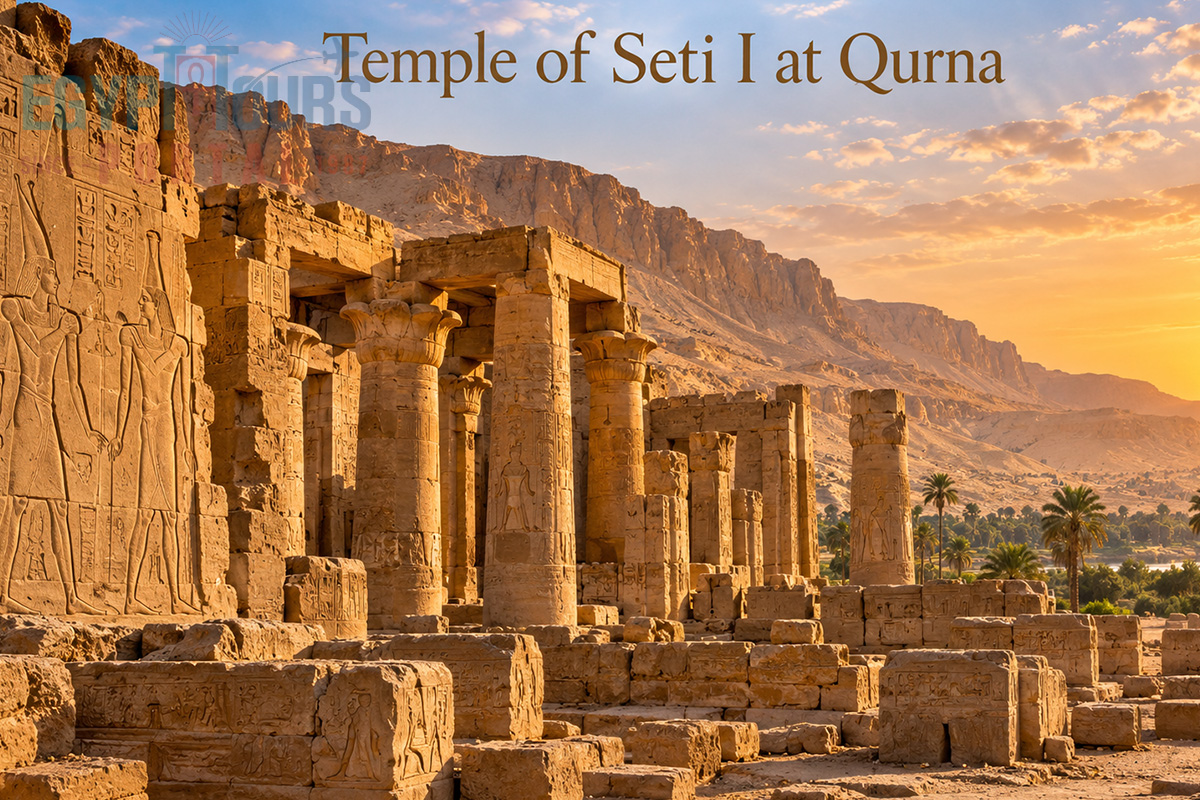
Tucked into the modern town of Qurna on the West Bank, the mortuary temple of Seti I was begun near the end of that pharaoh's reign and completed by his son, Ramses II, following Seti's death. One surviving chamber houses a shrine dedicated to Seti's own father, Ramses I, who ruled for under two years and never built a mortuary temple of his own, making this the closest thing to one he has.
The temple's outer court and pylons lie largely in ruins, and much of its eastern section remains buried beneath the modern town above it, a reminder of how much of the Theban Necropolis has yet to be fully excavated. Genuinely quiet even during Luxor's busiest season, it rewards travelers willing to trade a flawless structure for an authentic sense of discovery.
Entertaining Luxor's West Bank Balloon Rides
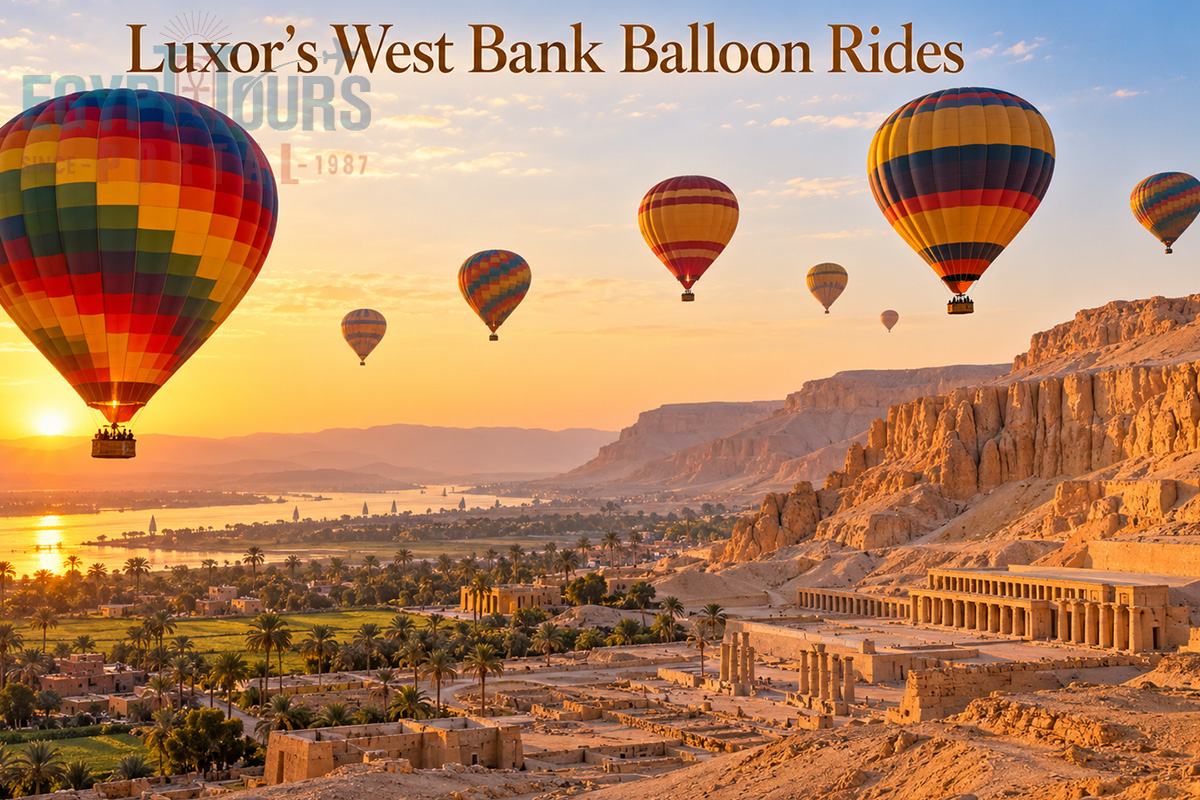
A dawn hot air balloon ride over the West Bank offers a vantage point no ground-level excursion can match, drifting silently above the Valley of the Kings, the Ramesseum, and the green floodplain below as the sun clears the eastern cliffs. Flights launch before sunrise, when the air is calmest, and typically last 45 minutes to an hour at altitudes that shift throughout the flight as the pilot rides different air currents for the best views.
From the air, the stark boundary between the Nile's cultivated green and the surrounding desert becomes immediately clear, along with the layout of sites like Deir el-Medina and Malkata that are easy to miss from the ground. It is less a single site to visit than a way of seeing every other site on this list at once.
The Grand El Kab
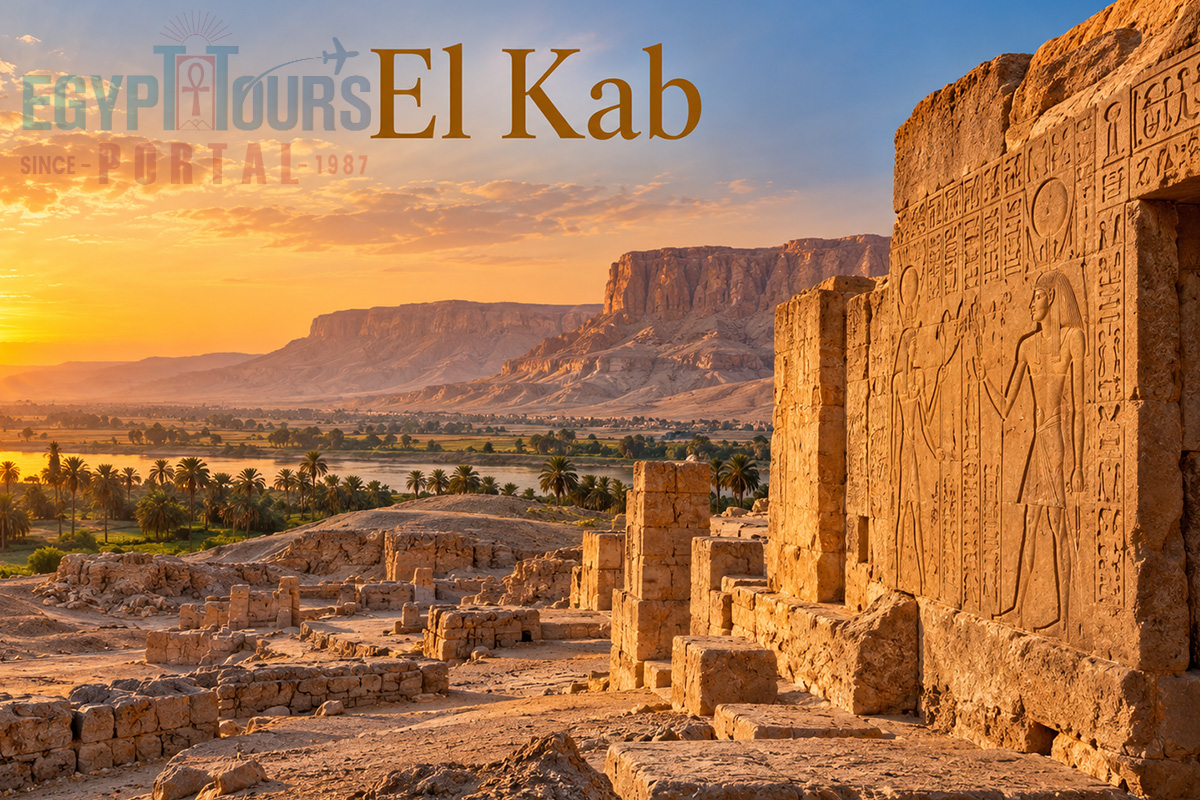
Roughly 80 kilometers south of Luxor and 20 kilometers north of Edfu, El Kab, known in antiquity as Nekheb, was the religious and administrative capital of Egypt's third Upper Egyptian nome and home to the primary cult center of Nekhbet, the vulture goddess and protector of Upper Egypt. Human habitation here runs continuously from the Predynastic period, before 3100 BCE, through the Ptolemaic era, anchored by Predynastic mudbrick enclosure walls up to 11 meters thick.
Its rock-cut tombs include that of Ahmose, son of Ibana, a naval officer whose tomb inscriptions record his role in the campaigns that expelled the Hyksos from Egypt around 1550 BCE, alongside prehistoric rock art spanning some 5,000 years of boats, animals, and human figures.
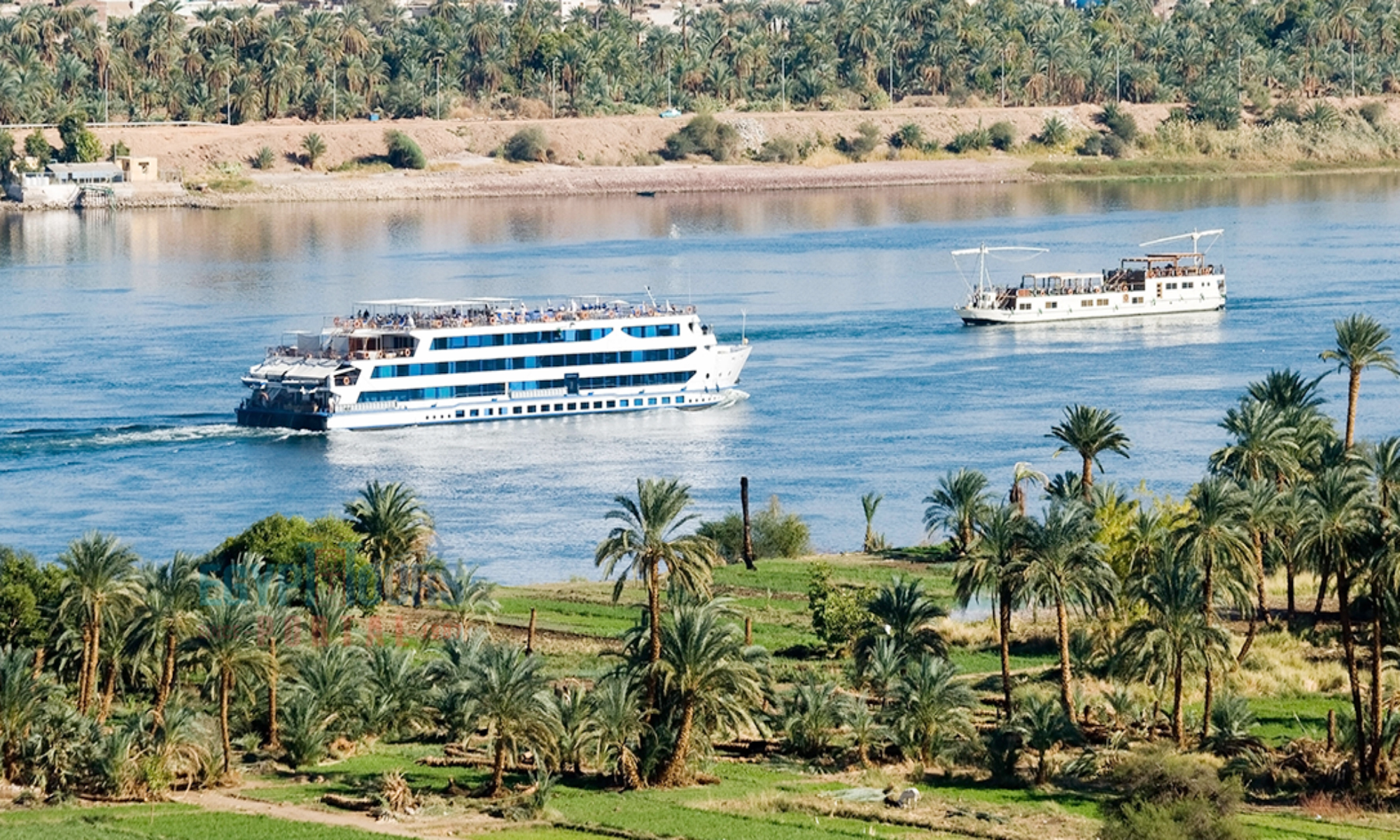
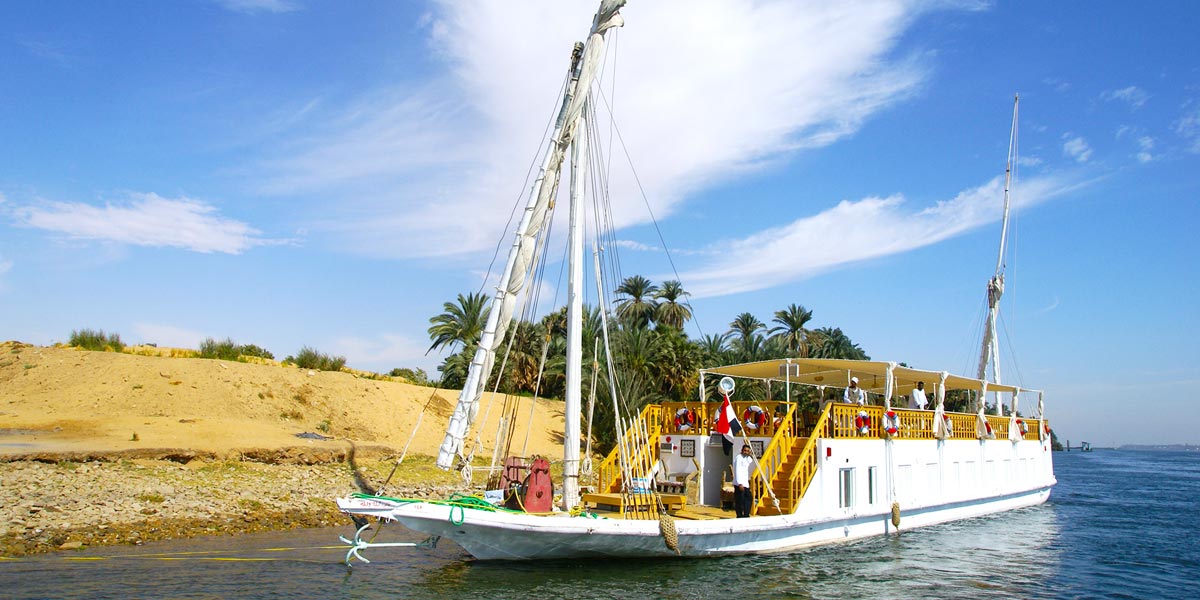
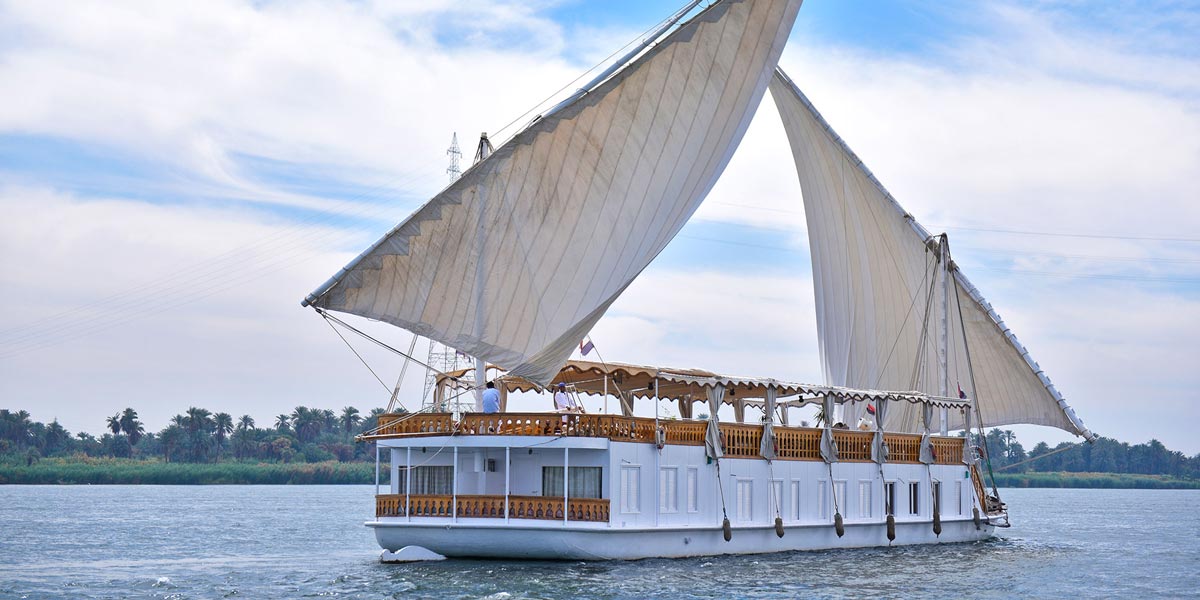
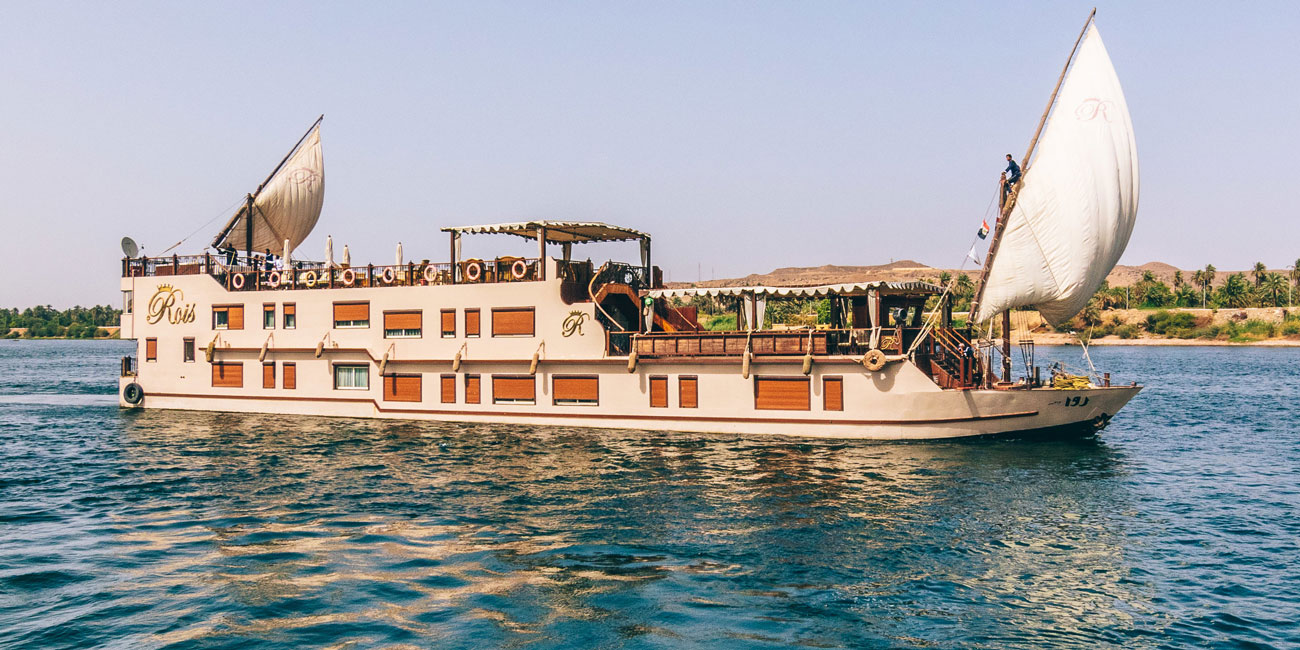
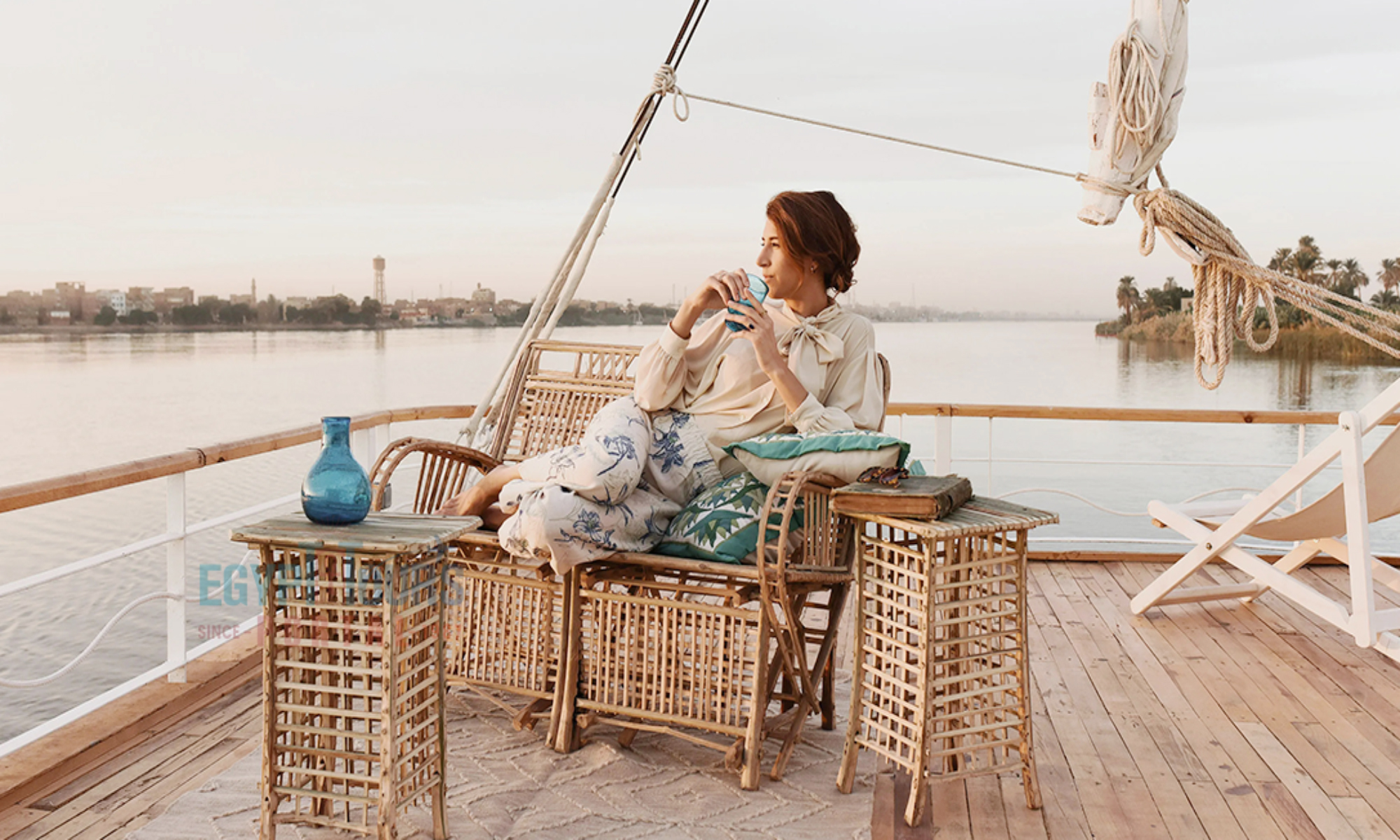
El Kab sits on the Nile's east bank in a spot standard cruise ships cannot moor, making it a site reached almost exclusively by dahabiya, the traditional shallow-draft sailing vessels able to pull in where larger ships cannot.
The Blessed Gebel El-Silsila
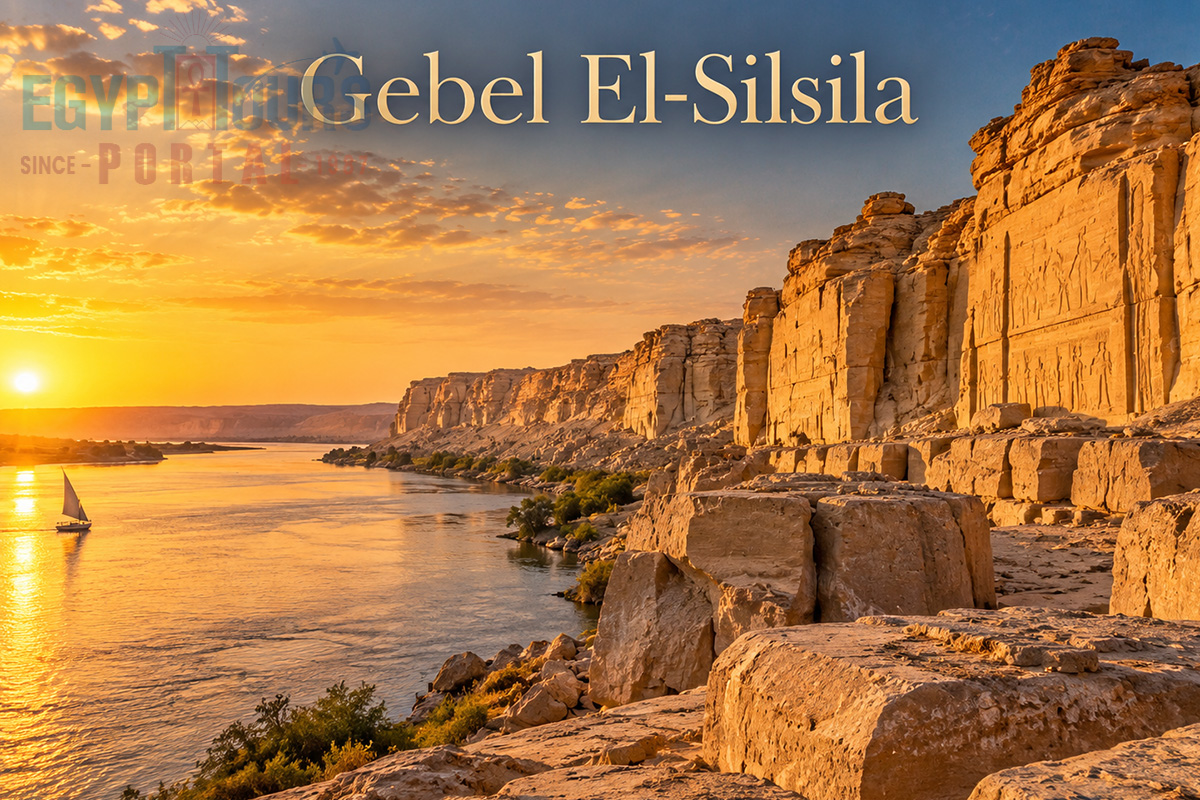
At the Nile's narrowest point anywhere along its length, 65 kilometers north of Aswan between Edfu and Kom Ombo, Gebel el-Silsila was ancient Egypt's principal sandstone quarry, worked continuously from at least the 18th Dynasty through Greco-Roman times across more than 120 separate quarry sites. Nearly every major Theban and Upper Egyptian temple, Karnak, Luxor Temple, Medinet Habu, Kom Ombo, and the Ramesseum, was built from stone cut here and floated downriver.
Beyond the quarries themselves, the Speos of Horemheb, a rock-cut chapel begun under Hatshepsut and heavily recarved during the Ramesside era, honors seven deities including Amun and the local crocodile god Sobek. Four monumental royal stelae and numerous officials' cenotaphs from the reigns of Hatshepsut and Thutmose III round out a site that functioned less as a place of worship than as the industrial engine behind Egypt's most famous monuments.
The Royal Qubbet El-Hawa
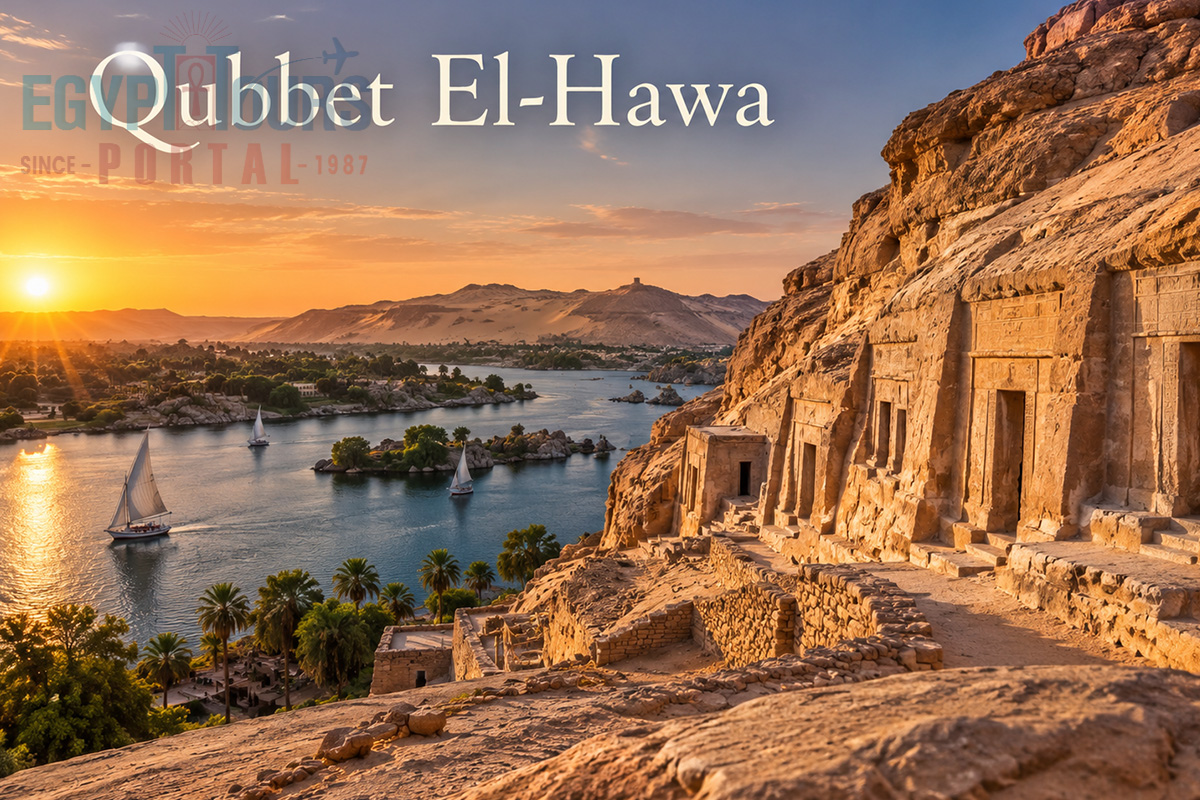
On a hill across the Nile from Aswan, overlooking the river and the Nubian village of Gharb Aswan below, Qubbet el-Hawa served as the burial ground for Elephantine's nomarchs and high officials from roughly 2500 BCE through Roman times. Unlike the trade-focused inscriptions found elsewhere, the tombs here, including that of Sarenput II, record detailed autobiographical accounts of expeditions these officials led south into Nubia and beyond, a direct written record of ancient Egypt's African trade frontier.
The site takes its modern name from a small domed shrine, the qubbet, that crowns the hill above the tombs, and later centuries added Roman fortifications and a Coptic monastery dedicated to Saint Simeon nearby. The climb is steep, but the view back across the Nile toward Elephantine Island and the wider Aswan tourist attractions is reason enough to make it.
The Artistic Beni Hasan
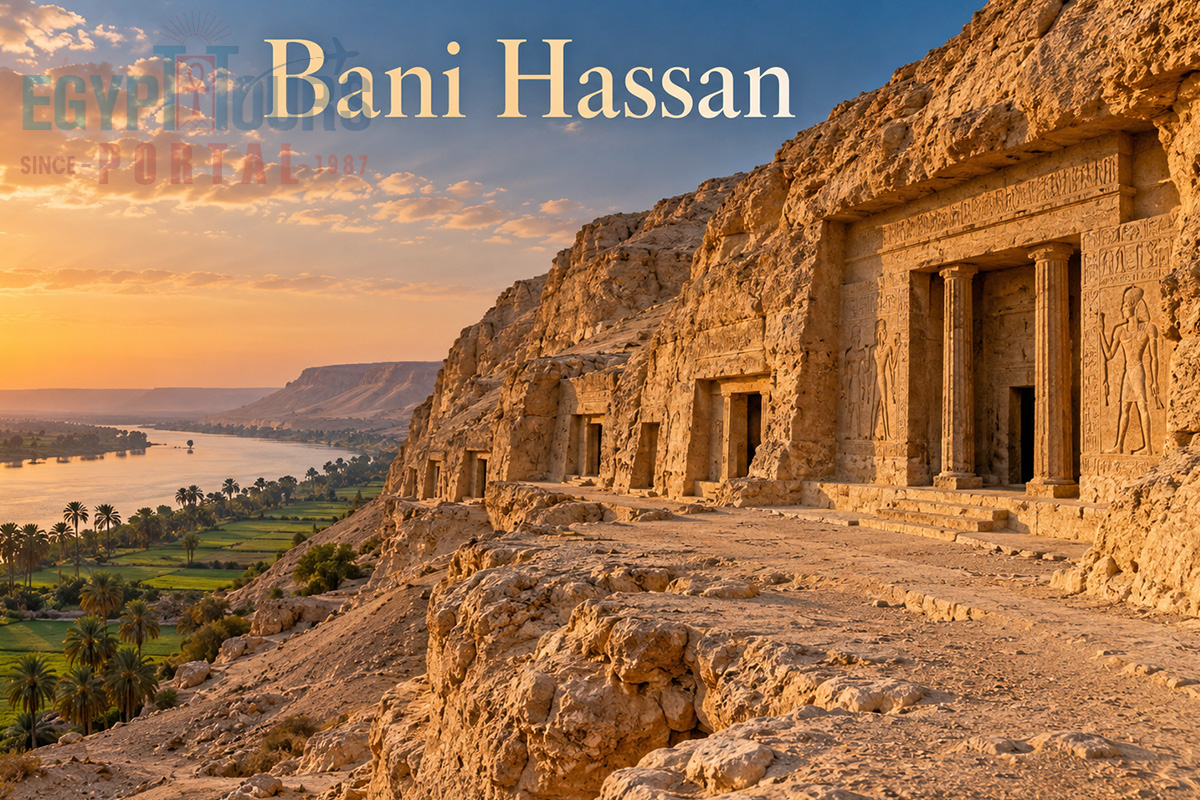
North of the usual Luxor-to-Aswan cruise corridor, in Middle Egypt's Minya governorate about 20 kilometers south of Minya city, Beni Hasan holds 39 monumental rock-cut tombs in its upper cemetery alongside roughly 900 simpler shaft tombs below, almost entirely belonging to 11th and 12th Dynasty governors of the Oryx nome. Four tombs are open to visitors, those of Khnumhotep II, Baqet III, Khety, and Amenemhat, and twelve altogether preserve painted scenes of agriculture, craft, hunting, and games.
Baqet III's tomb alone depicts an astonishing 220 pairs of wrestlers in a continuous combat sequence, while Khnumhotep II's chapel records 222 columns of biographical text alongside scenes of foreign visitors arriving at the Nile Valley. Reached primarily by longer Nile itineraries running between Cairo and Luxor rather than the standard Luxor-Aswan route, Beni Hasan rewards travelers on an extended sailing willing to go further off the usual path.
The Divine Temple of Esna
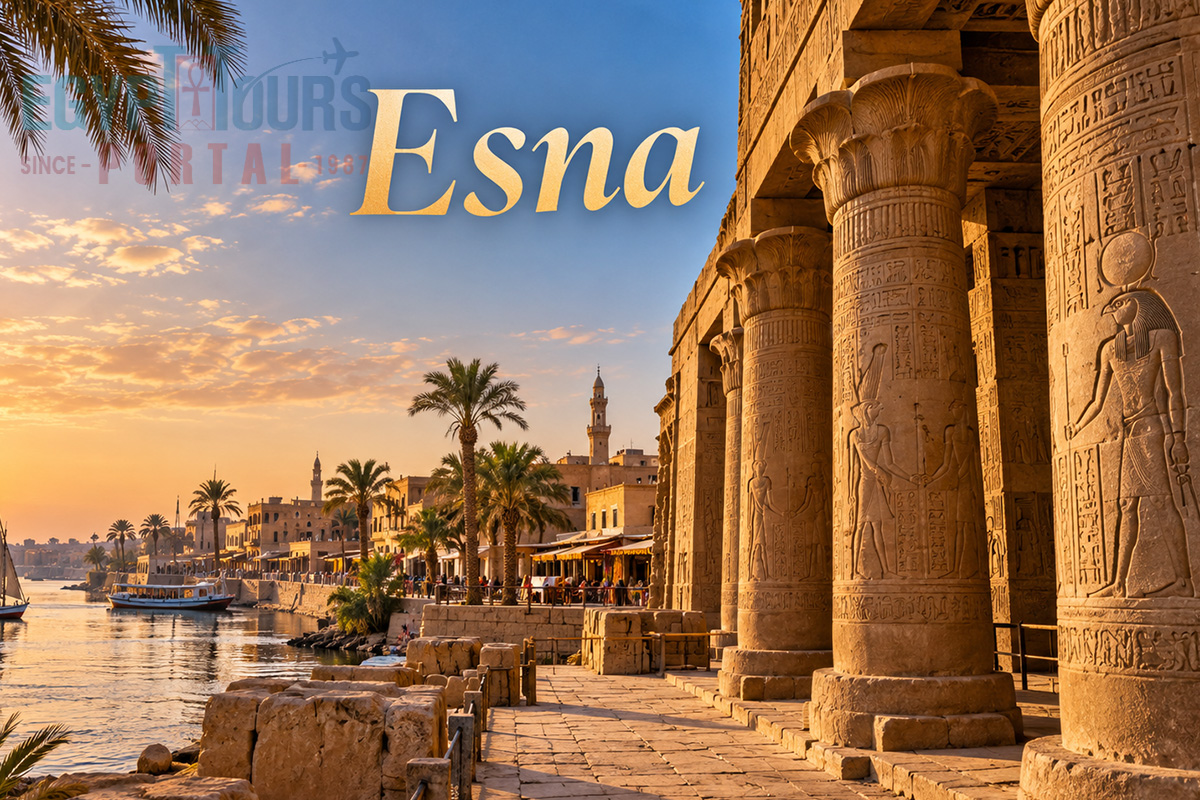
About 55 kilometers south of Luxor on the Nile's west bank, the Temple of Esna, dedicated to the ram-headed creator god Khnum, his wife Menhit, their son Heka, and the goddess Neith, remained buried under centuries of debris and sediment until the 19th century.
Recent restoration by Egypt's Supreme Council of Antiquities has stripped away soot and grime from its 24-pillar hypostyle hall, revealing brilliantly colored reliefs unseen for hundreds of years, among them the temple's now-famous zodiac ceiling, depicting all twelve signs from Aries to Pisces alongside Jupiter, Saturn, and Mars in their traditional astronomical order.
The hall's columns rise roughly 12 meters, each crowned with floral lotus and palm capitals, and the contrast between the dulled gray stone of the entrance and the newly cleaned, vividly painted ceiling inside makes the restoration's scope immediately visible to any visitor.
The Highly-Active Daraw Camel Market
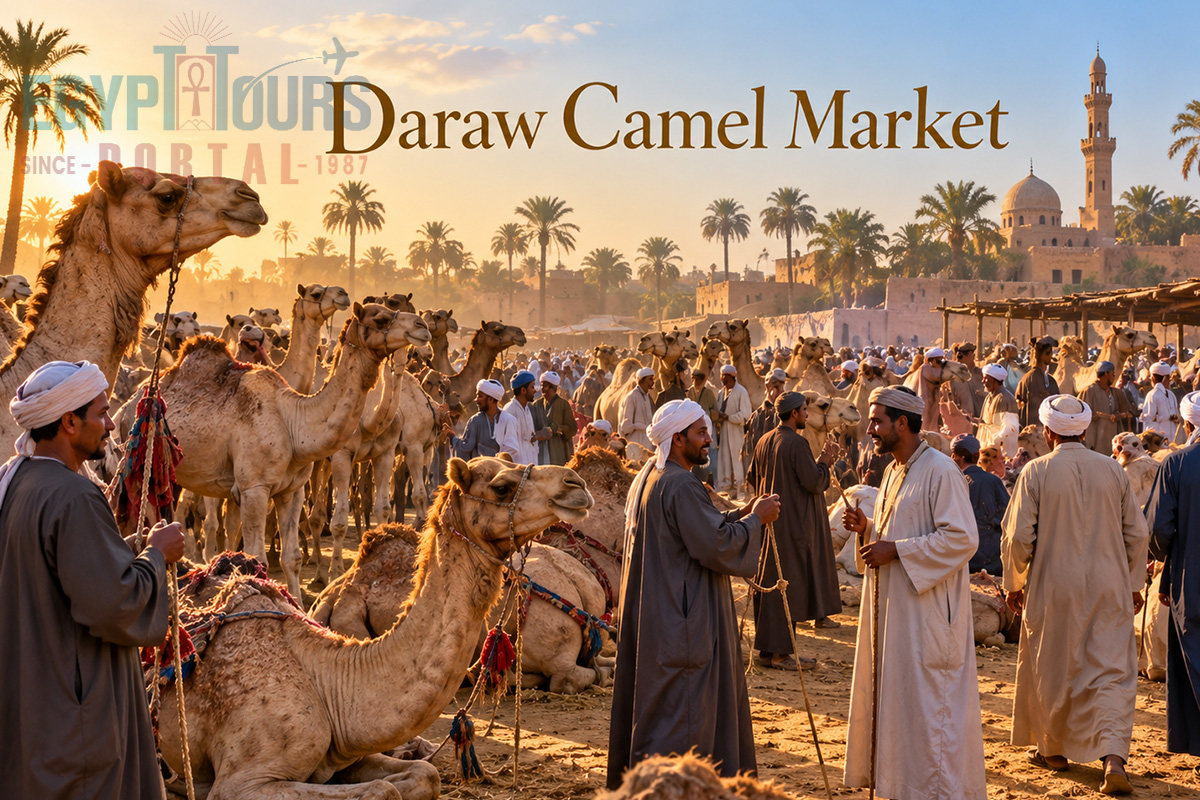
A short drive southeast of Aswan, Daraw hosts one of the largest camel markets anywhere, trading animals brought north along ancient desert routes from Sudan. The market runs every Tuesday, beginning around 6:00 a.m., and the negotiating that follows, Bedouin and nomadic traders haggling loudly over price, is as much the attraction as the camels themselves.
A full visit, including travel from Aswan, takes roughly five to six hours, and the market's size and crowds call for comfortable shoes and sensible attention to valuables. Unlike anything else on this list, Daraw offers a living trade tradition rather than an ancient ruin, a glimpse of commerce that has continued in roughly this form for generations.
The Mysterious Wadi El-Shat
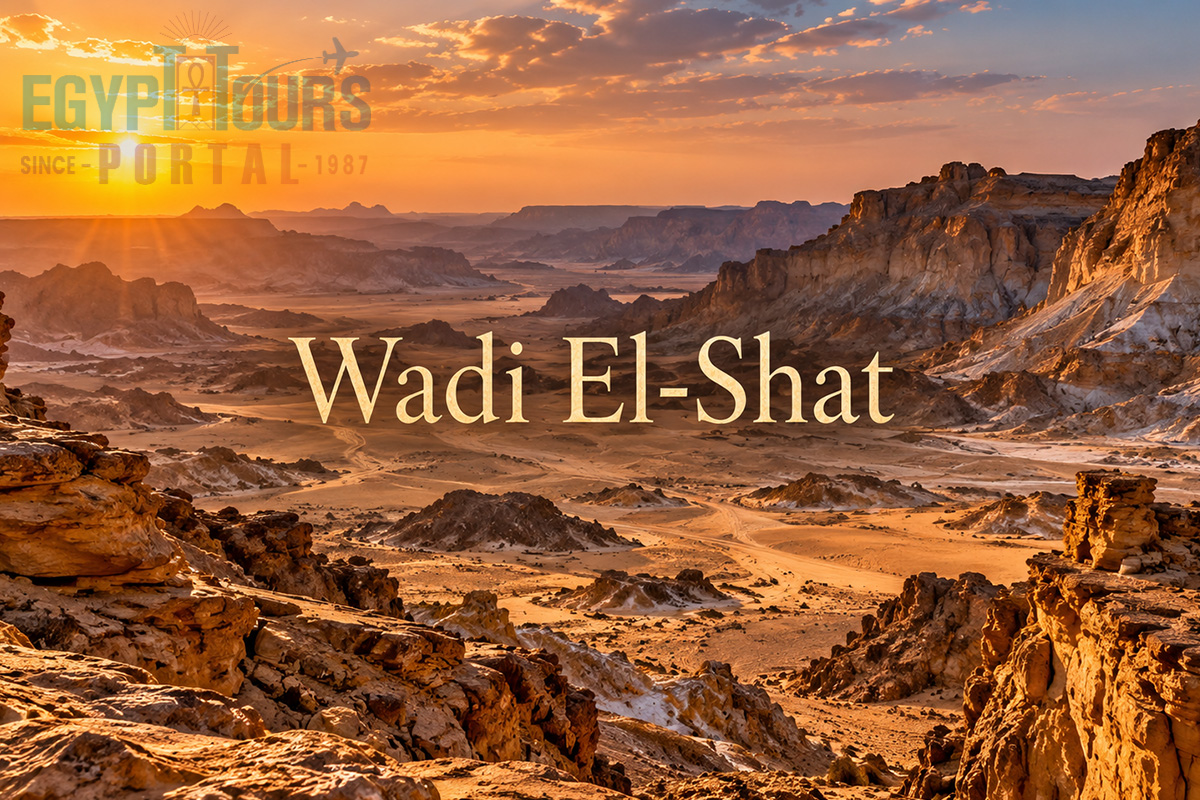
North of Gebel el-Silsila, the Wadi Shatt el-Rigal is a narrow desert valley flanked by two stone cliffs, carved by rainfall millions of years ago when Egypt's climate was far wetter than it is today. Its walls carry more than 800 inscriptions and rock drawings, the most significant dating to the late 11th Dynasty and attributed to Mentuhotep II and Mentuhotep III, two of the Middle Kingdom's founding pharaohs, alongside prehistoric rock art left by inhabitants long before the valley turned to desert.
Genuinely obscure even by the standards of this list, Wadi Shatt el-Rigal sees visits largely dictated by ongoing excavation work, and travelers who do make it there are rewarded with a site that feels, in the most literal sense, undiscovered.
Explore the Hidden Milestones of Upper Egypt With Our Grand Nile Cruises
The Nile's great temples earned their fame for good reason, but the valley's quieter corners, a workers' village, a quarry, a market day unchanged for generations, hold a different kind of reward: fewer crowds, more room to look closely, and a far more complete picture of the civilization that built everything else on the standard route.
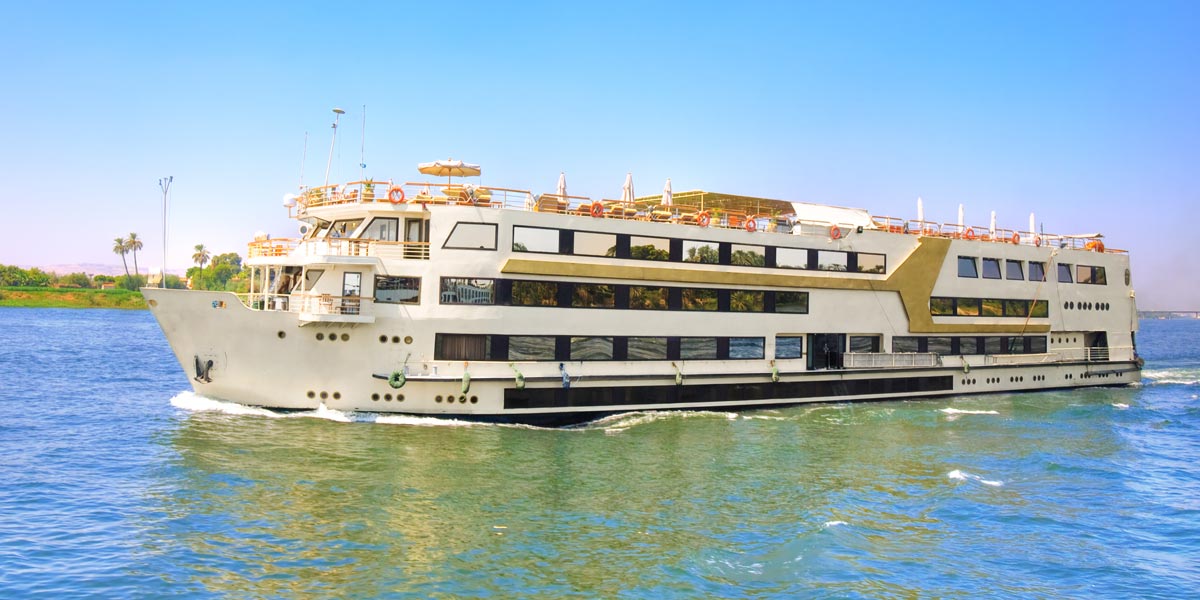
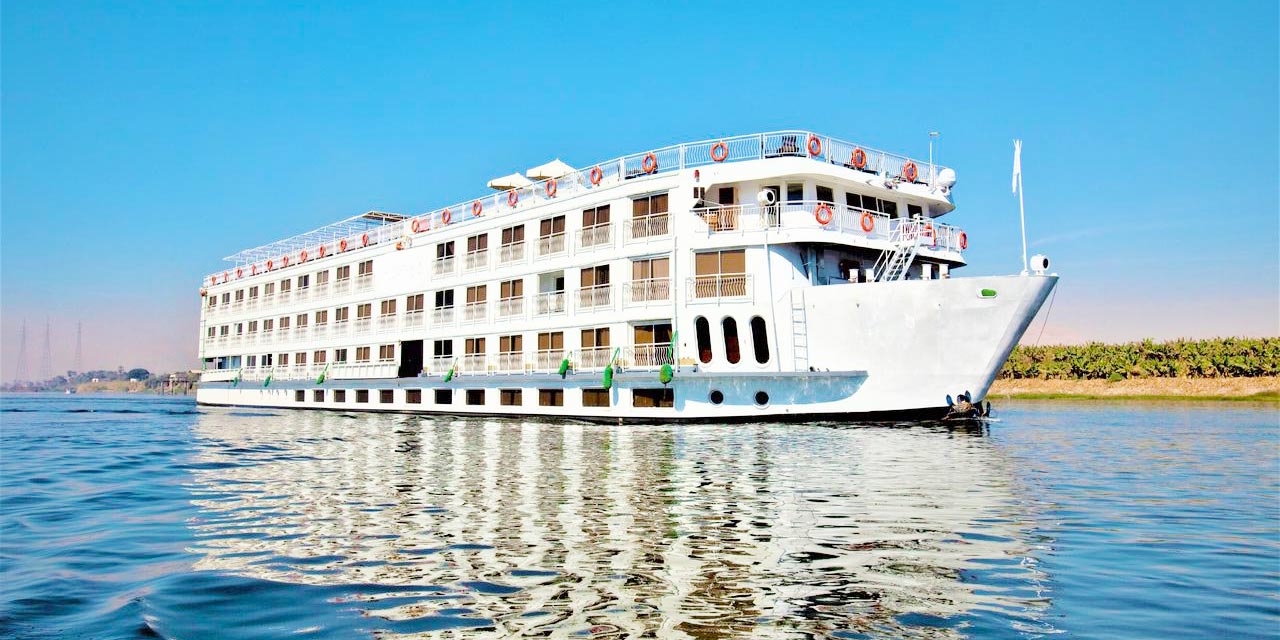
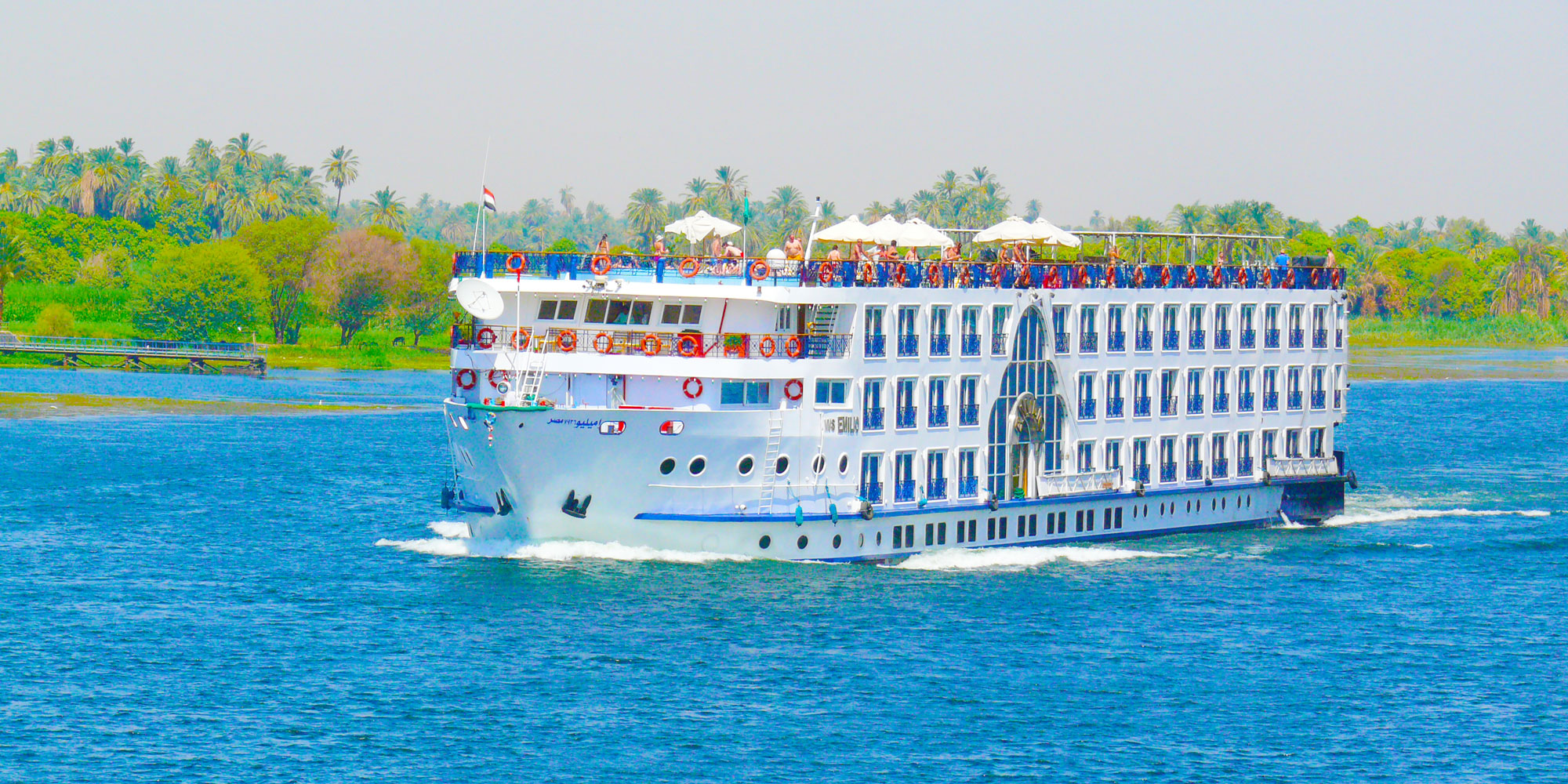
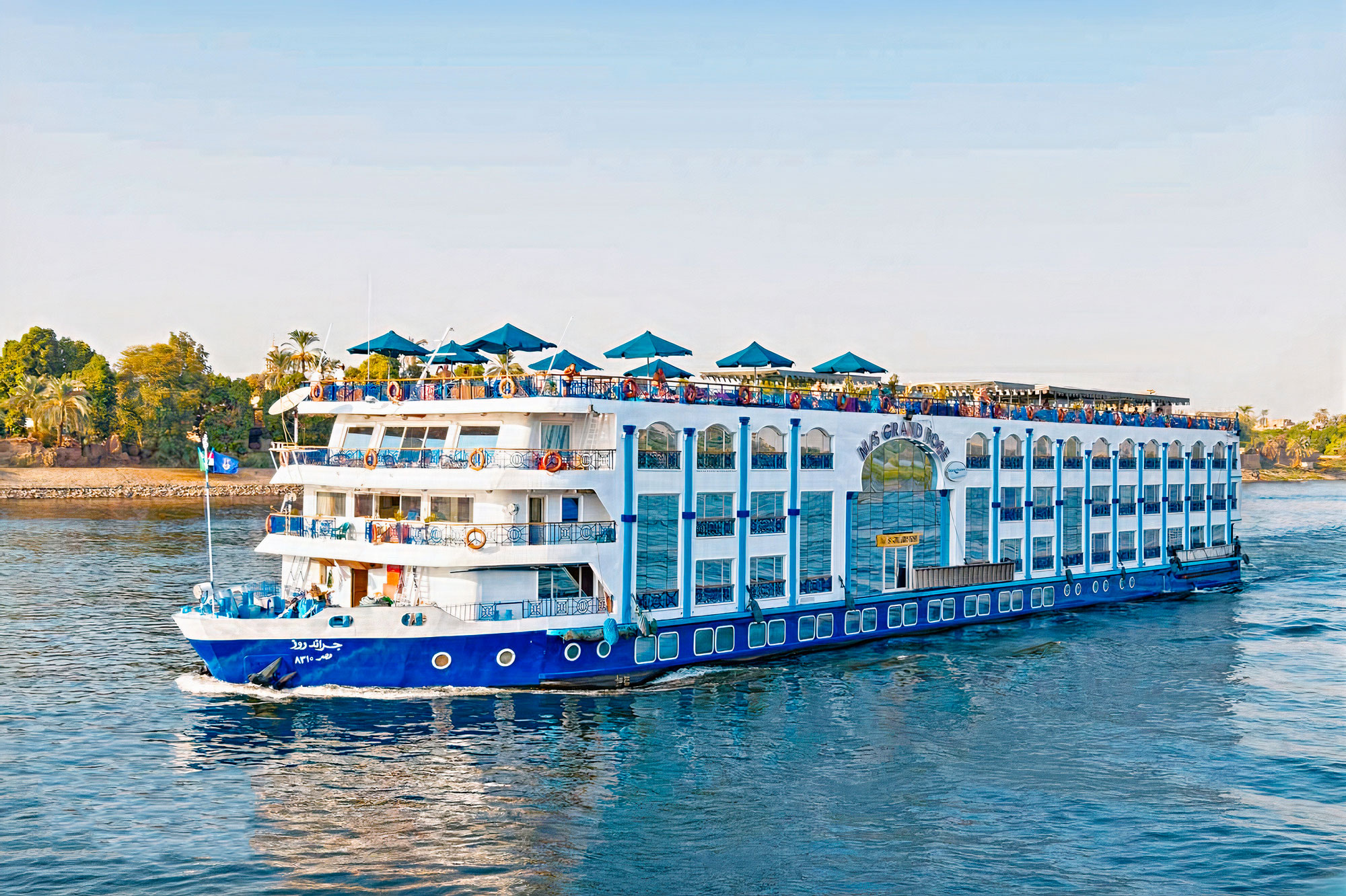
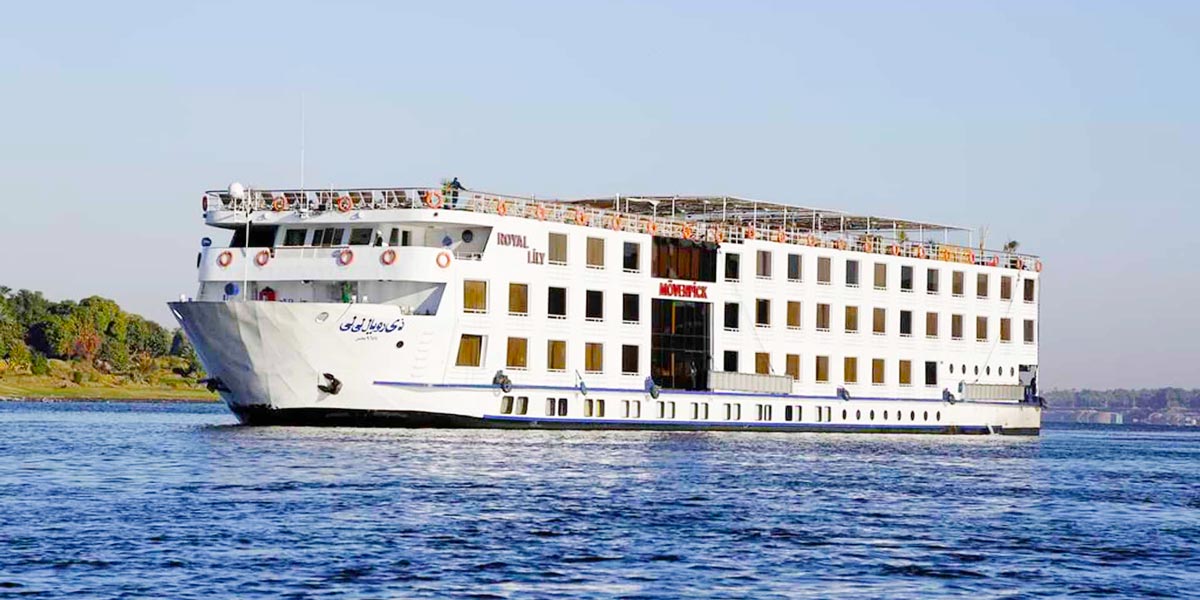
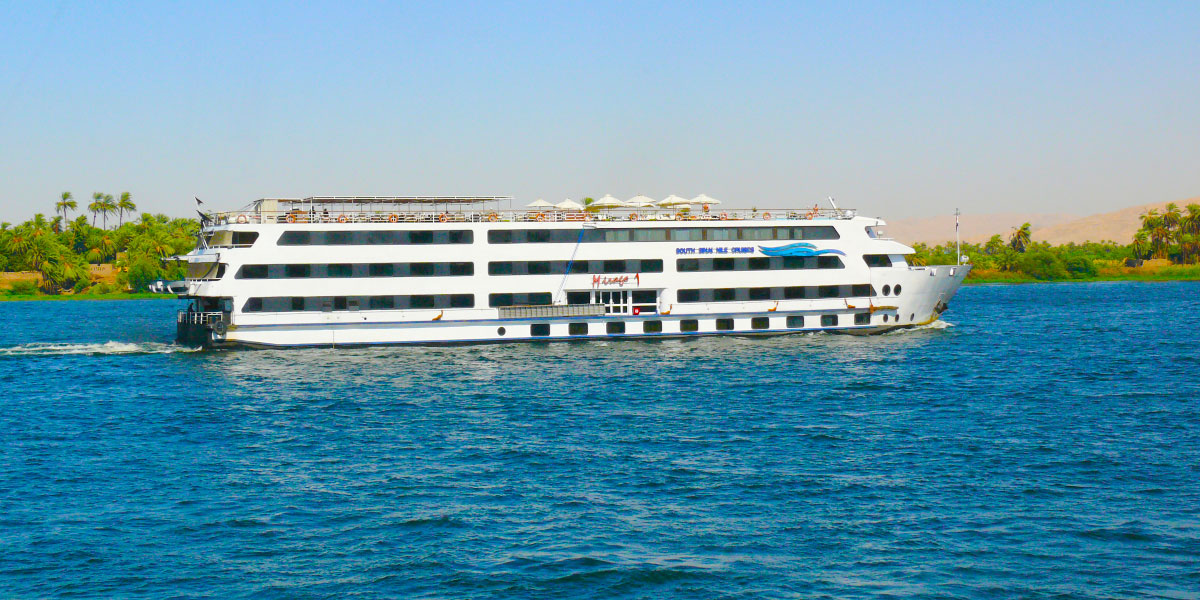
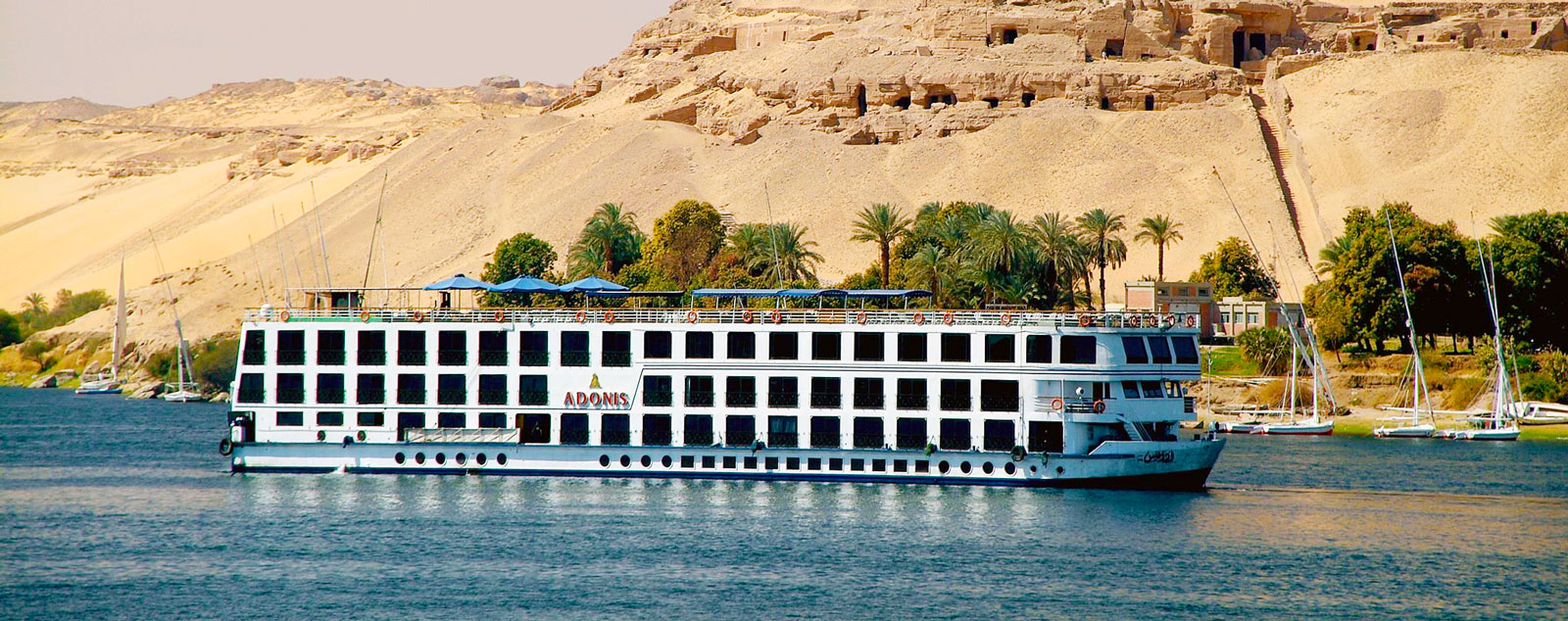
Travelers ready to go beyond the headline stops can explore the full Nile River Cruises lineup, consider a dahabiya cruise for access to sites standard ships cannot reach, and review the guide to how to book a Nile cruise for the exact steps to build an itinerary that goes beyond the ordinary.








![The Best Reasons to Take a Nile Cruise in [year]](https://www.egypttoursportal.com/images/2025/08/Reasons-to-Take-a-Nile-Cruise-Egypt-Tours-Portal.jpg)