Whatsapp Me
We’re nominated for Egypt’s Leading Travel Agency 2026 – Your vote matters! Vote Now
Egypt Tours Portal
Egypt Civilization

The Middle Kingdom of Ancient Egypt: An Era of Unity, Art, and Innovation

The Middle Kingdom of Egypt (2040–1780 BCE) was a golden age marked by reunification, cultural renewal, and strong centralized rule. Emerging after the First Intermediate Period, it began with Mentuhotep II and peaked under rulers like Senusret III and Amenemhat III, who expanded borders and built impressive monuments. Art and literature flourished, focusing more on daily life and human experiences, while Osiris worship grew, making the afterlife more accessible to all. Economic prosperity was driven by agriculture and trade. The era ended with political decline and the rise of the Hyksos, paving the way for the New Kingdom.

ETP TEAM
Written by ETP TEAM
Published Dec 06, 2018 Updated Jul 29, 2025 20 min read

The Middle Kingdom of Ancient Egypt: An Era of Unity, Art, and Innovation

Summary

  • The Middle Kingdom of Egypt (2040–1780 BCE) stands as a golden age of reunification, cultural revival, and centralized power. Rising from the collapse of the Old Kingdom and the turmoil of the First Intermediate Period, this era saw the restoration of order under Mentuhotep II and the rise of the 11th and 12th Dynasties.
  • Pharaohs like Senusret III and Amenemhat III expanded Egypt's borders, fortified Nubian trade routes, and launched architectural marvels, including pyramid complexes and mortuary temples that reflected harmony with the landscape.
  • Literature flourished with deeply human stories such as The Tale of Sinuhe, while realistic sculptures and tomb paintings shifted focus from deities to daily life.
  • Religious thought evolved with the rise of Osiris worship and the "democratization of the afterlife."
  • Economically, irrigation projects in Faiyum boosted agriculture, while trade thrived across Africa and the Levant.
  • Despite achievements, the period eventually declined due to internal instability and the rise of the Hyksos, who brought the Middle Kingdom to an end, setting the stage for Egypt’s next great era: the New Kingdom.

The Middle Kingdom of ancient Egypt is hailed as the "Golden Age of Reunification" that stands as a beacon of cultural, political, and artistic revival that spanned from 2040 to 1780 BCE, this era emerged from the shadows of chaos and civil unrest that marked the end of the Old Kingdom, guiding Egypt into a period of renewed prosperity and innovation. 

Within its vast deserts and along the mighty Nile, ancient Egyptian pharaohs like Mentuhotep II and Senusret III restored order, solidified their rule, and fostered an unprecedented flourishing of ancient Egyptian art, literature, and architecture. The Middle Kingdom, beyond the ancient Egyptian temples and ancient Egyptian tombs, holds an aura of mystery. It is a time when divine kingship was reimagined, when the gods’ voices seemed to echo more profoundly through the land, and when the lives of ordinary Egyptians began to be chronicled with new depth. 

Like a river winding through the heart of Egypt, the Middle Kingdom invites us to explore a realm where ancient traditions were redefined, and where the pulse of the gods could still be felt in the stones, sands, and sacred texts of an empire reborn. Step back into a world where time seems to stand still, and discover the wonders of this enthralling chapter in Egyptian history.

Learn About the Artistic Renaissance of the Middle Kingdom of Egypt
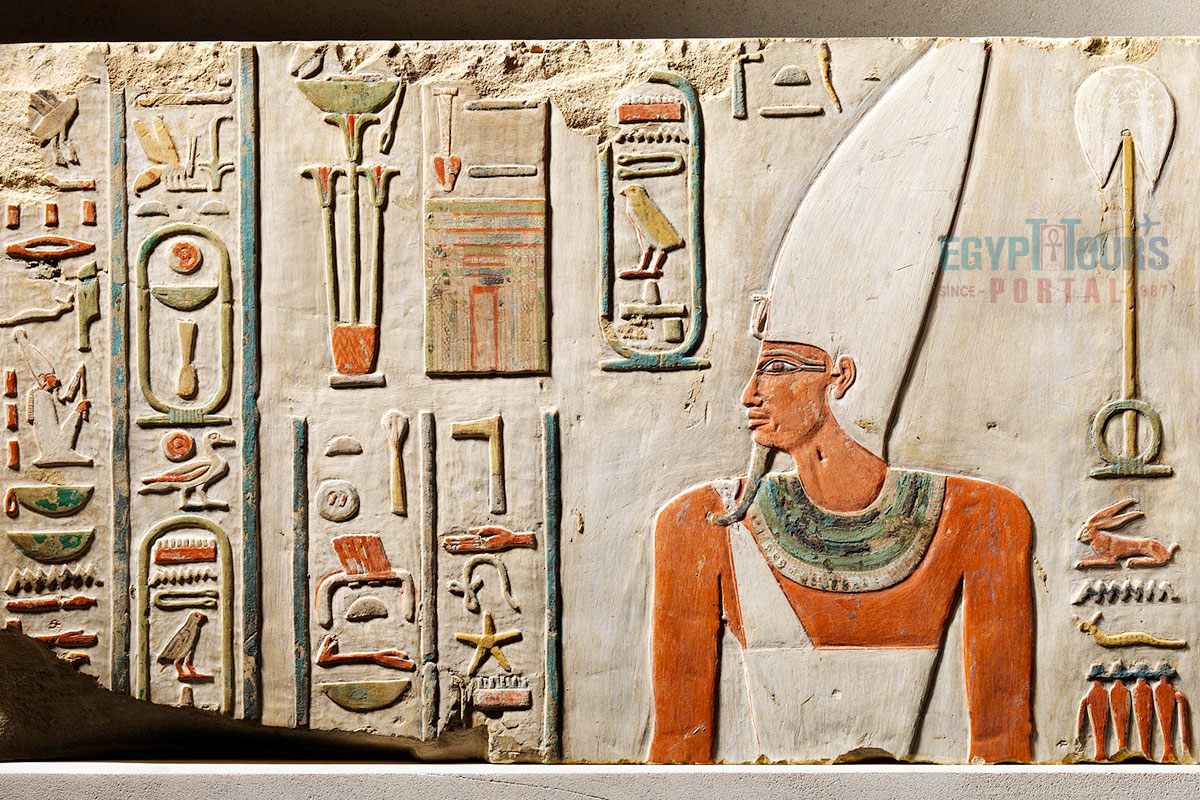
Artistic Renaissance of the Middle Kingdom of Egypt - Egypt Tours Portal

When the old kingdom of Egypt fell, the Middle Kingdom rose from its ashes to regain the glory of ancient Egypt once again. The middle kingdom Egypt is known to be an age of transformation that took place between 2040-1782 B.C.E from the eleventh century to the thirteenth century, it is famous for the greatest works of literature and art that, unlike anything that ever came before it and influenced this enlightenment to new Heights which became the face of the Egyptian culture in front of the world.

During Egypt’s Middle Kingdom, artistic expression began to shift, expanding beyond its traditional purpose of glorifying kings and gods. While religious texts, pyramid inscriptions, and theological writings continued to play a role, this era witnessed the emergence of true literature—works that delved into the complexities of the human experience and the lives of ordinary people.

For the first time, Egyptian writers explored themes such as mortality, personal doubt, and existential questions. The poignant Lay of the Harper and the philosophical Dispute Between a Man and His Ba both questioned the certainty of life after death. Meanwhile, narrative prose flourished with celebrated works like The Tale of the Shipwrecked Sailor and The Tale of Sinuhe, both offering rich, introspective journeys far beyond royal court life.

Visual arts evolved alongside literature. Sculpture and painting began to reflect scenes from daily life—fishing in streams, farming in fields, or families strolling through villages. These images, often found in tombs, served to remind the soul of its earthly life and guide it toward the afterlife paradise known as the Field of Reeds, a reflection of the world left behind. Artistic realism also advanced, as sculptors developed sharper and more lifelike techniques to capture individual expression.

Architecture saw remarkable progress as well. Inspired by the mortuary complex of Mentuhotep II at Thebes, temple construction during the 12th Dynasty emphasized harmony with the natural landscape. Many temples of this period replicated the aesthetic and structural design of Mentuhotep’s monument, symbolizing a reverence for both divine order and environmental balance.

The rulers of the 12th Dynasty actively encouraged this flourishing of creativity. Their collaborative and respectful relationship with regional governors (nomarchs) fostered a stable and prosperous period, making the 12th Dynasty one of the most artistically and culturally vibrant chapters in ancient Egyptian history.
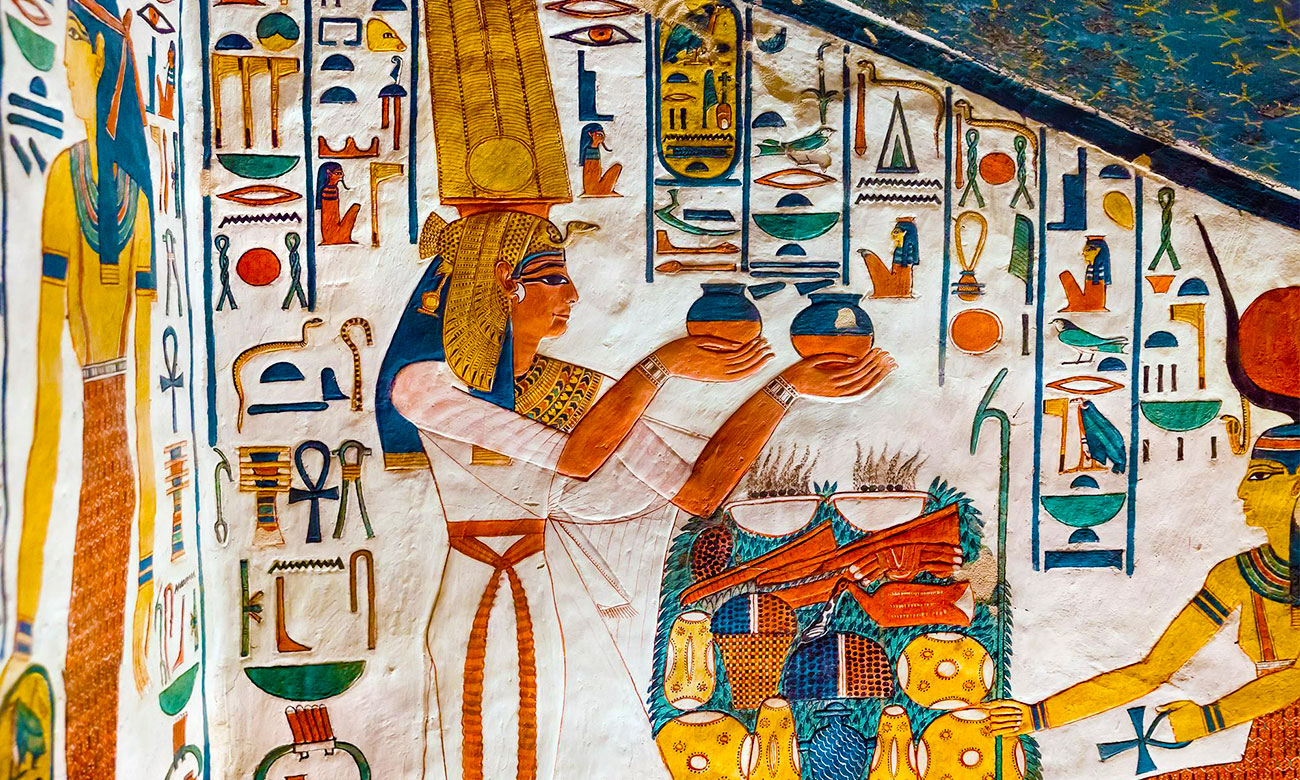
Apr 12, 2021

Ancient Egyptian Art

Discover the extraordinary art of the ancient Egyptian civilization

Witness the Miraculous Achievements of the Middle Kingdom of Egypt

Achievements of the Middle Kingdom of Egypt - Egypt Tours Portal

The middle kingdom of Egypt, a.k.a the golden age, was also the witness to many improvements and achievements in science and architecture during the 12th dynasty because of Mentuhotep II, who unified Egypt once again, just like Menes, and ushered in the middle kingdom.

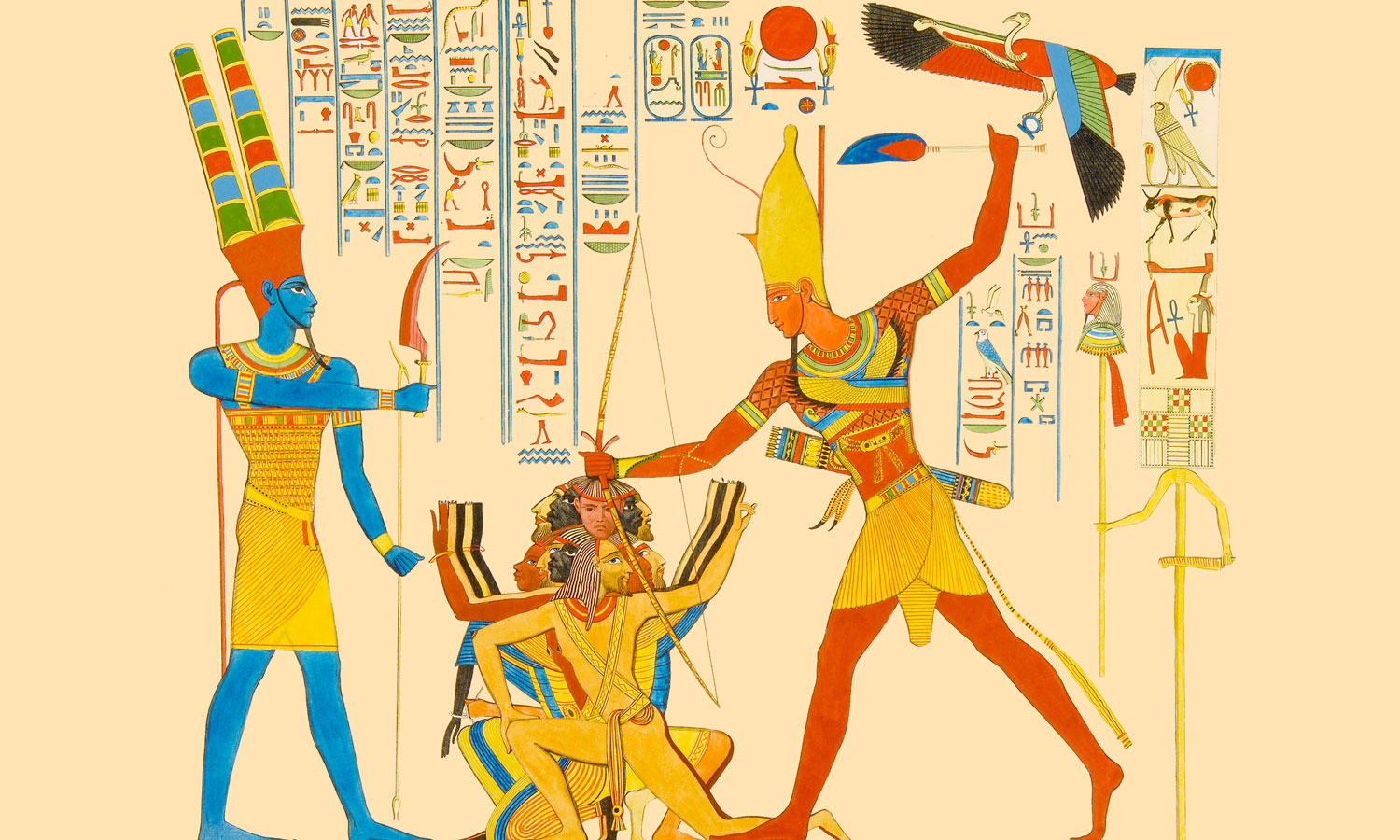
Mentuhotep II was able to end the war between the tribes of Thebes and Heracleopolis when the Theban dynasty won and consolidated its rule of the kingdom. He and his ancestors chose "Thebes" to become the capital and artistic center during the 11th dynasty, and he also launched military campaigns to Nubia and restored Egyptian control once again in Sinai.

Many sculptures were made in gold and silver, and many works of literature preserved all the scientific and mathematical discoveries of that time, and many religious beliefs, such as the concept of Ma'at and Osiris became the most prominent ancient Egyptian gods during this period.

The Beginning & End of the Middle Kingdom of Egypt

Beginning & End of the Middle Kingdom of Egypt - Egypt Tours Portal

The twelfth dynasty began with the first Pharaoh of this dynasty, Amenemhat I, who moved the capital of Egypt to a new town called Itjawy, possibly near the necropolis at Lisht. He was killed by his royal guard, and his junior co-regent, his son Senuseret (1971 – 1926 B.C.E.), took over the rule at once. This proved the efficiency of the co-regent system to maintain stability and prevent the dismantling of the government, and for these reasons, this system lasted throughout the Twelfth Dynasty.

Senuseret was able to maintain prosperity and safety for 45 years and was able to retrieve all the territories lost in the first intermediate period. His son Amenemhat II (1929 B.C.E. – 1895 B.C.E) was able to make trade connections with Nubia and restore the nomarchs' government once again.

His successor, Senusret II (1897 B.C.E. – 1878 B.C.E), created trade connections with plasticine and even then followed by Senusret III (1878 B.C.E. – 1839 B.C.E), who was a fierce warrior-king who led his army across Nubia, where he built many forts across the country and built many temples in Egypt, but have been devoured by time.

Finally, comes Amenemhat III (1860 B.C.E. – 1815 B.C.E), the last pharaoh of the Middle Kingdom of Egypt, who increased the mining operations in the Sinai desert and exploited the Fayyum area to balance the difference between the population and the food production, and after his death, the Middle Kingdom of Egypt came to an end.

The end of Egypt's Middle Kingdom marked a significant turning point characterized by political fragmentation and cultural decline during the Thirteenth and Fourteenth Dynasties. Weakened central authority led to frequent leadership changes and a decentralized government, which left Egypt vulnerable to internal strife and external threats, including the Hyksos which have a group of Near Eastern settlers.

The Hyksos, skilled in warfare and armed with advanced technologies, gradually gained power, eventually ruling Lower Egypt from their capital at Avaris during the Second Intermediate Period (1650–1550 BCE). Though they adopted aspects of Egyptian culture, their rule was viewed by native Egyptians as a dark era of foreign domination. This period of decline ultimately set the stage for the Theban rulers to expel the Hyksos, leading to the rise of the New Kingdom, an era of Egyptian resurgence, imperial expansion, and renewed cultural achievements.

The Influential Characteristics of the Middle Kingdom of Egypt 
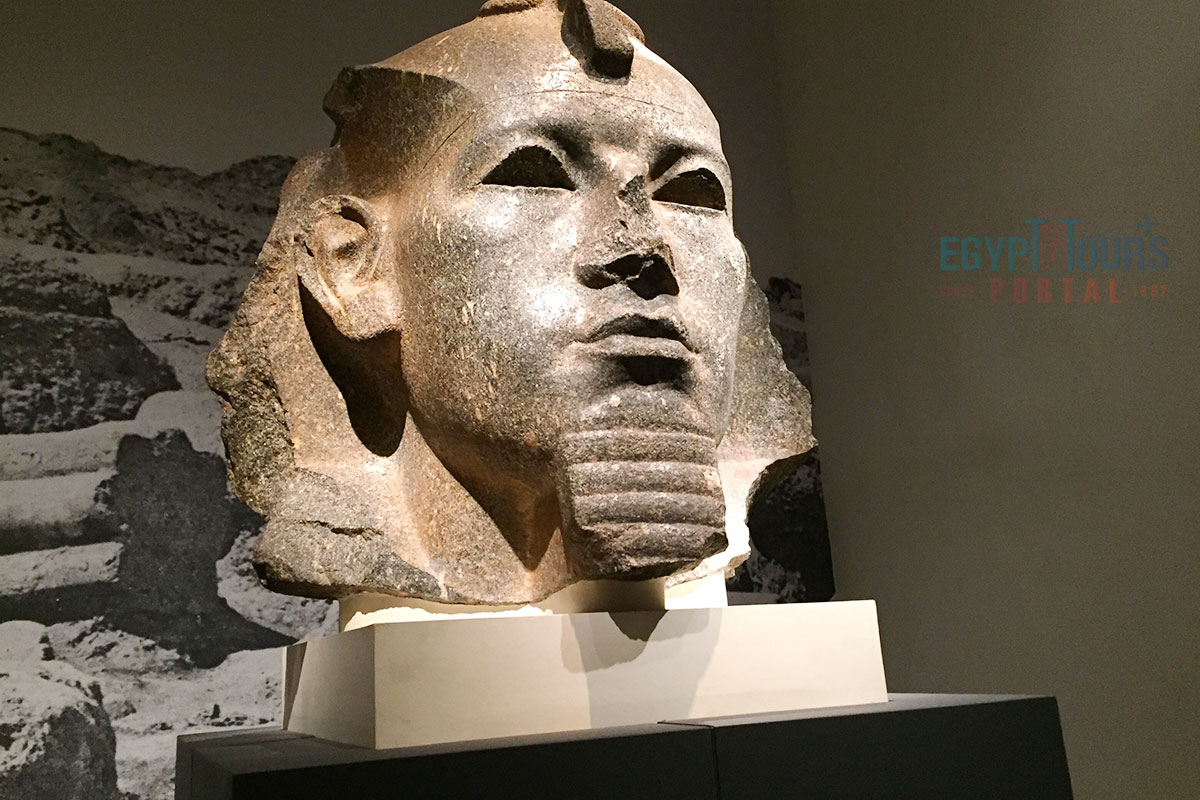
Characteristics of the Middle Kingdom of Egypt - Egypt Tours Portal

The Middle Kingdom was marked by a return to centralized power and a more structured government. The pharaohs took a keen interest in domestic improvements, such as agricultural reforms, particularly the irrigation of the Faiyum region, and extensive construction projects, including temples, fortresses, and pyramids.

This period saw a transition toward more realistic and individualized art, as well as the flourishing of literature that explored both human emotions and philosophical themes. Religious practices also shifted, with the cult of Osiris becoming more prominent. Military expansion was mostly defensive, focused on securing Egypt’s borders and controlling key trade routes.

The Powerful Pharaohs of the Middle Kingdom of Egypt

Pharaohs of the Middle Kingdom of Egypt - Egypt Tours Portal

The Middle Kingdom of Egypt spanned from 2040 BCE to 1780 BCE, and was an era marked by political stability, cultural renaissance, and architectural advancements. The ancient Egyptian pharaohs of this period are celebrated for their contributions to reuniting Egypt, fostering prosperity, and fortifying the nation’s borders.

  • Mentuhotep II: Known for reunifying Egypt and ending the First Intermediate Period, Mentuhotep II established Thebes as a significant religious and political center. He is considered the founder of the Middle Kingdom and is often remembered for his mortuary temple at Deir el-Bahari, which set a precedent for later architectural styles.
  • Amenemhat I: Founder of the 12th Dynasty, Amenemhat I relocated the capital to Itjtawy, strategically positioned near Faiyum to control trade and defend against threats. He focused on consolidating power, reforming Egypt's administrative structure, and securing the eastern borders. His reign marked the beginning of extensive military campaigns to safeguard Egypt's interests.
  • Senusret I: A great builder, Senusret I strengthened Egypt’s economy and infrastructure, expanded trade routes, and fortified Egypt’s borders in Nubia. He was also responsible for significant temple construction projects, including the White Chapel at Karnak, which is renowned for its beautifully preserved relief carvings.
  • Senusret III: One of Egypt’s greatest warrior-pharaohs, Senusret III led military campaigns in Nubia, securing Egypt's southern borders with a series of fortresses, such as Buhen, Semna, and Uronarti. He centralized power, curbed the influence of regional governors (nomarchs), and was deified during his own lifetime, illustrating his immense impact and popularity.
  • Amenemhat III: Known for his long and prosperous reign, Amenemhat III completed major irrigation projects in the Faiyum region, which expanded Egypt’s agricultural output and contributed to its economic strength. His reign is often considered the pinnacle of the Middle Kingdom’s prosperity, with advancements in architecture, art, and administrative efficiency.

The Great Timeline of the Middle Kingdom of Egypt 

Timelines of Ancient Egypt - Egypt Tours Portal
  • 2040 BCE: Mentuhotep II reunites Egypt, marking the beginning of the Middle Kingdom and restoring centralized rule.
  • 1991 BCE: Amenemhat I ascends to the throne, founds the 12th Dynasty, and moves the capital to Itjtawy.
  • 1971 BCE: Senusret I begins his reign, focusing on fortification, military expansion, and large-scale construction projects.
  • 1850 BCE: Senusret III campaigns into Nubia, strengthens border defenses, and consolidates power by diminishing the authority of regional governors.
  • 1800 BCE: Amenemhat III completes the Faiyum irrigation project, significantly enhancing Egypt’s agricultural wealth and productivity.
  • 1780 BCE: The end of the Middle Kingdom, transitioning into the Second Intermediate Period as centralized power wanes.

The Unique Pyramids of the Middle Kingdom of Egypt

Pyramids of the Middle Kingdom of Egypt - Egypt Tours Portal

Unlike the massive stone ancient Egyptian pyramids of the Old Kingdom, Middle Kingdom pyramids were often constructed with mudbrick cores and encased in limestone. The pyramids of pharaohs like Amenemhat I and Senusret I at Lisht are notable examples of this evolution in construction methods. These pyramids were generally smaller and more modest than their predecessors but were accompanied by intricate mortuary complexes.

The pyramid of Senusret II at Lahun and the Hawara pyramid of Amenemhat III, often referred to as "The Labyrinth" by Herodotus, are among the most well-known. These structures reflected advancements in internal design, with complex passageways and hidden chambers to deter tomb robbers.

The Glorious Artifacts of the Middle Kingdom of Egypt

Artifacts of the Middle Kingdom of Egypt - Egypt Tours Portal

Ancient Egyptian Artifacts from the Middle Kingdom demonstrate remarkable craftsmanship and an emphasis on both realism and luxury. Jewelry from this period, such as the treasures found in the tomb of Princess Sithathoryunet, showcases intricate gold work and the use of precious stones like carnelian, turquoise, and lapis lazuli. Statuary from the Middle Kingdom stands out for its realism and individuality, particularly the sculptures of Senusret III, which depict the pharaoh with a stern, almost careworn expression, reflecting the responsibilities of kingship.

Weapons, tools, and everyday items like pottery illustrate advancements in metallurgy, with the increased use of bronze allowing for improved tools and weaponry. Literary texts, including copies of The Tale of Sinuhe and The Instructions of Amenemhat, were often placed in tombs, highlighting the importance of literature and wisdom in Middle Kingdom society.

The Profound Architecture of the Middle Kingdom of Ancient Egypt

Architecture of the Middle Kingdom of Egypt - Egypt Tours Portal

The ancient Egyptian architecture of the Middle Kingdom was characterized by functional fortifications, grand mortuary complexes, and temples that blended harmoniously with the natural landscape. The mortuary temple of Mentuhotep II at Deir el-Bahari is a prime example of innovative design, integrating terraces and colonnades into the cliffside. Middle Kingdom forts along the Nubian border, such as Buhen, Semna, and Mirgissa, showcased the period's focus on defense and control of strategic areas.

Advances in construction techniques also led to larger and more complex buildings, although stone was often reserved for religious and royal structures, while mudbrick was commonly used for other buildings. Notable buildings from the Middle Kingdom include the White Chapel of Senusret I at Karnak, which is known for its beautifully preserved relief carvings.

Fortresses along the Nubian frontier, such as Buhen, were built to defend Egypt’s southern border and monitor trade routes. The pyramid complexes of Lisht and Lahun reflected advances in architecture, with internal passageways and burial chambers becoming more intricate.

Jun 09, 2020

Ancient Egyptian Architecture

Explore the marvelous architecture of the Middle Kingdom of ancient Egyptian civilization

The Important Events of the Middle Kingdom of Egypt 

Events of the Middle Kingdom of Egypt - Egypt Tours Portal
  • Reunification under Mentuhotep II: Mentuhotep II's victory over the rival rulers of Herakleopolis restored central authority and began the Middle Kingdom, ushering in an era of stability and cultural flourishing.
  • Establishment of Itjtawy: Amenemhat I moved the capital to Itjtawy, symbolizing a shift in Egypt’s political landscape and enhancing control over the country’s administrative apparatus.
  • Military Campaigns in Nubia: Pharaohs like Senusret III led campaigns into Nubia to secure valuable resources, particularly gold, and constructed fortresses to consolidate control over the region.
  • Irrigation of the Faiyum: Amenemhat III's major irrigation projects in the Faiyum region increased Egypt’s agricultural output, contributing significantly to the prosperity and stability of the Middle Kingdom.

The Incredible and Gifted Craftsmen of the Middle Kingdom of Egypt
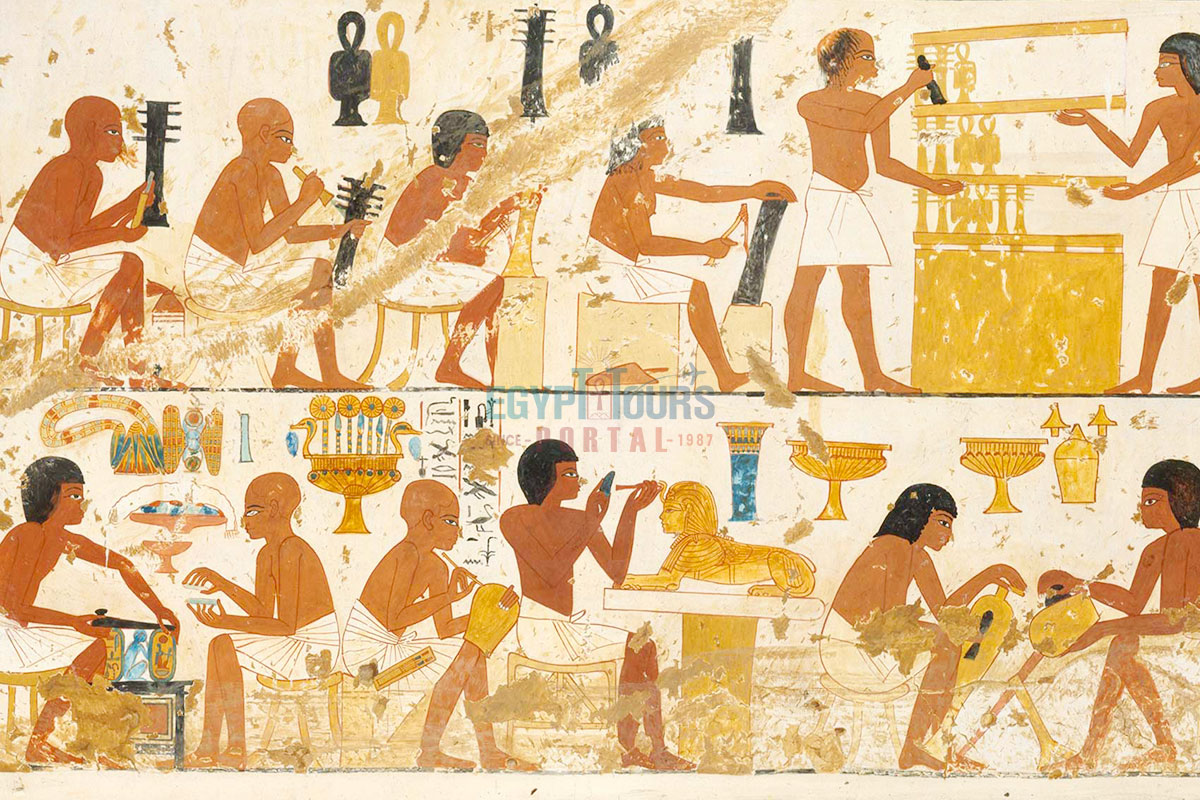
Craftsmen of the Middle Kingdom of Egypt - Egypt Tours Portal

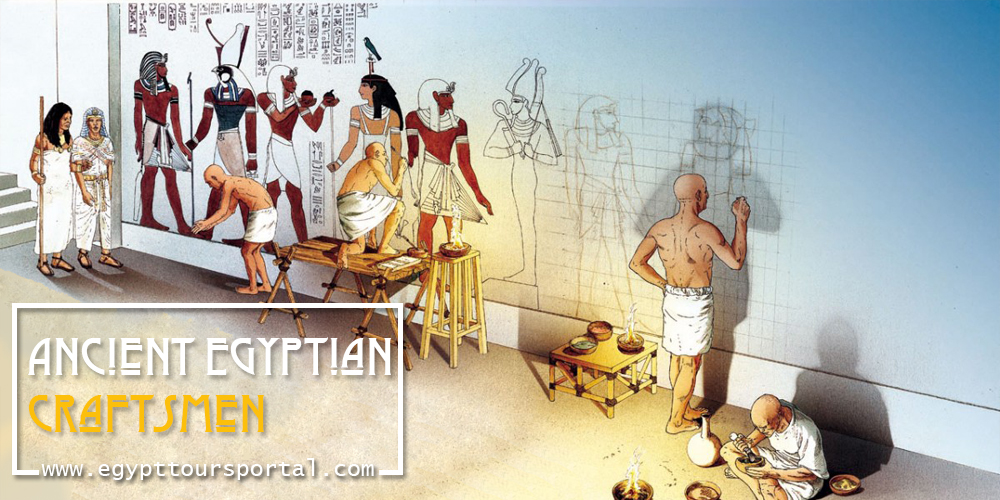
Ancient Egyptian Craftsmen during the Middle Kingdom were highly skilled in working with a variety of materials, including stone, metal, and wood. They created realistic statues, fine jewelry, and detailed reliefs that reflected both religious themes and everyday life. The introduction of bronze tools allowed for greater precision in stonework and the production of superior weapons and tools.

Craftsmen were often employed in large-scale state projects, such as the construction of fortresses and temples, as well as in the production of luxury goods for the elite. Their work demonstrated a balance between functional utility and artistic expression.

The Various Social Classes of the Middle Kingdom of Egypt

Social Classes of the Middle Kingdom of Egypt - Egypt Tours Portal

The Middle Kingdom featured a structured but relatively fluid social hierarchy, and also during the entire time of ancient Egypt. At the top was the pharaoh, who was regarded as a divine ruler and the ultimate authority. Below the pharaoh were high officials such as the vizier, who served as the chief administrator, the nobles, and the nomarchs, who governed Egypt's provinces.

The bureaucracy expanded during this period, providing increased opportunities for social mobility, particularly among scribes and administrators. Artisans, craftsmen, and laborers made up the middle tiers, while farmers formed the majority of the population. A standing army emerged during the Middle Kingdom, creating a distinct class of professional soldiers who served both in peacetime and during military campaigns.

The Narvelous Burials & Coffins of the Middle Kingdom of Egypt 
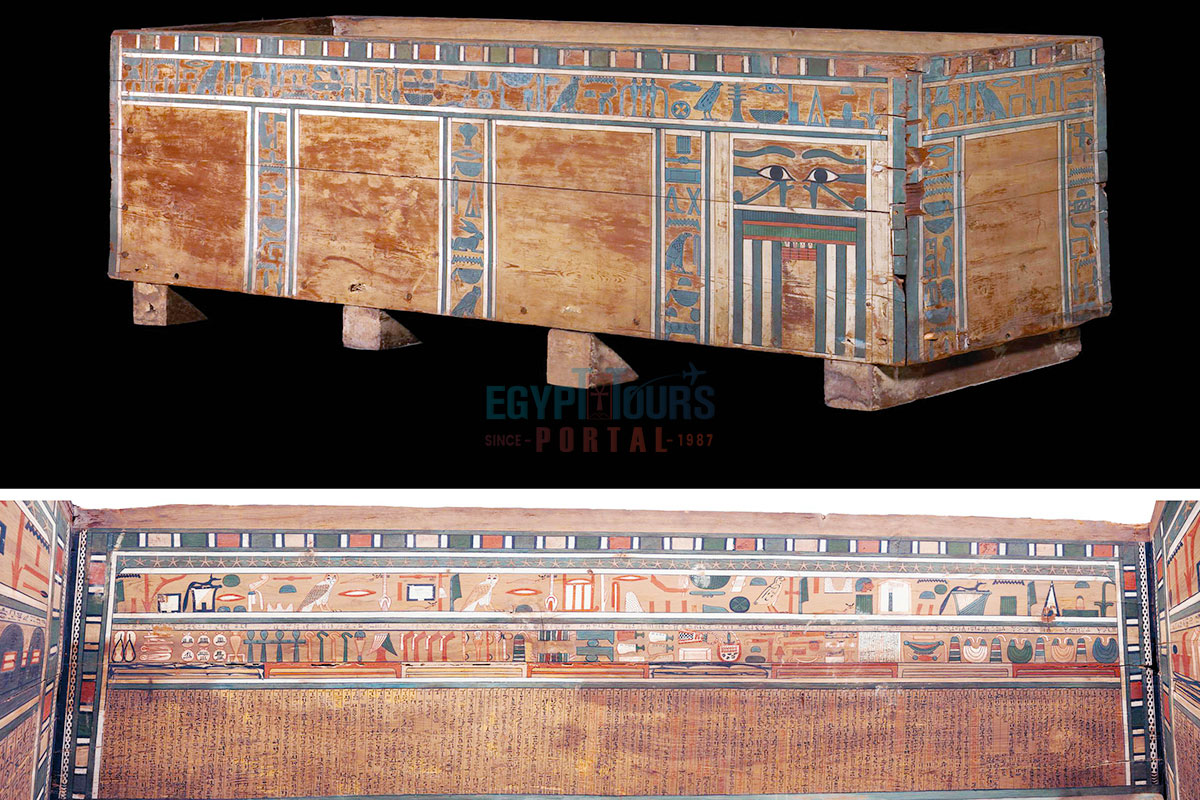
Coffins of the Middle Kingdom of Egypt - Egypt Tours Portal

Burials during the Middle Kingdom reflected a shift toward more individualized practices and beliefs about the afterlife. Coffins became increasingly elaborate, often decorated with protective spells from the Coffin texts, which served as a precursor to the Book of the Dead. Tombs of wealthy individuals were filled with wooden models depicting scenes of ancient Egyptian daily life, intended to provide for the deceased in the afterlife.

The use of stone sarcophagi became more common among the elite, while the middle class utilized wooden or mudbrick tombs. The introduction of the rishi coffin, shaped like a human figure with feathered wings, symbolized the protective embrace of the gods and highlighted the evolving beliefs about the journey to the afterlife.

Explore the Grand Cities of the Golden Middle Kingdom of Egypt

Cities of the Middle Kingdom of Egypt - Egypt Tours Portal

The Middle Kingdom of Egypt (2050–1650 BCE) saw a resurgence in urban planning, marked by the growth of key cities that reflected the administrative, cultural, and economic ambitions of the time. Thebes rose as a major political and religious hub, becoming the capital under Mentuhotep II and a center for the worship of Amun. Amenemhat I founded Itj-Tawy as the new royal capital to centralize power. Nearby Lisht became an important royal burial site, while El-Lahun, a planned workers' town, showcased early urban planning linked to pyramid construction.

Abydos thrived as a religious center dedicated to Osiris, Elephantine acted as a trade and defense hub, and the Faiyum region saw significant agricultural development, enhancing economic prosperity. These cities underscore the Middle Kingdom's focus on central power, economic growth, and religious devotion.

Discover the Strong Economy of the Middle Kingdom of Egypt

Economy of the Middle Kingdom of Egypt - Egypt Tours Portal

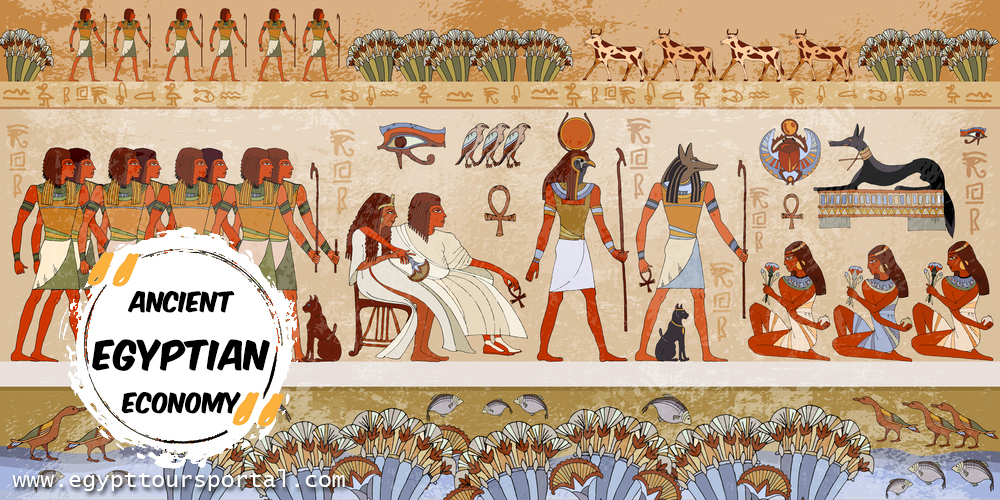
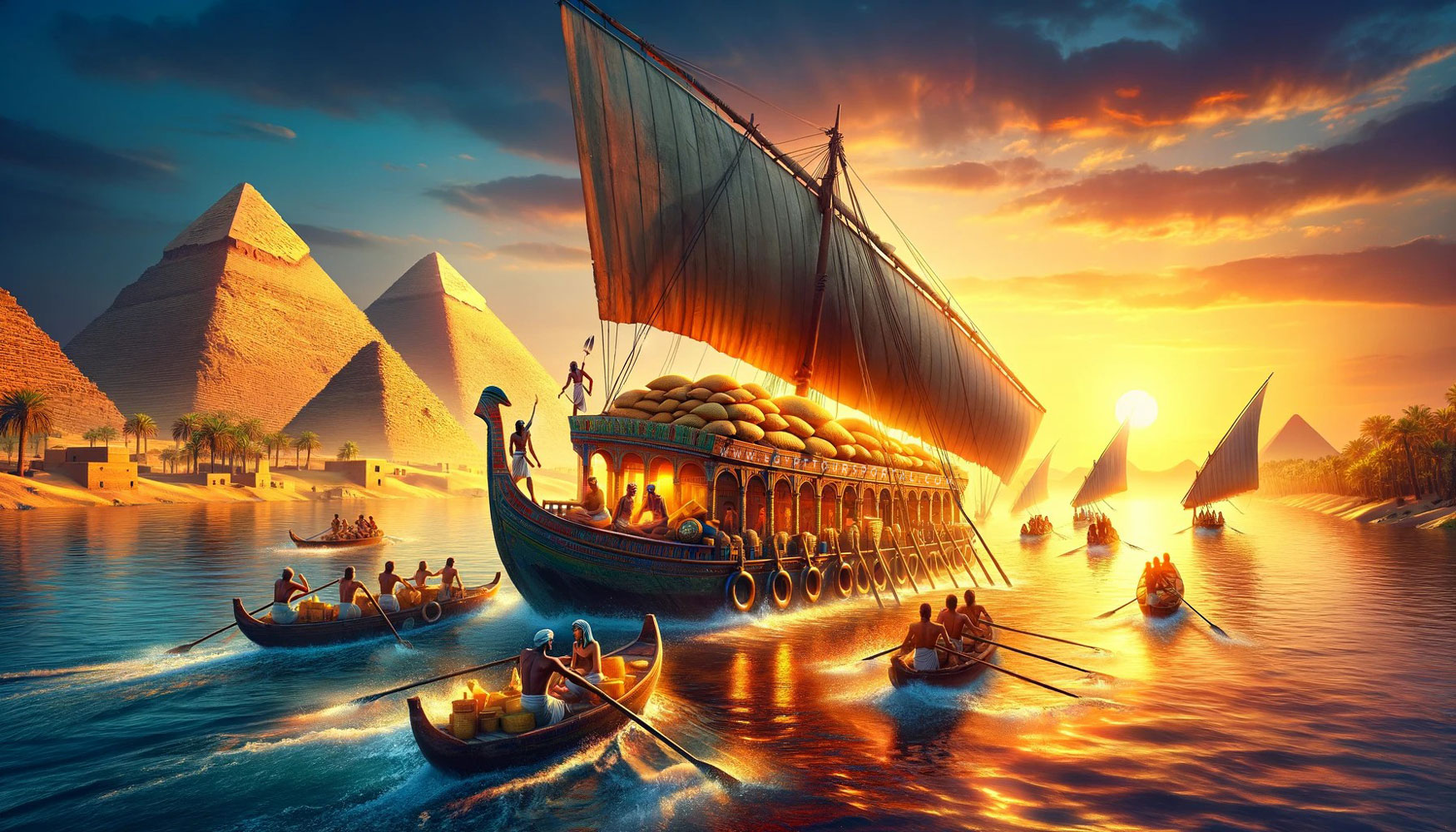
The ancient Egyptian economy of the Middle Kingdom was primarily agrarian, with the annual flooding of the Nile providing fertile soil for agriculture. The Faiyum irrigation projects undertaken by Amenemhat III significantly increased agricultural productivity, allowing for surplus production and economic stability. Ancient Egyptian trade flourished, with expeditions to Punt for incense and myrrh, to Byblos for timber, and to Nubia for gold and other valuable resources. The state exerted control over major industries, such as mining and quarrying, which were essential for the construction of temples, monuments, and royal projects.

The Beautiful Fashion & Clothes of the Middle Kingdom of Egypt 

Ancient Egyptian Clothes in Middle Kingdom - Egypt Tours Portal
Ancient Egyptian Clothes in the Middle Kingdom - Egypt Tours Portal

Ancient Egyptian fashion in the Middle Kingdom remained simple yet elegant for most people. Linen garments were the staple of everyday clothing, with men typically wearing kilts and women donning long, form-fitting dresses. Wealthier Egyptians displayed their status through elaborate jewelry, crafted from gold, silver, and semi-precious stones. Beaded collars, bracelets, anklets, and amulets were popular accessories. Among the ancient Egyptian nobles, fashion also held religious significance, with certain garments or accessories symbolizing divine favor or protection, and the use of specific colors denoting different aspects of their status and beliefs.

The influential Politics of the Middle Kingdom of Ancient Egypt 

Politics of the Middle Kingdom of Ancient Egypt - Egypt Tours Portal

The ancient Egyptian politics of the Middle Kingdom were marked by a strong centralized bureaucracy, with the pharaoh at the apex of power. The pharaohs of the 12th Dynasty instituted reforms to curtail the power of local governors (nomarchs), ensuring greater control over Egypt’s regions.

The co-regency system, where a ruling pharaoh appointed a successor to govern alongside him, was implemented to ensure a smooth transition of power and prevent the kind of fragmentation that had plagued earlier periods. The pharaohs also relied on a network of viziers and officials to administer justice, collect taxes, and oversee agricultural production, creating an efficient and stable government.

The Inspiration of the Religion of the Middle Kingdom of Ancient Egypt

Religion of the Middle Kingdom of Ancient Egypt - Egypt Tours Portal

Ancient Egyptian religion during the Middle Kingdom saw significant changes, particularly with the rise of the Osiris cult, which emphasized the afterlife and the moral conduct necessary to achieve eternal life. The idea of the afterlife became more accessible to all Egyptians, not just the pharaoh and the elite, a concept known as the "democratization" of the afterlife.

Temples dedicated to Amun and Osiris became prominent centers of worship, and ancient Egyptian festivals celebrating Osiris, such as the Festival of Khoiak, which reenacted the death and resurrection of Osiris, gained popularity. The Coffin Texts, which were inscribed on coffins and tomb walls, guided the deceased to navigate the afterlife, reflecting the evolving religious beliefs of the time.

The Profound and Interesting Facts of the Middle Kingdom of Egypt

  • The Middle Kingdom of Egypt (2040–1782 BCE) was one of ancient Egypt’s most significant periods, often described as the "Classical Age" due to its cultural, artistic, and literary achievements. 
  • It followed the First Intermediate Period, which was a time of political fragmentation and chaos, and was characterized by the reunification of Egypt under a strong central government. 
  • This period was primarily ruled by the 11th and 12th Dynasties, which saw advancements in the flourishing of literature, architecture, and military campaigns into Nubia and the Near East. 
  • The era spanned the 11th and 12th Dynasties, with some scholars also including the 13th Dynasty.
  • Thebes was the religious capital during the 11th Dynasty, and the political capital moved to Itjtawy under the 12th Dynasty.
  • Pharaohs from this period, like Senusret III and Amenemhat III, expanded Egypt’s borders, especially into Nubia.
  • The Middle Kingdom saw advancements in ancient Egyptian literature, with famous works like The Tale of Sinuhe and The Instructions of Amenemhat.
  • Art and sculpture became more realistic, focusing on emotional and human expressions.
  • The Osiris cult rose in prominence, and belief in the democratization of the afterlife grew.
  • Pyramid construction continued during this period, though they were smaller and often built with mudbrick cores.
  • The Middle Kingdom economy was largely based on agriculture, with major irrigation projects in the Faiyum region.
  • It ended with the rise of the Hyksos and the transition to the Second Intermediate Period.
  • The Middle Kingdom laid the groundwork for Egypt’s later imperial expansion during the New Kingdom.

Witness the Golden and Artistic Wealth of Egypt With Our Great Egypt Trips

The Middle Kingdom period left an indelible mark on Egypt’s history, shaping the country’s religious beliefs, administrative practices, and artistic traditions for centuries to come. Our Egypt vacations and Nile River cruises will be the key to discovering and exploring the incredible and enchanting heritage of the Middle Kingdom of Egypt that spanned thousands of years.

ETP TEAM

Egypt Tours Portal is dedicated to preserving and sharing the rich history, culture, and mysteries of ancient Egypt, helping travelers and history enthusiasts explore Egypt’s most iconic destinations and monuments. The team consists of experienced Egyptologists, archaeologists, historians, travelers, content creators, marketers, consultants, and explorers with 5–20 years of expertise in their respective fields.

The website provides accurate, regularly updated information developed by qualified experts and supported by trusted sources to ensure reliability and educational value. Drawing on more than 39 years of industry knowledge and resources, Egypt Tours Portal offers a wide range of travel services, including Egypt tours, Nile cruises, day tours, shore excursions and multi-country tours. Their services have earned positive reviews from travelers, recognition through awards, and mentions by respected news outlets and travel blogs, delivering both educational and memorable travel experiences across Egypt.

Leave a Comment

Don't Just See Egypt. Experience It.

From private sunrise viewings at Giza to dining with local families in Aswan, unlock an extraordinary journey crafted entirely around your pacing and desires.

Private Certified Egyptologists Handpicked Heritage Stays 100% Tailor-Made Pacing Zero Hidden Service Fees
Explore Egypt Tours
Pick Your Journey

Related Tours to This Article

Splendors of Egypt in Luxury 5 Days Holiday
IATA-Egypt-Tours-Portal

Splendors of Egypt in Luxury 5 Days Holiday

Explore a 5-day Cairo and Luxor luxury tour with Giza Pyramids, GEM, Karnak, Valley of Kings, Hatshepsut, Colossi of Memnon, 5-star hotel stays & expert guides.
Cairo / Luxor
5 Days / 4 Nights Luxury Tour
6 Days Egypt Jewels Luxury Tour Package
IATA-Egypt-Tours-Portal

6 Days Egypt Jewels Luxury Tour Package

Experince a 6-day Egypt luxury trip to Cairo, Luxor & Aswan with Pyramids, Sphinx, GEM, Karnak, Valley of Kings, Philae, Abu Simbel, hotels, transfers & guides.
Cairo / Giza / Luxor/ Aswan / Abu Simbel
6 Days / 5 Nights Luxury Tour
7 Days Egypt Experience Luxury Holiday Package
IATA-Egypt-Tours-Portal

7 Days Egypt Experience Luxury Holiday Package

Fantastic 7 Days Egypt Experience Luxury Holiday Package, it's a wonderful adventure trip to experience everything Egypt has to offer in a week
Cairo / Giza / Luxor/ Aswan / Abu Simbel
7 Days / 6 Nights Luxury Tour
Discover Ancient Egypt in 8 Days Luxury Holiday
IATA-Egypt-Tours-Portal

Discover Ancient Egypt in 8 Days Luxury Holiday

Discover Egypt's wonders on an 8-day luxury tour to Cairo, Luxor, Aswan & a Nile cruise to Abu Simbel with expert luxury services and incredible 5-star comfort.
Cairo / Luxor / Aswan / Abu Simbel
8 Days / 7 Nights Luxury Tour
Ultimate Egypt in 8 Days Luxury Holiday
IATA-Egypt-Tours-Portal

Ultimate Egypt in 8 Days Luxury Holiday

Reserve the Ultimate Egypt in 8 Days Luxury Holiday to explore Cairo, Luxor, Aswan, and relax in Hurghada's Red Sea ambiance.
Cairo / Giza / Aswan / Kom Ombo / Edfu / Luxor / Hurghada
8 Days / 7 Nights Luxury Tour
8 Days Luxury Cairo and Dahabiya Nile Cruise Tour
IATA-Egypt-Tours-Portal

8 Days Luxury Cairo and Dahabiya Nile Cruise Tour

Enjoy an 8-day luxury Cairo and Dahabiya Nile Cruise tour and experience true luxury while visiting the best places in Egypt.
Giza / Cairo / Luxor / Edfu / Kom Ombo / Aswan / Abu Simbel
8 Days / 7 Nights Luxury Tour
Taste of Egypt in 9 Days Luxury Holiday
IATA-Egypt-Tours-Portal

Taste of Egypt in 9 Days Luxury Holiday

Have fun on 9 days luxury Egypt tour to Cairo, Alexandria, Luxor & Aswan with Giza Pyramids, Abu Simbel, Karnak, Philae, Qaitbay, & Catacombs with best services.
Cairo / Aswan / Abu Simbel / Luxor / Alexandria
9 Days / 8 Nights Luxury Tour
Egypt Jewels 10 Days Luxury Holiday With Nile Cruise
IATA-Egypt-Tours-Portal

Egypt Jewels 10 Days Luxury Holiday With Nile Cruise

Enjoy a 10-day luxury Egypt tour with Nile Cruise, Cairo, Luxor, Aswan, Hurghada, Giza Pyramids, Karnak, Valley of Kings, Philae, Edfu and Red Sea fun and more.
Cairo / Giza / Aswan / Kom Ombo / Edfu / Luxor / Hurghada
10 Days / 9 Nights Luxury Tour
Luxury 11 Days Egypt Tour
IATA-Egypt-Tours-Portal

Luxury 11 Days Egypt Tour

Schedule your 11-day Egyptian tour now to discover the iconic attractions of Cairo, Giza & Alexandria, and enjoy a cruise on the Nile from Luxor to Aswan.
Cairo / Giza / Aswan / Abu Simbel / Kom Ombo / Edfu / Luxor / Alexandria
11 Days / 10 Nights Luxury Tour
Treasures of Egypt in 11 Days Luxury Holiday
IATA-Egypt-Tours-Portal

Treasures of Egypt in 11 Days Luxury Holiday

Discover ancient Egypt's treasures on an 11-day luxury holiday. Witness immortal Pharaonic attractions in Cairo, Luxor, Aswan, and Alexandria.
Cairo – Alexandria – Luxor – Aswan – Dendera – Abydose – Abu Simbel
11 Days / 10 Nights Luxury Tour
Egypt 11 Days Pyramids & the Nile Luxury Holiday
IATA-Egypt-Tours-Portal

Egypt 11 Days Pyramids & the Nile Luxury Holiday

Experience 11 days luxury Egypt tour with Cairo, Luxor, Aswan, Hurghada, Nile Cruise, Giza Pyramids, Karnak, Valley of Kings, Abu Simbel, Philae & Red Sea fun.
Cairo – Hurghada – Luxor – Aswan – Abu Simbel.
11 Days / 10 Nights Luxury Tour
Explore Egypt in 12 Days Luxury Holiday
IATA-Egypt-Tours-Portal

Explore Egypt in 12 Days Luxury Holiday

Explore Egypt in 12 Days Luxury Holiday, visit all the historical attractions with a Nile cruise & enjoy the water life of Hurghada city
Cairo / Giza / Aswan / Kom Ombo / Edfu / Luxor / Hurghada
12 Days / 11 Nights Luxury Tour
Luxury 13 Days Egypt Tour with Mövenpick Sunray Nile Cruise
IATA-Egypt-Tours-Portal

Luxury 13 Days Egypt Tour with Mövenpick Sunray Nile Cruise

Enjoy the wonders of Egypt and the luxurious Movenpick MS Sunray Nile cruise to explore the best monuments for a magical 13-day adventure through time & wonder.
Cairo / Giza / Aswan / Abu Simbel / Kom Ombo / Edfu / Luxor / Hurghada / Alexandria
13 Days / 12 Nights Luxury Tour
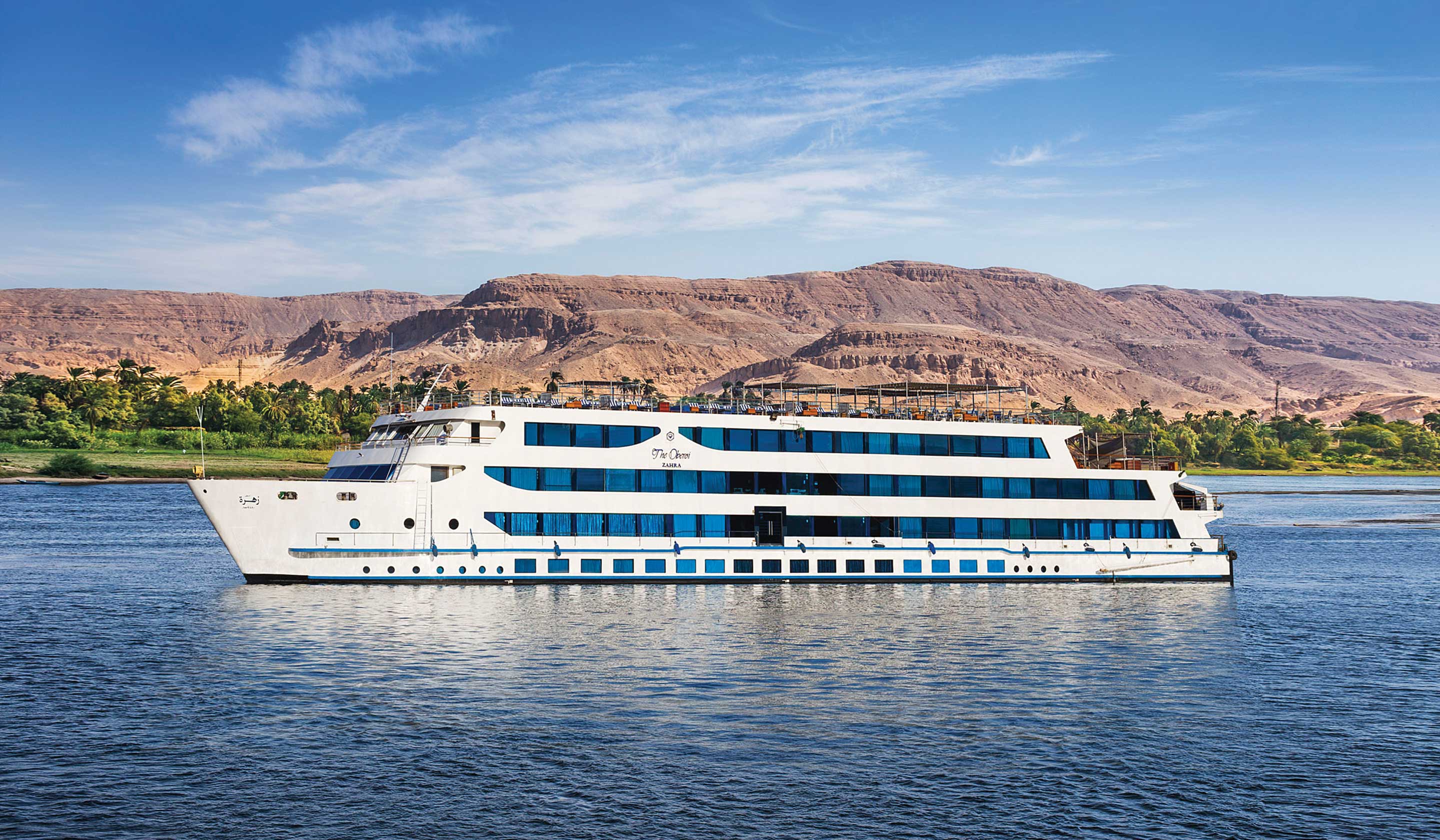
14 Days Luxury Tour in Egypt With Oberoi Zahra Nile Cruise
IATA-Egypt-Tours-Portal

14 Days Luxury Tour in Egypt With Oberoi Zahra Nile Cruise

Embark on a 14-day luxury tour through Egypt’s wonders with the Oberoi Zahra Nile Cruise, exploring iconic historical monuments and tropical gems of Egypt.
Cairo / Giza / Aswan / Abu Simbel / Kom Ombo / Edfu / Luxor / Hurghada / Alexandria
14 Days / 13 Nights Luxury Tour
15 Days Luxury Egypt Tour with Sanctuary Sun Boat III Nile Cruise
IATA-Egypt-Tours-Portal

15 Days Luxury Egypt Tour with Sanctuary Sun Boat III Nile Cruise

Experience a 15-day luxury tour of Egypt, exploring ancient wonders and cruising the Nile aboard the Sanctuary Sun Boat III, offering ideal comfort and peace.
Cairo/Giza/Aswan/Abu Simbel/Kom Ombo/Edfu/Luxor/Hurghada/Alexandria
15 Days / 14 Nights Luxury Tour
Keep Exploring

What to Read Next

Dive deeper into this topic. Discover more insights, expert advice, and inspiration in our recommended articles.
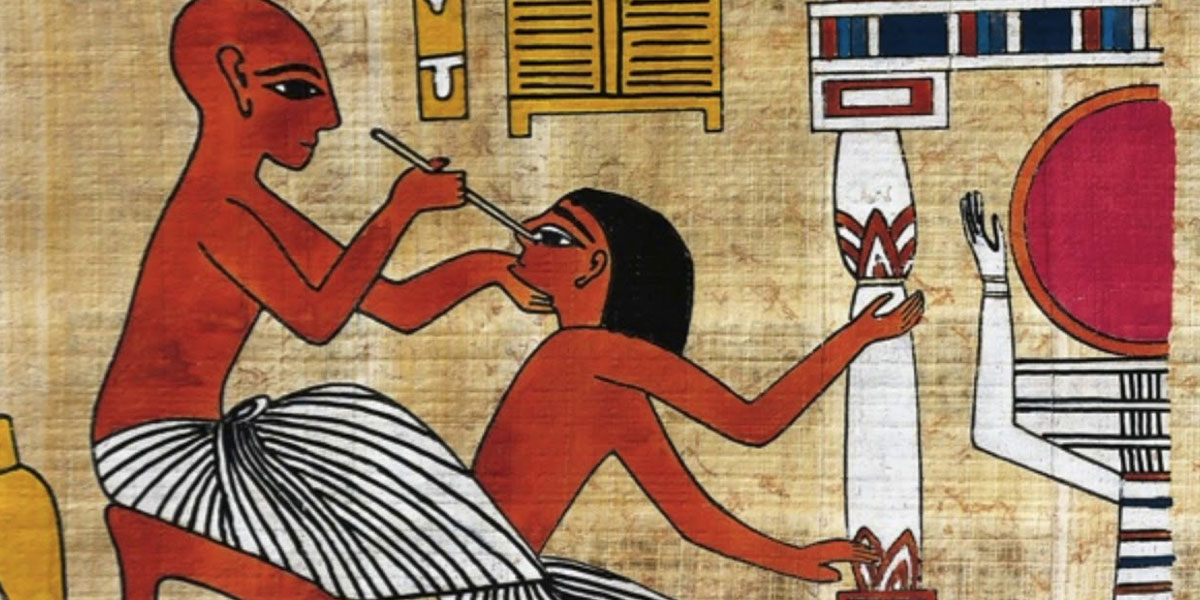
Ancient Egyptian Medicine: The Sacred Science and Origins of Healing Practices
Tue, 06 Aug 2019

Ancient Egyptian Medicine: The Sacred Science and Origins of Healing Practices

Discover how ancient Egyptian doctors blended magic, surgery, and herbal remedies to treat disease, shaping the foundation of modern medicine.

Ancient Egyptian Mathematics: The Foundation of Geometry and Engineering
Wed, 07 Aug 2019

Ancient Egyptian Mathematics: The Foundation of Geometry and Engineering

Explore how Ancient Egyptian mathematics shaped civilization through geometry, fractions, and engineering marvels like pyramids, using advanced calculations.

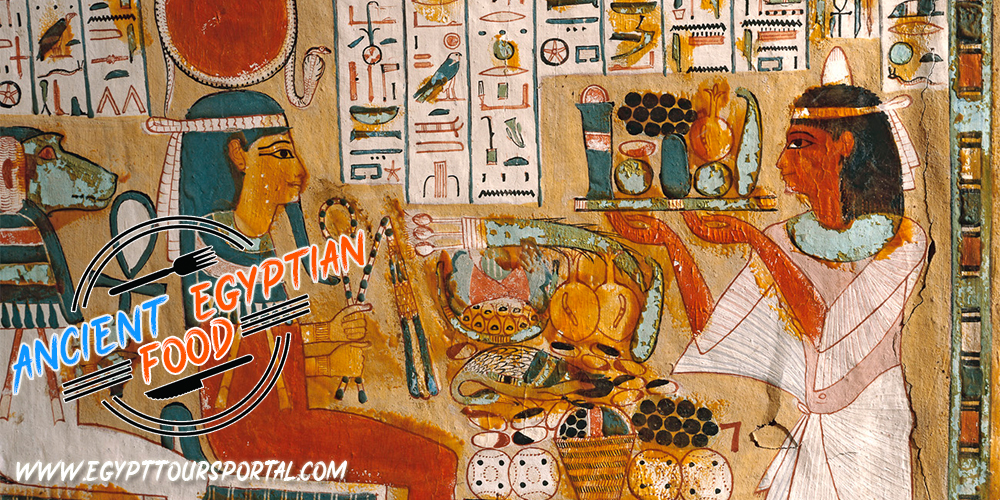
Ancient Egyptian Food and Drinks: What Did They Eat and How?
Thu, 08 Aug 2019

Ancient Egyptian Food and Drinks: What Did They Eat and How?

Explore ancient Egyptian food recipes & drinks like bread and beer, meats, vegetables, and fruits, plus the diet of commoners and royalty, and cooking methods.

Ancient Egyptian Entertainment: Sports, Music, and Games
Thu, 08 Aug 2019

Ancient Egyptian Entertainment: Sports, Music, and Games

Discover how Ancient Egyptians celebrated life through sports, music, dance, games, and festivals, blending joy with faith in daily and sacred traditions.

Ancient Egyptian Economy: Planning Mastery & Resource Management
Sat, 10 Aug 2019

Ancient Egyptian Economy: Planning Mastery & Resource Management

Discover how ancient Egypt’s detailed bureaucracy and the Nile fueled one of history’s greatest economies, blending agriculture, trade, and cultural wealth.

Ancient Egyptian Craftsmen: The Skilled Artisans Behind the Immortal Milestones of Egypt
Sat, 10 Aug 2019

Ancient Egyptian Craftsmen: The Skilled Artisans Behind the Immortal Milestones of Egypt

Discover the legacy of ancient Egyptian craftsmen, stone masons, jewelers, potters, and more, whose artistry shaped Egypt’s cultural and spiritual identity.

Ancient Egyptian Calendar: Time, Nature, System, & Divine Order
Sat, 10 Aug 2019

Ancient Egyptian Calendar: Time, Nature, System, & Divine Order

Explore how the ancient Egyptian calendar used stars, Nile floods, and myth to guide farming, rituals, and daily life for over 5,000 years of civilization.

Ancient Egyptian Coins: Symbols of Power, Wealth, and Culture
Wed, 21 Aug 2019

Ancient Egyptian Coins: Symbols of Power, Wealth, and Culture

Discover the history of Ancient Egyptian coins, from barter and metal weights to Ptolemaic minting, Roman influence, and the symbolism behind their design.

Discover the Life-Changing Discovery of Tutankhamun Tomb
Mon, 09 Sep 2019

Discover the Life-Changing Discovery of Tutankhamun Tomb

Discovery of Tut’s tomb by Howard Carter in 1922 stunned the world, reshaping Egyptology and igniting global fixation with ancient Egypt & the Pharaoh's curse.

Ancient Egyptian Trade
Mon, 26 Oct 2020

Ancient Egyptian Trade

Explore the ancient Egyptian trade history, goods, routes, trading partners, ships, cultural impact, and fascinating facts in this comprehensive article.

Thebes: The Eternal Capital of Ancient Egypt
Thu, 04 Jul 2019

Thebes: The Eternal Capital of Ancient Egypt

Explore Thebes, Egypt’s grand capital of the New Kingdom; home to Karnak, Luxor, the Valley of the Kings, and the grand legacy of ancient Egyptian civilization.

Ancient Egyptian Art
Mon, 12 Apr 2021

Ancient Egyptian Art

Explore Ancient Egyptian Art history, colors, hieroglyphics, literature, paintings, sculptures, styles, papyrus, tombs, animals, martial art, and facts.

Crime & Punishment in Ancient Egypt
Sat, 17 Apr 2021

Crime & Punishment in Ancient Egypt

Punishment was one of the fundamental elements of the life of Egyptians. Read more about crime & punishment in ancient Egypt.

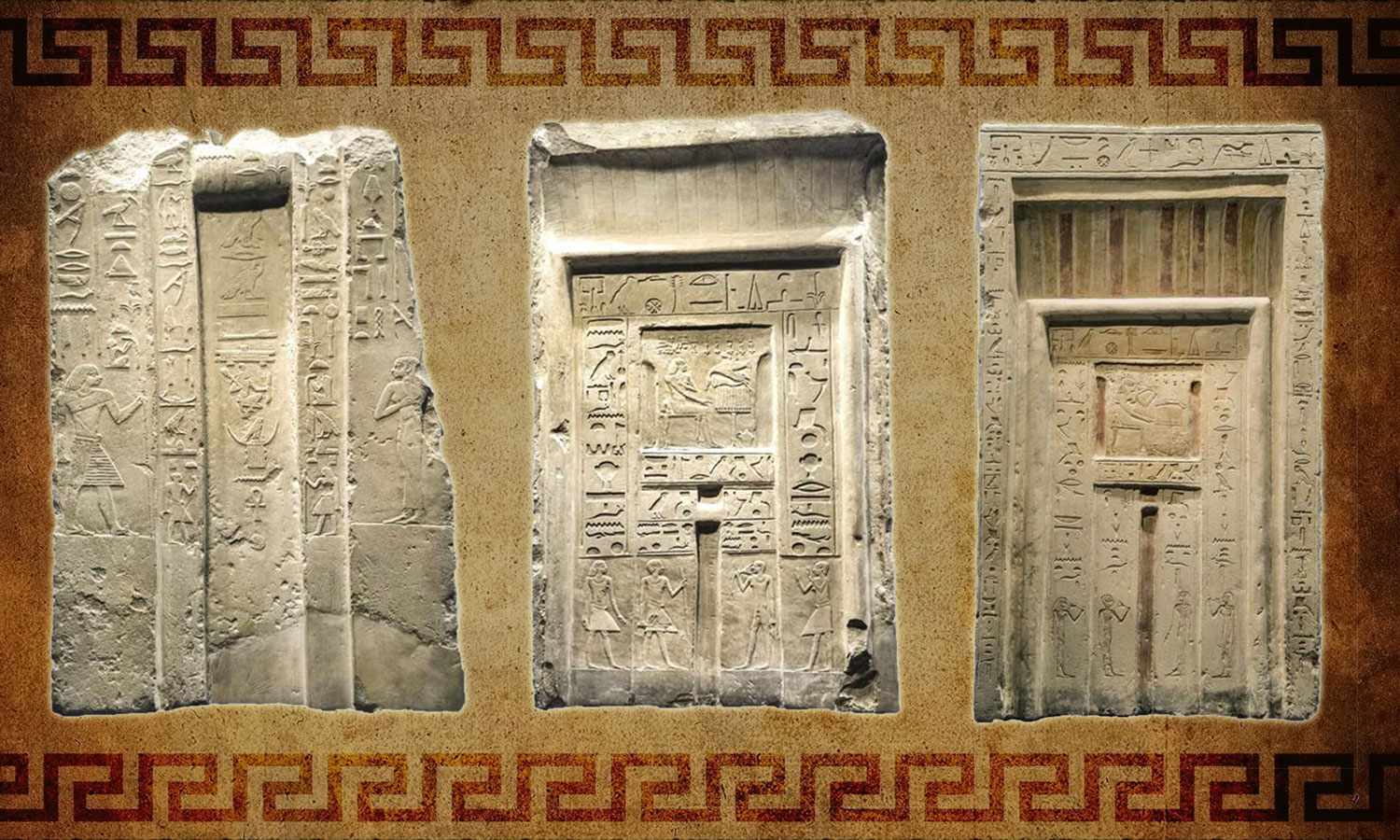
False Doors In Ancient Egypt
Wed, 21 Apr 2021

False Doors In Ancient Egypt

The Story of False Doors in Ancient Egypt: Examining their evolution, inscriptions, religious implications, and essential facts!

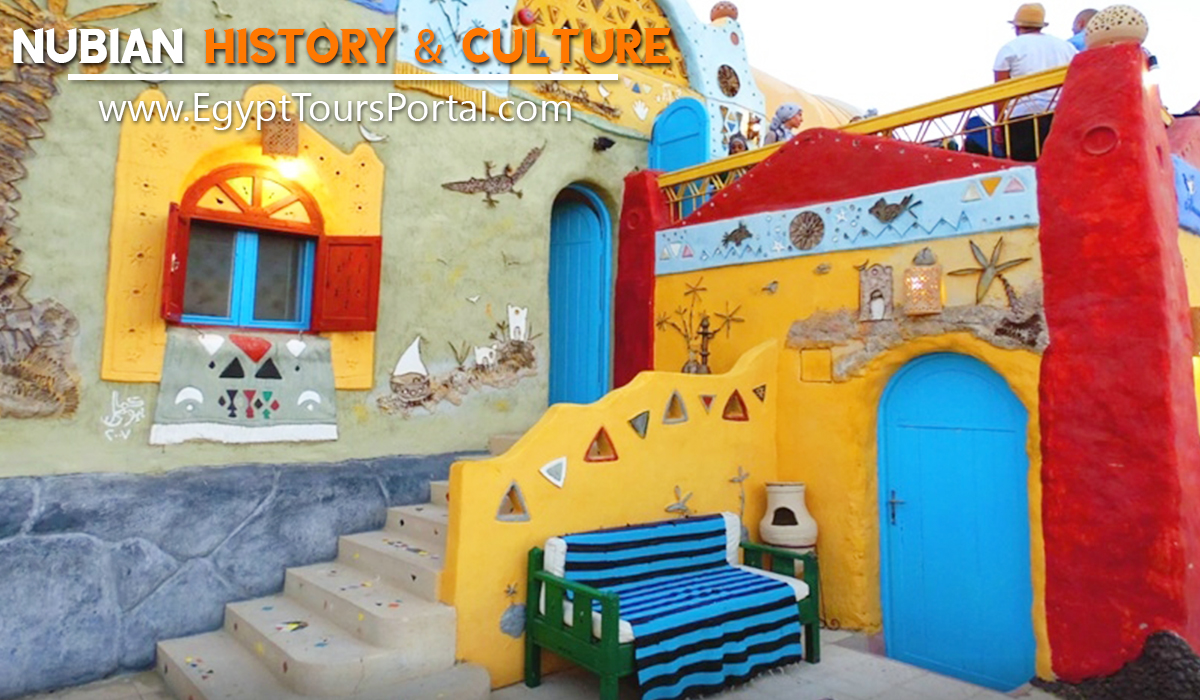
Ancient Nubia: The Culture That Shaped Egypt’s South
Mon, 24 Jun 2019

Ancient Nubia: The Culture That Shaped Egypt’s South

Explore the rich heritage of Nubian culture in Egypt, from ancient kingdoms and temples to language, crafts, and vibrant traditions still alive today.

Book With Confidence

Why Travel With Egypt Tours Portal

The "Boutique" Advantage

01

We offer private, customizable journeys tailored to your pace, moving away from the "factory-style" mass-market tours.

Gold-Standard Guides

02

Travel with elite, licensed Egyptologists who act as storytellers, not just tour leaders.

Seamless Logistics

03

24/7 "high-touch" support with a dedicated coordinator for every aspect of your multi-vendor itinerary.

2026/04/egypt-tours-portal-clients-at-giza-pyramids.jpg
04

True Customization

Our "Tailor-Made" planning workflow ensures your trip matches your specific priorities and interests.

05

Luxury & Comfort

We prioritize premium guide quality and vetted, safe hotels to ensure a stress-free environment.

06

Protection & Security

Advanced safety protocols and 24/7 emergency contact for total peace of mind during your adventure.

Book With Confidence.

Book your trip with peace of mind knowing every detail is handled with care.

Enjoy flexible options, secure payments, and dedicated support to make your journey smooth and worry-free from start to finish.

Read Our Confidence Policy

Pay Monthly

Split your total trip cost into easy monthly installments, making it more flexible and affordable for your budget.

Fast Booking

Complete your booking in just a few simple steps with a quick and streamlined process designed to save you time.

24/7 Support

Our dedicated support team is available around the clock to assist you before, during, and after your trip.

Rated 5 Stars

Highly rated by thousands of travelers for quality service, reliable experiences, and unforgettable journeys.

Pay Monthly

Split your total trip cost into easy monthly installments, making it more flexible and affordable for your budget.

Fast Booking

Complete your booking in just a few simple steps with a quick and streamlined process designed to save you time.

24/7 Support

Our dedicated support team is available around the clock to assist you before, during, and after your trip.

Rated 5 Stars

Highly rated by thousands of travelers for quality service, reliable experiences, and unforgettable journeys.

Traveler Video Reviews

Inside The Experience: Watch Authentic Traveler Stories Before Booking

Clients Feedback
https://dynamic-media-cdn.tripadvisor.com/media/photo-o/12/04/24/3e/rk-w.jpg
Erin W
Kiawah Island, South Carolina

"We had a great experience touring Aswan, Edfu, and Luxor with Mahmoud. I would highly recommend him as a guide. He adapted to our needs (2 teenagers) and kept everything interesting. He was always prompt, professional, and easy to communicate with. He was also very prompt answering questions via WhatsApp"

Read More
https://dynamic-media-cdn.tripadvisor.com/media/photo-o/1a/f6/f1/79/default-avatar-2020-21.jpg
Estelle V

"We would like to share our wonderful experience with Egypt Tours Portal. From the very first quote to our final airport drop-off, we were impressed by the professionalism, organization, and excellent communication from Walaa and the entire team. Our tour guides in both Luxor (“Habibi” was the best!) and Cairo were incredibly knowledgeable, helpful, and passionate about sharing Egypt’s history and treasures with us. We especially appreciated how thoughtfully the itinerary was planned — allowing us time to rest in the afternoons, scheduling visits during the cooler hours, and remaining flexible to accommodate our needs. Everything was smooth, well-organized, and made our trip truly memorable. We wholeheartedly recommend Egypt Tours Portal to anyone looking to discover the incredible history, culture, and wonders Egypt has to offer."

Read More
https://dynamic-media-cdn.tripadvisor.com/media/photo-o/1a/f6/e7/3d/default-avatar-2020-55.jpg
Tim K

"We had an outstanding time touring Luxor with our guide, Essra. She was knowledgeable, professional, and incredibly kind throughout the entire experience. Her explanations of Karnak Temple, Luxor Temple, the Valley of the Kings, Hatshepsut Temple, and the Colossi of Memnon brought Egypt's history to life. What really set her apart was her thoughtfulness. She made sure we stayed comfortable in the heat, surprising us with water and refreshments. She also took us to an excellent local restaurant that we never would have found on our own. Her attention to detail, genuine care, and passion for sharing Egypt made this one of the highlights of our trip. We highly recommend her to anyone visiting Luxor. On another note, the drivers we had each day were great. So professional, always on time and personable."

Read More
https://dynamic-media-cdn.tripadvisor.com/media/photo-o/1a/f6/e2/a7/default-avatar-2020-44.jpg
Will S
Bluff Park, Alabama

"We had a great vacation. Omar Haridi did our Nile Cruise and Zizi did our Cairo tour. They were amazing and very knowledgeable."

Read More
https://dynamic-media-cdn.tripadvisor.com/media/photo-o/1a/f6/ed/00/default-avatar-2020-4.jpg
Mira F

"The best experience of my lifetime! Nour, the tour guide was absolutely amazing! Went over and beyond thinking about every little thing. I had a mishap and Egypt Air overbooked my flight and bumped me to a later flight causing me to miss an entire day of activities. Nour made sure I got to do every single thing I missed that first day. But that’s not all: his knowledge of old Egypt is unparalleled, he truly brings Egypt (Aswan Luxor) alive. I’ve traveled all over the world and met many tour guides: Nour stands apart from all of them. He’s also considerate, caring and genuinely wants his guests to enjoy the trip and learn the most about the incredible history of Egypt. He’s also funny and genuinely great to be around. Please, do yourself a favor when booking a trip in Upper Egypt and ask for Nour. Hands down the best guide ever!"

Read More
https://dynamic-media-cdn.tripadvisor.com/media/photo-o/1a/f6/f6/0d/default-avatar-2020-34.jpg
Paul B
Hook, United Kingdom

"Excellent guide Mr Mohamed Osman, who was incredibly knowledgeable and very informative. Couldn't ask for more. Food on day 1 was ok, but much better at lunch on day 2. Hotel was excellent. Also our driver was excellent. All in all a great experience. Would highly recommend."

Read More
https://dynamic-media-cdn.tripadvisor.com/media/photo-o/1a/f6/eb/6d/default-avatar-2020-19.jpg
Marianna A

"Our experience in Egypt, especially in Luxor and Aswan, was truly unforgettable, and a huge part of that was thanks to our incredible guide Omar. We cannot recommend him highly enough. From the moment we met him, it was clear that he was exceptionally knowledgeable, professional, and deeply passionate about Egyptian history and culture. What made our tour extraordinary was that our guide is not only a master’s in Egyptology but is also currently pursuing a PhD in Egyptology. His depth of knowledge was absolutely remarkable. He is also very creative and artistic. Every temple, tomb, monument, and historical site came alive through his explanations. He did not simply recite facts, he explained the historical context, symbolism, religious beliefs, architecture, and fascinating stories behind everything we saw. It truly felt like we were traveling through ancient Egypt with a real scholar and expert by our side. He brought ancient Egyptian history to life by assigning us the roles of Egyptian gods and legendary heroes. Through these interactive mini-plays, we were able to experience, understand, and truly connect with the stories he shared. In Luxor, visiting Karnak Temple, Luxor Temple, the Valley of the Kings, and Hatshepsut Temple became an unforgettable educational and emotional experience because of the way he explained the history in such an engaging and easy-to-understand manner. In Aswan, his insights about Philae Temple, Nubian history, and ancient Egyptian civilization added so much depth to our trip. He answered every question thoughtfully and with incredible detail, and you could genuinely feel his passion for Egyptology. Beyond his academic expertise, he was one of the kindest and most caring people we met during our travels. He constantly made sure we were comfortable, safe, hydrated, and enjoying ourselves. He was patient, attentive, organized, and always willing to help with anything we needed. His warm personality and kindness made us feel welcomed not just as tourists, but as friends. He also paced the tours perfectly, allowing us enough time to truly appreciate each site without ever feeling rushed. His professionalism, friendliness, and genuine care created a relaxed and enjoyable atmosphere throughout the trip. Thanks to him, our visit to Egypt became far more than a vacation. It became an unforgettable journey into history and culture. If you are planning to visit Luxor, Aswan, or anywhere in Egypt, choosing this guide will be one of the best decisions you can make. He is truly exceptional, and we feel incredibly lucky to have had him as our guide. Thank you again for such an amazing experience. We will never forget it. Marianna and Khris"

Read More
https://dynamic-media-cdn.tripadvisor.com/media/photo-o/1a/f6/f0/d5/default-avatar-2020-17.jpg
James H

"This has been a tour agency and guides I can’t wait to give a glowing review to and to recommend to friends and family. Both Riham and Walid were happy to help coordinate excursions and share a wealth of knowledge. 10/10 experience"

Read More
https://dynamic-media-cdn.tripadvisor.com/media/photo-o/1a/f6/ec/a2/default-avatar-2020-3.jpg
H D

"We had a wonderful experience with the 5 day cruise. The price is wry reasonable. The best part is that the visits are done in very small numbers with a guide. It is almost like having a private guide. The food was good with lots of variety and all the staff members are very friendly and helpful. Omar Haradi, our guide was very knowledgeable and very generous with his time and with sharing his knowledge."

Read More
https://dynamic-media-cdn.tripadvisor.com/media/photo-o/1a/f6/f2/59/default-avatar-2020-24.jpg
Marlina
West Palm Beach, Florida

"We just returned home from an incredible trip to Egypt, and we cannot say enough good things about Egypt Tours. From the moment we booked our trip until the day we flew home, their communication, organization, and attention to detail were outstanding. Our adventure began in Cairo, where we were warmly welcomed at the airport by our guide, Abdulrahman Mosbah. He immediately made us feel comfortable and at ease, and our Nile River sunset cruise was the perfect introduction to Egypt. Abdul’s warm personality and infectious enthusiasm made our first day both fun and memorable. The following day, we toured with Reda Elgendy, who brought the pyramids to life with fascinating stories and historical insights. Seeing the Grand Egyptian Museum (GEM) was truly breathtaking and a highlight of our time in Cairo. In Aswan, we were greeted at the airport by Ahmed Haggag, who guided us over the next two days. Ahmed was incredibly knowledgeable, thorough in his explanations, and always kept us entertained with his great sense of humor. We learned so much while enjoying every moment of our time with him. Our final stop was Luxor, where we met Ghada Kamel. Saving the best for last, Ghada was absolutely exceptional. Her passion for Egypt’s history and culture made our visits to the temples and the Valley of the Kings unforgettable. She was engaging, informative, and truly outstanding. This trip exceeded all of our expectations. Not only did we experience some of the world’s most amazing historical sites, but each of our guides also shared valuable insights into Egyptian culture and daily life. We returned home with wonderful memories, a deeper appreciation for Egypt, and gratitude for the amazing team at Egypt Tours. We highly recommend Egypt Tours to anyone planning a trip to Egypt. It was truly the trip of a lifetime!"

Read More
https://dynamic-media-cdn.tripadvisor.com/media/photo-o/1a/f6/de/5a/default-avatar-2020-36.jpg
Alejandro M

"We loved it, great experience and treatment. Our guide Noah had great knowledge of the subject. Thank you very much."

Read More
https://dynamic-media-cdn.tripadvisor.com/media/photo-o/1a/f6/f0/d5/default-avatar-2020-17.jpg
Jeff T

"Our trip in May 2026 was fantastic! We saw all the major wonders of Egypt! Our incredibly knowledgeable guide Walid Ahmed met us at the hotel and was great at explaining all the particular uniqueness of each tomb and temple, inserting background myths and stories, keeping our tour on track, taking and sharing so many pictures so we could be in them as a couple and helping us navigate local customs. We strongly recommend Egypt, the tour and Walid!"

Read More
https://dynamic-media-cdn.tripadvisor.com/media/photo-o/1a/f6/e7/3d/default-avatar-2020-55.jpg
Joe P

"We had a wonderful week long vacation in Egypt, split between Cairo and Luxor. The tour was very professionally run with excellent communication starting weeks before our arrival and then nearly daily while in Egypt. A highlight was our English-speaking guide in Luxor, Walid Ahmed, who was extremely knowledgeable and exceptionally kind. The tour was flexible and accommodating, allowing last minute special detours and restaurant choices. Overall, it was one of the best vacations of our life."

Read More
https://dynamic-media-cdn.tripadvisor.com/media/photo-o/1a/f6/f1/79/default-avatar-2020-21.jpg
Damien B

"We had Ahmed Refaat as our family guide in Cairo, and he truly made our trip to Egypt unforgettable. His positive attitude, passion for Egypt’s history and culture, and incredible patience made all the difference throughout our stay in Cairo. Ahmed brought every site to life with fascinating explanations and was always attentive to our needs, making the experience enjoyable for both adults and children. We especially recommend him for visits to Saqqara and the Grand Egyptian Museum (GEM), where his deep knowledge and enthusiasm greatly enhanced our understanding and appreciation of these extraordinary places. Without any hesitation, we highly recommend Ahmed Refaat to anyone visiting Egypt. Thank you again for helping create such wonderful memories for our family!"

Read More
https://dynamic-media-cdn.tripadvisor.com/media/photo-o/1a/f6/ef/73/default-avatar-2020-13.jpg
Departure20554993605

"Knowledgeable guide, clean vehicle, interesting stories about the sites. Tour guide: Muhmmed Abd El-aal was very nice to be in the company of, dry attentive and honest."

Read More
HELP CENTER

Frequently Asked Questions

The Middle Kingdom lasted from approximately 2040 BCE to 1782 BCE.
The Middle Kingdom was known for its reunification of Egypt, cultural renaissance, military expansion into Nubia, and advancements in literature, art, and architecture.
It was considered a golden age due to its political stability, economic prosperity, military successes, and the flourishing of arts and literature.
There were no foreign rulers during the Middle Kingdom, but the period ended with the rise of the Hyksos during the Second Intermediate Period.
Pharaohs from the 11th and 12th Dynasties, such as Mentuhotep II, Senusret III, and Amenemhat III, ruled during this period.
Before the Middle Kingdom, Egypt was fragmented under local rulers during the First Intermediate Period.
The capital was Itjtawy, located near Lisht.
The Middle Kingdom itself was not invaded, but by the end of the period, the Hyksos had started gaining influence in Lower Egypt.
The Middle Kingdom lasted for about 258 years.
Mentuhotep II reunified Egypt, while Amenemhat I consolidated his rule during the Middle Kingdom.
Pharaohs improved agricultural productivity through irrigation projects, strengthened Egypt’s borders through military campaigns and fortifications, and reformed the government to create a more centralized and efficient bureaucracy.
The entire country of Egypt deserve to be explored with its every heavenly detail but there are places that must be seen before any other such as the breathtaking Hurghada's red sea, The wonders of Cairo the pyramids of Giza, the great sphinx, the Egyptian Museum, Khan El Khalili Bazaar, the wonders of Luxor like Valley of the Kings, Karnak & Hatshepsut temple and the wonders of Aswan such as Abu Simbel temples, Philea temple, Unfinished obelisk and The Wonders of Alexandria like Qaitbat Citadel, Pompey's Pillar and Alexandria Library. Read more about the best places to visit in Egypt.
If you want to apply for a Visa On Arrival that lasts for 30 days then you should be one of the eligible countries, have a valid passport with at least 6 months remaining and pay 25$ USD in cash, as for the E-Visa for 30 day you should have a valid passport for at least 8 months, complete the online application, pay the e-visa fee then print the e-visa to later be presented to the airport border guard. You could also be one of the lucky ones who can obtain a free visa for 90 days. Read more about Egypt travel visa.
Egypt has a variety of delicious cuisines but we recommend "Ful & Ta'meya (Fava Beans and Falafel)", Mulukhiya, "Koshary", a traditional Egyptian pasta dish, and Kebab & Kofta, the Egyptian traditional meat dish. Read more about Top Traditional Egyptian Food.
The best time to travel to Egypt is during the winter from September to April, as the climate becomes a little tropical, accompanied by a magical atmosphere of warm weather with a winter breeze. You will be notified in the week of your trip if the Climate is unsafe and if any changes have been made. Read more about Best Time to Visit Egypt.
You should pack everything you could ever need in a small bag so you can move easily between your destinations. Read more about What to Pack for Your Egypt Tour.
We have been creating the finest vacations for more than 20 years around the most majestic destinations in Egypt. Our staff consists of the best operators, guides and drivers who dedicate all of their time & effort to make you have the perfect vacation. All of our tours are customized by Travel, Financial & Time consultants to fit your every possible need during your vacation. It doesn't go without saying that your safety and comfort are our main priority and all of our resources will be directed to provide the finest atmosphere until you return home.
You will feel safe in Egypt as the current atmosphere of the country is quite peaceful after the government took powerful measures like restructuring the entire tourist police to include all the important and tourist attractions in Egypt. Read more about is it safe to travel to Egypt.
Wear whatever feels right and comfortable. It is advised to wear something light and comfortable footwear like a closed-toe shoe to sustain the terrain of Egypt. Put on sun block during your time in Egypt in the summer to protect yourself from the sun.
The best activity is by far boarding a Nile Cruise between Luxor and Aswan or Vise Versa. Witness the beauty of Egypt from a hot balloon or a plane and try all the delicious Egyptian cuisines and drinks plus shopping in old Cairo. Explore the allure and wonders of the red sea in the magical city resorts of Egypt like Hurghada and many more by diving and snorkeling in the marine life or Hurghada. Behold the mesmerizing western desert by a safari trip under the heavenly Egyptian skies.
There are a lot of public holidays in Egypt, too many to count, either religious or nation, the most important festivals are the holy month of Ramadan, which ends with Eid Al Fitr, Christmas, and New Year's Eve. Read more about festivals & publich holidays in Egypt.
Egypt is considered to be one of the most liberal Islamic countries but it has become a little bit conservative in the last couple of decades so it is advised to avoid showing your chest, shoulders or legs below the knees.
Arabic is the official language and Most Egyptians, who live in the cities, speak or understand English or at least some English words or phrases. Fewer Egyptians can speak French, Italian, Spanish, and German. Professional tour guides, who work in the tourism sector, are equipped to handle visitors who cannot speak Arabic and they will speak enough English and other languages to fulfill the needs of all our clients.
The fastest way is a car, of course, a taxi. If you are in Cairo ride a white taxi to move faster or you could board the fastest way of transportation in Egypt metro if the roads are in rush hour.
The temperature in Egypt ranges from 37c to 14 c. Summer in Egypt is somehow hot but sometimes it becomes cold at night and winter is cool and mild. The average of low temperatures vary from 9.5 °C in the wintertime to 23 °C in the summertime and the average high temperatures vary from 17 °C in the wintertime to 32 °C in the summertime. The temperature is moderate all along the coasts.
It is the home of everything a traveler might be looking for from amazing historical sites dating to more than 4000 years to enchanting city resorts & beaches. You will live the vacation you deserve as Egypt has everything you could possibly imagine.
Our Partners

Partners Who Share Our Vision of Quality Travel

Partner Logo
Partner Logo
Partner Logo
Partner Logo
Partner Logo
Partner Logo
Partner Logo
Partner Logo
Partner Logo
Partner Logo