Summary
- Egypt spans northeastern Africa and the Sinai Peninsula in Asia, with 99% of its 107+ million people concentrated along the Nile Valley and Delta.
- Its history runs from unification under King Menes around 3150 BC through the Old, Middle, and New Kingdoms, then Persian, Greek, Roman, Islamic, Ottoman, and modern rule up to today's republic under President el-Sisi.
- Tourism, the Suez Canal, agriculture, manufacturing, and natural gas now anchor an economy that welcomed a record 15.7 million visitors in 2024.
- Arabic is the official language and Islam the official religion, alongside a significant Coptic Christian minority and distinct Nubian heritage in the south.
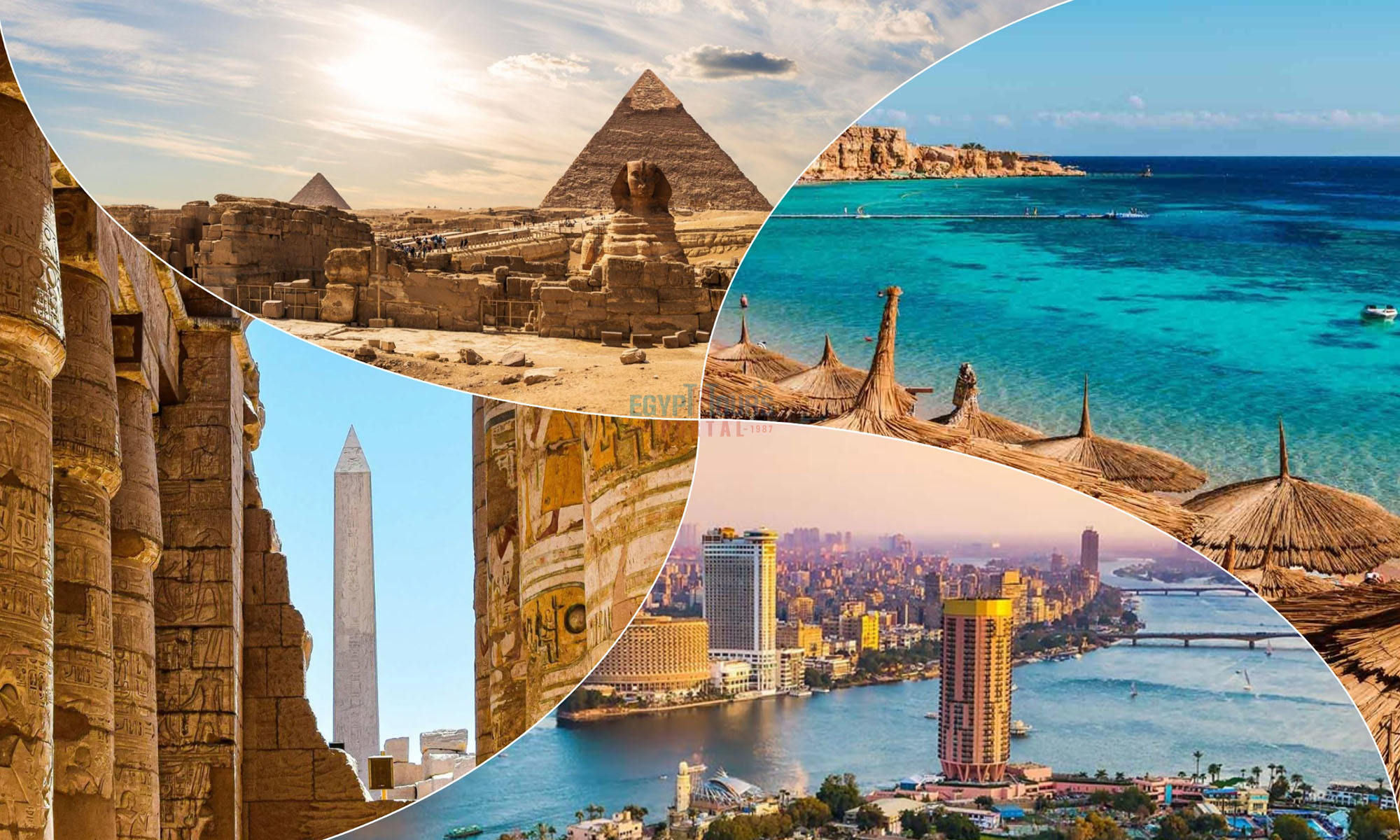
- Cairo and Giza, Luxor, Aswan, Alexandria, and the Red Sea resort towns each offer a genuinely different side of the country, best visited between October and April.
Egypt since the moment of its creation as a mysterious land with ever more mysterious people has chosen to change the way of life and drive humanity into a new age of evolution and advances for the purpose of creating heaven on earth. Egypt is a true miracle by all standards that we're able to stand the test of time and chase the horizon of enlightenment.
It is the land that gave the ancient world its longest-running civilization, the river that the historian Herodotus called the reason Egypt exists at all, and a modern nation of more than 107 million people bridging two continents at once. Its pyramids remain the last of the seven wonders of the ancient world still standing, and its history runs in an almost unbroken line from roughly 3150 BC to the present day.
This article covers where Egypt actually sits on the map and how its geography shaped everything else, where the name "Egypt" itself comes from, a full history from unification through the modern republic, how the country is governed and what its economy runs on today, its people, language, and religion, its food and culture, its major destinations from Cairo to the Red Sea coast, and the practical details needed to plan an actual visit.
Where Is Egypt? Geography and Borders
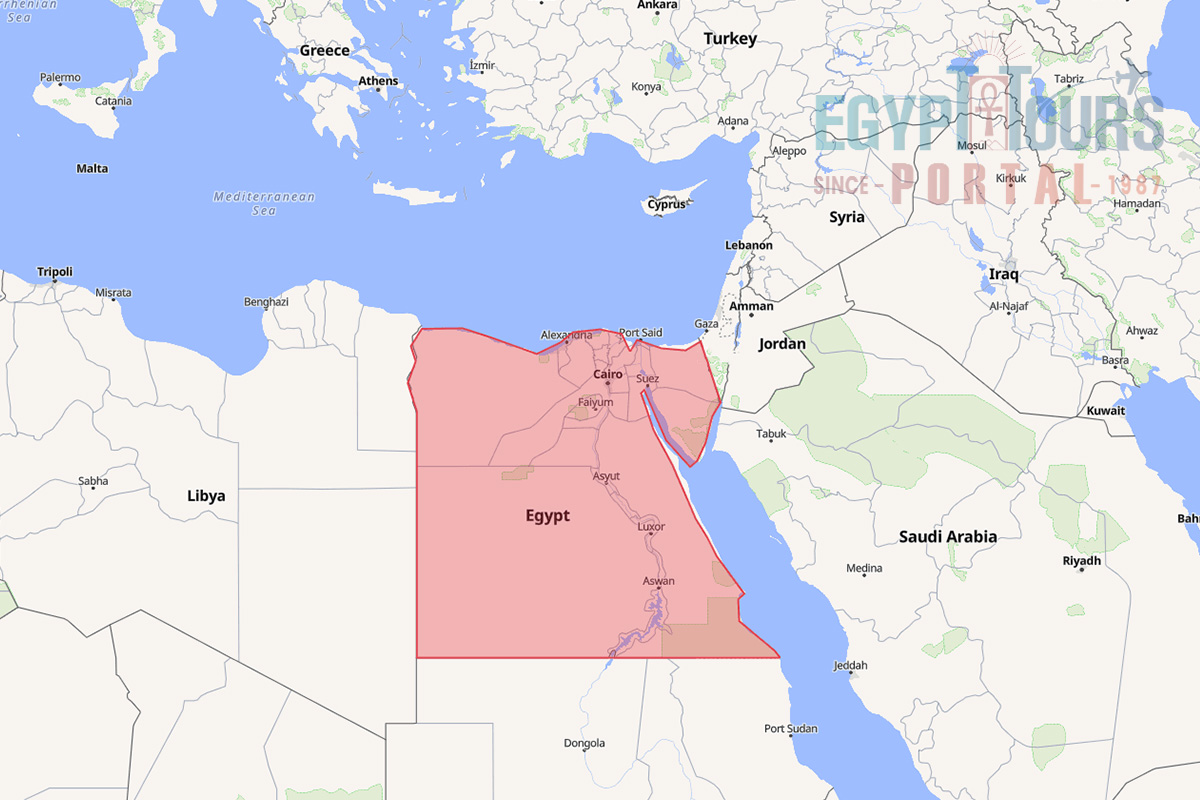
Egypt sits at the northeastern corner of Africa, with the Sinai Peninsula reaching across into Asia, making it one of the world's few transcontinental nations. It covers 1,001,450 square kilometers, the 29th-largest country on Earth, bordered by the Mediterranean Sea to the north, the Gaza Strip and Israel to the northeast, the Red Sea to the east, Sudan to the south, and Libya to the west.
The Gulf of Aqaba separates it from Jordan and Saudi Arabia, while the Isthmus of Suez, cut through by the navigable Suez Canal, forms the land bridge linking Africa to Asia and the Mediterranean to the Red Sea.
Despite its size, Egypt is overwhelmingly desert. Roughly 99 percent of its population lives on just 5.5 percent of its land, almost entirely along the Nile River valley and delta, a ribbon of green cutting through the Sahara and Libyan Desert on either side.
Egypt's highest point, Mount Catherine in the Sinai, rises 2,642 meters, while scattered oases including Siwa, Kharga, Dakhla, Farafra, and Bahariya interrupt the desert further west. A full map of Egypt makes the pattern obvious at a glance: almost every major city, from Cairo to Luxor to Aswan, sits directly on the Nile's banks, because for most of the country's history, nothing much else was possible.
The Relaxing Climate and the Rhythm of the Nile
Egypt's climate is hot, dry, and sunny for most of the year, with summer highs regularly topping 40C between June and August, particularly inland and in Upper Egypt. Winters, running roughly from November through March, are considerably milder and remain, by wide consensus, the best season for sightseeing.
Rainfall is rare across most of the country; parts of Upper Egypt receive only a few millimeters every few years, while the northern coast sees a modest amount, mostly between October and March, thanks to Mediterranean weather systems.
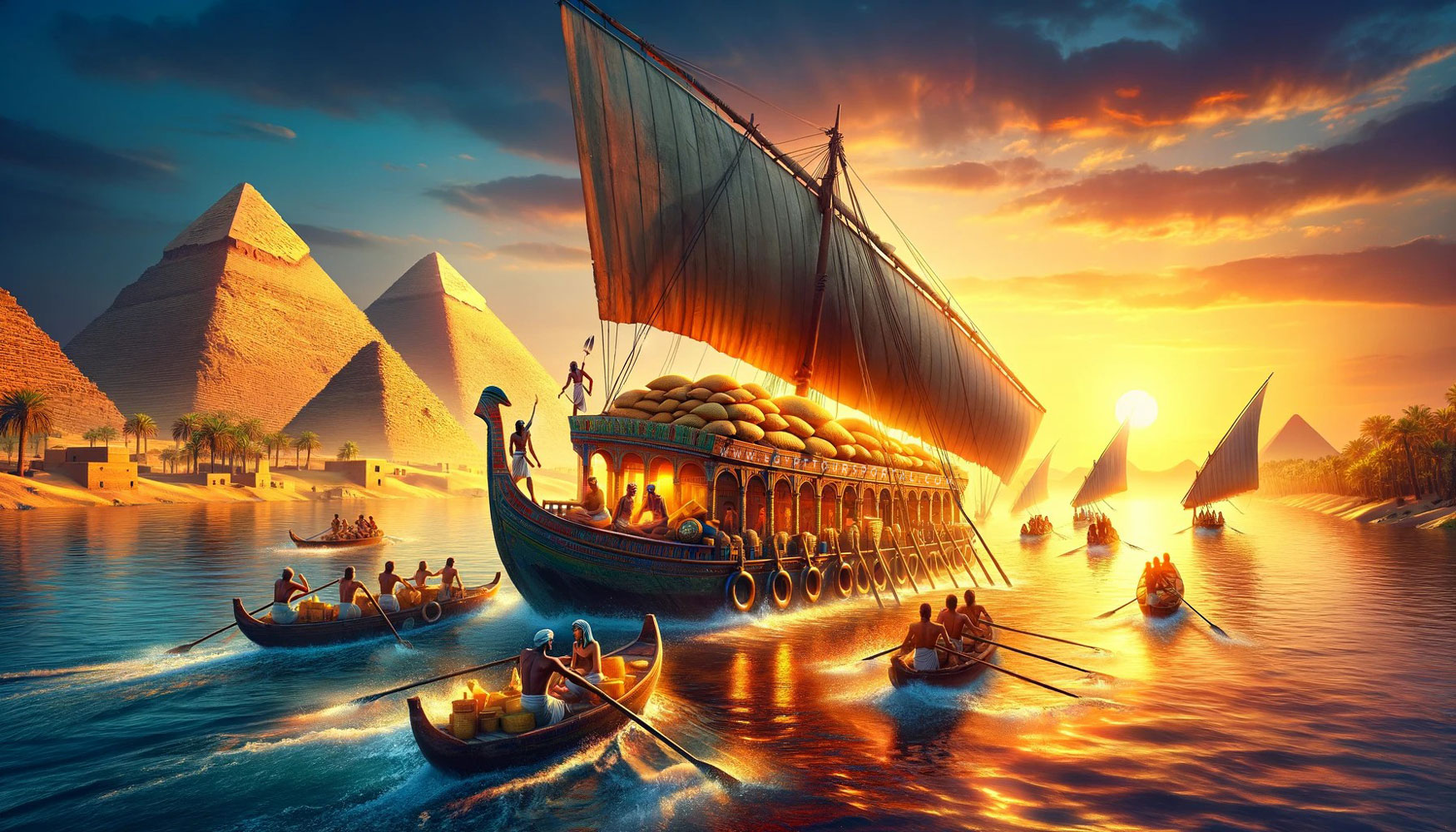
For thousands of years, Egyptian life ran on the Nile's annual flood, which deposited fertile silt across the valley every year until the completion of the Aswan High Dam in 1971 brought the cycle under permanent control. The dam stabilized irrigation and enabled year-round agriculture, though it also ended a natural rhythm that had shaped Egyptian farming since before the pyramids were built.
What Does the Name "Egypt" Actually Mean?
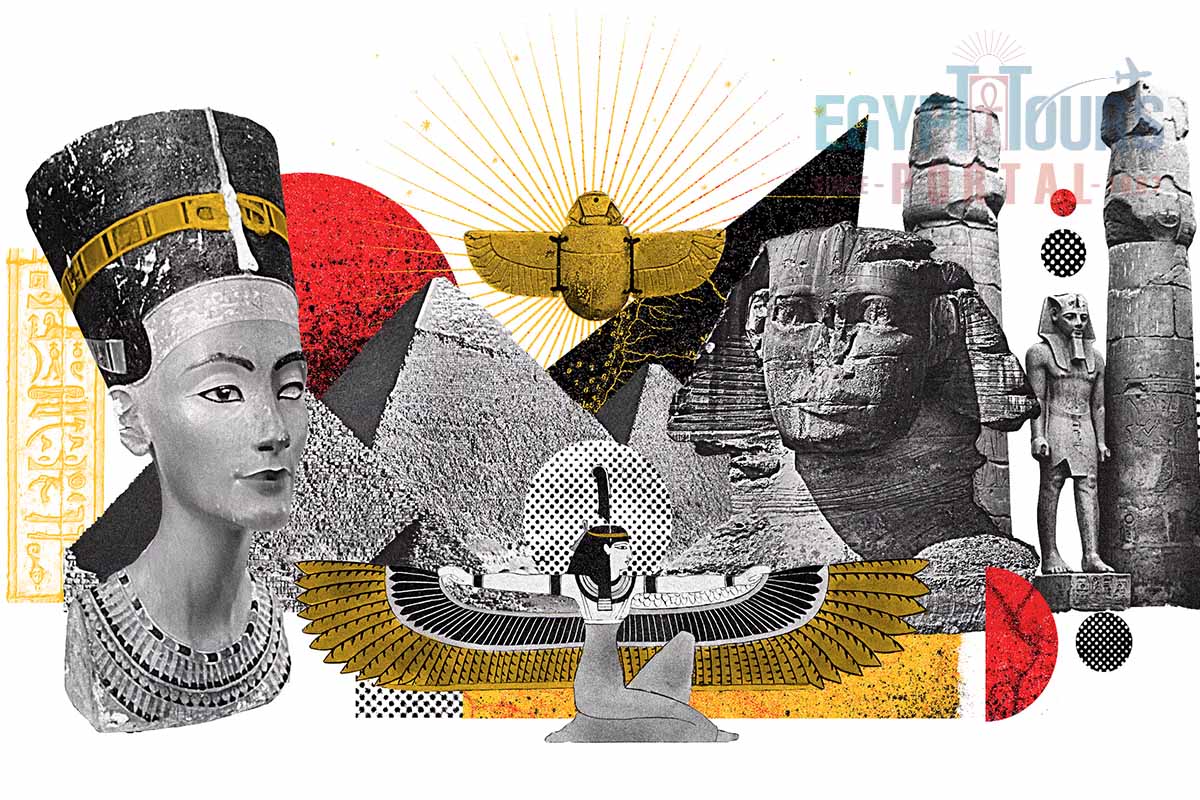
Ancient Egyptians called their own land Kemet, "the black land," a reference to the dark, fertile silt the Nile left behind each year, in deliberate contrast to deshret, "the red land," of the surrounding desert. They also used ta-mery, "land of the riverbank," and tawy, "the Two Lands," acknowledging the long-standing division between Upper and Lower Egypt that a unified pharaoh was always, symbolically, bringing back together.
The name "Egypt" itself is a much later import. It reaches English through Latin and French from the Ancient Greek Aígyptos, likely derived from Hut-ka-Ptah, "Temple of the Spirit of Ptah," an old name for Memphis, near modern Cairo. Arabic speakers, meanwhile, have called the country Misr since the early Islamic period, a name with roots stretching back to ancient Semitic languages, where it carried connotations closer to "civilization" or "metropolis" than to any specific place, a fitting label for a country that spent millennia as one of the ancient world's defining centers of urban life.
Discover the Miraculous History of Egypt
Unification and the Age of Pyramids
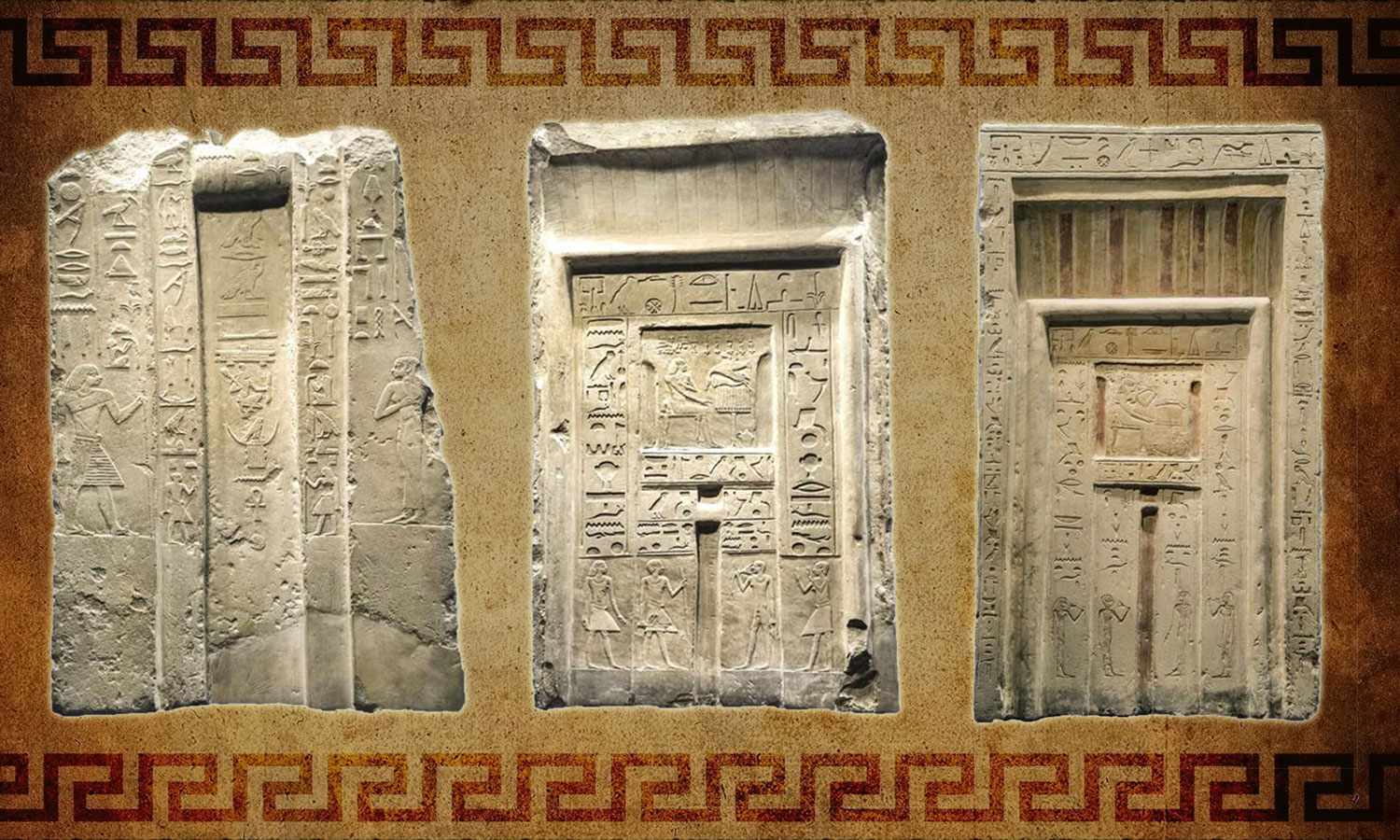
Egypt's recorded history begins along the Nile Delta as early as the sixth millennium BC, with Neolithic farming communities gradually giving way to the Badarian and Naqada cultures of the Predynastic Period. Around 3150 BC, King Menes, also known as Narmer, unified Upper and Lower Egypt for the first time, founding the dynastic system that would govern the country, in one form or another, for the next three thousand years.
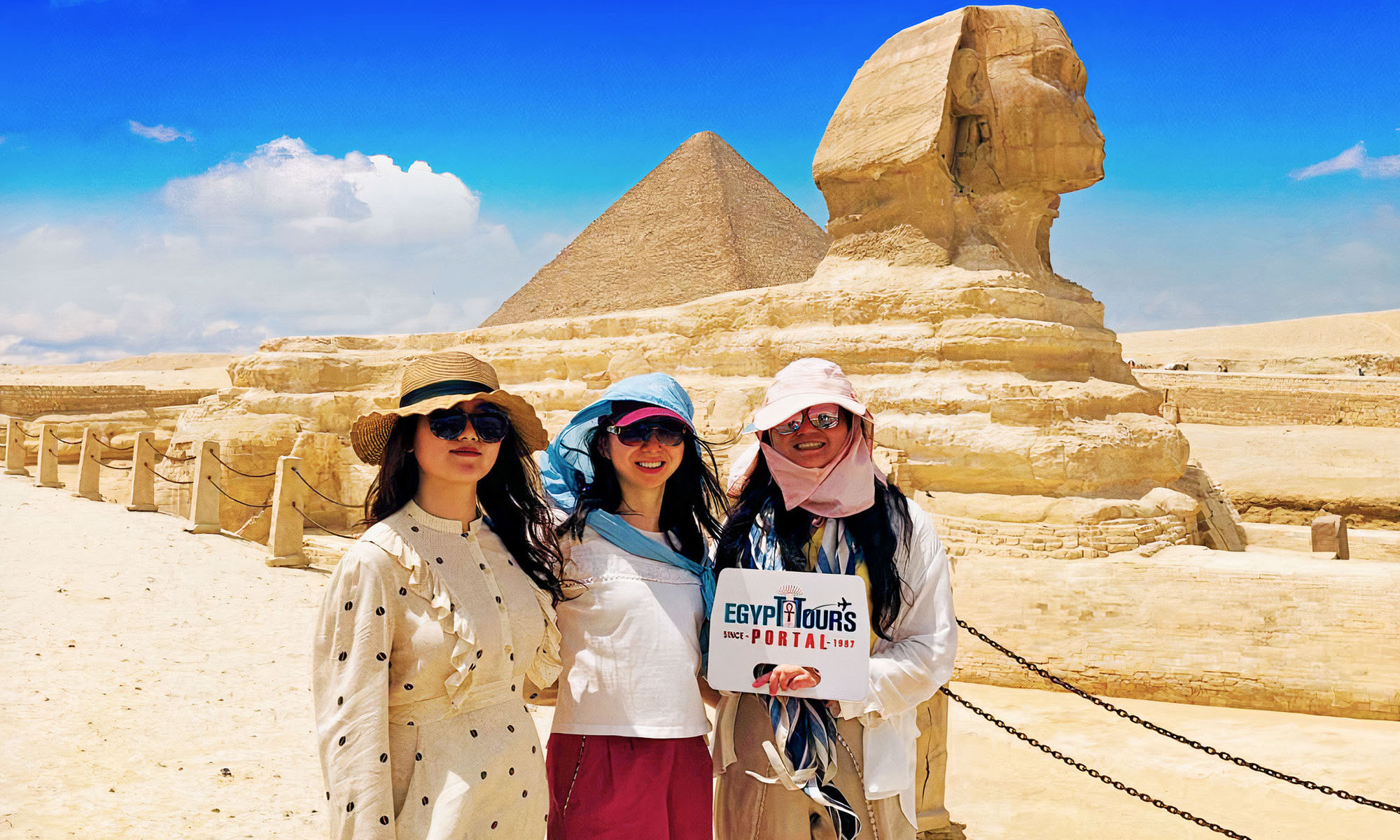
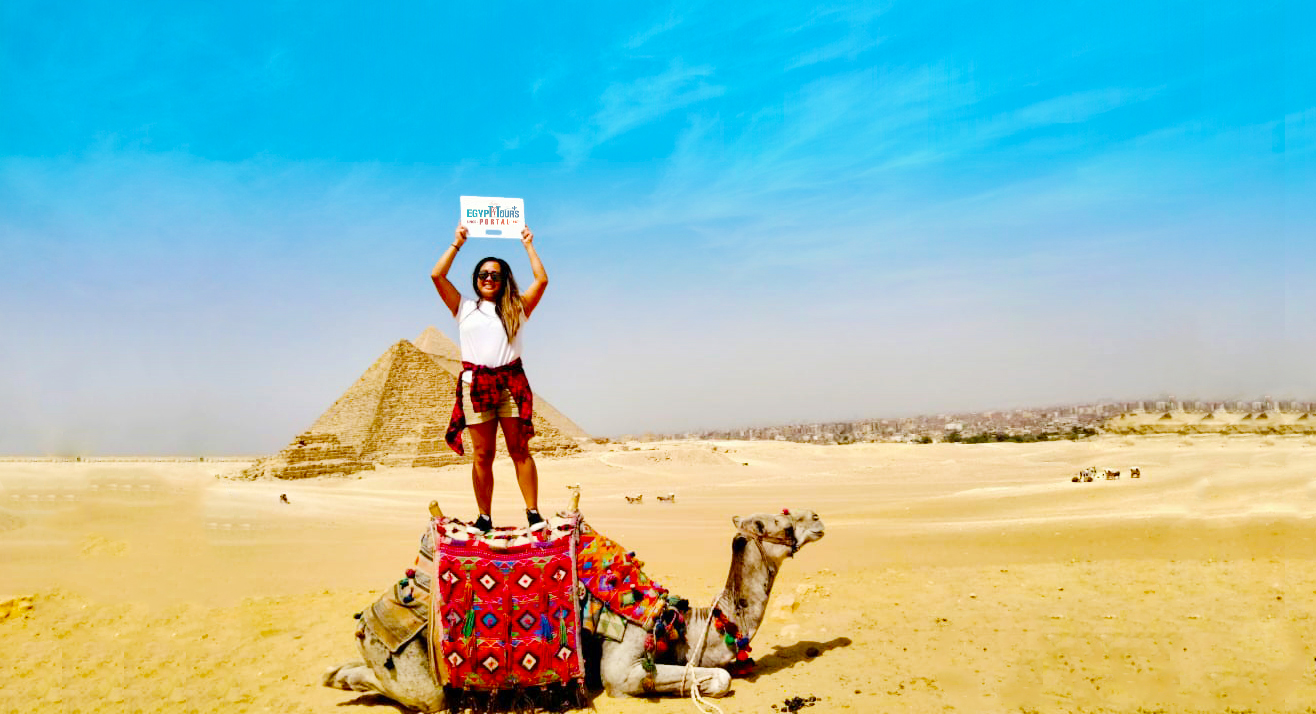
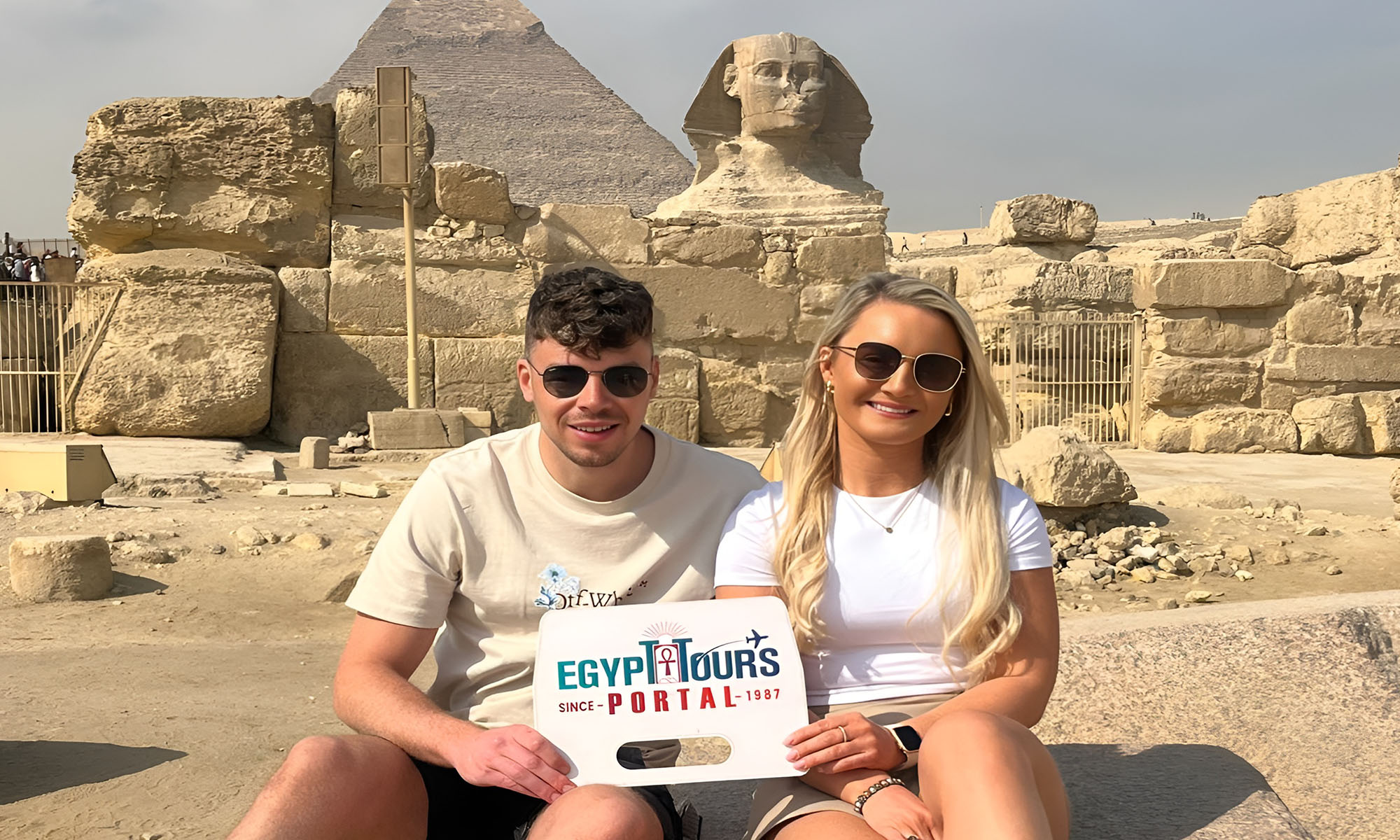
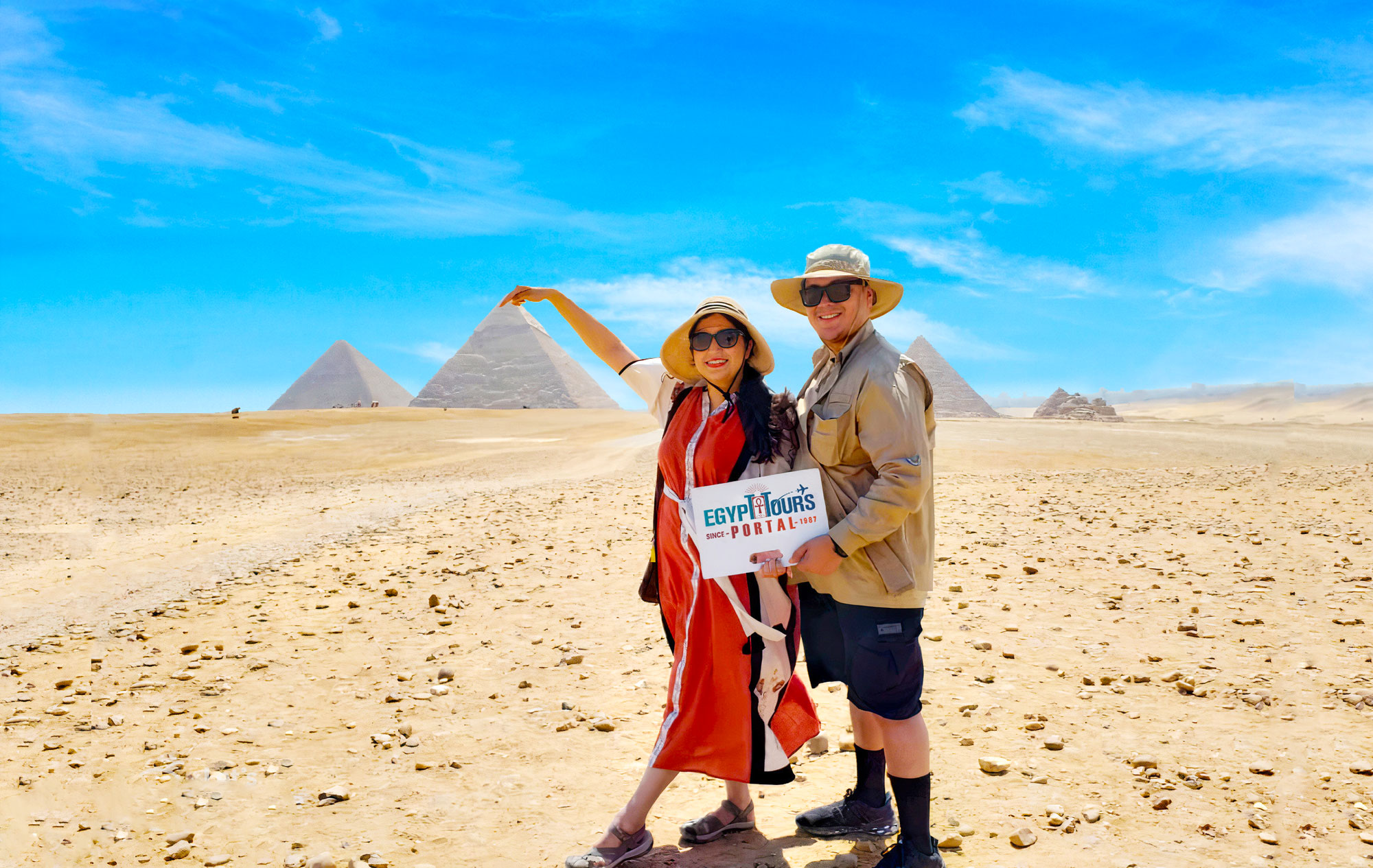
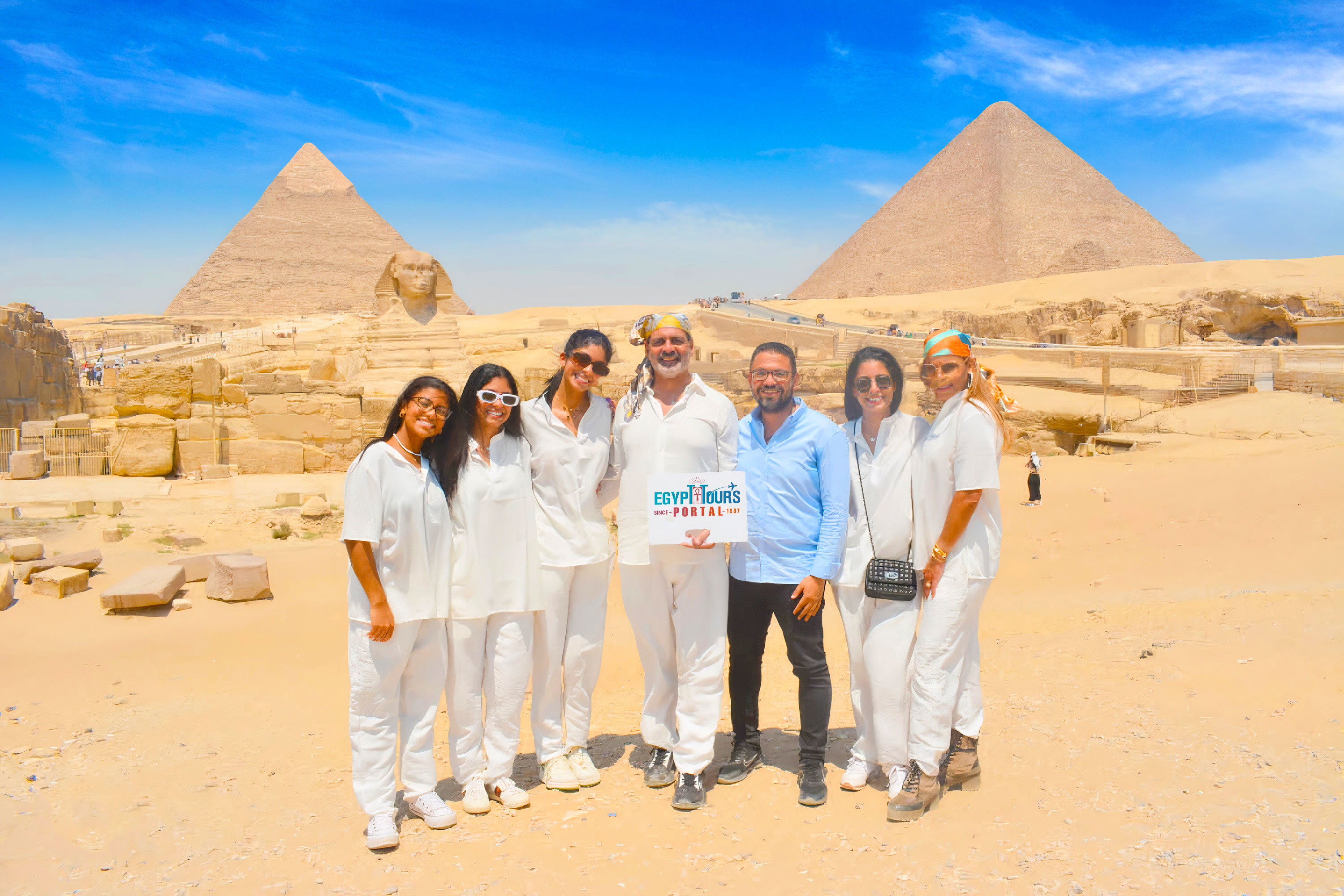
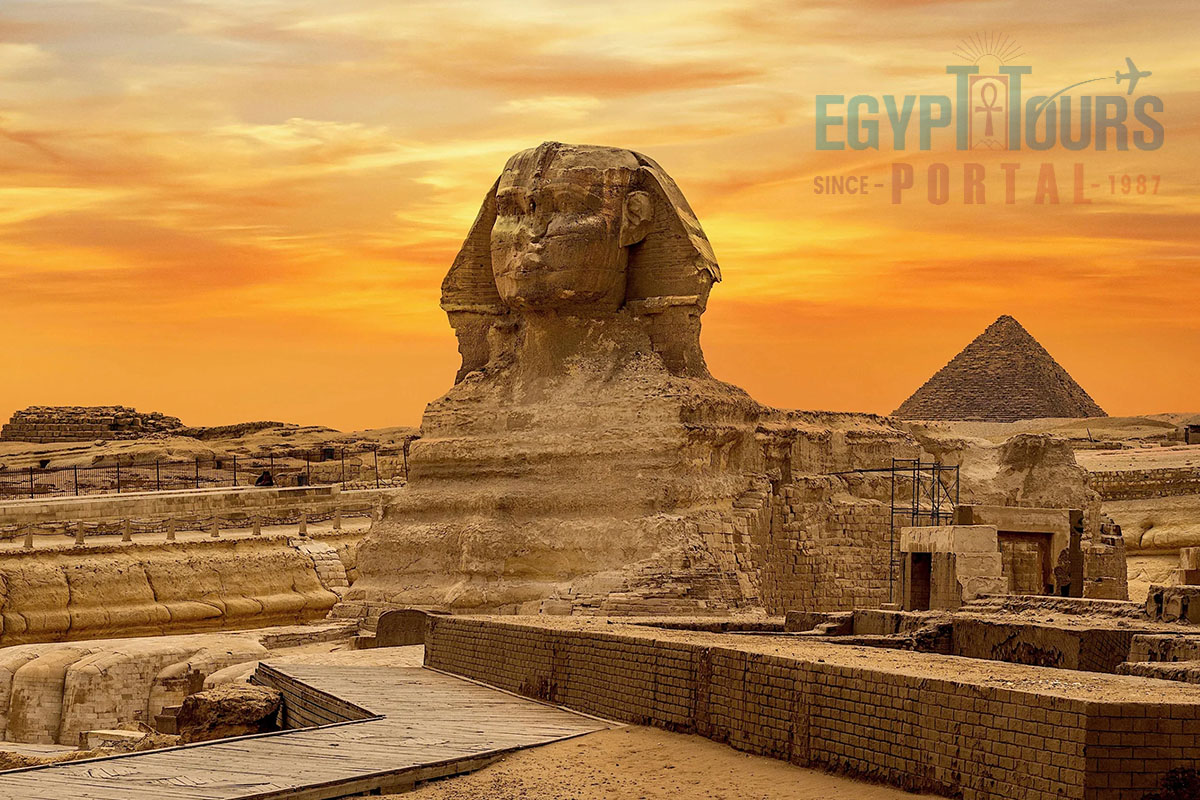
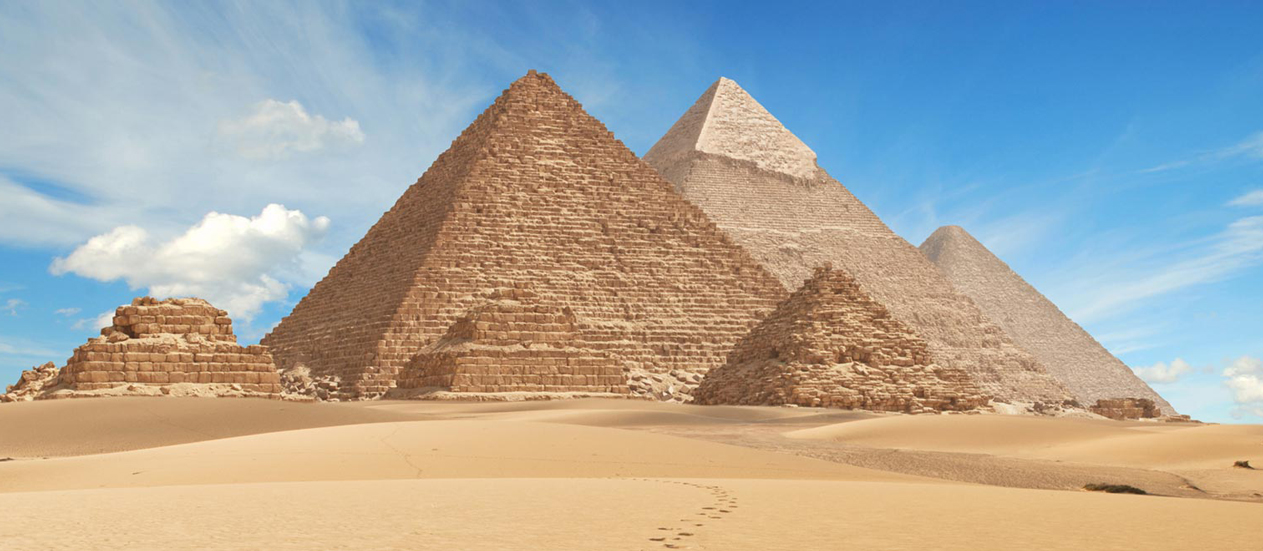
The Old Kingdom, from roughly 2700 to 2200 BC, produced the era's defining achievement: the pyramids of Giza, including the Great Pyramid of Khufu, one of the Seven Wonders of the Ancient World and the only one still standing, alongside the Great Sphinx.
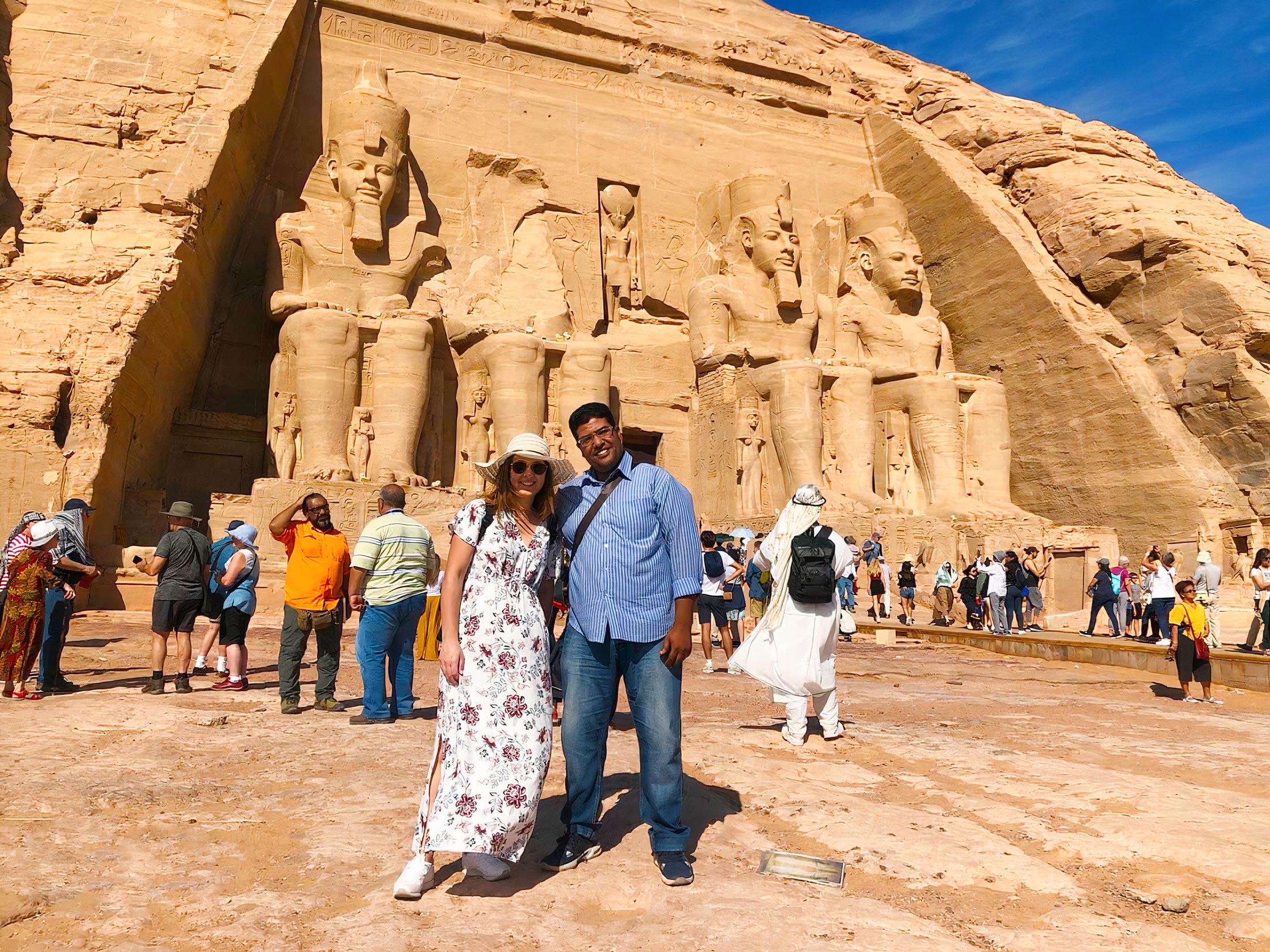
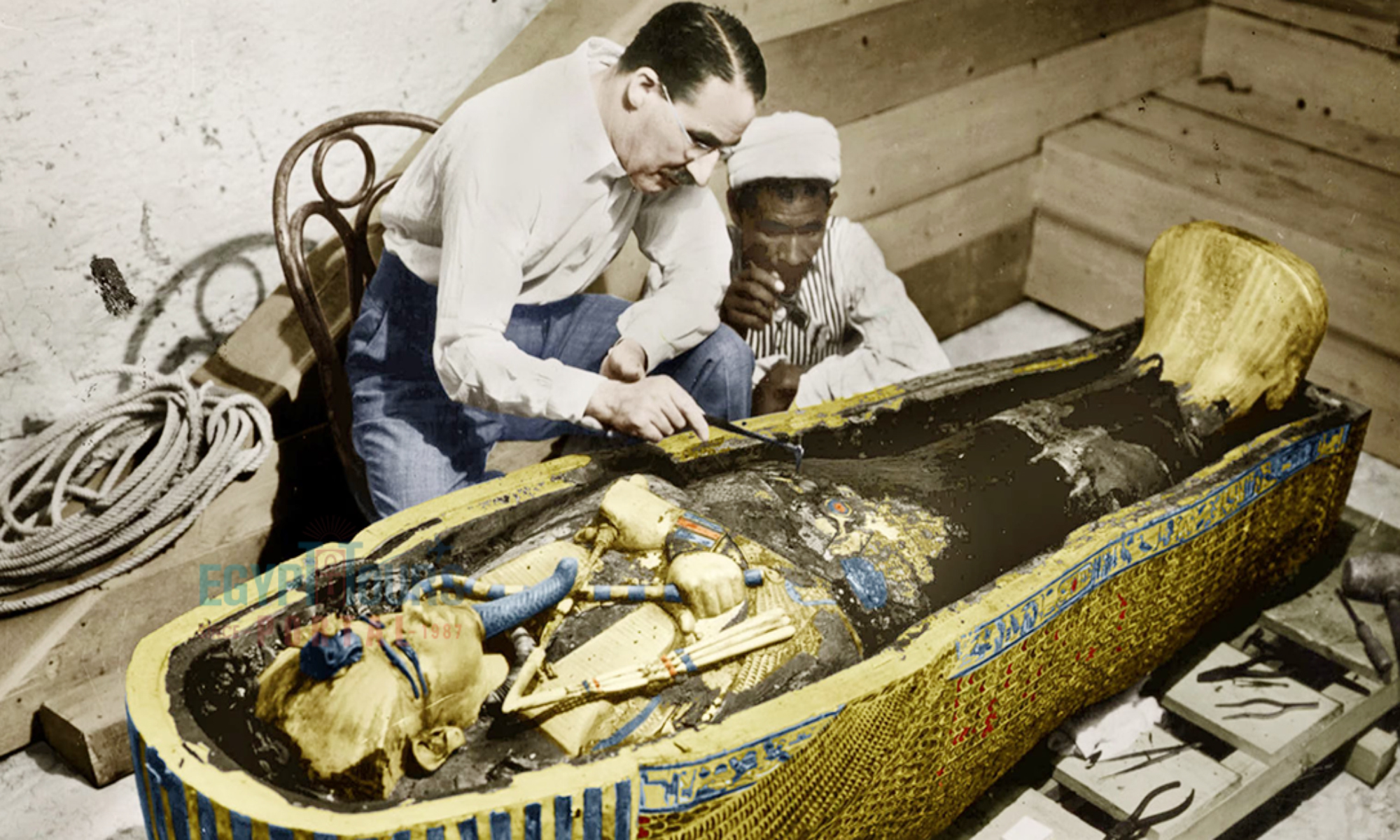
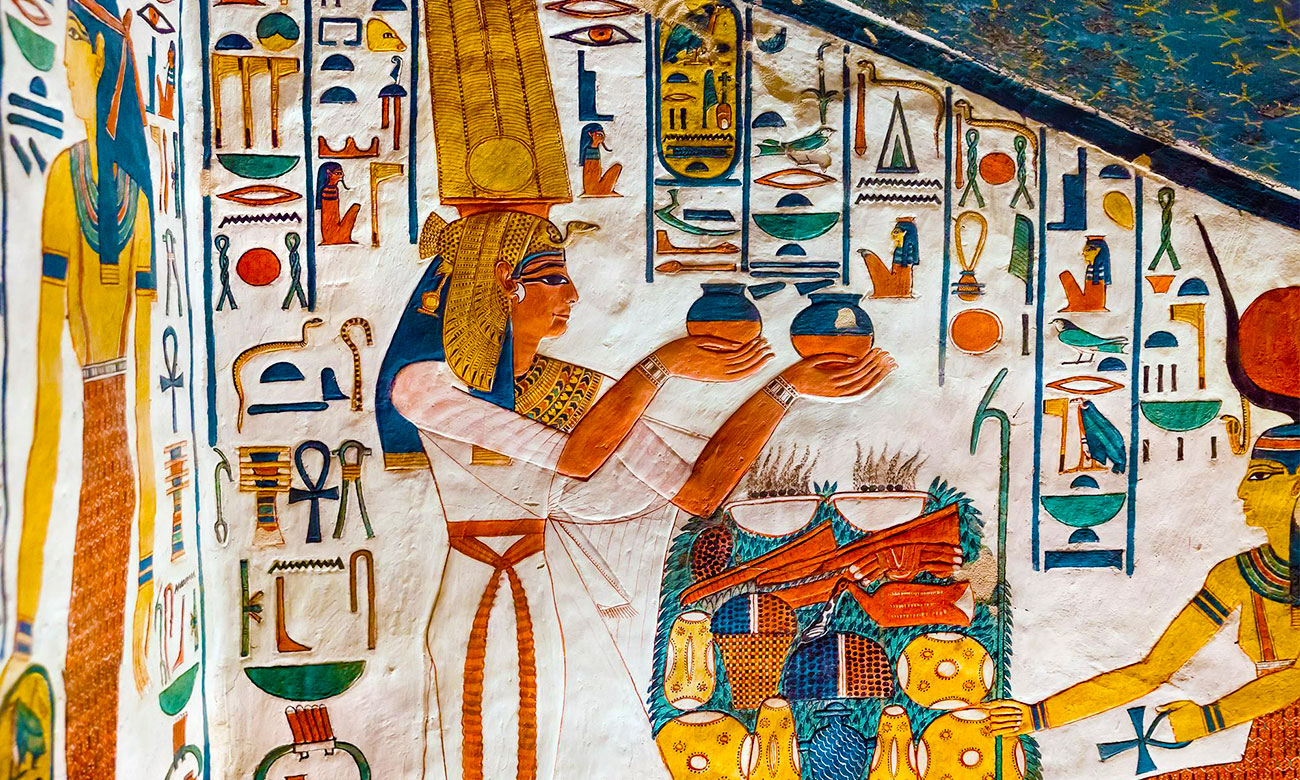
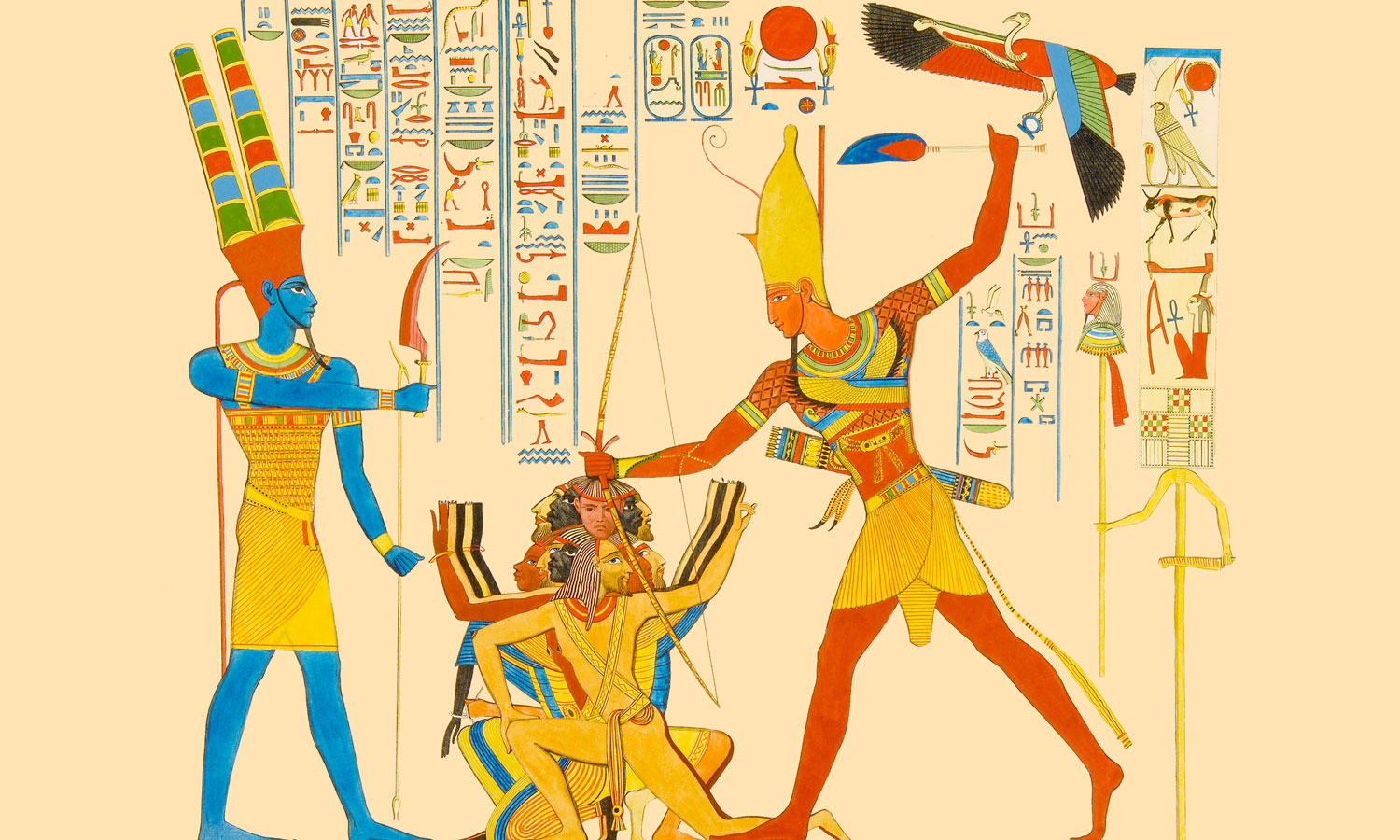
After a period of political fragmentation, the Middle Kingdom restored stability from around 2040 BC, and the New Kingdom, from about 1550 to 1070 BC, carried Egypt to the height of its ancient power, extending influence into Nubia and the Levant under pharaohs including Queen Hatshepsut, Thutmose III, Akhenaten, Tutankhamun, whose nearly intact tomb was famously discovered by Howard Carter in 1922, and Ramesses II, whose reign remains among the longest and most heavily monumented in Egyptian history.
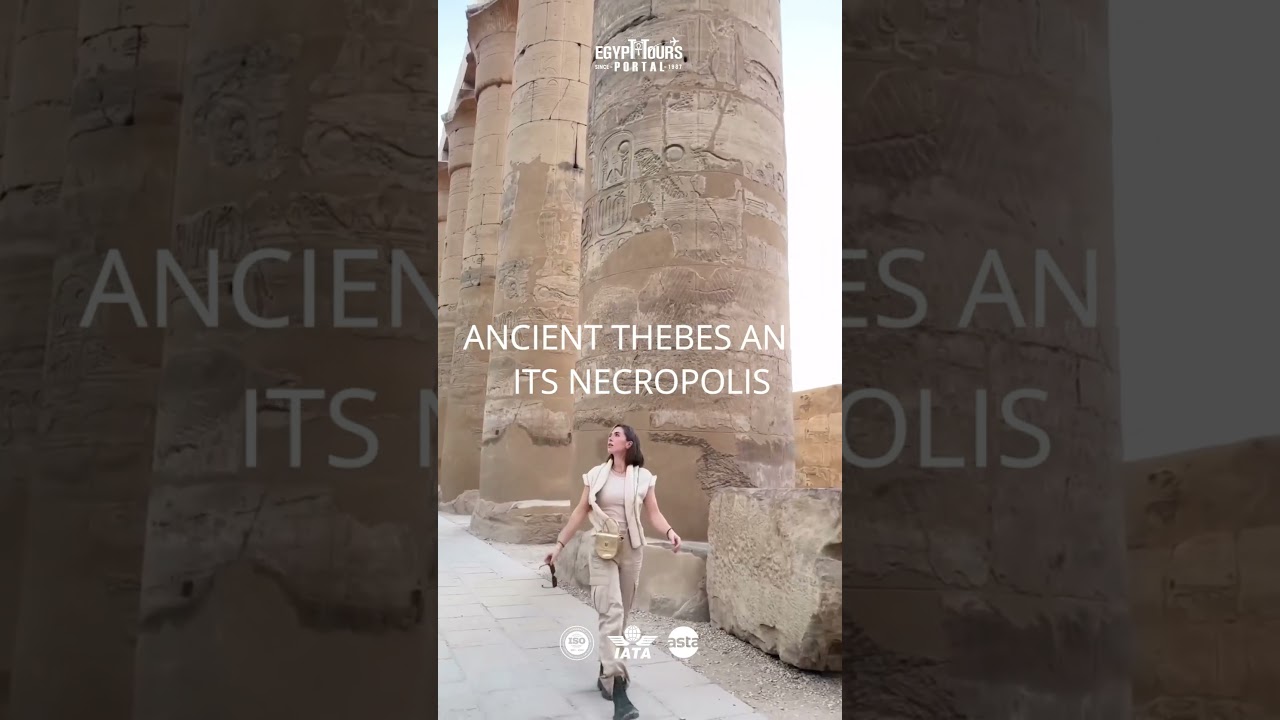
Much of this era unfolded around ancient Thebes, modern Luxor, which served for centuries as Egypt's religious and, at times, political capital. A fuller list of the era's rulers is covered in ETP's guide to ancient Egypt's pharaohs.
Persian, Greek, and Roman Egypt
Egypt's long run of native rule ended in 525 BC, when the Persian king Cambyses II conquered the country, beginning more than a century of intermittent Persian control. Alexander the Great took Egypt in 332 BC. After his death, his general Ptolemy I Soter founded the Ptolemaic dynasty. This Greek-speaking royal line ruled from Alexandria for nearly three centuries and ended with Cleopatra VII, whose defeat by Octavian in 30 BC brought Egypt directly under Roman control as a wealthy grain-producing province.
Christianity arrived in the first century AD, reportedly with Saint Mark the Evangelist, and by 451 AD Egypt's distinct Coptic Church was firmly established, a tradition still visible today at sites like Cairo's Hanging Church and the wider network of Coptic churches across Egypt.
Islamic Egypt and the Medieval Dynasties
Arab Muslim forces under Amr ibn al-As conquered Egypt between 639 and 642 AD, founding Cairo's predecessor city of Fustat and, soon after, the Mosque of Amr ibn al-As, still recognized as the oldest mosque in Africa.
Cairo itself was founded in 969 AD under the Fatimid Caliphate, which ruled from the city for roughly two centuries before giving way to the Ayyubid dynasty and, from 1250, the Mamluks, a military ruling caste of Turkic and Circassian origin who controlled Egypt for the better part of three centuries and left behind much of Islamic Cairo's most recognizable architecture, including the Salah El-Din Citadel. This long Islamic era, along with the earlier Coptic period, left Egypt with one of the richest concentrations of Islamic historical landmarks anywhere in the world.
Ottoman Rule and Modernization
The Ottoman Empire absorbed Egypt in 1517 after defeating the Mamluk Sultanate, though Mamluk elites retained real influence for centuries under nominal Ottoman authority. That balance shifted decisively in 1805, when Muhammad Ali Pasha seized power, eliminated the remaining Mamluk leadership, and built the dynasty that would rule Egypt until 1952.
His reforms modernized the army, expanded cash-crop agriculture, particularly cotton, and reshaped the state itself; his legacy is still visible in Cairo's Mohammed Ali Mosque, which crowns the citadel his successors built upon.
The Suez Canal, completed in 1869 with French engineering support, transformed Egypt's global strategic importance almost overnight, but financial mismanagement soon after forced the sale of Egypt's canal shares to Britain, and by 1882 British forces had occupied the country outright, establishing a de facto protectorate that lasted, in various forms, for the next seven decades.
Independence, Revolution, and the Modern Republic
Egypt gained formal independence in 1922, though British influence continued until the 1952 revolution, led by Muhammad Naguib and Gamal Abdel Nasser, ended the monarchy entirely and established the republic that governs Egypt in its current form.
Nasser's 1956 nationalization of the Suez Canal triggered the Suez Crisis and cemented his standing as a leading voice of Arab nationalism, while his successor, Anwar Sadat, redirected the country's Cold War alignment toward the United States and, in 1979, signed a landmark peace treaty with Israel.
Hosni Mubarak governed for nearly three decades afterward, until the January 2011 uprising, part of the wider Arab Spring, brought his presidency to an end. Egypt has been governed since 2014 by President Abdel Fattah el-Sisi, re-elected for a third term in December 2023, presiding over a country of 27 governorates and a fast-growing population now above 107 million.
The Diverse Economy of Egypt Today
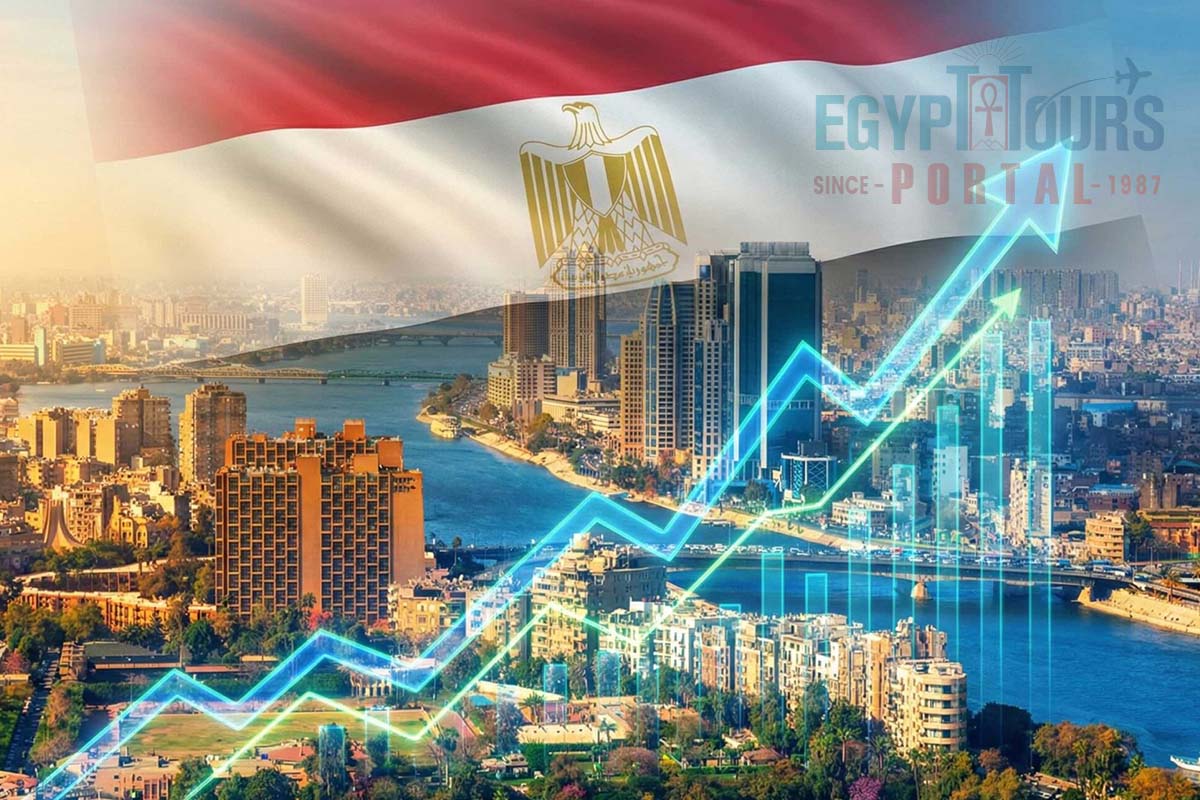
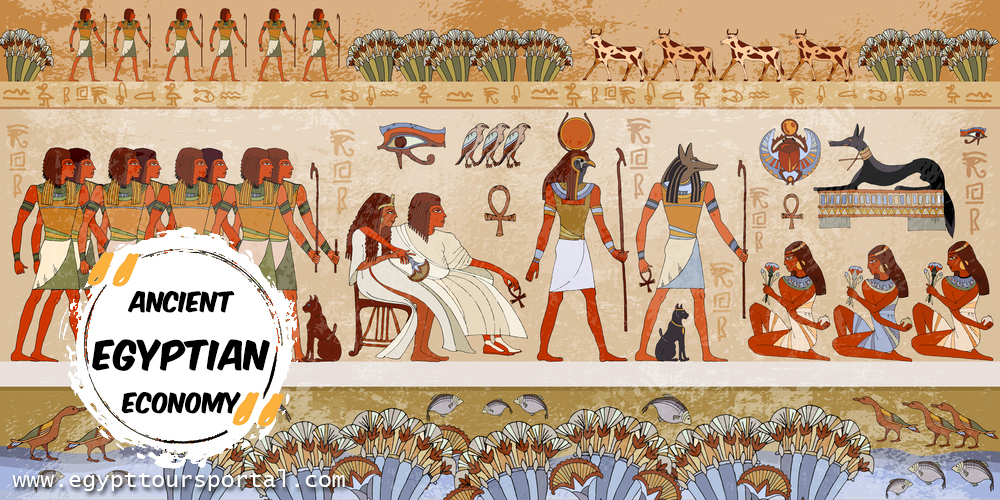
Tourism, agriculture, and the Suez Canal remain the three pillars most visitors instinctively associate with Egypt's economy, and all three still matter enormously, but the modern picture is broader than that.
Egypt now runs Africa's largest manufacturing sector, spanning textiles, chemicals, steel, and a fast-growing electronics assembly industry, alongside a natural gas sector transformed by the 2015 discovery of the Zohr field, the Mediterranean's largest known reserve. Remittances from Egyptians working abroad, which topped $36 billion in the 2024-25 fiscal year, now rank among the highest in the world relative to the size of the economy.
Tourism itself set a record in 2024, with roughly 15.7 million visitors generating $14.1 billion in revenue, and the government has set a public target of 30 million annual visitors by 2028, backed by projects like the new Grand Egyptian Museum near Giza.
Agriculture, still anchored by wheat, cotton, sugarcane, and rice grown along the Nile, remains essential to daily life even as Egypt imports a significant share of its grain, while the Suez Canal continues to move a substantial share of global shipping traffic through Egyptian waters, exactly as it has since 1869.
What Kind of Tourism Does Egypt Offer?
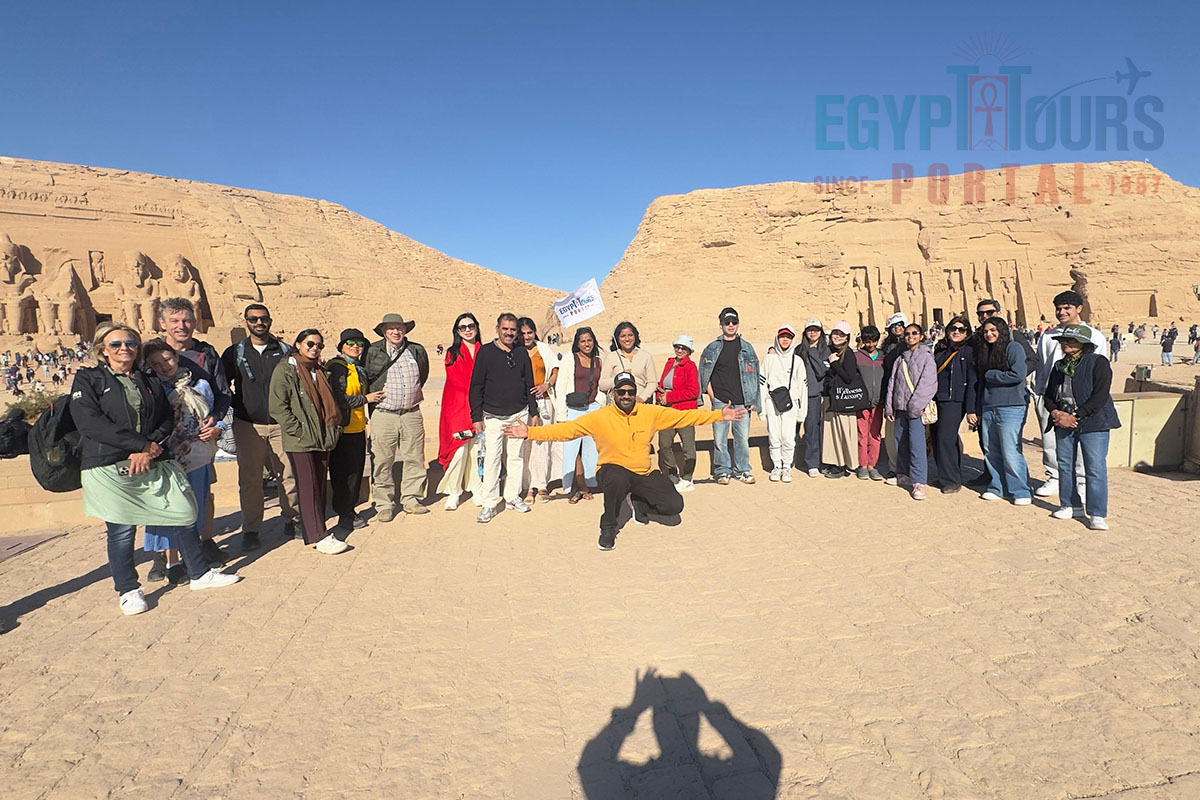
That 15.7 million-visitor figure hides just how differently people actually spend their time in Egypt, since the country supports several genuinely distinct kinds of travel rather than one single itinerary repeated by everyone.
Historical and cultural tourism remains the largest draw by far, built around the pyramids, temples, and tombs already covered throughout this guide, alongside Islamic-era landmarks like Cairo's Al-Azhar Mosque, founded in 970 AD and still standing as one of the world's oldest working universities.
Religious tourism runs alongside it but follows its own itineraries, tracing three faiths across the same landscape: Coptic Christian sites including the Hanging Church, Islamic centers such as Al-Azhar, and Jewish heritage preserved at Cairo's Ben Ezra Synagogue, built around 882 AD and once home to a trove of medieval manuscripts now held at Cambridge University.
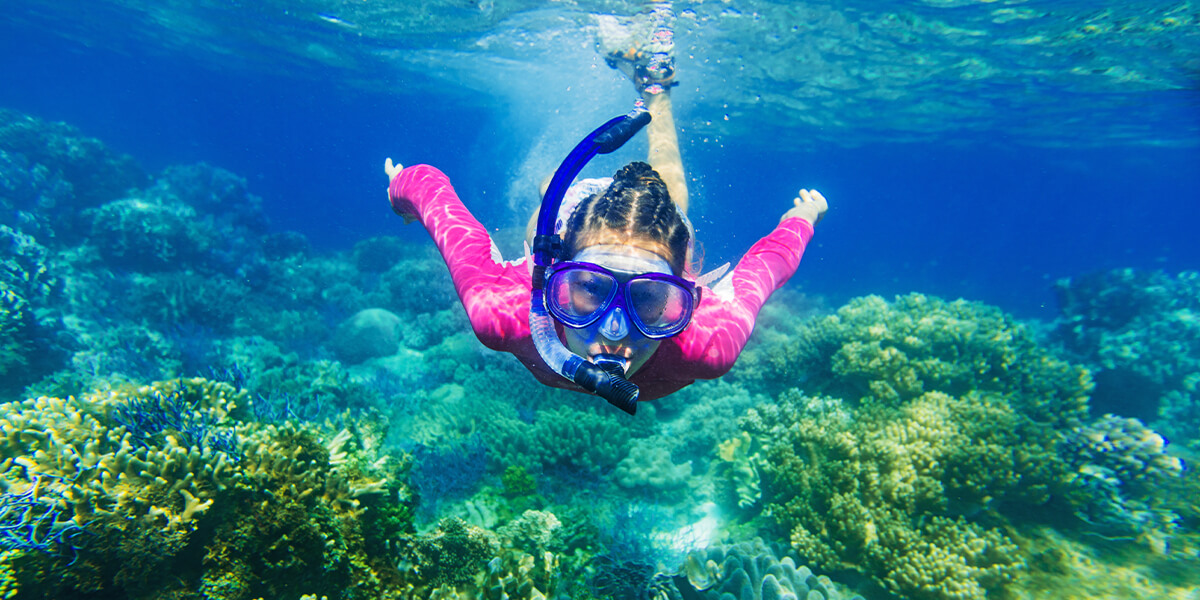
Recreational and beach tourism draws an entirely different crowd toward the Red Sea coast, where diving and snorkeling among coral reefs at Hurghada, Sharm El-Sheikh, and Marsa Alam compete with the Mediterranean's own beach towns for visitors who have no interest in a single temple.
A smaller but distinct medical tourism trade has also grown around towns like Safaga, where black sand and mineral-rich waters attract visitors seeking relief from conditions like psoriasis and rheumatoid arthritis, treatments with a long enough track record locally that several clinics now market specifically to international patients rather than domestic ones.
Further off the standard route, desert and oasis tourism takes travelers away from the Nile entirely, into the Western Desert toward places like Siwa Oasis, near the Libyan border, where salt lakes, hot springs, and a distinct Berber culture offer a version of Egypt that has little to do with pharaohs at all.
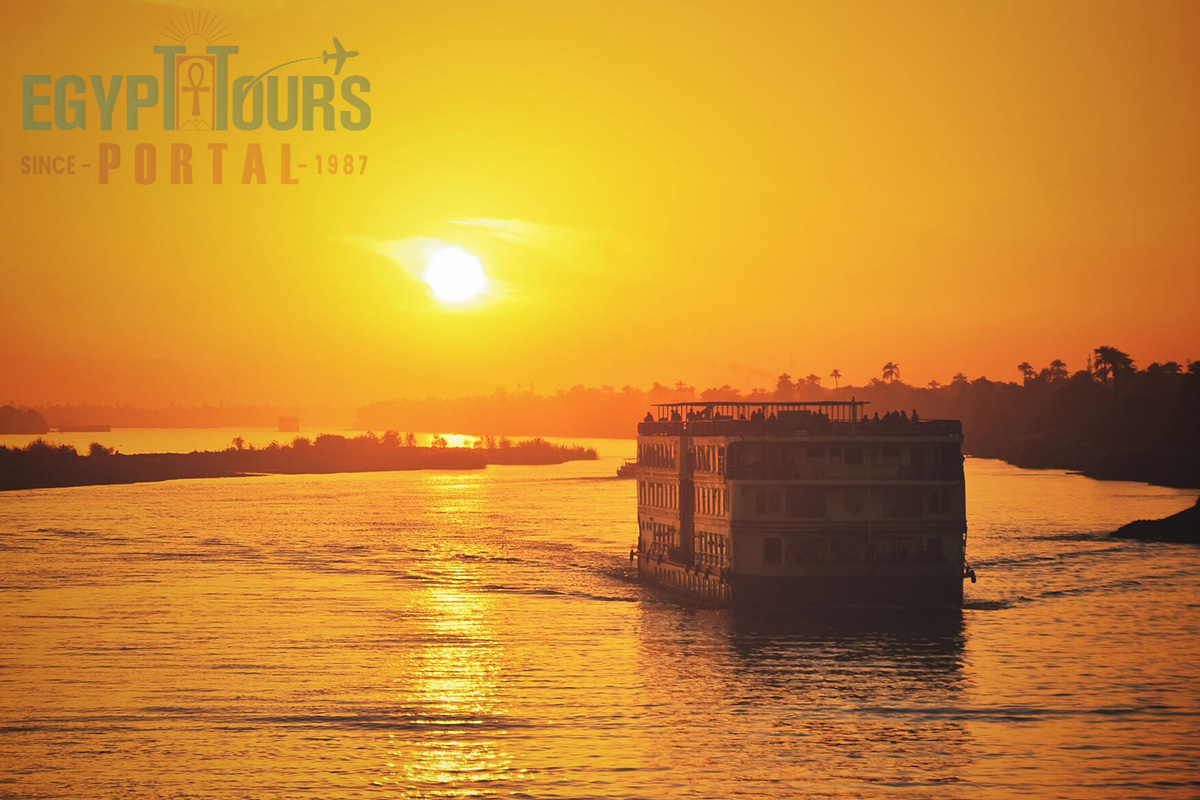
Between these categories, a Nile cruise functions almost as a hybrid, combining the historical sightseeing of Luxor and Aswan with the recreational pace of a multi-day boat trip, proof that most visitors, in practice, end up mixing more than one kind of Egyptian tourism into a single trip rather than choosing only one.
Explore the People, Language, and Religion of Egypt
Egypt is home to more than 107 million people, the most populous country in the Arab world, the third-most populous in Africa, and the 15th-most populous on Earth. The overwhelming majority live within a few kilometers of the Nile, giving Egypt one of the most unevenly distributed populations of any large country.
Arabic is the official language nationwide, spoken in a distinctly Egyptian dialect that differs in everyday use from the more formal Classical Arabic of religious and written contexts, and English is widely understood across the tourism industry.
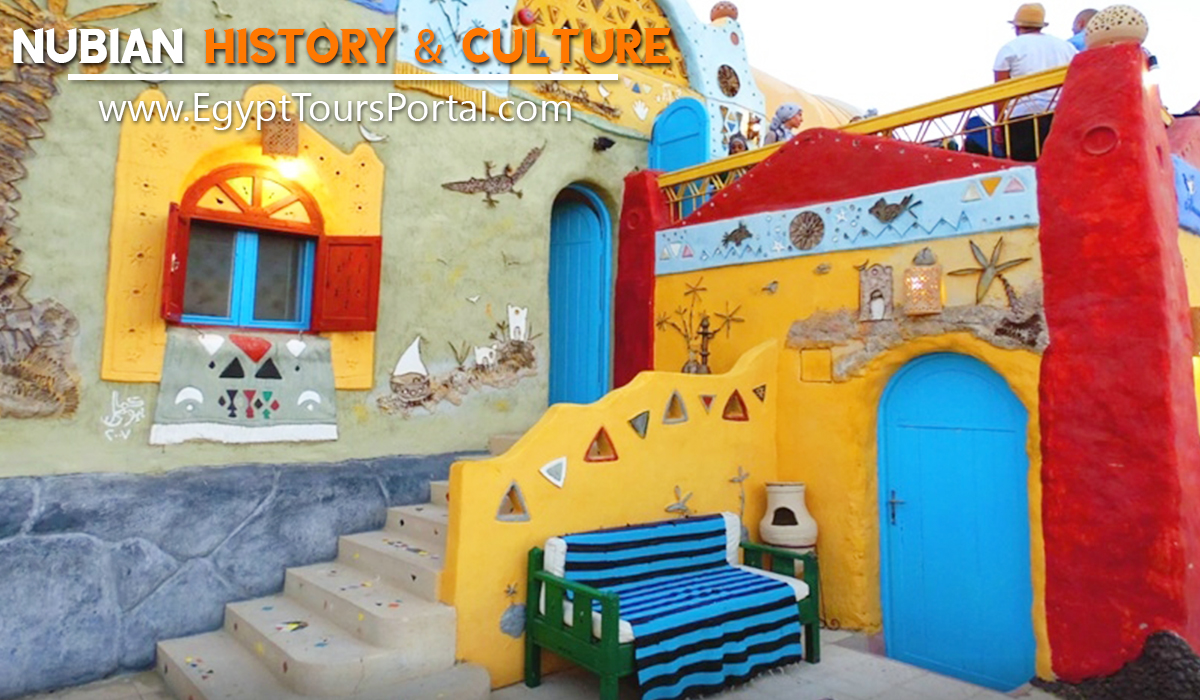
Islam is Egypt's official religion and the faith of the large majority of the population, while Coptic Christians make up the country's most significant religious minority, tracing their roots directly back to the same first-century Christian communities that gave the Coptic Church its name. Southern Egypt also carries a distinct thread of Nubian heritage and culture, concentrated around Aswan and Lake Nasser, with its own language, art, and traditions predating Pharaonic Egypt itself.
Shed Light on Egyptian Culture, Food, and Festivals
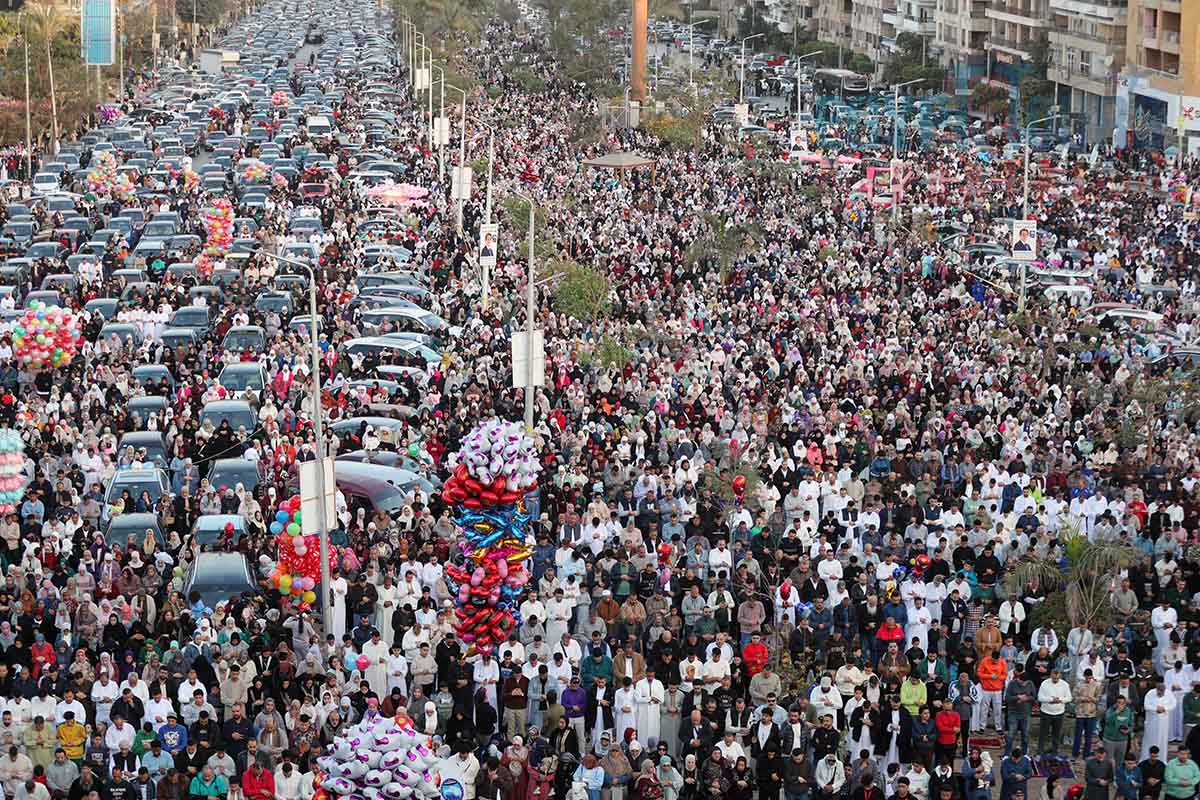
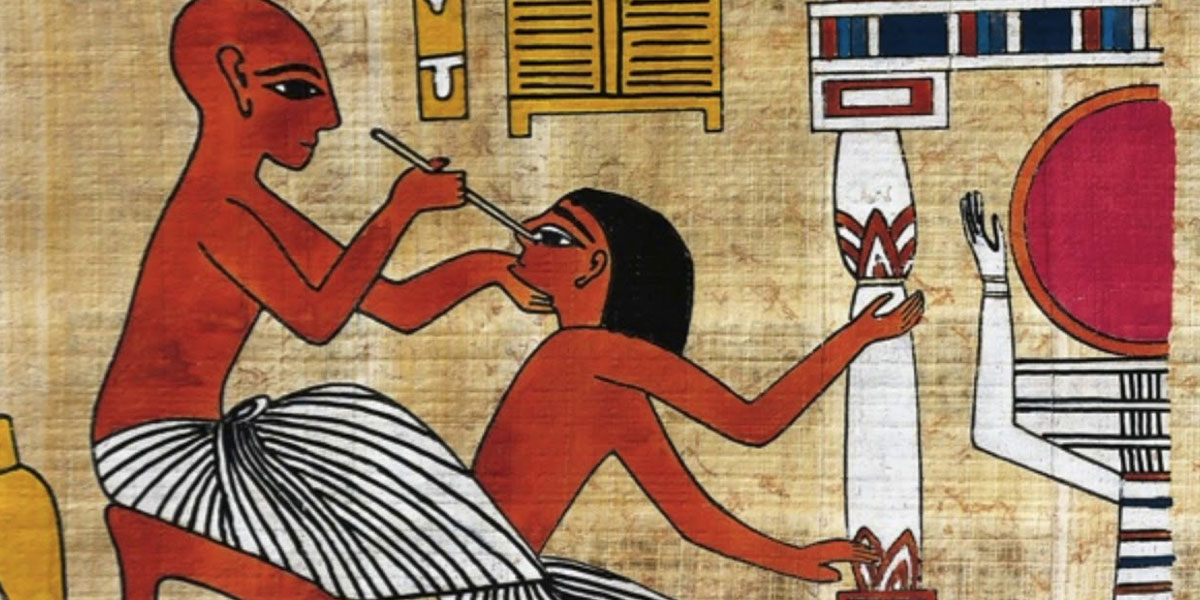
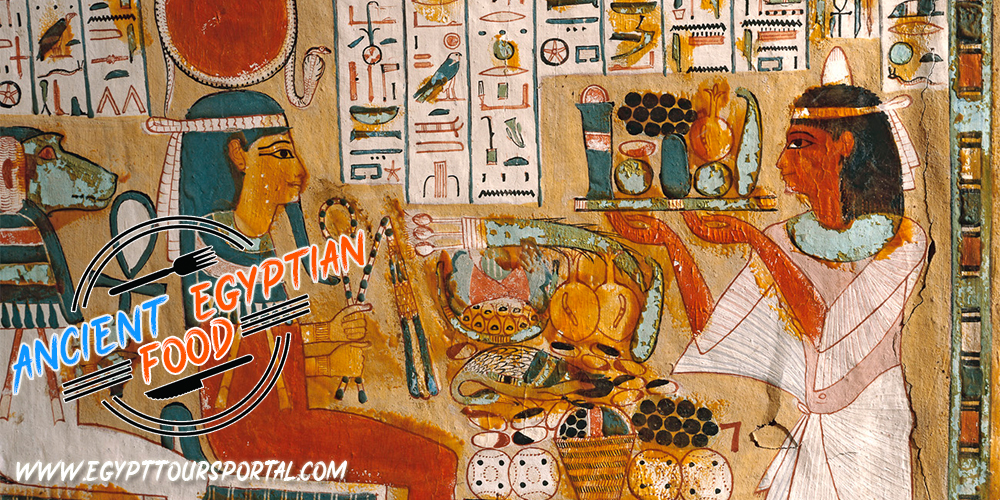
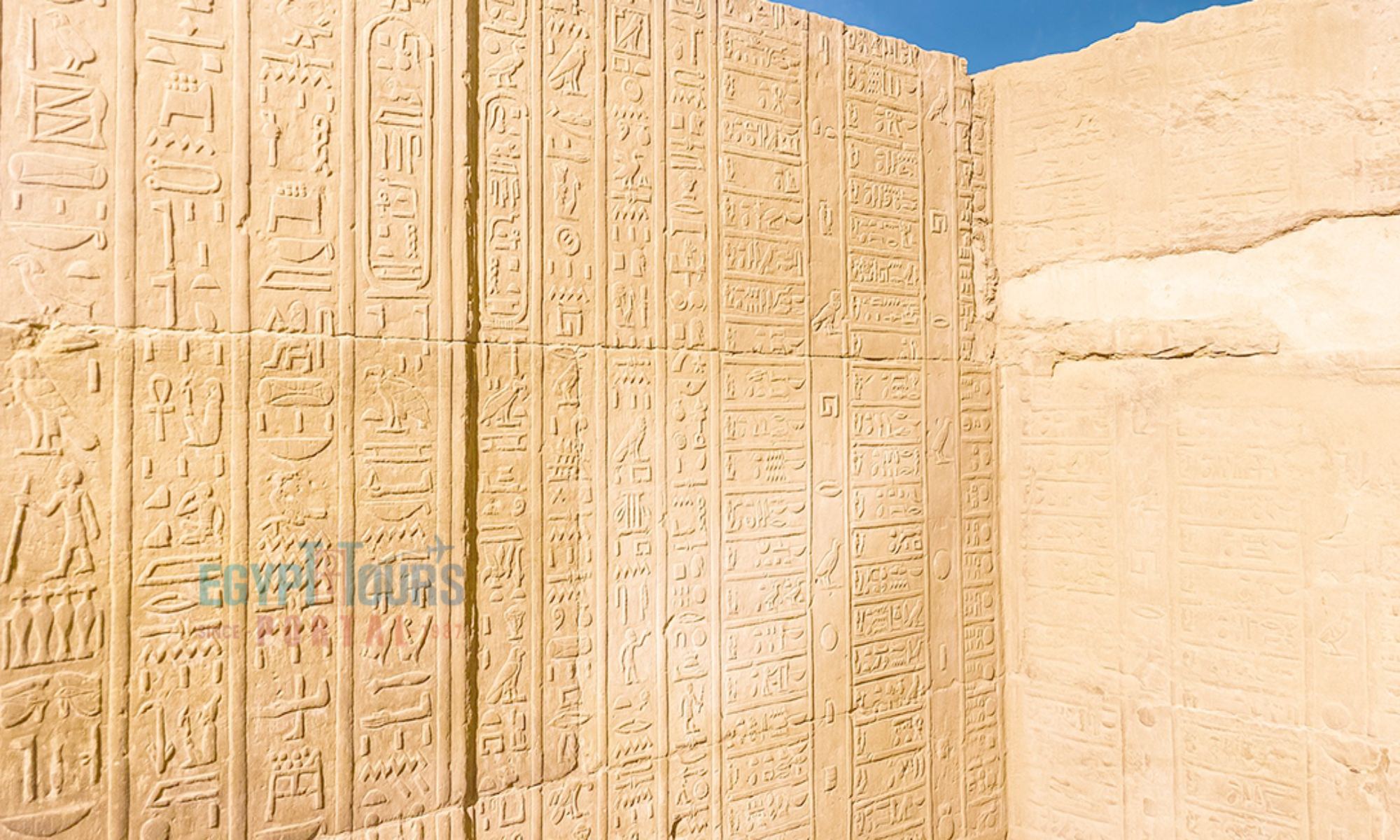
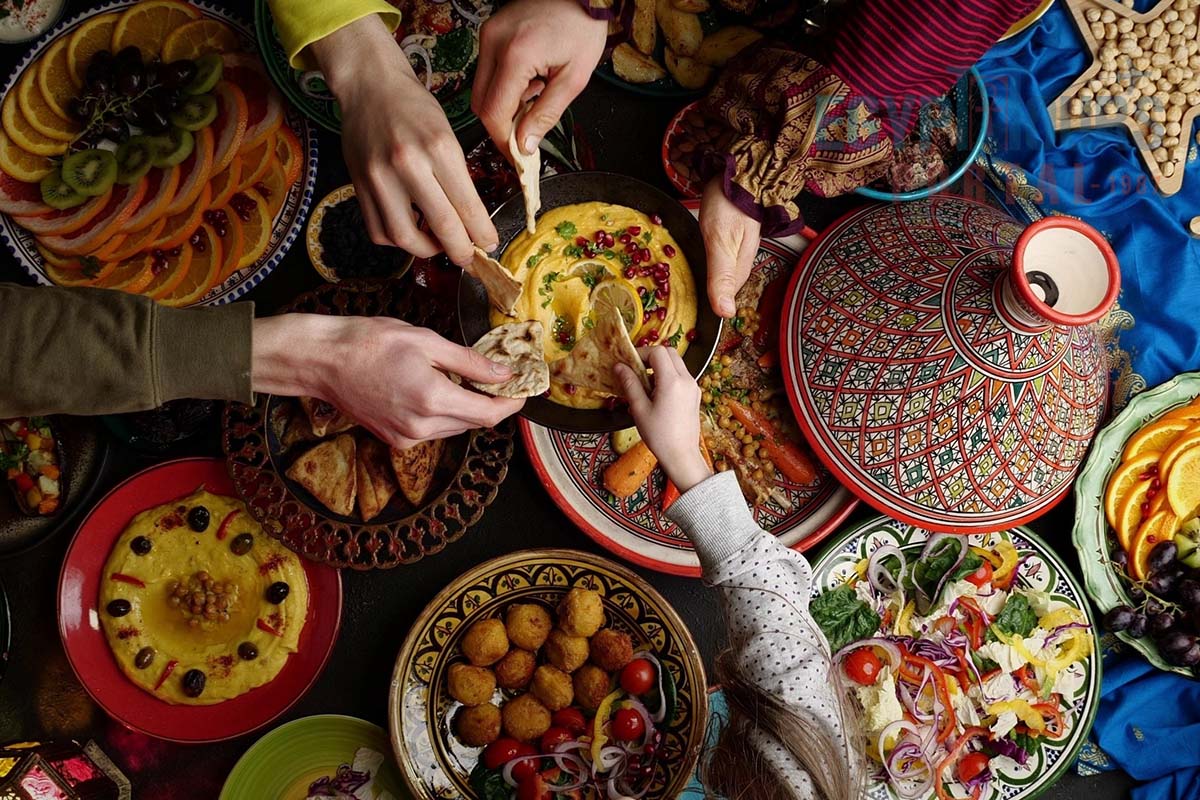
Egyptian daily life still carries visible threads back to the pharaonic period, from a folk-medicine tradition with roots in ancient Egyptian medicine to a numerical and calendar system whose origins lie in ancient Egyptian mathematics and astronomy. Food remains one of the clearest through-lines from past to present: staples like ful medames (slow-cooked fava beans), koshari (a hearty mix of rice, lentils, and pasta topped with spiced tomato sauce), and grilled kofta all draw on Egyptian food traditions that, in some form, trace back to what ancient Egyptians themselves ate along the same river.
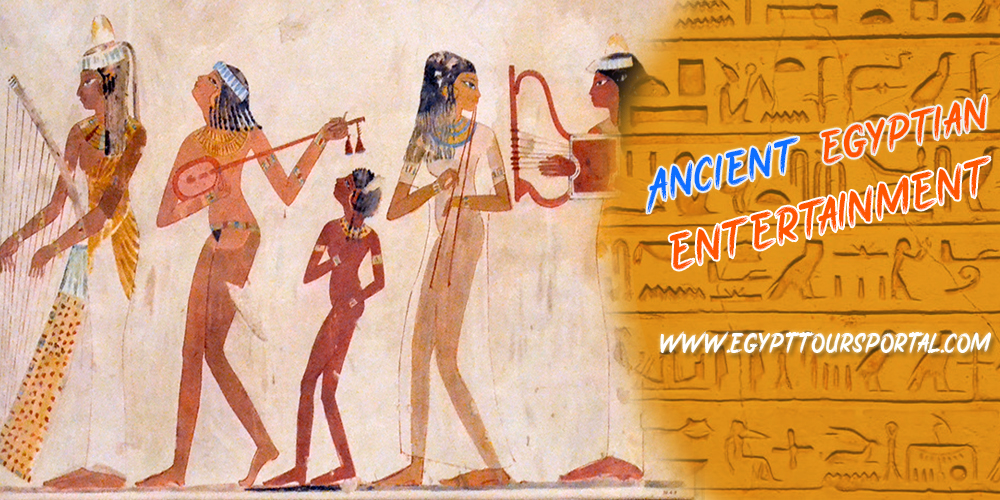
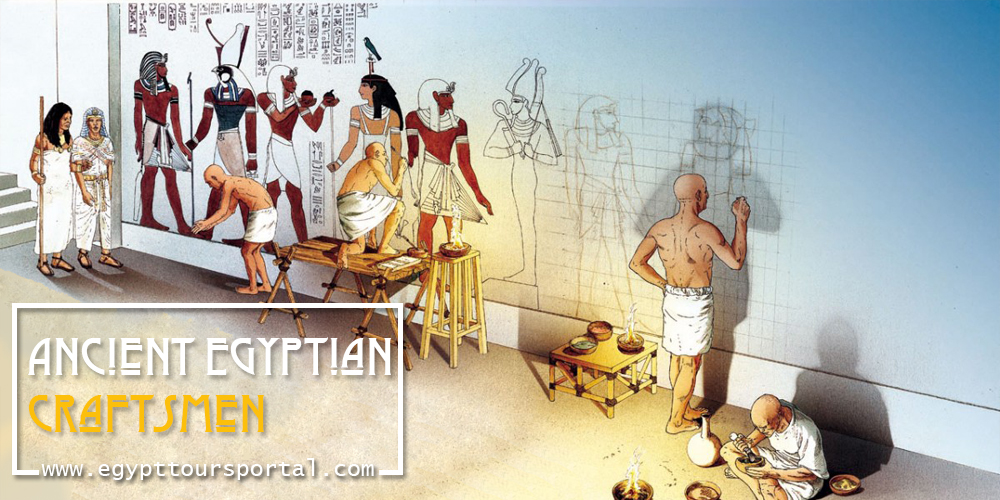
Egypt's calendar is dotted with festivals and public holidays that reflect its layered religious history, from the Islamic calendar's Ramadan and Eid celebrations to Coptic Christmas and Easter, alongside national holidays marking the 1952 revolution and the country's modern independence. Music, storytelling, and craftsmanship, particularly in textiles and metalwork, remain active traditions rather than museum pieces, visible in the markets of Cairo, Luxor, and Aswan alike.
Cast Your Eyes On Egypt's Top Destinations
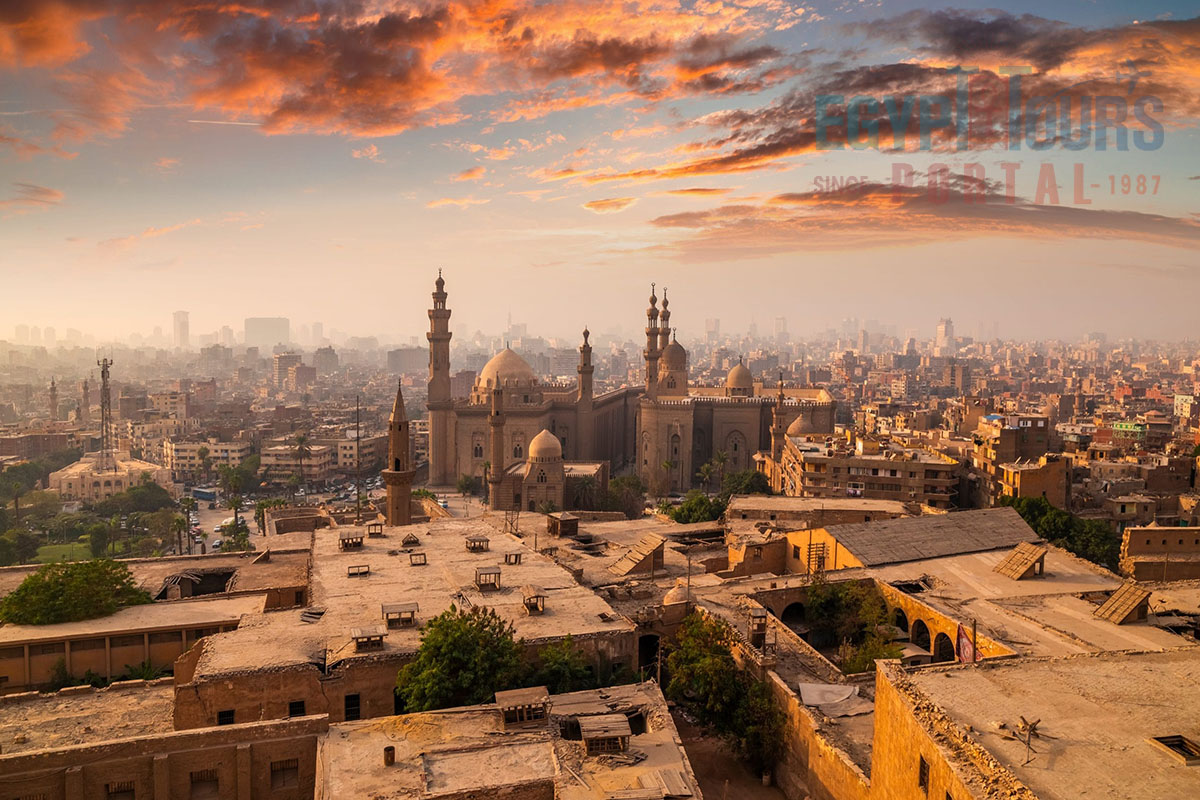
Cairo and Giza
Cairo, Egypt's capital and by far its largest city, anchors most first-time visits, combining the Giza Plateau's pyramids and Sphinx with Islamic Cairo's mosques and citadels and the treasures of its museums. A closer look at the city's full range of sights is covered in ETP's guide to Cairo's tourist attractions.
Luxor and Aswan
Further south, Luxor, built on the site of ancient Thebes, and Aswan, Egypt's Nubian-influenced southern gateway, hold the greatest concentration of surviving pharaonic temples and tombs anywhere in the country. Between them, a Nile cruise remains one of the most efficient and scenic ways to see both cities' major sites without repeated overland transfers. Full destination breakdowns are available for Luxor's attractions and Aswan's attractions.
Alexandria and the Mediterranean Coast
On the Mediterranean, Alexandria carries an entirely different atmosphere from the rest of Egypt, shaped by its Greek and Roman founding and centuries as a cosmopolitan port city, detailed further in our guide to Alexandria's attractions.
The Red Sea Riviera
To the east, resort towns including Hurghada, Sharm El-Sheikh, Marsa Alam, and El Gouna give Egypt an entirely different travel identity built around coral reefs, diving, and beach resorts along the Red Sea coast, a sharp contrast to the temple-and-tomb itineraries further inland.
Introducing Egypt
Check out our intro to Egypt for all the important travel information you'll need. Start reading now for key insights!
Discover the Best Time to Visit Egypt
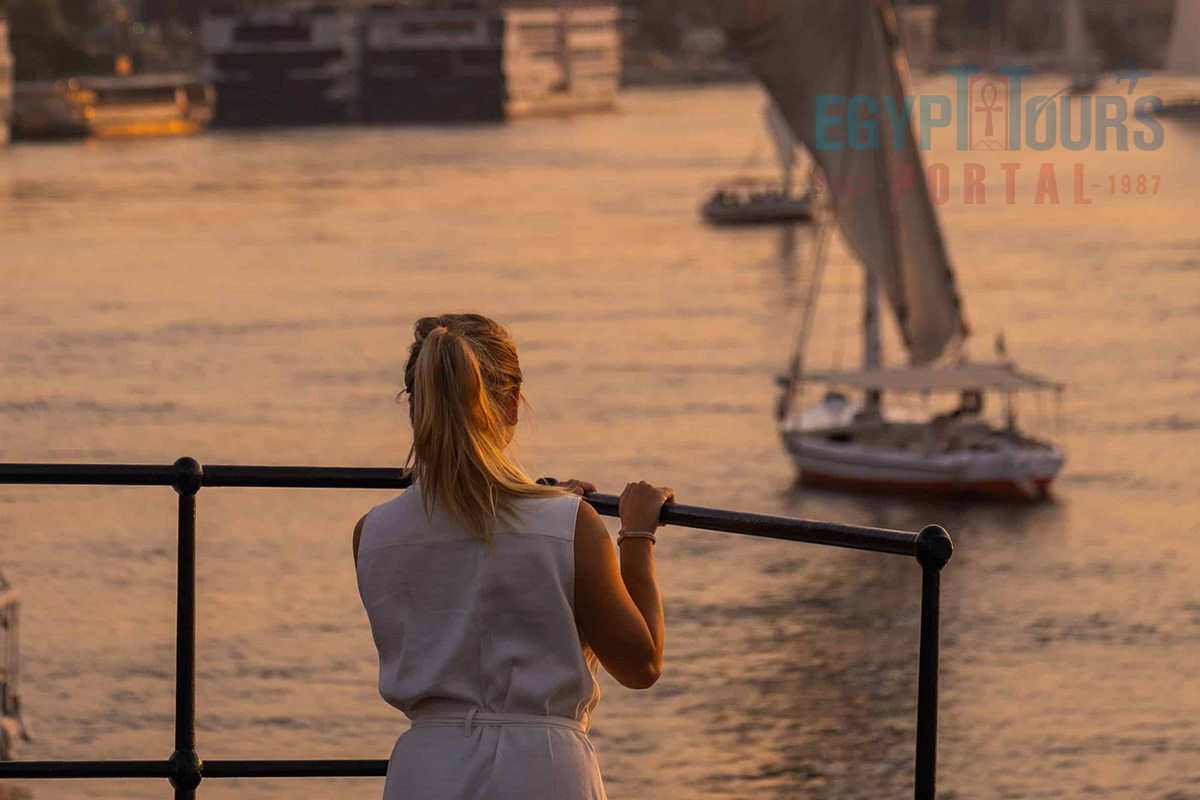
Egypt's best time to visit runs from October through April, when temperatures across the Nile Valley and Cairo settle into a genuinely comfortable range for sightseeing, particularly at open-air sites like Giza and Karnak with little natural shade. The Red Sea coast runs slightly milder year-round thanks to sea breezes, making it a workable winter escape even when Upper Egypt's own winter nights turn surprisingly cool.
Learn How to Plan Your Trip to Egypt
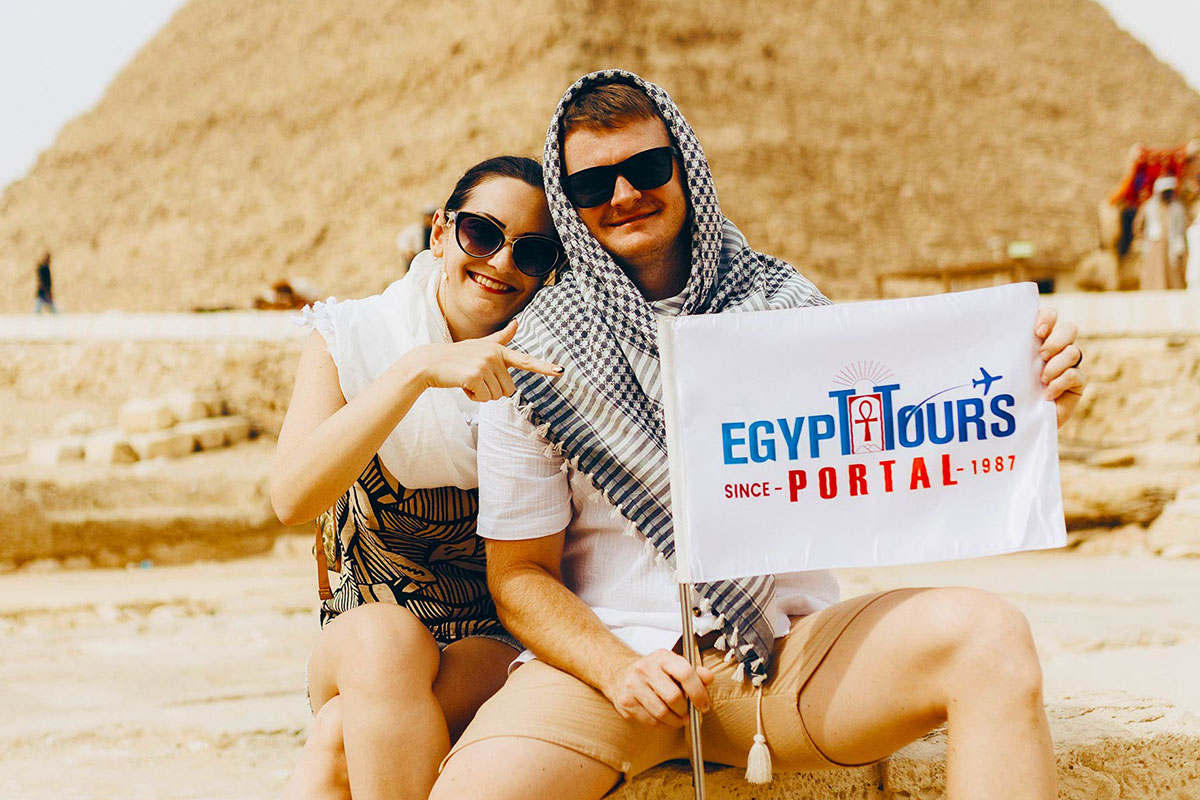
Most visitors need an Egypt travel visa, available on arrival or in advance online for most nationalities. Deciding what to pack matters more than usual given the climate extremes between desert daytime heat and cool desert nights, and most travelers researching the trip beforehand also ask whether Egypt is safe to visit, a question best answered with current travel advisories and a sensible, standard set of precautions around valuables and crowded tourist areas rather than outdated assumptions.
For first-time visitors trying to decide where to actually go, the best places to visit in Egypt is a useful starting point, and single-day options are available through Cairo, Luxor, Aswan, and Hurghada day trip listings for travelers building their own itinerary city by city.

Egypt Travel Tips
Explore top sights and useful tips with our Egypt travel blog, your ultimate guide to the must-visit tourist attractions in Egypt.
Enjoy the Immortal Marvel of Egypt With One of Our Epic Egypt Trips
Egypt asks to be understood in layers rather than all at once: pharaonic, Greek, Roman, Coptic, Islamic, and modern, each one built directly on top of the last rather than replacing it outright. That layering is what makes the country feel, even after two centuries of serious archaeology, like it still has more to reveal than any single visit could cover.
If you want to enjoy a fabulous vacation where you will visit all these historical monuments and discover the Ancient Egypt Civilization, then you can explore our Egypt tour packages or Nile river cruises and choose your own journey.