Whatsapp Me
We’re nominated for Egypt’s Leading Travel Agency 2026 – Your vote matters! Vote Now
Egypt Tours Portal
Egypt Cities

Discover Nile River Map, Life, History, Sources, & Facts

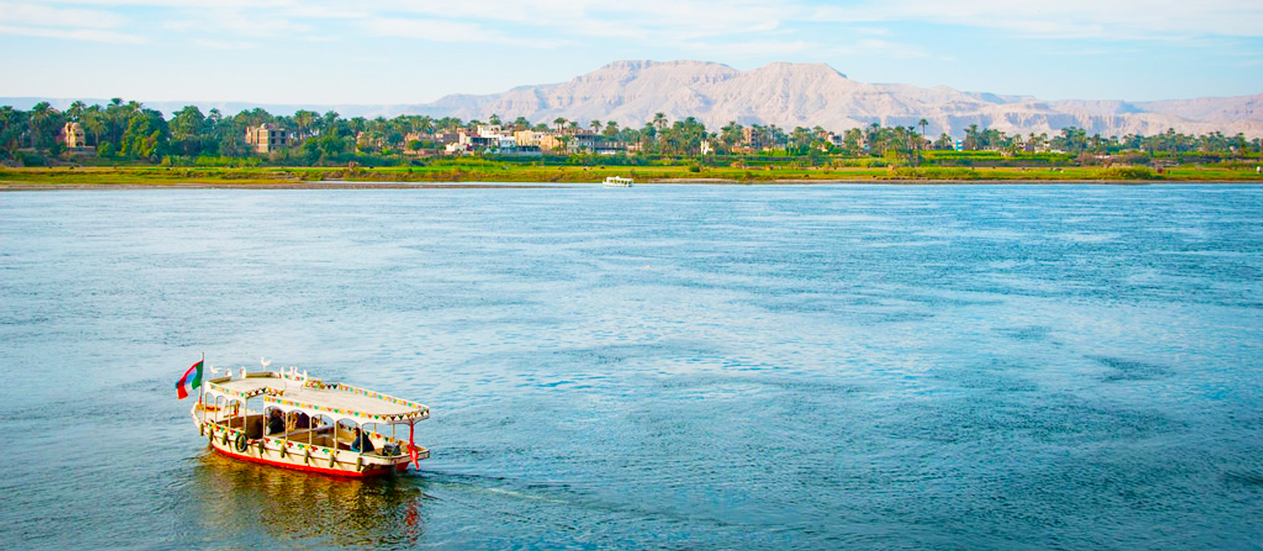
The Nile River has been essential to Egypt for over 5,000 years, providing fertile soil for agriculture, including crops like wheat and cotton. Spanning 6,650 kilometers, it also served as the main transportation route, aiding trade and construction projects. The river influenced Egypt's calendar, dividing it into seasons of flooding, growing, and harvest. It held significant religious and cultural meaning, with deities like Hapi and Osiris representing fertility and regeneration. The Nile was central to Egypt's economy, politics, and spiritual life, symbolizing the balance between order and chaos.

ETP TEAM
Written by ETP TEAM
Published Aug 08, 2018 Updated Jun 10, 2025 20 min read

Discover Nile River Map, Life, History, Sources, & Facts

Summary

  • The Nile River, stretching across Africa, is the lifeblood of Egypt, sustaining its people, crops, and economy for over five millennia.
  • Spanning 6,650 kilometers, it is crucial to Egyptian agriculture, providing fertile soil for crops like wheat and cotton through annual flooding.
  • The river was also Egypt's primary transportation route, facilitating trade and monumental construction projects.
  • It shaped the Egyptian calendar, divided into three agricultural seasons: flooding, growing, and harvest.
  • The Nile’s religious and cultural significance is immense, with deities like Hapi and Osiris symbolizing fertility and regeneration. The river’s influence is evident in the ancient Egyptians' perception of order versus chaos, linking Upper and Lower Egypt, and playing a pivotal role in Egypt's economic, political, and spiritual life.

The Nile River is a living miracle and the giver of life for every soul in Egypt. The purpose of this article is to offer every traveler all the facts, information, and details about the effect and history of the Nile River. This article was written by a very skilled team of tour operators, tour guides, and researchers who have all the information concerning the great Nile River. Since the dawn of civilization, thousands of years ago, the Nile River has represented the main source of irrigation that transformed the dry area around it into lush agricultural land.

Till this current moment, the river continues to act as the source of irrigation, as well as an important transportation and trade route. The Nile River in Egypt represents a bond that connects all families around the water from the riverbank, and is surrounded by ruins left by ancient civilizations.

Egypt is the Gift of the Nile” is an old saying that is passed spontaneously through the minds of most people all over the world without paying attention or realizing its real meaning or importance. There is no natural landmark in the world that can capture the imagination just like the Nile River. The Nile River is more than just a river, but a gateway to the heavens and a means of communication between a wide variety of nations from Lake Victoria to the Arabian Desert and the Nile Delta. 

The Nile River Map and Where it is Located?Map of the Nile in Ancient Egypt
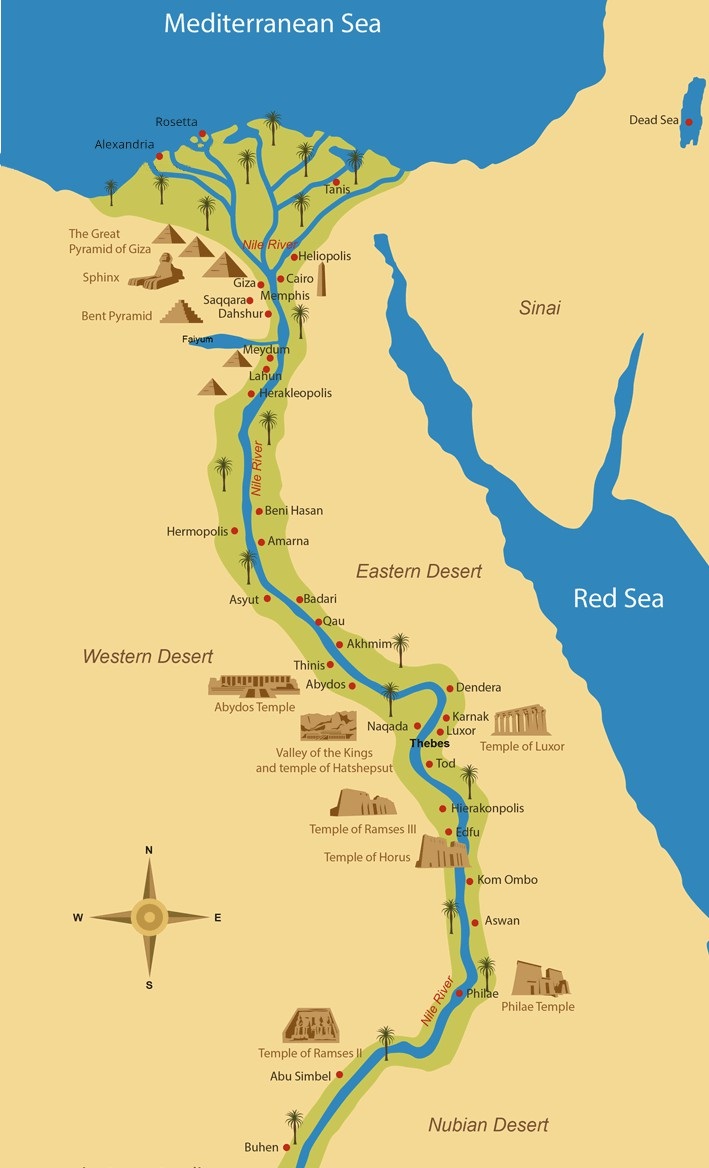
The Nile River is one of the most significant waterways in history, stretching across the African continent from south to north, beginning in the rivers that flow into Lake Victoria and ending in the Mediterranean Sea. Spanning over 6,600 kilometers (4,100 miles), the Nile River is the longest in the world. The Nile River is the ultimate waterway as it links the countries of the Nile Basin that cover 11 African countries, which are:-

  1. Uganda.
  2. Eritrea.
  3. Rwanda.
  4. The Democratic Republic of the Congo.
  5. Tanzania.
  6. Burundi.
  7. Kenya.
  8. Ethiopia.
  9. South Sudan.
  10. Sudan.
  11. Egypt.

This shared resource is a crucial lifeline, as it provides water, sustenance, and economic resources to all these nations. The Nile is fed by two main tributaries, each with unique characteristics and geographic significance:

1. The White Nile

Often considered the Nile’s primary tributary, the White Nile begins in the Great Lakes region of Central Africa, flowing northward through countries such as Burundi, Rwanda, Tanzania, and Uganda before merging with the Blue Nile in Sudan.

2. The Blue Nile

The primary source of ninety percent of water. This tributary is responsible for nearly 90% of the Nile’s water volume and silt, which originates from Lake Tana in the Ethiopian highlands. The nutrient-rich silt of the Blue Nile is particularly crucial for agriculture, as it replenishes the soil along the river’s banks each year.

The convergence of these two tributaries occurs at Khartoum, the capital of Sudan, where they join to form a single river flowing northward into Egypt. Lake Victoria, the largest lake in Africa, is traditionally considered the source of the Nile, despite multiple feeder rivers adding to its volume. Within Egypt, the Nile extends from the northern borders of Lake Nasser in Aswan, winding through major cities such as Luxor and Cairo, until it reaches its endpoint at the Mediterranean Sea. Just north of Cairo, the river splits into two branches, known as the Damietta and Rosetta branches, forming the Nile Delta, which fans out across the Mediterranean coastline.

What is the Nile Delta?
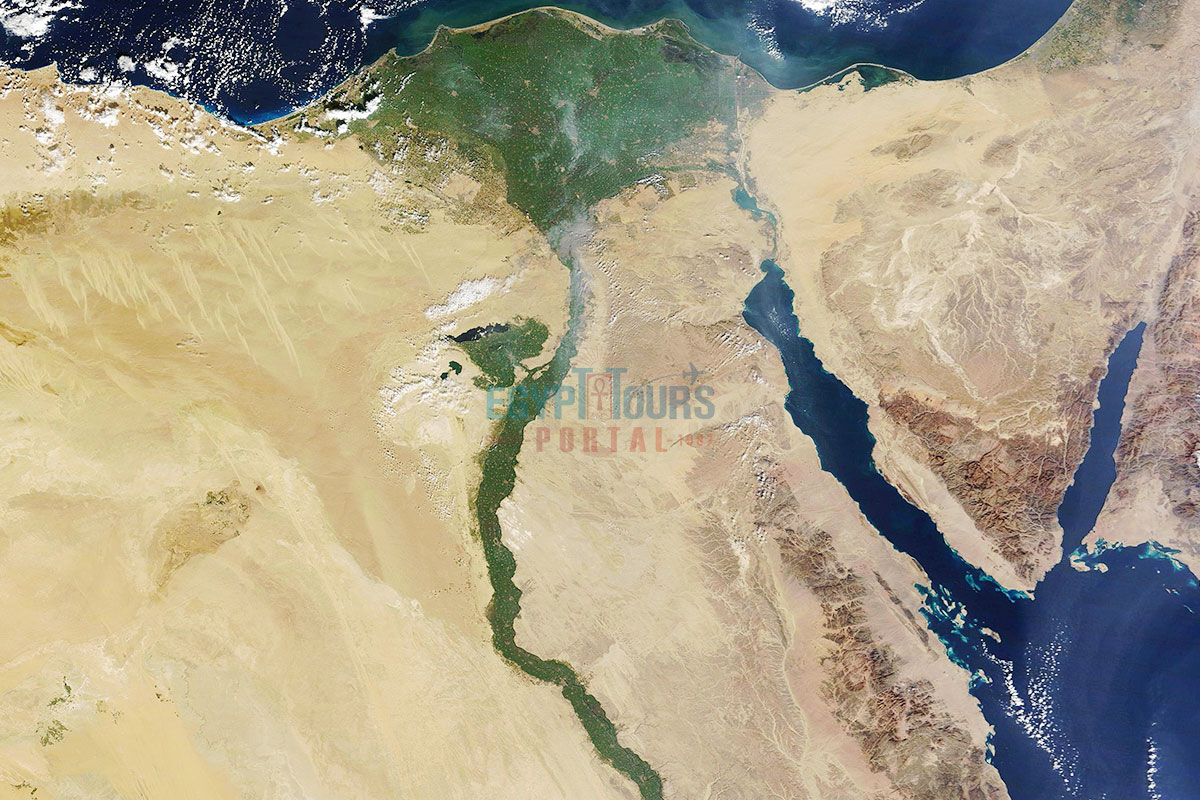
Nile Delta - Egypt Tours Portal

The Nile Delta is among the largest river deltas on Earth, renowned for its rich agricultural lands and extensive population. Stretching from Alexandria in the west to Port Said in the east, the delta spans about 241 kilometers (150 miles) along the Mediterranean coastline and reaches roughly 161 kilometers (100 miles) from north to south.

This vast deltaic region is densely populated and home to over 40 million people, making it one of the most heavily settled areas in Egypt. The fertile delta has supported human settlement and agricultural development for thousands of years, providing an ideal environment for cultivating essential crops such as wheat, barley, and cotton.

Within the delta, the Nile River splits into two main distributaries as it approaches the Mediterranean:

The Damietta Branch: Located on the eastern side, the Damietta branch extends through the eastern delta region, providing water to various towns and cities along its path.

The Rosetta Branch: The Rosetta branch flows westward, coursing through several historic regions before reaching the Mediterranean Sea.

Together, these two branches shape the Nile Delta, a triangular expanse that has historically served as the “breadbasket” of Egypt, responsible for producing a substantial portion of the country’s agricultural output. The annual flooding of the Nile, which brought nutrient-rich silt from upstream, was essential for maintaining the delta’s fertility. However, with the construction of the Aswan High Dam in 1970, the natural flood cycles ceased, impacting the nutrient supply and prompting the need for modern irrigation and fertilization practices.

The Nile Delta’s strategic and economic importance has also made it a hub of transportation and trade, with major ports like Alexandria and Port Said facilitating commerce between Egypt and the Mediterranean world. Due to the delta’s low-lying topography, it faces challenges from sea-level rise and climate change, which threaten its arable land and dense population. Efforts to protect this critical region are ongoing, aiming to preserve its agricultural productivity, unique ecosystem, and cultural heritage.

The Historical Role of the Nile River
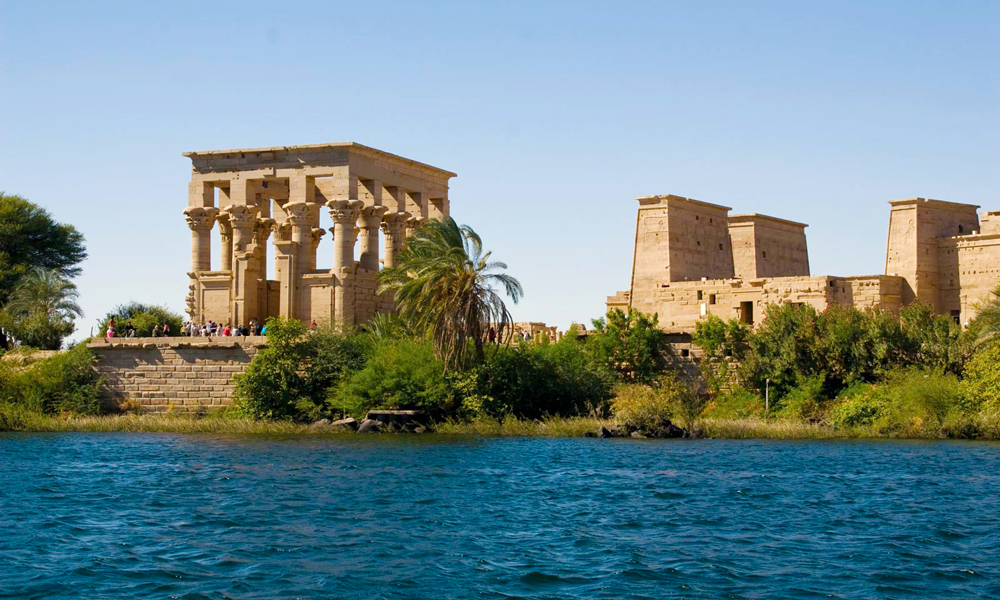
Nile River History - Egypt Tours Portal

The Nile's name is derived from the Greek word "Nelios", which means the river valley. But the ancient Egyptians called it Ar or Aur, which means "black," a reference to the rich, dark sediment that the Nile's waters carried all the way from the Horn of Africa northward and deposited in Egypt as the river flooded its banks each year in late summer.

The surge of water and nutrients turned the Nile Valley into productive farmland and was the main reason behind the rise of Egyptian civilization to develop in the heart of a desert. The ancient Egyptians divided their country into two parts; the first part Kemet, the "black land" of the Nile Valley, contained life in the image of water and food for cities to thrive and build, and the second was the hot, dry desert areas, which were known as Deshret, the "red land.".

In ancient times, the ancient Egyptians settled along the banks of the Nile River where they built simple houses and cottages for accommodation, grew many crops, and domesticated some animals. Since then, the first steps to the immortal Egyptian glory started. Cultivation was the starting point as the Nile River overflowed, carrying silt deposits that covered the neighboring lands along the Nile Valley and made them fertile.

Wheat was the first crop the ancient Egyptians cultivated, dependent on the Nile floods as a solution to the threat of starvation and lack of food at that time. On the other side, they used some animals such as water buffalo and camels for food, plowing, and carrying goods.

In brief, the Nile River is essential for people, crops, and livestock. Gradually, most of the Egyptians moved to the Nile Valley, where they could get their sustenance. As the Ancestors joined together on the Nile banks, they produced the heavenly ancient Egyptian civilization, one of the greatest civilizations in all of mankind's history, which witnessed the building of many temples and tombs with precious treasures and jewelry. The effect of the Nile River extends to Sudan, where it significantly contributed to the rise of the Sudanese kingdoms.

The Divine Religious Facts of the Nile River 
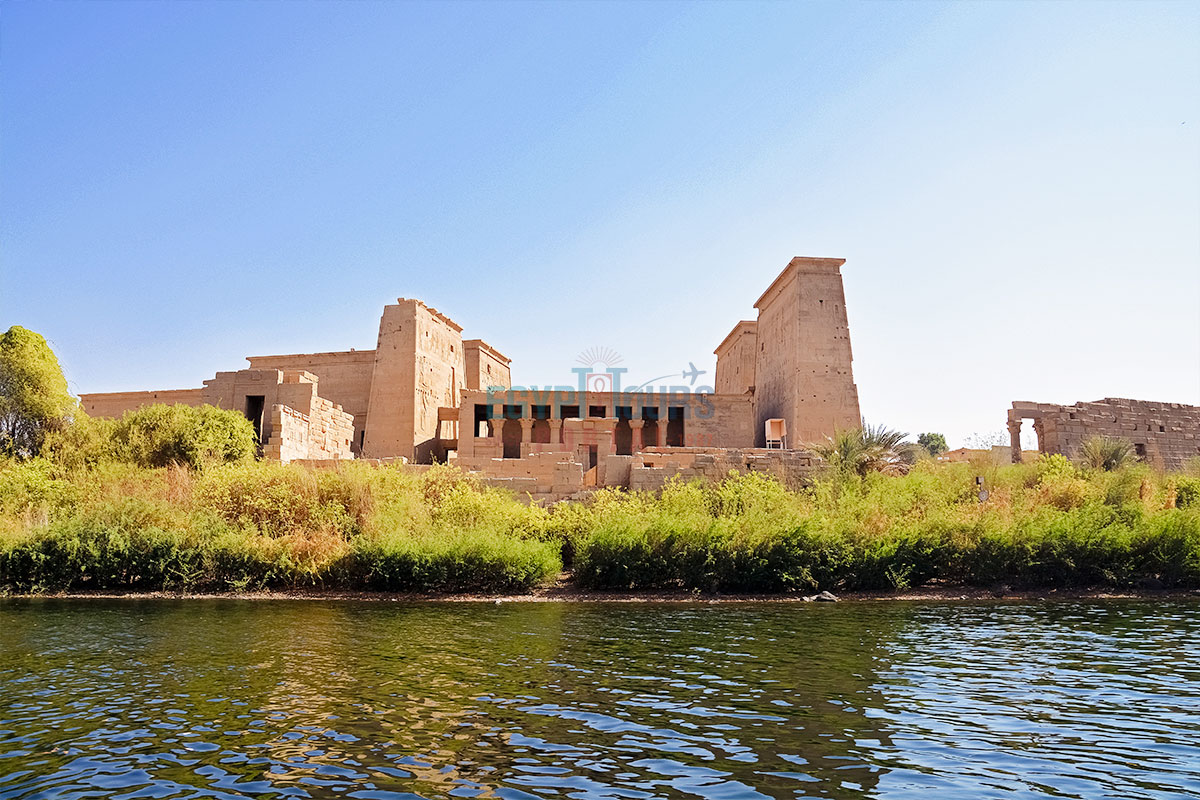
Nile River In Ancient Egyptian Religion - Egypt Tours Portal

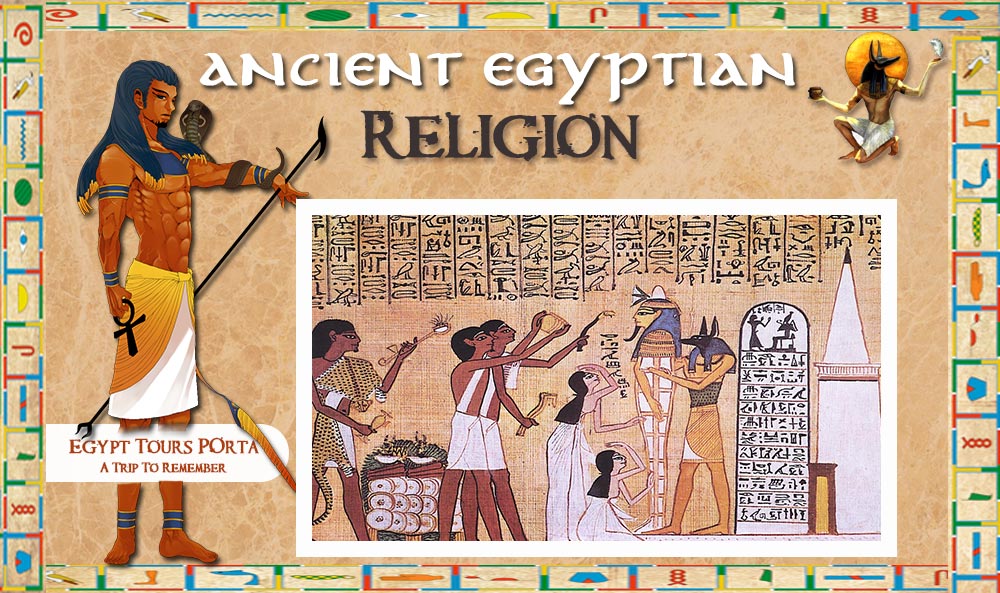
As a part of the ancient pharaohs’ interests in religious life and their insistence to create many ancient Egyptian gods and goddesses from physical elements, they honored the Nile River by creating Sobek “Deity of the Nile” or as it was named “Deity of Crocodile” the deity of a man with a crocodile head represented fertility, wetlands, medicine, and sudden death and the Nile River is regarded to be the sweat of Sobek. Another deity related to the Nile in Ancient Egyptian mythology is “Hapy” also known as “Lord of the River Bringing Vegetation” or “Lord of the Fish and Birds of the Marshes” the deity of yearly floods of the Nile, which greatly controlled the water level, symbolizing fertility.

The water deity “Khnum“, who ruled over all forms of water like lakes & rivers in the underworld, was believed to control the amount of silt that flooded the river banks each year. The overflows carried rich silt to the lands of the Nile Valley to cultivate crops.

The Nile River served as the source of innovation and the center of life for the ancient and modern Egyptians.  The Nile became known as the mother of all men and the father of life, recognized as the key to existence. In the ancient Egyptian language, the Nile was known by the ancient Egyptians as Ḥ’pī or Iter,u which means “River“. Ar or Aur means “Black” which also refers to the black silt left behind after the yearly flooding.

The word “Nile” was derived from two words, “Neilos” a Greek word that means Valley, and the Latin word “Nilus”. Today, the Nile in Egypt and Sudan is known as “Al-Nīl, Al-Baḥr, Nahr Al-Nīl or Baḥr Al-Nīl“.  The Nile River Cruise is one of the most spiritual journeys on the planet and is considered to be the most ideal way to explore all the allure, history, and aspects of the heavenly Nile River.
Feb 25, 2019

Ancient Egyptian Religion: Gods, Magic, and Afterlife

Discover the extraordinary religion of the ancient Egyptian civilization

The Powerful and Life-Changing Flooding of the Nile
Nile River Flooding - Egypt Tours Portal

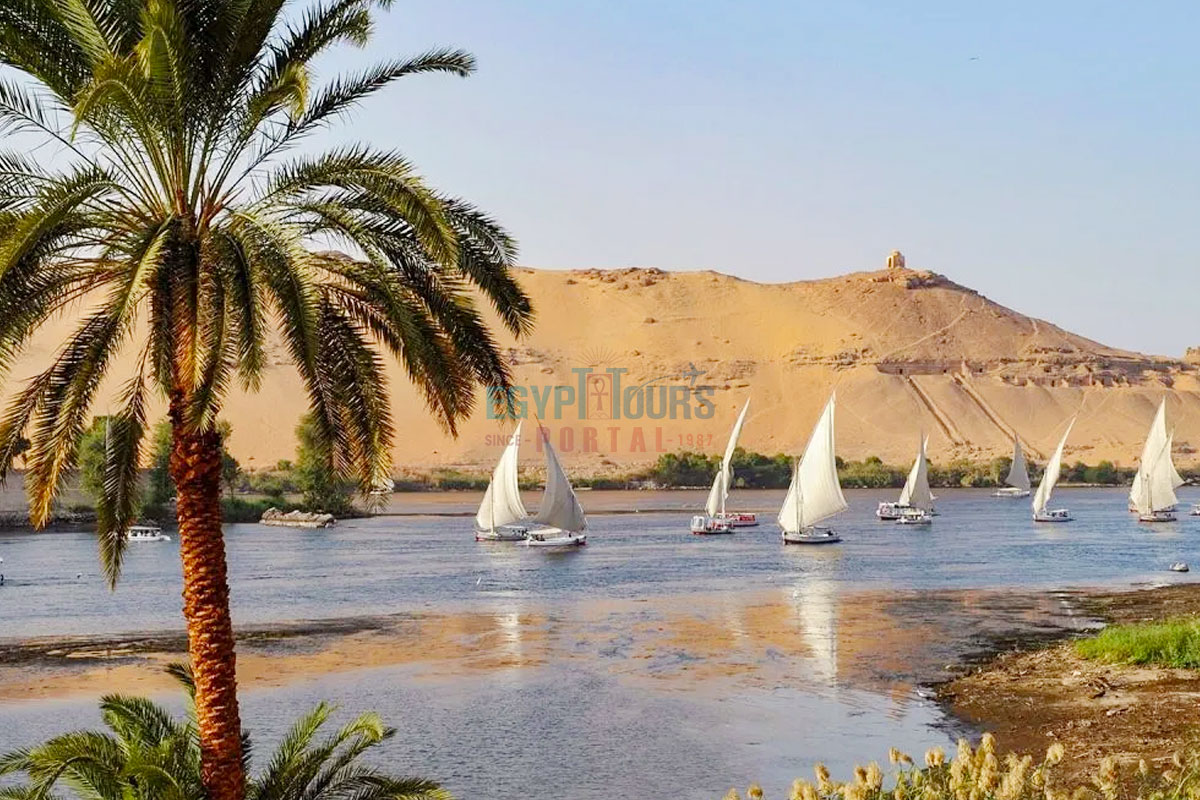
The annual flooding of the Nile, known as the "Inundation," was eagerly anticipated by ancient Egyptians, as it brought life-sustaining water and fertile silt to the valley. Each year, the people depended on this predictable flooding cycle to nourish the farmlands along the Nile’s banks, making the river an essential agricultural force. The importance of the Nile floods was such that the ancient Egyptian calendar was structured around them, dividing the year into three main agricultural seasons.

Akhet, the season of inundation, took place from roughly June to September, during which the Nile overflowed its banks, depositing nutrient-rich silt on the surrounding fields. Following Akhet was Peret, the season of emergence and planting, spanning October to February, when the water receded and farmers began planting in the moist, fertile soil. The final season, Shemu, represented the season of harvest and drought from March to May, a time for gathering crops before the next flood.

Egypt’s reliance on the Nile’s seasonal flooding has transformed with advancements in water management and technology. In 1970, the construction of the Aswan High Dam fundamentally altered Egypt’s approach to flood control. By regulating the Nile’s flow, the dam allowed for more consistent irrigation, reducing the unpredictable nature of traditional flooding and boosting agricultural productivity. The dam also generated hydroelectric power, contributing to Egypt's energy resources.

 However, while the dam has brought stability and facilitated year-round agriculture, it has also stopped the natural deposition of silt, requiring more intensive fertilization of farmland. Despite these changes, the legacy of the Nile’s flooding remains a powerful symbol of life and prosperity in Egyptian culture, echoing the ancient understanding of the river as the source of all life.

Discover the Sources & Origin of the Blessed Nile River 
Nile River Sources - Egypt Tours Portal

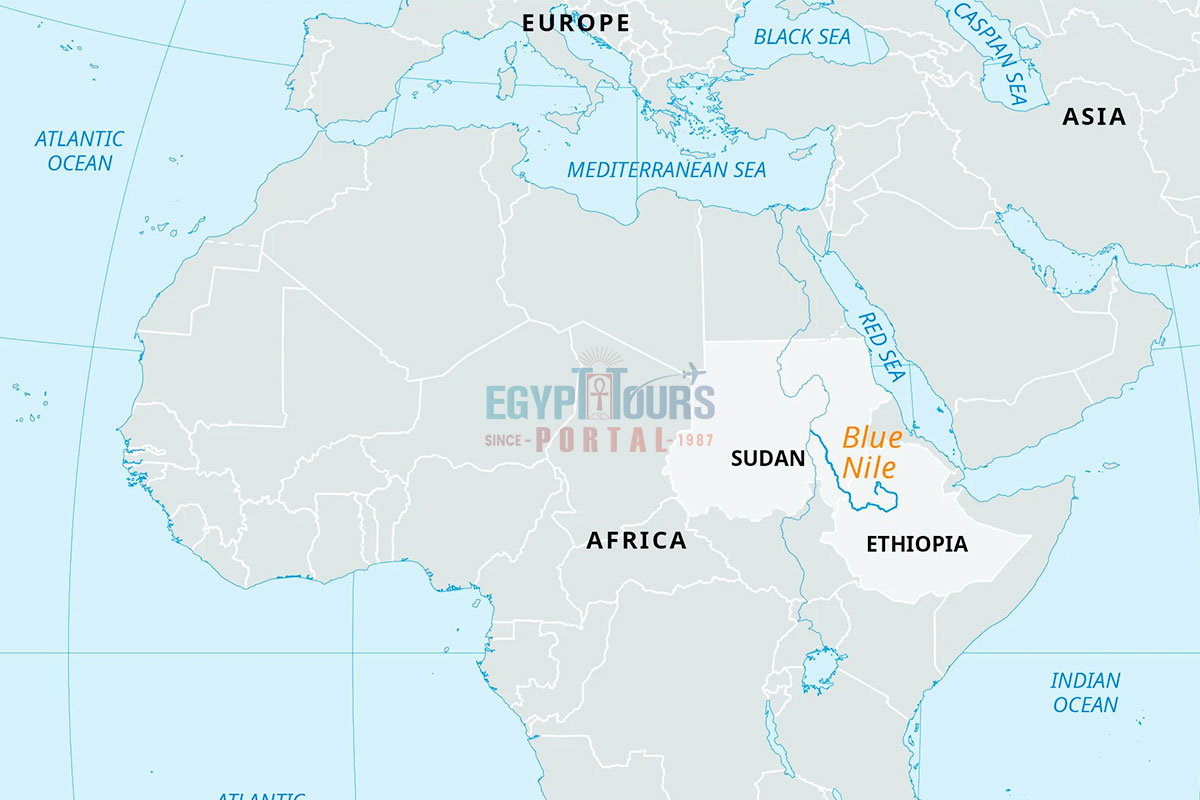
The Nile River, renowned as the longest river in the world, draws its life from two major tributaries: the White Nile and the Blue Nile, each bringing distinct waters from separate regions of Africa. The White Nile is the longest and begins in the lush region surrounding Lake Victoria in East Africa. Flowing through Uganda, South Sudan, and Sudan, it provides a continuous supply of water that fuels the river’s journey north. The Blue Nile, meanwhile, originates in the Ethiopian Highlands at Lake Tana, where heavy seasonal rains contribute nutrient-rich waters. These seasonal floods are essential for agriculture, making the Blue Nile a vital contributor to the river’s fertility.

These two tributaries meet at Khartoum, Sudan, merging to form a unified river that flows northward across Egypt and ultimately reaches the Mediterranean Sea. The convergence of these waters from the highlands and equatorial rainforest creates a river of immense natural power and agricultural wealth.

In ancient Egyptian belief, the Nile's origins were considered sacred, with its journey symbolizing life and prosperity. Many legends and myths about the Nile speak of divine forces at play in the river's creation, attributing its life-giving waters to the gods themselves. The river’s sources and flow were so revered that they became deeply entwined with Egyptian identity and spirituality, with the Nile often seen as a bridge between the mortal and divine realms, bringing life directly from the gods to the people of Egypt.

The Mixed and Colorful Wildlife of the Nile River

Nile River  Wildlife - Egypt Tours Portal
Nile River Wildlife - Egypt Tours Portal

The Nile River, stretching from the heart of Africa to the Mediterranean Sea, has long supported an exceptionally rich diversity of animal life along its fertile banks and extensive waters, providing a vital lifeline through otherwise arid regions. This biologically rich river system is home to a variety of fish species, which have served as essential sources of food and livelihood for local communities for thousands of years. Among these, the Nile perch, tilapia, catfish, and the African tiger-fish—a fierce predator known as the "Piranha of Africa" for its sharp teeth and aggressive hunting style—are particularly notable.

The Nile perch, a large predatory fish, stands out for reaching substantial sizes, thus contributing significantly to the river’s reputation as a bountiful fishing resource. Another fascinating inhabitant is the Vundu catfish, a massive species that can weigh over 50 kilograms (110 pounds), making it a prized catch among local fishermen.

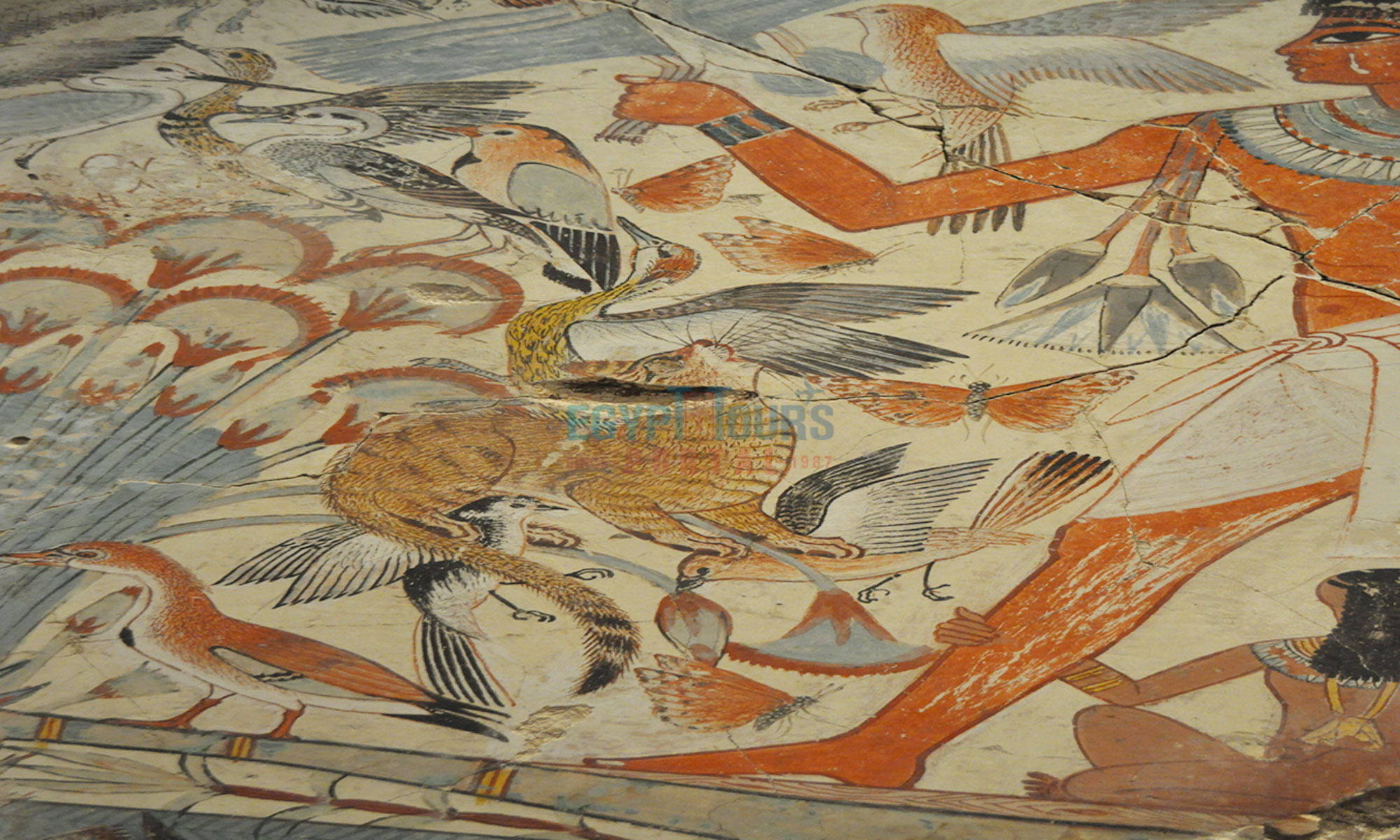
Birdlife flourishes along the Nile, especially in the Nile Delta, where freshwater mixes with the saltier Mediterranean, creating an ideal habitat. This region hosts large populations of water birds such as egrets, ibises, little gulls, and over 300 other bird species, including migratory and resident birds like the African fish eagle, herons, and kingfishers. Thousands of birds gather seasonally along the marshes and lagoons, creating vibrant spectacles that are essential to maintaining the river’s ecological balance.

The Nile’s riverbanks and adjacent wetlands support an array of reptiles and amphibians, including the Nile monitor lizard, an agile predator that can grow up to seven feet in length, along with frogs, turtles, and the occasional African softshell turtle. Additionally, larger wildlife like wildebeests and baboons frequent the river’s edge, relying on its resources for sustenance. The hippopotamus, one of Africa’s most iconic animals, once roamed widely along the Egyptian Nile but is now primarily limited to the river’s southern regions, though it continues to play an important role in the ecosystem.

Among the river’s most formidable inhabitants is the Nile crocodile, a powerful predator that can reach lengths of over 16 feet. This crocodile, although now mostly confined to the southern reaches of the Nile, was once widespread along the Egyptian riverbanks and held a prominent place in ancient Egyptian culture. The Egyptians associated the Nile crocodile with the god Sobek, the deity of strength and fertility, symbolizing power and protection.

In addition, the now-absent hippopotamus was revered in Egyptian culture, representing chaos and strength and frequently appearing in myths and religious tales. Today, although these animals are rarely seen along the Egyptian stretch of the Nile, their cultural legacies remain integral to Egypt’s history and mythology.

The river’s diverse wildlife is a testament to the Nile’s natural abundance and its role as a sanctuary for African biodiversity. Each species, from the smallest frog to the imposing Nile crocodile, plays a crucial part in maintaining the river’s ecological balance. Conservation efforts in the modern era are dedicated to preserving this unique biodiversity, safeguarding the rich array of wildlife that has flourished for millennia along the Nile’s banks.

Through these initiatives, Egypt and neighboring countries aim to protect the river’s ecosystems for future generations, honoring the natural heritage that has sustained human and animal life since ancient times.
Dec 04, 2024

Ancient Egyptian Animals and Their Role in Daily Life and Mythology

Discover the incredible animals of the Nile River during the times of the ancient Egyptian civilization


Learn About the Nile River's Historical, Agricultural, and Economic Role
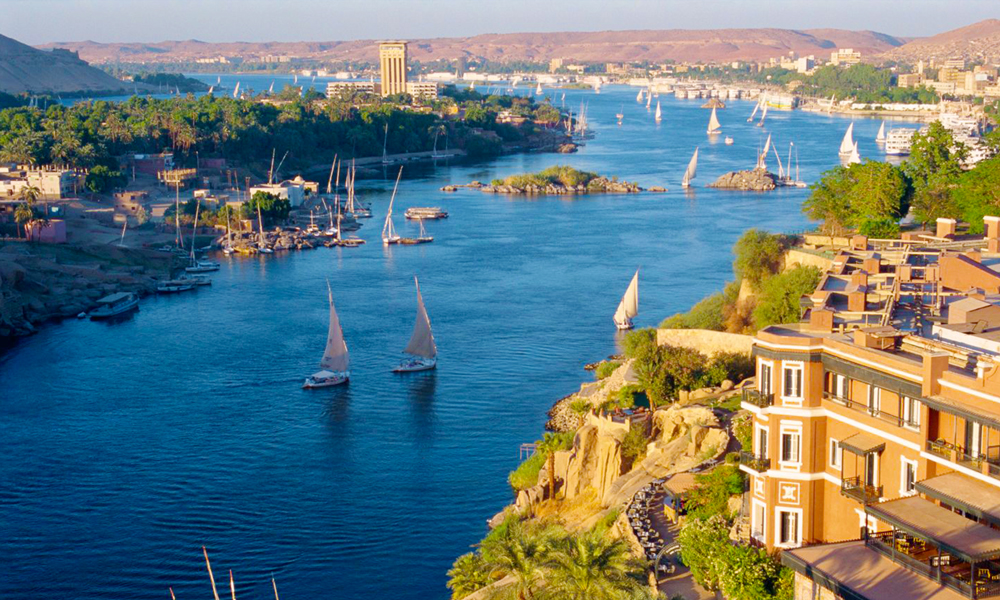
Historical Role of the Nile River - Egypt Tours Portal 

The Nile River was the best way to record Egyptian civilization in history; it’s also the holy secret of success in other fields. The Nile River provided the ancient Egyptians with an important transportation route. which, as a result, encouraged them to become skilled boat and shipbuilders. Artwork from the Old Kingdom, which existed from 2686 to 2181 B.C., depicts boats transporting cattle, vegetables, fish, bread, and wood.

Boats were so important to the ancient Egyptians that they buried deceased kings and dignitaries with boats like the solar boat of King Khufu. An ancient papyrus diary of an official who lived during the Old Kingdom showcases the construction of the Great Pyramid and describes how workers transported massive blocks of limestone on wooden boats along the Nile through a canal system to the construction site. 

Cultivation was the first activity that formed the foundation and pillars of the Egyptian empire. When the Nile River flooded, the water level rose, carrying the wealthy silt deposits and overflowing the lands of the valley, which made them more fertile. The ancient Egyptians took advantage of the flood season to grow crops for their sustenance. They depended on some domestic animals in their life to help them with agricultural work.

These animals had taken the Nile River as their permanent refuge, where they found the Nile waters at all times. On the other side, the Nile was the ultimate portal for people and goods across the lands of Cairo and Africa, especially among the countries of the Nile Basin. At earlier times, the ancient Egyptians used primitive boats of wood to exchange goods and merchandise through the Nile. These exchanges made economic progress, which resulted in the elevation of the Nile River in importance and fame.

The Unique & Amazing Geography of the Nile River
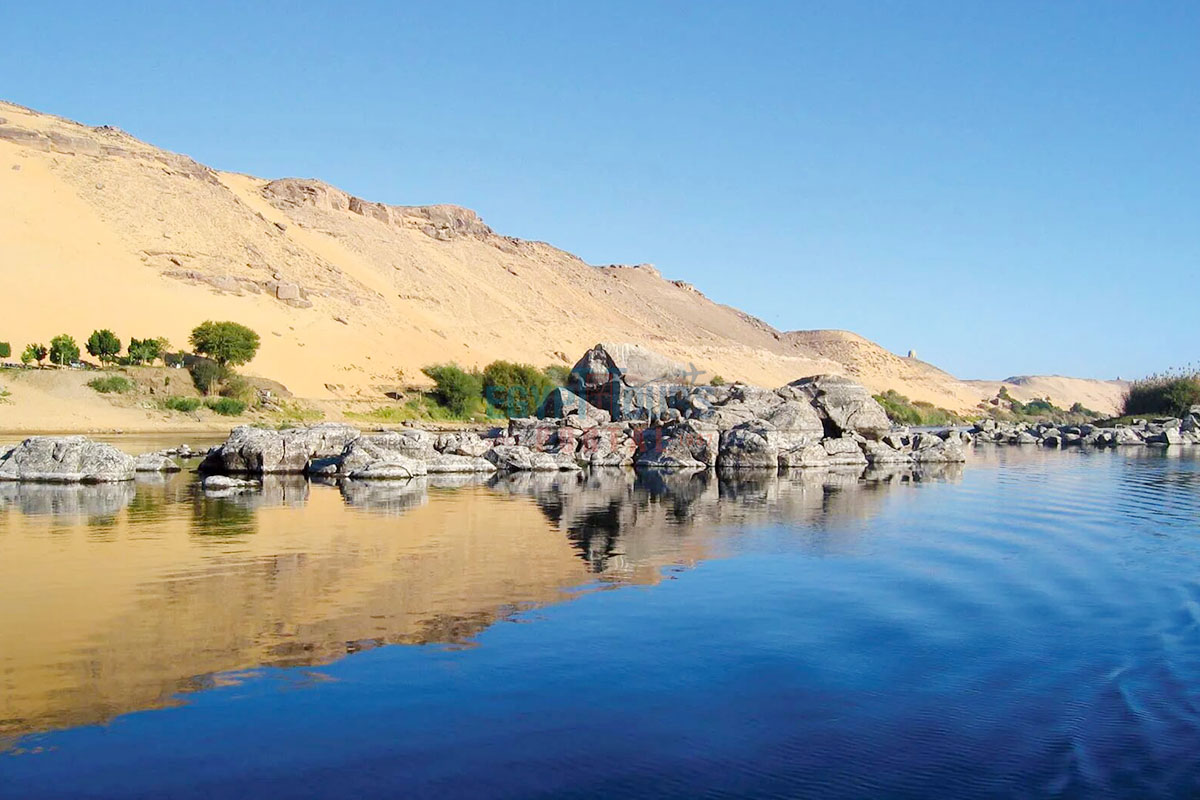
Nile River Geography - Egypt Tours Portal

The Nile River stretches an astounding 4,132 miles (6,650 kilometers), making it the longest river on Earth and a geographic marvel. Flowing northward, an unusual direction for a river, the Nile crosses through eleven African nations, culminating in the Mediterranean Sea. In Egypt, the river serves as a vital corridor from the southern border with Sudan to its expansive, fan-shaped delta region just north of Cairo.

This delta, where the Nile disperses into several smaller distributaries before emptying into the Mediterranean, covers approximately 240 kilometers (150 miles) of coastline and reaches about 160 kilometers (100 miles) inland, making it one of the world’s most agriculturally productive regions.

The Nile’s journey through Egypt includes several notable cities. It begins in the south near Aswan, where the river is harnessed by the Aswan High Dam, which regulates water flow, controls flooding, and provides hydroelectric power. As the river winds northward, it flows past the ancient city of Luxor, once the heart of Egyptian civilization, and continues through Cairo, Egypt’s bustling capital.

The Nile Delta, rich with nutrients and divided by the Rosetta and Damietta branches, is a lush region ideal for agriculture, where crops such as wheat, cotton, and vegetables thrive. This corridor of life, bordered by arid desert, is a testament to the Nile’s power, as it creates a ribbon of green and sustenance across an otherwise barren landscape. Historically, this fertile land was key to Egypt’s growth and prosperity, sustaining communities for millennia and forming the backbone of Egyptian society, culture, and economy.

The Ethereal Connection Between Egypt and the Nile River
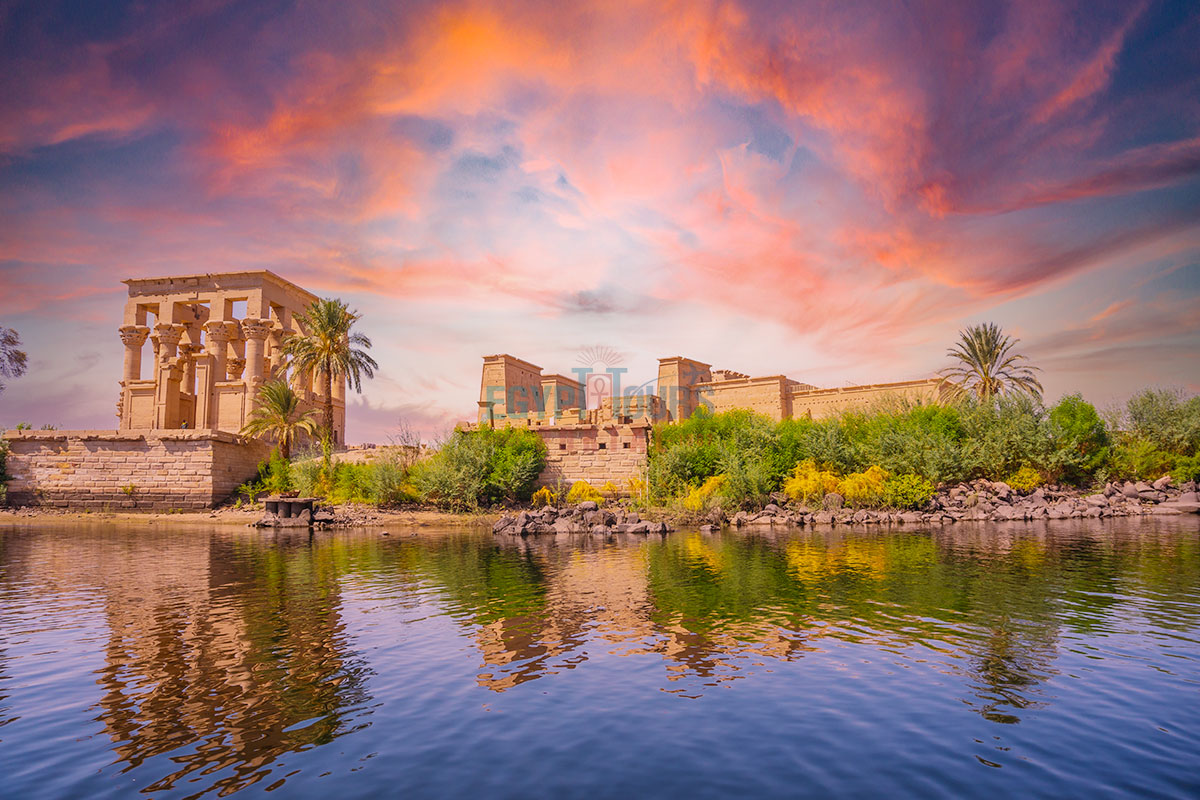
The Connection Between Egypt and the Nile River - Egypt Tours Portal

The Nile River has been the lifeline of Egypt for over five millennia, shaping its civilization, economy, and culture. Flowing northward for over 6,800 kilometers, the Nile provided the fertile land necessary for agriculture, enabling the rise of one of the world’s most remarkable civilizations amid an otherwise arid desert. The ancient Egyptians referred to their land as "Kemet" or the "black land," a direct reference to the nutrient-rich silt deposited by the river's annual inundation.

This natural phenomenon not only sustained agriculture but also dictated the Egyptians' calendar, which was divided into three main seasons: Akhet (flooding), Peret (growing), and Shemu (harvest). Beyond its role in food production, the Nile functioned as Egypt’s primary transportation route, facilitating trade, mining expeditions, and the movement of massive stone blocks for monumental construction projects, including the Great Pyramids of Giza. 

The river also defined Egypt’s geography, with Upper Egypt in the south and Lower Egypt in the north, reflecting the Nile’s flow rather than traditional directional orientation. Moreover, the Nile played a crucial role in Egyptian religion and mythology, with deities such as Hapi embodying its life-giving waters and Osiris symbolizing fertility and regeneration. The river's influence extended even to political symbolism, with the unification of Upper and Lower Egypt often depicted through the Sema-Tawy motif, showing Nile gods binding the two lands together.

In addition to its agricultural and religious significance, the Nile also created a stark contrast between the habitable floodplain and the harsh deserts, reinforcing the Egyptians’ perception of order versus chaos. Without the Nile, Egypt’s civilization could not have flourished, as the river transformed an otherwise inhospitable environment into a thriving cultural and economic powerhouse, making it truly, as Herodotus observed, "the gift of the river."

Recommended to Experience the Nile River Cruise

As mentioned before, the ancient Egyptians settled down and erected their civilization on the banks of the Nile River. Thus, most of Egypt's historical destinations exist on the Nile shores, especially in Upper Egypt. Accordingly, travel agencies in Egypt and trip planners in Egypt tend to make use of the phenomenal geographic accessibility of the Nile and its remarkable historical attraction across its banks and its proximity to make it a part of their Egypt tour packages in and around Luxor and Aswan.

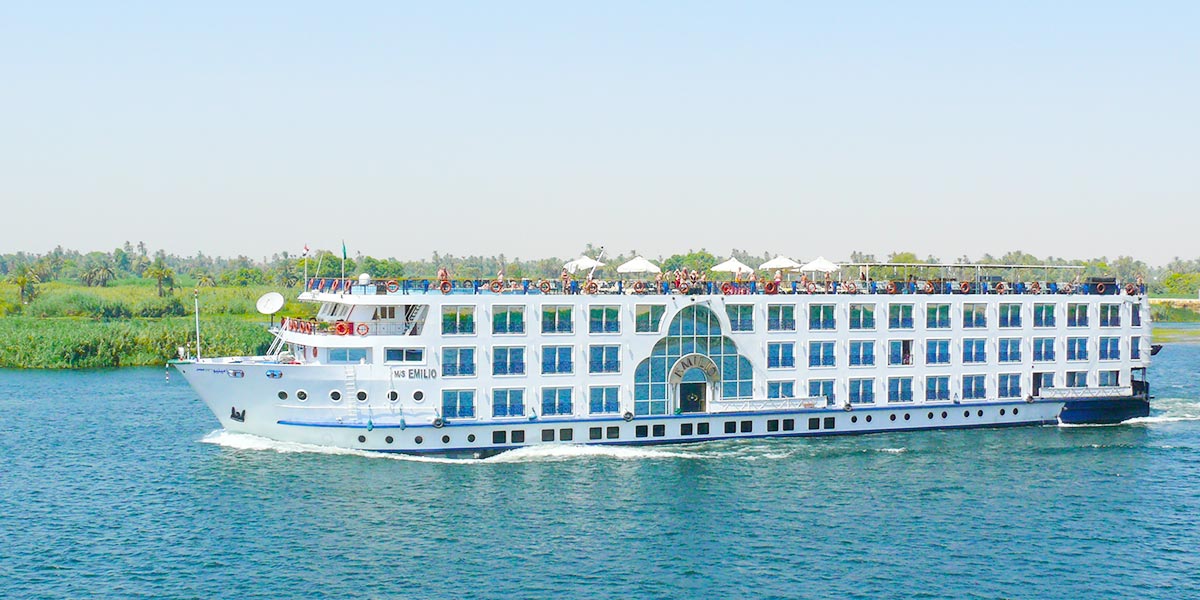
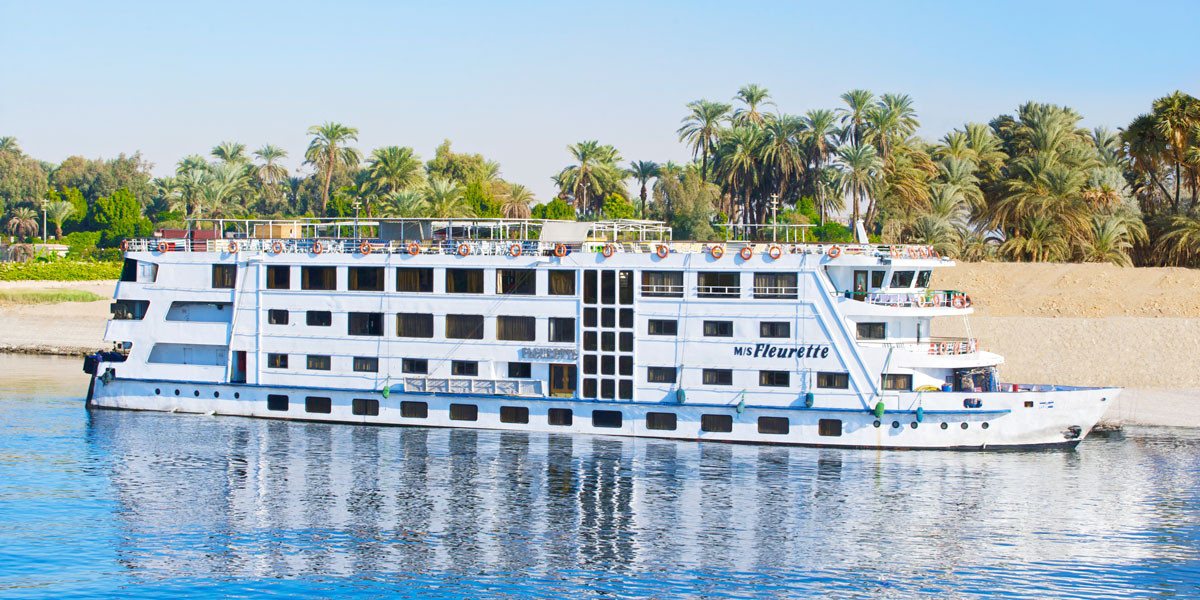
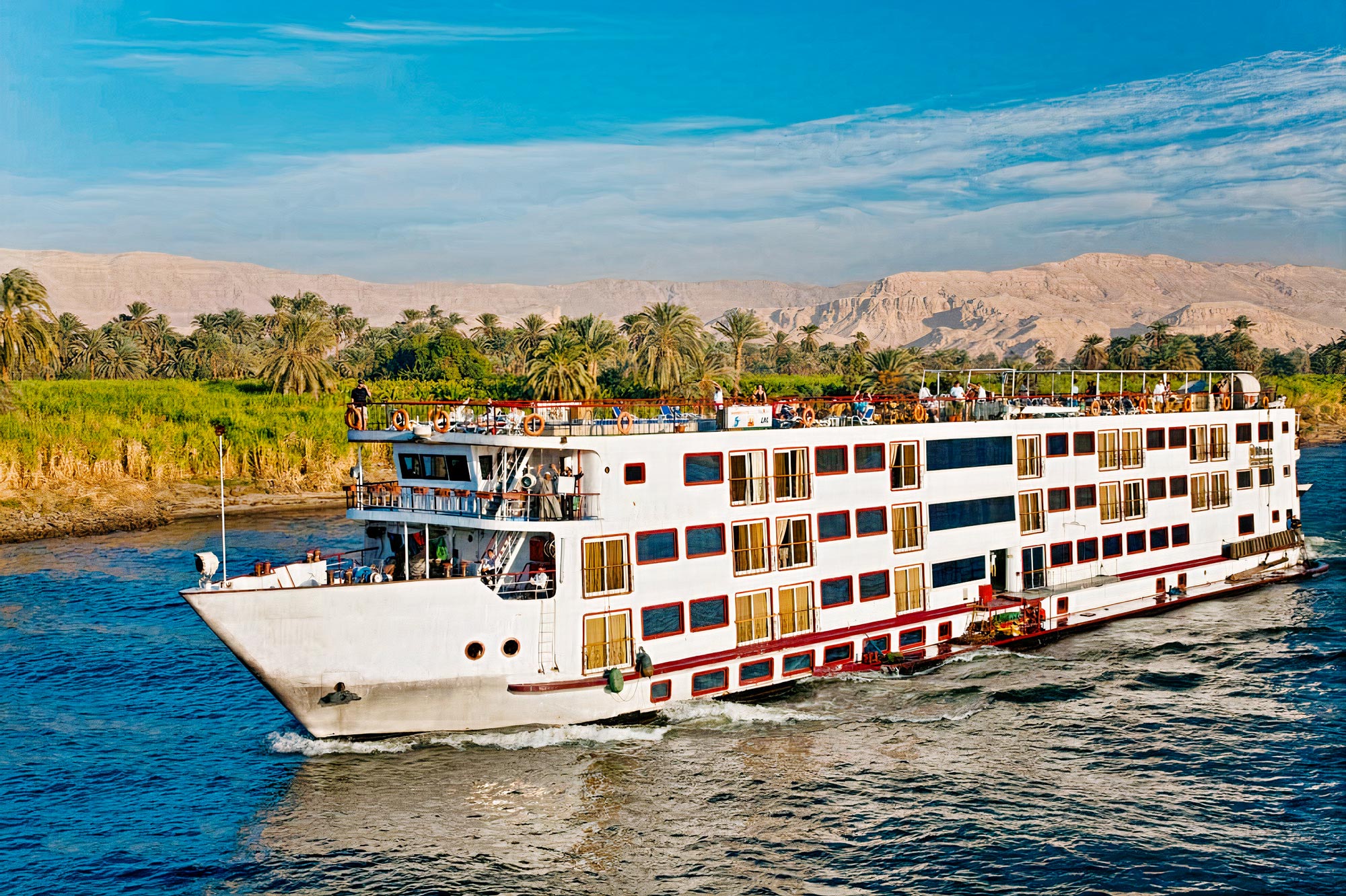
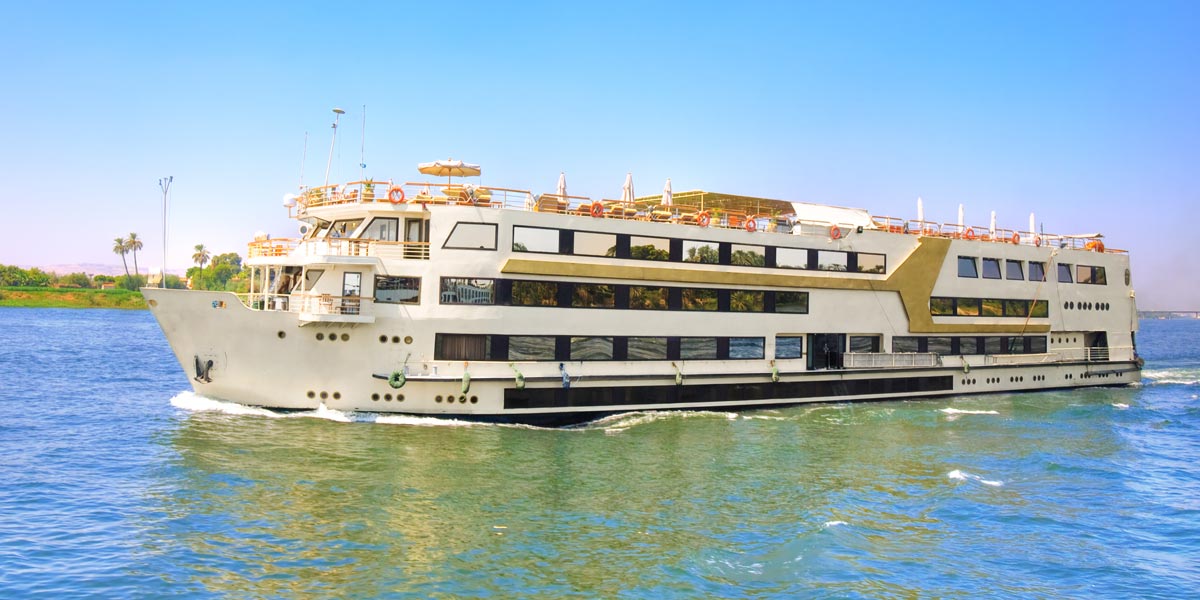
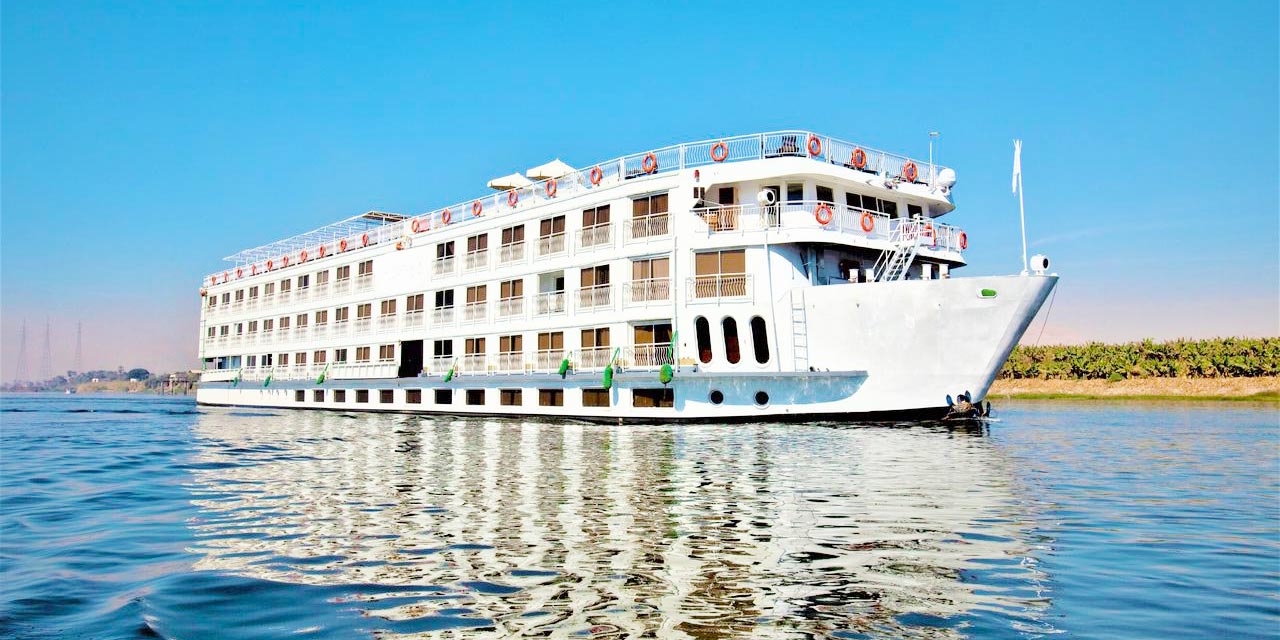
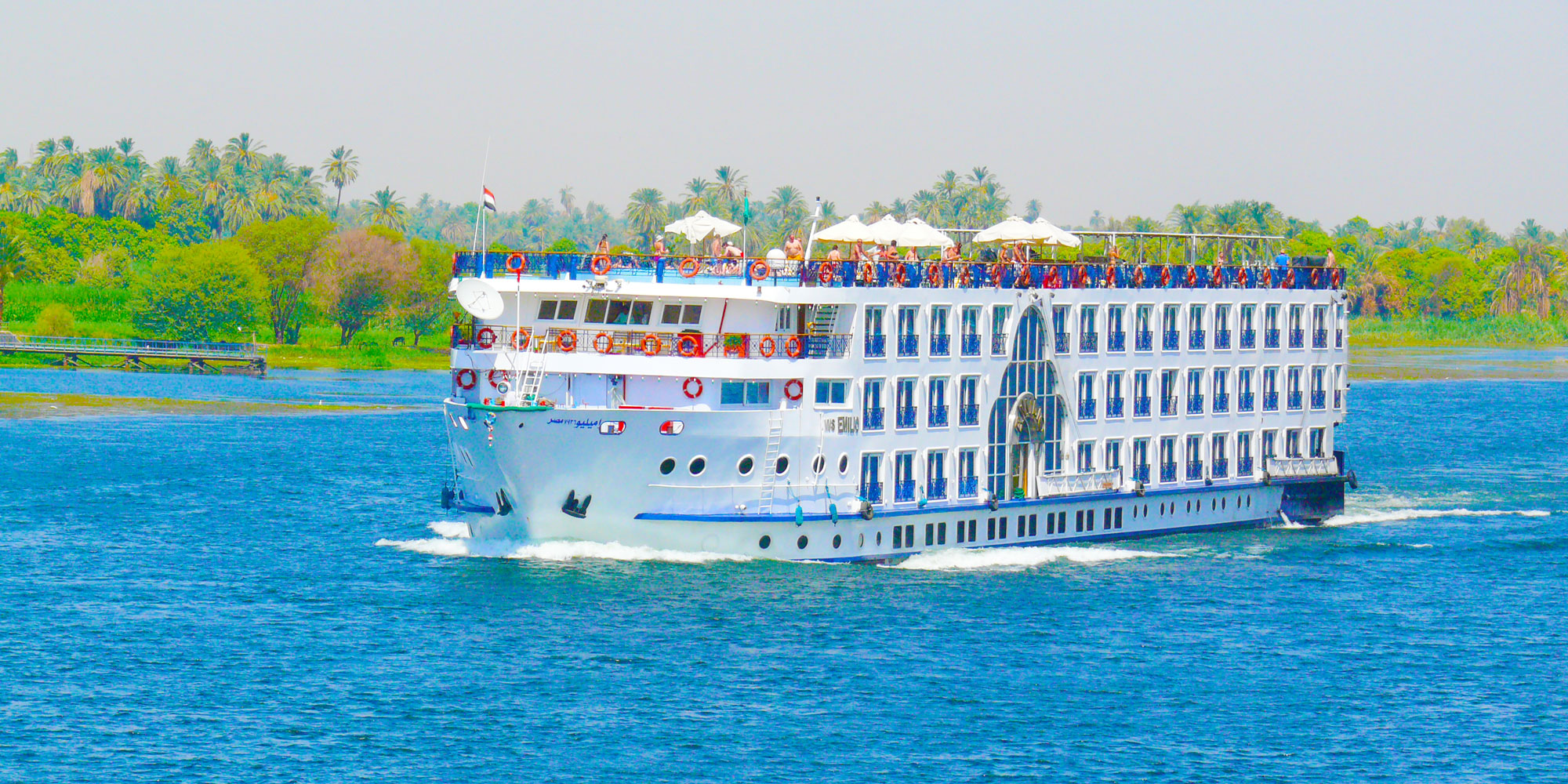
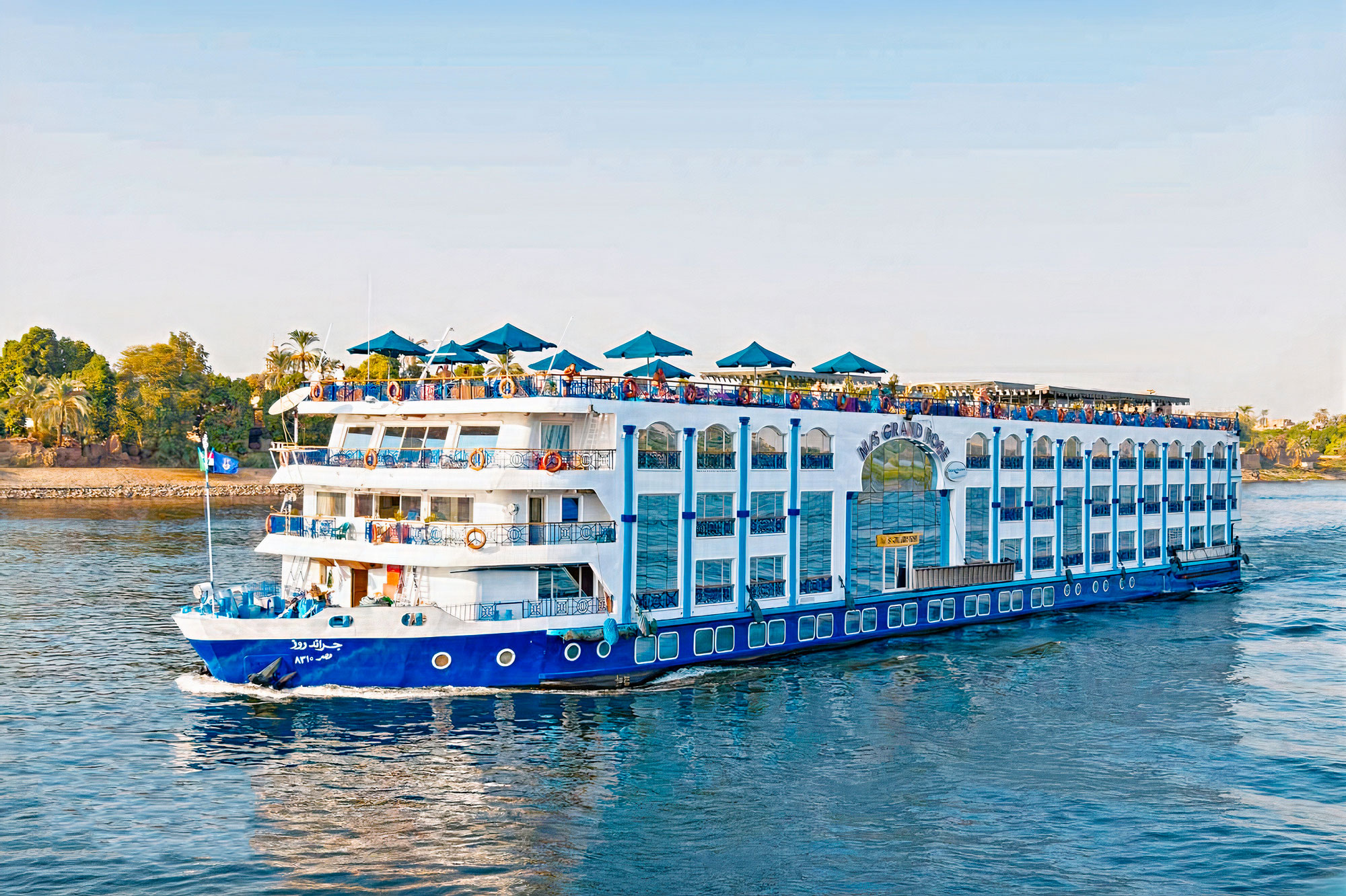
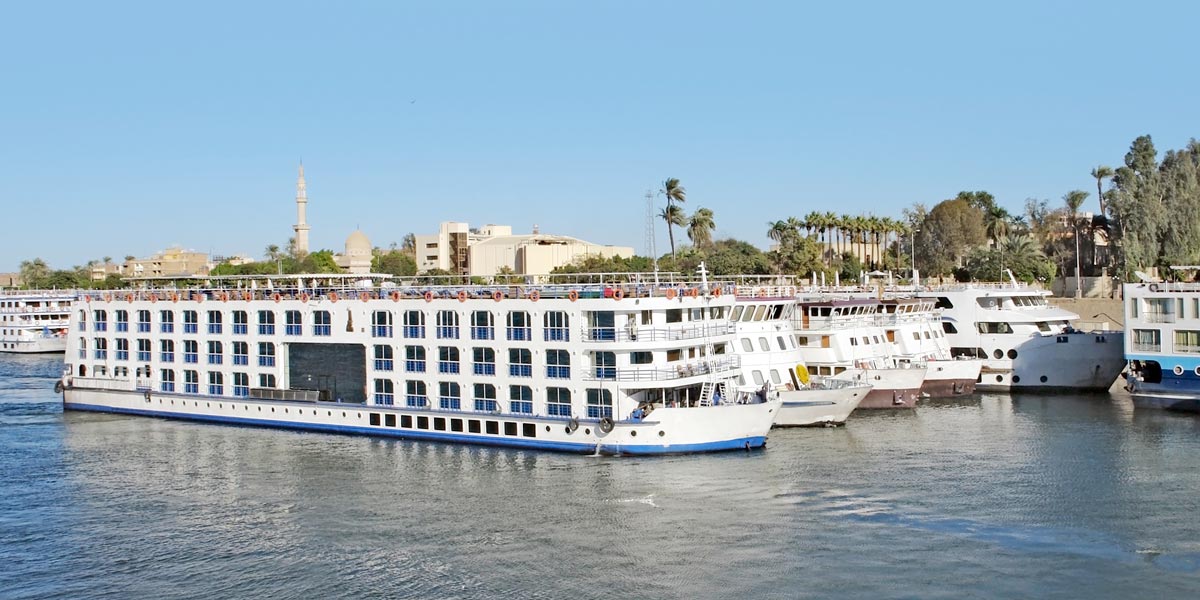
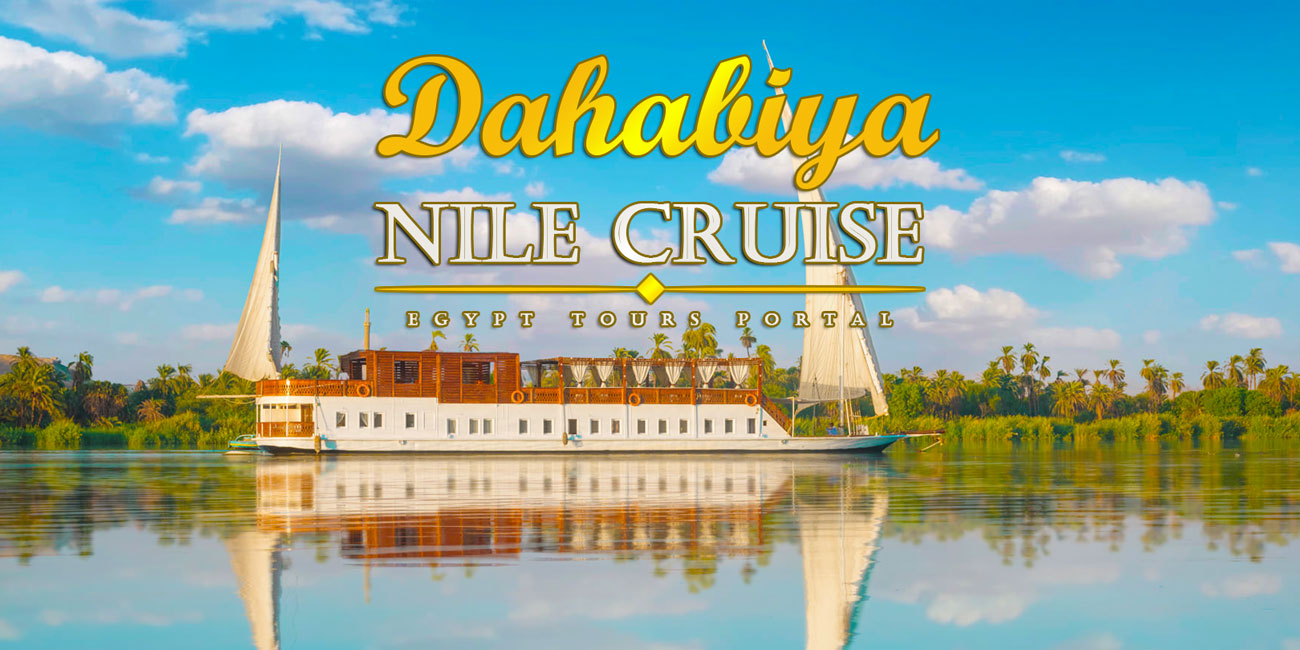
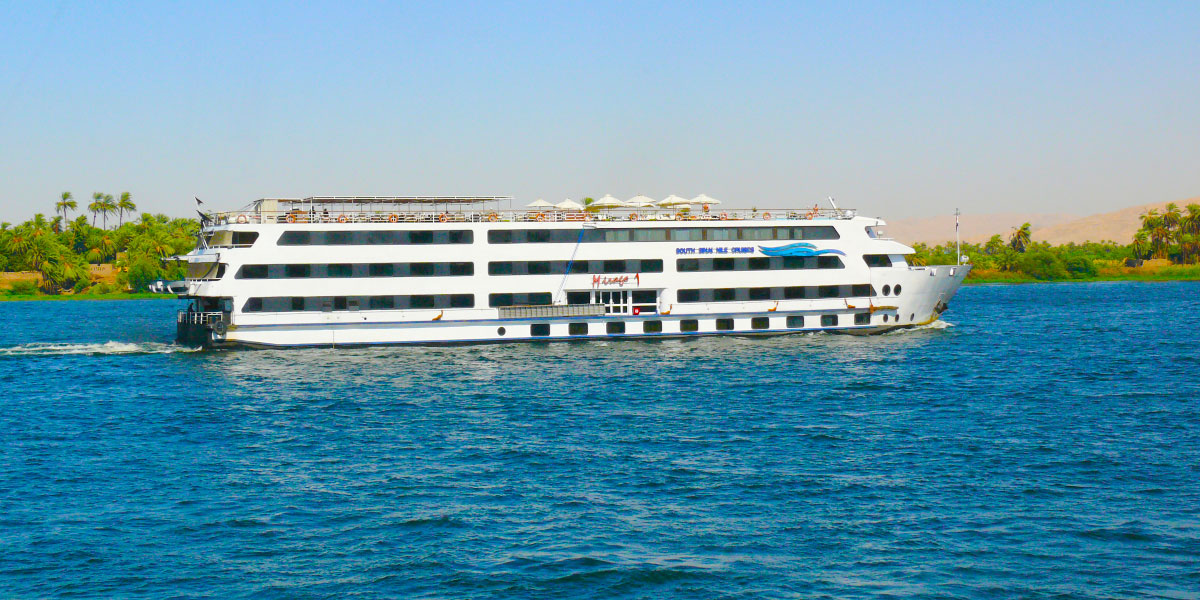
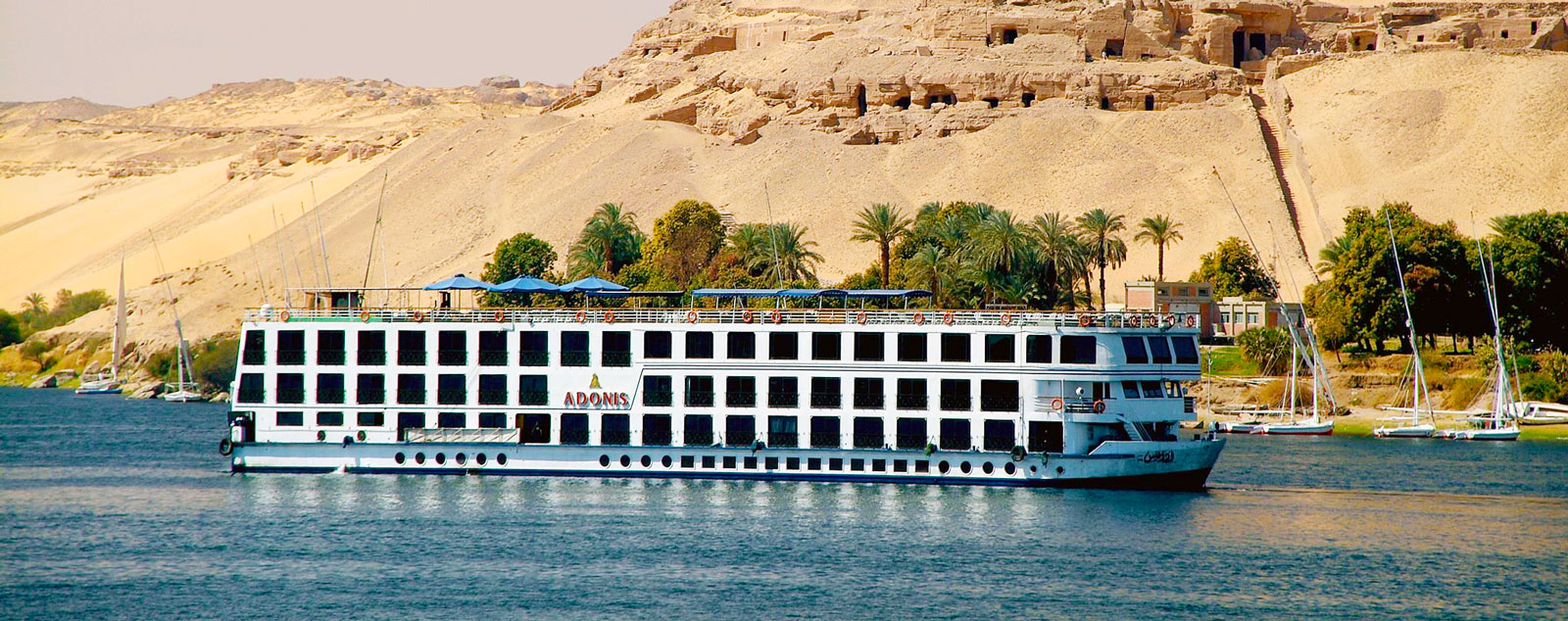
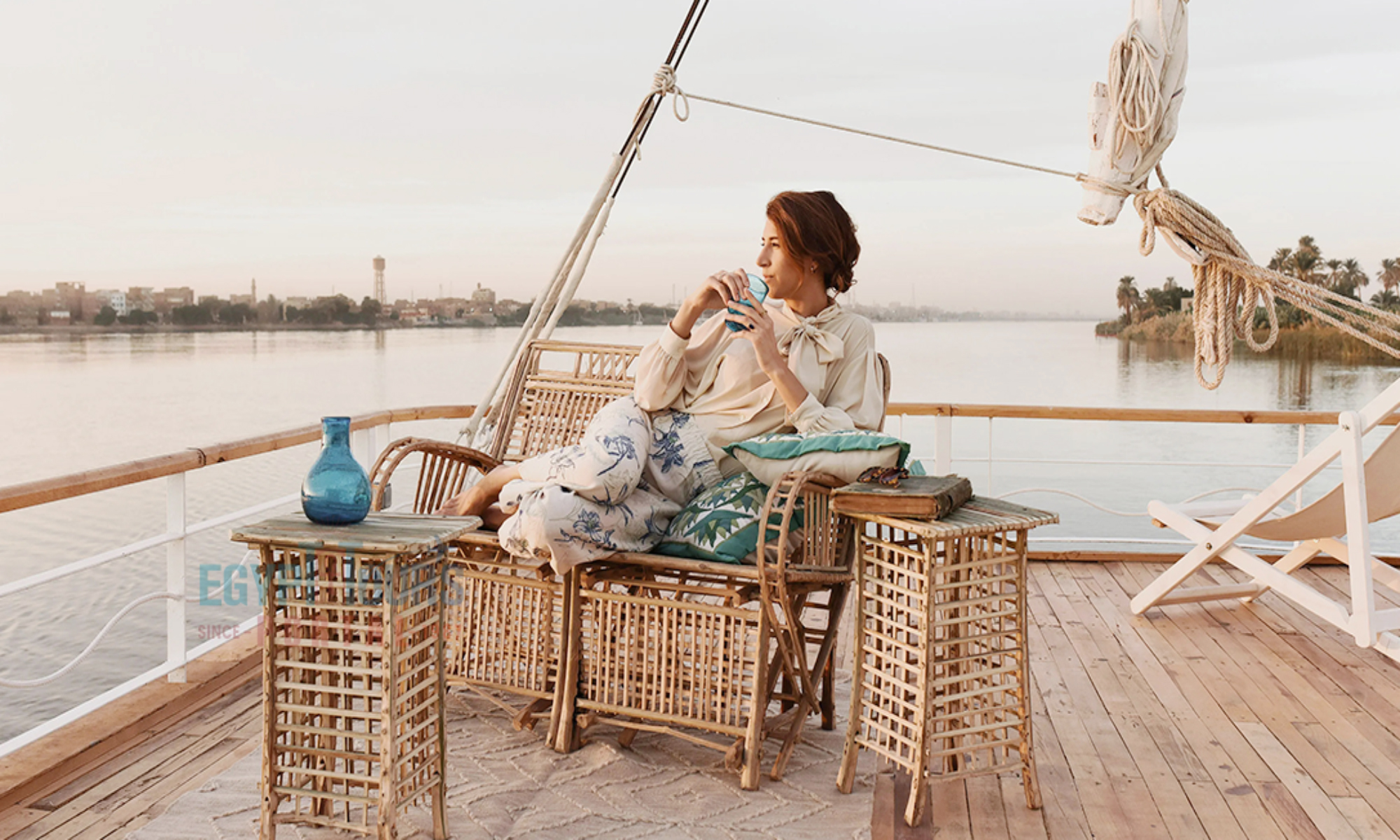
This awesome waterway is the best way to witness many more of the timeless pharaonic temples and tombs, Karnak Temples, Queen Hatshepsut Temple, Valley of the Kings, Abu Simbel Temple, and the three majestic temples of Philae, Edfu, and Kom Ombo, which directly overlook the Nile stream. Onboard the Nile cruise, travelers can do many activities, have fresh food and drinks, listen to music and dance, relax in deluxe swimming pools, and also have massage sessions available with the best service ever. 

They add an option to see Luxor and Aswan's spectacular landmarks on board a marvelous Nile river cruise, where everyone will get to discover both ancient and modern Egypt, so you can check our Nile cruises below and book the best suitable one for you.

ETP TEAM

Egypt Tours Portal is dedicated to preserving and sharing the rich history, culture, and mysteries of ancient Egypt, helping travelers and history enthusiasts explore Egypt’s most iconic destinations and monuments. The team consists of experienced Egyptologists, archaeologists, historians, travelers, content creators, marketers, consultants, and explorers with 5–20 years of expertise in their respective fields.

The website provides accurate, regularly updated information developed by qualified experts and supported by trusted sources to ensure reliability and educational value. Drawing on more than 39 years of industry knowledge and resources, Egypt Tours Portal offers a wide range of travel services, including Egypt tours, Nile cruises, day tours, shore excursions and multi-country tours. Their services have earned positive reviews from travelers, recognition through awards, and mentions by respected news outlets and travel blogs, delivering both educational and memorable travel experiences across Egypt.

Leave a Comment

Don't Just See Egypt. Experience It.

From private sunrise viewings at Giza to dining with local families in Aswan, unlock an extraordinary journey crafted entirely around your pacing and desires.

Private Certified Egyptologists Handpicked Heritage Stays 100% Tailor-Made Pacing Zero Hidden Service Fees
Explore Egypt Tours
Pick Your Journey

Related Tours to This Article

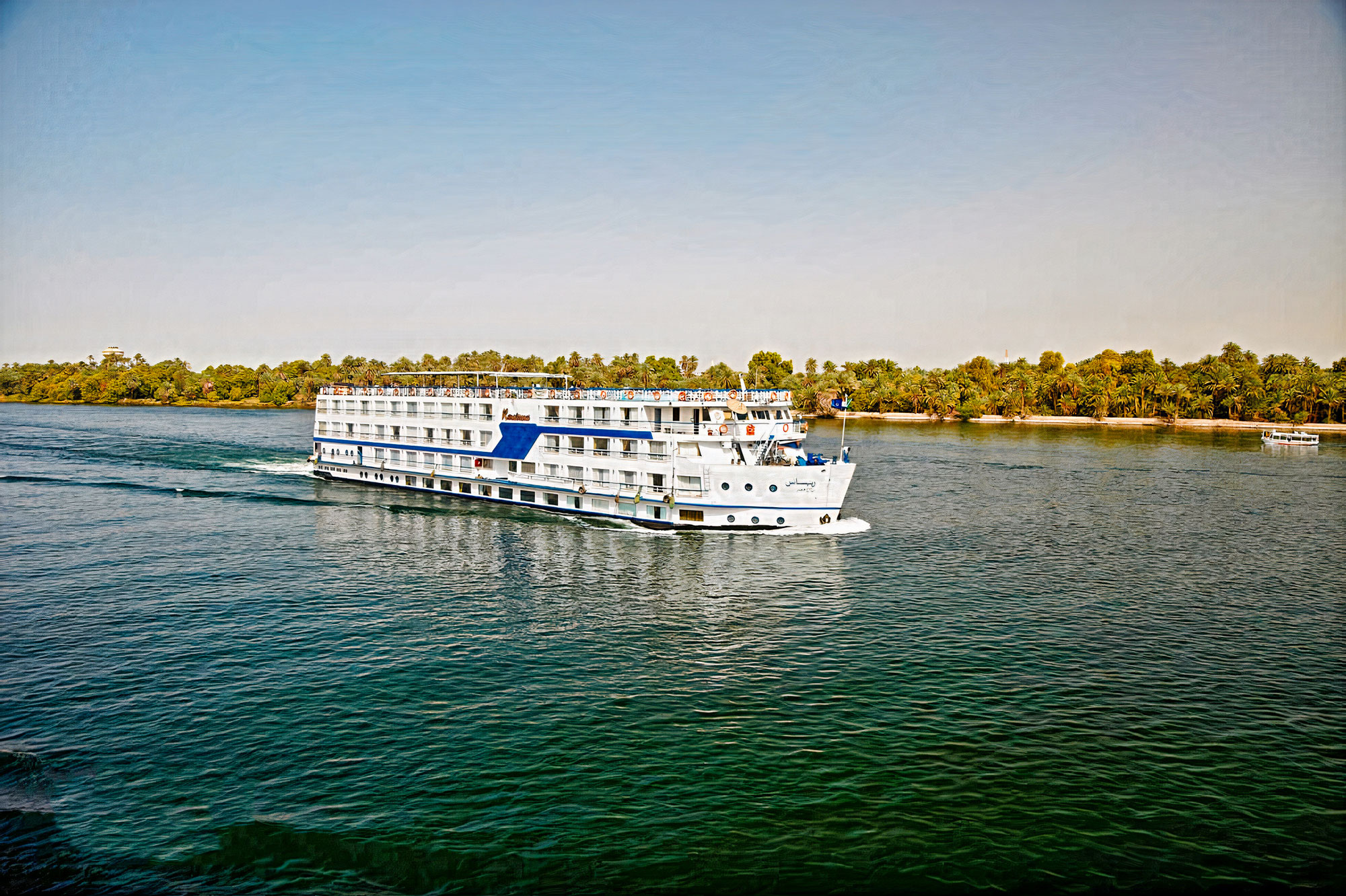
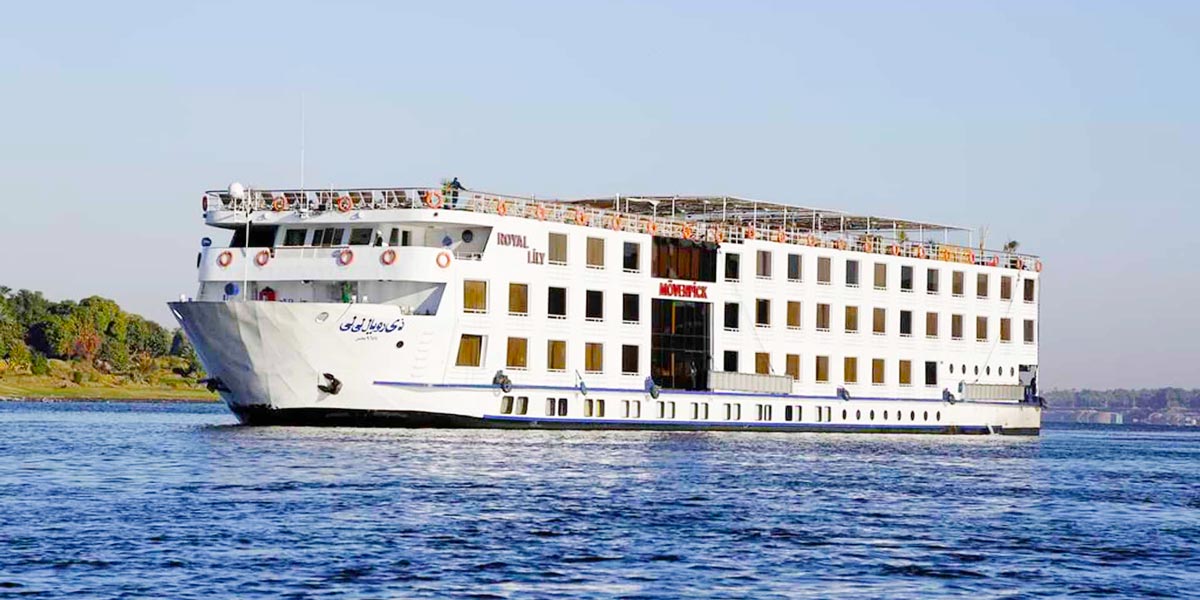
4 Days Nile River Cruise Aswan to Luxor
IATA-Egypt-Tours-Portal

4 Days Nile River Cruise Aswan to Luxor

Enjoy 3 nights / 4 days Nile cruise from Aswan to Luxor joining a private tour guide to visit the top attractions along the Nile River. Book now!
Aswan / Kom Ombo / Edfu / Luxor
4 Day / 3 Nights Nile Cruise Tour
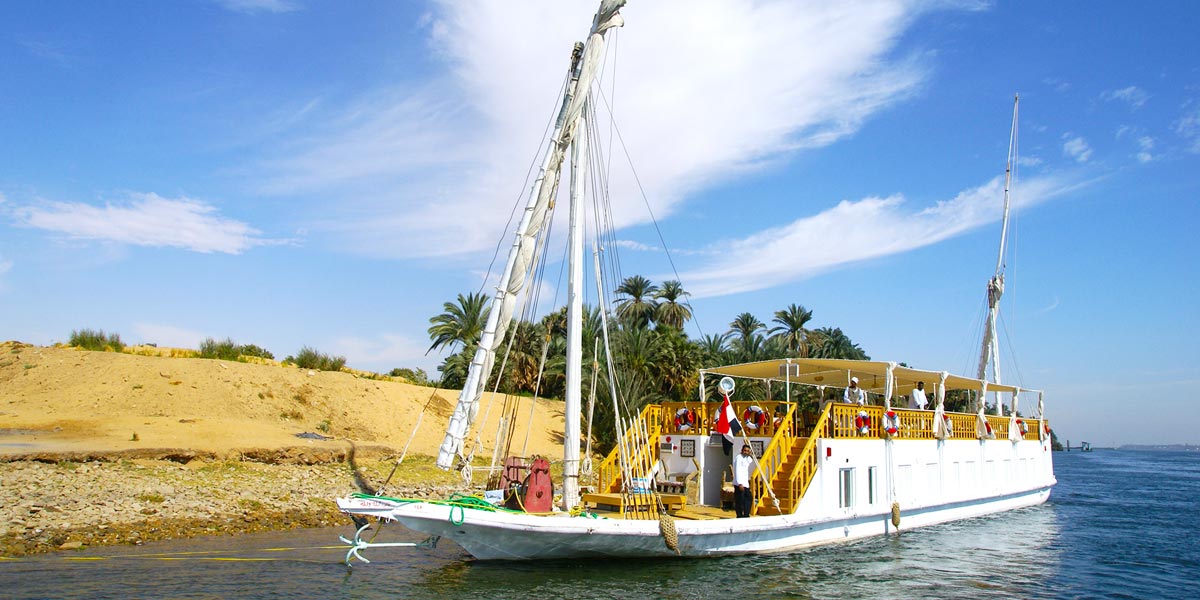
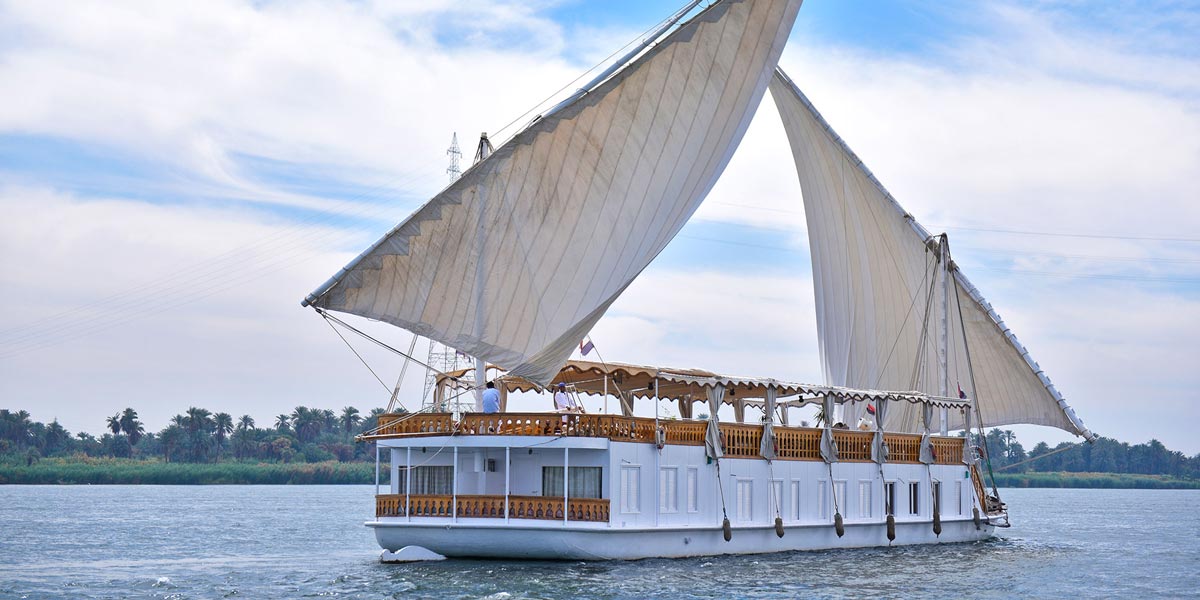
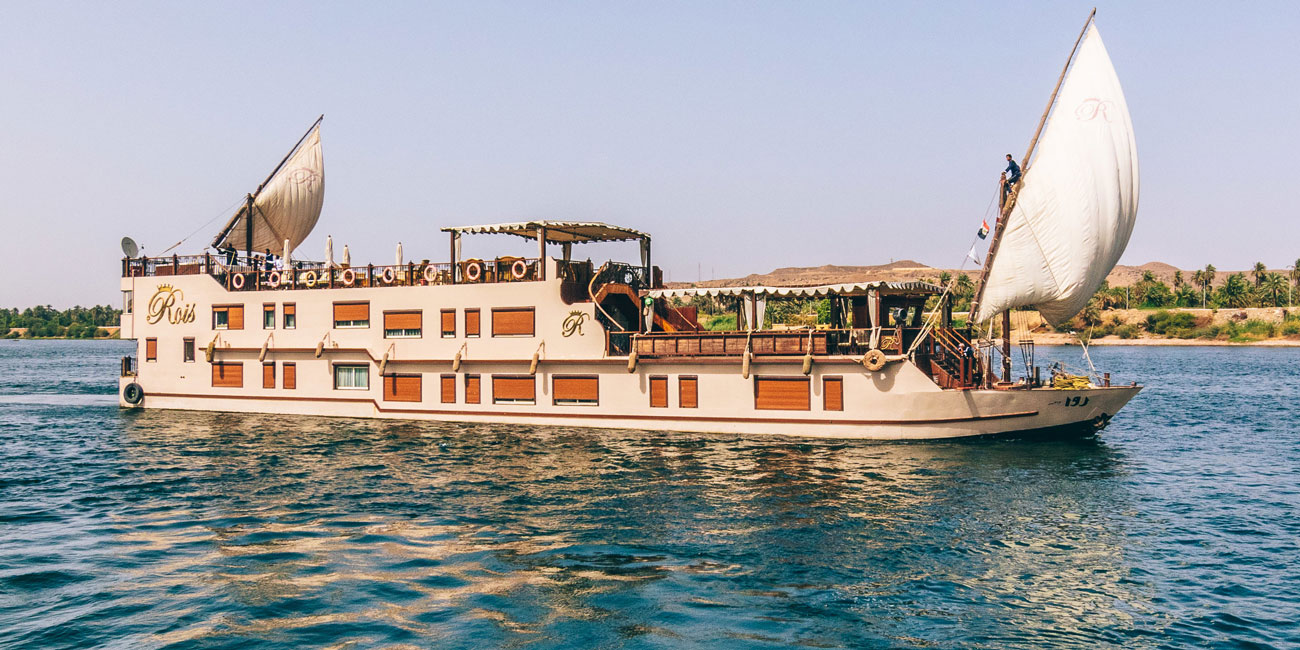
4 Days Dahabiya Nile River Cruise Aswan to Luxor
IATA-Egypt-Tours-Portal

4 Days Dahabiya Nile River Cruise Aswan to Luxor

Enjoy a private 4 days Dahabiya Nile cruise Aswan to Luxor to visit ancient Egypt landmarks in Luxor & Aswan joining a private tour guide.
Aswan / Kom Ombo / Edfu / Luxor
4 Day / 3 Nights Nile Cruise Tour
4 Days Aswan Abu Simbel Nile River Cruise
IATA-Egypt-Tours-Portal

4 Days Aswan Abu Simbel Nile River Cruise

Enjoy 3 Nights Aswan Abu Simbel Nile Cruise to visit Abu Simbel temple, Amada, Wadi EL Seboua, and Kalabsha temples. Book now!
Abu Simbel / Amada/ Wadi El Seboua/ Kalabsha
4 Day / 3 Nights Nile Cruise Tour
3 Nights Nile River Cruise from Aswan Include Abu Simbel
IATA-Egypt-Tours-Portal

3 Nights Nile River Cruise from Aswan Include Abu Simbel

Enjoy 3 nights Nile cruise from Aswan include Abu Simbel to visit the best temples & tombs back to the ancient Egyptians. Book Now!
Luxor / Aswan / Edfu / Kom Ombo / Abu Simbel
4 Days / 3 Nights Nile Cruise Tour
4 Days off Beaten Path Nile River Cruise for Repeaters
IATA-Egypt-Tours-Portal

4 Days off Beaten Path Nile River Cruise for Repeaters

Experience the Nile anew! This 4-day cruise for Nile aficionados unveils hidden gems & untold stories beyond the classic Nile cruise.
Aswan / Kom Ombo / Edfu / Luxor
4 Day / 3 Nights Nile Cruise Tour
5 Days Nile River Cruise Luxor to Aswan
IATA-Egypt-Tours-Portal

5 Days Nile River Cruise Luxor to Aswan

Experience 5 days Nile River cruise from Luxor to Aswan to visit the most famous landmarks accompanied by an Egyptologist tour guide.
Luxor / Edfu / Kom Ombo / Aswan
5 Days / 4 Nights Nile Cruise Tour
5 Days Dahabiya Nile River Cruise Luxor to Aswan
IATA-Egypt-Tours-Portal

5 Days Dahabiya Nile River Cruise Luxor to Aswan

Reserve a 5-day Dahabiya Nile cruise to travel from Luxor to Aswan and explore ancient Egyptian sites with a professional guide.
Aswan / Kom Ombo / Edfu / Luxor
5 Day / 4 Nights Nile Cruise Tour
5 Days Abu Simbel Nile River Cruise Package
IATA-Egypt-Tours-Portal

5 Days Abu Simbel Nile River Cruise Package

Enjoy a 4 Nights Abu Simbel Nile cruise by joining your private tour guide to visit Abu Simbel, Amada, Wadi EL Seboua, and Kalabsha. Book now!
Abu Simbel / Amada/ Wadi El Seboua/ Kalabsha
5 Day / 4 Nights Nile Cruise Tour
4 Nights Nile River Cruise from Luxor Include Abu Simbel
IATA-Egypt-Tours-Portal

4 Nights Nile River Cruise from Luxor Include Abu Simbel

Experience the highlights of Upper Egypt with our 4 nights Nile cruise from Luxor, including Abu Simbel. Discover itinerary and prices.
Luxor / Aswan / Edfu / Kom Ombo / Abu Simbel
5 Days/4 Nights Nile Cruise Tour
5 Days Hidden Treasures Nile Cruise for Returning Visitors
IATA-Egypt-Tours-Portal

5 Days Hidden Treasures Nile Cruise for Returning Visitors

Discover hidden gems on a 5-day Nile cruise designed for repeat visitors. Explore lesser-known sites & enjoy exclusive experiences along Egypt's majestic river.
Luxor / Edfu / Kom Ombo / Aswan
5 Days / 4 Nights Nile Cruise Tour
7 Night Nile River Cruise Itinerary from Aswan
IATA-Egypt-Tours-Portal

7 Night Nile River Cruise Itinerary from Aswan

Enjoy 7 night Nile River cruise itinerary from Aswan to visit the most famous monuments joining your private Egyptologist guide. Book us now!
Aswan / Abu Simbel / Kom Ombo / Edfu / Luxor
8 Day / 7 Nights Nile Cruise Tour
7 Night Nile River Cruise Itinerary from Luxor
IATA-Egypt-Tours-Portal

7 Night Nile River Cruise Itinerary from Luxor

Relax on the Nile while exploring Egypt's wonders on a 8 days Nile cruise from Luxor to Aswan. Private guide included.
Luxor / Edfu / Kom Ombo / Abu Simbel / Aswan
8 Days / 7 Nights Nile Cruise Tour
8 Days Dahabiya Nile River Cruise From Luxor
IATA-Egypt-Tours-Portal

8 Days Dahabiya Nile River Cruise From Luxor

Enjoy the luxury sailing on the Nile river through our 8 days Dahabiya Nile cruise from Luxor where you will visit the best ancient places.
Luxor / Aswan / Abu Simbel / Edfu / Kom Ombo
8 Days / 7 Nights Nile Cruise Tour
8 Days Nile River Cruise of Mystery for Seasoned Explorers
IATA-Egypt-Tours-Portal

8 Days Nile River Cruise of Mystery for Seasoned Explorers

Explore the secrets of the Nile on an exclusive 8-day cruise crafted for seasoned explorers, delving into lesser-known sites and ancient mysteries.
Luxor / Edfu / Kom Ombo / Abu Simbel / Aswan
8 Days / 7 Nights Nile Cruise Tour
Keep Exploring

What to Read Next

Dive deeper into this topic. Discover more insights, expert advice, and inspiration in our recommended articles.
Makadi Bay Egypt
Thu, 06 Feb 2020

Makadi Bay Egypt

Every moment spent in Makadi Bay will be a true highlight offering the chance to have a wonderful vacation. Read more about Makadi bay Egypt

Nuweiba
Sun, 14 Mar 2021

Nuweiba

Nuweiba is located across 5,097 km and contains a lot of hotels, restaurants, shops, cafes, diving centers & more. Read more about Nuweiba

Alexandria
Sun, 19 Nov 2017

Alexandria

As the second largest city in Egypt, following Cairo, Alexandria is a major urban center. Read further to learn about Alexandria's historical background and facts.

Aswan “Nubia”
Mon, 20 Nov 2017

Aswan “Nubia”

Uncover top details on Aswan, including attractions, history, and facts with our detailed Aswan travel guide.

El Gouna: Beaches, Resorts, Entertainment, & Things to Do
Mon, 20 Nov 2017

El Gouna: Beaches, Resorts, Entertainment, & Things to Do

Discover El Gouna, Egypt, with beaches, weather, top activities, luxury hotels, and resorts for the perfect Red Sea holiday and year-round travel.

Luxor “The Ancient City”
Tue, 21 Nov 2017

Luxor “The Ancient City”

Experience Luxor, Egypt, the City of Hundred Doors. Delve into its rich history, engaging facts, must-see attractions, and more.

Marsa Alam Travel Guide: Beaches, Diving, Resorts & More
Tue, 21 Nov 2017

Marsa Alam Travel Guide: Beaches, Diving, Resorts & More

Discover Marsa Alam’s best beaches, dive sites, resorts, and travel tips. Plan the perfect Red Sea escape with snorkeling, turtles, and desert charm.

Safaga: Best Guide to Red Sea Adventure & Relaxation
Tue, 21 Nov 2017

Safaga: Best Guide to Red Sea Adventure & Relaxation

Enjoy Safaga Port in Egypt, the Red Sea's gem for diving, windsurfing, and cultural tours, with top hotels, beaches, activities, and nearby historic sites.

Sharm El Sheikh: Egypt’s Red Sea Paradise of Adventure, Culture, and Peace
Tue, 21 Nov 2017

Sharm El Sheikh: Egypt’s Red Sea Paradise of Adventure, Culture, and Peace

Explore Sharm El Sheikh’s beaches, diving, map, history, importance, culture, safety, resorts, desert safaris, Ras Mohammed, Naama Bay, & top attractions.

Discover Nile River Map, Life, History, Sources, & Facts
Wed, 08 Aug 2018

Discover Nile River Map, Life, History, Sources, & Facts

Check our Nile River article about its origin, map, mythology, history, location, flooding, agriculture, economy, and more about its key facts and details.

Discover the Red Sea: Nature, History, and Diving Paradise
Mon, 10 Sep 2018

Discover the Red Sea: Nature, History, and Diving Paradise

Explore the Red Sea's unique marine life, diving resorts, history, and economic importance. Discover its history, beauty, biodiversity, and global significance

Thebes: The Eternal Capital of Ancient Egypt
Thu, 04 Jul 2019

Thebes: The Eternal Capital of Ancient Egypt

Explore Thebes, Egypt’s grand capital of the New Kingdom; home to Karnak, Luxor, the Valley of the Kings, and the grand legacy of ancient Egyptian civilization.

Soma Bay
Mon, 19 Oct 2020

Soma Bay

Explore Soma Bay and discover its location, rich history, tourism, beaches, activities, best visit times, and luxury properties in Egypt's Red Sea gem.

Ain Sokhna
Sun, 07 Mar 2021

Ain Sokhna

Discover Ain Sokhna's rich history, stunning beaches, and vibrant restaurants. Explore ancient wonders from Sokhna Port and enjoy top hotels.

Port Ghalib
Thu, 12 Mar 2020

Port Ghalib

Explore Port Ghalib's history, prime location, best visiting times, vibrant tourism, activities, beaches, resorts, facts, shopping, and diving spots.

Book With Confidence

Why Travel With Egypt Tours Portal

The "Boutique" Advantage

01

We offer private, customizable journeys tailored to your pace, moving away from the "factory-style" mass-market tours.

Gold-Standard Guides

02

Travel with elite, licensed Egyptologists who act as storytellers, not just tour leaders.

Seamless Logistics

03

24/7 "high-touch" support with a dedicated coordinator for every aspect of your multi-vendor itinerary.

2026/04/egypt-tours-portal-clients-at-giza-pyramids.jpg
04

True Customization

Our "Tailor-Made" planning workflow ensures your trip matches your specific priorities and interests.

05

Luxury & Comfort

We prioritize premium guide quality and vetted, safe hotels to ensure a stress-free environment.

06

Protection & Security

Advanced safety protocols and 24/7 emergency contact for total peace of mind during your adventure.

Book With Confidence.

Book your trip with peace of mind knowing every detail is handled with care.

Enjoy flexible options, secure payments, and dedicated support to make your journey smooth and worry-free from start to finish.

Read Our Confidence Policy

Pay Monthly

Split your total trip cost into easy monthly installments, making it more flexible and affordable for your budget.

Fast Booking

Complete your booking in just a few simple steps with a quick and streamlined process designed to save you time.

24/7 Support

Our dedicated support team is available around the clock to assist you before, during, and after your trip.

Rated 5 Stars

Highly rated by thousands of travelers for quality service, reliable experiences, and unforgettable journeys.

Pay Monthly

Split your total trip cost into easy monthly installments, making it more flexible and affordable for your budget.

Fast Booking

Complete your booking in just a few simple steps with a quick and streamlined process designed to save you time.

24/7 Support

Our dedicated support team is available around the clock to assist you before, during, and after your trip.

Rated 5 Stars

Highly rated by thousands of travelers for quality service, reliable experiences, and unforgettable journeys.

Traveler Video Reviews

Inside The Experience: Watch Authentic Traveler Stories Before Booking

Clients Feedback
https://dynamic-media-cdn.tripadvisor.com/media/photo-o/12/04/24/3e/rk-w.jpg
Erin W
Kiawah Island, South Carolina

"We had a great experience touring Aswan, Edfu, and Luxor with Mahmoud. I would highly recommend him as a guide. He adapted to our needs (2 teenagers) and kept everything interesting. He was always prompt, professional, and easy to communicate with. He was also very prompt answering questions via WhatsApp"

Read More
https://dynamic-media-cdn.tripadvisor.com/media/photo-o/1a/f6/f1/79/default-avatar-2020-21.jpg
Estelle V

"We would like to share our wonderful experience with Egypt Tours Portal. From the very first quote to our final airport drop-off, we were impressed by the professionalism, organization, and excellent communication from Walaa and the entire team. Our tour guides in both Luxor (“Habibi” was the best!) and Cairo were incredibly knowledgeable, helpful, and passionate about sharing Egypt’s history and treasures with us. We especially appreciated how thoughtfully the itinerary was planned — allowing us time to rest in the afternoons, scheduling visits during the cooler hours, and remaining flexible to accommodate our needs. Everything was smooth, well-organized, and made our trip truly memorable. We wholeheartedly recommend Egypt Tours Portal to anyone looking to discover the incredible history, culture, and wonders Egypt has to offer."

Read More
https://dynamic-media-cdn.tripadvisor.com/media/photo-o/1a/f6/e7/3d/default-avatar-2020-55.jpg
Tim K

"We had an outstanding time touring Luxor with our guide, Essra. She was knowledgeable, professional, and incredibly kind throughout the entire experience. Her explanations of Karnak Temple, Luxor Temple, the Valley of the Kings, Hatshepsut Temple, and the Colossi of Memnon brought Egypt's history to life. What really set her apart was her thoughtfulness. She made sure we stayed comfortable in the heat, surprising us with water and refreshments. She also took us to an excellent local restaurant that we never would have found on our own. Her attention to detail, genuine care, and passion for sharing Egypt made this one of the highlights of our trip. We highly recommend her to anyone visiting Luxor. On another note, the drivers we had each day were great. So professional, always on time and personable."

Read More
https://dynamic-media-cdn.tripadvisor.com/media/photo-o/1a/f6/e2/a7/default-avatar-2020-44.jpg
Will S
Bluff Park, Alabama

"We had a great vacation. Omar Haridi did our Nile Cruise and Zizi did our Cairo tour. They were amazing and very knowledgeable."

Read More
https://dynamic-media-cdn.tripadvisor.com/media/photo-o/1a/f6/ed/00/default-avatar-2020-4.jpg
Mira F

"The best experience of my lifetime! Nour, the tour guide was absolutely amazing! Went over and beyond thinking about every little thing. I had a mishap and Egypt Air overbooked my flight and bumped me to a later flight causing me to miss an entire day of activities. Nour made sure I got to do every single thing I missed that first day. But that’s not all: his knowledge of old Egypt is unparalleled, he truly brings Egypt (Aswan Luxor) alive. I’ve traveled all over the world and met many tour guides: Nour stands apart from all of them. He’s also considerate, caring and genuinely wants his guests to enjoy the trip and learn the most about the incredible history of Egypt. He’s also funny and genuinely great to be around. Please, do yourself a favor when booking a trip in Upper Egypt and ask for Nour. Hands down the best guide ever!"

Read More
https://dynamic-media-cdn.tripadvisor.com/media/photo-o/1a/f6/f6/0d/default-avatar-2020-34.jpg
Paul B
Hook, United Kingdom

"Excellent guide Mr Mohamed Osman, who was incredibly knowledgeable and very informative. Couldn't ask for more. Food on day 1 was ok, but much better at lunch on day 2. Hotel was excellent. Also our driver was excellent. All in all a great experience. Would highly recommend."

Read More
https://dynamic-media-cdn.tripadvisor.com/media/photo-o/1a/f6/eb/6d/default-avatar-2020-19.jpg
Marianna A

"Our experience in Egypt, especially in Luxor and Aswan, was truly unforgettable, and a huge part of that was thanks to our incredible guide Omar. We cannot recommend him highly enough. From the moment we met him, it was clear that he was exceptionally knowledgeable, professional, and deeply passionate about Egyptian history and culture. What made our tour extraordinary was that our guide is not only a master’s in Egyptology but is also currently pursuing a PhD in Egyptology. His depth of knowledge was absolutely remarkable. He is also very creative and artistic. Every temple, tomb, monument, and historical site came alive through his explanations. He did not simply recite facts, he explained the historical context, symbolism, religious beliefs, architecture, and fascinating stories behind everything we saw. It truly felt like we were traveling through ancient Egypt with a real scholar and expert by our side. He brought ancient Egyptian history to life by assigning us the roles of Egyptian gods and legendary heroes. Through these interactive mini-plays, we were able to experience, understand, and truly connect with the stories he shared. In Luxor, visiting Karnak Temple, Luxor Temple, the Valley of the Kings, and Hatshepsut Temple became an unforgettable educational and emotional experience because of the way he explained the history in such an engaging and easy-to-understand manner. In Aswan, his insights about Philae Temple, Nubian history, and ancient Egyptian civilization added so much depth to our trip. He answered every question thoughtfully and with incredible detail, and you could genuinely feel his passion for Egyptology. Beyond his academic expertise, he was one of the kindest and most caring people we met during our travels. He constantly made sure we were comfortable, safe, hydrated, and enjoying ourselves. He was patient, attentive, organized, and always willing to help with anything we needed. His warm personality and kindness made us feel welcomed not just as tourists, but as friends. He also paced the tours perfectly, allowing us enough time to truly appreciate each site without ever feeling rushed. His professionalism, friendliness, and genuine care created a relaxed and enjoyable atmosphere throughout the trip. Thanks to him, our visit to Egypt became far more than a vacation. It became an unforgettable journey into history and culture. If you are planning to visit Luxor, Aswan, or anywhere in Egypt, choosing this guide will be one of the best decisions you can make. He is truly exceptional, and we feel incredibly lucky to have had him as our guide. Thank you again for such an amazing experience. We will never forget it. Marianna and Khris"

Read More
https://dynamic-media-cdn.tripadvisor.com/media/photo-o/1a/f6/f0/d5/default-avatar-2020-17.jpg
James H

"This has been a tour agency and guides I can’t wait to give a glowing review to and to recommend to friends and family. Both Riham and Walid were happy to help coordinate excursions and share a wealth of knowledge. 10/10 experience"

Read More
https://dynamic-media-cdn.tripadvisor.com/media/photo-o/1a/f6/ec/a2/default-avatar-2020-3.jpg
H D

"We had a wonderful experience with the 5 day cruise. The price is wry reasonable. The best part is that the visits are done in very small numbers with a guide. It is almost like having a private guide. The food was good with lots of variety and all the staff members are very friendly and helpful. Omar Haradi, our guide was very knowledgeable and very generous with his time and with sharing his knowledge."

Read More
https://dynamic-media-cdn.tripadvisor.com/media/photo-o/1a/f6/f2/59/default-avatar-2020-24.jpg
Marlina
West Palm Beach, Florida

"We just returned home from an incredible trip to Egypt, and we cannot say enough good things about Egypt Tours. From the moment we booked our trip until the day we flew home, their communication, organization, and attention to detail were outstanding. Our adventure began in Cairo, where we were warmly welcomed at the airport by our guide, Abdulrahman Mosbah. He immediately made us feel comfortable and at ease, and our Nile River sunset cruise was the perfect introduction to Egypt. Abdul’s warm personality and infectious enthusiasm made our first day both fun and memorable. The following day, we toured with Reda Elgendy, who brought the pyramids to life with fascinating stories and historical insights. Seeing the Grand Egyptian Museum (GEM) was truly breathtaking and a highlight of our time in Cairo. In Aswan, we were greeted at the airport by Ahmed Haggag, who guided us over the next two days. Ahmed was incredibly knowledgeable, thorough in his explanations, and always kept us entertained with his great sense of humor. We learned so much while enjoying every moment of our time with him. Our final stop was Luxor, where we met Ghada Kamel. Saving the best for last, Ghada was absolutely exceptional. Her passion for Egypt’s history and culture made our visits to the temples and the Valley of the Kings unforgettable. She was engaging, informative, and truly outstanding. This trip exceeded all of our expectations. Not only did we experience some of the world’s most amazing historical sites, but each of our guides also shared valuable insights into Egyptian culture and daily life. We returned home with wonderful memories, a deeper appreciation for Egypt, and gratitude for the amazing team at Egypt Tours. We highly recommend Egypt Tours to anyone planning a trip to Egypt. It was truly the trip of a lifetime!"

Read More
https://dynamic-media-cdn.tripadvisor.com/media/photo-o/1a/f6/de/5a/default-avatar-2020-36.jpg
Alejandro M

"We loved it, great experience and treatment. Our guide Noah had great knowledge of the subject. Thank you very much."

Read More
https://dynamic-media-cdn.tripadvisor.com/media/photo-o/1a/f6/f0/d5/default-avatar-2020-17.jpg
Jeff T

"Our trip in May 2026 was fantastic! We saw all the major wonders of Egypt! Our incredibly knowledgeable guide Walid Ahmed met us at the hotel and was great at explaining all the particular uniqueness of each tomb and temple, inserting background myths and stories, keeping our tour on track, taking and sharing so many pictures so we could be in them as a couple and helping us navigate local customs. We strongly recommend Egypt, the tour and Walid!"

Read More
https://dynamic-media-cdn.tripadvisor.com/media/photo-o/1a/f6/e7/3d/default-avatar-2020-55.jpg
Joe P

"We had a wonderful week long vacation in Egypt, split between Cairo and Luxor. The tour was very professionally run with excellent communication starting weeks before our arrival and then nearly daily while in Egypt. A highlight was our English-speaking guide in Luxor, Walid Ahmed, who was extremely knowledgeable and exceptionally kind. The tour was flexible and accommodating, allowing last minute special detours and restaurant choices. Overall, it was one of the best vacations of our life."

Read More
https://dynamic-media-cdn.tripadvisor.com/media/photo-o/1a/f6/f1/79/default-avatar-2020-21.jpg
Damien B

"We had Ahmed Refaat as our family guide in Cairo, and he truly made our trip to Egypt unforgettable. His positive attitude, passion for Egypt’s history and culture, and incredible patience made all the difference throughout our stay in Cairo. Ahmed brought every site to life with fascinating explanations and was always attentive to our needs, making the experience enjoyable for both adults and children. We especially recommend him for visits to Saqqara and the Grand Egyptian Museum (GEM), where his deep knowledge and enthusiasm greatly enhanced our understanding and appreciation of these extraordinary places. Without any hesitation, we highly recommend Ahmed Refaat to anyone visiting Egypt. Thank you again for helping create such wonderful memories for our family!"

Read More
https://dynamic-media-cdn.tripadvisor.com/media/photo-o/1a/f6/ef/73/default-avatar-2020-13.jpg
Departure20554993605

"Knowledgeable guide, clean vehicle, interesting stories about the sites. Tour guide: Muhmmed Abd El-aal was very nice to be in the company of, dry attentive and honest."

Read More
HELP CENTER

Frequently Asked Questions

The Nile River’s basin spans eleven countries which are Egypt, Sudan, South Sudan, Eritrea, Ethiopia, Kenya, the Democratic Republic of the Congo, Burundi, Rwanda, Uganda, and Tanzania. The Nile is known to be composed of two tributaries: the White Nile and the Blue Nile. The White Nile, which is the bigger and longer of the two, begins at Lake Victoria in Tanzania and flows north until it reaches Khartoum, Sudan, where it converges with the Blue Nile. The Blue Nile begins near Lake Tana in Ethiopia. Finally, The Nile River empties into the Mediterranean Sea in northern Egypt.
The Nile River was very essential to the settlement patterns and the entire life in Egypt. The soil surrounding the Nile made it very fertile, unlike the arid landscape typical in the rest of the country. The Nile is featured in a number of Egyptian myths as a source of life & culture and even worshipped in the form of a deity. plus was known as “the father of African rivers.” The river used to flood on a yearly basis and cause massive floods, but now the Aswan High Dam was built in the mid-20th century, which allows surrounding countries to control the floods.
The Nile River is approximately 4,132 miles (6,650 kilometers) long, making it the longest river in the world. It spans eleven countries and flows through regions with vastly different climates and terrains, from tropical rainforests to deserts.
The most important element that the Nile provided to the Ancient Egyptians was fertile land. Most of Egypt is desert, but along the Nile River, the soil is rich and good for growing crops. The three most important crops were wheat, flax, and papyrus.
Amazing Facts about the Nile River: The Nile River is the longest river in the world, The Nile flows into the Mediterranean Sea. The Nile has a length of about 6,695 kilometers (4,160 miles), Its average discharge is 3.1 million liters (680,000 gallons) per second.
The Nile has two main sources. The White Nile originates from Lake Victoria in East Africa, and the Blue Nile begins in the Ethiopian Highlands at Lake Tana. These tributaries meet in Khartoum, Sudan, forming the main Nile River that flows northward into Egypt.
The full depth of the Nile ranges from 26 to 36 feet deep.
Through a Nile River Cruise, every traveler will get to witness Nile River Attractions, Pyramids of Giza. Any visit to Egypt is not complete without visiting the pyramids, Abu Simbel, Valley of the Kings, Luxor, Aswan, Temple of Edfu, Karnak Temple, Cairo.
Nile River Cruises is the finest and most magical way to explore the heavenly wonders of Upper Egypt between Luxor and Aswan in the most comfortable service since the Victorian age.
The most ideal number of days spent on a Nile Cruise is between 3 to 7 days where each traveler can explore most or all the amazing wonders of Luxor and Aswan.
The best time to book a Nile cruise is between the months of October and April during the relaxing seasons of winter autumn, & spring as the weather becomes very delightful with an average temperature that ranges across 21 C (70 F).
The Nile River ends at the Mediterranean Sea, dispersing into a triangular delta region just north of Cairo, Egypt. This delta, known as the Nile Delta, covers about 240 kilometers (150 miles) of coastline and is a vital agricultural area.
Unlike most major rivers, which generally flow southward, the Nile flows from south to north. This unusual path is due to the river’s origins in the higher-elevation regions of East Africa, flowing down towards the Mediterranean Sea.
The entire country of Egypt deserve to be explored with its every heavenly detail but there are places that must be seen before any other such as the breathtaking Hurghada's red sea, The wonders of Cairo the pyramids of Giza, the great sphinx, the Egyptian Museum, Khan El Khalili Bazaar, the wonders of Luxor like Valley of the Kings, Karnak & Hatshepsut temple and the wonders of Aswan such as Abu Simbel temples, Philea temple, Unfinished obelisk and The Wonders of Alexandria like Qaitbat Citadel, Pompey's Pillar and Alexandria Library. Read more about the best places to visit in Egypt.
If you want to apply for a Visa On Arrival that lasts for 30 days then you should be one of the eligible countries, have a valid passport with at least 6 months remaining and pay 25$ USD in cash, as for the E-Visa for 30 day you should have a valid passport for at least 8 months, complete the online application, pay the e-visa fee then print the e-visa to later be presented to the airport border guard. You could also be one of the lucky ones who can obtain a free visa for 90 days. Read more about Egypt travel visa.
Egypt has a variety of delicious cuisines but we recommend "Ful & Ta'meya (Fava Beans and Falafel)", Mulukhiya, "Koshary", a traditional Egyptian pasta dish, and Kebab & Kofta, the Egyptian traditional meat dish. Read more about Top Traditional Egyptian Food.
The best time to travel to Egypt is during the winter from September to April, as the climate becomes a little tropical, accompanied by a magical atmosphere of warm weather with a winter breeze. You will be notified in the week of your trip if the Climate is unsafe and if any changes have been made. Read more about Best Time to Visit Egypt.
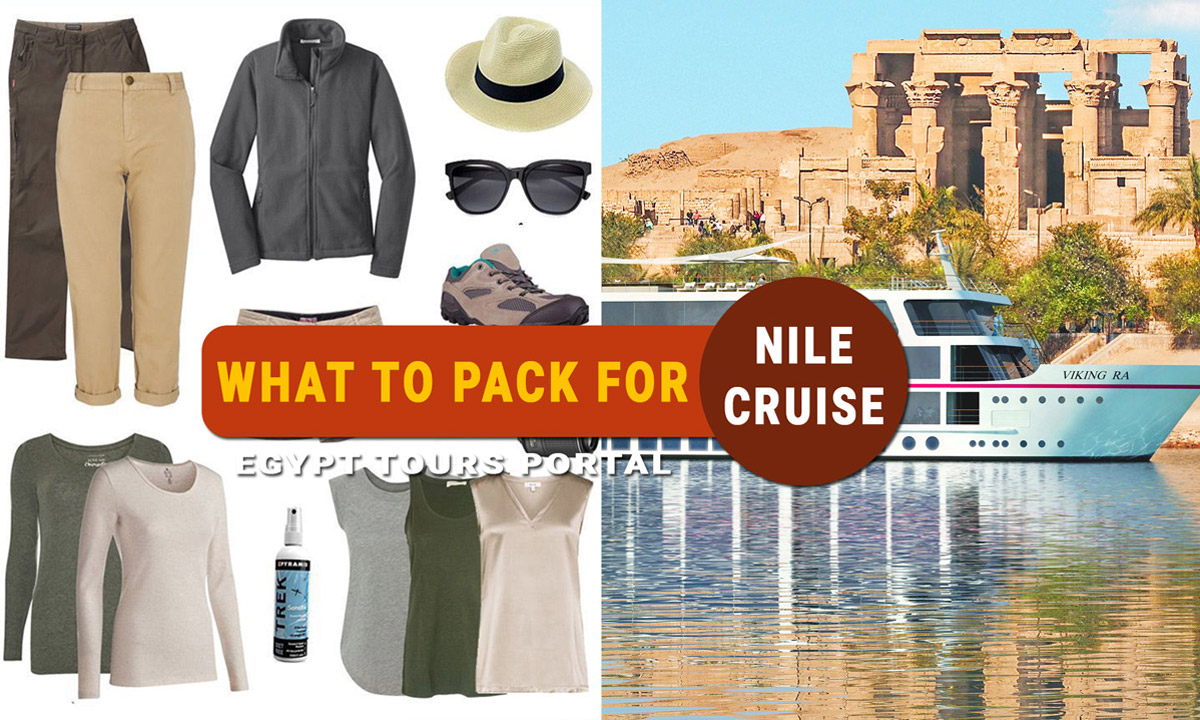
You should pack everything you could ever need in a small bag so you can move easily between your destinations. Read more about What to Pack for Your Egypt Tour.
We have been creating the finest vacations for more than 20 years around the most majestic destinations in Egypt. Our staff consists of the best operators, guides and drivers who dedicate all of their time & effort to make you have the perfect vacation. All of our tours are customized by Travel, Financial & Time consultants to fit your every possible need during your vacation. It doesn't go without saying that your safety and comfort are our main priority and all of our resources will be directed to provide the finest atmosphere until you return home.
You will feel safe in Egypt as the current atmosphere of the country is quite peaceful after the government took powerful measures like restructuring the entire tourist police to include all the important and tourist attractions in Egypt. Read more about is it safe to travel to Egypt.
Wear whatever feels right and comfortable. It is advised to wear something light and comfortable footwear like a closed-toe shoe to sustain the terrain of Egypt. Put on sun block during your time in Egypt in the summer to protect yourself from the sun.
The best activity is by far boarding a Nile Cruise between Luxor and Aswan or Vise Versa. Witness the beauty of Egypt from a hot balloon or a plane and try all the delicious Egyptian cuisines and drinks plus shopping in old Cairo. Explore the allure and wonders of the red sea in the magical city resorts of Egypt like Hurghada and many more by diving and snorkeling in the marine life or Hurghada. Behold the mesmerizing western desert by a safari trip under the heavenly Egyptian skies.
There are a lot of public holidays in Egypt, too many to count, either religious or nation, the most important festivals are the holy month of Ramadan, which ends with Eid Al Fitr, Christmas, and New Year's Eve. Read more about festivals & publich holidays in Egypt.
Egypt is considered to be one of the most liberal Islamic countries but it has become a little bit conservative in the last couple of decades so it is advised to avoid showing your chest, shoulders or legs below the knees.
Arabic is the official language and Most Egyptians, who live in the cities, speak or understand English or at least some English words or phrases. Fewer Egyptians can speak French, Italian, Spanish, and German. Professional tour guides, who work in the tourism sector, are equipped to handle visitors who cannot speak Arabic and they will speak enough English and other languages to fulfill the needs of all our clients.
The fastest way is a car, of course, a taxi. If you are in Cairo ride a white taxi to move faster or you could board the fastest way of transportation in Egypt metro if the roads are in rush hour.
The temperature in Egypt ranges from 37c to 14 c. Summer in Egypt is somehow hot but sometimes it becomes cold at night and winter is cool and mild. The average of low temperatures vary from 9.5 °C in the wintertime to 23 °C in the summertime and the average high temperatures vary from 17 °C in the wintertime to 32 °C in the summertime. The temperature is moderate all along the coasts.
It is the home of everything a traveler might be looking for from amazing historical sites dating to more than 4000 years to enchanting city resorts & beaches. You will live the vacation you deserve as Egypt has everything you could possibly imagine.
Our Partners

Partners Who Share Our Vision of Quality Travel

Partner Logo
Partner Logo
Partner Logo
Partner Logo
Partner Logo
Partner Logo
Partner Logo
Partner Logo
Partner Logo
Partner Logo