Summary
- Aswan sits on the Nile's First Cataract, roughly 220 km south of Luxor and 900 km south of Cairo, and has served as Egypt's southern frontier and granite source for over 4,500 years.
- The Aswan High Dam (1958-1970) created Lake Nasser and triggered a landmark UNESCO rescue campaign that relocated Philae, Abu Simbel, and Kalabsha temples to higher ground.
- Top attractions include Philae Temple, the Unfinished Obelisk, Elephantine Island, the Nubian Museum, and Kalabsha Temple, while Abu Simbel, Kom Ombo, and Edfu are essential nearby day trips.
- Aswan holds Egypt's record high temperature (51C in 1918), so the best time to visit is October through April, ideally December or January.
- Nubian culture remains central to Aswan's identity today, visible in village visits, music, and hospitality, alongside practical basics like felucca transport and a roughly 90-minute flight from Cairo.
The Nile does not end at Aswan, but in one sense, ancient Egypt did. For more than 4,500 years, this city on the river's First Cataract marked the pharaohs' southern frontier, the point where Egypt gave way to Nubia and where granite quarried from the riverbank was cut, floated north, and raised into the obelisks and temples of a civilization built downstream. Aswan carries that frontier history forward into the present: rescued temples, a colossal dam, and Nubian villages that have outlasted every empire that passed through.
This guide covers where Aswan sits and how it grew, the ancient temples saved from the rising waters of Lake Nasser, the city's best attractions and things to do, its living Nubian culture, and the practical details, weather, transport, and timing needed to plan an actual visit.
Explore the Incredible Geography and Location of Aswan
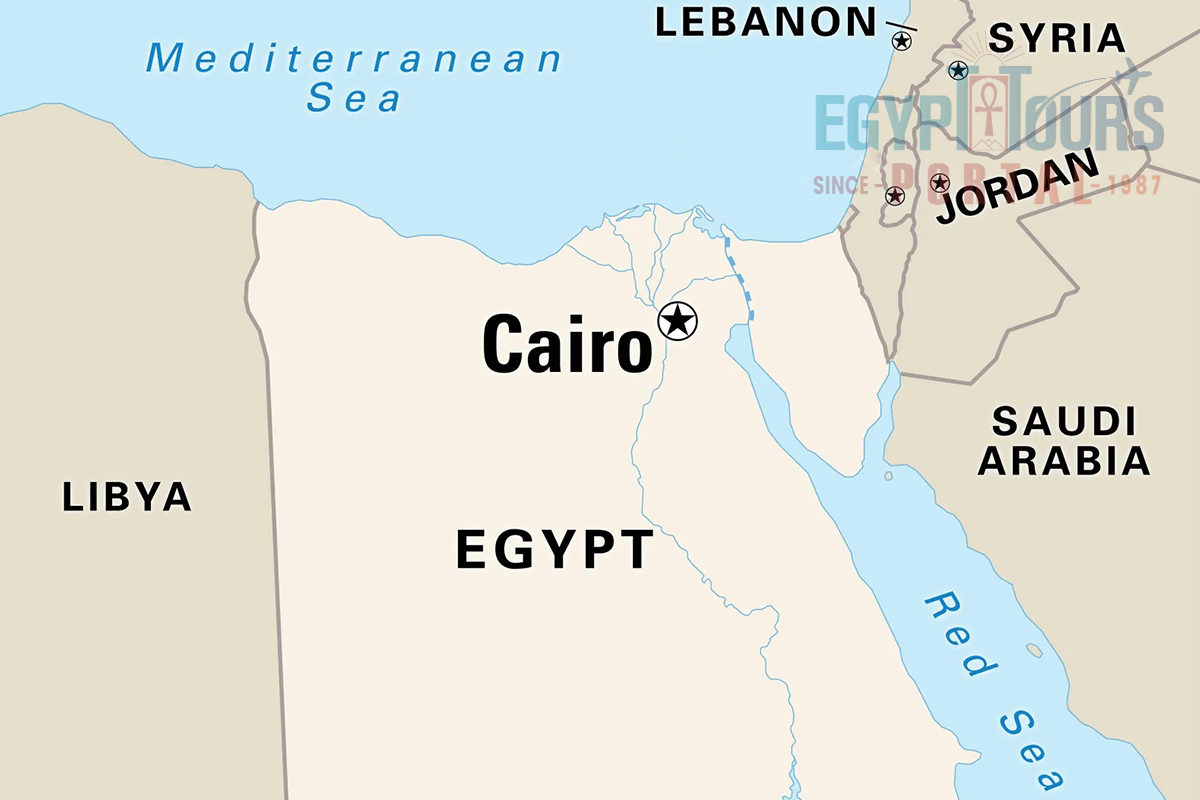
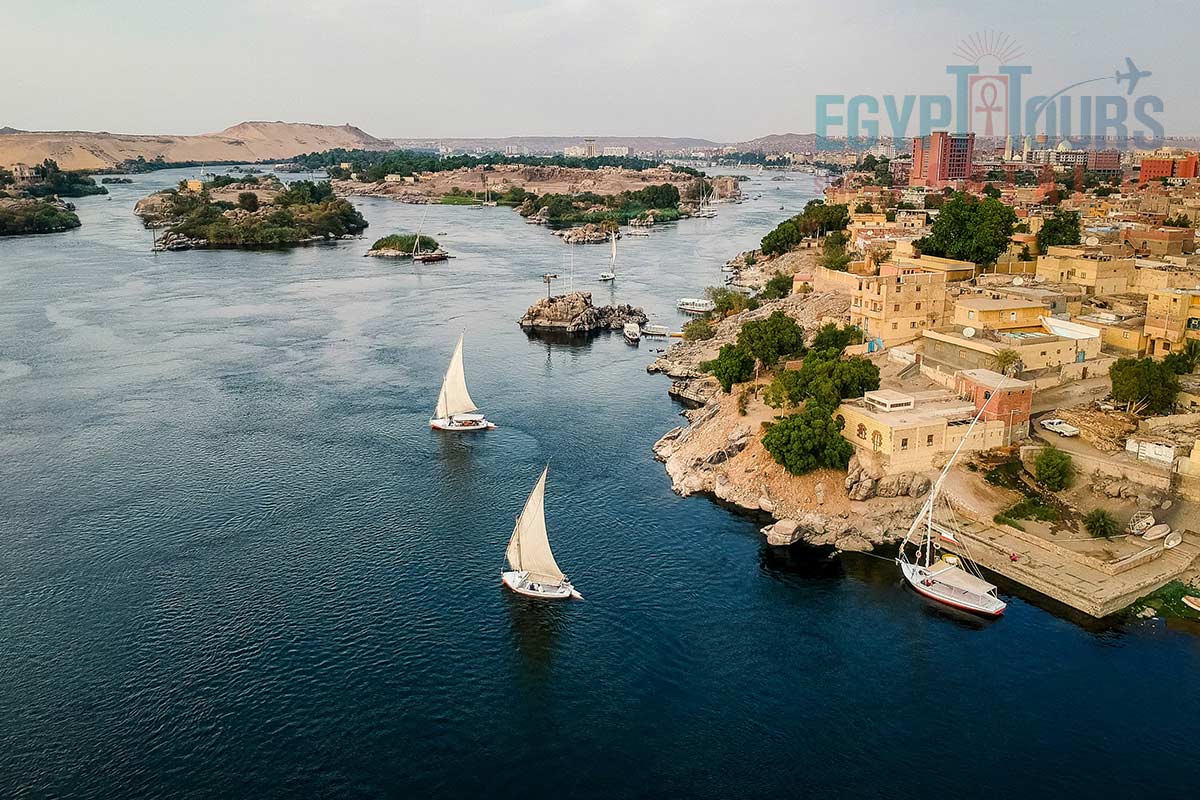
Aswan is the capital of Aswan Governorate and Egypt's southernmost major city, sitting on the Nile's east bank roughly 220 kilometers south of Luxor and about 900 kilometers south of Cairo. The city marks the site of the Nile's First Cataract, a stretch of rocky shallows that once formed Egypt's ancient southern border, and the river here runs about 650 meters wide, threaded with granite boulders and palm-covered islands.
That position near the Tropic of Cancer gave Aswan an unlikely claim to scientific history. Around 240 BC, the Greek scholar Eratosthenes used the fact that the midday sun sat directly overhead in Aswan at the summer solstice, compared against the angle of its shadow at the same moment in Alexandria, to calculate the circumference of the Earth, an estimate later found to be accurate to within roughly 1 to 2 percent, worked out with nothing more than geometry and a well. For a deeper look at the river that made this calculation possible in the first place, the history of the Nile River is a useful place to start.
The Marvelous Origins of Aswan's Name
Ancient Egyptians knew the city as Swenett, sometimes rendered Sunu or Sono, a name likely tied to the goddess Satet and to the Egyptian word for trade, since Swenett functioned as a customs point and market for goods moving between Egypt and Nubia. For a long time across history, it has been known as the hill of gold for its various natural resources. The Greeks who later settled here called it Syene, the name that appears in classical accounts of Eratosthenes's experiment. Nubian communities, meanwhile, call the city Dib, meaning "fortress" or "palace." The modern name Aswan descends from this same ancient root, and it still carries the sense of a marketplace and meeting point between two worlds, a description that has never really stopped being accurate.
Enjoy A Brief History of the Golden City of Aswan
Ancient Frontier and Quarry City
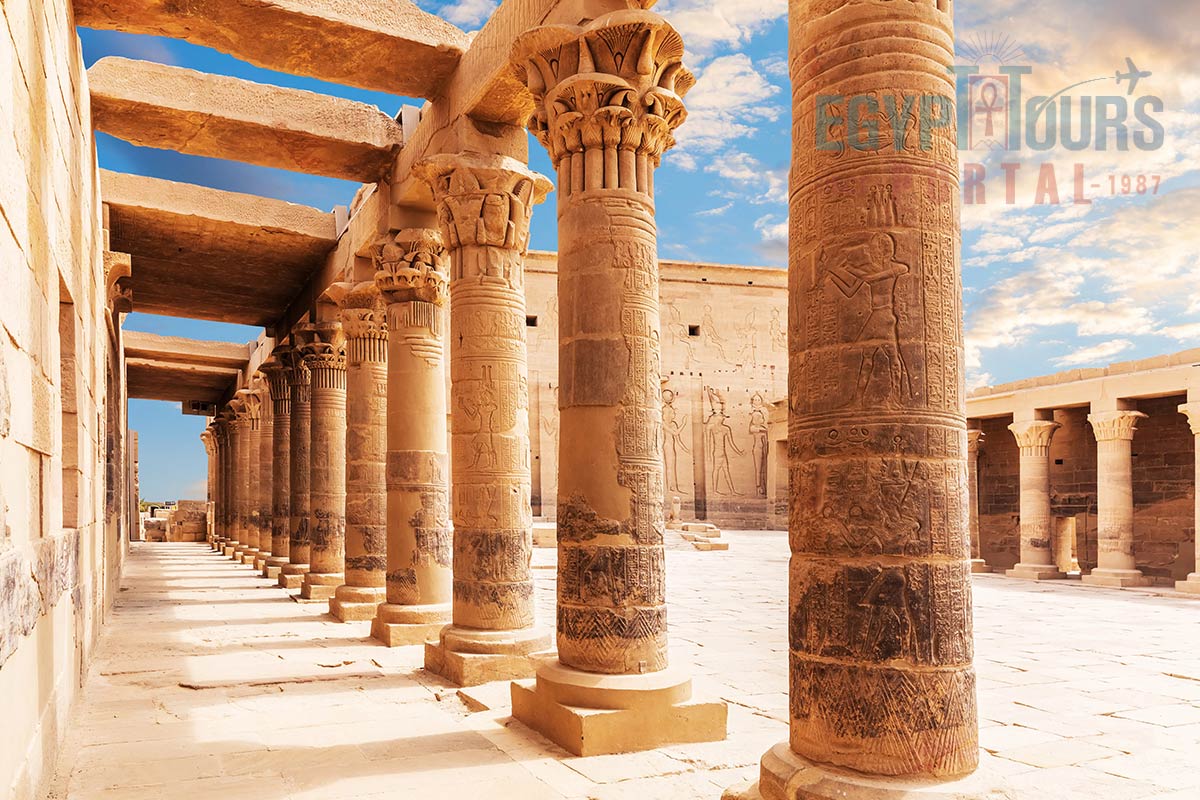
Long before it was a destination, Aswan was a resource. Its granite quarries, still active today, supplied the stone for some of ancient Egypt's most famous monuments, including obelisks and temple casing stones cut on-site and floated north by river. As Egypt's southern military and trading post, the city changed hands across millennia, serving as a garrison under the Romans and later the Ottomans and British, each of whom valued the same narrow stretch of river for the same reason: whoever held Aswan controlled the gateway south.
The Old Aswan Dam and the Aswan High Dam
Modern Aswan is defined by two dams built a lifetime apart. The Old Aswan Dam, built by the British between 1899 and 1902 and later raised twice, stretches 2,141 meters across the Nile in granite masonry pierced by 180 gates. It proved insufficient for Egypt's growing water needs, so between 1958 and 1970 Egypt built the Aswan High Dam roughly 6 kilometers upstream: a 3,830-meter-long, 111-meter-high dam of earth and rock named for President Gamal Abdel Nasser. Its reservoir, Lake Nasser, stretches roughly 550 kilometers and covers about 5,250 square kilometers, making it one of the largest artificial lakes on Earth, with 83 percent of its surface inside Egypt and the rest reaching into Sudan.
The UNESCO Rescue of Nubia's Temples
Filling a lake that size meant flooding the ancient Nubian homeland, along with temples that had already stood for thousands of years. In response, UNESCO launched one of its first and largest international rescue campaigns, dismantling entire monuments stone by stone and reassembling them on higher ground. Philae Temple was moved from its original island to nearby Agilkia Island, while the great Abu Simbel Temples were cut into more than a thousand blocks and reassembled 65 meters higher and 200 meters back from the water, a feat now documented in detail in ETP's account of the Abu Simbel relocation project. Both rescues remain landmark achievements in archaeological preservation, and both sit at the heart of the UNESCO World Heritage listing "Nubian Monuments from Abu Simbel to Philae," inscribed in 1979.
Cast Your Eyes on the Best Attractions in Aswan
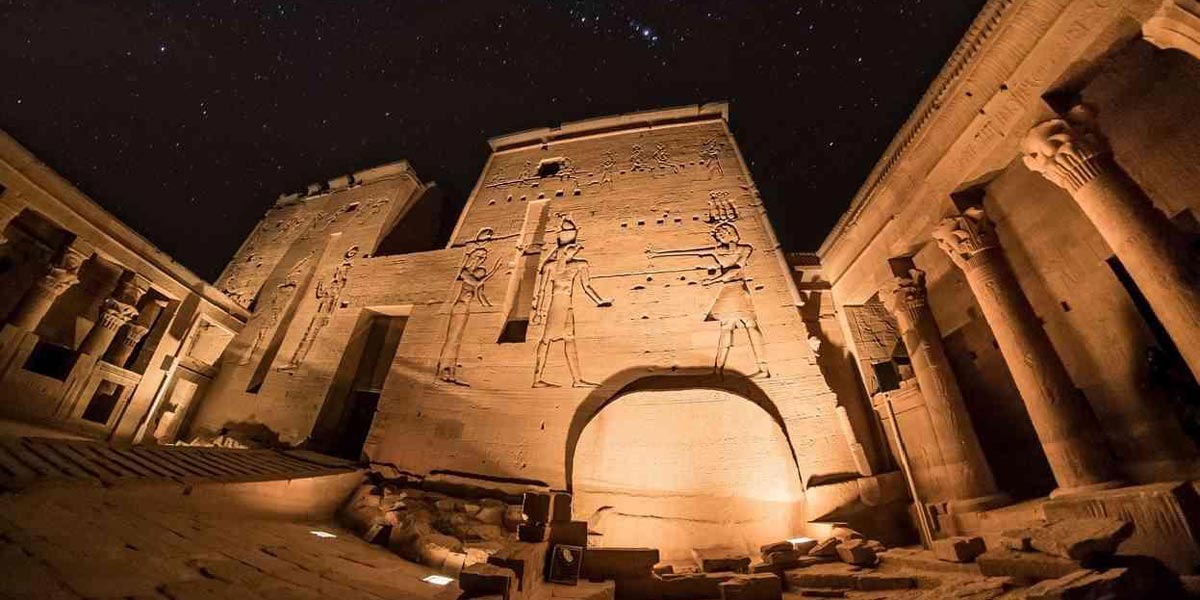
Philae Temple
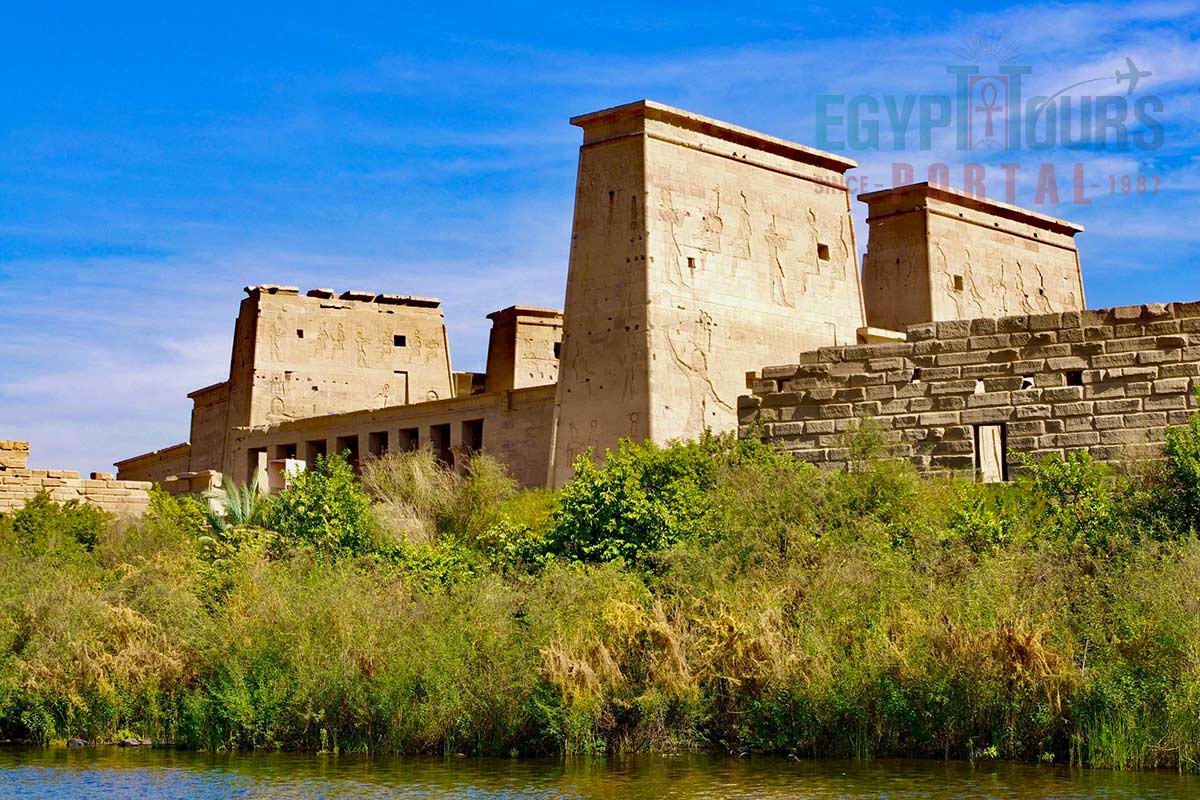
Dedicated to the goddess Isis, Philae Temple's oldest surviving structure was built under Pharaoh Nectanebo I between 380 and 362 BC, with major additions under the Ptolemies and Roman emperors over the centuries that followed. Reached today by a short boat ride to Agilkia Island, it remains one of the best-preserved temple complexes in Egypt and hosts a nightly sound and light show against its columned courtyards.
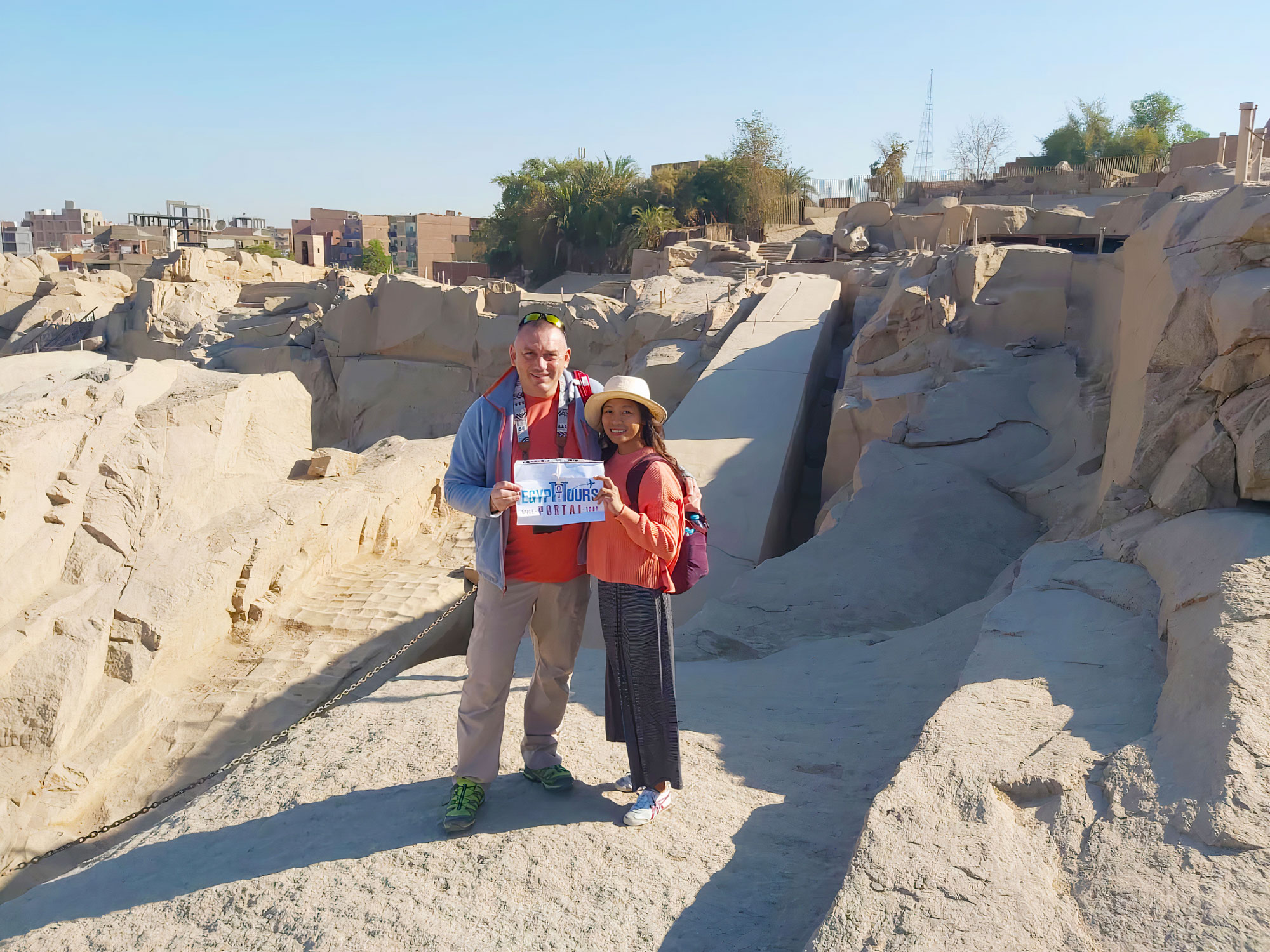
The Unfinished Obelisk
Still attached to the bedrock in Aswan's ancient granite quarries, the Unfinished Obelisk was commissioned by Queen Hatshepsut and would have stood 41.75 meters tall and weighed close to 1,168 tons, making it the largest obelisk ever attempted in ancient Egypt. Workers abandoned it mid-carving after cracks appeared in the granite, leaving behind the clearest surviving record of how these monuments were actually cut.
Elephantine Island
Sitting in the Nile directly opposite the city, Elephantine Island was ancient Swenett's original settlement and is home to the ruined Temple of Khnum, the ram-headed god associated with the Nile's source, along with an ancient Nilometer once used to measure the river's annual flood, a measurement that, for millennia, decided how well or poorly all of Egypt would eat that year.
The Nubian Museum
Opened in 1997 with UNESCO support, the Nubian Museum traces Nubian civilization from prehistory through the modern era, displaying artifacts rescued during the Lake Nasser flooding alongside exhibits on Nubian daily life, crafts, and music.
Kalabsha Temple
Originally built during the Roman period and dedicated to the Nubian solar god Mandulis, Kalabsha Temple was also rescued from the rising waters of Lake Nasser and now stands near the High Dam, one of the largest free-standing temples in Nubia and a quieter counterpart to the crowds at Philae.
Aswan Tourist Attractions
Explore top Aswan tourist attractions and dive into the history of Aswan's must-see sites. Learn more about these iconic destinations.
The Best Things to Do in Aswan
Seeing Aswan's temples is only half the visit; the river and the people living beside it make up the rest. Here are some of the most amazing activities to do in Aswan:
Take a Felucca Ride at Sunset
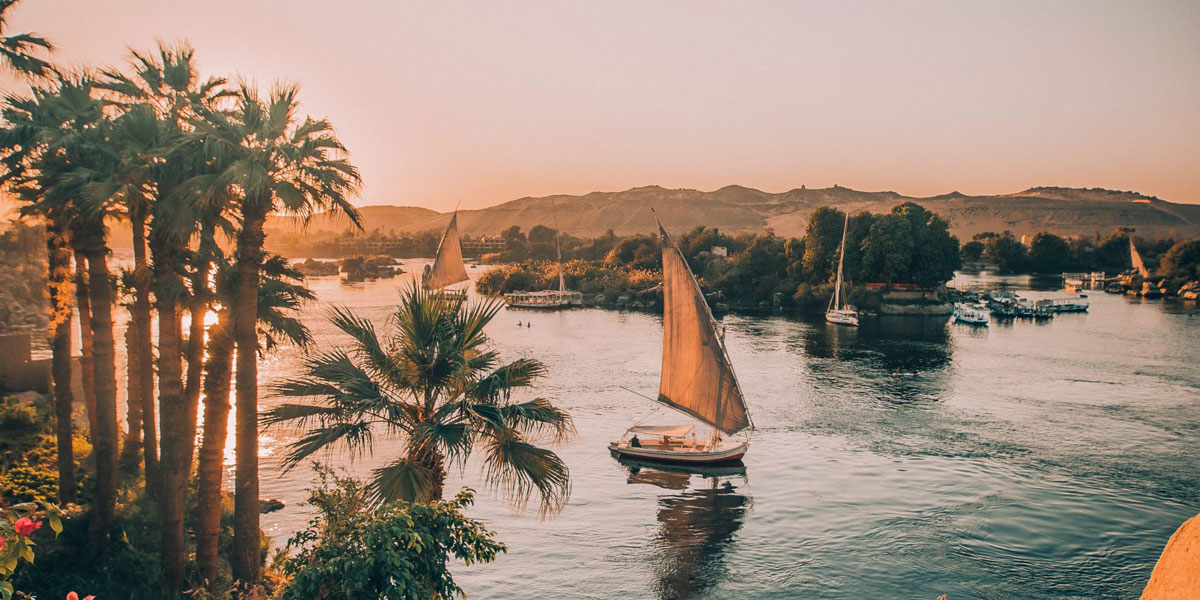
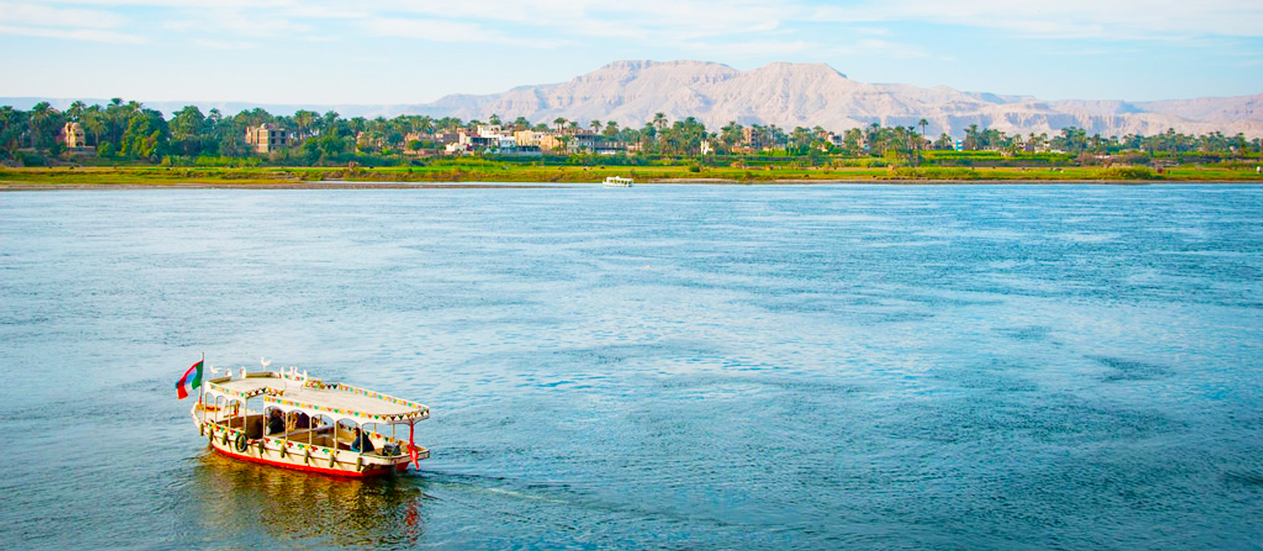
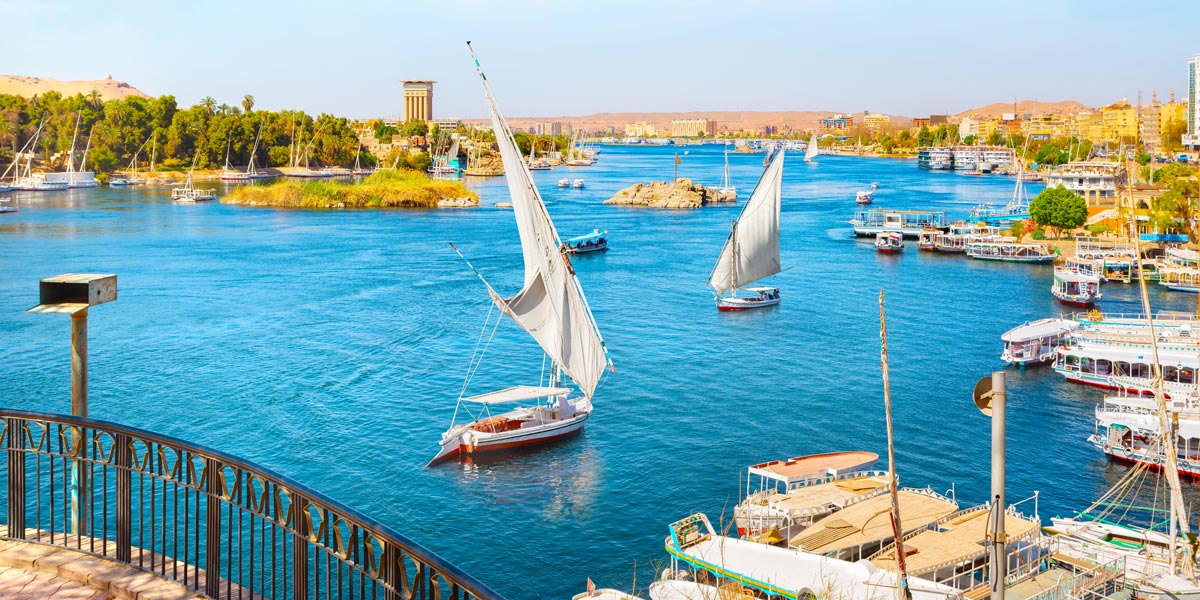
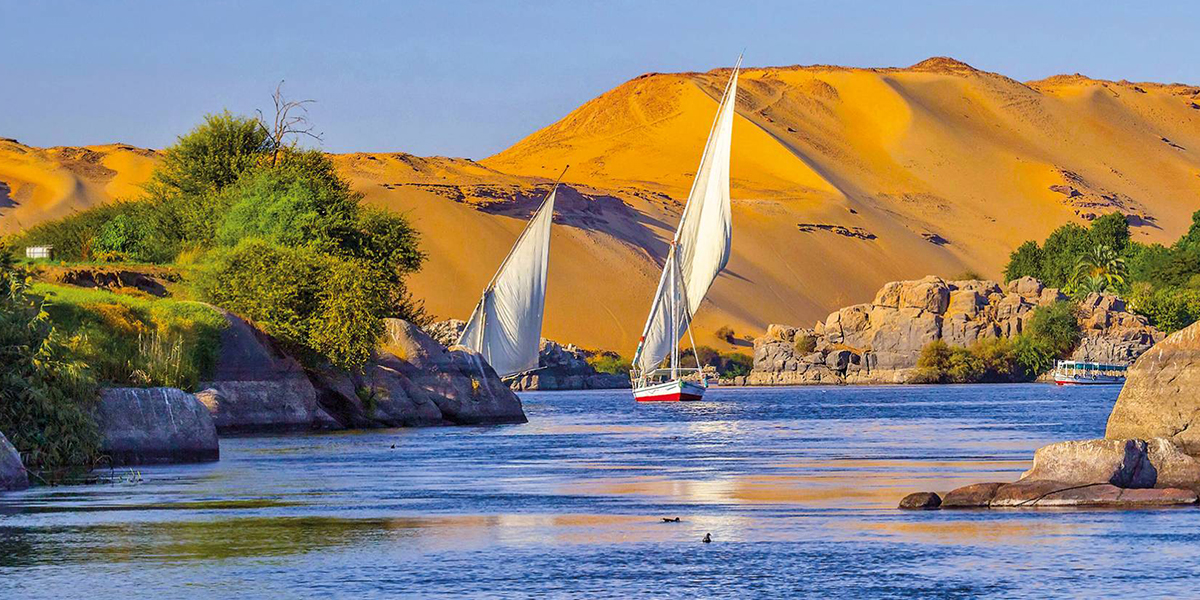
A felucca ride past Elephantine Island and the wind-carved rocks near Kitchener's Island is, for many travelers, the single most memorable Aswan experience, especially as the sun drops behind the western desert hills and the whole river turns the color of the granite beneath it.
Visit a Nubian Village
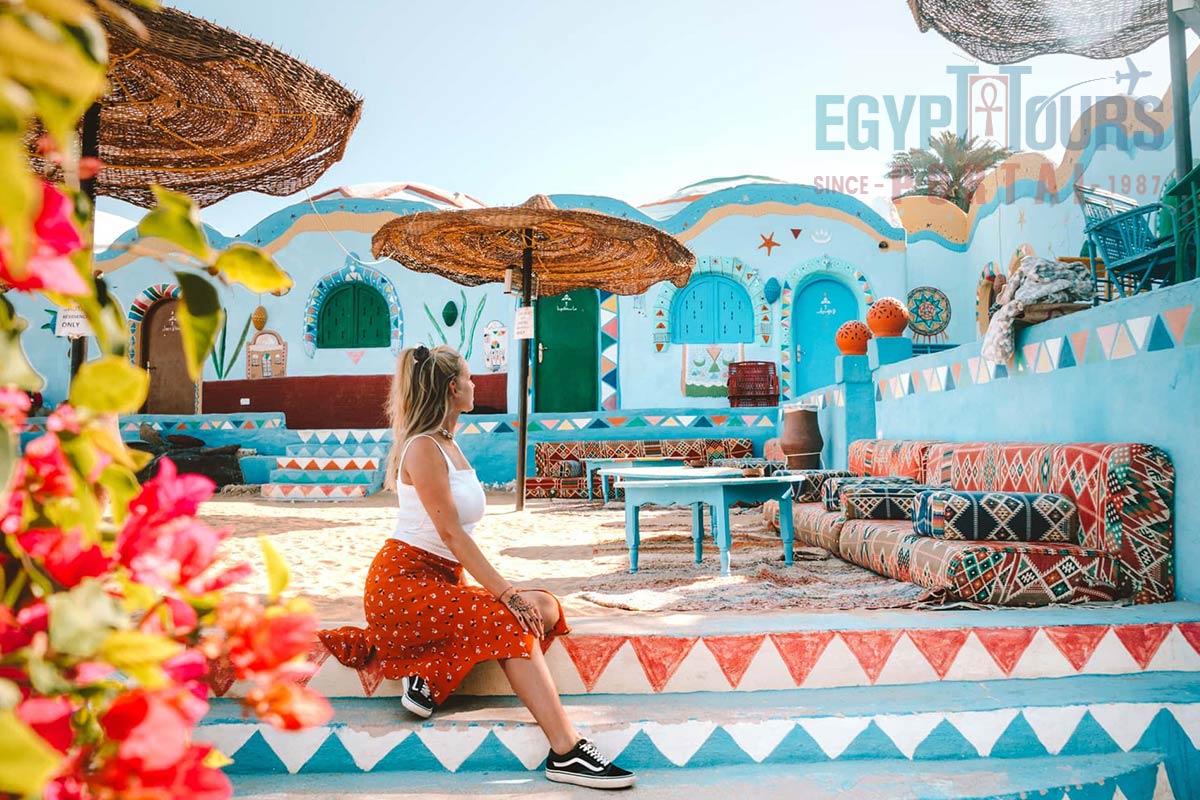
Across the water, brightly painted Nubian houses and courtyards welcome visitors on a Nubian village tour, offering a direct look at a culture that predates Pharaonic Egypt and still thrives along both banks of the Nile.
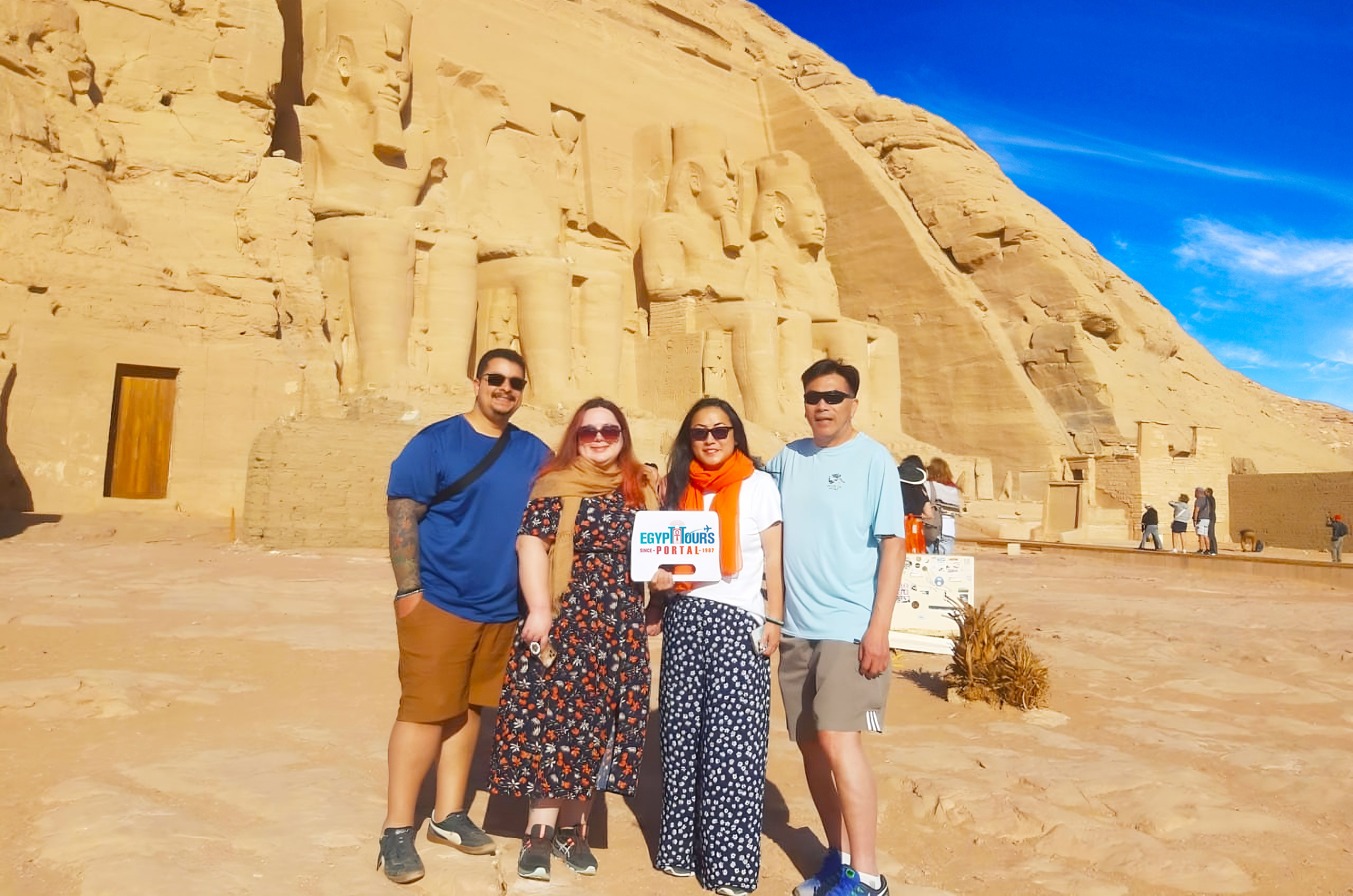
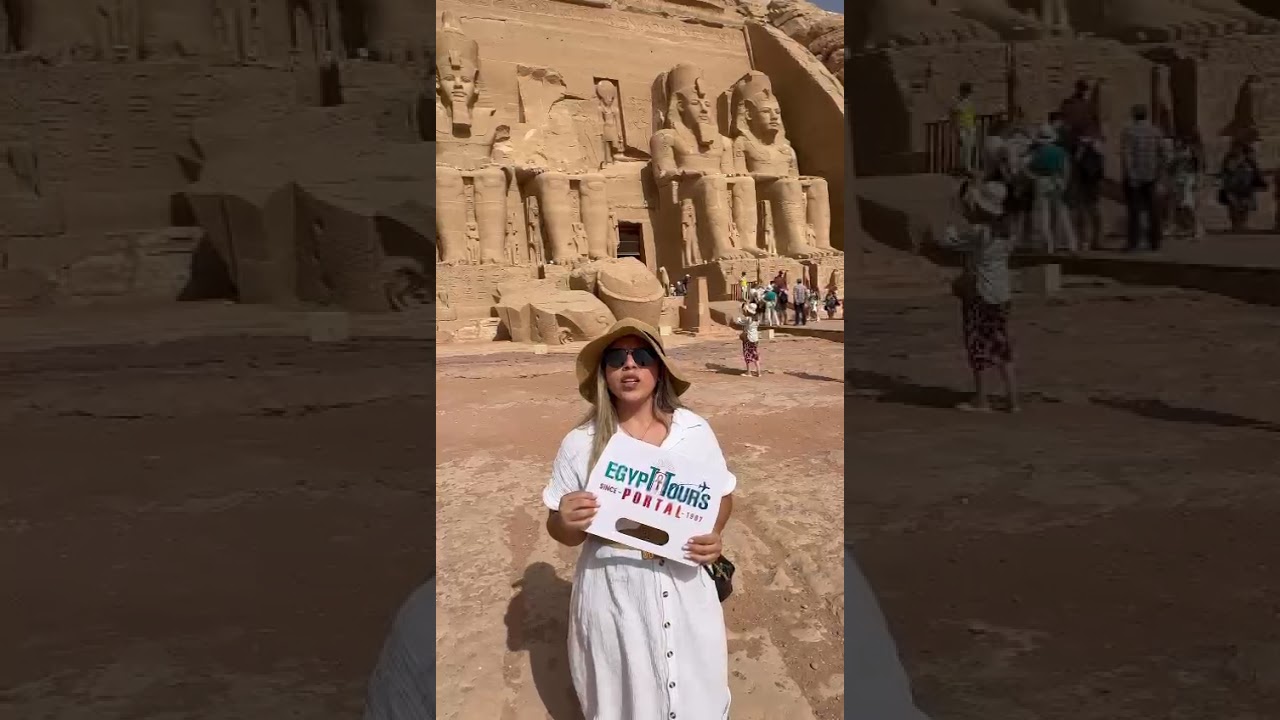
Day Trip to Abu Simbel
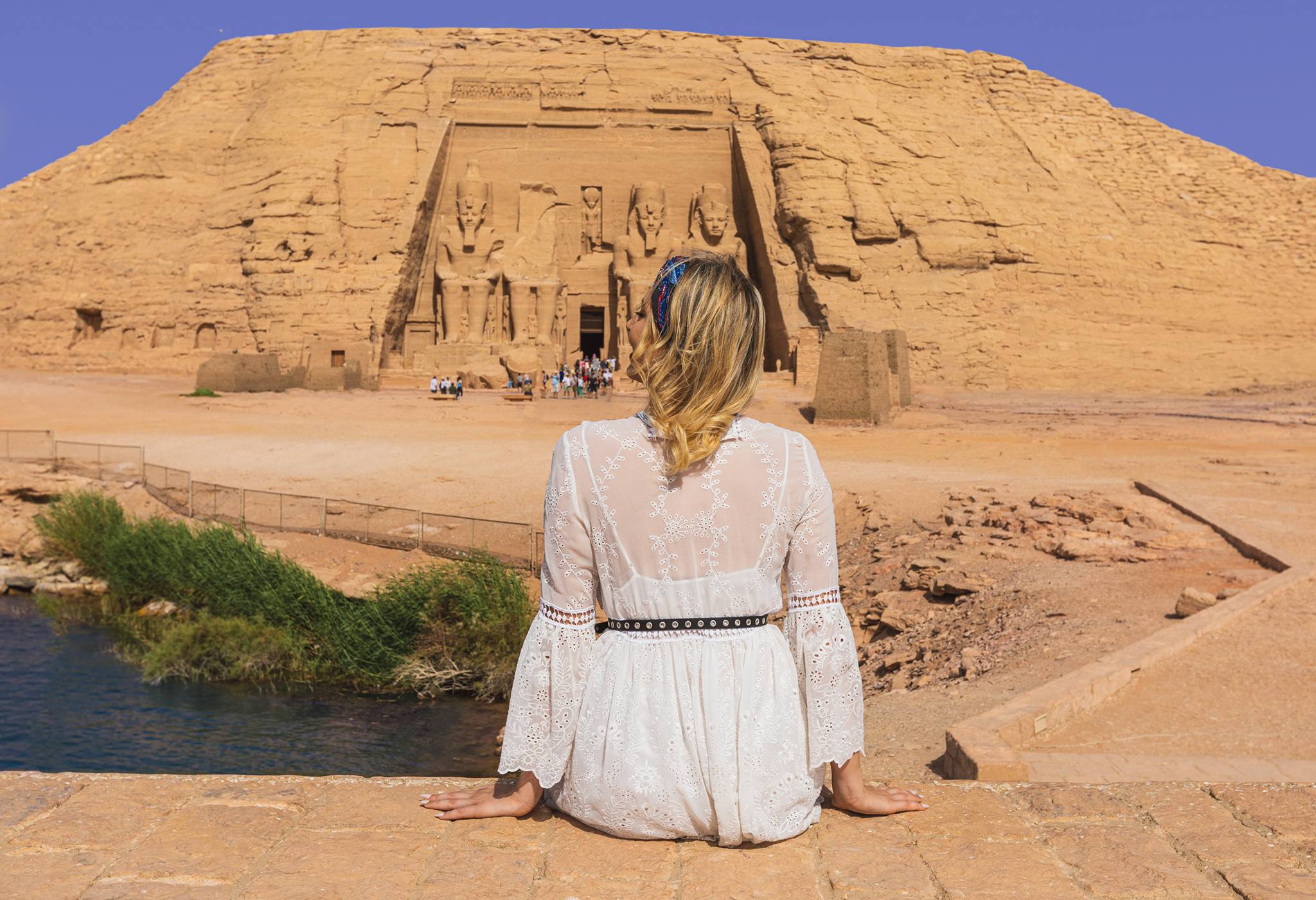
Roughly 280 kilometers south of Aswan, a three-to-four-hour drive or a 45-minute flight away, the twin rock-cut temples of Abu Simbel were built by Ramesses II in the 13th century BC to announce Egypt's power at its most remote frontier. Twice a year, around February 22 and October 22, sunlight travels 60 meters into the mountain to illuminate statues in the inner sanctuary, an alignment still celebrated at the site's biannual Sun Festival.
Kom Ombo and Edfu Temples
Heading north toward Luxor, most Aswan-based itineraries stop at two of Egypt's most striking ancient Egyptian temples. Kom Ombo Temple is a rare double temple honoring both the crocodile god Sobek and the falcon god Horus in mirrored halls, while the Temple of Horus at Edfu, built mainly during the Ptolemaic period, is among the best-preserved temples in Egypt and closely tied to the mythology of the Eye of Horus. Both temples can be combined into a single day trip to Kom Ombo and Edfu from Aswan.
Explore the West Bank
Aswan's west bank holds a cluster of sites best combined into one half-day outing. The Monastery of St. Simeon, a fortified 7th-century Coptic complex, sits amid the desert above the river; the Aga Khan Mausoleum, resting place of Sir Sultan Muhammad Shah, spiritual leader of the Ismaili Muslim community, overlooks the Nile from a nearby hilltop; and the rock-cut Tombs of the Nobles, part of the wider collection of sites worth seeing along a Nile cruise, honeycomb the cliffs of Qubbet el-Hawa with more than a hundred tombs belonging to Old and Middle Kingdom governors.
Kitchener's Island and the Aswan Botanical Garden
Planted by Lord Kitchener in the early 1900s, Kitchener's Island now holds the Aswan Botanical Garden, roughly 17 acres of imported palms, exotic trees, and flowering plants that rank among the oldest botanical gardens in the world.
Cruise Lake Nasser
For travelers with extra time, a multi-night Lake Nasser cruise links Aswan to Abu Simbel by water, passing rescued temples and empty desert shoreline found nowhere else on the standard Nile route.
![Top Nubian Village Tours & Packages [year] [travelers]](https://www.egypttoursportal.com/images/2023/08/Top-Nubian-Village-Tours-Packages-Egypt-Tours-Portal.jpg)
Top Nubian Village Tours & Packages 2026 for Australians
Experience the magic of Nubain Village tours & packages, combining cultural heritage, historical sites, and picturesque landscapes.
The Soulful Nubian Culture in Aswan

Long before Pharaonic Egypt expanded south, independent Nubian kingdoms controlled the Nile between Aswan and Khartoum, and their descendants still shape the city's character today. Nubian culture is visible in the ochre, blue, and turquoise paint of village houses, audible in a spoken language distinct from Arabic, and present in musical traditions built around instruments like the tambour drum. Visitors often come away most struck by the hospitality: many Nubian families welcome guests into courtyard homes for tea brewed from karkade, the tart hibiscus infusion Aswan is famous for growing, poured generously and rarely just once.
Learn of the Best Time to Visit Aswan
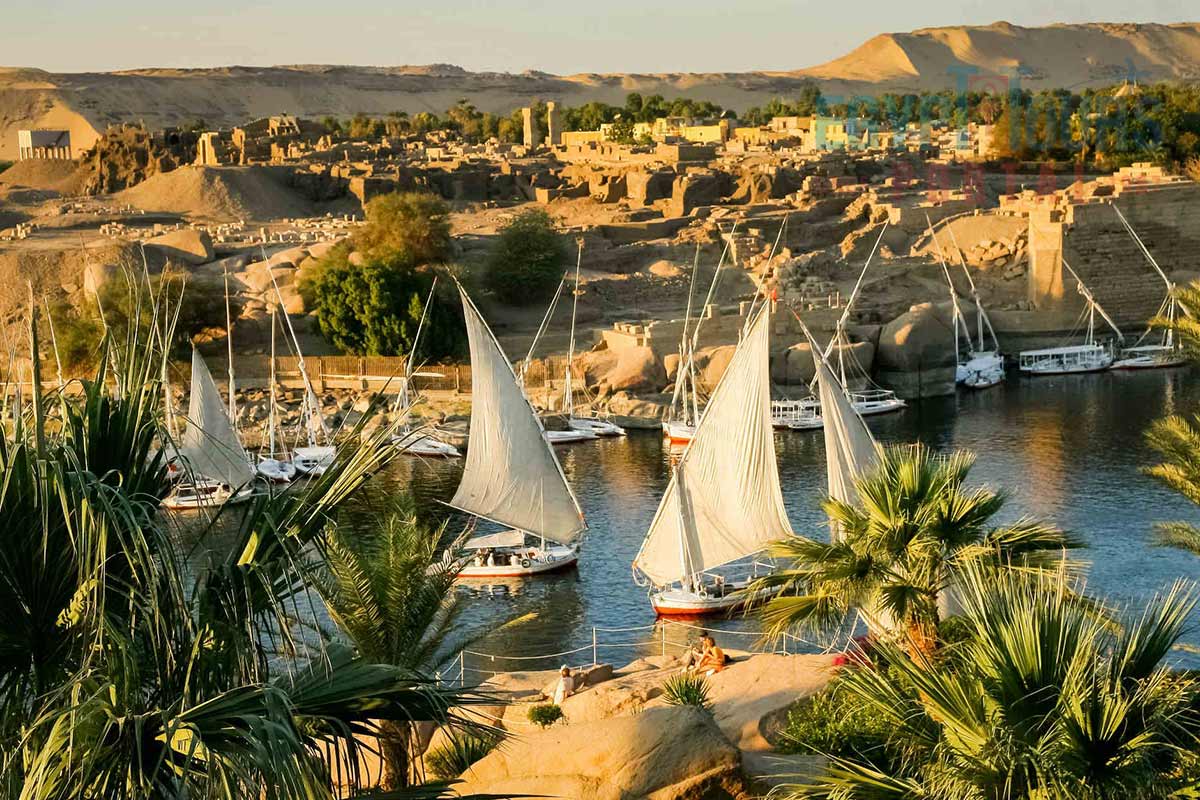
Aswan has one of the hottest and driest climates of any inhabited place on Earth, with less than a millimeter of rain most years and nearly 3,900 hours of sunshine annually. Summer daytime highs regularly exceed 40C between June and August, and the city still holds Egypt's official record high temperature: 51C, recorded on July 4, 1918. Winters are mild and comfortable by contrast, typically ranging from the low teens at night to the low-to-mid twenties Celsius by day.
The best time to visit Aswan is between October and April, mirroring the ideal season further north in Cairo and Luxor but with a sharper contrast come summer, when many travelers avoid the city outright. December and January offer the coolest, most comfortable sightseeing conditions of the year.
Weather in Luxor and Aswan
The weather in Luxor & Aswan is generally warm in the winter, very hot in the summer, and dry most of the year. Read more!!!
How to Get to and Around Aswan
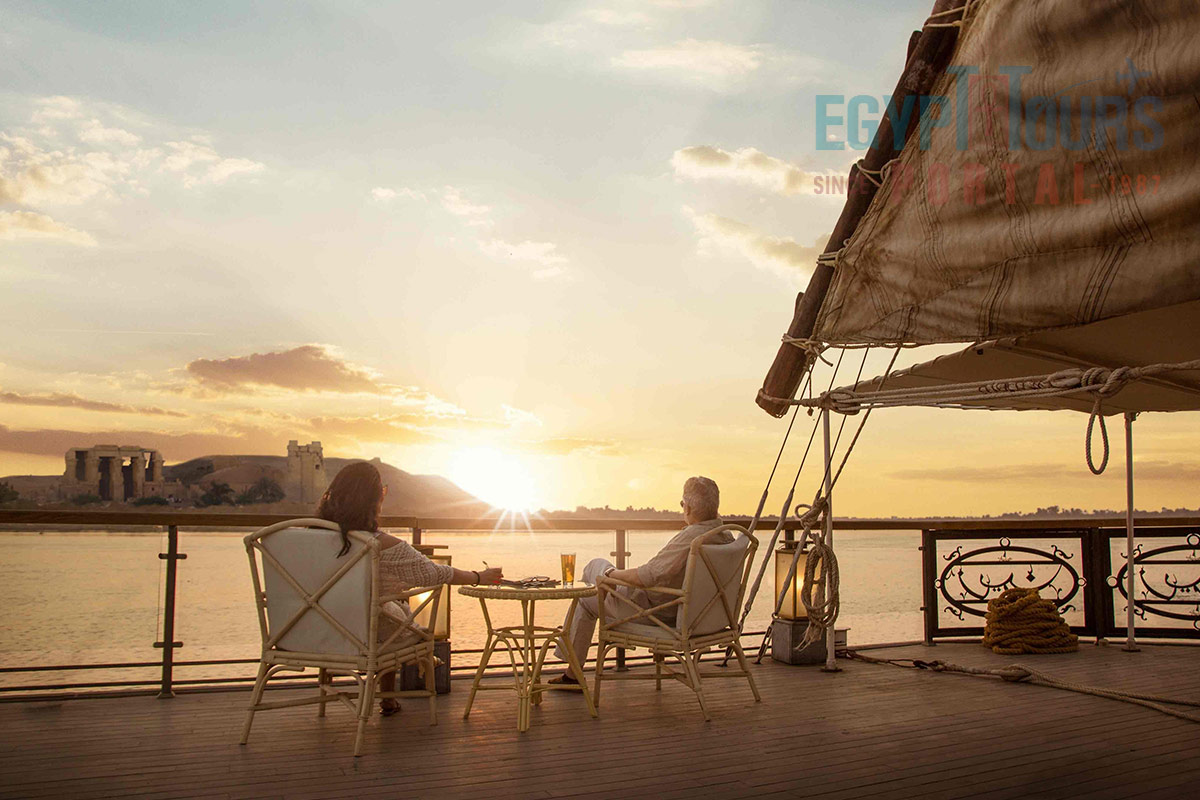
Most visitors reach Aswan by domestic flight from Cairo, a journey of roughly 90 minutes, or by overnight sleeper train, which takes approximately 12 to 13 hours and arrives the following morning. Aswan International Airport sits a short drive from the city center and handles regular domestic connections. Within Aswan, the compact riverside center is walkable, while feluccas, motorboats, and small ferries link the city to Elephantine Island, Kitchener's Island, and the west bank sites; many travelers also continue north by road or rail to combine Aswan with a day trip to Luxor.
Explore All You Need to Know Before Heading to Aswan
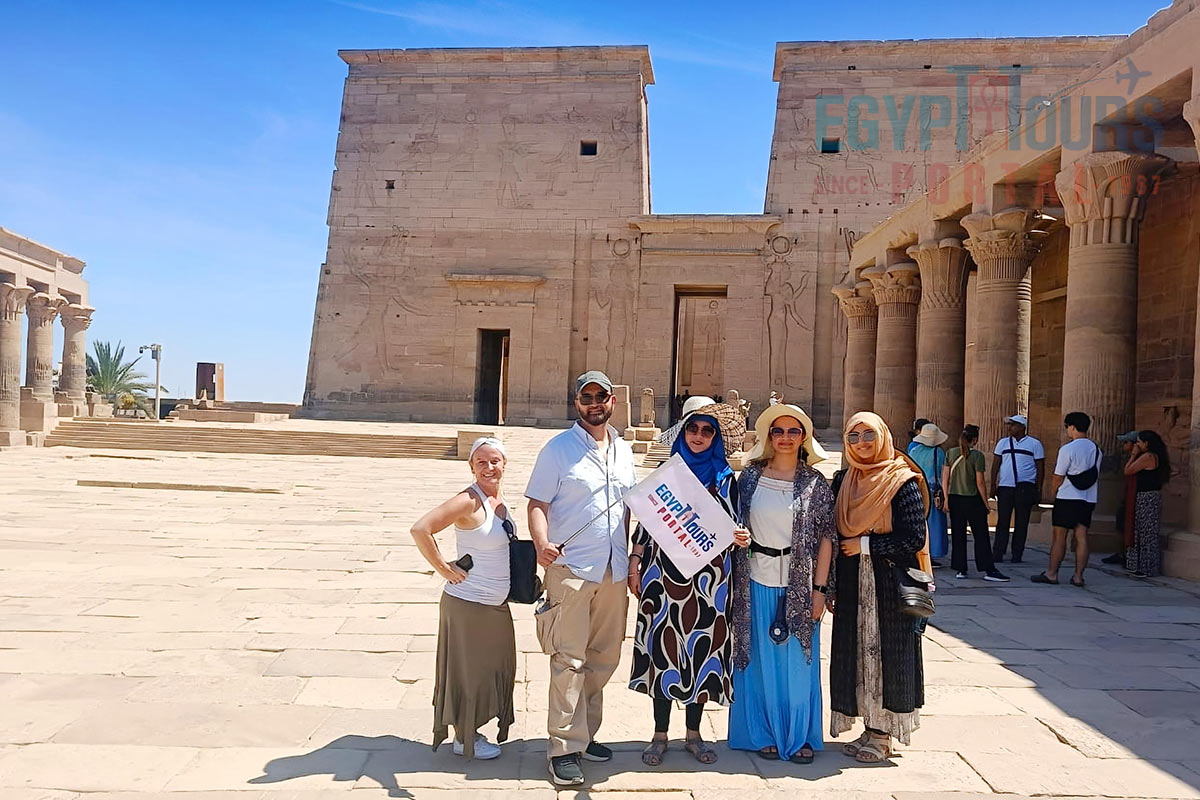
Two full days cover Aswan's core sights, Philae Temple, the Unfinished Obelisk, the High Dam, and a felucca ride, while three to four days allow time for Abu Simbel and the west bank sites. Travelers combining Aswan with Kom Ombo, Edfu, and Luxor should budget at least a week for the wider region; ETP's own roundup of Aswan day tours is a useful starting point for planning.
Aswan is consistently described as one of the calmest and safest cities in Egypt for travelers, with a slower pace than Cairo or even Luxor.
Given the intense sun and heat, lightweight, loose, breathable clothing is essential year-round, along with sun protection; modest dress covering shoulders and knees is expected at temples, mosques, and the monastery.
As throughout Egypt, the Egyptian pound is the local currency, and most temple and museum tickets carry separate, higher rates for foreign visitors than for residents.
FAQS
Why was Aswan historically important to ancient Egypt?
Aswan sat at the First Cataract, the natural boundary between Egypt and Nubia, making it both a military frontier and the source of the granite used in monuments across the country, from obelisks to temple casing stones.
How is Abu Simbel connected to Aswan if it is a separate site?
Abu Simbel lies about 280 kilometers south of Aswan and is reached from the city by road or a short flight; most visitors treat it as a full-day trip from Aswan rather than a separate base.
Did any temples stay in their original location after the High Dam was built?
No major Nubian temple near the flood zone stayed in place. Philae, Abu Simbel, and Kalabsha were all dismantled and rebuilt on higher ground during UNESCO's international rescue campaign in the 1960s and 1970s.
Is Aswan's climate different from Cairo's?
Yes. Aswan is significantly hotter and drier than Cairo year-round, with summer highs regularly above 40C and Egypt's all-time record high of 51C, recorded there in 1918.
Does Aswan have sister cities abroad?
Aswan maintains sister-city relationships with Sonoma, California, in the United States, and Chongqing in China.
Discover the Miraculous Wonders of Aswan and Enjoy the Ultimate Travel Adventure
Aswan rewards travelers willing to slow down. It is a city built at a boundary, between Egypt and Nubia, between desert and river, between the ancient world and the engineering of the last century, and every layer of that history is still visible along its granite banks, timeless in a way few frontiers manage to stay. Between a sunset felucca sail, a morning at Philae, and a welcome into a Nubian home, Aswan offers a quieter, deeper side of Egypt than its more crowded neighbors to the north. Choose your most fitting Egypt tour packages or Nile River cruises and live an adventure you will never forget.