
Summary
- A Lake Nasser cruise sails the 479-kilometer reservoir behind the Aswan High Dam between Aswan and Abu Simbel, using the ship as hotel and transport between the Nubian temples.
- Egypt Tours Portal offers a 4-day, 3-night cruise on Fridays from $665 and a 5-day, 4-night cruise on Mondays from $935, both full board with an Egyptologist guide.
- Unlike the Luxor to Aswan route, every stop is a monument: Kalabsha, Wadi El Seboua, Amada, a photo stop at Qasr Ibrim, and Abu Simbel.
- Life aboard centers on five-star comfort, a cocktail party, a Nubian show, sun deck time, and dark, quiet skies over the lake.
- October to April is the most comfortable season, with February 22 and October 22 offering the Abu Simbel sun alignment, while July highs of 42°C (108°F) make summer sailings difficult.
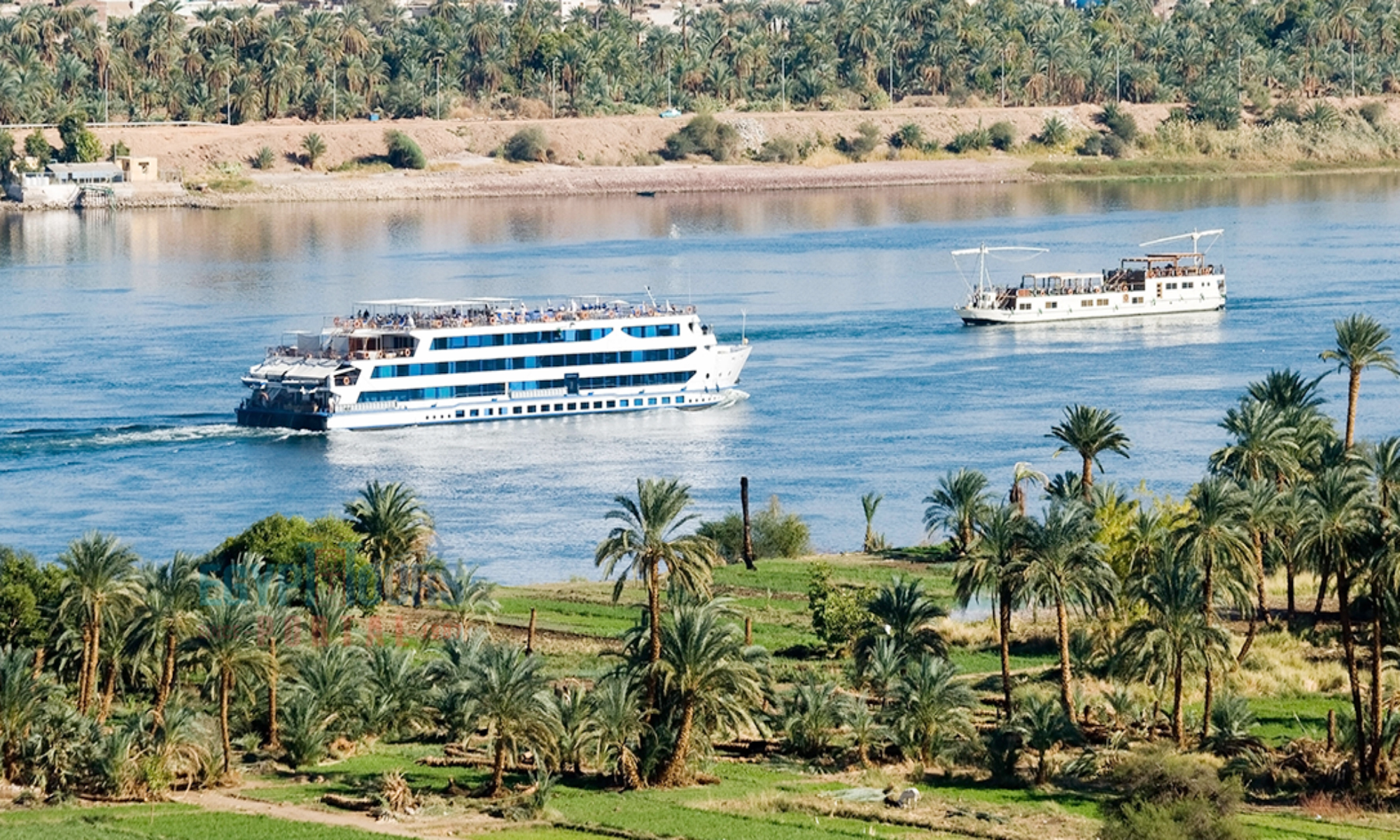
Lake Nasser Nile Cruise offers a classic ride across ancient traditions and rich culture that have stayed hidden for millennia. South of Aswan, the Nile stops behaving like a river. Behind the Aswan High Dam it spreads into Lake Nasser, a 479-kilometer sheet of water that set off one of the greatest rescue operations in the history of archaeology.
Temples that had stood on the riverbank for more than three thousand years were cut into blocks, carried uphill, and rebuilt above the new waterline, and today a ship is the most natural way to visit them.
Every traveler will learn everything they need before choosing this cruise: the lake itself, the typical four & five days schedules, how the route differs from the Luxor to Aswan sailing, the booking steps, the monuments and shore excursions along the way, the rhythm of life aboard, and the best months to go.
What is a Lake Nasser Nile Cruise?

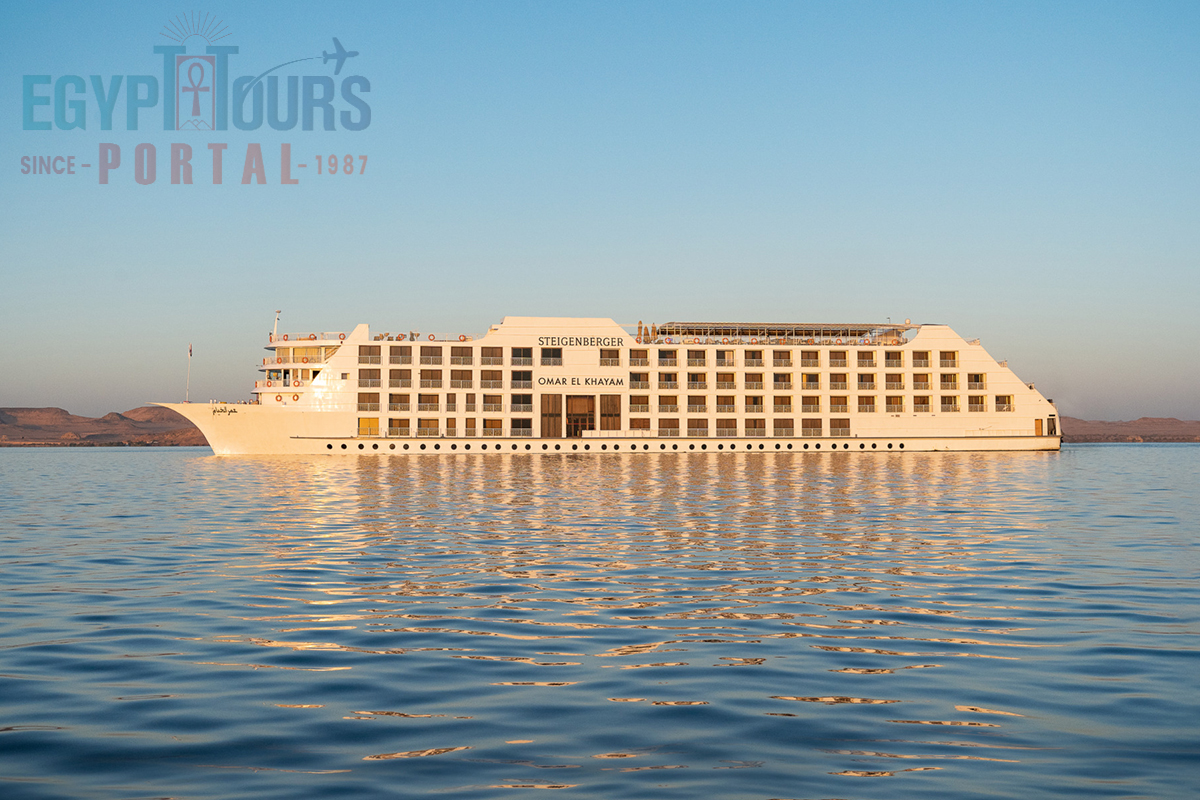
A Lake Nasser Nile cruise is a multi-day voyage on the reservoir created by the Aswan High Dam, usually between Aswan and Abu Simbel, with the ship serving as both hotel and transport between a chain of Nubian temples.
The lake was formed between 1958 and 1970 as the dam rose, and was inaugurated in 1971. It measures about 479 kilometers in length, reaches roughly 16 kilometers at its widest, covers around 5,250 square kilometers, and holds about 132 cubic kilometers of water. The Egyptian section is Lake Nasser; the portion in Sudan is known as Lake Nubia.
The lake is also a graveyard and a rescue story. Nubian civilization stretches back to at least 5000 BCE, and the flooding of the 1960s displaced its villages and sent many families to new settlements in Aswan, Cairo, and Sudan, a history told in the guide to Nubian history and culture.
Under the UNESCO campaign, monuments such as Abu Simbel, Kalabsha, Wadi es-Sebua, and Amada were moved to higher ground, which is why a cruise here feels less like sightseeing and more like following a salvage operation from stop to stop.
How Does Lake Nasser Nile River Cruise Work?
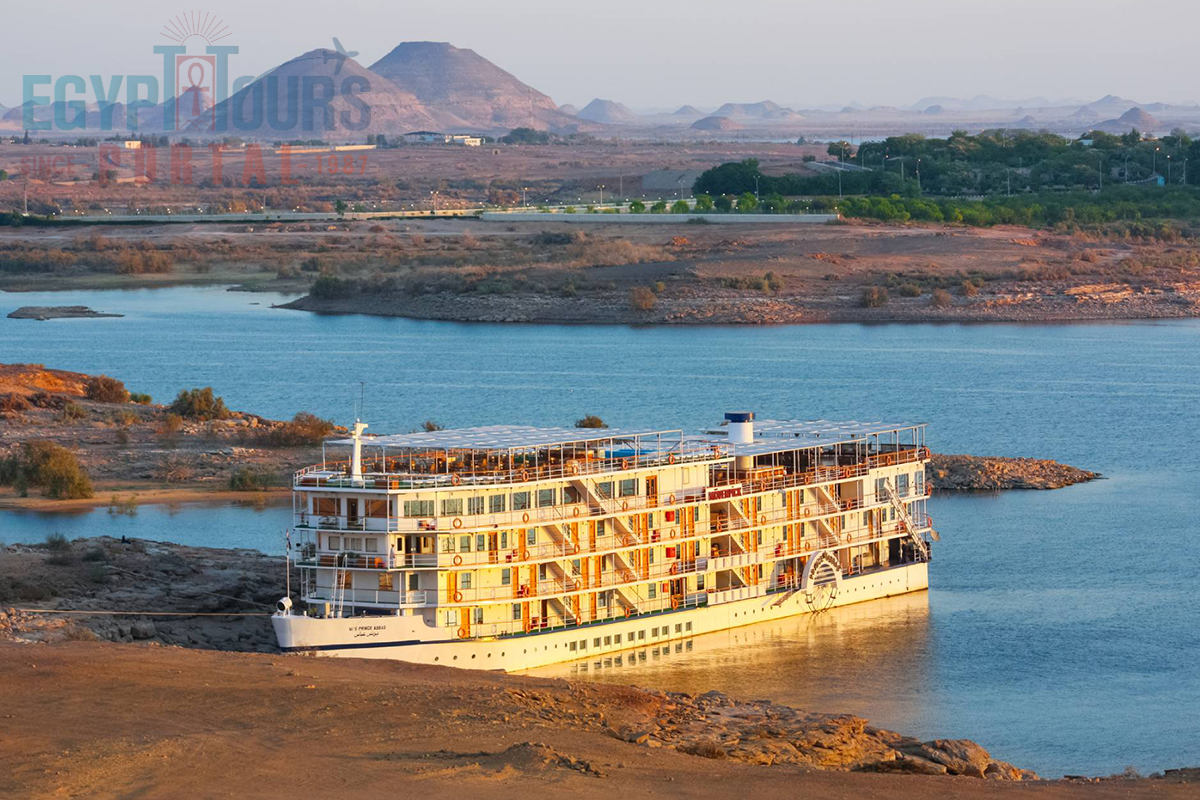
Most Lake Nasser cruises begin at the Aswan dock after a 1:00 p.m. check-in, with hotel transfers arranged beforehand, and run on a fixed rotation of temple stops linked by sailing through the night or during the day. Egypt Tours Portal offers two versions: the 4-day, 3-night Aswan to Abu Simbel cruise, which departs on Fridays, and the 5-day, 4-night Abu Simbel cruise, which departs on Mondays.
On the five-day version, the first day is spent boarding in Aswan with lunch, tea, and dinner on the ship. The second day brings the Kalabsha Temples before the ship sails to Wadi El Seboua, where a cocktail party with staff presentations takes place.
The third day covers the Wadi El Seboua temples and then Amada, with a Nubian show in the evening. On the fourth day the ship passes Qasr Ibrim for a photo stop, then reaches Abu Simbel for the Great Temple and the Temple of Nefertari, with an optional sound and light show. The fifth morning is breakfast and check-out.
The shorter four-day version reverses the order, visiting Abu Simbel on the first afternoon and working back north through Amada, Wadi El Seboua, and Kalabsha, ending in Aswan. Both include full board, an Egyptologist guide, all entrance fees, and air-conditioned transfers, with gratuities left as an extra.
The Difference Between Lake Nasser Nile River Cruises and Other Original Nile River Cruises
The classic Nile cruise runs on the river itself between Luxor and Aswan, passing the temples of Esna, Edfu, and Kom Ombo, with life on the riverbanks always in view. The Lake Nasser route trades that for open water and desert shoreline, and for temples that sit well away from any town. The full range of options is laid out in the guide to the types of Nile river cruises.
The practical differences are easy to list. A Luxor to Aswan sailing lets you step ashore at a town almost every day, while a lake cruise has no riverside markets or villages along the shore, so every stop is a monument and the ship itself is the destination in between.
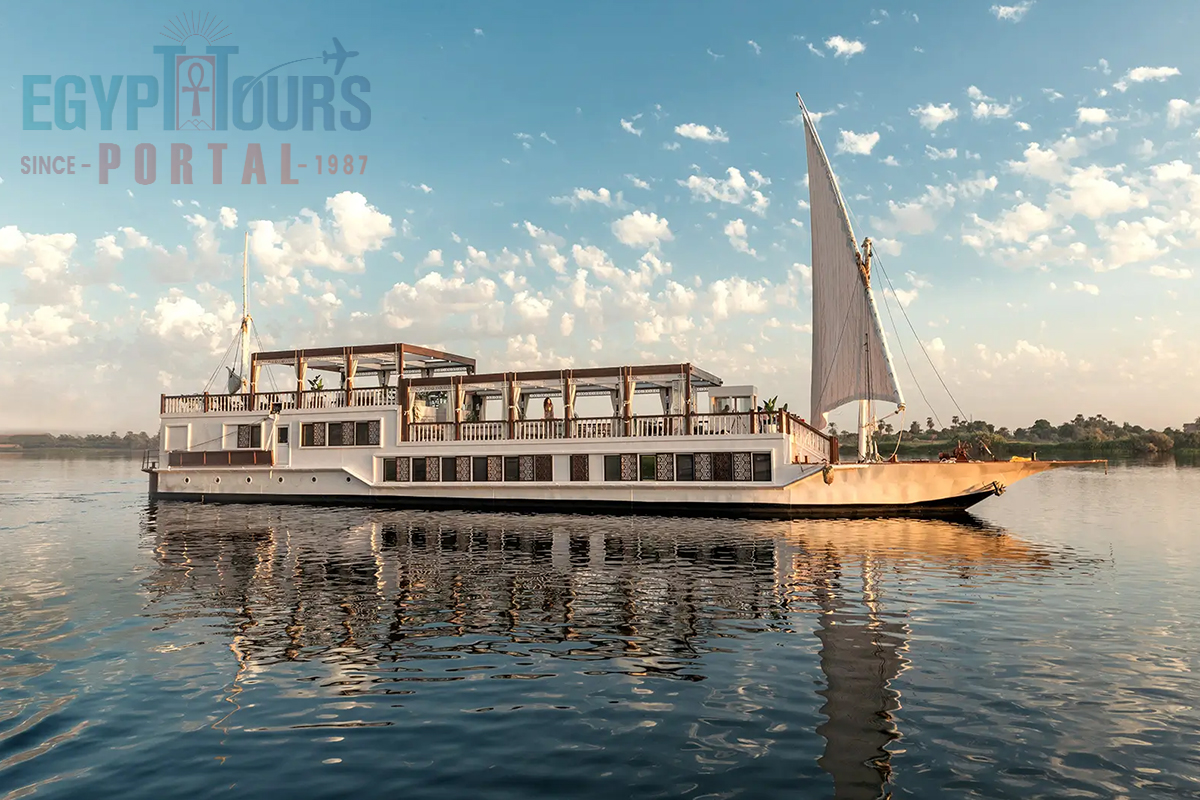
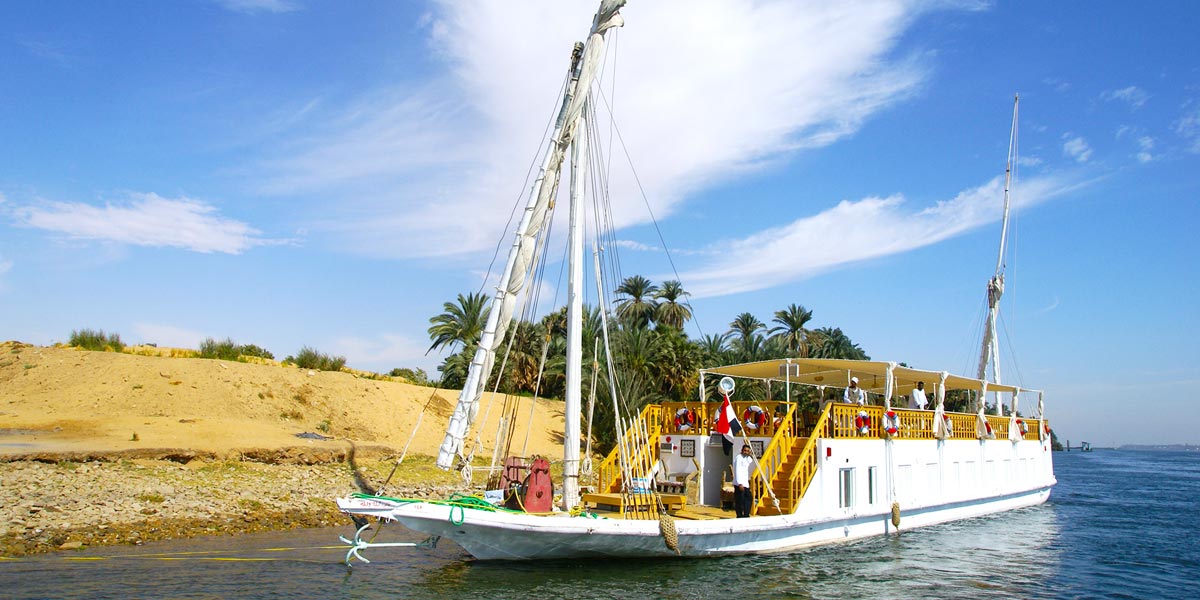
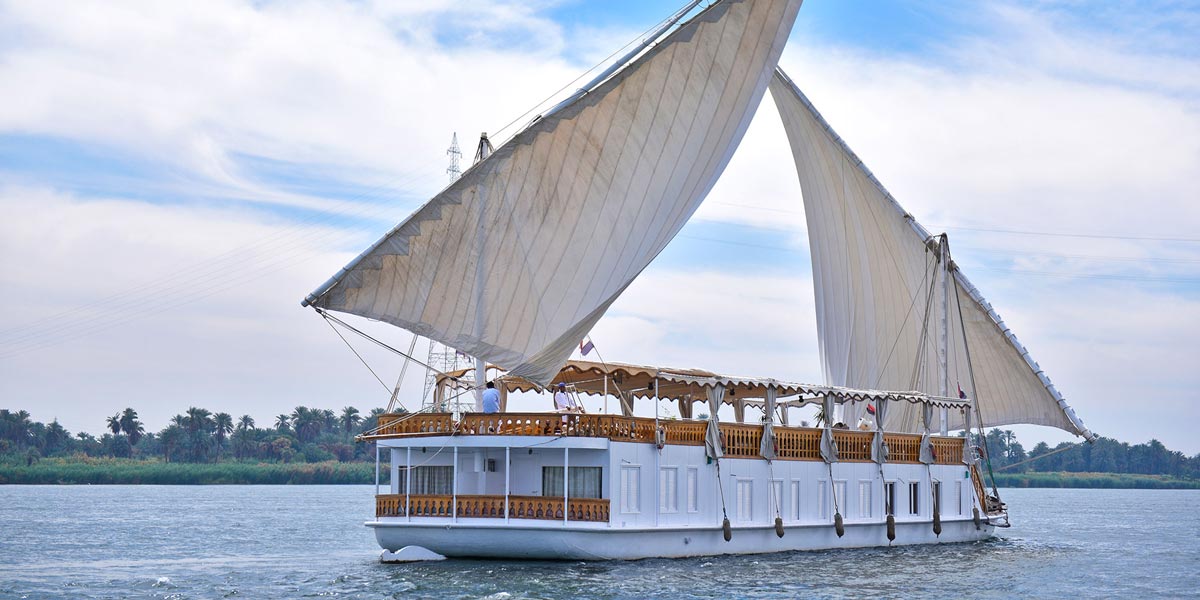
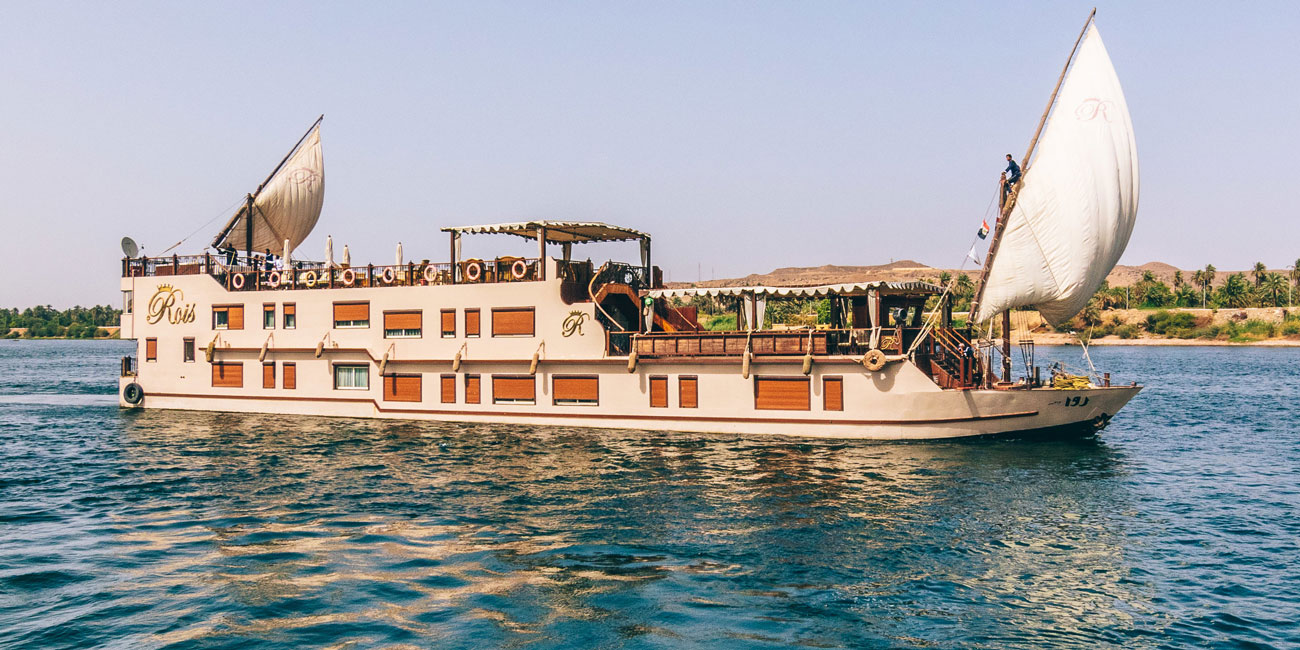
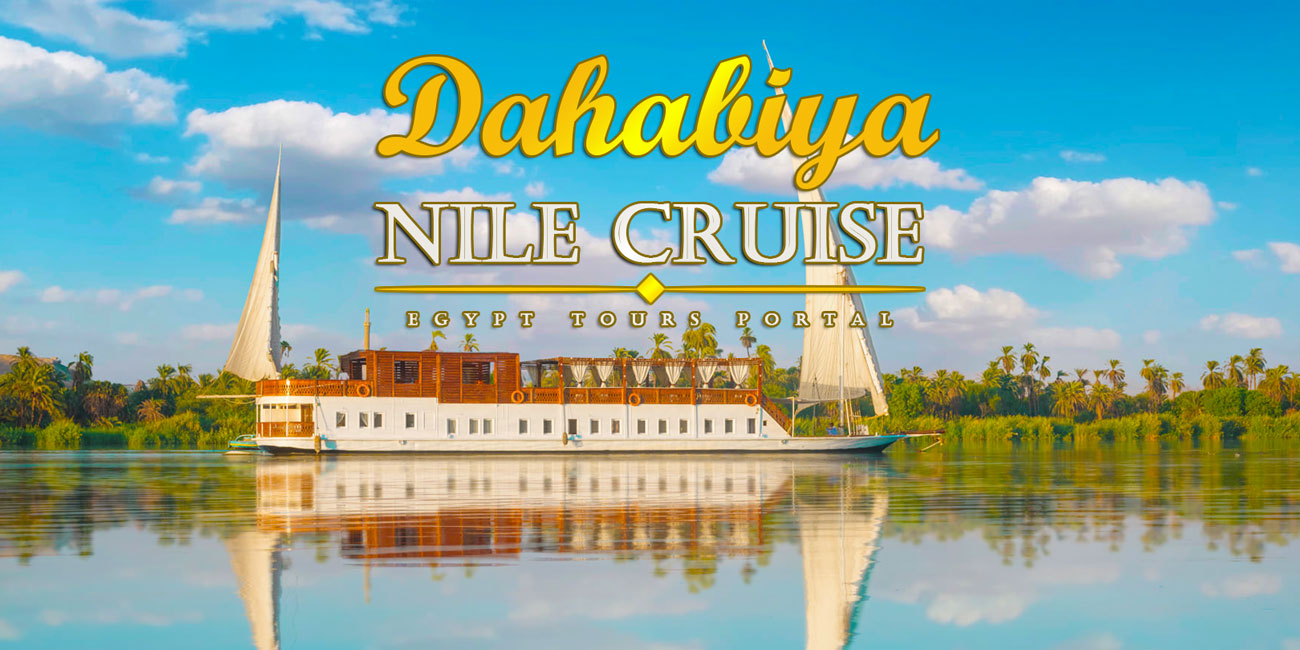
Lake cruises also leave on fixed weekdays, such as Fridays and Mondays on Egypt Tours Portal's sailings, which is why booking dates matter more. A dahabiya cruise offers a third alternative on the river: a small sailing boat for people who want intimacy rather than distance.
One fact separates this cruise from every other: it is the only practical way to combine the Nubian temples with a night moored at Abu Simbel, which means the colossal statues can be visited in the quiet hours rather than during the midday day-trip rush from Aswan.
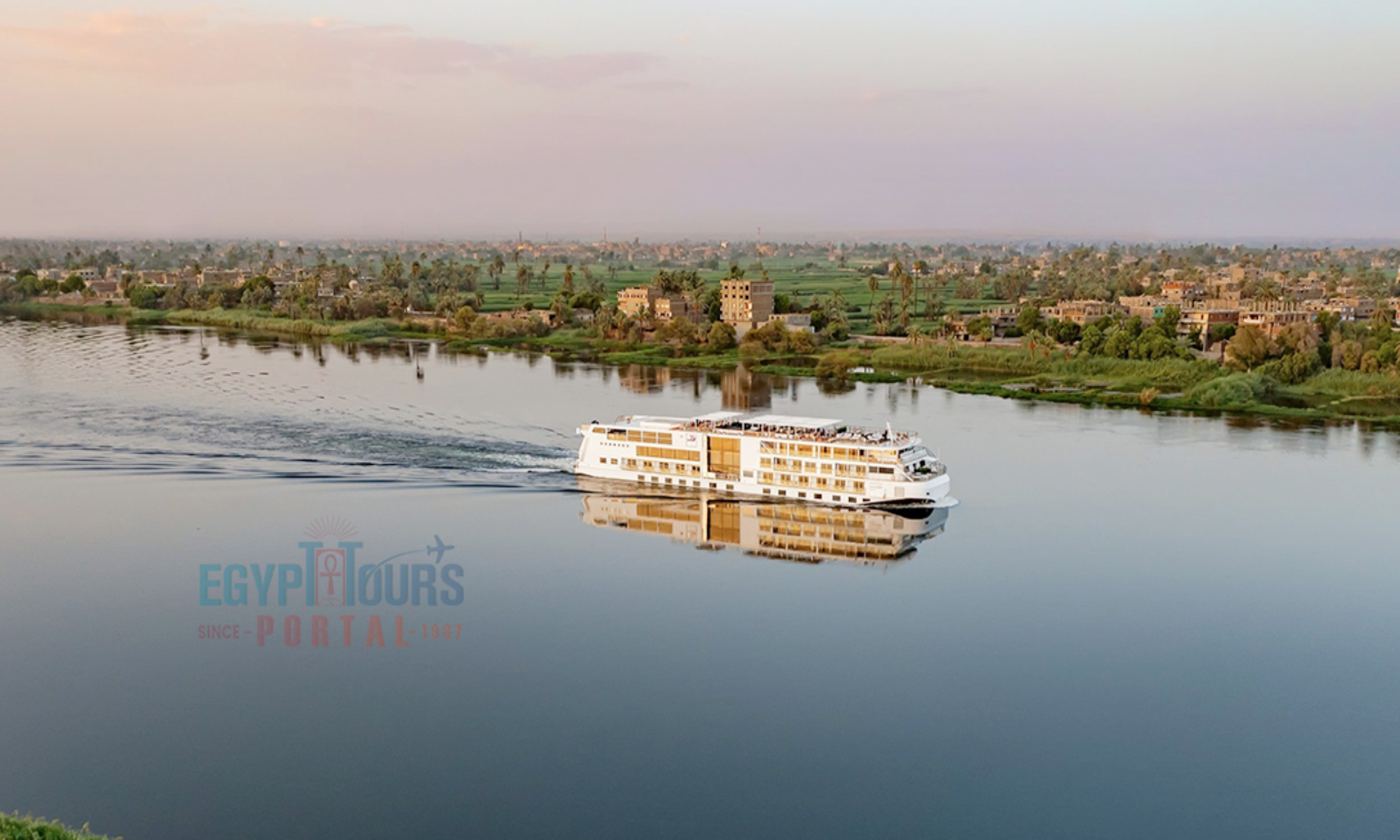
Learn About The Different Types of Nile River Cruises & Purposes
Discover the different Nile cruises from budget to luxury, including dahabiya and felucca boats, & Find the perfect journey through Egypt’s timeless history.
How to Book a Lake Nasser Nile Cruise?
Booking follows four steps: choose your travel dates and interests, receive a tailored itinerary and quote, confirm with a secure payment, and travel with local support in Egypt. Egypt Tours Portal accepts online payment links, credit and debit cards, bank transfers, and cash on arrival. The full process for any cruise is explained in the guide to how to book a Nile cruise.
Prices at the time of writing start from $665 per person for the four-day, three-night cruise and $935 per person for the five-day, four-night cruise, both on a full-board basis with transfers, excursions, entrance fees, and an Egyptologist guide included.
Because sailings leave on fixed days, with Fridays for the shorter cruise and Mondays for the longer one, build your Aswan arrival date around them and add a night in Aswan before departure. The essential trip information guide covers visas and entry requirements, and tipping in Egypt explains the gratuities that are not included.
Ancient Sites And Shoreside Activities to Visit During Lake Nasser Nile Cruise

Kalabsha Temple was built around 30 BCE under the Roman emperor Augustus and dedicated to Mandulis, a Lower Nubian sun god. It was dismantled from November 1961 and reassembled by October 1963, moved about 50 kilometers north to New Kalabsha, near the Aswan High Dam, in an operation funded and organized by West Germany. It is usually the last stop on the short cruise and the first on the long one.
Wadi El Seboua, the "Valley of the Lions," takes its name from the sphinxes that once lined the approach to its first temple. One temple was begun by Amenhotep III and later restored by Ramses II, and a second was built by Ramses II between years 35 and 50 of his reign.
The complex was dismantled in 1964 and moved only 4 kilometers west, and the temples of Dakka and Maharraqa were rebuilt in the same area. In the sixth century, Christians plastered over the reliefs and painted their own images, which accidentally preserved the originals beneath.
Amada is among the oldest temples in Nubia, begun under Thutmose III and continued by Amenhotep II and Thutmose IV, roughly 1550 to 1295 BCE. Its innermost rooms hold the finest painted reliefs in Nubia, and a stela at the entrance records the defeat of a Libyan invasion in year 4 of Merneptah.
The temple was moved 2.6 kilometers on rails on December 12, 1964, in an operation that took 16 months and lifted it 65 meters higher. The nearby rock-cut Temple of Derr and the Tomb of Pennut complete the stop.
Qasr Ibrim is the only major archaeological site in Lower Nubia that survived the flooding, now an island above the waterline. It was inhabited from about the eighth century BCE until 1813 CE, holds the early Taharqa church and a later cathedral, and has yielded manuscripts in nine languages and scripts. It is closed to all but archaeologists, so cruises pass it for a photo stop rather than a visit.
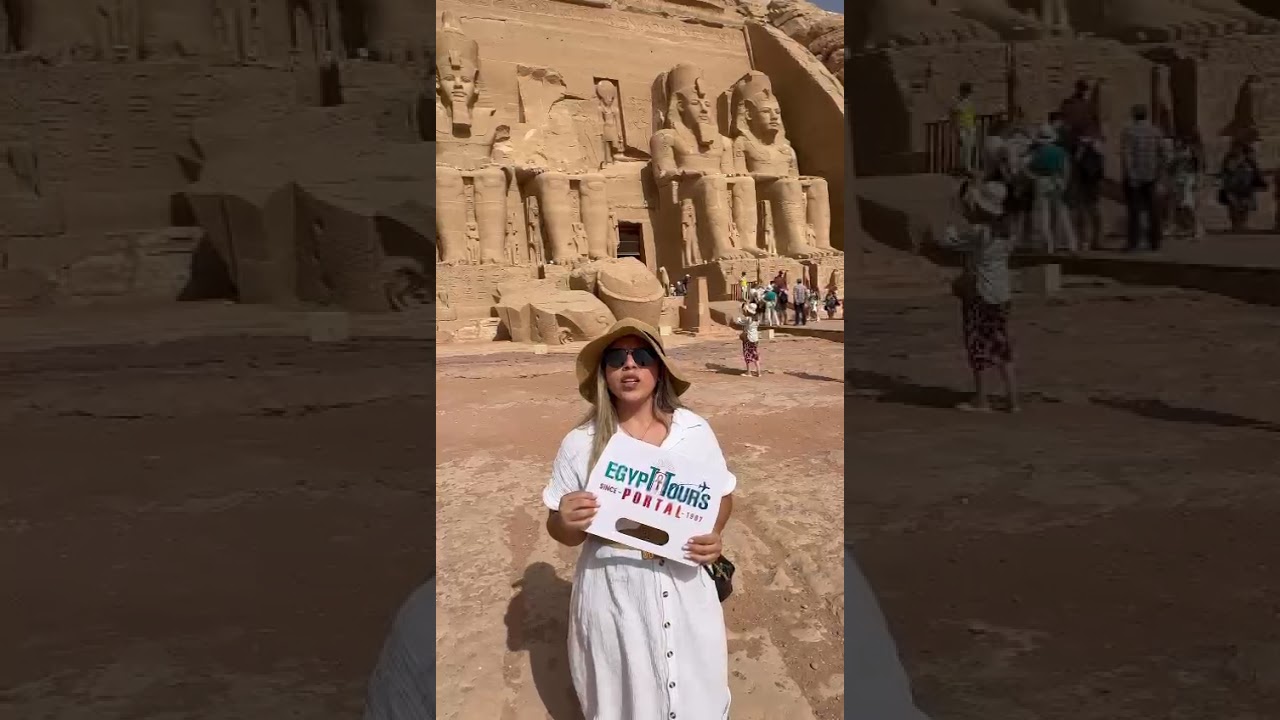
Abu Simbel is the climax. Ramses II built it between roughly 1264 and 1244 BCE, and four seated colossi, each about 20 meters high, guard the Great Temple. Between 1964 and 1968 the complex was cut into 1,036 blocks and reassembled about 208 meters inland and 65 meters higher.
The smaller temple honors Hathor and Queen Nefertari, and the statues of the king and queen there are shown at equal size, a rare honor in royal art. On February 22 and October 22, sunlight reaches deep into the inner sanctuary, an event described in the guide to the Abu Simbel sun festival.
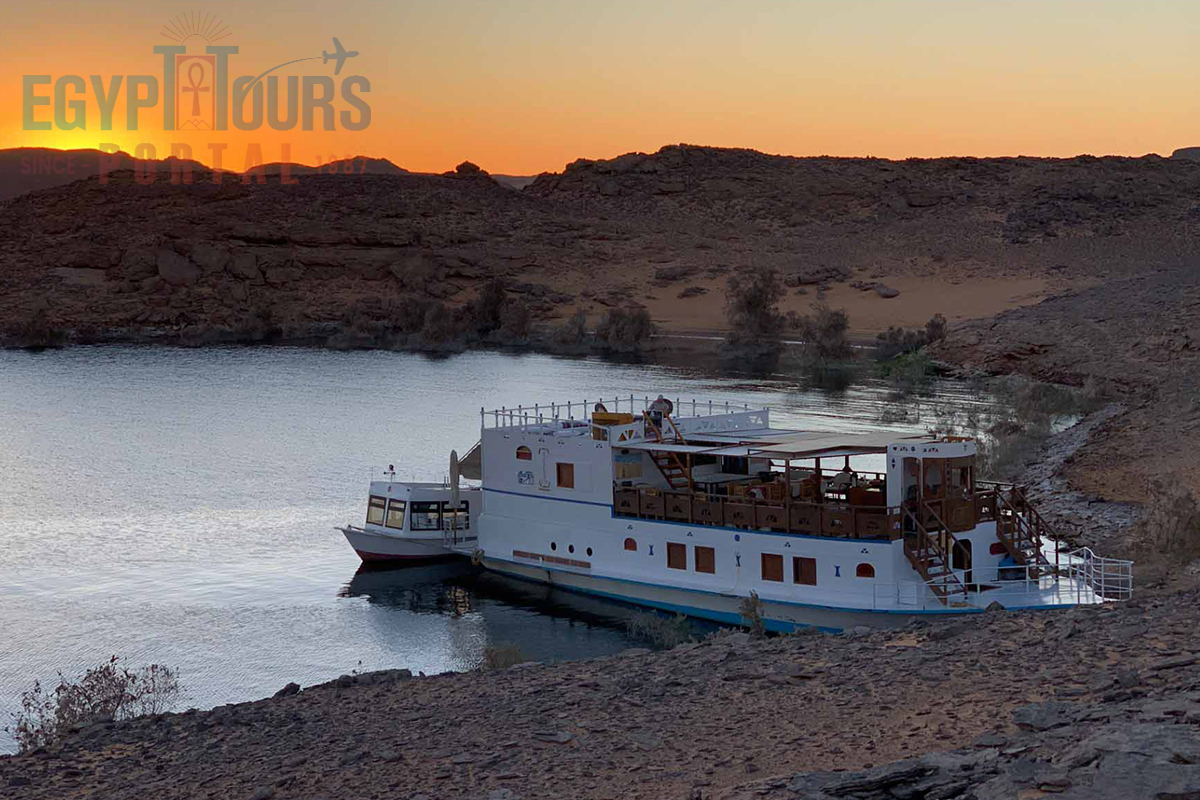
Shoreside life beyond the temples is deliberately quiet: Nubian music and dance shows aboard, desert views from the deck, and, on some ships, camel rides and visits to Nubian settlements. Before or after the cruise, add the Nubian Museum, a Nubian village tour, the Aswan High Dam, and Philae Temple, which together complete the Nubian story. The wider things to do in Aswan list and the Abu Simbel tours page help plan the days around the sailing.
Lake Nasser Nile Cruise Onboard Experience
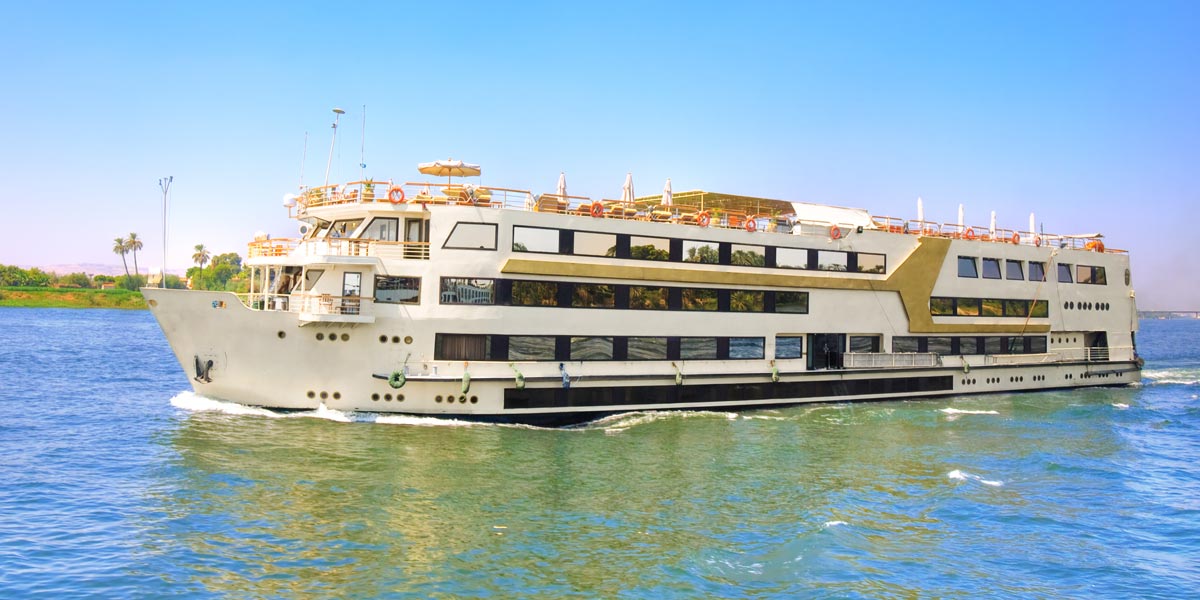
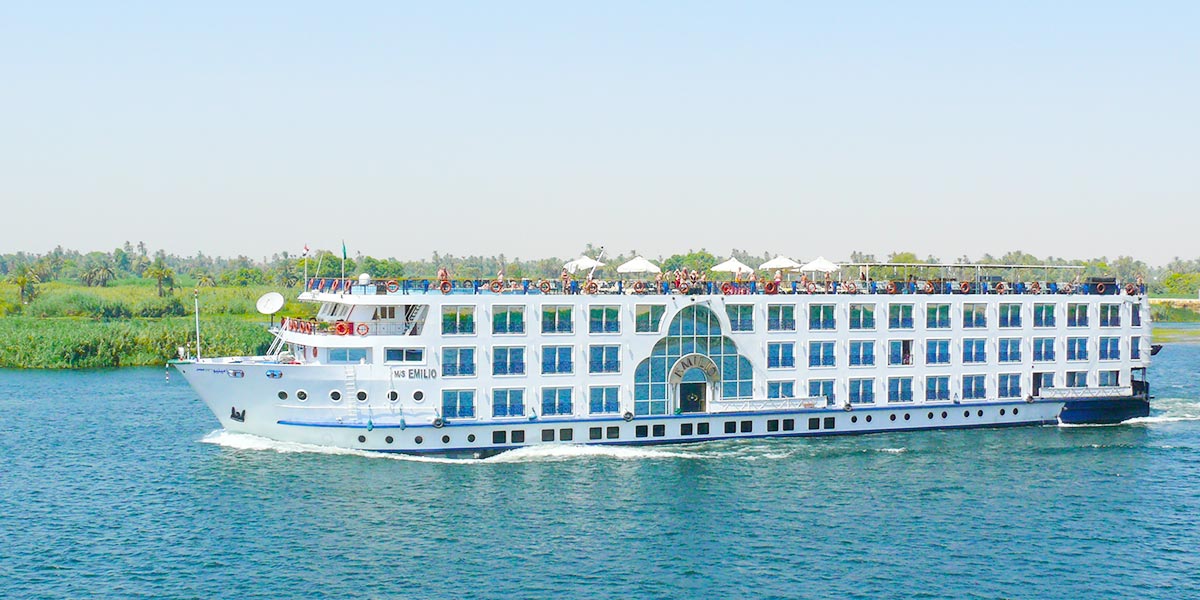
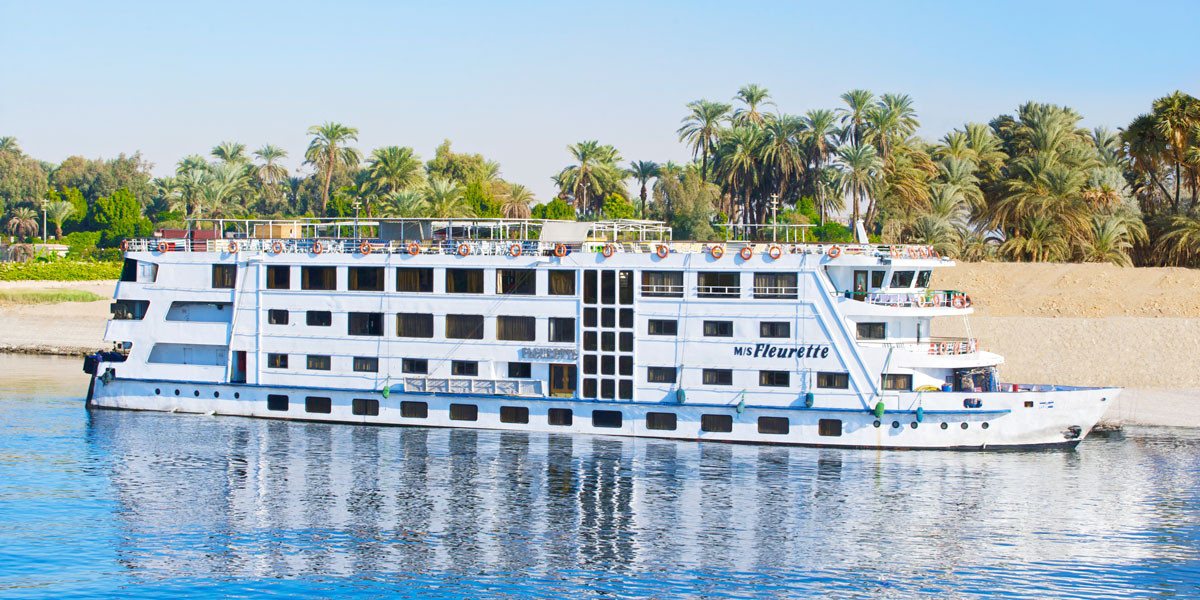
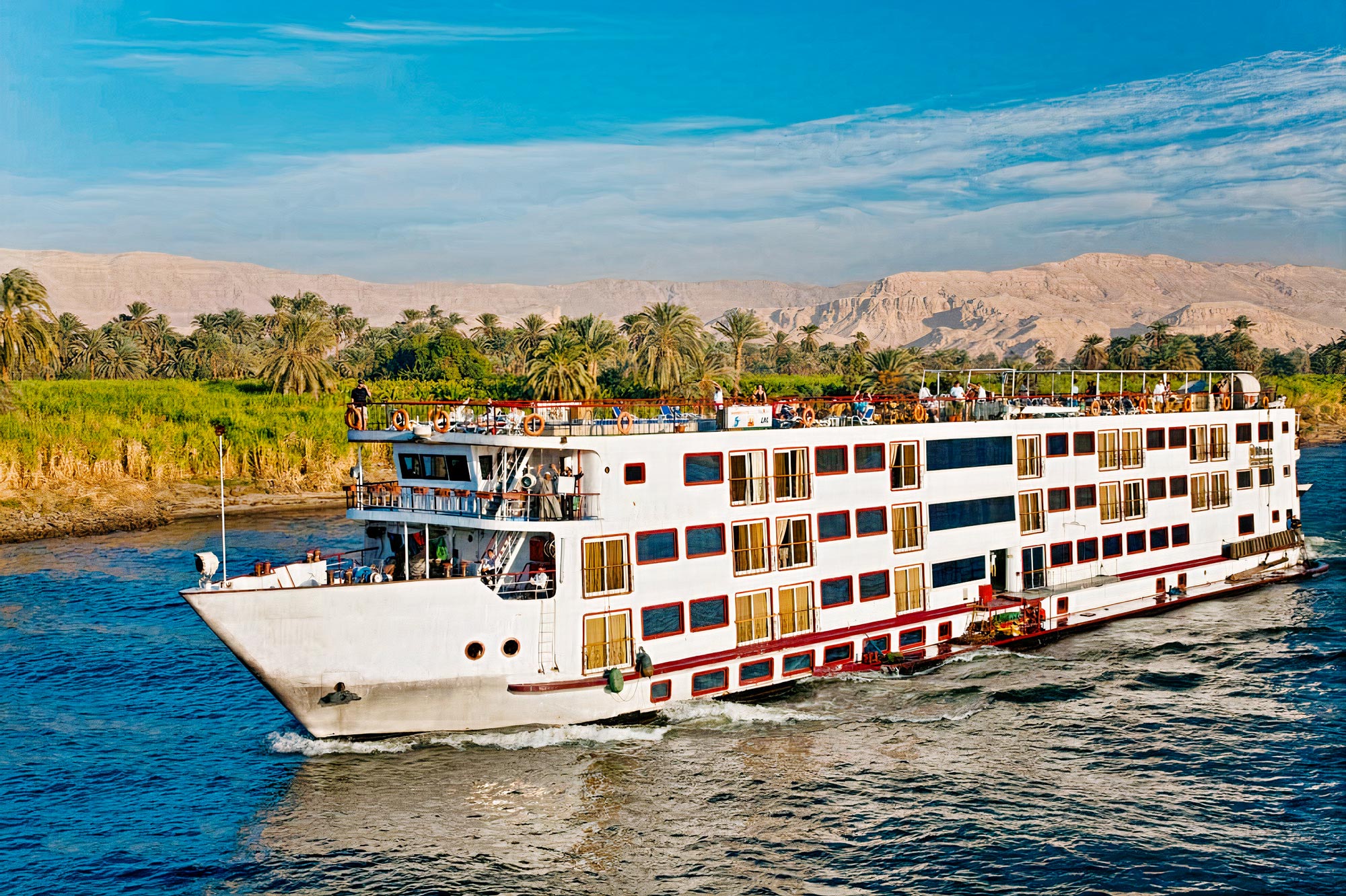
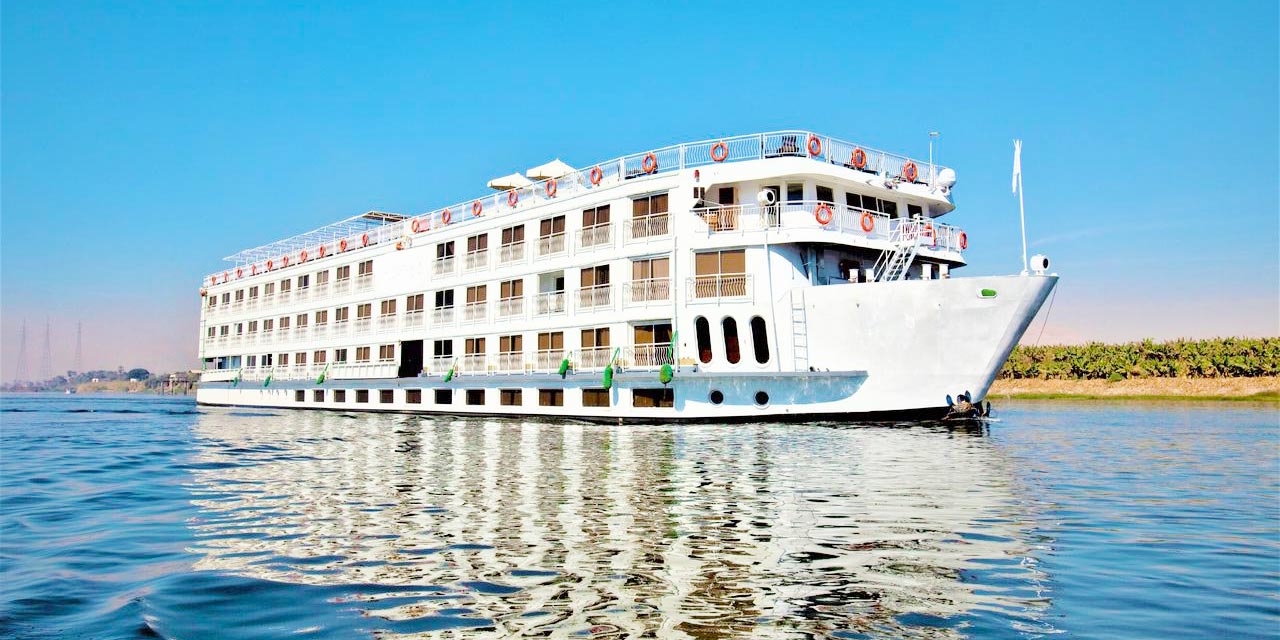
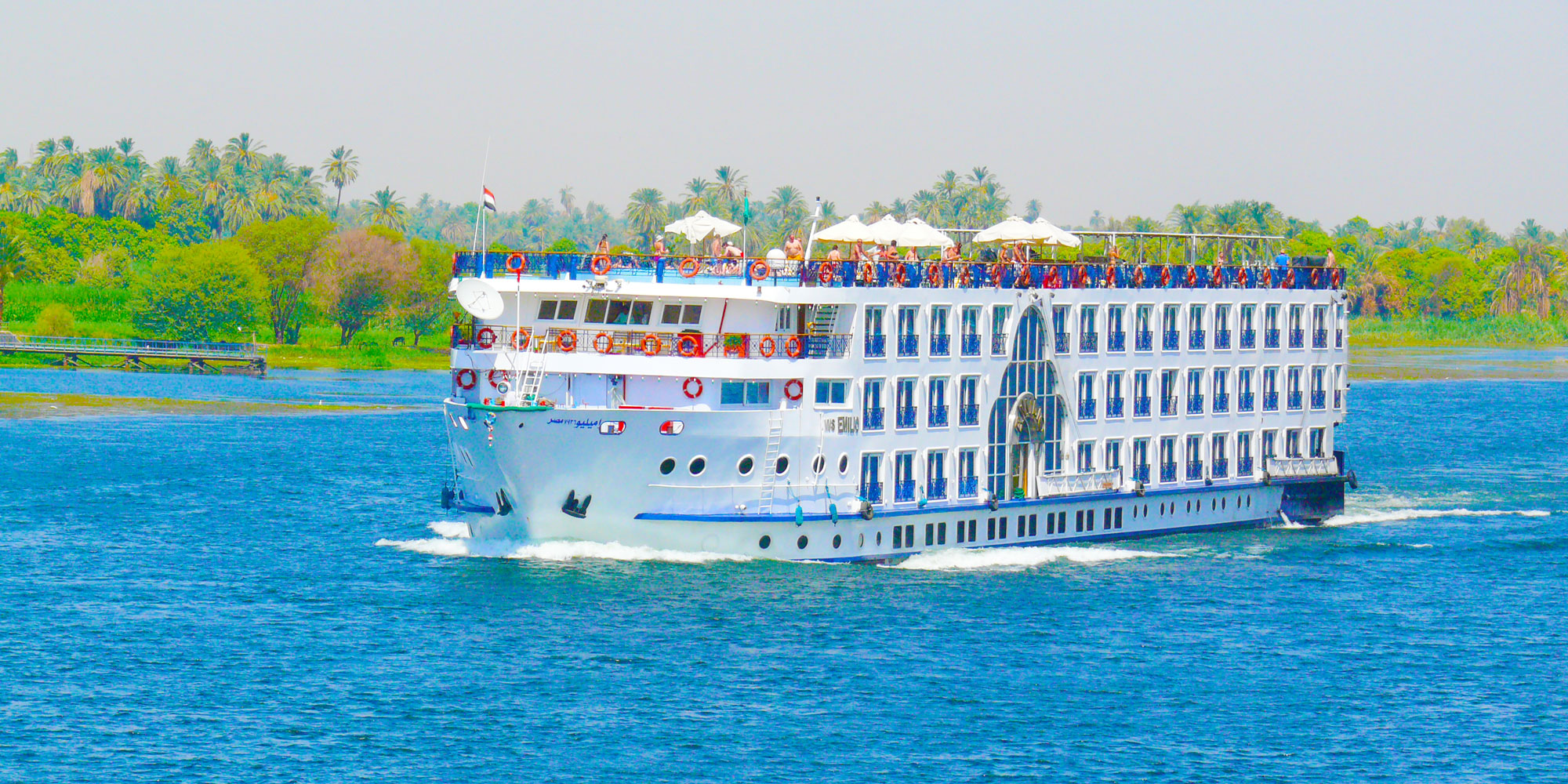
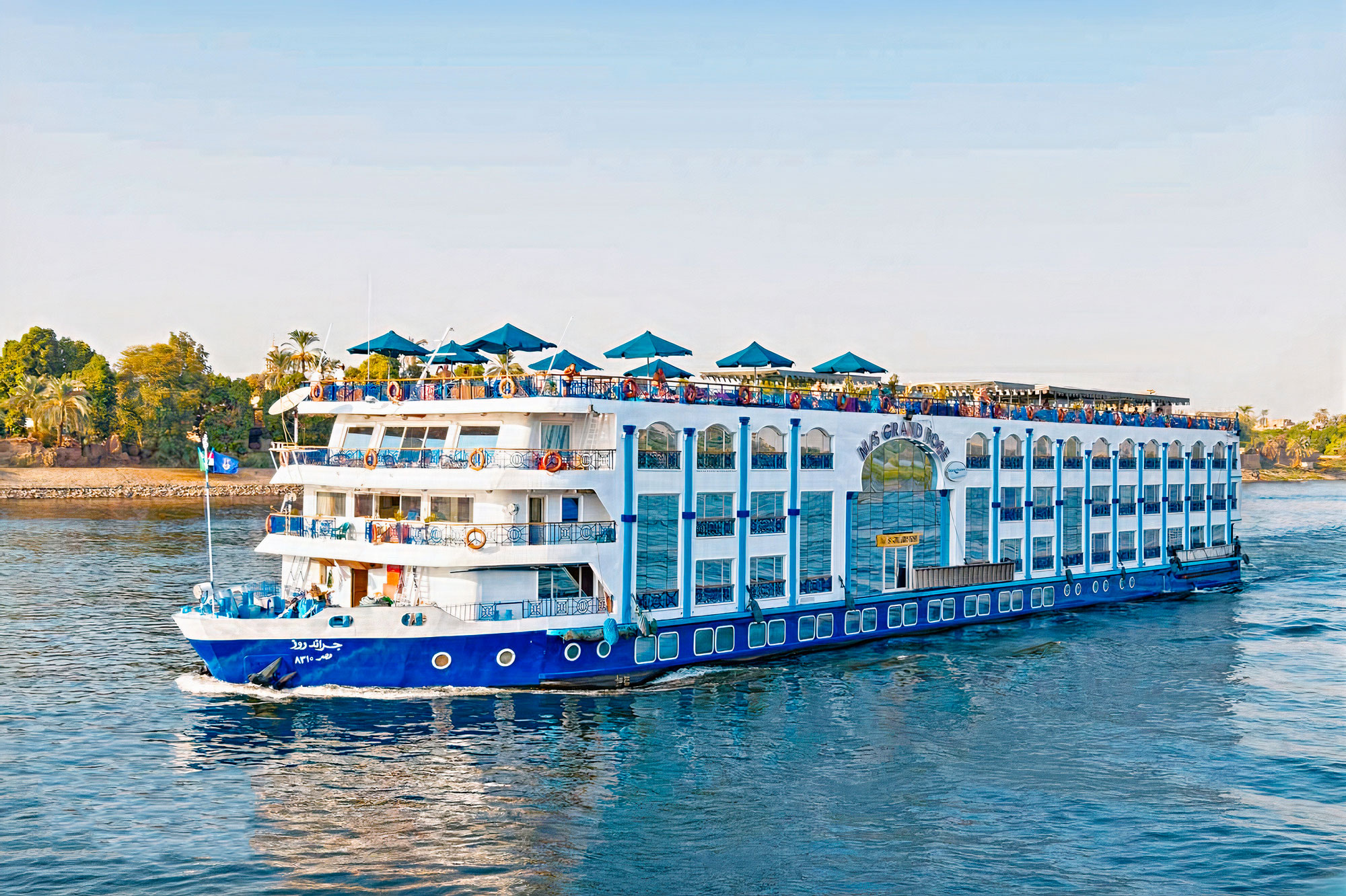
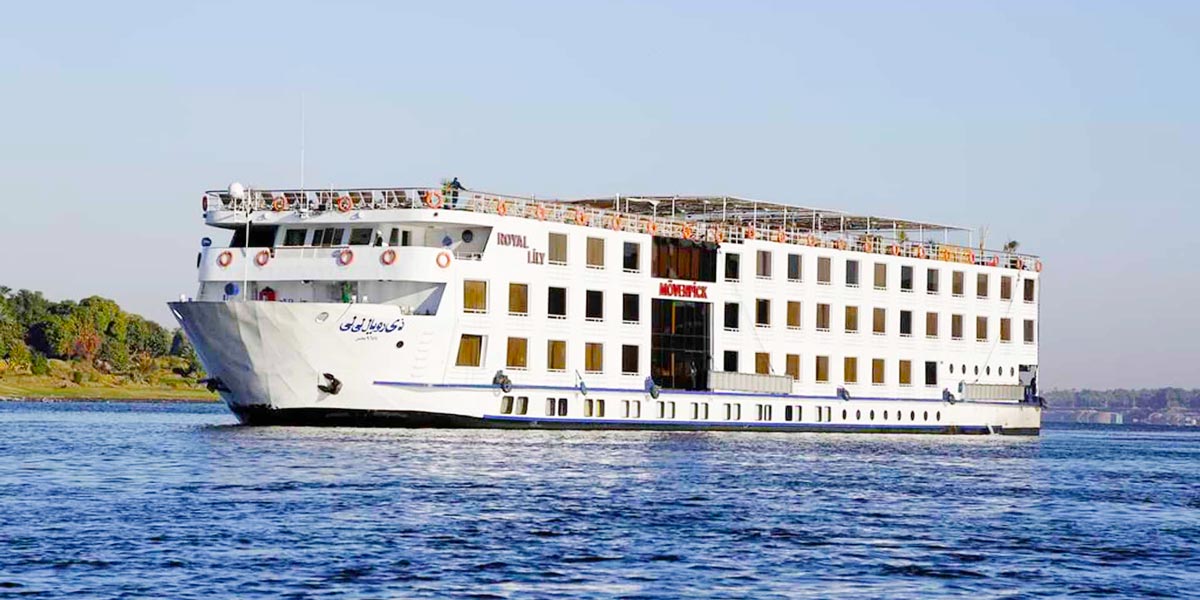
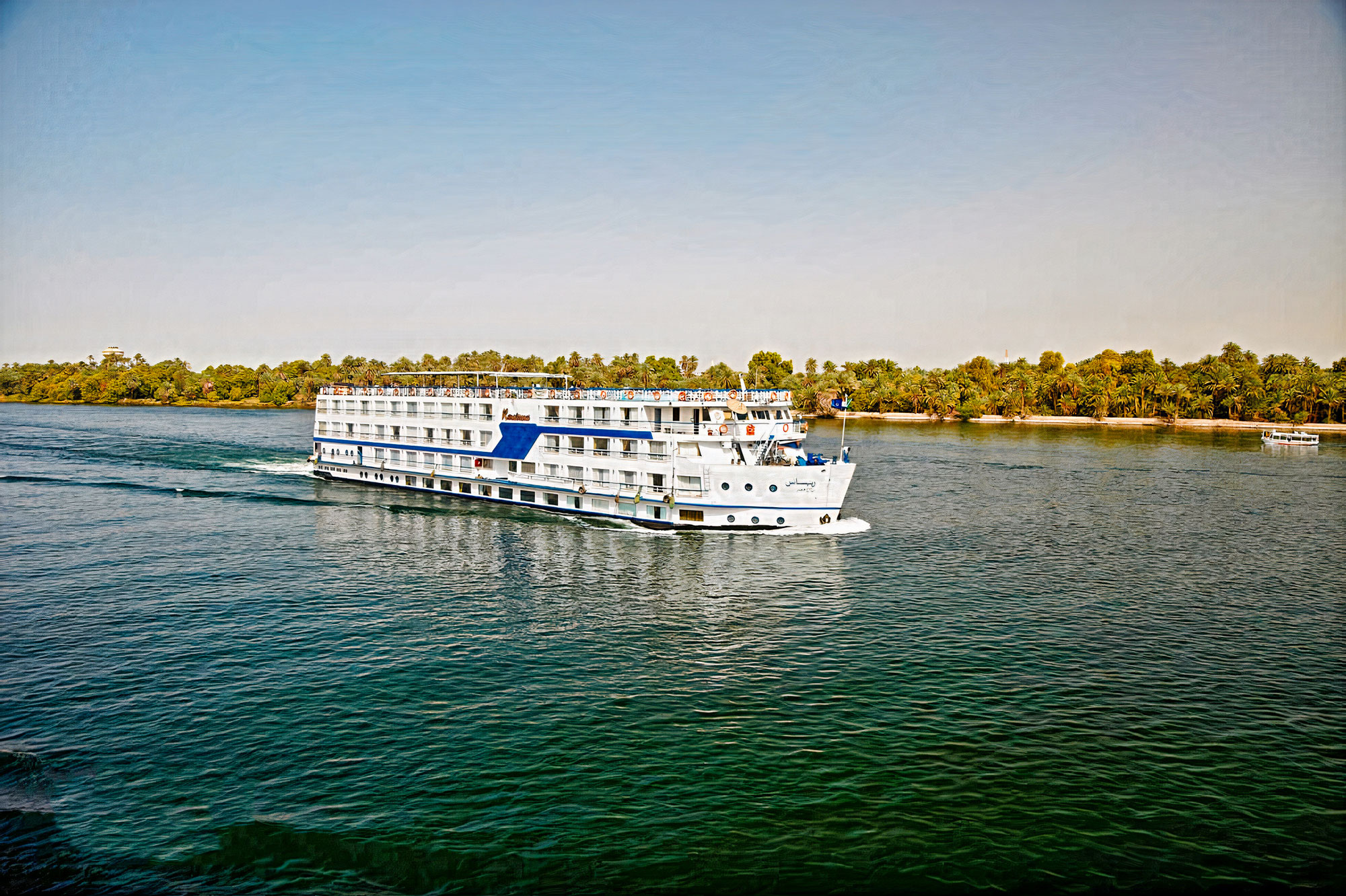
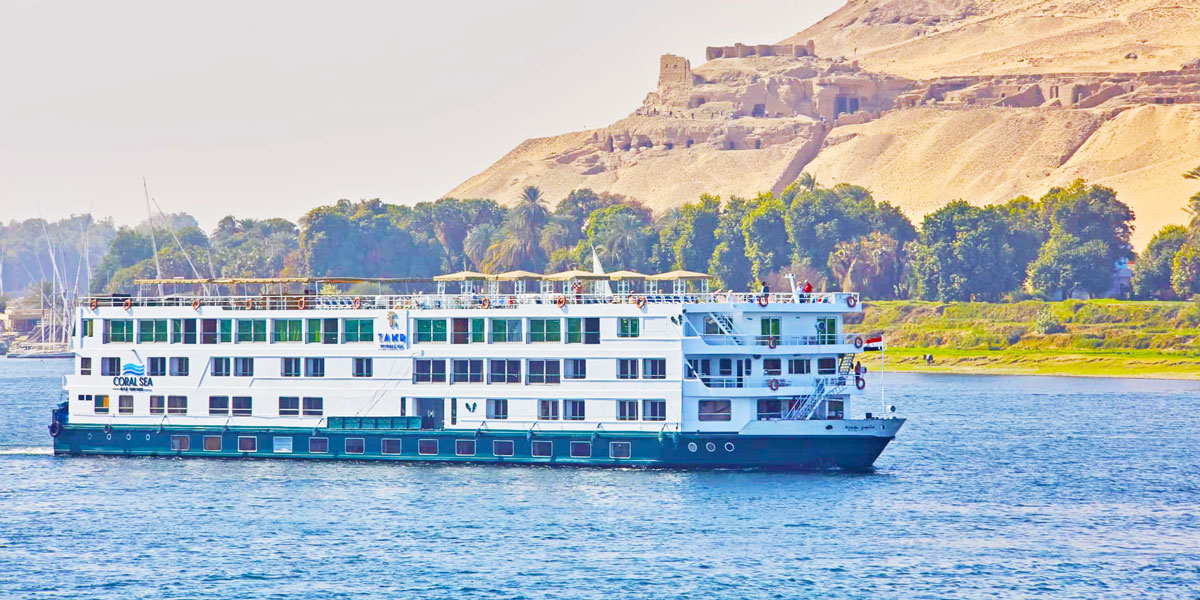
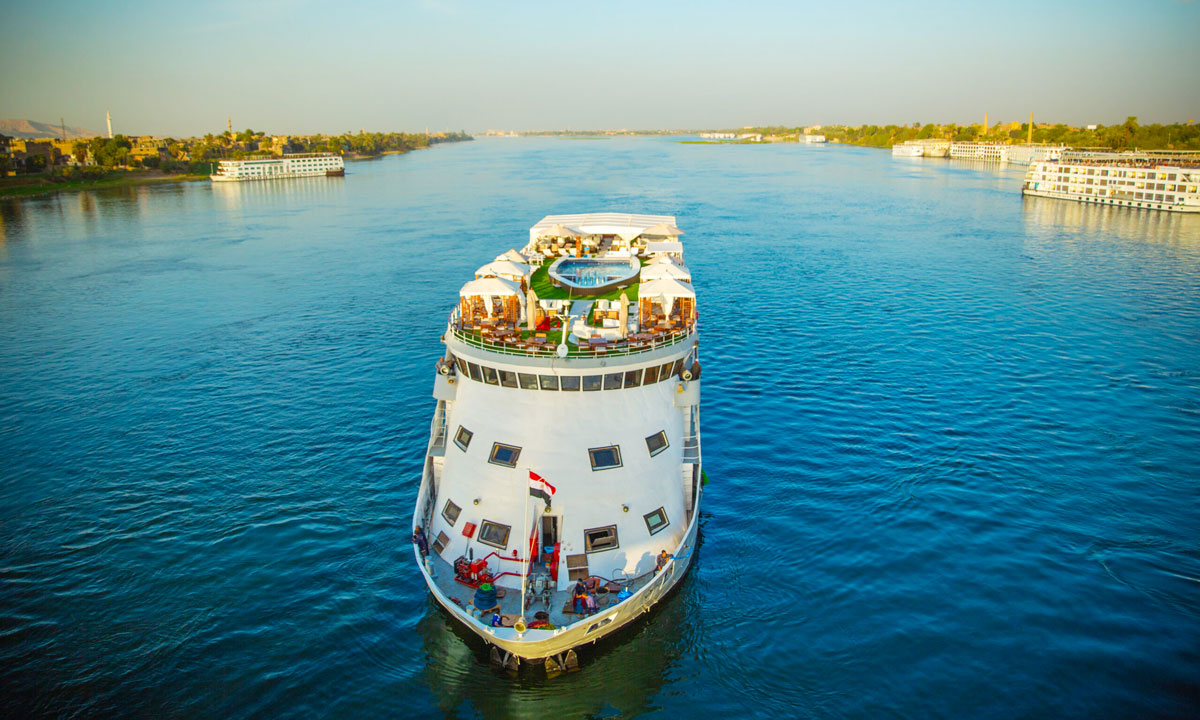
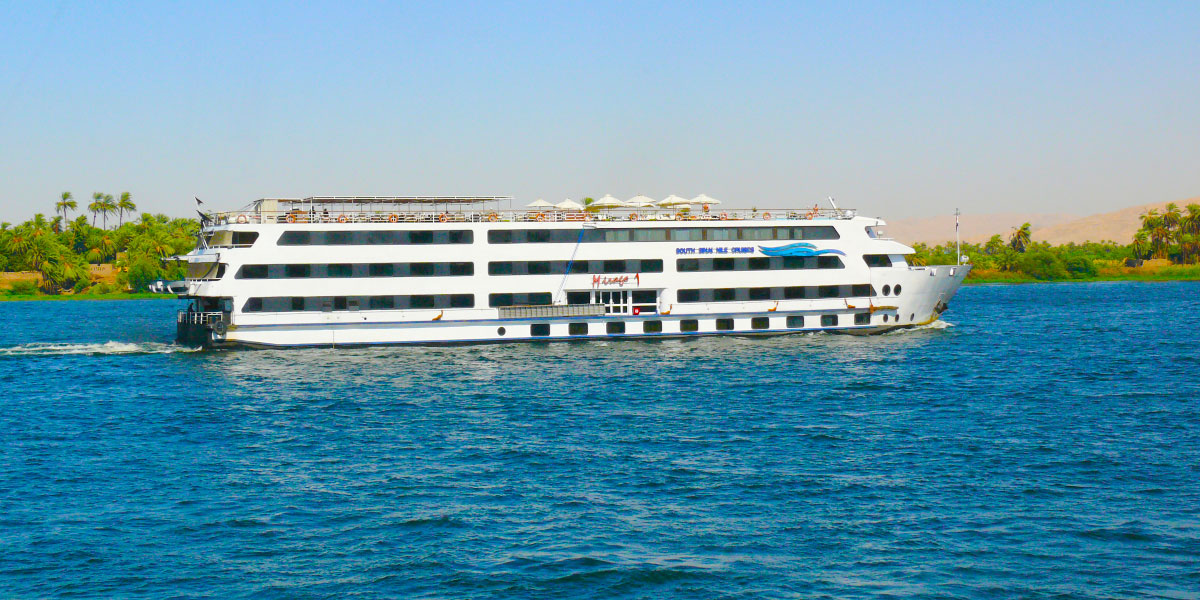
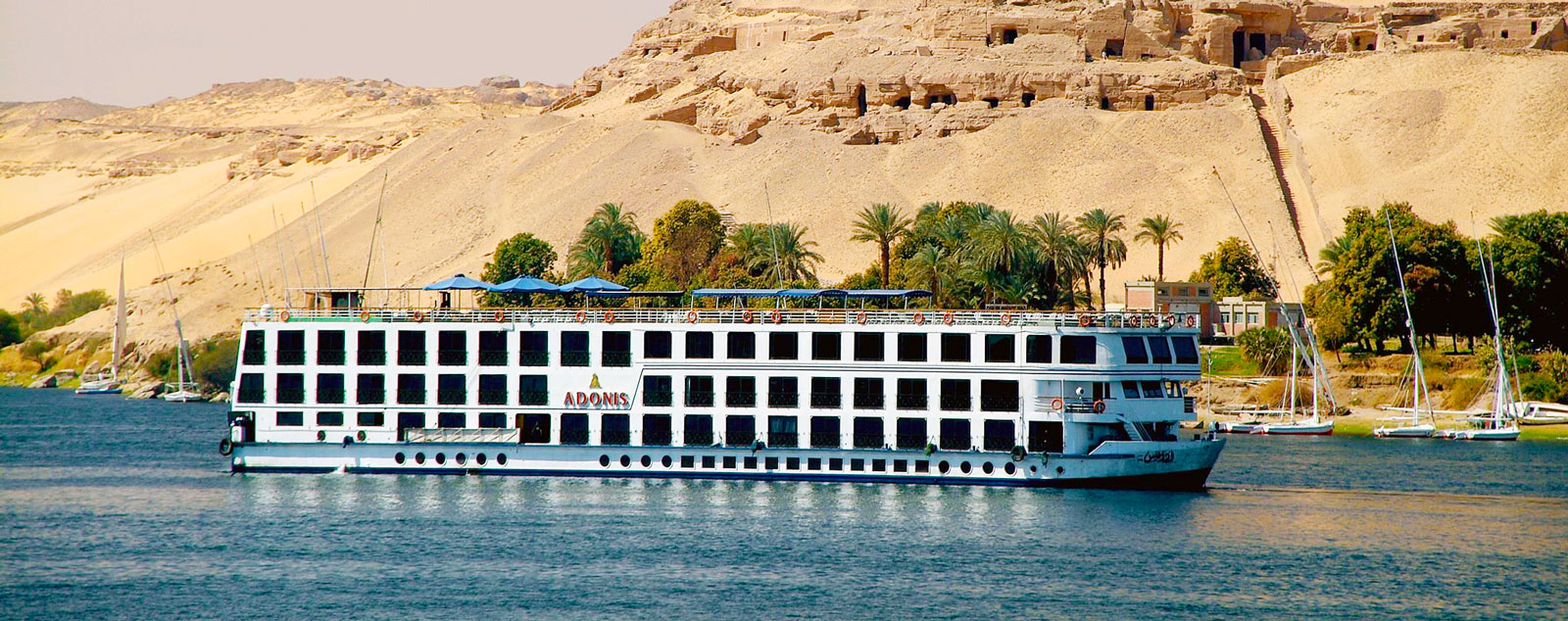
Lake Nasser ships are five-star vessels operated on a full-board basis, with air-conditioned cabins and private bathrooms, restaurants serving local and international dishes, a sun deck, and lounge areas for the long sailing stretches. Meals follow the pattern covered in the guide to food and beverage onboard Nile cruises, with tea in the afternoon and dinner after the day's excursion.
Evenings are the heart of the onboard experience. The itineraries include a cocktail party with staff presentations on the second night, and a Nubian show on the third, and many ships add a swimming pool or designated swimming areas in the lake, stargazing on deck, and lectures on the temples ahead.
With no towns along the shoreline, the sky above the lake is darker than anywhere on the Luxor route, and the sail across open water has a stillness that the river lacks. The general pattern of a day aboard is described in what to expect from a Nile cruise, and travelers who want more comfort can compare the luxury Nile cruises.
Best Time to Do Lake Nasser Nile Cruise

The most comfortable window runs from October to April. Aswan averages a daytime high of 26°C (79°F) and a night low of 13°C (55°F) in December, and 24°C (75°F) by day and 11°C (52°F) by night in January, mild enough to climb temple steps and sit on deck all day.
Summer is the opposite: July in Aswan averages 42°C (108°F) by day and 28°C (82°F) at night, with a record of 48°C (118°F), which makes the summer months the least comfortable time for long temple visits.
Two dates stand out for Abu Simbel: February 22 and October 22, when the sun reaches the inner sanctuary, so a cruise timed to reach the temple on one of those mornings is a highlight for many travelers, although crowds and prices rise around them.
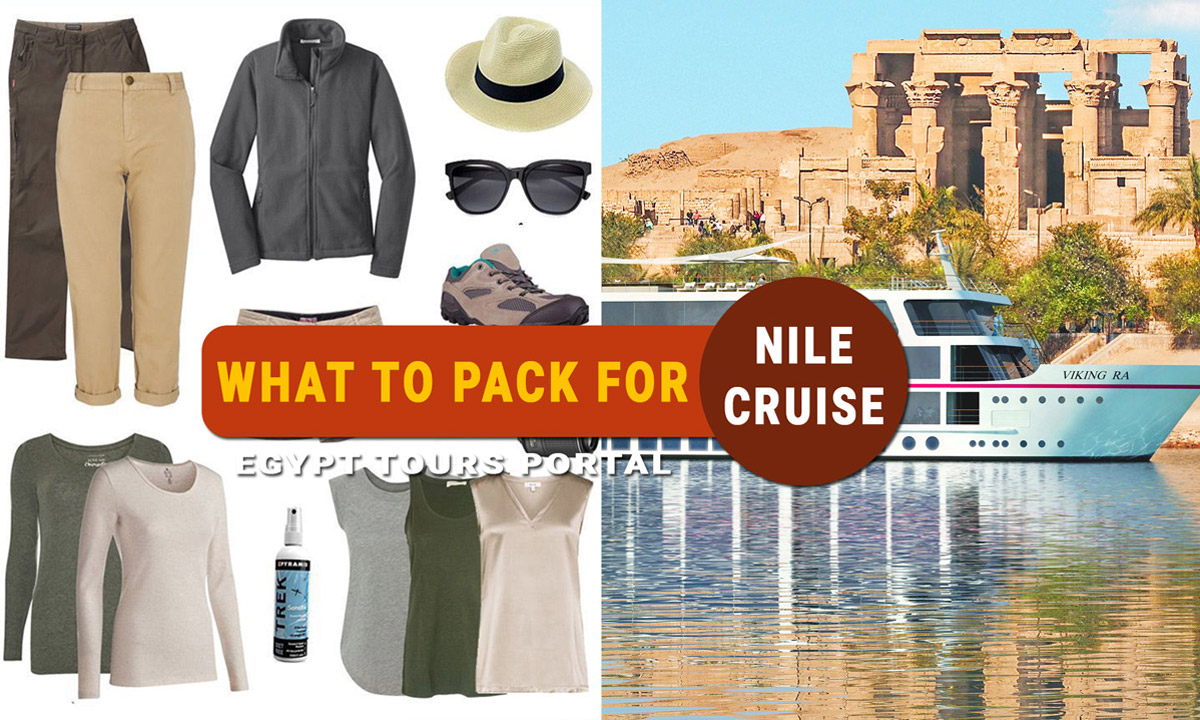
December through February is the broader high season and is the busiest period, a pattern explored in the guides to the best time for a Nile cruise tour and the best time to visit Egypt. Pack layers for cool lake evenings and a hat for midday, as covered in what to pack for a Nile cruise and the weather during a Nile cruise trip guide.
![The Best Time for a Nile Cruise Tour [year]/[year plus=1]](https://www.egypttoursportal.com/images/2021/06/The-Best-Time-for-a-Nile-Cruise-Tour-Acmar-Nile-Cruise-Egypt-Tours-Portal.jpg)
The Best Time for a Nile Cruise Tour 2026/2027
Uncover the ideal periods to embark on a Nile cruise, focusing on seasonal benefits, budgeting advice, and family accommodations.
Enjoy the Finest Lake Nasser Nile Cruise As Soon As Possible
A Lake Nasser cruise is the quietest and most remote way to see Egypt's Nubian heritage: a long, still stretch of water, a short list of temples saved by one of the greatest rescue operations ever mounted, and a final dawn in front of the colossi of Abu Simbel. Few journeys in Egypt feel so much like an expedition.
To begin planning, explore the full Nile River Cruises lineup, compare the 3-night and 4-night Lake Nasser cruises, and follow the guide on how to book a Nile cruise to secure your cabin on the next available Friday or Monday sailing.








![The Best Reasons to Take a Nile Cruise in [year]](https://www.egypttoursportal.com/images/2025/08/Reasons-to-Take-a-Nile-Cruise-Egypt-Tours-Portal.jpg)