Tailor-Made Your Own Holiday
Create your perfect trip with custom stops, flexible pacing, and 24/7 support.
Join one of Egypt’s most extraordinary cultural and astronomical events, the Abu Simbel Sun Festival, held annually on February 22nd. This remarkable occasion commemorates the coronation of King Ramesses II and attracts visitors from around the world who gather to witness a phenomenon that has amazed people for more than 3,000 years.
Your adventure begins in the early morning as our representative picks you up from your hotel in a private air-conditioned vehicle. Breakfast boxes will be provided for your comfort during the journey to Abu Simbel, allowing you to arrive in time for this unforgettable event.
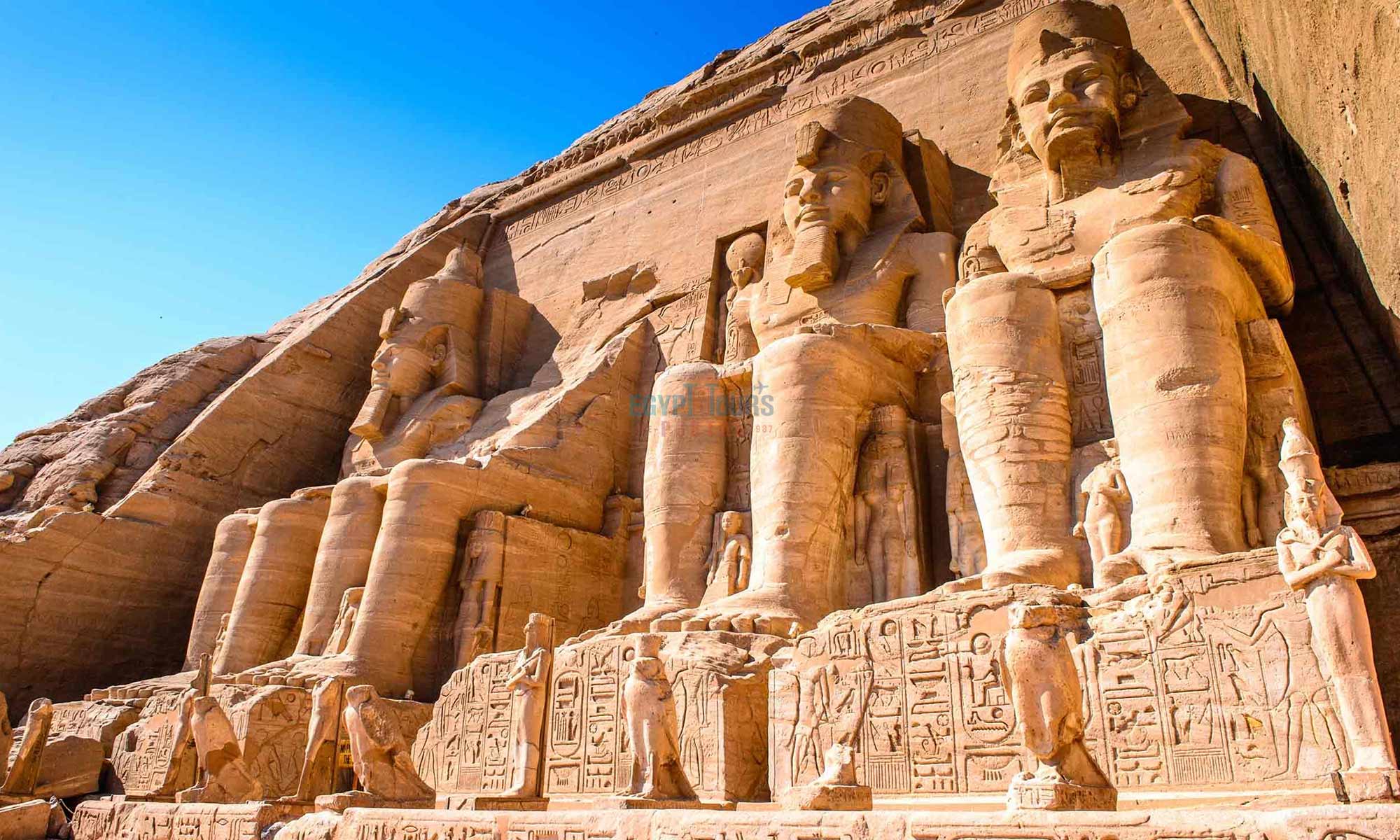
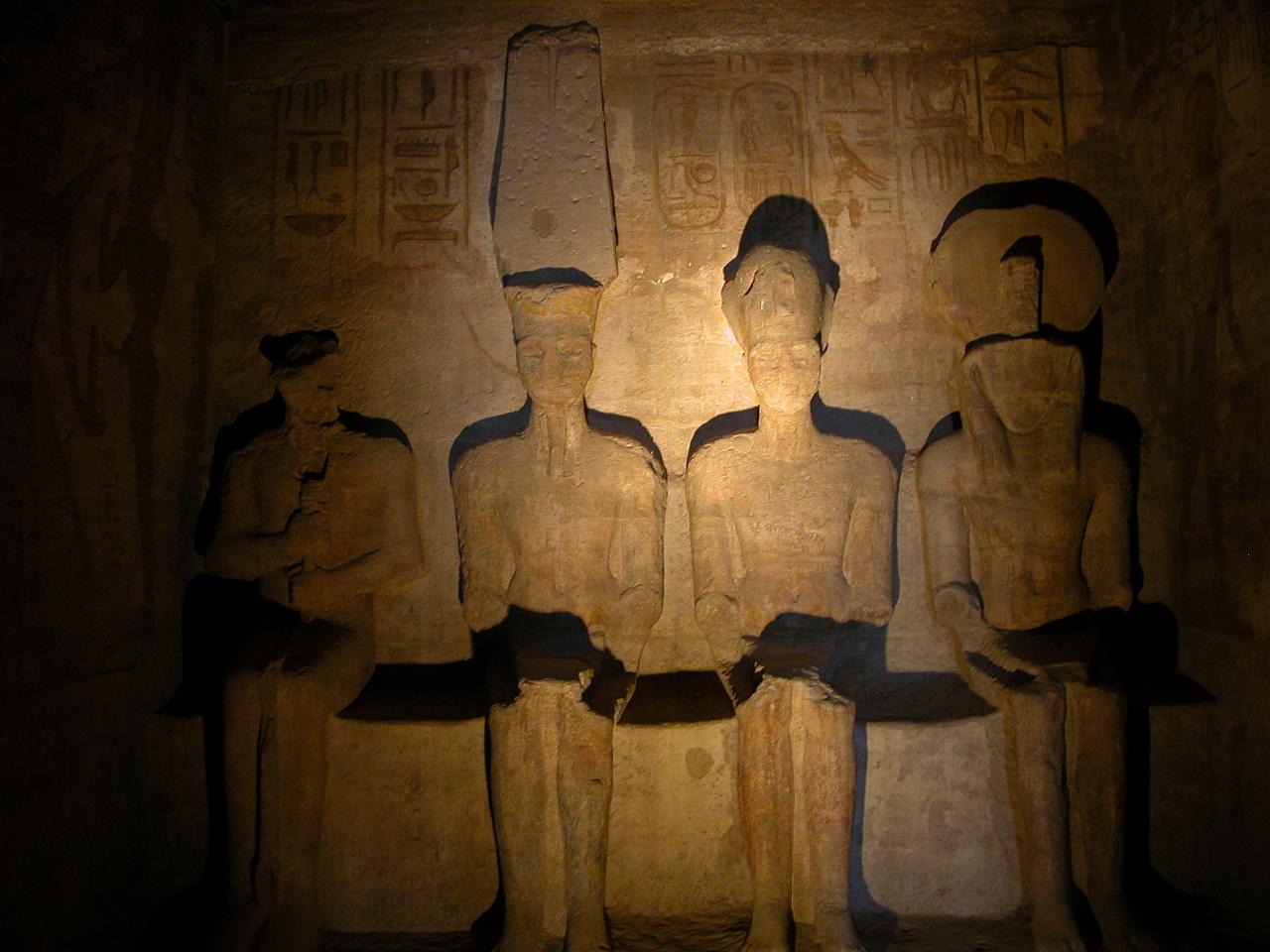
Upon arrival, you will be surrounded by a vibrant atmosphere filled with Egyptian travelers, Nubian locals, photographers, historians, and international visitors, all eager to witness the magical sunrise inside the Great Temple of Abu Simbel. As the first rays of the sun penetrate the temple's entrance, they gradually illuminate the sanctuary and shine upon the statues of Ramesses II, Amun-Ra, and Ra-Horakhty, while the statue of Ptah, the god associated with darkness, remains in shadow.
Accompanied by your private Egyptologist tour guide, you will explore the magnificent temple complex and learn about its fascinating history, architecture, and the incredible engineering skills that made this solar alignment possible. Your guide will explain every detail of the festival and the significance of this rare event, ensuring a truly enriching experience.
After witnessing the solar phenomenon, you will have time to enjoy the festive atmosphere outside the temple, where traditional Nubian music and folkloric dance performances create a unique cultural celebration. The colorful displays and joyful celebrations provide excellent opportunities for memorable photographs and interactions with the local community.
A delicious lunch will be served at a local restaurant, offering a selection of Egyptian dishes to suit different tastes. Guests may have the opportunity to sample authentic Egyptian specialties, including the famous Koshari, a traditional dish prepared with rice, pasta, lentils, tomato sauce, and crispy fried onions.
Following the festivities and sightseeing, your private guide will accompany you back to your hotel in a comfortable air-conditioned vehicle, concluding an unforgettable journey to one of Egypt's most spectacular annual events.
Experience the magic of the Abu Simbel Sun Festival on February 22nd and witness a celebration where history, culture, and ancient Egyptian genius come together in an extraordinary display.
We offer private, customizable journeys tailored to your pace, moving away from the "factory-style" mass-market tours.
Travel with elite, licensed Egyptologists who act as storytellers, not just tour leaders.
24/7 "high-touch" support with a dedicated coordinator for every aspect of your multi-vendor itinerary.
Our "Tailor-Made" planning workflow ensures your trip matches your specific priorities and interests.
We prioritize premium guide quality and vetted, safe hotels to ensure a stress-free environment.
Advanced safety protocols and 24/7 emergency contact for total peace of mind during your adventure.
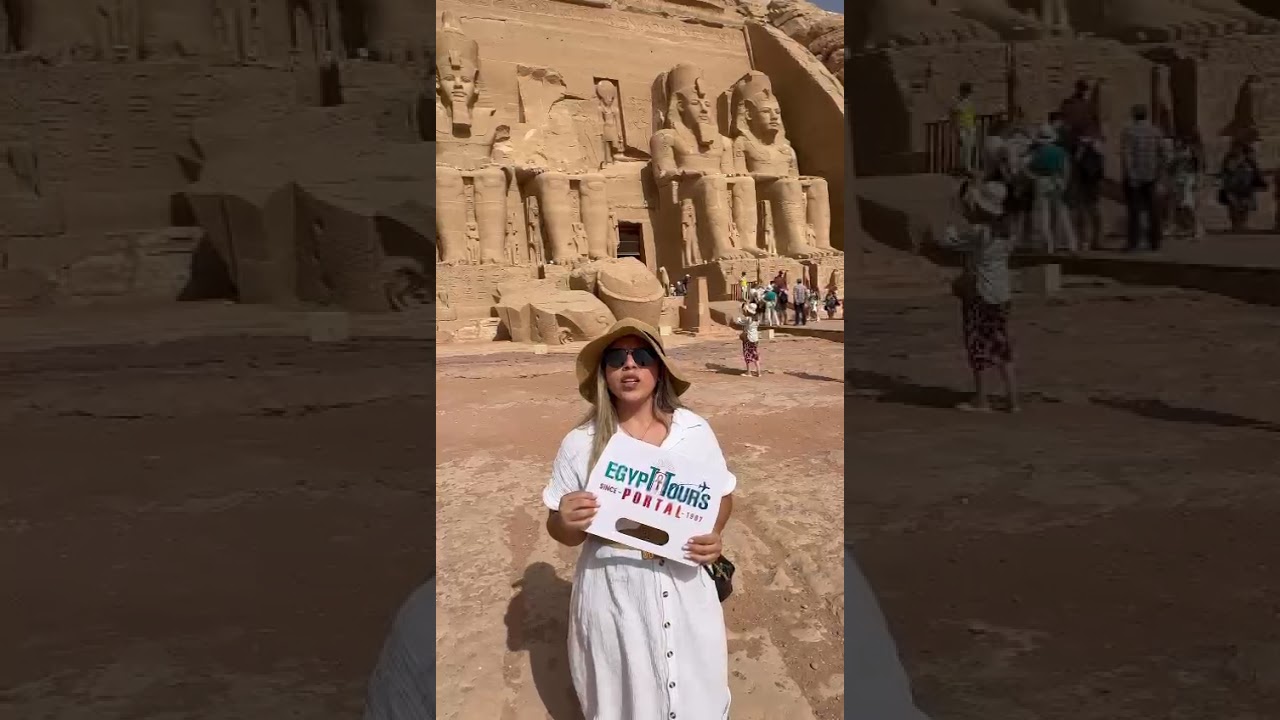
Explore Abu Simbel Temples, Ramesses II’s rock-cut wonder, its history, solar alignment, relocation, Nefertari temple, and Lake Nasser location.
Learn all there is to know about the Abu Simbel Sun Festival and book your tour for an unforgettable holiday.
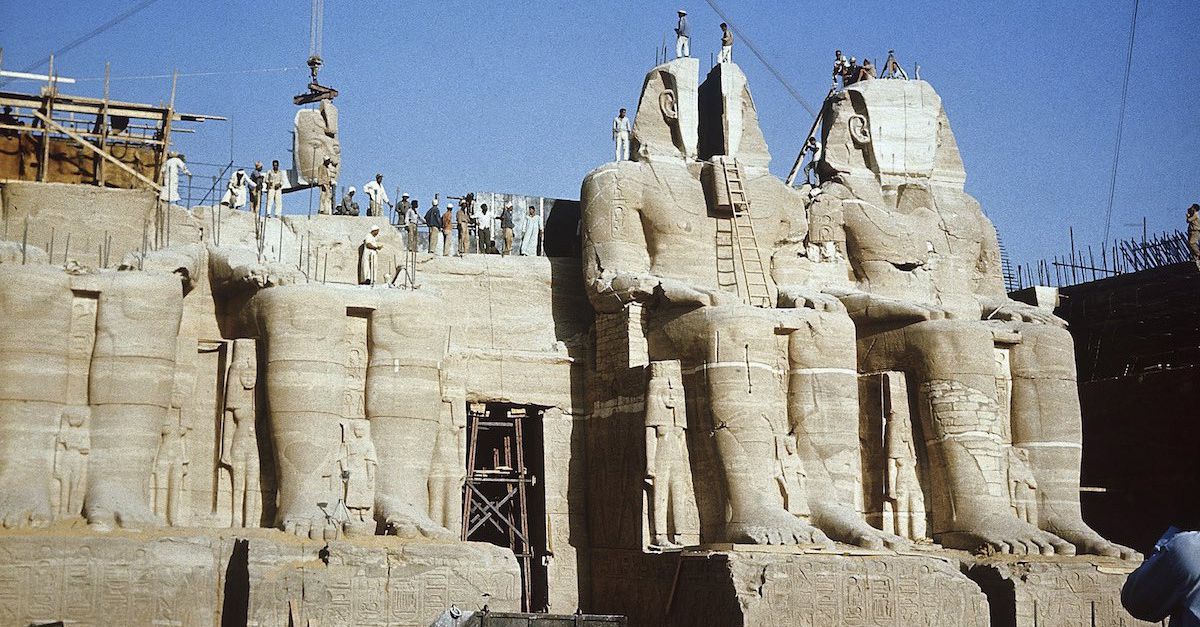
Discover the Abu Simbel relocation project saving Ramses II’s temples from Aswan Dam flooding by blending engineering of ancient wonder with modern innovation.
It is a bi-annual huge celebration in Abu Simbel at the great temple of king Ramesses II in the south of Egypt. Here is what actually happens twice a year and attracts thousands of tourists who come from all around the world to witness this memorable festival. The central chamber of king Ramses II is illuminated twice a year by the sun for a short period of time when light is cast upon the seated statue of the pharaoh Ramesses II, the sun god "Ra", the king of gods "Amon" except for "Ptah" who is connected to the darkness and still remains in shadow. Surprisingly this event has been taking place for over 3200 years.
Ramses the Great built the amazing temple in Ramesses and wanted it to be a truly special one, so he chose two special dates to him and let them be the dates of the wonderful Sun Festival celebration in Abu Simbel.
The first date is February 22nd, which is the date of Ramesses II ascension to the throne of Egypt. The second date is October 22nd, which was the date of the king’s birth. The inner sanctums are aligned only twice a year during this festival and stay in darkness the rest of the year and that is why it gained its fame.
Although this temple was relocated in 1960 with the help of UNESCO as it was threatened by the High Aswan Dam, they did their best to keep the same measurements and to preserve the festival that happens twice there through paying millions of dollars but it is really worth much more than this.
Ramesses II decided to build two great temples in Abu Simbel for two reasons. He established his great temple to commemorate his victory in the Battle of Kadesh, celebrate his birthday, and to commemorate the date of his ascension to the throne. On the other hand, he constructed the smaller Temple of Abu Simbel to show his deep affection to his wife Nefertari.
King Ramesses II traveled with his beloved wife Nefertari in 1255 BC to Nubia to inaugurate the great Abu Simbel Temple. This impressive temple was discovered by the Swiss traveler Johann Burckhardt in 1813. There was an enormous pile of sand that almost covered the facade and its colossal statues, blocking the entrance. The explorer Giovanni was the one who reached the interior part of the temple in 1817.
The two temples of Abu Simbel, the great temple & the smaller ones were built by the amazing King Ramesses II between 1290 and 1224 BC and we can consider it a display of pure egotism by one of Ancient Egypt’s most powerful rulers.
King Ramesses II was born in 1303 BC, and he died in 1213 BC. He ruled Egypt as a great pharaoh from 1279 until 1213. He was actually the 3rd pharaoh of the 19th dynasty and he was known as Ramses the Great and is regarded as the greatest and the most powerful pharaoh during the Egypt New Kingdom.
The most interesting thing about this king is that he celebrated unprecedented 14th Sed Festivals (an ancient Egyptian ceremony that celebrated a continued rule of the pharaoh) during his reign which was a period more than any other pharaoh.
When he died, he was buried in a tomb inside the Valley of the Kings, and then his body was moved to a royal cache until it was discovered in 1881 and his mummy was taken to the Egyptian Museum where it is now displayed there.