Summary
- April is the last comfortable month before Egypt's summer heat, with no major holiday on the calendar since Western Easter falls in late March and Sham El Nessim in early May.
- Temperatures rise sharply through the month, from around 32°C (90°F) in early April to roughly 36°C (97°F) by late April, making early-morning excursions the smarter strategy throughout.
- The standard Karnak-to-Philae route stays unchanged, with a sunrise hot air balloon ride and spring bird migration along the Nile Valley adding genuine seasonal detail.
- Onboard life shifts toward shade and water once afternoon heat sets in, with the pool and air-conditioned lounge seeing more use than in the cooler months earlier in the season.
- Fares continue easing through April toward summer's low season, making it a strong value window for travelers who plan sightseeing around the cooler morning hours.
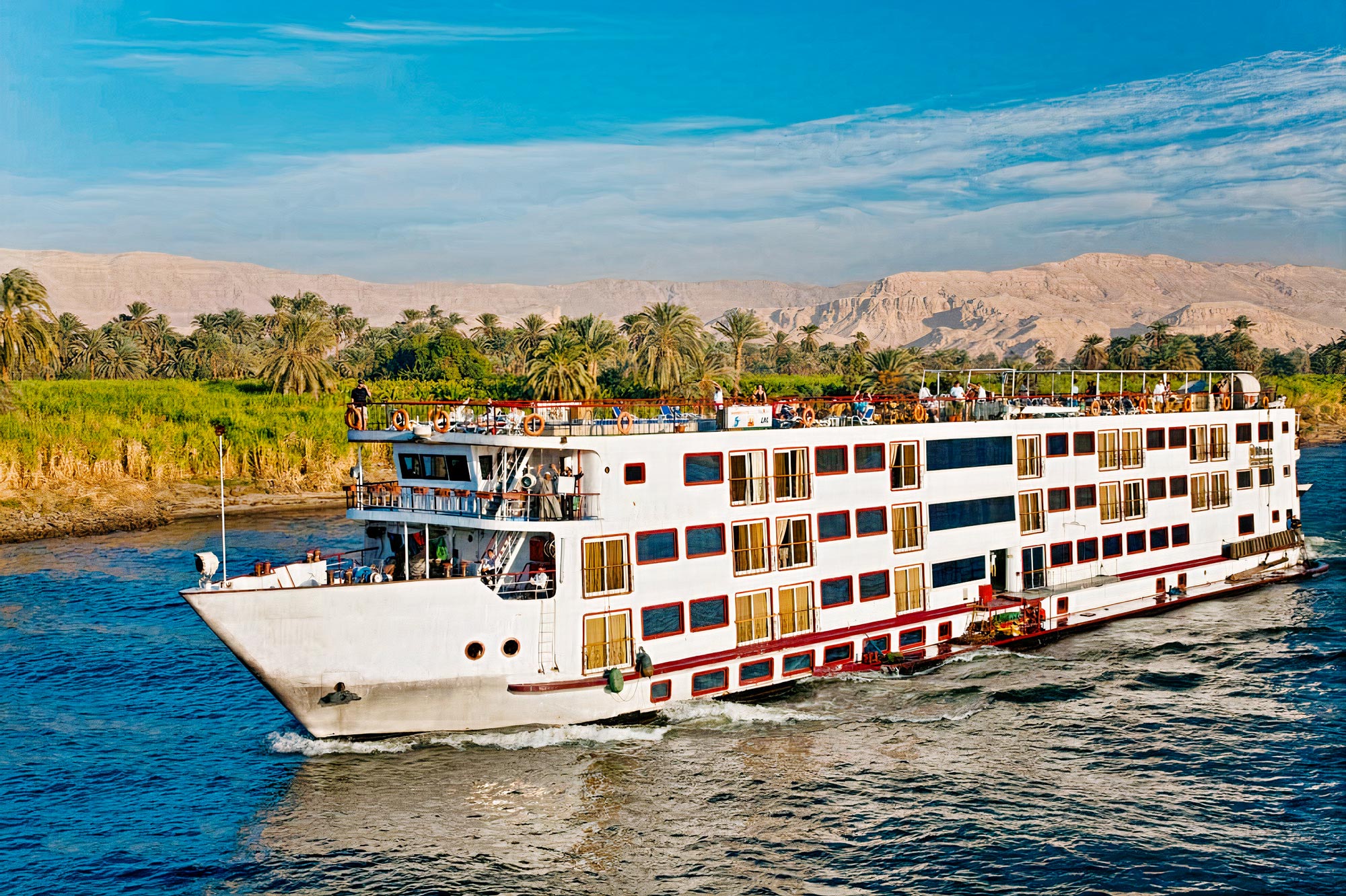
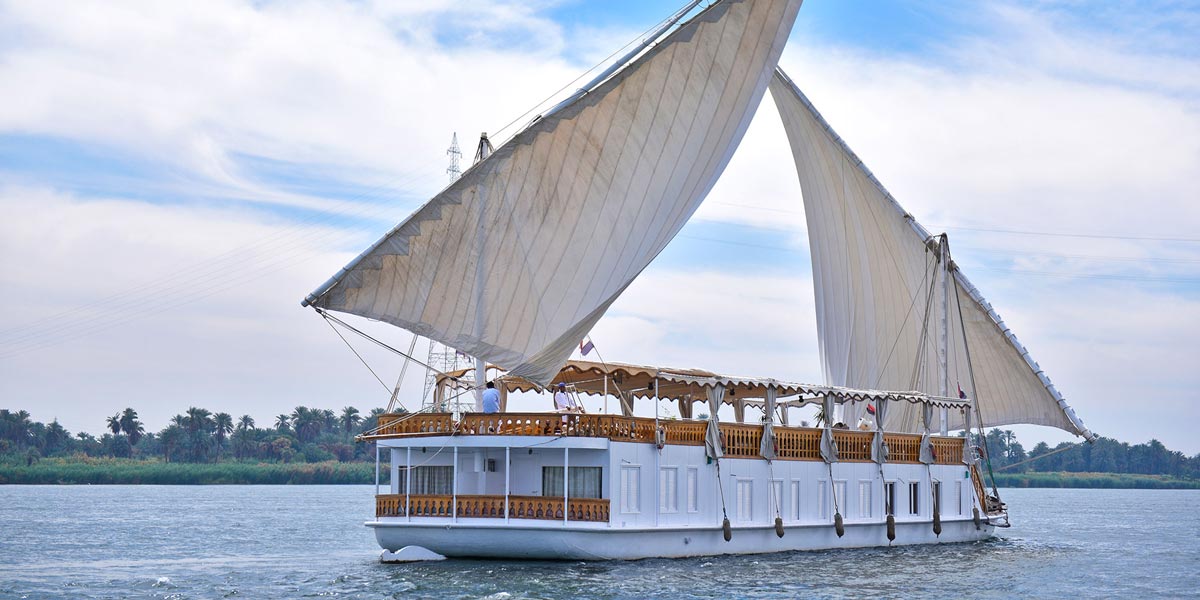
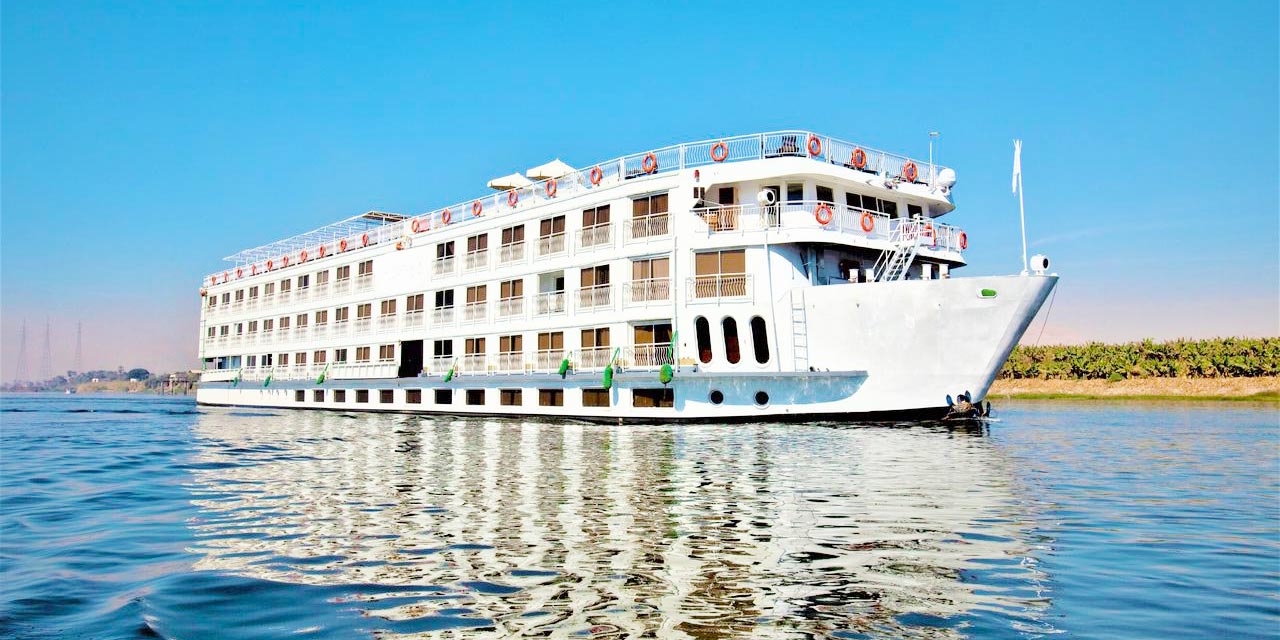
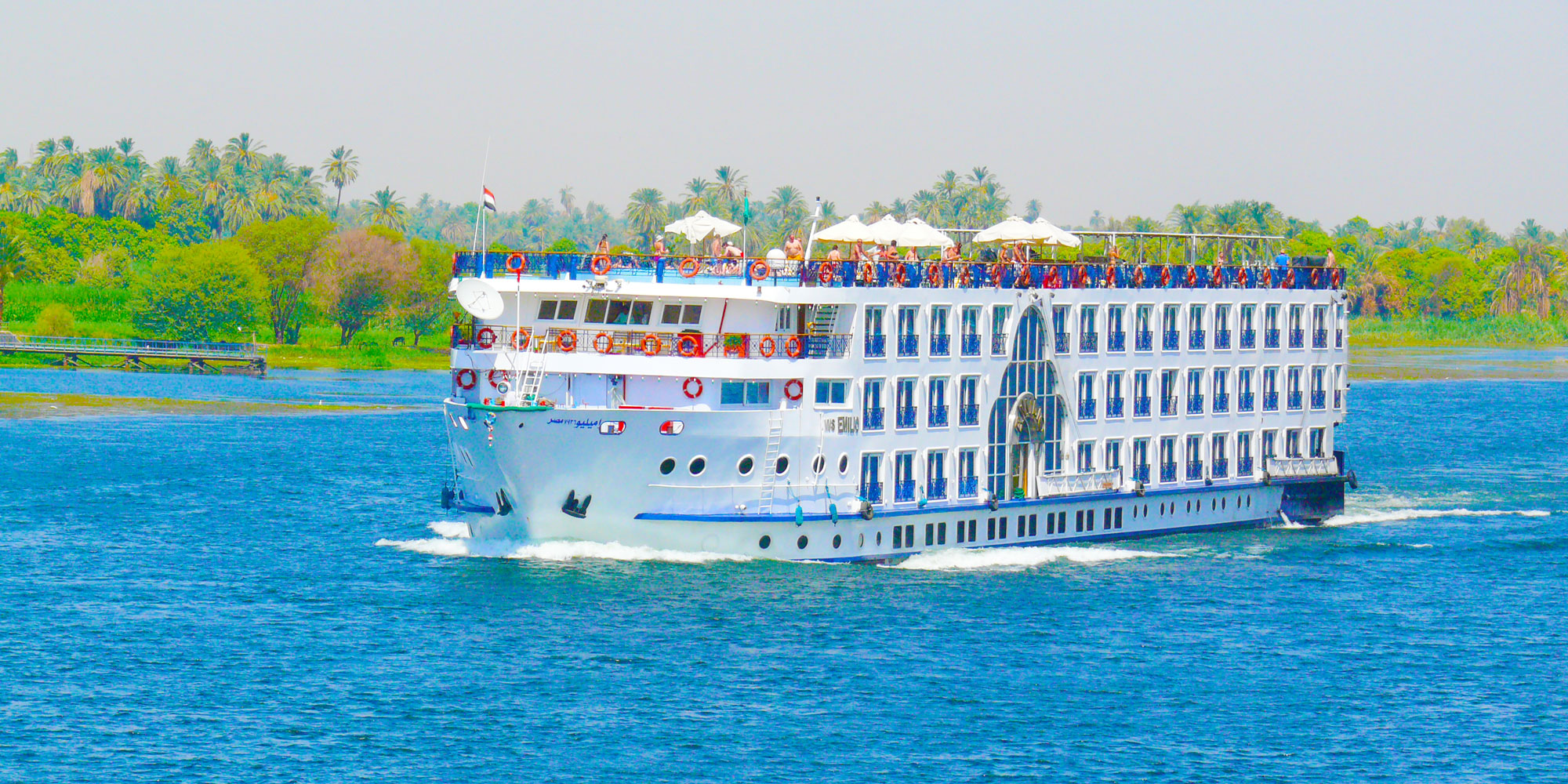
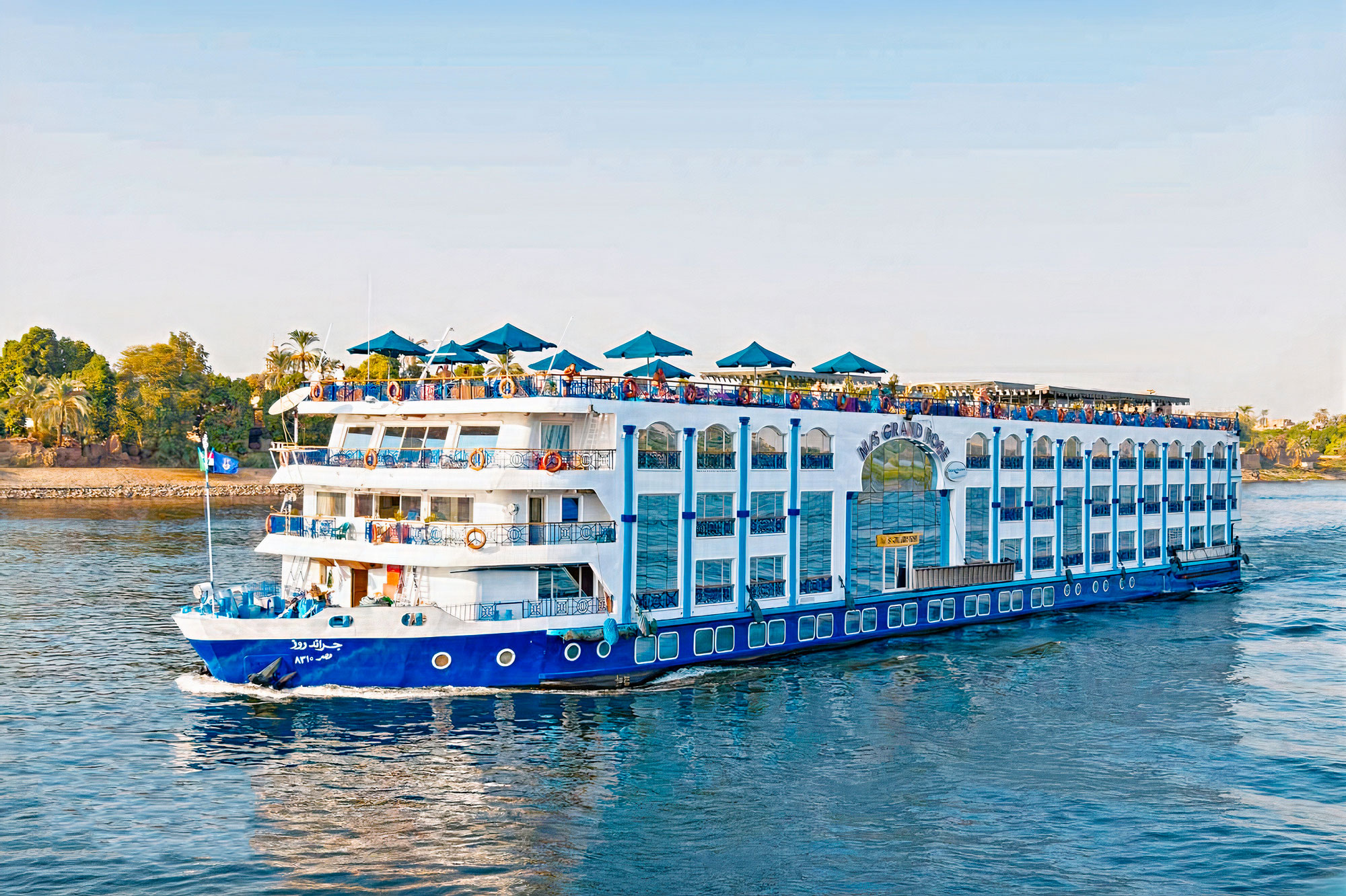
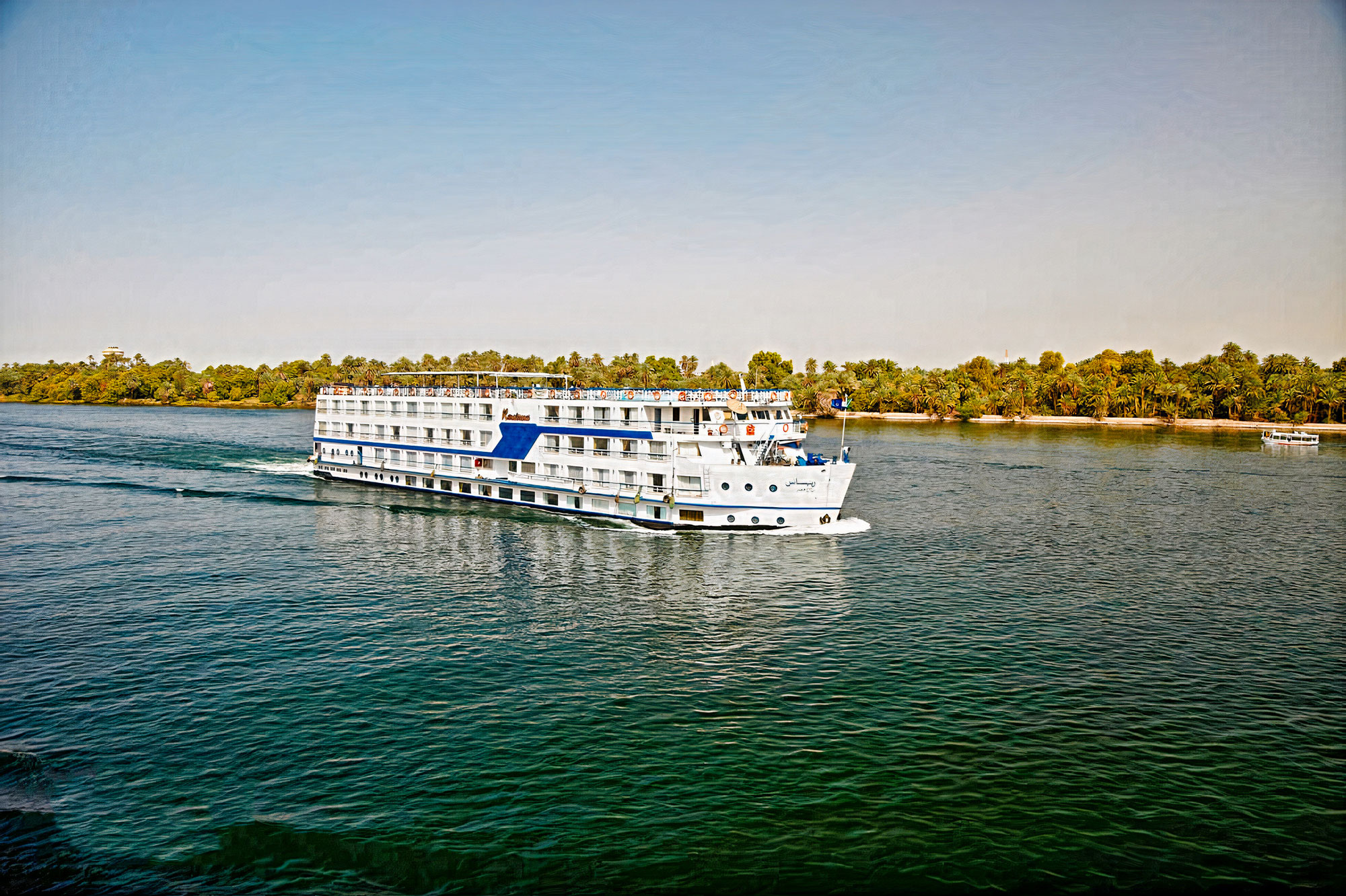
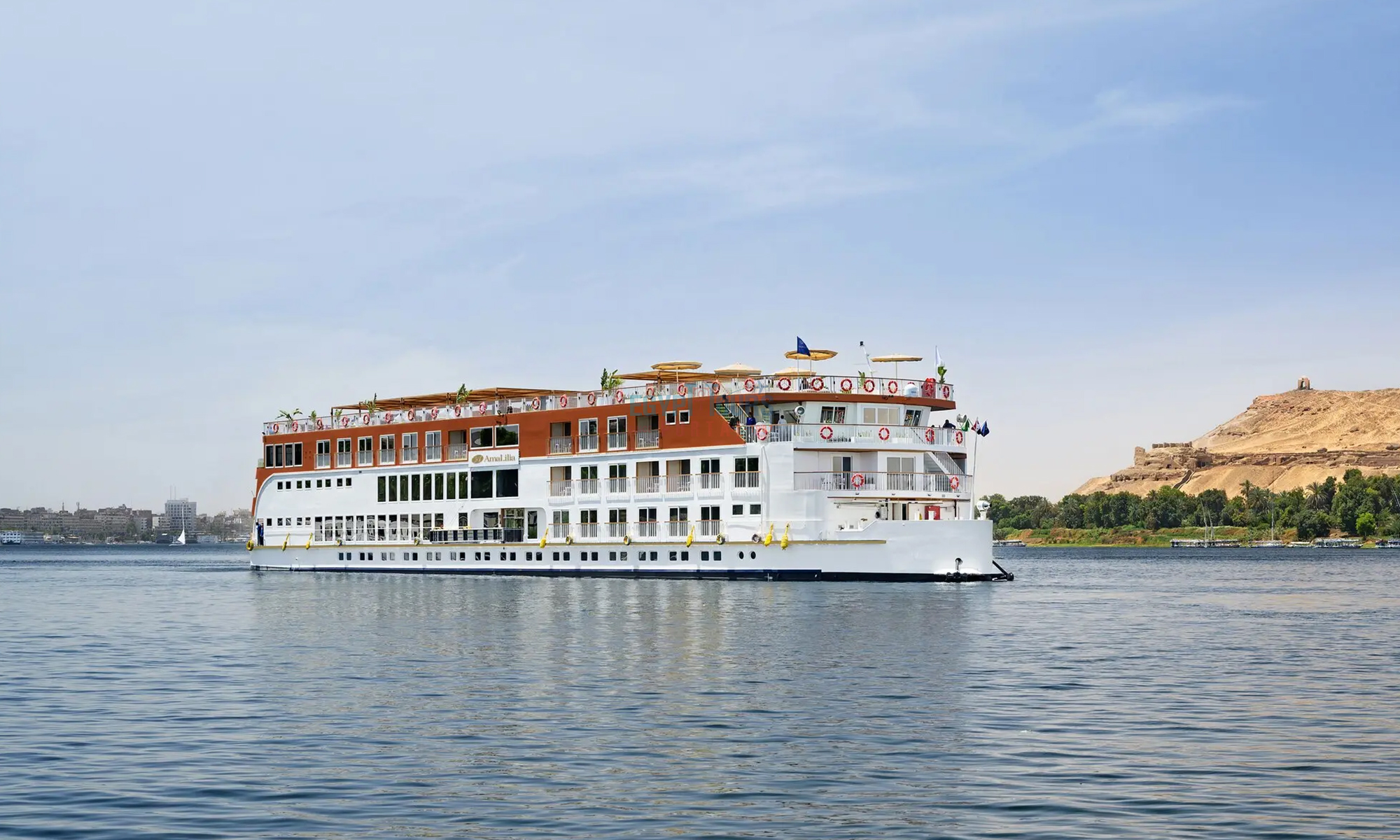
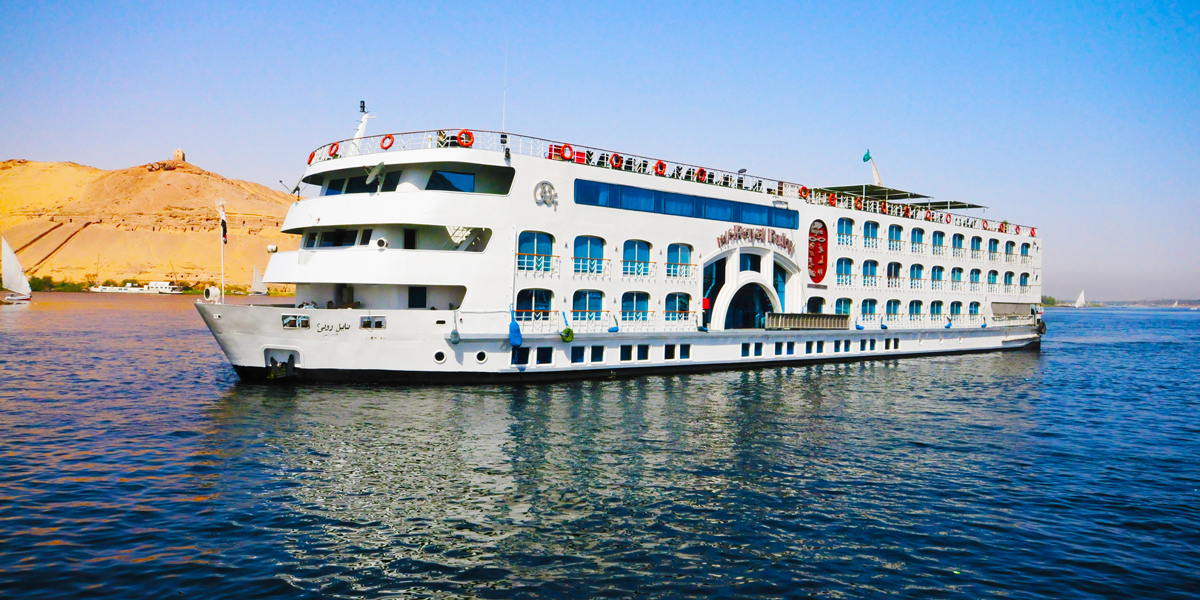
Nile cruises come really handy during the semi-hot month of April, as they offer the right amount of comfort and coolness to enjoy the ethereal beauty of Upper Egypt and live the most amamzing nile cruise experince in Egypt.
Unlike the months before it, April carries no major religious or cultural date to plan around: Western Easter falls in late March, and Sham El Nessim, Egypt's ancient spring festival, lands in early May. What fills that calendar gap instead is heat, migratory birdlife along the river, and a noticeably quieter, more affordable version of the classic cruise.
Cabin fares along the Luxor-to-Aswan route typically ease further by the third week of April, right as afternoon temperatures push past the mid-30s Celsius, a trade-off worth understanding before locking in this particular month.
All travelers will get to break down what a sailing actually feels like in early April versus late April, whether the trade-off between lower prices and rising heat suits a given trip, the sites and seasonal details worth building into the itinerary, how onboard life shifts once the sun turns stronger, a heat-specific packing list, and a set of concrete tips for sailing through what is, in effect, Upper Egypt's last mild month of the year.
Discover Why April Is an Ideal Time for a Nile Cruise

April rewards travelers chasing value and space more than it rewards travelers chasing comfort. Crowds continue thinning from March's already-lighter levels, hotel and cabin rates in Luxor and Aswan drift toward the year's lower end, and popular sites see meaningfully shorter lines than they did during the November-through-February peak. Early risers, in particular, get the better half of the bargain: temples visited before 9 a.m. still feel manageable, even as the same courtyard turns uncomfortably hot by early afternoon.
The trade-off is straightforward heat. By late April, Luxor's midday sun pushes past 36°C (97°F), a genuine jump from March's high-20s, and outdoor excursions scheduled for midday become something to actively avoid rather than simply endure. A second, smaller consideration: the occasional Khamsin wind that can still sweep through in early April, carrying fine desert dust, though these events grow rarer as spring settles in.
There is also a date worth flagging by its absence. Sham El Nessim, Egypt's spring festival dating back roughly 4,500 years to ancient harvest celebrations, falls just outside April in most years, typically in the first days of May, alongside Coptic Easter. A cruise booked for April misses the crowded parks and packed riverfronts that mark that holiday, which suits a traveler who wants Egypt's spring atmosphere without its single busiest spring weekend.
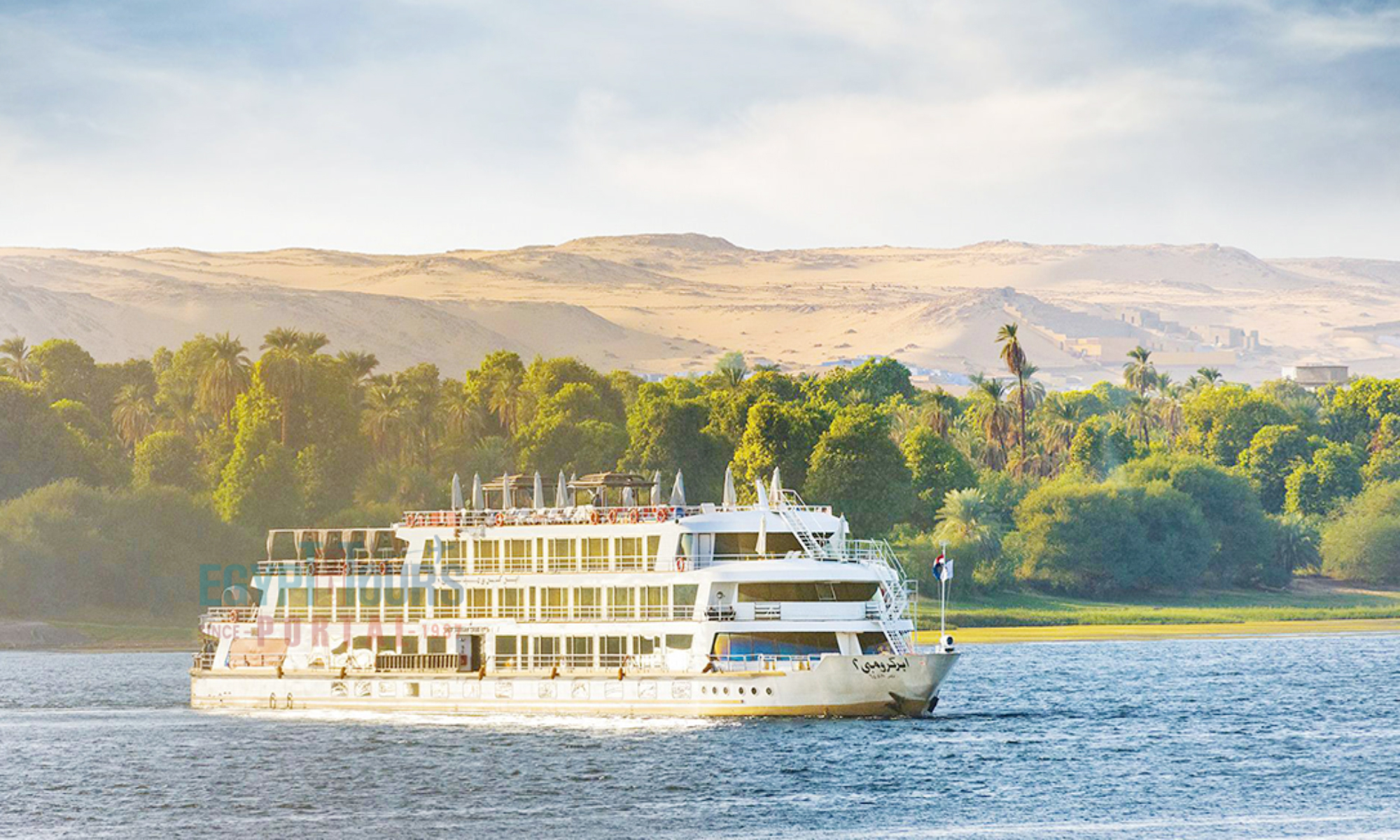
Discover The Weather of Egypt During Your Nile Cruise Trip
Discover the best time for a Nile River cruise. Compare seasons, weather, and tips to plan your perfect journey through Egypt’s timeless wonders.
What to Expect on a Nile Cruise in April

April is not one uniform month weather-wise, and travelers booking a specific week benefit from knowing which half they are sailing into. Early April runs closer to March's tail end: daytime highs near 32°C (90°F) in Luxor, nights around 16°C (61°F), still comfortable enough for an evening on the sun deck without a jacket.
By late April, that same daytime figure climbs to roughly 36°C (97°F), with nights holding around 21°C (70°F), warm enough that even after sunset, the deck rarely cools down completely. Aswan, further south, tracks a degree or two above Luxor throughout the month. Rain remains a non-factor across Upper Egypt in April, as it does nearly year-round along this stretch of the Nile. What changes instead is light and wildlife.
Spring migration along the Nile Valley reaches one of its busiest windows from late April into early May, with barn swallows and sand martins moving through in visible numbers and European bee-eaters passing overhead near the river's cultivated banks, detailed in more depth in the site's own overview of the history of the Nile River and its resident and migratory bird populations, more than 300 species in total, including herons, kingfishers, and the African fish eagle.
Crowds by April have thinned well past their winter peak, and the sites along the standard route, from Karnak Temple to the temples near Aswan, run noticeably calmer than they did even a month earlier. That calm, paired with the rising heat, shifts the entire rhythm of the day: excursions increasingly cluster around sunrise, and the hours between roughly noon and 3 p.m. become a natural onboard rest period rather than active sightseeing time.

What to Expect From a Nile Cruise
Discover what to expect from a Nile cruise of temples, guided tours, ship comfort tiers, fun activities, onboard dining, cultural nights, and Nile wildlife.
Explore the Attractions and Activities During Nile Cruise in April

Timing matters more in April than in any month covered so far this season, so the smartest way to see the standard route is early. A sunrise flight over Luxor's west bank with the Luxor Hot Air Balloon Ride, a 45-minute ride departing before dawn from roughly $90 per person, delivers the Valley of the Kings, Hatshepsut's temple, and the Colossi of Memnon in cool morning light, well before the same landscape turns hazy with afternoon heat.
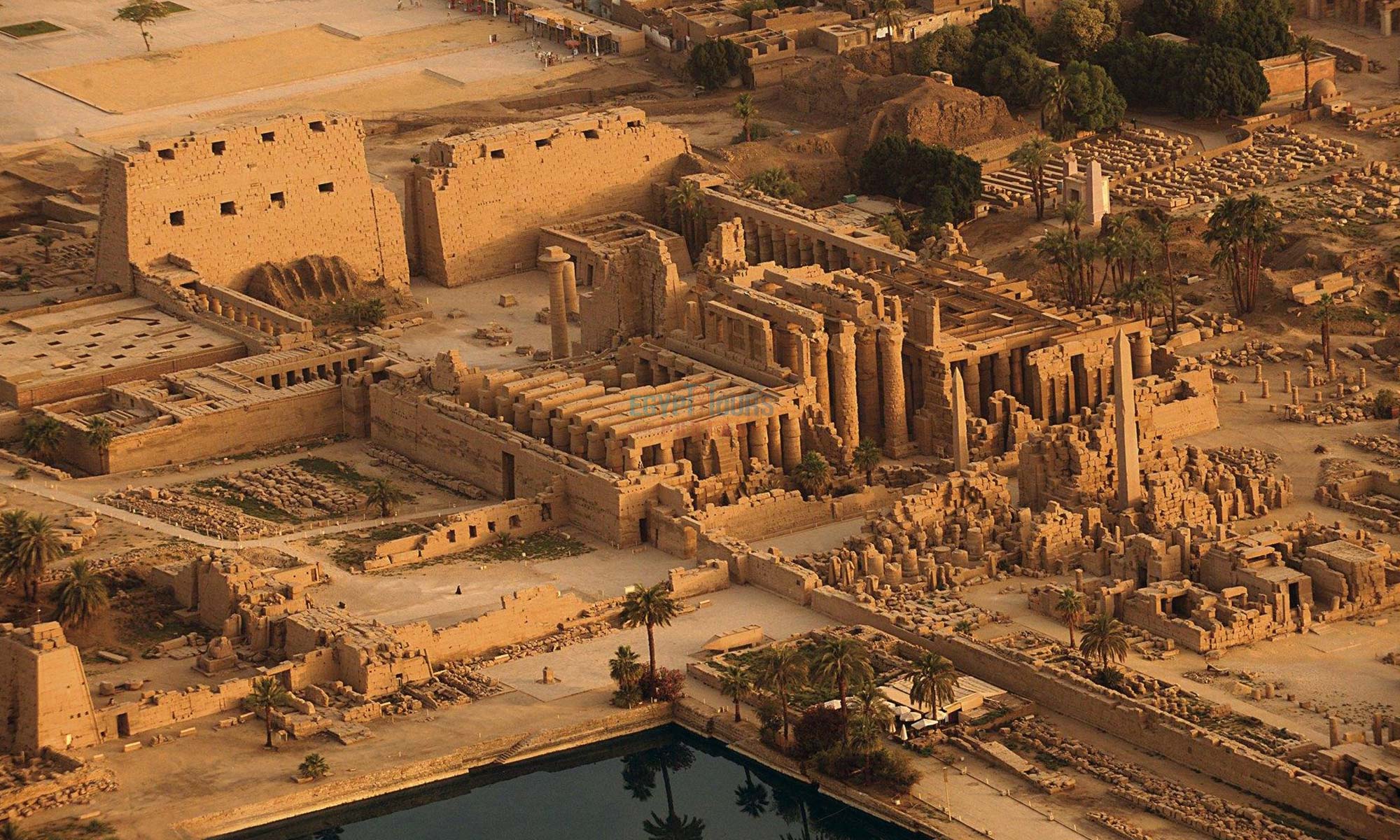
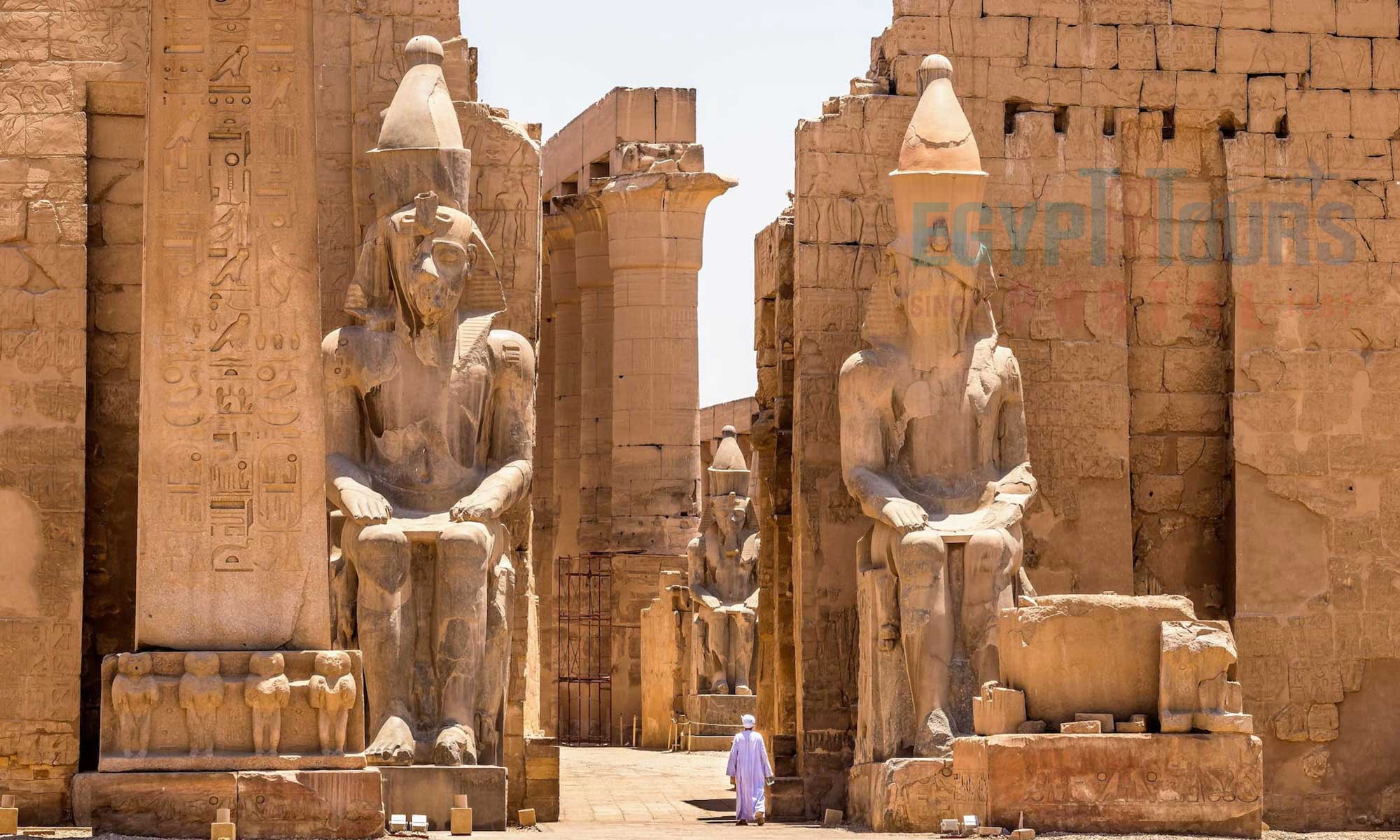
On the ground, the Valley of the Kings, resting place of more than 60 identified tombs, rewards an early arrival with both thinner crowds and tolerable temperatures inside its unshaded approach paths. Karnak's hypostyle hall, with its forest of 134 towering columns, offers a rare patch of shade mid-morning that makes it one of the more forgiving stops later in the day.
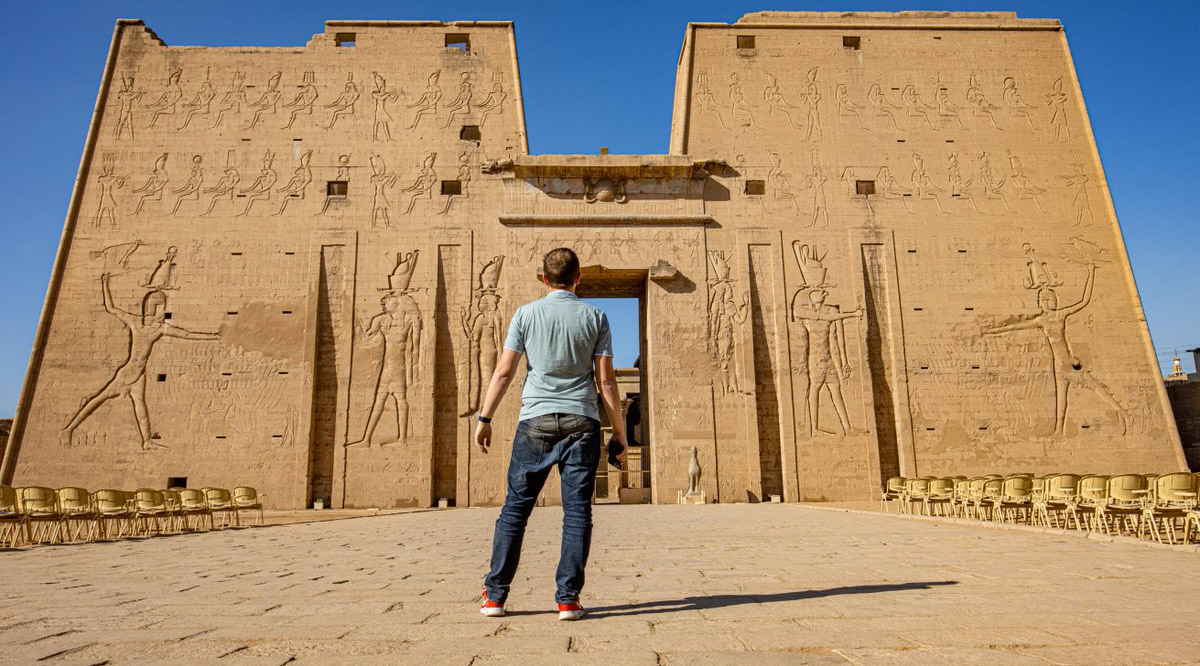
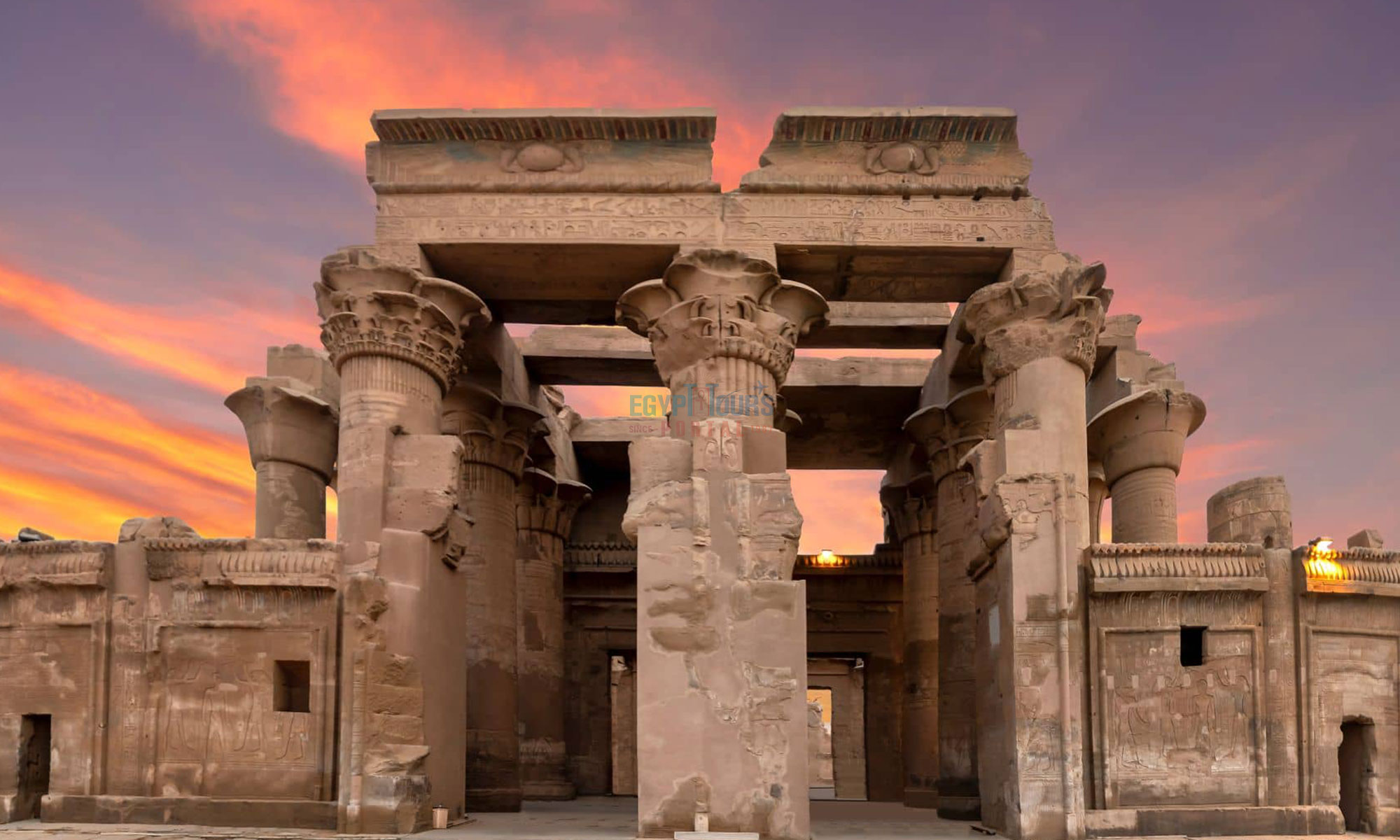
Sailing south, Edfu Temple, one of Egypt's best-preserved temples and dedicated to the falcon god Horus, and Kom Ombo Temple, with its unusual double dedication shared between Sobek and Horus, both sit close enough to the riverbank that a cruise's own excursion timing usually beats the day's worst heat.
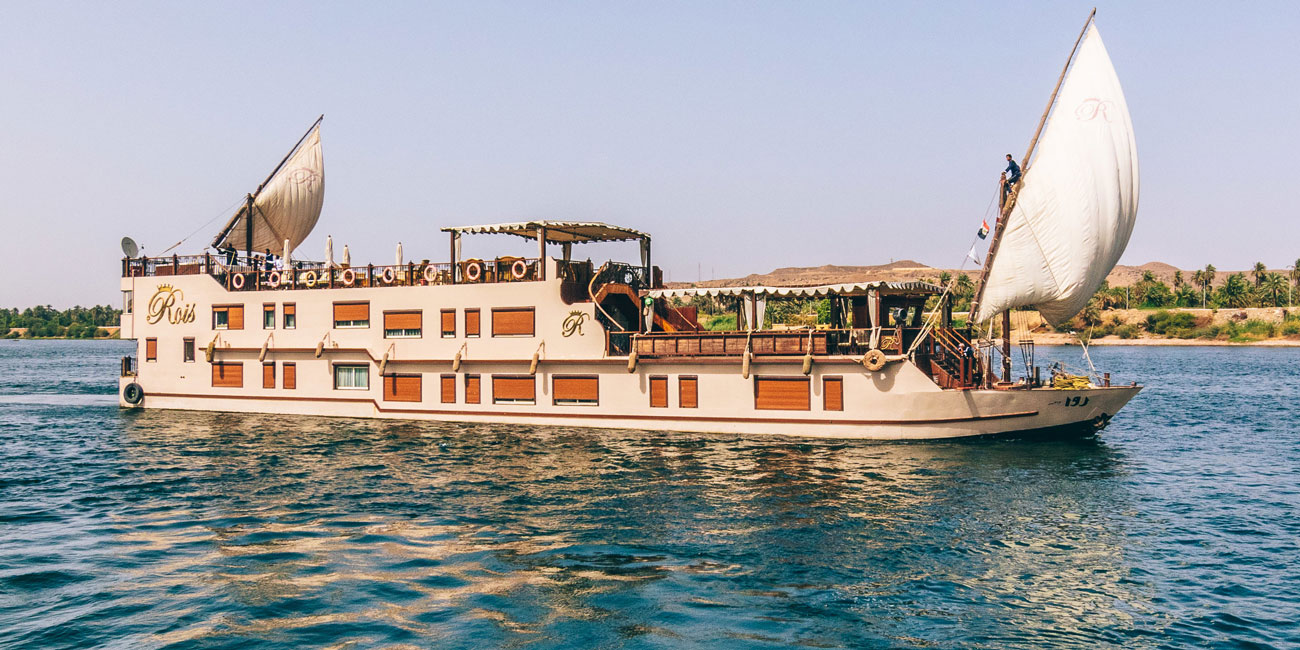
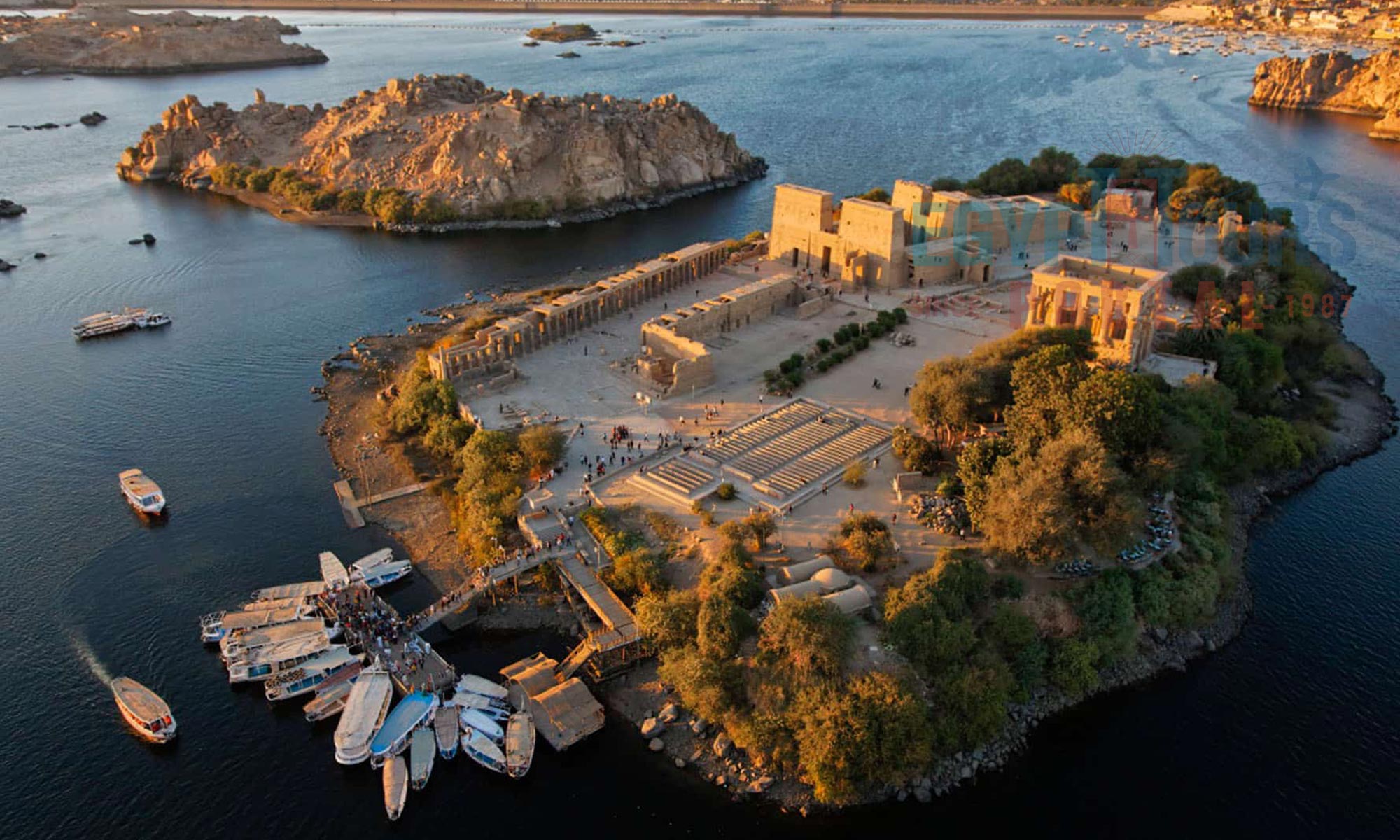
Near Aswan, the Aswan High Dam and Philae Temple, dedicated to the goddess Isis and relocated stone by stone in the 1970s to escape the rising waters of Lake Nasser, round out the classic stops. Travelers with extra time might combine a felucca sail, detailed in the site's guide to felucca sailing in Egypt, with a stop at Aswan's riverfront sites, Elephantine Island and the Nubian Museum among them, covered in the wider roundup of Aswan tourist attractions.
Nature-focused travelers can also add the Salouga and Ghazal Protected Area, a nature reserve near Aswan's first cataract that hosts more than 60 resident and migratory bird species, described alongside Egypt's other protected landscapes in the site's guide to national parks in Egypt.
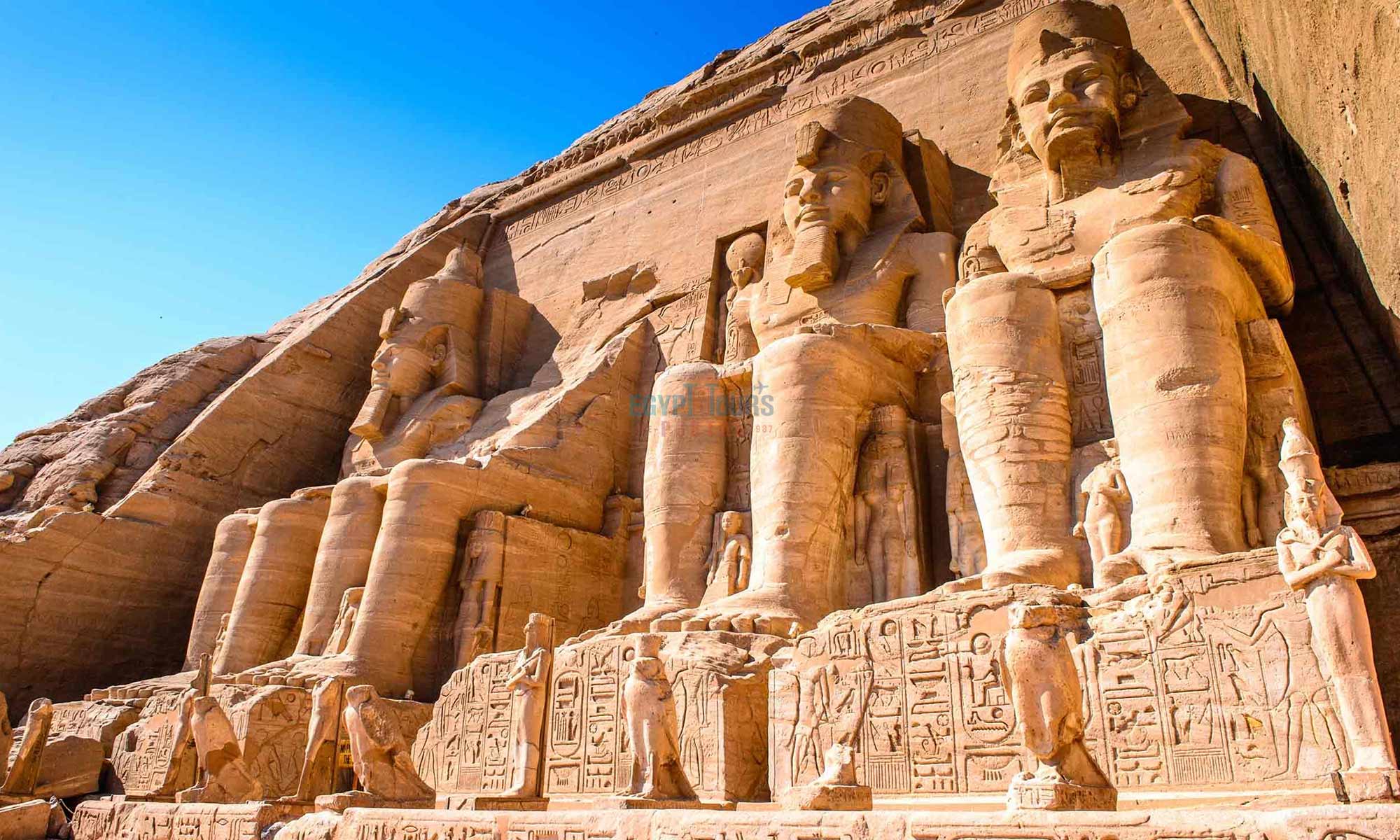
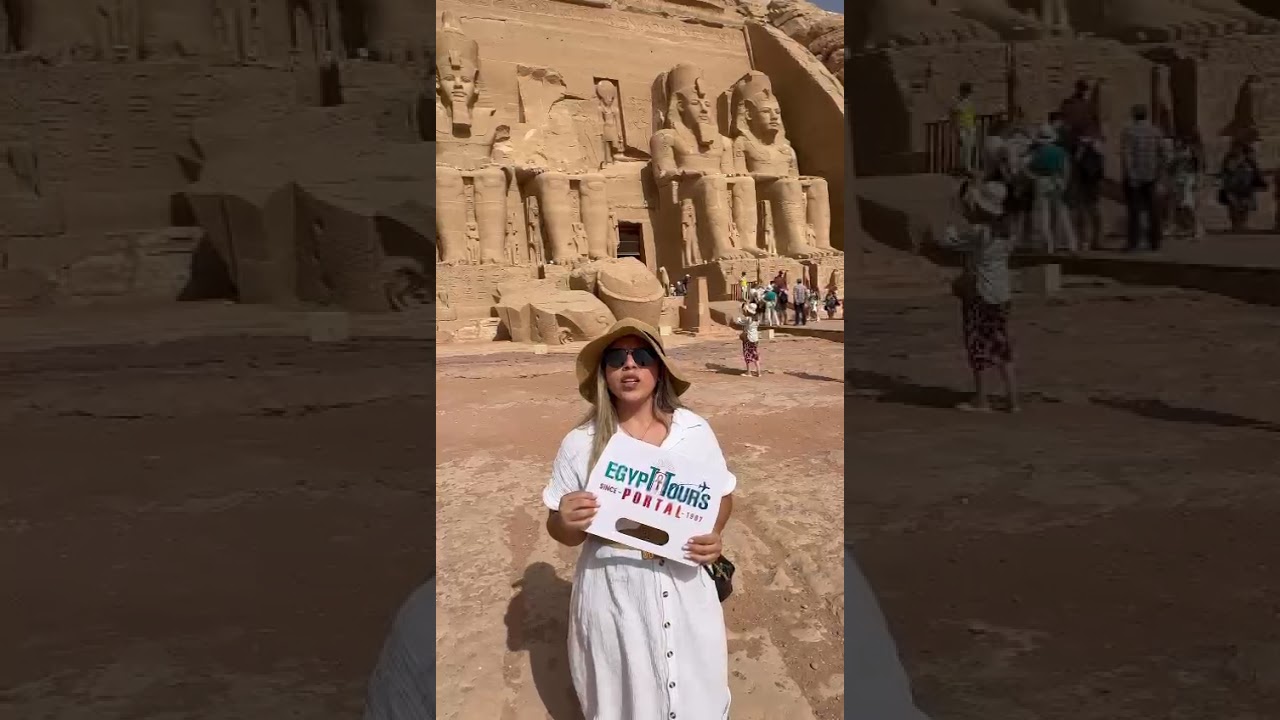
A day trip to Abu Simbel, Ramesses II's twin temples roughly 230 kilometers south of Aswan, remains worthwhile too, though an early departure matters here more than at any other point in the year.
The Awesome Experience & Activities to Do Onboard the Nile Cruise

Shipboard life leans harder into shade and water once April's afternoon heat sets in. The sun deck stays the social hub of the morning and evening, but the pool, where the ship carries one, becomes the obvious midday draw, and the air-conditioned lounge sees noticeably more use in the early afternoon than it did during the cooler months earlier in the season.
Meals continue running buffet-style, mixing Egyptian dishes with international standards, a pattern covered further in the guide to food and beverage onboard Nile cruises.
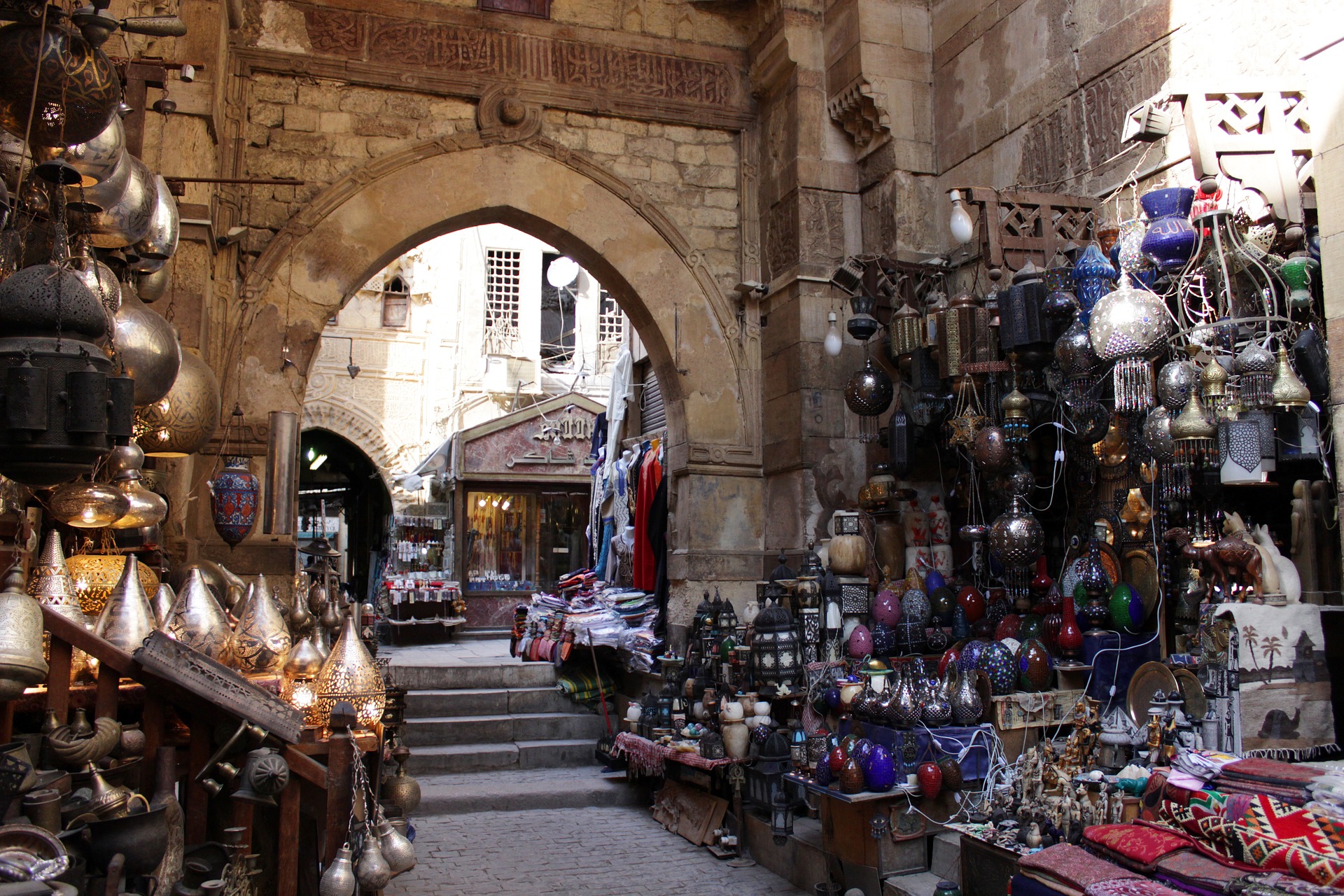
Evening programming still includes the usual mix, a Galabeya party with traditional dress bought onboard or in a riverside market, and, on larger ships, a Tanoura show, the spinning Sufi-influenced performance that has become a fixture of Nile cruise evenings.
What changes in April is simply when passengers actually want to be outside: post-sunset, once the day's heat has broken slightly, draws a fuller sun deck than the early afternoon does. A cruise sailing near the very end of April, close to the transition into Egypt's low season, sometimes carries a smaller passenger count overall, which tends to make onboard spaces, the pool included, feel less crowded than the same ship earlier in the winter.
What to Pack for Nile Cruise in April

April's packing list is built entirely around heat management. Lightweight, breathable fabrics, cotton and linen especially, matter more this month than at any earlier point in the season, and a wide-brimmed hat, high-SPF sunscreen, and sunglasses move from optional to essential given the strength of the midday sun.
The standard temple dress code still applies everywhere on the route, detailed further in the do's and don'ts of Egypt: shoulders and knees covered, regardless of the heat, which makes breathable long-sleeve options genuinely more comfortable than tight short sleeves under direct sun. A refillable water bottle belongs in every day bag, since dehydration risk climbs sharply once temperatures pass the mid-30s.
Closed-toe walking shoes remain the better choice over sandals at every stone site, and travelers packing for an early-April sailing should still bring one light layer for cooler evenings, a layer that becomes largely unnecessary by the time the calendar reaches late April. The full seasonal packing breakdown in the site's guide to what to pack for a Nile cruise covers the rest of the list in more detail.
Tips for Travelers During a Nile Cruise in April

1. Book excursions for first thing in the morning
Every major site on the route, Karnak and the Valley of the Kings especially, is genuinely a different experience at 7 a.m. than at 1 p.m. in April. Ask about early departure options when booking, particularly for Abu Simbel's longer round trip.
2. Choose an early-April sailing if heat tolerance is a real concern
The gap between early- and late-April temperatures is roughly 4°C on both ends of the day. A traveler sensitive to heat gets a meaningfully easier trip by booking the first half of the month rather than the second.
3. Watch for the last of the Khamsin season
Dusty, wind-driven days grow rarer as April progresses, but an early-month sailing can still catch one. A light scarf that covers the nose and mouth turns an occasional dusty afternoon into a minor inconvenience rather than a lost excursion.
4. Treat April as a value window before summer's low season
Fares generally continue easing through the month, a trend that carries into summer's genuinely low prices. April threads the needle between that lower cost and weather that is still, for most of the month, manageable, a balance the guide to the best time to visit Egypt covers across the full calendar year.
5. Carry cash and keep hydration front of mind
Egyptian pounds remain necessary for markets, small vendors, and standard gratuities, covered fully in the guide to tipping in Egypt. Alongside that, treat a bottle of water as a permanent fixture in any day bag once excursions move outdoors, a habit that matters more in April than in any month prior in the season.
The essential trip information guide covers the remaining logistics worth confirming before departure, and full details on reserving a cabin are in the guide to how to book a Nile cruise.
How to Choose the Best Nile Cruise in Egypt
Looking to board the best Nile cruise in Egypt? Through our article, you will know how to choose the best Nile cruises in Egypt. Read more!!!
Explore The Majesty of Upper Egypt In April Onboard a Nile Cruise
Nile River Cruises in April ask for one trade: heat in exchange for space, value, and a calendar free of competing holidays. Handled with an early alarm clock and a well-packed sun hat, it delivers a version of the Nile that feels distinctly less crowded than the months before it, migratory birds skimming the water at dawn included.