Summary
- Luxor, built on the site of ancient Thebes, sits on the Nile roughly 670 km south of Cairo and 220 km north of Aswan, and served as the New Kingdom's capital from the 16th to 11th century BC.
- The East Bank holds the living city and its great temples, Karnak and Luxor Temple, while the West Bank preserves the Valley of the Kings, Valley of the Queens, and Hatshepsut's Temple.
- Essential attractions include Karnak, Luxor Temple, the Valley of the Kings, Colossi of Memnon, Medinet Habu, the Ramesseum, and the Luxor Museum, with day trips to Dendera, Abydos, Edfu, and Kom Ombo close by.
- A hot air balloon ride at dawn and a Nile sunset sail rank among Luxor's most memorable experiences, alongside the Karnak sound and light show.
- The best time to visit is November through early March, avoiding summer highs that regularly exceed 40C; three to four days allow a thorough visit to both riverbanks.
Luxor holds the power of the sun, able to give life and awaken the sense of beauty and wonder in the soul who wishes to cross the boundaries of time and space to witness the glory of Ancient Egypt in the most spectacular fashion. The main goal of this article is to offer every traveler the facts and information about the legendary city of Luxor. This article was written by a group of very skilled and professional tour guides, tour operators, and travel consultants who know all the details about the magical city of Luxor. Luxor is the home of ancient Thebes, one of the oldest and most inhabited cities on earth, the capital of the pharaohs in Ancient Egypt, during the height of their power from the 16th to 11th centuries B.C which explains why it became known as the city of immortal royalty.
Luxor, the city of a hundred doors, is considered by many to be a true embodiment of the ancient Egyptian religion and the globe’s greatest open-air museum, as it holds some of the most majestic temples such as the Valley of the king, the Karnak Temple, Queen Hatshepsut Temple, and Luxor Temple, which holds some of the most extraordinary monuments and artifacts. Luxor is located in the south of Upper Egypt, on the east bank of the Nile River and part of the ancient city of Thebes. Luxor was considered to be a very important city during the Old Kingdom and the capital of Egypt during the New Kingdom.
The Majestic Location of the Marvelous City of Luxor
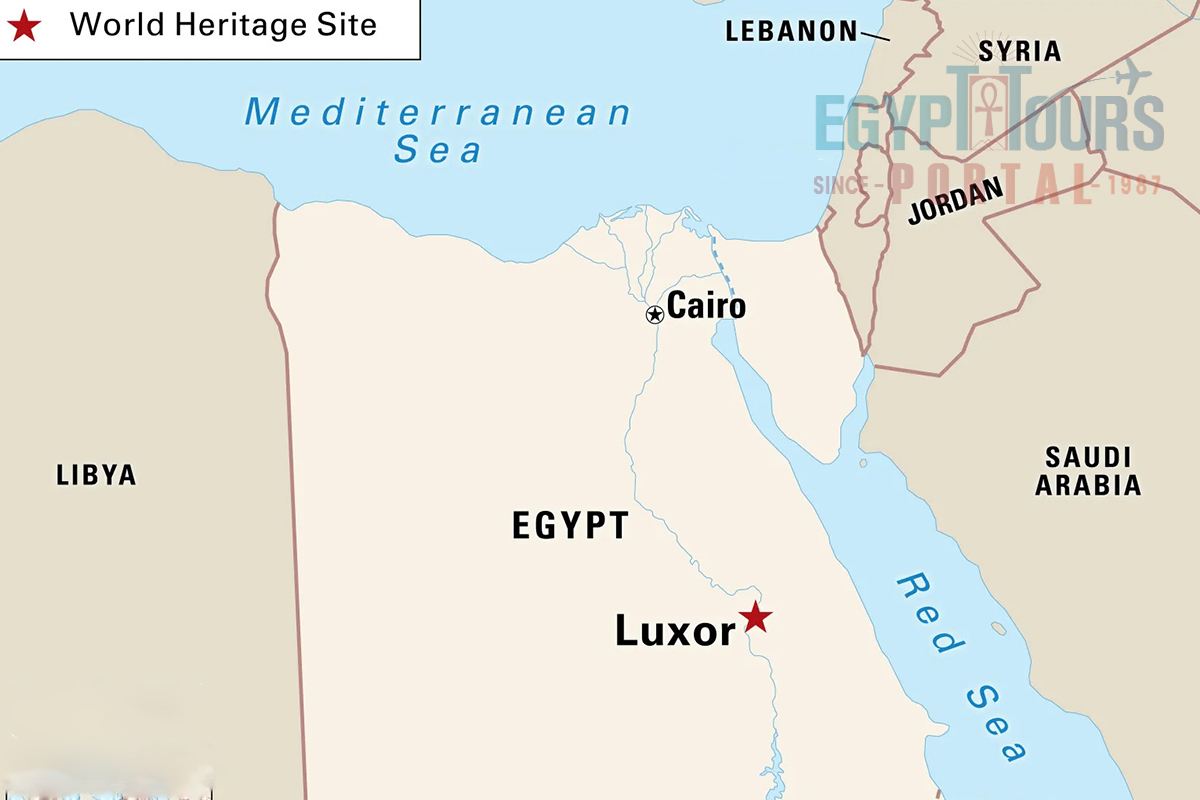
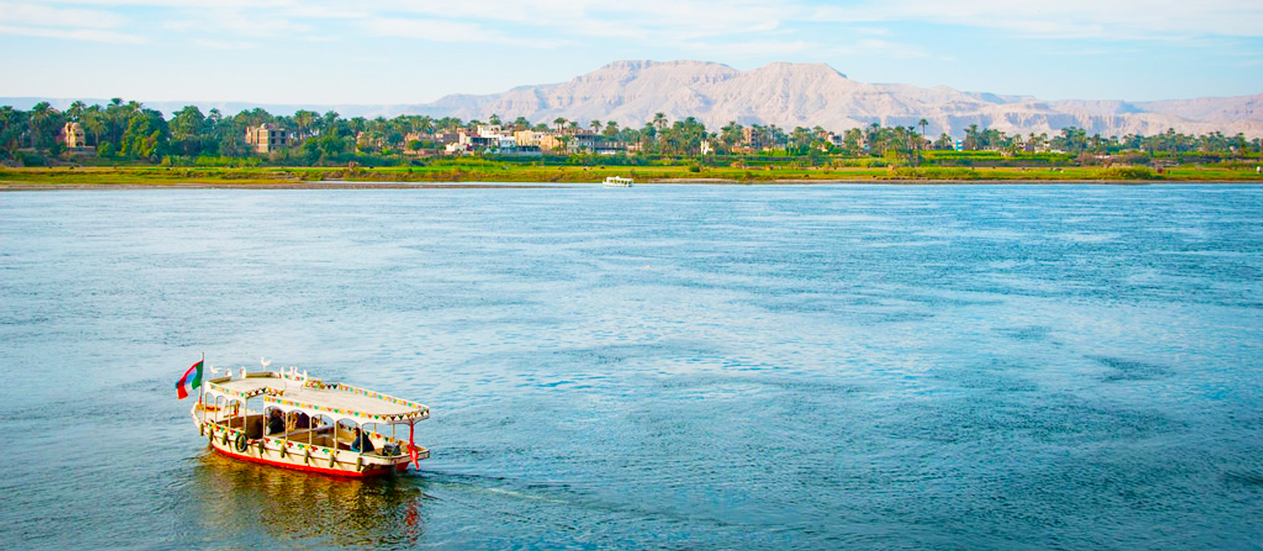
Luxor is the capital of Luxor Governorate in Upper Egypt, sitting on the Nile's east bank roughly 670 kilometers south of Cairo and about 220 kilometers north of Aswan. The city proper covers about 43 square kilometers and, as of the 2023 census, was home to just under 285,000 residents, though the wider governorate holds considerably more. The Nile River splits Luxor into two very different halves: a modern East Bank built for the living, and a West Bank set aside, since antiquity, for the dead.
Luxor sits well within Upper Egypt's hot desert belt, and its position on the Nile floodplain has made the surrounding land fertile enough to support agriculture for thousands of years, even as the city around it filled with some of the most studied ruins on the planet.
The Origins of the Name "Luxor"
Ancient Egyptians called the city Waset, sometimes rendered "Nut," meaning roughly "city of the scepter." Greek settlers later renamed it Thebes, or Diospolis, a name that stuck in Western histories for centuries afterward, while Coptic speakers knew it as Pape. The modern name Luxor descends from Arabic al-Uqsur, the plural of qasr, meaning "the palaces" or "the forts", a reference to the temple ruins early Arab settlers mistook for fortified palaces, and possibly a distant echo of the Latin castrum, or fortified camp. Locals still sometimes call it the "City of a Hundred Doors," a nod to how many temple gateways once opened onto its streets.
Luxor: A Vital Living Window Into Ancient Egypt
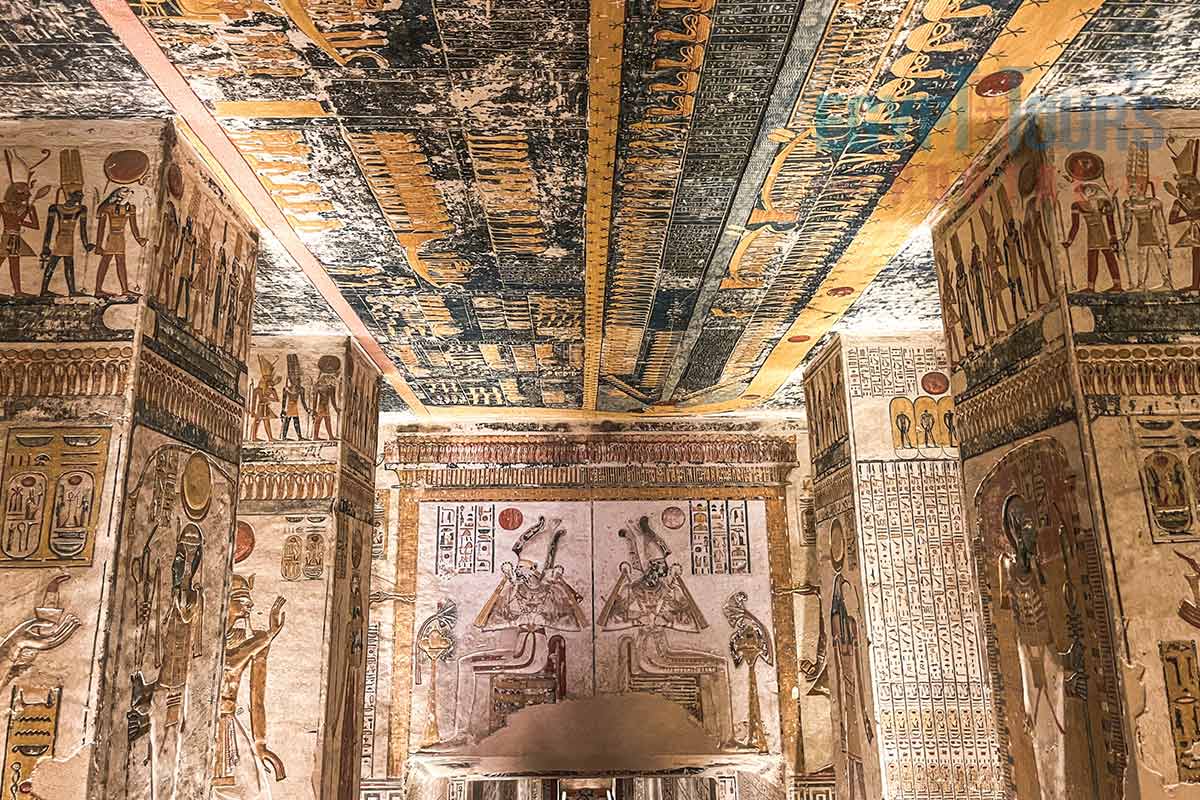
Luxor is more than a collection of temples and tombs. It is a continuously inhabited city where ancient Egyptian, Greek, Roman, Coptic, Islamic, and modern history exist side by side.
Its monuments preserve the legacies of Montuhotep II, Amenhotep III, Akhenaten, Tutankhamun, Hatshepsut, Thutmose III, Seti I, Ramesses II, Nefertari, Alexander the Great, and countless priests, craftsmen, architects, artists, and workers.
The East Bank tells the story of ancient Egyptian deities, kingship, ceremonies, and the world of the living. The West Bank reveals beliefs about death, resurrection, eternity, and the afterlife.
Together, they explain why ancient Thebes became the capital of an empire, the center of Amun’s worship, and one of the greatest cities of the ancient world.
Even after thousands of years, Luxor continues to surprise historians, archaeologists, and travelers with new discoveries, preserved monuments, and extraordinary evidence of Egypt’s enduring civilization.
The Incredible Climate of Luxor
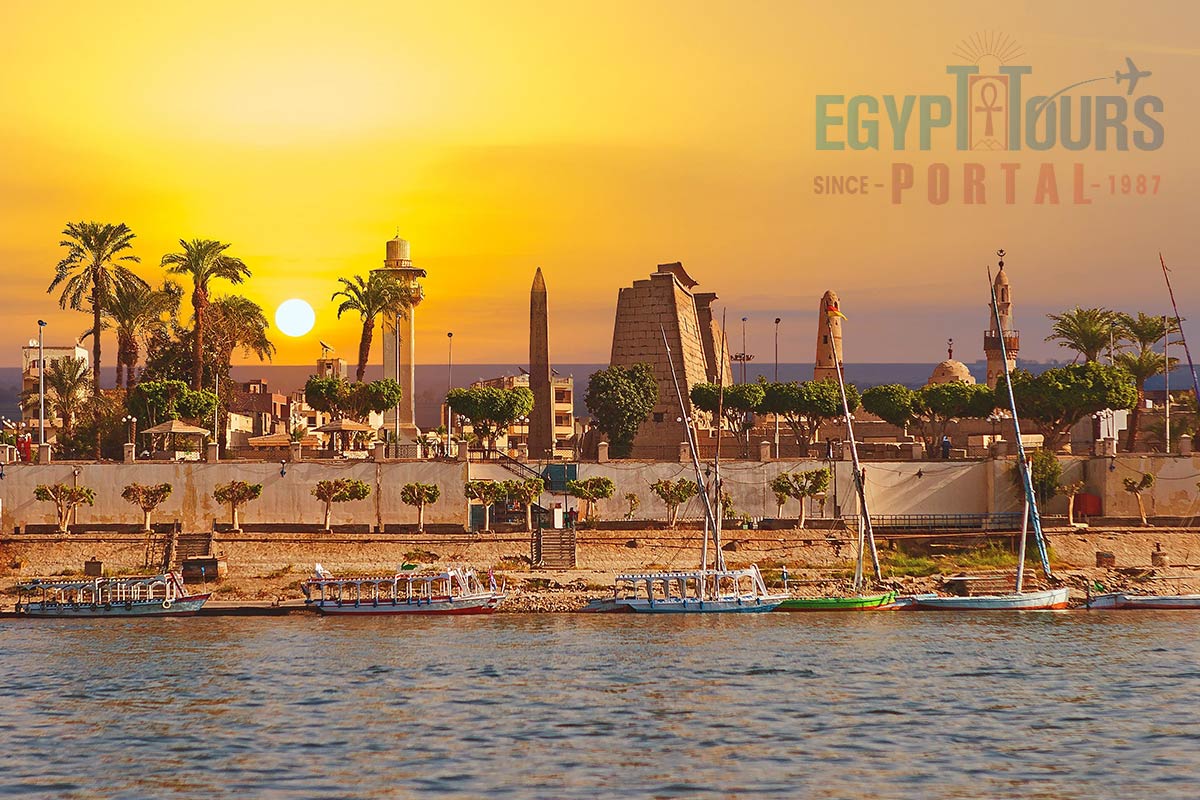
The climate in Luxor is quite sunny and hot, with average temperatures of 40 C (104 F) in the summer months and 22 C (71.6 F) during the winter months. The city has millions of visitors from all over the world to witness all the incredible wonders within this heavenly city.
Learn of the Transformative History of Luxor
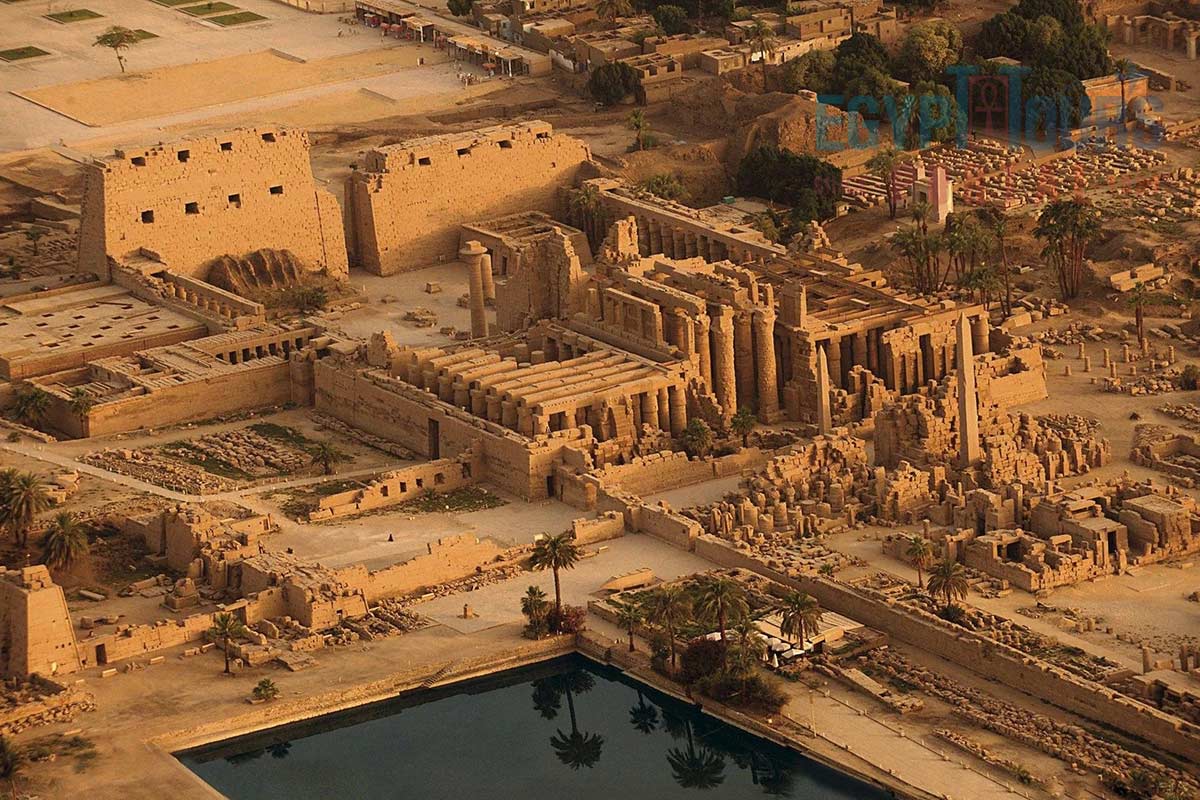
Ancient Luxor was known as Thebes, a name traditionally associated with the “City of a Hundred Gates.” It was also called the City of Amun because it became the principal worship center of the Theban Triad:
- Amun-Ra, the creator and sun god
- Mut, his wife and the goddess associated with truth, justice, and divine motherhood
- Khonsu, their son and the god of the moon
Thebes was regarded as the earthly home of Amun and a physical expression of the relationship between the king, the royal family, and the gods. Amun eventually became one of the most powerful deities in Egypt and was frequently described as the “King of the Gods.”
The connection between Amun and Egyptian royalty was particularly strong. Some Egyptian queens promoted traditions of divine birth, presenting Amun as the divine father of their royal children and using this sacred relationship to reinforce the legitimacy of future rulers.
Karnak Temple became the official center of Amun’s worship. The enormous religious complex contained temples, sanctuaries, ceremonial spaces, and individual shrines dedicated to Amun-Ra, Mut, Khonsu, and many other Egyptian gods.
Luxor During the Old and Middle Kingdoms
Luxor had already served as an important provincial and administrative center during the Egypt Old Kingdom. However, its political influence increased significantly after the collapse of the Old Kingdom and during the period of division known as the First Intermediate Period.
The city’s major rise began under Montuhotep II, who reunified Egypt during the 11th Dynasty and elevated Thebes from a relatively minor Upper Egyptian settlement into a city of considerable political importance.
Thebes became especially influential during the 11th Dynasty in the early Egypt Middle Kingdom, traditionally dated in the supplied material from approximately 2050 to 1652 BC, and remained important during the 12th Dynasty, dated from approximately 1938 to 1756 BC.
Although Thebes had mattered during the Old Kingdom and continued to develop throughout the Middle Kingdom, nothing equaled the scale of political power, religious activity, and monumental construction that arrived during the New Kingdom.
Ancient Thebes: Capital of the New Kingdom
Luxor reached its greatest level of influence during the Egypt New Kingdom, particularly under the pharaohs of the 18th, 19th, and 20th Dynasties, who ruled from roughly the 16th to the 11th century BC.
Thebes became the political, religious, military, and ceremonial capital of a vast Egyptian empire that extended south into Nubia and northeast toward the Levant. The city became known as the City of the Gods, while Karnak functioned as the country’s most important religious center.
From the 18th through the 20th Dynasty, numerous kings and queens commissioned temples, chapels, shrines, statues, obelisks, tombs, and ceremonial avenues to honor the gods and preserve their royal legacies.
The growing power of Amun also resulted in his association with the sun god Ra. The two deities were combined as Amun-Ra, who became one of the most important gods of the New Kingdom and was worshipped extensively at the Karnak Temples Complex.
The Pharaohs Who Built Luxor
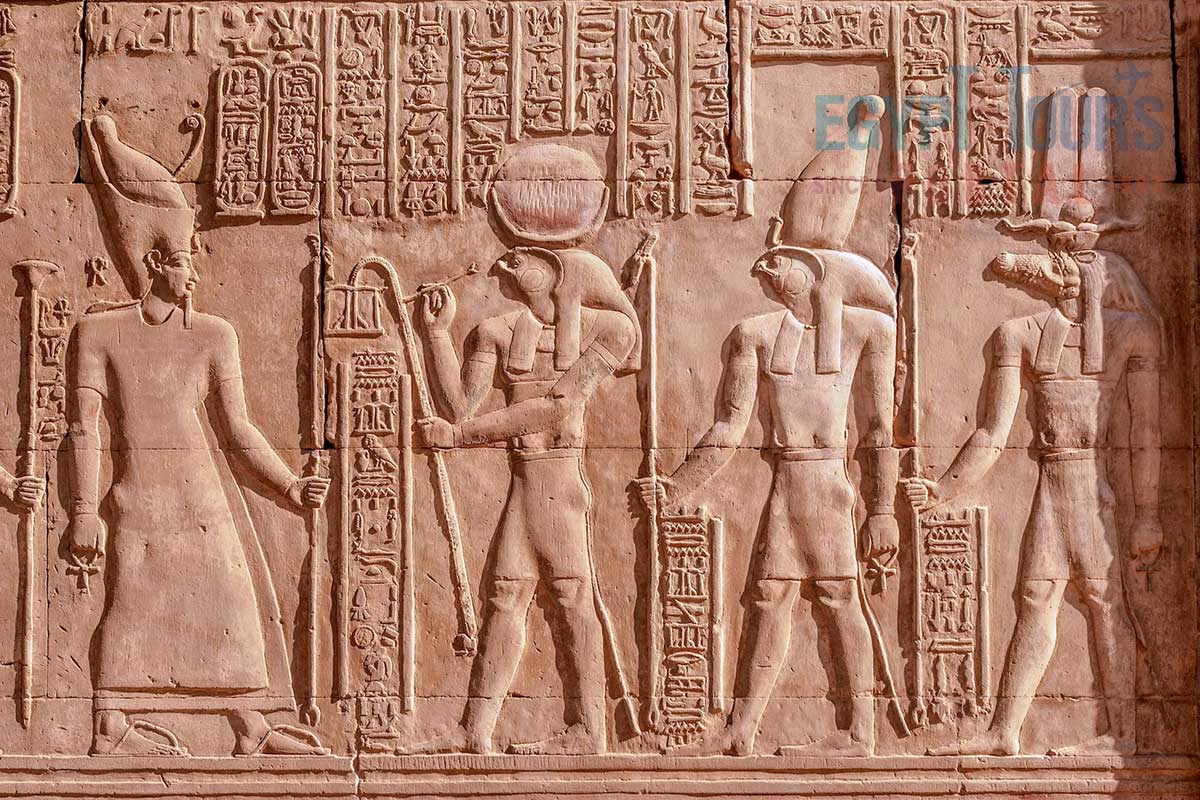
Almost every major monument in Luxor carries the name or architectural influence of an Egyptian ruler.
Amenhotep III
Amenhotep III was one of the most important builders in ancient Thebes. During the late 18th Dynasty, around 1400 BC, he founded much of Luxor Temple as a sacred monument associated with Amun, Mut, and Khonsu.
The temple was closely connected with kingship, royal rejuvenation, religious ceremonies, and the annual Opet Festival, during which sacred images of the Theban Triad travelled ceremonially between Karnak and Luxor Temple.
Amenhotep III also constructed an enormous mortuary temple on the West Bank. Most of the complex has disappeared, but the monumental Colossi of Memnon still stand at its entrance. These two massive seated statues once guarded one of the largest temple complexes ever built in ancient Egypt.
Akhenaten
Amenhotep III’s son, Akhenaten, ruled from approximately 1353 to 1336 BC and attempted one of the most dramatic religious transformations in Egyptian history.
He reduced the traditional influence of Amun and promoted the worship of the Aten, represented as the visible disc of the sun. Akhenaten moved the royal capital away from Thebes to a newly established city at Amarna and attempted to make Atenism the dominant religion of Egypt.
His religious program has often been described as an early form of monotheism. However, it failed to survive his reign and eventually collapsed during a period of political, religious, and social unrest.
Tutankhamun
Akhenaten’s young successor, Tutankhamun, ruled from approximately 1332 to 1323 BC and died at around nineteen years of age.
Tutankhamun reversed many of Akhenaten’s policies, restored the traditional gods, reopened the temples, and returned religious authority to Amun and the priesthood of Thebes.
Although he played an important role in restoring Egypt’s traditional religion, Tutankhamun is now best known for the discovery of his nearly intact tomb in the Valley of the Kings. Howard Carter uncovered the tomb in 1922, revealing approximately 5,000 artifacts, including the king’s famous golden funerary mask.
Queen Hatshepsut
Queen Hatshepsut, who lived from approximately 1507 to 1458 BC, commissioned one of Luxor’s most remarkable architectural monuments.
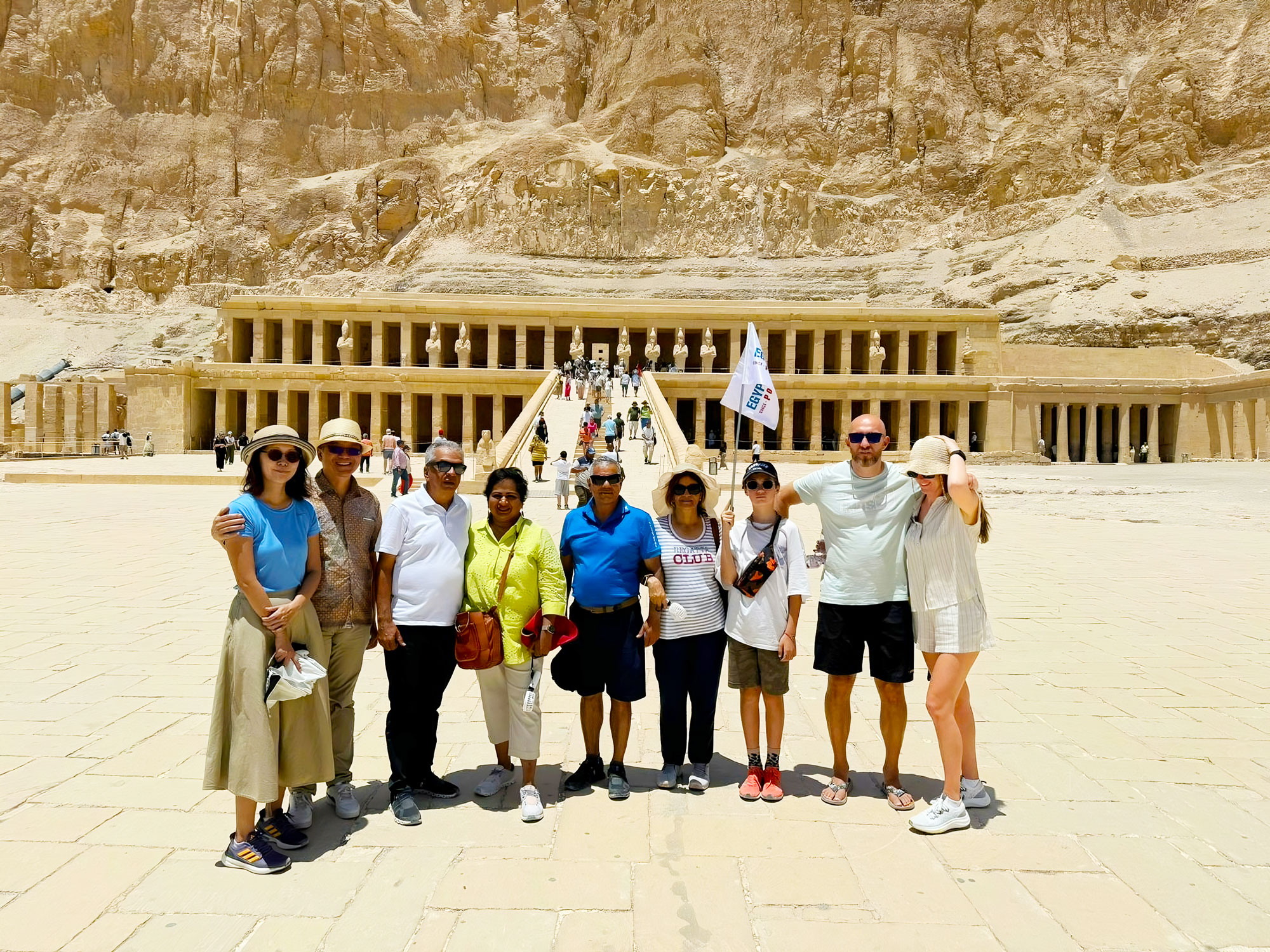
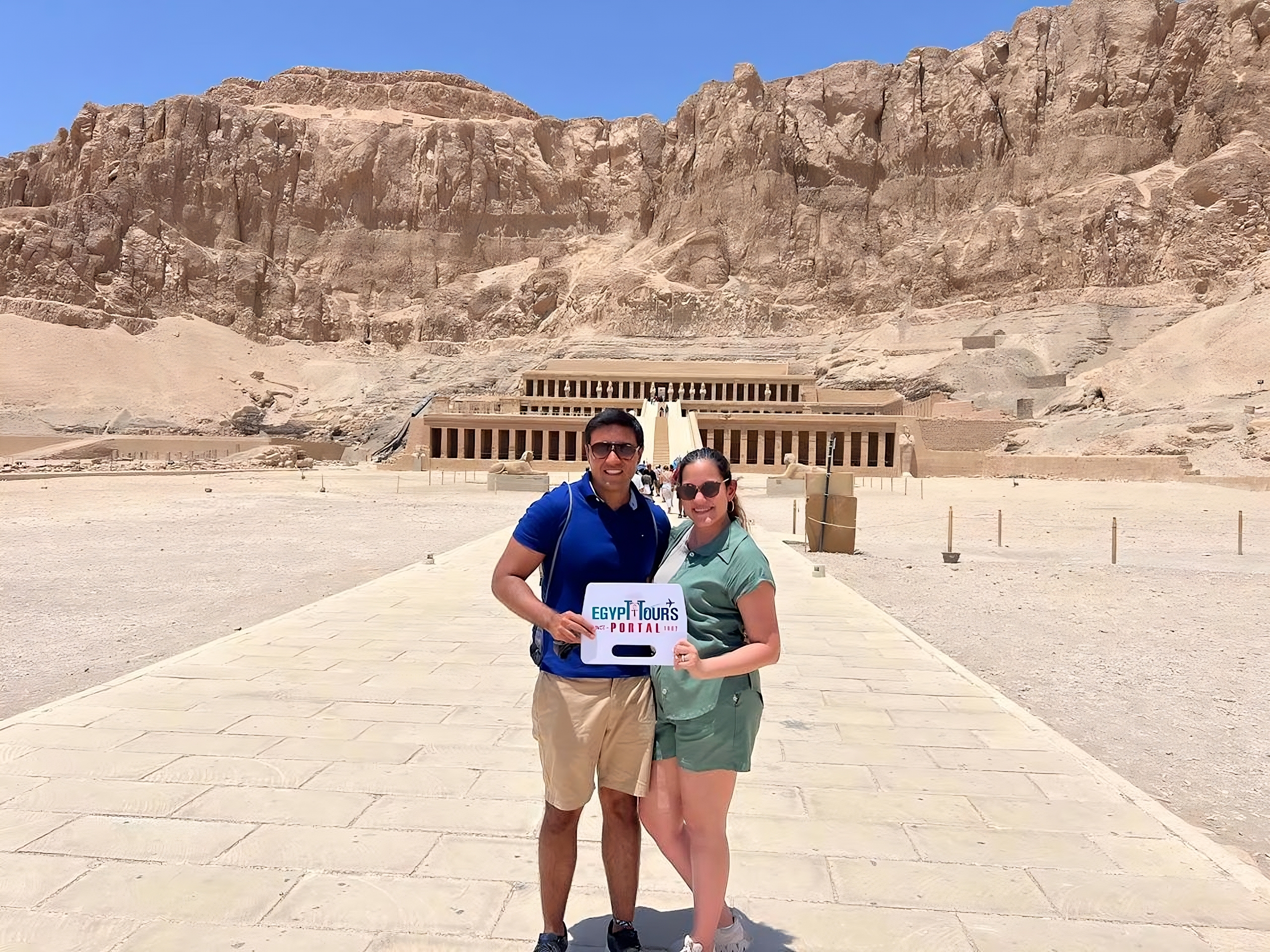
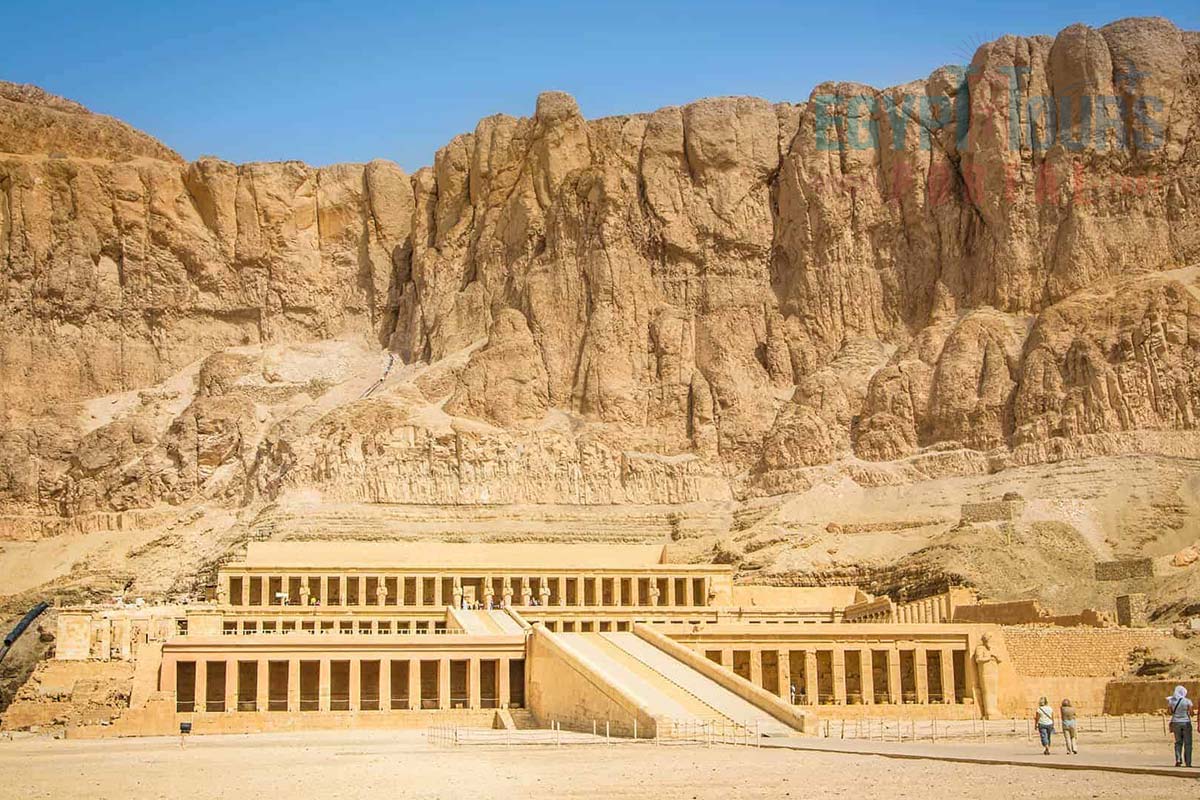
Her mortuary temple at Deir el-Bahari was constructed against the limestone cliffs of the West Bank. Its terraces, ramps, colonnades, reliefs, and symmetrical design reflect the artistic achievement and classical architecture of the 18th Dynasty.
The Temple of Hatshepsut was designed to celebrate her reign, religious authority, divine birth, trading expeditions, achievements, and relationship with Amun.
Ramesses II
Ramesses II, also known as Ramesses the Great, ruled from 1279 to 1213 BC and added significantly to Luxor’s monumental landscape.
He expanded the Luxor Temple, erected statues and architectural additions, and built the Ramesseum, his enormous mortuary temple on the West Bank. His monuments were designed to preserve his image as a victorious king, powerful builder, and divinely supported ruler.
Ramesses II constructed extensively throughout Egypt, but his influence remains especially visible in Luxor.
Queen Nefertari
Queen Nefertari, the principal wife of Ramesses II, was buried in the Valley of the Queens. Her tomb is famous for containing some of the finest surviving wall paintings in Egypt. Its colorful religious scenes, astronomical imagery, divine figures, and funerary texts present Nefertari’s symbolic journey into the afterlife.
Thutmose III and Other New Kingdom Rulers
Numerous other rulers were buried in the royal necropolis surrounding Luxor, including Thutmose III, Seti I, Ramesses IV, and many kings from the 18th, 19th, and 20th Dynasties.
The Valley of the Kings contains 63 traditionally numbered royal tombs associated with rulers and members of the New Kingdom elite. These include the tombs of Tutankhamun, Thutmose III, Seti I, Ramesses II, Ramesses IV, and many others.
Members of the royal family, including Queen Nefertari, were also buried in the nearby Valley of the Queens.
Seti I and Abydos
Seti I, father of Ramesses II, commissioned monuments in Luxor and elsewhere in Egypt. His great temple at Abydos, located north of Luxor and commonly visited as a day trip from the city, is one of the finest surviving temples from the New Kingdom.
The temple is especially famous for its reliefs, chapels, royal inscriptions, and the Abydos King List.
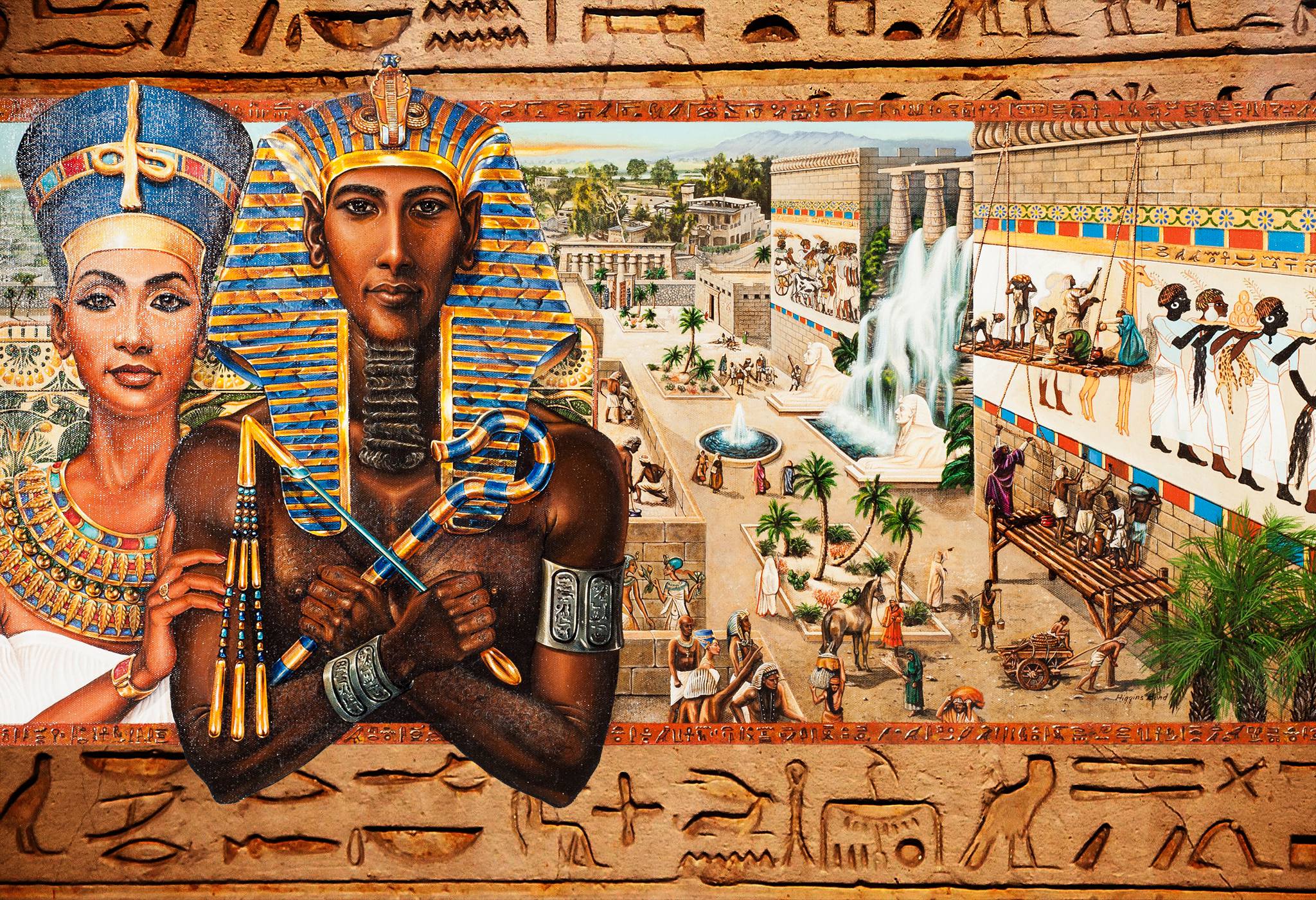
Ancient Egyptian Pharaohs & Rulers
The history of ancient Egyptian pharaohs started in 3400 B.C until 335 B.C. There are 30 Dynasties ruled Egypt throughout the four kingdoms.
Luxor Through the Greek, Roman, Coptic, and Islamic Eras
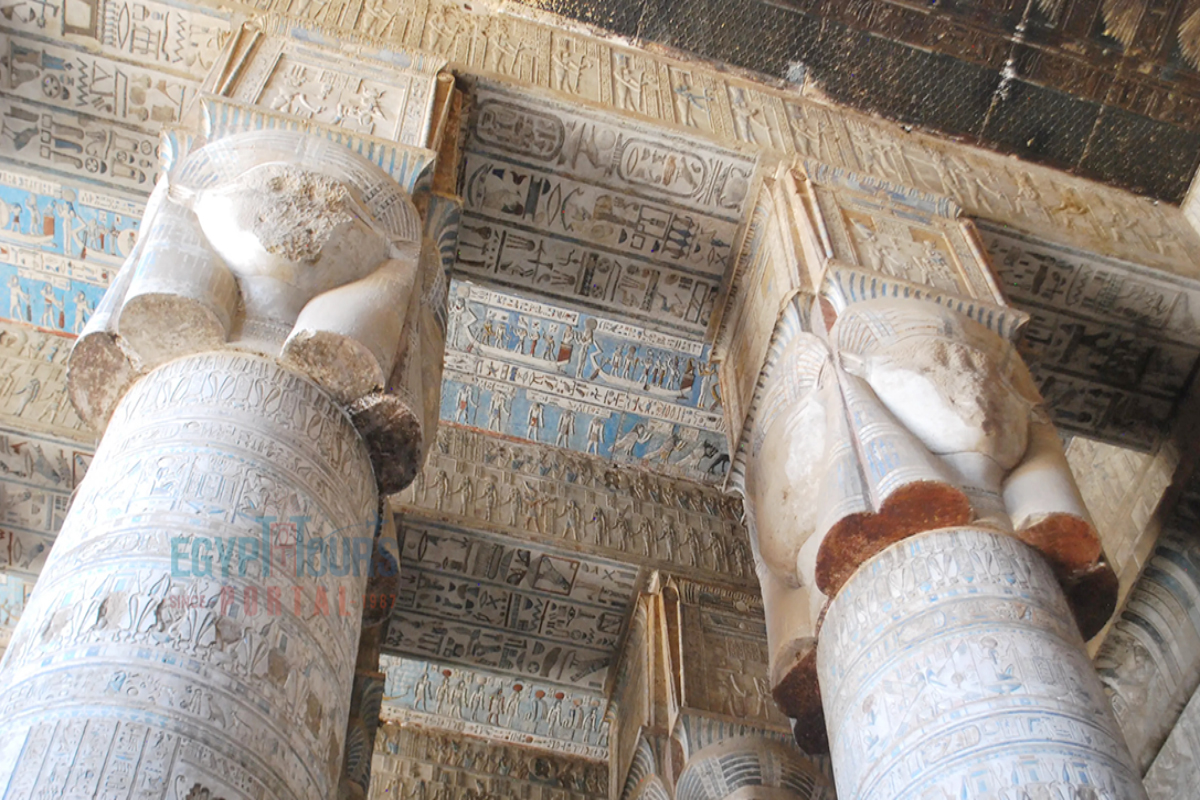
Luxor’s ancient Egyptian identity did not disappear when later civilizations arrived. During the Greek and Roman periods, temples continued to be used, altered, repaired, and adapted. Roman structures and military installations appeared around older Egyptian monuments.
During the Coptic era, churches were built near or inside ancient temple complexes. Christian communities reused portions of older monuments, and traces of Coptic paintings and religious structures remain visible at several sites.
During the Islamic period, mosques and settlements developed around the ancient temples. The Abu Haggag Mosque, built within the area of Luxor Temple, is one of the clearest examples of the city’s continuous occupation across thousands of years.
Despite these transformations, Luxor remained one of the greatest surviving windows into ancient Egyptian history.
The Unique Geography Of the Heavenly City of Luxor
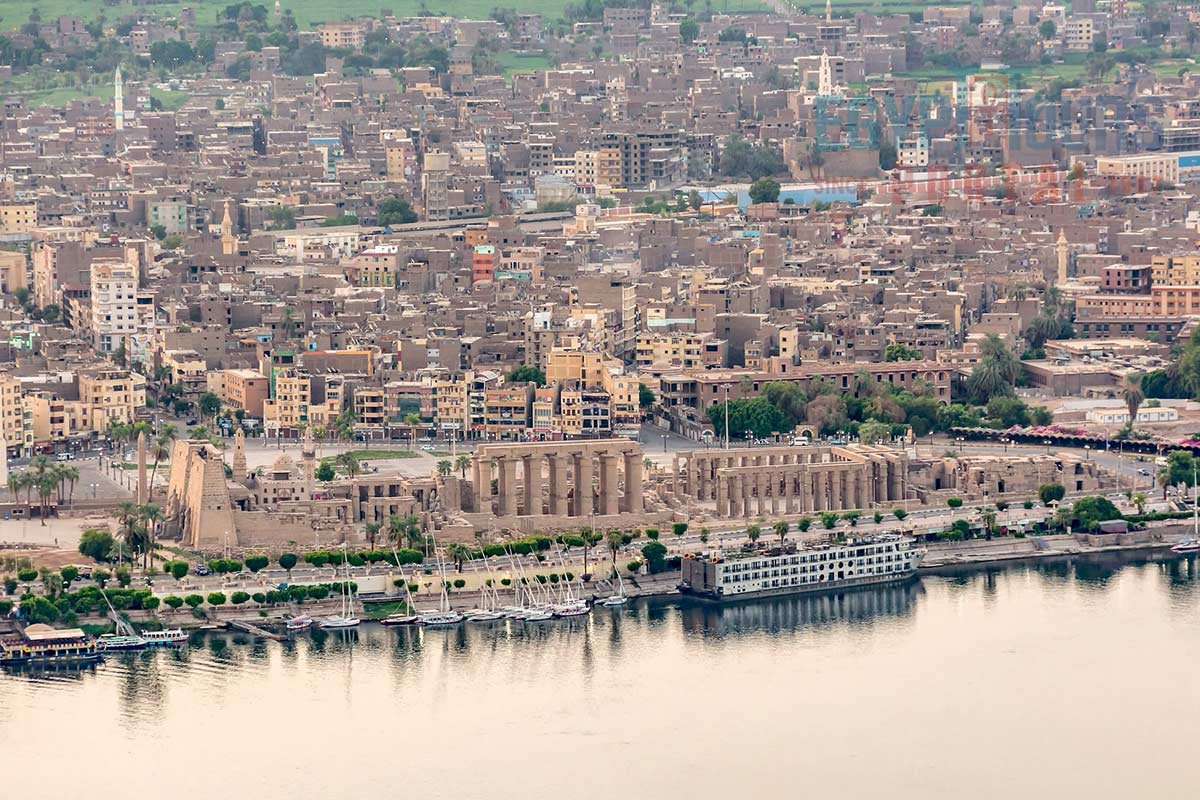
The Nile divides Luxor geographically, but in ancient Egyptian belief, the river also divided the city symbolically.
The East Bank: The Land of the Living
The East Bank was associated with sunrise, renewal, daily life, royal ceremonies, and the world of the living, plus all the means of comfort.
It contains:
- Karnak Temple
- Luxor Temple
- The modern city center
- Most hotels and restaurants
- Luxor Railway Station
- Markets and commercial areas
- Luxor Museum
The temples of Karnak and Luxor were built to honor the gods, celebrate kingship, host religious festivals, and connect the ruler with the divine world.
The West Bank: The Land of the Dead
The West Bank was associated with sunset, death, burial, regeneration, and the afterlife.
Its desert cliffs and hidden valleys contain:
- The Valley of the Kings
- The Valley of the Queens
- The tombs of nobles
- The tombs of royal craftsmen
- The Temple of Hatshepsut
- The Ramesseum
- The Colossi of Memnon
- The mortuary temples of New Kingdom rulers
The West Bank also includes Deir el-Medina, the settlement of the skilled workers and craftsmen who constructed and decorated the royal tombs. Most visitors divide their time between the East and West Banks because neither side alone can provide a complete understanding of Luxor’s history. The West Bank can be reached by bridge, public ferry, private motorboat, or other local transport across the Nile.
Best Attractions in the Divine Golden City of Luxor
Karnak Temple Complex
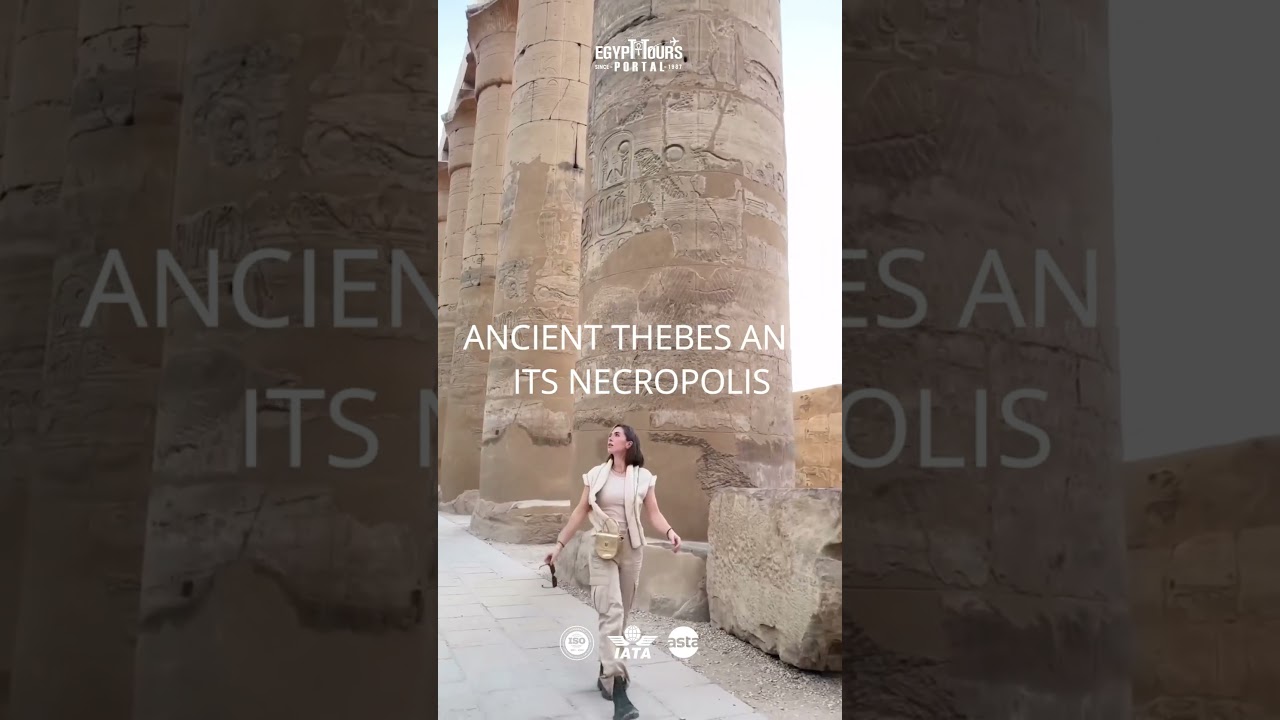
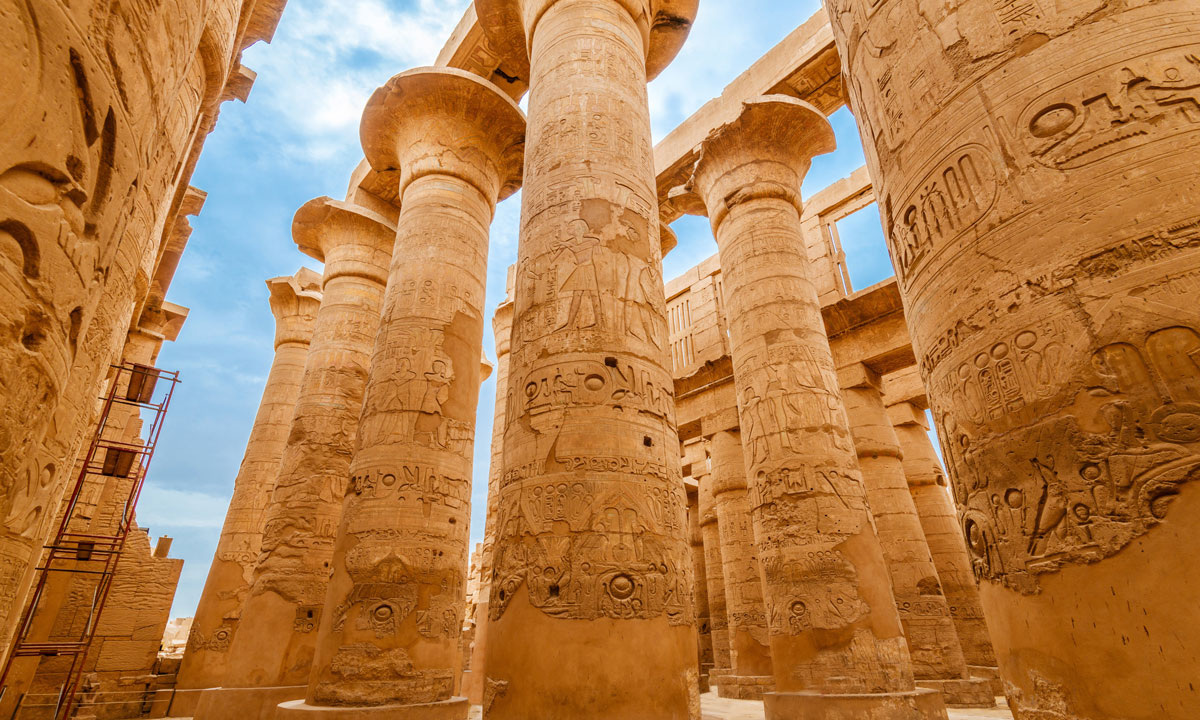
Ancient Egypt's largest religious complex, Karnak Temple began under Senusret I in the Middle Kingdom, around 1971 to 1926 BC, and kept growing for two thousand years, through the New Kingdom and into the Ptolemaic period. Known in antiquity as "Ipet-Isut," or "the chosen holy place," it holds a hypostyle hall of towering papyrus-shaped columns, obelisks, sacred lakes, and enough sanctuaries and kiosks to earn its own reputation as an open-air museum within the open-air museum of Luxor itself.
Luxor Temple
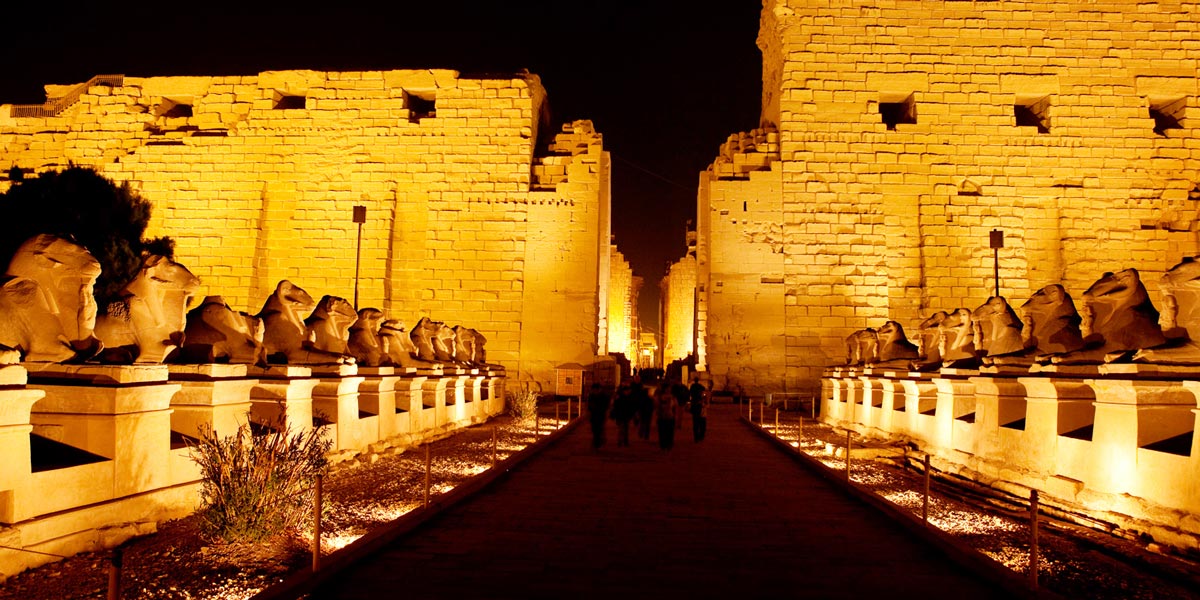
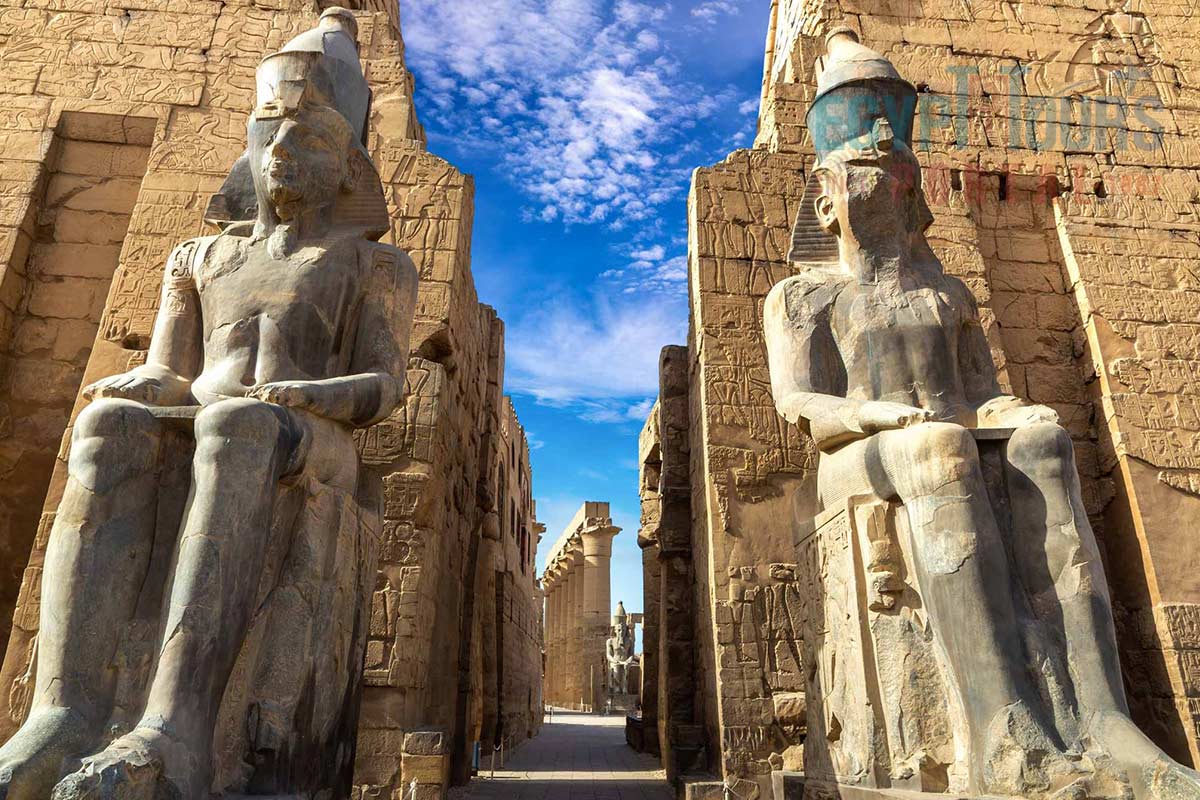
Founded around 1400 BC by Amenhotep III and expanded by Ramesses II, Luxor Temple was known to the ancients as "Ipet-Resyt," the Southern Sanctuary, and served as the ceremonial heart of the annual Opet Festival, when statues of the Theban Triad were carried from Karnak along the connecting Avenue of Sphinxes. Unusually, the temple remained in continuous religious use long after the pharaohs: the Abu Haggag Mosque still stands within its walls today, built directly atop an earlier Coptic church.
Valley of the Kings
For roughly five centuries, from about 1550 to 1070 BC, New Kingdom pharaohs chose this hidden desert valley on the West Bank for their burials rather than pyramids, hoping the isolation would deter looters. The Valley of the Kings now holds 63 known tombs, including those of Ramesses the Great, Thutmose III, and, most famously, Tutankhamun's tomb KV62, still the best-preserved royal burial ever found intact.
Valley of the Queens
A smaller, quieter counterpart to the Valley of the Kings, the Valley of the Queens contains more than 90 tombs belonging to royal wives, princes, and high officials of the New Kingdom. Its finest tomb, that of Nefertari, is celebrated for wall paintings so vivid they remain among the best-preserved decorative art from ancient Egypt.
Temple of Hatshepsut
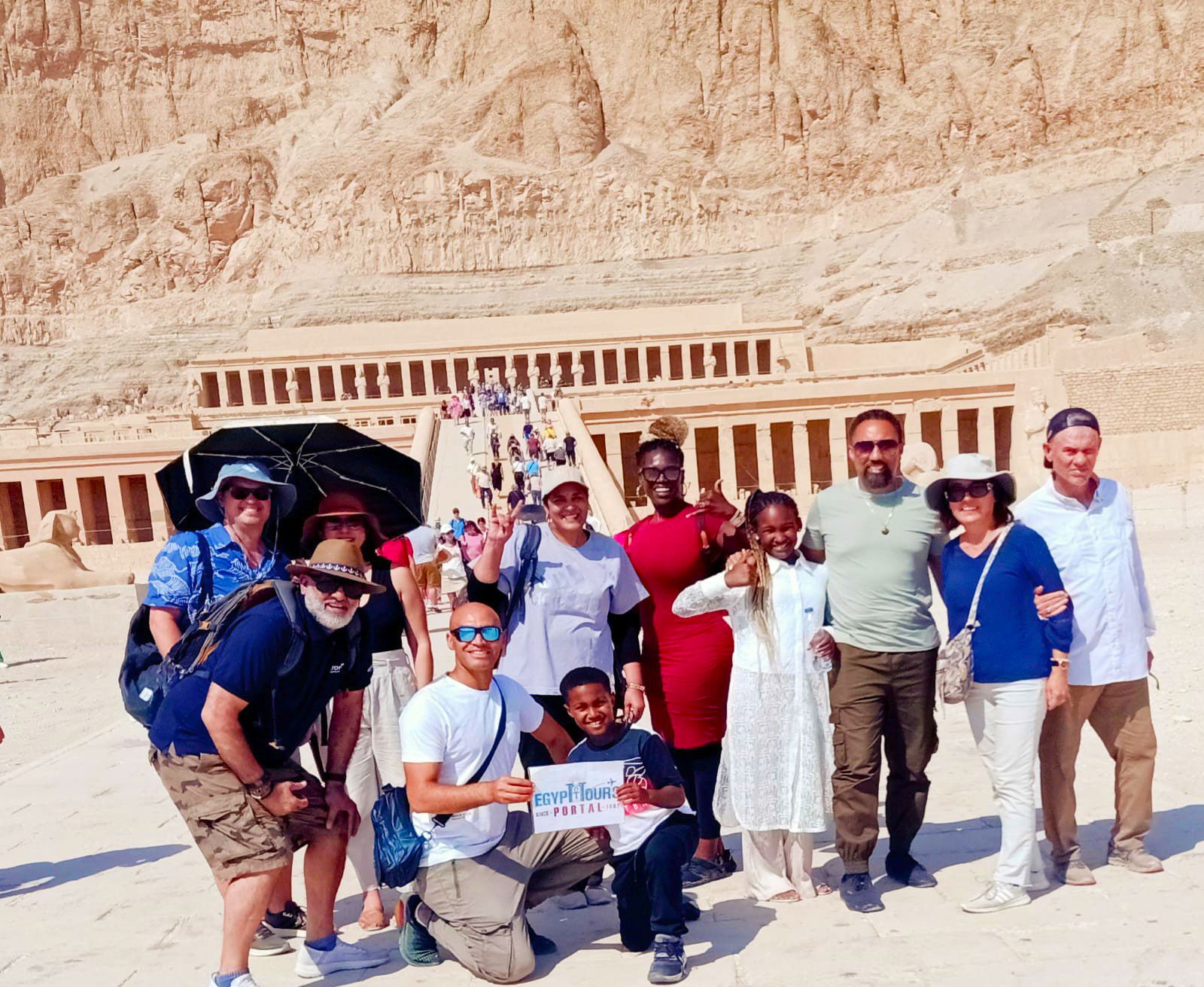
Built into the cliffs at Deir el-Bahari around 1479 BC, the Temple of Hatshepsut rises in three limestone terraces, a design unlike any other pharaonic monument. Its reliefs record an ambitious trading expedition to the Land of Punt, a scene often cited as one of ancient Egypt's most detailed pieces of visual reportage.
Colossi of Memnon
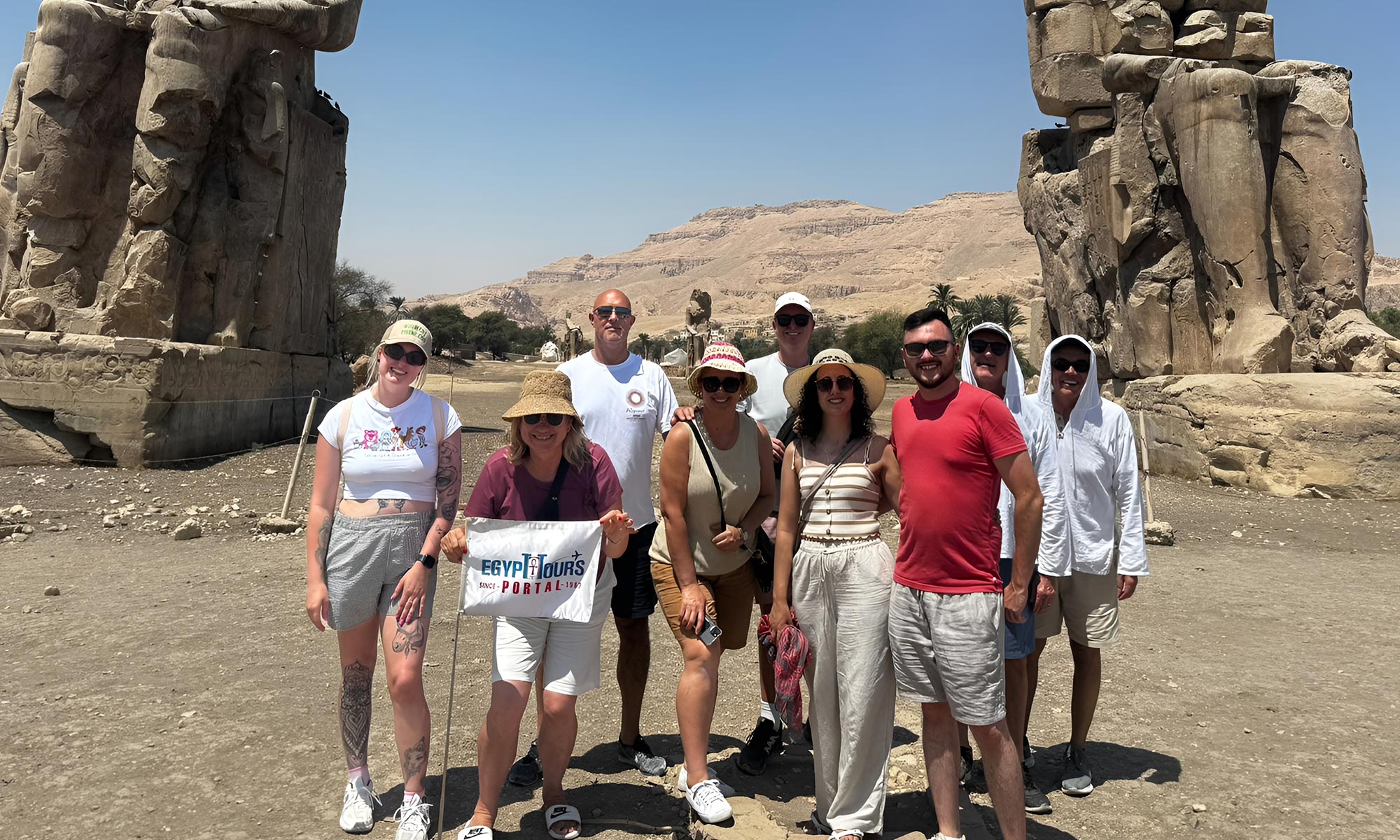
Standing alone in a field where Amenhotep III's mortuary temple once stood, the Colossi of Memnon are two seated statues roughly 18 meters tall, carved from single blocks of quartzite quarried more than 600 kilometers away near modern Cairo and hauled south by river. After an earthquake in 27 BC cracked the northern statue, it reportedly emitted a strange singing sound at dawn for centuries, a phenomenon that gave the colossi their Greek name, tied to the mythical hero Memnon.
Medinet Habu and the Ramesseum
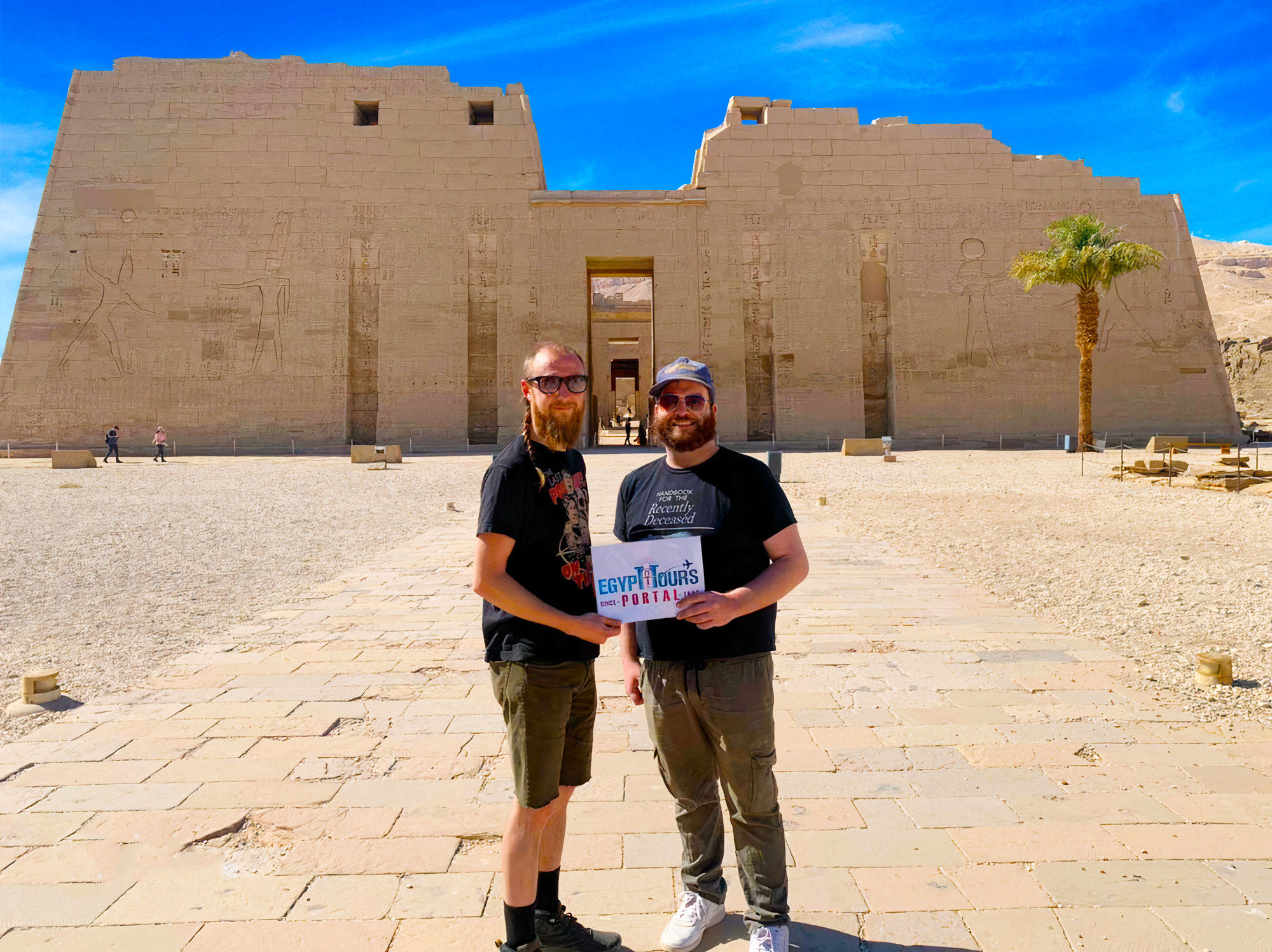
Medinet Habu, the mortuary temple of Ramesses III, built between roughly 1186 and 1155 BC, sits behind fortified mudbrick walls and preserves some of the most vividly painted and best-documented war reliefs in Egypt, depicting his victory over the invading Sea Peoples. A short distance away, the Ramesseum honors Ramesses II with scenes from the Battle of Kadesh and the toppled remains of a colossal statue that inspired Percy Shelley's poem "Ozymandias."
Luxor Museum
Opened in 1975 on the East Bank corniche, the Luxor Museum favors quality over quantity, displaying a tightly curated collection that includes the royal mummies of Ahmose I and Ramses I alongside statuary recovered from the Karnak Cachette. Nearby, the Mummification Museum walks visitors through the actual embalming process step by step, tools and all.
The Quieter West Bank Sites
Beyond the headline monuments, the West Bank rewards travelers willing to go a little further. The Valley of the Nobles holds some 500 tombs belonging to governors, priests, and tax collectors, their walls painted with scenes of ordinary daily life rather than religious ritual. Deir el-Medina, the preserved village of the artisans who carved the royal tombs, offers a rare look at the workers behind the monuments rather than the pharaohs themselves. Travelers with an extra day sometimes continue south to Esna Temple, dedicated to the ram-headed god Khnum.
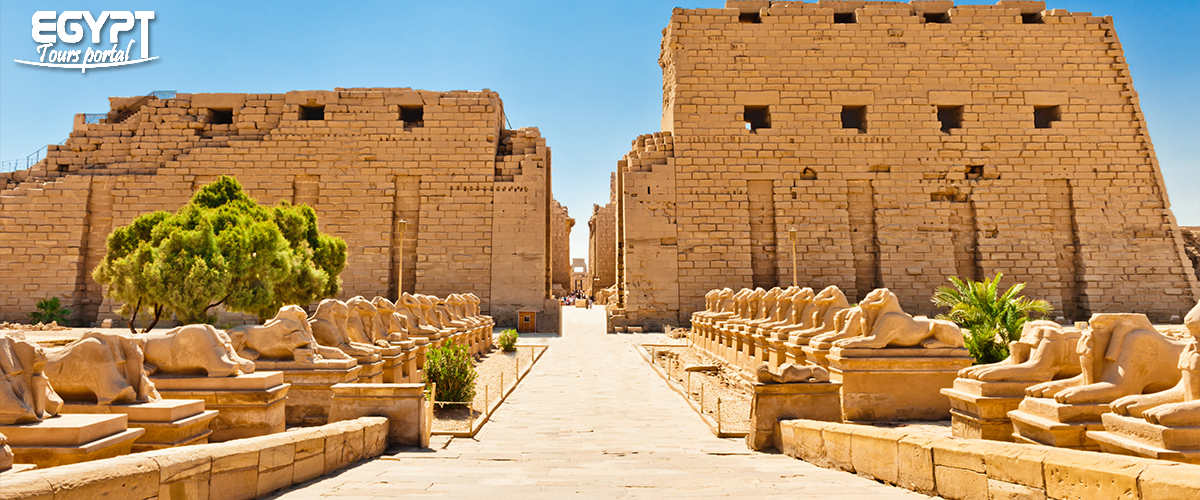
Luxor Tourist Attractions
Discover Luxor tourist attractions, places to visit in Luxor, places to go in Luxor, and the historical sites in this ancient city.
Archaeological Discoveries in Luxor
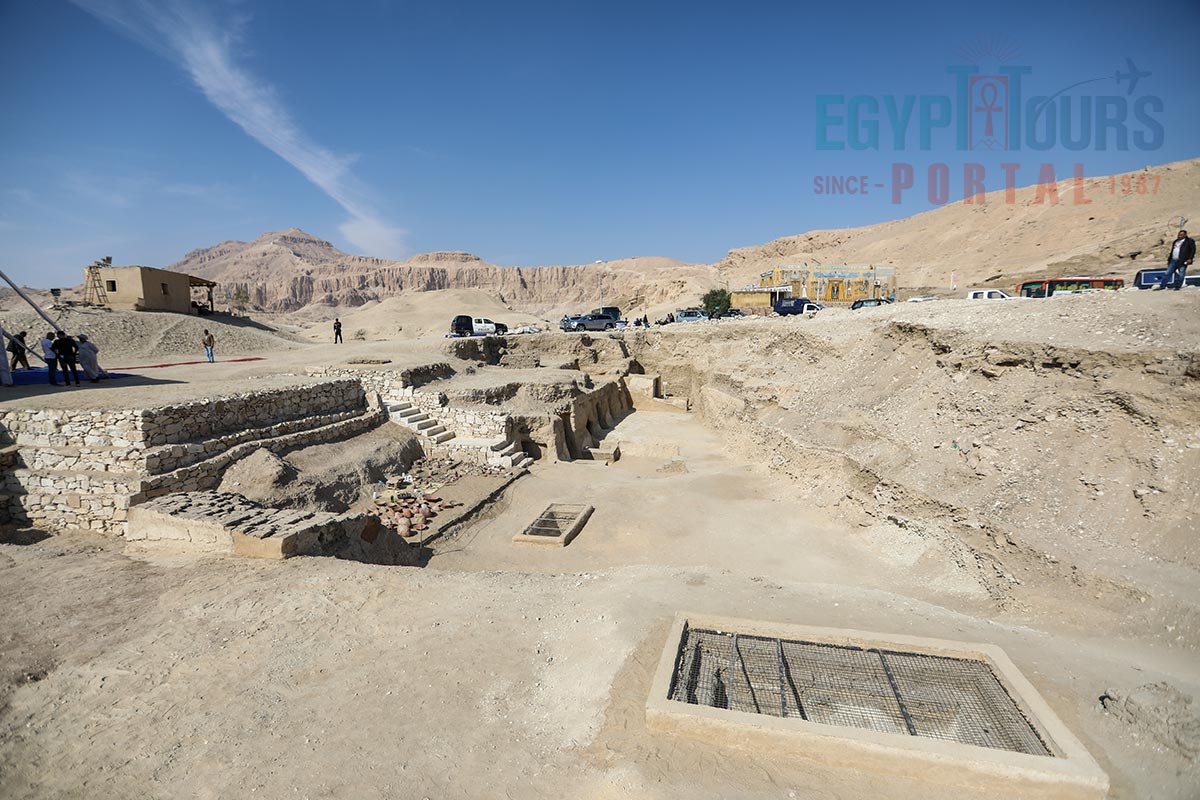
Luxor continues to produce remarkable discoveries. In 1903, archaeologists uncovered the Karnak Cachette, a large collection of buried statues, sculptures, and ritual objects hidden within the Karnak complex. In 1988, the Egyptian Antiquities Organization discovered a group of important 18th-Dynasty statues, adding further evidence to the city’s extraordinary artistic and religious history.
In 2021, archaeologists announced the discovery of the “Lost Golden City” of Aten near Luxor. It was described as one of the largest ancient Egyptian settlements ever uncovered and provided important information about administration, industry, crafts, food production, and everyday life during the reign of Amenhotep III.
In February 2025, archaeologists identified a tomb near the Valley of the Kings as belonging to Pharaoh Thutmose II. The discovery was described as the first identified royal pharaonic tomb found in more than a century, following the discovery of Tutankhamun’s tomb in 1922.
Excavations, restoration programs, documentation projects, and conservation efforts remain active throughout Luxor, allowing the city to reveal new archaeological evidence almost every year.
Luxor as a UNESCO World Heritage Site
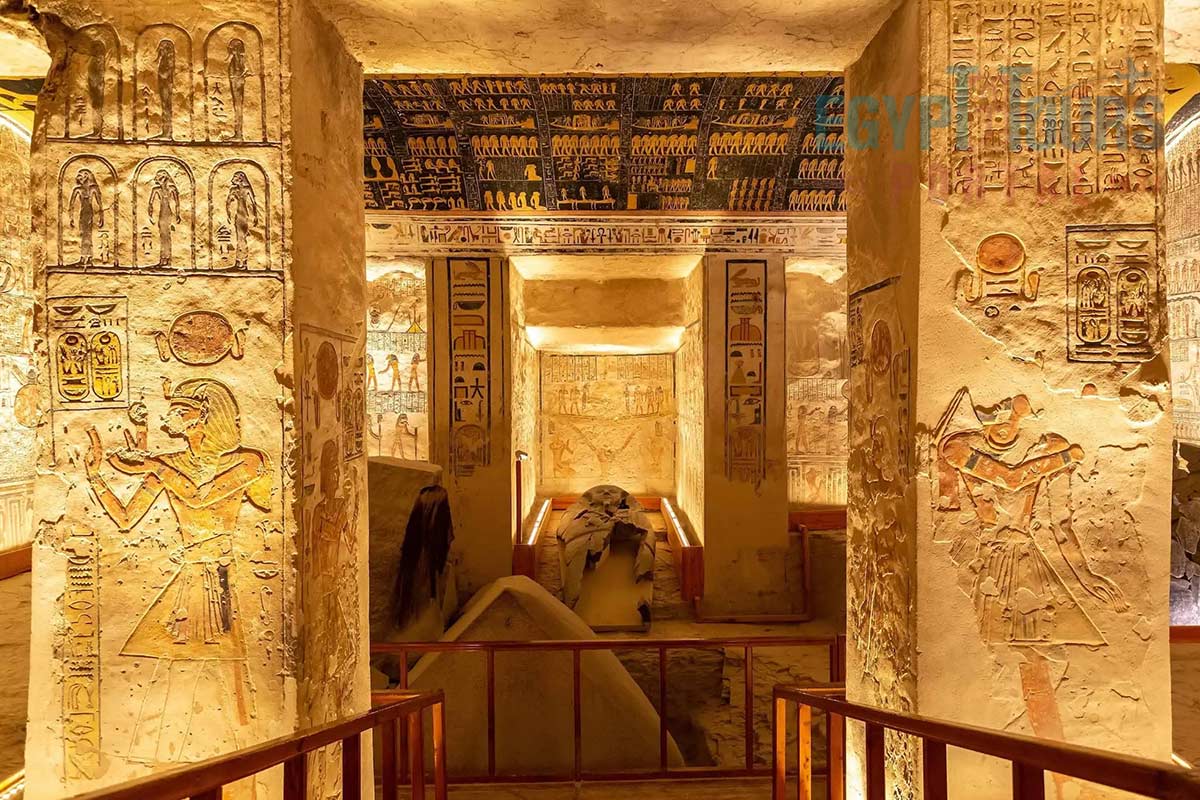
Ancient Thebes and its necropolis were inscribed as a World Heritage Site by UNESCO in 1979.
The protected area includes:
- Karnak Temple
- Luxor Temple
- The Valley of the Kings
- The Valley of the Queens
- Major West Bank temples
- Royal tombs
- Noble tombs
- Archaeological remains associated with ancient Thebes
The designation formally recognized Luxor as one of the world’s most important cultural and archaeological landscapes.
Witness the Sights of Modern Luxor
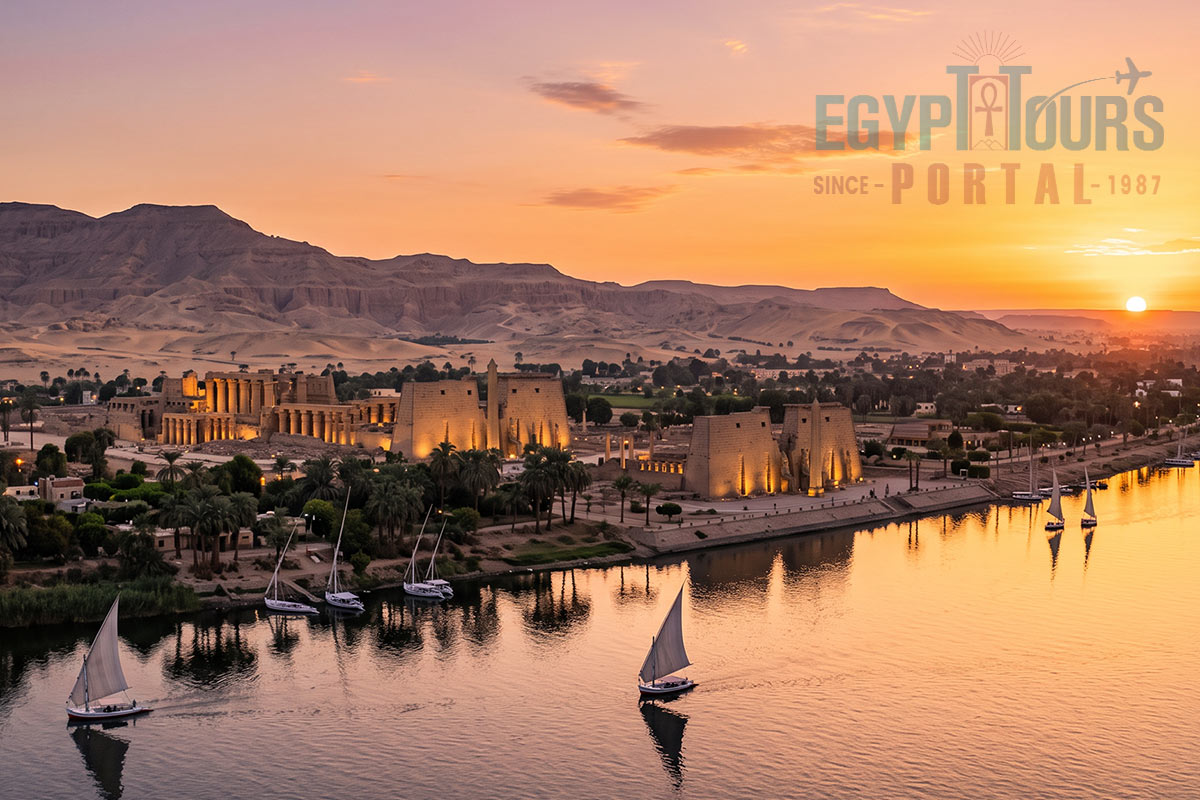
Modern Luxor is both a major tourism destination and a functioning market town serving the agricultural communities surrounding the Nile Valley.
The city contains:
- Luxor International Airport
- Luxor Railway Station
- Local ferry services
- Roads and bridges connecting both banks
- Hotels and restaurants
- Markets and commercial districts
- Tourism facilities
- Agricultural service centers
The supplied account also describes Luxor as having a substantial Christian population alongside its Muslim communities, reflecting the city’s long Coptic and Islamic heritage.
Luxor Museum opened in 1975 and offers visitors a carefully arranged collection of statues, royal objects, reliefs, weapons, funerary items, and artifacts discovered in ancient Thebes.
The museum provides a focused introduction to Luxor’s history and culture, complementing visits to the larger temples and archaeological sites.
Discover the Most Entertaining Things to Do in Luxor
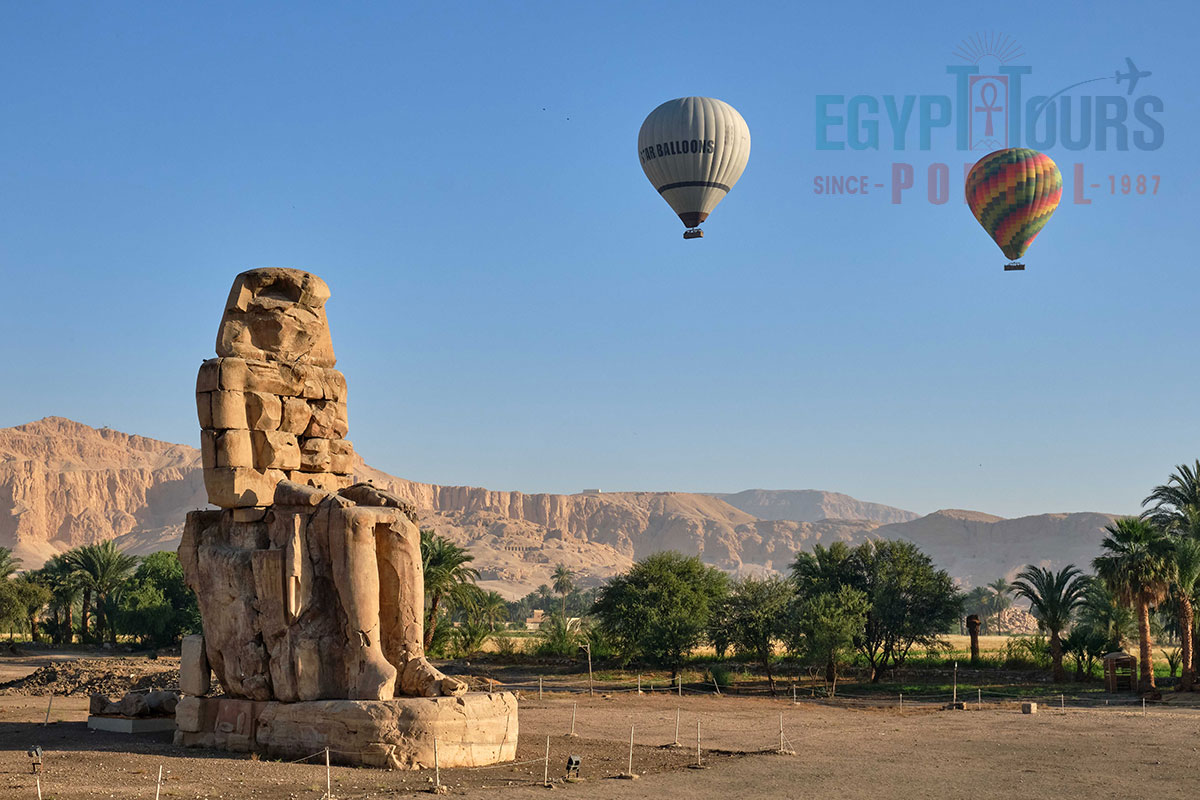
Seeing Luxor properly means more than moving between temple gates; the valley itself, seen from above or from the water, tells its own part of the story. Here are the most entertaining ones:
Ride a Hot Air Balloon at Dawn
Luxor has offered hot air balloon rides since 1988, the only Egyptian city to do so, and remains the classic way to see the Valley of the Kings, Hatshepsut's Temple, and the Nile floodplain laid out below at sunrise. Flights typically run 45 minutes or longer and cost roughly LE950 to LE1,900, depending on the operator and season.
Sail the Nile at Sunset
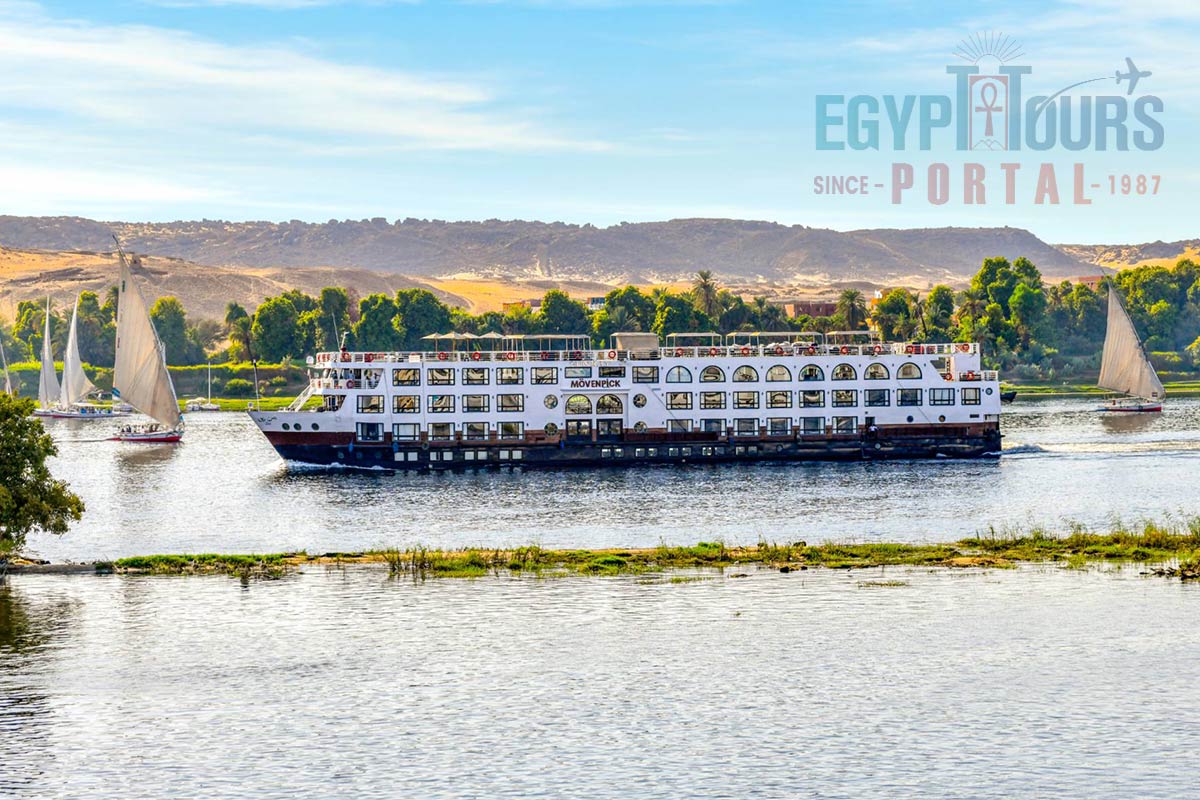
A felucca or motorized launch across the river between the East and West Banks costs only a few Egyptian pounds, but a dedicated sunset sail, or a longer multi-night Nile cruise toward Aswan, is where Luxor's river truly earns its reputation, the water turning gold as the temples on both banks catch the last light.
Watch the Karnak Sound and Light Show
Held most evenings among Karnak's columns and sacred lake, the Karnak Temple sound and light show runs about 75 minutes and narrates the site's history through illuminated ruins after dark, a very different experience from a daytime visit to the same stones.
Take a Day Trip to Dendera and Abydos
North of Luxor, the Dendera Temple Complex, dedicated to the goddess Hathor and home to the famous Dendera Zodiac ceiling relief, pairs naturally with the Abydos Temple of Seti I, whose seven sanctuaries and 76-cartouche king list draw serious history travelers. Both sites are commonly combined into a single day trip from Luxor.
Visit Kom Ombo and Edfu
Heading south instead, most travelers stop at the unusual double temple of Kom Ombo, shared by the crocodile god Sobek and the falcon god Horus, and the exceptionally well-preserved Temple of Edfu, dedicated to Horus and built mainly during the Ptolemaic period. Both can be visited on a single Edfu and Kom Ombo tour from Luxor.
Take a Horse Carriage Ride
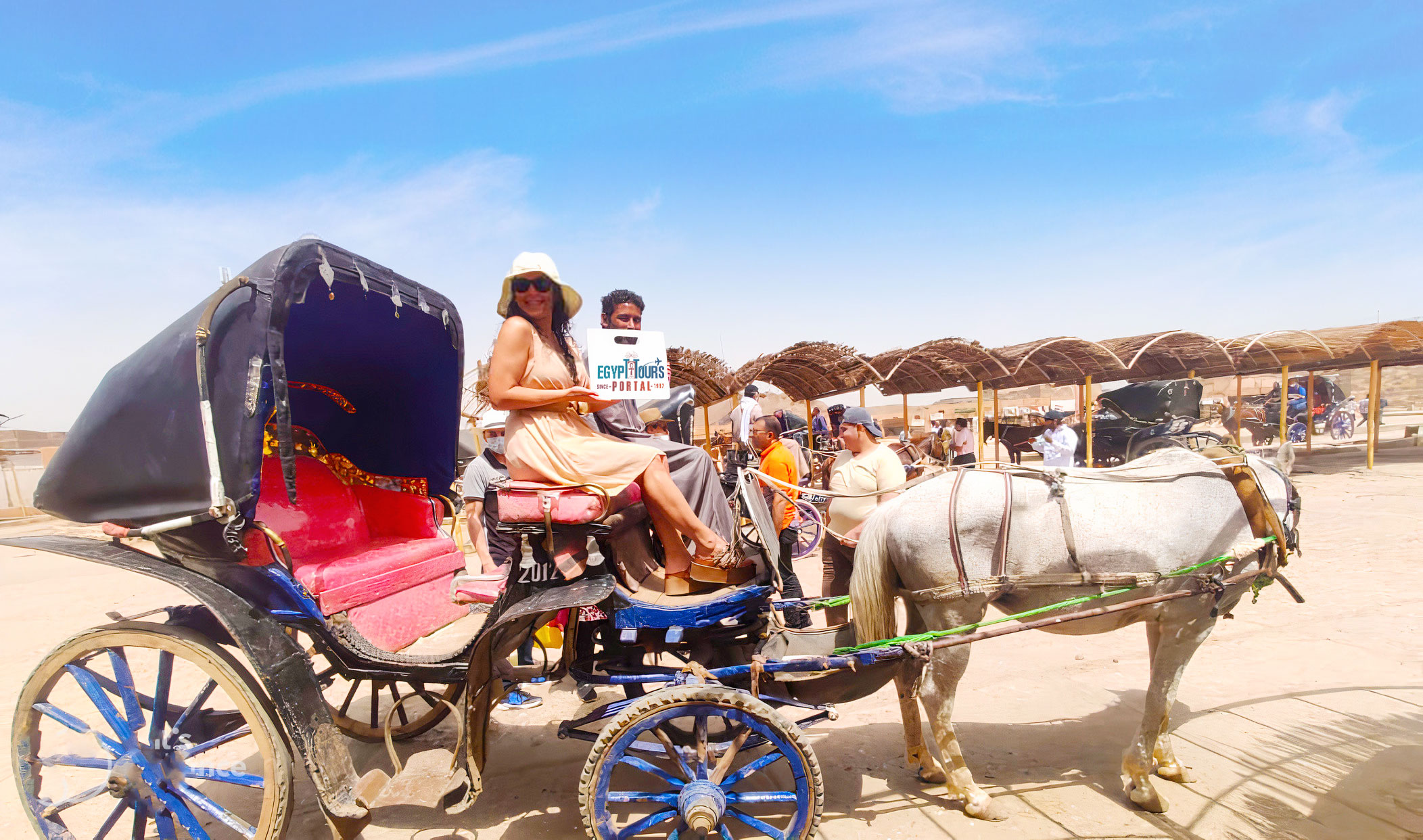
A slower, old-fashioned way to see the East Bank corniche and the streets around Luxor Temple, a horse carriage trip runs roughly LE20 per hour, though travelers with animal welfare concerns may prefer walking or cycling the same route instead.
Extend the Trip to Aswan or Cairo
Luxor works naturally as a hub for the wider region. Many travelers add a day trip to Aswan to see Philae Temple and the High Dam, while others fly north for a day trip to Cairo to see the Pyramids and the Egyptian Museum.
Best 20 Things To Do in Luxor
Do you Have a short vacation in Luxor and want to know activities to do in Luxor? check our top 20 things to do in Luxor now to learn more!
Learn of the Best Time to Visit Luxor
Luxor has a hot desert climate with less than a millimeter of rain most years and nearly 4,000 hours of sunshine annually. Summer daytime highs regularly exceed 40C from June through August, and the city holds its own extreme in the record books: 50C, recorded on May 15, 1991. Winters are considerably milder, with daytime highs around 22C, though nights can turn cool enough for a light jacket.
The best time to visit Egypt, and Luxor in particular, is from November to the beginning of March, when daytime sightseeing across open temple courtyards and desert valleys is genuinely comfortable rather than punishing.
How to Get to and Around Luxor
Most travelers reach Luxor by domestic flight from Cairo, a journey of about an hour on EgyptAir, or by train along the Nile Valley line, a roughly ten-hour trip with options ranging from daytime express services to Watania's deluxe overnight sleepers.
Trains and buses also connect Luxor to Aswan in three to four hours. Luxor International Airport sits just 6 kilometers east of the city center, and a bridge built in 1998 now links the East and West Banks directly, supplementing the local ferries that still cross for a couple of Egyptian pounds. Before arranging any of this, most travelers first sort out Egypt's tourist visa, available on arrival for most nationalities.
Within the city, taxis run without meters, so agreeing on a fare beforehand is standard practice; short East Bank trips cost roughly LE15 to 25, while a round trip to the West Bank runs closer to LE100. Careem and InDrive both operate in Luxor, though Uber does not.
Boarding a nile cruise between Aswan and Luxor is an incredible activity that must not be missed, and it is by far the most ideal way for traveling across southern Egypt. Booking with a travel agency will be the smart choice to make, as all the transportation during your entire trip will be handled with extreme professionalism and care.
Know the Best Travel Tips for Visiting Luxor
Three to four days allow a thorough visit to both banks, including Karnak, Luxor Temple, the Valley of the Kings, and Hatshepsut's Temple, with room left over for a hot air balloon flight or a day trip to Dendera and Abydos.
Luxor maintains a visible tourist police presence and is generally considered safe, though its long-standing tourism economy means persistent touts around the temples and markets are common; agreeing on prices in advance and politely declining unsolicited offers goes a long way.
Given the sun and heat, lightweight, breathable clothing is essential year-round, along with sun protection; modest dress covering shoulders and knees is expected at temples and the mosque inside Luxor Temple.
Luxor's restaurants serve the same fresh, vegetable-forward Egyptian staples found across the country; travelers curious about what to expect can check ETP's rundown of traditional Egyptian food before arriving.
Travelers passing through quickly sometimes ask how to make the most of a short stay; ETP's guide to spending a night in Luxor is a useful starting point for anyone working with limited time.
Uncover the Majestic Treasures of Thebes and Live a Memorable Adventure
Luxor asks for more time than most cities its size, and it earns every extra day. Between the temples of the East Bank and the valleys of the West, walking its ground means tracing the outline of an empire that ruled from this single stretch of riverbank for centuries, its legend as durable as the stone it left behind.
You can check our Egypt Tours, Nile River Cruises, and book the tour most suitable for you. Or if you are in Luxor city and prefer to explore the most famous archaeological sites in Luxor, then you can visit our Luxor Excursions.