Whatsapp Me
We’re nominated for Egypt’s Leading Travel Agency 2026 – Your vote matters! Vote Now
Egypt Tours Portal
Islamic Sites

Cairo Citadel: Saladin’s Medieval Fortress and the Crown of Islamic Cairo

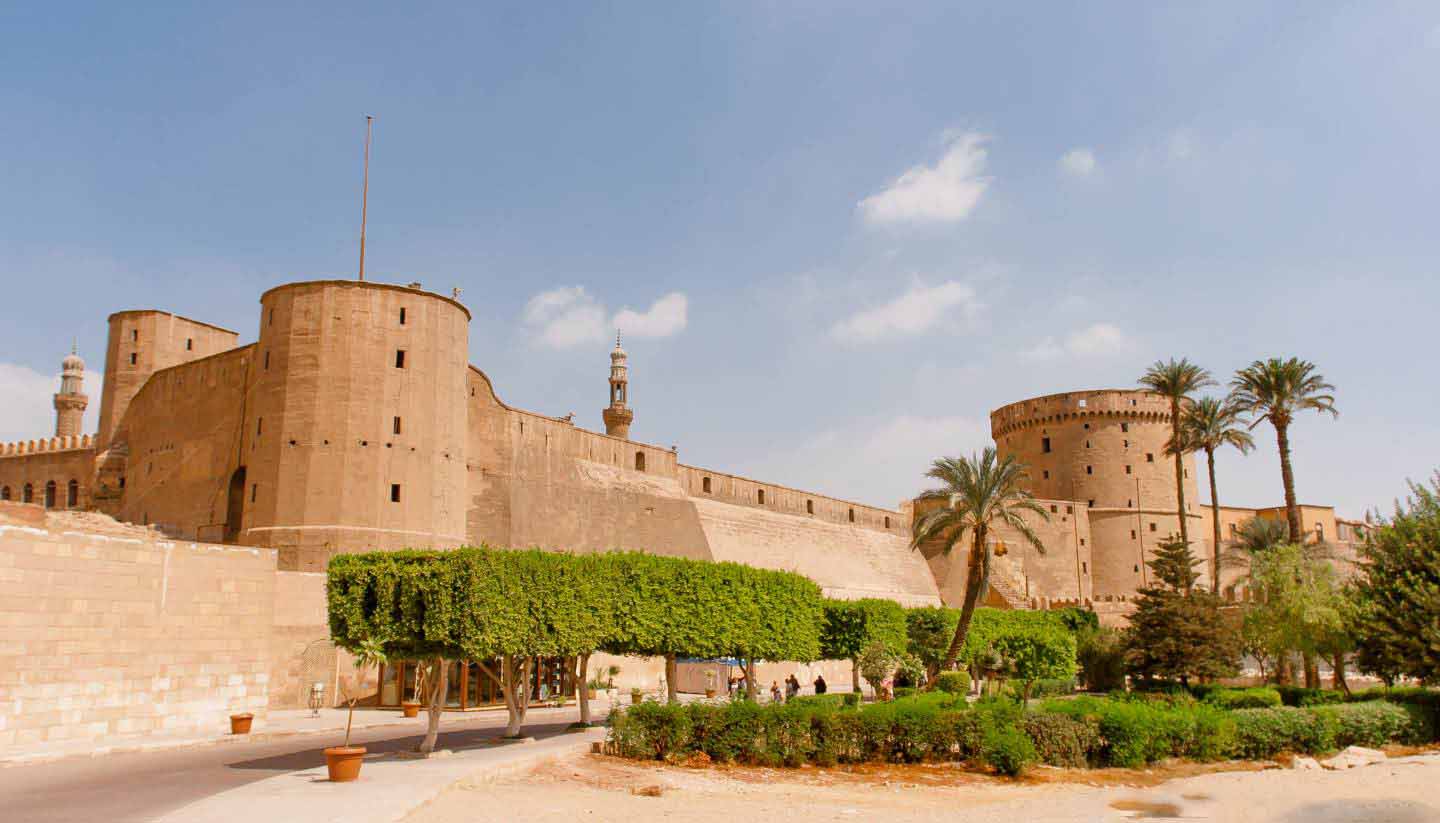
The Cairo Citadel, or Citadel of Saladin, is one of Egypt’s most important Islamic landmarks, founded by Saladin in 1176 AD on the Mokattam Hills to defend Cairo and Fustat from Crusader threats. It later became Egypt’s political, military, royal, and ceremonial center for nearly 700 years, evolving under the Ayyubids, Mamluks, Ottomans, and Muhammad Ali Pasha, who built the famous Mosque of Muhammad Ali in the 19th century. Today, it is a preserved complex of mosques, museums, palaces, gates, towers, courtyards, and panoramic viewpoints, and forms part of Historic Cairo, listed by UNESCO in 1979.

ETP TEAM
Written by ETP TEAM
Published Nov 19, 2017 Updated May 06, 2026 16 min read

Cairo Citadel: Saladin’s Medieval Fortress and the Crown of Islamic Cairo

Summary

  • Cairo Citadel was founded by Salah al-Din / Saladin in 1176 AD to protect Cairo and Fustat after the end of Fatimid rule and during the Crusades.
  • It served for nearly 700 years as Egypt’s seat of government, royal residence, military headquarters, ceremonial center, and symbol of political authority.
  • The Citadel developed through major phases under the Ayyubids, Mamluks, Ottomans, and Muhammad Ali Pasha, who reshaped much of its present appearance.
  • Its main monuments include the Mosque of Muhammad Ali, Mosque of al-Nasir Muhammad, Mosque of Sulayman Pasha, Al-Gawhara Palace, gates, towers, walls, and panoramic viewpoints.
  • Today, it is part of Historic Cairo, listed as a UNESCO World Heritage Site in 1979, and contains museums such as the Egyptian National Military Museum, Al-Gawhara Palace Museum, Royal Carriages Museum, and Police Museum.

The Cairo Citadel, also known as the Citadel of Saladin or Qalaʿat Salah al-Din, is a legendary medieval Islamic fortress and one of the most important monuments of Historic Cairo. Salahdin Citadel has been the protective entity for Egypt, which spread its wings across the country for centuries. It stands on a rocky promontory near the Mokattam Hills, overlooking Cairo from the east and dominating the city’s skyline. Its elevated position gave it a powerful military advantage, allowing rulers to observe the city, control movement, and defend Cairo from possible attacks.

The history of the Cairo Citadel began with Salah al-Din al-Ayyubi's vision in 1176 AD as part of a major defensive plan to protect Cairo and Fustat after the end of the Fatimid Caliphate and during the Crusades. Over time, it became far more than a fortress, rising as a major symbol of the Islamic world by the 14th century and serving for nearly 700 years as Egypt’s seat of government, royal residence, military headquarters, ceremonial center, and symbol of political authority until Khedive Ismail moved the royal residence to Abdeen Palace in the 19th century.

It is now a preserved historic complex with mosques, museums, palaces, gates, towers, walls, courtyards, and panoramic viewpoints, including the famous Mosque of Muhammad Ali, whose dome and twin Ottoman minarets dominate Cairo’s skyline. The Citadel is part of Historic Cairo, which was listed as a UNESCO World Heritage Site in 1979 for its outstanding importance as a major center of Islamic civilization.

The Magical Location of the Golden Cairo Citadel
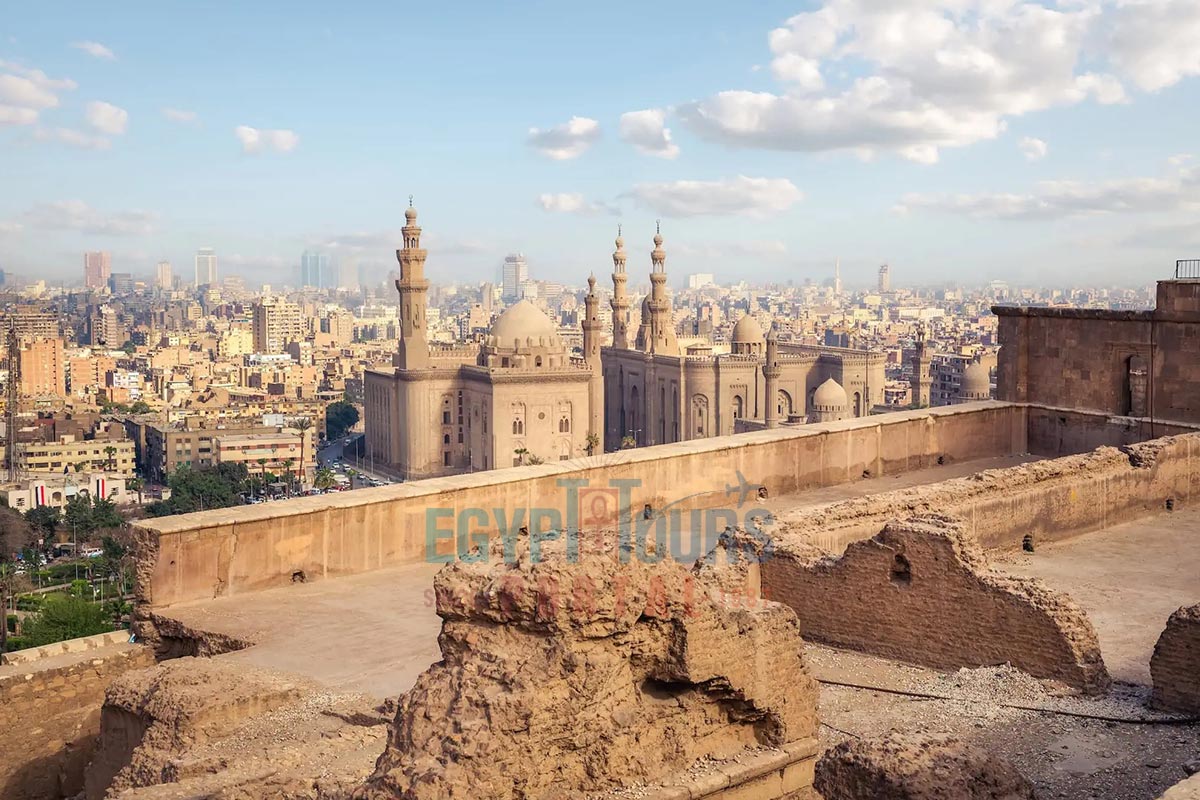
Location of the Cairo Citadel - Egypt Tours Portal

The Cairo Citadel is found in Islamic Cairo, on a rocky spur of the Mokattam Hills in eastern Cairo. It stands in a high strategic position overlooking the old city and Cairo’s skyline, near Salah al-Din Square / Citadel Square, which everyone can explore by checking our Cairo day tours. It is close to major Islamic landmarks such as the Mosque-Madrasa of Sultan Hassan and Al-Rifa’i Mosque. This elevated location made the Citadel ideal for defense, surveillance, and royal authority, which is why it served as Egypt’s main seat of government and residence of rulers for nearly 700 years.
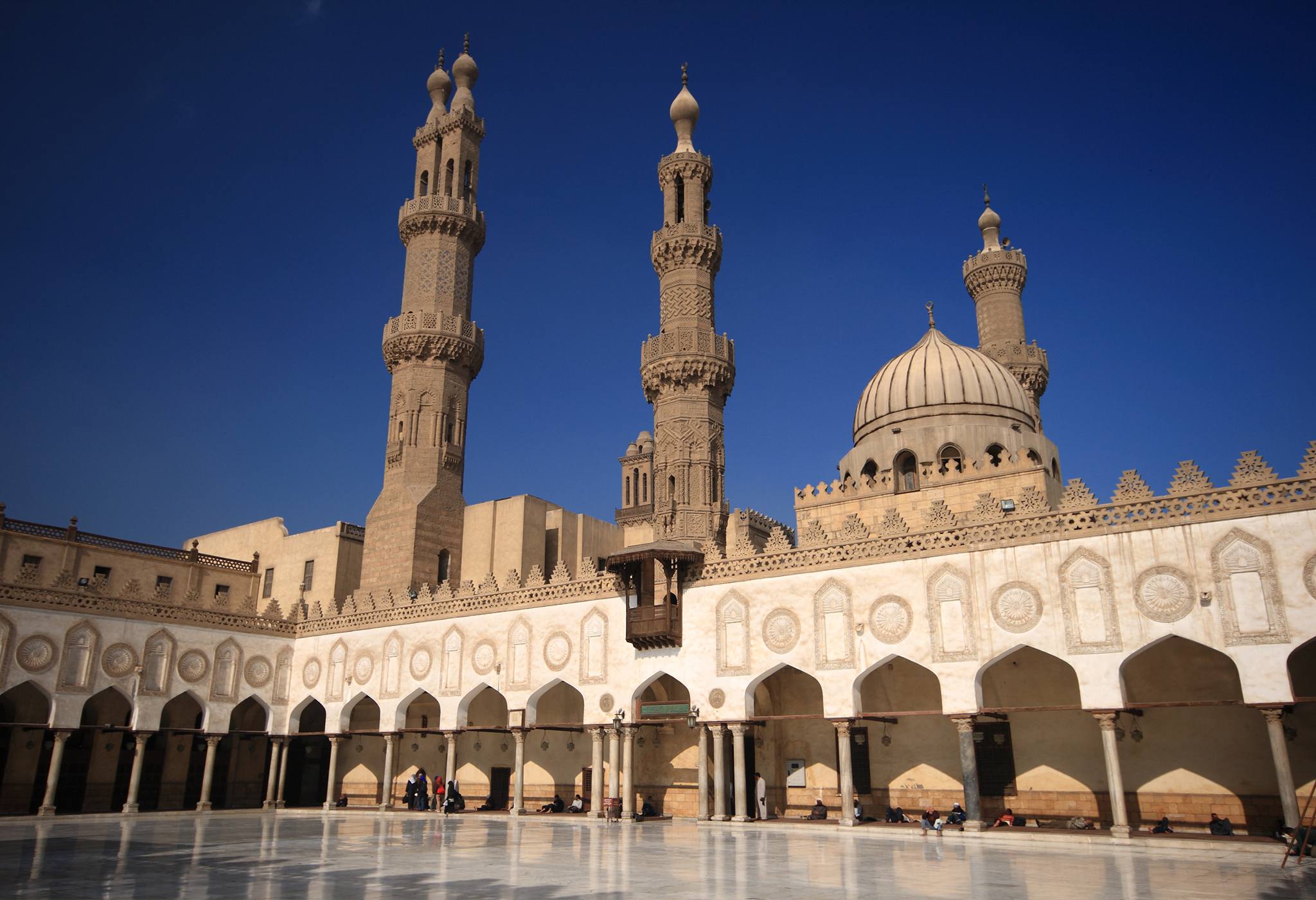
Dec 20, 2018

Islamic Landmarks in Egypt

Explore the marvelous structures of the Egyptian Islamic culture

The Rich History of the Great Cairo Citadel
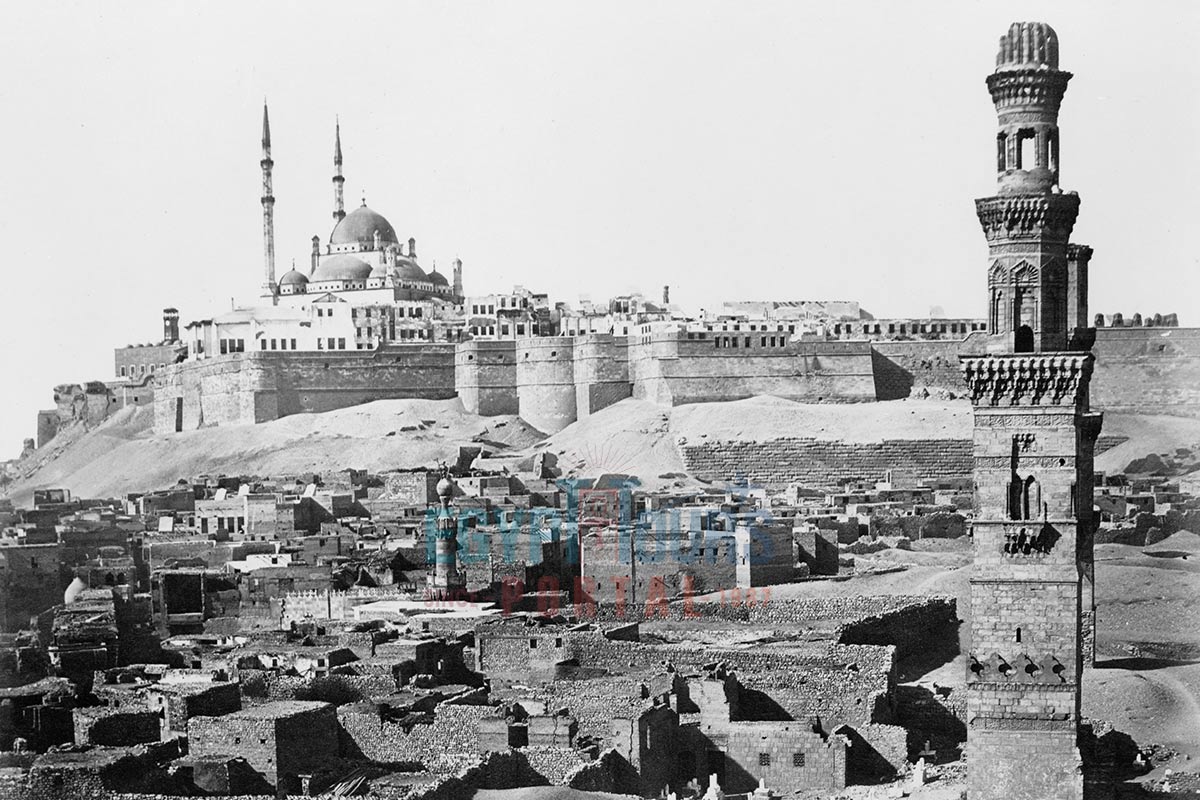
History of the Cairo Citadel - Egypt Tours Portal

The Cairo Citadel was built between 1176 and 1183 AD by Saladin, founder of the Ayyubid dynasty in Egypt, as a secure military and political center after the end of Fatimid rule and as protection against possible Crusader attacks. He chose a strategic site on the edge of the Mokattam Hills and planned it as the centerpiece of a 20 km defensive wall meant to unite Cairo and Fustat into one fortified city. Construction was supervised by Baha al-Din Qaraqush, using limestone from the Mokattam Hills, additional stone from minor pyramids around Giza and Abusir, and labor from Christian prisoners of war. 

By 1183–1184, the first phase was largely complete, but later Ayyubid rulers, especially al-Adil and al-Kamil, continued developing it; al-Kamil moved into the Citadel in 1206 and added palaces, a mosque, royal library, hall of justice, horse market, and a maydan / hippodrome for military parades and equestrian training.

During the Mamluk period, especially 1310–1341, al-Nasir Muhammad transformed the Citadel into one of the Islamic world’s grandest political centers, building palaces, renovating the water system, creating the Ablaq Palace, constructing the Great Iwan, and building the Mosque of al-Nasir Muhammad in 1318, renovated in 1335, after earlier expansions by Baybars, Qalawun, and al-Ashraf Khalil. 

After the Ottoman conquest in 1517, the Citadel remained a military and administrative center, though many Mamluk buildings declined or were stripped; Ottoman rulers divided it among the Janissaries and Azaban soldiers and added the Mosque of Sulayman Pasha in 1528, Burj al-Muqattam, Mosque of al-Azab, Bab al-Azab, and Bab al-Jabal.

Between 1805 and 1848, Muhammad Ali Pasha reshaped the Citadel, using it as his power base, carrying out the 1811 Massacre of the Mamluks near Bab al-Azab, demolishing older Mamluk monuments such as the Great Iwan and Ablaq Palace, and building the Mosque of Muhammad Ali between 1830 and 1848, completed under Said Pasha in 1857. 

The Citadel stopped being Egypt’s royal residence when Khedive Ismail moved the court to Abdeen Palace in 1874; it later served as a British and Egyptian military garrison before opening to the public in 1983 as one of Cairo’s most important historical attractions.
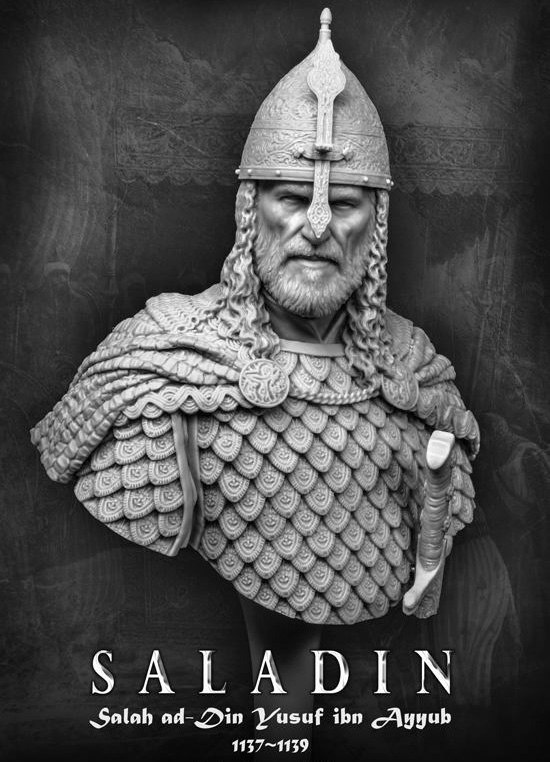
Aug 29, 2018

Salah Al-Din: The Hero of the Crusades & Sword of Justice & Mercy

Explore the legacy of the great warrior king of Salah El Din

The Elobrate Layout & Map of the Glorious Cairo Citadel
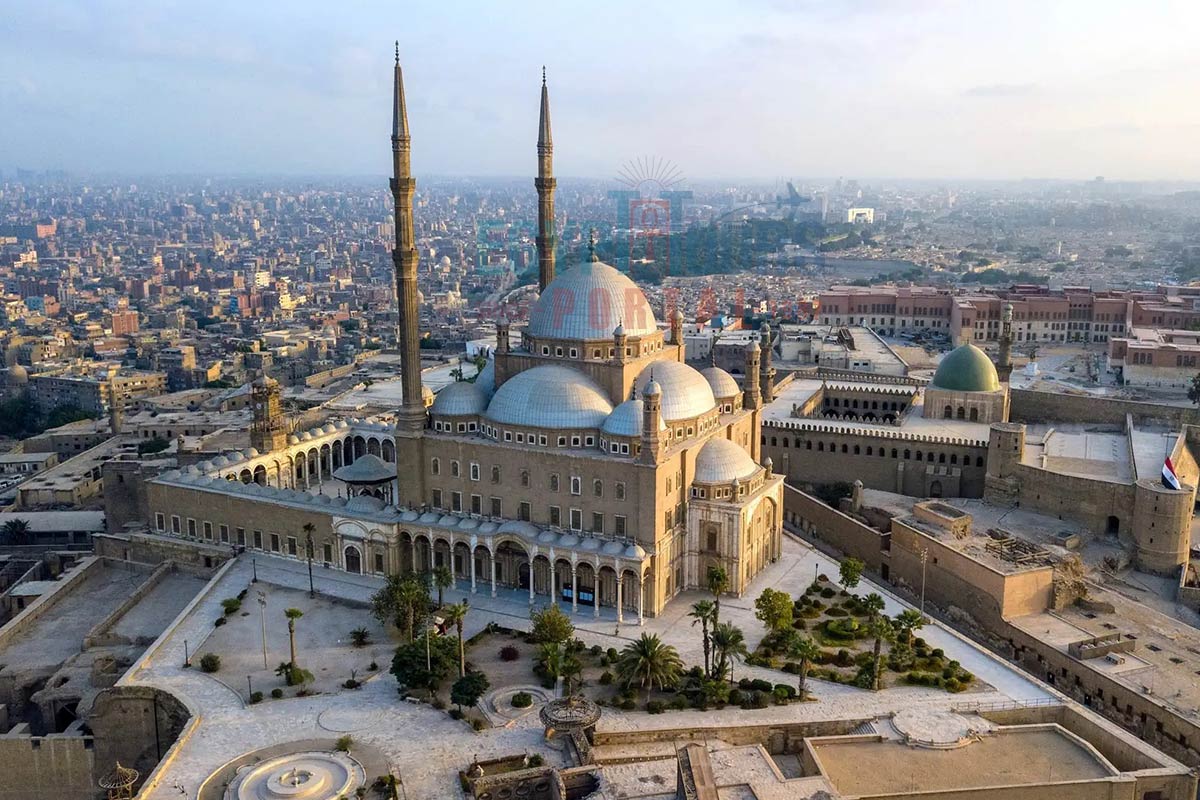
Cairo Citadel Map - Egypt Tours Portal

The Cairo Citadel is a large fortress complex with several enclosures, gates, mosques, palaces, museums, and defensive structures. Its layout developed over centuries, which makes it difficult to reconstruct its original Ayyubid form exactly. However, the modern Citadel can generally be divided into two major sections: the Northern Enclosure and the Southern Enclosure, with an additional lower western area historically connected to stables and military use.

The Northern Enclosure was historically the more military section of the Citadel. It housed garrisons, barracks, defensive structures, and later military institutions. Today, this area includes the Egyptian National Military Museum, housed in the former Harem Palace of Muhammad Ali, as well as the Mosque of Sulayman Pasha and other military-related spaces. This northern section preserves the Citadel’s identity as a fortress and military headquarters.

The Southern Enclosure was historically the royal and ceremonial heart of the Citadel. During the Mamluk period, it held palaces, audience halls, administrative buildings, and the main royal mosque. Today, it contains the most visited monuments, especially the Mosque of Muhammad Ali, the Mosque of al-Nasir Muhammad, and the Al-Gawhara Palace Museum. This section gives visitors the clearest sense of the Citadel as a seat of rulership and religious authority.

A lower western enclosure historically contained the royal stables of the Mamluks and later housed Ottoman military corps such as the Azaban. The monumental Bab al-Azab, built in 1754, gave access to this area. The gate was modeled on the Fatimid gate of Bab al-Futuh, showing how later builders reused the visual language of earlier Cairo architecture.

Outside the Citadel, to the west and southwest, there was once a large open field known as the Maydan or “hippodrome.” It was used for horse training, military parades, and state ceremonies. Nearby Rumayla Square, today known as Salah al-Din Square or Citadel Square, was used as a horse market and ceremonial plaza. This area is now associated with major Islamic monuments such as the Mosque-Madrasa of Sultan Hassan and Al-Rifa’i Mosque, forming one of Cairo’s most impressive historical panoramas.

Learn About How the Cairo Citadel Came Into Existence
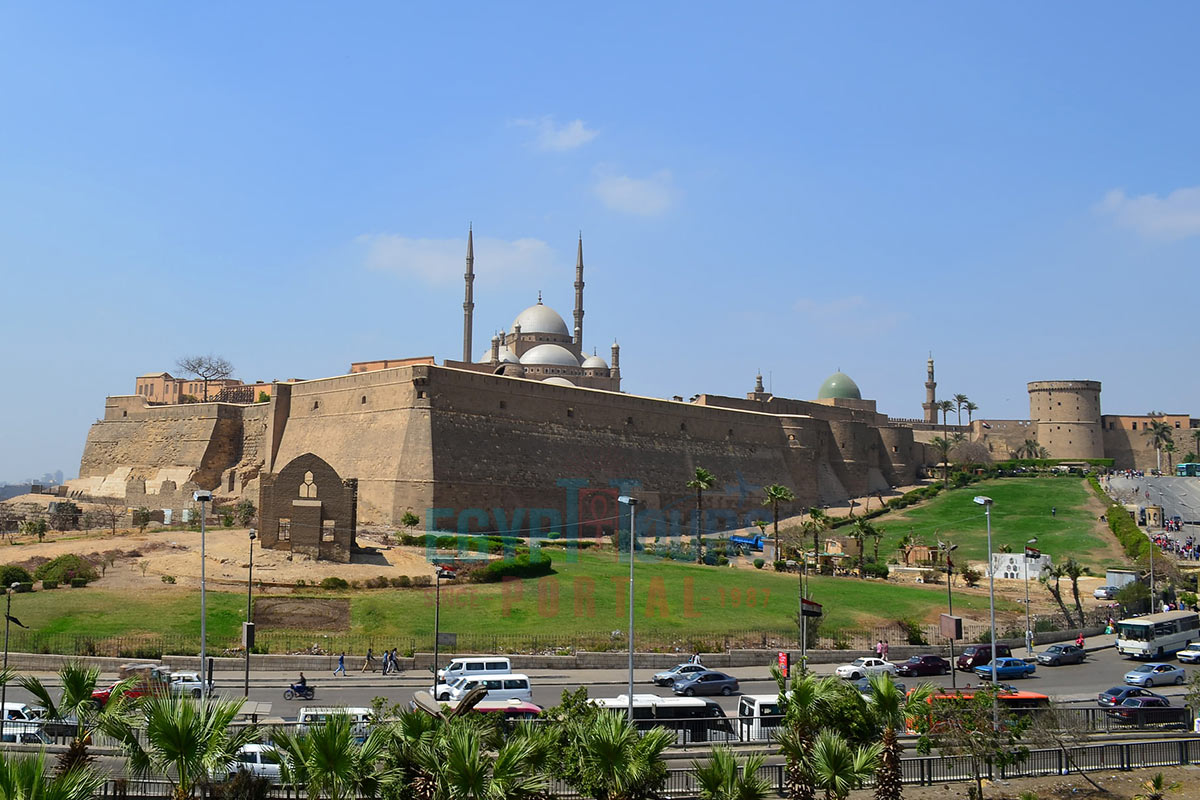
Cairo Citadel Construction - Egypt Tours Portal

The construction of the Cairo Citadel is considered to be a very long & complex process that took hundreds of years to create in the image that we see today. Everything started with Saladin, who wished to create an empire with the citadel to be its main heart, soul, and mind. 

Ayyubid Foundation of Cairo Citadel

The Cairo Citadel was founded by Salah al-Din / Saladin between 1176 and 1183 CE as a fortified seat of government and defensive stronghold against possible Crusader attacks after the fall of the Fatimid Caliphate. Inspired by fortified Syrian cities such as Damascus and Aleppo, Saladin planned the Citadel as the centerpiece of a larger defensive wall of about 20 km intended to surround both Cairo and Fustat.

Construction was overseen by Baha al-Din Qaraqush, using limestone from the Muqattam Hills, stone from minor pyramids at Giza and Abusir, and labor from Christian prisoners of war. The earliest fortress largely corresponded to today’s Northern Enclosure and included key features such as Yusuf’s Well, the double-headed eagle traditionally linked to Saladin, and Bab al-Mudarraj, the only surviving original gate, which preserves a bent entrance and an inscription dating the Citadel’s early completion to 1183–1184.

Construction Under Saladin’s Successors

Under Saladin’s successors, especially al-Adil and al-Kamil, construction continued, and the Citadel’s long-term organization took shape. The rounded towers of the Northern Enclosure date to Saladin’s phase, the rectangular towers to al-Adil, and Burj al-Ramla and Burj al-Hadid were reinforced by al-Kamil in 1207. Al-Kamil was the first ruler to move into the Citadel in 1206, adding palaces, a mosque, royal library, hall of justice, horse market, and a large maydan / hippodrome for military parades and equestrian training.

This established the Citadel’s historical division: the north for military functions, the south for royal residence and administration, and the southwestern foot as a parade ground. He also likely completed the first aqueduct bringing Nile River water to the Citadel. Later, Sultan al-Salih moved to Roda Island, and the Citadel became the permanent residence of Egypt’s rulers only under the Mamluks.

Mamluk Expansion and Royal Transformation

During the Mamluk period, the Citadel became the true center of royal power and underwent major architectural expansion, especially in the Southern Enclosure. Early Bahri Mamluk rulers including Baybars, Qalawun, al-Ashraf Khalil, and al-Nasir Muhammad built or rebuilt throne halls, palaces, mosques, and ceremonial spaces designed to dominate Cairo’s skyline. Baybars divided the Citadel with Bab al-Qulla, developing the Southern Enclosure into an exclusive royal complex with harem areas, ceremonial buildings, the Dar al-Dhahab / Hall of Gold, Qubba al-Zahiriyya, and the Tower of the Lions.

 Qalawun created the Dar al-Niyaba, replaced Baybars’ domed hall with the Qubba al-Mansuriyya, and formed elite tower-based Mamluk regiments known as the Burji Mamluks. Al-Ashraf Khalil added the richly decorated Qa’a al-Ashrafiyya in 1291–1292, with marble, mother-of-pearl, glass mosaics, an octagonal fountain, and geometric marble floors, as well as the Iwan al-Ashrafiyya, painted with portraits of his commanders.

The Reign of Sultan al-Nasir Muhammad

The greatest Mamluk builder of the Citadel was Sultan al-Nasir Muhammad, who ruled three times between 1293 and 1341. He expanded the Southern Enclosure, developed palaces, ceremonial halls, harem gardens, and semi-public monuments, and renovated the Nile aqueduct in 1312, allowing more water to support his ambitious projects.

His major works included the Ablaq Palace, built in 1313–1314 with red-and-black striped masonry; the monumental Great Iwan / al-Iwan al-Kabir, rebuilt in 1333 and described by chroniclers as one of the most impressive structures in Cairo; and the Mosque of al-Nasir Muhammad, built in 1318 and renovated in 1335, which is the only major surviving monument from his Citadel projects.

Later Mamluk rulers added more buildings, including al-Duhaysha by al-Salih Isma’il in 1344, the Qa’a al-Baysariyya by Sultan Hasan in 1360, and later palaces by Qaytbay and al-Ghuri, while al-Ghuri also restored the Nile aqueduct and reworked the Mamluk hippodrome with a large pool.

Ottoman Period of the Cairo Citadel

After the Ottoman conquest in 1517, the Citadel remained important, but many Mamluk buildings were neglected, stripped, or reused. Sultan Selim I removed valuable decoration, especially marble, and sent it to Istanbul. The Citadel was divided among Ottoman military corps: the Northern Enclosure housed the Janissaries, the Southern Enclosure served the Ottoman governor and his troops, and the lower western enclosure housed the Azaban / Azap corps.

The dome of the Great Iwan collapsed in 1521, while the Ablaq Palace became a workshop for producing the Kiswah, the ceremonial cloth of the Kaaba. Ottoman additions included Burj al-Muqattam by Ibrahim Pasha in 1525, the Mosque of Sulayman Pasha in 1528, the Mosque of al-Azab in 1697, Bab al-Azab in 1754, and Bab al-Jabal in 1785.

Muhammad Ali’s Transformation of the Citadel

In the 19th century, Muhammad Ali Pasha reshaped the Citadel more dramatically than any ruler since the Mamluks. After becoming governor in 1805, he consolidated power through the 1811 Massacre of the Mamluks, when Mamluk leaders were killed after a banquet as they passed toward Bab al-Azab.

He built the famous Mosque of Muhammad Ali between 1828 and 1848 in memory of his son Tusun Pasha, who died in 1816, and used the project to replace much of the Mamluk visual legacy; in 1825, older structures, including the Great Iwan and Ablaq Palace were demolished to make way for the mosque and its surroundings. Muhammad Ali was later buried in the mosque.

He also built the Harem Palace, now the National Military Museum, and rebuilt gates and walls, including Bab al-Qulla, Bab al-Jadid, and Bab al-Wastani. The Citadel stopped serving as Egypt’s royal residence when Khedive Ismail moved the court to Abdeen Palace in 1874.

Cairo Citadel in the 20th Century and Today

In the 20th century, the Citadel was used as a military base by the British Army during the occupation and later by the Egyptian army after 1946. Large parts of the complex remained closed to the public until 1983, when the Egyptian government opened major sections and began restoration programs that converted several historic buildings into museums.

Today, the Cairo Citadel is one of Egypt’s major tourist sites and a layered monument of Ayyubid defense, Mamluk royal ceremony, Ottoman administration, Muhammad Ali’s state-building, and modern heritage preservation.

Discover the Magnificant Mosques of the Cairo Citadel
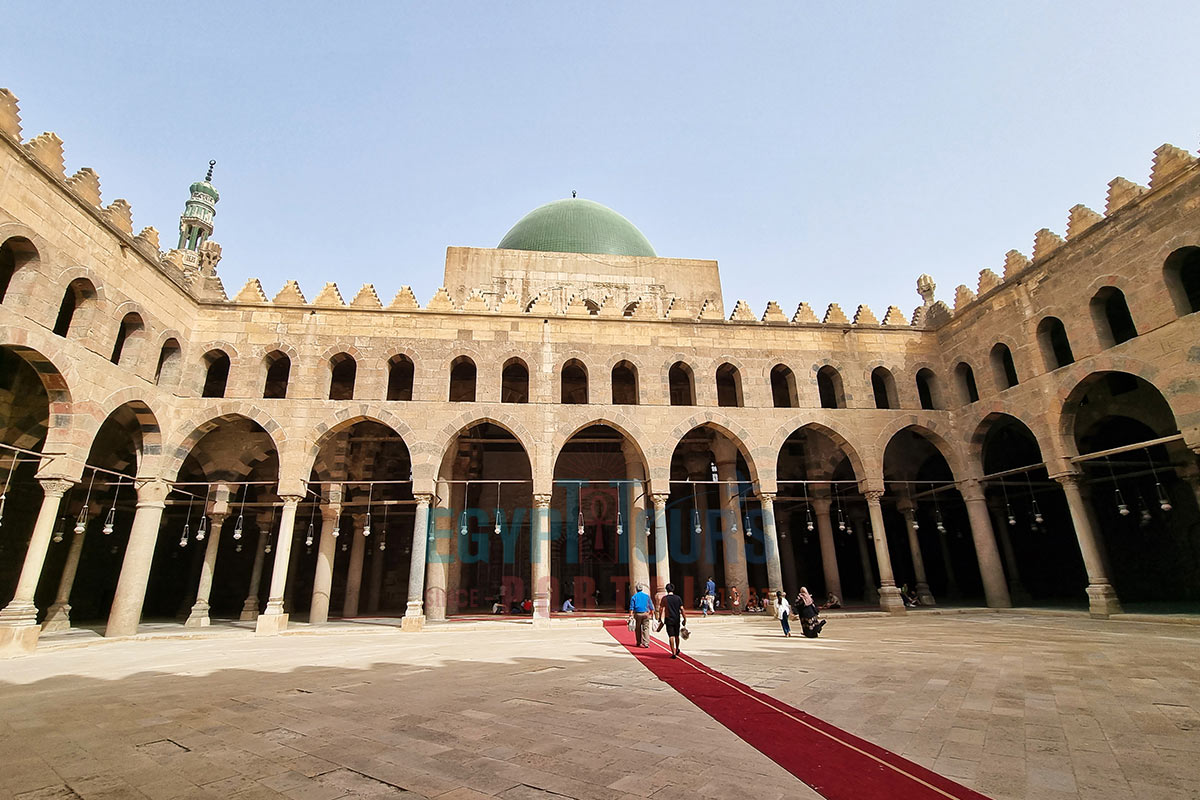
Cairo Citadel Mosque - Egypt Tours Portal

The Cairo Citadel contains several important mosques that represent different phases of Islamic architecture in Egypt, from the Mamluk period to the Ottoman period and the age of Muhammad Ali.

The Honorable Mosque of Muhammad Ali

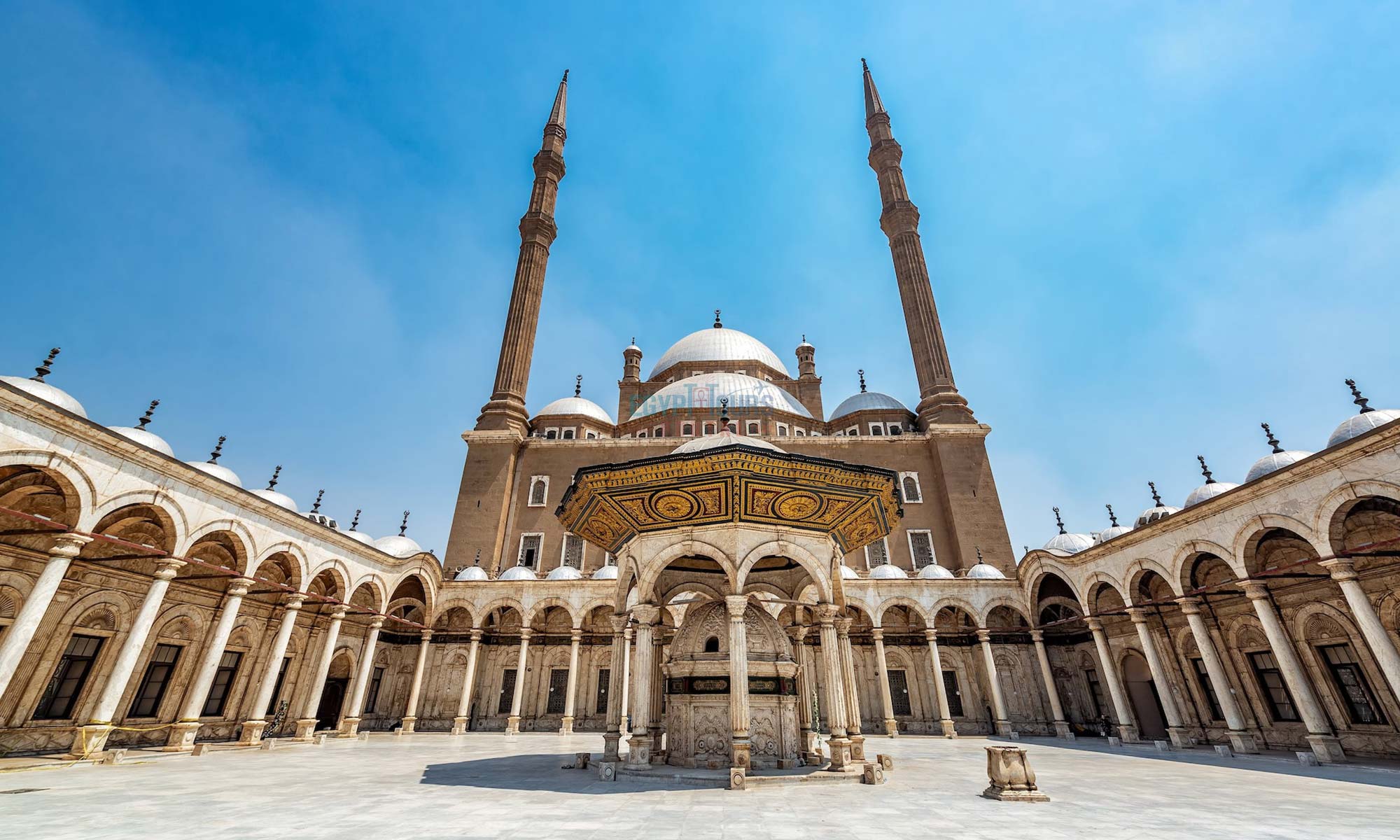
The most famous is the Mosque of Muhammad Ali, also known as the Alabaster Mosque. It was built between 1830 and 1848, though it was not fully completed until 1857 under Said Pasha. Designed by Yusuf Bushnak from Istanbul, the mosque was inspired by Ottoman imperial architecture, especially the great mosques of Istanbul.

It has a large central dome, semi-domes, pencil-like twin minarets, and a spacious courtyard. Muhammad Ali built it in memory of his son Tusun Pasha, who died in 1816, and Muhammad Ali himself was later buried there in a marble tomb. The mosque is one of Cairo’s most famous skyline monuments and one of the Citadel’s main attractions.

The Powerful Mosque of al-Nasir Muhammad

The Mosque of al-Nasir Muhammad is the most important surviving Mamluk mosque inside the Citadel. It was built in 1318 by Sultan al-Nasir Muhammad as the royal mosque of the Citadel, where the Mamluk sultans performed Friday prayers. He renovated it again in 1335.

The mosque is a hypostyle structure with a courtyard, arcades, and distinctive minarets. Some of its columns were reused from ancient Egyptian buildings, and while its original decoration was later stripped away by the Ottoman Sultan Selim I after the conquest of Egypt, the mosque remains one of the finest surviving Mamluk monuments in the fortress.

The Majestic Mosque of Sulayman Pasha

The Mosque of Sulayman Pasha was built in 1528 in the Northern Enclosure and is one of the rare examples of classical Ottoman-style mosque architecture in Cairo. It was built for the Janissaries, the elite Ottoman infantry stationed in the Citadel. The mosque was constructed on the site of an earlier Fatimid-era religious structure connected with Sidi Sariyya, whose tomb, dated to 1140 AD, still survives inside. Its Ottoman dome, minaret, and plan make it very different from the Mamluk mosques of Cairo.

The Grand Mosque of al-Azab

The Mosque of al-Azab stands near Bab al-Azab in the lower western enclosure. It was built by Ahmad Katkhuda in 1697, though some scholars suggest it may have been renovated or incorporated an earlier Mamluk mosque. It was associated with the Azaban / Azap Ottoman military corps housed in this part of the Citadel. Although it is not usually open to visitors, its Ottoman-style minaret can be seen from parts of the complex.

These mosques make the Citadel a living architectural timeline: al-Nasir Muhammad’s mosque reflects Mamluk power, Sulayman Pasha’s mosque reflects Ottoman military presence, and Muhammad Ali’s mosque reflects the ambitions of modernizing 19th-century Egypt.

Explore the Captivating Museums of the Cairo Citadel
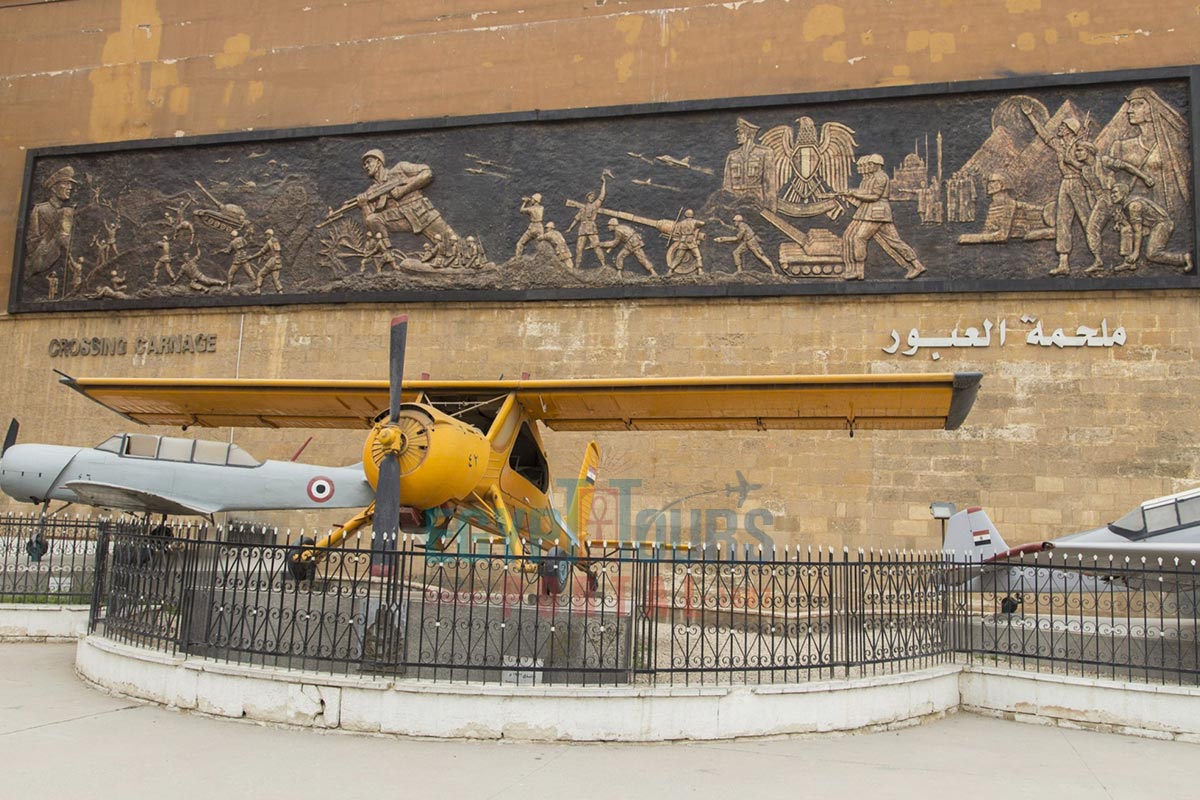
Cairo Citadel Museum - Egypt Tours Portal

The Cairo Citadel contains several museums that help visitors understand Egypt’s political, military, royal, and social history. These museums occupy former palaces, prisons, and administrative spaces, adding another layer to the Citadel’s identity beyond mosques and fortifications. These museums will shed light on the tales of the grand transformation of Egypt from a medieval sultanate to a modern state.

The Patriotic Egyptian National Military Museum

The Egyptian National Military Museum is one of the main museums inside the Citadel. It was originally established in 1937 in the old Egyptian Ministry of War building in downtown Cairo. It was later moved temporarily to Garden City, then transferred in 1949 to the Harem Palace at the Citadel. The museum has been renovated several times, including in 1982 and 1993. It presents the history of the Egyptian military from ancient times to the modern era, including weapons, uniforms, battle scenes, military equipment, and historical displays.

The Prestigious Al-Gawhara Palace Museum

The Al-Gawhara Palace Museum, also called the Bijou Palace, was commissioned by Muhammad Ali Pasha in 1814. It was built by artisans from several countries, including Greeks, Turks, Bulgarians, and Albanians, and reflects Ottoman design with European influences. The palace served as an official reception space where Muhammad Ali received guests. One of its most famous features is a massive 1,000 kg chandelier sent by Louis Philippe I of France, as well as the throne of Muhammad Ali, which was a gift from the King of Italy.

The Special Royal Carriages Museum

The Royal Carriages Museum, inaugurated in 1983, displays royal carriages from different historical periods, especially from the reign of Khedive Ismail to King Farouk. It also contains antiques and objects related to royal transportation. This museum gives insight into Egypt’s royal ceremonial culture and the lifestyle of the ruling elite before the 1952 revolution.

The Magnificant Police Museum 

The Police Museum, also known as the Prison Museum, is located north of Bab al-Alam on a terrace with sweeping views over Cairo. It occupies part of the Citadel’s former prison and includes displays about the history of Egyptian policing, famous crimes, political assassinations, weapons, uniforms, and prison history. Its location is especially atmospheric because it connects the Citadel’s role as a fortress with its later use as a prison and security center.

Witness Pure Greatness Through Our Magnificant Egypt Tours

Salah El Din Citadel is one of the most notable and epic Cairo tourist attractions. If you want to explore it with other amazing historical attractions, then you can check our various Egypt tours and Nile cruises in order to live the most magical travel experience.

ETP TEAM

Egypt Tours Portal is dedicated to preserving and sharing the rich history, culture, and mysteries of ancient Egypt, helping travelers and history enthusiasts explore Egypt’s most iconic destinations and monuments. The team consists of experienced Egyptologists, archaeologists, historians, travelers, content creators, marketers, consultants, and explorers with 5–20 years of expertise in their respective fields.

The website provides accurate, regularly updated information developed by qualified experts and supported by trusted sources to ensure reliability and educational value. Drawing on more than 39 years of industry knowledge and resources, Egypt Tours Portal offers a wide range of travel services, including Egypt tours, Nile cruises, day tours, shore excursions and multi-country tours. Their services have earned positive reviews from travelers, recognition through awards, and mentions by respected news outlets and travel blogs, delivering both educational and memorable travel experiences across Egypt.

Leave a Comment

Don't Just See Egypt. Experience It.

From private sunrise viewings at Giza to dining with local families in Aswan, unlock an extraordinary journey crafted entirely around your pacing and desires.

Private Certified Egyptologists Handpicked Heritage Stays 100% Tailor-Made Pacing Zero Hidden Service Fees
Explore Egypt Tours
Pick Your Journey

Related Tours to This Article

Day Tour in Cairo and the Pyramids
IATA-Egypt-Tours-Portal

Day Tour in Cairo and the Pyramids

Enjoy a private day tour in Cairo to visit the pyramids, the Egyptian Museum, and Khan EL Khalili bazaar, then drive you back to your hotel. Book now!!
Cairo / Giza
1 Day Private
Day Trip to Pyramids from Cairo
IATA-Egypt-Tours-Portal

Day Trip to Pyramids from Cairo

Indulge in a private day trip from Cairo to explore Giza Pyramids, Sphinx, Saqqara Step Pyramid, and Memphis City. Return to your hotel satisfied!
Giza
1 Day Private
Saqqara & Memphis Tour from Cairo
IATA-Egypt-Tours-Portal

Saqqara & Memphis Tour from Cairo

Enjoy a private Saqqara & Memphis tour from Cairo. Visit Memphis city and the Saqqara Step Pyramid, the first true pyramid built in Egypt. Book now!
Memphis and Sakkara
1 Day Private
Egyptian Museum & Old Cairo Tour
IATA-Egypt-Tours-Portal

Egyptian Museum & Old Cairo Tour

Enjoy an Old Egyptian Museum & Old Cairo Tour. Visit the Egyptian museum, King Tut's treasures, the citadel, and Old Cairo. Book now!
Cairo
1 Day Private
Half-Day Tour to the Egyptian Museum
IATA-Egypt-Tours-Portal

Half-Day Tour to the Egyptian Museum

Enjoy a half-day tour to the Egyptian museum displaying the miraculous artifacts and monuments which are filled with captivating history, beauty, and art.
Cairo
1/2 Day Private
Half Day Pyramids Tour in Cairo
IATA-Egypt-Tours-Portal

Half Day Pyramids Tour in Cairo

Enjoy a private half day pyramids tour in Cairo joining your tour guide to visit Giza Pyramids & the Sphinx, then transfer back to your hotel. Book now!
Giza
1/2 Day Private
Day Tour from Cairo to Luxor By Plane
IATA-Egypt-Tours-Portal

Day Tour from Cairo to Luxor By Plane

Book a private day tour from Cairo to Luxor by plane. Visit Karnak & Hatshepsut temples, Valley of the Kings & Colossi of Memnon, then fly back to Cairo.
Luxor
1 Day Private
Day Trip to Alexandria from Cairo by Car For South African Travelers
IATA-Egypt-Tours-Portal

Day Trip to Alexandria from Cairo by Car For South African Travelers

Enjoy a private day trip to Alexandria from Cairo by car to visit the catacomb, Pompey's pillar, the citadel, and the library then you back to your hotel.
Alexandria
1 Day Private
Day Tour to Abu Simbel from Cairo by Plane
IATA-Egypt-Tours-Portal

Day Tour to Abu Simbel from Cairo by Plane

Enjoy a day tour to Abu Simbel from Cairo by plane to visit Abu Simbel temples joining your private tour guide then catch your flight back to your Cairo.
Abu Simbel
1 Day Private
Overnight Safari Trip to Bahariya and White Desert from Cairo
IATA-Egypt-Tours-Portal

Overnight Safari Trip to Bahariya and White Desert from Cairo

Enjoy a 2-day safari trip to Bahariya and the White Desert. Visit the Black Mountains, White Desert, and Crystal Mountain, then return. Book now!
Bahariya / White Desert
2 Days / 1 Night Private
Two Days Trips to Luxor from Cairo by Plane
IATA-Egypt-Tours-Portal

Two Days Trips to Luxor from Cairo by Plane

Enjoy 2-day trips to Luxor from Cairo by plane to visit Karnak temples, Valley of the Kings, Hatshepsut temple, Colossi of Memnon, then fly back to Cairo.
Luxor
2 Days / 1 Night Private
Two Days Luxor and Aswan Trip from Cairo
IATA-Egypt-Tours-Portal

Two Days Luxor and Aswan Trip from Cairo

Venture on a 2 days Luxor & Aswan trip from Cairo to explore ancient highlights, then return to Cairo. Reserve your journey now!
Luxor / Aswan
2 Days / 1 Night Private
Two Days Aswan & Abu Simbel Trips from Cairo
IATA-Egypt-Tours-Portal

Two Days Aswan & Abu Simbel Trips from Cairo

Embark on a 2-day private journey to Aswan and Abu Simbel from Cairo with an expert guide, witnessing the ancient sites before flying back to Cairo.
Aswan / Abu Simbel
2 Days / 1 Night Private
4 Days Nile Cruise from Cairo to Aswan
IATA-Egypt-Tours-Portal

4 Days Nile Cruise from Cairo to Aswan

Enjoy a 4-day Luxor & Aswan Nile cruise from Cairo. Visit famous archaeological sites along the Nile Valley with an expert guide. Book now!
Aswan / Kom Ombo / Edfu / Luxor
4 Days / 3 Nights Sightseeing Tour
5 Days Luxury Nile Cruise from Cairo to Luxor
IATA-Egypt-Tours-Portal

5 Days Luxury Nile Cruise from Cairo to Luxor

Enjoy 5 days luxury Nile cruise from Cairo to Luxor o visit ancient Egypt attractions, Read more about luxury Nile cruise from Cairo.
Luxor / Edfu / Kom Ombo / Aswan
5 Days / 4 Nights Sightseeing Tour
Keep Exploring

What to Read Next

Dive deeper into this topic. Discover more insights, expert advice, and inspiration in our recommended articles.

Sat, 16 Dec 2023

ETP Team

Morsi Abu El Abbas Mosque

Morsi Abu El Abbas Mosque is one of the most mesmerizing destinations in Alexandria. Read more about Morsi Abu El Abbas mosque history.

Mon, 20 Apr 2026

ETP Team

Khan El-Khalili Bazaar: The Living Heart of Islamic Cairo

Explore Khan El Khalili Bazaar in Cairo, founded 1382 CE, a 600-year-old market with crafts, spices, cafes, and rich Islamic architecture.

Wed, 22 Apr 2026

ETP Team

Muhammad Ali Mosque: History, Architecture, and Glorious Legacy

Explore Muhammad Ali Mosque history, Ottoman architecture, Citadel location, tomb, restoration, and why Cairo’s Alabaster Mosque still captivates visitors.

Wed, 06 May 2026

ETP Team

Cairo Citadel: Saladin’s Medieval Fortress and the Crown of Islamic Cairo

Explore Cairo Citadel, Saladin’s medieval fortress, its history, layout, mosques, museums, Muhammad Ali Mosque, and UNESCO legacy.

Thu, 12 Jun 2025

ETP Team

Mosque and Madrasa of Sultan Hasan

Explore the Sultan Hassan Mosque, a monumental Mamluk masterpiece in Cairo, famous for its architectural brilliance, history, and Islamic significance.

Thu, 19 Jun 2025

ETP Team

Ibn Tulun Mosque: Cairo’s Oldest Islamic Gem

Discover Ibn Tulun Mosque, Cairo’s oldest surviving mosque, famed for its spiral minaret, Abbasid design, and lasting impact on global Islamic architecture.

Mon, 23 Jun 2025

ETP Team

Amr Ibn Al-Aas Mosque: The First Mosque In Africa

Discover Amr Ibn Al-Aas Mosque's history, Egypt’s first mosque, built in 641 A.D. Explore its origins, architecture, and lasting significance in Islamic Africa.

Sat, 14 Jun 2025

ETP Team

Al-Azhar Mosque: A Historic Hub of Learning & Spirituality

Al-Azhar Mosque was built in Cairo in 970 AD, blending history, architecture, and education to be an eternal religious and academic center in the Islamic world.

Sat, 14 Jun 2025

ETP Team

Al-Rifai Mosque: Majestic Architecture and Royal Legacy

Al-Rifai Mosque in Cairo showcases stunning neo-Mamluk architecture and houses the tombs of Egypt's royals, including King Farouk, Khedive Ismail, and more.

Tue, 08 Jul 2025

ETP Team

The Islamic Heritage Milestone of Muizz Street in Cairo

Explore Muizz Street in Cairo, Egypt’s open-air Islamic museum filled with mosques, palaces, markets, and medieval wonders from the Fatimid to the Ottoman eras.

Thu, 02 Nov 2023

ETP Team

Al-Aqmar Mosque

Uncover the rich history, intriguing facts, and captivating architecture of Al-Aqmar Mosque in Cairo. Read more!!!

Sun, 19 Nov 2023

ETP Team

Qalawun Complex

Explore the rich history and stunning architecture of the Qalawun Complex through captivating photos and stories of its iconic buildings.

Sun, 26 Nov 2023

ETP Team

Abu El-Hagag Mosque

Uncover Abu El-Hagag Mosque's history, design, location, and cultural significance, intertwined with Abu Al-Hajjaj's legacy and birth narrative.

Mon, 20 May 2024

ETP Team

Al Hussein Mosque

Al-Hussein Mosque is a sacred Islamic site in Egypt dedicated to Sayyidna Al-Hussein. Explore more fascinating facts about Al-Hussein Mosque.

Wed, 08 Nov 2023

ETP Team

Mohamed Ali Manial Palace

The Mohamed Ali Manial Palace is a historic palace, read more information about the highlights, Museum, garden & design of Manial Palace.

Book With Confidence

Why Travel With Egypt Tours Portal

The "Boutique" Advantage

01

We offer private, customizable journeys tailored to your pace, moving away from the "factory-style" mass-market tours.

Gold-Standard Guides

02

Travel with elite, licensed Egyptologists who act as storytellers, not just tour leaders.

Seamless Logistics

03

24/7 "high-touch" support with a dedicated coordinator for every aspect of your multi-vendor itinerary.

2026/04/egypt-tours-portal-clients-at-giza-pyramids.jpg
04

True Customization

Our "Tailor-Made" planning workflow ensures your trip matches your specific priorities and interests.

05

Luxury & Comfort

We prioritize premium guide quality and vetted, safe hotels to ensure a stress-free environment.

06

Protection & Security

Advanced safety protocols and 24/7 emergency contact for total peace of mind during your adventure.

Book With Confidence.

Book your trip with peace of mind knowing every detail is handled with care.

Enjoy flexible options, secure payments, and dedicated support to make your journey smooth and worry-free from start to finish.

Read Our Confidence Policy

Pay Monthly

Split your total trip cost into easy monthly installments, making it more flexible and affordable for your budget.

Fast Booking

Complete your booking in just a few simple steps with a quick and streamlined process designed to save you time.

24/7 Support

Our dedicated support team is available around the clock to assist you before, during, and after your trip.

Rated 5 Stars

Highly rated by thousands of travelers for quality service, reliable experiences, and unforgettable journeys.

Pay Monthly

Split your total trip cost into easy monthly installments, making it more flexible and affordable for your budget.

Fast Booking

Complete your booking in just a few simple steps with a quick and streamlined process designed to save you time.

24/7 Support

Our dedicated support team is available around the clock to assist you before, during, and after your trip.

Rated 5 Stars

Highly rated by thousands of travelers for quality service, reliable experiences, and unforgettable journeys.

Traveler Video Reviews

Inside The Experience: Watch Authentic Traveler Stories Before Booking

Clients Feedback
https://dynamic-media-cdn.tripadvisor.com/media/photo-o/12/04/24/3e/rk-w.jpg
Erin W
Kiawah Island, South Carolina

"We had a great experience touring Aswan, Edfu, and Luxor with Mahmoud. I would highly recommend him as a guide. He adapted to our needs (2 teenagers) and kept everything interesting. He was always prompt, professional, and easy to communicate with. He was also very prompt answering questions via WhatsApp"

Read More
https://dynamic-media-cdn.tripadvisor.com/media/photo-o/1a/f6/f1/79/default-avatar-2020-21.jpg
Estelle V

"We would like to share our wonderful experience with Egypt Tours Portal. From the very first quote to our final airport drop-off, we were impressed by the professionalism, organization, and excellent communication from Walaa and the entire team. Our tour guides in both Luxor (“Habibi” was the best!) and Cairo were incredibly knowledgeable, helpful, and passionate about sharing Egypt’s history and treasures with us. We especially appreciated how thoughtfully the itinerary was planned — allowing us time to rest in the afternoons, scheduling visits during the cooler hours, and remaining flexible to accommodate our needs. Everything was smooth, well-organized, and made our trip truly memorable. We wholeheartedly recommend Egypt Tours Portal to anyone looking to discover the incredible history, culture, and wonders Egypt has to offer."

Read More
https://dynamic-media-cdn.tripadvisor.com/media/photo-o/1a/f6/e7/3d/default-avatar-2020-55.jpg
Tim K

"We had an outstanding time touring Luxor with our guide, Essra. She was knowledgeable, professional, and incredibly kind throughout the entire experience. Her explanations of Karnak Temple, Luxor Temple, the Valley of the Kings, Hatshepsut Temple, and the Colossi of Memnon brought Egypt's history to life. What really set her apart was her thoughtfulness. She made sure we stayed comfortable in the heat, surprising us with water and refreshments. She also took us to an excellent local restaurant that we never would have found on our own. Her attention to detail, genuine care, and passion for sharing Egypt made this one of the highlights of our trip. We highly recommend her to anyone visiting Luxor. On another note, the drivers we had each day were great. So professional, always on time and personable."

Read More
https://dynamic-media-cdn.tripadvisor.com/media/photo-o/1a/f6/e2/a7/default-avatar-2020-44.jpg
Will S
Bluff Park, Alabama

"We had a great vacation. Omar Haridi did our Nile Cruise and Zizi did our Cairo tour. They were amazing and very knowledgeable."

Read More
https://dynamic-media-cdn.tripadvisor.com/media/photo-o/1a/f6/ed/00/default-avatar-2020-4.jpg
Mira F

"The best experience of my lifetime! Nour, the tour guide was absolutely amazing! Went over and beyond thinking about every little thing. I had a mishap and Egypt Air overbooked my flight and bumped me to a later flight causing me to miss an entire day of activities. Nour made sure I got to do every single thing I missed that first day. But that’s not all: his knowledge of old Egypt is unparalleled, he truly brings Egypt (Aswan Luxor) alive. I’ve traveled all over the world and met many tour guides: Nour stands apart from all of them. He’s also considerate, caring and genuinely wants his guests to enjoy the trip and learn the most about the incredible history of Egypt. He’s also funny and genuinely great to be around. Please, do yourself a favor when booking a trip in Upper Egypt and ask for Nour. Hands down the best guide ever!"

Read More
https://dynamic-media-cdn.tripadvisor.com/media/photo-o/1a/f6/f6/0d/default-avatar-2020-34.jpg
Paul B
Hook, United Kingdom

"Excellent guide Mr Mohamed Osman, who was incredibly knowledgeable and very informative. Couldn't ask for more. Food on day 1 was ok, but much better at lunch on day 2. Hotel was excellent. Also our driver was excellent. All in all a great experience. Would highly recommend."
Read More
https://dynamic-media-cdn.tripadvisor.com/media/photo-o/1a/f6/eb/6d/default-avatar-2020-19.jpg
Marianna A

"Our experience in Egypt, especially in Luxor and Aswan, was truly unforgettable, and a huge part of that was thanks to our incredible guide Omar. We cannot recommend him highly enough. From the moment we met him, it was clear that he was exceptionally knowledgeable, professional, and deeply passionate about Egyptian history and culture. What made our tour extraordinary was that our guide is not only a master’s in Egyptology but is also currently pursuing a PhD in Egyptology. His depth of knowledge was absolutely remarkable. He is also very creative and artistic. Every temple, tomb, monument, and historical site came alive through his explanations. He did not simply recite facts, he explained the historical context, symbolism, religious beliefs, architecture, and fascinating stories behind everything we saw. It truly felt like we were traveling through ancient Egypt with a real scholar and expert by our side. He brought ancient Egyptian history to life by assigning us the roles of Egyptian gods and legendary heroes. Through these interactive mini-plays, we were able to experience, understand, and truly connect with the stories he shared. In Luxor, visiting Karnak Temple, Luxor Temple, the Valley of the Kings, and Hatshepsut Temple became an unforgettable educational and emotional experience because of the way he explained the history in such an engaging and easy-to-understand manner. In Aswan, his insights about Philae Temple, Nubian history, and ancient Egyptian civilization added so much depth to our trip. He answered every question thoughtfully and with incredible detail, and you could genuinely feel his passion for Egyptology. Beyond his academic expertise, he was one of the kindest and most caring people we met during our travels. He constantly made sure we were comfortable, safe, hydrated, and enjoying ourselves. He was patient, attentive, organized, and always willing to help with anything we needed. His warm personality and kindness made us feel welcomed not just as tourists, but as friends. He also paced the tours perfectly, allowing us enough time to truly appreciate each site without ever feeling rushed. His professionalism, friendliness, and genuine care created a relaxed and enjoyable atmosphere throughout the trip. Thanks to him, our visit to Egypt became far more than a vacation. It became an unforgettable journey into history and culture. If you are planning to visit Luxor, Aswan, or anywhere in Egypt, choosing this guide will be one of the best decisions you can make. He is truly exceptional, and we feel incredibly lucky to have had him as our guide. Thank you again for such an amazing experience. We will never forget it. Marianna and Khris"
Read More
https://dynamic-media-cdn.tripadvisor.com/media/photo-o/1a/f6/f0/d5/default-avatar-2020-17.jpg
James H

"This has been a tour agency and guides I can’t wait to give a glowing review to and to recommend to friends and family. Both Riham and Walid were happy to help coordinate excursions and share a wealth of knowledge. 10/10 experience"
Read More
https://dynamic-media-cdn.tripadvisor.com/media/photo-o/1a/f6/ec/a2/default-avatar-2020-3.jpg
H D

"We had a wonderful experience with the 5 day cruise. The price is wry reasonable. The best part is that the visits are done in very small numbers with a guide. It is almost like having a private guide. The food was good with lots of variety and all the staff members are very friendly and helpful. Omar Haradi, our guide was very knowledgeable and very generous with his time and with sharing his knowledge."
Read More
https://dynamic-media-cdn.tripadvisor.com/media/photo-o/1a/f6/f2/59/default-avatar-2020-24.jpg
Marlina
West Palm Beach, Florida

"We just returned home from an incredible trip to Egypt, and we cannot say enough good things about Egypt Tours. From the moment we booked our trip until the day we flew home, their communication, organization, and attention to detail were outstanding. Our adventure began in Cairo, where we were warmly welcomed at the airport by our guide, Abdulrahman Mosbah. He immediately made us feel comfortable and at ease, and our Nile River sunset cruise was the perfect introduction to Egypt. Abdul’s warm personality and infectious enthusiasm made our first day both fun and memorable. The following day, we toured with Reda Elgendy, who brought the pyramids to life with fascinating stories and historical insights. Seeing the Grand Egyptian Museum (GEM) was truly breathtaking and a highlight of our time in Cairo. In Aswan, we were greeted at the airport by Ahmed Haggag, who guided us over the next two days. Ahmed was incredibly knowledgeable, thorough in his explanations, and always kept us entertained with his great sense of humor. We learned so much while enjoying every moment of our time with him. Our final stop was Luxor, where we met Ghada Kamel. Saving the best for last, Ghada was absolutely exceptional. Her passion for Egypt’s history and culture made our visits to the temples and the Valley of the Kings unforgettable. She was engaging, informative, and truly outstanding. This trip exceeded all of our expectations. Not only did we experience some of the world’s most amazing historical sites, but each of our guides also shared valuable insights into Egyptian culture and daily life. We returned home with wonderful memories, a deeper appreciation for Egypt, and gratitude for the amazing team at Egypt Tours. We highly recommend Egypt Tours to anyone planning a trip to Egypt. It was truly the trip of a lifetime!"

Read More
https://dynamic-media-cdn.tripadvisor.com/media/photo-o/1a/f6/de/5a/default-avatar-2020-36.jpg
Alejandro M

"We loved it, great experience and treatment. Our guide Noah had great knowledge of the subject. Thank you very much."

Read More
https://dynamic-media-cdn.tripadvisor.com/media/photo-o/1a/f6/f0/d5/default-avatar-2020-17.jpg
Jeff T

"Our trip in May 2026 was fantastic! We saw all the major wonders of Egypt! Our incredibly knowledgeable guide Walid Ahmed met us at the hotel and was great at explaining all the particular uniqueness of each tomb and temple, inserting background myths and stories, keeping our tour on track, taking and sharing so many pictures so we could be in them as a couple and helping us navigate local customs. We strongly recommend Egypt, the tour and Walid!"

Read More
https://dynamic-media-cdn.tripadvisor.com/media/photo-o/1a/f6/e7/3d/default-avatar-2020-55.jpg
Joe P

"We had a wonderful week long vacation in Egypt, split between Cairo and Luxor. The tour was very professionally run with excellent communication starting weeks before our arrival and then nearly daily while in Egypt. A highlight was our English-speaking guide in Luxor, Walid Ahmed, who was extremely knowledgeable and exceptionally kind. The tour was flexible and accommodating, allowing last minute special detours and restaurant choices. Overall, it was one of the best vacations of our life."

Read More
https://dynamic-media-cdn.tripadvisor.com/media/photo-o/1a/f6/f1/79/default-avatar-2020-21.jpg
Damien B

"We had Ahmed Refaat as our family guide in Cairo, and he truly made our trip to Egypt unforgettable. His positive attitude, passion for Egypt’s history and culture, and incredible patience made all the difference throughout our stay in Cairo. Ahmed brought every site to life with fascinating explanations and was always attentive to our needs, making the experience enjoyable for both adults and children. We especially recommend him for visits to Saqqara and the Grand Egyptian Museum (GEM), where his deep knowledge and enthusiasm greatly enhanced our understanding and appreciation of these extraordinary places. Without any hesitation, we highly recommend Ahmed Refaat to anyone visiting Egypt. Thank you again for helping create such wonderful memories for our family!"

Read More
https://dynamic-media-cdn.tripadvisor.com/media/photo-o/1a/f6/ef/73/default-avatar-2020-13.jpg
Departure20554993605

"Knowledgeable guide, clean vehicle, interesting stories about the sites. Tour guide: Muhmmed Abd El-aal was very nice to be in the company of, dry attentive and honest."

Read More
HELP CENTER

Frequently Asked Questions

The entire country of Egypt deserve to be explored with its every heavenly detail but there are places that must be seen before any other such as the breathtaking Hurghada's red sea, The wonders of Cairo the pyramids of Giza, the great sphinx, the Egyptian Museum, Khan El Khalili Bazaar, the wonders of Luxor like Valley of the Kings, Karnak & Hatshepsut temple and the wonders of Aswan such as Abu Simbel temples, Philea temple, Unfinished obelisk and The Wonders of Alexandria like Qaitbat Citadel, Pompey's Pillar and Alexandria Library. Read more about the best places to visit in Egypt.
If you want to apply for a Visa On Arrival that lasts for 30 days then you should be one of the eligible countries, have a valid passport with at least 6 months remaining and pay 25$ USD in cash, as for the E-Visa for 30 day you should have a valid passport for at least 8 months, complete the online application, pay the e-visa fee then print the e-visa to later be presented to the airport border guard. You could also be one of the lucky ones who can obtain a free visa for 90 days. Read more about Egypt travel visa.
Egypt has a variety of delicious cuisines but we recommend "Ful & Ta'meya (Fava Beans and Falafel)", Mulukhiya, "Koshary", a traditional Egyptian pasta dish, and Kebab & Kofta, the Egyptian traditional meat dish. Read more about Top Traditional Egyptian Food.
The best time to travel to Egypt is during the winter from September to April, as the climate becomes a little tropical, accompanied by a magical atmosphere of warm weather with a winter breeze. You will be notified in the week of your trip if the Climate is unsafe and if any changes have been made. Read more about Best Time to Visit Egypt.
You should pack everything you could ever need in a small bag so you can move easily between your destinations. Read more about What to Pack for Your Egypt Tour.
We have been creating the finest vacations for more than 20 years around the most majestic destinations in Egypt. Our staff consists of the best operators, guides and drivers who dedicate all of their time & effort to make you have the perfect vacation. All of our tours are customized by Travel, Financial & Time consultants to fit your every possible need during your vacation. It doesn't go without saying that your safety and comfort are our main priority and all of our resources will be directed to provide the finest atmosphere until you return home.
You will feel safe in Egypt as the current atmosphere of the country is quite peaceful after the government took powerful measures like restructuring the entire tourist police to include all the important and tourist attractions in Egypt. Read more about is it safe to travel to Egypt.
Wear whatever feels right and comfortable. It is advised to wear something light and comfortable footwear like a closed-toe shoe to sustain the terrain of Egypt. Put on sun block during your time in Egypt in the summer to protect yourself from the sun.
The best activity is by far boarding a Nile Cruise between Luxor and Aswan or Vise Versa. Witness the beauty of Egypt from a hot balloon or a plane and try all the delicious Egyptian cuisines and drinks plus shopping in old Cairo. Explore the allure and wonders of the red sea in the magical city resorts of Egypt like Hurghada and many more by diving and snorkeling in the marine life or Hurghada. Behold the mesmerizing western desert by a safari trip under the heavenly Egyptian skies.
There are a lot of public holidays in Egypt, too many to count, either religious or nation, the most important festivals are the holy month of Ramadan, which ends with Eid Al Fitr, Christmas, and New Year's Eve. Read more about festivals & publich holidays in Egypt.
Egypt is considered to be one of the most liberal Islamic countries but it has become a little bit conservative in the last couple of decades so it is advised to avoid showing your chest, shoulders or legs below the knees.
Arabic is the official language and Most Egyptians, who live in the cities, speak or understand English or at least some English words or phrases. Fewer Egyptians can speak French, Italian, Spanish, and German. Professional tour guides, who work in the tourism sector, are equipped to handle visitors who cannot speak Arabic and they will speak enough English and other languages to fulfill the needs of all our clients.
The fastest way is a car, of course, a taxi. If you are in Cairo ride a white taxi to move faster or you could board the fastest way of transportation in Egypt metro if the roads are in rush hour.
The temperature in Egypt ranges from 37c to 14 c. Summer in Egypt is somehow hot but sometimes it becomes cold at night and winter is cool and mild. The average of low temperatures vary from 9.5 °C in the wintertime to 23 °C in the summertime and the average high temperatures vary from 17 °C in the wintertime to 32 °C in the summertime. The temperature is moderate all along the coasts.
It is the home of everything a traveler might be looking for from amazing historical sites dating to more than 4000 years to enchanting city resorts & beaches. You will live the vacation you deserve as Egypt has everything you could possibly imagine.
Our Partners

Partners Who Share Our Vision of Quality Travel

Partner Logo
Partner Logo
Partner Logo
Partner Logo
Partner Logo
Partner Logo
Partner Logo
Partner Logo
Partner Logo
Partner Logo