Summary
- Cairo Citadel was founded by Salah al-Din / Saladin in 1176 AD to protect Cairo and Fustat after the end of Fatimid rule and during the Crusades.
- It served for nearly 700 years as Egypt’s seat of government, royal residence, military headquarters, ceremonial center, and symbol of political authority.
- The Citadel developed through major phases under the Ayyubids, Mamluks, Ottomans, and Muhammad Ali Pasha, who reshaped much of its present appearance.
- Its main monuments include the Mosque of Muhammad Ali, Mosque of al-Nasir Muhammad, Mosque of Sulayman Pasha, Al-Gawhara Palace, gates, towers, walls, and panoramic viewpoints.
- Today, it is part of Historic Cairo, listed as a UNESCO World Heritage Site in 1979, and contains museums such as the Egyptian National Military Museum, Al-Gawhara Palace Museum, Royal Carriages Museum, and Police Museum.
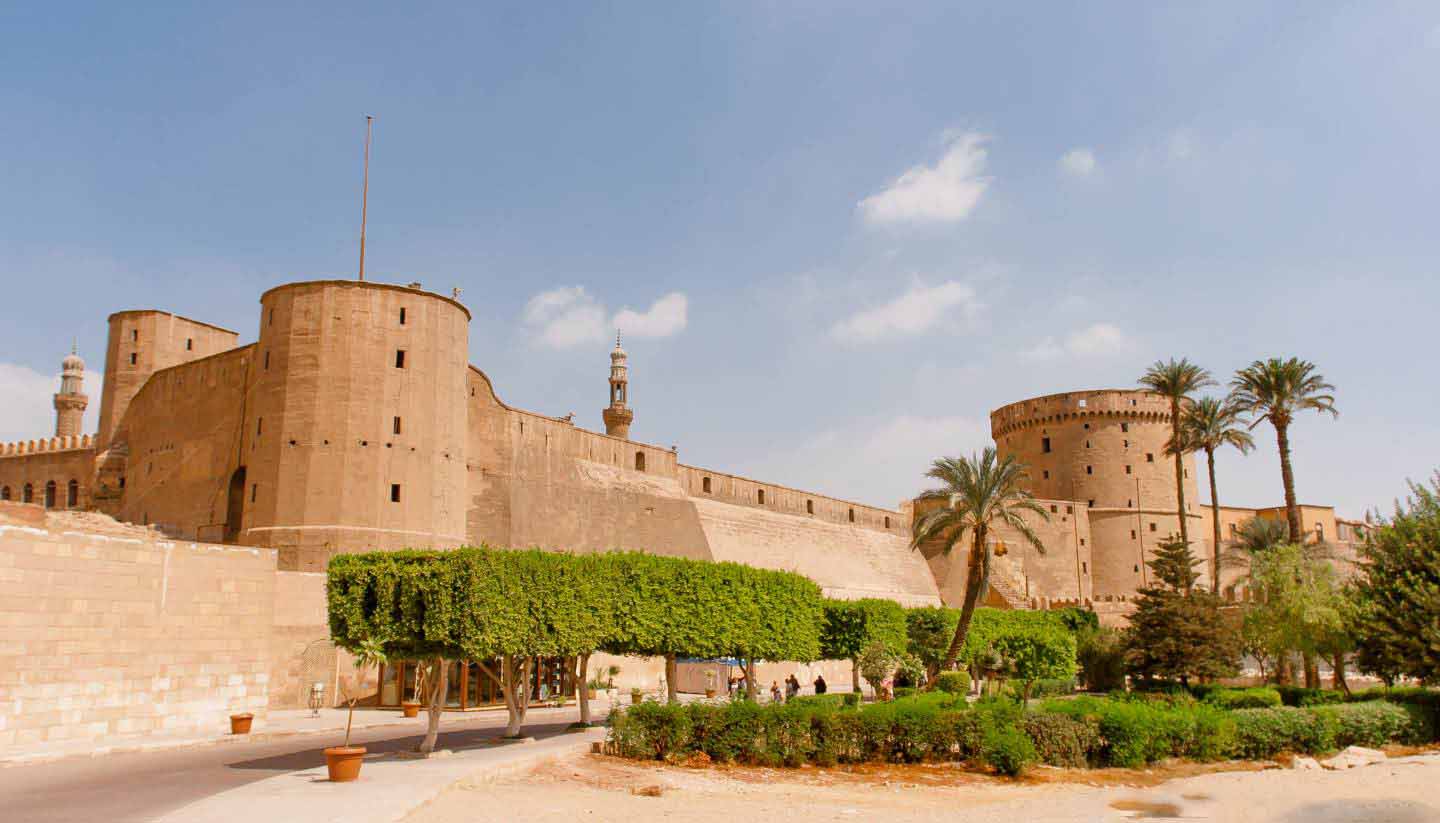
The Cairo Citadel, also known as the Citadel of Saladin or Qalaʿat Salah al-Din, is a legendary medieval Islamic fortress and one of the most important monuments of Historic Cairo. Salahdin Citadel has been the protective entity for Egypt, which spread its wings across the country for centuries. It stands on a rocky promontory near the Mokattam Hills, overlooking Cairo from the east and dominating the city’s skyline. Its elevated position gave it a powerful military advantage, allowing rulers to observe the city, control movement, and defend Cairo from possible attacks.
The history of the Cairo Citadel began with Salah al-Din al-Ayyubi's vision in 1176 AD as part of a major defensive plan to protect Cairo and Fustat after the end of the Fatimid Caliphate and during the Crusades. Over time, it became far more than a fortress, rising as a major symbol of the Islamic world by the 14th century and serving for nearly 700 years as Egypt’s seat of government, royal residence, military headquarters, ceremonial center, and symbol of political authority until Khedive Ismail moved the royal residence to Abdeen Palace in the 19th century.
It is now a preserved historic complex with mosques, museums, palaces, gates, towers, walls, courtyards, and panoramic viewpoints, including the famous Mosque of Muhammad Ali, whose dome and twin Ottoman minarets dominate Cairo’s skyline. The Citadel is part of Historic Cairo, which was listed as a UNESCO World Heritage Site in 1979 for its outstanding importance as a major center of Islamic civilization.
The Magical Location of the Golden Cairo Citadel
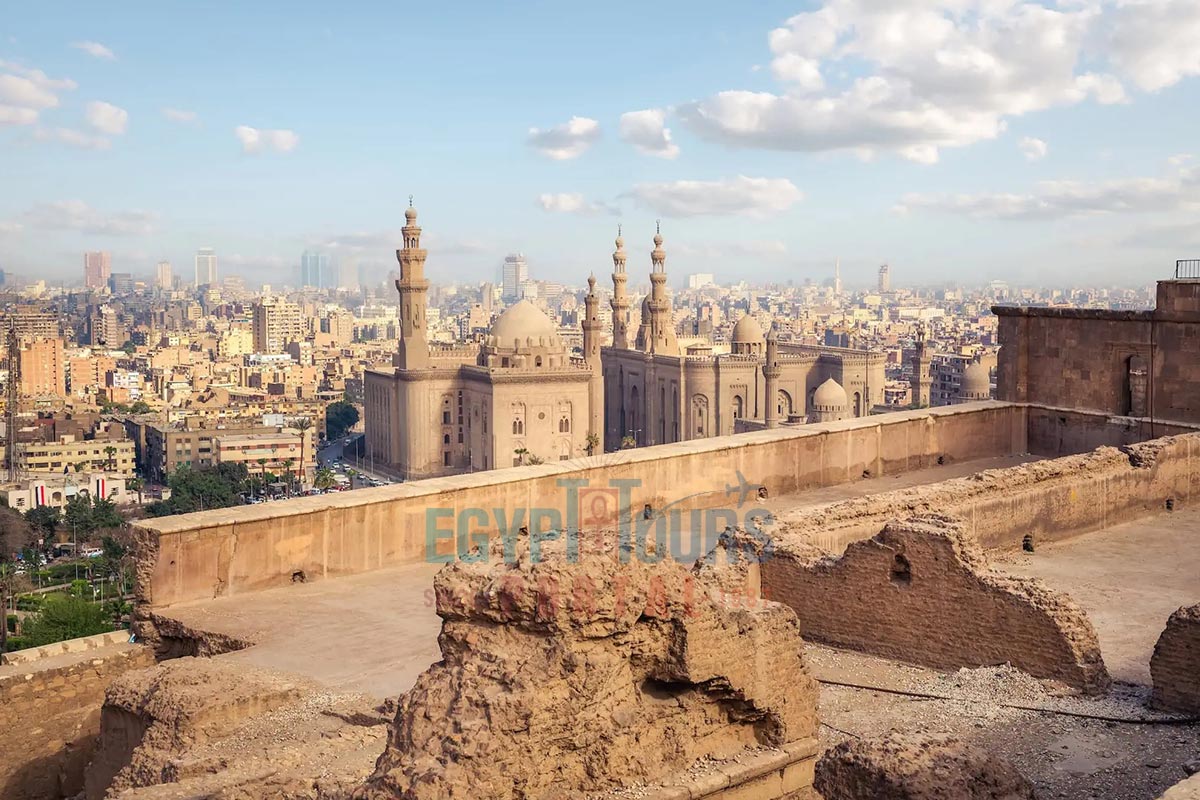
The Cairo Citadel is found in Islamic Cairo, on a rocky spur of the Mokattam Hills in eastern Cairo. It stands in a high strategic position overlooking the old city and Cairo’s skyline, near Salah al-Din Square / Citadel Square, which everyone can explore by checking our Cairo day tours. It is close to major Islamic landmarks such as the Mosque-Madrasa of Sultan Hassan and Al-Rifa’i Mosque. This elevated location made the Citadel ideal for defense, surveillance, and royal authority, which is why it served as Egypt’s main seat of government and residence of rulers for nearly 700 years.
Islamic Landmarks in Egypt
Explore the marvelous structures of the Egyptian Islamic culture
The Rich History of the Great Cairo Citadel
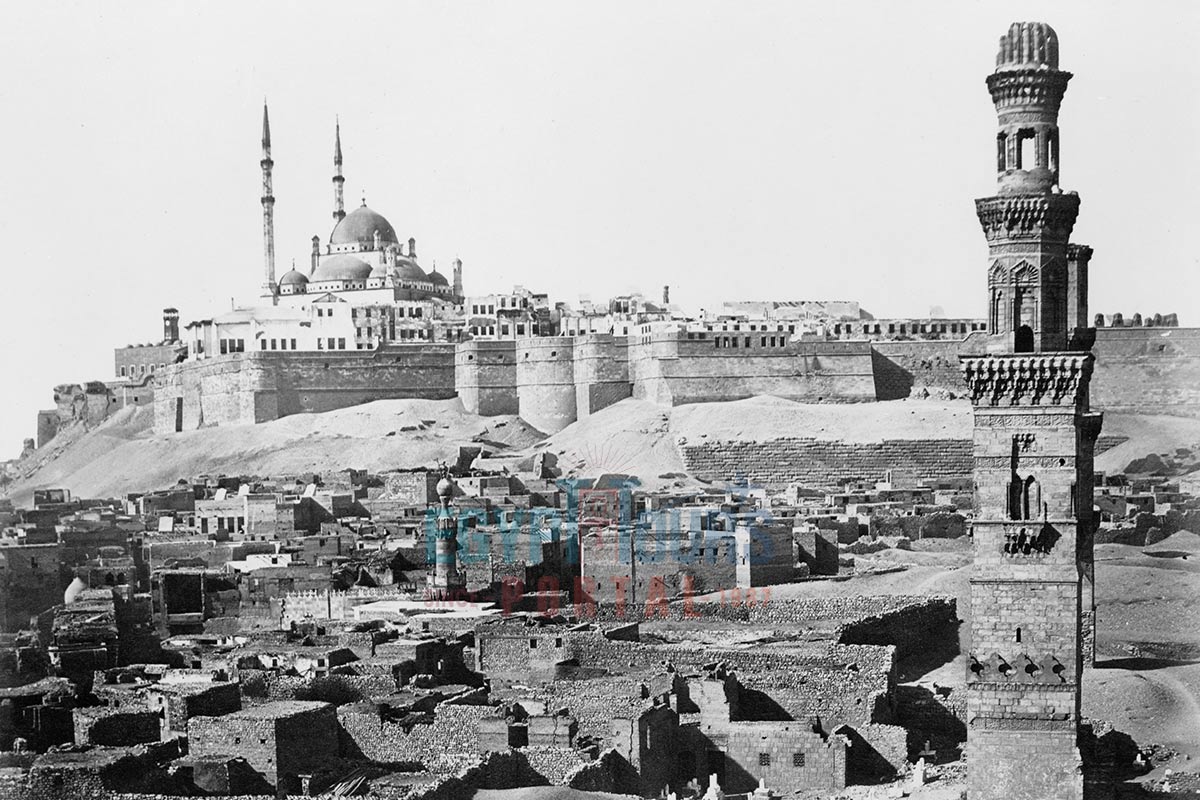
The Cairo Citadel was built between 1176 and 1183 AD by Saladin, founder of the Ayyubid dynasty in Egypt, as a secure military and political center after the end of Fatimid rule and as protection against possible Crusader attacks. He chose a strategic site on the edge of the Mokattam Hills and planned it as the centerpiece of a 20 km defensive wall meant to unite Cairo and Fustat into one fortified city. Construction was supervised by Baha al-Din Qaraqush, using limestone from the Mokattam Hills, additional stone from minor pyramids around Giza and Abusir, and labor from Christian prisoners of war.
By 1183–1184, the first phase was largely complete, but later Ayyubid rulers, especially al-Adil and al-Kamil, continued developing it; al-Kamil moved into the Citadel in 1206 and added palaces, a mosque, royal library, hall of justice, horse market, and a maydan / hippodrome for military parades and equestrian training.
During the Mamluk period, especially 1310–1341, al-Nasir Muhammad transformed the Citadel into one of the Islamic world’s grandest political centers, building palaces, renovating the water system, creating the Ablaq Palace, constructing the Great Iwan, and building the Mosque of al-Nasir Muhammad in 1318, renovated in 1335, after earlier expansions by Baybars, Qalawun, and al-Ashraf Khalil.
After the Ottoman conquest in 1517, the Citadel remained a military and administrative center, though many Mamluk buildings declined or were stripped; Ottoman rulers divided it among the Janissaries and Azaban soldiers and added the Mosque of Sulayman Pasha in 1528, Burj al-Muqattam, Mosque of al-Azab, Bab al-Azab, and Bab al-Jabal.
Between 1805 and 1848, Muhammad Ali Pasha reshaped the Citadel, using it as his power base, carrying out the 1811 Massacre of the Mamluks near Bab al-Azab, demolishing older Mamluk monuments such as the Great Iwan and Ablaq Palace, and building the Mosque of Muhammad Ali between 1830 and 1848, completed under Said Pasha in 1857.
The Citadel stopped being Egypt’s royal residence when Khedive Ismail moved the court to Abdeen Palace in 1874; it later served as a British and Egyptian military garrison before opening to the public in 1983 as one of Cairo’s most important historical attractions.
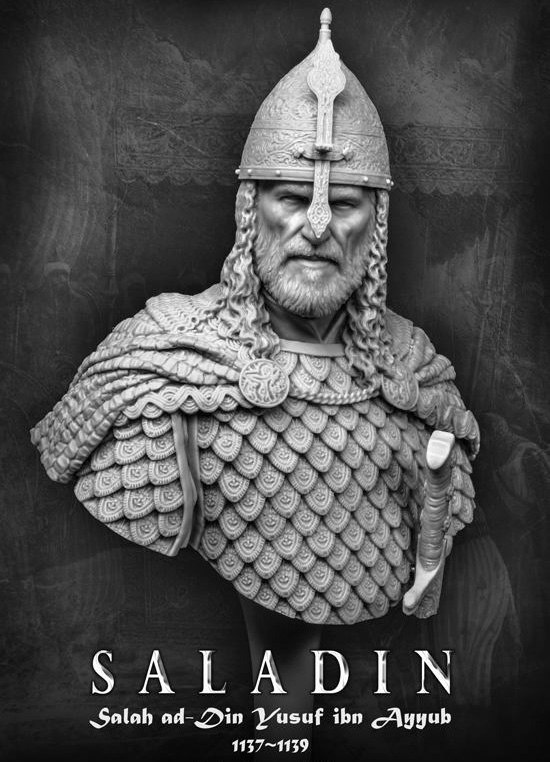
Salah Al-Din: The Hero of the Crusades & Sword of Justice & Mercy
Explore the legacy of the great warrior king of Salah El Din
The Elobrate Layout & Map of the Glorious Cairo Citadel
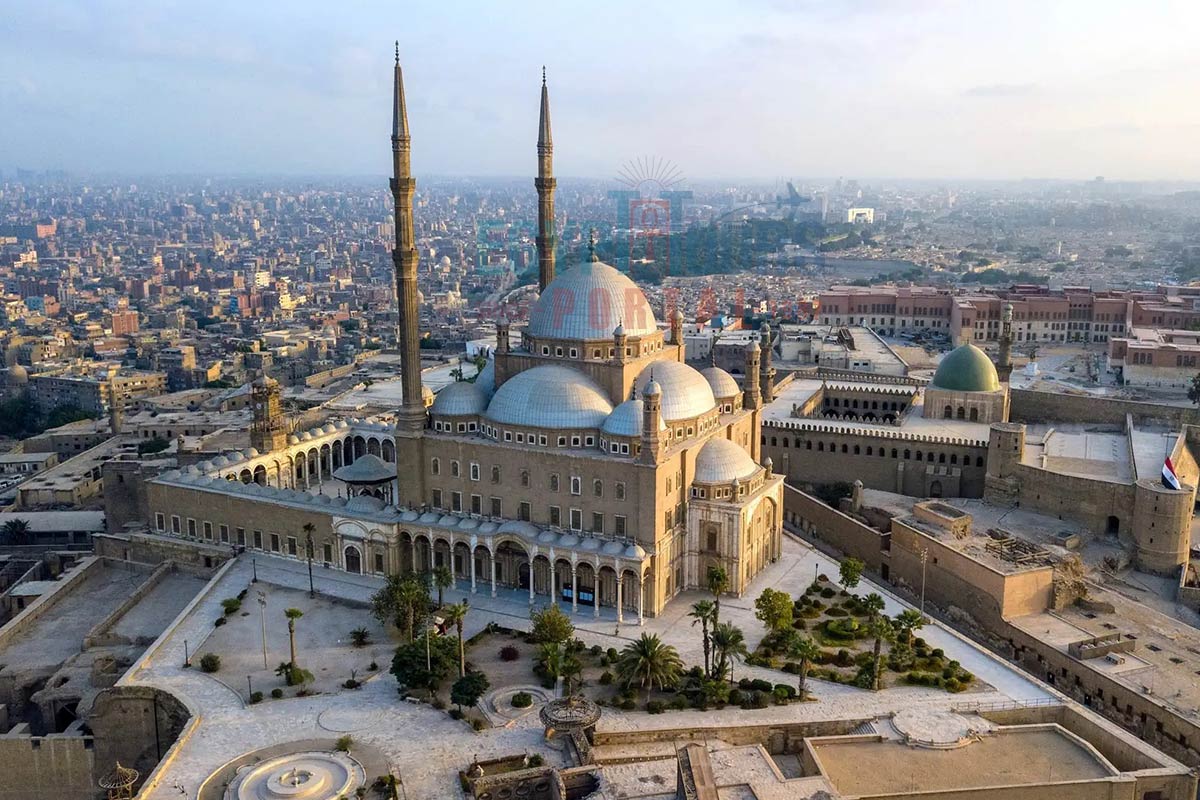
The Cairo Citadel is a large fortress complex with several enclosures, gates, mosques, palaces, museums, and defensive structures. Its layout developed over centuries, which makes it difficult to reconstruct its original Ayyubid form exactly. However, the modern Citadel can generally be divided into two major sections: the Northern Enclosure and the Southern Enclosure, with an additional lower western area historically connected to stables and military use.
The Northern Enclosure was historically the more military section of the Citadel. It housed garrisons, barracks, defensive structures, and later military institutions. Today, this area includes the Egyptian National Military Museum, housed in the former Harem Palace of Muhammad Ali, as well as the Mosque of Sulayman Pasha and other military-related spaces. This northern section preserves the Citadel’s identity as a fortress and military headquarters.
The Southern Enclosure was historically the royal and ceremonial heart of the Citadel. During the Mamluk period, it held palaces, audience halls, administrative buildings, and the main royal mosque. Today, it contains the most visited monuments, especially the Mosque of Muhammad Ali, the Mosque of al-Nasir Muhammad, and the Al-Gawhara Palace Museum. This section gives visitors the clearest sense of the Citadel as a seat of rulership and religious authority.
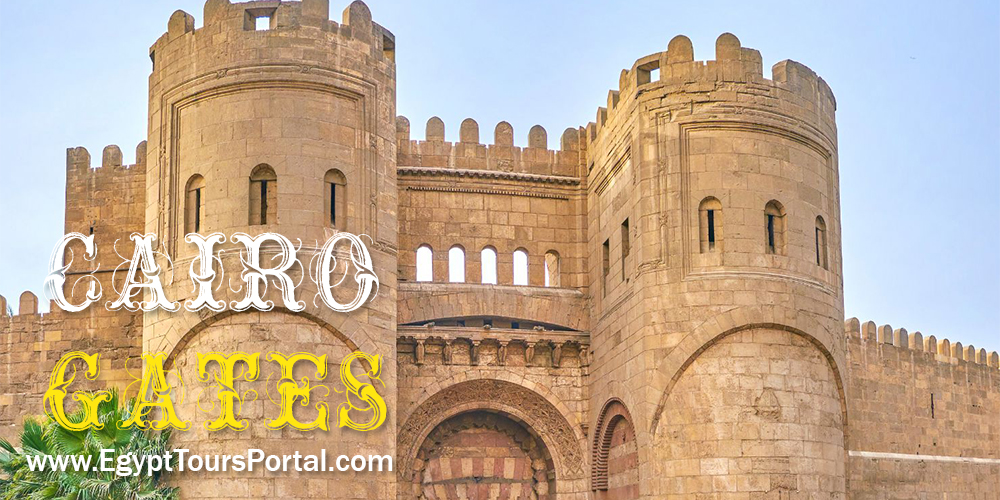
A lower western enclosure historically contained the royal stables of the Mamluks and later housed Ottoman military corps such as the Azaban. The monumental Bab al-Azab, built in 1754, gave access to this area. The gate was modeled on the Fatimid gate of Bab al-Futuh, showing how later builders reused the visual language of earlier Cairo architecture.
Outside the Citadel, to the west and southwest, there was once a large open field known as the Maydan or “hippodrome.” It was used for horse training, military parades, and state ceremonies. Nearby Rumayla Square, today known as Salah al-Din Square or Citadel Square, was used as a horse market and ceremonial plaza. This area is now associated with major Islamic monuments such as the Mosque-Madrasa of Sultan Hassan and Al-Rifa’i Mosque, forming one of Cairo’s most impressive historical panoramas.
Learn About How the Cairo Citadel Came Into Existence
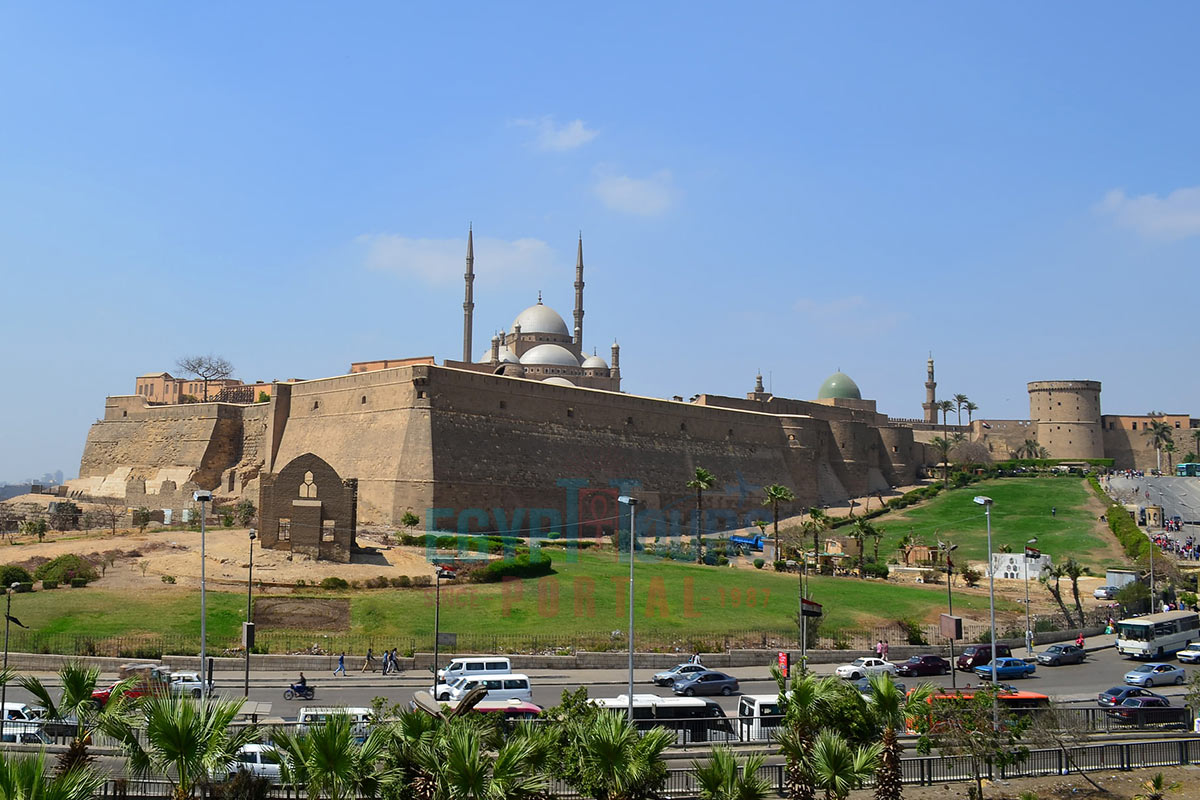
The construction of the Cairo Citadel is considered to be a very long & complex process that took hundreds of years to create in the image that we see today. Everything started with Saladin, who wished to create an empire with the citadel to be its main heart, soul, and mind.
Ayyubid Foundation of Cairo Citadel
The Cairo Citadel was founded by Salah al-Din / Saladin between 1176 and 1183 CE as a fortified seat of government and defensive stronghold against possible Crusader attacks after the fall of the Fatimid Caliphate. Inspired by fortified Syrian cities such as Damascus and Aleppo, Saladin planned the Citadel as the centerpiece of a larger defensive wall of about 20 km intended to surround both Cairo and Fustat.
Construction was overseen by Baha al-Din Qaraqush, using limestone from the Muqattam Hills, stone from minor pyramids at Giza and Abusir, and labor from Christian prisoners of war. The earliest fortress largely corresponded to today’s Northern Enclosure and included key features such as Yusuf’s Well, the double-headed eagle traditionally linked to Saladin, and Bab al-Mudarraj, the only surviving original gate, which preserves a bent entrance and an inscription dating the Citadel’s early completion to 1183–1184.
Construction Under Saladin’s Successors
Under Saladin’s successors, especially al-Adil and al-Kamil, construction continued, and the Citadel’s long-term organization took shape. The rounded towers of the Northern Enclosure date to Saladin’s phase, the rectangular towers to al-Adil, and Burj al-Ramla and Burj al-Hadid were reinforced by al-Kamil in 1207. Al-Kamil was the first ruler to move into the Citadel in 1206, adding palaces, a mosque, royal library, hall of justice, horse market, and a large maydan / hippodrome for military parades and equestrian training.
This established the Citadel’s historical division: the north for military functions, the south for royal residence and administration, and the southwestern foot as a parade ground. He also likely completed the first aqueduct bringing Nile River water to the Citadel. Later, Sultan al-Salih moved to Roda Island, and the Citadel became the permanent residence of Egypt’s rulers only under the Mamluks.
Mamluk Expansion and Royal Transformation
During the Mamluk period, the Citadel became the true center of royal power and underwent major architectural expansion, especially in the Southern Enclosure. Early Bahri Mamluk rulers including Baybars, Qalawun, al-Ashraf Khalil, and al-Nasir Muhammad built or rebuilt throne halls, palaces, mosques, and ceremonial spaces designed to dominate Cairo’s skyline. Baybars divided the Citadel with Bab al-Qulla, developing the Southern Enclosure into an exclusive royal complex with harem areas, ceremonial buildings, the Dar al-Dhahab / Hall of Gold, Qubba al-Zahiriyya, and the Tower of the Lions.
Qalawun created the Dar al-Niyaba, replaced Baybars’ domed hall with the Qubba al-Mansuriyya, and formed elite tower-based Mamluk regiments known as the Burji Mamluks. Al-Ashraf Khalil added the richly decorated Qa’a al-Ashrafiyya in 1291–1292, with marble, mother-of-pearl, glass mosaics, an octagonal fountain, and geometric marble floors, as well as the Iwan al-Ashrafiyya, painted with portraits of his commanders.
The Reign of Sultan al-Nasir Muhammad
The greatest Mamluk builder of the Citadel was Sultan al-Nasir Muhammad, who ruled three times between 1293 and 1341. He expanded the Southern Enclosure, developed palaces, ceremonial halls, harem gardens, and semi-public monuments, and renovated the Nile aqueduct in 1312, allowing more water to support his ambitious projects.
His major works included the Ablaq Palace, built in 1313–1314 with red-and-black striped masonry; the monumental Great Iwan / al-Iwan al-Kabir, rebuilt in 1333 and described by chroniclers as one of the most impressive structures in Cairo; and the Mosque of al-Nasir Muhammad, built in 1318 and renovated in 1335, which is the only major surviving monument from his Citadel projects.
Later Mamluk rulers added more buildings, including al-Duhaysha by al-Salih Isma’il in 1344, the Qa’a al-Baysariyya by Sultan Hasan in 1360, and later palaces by Qaytbay and al-Ghuri, while al-Ghuri also restored the Nile aqueduct and reworked the Mamluk hippodrome with a large pool.
Ottoman Period of the Cairo Citadel
After the Ottoman conquest in 1517, the Citadel remained important, but many Mamluk buildings were neglected, stripped, or reused. Sultan Selim I removed valuable decoration, especially marble, and sent it to Istanbul. The Citadel was divided among Ottoman military corps: the Northern Enclosure housed the Janissaries, the Southern Enclosure served the Ottoman governor and his troops, and the lower western enclosure housed the Azaban / Azap corps.
The dome of the Great Iwan collapsed in 1521, while the Ablaq Palace became a workshop for producing the Kiswah, the ceremonial cloth of the Kaaba. Ottoman additions included Burj al-Muqattam by Ibrahim Pasha in 1525, the Mosque of Sulayman Pasha in 1528, the Mosque of al-Azab in 1697, Bab al-Azab in 1754, and Bab al-Jabal in 1785.
Muhammad Ali’s Transformation of the Citadel
In the 19th century, Muhammad Ali Pasha reshaped the Citadel more dramatically than any ruler since the Mamluks. After becoming governor in 1805, he consolidated power through the 1811 Massacre of the Mamluks, when Mamluk leaders were killed after a banquet as they passed toward Bab al-Azab.
He built the famous Mosque of Muhammad Ali between 1828 and 1848 in memory of his son Tusun Pasha, who died in 1816, and used the project to replace much of the Mamluk visual legacy; in 1825, older structures, including the Great Iwan and Ablaq Palace were demolished to make way for the mosque and its surroundings. Muhammad Ali was later buried in the mosque.
He also built the Harem Palace, now the National Military Museum, and rebuilt gates and walls, including Bab al-Qulla, Bab al-Jadid, and Bab al-Wastani. The Citadel stopped serving as Egypt’s royal residence when Khedive Ismail moved the court to Abdeen Palace in 1874.
Cairo Citadel in the 20th Century and Today
In the 20th century, the Citadel was used as a military base by the British Army during the occupation and later by the Egyptian army after 1946. Large parts of the complex remained closed to the public until 1983, when the Egyptian government opened major sections and began restoration programs that converted several historic buildings into museums.
Today, the Cairo Citadel is one of Egypt’s major tourist sites and a layered monument of Ayyubid defense, Mamluk royal ceremony, Ottoman administration, Muhammad Ali’s state-building, and modern heritage preservation.
Discover the Magnificant Mosques of the Cairo Citadel
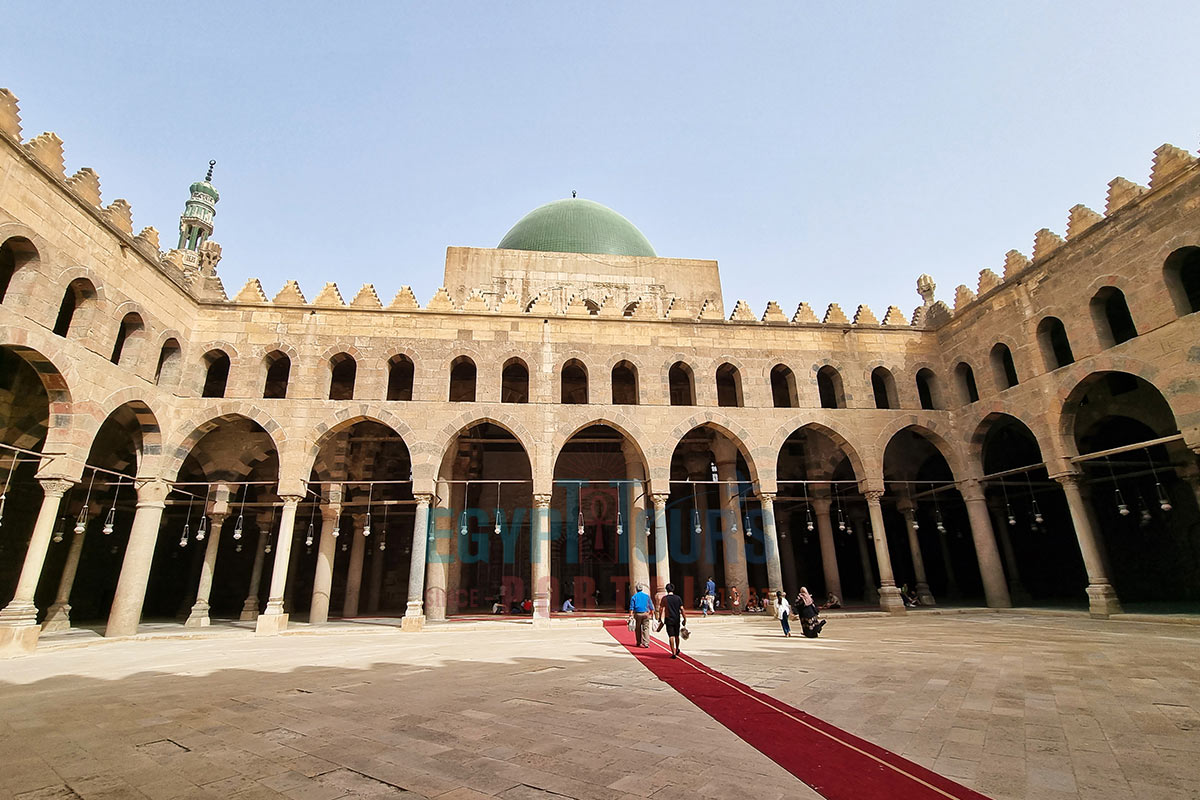
The Cairo Citadel contains several important mosques that represent different phases of Islamic architecture in Egypt, from the Mamluk period to the Ottoman period and the age of Muhammad Ali.
The Honorable Mosque of Muhammad Ali
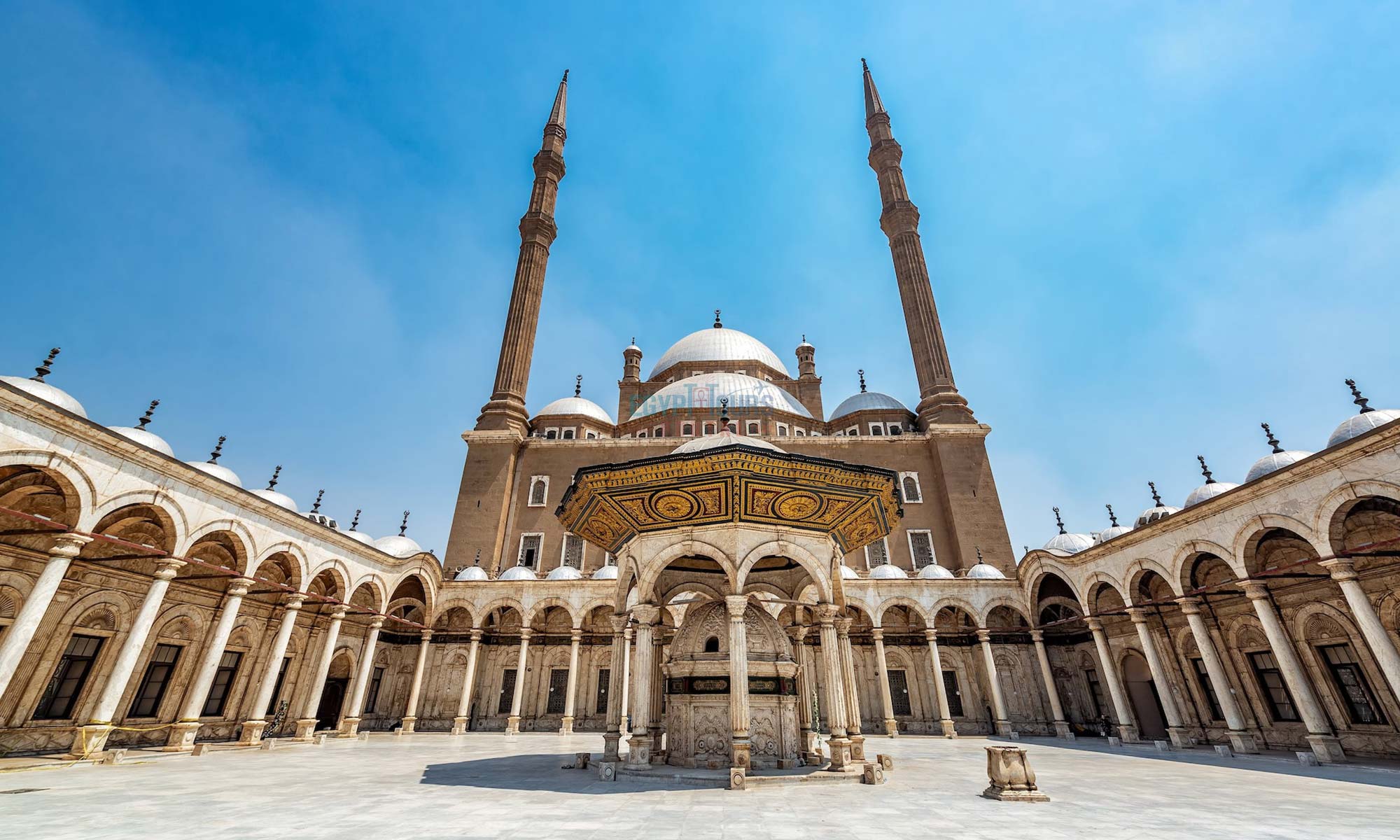
The most famous is the Mosque of Muhammad Ali, also known as the Alabaster Mosque. It was built between 1830 and 1848, though it was not fully completed until 1857 under Said Pasha. Designed by Yusuf Bushnak from Istanbul, the mosque was inspired by Ottoman imperial architecture, especially the great mosques of Istanbul.
It has a large central dome, semi-domes, pencil-like twin minarets, and a spacious courtyard. Muhammad Ali built it in memory of his son Tusun Pasha, who died in 1816, and Muhammad Ali himself was later buried there in a marble tomb. The mosque is one of Cairo’s most famous skyline monuments and one of the Citadel’s main attractions.
The Powerful Mosque of al-Nasir Muhammad
The Mosque of al-Nasir Muhammad is the most important surviving Mamluk mosque inside the Citadel. It was built in 1318 by Sultan al-Nasir Muhammad as the royal mosque of the Citadel, where the Mamluk sultans performed Friday prayers. He renovated it again in 1335.
The mosque is a hypostyle structure with a courtyard, arcades, and distinctive minarets. Some of its columns were reused from ancient Egyptian buildings, and while its original decoration was later stripped away by the Ottoman Sultan Selim I after the conquest of Egypt, the mosque remains one of the finest surviving Mamluk monuments in the fortress.
The Majestic Mosque of Sulayman Pasha
The Mosque of Sulayman Pasha was built in 1528 in the Northern Enclosure and is one of the rare examples of classical Ottoman-style mosque architecture in Cairo. It was built for the Janissaries, the elite Ottoman infantry stationed in the Citadel. The mosque was constructed on the site of an earlier Fatimid-era religious structure connected with Sidi Sariyya, whose tomb, dated to 1140 AD, still survives inside. Its Ottoman dome, minaret, and plan make it very different from the Mamluk mosques of Cairo.
The Grand Mosque of al-Azab
The Mosque of al-Azab stands near Bab al-Azab in the lower western enclosure. It was built by Ahmad Katkhuda in 1697, though some scholars suggest it may have been renovated or incorporated an earlier Mamluk mosque. It was associated with the Azaban / Azap Ottoman military corps housed in this part of the Citadel. Although it is not usually open to visitors, its Ottoman-style minaret can be seen from parts of the complex.
These mosques make the Citadel a living architectural timeline: al-Nasir Muhammad’s mosque reflects Mamluk power, Sulayman Pasha’s mosque reflects Ottoman military presence, and Muhammad Ali’s mosque reflects the ambitions of modernizing 19th-century Egypt.
Explore the Captivating Museums of the Cairo Citadel
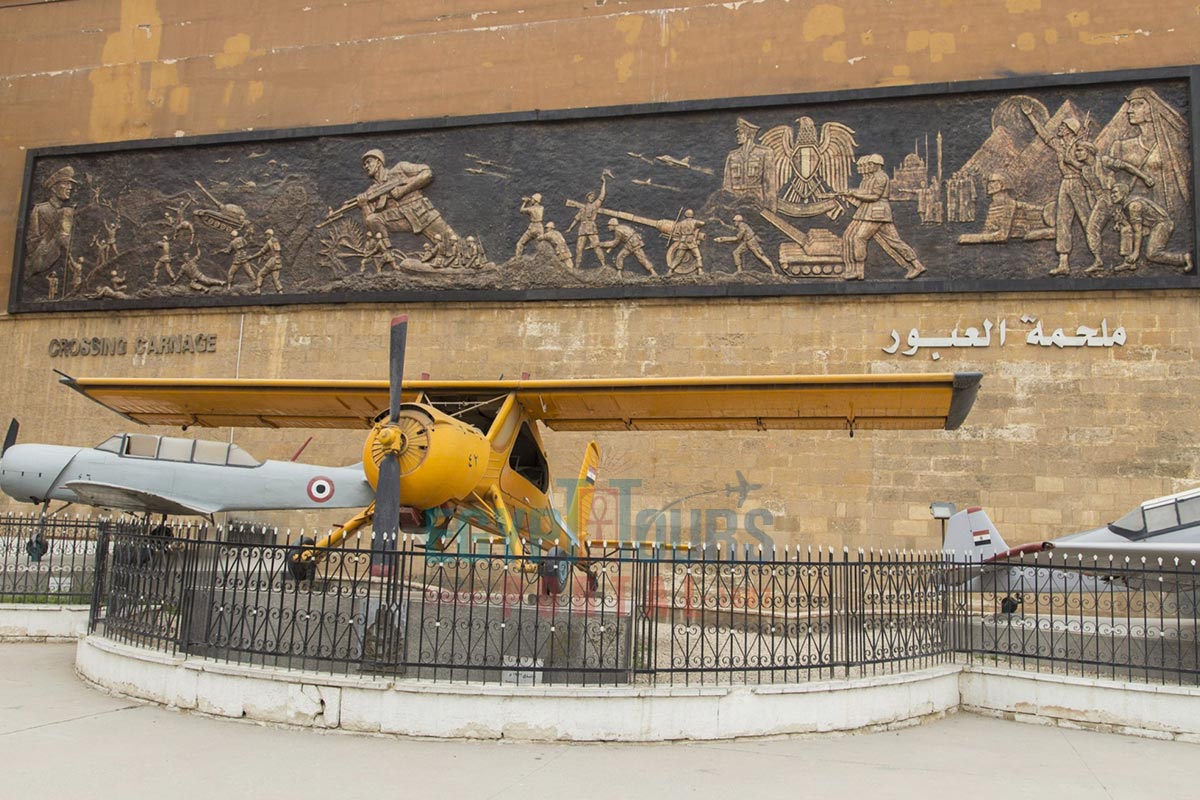
The Cairo Citadel contains several museums that help visitors understand Egypt’s political, military, royal, and social history. These museums occupy former palaces, prisons, and administrative spaces, adding another layer to the Citadel’s identity beyond mosques and fortifications. These museums will shed light on the tales of the grand transformation of Egypt from a medieval sultanate to a modern state.
The Patriotic Egyptian National Military Museum
The Egyptian National Military Museum is one of the main museums inside the Citadel. It was originally established in 1937 in the old Egyptian Ministry of War building in downtown Cairo. It was later moved temporarily to Garden City, then transferred in 1949 to the Harem Palace at the Citadel. The museum has been renovated several times, including in 1982 and 1993. It presents the history of the Egyptian military from ancient times to the modern era, including weapons, uniforms, battle scenes, military equipment, and historical displays.
The Prestigious Al-Gawhara Palace Museum
The Al-Gawhara Palace Museum, also called the Bijou Palace, was commissioned by Muhammad Ali Pasha in 1814. It was built by artisans from several countries, including Greeks, Turks, Bulgarians, and Albanians, and reflects Ottoman design with European influences. The palace served as an official reception space where Muhammad Ali received guests. One of its most famous features is a massive 1,000 kg chandelier sent by Louis Philippe I of France, as well as the throne of Muhammad Ali, which was a gift from the King of Italy.
The Special Royal Carriages Museum
The Royal Carriages Museum, inaugurated in 1983, displays royal carriages from different historical periods, especially from the reign of Khedive Ismail to King Farouk. It also contains antiques and objects related to royal transportation. This museum gives insight into Egypt’s royal ceremonial culture and the lifestyle of the ruling elite before the 1952 revolution.
The Magnificant Police Museum
The Police Museum, also known as the Prison Museum, is located north of Bab al-Alam on a terrace with sweeping views over Cairo. It occupies part of the Citadel’s former prison and includes displays about the history of Egyptian policing, famous crimes, political assassinations, weapons, uniforms, and prison history. Its location is especially atmospheric because it connects the Citadel’s role as a fortress with its later use as a prison and security center.
Witness Pure Greatness Through Our Magnificant Egypt Tours
Salah El Din Citadel is one of the most notable and epic Cairo tourist attractions. If you want to explore it with other amazing historical attractions, then you can check our various Egypt tours and Nile cruises in order to live the most magical travel experience.