Summary
- Nile cruise etiquette starts before departure, with an advance booking, a valid e-Visa ($30 single-entry, $65 multiple-entry), travel insurance, and weather-appropriate packing.
- Onboard etiquette includes committing to the ship's fixed schedule, dressing modestly ashore at temple sites, and following the smoking rules and safety briefing like any standard cruise.
- Cultural respect matters throughout: using the right hand for eating and greeting, avoiding pointing feet at others, and learning a few basic Arabic phrases such as shukran and min fadlak.
- Egyptian cuisine served on board, including koshari, molokhia, and Umm Ali, is typically served buffet-style alongside international dishes.
- Tipping the crew and offering a direct thank-you at the end of the cruise are the two simple courtesies that properly close out the trip.
Sailing the Nile River is as much a cultural experience as a scenic one, and knowing what is expected before stepping aboard, during the days spent on the water, and once the cruise ends makes the difference between a trip that runs smoothly and one full of avoidable friction. Nile cruise etiquette covers a wide range of small decisions: which documents to carry, how to dress at dinner versus at a temple, how to interact with the crew, and how to close out the journey with the right gesture of thanks.
This guide moves through that timeline in order. It starts with the preparation that belongs on a checklist before departure, covers the customs and daily habits that matter most while the ship is underway, and finishes with the two simple courtesies that mark a proper end to the voyage.
Nile Cruise Etiquette Before the Cruise

Good etiquette begins long before the ship leaves the dock. The choices made in the weeks before departure, what gets booked, packed, and confirmed, set the tone for the entire trip.
Book the Cruise in Advance, Especially During Peak Season
Nile cruise cabins fill quickly during Egypt's peak travel months, from October through April, when cooler temperatures draw the largest number of visitors. Booking several months ahead secures a wider choice of ship, cabin category, and itinerary, and it is generally the single biggest factor in overall cost, a point covered in detail in the guide on how to book a Nile cruise. Comparing the available options first, including the different types of Nile river cruises, makes it easier to book the right fit rather than whatever cabin happens to remain closer to the travel date.
Make Sure There Is a Valid Entry Visa for Egypt
Most foreign visitors need a visa to enter Egypt, whether arranged in advance through the official e-Visa portal or, for eligible nationalities, obtained on arrival. As of 2026, the e-Visa costs $30 for a single-entry tourist visa and $65 for a multiple-entry visa, figures worth reconfirming directly with the official portal before travel, since fees and eligible nationalities can change. Applying online in advance, rather than relying on arrival processing, avoids delays at the airport that could affect a tight connection to the cruise's embarkation point.
Get Comprehensive Travel Insurance
Travel insurance that covers medical emergencies, including evacuation, and lost or delayed luggage is not legally required to enter Egypt but is strongly recommended by both tour operators and foreign embassies. A Nile cruise itinerary often includes destinations well outside major cities, and comprehensive coverage removes one of the largest sources of financial risk on an international trip. Confirming the policy explicitly covers cruise travel, rather than only land-based tours, is worth the extra few minutes before departure.
Carry Some Egyptian Currency for Personal Expenses
The Egyptian pound (EGP) is the local currency, trading at roughly 51 EGP to the US dollar as of September 2026, though the rate fluctuates and is worth checking closer to departure. While cruise fares, and often shore excursions, are typically prepaid, small expenses such as bottled water from a local shop, market purchases, or tipping are usually settled in cash. Carrying a modest amount of EGP, exchanged at a bank or official exchange office rather than an informal vendor, covers these costs without relying on ATMs in smaller towns along the route.
Pack Light, Comfortable Clothing for Hot Weather
Upper Egypt stays warm for most of the year, and even the cooler winter months regularly reach the low-to-mid 20s Celsius (70s Fahrenheit) during the day. Breathable fabrics such as cotton and linen, in light colors that reflect rather than absorb heat, handle the climate far better than synthetic materials. A more detailed seasonal breakdown, useful for deciding exactly what to pack, is available in the guide to weather during a Nile cruise.
Carry Sunscreen, Sunglasses, and a Wide-Brimmed Hat
Sun exposure along the Nile is intense, particularly during the extended hours spent at open-air temple sites with little natural shade. A high-SPF sunscreen, UV-blocking sunglasses, and a wide-brimmed hat are practical necessities rather than optional extras, and reapplying sunscreen throughout the day matters more on this itinerary than on most.
Carry Any Medications Needed Regularly
Pharmacies exist in Luxor and Aswan, but stock can be inconsistent for specific prescriptions, and Nile cruise itineraries spend limited time in any one city. Packing a full supply of regular medications, in original packaging with a copy of the prescription, avoids any risk of running short mid-cruise, particularly for medications that are not easily substituted.
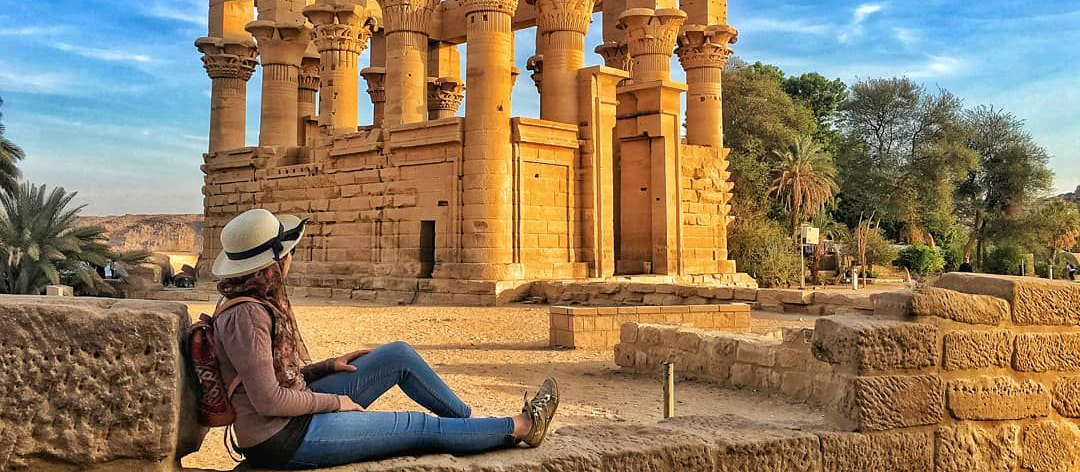
How to Enjoy Egypt
Delve into our rich collection of articles for essential travel knowledge while exploring Egypt!
Nile Cruise Etiquette During the Cruise

Once aboard, etiquette shifts from preparation to daily conduct: how a traveler settles in, moves through the schedule, and interacts with the crew and fellow passengers.
Arrive at the Cruise Port Well Before the Departure Time
Nile cruise ships keep a fixed sailing schedule tied to lock passages, mooring arrangements, and coordinated excursion timing with other vessels on the river, and arriving late risks holding up the entire departure. Arriving with a comfortable buffer before the posted boarding time allows for a relaxed check-in rather than a rushed one, and it is considered a basic courtesy to fellow passengers whose schedule depends on the same departure.
Check In at the Front Desk and Drop Off Luggage
Boarding a Nile cruise ship typically follows the same pattern as a hotel check-in: presenting a passport or booking confirmation at the reception desk, receiving a cabin key or key card, and handing luggage to crew members who deliver it directly to the cabin. Confirming the cabin number and any welcome-drink or briefing schedule at this point avoids confusion once the ship gets underway.
Settle Into the Cabin and Learn the Onboard Facilities
Most Nile cruise ships are compact, generally three to five decks connected by a central staircase and often a small elevator, with the sun deck, dining room, lounge, and reception each occupying their own level. Taking a few minutes early in the trip to locate the dining room, the nearest stairwell, and the muster point for safety briefings makes the rest of the cruise noticeably easier to navigate.
Commit to the Trip Schedule to Join Activities and Excursions
A Nile cruise itinerary runs on a set schedule, timed around each temple's opening hours, the ship's sailing windows, and coordinated group departures for shore excursions. Skipping the posted schedule to sleep in or explore independently is generally discouraged, both because it can hold up a shared excursion bus and because temple visits are often timed specifically to avoid the worst midday heat.
Respect the Culture and Traditions of Egypt
Egypt is a predominantly Muslim country with conservative social norms in many public settings, and a few core courtesies go a long way: using the right hand for eating and greeting, since the left is traditionally reserved for personal hygiene; never pointing the soles of the feet toward another person; and pausing rather than walking in front of someone at prayer. A broader rundown of these customs, along with other Egyptian culture and tradition, is covered in the do's and don'ts of Egypt.
Dress Appropriately On and Off the Cruise
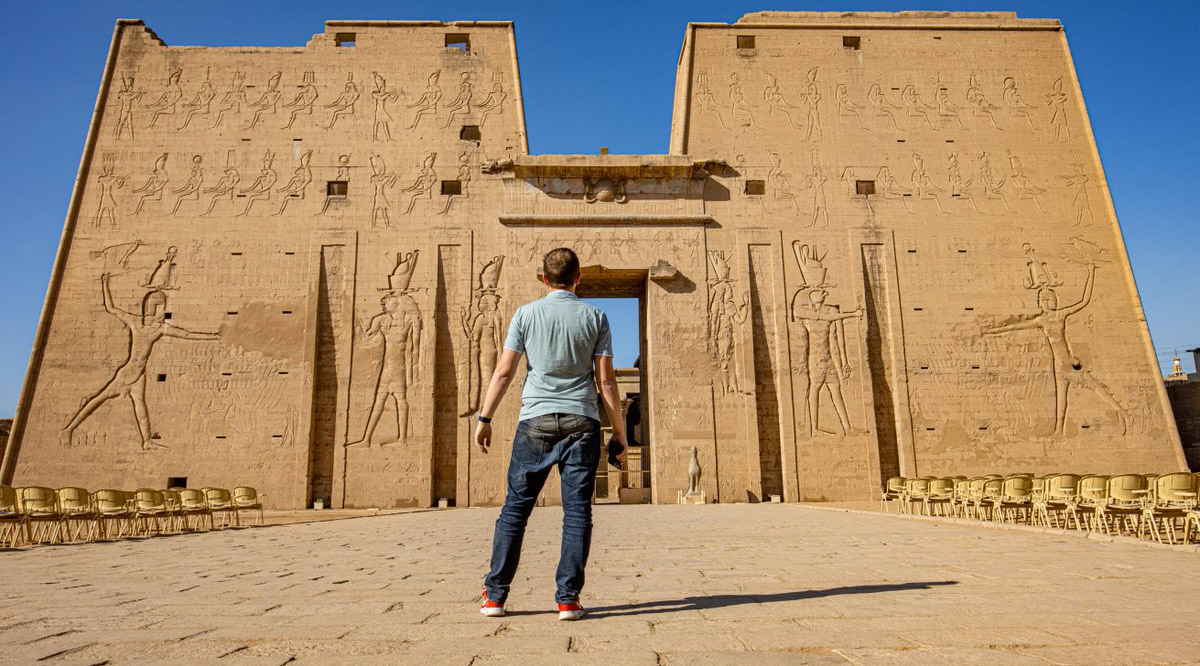
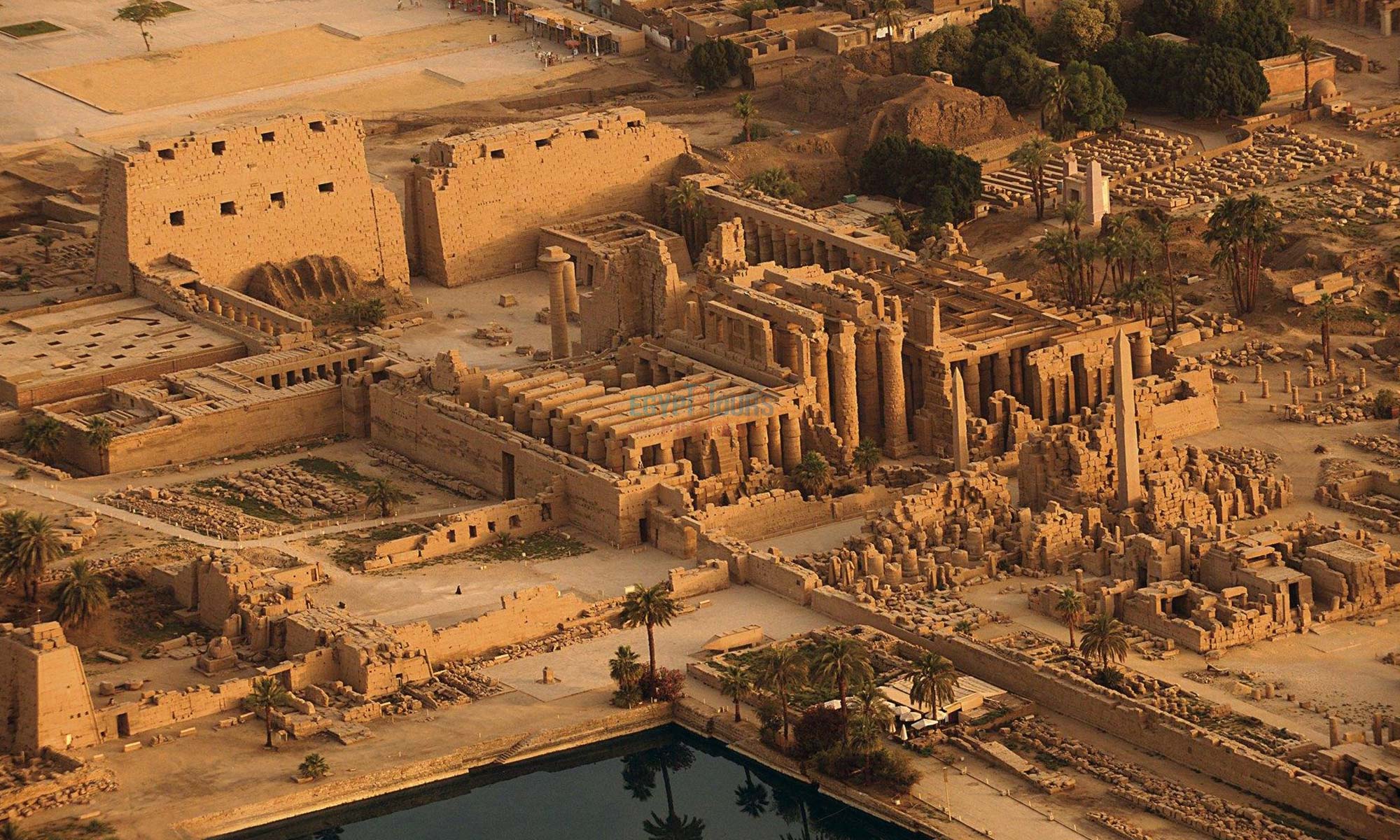
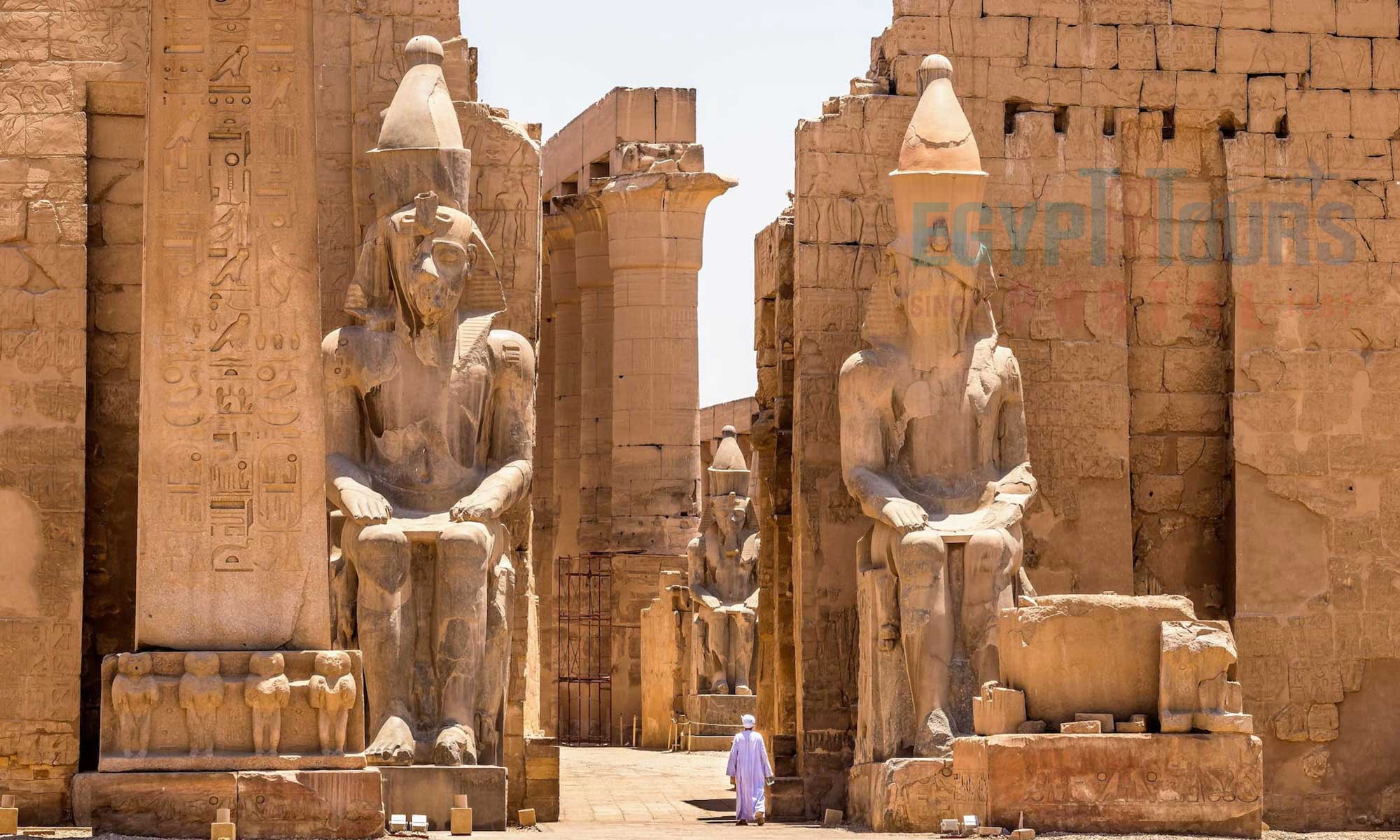
Onboard daytime wear is casual, but dinner service on most ships expects a slightly smarter standard, collared shirts and trousers for men, and modest necklines with covered shoulders for women, particularly on gala or captain's dinner nights. Ashore, temple visits call for a stricter standard still: shoulders and knees covered regardless of the heat, since sites such as Karnak Temple and other active religious or historical monuments generally do not admit visitors in shorts or sleeveless tops. A lightweight scarf, carried in a day bag, covers both a sudden dress-code requirement and any mosque visit added to the itinerary.
Learn Some Basic Phrases in Arabic
A handful of Arabic phrases go further than most travelers expect: shukran (thank you), min fadlak or min fadlik (please, spoken to a man or woman respectively), and sabah al-khair (good morning) are simple enough to learn in a few minutes and are consistently well received by crew and guides. It is a small gesture, but one that signals genuine respect for the country being visited rather than treating it purely as a backdrop.
Use the Onboard Transportation to Move Between Decks
On ships with a working elevator, using it rather than the stairs is a practical courtesy for other passengers, particularly older travelers or anyone carrying items between decks, since Nile cruise stairwells are often narrow. Where only stairs are available, keeping to one side and allowing crew members carrying luggage or meal trays to pass is standard shipboard practice.
Enjoy the Egyptian Cuisine Served on Board
Meals are typically served buffet-style and mix Egyptian dishes with international options, giving travelers a low-pressure way to sample local food without committing an entire meal to it. Dishes commonly served include koshari, a layered mix of rice, lentils, and pasta topped with spiced tomato sauce; molokhia, a garlicky green soup; grilled meats and fresh Nile-region vegetables; and Umm Ali, a warm bread pudding served for dessert. More detail on what to expect at each meal is covered in the guide to food and beverage on board Nile cruises.
Drink Plenty of Water to Avoid Dehydration
Between the dry heat and the amount of walking involved in shore excursions, dehydration is one of the most common and most preventable issues on a Nile cruise. Bottled water is generally available on board and during excursions, and drinking consistently through the day, rather than only when thirsty, matters more here than it would on a cooler-climate trip.
Follow the Smoking Rules on Board
Smoking is typically restricted to designated outdoor areas, most often a section of the sun deck, and prohibited in cabins, the dining room, and enclosed lounges, in line with standard practice across the cruise industry. Confirming the ship's specific designated area at check-in avoids an awkward correction later in the trip.
Follow the Safety Instructions on Board
Nile cruise ships hold a safety briefing early in the voyage, covering the location of life jackets in each cabin and the nearest muster point in case of an emergency, the same practice followed on ocean-going cruise ships. Attending this briefing and noting the cabin's life jacket location takes only a few minutes and is standard maritime procedure rather than a formality unique to the Nile; more on the overall safety record of Nile cruising is covered in the guide to how safe a cruise on the Nile River actually is.
Tip the Crew for Good Service
Tipping on a nile cruise is customary and genuinely expected, since it makes up a meaningful part of crew income across the housekeeping, dining, and deck staff who work the ship throughout the voyage. Most ships collect a general crew tip, often through an envelope or shared box at the end of the cruise, separate from any tips given directly to a guide or driver for shore excursions. The full breakdown of appropriate amounts by role is covered in the dedicated guide to tipping in Egypt.
Nile Cruise Etiquette After the Cruise

The etiquette that matters most does not end with the final excursion. Two simple habits close out the trip properly.
Departure of the Ship at the Scheduled Time
Disembarkation, like boarding, runs on a fixed schedule tied to onward transfers, whether to a flight, a hotel, or a connecting tour. Having luggage packed and ready by the time requested by the crew, rather than the moment the ship actually docks, keeps the process moving smoothly for every passenger and for the crew preparing the ship for its next group of travelers.
Thank the Crew for Their Service
A direct, personal word of thanks to the cabin steward, waitstaff, and any crew member who made a noticeable difference during the trip costs nothing and is remembered far more than a generic goodbye. Combined with the standard tip, it is the simplest way to close out several days of hospitality on the right note.
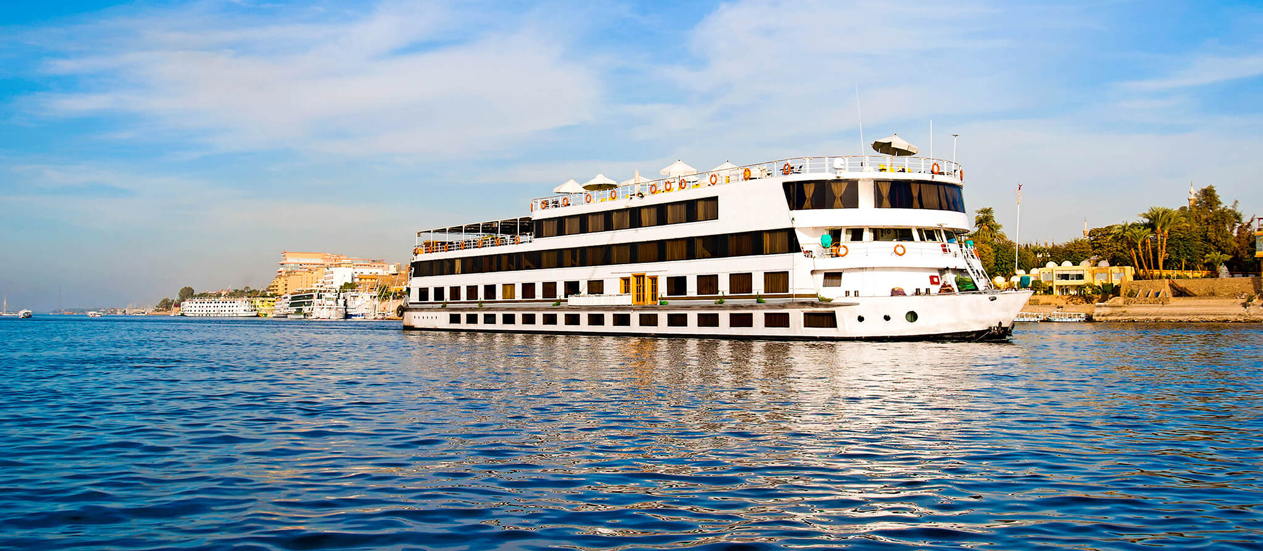
Nile Cruise Travel Guide
Discover the amazing Facts relating to the Nile river cruises
Learn the Right Way to Behave on Board a Nile Cruise
Etiquette on a Nile cruise is less about rigid rules and more about traveling with awareness of the schedule, of the crew's work, and of the culture along the riverbanks the ship passes each day. Getting the preparation right before departure, staying considerate and engaged once aboard, and closing the trip with a proper thank-you and tip covers nearly everything that separates a smooth Nile cruise from an awkward one.
Discover the many different trips of Nile River Cruises and Egypt vacations to find an itinerary that fits, plus explore the luxury Nile cruise options for a higher level of comfort and service throughout the whole journey.