Summary
- Tipping on a Nile cruise, called baksheesh, is culturally expected though not legally required, and forms a real part of crew income.
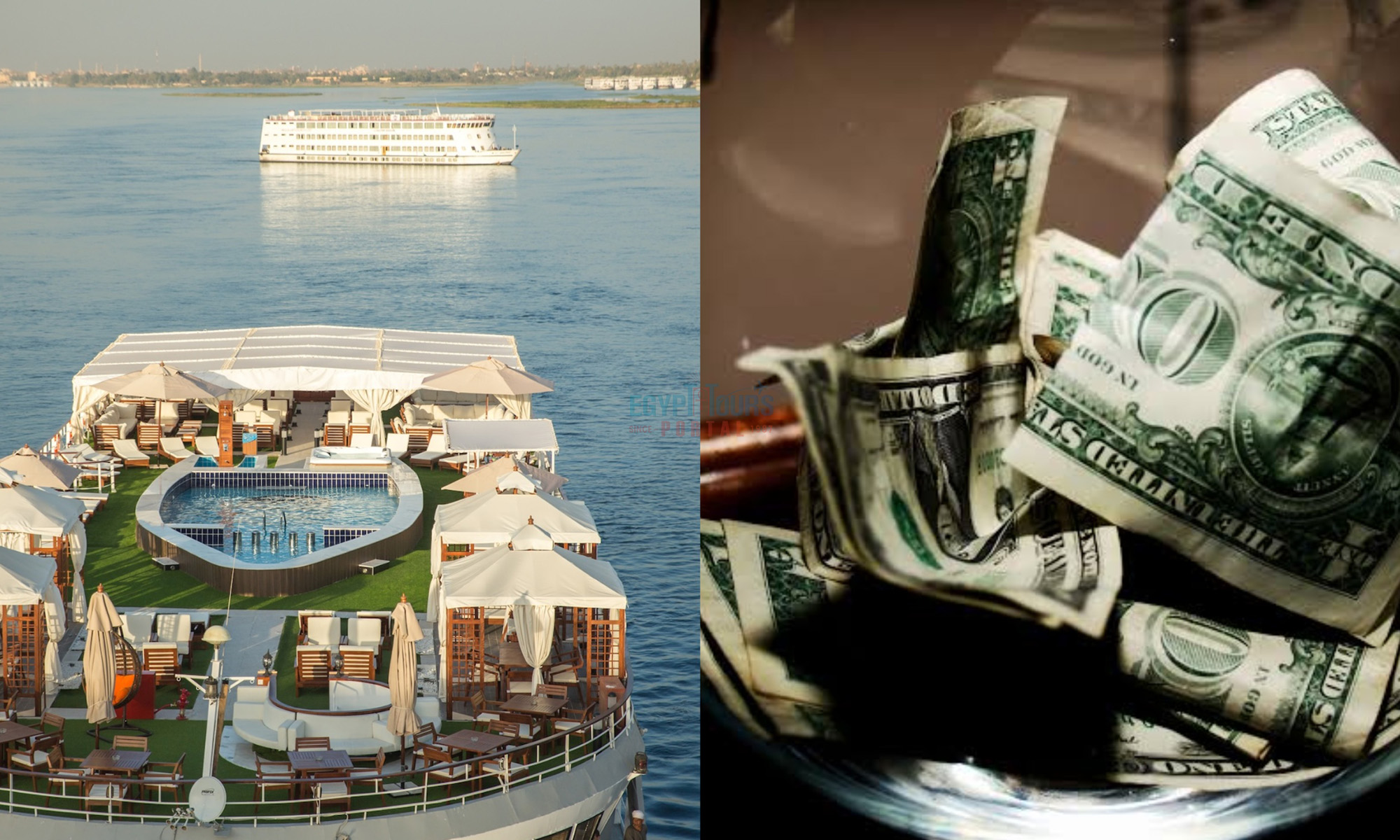
- The onboard crew kitty runs $5-$10 USD per person per night, collected as one lump sum at reception on the final evening.
- Egyptologist guides ($10-$15/day), drivers ($3-$5/day), and porters ($1/bag) are tipped separately and directly, not through the ship's envelope.
- US dollars in small, clean bills work best for the crew and guide; small Egyptian pound notes cover porters, drivers, and incidental baksheesh, with 1 USD equal to roughly 50 EGP in 2026.
- A little Arabic goes a long way: saying "shukran" while handing over a tip is simple, appreciated, and understood everywhere in Egypt.
Nile cruise tipping is one of the few practical details that catches first-time visitors off guard, since gratuities in Egypt work differently than they do on an international cruise, a Caribbean cruise line, or in a European restaurant. Tipping in general, whether on a nile cruise or on land, is a true art form that takes class, compassion, and skill; through a simple tip, travelers show respect & appreciation, and in return you get an extra amount of care and attention, which can be very handy during any vacation away from home.
The custom runs deep and gentle, like the Nile River itself, carrying with it centuries of hospitality passed from one generation to the next. A Nile cruise carries travelers past incredible ancient structures across Upper Egypt that have stood the test of time for ages, and behind every smooth day on deck is a crew of housekeepers, waiters, guides, and drivers working to make the journey effortless.
This guide answers the questions travelers ask most before they sail: what tipping actually means in the Egyptian context, whether it is truly expected, how much to set aside for each member of the crew, and who should receive it. It also covers the practical points that matter on the day, from Arabic phrases worth learning to the difference between generous and excessive. By the end, packing an envelope of small bills will feel like second nature rather than a source of pre-trip anxiety.
What Is Tipping on a Nile Cruise?

Tipping on a Nile cruise, locally known as baksheesh, is a small cash gift given directly to the people who look after guests during the voyage: cabin stewards, waitstaff, bartenders, Egyptologist guides, drivers, and porters. The word baksheesh comes from Persian and has been used across Egypt and the wider Middle East for generations to describe a token of thanks for a service, a favor, or simply good manners, and it remains one of the customs travelers should understand before they go, alongside broader points of Egyptian culture and tradition.
Unlike a restaurant tip in the United States, baksheesh in Egypt extends well beyond dining. Travelers encounter it at temple sites, on felucca rides, and even when a stranger points out a well-placed photo angle. On a Nile cruise, however, the practice is more structured. Most vessels pool the crew's tips into a shared kitty collected at reception, while the Egyptologist guide and driver are typically tipped separately and directly, since they usually work for a different company than the ship itself. The Nile Cruise Travel Guide covers how these roles fit into a typical sailing if this is your first time booking one.
Is Tipping Expected on a Nile Cruise?
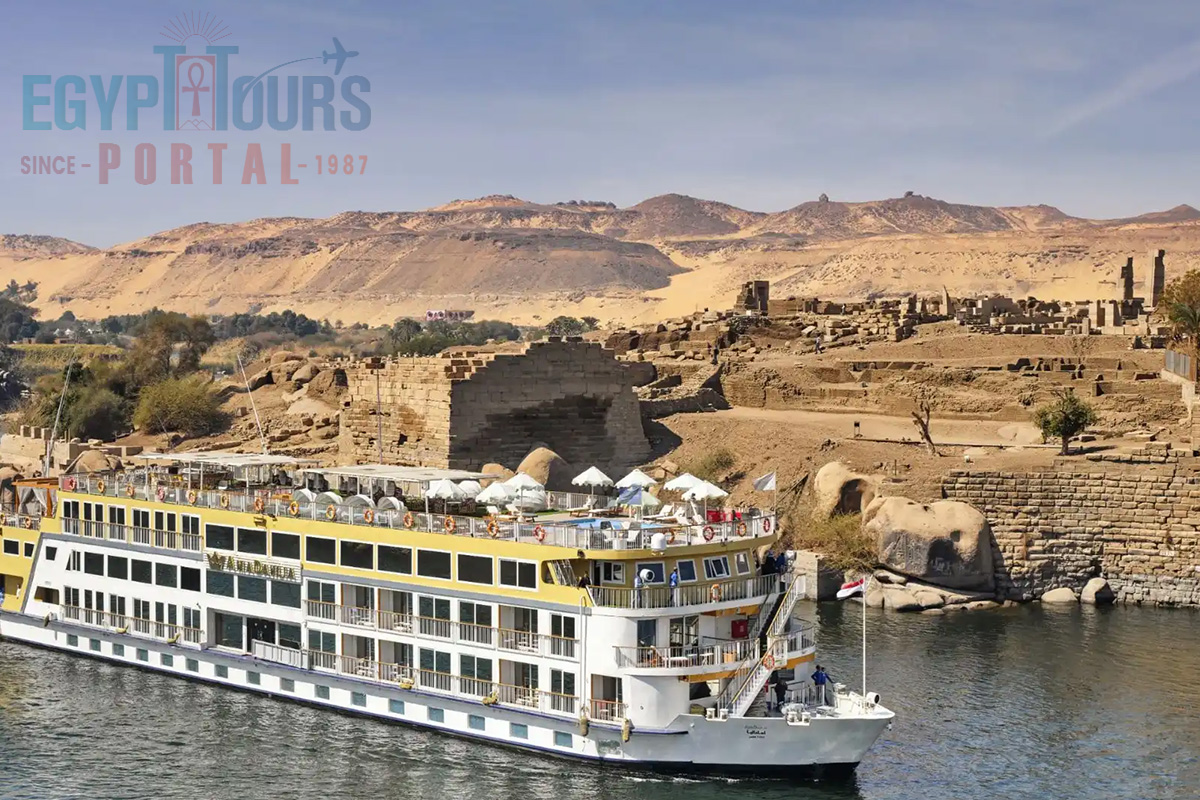
Yes. Nile cruise gratuities are not legally required, but they are culturally expected in a way that goes further than tipping customs in most Western countries. Wages for cruise crew and shore staff in Egypt's tourism sector are modest, and tips make up a meaningful share of take-home pay for housekeeping staff, waiters, and porters. Skipping the tip envelope entirely is considered a real gap in a traveler's manners, not a minor oversight.
That said, tipping is still tied to service, not obligation. Crew members do not expect payment for indifferent or careless work, and travelers are never wrong to adjust the amount based on how the week actually went. The expectation is that gratuities will be given at a fair, standard level for reasonable service, with room to tip above that standard when someone goes out of their way.
Most cruise lines address this directly in their welcome briefing on the first day, often suggesting a recommended amount per person per night. Treat that number as a floor rather than a fixed rule, and adjust upward for a crew that clearly worked hard to make the trip memorable. It is one of several small customs worth reading up on alongside the wider Egypt travel tips guide before departure.
How to Book A Nile Cruise
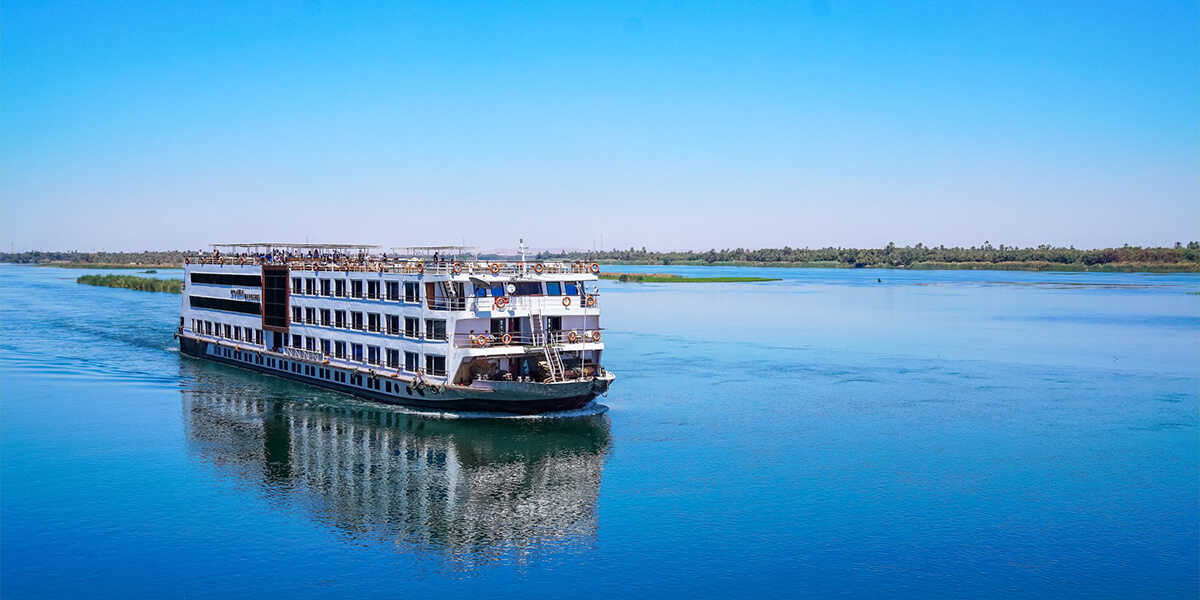
Searching for how to book a Nile cruise? check our article to learn how to book a Nile cruise with the top steps and best information guide.
What Is the Appropriate Tip Amount?

Amounts vary slightly by cruise category and by source, but the figures below reflect the range most Nile cruise operators recommend and most travelers actually pay in 2026, with 1 US dollar equal to roughly 50 Egyptian pounds at current exchange rates.
| Who You're Tipping | Suggested Tip | When to Give It |
|---|---|---|
| Onboard crew kitty (housekeeping, waitstaff, bartenders, general crew) | $5-$10 USD per person, per night | One lump sum in an envelope at reception, on the final evening |
| Egyptologist tour guide | $10-$15 USD per person, per day | Directly to the guide, daily or as one sum on the last day |
| Driver | $3-$5 USD per day (per group, not per person) | Handed over at the end of each transfer or excursion day |
| Luggage porters | $1 USD or 50 EGP per bag | At embarkation and disembarkation |
| Felucca captain | $5-$10 USD per group, or roughly $10 per hour | At the end of the sail |
| Temple guards, restroom attendants, informal helpers | 20-50 EGP per small favor | On the spot, entirely optional |
A standard 4-night Luxor-to-Aswan cruise for two people works out to roughly $40 to $80 total for the crew kitty; a full 7-night itinerary runs closer to $70 to $140 total. Budget-friendly and standard vessels tend to sit at the lower end of this range, while five-star ships and private dahabiya cruises often see $10 or more per night given their smaller, more attentive crews.
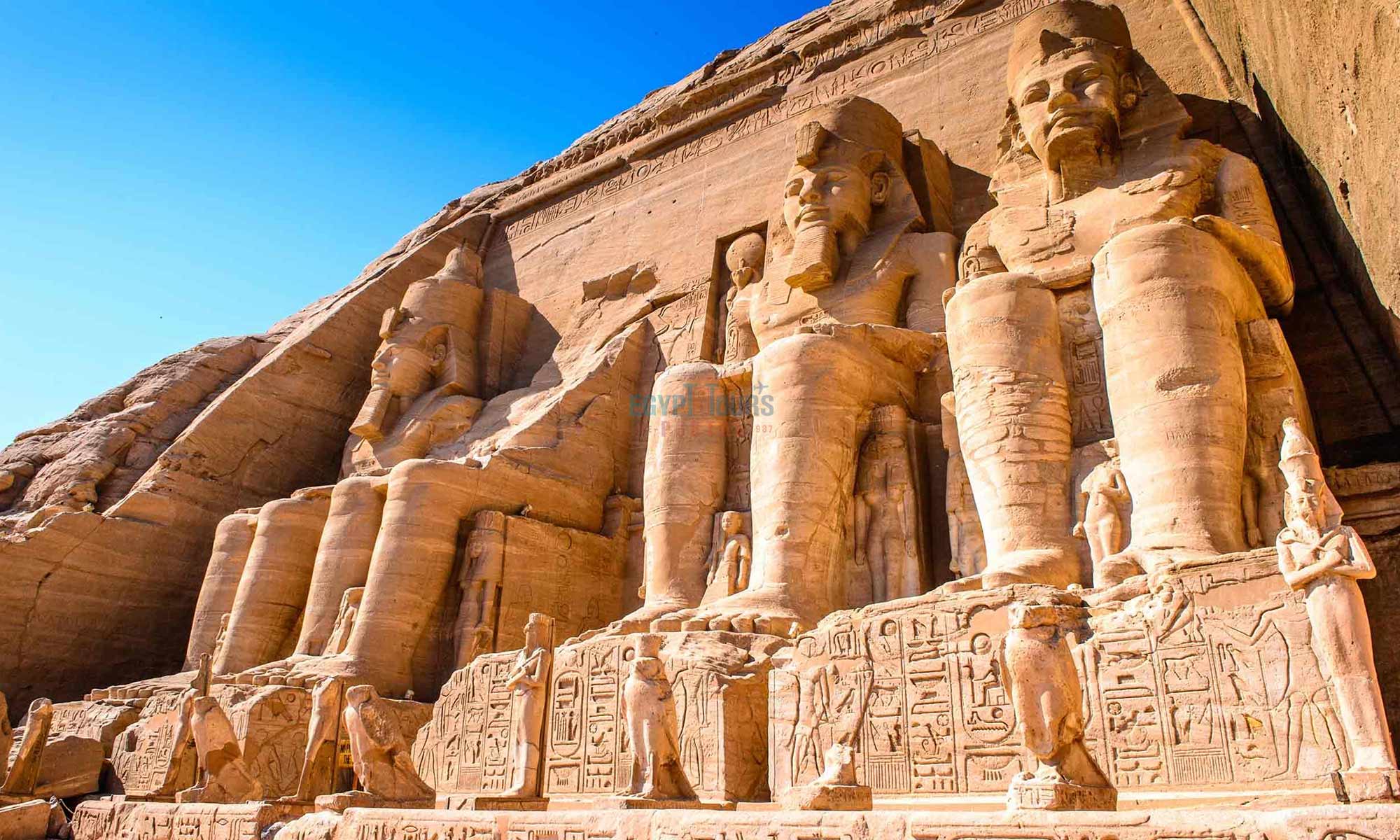
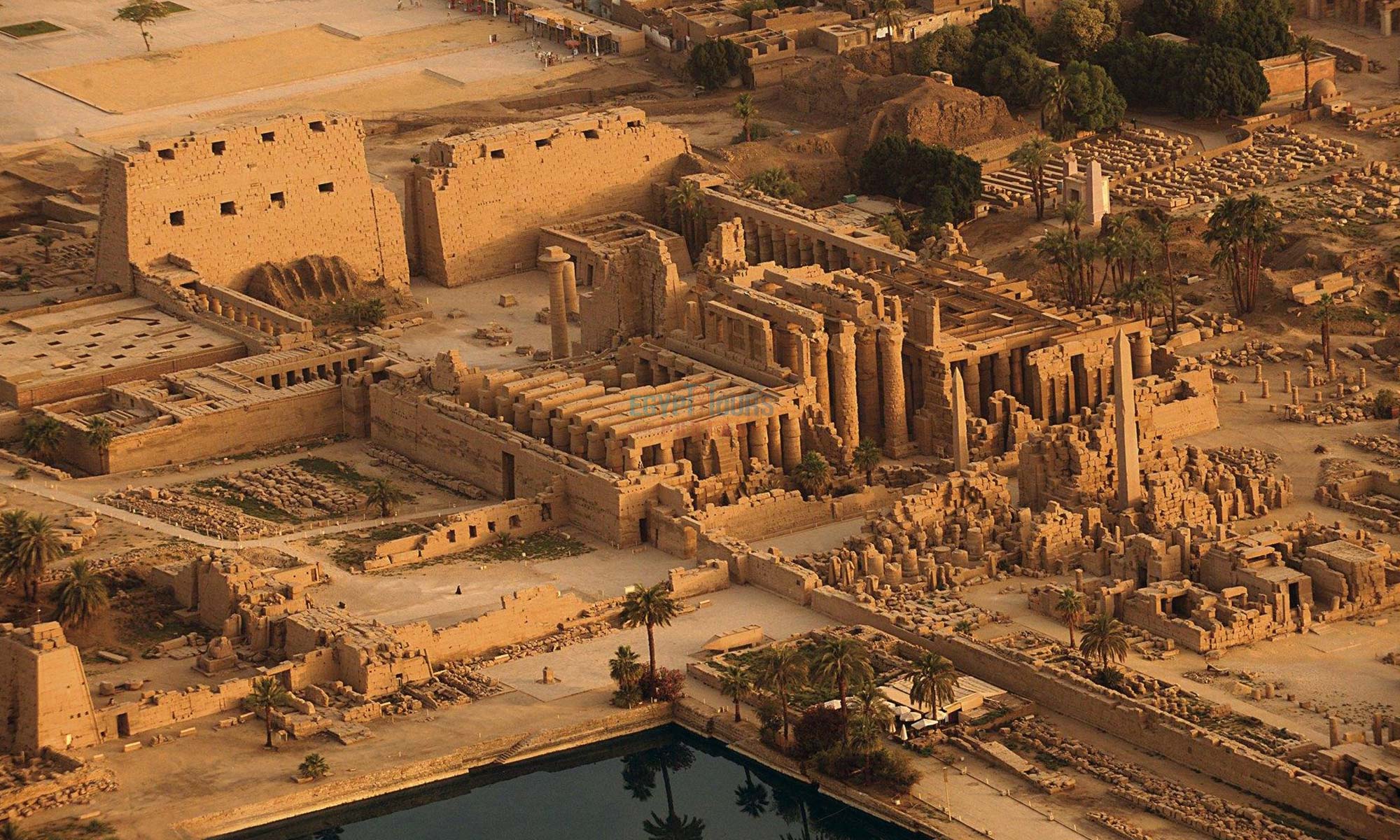
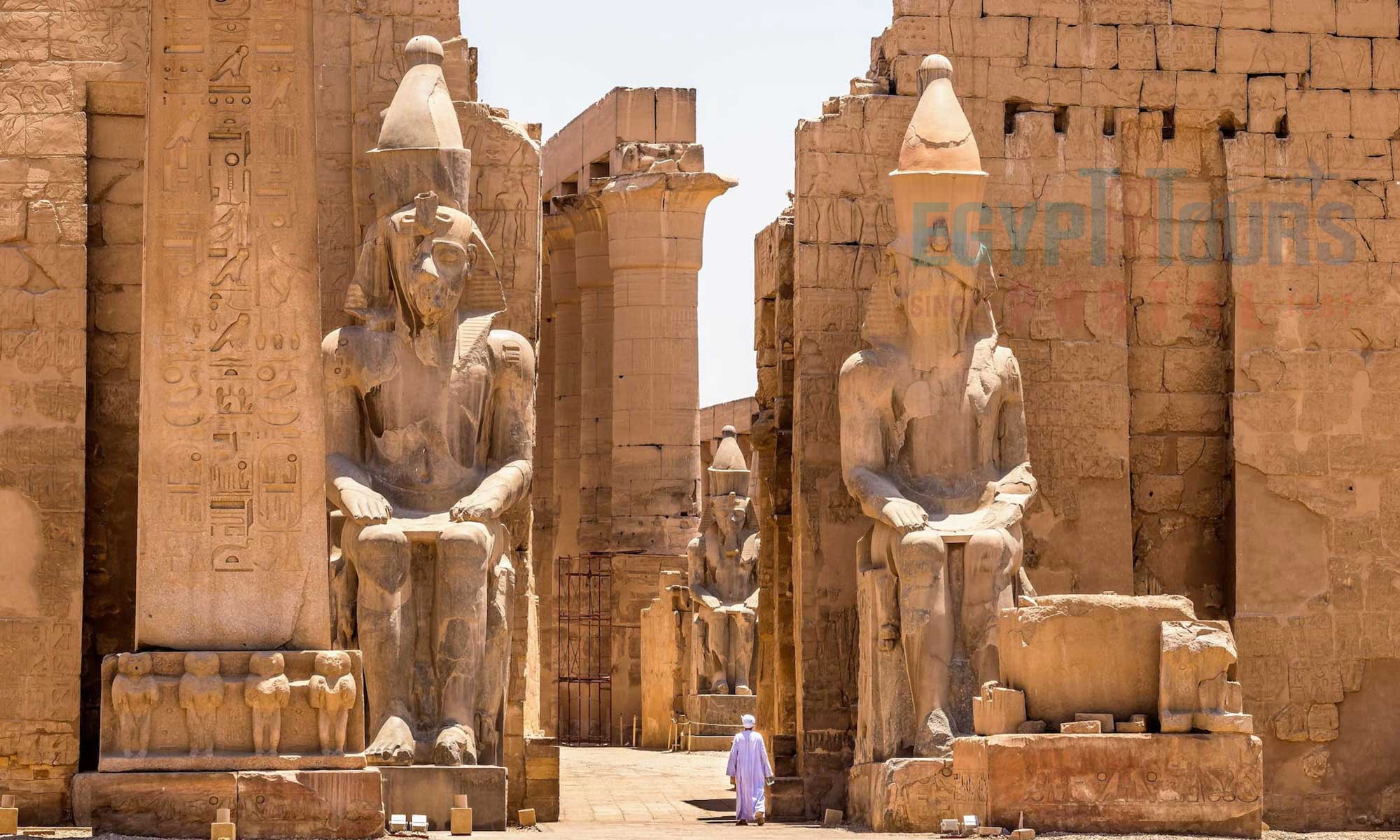
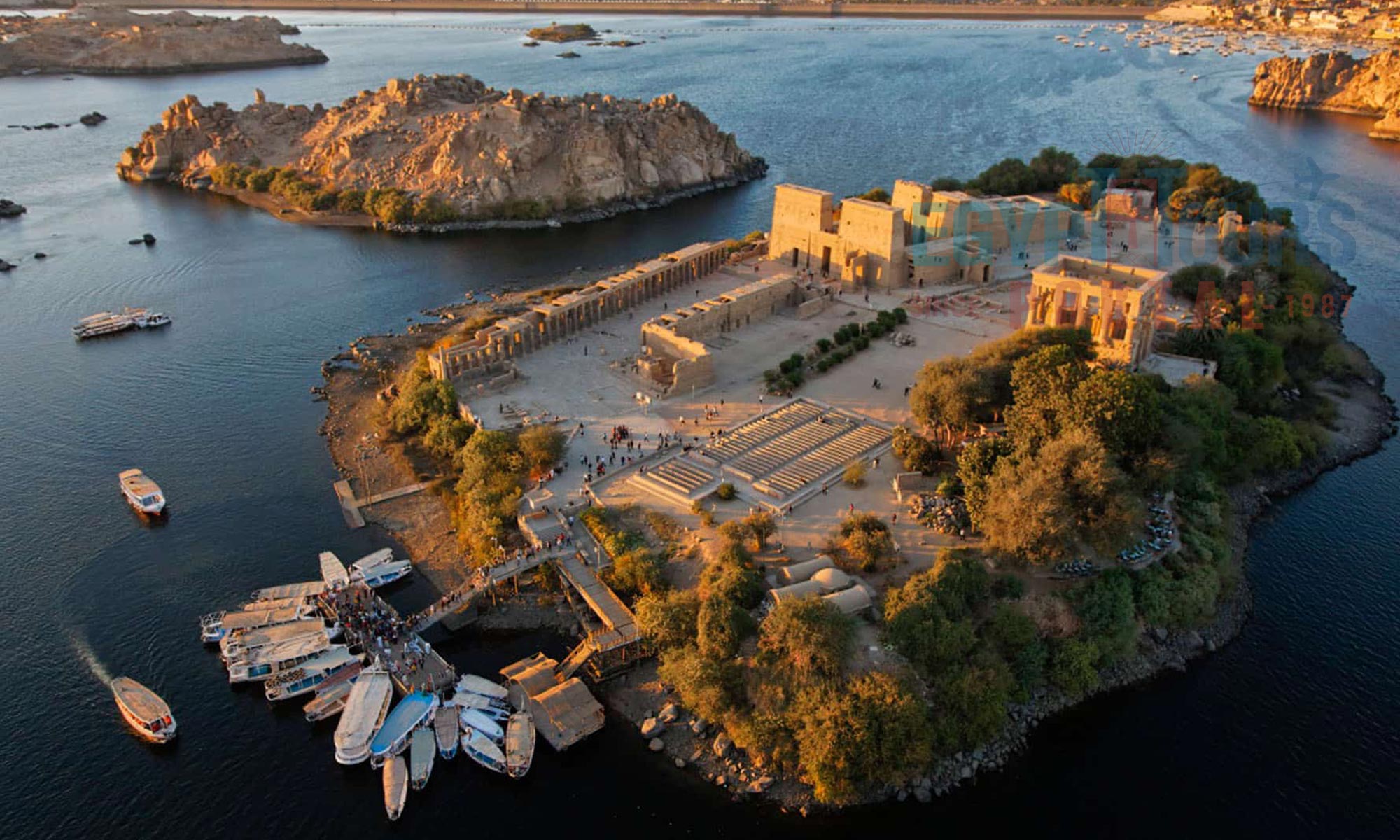
Guides who deliver an exceptional, well-informed tour of sites like Karnak Temple or the Valley of the Kings on the Luxor East and West Banks are often tipped $20 or more without complaint from past travelers. The same logic applies to a felucca sail near Aswan or a side trip to Abu Simbel, where a memorable guide or captain earns a little extra.
A simple rule of thumb: pack a mix of small-denomination US dollars ($1, $5, and $10 bills in good condition) for the crew kitty and the guide, plus a stack of small EGP notes for porters, drivers, and incidental baksheesh. Egyptian banks will not exchange foreign coins, so coins of any currency should be left at home.

How to Enjoy Best Nile Cruise Depending on Your Budget
The Nile cruise is one of the best activities to do in Egypt. Here are the steps to Enjoy the best Nile cruise depending on your budget.
Who Do I Tip?
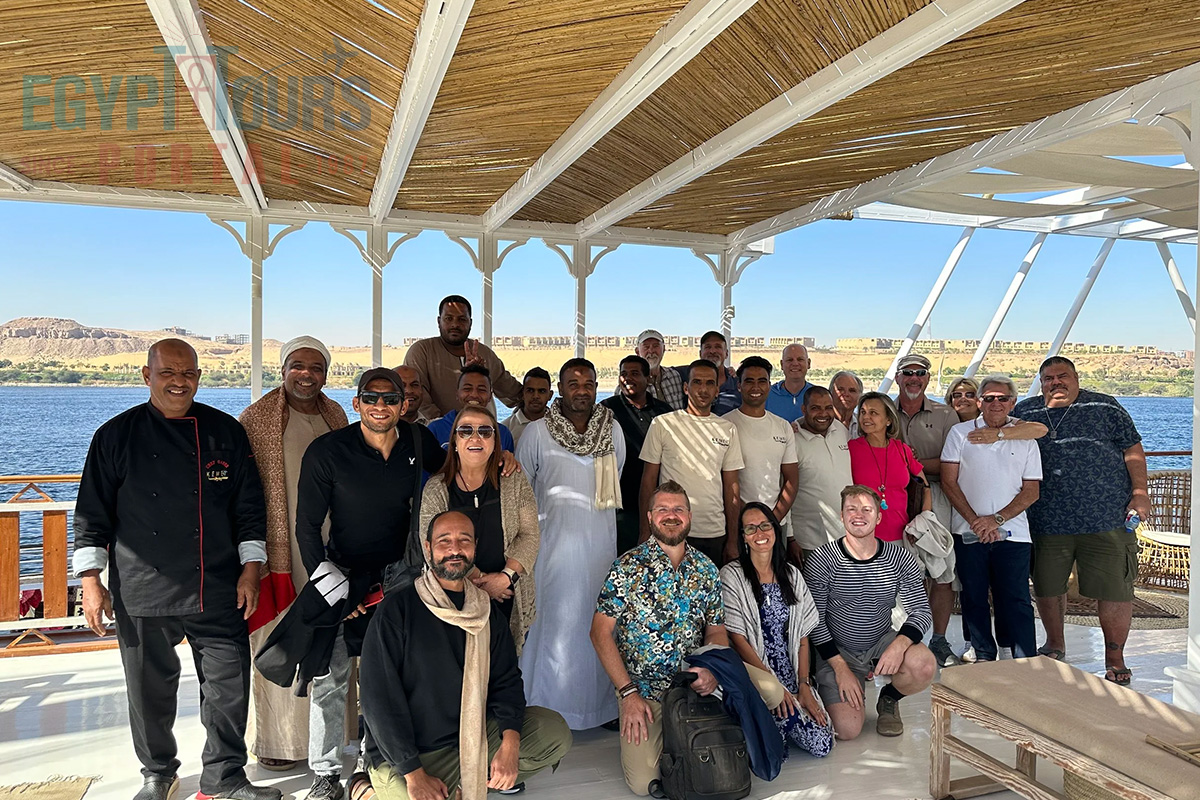
On a typical Nile cruise, gratuities are due to several distinct people, and it helps to think of them as separate categories rather than one combined bill:
- The onboard crew, tipped collectively through the reception envelope on the final evening of the cruise.
- The Egyptologist guide, tipped individually, usually at the end of each day of touring or in one sum on the last day if the same guide has been present throughout.
- The driver, tipped once per day or per transfer, separate from the guide.
- Porters, tipped per bag at check-in and check-out.
- Felucca captains, horse-and-carriage drivers, and photographers, tipped only when those optional services are actually used, such as a sunset sail booked through an Aswan felucca tour by night.
Cruise staff pool their portion and divide it evenly among the crew, including positions guests rarely see directly, such as kitchen staff and deckhands. This is why the lump-sum envelope matters: it is not simply a thank-you to the person who happened to make the beds, but a shared fund supporting the entire team behind the scenes. The same logic carries over to any add-on Luxor tours and excursions booked separately from the cruise itself, where a different guide or driver will need their own tip.
A Word of Advice While Tipping on a Nile Cruise
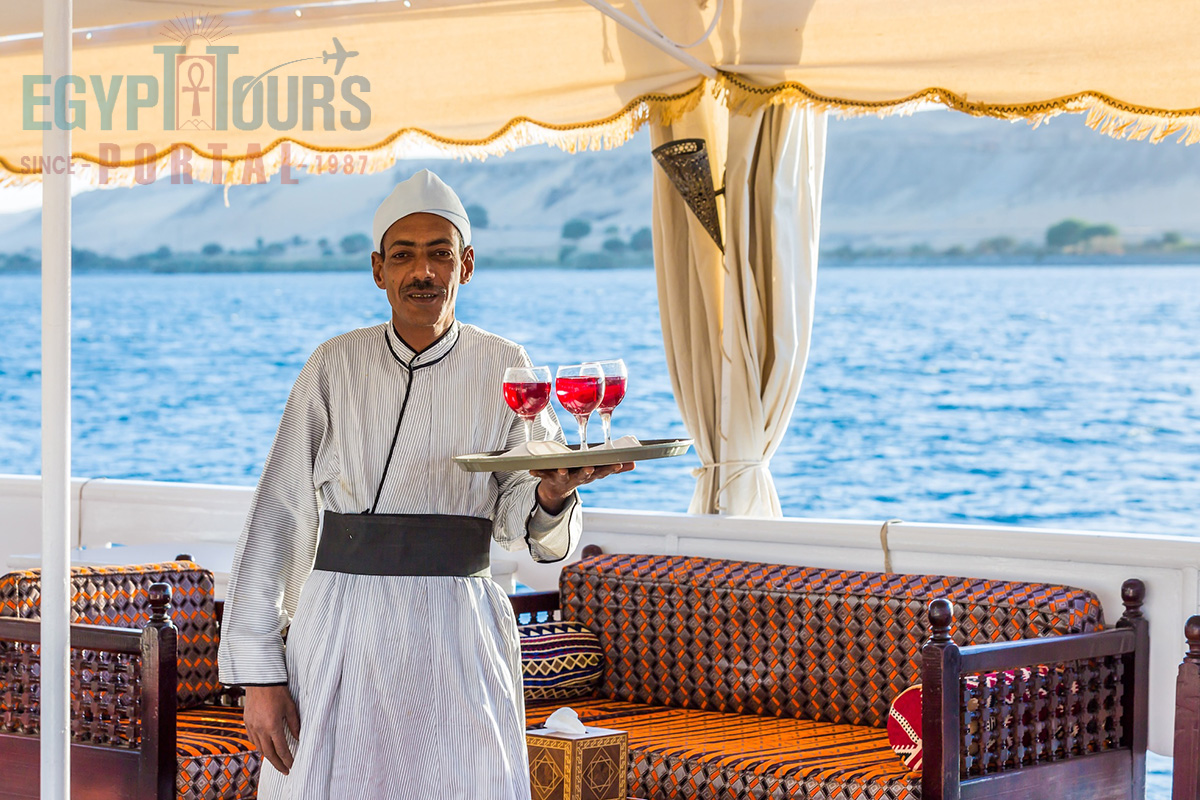
A few extra rules of etiquette round out the practical amounts above, echoing the broader tipping in Egypt guide for travelers combining a Nile cruise with time in Cairo or Hurghada.
Don't Feel Pressured to Tip
Gratuities on a Nile cruise should reflect genuine appreciation, not fear of awkwardness. If a specific crew member was rude or a service fell noticeably short, it is entirely reasonable to tip at the lower end of the standard range, or to raise the issue with the cruise manager rather than simply withholding payment. Egyptian hospitality staff generally understand this distinction and would rather receive honest feedback than a resentful tip.
Don't Tip Too Much
Overtipping creates its own problems. It can distort local wage expectations, and it does not actually make a traveler more welcome; it simply signals that a larger sum can be extracted through persistence, which encourages more aggressive requests for baksheesh at every stop. Sticking to the ranges above, and reserving anything extra for genuinely outstanding service, keeps the custom sustainable for the crew and for the travelers who follow.
Use the Arabic Phrases When Tipping
A small phrase in Arabic turns a transaction into a moment of connection. Shukran, meaning "thank you," is understood across Egypt and the wider Arab world and is the simplest, safest phrase to say while handing over a tip. For a slightly warmer touch, mutashakkir, meaning "I am grateful," works well for men, with mutashakkirah as the feminine form. Crew members consistently light up when a guest makes the small effort, and it costs nothing beyond a moment of practice before boarding.
Make Every Single Moment Worthy of Remembering
Nile cruise gratuities are less a fee to budget around and more a quiet exchange of respect between traveler and crew, one that has echoed along this river for as long as Egypt has welcomed visitors. With a stack of small dollar bills, a handful of Egyptian pounds, and a few words of Arabic tucked away, tipping becomes one of the simplest parts of the trip rather than one of the most stressful.
Ready to see the temples, the sunsets over the Nile, and the crew who make it all feel effortless in person, then discover all the Egypt tours and Nile River Cruises and Egypt tours with a Nile cruise included to find the itinerary that fits, whether that means a classic 8-day Cairo and Nile cruise tour, an Aswan and Abu Simbel Lake Nasser cruise, or a slower, sail-powered Dahabiya Nile cruise from Luxor. Sail the same waters that have carried travelers for thousands of years, and arrive knowing exactly how to thank the crew who look after you along the way.