Whatsapp Me
We’re nominated for Egypt’s Leading Travel Agency 2026 – Your vote matters! Vote Now
Egypt Tours Portal
Egyptian Mythology

Ancient Egyptian Religion: Gods, Magic, and Afterlife

Ancient Egyptian religion was the cornerstone of life, uniting gods, nature, governance, and daily practices through the principle of Ma’at—truth, balance, and justice. Central to this system was Heka (divine magic), which empowered rituals and linked the mortal world to the divine. The pharaoh served as a mediator between people and gods, while myths like that of Osiris shaped spiritual beliefs. Monumental temples, ethical codes, and funerary texts guided life and the afterlife. Though it declined under Christianity and Roman rule, Egyptian religion’s legacy endures through its symbols, stories, and spiritual influence.

ETP TEAM
Written by ETP TEAM
Published Feb 25, 2019 Updated Jul 31, 2025 25 min read

Ancient Egyptian Religion: Gods, Magic, and Afterlife

Summary

  • Ancient Egyptian religion was not a separate aspect of life but the very core of Egyptian civilization.
  • Centered on the worship of a vast pantheon of gods and the pursuit of Ma’at—the divine order of truth, balance, and justice—it influenced every element of society, from governance to daily routines.
  • Egyptians saw nature as animated by divine forces and believed the pharaoh acted as the earthly mediator between humans and gods.
  • At the heart of this belief system was Heka, or “magic,” a divine power believed to sustain the universe and bridge the mortal and divine realms.
  • Religion permeated every layer of existence, including art, ethics, festivals, and monumental architecture like Karnak and Abu Simbel temples.
  • Myths such as the creation story and the tale of Osiris, Isis, and Horus formed the spiritual foundation of society.
  • Rituals, both grand and personal, connected Egyptians to the gods, while funerary practices and texts like the Book of the Dead guided souls through the afterlife.
  • Over millennia, despite periods of change—including Akhenaten’s failed monotheistic revolution—religion remained central until Christianity and Roman rule marked its decline. Yet its legacy, symbols, and cosmology continue to influence the world today.

The ancient Egyptians were among the first civilizations to grapple with existential questions, seeking meaning through deep reflection on nature, giving rise to one of history’s most sophisticated religious systems. Their religion was a complex blend of beliefs, rituals, and practices rooted in polytheism and centered on the interaction between humanity and the divine realm.

It encompassed not only worship but also magic, mythology, medicine, science, herbology, spiritualism, and even elements of early psychiatry, offering a profound understanding of higher powers and life after death. Egyptians believed that earthly life was merely a phase of an eternal journey, and that fulfillment in the afterlife required a purposeful, morally aligned life guided by religion. Central to this system was devotion to numerous deities believed to govern the world; Egyptians prayed, made offerings, built temples, and honored the gods to earn their favor.

They believed that mutual dependence and joy among humans reflected divine intent. The pharaoh, viewed as a divine intermediary, was charged with maintaining cosmic balance by sustaining the gods. Every individual was expected to live by the principle of Ma’at, the cosmic order of harmony, truth, and justice, to achieve eternal peace and continue into the afterlife.

IMPORTANT NOTE:

This information does not seek to degrade or insult any religion. All the information is based on historical evidence; any similarities that you may find with your own faith or religion are from the figment of your imagination.

Magic of the Mythical Ancient Egyptian Religion

Magic in of Ancient Egyptian Religion - Egypt Tours Portal
Magic in Ancient Egyptian Religion - Egypt Tours Portal

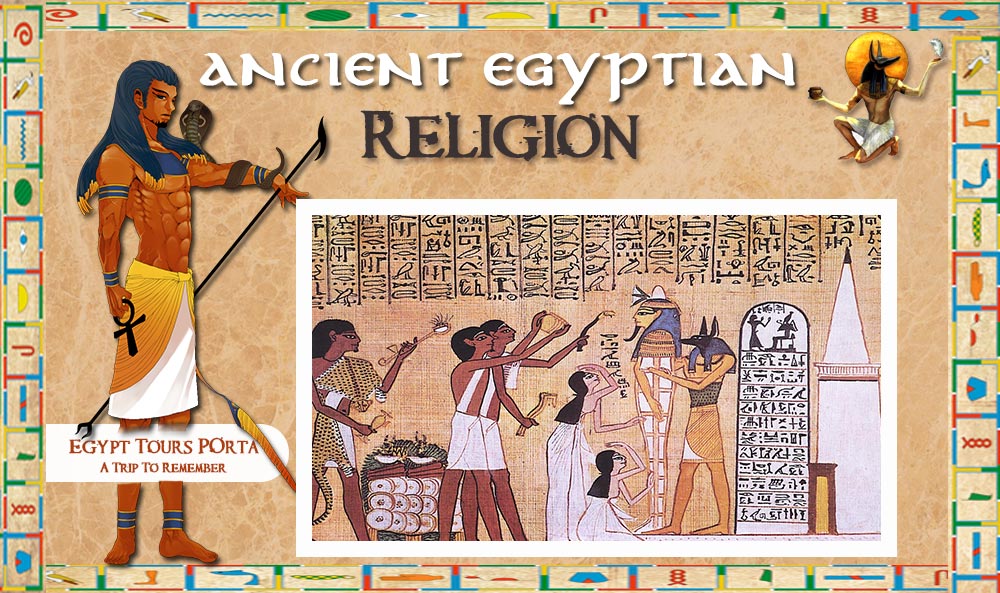
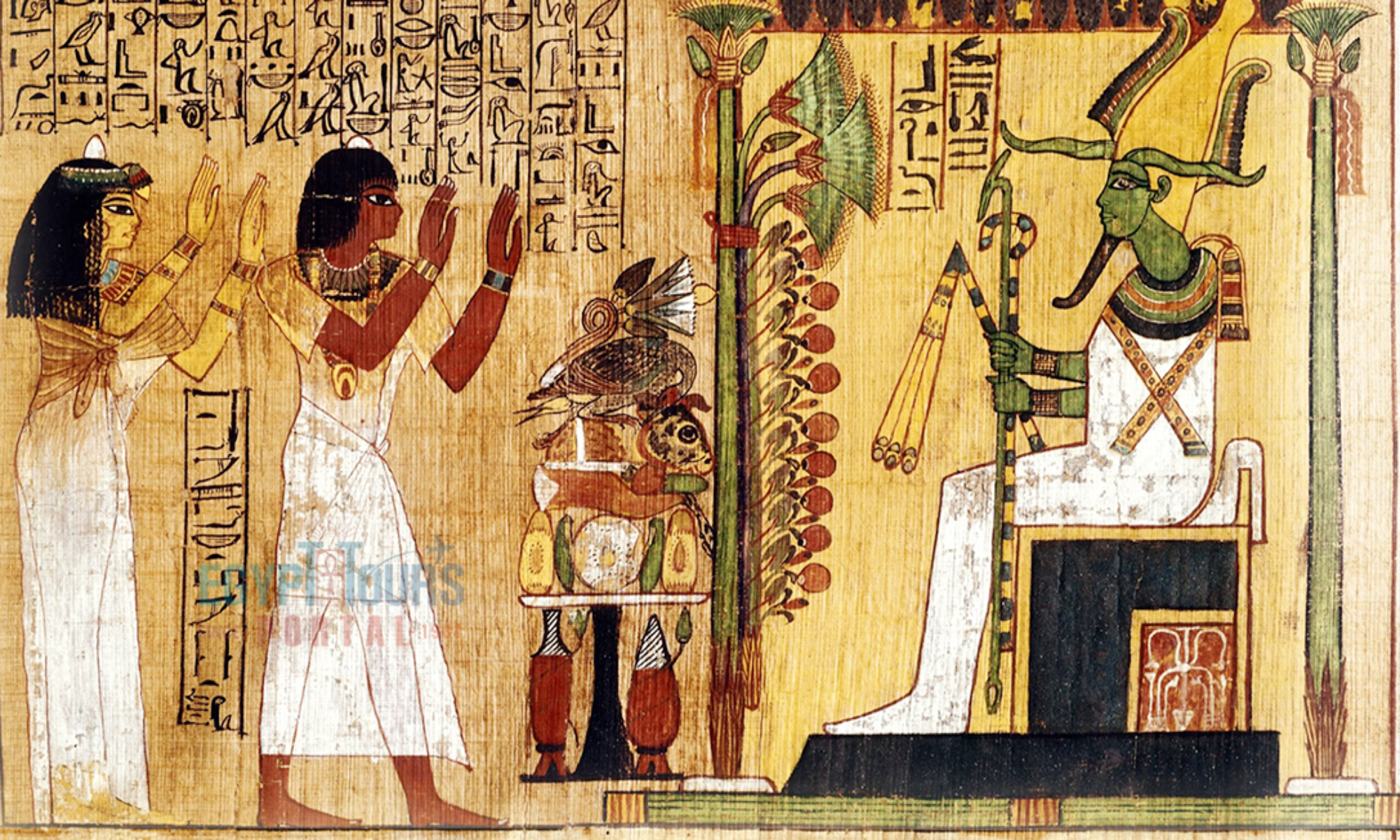
Ancient Egyptian religion, often known as Heka, was a term that translates to "magic" and was central to the culture and worldview of ancient Egypt. Heka was not merely an abstract concept; it was perceived as the very foundation of the universe, the vital force that existed from the beginning of creation. According to Egyptian beliefs, it was this divine power that enabled the gods to fulfill their roles and carry out their cosmic functions.

Heka infused every aspect of existence, forming a bridge between the human and the divine realms, thus empowering humans to connect with the gods through rituals, prayers, and offerings. For the ancient Egyptians, nature itself was animated by divine forces. They believed that natural phenomena were manifestations of these forces and, as such, held a sacred place within their religion. Everything in the natural world, from the mighty Nile River to the smallest of creatures, was thought to embody divine energy. Certain animals were seen as possessing qualities that linked them to specific gods.

For example, the strength and resilience of a bull, the grace of a falcon, or the cleverness of an ibis were viewed as reflections of divine qualities, leading to the reverence and symbolic worship of these animals. Plus, abstract forces, such as balance and harmony (personified by the goddess Ma’at), were integral to the Egyptians’ understanding of the universe. They honored these forces as they believed that maintaining cosmic order was essential to prevent chaos.

The Egyptians incorporated these beliefs into their daily lives, using Heka in various rituals to promote well-being, ensure prosperity, and protect against harm. In this way, magic in ancient Egypt was not a mystical or supernatural phenomenon but a practical, intrinsic part of life, deeply intertwined with their perception of existence and the universe itself.
Apr 26, 2025

Ancient Egyptian Magic: The Divine Force That Shaped Life, Death, and the Cosmos

Explore the incredible concept of Magic in the ancient Egyptian civilization

The Powerful Deities of the Ancient Egyptian Religion 

Godes & Goddesses of Ancient Egyptian Religion - Egypt Tours Portal
Gods & Goddesses of Ancient Egyptian Religion - Egypt Tours Portal

They viewed the ancient gods of Egypt as the lords of creation and custodians of order; everything good in Egypt was because of the graces of the gods. They also worshipped a pantheon of gods that were involved in every aspect of their nature and society, each deity would exist in different manifestations and perform multiple mythological roles, and would often be connected to or in an animal. Each god or goddess was associated with a particular region where their cult resides.

The deities were in a constant state of transformation; the ancient Egyptians would group or even merge gods to fully reflect these relationships. The relationship with the gods was somewhat fluid based on a series of syncretism with each other; some were based on similar characteristics, while others were between gods with different natures. The gods have many artistic images on temple walls and tombs, which were able to shed some light on the nature of the gods themselves, despite their mysterious origin and identity.

The Rich Mythology of the Ancient Egyptian Religion

Ancient Egyptian Mythology in Ancient Egyptian Religion - Egypt Tours Portal

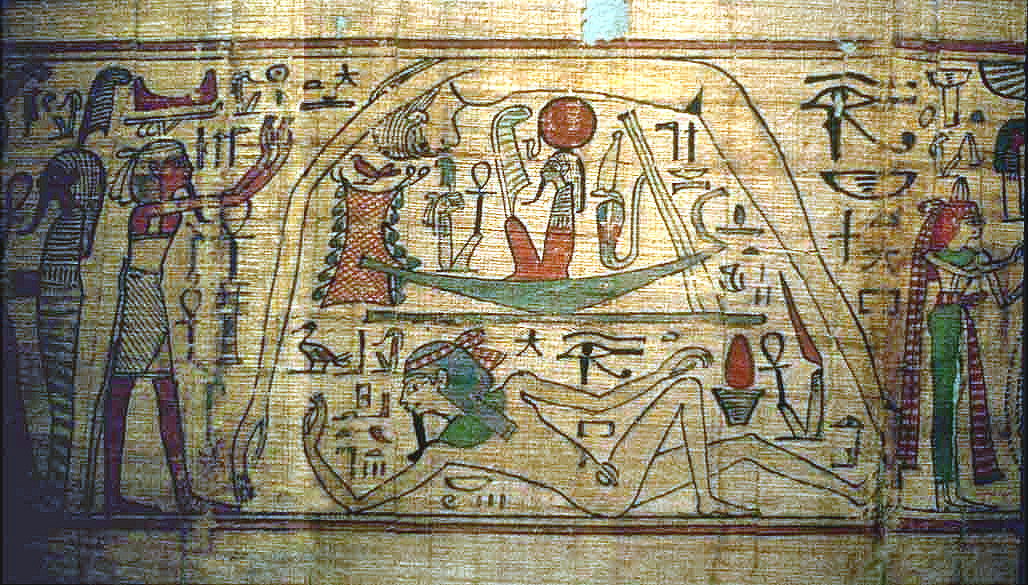
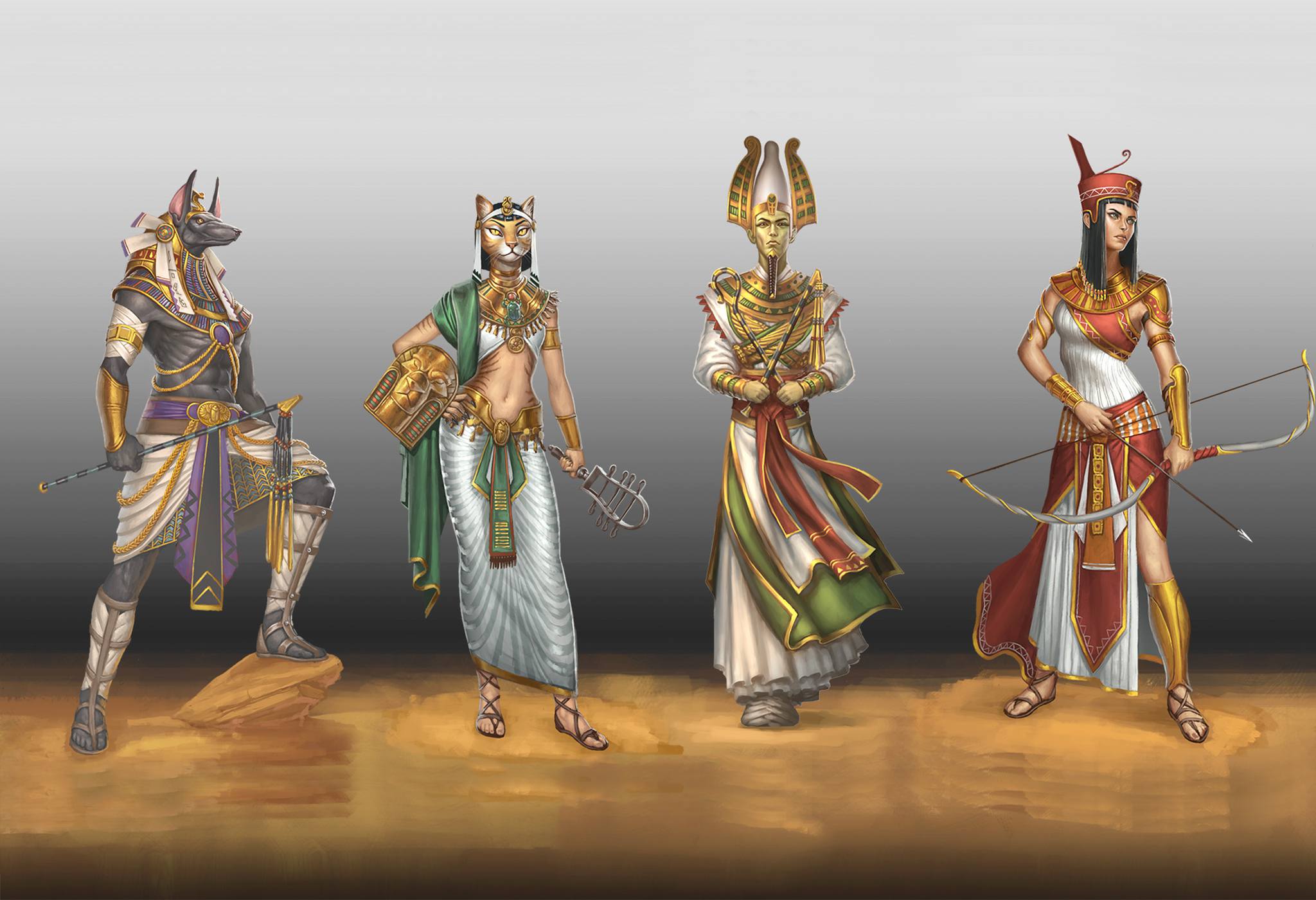
The ancient Egyptian religion was based on a series of mythological beliefs, like the ancient Egyptian myth of creation which States that there was nothing but dark spiraling waters of chaos stretching into infinity, and out of it rose the primordial hill known as the ben-ben where Atum (Or Ptah in other versions) stood then he created his children to end his loneliness, Shu god of air and Tefunt the goddess of moisture. They created the principles of life and order in their new world.

When they returned to their father after being missing for a long time, Atum shed tears of joy that dropped in the dark, giving birth to men and women. Shu and Tefnut gave birth to Geb (the earth) and Nut (the sky), and then they gave birth to the five gods, most recognized as Osiris, Isis, Set, Nephthys, and Horus, then they gave birth to countless deities like Thoth, Bastet, Hathor, Ra, and many more.

There is also the famous tale of Osiris and Isis, where divine ruler Osiris (god of fertility) was murdered by his brother Set (god of chaos), then resurrected by his sister and wife Isis (Goddess of motherhood) to conceive an heir, Horus (god of the sky). Osiris then became the ruler of the underworld, while Horus eventually avenged his father and became king of Egypt.

The trinity of Osiris, Isis, and Horus was associated with the pharaohs as a symbol of unity and victory. During Egypt New Kingdom (1570-1070), the heretic pharaoh Akhenaten attempted to enforce monotheism, or rather monolatry, by making the sun-disk Aten the only god of Egypt, but he was unsuccessful, as his son and successor Tutankhamen.
Jun 13, 2018

Explore Ancient Egyptians Mythology

Discover the incredible Mythology of the ancient Egyptian civilization

The Incredible Cosmology of the Ancient Egyptian Religion 

Ancient Egyptian Religion Cosmology - Egypt Tours Portal

According to ancient Egyptians' beliefs, the cosmos is divided into three types of sentient beings: the holy gods, the deceased humans who exist in a divine realm, and the living humans, whose most important characteristic is the Pharaoh, who was the only line of communication between the humans and the divine realms. They understood the value of balance, order, Justice, truth, and harmony, which centered on the principles of Maat that had existed since the creation of the world.

It was viewed as the fixed, eternal order of human society and the cosmos, which would explain why it was under threat from the forces of chaos and disorder. The principles of Maat encouraged the concept that everyone should coexist and cooperate on a cosmic level, and the concepts were sustained through offerings and rituals.

The ancient Egyptians understood the close connection between the cosmos and the conception of time that was concerned with the maintenance of Maat, which was renewed by periodic events through the linear passage of time, which echoed the original creation.

The Magnificent Afterlife of the Ancient Egyptian Religion 

The Ancient Egyptian Afterlife of Ancient Egyptian Religion - Egypt Tours Portal

The concept of the Afterlife was the most important factor in ancient Egyptian civilization. The ancient Egyptians were concerned with their fate after death. They believed humans possessed Ka or life-force, a.k.a soul, which leaves the body after death. The ancient Egyptians built many tombs, temples, and pyramids in order to serve this concept and protect the Ka. Food was offered to the ka to consume its spiritual essence while in the tomb.

There is also the ba, which is a set of spiritual characteristics unique to each person, and the funeral rituals were meant to release the ba and the ka so they would rejoin to form the Akh and continue to the afterlife by the solar boat of Ra the sun god. The journey to the afterlife required the body to be mummified in order to be ready for the return of the soul.

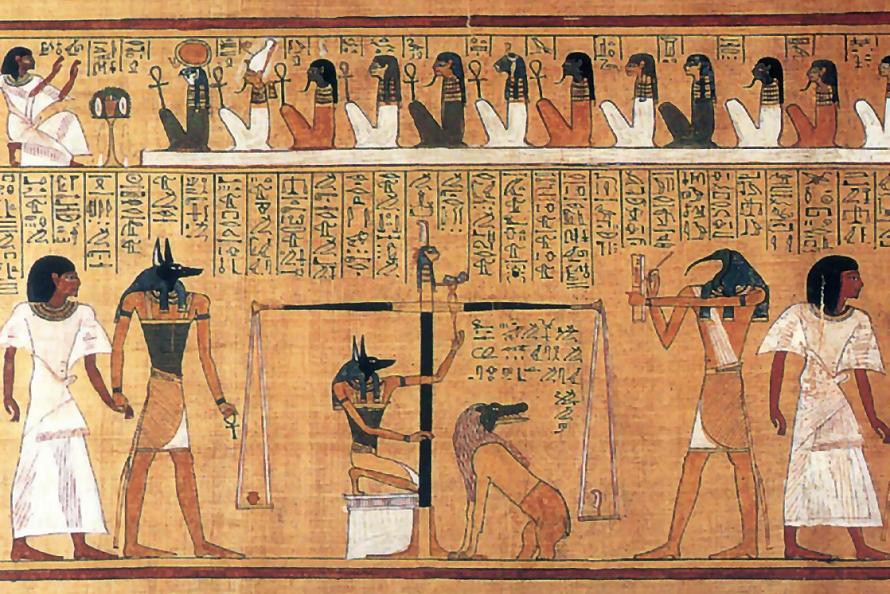
The deceased will be judged in the hall of truth in the underworld by Osiris by weighing his heart against the feather of Ma'at if the heart was lighter than the feathe,r the soul will continue to the heaven, a.k.a the fields of reeds but if it was heavier then the soul would be devoured by the monster Ammut and ceases to exist.

Explore the Funerary and Magical Texts of Ancient Egyptian Religion

Funerary Texts of Ancient Egyptian Religion - Egypt Tours Portal

All the information related to the religious rituals was frequently written on papyrus. Temples and tombs are also inscribed with such ancient Egyptian texts, often accompanied by illustrations created by ancient Egyptian priests. The Egyptians also produced many prayers and hymns in the form of poetry. The most important and significant are the funerary texts, the Book of the Dead, and the Pyramid Texts, which were used as instructions for those performing the ritual. Magical texts describe rituals that were part of the spells used for specific goals in their everyday life. They would use oracles to settle disputes or inform the royal decisions in the new kingdom.

The Religious Festivals of Ancient Egypt

Ancient Egyptian Festivals of Ancient Egyptian Religion - Egypt Tours Portal

The Egyptians held many ancient Egyptian festivals to integrate the sacred value of the gods within their daily lives. It contained morning offering ceremonies and re-enactments of ancient Egyptian myths like the opet festivals; they also celebrated certain times of the calendar, like New Year's Eve, Wepet-Renpet festival, and the festival of the harvest Wadi festival. They also celebrated the pharaoh's reign with the Sed festival, which celebrated the passing of thirty years of his reign. The festival of Epagomenae celebrated the birthdays of the gods in the last five years of the year.

The Great Religious Temples of Ancient Egypt

Temples of Ancient Egyptian Religion - Egypt Tours Portal

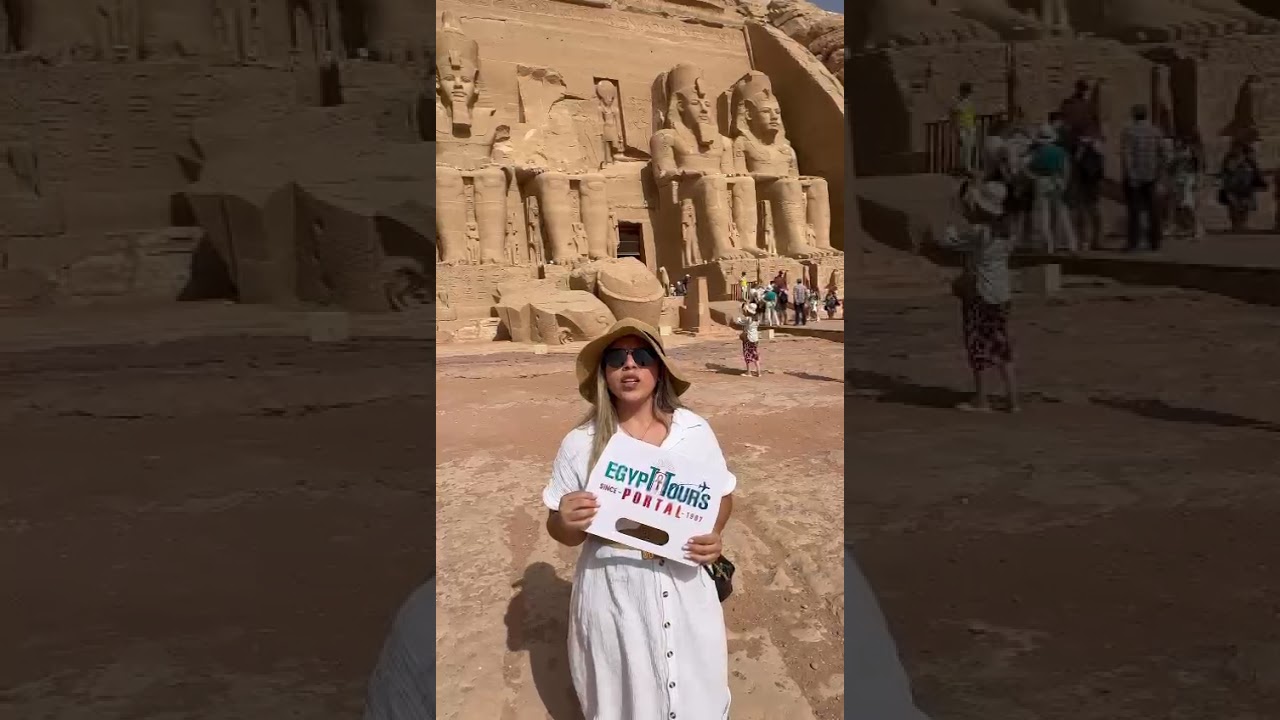
Over the course the ancient Egyptian history religion was able to inspire the production of a massive number of temples like Karnak temple, Valley of the Kings, Philae temple, Edfu temple, Abu Simbel, and many more, which reflected the true devotion of the public to the gods. They held images and statues that were cared for and worshipped on a daily basis. The priest would hold the festivals and the rituals at the temple under the guidance of the government.

The Name and Identity of the Ancient Egyptian Religion
Name of Ancient Egyptian Religion - Egypt Tours Portal

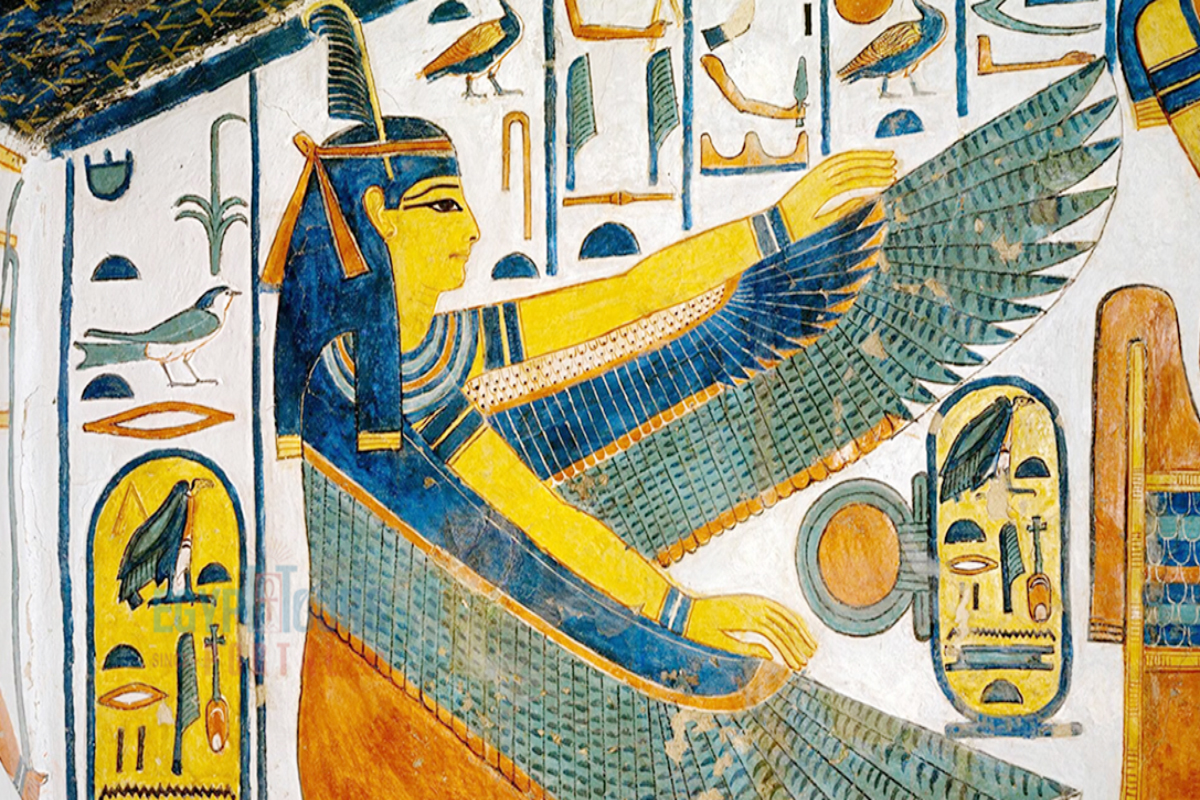
Ancient Egyptians didn’t have a single term for what we call “religion,” as their beliefs were inseparably woven into their daily lives, governance, and understanding of the world. Unlike modern religions that are often separate from other aspects of life, the Egyptian way of worship was an intrinsic part of their identity and lifestyle. Rather than a collective title, Egyptian religion was referred to in terms of specific gods, temples, or cult centers.

They spoke of the "Worship of Ra," the "House of Isis," or "Reverence for Osiris," denoting the central role that each god played in society and specific regions. Egyptian deities were not abstract figures; they were linked to natural elements, societal roles, and even everyday occurrences, emphasizing the integration of their beliefs with practical life. This integration meant that there was no clear boundary between "religious" and "secular" activities.

Every action, from farming to ruling, was part of a divine order overseen by gods who needed to be honored to ensure peace and prosperity. The pharaohs, who were seen as living gods, further symbolized this unity of religion and state, acting as intermediaries who kept this balance. The Egyptian religion’s lack of a distinct name thus underscores its profound presence in every facet of society, influencing everything from festivals and rituals to ethics and governance.

The Marvelous Timeline of the Ancient Egyptian Religion

Ancient Egyptian Religion Timeline - Egypt Tours Portal

Ancient Egyptian religion developed over thousands of years, evolving with shifts in political power, cultural changes, and interactions with other societies, yet it maintained its core focus on the afterlife, divine forces, and maintaining cosmic balance. The religious timeline can be divided into key periods that highlight this evolution:

Prehistoric Period: Early burial practices and offerings indicate a belief in the afterlife and reverence for certain animals, hinting at the beginning of zoomorphic deities and spiritual customs.

Early Dynastic Period (c. 3100–2686 BCE): With the unification of Upper and Lower Egypt, the role of the pharaoh as a god-like ruler emerged, establishing a political and religious framework that centralized the divine kingship and solidified the Egyptian pantheon. This period saw the rise of cult centers for gods like Horus and Osiris, laying the foundation for a national religious structure.

Old Kingdom (c. 2686–2181 BCE): During this time, the worship of Ra, the sun god, became central. The construction of massive pyramids as tombs for the pharaohs underscored their divine nature and showcased Egypt’s belief in the king’s journey to join the gods. The earliest funerary texts, known as the Pyramid Texts, were inscribed to protect and guide the soul of the pharaoh in the afterlife.

Middle Kingdom (c. 2055–1650 BCE): This era saw the rise of the Amun cult, the expansion of Osiris's role as the god of the afterlife, and the democratization of afterlife beliefs with the Coffin Texts, allowing non-royal Egyptians to access similar funerary protections as the pharaohs. Personal piety became more visible, and Egyptians began expressing devotion to gods through inscriptions and small offerings.

New Kingdom (c. 1550–1070 BCE): The New Kingdom was a period of imperial expansion, monumental architecture, and theological complexity. Amun-Ra, a syncretized deity combining Amun and Ra, became the supreme god, with his temple at Karnak growing into one of Egypt’s most significant religious centers. Akhenaten’s radical establishment of Atenism introduced monotheistic elements, briefly upending traditional beliefs before the old gods were restored after his death.

Late Period (c. 664–332 BCE): Egypt experienced repeated foreign invasions, but traditional religion remained resilient. This period saw the blending of Egyptian and foreign gods, especially as Greek and later Persian rulers influenced Egyptian religious practices. Temples continued to flourish, and popular deities like Isis gained prominence across the empire.

End of Traditional Religion (6th century CE): The arrival of Christianity under the Roman Empire marked the decline of traditional Egyptian religion. Temples were gradually closed, and practices were banned. The last known temple at Philae remained open until it was shut in the 6th century CE, marking the official end of a religious system that had endured for over 3,000 years.

Discover the Incredible Beliefs of the Ancient Egyptian Religion

Beliefs of Ancient Egyptian Religion - Egypt Tours Portal

The ancient Egyptians believed in a highly complex polytheistic system that centered around gods who governed every aspect of life, nature, and the afterlife. They saw the world as governed by an array of deities who maintained balance in the cosmos and ensured order in human society. Egyptians believed that the natural world, from the annual flooding of the Nile river to the daily journey of the sun, was under the control of these divine beings.

Principal deities included Ra, the sun god and creator; Isis, the goddess of motherhood and magic; and Osiris, who governed the underworld and was associated with rebirth and resurrection. Central to their beliefs was the concept of Ma'at, the divine order, which represented truth, justice, and balance. The pharaoh was seen as the living embodiment of Ma'at, with a sacred duty to maintain harmony through his rule.

Failure to uphold Ma'at would result in Isfet, or chaos, which could threaten the stability of the world. The Egyptians also believed in a highly structured afterlife, where each soul would be judged by Osiris, the god of the underworld, in the "Weighing of the Heart" ceremony. The heart of the deceased would be weighed against the feather of Ma'at to determine whether they had lived a life of truth and integrity.

Those who passed were granted eternal life, while those who failed faced oblivion. Funerary practices, magic, and rituals were all dedicated to ensuring that individuals could successfully navigate the afterlife and join the divine realm.

Uncover the Significance of the Ancient Egypt Religion

Significance of the Ancient Egypt Religion - Egypt Tours Portal

Religion in ancient Egypt was more than a set of beliefs; it was the very foundation of their civilization and influenced everything from the construction of monumental structures to the pharaoh’s rule. The religion provided a cosmological understanding of life, death, and nature, reinforcing the Egyptian belief that life was part of a cosmic cycle governed by Ma'at.

The pharaoh, as both a political and religious leader, was the physical representation of the gods on earth, and his responsibility was to uphold Ma'at, which guaranteed prosperity, peace, and order. Temples served as more than places of worship; they were social, economic, and educational centers, where priests conducted rituals that ensured divine favor for the entire kingdom.

Religion also fostered a sense of unity among the Egyptian people, who looked to shared myths, gods, and rituals to explain natural phenomena, such as the Nile’s floods, which were seen as blessings from the god Hapi. This religious framework permeated daily life, guiding moral behavior, inspiring artistic expressions, and shaping legal and societal structures. Through elaborate festivals, processions, and temple ceremonies, Egyptians reaffirmed their connection to the gods and each other, creating a lasting cultural identity that influenced successive civilizations for centuries.

Learn About the Rituals of the Ancient Egypt Religion 
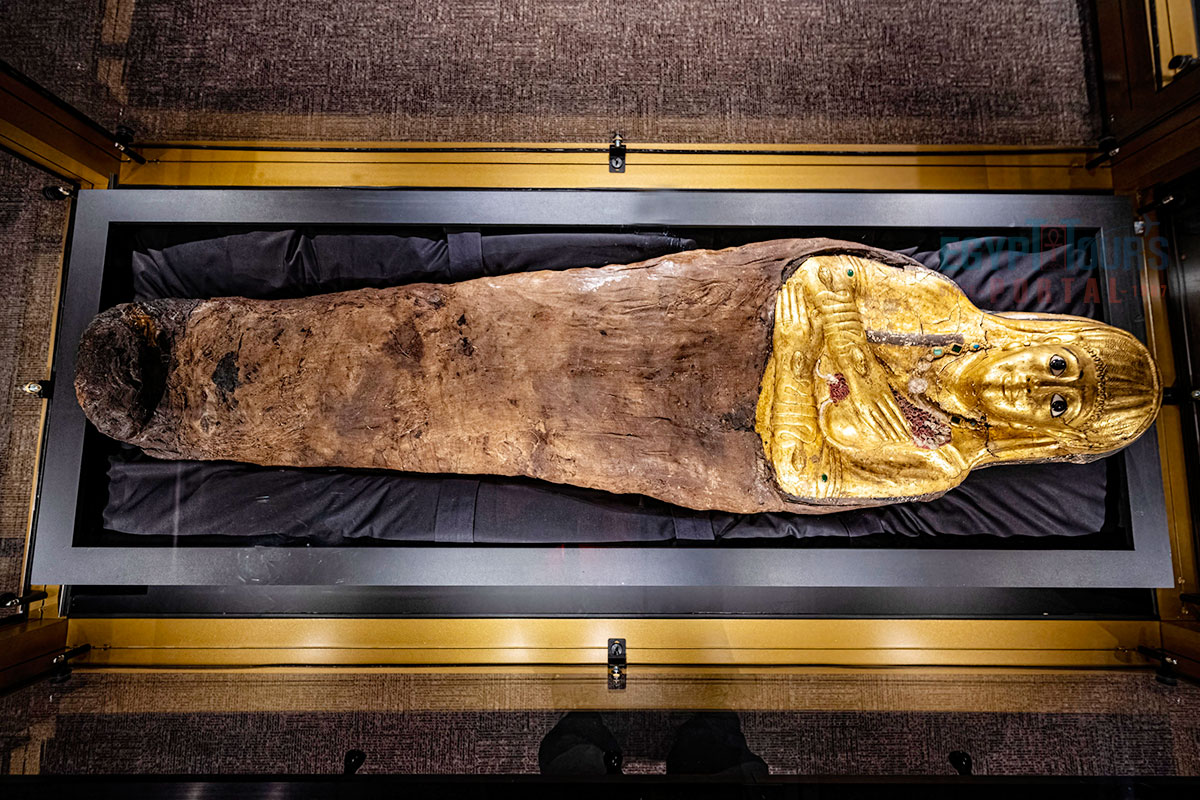
Rituals of the Ancient Egypt Religion - Egypt Tours Portal

Rituals were the lifeblood of ancient Egyptian religion, encompassing a range of activities from grand state ceremonies to personal acts of devotion. In temples, daily rituals ensured that the gods remained present and protective over Egypt. Priests would perform offerings, cleanse sacred statues, and recite hymns to honor the deities housed within the temples. Major annual festivals, like the Opet Festival, saw the statues of gods transported in barques (ceremonial boats) from temple to temple, where they were publicly paraded for the people to see and worship.

Funerary rituals, such as mummification, were meticulous processes intended to preserve the body for the afterlife. The "Opening of the Mouth" ceremony, conducted at the tomb, was believed to restore the deceased’s senses, enabling them to eat, drink, and interact in the afterlife. Additionally, private rituals and spells were performed by individuals seeking divine protection or favor.

Personal shrines in homes, the use of amulets, and small offerings of food or incense were ways ordinary Egyptians connected with the gods on an intimate level. These rituals, whether state-sponsored or personal, reflected a worldview in which the divine realm and human existence were inextricably linked.

The Powerful Rules of the Ancient Egypt Religion

Rules of the Ancient Egypt Religion - Egypt Tours Portal

The ancient Egyptian religion was governed by the principle of Ma'at, which represented truth, justice, and the essential balance of the universe. Egyptians believed it was their duty to live in harmony with Ma'at, as it was the guiding principle that ensured social and cosmic stability. This meant that every Egyptian, from the pharaoh to the commoner, was responsible for upholding Ma'at through their actions, ethics, and interactions. For the pharaoh, this responsibility extended to the entire realm, as he was seen as the divine representative of Ma'at, charged with maintaining peace, prosperity, and order.

The concept of justice in Egyptian society was closely linked to Ma'at, and judges would often wear a representation of Ma'at’s feather to symbolize their dedication to fairness. Morally, Egyptians were encouraged to practice kindness, integrity, and respect for others, as a life lived against Ma'at would lead to divine consequences.

In the afterlife, individuals faced the “Weighing of the Heart,” a final judgment where their heart was weighed against the feather of Ma'at to determine if they were worthy of eternal life. This set of spiritual and ethical rules guided Egyptians’ behavior, influencing personal relationships, family life, and even societal norms.

Shed Light on the Symbols of the Ancient Egyptian Religion 

Symbols of the Ancient Egyptian Religion - Egypt Tours Portal

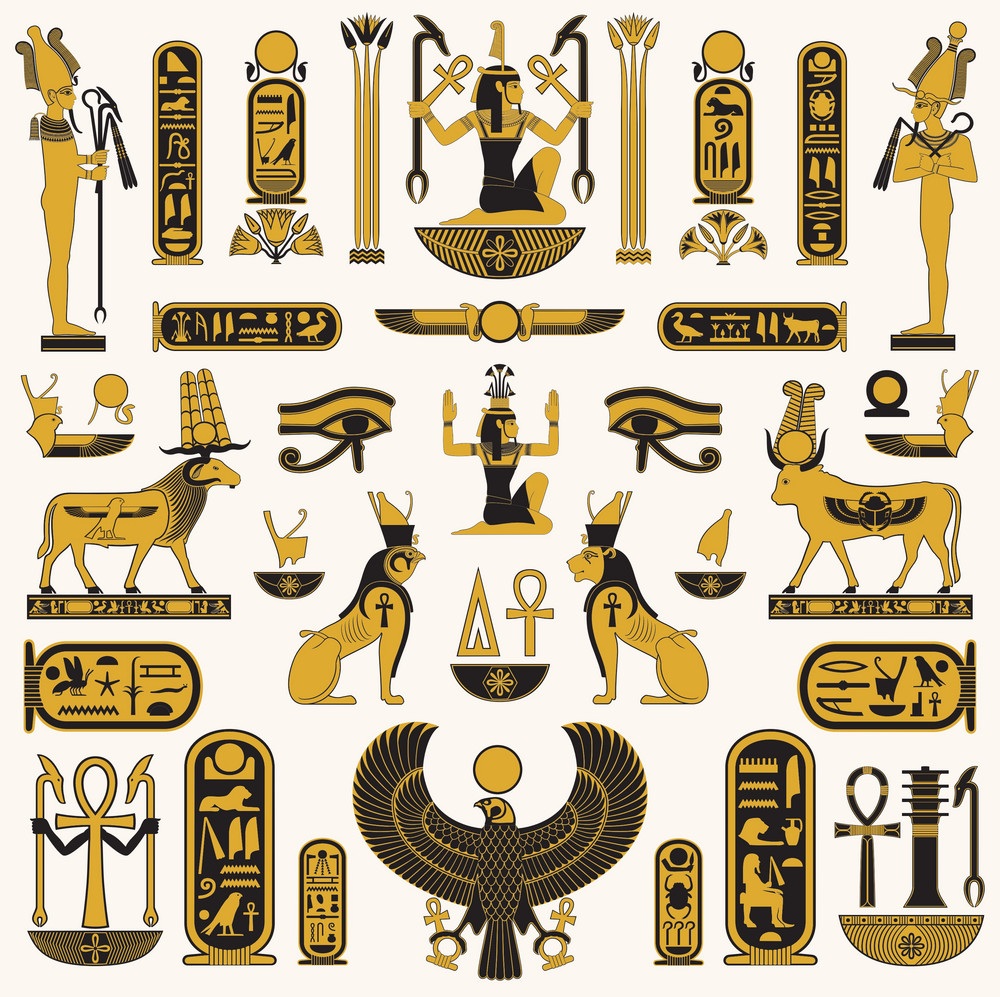
Ancient Egyptian symbols played a fundamental role in Egyptian religion, with each symbol holding deep meanings that were tied to the gods, the afterlife, and concepts like protection, life, and stability.

The Ankh: Representing life and immortality, the ankh symbolized the vital force that the gods held and could bestow upon humans. Pharaohs and deities are often depicted holding the ankh, suggesting their power over life and their ability to grant eternal life.

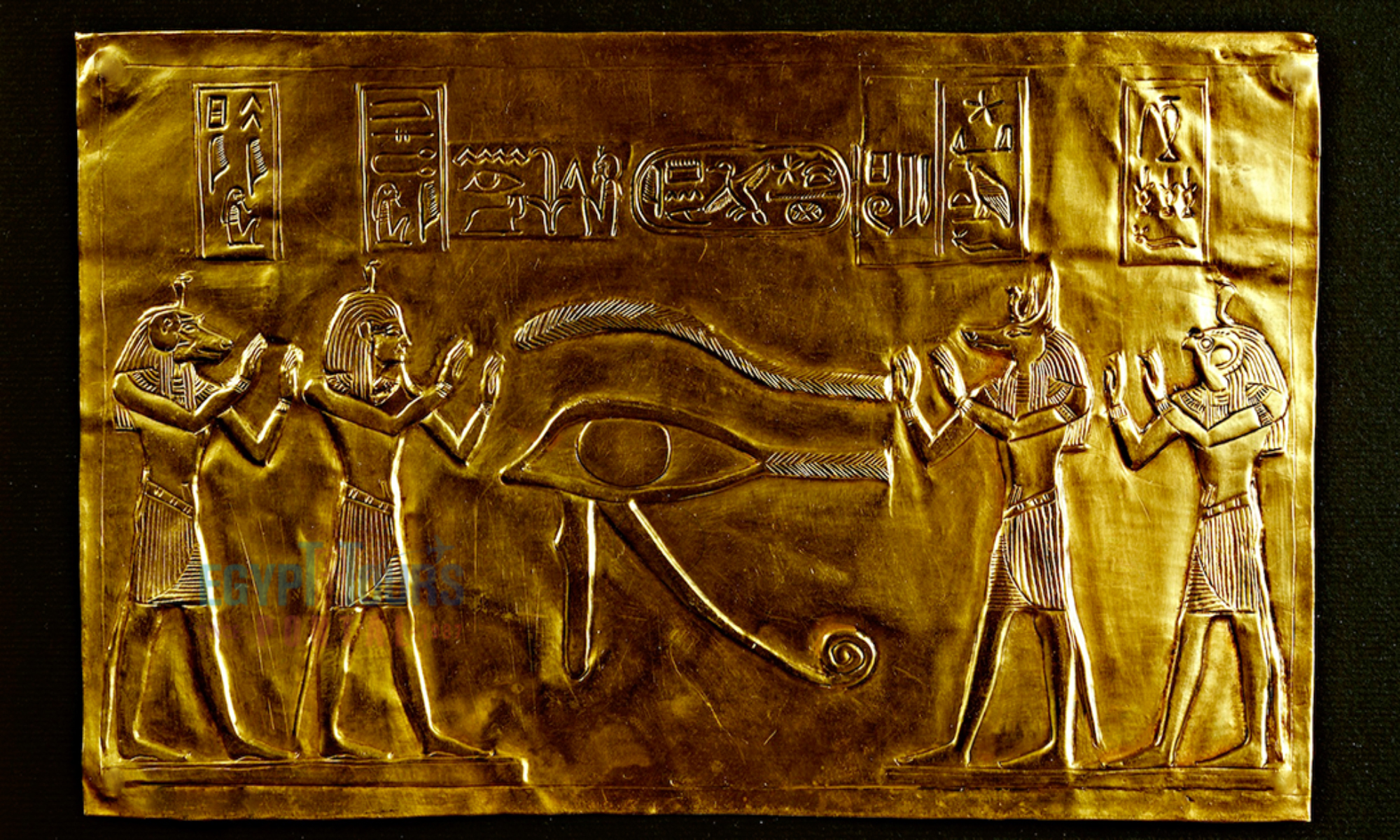
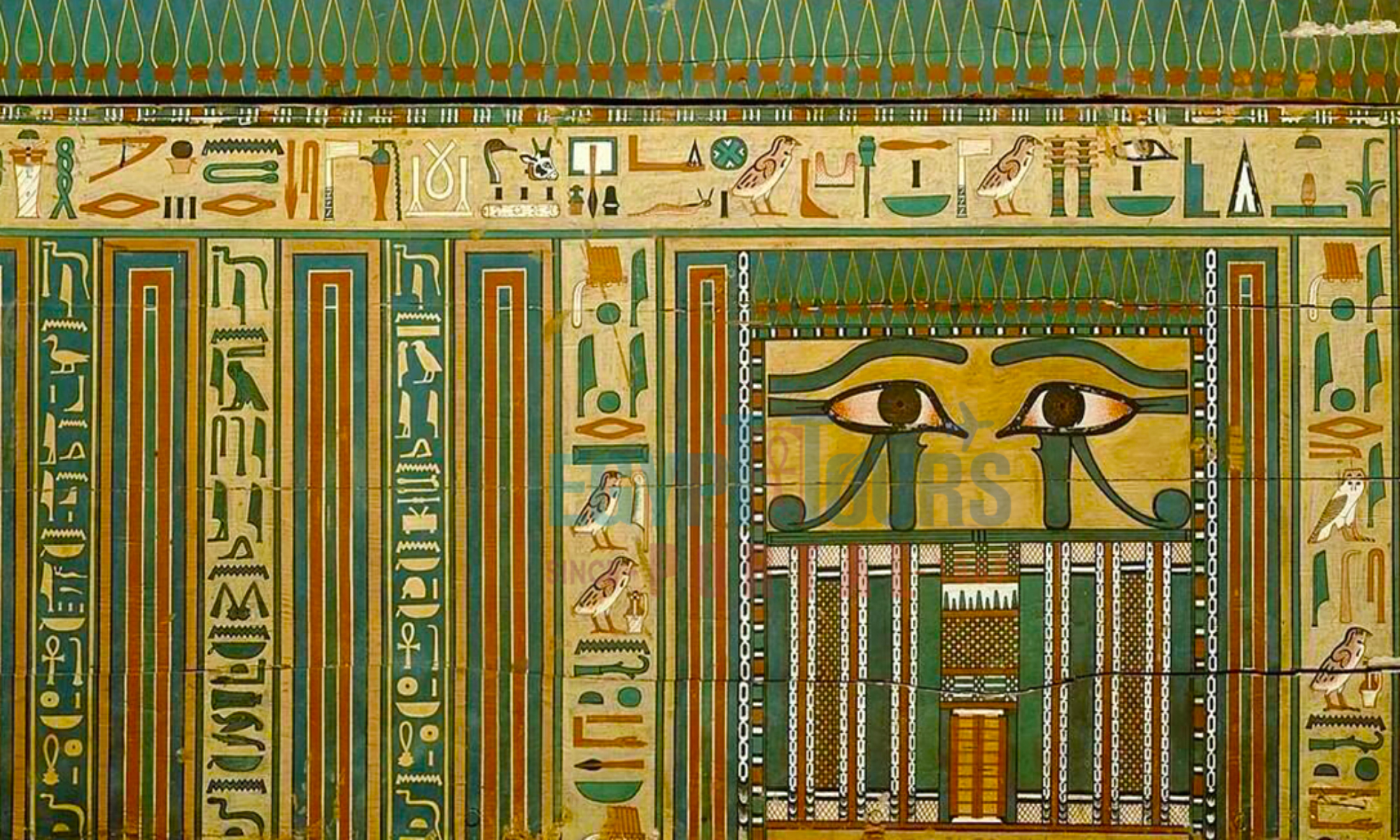
The Eye of Horus (Wedjat): A symbol of protection, health, and restoration, the Eye of Horus was connected to the myth where Horus lost his eye in battle, which was later healed. It became one of the most popular amulets, worn to protect against evil and restore health.

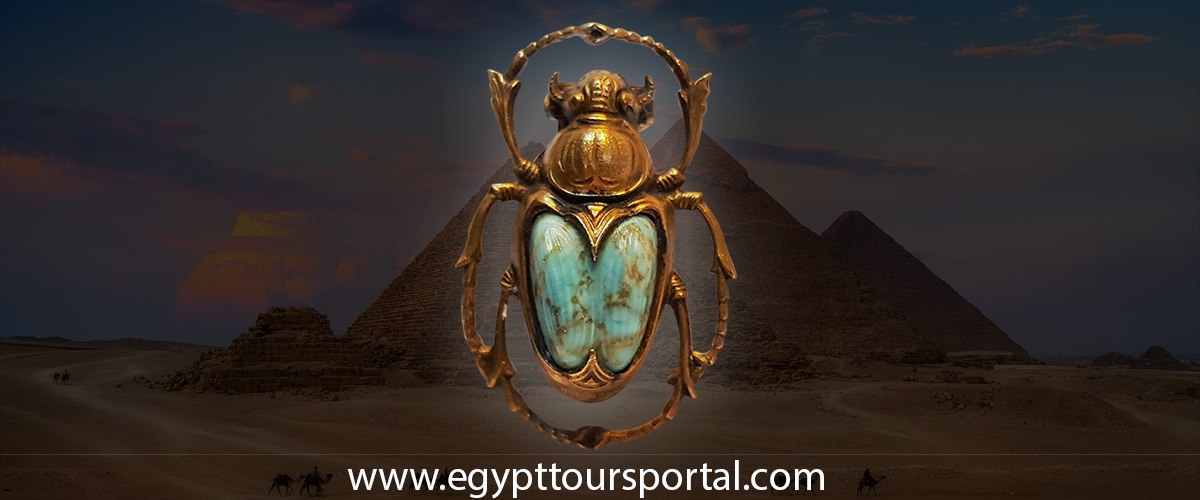
Scarab Beetle: The scarab, associated with Khepri, symbolized the constant cycle of life and rebirth. Scarabs were often used in amulets and burial practices to ensure regeneration and safe passage to the afterlife.

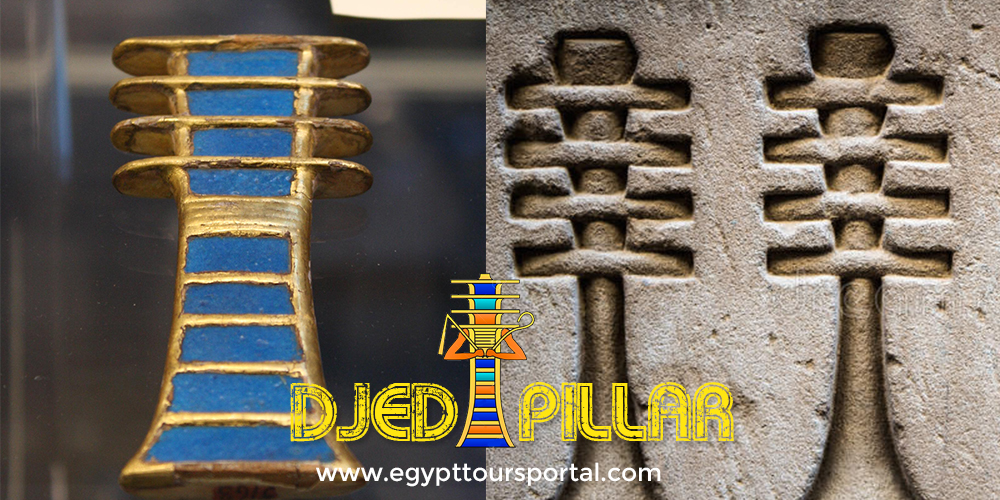
Djed Pillar: Representing stability, the Djed was linked to Osiris and was a symbol of endurance and resilience, commonly depicted in tombs and temples as a protective measure.

Feather of Ma'at: Used in the “Weighing of the Heart” ceremony, the feather represented truth and justice, serving as a gauge for determining a soul's worthiness for eternal life.

These renowned symbols and many others were more than mere decorative elements; they were embodiments of the gods’ powers and promises, believed to imbue the wearer or worshipper with divine blessings and protection.

Uncover the Influential Impact of the Ancient Egyptian Religion

Impact of the Ancient Egyptian Religion - Egypt Tours Portal

Ancient Egyptian religion left a legacy that deeply influenced neighboring civilizations, particularly the Greeks and Romans, and its impact can still be seen today. Egyptian architecture, with its iconic temples, tombs, and pyramids, became a template for later monumental buildings. Deities such as Isis and Osiris gained popularity far beyond Egypt’s borders, with Isis becoming a symbol of protection and magic in the Greco-Roman world.

Egyptian beliefs about the afterlife and judgment after death influenced early Christian and Greco-Roman ideas of Heaven and Hell, creating cultural bridges between the ancient and modern worlds. Egyptian mysticism and the worship of Thoth evolved into Hermeticism, a philosophical and spiritual tradition that would shape Western esoteric thought during the Renaissance. Ancient Egyptian religion has continued to captivate modern imaginations, inspiring literature, art, and popular media, and its influence remains a vibrant part of contemporary spirituality.

The Self-Governing Ethics of the Ancient Egyptian Religion

Ethics of the Ancient Egyptian Religion - Egypt Tours Portal

Ethics in ancient Egyptian religion revolved around Ma'at, a cosmic principle that emphasized truth, balance, and moral responsibility. Egyptians believed that every action should contribute to social harmony and cosmic order, as each person's behavior had a ripple effect on society. Ethical behavior was integral to achieving a favorable outcome in the afterlife, and various texts, such as the “ Principles of Maat ” and “Instructions of Ptahhotep” offered guidance on values like kindness, respect, and humility.

Egyptians believed that failure to uphold these values could lead to chaos and divine retribution. The “Weighing of the Heart” judgment was seen as a moral reckoning that measured a person's soul based on their adherence to Ma'at. Egyptian ethics thus extended beyond mortal life, as Egyptians viewed integrity and justice as essential for peace in both the earthly and divine realms.

The Various Burial Practices of the Ancient Egyptian Religion 
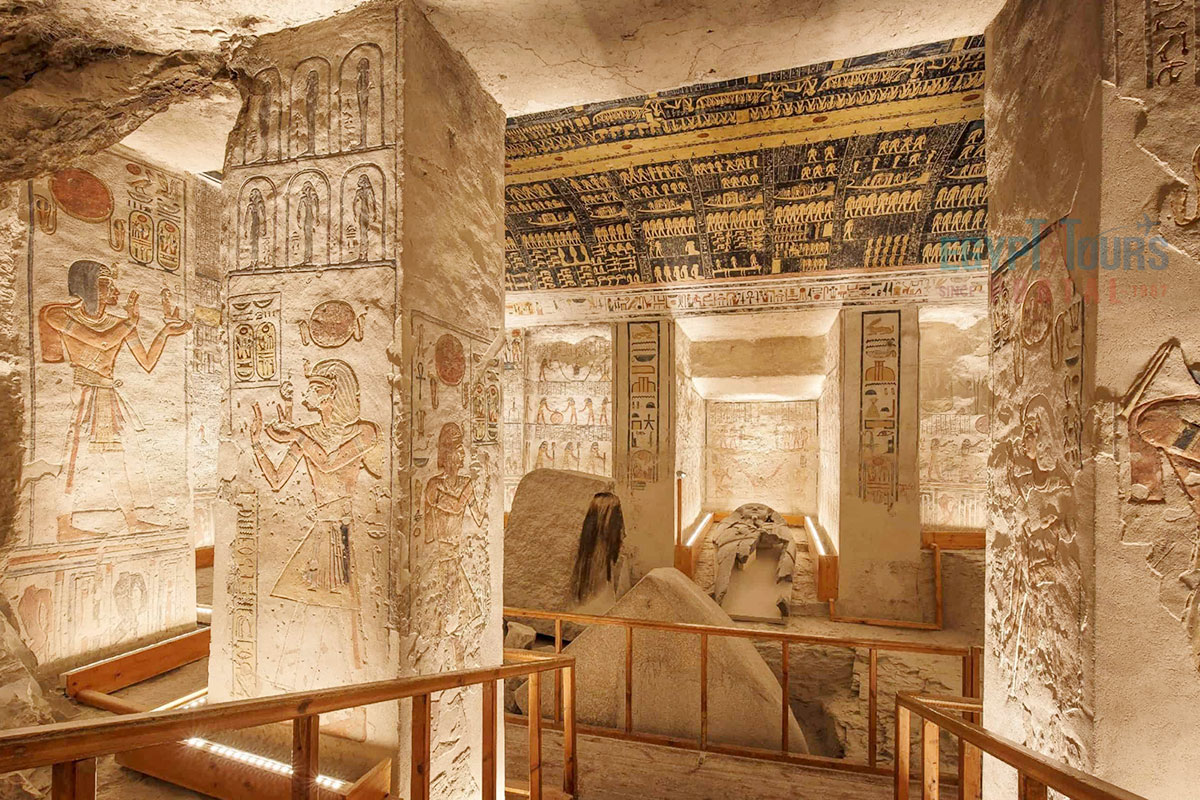
Burial Practices of the Ancient Egyptian Religion - Egypt Tours Portal

Ancient Egyptian burial practices were meticulous and aimed to preserve the body and soul for eternity. Mummification was a complex and costly process that involved removing internal organs, treating the body with oils and resins, and wrapping it in linens. The Egyptians believed that the soul, composed of parts like the ka (life-force) and ba (individual personality), needed the preserved body to sustain itself in the afterlife.

Canopic Jars were used to store the vital organs of the deceased and placed next to their mummy. Tombs were filled with food, clothing, furniture, and magical amulets to aid the deceased’s journey in the spirit world. The "Opening of the Mouth" ceremony symbolically restored the deceased’s senses, enabling them to partake in the offerings and ensure continued life.

Funerary texts, like the Book of the Dead, provided instructions, spells, and guidance to help the soul navigate the dangers of the underworld and join the gods. Burials were not just practical but deeply spiritual acts that reflected the Egyptian commitment to ensuring a successful transition to eternal life.

Cast Your Eyes on Beautiful and Meaningful Ancient Egyptian Religious Art
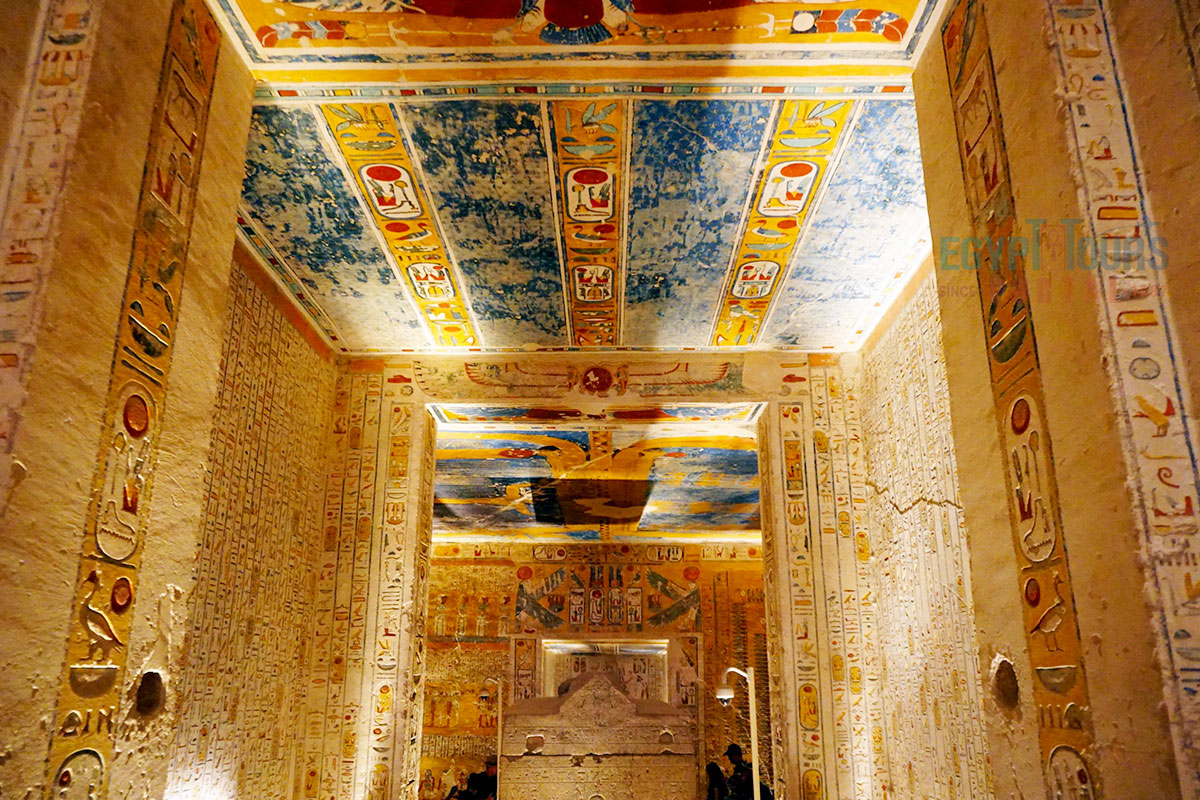
Ancient Egyptian Religious Art - Egypt Tours Portal

Art in ancient Egypt was a powerful tool for expressing religious beliefs and conveying the sacred roles of gods and pharaohs. Egyptian artists adhered to strict iconographic conventions that symbolized divine qualities rather than human realism. Deities, pharaohs, and mythological scenes were portrayed with careful attention to detail and symbolism; each element, from color to posture, conveyed spiritual significance.

Figures like Osiris were depicted with green skin to symbolize regeneration, while Ra was shown with the sun disc to emphasize his role as a creator. Art in temples, tombs, and monuments was created to ensure the gods’ presence and provide a means for the deceased to access the divine realm. These images acted as conduits for worship, serving both as reminders of Egypt’s sacred beliefs and as instruments to preserve the favor of the gods.

Witness the Majestic Connection Between Ancient Egyptian Geography and Religion

Connection Between Ancient Egyptian Geography and Religion - Egypt Tours Portal

Egypt's geography, centered around the life-giving Nile River, was fundamental to the development of its religious beliefs. The Nile’s predictable flooding brought fertility to the land, which Egyptians interpreted as a divine gift from Hapi, the god of the Nile. This yearly cycle of death and rebirth mirrored their beliefs about the afterlife and the resurrection of Osiris.

The fertile valley of the Nile represented life and Ma'at, while the surrounding deserts symbolized chaos (Isfet) and were home to gods associated with death and the afterlife, like Anubis. Major religious centers such as Heliopolis (dedicated to Ra) and Thebes (dedicated to Amun) were strategically located along the Nile, cementing their significance in Egyptian cosmology. The physical landscape shaped not only the practical aspects of Egyptian life but also their religious worldview, reinforcing the Egyptian belief that divine forces uniquely ordered their land.

What Happened to Ancient Egyptian Religion
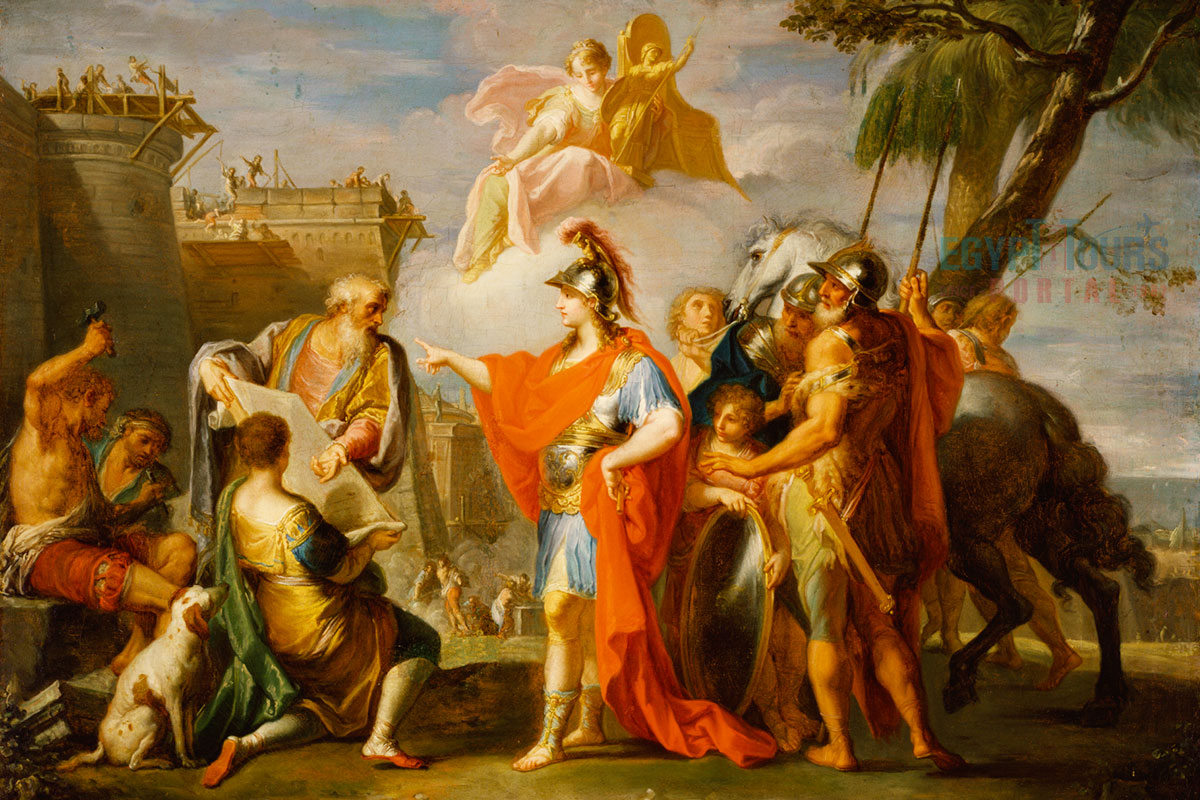
End of the Ancient Egyptian Religion - Egypt Tours Portal

The decline of ancient Egyptian religion was a gradual process that took centuries and was influenced by political, social, and religious shifts, particularly under foreign rule. When Egypt became a province of the Roman Empire in 30 BCE, traditional Egyptian religious practices began to lose their official support. The spread of Christianity, which became the Roman Empire's state religion in the 4th century, further marginalized Egyptian paganism.

Many temples fell into disuse, and the Christian leadership actively discouraged pagan practices, sometimes even dismantling temple structures. By the 5th century, most Egyptian temples had been closed, though some, like the temple at Philae, continued their practices until the 6th century. Byzantine Emperor Justinian ordered the final closure of Philae, marking the official end of a religious tradition that had shaped Egypt for millennia.

Although the ancient religion was suppressed, its symbols, gods, and myths persisted in folklore and influenced early Christian practices, ensuring that Egypt's religious legacy endured in new forms.

Explore The Religious Heritage of Ancient Egypt With Our Grand Egypt Trips

Egypt was one of the first civilizations to seek meaning and so came up with some of the most beautiful constructions, the world has ever seen in the core of the most enchanting cities of Egypt like Cairo, Luxor, and Aswan, the best way to explore them is by a Nile river cruise through the life force of Egypt during your Egypt tours.
ETP TEAM

Egypt Tours Portal is dedicated to preserving and sharing the rich history, culture, and mysteries of ancient Egypt, helping travelers and history enthusiasts explore Egypt’s most iconic destinations and monuments. The team consists of experienced Egyptologists, archaeologists, historians, travelers, content creators, marketers, consultants, and explorers with 5–20 years of expertise in their respective fields.

The website provides accurate, regularly updated information developed by qualified experts and supported by trusted sources to ensure reliability and educational value. Drawing on more than 39 years of industry knowledge and resources, Egypt Tours Portal offers a wide range of travel services, including Egypt tours, Nile cruises, day tours, shore excursions and multi-country tours. Their services have earned positive reviews from travelers, recognition through awards, and mentions by respected news outlets and travel blogs, delivering both educational and memorable travel experiences across Egypt.

Leave a Comment

Don't Just See Egypt. Experience It.

From private sunrise viewings at Giza to dining with local families in Aswan, unlock an extraordinary journey crafted entirely around your pacing and desires.

Private Certified Egyptologists Handpicked Heritage Stays 100% Tailor-Made Pacing Zero Hidden Service Fees
Explore Egypt Tours
Pick Your Journey

Related Tours to This Article

4 Days Cairo Tour Packages
IATA-Egypt-Tours-Portal

4 Days Cairo Tour Packages

Great journey in Egypt for 4 days Cairo tour Packages joining a private tour guide to visit Giza Pyramids complex, Coptic & Islamic landmarks in old Cairo.
Cairo – Giza
4 Days / 3 Nights Classic Tour
4 Days Cairo and Alexandria Itinerary
IATA-Egypt-Tours-Portal

4 Days Cairo and Alexandria Itinerary

Experience the best of Cairo & Alexandria on a private 4-day journey, with visits to top monuments and 5-star hotel accommodations. Book your spot today!
Cairo / Giza / Alexandria
4 Days / 3 Nights Classic Tour
5 Days Cairo and Alexandria Tour Package
IATA-Egypt-Tours-Portal

5 Days Cairo and Alexandria Tour Package

Enjoy a 5-day Cairo and Alexandria tour with Giza Pyramids, Old Cairo, Alexandria Library, Qaitbay Citadel, Pompey's Pillar, hotels, guide and transfers.
Cairo / Giza / Alexandria
5 Days / 4 Nights Classic Tour
5 Days Cairo & Luxor Tour Package
IATA-Egypt-Tours-Portal

5 Days Cairo & Luxor Tour Package

Enjoy a 5-day Cairo & Luxor tour package with private guides. Explore the Pyramids, Cairo, and Luxor. Book now for an unforgettable 5 days!
Cairo / Luxor
5 Days / 4 Nights Classic Tour
6 Days Cairo, Luxor & Aswan Holiday
IATA-Egypt-Tours-Portal

6 Days Cairo, Luxor & Aswan Holiday

Enjoy 6 Days Cairo, Luxor & Aswan tour package-joining a private tour guide to visit the most famous tourist attraction in Cairo, Luxor & Aswan. Book Now!
Cairo / Giza / Aswan / Luxor
6 Days / 5 Nights Classic Tour
6 Days Cairo and Nile Cruise Package
IATA-Egypt-Tours-Portal

6 Days Cairo and Nile Cruise Package

Exceptional 6 days Cairo and Nile Cruise package to visit Cairo & Pyramids, then Nile cruise Aswan to Luxor to visit ancient temples and tombs, Book Now!!!
Cairo / Aswan / Kom Ombo / Edfu / Luxor
6 Days / 5 Nights Classic Tour
7 Days Cairo and Hurghada Holiday
IATA-Egypt-Tours-Portal

7 Days Cairo and Hurghada Holiday

Reserve a 7-day Cairo and Hurghada holiday to visit ancient Egyptian sites in Cairo, followed by relaxing Red Sea holidays in Hurghada.
Cairo – Giza – Hurghada
7 Days / 6 Nights Classic Tour
7 Days Cairo, Luxor & Hurghada Holiday
IATA-Egypt-Tours-Portal

7 Days Cairo, Luxor & Hurghada Holiday

Enjoy a 7-day Egypt tour to Cairo, Luxor, and Hurghada with Giza Pyramids, Karnak, Valley of the Kings, Hatshepsut Temple, Red Sea snorkeling & expert guides.
Cairo – Giza – Luxor – Hurghada
7 Days / 6 Nights Classic Tour
8 Days Cairo Nile Cruise and Hurghada Tour
IATA-Egypt-Tours-Portal

8 Days Cairo Nile Cruise and Hurghada Tour

Discover ancient Egyptian wonders in Cairo, Luxor, and Aswan on an 8-day Nile cruise, followed by a relaxing retreat in Hurghada by the Red Sea.
Cairo / Giza / Aswan / Kom Ombo / Edfu / Luxor / Hurghada
8 Days / 7 Nights Classic Tour
9 Days Cairo, Luxor & Hurghada Tour Package
IATA-Egypt-Tours-Portal

9 Days Cairo, Luxor & Hurghada Tour Package

Enjoy 8 nights / 9 days Cairo, Luxor & Hurghada tour package to visit ancient Egypt monuments in Cairo & Luxor, then move to Hurghada. Book now!!!
Cairo / Giza / Luxor / Hurghada
9 Days / 8 Nights Classic Tour
9 Days Alexandria, Cairo & Sharm El Sheikh Holiday
IATA-Egypt-Tours-Portal

9 Days Alexandria, Cairo & Sharm El Sheikh Holiday

Explore Alexandria, Cairo & Sharm El Sheikh in 9 days, with iconic sights in Cairo & Alexandria, and Red Sea adventures in Sharm El Sheikh.
Cairo / Giza / Alexandria / Sharm El Sheikh
9 Days / 8 Nights Budget Tour
10 Days Egypt Tour Cairo, Nile Cruise & Hurghada
IATA-Egypt-Tours-Portal

10 Days Egypt Tour Cairo, Nile Cruise & Hurghada

Delight in a 10-day tour to Egypt, with stops in Cairo, a Nile cruise covering Luxor and Aswan, and downtime in Hurghada. Book your vacation now!
Cairo / Giza / Aswan / Kom Ombo / Edfu / Luxor / Hurghada
10 Days / 9 Nights Classic Tour
12 Days Hurghada, Cairo & Nile Cruise Holiday Packages
IATA-Egypt-Tours-Portal

12 Days Hurghada, Cairo & Nile Cruise Holiday Packages

Enjoy 12 Days Egypt tours to Cairo, Nile Cruise & Hurghada to visit the most famous attractions in Egypt. joining a private tour guide. Book Now!
Cairo / Giza / Aswan / Kom Ombo / Edfu / Luxor / Hurghada
12 Days / 11 Nights Classic Tour
13 Days Alexandria, Cairo and Nile Cruise Holidays
IATA-Egypt-Tours-Portal

13 Days Alexandria, Cairo and Nile Cruise Holidays

Enjoy 13 days Cairo and Nile cruise holidays in addition to visiting Alexandria sightseeing, then move to enjoy Red Sea holidays in Hurghada. Book Now!
Cairo / Giza / Aswan / Abu Simbel / Kom Ombo / Edfu / Luxor / Hurghada / Alexandria
13 Days / 12 Nights Classic Tour
15 Days Marvelous Tour Package in Egypt
IATA-Egypt-Tours-Portal

15 Days Marvelous Tour Package in Egypt

Book your 15-day Egyptian adventure now to visit the top landmarks in Egypt's finest tourist cities and conclude with a serene Red Sea retreat in Hurghada.
Cairo/Giza/Aswan/Abu Simbel/Kom Ombo/Edfu/Luxor/Hurghada/Alexandria
15 Days / 14 Nights Classic Tour
Keep Exploring

What to Read Next

Dive deeper into this topic. Discover more insights, expert advice, and inspiration in our recommended articles.

Wed, 04 Jun 2025

ETP Team

Eye of Horus Unveiled: Myth, Meaning, and Magic of Wadjet

Explore the Eye of Horus, an ancient Egyptian symbol of healing, protection, rebirth, and divine power, deeply rooted in myth, magic, and sacred rituals.

Wed, 27 Mar 2024

ETP Team

The Djed Pillar

The Djed pillar is one of the most famous symbols in ancient Egypt and was a symbol of stability, permanence, and immutability.

Sat, 31 May 2025

ETP Team

Was Scepter: Symbol of Power, Chaos, & Divine Authority

The Was Scepter is a symbol of power and an emblem of authority, it is associated with wealth and happiness, read about the Was Scepter.

Thu, 18 Apr 2024

ETP Team

Egyptian Scarab Beetle

The Egyptian Scarab Beetle was featured in Egyptian art, iconography and ancient Egyptian religion, read about The Egyptian Scarab Beetle

Wed, 28 Feb 2024

ETP Team

The Ouroboros Symbol

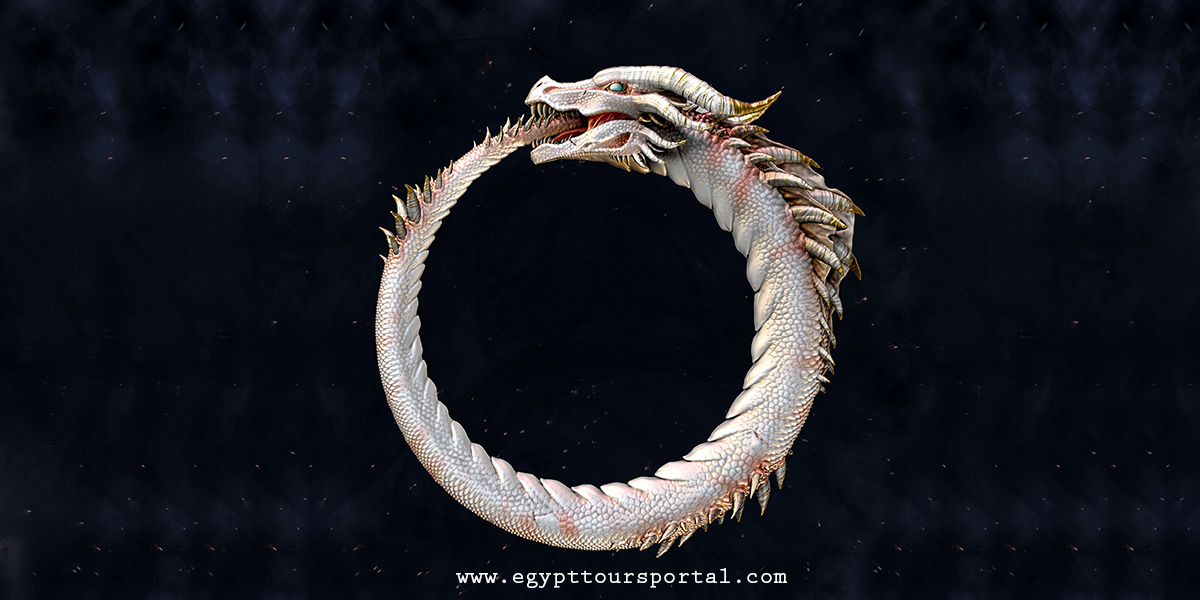
The Ouroboros symbol is one of the oldest ancient Egyptian symbols in history. The symbol was assimilated into several beliefs and cultures

Wed, 03 Jul 2024

ETP Team

The Pharaoh’s Curse

Learn about the Pharaoh's Curse and the death of Lord Carnarvon. Unravel the genuine mysteries of the curses in King Tut’s tomb.

Tue, 20 May 2025

ETP Team

Top 100 Ancient Egyptian Gods & Goddesses (Names & Facts)

Explore the top 100 ancient Egyptian gods and goddesses, Egyptian deities. Learn more about the names & powers of Egyptian gods & goddesses.

Tue, 20 May 2025

ETP Team

Egyptian Mythology Creation Story

Explore Egypt’s creation myths and the roles of gods like Ra, Amun, and Osiris in shaping the cosmos, offering deep insights into life, death, and the universe.

Tue, 27 May 2025

ETP Team

The Egyptian Mythology Story of Osiris

Discover the story of Egyptian mythology god Osiris, explore the hidden secrets of Egyptian mythology, know more about Egyptians civilization

Tue, 27 May 2025

ETP Team

Afterlife and Judgment in Ancient Egypt

Read about ancient Egyptian mythology afterlife and Judgment to discover the Egyptians' perspectives on the afterlife. Engage with history.

Sun, 05 Jul 2026

ETP Team

60 Famous Ancient Egyptian Symbols (Meanings & Facts)

Learn about the famous 60 ancient Egyptian symbols and their meanings. Discover more intriguing facts about symbols of ancient Egypt!

Wed, 09 Jul 2025

ETP Team

Book of the Dead: Spells for the Ancient Egypt’s Afterlife

Uncover the secrets of Egypt’s Book of the Dead, magical spells, rituals, & beliefs that guided souls through judgment to eternal life in the afterlife.

Tue, 20 May 2025

ETP Team

The Eye of Ra and the Eye of Horus: Ancient Symbols of Power, Protection, and Wrath

Discover the Eye of Horus and the Eye of Ra, ancient Egyptian symbols of power, protection, and healing, shaping mythology, religion, and science for millennia.

Sat, 26 Apr 2025

ETP Team

Ancient Egyptian Mythical Creatures and Monsters of Legend Explained

Uncover the powerful stories of ancient Egyptian mythical creatures that symbolized chaos, rebirth, and divine power in one of history’s greatest civilizations.

Tue, 20 May 2025

ETP Team

Ancient Egyptian Magic: The Divine Force That Shaped Life, Death, and the Cosmos

Explore the power of witchcraft and magic in Ancient Egypt from healing and protection to death rituals, divination, amulets, and the cosmic force of Heka.

Book With Confidence

Why Travel With Egypt Tours Portal

The "Boutique" Advantage

01

We offer private, customizable journeys tailored to your pace, moving away from the "factory-style" mass-market tours.
Gold-Standard Guides

02

Travel with elite, licensed Egyptologists who act as storytellers, not just tour leaders.

Seamless Logistics

03

24/7 "high-touch" support with a dedicated coordinator for every aspect of your multi-vendor itinerary.

2026/04/egypt-tours-portal-clients-at-giza-pyramids.jpg
04

True Customization

Our "Tailor-Made" planning workflow ensures your trip matches your specific priorities and interests.

05

Luxury & Comfort

We prioritize premium guide quality and vetted, safe hotels to ensure a stress-free environment.

06

Protection & Security

Advanced safety protocols and 24/7 emergency contact for total peace of mind during your adventure.

Book With Confidence.

Book your trip with peace of mind knowing every detail is handled with care.

Enjoy flexible options, secure payments, and dedicated support to make your journey smooth and worry-free from start to finish.

Read Our Confidence Policy

Pay Monthly

Split your total trip cost into easy monthly installments, making it more flexible and affordable for your budget.

Fast Booking

Complete your booking in just a few simple steps with a quick and streamlined process designed to save you time.

24/7 Support

Our dedicated support team is available around the clock to assist you before, during, and after your trip.

Rated 5 Stars

Highly rated by thousands of travelers for quality service, reliable experiences, and unforgettable journeys.

Pay Monthly

Split your total trip cost into easy monthly installments, making it more flexible and affordable for your budget.

Fast Booking

Complete your booking in just a few simple steps with a quick and streamlined process designed to save you time.

24/7 Support

Our dedicated support team is available around the clock to assist you before, during, and after your trip.

Rated 5 Stars

Highly rated by thousands of travelers for quality service, reliable experiences, and unforgettable journeys.

Traveler Video Reviews

Inside The Experience: Watch Authentic Traveler Stories Before Booking

Clients Feedback
https://dynamic-media-cdn.tripadvisor.com/media/photo-o/12/04/24/3e/rk-w.jpg
Erin W
Kiawah Island, South Carolina

"We had a great experience touring Aswan, Edfu, and Luxor with Mahmoud. I would highly recommend him as a guide. He adapted to our needs (2 teenagers) and kept everything interesting. He was always prompt, professional, and easy to communicate with. He was also very prompt answering questions via WhatsApp"

Read More
https://dynamic-media-cdn.tripadvisor.com/media/photo-o/1a/f6/f1/79/default-avatar-2020-21.jpg
Estelle V

"We would like to share our wonderful experience with Egypt Tours Portal. From the very first quote to our final airport drop-off, we were impressed by the professionalism, organization, and excellent communication from Walaa and the entire team. Our tour guides in both Luxor (“Habibi” was the best!) and Cairo were incredibly knowledgeable, helpful, and passionate about sharing Egypt’s history and treasures with us. We especially appreciated how thoughtfully the itinerary was planned — allowing us time to rest in the afternoons, scheduling visits during the cooler hours, and remaining flexible to accommodate our needs. Everything was smooth, well-organized, and made our trip truly memorable. We wholeheartedly recommend Egypt Tours Portal to anyone looking to discover the incredible history, culture, and wonders Egypt has to offer."

Read More
https://dynamic-media-cdn.tripadvisor.com/media/photo-o/1a/f6/e7/3d/default-avatar-2020-55.jpg
Tim K

"We had an outstanding time touring Luxor with our guide, Essra. She was knowledgeable, professional, and incredibly kind throughout the entire experience. Her explanations of Karnak Temple, Luxor Temple, the Valley of the Kings, Hatshepsut Temple, and the Colossi of Memnon brought Egypt's history to life. What really set her apart was her thoughtfulness. She made sure we stayed comfortable in the heat, surprising us with water and refreshments. She also took us to an excellent local restaurant that we never would have found on our own. Her attention to detail, genuine care, and passion for sharing Egypt made this one of the highlights of our trip. We highly recommend her to anyone visiting Luxor. On another note, the drivers we had each day were great. So professional, always on time and personable."

Read More
https://dynamic-media-cdn.tripadvisor.com/media/photo-o/1a/f6/e2/a7/default-avatar-2020-44.jpg
Will S
Bluff Park, Alabama

"We had a great vacation. Omar Haridi did our Nile Cruise and Zizi did our Cairo tour. They were amazing and very knowledgeable."

Read More
https://dynamic-media-cdn.tripadvisor.com/media/photo-o/1a/f6/ed/00/default-avatar-2020-4.jpg
Mira F

"The best experience of my lifetime! Nour, the tour guide was absolutely amazing! Went over and beyond thinking about every little thing. I had a mishap and Egypt Air overbooked my flight and bumped me to a later flight causing me to miss an entire day of activities. Nour made sure I got to do every single thing I missed that first day. But that’s not all: his knowledge of old Egypt is unparalleled, he truly brings Egypt (Aswan Luxor) alive. I’ve traveled all over the world and met many tour guides: Nour stands apart from all of them. He’s also considerate, caring and genuinely wants his guests to enjoy the trip and learn the most about the incredible history of Egypt. He’s also funny and genuinely great to be around. Please, do yourself a favor when booking a trip in Upper Egypt and ask for Nour. Hands down the best guide ever!"

Read More
https://dynamic-media-cdn.tripadvisor.com/media/photo-o/1a/f6/f6/0d/default-avatar-2020-34.jpg
Paul B
Hook, United Kingdom

"Excellent guide Mr Mohamed Osman, who was incredibly knowledgeable and very informative. Couldn't ask for more. Food on day 1 was ok, but much better at lunch on day 2. Hotel was excellent. Also our driver was excellent. All in all a great experience. Would highly recommend."

Read More
https://dynamic-media-cdn.tripadvisor.com/media/photo-o/1a/f6/eb/6d/default-avatar-2020-19.jpg
Marianna A

"Our experience in Egypt, especially in Luxor and Aswan, was truly unforgettable, and a huge part of that was thanks to our incredible guide Omar. We cannot recommend him highly enough. From the moment we met him, it was clear that he was exceptionally knowledgeable, professional, and deeply passionate about Egyptian history and culture. What made our tour extraordinary was that our guide is not only a master’s in Egyptology but is also currently pursuing a PhD in Egyptology. His depth of knowledge was absolutely remarkable. He is also very creative and artistic. Every temple, tomb, monument, and historical site came alive through his explanations. He did not simply recite facts, he explained the historical context, symbolism, religious beliefs, architecture, and fascinating stories behind everything we saw. It truly felt like we were traveling through ancient Egypt with a real scholar and expert by our side. He brought ancient Egyptian history to life by assigning us the roles of Egyptian gods and legendary heroes. Through these interactive mini-plays, we were able to experience, understand, and truly connect with the stories he shared. In Luxor, visiting Karnak Temple, Luxor Temple, the Valley of the Kings, and Hatshepsut Temple became an unforgettable educational and emotional experience because of the way he explained the history in such an engaging and easy-to-understand manner. In Aswan, his insights about Philae Temple, Nubian history, and ancient Egyptian civilization added so much depth to our trip. He answered every question thoughtfully and with incredible detail, and you could genuinely feel his passion for Egyptology. Beyond his academic expertise, he was one of the kindest and most caring people we met during our travels. He constantly made sure we were comfortable, safe, hydrated, and enjoying ourselves. He was patient, attentive, organized, and always willing to help with anything we needed. His warm personality and kindness made us feel welcomed not just as tourists, but as friends. He also paced the tours perfectly, allowing us enough time to truly appreciate each site without ever feeling rushed. His professionalism, friendliness, and genuine care created a relaxed and enjoyable atmosphere throughout the trip. Thanks to him, our visit to Egypt became far more than a vacation. It became an unforgettable journey into history and culture. If you are planning to visit Luxor, Aswan, or anywhere in Egypt, choosing this guide will be one of the best decisions you can make. He is truly exceptional, and we feel incredibly lucky to have had him as our guide. Thank you again for such an amazing experience. We will never forget it. Marianna and Khris"

Read More
https://dynamic-media-cdn.tripadvisor.com/media/photo-o/1a/f6/f0/d5/default-avatar-2020-17.jpg
James H

"This has been a tour agency and guides I can’t wait to give a glowing review to and to recommend to friends and family. Both Riham and Walid were happy to help coordinate excursions and share a wealth of knowledge. 10/10 experience"

Read More
https://dynamic-media-cdn.tripadvisor.com/media/photo-o/1a/f6/ec/a2/default-avatar-2020-3.jpg
H D

"We had a wonderful experience with the 5 day cruise. The price is wry reasonable. The best part is that the visits are done in very small numbers with a guide. It is almost like having a private guide. The food was good with lots of variety and all the staff members are very friendly and helpful. Omar Haradi, our guide was very knowledgeable and very generous with his time and with sharing his knowledge."

Read More
https://dynamic-media-cdn.tripadvisor.com/media/photo-o/1a/f6/f2/59/default-avatar-2020-24.jpg
Marlina
West Palm Beach, Florida

"We just returned home from an incredible trip to Egypt, and we cannot say enough good things about Egypt Tours. From the moment we booked our trip until the day we flew home, their communication, organization, and attention to detail were outstanding. Our adventure began in Cairo, where we were warmly welcomed at the airport by our guide, Abdulrahman Mosbah. He immediately made us feel comfortable and at ease, and our Nile River sunset cruise was the perfect introduction to Egypt. Abdul’s warm personality and infectious enthusiasm made our first day both fun and memorable. The following day, we toured with Reda Elgendy, who brought the pyramids to life with fascinating stories and historical insights. Seeing the Grand Egyptian Museum (GEM) was truly breathtaking and a highlight of our time in Cairo. In Aswan, we were greeted at the airport by Ahmed Haggag, who guided us over the next two days. Ahmed was incredibly knowledgeable, thorough in his explanations, and always kept us entertained with his great sense of humor. We learned so much while enjoying every moment of our time with him. Our final stop was Luxor, where we met Ghada Kamel. Saving the best for last, Ghada was absolutely exceptional. Her passion for Egypt’s history and culture made our visits to the temples and the Valley of the Kings unforgettable. She was engaging, informative, and truly outstanding. This trip exceeded all of our expectations. Not only did we experience some of the world’s most amazing historical sites, but each of our guides also shared valuable insights into Egyptian culture and daily life. We returned home with wonderful memories, a deeper appreciation for Egypt, and gratitude for the amazing team at Egypt Tours. We highly recommend Egypt Tours to anyone planning a trip to Egypt. It was truly the trip of a lifetime!"
Read More
https://dynamic-media-cdn.tripadvisor.com/media/photo-o/1a/f6/de/5a/default-avatar-2020-36.jpg
Alejandro M

"We loved it, great experience and treatment. Our guide Noah had great knowledge of the subject. Thank you very much."

Read More
https://dynamic-media-cdn.tripadvisor.com/media/photo-o/1a/f6/f0/d5/default-avatar-2020-17.jpg
Jeff T

"Our trip in May 2026 was fantastic! We saw all the major wonders of Egypt! Our incredibly knowledgeable guide Walid Ahmed met us at the hotel and was great at explaining all the particular uniqueness of each tomb and temple, inserting background myths and stories, keeping our tour on track, taking and sharing so many pictures so we could be in them as a couple and helping us navigate local customs. We strongly recommend Egypt, the tour and Walid!"

Read More
https://dynamic-media-cdn.tripadvisor.com/media/photo-o/1a/f6/e7/3d/default-avatar-2020-55.jpg
Joe P

"We had a wonderful week long vacation in Egypt, split between Cairo and Luxor. The tour was very professionally run with excellent communication starting weeks before our arrival and then nearly daily while in Egypt. A highlight was our English-speaking guide in Luxor, Walid Ahmed, who was extremely knowledgeable and exceptionally kind. The tour was flexible and accommodating, allowing last minute special detours and restaurant choices. Overall, it was one of the best vacations of our life."

Read More
https://dynamic-media-cdn.tripadvisor.com/media/photo-o/1a/f6/f1/79/default-avatar-2020-21.jpg
Damien B

"We had Ahmed Refaat as our family guide in Cairo, and he truly made our trip to Egypt unforgettable. His positive attitude, passion for Egypt’s history and culture, and incredible patience made all the difference throughout our stay in Cairo. Ahmed brought every site to life with fascinating explanations and was always attentive to our needs, making the experience enjoyable for both adults and children. We especially recommend him for visits to Saqqara and the Grand Egyptian Museum (GEM), where his deep knowledge and enthusiasm greatly enhanced our understanding and appreciation of these extraordinary places. Without any hesitation, we highly recommend Ahmed Refaat to anyone visiting Egypt. Thank you again for helping create such wonderful memories for our family!"

Read More
https://dynamic-media-cdn.tripadvisor.com/media/photo-o/1a/f6/ef/73/default-avatar-2020-13.jpg
Departure20554993605

"Knowledgeable guide, clean vehicle, interesting stories about the sites. Tour guide: Muhmmed Abd El-aal was very nice to be in the company of, dry attentive and honest."

Read More
HELP CENTER

Frequently Asked Questions

Ancient Egyptian religion is one of the oldest belief systems in the world, dating back over 5,000 years. Evidence of early religious practices can be traced to the Predynastic Period (4000 BCE) when early Egyptians developed burial rituals and began honoring natural forces, animals, and certain deities. These beliefs became more formalized around 3000 BCE with the unification of Upper and Lower Egypt, laying the foundation for what would become a highly organized and intricate religious structure.

Ancient Egyptian religion evolved from local beliefs and natural phenomena experienced by the early Nile Valley inhabitants. As communities grew, they began to recognize specific gods and natural forces that impacted their lives, like the flooding of the Nile, which was essential for agriculture. Over time, these early beliefs merged, creating a complex pantheon of gods and goddesses, each associated with different elements of nature, human virtues, and societal functions. Egyptian religion thus emerged organically from the people's observations and reverence for their environment and was continuously shaped over millennia.
Key places associated with ancient Egyptian religion included temples, pyramids, and tombs. Temples, such as those at Karnak and Luxor, were the earthly homes of the gods, where priests performed rituals and offerings to maintain divine favor. Pyramids, especially in the Old Kingdom period, served as monumental tombs for pharaohs and were believed to aid their journey to the afterlife. Tombs in the Valley of the Kings and the Valley of the Queens were also central, as they contained elaborate funerary texts and artifacts designed to protect the soul and ensure a successful passage into the afterlife.
Ancient Egyptian religion reveals a culture deeply focused on the afterlife, cosmic balance, and the interconnection between humanity and the divine. The Egyptians valued harmony, justice, and respect for natural forces, as seen in their concept of Ma’at, representing truth, balance, and order. The elaborate funerary practices, including mummification, illustrate their belief in eternal life and the importance of preserving one's body for the soul's journey. Additionally, their religion shows a society that held pharaohs in high regard, seeing them as intermediaries between the gods and the people, which highlights the intertwining of governance and spirituality in ancient Egyptian culture.
In ancient Egyptian religion, the god Anubis oversaw the weighing of the heart in the Hall of Ma’at during the judgment of the dead. This ceremony determined whether the deceased had lived a virtuous life. The heart was weighed against the feather of Ma’at, symbolizing truth and justice. If the heart were lighter than the feather, the soul could proceed to the afterlife. If it were heavier, it was devoured by Ammit, a fearsome creature, ending the individual’s journey. This belief emphasizes the Egyptian ideals of morality and accountability in life.
The pyramids served as monumental symbols of the Egyptian belief in the afterlife and divine kingship. They were designed as resurrection machines, helping the pharaoh’s soul ascend to the heavens to join the gods, particularly the sun god Ra. The pyramids’ massive scale and careful orientation underscored the importance of the afterlife in Egyptian religion, encouraging the people to honor their deceased leaders and uphold religious practices. Over time, the construction of these monumental structures also reinforced the power of the pharaoh, linking their authority with divine will.
Egyptian art and architecture vividly reveal how central religion was to daily life, governance, and personal belief. Temples, tombs, and pyramids were constructed not only as places of worship or burial but as lasting symbols of faith. Scenes of gods, pharaohs, and religious ceremonies adorn temple walls, showcasing the Egyptians’ devotion to their gods and their dependence on divine protection. The art also depicts the pharaohs as god-like figures, reinforcing their role as both leaders and religious icons. Egyptian architecture, with its precise orientation and monumental structures, reflects the society's dedication to harmony, the eternal, and the divine, making religion an integral part of their worldview.
The entire country of Egypt deserve to be explored with its every heavenly detail but there are places that must be seen before any other such as the breathtaking Hurghada's red sea, The wonders of Cairo the pyramids of Giza, the great sphinx, the Egyptian Museum, Khan El Khalili Bazaar, the wonders of Luxor like Valley of the Kings, Karnak & Hatshepsut temple and the wonders of Aswan such as Abu Simbel temples, Philea temple, Unfinished obelisk and The Wonders of Alexandria like Qaitbat Citadel, Pompey's Pillar and Alexandria Library. Read more about the best places to visit in Egypt.
If you want to apply for a Visa On Arrival that lasts for 30 days then you should be one of the eligible countries, have a valid passport with at least 6 months remaining and pay 25$ USD in cash, as for the E-Visa for 30 day you should have a valid passport for at least 8 months, complete the online application, pay the e-visa fee then print the e-visa to later be presented to the airport border guard. You could also be one of the lucky ones who can obtain a free visa for 90 days. Read more about Egypt travel visa.
Egypt has a variety of delicious cuisines but we recommend "Ful & Ta'meya (Fava Beans and Falafel)", Mulukhiya, "Koshary", a traditional Egyptian pasta dish, and Kebab & Kofta, the Egyptian traditional meat dish. Read more about Top Traditional Egyptian Food.
The best time to travel to Egypt is during the winter from September to April, as the climate becomes a little tropical, accompanied by a magical atmosphere of warm weather with a winter breeze. You will be notified in the week of your trip if the Climate is unsafe and if any changes have been made. Read more about Best Time to Visit Egypt.
You should pack everything you could ever need in a small bag so you can move easily between your destinations. Read more about What to Pack for Your Egypt Tour.
We have been creating the finest vacations for more than 20 years around the most majestic destinations in Egypt. Our staff consists of the best operators, guides and drivers who dedicate all of their time & effort to make you have the perfect vacation. All of our tours are customized by Travel, Financial & Time consultants to fit your every possible need during your vacation. It doesn't go without saying that your safety and comfort are our main priority and all of our resources will be directed to provide the finest atmosphere until you return home.
You will feel safe in Egypt as the current atmosphere of the country is quite peaceful after the government took powerful measures like restructuring the entire tourist police to include all the important and tourist attractions in Egypt. Read more about is it safe to travel to Egypt.
Wear whatever feels right and comfortable. It is advised to wear something light and comfortable footwear like a closed-toe shoe to sustain the terrain of Egypt. Put on sun block during your time in Egypt in the summer to protect yourself from the sun.
The best activity is by far boarding a Nile Cruise between Luxor and Aswan or Vise Versa. Witness the beauty of Egypt from a hot balloon or a plane and try all the delicious Egyptian cuisines and drinks plus shopping in old Cairo. Explore the allure and wonders of the red sea in the magical city resorts of Egypt like Hurghada and many more by diving and snorkeling in the marine life or Hurghada. Behold the mesmerizing western desert by a safari trip under the heavenly Egyptian skies.
There are a lot of public holidays in Egypt, too many to count, either religious or nation, the most important festivals are the holy month of Ramadan, which ends with Eid Al Fitr, Christmas, and New Year's Eve. Read more about festivals & publich holidays in Egypt.
Egypt is considered to be one of the most liberal Islamic countries but it has become a little bit conservative in the last couple of decades so it is advised to avoid showing your chest, shoulders or legs below the knees.
Arabic is the official language and Most Egyptians, who live in the cities, speak or understand English or at least some English words or phrases. Fewer Egyptians can speak French, Italian, Spanish, and German. Professional tour guides, who work in the tourism sector, are equipped to handle visitors who cannot speak Arabic and they will speak enough English and other languages to fulfill the needs of all our clients.
The fastest way is a car, of course, a taxi. If you are in Cairo ride a white taxi to move faster or you could board the fastest way of transportation in Egypt metro if the roads are in rush hour.
The temperature in Egypt ranges from 37c to 14 c. Summer in Egypt is somehow hot but sometimes it becomes cold at night and winter is cool and mild. The average of low temperatures vary from 9.5 °C in the wintertime to 23 °C in the summertime and the average high temperatures vary from 17 °C in the wintertime to 32 °C in the summertime. The temperature is moderate all along the coasts.
It is the home of everything a traveler might be looking for from amazing historical sites dating to more than 4000 years to enchanting city resorts & beaches. You will live the vacation you deserve as Egypt has everything you could possibly imagine.
Our Partners

Partners Who Share Our Vision of Quality Travel

Partner Logo
Partner Logo
Partner Logo
Partner Logo
Partner Logo
Partner Logo
Partner Logo
Partner Logo
Partner Logo
Partner Logo