Summary
- A Nile cruise offers a genuinely relaxing way to see Egypt, since the ship itself functions as one unpacked hotel room while famous sites like Karnak and Philae arrive at the dock in sequence.
- An all-inclusive package bundling the cabin, meals, a licensed guide, and entrance fees removes most of the logistical planning an independent Egypt trip would otherwise require.
- The main drawbacks are a fixed schedule tied to lock passages and group excursions, heavier crowds during Egypt's November-to-February peak season, and persistent vendors, especially at the Esna Lock.
- Nile cruise pricing spans roughly $150 to over $1,500 per night depending on tier, with gratuities and optional add-ons typically extra on top of the cabin fare.
- Shoulder-season sailing and a luxury tier's smaller excursion groups can ease crowding and rigidity somewhat, though the itinerary itself remains fixed on every tier.
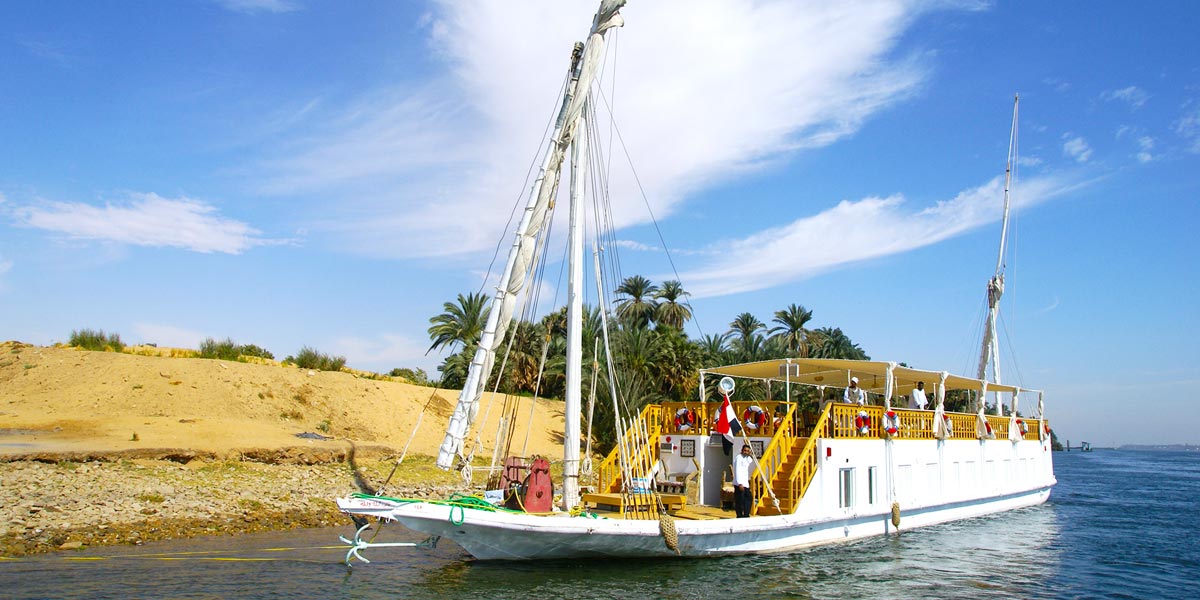
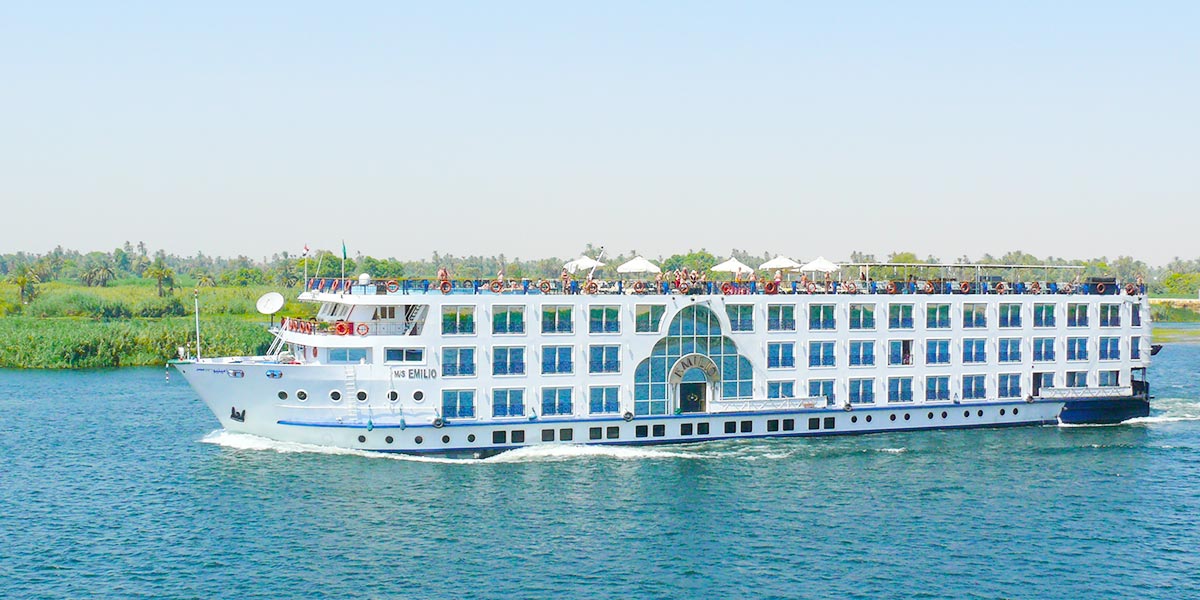
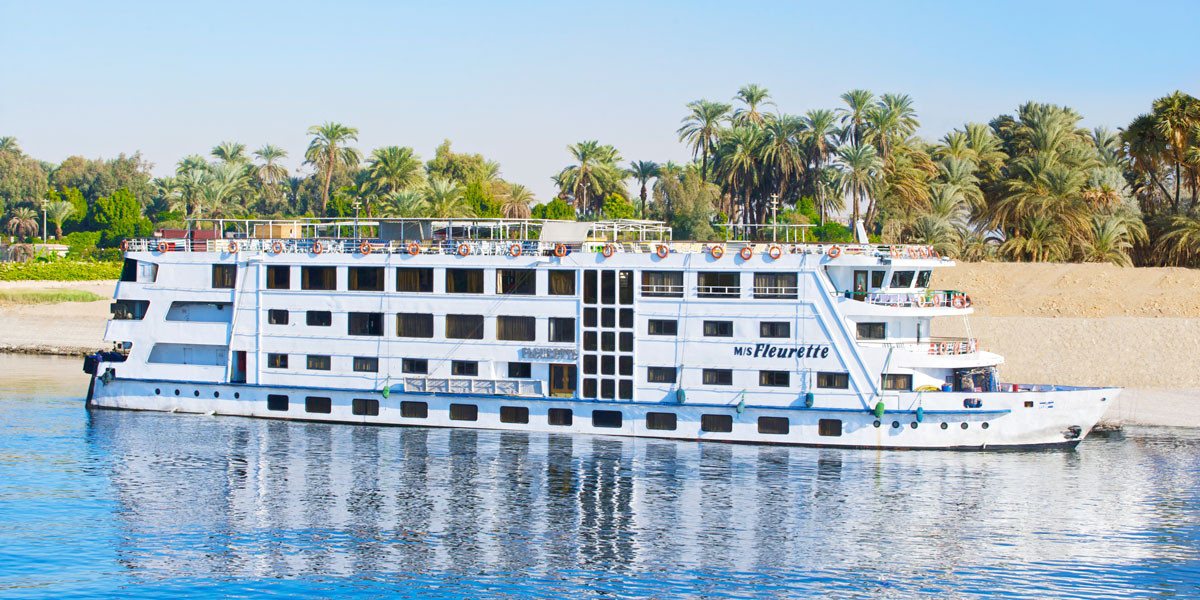
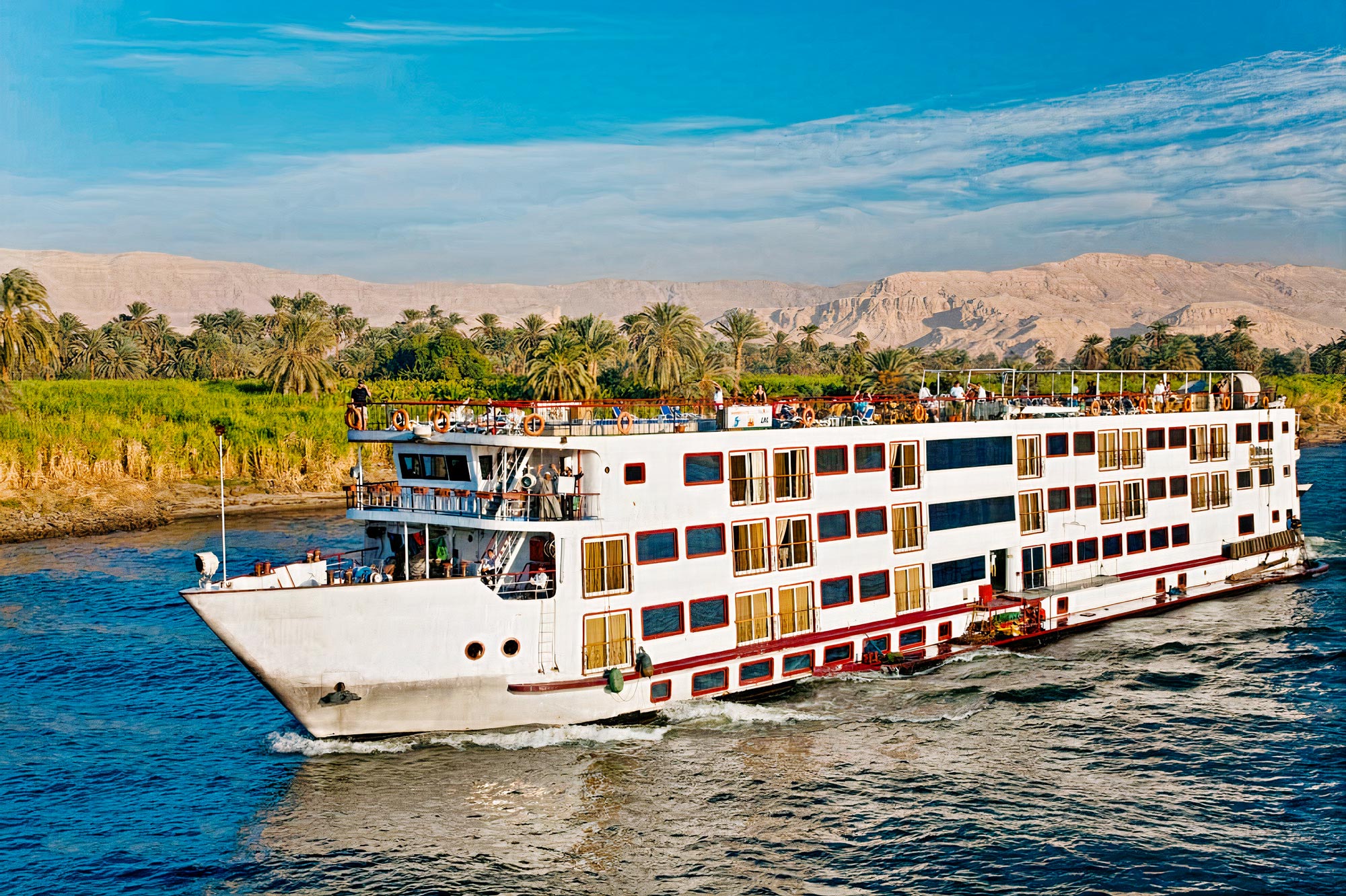
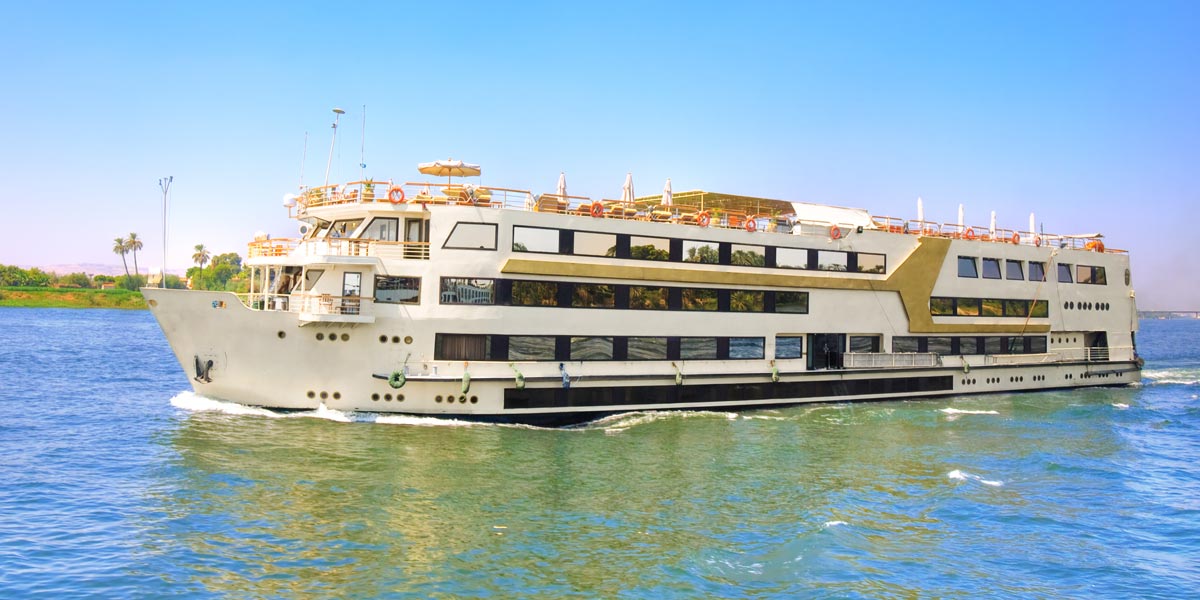
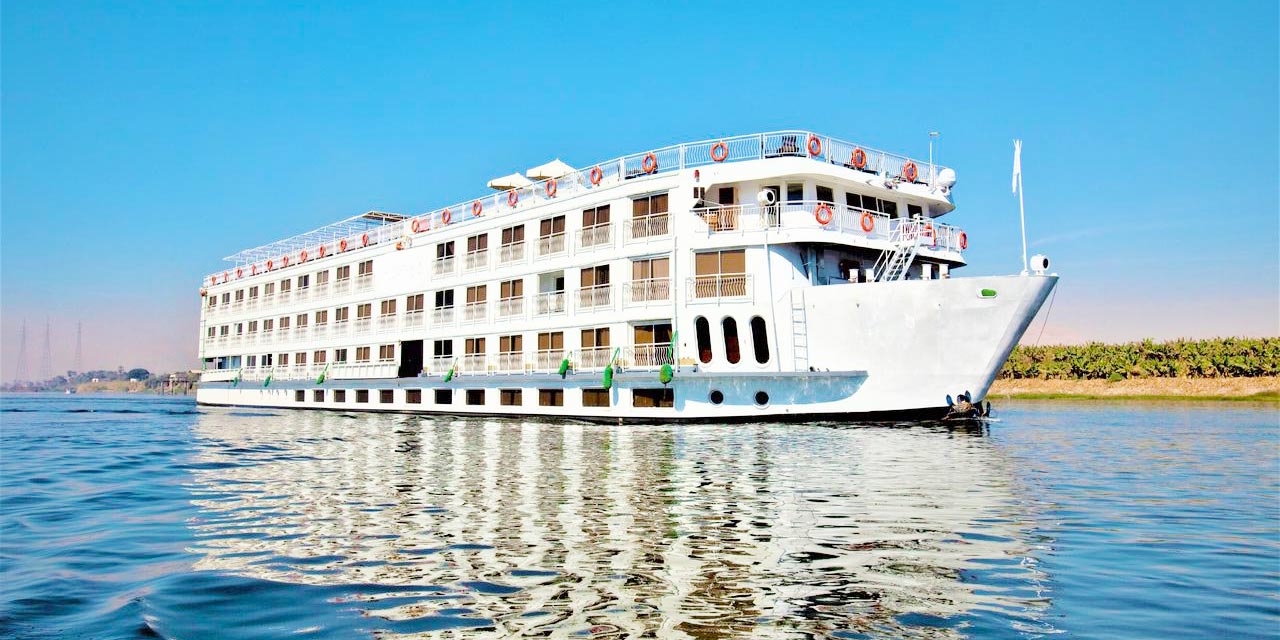
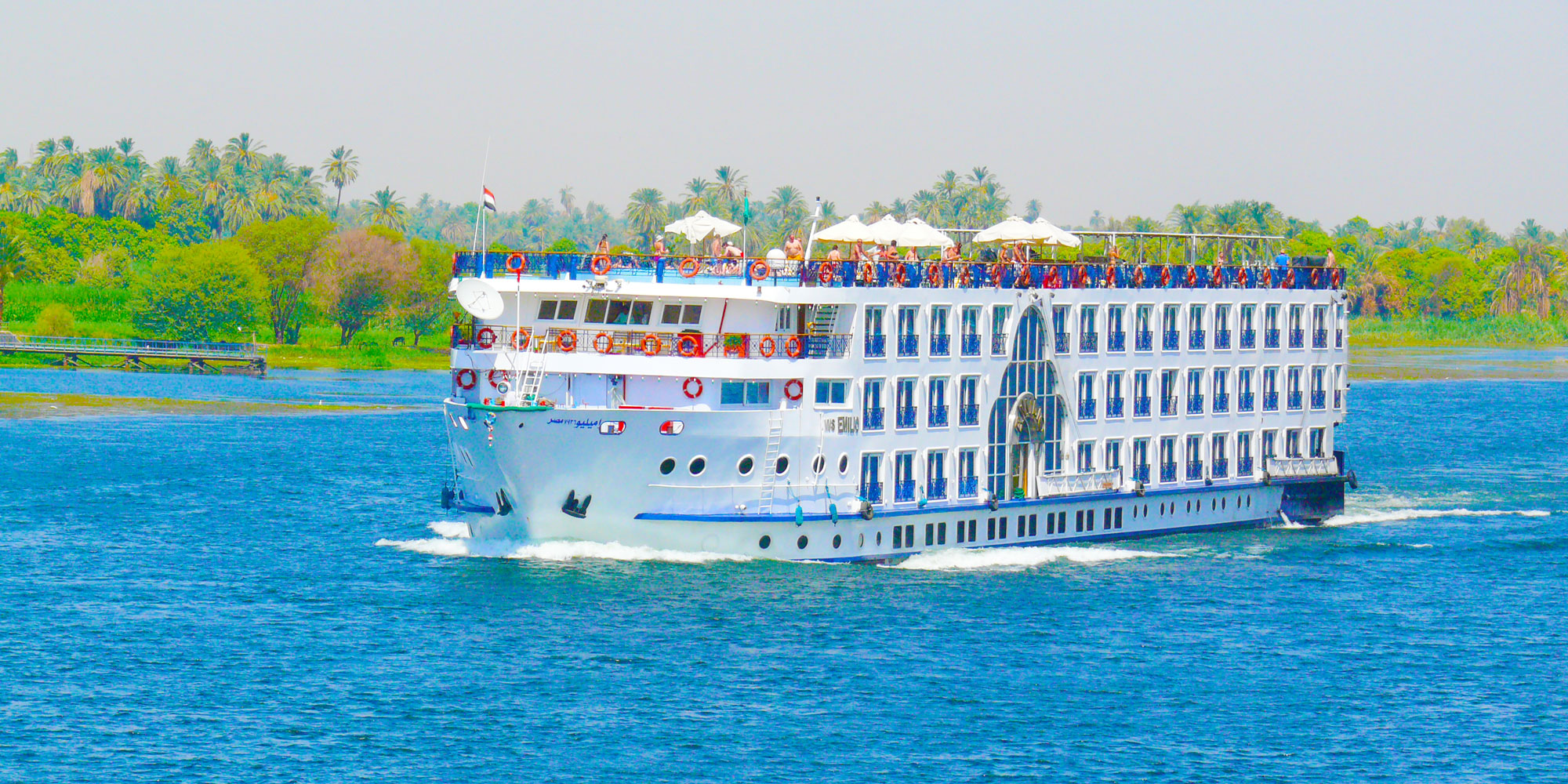
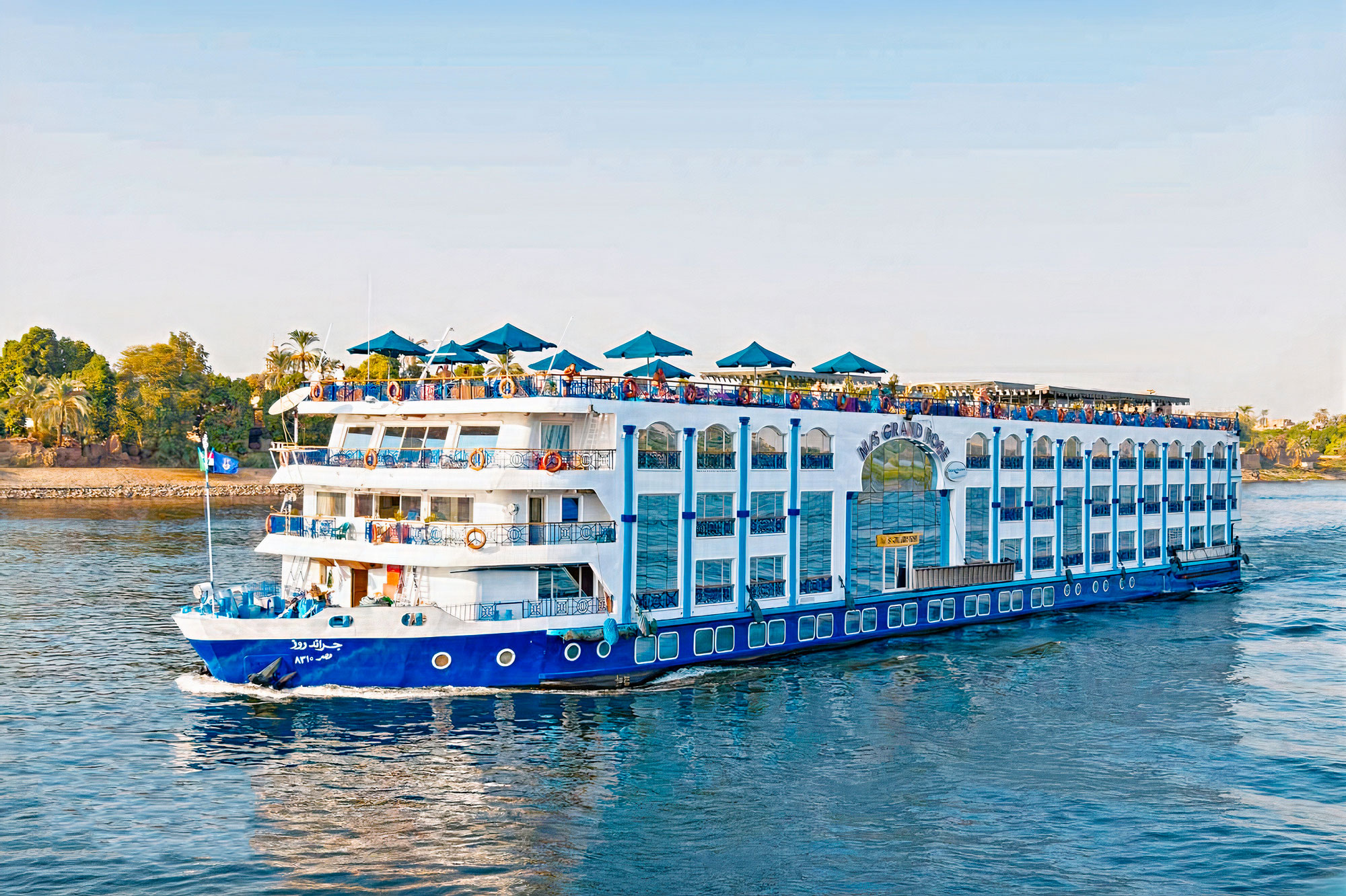
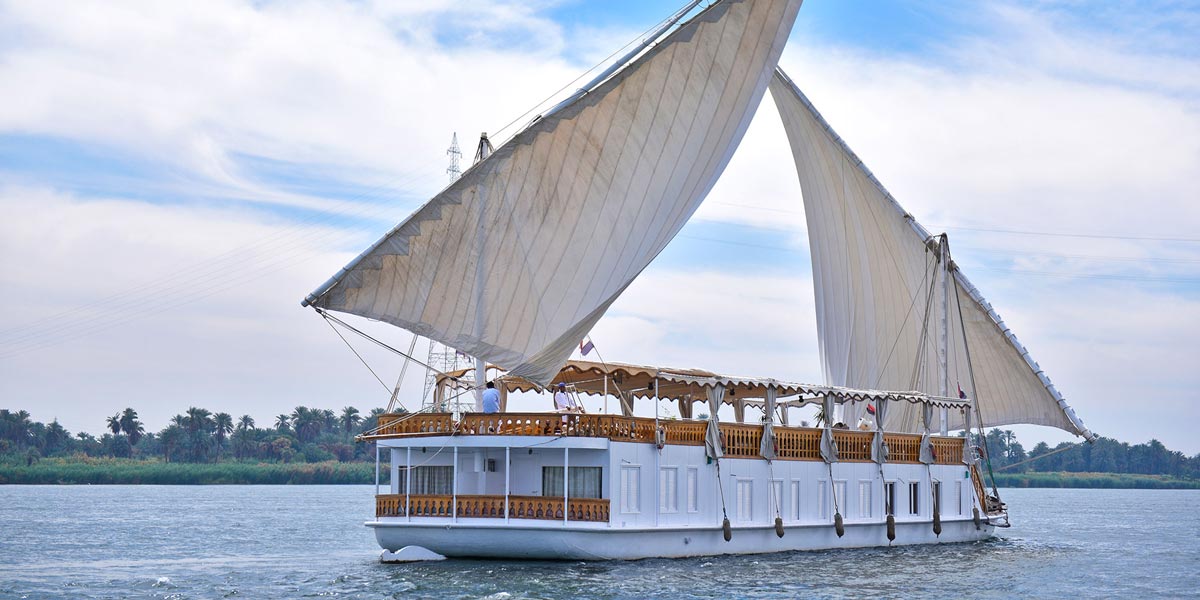
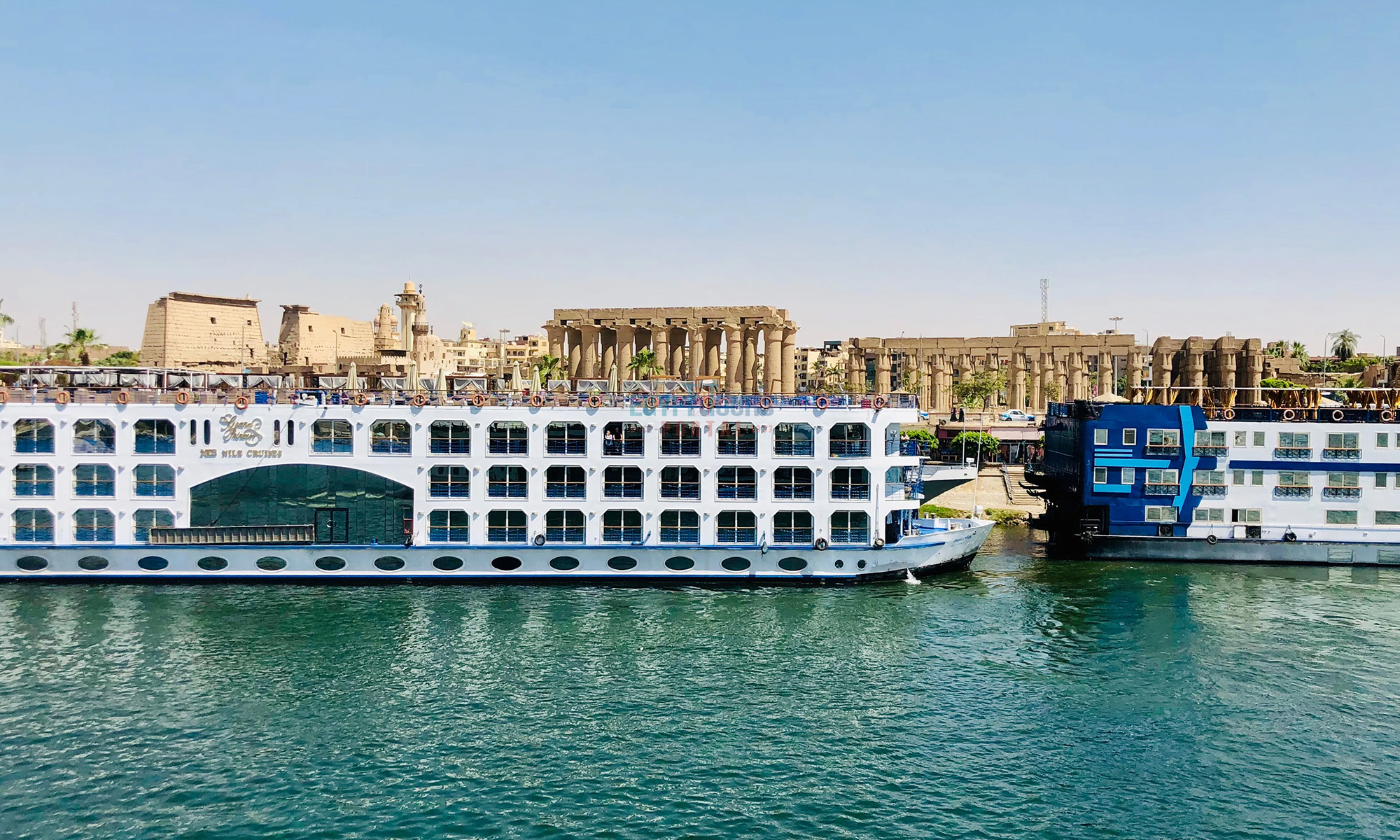
A Nile cruise is not a neutral way to see Egypt; it is a specific trade, convenience and structure in exchange for flexibility and, on some ships, a meaningful cost. For the right traveler, that trade is an easy one, four to seven days gliding past temples that have stood for three thousand years, with nothing to plan beyond showing up at the dock. For another traveler, the same fixed schedule and crowded high-season sites can feel restrictive.
All our travelers will cover both sides plainly: the real advantages, a genuinely relaxing way to see Egypt, an all-inclusive experience, expert guidance at every site, and access to the country's most famous temples, followed by four genuine drawbacks, reduced flexibility, crowding, persistent vendors at certain points on the river, and cost. Weighing both honestly is what actually helps decide whether a Nile cruise fits a specific trip.
Pros of a Nile Cruise

Unique and Relaxing Way to See Egypt
A Nile cruise solves a problem that trips up most independent Egypt itineraries: the need to repeatedly pack, check out, and transfer between cities.
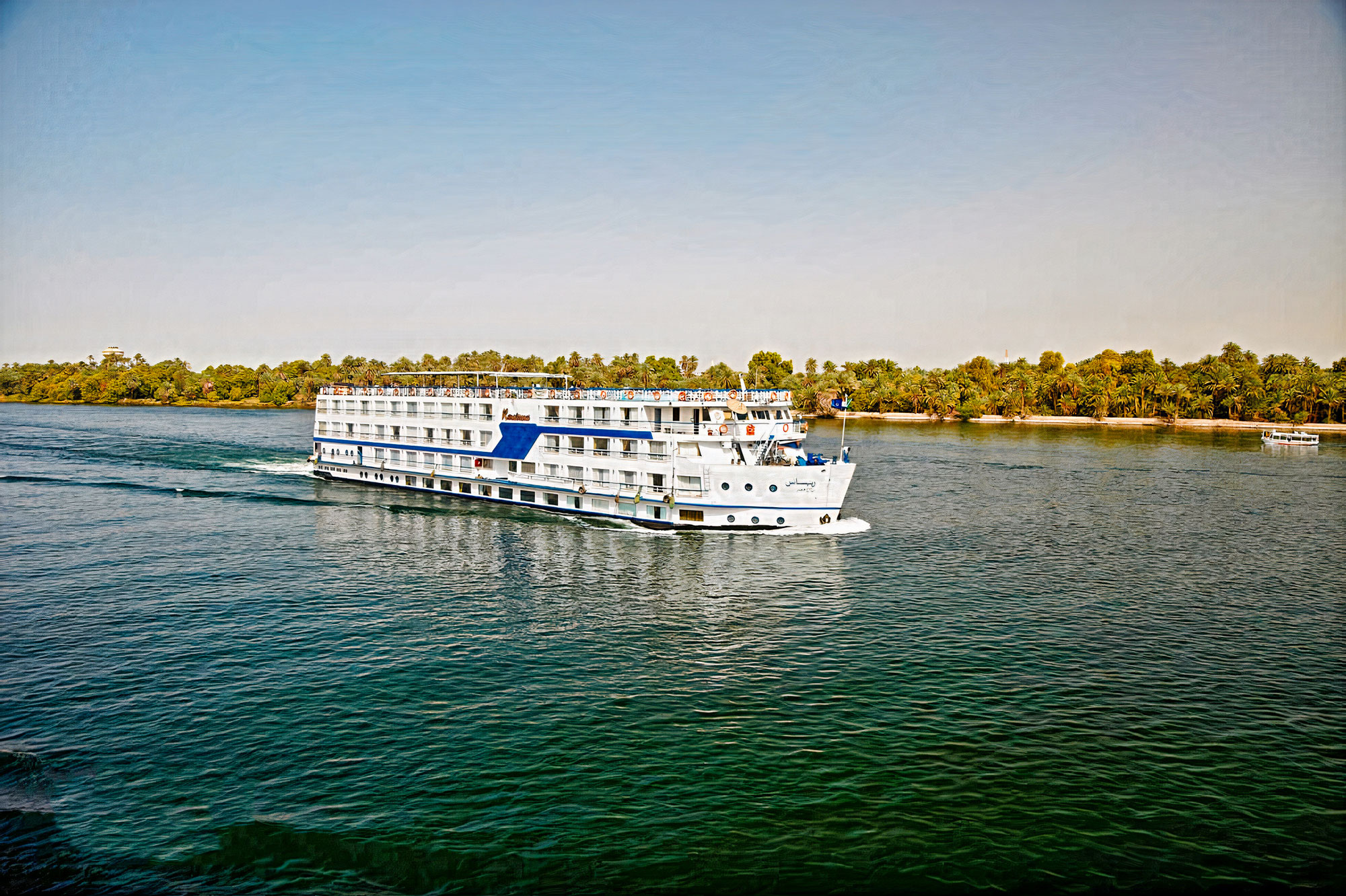
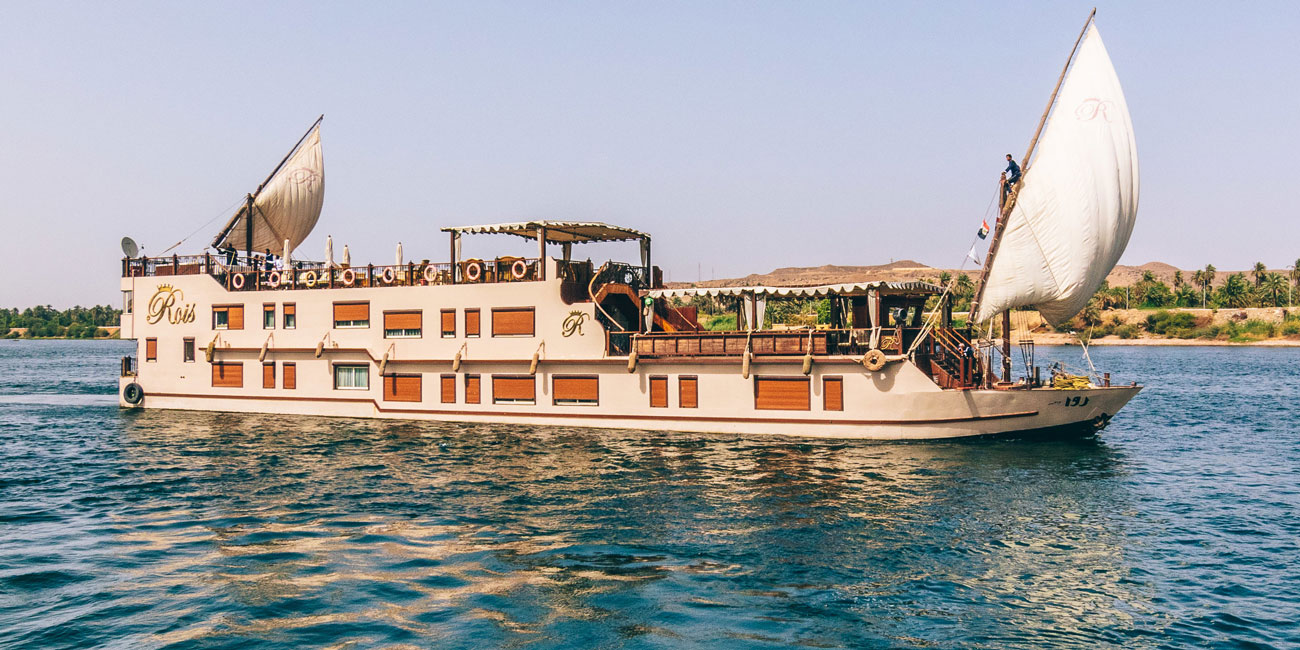
The ship itself becomes one unchanging hotel room for the length of the trip, sailing overnight while passengers sleep and arriving at the next stop by morning, with the ancient world arriving at the dock rather than the traveler having to chase it down.
Sunrise and sunset from the sun deck, watching feluccas, palm groves, and riverside villages pass at a genuinely unhurried pace, remains one of the most consistently mentioned highlights of the entire trip.
All-Inclusive Experience
A full Nile cruise package typically bundles the cabin, all onboard meals, a licensed guide, transfers between the ship and each site, and the entrance fees for every stop on the standard Luxor-to-Aswan itinerary into one price, the kind of complete package deal that removes most of the logistical planning an independent trip would otherwise require.
This matters most for a first-time visitor to Egypt, who would otherwise need to separately arrange transport, tickets, and a guide at every one of half a dozen major sites across several days.

What to Expect From a Nile Cruise
Discover what to expect from a Nile cruise of temples, guided tours, ship comfort tiers, fun activities, onboard dining, cultural nights, and Nile wildlife.
Learn from Expert Guides
Egypt requires site guides to hold a license issued through the Ministry of Tourism and Antiquities, tied to a university-level Egyptology or tourism qualification and a government exam, and nearly every Nile cruise package includes one such licensed Egyptologist guide who travels with the group for the full itinerary rather than rotating at each stop.
This continuity matters: a guide who has already explained the religious symbolism at one site can connect it directly to what a traveler is looking at three days later, turning a series of separate stops into one coherent story rather than a list of unlabeled ruins.
See the Famous Temples
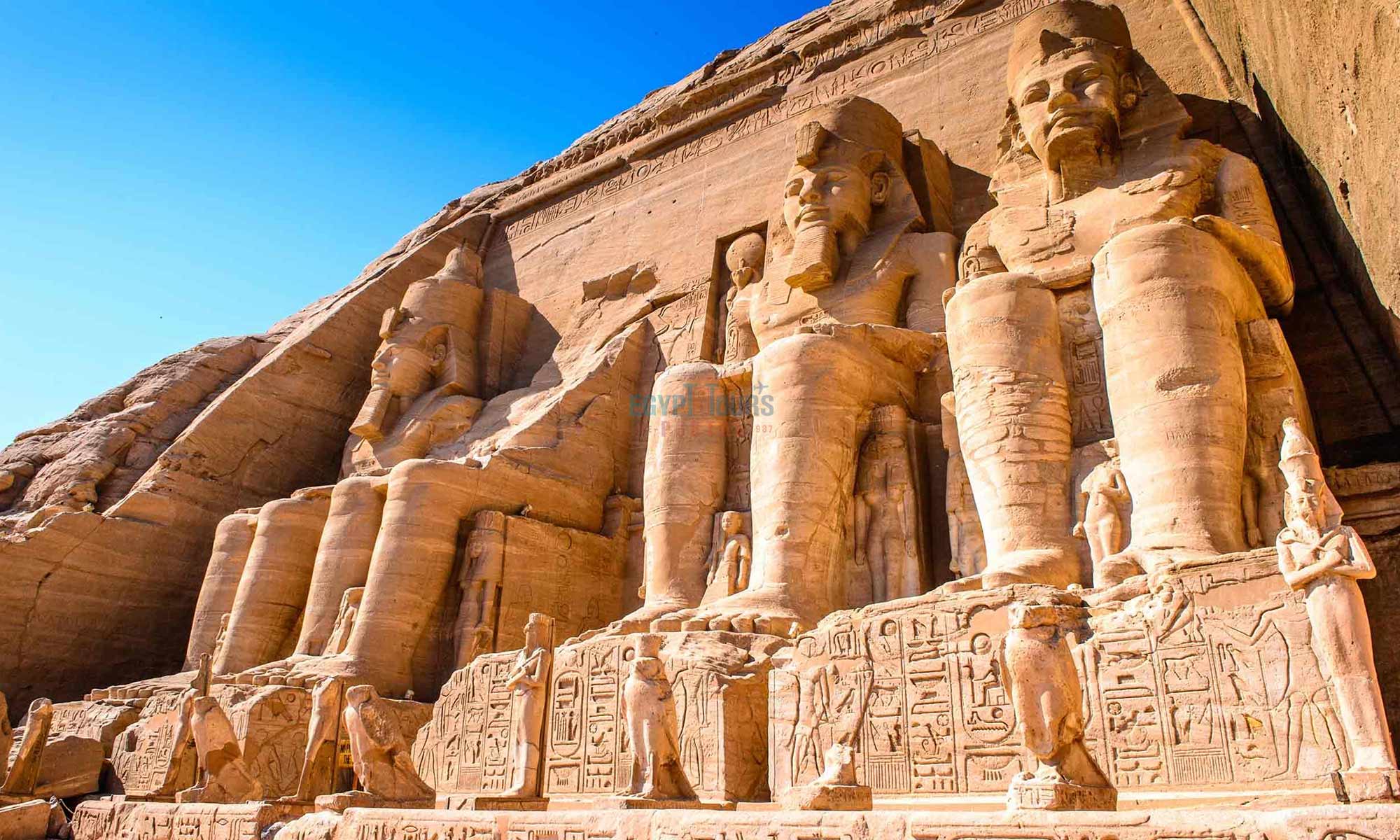
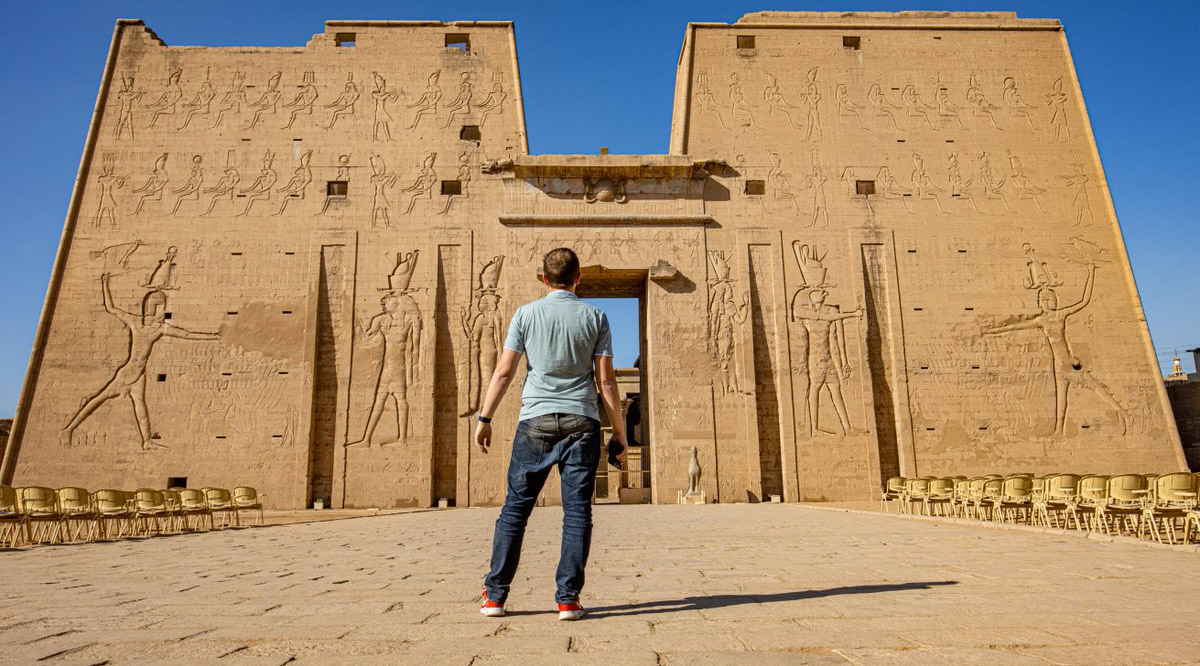
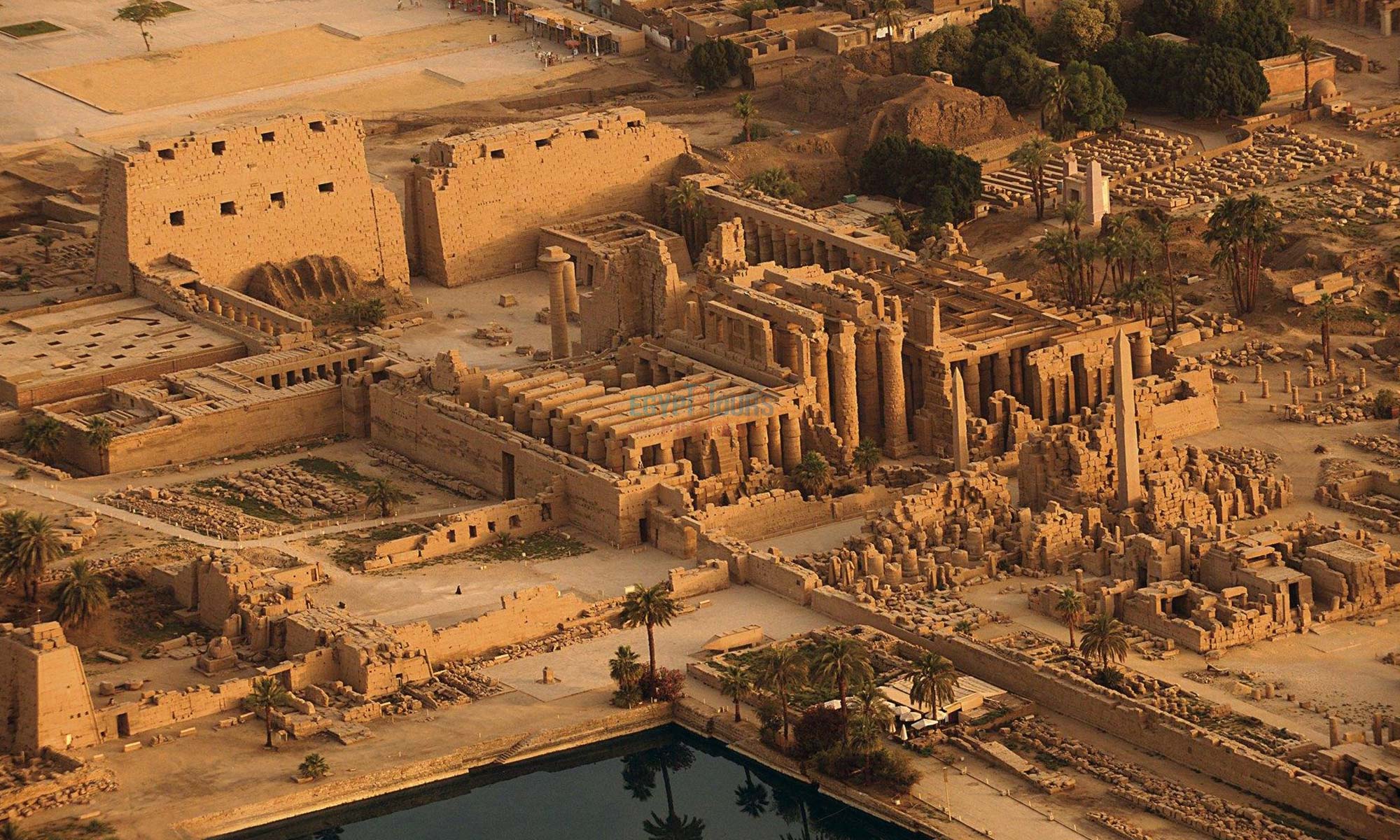
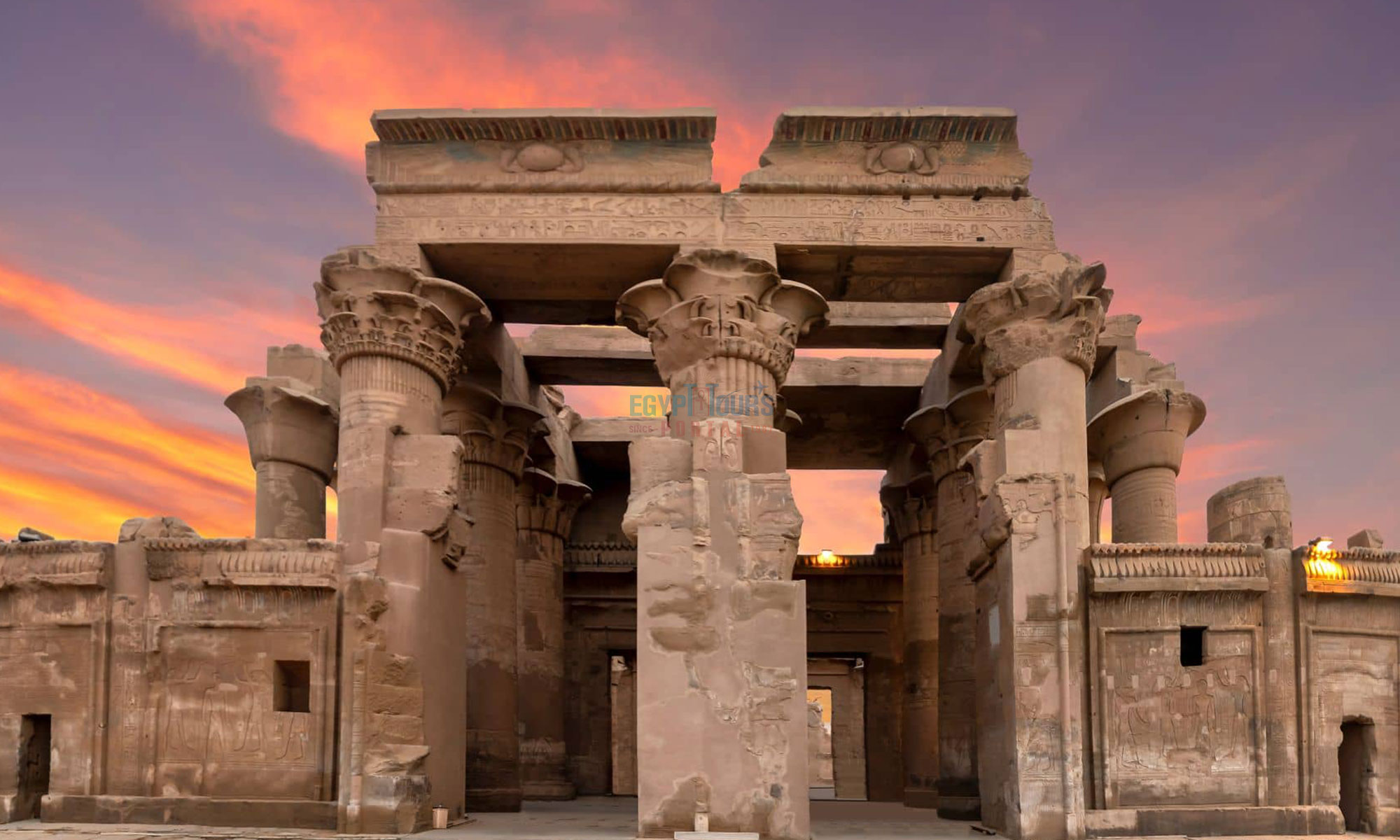
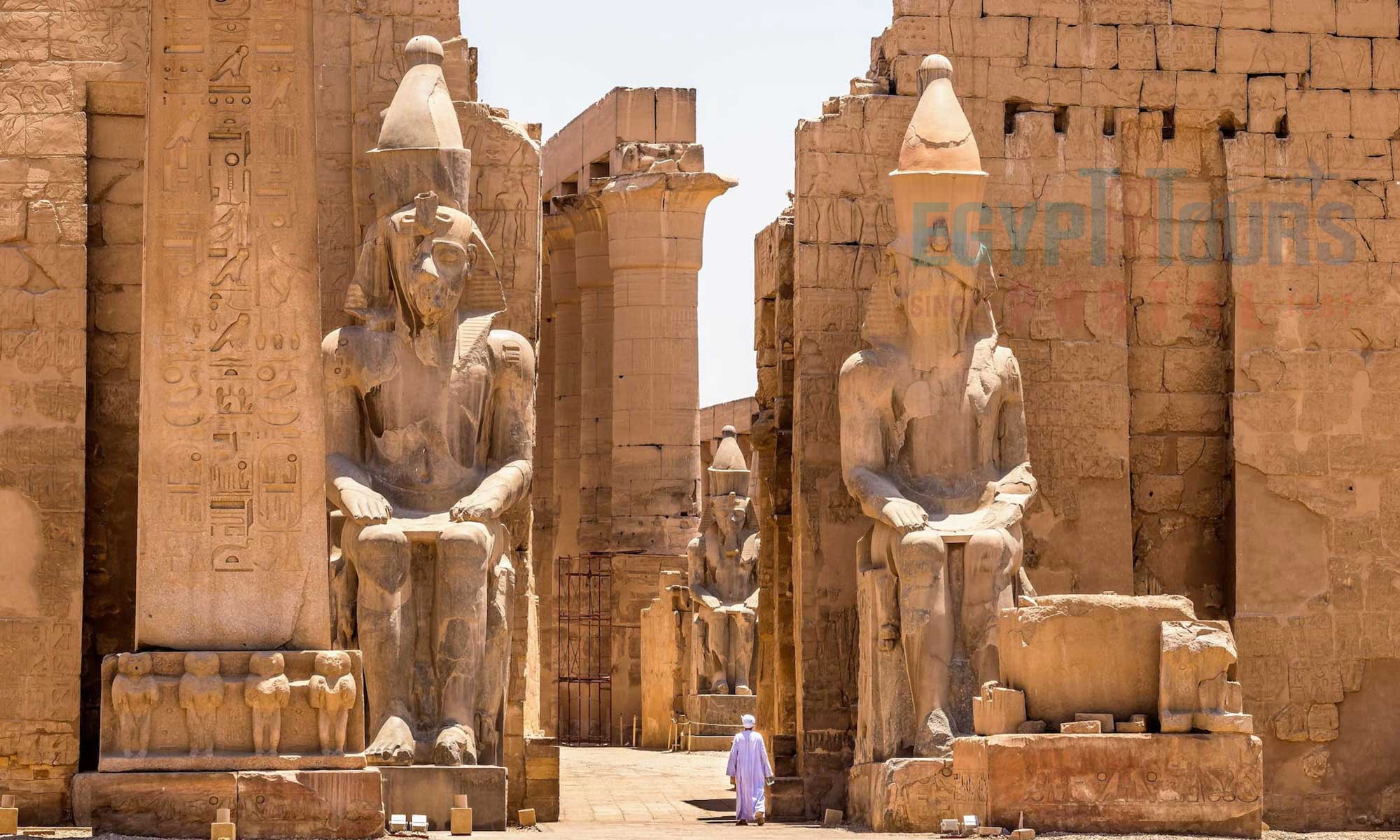
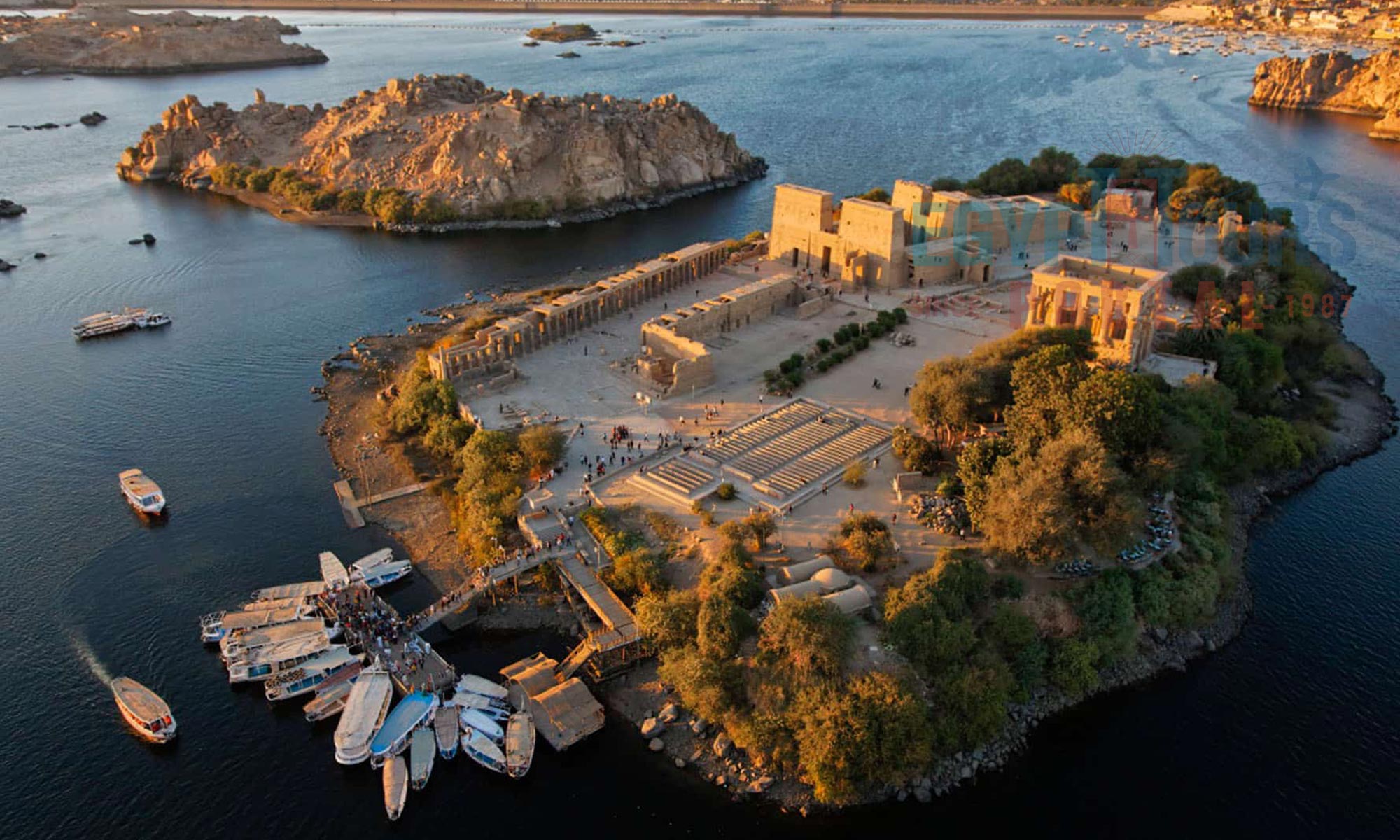
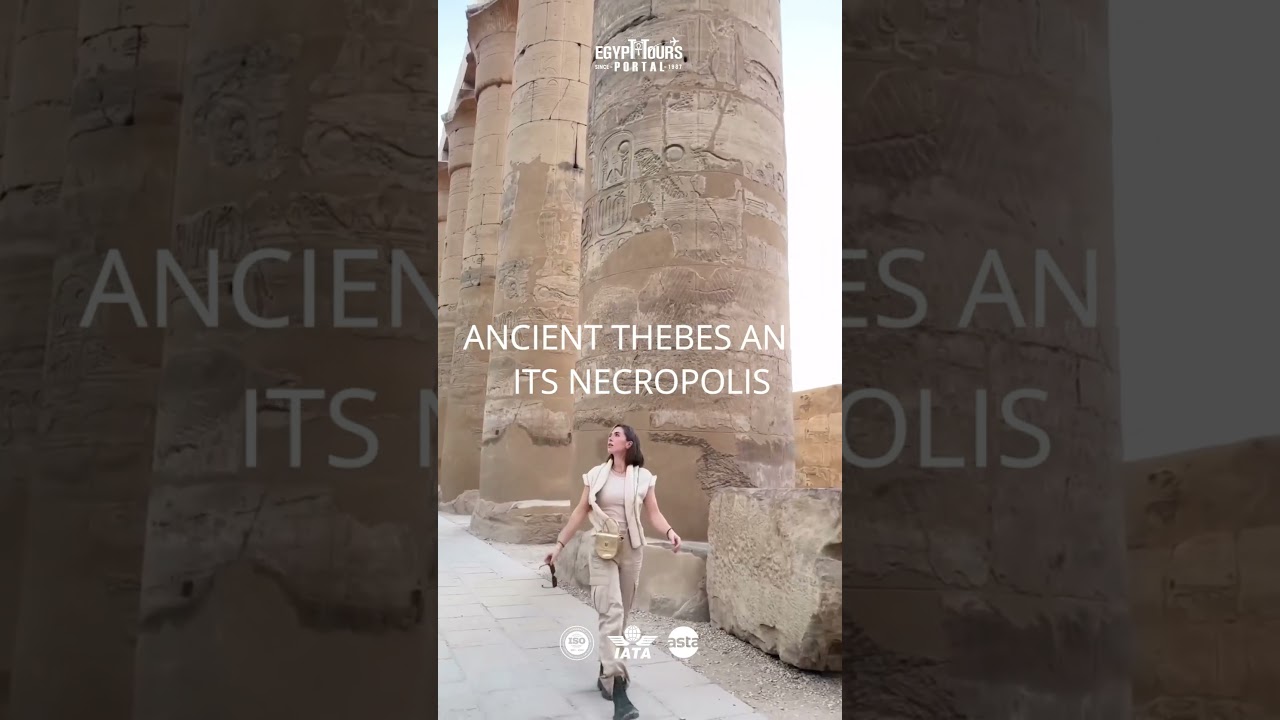
The classic route covers roughly two thousand years of ancient Egyptian history in a single itinerary: Karnak Temple, the largest religious complex built in ancient Egypt; the Valley of the Kings on Luxor's West Bank; Kom Ombo Temple, dedicated jointly to the crocodile god Sobek and the falcon god Horus; and Philae Temple near Aswan, reached by a short boat ride to its own island.
Seeing all of these across one continuous itinerary, without separately arranging transport and tickets between each one, is precisely what makes a Nile cruise efficient in a way few other Egypt itineraries match.

Best Places to See During Your Nile River Cruise
Experience scenic views and history with a Nile River cruise sites. Discover the best ancient sites along the Nile!
Cons of a Nile Cruise

Less Flexible
A Nile cruise runs on a fixed schedule tied to each temple's opening hours, coordinated group excursion departures, and, at certain points on the river, the timing of lock passages shared with other vessels.
Sleeping in, skipping the group bus to explore independently, or extending time at one site beyond what the schedule allows is generally not an option, since a group excursion cannot wait indefinitely for one traveler and a ship's own departure is often set around a lock schedule rather than an individual passenger's preference.
This suits a traveler comfortable following a set itinerary; it frustrates one who prefers deciding day to day.
Can Be Crowded
Egypt's busiest travel months run roughly November through February, when the mildest weather draws the year's largest number of international visitors to the same handful of temples every standard itinerary covers.
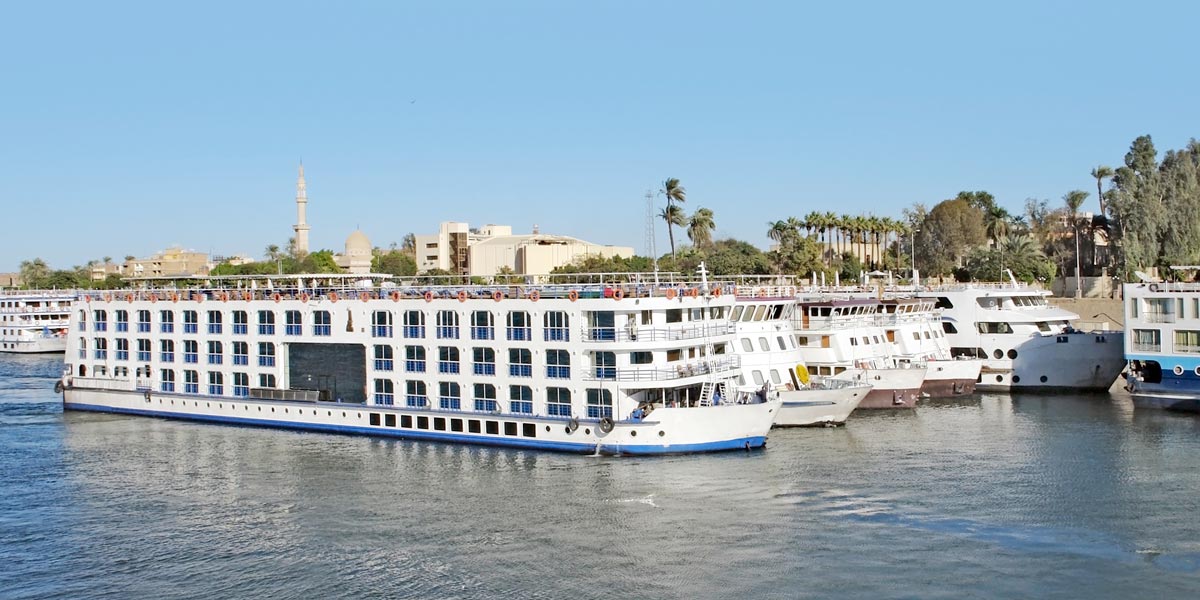
December and January in particular combine the coolest days with the heaviest crowds, since a standard excursion group of 25 or more passengers, multiplied across every ship moored at the same dock on the same morning, can turn a site like Karnak into a genuinely busy space rather than a quiet one.
A luxury ship's smaller excursion groups of six to eight guests soften this somewhat, but the site itself is still shared with every other ship's passengers arriving at a similar hour.
Vendors Can Be Pushy
The most distinctive version of this happens at the Esna Lock, where small rowboats operated by local merchants approach a cruise ship while it waits to pass through, tossing plastic-wrapped galabeyas and tablecloths up to the passenger decks, sometimes four floors above the water, for an impromptu round of shouted price negotiation.
It is a genuinely striking, uniquely Egyptian moment for travelers who want to join in, and a fair number do, but it is also unmistakably persistent, and a traveler with no interest in buying anything needs only to toss the item back down with no obligation to purchase.
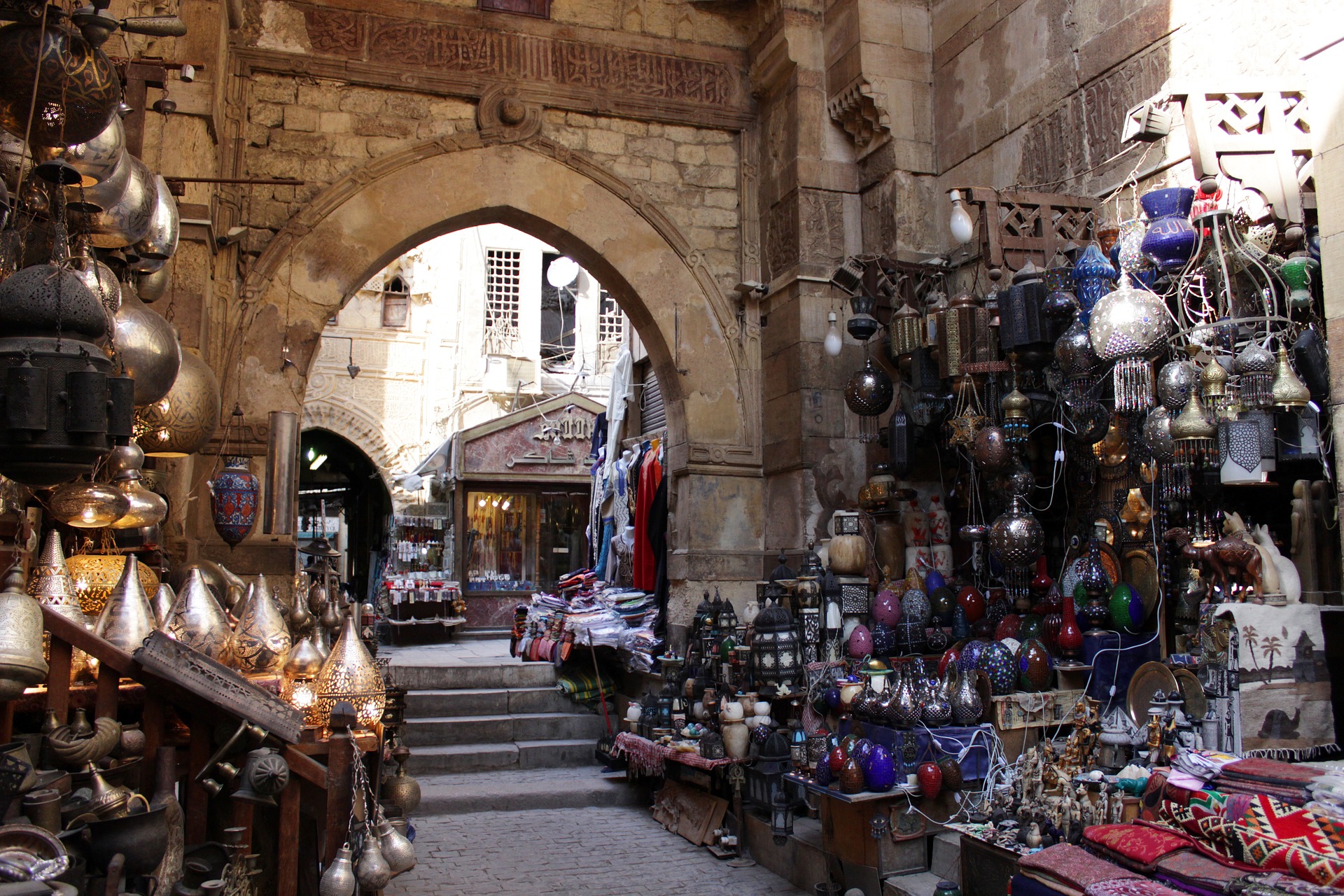
The same dynamic, a confident opening price followed by an expected back-and-forth, shows up in markets near the docks in Luxor and Aswan as well, covered in more detail in the guide to shopping in Egypt.
Cost of a Nile River Cruise
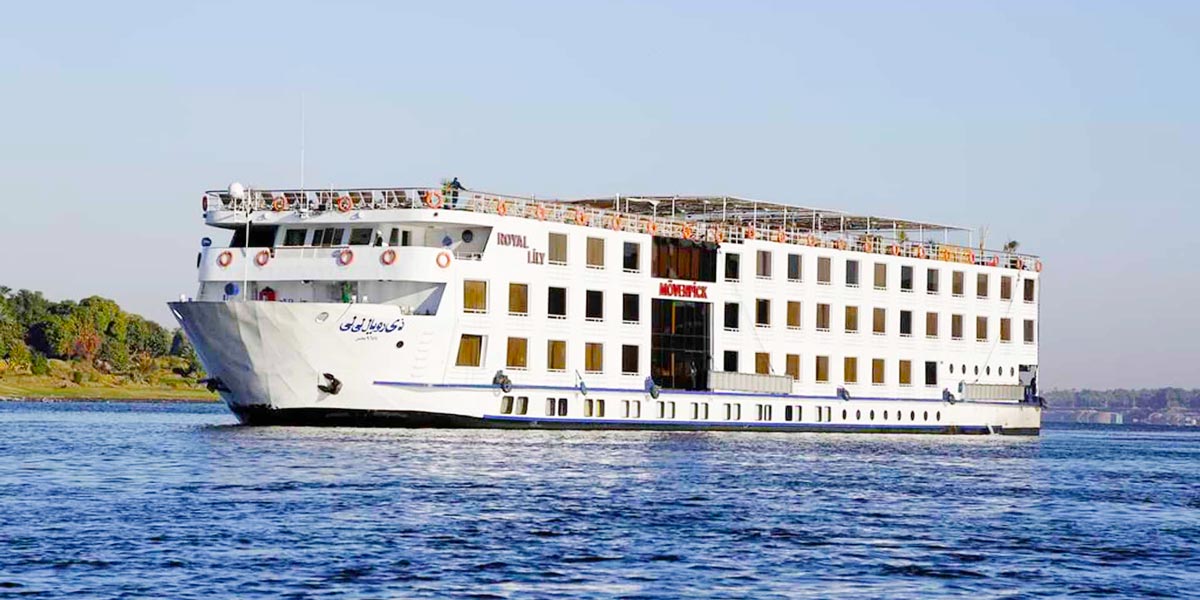
Nile cruise pricing spans a wide range depending on tier: standard ships start around $150 per night with 15-to-18-square-meter cabins, deluxe ships run $180 to $320 per night, and luxury ships start around $400 per night and can reach $900 or more, with the most exclusive vessels pricing above $1,500.
On top of the cabin fare, gratuities for the crew and guide, roughly $5 to $10 per person per night for the crew kitty and $10 to $15 per day for the guide, covered in the guide to tipping in Egypt, are typically expected on top of the fare rather than included in it, along with optional add-ons like a hot air balloon ride or the trip to Abu Simbel.

How to Plan An Amazing Nile River Cruise Experience
Looking for enjoying a perfect Nile Cruise? here are some of our main steps for planning an amazing Nile river cruise experience:
Learn If Nile Cruise Experiences Are Right For You
None of these four drawbacks make a Nile cruise the wrong choice, only an honest one to weigh against what it offers in return. A fixed schedule and a crowded temple courtyard are a fair trade for many travelers against a licensed guide, a floating hotel that never needs repacking, and direct access to Karnak, the Valley of the Kings, and Philae in a single, coherent itinerary.
Explore all what you can about Nile River Cruises across every tier, see the dedicated luxury Nile cruises collection for a smaller-group option, or check the guide on how to book a Nile cruise for the exact steps to reserve a cabin.