Summary
- The Abu Simbel Sun Festival on February 22 illuminates three of four inner-sanctuary statues at sunrise, one of only two such alignments all year, and is the month's defining draw.
- Daytime temperatures hold around 25°C (77°F) and nights fall to roughly 9°C (48°F), keeping much of January's peak-season crowds and fares through the first three weeks.
- Aswan rewards the extra time many February itineraries build in around the festival, with Elephantine Island, the Nubian Museum, and a felucca ride all within easy reach of a docked ship.
- The standard Karnak-to-Philae itinerary runs unchanged, with Valentine's Day on February 14 adding a romantic note some ships mark with a special dinner.
- Deciding on the Sun Festival early, reserving cabins early for the month's first three weeks, and packing real layers for both mild afternoons and cold pre-dawn starts make a February sailing straightforward to plan.
A Nile cruise in February catches the tail end of Egypt's most comfortable winter vibes and, on one single morning, the year's most extraordinary alignment of sunlight and stone at Abu Simbel Sun Festival on February 22.
One this mgaical months all our travelers will get one last chance to enjoy a cold breeze across Egypt and one of two chances to with the most magical archaeological event. Twice a year, and only twice, the rising sun reaches nearly 200 feet into a mountainside temple to light the faces of three ancient gods, and one of those two mornings falls squarely inside this month.
Every single one of our travelers will get to learn if February genuinely suits a given trip, what daily life on the river actually looks like this month, the standard sites and the Abu Simbel Sun Festival specifically, the onboard traditions tied to the season, exactly what belongs in a February packing list, and the practical booking tips that make this specific month straightforward to plan around.
Pros & Cons of February As an Ideal Time for a Nile Cruise
No other month on the Nile cruise calendar can claim what February can: a single scheduled morning when sunlight itself becomes the main event. The Abu Simbel Sun Festival on February 22 illuminates the inner sanctuary of Ramesses II's great temple, an alignment that repeats only once more all year, and it alone is reason enough for some travelers to pick this month over any other. Set against that, daytime temperatures in Luxor and Aswan hold at a comfortable 25°C (77°F), and rainfall stays negligible across Upper Egypt.
What February does not offer is a break from the crowd. As the final stretch of Egypt's winter high season, December through February, the month keeps much of January's demand: November through February together draw the year's largest number of international visitors to the same handful of temples, and a standard excursion group of 25 or more passengers, multiplied across every ship docked at a site on the same morning, keeps Karnak Temple and the Valley of the Kings genuinely busy through most of the month.
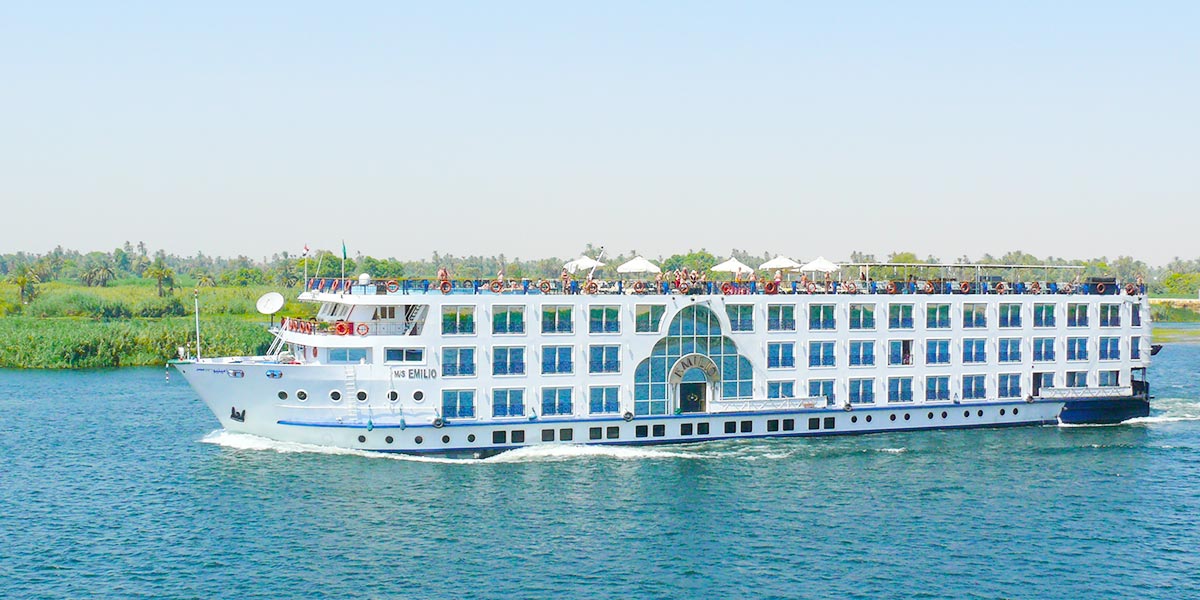
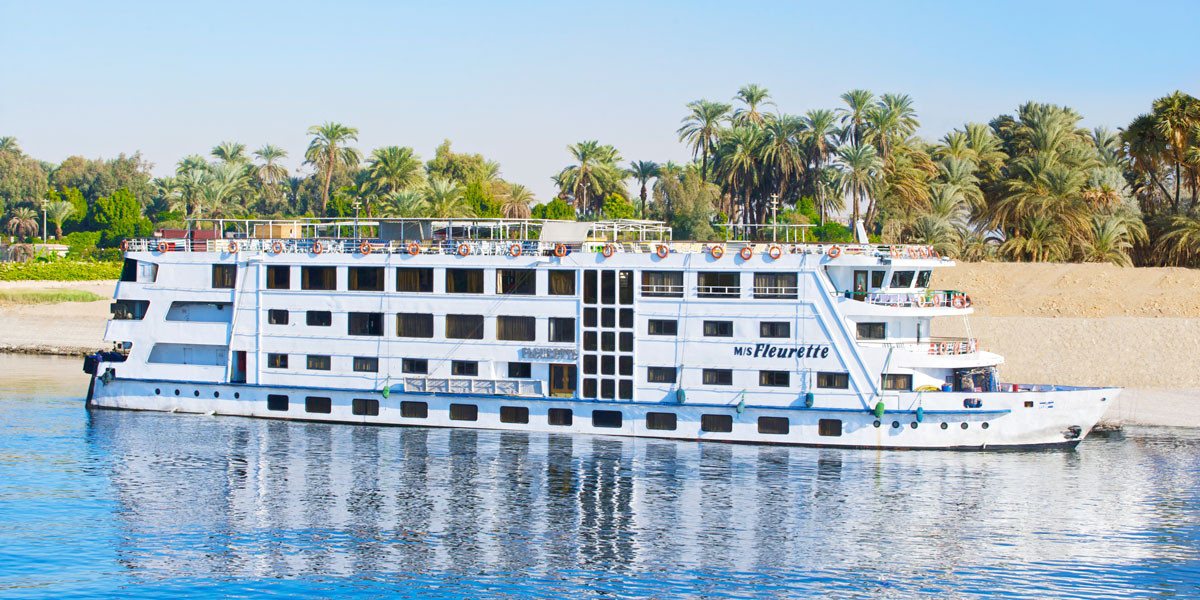
Cabins on smaller luxury ships, a tier explained in full in the guide to the types of Nile river cruises, go especially fast for any sailing timed around the Sun Festival specifically, since the date draws its own dedicated demand on top of the season's usual one.
Two kinds of travelers get the most out of this particular month: one drawn specifically to the Sun Festival, willing to build a trip around a single fixed date, and one simply wanting the last comfortable, crowd-tolerant window before summer closes it out. A traveler chasing the lowest fare or the emptiest possible temple courtyard is better served waiting for March, which trades away little comfort for meaningfully thinner crowds.
How to Choose the Best Nile Cruise in Egypt
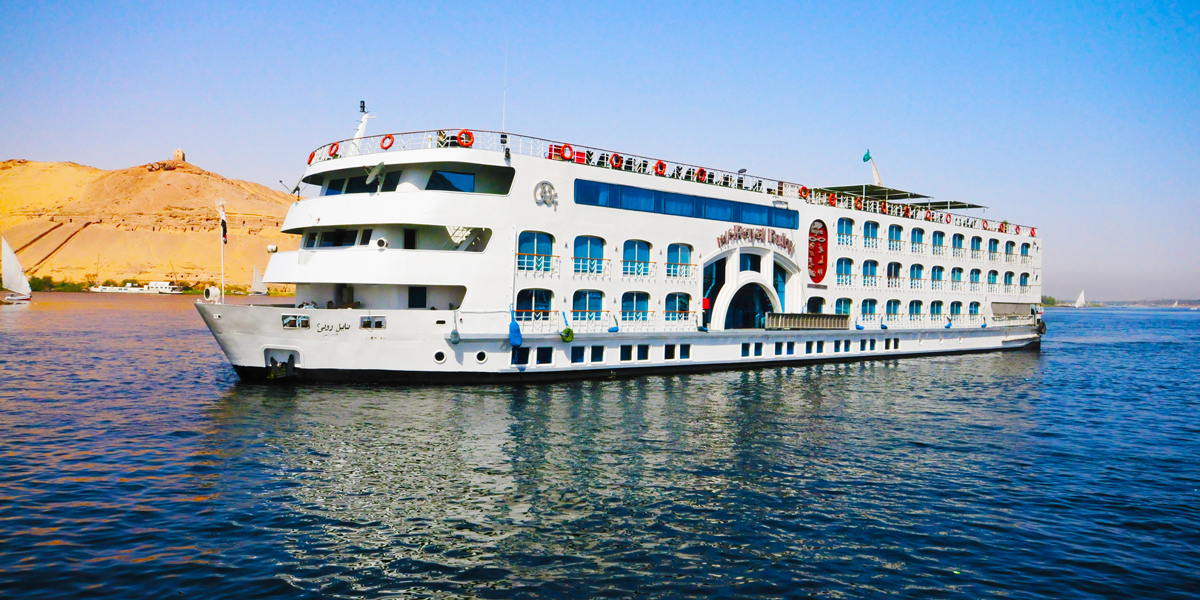
Looking to board the best Nile cruise in Egypt? Through our article, you will know how to choose the best Nile cruises in Egypt. Read more!!!
What to Expect on a Nile Cruise in February

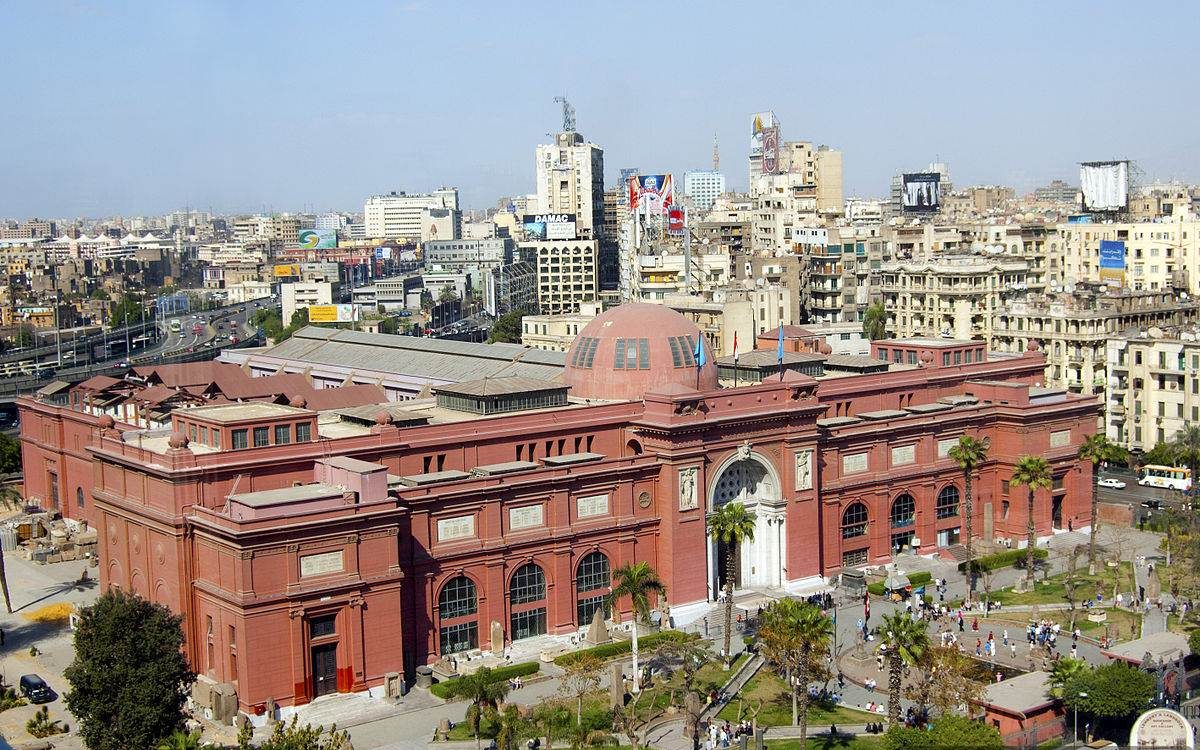
Daytime conditions in Upper Egypt during February stay mild and dry: Luxor and Aswan both average around 25°C (77°F) in the afternoon, a few degrees warmer than January, with humidity generally between 30 and 50 percent and rainfall close to nil. Cairo runs cooler, with daytime highs closer to 20-22°C (68-72°F), a useful difference for travelers combining a Cairo stay with the cruise itself.
Nights remain genuinely cool, though slightly milder than January's coldest stretch. Temperatures in Luxor and Aswan typically fall to around 9°C (48°F) after sunset, still cold enough that a proper jacket belongs on deck after dark or during a pre-dawn excursion departure.
Ships stay heated indoors and cabins remain comfortable, but the open sun deck and any early-morning start, common for beating the day's crowds or for reaching Abu Simbel before sunrise on Sun Festival day, both run considerably colder than the mild afternoon suggests.
Crowds remain a defining feature through most of the month, and Aswan specifically sees its own added spike in the days surrounding February 22, when Sun Festival travelers arrive on top of the regular flow of cruise passengers. Away from that single date, the same November-through-February peak that shapes January carries into February's first three weeks, meaning a stop like Karnak or Philae still sees the ships of every major operator arriving within a similar window each morning.
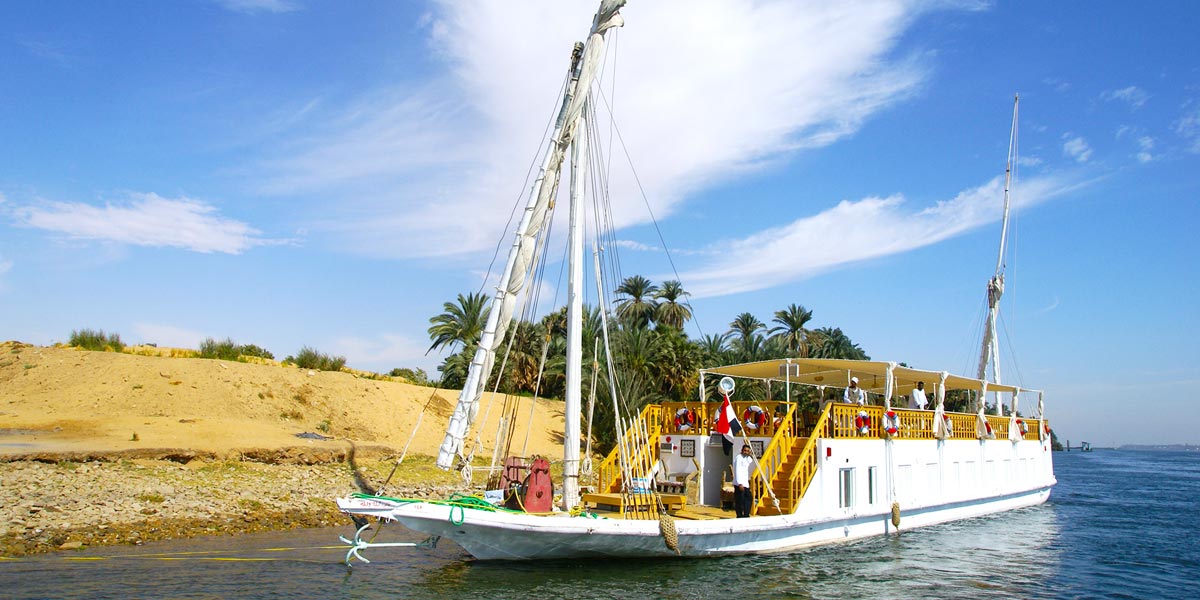
A luxury ship's smaller groups of six to eight guests ease this somewhat, and travelers specifically hoping for a quieter version of the same itinerary should note that the crowd thins noticeably in the final days of the month as the shoulder season approaches. Aswan itself rewards the extra time many February itineraries build in around the Sun Festival.
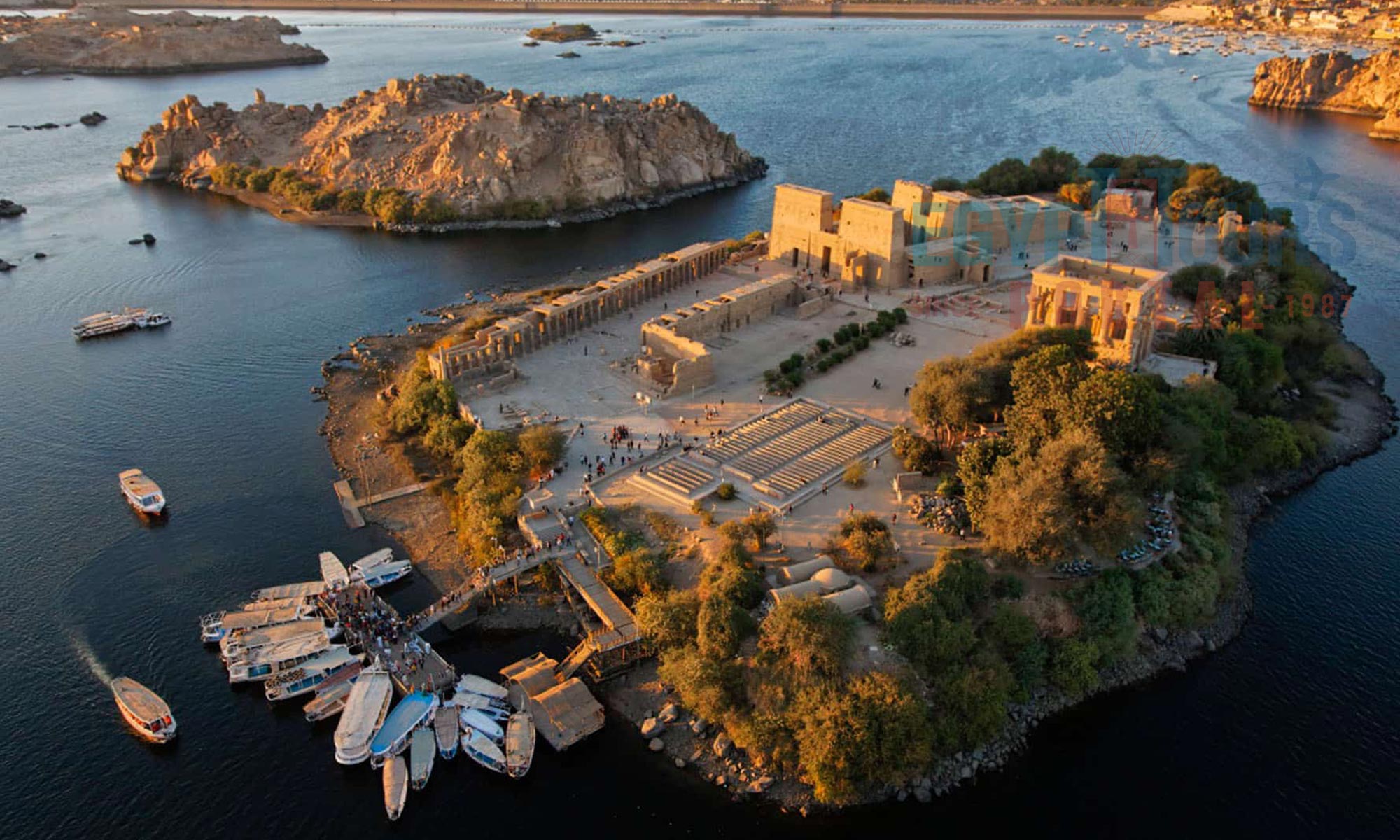
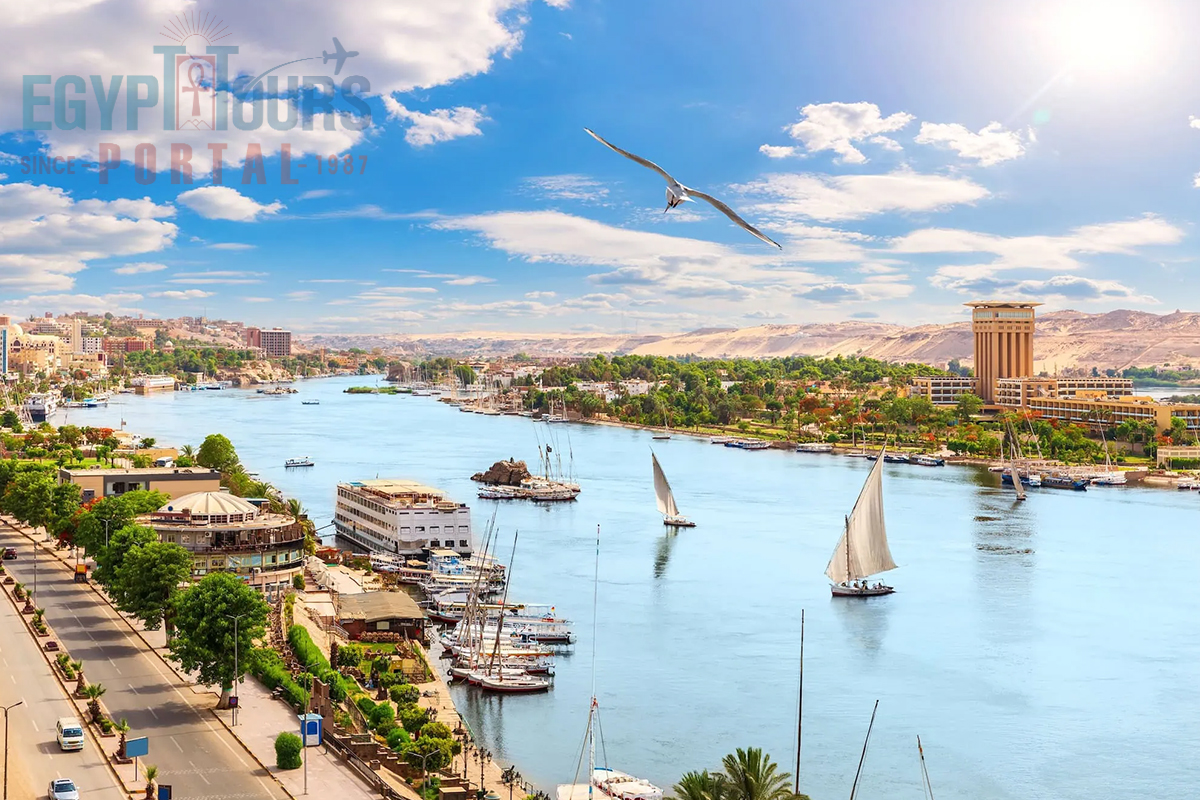
Elephantine Island, a UNESCO World Heritage site with temple ruins and Nilometers dating to 3000 BC, the Nubian Museum, covering 6,500 years of Nubian history and culture, and a felucca ride on the calm winter river, typically starting around $25, all sit within easy reach of a docked ship and fill the gap between the standard temple circuit and an early Sun Festival departure far better than an afternoon spent waiting onboard.

What to Expect From a Nile Cruise
Discover what to expect from a Nile cruise of temples, guided tours, ship comfort tiers, fun activities, onboard dining, cultural nights, and Nile wildlife.
Must-See Attractions and Activities During Nile Cruise in February

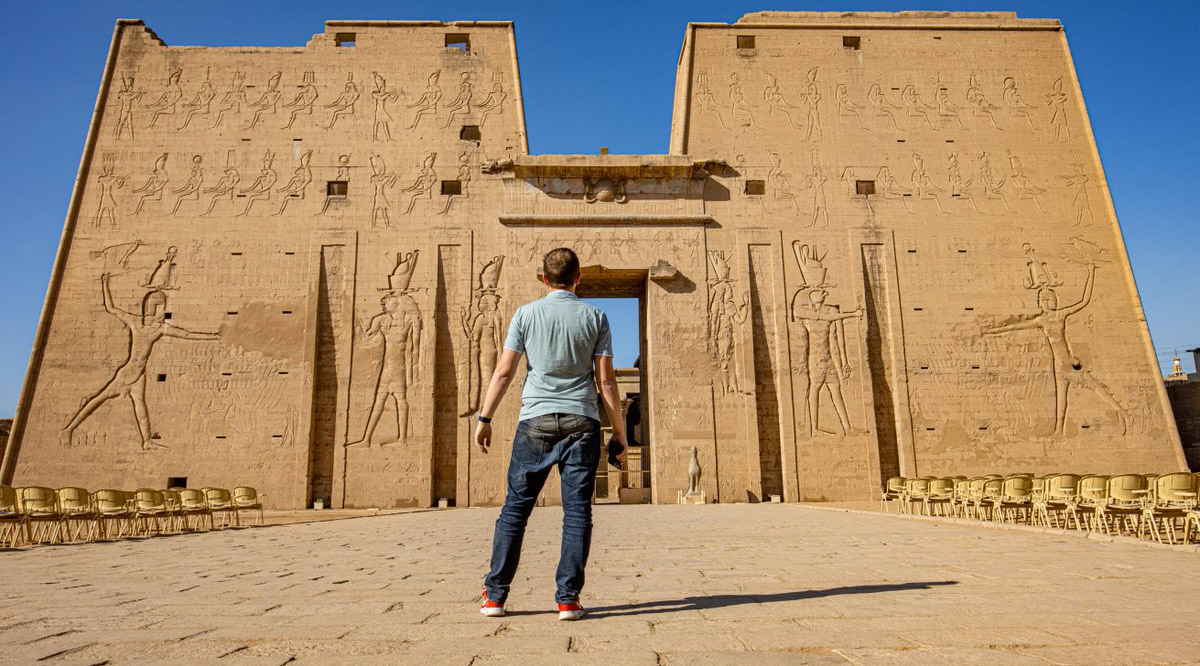
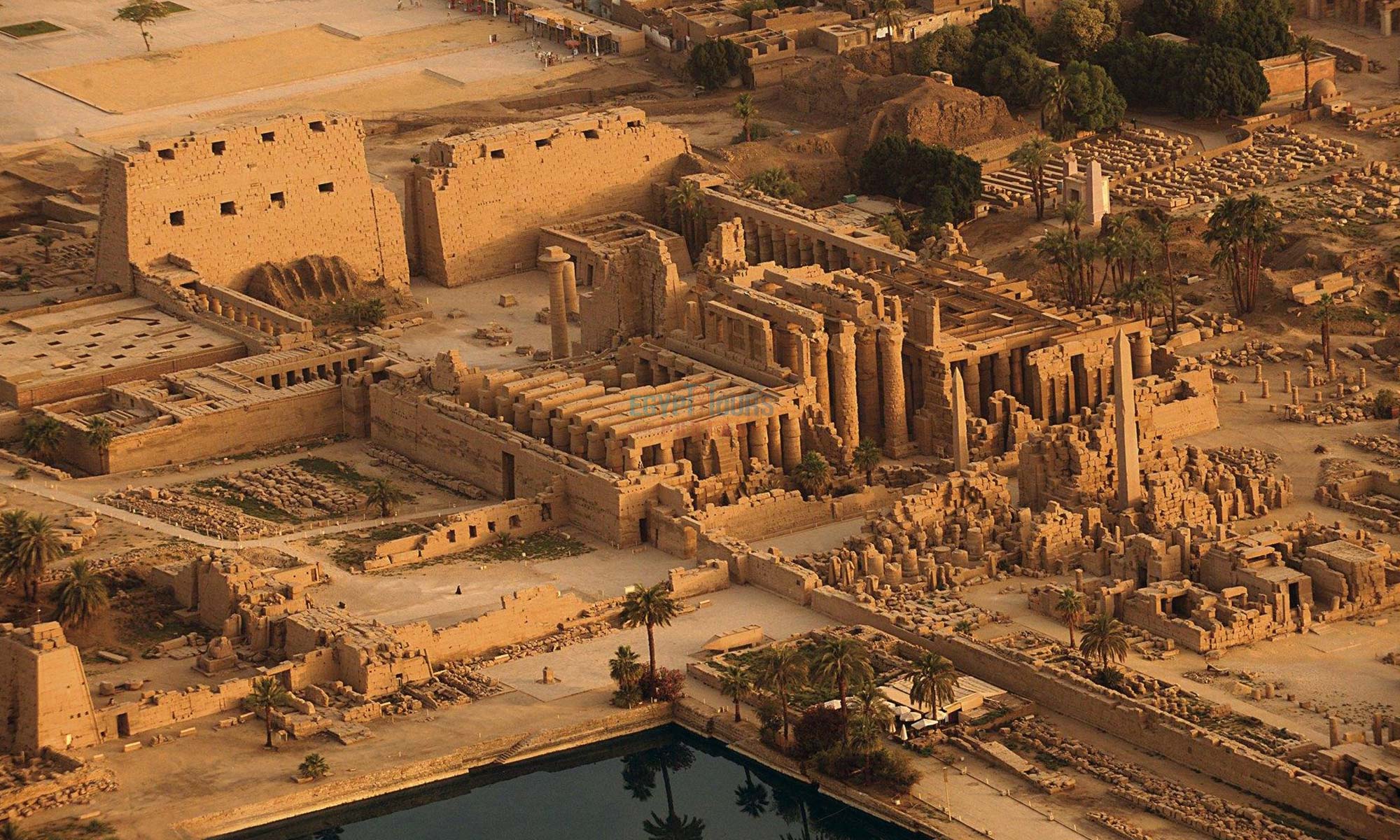
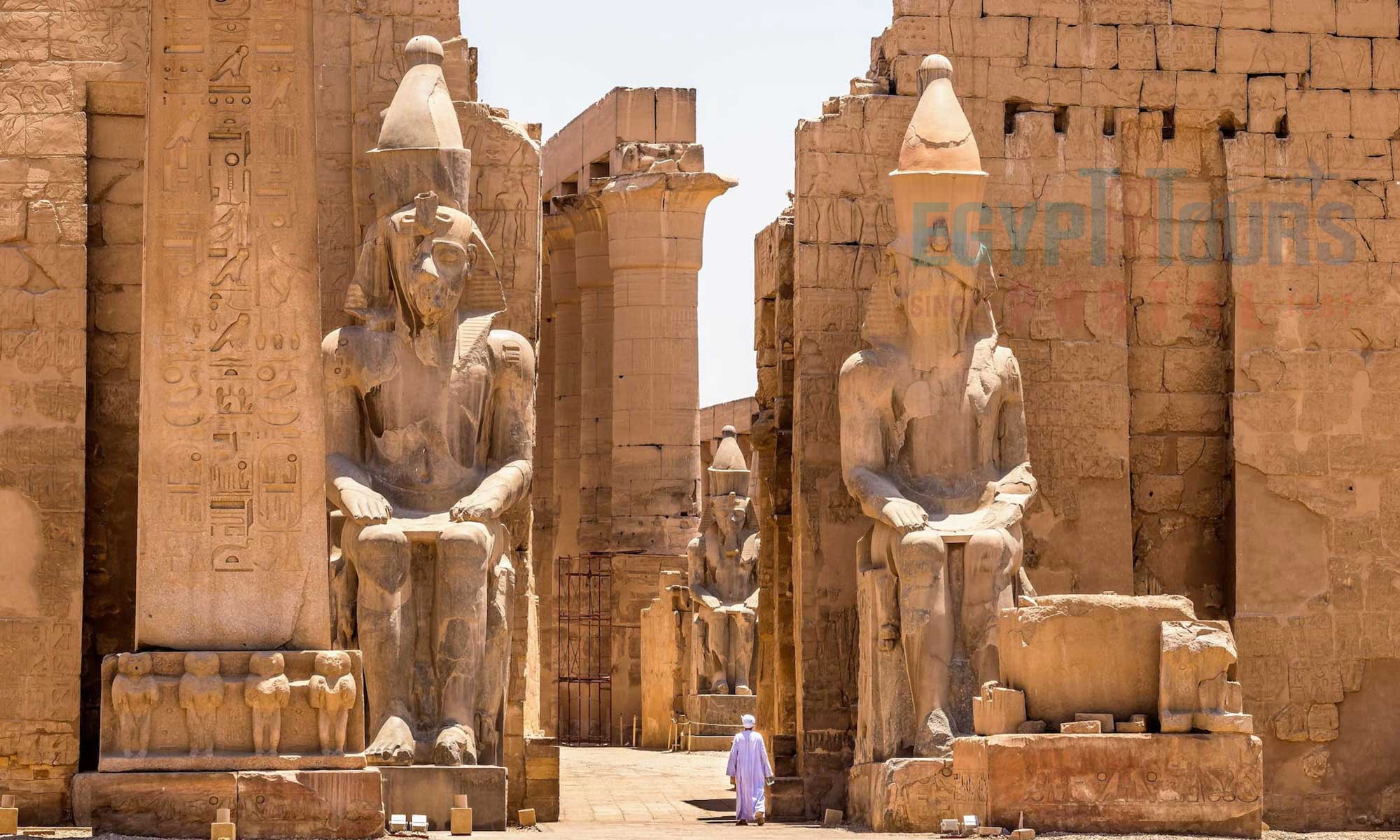
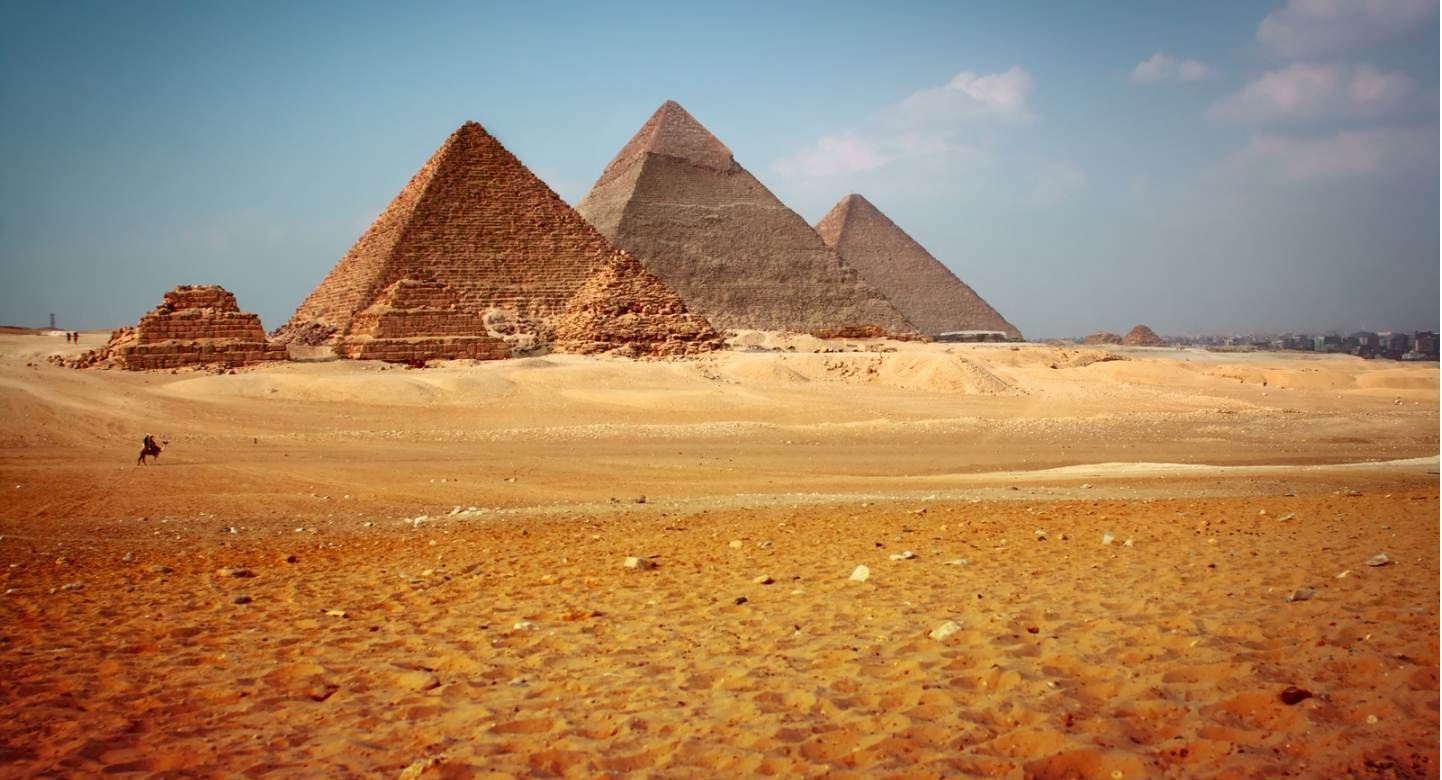
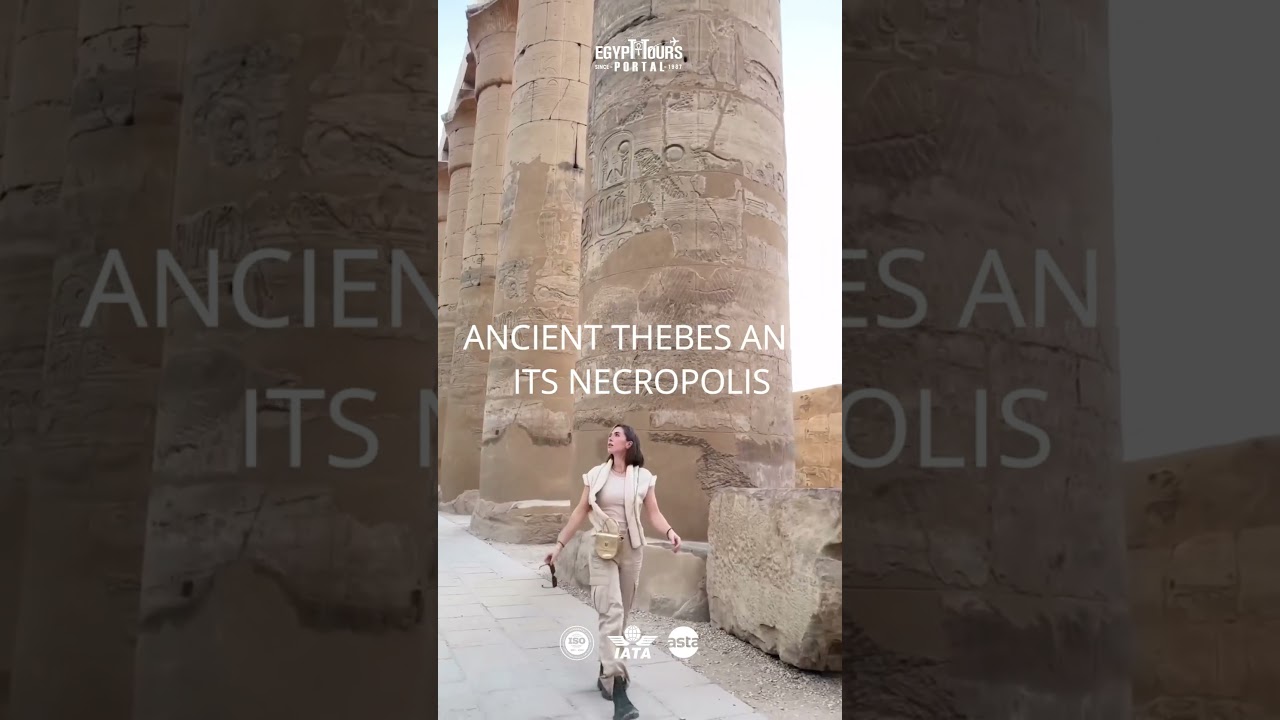
The standard Luxor-to-Aswan route runs unchanged in February, and the month's mild daytime weather makes it one of the more comfortable times of year to see every stop and ancient Egyptian attraction without rushing. Karnak Temple, the largest religious complex built in ancient Egypt, and the Valley of the Kings, home to more than 60 identified tombs including that of Tutankhamun, anchor the Luxor side of the itinerary.
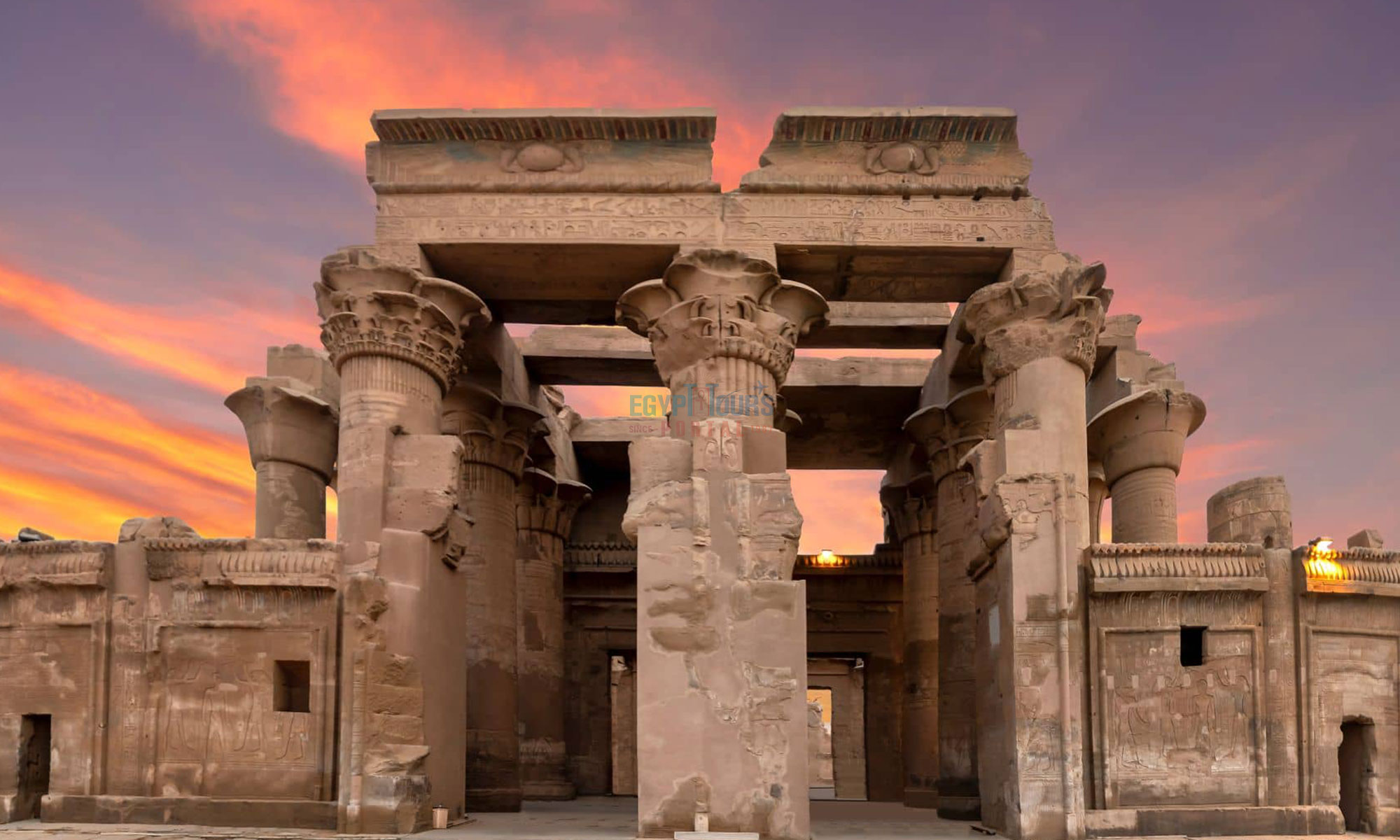
Sailing south, Edfu Temple, dedicated to the falcon god Horus, and Kom Ombo Temple, an unusual double temple shared by the crocodile god Sobek and Horus, sit along the same stretch of river, with the Aswan High Dam and Philae Temple rounding out the classic route near Aswan.
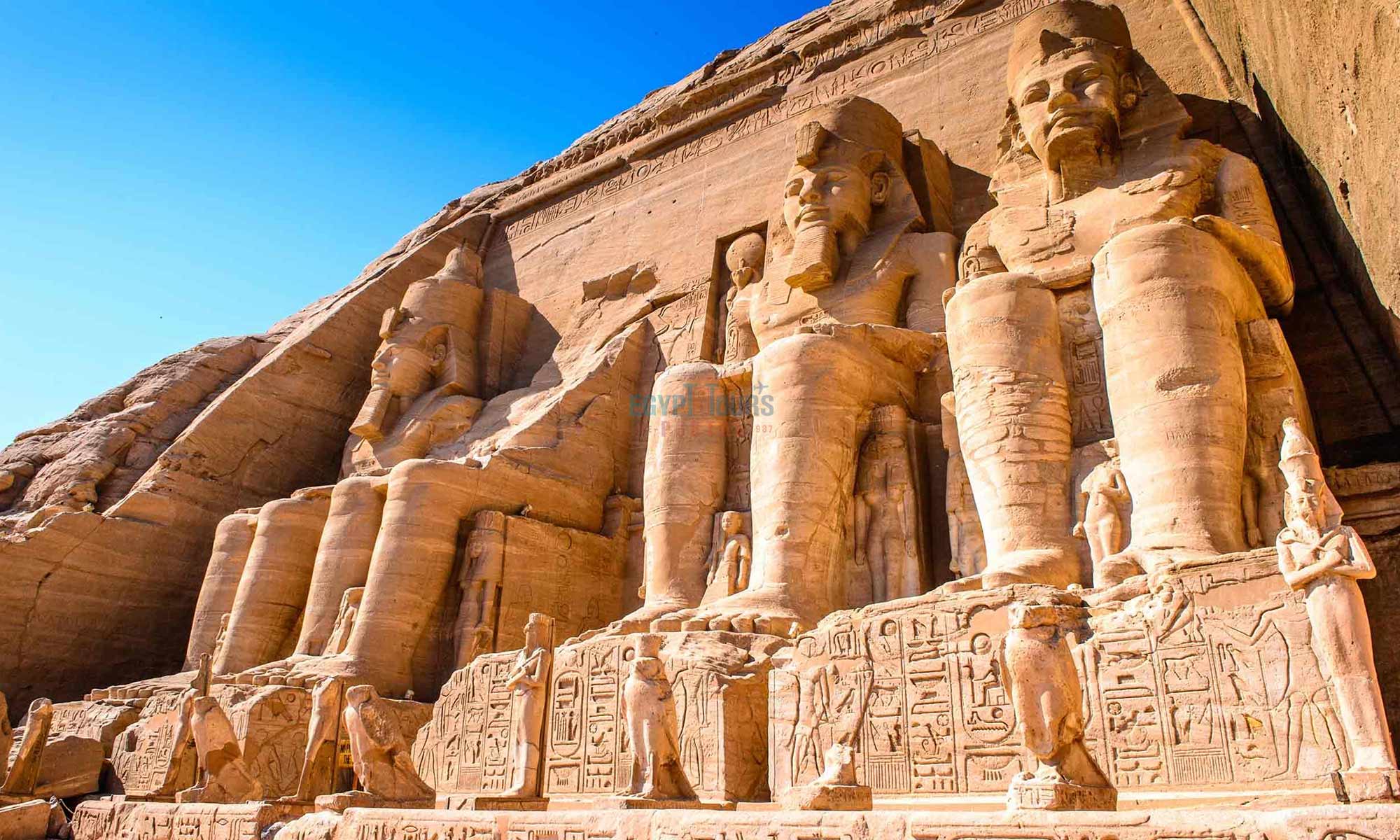
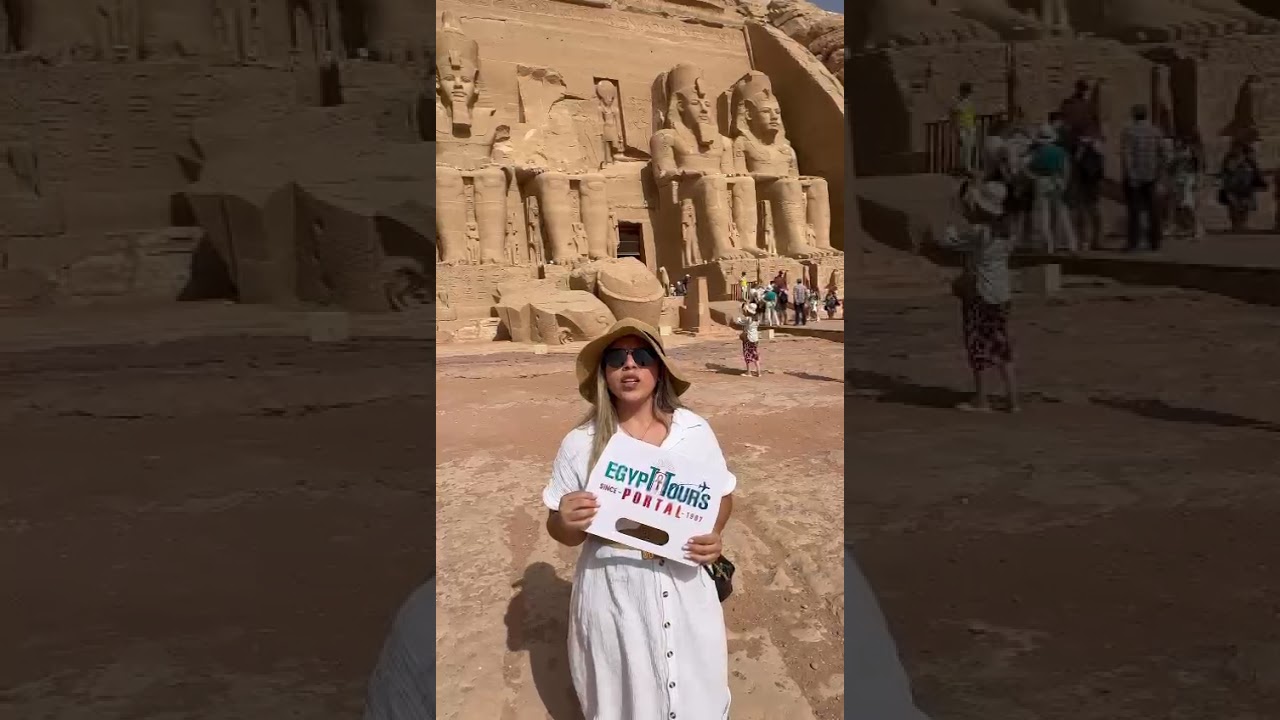
February's genuine standout is the Abu Simbel Sun Festival on February 22, one of only two mornings each year, alongside October 22, when sunlight travels roughly 200 feet into the mountainside temple to illuminate three of the four seated statues in its inner sanctuary: Ramesses II, the sun god Ra-Horakhty, and Amun-Ra. The fourth statue, Ptah, god of darkness, remains deliberately unlit, a precision of ancient engineering that has held for more than 3,000 years.
The alignment happens at sunrise, drawing a genuinely festive crowd of Egyptian and international visitors alongside Nubian musicians and dancers who carry the celebration on after the light show itself ends; dedicated day-trip packages built specifically around the event start around $105 and depart from Aswan, Luxor, and several other cities.
Travelers visiting outside the festival window still reach the same temple on a standard Abu Simbel day trip, and those whose cruise itinerary does not naturally include Aswan by February 22 should confirm with their operator whether a Sun Festival add-on is possible before booking.
Onboard Experience & Activities to Do Onboard February Nile Cruise

February opens with Valentine's Day on the 14th, and enough couples time a cruise around it that some ships mark the date with a special dinner setting or a small onboard gesture, though this varies by operator and is worth confirming directly rather than assuming it is included.
It closes with a very different kind of onboard mood: ships docked near Aswan on the night of February 21 often carry a noticeable buzz among both crew and passengers ahead of the next morning's early Sun Festival departure, a rhythm unique to this one week of the year.
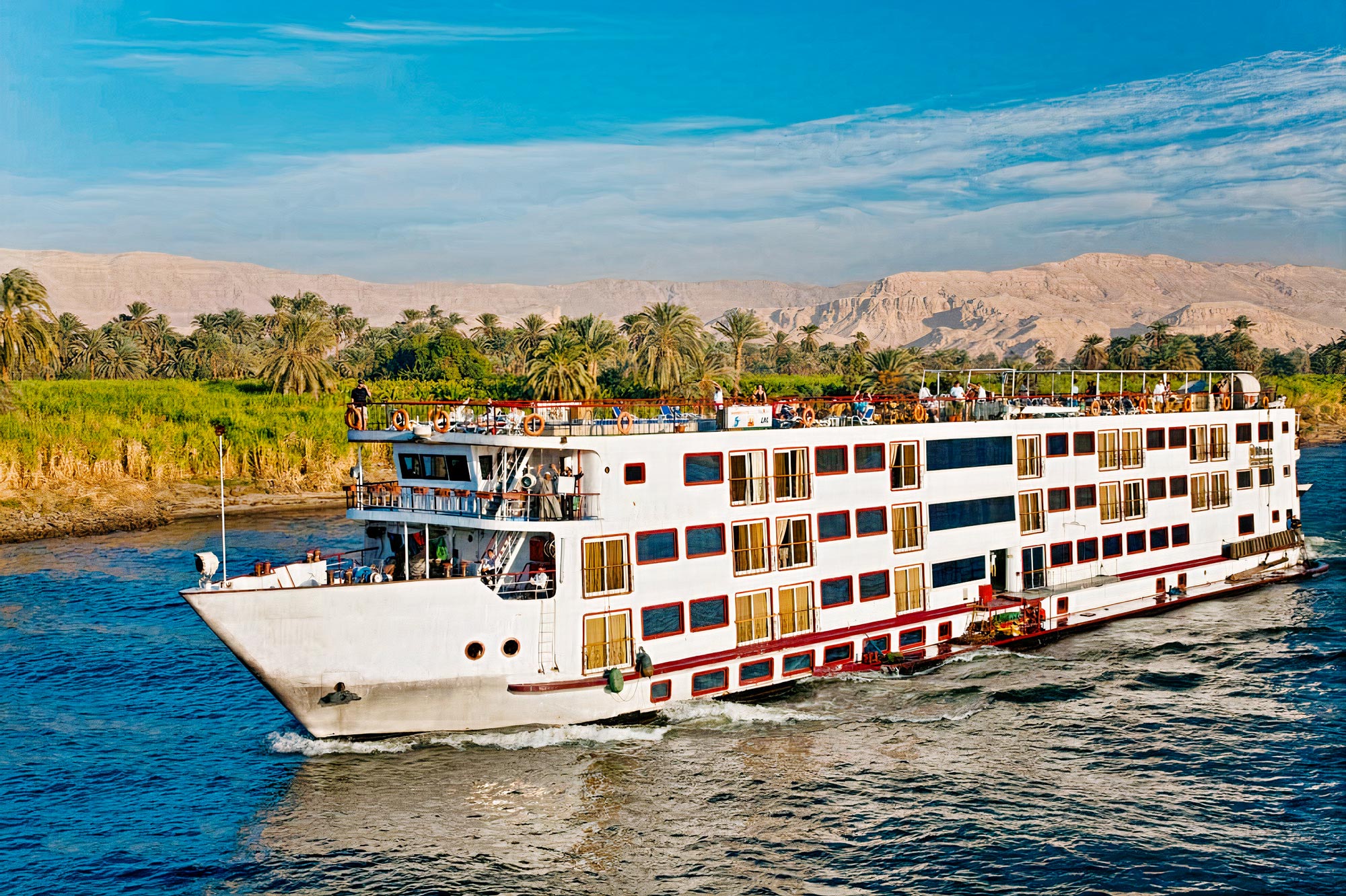
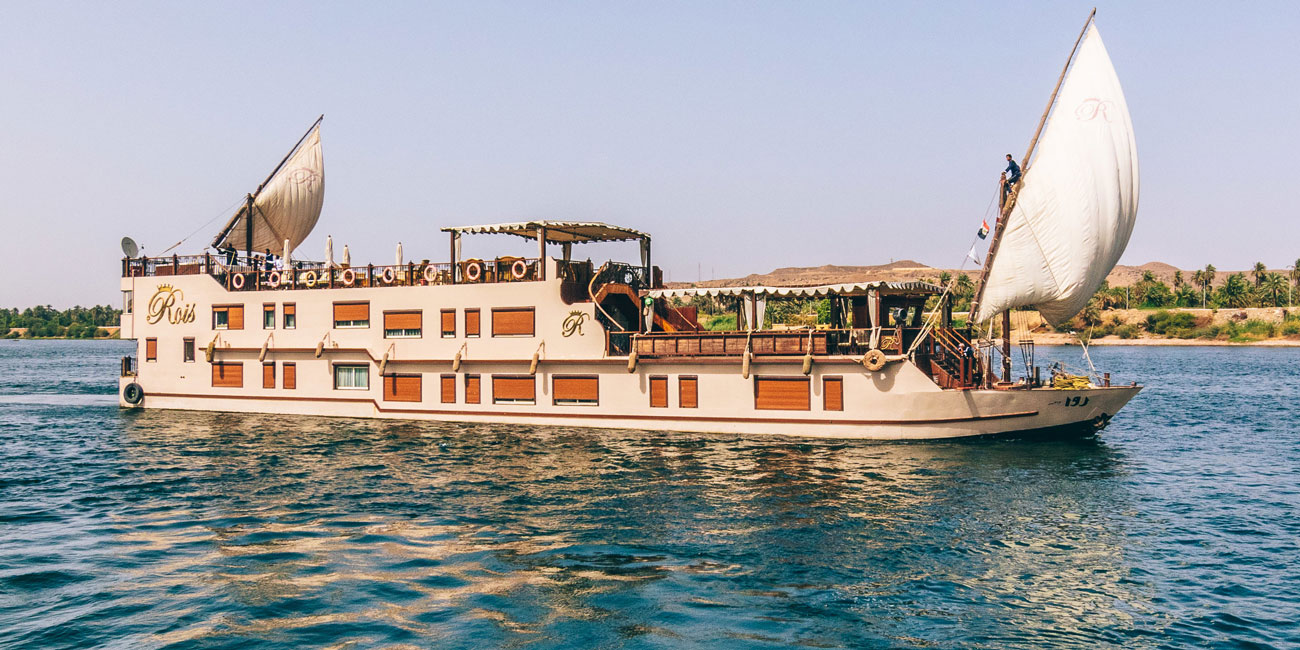
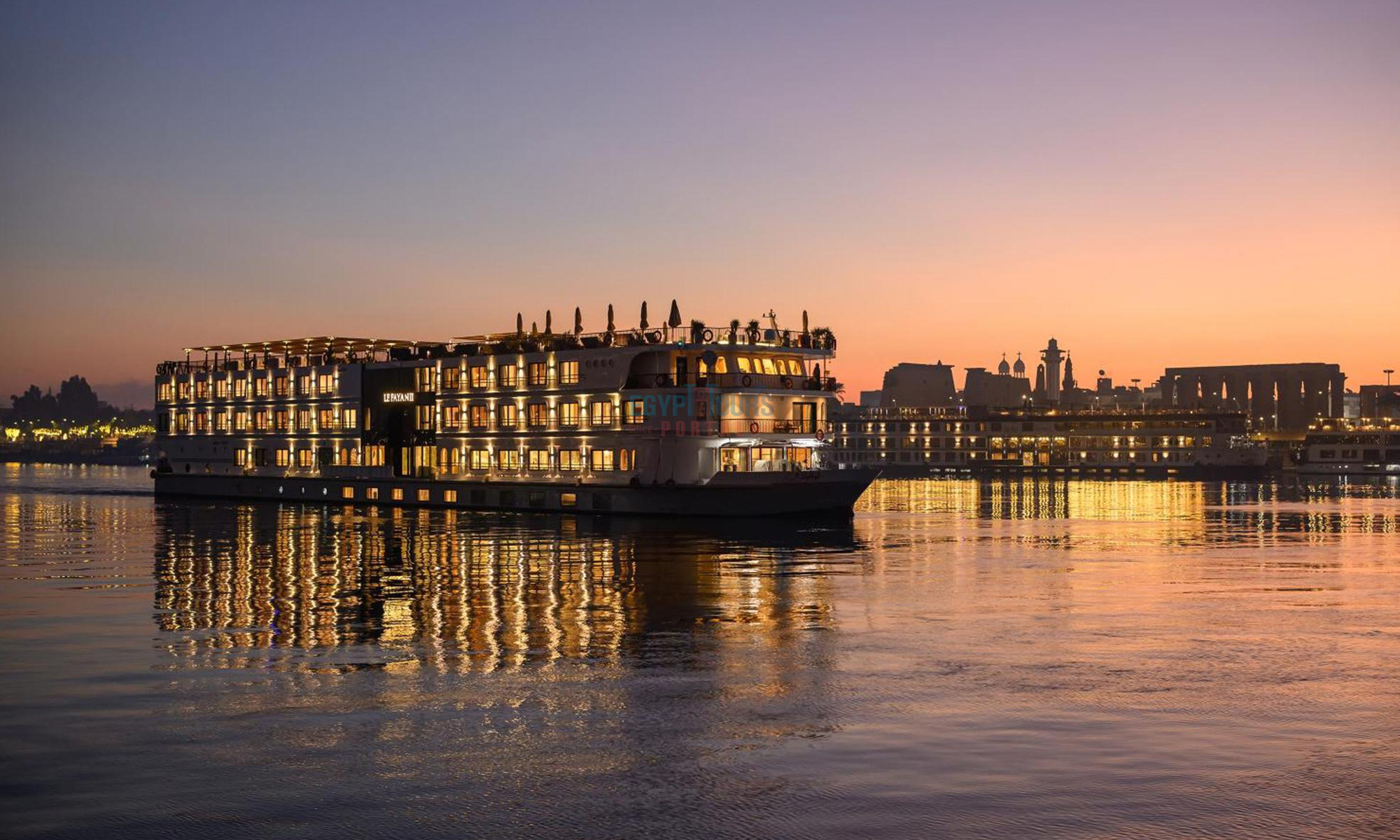
Between those two dates, life onboard runs the standard course: sunrise and sunset from the sun deck, buffet-style meals mixing Egyptian dishes with international options, covered further in the guide to food and beverage onboard Nile cruises, and at least one themed cultural evening during a multi-night sailing.
Most ships schedule a Galabeya party, where passengers and crew dress in traditional Egyptian clothing bought from an onboard shop or a nearby market, a tradition covered further in the guide to shopping in Egypt, and larger vessels often add a Tanoura show, a spinning, Sufi-influenced dance performance, or a riverside sound and light show.
Cool evenings make the sun deck genuinely pleasant after dark throughout February, and a blanket or a warm drink from the bar turns a post-dinner hour under the stars into one of the more memorable parts of the sailing.

Discover the Facilities and Entertainment Included on Nile Cruises
Explore Nile cruise facilities & entertainment, from luxury cabins to cultural shows, ensuring your journey blends comfort, history, and unforgettable moments.
What to Pack for Nile Cruise in February

Think of a February suitcase as packed for two different trips rather than one: the mild, temple-touring afternoon most days deliver, and the genuinely cold pre-dawn wait that a Sun Festival morning specifically demands. Breathable cotton or linen covers the former; a real jacket or fleece, not a thin cardigan, covers the latter, along with mornings and evenings on the sun deck throughout the month.
The standard excursion dress code applies regardless of temperature, covered in more depth in the do's and don'ts of Egypt: loose, knee-length or longer bottoms with sleeves covering the shoulders at Karnak, the Valley of the Kings, and every other active temple site.
Closed-toe, broken-in walking shoes handle the uneven stone at these sites better than sandals, and a wide-brimmed hat, sunglasses, and sunscreen remain worth packing despite the cooler air, since midday sun at an open-air site still carries real UV exposure. A lightweight scarf earns its space in the day bag for both an unexpected dress-code requirement and a cool evening on deck.
Travelers attending the Sun Festival need a short, specific list beyond the everyday one: a warm layer worn over the day's clothing and shed once the sun is fully up, a small flashlight or phone light for navigating the temple grounds in the pre-dawn dark, and a refillable water bottle, since the wait before the alignment can run long once the crowd settles in.
None of this is exotic gear, mostly the same winter layer already packed for the ship's evenings, just worn a few hours earlier than usual.
Tips for Travelers During Nile Cruise in February

Decide on the Sun Festival early, since it shapes everything else about the booking. Not every standard cruise itinerary reaches Aswan on February 22 by coincidence, so a traveler who wants to witness it should either time the cruise's booking around that date directly or arrange a dedicated day-trip add-on, and doing so well in advance matters given how popular this specific date becomes; a traveler indifferent to the festival has far more flexibility on dates and fares.
Build in an extra half-day around Aswan if the festival is the priority. Between an early Sun Festival departure and the usual dock schedule, a little slack in the itinerary makes room for the Nubian Museum or a felucca ride without cutting into the standard temple circuit elsewhere on the route.
Reserve cabins early for the month's first three weeks. February's opening weeks still carry winter peak-season demand, and luxury ships, with their smaller total cabin counts, are worth reserving several months ahead for this window; late February offers a genuinely easier booking timeline as demand eases toward March.
Pack a real jacket, not just a light layer. Nighttime temperatures near 9°C (48°F) catch travelers who packed only for daytime warmth off guard, particularly on a Sun Festival morning that starts well before sunrise.
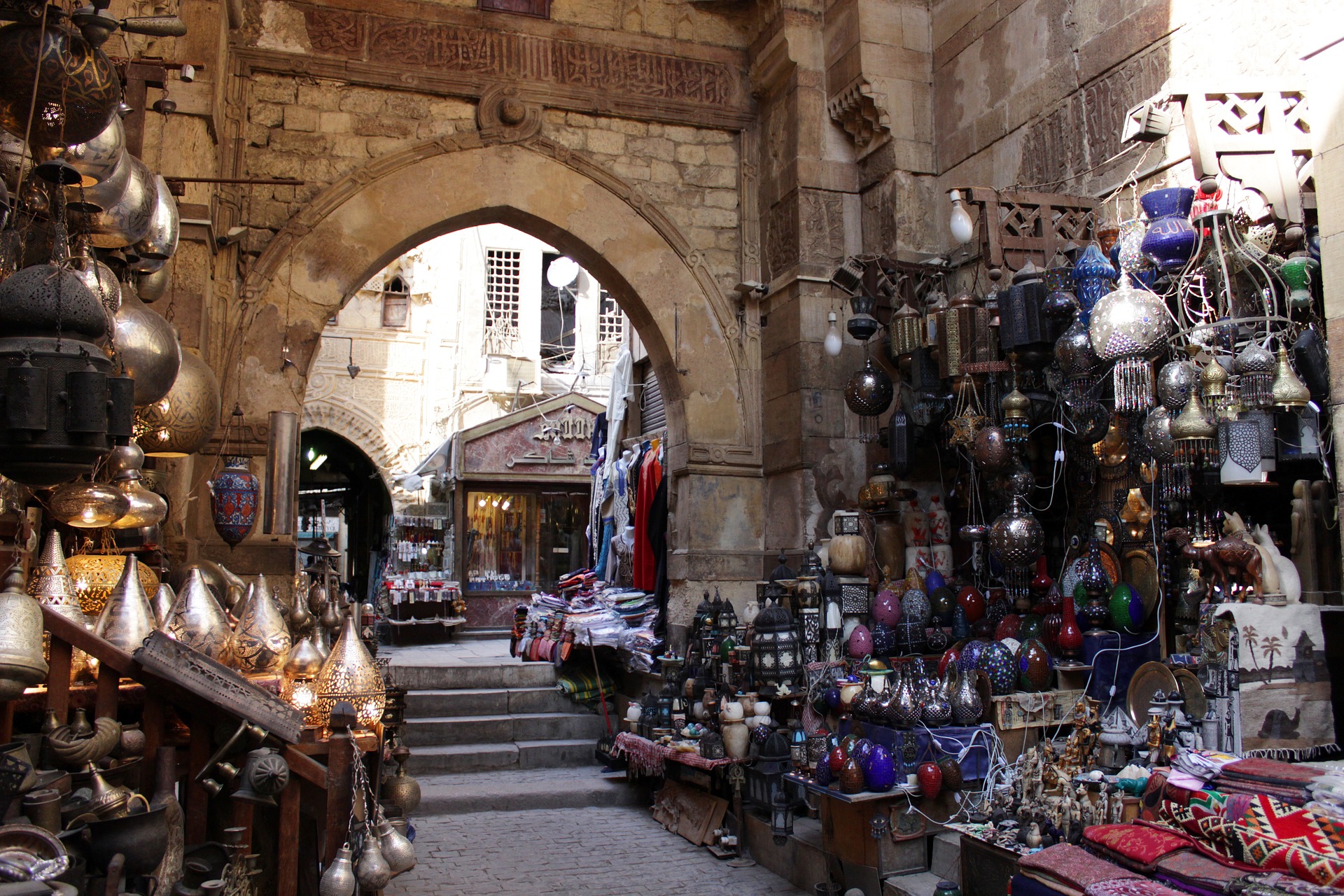
Carry Egyptian pounds for markets and gratuities, roughly 50 to 51 EGP to the US dollar, since most vendor transactions and standard tipping, covered in full in the guide to tipping in Egypt, remain cash-based regardless of season, felucca rides and Nubian Museum entry included. The essential trip information guide covers entry requirements and other logistics worth confirming before departure.
Enjoy the Marvels of Egypt During February Onboard Nile Cruise
Most months on the Nile cruise calendar are judged by weather and crowds alone; February is the one month judged by a single sunrise. Whether or not the Sun Festival ends up on the itinerary, the same mild days, cold nights, and busy temple courtyards that define the rest of winter hold true here too, and the deck rail overlooking Aswan on the morning of February 22 offers a view of ancient engineering that no other week of the year can match.
Cast your eyes on our magnificant Nile River Cruises, especially our epid luxury Nile cruises for a smaller-group option, or check the guide on how to book a Nile cruise for the exact steps to reserve a cabin in the tranquality and allure of the last days winter, before February's crowds arrive.