Summary
- Ship tier and cabin configuration should match the group's size and style, with standard ships suiting larger groups on a budget and luxury ships offering smaller six-to-eight-guest excursions for closer groups.
- Researching Karnak Temple, the Valley of the Kings, Kom Ombo, and Philae before arrival turns each guided stop into a real conversation rather than a rushed walk-through.
- Packing follows three dress codes, casual onboard, smarter at dinner, and conservative on excursions, with breathable cotton or linen in light colors handling Egypt's heat best.
- Budgeting in Egyptian pounds for shared gratuities, a private guide, or a felucca charter is considerably more affordable once split across a group of friends.
- Group-specific habits, agreeing on pace in advance, splitting costs transparently, and joining shared moments like a Galabeya party or the Esna Lock vendors together, make the difference between a good trip and a great one.
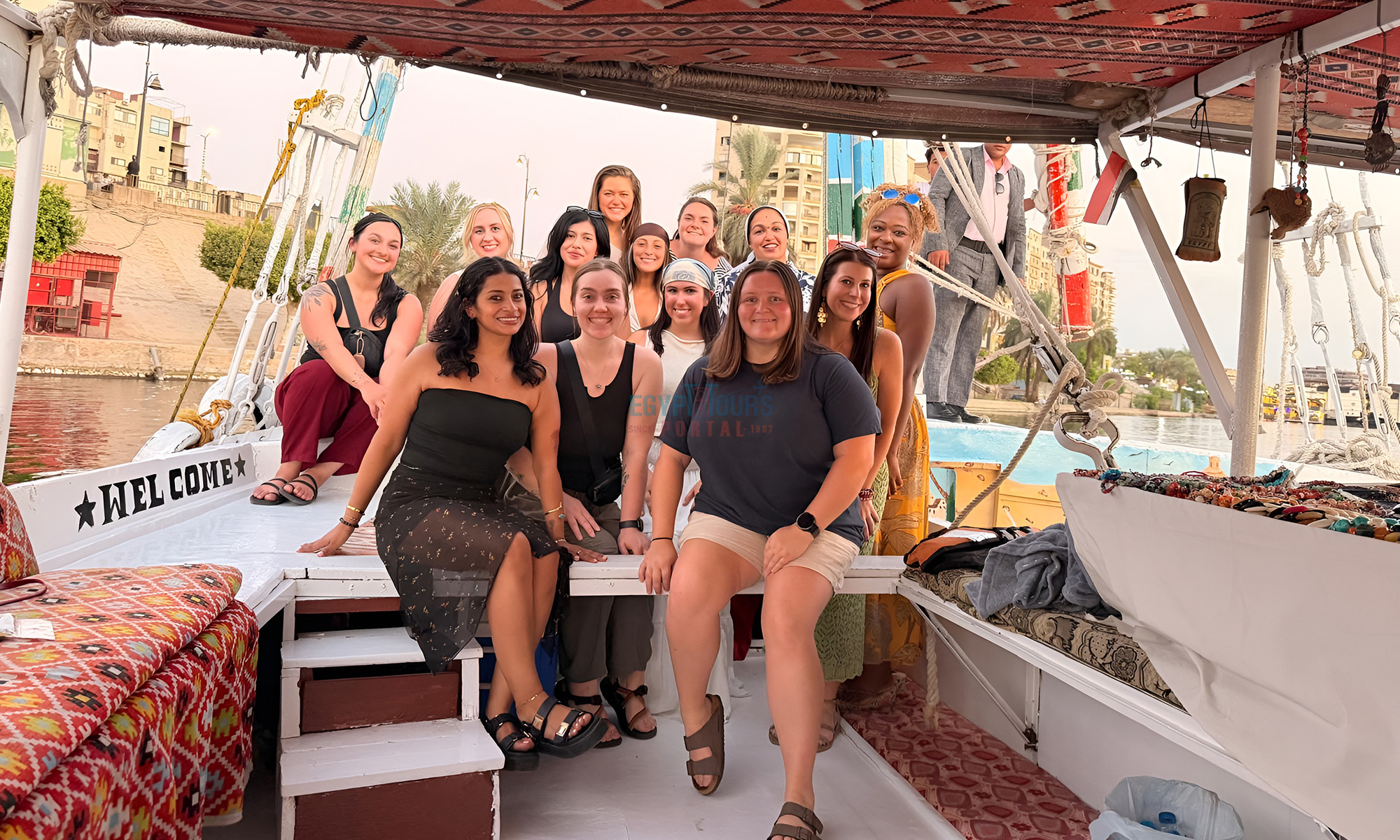
A Nile cruise with friends turns Egypt's classic Luxor-to-Aswan route into a shared experience rather than a solitary one, sunrise coffee on the sun deck, compared over breakfast, a felucca sail split four ways, an evening galabeya party that becomes the trip's running joke by the next morning. The same temples that have stood along this river for three thousand years look different when shared with people who already know the traveler's sense of humor.
Every friend group will walk through choosing a ship and cabin setup that actually works for a group, researching the sights before arrival, packing light and appropriately, budgeting in Egyptian pounds, protecting photos and gear, and the additional group-specific habits, splitting shared costs, respecting different paces, that turn a week on the Nile into a trip friends still talk about years later.
Choose the Right Cruise for You and Your Friends

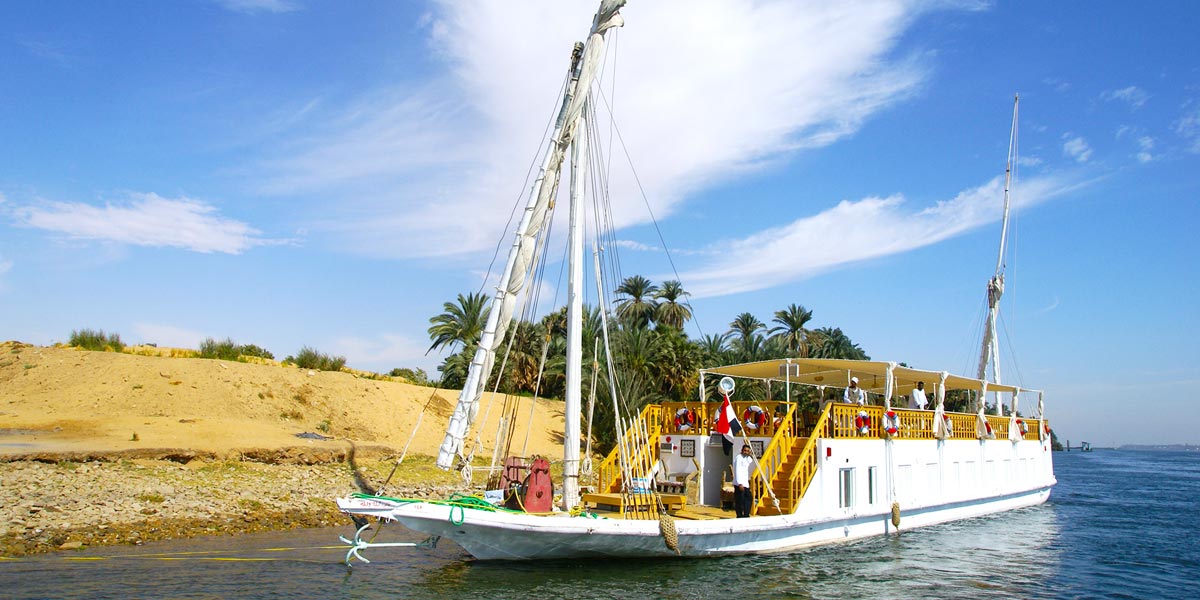
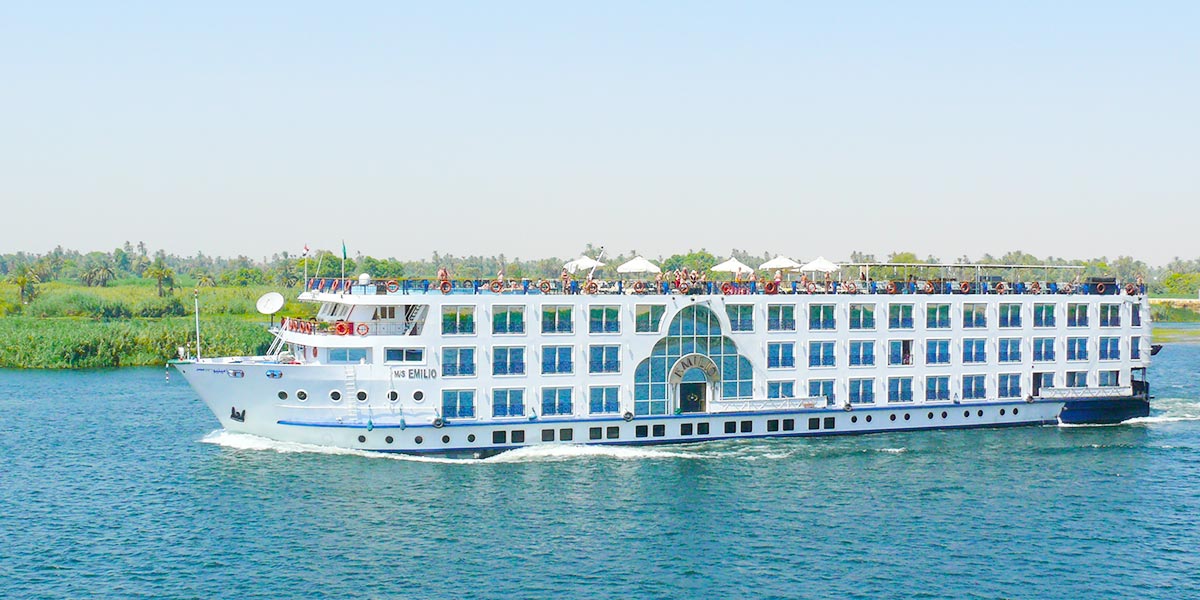
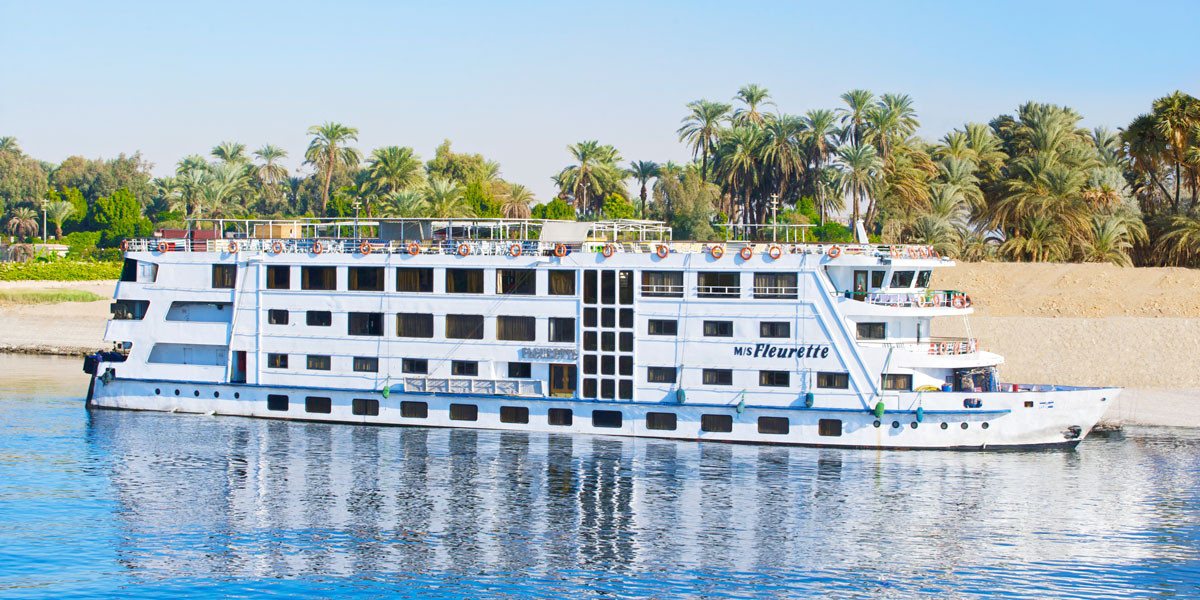
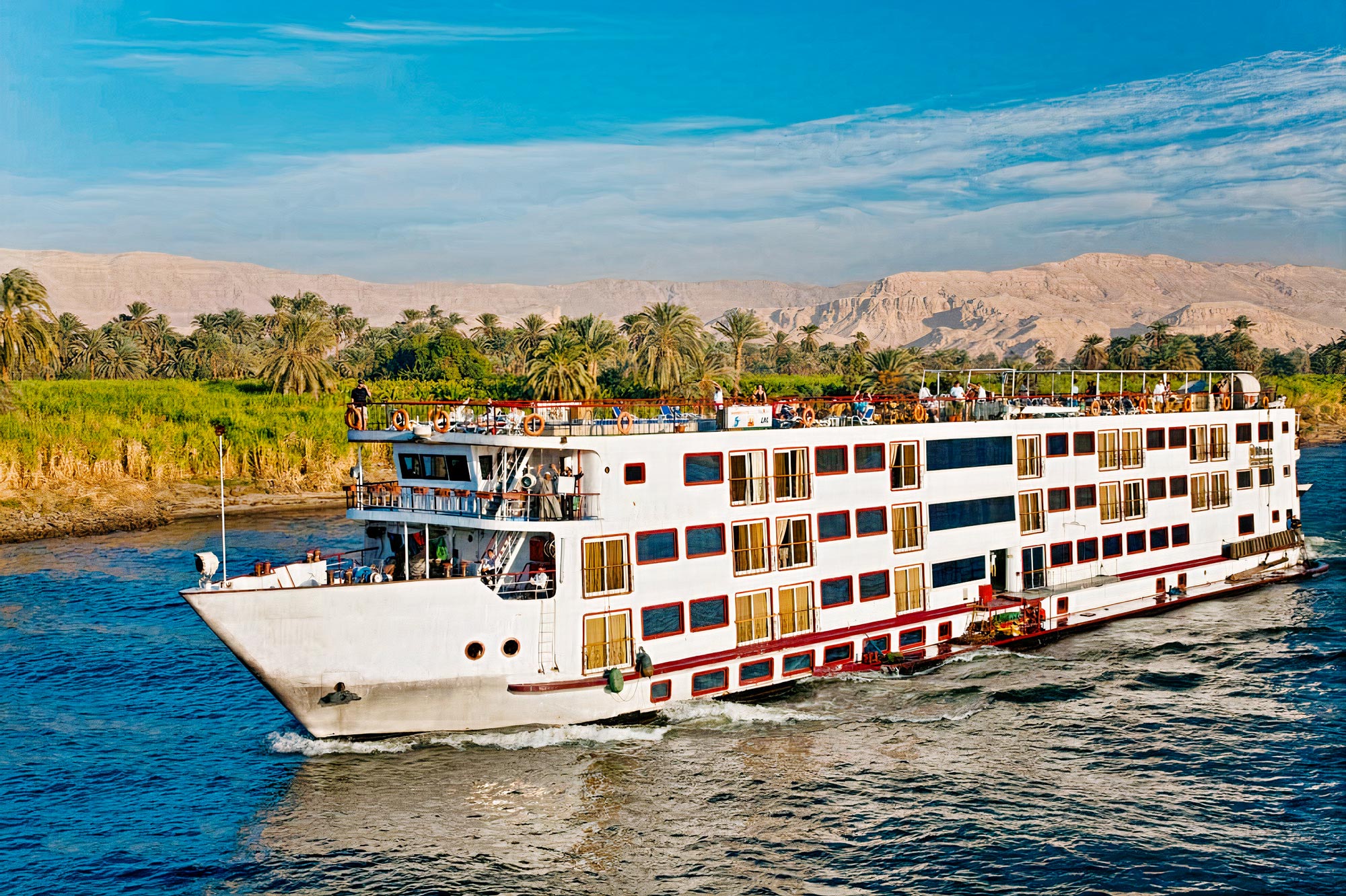
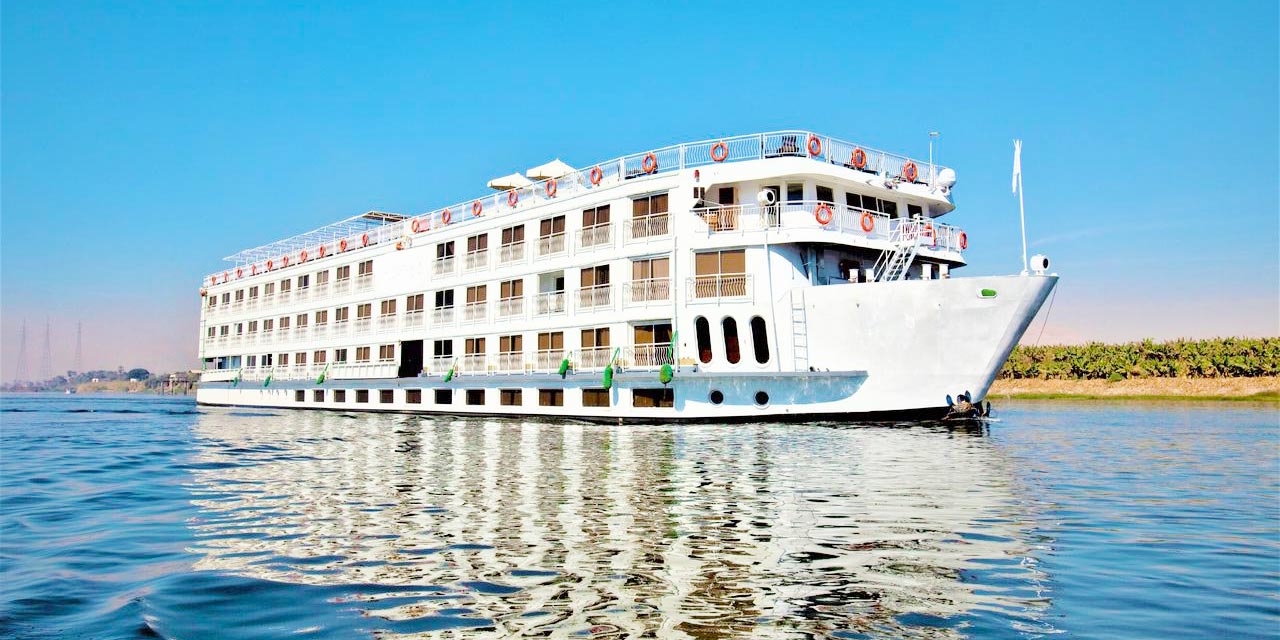
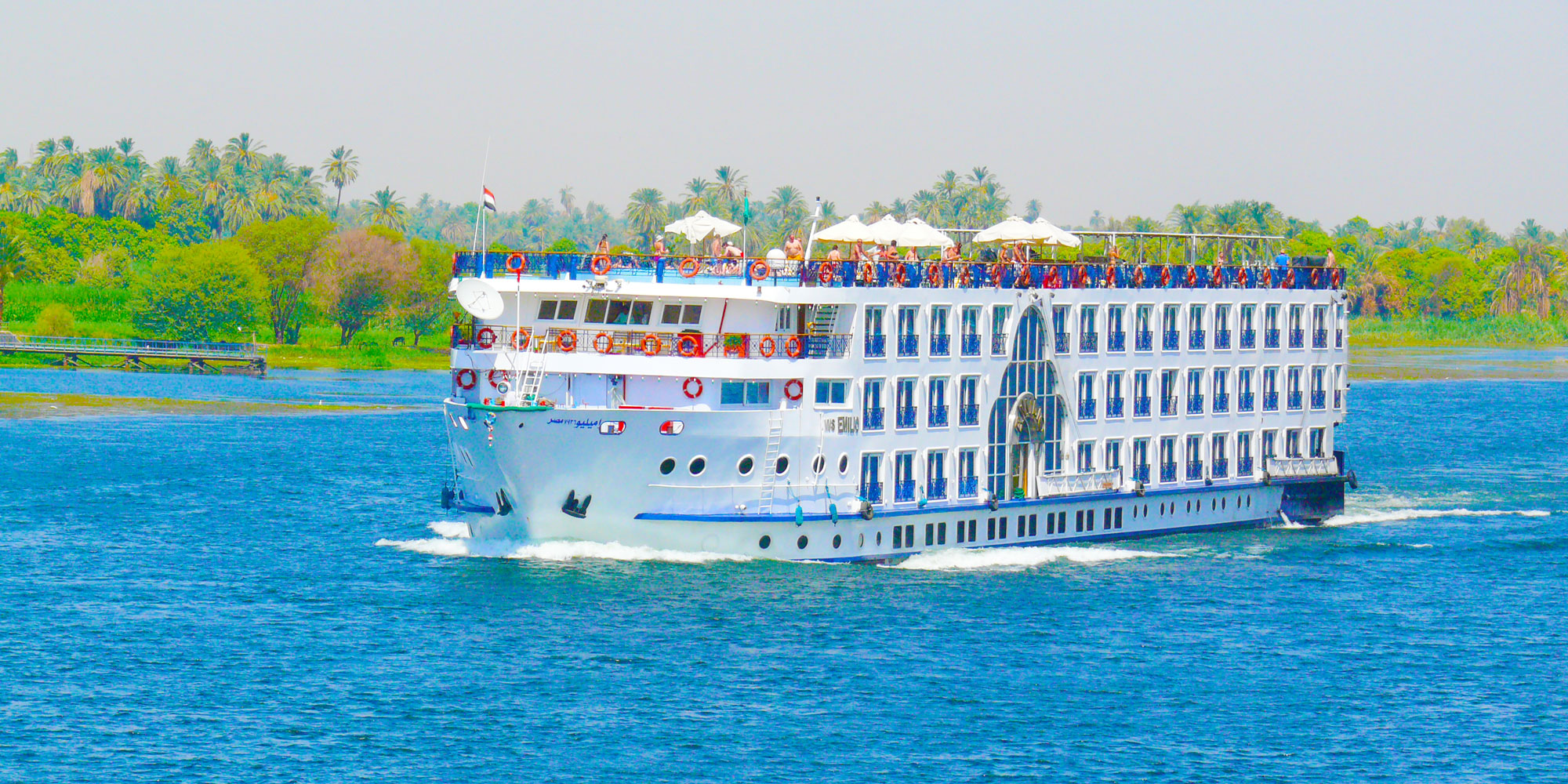
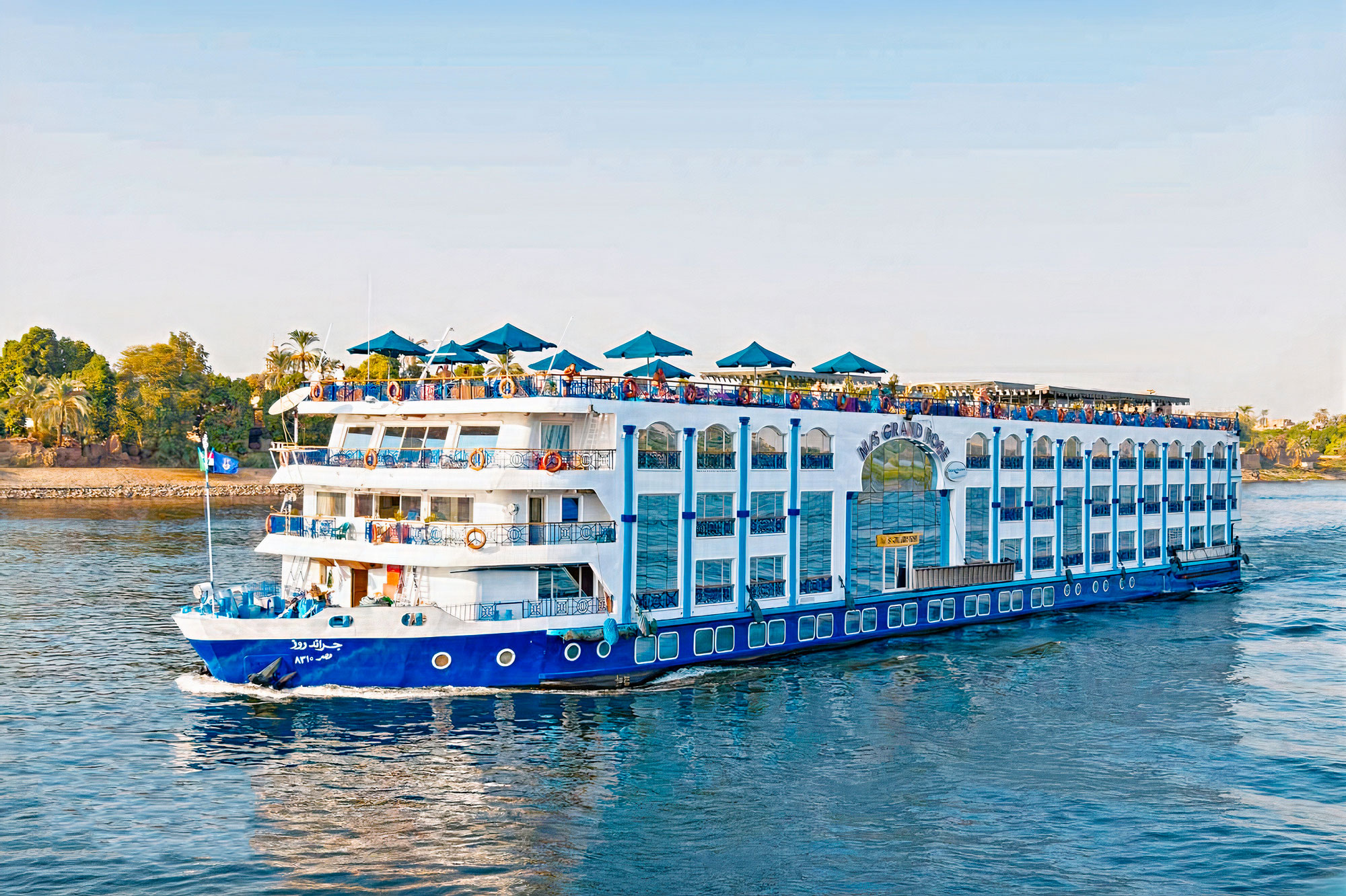
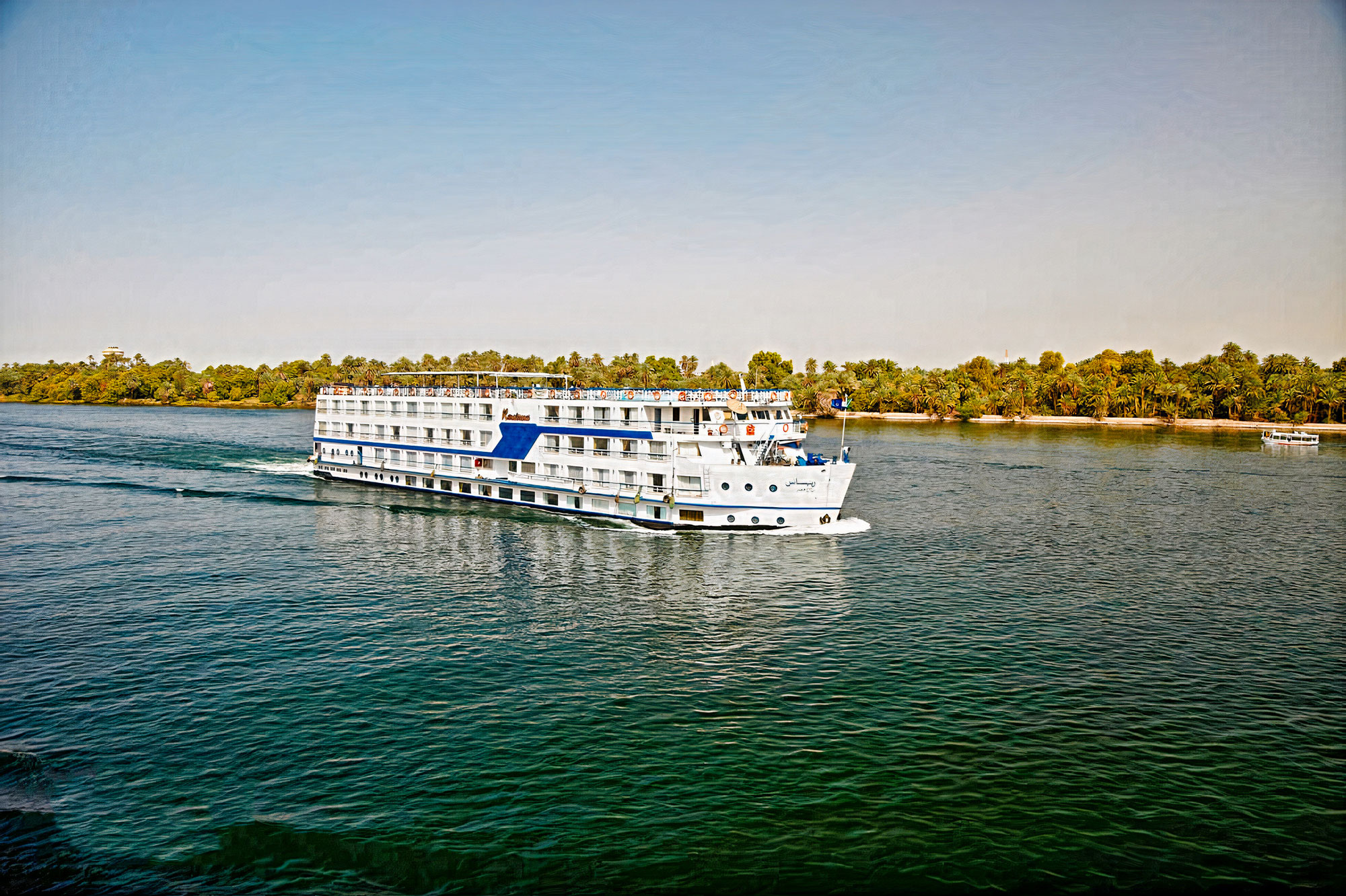
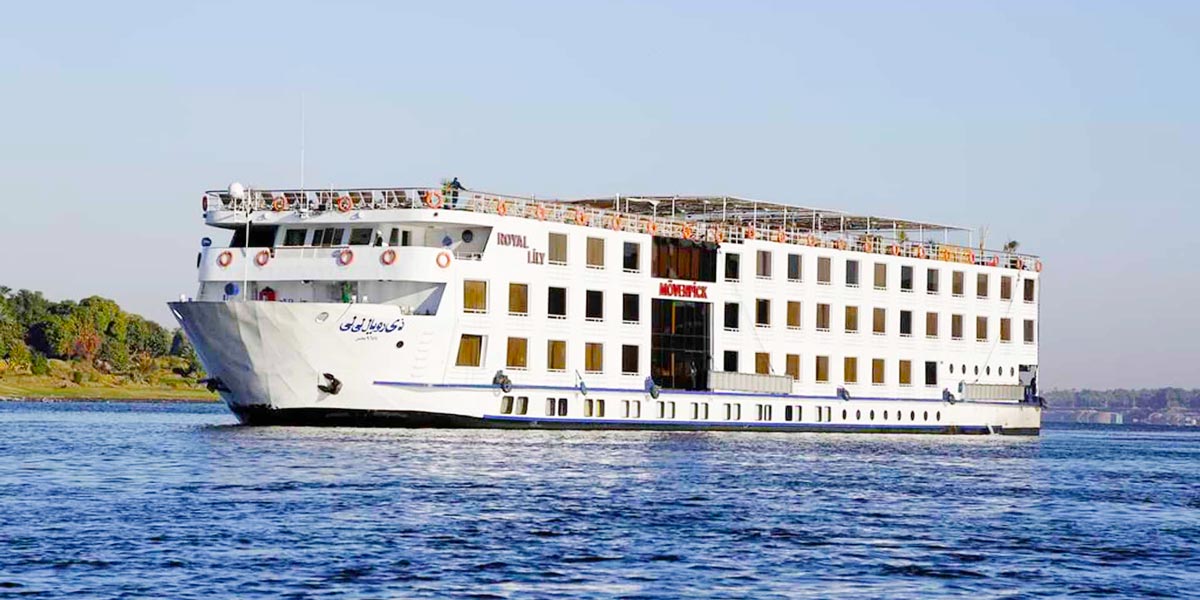
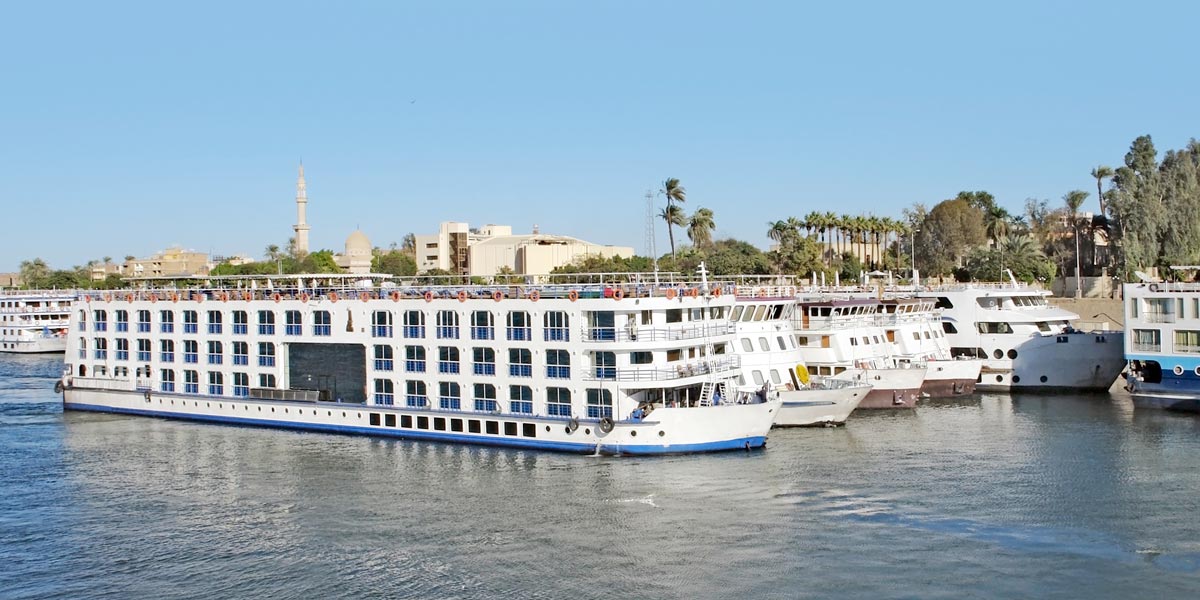
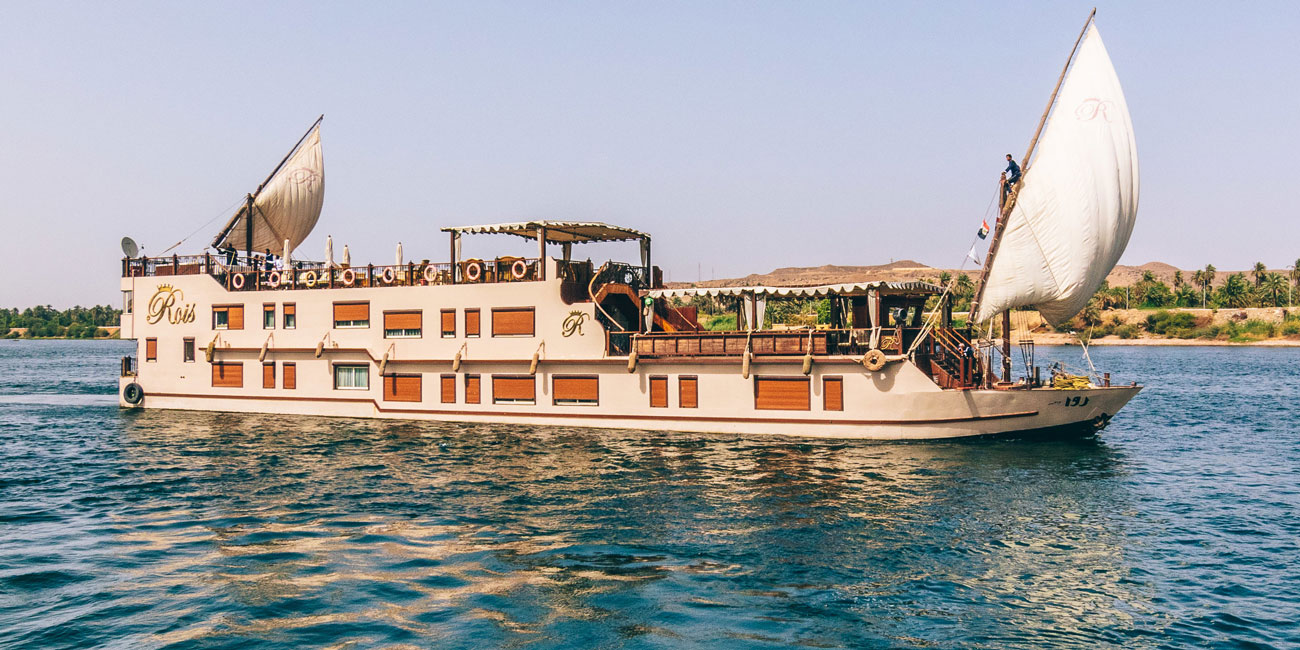
Group size and travel style should drive the choice of ship tier more than budget alone. Standard ships, generally three- and four-star vessels, run around $150 per night with cabins of 15 to 18 square meters and excursion groups of 25 or more passengers, a reasonable fit for a larger group of friends prioritizing cost over space.
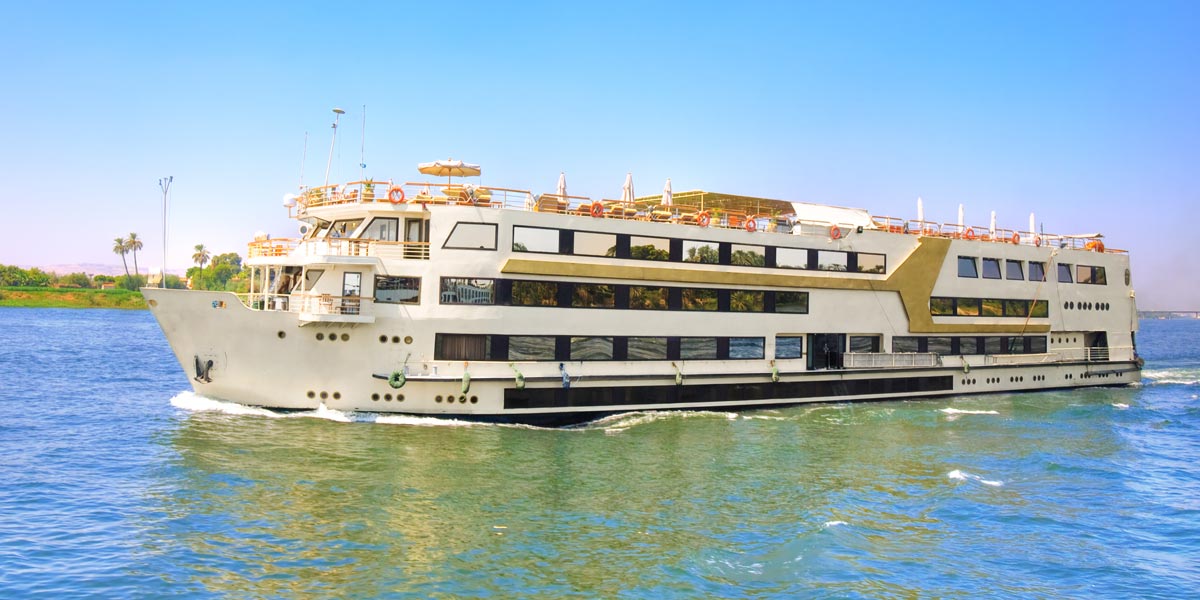
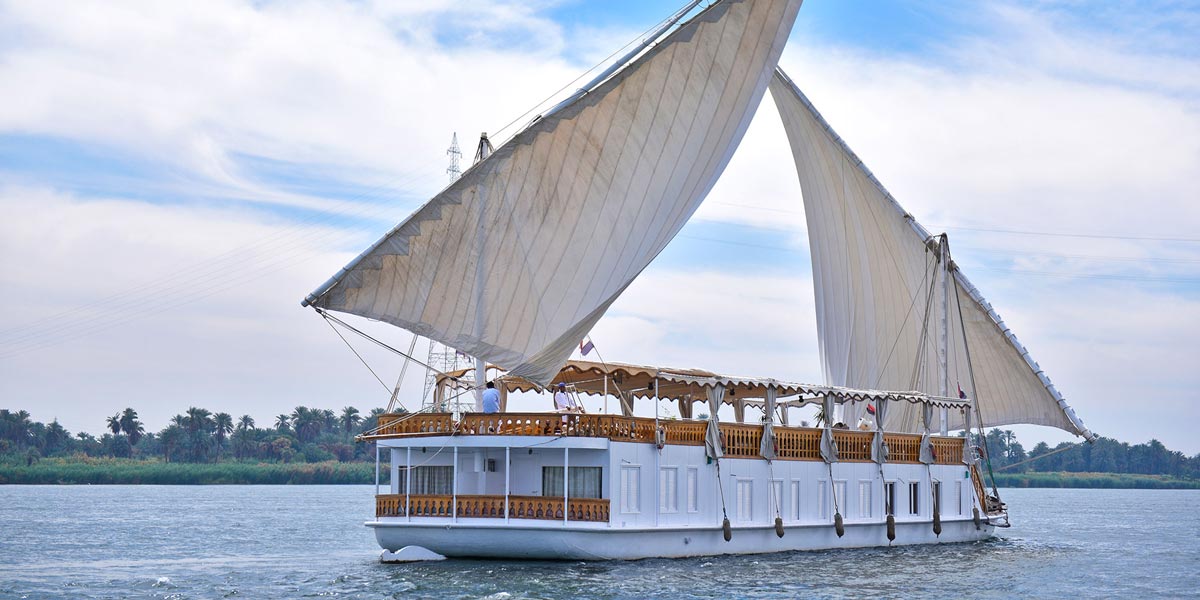
Deluxe ships sit in the middle at $180 to $320 per night, with 20-to-22-square-meter cabins and a smaller French balcony. Luxury ships start around $400 per night and can reach $900 or more, with cabins of 30 to 40 square meters, a genuine private balcony, and excursion groups kept to roughly six to eight guests, close enough to a private tour that a smaller circle of friends gets far more direct time with the same licensed Egyptologist guide.
Cabin configuration matters as much as tier for a group specifically. Most Nile cruise ships book by cabin rather than by bed, so twin-bed cabins are standard, but a mix of friends traveling as couples and singles should confirm early whether the ship offers triple cabins or connecting cabins on the same deck, since not every vessel does.
Booking cabins on the same deck, and ideally close together, keeps the group from spreading across the ship and makes it easier to coordinate mornings before an early excursion departure. The full range of ships and cabin configurations across every tier sits under the Nile River Cruises hub, with the luxury Nile cruises collection worth a look for a group wanting smaller excursion crowds and more onboard space to spread out between stops.
A 4-night cruise typically covers Luxor to Aswan sailing downstream, and a 3-night cruise covers the same route from Aswan back to Luxor, with most travelers combining one direction with a few nights in Cairo beforehand. A group deciding between the two should weigh how much time they actually want on the water against how much they want in Cairo or the resort towns; the guide on how to book a Nile cruise walks through the exact steps and timing for either itinerary.
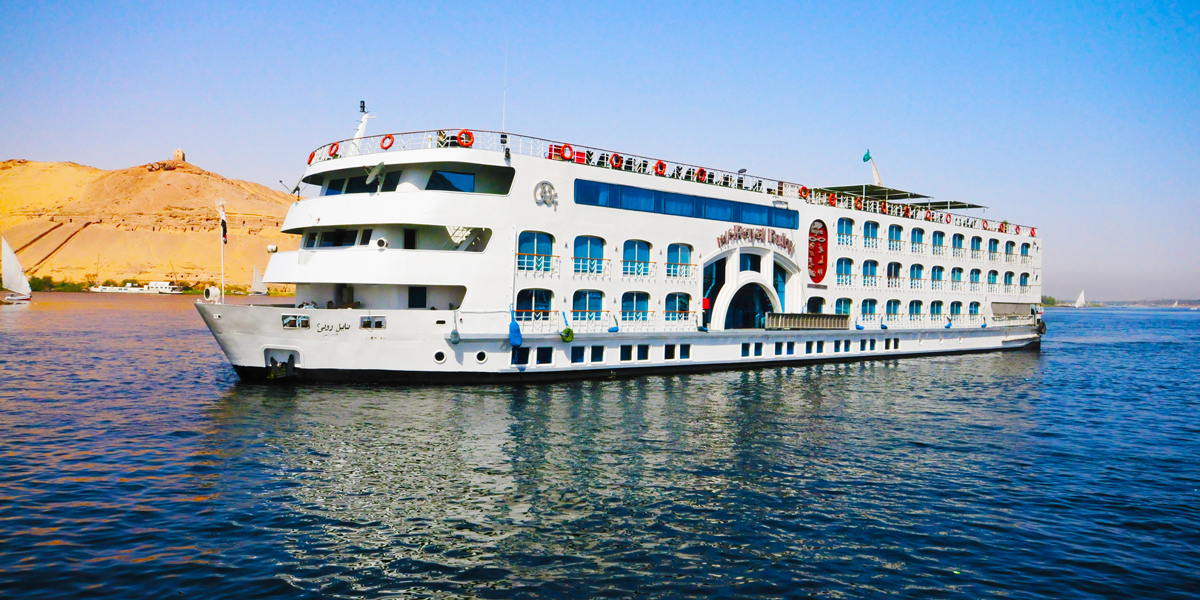
How to Choose the Best Nile Cruise in Egypt
Looking to board the best Nile cruise in Egypt? Through our article, you will know how to choose the best Nile cruises in Egypt. Read more!!!
Do Some Research on the Sights That You Will Be Seeing Along the Way

Arriving at each temple with at least a rough sense of what it is tends to turn a rushed walk-through into an actual conversation with the group's guide, and gives friends something to compare notes on afterward.
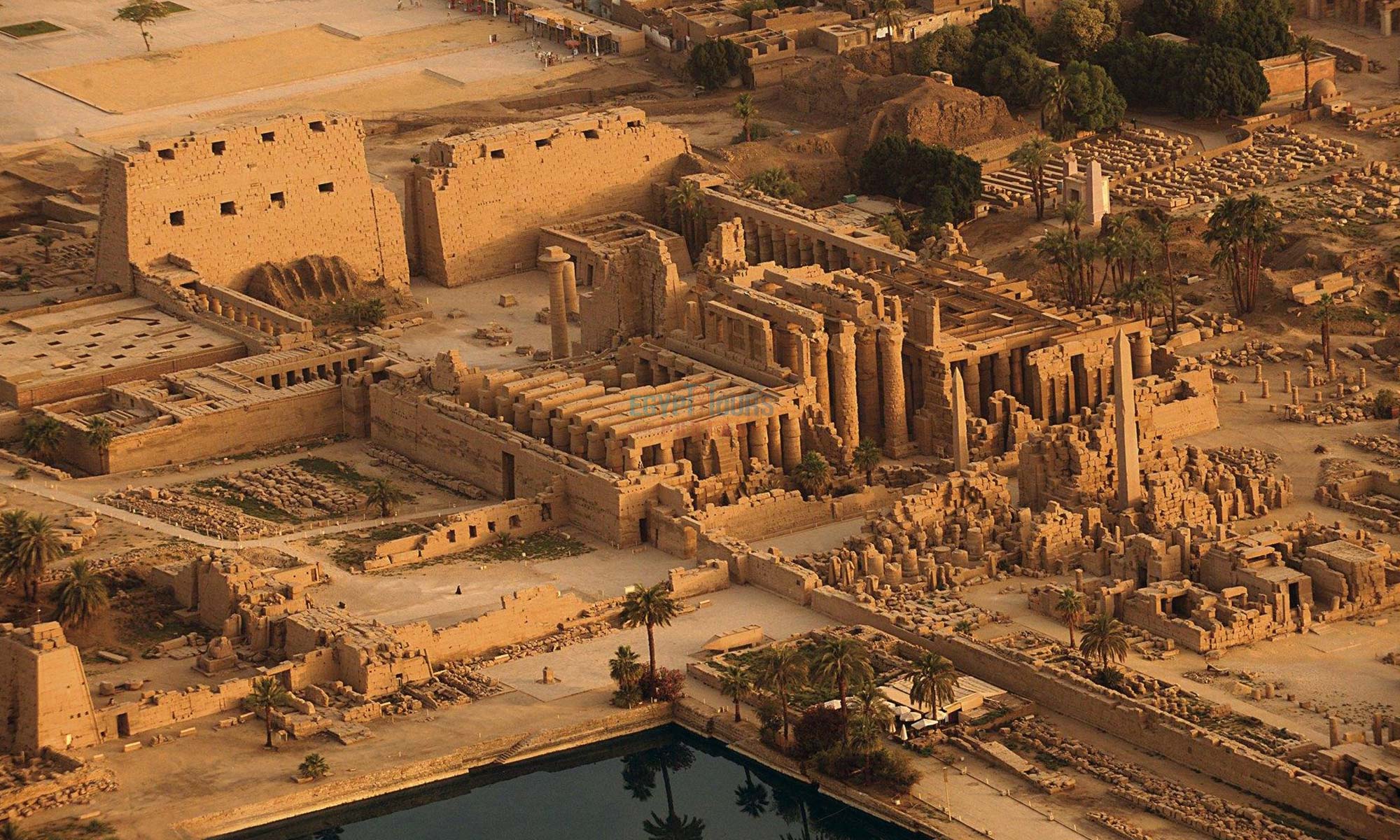
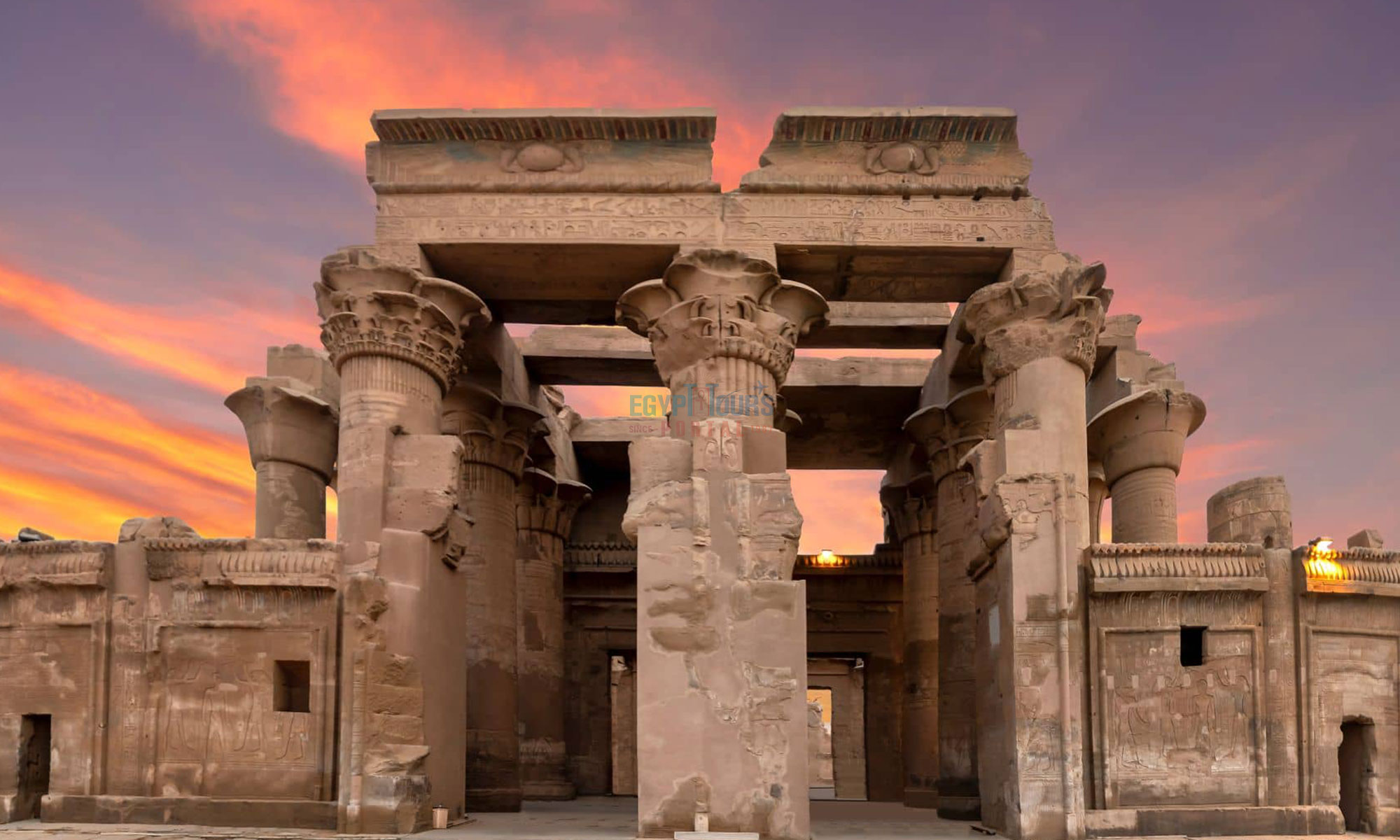
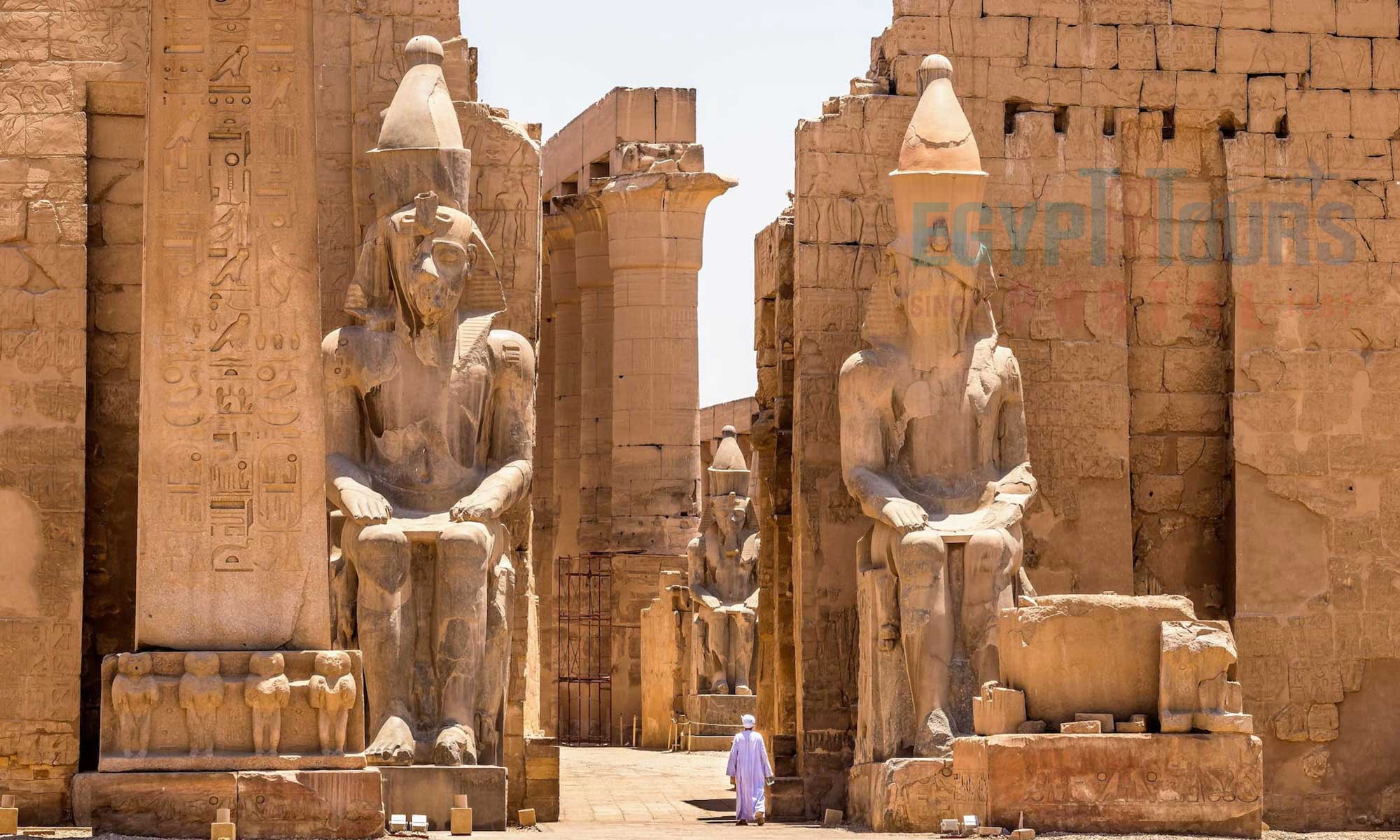
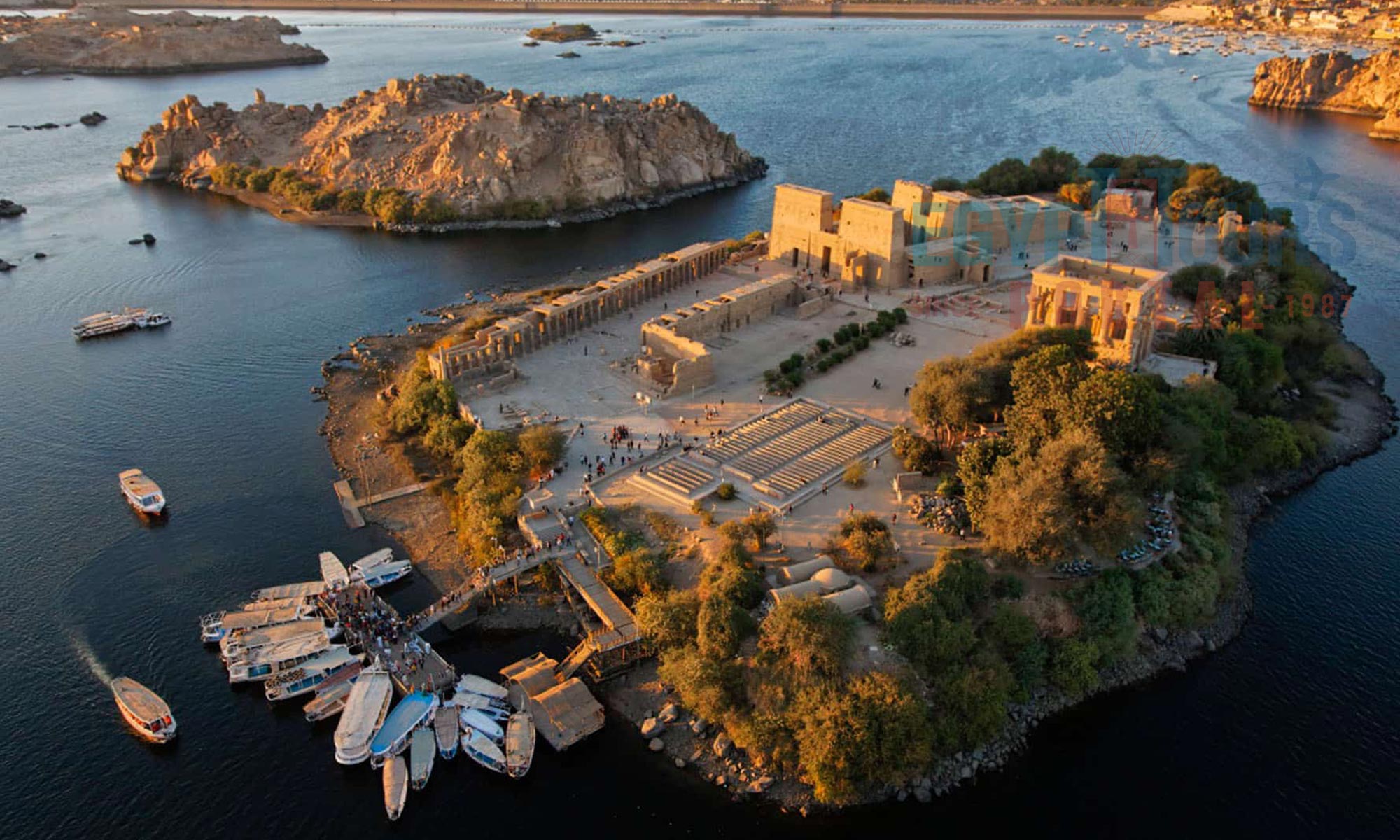
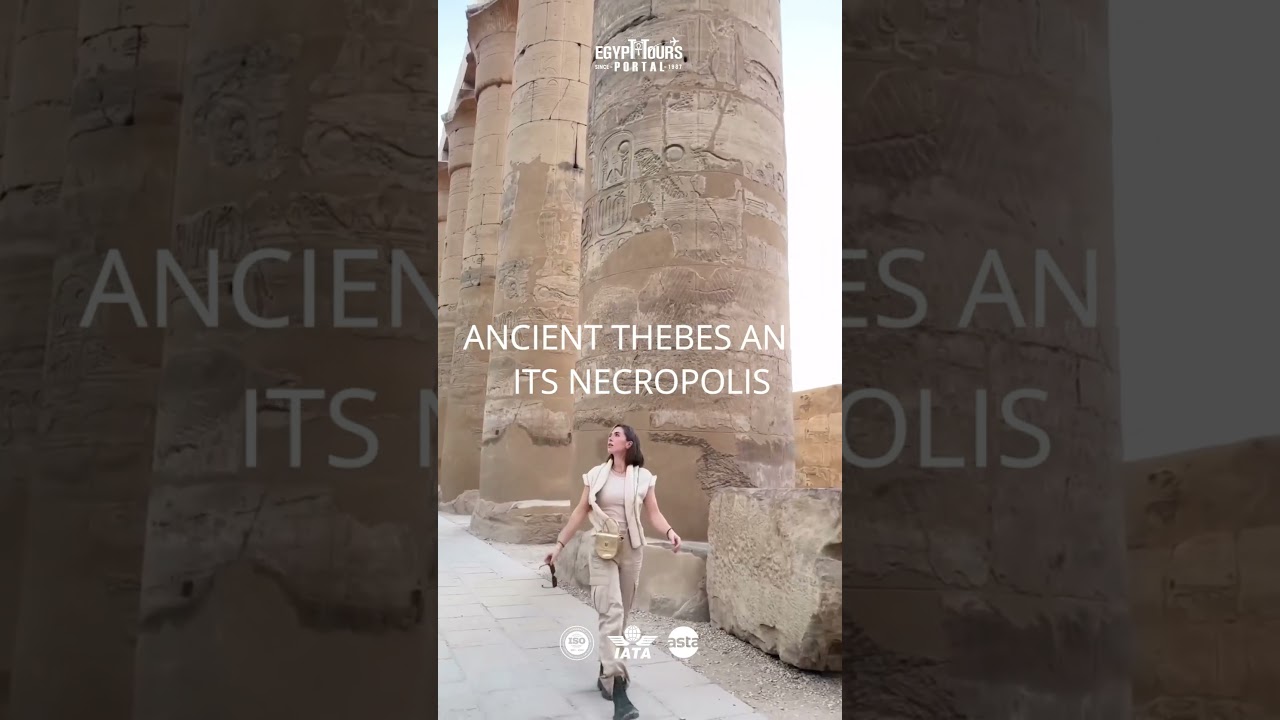
The standard itinerary covers four major sites: Karnak Temple, the largest religious complex built in ancient Egypt, expanded by successive pharaohs over roughly 2,000 years; the Valley of the Kings on Luxor's West Bank, where the standard entry ticket covers three rotating tombs and the tomb of Seti I (KV17) requires a separate premium ticket of around 2,000 Egyptian pounds (roughly $40); Kom Ombo Temple, an unusual double temple dedicated jointly to the crocodile god Sobek and the falcon god Horus; and Philae Temple near Aswan, dedicated to the goddess Isis and reached by a short boat ride to its own island.
A little advance reading on each site pays off specifically at Karnak and the Valley of the Kings, both large enough that a guide's explanation moves quickly and a traveler with some prior context gets more out of the same 45 minutes than one seeing it all for the first time.
The Karnak Temple, Kom Ombo Temple, and Philae Temple guides each cover the history and layout of their respective sites in more depth, and the Luxor day tour to the East and West Banks page lays out exactly what a standard Valley of the Kings excursion includes.
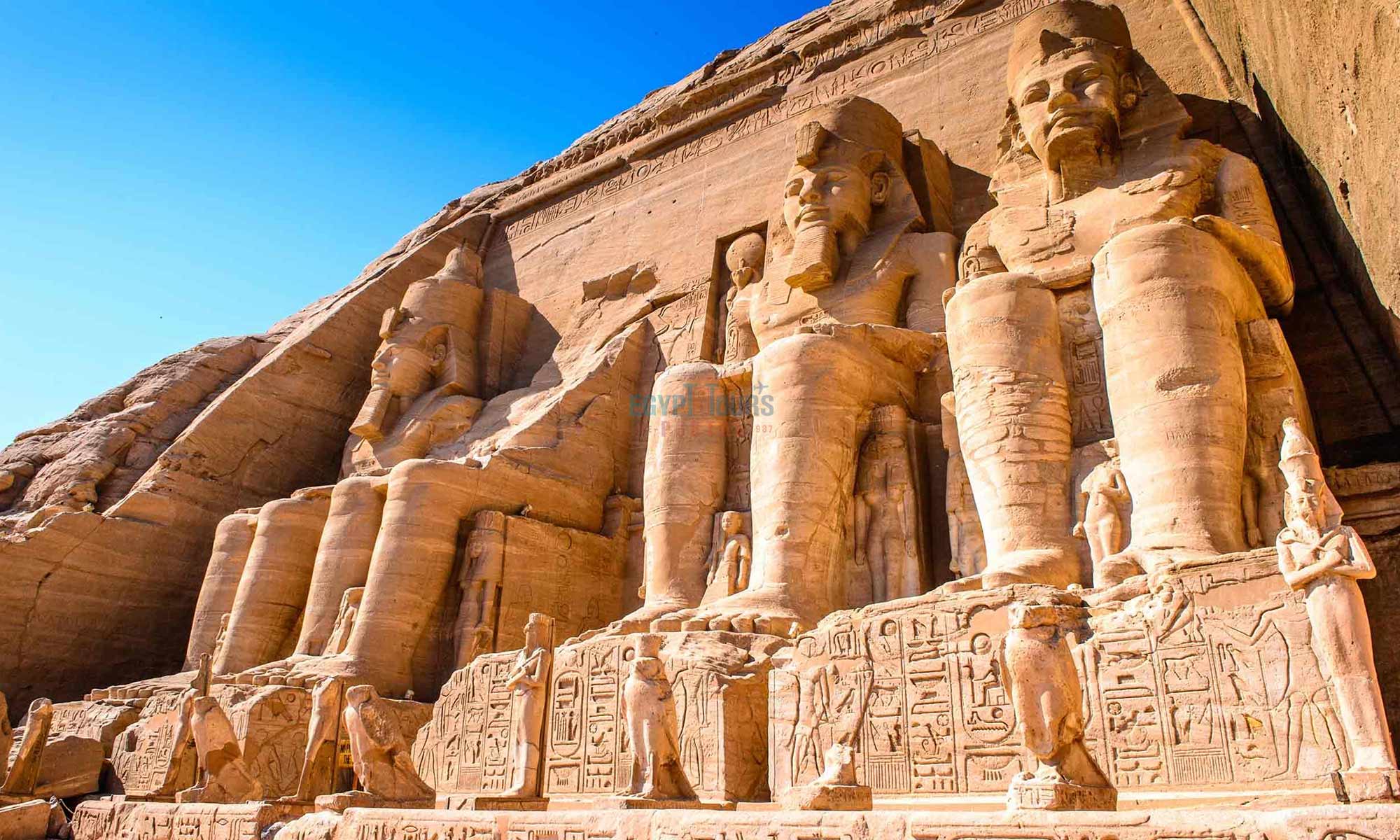
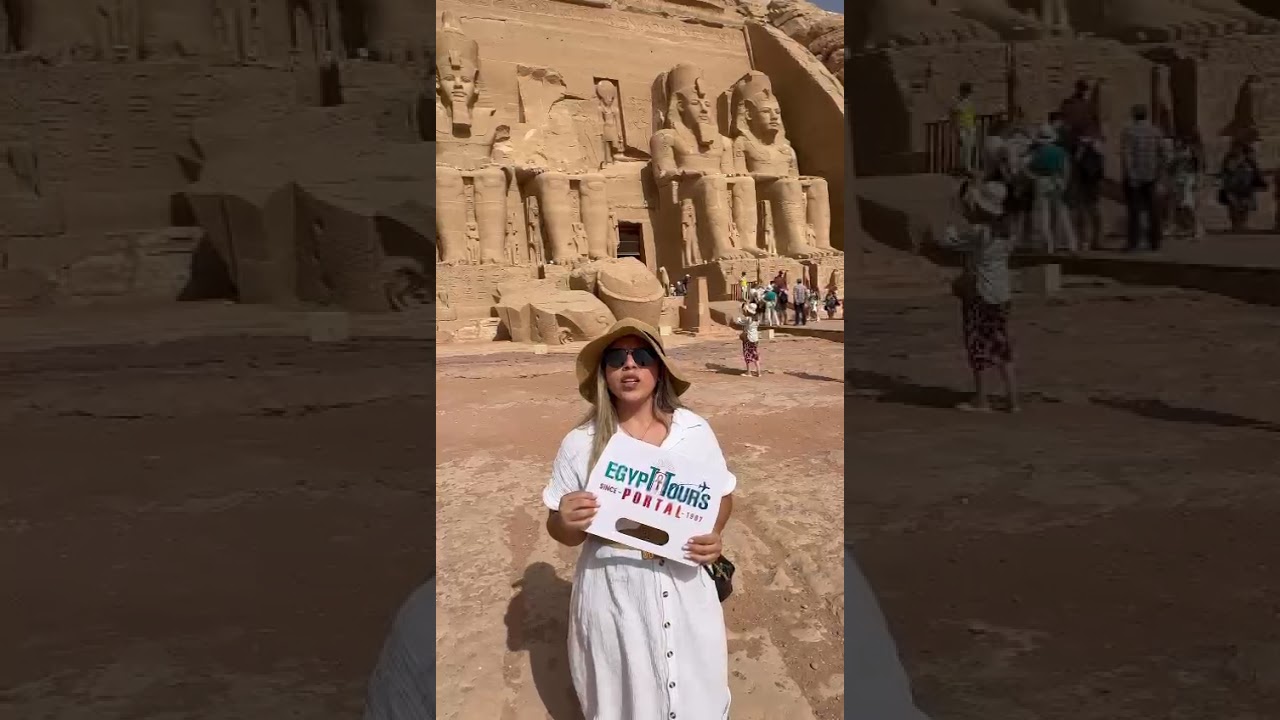
Beyond the standard stops, a group with an extra day or two might add Abu Simbel, the twin temples built by Ramesses II roughly 230 kilometers south of Aswan, reachable by a roughly three-hour road convoy departing around 4 a.m. or a shorter flight, with a day trip from Aswan typically starting around $75.
Splitting the cost of this kind of add-on excursion is often easier and cheaper per person within a group than booking it solo, one more reason a Nile cruise suits a group of friends particularly well. Full details on getting there sit in the Abu Simbel tours guide.
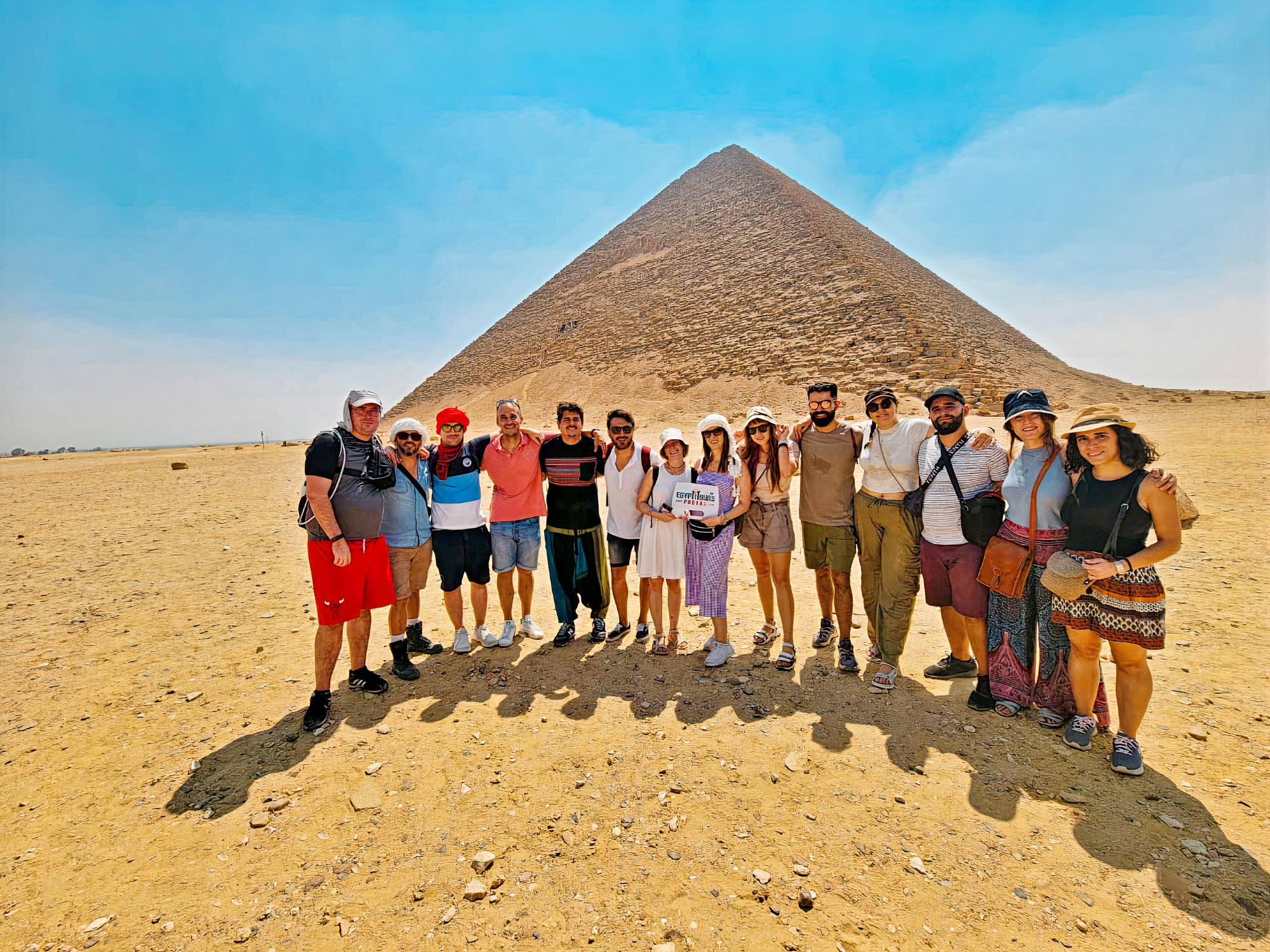
How to Enjoy A Perfect Vacation in Egypt With Friends
An Egyptian adventure awaits you and your friends. We'll explore how to make your Egyptian vacation a thrilling group experience.
Pack Light, Comfortable Clothing and Shoes

A Nile cruise genuinely calls for three different dress codes rather than one, and packing for a group trip works best when everyone knows this before the suitcase gets zipped. Daytime life onboard is casual: shorts, T-shirts, and sandals cover the sun deck and pool, though a light cover-up over swimwear is expected when moving through the dining room or reception.
Dinner service expects a smarter standard, particularly on gala or captain's dinner nights, with collared shirts and trousers for men and a dress or smart separates with covered shoulders for women.
Shore excursions are stricter still. Loose, knee-length or longer bottoms with sleeves covering the shoulders are the safest baseline at Karnak, the Valley of the Kings, and every other active site on the itinerary, since sleeveless tops and shorts are generally turned away regardless of the heat.
Breathable cotton or linen in light colors, white, beige, pale blue, handles Upper Egypt's dry heat far better than dark synthetics. Closed-toe, broken-in walking shoes matter more than sandals at sites with uneven stone or loose gravel, and a wide-brimmed hat, sunglasses, and high-SPF sunscreen belong in the day bag rather than the suitcase. The full packing breakdown, clothing, health precautions, and what to bring for every stage of the trip, is covered in the guide on what to pack for a Nile cruise.
For a group specifically, packing light is worth agreeing on collectively rather than individually, since most mid-range and luxury ships offer onboard laundry service for a fee, a practical way for everyone to travel with a smaller suitcase across a week-long sailing rather than a full outfit for every day.
A lightweight scarf, packed in the day bag, covers both an unexpected dress-code requirement and any mosque added to the itinerary, where covered arms, long pants, and a headscarf for women are generally expected.
Bring Plenty of Egyptian Pounds

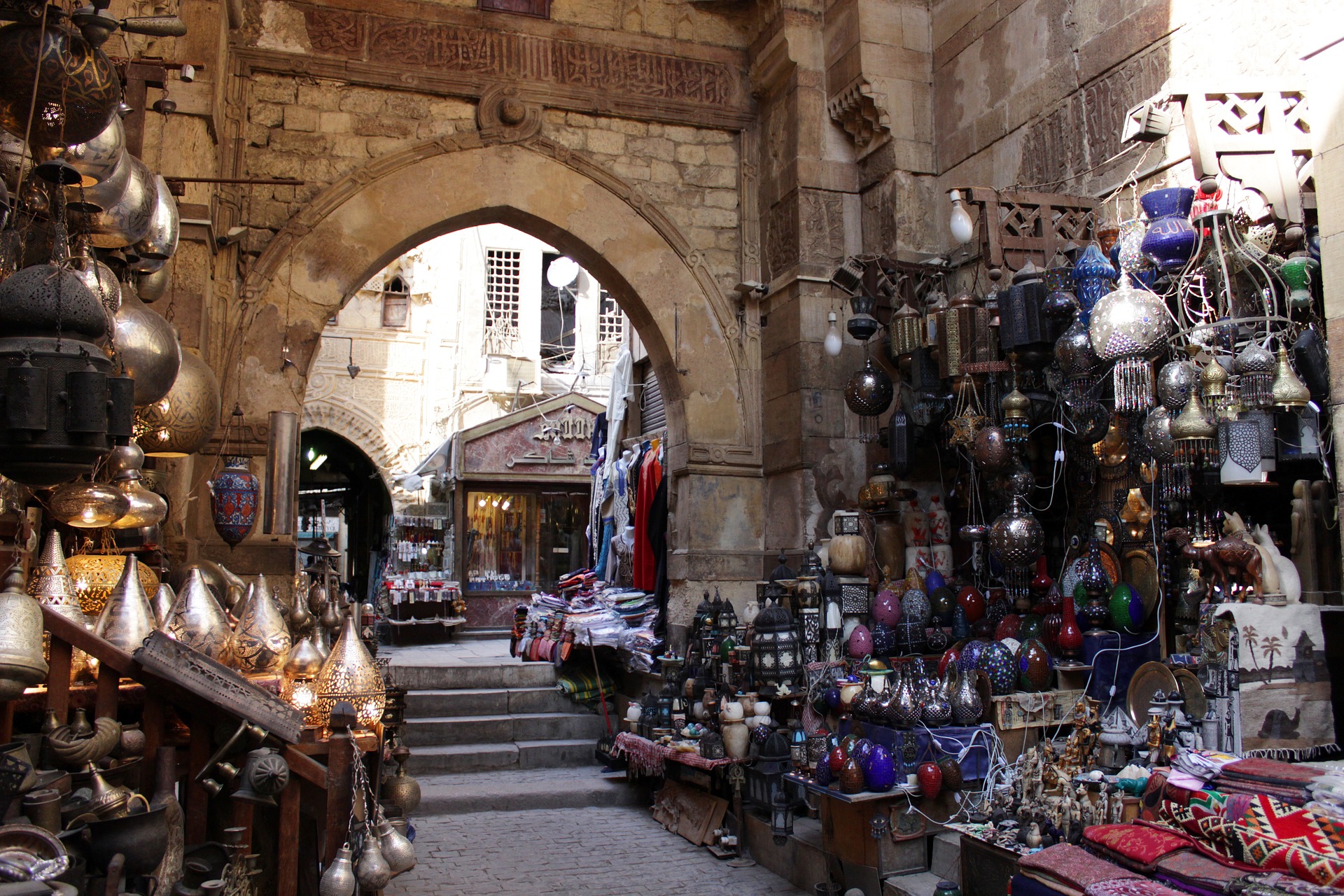
Cash still runs most of daily life on a Nile cruise, and a group should plan for this together rather than each person figuring it out separately mid-trip. The Egyptian pound (EGP) trades at roughly 50 to 51 EGP to $1 USD, and while major hotels and some shops accept cards, markets, small vendors, and most tipping situations are cash-only.
ATMs are available in Luxor, Aswan, and Cairo, generally the most reliable way to get local currency at a fair rate, and withdrawing in smaller denominations avoids the common problem of a 200 EGP note that a small vendor or tuk-tuk driver cannot break.
Gratuities are one of the most consistent cash expenses on any Nile cruise and are worth budgeting for as a group before departure: roughly $5 to $10 per person per night for the shared crew kitty, $10 to $15 per day for the guide, $3 to $5 per day for the driver shared across the group, and $1 per bag for porters.
A felucca captain typically expects $5 to $10 per group or around $10 per hour, and informal helpers at temple sites, such as someone pointing out a good photo angle, generally expect 20 to 50 EGP. The full breakdown of who to tip and how much sits in the guide to tipping in Egypt onboard a nile cruise, and the essential trip information guide covers currency, ATMs, and other logistics worth settling as a group before the trip starts.
Splitting costs within the group is where a little planning goes a long way. A private guide runs roughly $30 to $100 per day for guide-only service, or $40 to $155 per person for a full day with a driver included, both figures that become noticeably more reasonable once divided across four or five friends rather than paid solo.
The same logic applies to a felucca charter or a shared taxi between sites not covered by the group excursion; agreeing on a simple system, a shared cash kitty or a running tally on a phone, before the trip avoids the awkwardness of splitting bills at every single stop.
Don't Forget to Pack Your Camera

Egypt's 2022 photography decree allows personal cameras and tripods free of charge in public places, with commercial or professional equipment requiring a separate permit, and flash photography is prohibited indoors at tombs and museums to protect the ancient pigments still visible on many walls. A standard camera or phone covers virtually everything a group needs for this trip, and no special paperwork is required for casual, non-commercial photography at any of the standard stops.
Drones are a near-total exception. Egypt's Law No. 216 of 2017 bans drone use almost entirely, tourists cannot obtain a permit, and a drone found at customs is typically confiscated on arrival, so this is one piece of gear better left at home entirely rather than risked.
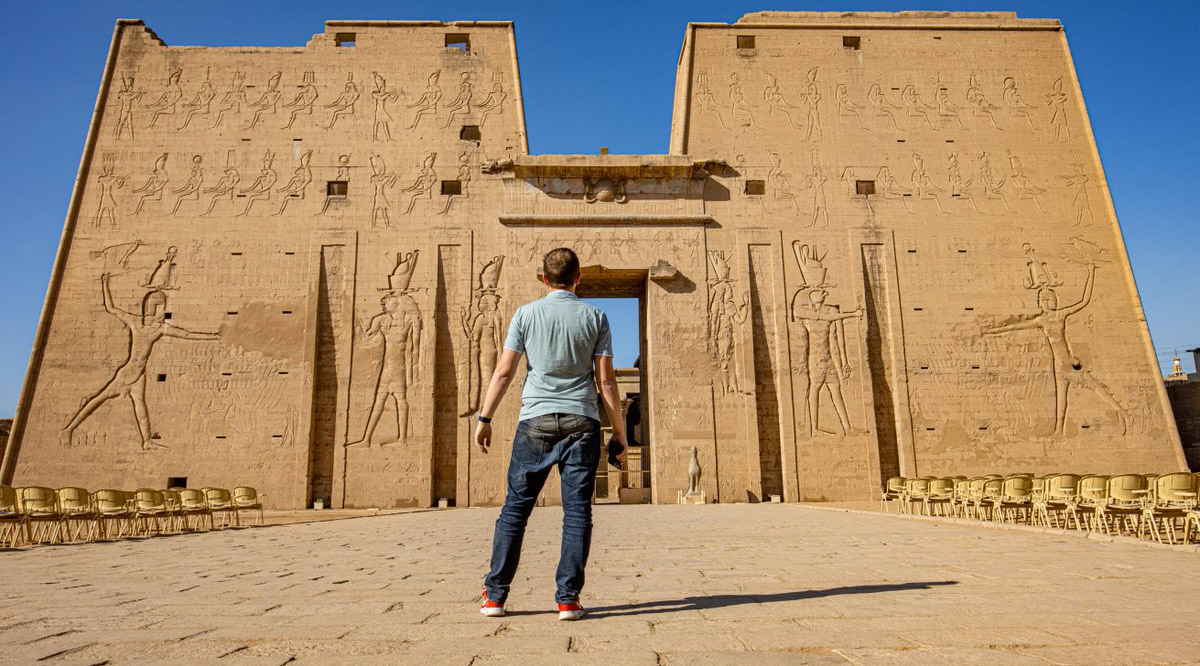
For a group that wants genuinely good photos rather than just snapshots, timing matters more than equipment. Luxor Temple and Karnak photograph best in the early morning or at blue hour, before the day's crowds and heat set in; the Valley of the Kings and Edfu Temple are similarly best visited early; Kom Ombo suits a sunset visit; and Philae Temple works well either in the morning or late afternoon.
The Colossi of Memnon, two 18-meter seated statues facing east, make one of the best sunrise subjects on the West Bank. A small tripod, a basic ND filter for the harsh midday sun, and a phone or camera's daylight white balance setting (roughly 5500K) cover most of what a group needs for consistent shots across the week.
Splitting up photo duty within the group, one person handling the wide shots, another the candids, keeps everyone actually present at each site rather than heads-down through a whole excursion, and produces a far better shared album by the end of the week than any one person's phone alone would.
Be Prepared to Relax and Enjoy the Experience

The itinerary itself does a fair amount of the relaxing for a group automatically. A Nile cruise sails overnight between stops, meaning the ship becomes one unpacked hotel room for the length of the trip rather than a new check-in every night, and long stretches of river between temples exist specifically for the sun deck rather than for anything scheduled.
Watching feluccas, palm groves, and riverside villages drift past at an unhurried pace remains one of the most consistently mentioned highlights of the entire trip, and it is a genuinely different kind of experience shared with friends than taken in alone.
A group should resist the urge to fill every free hour with an extra activity. Between the scheduled excursions, an afternoon on the sun deck, a game brought from home, or simply conversation over a drink does more for the trip's overall feel than a packed schedule does, and most ships build in exactly this kind of unstructured time between stops for that reason. The pace picks back up naturally each time the ship docks and the next excursion begins.
Additional Tips for Enjoying Your Nile Cruise With Friends

A handful of smaller habits make a real difference to how a group trip actually feels day to day. Agree on a rough pace before the trip starts, since not every friend in the group will want to see every optional add-on or linger equally long at every site; deciding in advance which excursions are mandatory-group and which are opt-in avoids friction mid-trip. Splitting shared costs transparently, a private guide, a felucca charter, a round of drinks, keeps money from becoming an undercurrent of tension on an otherwise relaxed week.
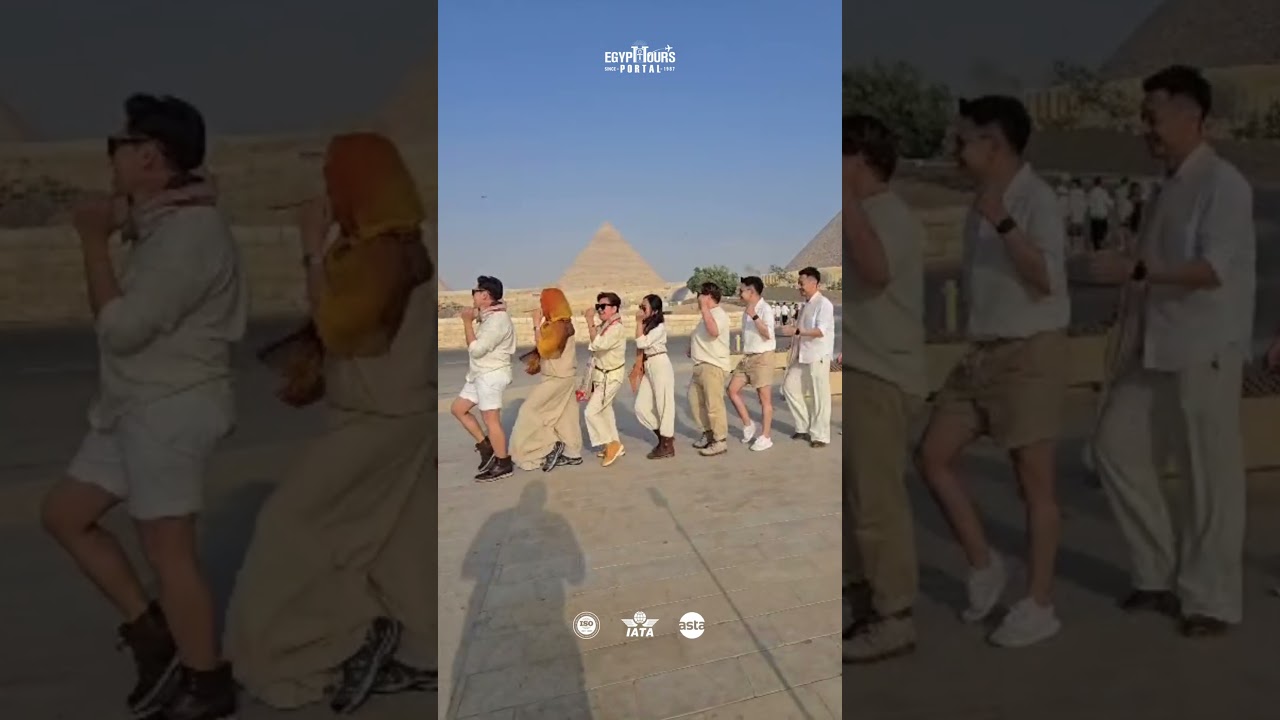
Most ships schedule at least one Galabeya party during a multi-night sailing, where passengers and crew dress in traditional Egyptian clothing for an evening of music and dancing, and it is consistently one of the best shared moments for a group of friends specifically, easy, inexpensive traditional outfits bought onboard or at a market stop, and a genuinely fun, low-effort group activity. A Tanoura show, a Sufi spinning dance performance, is another common evening feature worth attending together rather than splitting off individually.
The Esna Lock produces one of the more memorable shared moments of any Nile cruise: small rowboats operated by local merchants approach the ship mid-transit and toss plastic-wrapped galabeyas and tablecloths up to the passenger decks, sometimes four floors above the water, for an impromptu round of shouted price negotiation.
It is worth experiencing together even for friends with no intention of buying anything, since unwanted items can simply be tossed back down with no obligation to purchase. Valuables are better left understated throughout the trip; flashy jewelry and a visible stack of cash draw the wrong kind of attention in a crowded market or at a busy dock, covered in more depth in the guide to the do's and don'ts of Egypt.
Finally, confirming the group's total trip length and Cairo add-on days before booking avoids a last-minute scramble; a standard trip combining a Nile cruise with a few nights in Cairo runs somewhere between 8 and 12 days depending on how much time is spent in each city, worth settling as a group early rather than after cabins are already booked.
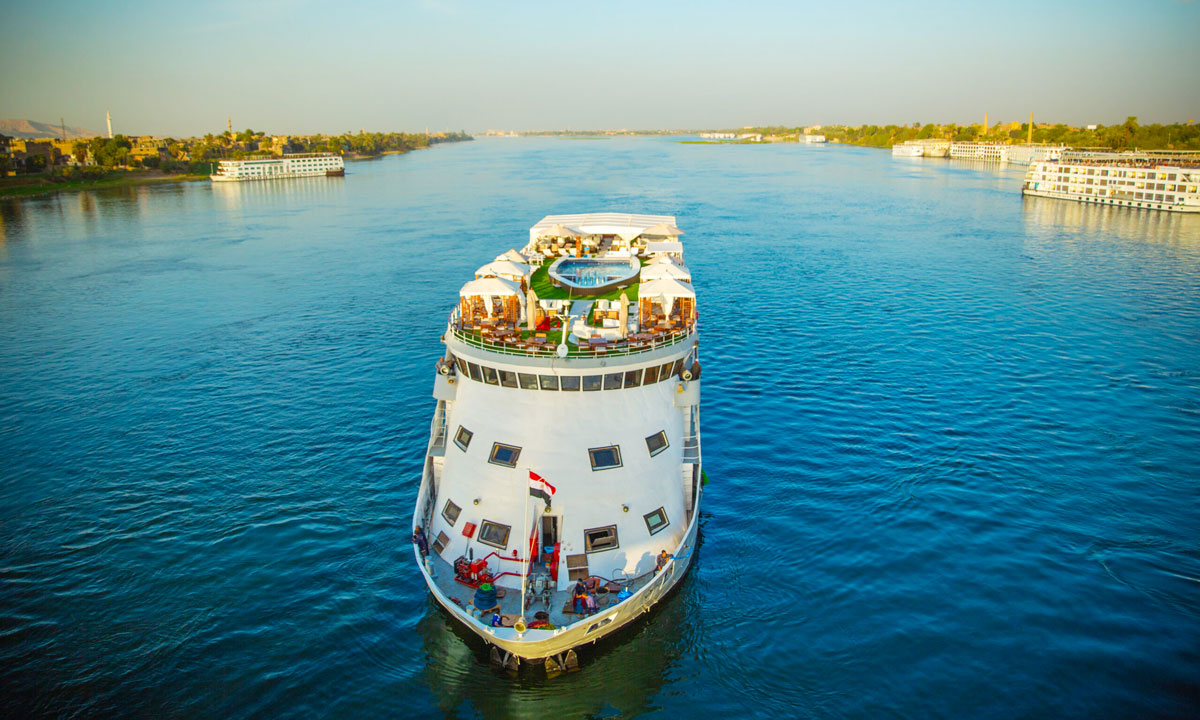
Tips to Enjoy the Most Out of Your Nile Cruise
Here are the top 20 Nile cruise travel tips include what to pack, how to choose, and the best time for a Nile cruise, read more
Create Amazing Moments With Your Friends On a Magical Nile Cruise Trip
None of what makes a Nile cruise work well for a group of friends requires elaborate planning, mostly the right cabin configuration, a shared understanding of pace and budget, and a willingness to let the river itself set the tempo for a few days.
Shared sunsets from the sun deck, a galabeya party that becomes the trip's inside joke, and temples that have stood for three thousand years are simply better experienced with people who already know the traveler well.
Explore our various Nile River Cruises and compare luxury Nile cruises for a smaller-group option, plus discover our Egypt vacations for the best travel experience ever among friends.