
Summary
- A Nile cruise centers on major temples, including Karnak, the Valley of the Kings, Edfu, Kom Ombo, and Philae, spanning roughly two thousand years of ancient Egyptian history.
- Licensed Egyptologist guides, required by Egyptian law at major sites, typically stay with the same group for the entire cruise rather than rotating at each stop.
- Ships fall into standard, deluxe, and luxury tiers, ranging from about $150 to $900+ per night, with cabin size and onboard facilities scaling accordingly.
- Dining is served buffet-style with Egyptian dishes like koshari, molokhia, and Umm Ali alongside international options, and many ships add a Galabeya party or folklore show for cultural entertainment.
- Wildlife along the route includes kingfishers, egrets, and riverside livestock, though Nile crocodiles are confined to Lake Nasser, well south of the standard cruise route.
A Nile cruise packs an unusual amount of wonder and thrill into a single trip: ancient temples in Luxor and Aswan that have stood for over three thousand years, a slow-moving river landscape that barely changes from one century to the next, and a floating hotel handling the logistics in between. Few journeys let a traveler stand inside a temple built for a pharaoh in the morning and watch the same Nile River drift past from a sun deck lounger by afternoon.
This article walks through exactly what that experience involves: the historic sites on a typical itinerary, the river scenery itself, the guides who bring the history to life, the level of comfort available at each cruise tier, the food served on board, the cultural entertainment most ships offer, and the wildlife visible along the banks. Together, these seven elements make up almost everything a first-time Nile cruise traveler needs to know before booking.
Historic Sites and Temples to See During a Nile Cruise

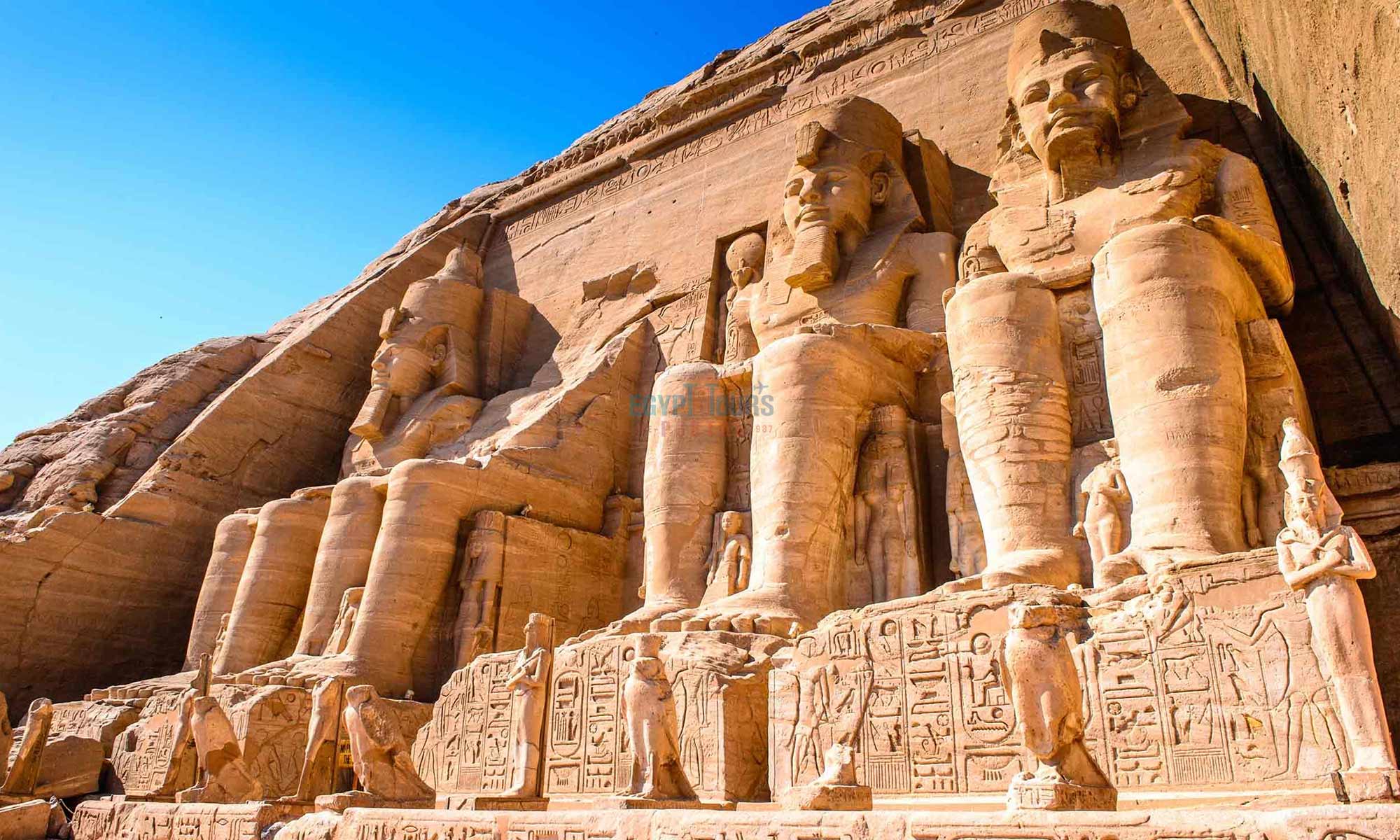
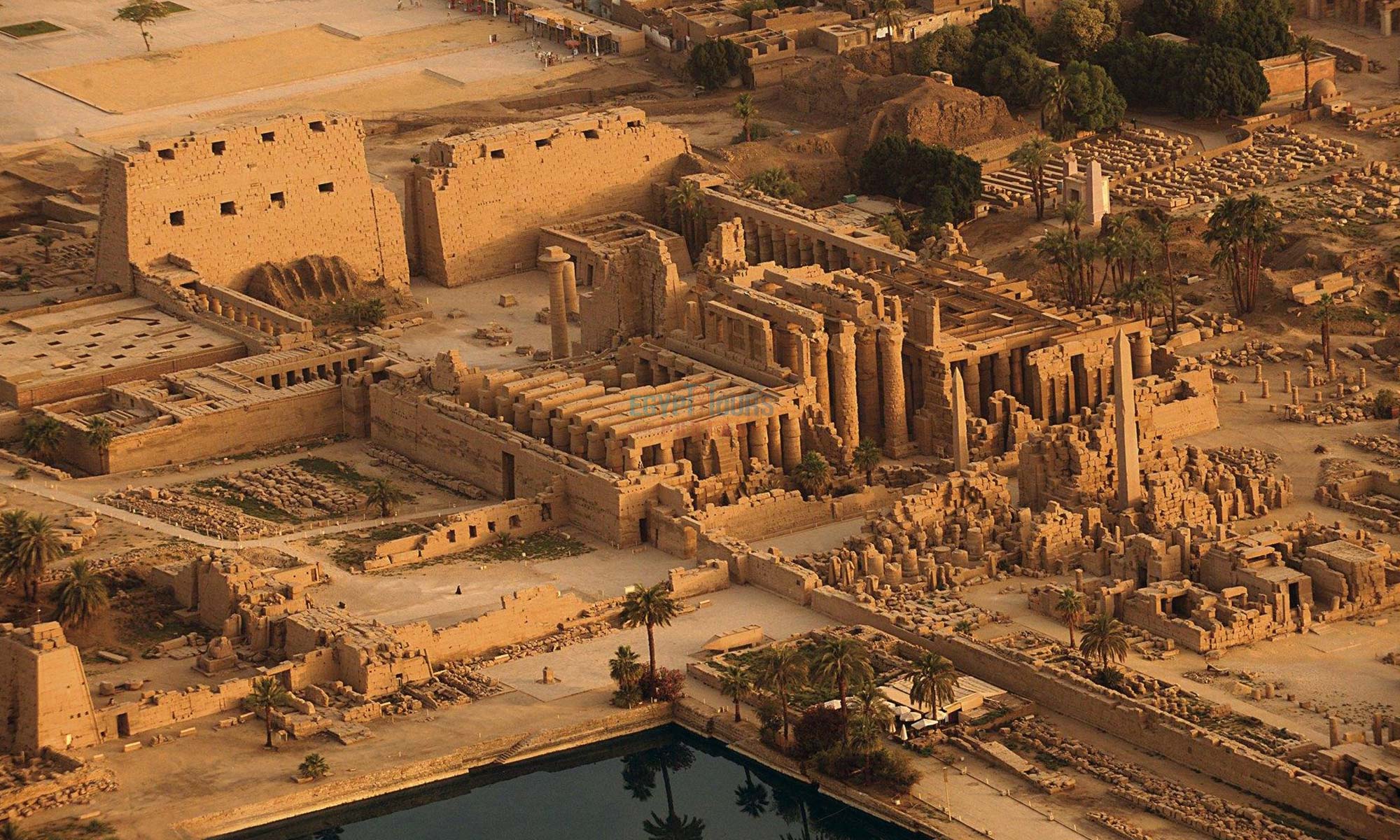
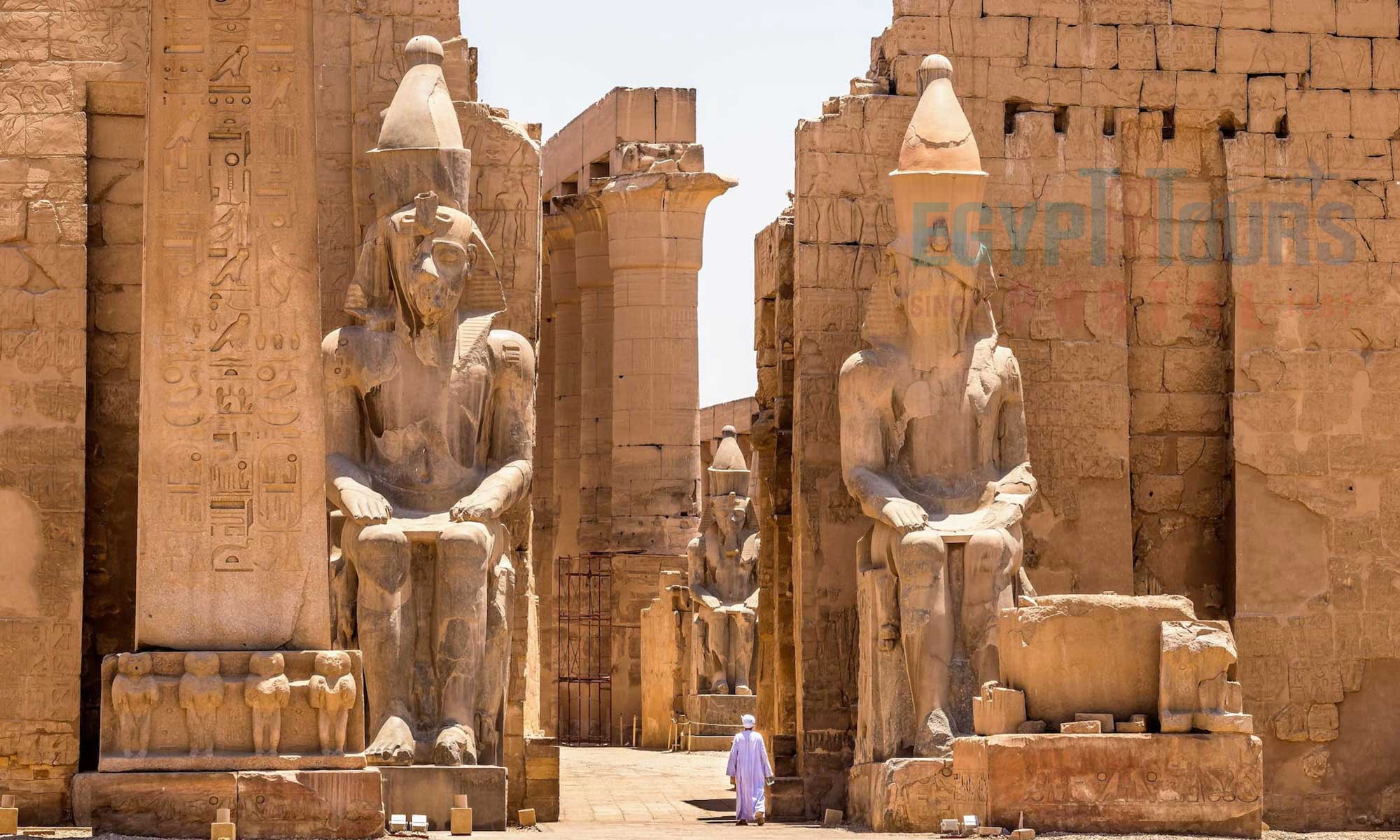
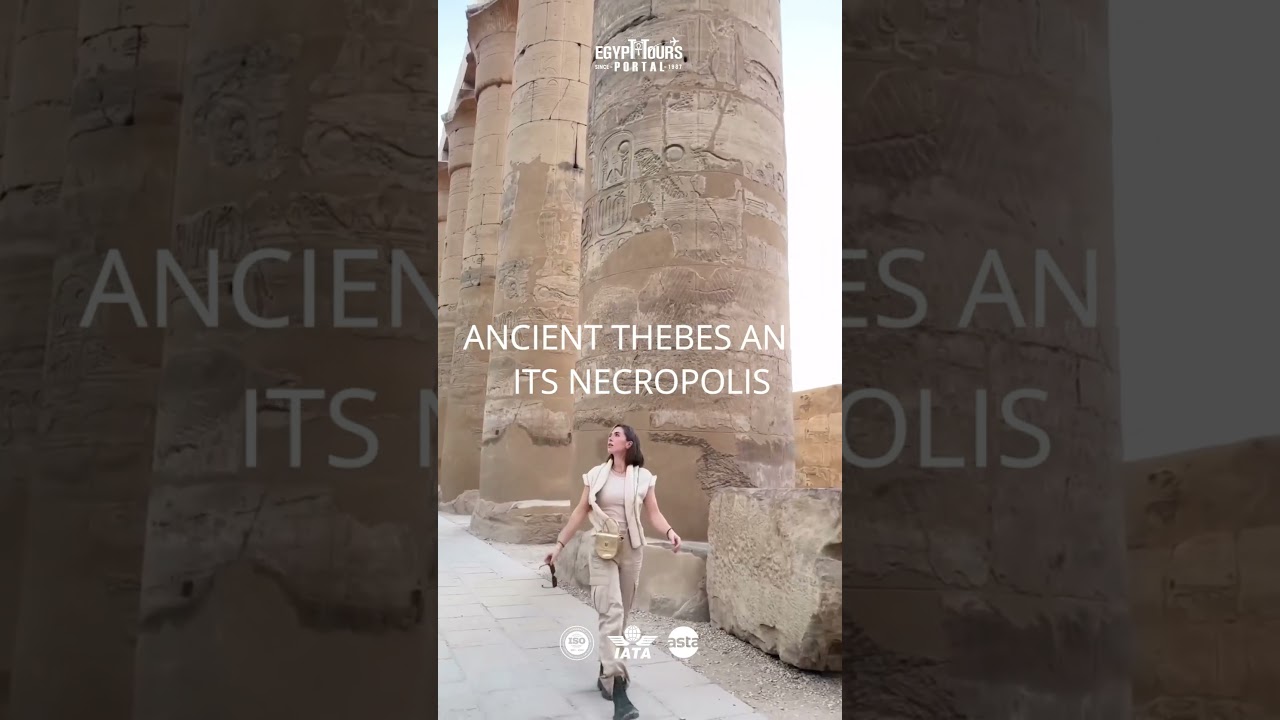
The temples are the anchor of almost every Nile cruise itinerary, and a handful of them account for most of the sightseeing time on the classic route between Luxor and Aswan. Karnak Temple, the largest religious complex built in ancient Egypt and expanded by more than thirty pharaohs over almost two thousand years, includes a Great Hypostyle Hall of 134 massive columns, the tallest reaching roughly 21 meters, built primarily under Seti I and completed by Ramesses II, the same pharaoh behind the rock-cut temples at Abu Simbel further south. Luxor Temple, closer to the city center on the Nile's east bank, was once linked to Karnak by the Avenue of Sphinxes, a 2.7-kilometer processional road lined with ram- and human-headed statues that was fully excavated and reopened to visitors in November 2021 after decades of restoration work.
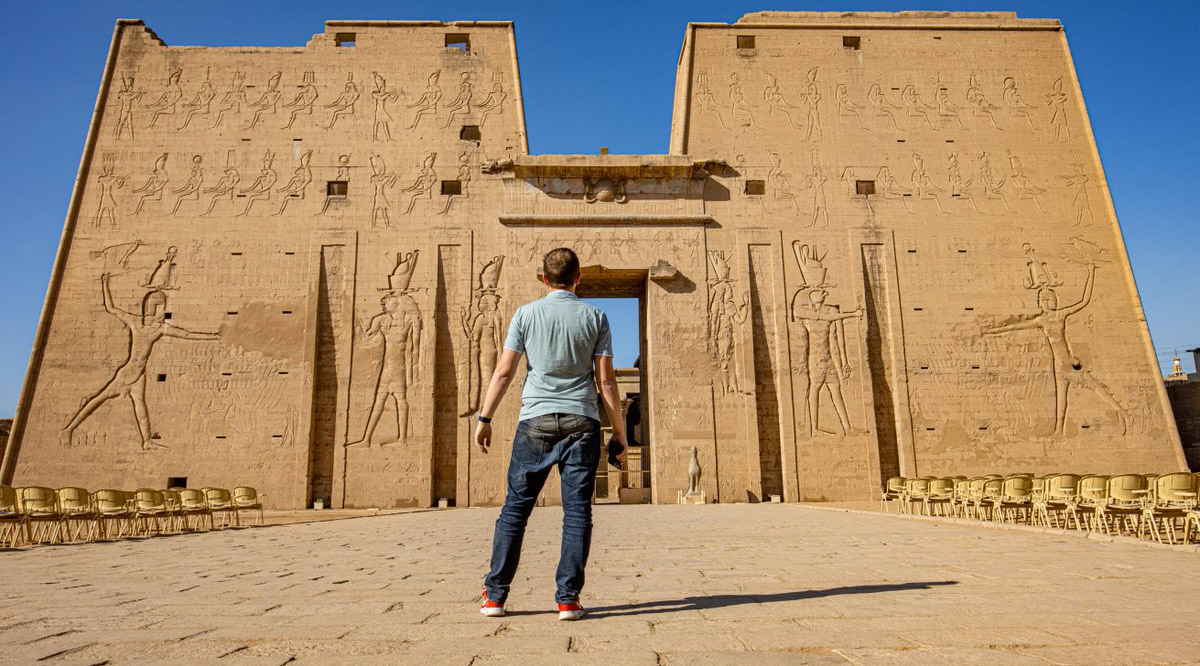
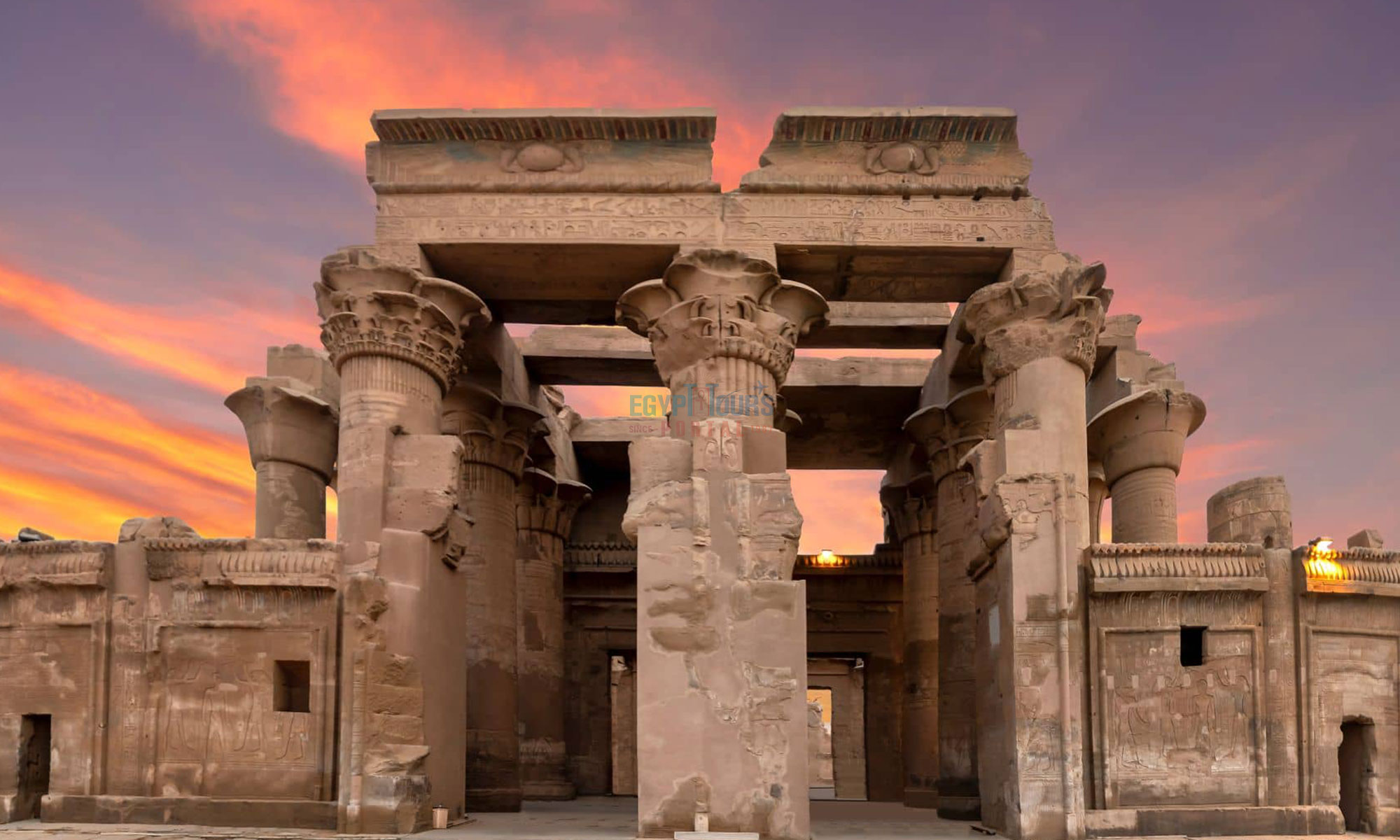
Directly across the river from central Luxor, the Valley of the Kings is cut into the same Theban hills that shape the West Bank skyline, with more than 60 tombs identified so far, including the intact tomb of Tutankhamun, discovered by British archaeologist Howard Carter in November 1922 after years of searching financed by Lord Carnarvon. Sailing south from Luxor, most itineraries then stop at Edfu Temple, dedicated to the falcon god Horus and considered one of the best-preserved temples from the Ptolemaic period largely because desert sand buried and protected it for centuries before nineteenth-century excavation, and Kom Ombo Temple, an unusual double temple honoring both Horus and the crocodile god Sobek in a perfectly mirrored, symmetrical design, begun under Ptolemy VI Philometor around 180 BCE.
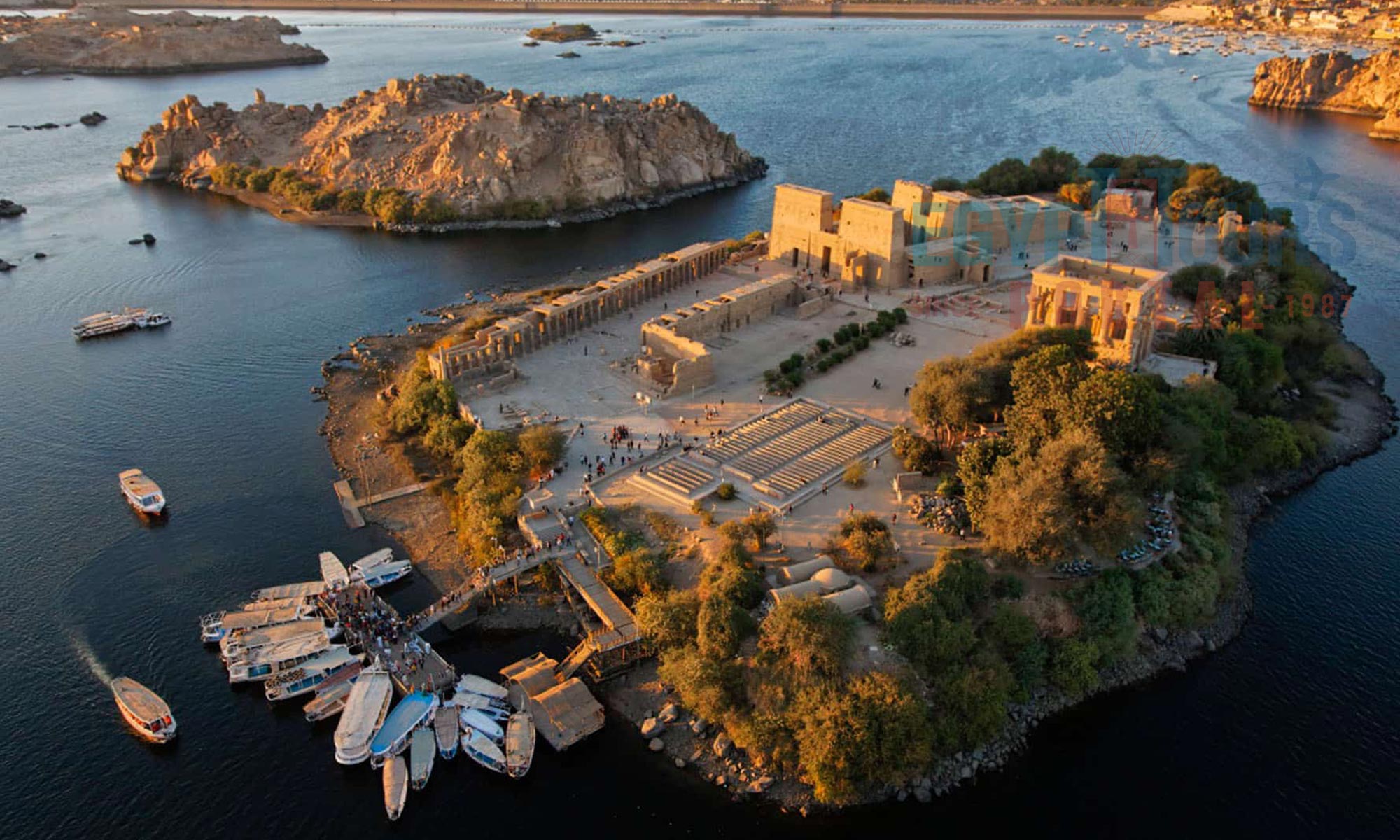
The route typically ends near Aswan at Philae Temple, dedicated to the goddess Isis and relocated block by numbered block to Agilkia Island in a UNESCO-led rescue project during the 1960s and 1970s after the Aswan High Dam threatened to submerge its original site. Between them, these sites span roughly two thousand years of ancient Egyptian building, from the New Kingdom through the Ptolemaic era, and a good guide will point out exactly how the architectural style shifts across that stretch of history.

Best Places to See During Your Nile River Cruise
The Nile River cruise offers scenic views and historical experiences. Discover the best ancient sites to see during your Nile cruise.
Scenic River Views of a Nile Cruise Across Upper Egypt

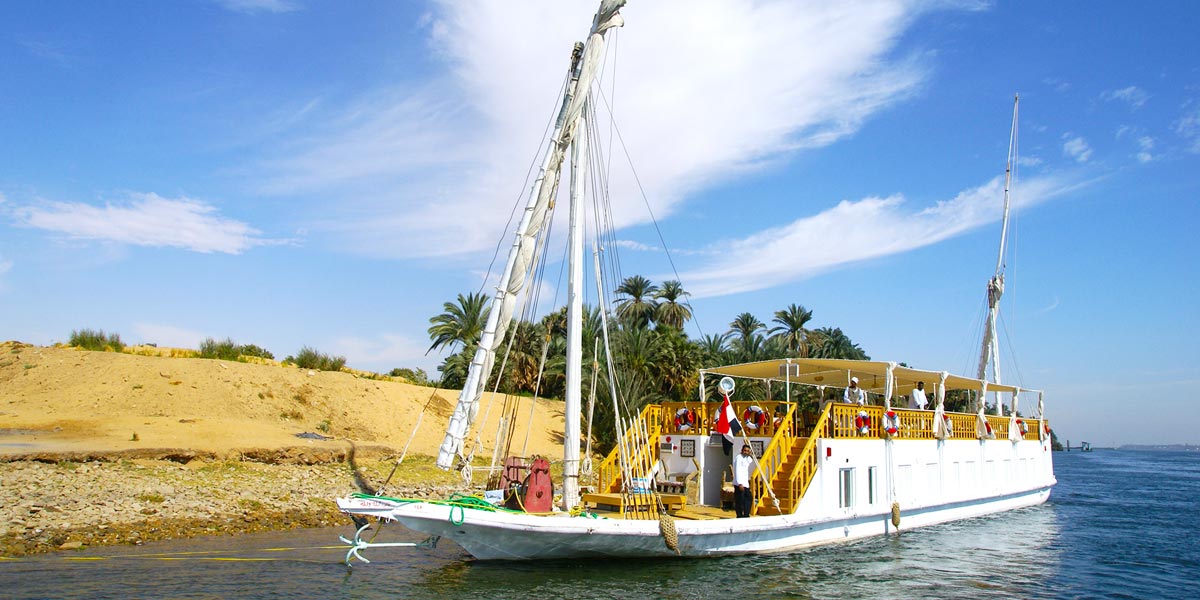
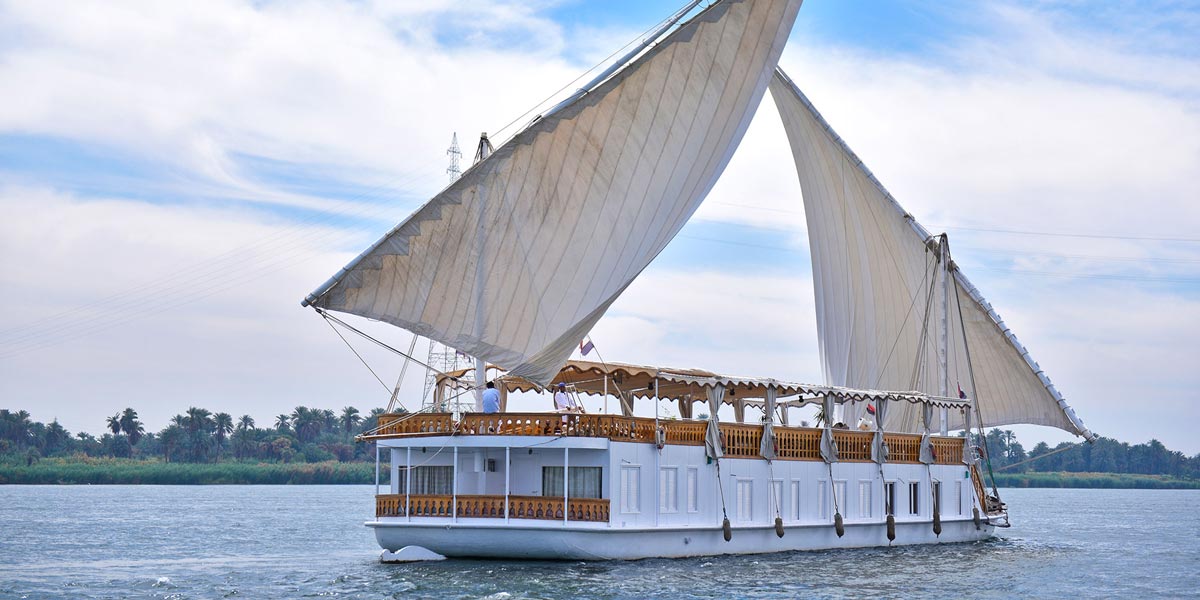
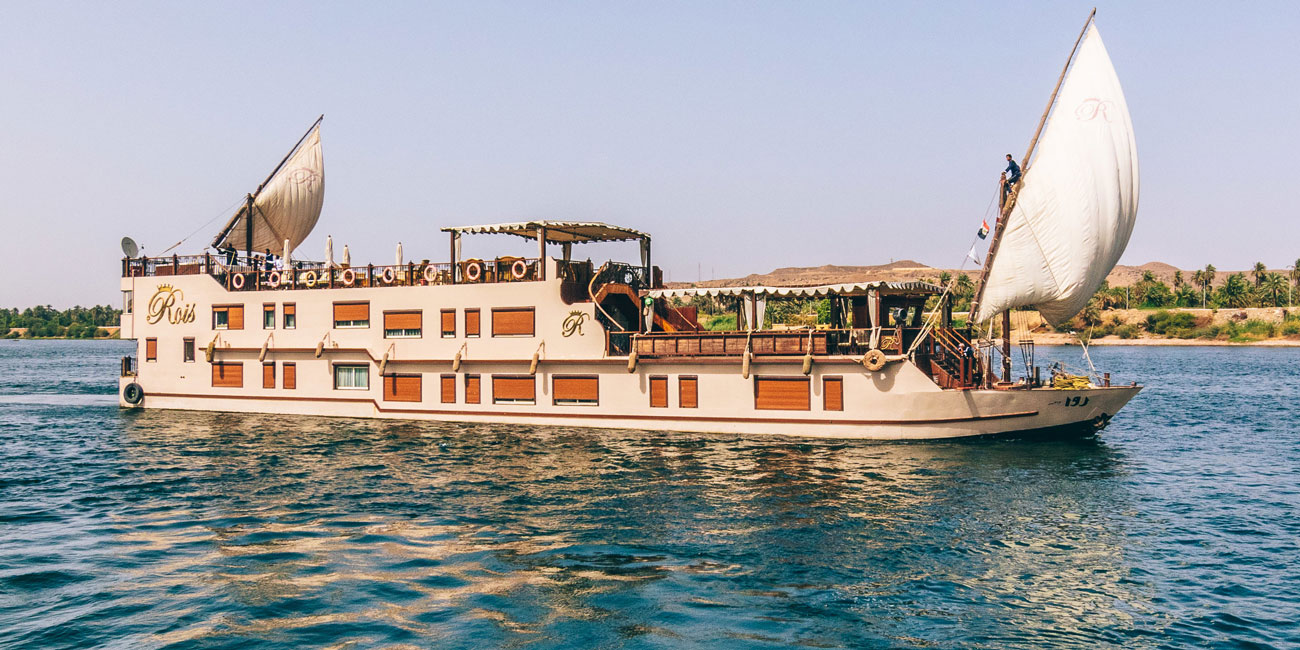
Between the temple stops, the river itself becomes the main attraction. The Nile's banks shift steadily from dense palm groves to small mud-brick villages to bare desert cliffs, particularly around the Theban hills, where the same sandstone that hides the Valley of the Kings rises directly from the cultivated green along the water. Traditional wooden feluccas, still sailed without engines, cross the river constantly and are as much a part of the scenery as the temples themselves; a short felucca ride near Aswan is one of the few ways to experience that same view from the water rather than the ship's deck.
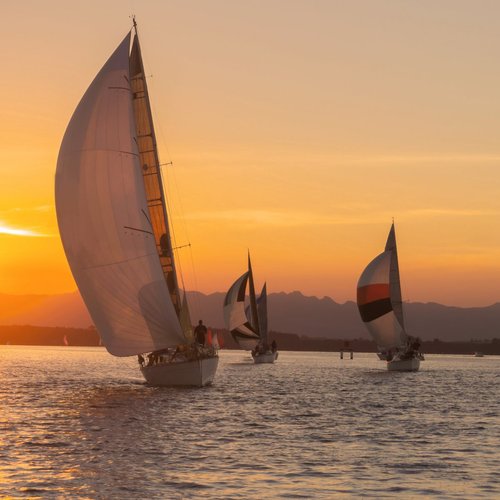
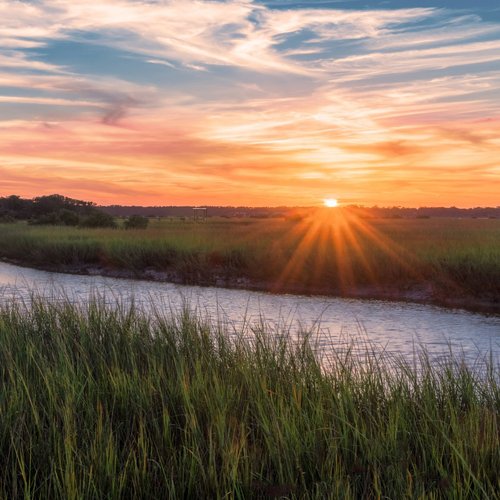
Near Aswan, the river widens and splits around a scatter of granite islands, including Elephantine Island, home to a Nubian village, a small botanical garden, and some of the calmest water on the entire route; more on visiting it is covered in the guide to Elephantine Island. Sunrise and sunset are, by a wide margin, the best times to watch the river from the sun deck, when the light turns the water and the cliffs a deep gold, and the temperature drops enough to make sitting outside comfortable. Ships generally sail during the day and moor overnight, which means most of the river scenery is seen during active daylight hours rather than glimpsed through a cabin window after dark.
Guided Tours and Expert Insights During Nile Cruise

Egyptian law requires a licensed guide, holding a permit issued through the Ministry of Tourism and Antiquities after a university-level tourism or Egyptology qualification and a government exam, to accompany groups at major archaeological sites. Nearly every Nile cruise package includes one such guide assigned to the group for the full itinerary rather than a different local guide at each stop.
These guides, often informally called Egyptologists regardless of their specific academic background, provide the historical context, dynasty names, and mythological detail that turn a stop at Karnak or Kom Ombo from a photo opportunity into an actual understanding of what is being seen, including the kind of site-to-site comparisons, how a Ptolemaic temple like Kom Ombo differs in style from a New Kingdom one like Karnak, that a rotating cast of guides rarely has the chance to make.
Continuity matters here: a guide who travels with the same group for the full three to seven nights can pace explanations to the group's interest and answer follow-up questions about earlier stops, something a rotating set of local guides at each site cannot do as easily. Confirming whether a package includes a dedicated guide throughout, or only local guides at each site, is worth asking before booking.
Luxury and Comfort of Nile River Cruises

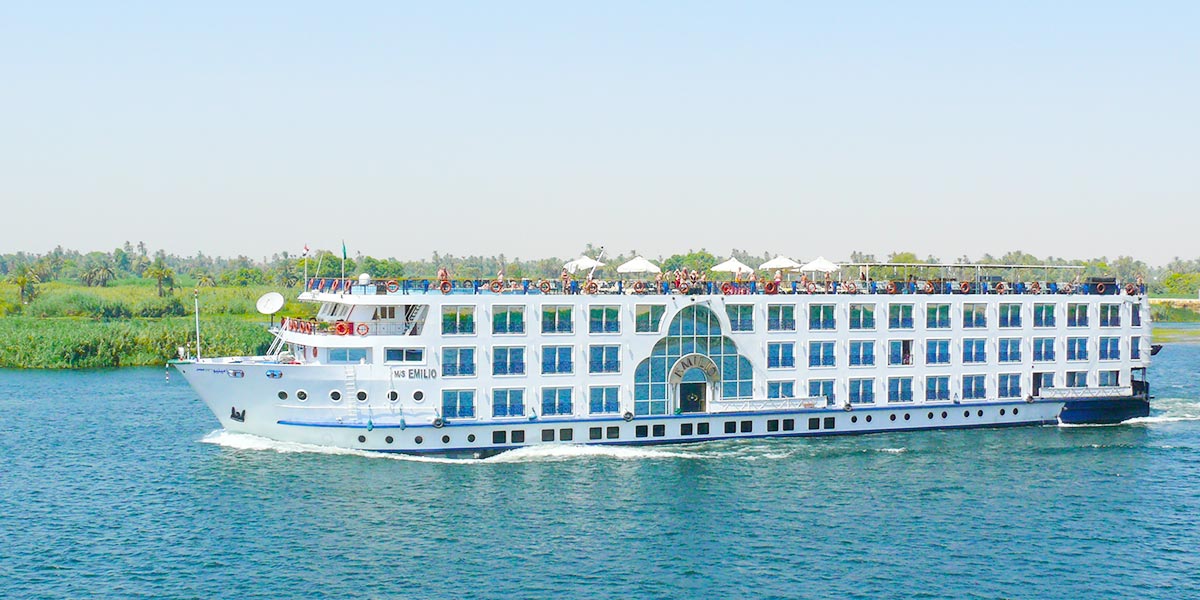
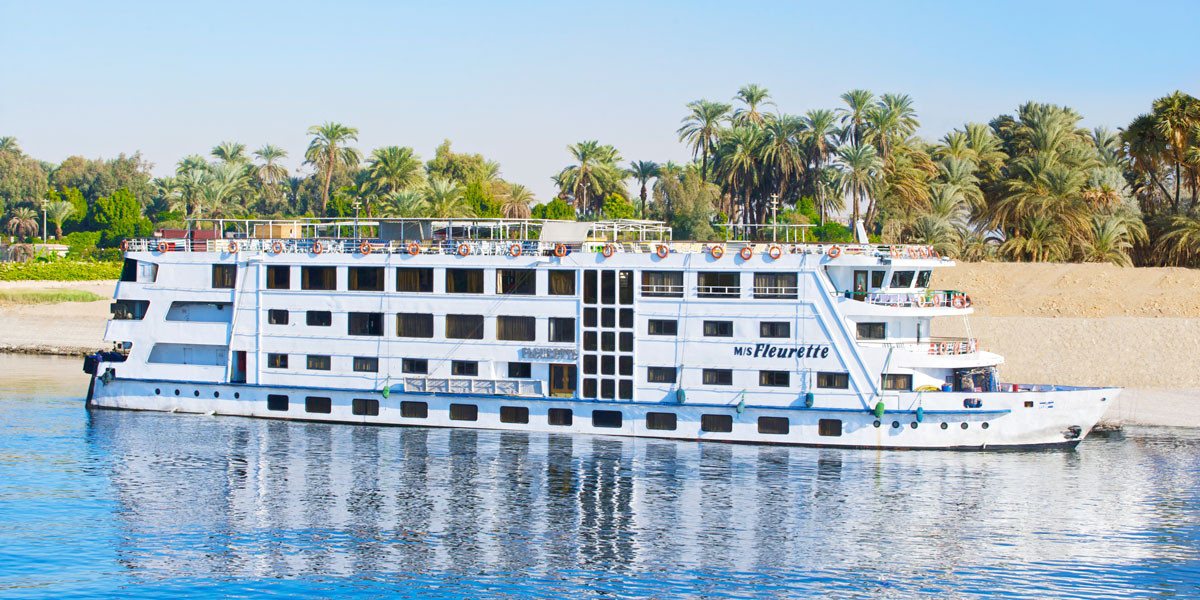
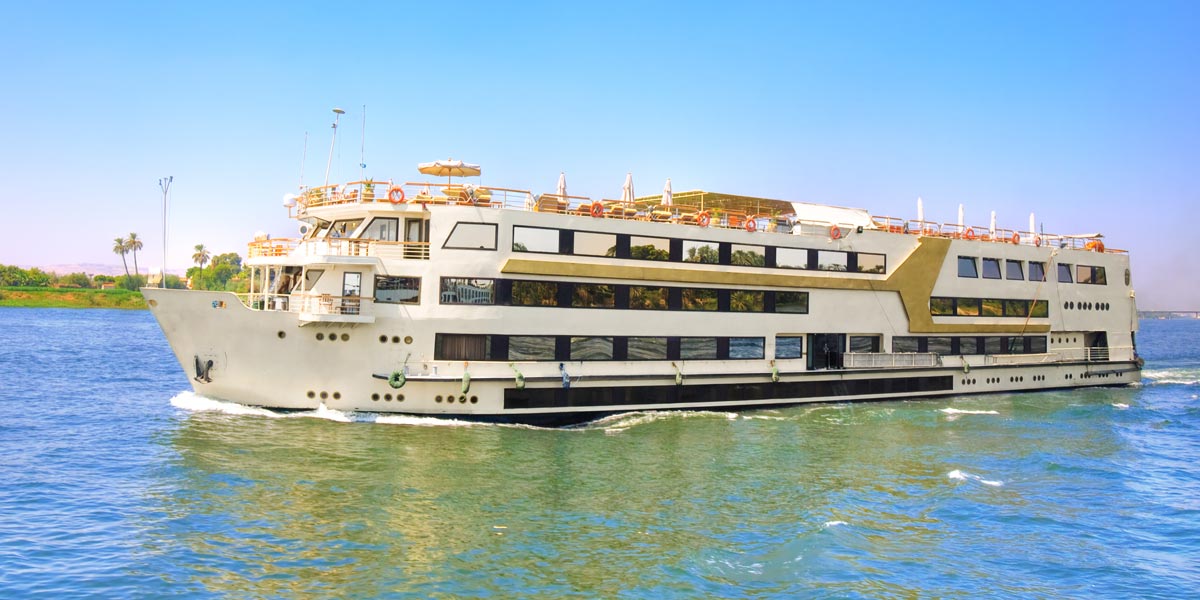
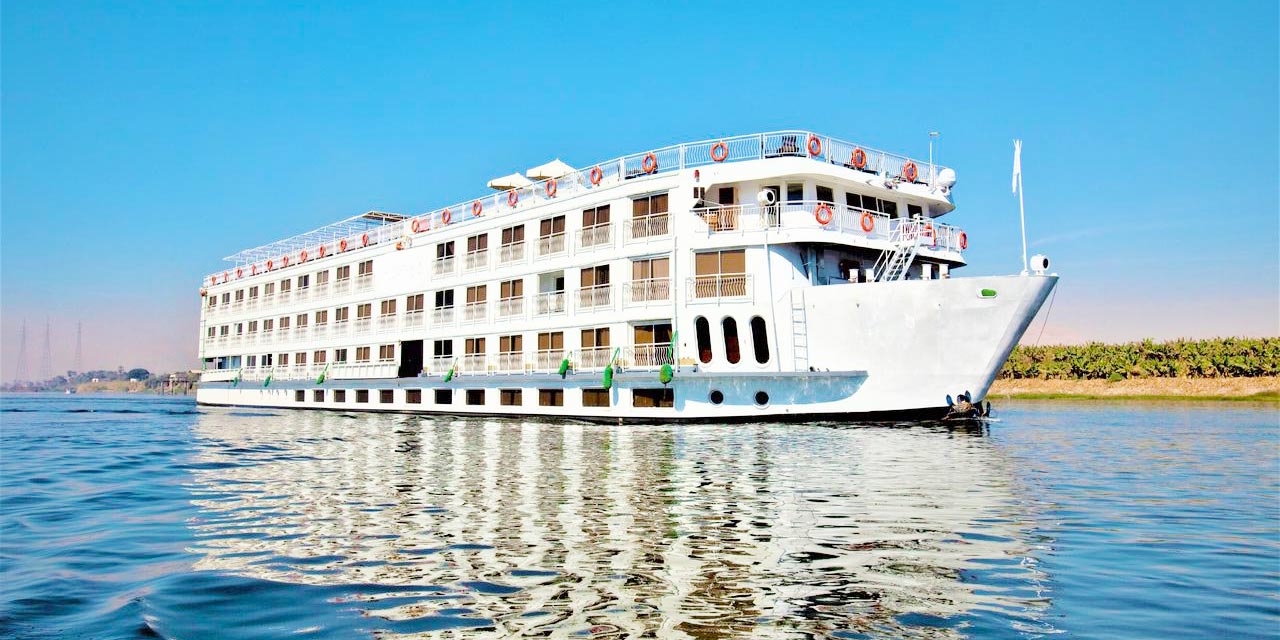
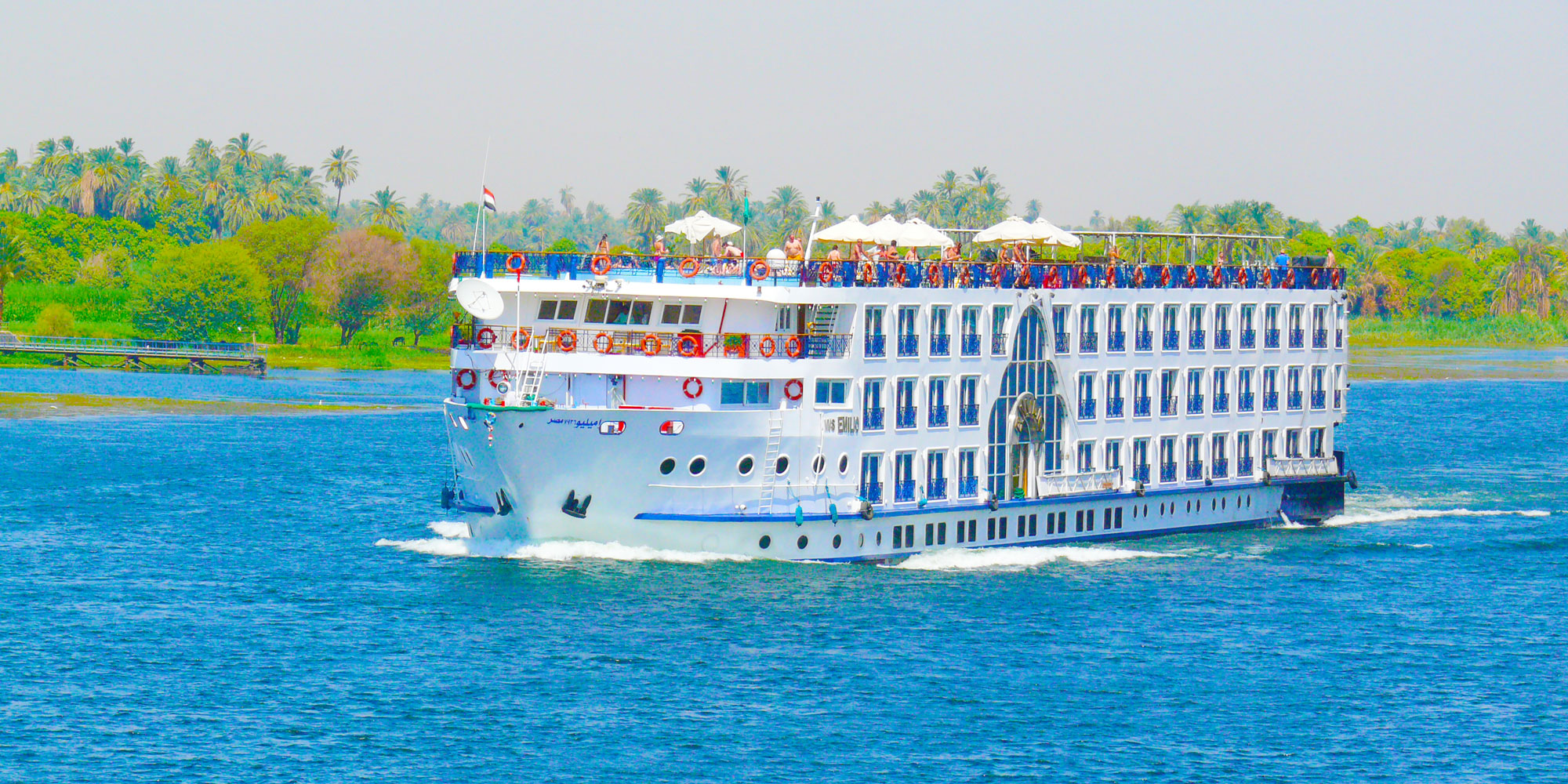
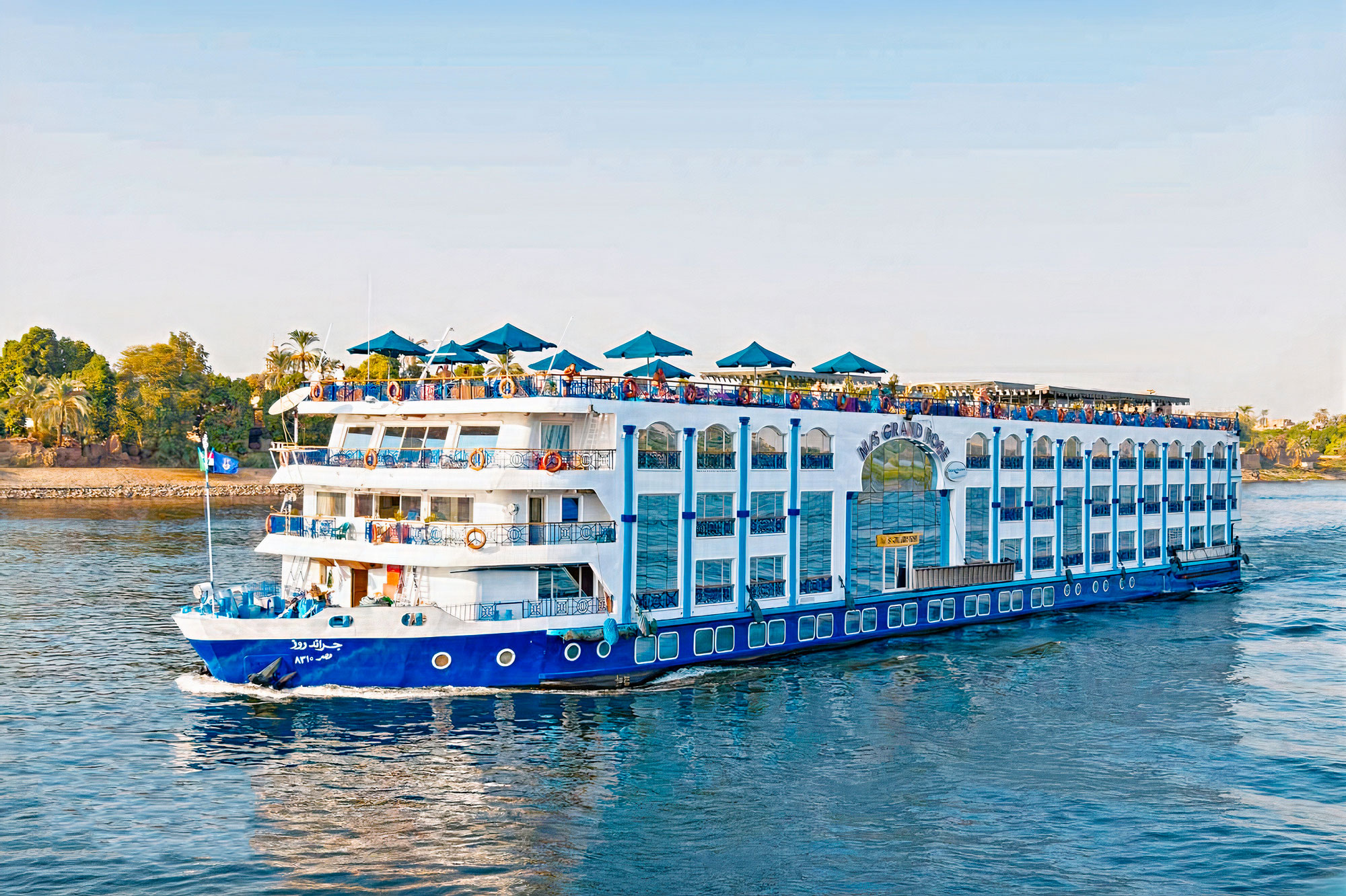
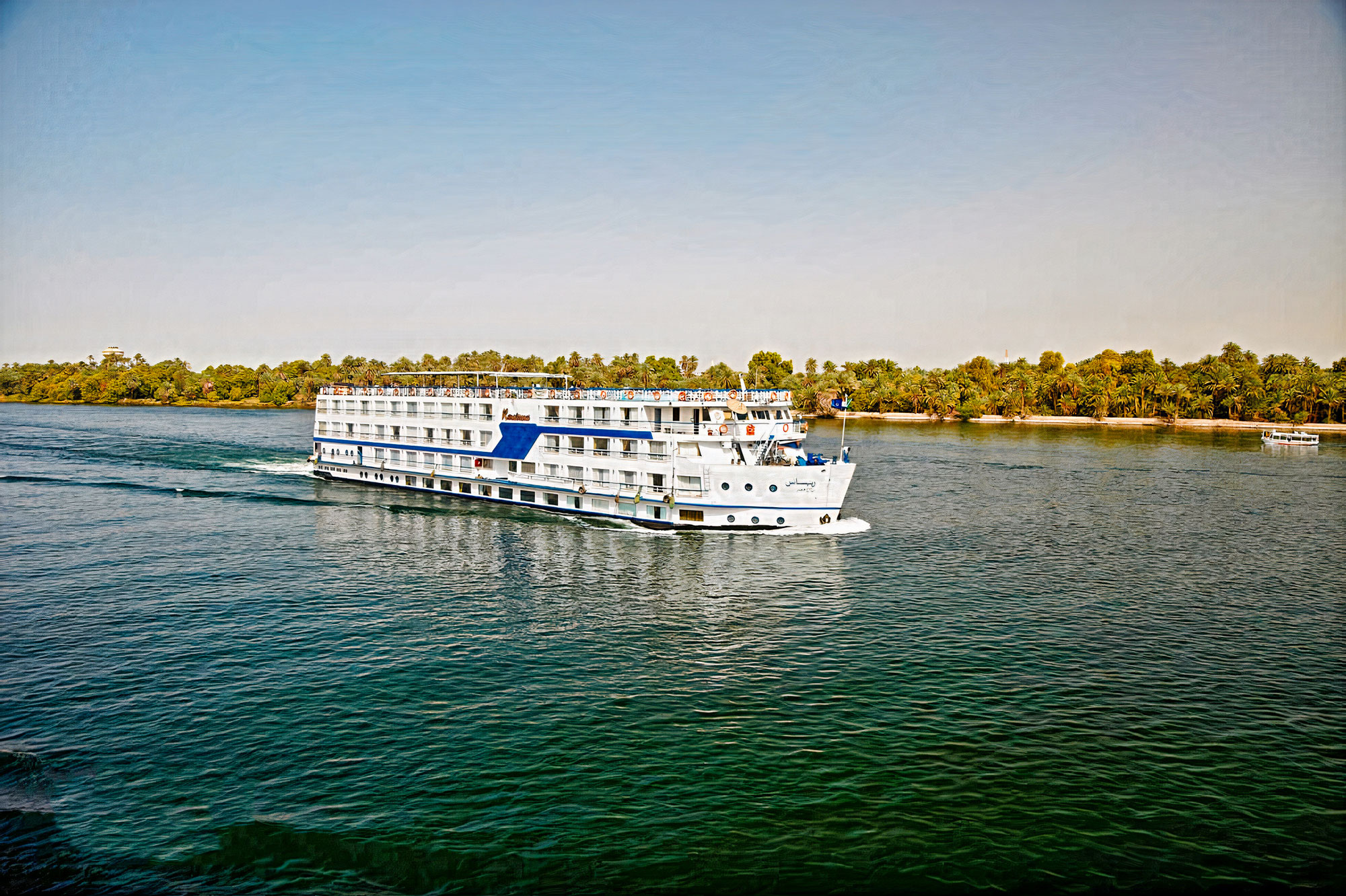
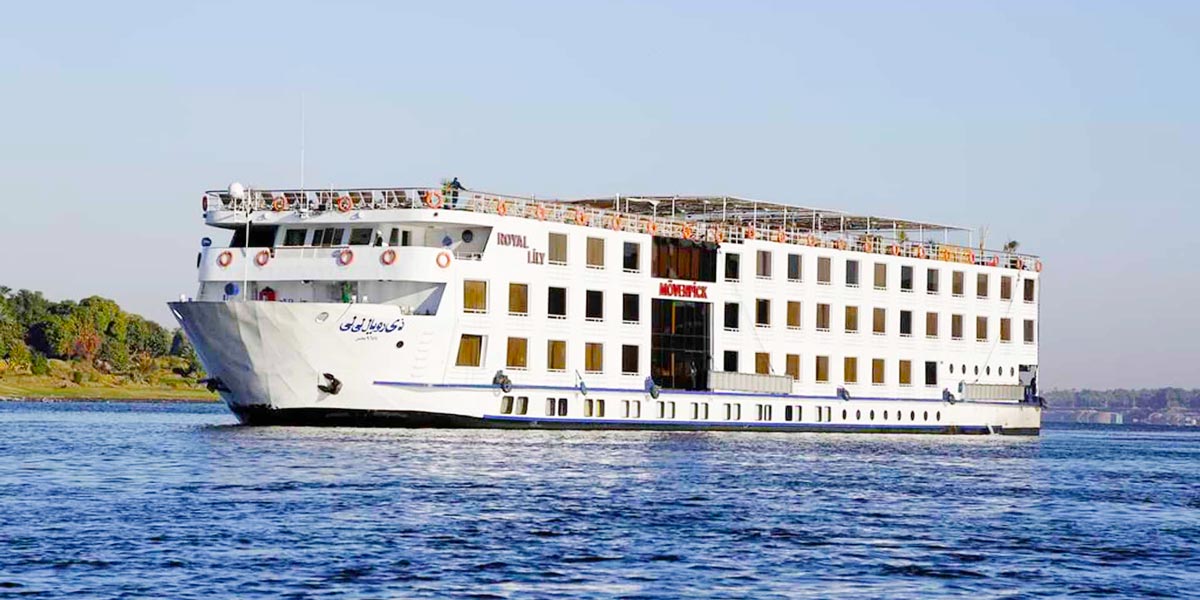
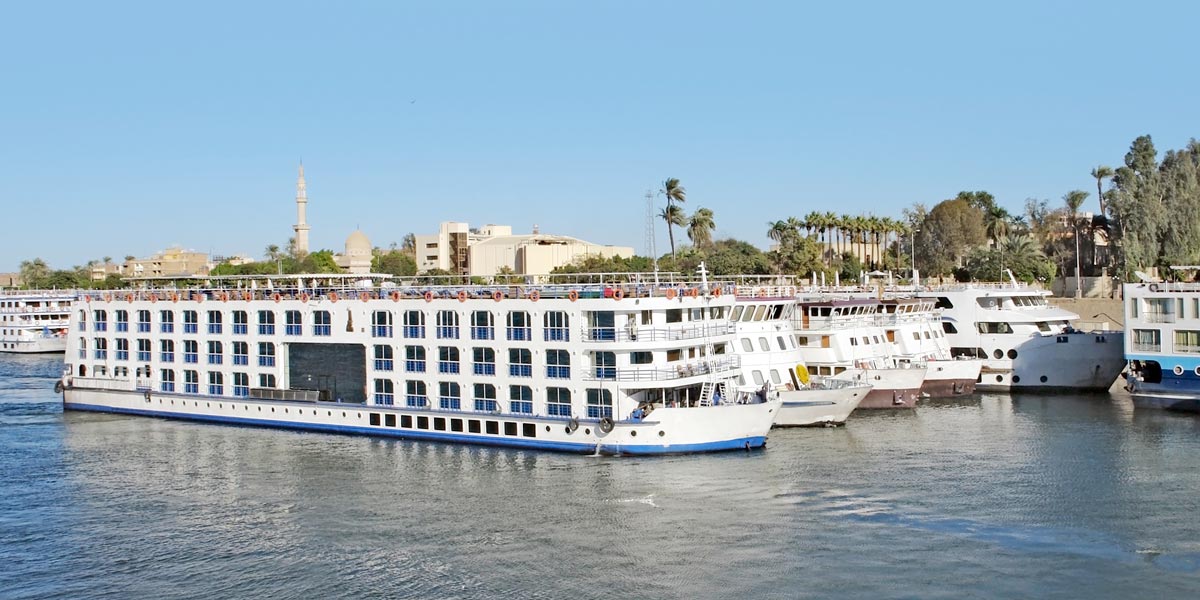
Nile cruise ships fall into three general tiers, and the difference between them shapes most of what daily life on board actually feels like. Standard ships start around $150 per night, with cabins of roughly 15 to 18 square meters, centrally controlled air conditioning, and a straightforward buffet. Deluxe ships, often marketed as five-star, run $180 to $320 per night, with larger 20-to-22-square-meter cabins that usually include a French balcony and a wider international menu.
Luxury ships start at $400 to $900 per night and can reach $1,500 on the most exclusive vessels, offering 30-to-40-square-meter cabins, private balconies, spa services, and smaller excursion groups. A closer comparison of what each tier includes is covered in the guide to the types of Nile river cruises, and the current fleet across all three tiers sits under the Nile River Cruises hub, including the dedicated luxury Nile cruise listings for travelers prioritizing comfort over cost.
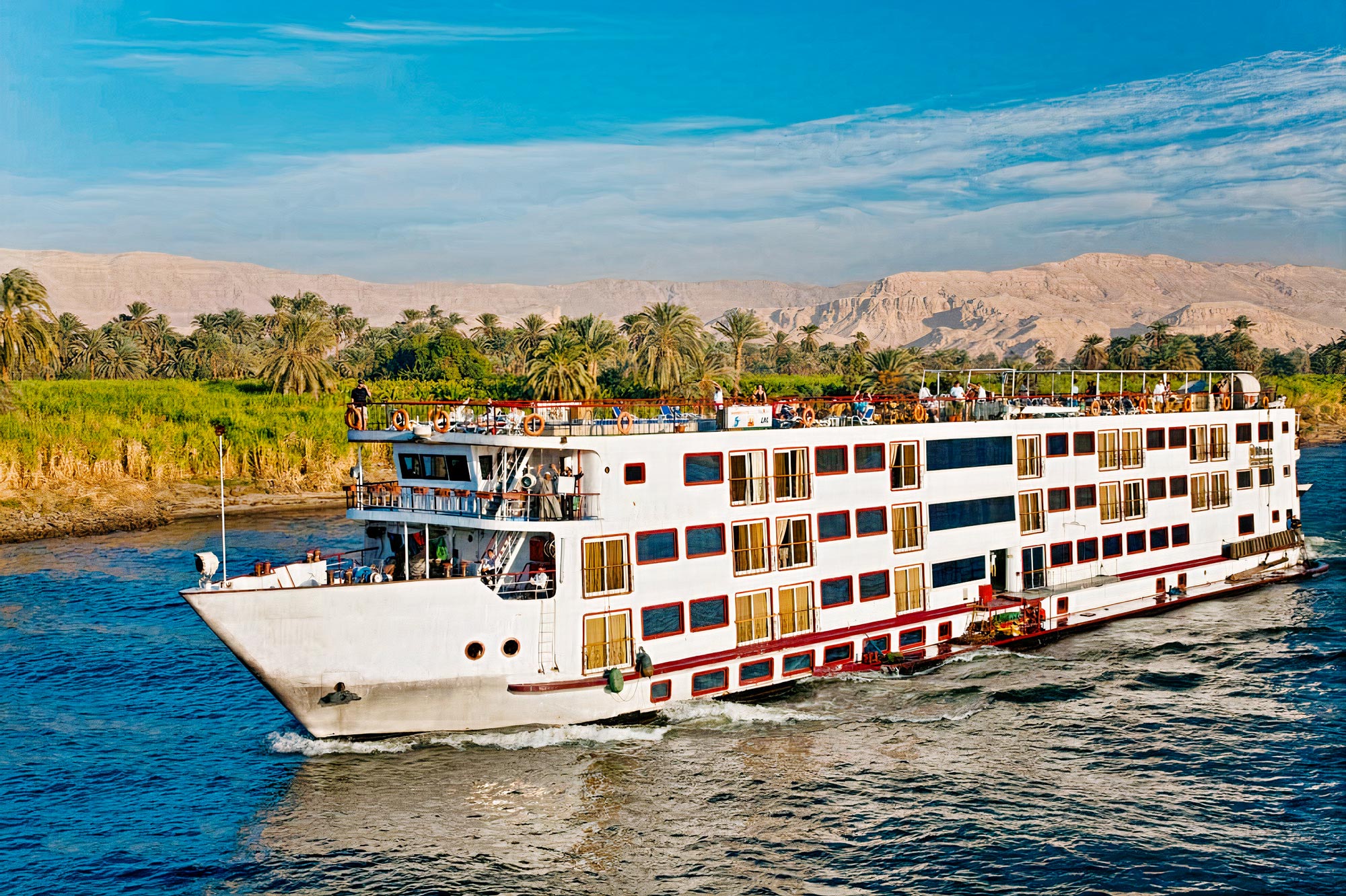
Every tier includes a sun deck, typically with loungers and often a small pool, which functions as the ship's main social space between excursions. Wi-Fi is commonly available in public areas on newer ships, though signal strength can be inconsistent in remote stretches of the river between Luxor and Aswan.

Discover the Facilities and Entertainment Included on Nile Cruises
Explore Nile cruise facilities & entertainment, from luxury cabins to cultural shows, ensuring your journey blends comfort, history, and unforgettable moments.
Exceptional Dining Awaits Onboard a Nile Cruise

Meals aboard a Nile cruise are almost always served buffet-style, mixing Egyptian dishes with international standards so that unfamiliar food is never the only option at a given meal. Common Egyptian dishes include koshari, a layered dish of rice, lentils, and pasta topped with spiced tomato sauce; molokhia, a garlicky green soup; grilled meats and fresh vegetables from the fertile land along the riverbanks; and Umm Ali, a warm bread pudding served for dessert. A closer look at what to expect at each meal, including how dinner service differs on gala nights, is covered in the guide to food and beverage on board Nile cruises.
Dinner tends to be the most elaborate meal of the day, occasionally paired with a themed evening, and most ships can accommodate common dietary restrictions with advance notice, though the range of substitute options narrows on smaller standard-tier ships.
Cultural Experiences Found Onboard a Nile Cruise

Many Nile cruise ships schedule at least one themed cultural evening during a multi-night sailing. The most common is a Galabeya party, where passengers and crew wear traditional Egyptian dress and the evening includes music and informal dancing. Larger ships sometimes add an Egyptian folklore show featuring Tanoura dancers, whose spinning, brightly layered skirts derive from a Sufi-influenced performance tradition, or a Nubian-inspired music evening reflecting the culture of southern Egypt around Aswan, a region also explored directly on shore through the Nubian village tours offered from Aswan.
None of these performances are guaranteed on every ship or every sailing, since programming depends on the vessel and the season, so travelers with a strong interest in a specific cultural evening should confirm the schedule with the cruise line before booking rather than assuming it will be included.
Interaction with Nature and Wildlife Through Nile Cruise

The Nile supports more visible wildlife than its urban stretches through Cairo might suggest. The pied kingfisher, easily identified by its black-and-white plumage and habit of hovering before diving for fish, is one of the most commonly spotted birds along the entire Luxor-to-Aswan route, alongside little egrets, grey herons, and the historically significant African sacred ibis. Along the banks themselves, water buffalo, camels, and donkeys are a regular sight grazing or working small plots of cultivated land, particularly in the stretches between major towns.
One common misconception is worth correcting directly: Nile crocodiles are not found on the Luxor-to-Aswan cruise route. The Aswan High Dam, completed in 1970, effectively blocked crocodile populations from moving north, and the species is now found only from Lake Nasser southward, well beyond where standard Nile cruises travel. Fish are still very much present in the stretches cruise ships actually sail, including Nile perch, catfish, and tilapia, along with the small fishing boats that work these same waters much as they have for centuries.
Birdwatching is best from October through April, when migratory species pass through Egypt alongside the resident population, a season also covered in more detail in the wider guide to Egypt's natural places, and the calmer channels around Aswan's attractions tend to offer the closest wildlife viewing on the entire route.
Enjoy What Can Be Expected For Magical Nile Cruise Tour
A Nile cruise works because none of its parts operate in isolation. The temples explain the history the guide describes, the ship provides the comfort to absorb it all over several days, and the river itself, with its birds, its feluccas, and its gold-lit sunsets, fills every quiet hour in between. Knowing what to expect across all seven of these elements is what turns a first Nile cruise from a list of stops into a single, connected journey.
Uncover our magnificant variety of Egypt tours and full range of Nile River Cruises to find the right ship and itinerary, or start with the guide on how to book a Nile cruise for the exact steps to reserve a cabin.