
Summary
- The Nile's slow travel pace and unchanging riverside scenery make it naturally suited to meditation, whether practiced formally or through simple quiet observation.
- The Blue Mind theory and Egypt's own history of the Desert Fathers and Mothers, third-century contemplatives who settled along the Upper Nile, both support the link between this river and stillness.
- Meditation works well aboard a cruise through breath-focused sitting during quiet hours, unstructured observation of the landscape, or a silent felucca ride near Aswan.
- Philae Temple, Kom Ombo Temple, and Elephantine Island stand out as the most naturally quiet stops along a typical Luxor-to-Aswan route.
- Simple choices, timing sessions around sunrise or sunset, facing the river, and skipping headphones, make meditation easy to build into a standard cruise itinerary.
A Nile cruise moves at a pace almost nothing else in modern travel does: a few miles an hour, hour after hour, past a landscape that has barely shifted since the temples along its banks were carved. That slowness is precisely what makes meditation on a Nile cruise work so well, whether it takes the form of a formal seated practice or simply five quiet minutes watching the riverbank drift past.
This guide looks at why the Nile River has drawn contemplative attention for millennia, what meditation actually involves and what it can offer, and how the two come together specifically aboard a Nile cruise.
It also covers the stretches of river and the individual sites, from island temples to open sun decks, where a traveler is most likely to find a genuinely still moment, along with practical tips for building meditation into a cruise itinerary without disrupting the rest of the trip.
The Nile River and Its Importance to Egypt

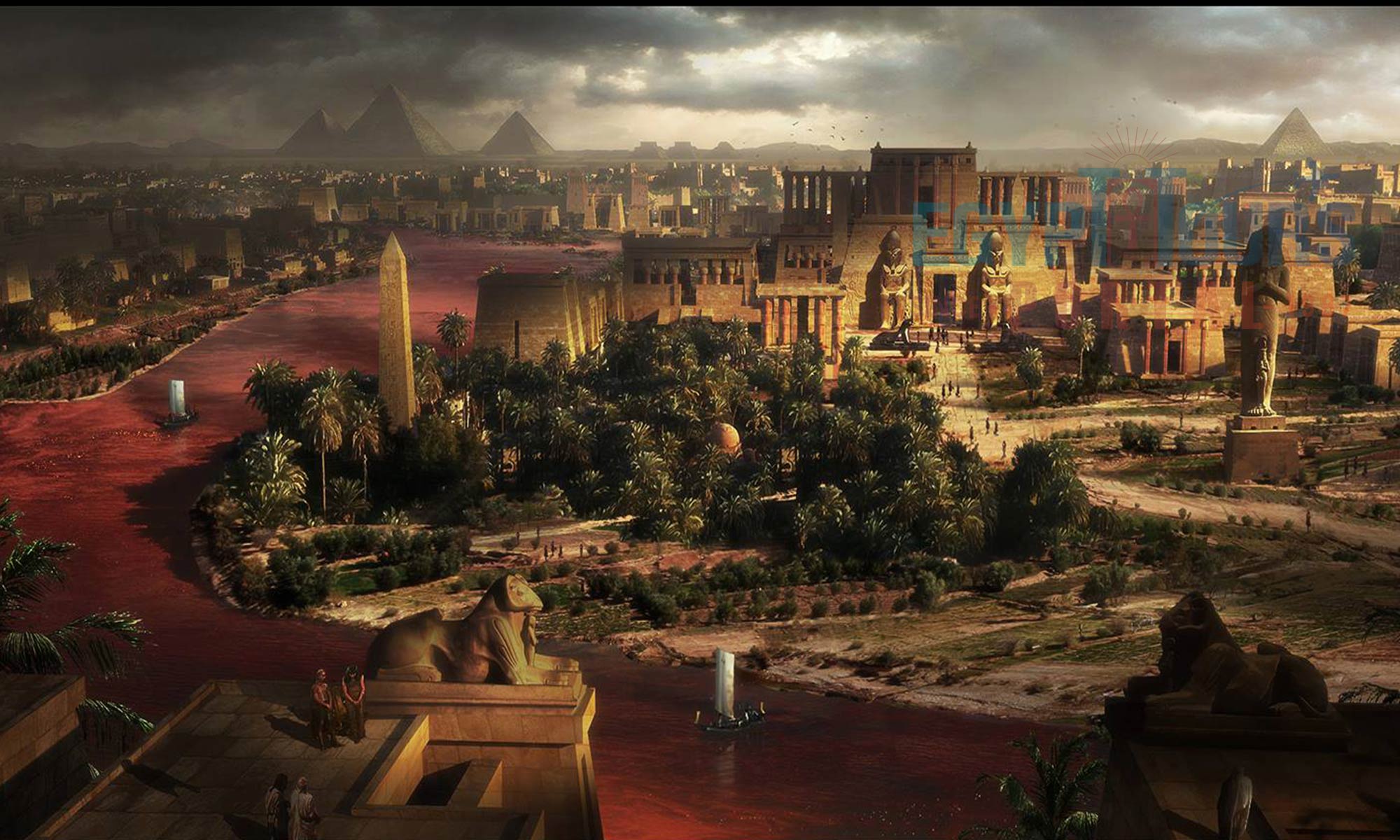
The Nile River runs for roughly 4,160 miles (6,650 kilometers) from its sources in east-central Africa to the Mediterranean Sea, making it one of the longest rivers on Earth. For ancient Egypt, it was not simply a geographic feature but the entire basis of civilization.
Annual flooding deposited fresh silt across the surrounding land each year, a cycle so central to survival that the ancient Egyptians divided their world in two: Kemet, the "black land" of fertile soil along the river, and Deshret, the "red land" of surrounding desert where little could grow.
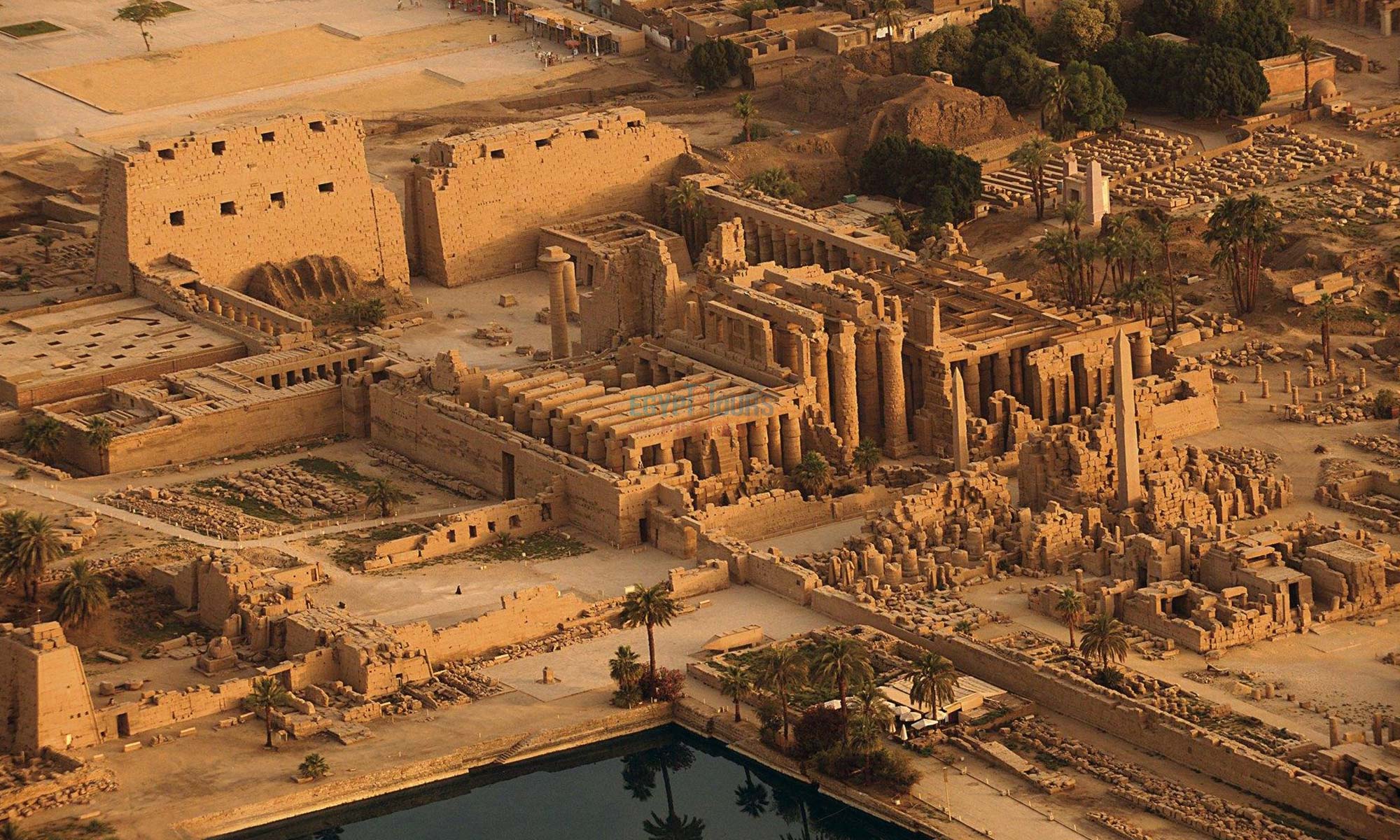
Beyond agriculture, the Nile served as ancient Egypt's primary highway. Stone for temples like Karnak Temple, grain, and trade goods all moved by boat between Upper and Lower Egypt, and most major cities and religious sites, from Luxor to Aswan, were built directly on or near its banks.
That relationship between river and civilization is still visible today: modern Nile cruise routes trace almost the exact path ancient boats once sailed, passing the same attractions, the same bends in the river, and much of the same rural scenery that shaped Egyptian life for thousands of years.
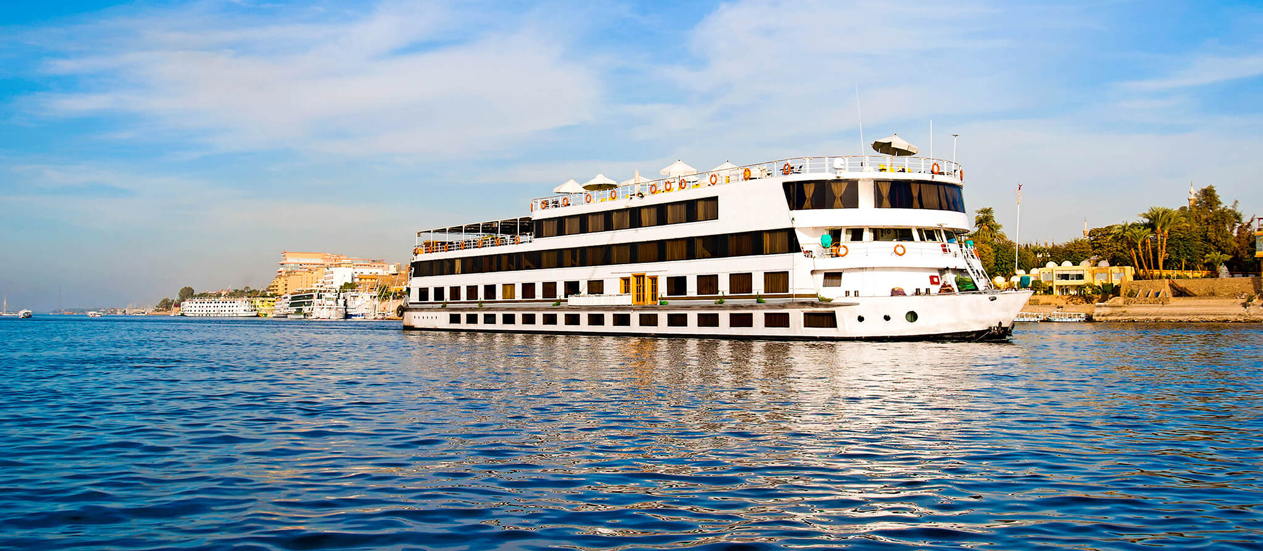
Nile Cruise Travel Guide
Read more and discover interesting information bout the Nile river cruises through our Nile cruise travel guide - Egypt Tours Portal.
The Concept of Meditation and Its Benefits

Meditation, broadly defined as a set of techniques for training attention and awareness, has a documented history stretching back roughly 3,500 years. The earliest written references appear in the Hindu Vedas, composed around 1500 BCE, while archaeological evidence from the Indus Valley suggests related practices may date to 3000-2500 BCE.
Distinct meditative traditions developed independently across Buddhist and Taoist practice by the sixth to fourth centuries BCE, each shaping different techniques still taught today.
In its modern secular form, meditation entered mainstream healthcare largely through Mindfulness-Based Stress Reduction (MBSR), a structured program developed by Jon Kabat-Zinn at the University of Massachusetts in 1979.
Research since then has generally supported meditation's benefits for stress reduction, focus, and emotional regulation; a 2018 meta-analysis covering 142 study groups found measurable benefits compared with no treatment at all.
That said, the research base is mixed in quality, and some studies note that a small percentage of practitioners, roughly 8 percent in certain samples, report negative effects such as increased anxiety, usually tied to unstructured or unsupervised practice. Meditation is not a cure-all, but as a low-cost tool for slowing down and settling the mind, the evidence for its basic benefits is real.
The Link Between the Nile River & Meditation

The connection between moving water and a calmer state of mind has its own name in modern research: the Blue Mind theory, developed by marine biologist Wallace J. Nichols. His work argues that proximity to water, whether an ocean, a lake, or a slow-moving river, can shift the brain from a stressed "red mind" state into a calmer, more reflective "blue mind" state, aided by the repetitive visual and auditory rhythm that water naturally provides. A felucca gliding past riverside palms or a cruise ship's steady wake are close to textbook examples of the conditions Nichols describes.
Egypt's own history adds a second, older thread to that link. In the third century CE, a wave of Christian ascetics, later known as the Desert Fathers and Mothers, withdrew into the Theban desert along the Upper Nile to live in prayer and contemplative silence. St. Anthony the Great, regarded as the founder of Christian monasticism, settled in this same region near the river.
Their collected teachings, the Apophthegmata Patrum, preserve more than 1,200 sayings from 27 fathers and three mothers, many of them concerned directly with stillness, attention, and withdrawal from noise, themes that sit remarkably close to meditation as it is understood today. Long before wellness travel existed as a concept, the stretch of the Nile a modern cruise now sails was already associated with deliberate, quiet reflection.
How to Practice Meditation on a Nile Cruise

Meditation aboard a Nile cruise does not require special equipment or a formal class, though some ships do offer wellness programming worth asking about when comparing the types of Nile river cruises available. The simplest approach is breath-focused sitting: finding a quiet spot on deck, closing the eyes or softening the gaze toward the water, and matching slow inhales and exhales to the visual rhythm of the passing riverbank.
Early morning, before breakfast service and excursion announcements begin, tends to be the quietest window aboard most ships, followed closely by the hour just after sunset. A felucca ride on the Nile in Aswan offers a different version of the same practice: without an engine, the boat moves in near silence, powered only by wind and current, which makes it one of the most naturally meditative settings available on the entire cruise.
Mindful, unstructured observation, simply watching the water, the birds, and the shifting light without narrating it internally, works as well as any seated technique, and many travelers find a short session of quiet journaling afterward helps the practice settle rather than being immediately displaced by the next scheduled stop.
Meditation of the Stunning Landscapes on the Nile River Banks

The riverbanks themselves do much of the work. Dense palm groves give way to small farming villages, their mud-brick houses set back from narrow strips of cultivated green that end abruptly where the desert begins, a visible echo of the ancient Kemet-Deshret division.
Herons and egrets stand motionless in the shallows, fishermen work from narrow wooden boats much like those used centuries ago, and the light itself changes constantly, gold in early morning, flat and bright by midday, deep orange as the sun drops behind the western hills. More of this scenery, along with Egypt's other naturally striking landscapes, is covered in the natural places of Egypt guide for travelers who want to plan sightseeing around it.
None of this requires active sightseeing to appreciate. A window seat, a sun-deck lounger, or a spot at the ship's rail offers a slow, continuous frame of landscape that changes only gradually, which is exactly the kind of low-stimulation, repetitive visual input that supports a settled, meditative state rather than working against it.
Best Attractions to Do Meditation During the Nile Cruise

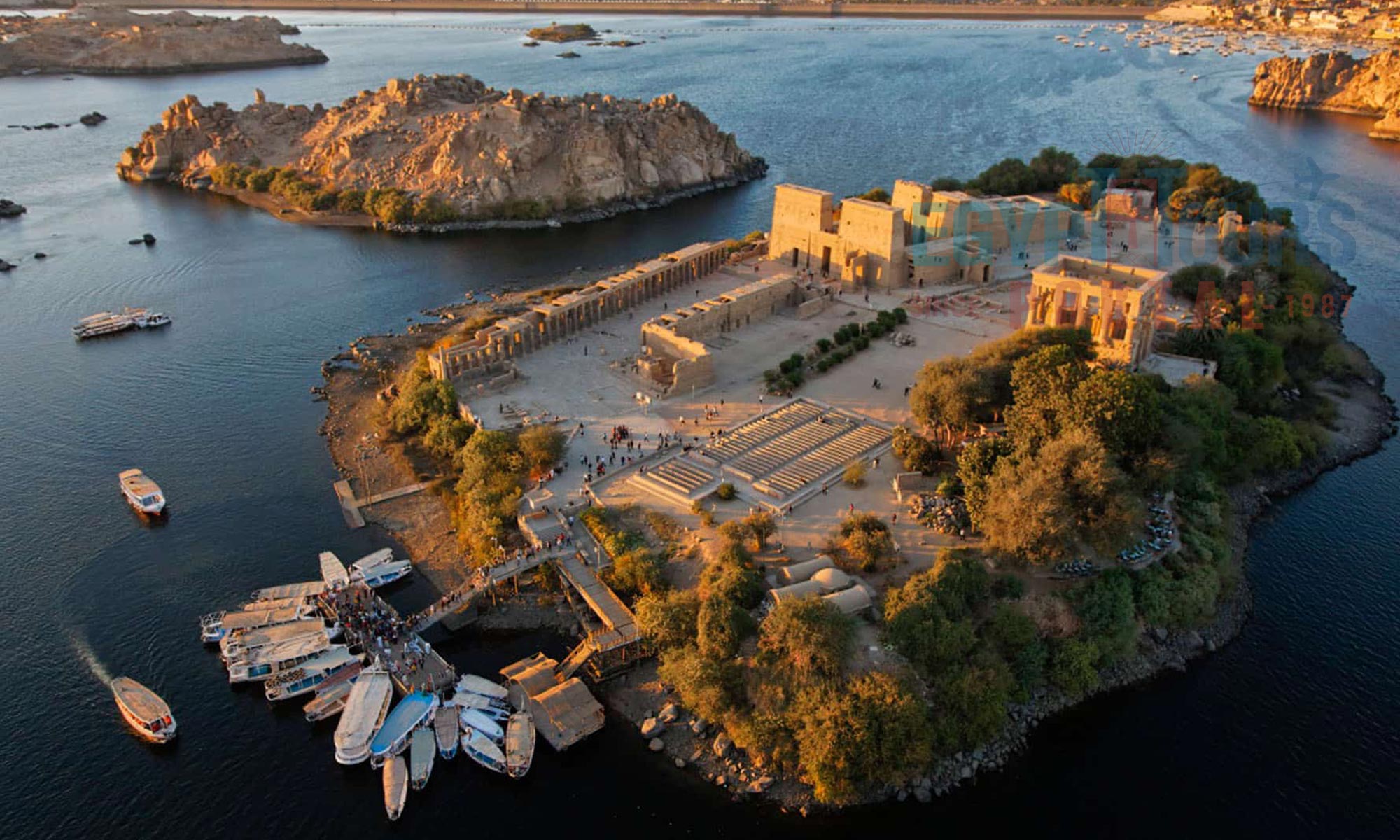
A handful of stops along a typical Luxor-to-Aswan route reward a few extra quiet minutes more than others. Philae Temple, dedicated to the goddess Isis and relocated to Agilkia Island during a UNESCO rescue project in the 1960s and 1970s, is reachable only by boat, and its island setting keeps it naturally separated from the traffic and noise of the mainland; the Philae Temple sound and light show is a further option for travelers who want an evening return once the crowds have gone.
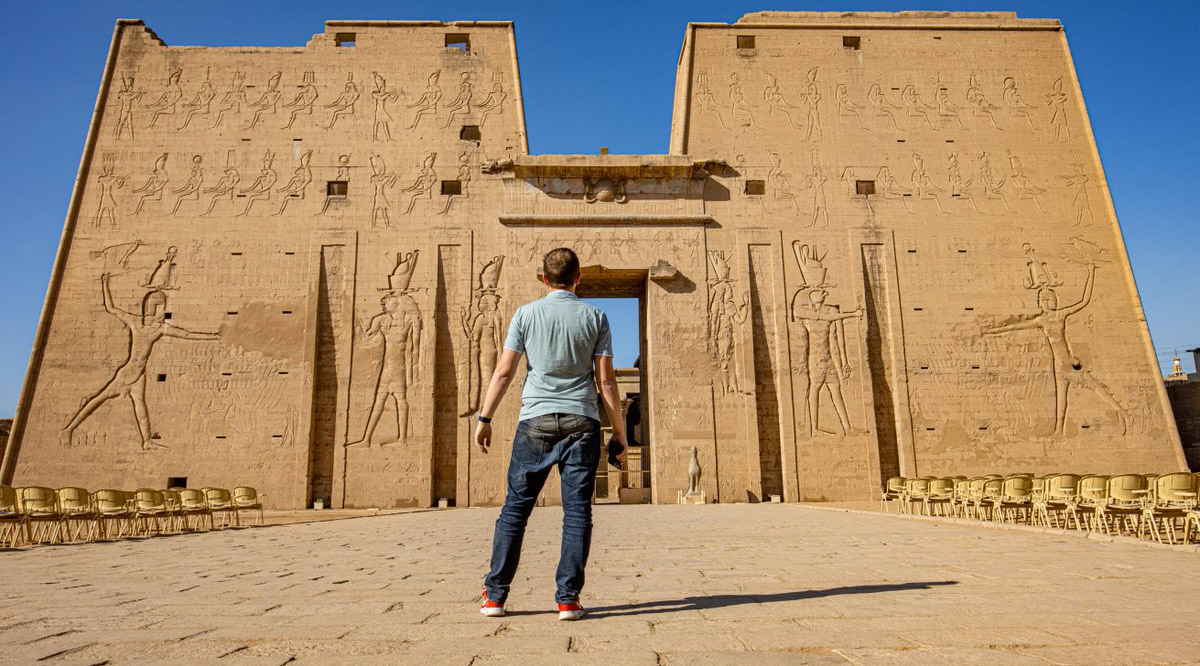
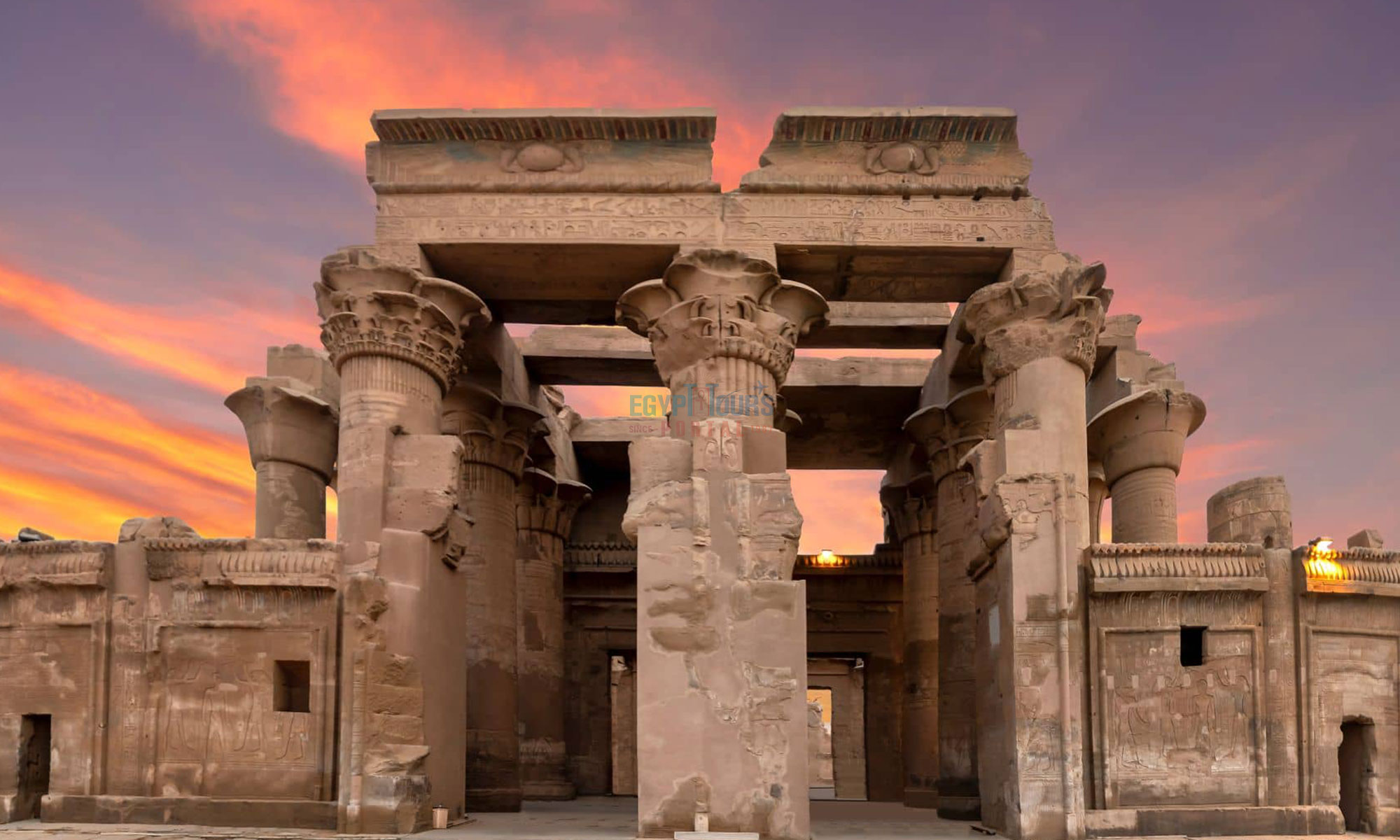
Kom Ombo Temple, an unusual double temple dedicated jointly to the crocodile god Sobek and the falcon god Horus, known here as Haroeris, sits directly on the riverbank roughly 28 miles north of Aswan; construction began under Ptolemy VI Philometor around 180 BCE and continued under Ptolemy XII. Its riverside position and well-documented dusk lighting make it especially suited to a quiet visit, and it can be combined with Edfu Temple on the tour to Kom Ombo and Edfu temples from Aswan.
Elephantine Island, near central Aswan, offers a quieter, more residential contrast, with a Nubian village, botanical garden, and river paths that see far less tourist traffic than the temple circuit; details on reaching it are covered in the guide to Elephantine Island.
For travelers who prefer to stay on the water entirely, an Aswan felucca tour by night around the islands near Aswan pairs the meditative quality of the felucca itself with the stillness of the river after dark. The wider range of things to see around the city is listed in the guide to Aswan's tourist attractions for anyone building out the rest of the stop.
Tips to Enjoy the Best Meditation on the Nile Cruise

A few practical choices make meditation easier to fit into a cruise itinerary rather than something squeezed in around it. Choosing an early morning or post-sunset time slot avoids competing with the ship's busiest hours, and checking the weather during a Nile cruise in advance helps in picking a season where midday heat will not force every quiet moment indoors. A light scarf or shawl is worth packing for breezy sun-deck sessions, particularly in the evening once the temperature drops.
Facing the river rather than the ship's interior removes visual distraction almost entirely, and skipping headphones in favor of the boat's own ambient sound, water, wind, distant birdsong, tends to work better than music for this particular setting.
Staying hydrated matters as much here as during any excursion, since sun-deck sessions still mean real sun exposure. Finally, a brief word with cabin neighbors or fellow passengers about a quiet-time preference goes a long way toward protecting an uninterrupted session on a ship where common areas are, by design, shared space.
Enjoy the Ultimate Sense of Relief and Enlightenment with Our Magical Nile Cruises
Few forms of travel move as slowly, or as consistently, as a Nile cruise, and that unhurried pace is what makes it such an unusually good setting for meditation, whether practiced formally or simply absorbed by watching the riverbank pass for a few undistracted minutes. From the silence of a felucca to the island stillness of Philae Temple, the elements that support genuine quiet are already built into the journey itself.
Discover our massive collection of Nile River Cruises to find an itinerary that fits, or browse the Egypt spiritual and meditation tours to find the ideal Egypt tour built specifically around reflection, history, and the quieter side of the Nile.