
Summary
- A Nile cruise suits elderly travelers well overall, since the ship acts as one unpacked hotel room for the trip, though elevator coverage, gangway conditions, and true step-free access should be confirmed in detail before booking a specific vessel.
- Onboard services worth prioritizing include elevator access, grab-bar and non-slip bathroom features, onboard medical support, shaded sundeck seating, flexible dining accommodations, and a guide who sets a slower pace with short stops and sunrise starts.
- Kom Ombo Temple, Philae Temple, Elephantine Island, and a felucca ride all involve short or minimal walking, while Karnak Temple and the Valley of the Kings require more careful pacing due to uneven ground and larger distances.
- October through April offers the most comfortable climate for senior travelers, with mid-November, and the months of October, November, March, and April generally, balancing mild temperatures against the heavier December-January crowds.
- Practical steps that matter most include a pre-trip fitness check with a doctor, packing broken-in shoes and sun protection, carrying a printed medication list, securing travel insurance with medical evacuation coverage, using electrolytes alongside water, and adding a hotel night before and after the cruise to ease travel days.
A Nile cruise solves a problem that trips up many older travelers in Egypt: the need to repeatedly pack, check out, and travel between cities. A four- or seven-night sailing between Luxor & Aswan moves overnight while passengers sleep, so the ship itself becomes a single, unchanging hotel room for the length of the trip, with the ancient sites coming to the traveler rather than the other way around.
This kind of steady, unpacked pace is part of why river cruising remains one of the gentlest ways to experience a destination at any age. This guide looks at how a senior can enjoy a trip in Egypt and whether an Egypt tour containing a Nile cruise genuinely suits elderly travelers, the onboard services and accessible shore sites worth prioritizing, the best time of year for a comfortable climate, and additional practical advice for making the week as easy as it is memorable.
Is the Nile Cruise Suitable for Elderly People?
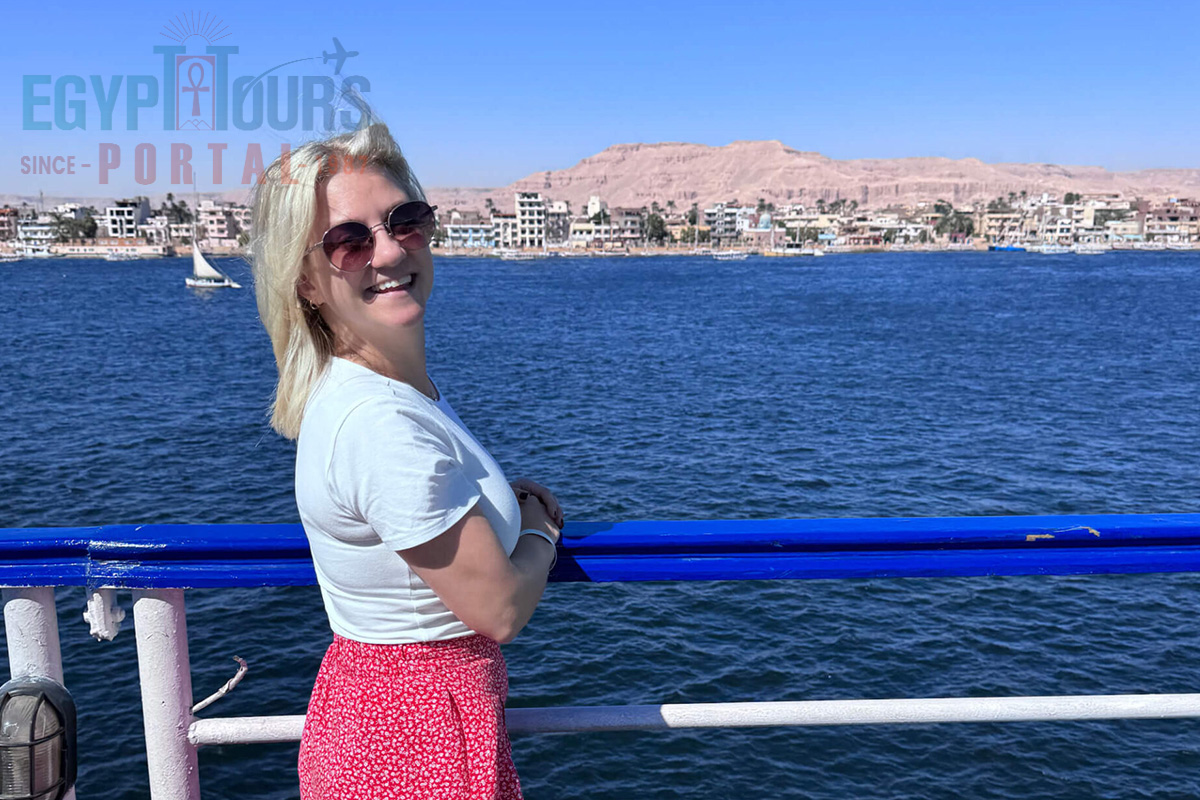
A Nile cruise is generally well suited to elderly travelers, more so than a fast-paced, multi-city Egypt itinerary that changes hotels every night or two. The ship provides one bed and one bathroom for the entire trip, air-conditioned common areas, and a fixed daily rhythm of morning excursions followed by afternoon rest onboard, a structure that naturally builds recovery time into each day rather than packing the schedule end to end.
The main variable is mobility rather than age itself. Boarding a Nile cruise ship typically means crossing a gangplank, sometimes walking across the deck of another docked vessel to reach one moored further from shore, since ships raft together several deep at busy docks in Luxor and Aswan, and the angle of that gangway shifts with the river level and the exact docking position on a given day.
Cabins on standard and deluxe ships are reached by stairs in many older vessels, though most mid-range and luxury ships built or renovated in the last decade include an elevator connecting the main decks.
Confirming elevator access directly when booking, rather than assuming every ship has one, is the single most useful step a traveler with limited mobility can take before choosing a cabin, and it is worth asking specifically which decks the elevator actually reaches, since some vessels serve only part of the ship.
A cruise line's promise of "assistance available" is also not the same as genuine step-free access, so a direct question about door widths, cabin threshold heights, and bathroom layout gets a far more useful answer than a general accessibility claim in the brochure copy.
Shore excursions vary more in physical demand than the cruise itself. Some temple visits involve long stretches of walking on uneven stone, low doorways, and, at a handful of sites, a steep ramp or short flight of stairs, while others sit close to the riverbank with a short, flat approach.
The sections below break down which sites suit limited walking stamina and which are more physically demanding, so the itinerary can be adjusted accordingly rather than treated as one uniform level of effort.
Best Services That Elderly People Can Enjoy on the Nile Cruise

Most mid-range and luxury Nile cruise ships offer a set of onboard services that make the week considerably easier for an older traveler, beyond the basic cabin and dining room.
Elevator Access, Cabin, and Bathroom Features
Ships with an elevator connecting the main deck to the upper sundeck remove the need to climb stairs multiple times a day, and many vessels can assign a cabin on a lower deck closer to the gangplank on request.
Beyond the elevator itself, cabin bathrooms on newer or recently renovated ships increasingly include walk-in showers with grab bars, non-slip flooring, and, on some vessels, a fold-down shower stool, features worth asking about by name rather than assuming from a general "accessible" label.
Requesting a specific cabin with these features directly through the booking agency, rather than leaving the assignment to chance at check-in, is worth doing well before departure.
Onboard Medical Support
Most Nile cruise ships carry a doctor or a nurse on call, or maintain an arrangement with a clinic in each port, standard practice given how many older travelers and long-haul itineraries the industry serves. Confirming this arrangement in advance, and carrying a printed list of current medications and dosages, gives any onboard or port medical staff exactly what they need without a language barrier slowing things down.
Sundeck Loungers and Shaded Seating
The sundeck at the top of the ship typically includes both open loungers and a shaded, covered section, along with a small pool on many mid-range and luxury vessels. This makes it possible to spend the afternoon outside watching the riverbank pass, villages, palm groves, and the occasional felucca under sail, without direct sun exposure for a traveler more sensitive to heat.
Flexible Dining and Dietary Accommodation
Onboard restaurants generally serve set meal times with a buffet format, and most ships accommodate dietary restrictions, low-sodium, diabetic-friendly, or soft-food requests, when notified in advance. A quiet word with the dining room staff on the first night usually secures this for the rest of the sailing.
Guided, Paced Shore Excursions
A licensed Egyptologist guide accompanies every shore excursion and can be asked directly to set a slower pace, point out level ground versus uneven stone before a group moves forward, and identify the nearest shaded rest area at a site.
Many senior-friendly itineraries break a site visit into several short, guided stops of roughly twenty to thirty minutes each rather than one long continuous walk, with a bench or shaded spot built into the route between them, and departure times are often set at or just after sunrise specifically to reach a site before the heat and the largest tour groups both arrive.
Egypt Tours Portal's wheelchair-accessible Egypt tour illustrates how far this kind of itinerary customization can go for travelers with more significant mobility needs, and the same flexibility applies to any senior traveler who simply wants a gentler pace built around them rather than a fixed group schedule.
A private guide arranged separately from the standard group excursions extends this same flexibility across the whole trip, and remains the better option for a traveler who needs guaranteed step-free routes throughout, since even a well-paced group excursion cannot always avoid a flight of stairs or a stretch of loose sand that a fully private, pre-scoped itinerary can route around.

Discover the Facilities and Entertainment Included on Nile Cruises
Explore Nile cruise facilities & entertainment, from luxury cabins to cultural shows, ensuring your journey blends comfort, history, and unforgettable moments.
The Best Tourist Places That Elderly People Can Visit Without Facing Problems
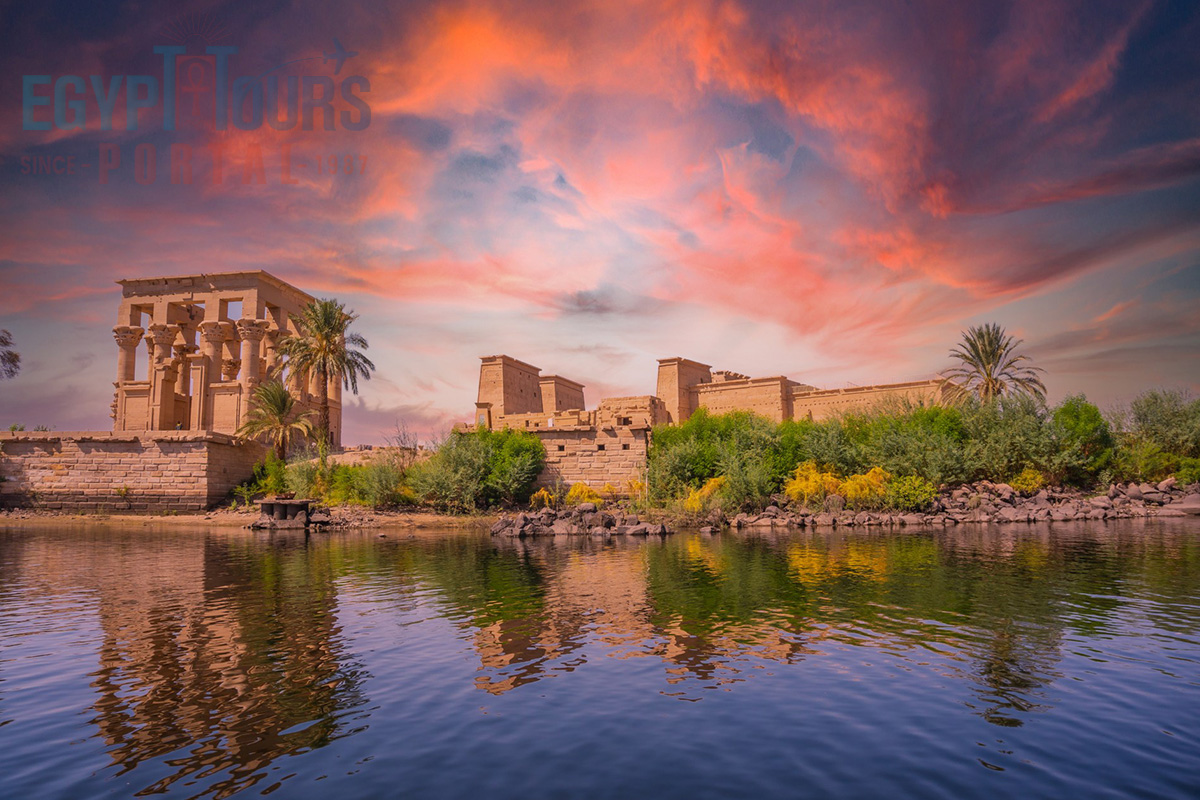
Several of the Nile's major sites sit close to their docks with relatively flat, manageable approaches, making them a good fit for travelers with limited walking stamina.
Kom Ombo Temple
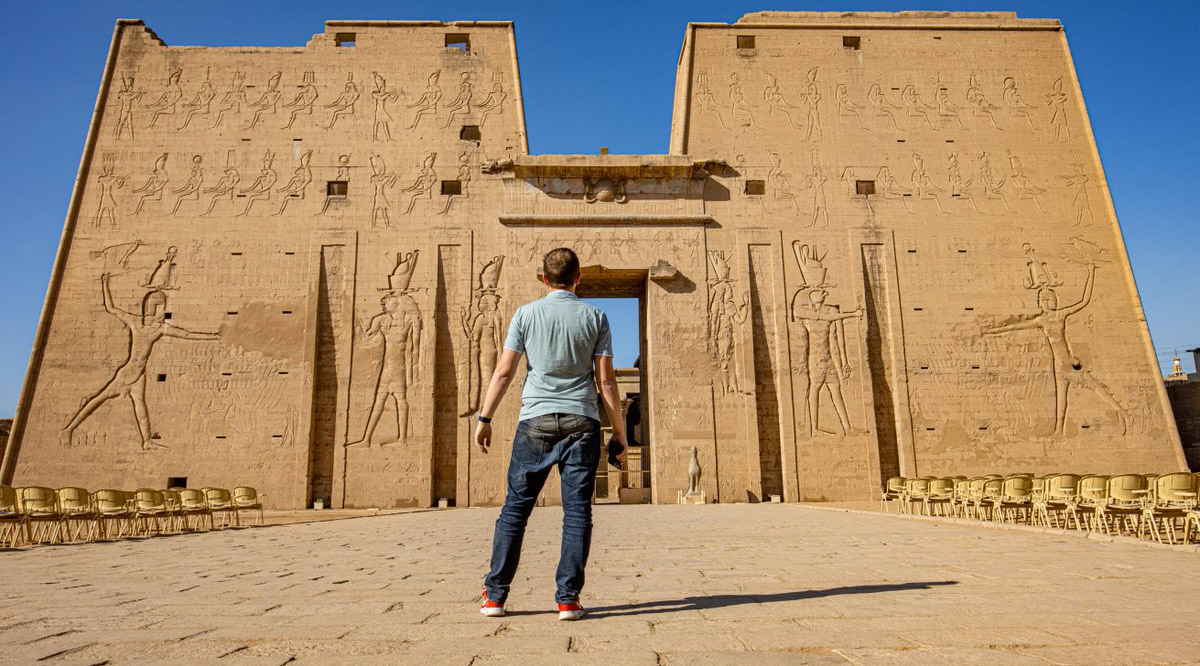
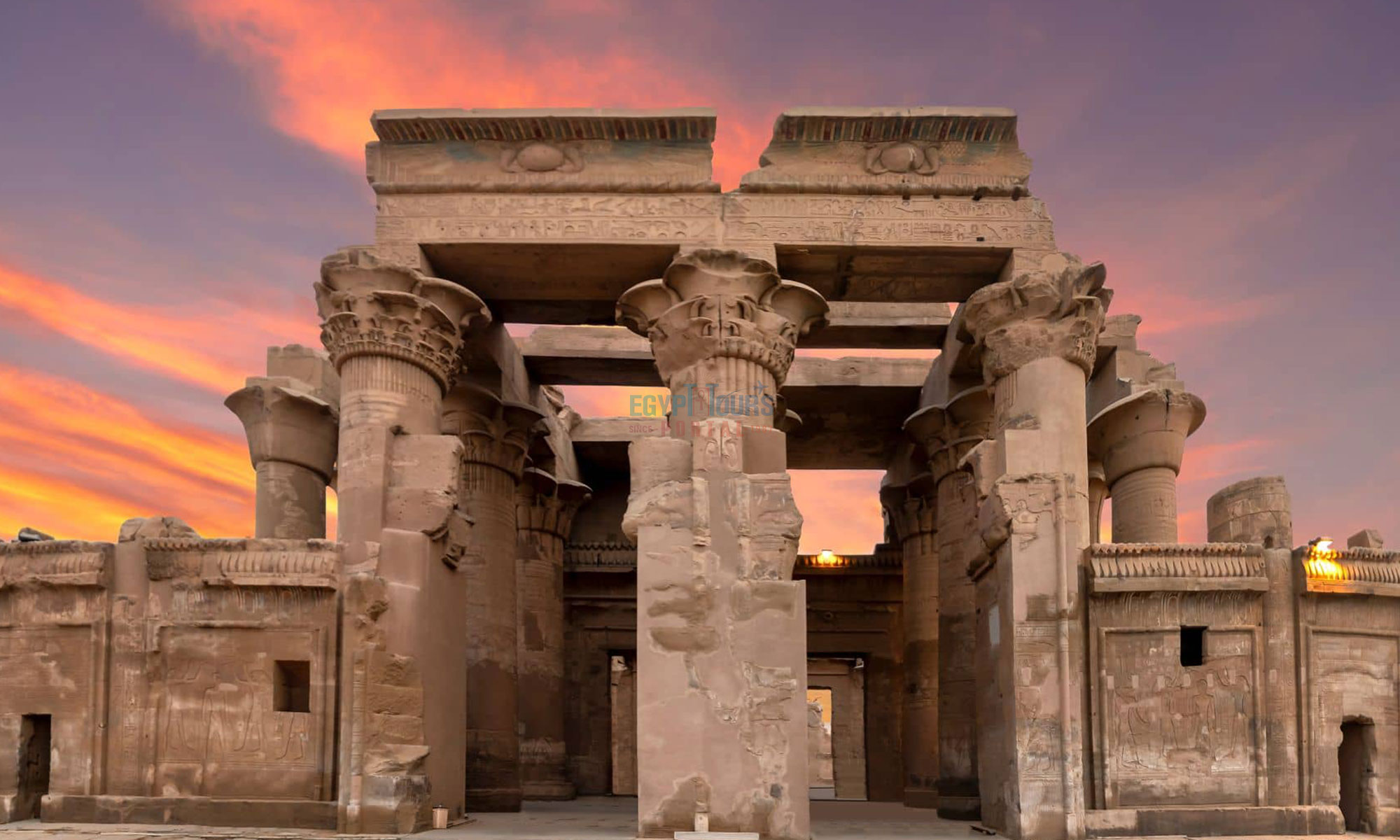
Kom Ombo Temple sits directly on the riverbank, close enough that many cruise ships dock within easy walking distance of the entrance. The temple itself is unusual among Egyptian temples for its symmetrical double design, dedicated jointly to the crocodile god Sobek and the falcon god Horus, and its riverside setting means the walk from the dock to the temple gate is short and largely level compared to inland sites.
Philae Temple
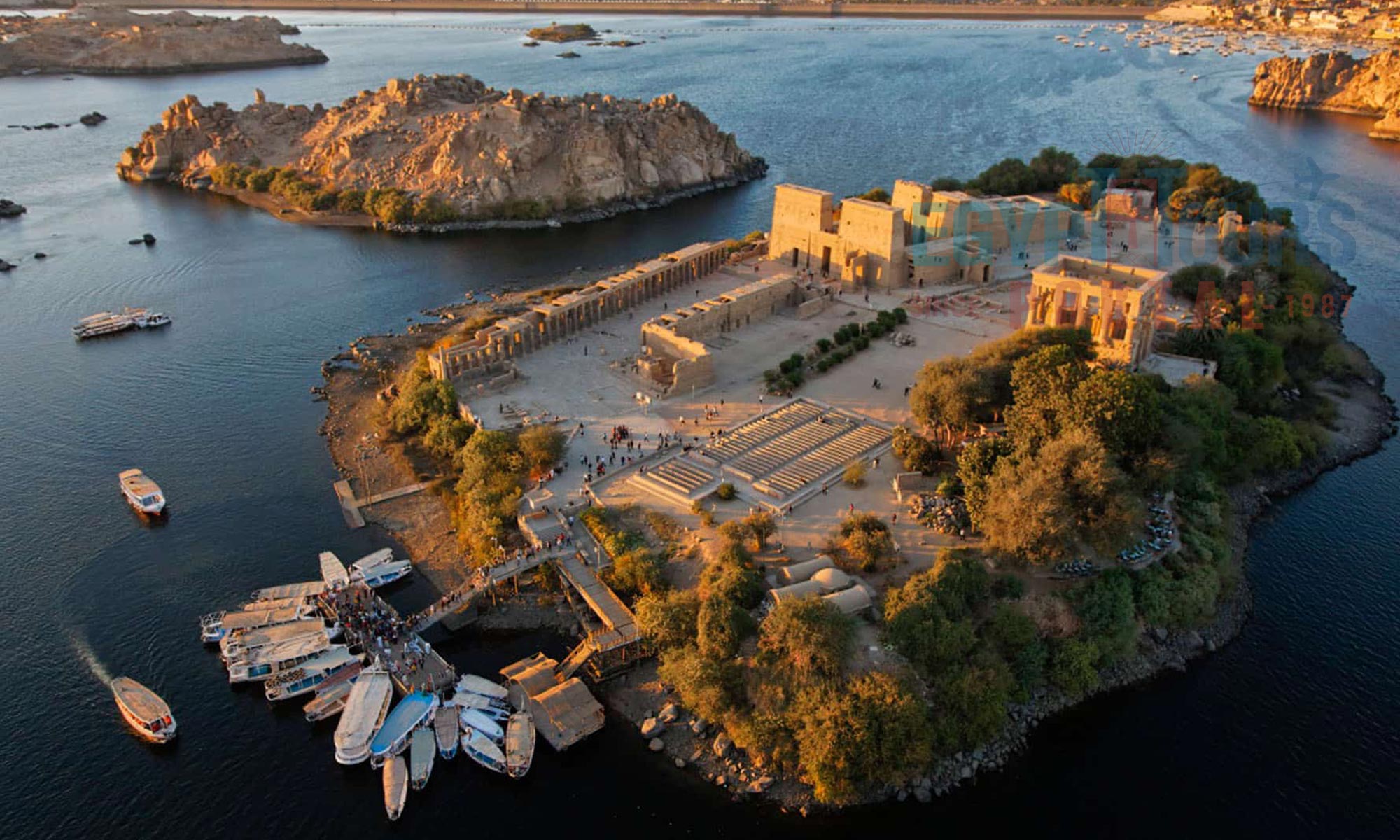
Philae Temple, dedicated to the goddess Isis, sits on an island near Aswan and is reached by a short motorboat ride rather than a long walk, with a paved, relatively flat path leading from the boat landing to the temple itself. The sound and light show at Philae offers an evening alternative to a daytime visit, with fixed seating for the full performance rather than a walking tour.
Elephantine Island and the Nubian Village
A visit to the Nubian villages near Aswan, often combined with a stop at Elephantine Island, typically involves a felucca or motorboat ride followed by a gentle walk through the village itself on largely flat ground, with frequent opportunities to sit, have tea, and browse local crafts rather than covering long distances on foot.
A Felucca Ride on the Nile
A traditional felucca sail requires no walking at all beyond boarding the boat itself, making it one of the most physically effortless ways to see the river and its islands up close, generally for an hour or so in the late afternoon when the light is at its best.

Best Places to See During Your Nile River Cruise
The Nile River cruise offers scenic views and historical experiences. Discover the best ancient sites to see during your Nile cruise.
Sites That Require More Careful Planning
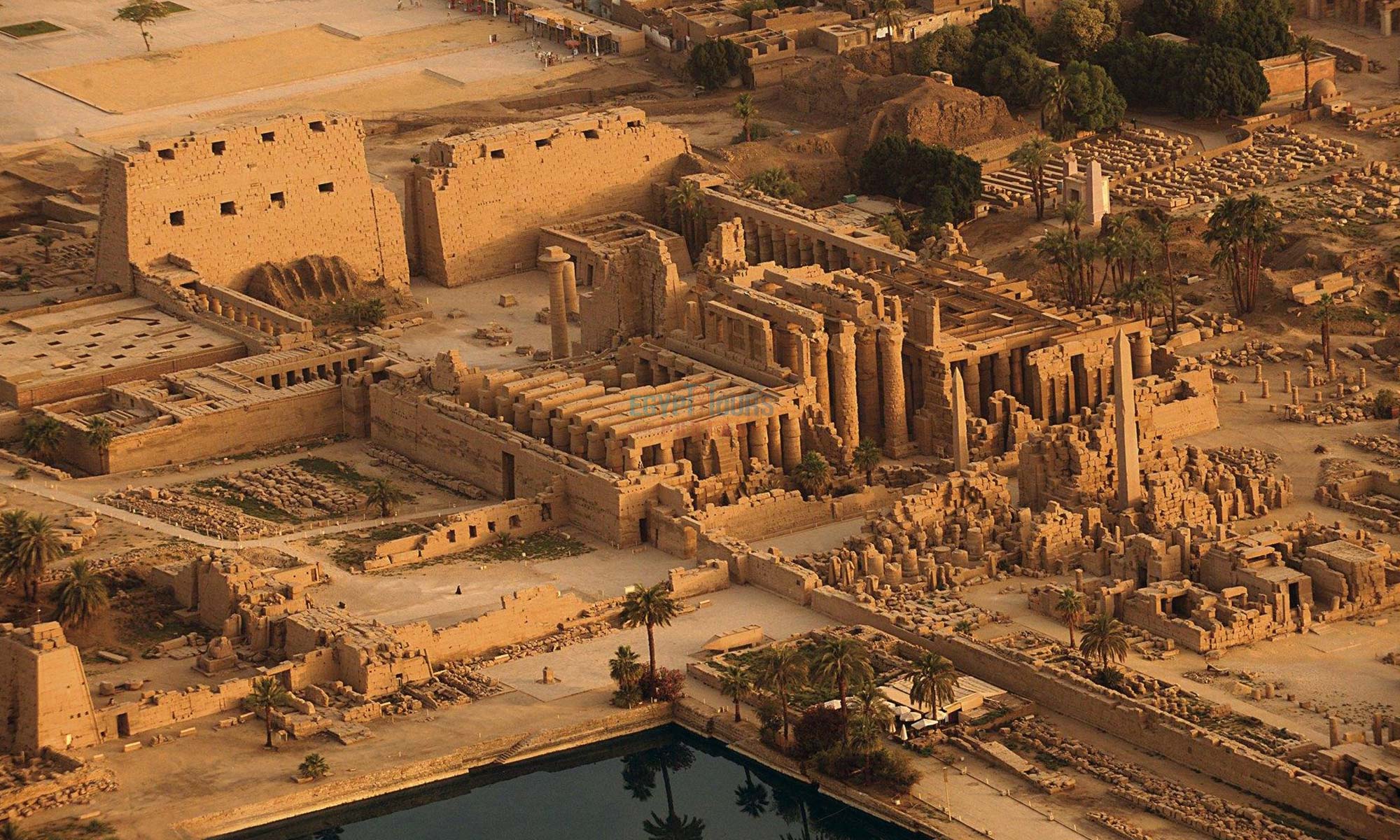
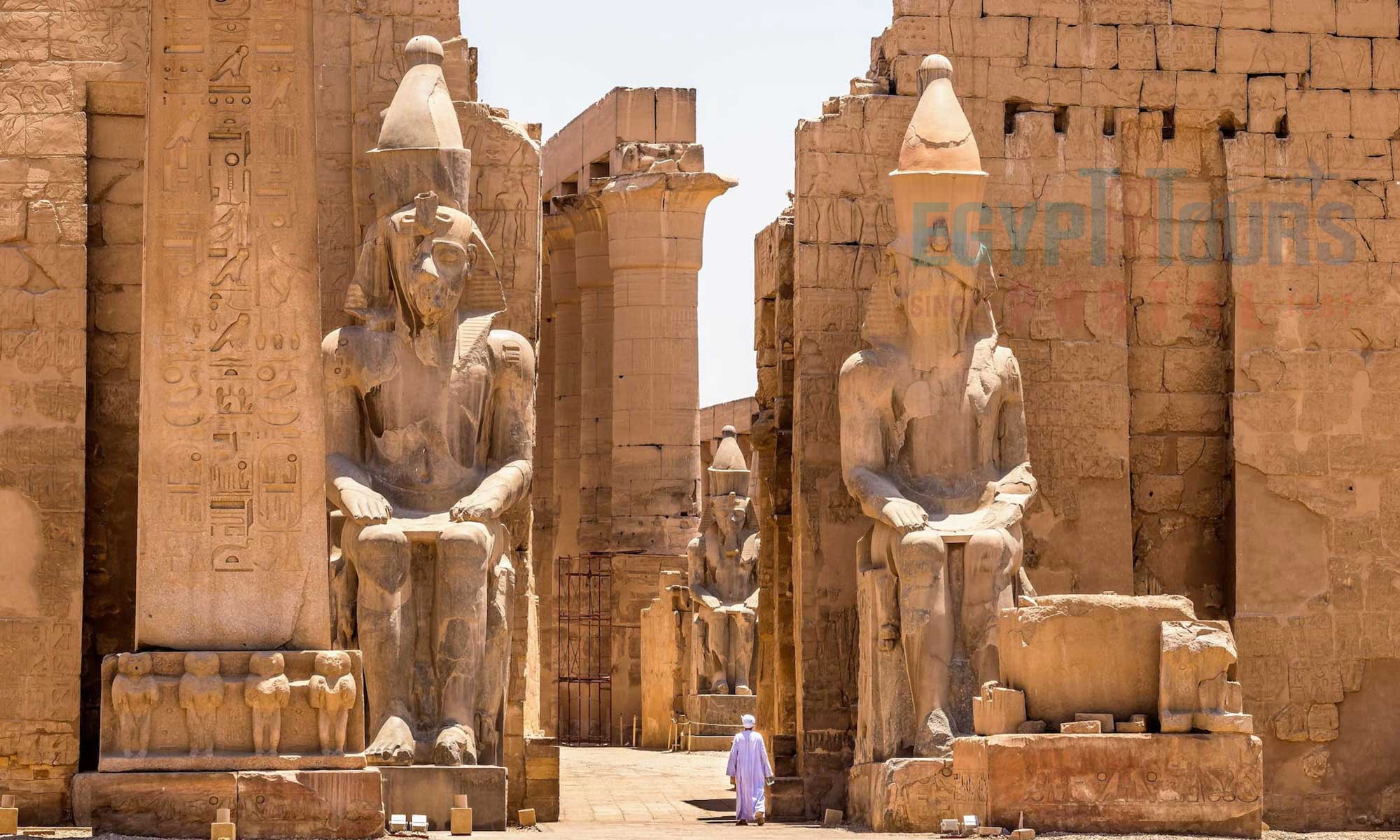
The Valley of the Kings near Luxor involves walking on uneven ground between tomb entrances, descending sloped or stepped passages inside the tombs themselves, and no shade across most of the open valley floor. Karnak Temple, while largely flat underfoot, covers a genuinely large area, enough that a full visit on foot can run well over an hour of walking.
Both sites remain accessible with a slower pace, frequent rest stops, and a guide willing to trim the visit to the most significant highlights rather than every hall, and neither should be ruled out outright, but they benefit from planning around them rather than treating them the same as a riverside stop like Kom Ombo.
The Best Time to Try a Nile Cruise for Seniors Depends on the Climate

Temperature matters more for older travelers than for the general Nile cruise market, since prolonged heat is harder on the body at any site involving walking or standing outdoors.
October through April is the most comfortable stretch for a Nile cruise, with daytime temperatures in Luxor and Aswan generally staying in a manageable range rather than climbing into the extremes of summer.
Winter, from December through February, brings the mildest daytime conditions, typically between 20C and 25C (68-77F), with cooler mornings and evenings that call for a light jacket. Mid-November is frequently cited as the sweet spot of the sailing calendar, past the last of the autumn heat but before the winter season's peak crowds and prices set in fully.
December and January in particular combine the coolest weather with the heaviest crowds at major sites, since the mild climate draws the year's largest number of visitors during those two months specifically, so a traveler prioritizing shorter lines and a quieter temple courtyard over the very coolest days might lean toward October, November, March, or April instead.
Summer, from June through August, brings the harshest conditions on the river. Luxor regularly reaches around 41C (106F) in June, and Aswan sees comparable peaks in July, heat that makes even a short walk between a dock and a temple entrance genuinely taxing for an older traveler.
A summer sailing is not impossible; ships remain fully air-conditioned and excursions typically depart early in the morning to avoid the worst of the midday sun, but it demands more careful pacing and hydration than a cooler-season trip. Choosing a cabin with reliable air conditioning and confirming excursion departure times in advance becomes especially important on a summer itinerary.
For most senior travelers, booking within the October-to-April window removes one of the biggest variables in the trip entirely, leaving mobility and pacing as the main things left to plan around.
![The Best Time for a Nile Cruise Tour [year]/[year plus=1]](https://www.egypttoursportal.com/images/2021/06/The-Best-Time-for-a-Nile-Cruise-Tour-Acmar-Nile-Cruise-Egypt-Tours-Portal.jpg)
The Best Time for a Nile Cruise Tour 2026/2027
Find out the best time for a Nile cruise, considering seasonal variations, budget options, and family-friendly activities.
Additional Advice for Elderly Nile Cruisers
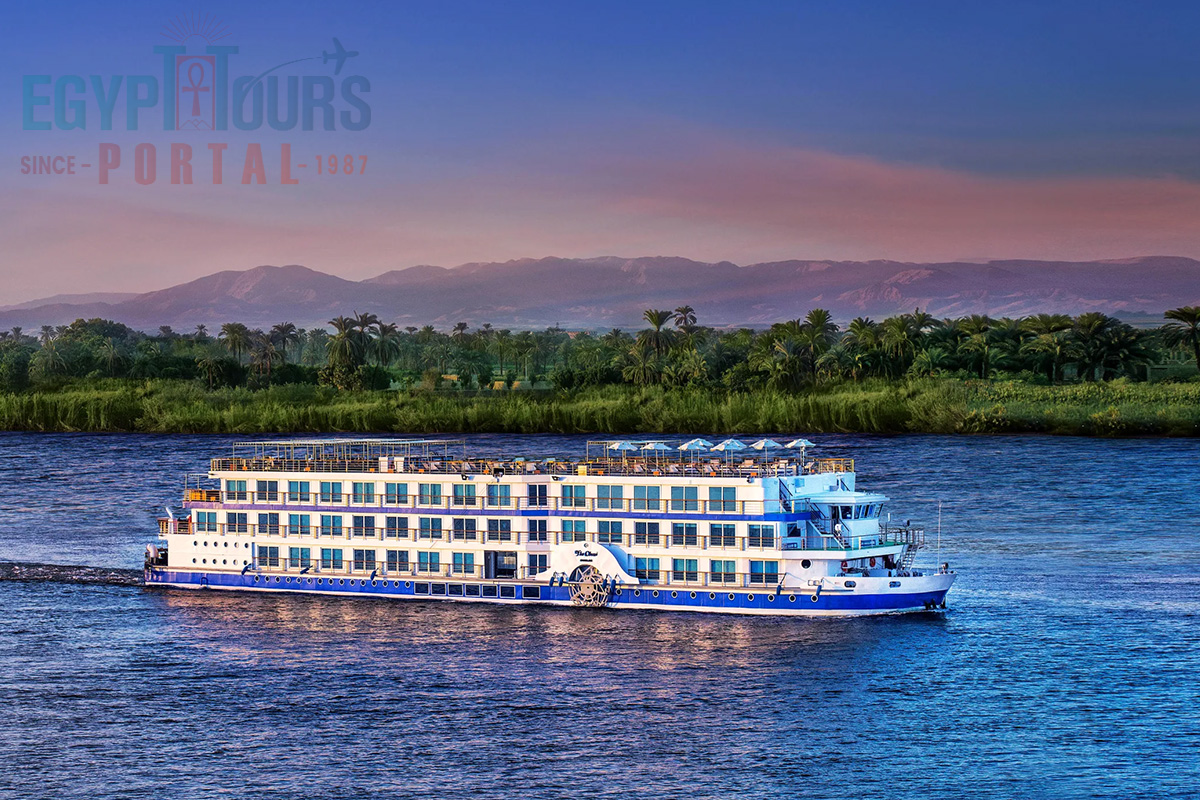
A handful of practical steps make a meaningful difference beyond choosing the right ship and the right season.
Pack for layers and sun protection. Even in the cooler months, midday sun on an open deck or an uncovered temple courtyard calls for a wide-brimmed hat, sunscreen, and sunglasses, while mornings and evenings, particularly in winter, can call for a light jacket or sweater.
Broken-in, supportive walking shoes with a secure, non-slip sole matter as much as any other packing item, since a fresh pair worn for the first time on uneven temple stone is a common cause of blisters and missteps alike. A small day bag worn across the body, rather than a shoulder bag or one carried by hand, keeps both hands free for a handrail, a guide's arm, or an uneven step at a temple entrance.
Consult a doctor about fitness to travel before booking, particularly for a longer itinerary. A brief check-in covering current medications, recent procedures, and general stamina for a week of heat and walking gives a much clearer picture than guessing, and it is a natural moment to also confirm that every prescribed medication is legal to carry into Egypt and permitted through airline security in its original packaging.
Carry a printed medication list and enough supply for the full trip, plus a buffer. Pharmacies exist in Luxor and Aswan, but matching an exact prescription on short notice in a foreign country is far from guaranteed, and a printed list in hand speeds up any interaction with onboard or port medical staff.
Purchase travel insurance that explicitly covers pre-existing conditions and medical evacuation. Standard travel insurance does not always include this by default, and confirming it before departure, rather than assuming it is included, matters more for an older traveler than for most; reading the policy's age limits and exclusions closely is worth the extra few minutes, since some policies quietly cap coverage or add exclusions past a certain age.
Stay hydrated throughout the day, not only during excursions. The dry desert climate along the Nile increases fluid loss even without heavy exertion, and bottled water is generally available freely onboard and during shore excursions; adding an electrolyte packet or tablet once or twice a day during a full excursion helps replace the salts lost to heat and walking, not just the water itself.
Request an aisle or ground-floor cabin, and confirm elevator access, at the time of booking rather than after arrival. Cabin assignments are far easier to adjust before the ship is fully booked than once onboard.
Consider adding a hotel night in Cairo or Luxor immediately before and after the cruise itself. Arriving a day early to rest from the flight before the cruise begins, and building in a similar buffer at the end of the trip rather than flying home the same day the ship docks for the last time, spreads out what is otherwise a demanding travel day on each end of the itinerary. Counted this way, a total trip of ten to twelve days, cruise plus a Cairo stay and rest buffers on both ends, tends to leave noticeably more recovery time than compressing the same sights into an eight-day trip built around a single long-haul flight in and out.
Consider a private guide for at least the more demanding sites. A private guide can set an individually paced visit to the Valley of the Kings or Karnak, resting when needed without holding up a larger group, and coordinating one is one of the more useful steps covered in the guide on how to book a Nile cruise.
Check current safety and travel guidance before departure. Whatever time anyone chooses to enjoy a nile cruise, everyone should be aware of how safe a Nile cruise actually is and its wider travel alerts and safety guidelines, which are useful starting points, alongside the general essential trip information guide for entry requirements and other logistics.
Questions to Ask Before Booking a Senior-Friendly Nile Cruise
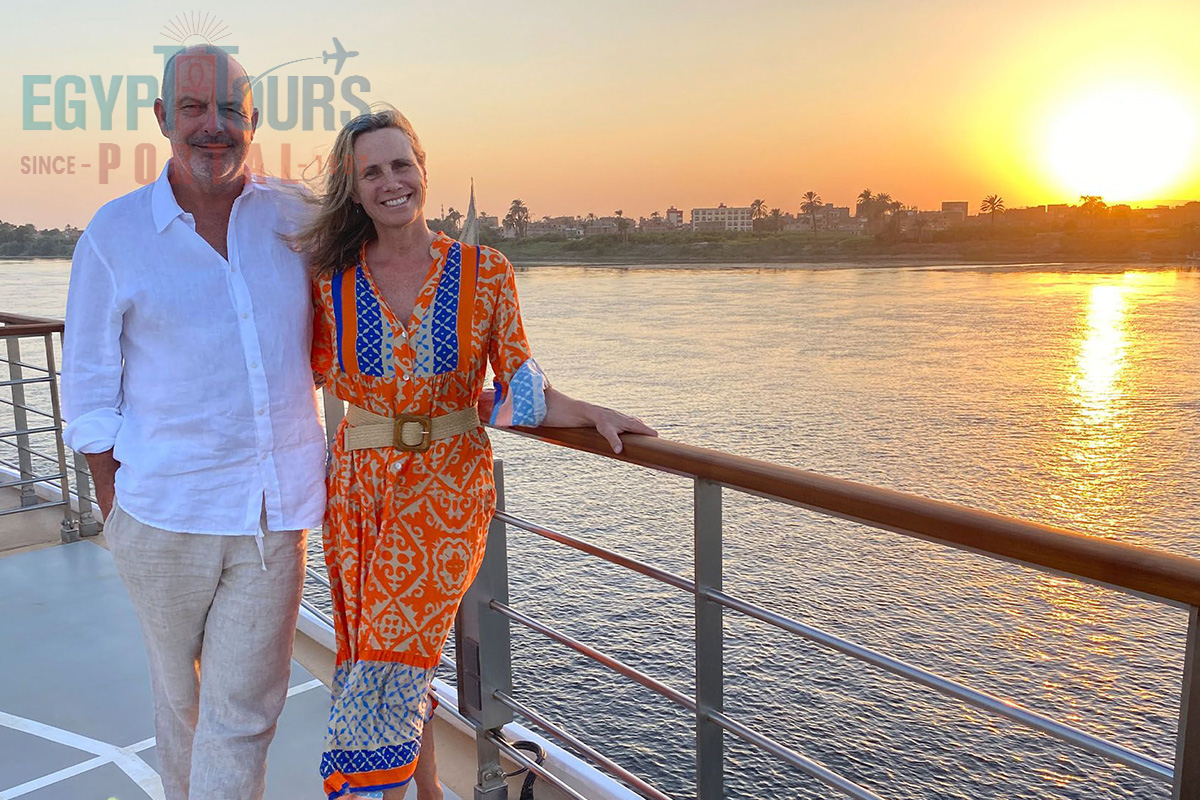
Naming specific requirements when booking, rather than describing the traveler only as "a senior" or "someone with limited mobility," gives a booking agency something concrete to plan around. A short list of direct questions and the expected answers covers most of what actually matters:
- Which exact ship, by name, is being booked, and what happens if it's substituted?
- A booking confirmation should always name the specific vessel, not just a category like "luxury 5-night Luxor-Aswan cruise." Substitution clauses are standard in the industry; operators reserve the right to swap a vessel for maintenance, low booking numbers, or scheduling conflicts, but a reputable agency will substitute with a comparable or better ship in the same tier and notify the traveler in advance rather than at check-in. Worth asking specifically: is the replacement guaranteed to be equal or better in category, and does the traveler get a say if the substitute lacks a needed feature like an elevator.
- How many decks does the elevator serve?
- This varies significantly by ship and is genuinely not standardized, so no general answer holds across the industry. Older or smaller standard-tier ships often have no elevator at all. Mid-range and luxury ships built or renovated in the last decade more often have one, but it may connect only the main and upper decks and skip a lower deck, or stop short of the sundeck itself. This is one of the few questions on the list where "it depends entirely on the ship" is the honest answer, which is exactly why it needs to be asked by name rather than assumed from the ship's star rating.
- Cabin and bathroom measurements, and shower grab rails or seats?
- Cabin size tracks the ship tier: roughly 15–18 sqm on standard ships, 20–22 sqm on deluxe, and 30–40 sqm on luxury vessels. Bathrooms are typically compact on standard and deluxe ships. Grab rails and shower seats are increasingly available on newer or renovated luxury vessels but are not universal, and are usually provided "on request" rather than fitted as standard in every cabin, so they need to be requested and confirmed in writing rather than assumed present.
- Risk of crossing a rafted neighboring vessel to reach the gangway?
- This is a real and fairly common occurrence at busy docks in Luxor and Aswan, where ships moor several deep side by side, and a traveler on an outer vessel may need to cross the deck of an inner one to reach the pier. It is more a function of the dock and how many ships are moored that day than of any one ship's design, so it cannot always be avoided even on a ship chosen carefully for its own accessibility features.
- Continuous walking per excursion, with rest points?
- A licensed Egyptologist guide can be asked directly to break a site visit into shorter stops with a shaded or seated rest point built in, and most guides are willing to do this on request, but it is not offered by default in a standard group itinerary unless raised beforehand. A private guide arrangement gives more reliable control over this than joining a shared group excursion.
- Private or shared guide and vehicle, and is resting onboard while others go ashore a real option?
- Standard group excursions use a shared guide and vehicle, typically for a group of 15–25 or more depending on ship tier. Skipping an optional excursion to rest onboard is almost always permitted, since it is not mandatory, though it is worth confirming there is no forced early return to the ship that disrupts anyone staying behind.
- Luggage handling between airport, hotel, and ship?
- A full-service agency arranges porter-assisted luggage handling at each transfer point as part of the package, so the traveler generally does not carry bags between the airport, a pre- or post-cruise hotel, and the ship's cabin. A cabin-only direct booking with the cruise line, by contrast, often handles only the ship-to-dock leg and leaves airport and hotel transfers for the traveler to arrange separately.
- Storing and transporting mobility equipment onboard?
- A cane or a folding walker is rarely an issue given typical cabin space. A wheelchair, even a folding one, is more variable; cabin doorway width and storage space differ by ship, so this is one of the items genuinely worth confirming for the specific vessel rather than assuming it will fit.
- Emergency medical capability and nearest hospital?
- Most Nile cruise ships carry a doctor or nurse on call, or maintain a standing arrangement with a clinic in port, and Luxor and Aswan both have hospitals capable of handling most emergencies that would arise along the route. This is generally reliable across the industry, though confirming it directly, and asking specifically which hospital the ship's medical arrangement uses, replaces an assumption with a definite answer.
- What's included in the price, and cancellation terms if a health issue arises?
- Entrance fees, guide services, and boat transfers to island sites like Philae are usually bundled into a full package price rather than sold separately, though this varies enough by operator that it should be itemized in writing rather than inferred from the word "included."
- Cancellation and health-related refund terms vary the most of anything on this list; some agencies offer a flexible rebooking or partial refund policy for a documented medical issue, others do not, and this is exactly the kind of clause that is easiest to check before paying and hardest to negotiate afterward.
A private guide or a fully tailored itinerary tends to make several of these questions moot, since the pace, transport, and rest stops are built around one traveler's answers from the start rather than negotiated after the fact. Whichever route is chosen, the single most common misstep is picking a ship on price or star rating alone and only asking these questions after the booking is already confirmed, when there is far less room to change anything that turns out not to fit.
Explore All the Means of Enjoying a Nile Cruise Trip in Egypt
Few ways of seeing ancient Egypt move as gently as a Nile cruise, one unpacked cabin, a fixed daily rhythm, and the temples arriving to the traveler rather than the reverse. With the right season, a ship that fits specific mobility needs, and a little advance planning around medication, insurance, and pacing, a Nile cruise remains one of the most rewarding and manageable ways for an older traveler to stand before three-thousand-year-old temples without the trip itself becoming the hardest part of the journey.
All our honorable senior travelers should explore our various Egypt tour packages and Nile River Cruises, including high luxury Nile cruises with elevator access, a higher level of comfort, and the most accessible cabin options, so everyone can live the most complete, safe, and relaxing travel experience ever.