
Summary
- Before booking, choose a ship tier matched to budget, book several months ahead for better rates and cabins, learn a few Arabic phrases, and pack breathable, temple-appropriate clothing.
- Onboard and ashore, the temples of Luxor and Aswan, buffet dining, the sun deck, and occasional themed entertainment evenings make up the core daily experience.
- Dress code shifts noticeably between casual daytime wear, a smarter dinner standard, and stricter temple coverage, catching some first-timers off guard.
- Small Egyptian pound and US dollar cash, a relaxed approach to bargaining, and basic cultural customs like right-hand greetings round out the practical side of the trip.
- A small number of recognizable scam patterns, unofficial temple guides, broken-meter taxis, and camel ride price switching, are easy to avoid once a first-timer knows what to watch for.
When it comes to enjoying a nile cruise travel experience for the first time, preparation is always the key. A Nile cruise rewards preparation more than most trips, since so much of what makes it work, the ship, the guide, the schedule, is set in motion long before the vessel actually leaves the dock. First-time cruisers tend to make the same handful of avoidable missteps, booking too late, packing the wrong clothing, or arriving with no sense of local customs, none of which are difficult to fix with a little advance planning.
This guide covers fourteen tips for first-time Nile cruisers, grouped into what matters before booking, what makes the days on board and ashore run smoothly, and a final set of additional habits, money, bargaining, customs, and scam awareness, that round out the practical picture. Read through once before booking, and very little about the trip itself should come as a surprise.
Discover the Best Tips Before Booking the Nile Cruise

The decisions made before a cruise is even booked shape more of the trip than most first-time travelers expect.
Choose the Best Cruise Ships in Egypt
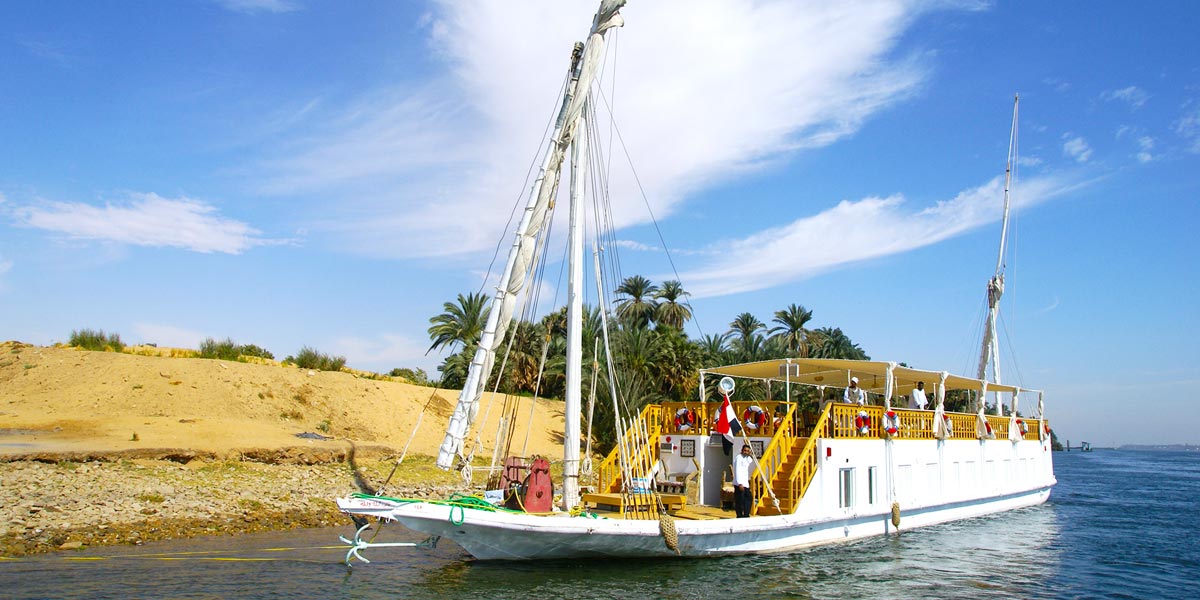
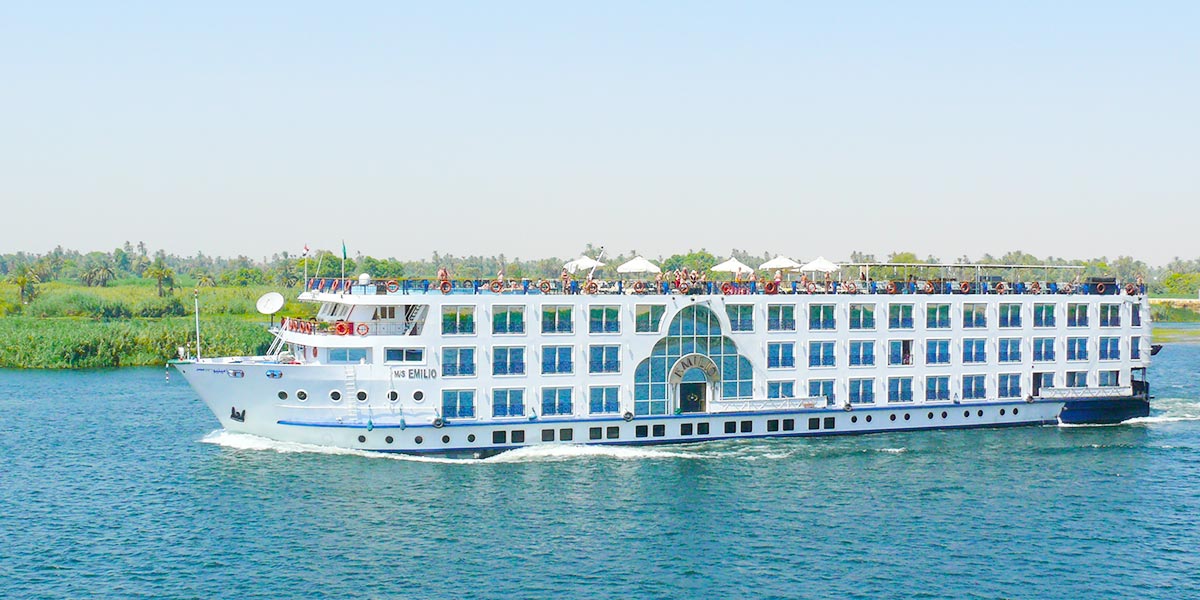
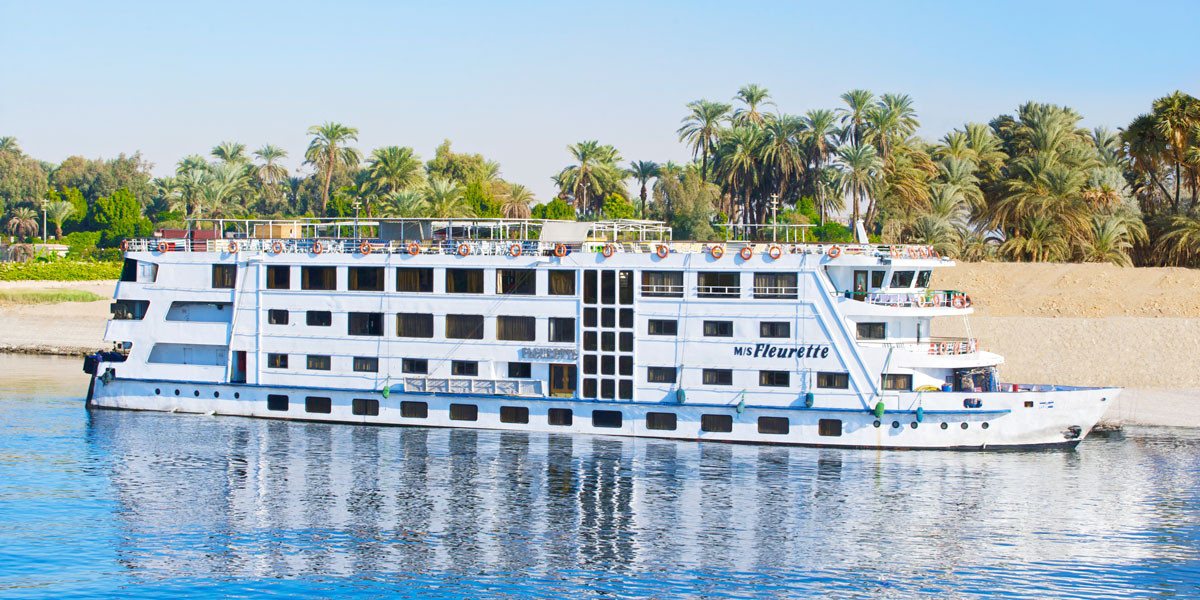
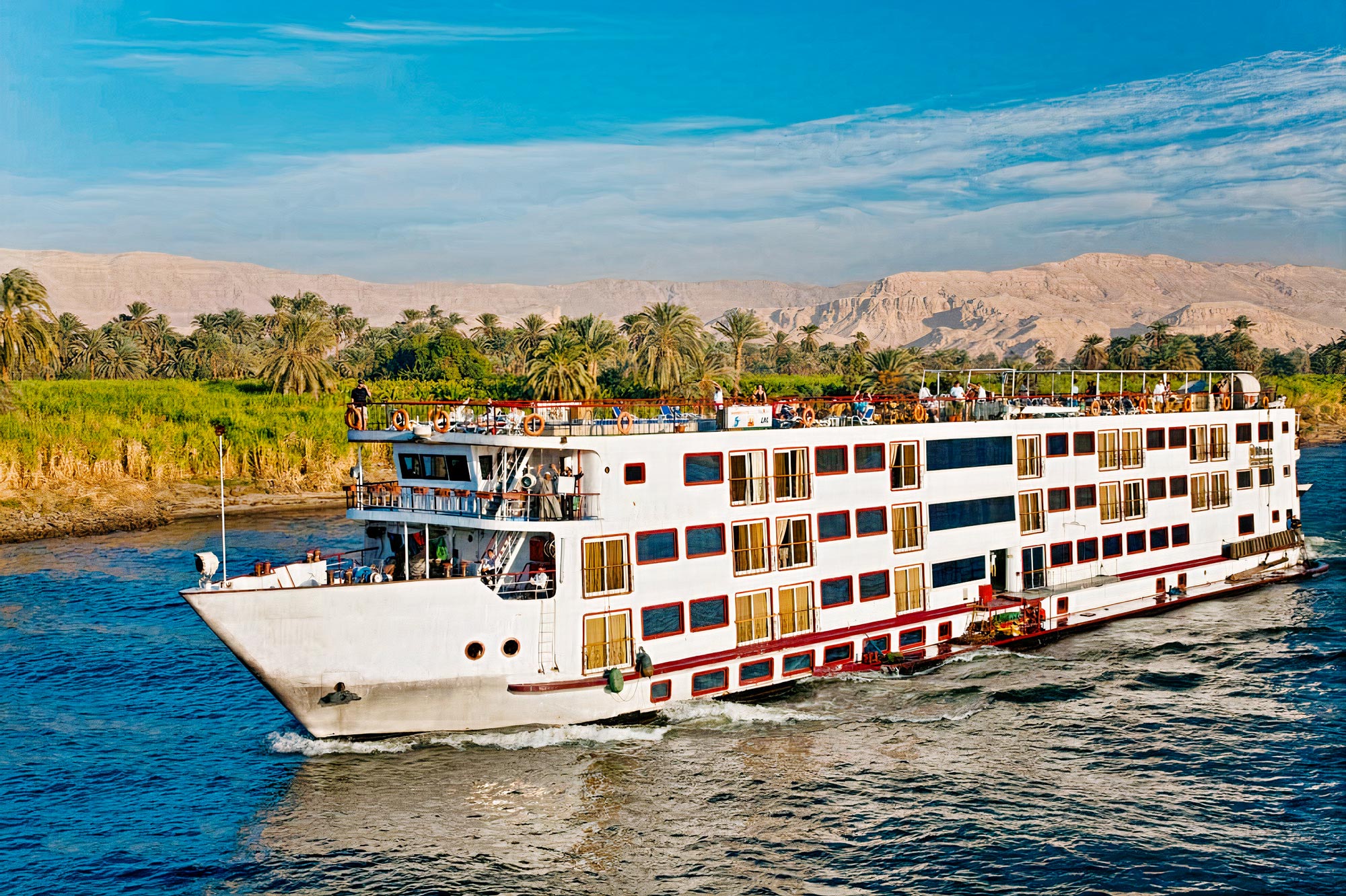
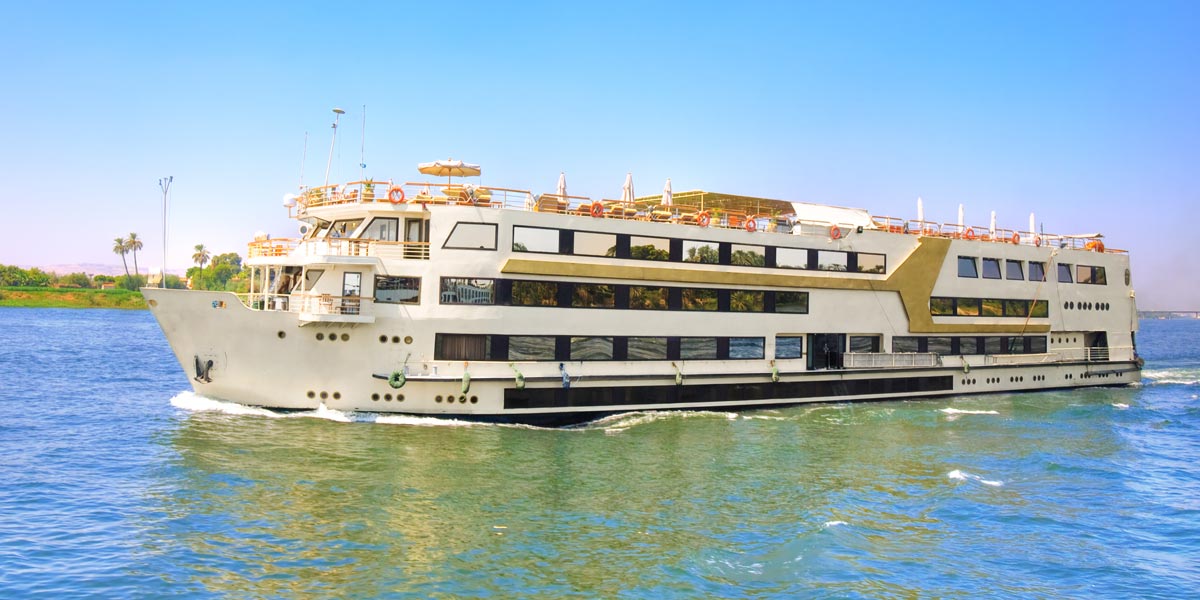
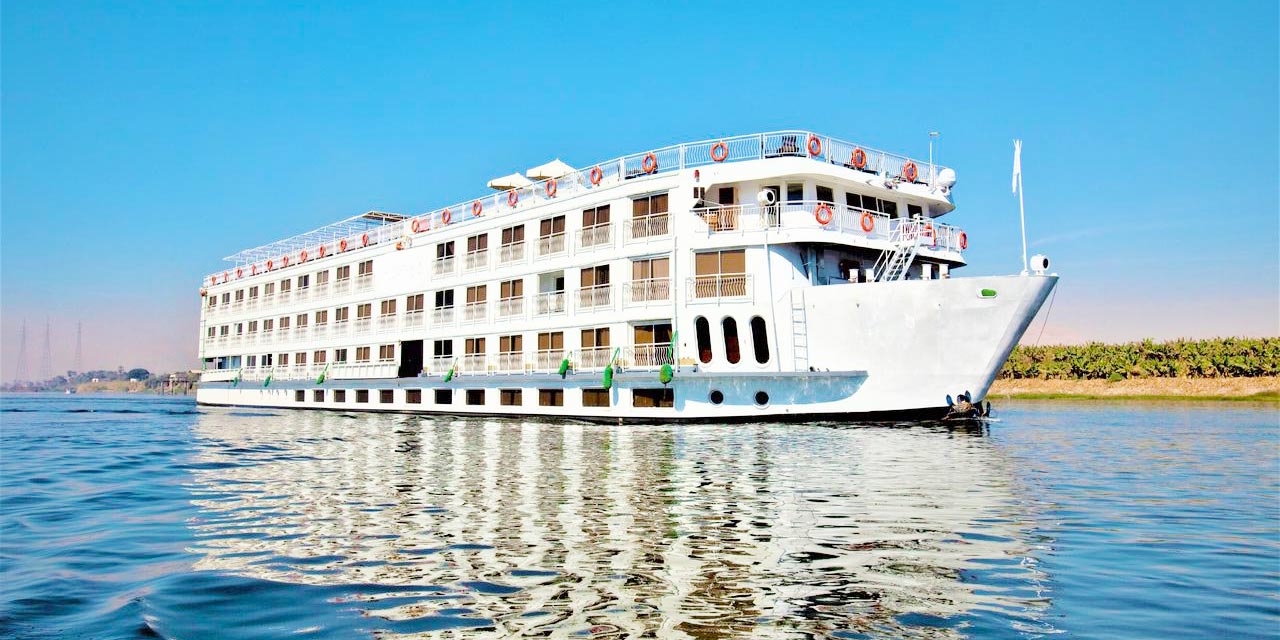
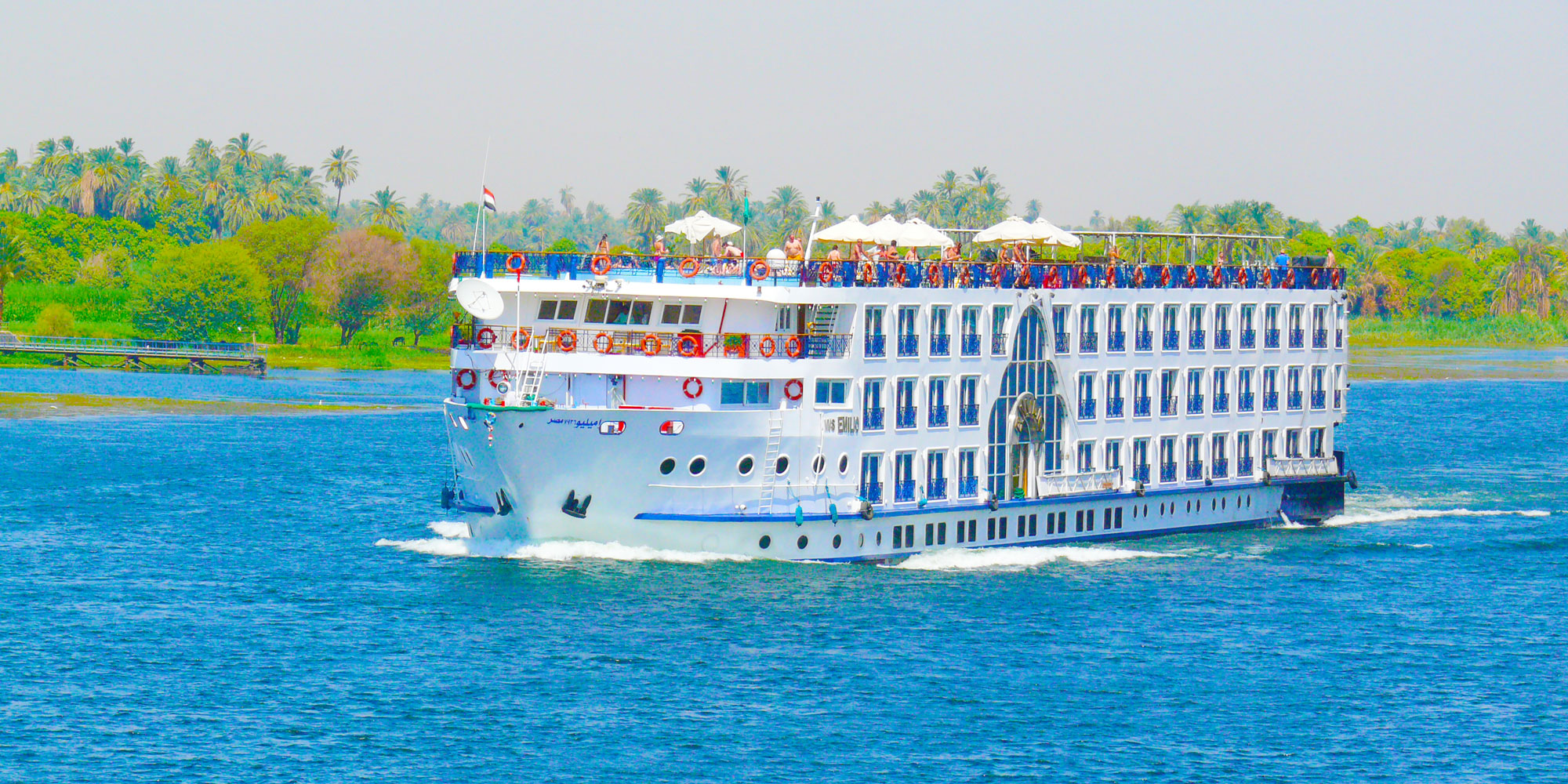
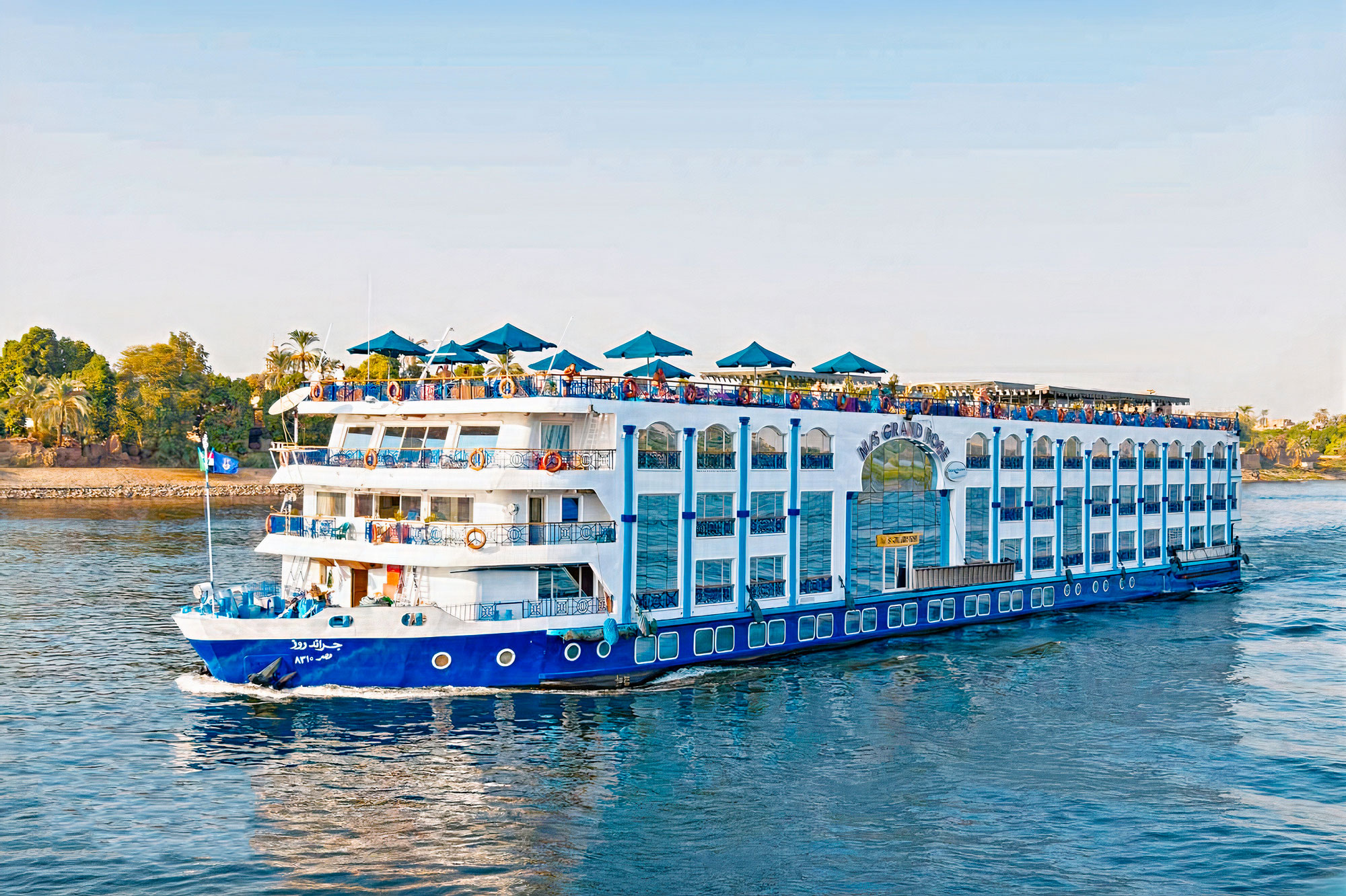
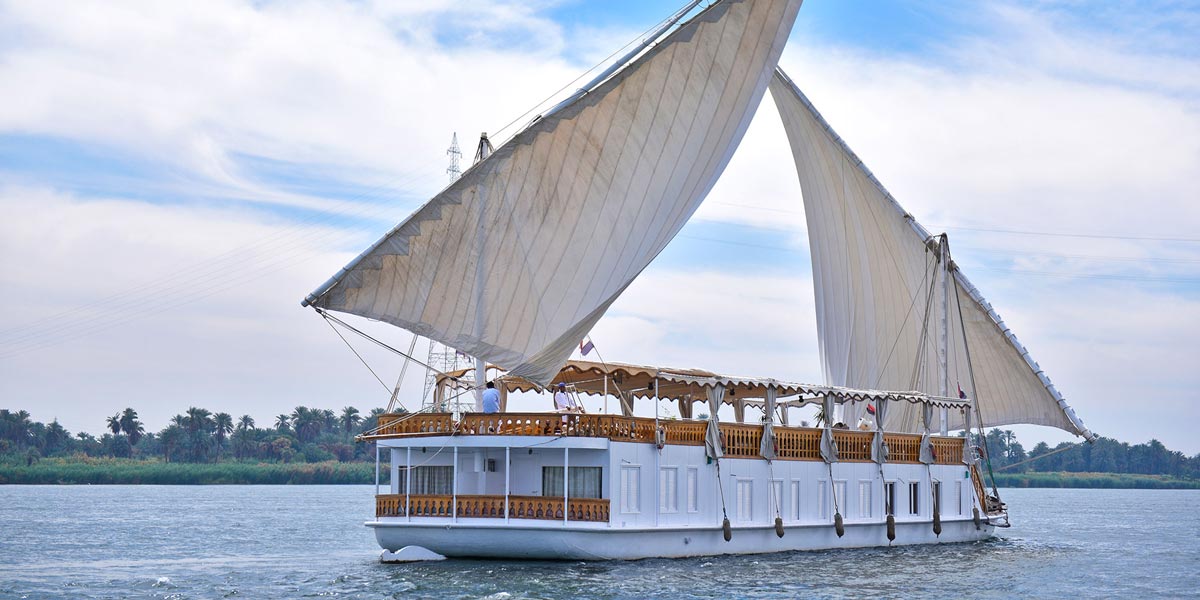
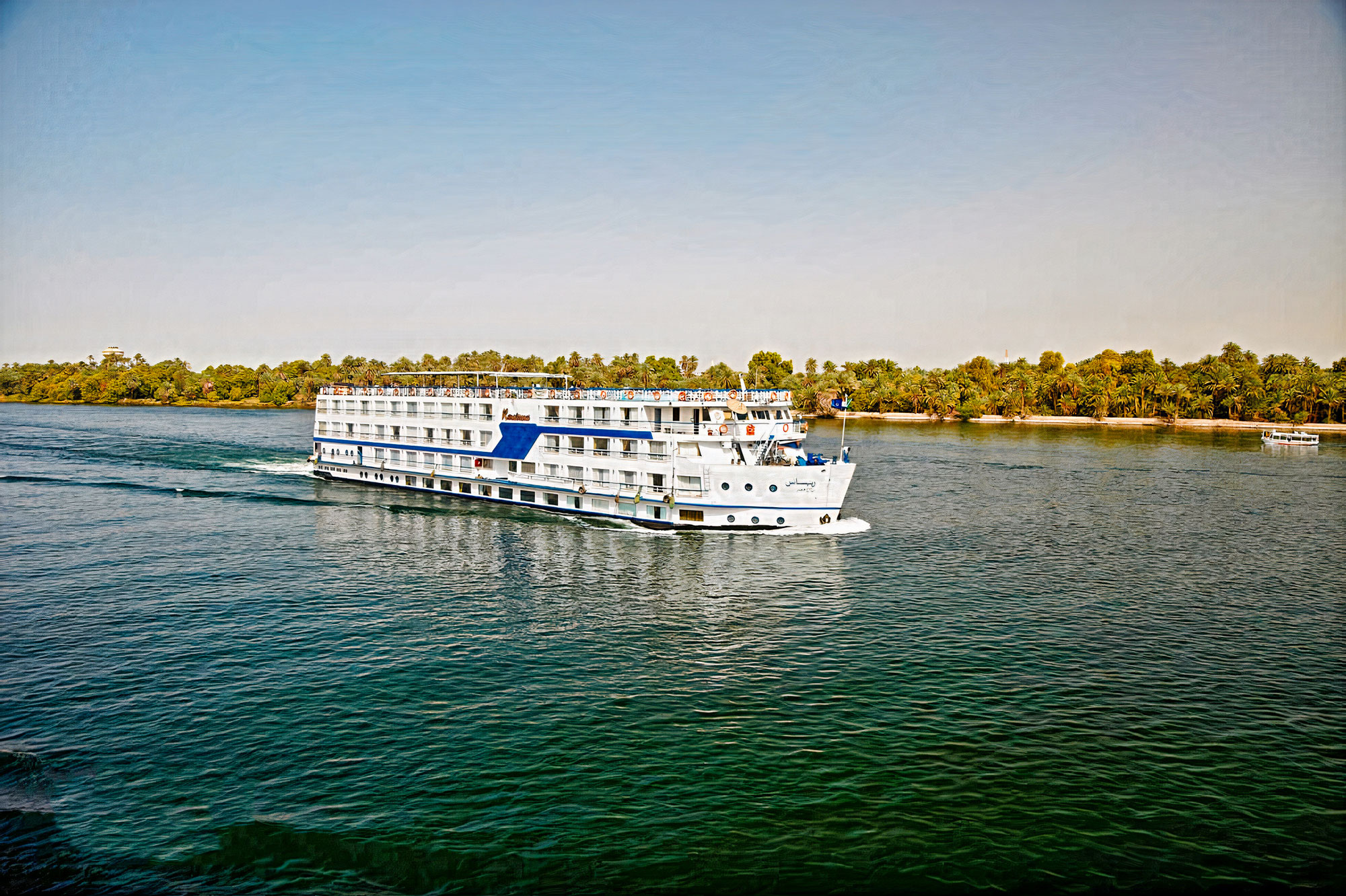
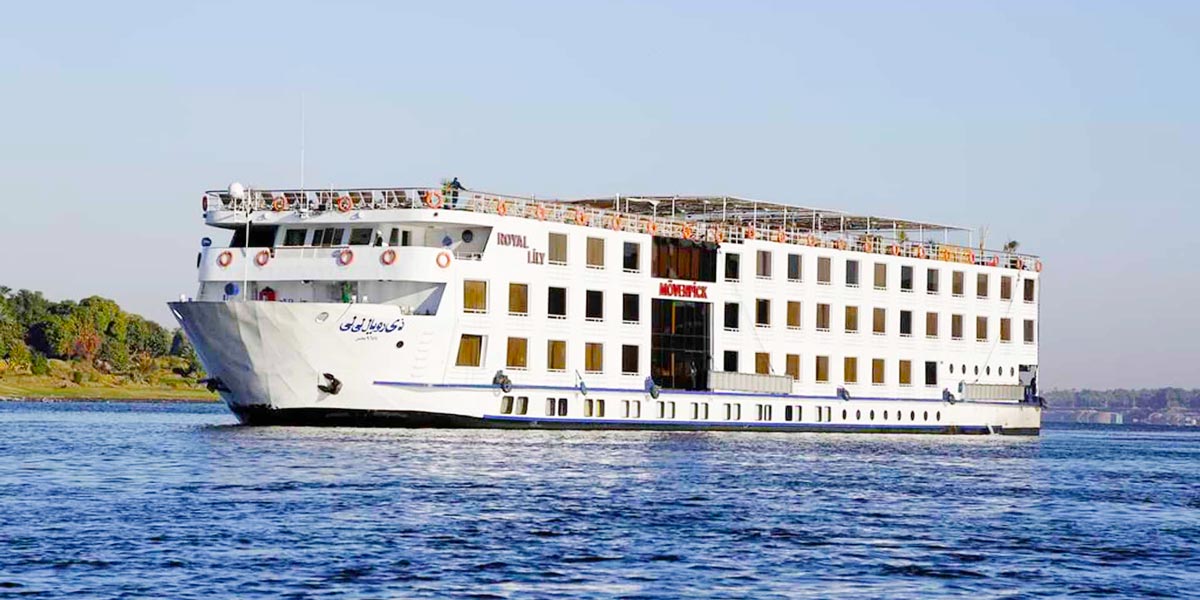
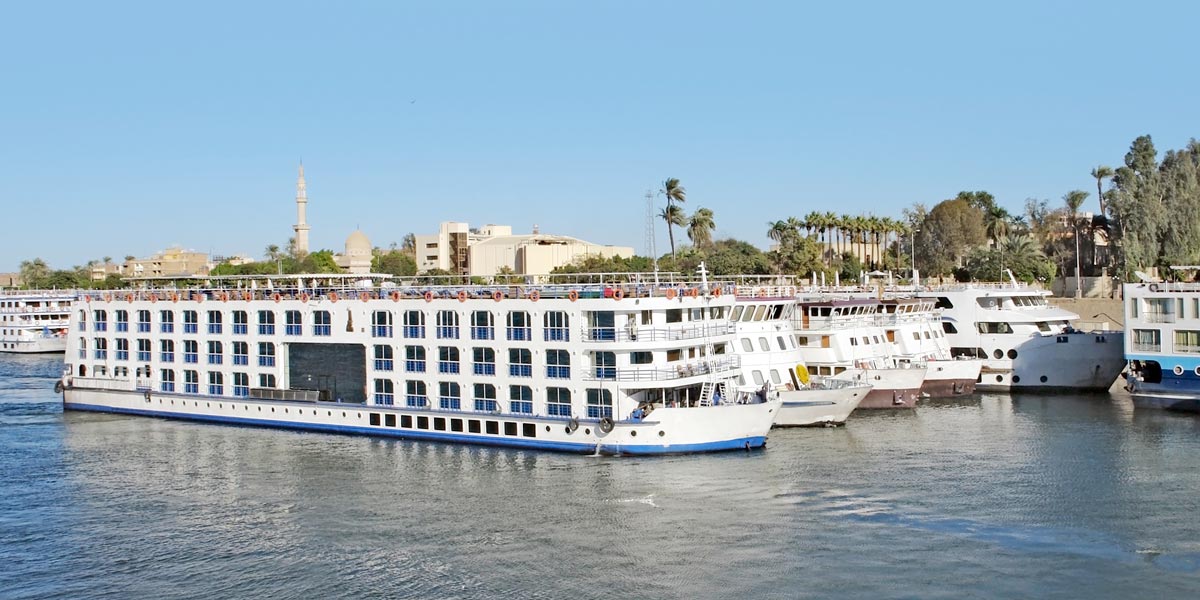
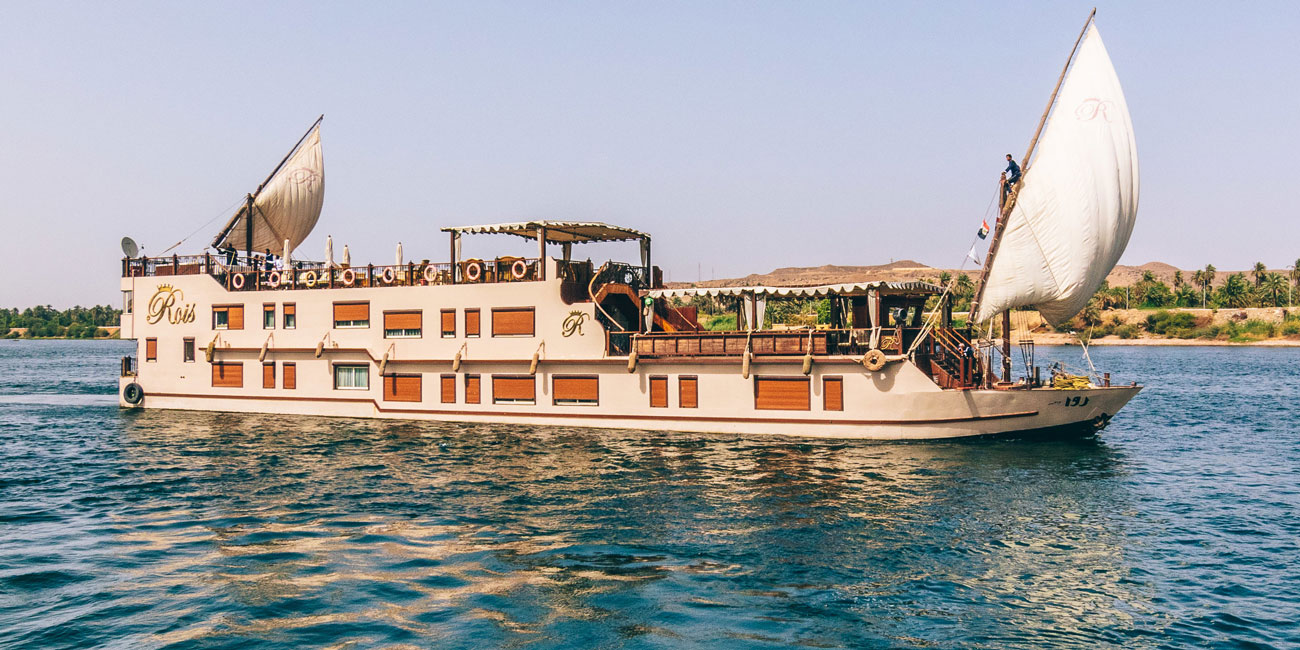
Nile cruise ships generally fall into three tiers, and the difference between them shows up in cabin size, dining style, and excursion group size, not just the nightly rate.
Standard ships start around $150 per night with cabins of roughly 15 to 18 square meters and straightforward buffet dining; deluxe ships run $180 to $320 per night with larger 20-to-22-square-meter cabins, often including a French balcony; and luxury ships start at $400 to $900 per night, occasionally reaching $1,500, with 30-to-40-square-meter cabins, private balconies, and smaller excursion groups of six to eight guests.
Beyond tier, checking recent guest reviews, the ship's last renovation date, and whether a licensed Egyptologist guide is included throughout the itinerary, rather than only at individual sites, is worth doing before committing to a specific vessel. The guide to the types of Nile river cruises breaks down what each tier actually includes in practice.
Book Your Nile Cruise Early
Booking several months ahead of travel, rather than a few weeks out, generally unlocks meaningfully lower rates, since operators discount early reservations to fill cabins with certainty well in advance. Early booking also matters most during peak season, roughly November through February, when the most popular ships and the best-positioned cabins, away from the engine room and with unobstructed river views, sell out first.
Waiting until the last minute can still work in the off-season, but it removes any real choice over which ship, cabin, or itinerary is available. The guide on how to book a Nile cruise covers the exact steps and timing worth following.
Learn Some Basic Arabic Phrases
A handful of Arabic phrases, learned in the time it takes to wait at an airport gate, go further than most first-time travelers expect. Shukran (thank you), min fadlak or min fadlik (please, to a man or woman respectively), and sabah al-khair (good morning) cover most everyday interactions with crew and guides, while kam da? (how much is this?) becomes useful the moment bargaining starts in a market. None of this requires fluency, and even an imperfectly pronounced attempt is consistently met with a warm response from crew and vendors alike.
Pack Appropriate Clothing
One of the most important parts of a successful trip in Egypt is packing all the right items that will make your vacation in Egypt as relaxing as possible. Upper Egypt stays warm for most of the year, and lightweight, breathable fabrics such as cotton and linen handle the climate far better than synthetic materials, even during the cooler winter months when daytime temperatures still reach the low-to-mid 20s Celsius.
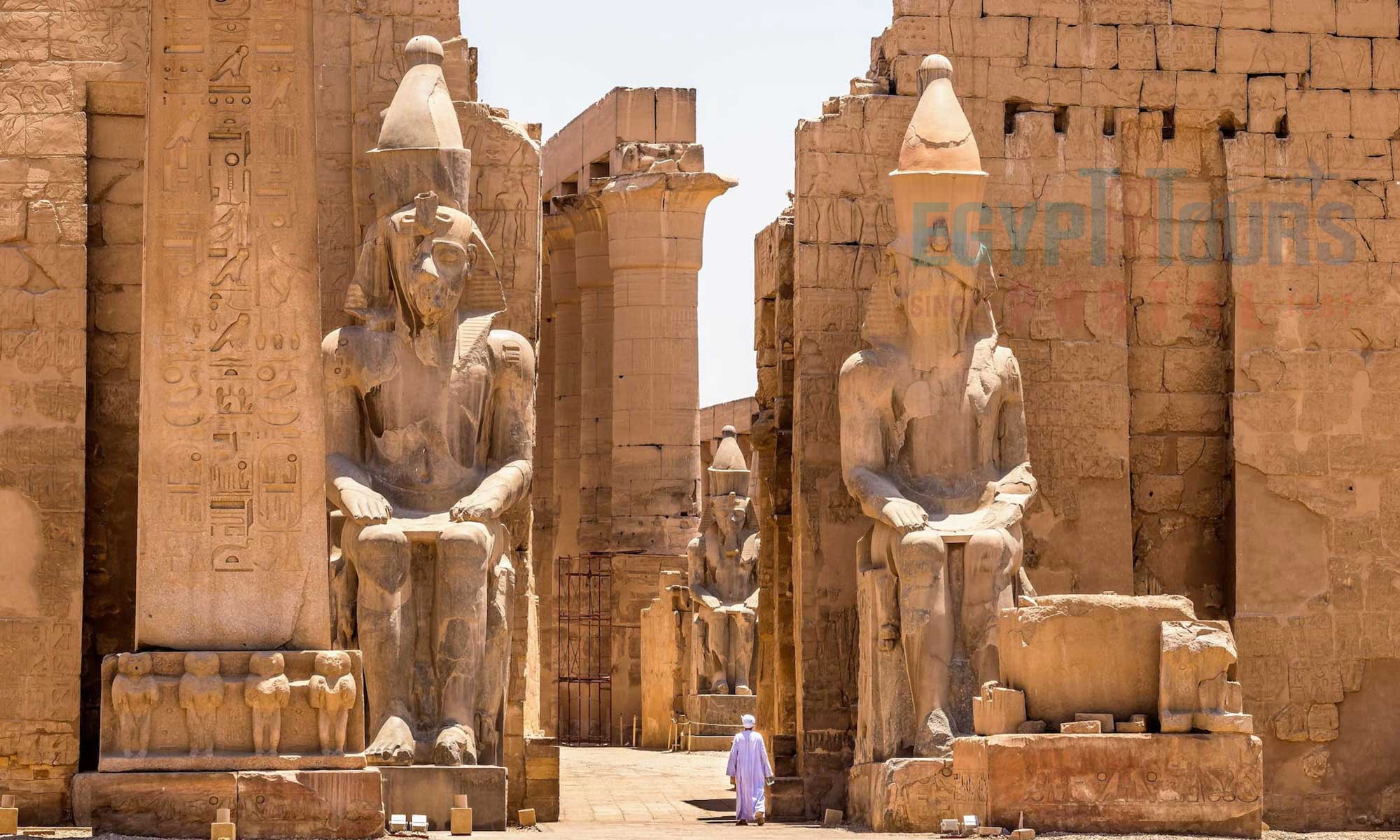
Temple visits call for a stricter standard than the ship itself: shoulders and knees covered regardless of the heat, since sites such as Karnak Temple generally do not admit visitors in shorts or sleeveless tops.
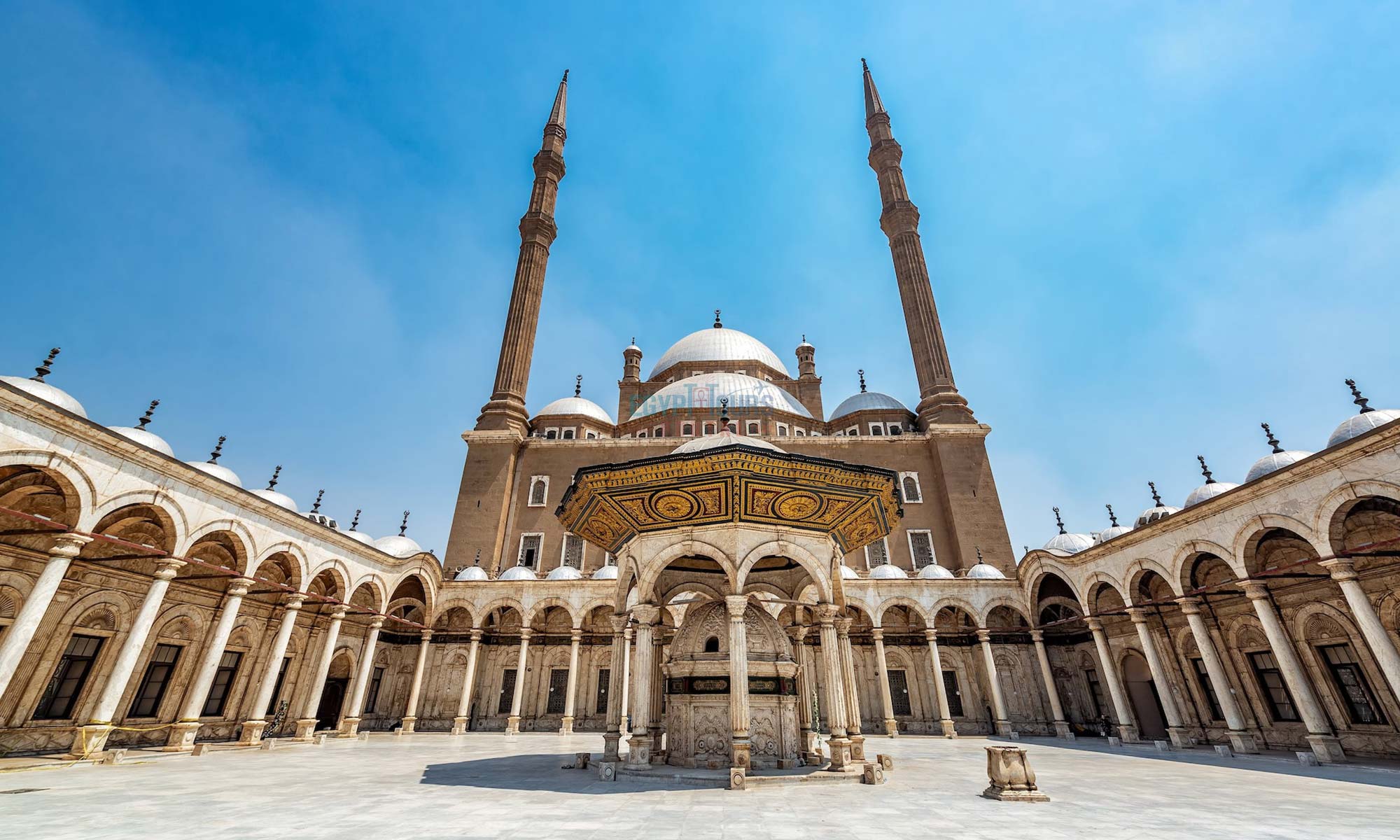
A wide-brimmed hat, sunglasses, and high-SPF sunscreen are practical necessities given the intensity of sun exposure at open-air sites with little natural shade, and a lightweight scarf, packed in a day bag, covers both a sudden dress-code requirement and any mosque visit added to the itinerary.
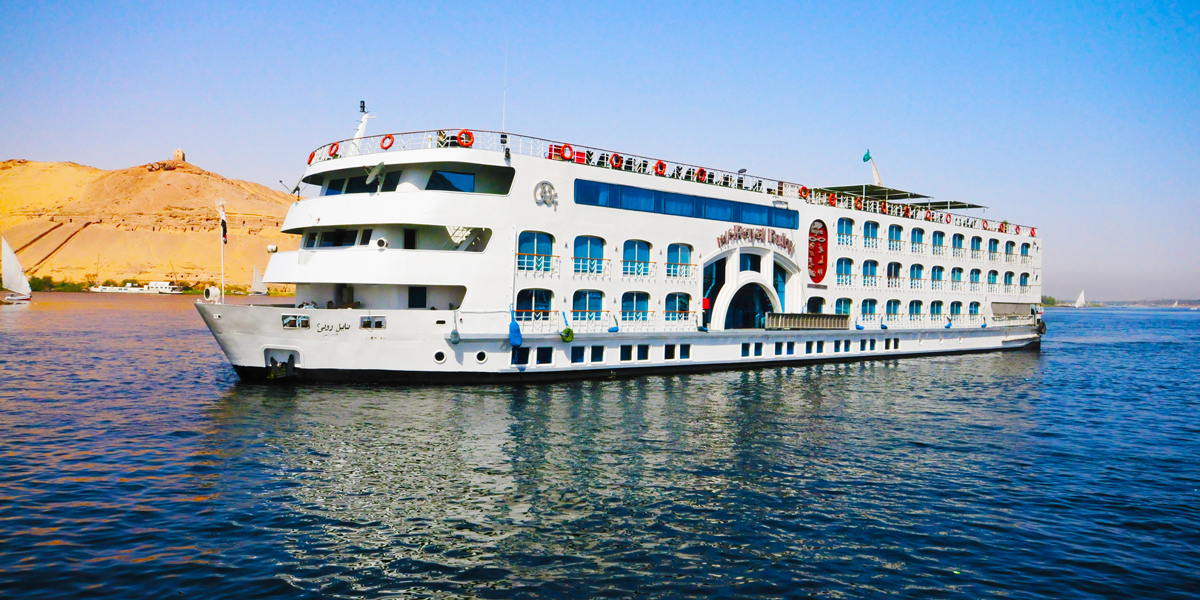
How to Choose the Best Nile Cruise in Egypt
Looking to board the best Nile cruise in Egypt? Through our article, you will know how to choose the best Nile cruises in Egypt. Read more!!!
Explore the Best Tips During the Nile Cruise

Once aboard, a few habits make the difference between a trip that runs smoothly and one spent catching up.
Discover the Sights of Luxor & Aswan
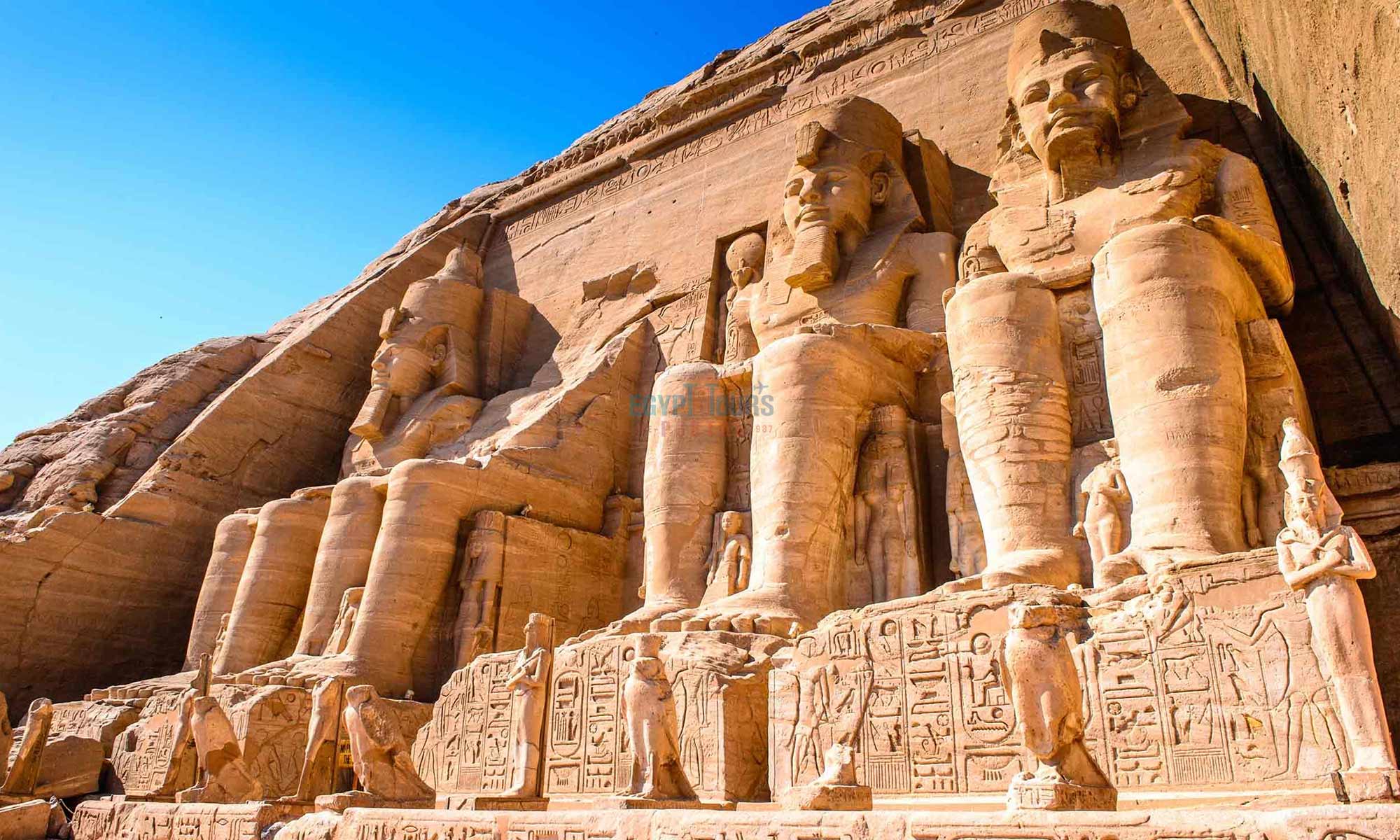
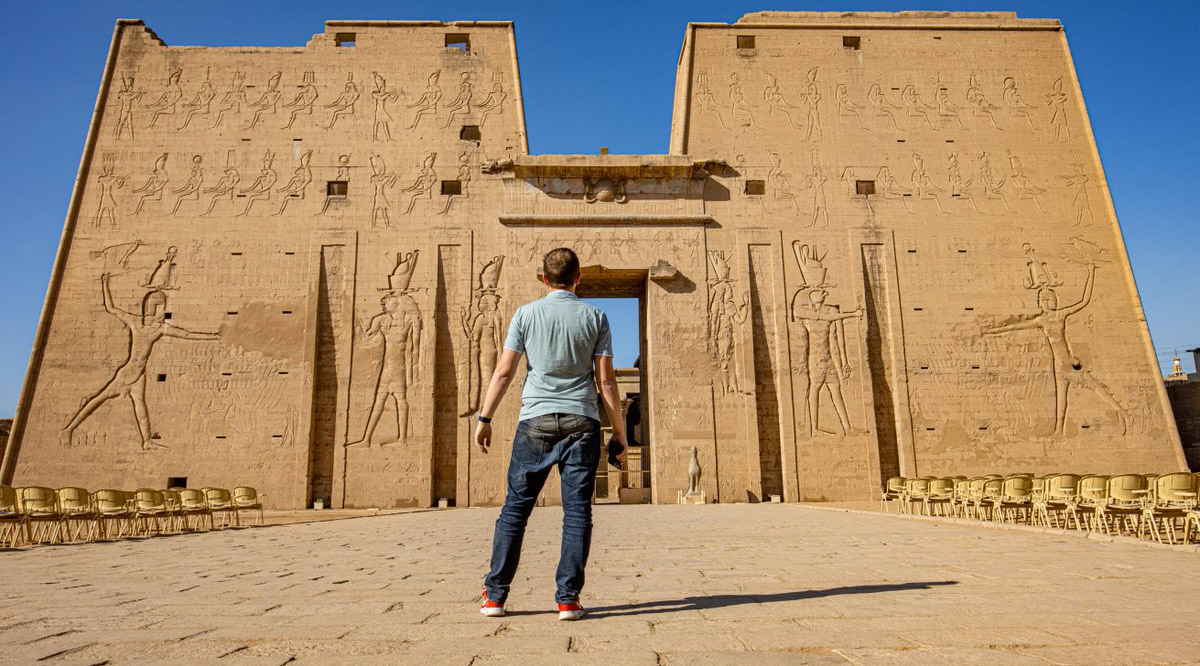
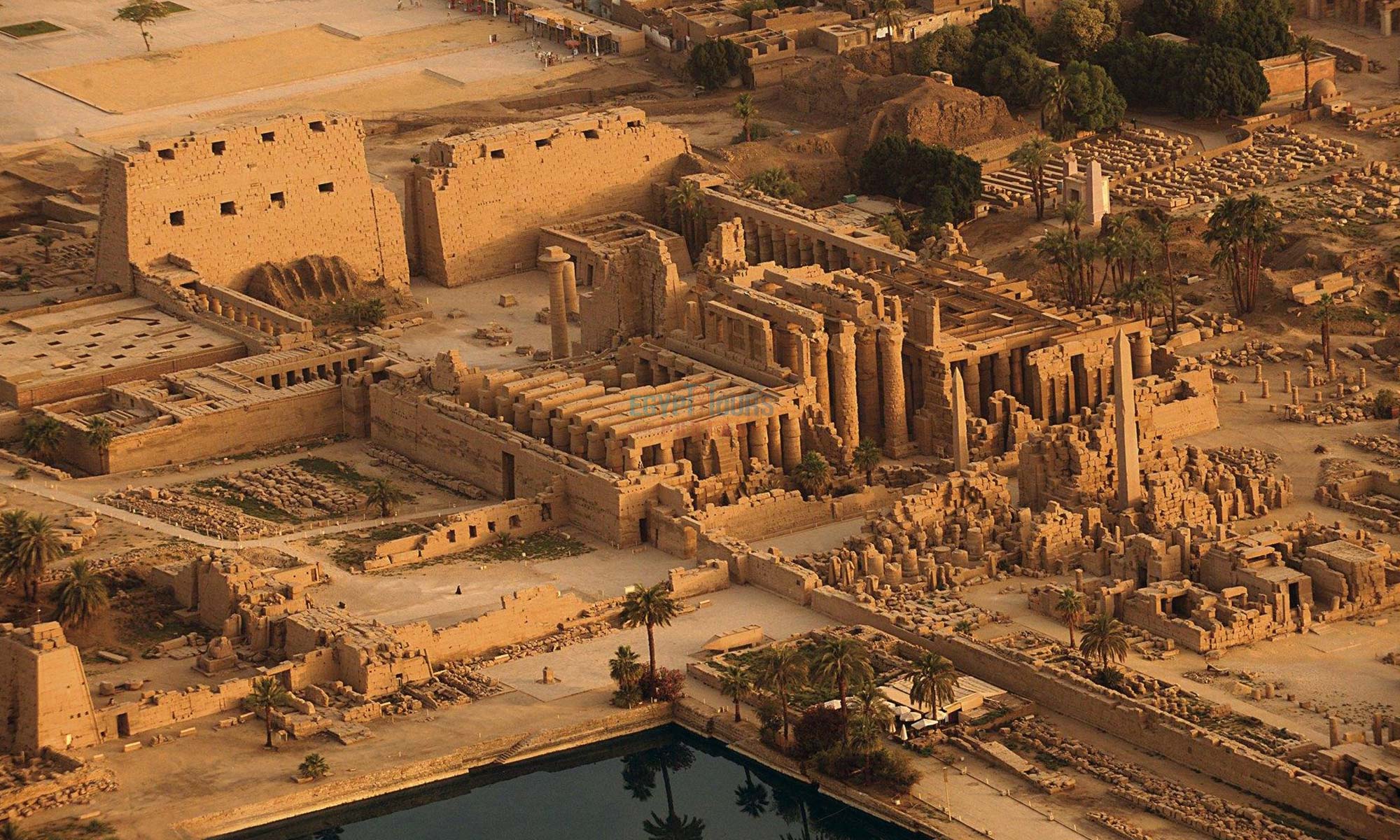
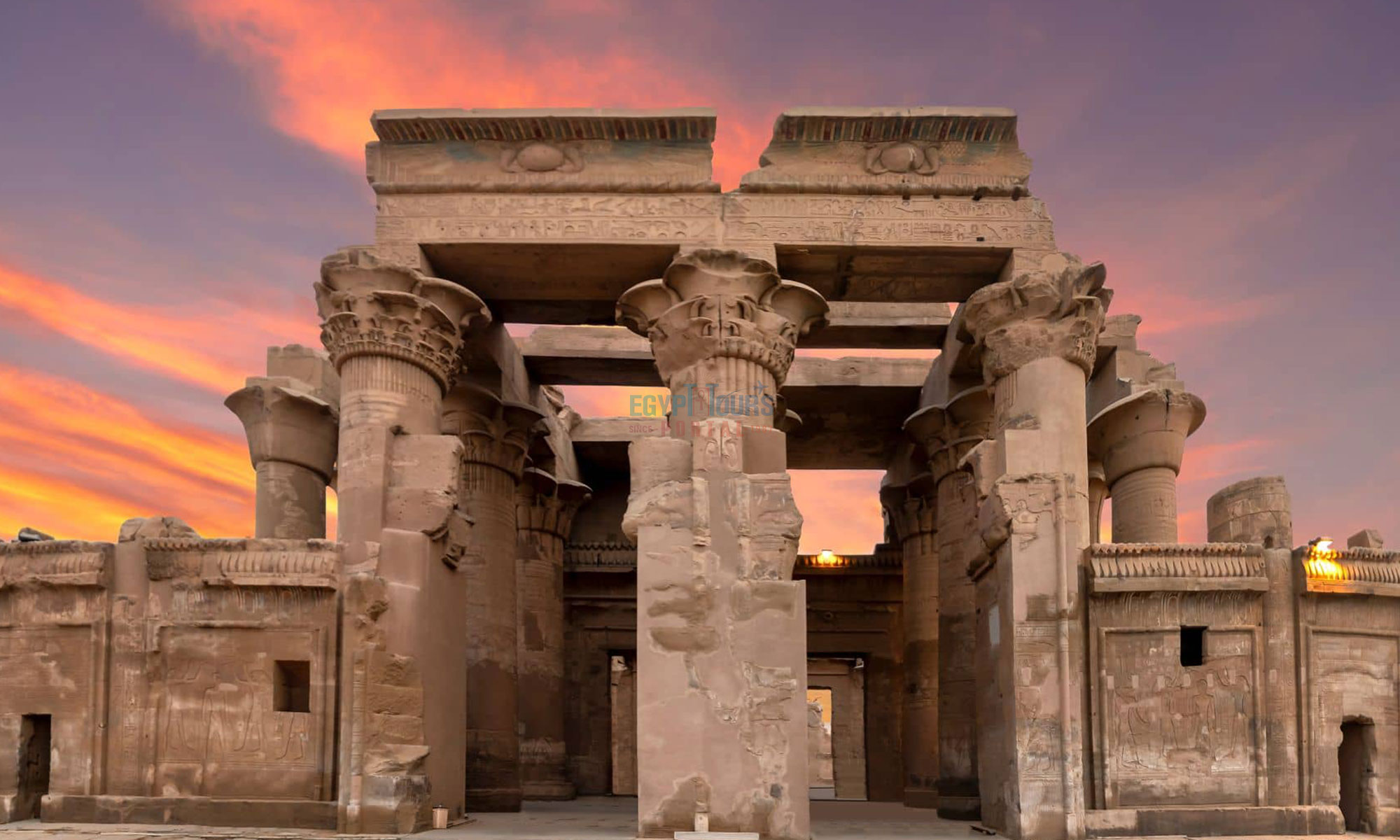
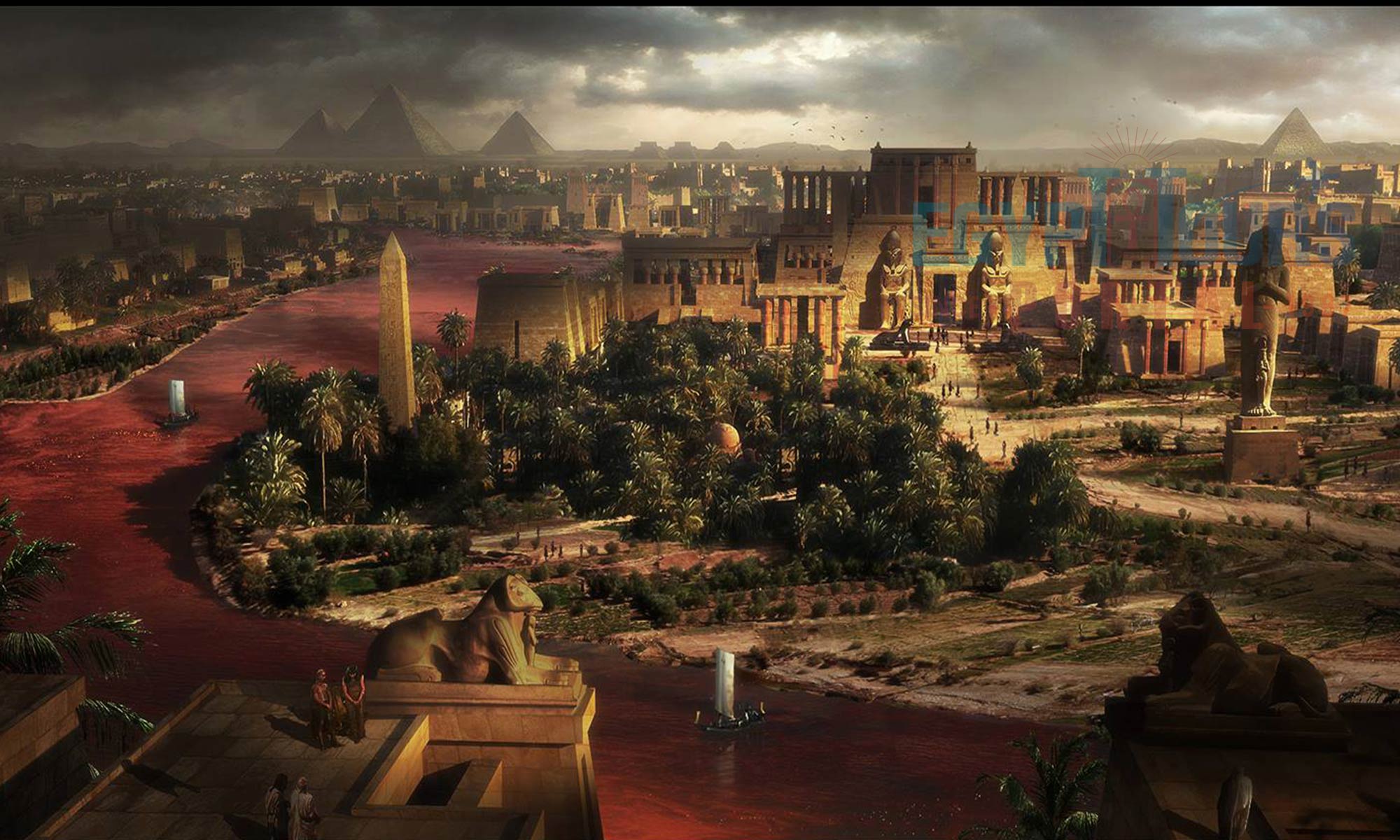
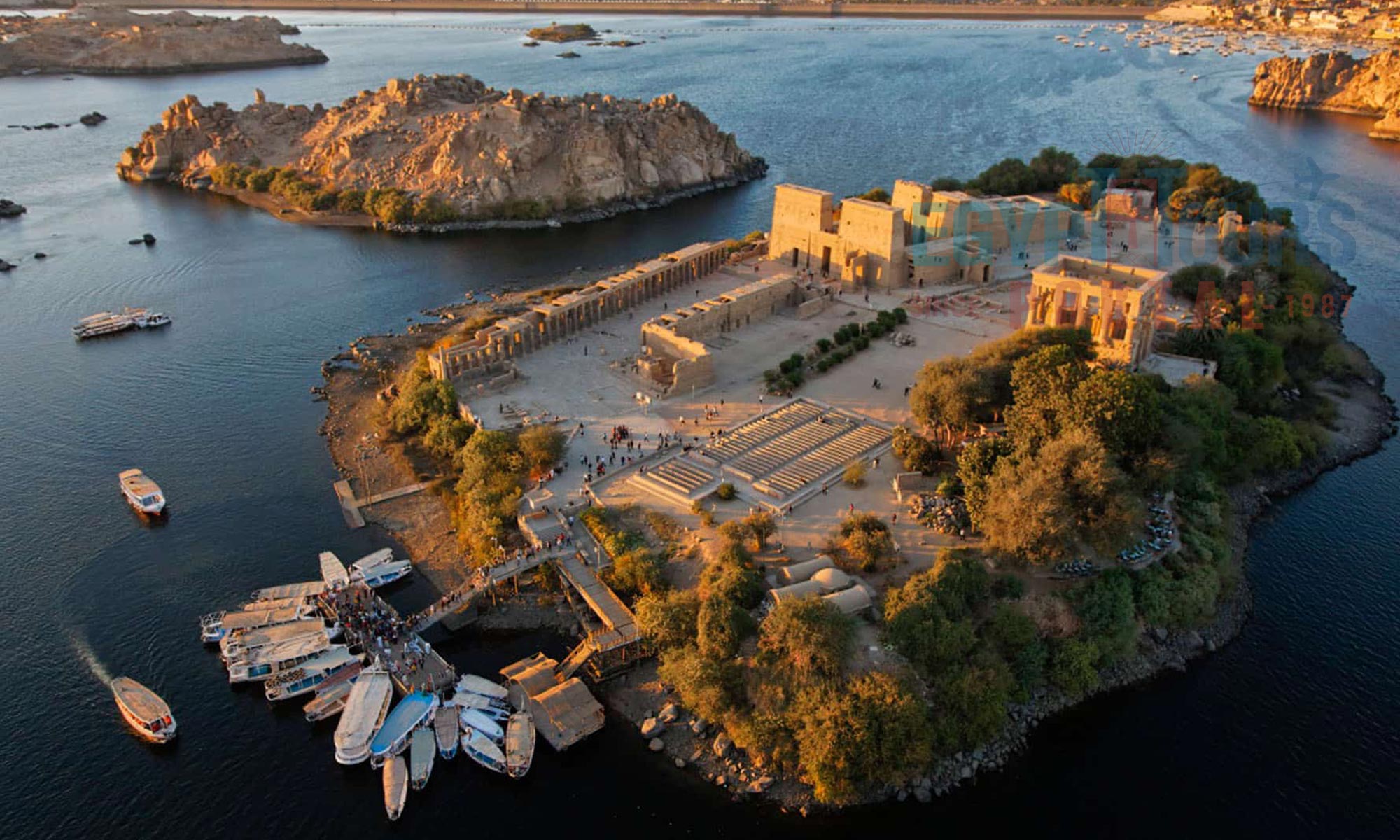
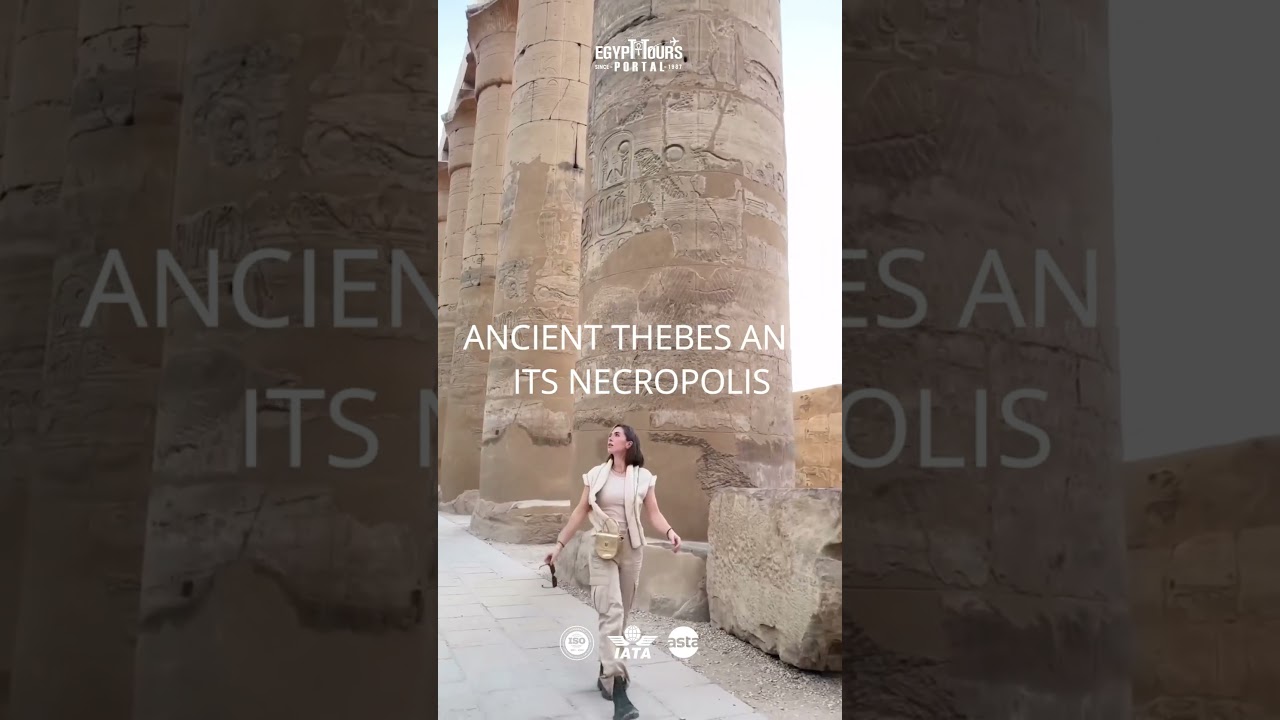
The temples along a standard Luxor-to-Aswan itinerary cover roughly two thousand years of ancient Egyptian history, and each rewards a little background reading before arrival. Karnak Temple, the largest religious complex built in ancient Egypt, and the Valley of the Kings on the Luxor East and West Banks anchor the Luxor side of the trip, while Kom Ombo and Edfu and Philae Temple cover the Aswan leg.
A broader look at each city's history sits in the guide to the ancient city of Luxor and the wider rundown of Aswan's attractions, useful background for a first-time visitor deciding how to spend free time between scheduled excursions.
Enjoy the Meals Onboard the Cruise
Meals are typically served buffet-style, mixing Egyptian dishes such as koshari, molokhia, and Umm Ali with international options, giving first-time travelers a low-pressure way to sample local food without committing an entire meal to it.
Dinner tends to be the most elaborate meal of the day, and most ships can accommodate common dietary restrictions with advance notice, though the range of substitute options narrows somewhat on smaller standard-tier vessels. A closer look at what to expect at each meal is covered in the guide to food and beverage on board Nile cruises.
Relax on the Sun Deck of the Cruise
The sun deck functions as the ship's main social space between excursions, typically furnished with loungers and, on many ships, a small pool, and it is one of the simplest ways to absorb the passing scenery, palm groves, riverside villages, and the sandstone cliffs of the Theban hills, without any planning required.
Early morning and the hour before dinner tend to be the quietest and most comfortable times to use it, since the worst of the midday heat has either not yet arrived or has already passed.
Attend Entertainment Shows Onboard the Cruise
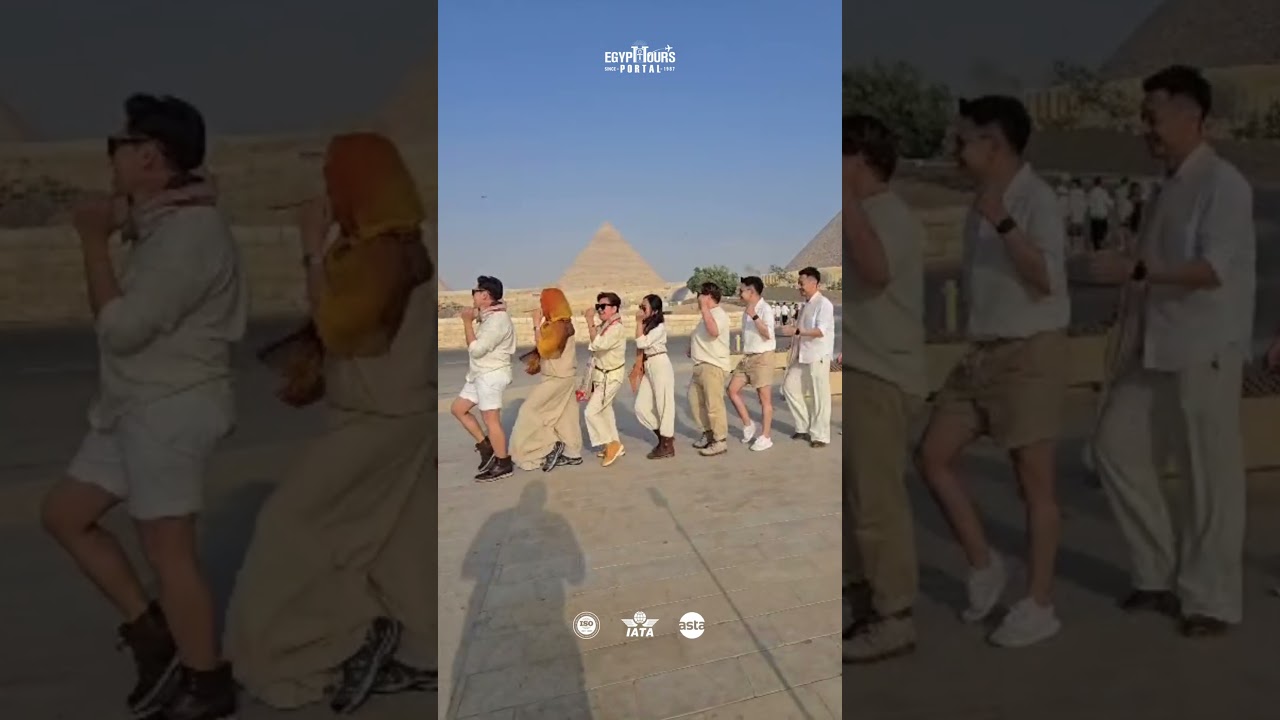
Many ships schedule at least one themed cultural evening during a multi-night sailing, most commonly a Galabeya party, where passengers and crew dress in traditional Egyptian clothing for an evening of music and informal dancing.
Larger ships sometimes add a folklore show featuring Tanoura dancers, whose spinning, brightly layered skirts derive from a Sufi-influenced performance tradition, or a Nubian-inspired music evening connected to the culture explored directly on shore through the Nubian village tours near Aswan.
None of these are guaranteed on every sailing, so checking the ship's program on the first day is worth doing for any first-timer hoping to catch one specifically.
Be Aware of the Dress Code
Onboard daytime wear is casual, but dinner service on most ships expects a slightly smarter standard, collared shirts and trousers for men, modest necklines with covered shoulders for women, particularly on gala or captain's dinner nights.
This is a separate standard from the temple dress code covered under packing, and first-time cruisers are sometimes caught off guard by how much more formal a gala dinner can feel compared to the casual daytime atmosphere on deck.

Discover the Facilities and Entertainment Included on Nile Cruises
Explore Nile cruise facilities & entertainment, from luxury cabins to cultural shows, ensuring your journey blends comfort, history, and unforgettable moments.
Learn the Most Practical Tips For First-Time Nile Cruisers

A handful of smaller habits round out the practical side of a first Nile cruise.
Take Plenty of Small Change of Money With You
Small Egyptian pound notes and small-denomination US dollar bills cover most of what comes up off the ship, a market purchase, a horse carriage ride, or a tip, since vendors and drivers rarely have change for a large note and cards are not accepted everywhere. The guide to tipping in Egypt covers the standard crew and guide gratuities in more detail, useful for estimating roughly how much small cash to carry for the trip overall.
Be Prepared to Bargain
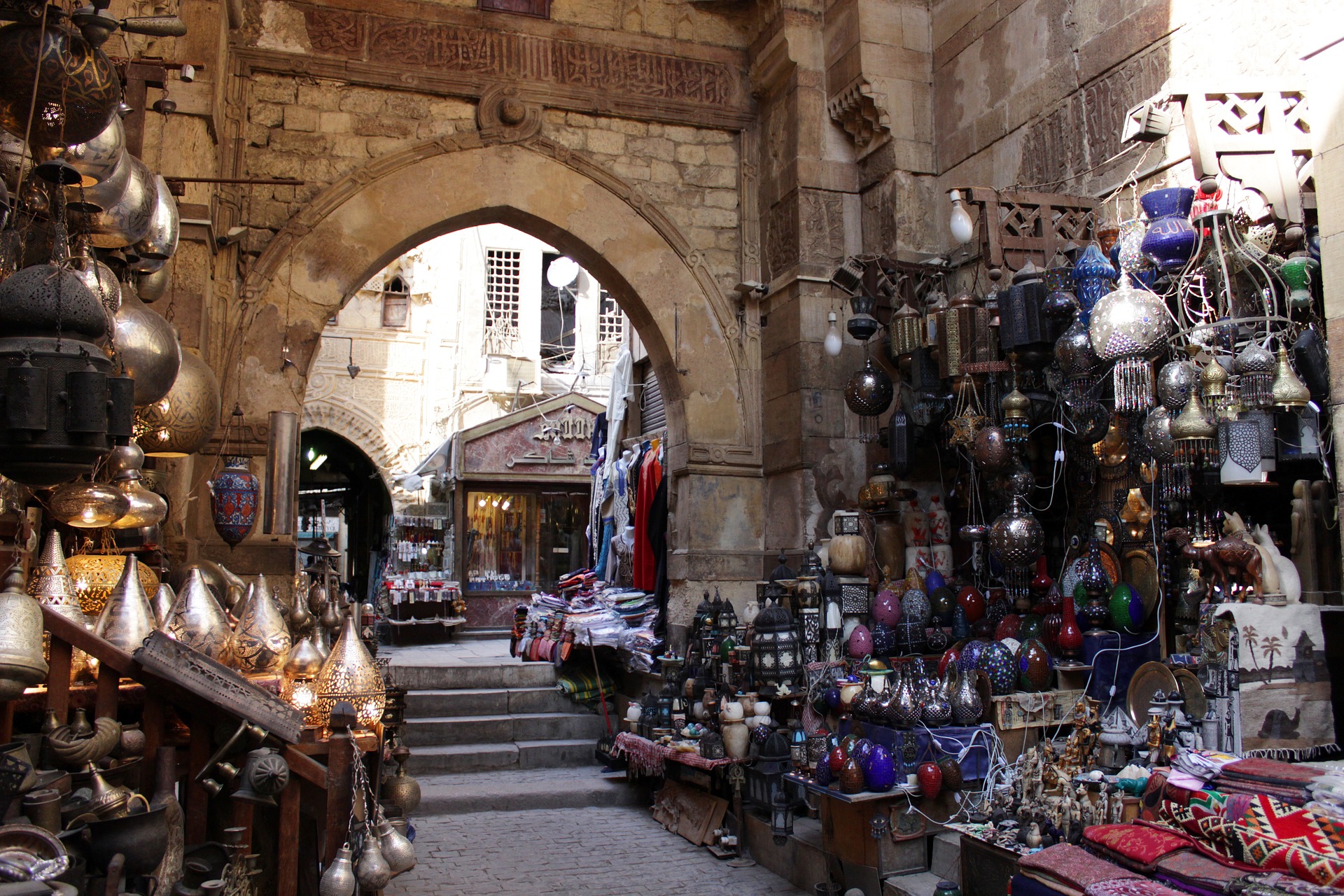
Fixed prices are the exception rather than the rule in markets near cruise docks and temple exits, and vendors typically expect an opening offer well below the asking price. A relaxed, good-humored back-and-forth, rather than a rushed or irritated one, usually lands on a fair number for both sides, and walking away calmly is often what closes a deal, since a vendor will frequently call out a better price rather than lose the sale entirely.
Learn Some Arab Customs and Traditions
Egypt is a predominantly Muslim country with conservative social norms in many public settings, and a few core courtesies go a long way: using the right hand for eating and greeting, since the left is traditionally reserved for personal hygiene, and avoiding pointing the soles of the feet toward another person.
Friday is the main day of prayer and rest, and shops or sites may adjust their hours around it, while greetings often take a moment longer than travelers from faster-paced cultures expect before getting to business. The full guide to the do's and don'ts of Egypt covers this ground in more depth for any first-timer wanting a fuller picture before departure.
Be Careful of Scammers
A small number of scam patterns come up repeatedly enough to be worth naming directly. An unofficial "guide" offering free help at a temple gate typically leads visitors to a shop paying a commission rather than genuinely assisting, so hiring guides only through the cruise operator avoids the situation entirely.
Taxis claiming a broken meter to justify an inflated fare are common enough that a ride-hailing app, where available, or a fare agreed before getting in remains the safer choice. A camel or horse ride quoted at one price sometimes comes with a much higher price to actually dismount, so confirming the full price, including getting off, before mounting prevents the situation from arising.
None of this reflects Egypt as unusually unsafe for tourists, these are common patterns seen in many heavily visited destinations worldwide, but naming them in advance is what lets a first-time traveler recognize and sidestep them calmly.
Enjoy Your Experience
None of the preparation above should overshadow the point of the trip. A Nile cruise remains one of the most rewarding ways to experience Egypt, gliding past temples that have stood for thousands of years while riverside villages and palm groves pass by the deck rail, and a first-timer who has prepared even lightly using the tips above tends to spend far more time simply enjoying that view than managing avoidable problems.
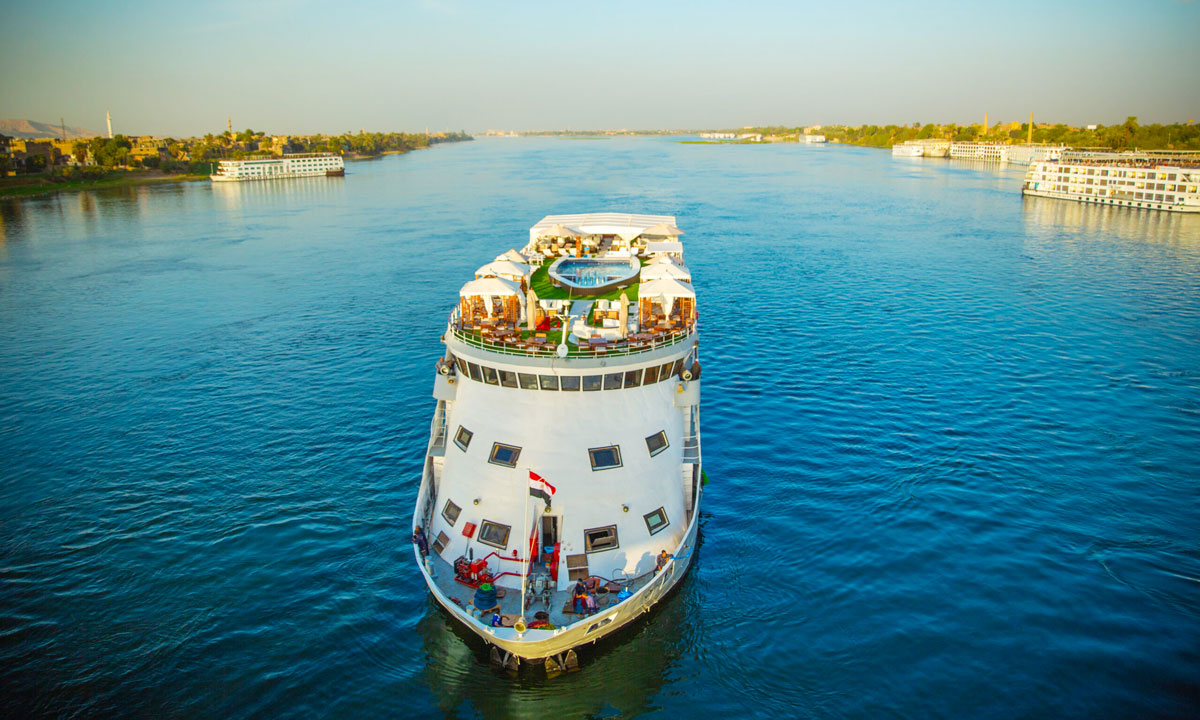
Tips to Enjoy the Most Out of Your Nile Cruise
Here are the top 20 Nile cruise travel tips include what to pack, how to choose, and the best time for a Nile cruise, read more
Learn How to Enjoy the Best Nile Cruise For the First Time
None of these fourteen tips require special expertise, mostly a little research before booking and a willingness to stay relaxed and observant once aboard. The right ship, an early booking, a few Arabic phrases, and appropriate clothing cover most of what happens before departure, while enjoying the sights, the meals, the sun deck, and a bit of local awareness cover the rest, and together they turn a first Nile cruise into exactly the trip it is meant to be.
Explore the magical marvels of Egypt for the first time with our wide selection of Nile River Cruises and Egypt tours, which can include high luxury Nile cruises for a more comfortable first trip, or see the essential trip information guide for everything else worth knowing before departure.