



Summary
- Alexandria, founded by Alexander the Great in 331 BC, was Egypt's capital for nearly a thousand years and home to two of the ancient world's greatest achievements: the Lighthouse of Alexandria and the Great Library.
- The city's essential sights blend eras: the 15th-century Citadel of Qaitbay (built on the Lighthouse's exact site), the Roman-era Catacombs of Kom el-Shoqafa and Pompey's Pillar, and the modern Bibliotheca Alexandrina.
- Alexandria's neighborhoods run along its 40-kilometer coastline, from the historic Anfushi peninsula and Corniche promenade to the upscale eastern districts around Montazah.
- Spring (March–May) and autumn (September–November) offer the most comfortable weather, while the train from Cairo (about 2 hours 40 minutes to 3 hours) is the fastest way to arrive.
- Alexandria works well as a single day trip from Cairo but rewards an overnight stay, and pairs naturally with Cairo in a longer multi-day Egypt itinerary.
Alexandria is the bride of the Mediterranean Sea and the Pearl of the Mediterranean Coast, offering every traveler the chance to witness the true allure and grandeur of the Greco-Roman wonders of Egypt in the most vivid and enchanting manner.
It has been unlike anywhere else in Egypt for more than 2,300 years. While Cairo holds the pyramids and Luxor holds the pharaohs' tombs, Alexandria holds the memory of a city that was once the intellectual capital of the ancient world, a Roman grain port, a Christian patriarchate second only to Rome, and later a cosmopolitan Mediterranean playground of Greek, Italian, and Levantine communities.
The city of Alexandria played a major role in ancient history as it was associated with famous rulers like Alexander the Great and Cleopatra, the last active Pharaoh of Ancient Egypt. The city was responsible for transmitting Hellenic culture to the rest of the Mediterranean after it was built by Alexander the Great himself in 331 BC to be the center of the Hellenistic civilization. It served as the capital of Egypt during the Ptolemaic, Roman, and Byzantine periods for about a thousand years until the Muslim conquest in 641 AD, when the official capital became the city of Fustat.
The eternal pull of Alexandria lies in that layering: a 15th-century Islamic fortress standing on the ruins of one of the Seven Wonders of the Ancient World, a modern library built to honor a legendary one lost to time, and a seaside Corniche where fishermen, students, and newlyweds share the same stretch of promenade their grandparents once did.
In this current age, it is both a beloved holiday destination and a powerhouse of industry. It ranks as the sixth-largest city in the Arab world, the seventh-largest across the Middle East, and the eleventh-largest on the African continent. As the seat of the Alexandria Governorate, it serves as a key industrial center, home to the Alexandria Shipyard among its many enterprises.
The goal of this article is to offer every traveler all the information and knowledge about the beautiful city of Alexandria. This article was written by a highly skilled team of tour operators, tour guides, and travel consultants who know all the details about the wonders of Alexandria.
Where Is Alexandria, and Why It Matters

Alexandria sits on Egypt's northern coast at the western edge of the Nile Delta, stretching roughly 40 kilometers (25 miles) along the Mediterranean shoreline. It is Egypt's principal seaport, its second-largest city after Cairo, and the largest city on the Mediterranean coast, with an urban population of more than 5.3 million people. For nearly a thousand years, from its founding in 331 BC until the Arab conquest in 641 AD, Alexandria was Egypt's capital, and its harbor handled the trade, grain, and ideas that moved between Europe, Africa, and the Near East.
That history earned Alexandria its enduring nickname, the Pearl of the Mediterranean, and it is the reason the city feels different from the rest of Egypt the moment you arrive. The architecture leans European in places, the sea air replaces desert dust, and the pace slows to match the tide.
The History of Alexandria: From Alexander the Great to the Present

Alexander the Great founded the city in April 331 BC near the small Egyptian fishing settlement of Rhacotis, and the architect Dinocrates of Rhodes laid it out on a grid between the sea and Lake Mareotis. Alexander never saw his city finished; he died in Babylon in 323 BC, and his general Ptolemy I Soter took control of Egypt, eventually declaring himself pharaoh in 305 BC and making Alexandria the capital of the Ptolemaic Kingdom. Under Ptolemy I and his son Ptolemy II Philadelphus, the city built the two structures that would define it for centuries: the Great Library of Alexandria and the Lighthouse of Alexandria, known as the Pharos.
The Library, founded in the early 3rd century BC and attached to a research institution called the Mouseion, grew into the largest collection of written knowledge in the ancient world, reportedly holding as many as 700,000 scrolls at its peak. Scholars who studied or worked there included Euclid, whose geometry underpins mathematics to this day, and Eratosthenes, who used little more than shadows and geometry to calculate the circumference of the Earth with striking accuracy. The Pharos, completed around 280 BC on the island of the same name, rose an estimated 130 meters (about 430 feet) above the harbor, making it one of the tallest structures anywhere in the ancient world and one of the Seven Wonders of the Ancient World.
It guided ships into Alexandria's harbor for close to seventeen centuries before earthquakes finally brought it down between the 14th century and 1349, when the traveler Ibn Battuta reported it could no longer even be entered. This last Ptolemaic ruler, Cleopatra VII, died in Alexandria in 30 BC after Rome's conquest of Egypt, closing the Ptolemaic era and opening three centuries of Roman rule during which the city remained one of the empire's most important grain ports.
Alexandria grew into one of Christianity's great early centers, and its patriarch ranked second in seniority only to the bishop of Rome until 430 AD. The city endured its share of disasters, too, including a tsunami that devastated its harbor in 365 AD following a major earthquake near Crete. Byzantine rule gave way briefly to Sassanid Persian occupation in 619 AD before Emperor Heraclius recovered the city in 629 AD. That Byzantine chapter closed for good in 641 AD, when the Arab general Amr ibn al-As captured Alexandria after a 14-month siege, ending nearly a millennium of the city's role as Egypt's capital.
Under Ottoman rule beginning in 1517, Alexandria shrank to little more than a fishing town clustered around its harbor, its ancient monuments buried under sand and centuries of silt. Napoleon's French expedition briefly seized the city in 1798, and British forces defeated the French there in 1801, but it was a change of ruler back in Cairo that would restore Alexandria's fortunes.
When Muhammad Ali became Ottoman viceroy of Egypt in 1805, he set about rebuilding Alexandria as a modern port, digging the 72-kilometer Mahmoudiyah Canal between 1818 and 1820 to reconnect the city to the Nile. Cotton exports in the 1820s, the 1869 opening of the Suez Canal, and waves of Greek, Italian, Jewish, and Levantine settlers turned 19th-century Alexandria into a genuinely cosmopolitan Mediterranean city, one later immortalized by the poet C. P. Cavafy and novelist Lawrence Durrell. Britain bombarded and occupied the city in 1882, and although formal occupation ended in 1922, British influence lingered for decades. That cosmopolitan chapter closed after the 1956 Suez Crisis, when Egyptianization policies prompted much of the foreign community to leave.
Industrial growth through the later 20th century built up the city's shipyards, textile, and steel industries, and in 2002 Egypt opened the Bibliotheca Alexandrina, a modern library and cultural complex built near the site of its ancient predecessor as a deliberate tribute to that legacy. Readers who want the fuller story of the ancient library or the lighthouse specifically can dig deeper into the history of the Library of Alexandria and the ancient Lighthouse of Alexandria in dedicated guides, or browse a full rundown of
The Population of Alexandria Through the Ages

At its height under Roman rule, Alexandria was one of the most populous cities in the ancient world, with historians estimating between 500,000 and 600,000 residents during the reign of Augustus, second in the Mediterranean only to Rome itself.
An earlier Roman census taken in 32 AD counted more than 180,000 adult male citizens alone, and once women, children, enslaved people, and foreign residents are factored in, scholarly estimates for the city's total ancient population range from roughly 216,000 up to that later peak of half a million or more.
That number collapsed over the centuries that followed. Repeated conquests, the gradual silting of its harbors, and centuries of Ottoman-era neglect reduced Alexandria to little more than a fishing village clustered around its old walls by the time Muhammad Ali began rebuilding the city in 1805.
The population then grew back just as deliberately as the city did: 19th-century cotton wealth, the Suez Canal's opening in 1869, and waves of European settlement drove sustained growth through the cosmopolitan era, and that growth never really stopped. As of the most recent census, Alexandria's urban population stands at more than 5.3 million people, with its wider metropolitan area approaching 6.1 million, making it Egypt's second-largest city after Cairo and, once again, one of the most populous cities on the Mediterranean.
The Immortal and Diverse Attractions to Behold in Alexandria

Alexandria rewards visitors who move between eras: Islamic fortress one hour, Roman catacombs the next, modern library after that. A full rundown of things to do in Egypt and its majestic tourist attractions covers the city site by site; these are the essentials.
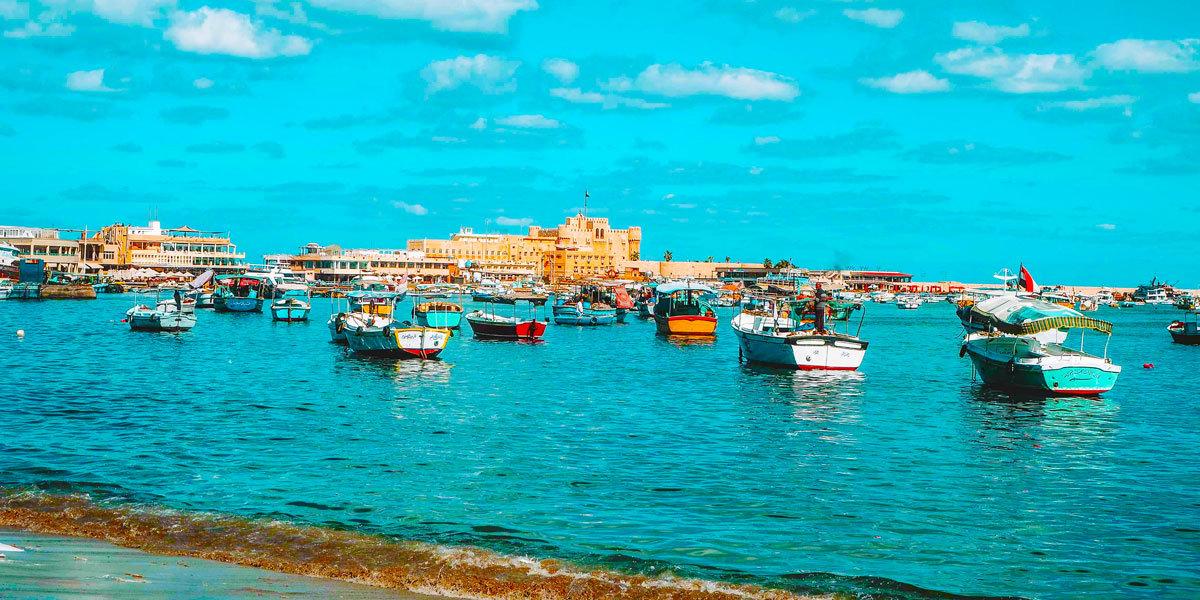
Citadel of Qaitbay was built in 1477 AD by the Mamluk Sultan Al-Ashraf Sayf al-Din Qaitbay. This coastal fortress stands on the exact site once occupied by the Pharos, and its builders reused fallen blocks from the ruined lighthouse in its walls. The citadel now houses a small maritime museum, and its position at the tip of the eastern harbor makes it one of the best places in the city to watch the Mediterranean meet the skyline.
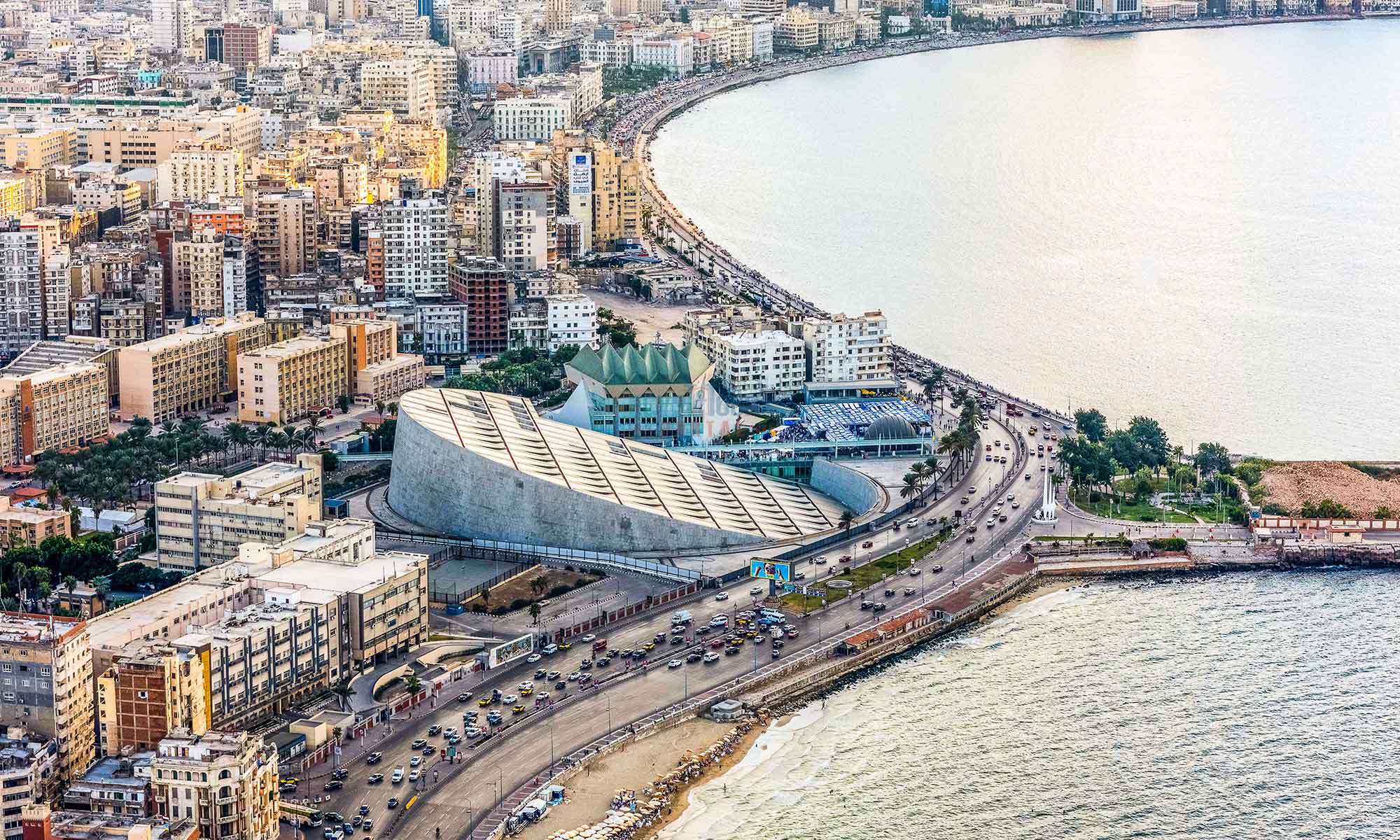
Bibliotheca Alexandrina is a tilted, disc-shaped modern library opened in 2002 on the Corniche as Egypt's answer to the ancient library it honors. Inside are four museums, rotating exhibitions, and a planetarium, and the complex is generally open Sunday through Thursday from 10 am to 7 pm, Friday afternoons, and Saturday around midday, though hours can shift with holidays. Anyone who wants the building's full backstory can read more on the Bibliotheca Alexandrina's history and architecture.
Catacombs of Kom el-Shoqafa were discovered by accident in 1900. This underground necropolis descends roughly 20 meters (65 feet) through three levels via a spiral staircase, ending in burial chambers that fuse Ancient Egyptian, Greek, and Roman funerary styles in the same carved pillars and sculpted niches. It ranks among the largest Roman-era burial sites in Egypt and among the most unusual, precisely because of that stylistic mixing.
Pompey's Pillar and the Serapeum are a single 30-meter (99-foot) red granite column, erected around 297 AD, still stands where it once formed part of a colonnade surrounding the Serapeum, the most important temple in ancient Alexandria and once home to a satellite collection of the Great Library. The column's base spans nearly 2.7 meters (8.9 feet) in diameter and is estimated to weigh close to 396 tons.
Roman Theater of Kom el-Dikka is Alexandria's best-preserved Roman-era site, including a small amphitheater with thirteen marble tiers that once seated around 800 spectators, alongside the excavated Villa of the Birds with its intact Roman mosaic floors.
Montazah Palace and Gardens was built in 1892 for Khedive Abbas Hilmi II. This palace on Alexandria's eastern coast sits inside gardens spanning some 150 acres of landscaped grounds running down to the Mediterranean, making it as much a place to walk and picnic as to sightsee. The Alexandria facts and history hub covers the palace's Royal Museum in more depth for anyone planning a visit.
El-Mursi Abul-Abbas Mosque was rebuilt in its current form in the 20th century on a site consecrated in 1775. This mosque in the Anfushi district has a minaret rising roughly 73 meters and holds the tomb of a 13th-century Sufi saint, making it one of Alexandria's most visited religious sites.
Alexandria National Museum is housed in a restored Italian-style villa in the Latin Quarter. This museum tells Alexandria's story chronologically through more than 1,800 pieces spanning the Pharaonic, Greco-Roman, Coptic, and Islamic periods, offering a compact overview for visitors who want context before or after visiting the sites themselves.

Alexandria Tourist Attractions
Explore top Alexandria tourist attractions and learn about the city's rich archaeological sites. Read more about what to visit in Alexandria.
Alexandria's Neighborhoods and the Corniche

Alexandria unspools along the coast rather than sprawling inland, and its neighborhoods roughly follow that line. Anfushi, on the peninsula behind the eastern harbor, holds the Citadel of Qaitbay, a lively fish market, and some of the narrowest, most atmospheric streets in the city. The Corniche, the waterfront promenade running along the eastern harbor for roughly 15 kilometers, links most of downtown's landmarks and is where Alexandrians go to walk, fish, and watch the sun set over the Mediterranean.
Inland from the Corniche sits Raml Station, the city's historic center, home to Saad Zaghloul Square, century-old cafés, and the grand old Cecil Hotel. Further east, the districts of Rushdy, San Stefano, and Montazah hold Alexandria's upscale hotels, private beaches, and the palace gardens, while Ras el-Tin, at the city's western tip, is dominated by the citadel itself. To the south, the Karmouz district holds the catacombs and Pompey's Pillar, a short taxi ride from the harborfront.
Explore all the Fun and Amazing Things You Can Do in Alexandria

Beyond all the captivating monuments, Alexandria rewards slower pursuits, too: walking the Corniche at sunset, wandering the narrow streets and fish market of Anfushi, sitting in one of the century-old cafés around Raml Station, and eating fresh-caught seafood, koshary topped with kibda Iskandarani, or a scoop of the city's distinctively stretchy ice cream. Between the ruins, the coastline, and the food, a visit can range from a single focused day trip from Cairo to a slower multi-day stay without running out of things to do.
Alexandria is widely regarded as home to some of the best seafood in Egypt, a natural result of its fishing fleets landing the daily catch along the eastern harbor. Restaurants along and near the Corniche grill or fry that catch to order, usually served simply with rice, salad, and tahini. Locals also put an Alexandrian stamp on Egypt's national comfort food, koshary, by topping it with kibda Iskandarani, a spiced, peppered version of pan-fried liver unique to the city.
For something sweeter, Alexandrian ice cream has a distinct, slightly stretchy texture and a following that stretches back generations, with some of the best-known parlors clustered near the citadel. Around Raml Station, long-running fuul and falafel institutions serve breakfast the way Alexandrians have eaten it for decades, and the city's historic cafés, some dating to the 1920s, remain some of the best spots to slow down over coffee or tea between sightseeing.
14 Things to Do in Alexandria
Here are the best things to do in Alexandria. Skip the line and discover the top activities to do in Alexandria through our article, Read more
Discover the Best Time to Visit Alexandria

Alexandria's Mediterranean-influenced climate makes it more temperate than Cairo or Upper Egypt year-round, but spring (March to May) and autumn (September to November) offer the most comfortable balance of mild temperatures and manageable crowds, and both are widely recommended as the ideal windows to explore the city on foot. Winter, from December through February, brings Alexandria's coolest and wettest weather, with daytime highs typically between 12°C and 18°C (54°F and 64°F) and occasional rain, though it remains a pleasant season for sightseeing without the summer crowds.
Summer, particularly July and August, runs hot and humid, with daytime highs around 30°C (86°F); it is also Alexandria's busiest season, since Egyptians from Cairo and the Delta head to the coast to escape the inland heat. Sea temperatures stay swimmable most of the year, ranging from a cooler 17°C (63°F) in late winter to a warm 25–26°C (77–79°F) in late summer, and rainfall averages around 211 millimeters (8.3 inches) a year, virtually all of it between November and March.
How to Get to Alexandria, and How to Get Around

The train is the most comfortable and reliable way to reach Alexandria from Cairo, with around 30 daily departures connecting Cairo's Ramses Station directly to Alexandria's downtown Misr Station. The fastest non-stop "Special" services take about 2 hours 40 minutes, while regular express trains run closer to 3 hours.
Buses and long-distance taxis cover the same route in roughly 2 to 3 hours along either the busier, faster Agriculture Road or the quieter Desert Road, both of which run through the Delta or along the coast depending on the operator.
Alexandria's Borg El Arab Airport sits about 45 kilometers southwest of downtown and receives a mix of domestic connections from cities such as Luxor and Sharm El Sheikh alongside a handful of international routes, though most travelers coming from Cairo find the train faster door to door.
Getting around the city is ideal through the historic tram network, one of the oldest in Africa, and a fleet of taxis and ride-hailing apps cover the coastal corridor efficiently, since the city's layout is long and narrow rather than sprawling. Fixed-route minibuses also run the length of the Corniche for those who want the cheapest option.
Travelers organizing a trip from Cairo rather than navigating independently can also book a private day trip to Alexandria from Cairo by car, which typically covers the catacombs, Pompey's Pillar, the citadel, and the library in a single guided day, or arrange a shore excursion from Alexandria's port for cruise arrivals.
How Many Days Do You Need in Alexandria?

Alexandria's essential sites, the citadel, the catacombs, Pompey's Pillar, and the Bibliotheca Alexandrina, can realistically be covered in a single full day, which is why it remains one of the most popular day trips from Cairo. Staying overnight, however, adds real value: it allows time to walk the Corniche at sunset, sit in one of the historic cafés around Raml Station, and visit the eastern districts around Montazah at a slower pace. Travelers combining Alexandria with the rest of Egypt often build it into a longer itinerary, such as a 5-day Cairo and Alexandria tour package or a more leisurely 6-day Cairo and Alexandria vacation, which pairs the pyramids and museums of Cairo with the coastal, cosmopolitan pace of Alexandria.
Frequently Asked Questions About Alexandria
Is Alexandria worth visiting if I only have limited time in Egypt?
Yes. Alexandria offers a genuinely different experience from Cairo or Luxor, trading pharaonic monuments for Greco-Roman ruins, Mediterranean coastline, and a distinctly cosmopolitan history, and even a single well-planned day covers its highlights.
How far is Alexandria from Cairo, and what's the best way to get there?
Alexandria sits roughly 225 kilometers (140 miles) northwest of Cairo, and the train is the fastest and most comfortable option, covering the distance in about 2 hours 40 minutes to 3 hours between the two cities' central stations.
What happened to the original Lighthouse of Alexandria?
The Pharos stood for close to seventeen centuries after its completion around 280 BC before a series of earthquakes progressively damaged it between the 14th century and 1349 AD, after which its remaining stones were eventually incorporated into the Citadel of Qaitbay, built on the same site in 1477.
Is Alexandria a good beach destination, not just a historical one?
Alexandria has genuine beaches, particularly around Montazah and further east, and sea temperatures stay warm enough for swimming from roughly May through October, though its beaches are generally busier and more local in character than the resort towns of the Red Sea.
Can I visit Alexandria as a day trip from a Nile cruise or Mediterranean cruise stop?
Yes. Alexandria is a regular port of call for Mediterranean cruises, and shore excursions from the port typically combine the citadel, catacombs, and library into a single organized day.
A City Worth Slowing Down For
Alexandria does not try to overwhelm the way Cairo can, and that is precisely its appeal: a coastal city that carries an ancient wonder, a lost library, and a cosmopolitan golden age in its layered streets, and still moves at the pace of a Mediterranean afternoon.
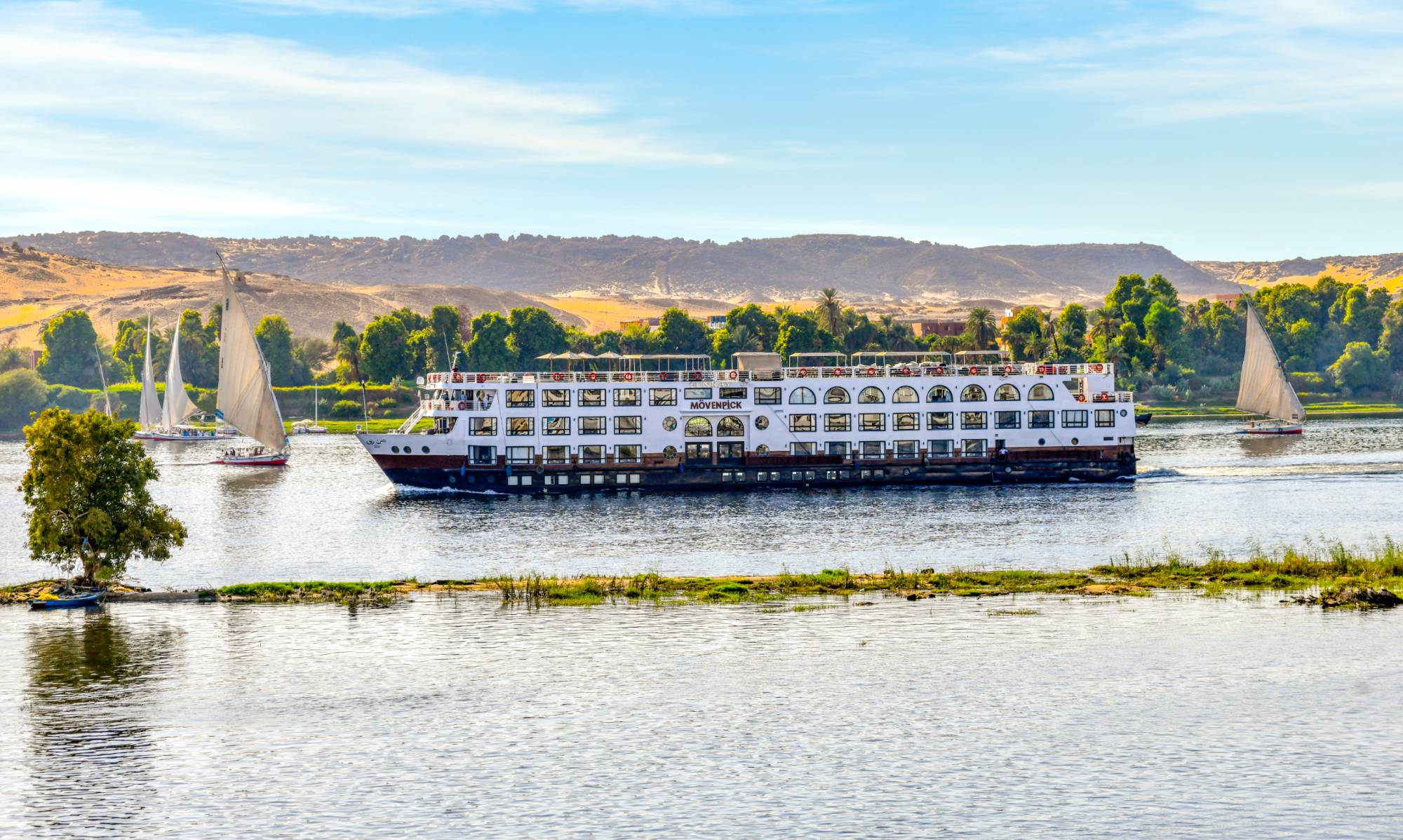
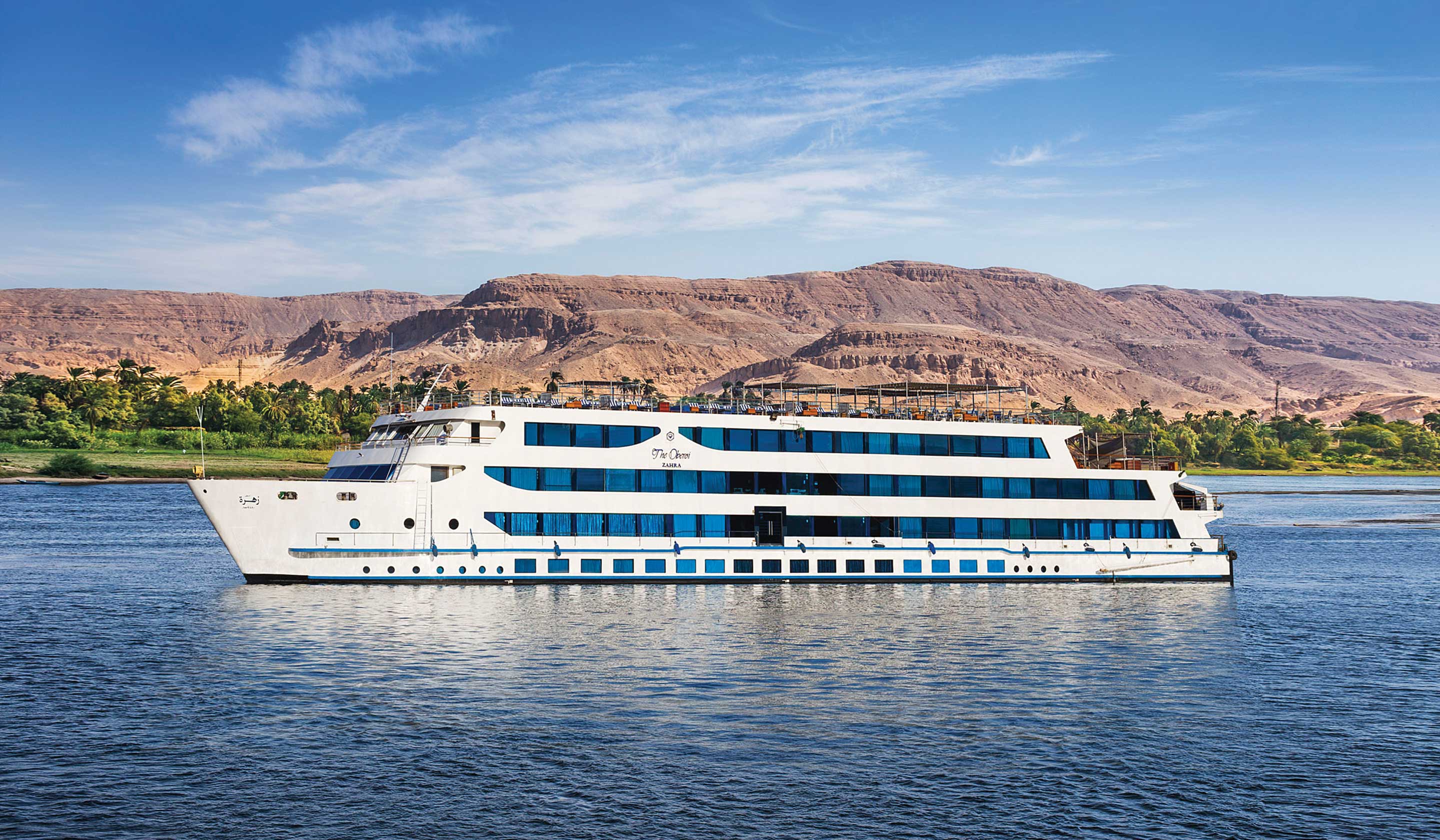
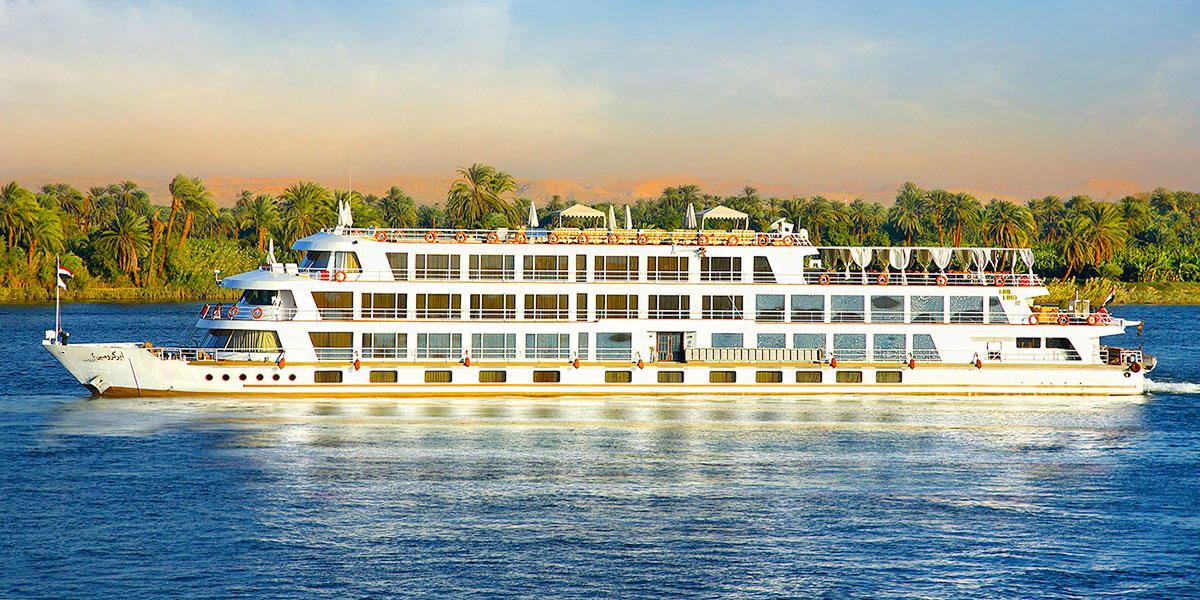
Check and book one of our Nile River cruises and Egypt tours, where you can visit Alexandria and the most famous landmarks in it. Whether it becomes a single unforgettable day trip or the calm, seaside stop in a longer Egyptian itinerary, Alexandria remains, as it has for over two thousand years, a city built at the meeting point of sea and history.

































Leave a Comment