



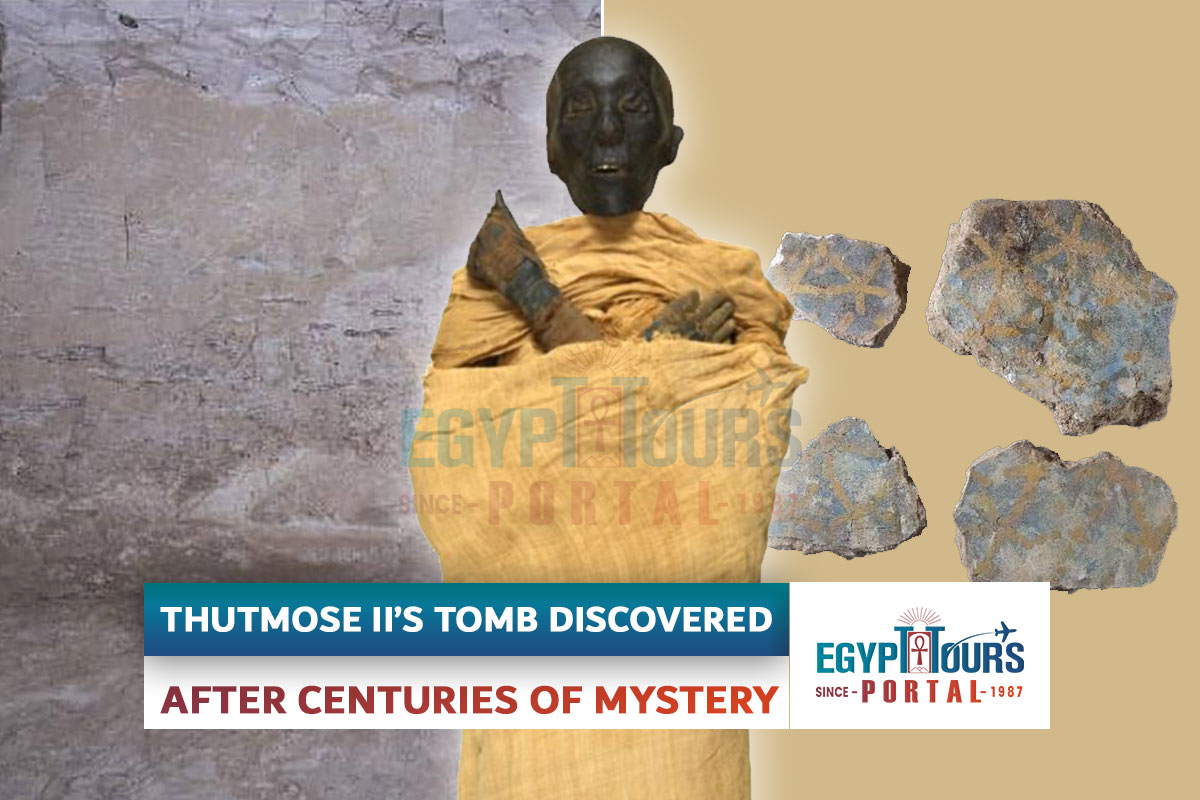
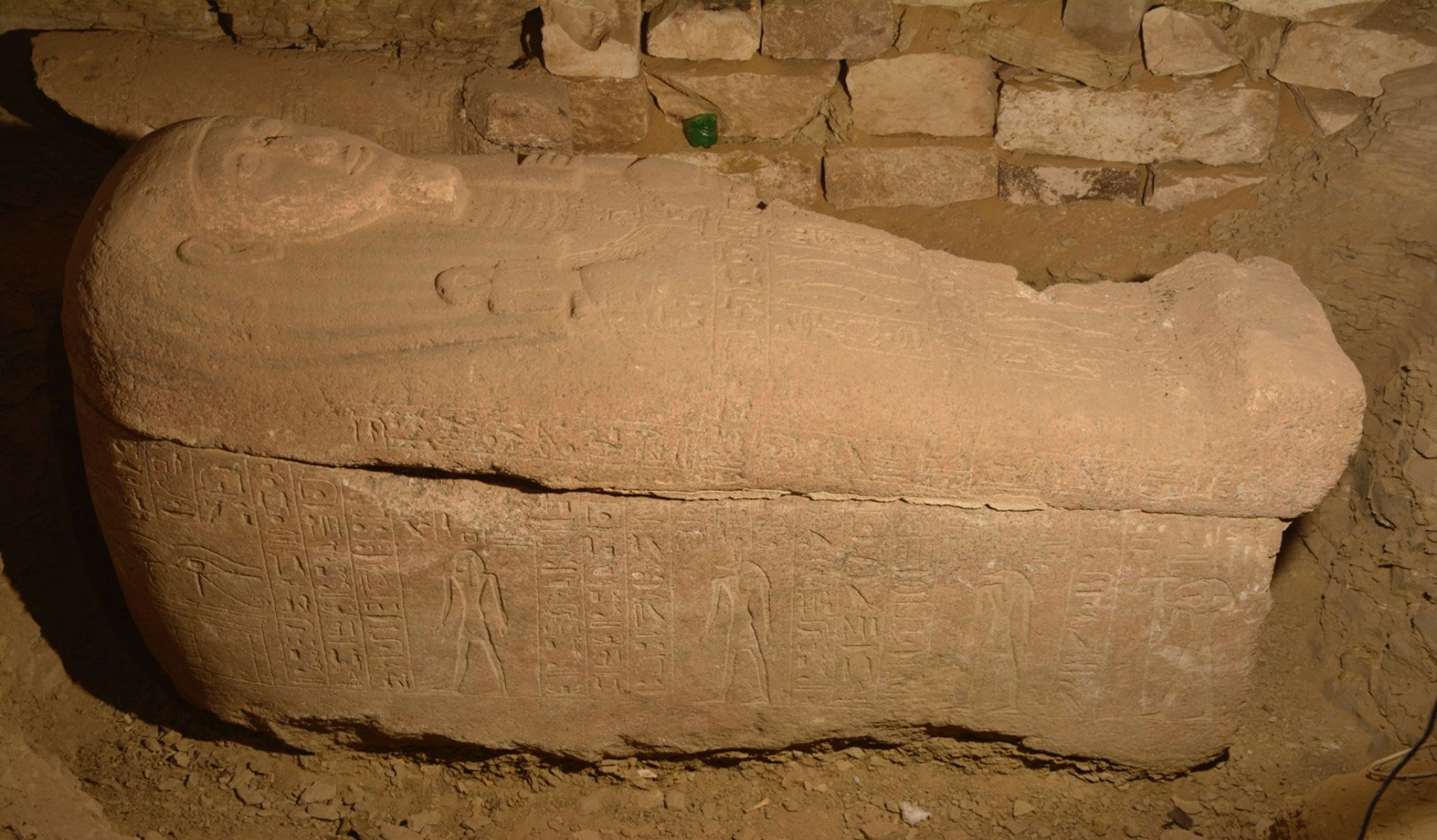
After centuries of mystery, archaeologists have finally discovered the lost tomb of Pharaoh "Thutmose II" a King of Egypt’s 18th Dynasty. Archaeologists have uncovered a royal tomb in Valley C, which is hidden within the Theban Mountains west of Luxor, making it the first discovery of its kind since Tutankhamun's tomb discovery in 1922. The tomb, labeled C4, was first identified in 2022 when its entrance and main corridor were uncovered.
At the time, researchers suspected it might belong to a royal queen, given its location near the tombs of Thutmose III’s wives and Queen Hatshepsut. However, as excavations continued, each new finding led to a different conclusion. This was the long-lost tomb of Thutmose II himself, and the proof was indisputable.
The Discovery That Solves a Centuries-Old Mystery

Egypt’s Minister of Tourism and Antiquities, Mr. "Sherif Fathy" described the discovery as “a major breakthrough” in understanding the burial rituals of the 18th Dynasty. For years, historians and archaeologists had debated where Thutmose II had been laid to rest, and now, at last, they had their answer.
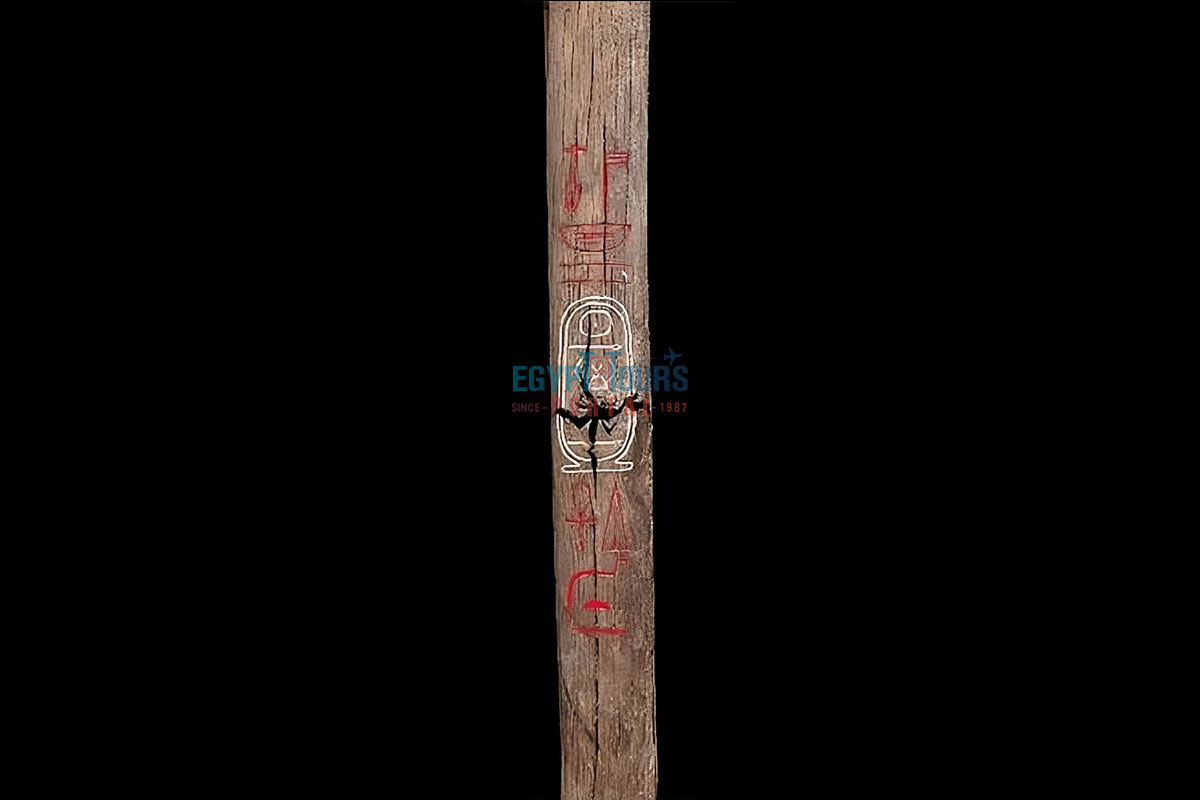
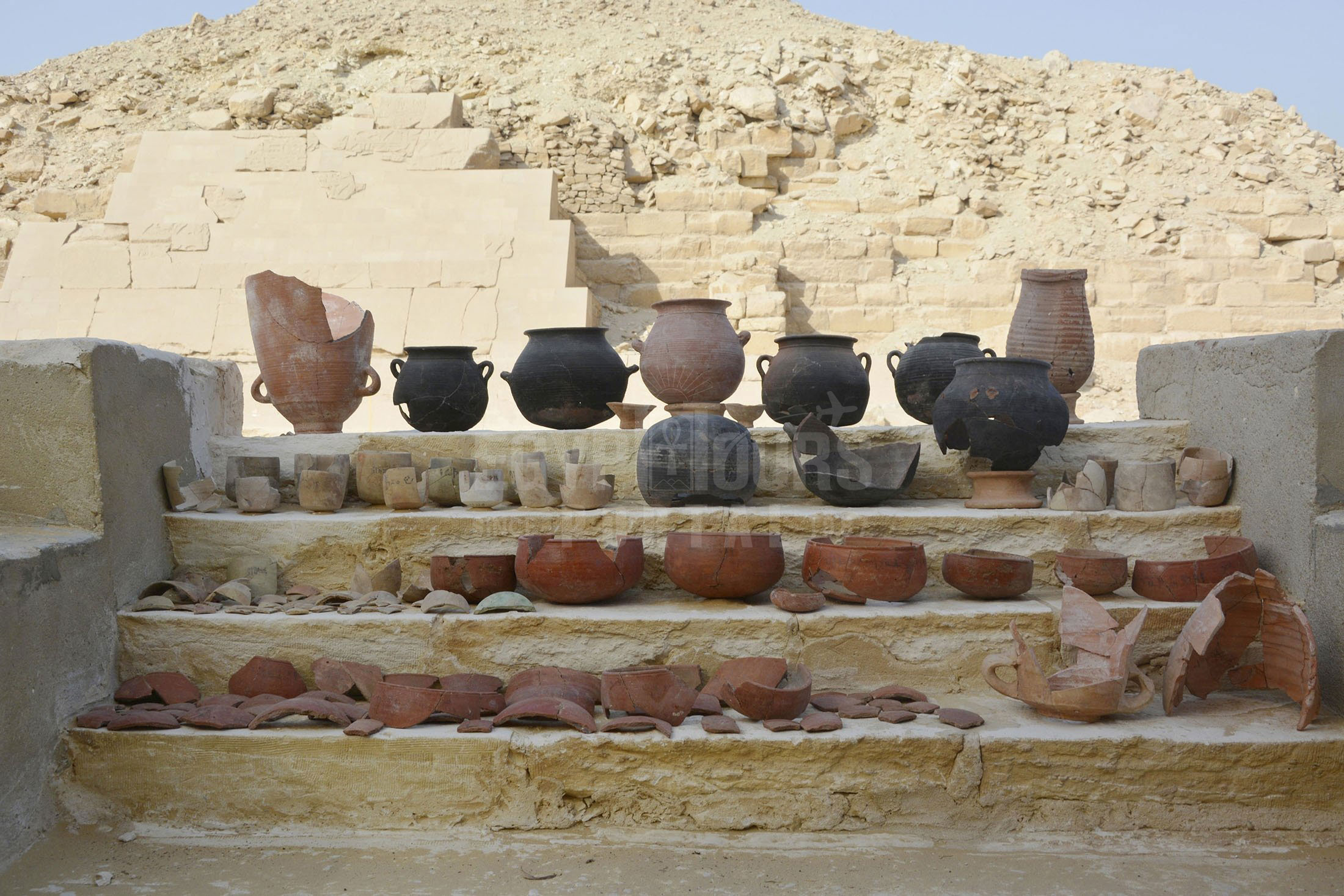
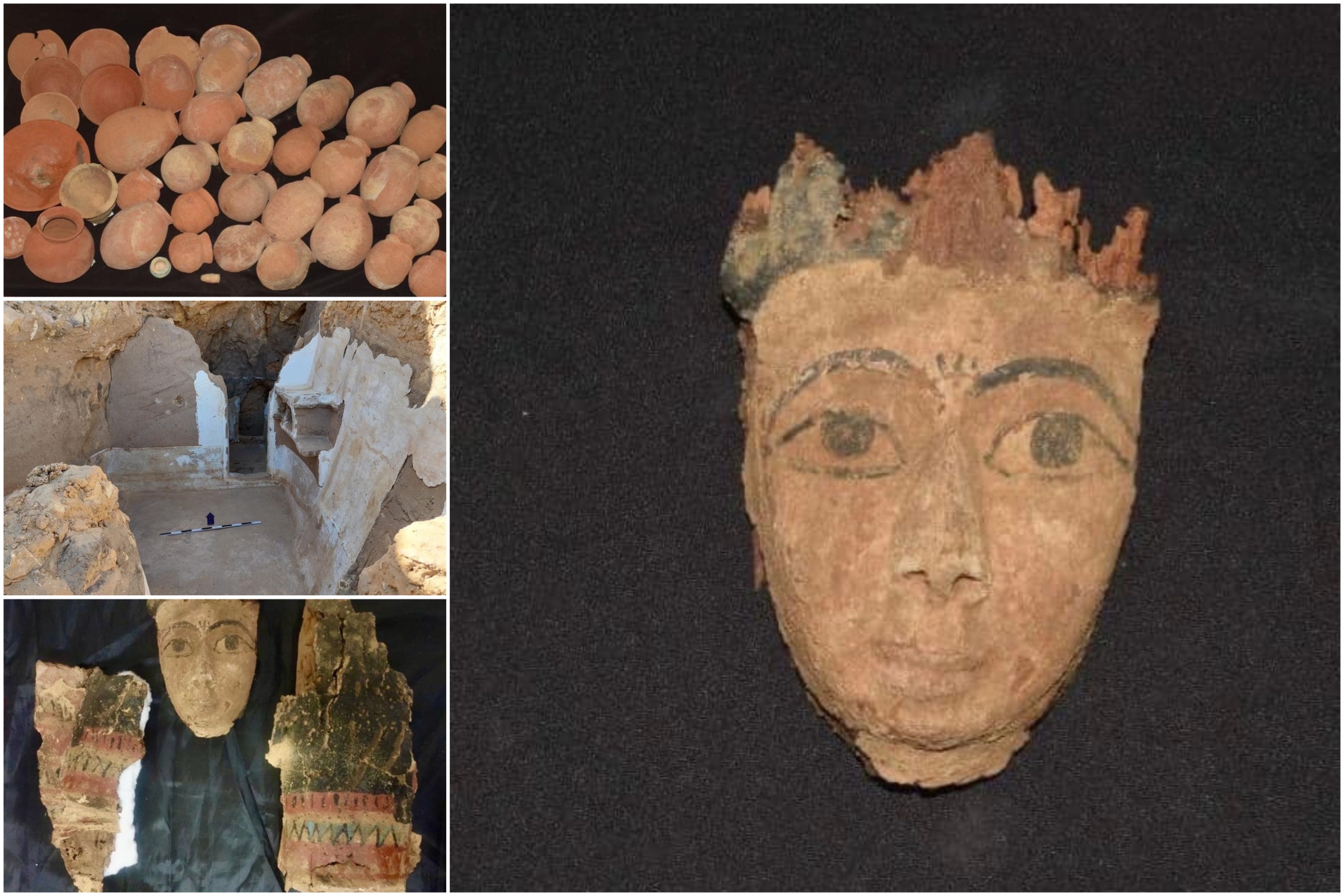
Dr. "Mohamed Ismail Khaled" Secretary-General of the Supreme Council of Antiquities, explained how the team identified the tomb’s owner. Inside, they found alabaster vessels, their surfaces engraved with the name Thutmose II and the title “The deceased King”. Among the inscriptions was another significant name; his wife and half-sister, Queen "Hatshepsut" suggesting that she had personally overseen his burial.
The Impact of Time on Thutmose II’s Tomb
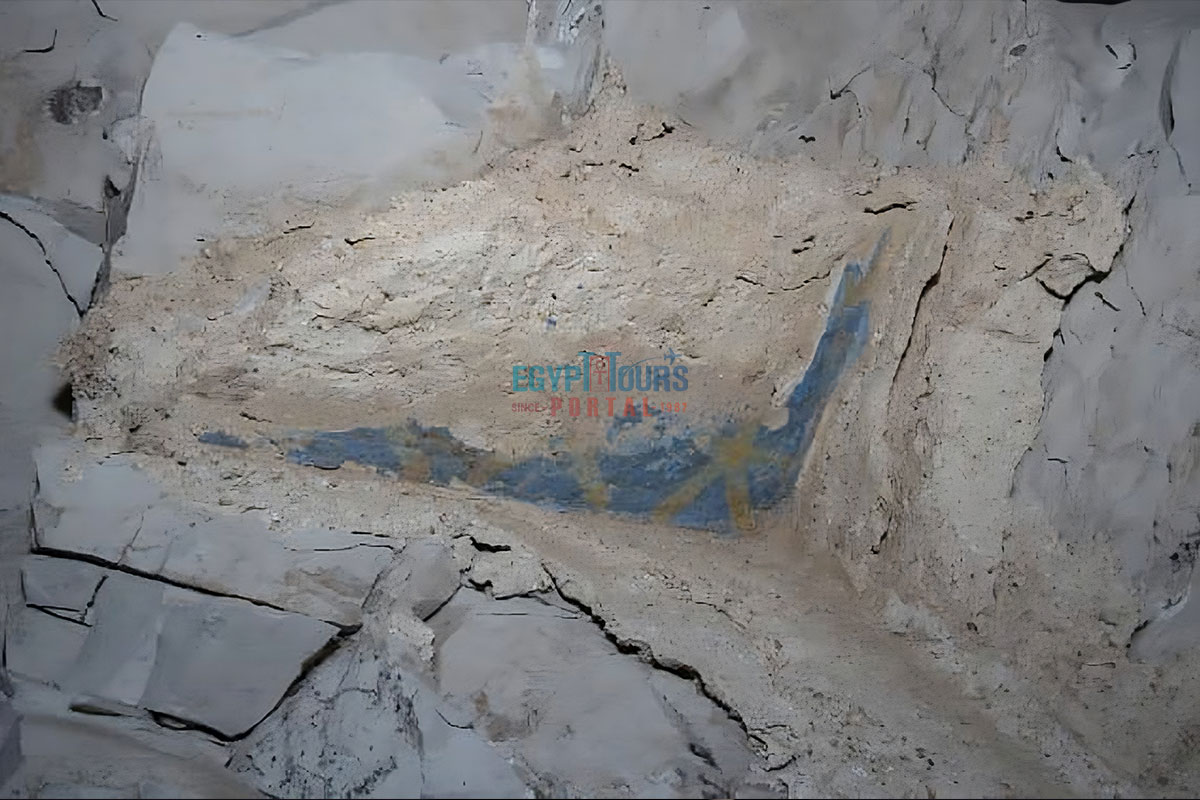
Though the discovery is remarkable, the tomb itself has not been spared by time. According to "Mohamed Abdel-Badie" head of Egyptian Antiquities, ancient floods severely damaged the site, likely not long after the king’s burial. Water rushed in, leaving destruction in its wake and forcing priests to move the tomb’s contents; including the king’s remains to an unknown location.
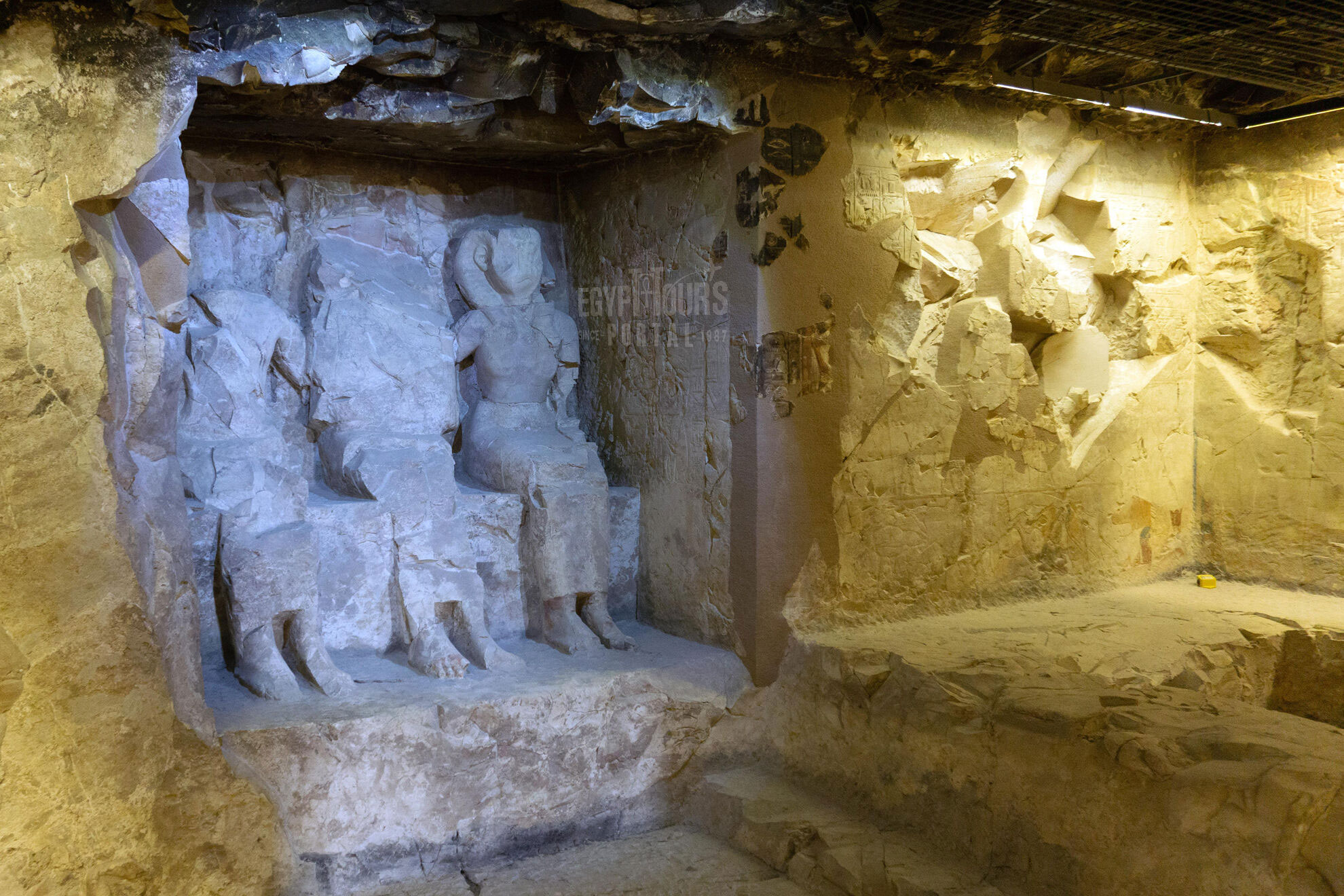
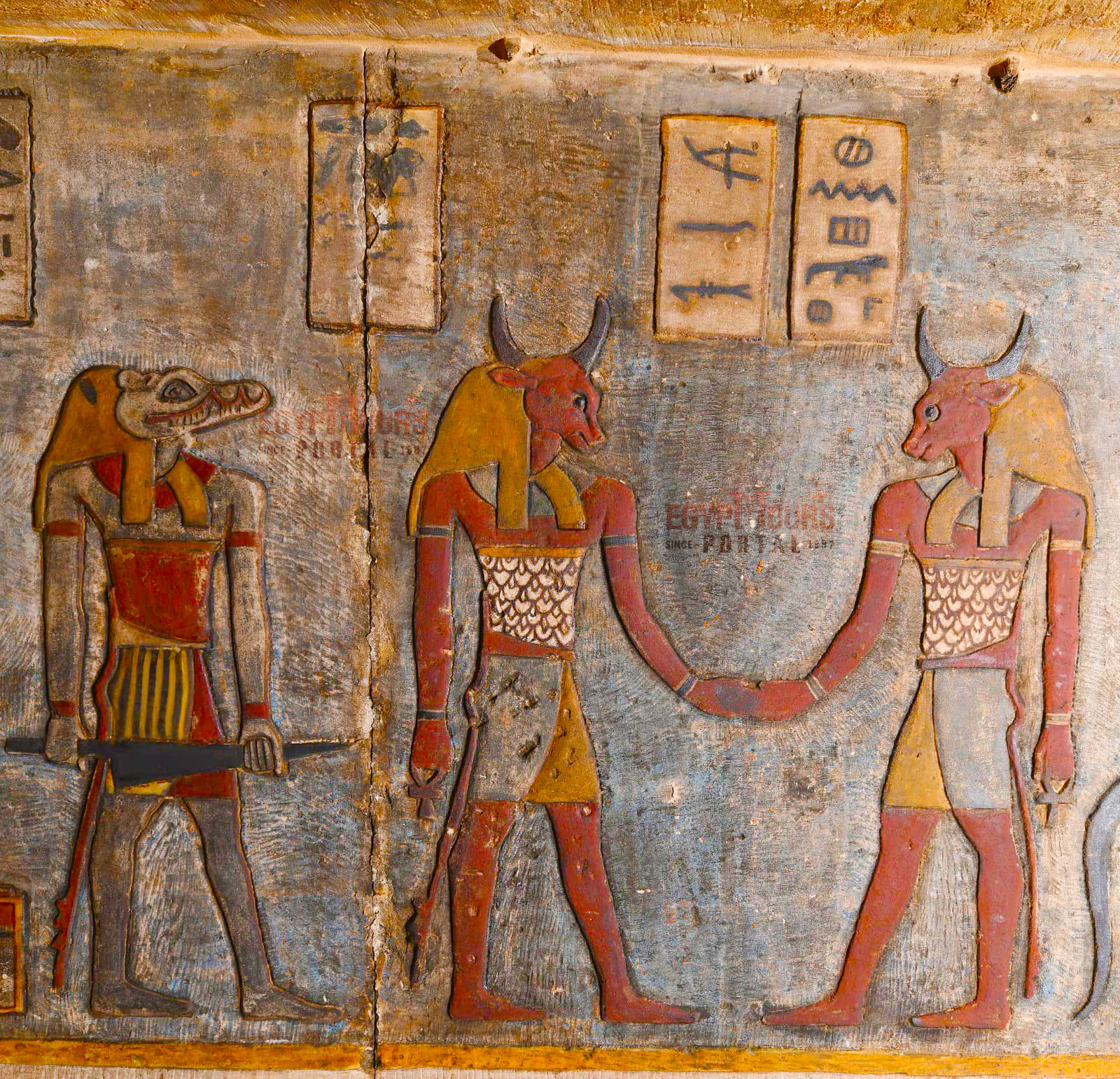
Despite the damage, traces of the tomb’s original splendor remain. Among the surviving fragments, archaeologists uncovered delicate blue and gold decorations and remnants of celestial motifs that once adorned the tomb’s walls. They also found inscriptions from the Amduat; an ancient Egyptian funerary text that describes the pharaoh's journey through the underworld, guiding him to the afterlife. These discoveries, though fragmented, offer valuable glimpses into the tomb’s past grandeur.
Dr. "Piers Litherland" the British co-leader of the excavation, noted that while the tomb’s architecture was relatively simple, it laid the foundation for later royal burials in the 18th Dynasty. The entrance leads to a long, plaster-covered corridor that descends 1.4 meters into the burial chamber. Researchers believe this design feature may have played a role in how the tomb’s contents were relocated after the flood, raising even more questions about what happened in the years following Thutmose II’s death.
What Happens Next?
Archaeologists are now turning their attention to the biggest mystery of all with this incredible discovery, where did the priests move Thutmose II’s remains and his burial treasures? If the tomb was cleared after the flood, does that mean another hidden chamber exists somewhere in Valley C? Could more lost artifacts still be waiting beneath the sand?
As the excavation team continues their search, each new clue brings them one step closer to answering these questions. The story of Thutmose II is far from over, and with every discovery, history is being rewritten.
With our exclusive Egypt vacations, you won’t just visit Egypt, you’ll live its magic. Walk in the footsteps of pharaohs, sail the legendary Nile River cruise, and uncover the secrets of ancient temples with expert guides leading the way. Experience the wonders of the pyramids, the grandeur of Luxor and Aswan, and the vibrant culture of Cairo, all in luxurious comfort. This isn’t just a vacation; it’s a once-in-a-lifetime adventure where history, mystery, and breathtaking beauty come together.

Egypt Tours Portal is dedicated to preserving and sharing the rich history, culture, and mysteries of ancient Egypt, helping travelers and history enthusiasts explore Egypt’s most iconic destinations and monuments. The team consists of experienced Egyptologists, archaeologists, historians, travelers, content creators, marketers, consultants, and explorers with 5–20 years of expertise in their respective fields.
The website provides accurate, regularly updated information developed by qualified experts and supported by trusted sources to ensure reliability and educational value. Drawing on more than 39 years of industry knowledge and resources, Egypt Tours Portal offers a wide range of travel services, including Egypt tours, Nile cruises, day tours, shore excursions and multi-country tours. Their services have earned positive reviews from travelers, recognition through awards, and mentions by respected news outlets and travel blogs, delivering both educational and memorable travel experiences across Egypt.


































Leave a Comment