16 Days Cairo, Nile Cruise, Jordan, and Turkey Trip
Tour Details
| Duration | 16 Days/ 15 Nights |
| Tour Location | Cairo / Giza / Aswan / Kom Ombo / Edfu / Abu Simbel / Luxor / Petra / Dead Sea / Madaba / Wadi Rum / Istanbul / Cappadocia / Ephesus / Pamukkale / Hierapolis |
| Tour Availability | Everyday |
| Pickup & Drop Off | Cairo Airport / Amman Airport / Istanbul Airport |
| Tour Type | Classic Tour |
16 Days Cairo, Nile Cruise, Jordan, and Turkey Trip
16 Days Cairo, Nile Cruise, Jordan, and Turkey Trip is a universal experience between some of the most magnificant travel destinations in the world. This immersive journey unites together the wonders of Egypt, Jordan, and Turkey, unveiling the legacy of the pharaohs and the great civilizations that shaped human history. From the timeless monuments of Giza and Cairo to the sacred cities of Luxor and Aswan, and onward to the iconic destinations of Petra, Wadi Rum, Madaba, Istanbul, Cappadocia, Ephesus, Pamukkale, and Hierapolis, every stop offers a powerful connection to the past. Throughout this exceptional 16-day experience, guests from New Zealand will enjoy refined services including luxurious accommodations, private air-conditioned transportation, a serene Nile cruise, expert guides, and flawlessly coordinated travel. Backed by a multi-award-winning travel agency with numerous international honors and more than ten consecutive TripAdvisor Certificates of Excellence, every moment is crafted to be truly a one of a kind.
This distinguished 16 Days Cairo, Nile Cruise, Jordan, and Turkey Trip will open a magical gate, leading kiwi travelers to explore Egypt’s legendary treasures across Upper and Lower Egypt, and explore the region’s most iconic historical and cultural treasures. In the golden capital of Cairo, new zealand travelers will discover the Giza Pyramids, the grand Egyptian Museum, the Sphinx, Khan El Khalili Bazaar, National Museum, and continue along the Nile between Aswan and Luxor to Kom Ombo Temple, Edfu Temple, Philae Temple, Abu Simbel Temple, Karnak Temple Complex, Hatshepsut temple, Valley of the Kings, and more. This international 16 days trip then crosses into Jordan to explore Petra, Madaba, and Wadi Rum, including St. George’s Church, Mount Nebo, the Dead Sea, the Siq, the Treasury, the Royal Tombs, the Roman Theatre, Qasr al-Bint, the Nabataean Temple, Lawrence Spring, and Khazali Canyon.
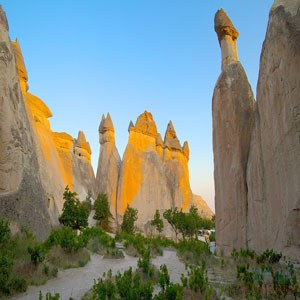
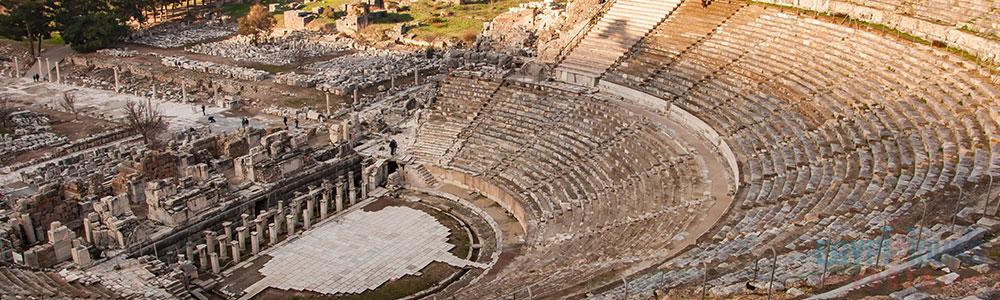
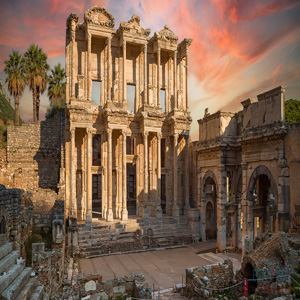
The adventure concludes in Turkey with Istanbul’s Hagia Sophia, Topkapi Palace, the Blue Mosque, and the Grand Bazaar, followed by Cappadocia’s fairy chimneys and rock formations, the ancient city of Ephesus with the Temple of Artemis, Celsus Library, and Great Theater, and the white terraces of Pamukkale. The final stop is Hierapolis, featuring the Roman Baths, Theater, and Plutonium, creating a comprehensive exploration of the region’s legendary history, culture, and natural wonders. Book this magical adventure across Egypt, Jordan, & turkey and make every single moment of your international tour worthy of remembering.
Tour Highlights
Giza Attractions
- Giza Pyramids
- The Sphinx
- Saqqara Step Pyramid
- The Valley Temple
- The Grand Egyptian Museum
Cairo Attractions
- The Egyptian Museum
- Hanging Church
- Al Muizz Street
- Khan El Khalili Bazaar
- National Museum
Luxor Attractions
- Karnak Temples
- Luxor Temple
- Valley of the Kings
- Hatshepsut Temple
Aswan Attractions
- Philae Temple
- Aswan High Dam
- Edfu Temple
- The Unfinished Obelisk
- Kom Ombo Temple
- Abu Simbel Temple
Petra & Madaba Attractions
- Al Khazneh Temple
- Mt Nebo & The Dead Sea
- Royal Tombs & Theatre
- Qasr al-Bint
Wadi Rum Attractions
- Nabatean Temple
- Lawrence Spring
- Khazali Canyon
Istanbul Attractions
- Hagia Sophia
- Topkapi Palace
- The Blue Mosque
- The Grand Bazaar
Cappadocia Attractions
- Uchisar Castle
- Goreme Museum
- Fairy Chimneys
- Pottery Villages
Ephesus Attractions
- The Temple of Artemis
- Celsus Library
- House of Virgin Mary
- Great Theater
- Temple of Hadrian
- The Harbor Street
Pamukkale and Hierapolis Attractions
- The Necropolis of Hierapolis
- The Roman Baths of Hierapolis
- The Domitian Gate
- Frontinus Street
- The Agora of Hierapolis
- The Cathedral of Hierapolis
- The Temple of Apollo
- The theater of Hierapolis
- The Plutonium
Tour Inclusions
- Meet & assist at Cairo International Airport, Amman Airport, & Istanbul Airport.
- 3 Nightsβ accommodation at a 5* hotel in Cairo on a bed and breakfast basis.
- 3 Nightsβ accommodation on a 5* Nile Cruise based on a Full board basis.
- 1 Night accommodation in Aswan at your hotel.
- 2 Nights accommodation in Istanbul at your hotel.
- 1 Night accommodation in Cappadocia at your hotel.
- 2 Night accommodation in Kusadasi at your hotel.
- 1 night's accommodation at your hotel in Amman.
- 1 Night in Wadi Rum.
- 1 Night accommodation at your hotel in Petra.
- The Turkey and Jordan sections of this package are totally private.
- Entrance fees to all sites in the itinerary.
- Domestic Flight tickets (Cairo/Aswan- Luxor/Cairo - Istanbul/Cappadocia - Cappadocia/Izmir - Izmir/Istanbul).
- All transfers are made by a state-of-the-art A/C vehicle.
- Professional Tour Guides throughout your tours in Egypt, Jordan, and Turkey.
- All service charges & taxes.
Tour Exclusions
- International Flights Airfare
- Egypt, Jordan, & Turkey entry visa.
- Any optional Tours/Activities.
- Personal expenses.
- Gratuities (Tipping).
Tour Itinerary
Day One: Arrival to Egypt - Dinner Cruise
Upon landing at Cairo International Airport, you will be warmly received by a representative from Egypt Tours Portal, ready to ensure a flawless arrival. With attentive assistance through passport control and support in locating and collecting your luggage, you’ll be smoothly escorted to your hotel in a private, air-conditioned vehicle, allowing you to check in comfortably and settle in with ease.
As evening descends, your journey comes alive with a captivating Nile dinner cruise. Drift along the legendary river beneath the moonlit sky while enjoying a carefully prepared buffet accompanied by refreshing drinks. The night unfolds with lively entertainment, including an elegant belly dancing performance, a mesmerizing tannoura whirling show, and traditional folkloric music, creating an atmosphere filled with rhythm, color, and enchantment.
At the end of this magical evening, you’ll return to your hotel for a peaceful overnight stay, resting in preparation for the adventures ahead.
Meals: Dinner
Overnight: Cairo Hotel
Day Two: Shed Light on The Golden Giza Pyramids & GEM
After enjoying breakfast at your hotel, you will check out and meet your private Egyptologist guide, who will lead you on an inspiring journey into the very heart of ancient Egyptian civilization, beginning with one of humanity’s greatest legacies.
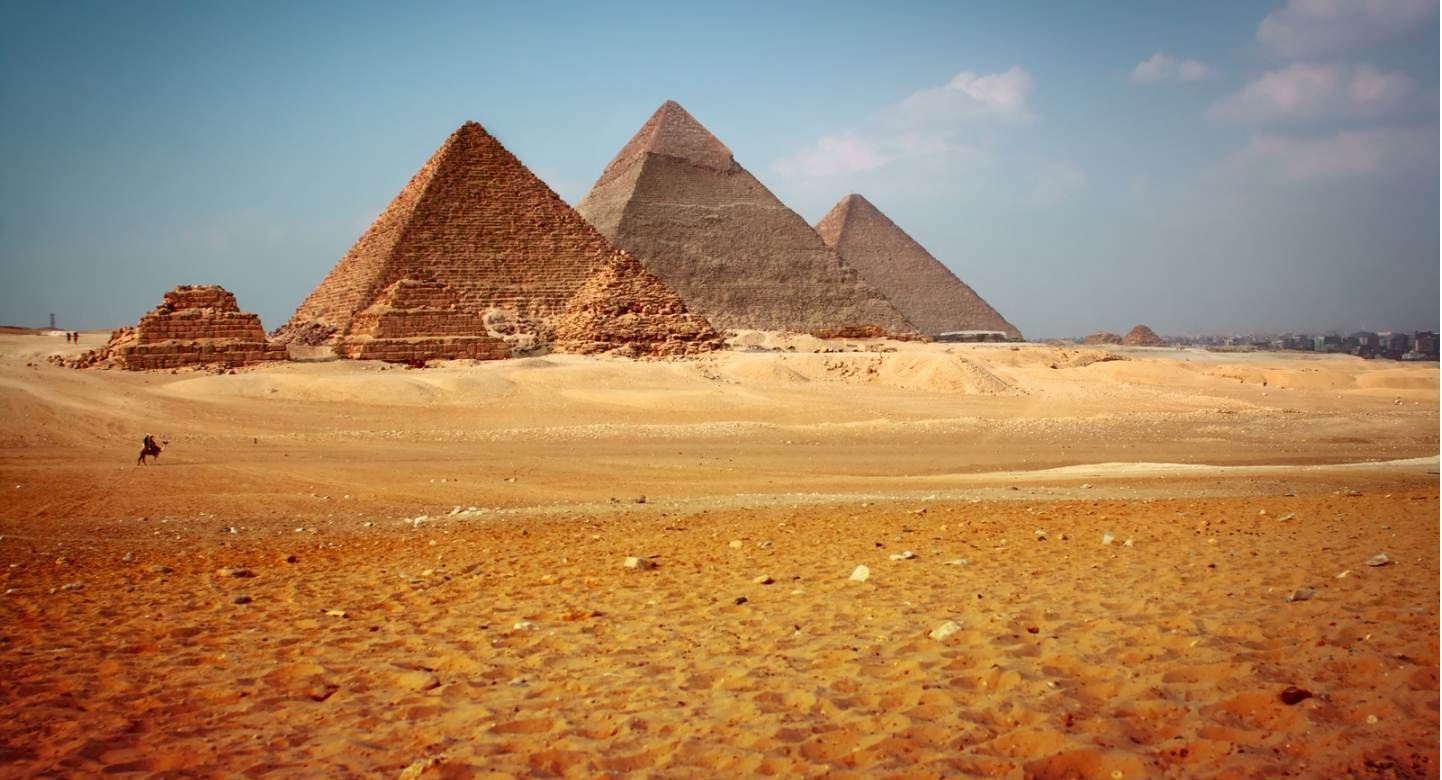
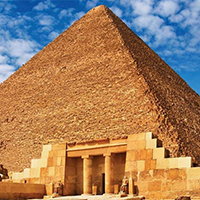
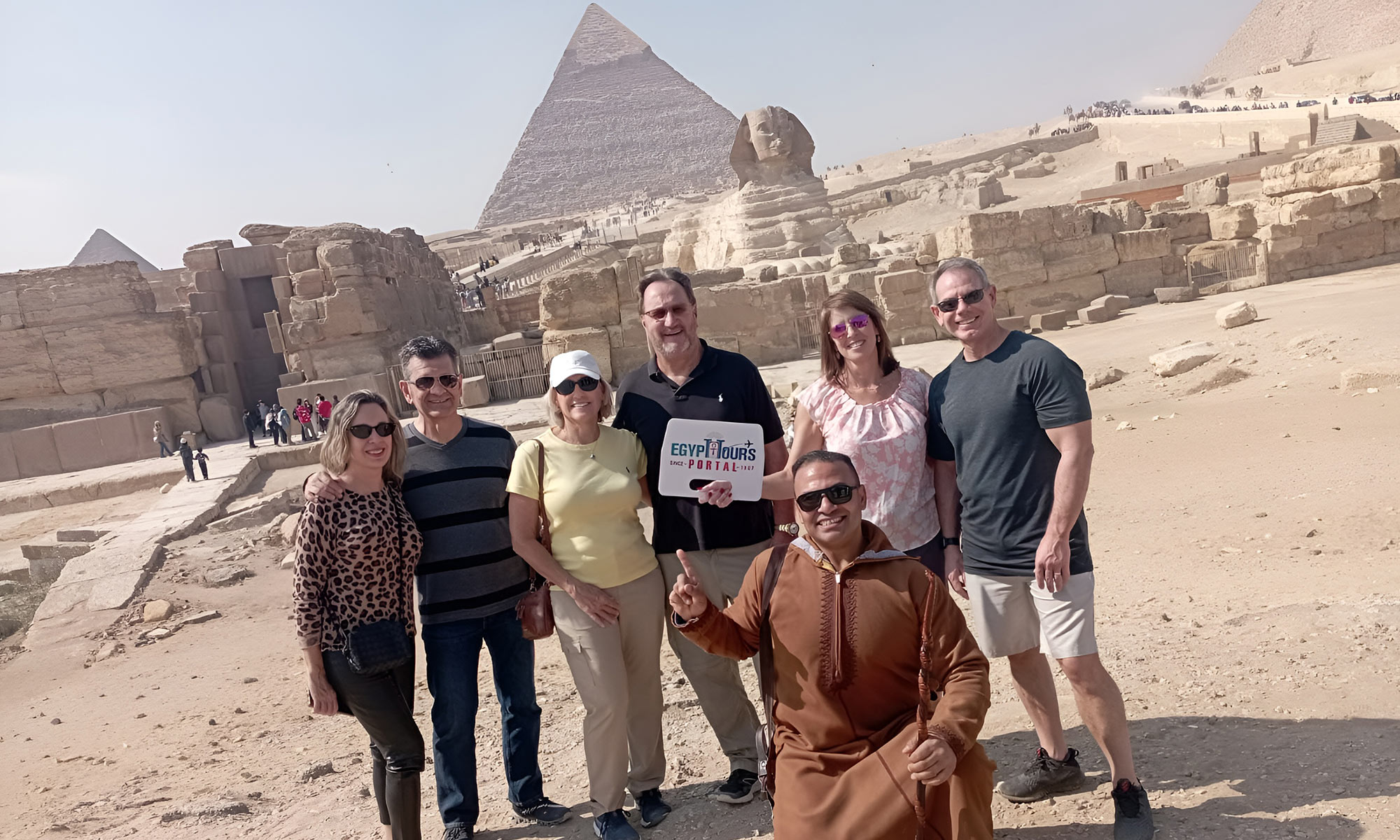
Your international trip begins with a grand visit to the Giza Pyramids Complex, a timeless masterpiece dating back more than 5,000 years and created as celestial gateways for the pharaohs of Egypt’s 4th Dynasty. Within this sacred necropolis, you will encounter the three monumental pyramids, six smaller satellite pyramids, the commanding Great Sphinx, and the Valley Temple, all meticulously designed to preserve royal power and guide the pharaohs into eternal life.
The Great Pyramid of Khufu is a vivid marvel from the first days and is also the last surviving Wonder of the Ancient World. It came to be around 2580 BC, which was originally rose to an astonishing height of 147 meters (481 feet), remaining the tallest man-made monument on Earth for more than 3,800 years until the construction of Lincoln Cathedral. Built from over 2.3 million limestone blocks with a total weight of nearly six million tons, its precision, scale, and engineering brilliance continue to astonish scholars and visitors alike.
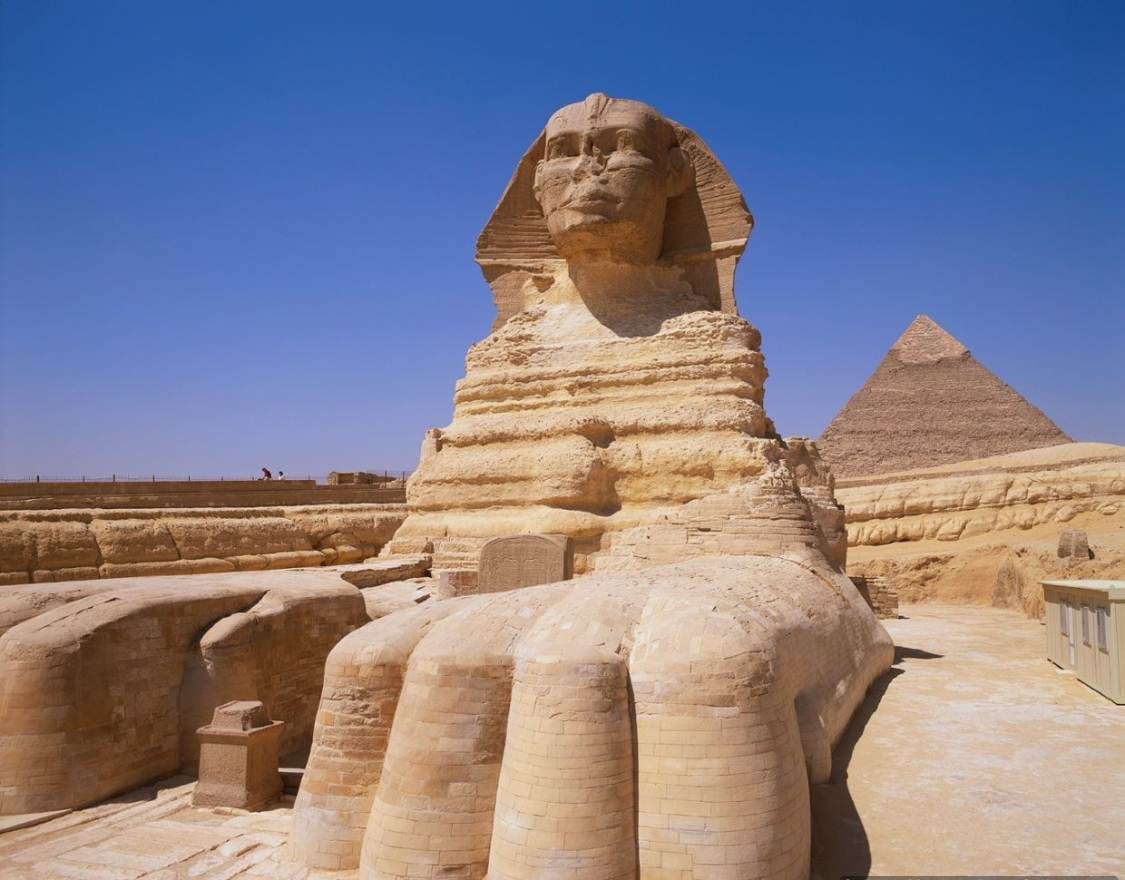
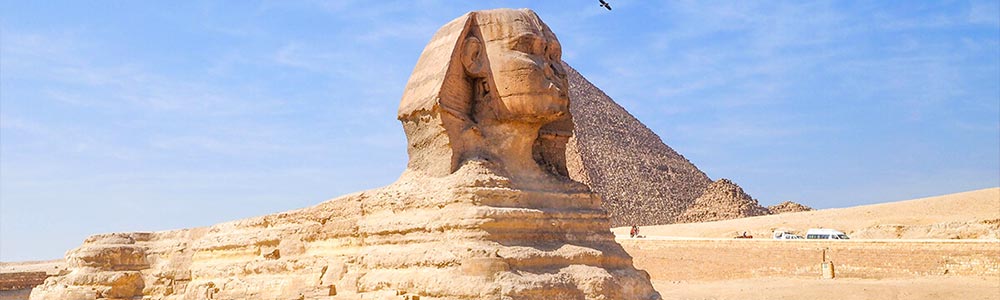
The Great Sphinx is a symbolic wonder that was carved from a gigantic limestone block to immortalize the glorious heritage of Khafre. This colossal statue measures 773 meters in length and 19 meters in height, and combines the powerful body of a lion with the face of Pharaoh Khafre, symbolizing strength, wisdom, and divine authority. Its enduring mystery and commanding presence have made it one of the most iconic symbols of ancient Egypt.
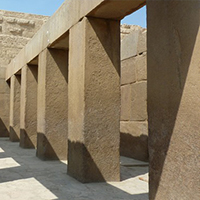
The Valley Temple is an integral part of Pharaoh Khafre’s funerary complex and one of the earliest known ceremonial and autopsy facilities in history. It was built from massive limestone blocks, the temple served as the site of royal mummification rituals and sacred worship. Its remarkably preserved statues of Khafre offer rare insight into ancient Egyptian religious practices and craftsmanship.
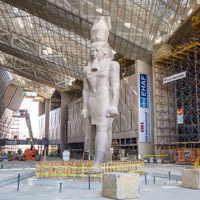
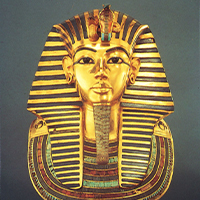
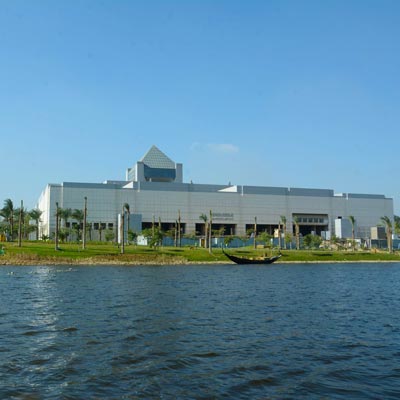
The Grand Egyptian Museum is a one billion dollar state-of-the-art cultural landmark aligned with the pyramids of Giza and spanning nearly 490,000 square meters. Housing one of the world’s largest collections of ancient Egyptian artifacts, including the complete treasures of King Tutankhamun, the museum also features one of the Middle East’s largest conservation and research centers. Highlights include the Hanging Obelisk, the colossal statue of Ramses II, ten statues of Senusret, the Victory Column of Merneptah, and the majestic Grand Staircase adorned with royal regalia, offering a sweeping journey through 5,000 years of history.
Then, you’ll have your tasty lunch at a local restaurant in Cairo before visiting:
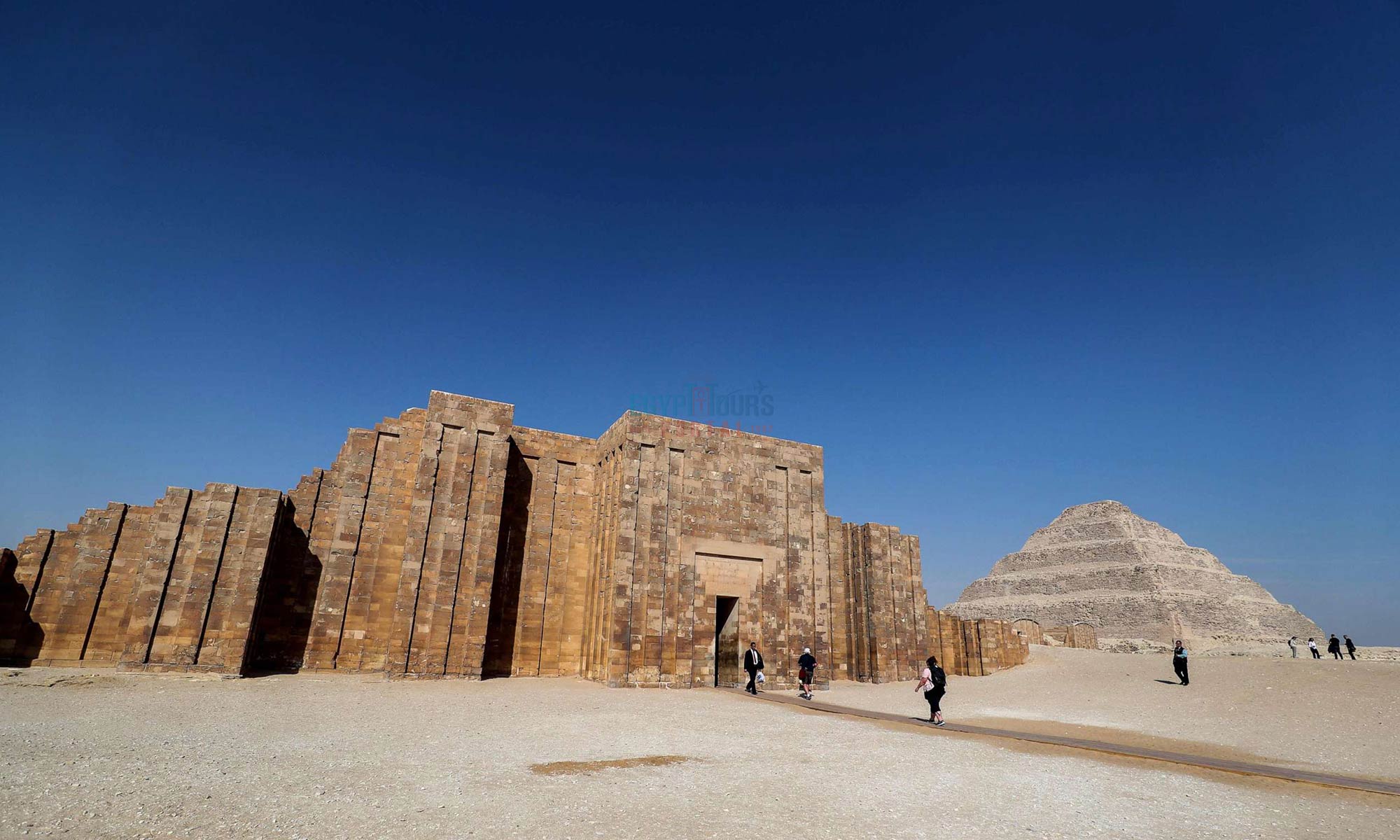
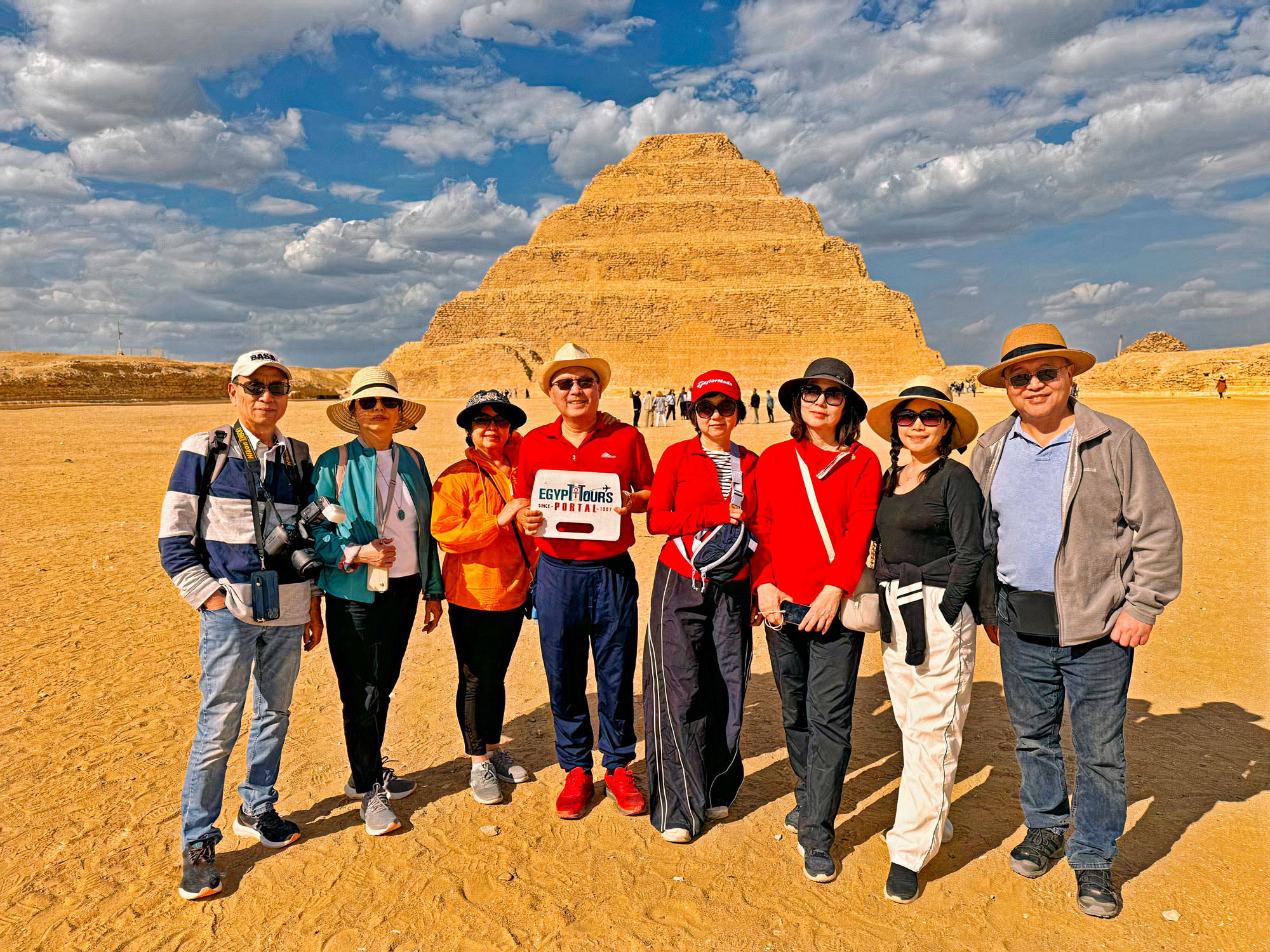
Saqqara step pyramid is an architectural innovation of pure greatness that marked the beginning of Egypt's golden age of pyramid construction. It was built between 2670 and 2650 BC and designed by the visionary architect Imhotep, this six-tiered pyramid rises 62 meters high and marks the dawn of monumental stone architecture in Egypt, laying the foundation for all future pyramid construction.
After enjoying your day, you will be transferred to Cairo Airport for your flight to Aswan, where you will check in to your hotel for the night.
Meals: Breakfast, Lunch
Flight: From Cairo to Aswan
Overnight: Aswan Hotel
Day Three: Explore the Living Miracles of Aswan
Everyone will begin their day with a relaxed breakfast at your hotel before checking out and meeting your expert tour guide, who will accompany you on an engaging exploration of Aswan’s most impressive landmarks, where ancient legacy and modern achievement meet.
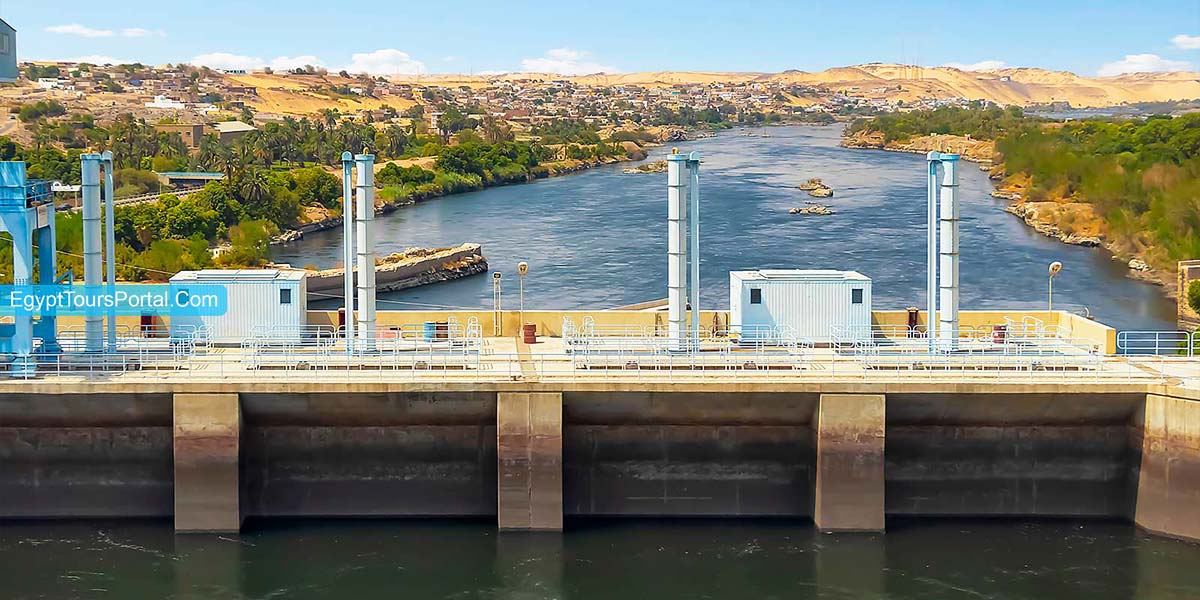
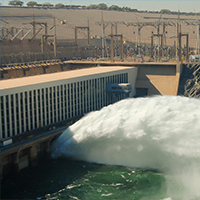
The Aswan High Dam is a striking symbol of modern engineering, constructed during the 1960s and 1970s in cooperation with the Soviet Union. It was designed to control the Nile’s annual flooding, the dam generates essential hydroelectric power, and gave rise to Lake Nasser, one of the largest man-made lakes in the world. This monumental project transformed Egypt’s future by securing year-round water resources and providing a vital source of energy that supported the country’s modern growth.
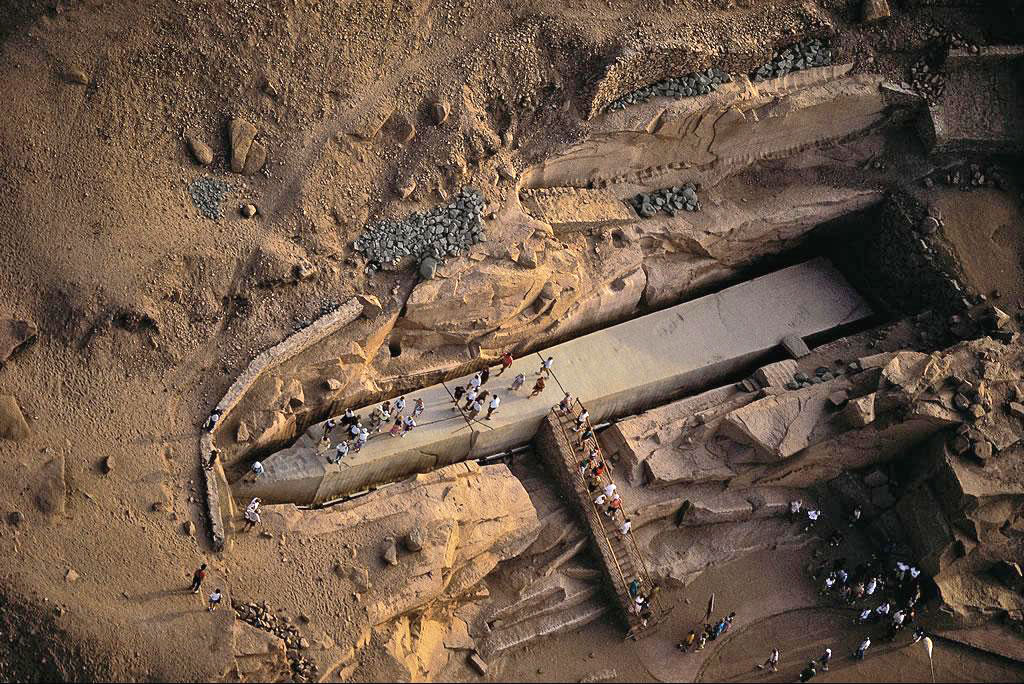
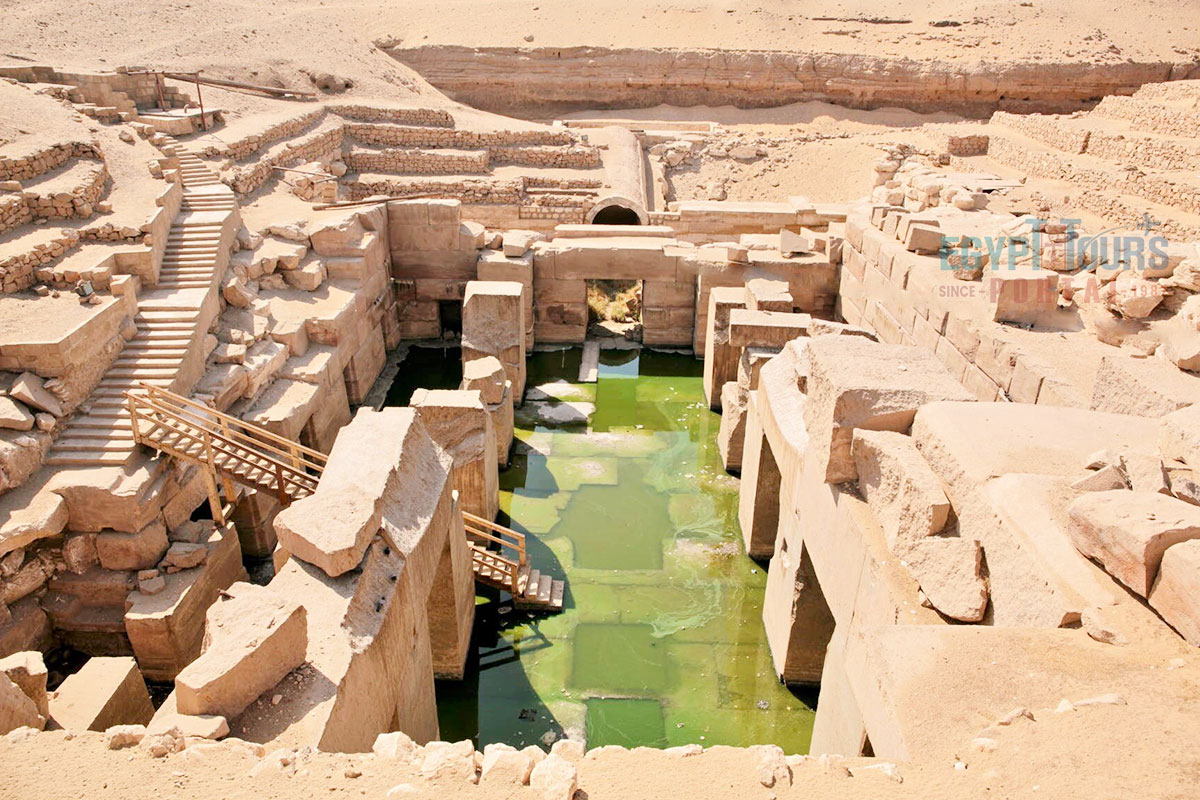
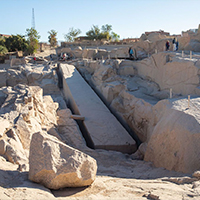
The Unfinished Obelisk is a remarkable creation of ancient ambition preserved in stone. It was commissioned by Queen Hatshepsut (1508–1458 BC). This colossal monument was intended to be the largest obelisk ever created, nearly one-third larger than any other, and likely destined for the entrance of Karnak Temple. A crack that formed during carving halted the work, leaving the obelisk forever bound to the granite bedrock of Aswan’s quarries. The visible tool marks and carving channels offer rare insight into the methods used by ancient Egyptian craftsmen.
After this enriching morning, you will enjoy a delicious lunch at a local restaurant in Aswan, where you can relax and sample traditional Egyptian dishes before continuing your explorations.
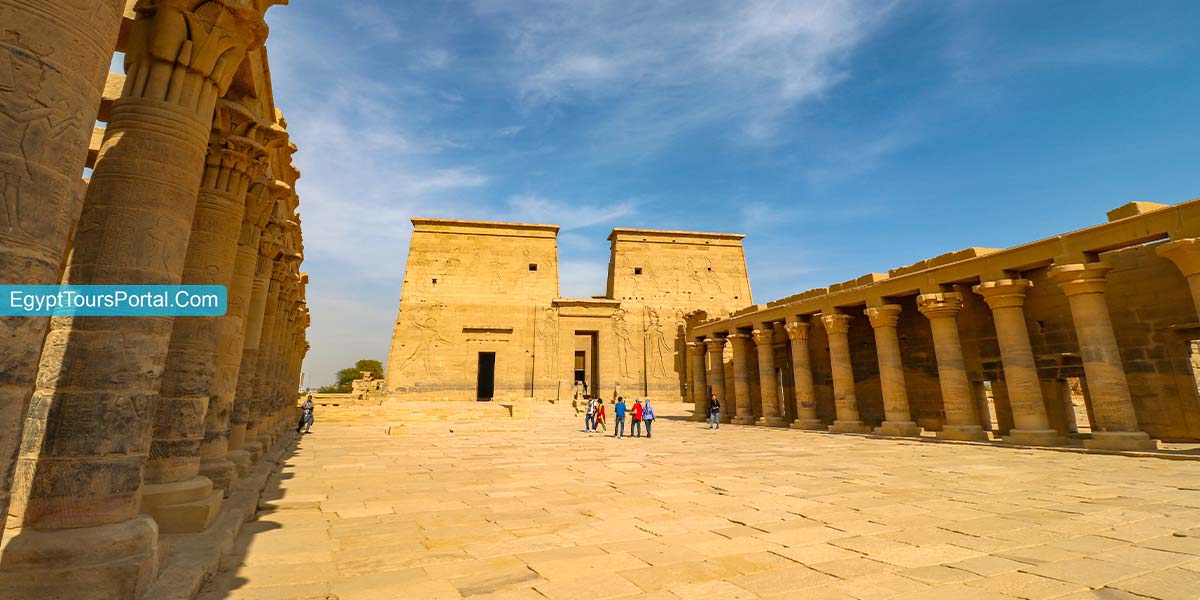
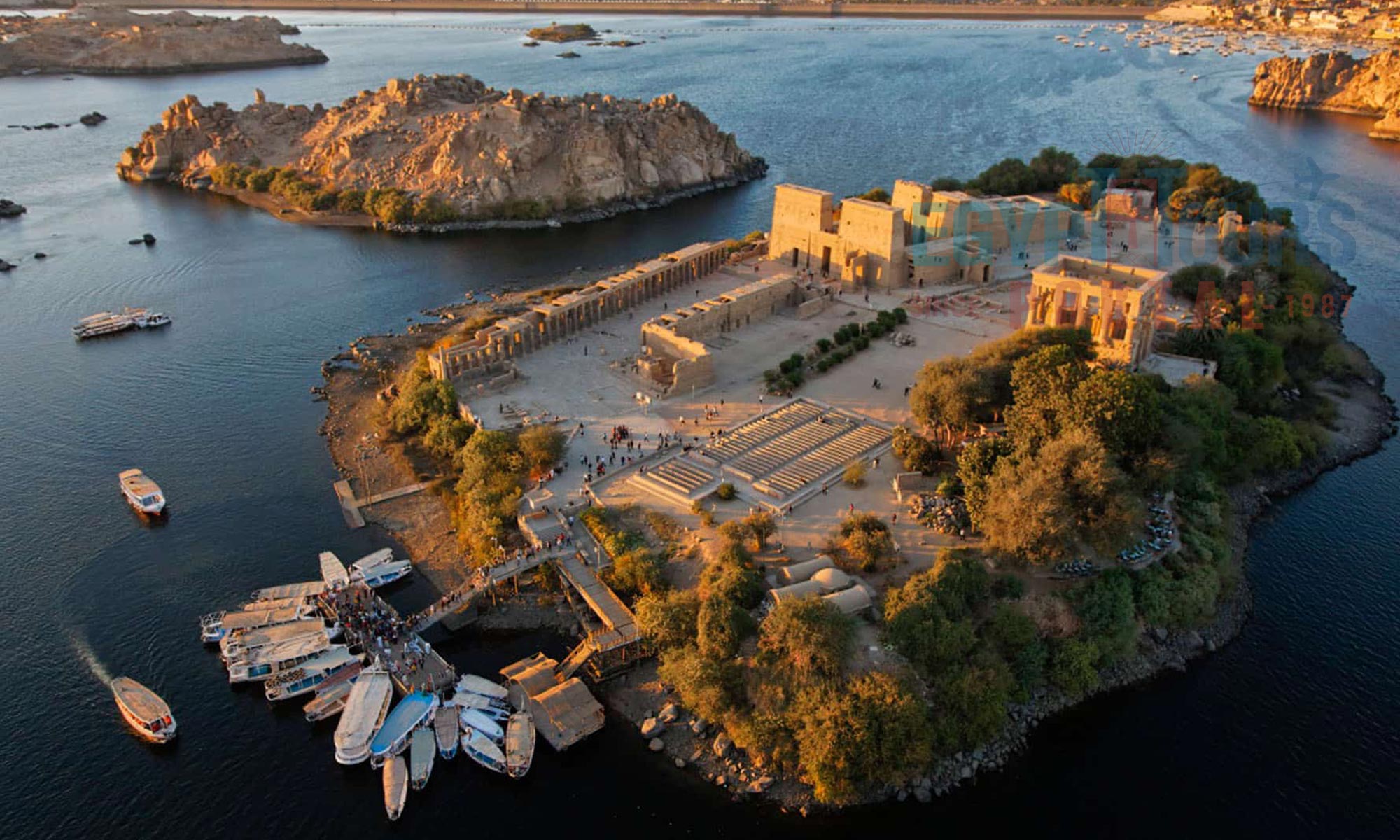
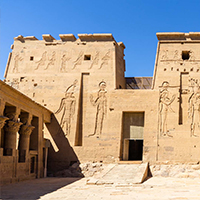
The Philae temple is a sacred island sanctuary devoted to Isis, the goddess of motherhood, magic, and healing, made to immortalize her tale and sacrifice. It was built during the Ptolemaic period between 380 and 362 BC, the temple now rests on tranquil Agilkia Island after an extraordinary relocation project saved it from the rising waters of Lake Nasser. Its elegant colonnades and finely carved reliefs narrate the eternal Myth of Osiris, recounting his death, resurrection, and the triumph of his son Horus, creating one of Egypt’s most atmospheric and spiritually evocative sites.
You will check in at your nile cruise to spend the overnight.
Meals: Breakfast, Lunch, Dinner
Overnight: Onboard Nile Cruise
Day Four: Uncover the Divine Honor of Abu Simbel Temples
You will get your breakfast boxes with your tour guide, then head all the way to:
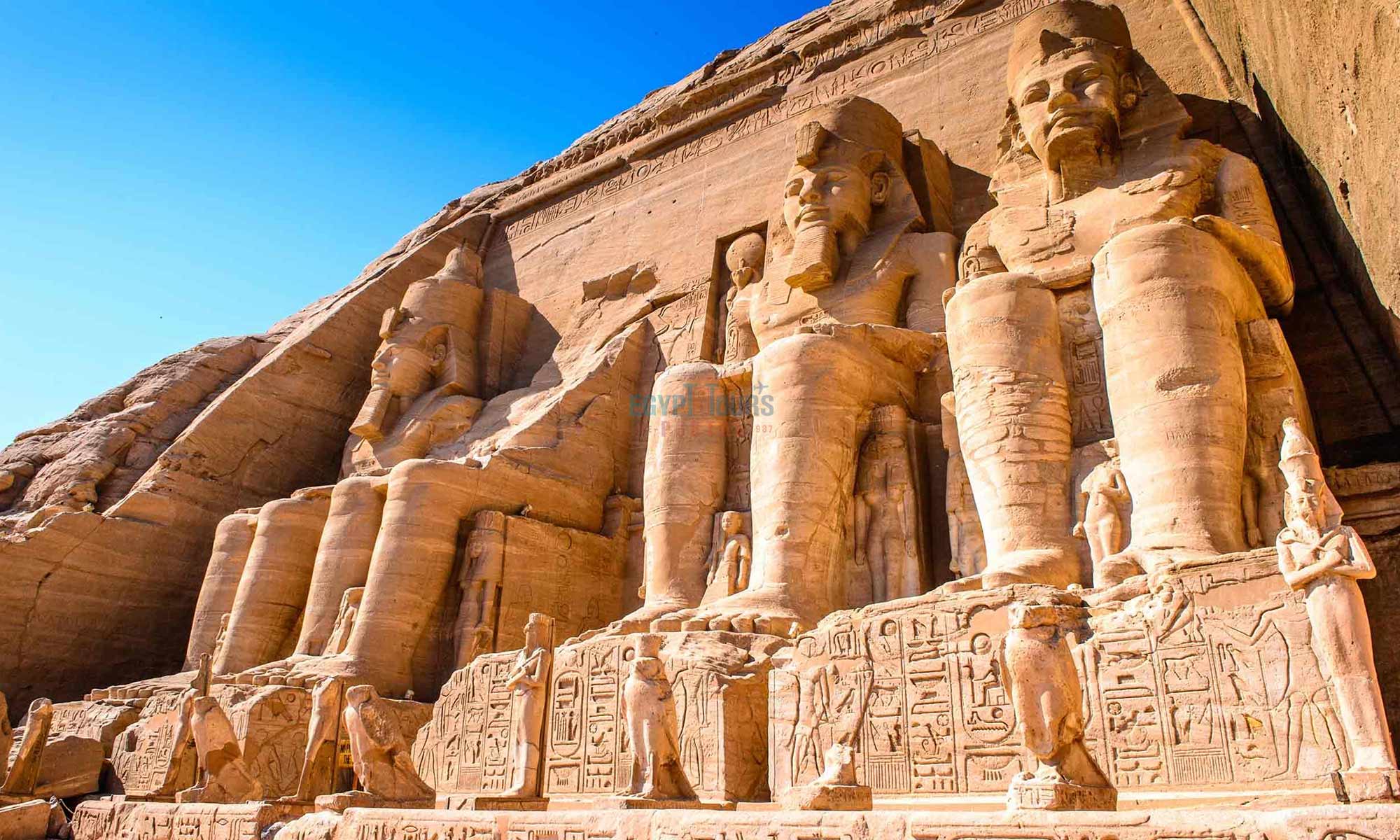
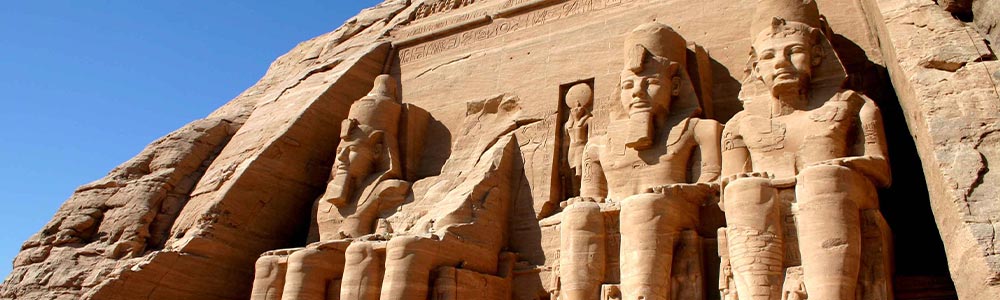
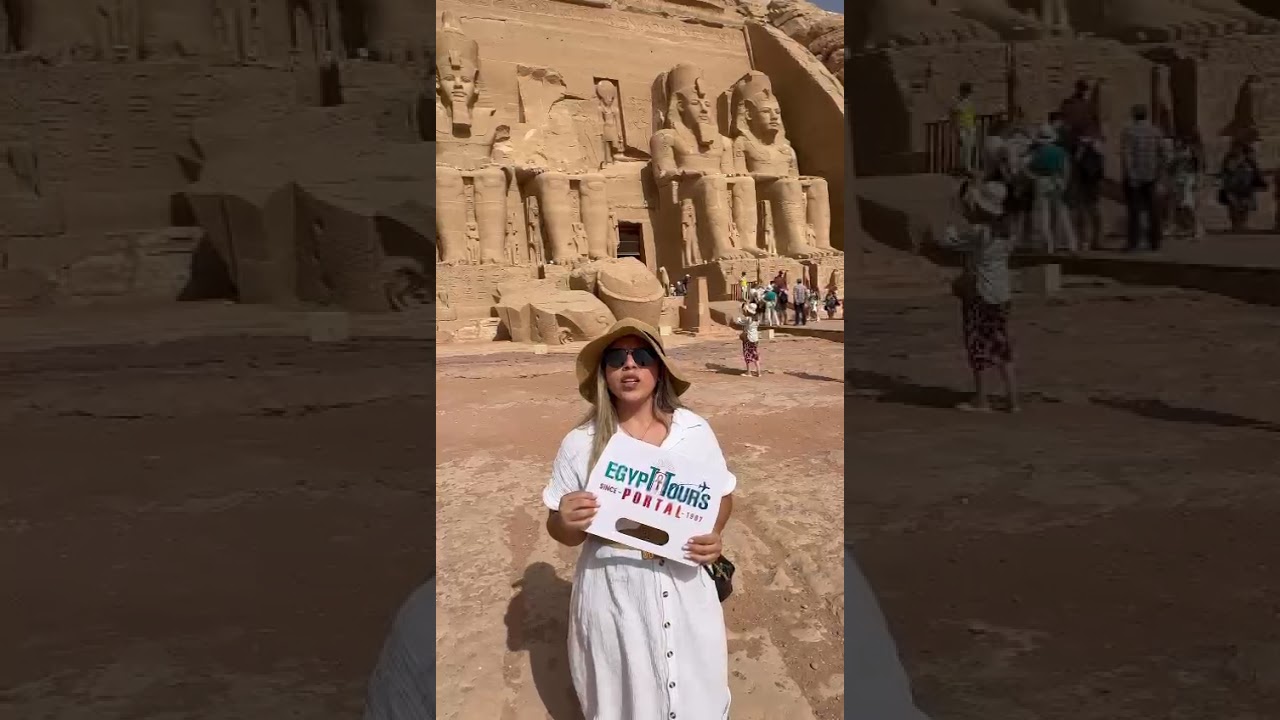
The great Abu Simbel Temples are a celestial triumph of ancient Egyptian artistry, carved directly from towering sandstone cliffs in the 13th century BC by Pharaoh Ramses II along Egypt’s southern frontier, overlooking the serene waters of what is now Lake Nasser. The Great Temple was dedicated to the gods Amun, Ptah, and Re-Harakhty, while also eternally proclaiming the might of Ramses II, particularly his celebrated victory at the Battle of Kadesh.
Twice each year, on February 22 and October 22, a remarkable solar phenomenon unfolds as the rising sun penetrates the temple’s inner sanctuary, illuminating the statues of Ramses II and the gods in a breathtaking alignment known as the Sun Festival. Standing beside the main sanctuary is a smaller yet equally graceful temple dedicated to Queen Nefertari and the goddess Hathor, an enduring symbol of divine reverence and one of history’s most moving royal love stories, carved forever into the stone of this golden land.
Return to your cruise to have your meals and enjoy the overnight.
Meals: Breakfast, Lunch, Dinner
Overnight: Onboard Nile Cruise
Day Five: Discover the Epic Glory of Edfu & Kom Ombo Temples
You will begin your day by having your breakfast, then head with your tour guide to:
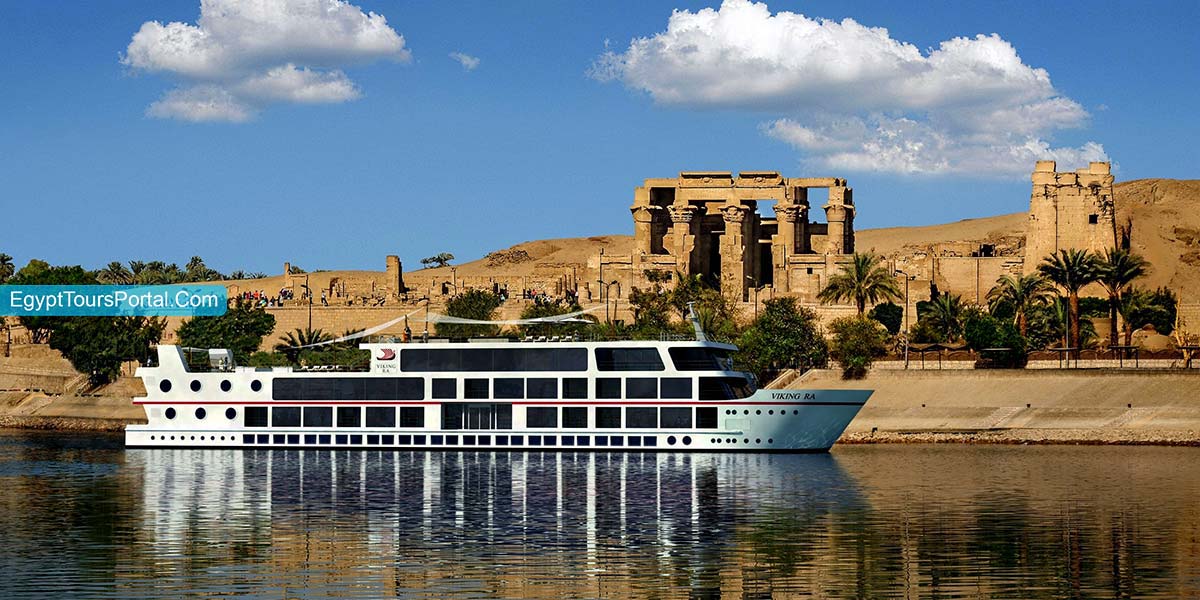
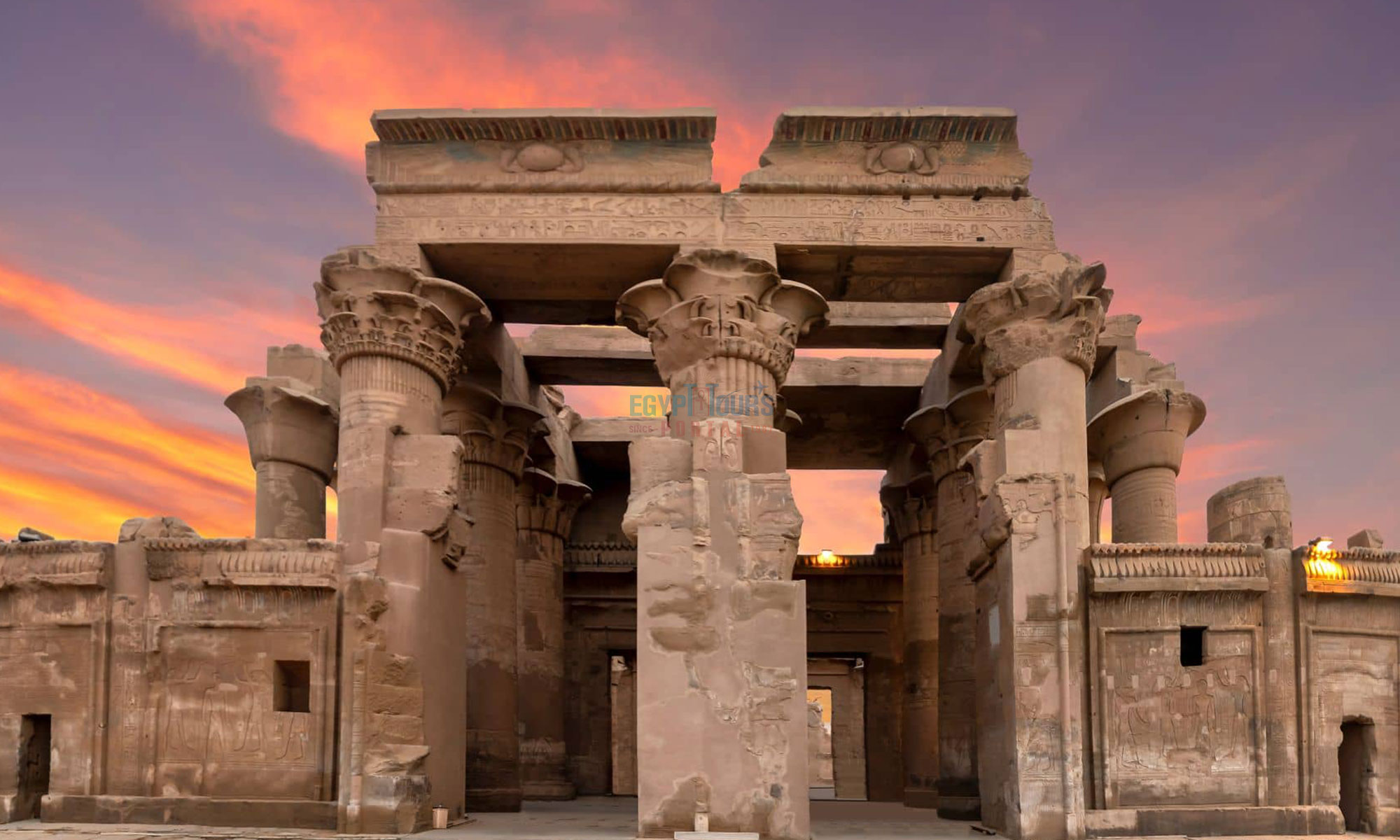
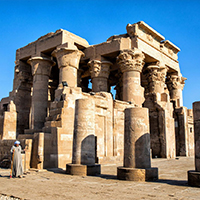
The Temple of Kom Ombo is like a beautiful flower rising on the curve of the Nile, standing as one of the most distinctive sanctuaries in Egypt. Constructed between 180 and 47 BC during the Ptolemaic era, this extraordinary temple is uniquely dedicated to two deities at once: Haroeris (Horus the Elder), god of the sky and kingship, and Sobek, the crocodile god associated with fertility and protection. Designed as a perfectly balanced double temple, Kom Ombo mirrors itself along a central axis, featuring twin entrances, halls, chapels, and sanctuaries for each god. Its beautifully carved reliefs depict sacred rituals and offerings, as well as rare and fascinating scenes of ancient medical instruments and surgical tools, providing an exceptional glimpse into Egyptian religion, science, and everyday life.
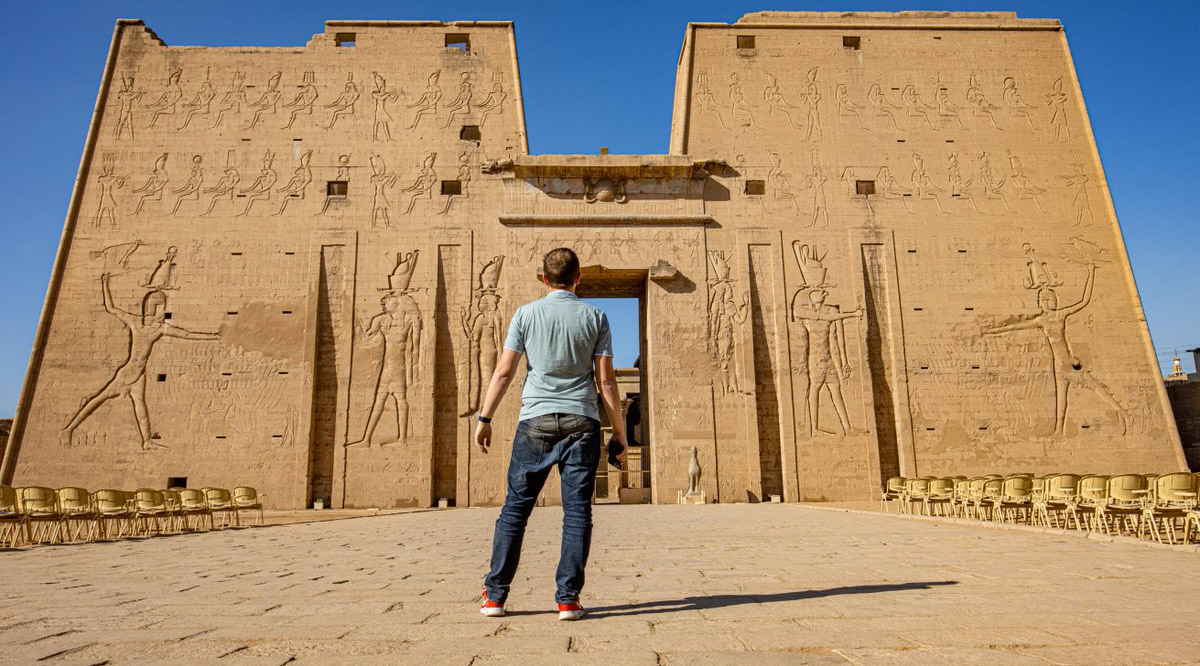
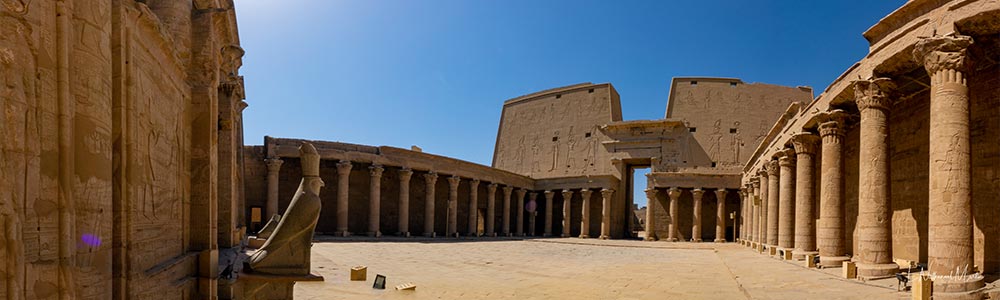
Temple of Edfu is one of the finest and best-preserved temples in all of Egypt that showcasing the power of order, strength, and belief. It is dedicated to Horus, the victorious falcon god who restored cosmic order by defeating his uncle Set, this monumental structure was built between 237 and 57 BC. Edfu’s soaring pylons, vast courtyards, and exquisitely detailed reliefs convey the power, symbolism, and spiritual depth of ancient Egyptian belief. The temple walls vividly narrate the legendary battle between Horus and Set, while inscriptions preserve invaluable information about religious ceremonies, festivals, and temple administration during the Hellenistic period.
You will have your lunch and dinner onboard the nile cruise, plus spend the overnight.
Meals: Breakfast, Lunch, Dinner
Overnight: Onboard Nile Cruise
Day Six: Uncover the Majesty of the Divine city of Luxor
After savoring a peaceful breakfast aboard your Nile cruise, you will check out and meet your expert tour guide to begin a captivating exploration of Luxor’s most celebrated ancient treasures.
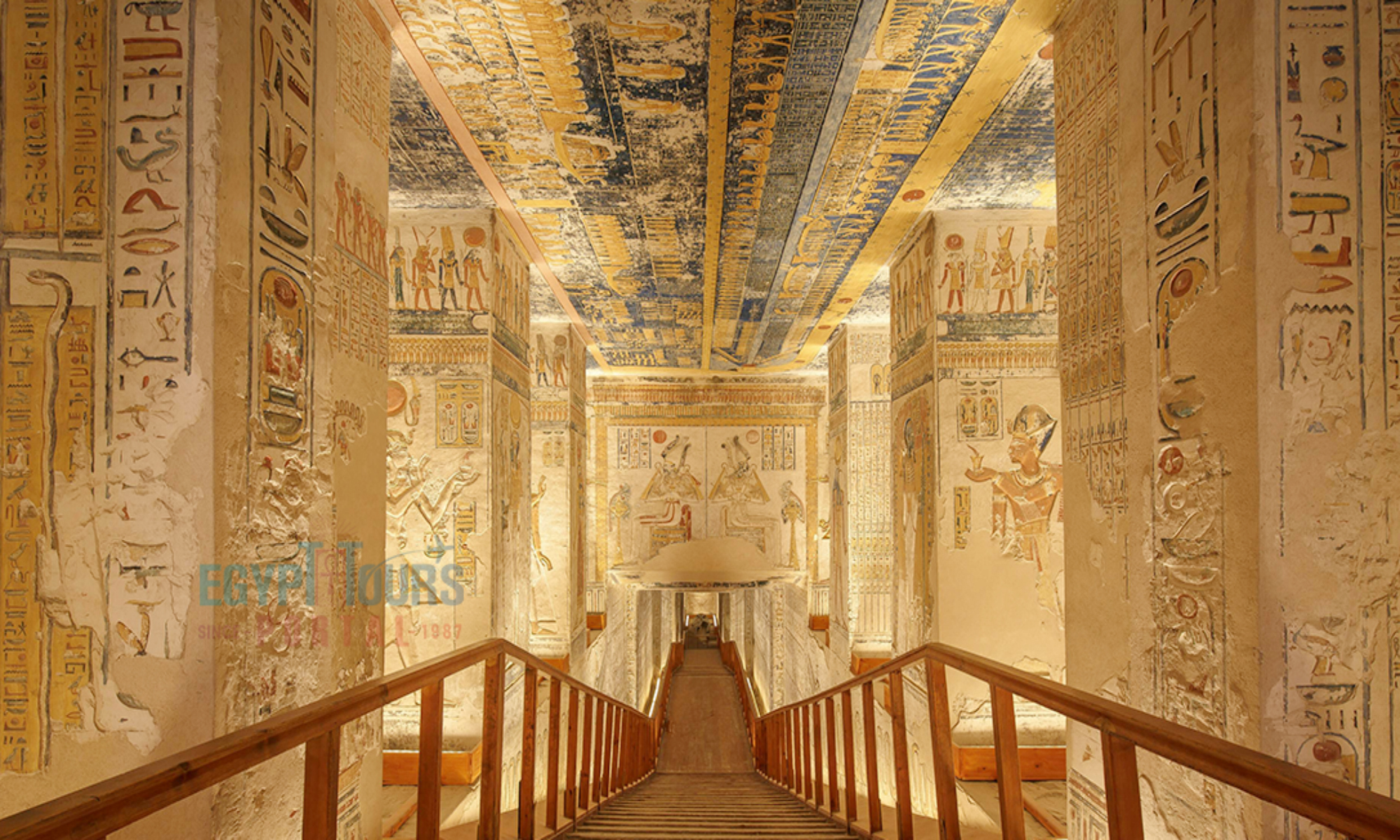
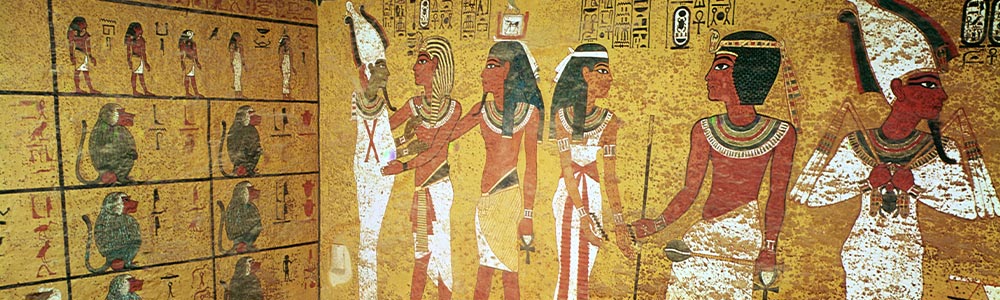
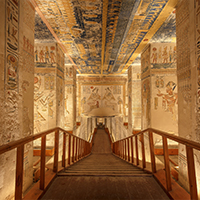
The Valley of the Kings is a sacred royal burial ground concealed within the rugged Theban hills in the shape of a massive underground BEN-BEN mount. It was used by the pharaohs of the 18th, 19th, and 20th dynasties during the New Kingdom (1570–1050 BC) to cross to the other side. This hallowed necropolis contains more than 63 intricately carved tombs. Their vividly painted walls illustrate sacred funerary texts that reveal ancient Egyptian beliefs about the afterlife, divine judgment, and rebirth. Among the most renowned tombs are those of Tutankhamun, Hatshepsut, Seti I, Thutmose, Amenhotep, Ramses the Great, and other powerful rulers whose eternal stories still echo through these underground corridors.
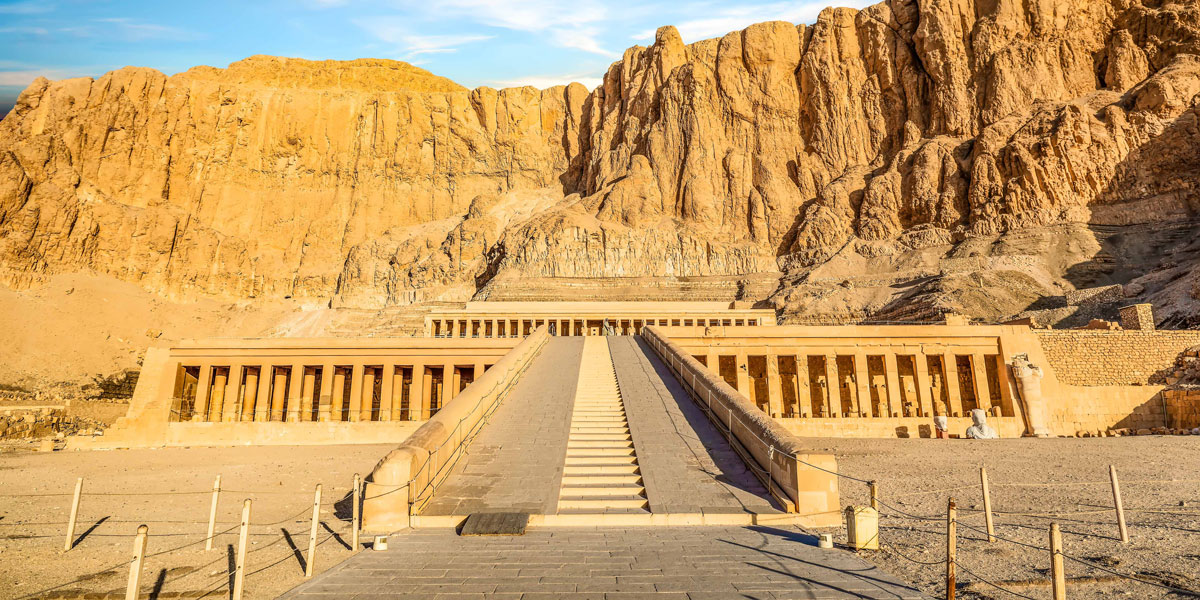
The temple of Queen Hatshepsut is a graceful architectural masterpiece rising in perfect harmony against the cliffs of Deir el-Bahari. It was commissioned in 1479 BC and designed by her trusted architect Senenmut. This elegant three-tiered sanctuary honors Queen Hatshepsut (1508–1458 BC), the priestess-queen and wife of Amun, who ruled Egypt as pharaoh. It was dedicated primarily to the god Amun, the temple’s colonnades, ramps, and chapels are adorned with exquisite reliefs depicting her divine birth, coronation, trading expeditions, and promise of eternal renewal, making it one of the finest achievements of classical Egyptian architecture and royal symbolism.
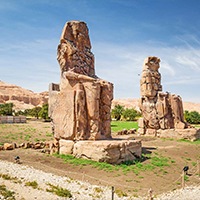
The Colossi of Memnon are two monumental seated statues carved around 1350 BC to guard the ethereal entrance of the lost mortuary temple of Amenhotep III. Each statue rises approximately 18 meters (60 feet) high and weighs nearly 720 tons, quarried near Cairo and transported to Luxor in an extraordinary feat of ancient engineering. Though weathered by time, they remain powerful symbols of royal authority, bearing inscriptions and Roman-era graffiti that reflect centuries of admiration and myth.
After enjoying a delicious lunch at a local restaurant in Luxor, your journey continues to:
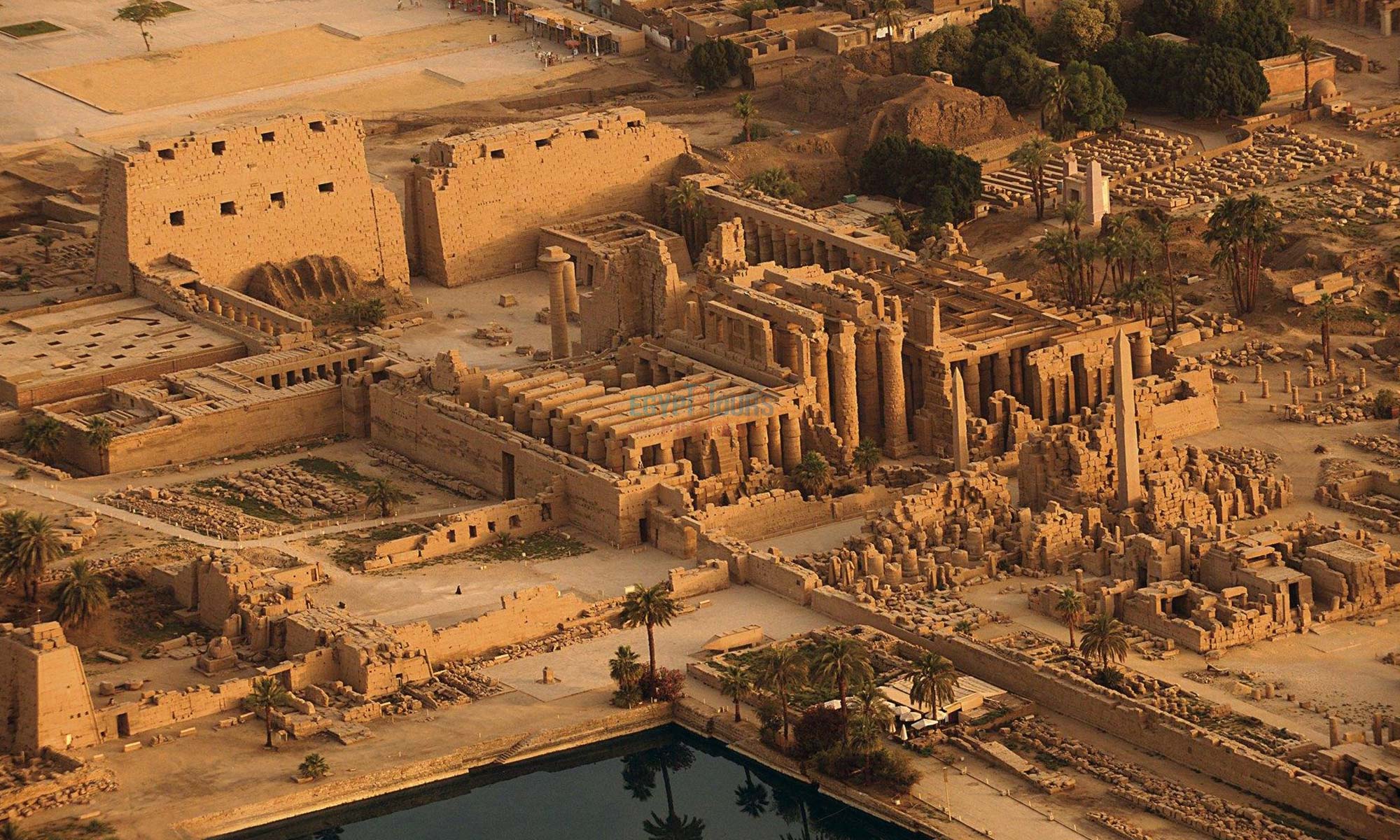
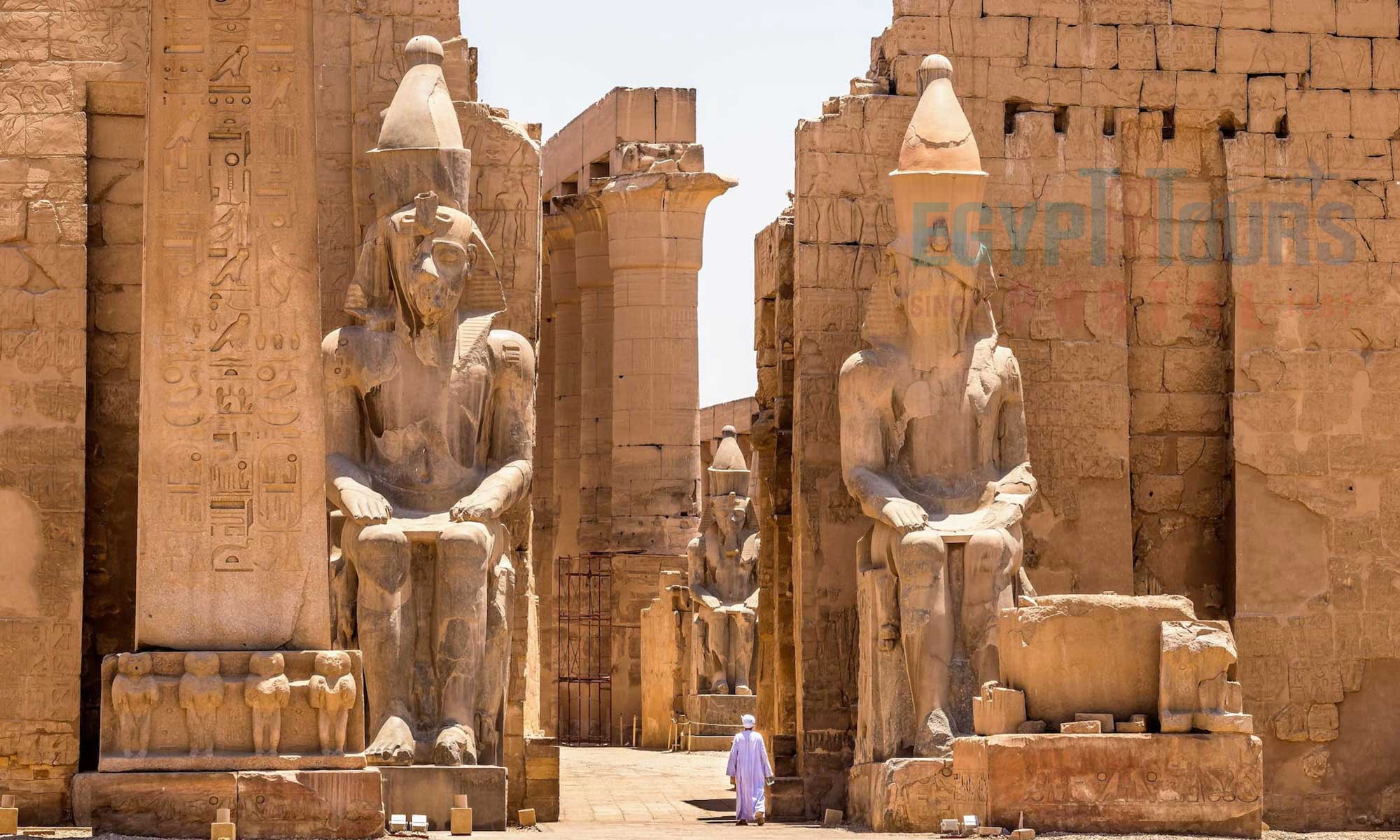
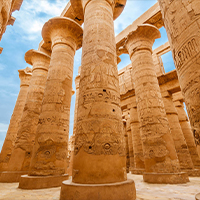
The Karnak Temple is a gigantic establishment of artistic wealth and spiritual knowledge that was constructed over nearly two millennia, from 1971 BC to 20 BC. This vast sanctuary was dedicated to the Theban triad of Amun, Mut, and Khonsu. As the largest religious complex ever built, Karnak unfolds as a monumental landscape of towering pylons, sacred lakes, hidden chapels, and the legendary Hypostyle Hall, whose forest of colossal columns inspires wonder to this day. The Avenue of Sphinxes, countless statues, and richly carved inscriptions preserve the legacy of Egypt’s spiritual devotion and architectural brilliance across generations.
You will head back to the airport to catch your flight to Cairo, where you will check into your hotel and spend the overnight.
Meals: Breakfast, Lunch
Flight: From Luxor to Cairo
Overnight: Cairo Hotel
Day Seven: Discovering the Grand Treasures of Cairo
This morning, you will transfer to the airport for your flight to Cairo. Upon arrival, your guide will be waiting to escort you on an inspiring exploration of the city’s most treasured cultural and spiritual landmarks.
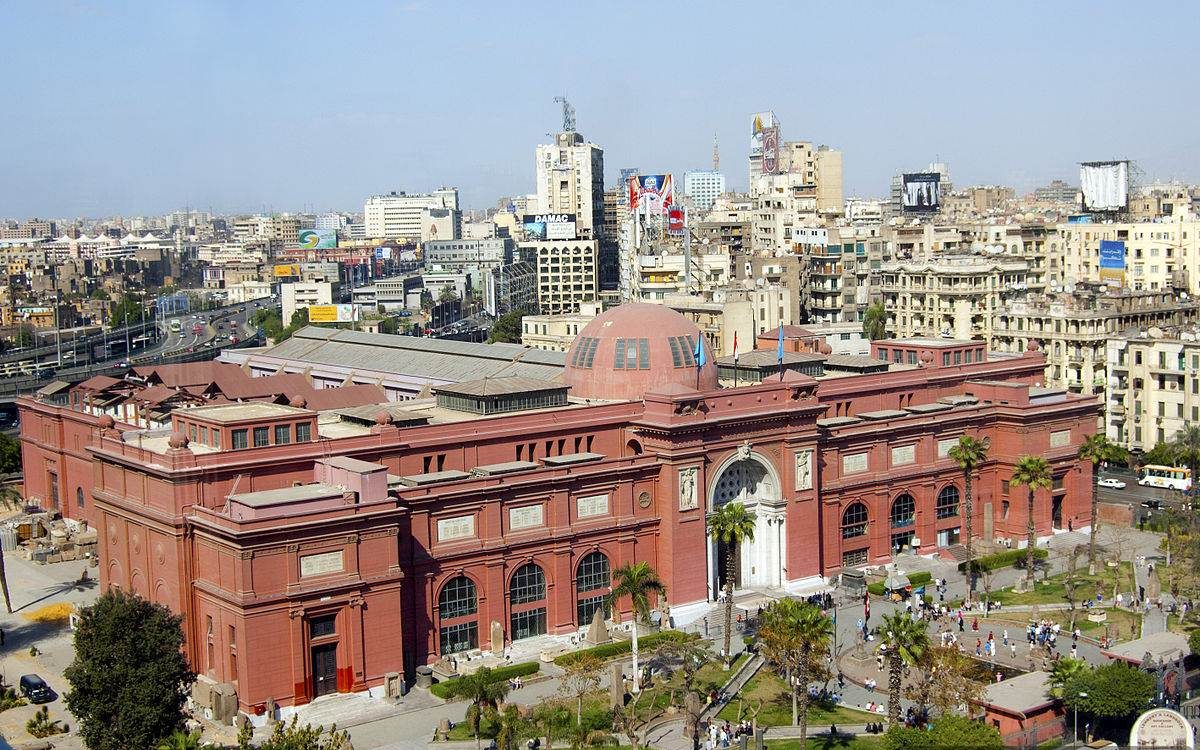
The Egyptian Museum is a true sanctuary of history that preserves more than 5,000 years of ancient Egyptian civilization. Established in 1901, the museum’s grand halls display an extraordinary collection of statues, jewelry, mummies, and priceless artifacts spanning from the Old Kingdom to the New Kingdom. Each gallery feels like a step deeper into the timeless soul of ancient Egypt, where the achievements of pharaohs and craftsmen still resonate.
Afterward, you will enjoy a delicious lunch at a local restaurant before continuing your journey into the religious heart of Old Cairo.
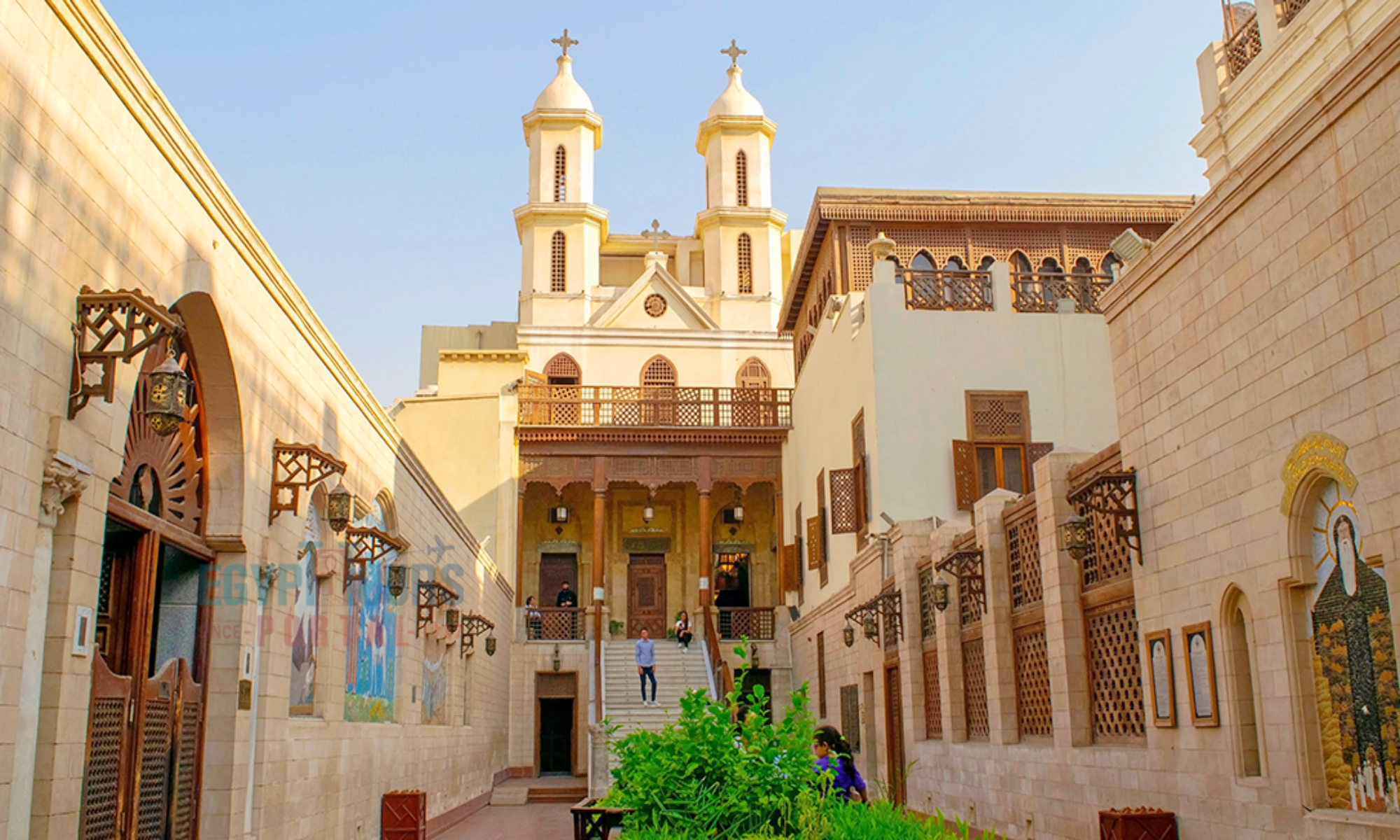
The Hanging Church is also known as the Church of the Virgin Mary, is one of the most significant Coptic landmarks in Egypt. It was constructed in the 5th century atop the southern wall of the Roman Fortress of Babylon, the church rises about 30 feet above ground level. Its beautifully crafted wooden ceiling, treasured icons, and architectural elements dating from the 7th to the 13th centuries reflect centuries of devotion, artistry, and spiritual grace.
Amr Ibn Al-Aas Mosque marks a powerful change in the religious fabric of Egypt. It is the first mosque ever built in Africa, founded in 641 AD. Though rebuilt and expanded many times over the centuries, it remains a living chronicle of the evolution of Islamic architecture and continues to function as an active and revered place of worship today.
Ben Ezra Synagogue is a rare and historically rich monument that began as a church before being converted into a synagogue in 882 AD. Traditionally believed to have once housed an ancient copy of the Old Testament, the synagogue still retains elegant decorative details and architectural features that speak to its layered religious history.
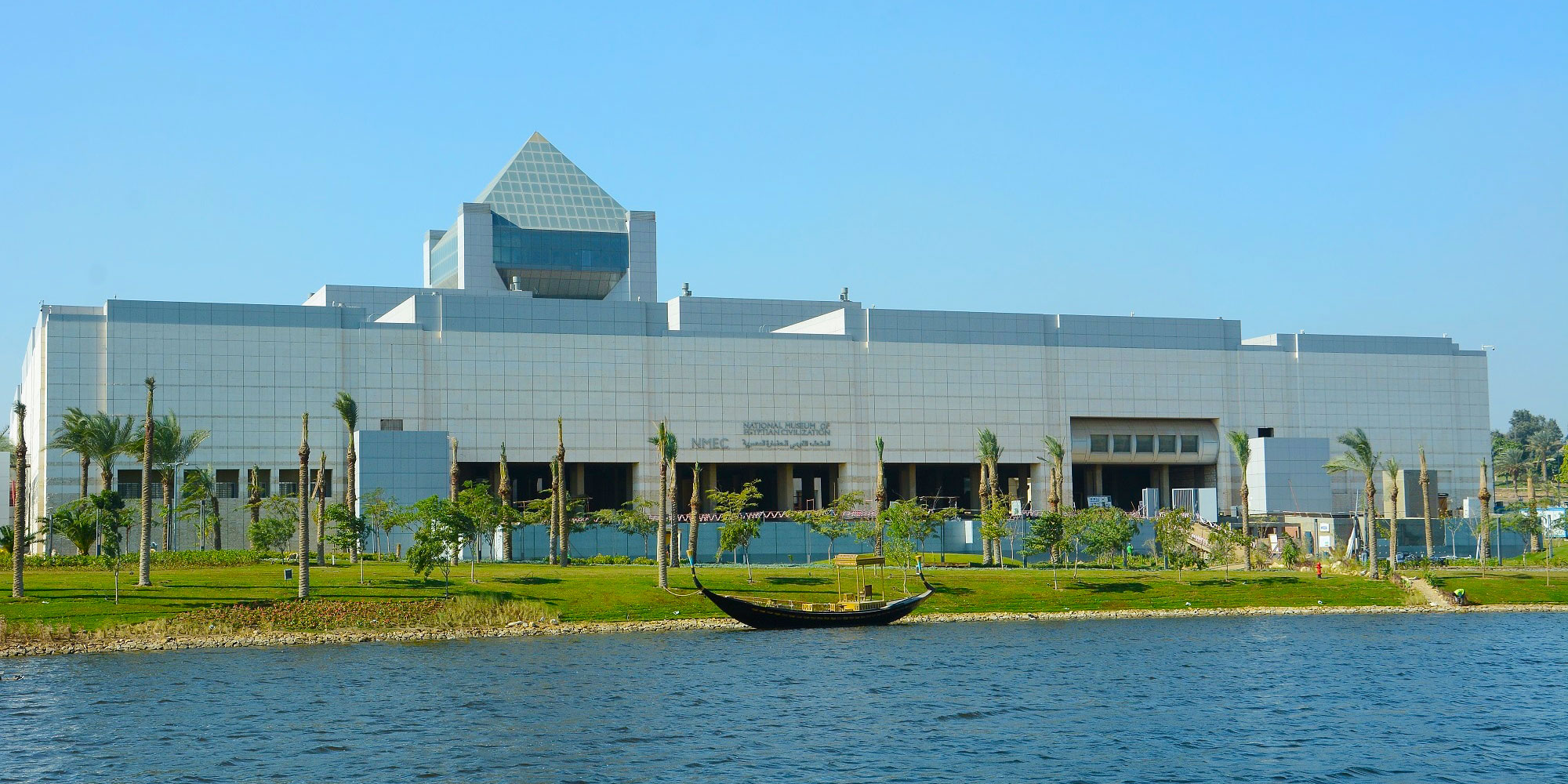
The National Museum of Egyptian Civilization (NMEC) is where the history of this immortal civilization is showcased. It is a modern museological masterpiece located in Fustat. This exceptional institution traces Egypt’s story from prehistoric times to the modern era, uniting all periods of its civilization under one roof. Its most celebrated highlight is the Royal Mummies Hall, where visitors come face to face with legendary pharaohs whose names shaped history.
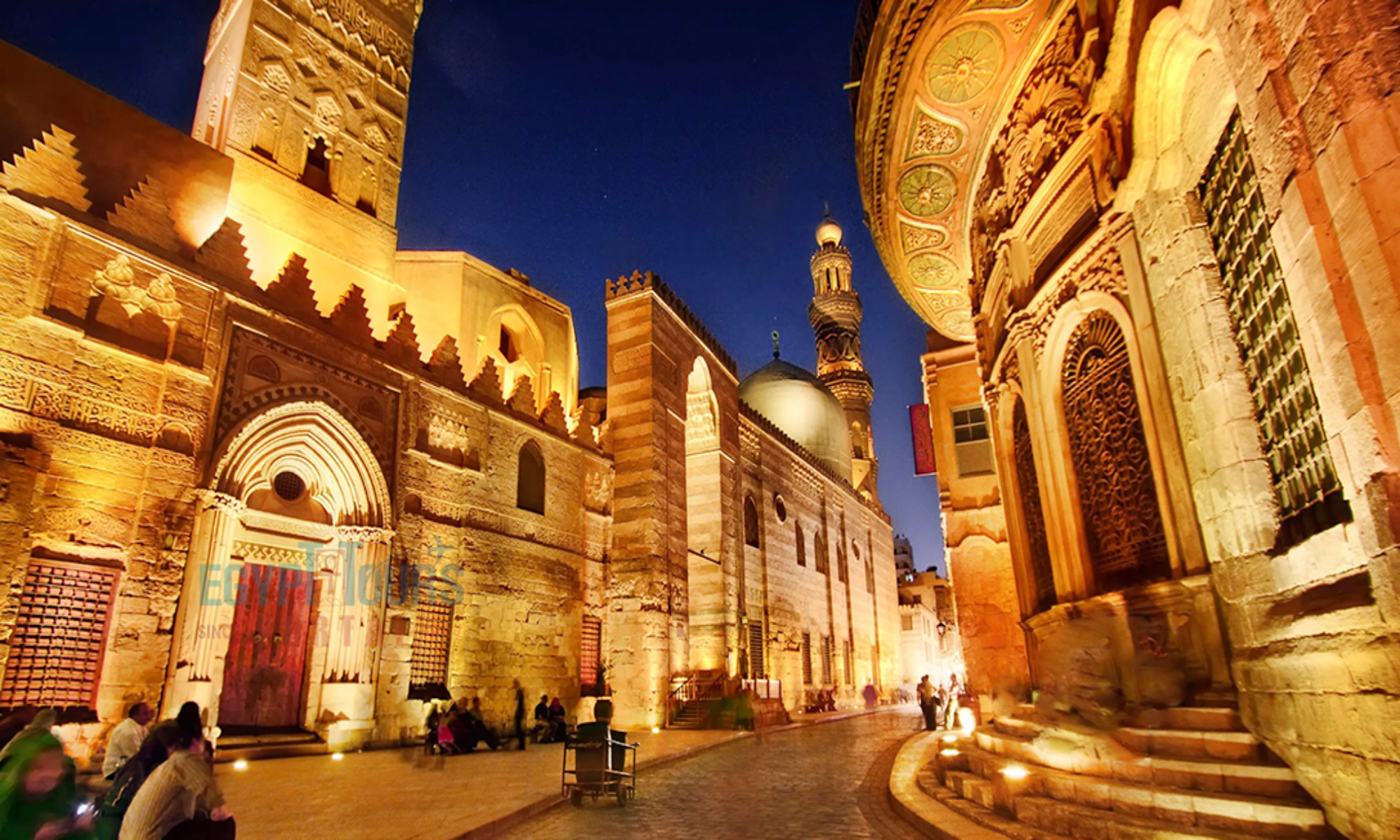
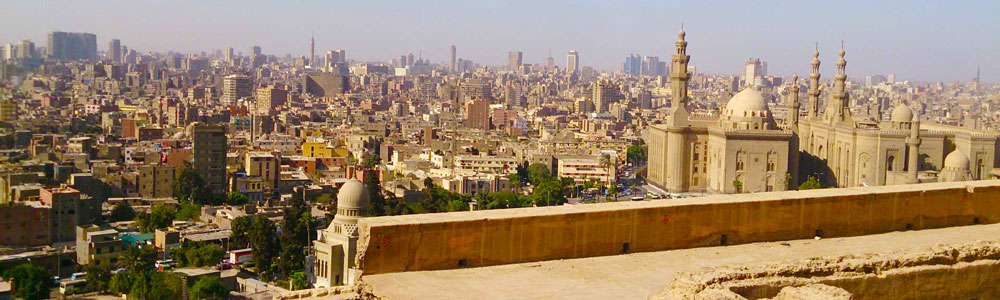
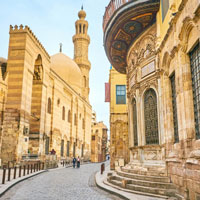
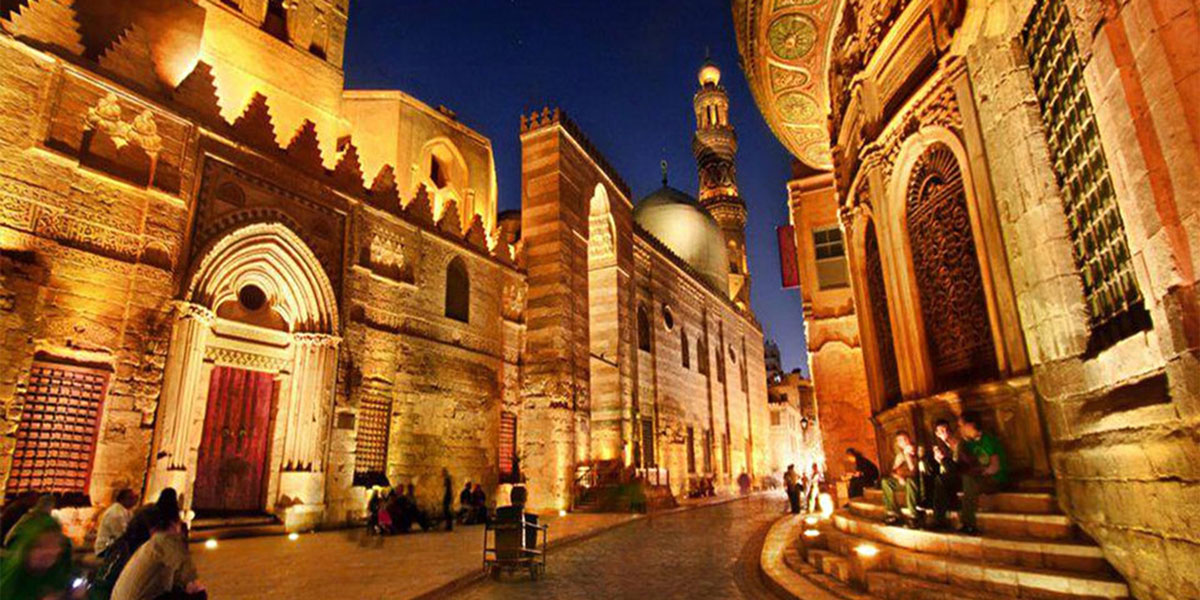
Al Muizz street is a radiant corridor of Islamic architecture and living history. Named after its creator al-Muizz li-Din Allah (341–365 AH / 953–975 AD) and is lined with mosques, madrasas, palaces, and historic markets, this street offers a vivid glimpse into more than a thousand years of Cairo’s cultural and economic life. By day, its stone and woodwork reveal astonishing detail; by night, it glows with an atmosphere filled with timeless magic.
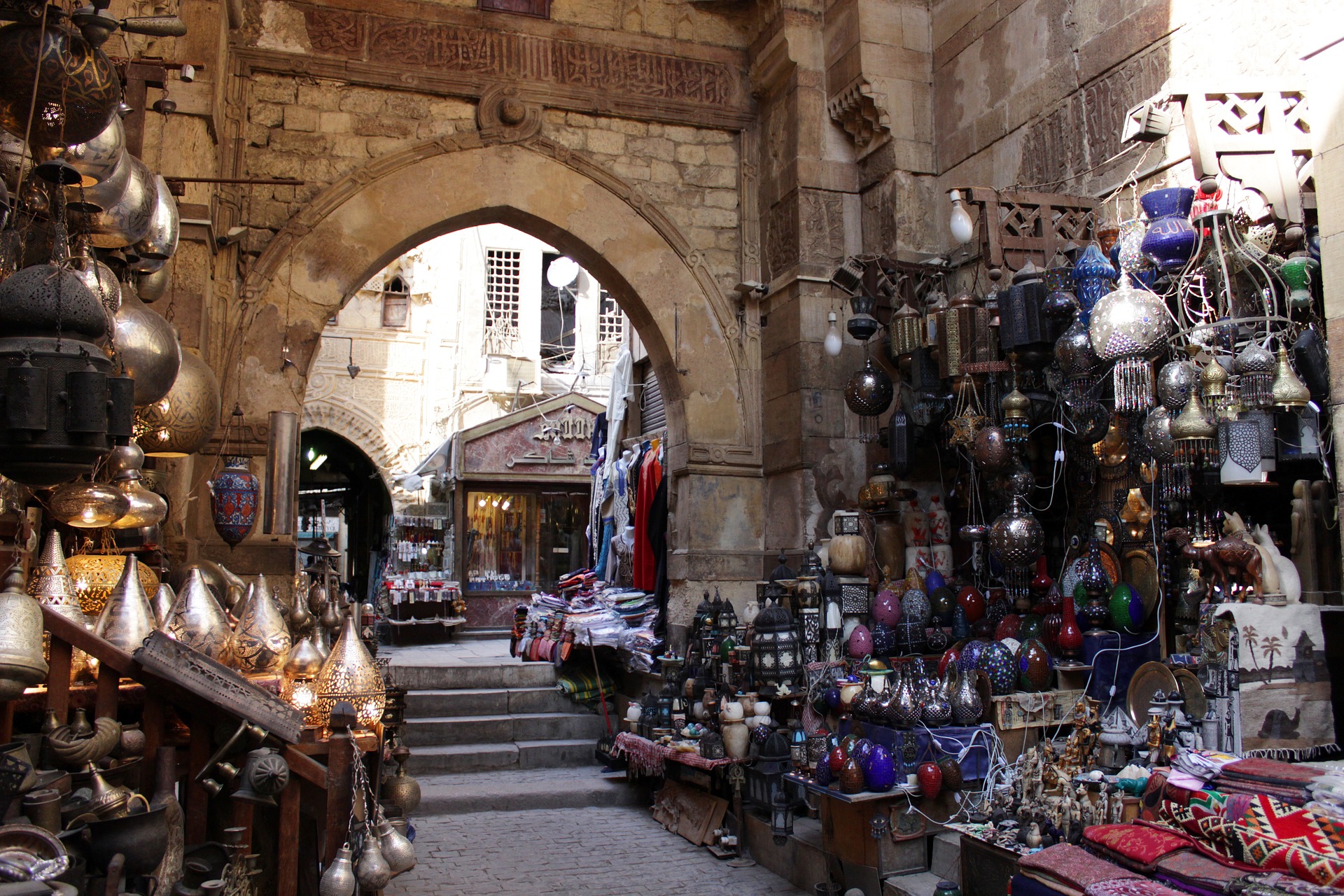
The legendary Khan El-Khalili bazaar is a glowing marketplace of infinite wealth founded in 970 AD. Its winding alleys overflow with traditional crafts, aromatic spices, handcrafted jewelry, antiques, and vibrant souvenirs. With its historic cafés and captivating ambiance, the bazaar is the perfect place to absorb the spirit of old Cairo and create lasting memories of your journey.
As the day draws to an end, you will return to your hotel in Cairo for an overnight stay.
Meals: Breakfast, Lunch
Overnight: Cairo Hotel
Day Eight: Touchdown in Amman
After enjoying breakfast at your Cairo hotel, you will be transferred to the airport to catch your flight to Queen Alia International Airport in Amman. Upon arrival, a welcoming representative will be waiting to guide you smoothly through all visa formalities, ensuring a stress-free entry into Jordan.
Once procedures are completed, you will be introduced to your private driver and enjoy a comfortable transfer to your hotel in Amman. After check-in, you can unwind and relax, settling in for a peaceful stay as you prepare for the discoveries that await.
Meals: Breakfast
Flight: From Cairo to Amman
Overnight: Amman Hotel
Day Nine: Explore the Miraculous Treasures of Madaba, Mount Nebo, & the Dead Sea
After enjoying breakfast at your hotel, meet your private driver and set out on a captivating journey through Jordan’s most treasured landscapes and sacred landmarks.
Madaba is a celestial city that gained the title as the “City of Mosaics,” and it is very popular for its most celebrated masterpiece at St. George’s Church. Within its walls lies the remarkable 6th-century mosaic map of the Holy Land, the oldest surviving cartographic depiction of Jerusalem and its surrounding biblical sites. This extraordinary artwork stands as one of the most important surviving expressions of early Christian heritage.
The revered climax of Mount Nebo is a legendary spot where Prophet Moses is believed to have gazed upon the Promised Land. From this sacred summit, sweeping panoramic views unfold across the Jordan Valley, the River Jordan, and, on clear days, the distant skyline of Jerusalem. A pilgrimage destination for centuries, Mount Nebo resonates deeply with biblical history and spiritual reflection.
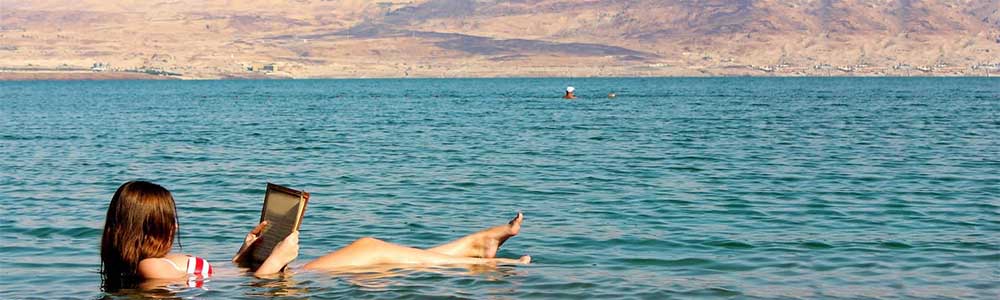
The ethereal Dead Sea is a divine body of water, famous for holding the lowest point on Earth. Its mineral-rich waters create a surreal experience where floating comes effortlessly, while the famous therapeutic mud offers both physical renewal and peaceful relaxation. This ancient natural wonder has drawn seekers of healing and tranquility for millennia.
Enjoy a superb lunch before continuing your multi-international trip to explore:
The road leads to the legendary rose-red city of Petra, one of the New Seven Wonders of the World. Upon arrival, check in to your hotel and spend the night surrounded by the timeless atmosphere of this ancient Nabataean capital, preparing for the extraordinary discoveries that await.
Meals: Breakfast, Lunch
Overnight: Petra Hotel
Day Ten: Petra & Wadi Rum Desert Exploration
After breakfast, set out on an unforgettable journey that unveils two of Jordan’s most extraordinary treasures: the rose-red city of Petra and the spellbinding desert of Wadi Rum.
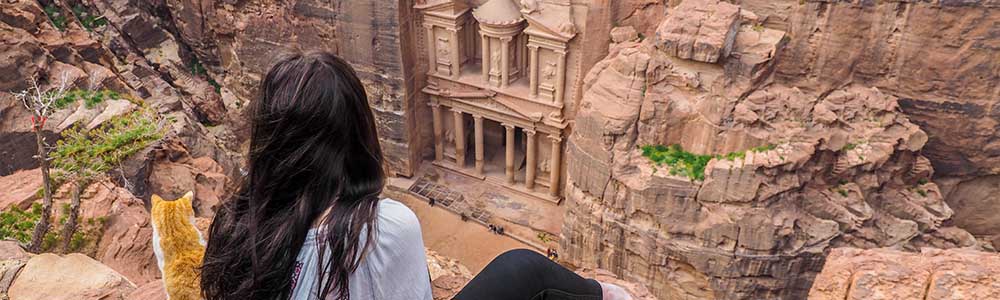
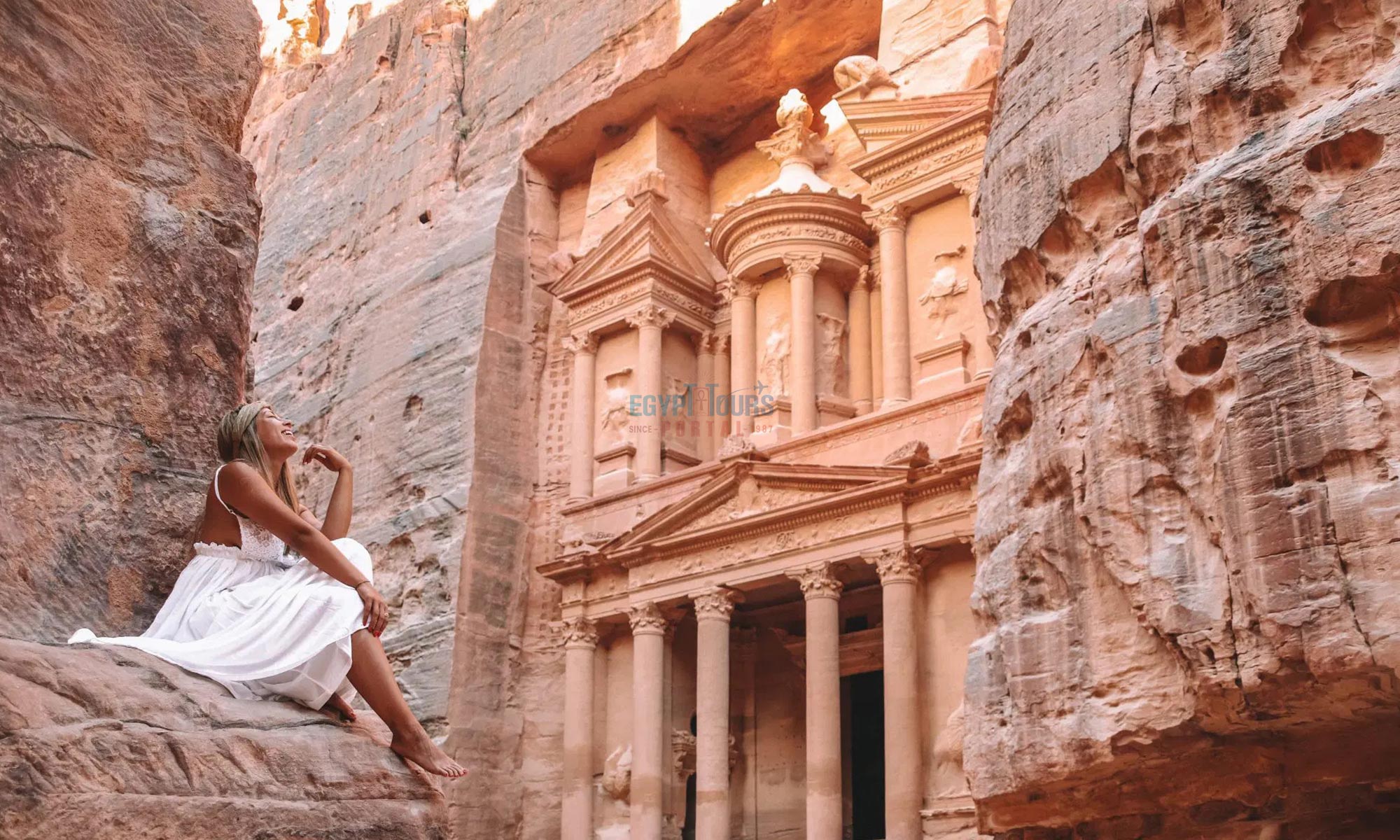
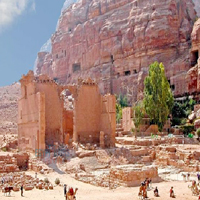
Petra is a captivating relic of the ancient capital of the Nabataean civilization in the 2nd century BC that stands as one of the New Seven Wonders of the World, celebrated for its artistic ingenuity and historical importance. Entirely carved into glowing rose-colored sandstone cliffs, the city is approached through the dramatic Siq, a narrow and winding gorge that opens suddenly onto Petra’s most iconic vision, the magnificent Treasury (Al-Khazneh).
Al-Khazneh or the treasury temple was carved in the early 1st century AD, most likely during the reign of King Aretas IV, and rises to around 39 meters high and 25 meters wide. Its façade masterfully blends Hellenistic features, such as Corinthian columns, pediments, and a central tholos, with distinctive Nabataean artistry. Although long believed to be a treasury, it was likely a royal mausoleum. Its cinematic reveal at the end of the Siq and its appearance in films such as Indiana Jones have secured its legendary status.
The Royal Tombs of Petra reveal another chapter of Nabataean grandeur, which spreads along the eastern cliffs of this majestic destination. It dates to the 1st century AD, the Urn, Silk, Corinthian, and Palace Tombs display a striking variety of façades and architectural styles. It was built for kings and elite families; these monumental tombs reflect Petra’s wealth, social hierarchy, and artistic exchange. Notably, the Urn Tomb was later transformed into a Byzantine cathedral during the 5th century.
The impressive theatre of Petra is filled with the spirits and the glory of ancient art and knowledge, carved directly from living rock in the early 1st century AD and later expanded after AD 106. It can hold the seats of 7,000 spectators, plus the theatre’s horseshoe-shaped cavea and Roman-era stage elements highlight a sophisticated fusion of Nabataean and Greco-Roman design, emphasizing the city’s cultural vitality and public life.
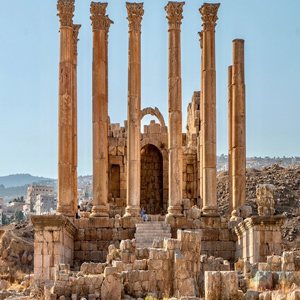
Qasr al-Bint is a rare freestanding sandstone temple rising about 23 meters high and dating from 30 BCE to AD 40. Its main purpose was to honor the Nabataean triad, especially the god Dushara, and possibly al-‘Uzza. This monumental sanctuary once featured grand stairways and a sacred cella. Remarkably resilient, it survived major earthquakes, including the devastating quake of AD 363, offering invaluable insight into Nabataean religious architecture and ritual practice.
After exploring these wonders, enjoy some free time to wander Petra’s timeless paths, absorb its extraordinary atmosphere, and savor a flavorful dinner surrounded by ancient stone and fading sunlight.
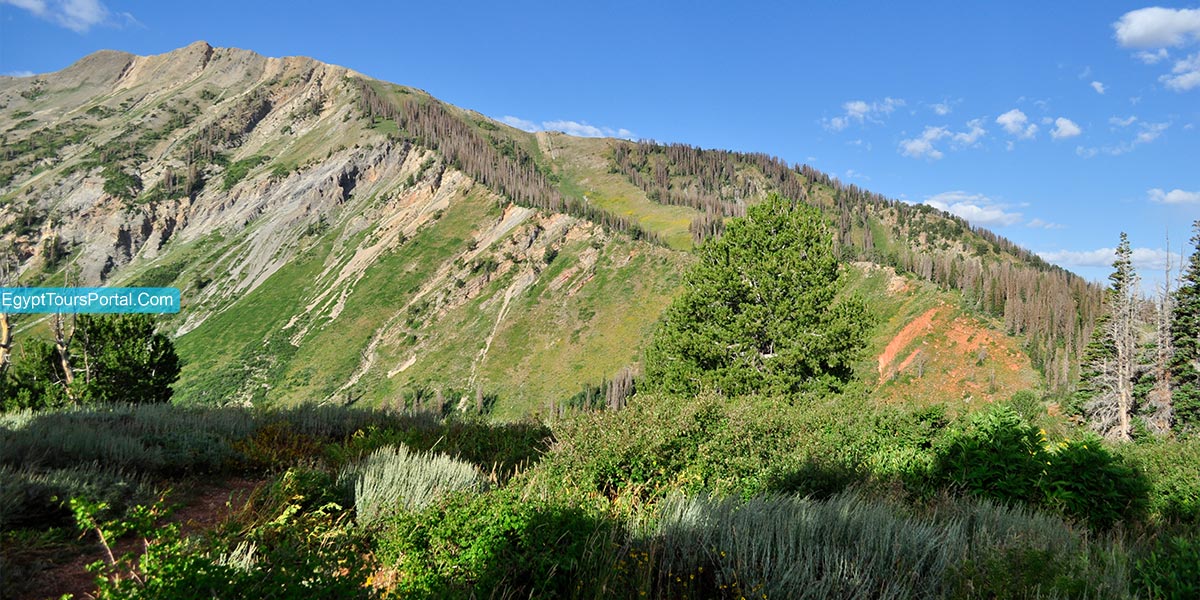
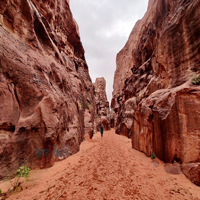
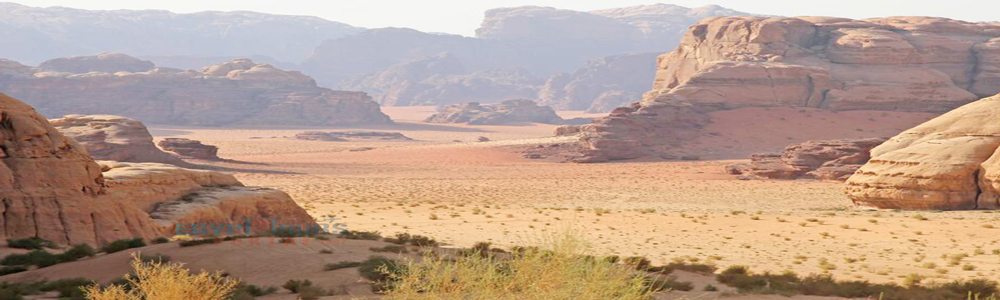
The vast golden landscapes of Wadi Rum. Known as the “Valley of the Moon,” this UNESCO-protected desert is famed for its towering rock formations, surreal beauty, and some of the most breathtaking sunsets on Earth. Upon arrival, you will be welcomed with warm Bedouin hospitality, treated to traditional cuisine, and invited to gaze up at a sky overflowing with stars. If there is time then everyone will get to explore a number of natural marvels that include Little Bridge, Lawrence Spring, Um Frouth Rock Bridge, Khazali Canyon, and Burdah Arch.
Your day concludes with an overnight stay at an authentic Bedouin camp, where the silence of the desert and the brilliance of the night sky create an unforgettable and deeply immersive experience.
Meals: Breakfast, Lunch
Overnight: Wadi Rum Camp
Day Eleven: Catch a Flight to Turkey
After breakfast and hotel checkout, you’ll be escorted by our representative to the Amman International Airport for your flight to Istanbul. Upon arrival, you’ll be warmly greeted, assisted with visa procedures, and transferred by private driver to your Istanbul hotel, where you’ll check in and relax for the evening, ready to begin the exciting Turkish chapter of your Cairo, Jordan, & Turkey adventure.
Meals: Breakfast
Flight: From Cairo to Istanbul
Overnight: Istanbul Hotel
Day Twelve: Cast Your Eyes on the Living Miracles of Istanbul
You will start your morning with a leisurely breakfast at your Istanbul hotel, then meet your private guide for an immersive journey through the city’s most celebrated cultural and historical landmarks.
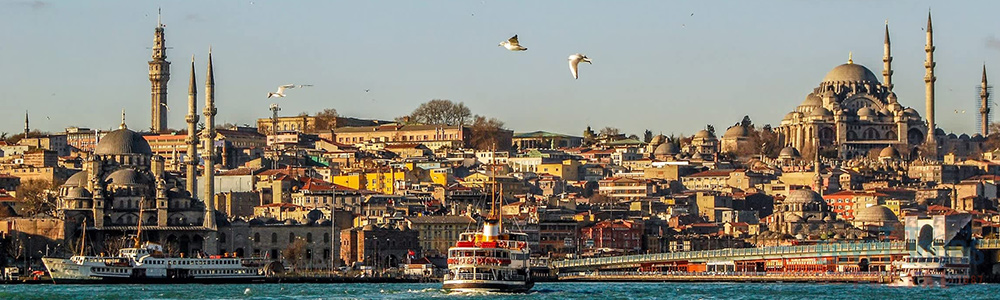
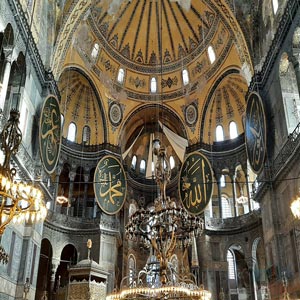
Hagia Sophia is a timeless structure of faith and artistry that was completed in 537 AD under Emperor Justinian I, it has lived many lives as a Byzantine cathedral, an Ottoman mosque, and today a renowned museum. Its soaring central dome, luminous mosaics, polished marble columns, and striking Arabic calligraphy create a rare harmony between Christian and Islamic traditions, marking it as one of Istanbul’s most powerful symbols of architectural genius and spiritual balance.
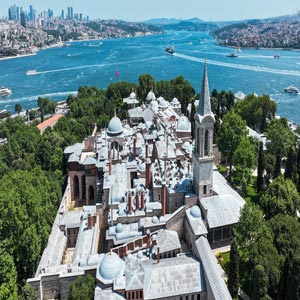
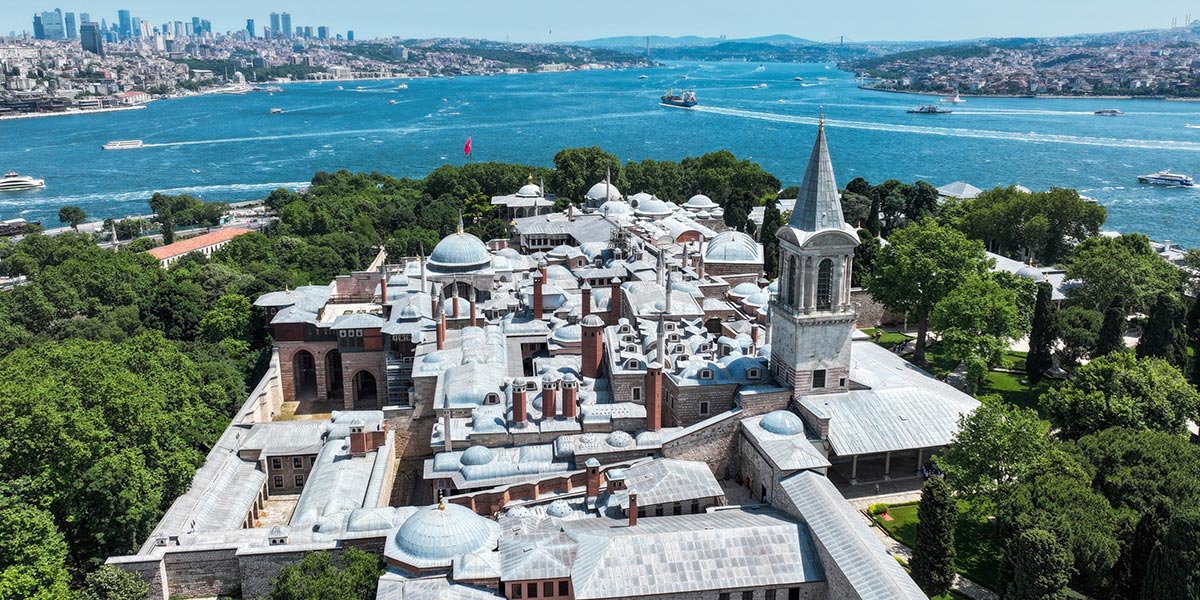
Topkapi Palace is an enchanting architectural marvel that was commissioned in the 15th century by Sultan Mehmed II, served as the imperial residence and administrative heart of the Ottoman Empire for nearly four centuries. Set on Seraglio Point with commanding views of the Bosphorus and the Sea of Marmara, the palace unfolds through a series of grand courtyards, richly decorated pavilions, and the famed Harem. Within its walls lie imperial jewels, sacred relics, and masterworks of Ottoman art, offering a vivid window into the splendor and authority of the sultans.
After enjoying lunch at an authentic local restaurant, you will continue your exploration with your guide.
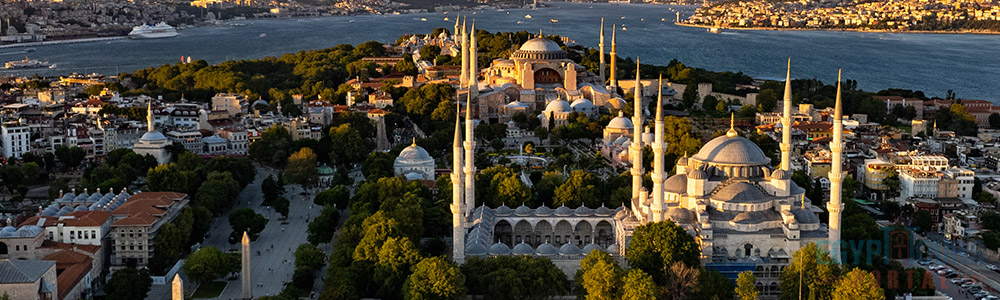
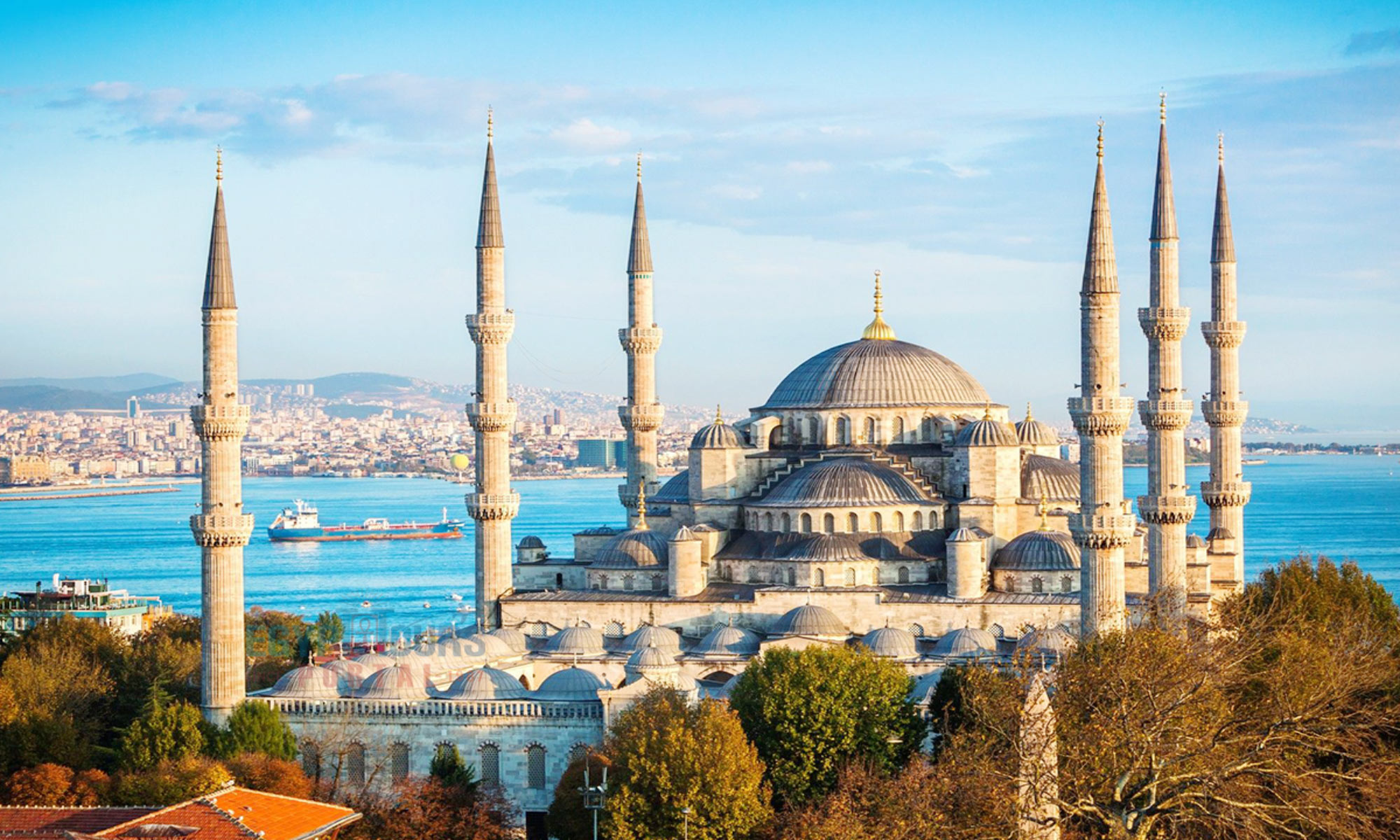
The Blue Mosque is a celestial flower of pure allure and greatness, completed in 1616 as a crowning achievement of Ottoman architecture. Its six elegant minarets and cascading domes form a perfectly balanced silhouette, while the interior glows with more than 20,000 handcrafted Iznik tiles in shimmering shades of blue. Still an active place of worship and part of a UNESCO World Heritage site, the mosque radiates serenity and stands as a testament to Istanbul’s spiritual and artistic heritage.
The Hippodrome of Constantinople was the center of Byzantine civic life, built in 203 AD and later expanded by Constantine the Great to host chariot races, state ceremonies, and public celebrations for crowds of up to 100,000. The Sultanahmet Square preserves echoes of that grandeur, with enduring monuments such as the Obelisk of Theodosius and the Serpentine Column recalling the empire’s former glory.
The Grand Bazar is a living cultural wonder that came into being in 1461 as one of the world’s oldest and largest covered markets, home to more than 4,000 shops woven into a lively labyrinth of domed passages. From handwoven carpets and fine jewelry to fragrant spices and colorful textiles, it remains a thriving center of trade and craftsmanship where centuries-old traditions continue to flourish, making it an essential stop for understanding Istanbul’s living culture.
As the day draws to a close, you will be transferred to the airport for your flight to Cappadocia. Upon arrival, a local representative will greet you and escort you to your hotel, where you can unwind and prepare for the next enchanting chapter of your journey.
Meals: Breakfast, Lunch
Flight: From Cairo to Istanbul
Overnight: Cappadocia Hotel
Day Thirteen: Discover the Treasures of Cappodocia
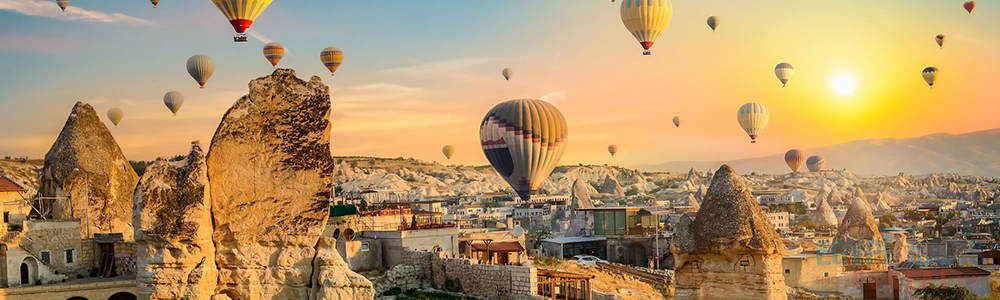
Begin your day with a wholesome breakfast before venturing into the otherworldly landscapes of Cappadocia, where nature and history blend into a dreamlike panorama. For those who wish to begin in truly enchanting fashion, an optional 1-hour hot air balloon flight at sunrise offers a serene drift above the valleys, revealing fairy chimneys and sculpted hills bathed in golden light. From sky or ground, everyone will encounter the remarkable wonders of this sacred land.
Uchisar Castle rises as the highest climax in Cappadocia, delivering majestic views across valleys, fairy chimneys, and volcanic formations. Hewn from volcanic tuff, this natural fortress dates back to Roman times and was later strengthened during the Byzantine and Seljuk eras. Once a vital defensive stronghold, it now invites visitors to wander through its caves and tunnels while taking in some of the most breathtaking vistas in the region.
Göreme Open-Air Museum is a marvelous attraction known to be a UNESCO World Heritage site, which is a fascinating collection of rock-cut churches, chapels, and monasteries, dating back to the 10th century. The site features beautifully preserved frescoes depicting biblical scenes and early Christian symbolism. Notable sites include the Dark Church, famous for its vivid frescoes, and the Apple Church, which offers an intimate glimpse into the monastic life of Byzantine-era Cappadocia.
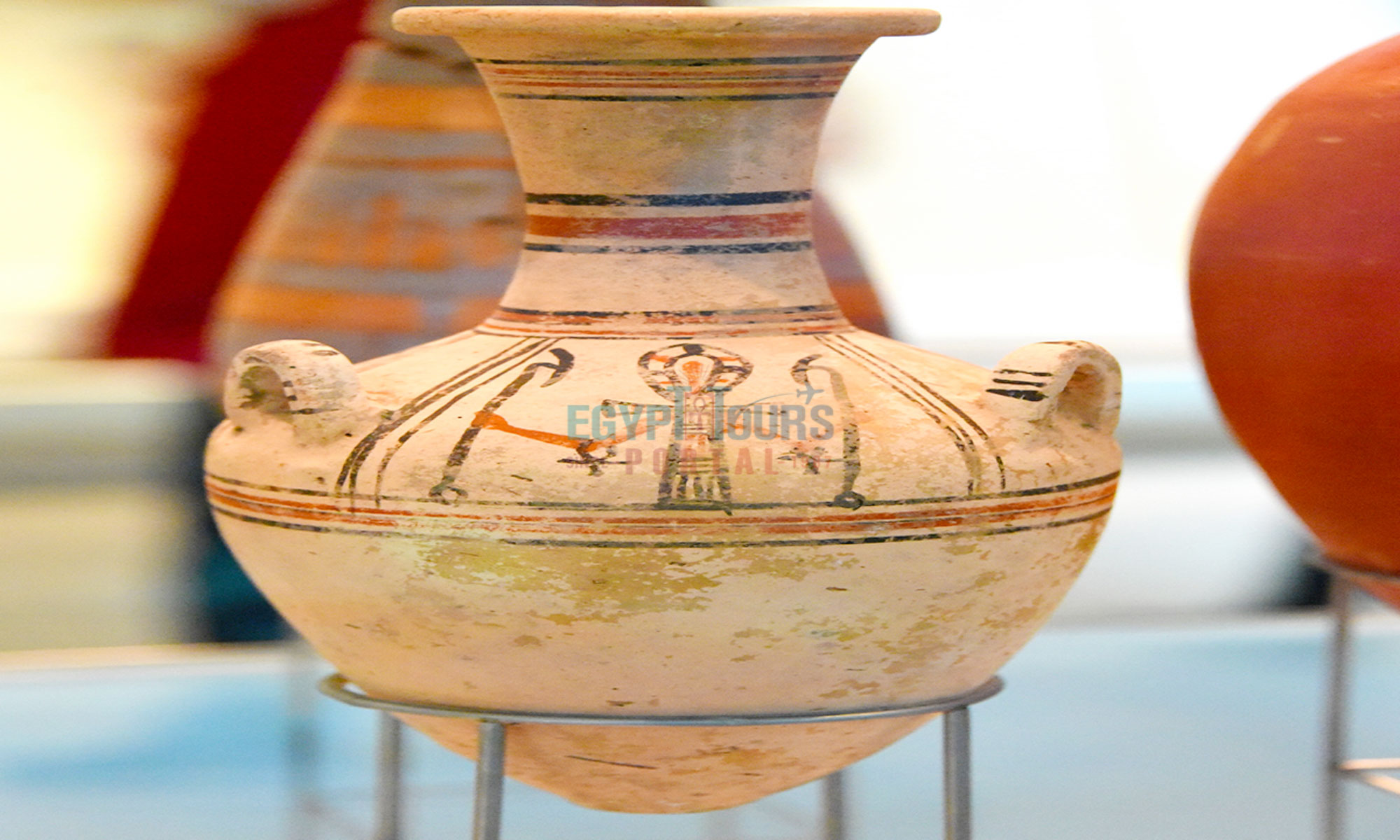
Avanos is the artistic heart of Cappadocia and its historic center of pottery-making. This tradition stretches back to the Hittite period around 2000 BC, with artisans still shaping vessels from the river’s distinctive red clay. Strolling through its charming streets, visitors can observe master potters at work, explore workshops, and relax in riverside cafés while witnessing a living craft passed down through countless generations.
Enjoy a delicious lunch at a local authentic restaurant, where traditional flavors unfold in recipes that honor the region’s rich cultural heritage. This peaceful break offers a perfect moment to recharge before continuing your captivating journey.
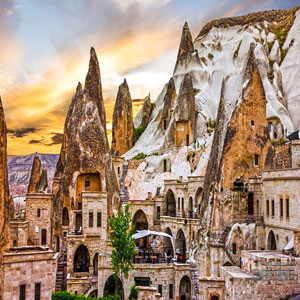
Pasabag, also known as Monks Valley, is famed for its towering fairy chimneys—extraordinary rock formations shaped by volcanic activity and centuries of erosion. During the Byzantine period, Christian monks carved hermitages into these stone pillars, imbuing the valley with lasting spiritual resonance. Today, its tranquil atmosphere and striking natural beauty make it one of Cappadocia’s most captivating landscapes.
The imaginative living miracle of Devrent Valley is a natural gallery of surreal rock formations resembling animals, faces, and mythical figures. Unlike other valleys, it contains no ancient dwellings or churches, yet its fantastical shapes, sculpted entirely by nature, have made it a favorite destination for photographers and creative minds. Wandering here feels like stepping into a landscape where imagination takes form in stone.
As your Cappadocian adventure draws to an end, you will be transferred to the airport for your flight back to Istanbul. Upon arrival, your private driver will escort you to your hotel for a peaceful overnight stay, leaving you with memories of soaring skies, sacred valleys, and ancient stories etched into the land itself.
Meals: Breakfast, Lunch
Flight: From Cappadocia to Izmir
Overnight: Kusadasi Hotel
Day Fourteen: Enjoy the Marvels of Ephesus
After breakfast, you will set out from your hotel in KuΕadasΔ± on a scenic drive of approximately two hours in a private, modern vehicle, journeying toward the legendary city of Ephesus. Along the way, anticipation builds as you approach one of the best-preserved ancient cities of the Roman Empire, where extraordinary monuments reveal the brilliance of classical antiquity, including:
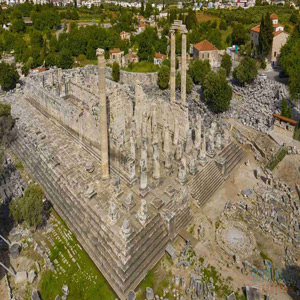
The Temple of Artemis is a legendary gem of history’s most celebrated sacred sites in Turkey and is renowned as one of the Seven Wonders of the Ancient World. It is dedicated to the Greek goddess Artemis and this colossal sanctuary was first constructed around 550 BC and later rebuilt after its destruction. Although only fragments remain today, the temple’s immense scale, once adorned with towering columns and elaborate sculptures, continues to echo its former glory as both a religious sanctuary and a vibrant center of commerce in the ancient world.
The Library of Celsus is one of Ephesus’ most magnificent architectural achievements, built around 117 AD and designed to impress as both a tomb and a library. Its richly decorated façade, lined with statues and intricate reliefs, once sheltered more than 12,000 scrolls. Dedicated to the Roman senator Tiberius Julius Celsus, the library stands as a powerful symbol of Ephesus’ intellectual life and cultural prosperity during the Roman era.
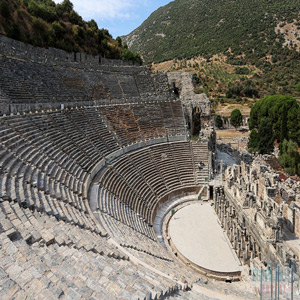
The Great Theater is among the largest and most impressive ancient theaters ever constructed, capable of seating up to 25,000 spectators. Originally built during the Hellenistic period and later expanded by the Romans, it hosted dramatic performances, gladiatorial games, and civic gatherings. Today, its remarkably preserved structure offers a vivid impression of the city’s social and cultural vibrancy, framed by sweeping views of ancient streets and surrounding hills.
You will enjoy your delicious lunch in a local restaurant. Then head with your tour guide to:
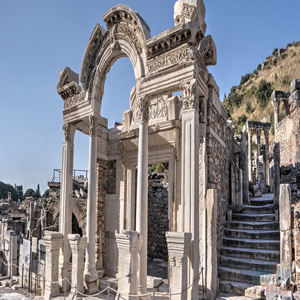
The Temple of Hadrian is a majestic creation that is known to be an elegant and finely detailed monument erected in the 2nd century AD in honor of Emperor Hadrian. Renowned for its beautifully carved façade, the temple features mythological reliefs and figures, including the striking image of Medusa at its entrance. Its refined artistry and historical importance make it one of the most photographed and admired structures in Ephesus.
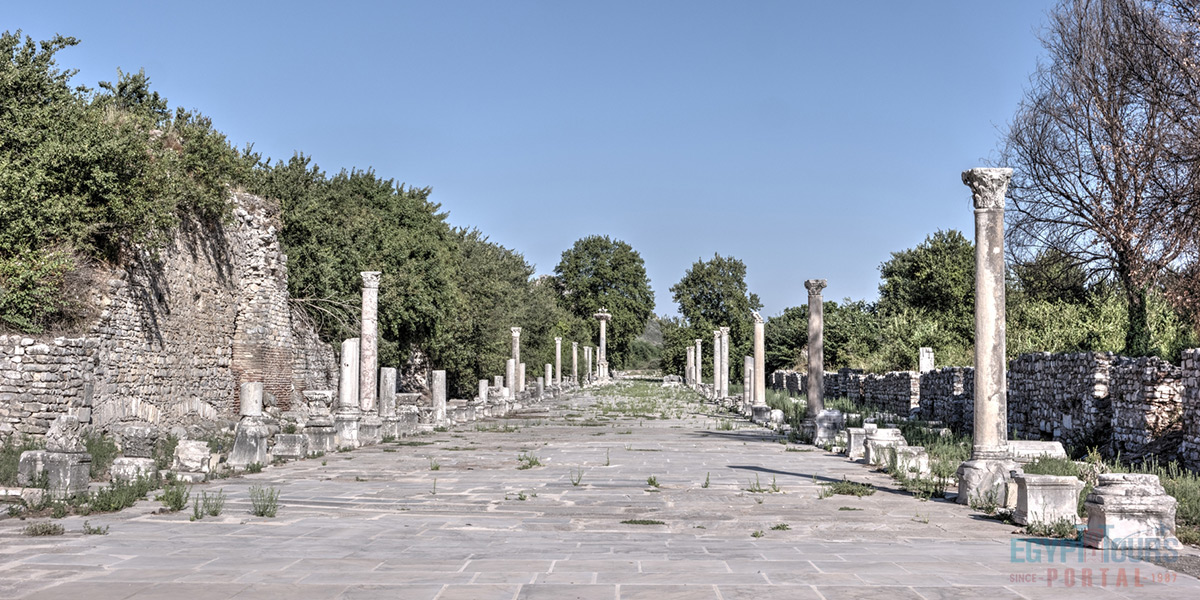
Harbor Street a.k.a Arcadian Way was the grand ceremonial avenue of ancient Ephesus and the city’s main commercial artery. Commissioned in the 1st century AD under Emperor Augustus and later restored during the reign of Emperor Arcadius (395–408 AD), the marble-paved street once linked the bustling harbor to the city center. Lined with shops, public baths, temples, and monuments, it offers an evocative glimpse into daily life and trade in one of antiquity’s greatest cities.
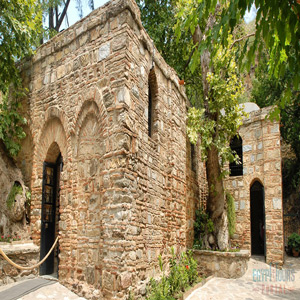
The House of the Virgin Mary is a deeply revered and serene site dating back to the 1st century AD, located in the hills near Ephesus. Believed to be the final home of Mary, the mother of Jesus, it has become a major pilgrimage destination for Christians worldwide. The modest stone house, its sacred spring, and the Wall of Wishes draw visitors seeking reflection, blessings, and healing, all within an atmosphere of profound peace and spiritual significance.
At the conclusion of your tour, you will be transferred back to your hotel in KuΕadasΔ±, where you will spend the night, reflecting on a day immersed in the timeless splendor of ancient Ephesus.
Meals: Breakfast, Lunch
Flight: From Izmir to Istanbul
Overnight: Kusadasi Hotel
Day Fifteen: Shed Light on the grand marvels of Pamukkale & Hierapolis
After breakfast, you will set out in a private, modern vehicle toward Pamukkale, where your expert guide will lead you into one of Anatolia’s most extraordinary archaeological landscapes. This international journey reveals a city shaped by healing waters, faith, and centuries of human devotion, beginning with:
Hierapolis is a celebrated Roman spa city renowned since antiquity for its curative thermal springs. Closely linked to the mineral-rich waters of Pamukkale, the city flourished as a center of health, culture, and pilgrimage. Everyone will explore its remarkably preserved ruins, you will encounter grand streets lined with columns, impressive temples, ancient baths, and a monumental theater, all reflecting Hierapolis’ long-standing reputation as a sanctuary of healing and refinement.
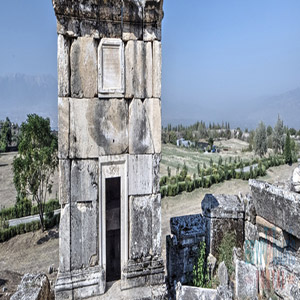
The Necropolis of Hierapolis is one of the largest ancient burial grounds in the Mediterranean region, containing more than 1,200 tombs ranging from simple graves to elaborate sarcophagi and mausoleums. Dating mainly to the 2nd and 1st centuries BC during the Hellenistic period, this vast cemetery offers profound insight into ancient funerary customs and the spiritual importance of the city. Walking among these tombs provides a powerful connection to the lives and beliefs of Hierapolis’ former inhabitants.
The Roman Baths of Hierapolis showcase the city’s status as a prestigious health resort. It was constructed during the Roman era and supplied by the region’s thermal springs, these baths served both therapeutic and social purposes. Their remaining columns, sculptures, mosaics, and vast halls illustrate the luxurious bathing culture that once attracted visitors from across the empire.
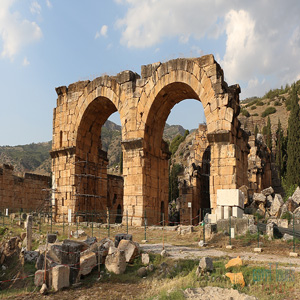
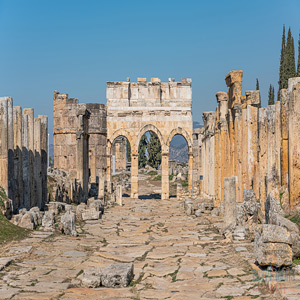
The Domitian Gate is one of Hierapolis’ most striking monuments, which was erected in the 1st century AD and dedicated to Emperor Domitian. Serving as a monumental entrance to the city, it once opened onto the main street. Its impressive scale and carved reliefs make it a defining architectural feature and an important reminder of Roman imperial influence.
You will enjoy your delicious lunch in a local restaurant. Then head with your tour guide to:
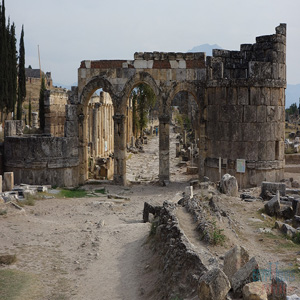
Frontinus Street is the principal avenue of Hierapolis, was once the vibrant core of civic life. It is lined with statues and towering columns, the street is named after Sextus Julius Frontinus, the Roman engineer and author. As you walk along its ancient stones, it is easy to imagine the lively trade, social interaction, and ceremonial processions that once animated this grand marvel.
The Agora of Hierapolis was the city’s main commercial and social hub for ages since its creations in the 2nd century AD and surrounded by porticoes and columns, it hosted merchants, traders, and public gatherings. Today, its ruins offer a vivid impression of daily life in a thriving Roman metropolis.
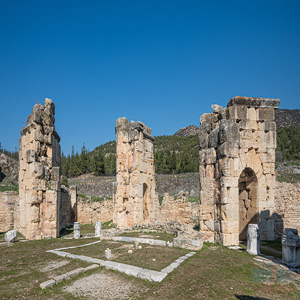
The Cathedral of Hierapolis is an imposing Christian basilica dating to the 5th century AD and ranks among the largest structures in the city. Its vast layout, columned halls, and remnants of mosaic floors reflect the growing importance of Christianity in the region and mark the city’s transformation during the Byzantine era.
The Temple of Apollo is one of the oldest and most spiritually significant sanctuaries in Hierapolis, originally established in the 8th century BC. Dedicated to Apollo, the god of prophecy and healing, the temple was believed to stand at the heart of the city’s divine power. The surviving columns, altar, and foundations reveal the deep spiritual traditions that once defined Hierapolis as a place of prophecy and sacred healing.
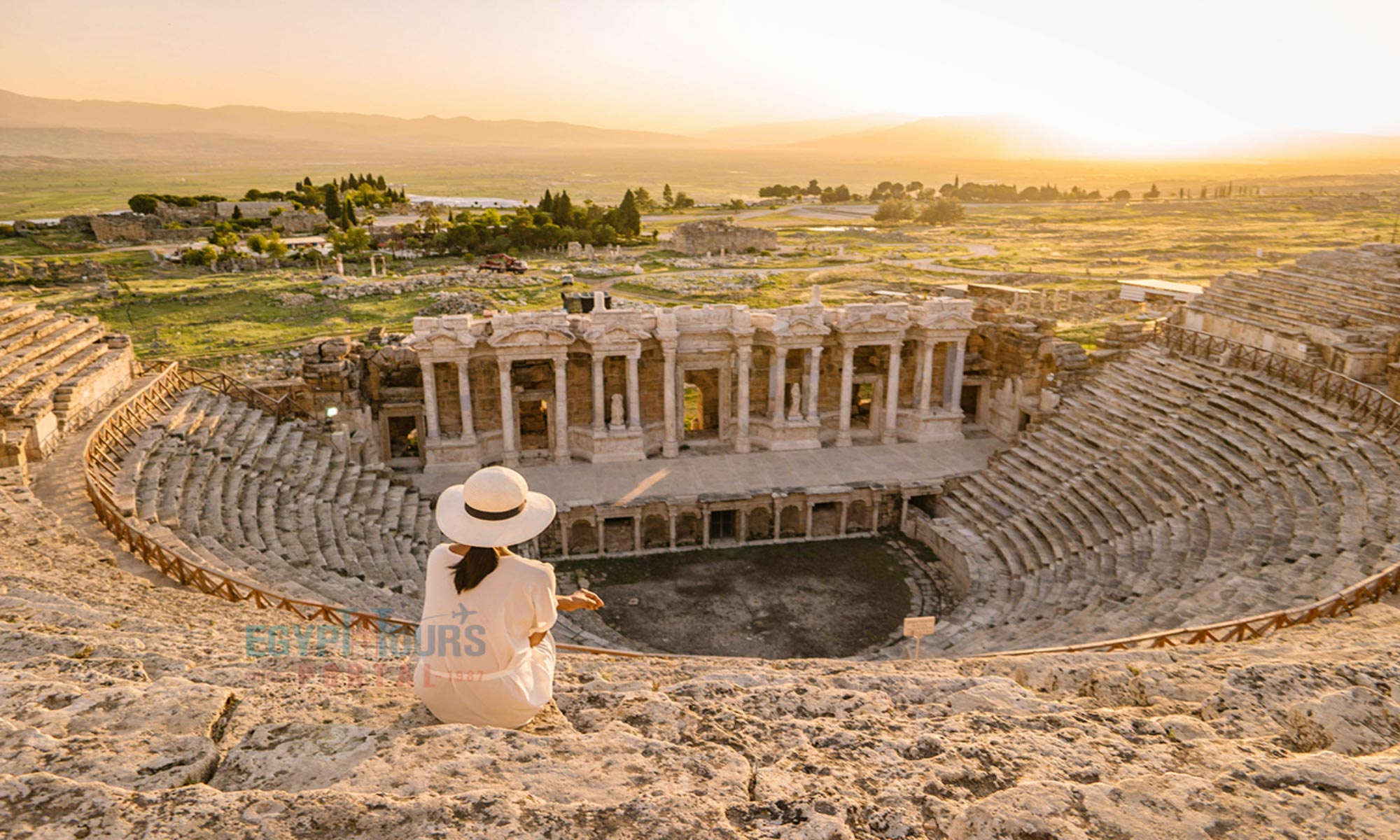
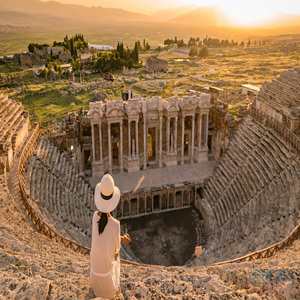
The Theater of Hierapolis is among the best-preserved ancient theaters in the region. It goes all the way to the 2nd century BC and seating around 10,000 spectators, it once hosted dramatic performances, music, and public events. Its finely preserved seating, stage, and decorative reliefs provide a striking glimpse into the entertainment and cultural life of the ancient city.
The Plutonium is one of Hierapolis’ most mysterious and fascinating sites. It is dedicated to Pluto, the god of the underworld, this ancient shrine was famed for the deadly vapors that once rose from its subterranean chamber. Believed to be a gateway to the realm of the dead, the Plutonium added an aura of fear and reverence to Hierapolis and remains one of its most enigmatic landmarks.
At the end of your tour, you will be transferred to Denizli Airport for your flight back to Istanbul. Upon arrival, you will return to your hotel and enjoy a restful overnight stay, reflecting on a day immersed in the timeless wonders of Pamukkale and Hierapolis.
Meals: Breakfast, Lunch
Flight: From Denizli Airport to Istanbul
Overnight: Istanbul Hotel
Final Day: Departure
You will start the final day of your 16 Days Cairo, Nile Cruise, Jordan, and Turkey Trip by heading to Istanbul airport to catch your flight.
Meals: Breakfast
Hint: You can share your thoughts about adding or removing any tours from your tour itinerary to be able to accommodate your requirements and fulfill your needs.
Tour Prices
All prices above are per person
Send a Request and Let the Dream Begin
Note: We have multiple ways for our payment system Check How to Pay for This Tour
Check the most frequently asked questions regarding tour booking. Check Now
Pay Monthly
24/7 Customer Support
Best Prices
Rated 5* Stars
Fast Booking
What to Pack
-
Hat.
-
Camera.
-
Umbrella.
-
Medication.
-
Comfortable Shoes.
-
Sunblock & Sunglasses.
-
Warm clothes in winter.
-
Cotton clothes in summer.
-
Valid Passport for 6 months.
-
Note: Check our blog about what to pack for Egypt.
Tour Map
What You Will Love About This Tour?
-
Designed as a choice 16-day cultural journey, this Egypt, Jordan, and Turkey tour offers New Zealand travelers the chance to follow the path of humanityβs greatest achievements across the ancient and classical worlds.
-
The experience begins in Egypt, where kiwi guests explore the iconic heritage of Cairo and Giza before enjoying a scenic Nile cruise and in-depth visits to Luxor and Aswan, home to Karnak Temple, the Valley of the Kings, Philae Temple, and the mint temples of Abu Simbel.
-
Jordan reveals a timeless landscape of history and belief, from Petraβs rose-carved wonders and Madabaβs mosaics to Mount Nebo, the mineral-rich Dead Sea, and the dramatic sandstone valleys of Wadi Rum.
-
Turkey brings this mint journey to a powerful close with Istanbulβs historic skyline, Cappadociaβs otherworldly rock formations, the classical ruins of Ephesus, and the striking white terraces of Pamukkale and ancient Hierapolis.
-
Throughout this 16-day international experience, kiwi guests enjoy refined comfort with luxury accommodations, private transfers, expert-guided sightseeing, a deluxe Nile cruise, and seamless service delivered by a multi-award-winning travel specialist.
Essential Trip Information
If you want an in-depth insight into our trips, then Essential Trip Information provides detailed information about all of that is linked to our itineraries, visa info, what is mainly included & excluded, the most important info regarding your transfers & accommodation with us, and almost everything you need to know about the amazing adventures we arrange.
View Essential Trip InformationRead Before You Go
The Top 25 Types of Egyptian Food
Discover Egypt's rich food culture with 25+ authentic dishes, from koshari to konafa. Taste history throu...
The Best Egypt Travel Tips 2026
Will you travel to Egypt? Here are the best Egypt travel tips for 2026 which will give you important hi...
Best 15 Cities to Visit in Egypt Today 2026
Discover Egypt's top 15 cities to visit, from ancient wonders to stunning beach resorts, for an unforgett...
List of Foreign Embassies and Consulates in Egypt
Here is a list of embassies and consulates in Egypt with each info about the embassy such as its address,...