Customized Tours for Large Groups
Build your trip your way, choose landmarks, pace & 24/7 support.
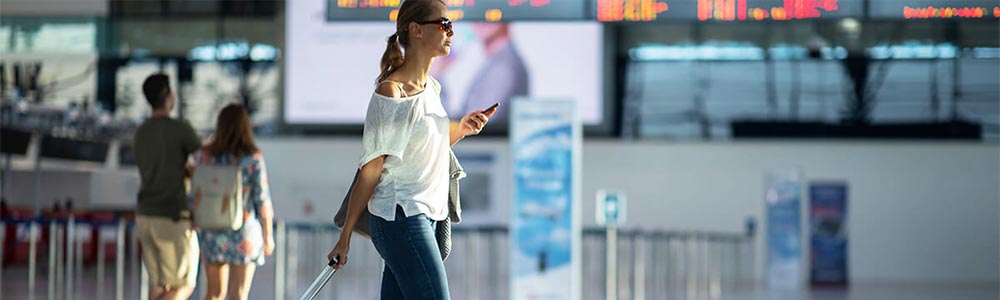
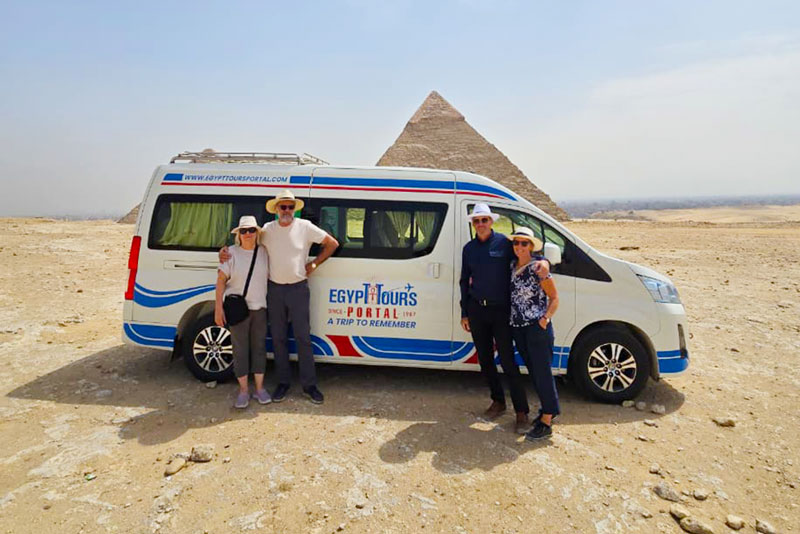
Upon your arrival at Cairo International Airport, you will be greeted by our representative, who will assist you with passport control formalities, luggage collection, and portage. From the airport, you will be transferred in comfort in a private A/C vehicle to your hotel for check-in, where you can relax after your flight.
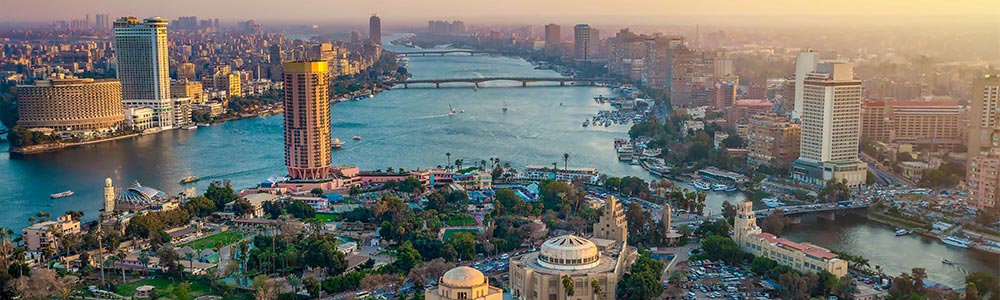
In the evening, we will pick you up from your hotel for your first magical encounter with Egypt’s timeless wonders. You’ll head with your tour guide to enjoy a magical dinner cruise that overlooks the golden city of Cairo under the ethereal rays of the night.
After enjoying your night, you will be transferred back to your hotel for an overnight stay in Cairo.
After breakfast at your hotel in Cairo and checking out, you will meet your Egyptologist tour guide for a day dedicated to some of the most legendary landmarks on earth, such as:
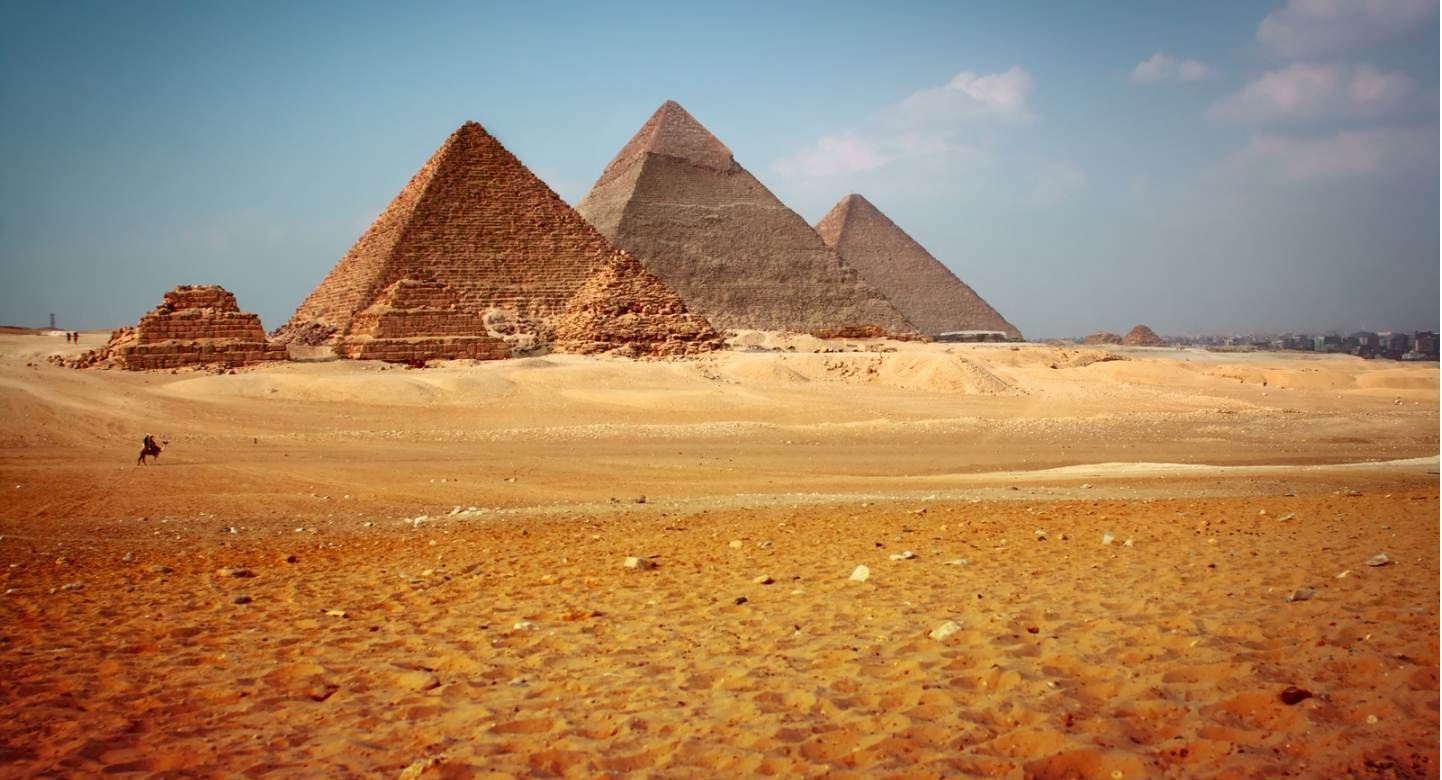
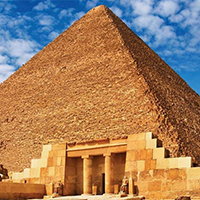
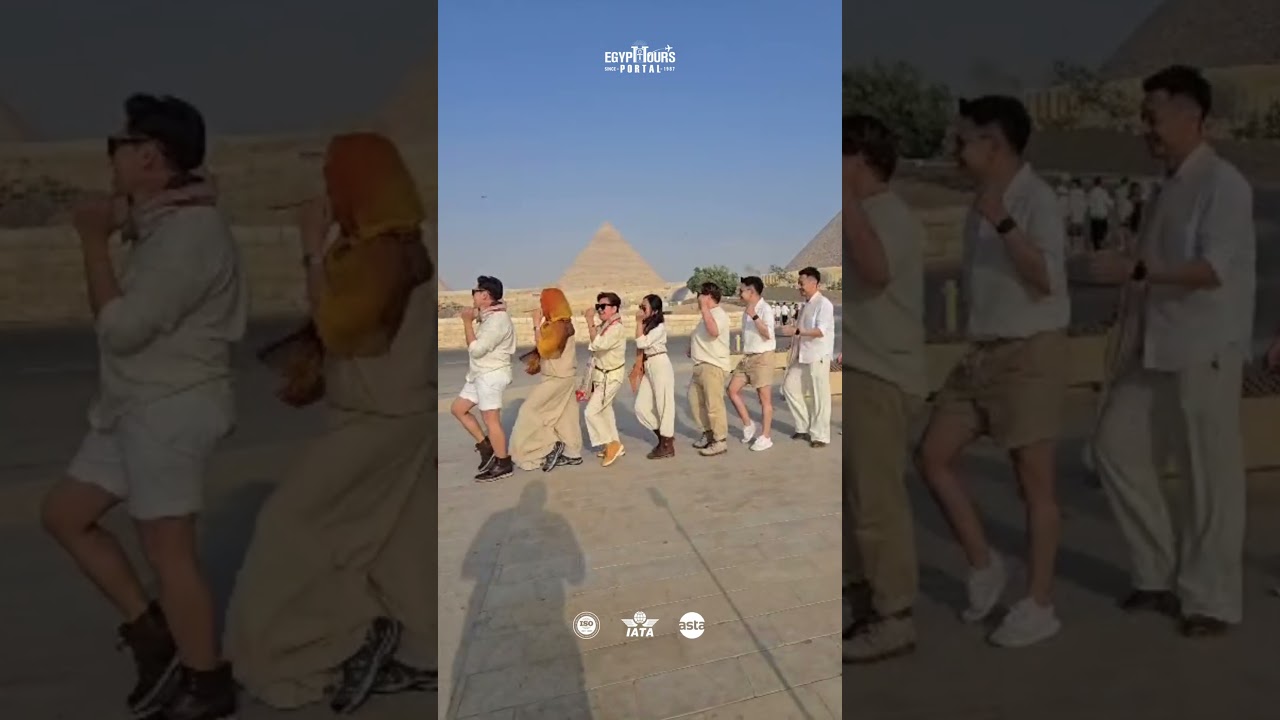
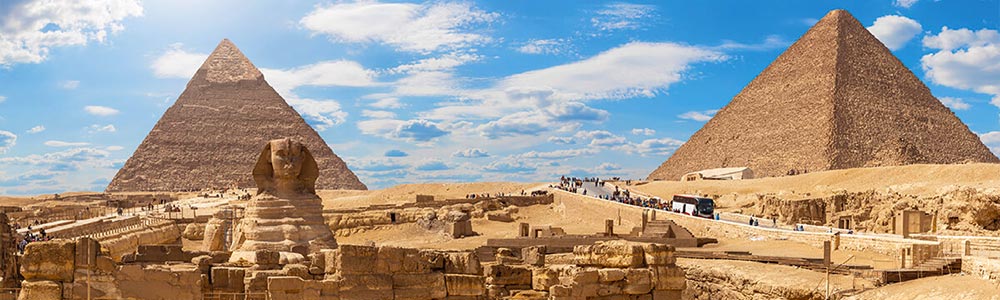
The Giza Pyramids Complex is the most famous archaeological site in Egypt and one of the Seven Wonders of the Ancient World. It includes the Great Pyramid of Khufu, the Pyramid of Khafre, and the Pyramid of Menkaure. Together, they represent the unmatched engineering, power, and vision of ancient Egyptian civilization.
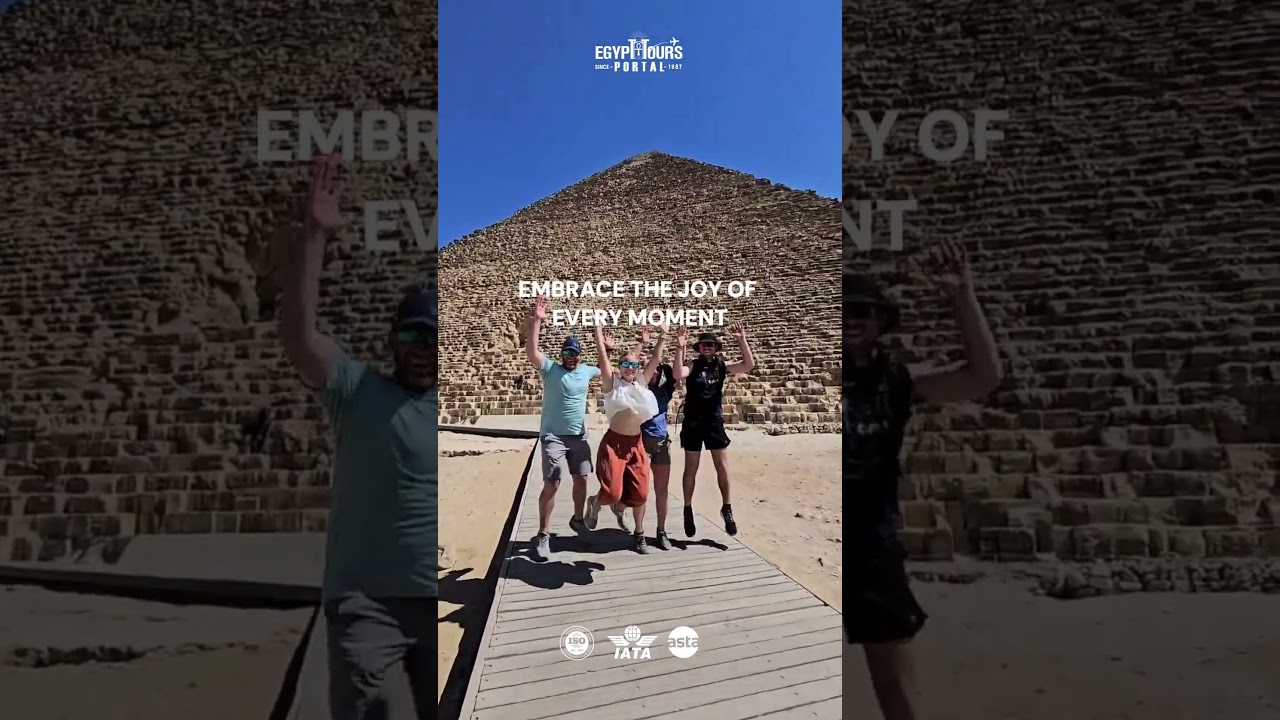
At the heart of the plateau stands the Great Pyramid of Khufu, the last surviving wonder of the ancient world. The Great Pyramid was constructed around 2570 BC in just 15 years. This monumental structure once soared to 146.6 meters (481 feet), making it the tallest man-made building for over 3,800 years.
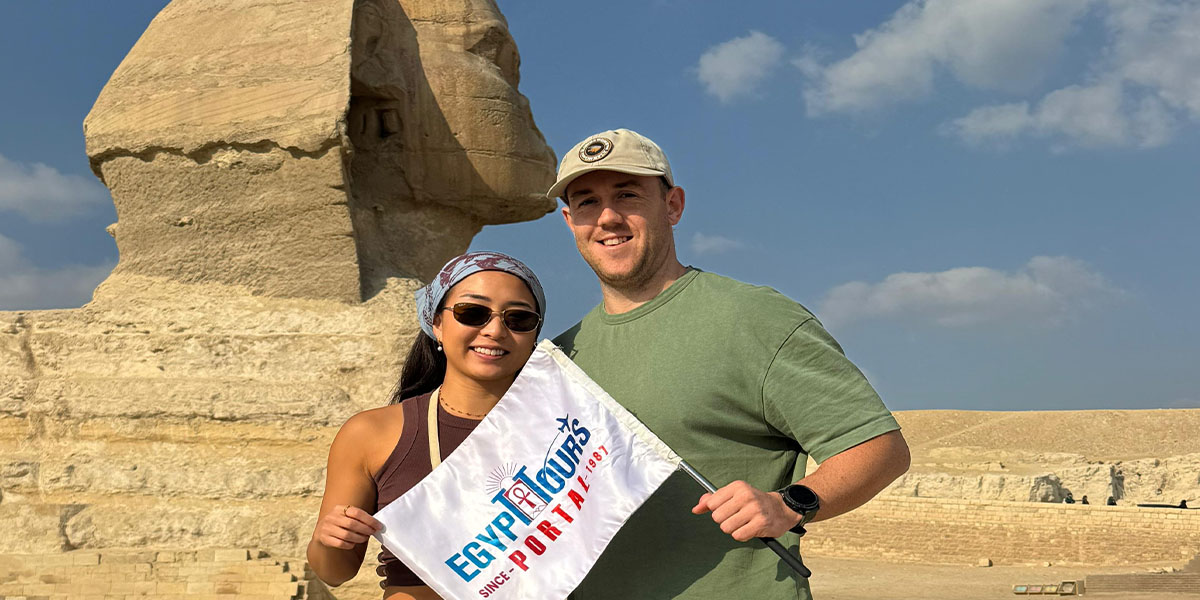
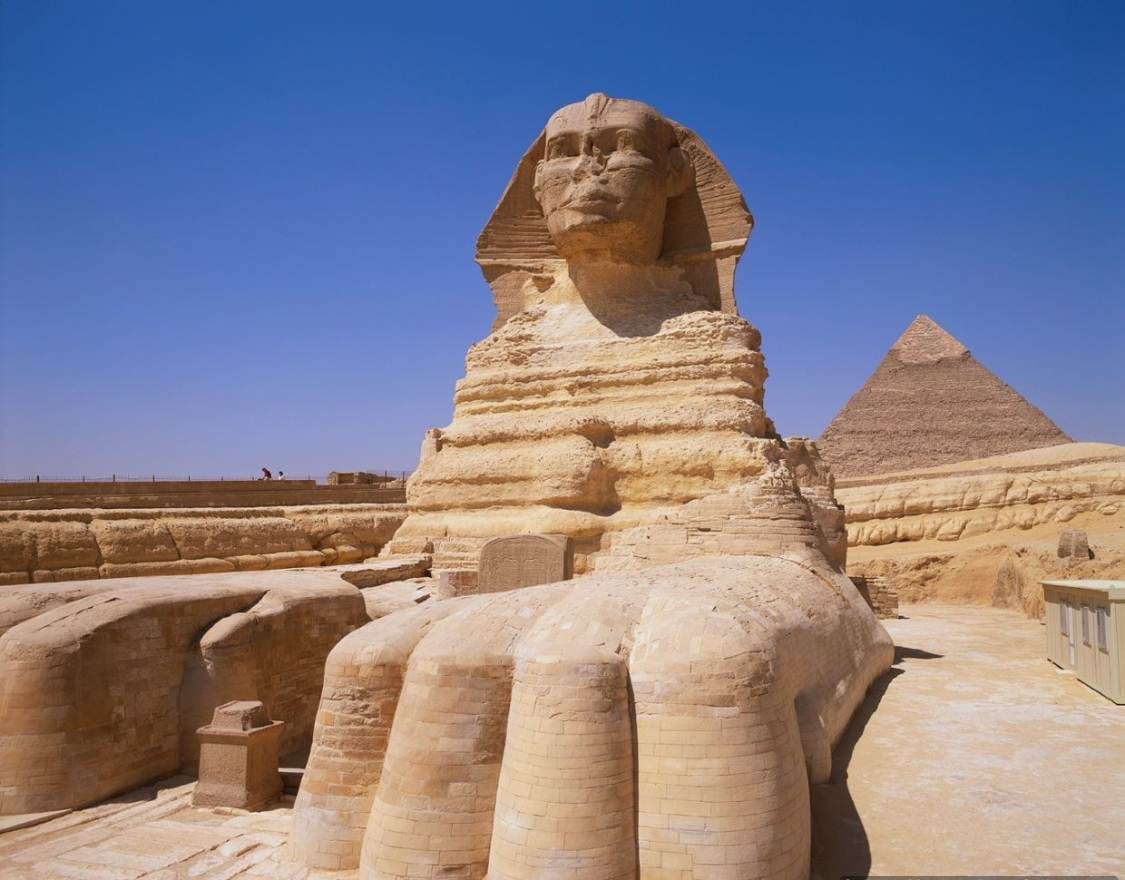
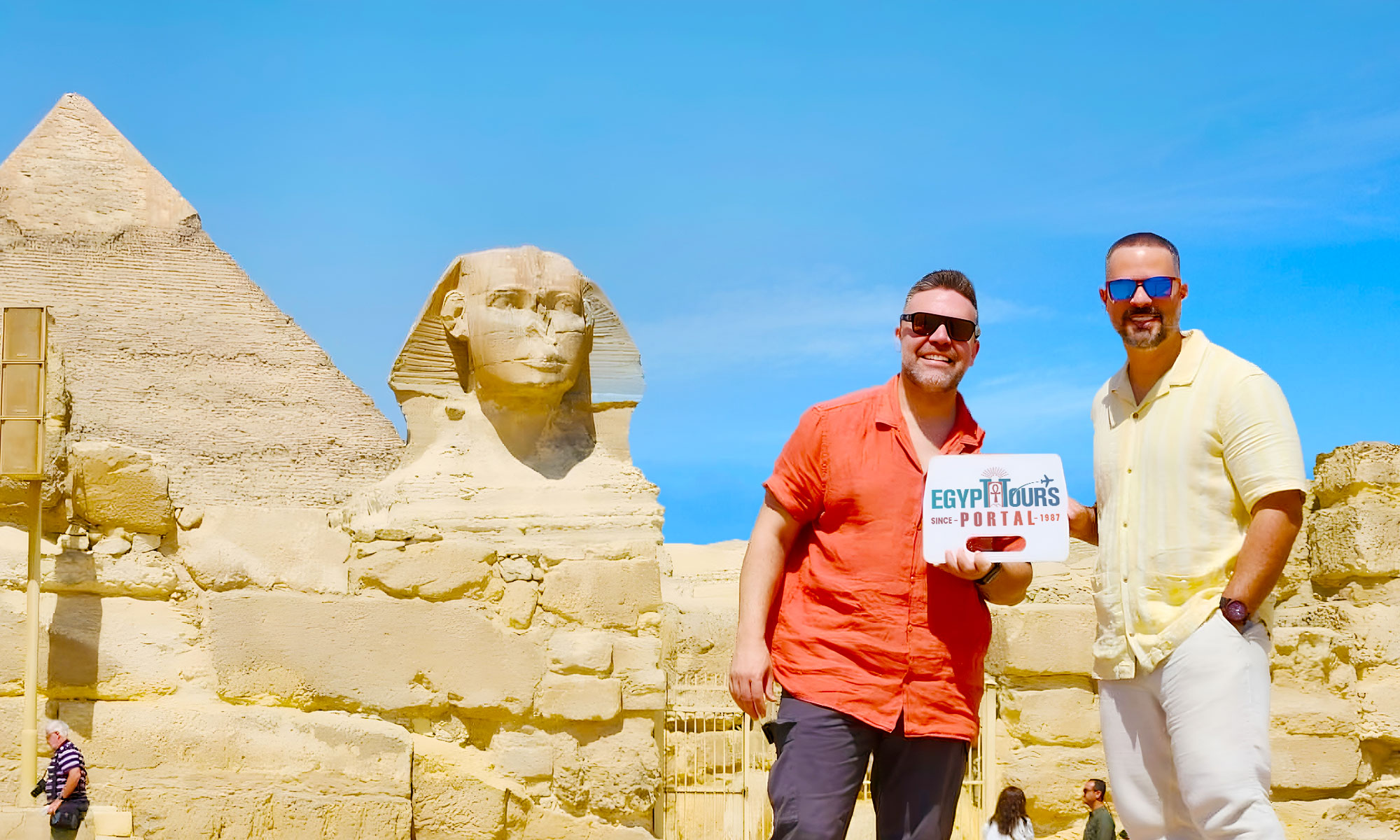
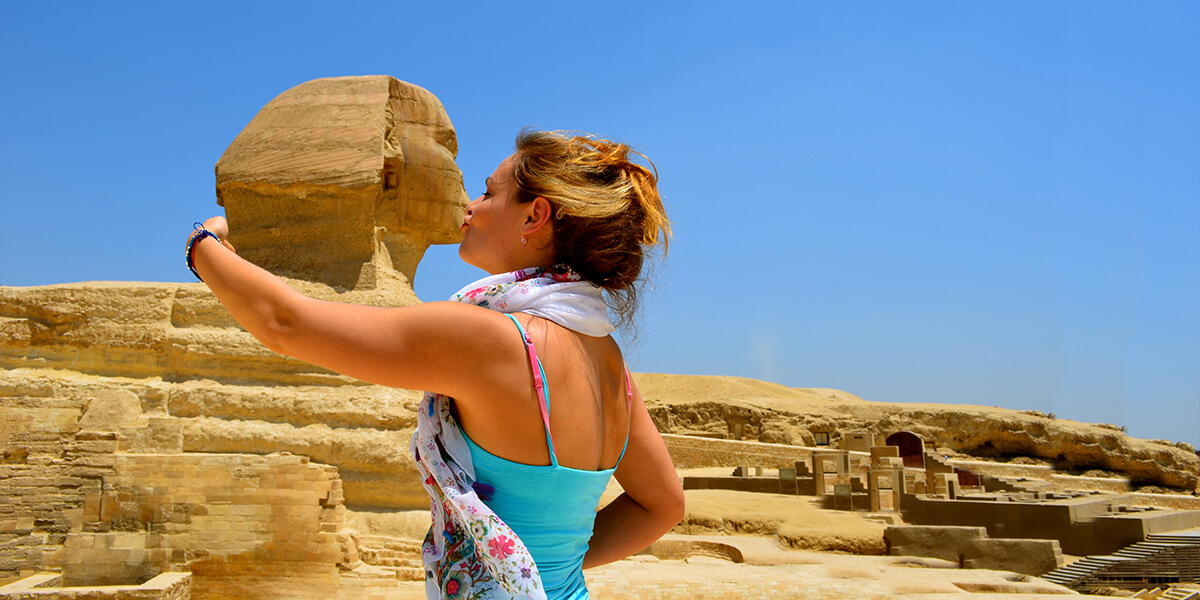
Guarding the pyramids is the legendary Great Sphinx, the oldest monumental statue in history. Carved during the reign of Pharaoh Khafre (2558–2532 BC), its lion’s body and human face symbolize strength and wisdom. For centuries, the Sphinx has been a source of myths, mysteries, and endless fascination.
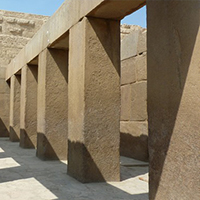
The Valley Temple is a marvelous, well-preserved structure of massive limestone pillars clad in red granite. The valley was built for Pharaoh Khafre; it served as a sacred site for purification rituals and the royal mummification ceremonies of the Old Kingdom.
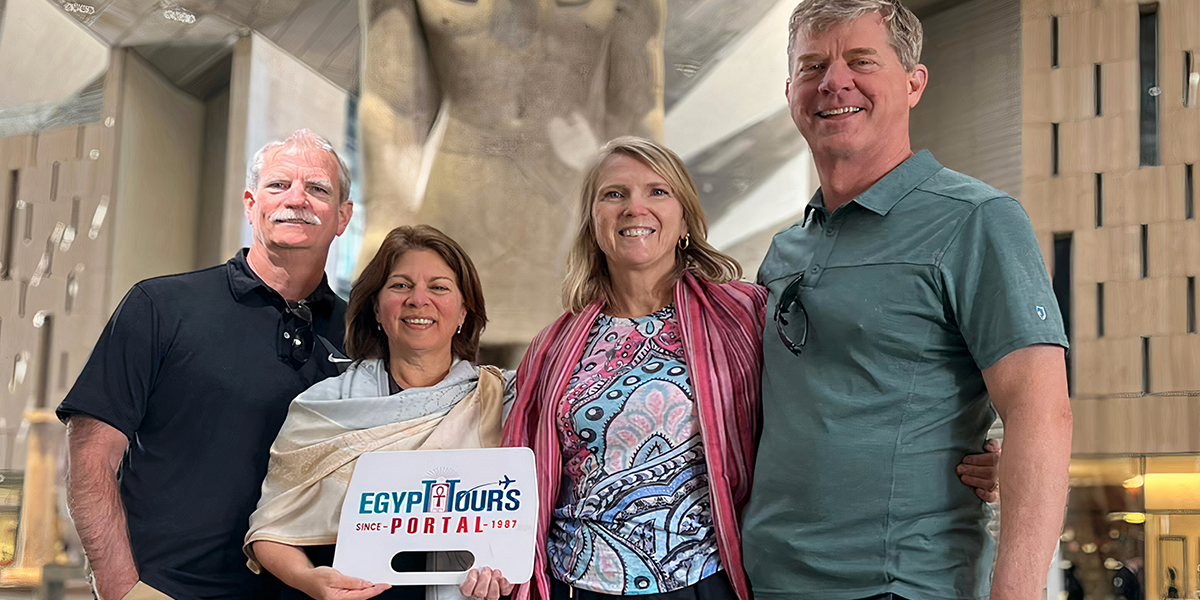
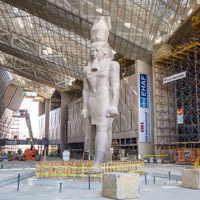
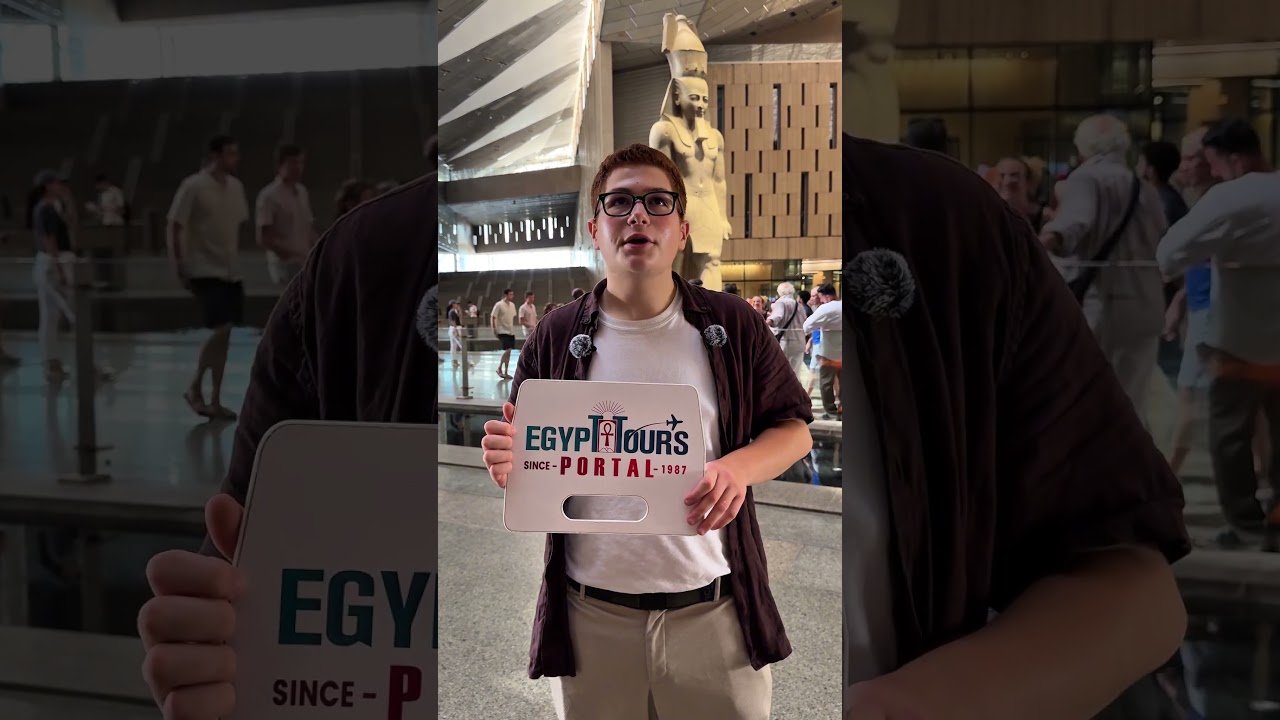
The Grand Egyptian Museum (GEM) is a next-generation showcase of 5,000 years of pharaonic history, set on a panoramic plateau just outside Cairo with direct views of the Giza Pyramids. Designed by Heneghan Peng, its light-filled atrium, monumental plazas, and pyramid-inspired geometry bridge antiquity and cutting-edge museology. Signature highlights include the Hanging Obelisk, the colossal Ramses II, statues of Senusert, the Grand Staircase, Merneptah’s Victory Column, and royal regalia. Its centerpiece is the most comprehensive display of Tutankhamun’s treasures, curated in climate-controlled galleries that illuminate the craftsmanship, belief, and power of ancient Egypt.
After this inspiring journey, you will enjoy lunch at a local Cairo restaurant before continuing your exploration.
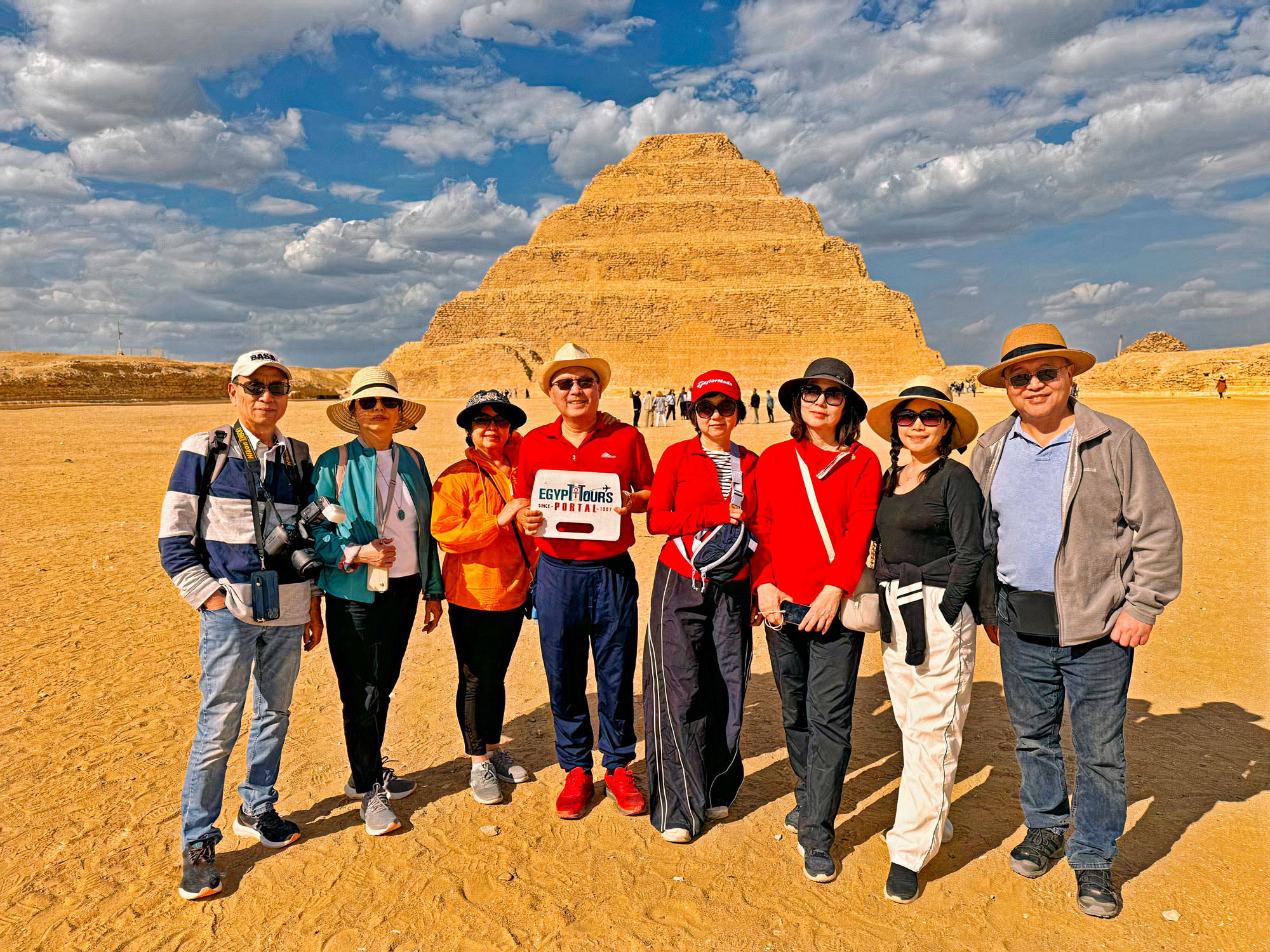
Designed by the brilliant architect Imhotep for Pharaoh Djoser (c. 2670–2650 BCE), the six-tier Saqqara step pyramid is the world’s first large-scale stone monument. It marked the beginning of Egypt’s golden age of pyramid construction, with its complex courts and ceremonial structures setting the stage for the evolution of Egyptian architecture.
In the evening, you will be transferred to Cairo Airport for your flight to Aswan. Upon arrival, you will check in to your 5* hotel for an overnight stay, preparing for the wonders of Upper Egypt awaiting you tomorrow.
After breakfast and check-out from your hotel in Aswan, you will meet your private tour guide and depart in a comfortable, air-conditioned vehicle to explore the highlights of this Amazing city, starting with:
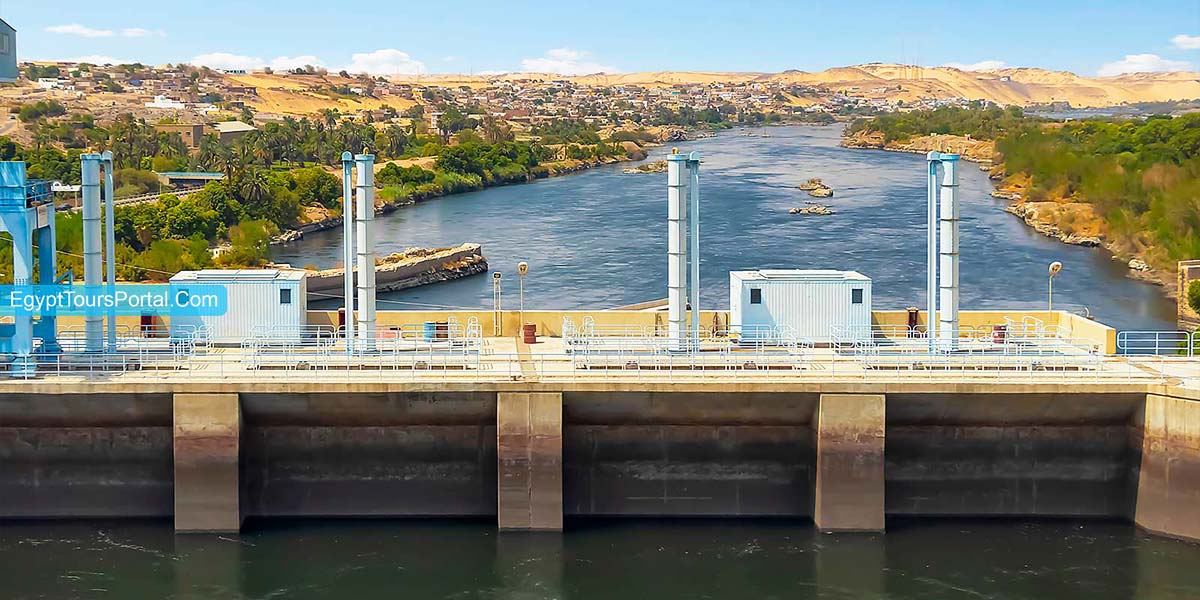
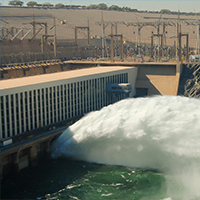
The High Dam is Aswan’s most notable modern landmark, built between 1960 and 1970. Aswan High Dam was created in collaboration with the Moscow-based Hydroproject Institute, its purpose was to regulate the annual flooding of the Nile, generate hydroelectric power, and secure water reserves for irrigation through Lake Nasser.
You will pause to enjoy a delicious lunch at a local restaurant before continuing your exploration of Aswan’s treasures.

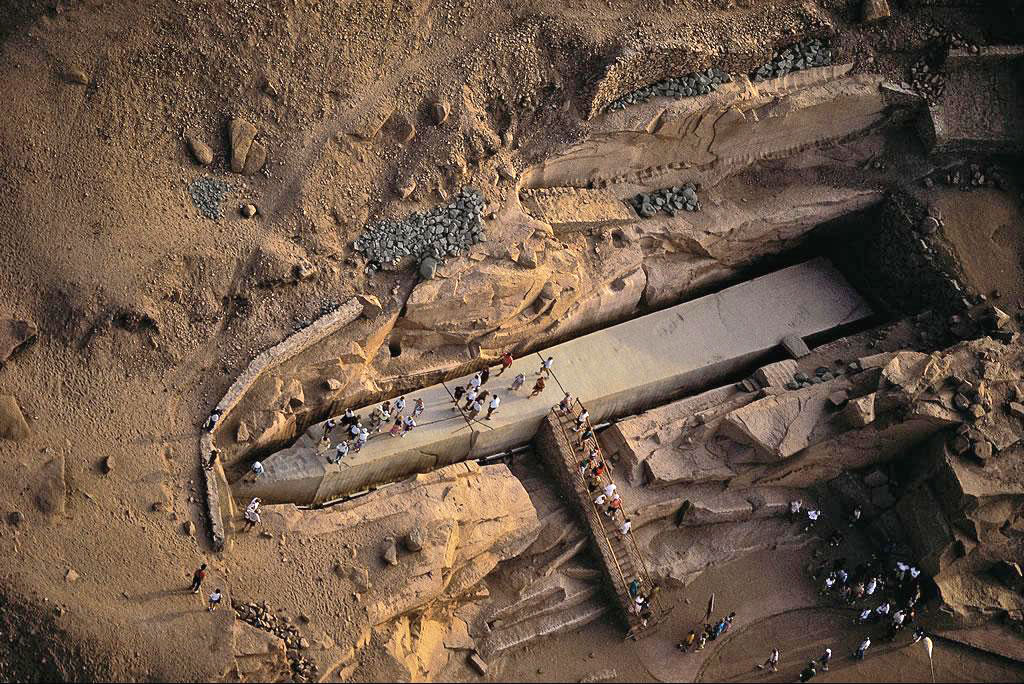
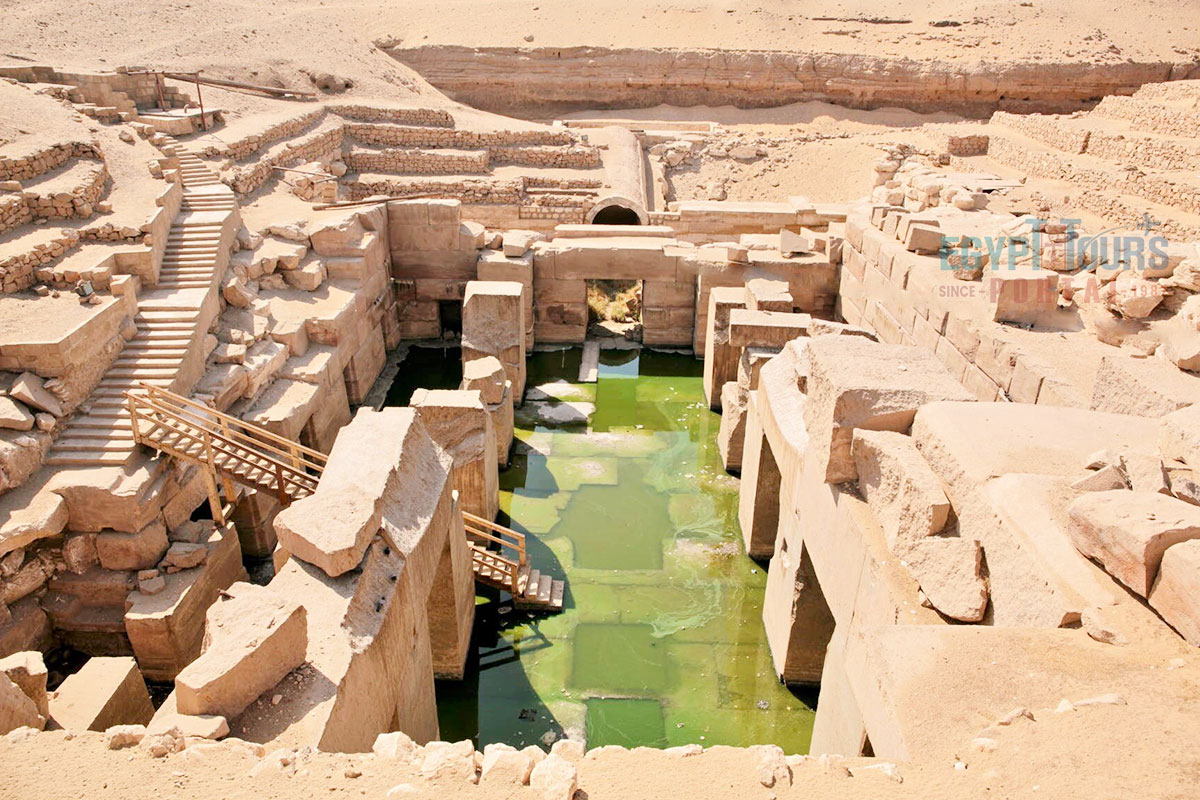
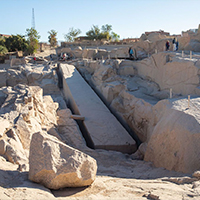
The Unfinished Obelisk, commissioned by Queen Hatshepsut (1508–1458 BC), was intended to rise proudly at the entrance of Karnak Temple. Known as Tekhenu, meaning “to pierce the sky,” it offers unique insight into the techniques used by ancient Egyptians to carve these monumental structures. If completed, it would have stood 42 meters high and weighed around 1,200 tons.

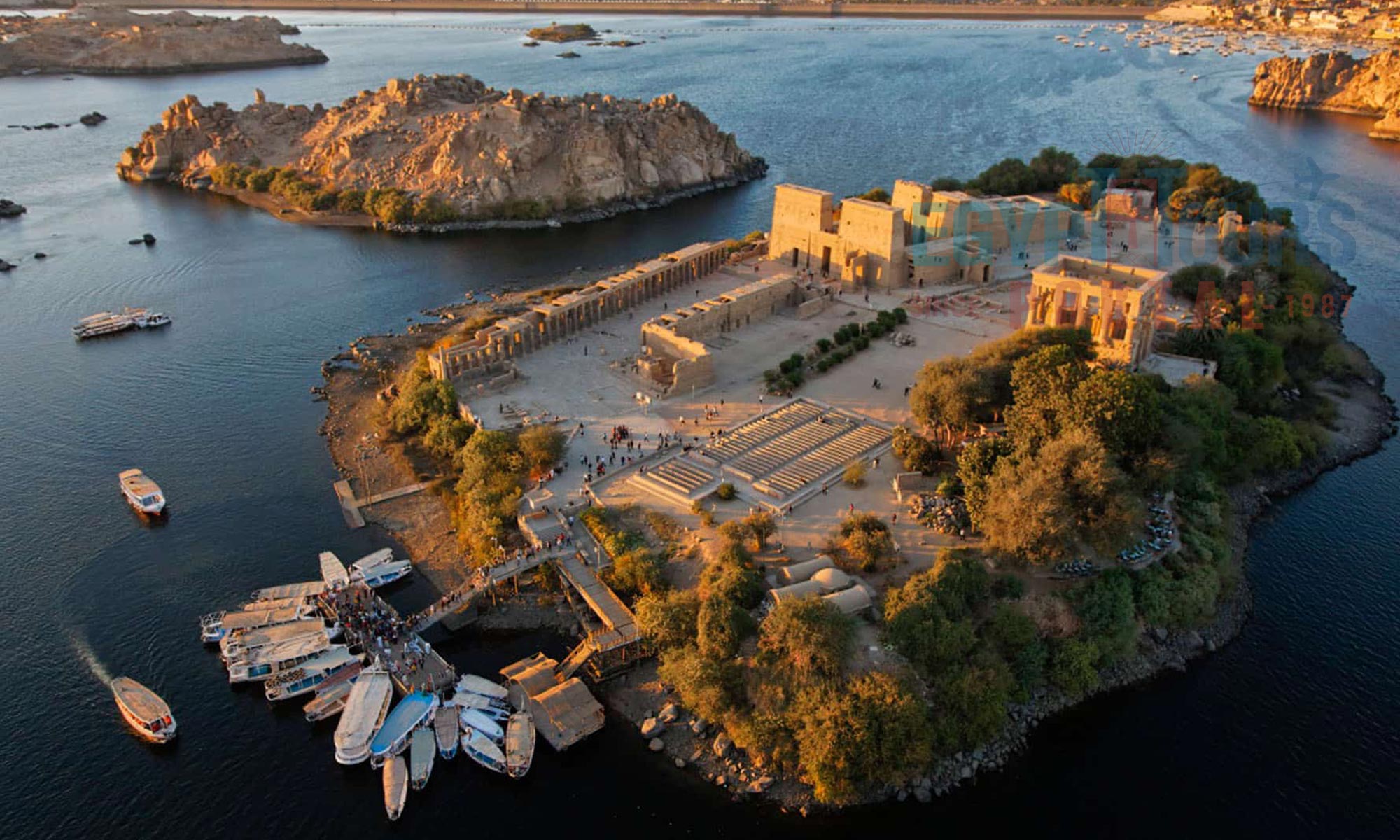
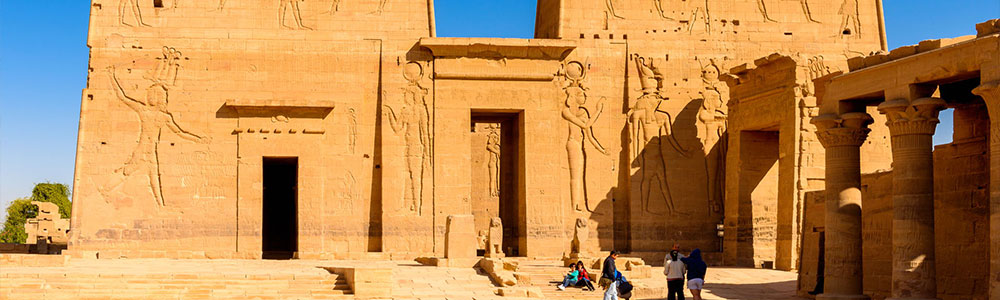
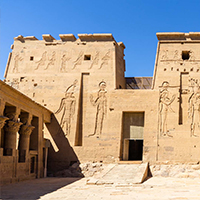
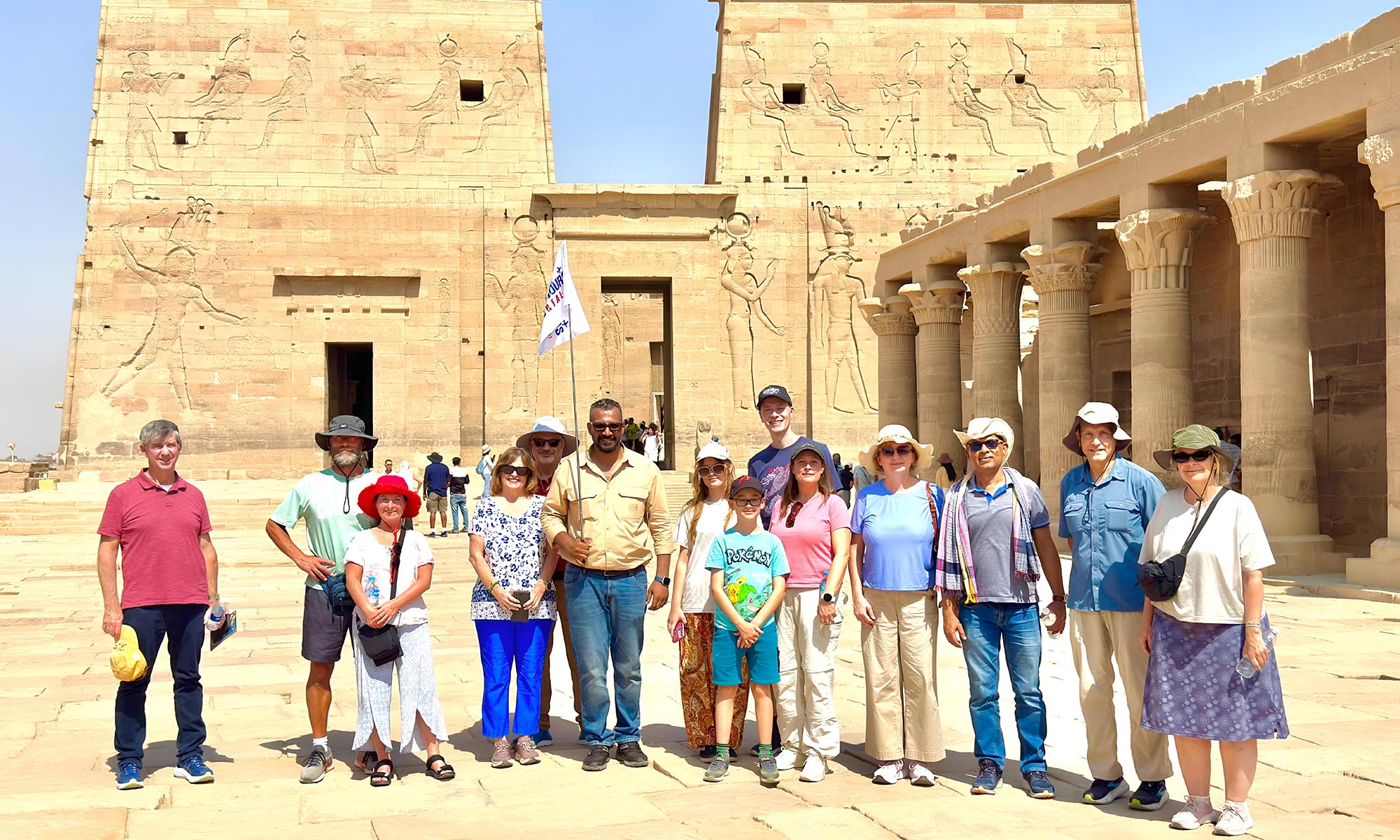
Philae temple is called the jewel of Aswan and holds a central place in ancient Egyptian mythology. Its walls preserve the famous Myth of Osiris, telling the story of how Osiris was killed by his jealous brother Set, only to be resurrected as ruler of the underworld. Their son Horus, the sky god, later defeated Set, ushering in an era of justice and harmony.
After enjoying your day, you will be transferred to your Nile Cruise, where you will check in, enjoy your dinner, and spend the night onboard.
After breakfast on board your Nile Cruise, you will disembark to visit one of the most fascinating temples of Upper Egypt.
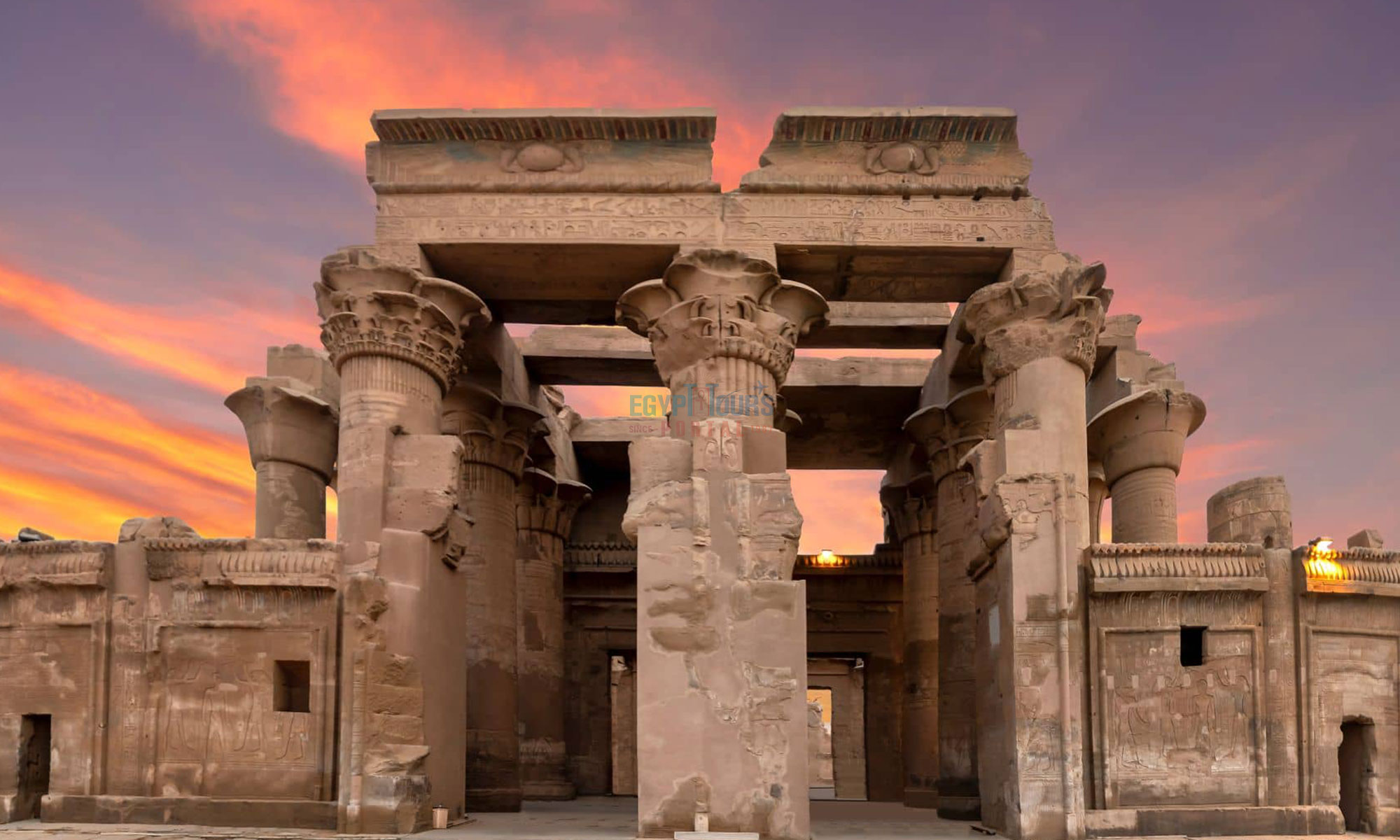
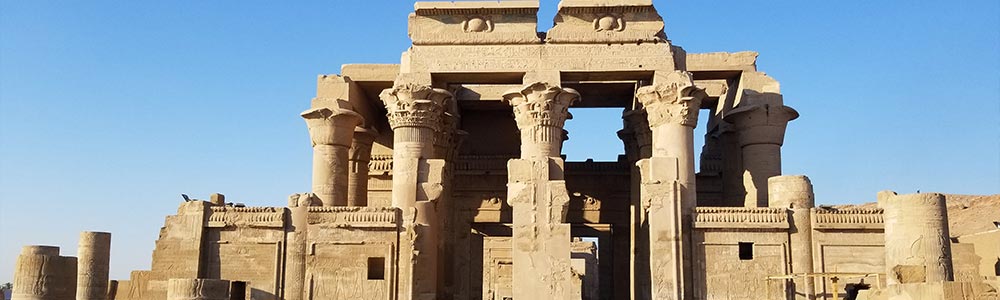
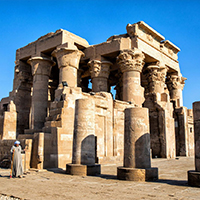
Temple of Kom Ombo, known as “The Hill of Gold,” was built during the Greco-Roman period between 205 BC and 180 BC. Its unique structure is a symmetric double temple, perfectly divided into two identical sections: one dedicated to Sobek, the crocodile god, and the other to Horus, the falcon sky god.
After exploring this sacred complex, you will return to your Nile Cruise to continue sailing along the timeless river. Enjoy lunch and dinner onboard and spend the night onboard.
After breakfast on board your Nile Cruise, you will set out to visit one of the most remarkable sanctuaries of the ancient world:
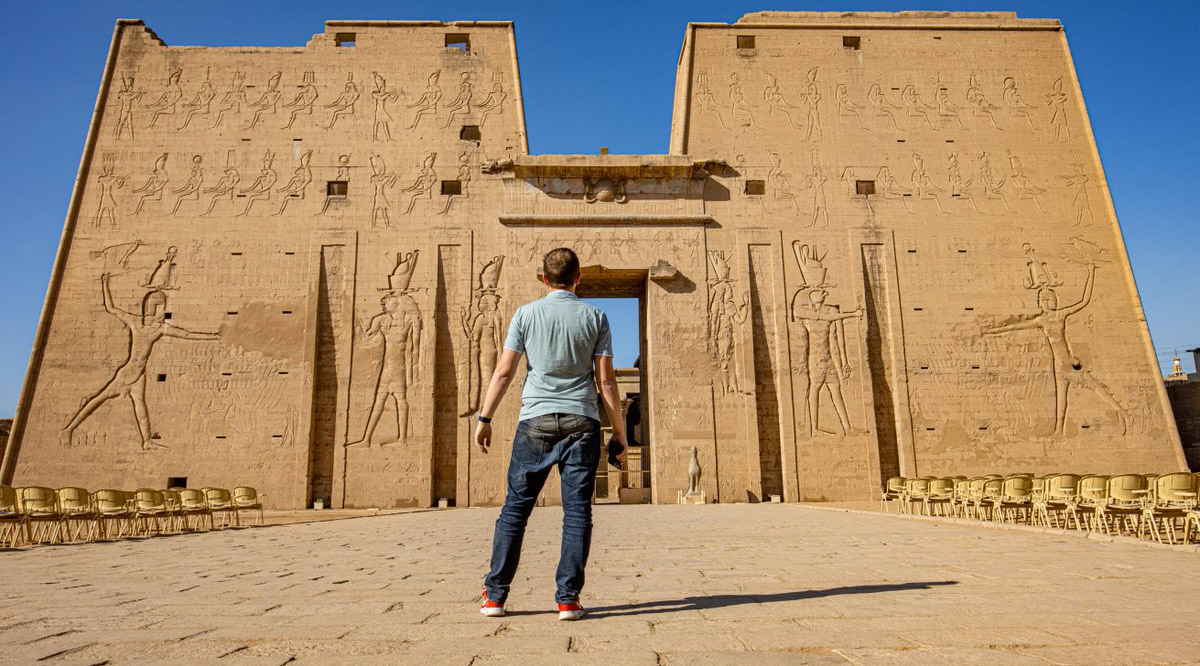
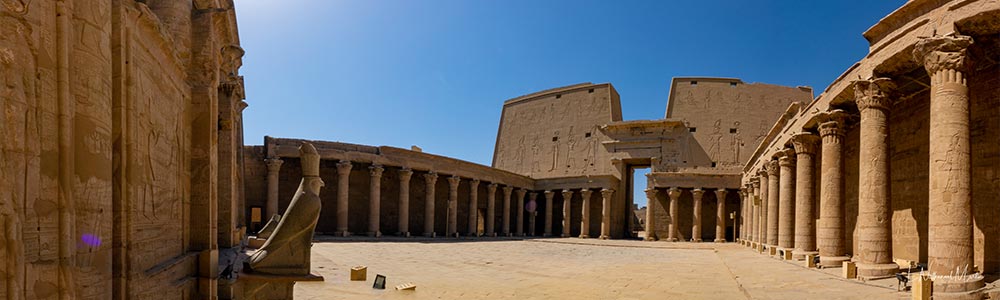
The Temple of Edfu is a glorious marvel dedicated to Horus the falcon god, and stands as one of the best-preserved temples in Egypt. The temple was built during the Ptolemaic era between 237 BC and 57 BC, and it reflects a fusion of Egyptian tradition and Greek influence.
After exploring Edfu, you will return to your Nile Cruise to enjoy lunch and dinner while sailing further along the River. As evening falls, you will arrive in the ancient city of Luxor, spend the evening relaxing onboard.
After breakfast and check-out from your cruise, you will meet your tour guide and set off in a private air-conditioned vehicle to explore some of the most iconic monuments in Luxor, such as:
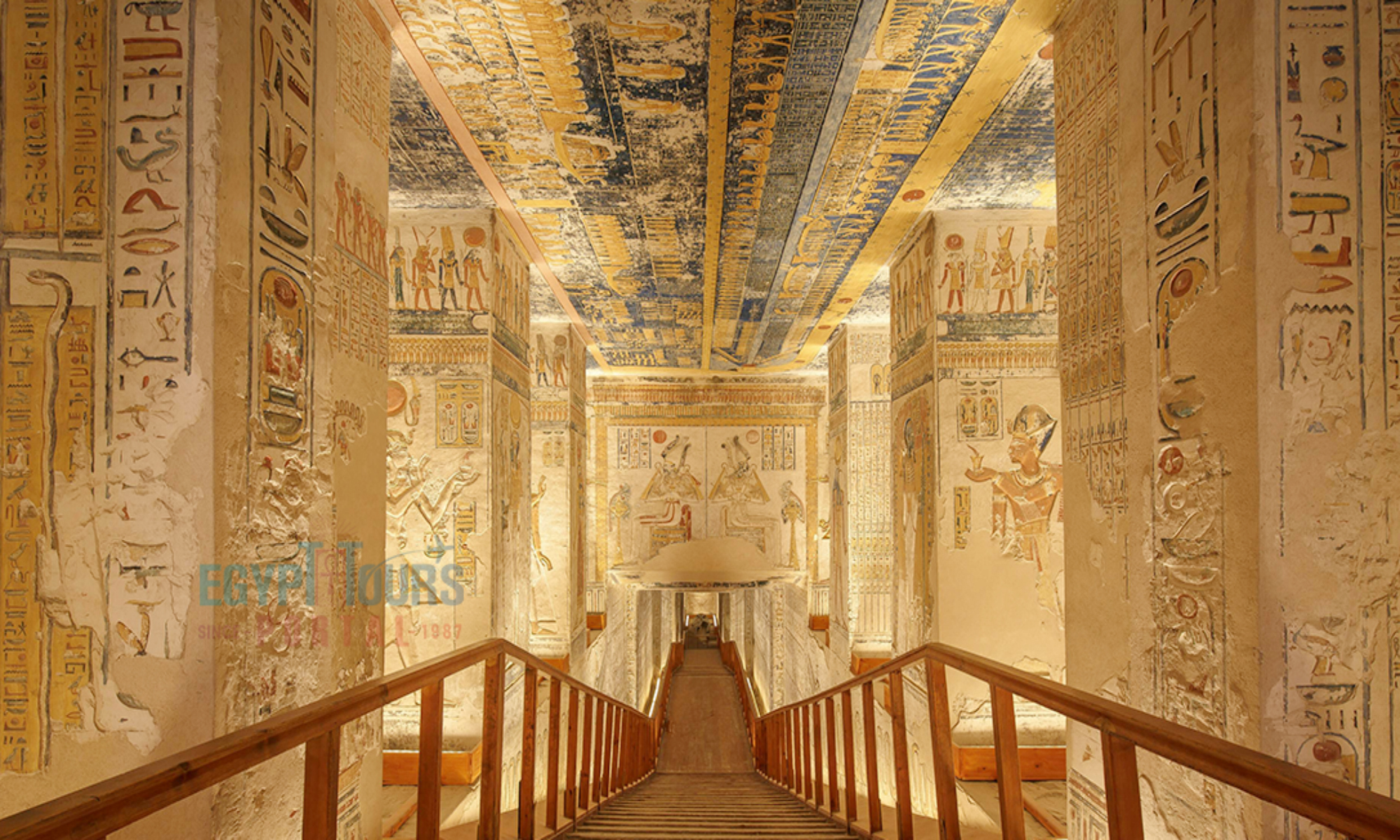
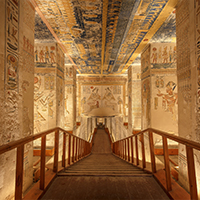
The legendary Valley of the Kings was the eternal resting place of Egypt’s New Kingdom pharaohs (1570–1070 BC). Here, beneath the golden cliffs of the Theban Mountains, 63 royal tombs have been discovered, including those of Ramses II, Ramses III, Amenhotep I, Queen Hatshepsut, and the boy-king Tutankhamun.
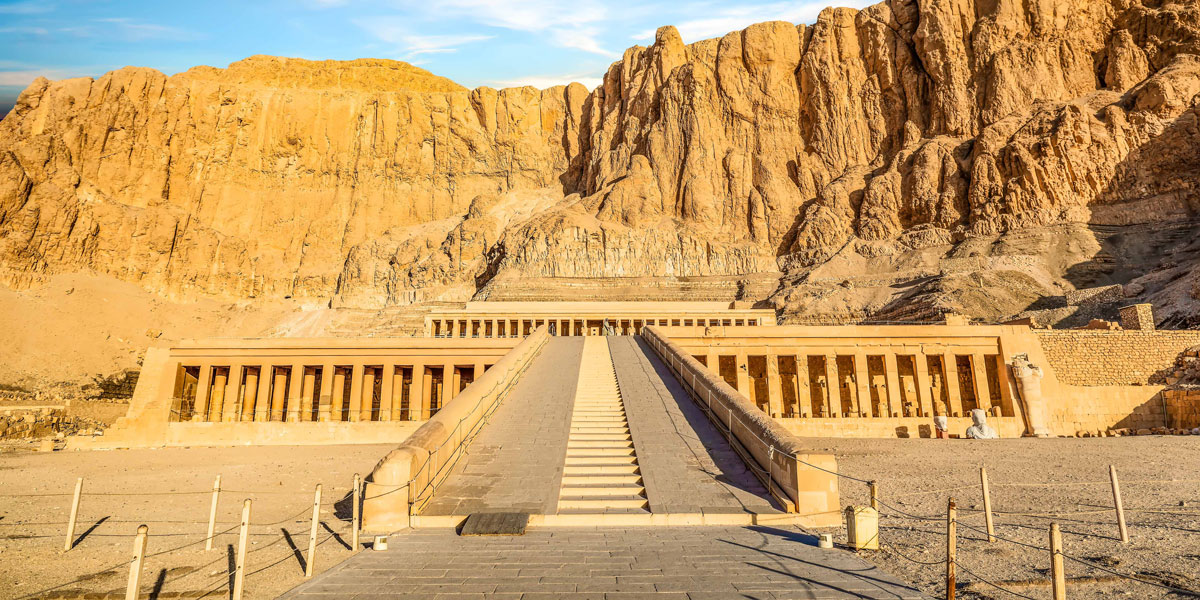
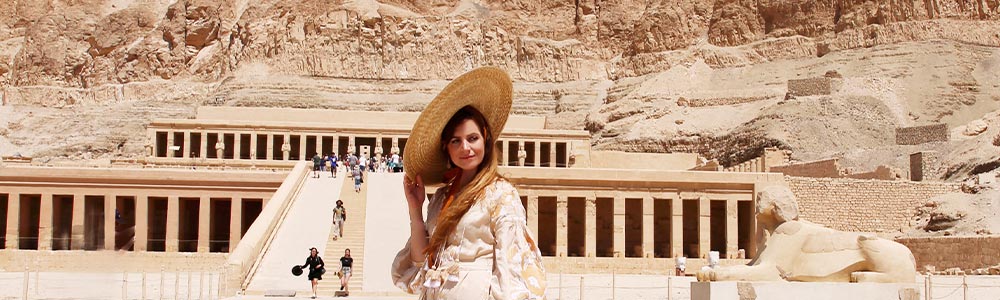
The striking Queen Hatshepsut Temple, known in ancient times as Djeser-Djeseru, the “Holy of Holies” was built into the cliffs of Deir el-Bahari, this temple is a masterpiece of grandeur. The Temple of the Queen was designed in 1479 BC and completed over 15 years, it reflects the vision of Queen Hatshepsut, one of Egypt’s most successful rulers.
You will enjoy lunch at a local restaurant in Luxor, before continuing your exploration.
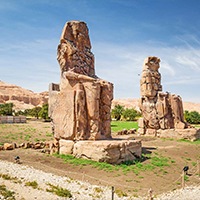
The Colossi of Memnon are two massive stone statues of Pharaoh Amenhotep III, built in the 14th century BC to guard the entrance of his mortuary temple on the west bank of Luxor. Each statue stands about 18 meters high and has become famous since antiquity for the “singing” sounds one of them once emitted at dawn.
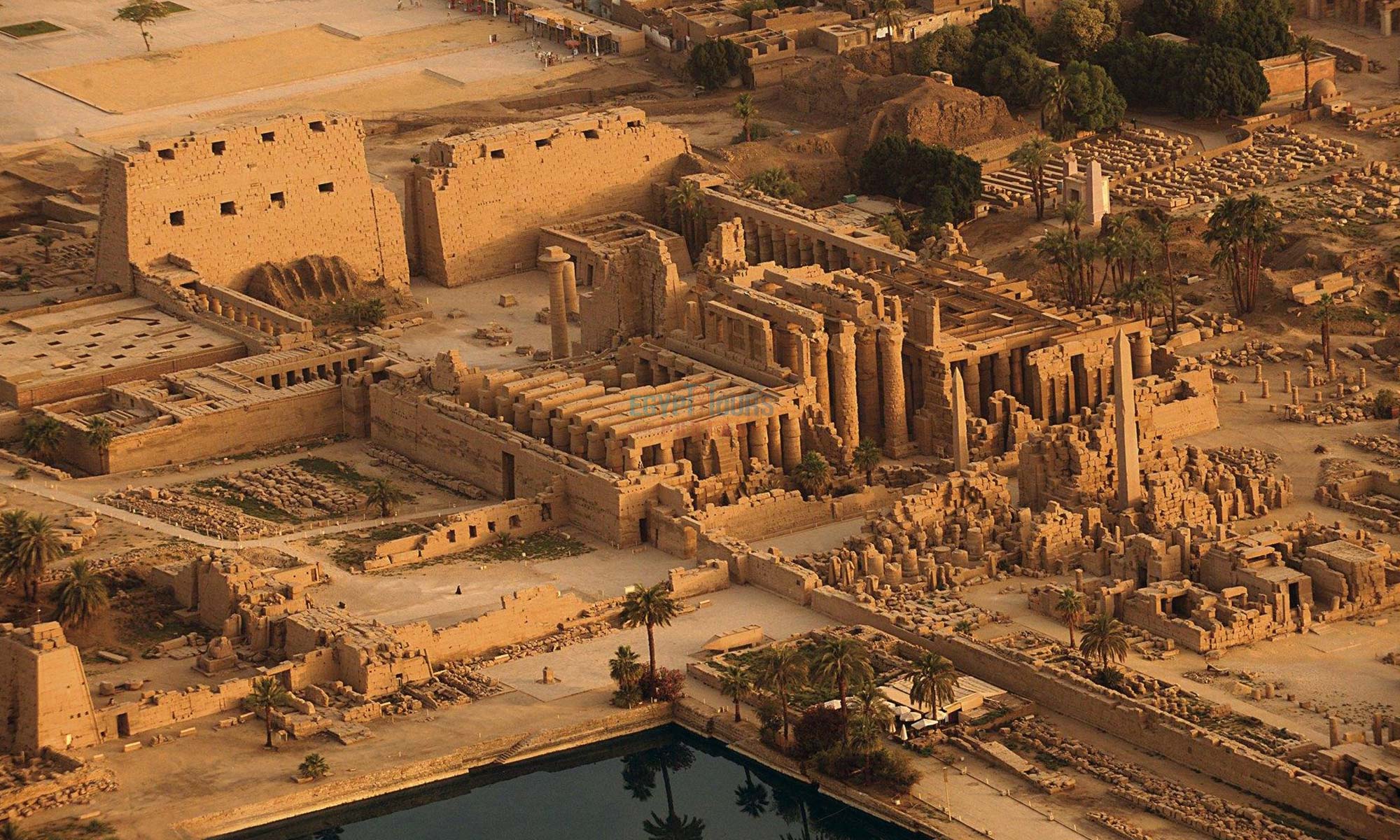
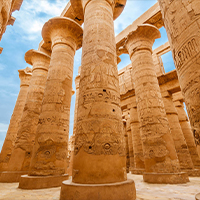
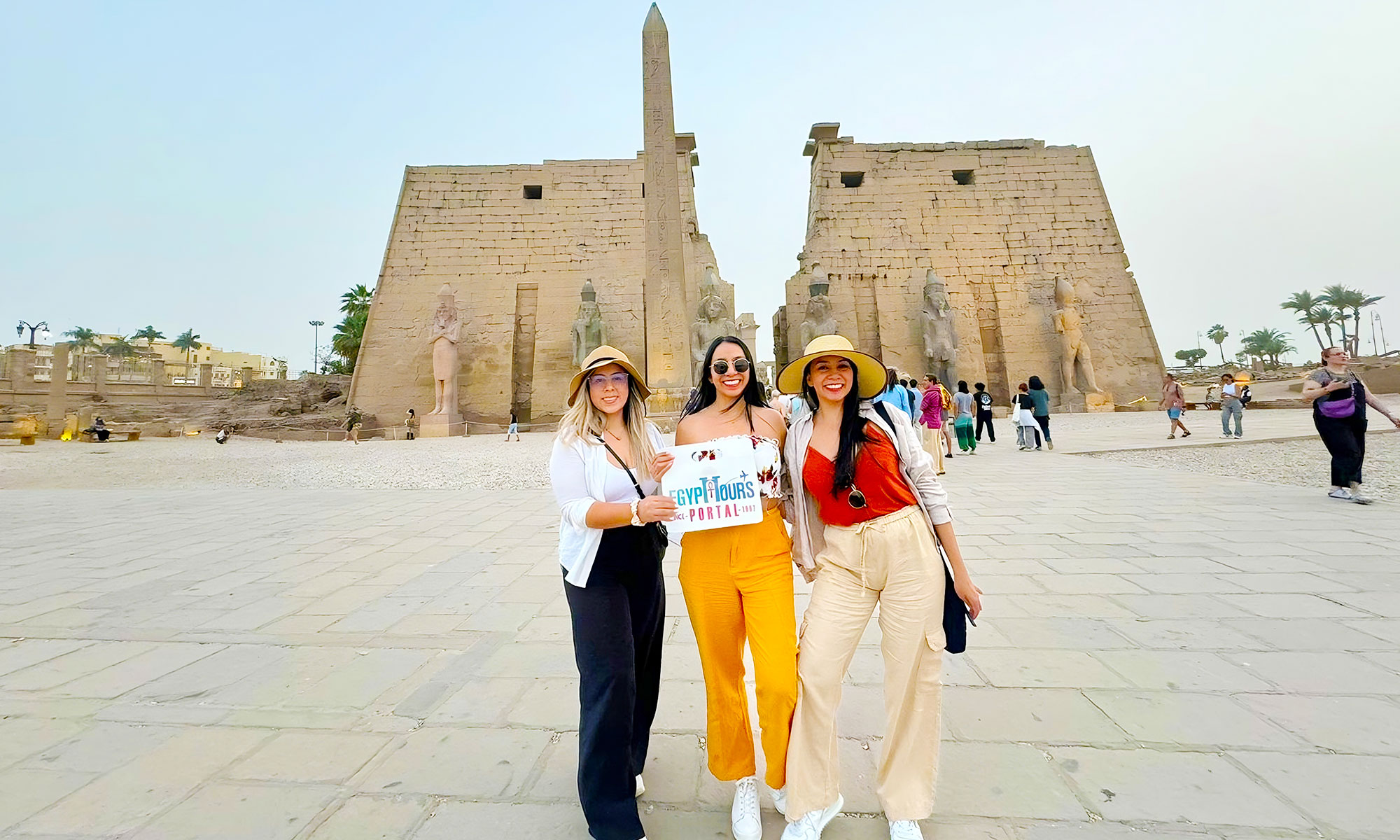
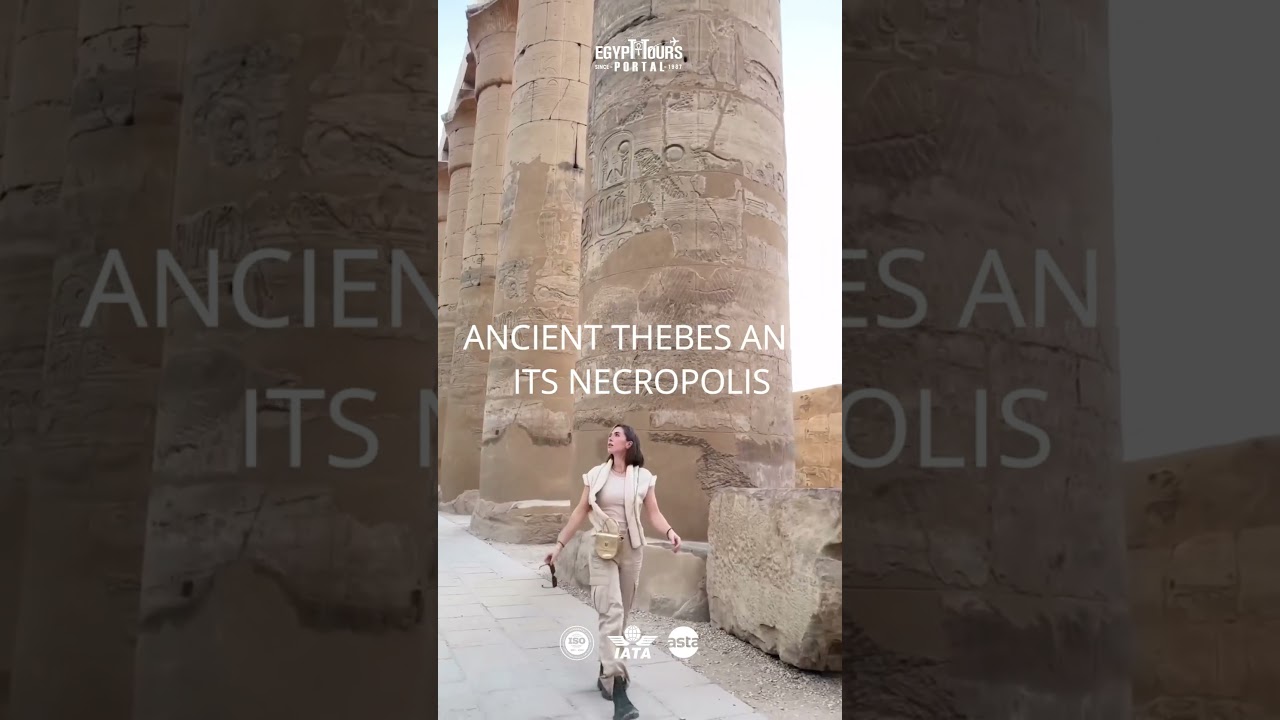
Your final visit today is the monumental Karnak Temples Complex, one of the largest and most sacred religious sites ever built. The temple was known as Ipet-isu (“The Most Selected of Places”) and Pr-Imn (“The House of Amun”), this vast sanctuary was the spiritual heart of ancient Egypt for over 1,500 years.
In the evening, you will be transferred to Luxor Airport for your flight to Cairo. Upon arrival, your private vehicle will take you to your hotel, where you will spend the night and prepare for the next stage of your journey.
After breakfast and check-out from your hotel in Cairo, you will be transferred to the airport for your flight to Jordan. Upon arrival at Queen Alia International Airport in Amman, our representative will greet you and assist with visa procedures.
From there, you will be transferred by private vehicle to your hotel in Amman for check-in and time to relax. If your flight arrives early, you may choose to join one of the optional tours available, such as an Amman City Tour. You will then enjoy an overnight stay in Amman.
After breakfast at your hotel, you will journey north to discover some of Jordan’s most remarkable historical sites before returning to Amman for a taste of the capital’s vibrant life.
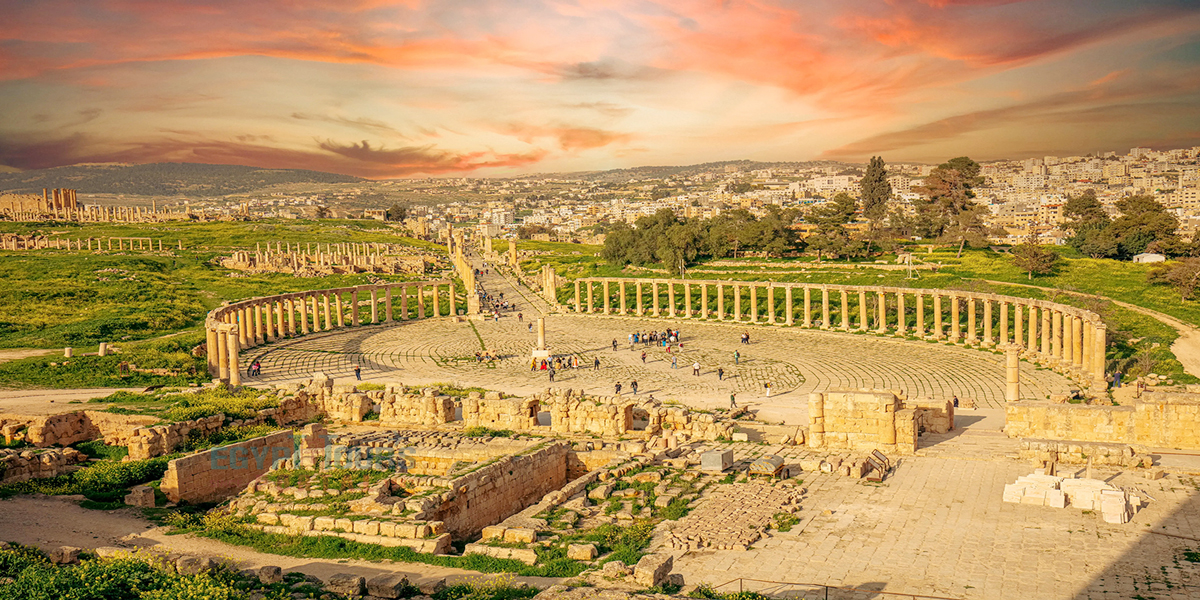
Jerash is one of the best-preserved Greco-Roman cities in the world, which came to be in the 4th century BC. It is dubbed as Pompeii of the East, which offers a walk through Hadrian’s Arch, once built to honor the emperor’s visit in 129 AD, and step into a city frozen in time.
The hippodrome (circus) was the beating heart of public entertainment in Roman Jerash, staged chariot races, athletic contests, and mass spectacles that drew crowds from across the region. Measuring about 250 meters end to end and built to seat up to 15,000 spectators, its surviving track and tiers still hint at the roar of ancient gatherings. Visitors today can walk the arena, study the layout, and—on select programs—watch historical chariot-race reenactments that bring the city’s vibrant past to life.

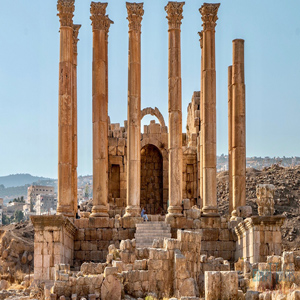
Jerash’s Temple of Artemis is a standout of 2nd-century CE religious architecture. Dedicated to Artemis, goddess of the hunt, the sanctuary showcases soaring Corinthian columns and finely carved details that reflect the city’s prosperity and Greco-Roman cultural blend. As one of Jerash’s principal sacred sites, its scale, setting, and craftsmanship continue to captivate visitors with a powerful sense of ancient grandeur.
Enjoy a very wonderful lunch before continuing your international trip.
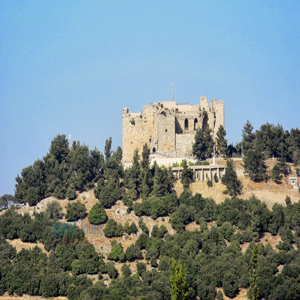
Ajloun Castle, a.k.a Qal’at Ar-Rabad, was built in 1184 AD by the forces of Saladin to protect the region against Crusader attacks. This magical castle is located on a hilltop in northern Jordan, and it controlled trade routes and provided defense for the surrounding area. Today, it offers visitors panoramic views of the Jordan Valley and stands as a fine example of Islamic military architecture.
The Citadel, set atop one of Amman’s highest hills and traces more than 5,000 years of continuous occupation and served in turn the Ammonites, Romans, Byzantines, and Umayyads. Highlights include the Temple of Hercules, the domed Umayyad Palace complex, and the Jordan Archaeological Museum, which showcases artifacts from every era of Jordan’s past. With sweeping city views and layered ruins, it’s an ideal place to absorb Amman’s history before exploring its markets and cultural quarters.
After some free time to relax or explore at your own pace, you will return to your hotel for an overnight stay in Amman.
After breakfast in Amman, the road takes you south through landscapes layered with history and faith, leading to Madaba, known as the “City of Mosaics,” which is famous for its Byzantine and Umayyad mosaics, and holds a rich blend of history, art, and religious heritage, making it a key stop on Jordan’s cultural trail. Everyone will enter:
This 19th-century Greek Orthodox church preserves the famed 6th-century Mosaic Map of the Holy Land, the oldest surviving geographic depiction of Palestine. Featuring 157 Greek inscriptions and originally composed of over two million tesserae, the map (rediscovered in 1884) illustrates cities, roads, rivers, and sacred sites, including Jerusalem, Bethlehem, and the Jordan River, offering rare insight into Byzantine-era geography.
Mount Nebo is one of Jordan’s most important biblical sites, believed to be the place where Prophet Moses viewed the Promised Land before his death. The angelic mountain overlooks the Dead Sea, the Jordan Valley, and Jerusalem, and is home to a Byzantine church with remarkable mosaics and unique pieces of art.
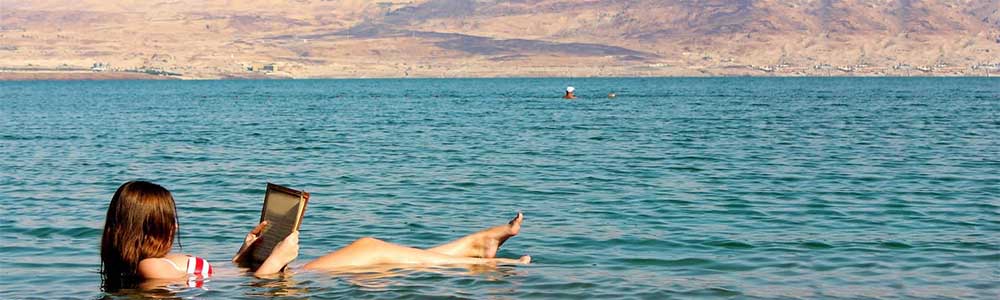
The journey then descends to the shimmering shores of the Dead Sea, Its shoreline lies around –430.5 m (–1,412 ft)—the lowest land elevation on Earth, and its maximum depth reaches about 304 m (997 ft), making it the deepest hypersaline lake. The surreal joy of floating weightlessly in the salty waters and perhaps trying the mineral-rich mud, said to heal both body and spirit. Time at the resort allows for relaxation before the adventure continues.
Enjoy a very wonderful lunch before continuing your international trip with an international holiday to explore:
After breakfast, begin your day with a guided tour of Petra, Jordan’s most famous archaeological site.
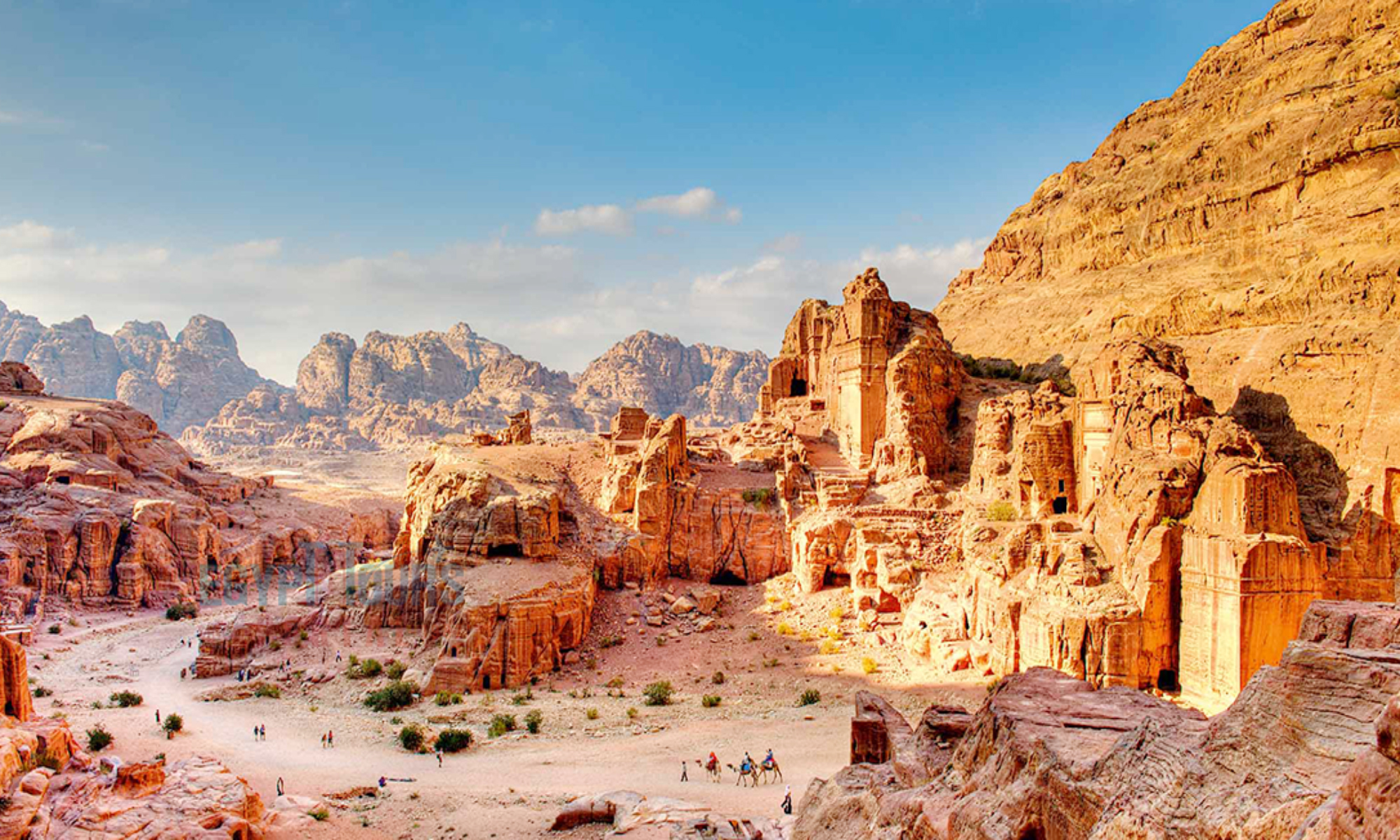
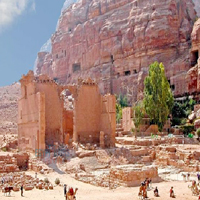
Petra is the ancient city carved into rose-red cliffs, was once the thriving capital of the Nabateans. It dates from the 4th century BCE, Petra spreads across roughly 264 km² (102 sq mi) at an elevation of about 810 m (2,657 ft). Known for its stunning facades, such as the Treasury and the Monastery, Petra’s unique rock-cut architecture and intricate water systems make it one of the most iconic archaeological sites in the world.
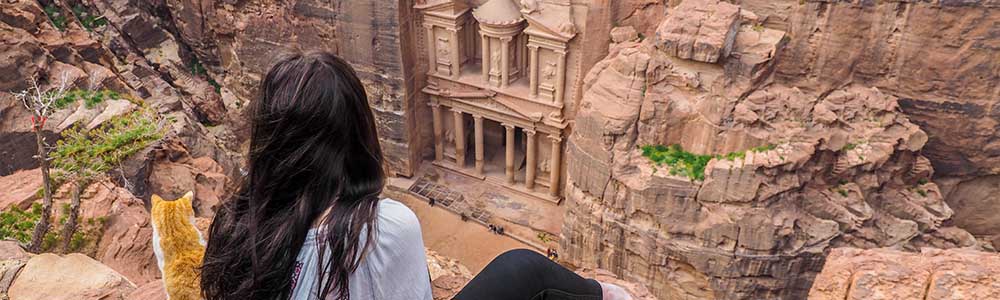
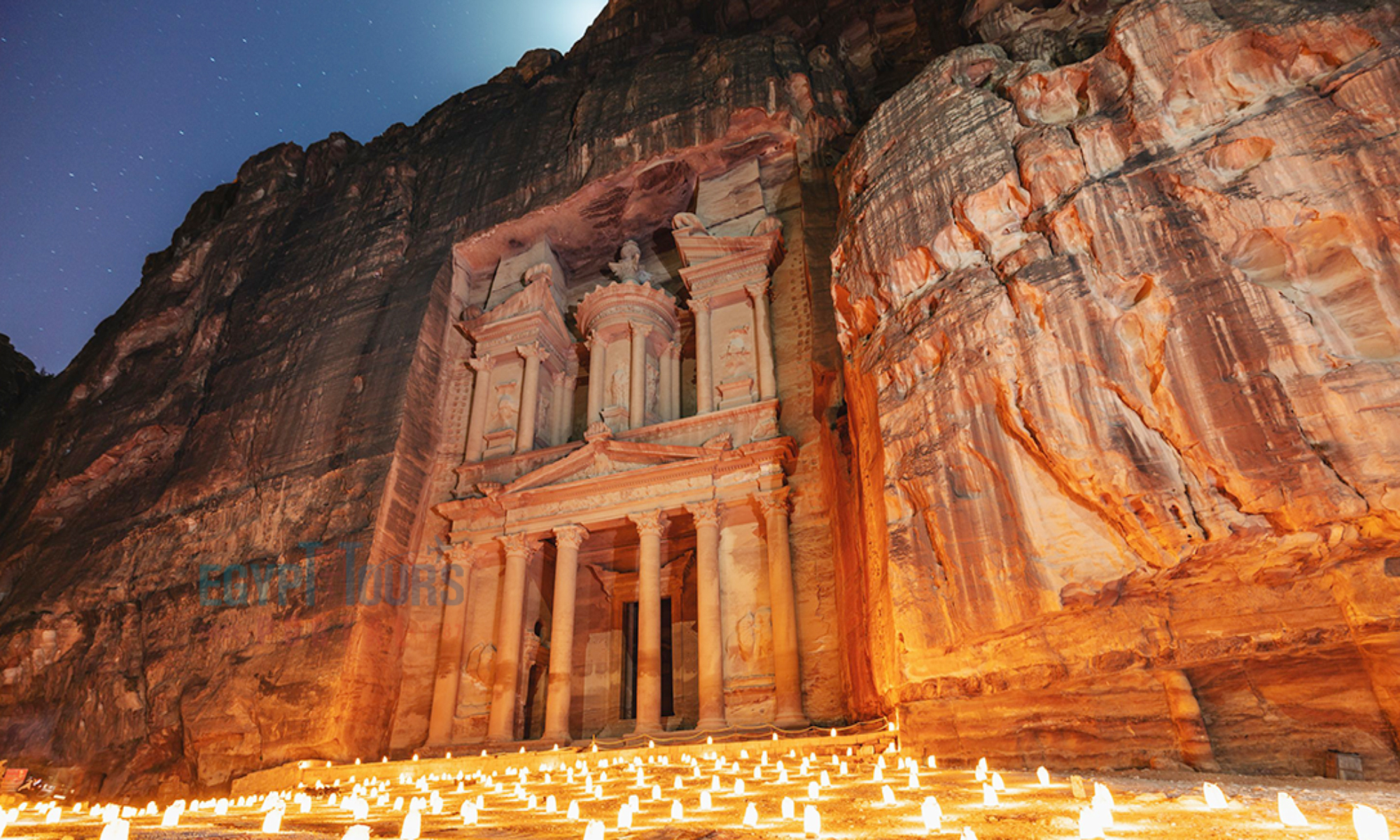
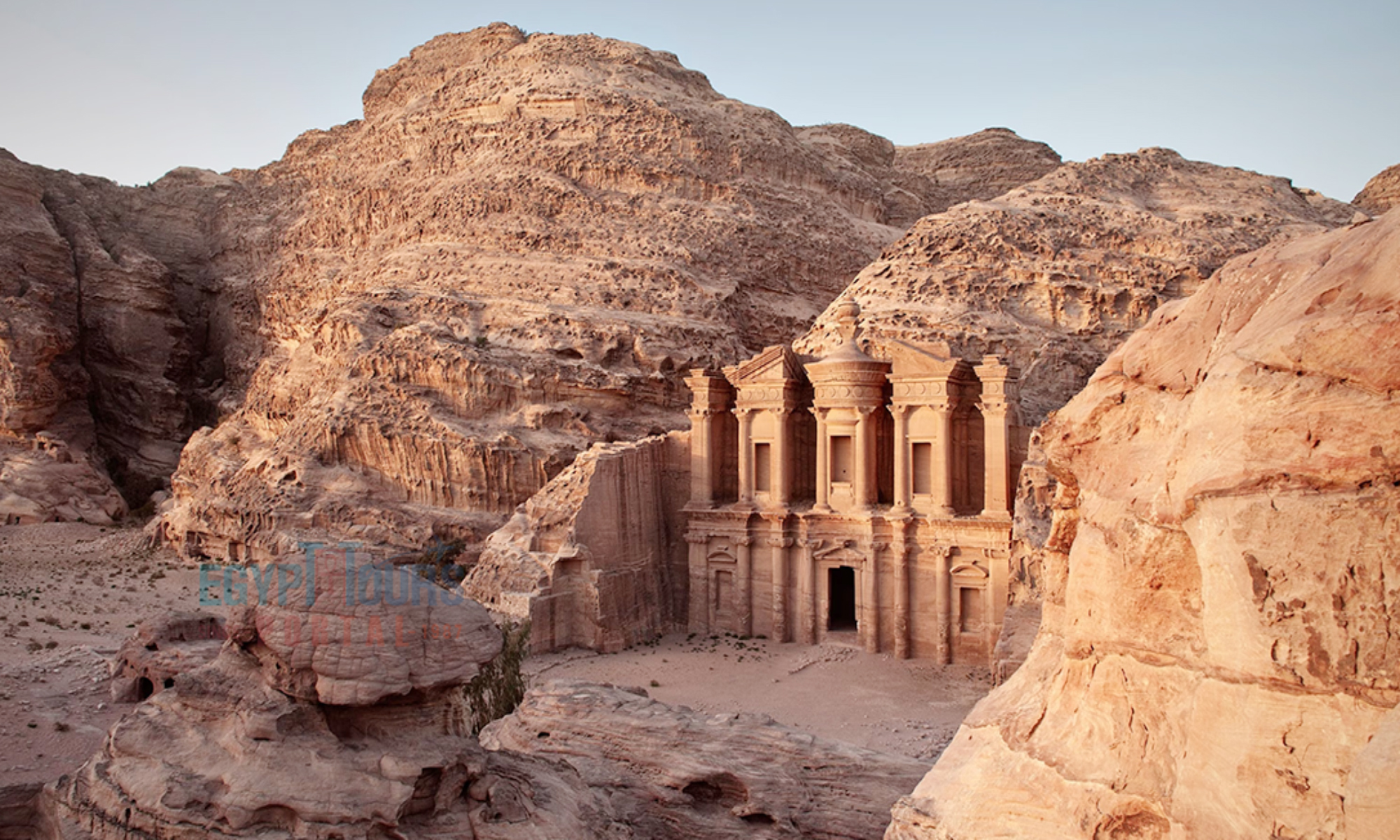
Carved in the 1st century CE during the reign of King Aretas IV, this masterpiece appears at the end of the 1.2-km Siq. Its finely detailed façade—cut directly into rose sandstone—embodies Nabataean craftsmanship and has become an icon of Petra, further popularized by films such as Indiana Jones and the Last Crusade and Transformers: Revenge of the Fallen.
Set into the eastern cliffs, the Urn, Silk, Corinthian, and Palace Tombs reflect the height of Nabataean artistry in the 1st century CE. Likely commemorating kings and elite families, these monumental façades reveal diverse architectural influences and provide key evidence for Petra’s funerary traditions and social hierarchy.
Originally hewn by the Nabataeans in the early 1st century CE and enlarged after the Roman annexation (106 CE), the theatre seats up to 7,000. Its rock-cut cavea and Romanized stage architecture illustrate a fusion of local and Greco-Roman design and underscore Petra’s vibrant civic life.
Qasr al-Bint is a rare freestanding temple in a city famed for rock-cut monuments, built between 30 BCE and 40 CE. Dedicated to Nabataean deities, it survives centuries of erosion and earthquakes, testifying to the resilience and sophistication of Nabataean masonry and religious architecture.
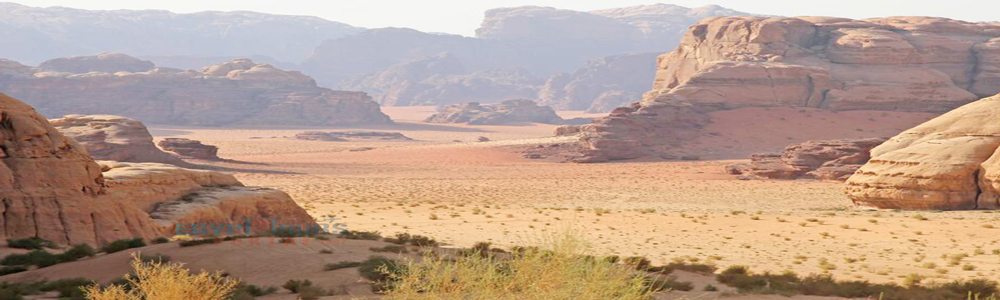
In the afternoon, your journey continues with a transfer to the golden Wadi Rum, where you will experience the timeless beauty of the desert. Upon arrival, be greeted by the stunning desert landscape of Wadi Rum, towering sandstone mountains, vast sand dunes, and unique rock formations. Then, end the evening with a mesmerizing stargazing experience under the clear desert sky.
You’ll spend the night at a Bedouin camp, where you can enjoy a delicious dinner under the starry skies.
You will then rest in the serene desert environment.
Wake up early to witness a magical sunrise over the vast desert of Wadi Rum. Watch as the first rays of sunlight light up the red sand and towering rock formations, creating a breathtaking scene. After breakfast, enjoy a thrilling 4x4 jeep tour of Wadi Rum.
Dating to the 1st century CE, this magical sanctuary marks Wadi Rum’s role on caravan routes linking Arabia, Petra, and the Mediterranean. Surviving walls, inscriptions, and architectural elements reveal Nabataean religious practice, craftsmanship, and the site’s long-lived cultural influence.
Named for T. E. Lawrence, who passed through during the Arab Revolt (1917–1918), fig trees and Thamudic inscriptions frame this perennial spring, which has sustained travelers and herders for centuries, embodying Wadi Rum’s essential lifelines in an arid landscape.
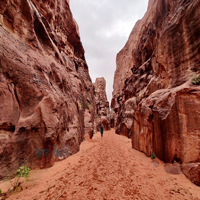
A marvelous slot canyon etched with Thamudic and Nabataean petroglyphs depicting humans, animals, and hunting scenes—an open-air record of desert life and a reminder of Wadi Rum’s role as a crossroads for nomads and caravans.
Enjoy your exceptional dinner and end your international journey to Egypt and Jordan.
You will be transferred back to Wadi Rum village. From there, you will either return to Amman or Queen Alia Airport, where your unforgettable journey through Jordan will come to a magical close.
Feel free to share your thoughts about adding or removing any tours from this itinerary while sending your tour inquiry. We can fully customize it to accommodate your exact requirements and fulfill your needs , check the most faqs regarding tour booking.
We have multiple payment methods in our payment system. Check How to Pay for This Tour
Visa requirements vary depending on your nationality, length of stay, and travel purpose. For the latest information and eligibility details, please visit our Egypt visa guide.
We accept payments via secure online payment links, credit/debit cards, bank transfers, and cash upon arrival when agreed in advance.
For your security, please only complete card payments through our approved secure payment gateway and never share card details via email, WhatsApp, or social media.
Our payment, cancellation, and refund policies vary depending on the tour type, travel dates, services booked, and supplier conditions.
Send request, and one of our travel specialists will contact you with all the details of your tour. You can also review our payment and cancellation policy for additional information.
Services vary by tour package and may include accommodation, transportation, guided tours, airport transfers, domestic flights, entrance fees, and selected meals. Please refer to your tour itinerary for a complete list of included services.
We offer private, customizable journeys tailored to your pace, moving away from the "factory-style" mass-market tours.
Travel with elite, licensed Egyptologists who act as storytellers, not just tour leaders.
24/7 "high-touch" support with a dedicated coordinator for every aspect of your multi-vendor itinerary.
Our "Tailor-Made" planning workflow ensures your trip matches your specific priorities and interests.
We prioritize premium guide quality and vetted, safe hotels to ensure a stress-free environment.
Advanced safety protocols and 24/7 emergency contact for total peace of mind during your adventure.