Summary
- Cairo sits where the Nile Valley meets the Delta in northern Egypt, and its Arabic name, al-Qahirah ("the Vanquisher"), dates to its founding in 969 CE by the Fatimid dynasty.
- The city's historic core, Historic Cairo, was named a UNESCO World Heritage Site in 1979 and preserves close to 600 monuments across four Islamic dynasties.
- Top attractions include the Pyramids of Giza and Sphinx and the newly opened Grand Egyptian Museum, while standout experiences include the Giza Sound and Light Show, a Nile felucca sail, and a day trip to Saqqara's Step Pyramid.
- The best time to visit Cairo is October through April, and getting around is easiest via the Cairo Metro locally and overnight trains or short flights to reach Luxor, Aswan, and Alexandria.
- Practical planning includes 3-4 days minimum, budgeting in Egyptian pounds, and dressing modestly at religious sites.
Cairo is a grand metropolitan world city that fills the soul, heart, and mind of every traveler with the warmth of a thousand suns, loaded with heavenly ancient wonders, modern attractions, remarkable culture, and the chance to witness the essence of beauty, class, and true magic.
It is quite famous for being the capital of Egypt, and the largest metropolitan area in Africa, the Middle East, the Arab world, and the 15th largest city in the world. Cairo (Al Qahirah) means “The Vanquisher” in Arabic, and it is one of the few cities in the world that was able to stand the test of time.
Cairo, the capital city, has acted as an infinite time capsule, a guardian, and a center for culture, art, and beauty for thousands of years. The purpose of this article is to offer every traveler all the information and details about the legendary city of Cairo.
The Fortunate Location and Geography of Cairo
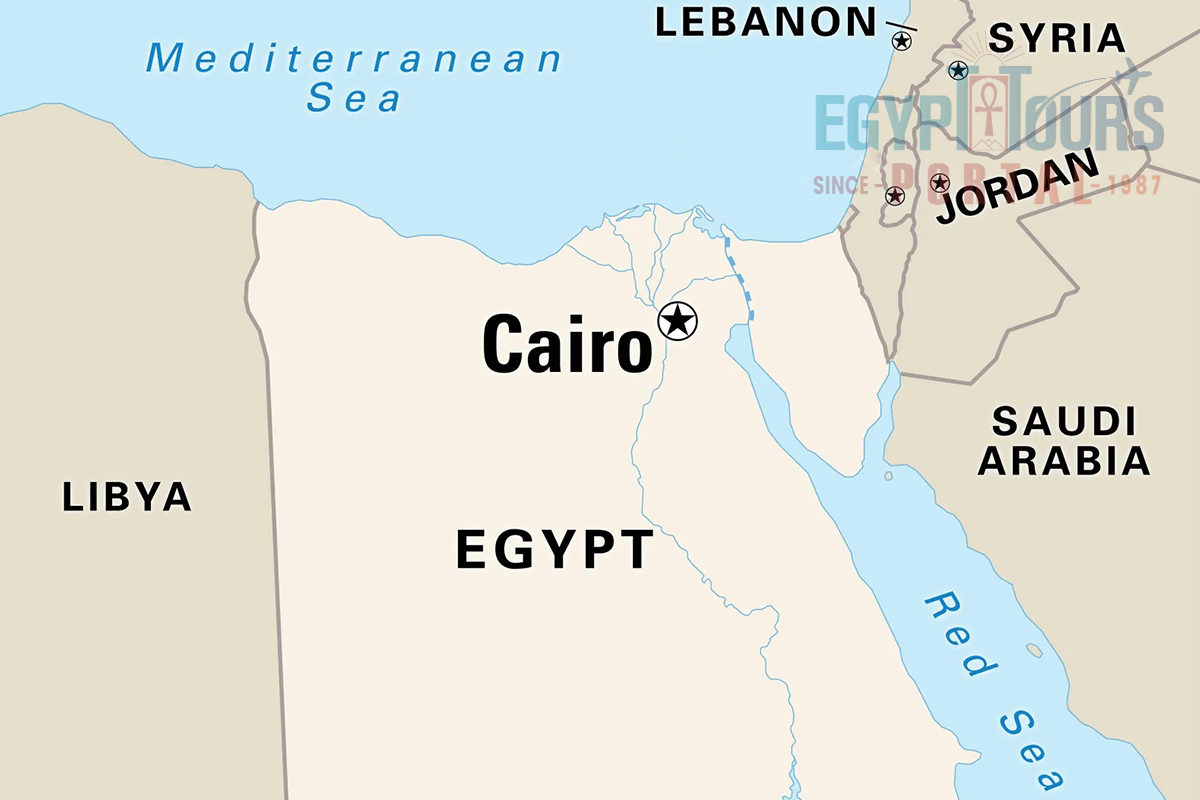
Cairo sits in northern Egypt, roughly 165 kilometers south of the Mediterranean Sea and about 120 kilometers west of the Gulf of Suez. The city occupies the point where the narrow Nile Valley widens into the fan-shaped Nile Delta, a position that has made it Egypt's political and commercial center for centuries. Sitting at only about 23 meters above sea level, Cairo is bordered by open desert to both the east and west, with the Nile's green corridor forming the only real break in the surrounding sand.
The city proper covers about 453 square kilometers along the eastern bank of the Nile River and its two river islands, Zamalek and Roda. Greater Cairo, the wider metropolitan area that includes Giza and New Cairo, sprawls far beyond that footprint and is now home to more than 22 million people, making it one of the largest urban regions in the world. Within the city itself, more than 9.8 million residents are packed into a landscape of alluvial soil and sand-dune ridges left over from the Quaternary period, which is part of why Cairo's older districts feel so densely built.
The Incredible Origins of the Name Cairo
Cairo's Arabic name, al-Qahirah, means "the Vanquisher" or "the Conqueror." According to several historical accounts, the name honors the planet Mars, called "the Conquering Star" (an-Najm al-Qahir) in Arabic, which was said to be rising in the sky as the Fatimids began laying out the city in 969 CE. Its full formal name at founding was al-Qahirah al-Mu'izziyyah, in honor of the Fatimid Caliph who ordered it built.
The city was not named this from day one. Construction began under the working name al-Mansuriyyah, and the more famous al-Qahirah was adopted once the city was complete. Egyptians today rarely use either name in daily speech, instead calling their capital simply Masr, the same Arabic word used for Egypt as a whole, a naming habit that reflects just how central Cairo has always been to the country's identity. The city has also long carried the honorific Umm al-Dunya, "Mother of the World."
Enjoy A Brief History of the Immortal City of Cairo
Before the Current City of Cairo: Memphis, Babylon, and Fustat
Long before al-Qahirah existed, the Nile's west bank held Memphis, the capital of unified ancient Egypt roughly five thousand years ago, whose ruins still lie near modern Giza. The city that would become Cairo took shape in stages several kilometers to the northeast. In 641 CE, the Arab general Amr ibn al-As founded Fustat beside the Roman fortress of Babylon after the Muslim conquest of Egypt. The Abbasids added the settlement of al-Askar in 750, and in 870 the independent governor Ahmad ibn Tulun built the palace city of al-Qata'i, centered on the mosque that still bears his name.
The Fatimid Founding, 969 CE
Cairo as a distinct city was founded in 969 CE, when the Fatimid Caliph al-Mu'izz li-Din Allah ordered his general Jawhar al-Saqli to build a new fortified capital north of Fustat. Construction took four years, and the city, named al-Qahirah once complete, as explained above, quickly became the new center of Fatimid power in Egypt.
Ayyubid, Mamluk, and Ottoman Cairo
Under the Fatimids, Cairo became the seat of the caliphate and home to Al-Azhar Mosque, commissioned in 969 and developed soon after into what is considered one of the oldest universities in the world. When Saladin ended Fatimid rule in 1171 and founded the Ayyubid dynasty, he began construction of the Cairo Citadel in 1176, a hilltop fortress that would serve as the seat of Egypt's government for nearly seven hundred years.
Cairo reached its medieval peak under the Mamluks, who ruled from 1250 to 1517. Under Sultan al-Nasir Muhammad in the early 14th century, the city's population approached half a million people, and Mamluk patrons filled it with the mosques, madrasas, and mausoleums that still define its skyline. The Ottomans took Egypt in 1517 and governed Cairo as a provincial capital until Muhammad Ali's dynasty and, later, British occupation from 1882 reshaped the city with European-style boulevards and modern infrastructure.
Historic Cairo and UNESCO Recognition
In 1979, UNESCO inscribed Historic Islamic Cairo as a World Heritage Site, covering roughly 524 hectares of the old walled city. The listing recognizes it as one of the world's oldest Islamic cities, preserving close to 600 monuments, mosques, madrasas, hammams, and city gates such as Bab Zuweila, Bab al-Nasr, and Bab al-Futuh, representing four successive Islamic dynasties: Fatimid, Ayyubid, Mamluk, and Ottoman. It is often said to hold roughly half of all surviving medieval monuments in the Middle East.
The Diverse Cairo's Neighborhoods and Districts
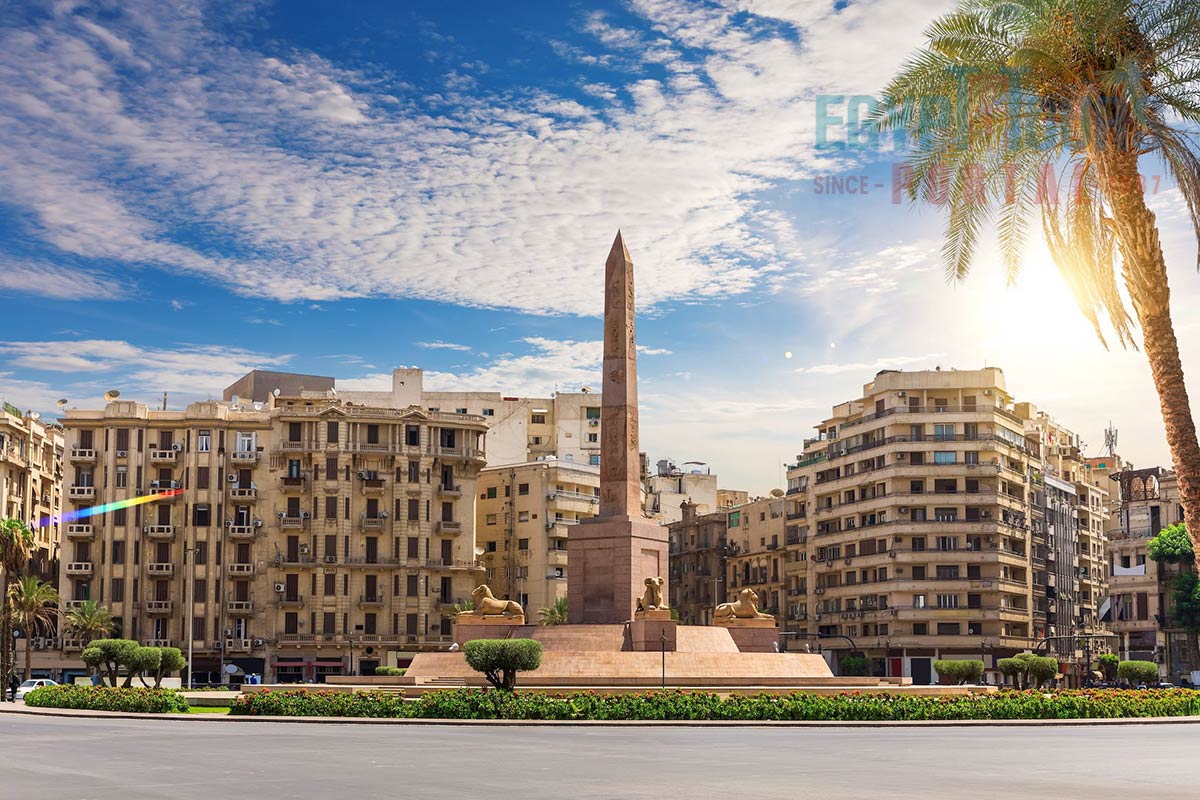
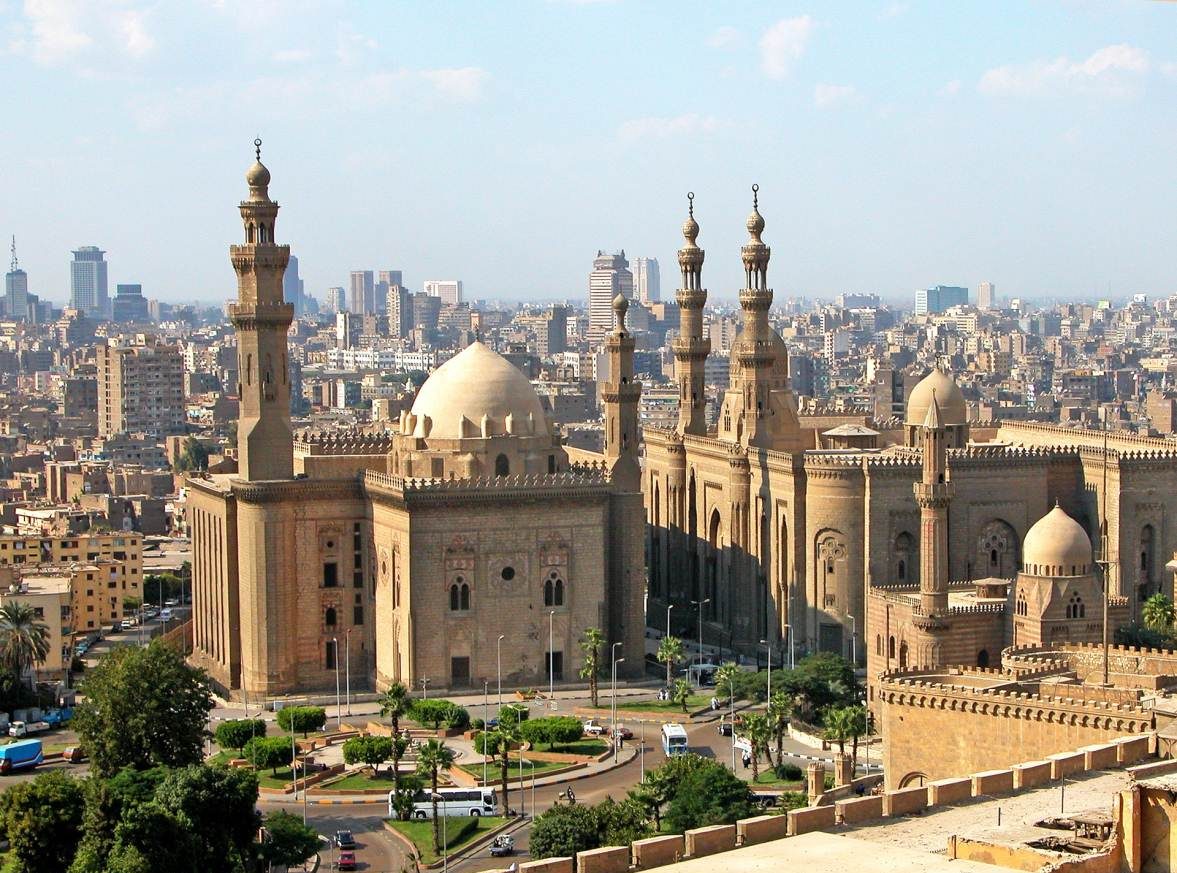
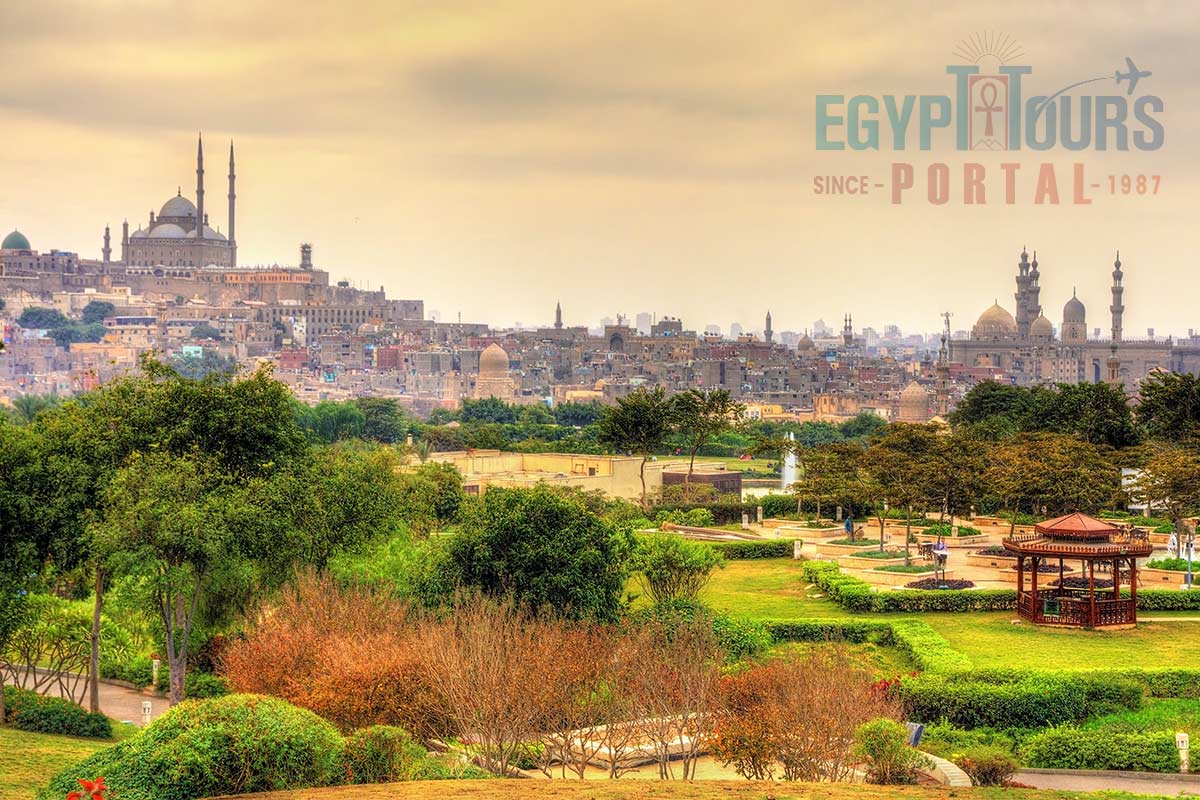
Modern Cairo is not one city center but several, each shaped by a different era. Islamic Cairo, the UNESCO-listed core, is where the Fatimid, Ayyubid, and Mamluk city survives almost intact: narrow lanes, stone gates, and a skyline that earned Cairo its nickname, the "City of a Thousand Minarets."
Coptic Cairo, also called Old Cairo, sits on the site of the old Roman fortress of Babylon and Amr ibn al-As's Fustat. It is the historic heart of Egypt's Christian community and holds the Hanging Church, the Church of Saints Sergius and Bacchus (dating to the 7th or 8th century), and the Ben Ezra Synagogue.
Downtown Cairo was laid out under Khedive Isma'il Pasha between 1863 and 1879 in a deliberately European style, all wide boulevards and belle-époque facades radiating from squares like Tahrir.
Garden City, begun around 1906, and Zamalek, developed on Gezira Island between 1905 and 1907, are leafy, villa-lined districts that remain among Cairo's most desirable addresses. Heliopolis, built starting in 1906 about 10 kilometers from the center, and the newer New Cairo satellite city extend the metropolis further into the desert.
Cast Your Eyes on the Divine Attractions of Cairo
The Pyramids of Giza and the Sphinx
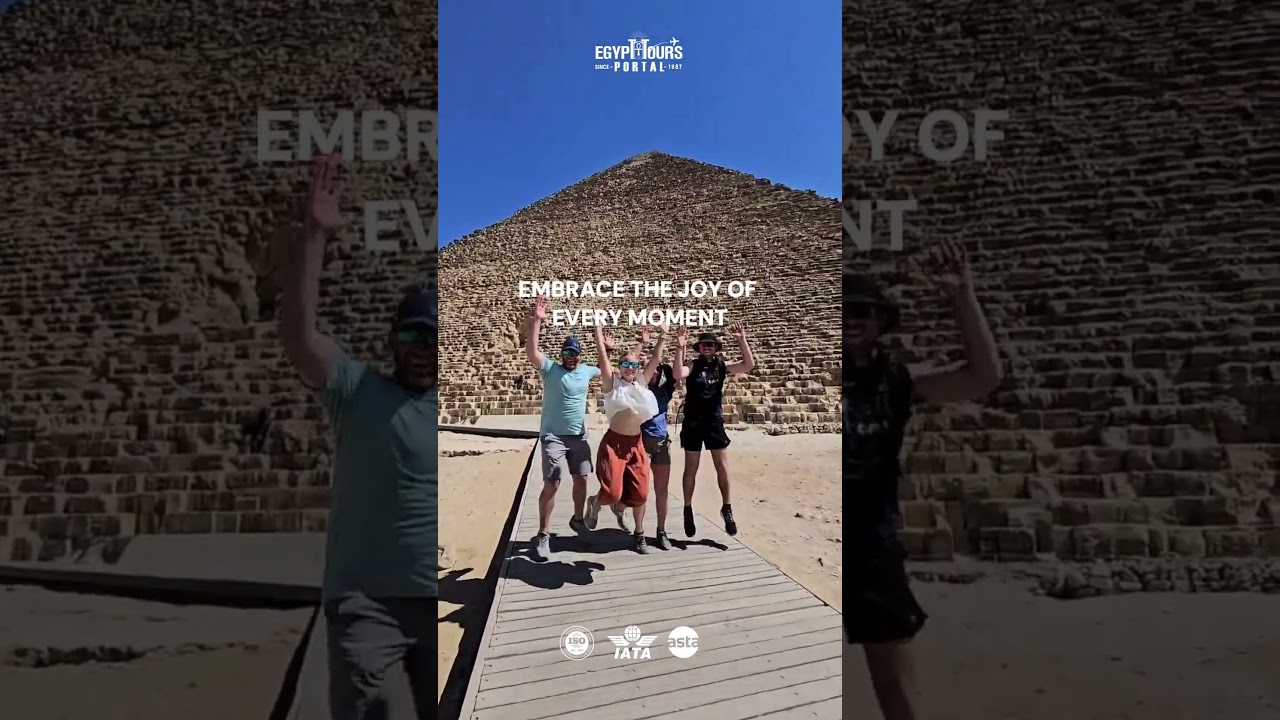
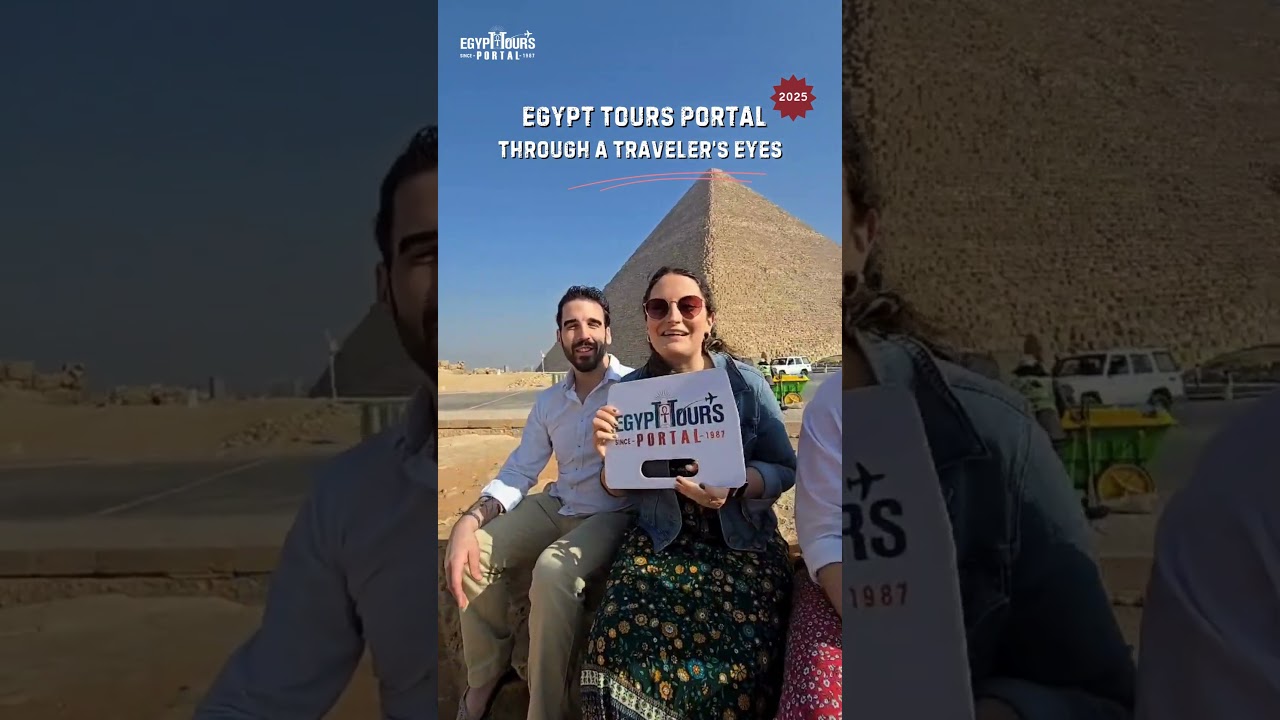
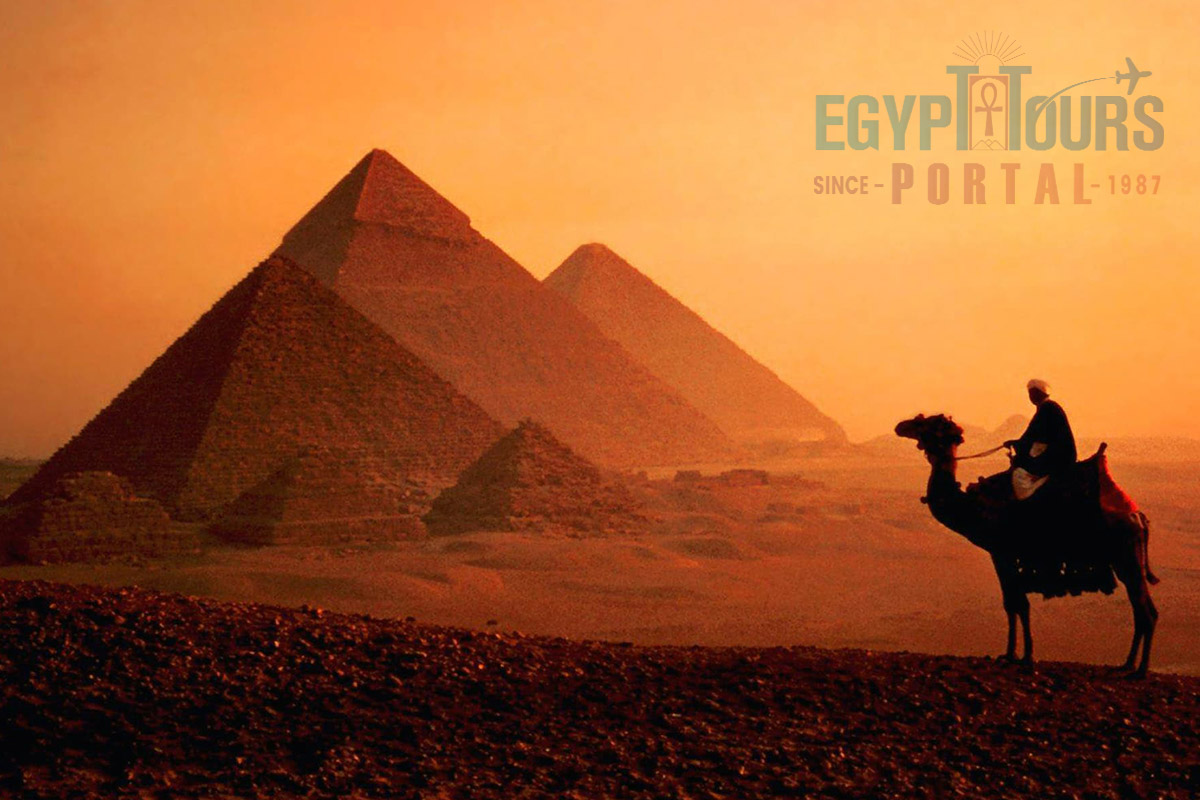
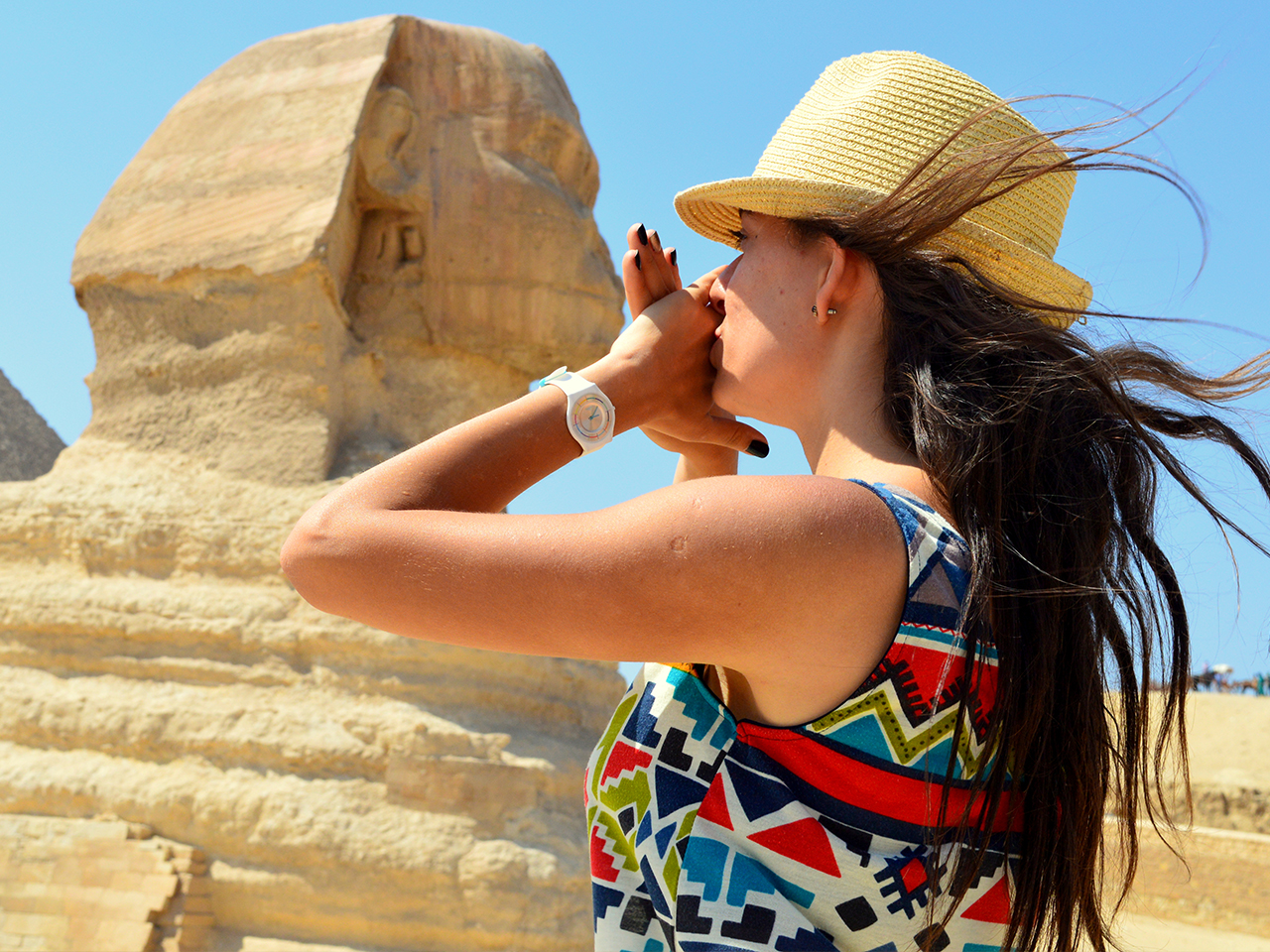
No list of Cairo attractions begins anywhere else. The Giza Plateau, technically its own city but fully absorbed into Greater Cairo, holds the Great Pyramid of Khufu, the only one of the ancient world's Seven Wonders still standing, alongside the pyramids of Khafre and Menkaure and the Great Sphinx. Visiting early in the morning, before tour buses arrive and the desert heat builds, remains the most reliable way to experience the site's scale without the crowds.
The Grand Egyptian Museum
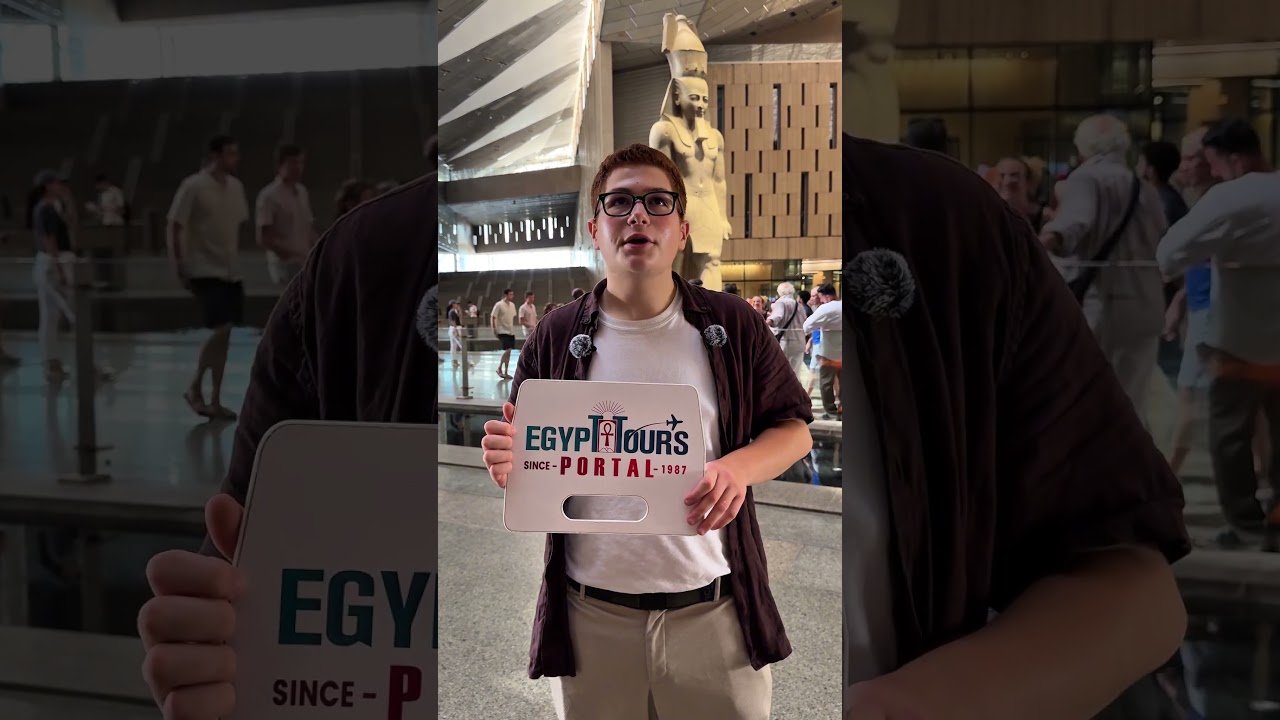
Decades in the making, the Grand Egyptian Museum (GEM) officially opened on November 1, 2025, near the Giza Plateau, and is billed as the largest museum in the world dedicated to a single civilization. Its galleries hold the complete Tutankhamun collection shown together for the first time, along with the reconstructed solar boats of Khufu. Ticket prices for foreign visitors have shifted since opening, so it is worth checking the museum's official ticketing site, tickets.gem.eg, before a visit.
The Egyptian Museum, Tahrir Square
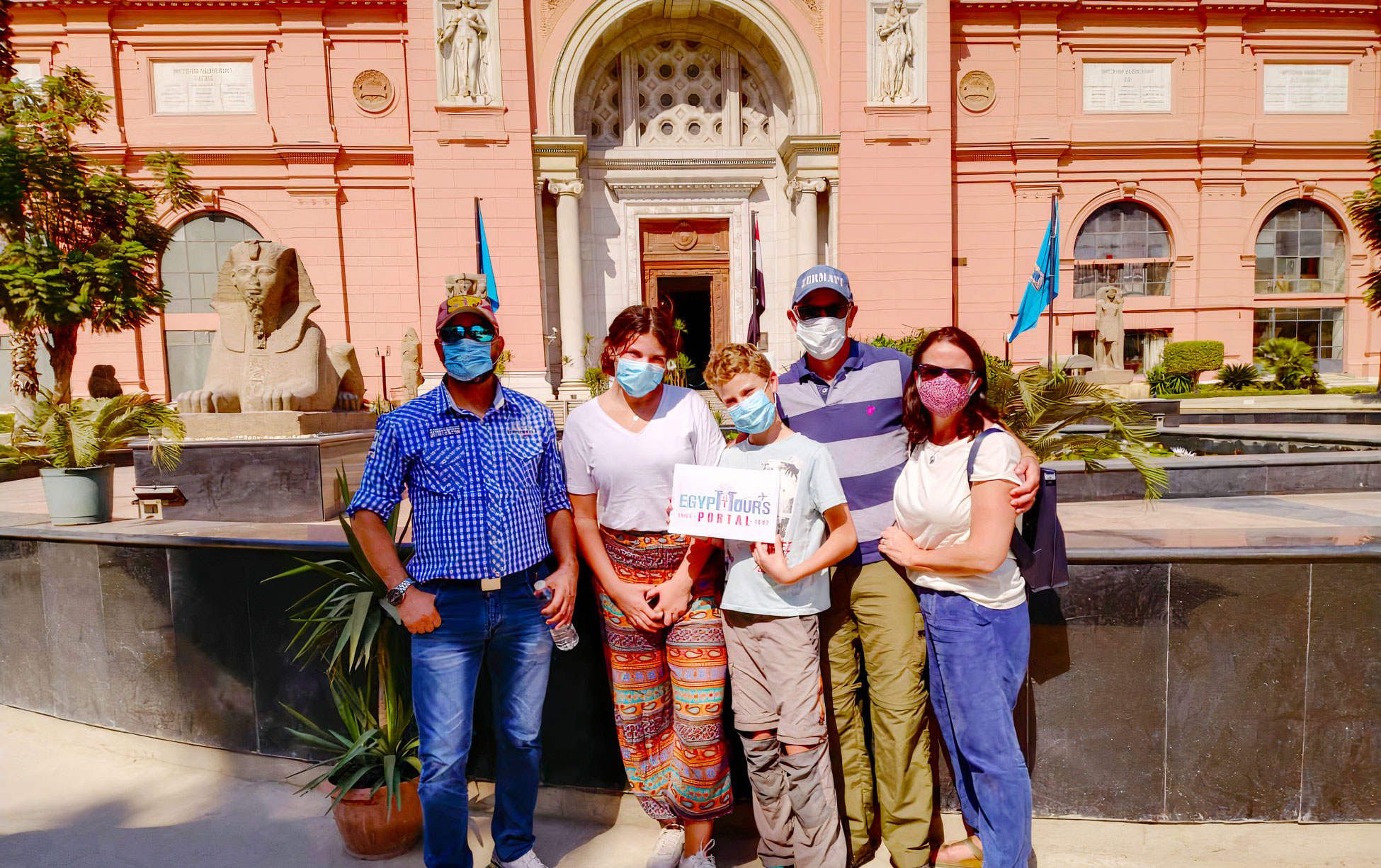
Before GEM, the Egyptian Museum on Tahrir Square was Cairo's principal repository of Pharaonic treasures, and it remains open and essential. Opened in 1902, it holds more than 170,000 artifacts, including royal mummies that were later removed to the NMEC.
Cairo Citadel and the Mosque of Muhammad Ali
Perched above the city since Saladin began building it in 1176, the Cairo Citadel offers some of the best panoramic views in Cairo. Its most recognizable structure, the 19th-century Mosque of Muhammad Ali, is built in Ottoman style with alabaster cladding that gives it the nickname "the Alabaster Mosque."
Khan el-Khalili Bazaar
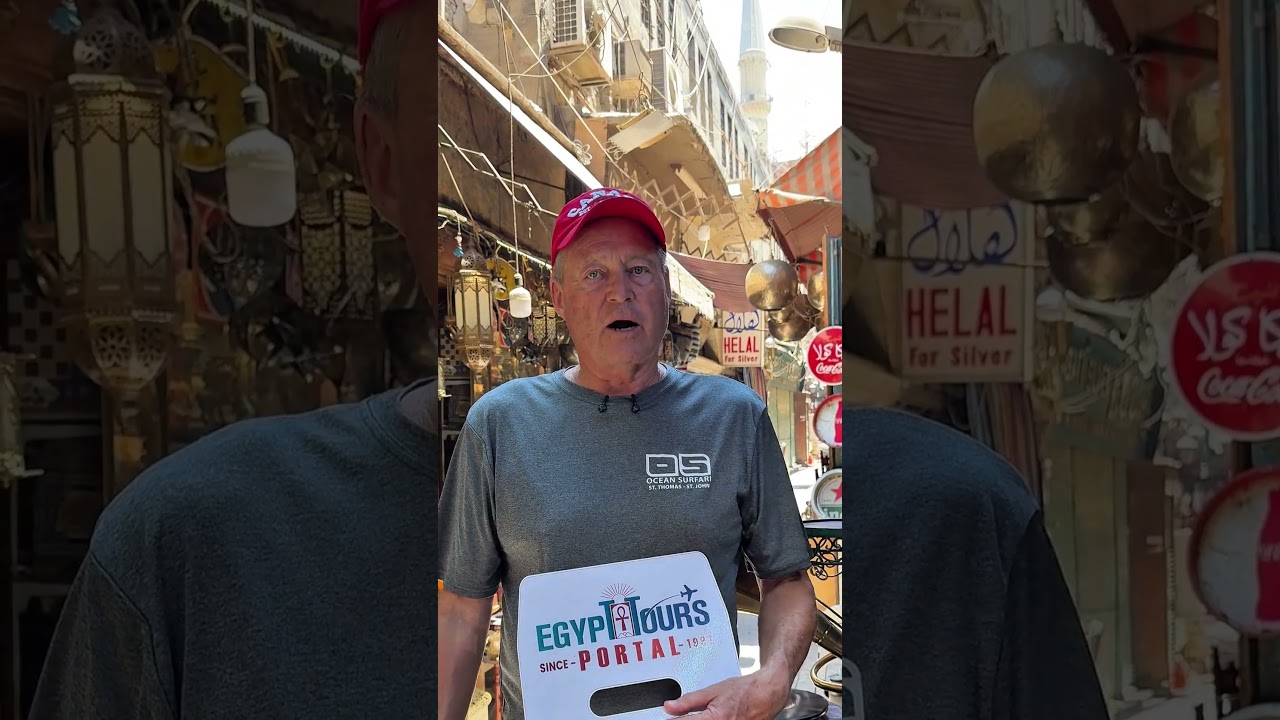
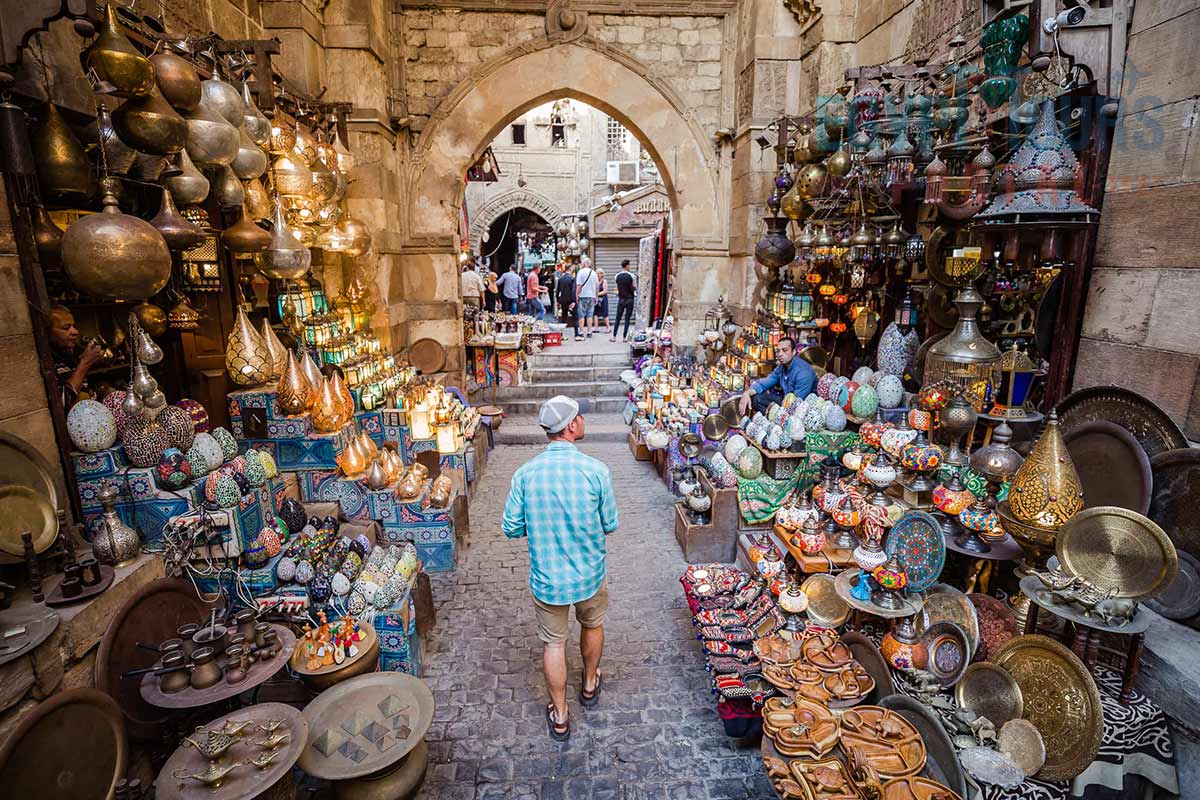
Founded in the 14th century under the Mamluks, Khan el-Khalili is one of the oldest working bazaars in the Middle East, a maze of narrow alleys selling spices, brassware, jewelry, and textiles, wrapped around cafes that have served customers for generations.
Al-Azhar Mosque and Ibn Tulun Mosque
Al-Azhar Mosque, founded in 970, anchors both a place of worship and one of the oldest universities on earth. A short distance away, the Mosque of Ibn Tulun, built between 876 and 879, is one of the largest and best-preserved mosques from Cairo's earliest Islamic period, notable for its spiral minaret and vast open courtyard.
Old Cairo's Coptic Churches
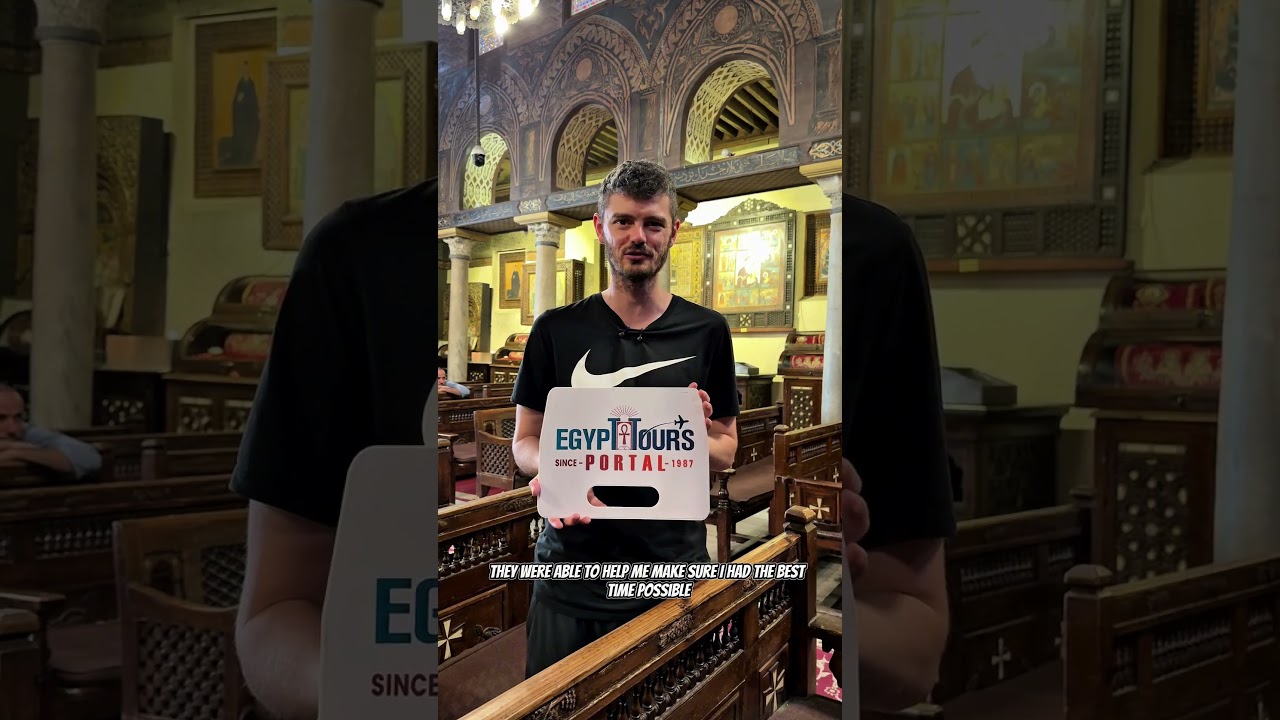
Beyond their religious importance, the churches of Coptic Cairo trace Egypt's history as one of the earliest centers of Christianity, and a walk through the district connects directly to the Roman and early Islamic layers beneath the modern city.
Cairo Tourist Attractions
Find out what makes the Cairo tourist attractions a must-see. Visit our website to explore the top places in Cairo today.
The Best Things to Do in Cairo
Seeing Cairo's monuments is one layer of a visit; the following experiences are what turn sightseeing into something more memorable.
Sail a Felucca or Take a Nile Dinner Cruise
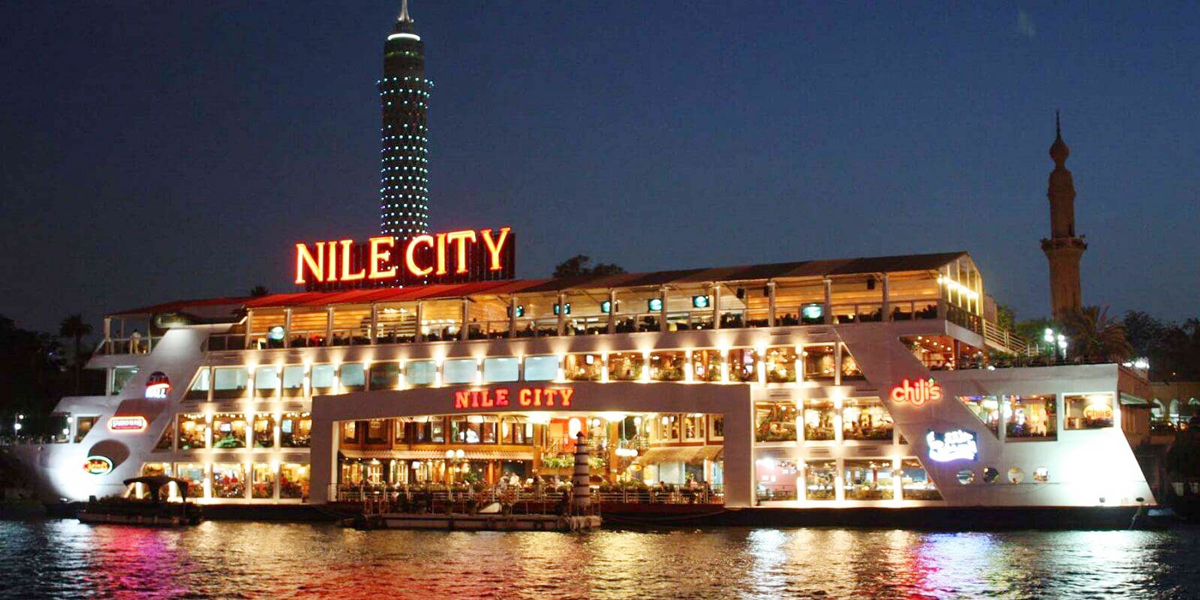
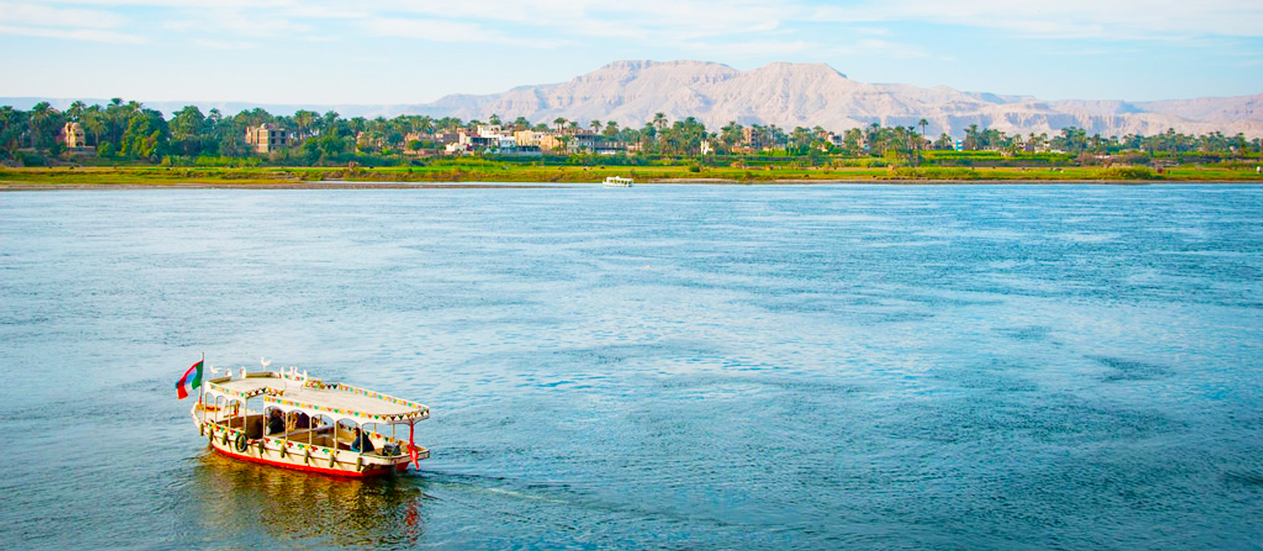
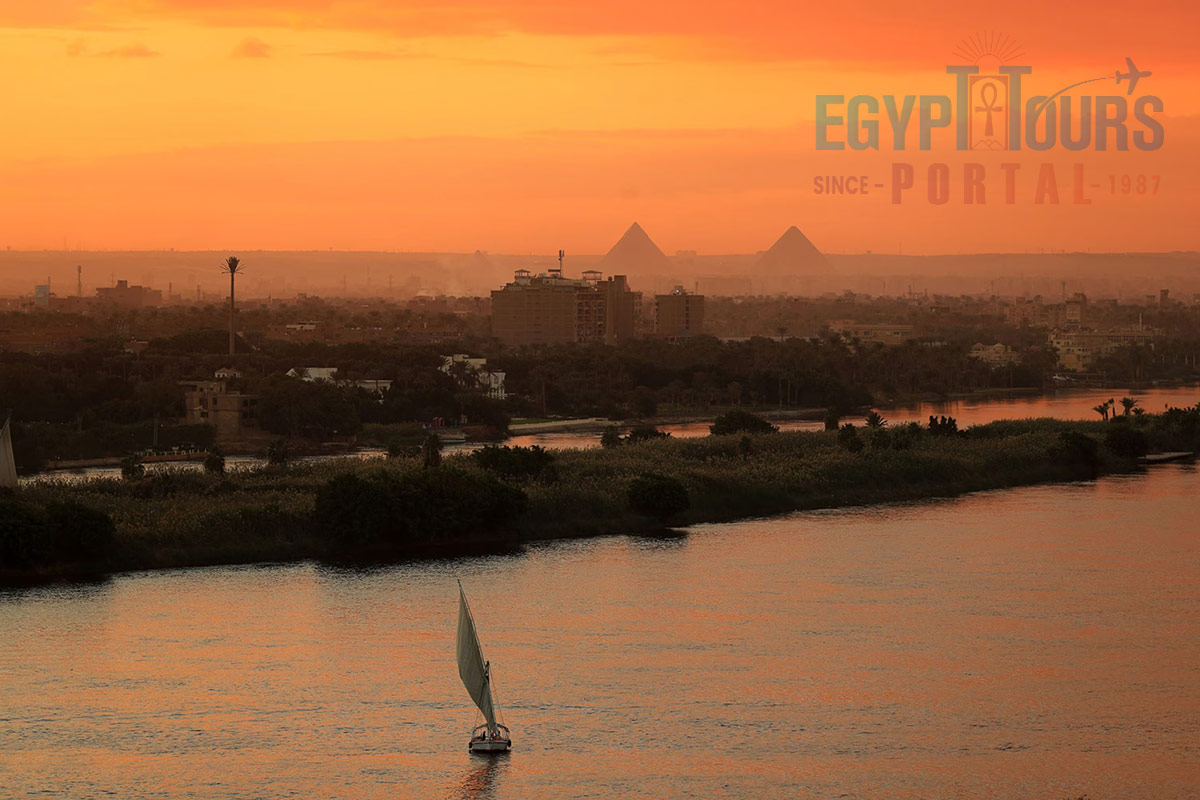
A felucca sail or a Nile dinner cruise along the Corniche remains one of the simplest, most enjoyable ways to see Cairo from the water, with the city's bridges and skyline lit up after sunset. Traditional feluccas run on wind alone and offer a quieter, slower pace than the larger dinner-cruise boats, which typically pair the ride with a buffet and live music.
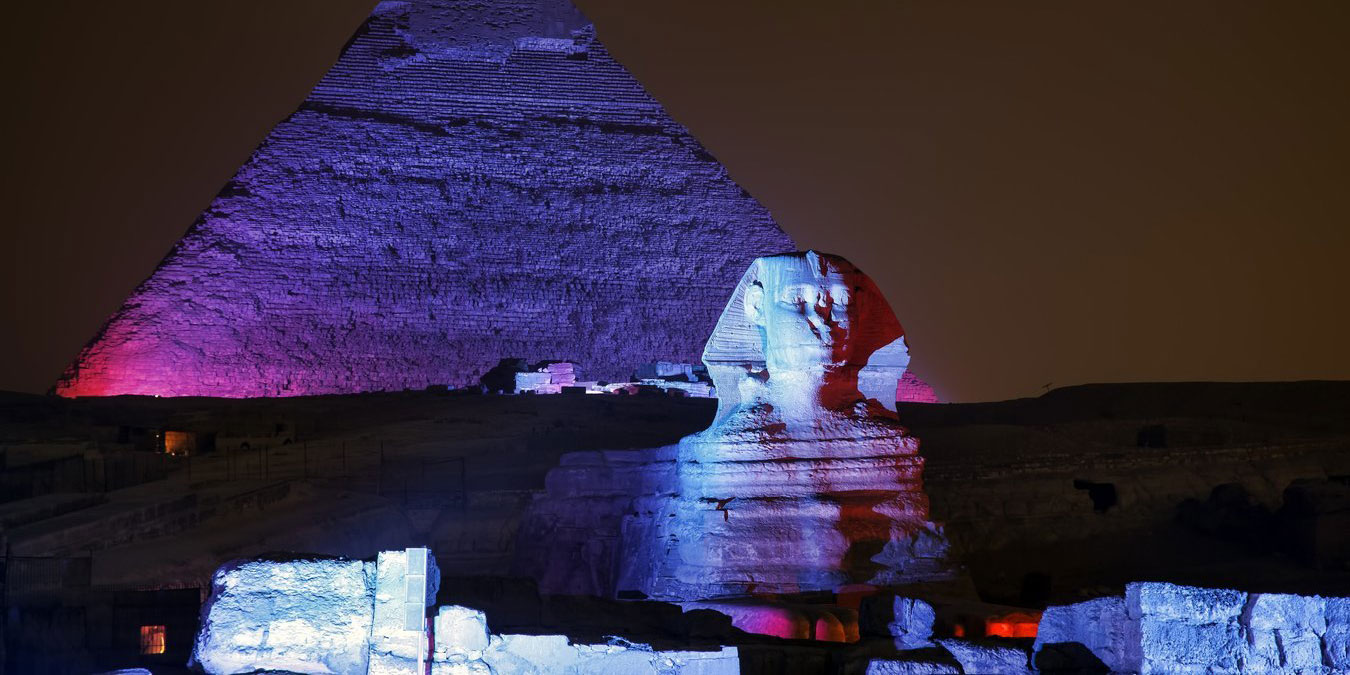
Watch the Sound and Light Show at Giza
Held nightly at the Giza Plateau, the Sound and Light Show narrates the history of the pyramids and the Sphinx through a roughly 45-minute presentation of music, projection, and lighting effects, with narration offered in as many as ten languages.
Shop and Sip Tea in Khan El Kalili Bazaar
Beyond browsing the stalls, the bazaar rewards slowing down. El-Fishawy Café, open since 1797 and one of Cairo's oldest coffeehouses, sits in the heart of Khan el-Khalili and was a regular haunt of Nobel Prize-winning novelist Naguib Mahfouz; stopping for mint tea or shisha there is as much a Cairo tradition as the shopping itself.
Take a Day Trip to Saqqara and Memphis
A half-day trip beyond the city reaches Saqqara, home to the Step Pyramid of Djoser, built for the Third Dynasty pharaoh Djoser around 2667-2648 BCE by the architect Imhotep. Standing roughly 62 meters tall, it is considered the world's oldest large-scale stone structure and predates the Great Pyramid of Giza by decades. Nearby, the open-air Memphis Museum marks the site of Egypt's ancient capital and displays a colossal fallen statue of Ramesses II.
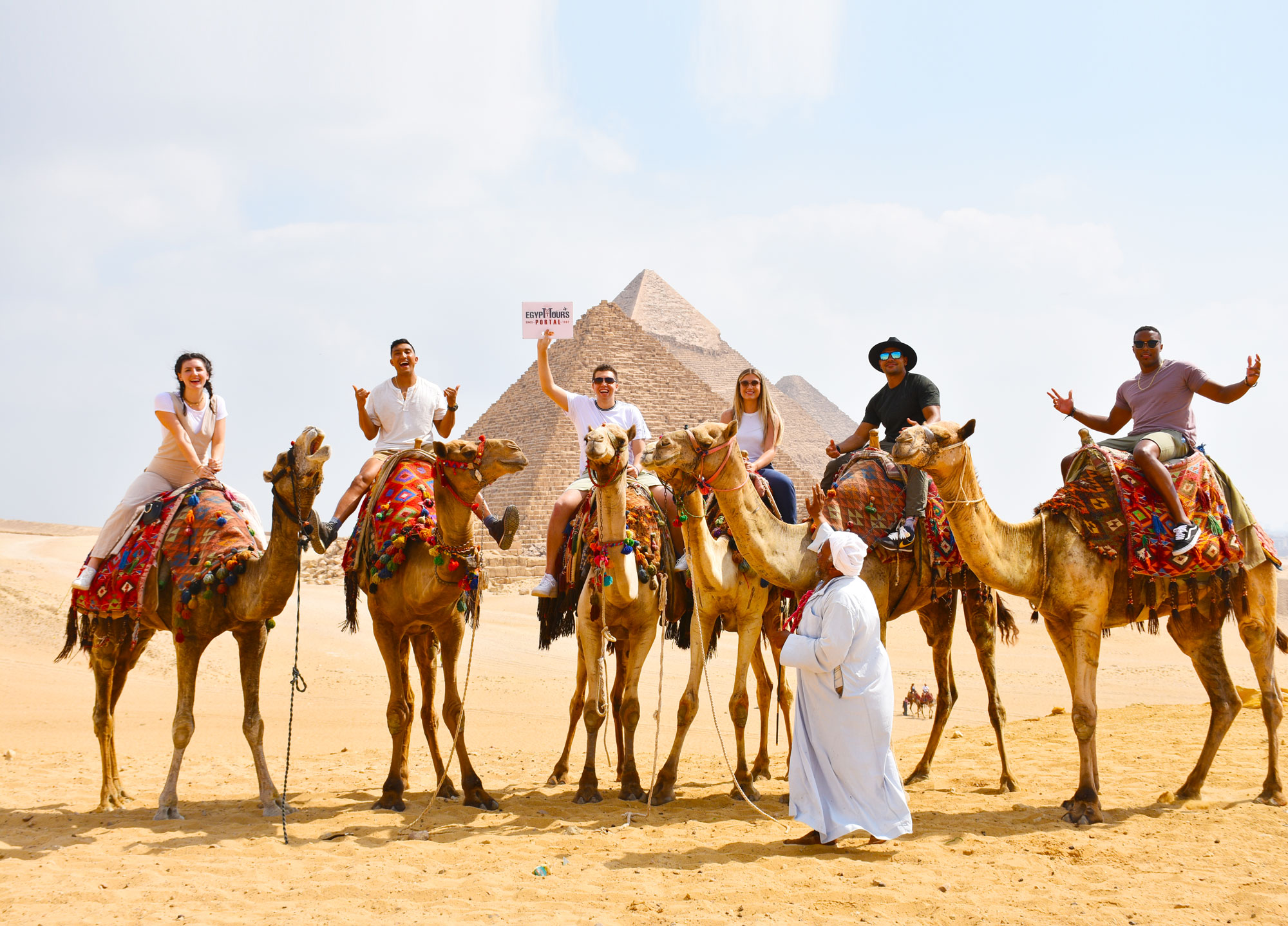
Ride a Camel or Horse Near the Pyramids
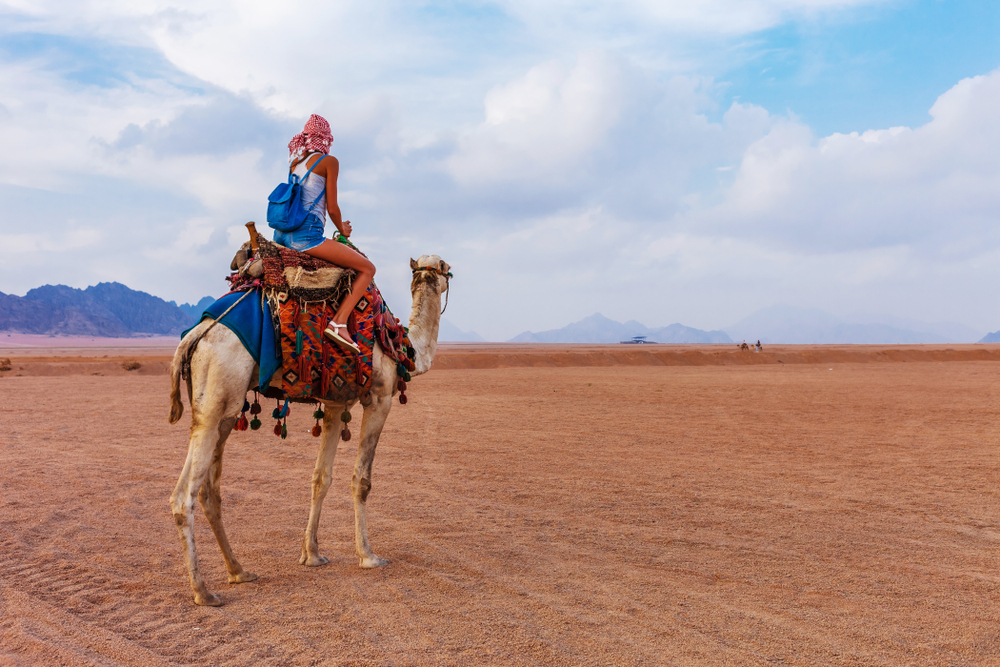
Guided camel and horse rides around the Giza Plateau remain a popular way to view the pyramids from a distance, especially at sunrise or sunset when the desert light softens the scene.
Walk Al-Muizz Street After Dark
Al-Muizz Street, the spine of Islamic Cairo, is lined with mosques, mausoleums, and historic gates and comes alive after sunset, when lanterns light the old stone facades and the crowds thin out from daytime tour groups.
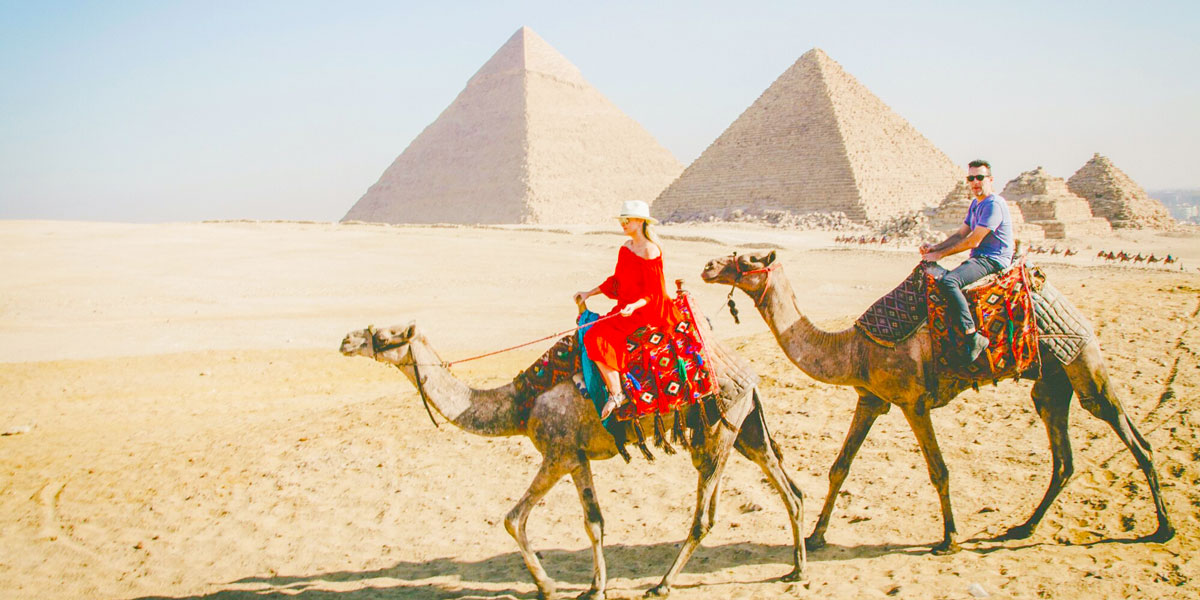
Best 20 Things to Do in Cairo
Looking for the best things to do in Cairo? Here are the famous things to do in Cairo such as visited the charming pyramids, and more.
Learn About the Best Time to Visit Cairo
Cairo has a hot desert climate, with long, intense summers and short, mild winters. Daytime highs run from 31C to 40C in summer, while winter days typically range from 14C to 22C, dropping to lows of 5C to 11C at night. Rainfall is sparse year-round, and snow is essentially unheard of; the last recorded snowfall in the city was in December 2013.
The ideal time to explore Cairo is from October through April, when daytime temperatures stay comfortable for walking around outdoor sites like Giza and the Citadel. Late October, November, February, and March consistently come up as the sweet spot across travel guides: cool enough to sightsee, warm enough to enjoy the Nile in the evening, and just ahead of or behind the busiest holiday crowds. Anyone visiting between June and August should plan around the midday heat, scheduling outdoor sites for early morning and reserving afternoons for museums and air-conditioned interiors.
How to Get Around Cairo and Egypt
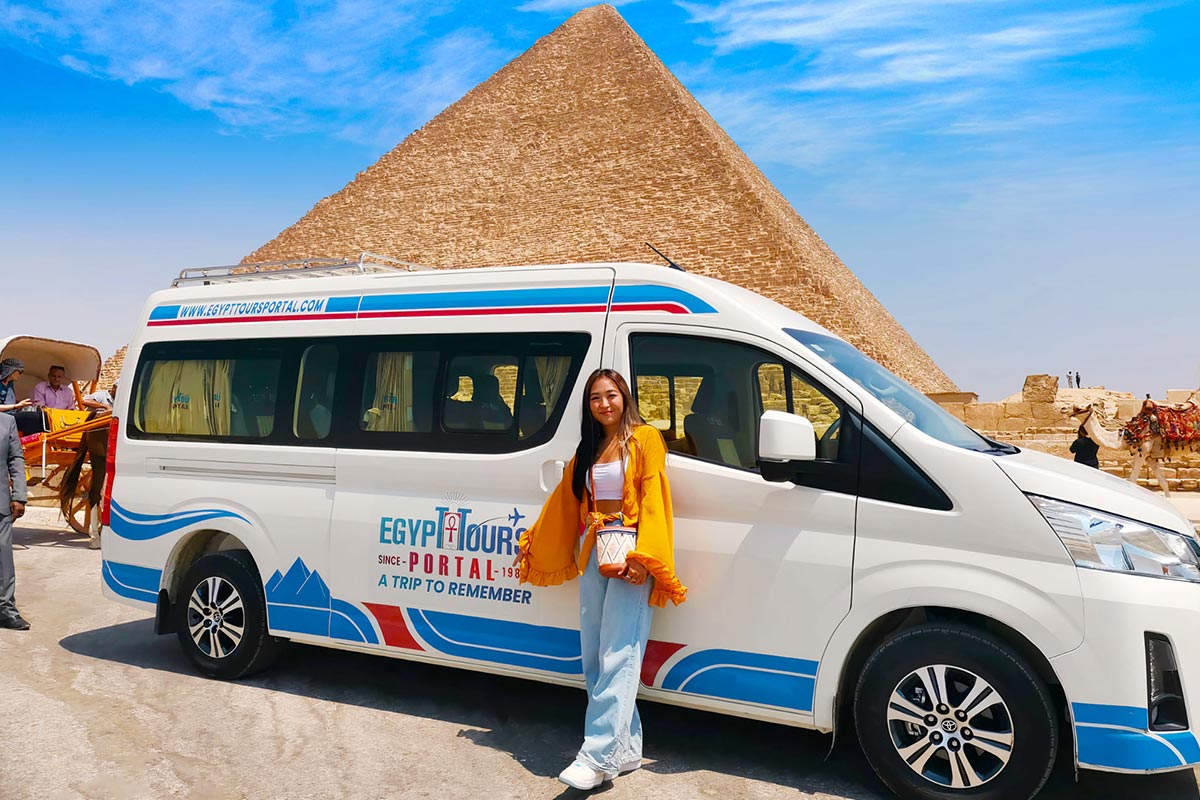
Most international visitors land at Cairo International Airport, located in the Heliopolis district roughly 15 to 20 kilometers from downtown, about a 30 to 45 minute drive depending on traffic. Licensed airport taxis, ride-hailing apps, and pre-arranged hotel transfers are the standard ways to reach the city center.
Opened in 1987, the Cairo Metro is the oldest metro system in Africa and the busiest in the Middle East, carrying more than a billion passenger rides a year across three lines. It is by far the fastest and cheapest way to cross the city and skip Cairo's notoriously heavy road traffic, though it is often crowded during rush hour.
Metered taxis and ride-hailing apps such as Uber and Careem operate throughout Cairo and are generally the easiest option for routes the Metro does not reach, including trips to Giza.
Cairo functions as the country's transport hub. Fast trains connect Cairo to Alexandria, about 220 kilometers north, in roughly two to two and a half hours. Overnight sleeper trains run south to Luxor (around 10 hours) and Aswan (around 12 to 13 hours), departing in the evening and arriving the next morning, while domestic flights cover the same routes in under two hours for travelers short on time. Intercity buses also connect Cairo to most major Egyptian cities and the Red Sea coast.
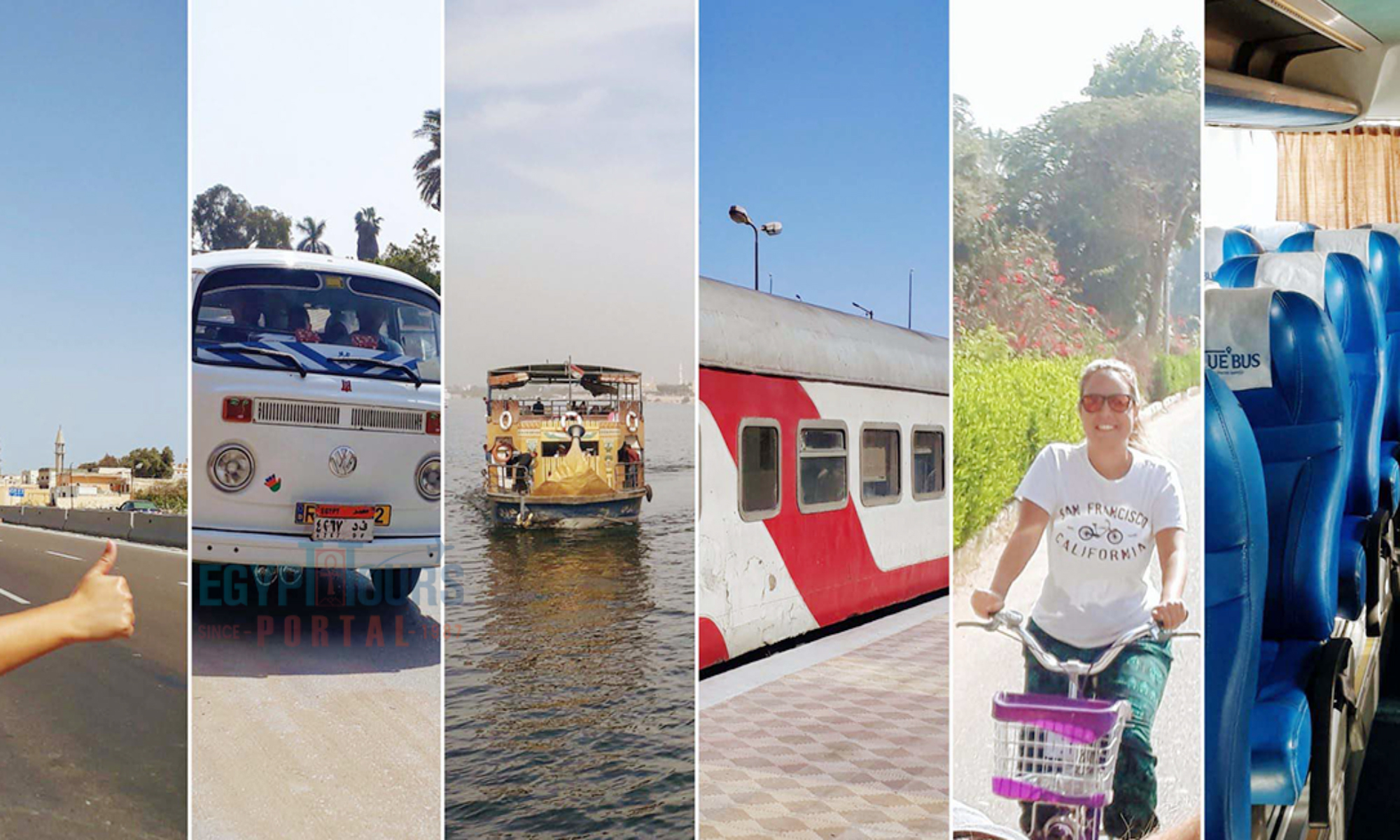
Discover All the Ways of How To Get To Egypt
Discover how to get to Egypt by air, sea, or land, and explore its iconic cities and ancient wonders with easy, safe, and affordable travel options.
Practical Travel Tips for Visiting Cairo
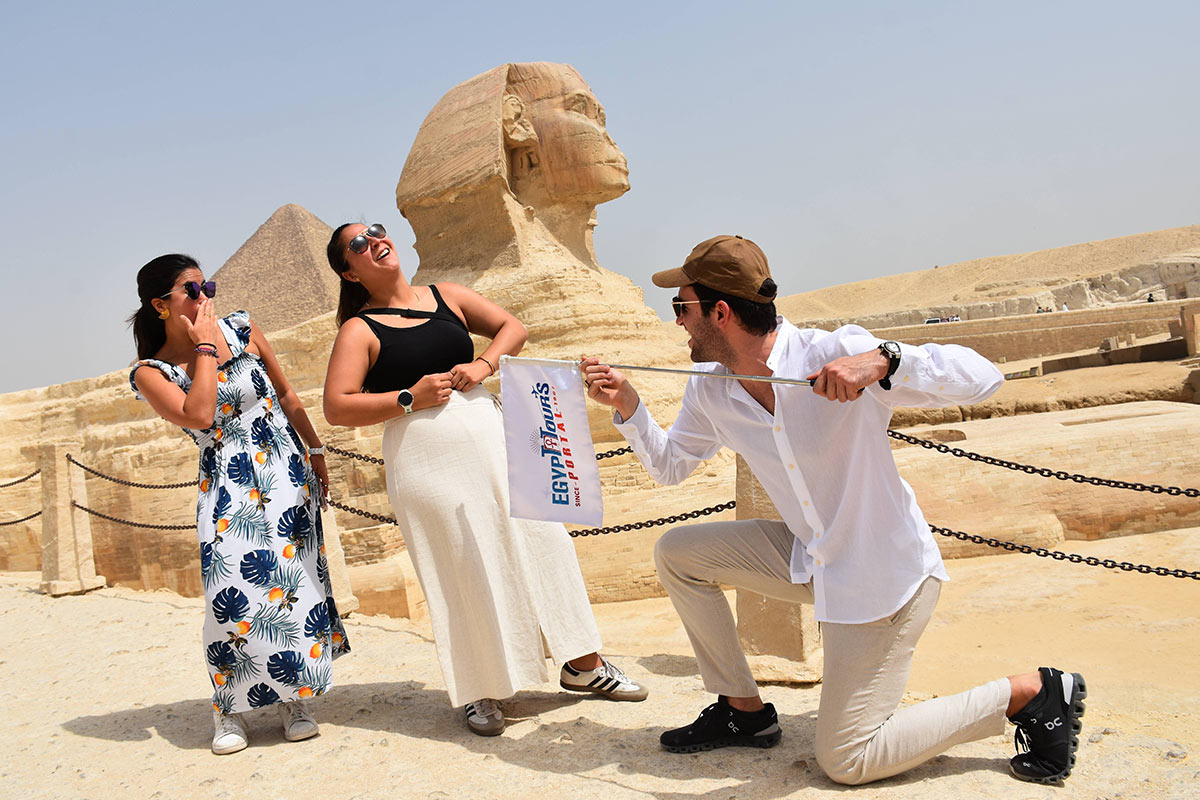
Three to four days is enough to cover Cairo's core highlights, Giza, the Grand Egyptian Museum, Islamic and Coptic Cairo, and Khan el-Khalili, at a comfortable pace. A full week allows time to add Saqqara, Memphis, and a slower walk through Downtown and Zamalek.
Egypt's currency is the Egyptian pound (EGP). Cairo is generally an affordable destination by international standards; street food, public transport, and many museum tickets remain inexpensive in dollar or euro terms, though major sites like GEM and the Egyptian Museum charge separate, higher rates for foreign visitors than for residents.
Lightweight, breathable clothing works best given the climate. Modest dress covering shoulders and knees is expected at mosques and churches, and many female visitors find loose, sleeveless tops acceptable in general tourist areas but bring a light scarf or cover-up for religious sites.
Cairo is visited by millions of tourists annually and is generally considered safe for travelers who take the same precautions they would in any major city: staying aware in crowded markets, using licensed transport, and following standard advice for personal belongings.

Before You Travel to Egypt
Explore essential information for your Egypt trip in our latest posts. Don’t miss out, read before you travel!
Frequently Asked Questions About Cairo
How is Cairo pronounced in Arabic versus English?
In English, "Cairo" is pronounced KY-roh. In Arabic, the city's actual name, al-Qahirah, is pronounced al-KAH-hi-rah, with a guttural "q" sound that does not carry over into the anglicized version most travelers use.
Is Cairo the same as Giza?
No. Giza is technically its own city on the west bank of the Nile, home to the Pyramids and the Grand Egyptian Museum, but it is fully connected to Cairo within the Greater Cairo metropolitan area, and most visitors treat the two as a single destination.
How old is Cairo compared to Egypt itself?
Cairo as a named city dates to 969 CE, but the wider area has been continuously inhabited far longer: ancient Memphis stood nearby roughly five thousand years ago, and the Roman fortress of Babylon and the city of Fustat predate Cairo's founding by more than three centuries.
Can I visit the Grand Egyptian Museum and the old Egyptian Museum in one trip?
Yes, and many visitors do. The museums hold different parts of Egypt's collection; GEM now displays the complete Tutankhamun collection together, while the Tahrir Square museum retains royal mummies and other Pharaonic pieces, so seeing both gives a fuller picture than either alone.
What is Cairo's nickname?
Cairo is often called the "City of a Thousand Minarets" for its dense concentration of historic mosques, and Egyptians frequently refer to it simply as Masr, the Arabic name for Egypt.
Cherish Every Moment Around the Golden City of Cairo
Cairo does not reveal itself in a single visit, and it is not meant to. Every era that has passed through Pharaonic, Roman, Fatimid, Mamluk, Ottoman, and modern left something standing, and the city simply built its next chapter around it.
Between the pyramids at its edge, the minarets at its center, and the Nile running through all of it, Cairo remains one of the few places where five thousand years of history are still part of daily life rather than sealed behind glass. You can check our Cairo day tours, and if you are not in Egypt and prefer to visit the Land of Pharaohs, you can check our Egypt vacation packages and epic Nile river cruise adventures to choose your favorite trip.