Summary
- Western Easter and Coptic Orthodox Easter fall on different dates, over five weeks apart in most years, so confirming which one a sailing is built around matters before booking.
- Spring weather runs 25-35°C (77-95°F) with occasional Khamsin dust winds in March and April, milder than summer but warmer than winter's 20-25°C range.
- Coptic Easter and the following Sham El Nessim festival carry genuine religious and cultural weight, with Coptic Cairo's Hanging Church and a national spring holiday tracing back to ancient Egypt's Shemu season.
- The standard Karnak-to-Philae itinerary, plus Edfu Temple and the Aswan High Dam, runs unchanged through the season, with spring's greener riverbanks adding a seasonal visual detail to the same classic route.
- Practical tips, confirming the correct Easter date, booking three to four months ahead for late-March family travel, packing for dust and rising heat, and budgeting in Egyptian pounds, make either Easter window straightforward to plan around.
A Nile cruise during the Easter season lands travelers in one of Egypt's more interesting overlaps: a Western holiday most visitors associate with a spring school break, a Coptic Orthodox Easter observed weeks apart on a different calendar, and Sham El Nessim, a spring festival older than Christianity itself, celebrated by Egyptians of every faith on the day after.
Few countries carry three distinct spring traditions into the same season, and fewer still let travelers sail directly past three thousand years of history while it happens.
Everyone will get to separate Western and Coptic Easter dates clearly, since confusing the two is one of the most common planning mistakes for this season, then covers the spring weather, the cultural and religious significance behind each observance, the attractions worth adding to a standard itinerary, what to expect onboard, and the practical details that make booking during this window straightforward rather than confusing.
Why Choose a Nile Cruise During Easter?

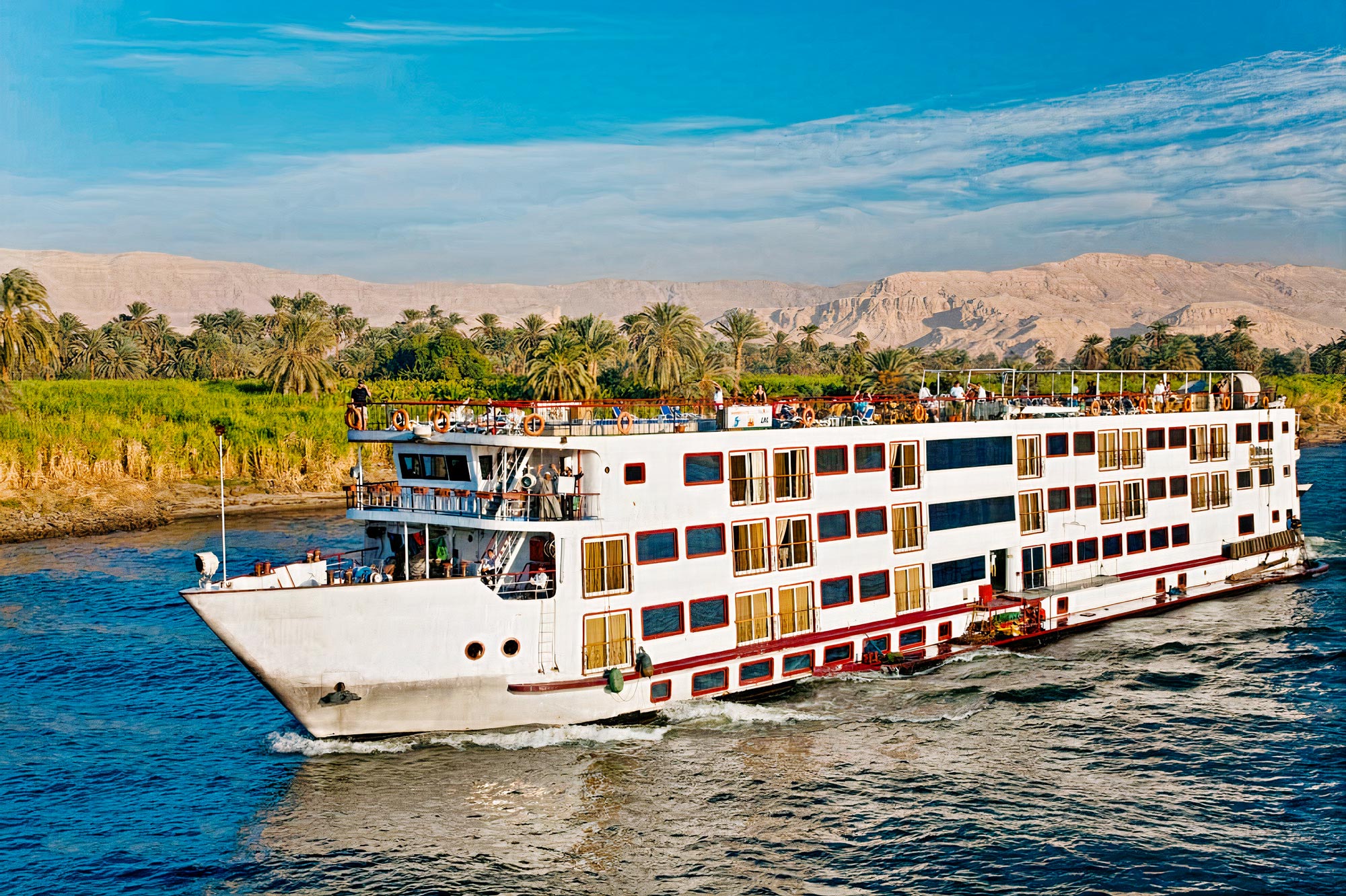
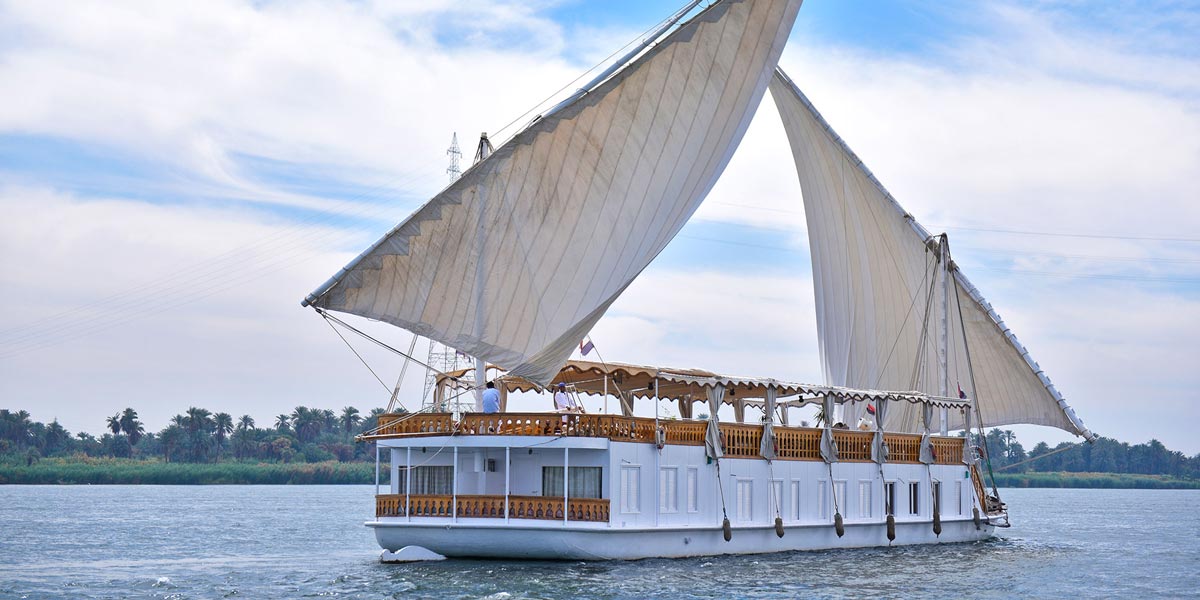
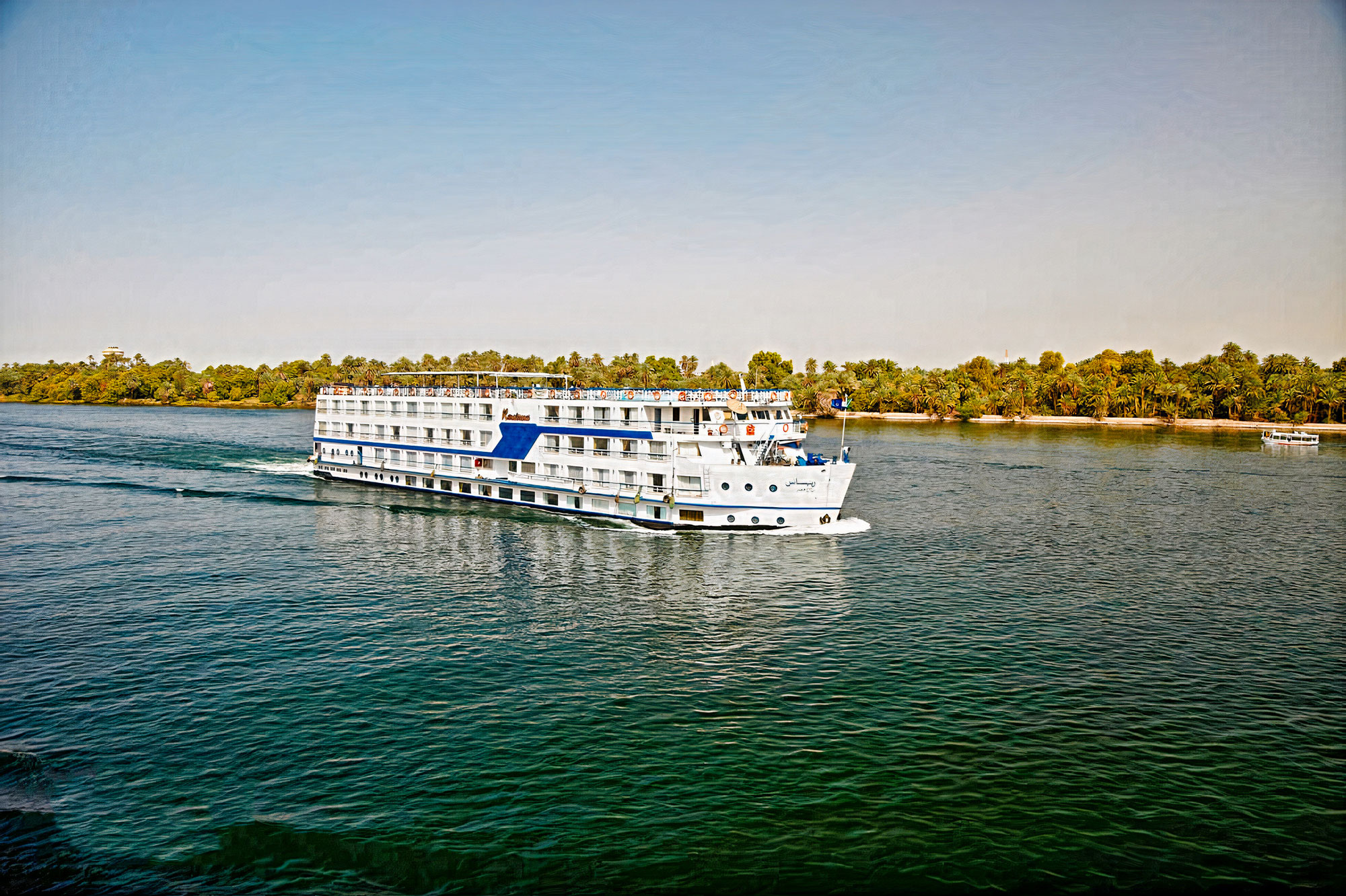
Spring offers a genuine middle ground between winter's peak-season crowds and summer's punishing heat, and the Easter window sits squarely inside it. March through May brings noticeably warmer weather than winter without yet reaching the extremes of June, and riverbanks along the Nile turn visibly greener during these months, a detail cruise passengers on the sun deck notice more than travelers moving between cities by road.
Timing matters more than usual this season because two different Easters can fall weeks apart. Western Easter, which most international travelers plan around for spring school holidays, falls on March 28, 2027. Coptic Orthodox Easter, observed by Egypt's own Christian community using the older Julian calendar, falls on May 2, 2027, more than five weeks later, with Sham El Nessim, Egypt's national spring festival, following immediately on May 3, 2027.
A traveler planning around "Easter" without checking which one is meant can end up booking a sailing five weeks off from the date they actually had in mind. For families traveling during a Western school break, an end-of-March sailing offers comfortable spring weather and thinner crowds than the December-to-February peak.
For travelers specifically drawn to Egypt's own Easter traditions and the Sham El Nessim festival, an early-May sailing puts them on the river during a genuinely festive national holiday, though later into the warmer end of spring. Either window works well; knowing which one is being booked is what actually matters.
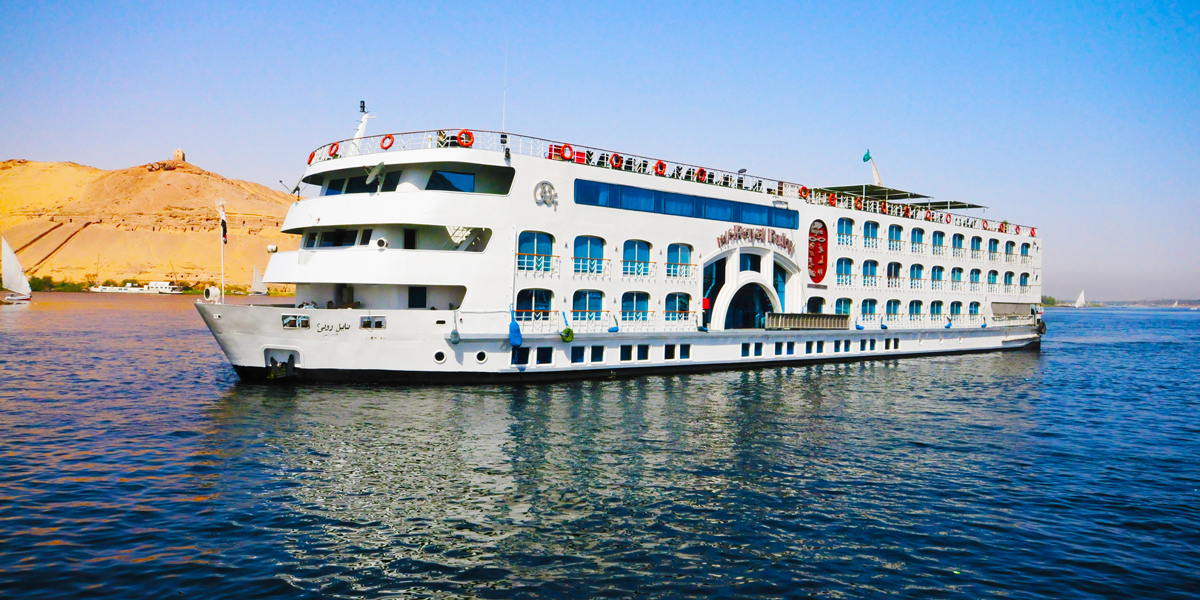
How to Choose the Best Nile Cruise in Egypt
Looking to board the best Nile cruise in Egypt? Through our article, you will know how to choose the best Nile cruises in Egypt. Read more!!!
The Weather Conditions During Easter
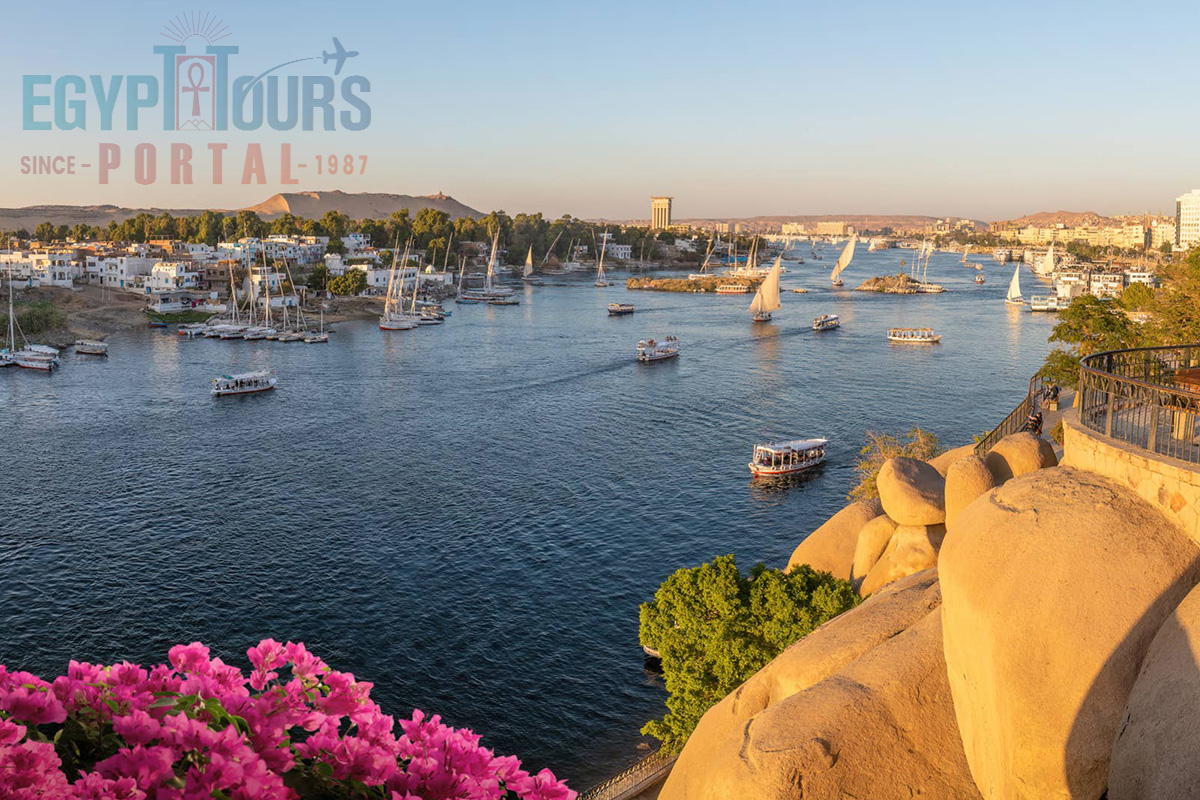
Spring in Upper Egypt runs from roughly March through May, with daytime temperatures generally between 25°C and 35°C (77°F to 95°F) in Luxor and Aswan, warmer than winter's 20-25°C range but well short of summer's extremes above 40°C. Humidity stays relatively low, typically 30 to 40 percent, which keeps the heat from feeling as heavy as it would in a more humid climate.
One weather detail worth planning around specifically: the Khamsin winds, hot, dry winds carrying fine desert dust, can occasionally sweep through Egypt in March and April, briefly reducing visibility and adding a layer of grit to an otherwise clear day.
These events are usually short, lasting a day or two, and do not typically disrupt a cruise itinerary, but packing a light scarf that can cover the nose and mouth, already useful for temple dress codes, doubles as protection on the rare day one blows through.
By early May, closer to Coptic Easter and Sham El Nessim, temperatures trend toward the warmer end of the spring range, closer to the mid-30s°C, a useful detail for travelers choosing between the two Easter windows: late March sails through milder spring conditions, while early May sails closer to the edge of summer's heat. Either window remains far more comfortable than June through August, when Luxor regularly reaches 41°C.
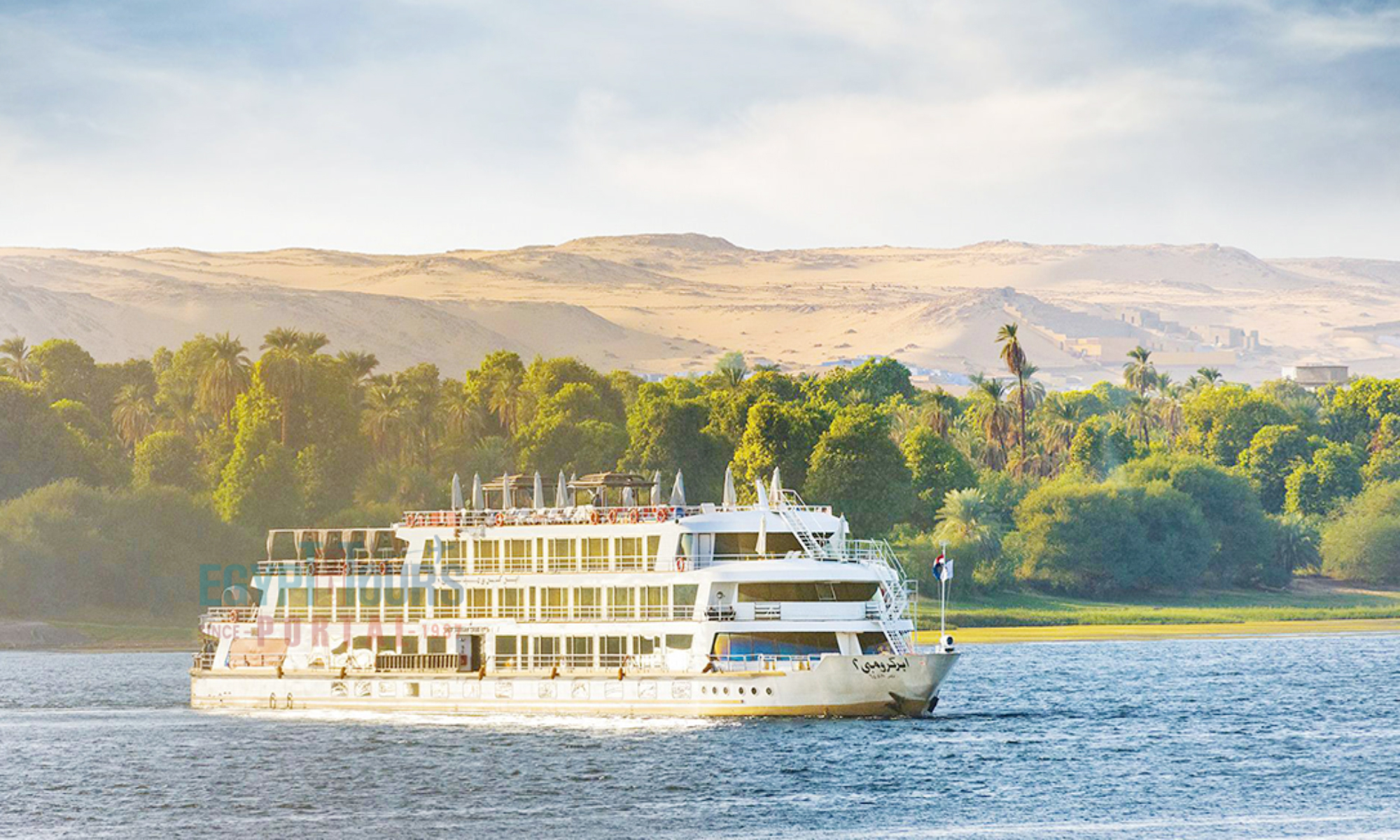
Discover The Weather of Egypt During Your Nile Cruise Trip
Discover the best time for a Nile River cruise. Compare seasons, weather, and tips to plan your perfect journey through Egypt’s timeless wonders.
The Cultural and Religious Significance of Easter in Egypt

Easter in Egypt carries genuine religious weight beyond the international holiday most travelers know. Coptic Christians, whose Orthodox Church traces its founding to Saint Mark the Evangelist in the first century AD, make up roughly one in ten Egyptians today, one of the largest Christian communities in the Middle East.
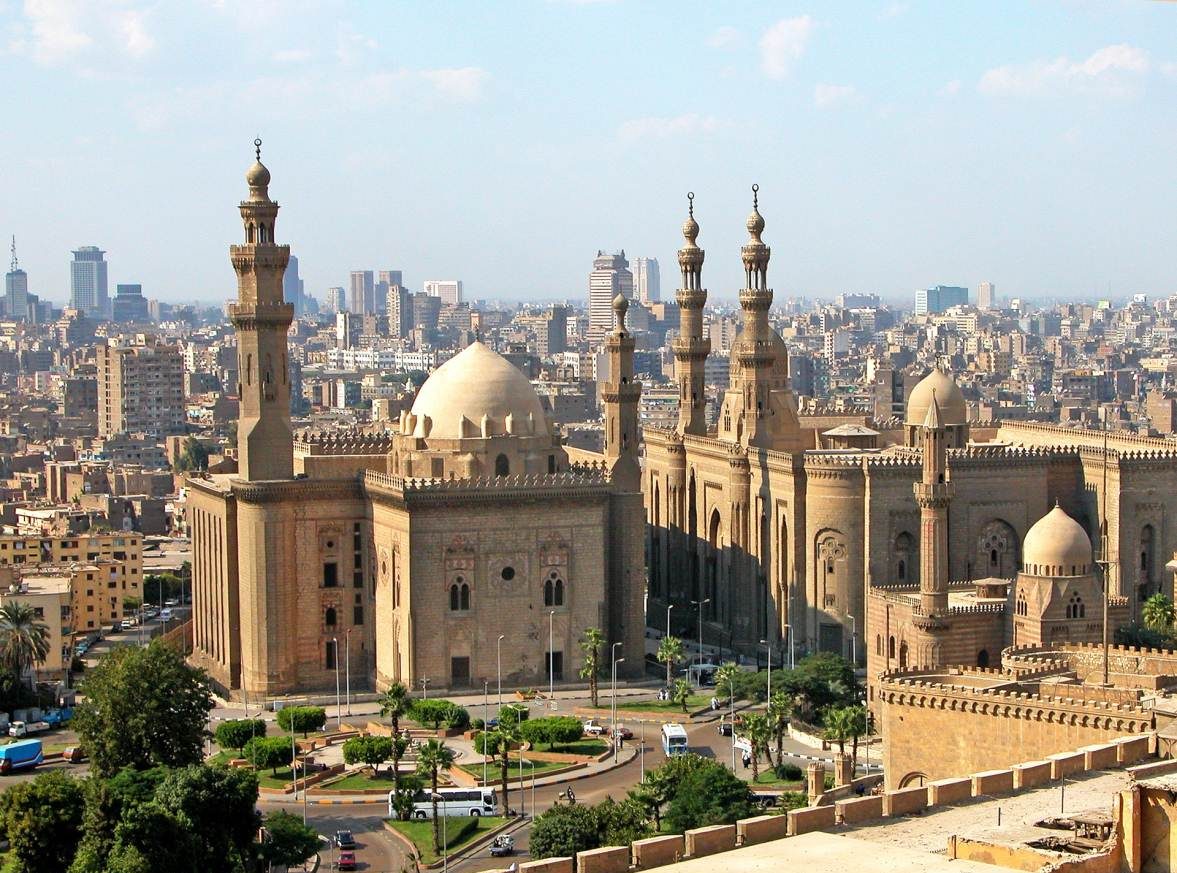
Coptic Easter follows Holy Week traditions, Palm Sunday, Holy Thursday, and Good Friday observances, before culminating in Easter Sunday services held across Egypt's Coptic churches, most visibly in Coptic Cairo, the historic Christian quarter of Old Cairo.
The Hanging Church, formally Saint Virgin Mary's Coptic Orthodox Church, anchors this quarter. Built in the fifth century AD atop the gatehouse towers of the old Babylon Fortress, the church takes its name from its suspended construction and holds more than 110 Coptic icons, some dating to the eighth century, along with a marble pulpit supported by fifteen columns.
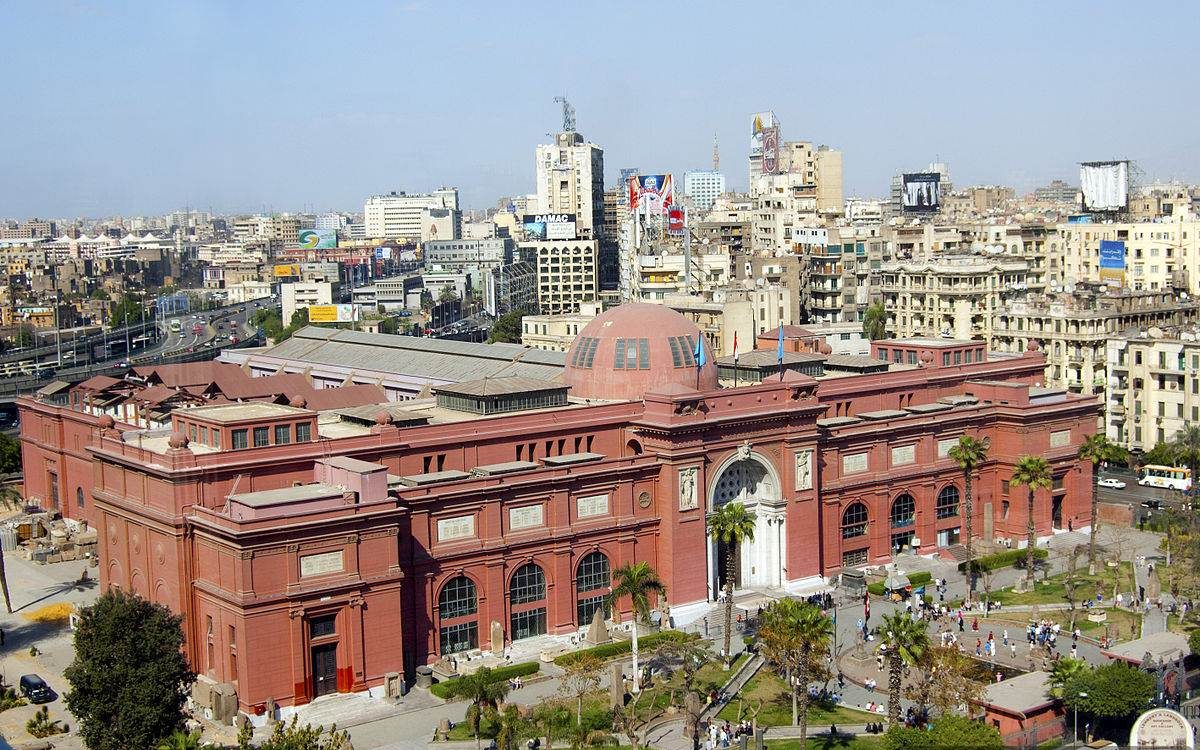
It served historically as the seat of the Coptic Orthodox Patriarch and remains an active church today. A dedicated Coptic Cairo day tour covers the Hanging Church alongside the Ben Ezra Synagogue and Abu Serga Church, all within walking distance of each other, and pairs naturally with a Cairo stay on either end of a Nile cruise.
Sham El Nessim, meaning "smelling the breeze," follows immediately after Coptic Easter Monday and predates both Christianity and Islam in Egypt, with roots tracing back to the ancient festival marking the start of Shemu, the harvest season in the pharaonic calendar.
Modern celebrations center on family picnics in parks and along the riverbanks, colored eggs, spring onions, lettuce, and feseekh, a traditional salted and fermented fish eaten specifically for the occasion.
Unlike Coptic Easter itself, Sham El Nessim is celebrated by Egyptians of every religious background, a genuinely national holiday rather than a strictly religious one, making it one of the more visible, joyful public traditions a traveler could witness firsthand from the deck of a docked cruise ship.
Nile Cruise Attractions During the Easter Season

The standard Luxor-to-Aswan itinerary runs unchanged through the Easter season, and spring's milder temperatures make it a genuinely comfortable time to see each stop without summer's heat cutting excursions short.
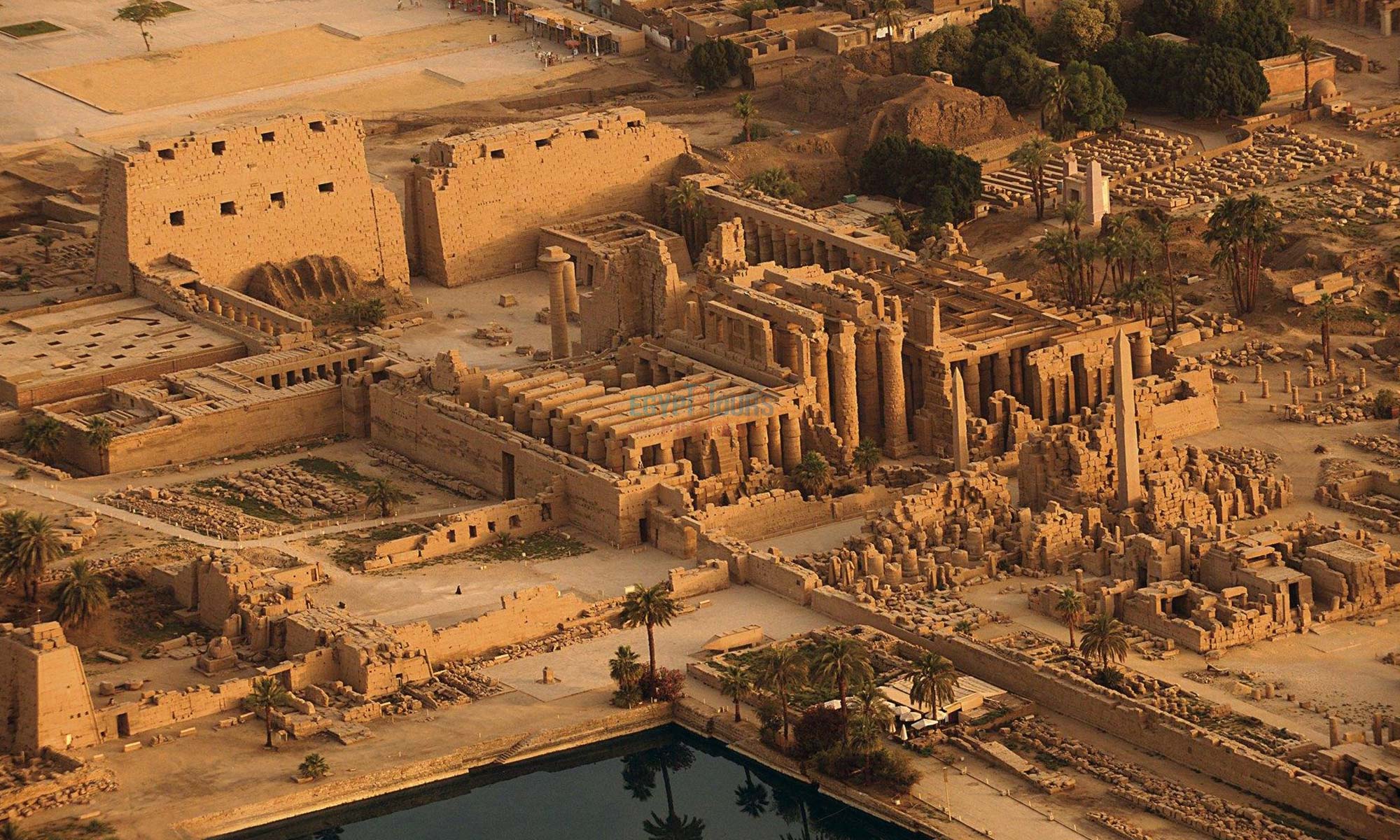
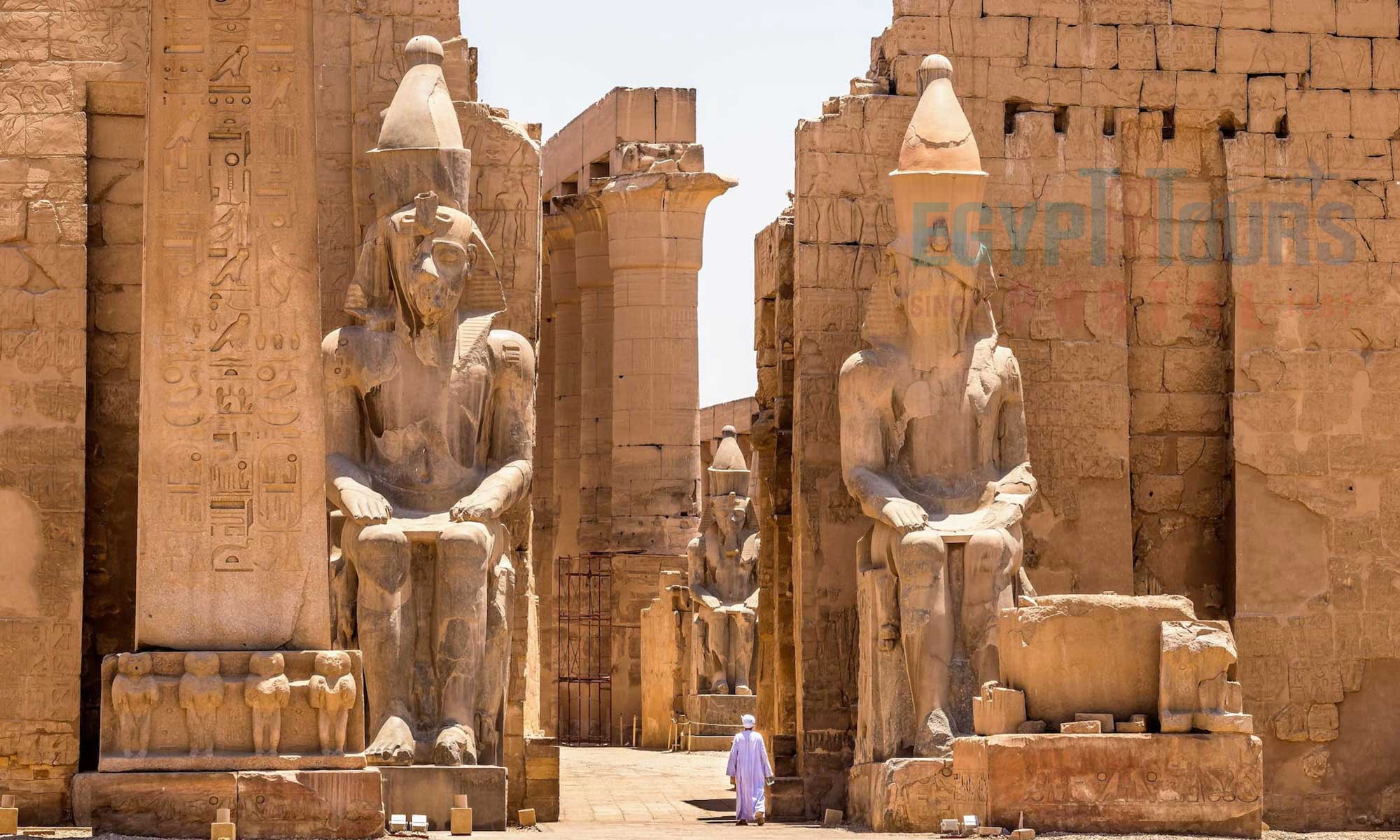
Karnak Temple, the largest religious complex built in ancient Egypt, and the Valley of the Kings, holding more than 60 identified tombs including that of Tutankhamun, remain the two anchor sites on Luxor's East and West Banks.
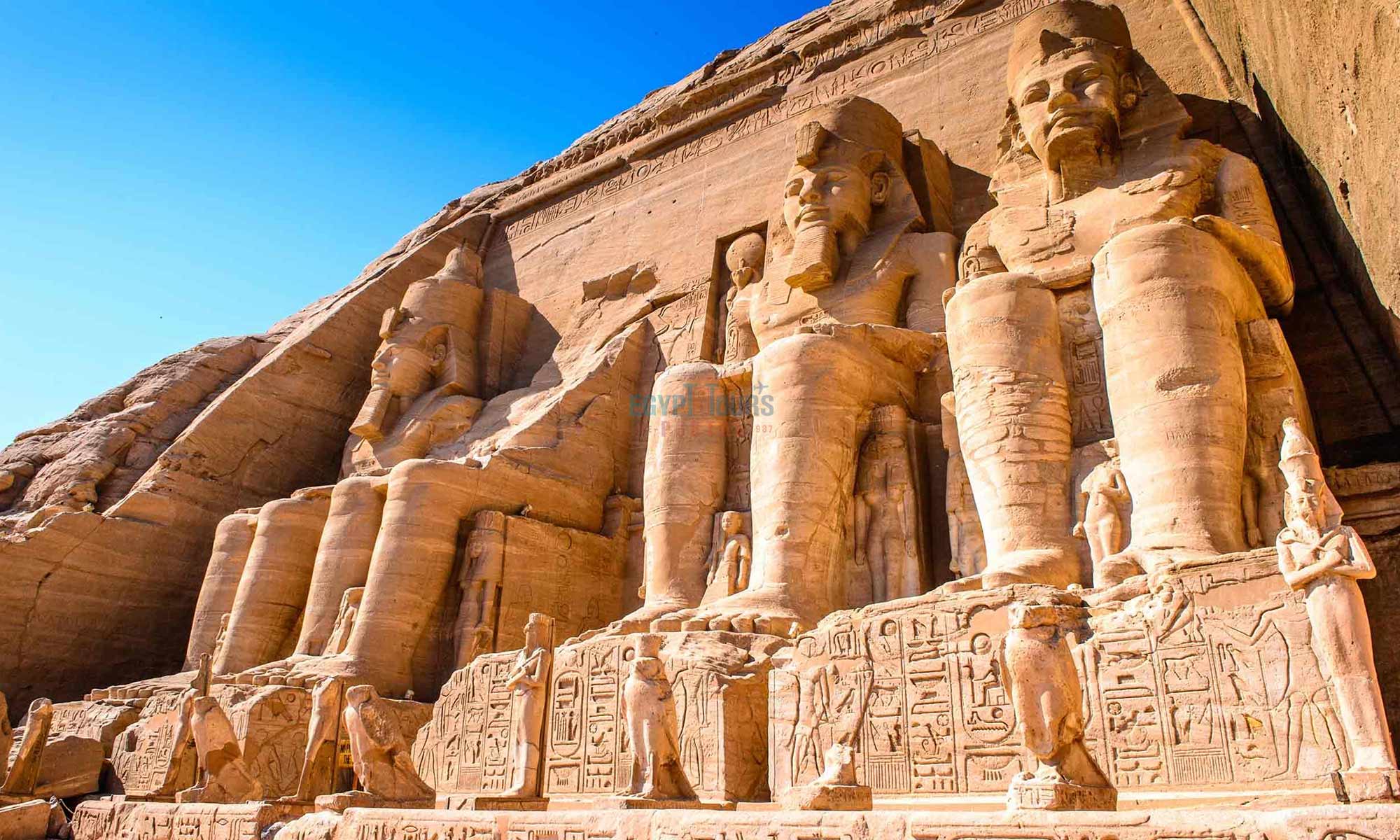
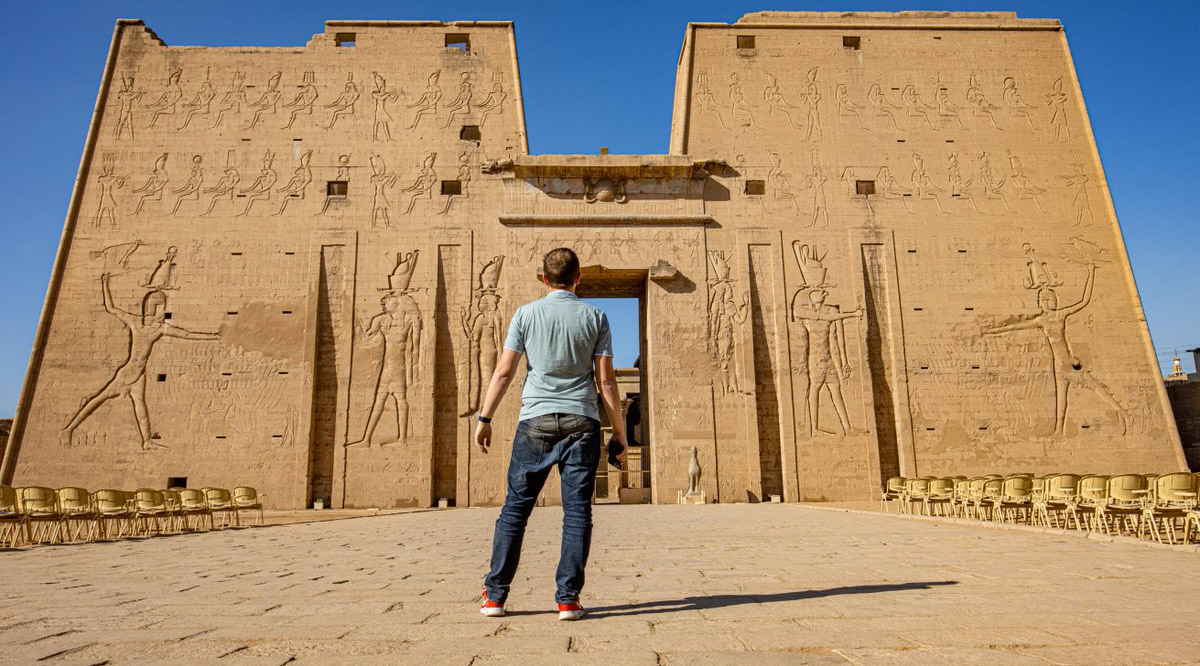
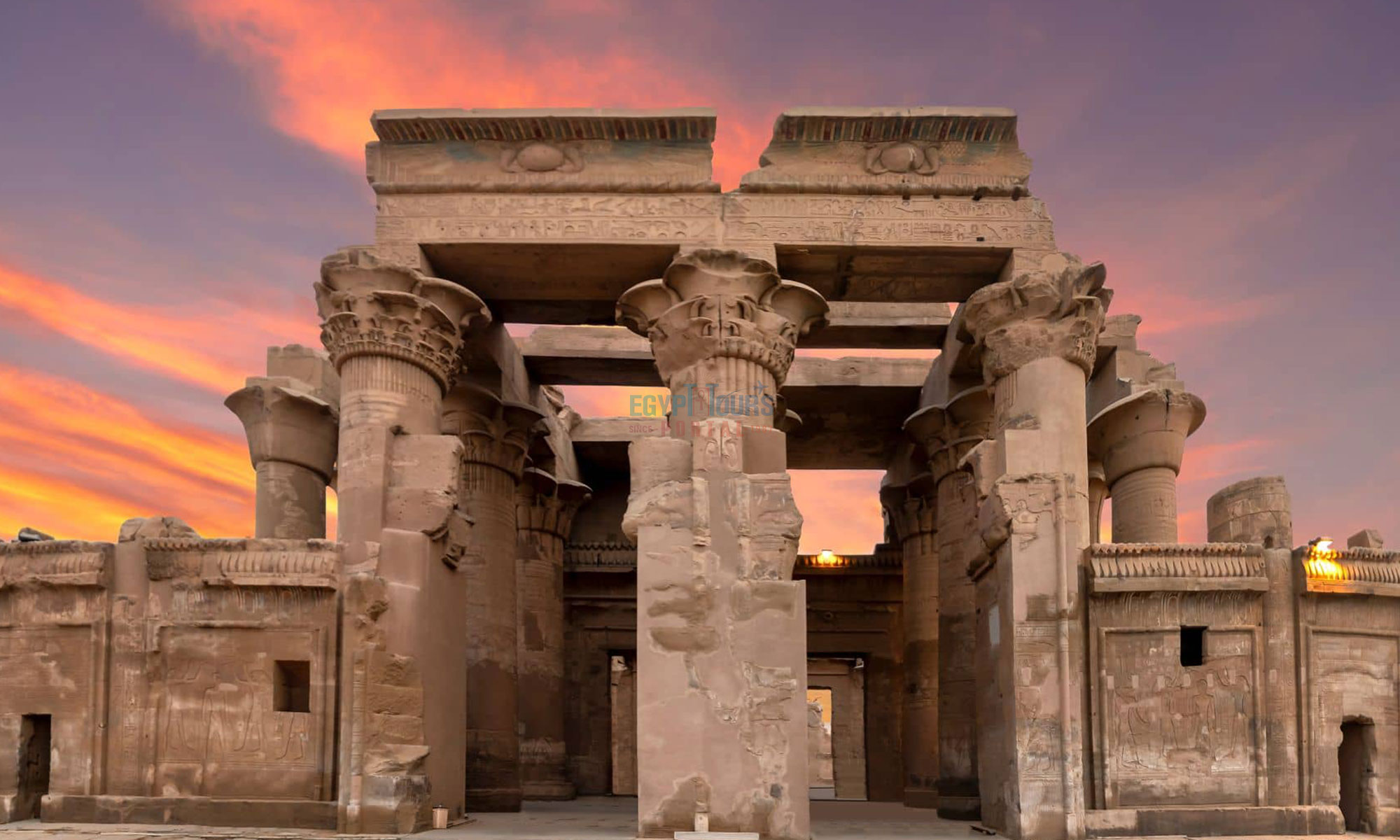
Sailing south, Edfu Temple, dedicated to the falcon god Horus and one of the best-preserved temples in Egypt thanks to centuries buried under desert sand, and Kom Ombo Temple, a rare double temple dedicated jointly to the crocodile god Sobek and Horus, sit along the same stretch of river.
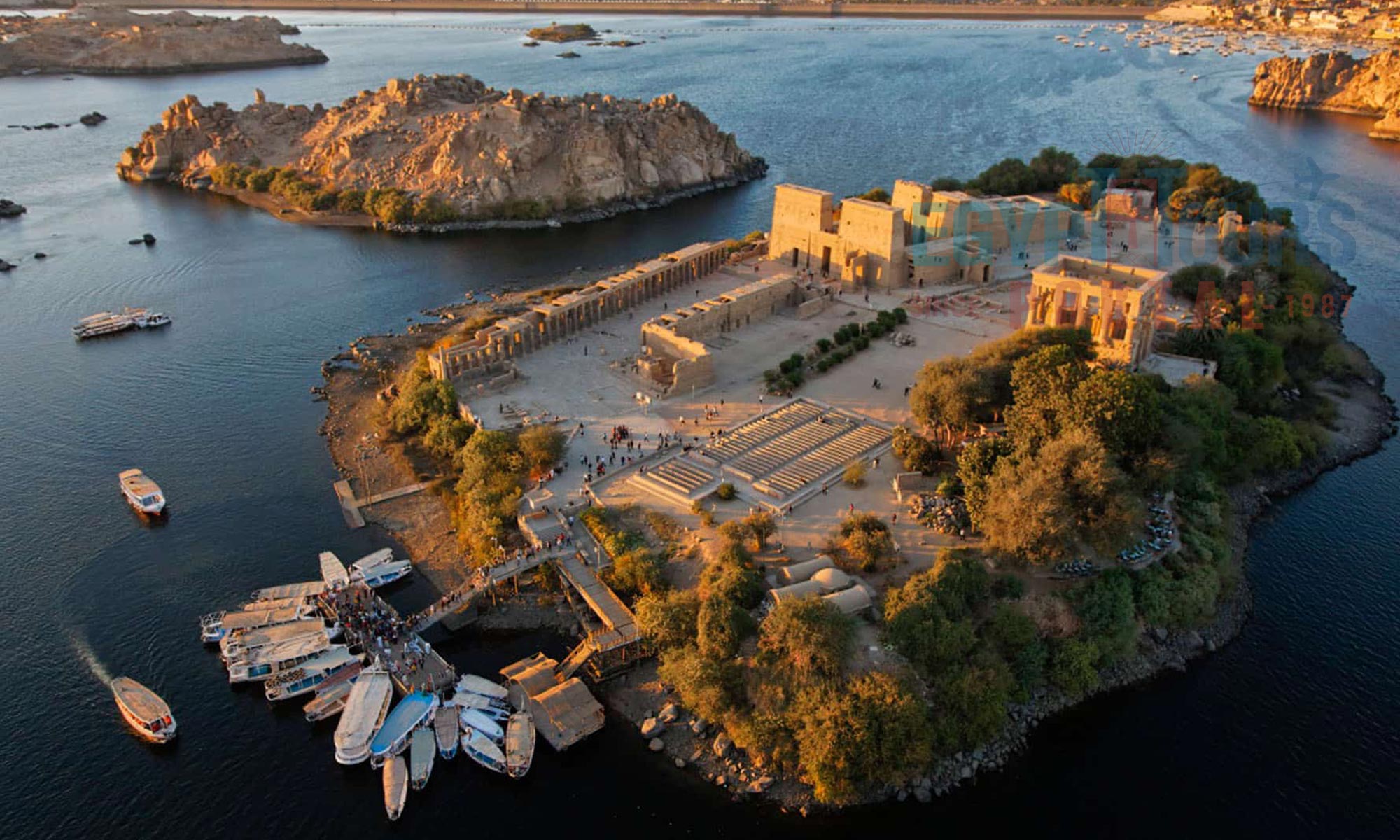
Near Aswan, the Aswan High Dam, completed in 1970 and responsible for controlling the Nile's seasonal flooding while generating a significant share of Egypt's electricity, is a common half-day add-on for cruises docking in the city, and Philae Temple, dedicated to the goddess Isis and reached by a short boat ride to its own island, rounds out the classic route.
Spring's blooming riverbanks add a seasonal detail worth noting for photography specifically: the palm groves and cultivated fields along the Nile turn a deeper green through March and April than at any other point in the year, a visible contrast against the desert cliffs framing sites like the Valley of the Kings.
Travelers extending their trip with a Cairo stay before or after the cruise gain the added option of visiting Coptic Cairo during the season itself, when the Hanging Church and its neighboring sites carry the extra weight of an active Holy Week or Easter observance rather than a quiet weekday visit.

Best Places to See During Your Nile River Cruise
Experience scenic views and history with a Nile River cruise sites. Discover the best ancient sites along the Nile!
Nile Cruise Onboard Experience

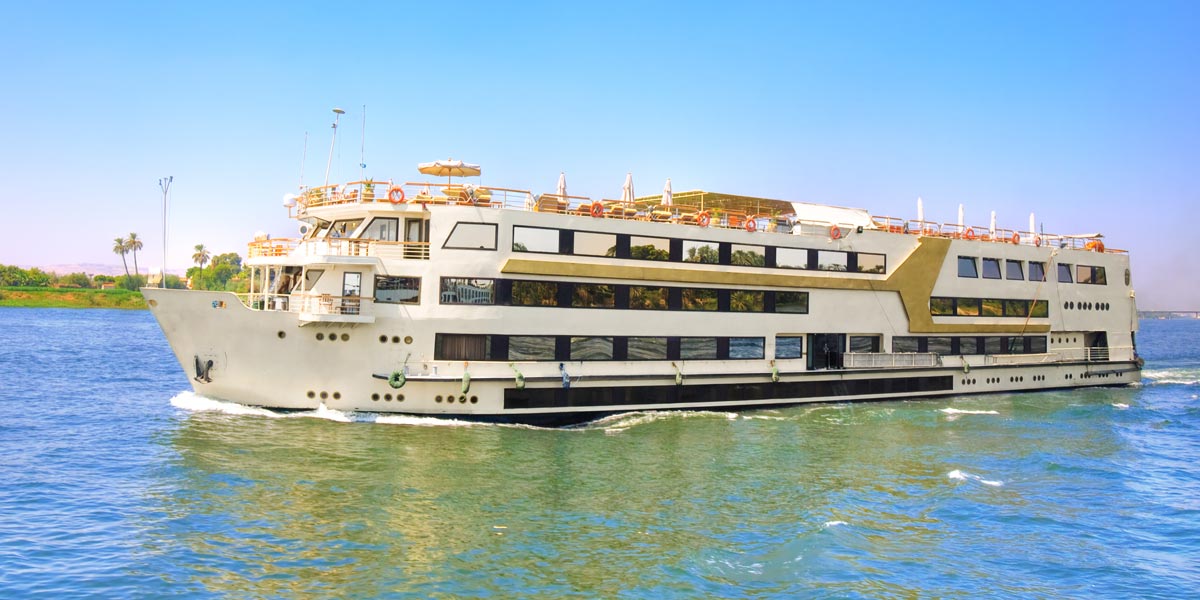
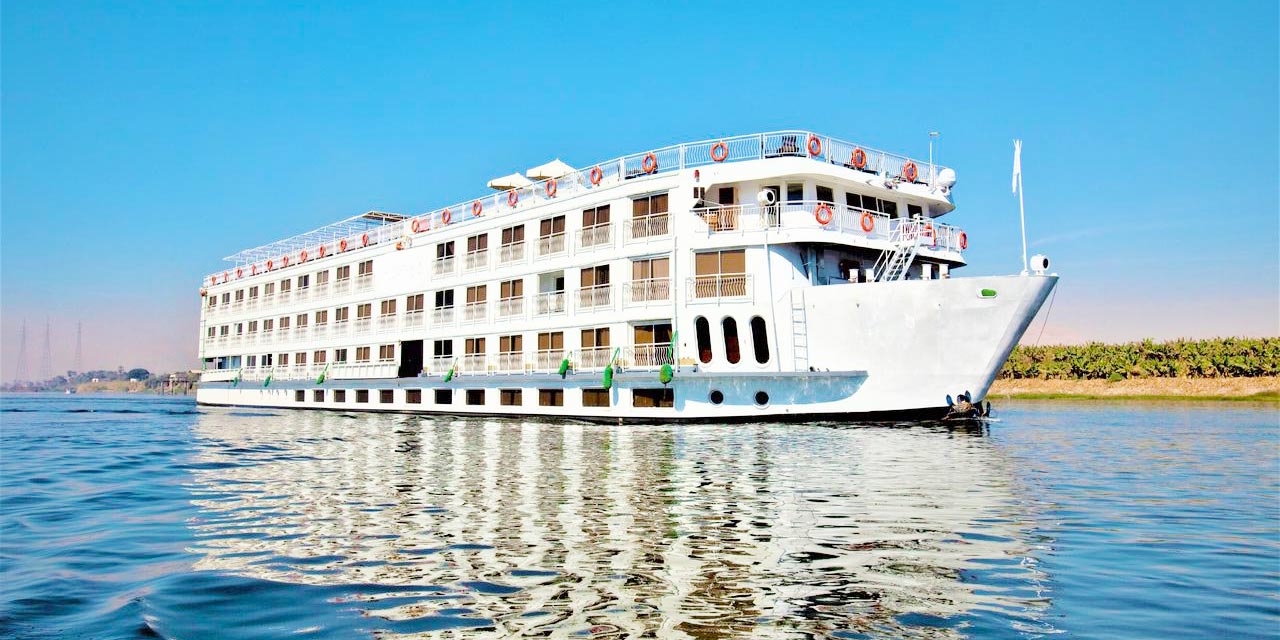
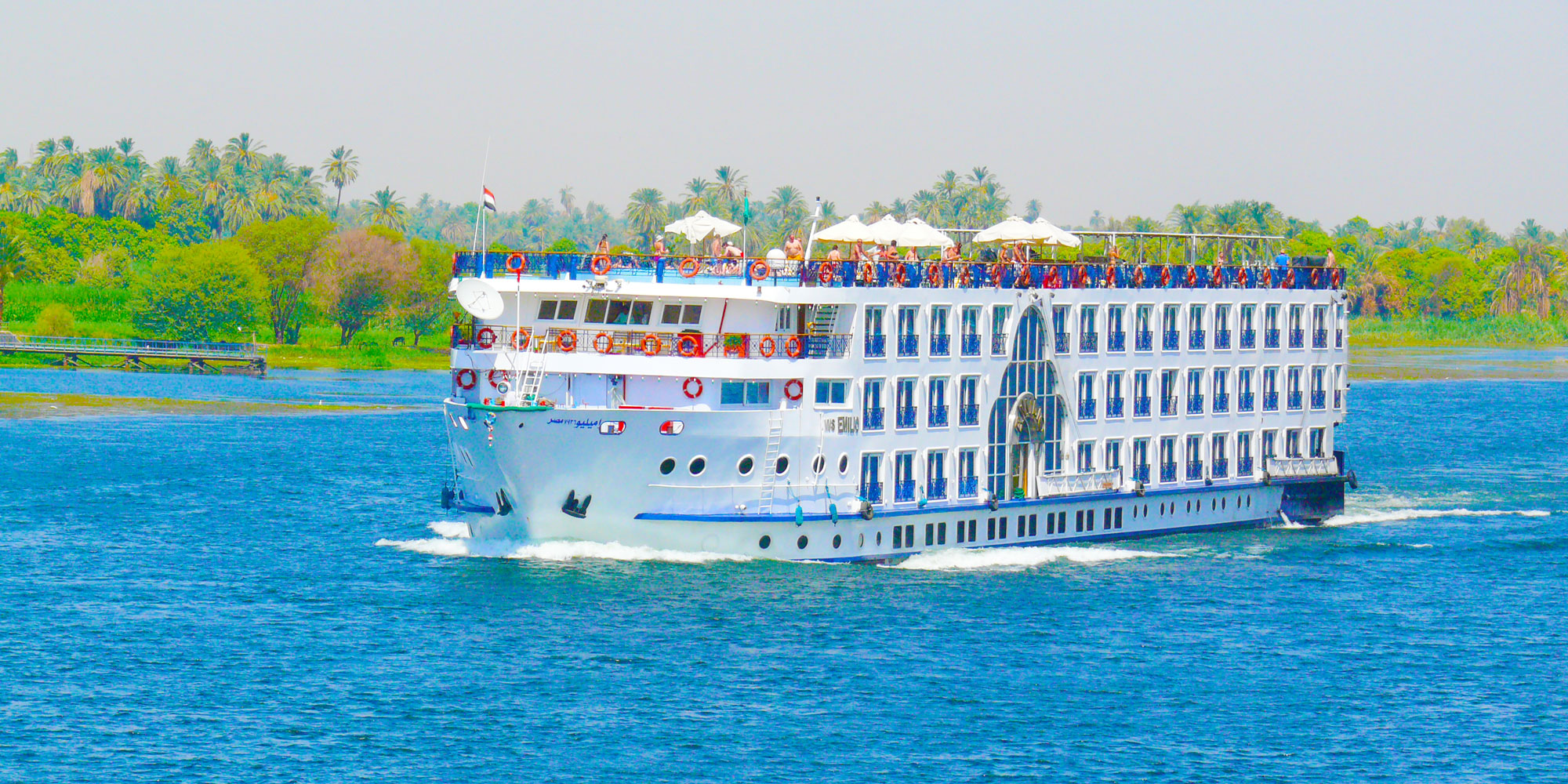
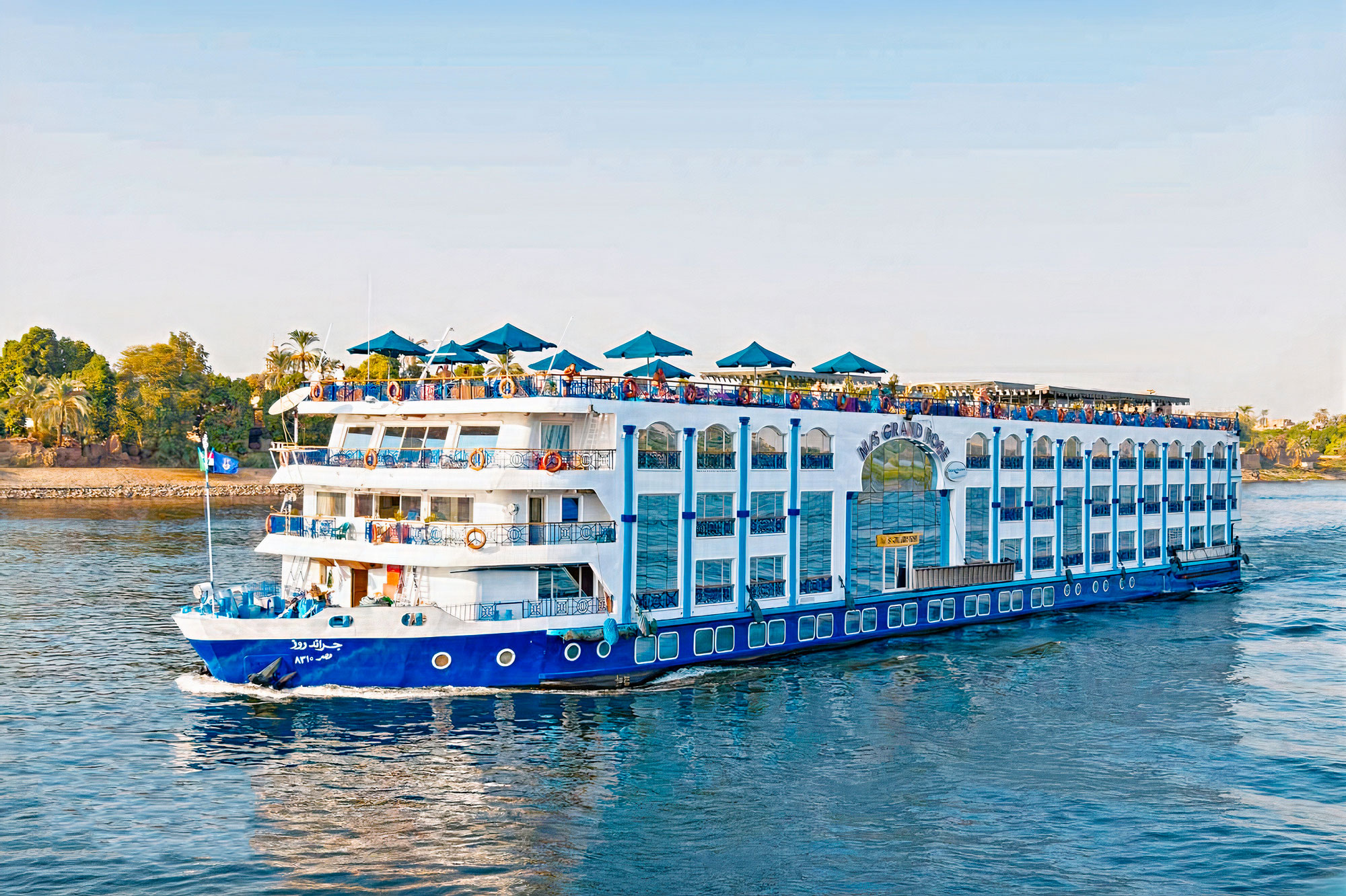
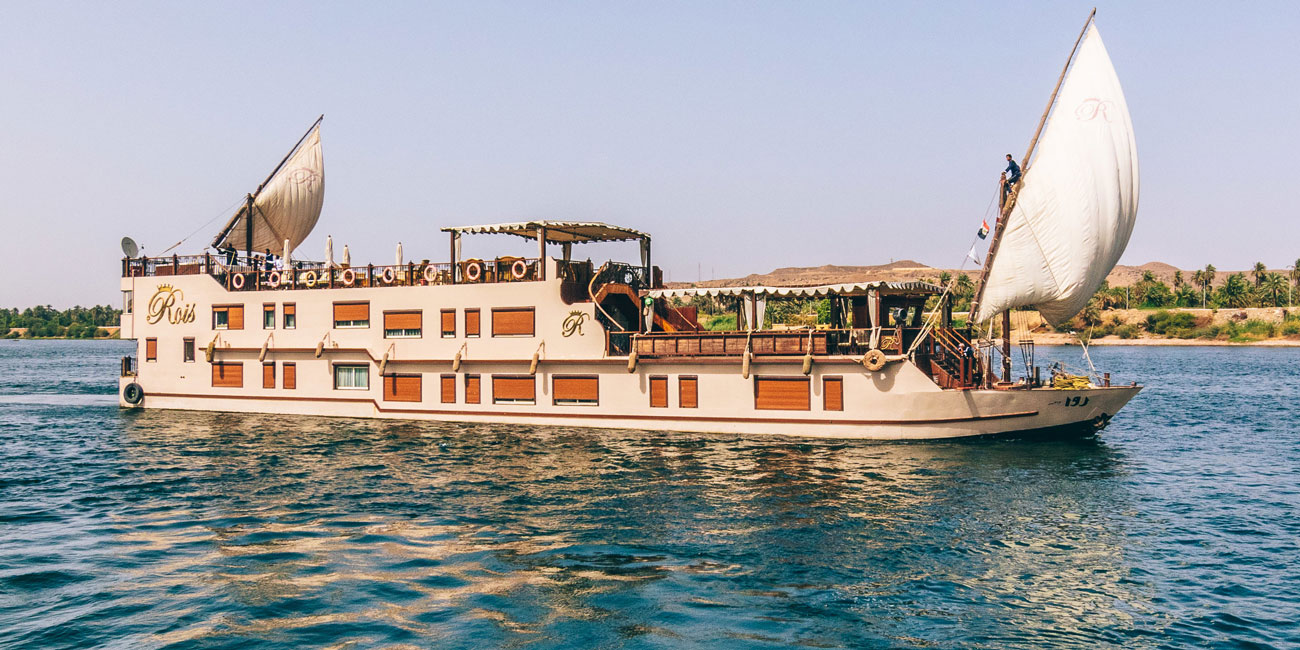
Life onboard during the Easter season follows the same rhythm as any other spring sailing, sunrise and sunset views from the sun deck, meals served buffet-style mixing Egyptian dishes with international options, and at least one themed cultural evening during a multi-night sailing.
Most ships schedule a Galabeya party, where passengers and crew dress in traditional Egyptian clothing for an evening of music and dancing, and larger vessels sometimes add a Tanoura show, a spinning, Sufi-influenced dance performance, or an evening sound and light show at a riverside temple.
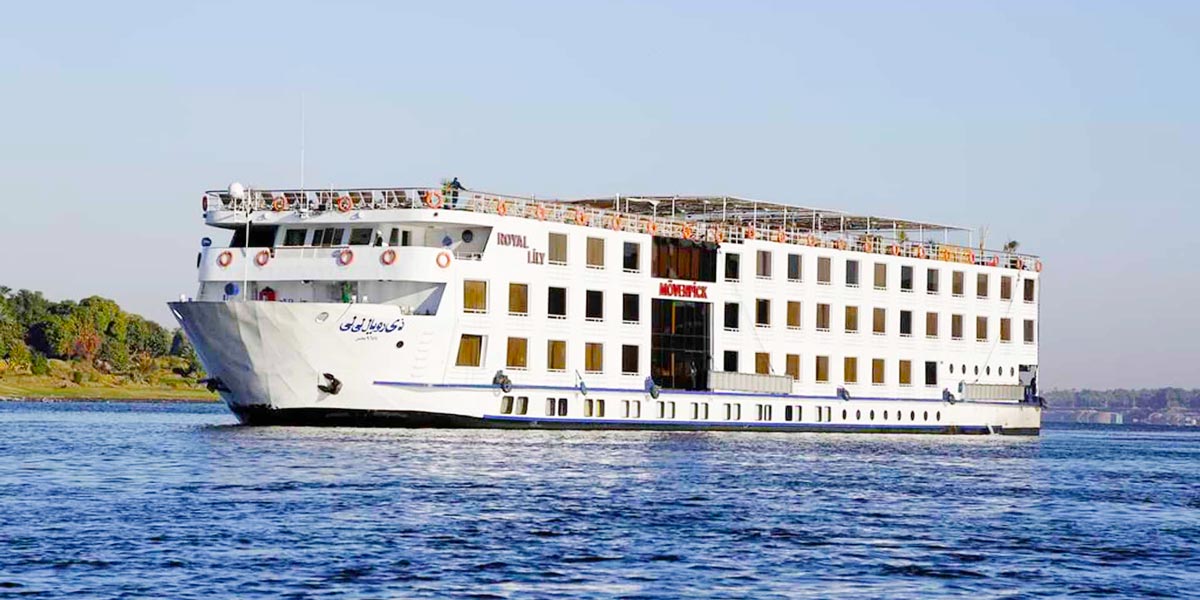
A cruise sailing close to Sham El Nessim specifically may notice extra festivity among the Egyptian crew, many of whom celebrate the holiday with their own families onshore when schedules allow, and some ships mark the occasion with a special onboard menu featuring seasonal dishes tied to the festival, a detail worth confirming directly rather than assuming it is included, covered further in the tips below. The full range of ships and what each includes sits under the Nile River Cruises hub, and the guide to food and beverage onboard Nile cruises covers what a typical day of dining looks like on either tier.
Additional Tips for Travelers to Experience Nile Cruise During Easter

A handful of practical habits separate a smoothly planned Easter-season sailing from one built on assumptions. The seven below cover timing, budgeting, and dress specifically for this season, rather than general Nile cruise advice that applies year-round.
1. Confirm Which Easter a Booking Is Built Around
Given the more than five-week gap between Western and Coptic Easter in most years, double-checking the actual sailing dates against the calendar before paying a deposit avoids a mismatch between the date a traveler had in mind and the one actually booked.
2. Book Three to Four Months Ahead for a Late-March Sailing
A late-March, Western-Easter-aligned sailing overlaps with spring school holidays across much of Europe and North America, and family cabins and connecting rooms sell out faster than an equivalent early-May sailing, with fares on both standard and luxury tiers typically running a bit higher than the surrounding weeks simply due to the added demand.
3. Pack for Both Dust and Sun
A lightweight scarf covers the rare Khamsin dust event and doubles as temple-appropriate coverage, while a wide-brimmed hat, sunglasses, and high-SPF sunscreen matter more as the season moves toward its warmer, early-May end.
4. Carry Plenty of Egyptian Pounds
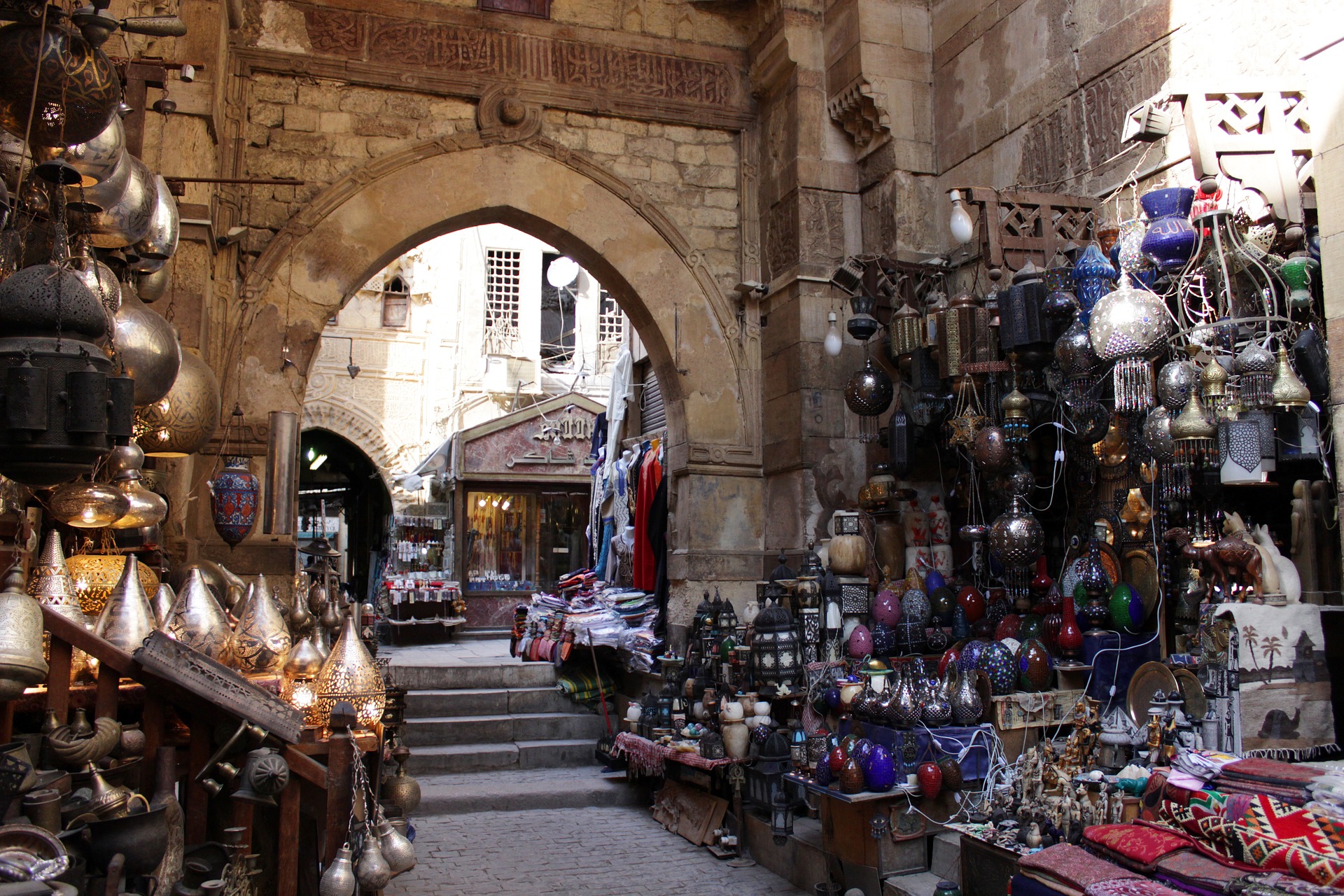
Most vendor transactions and standard tipping, roughly 50 to 51 EGP to the US dollar, remain cash-based regardless of season, and small-denomination notes make markets and gratuities considerably easier to handle. The full breakdown of who to tip and how much sits in the guide to tipping in Egypt.
5. Dress Modestly for Temples and Coptic Churches Alike
Shoulders and knees covered is the standard at both an ancient temple and an active Coptic church included on a Cairo add-on, a rule covered in more depth in the do's and don'ts of Egypt.
6. Time a Cairo Stay Around Sham El Nessim, Not the Cruise Itself
A traveler specifically hoping to witness Sham El Nessim celebrations firsthand should build the holiday into a Cairo stay before or after the cruise, since the picnics and public festivities are most visible in the capital's parks and along its own stretch of the riverbank, rather than at the temple sites a standard itinerary covers.
7. Ask the Cruise Operator About Seasonal Onboard Touches Before Booking
Whether a ship marks Sham El Nessim with a special menu or extra festivity among the crew varies by operator and is not guaranteed, so a traveler who wants this detail specifically should confirm it directly when booking a late-April or early-May sailing rather than assuming it is included.
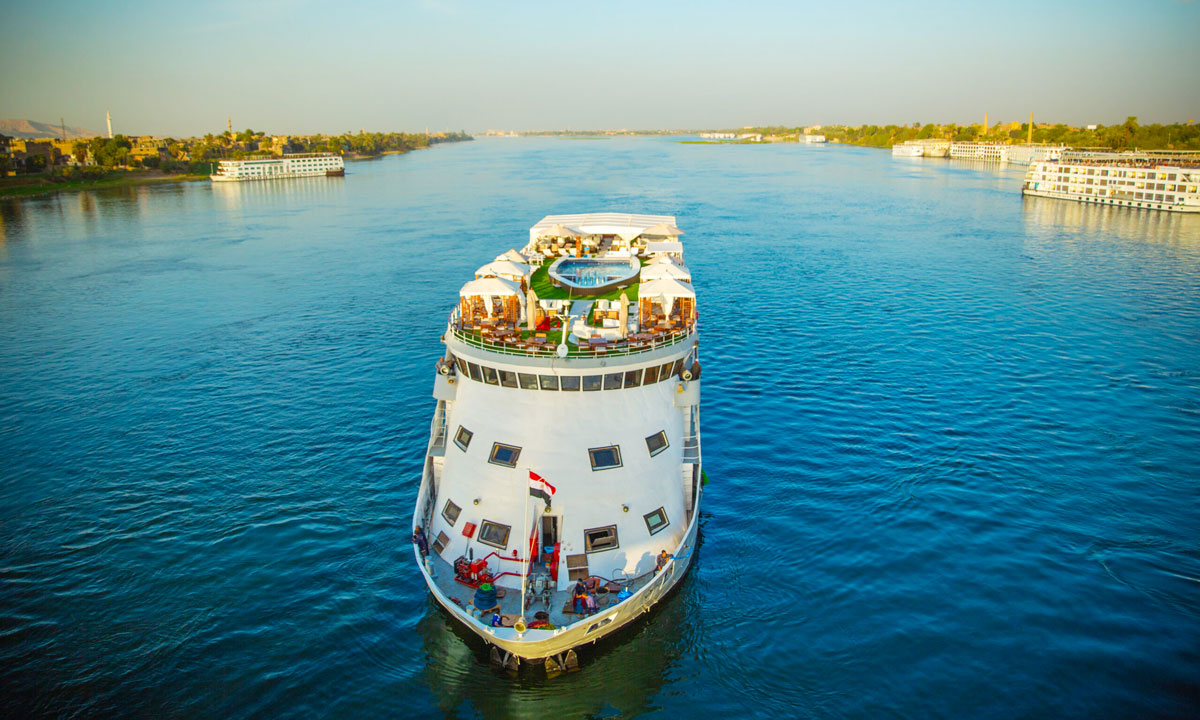
Tips to Enjoy the Most Out of Your Nile Cruise
Here are the top 20 Nile cruise travel tips include what to pack, how to choose, and the best time for a Nile cruise, read more
Explore the Miraculous Spirit of Easter With Our Epic Nile Cruises
Few seasons layer as much genuine history into a single stretch of the calendar as Egypt's Easter window, an ancient spring festival, a modern Christian observance, and a river route past temples that predate both by thousands of years, all sailing past the same deck rail.
Whichever Easter a trip is planned around, spring's milder weather and blooming riverbanks make it one of the more rewarding times of year to watch Egypt's history and its present pass by together.
Discover our incredible Nile River Cruises and explore our highly equipped luxury Nile cruises for a smaller-group option, or check the guide on how to book a Nile cruise for the exact steps to reserve a cabin for either Easter window. If anyone desires to enjoy a complete adventure in the miraculous vibe of Egypt during Easter, then our Easter trips are the ones to book and enjoy.