Summary
- The article presents Egypt as a complete travel destination, combining ancient history, cultural heritage, natural beauty, and modern experiences across multiple regions.
- Cairo is highlighted as the main entry point, featuring iconic landmarks such as the Pyramids of Giza, the Sphinx, major museums, Khan El Khalili, and Islamic Cairo.
- Luxor and Aswan represent the heart of ancient Egypt, offering temples, tombs, Nile cruises, and key sites like Karnak, the Valley of the Kings, Philae, and Abu Simbel.
- Alexandria and other regions add diversity through Greco-Roman history, coastal scenery, and cultural landmarks such as Qaitbay Citadel and the Bibliotheca Alexandrina.
- The Red Sea and Sinai complete the experience with beaches, coral reefs, desert landscapes, and spiritual sites, while the article also guides travelers on activities, best travel types, and seasonal planning.
The Best Places to Visit in Egypt are truly incredible, offering each traveler a variety of incredible historical and natural attractions to explore. The goal of this article is to provide every traveler with all the facts and information about all the best places to visit in Egypt.
Egypt is the land of wonders, home to the greatest collection of artifacts and monuments ever created in the history of the human race, dating back to more than 4500 years. Travelers from all over the world come to explore its hidden tales and wonders while enjoying their time to the fullest. Egypt has more than a third of the world's monuments, which is why it’s a recommended travel destination by everyone, even UNESCO. Due to the countless number of Egyptian monuments & attractive destinations, it is easy for anyone to go to any of Egypt's majestic destinations and enjoy an unforgettable vacation. Here are the best places in Egypt to visit in 2026, starting with:
Best Places to Visit in Cairo in 2026
[caption id="attachment_13770" align="aligncenter" width="1000"]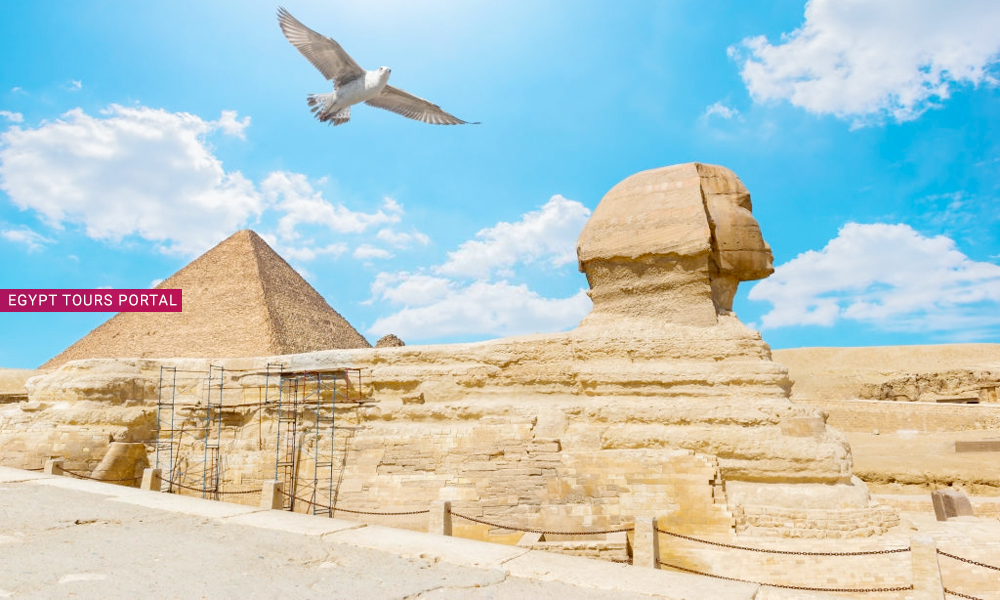 Giza Pyramids and the Sphinx[/caption]
Cairo is Egypt’s cultural and historical gateway, and it is the best starting point for most first-time visitors. It matters because it combines the country’s most iconic ancient sites with major museums, Islamic monuments, bazaars, and old neighborhoods in one city. Cairo is also the most practical base for understanding Egypt’s long historical timeline, from Pharaonic civilization to the Islamic and modern eras. It suits first-time visitors, history lovers, museum travelers, families, and anyone building a classic Egypt itinerary.
1. The Pyramids of Giza
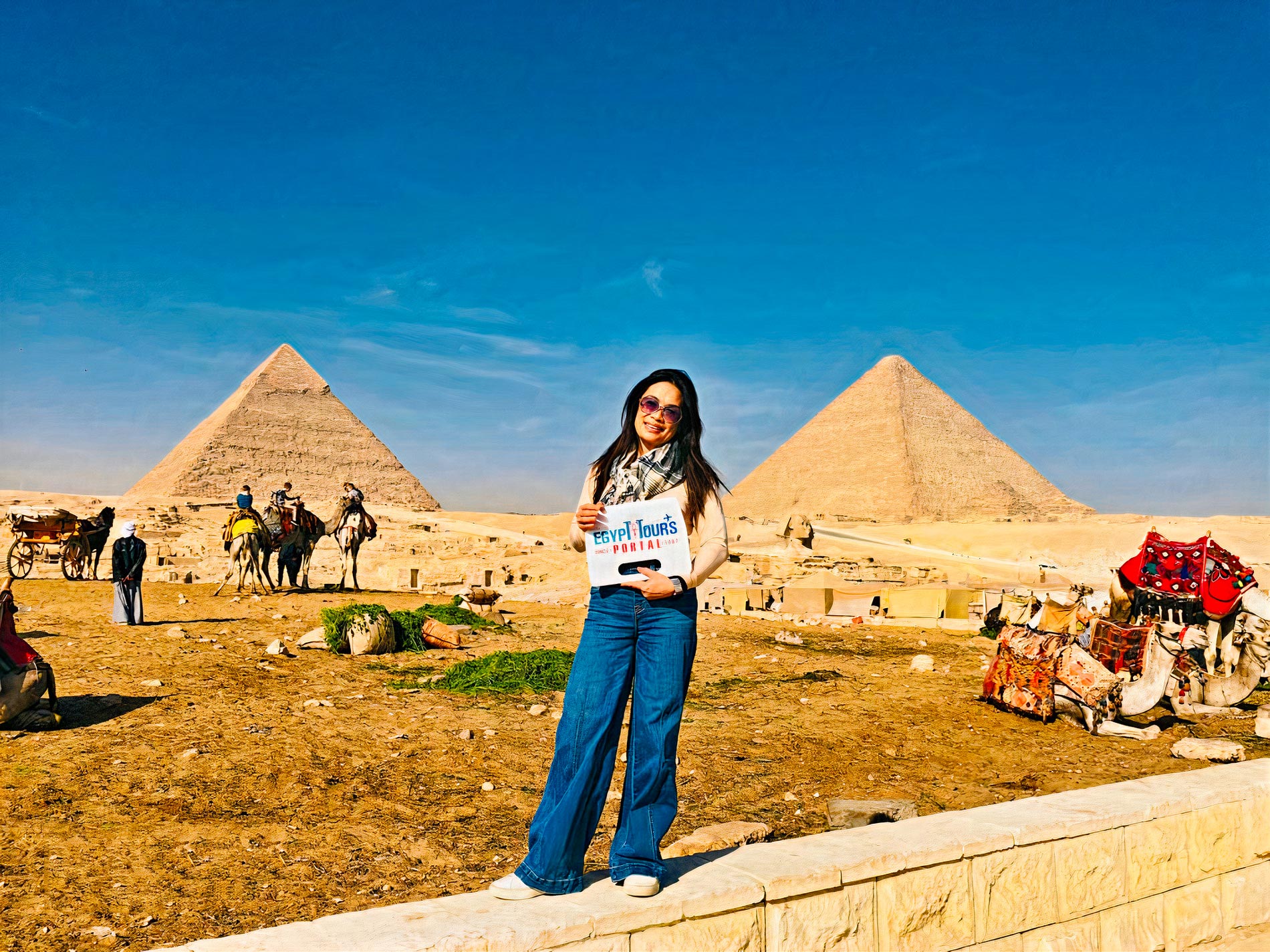
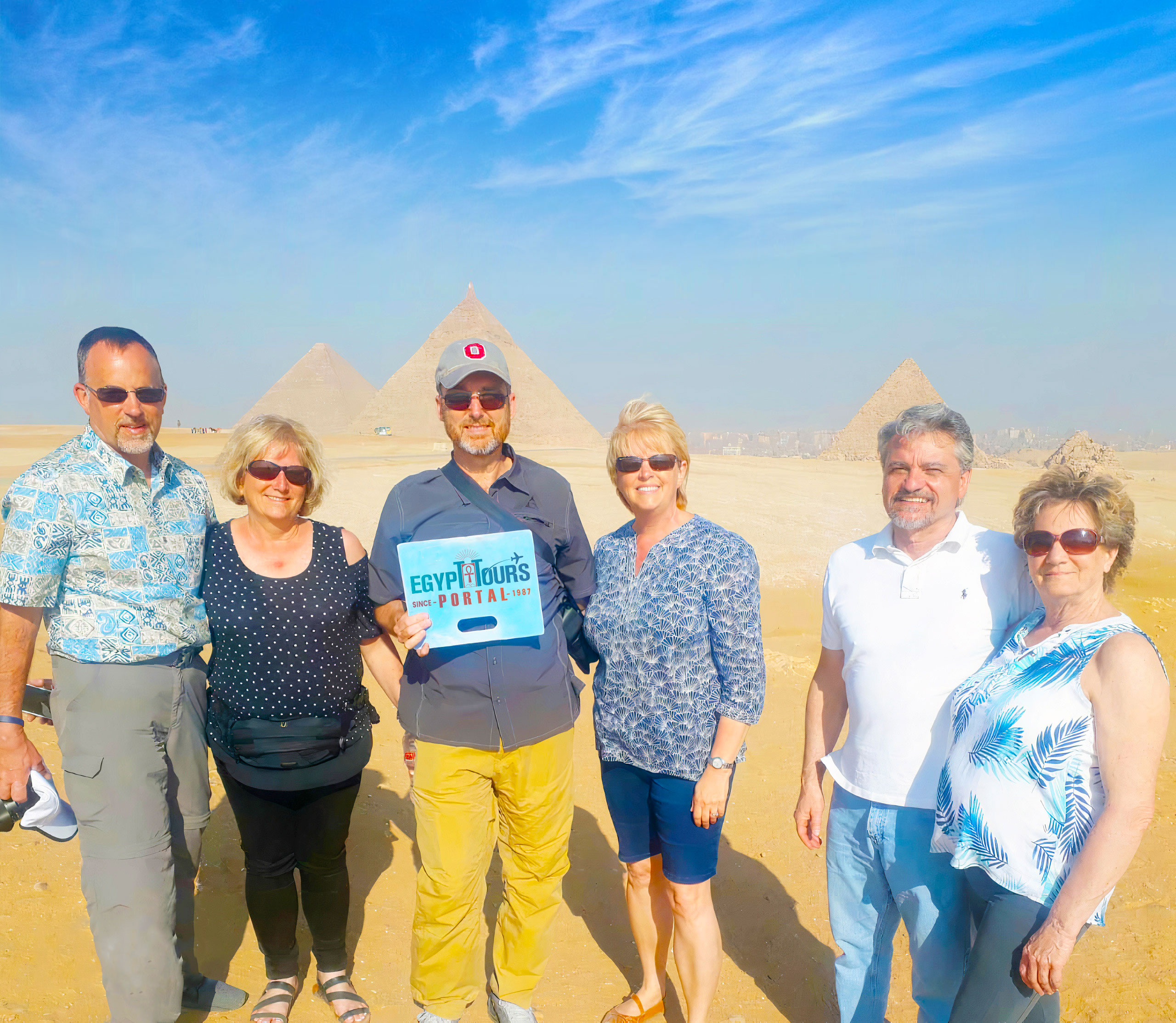
Giza pyramids are Egypt’s most famous archaeological site and the most iconic symbol of ancient Egyptian civilization. They matter because they include the Great Pyramid of Khufu, the oldest and only surviving Wonder of the Ancient World, and because they show the peak of royal pyramid building in the Old Kingdom. The pyramids were built about 4,500 years ago during the Fourth Dynasty, and the wider Giza necropolis forms part of the UNESCO-listed Memphis site. This legendary attraction is tailor-made for first-time visitors, archaeology enthusiasts, photographers, families, and anyone who wants to experience the single most recognizable monument in Egypt.
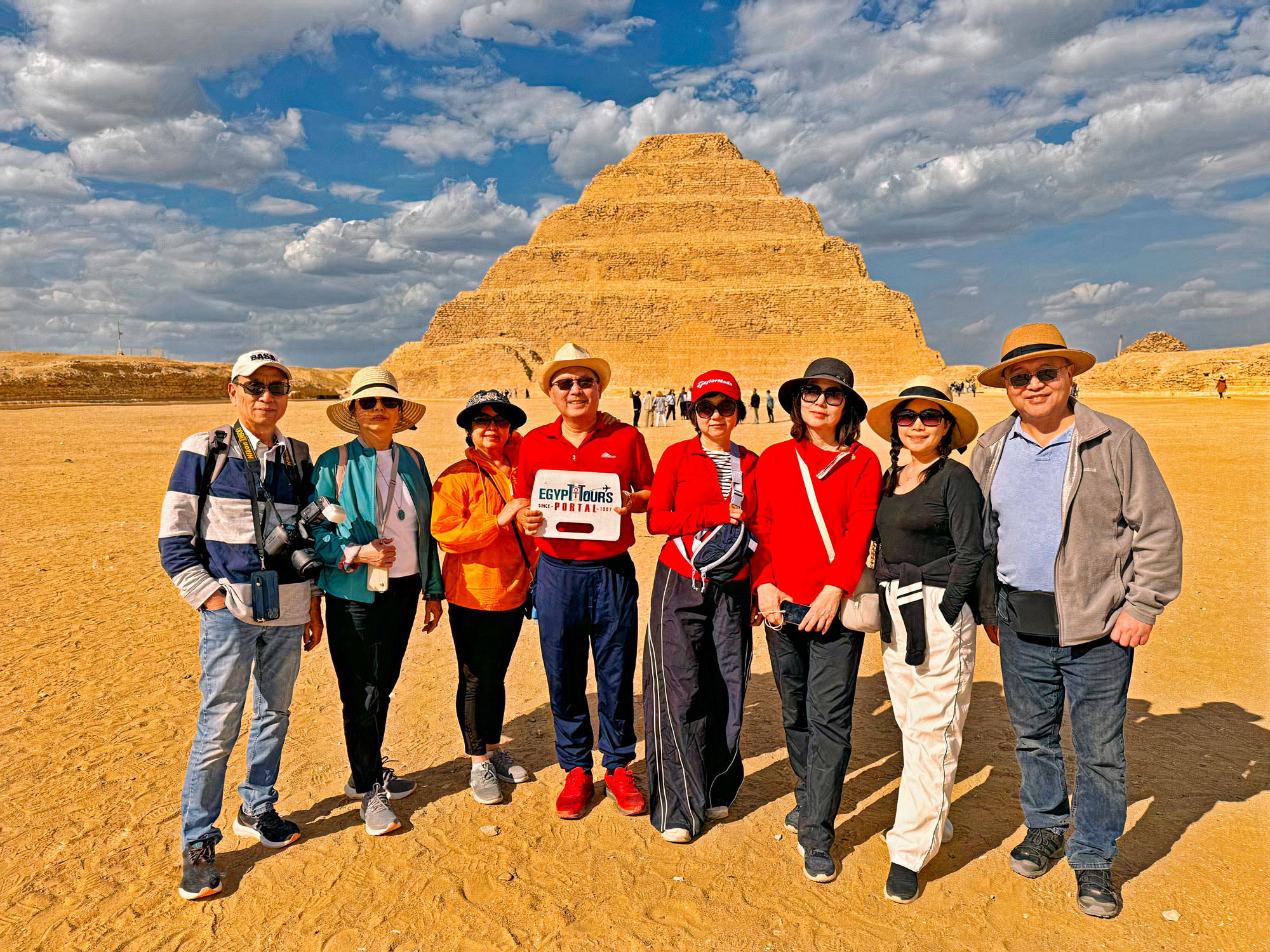
Your chosen tour out of our magical Egypt tours is not complete without visiting the Pyramids of Giza. The pyramid site Dahshur shouldn't be forgotten since it is home to the Red Pyramid and Bent Pyramid, which should be included on any visit near the Saqqara area that includes the incredible Step Pyramid of Saqqara.
2. The Great Sphinx
The Sphinx is a colossal limestone statue on the Giza Plateau, usually associated with Pharaoh Khafre. It matters because it is one of the most recognizable sculptures in the world and a central part of the ceremonial and funerary landscape of Giza. It is located on the Giza plateau on the west bank of the Nile River in Giza. It dates to the Old Kingdom of Egypt, most likely the Fourth Dynasty, and is generally understood as a royal guardian figure combining the strength of a lion with the intelligence and authority of a king. It suits travelers interested in symbolism, monumental sculpture, photography, and those who want a fuller understanding of the Giza complex beyond the pyramids alone.
3. The Egyptian Museum
The Egyptian Museum in Tahrir Square is one of the most famous museums in the Middle East and one of the foundational institutions of Egyptology. It matters because it houses one of the world’s richest collections of ancient Egyptian antiquities and preserves the classic museum experience that shaped modern understanding of Pharaonic history. The museum officially opened in 1902, making it a historic institution in its own right. It is made for museum lovers, travelers who enjoy older scholarly institutions, and visitors who want to see large numbers of original antiquities in a traditional setting.
4. The Grand Egyptian Museum
The Grand Egyptian Museum is one of the largest archaeological museums in the world devoted to a single civilization. It matters because it presents ancient Egypt on a massive scale, with major galleries, monumental display spaces, and the full Tutankhamun galleries included in the official visitor experience. It is a modern museum project of the 21st century and is now one of the most important cultural attractions in Cairo. It suits first-time visitors, museum-focused travelers, families, and anyone who wants the most modern and comprehensive presentation of ancient Egyptian heritage.
5. The National Museum of Egyptian Civilization (NMEC)
The National Museum of Egyptian Civilization (NMEC) is a cultural wonder that is located in Fustat, presenting Egyptian history across thousands of years rather than focusing only on the Pharaonic age. It matters because it helps travelers understand Egypt as a continuous civilization, moving from prehistory to the modern period, and because it houses the Royal Mummies Hall. The museum is a modern institution, and its international profile rose significantly after the transfer of the royal mummies in 2021. It suits visitors who want historical continuity, a calmer museum experience, and a broader cultural context beyond temples and pyramids.
6. Khan El Khalili Bazaar
Khan El Khalili is one of Cairo’s most famous historic markets and one of the most atmospheric places in the city. It is a magical market shaped like a labyrinth of golden art and beauty on each of its corners. It matters because it preserves the living urban character of historic Cairo through traditional commerce, crafts, cafés, and old streets. The district dates back to the Mamluk period, with origins in the 14th century. It is made for shoppers, culture lovers, photographers, and travelers who want to experience Cairo as a living city rather than only as an archaeological destination.
7. Islamic Cairo
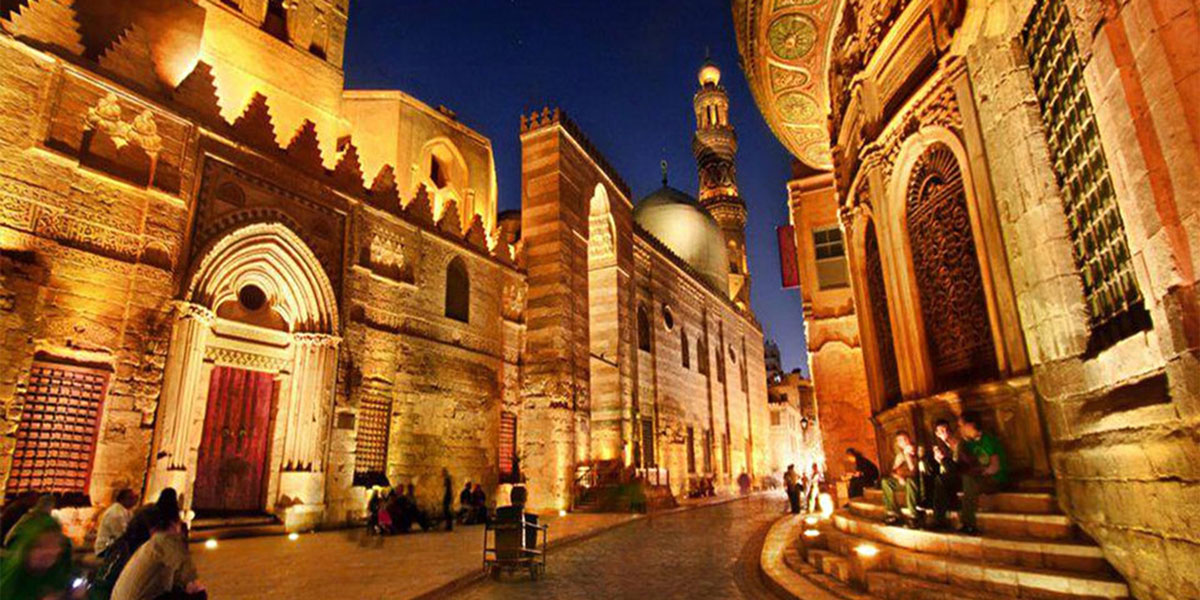
Islamic Cairo is the historic core of medieval Cairo and one of the richest concentrations of Islamic architecture in the world. It matters because it contains major monuments such as the Citadel, Al-Azhar, Sultan Hassan Mosque, and Ibn Tulun, and because it reveals a different side of Egypt’s heritage beyond the Pharaonic story. Much of the district developed between the 10th and 15th centuries, and UNESCO recognizes Historic Cairo as a World Heritage site. It is ideal for architecture lovers, history travelers, religious heritage visitors, and anyone interested in the urban history of the Islamic world.
Best Places to Visit in Luxor in 2026
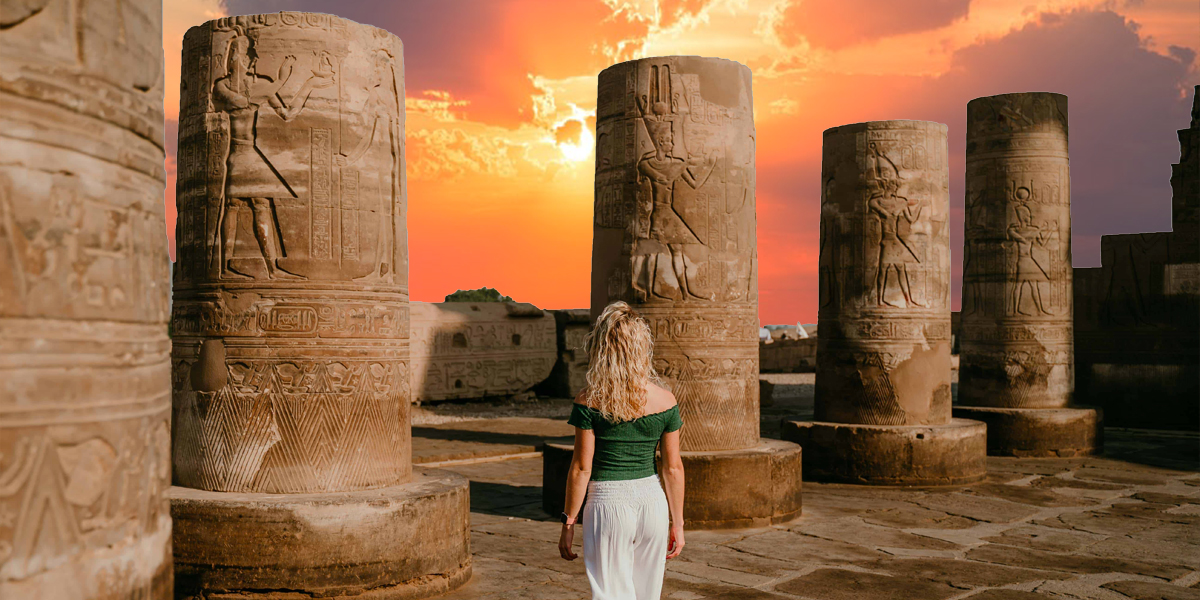
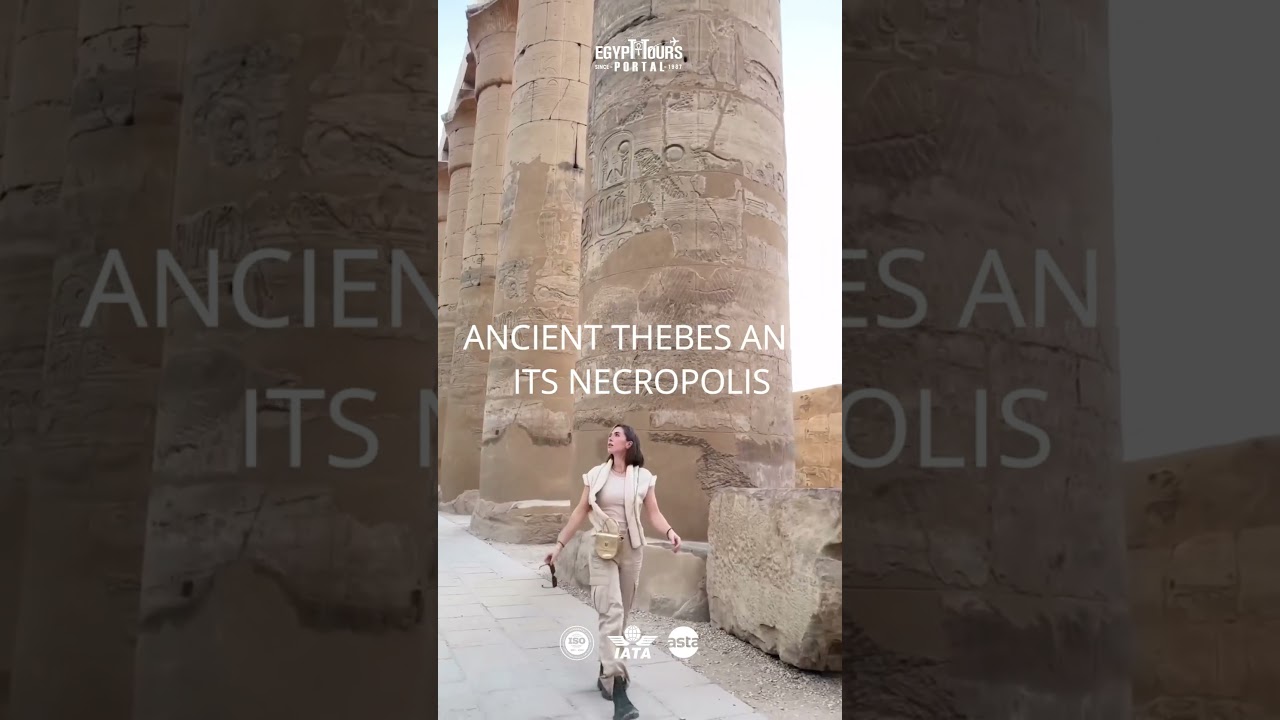
[caption id="attachment_13771" align="aligncenter" width="1000"]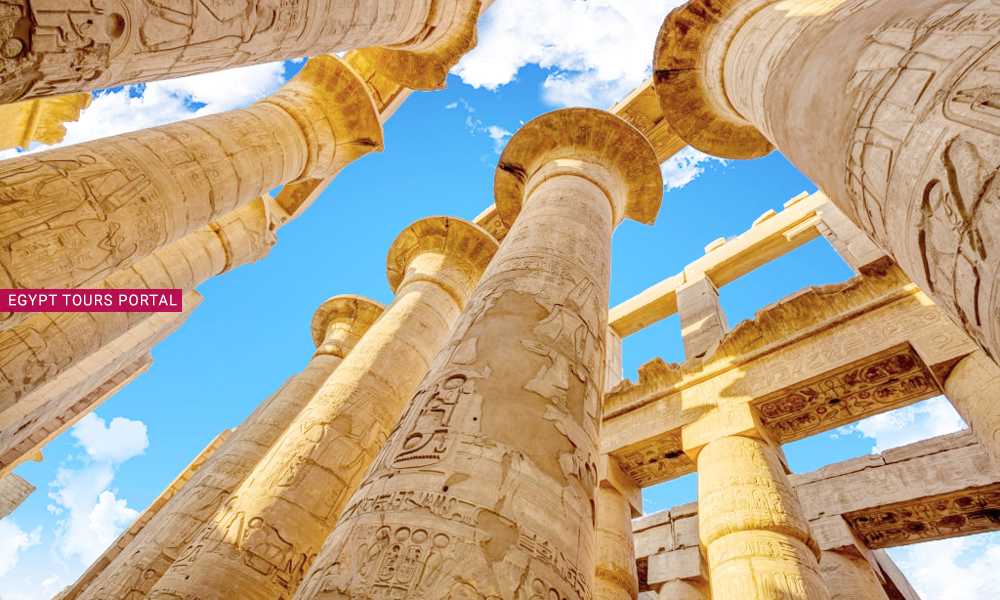 Columns of Karnak Temple[/caption]
Luxor is a true reflection of the ancient Egyptian heaven located in Upper Egypt; it stands on the site of ancient Thebes and is the best place in Egypt for exploring monumental temple and tomb archaeology. It matters because it preserves the ceremonial heart of New Kingdom Egypt, including some of the country’s most important temples and royal necropolises. Most travelers need at least two full days here, while three days is better for a slower and richer visit. Luxor suits archaeology lovers, repeat visitors, photographers, cruise travelers, and anyone who wants the strongest concentration of ancient monuments in one city. During a Nile river cruise, everyone will come to explore incredible attractions, which include:
1. Karnak Temple Complex
Karnak temple represents the true soul and spirit of the entire city of Luxor which has many temples built by the ancient Egyptians Kings and Queens from the middle kingdom(2040-1782 BC) during the reign of Senusret I in the 16th century BC and the new Kingdom (1570-1050 BC) which continued till the Ptolemaic period (323-30 BC). The Karnak temple was known as Ipet-isu “The Most Selected Of Places” and Pr-Imn “House Of Amon”. These temples return to the god Amon and other Egyptian mythology gods and goddesses mainly dedicated to God Amun with his wife Mut and son Khnsou, other gods like Osiris, Montu, Ptah, and Isis that were found at that time.
There are beautiful presentations of sound and light, which are held at night every day, the legendary avenue of sphinxes, and these spectacles are a great way to discover these temples. The distance between Luxor and Karnak is estimated at about 3 kilometers. It is considered to be serious history lovers, temple enthusiasts, photographers, and travelers who want to grasp the scale of ancient Egyptian religious architecture.
2. Luxor Temple
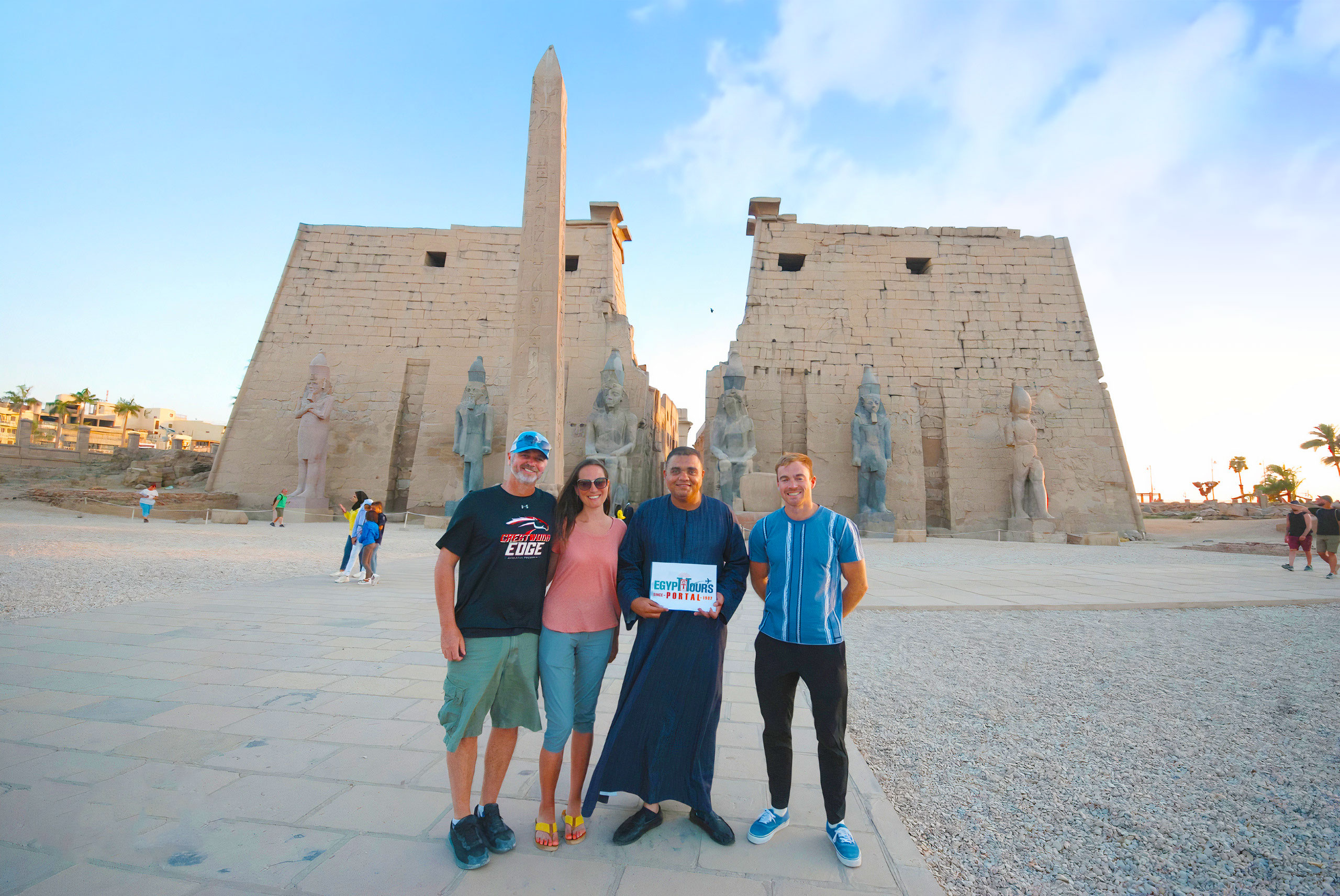
Luxor temple is one of the most important and beautiful landmarks to be visited by many tourists on the east bank of the Nile. The Luxor temple or as it was known the southern sanctuary was constructed in 1400 BC in the new Kingdom (1550-1070 BC) with sandstone from the Gebel el-Silsila area under the reign of pharaoh Amenhotep III (1390-1352 BC)of the 18th dynasty then completed by king Tutankhamun (1336-1327 BC) to honor the creator god Amun of the Theban Triad with Mut the goddess of justice and Khonsu the god of the moon and the rejuvenation of kingship and hold the annual Opet festival. It contains the edifice belonging to King Ramses II, in addition to the obelisk decorated with all the victories achieved by the King, and the many statues placed in the forefront of the expanse. The sound and light show of the Luxor temple is not to be missed. It provides all travelers with a more compact but visually powerful temple experience, especially those who enjoy visiting sites in the late afternoon or evening.
3. The Valley of the Kings
Valley of the Kings is located on the western side of the Nile River at the heart of a hill hidden between the mountains and has been used for a long period of time, as the final resting place for many Pharaohs for more than 500 years during the New Kingdom. It contains about 63 cut-rock decorated tombs and chambers and this valley contains a lot of tombs that belong to the kings and queens of that era such as Ramses (I, II, III, IV, V, VI, VII, IX, X), Amenhotep I, Hatshepsut, Seti I and the famous boy-king Tutankhamun, and these graves are decorated with great engravings and images. All these elements have made this majestic valley the ultimate tourist attraction that bewitches a large number of tourists worldwide. It is ideal for travelers interested in tomb art, royal history, archaeology, and those who want a deeper understanding of funerary religion in ancient Egypt.
4. Hatshepsut Temple
The temple of Queen Hatshepsut also known as Djeser-Djeseru (Holy of Holies), was built in the Eighteenth Dynasty during the New Kingdom to honor the god Amun. It is located on the west bank of the Nile River and remains one of the most preserved temples in Egypt and the world. It was built in her honor and consists of three ascending terraces. The temple has a great view, which makes it one of the most beautiful archaeological sites in Upper Egypt. It is a magical attraction made for architecture lovers, photographers, travelers interested in royal women, and visitors looking for one of the most visually striking sites on Luxor’s west bank.
5. Dendera and Abydos Temples
Near the majestic city of Luxor is the marvelous Dendera temple complex, the worship center of the goddess Hathor of healing & love, while the Abydos temple acted as a center for the cult of the ruler of the underworld Osiris, which was believed to be an entrance to the underworld. They are one of the best day-trip temple sites from Luxor. They matter because they preserve some of the finest temple reliefs and inscriptions in Egypt and because they add important religious depth through the cults of Hathor and Osiris. Much of Dendera’s surviving architecture is Ptolemaic and Roman, while Abydos contains major remains from earlier dynasties as well as the famous temple of Seti I from the 13th century BC. These sites suit repeat travelers, temple specialists, photographers, and travelers who want to go beyond the standard Luxor circuit.
Best Places to Visit in Aswan in 2026
[caption id="attachment_13769" align="alignnone" width="1000"]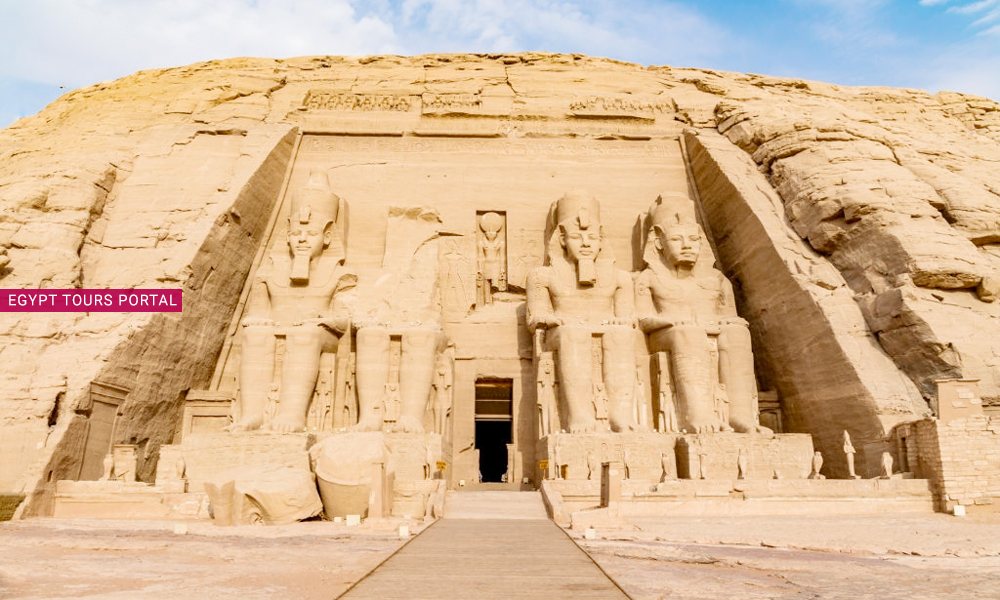 The Great Temple of Abu Simbel[/caption]
The Nubia city of Aswan is known as a mythical golden city of art and originality and the home to a number of the famous archaeological site and some of the most beautiful scenes of natural beauty, Aswan includes wonderful historical monuments, it’s located after Luxor city in Upper Egypt, the tourists in Egypt prefer to enjoy a Nile cruise, as it’s one of the best experiences to partake in Egypt. This scenic and atmospheric destination balances archaeology with natural beauty and provides access to some of southern Egypt’s most important sites. It is the place to be for couples, culture travelers, photographers, cruise passengers, and travelers who want both monuments and landscape.
1. Philae Island
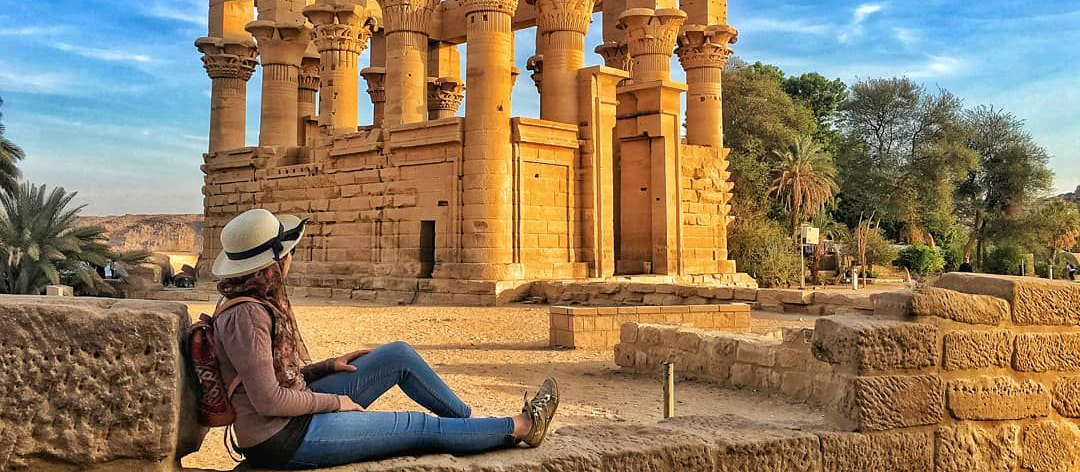
Philae temple is one of the last temples to ever be built in Egypt, constructed between 380 BC and 362 BC by King Ptolemy II and enlarged by various kings across the Ptolemaic Era. It is located in the Nile River, opposite the Aswan desert, where it used to be the worship center for Isis goddess of Motherhood and healing, and contains the remains of several ancient temples which were constructed to commemorate the Pharaohs. A great deal of information about the mythology of ancient Egypt was known through this temple, like the myth of Osiris. The attraction is perfect for travelers looking for atmosphere, mythology, island scenery, and one of the most elegant temple visits in Egypt.
2. The Unfinished Obelisk
The unfinished obelisk is an ancient quarry site in Aswan that shows how giant stone monuments were cut from granite. It has the power to uncover how the ancient Egyptians mastered the art of building colossal and immortal monuments. It matters because it helps visitors understand the engineering process behind obelisks and temple construction, not just the finished monuments themselves. It is commonly associated with the reign of Hatshepsut in the 15th century BC. It suits travelers interested in engineering, quarrying, stoneworking, and those who want a more technical side of ancient Egyptian achievement.
3. Aswan High Dam
Aswan High Dam is one of the most important modern engineering projects in Egypt. It matters because it transformed water management on the Nile, contributed to electricity generation, and shaped the modern history of southern Egypt and Nubia. Construction began in 1960, and the dam was largely completed in the 1960s–1970s. It suits travelers interested in modern Egypt, engineering, infrastructure, and the historical context behind the relocation of Nubian monuments.
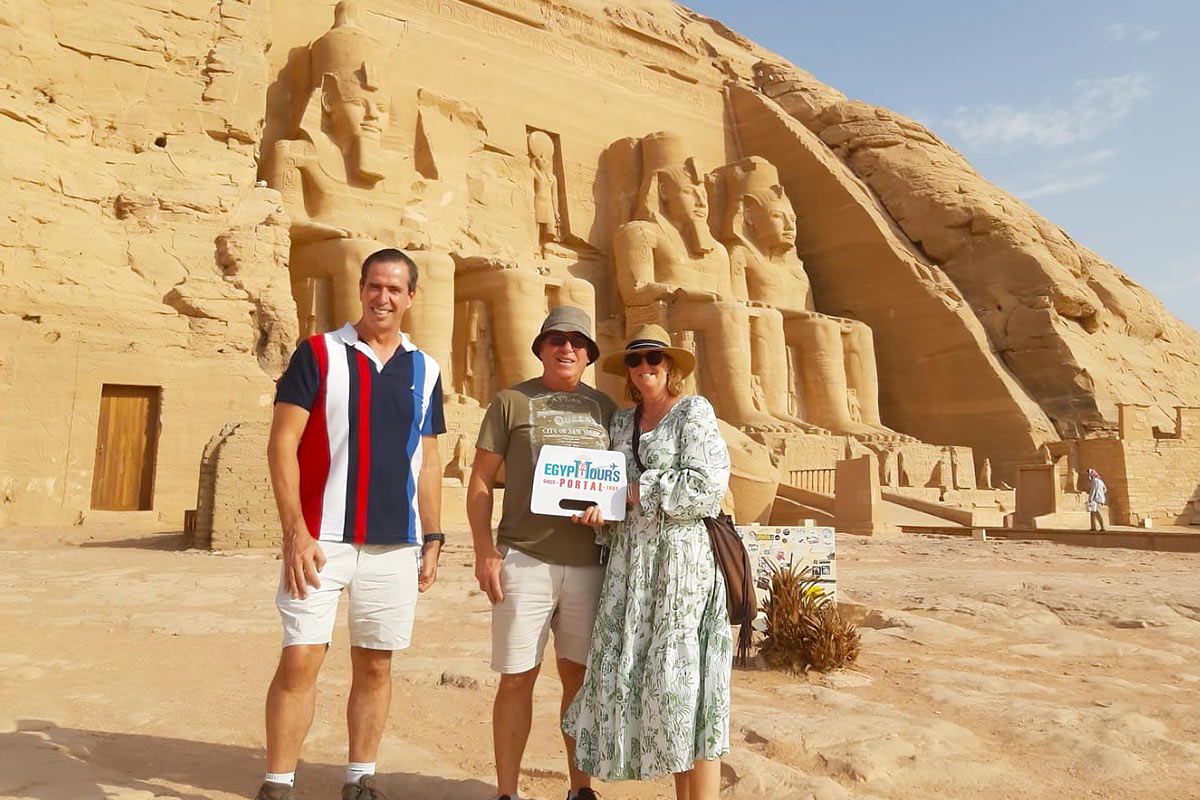
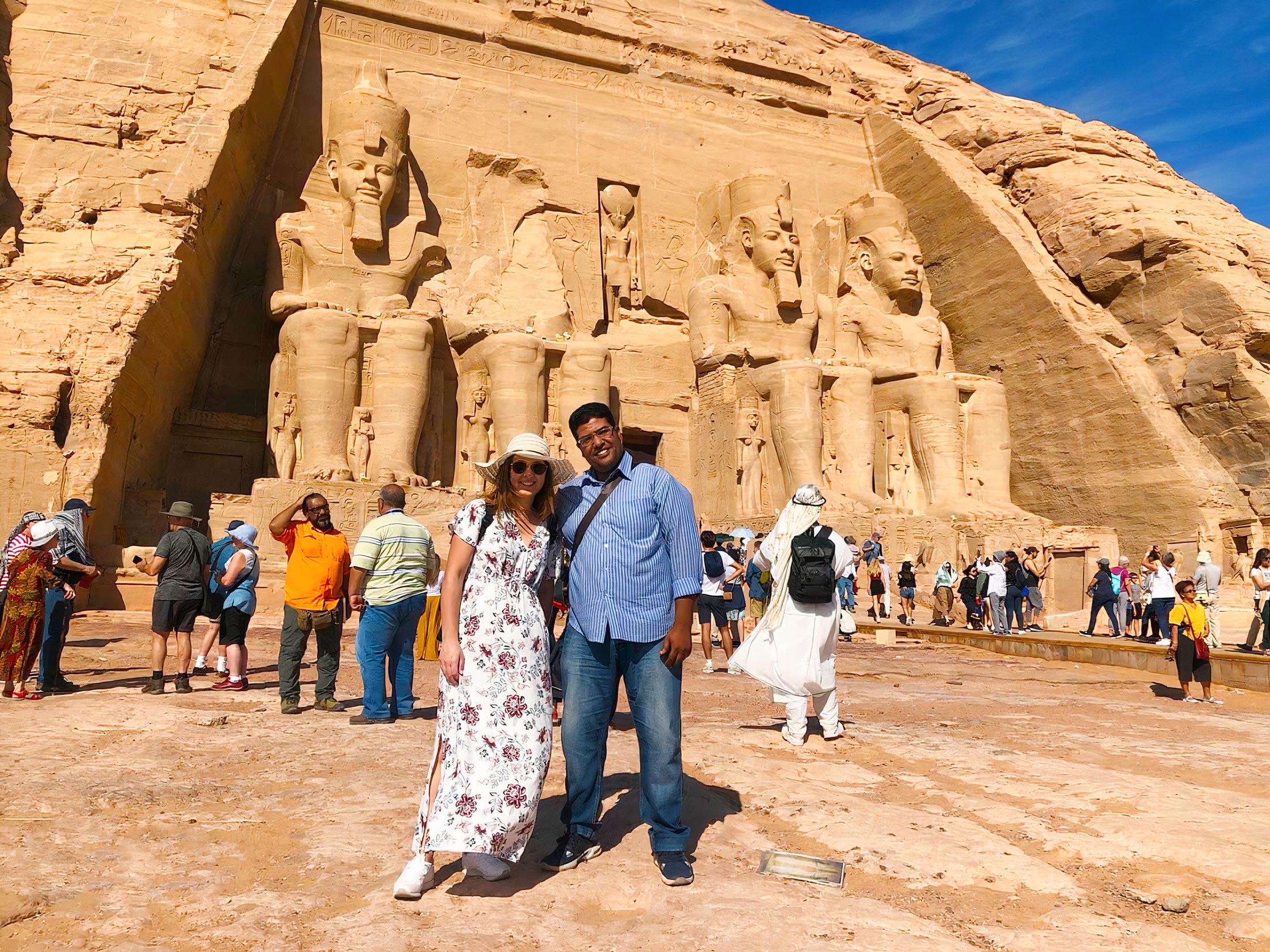
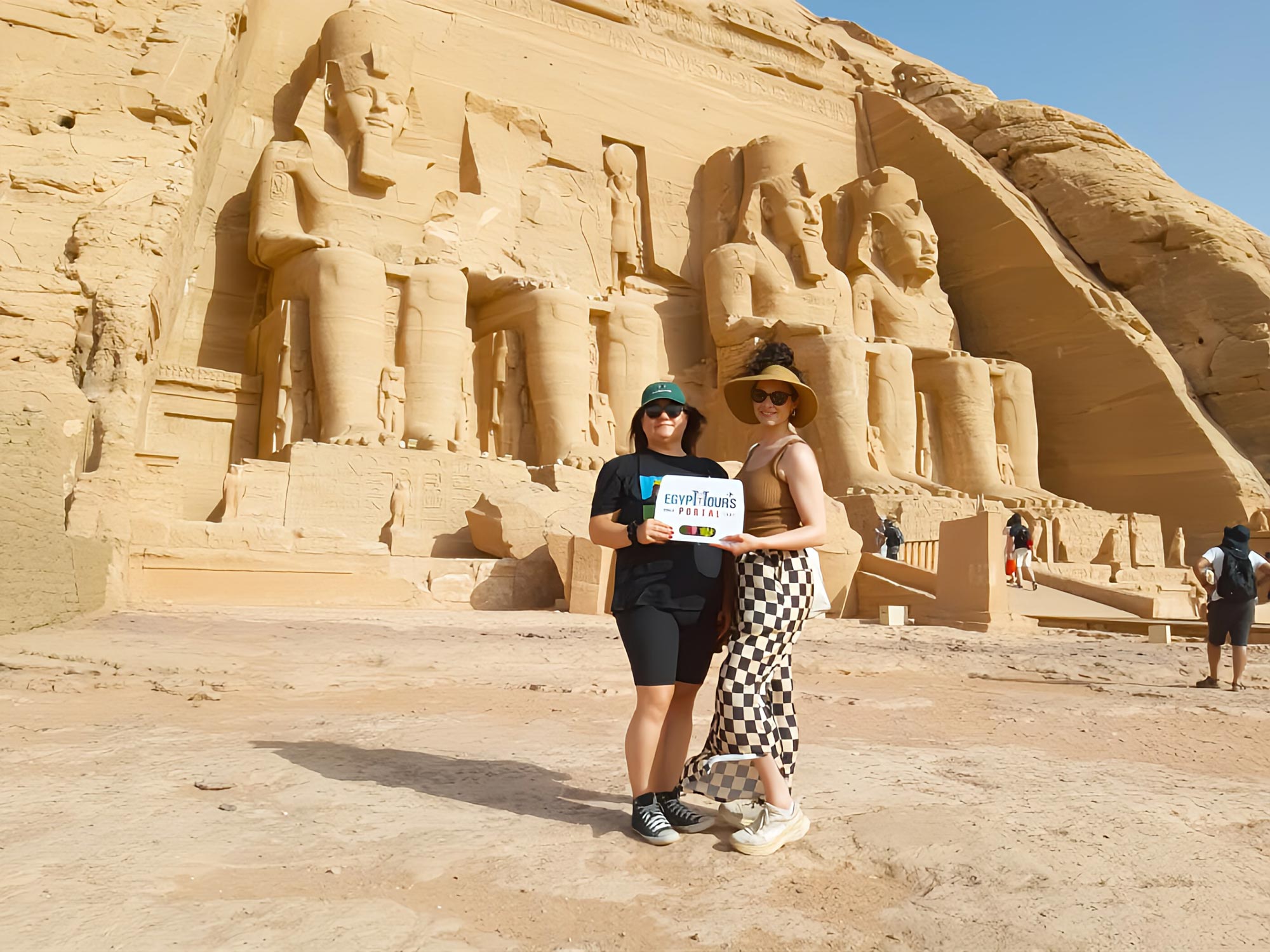
4. The Two Temples of Abu Simbel
The temple of Abu Simbel is an archaeological site containing two huge temple rocks in southern Egypt on the west bank of Lake Nasser, about 290 km southwest of Aswan, part of the UNESCO World Heritage Site, known as the Nubian Antiquities. The temple consists of two temples, one belonging to King Ramses II reflecting on his great victories, like the ancient battle of Kadesh, and the other to his wife Nefertari. A lot of people who care about ancient history come to visit this majestic place to discover the great civilization of ancient Egypt.
The best time to visit the Abu Simbel Temple is during the sun festival that happens on the 22 of February and October to celebrate the anniversary of Ramesses' ascension to the throne (in February) and his birthday (in October). It suits history lovers, photographers, UNESCO heritage travelers, and anyone willing to make a long excursion for one of Egypt’s most spectacular monuments. This fantastic monument is one of the best places to visit in Egypt in 2026.
Best Places to Visit in Alexandria in 2026
[caption id="attachment_13768" align="alignnone" width="1000"] Qaitbay Citadel[/caption]
Alexandria is a heavenly gem and a truly historical city that needs to be visited, it has beautiful sites to discover, Alexandria is a Mediterranean port city in Egypt, which was founded by Alexander the Great in 332 BC, and became the capital of Greco-Roman Egypt and a rival to Rome before falling into decline in the 4th century AD. and it’s the second capital of Egypt as well as one of the best cities in Egypt. It suits city travelers, weekend visitors from Cairo, culture lovers, and travelers who want sea views alongside historical sites such as:
1. Qaitbay Citadel
Qaitbay Citadel is a 15th-century fortress on Alexandria’s waterfront with a long-standing history and grace. It matters because it stands on the site traditionally associated with the ancient Lighthouse of Alexandria and because it is one of the city’s defining landmarks. It was built between 1477 and 1479 AD by Sultan Qaitbay. It suits history lovers, photographers, coastal travelers, and visitors who want one of Alexandria’s clearest links between medieval and ancient heritage.
2. Pompey’s Pillar
Pompey's pillar is one of Alexandria’s most famous Roman monuments. It matters because it is one of the city’s most visible surviving classical structures and helps represent Alexandria’s Roman period. It dates to the late 3rd century AD and is generally associated with the emperor Diocletian, despite its misleading later name. It is perfect for classical history lovers, archaeology visitors, and travelers interested in Alexandria beyond the seafront.
3. Kom Al-Shakafa
The archaeological Catacombs of Kom El-Shoqafa are a multi-level burial site showing a blend of Egyptian, Greek, and Roman funerary traditions. They matter because they are one of the best surviving examples of Alexandria’s cultural fusion in the Roman period. They date mainly to the 2nd century AD. They suit travelers interested in burial archaeology, underground architecture, and the hybrid identity of Roman Alexandria.
4. The Bibliotheca Alexandrina
Alexandria Library is the modern cultural heir to the memory of the ancient Library of Alexandria. It matters because it is one of Egypt’s strongest modern cultural landmarks, combining books, exhibitions, museums, and research spaces in a dramatic waterfront building. It was officially inaugurated in 2002. It is made up of intellectual travelers, families, modern architecture lovers, and visitors who want to balance ancient heritage with contemporary culture.
Best Places to Visit in the Red Sea & Sinai
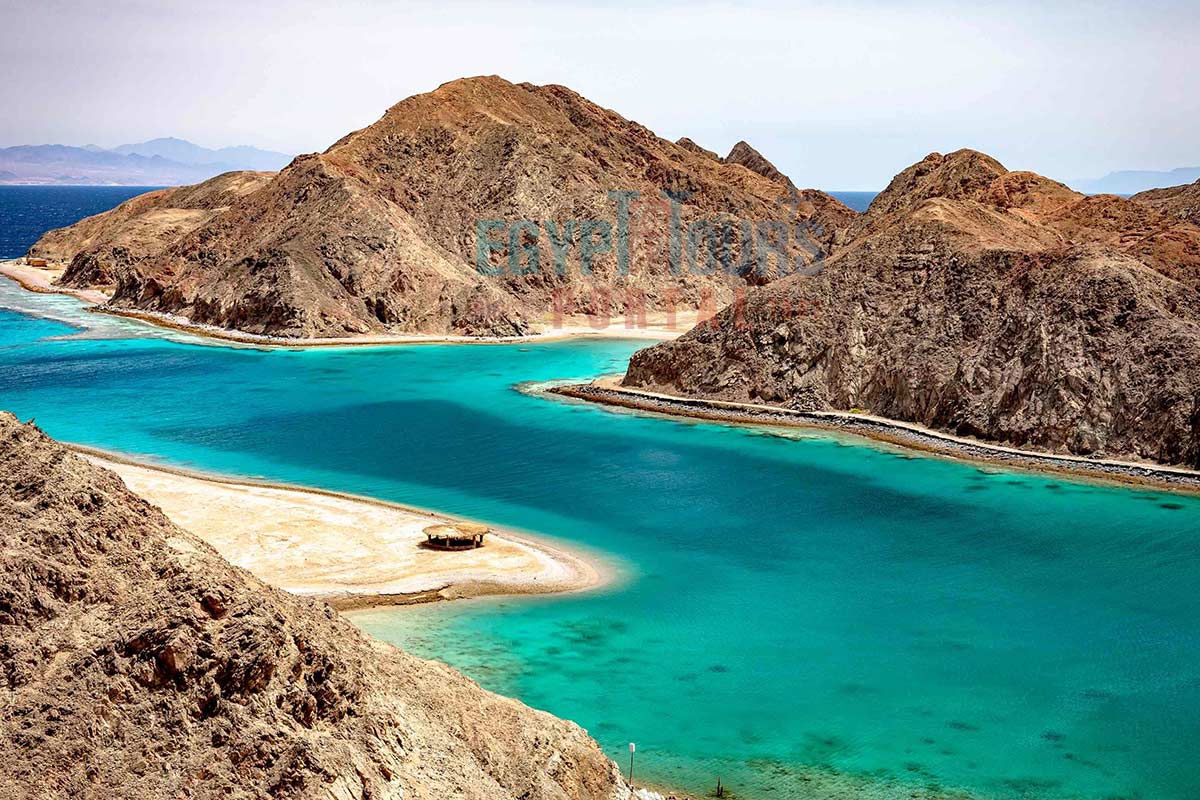
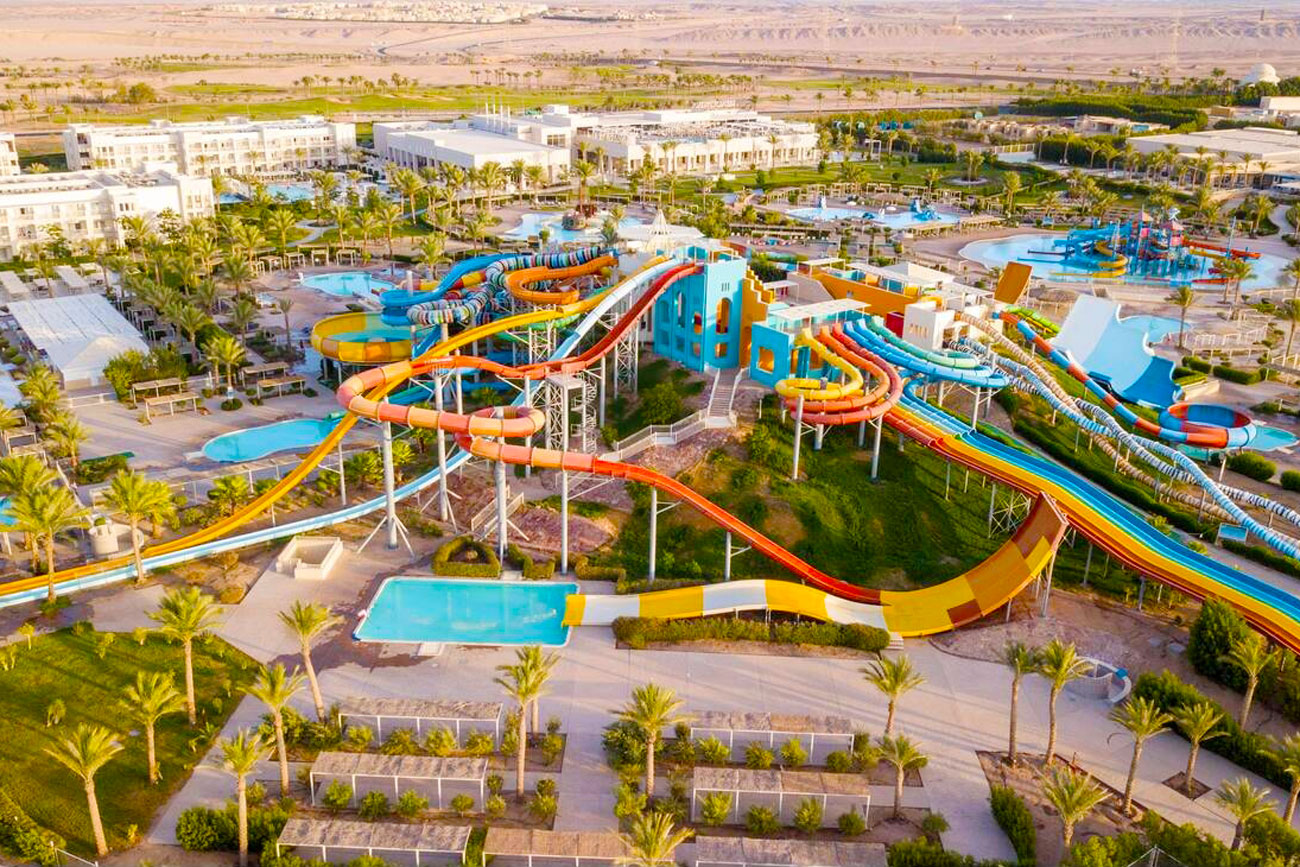
The natural Beauty of Sinai and the resorts of the Red Sea is where Egypt becomes a beach, marine, and resort destination. It matters because it adds coral reefs, diving, mountain landscapes, and desert adventure to an otherwise monument-focused itinerary. It suits divers, couples, families, beach travelers, wellness visitors, and anyone wanting recovery time after Cairo or Upper Egypt.
1. Sharm El Sheikh
The Red Sea coral and marine life can be easily explored and enjoyed across the amazing resort of Sharm El Sheikh, located between the desert of the Sinai Peninsula and the Red Sea, filled with the most spectacular coral reefs to be found anywhere in the world. Consisting of three beautiful bays, Sharm el-sheik is a diving and watersports paradise plus pay a visit to Saint Catherine’s Monastery. one of the best locations in the red sea Sherm El Sheik resort is Naama Bay is the main center of attractions and is a cosmopolitan, stylish resort consisting of numerous bars and terraced cafes, plus several diving spots like the Ras Mohammed National Park, home of Shark Reef.
2. The Sinai Desert
The Sinai Desert is a part of the Sinai Peninsula, located in the northeastern corner of Egypt. This arid peninsula features flat, rolling plains to the north and mountains toward the south. It is between the Red Sea and the Mediterranean Sea, and on its southern tip is the Sharm el-Sheikh resort which is a base for diving and snorkeling around the reefs of Ras Mohammed National Park.
3. The Eastern Sahara
The eastern Sahara is located to the east of the Nile River between the red sea the Nile River and extends from Egypt in the north to the south of Eritrea, with parts of Ethiopia and Sudan. The Eastern Desert, which is known as the Arabian Desert, is famous for its volcanic-rock mountains that run along the Red Sea Coast, which were formed about three billion years ago. It spans across south-eastwards into north-eastern Sudan and from the Nile River valley eastwards to the Gulf of Suez and the Red Sea, covering an area of about 85,690 square miles, which is about 21% of Egypt's surface area. The eastern desert is known as the Red Sea Hills or the Arabian desert, where the largest collection of natural spots and resorts is located around the magical Red Sea Riviera.
4. Hurghada
Considered to be the best place to enjoy a tropical vacation across the waters of the Red Sea. It is a marvelous beach resort town stretching some 40km along Egypt’s Red Sea coast. Famous for containing a number of aquatic activities such as snorkeling, kite & windsurfing, scuba diving, and more, swimming with dolphins, riding a semi-submarine, plus a super safari to the eastern desert to the Bedouin village, visiting the Hurghada grand aquarium, and many more.
Some of the best places in Hurghada are Sheduan Island, Abu Minqar Island, Dishet El-Dhaba, Marsa Abu Galawa "Carless Reef", El Fanus "Dolhin Reef", Turtle Bay, Oberoi House Reef, Gota Abu Ramada a.k.a "The Aquarium", Gota Abu Makadi, Gifton Island, plus some inner resorts surrounding Hurghada such as the Sahl Hasheesh, El Quseir, Sunrise City Resort, Makadi Bay, Cleopatra Luxury Resort, Soma Bay, Sharm El Naga, El Gouna, and more.
5. Saint Catherine Monastery
One of the oldest continually functioning monastic communities in the world is Saint Catherine's Monastery. This UNESCO World Heritage Site was constructed in 527 AD by the Byzantine emperor Justinian I around the chapel of the burning bush, which became a center of refuge and pilgrimage during the Middle Ages in the 6th century. It was known as The Sacred Monastery of the God-Trodden Mount Sinai and the Monastery of the Transfiguration, but later on, it became connected with St. Catherine of Alexandria. Catherine's Monastery became a major pilgrimage destination in the Byzantine Era, even to this day.
Why Visit Egypt
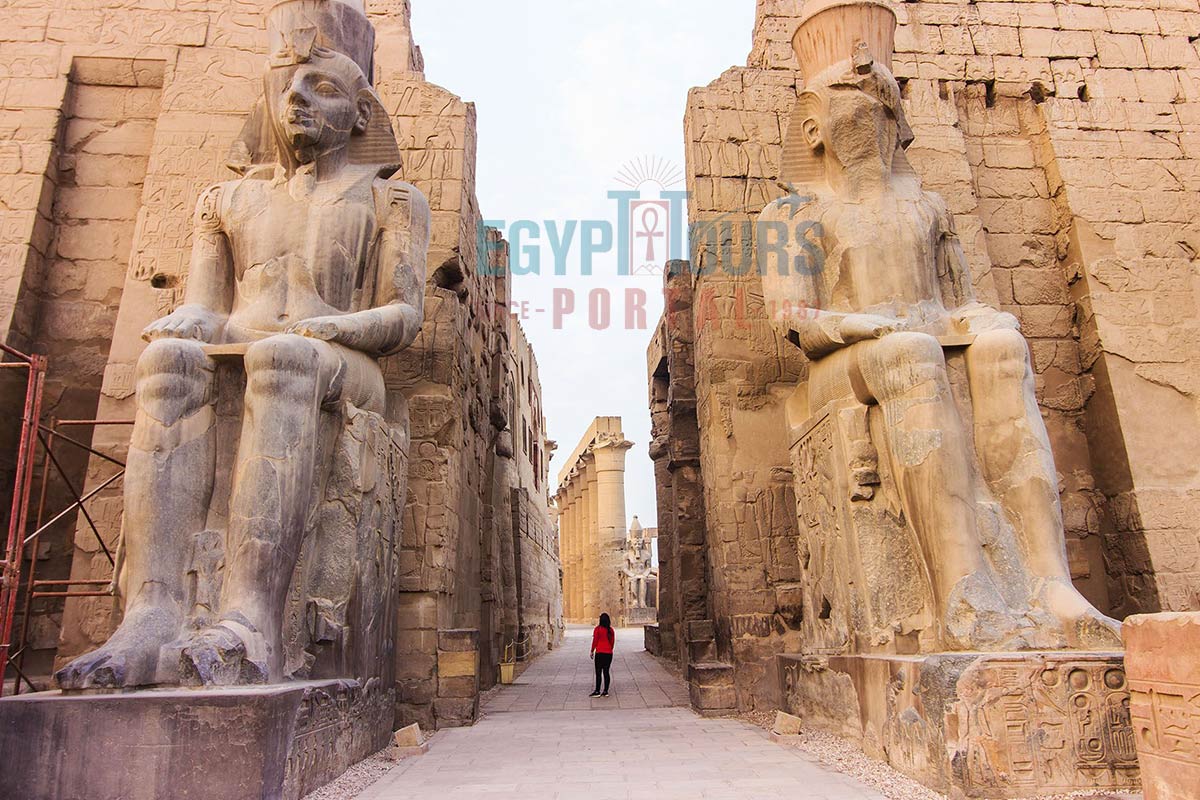
Egypt is one of the most extraordinary travel destinations on planet earth, because it offers a rare combination of ancient history, cultural depth, natural beauty, budget-friendly experiences, and modern adventures in a single journey. Visitors from all over the world can explore monuments that are more than 4,500 years old, such as the pyramids and temples, while also enjoying vibrant cities, desert landscapes, and the crystal-clear waters of the Red Sea.
What makes Egypt truly unique is the continuity of its civilization, from Pharaonic times through Greco-Roman, Islamic, and modern eras, visible in its architecture, traditions, and daily life. Whether you are seeking world-class archaeology, spiritual landmarks, luxury resorts, or authentic cultural experiences, Egypt provides unmatched diversity and historical significance.
How to Enjoy Egypt
Discover all the ways to enjoy your Visit to Egypt
Things to Do in Egypt
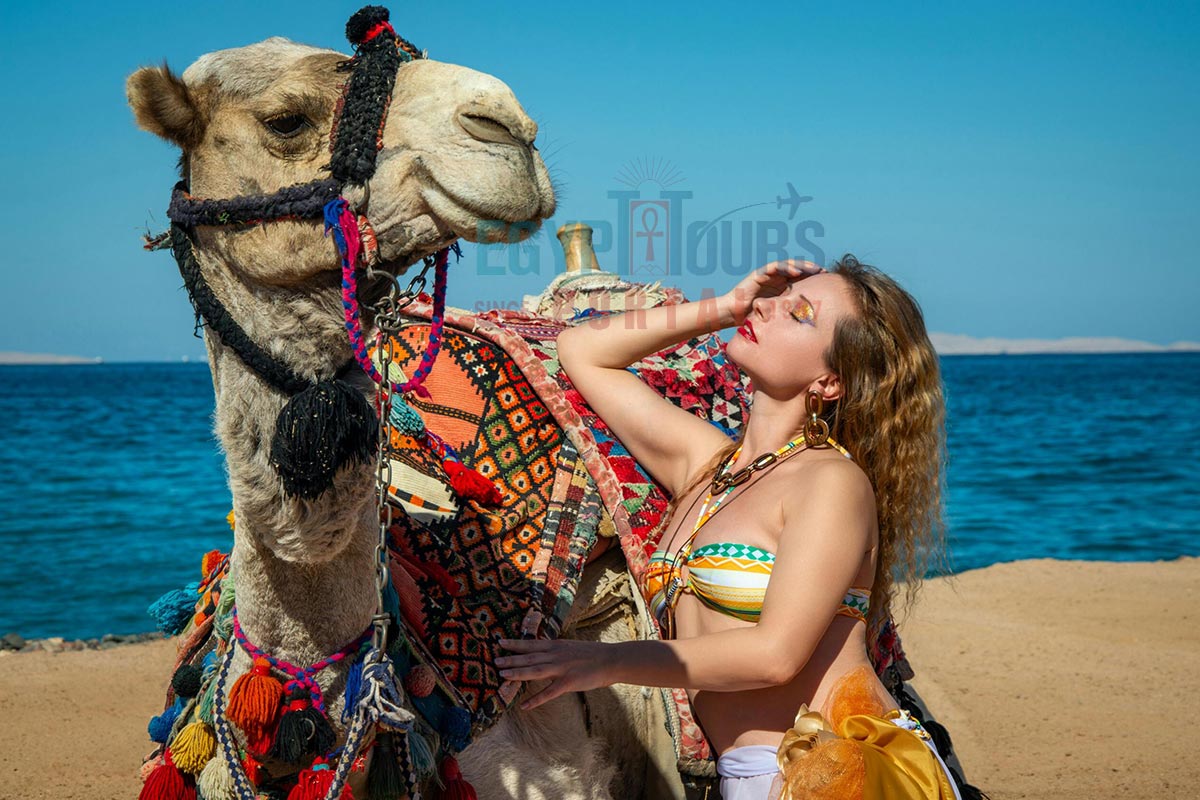
Egypt offers a wide range of activities that cater to every type of traveler, making it far more than just a sightseeing destination. Visitors can explore ancient temples and tombs in Luxor and Aswan, visit iconic landmarks like the pyramids in Cairo, and discover museums that house priceless artifacts. Along the Nile, travelers from all over the globe can enjoy luxury Nile cruises that combine relaxation with historical exploration, while the Red Sea destinations such as Hurghada and Sharm El Sheikh provide opportunities for diving, snorkeling, kitesurfing, and beach relaxation.
Adventure seekers can experience desert safaris, quad biking, camel riding, and stargazing, while culture enthusiasts can explore historic markets, Islamic architecture, and local cuisine. Egypt also offers unique experiences such as attending festivals, visiting monasteries, and exploring Mediterranean cities like Alexandria, ensuring a well-rounded and dynamic travel experience.

Things To Do In Egypt
Check our section things to do in Egypt, to read the most important information that you will need to travel to Egypt!
Best Places in Egypt to Visit for Each Type of Traveler
Egypt offers something exceptional for every type of traveler. First-time visitors will get the best introduction to the country through Cairo, Luxor, and Aswan, which together combine the pyramids, major museums, temples, tombs, Nubian culture, and Nile scenery. Couples are especially well suited to Aswan, Nile cruises, El Gouna, Hurghada, and Sharm El Sheikh, where romance, privacy, luxury, and scenic beauty come together.
Families often enjoy Hurghada, Sharm El Sheikh, and Cairo, thanks to family-friendly resorts, safe beaches, water activities, and educational landmarks like the pyramids and museums. Solo travelers can comfortably explore Cairo and Luxor through guided tours and organized services, while adding El Gouna or Hurghada for relaxation. History lovers will find Egypt unmatched, especially in Cairo, Luxor, Aswan, and Alexandria, where the country’s Pharaonic, Islamic, Nubian, and Greco-Roman heritage creates one of the richest historical journeys in the world.
Best Places in Egypt by Season
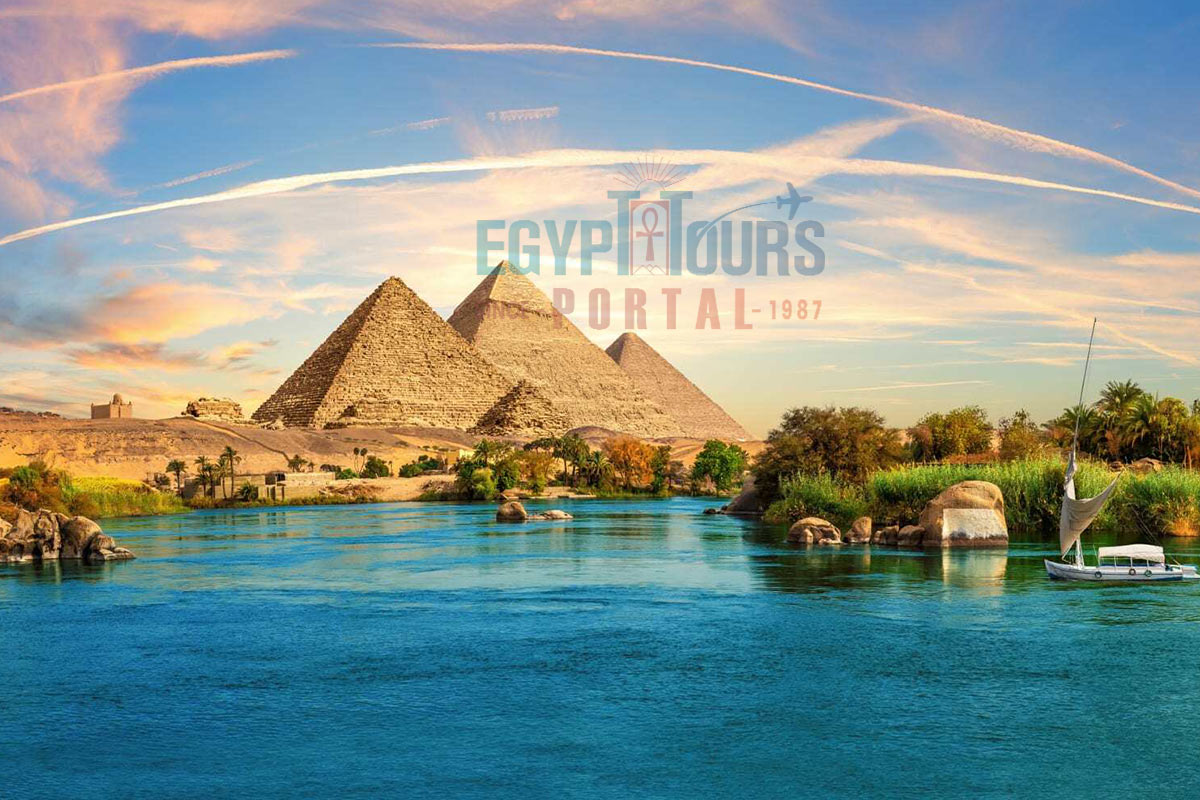
Egypt is a year-round destination, but choosing the right place depends on the season to ensure the best experience. During the winter months (October to April), the weather in Egypt is mild and ideal for exploring cities like Cairo, Luxor, and Aswan, making it the best time for cultural and historical tours.
The spring and autumn seasons offer balanced conditions across the country, allowing travelers to combine Nile cruises with Red Sea destinations comfortably. In summer (May to September), temperatures can be very high in Upper Egypt, so coastal destinations like Hurghada, El Gouna, and Sharm El Sheikh become the best options due to sea breezes and resort facilities.
Meanwhile, the Sinai region and desert areas are most enjoyable in cooler months when outdoor exploration is more comfortable. By selecting destinations based on the season, travelers can maximize comfort while experiencing the full diversity of Egypt; so choose wisely.
Enjoy the best places of Egypt With Our Magical Trips
Step into the ancient Pharaoh’s land, a world of majestic temples, mysterious mummies, marvelous felucca sailboats, and exotic bazaars through our Egypt vacation packages. Take a look around the suburbs of Cairo with a professional Egyptologist guide. At the Grand Egyptian Museum, you will cast your eyes on the enchanting artifacts such as the mummy of King Ramses II and the treasures of the young boy King Tutankhamun.
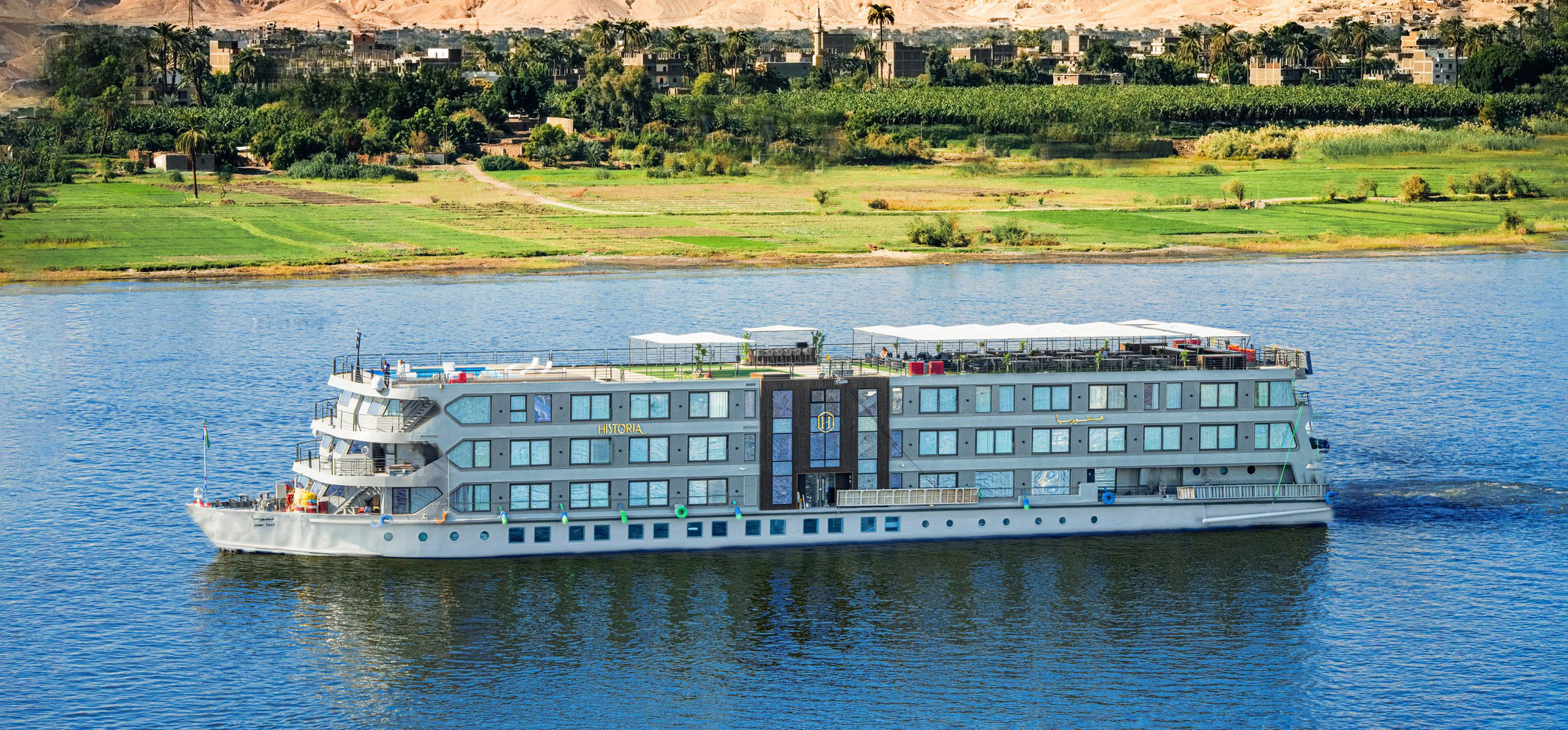
Then step onboard a luxury Nile River cruise and watch some of the most beautiful scenery on the banks of the Nile between Luxor & Aswan, such as the beautiful palms, banks, and great modern & ancient buildings. Create unforgettable memories through our tours below:







![Everything About the Weather in Egypt [year]/[year plus=1]](https://www.egypttoursportal.com/images/2019/12/The-Weather-in-Egypt-Egypt-Tours-Portal.jpg)