Customized Tours for Large Groups
Build your trip your way, choose landmarks, pace & 24/7 support.
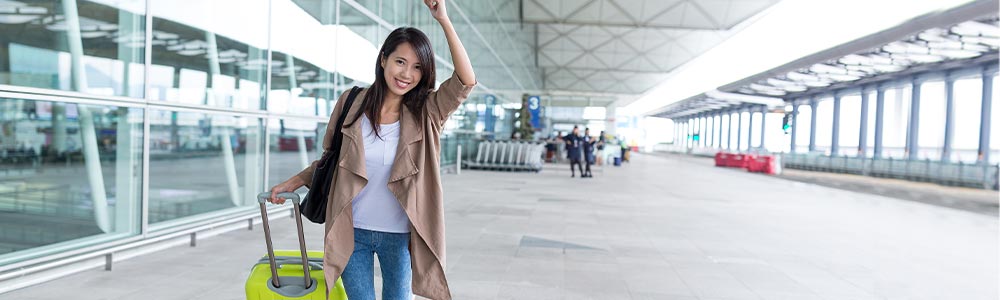
As soon as you arrive at Cairo Airport, our "Egypt Tours Portal" representative will be waiting for you at the gate. He/she will assist with all your passport control formalities, luggage identification, and help carry your bags. From there, you’ll be transferred in comfort by private air-conditioned car to your hotel, where you check in and relax.
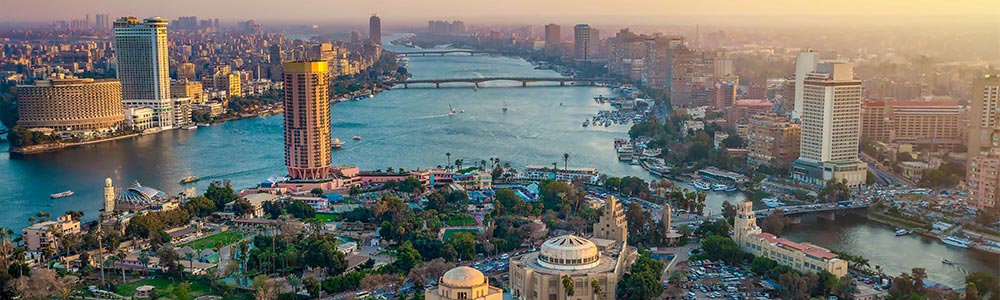
In the evening, get ready for a unique experience, a Dinner Cruise on the Nile. As you sail along the majestic river, you’ll have the opportunity to relax, enjoy a delicious dinner, and take in an amazing belly dancing performance.
After the dinner cruise has ended, you’ll be transferred back to your hotel for a restful overnight stay.
After having your breakfast at your hotel, check out and meet your private Egyptologist tour guide to enjoy your journey through the heart of ancient Egyptian civilization, starting with:
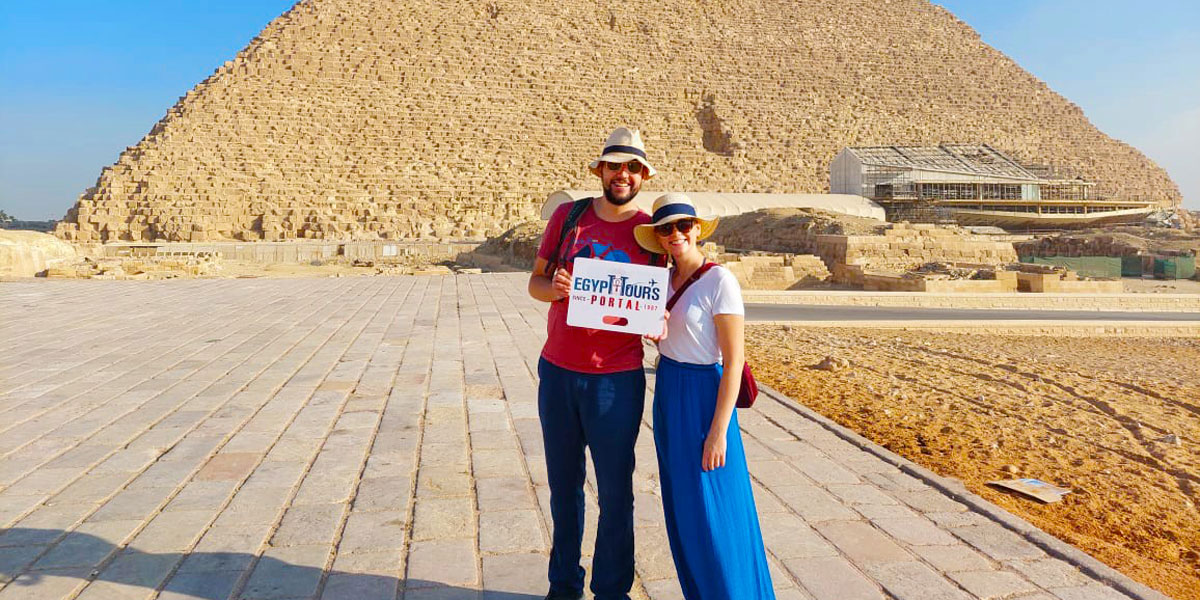
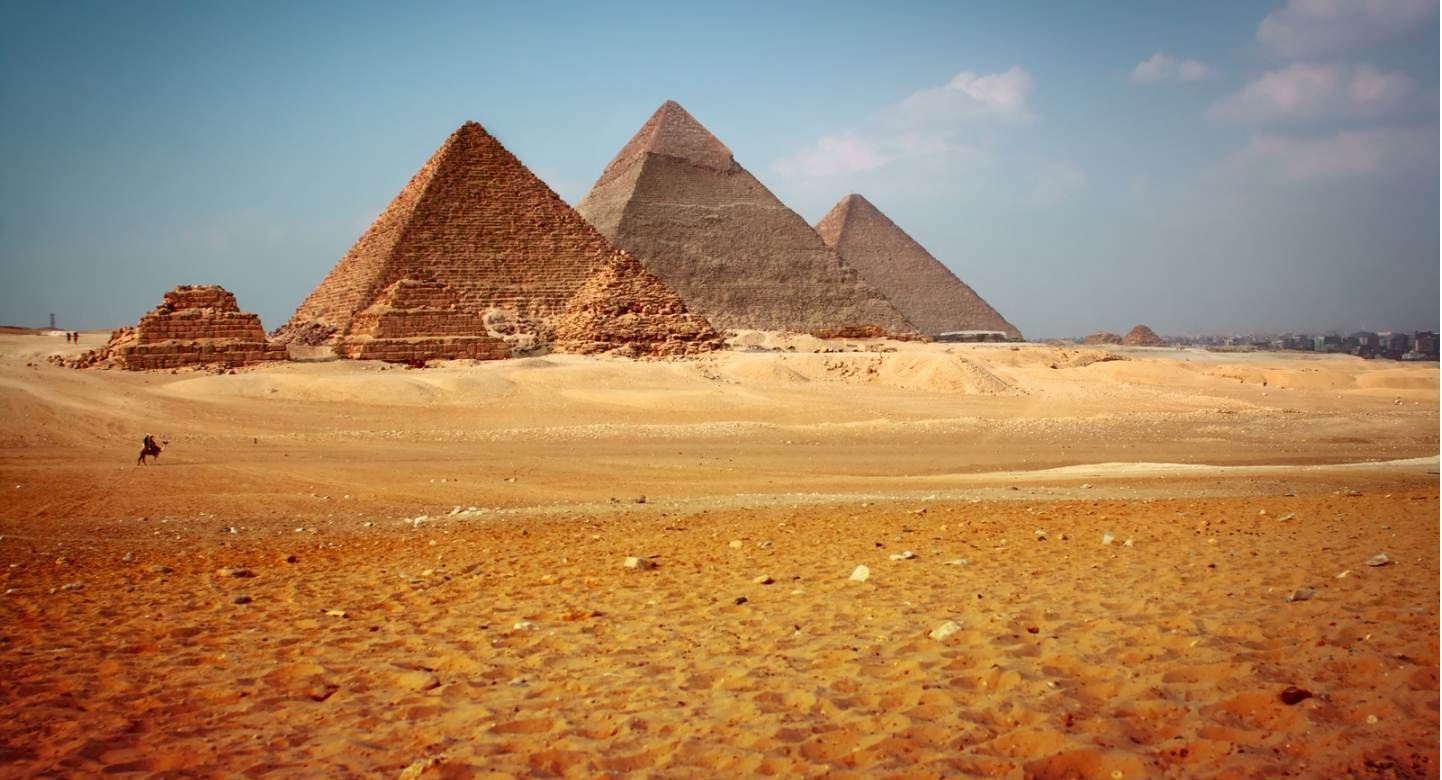
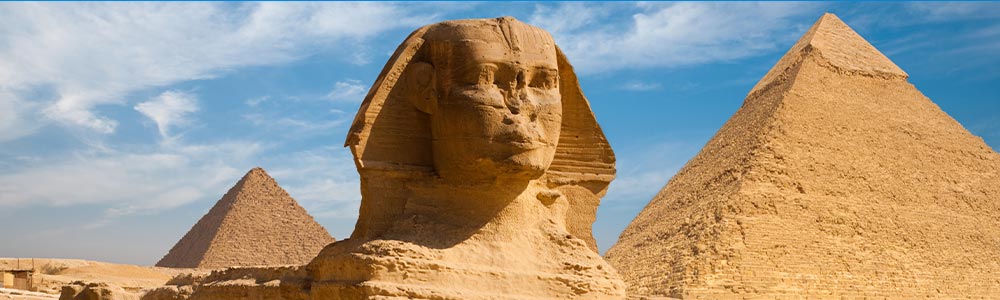
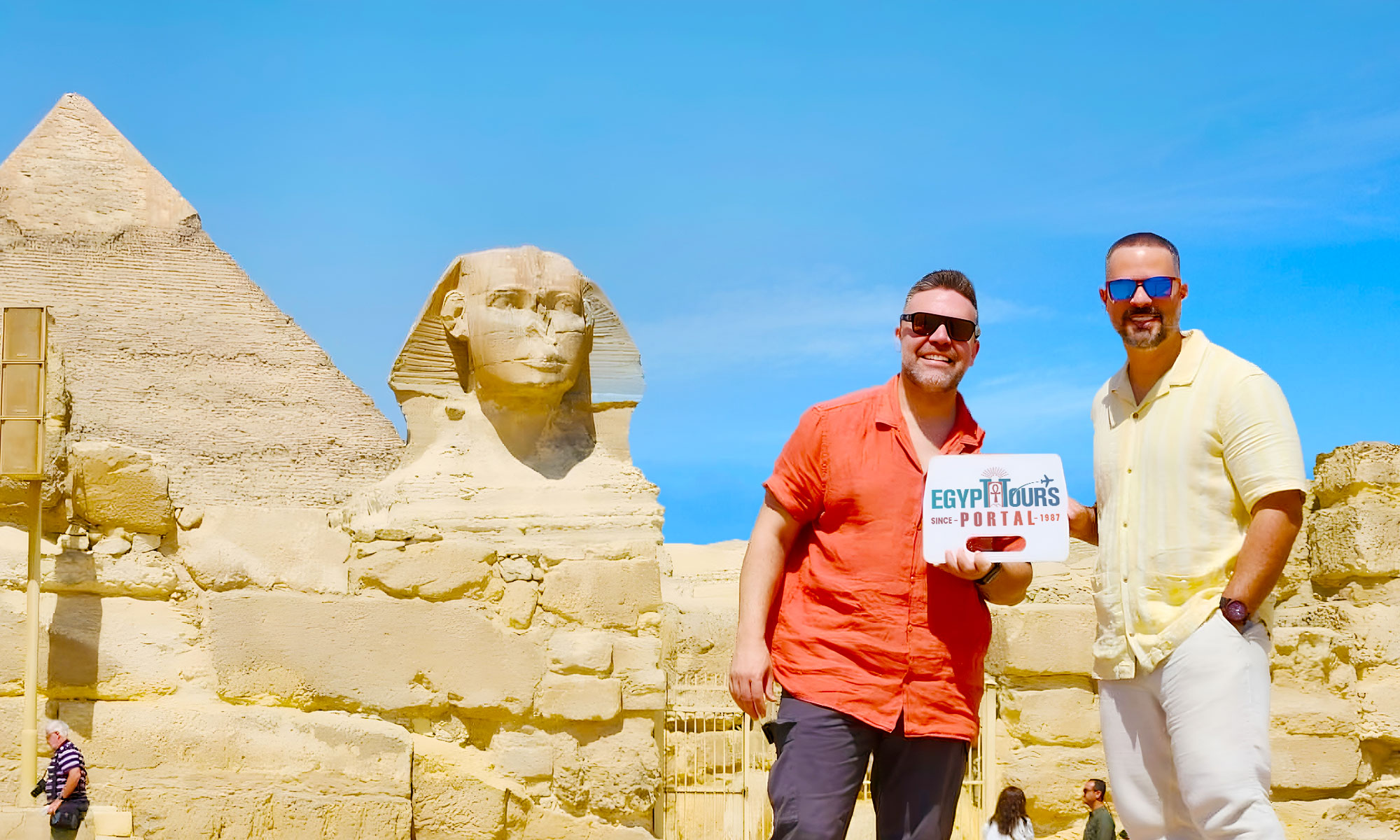
Your day begins with a visit to the Giza Pyramids Complex, one of the greatest wonders in the world, which dates back over 5,000 years, designed as gateways to the heavens for the 4th dynasty pharaohs. Inside the complex, you'll come across the three towering pyramids, six smaller ones, the majestic Great Sphinx, and the Valley Temple, all designed to immortalize Egypt’s most powerful rulers and provide them with access to the afterlife.
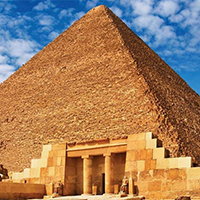
The Great Pyramid of Khufu is like metaphysical spectacle that is the last surviving wonder of the Seven Wonders of the Ancient World. This immortal marvel was built around 2580 BC to reach a staggering 147 meters (481 feet) tall and was the tallest man-made structure in the world for over 3,800 years before the building of Lincoln Cathedral. The pyramid was built by using over 2.3 million limestone blocks, which makes the pyramid weigh six million tons, and even today, its construction still sparks curiosity.
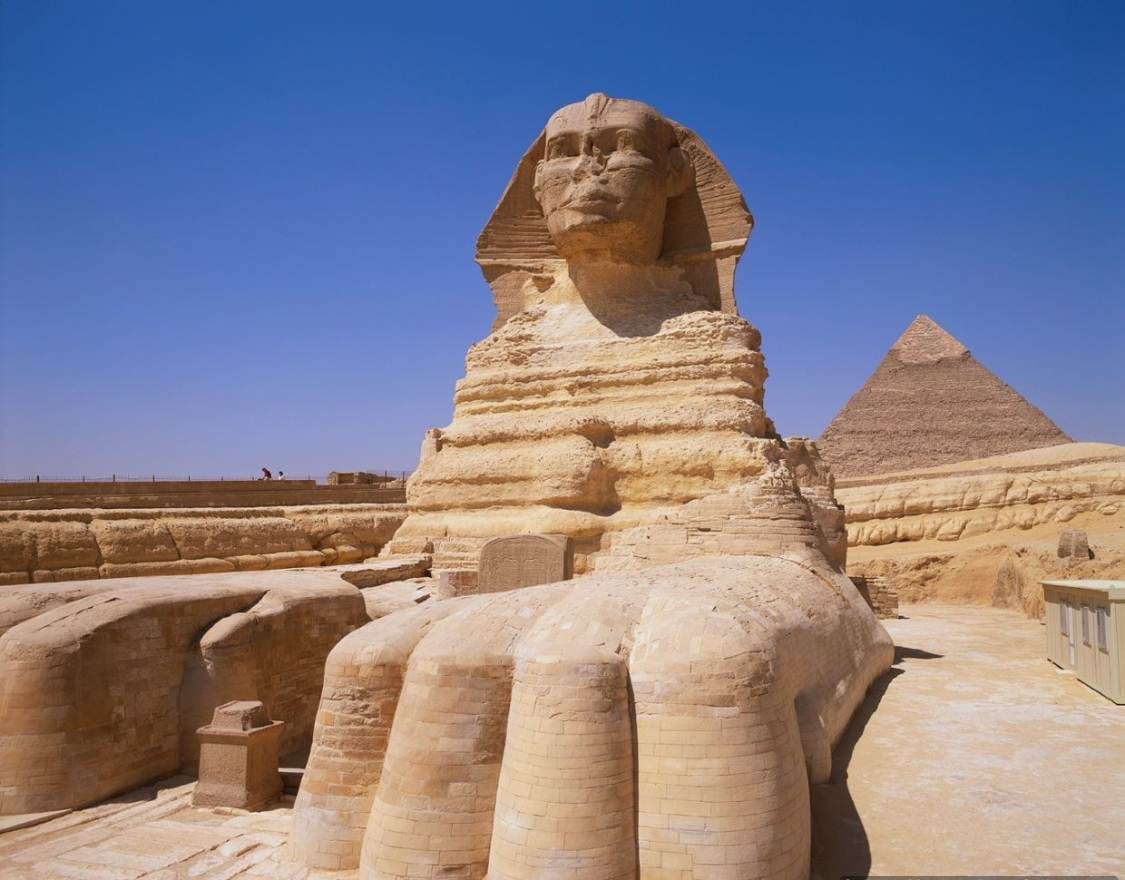
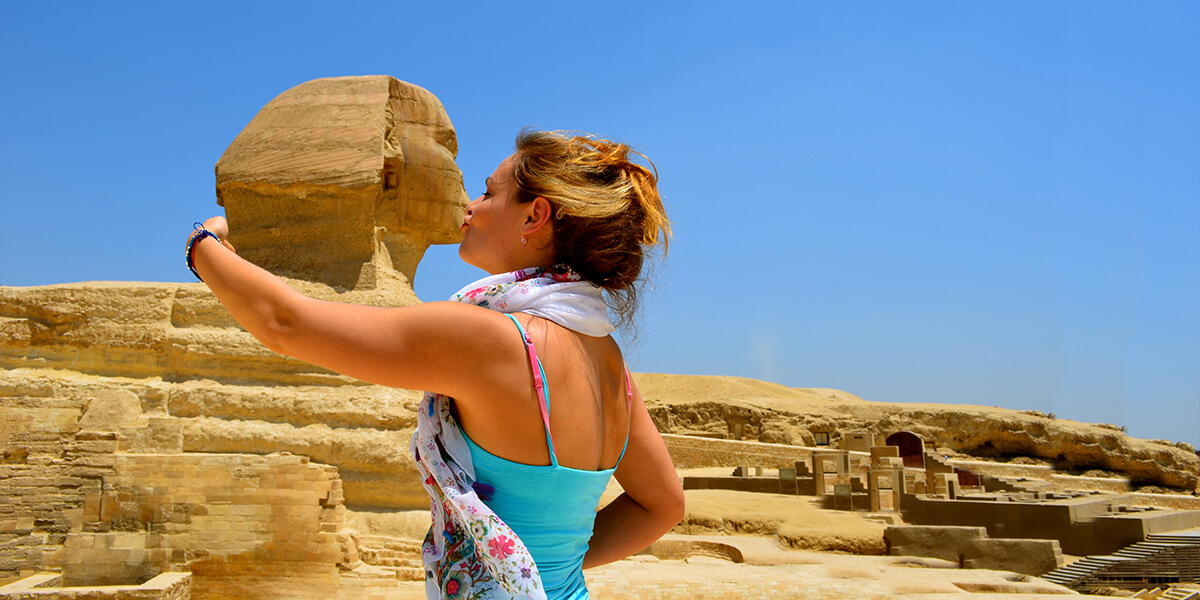
The Great Sphinx is one of the world's most iconic symbols, which was carved from limestone to immortalize the heritage of Khafre. This colossal statue measures 73 meters long and 19 meters high, with the body of a lion and the head of Pharaoh Khafre. The Sphinx is a symbol of power and wisdom, and its mystery continues to captivate visitors from around the world.
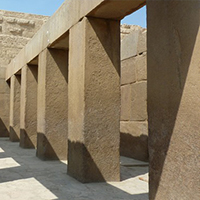
The Valley Temple is the oldest medical facility in history that was also part of the ancient funerary complex for Pharaoh Khafre. This sacred place was built from massive blocks of limestone. The temple is known for its well-preserved statues of Khafre. It was used for the king’s mummification rituals and as a place of worship.
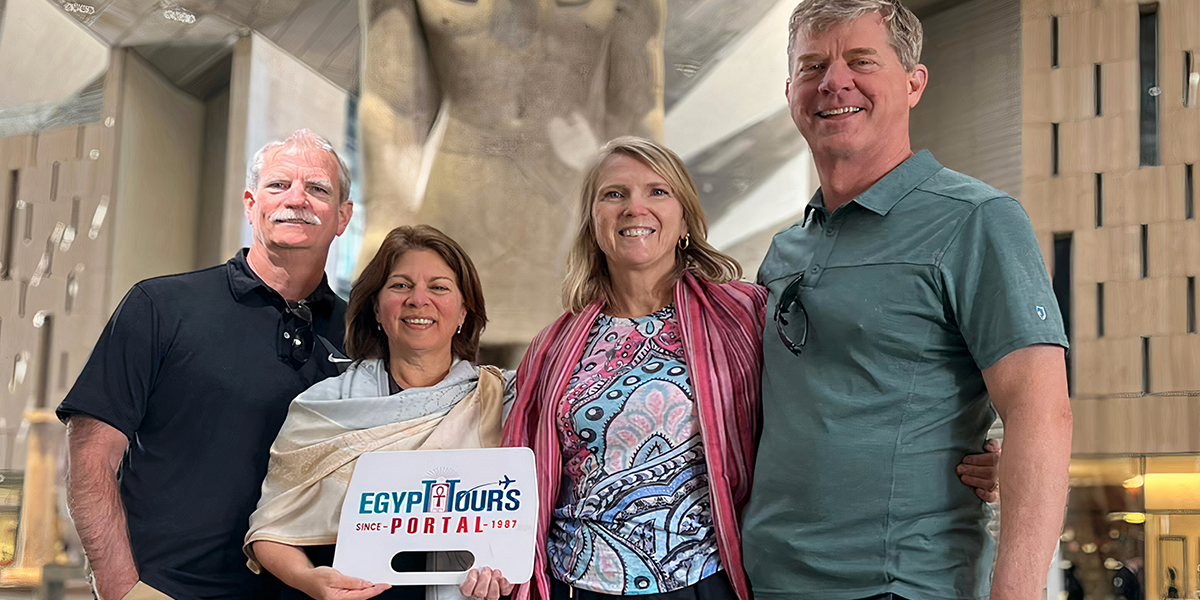
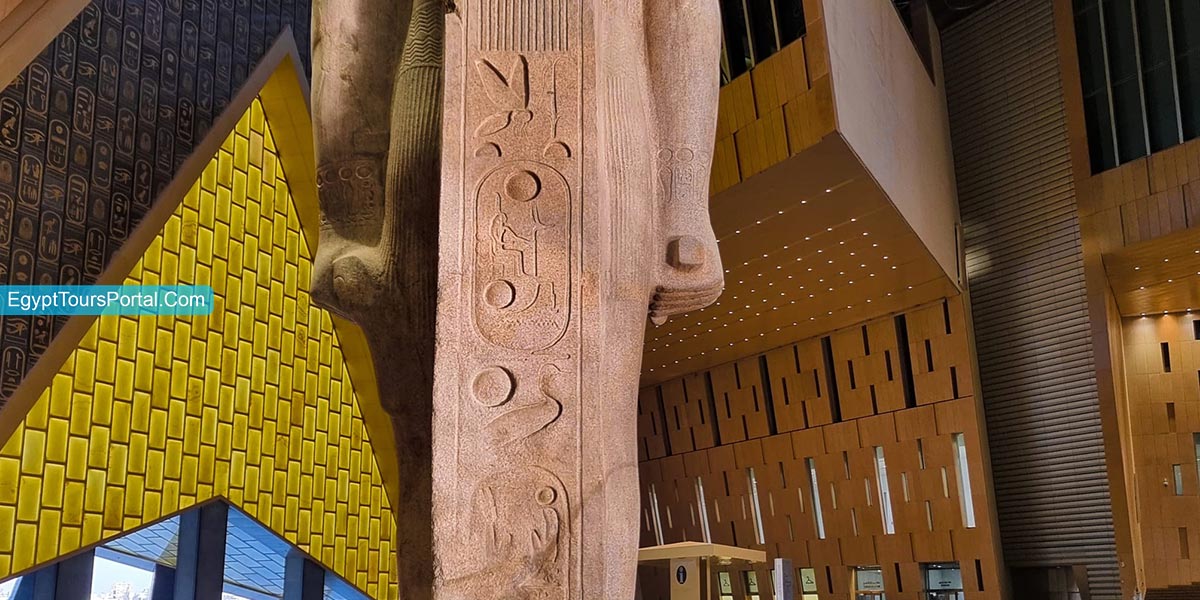
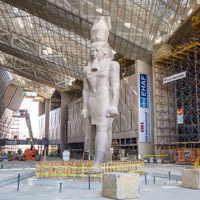
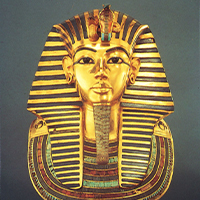
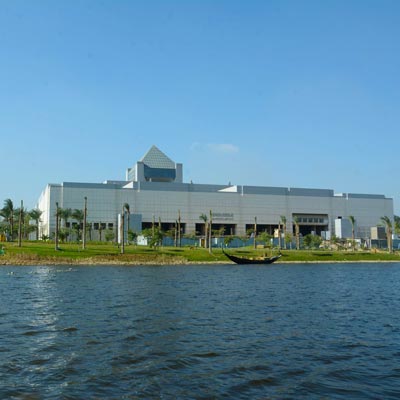
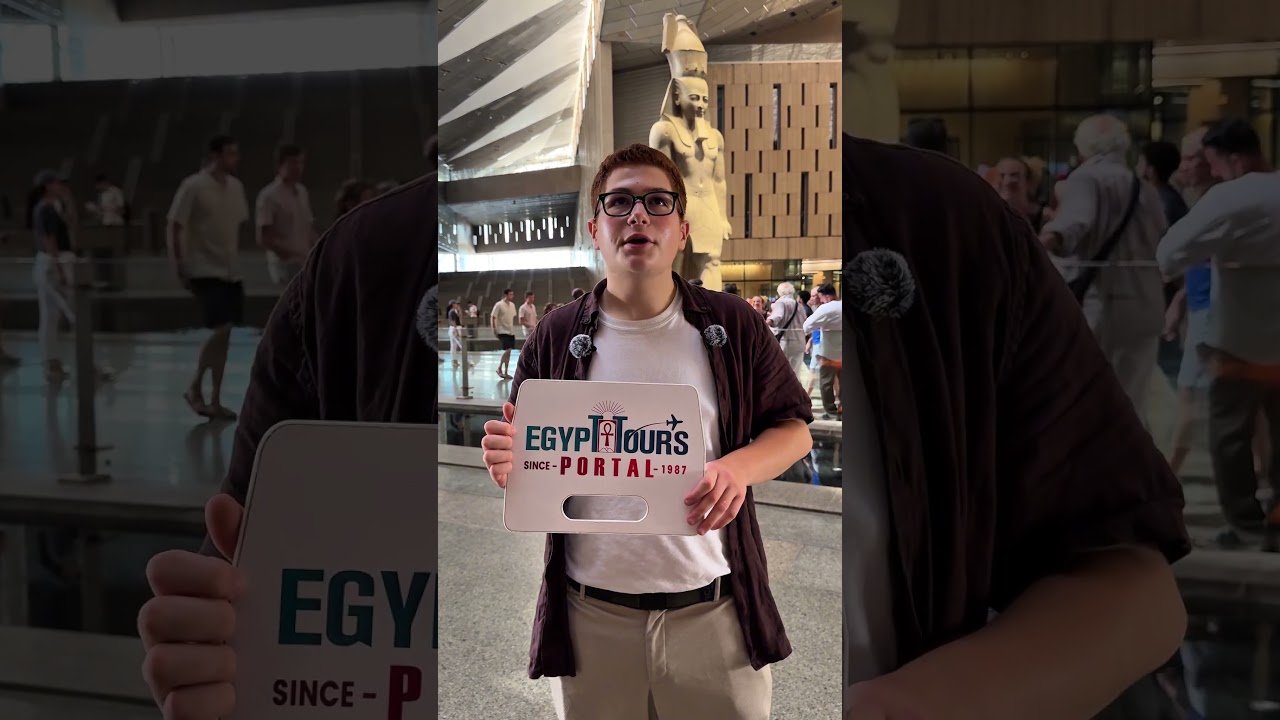
The Grand Egyptian Museum is a true wonder that showcases one of the world’s largest collections of ancient Egyptian artifacts, including the full treasures of Tutankhamun. It is aligned with the stellar pyramids of Giza, and spans nearly 490,000 square meters. GEM is designed to have one of the biggest conservation centers in the Middle East, along with research labs and educational facilities dedicated to preserving Egypt’s heritage. It serves as a gateway to 5,000 years of history, illuminating the artistry, spirituality, and enduring legacy of ancient Egypt. Highlights include the Hanging Obelisk, the colossal Ramses II statue, ten statues of Senusret, the Victory Column of Merneptah, and the dramatic Grand Staircase with Royal Regalia.
Then, you’ll have your tasty lunch at a local restaurant in Cairo before visiting:
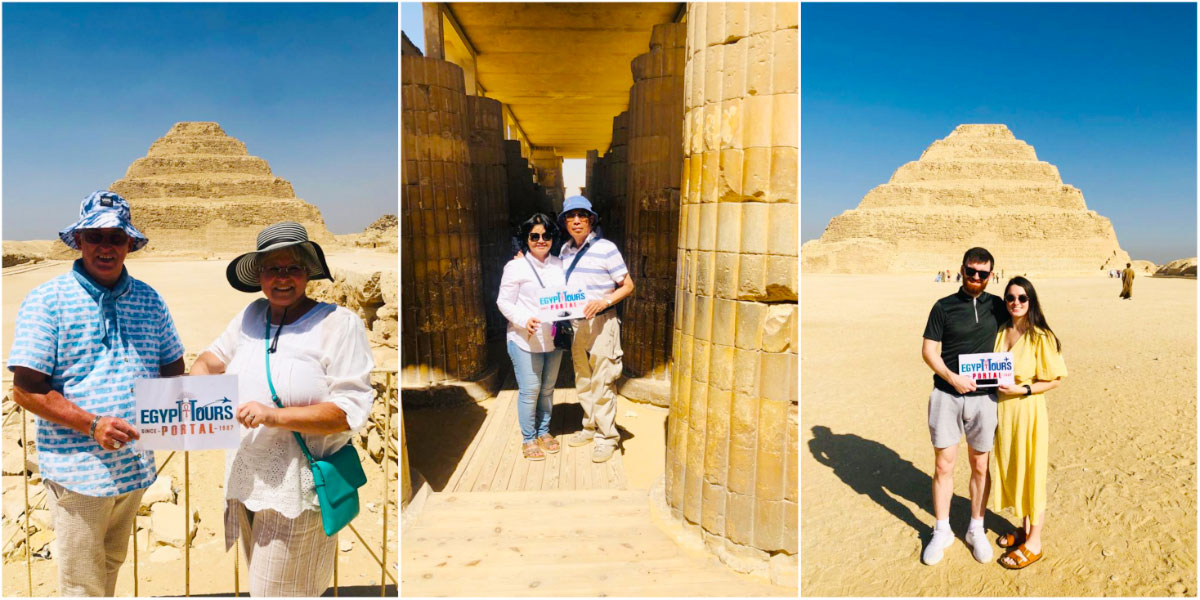
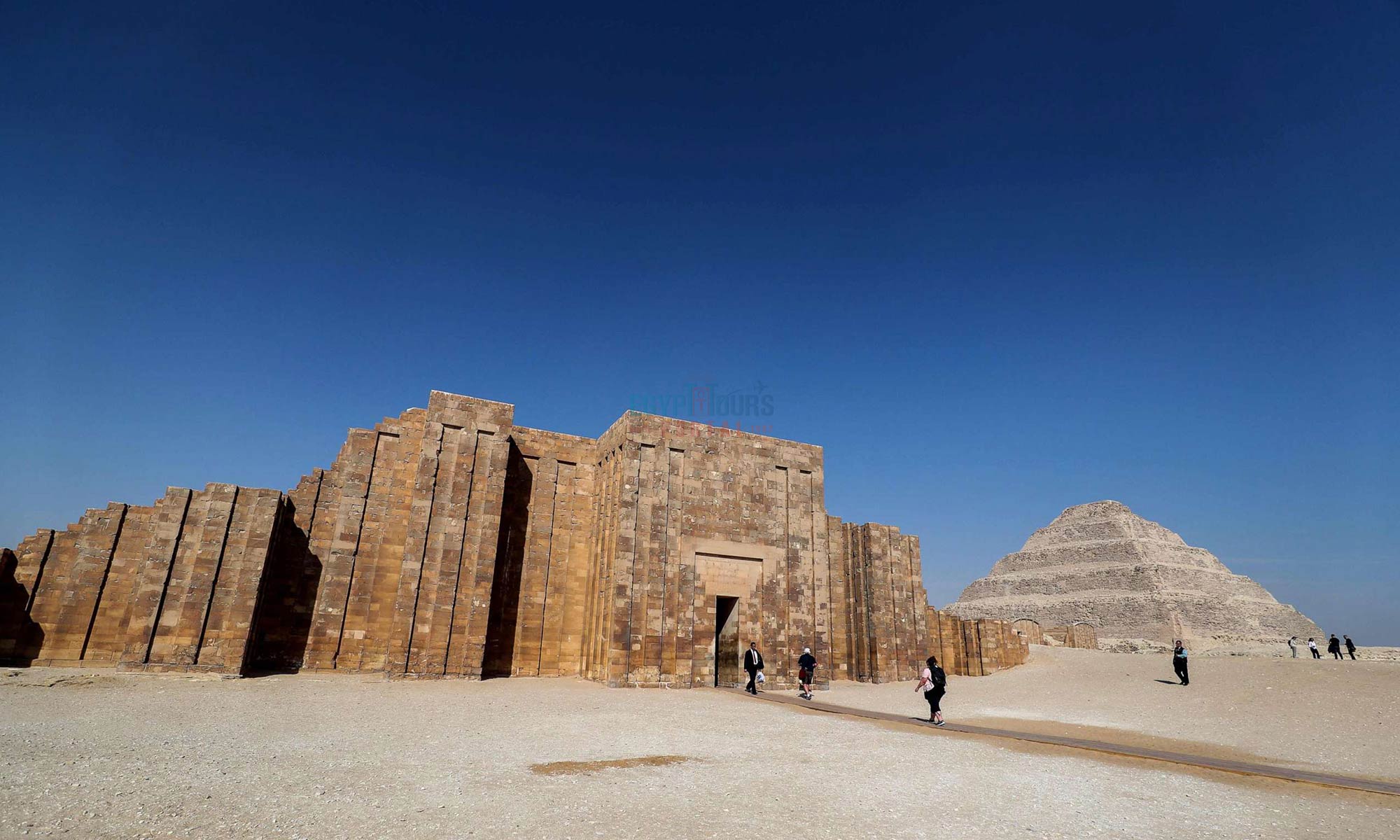
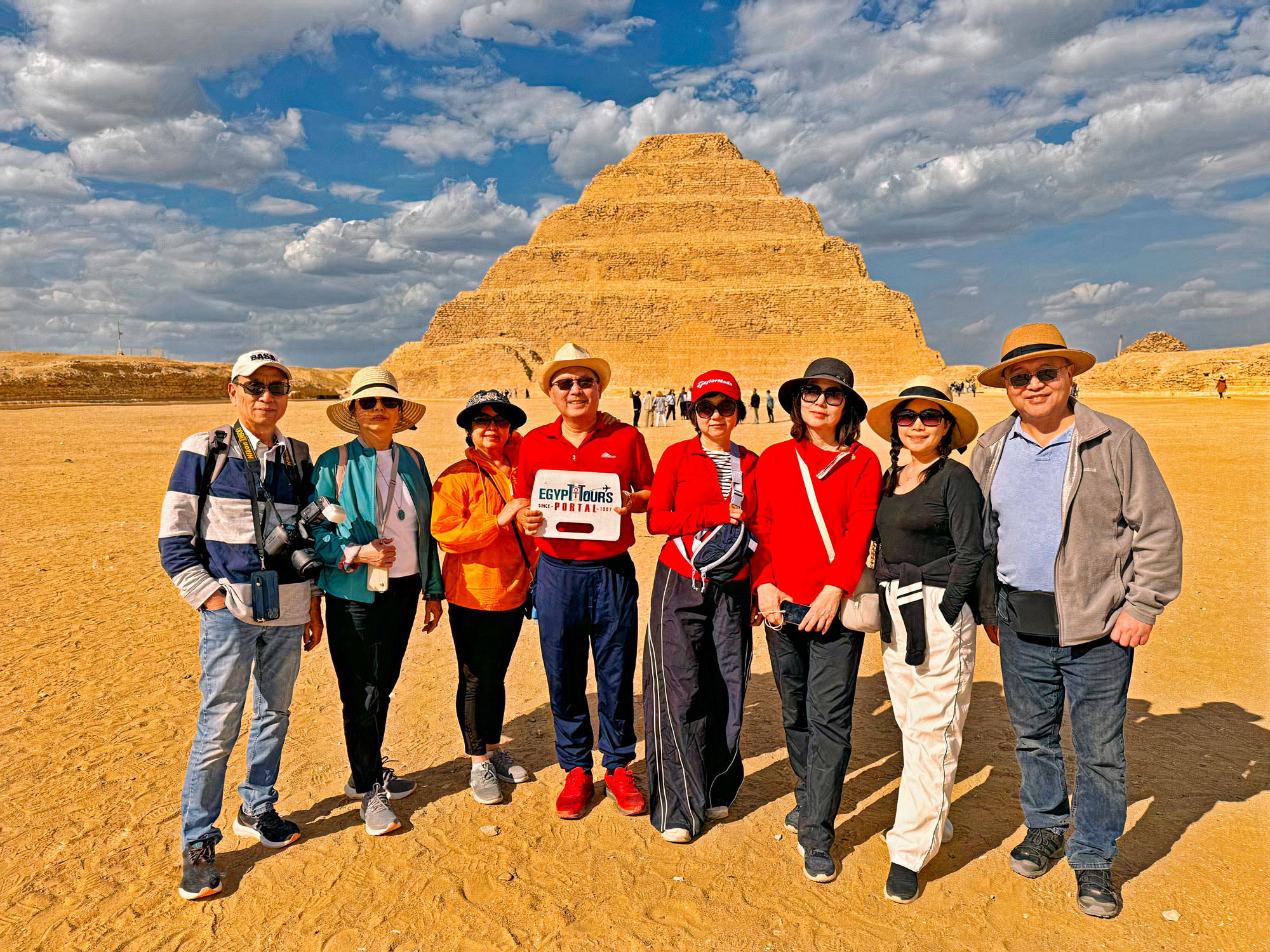
Saqqara step pyramid is an architectural marvel that marked the beginning of Egypt's golden age of pyramid construction. The Pyramid dates to between 2670–2650 BC and was designed by the brilliant Imhotep, the chief vizier and architect of Pharaoh Djoser. It stands 62 meters tall with its unique six-step design.
After enjoying your day, you will be transferred to Cairo Airport for your flight to Aswan, where you will check in to your hotel for the night.
After a delicious breakfast at your hotel, you’ll embark on a journey through both modern and ancient wonders that make Aswan one of Egypt’s most fascinating destinations.
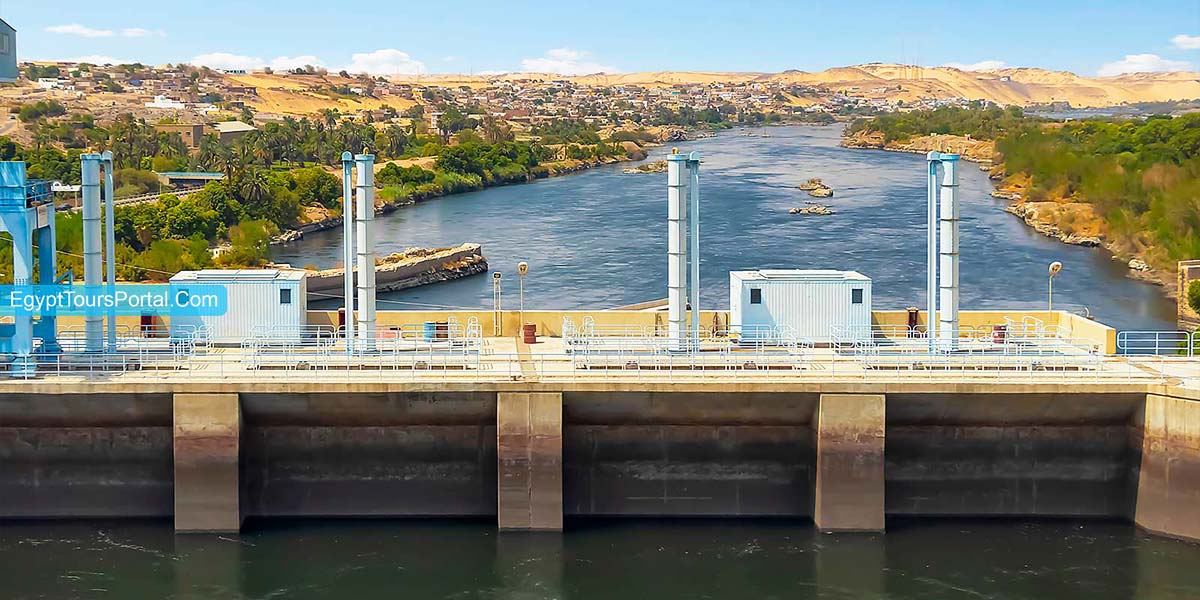
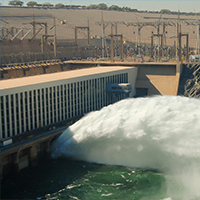
The Aswan High Dam is a modern wonder, constructed between 1960 and 1970 as a symbol of Egypt’s industrial golden age. The Dam was built in collaboration with the Moscow-based Hydroproject Institute. Its purpose was to control the Nile’s floods, store water in Lake Nasser, and generate hydroelectric power.
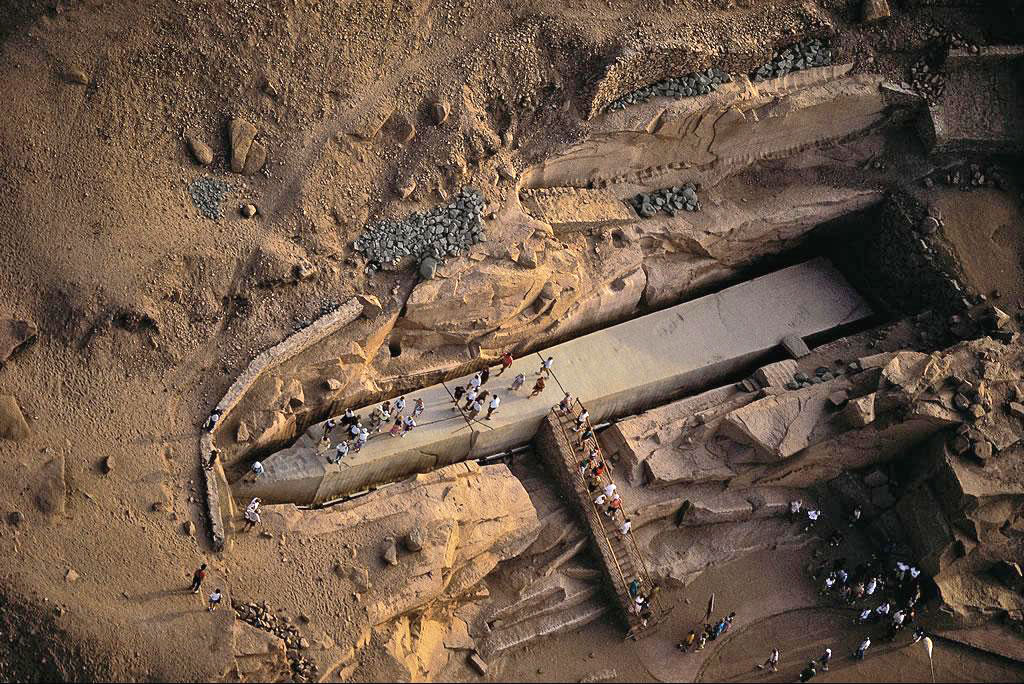
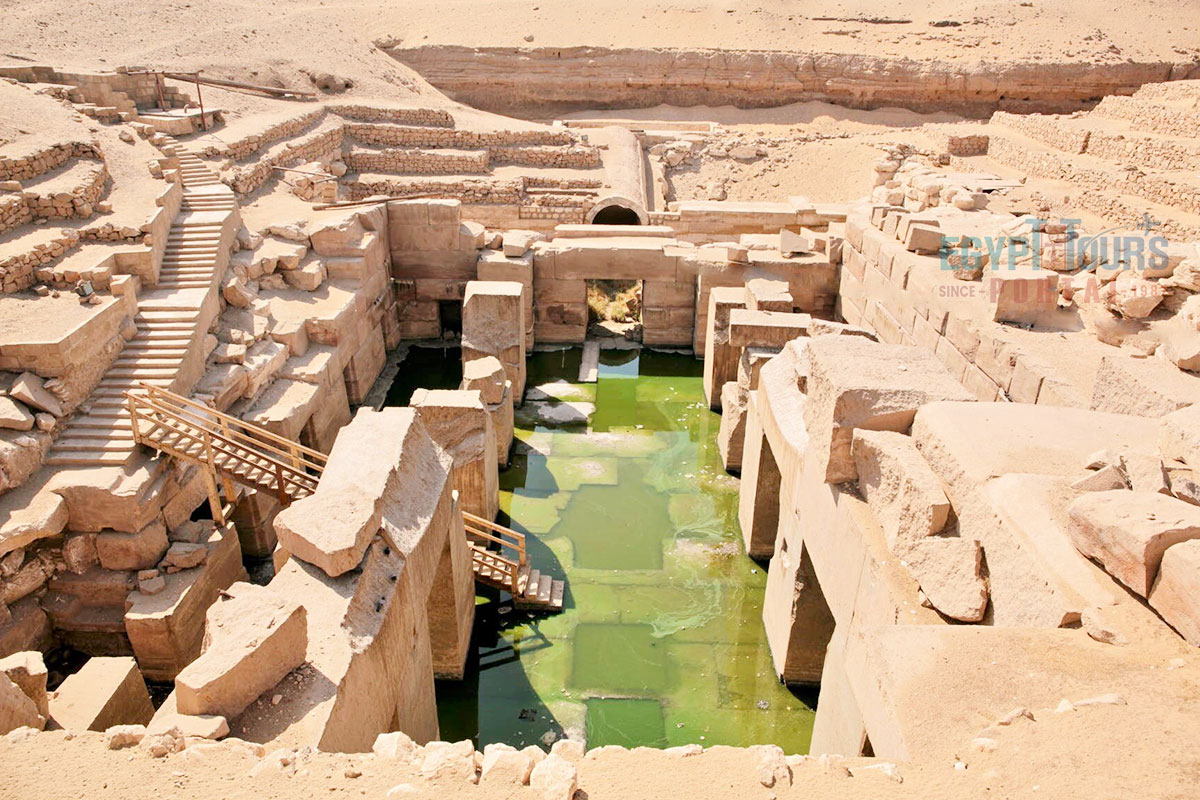
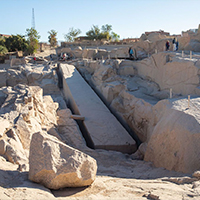
The Unfinished Obelisk is like a dormant giant from ancient times, commissioned by Queen Hatshepsut (1508–1458 BC) to stand proudly at the entrance of Karnak Temple. Known as Tekhenu, meaning “To Pierce the Sky,” it was meant to soar to 42 meters and weigh 1,200 tons, carrying the beautiful name of Hatshepsut.
After an enriching morning, you’ll break for a delightful lunch at a local restaurant. You’ll then continue your journey by visiting Philae Temple.
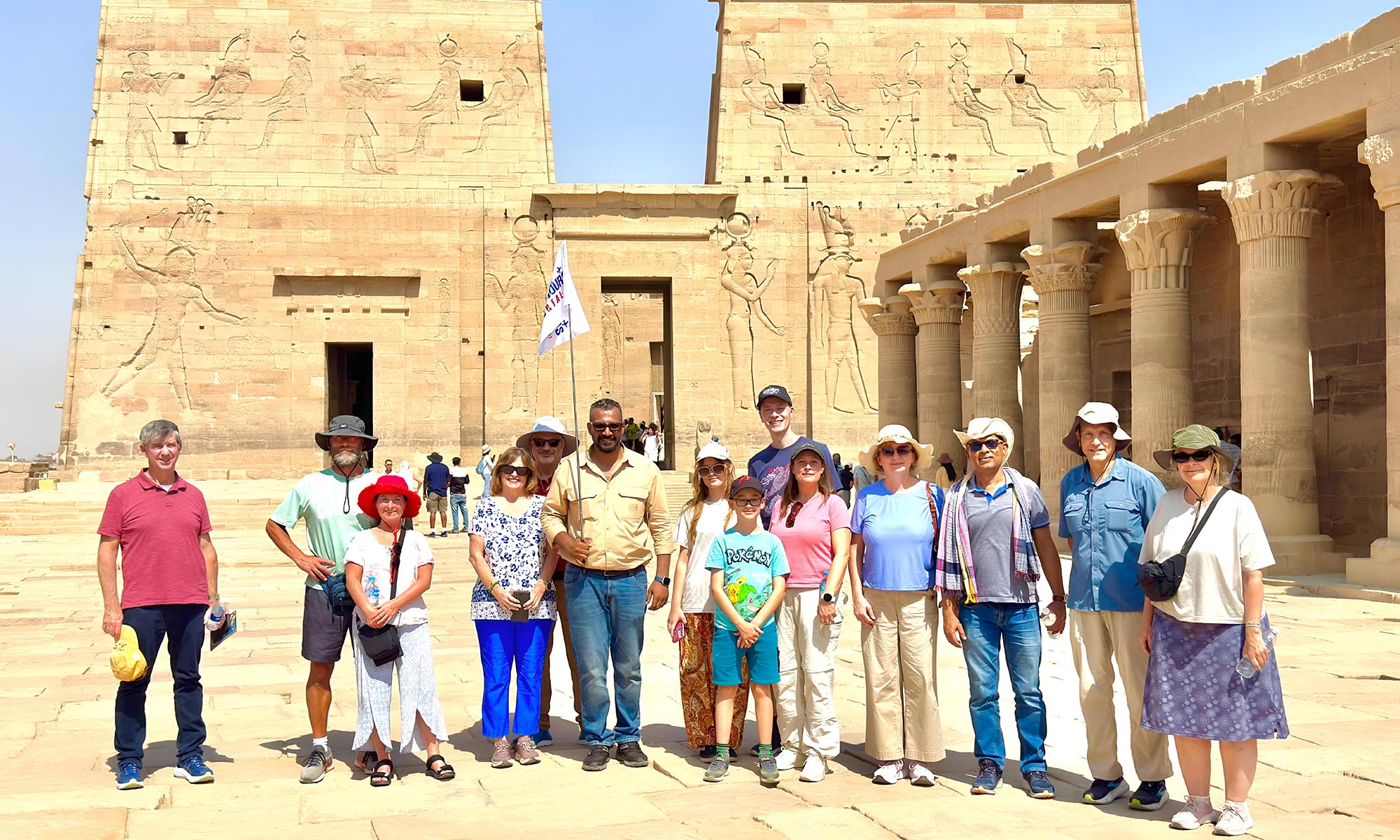
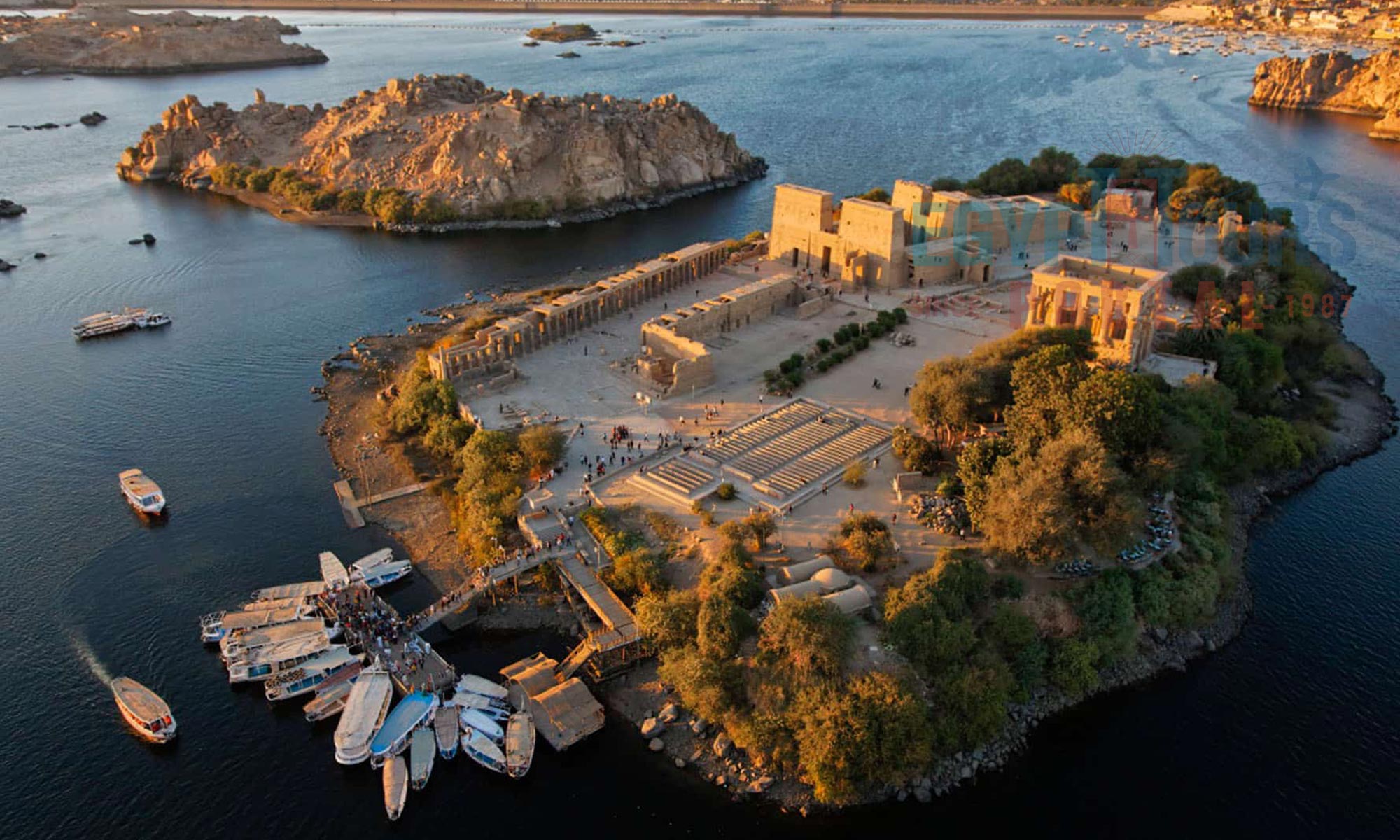
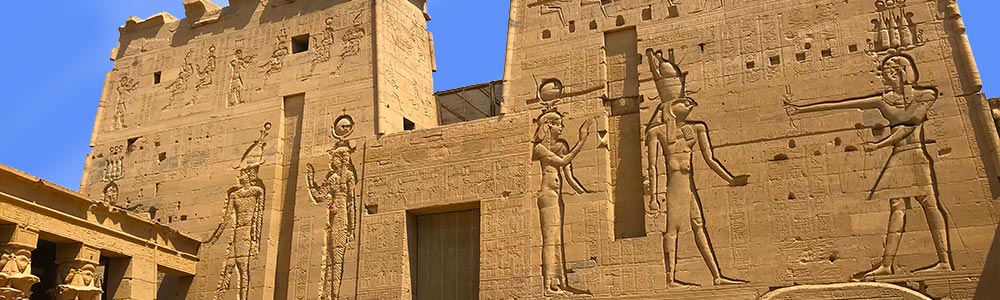
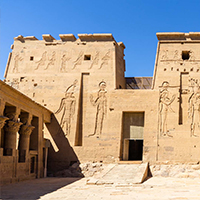
Philae temple is a shining symbol of Isis, the goddess of motherhood, feminism, and healing. The temple was built between 380–362 BC during the Ptolemaic period by Nectanebo I, and it carries the epic Myth of Osiris on its walls. It is one of the last true ancient Egyptian temples to be built in Egypt, featuring the original style of the ancient Egyptian builders.
In the evening, you’ll return to your hotel in Aswan, where you can relax and reflect on the extraordinary wonders you’ve discovered today.
Early in the morning, you will be transferred with your breakfast boxes by a modern air-conditioned vehicle to visit one of the most iconic archaeological sites in Egypt:
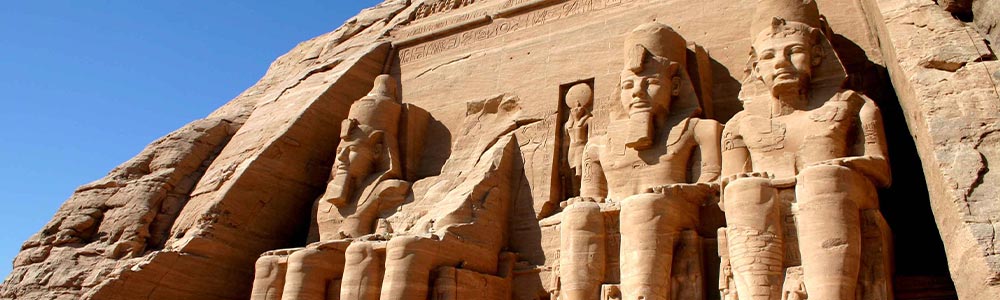
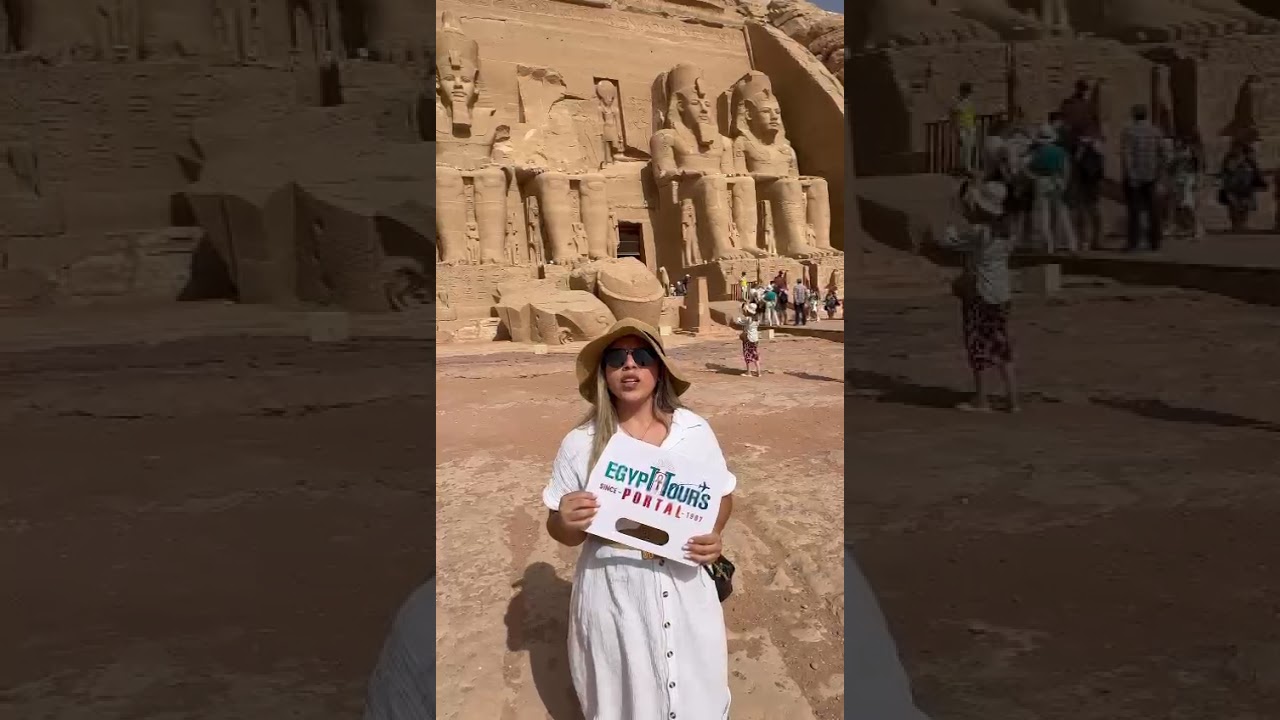
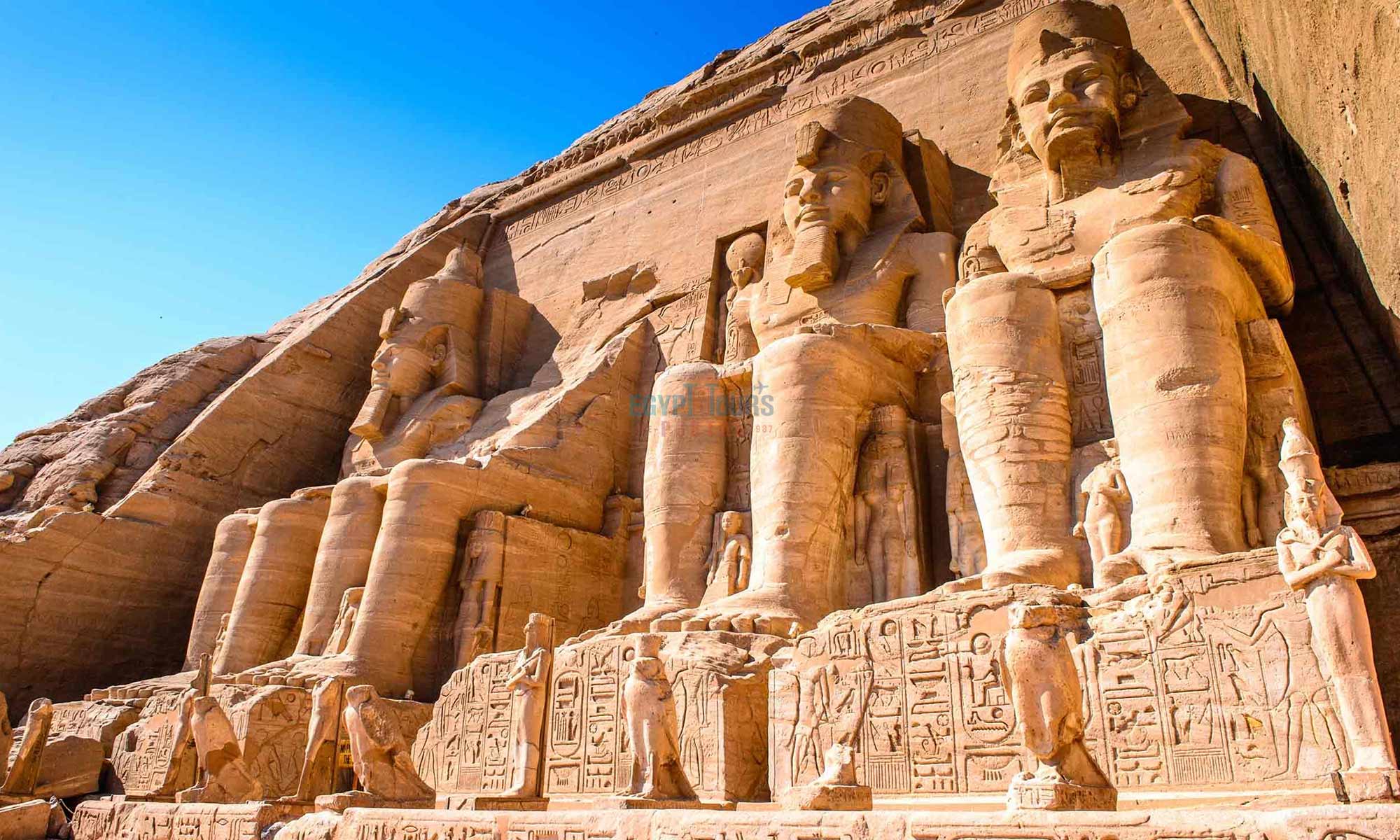
The marvelous Abu Simbel Temples stand as the eternal guardians of Egypt’s southern border and a celestial testimony to the immortal power of King Ramses II (1279–1213 BC). This masterpiece temple was built in 1264 BC during the New Kingdom, and was designed to glorify Ramses’ legacy for eternity.
The site consists of two temples: the grand temple of Ramses II, where twice a year (February 22 and October 22) the Sun Festival takes place, illuminating the faces of the statues of Ramses II, Amun, Ra-Horakhty, and Ptah. The smaller temple is dedicated to his beloved wife, Queen Nefertari, and to the goddess Hathor, symbolizing love, beauty, and motherhood.
After this unforgettable visit, you will return to Aswan to enjoy a delicious lunch at a local restaurant. Later in the day, you will be transferred to the train station to board a 1st class train to Luxor. Upon arrival, check in at your 5* hotel for an overnight stay.
On this day, after enjoying a delicious breakfast at your hotel, you will continue your journey through the timeless treasures of Luxor, starting by:
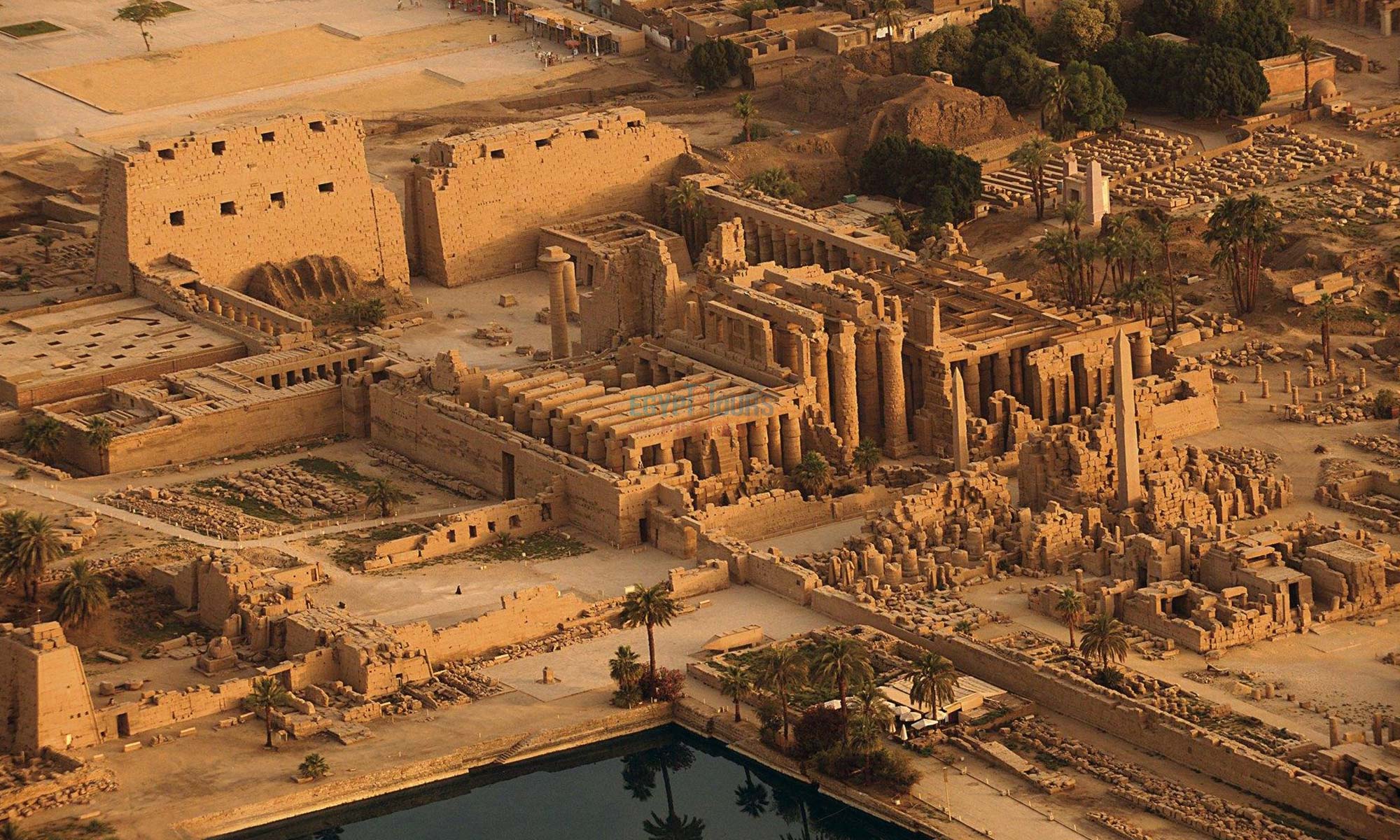
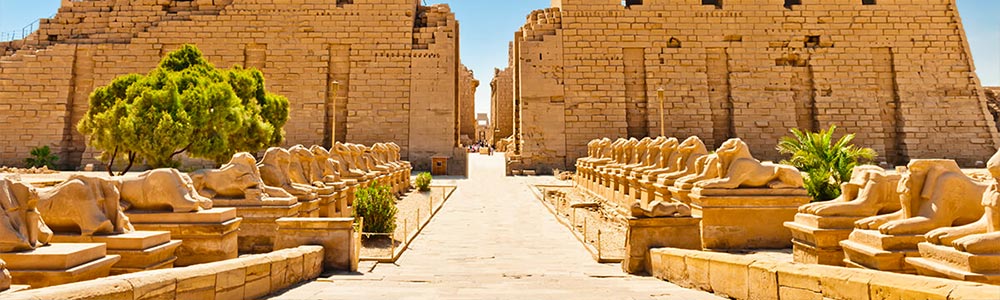
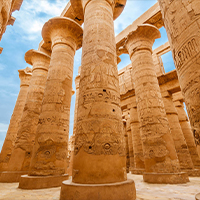
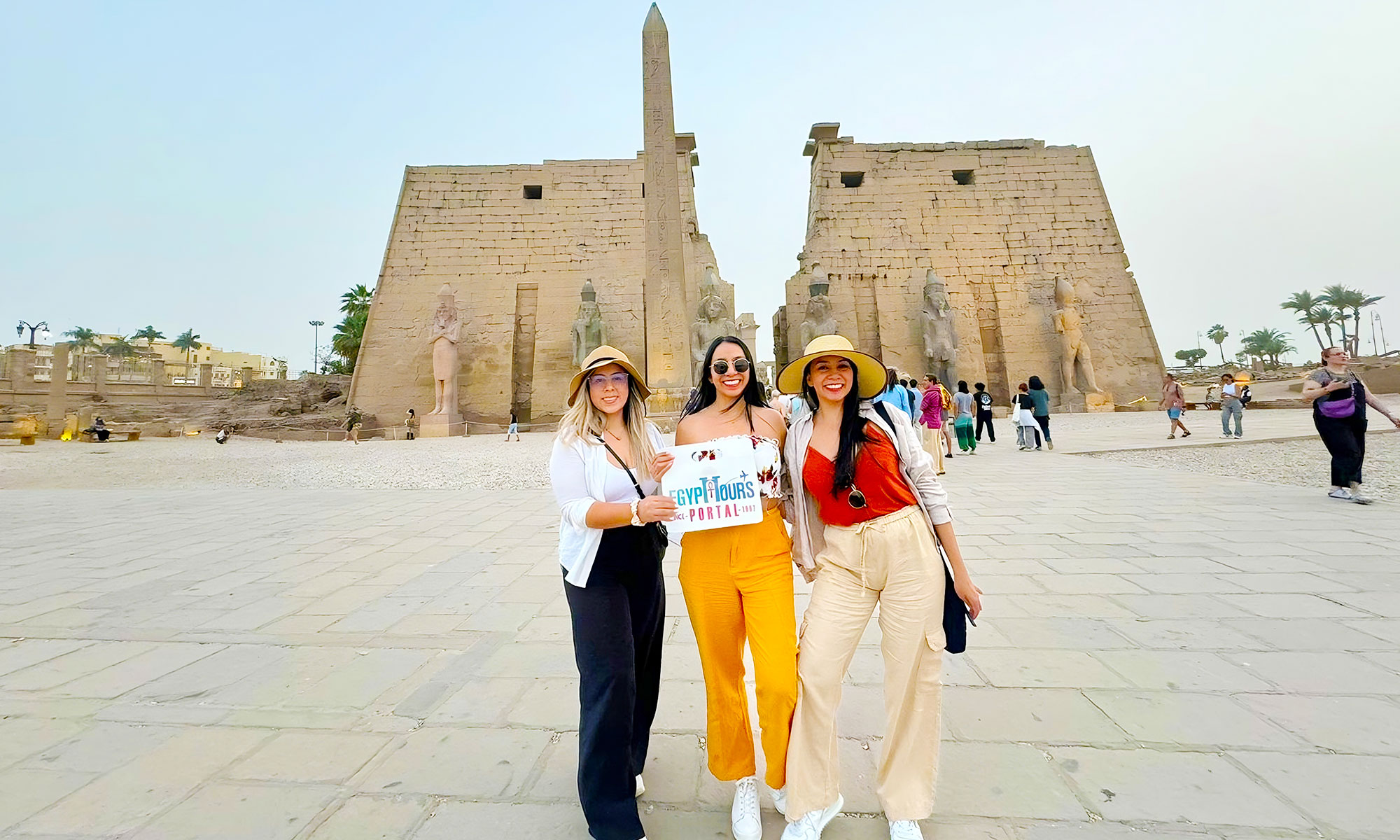
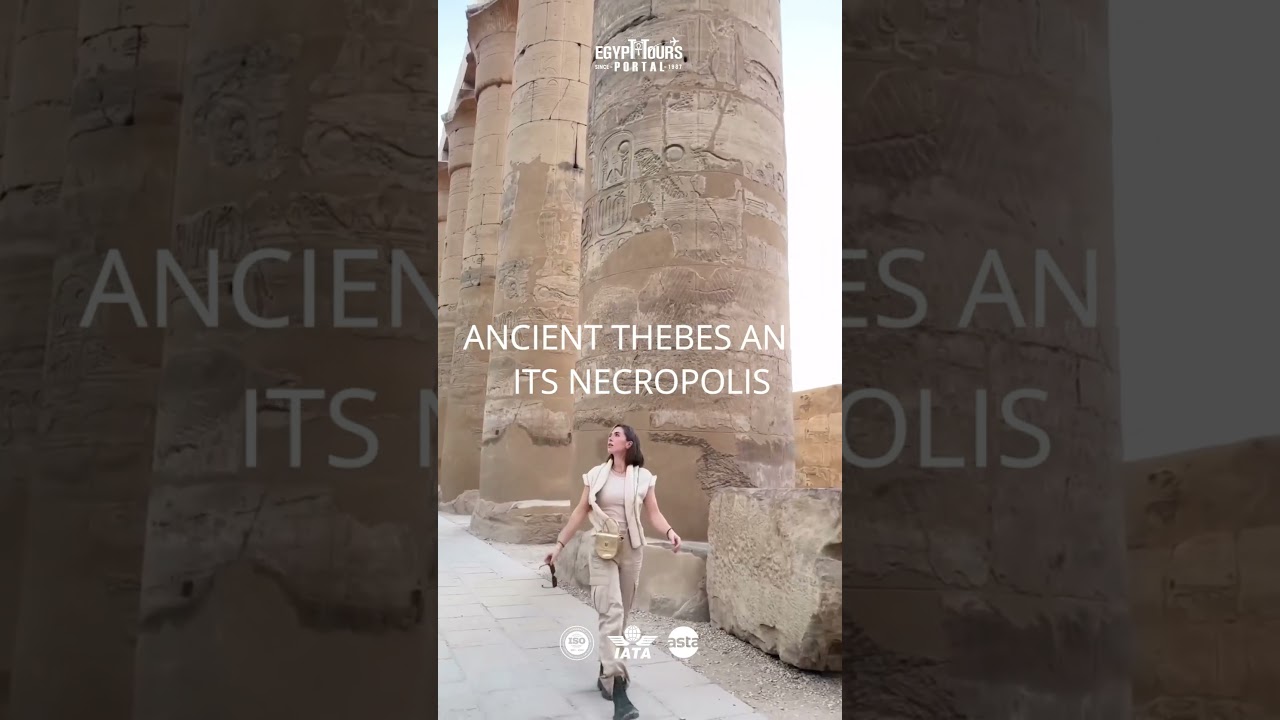
Karnak Temple, once known as Ipet-isu (“The Most Selected of Places”) and Pr-Imn (“House of Amun”), is the largest religious man-made structure on earth, which was built more than 4,000 years ago to serve as the spiritual center of Ancient Egypt for over 1,500 years. Inside its vast halls and along its sacred avenues, the temple paid tribute to several deities, including Osiris, Montu, Ptah, and Isis. Walking through the monumental hypostyle hall, surrounded by towering columns, feels less like sightseeing and more like entering a conversation between earth and the heavens.
After this magnificent experience, you will stop to enjoy a flavorsome lunch at an oriental restaurant before continuing your explorations.
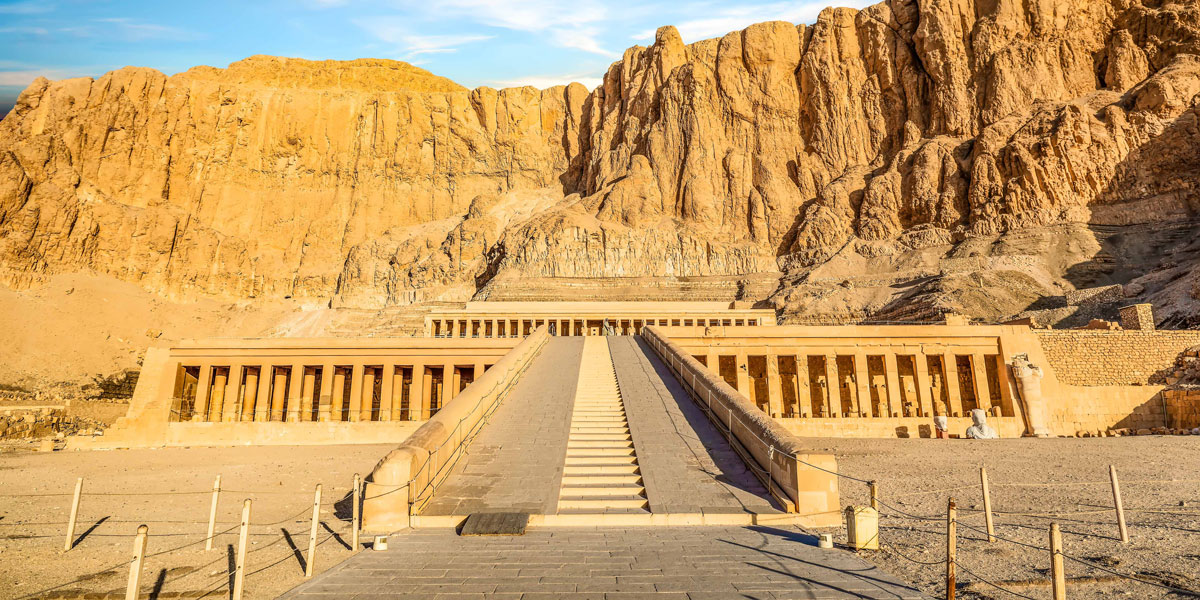
The captivating holy of holies temple of Queen Hatshepsut rises majestically at the foot of the cliffs in Deir el-Bahari since the 15th century AD, blending perfectly with the surrounding landscape. The temple was built for Egypt’s powerful female pharaoh; it stands as both a sanctuary for the gods and a monument to her reign. Its terraces, colonnades, and detailed reliefs narrate stories of divine birth, trade, and power. Even today, the temple’s harmony with nature makes it one of the most breathtaking sights in Luxor.
[touristattraction img="2020/03/valley-of-the-kings.jpg" name="Valley of the Kings"]
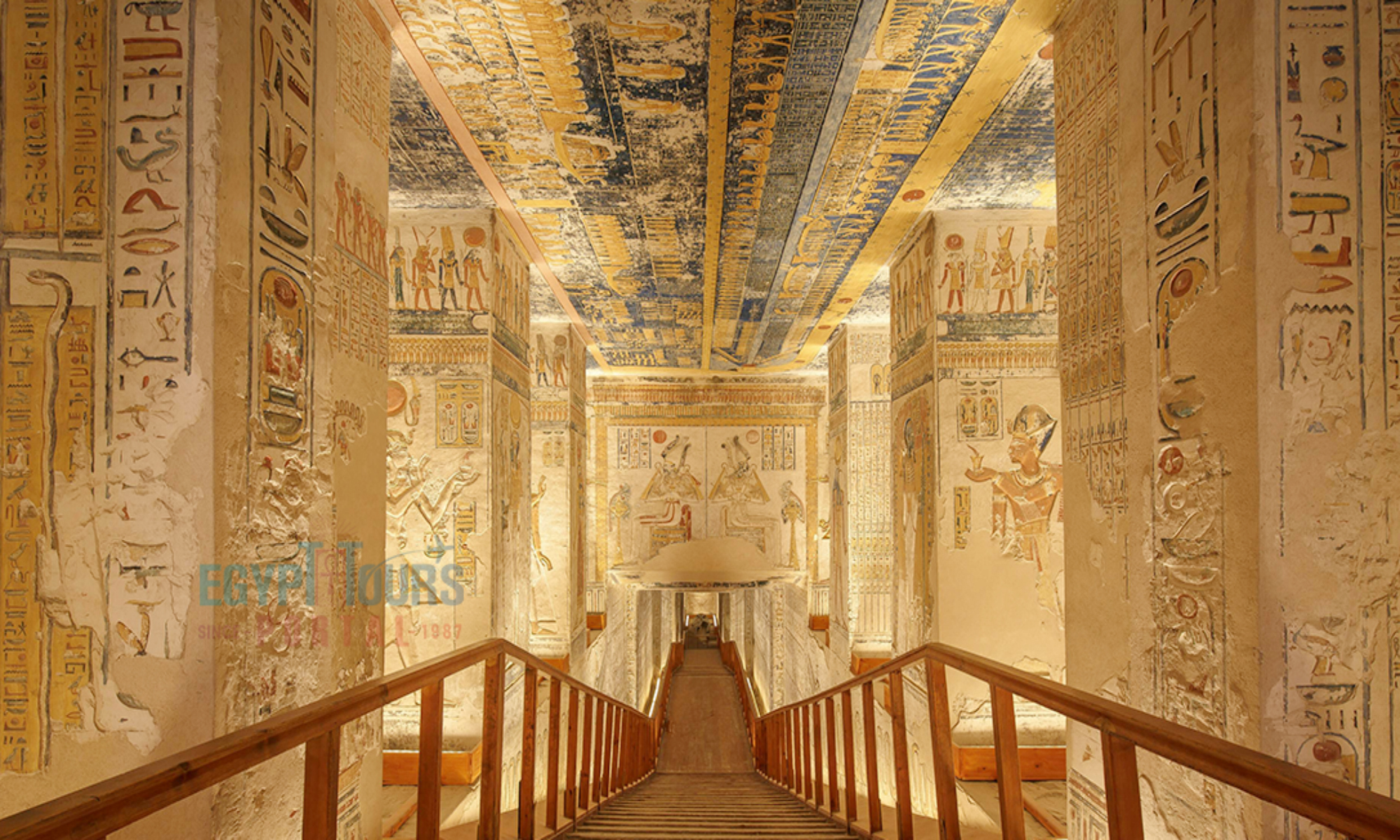
The mystical Valley of the Kings is a royal necropolis carved deep into the mountains, loaded with immortal embodiments of art and wonder. This sacred valley became the eternal resting place of pharaohs and nobles of the New Kingdom (1570–1070 BC) from the 18th to the 20th dynasties, housing 63 tombs filled with treasures, sacred texts, and dazzling artwork. Among them are the tombs of Ramses II, Amenhotep I, and the world-famous boy king Tutankhamun.
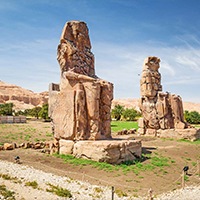
The towering Colossi of Memnon are two massive quartzite stone statues of Pharaoh Amenhotep III, each carved in 1350 BC, standing 18 meters high and weighing over 700 tons. Despite being damaged by a great earthquake in 27 BC, these majestic guardians were rebuilt in 199 AD and continue to watch over Luxor’s West Bank, inspiring amazement in all who stand before them.
As the day comes to a close, you will be transferred back to your hotel in Luxor for a relaxing overnight stay.
This morning, you will be transferred to the airport to board your flight to Cairo. Upon arrival, your guide will be waiting to accompany you on a remarkable journey through the city’s most treasured landmarks.
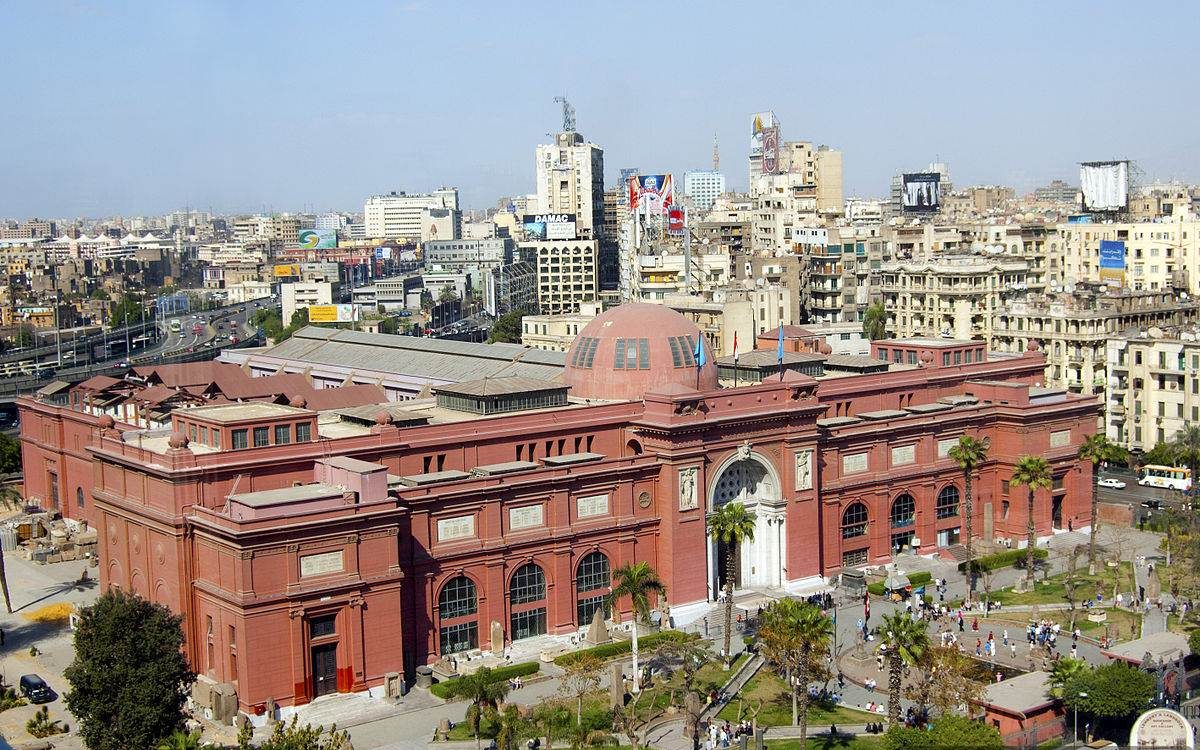
The Egyptian Museum is a true temple of history and beauty that reflects more than 5,000 years of ancient Egyptian civilization. It was made in 1901 to have halls that are filled with statues, jewels, mummies, and artifacts that span thousands of years, from the Old Kingdom to the New. Every corner feels like stepping closer to the timeless spirit of ancient Egypt.
Afterward, you will enjoy a delicious lunch at a local restaurant before continuing your journey into the religious heart of Old Cairo.
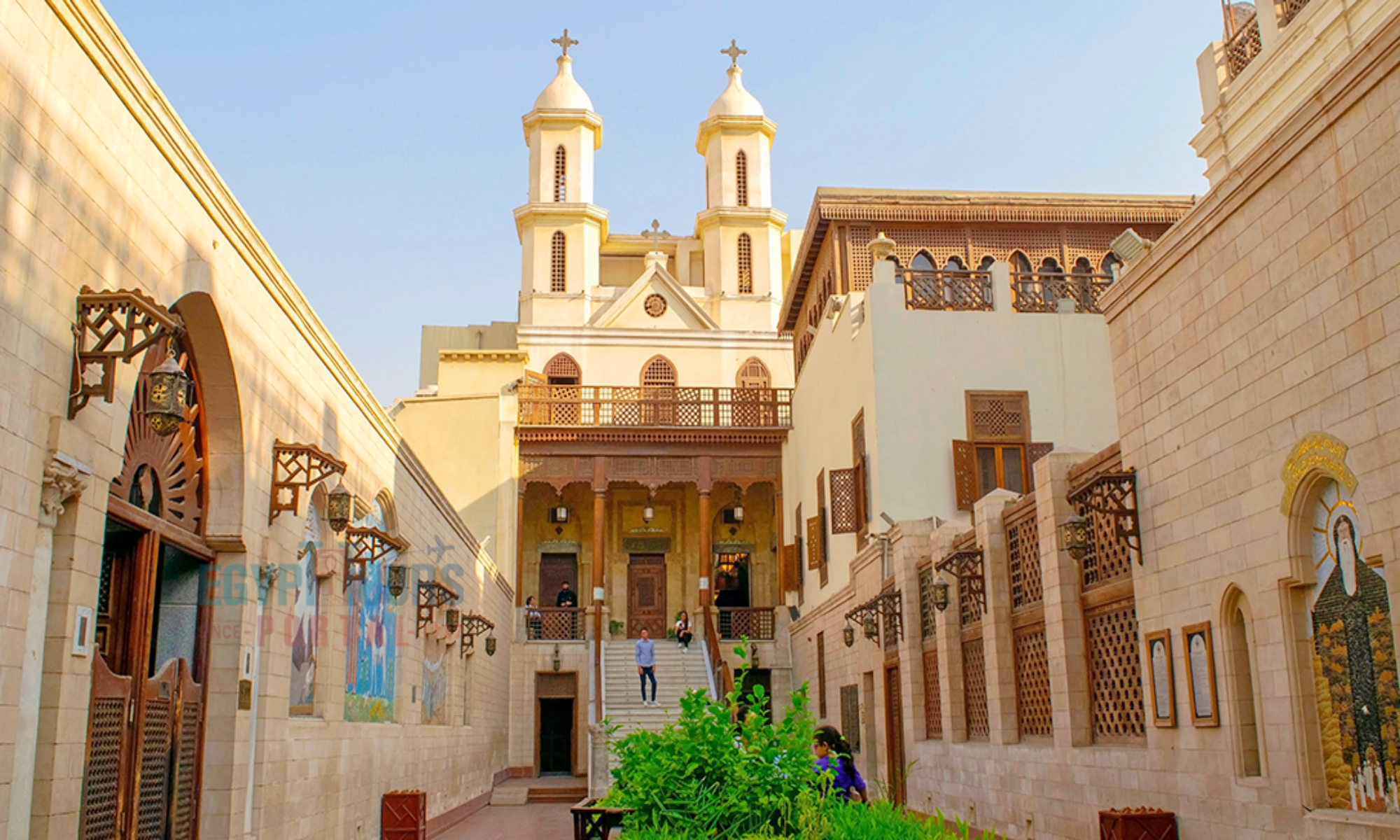
The Hanging Church is one of Egypt’s most important Coptic sites which is known as the Church of the Virgin Mary, and was built in the 5th century atop the southern wall of the Roman fortress of Babylon. The church, elevated 30 feet above the ground, dazzles visitors with its wooden ceiling, intricate icons, and architectural elements that date from the 7th to 13th centuries, carrying a lot of the history of grace.
Amr Ibn Al-Aas Mosque is the very first mosque ever built in Africa, dating back to 641 AD. Though it has been reconstructed many times, the mosque remains a living testimony to the evolution of Islamic architecture throughout the centuries and continues to serve as a vibrant house of worship to this very day.
Ben Ezra Synagogue is a one-of-a-kind structure, that began as a church that was later converted into a synagogue in 882 AD. This historic site is believed to have once housed an ancient copy of the Old Testament and still retains exquisite designs and decorations.
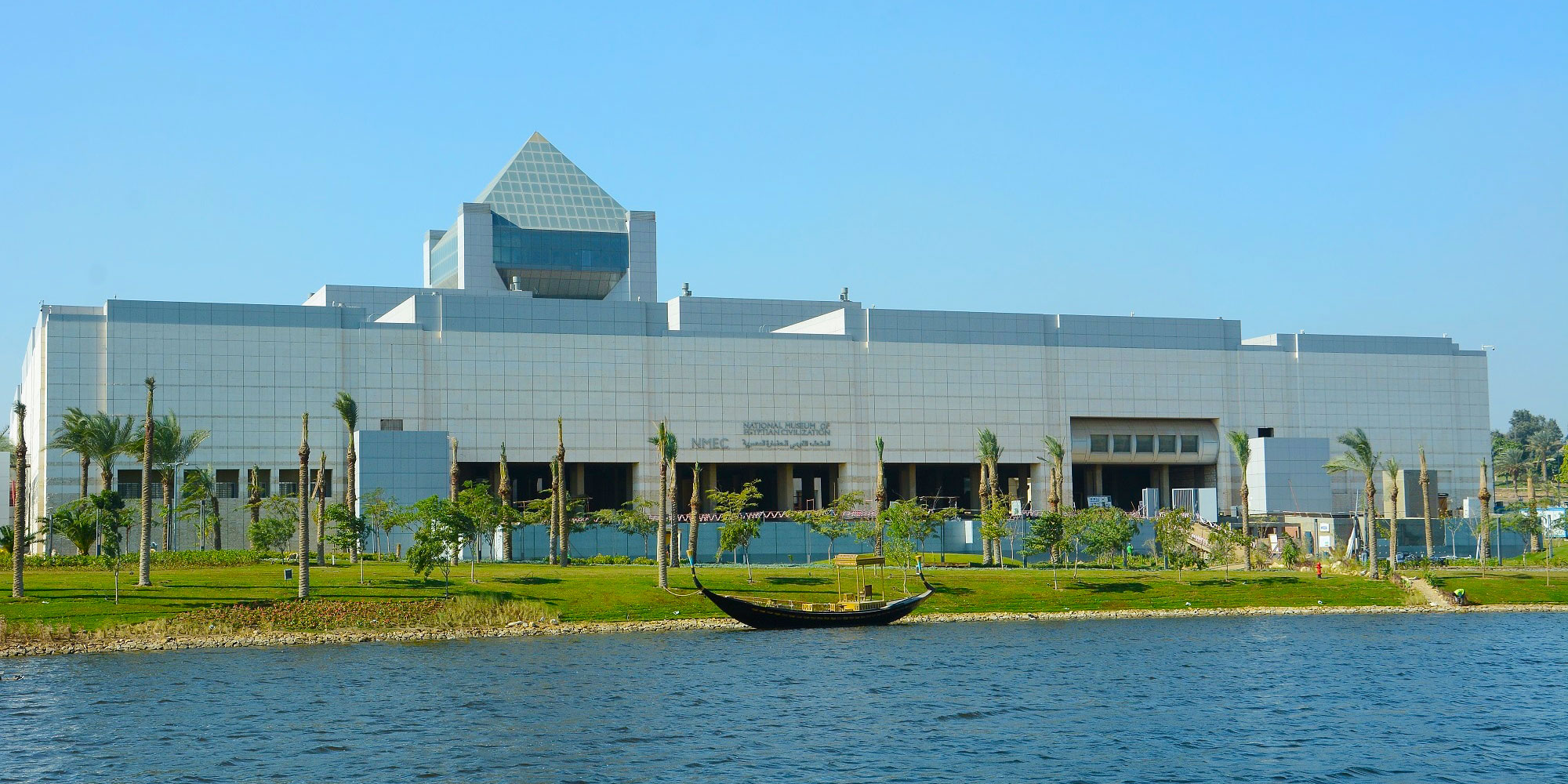
The National Museum of Egyptian Civilization (NMEC) is where all the magic is stored, this modern masterpiece of museology in Fustat connects Egypt’s long history from the prehistoric period to the contemporary age. Its most famous highlight is the Royal Mummies Hall, where visitors can come face to face with the legendary pharaohs of ancient Egypt.
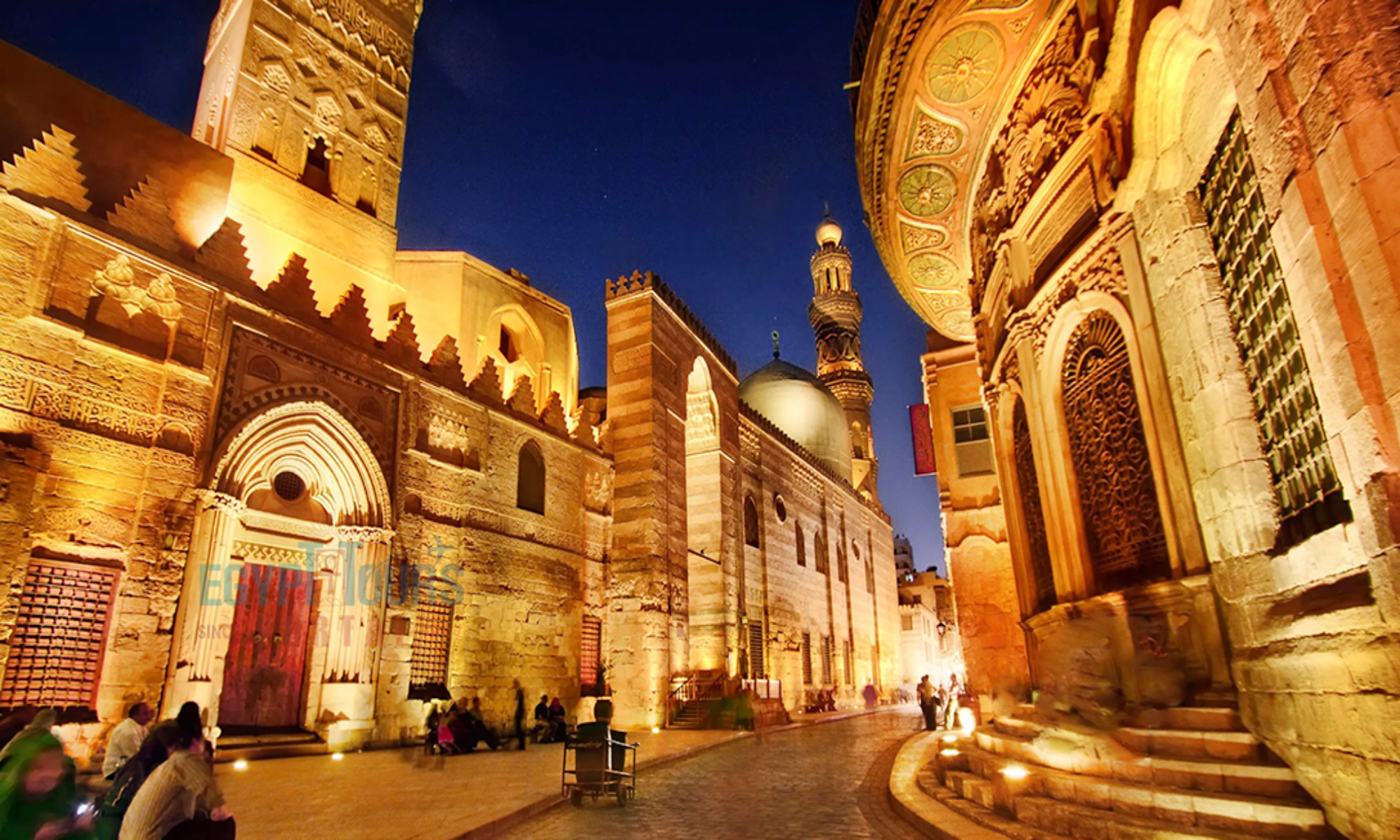
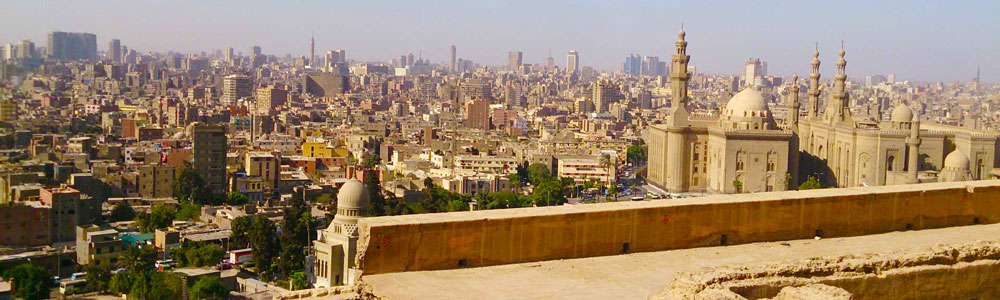
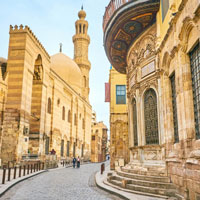
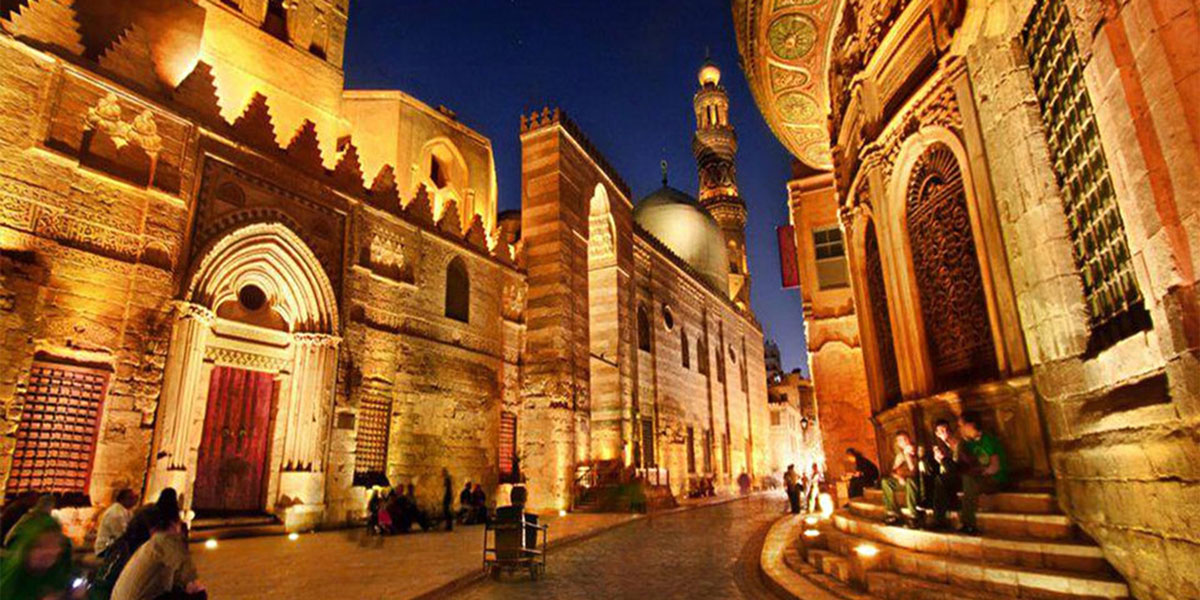
Al Muizz street is a golden maze of Islamic architecture filled with tales of greatness and wealth. The street is lined with mosques, madrasas, palaces, and amazing markets, it offers a living glimpse into a thousand years of history. By day, the intricate details of stone and woodwork shine, and by night, the street glows with a magical atmosphere.
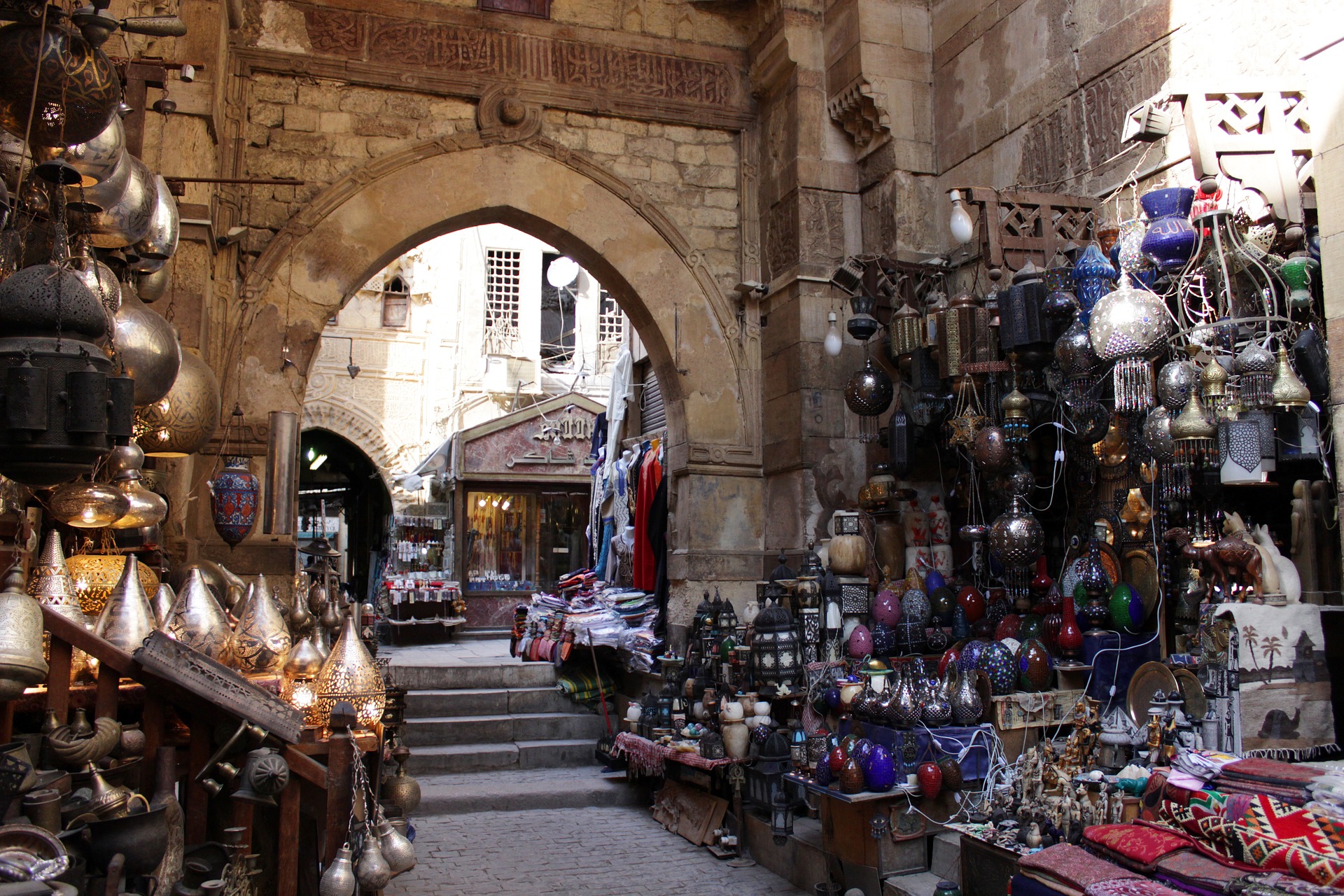
The legendary Khan El-Khalili bazaar is an enchanting marketplace that was founded in 970 AD, filled with narrow alleys brimming with colorful stalls, traditional crafts, spices, jewelry, and antiques. The bazaar’s centuries-old cafés and charming ambiance make it the perfect place to soak up the spirit of old Cairo and make your international trip even more memorable.
As the day draws to an end, you will return to your hotel in Cairo for an overnight stay.
After enjoying breakfast at your hotel in Cairo, you will be transferred to the airport to board your flight to Queen Alia International Airport in Amman. Upon arrival, our representative will be waiting to assist you with visa formalities.
Once the formalities are complete, you will meet your driver and be transferred comfortably to your hotel in Amman for check-in and relaxation.
After breakfast at the hotel, your driver will meet you to begin today’s journey through Jordan’s treasures.
Madaba is often called the “City of Mosaics,” and its crown jewel is St. George’s Church. The church is home to the famous 6th-century mosaic map of the Holy Land; the oldest surviving cartographic depiction of Jerusalem and surrounding biblical landmarks. This masterpiece remains one of the most significant pieces of early Christian art.
Mount Nebo is a legendary attraction that is believed to be the place where Moses stood and looked out over the Promised Land. From this revered spot, breathtaking views stretch across the Jordan Valley and the River Jordan, reaching as far as Jerusalem on a clear day. The mountain has been a place of pilgrimage for centuries, carrying profound biblical and historical significance.
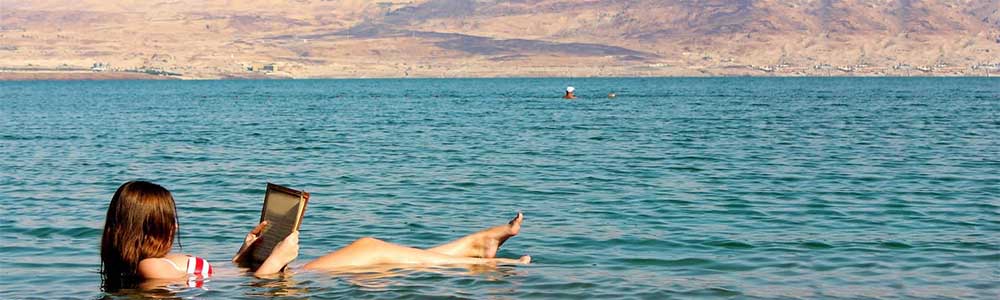
The ethereal Dead Sea is known to be the lowest point on Earth. Its dense, mineral-rich waters allow you to heal both physically and spiritually, plus float effortlessly, offering a unique and almost surreal experience. Many visitors also indulge in the natural therapeutic benefits of its famous mud, making this stop relaxing and rejuvenating.
Enjoy a very superb lunch before continuing your international trip to explore:
As the day draws to a close, the road leads south to the legendary city of Petra, one of the New Seven Wonders of the World. Upon arrival, you will check in at your hotel and spend the night in this ancient Nabatean capital.
After breakfast, you will begin an unforgettable day exploring two of Jordan’s most iconic destinations: the rose-red city of Petra and the magical desert of Wadi Rum.
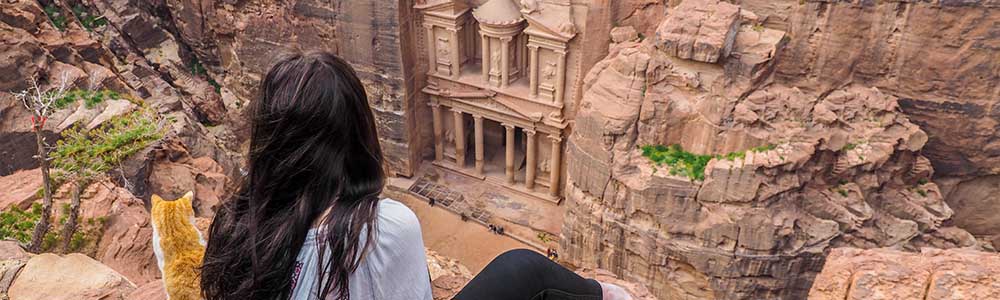
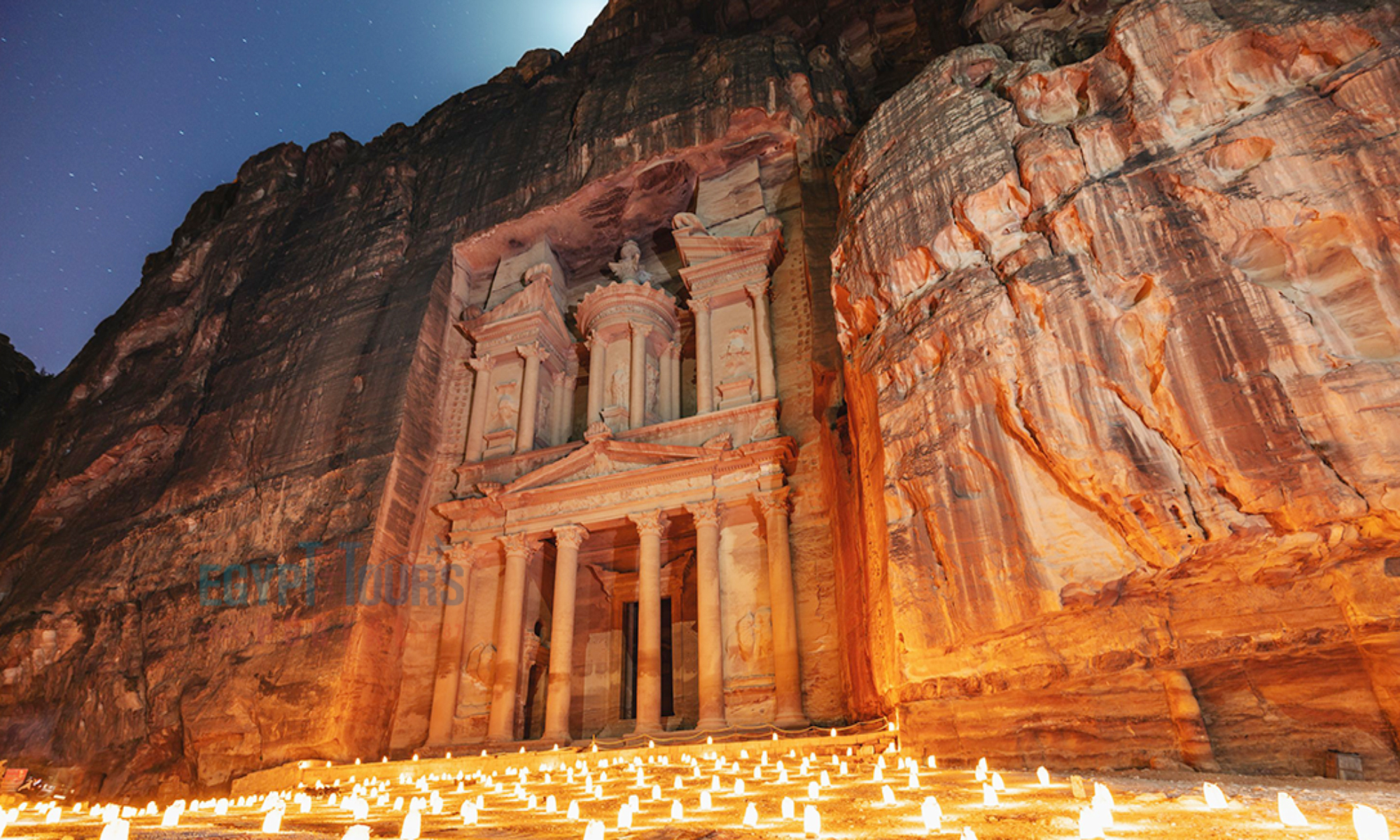
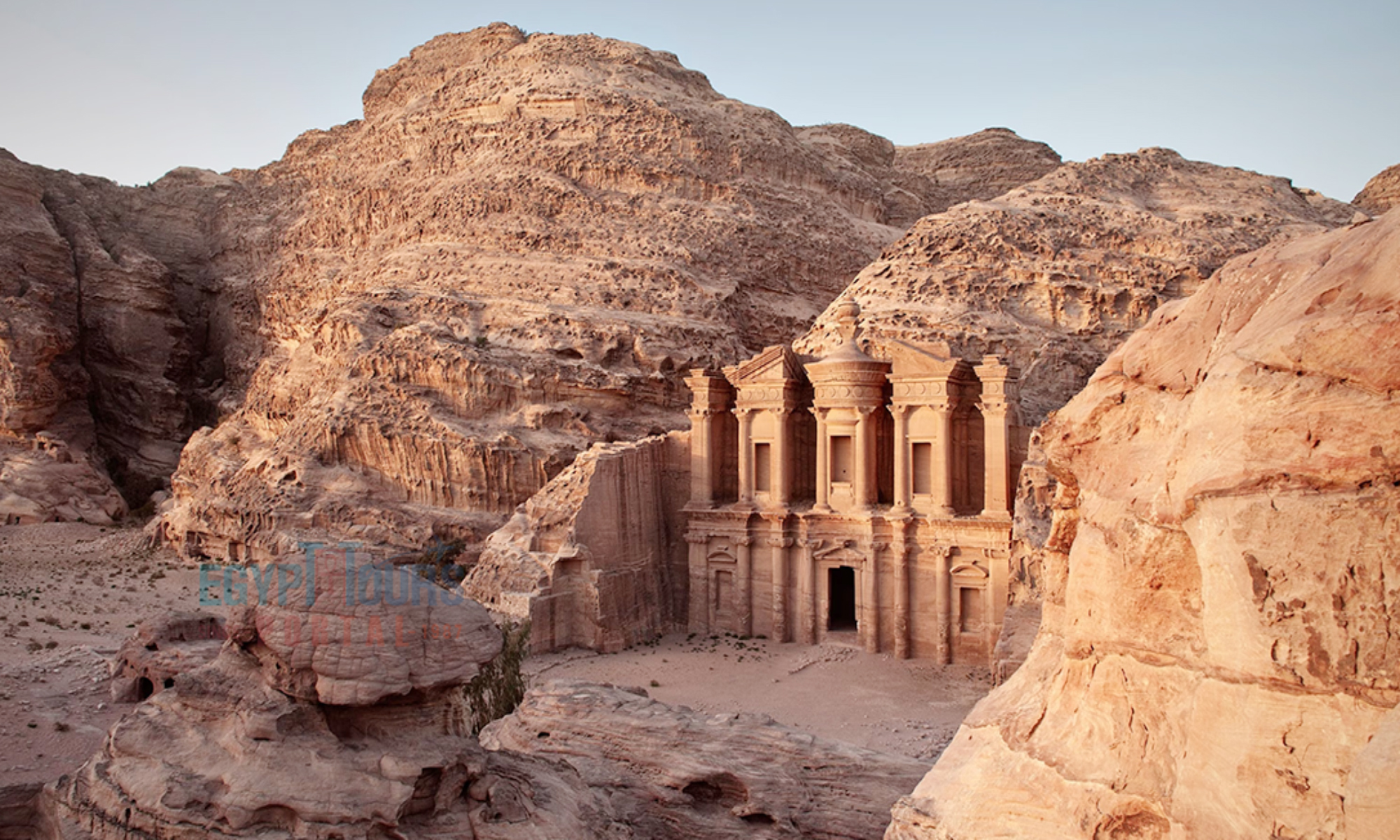
Petra was the ancient capital of the Nabatean civilization in the 2nd century BC, and is now one of the New Seven Wonders of the World for its innovative art and importance. It is made and carved entirely into rose-colored sandstone cliffs, plus through the Siq, a picturesque narrow gorge is the breathtaking Treasury (Al-Khazneh), Petra’s most famous monument.
Petra’s signature monument, carved in the early 1st century AD (likely under Aretas IV), stands ~39 m high by 25 m wide and fuses Hellenistic elements (Corinthian columns, pediments, tholos) with Nabataean style. Probably a royal mausoleum rather than a treasury, its dramatic reveal at the end of the Siq and film fame (Indiana Jones) cement its iconic status.
The Royal Tombs of Petra are located into the eastern cliffs and date mainly to the 1st century AD, the Urn, Silk, Corinthian, and Palace Tombs showcase Petra’s wealth and varied façades. Likely built for kings and elite families, they illuminate funerary practices, artistic exchange, and the city’s social hierarchy; notably, the Urn Tomb became a Byzantine cathedral in the 5th century.
The majestic theatre of Petra was carved from the living rock in the early 1st century AD and expanded after AD 106; the theatre seated up to 7,000. Its horseshoe cavea, rock-hewn seating, and later Roman stage features reflect a fusion of Nabataean–Greco-Roman design and the growing importance of public performance in Petra’s urban life.
This rare freestanding sandstone temple (c. 23 m high) dates to 30 BCE–AD 40, and likely served the Nabataean triad, especially Dushara (and possibly al-‘Uzza). Set near the Colonnaded Street, it preserves monumental stairs and a cella, surviving major quakes (notably AD 363) and offering a window into Nabataean temple planning and ritual.
Afterward, enjoy some free time to wander and take in the extraordinary atmosphere of this timeless wonder while enjoying your flavorful dinner.
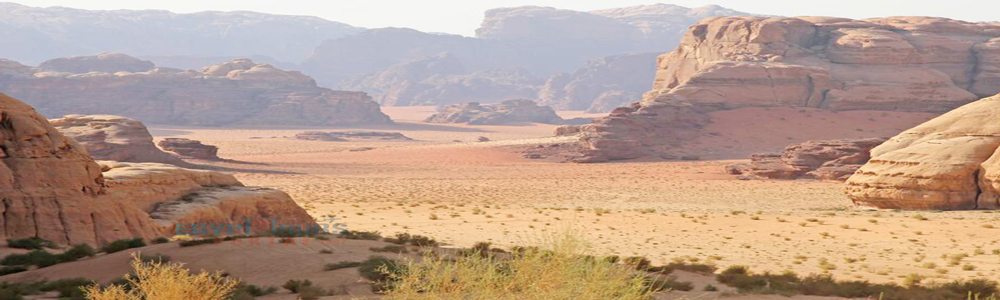
The international journey continues to the endless golden sands Wadi Rum, and its towering rock formations, and surreal beauty. This amazing place is known as the “Valley of the Moon,” this UNESCO-protected area offers one of the most breathtaking sunsets on Earth. As night falls, you will be welcomed with warm Bedouin hospitality, enjoy traditional food, and gaze at a sky filled with countless stars.
You will then spend the night at an authentic Bedouin Camp.
After breakfast, your journey continues with an exhilarating 4–5 hour 4x4 tour through the vast desert of Wadi Rum which is home to like Um Frouth Rock Bridge, Little Bridge, and Burdah Arch. During the tour, you will enjoy a picnic lunch in the heart of the desert, surrounded by Wadi Rum’s silent beauty, while exploring:
The 1st-century AD Nabataean Temple near Rum Village at the foot of Jebel Rum, marking Wadi Rum’s role on caravan routes between Petra and Aqaba. Remains include column bases, a courtyard, steps to a cella, and traces of cisterns/channels; inscriptions point to worship of Dushara (and possibly Allāt). Modified into the Roman/Byzantine era, it offers a rare glimpse of freestanding Nabataean temple architecture in a region famed for rock-cut monuments.
Lawrence Spring is identified with ‘Ain Abu ‘Aineh, this perennial spring, framed by fig and tamarisk and marked by Thamudic carvings, has supplied Bedouin, caravans, and camels for centuries. Named for T. E. Lawrence of the Arab Revolt (1917–1918), it’s a short 10–15-minute scramble with wide valley views; stone troughs still channel water. Surfaces can be slick after rare rains—wear grippy footwear.
Khazali Canyon is a narrow slot in Jebel Khazali preserving some of Wadi Rum’s richest rock art: Thamudic, Nabataean, and early Arabic inscriptions and petroglyphs of ibex, camels, hunters, and foot motifs. About 100 m of shaded passage with occasional pools makes it a cool refuge and historic waypoint; avoid entry during storms due to flash-flood risk. Part of the UNESCO-listed Wadi Rum Protected Area, it captures the desert’s long role as a cultural crossroads.
Enjoy your exceptional dinner and end your international journey to Egypt and Jordan.
Finally, you will return to Wadi Rum Village before being transferred to Amman or directly to the airport for your departure from Jordan.
Feel free to share your thoughts about adding or removing any tours from this itinerary while sending your tour inquiry. We can fully customize it to accommodate your exact requirements and fulfill your needs , check the most faqs regarding tour booking.
We have multiple payment methods in our payment system. Check How to Pay for This Tour
Visa requirements vary depending on your nationality, length of stay, and travel purpose. For the latest information and eligibility details, please visit our Egypt visa guide.
We accept payments via secure online payment links, credit/debit cards, bank transfers, and cash upon arrival when agreed in advance.
For your security, please only complete card payments through our approved secure payment gateway and never share card details via email, WhatsApp, or social media.
Our payment, cancellation, and refund policies vary depending on the tour type, travel dates, services booked, and supplier conditions.
Send request, and one of our travel specialists will contact you with all the details of your tour. You can also review our payment and cancellation policy for additional information.
Services vary by tour package and may include accommodation, transportation, guided tours, airport transfers, domestic flights, entrance fees, and selected meals. Please refer to your tour itinerary for a complete list of included services.

We offer private, customizable journeys tailored to your pace, moving away from the "factory-style" mass-market tours.
Travel with elite, licensed Egyptologists who act as storytellers, not just tour leaders.
24/7 "high-touch" support with a dedicated coordinator for every aspect of your multi-vendor itinerary.
Our "Tailor-Made" planning workflow ensures your trip matches your specific priorities and interests.
We prioritize premium guide quality and vetted, safe hotels to ensure a stress-free environment.
Advanced safety protocols and 24/7 emergency contact for total peace of mind during your adventure.