
Summary
- Nighttime on a Nile cruise splits between onboard activities, the sun deck, dinner, cultural performances, stargazing, and options ashore in Luxor and Aswan.
- Onboard, a themed cultural evening such as a Galabeya party or Tanoura performance is common but not guaranteed on every sailing, so checking the ship's program in advance helps.
- The Karnak and Philae sound and light shows (roughly $45-70 and $50-60 per person respectively) turn a familiar daytime temple visit into a genuinely different evening experience.
- A horse-drawn carriage ride and a night visit to Luxor or Aswan's souks offer a slower, street-level way to spend an evening off the ship, typically $20-60 and highly bargain-friendly, respectively.
- Practical prep, a light jacket for the temperature drop, small-denomination cash, and confirming excursions a day ahead, makes the difference between a smooth evening and a missed one.
The Nile River changes character with every sunrise and sunset. The river traffic thins, the heat of the day breaks, and the temples that draw crowds by late morning take on a different mood entirely once their columns are lit from below, and the desert sky behind them goes dark.
A Nile cruise is built around daytime sightseeing, Karnak at dawn, Luxor's tombs by mid-morning, but the evening hours carry their own, often underrated, itinerary of their own.
This guide covers what a typical night on a Nile cruise actually looks like, the activities available directly on board, from the sun deck to the dining room to a folklore performance, and the options waiting just off the ship, a temple sound and light show, a horse-drawn carriage ride, or a market that only comes alive once the sun goes down. A closing set of practical tips rounds out everything needed to plan an evening on the water well in advance.
What the Night Looks Like Onboard the Nile Cruise
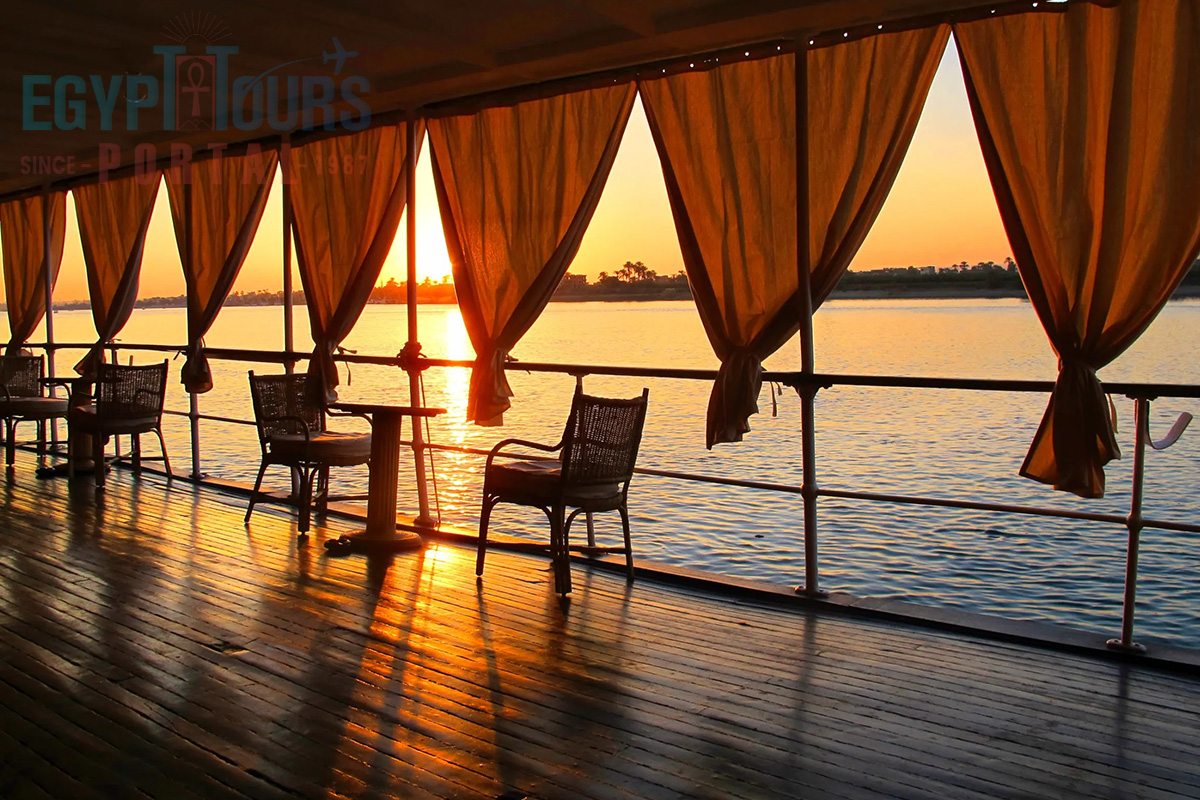
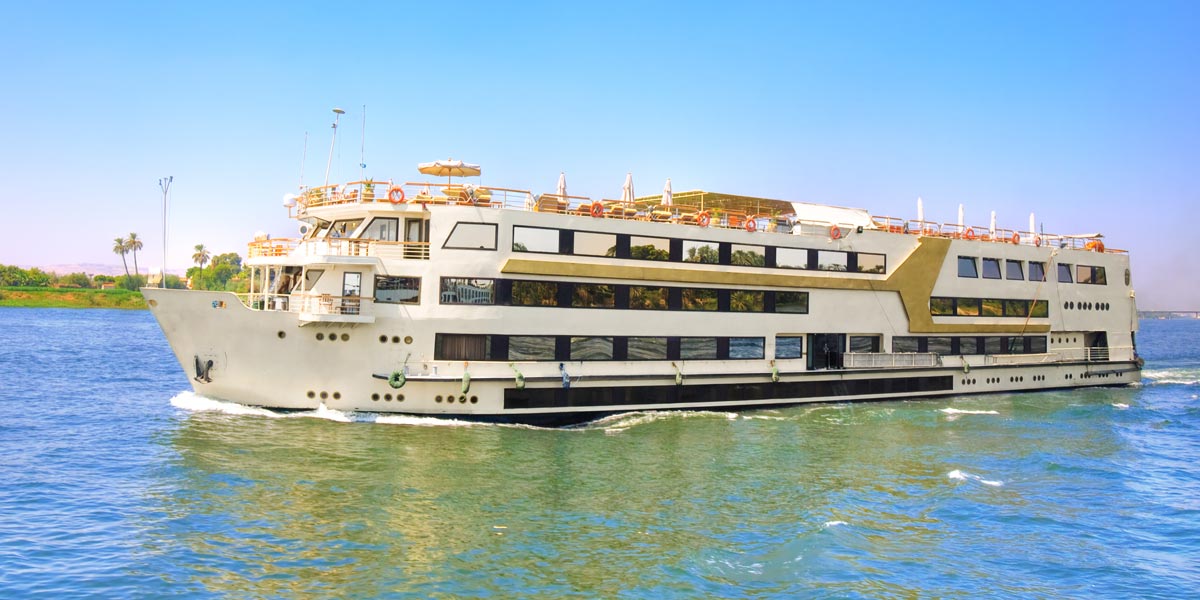
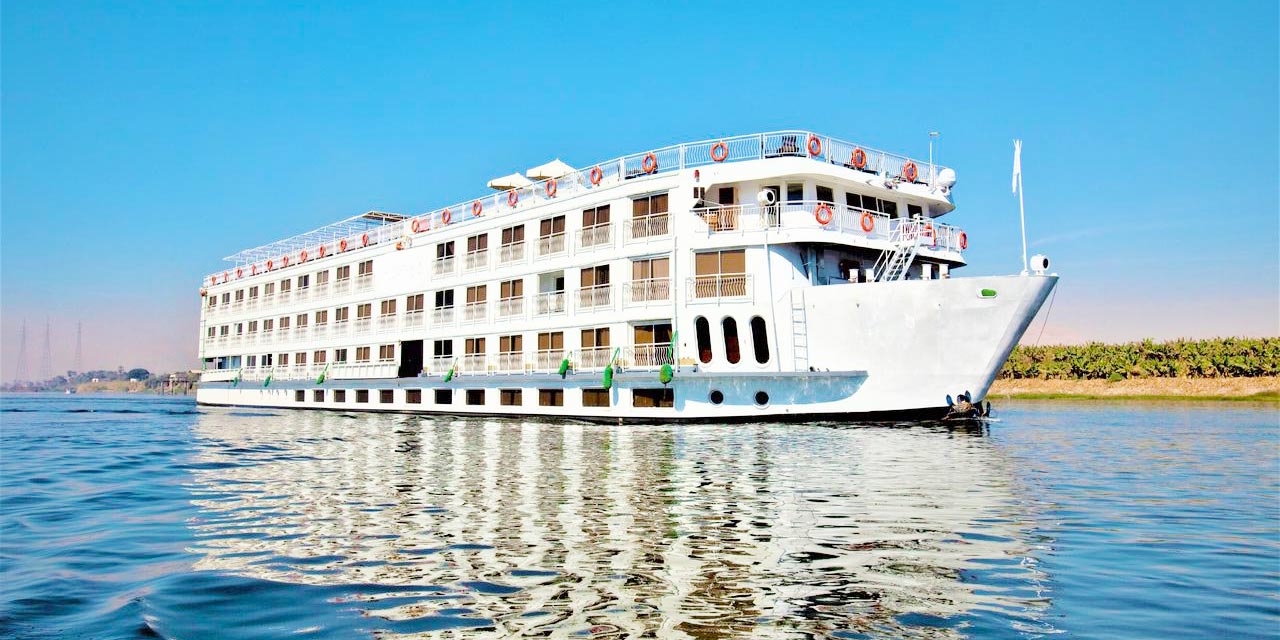
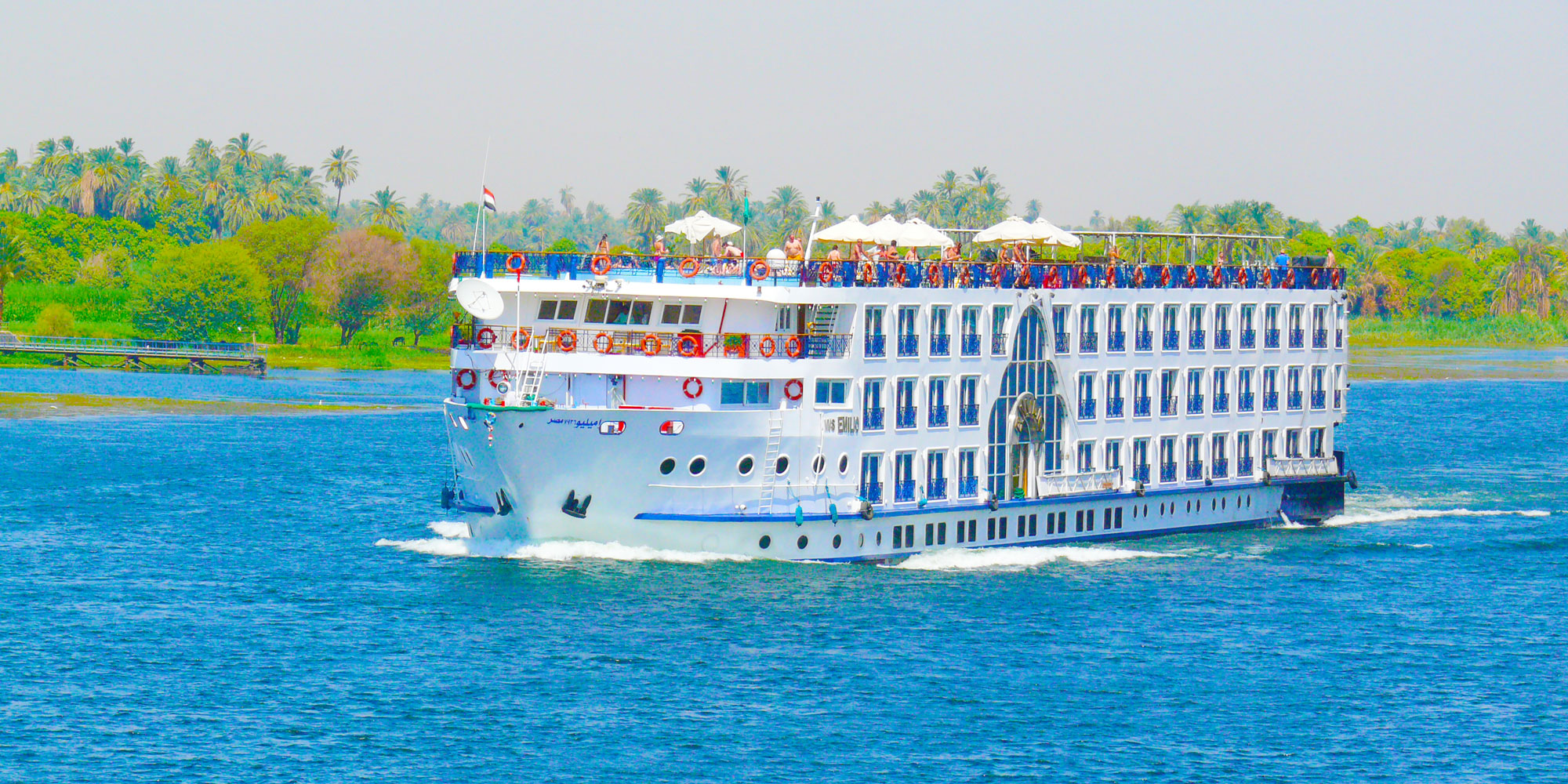
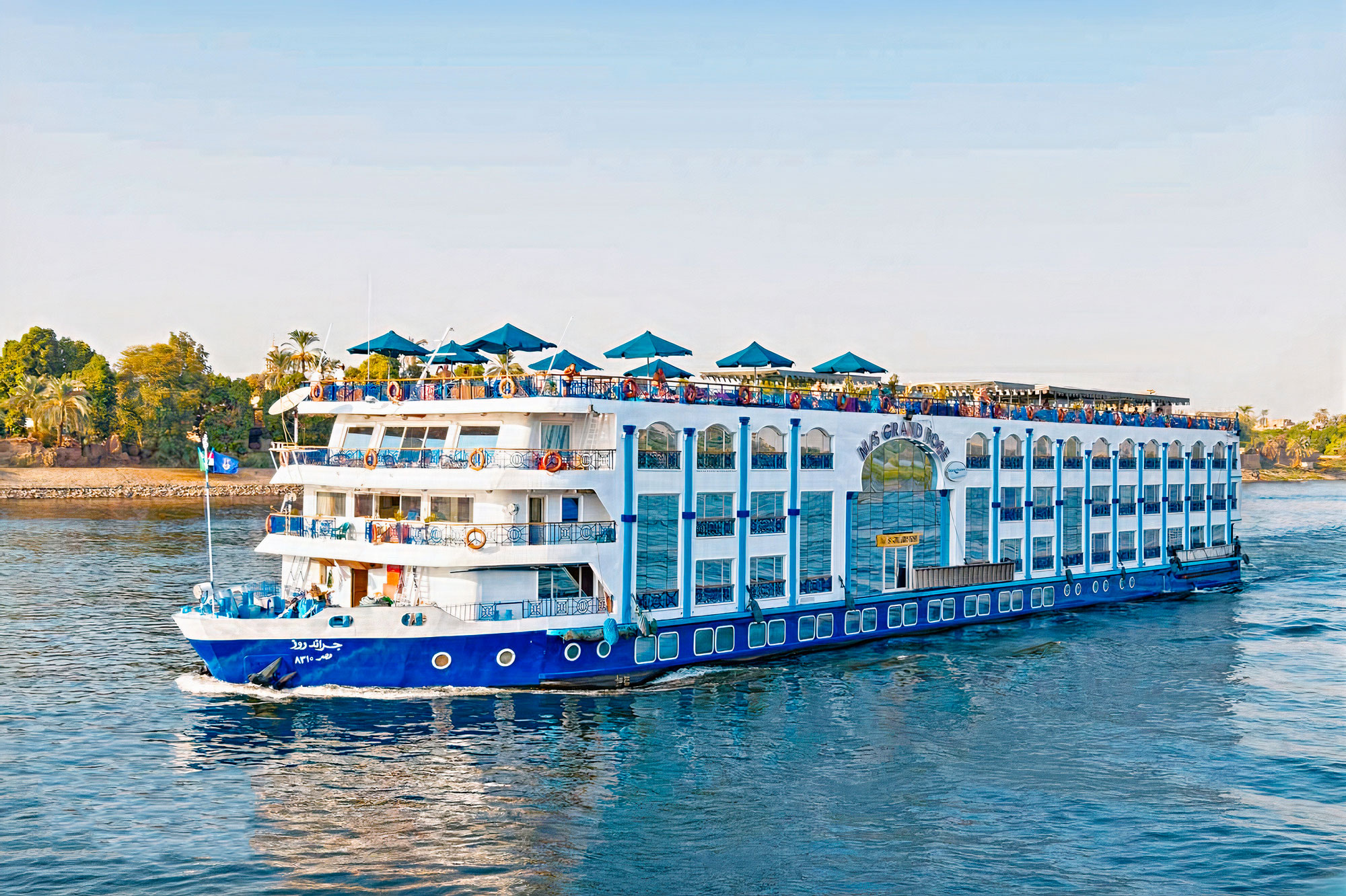
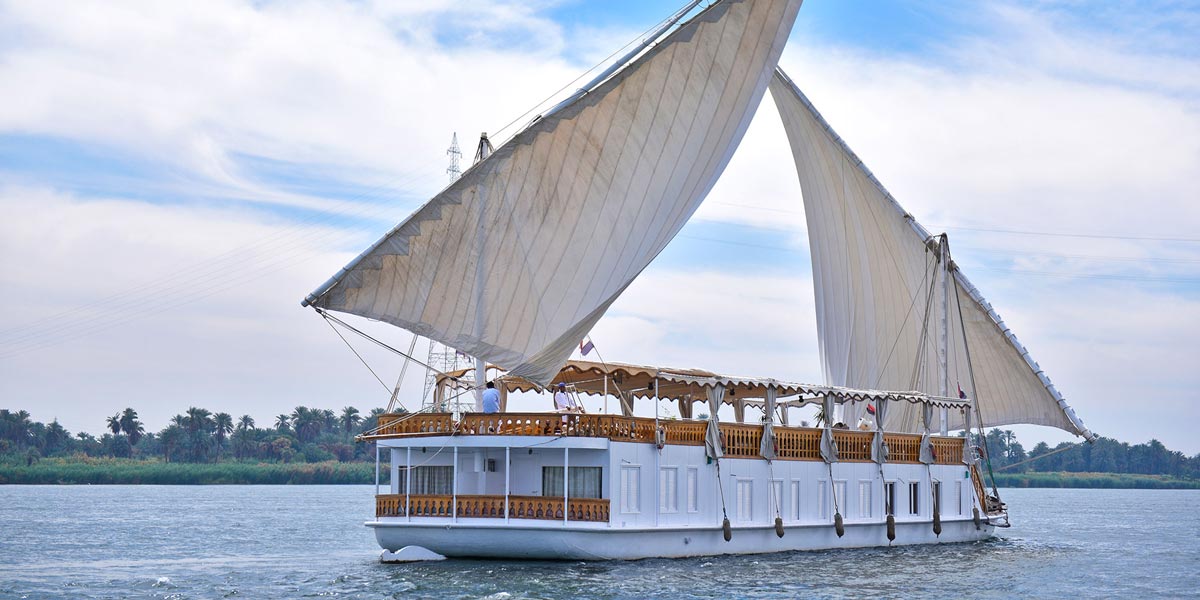
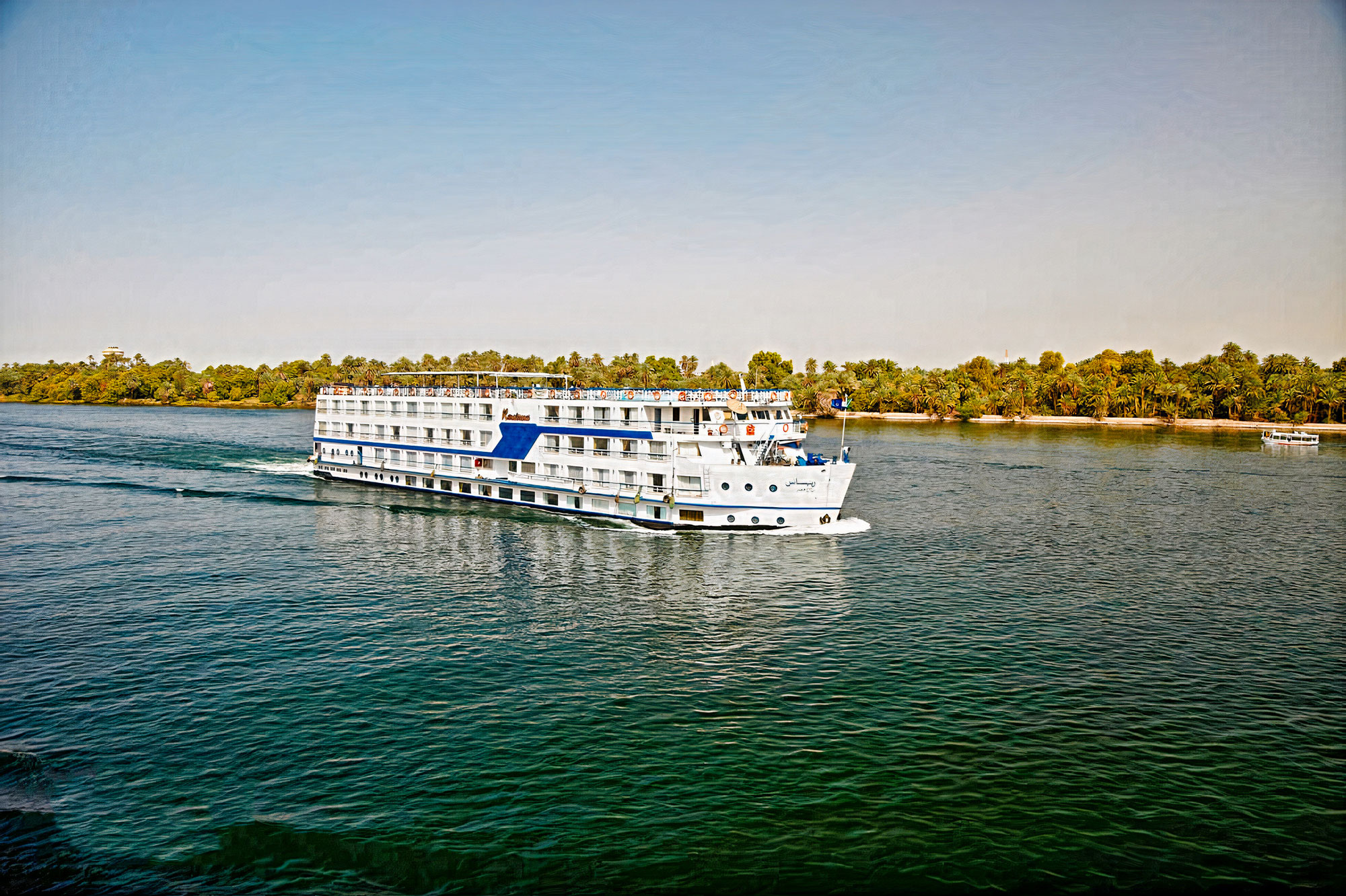
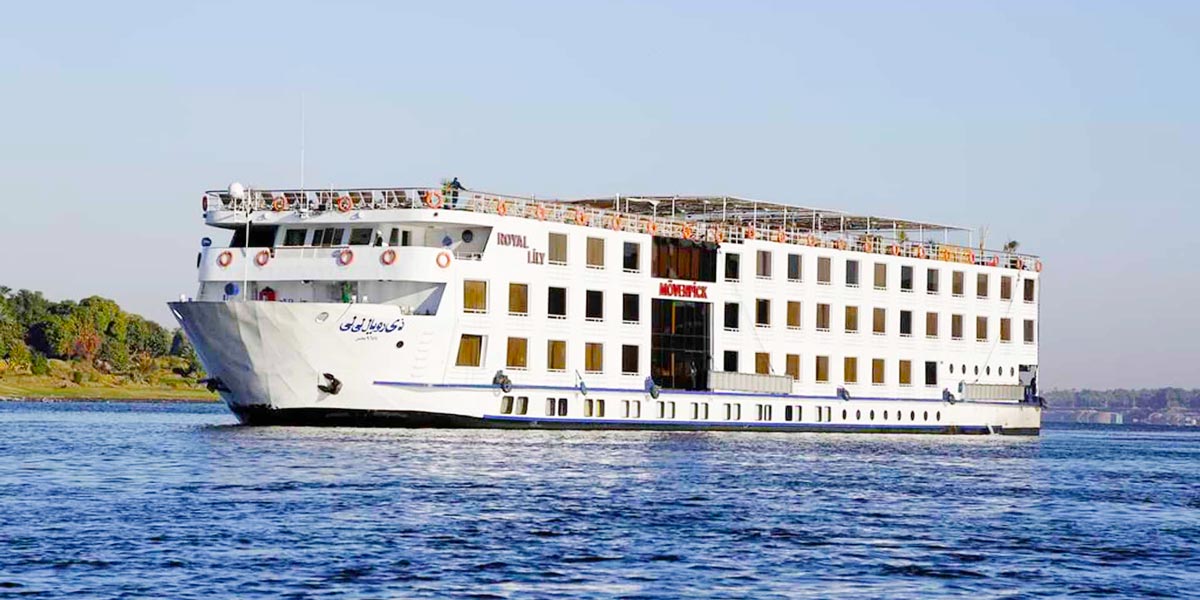
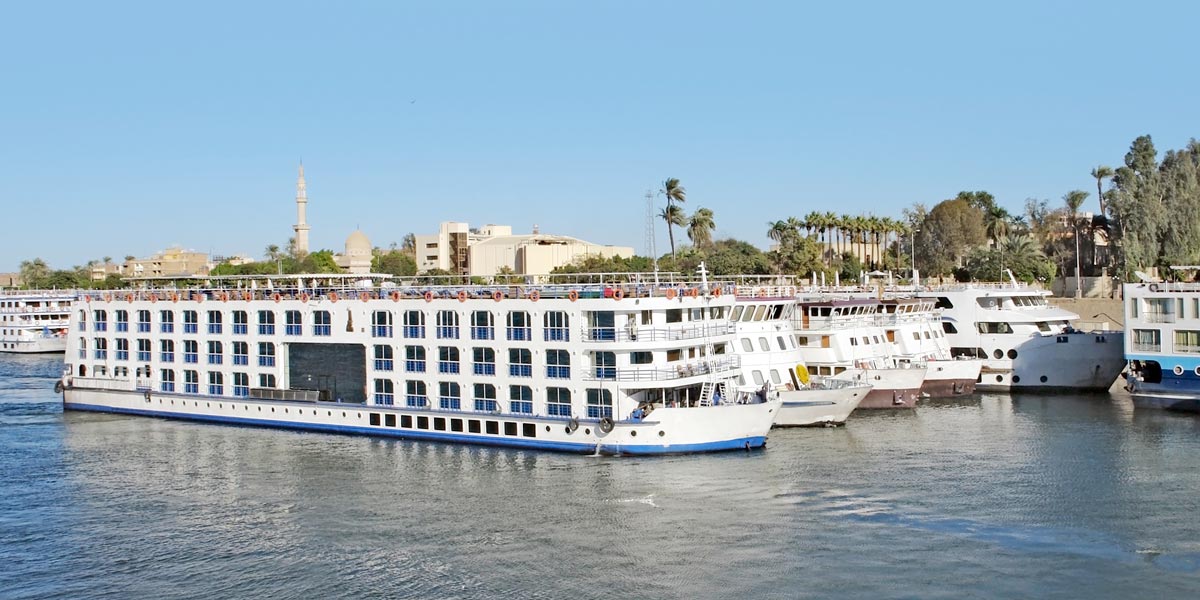
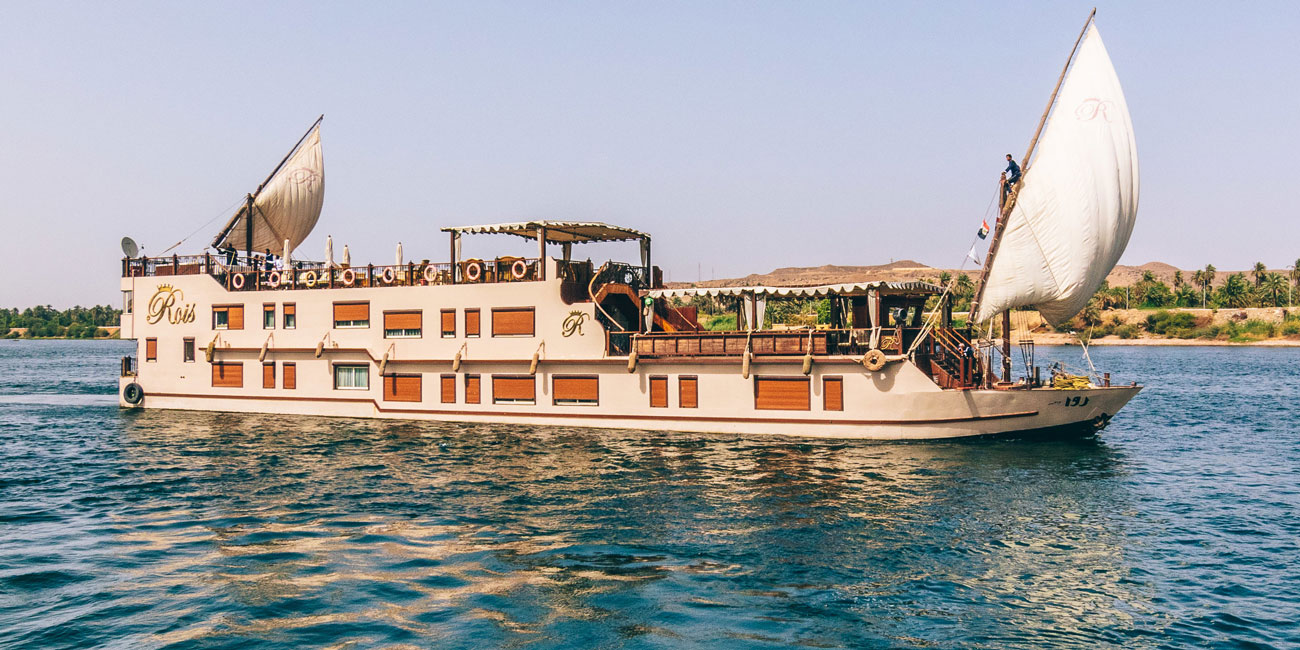
Once a Nile cruise ship moors for the evening, usually along the Corniche in Luxor or Aswan or at a quieter riverside point between stops, the pace on board slows noticeably. Lounge chairs on the sun deck empty out from the afternoon heat and refill after dinner, string lights or simple deck lighting come on across the top level, and the dining room begins preparing for what is generally the most substantial meal of the day.
Excursions for the following morning are typically confirmed at this point, often departing before sunrise to beat both the heat and the crowds at sites such as Valley of the Kings, Karnak temple, and Queen Hatshepsut temple.
Night itself on the river carries a genuine quiet: no road noise, minimal light pollution once clear of the towns, and a dark sky broken mainly by the ship's own deck lights and the occasional glow of a riverside village. It is this contrast, structured daytime sightseeing against unstructured, slow evenings, that gives a Nile cruise much of its distinct rhythm.
Discover Fun Activities to Do Onboard the Cruise
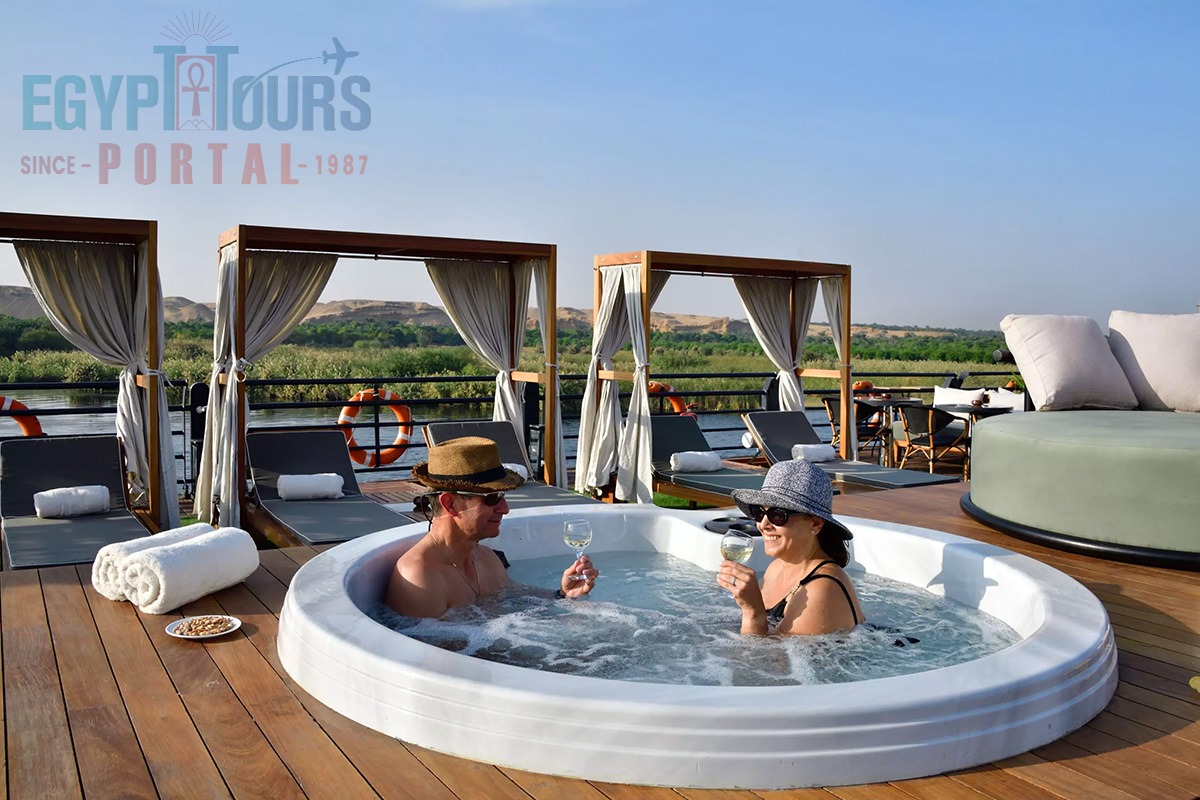
Most of what fills an evening on a Nile cruise happens without ever leaving the ship. The sections below cover the five most common ways passengers spend their time once the sun goes down.
Relax and Unwind on the Sundeck
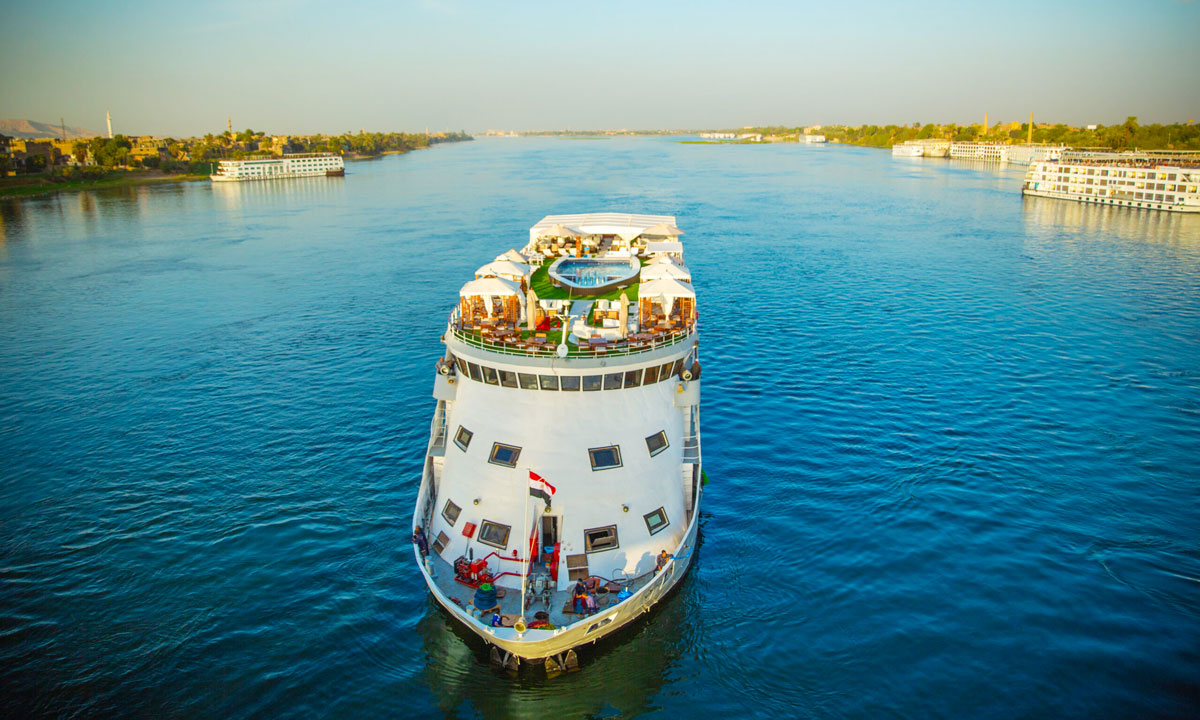
The sun deck is the ship's default gathering point after dark, typically furnished with loungers, café-style seating, and on many deluxe and luxury vessels, a small plunge pool that stays open into the evening.
With the day's heat gone and the river moving quietly below, it is one of the simplest and most reliably pleasant ways to close out the day, whether that means a drink from the deck bar, a book, or simply watching the riverbank drift past in silhouette.
Ship tier affects how much space and privacy the deck actually offers: a closer comparison of standard, deluxe, and luxury vessels, including deck size, sits in the guide to the types of Nile river cruises.
Enjoy a Delicious Dinner
Dinner is generally served buffet-style and represents the most elaborate meal of the day aboard most Nile cruise ships, mixing Egyptian dishes such as koshari, molokhia, and Umm Ali with international options aimed at a broad range of passengers.
On nights with a scheduled cultural evening, dinner is sometimes paired directly with the performance, or upgraded to a candlelit setting on the sun deck as a special-occasion option. A full breakdown of what is typically included appears in the guide to food and beverage on board Nile cruises.
Take in a Traditional Egyptian Performance
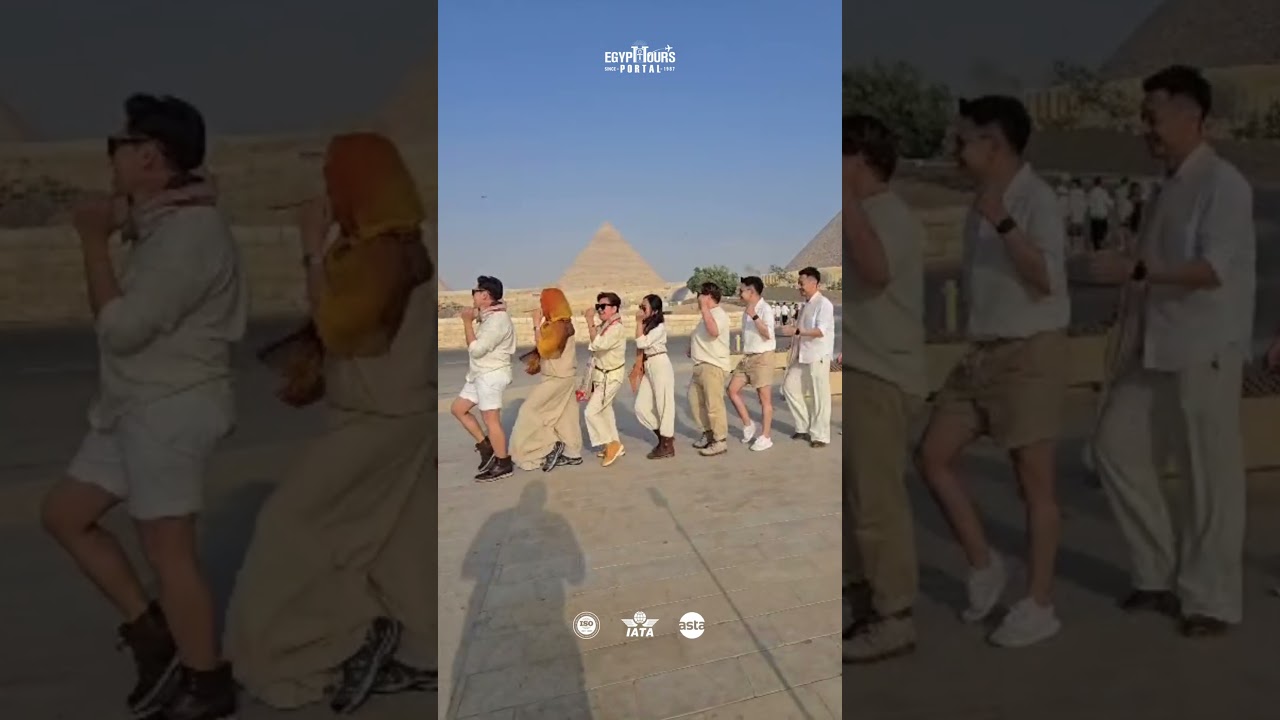
Many ships schedule at least one themed cultural evening during a multi-night sailing, most commonly a Galabeya party, where passengers and crew dress in traditional Egyptian clothing for an evening built around music and informal dancing.
Larger vessels sometimes add a folklore show featuring Tanoura dancers, whose spinning, brightly layered skirts derive from a Sufi-influenced performance tradition, or a Nubian-inspired music evening reflecting the culture of southern Egypt around Aswan.
None of these are guaranteed on every sailing; programming varies by ship, season, and length of cruise, so checking the itinerary or asking the cruise director directly on the first night is worth doing for anyone hoping to catch one specifically.
Stargaze From the Top Deck
Once clear of Luxor's and Aswan's own lights, the stretch of river in between offers a noticeably dark sky by regional standards, a benefit of Egypt's generally low light pollution outside its cities. On a clear, moonless night, the Milky Way is often visible to the naked eye from the open sun deck, and Sirius, the brightest star in the Egyptian night sky and part of the constellation Canis Major, is usually the easiest point of reference to pick out.
The period from October to March is generally considered the best stargazing season in Egypt, coinciding with the cooler months when most Nile cruises operate, though a clear night at any time of year on the open river tends to outperform anywhere in a lit town.
Browse the Shops Onboard
Most ships carry a small onboard boutique, typically stocked with papyrus art, jewelry, scarves, snacks, and basic toiletries, useful for a last-minute gift or anything forgotten at home, though the selection and pricing are usually narrower than what is available in Luxor or Aswan's markets. It functions more as a convenience than a shopping destination in its own right, best used to fill a specific gap rather than as the primary souvenir stop of the trip.
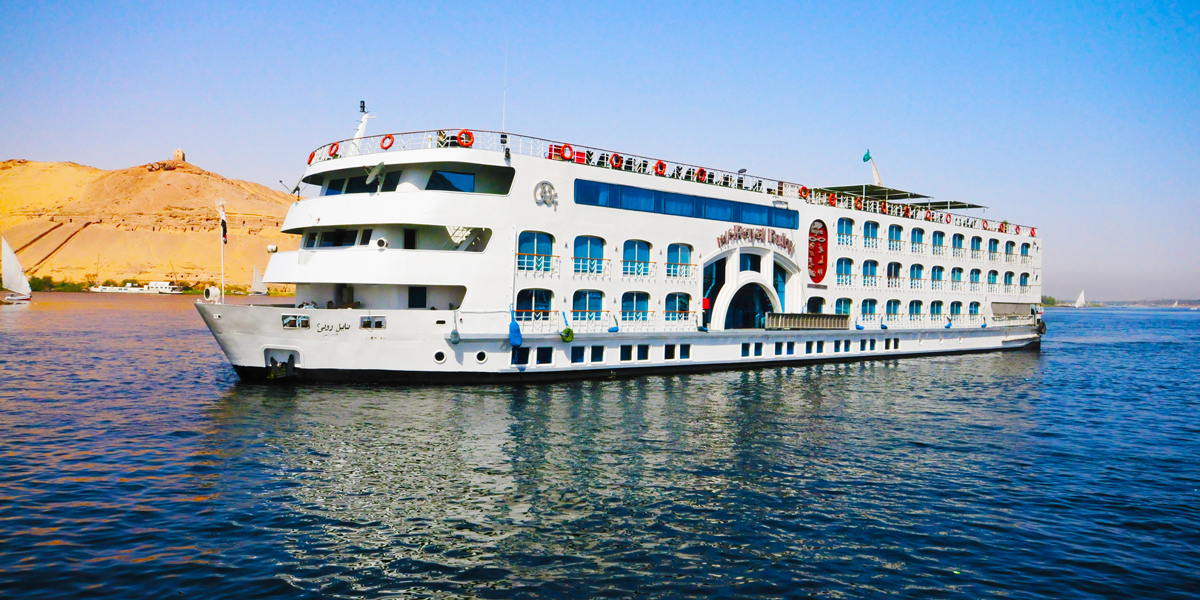
How to Choose the Best Nile Cruise in Egypt
Discover How to Choose the Most suitable Nile Cruise
Learn the Best Activities to Do Off the Cruise at Night
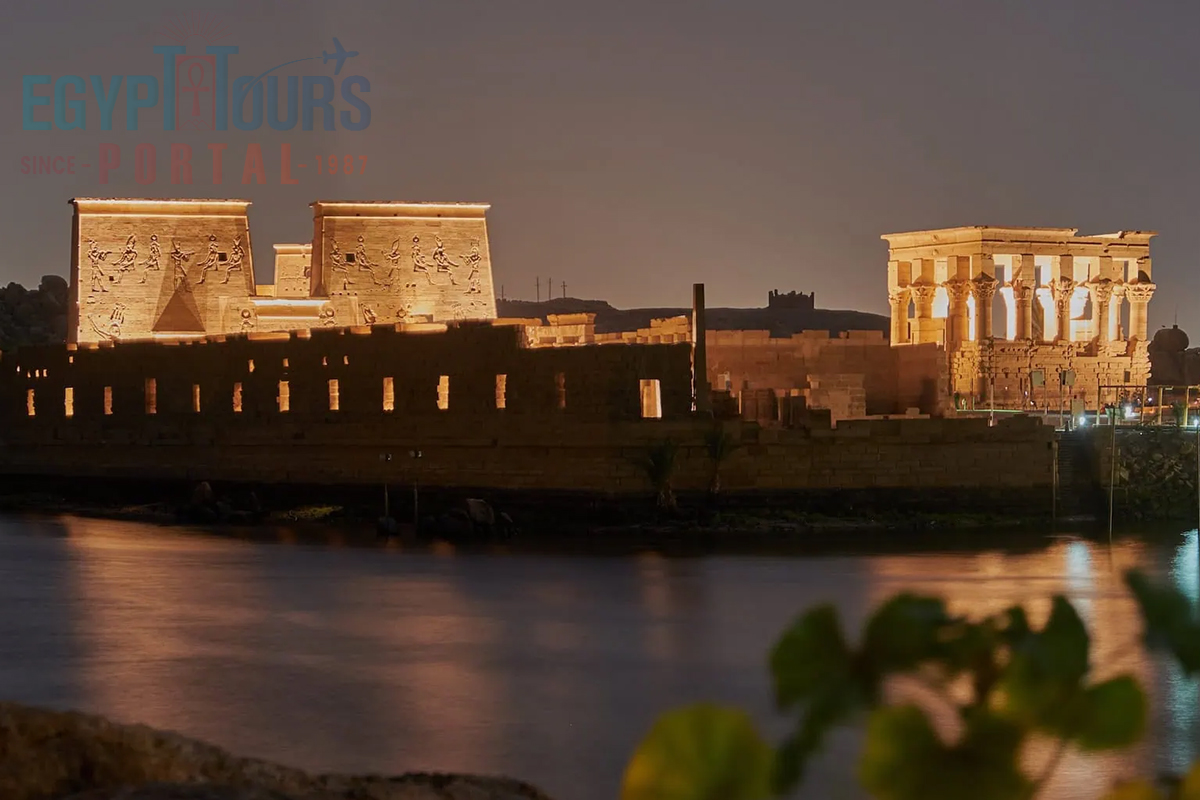
Several of the most memorable nighttime experiences on a Nile cruise itinerary happen off the ship entirely, usually as an optional excursion booked either through the cruise line or independently once ashore.
Luxor Temple by Night
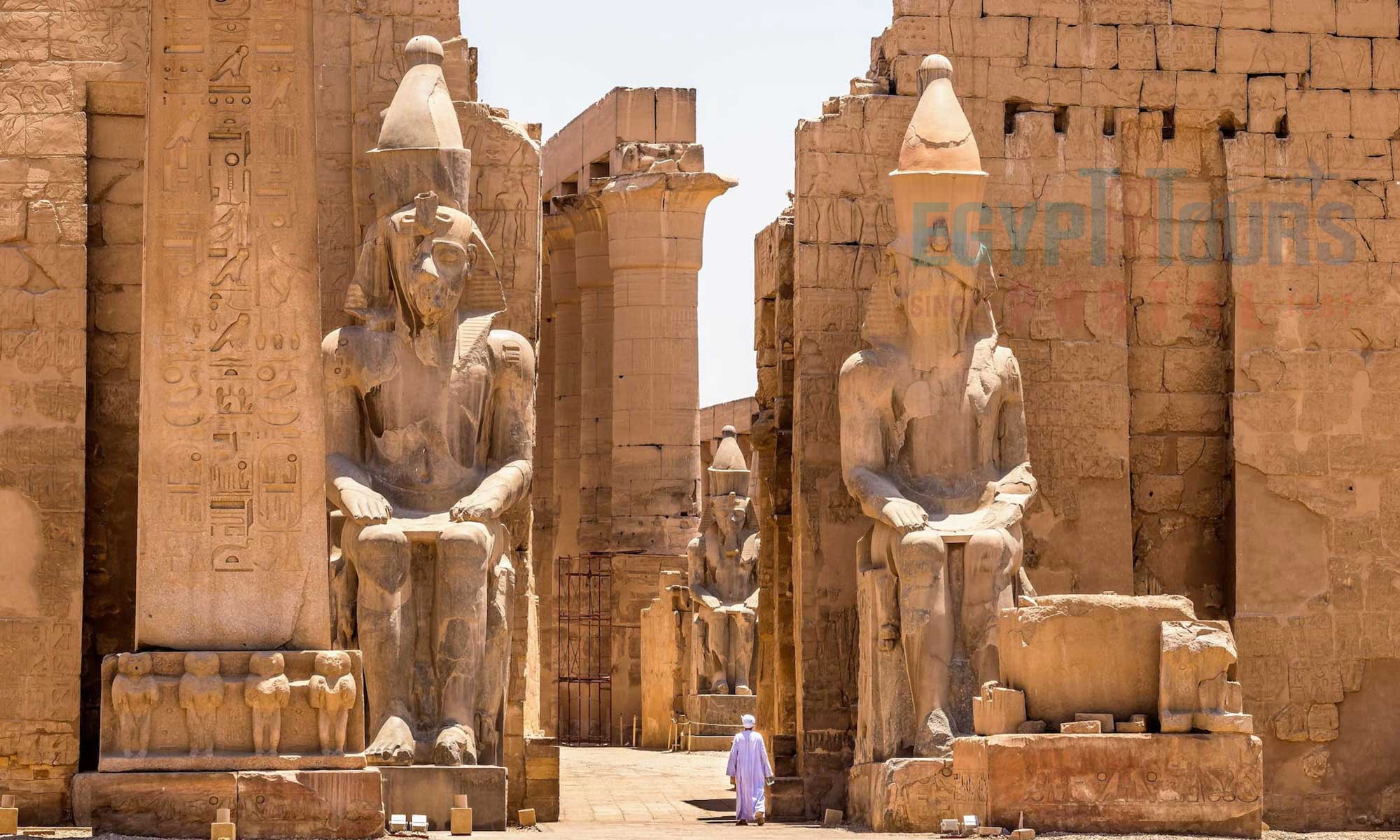
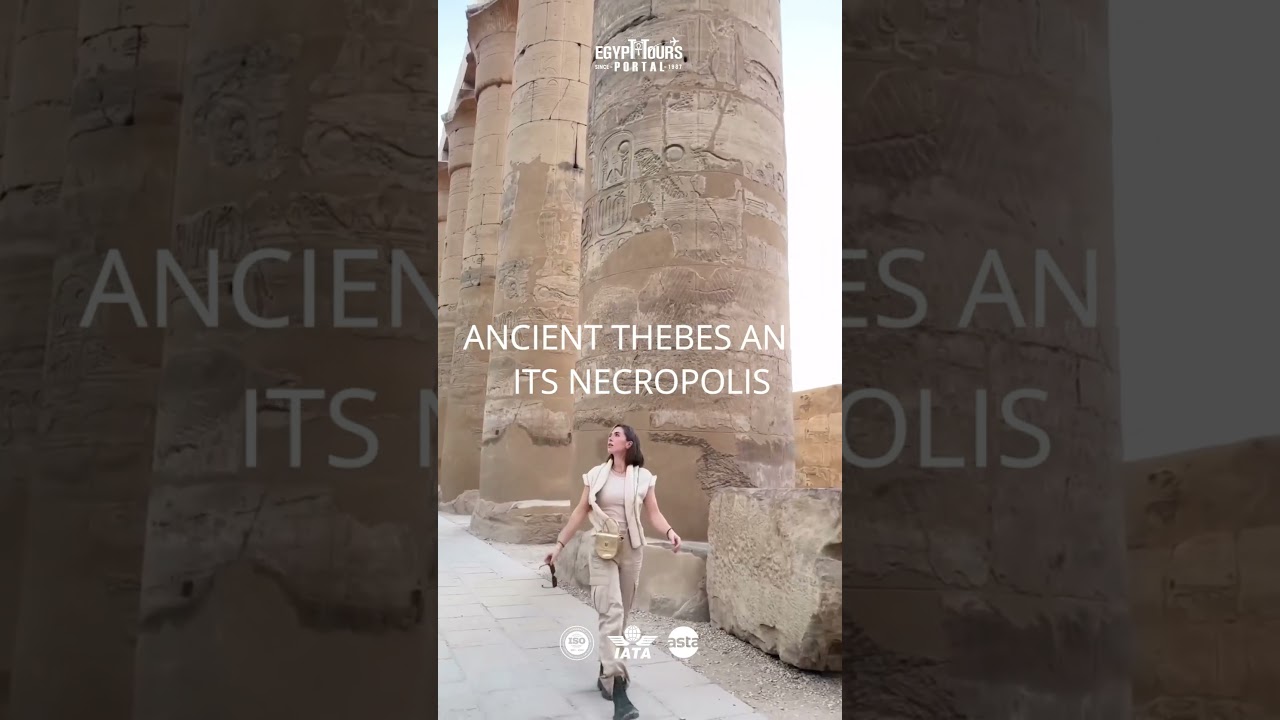
Luxor Temple, close to the East Bank corniche where most ships dock, is floodlit after dark, casting dramatic shadows across its colossal seated statues of Ramesses II and along the row of columns leading toward the inner sanctuary.
The evening crowd is consistently thinner than during the day, making it one of the more comfortable times to walk the site slowly and take in details easily missed at midday. A broader look at the city's history and temples sits in the guide to the golden city of Thebes, useful background for anyone planning an evening around the temple specifically.
Sound & Light Show at Karnak
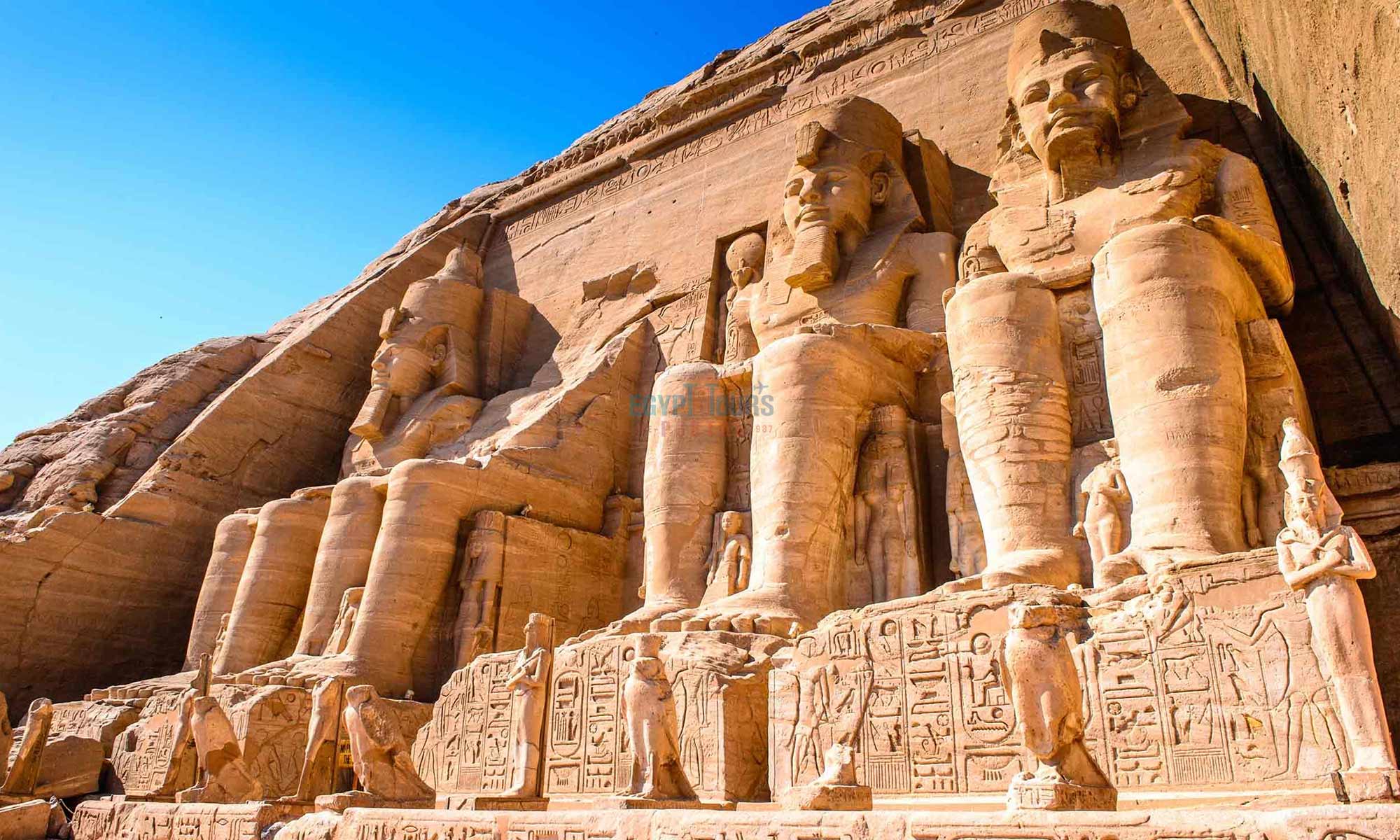
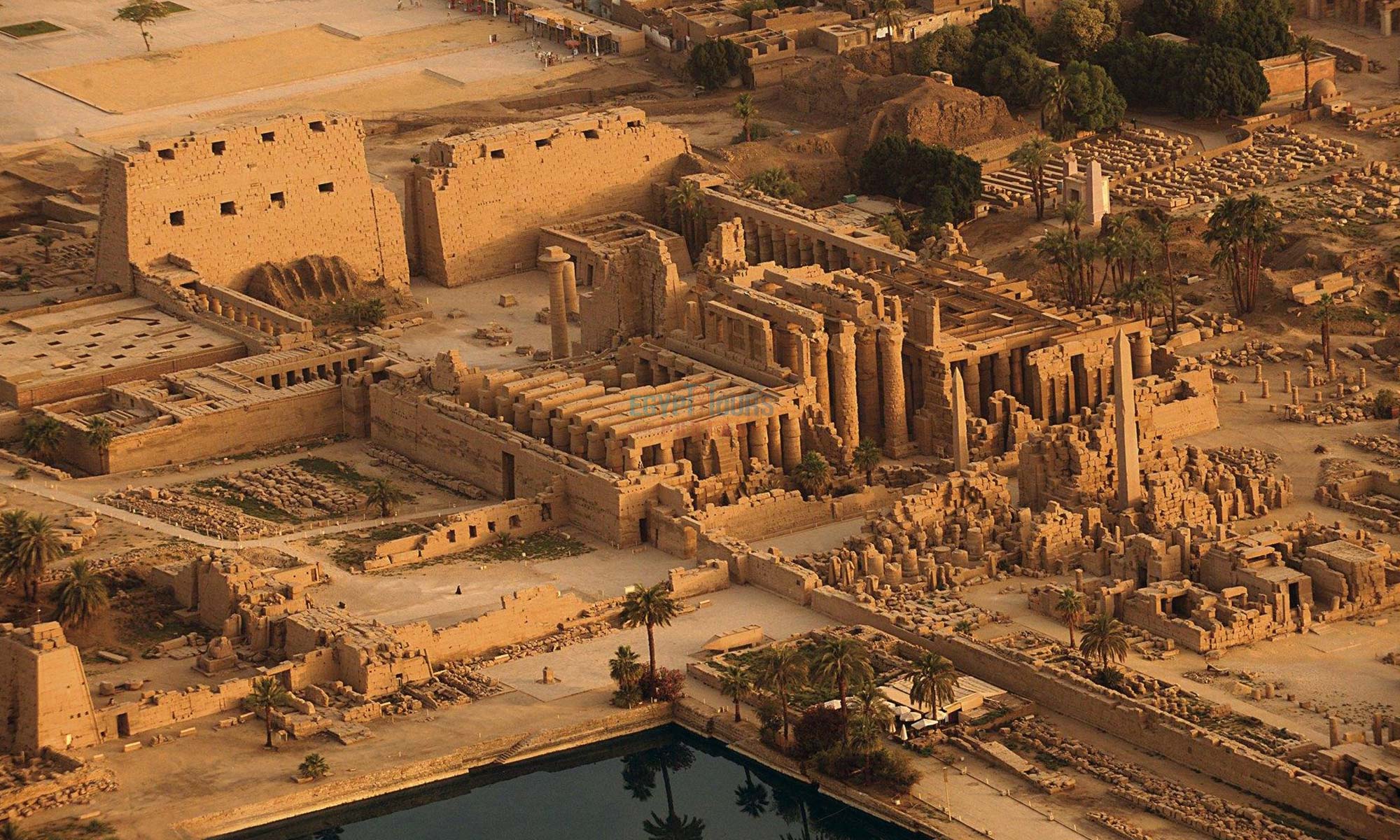
The sound and light show at Karnak Temple runs roughly 75 minutes and moves visitors through the temple grounds on foot before finishing seated beside the Sacred Lake for the closing act.
Showtimes shift seasonally, generally around 6:30 to 9:00 PM in winter and running later, toward 10:45 PM, in summer, with the language of narration rotating by day of the week across English, French, Spanish, German, Italian, Arabic, and Japanese.
The narration covers Luxor's history as the religious capital of ancient Egypt and the significance of the temple's dedication to the Theban triad of Amun, Mut, and Khonsu.
Tickets typically run somewhere in the $45 to $70 range depending on group size, generally cheaper per person in a group than booked individually. More on the temple itself, including its scale and history, is covered in the guide to Karnak Temple.
Philae Temple by Night
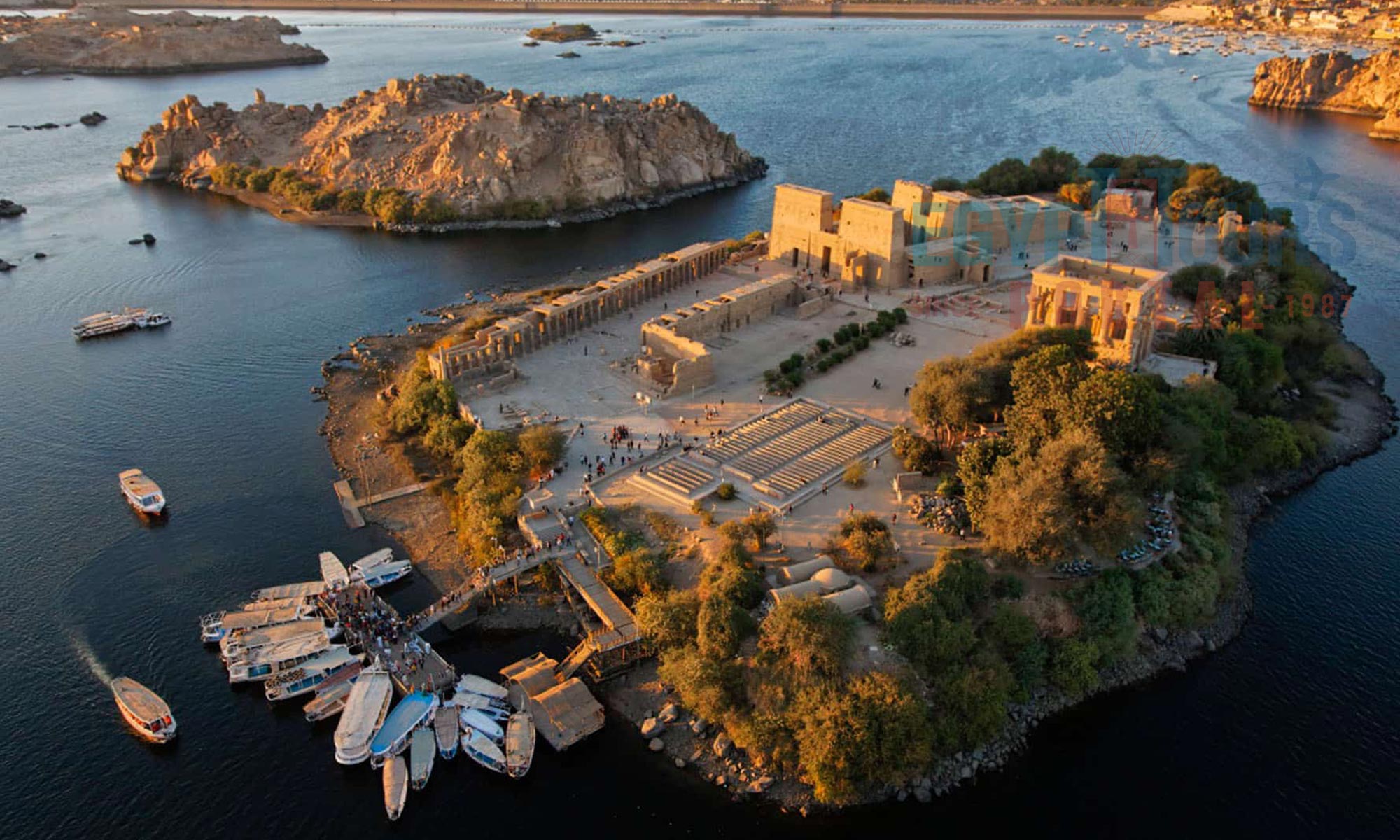
In Aswan, the sound and light show at Philae Temple covers similar ground with a different subject: a narrated retelling of the legend of Isis and Osiris, set against multimedia lighting across the temple's island setting.
The full experience, including the short boat crossing to reach the island, runs close to two hours, with showtimes following a similar seasonal pattern to Karnak's and tickets generally starting a little lower, often in the $50 to $60 range per person before group discounts.
Philae's own history adds an extra layer of relevance to the after-dark visit: the entire temple complex was relocated stone by stone to nearby Agilkia Island in the 1960s to save it from the rising waters caused by the Aswan High Dam. Details on booking the show directly are covered in the guide to the Philae Temple sound and light show.
Riding a Horse Carriage in Luxor or Aswan
A horse-drawn carriage, known locally as a calèche, offers a slower, street-level way to see either city after dark, typically following a route along the Corniche past the illuminated Luxor Temple or through Aswan's riverside streets.
Rides commonly run 20 to 30 minutes for a short loop or up to two hours for a fuller city tour, with prices ranging roughly from $20 for a brief ride to $60 for an extended one; agreeing on the fare and route before boarding, rather than after, avoids most disputes at the end.
In Aswan, the ride is bookable in advance through the Aswan horse carriage trip, while in Luxor it is generally arranged directly with a driver along the corniche near the temple.
Shopping at Luxor or Aswan by Night
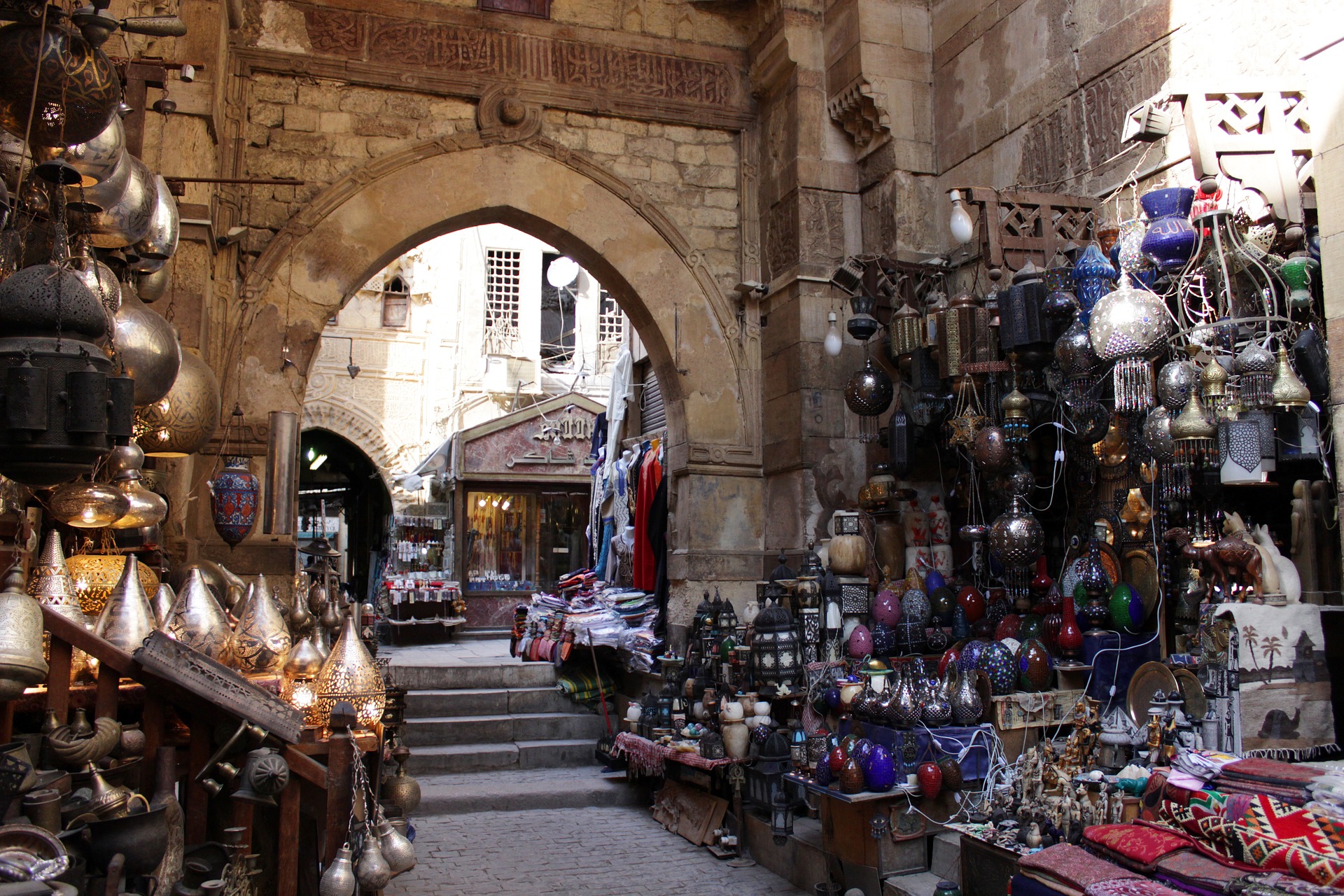
Both cities' souks stay open well into the evening and are, by most accounts, more pleasant to browse after roughly 8 PM than during the heat of the afternoon, with cooler air and a calmer, less pressured pace of bargaining.
Typical finds include hand-painted papyrus art from $15 to $50, cartouche pendants engraved with a name in hieroglyphics for $25 to $60, and small alabaster carvings from Luxor stone priced between $20 and $80, with bargaining expected as a normal part of the transaction rather than an exception to it.
The guide to shopping in Egypt covers the country's best-known bazaars in more detail, and the wider guide to Aswan's attractions is useful for pairing a night market visit with whatever else the city has on offer.
Tips for Enjoying Your Night on the Nile Cruise
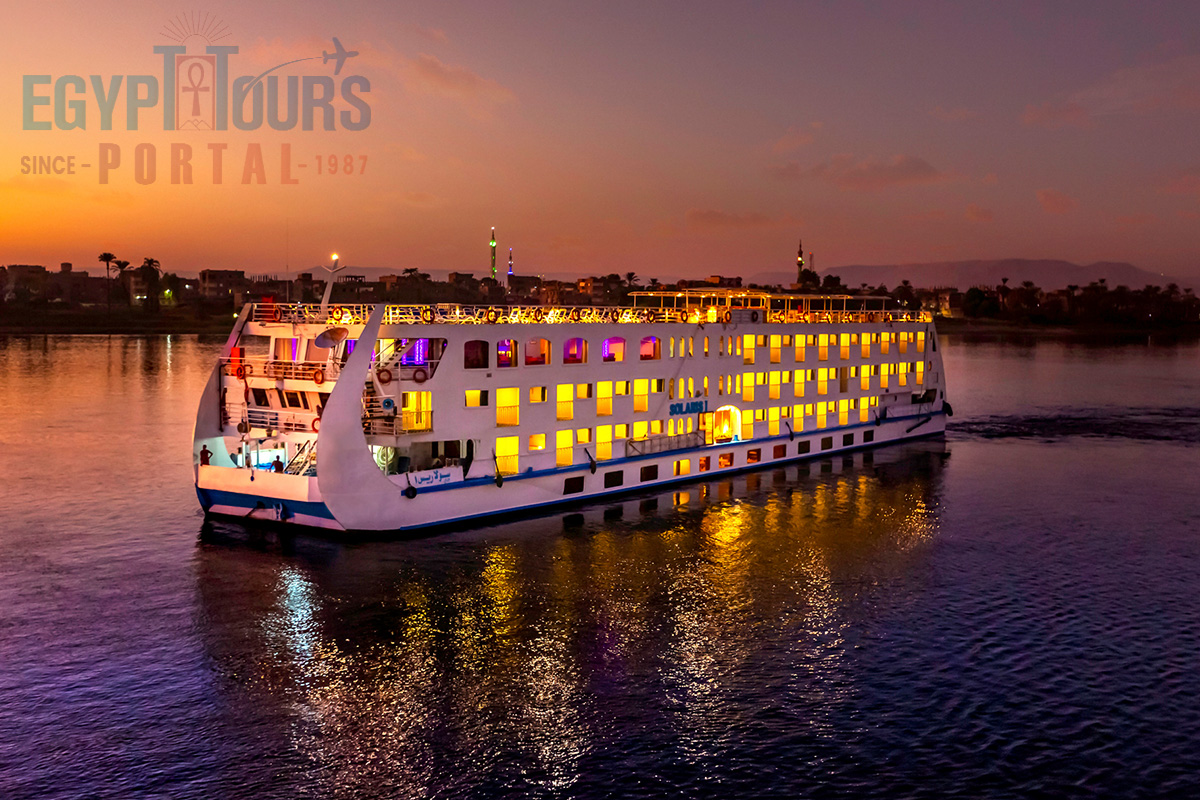
A handful of practical points make the difference between an evening that goes smoothly and one that does not. Confirming any off-ship excursion, particularly a sound and light show or a specific onboard performance, at least a day in advance is worth doing, since tickets and showtimes can sell out or shift by season.
Bringing a light jacket or shawl is generally sensible even in warmer months, since desert temperatures drop noticeably after sunset even when the daytime heat has been intense.
Cash in small Egyptian pound denominations is the most practical way to pay for a horse carriage ride, a market purchase, or a tip to a performer, since vendors and drivers outside the ship rarely have change for larger notes or accept cards; the guide to tipping in Egypt covers what is customary in more detail.
Finally, checking the ship's own program for the sailing, since not every night includes a themed evening or coincides with a moored stop near a sound and light show, helps avoid planning around an activity that is not actually on the schedule for that particular trip.
Tips to Enjoy the Most Out of Your Nile Cruise
Here are the top 20 Nile cruise travel tips include what to pack, how to choose, and the best time for a Nile cruise, read more
Make the Most of Your Night Across the Ethereal Nile River
None of this requires elaborate planning, mostly a sense of what is available on a given night and enough advance notice to book the pieces that need it. Live the most magical night through our incredible Nile River Cruises and Egypt tour packages, or see the guide on how to book a Nile cruise for the exact steps to reserve a cabin.
A quiet hour on the sun deck under a genuinely dark sky, a folklore show over dinner, and one temple seen by floodlight rather than daylight cover most of what makes an evening on the Nile memorable, and the rest, a carriage ride, a market visit, a few unhurried hours with nowhere in particular to be, tends to happen on its own.