

- Local Time: 09:38 PM
- Weather: 19 ℃ / 67 ℉
Queen Nefertari Meritmut, the principal wife of Ramesses II in the 19th Dynasty, was one of ancient Egypt’s most prominent queens, holding exceptional royal, religious, and likely diplomatic influence. Her high status is reflected in her titles, her appearance on major monuments across Egypt, and her contact with the Hittite court. Ramesses II honored her especially at the Small Temple of Abu Simbel, where she was shown with rare prominence beside him. Her fame grew further through her magnificent tomb, QV66, in the Valley of the Queens, while the remains linked to her are considered likely, though not certain. Together, her monuments, inscriptions, and enduring mystery secured her lasting legacy.
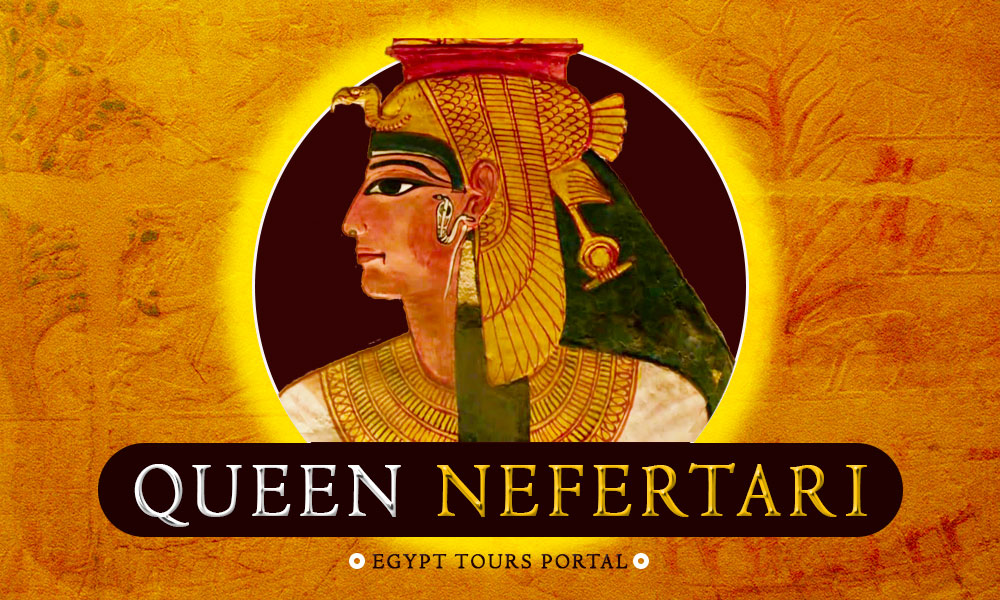
Queen Nefertari is among the most captivating women of ancient Egypt because her epic story and legendary beauty brought together royal power, religious significance, diplomatic importance, artistic immortality, and enduring mystery. As the principal wife of Ramesses II, she was honored in ways few queens ever were, from the temple dedicated to her at Abu Simbel to the breathtaking tomb of QV66 in the Valley of the Queens.
Her life reveals how a royal woman could shape court image, sacred ritual, and even international relations during one of Egypt’s greatest imperial ages. At the same time, many parts of her story remain uncertain, which makes her even more fascinating. She is both historically important and beautifully elusive, remembered through monuments, inscriptions, and one of the finest masterpieces of ancient Egyptian art.
Queen Nefertari Meritmut was one of the most extraordinary royal women of ancient Egypt, living during the height of the New Kingdom in the 13th century BCE. She was the principal wife of Ramesses II, who ruled from 1279 to 1213 BCE, and her life unfolded during a period when Egypt stood at the peak of its political power, monumental architecture, and international influence. Although her exact date of birth is not recorded, historians generally place it around 1300 BCE, likely in Thebes, the religious capital of Egypt, where the great temples of Amun dominated the skyline and shaped the spiritual identity of the kingdom.
Nefertari appears in the historical record very early in Ramesses II’s reign, already established as Great Royal Wife by the first regnal year, which suggests that their marriage took place before he ascended the throne. This detail is crucial because it distinguishes her from many royal wives who were married for political reasons after a king’s accession. Instead, Nefertari seems to have been part of Ramesses’ life from his formative years, and this early connection may explain the extraordinary prominence she later received. Throughout the first two decades of his reign, she is depicted in temples, reliefs, and inscriptions across Egypt, including Luxor, Karnak, Abydos, and Nubia, participating in rituals, festivals, and royal ceremonies.
Her influence extended beyond ceremonial appearances. One of the most remarkable pieces of evidence for her status comes from diplomatic correspondence found in the archives of Hattusa, the capital of the Hittite Empire. These cuneiform tablets record letters exchanged between Nefertari and Queen Puduhepa of the Hittites, particularly in the context of the Egyptian–Hittite peace treaty around 1259 BCE, one of the earliest known international treaties in history. In these letters, Nefertari is addressed as an equal, exchanging gifts and formal greetings in a tone that reflects both political importance and personal diplomacy. This positions her not only as a queen but as a participant in one of the earliest examples of international relations led by royal women.
Despite her prominence, Nefertari’s presence in the historical record fades after approximately Year 24 of Ramesses II’s reign, around 1255 BCE, leading scholars to conclude that she died at that time. Her death marked the end of her direct influence, but not the end of her legacy. Ramesses II continued to rule for more than four decades after her death, yet none of his later wives ever reached the same level of recognition or monumental commemoration.
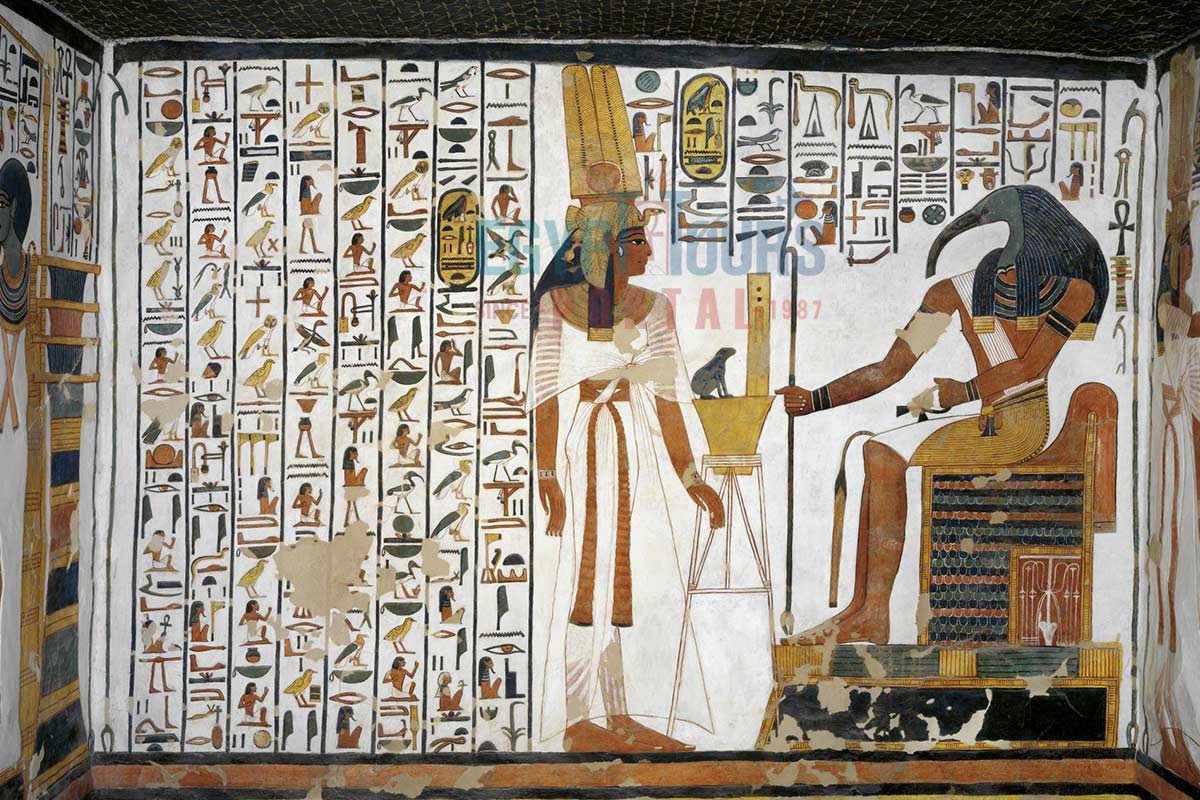
The name Nefertari Meritmut is a powerful reflection of identity, symbolism, and divine association within ancient Egyptian culture. The element “Nefertari” derives from the root nfr, meaning “beautiful” or “perfect,” combined with elements that suggest companionship or excellence, leading to translations such as “The Beautiful Companion”, “The Most Beautiful One”, or even “The Perfect One Among Them.” The second part of her name, “Meritmut,” translates to “Beloved of the Goddess Mut,” directly linking her to Mut, one of the most important deities in Theban religion and the consort of Amun.
This naming structure is not merely poetic; it embeds Nefertari within the religious framework of Egypt. By associating her with Mut, her identity becomes intertwined with divine motherhood, protection, and cosmic order. In ancient Egypt, names were believed to carry magical and spiritual power, and Nefertari’s name effectively elevated her status beyond that of a mortal queen, aligning her with the divine forces that sustained the universe.
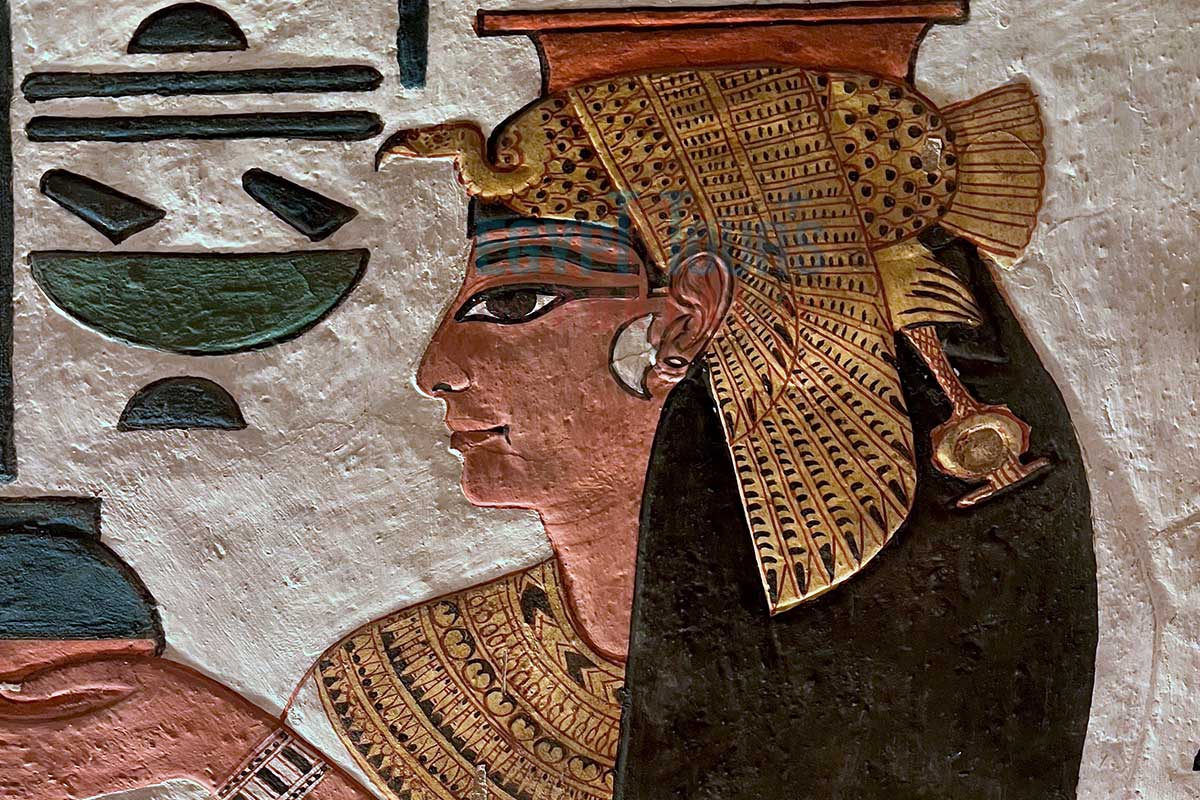
Nefertari’s titles reveal the full extent of her prestige and influence within the royal court. She held the title Great Royal Wife, which confirmed her position as the primary queen and distinguished her from the many other wives of Ramesses II. She was also known as Lady of the Two Lands, a title that symbolized authority over both Upper and Lower Egypt, and which was traditionally associated with kingship itself. Another significant title was God’s Wife, which connected her directly to temple rituals and divine service, indicating that she played a role in the religious life of the kingdom that went beyond ceremonial presence.
In addition to these formal titles, she was described in inscriptions with expressions such as “Sweet of Love,” “Great of Praises,” and “Mistress of Grace.” Among the most famous phrases associated with her is the inscription at Abu Simbel in which Ramesses II refers to her as “the one for whom the sun shines.” This phrase is not simply romantic; it carries symbolic meaning, suggesting that her existence was aligned with cosmic harmony and divine favor. The combination of political, religious, and poetic titles places Nefertari in a category of royal women whose status approached, though never fully equaled, that of the pharaoh himself.
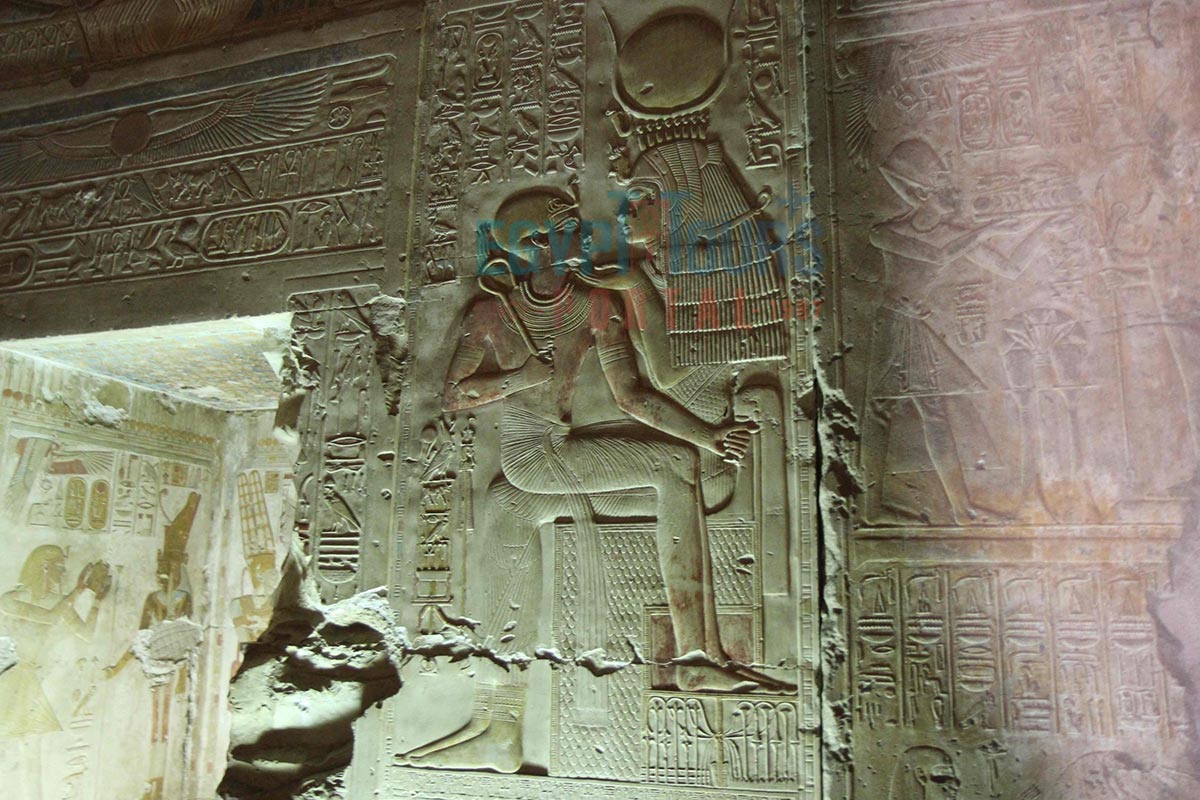
The relationship between Ramesses II and Nefertari is one of the most compelling aspects of her historical legacy, not because of preserved personal letters in a modern sense, but because of the monumental scale at which her importance was expressed. Around the middle of Ramesses II’s reign, between approximately 1264 and 1244 BCE, he commissioned the construction of the Small Temple at Abu Simbel, dedicated to Nefertari and the goddess Hathor. This was an extraordinary act, as temples of this scale were almost always reserved for gods or kings.
What makes this temple even more remarkable is the artistic program on its façade. The statues of Nefertari stand nearly equal in size to those of Ramesses II, breaking a long-standing convention in Egyptian art where queens were depicted significantly smaller than kings. This equality in scale is a deliberate visual statement, communicating that Nefertari held a uniquely elevated position beside the king.
Beyond architecture, her presence in royal ceremonies, reliefs, and inscriptions suggests a partnership that was both public and symbolic. While modern narratives often romanticize their relationship, the historical evidence supports a more precise conclusion: Ramesses II consistently and publicly elevated Nefertari above all other queens, immortalizing her status in ways that were unprecedented in Egyptian history.
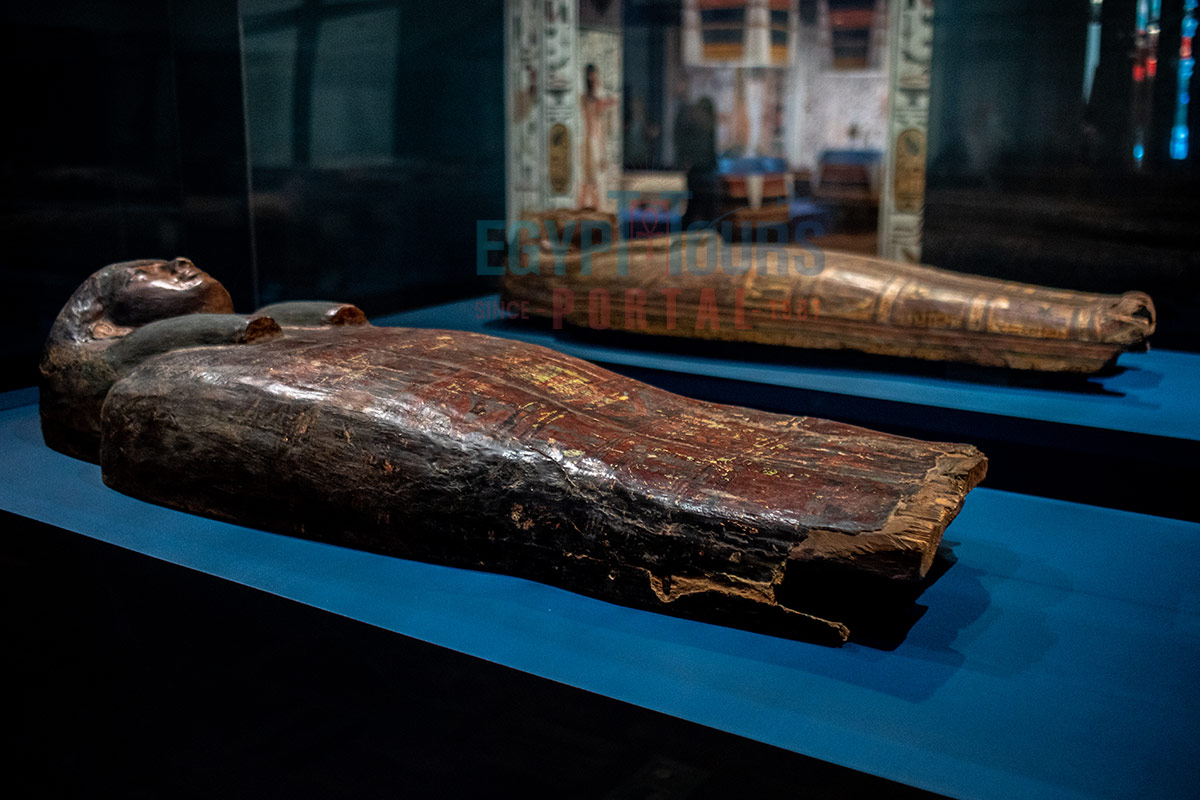
The cause of Queen Nefertari’s death remains one of the enduring mysteries of ancient Egyptian history. No inscription or text from her time provides a direct explanation, and the physical evidence is incomplete. The discovery of mummified leg remains in her tomb has allowed for some scientific analysis, indicating that the individual was a woman of elite status who lived to middle age and may have suffered from degenerative joint conditions such as arthritis.
Some modern hypotheses have suggested infectious diseases such as malaria or other conditions common in the Nile Valley, but these remain speculative due to the limited nature of the remains. There is no evidence to support theories of assassination, violent death, or childbirth complications. The most cautious and historically accurate conclusion is that Nefertari died of natural causes, likely related to age or illness typical of her time.
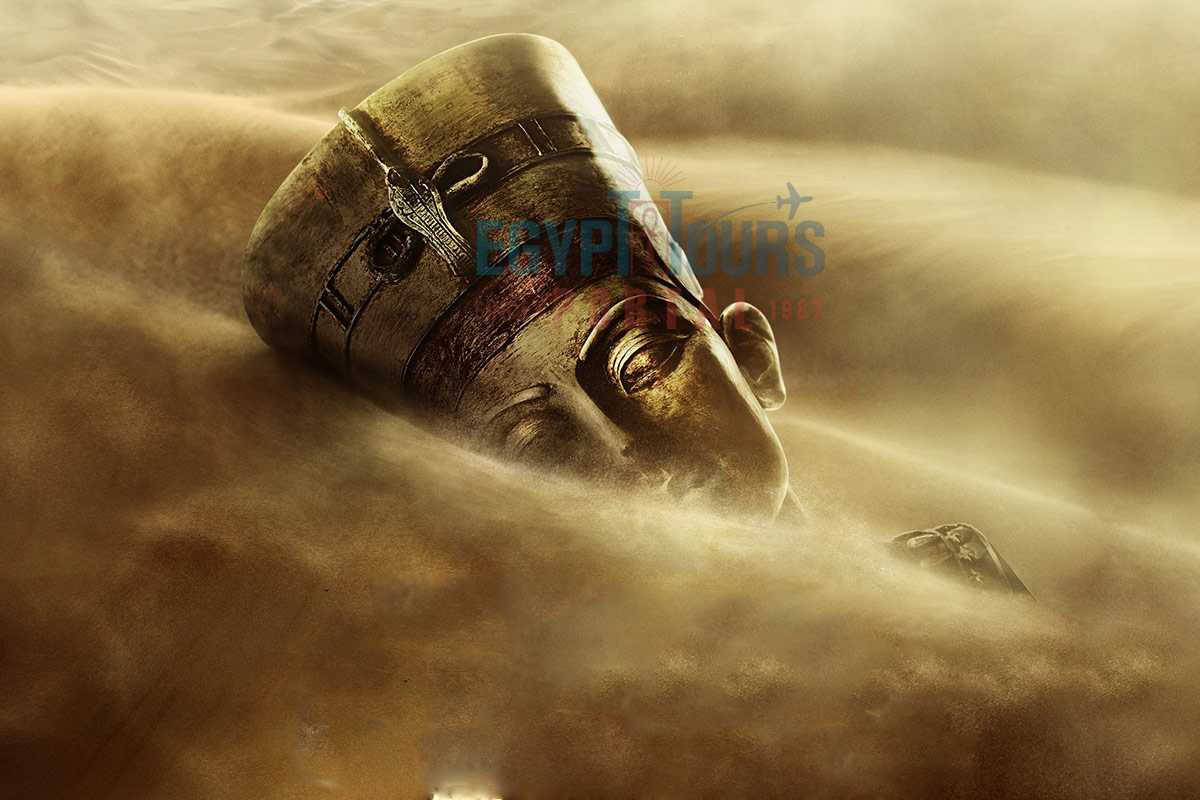
Based on historical reconstruction and scientific analysis, Nefertari likely died around 1255 BCE, during the 24th year of Ramesses II’s reign. Estimates of her age at death generally fall between 40 and 50 years old, placing her in middle age by ancient standards. This estimate aligns with the biological evidence from the remains found in her tomb as well as the broader timeline of her life and marriage.
Her relatively early death contrasts sharply with the long life of Ramesses II, who lived into his 90s. This difference in lifespan meant that Nefertari did not witness the later decades of his reign, during which Egypt continued to flourish and expand its monumental legacy.
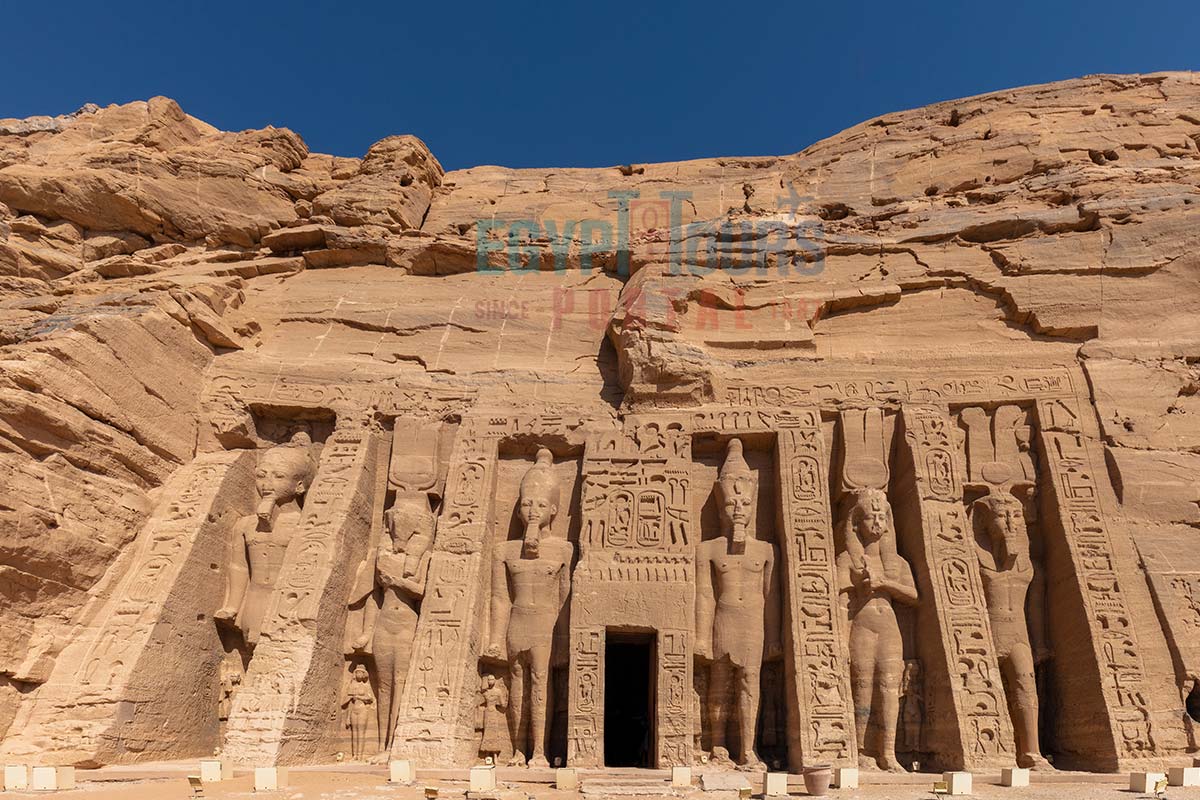
Nefertari’s legacy is preserved through some of the most remarkable monuments in ancient Egypt. The Small Temple at Abu Simbel, carved into the rock cliffs of Nubia, stands as a testament to her status and the devotion of Ramesses II. This temple is unique in that it was dedicated to both a queen and a goddess, blending royal and divine reverence into a single architectural masterpiece.
She is also depicted in major temple complexes such as Luxor and Karnak, where she appears in scenes of ritual and worship, reinforcing her role in the religious life of the kingdom. However, her most important monument is her tomb, QV66, located in the Valley of the Queens near modern Luxor.
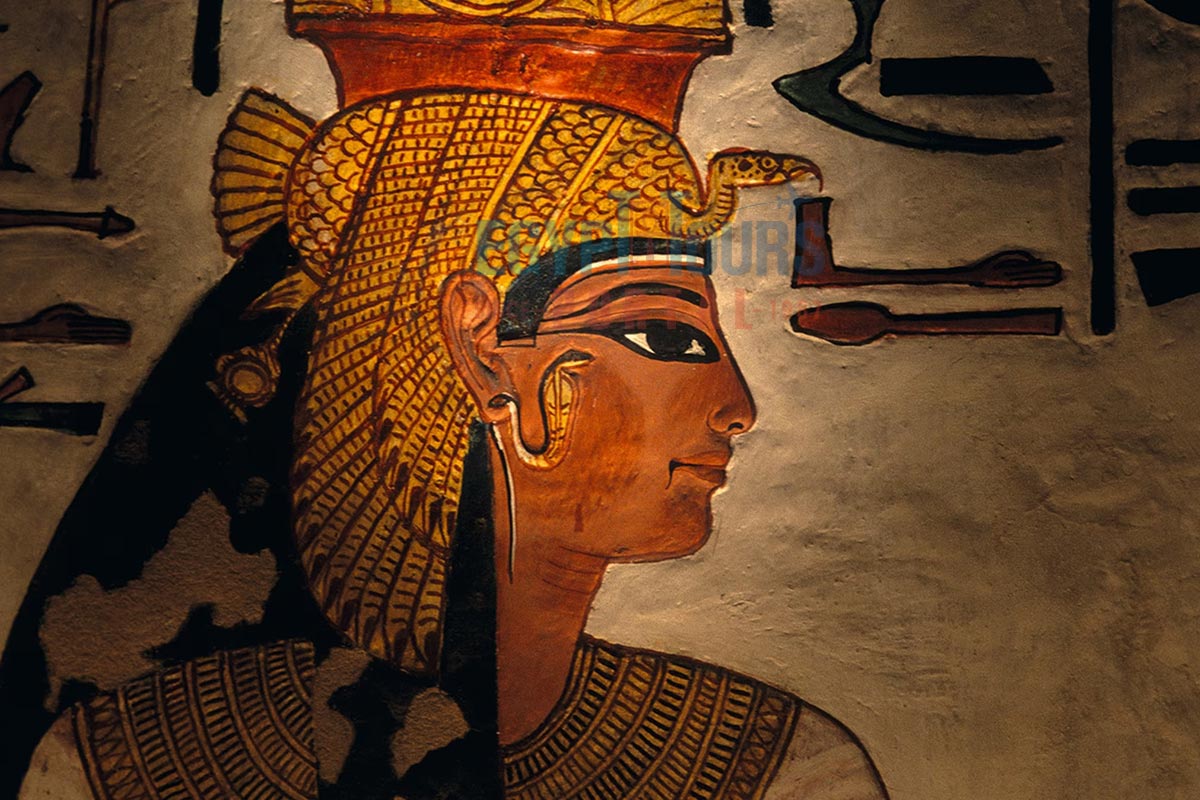
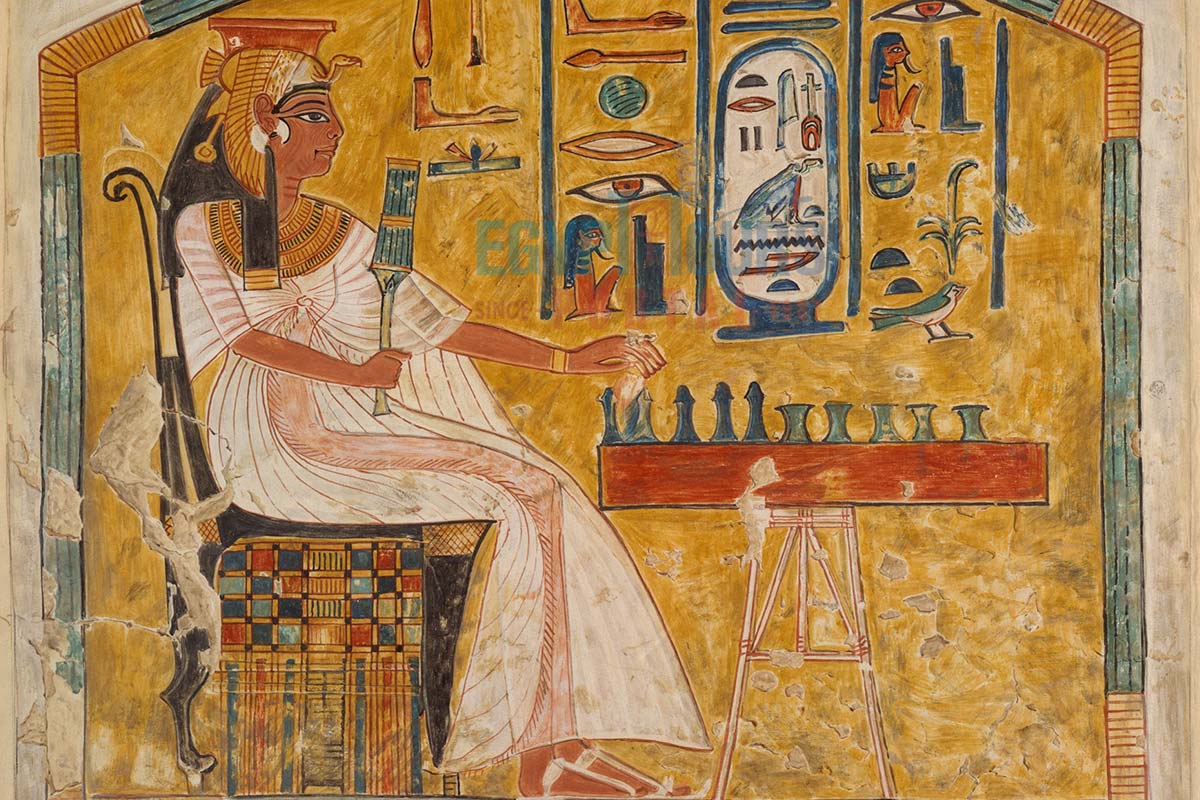
The true appearance of Queen Nefertari remains unknown in a scientific sense. The most detailed representations of her come from the exquisite wall paintings in her tomb, which depict her with graceful features, almond-shaped eyes, and a serene expression. These images are among the finest examples of ancient Egyptian portraiture, but they are still idealized, reflecting artistic conventions rather than precise physical reality.
Because no complete skull has been found, modern science cannot reconstruct her face with certainty. Digital reconstructions exist, but they are based on artistic interpretation rather than direct anatomical evidence. As a result, Nefertari’s real face remains partially hidden, preserved through art rather than science.
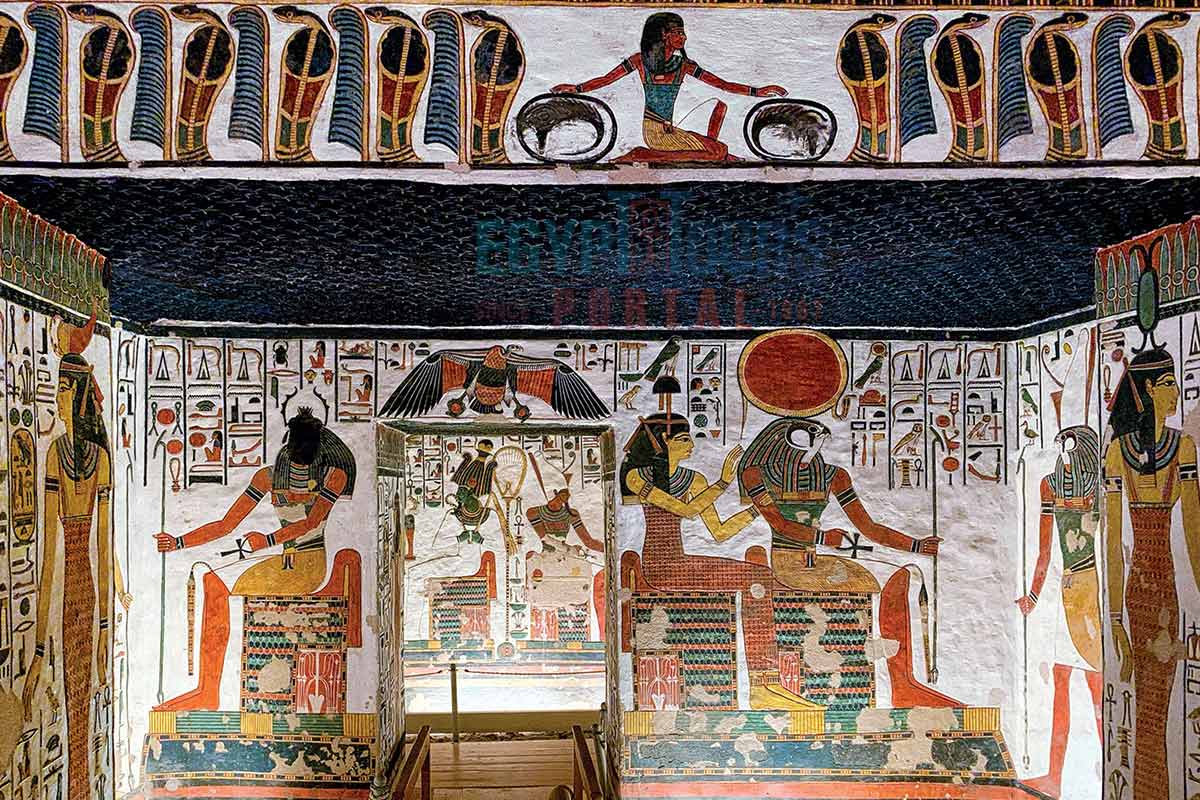
The tomb of Nefertari, known as QV66, is one of the most extraordinary archaeological discoveries in Egypt. Located in the Valley of the Queens, it was discovered in 1904 by the Italian archaeologist Ernesto Schiaparelli. The tomb covers approximately 520 square meters and is renowned for its vivid colors and intricate artwork, which depict Nefertari’s journey through the afterlife according to the Book of the Dead.
The paintings are considered masterpieces of ancient Egyptian art, with their clarity, detail, and symbolic richness. However, the tomb suffered significant damage over time due to humidity and salt crystallization. A major conservation effort carried out between 1986 and 1992 successfully restored much of its original beauty, preserving it for future generations.
Read the most important information about ancient Egyptian tombs, also explore the most famous ancient Egyptian tombs in Luxor and Aswan.
Read More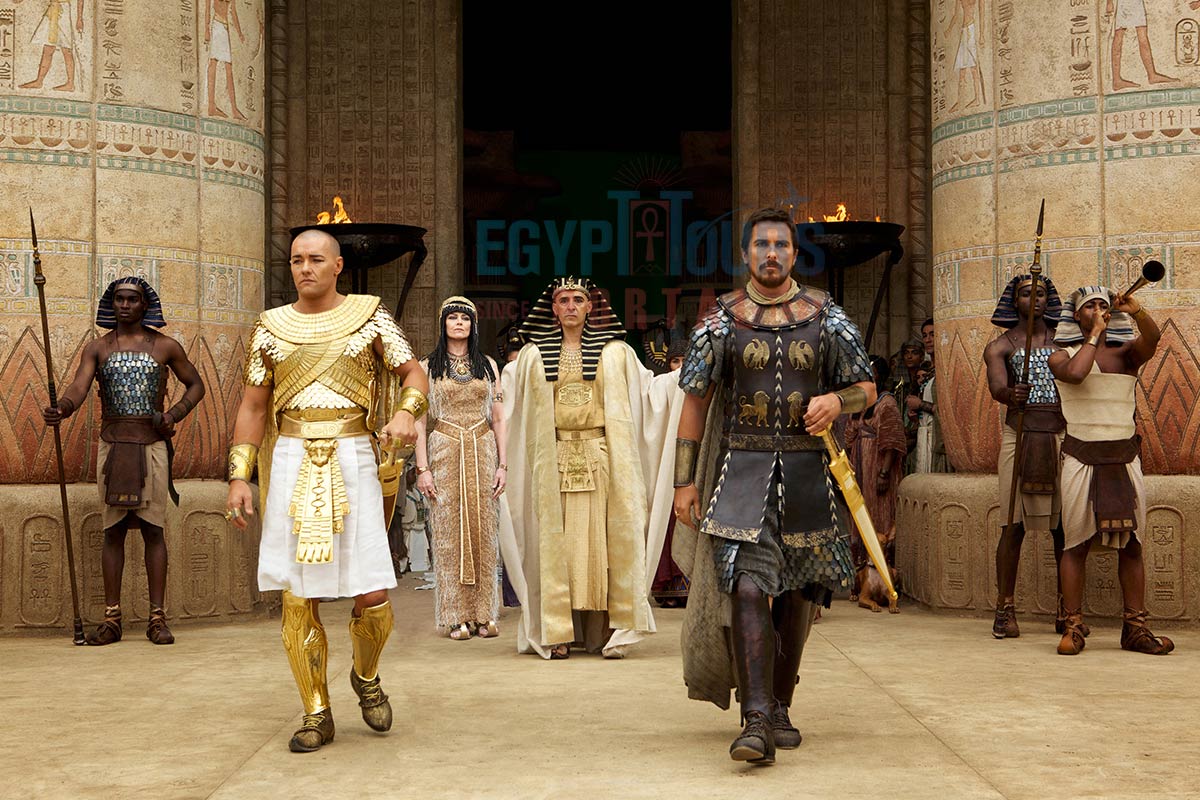
There is no reliable historical evidence linking Queen Nefertari to Moses. While some theories place the biblical Exodus during the reign of Ramesses II or his father Seti I, these theories remain debated, and even within them, Nefertari does not appear as a known figure. Any suggestion that she interacted with Moses or played a role in the Exodus narrative is speculative and not supported by archaeological or textual evidence.
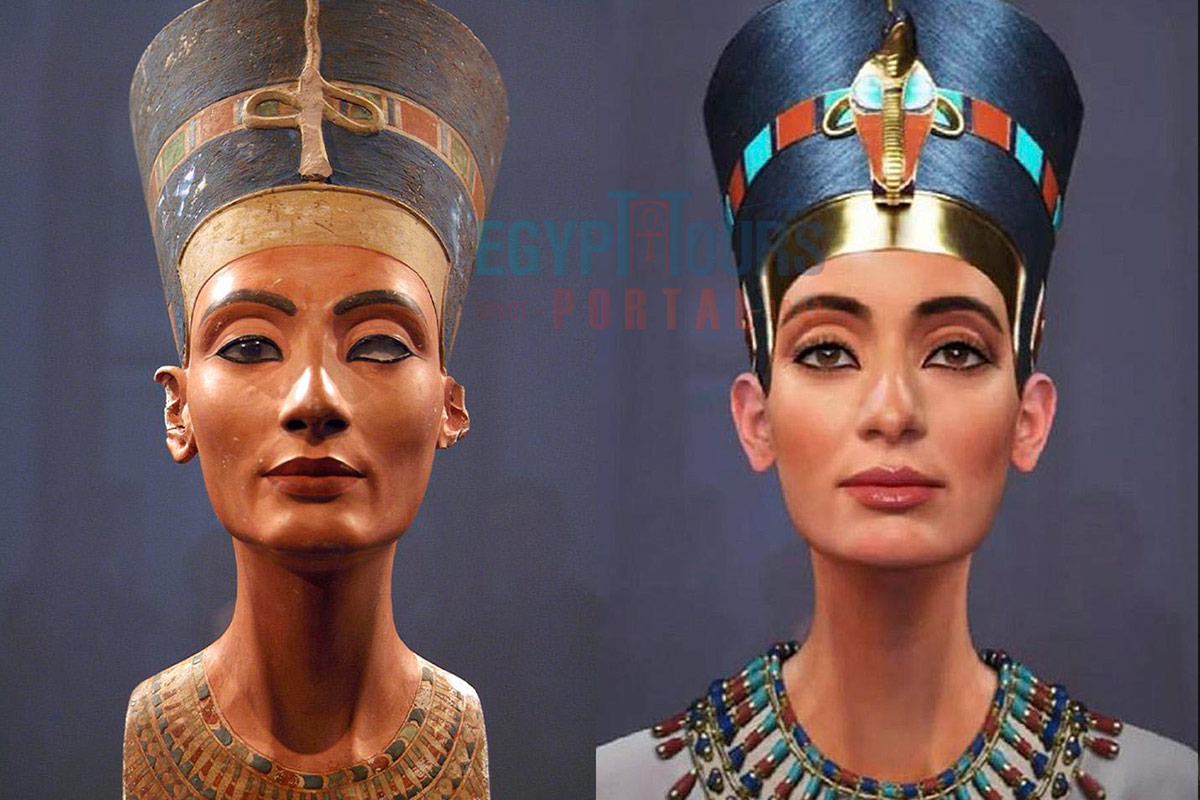
Queen Nefertari and Nefertiti are often confused due to their similar names, but they lived in different dynasties and historical contexts. Nefertiti belonged to the 18th Dynasty and was the wife of Akhenaten, playing a central role in a major religious transformation that emphasized the worship of the Aten.
Nefertari, on the other hand, lived during the 19th Dynasty and was associated with traditional ancient Egyptian religion, monumental architecture, and diplomatic relations. Their similarities are largely superficial, and their historical roles were fundamentally different.
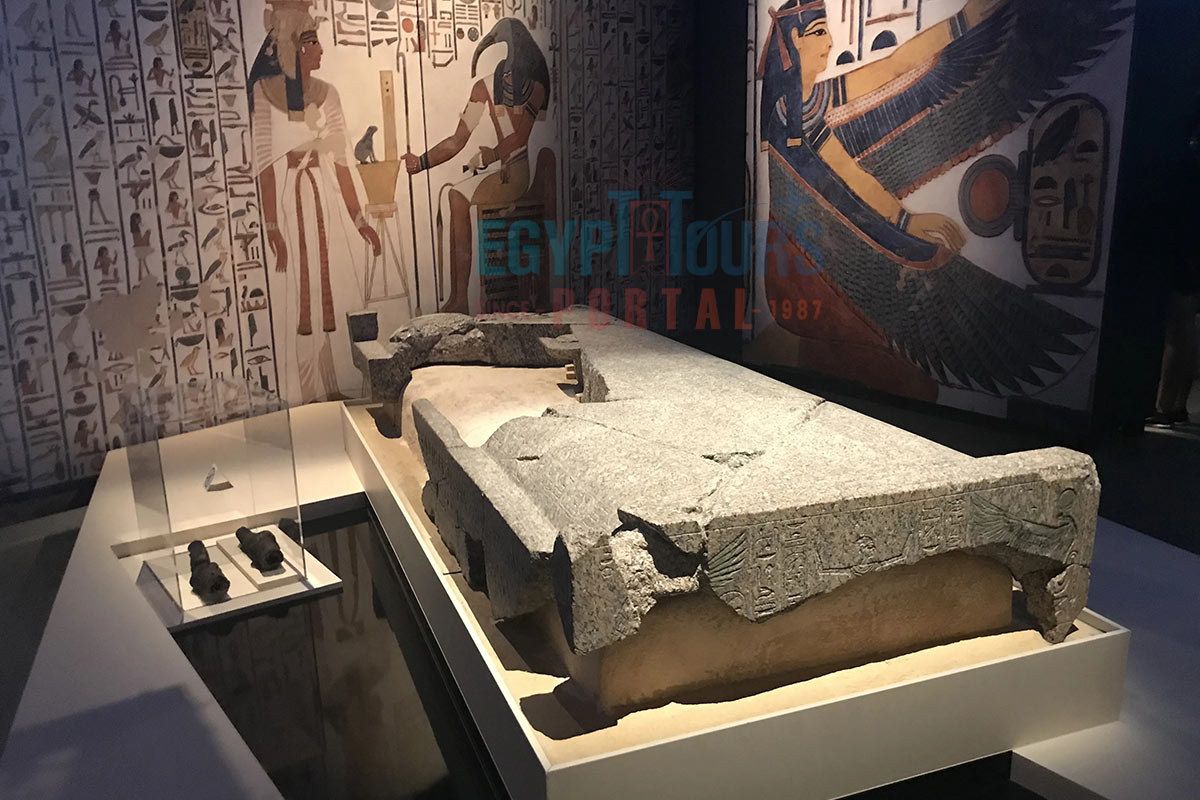
No complete mummy of Queen Nefertari has been definitively identified. The remains found in her tomb consist primarily of mummified legs, which have been analyzed and are considered highly consistent with her age, status, and burial context. However, the absence of a complete body means that absolute confirmation is not possible.
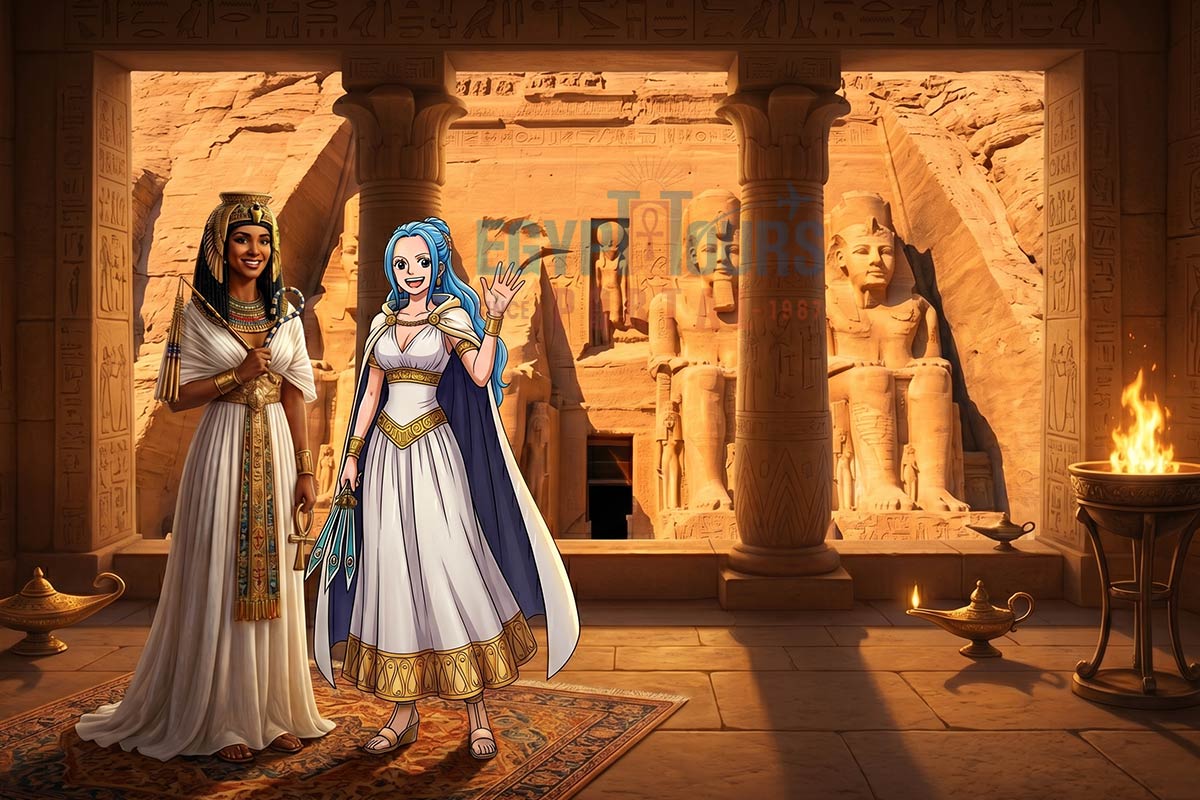
In modern culture, the name “Nefertari” appears in the anime One Piece, where Nefertari Vivi is a princess. This connection is purely inspirational, reflecting the influence of ancient Egyptian naming and symbolism on contemporary storytelling. There is no direct historical link, but the use of the name demonstrates how the legacy of Queen Nefertari continues to resonate across cultures and time.
Everyone can witness the majestic monuments and tales of Queen Nefertari during your epic Nile River cruise, found between the golden cities of Luxor and Aswan. Everyone can also witness the best of Egypt with our Egypt Tours and travel to magical attractions that make every moment count.
 From: 420 $
Private 4 Days Cairo Tour Packages for South African Travelers 4 days Cairo Egypt To...
Tour Location: Cairo – Giza...
 From: 515 $
5 Days Cairo and Alexandria Tour Package For South African Travelers 5 days Cairo an...
Tour Location: Cairo/Giza/Alexandria...
 From: 1190 $
6 Days Cairo, Luxor & Aswan Tour Package For South African Travelers 6 days Cair...
Tour Location: Cairo/Giza/Aswan/Luxor...
 From: 1110 $
Amazing 7 Days Cairo and Hurghada Holiday for South African Travelers 7 Days Cairo &...
Tour Location: Cairo – Giza – Hurgh...
The entire country of Egypt deserve to be explored with its every heavenly detail but there are places that must be seen before any other such as the breathtaking Hurghada's red sea, The wonders of Cairo the pyramids of Giza, the great sphinx, the Egyptian Museum, Khan El Khalili Bazaar, the wonders of Luxor like Valley of the Kings, Karnak & Hatshepsut temple and the wonders of Aswan such as Abu Simbel temples, Philea temple, Unfinished obelisk and The Wonders of Alexandria like Qaitbat Citadel, Pompey's Pillar and Alexandria Library. Read more about the best places to visit in Egypt.
If you want to apply for a Visa On Arrival that lasts for 30 days then you should be one of the eligible countries, have a valid passport with at least 6 months remaining and pay 25$ USD in cash, as for the E-Visa for 30 day you should have a valid passport for at least 8 months, complete the online application, pay the e-visa fee then print the e-visa to later be presented to the airport border guard. You could also be one of the lucky ones who can obtain a free visa for 90 days. Read more about Egypt travel visa.
Egypt has a variety of delicious cuisines but we recommend “Ful & Ta’meya (Fava Beans and Falafel)”, Mulukhiya, “Koshary”, a traditional Egyptian pasta dish, and Kebab & Kofta, the Egyptian traditional meat dish.
The best time to travel to Egypt is during the winter from September to April as the climate becomes a little tropical accompanied by a magical atmosphere of warm weather with a winter breeze. You will be notified in the week of your trip if the Climate is unsafe and if any changes have been made.
You should pack everything you could ever need in a small bag so you could move easily between your destinations.
We have been creating the finest vacations for more than 20 years around the most majestic destinations in Egypt. Our staff consists of the best operators, guides and drivers who dedicate all of their time & effort to make you have the perfect vacation. All of our tours are customized by Travel, Financial & Time consultants to fit your every possible need during your vacation. It doesn't go without saying that your safety and comfort are our main priority and all of our resources will be directed to provide the finest atmosphere until you return home.
You will feel safe in Egypt as the current atmosphere of the country is quite peaceful after the government took powerful measures like restructuring the entire tourist police to include all the important and tourist attractions in Egypt. Read more about is it safe to travel to Egypt.
Wear whatever feels right and comfortable. It is advised to wear something light and comfortable footwear like a closed-toe shoe to sustain the terrain of Egypt. Put on sun block during your time in Egypt in the summer to protect yourself from the sun.
The best activity is by far boarding a Nile Cruise between Luxor and Aswan or Vise Versa. Witness the beauty of Egypt from a hot balloon or a plane and try all the delicious Egyptian cuisines and drinks plus shopping in old Cairo. Explore the allure and wonders of the red sea in the magical city resorts of Egypt like Hurghada and many more by diving and snorkeling in the marine life or Hurghada. Behold the mesmerizing western desert by a safari trip under the heavenly Egyptian skies.
There are a lot of public holidays in Egypt too many to count either religious or nation, the most important festivals are the holy month of Ramadan which ends with Eid Al Fitr, Christmas and new years eve. Read more about festivals & publich holidays in Egypt.
Egypt is considered to be one of the most liberal Islamic countries but it has become a little bit conservative in the last couple of decades so it is advised to avoid showing your chest, shoulders or legs below the knees.
Arabic is the official language and Most Egyptians, who live in the cities, speak or understand English or at least some English words or phrases. Fewer Egyptians can speak French, Italian, Spanish, and German. Professional tour guides, who work in the tourism sector, are equipped to handle visitors who cannot speak Arabic and they will speak enough English and other languages to fulfill the needs of all our clients.
The fastest way is a car, of course, a taxi. If you are in Cairo ride a white taxi to move faster or you could board the fastest way of transportation in Egypt metro if the roads are in rush hour.
The temperature in Egypt ranges from 37c to 14 c. Summer in Egypt is somehow hot but sometimes it becomes cold at night and winter is cool and mild. The average of low temperatures vary from 9.5 °C in the wintertime to 23 °C in the summertime and the average high temperatures vary from 17 °C in the wintertime to 32 °C in the summertime. The temperature is moderate all along the coasts.
It is the home of everything a traveler might be looking for from amazing historical sites dating to more than 4000 years to enchanting city resorts & beaches. You will live the vacation you deserve as Egypt has everything you could possibly imagine.

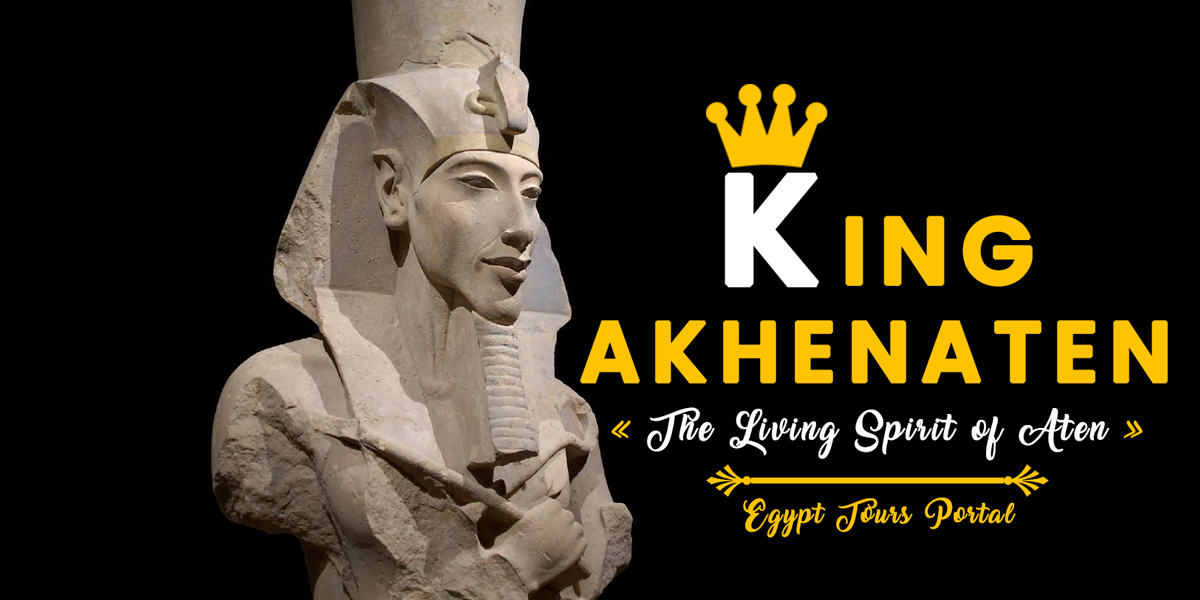
King Akhenaten one of the kings in the 18th dynasty who ruled ancient Egypt from(1353-1336 BC), his name ...
Discover Queen Nefertari’s history, tomb, mummy, love story with Ramesses II, monuments, death, and leg...
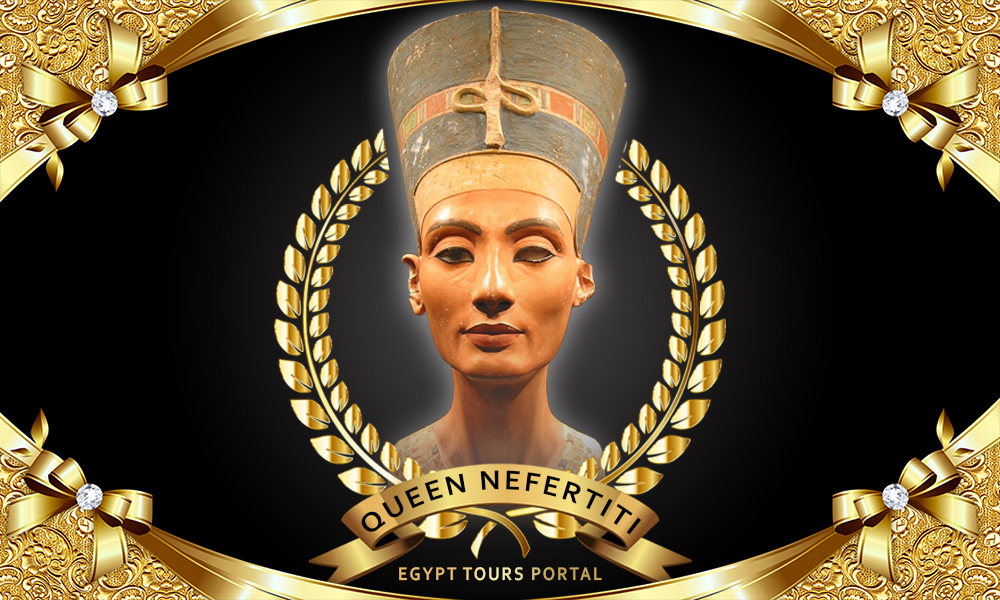
Explore Nefertiti’s life, titles, family, Aten revolution, possible reign as pharaoh, iconic bust, myst...












© Copyright Egypt Tours Portal 2026.