Summary
- Hurghada is the capital and largest city of Egypt’s Red Sea Governorate, located on the western Red Sea coast about 450 km southeast of Cairo.
- The city began as a small Ababda fishing village in 1905 and transformed into a major international resort destination after tourism investment grew in the 1980s.
- Hurghada is famous for diving, snorkeling, coral reefs, beaches, boat trips, desert safaris, nightlife, luxury resorts, and family holidays.
- Its major attractions include Giftun Island, Hurghada Grand Aquarium, Coral Reef Caves, Umm Qamar Island, Sand City, Sharm El Naga, Al Mina Mosque, Hurghada Museum, and nearby Coptic monasteries.
- Hurghada has a warm desert climate, a 2023 population of 214,247, more than 100 hotels, and nearby resort zones such as El Gouna, Sahl Hasheesh, Makadi Bay, Soma Bay, and Safaga.
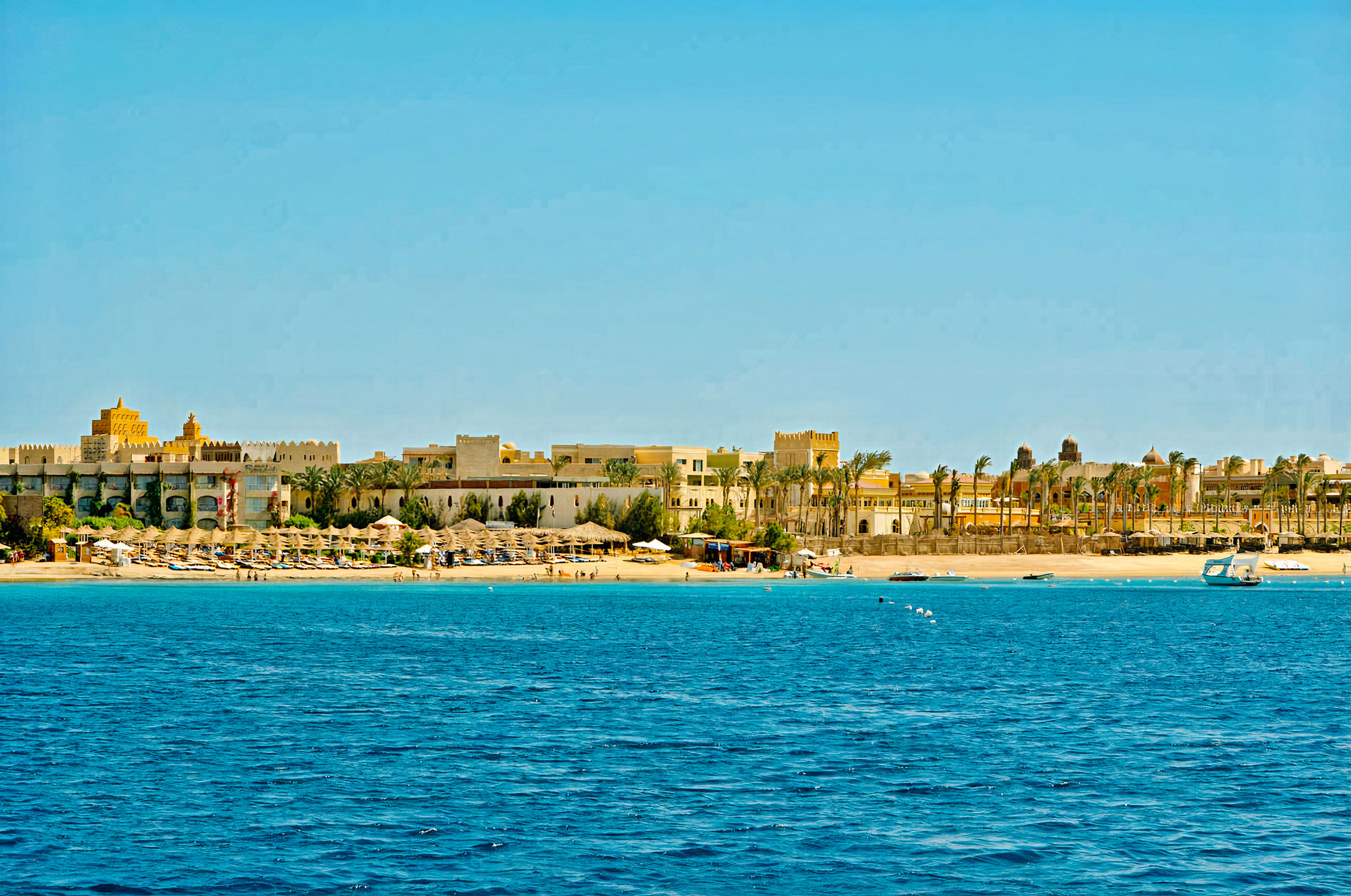
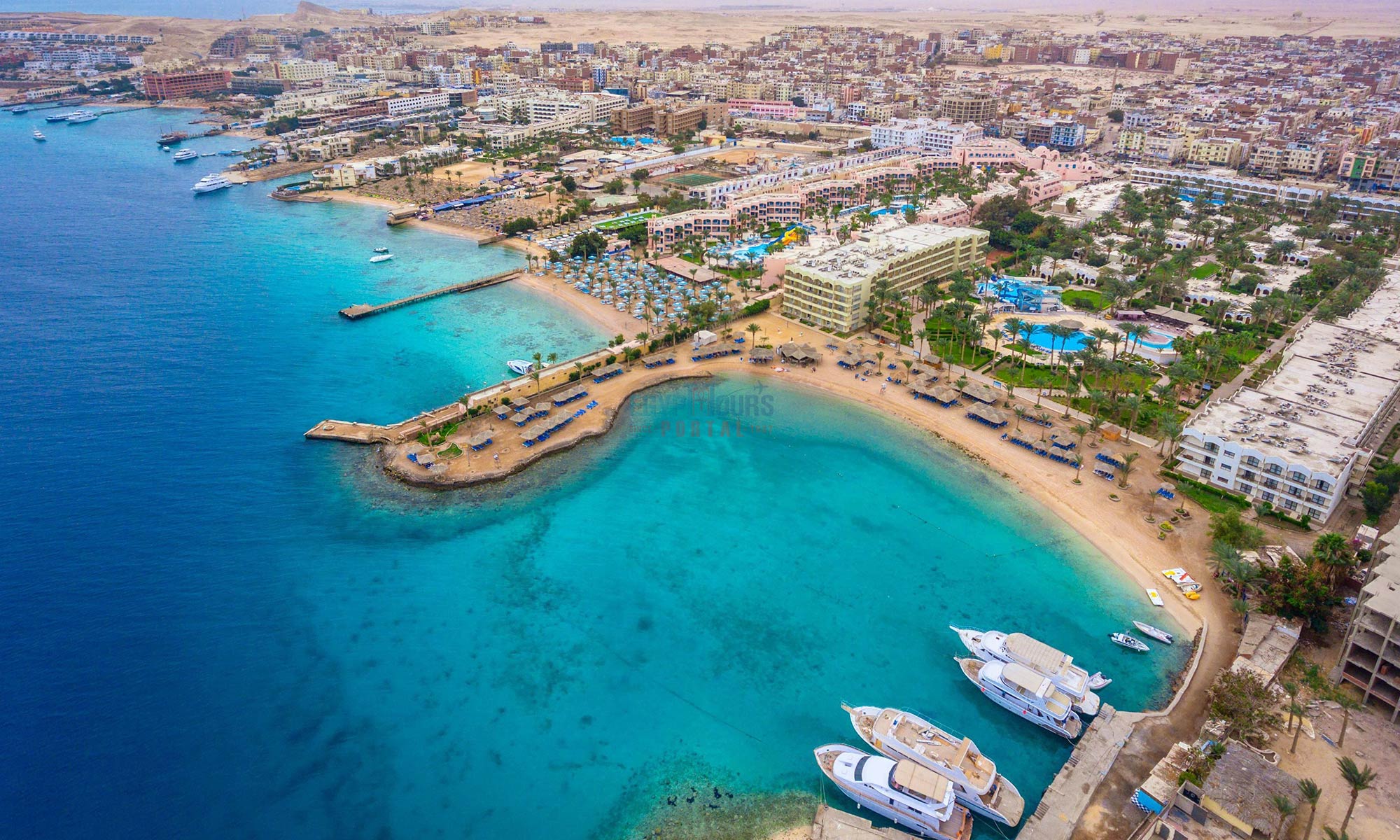
Hurghada is a slice of heaven that fell on the divine water of the Red Sea and the golden lands of Egypt. Hurghada is by far, one of Egypt’s most famous Red Sea destinations and one of the country’s leading centers for beach tourism, diving, snorkeling, water sports, nightlife, family holidays, and desert excursions. Over the decades, it became one of the world's top-five tourist destinations and one of the best nature destinations in the world.
It transformed from a small fishing village into a major resort city, especially after tourism investment accelerated in the 1980s. Today, it is known for long beaches, clear waters, coral reefs, luxury resorts, diving schools, yacht marinas, shopping areas, restaurants, and access to both the Red Sea and the Eastern Desert.
Hurghada played a pioneering role in Egypt’s modern “sun and sea” tourism. While many travelers traditionally came from all over the world to Egypt for the Pyramids, Luxor temples, and Nile cruises, Hurghada helped position Egypt as a complete leisure destination offering warm weather, marine life, beaches, and resort comfort. It attracts Egyptian travelers from Cairo, the Delta, and Upper Egypt, as well as international visitors from Europe, Russia, and other markets.
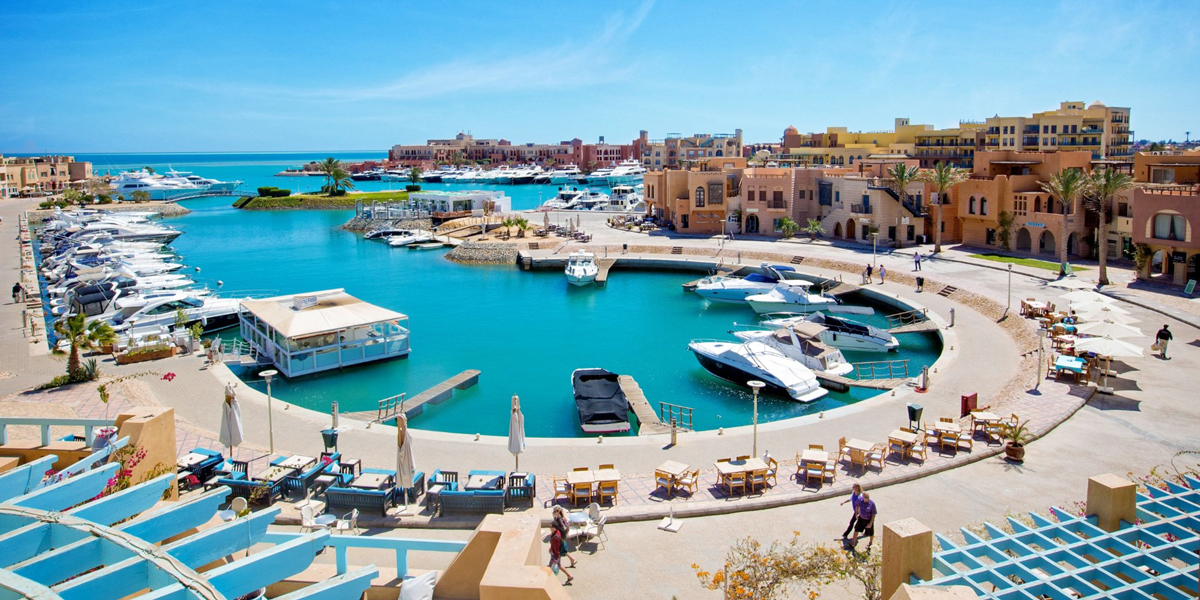
The city combines several travel experiences in one epic package. Visitors can dive or snorkel in the morning, explore desert dunes in the afternoon, enjoy dinner at Hurghada Marina in the evening, and take a day trip to Luxor or Cairo on another day. This mix of sea, desert, nightlife, and cultural access is one of Hurghada’s strongest advantages and the key to living the most magical travel experience.
Discover the Divine Location of Hurghada
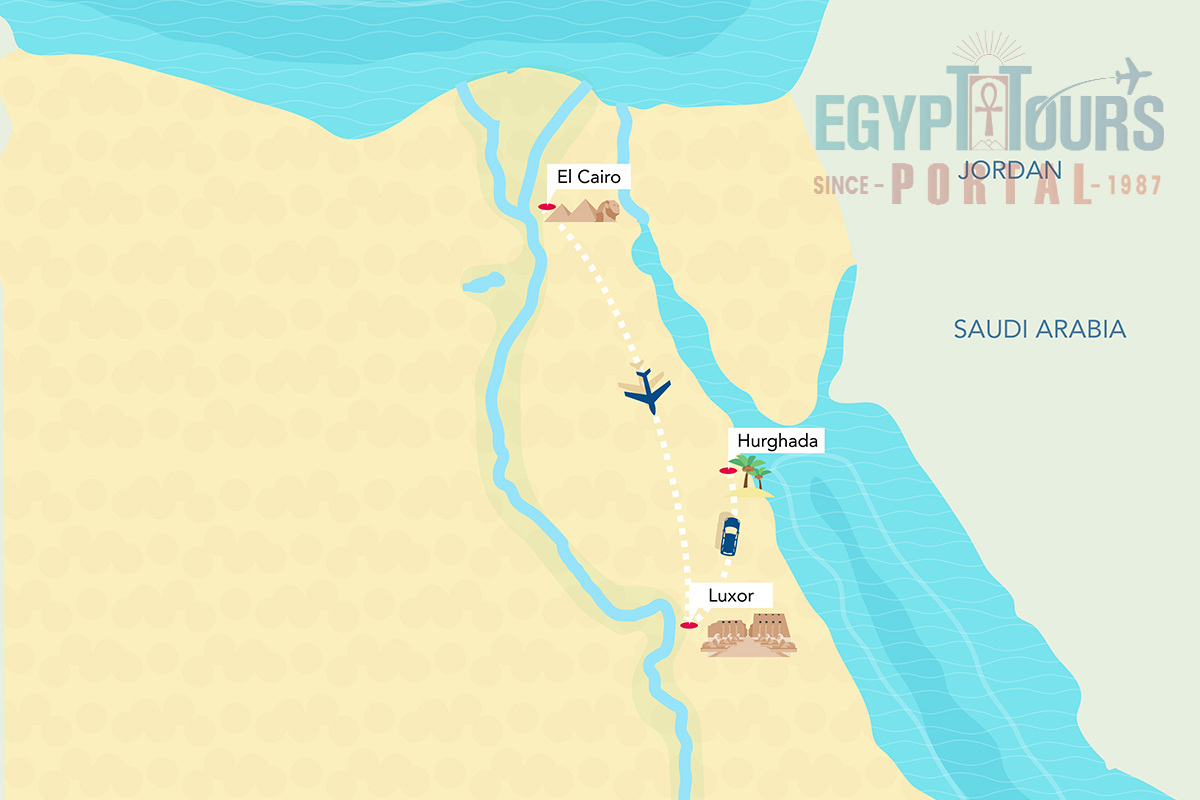
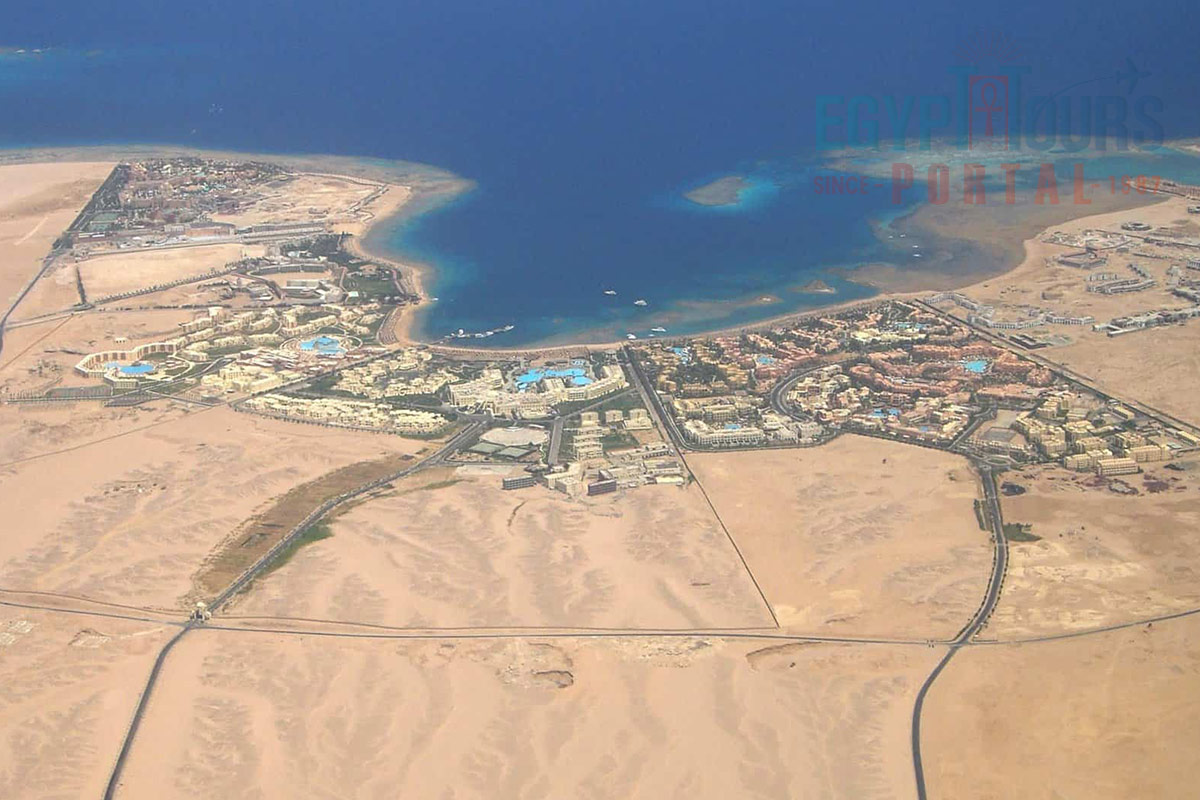
Hurghada is bordered by Ras Gharib to the north and Safaga to the south, and it includes or gives access to several Red Sea islands such as Giftun, Umm Qamar, Magawish, Abu Ramada, Abu Minqar, Fanadir, and Shadwan. Its wider tourism zone includes famous resort areas such as El Gouna, Sahl Hasheesh, Makadi Bay, Soma Bay, and Safaga, making it one of the most developed coastal tourism regions in Egypt.
Learn How to Get to Hurghada and How to Get Around It
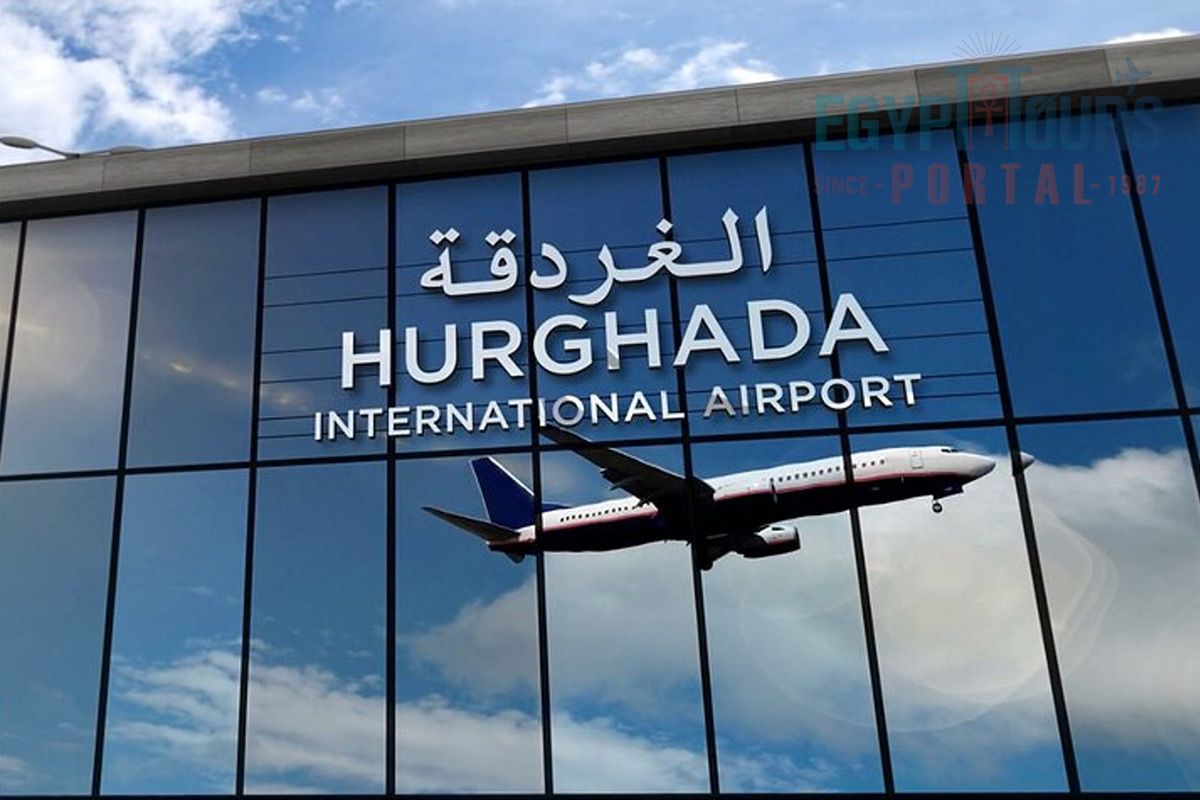
The easiest way to reach the city is by flying into Hurghada International Airport, which serves both domestic and international travelers. The airport connects Hurghada with Cairo and other Egyptian cities, while also receiving many direct flights and charter flights from Europe, Russia, Turkey, Gulf countries, and other regions. Current airport data lists Hurghada International Airport as Egypt’s second-busiest airport after Cairo, and passenger traffic in 2024 was reported at more than 9.6 million passengers.
Travelers can also reach Hurghada by road. Buses operate from Cairo, Luxor, Qena, Alexandria, and Aswan, with Cairo–Hurghada trips usually taking around 6–7 hours, depending on traffic, operator, and stops. The road from Luxor generally takes around 4–5 hours, making Hurghada a practical Red Sea extension after a Nile Valley cultural tour.
Getting around Hurghada depends on your travel style. Uber and Careem are convenient choices for many visitors because they reduce the need for bargaining. Taxis are common, but it is best to agree on the full fare before getting in. White minibuses run along the main coastal route and are cheap, but they are more suitable for travelers familiar with local routes.
For resort-to-resort movement, private transfers are often the smoothest option. The main areas visitors should know are El Dahar, the older local district; El Saqqala / Sigala, the downtown and marina area; El Mamsha, the modern promenade and hotel strip; and resort zones such as Sahl Hasheesh, Makadi Bay, Soma Bay, and El Gouna.
The Meaning Behind the Name of Grand City Resort of Hurghada
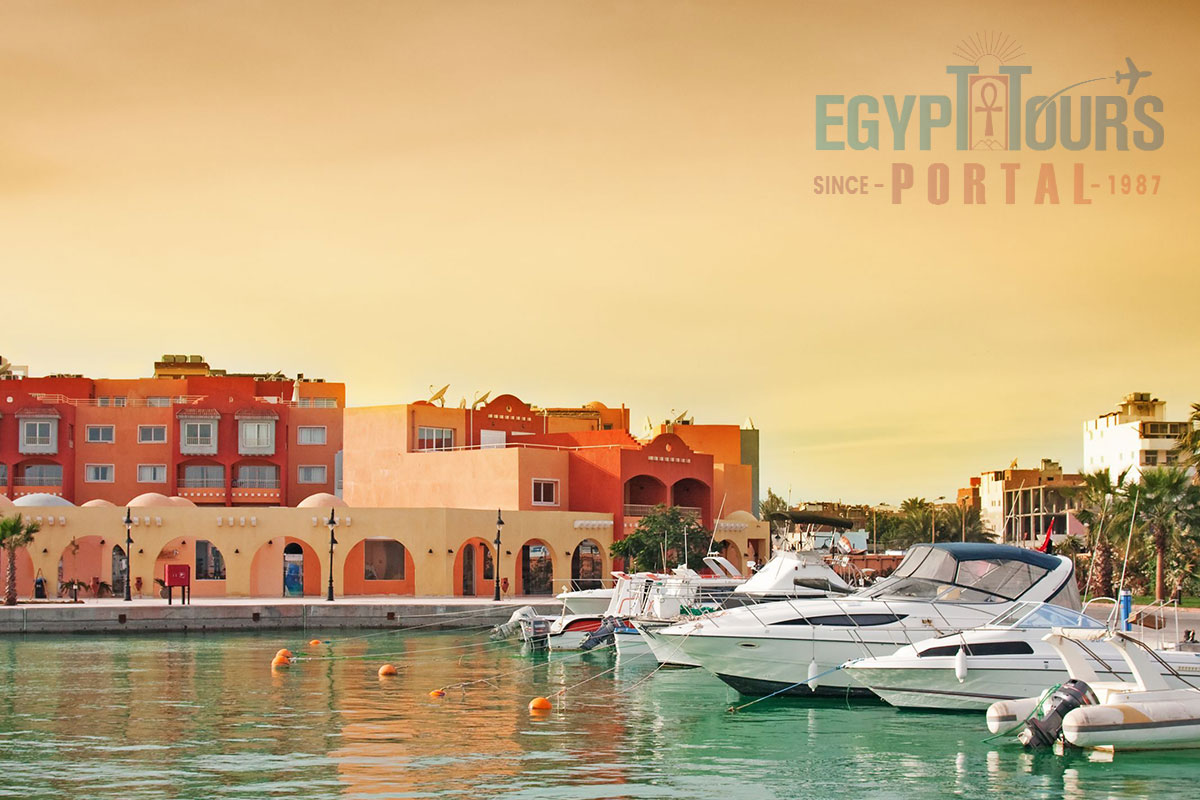
The name Hurghada comes from the Arabic word ghardaq / gharqad, linked to the Nitraria plant, a desert shrub that grew in the region. The city is pronounced in Egyptian Arabic as el-ghardaqa. This etymology reflects Hurghada’s original natural and desert setting before it became a major resort city. Long before international hotels, marinas, and diving centers in Hurghada appeared, the name belonged to a coastal landscape shaped by desert vegetation, fishing communities, and the Red Sea environment.
The Glorious History of the Beautiful City Resort of Hurghada
Hurghada’s modern identity is young compared with Egypt’s ancient cities, but the surrounding Red Sea coast has a deeper historical background. About 20 km north of modern Hurghada, the ancient settlement of Abu Sha’ar was established as a Roman military fort between 309 and 311 AD for the Ala Nova Maximiana unit. Around 400 AD, the fort was transformed into a Christian community, with evidence of a church, inscriptions, graffiti, a 5th-century papyrus, and an artwork with a cross. The settlement later declined after either the Sasanian or Arab conquest of Egypt.
The modern city of Hurghada was founded in 1905 as a fishing village by Ababda fishermen along a natural harbor. Oil was discovered in the area in 1913 by Anglo-Egyptian Oilfields Ltd., adding economic importance beyond fishing. During the 20th century, Hurghada also had military relevance, particularly because of its Red Sea position and nearby islands. Shadwan Island, east of Hurghada, was fortified by Egyptian forces during the War of Attrition, and in January 1970 it became the site of Operation Rhodes. Hurghada harbor was also targeted during operations in the October War of 1973.
The city’s dramatic transformation came in the 1980s, when Egyptian and foreign investment developed hotels, beach resorts, diving centers, and tourism infrastructure. Over time, Hurghada expanded from a quiet fishing settlement into a major international resort city. Despite modern development, older districts such as El Dahar still preserve traces of a more local and traditional atmosphere, while areas such as El Mamsha and Hurghada Marina represent the city’s modern tourism identity.
Explore the Rich Tourism of Hurghada
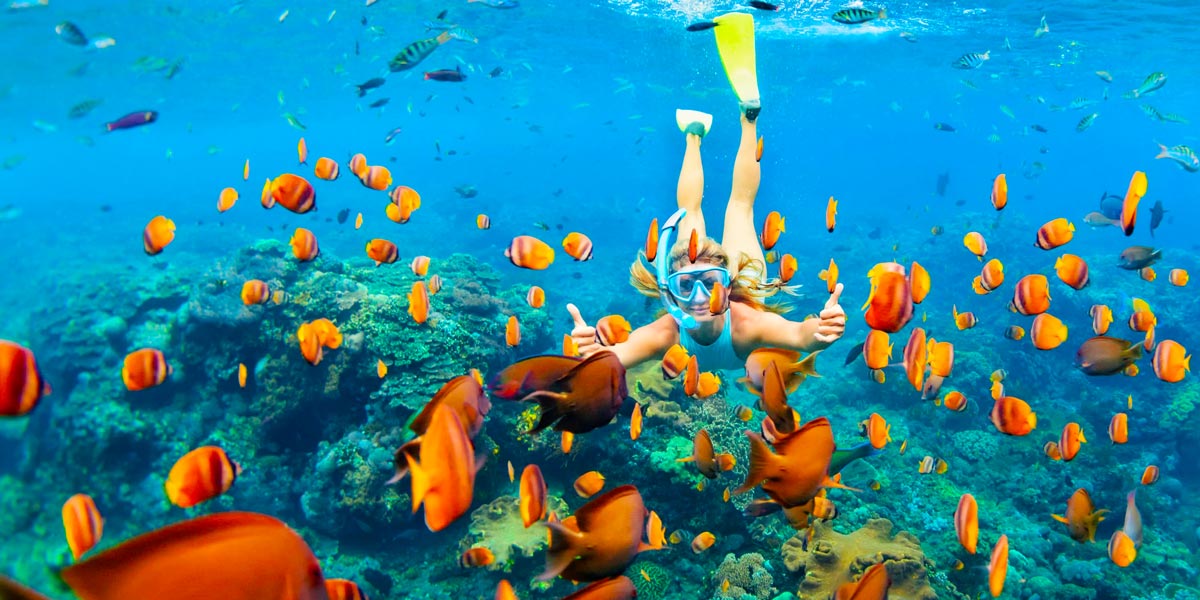
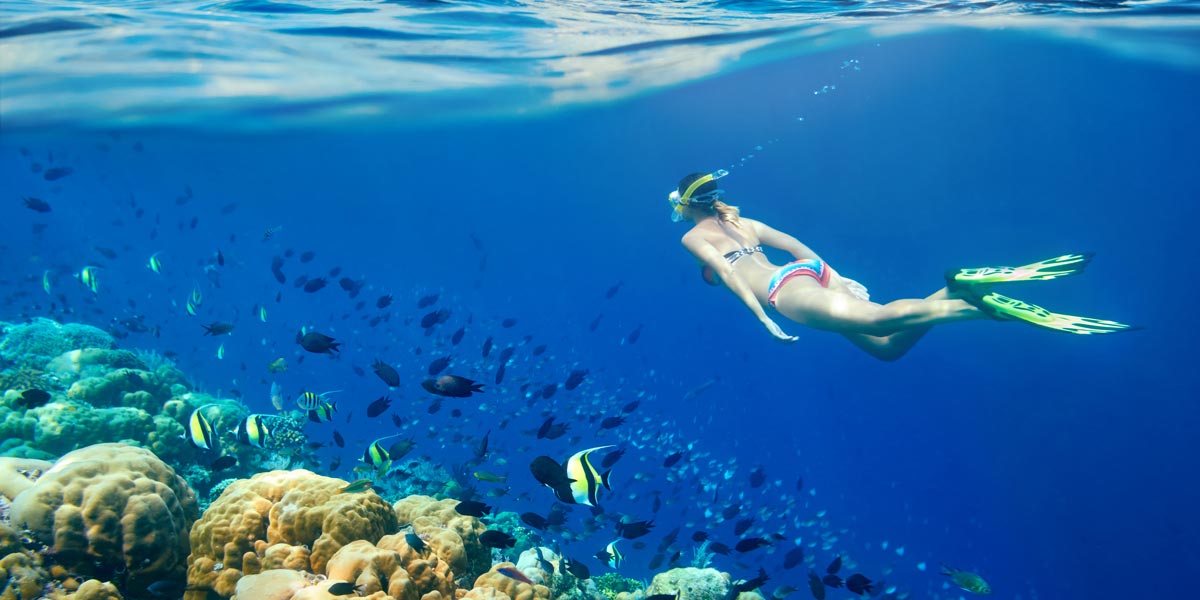
Tourism is the backbone of Hurghada’s economy. The city is famous for diving, snorkeling, coral reefs, beaches, boat trips, water sports, desert safaris, nightlife, and all-inclusive resorts. Its clear and usually calm waters make it attractive for both beginners and experienced divers. The reefs around Giftun Islands, Abu Ramada Island, Fanadir, and other offshore sites are among the most popular marine experiences.
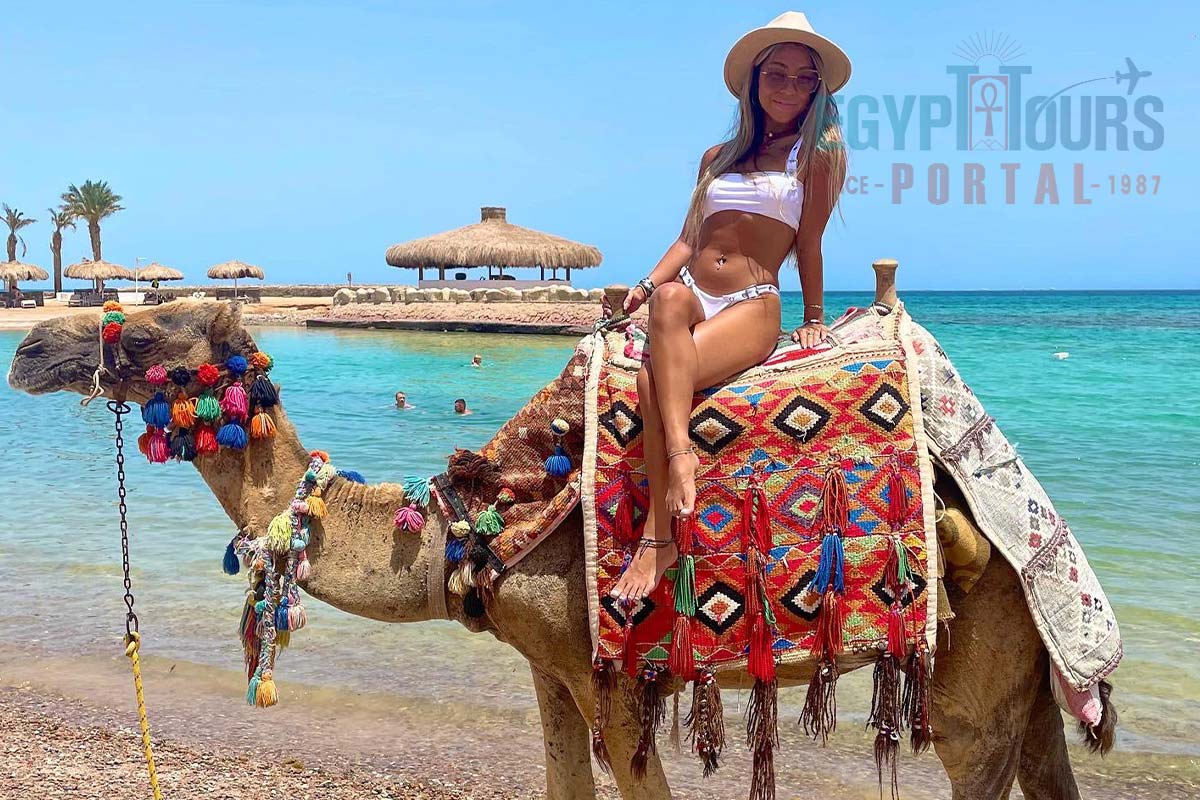
Hurghada is also popular because it serves many types all kind of travelers through our various Hurghada excursions. Families enjoy resorts, aquariums, beaches, and boat trips. Couples often choose Sahl Hasheesh, El Gouna, or Soma Bay for quieter luxury. Divers and snorkelers head offshore to reefs and wrecks. Adventure travelers explore the desert by quad bike, camel, or 4x4. Culture lovers use Hurghada as a base for historical excursions to Luxor, including Karnak Temple, Dendera & Abydos Temples, Luxor Temple, and the Valley of the Kings, plus many more.
Hurghada also offers cultural attractions inside the city. Hurghada Museum, inaugurated in 2020, is the first antiquities museum in the Red Sea Governorate and contains around 2,000 artifacts covering ancient Egyptian, Greco-Roman, Jewish, Christian, Islamic, and modern periods. Its theme focuses on beauty in Egyptian civilization, making it an important cultural stop in a city mostly known for beaches.
Another important family attraction is the Hurghada Grand Aquarium, opened in 2015, described in your source as the largest aquarium in Egypt and the second largest in Africa.
The Miraculous Climate of the Divine City Resort of Hurghada
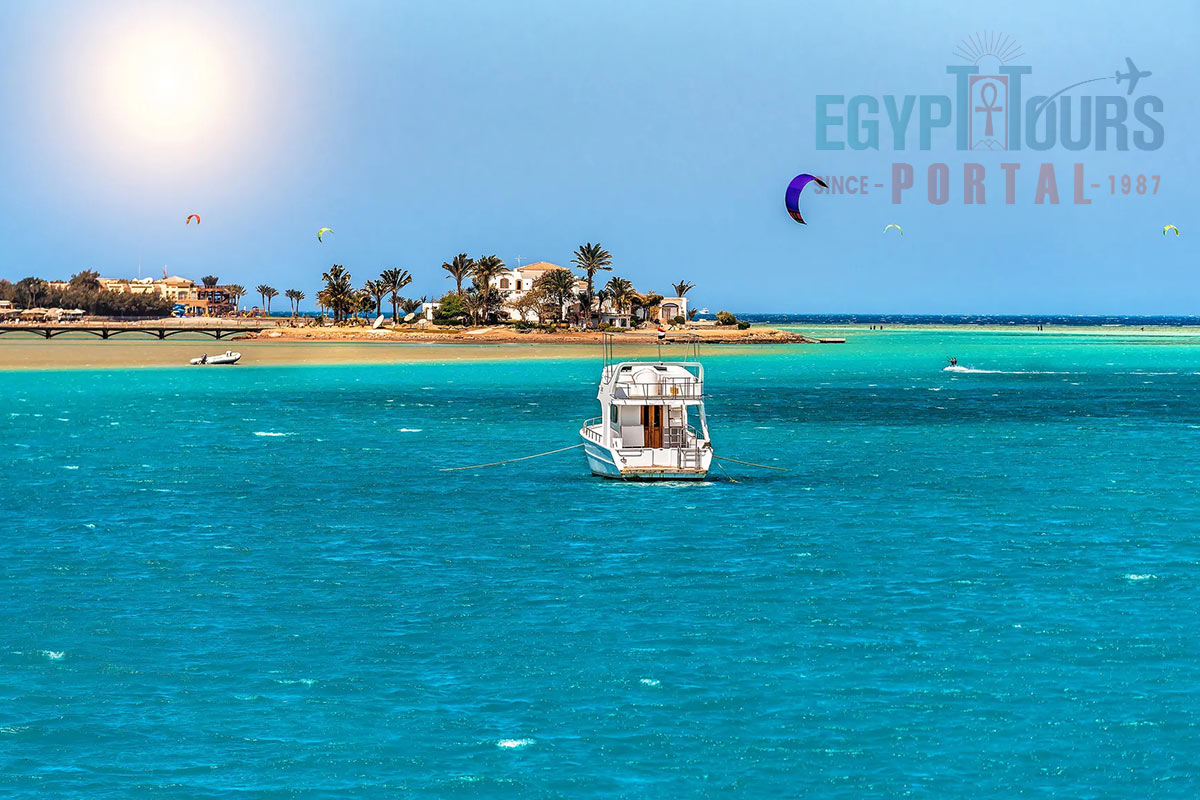
Hurghada has a subtropical desert climate, meaning it is dry, sunny, and warm for most of the year. Rainfall is extremely rare, with annual precipitation only a few millimeters. Winters are mild to warm during the day, while evenings can be cooler, especially if the Shamal wind blows from the northeast. Summers are hot to very hot, with daytime temperatures often exceeding 35°C, and extreme records reaching around 47°C.
The Red Sea moderates the coastal climate and helps make Hurghada attractive year-round. Sea temperatures average around 24°C annually, ranging from roughly 21°C in February and March to about 28°C in August. This means swimming and snorkeling are possible in most months, although some visitors prefer a wetsuit for diving in winter or early spring.
For many travelers, the best time to visit Hurghada is from March to May and September to November, when the weather is warm but not as extreme as high summer. For diving, April to November is often recommended because water temperatures are warmer and visibility is usually excellent. Summer is excellent for sea activities, but can be very hot for desert excursions. Winter is popular for Europeans seeking sun, especially around Christmas and New Year.
Learn About the Demographics and Population of Hurghada
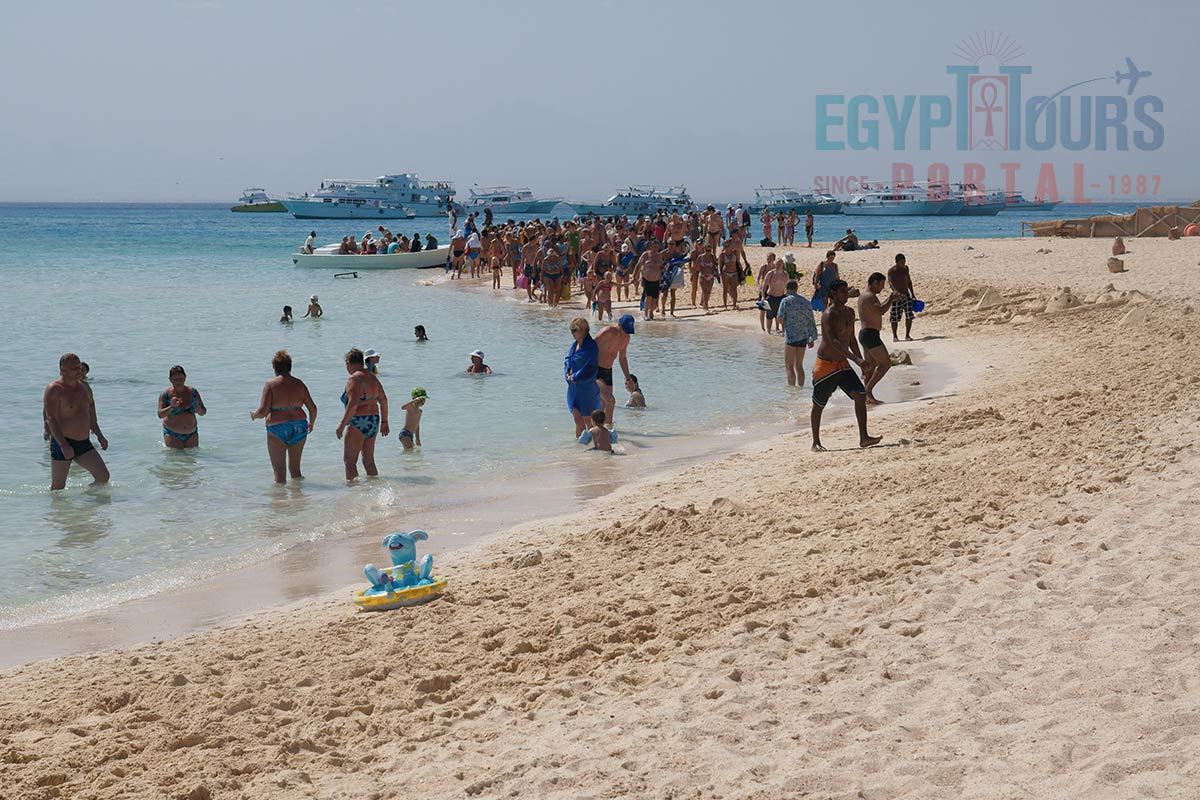
Hurghada had a reported population of 214,247 in 2023, with a density of around 830 people per km² across an area of approximately 258 km². The city has grown rapidly due to tourism, resort development, internal migration, and foreign residency. Its population includes local Egyptians, workers from other governorates, hotel staff, divers, boat crews, business owners, teachers, doctors, taxi drivers, and foreign residents.
Hurghada also has a notable Russian-speaking community. In 2015, publisher Yulia Shevel stated that around 20,000 Russians lived in Hurghada, although only about 3,000 were officially documented. The city has Russian schools, Russian-language community media, and a Russian Consulate that opened in 2017. This reflects Hurghada’s international character and its popularity with Russian and European visitors.
Because tourism is the dominant industry, Hurghada’s daily population can feel much larger during high season, especially when resort occupancy is high and international flights increase.
Witness the Magnificant Attractions of the Grand City Resort of Hurghada
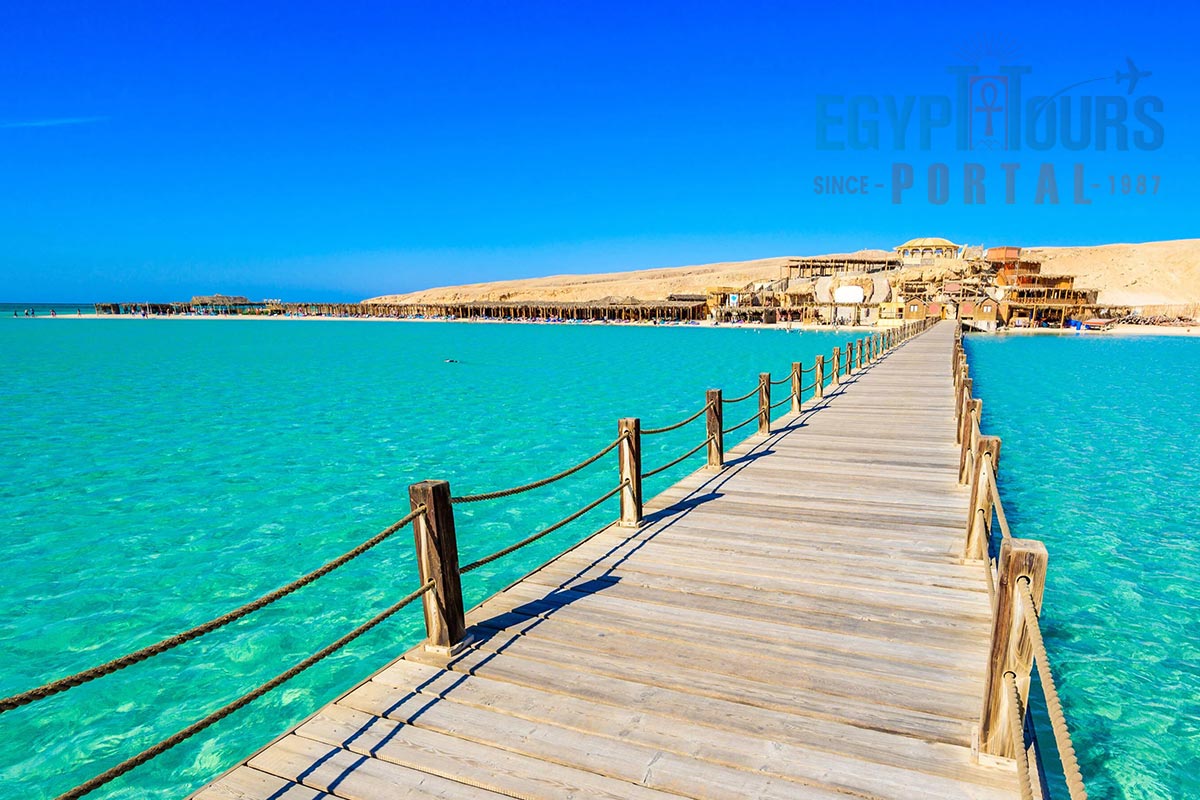
Hurghada is blessed with the most magical combination of aquatic and religious wonders, making this resort city the place to be for the most magical vacation. All travelers will have a golden path to live the ultimate travel experience across the finest attractions, which include:
The Magical Coral Reef Caves of Hurghada
Coral Reef Caves are among the most exciting diving experiences associated with Hurghada’s Red Sea coast, especially for travelers who want more than a simple reef swim. These underwater formations are admired for their coral gardens, reef walls, hidden passages, and rich marine life, creating a dramatic environment for divers.
The site is often described as a natural underwater haven, with colorful coral forests, soft and hard coral formations, and schools of Red Sea fish moving through the reef. With a depth of around 16 meters, it can offer an enjoyable adventure for divers who are comfortable underwater, though conditions should always be checked with a licensed diving center. Marine life in the wider Red Sea may include tuna, reef fish, rays, and occasionally larger species, while the cave-like coral formations make the experience feel mysterious, scenic, and adventurous.
The Captivating Hurghada Grand Aquarium
Hurghada Grand Aquarium is one of the most important family-friendly and educational attractions in the city. Opened in 2015, it was created to introduce visitors to the underwater world of the Red Sea without requiring them to dive or snorkel. The aquarium displays more than 1,200 marine creatures representing over 100 species, offering a close look at fish, rays, sharks, turtles, and other aquatic life connected to the Red Sea and beyond.
It is more than a traditional aquarium; it combines marine exhibits with educational displays, conservation awareness, and recreated natural environments. For families, children, and travelers who cannot join diving trips, Hurghada Grand Aquarium is a valuable way to understand why the Red Sea is considered one of the world’s most beautiful marine ecosystems.
The Blessed Giftun Island
Giftun Island is one of Hurghada’s most famous natural attractions and one of the most visited island destinations in the Red Sea. The Giftun Islands are often described as among the first protected nature reserves in the Red Sea, known for white sandy beaches, turquoise water, coral reefs, and peaceful island scenery.
The islands are also important habitats for seabirds such as seagulls, making them valuable both for tourism and nature protection. Giftun is especially popular for snorkeling and diving because it offers multiple swimming and snorkeling spots where visitors can see colorful coral reefs, reef fish, and clear underwater views. With around 14 swimming spots, the island is ideal for boat trips, beach relaxation, snorkeling tours, and full-day Red Sea excursions from Hurghada.
The Biblical Gems of St. Anthony and St. Paul Monasteries
The Monasteries of Saint Anthony and Saint Paul are among the most important Coptic Christian heritage sites near the Red Sea region. Located in the Eastern Desert, they are often visited from Hurghada as part of a cultural or religious excursion. These monasteries preserve a spiritual history that reaches back to the early centuries of Christianity, with traditions connected to monastic life, desert solitude, prayer, and asceticism.
The monastery complexes include ancient churches, chapels, icons, wall paintings, towers, manuscripts, and architectural elements that reflect the development of Egyptian monasticism. Their setting in the desert adds to their spiritual atmosphere, showing a very different side of the Red Sea beyond beaches and diving. They are excellent for travelers interested in Coptic history, early Christianity, desert landscapes, and sacred architecture.
The Amazing Sand City Hurghada
Sand City Hurghada is one of the most unusual attractions in the city and is often promoted as the first open-air sand sculpture museum of its kind in the Middle East and North Africa. The museum displays large-scale sculptures carved from yellow and white sand, created by international artists from different countries.
It contains around 42 sand sculptures, made by 42 sculptors, featuring a mixture of historical figures, mythological characters, fantasy scenes, famous monuments, and popular culture themes. What makes Sand City special is the level of detail achieved using only sand and water-based techniques. It is a good attraction for families, photography lovers, and visitors looking for something creative outside the usual beach and diving activities.
The Special Umm Qamar Island
Umm Qamar Island is located about 9 km north of the Giftun Islands and is one of the notable diving and snorkeling areas near Hurghada. The island is especially known for its coral towers, reef formations, and abundant fish life. Its underwater landscape includes distinctive coral structures surrounded by schools of fish, making it attractive for divers who enjoy dramatic reef scenery.
The area also has a wreck of around 25 meters in length, adding an extra layer of interest for underwater explorers. Umm Qamar is popular because it combines coral reefs, marine life, and wreck-diving elements in one location, making it suitable for experienced snorkelers and divers who want a richer Red Sea adventure.
The Stellar Sharm El Naga
Sharm El Naga is a beautiful coastal village located around 40 km south of Hurghada, known for its clear water, sandy beach, and impressive reef cliff. It is one of the best places near Hurghada for easy snorkeling because the reef can often be reached directly from the shore, making it suitable for beginners, families, and visitors who do not want to take a long boat trip.
The area offers a peaceful atmosphere with accommodation, facilities, swimming pools, cafés, entertainment options, and beach services. Its main attraction remains the underwater scenery, where visitors can enjoy colorful coral reefs, tropical fish, and calm Red Sea conditions. Sharm El Naga is ideal for travelers who want a relaxed beach day with excellent snorkeling access.
The Enchanting Red Sea Resorts Near Hurghada
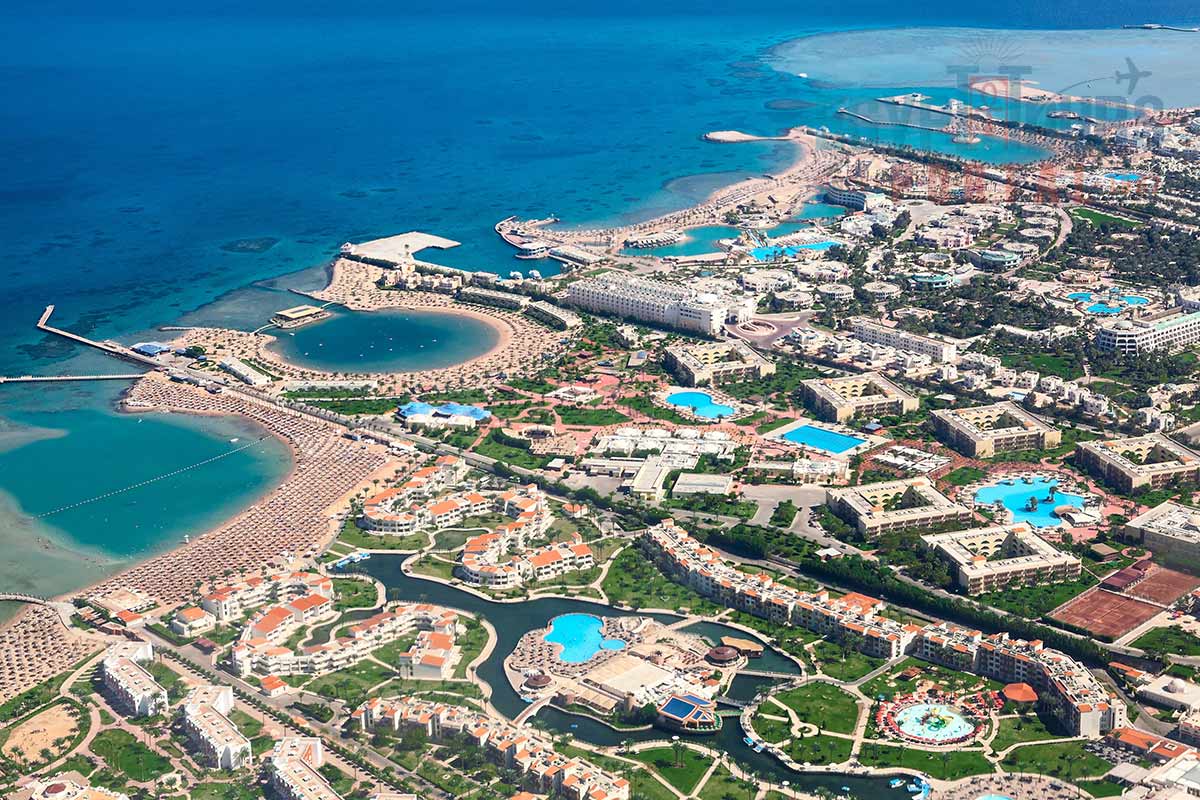
Hurghada is surrounded by resort towns that each offer a different style of Red Sea experience. El Gouna, around 25 km north of Hurghada, is a privately developed luxury town built around lagoons, canals, islands, marinas, bridges, villas, hotels, restaurants, schools, a hospital, and an 18-hole golf course. It is often described as Egypt’s Venice because of its waterways and carefully planned resort design.
The Phenomenal Sahl Hasheesh Bay Resort
Sahl Hasheesh is a magical gem, about 18 km south of the divine city of Hurghada, known as a modern resort zone known for luxury hotels, clear waters, beaches, and marine life, plus easy access to many resorts in Hurghada. It is famous for delivering the ultimate tropical and relaxing aquatic experience across the divine waters of the Red Sea.
The Grand Safaga Resort
Safaga Resort is a peaceful Red Sea destination located around 50 km south of Hurghada, known for its quiet beaches, clear waters, coral reefs, and relaxed atmosphere. It is a great choice for travelers who want diving, snorkeling, kitesurfing, and wellness experiences away from crowded resort areas. Safaga is also valued for its natural beauty, warm climate, and easy access to both Red Sea adventures and cultural trips to Luxor.
The Unique El Qoseir Resort
El Qoseir is a magical resort located farther south between Hurghada and Marsa Alam, and is one of the oldest towns on Egypt’s western Red Sea coast. It was known historically as Leucos Limen in the Greco-Roman period and later became an important port for trade, pilgrimage routes to Mecca, and coffee imports from Yemen.
The Breathtaking El Gouna
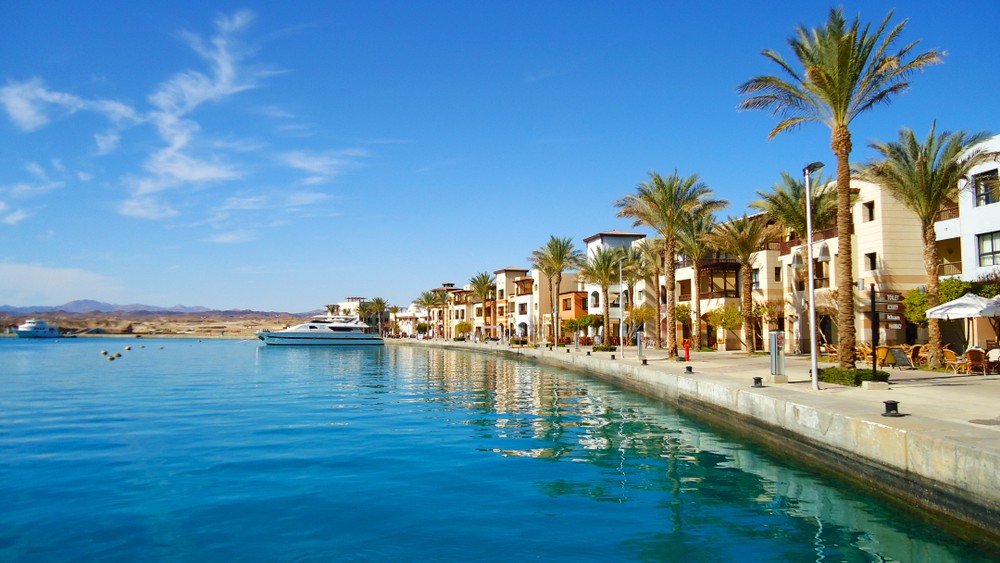
El Gouna is a luxury resort town located about 25–30 km north of Hurghada, famous for its lagoons, canals, marinas, beaches, boutique hotels, villas, restaurants, and stylish leisure atmosphere. It is one of the most polished resort communities on the Red Sea and is often admired for its planned layout and distinctive architecture, including designs inspired by Nubian and modern Egyptian styles.
El Gouna offers diving, snorkeling, kitesurfing, sailing, golf, nightlife, shopping, fine dining, and wellness experiences. It is also known for being quieter and more organized than central Hurghada, making it popular with couples, families, luxury travelers, and long-stay visitors. Its marina and lagoon system give it a unique character compared with other Red Sea resorts.
The Astonishing Soma Bay
Soma Bay is an upscale Red Sea resort destination located around 45 km south of Hurghada. It is known for luxury hotels, villas, a marina, beaches, diving, snorkeling, kitesurfing, wellness resorts, and an 18-hole golf course. Soma Bay is especially attractive for travelers who want a quieter and more exclusive beach holiday away from the busier parts of Hurghada.
Its clear waters and reef access make it appealing for water sports lovers, while its high-end hotels and spa facilities make it suitable for relaxation and wellness tourism. The area has become one of the Red Sea’s leading destinations for premium coastal vacations.
The Extraordinary Makadi Bay
Makadi Bay is a popular resort area located around 30 km south of Hurghada, overlooking the Red Sea. It is known for its large hotels, sandy beaches, family-friendly resorts, shops, clubs, and water activities. Unlike central Hurghada, Makadi Bay is more resort-focused, making it ideal for travelers who prefer staying in a self-contained beach destination with everything close by.
Visitors can enjoy swimming, snorkeling, diving, boat trips, spa treatments, evening entertainment, and organized excursions. Its calm setting and beautiful sea views make it a strong choice for families, couples, and travelers looking for comfort, relaxation, and easy access to Red Sea activities.
The Mesmerizing Red Sea Beaches of Hurghada
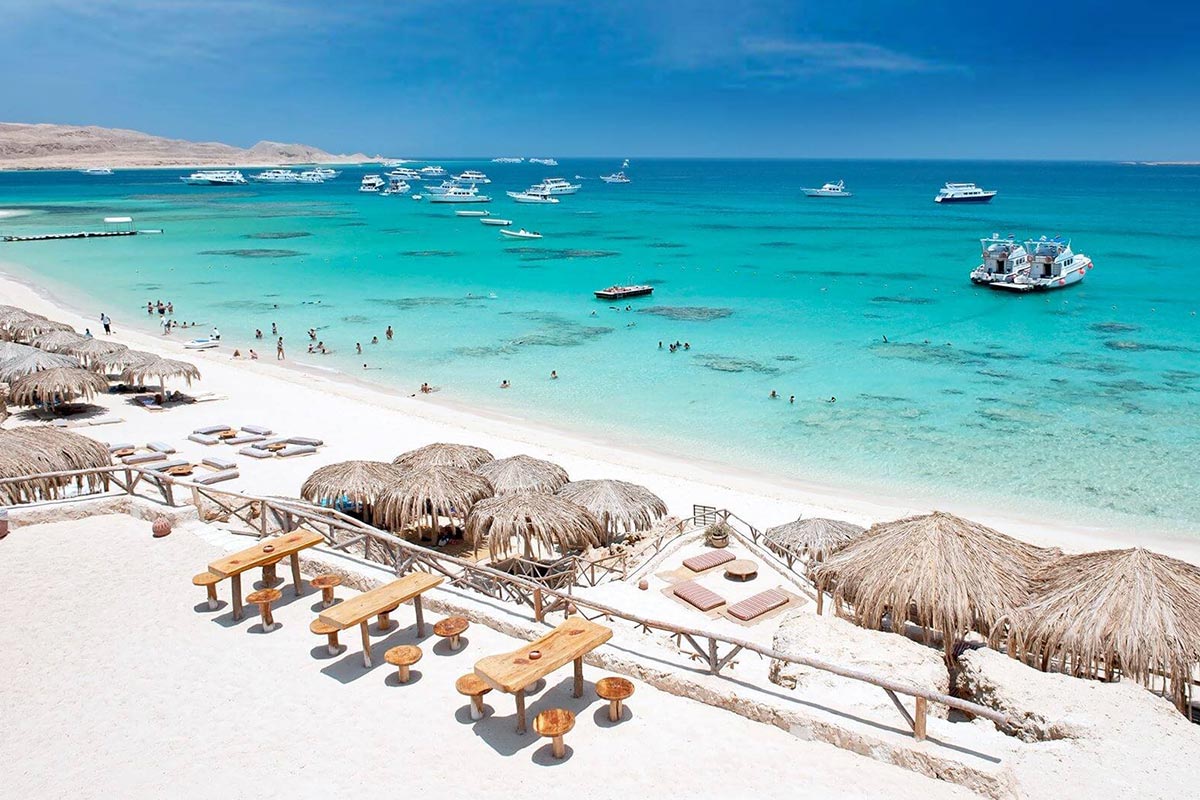
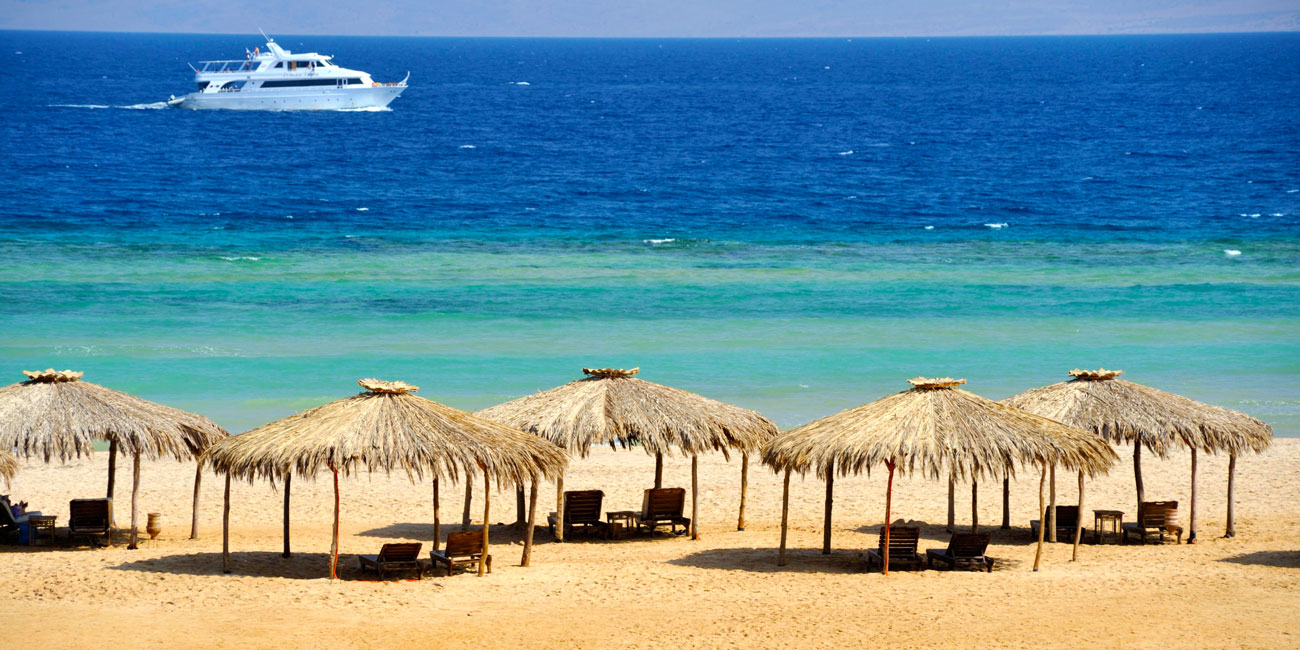
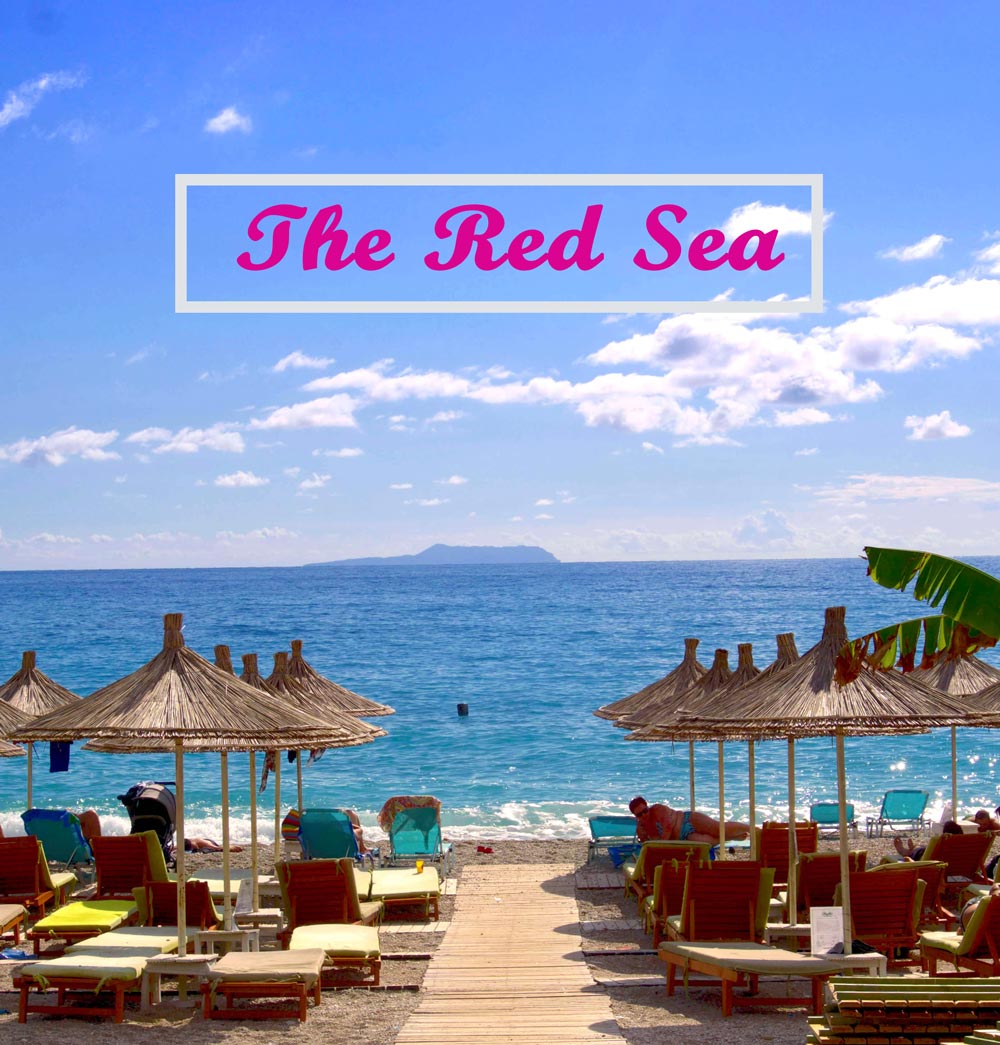
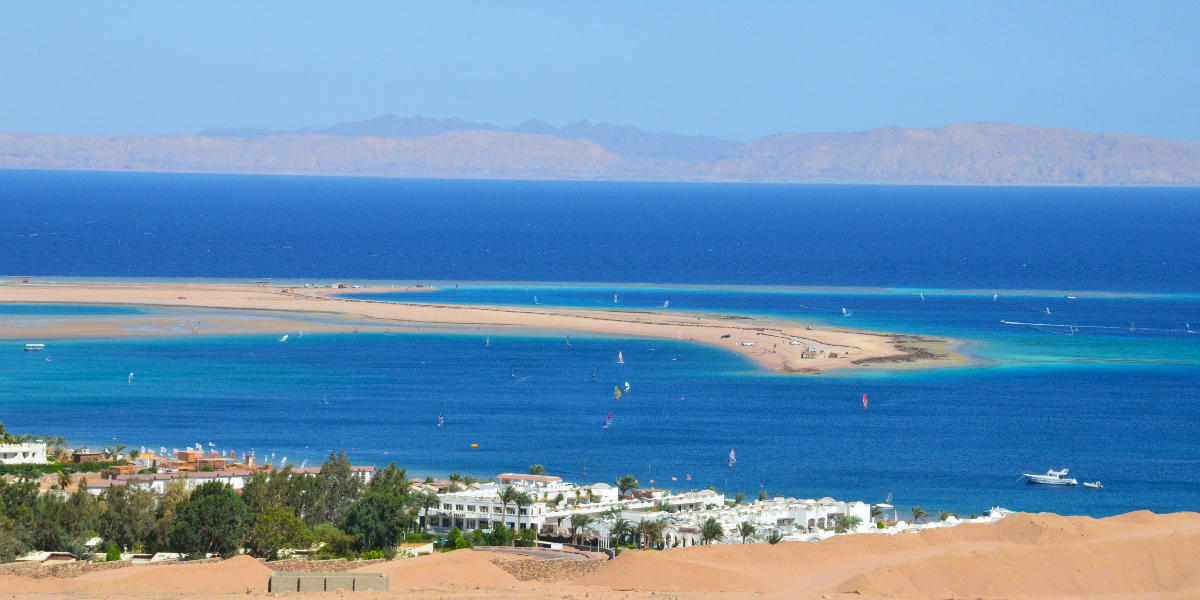
The Hurghada Beaches are central to its identity. The city is known for clear turquoise waters, warm sea temperatures, sandy resort beaches, and access to offshore coral reefs. Many hotels have private beaches, while some public or paid beaches are available near the city. Because many coral reefs are located several miles offshore, boat trips are often the best way to enjoy snorkeling and reef scenery.
The most famous beach experiences are around the Giftun Islands, especially Mahmya Beach and Orange Bay, known for white sand, transparent water, snorkeling, and island-day-trip experiences. Near the city center, Old Vic Beach and Dream Beach offer paid beach access with a more urban atmosphere. Other beach zones are found along all the amazing hotels and resorts such as El Mamsha, Sahl Hasheesh, Makadi Bay, Soma Bay, and El Gouna.
Hurghada’s beaches are not only for sunbathing. They support swimming, snorkeling, windsurfing, kitesurfing, parasailing, sailing, jet skiing, and glass-bottom boat trips. However, responsible tourism is important because Red Sea reefs are fragile. Visitors should avoid touching coral, standing on reefs, collecting marine life, or using harmful sunscreen near coral areas.
![The Most Famous Beaches in Hurghada [year]](https://www.egypttoursportal.com/images/2018/12/Hurghada-Red-Sea-Cairo-And-Hurghada-Holiday-Egypt-Tours-Portal.jpg)
The Most Famous Beaches in Hurghada 2026
Witness all the sparkling Beaches of Hurghada
Experience the State of the Arts Hotels of Hurghada
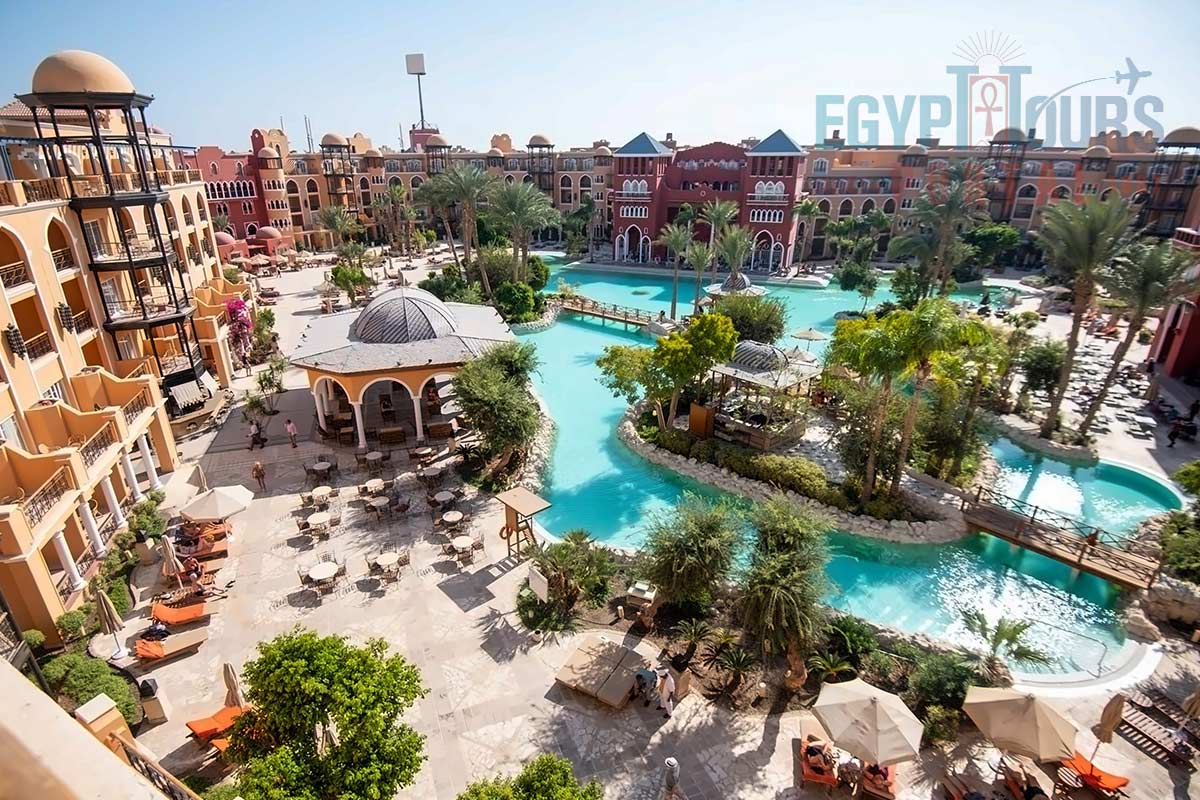
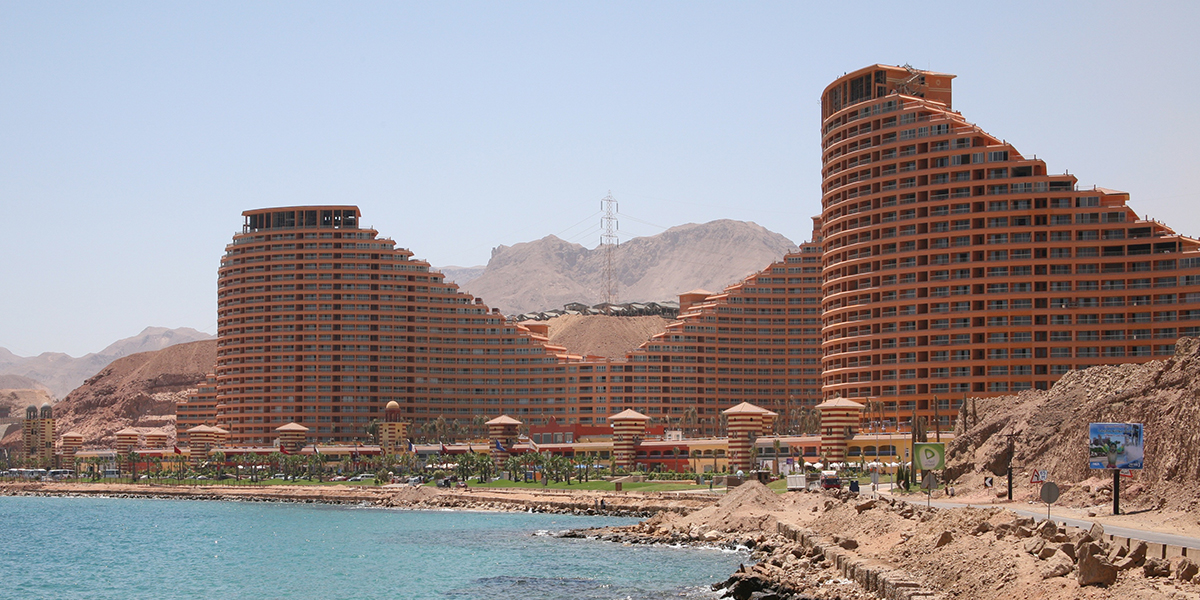
Hurghada has a wide hotel market, from budget hotels and apartments to large beach resorts and luxury all-inclusive properties. The city has more than 100 hotels, many directly along the shoreline. Many package travelers stay in all-inclusive resorts, especially in El Mamsha, Sahl Hasheesh, Makadi Bay, Soma Bay, and El Gouna.
For first-time travelers, choosing the right area matters. El Dahar is better for a local atmosphere, markets, and budget stays. El Saqqala / Sigala is useful for downtown access, Hurghada Marina, restaurants, boat trips, and nightlife. El Mamsha is strong for promenade-style hotels, cafés, shops, and resort access. Sahl Hasheesh and Makadi Bay are better for quieter resort holidays. El Gouna is ideal for travelers who prefer a polished, walkable, lagoon-style town with restaurants, marinas, and a more premium feel.
Hurghada hotels often provide diving centers, beach activities, pools, spas, children’s clubs, entertainment programs, and excursion desks. Travelers should compare hotel locations carefully because the city is long, and a hotel “in Hurghada” may actually be far from the marina or downtown.
Explore Exactly What to Do in Hurghada
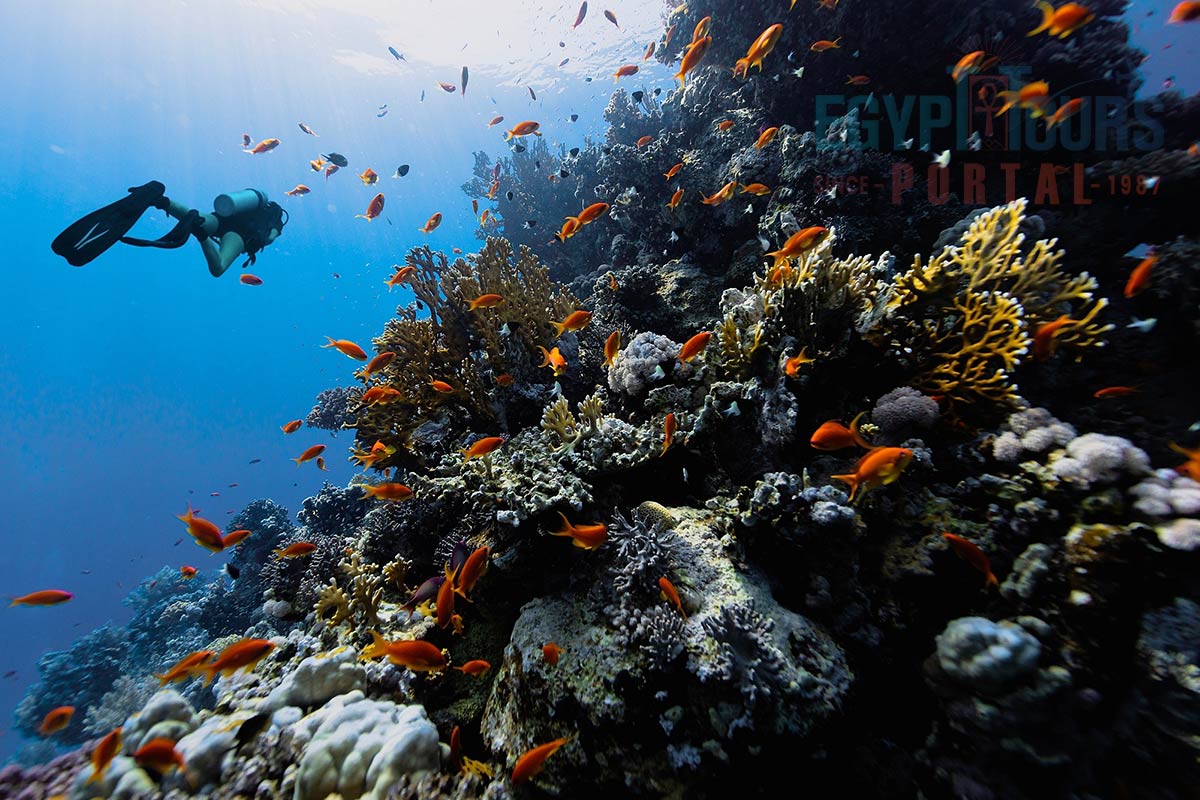
Hurghada is best known for diving and snorkeling. The Red Sea offers coral gardens, tropical fish, clear visibility, reef walls, and wreck dives. Popular areas include Giftun Islands, Abu Ramada, Fanadir, and wreck sites such as El Mina and Rosalie Moller. Many diving centers are beginner-friendly, making Hurghada a good place for introductory dives and certification courses.
Boat trips are among the most popular activities across its mesmerizing waters. Visitors can take full-day cruises to the Giftun Islands, snorkeling trips, dolphin-watching tours, fishing trips, sunset cruises, and private yacht experiences. Glass-bottom boats and semi-submarine tours are available for travelers who want to see marine life without diving, although visitors should choose reputable operators and check safety standards carefully.
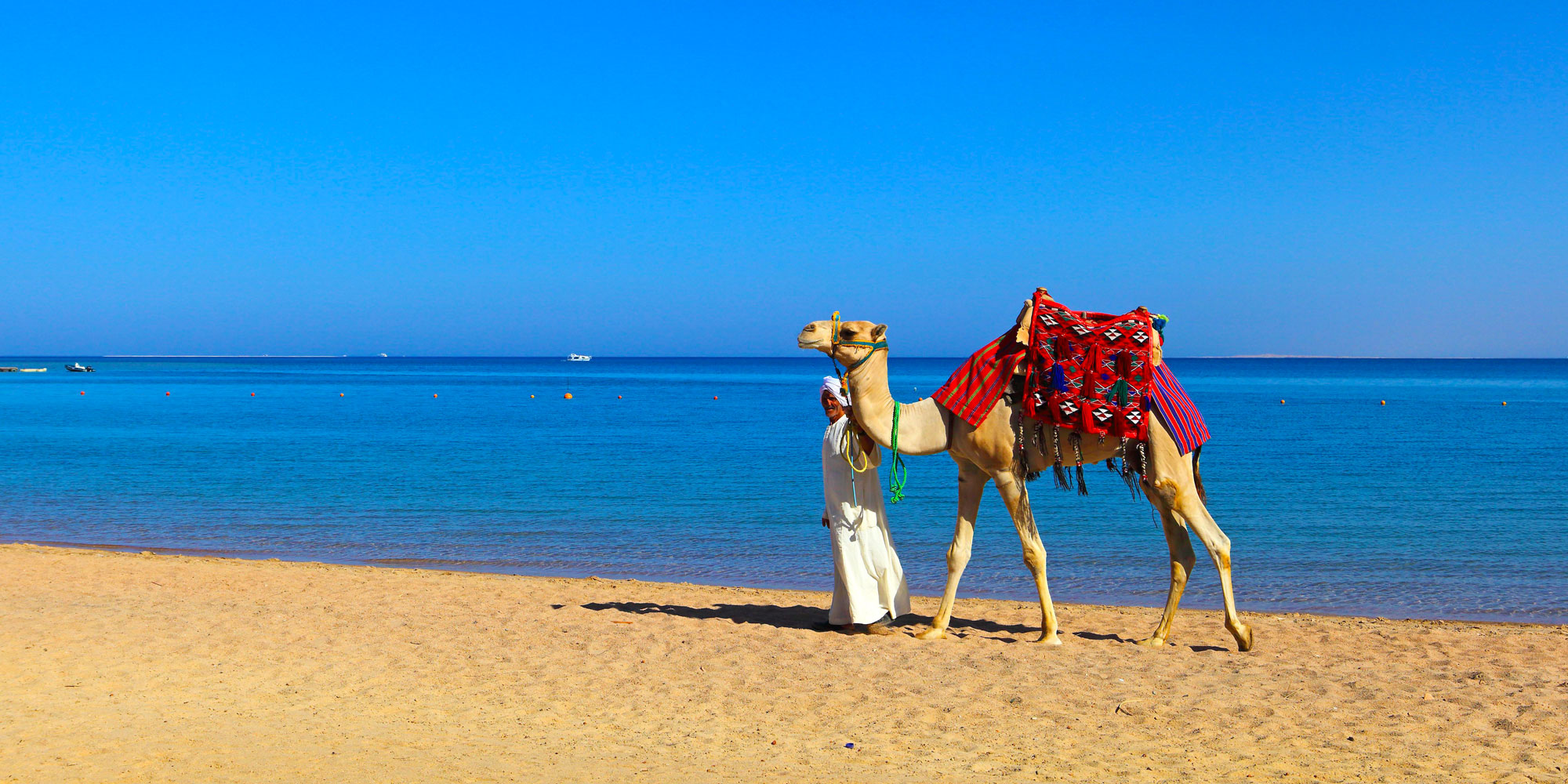
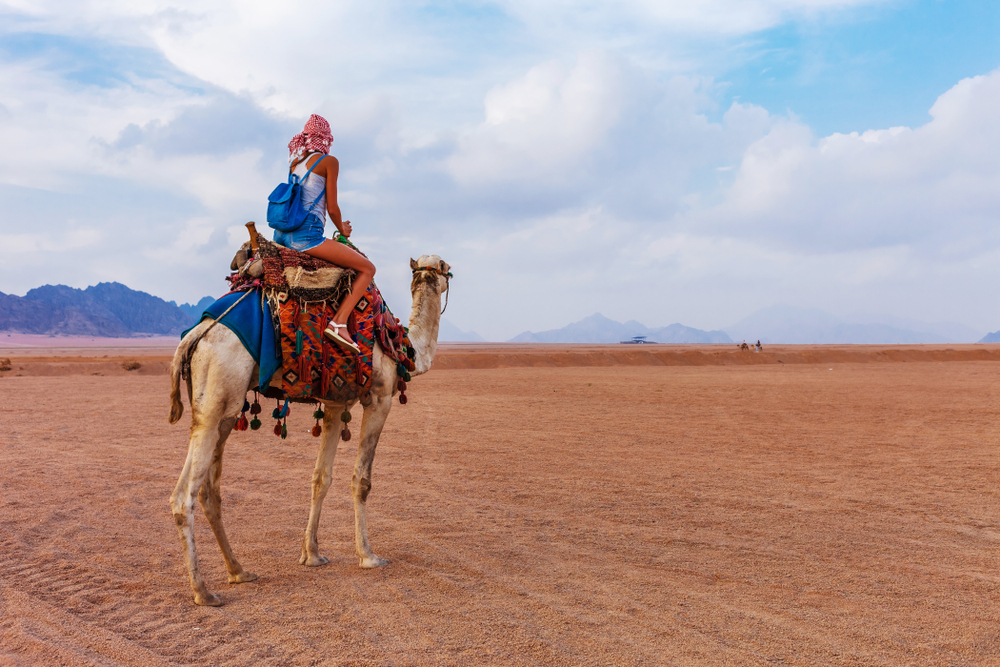
The desert is Hurghada’s second great natural attraction. Popular activities include quad biking, camel riding, 4x4 safaris, sandboarding, Bedouin camp visits, traditional dinners, tea, music, and stargazing. The contrast between the Red Sea and the Eastern Desert gives Hurghada a special landscape identity: water on one side, mountains and desert on the other.
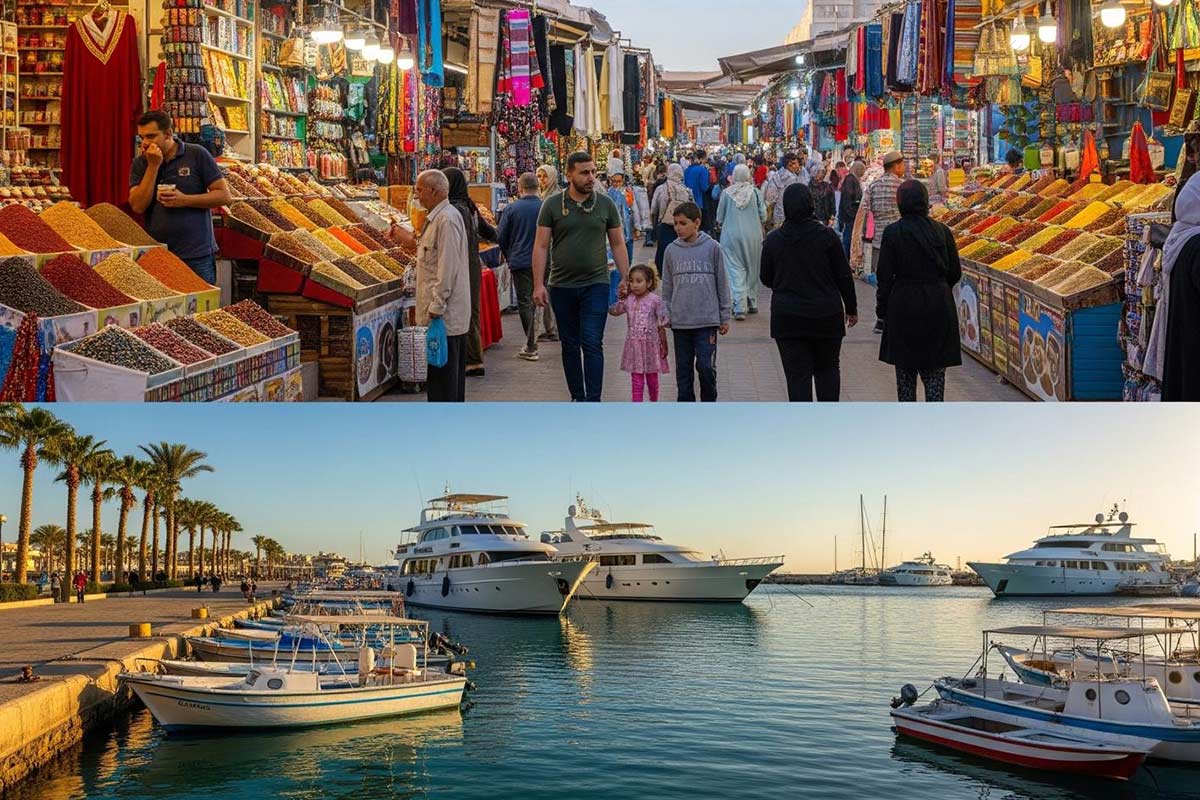
Inside the city, travelers can visit Hurghada Marina, El Dahar souks, Al Mina Mosque, Hurghada Museum, Hurghada Grand Aquarium, restaurants, cafés, malls, beach clubs, and nightlife venues. Hurghada is also a strong base for enjoying the most amazing outdoor activities from Hurghada, such as day trips to Luxor, where visitors can explore Karnak Temple, the Valley of the Kings, Queen Hatshepsut’s Temple, and the Colossi of Memnon.
Things To Do In Hurghada
Discover all the amazing things you can do in Hurghada
Explore the Answer to "Is Hurghada Safe?"
Hurghada is a major international tourist destination, and millions of travelers visit every year. Most visits are trouble-free, especially in established resorts and tourist areas. Hurghada, since the day of its construction, has continued to operate as one of Egypt’s most important and safest tourism centers.
Travelers should follow current government travel advice, choose reputable hotels and licensed tour operators, avoid isolated areas late at night, use trusted transport such as hotel transfers or Uber/Careem, and agree on taxi fares before entering if using regular taxis. For sea activities, it is important to choose operators with proper safety equipment, trained guides, and good reviews. The safest option is to book with a trusted travel agency, which will deliver the safest environment.
Travelers should drink bottled water, be cautious with buffets, avoid undercooked food, and choose busy, clean restaurants. Overall, Hurghada can be considered a well-established, secure resort destination, but smart travel habits are still essential.
Shed Light on the Fascinating Facts of Hurghada
- Hurghada was founded in 1905 and grew from an Ababda fishing village into the capital and largest city of the Red Sea Governorate.
- It covers around 258 km², stands at an elevation of about 11 meters, and had a population of 214,247 in 2023.
- The city stretches around 36–40 km along the Red Sea coast and is served by Hurghada International Airport, one of Egypt’s busiest airports.
- Its name comes from the Arabic name of the Nitraria plant.
- Hurghada is associated with islands such as Giftun, Umm Qamar, Magawish, Abu Ramada, Abu Minqar, Fanadir, and Shadwan.
- Its main districts include El Dahar, El Saqqala/Sigala, and El Ahyaa, while nearby resort areas include El Gouna, Sahl Hasheesh, Soma Bay, and Makadi Bay.
- Hurghada is famous for diving, snorkeling, coral reefs, warm weather, beaches, water sports, desert safaris, nightlife, and excursions to Luxor and Cairo.
- It has cultural attractions such as the Hurghada Museum, which contains around 2,000 artifacts, and Al Mina Mosque, one of the city’s most recognizable landmarks.
- The city’s greatest natural asset is the Red Sea, but reef protection is a major concern.
Surround Yourself With the Divine Beauty of Hurghada With All Our Incredible Trips
If you desire to spend a great vacation and prefer to enjoy some incredible activities, then you can explore our golden Egypt tour packages and magical Nile river cruises in order to choose the trip most suitable for you, or even customize your dream vacation to Egypt.