14 Days Cairo, Alexandria, Luxor, Aswan, & Turkey Tour
Tour Details
| Duration | 14 Days / 13 Nights |
| Tour Location | Cairo / Giza / Aswan / Alexandria / Luxor / Istanbul / Bosphorus / Ephesus / Cappadocia / Pamukkale / Hierapolis |
| Tour Availability | Everyday |
| Pickup & Drop Off | Cairo Airport / Istanbul Airport |
| Tour Type | Classic Tour |
Grand 14 Days Cairo, Alexandria, Luxor, Aswan, & Turkey Tour
14 Days Cairo, Alexandria, Luxor, Aswan, & Turkey Tour will be the ultimate way to explore all the majestic and diverse wonders of Egypt and Turkey. Crafted by Egypt Tours Portal, this extraordinary adventure promises an amazing travel with luxurious accommodations, private A/C vehicles, and expert Egyptologist guides, ensuring an unforgettable experience from start to finish. With over 30 years of excellence and numerous international awards, including 10+ consecutive TripAdvisor Certificates of Excellence, Egypt Tours Portal offers an rapid journey through Egypt and Turkey.
The international Egypt and Turkey lush trip will begin in the immortal cities of Cairo, Luxor, Alexandria, & Aswan, where ancient wonders and cultural treasures tell stories from over 5,000 years of history. Our honorable Irish travelers will behold the Giza pyramid complex, Saqqara Step Pyramid, the National Museum of Egyptian Civilization (NMEC), Salah El-Din citadel, Khan El Khalili Bazaar, Valley of the Kings, Hatshepsut temple, Karnak temple, Qaitbey citadel, the Catacombs, and many more magical attractions.
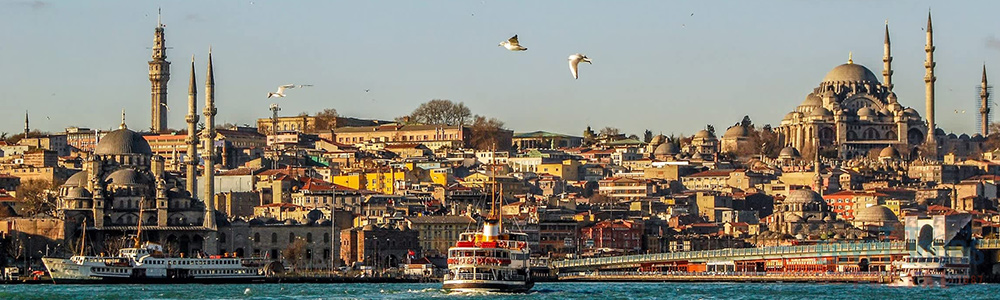
Our Irish guests will continue this two-week international adventure with a magical entrance into Turkey, where the rich cultural and historical marvels of Istanbul, Bosphorus, Ephesus, North & South Cappadocia, Pamukkale, and Hierapolis await. The quest will begin in Istanbul, the golden capital, where iconic treasures like Hagia Sophia, Topkapi Palace, and the Blue Mosque stand as timeless symbols of the city’s cultural grandeur. All will glide along the Bosphorus Strait, where Europe and Asia converge, and explore the unique landscapes of Cappadocia, with its ancient rock-hewn villages, the Kaymakli Underground City, and mesmerizing fairy chimneys. The two-week quest will continue to Ephesus, one of the world’s best-preserved ancient cities, followed by the stunning white terraces of Pamukkale and the ruins of Hierapolis, each location offering unparalleled beauty and insight into Turkey's rich historical legacy. Book this 14-day beautiful trip from Egypt to Turkey and shed light on the magnificant marvels found in these ethereal destinations.
Tour Highlights
Giza Attractions
- Giza Pyramids Complex
- The Grand Egyptian Museum
- The Sphinx
- Saqqara Step Pyramid
Cairo Attractions
- The Egyptian Museum
- Cairo Citadel
- The National Museum
- Khan El Khalili Bazaar
Alexandria Attractions
- The Catacombs
- Pompey’s Pillar
- The Citadel of Qaitbey
- Alexandria Library
Aswan Attractions
- The Aswan High Dam
- The Unfinished Obelisk
- Philae Temple
Luxor Attractions
- Valley of The Kings
- Hatshepsut Temple
- Colossi of Memnon
- Karnak Temple
Istanbul Attractions
- Hagia Sophia
- Topkapi Palace
- The Blue Mosque
- The Grand Bazaar
Bosphorus Attractions
- Dolmabahce Palace
- Taksim Square
- Cicek Passage
- Istiklal Street
Ephesus Attractions
- The Temple of Artemis
- Celsus Library
- House of Virgin Mary
- Great Theater
- Temple of Hadrian
- The Harbor Street
Cappadocia Attractions
- Uchisar Castle
- Goreme Museum
- Avanos
- Pasabag
North Cappadocia Attractions
- Kaymakli Underground City
- Rose and Love Valleys
- Pigeon Valley
- Ortahisar Castle
- Mustafapasa
Pamukkale and Hierapolis Attractions
- The Roman Baths & Necropolis of Hierapolis
- The Agora of Hierapolis
- The Cathedral of Hierapolis
- The Temple of Apollo
- The Theater of Hierapolis
- The Plutonium
Tour Inclusions
- Meet & assist at Cairo International Airport & Istanbul Airport.
- Accommodations in 5* Hotel in Cairo for 3 Nights.
- Accommodations in 5* Hotel in Luxor for 2 Nights.
- Accommodations in 5* Hotel in Aswan for 1 Night.
- 3 Nights accommodation in Istanbul at your hotel.
- 2 Night accommodation in Cappadocia at your hotel.
- 2 Night accommodation in Kusadasi at your hotel.
- International Flight ticket (Cairo/Istanbul).
- The Turkey section of this package is totally private.
- Entrance fees to all sites in the itinerary.
- Domestic Flight tickets (Cairo / Aswan - Luxor / Cairo - Istanbul / Cappadocia - Cappadocia / Izmir - Denizli / Istanbul).
- All transfers are by a state-of-the-art A/C vehicle.
- Professional Tour Guides throughout your tours in Egypt and Turkey.
- All service charges & taxes.
Tour Exclusions
- International Airfare (except Cairo-Istanbul).
- Egypt & Turkey entry visa.
- Any optional Tours/Activities.
- Personal expenses.
- Gratuities (Tipping).
Tour Itinerary
Day 1: Arrival to Egypt
Upon arrival at Cairo International Airport, be warmly greeted by a representative from Egypt Tours Portal, who will guide you through passport entry procedures and assist with luggage identification. Following this seamless welcome, a private, air-conditioned vehicle will transfer to the hotel for check-in.
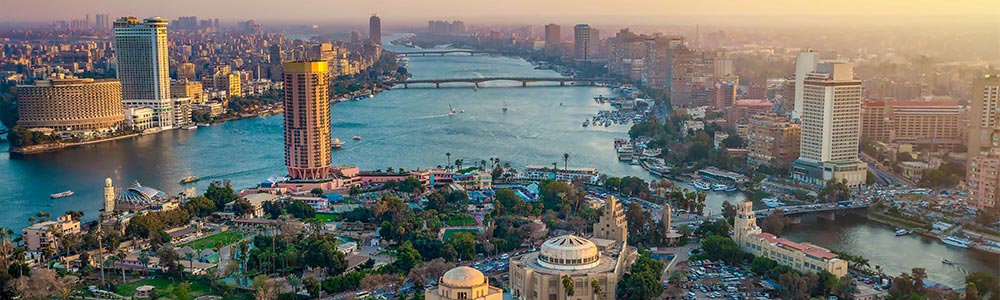
As evening falls, embark on an enchanting Nile River Dinner Cruise, where the shimmering waters will set the stage for an unforgettable experience. Revel in the mesmerizing belly dancing performance and enjoy the rhythmic whirl of the Tannoura spin, a vibrant tradition rooted in Egypt’s rich folkloric heritage. The atmosphere will come alive with captivating music and dazzling performances, offering a taste of the timeless spirit of Egypt.
After this magical evening, return to the hotel for a peaceful overnight stay, reflecting on the day's enchanting experiences.
Meals: Dinner
Overnight: Cairo Hotel
Day 2: Visit the Pyramids of Giza, Gem, and Saqqara
After a delightful breakfast, check-out from the hotel and join a private Egyptologist guide for the start of a magical journey through the ancient Egyptian civilization’s timeless treasures. The day unfolds with a visit to:
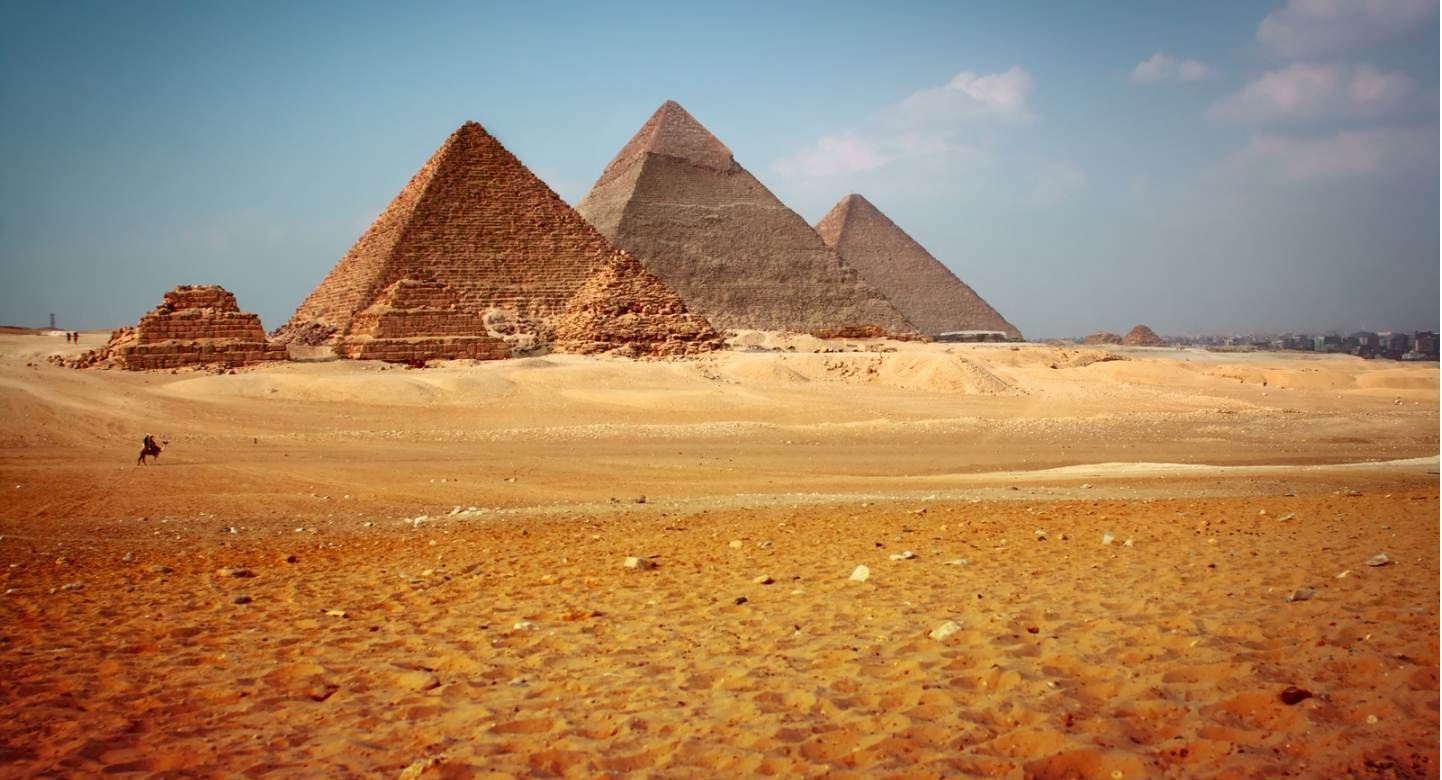
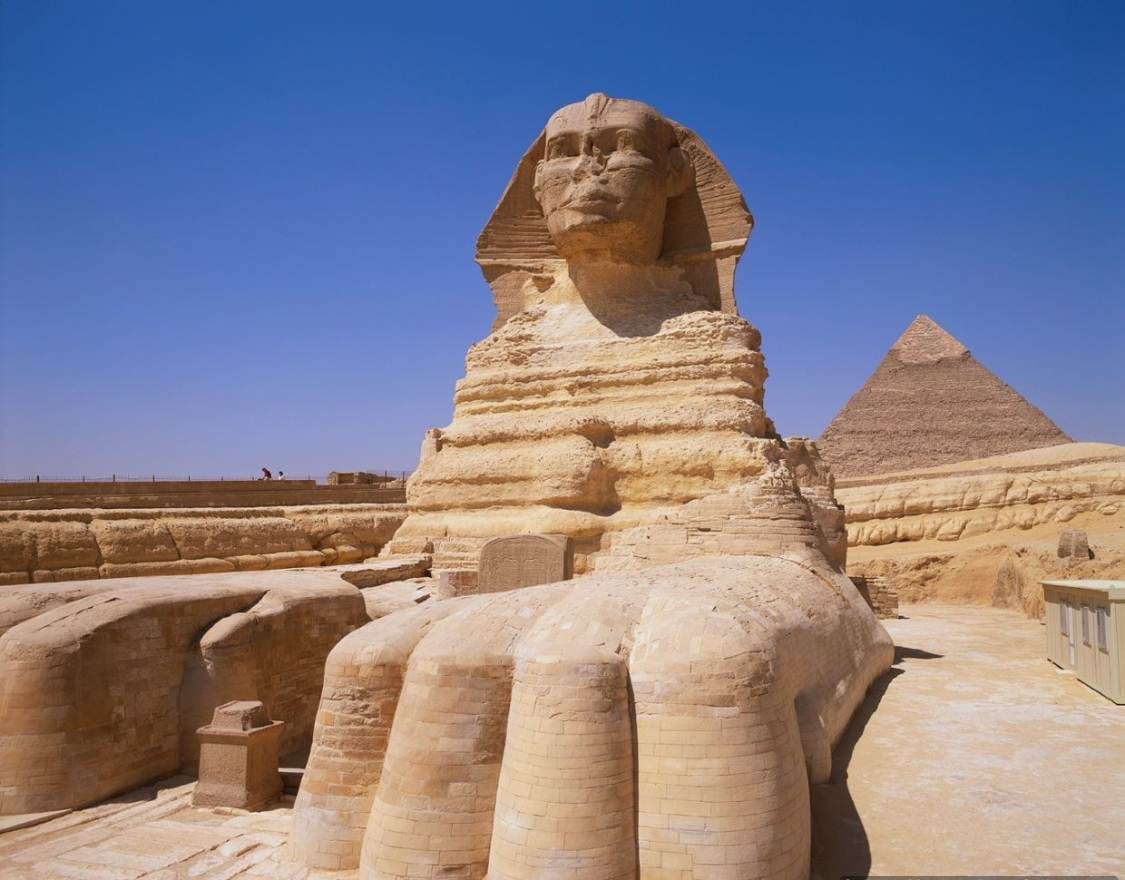
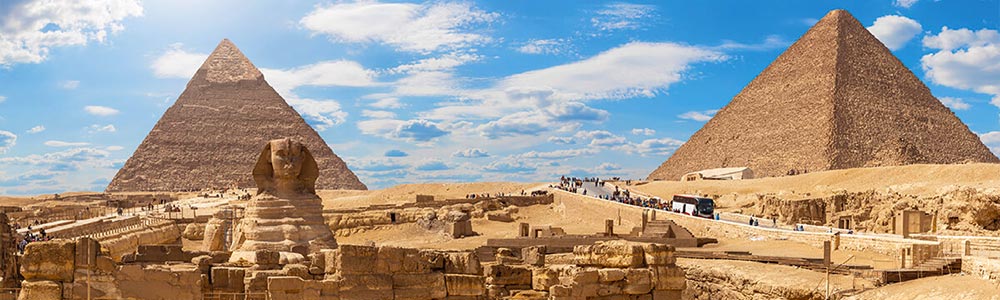
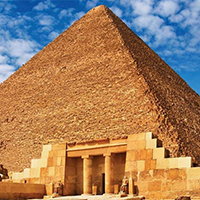
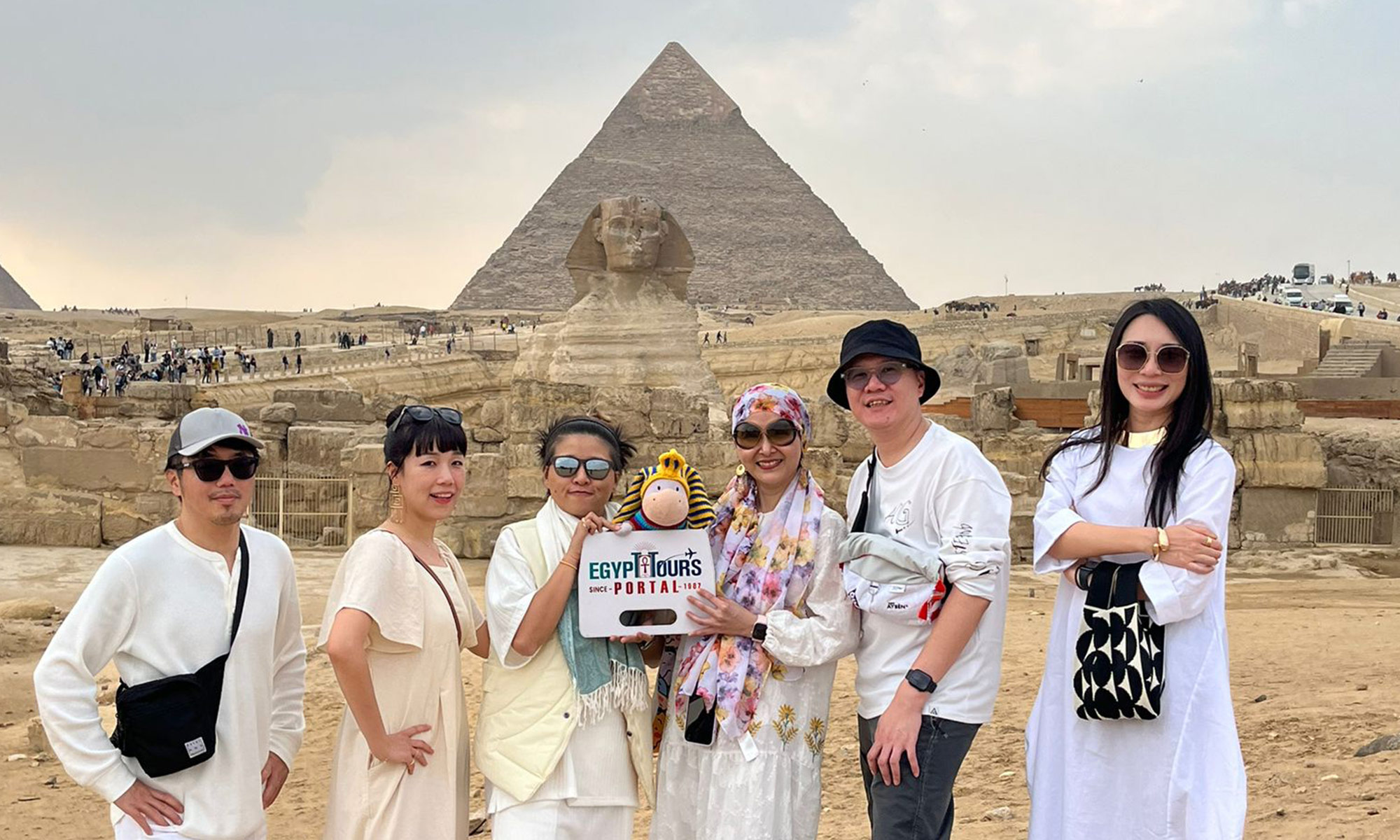
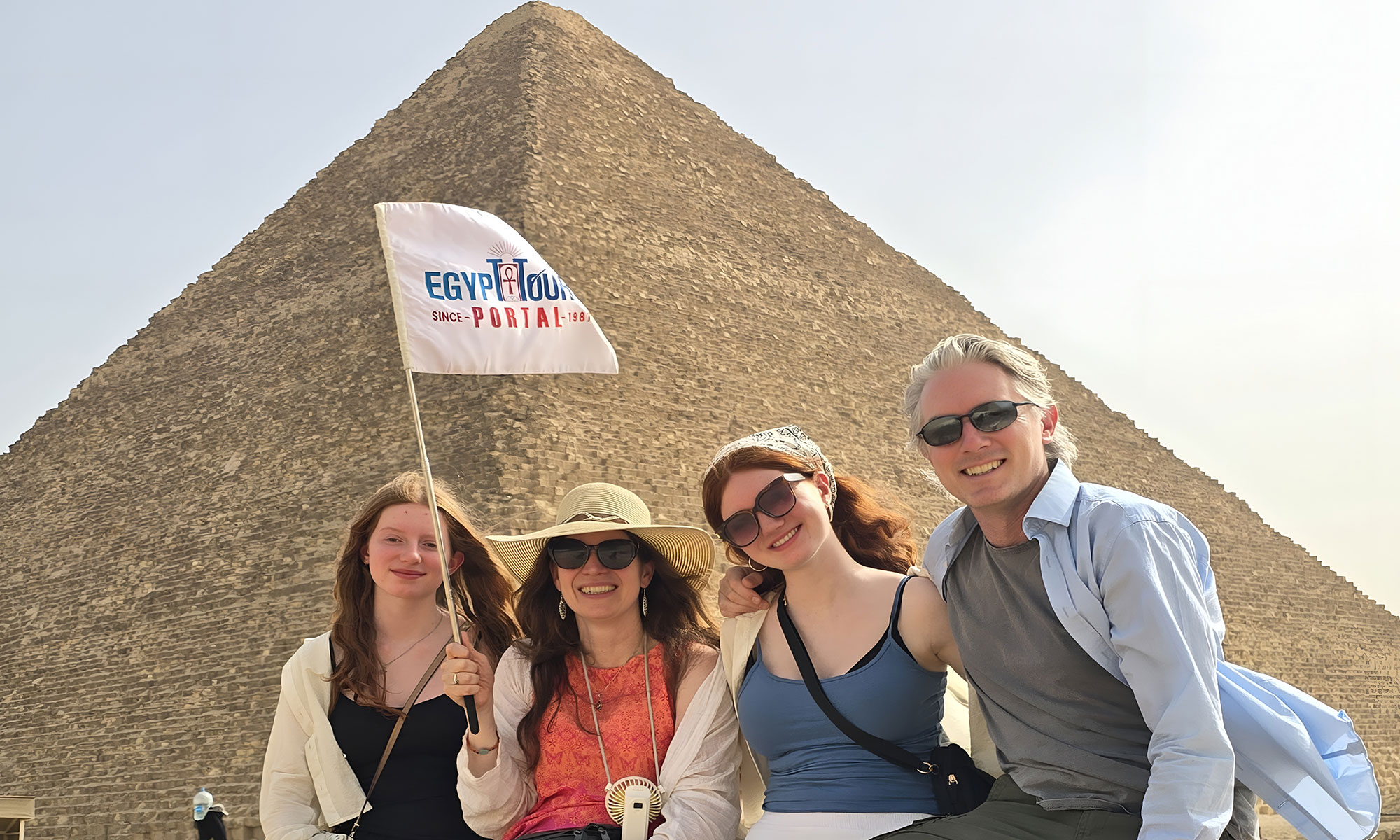
The Giza Pyramids Complex is a miraculous marvel known to be one of the world’s most magnificant wonders. This monumental site, dating back over 4,000 years, is home to the three Great Pyramids, six smaller pyramids, the Great Sphinx, and the Valley Temple. Each structure was meticulously crafted to honor the pharaohs and ensure their legacy for eternity.
The Great Pyramid of Khufu is a true living miracle known to be the last standing wonder of the ancient world. It is a marvel of engineering and ambition that was constructed in 2580 BC. It once stood as the tallest man-made structure for 3,800 years. It is made of 2.3 million limestone blocks, and it rises to 147 meters (481 feet), facing all four cardinal points of the compass, and continues to evoke mystery and wonder due to the complex design and construction techniques still debated by scholars today.
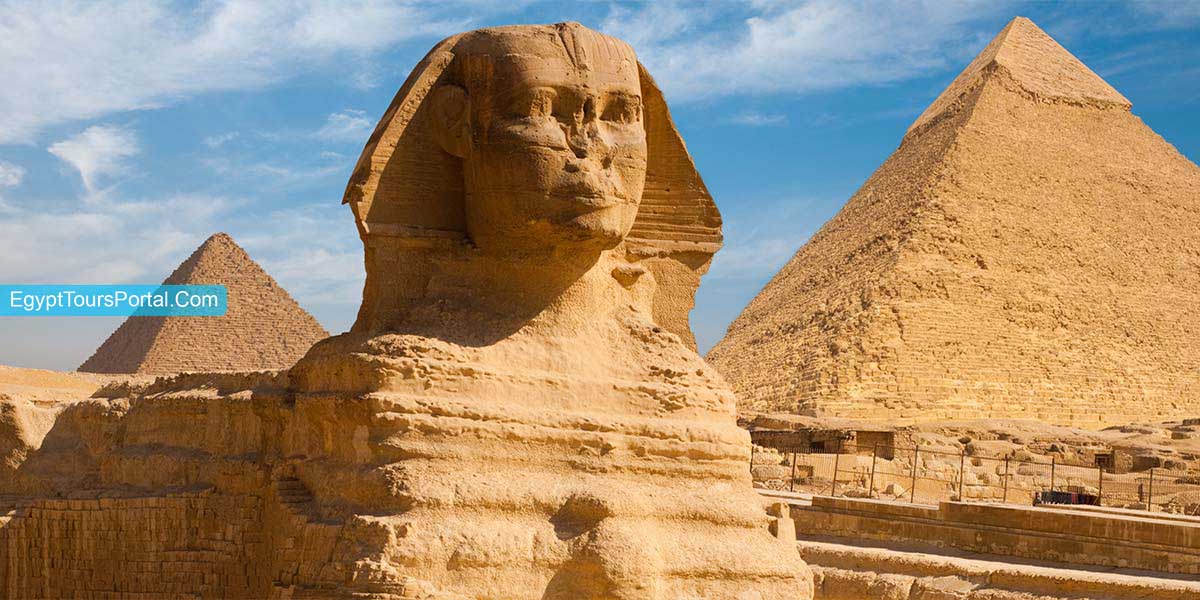
The great sphinx is a mythical creation known to be the world’s oldest monumental statue. It holds the body of a lion and the head of a man, likely King Khafre. This enigmatic figure stands 73 meters (240 feet) long and 19 meters (66 feet) high, guarding the pyramids with its timeless presence and symbolizing wisdom and power.
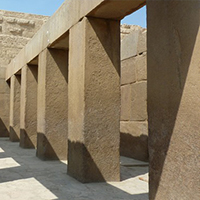
The Valley Temple is a majestic work of architecture, and the place where Egypt's Mummification process and ancient mortuary rituals took place. Made from limestone and granite, this remarkably well-preserved structure once hosted the sacred rites for pharaohs. Inside, visitors can marvel at statues of King Khafre carved from diorite, showcasing the artistic mastery of the time.
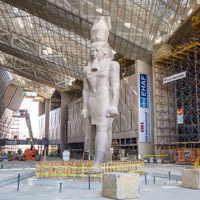
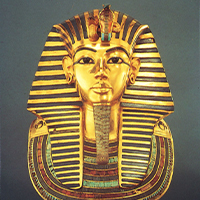
The Grand Egyptian Museum is a modern-day sanctuary of Egypt’s ancient past that covers an area of nearly 490,000 square meters. It houses over 5,000 artifacts, including treasures from the tomb of Tutankhamun and the towering Colossus of Ramses II. GEM seamlessly blends Egypt’s rich history with contemporary design, offering a captivating narrative of ancient Egypt’s cultural, spiritual, and artistic legacy.
Proceed to have your lunch at a local restaurant in Cairo. Then move to visit:
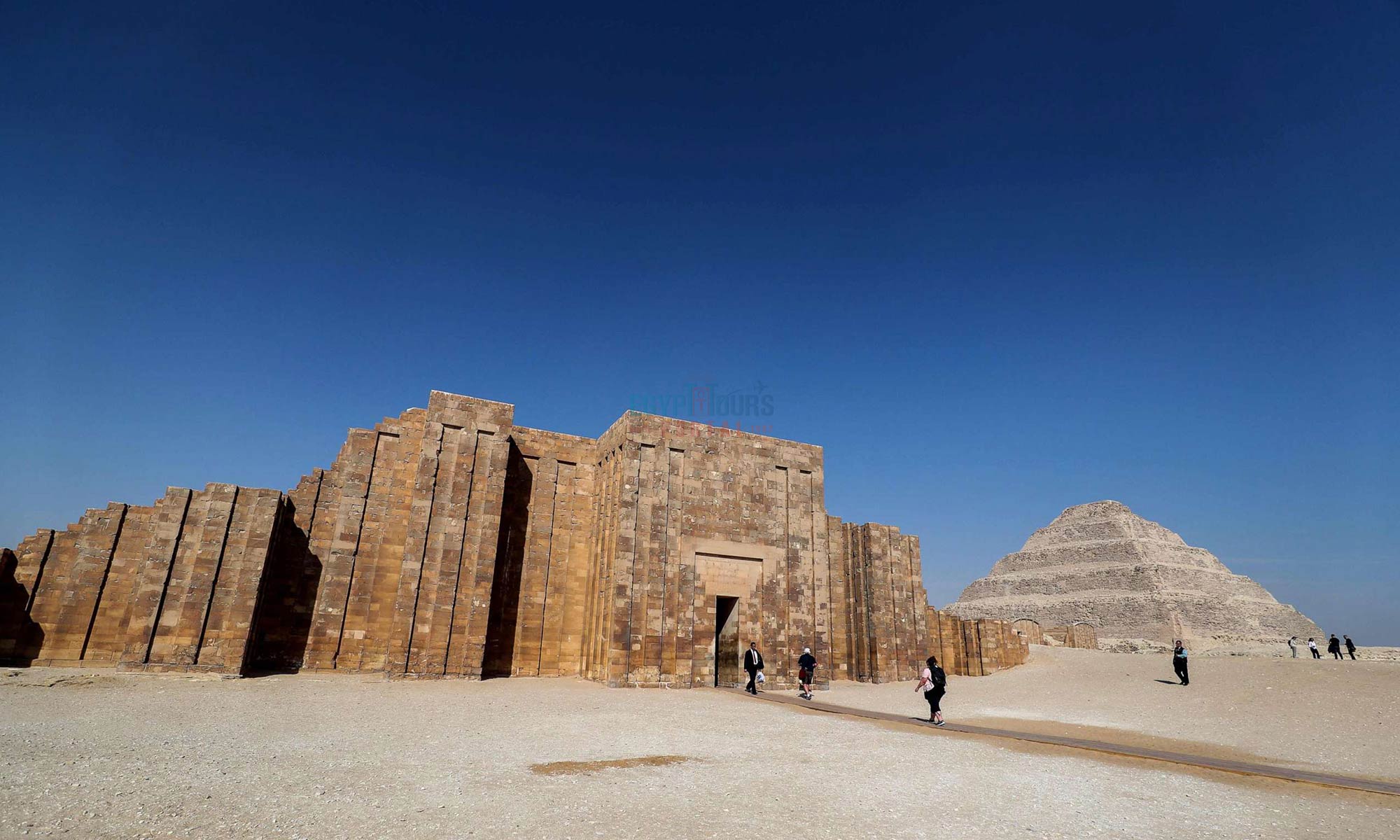
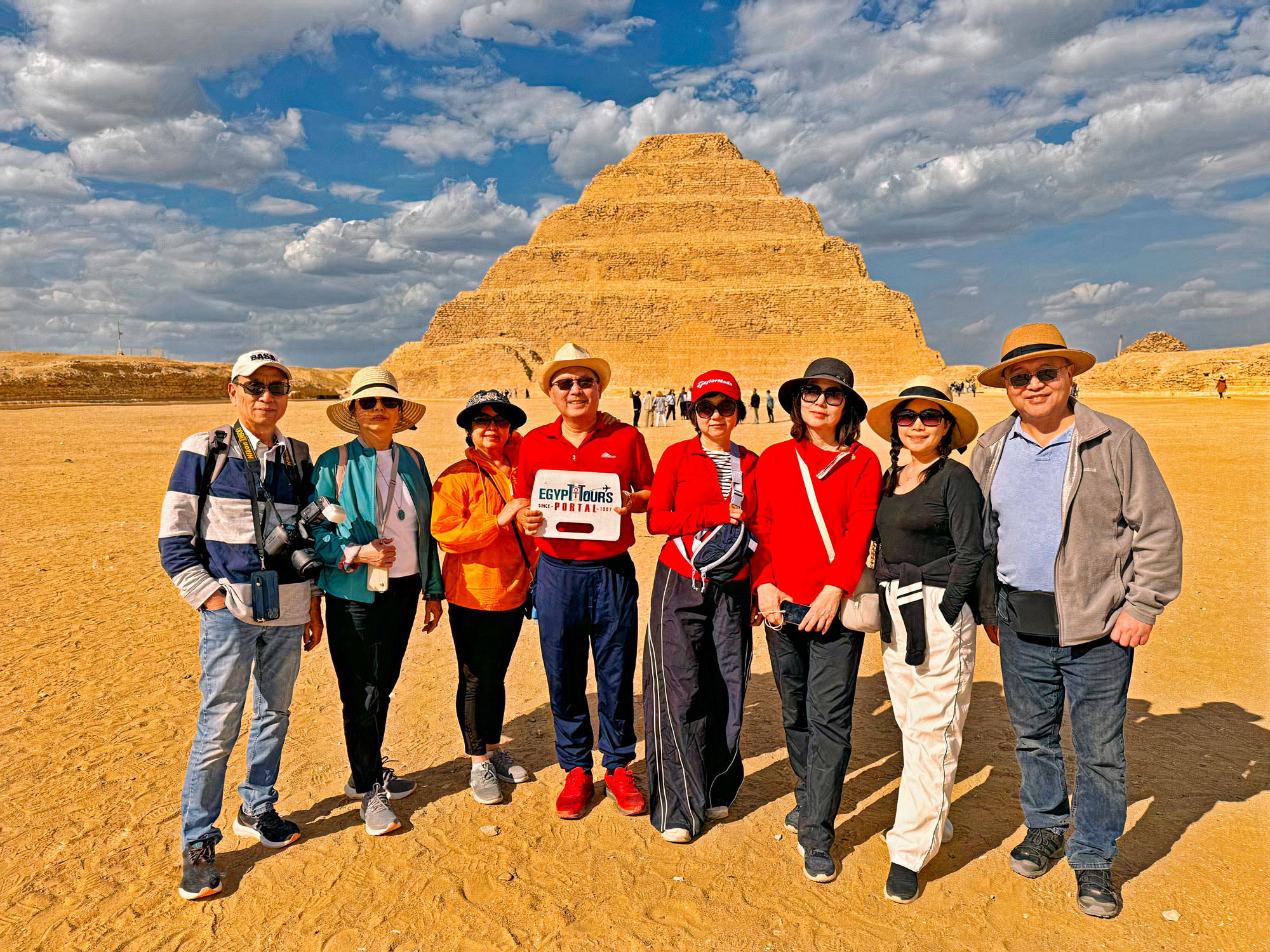
Saqqara Step Pyramid changed the course of history as the first pyramid ever constructed. It was developed by the visionary Imhotep for Pharaoh Djoser around 2670 BC, this six-step structure marks the beginning of Egypt’s pyramid-building age. The pyramid is surrounded by ceremonial structures, offering an incredible glimpse into Egypt’s architectural and mummification evolution.
At the end of the day, transfer to Cairo International Airport for a flight to the enchanting city of Awan. Upon arrival, enjoy a smooth check-in at a 5-star hotel, where the evening is yours to relax and prepare for the next leg of the journey.
Meals: Breakfast, Lunch
Flight: From Cairo to Aswan
Overnight: Aswan Hotel
Day 3: Cast Your Eyes on Aswan Attractions
After breakfast, check-out from the hotel and embark on a journey through the captivating sights of Aswan with a private Egyptologist guide, starting with:
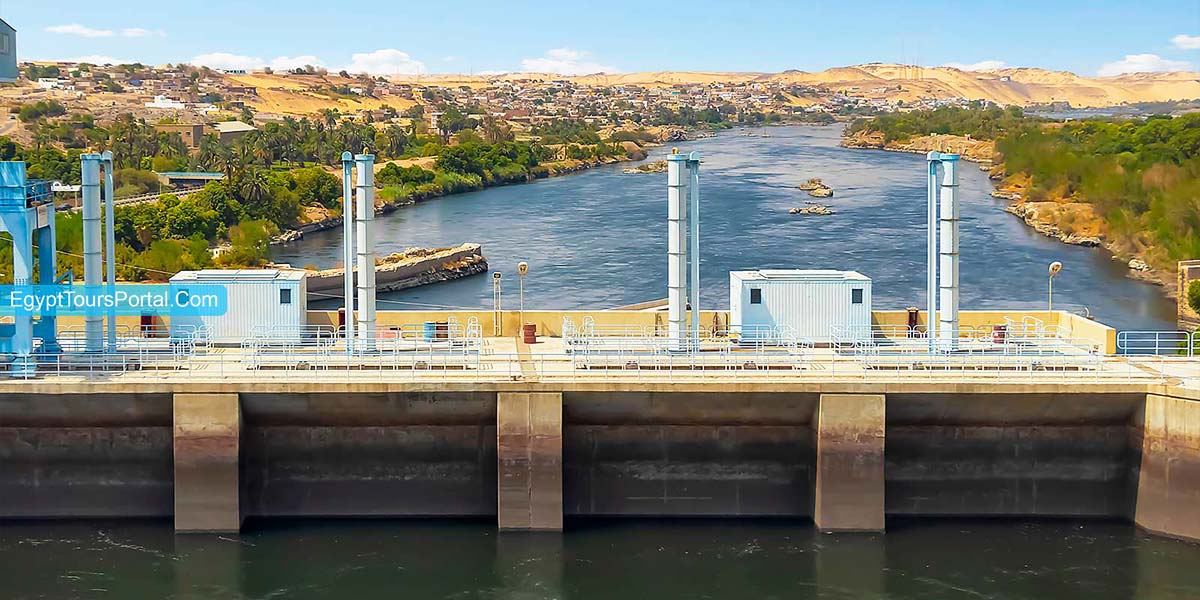
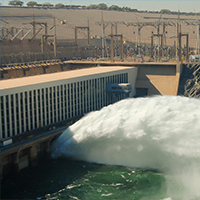
The remarkable Aswan High Dam represents the concept of innovation that was completed in the 1960s. This monumental feat of engineering has stood as a symbol of modern Egypt’s ingenuity. It was established to harness the floodwaters of the Nile, the dam generates electricity and serves as a crucial lifeline for the country, holding back the river and creating Lake Nasser.
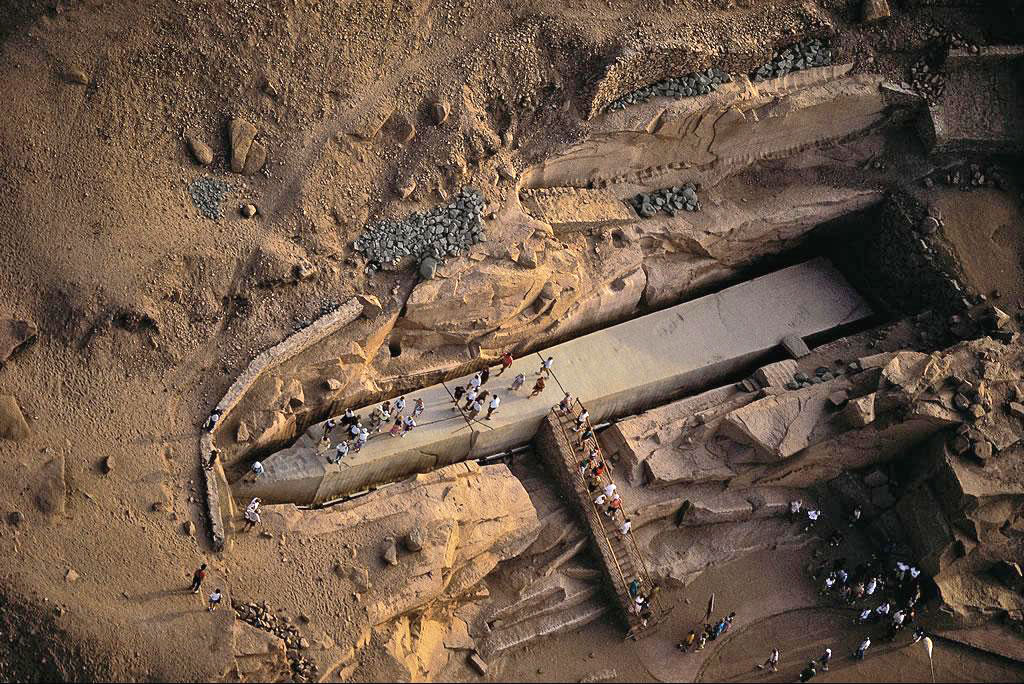
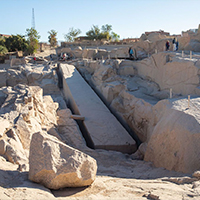
The Great Unfinished Obelisk is a magnificant relic of ancient Egypt's grandeur that was intended to stand at the Karnak Temple complex. This colossal structure would have reached 41.75 meters (137 feet) and weighed approximately 2,000 tons, a true testament to the ambitions of Queen Hatshepsut (1508-1458 BC). While unfinished, the obelisk offers a fascinating glimpse into the ancient construction methods and the scale of the projects that once defined Egypt's architectural legacy.
After exploring these timeless wonders, enjoy a delicious lunch at a local restaurant in Aswan, where the flavors of Egypt await.
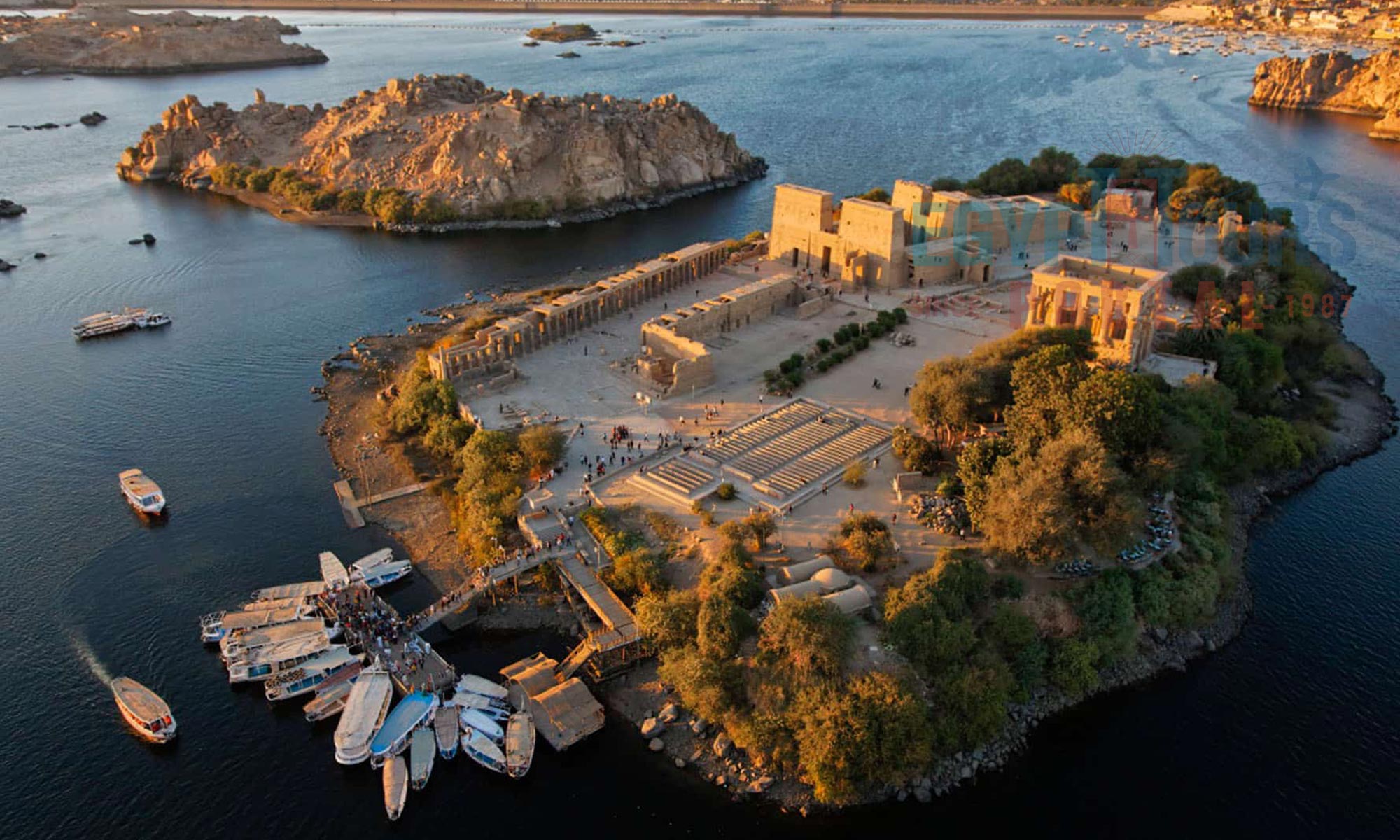
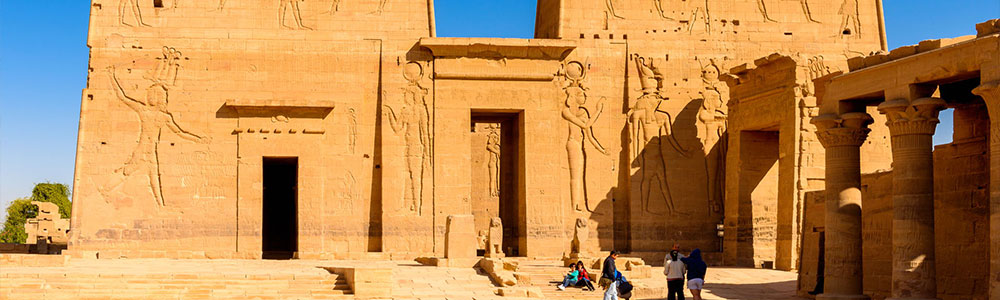
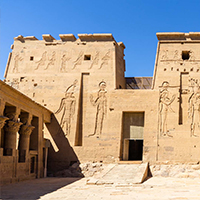
The magical Philae temple is a historical attraction of unparalleled beauty and mythological significance. It is found today on Agilkia Island, the temple tells the story of Isis, the goddess of motherhood, and her sacrifice for her beloved Osiris, the god of the underworld. It was established during the Ptolemaic era (380-362 BC) and later expanded by Ptolemy V Epiphanes, Ptolemy II Philadelphus, and Ptolemy VI Philometor, Philae stands as an enduring symbol of divine love and sacrifice, its walls adorned with captivating tales from Egyptian mythology.
You will catch the train leading to the golden city of Luxor, where you will be transported with your tour guide in a private hevicle leading to your luxury 5* hotel to check-in and spend the overnight.
Meals: Breakfast, Lunch
Overnight: Luxor Hotel
Day 4: Discover The Miraculous Wealth of Luxor
After a delightful breakfast, embark on another enchanting chapter of the international Egypt and Turkey adventure with a journey through the wonders of Luxor, guided by an expert Egyptologist.
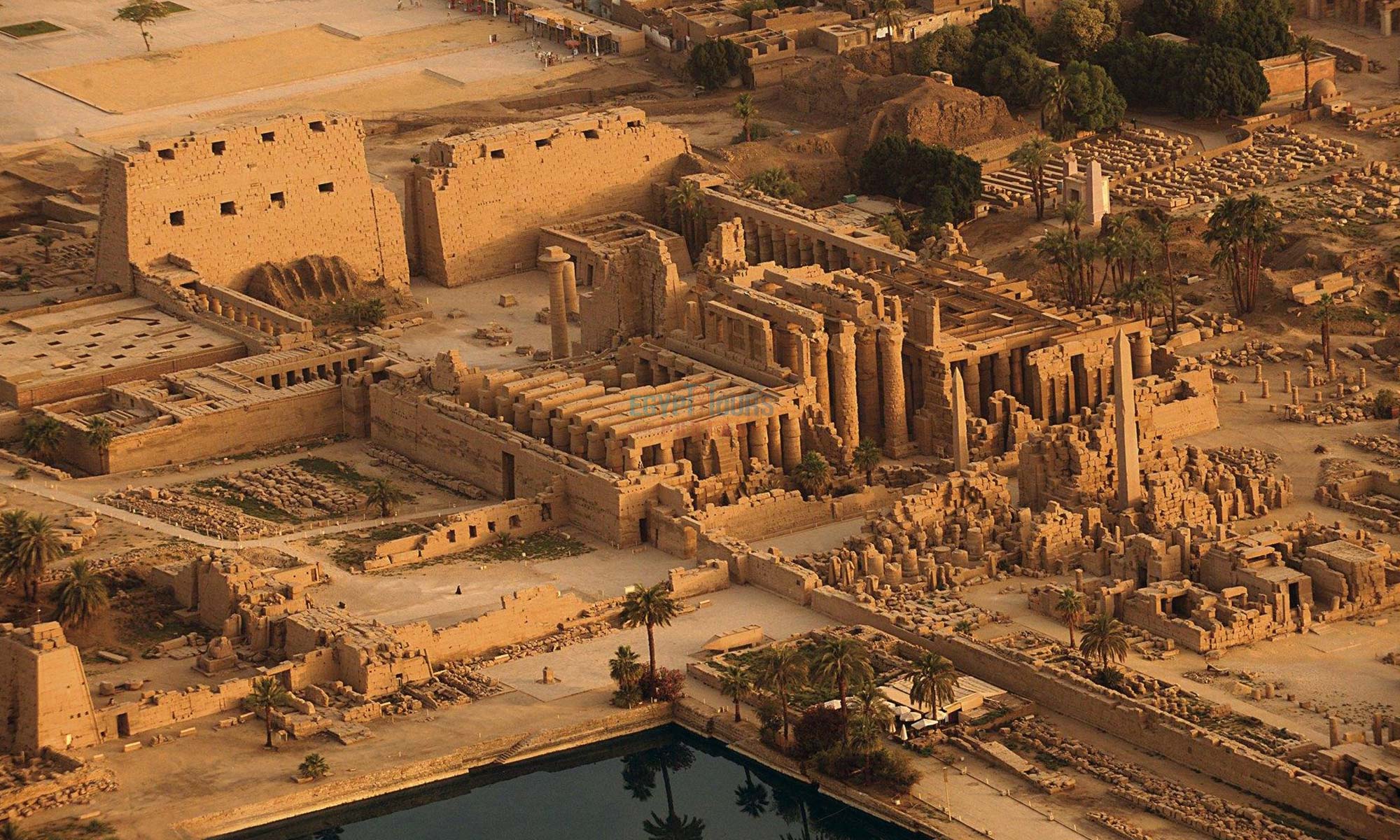
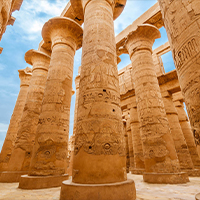
The Karnak temple is known all around the globe as the Temple of Holy Beauty and one of the largest open-air museums in the world. Across the ages it gained the title of Ipet-isu (The Most Selected of Places) and Pr-Imn (House of Amun). This sacred site dates back over 4,000 years, where it was the heart of ancient Egypt’s religious life for more than 1,500 years. The temple complex is entirely dedicated to Amun, his wife Mut, and their son Khonsu, and houses shrines, hypostyle halls, statues, and more to numerous deities, including Osiris, Montu, and Isis.
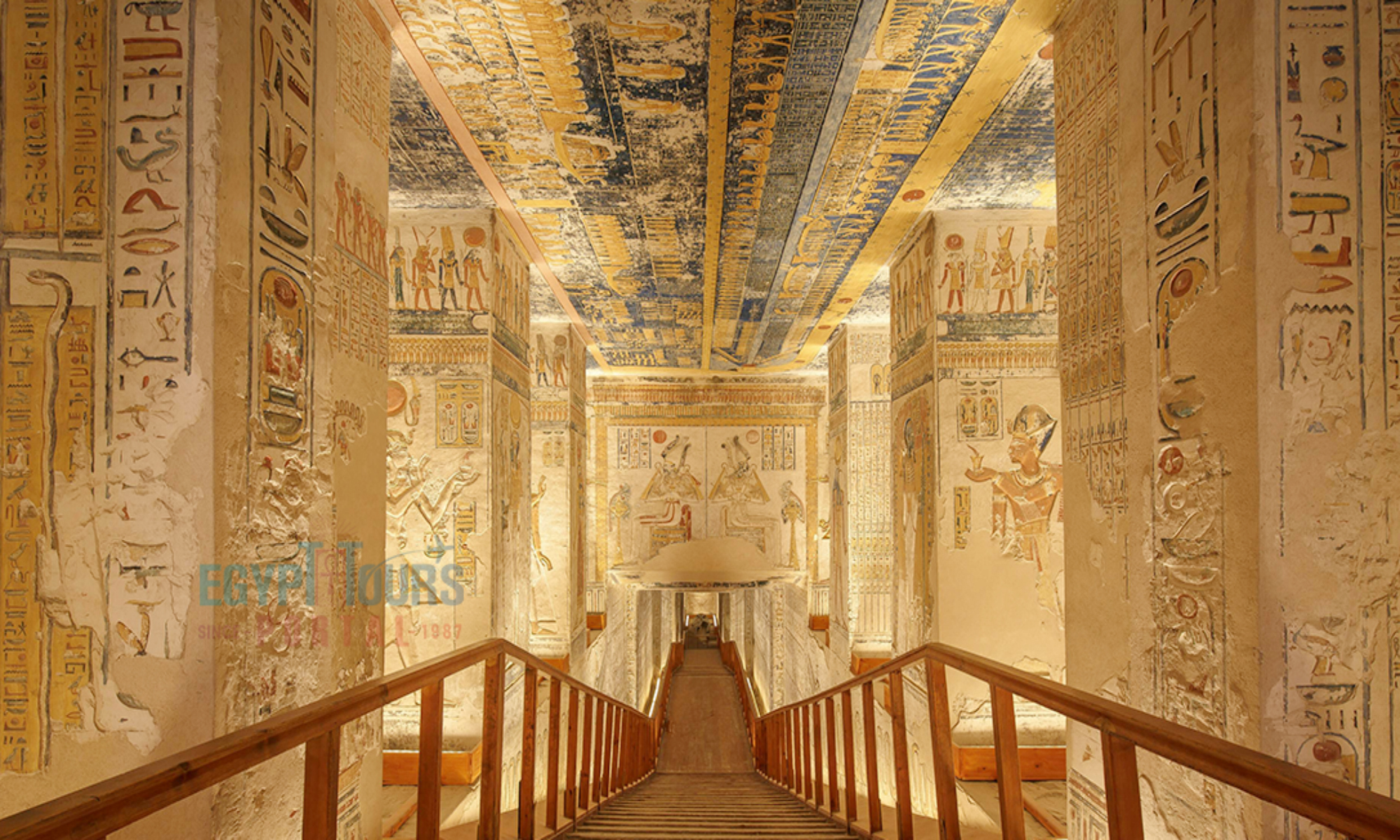
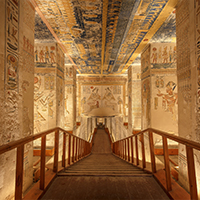
Valley of the Kings is a mystical gateway to the afterlife, carved into the belly of the underground mountains to serve as the final resting place for Egypt’s most revered rulers of the New Kingdom (1570–1070 BC). A UNESCO World Heritage Site since 1979, it is home to 63 tombs, many adorned with exquisite artifacts, statues, and intricate decorations. Among the tombs are those of Rameses II, Amenhotep I, Hatshepsut, and the famous boy-king Tutankhamun, whose tomb captivated the world upon its discovery in 1922 by Howard Carter.
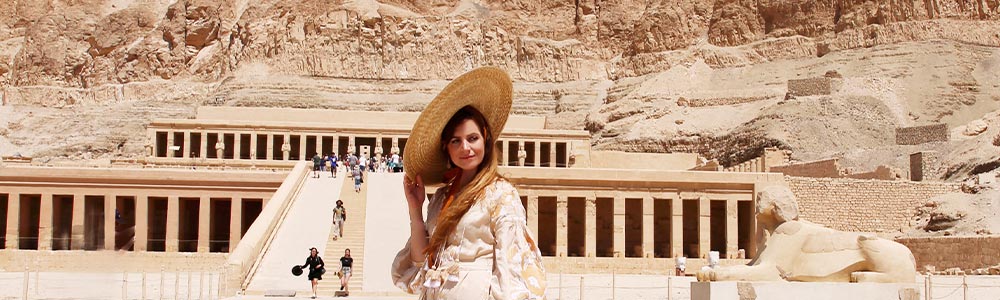
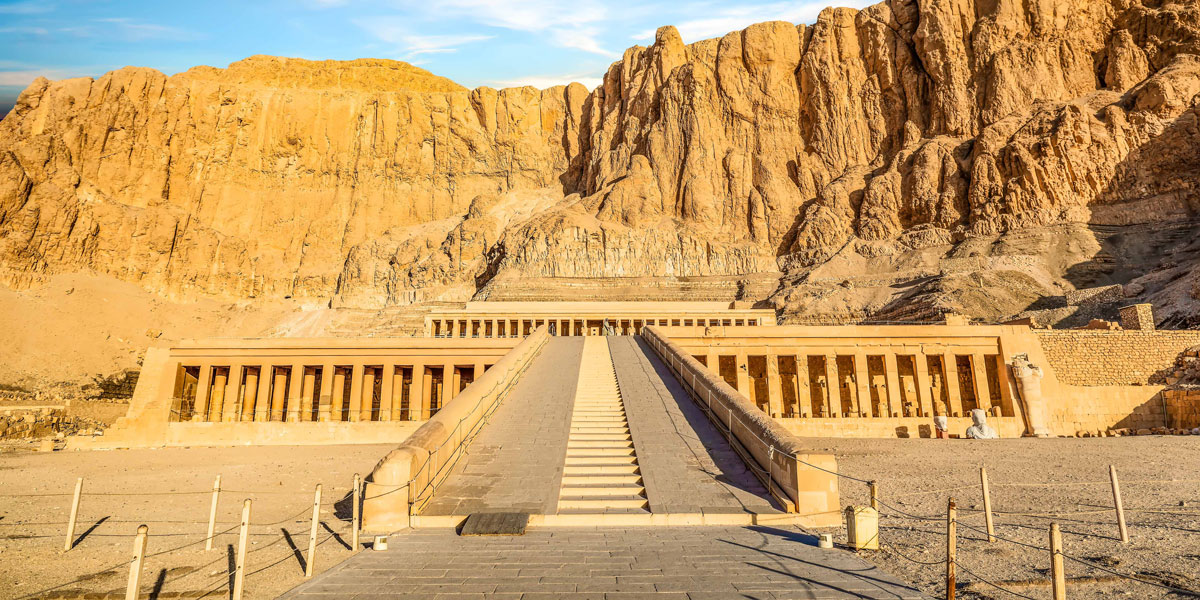
Hatshepsut Temple, also known as Djeser-Djeseru (Holy of Holies) is an honorable architectural achievement that narrates many magnificant facts about this magical queen. It was constructed in 1479 BC to celebrate the reign of Queen Hatshepsut, one of the most successful and influential rulers in Egypt’s history. The temple’s design, inspired by Classical Architecture, is a harmonious blend of grandeur and elegance, featuring striking statues and artistic masterpieces that depict her divine connection to Amun and her remarkable reign.
After this fun exploration, indulge in a delicious lunch at an exquisite restaurant in Luxor, offering the perfect opportunity to savor local flavors and relax.
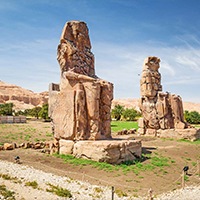
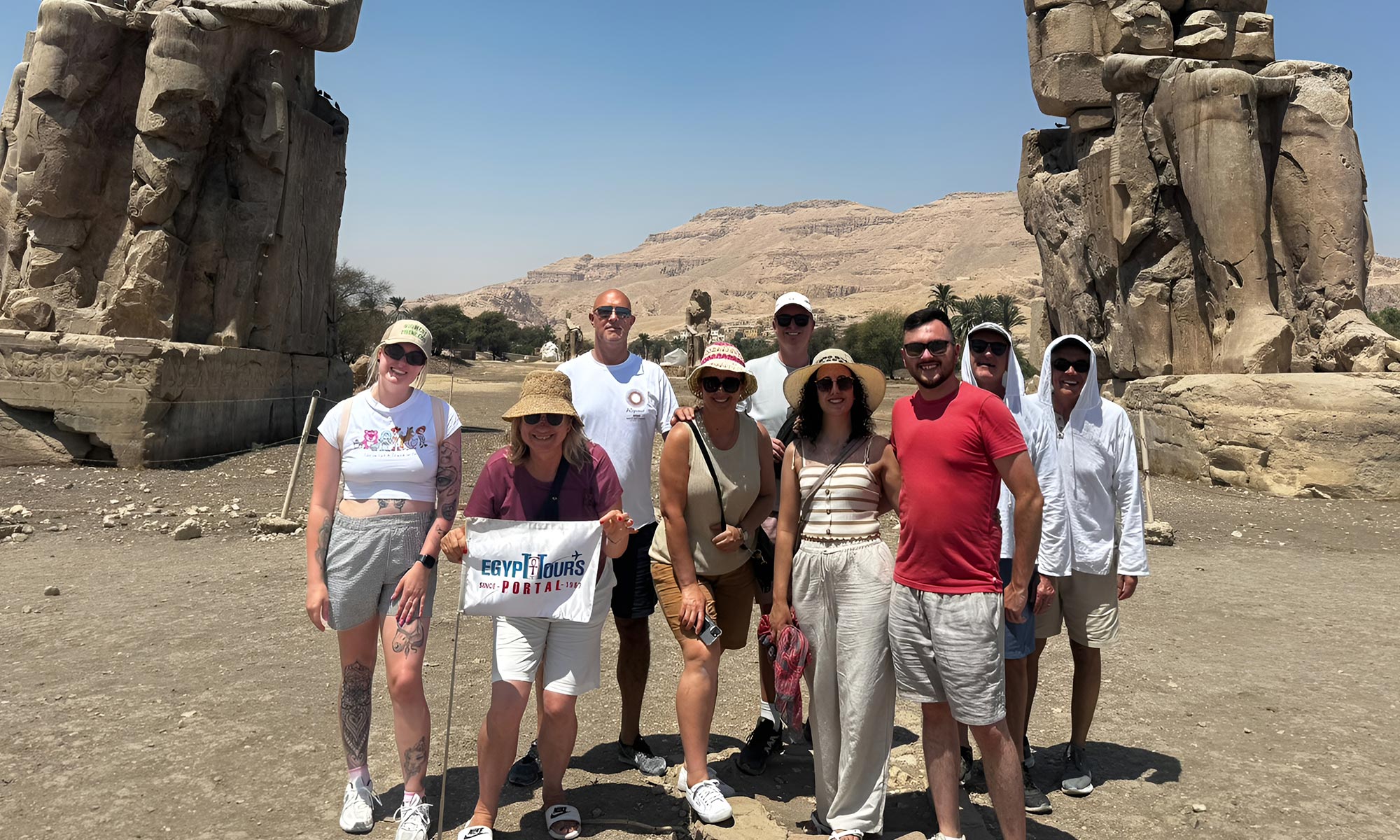
The Colossi of Memnon is an immortal two towering statues that once stood guard over the mortuary temple of Amenhotep III (1386–1350 BC). It is made from quartzite sandstone; each statue stands 18 meters tall and weighs 720 tons. It saw a lot of damage from an earthquake in 27 BC. The statues were resurrected many times across history, especially in 199 AD. Known for the phenomenon of the "Vocal Memnon," these majestic statues produced haunting sounds at dawn, believed to be the wind passing through their hollow cores.
As the day draws to a close, return to the comfort of your 5-star hotel in Luxor for a restful overnight stay, reflecting on the treasures of Egypt's ancient past.
Meals: Breakfast, Lunch
Overnight: Luxor Temple
Day 5: Tours the Glorious Wonders of Cairo
Begin the day with a delightful breakfast before being transferred to Luxor Airport for a flight back to Cairo, where the timeless wonders of Egypt’s capital await. Upon arrival, continue the exploration of the city’s most iconic landmarks, beginning with:
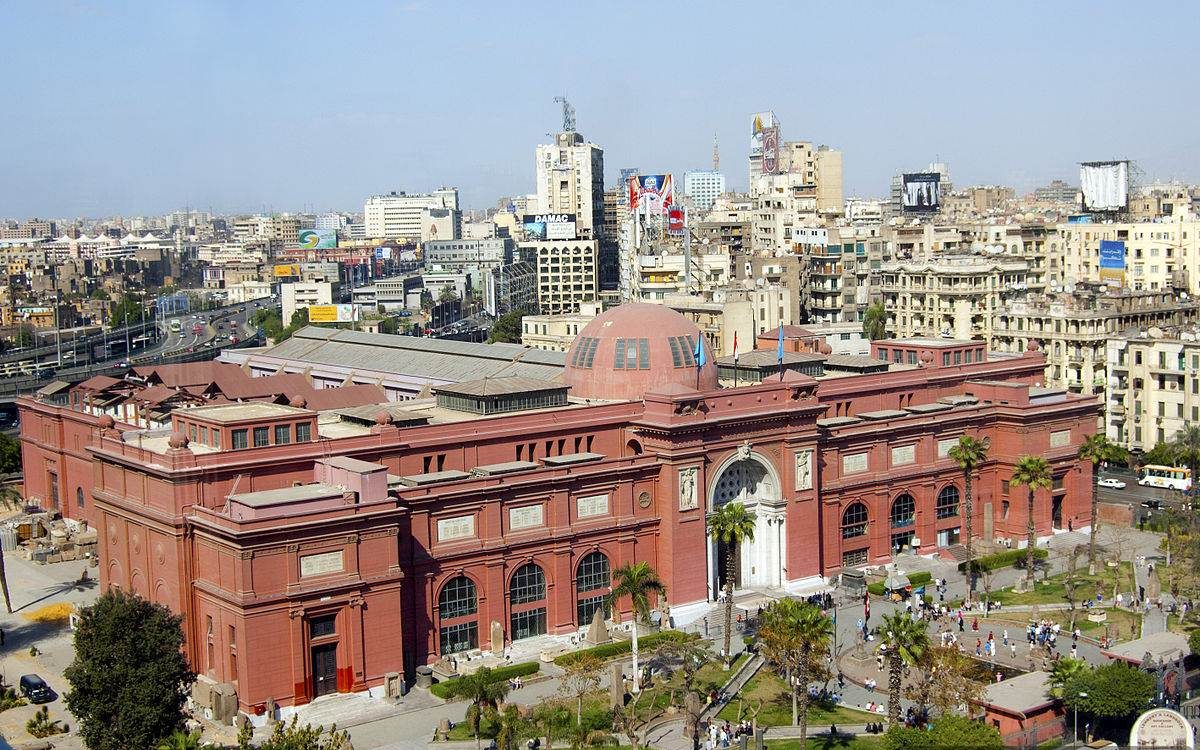
The Egyptian Museum is a revered custodian of the ancient Egyptian civilization. Founded in 1901, this museum stands as a portal into the past, housing over 4,000 years of artifacts and monuments that span Egypt’s illustrious history, offering a glimpse into the magic and mystery that once shaped the world.
Afterward, enjoy a delicious lunch at a local restaurant, and proceed to visit:
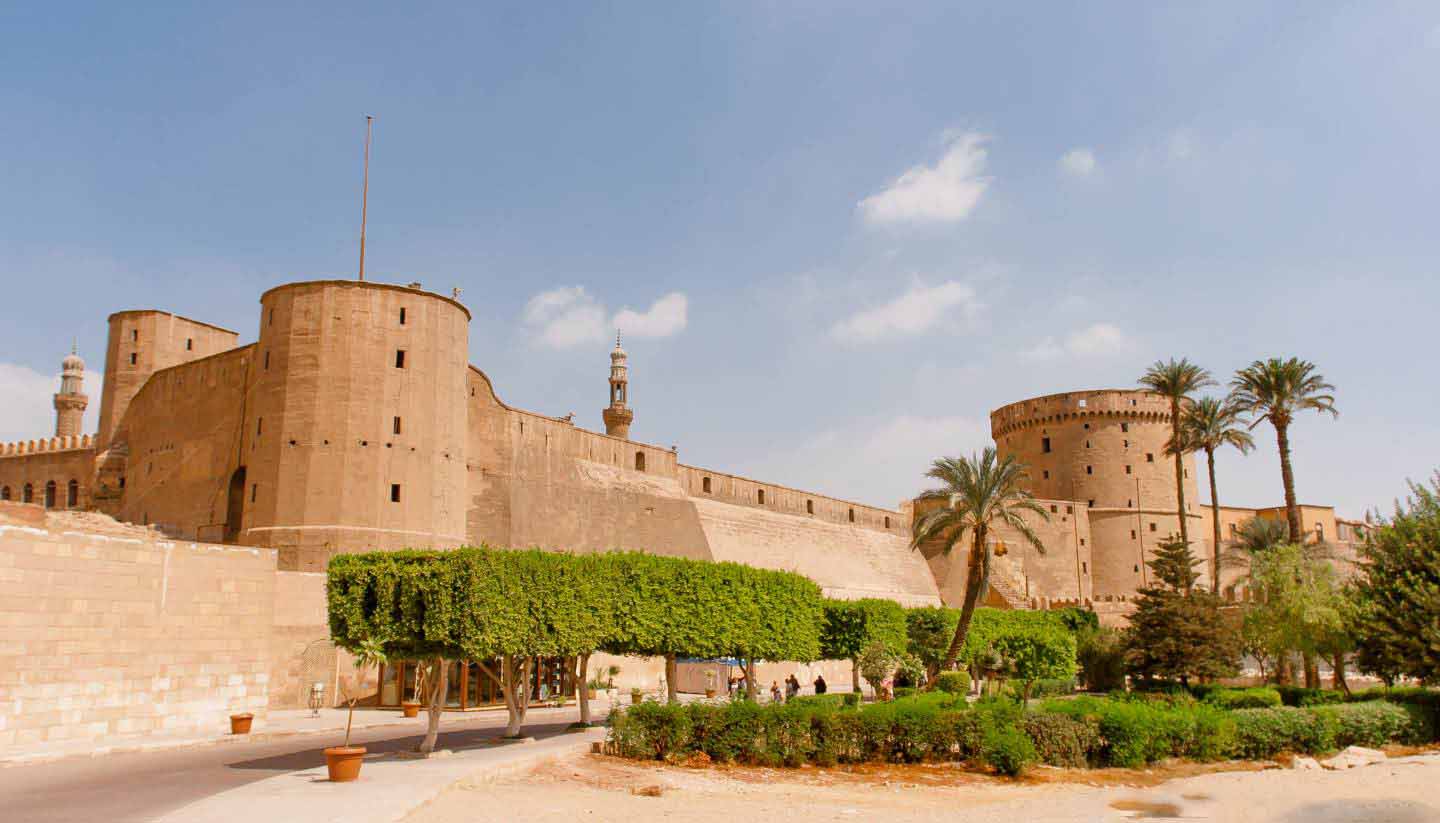
Salah El-Din citadel is a glorious fortress that has watched over Cairo for centuries, that constructed in 1182 AD by the legendary Salah El-Din, this monumental citadel served as a powerful defense against crusaders and Napoleon’s forces. It remained the headquarters of Egyptian rule for over 700 years. Within its walls, visitors can marvel at grand museums and stunning structures, all steeped in history and unparalleled beauty.
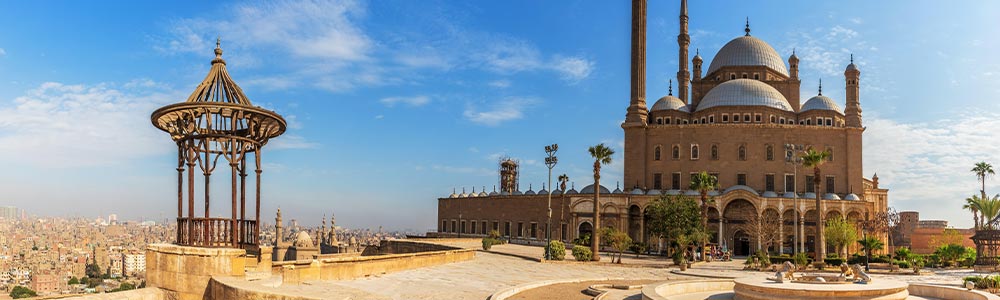
Mohamed Ali Mosque is a miraculous, exquisite symbol of independence and grandeur that came into existence between 1830 and 1848. This mosque, often called the Alabaster Mosque for its marble interiors, mirrors the splendor of the Blue Mosque in Istanbul. It stands as a symbol of Egypt’s freedom, with Ottoman architectural elegance and French rococo influences. Inside, the mosque houses a magnificent brass clock, a gift from King Louis Philippe of France, and a Turkish ablution fountain resembling a giant Easter egg.
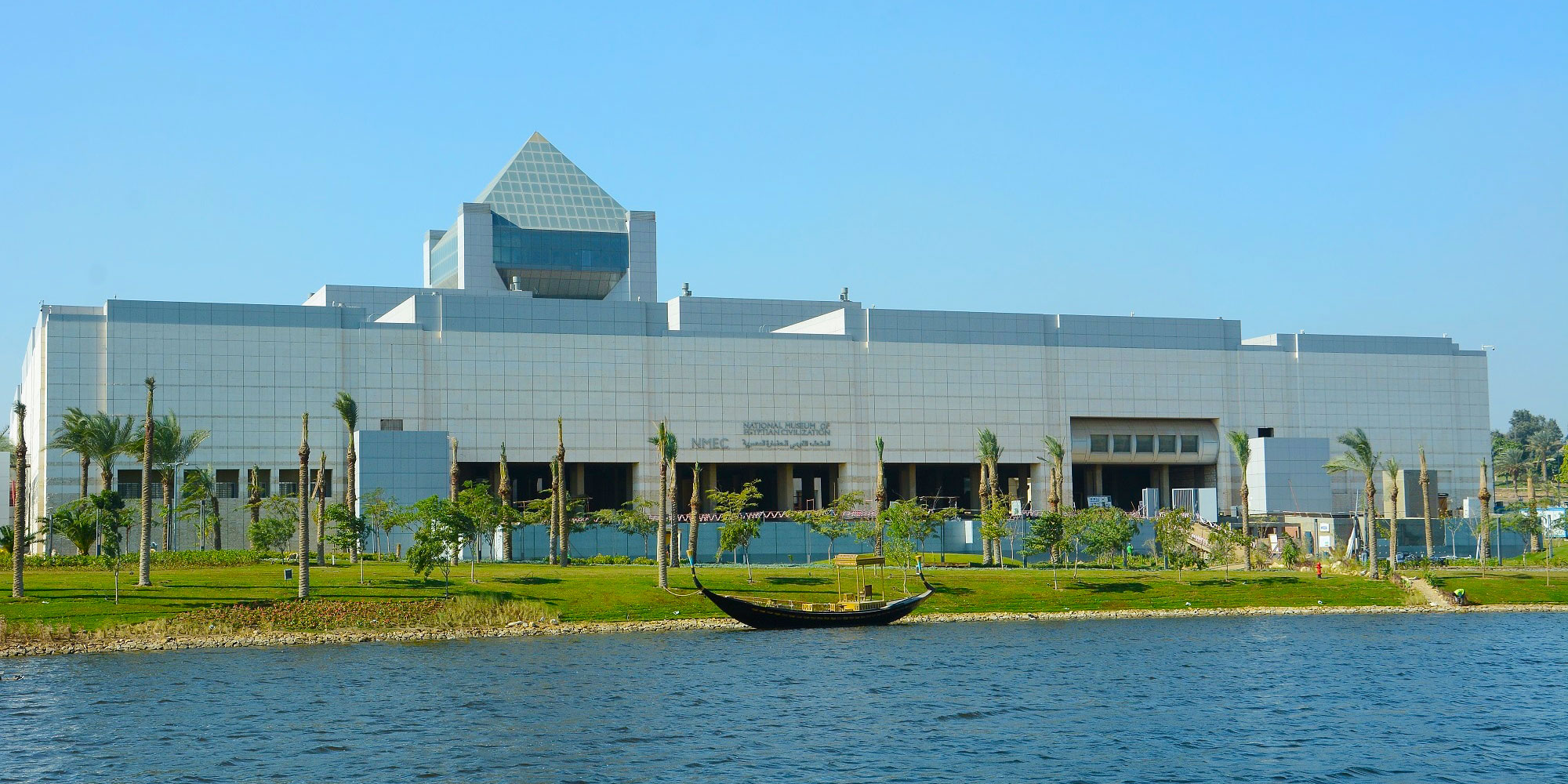
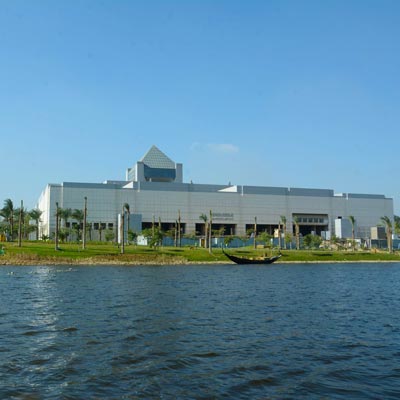
The National Museum of Egyptian Civilization (NMEC) has the power to shed light on the magical beliefs of the ancient Egyptians. It is located in the heart of Fustat in Old Cairo, which was opened to the public in 2020. The museum holds the finest treasures from over 5,000 years of Egyptian history, offering an immersive experience into the rich culture and legacy of the ancient world.
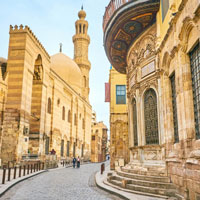
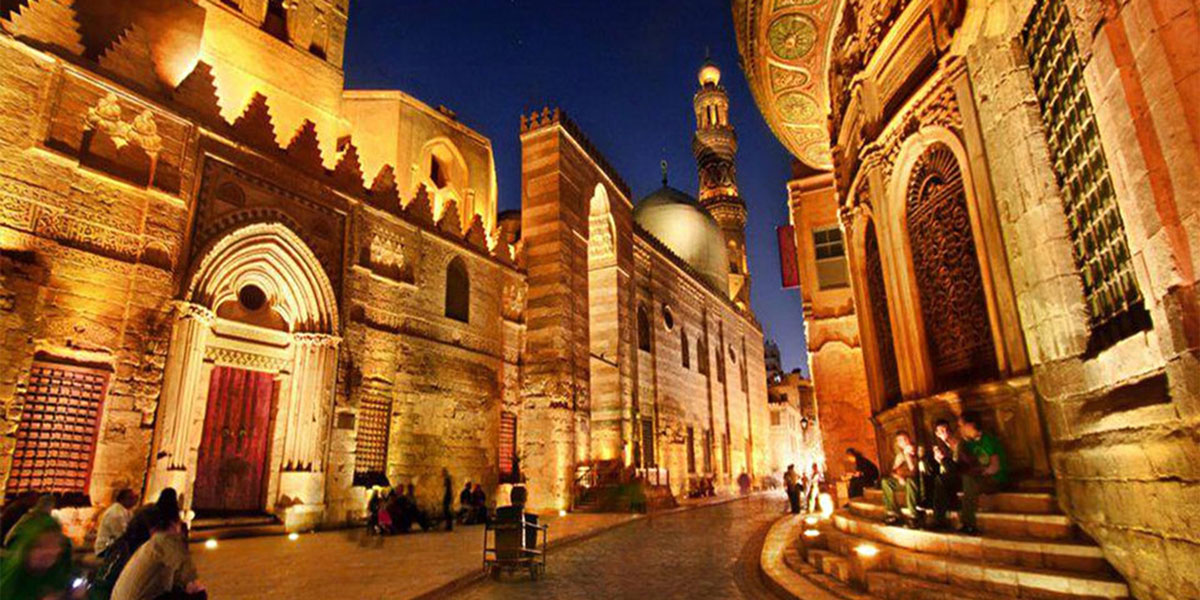
Al-Muizz Street is a celestial labyrinth that has witnessed centuries of Cairo’s growth. This shinning street was established between 953 and 975 AD, this historical street is a living testament to Cairo’s cultural and architectural evolution, hosting beautiful Islamic structures, house museums, and vibrant souqs.
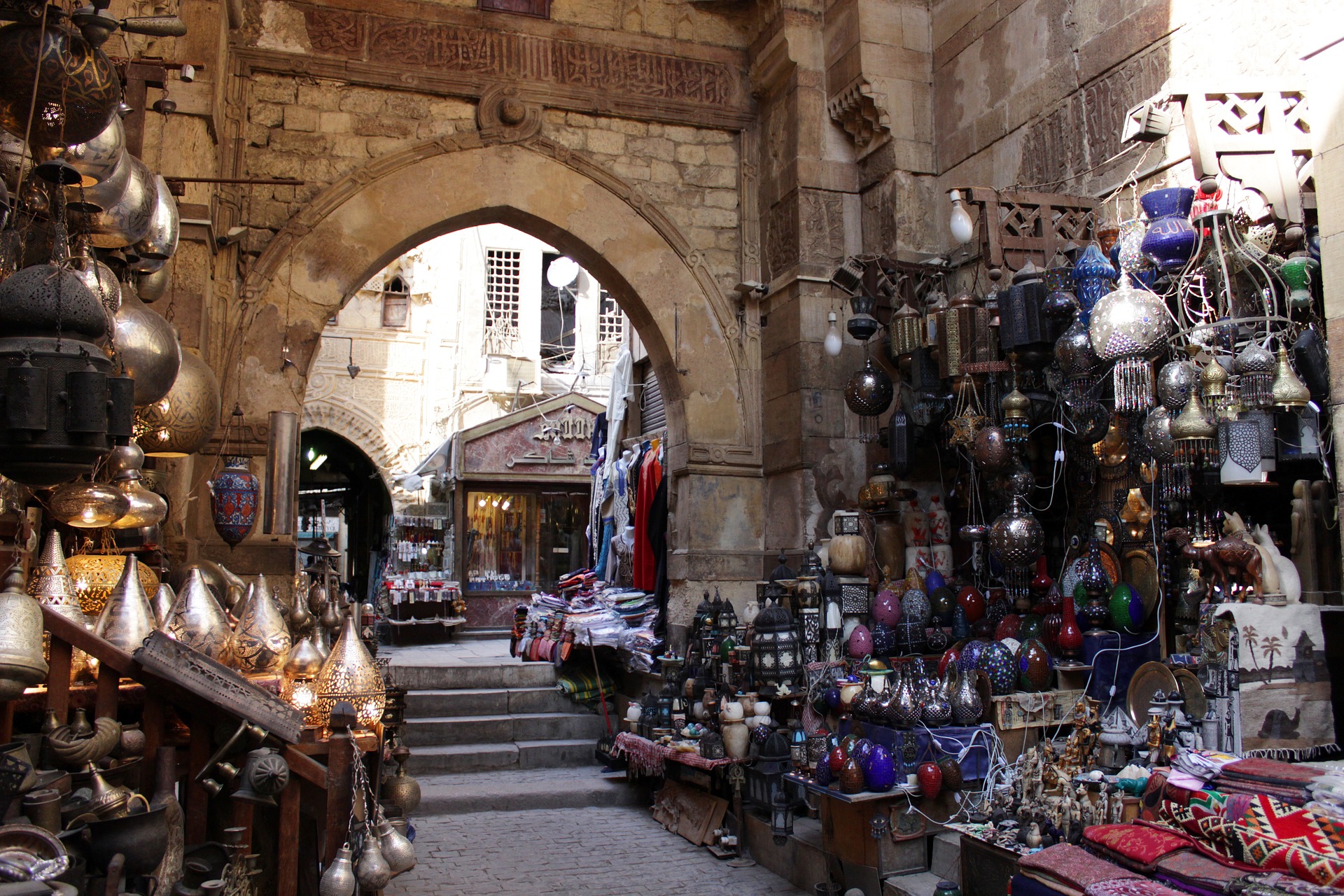
Khan El Khalili Mosque is the oldest active market in the Middle East since 970 AD. Known as the "golden brick road" of the region, this vibrant bazaar is a blend of history and modern-day commerce. Its rich Islamic architectural style, narrow alleys, and centuries-old cafes offer visitors an unforgettable experience, evoking a sense of timeless Egypt.
End this magical day with a transfer to a luxurious 5-star hotel in Cairo for a restful overnight stay, cherishing the day’s unforgettable journey through Egypt’s grand past and present.
Meals: Breakfast, Lunch
Flight: From Luxor To Cairo
Overnight: Cairo Hotel
Day 6: Explore Alexandria Landmarks
On the sixth day, after a delicious breakfast, the adventure continues with a journey to Alexandria, Egypt’s second capital, where history and culture merge. Accompanied by a private Egyptologist guide, the exploration begins with:
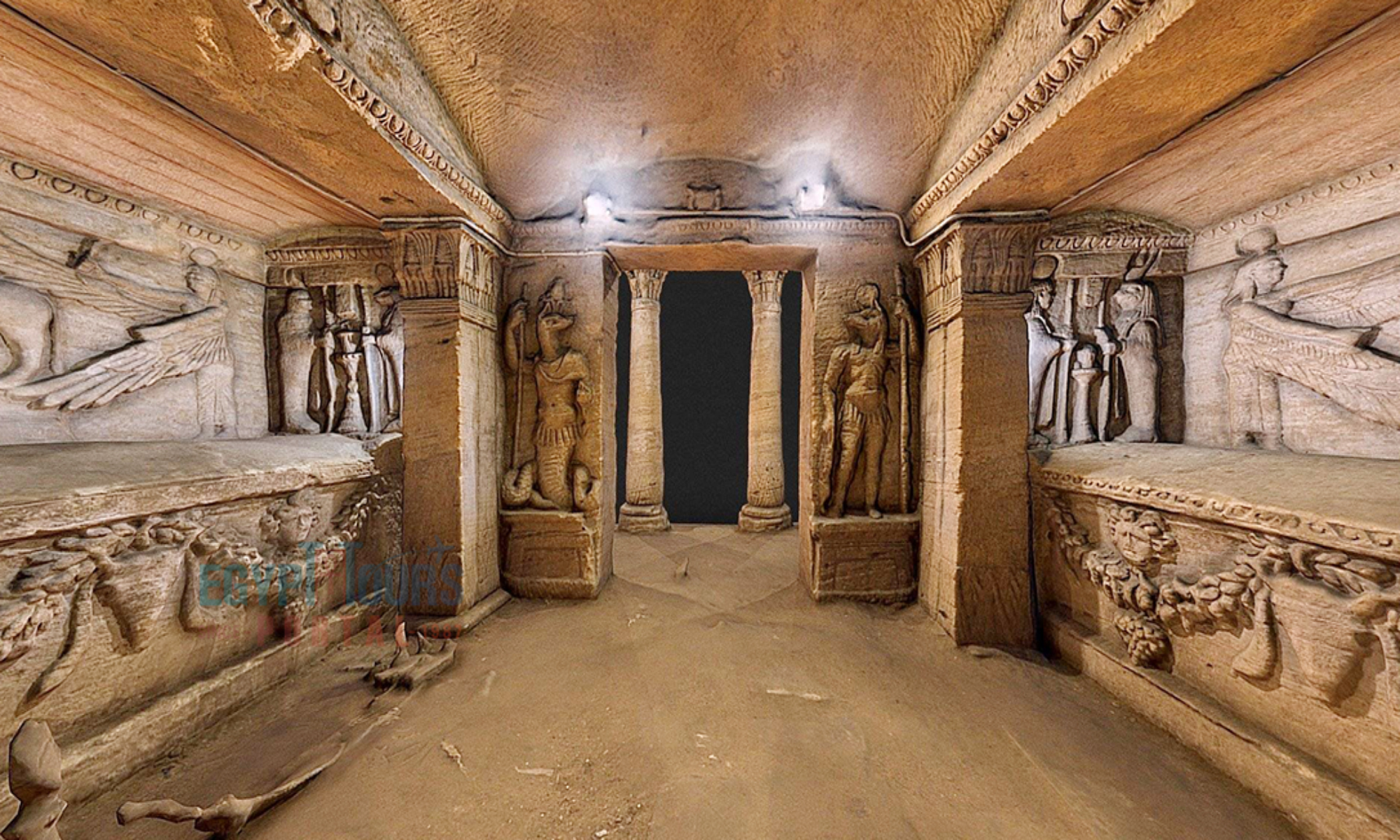
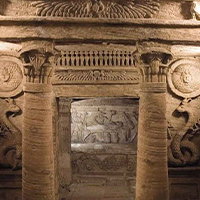
The Catacombs of Kom El Shoqafa are a mesmerizing testament to the fusion of Egyptian, Greek, and Roman influences. It was built as a necropolis in the 2nd century AD, the catacombs reveal a striking combination of Hellenistic and Egyptian styles, with intricate carvings, statues, and frescoes that make it one of the Seven Wonders of the Middle Ages. The underground chambers, with their unique architectural design and numerous Greek and Roman artifacts, offer a rare glimpse into the syncretic culture of the time.
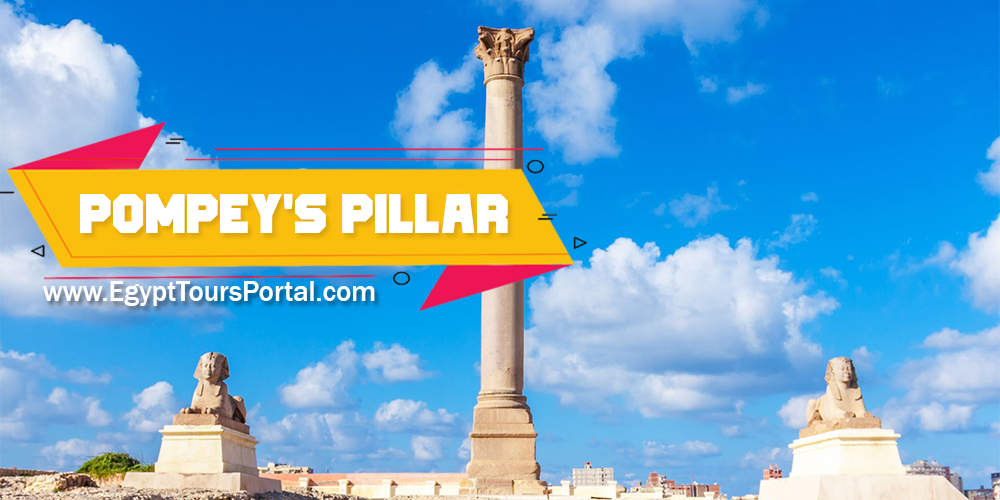
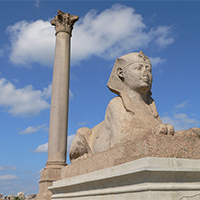
Pompey's Pillar is an epic symbol of strength and grace that stands at 28 meters tall and is made of pure red granite. This pillar is the largest monolithic column ever constructed outside of Rome. Erected in honor of Emperor Diocletian, the pillar's Greek inscription adds to its historical significance. Despite its name, it has no direct connection to Pompey the Great, as the Crusaders mistakenly believed his remains rested atop it during the Middle Ages.
Next, a delightful seafood lunch awaits at a local restaurant, where the flavors of the Mediterranean will delight the senses. Afterward, the tour resumes with a visit to:
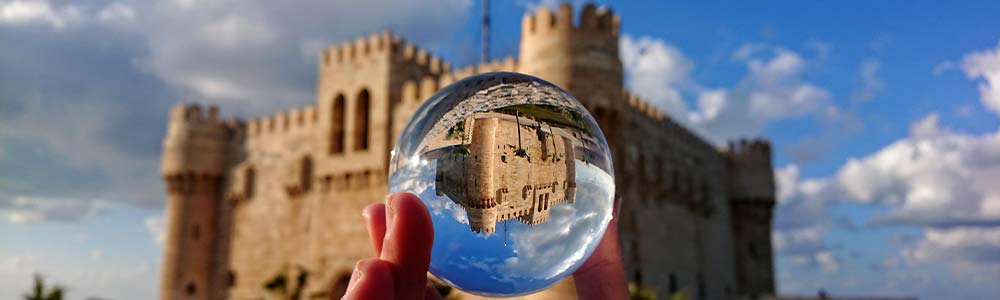
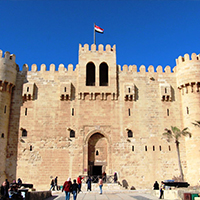
Qaitbay Citadel is an imposing structure built in 1477 by Sultan Al-Ashraf Sayf Al-Din Qa'it Bay. This fortress, constructed on the same site as the legendary Pharos Lighthouse, was built using stones salvaged from the destroyed lighthouse, a once-ancient wonder of the world. The citadel’s design exemplifies the strength and resilience of Islamic architecture and stands as a timeless sentinel by the sea, its towers and walls offering spectacular views of Alexandria’s coast.
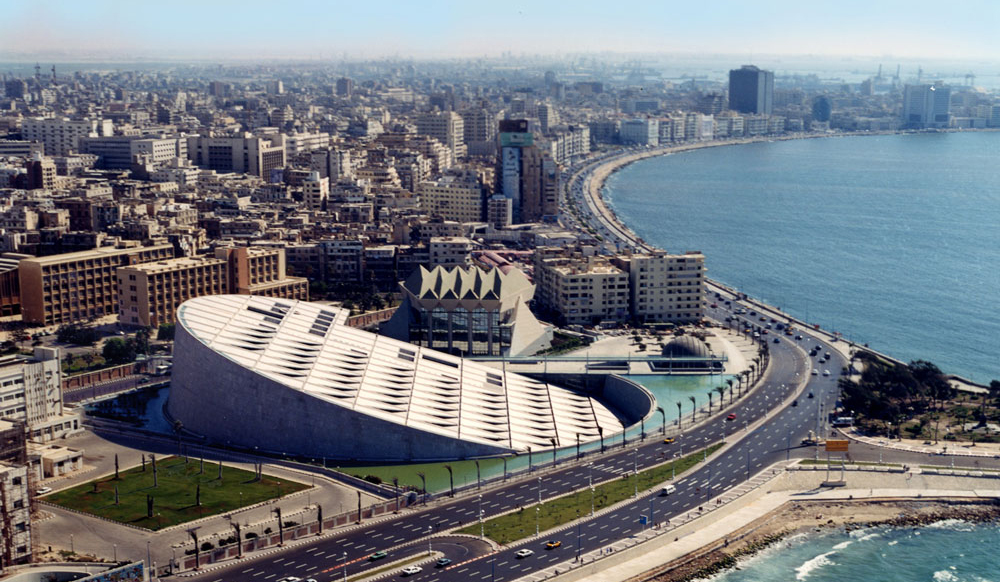
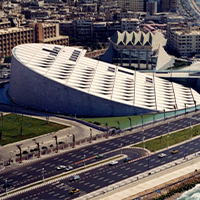
Alexandria Library is a modern-day marvel that honors the legacy of the ancient Library of Alexandria. Known for its breathtaking architecture and vast collection, this library is one of the world’s largest and most advanced, housing millions of books in Arabic, English, and French. The Bibliotheca Alexandrina holds the largest collection of French books in the Middle East and North Africa and features art galleries, rare manuscripts, and an atmosphere that blends history with the future of knowledge.
After this enriching day, relax and enjoy a peaceful transfer back to Cairo, where an overnight stay awaits at a luxurious hotel, leaving behind memories of Alexandria’s timeless charm.
Meals: Breakfast, Lunch
Overnight: Cairo Hotel
Day 7: Arrival at the Golden Destination of Turkey
Begin the day with a final breakfast at the Cairo hotel, followed by check-out. A representative will escort you to Cairo International Airport for a seamless transfer and flight to Istanbul. Upon arrival, be warmly welcomed and guided through visa procedures before being transferred to the hotel. After check-in, relax and prepare for the exciting journey ahead in Turkey.
Meals: Breakfast
Flight: From Cairo to Istanbul
Overnight: Istanbul Hotel
Day 8: Discover the Grand Attractions of Istanbul
Start the day with a delightful breakfast at the Istanbul hotel, then meet a private expert guide to embark on an unforgettable exploration of the city’s most iconic landmarks:
Hagia Sophia is an unrivaled masterpiece that transcends time and culture with its blend of Christian mosaics, towering marble columns, and intricate Islamic calligraphy. This ethereal creation was constructed in 537 AD under Emperor Justinian I. It has served as a Byzantine cathedral, an Ottoman mosque, and now as a revered museum. Its majestic dome is known to be an engineering brilliance, representing a connection between the divine and imperial power, enveloping visitors in an amazing atmosphere that bridges the sacred and the architectural.
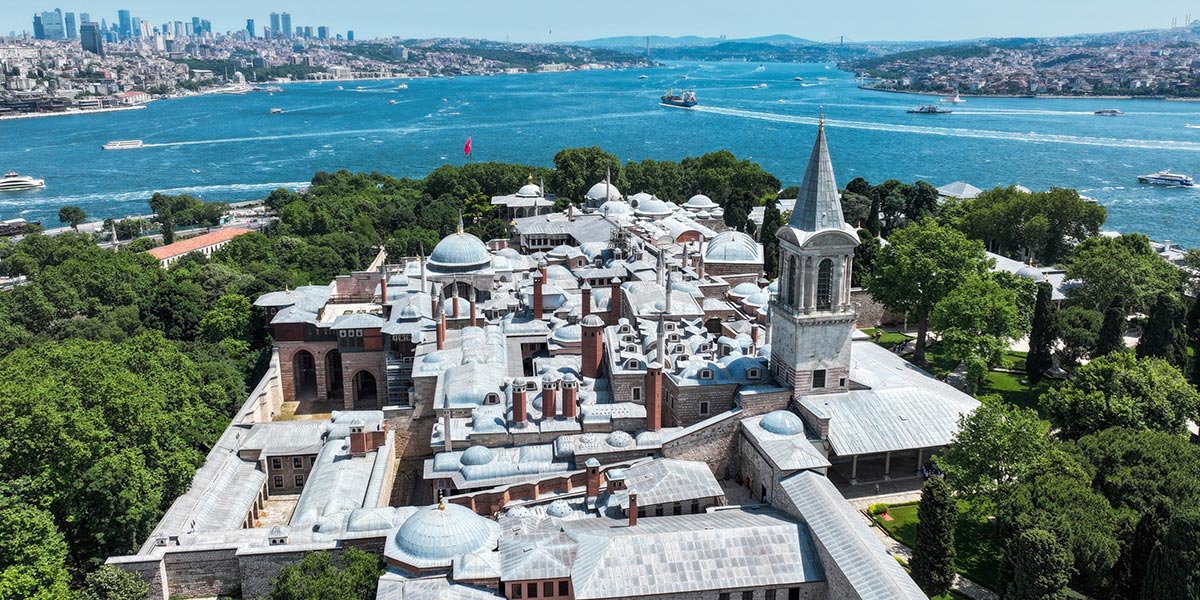
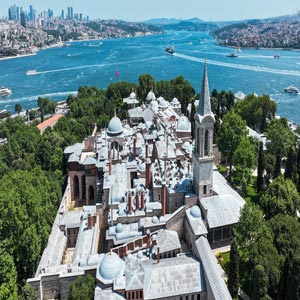
Topkapi Palace represents the strength and greatness of the Ottoman Empire. It acted for hundreds of years as once home to sultans and their courts from the 1460s to the completion of Dolmabahçe Palace in 1856. Commissioned by Sultan Mehmed II after the conquest of Constantinople in 1459, it sits proudly at the tip of Seraglio Point, offering sweeping views of the Bosphorus and the Sea of Marmara. The palace’s lush courtyards, ornate chambers, and the legendary Harem speak of the empire’s opulence and sophistication.
Following a delightful lunch at a traditional Istanbul restaurant, savoring the region’s rich flavors, the journey continues to:
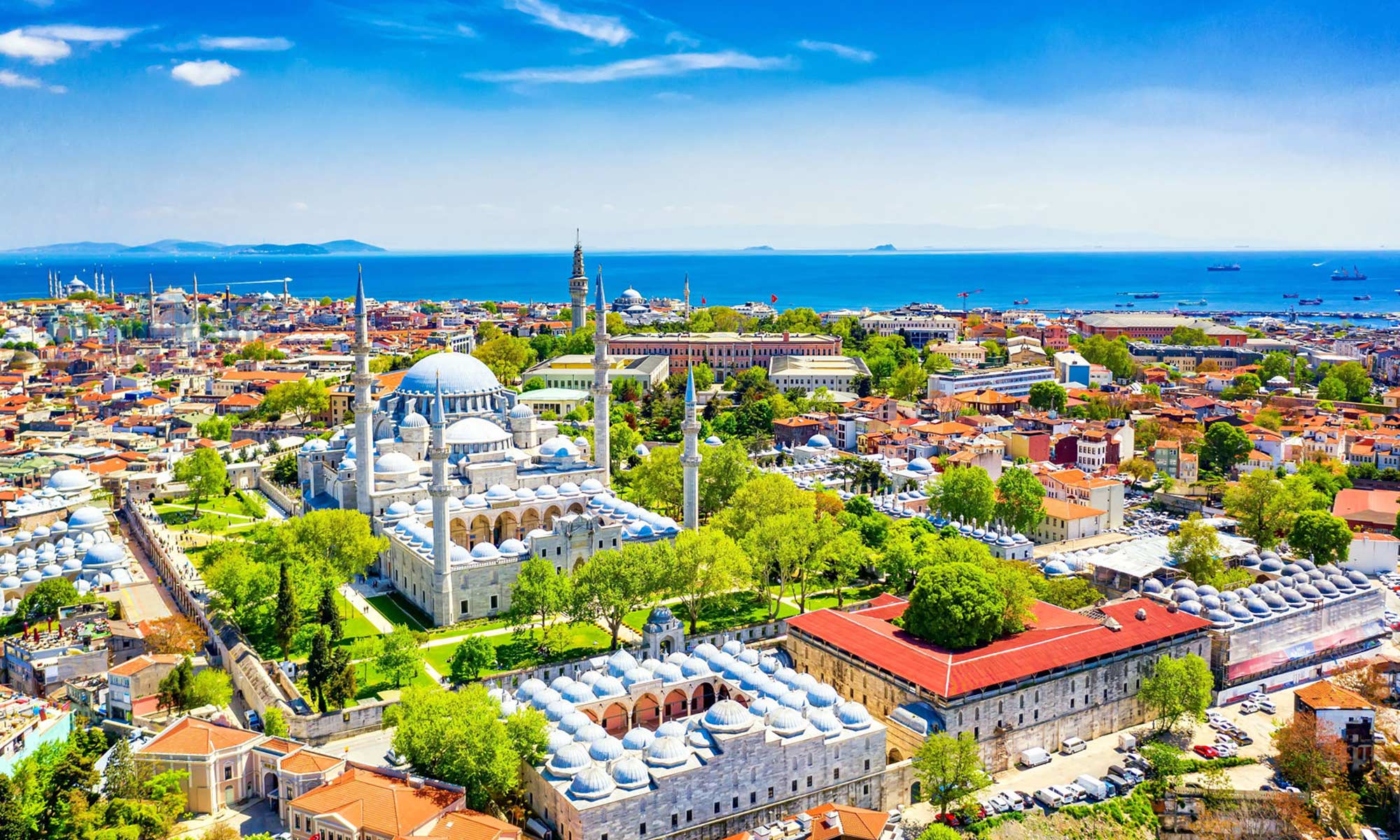
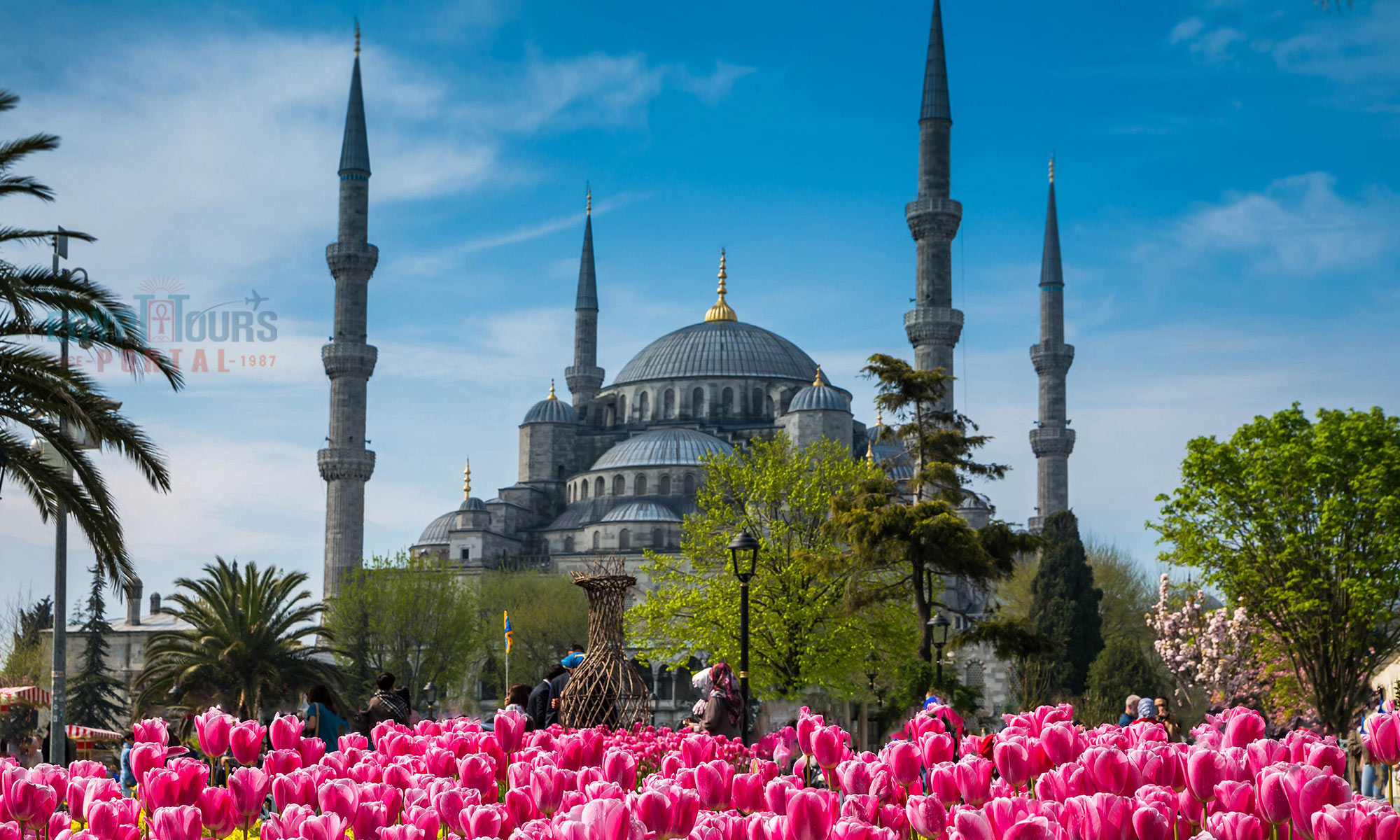
The Blue Mosque, which is also known as the Sultanahmet Mosque represents the splendor of imperial devotion. It was completed in 1616 under Sultan Ahmed I to become a grand architectural marvel that dazzles with its 20,000 handcrafted Iznik tiles, which bathe the mosque in shades of blue, mirroring the sky above. With its grand dome and six graceful minarets, the Blue Mosque remains a serene sanctuary and a UNESCO World Heritage Site, a symbol of spiritual peace and architectural magnificence.
Hippodrome a.k.a Sultanahmet Square is an ancient open-air arena that once hosted the pulse of Byzantine public life. It was established in 203 AD by Emperor Septimius Severus and later expanded by Constantine the Great. The Hippodrome witnessed thrilling chariot races and grand ceremonies, accommodating up to 100,000 spectators. The square holds relics of its glorious past, including the Obelisk of Theodosius and the Serpentine Column, offering a glimpse into the political and social rituals that shaped Constantinople.
The Grand Bazaar is a heavenly and vibrant maze of over 4,000 shops that was built in 1461 under Sultan Mehmed II. It is one of the oldest and largest markets in the world that acted as a hub of commerce between East and West for centuries. The bazaar enchants with its rich colors, intricate craftsmanship, and exotic goods, including silks, spices, mosaics, gold, and antiques.
At the end of this enthralling day, return to the hotel, reflecting on the treasures of Istanbul, and enjoy a peaceful overnight stay in the heart of this enchanting city.
Meals: Breakfast, Lunch
Overnight: Istanbul Hotel
Day 9: Board the Epic Cruise across the Treasures of Bosphorus
Start the day with breakfast before heading to the vibrant Spice Market is a cultural marvel where the rich aromas and colors of Turkey's natural wonders fill the air and then you will get the chance to take part in:
Everyone will continue the epic journey with a fun Bosphorus Ferry ride, crossing the strait between Europe and Asia. The scenic voyage offers views of Istanbul’s skyline, including landmarks like Galata Tower, Dolmabahce Palace, Beylerbeyi Palace, and Rumeli Fortress, highlighting the city’s architectural and cultural diversity.
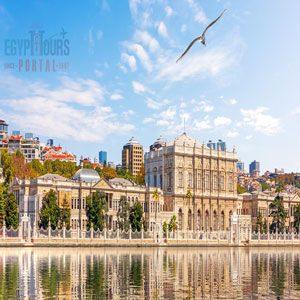
Dolmabahce Palace is an epic symbol of the Ottoman Empire's later period, which is able to shed light on the grand European and Ottoman architecture. It was established in the 19th century under Sultan Abdulmecid I, and features lavish interiors with crystal chandeliers, gold leaf decorations, and marble staircases. The palace serves as the administrative center and later a presidential residence.
Taksim Square is a magical cultural and social hub in Istanbul, known for its lively atmosphere and central location. It was established in 1928, and it serves as a transportation hub and the gateway to Istiklal Street. The square hosts public events, national celebrations, and artistic performances, reflecting the dynamic spirit of modern Istanbul with its historic monuments, bustling cafés, and hotels.
Enjoy lunch at a traditional restaurant, before continuing your exploration with your guide to:
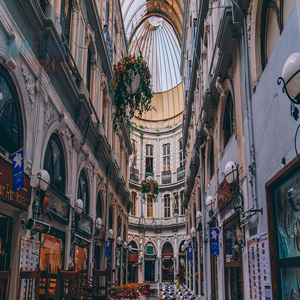
Cicek Passage (Çiçek Pasajı) is a charming 19th-century arcade off Istiklal Street, known for its elegant architecture and nostalgic ambiance. It was built as a theater and later transformed into a passage with flower shops; it now houses traditional meyhanes and restaurants. The glass-roofed structure and ornate balconies reflect the cultural blend of old-world Istanbul and social traditions, making it a beloved dining and leisure spot.
Istiklal Street is one of Istanbul’s most iconic pedestrian avenues, which stretches nearly two kilometers through the Beyoğlu district. It is lined with boutiques, art galleries, historical buildings, cinemas, and cafés, blending modern life with Ottoman-era architecture. The nostalgic red tram running along the street adds to its charm, making it a vibrant cultural and commercial center that attracts both locals and travelers.
Finally, transfer to the airport for the flight to Cappadocia, where a warm welcome awaits and a peaceful overnight stay follows.
Meals: Breakfast, Lunch
Flight: From Istanbul to Cappadocia
Overnight: Cappadocia Hotel
Day 10: Explore the Natural Majesty of North Cappadocia
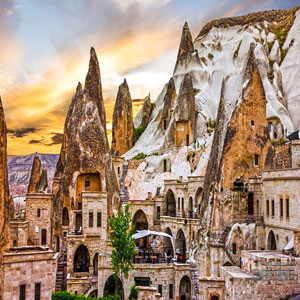
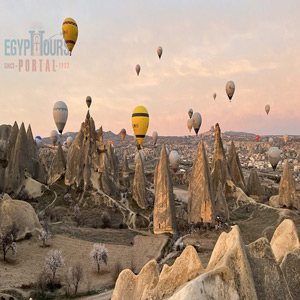
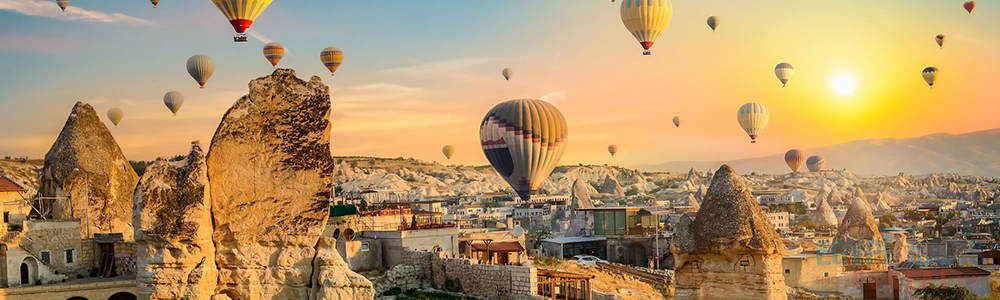
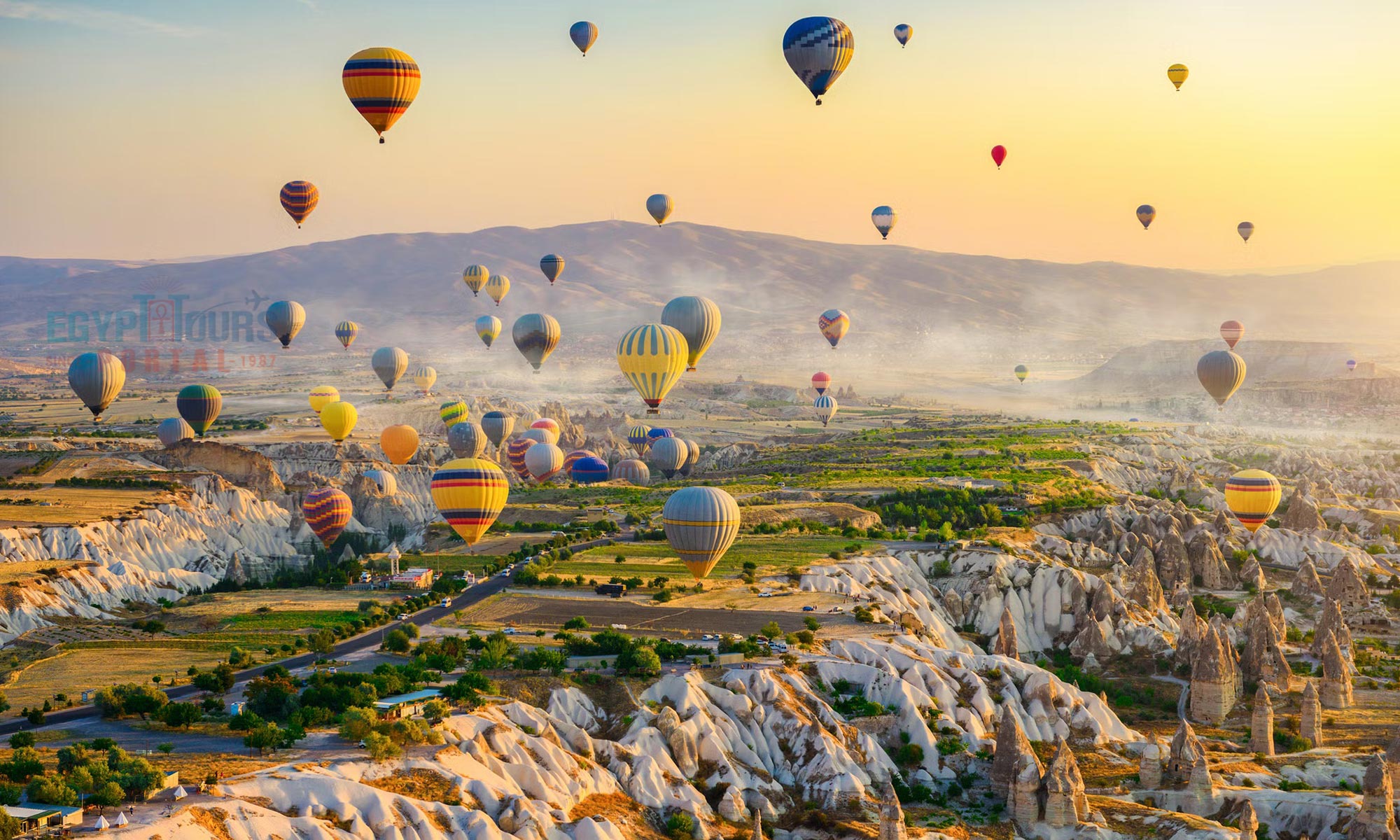
The day begins with a delightful breakfast, followed by an enchanting journey through the surreal landscapes of Cappadocia. This region, famed for its breathtaking rock formations and ancient geological wonders, invites travelers to experience its otherworldly beauty. For those seeking an extra layer of magic, an optional hot air balloon ride offers a mesmerizing sunrise flight over the valleys, revealing the mesmerizing scenery below.
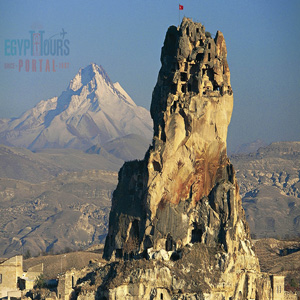
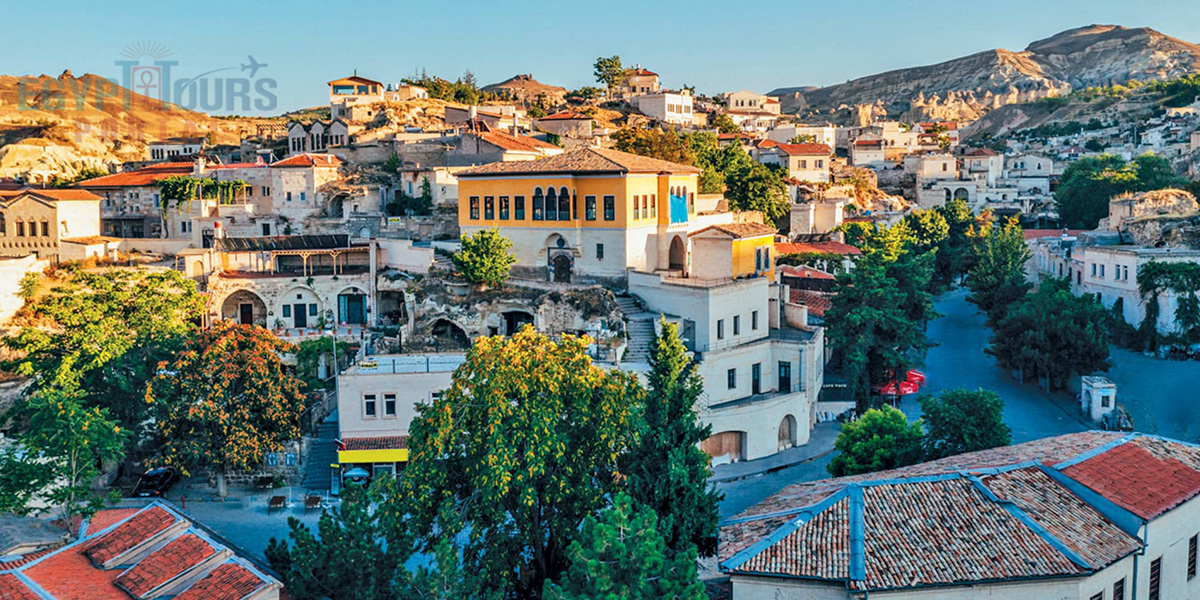
The Uchisar Castle rises on the highest point in Cappadocia, showcasing the beauty of this magnificant attraction. This grand fortress, carved from volcanic rock, offers panoramic vistas that stretch across the sweeping valleys. It is known to be a guardian since Roman times and further fortified during the Byzantine and Seljuk periods. The castle’s tunnels and terraces reveal the strategic importance it once held.
The Göreme Open-Air Museum is a marvelous UNESCO World Heritage site that exemplifies early Christian spirituality since it was carved into soft tufa stone. This 10th-century monastic complex is home to churches and chapels adorned with vivid frescoes, with the Dark Church showcasing some of the most remarkable biblical scenes preserved in time. The Apple Church offers further insight into Byzantine religious life, where art and faith blend harmoniously.
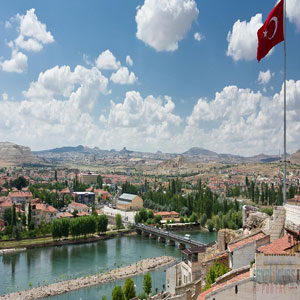
The peaceful town of Avanos lies along the Red River (Kızılırmak), where pottery has been crafted since the Hittite era. Cobblestone streets, riverside cafés, and the sight of artisans shaping distinctive red clay using ancient methods passed down through generations add to the town’s tranquil charm. Avanos offers an authentic window into Cappadocia’s rich cultural heritage, where tradition thrives in every handcrafted piece.
After a delightful lunch at a local restaurant, the exploration continues to:
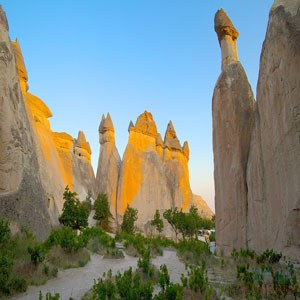
Pasabag (Monks Valley) is an epic wonder loaded with towering fairy chimneys, formed over 60 million years ago, which create a mystical atmosphere. Once a retreat for Byzantine monks seeking solitude, this valley feels like a journey back in time. The surrounding stone formations reach toward the heavens, inviting contemplation and wonder.
The Devrent Valley, also known as Imagination Valley, is where fantastical rock formations resemble camels, birds, and mythical creatures. This natural sculpture park, free from dwellings, sparks creativity and imagination, offering the perfect setting for photography and wonder.
You will head to your hotel in Cappadocia to spend the overnight.
Meals: Breakfast, Lunch
Overnight: Cappadocia Hotel
Day 11: Uncover the Living Miracles of South Cappadocia
After breakfast, you will head with your tour guide to discover the colossal treasures of South Cappadocia, which include:
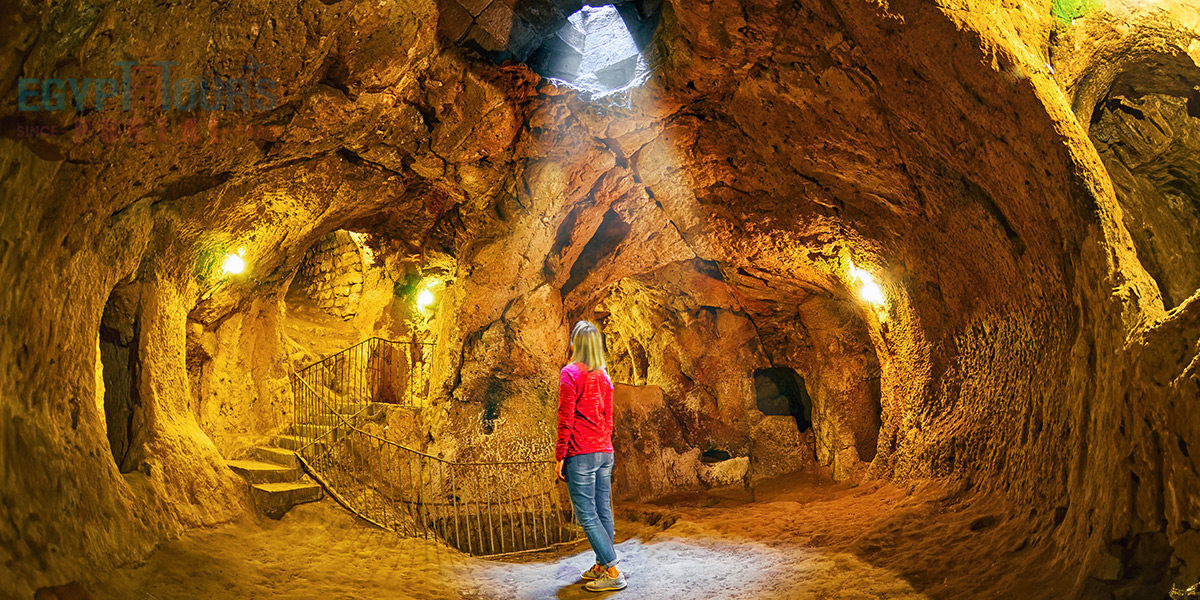
Kaymakli Underground City is an impressive multi-level complex carved into the volcanic rock of Cappadocia, originally used as a refuge during invasions. This city includes rooms, storage areas, wineries, and even churches, interconnected by narrow tunnels, offering a fascinating insight into ancient life. The complex demonstrates the advanced engineering and clever use of natural resources, including ventilation systems. A visit to Kaymakli provides a rare opportunity to experience the ingenuity of the people who lived there and the resilience of ancient civilizations in the face of danger.
Rose Valley is known for its captivating landscape, with striking red rocks that take on a vibrant hue at sunset. This picturesque valley, famous for its fairy chimneys, offers scenic hiking trails, ancient rock-cut churches, and dwellings. The natural beauty and peaceful ambiance make it a must-visit destination. Love Valley, renowned for its phallic-shaped rock formations, creates a surreal atmosphere that draws visitors for both exploration and photography. Together, these valleys offer a unique glimpse into Cappadocia’s breathtaking geological and cultural landscapes.
Pigeon Valley, stretching between Goreme and Uchisar, is named for the dovecotes carved into its cliffs. The valley is known for its striking rock formations and the ancient practice of using the pigeon droppings as fertilizer. The serene atmosphere, combined with panoramic views of Cappadocia’s fairy chimneys and rock carvings, makes it an ideal spot for peaceful hikes and photography, offering visitors a perfect blend of nature and history.
Ortahisar Castle is a natural rock fortress located in the village of Ortahisar, offering panoramic views of the surrounding Cappadocia region. The castle was used as both a defensive structure and a settlement, serving as a strategic lookout during the Byzantine and Ottoman eras. Visitors can explore the castle's interior, including its rooms, tunnels, and stairways, before climbing to the top for breathtaking views of Goreme, Uchisar, and the iconic fairy chimneys. It’s a captivating glimpse into Cappadocia's rich history and one of the best vantage points in the area.
Mustafapasa, formerly known as Sinasos, is a tranquil village in Cappadocia renowned for its well-preserved Greek-style architecture. Once a thriving Greek settlement, the village boasts a fascinating mix of Ottoman and Greek design in its stone houses, churches, and mansions. Mustafapasa's narrow streets, ornate stonework, and intricate wood carvings offer a window into the past, while its significant Greek Orthodox churches, such as St. George’s Church, with its vibrant frescoes, add to its cultural charm. This peaceful village offers a unique insight into Cappadocia's cultural harmony and history.
At the end of the tour, transfer to the airport for the flight to Izmir. Upon arrival, meeting with our representative and transfer to your hotel. Overnight stay in Kusadasi.
Meals: Breakfast, Lunch
Overnight: From Cappadocia to Izmir
Day 12: Witness the amazing Constructions of Ephesus
After a delightful breakfast, depart from the hotel in Kusadasi for a scenic journey to the ethereal city of Ephesus, one of the most magnificent remnants of the Roman Empire. This captivating two-hour drive unveils an extraordinary array of timeless wonders, beginning with:
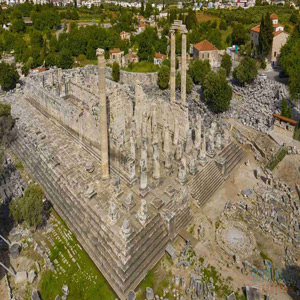
The Temple of Artemis is a colossal piece of art built around 550 BC under King Croesus of Lydia, which stands as a testament to ancient architectural brilliance. The temple was designed by the renowned architect Chersiphron. It stretched across 115 × 55 meters, supported by 127 towering marble columns, each reaching 18 meters. It was destroyed by arson in 356 BC, the very night Alexander the Great was born, and later damaged by the Goths in 262 AD. Despite its destruction, the Temple of Artemis remains one of the Seven Wonders of the Ancient World.
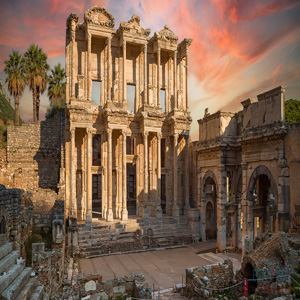
The Celsus Library is a great house of knowledge that was constructed between 117 and 120 AD by Gaius Julius Aquila in honor of his father. This architectural marvel once housed up to 12,000 scrolls, making it the third-largest library in the Roman world. Celsus himself is buried beneath the library’s entrance, a rare distinction. The façade is filled with statues symbolizing Wisdom, Intelligence, and Virtue, highlighting the intellectual and artistic grandeur of the Roman Empire.
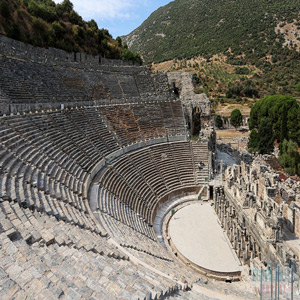
The Great Theater of Ephesus is a miraculous establishment that was built in the 3rd century BC and later expanded under Emperors Claudius and Trajan. It was once home to 24,000–25,000 spectators, which hosted performances, gatherings, and gladiatorial contests; it also witnessed the silversmiths' protests against Saint Paul's teachings, marking its importance in early Christian history.
You will enjoy your delicious lunch in a local restaurant. Then head with your tour guide to:
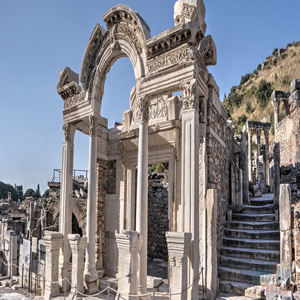
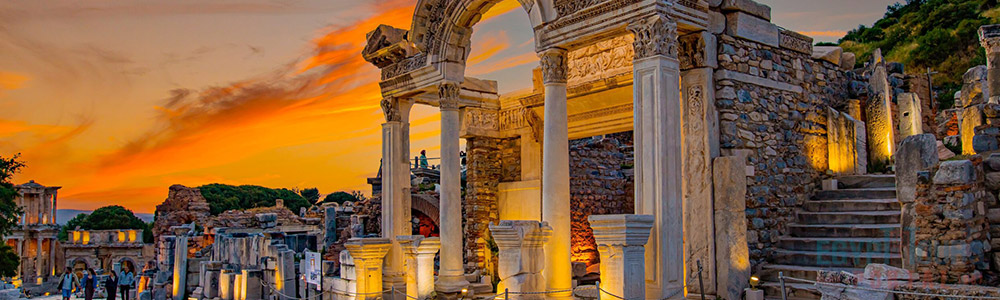
The Temple of Hadrian is a magnificent example of Roman architecture that was completed around 138 AD. Its well-preserved façade, adorned with 4th-century reliefs, depicts the myth of Ephesus’s founding and its deities, offering insight into the grandeur of Roman imperial artistry.
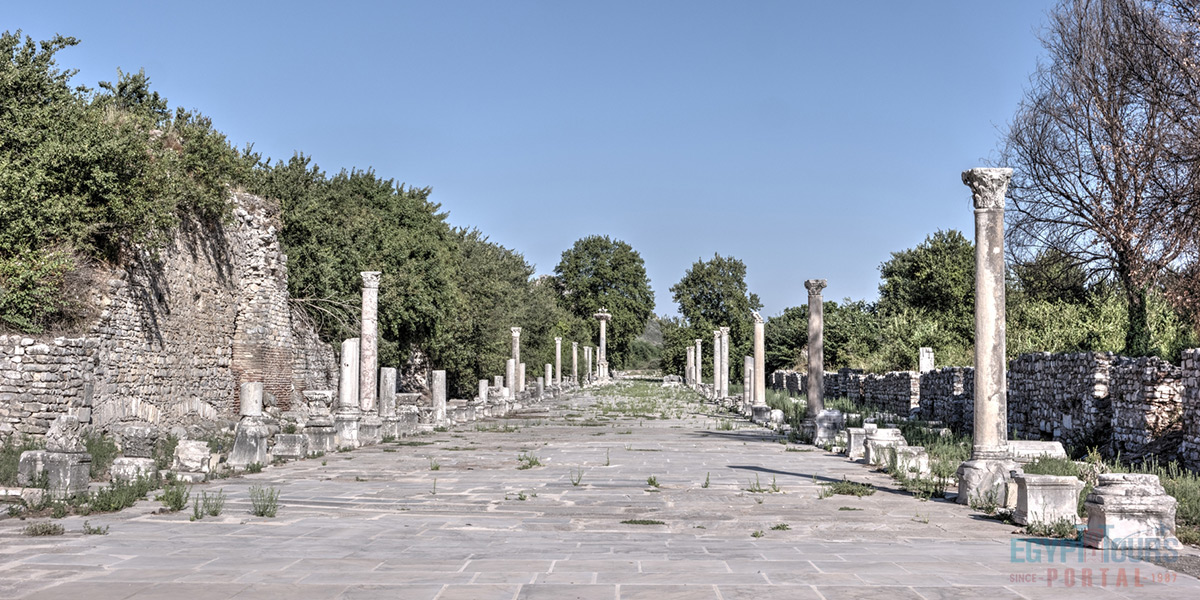
Harbor Street, also known as Arcadian Way, holds an area of 530 meters long and connects the theater to the harbor since it was commissioned by Emperor Augustus and later renovated by Emperor Arcadius, this grand avenue, lined with Corinthian colonnades and shops, was one of the first streets in antiquity to be illuminated by oil lamps, underscoring Ephesus’s significance as a major Mediterranean trade hub.
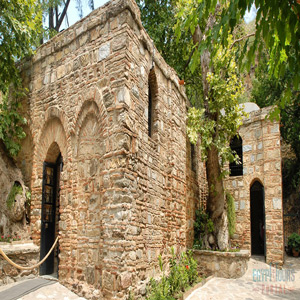
The House of the Virgin Mary is a biblical construction believed to be the final resting place of the Virgin Mary. According to Christian tradition, Saint John brought Mary to Ephesus in the 1st century AD, and it remains a significant pilgrimage site. Rediscovered in 1891 following visions by German nun Anne Catherine Emmerich, the site continues to attract visitors seeking blessings and healing, especially from its sacred spring and Wall of Wishes.
At the end of the tour, transfer back to your hotel. Spend your overnight stay in Kusadasi.
Meals: Breakfast, Lunch
Overnight: Kusadasi Hotel
Day 13: Cast Your Eyes on the Grand Pamukkale & Hierapolis
After a delightful breakfast, embark on a scenic journey to Pamukkale in a modern, air-conditioned vehicle, where the landscape gradually reveals its charm. Upon arrival, an expert guide will lead an unforgettable exploration of this remarkable region, beginning with the ancient city of:
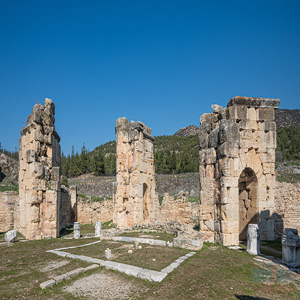
Hierapolis is a majestic embodiment of ancient wellness and Roman grandeur that was founded in the 2nd century BC. Once a renowned spa city, Hierapolis thrived under Roman rule, its fame spreading far and wide for its healing thermal springs. The ruins of the Roman Theater, the Nymphaeum, ceremonial gates, and the remains of bathhouses offer a glimpse into the city’s rich cultural and architectural history, where the marriage of health practices and imperial might is beautifully preserved.
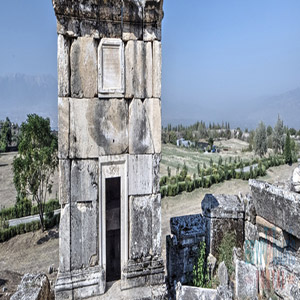
The Necropolis of Hierapolis is a magnificant creation famous for being the largest burial site in the Mediterranean that unveils the ancient city’s funerary practices. The grand attraction spans over 1,200 tombs, and provides profound insights into the spiritual beliefs of the Hellenistic and Roman eras. Monumental sarcophagi, intricately carved mausoleums, and ornate tombs offer a captivating look into the spiritual connection the inhabitants had with life and death.
The Roman Baths of Hierapolis are a divine natural sanctuary, fed by the region’s geothermal springs. These grand structures, although weathered by time, continue to impress with their columns, mosaics, and marble remnants. Serving as a luxurious retreat for healing and socializing, these baths reflect the importance of communal bathing in Roman culture, where both relaxation and medicine coexisted.
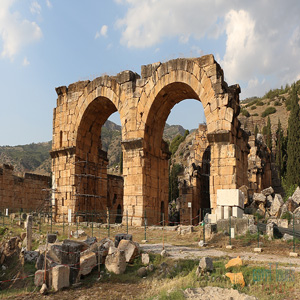
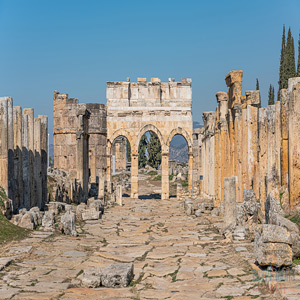
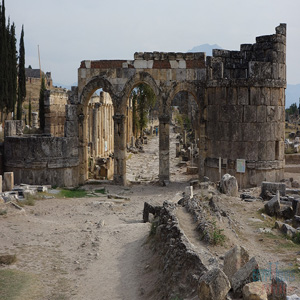
The Domitian Gate is a glorious marvel that was constructed in the 1st century AD to honor Emperor Domitian, to immortalize the grand entrance to Hierapolis. This monumental structure, with its twin towers and detailed reliefs, offers a glimpse into the architectural brilliance of the Roman Empire. Its towering arches once welcomed pilgrims and visitors to this sacred city, a symbol of its grandeur and significance.
Following this exploration, lunch will be served at a local restaurant before continuing to:
Frontinus Street is a marvelous 500-meter avenue named after the Roman engineer Sextus Julius Frontinus. It was the beating heart of Hierapolis’s commercial, economic, and social life. This vibrant street was a central gathering point for trade and social interaction, completely lined with columns and shops. Walking along this historic path provides a fascinating insight into the daily life of the city’s residents.
The Agora of Hierapolis is a colossal open space dating to the 2nd century AD, which was the civic center of the city. It is surrounded by elegant porticoes and hostes markets, public discussions, and social gatherings, showcasing Hierapolis’s role as a thriving economic and political hub in the ancient world.
The Cathedral of Hierapolis is a heavenly establishment that was created in the 5th century AD, as a testament to the city’s spiritual importance. With its basilica layout and remnants of vibrant mosaics, the cathedral reveals Hierapolis’s enduring role as a significant center for early Christianity, its grandeur reflecting the city’s religious and cultural legacy.
The Temple of Apollo is a beacon of bright light and wisdom, dedicated to the god of prophecy and healing in the 2nd century BC, holds a place of reverence in the spiritual life of Hierapolis. Positioned above a fissure believed to emit divine vapors, the ruins of the temple’s altar and columns offer a fascinating glimpse into the city’s ancient worship practices.
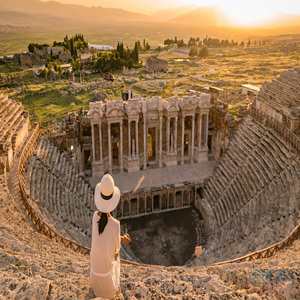
The Theater of Hierapolis is an archaeological attraction built in the 1st century AD and later renovated in the 2nd–3rd centuries. It is a masterpiece of ancient architecture. The theater is capable of seating 10,000 spectators and hosts musical events, dramatic performances, and public ceremonies. Its well-preserved seating and sweeping views of the surrounding landscape provide a remarkable insight into ancient entertainment and public life.
The Plutonium of Hierapolis is a mysterious monastery dedicated to Pluto, the god of the underworld. It is believed to be a gateway to the afterlife. This ancient site was renowned for its toxic vapors, which priests used in religious rituals. The Plutonium remains one of Hierapolis’s most captivating and enigmatic attractions.
As the tour concludes, a transfer will be provided to Denizli Airport for the flight back to Istanbul. Upon arrival, a private driver will escort to the hotel for a peaceful overnight stay, offering time to reflect on the rich history and enchanting experiences of the day.
Meals: Breakfast, Lunch
Flight: From Denizli Airport to Istanbul
Overnight: Istanbul Hotel
Final Day: Departure
You will end your 14 Days Cairo, Alexandria, Luxor, Aswan, & Turkey Tour by having your breakfast, checking-out and heading to Istanbul airport to catch your flight.
Meals: Breakfast
Hint: You can share your thoughts about adding or removing any tours from your tour itinerary to be able to accommodate your requirements and fulfill your needs.
Tour Prices
Send a Request and Let the Dream Begin
Note: We have multiple ways for our payment system Check How to Pay for This Tour
Check the most frequently asked questions regarding tour booking. Check Now
Pay Monthly
24/7 Customer Support
Best Prices
Rated 5* Stars
Fast Booking
What to Pack
-
Hat.
-
Camera.
-
Umbrella.
-
Medication.
-
Comfortable Shoes.
-
Sunblock & Sunglasses.
-
Warm clothes in winter.
-
Cotton clothes in summer.
-
Valid Passport for 6 months.
-
Note: Check our blog about what to pack for Egypt.
Tour Map
What You Will Love About This Tour?
-
This rapid 14-day Egypt and Turkey expedition promises a dynamic blend of heritage, culture, and natural beauty, taking Irish travelers on an unforgettable journey through two legendary destinations.
-
Our Irish guests will enjoy visits to the Giza Pyramid Complex, the Grand Egyptian Museum, Saqqara Step Pyramid, Karnak Temple, Philae Temple, the Valley of the Kings, and the National Museum of Egyptian Civilization in the iconic cities of Cairo, Alexandria, Luxor, and Aswan.
-
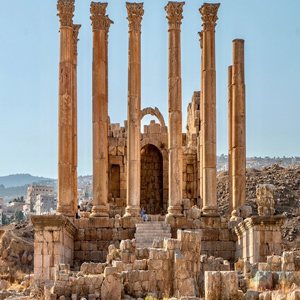
This lush tour features luxurious hotels, private air-conditioned transport, and expert-led tours that bring history vividly to life.
-
Our Irish travelers then continue to Istanbul, Cappadocia, Pamukkale, and Ephesus, discovering landmarks such as Hagia Sophia, Topkapi Palace, the Blue Mosque, and Kaymakli Underground City.
-
From the shimmering waters of the Bosphorus to Cappadocia’s fairy-tale terrain and Pamukkale’s white-stone terraces, Turkey reveals a breathtaking mix of history and landscape.
Essential Trip Information
If you want an in-depth insight into our trips, then Essential Trip Information provides detailed information about all of that is linked to our itineraries, visa info, what is mainly included & excluded, the most important info regarding your transfers & accommodation with us, and almost everything you need to know about the amazing adventures we arrange.
View Essential Trip InformationRead Before You Go
The Top 25 Types of Egyptian Food
Discover Egypt's rich food culture with 25+ authentic dishes, from koshari to konafa. Taste history throu...
The Best Egypt Travel Tips 2026
Will you travel to Egypt? Here are the best Egypt travel tips for 2026 which will give you important hi...
Best 15 Cities to Visit in Egypt Today 2026
Discover Egypt's top 15 cities, from ancient wonders to stunning beach resorts, in this article. Prepare ...
List of Foreign Embassies and Consulates in Egypt
Here is a list of embassies and consulates in Egypt with each info about the embassy such as its address,...