Summary
- The Temple of Kom Ombo is one of Egypt’s most unique temples, located on the east bank of the Nile in Upper Egypt and famous for its rare double design dedicated to Sobek and Horus the Elder.
- It was mainly built during the Ptolemaic period, with construction and decoration continuing under later rulers and some additions made during the Roman era.
- The temple’s architecture is highly unusual because it is almost perfectly symmetrical, with twin entrances, halls, sanctuaries, and parallel passageways serving two different divine cults.
- Its reliefs and inscriptions are especially important because they preserve scenes of religious rituals, festivals, calendars, and what are believed to be ancient surgical instruments, showing both spiritual and medical significance.
- The nearby Crocodile Museum, with its collection of mummified crocodiles and related artifacts, deepens understanding of the cult of Sobek and the temple’s connection to Nile-based religious life.
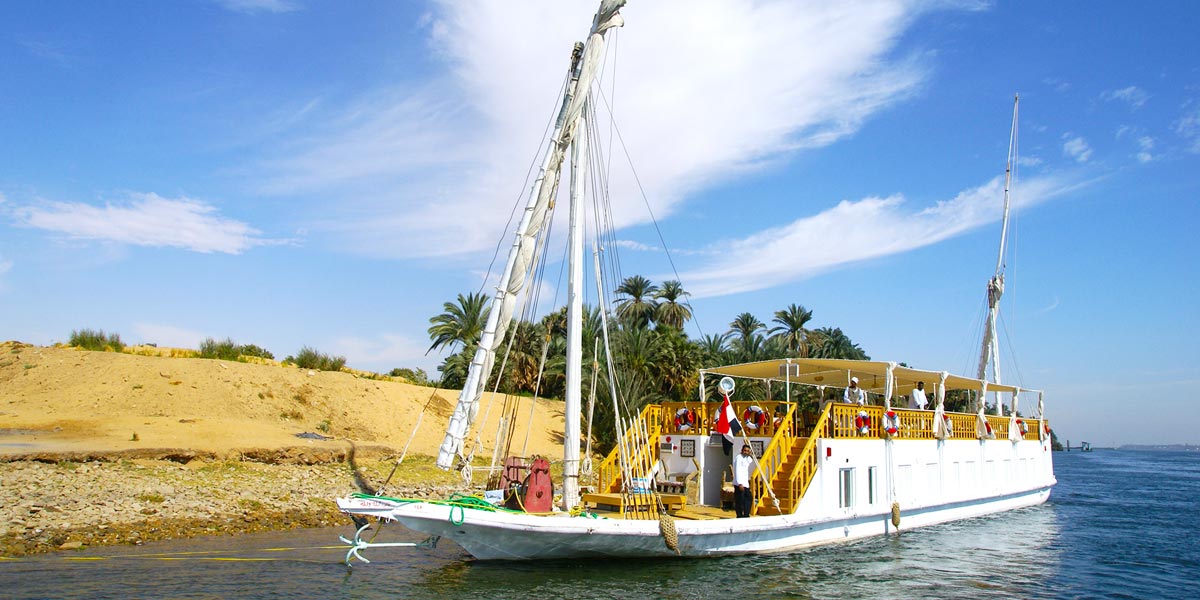
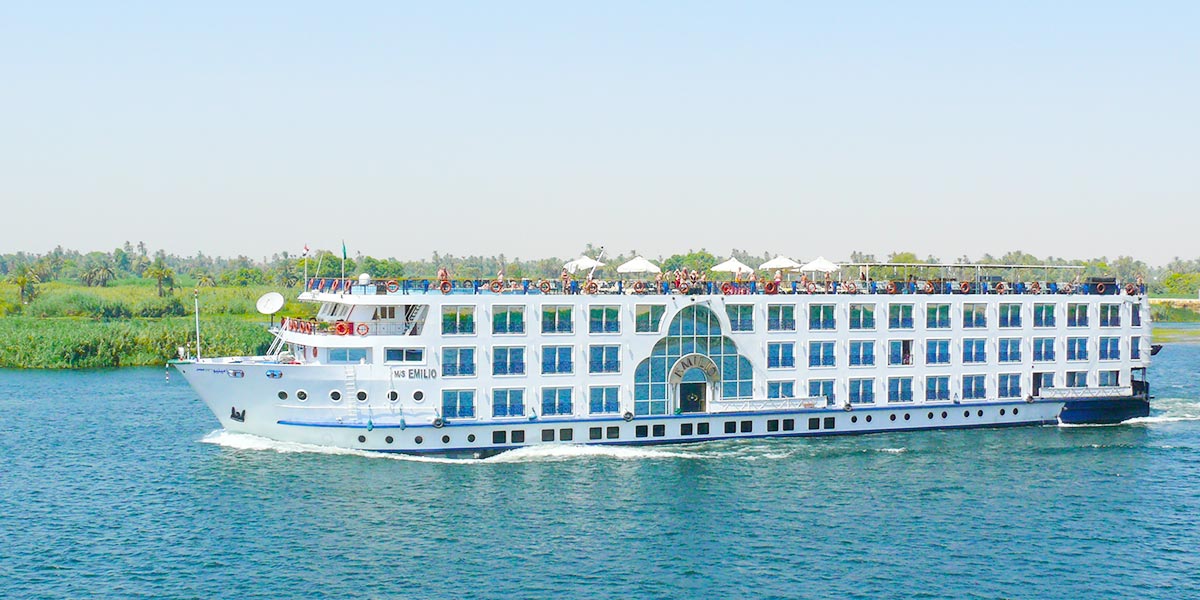
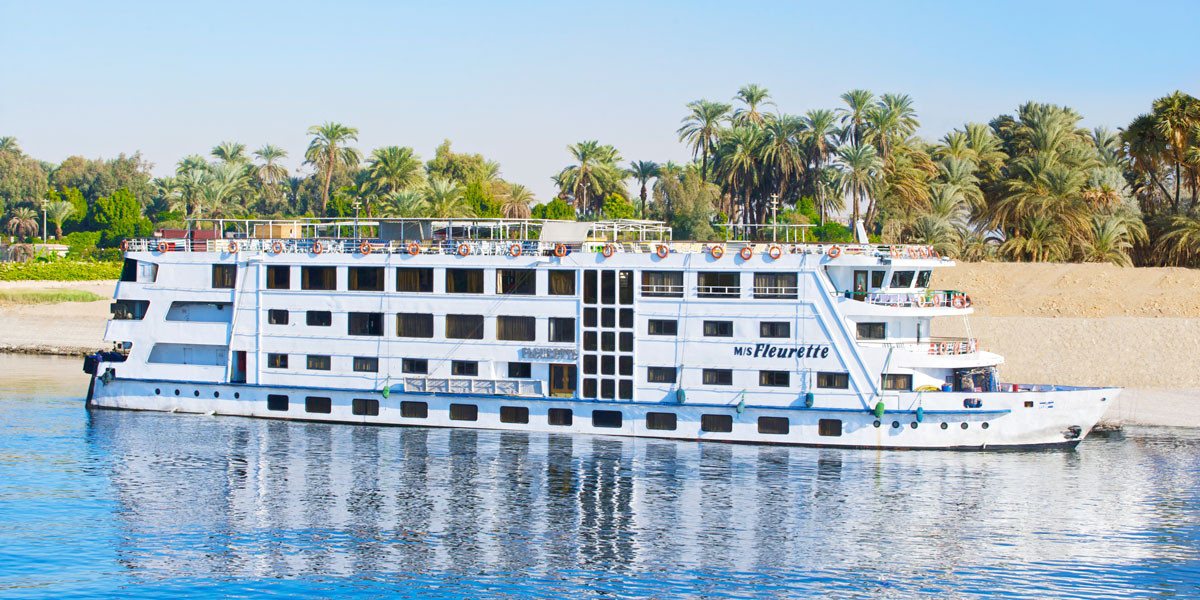
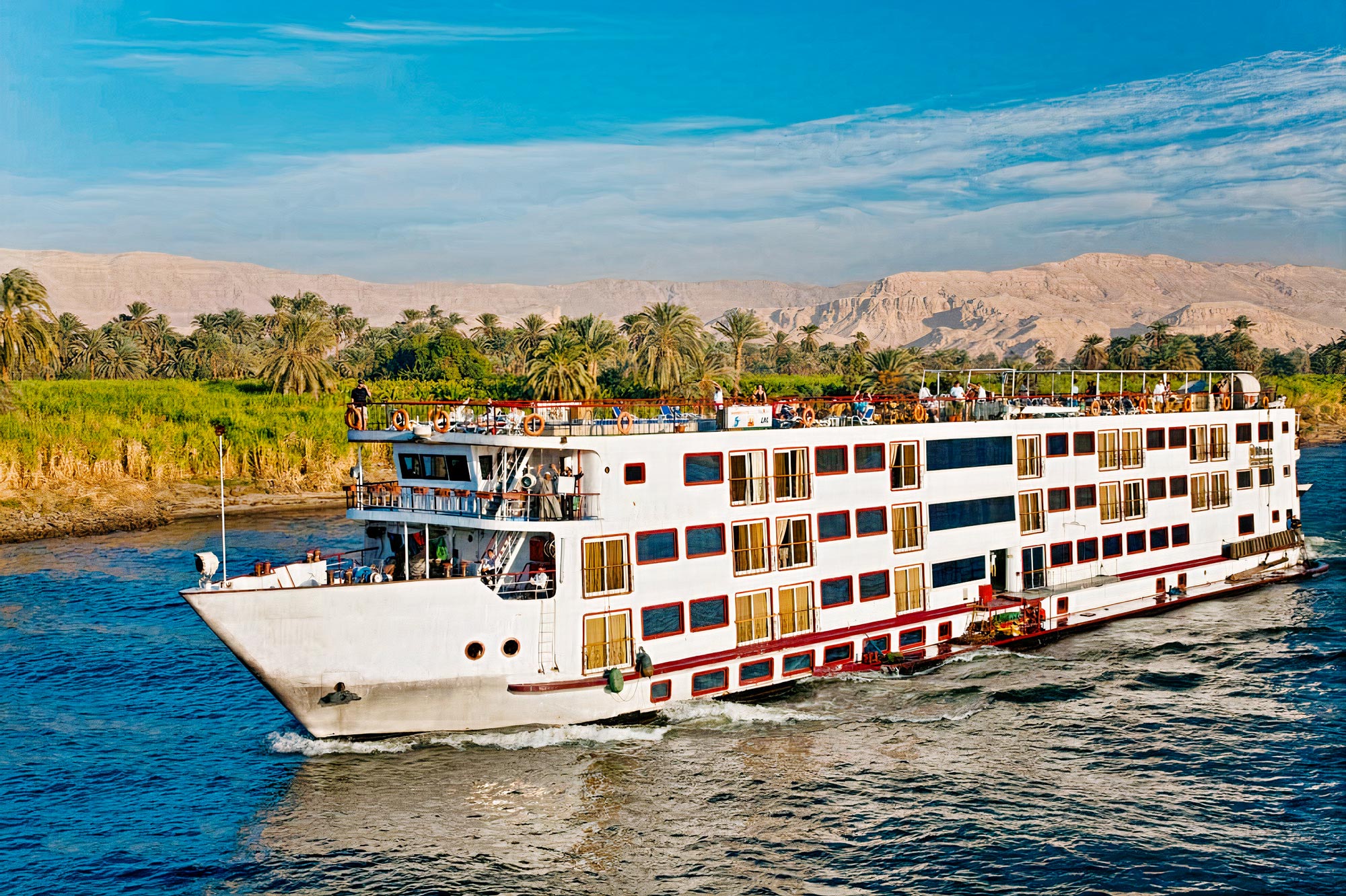
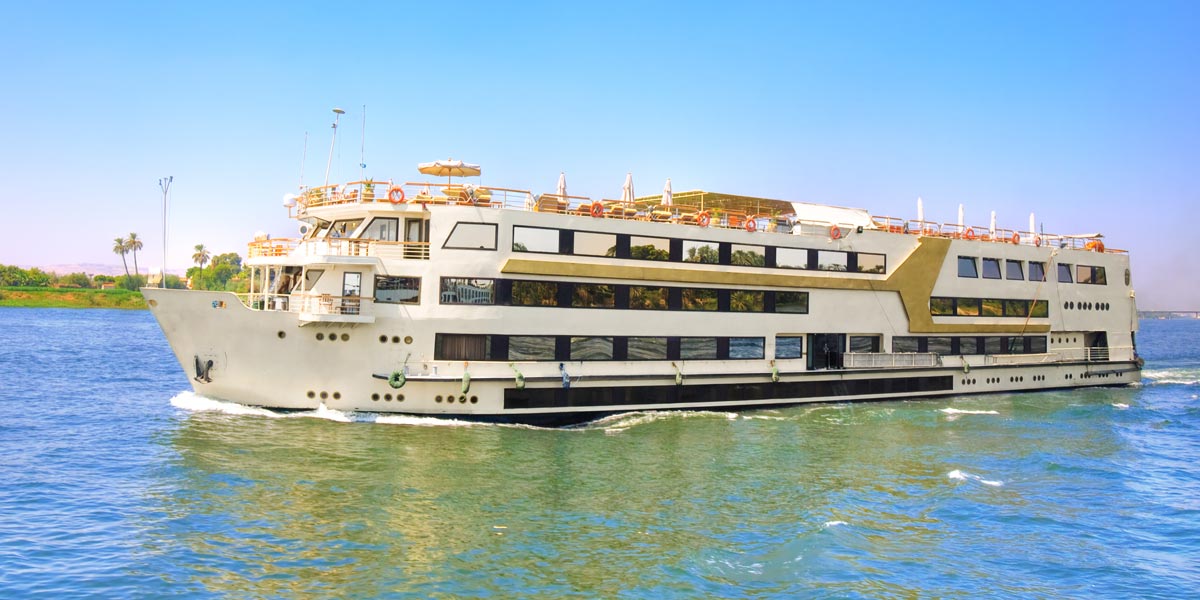
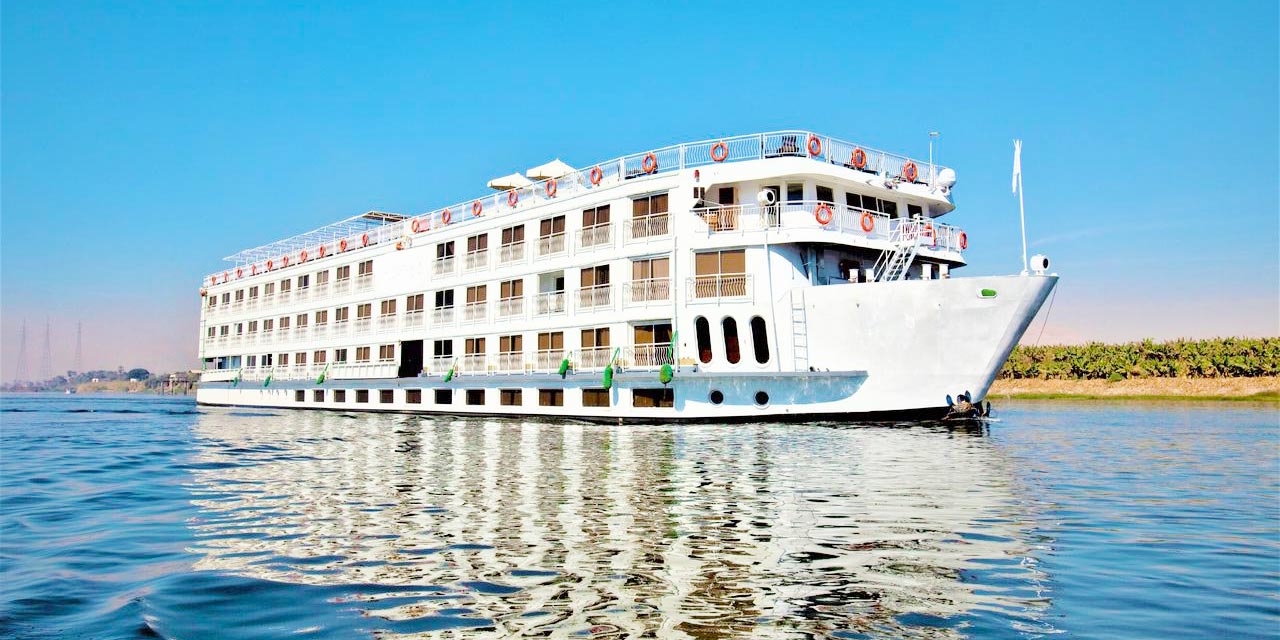
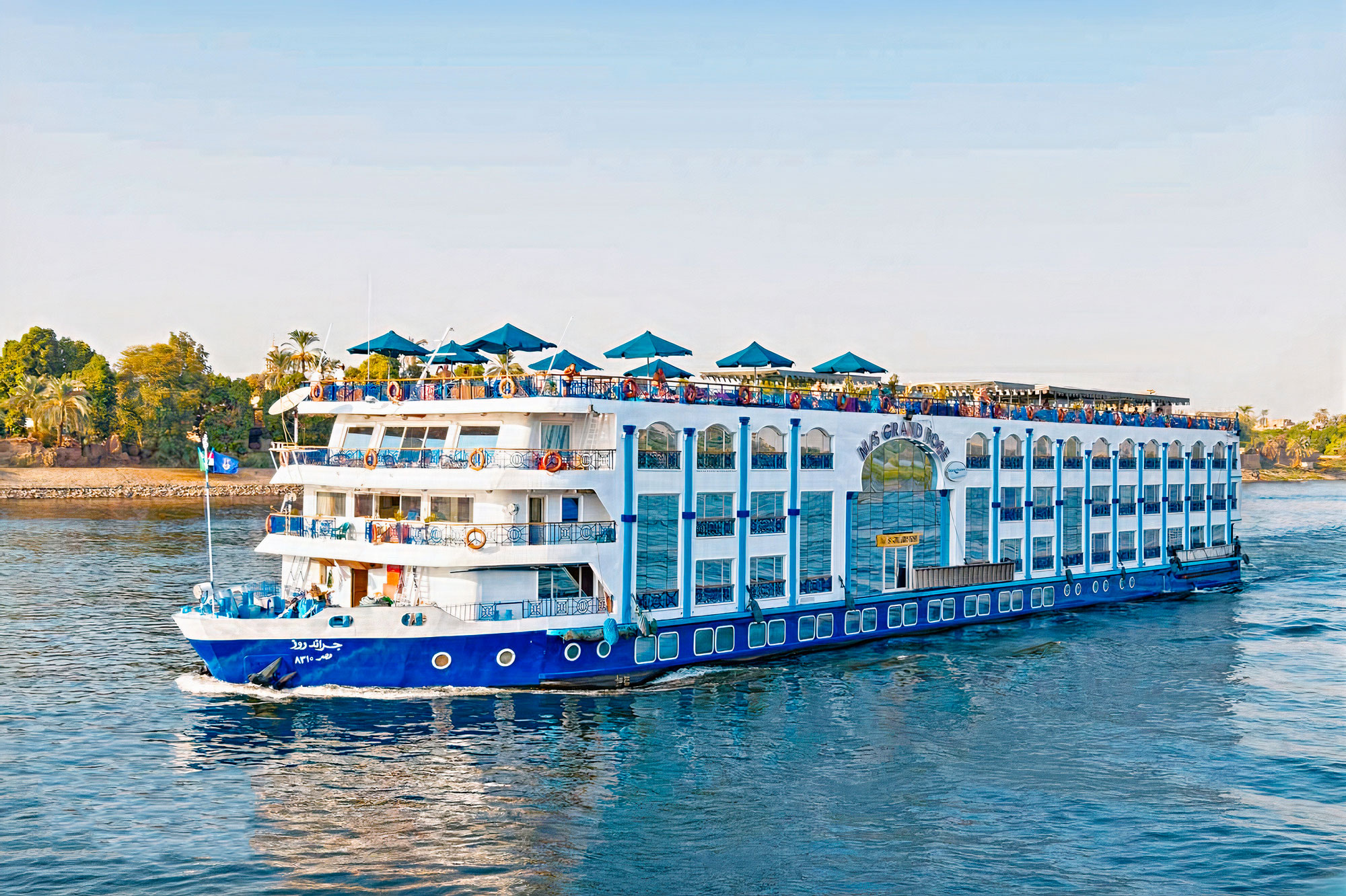
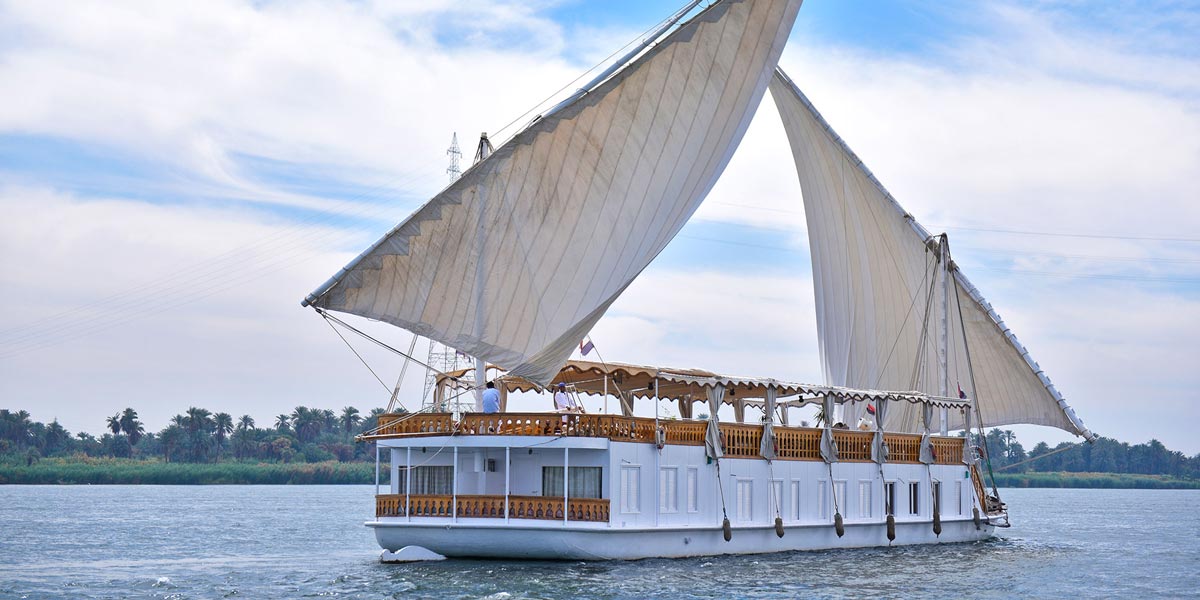
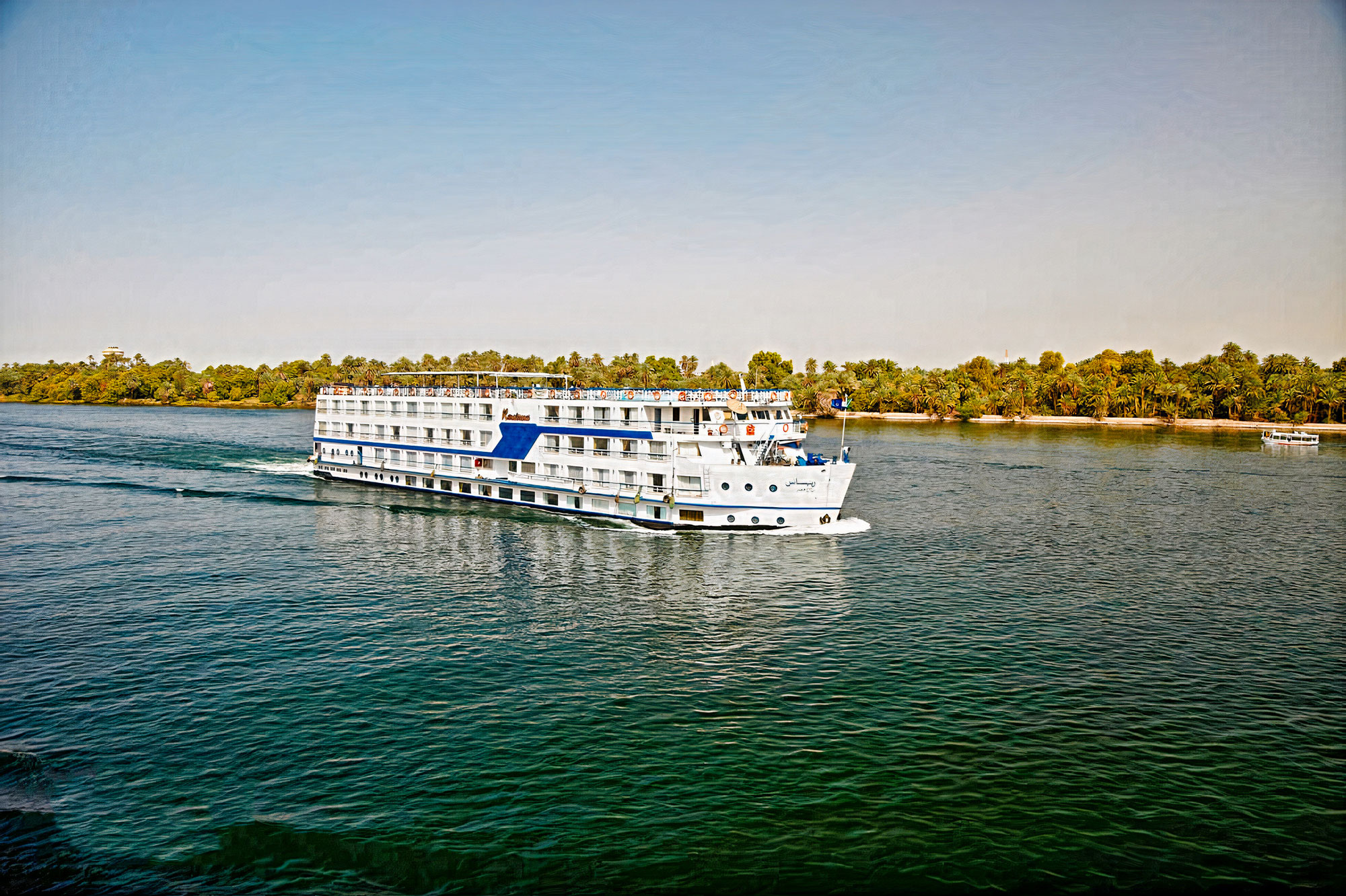
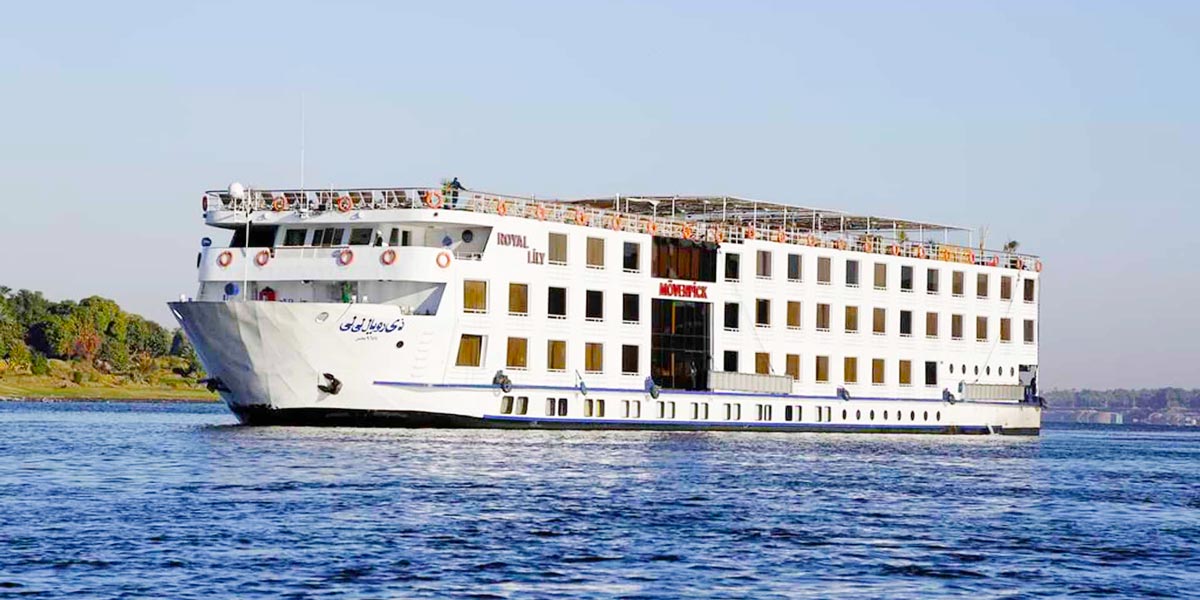
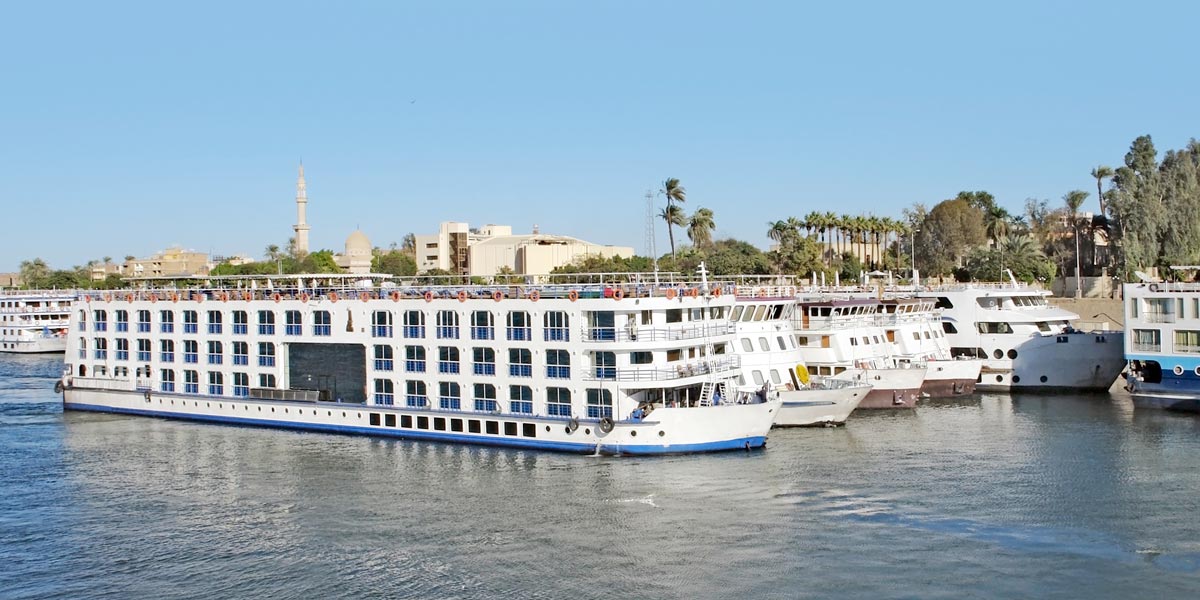
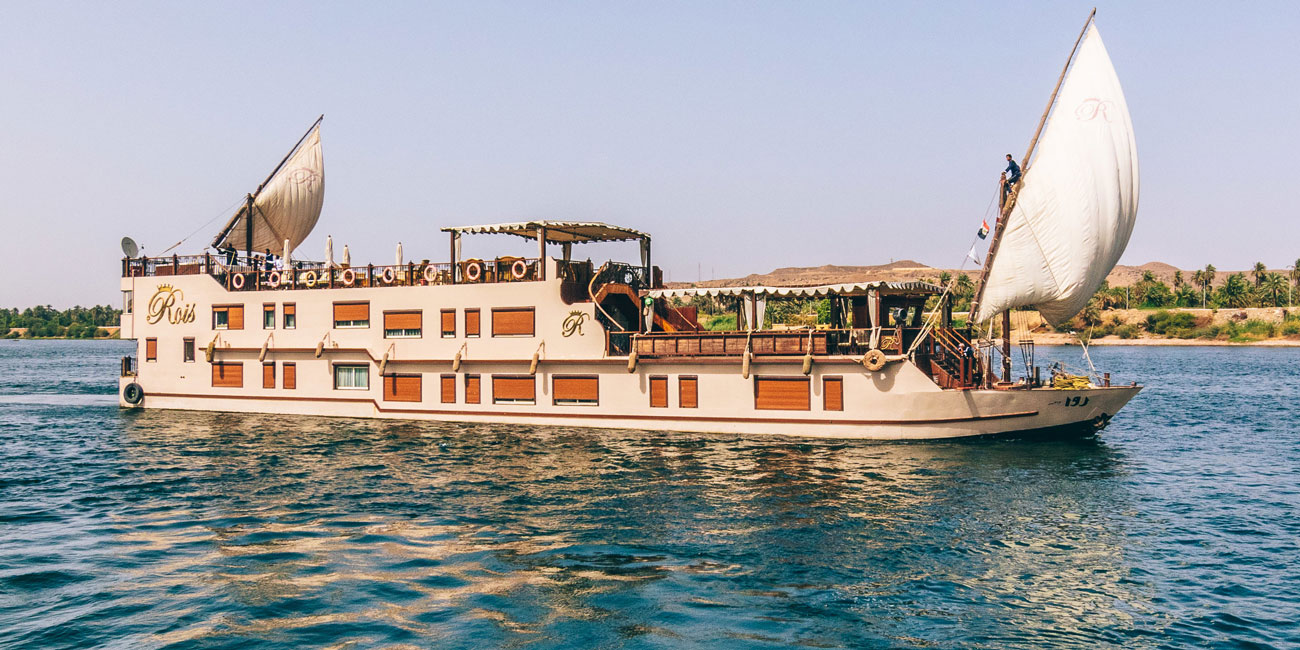
Kom Ombo Temple holds a unique allure, unlike any of the ancient Egyptian temples located all over the country. Everything from its location, meaning, and purpose makes this double-temple very attractive to explore. Being one of the last temples to ever be built in the history of Ancient Egypt is yet again another reason that makes this archaeological marvel a true gem. This magical attraction can be accessed by boarding a magical nile cruise that will uncover some of the most incredible facts and tales about how the Greco-Roman and the ancient Egyptian cultures merged into one to paint a beautiful work of art worthy of exploring.
Explore the Unique Meaning of Kom Ombo
The name Kom Ombo reflects both the physical nature of the site and its deep historical roots. The word “Kom” is Arabic and means mound or hill, a term often used in Egypt for archaeological sites formed by centuries of accumulated settlement layers. The second part, “Ombo,” is generally linked to the ancient Egyptian name Nubt, which is often interpreted as “the golden city” or “the city of gold.”
This meaning may refer to the region’s historical role in trade and its connection to the wealth of Upper Egypt and nearby Nubia. Taken together, Kom Ombo can be understood as “the mound of the golden city,” a fitting name for a sacred riverside site that became one of the most distinctive religious centers of the Ptolemaic and Roman periods in southern Egypt.
Where Is Kom Ombo Temple?
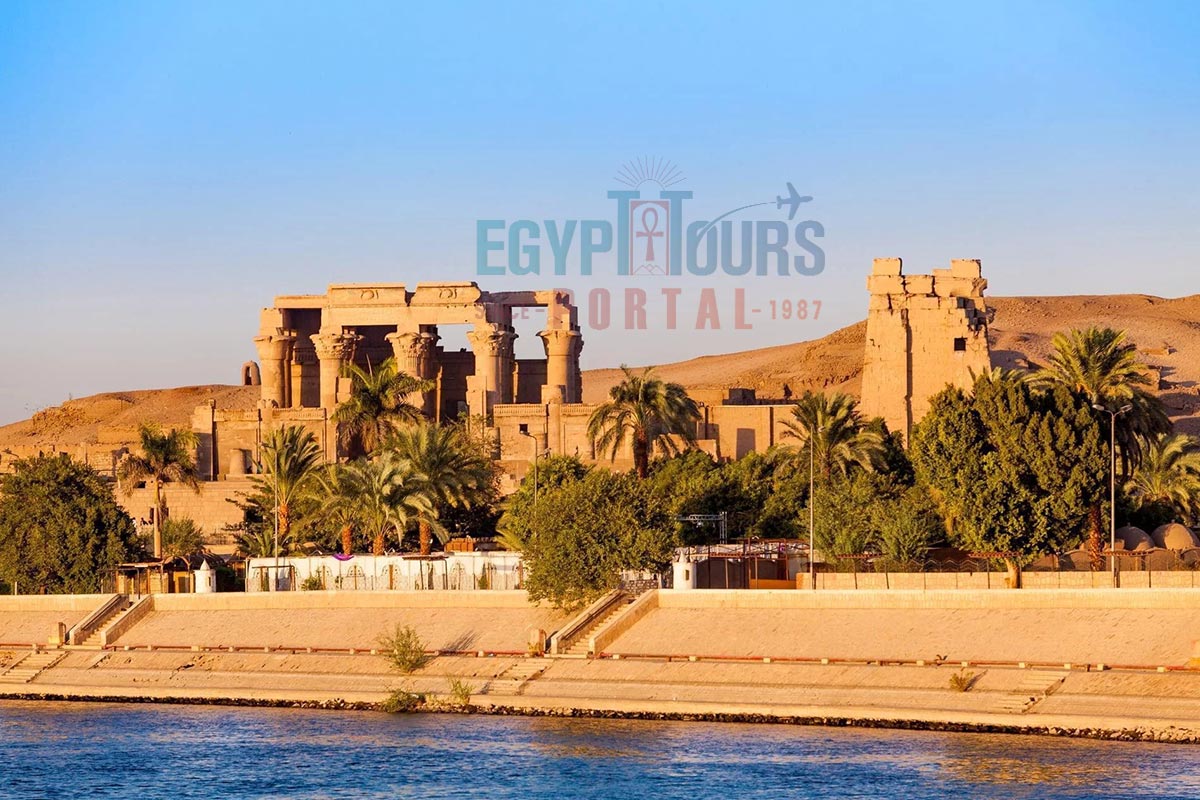
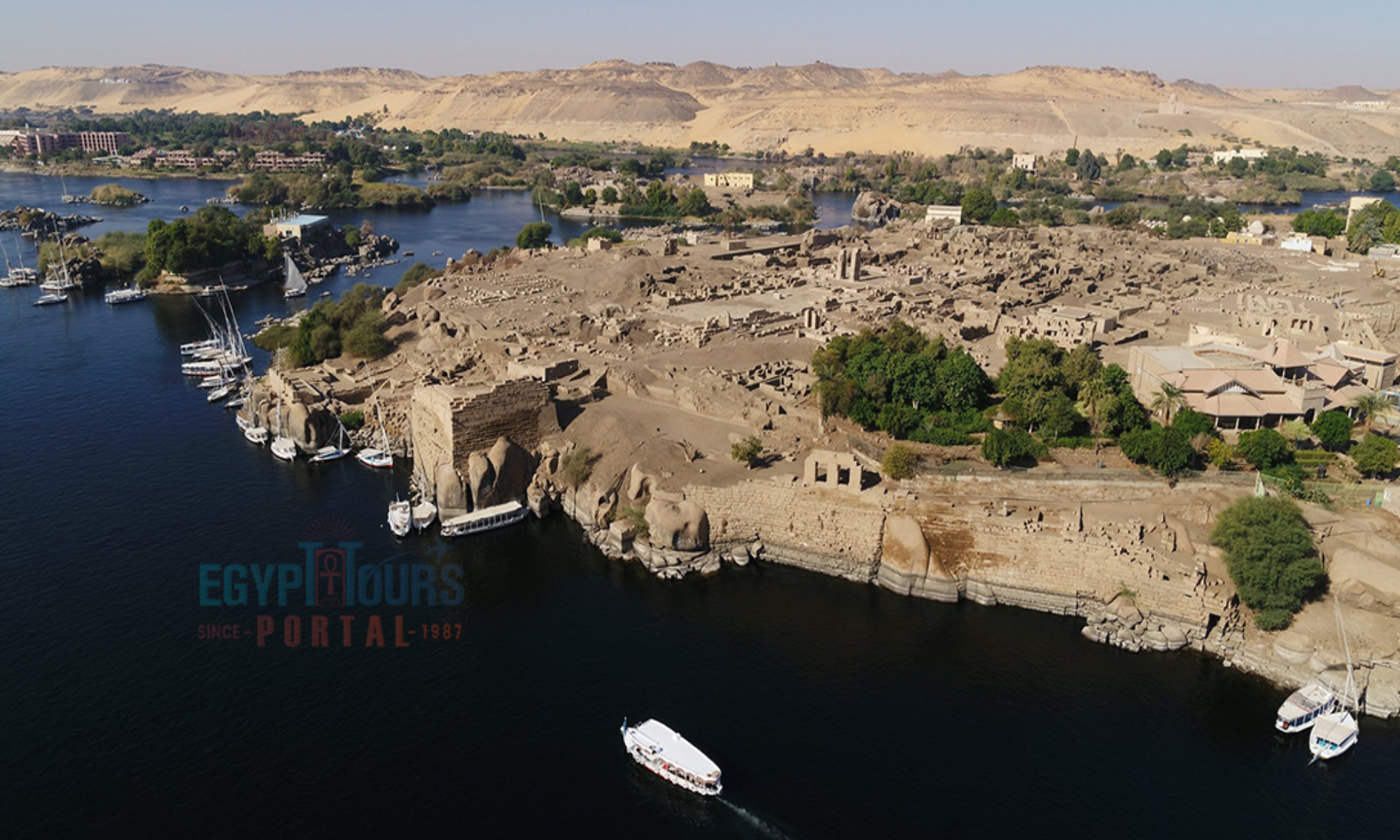
The Temple of Kom Ombo is located in Upper Egypt on the east bank of the Nile River, in the town of Kom Ombo in Aswan Governorate. It stands approximately 50 kilometers north of Aswan, around 65 kilometers south of Edfu, and about 165 kilometers south of Luxor, placing it along one of the most important stretches of the traditional Nile route. In antiquity, this strategic riverside position made the temple an important religious and local center, closely connected to trade, travel, and community life along the Nile.
Today, Aswan is the nearest major city and serves as the main access point for most visitors heading to Kom Ombo. The site can be reached from Aswan by road in under an hour, and it is also one of the most popular stops on Nile cruise itineraries between Luxor and Aswan. Its convenient location allows travelers to easily visit one of Egypt’s most unusual temples, where they can admire its rare double dedication, symmetrical architecture, and richly carved reliefs within the scenic landscape of the Nile Valley.
The Incredible Rich History of Kom Ombo
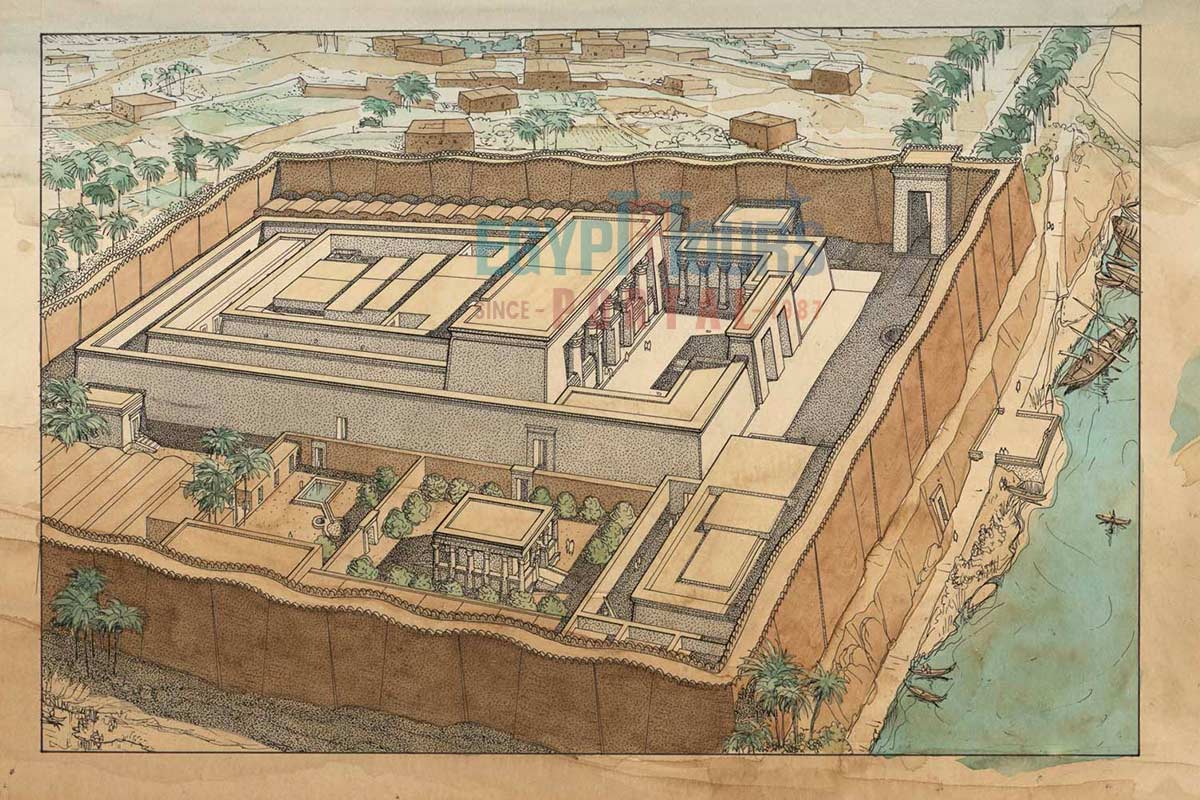
The history of Kom Ombo Temple reveals how older ancient Egyptian religious traditions continued to flourish under Greek and later Roman rule. The temple itself was built mainly during the Ptolemaic period between about 180 BC and 47 BC. Although the present temple belongs mainly to the Ptolemaic and Roman periods, the site itself had already been sacred since at least the New Kingdom (1550–1069 BC), when an earlier temple stood there. The visible structure that survives today was begun during the reign of Ptolemy VI Philometor (180–145 BC), making the early 2nd century BC the starting point of the temple’s main construction phase.
Later Ptolemies expanded and decorated the complex, and much of the surviving decoration was completed under Ptolemy XII Neos Dionysos (80–51 BC). Roman rulers also made additions, showing that the sanctuary remained important after Egypt became part of the Roman world. Kom Ombo’s location on the Nile made it more than a temple: it was a regional center of worship, pilgrimage, trade, and local administration.
Over the centuries, parts of the building were damaged by Nile flooding, earthquakes, and the reuse of its stones in later construction. Some reliefs were also defaced when parts of the temple were reused as a church in late antiquity. In 1893, the French archaeologist Jacques de Morgan cleared and restored the site, helping reveal the temple’s rare double layout and many of its surviving inscriptions. Kom Ombo at the moment stands as one of the clearest examples of how Egypt’s ancient religious traditions were preserved, adapted, and reinterpreted during the Greco-Roman age.
Discover the Cativating Architecture of Kom Ombo
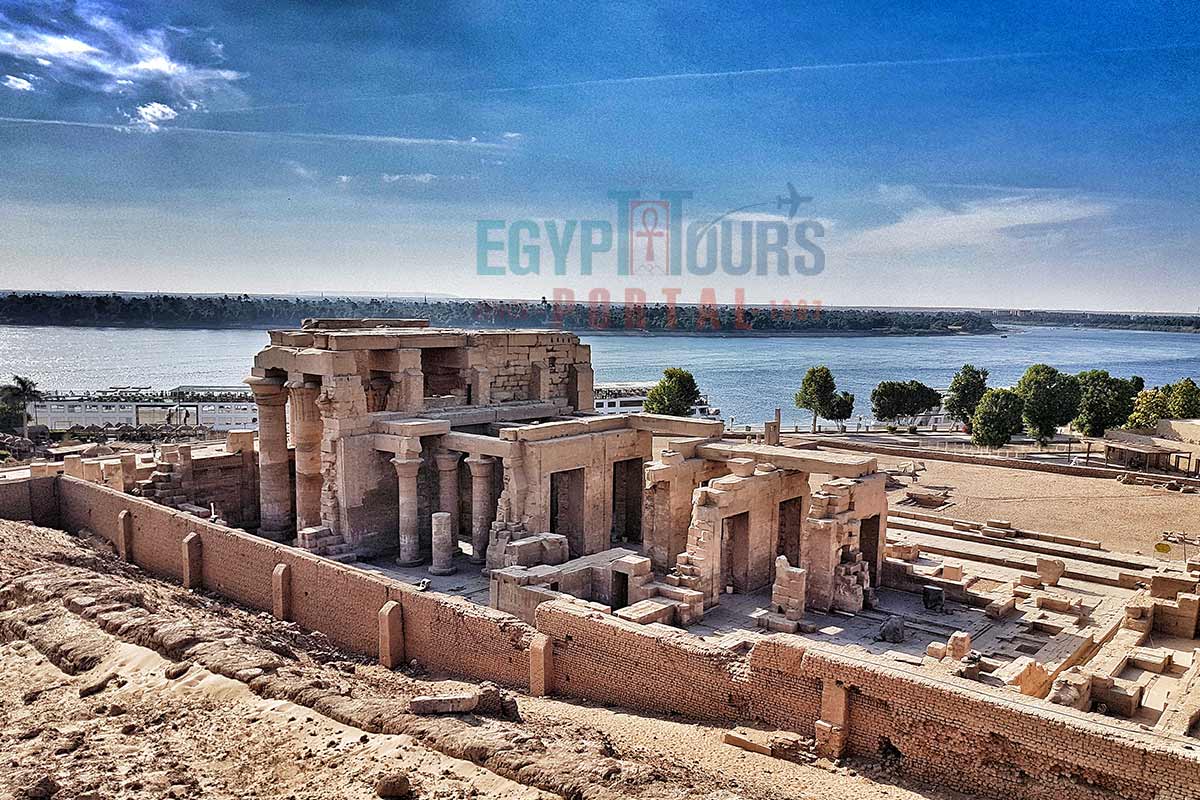
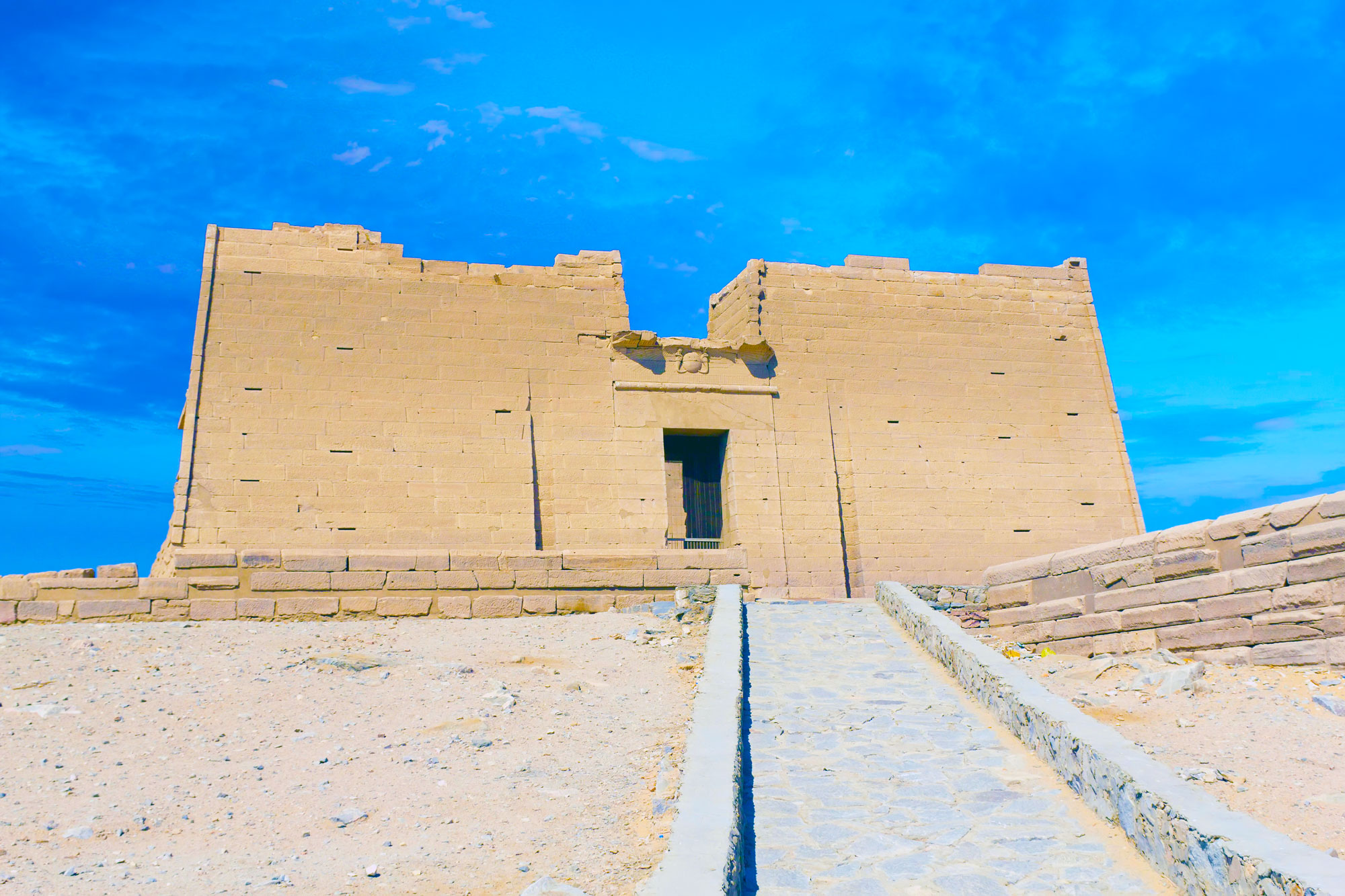
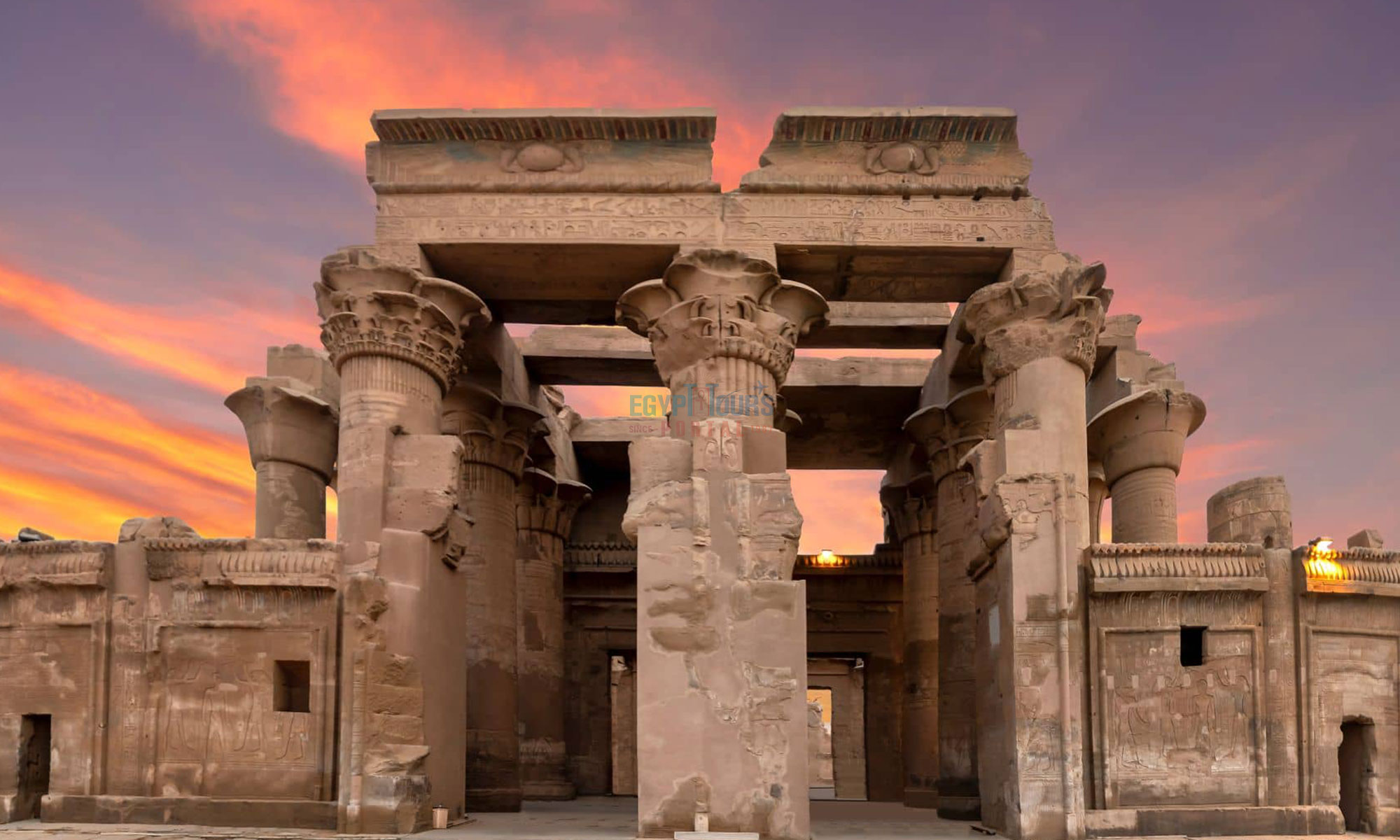
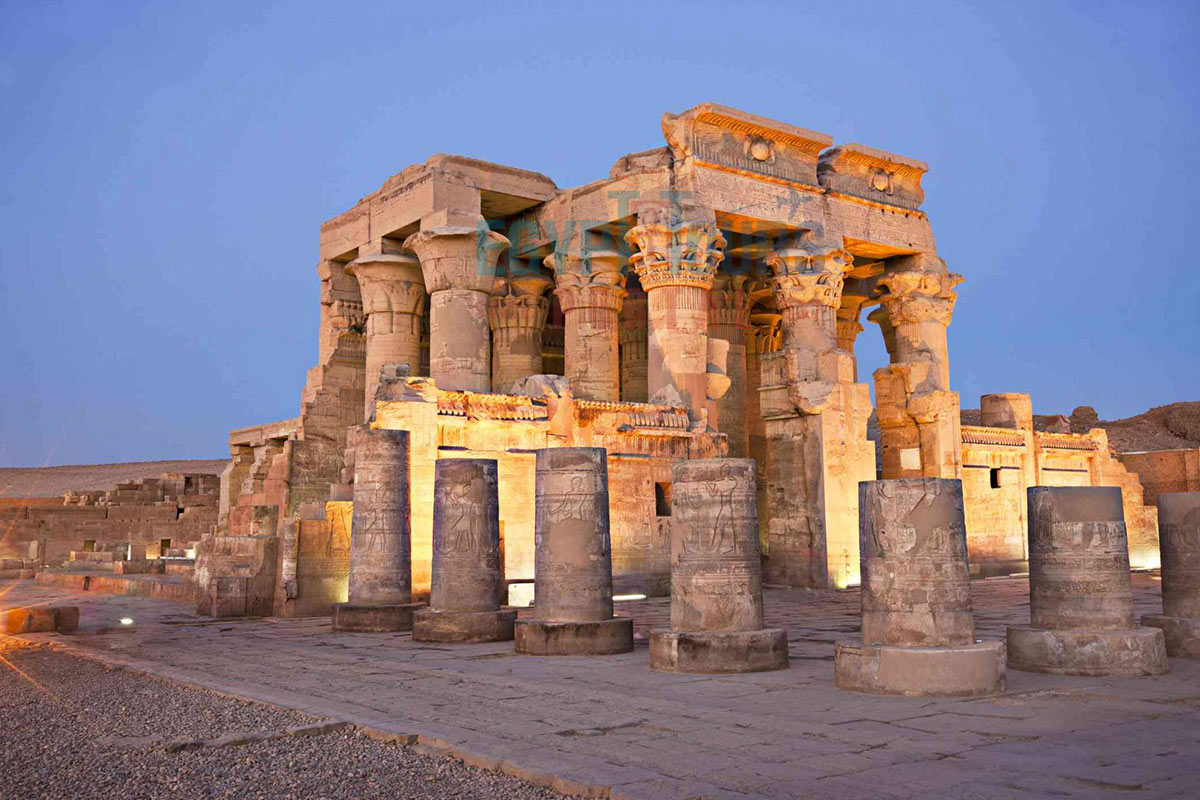
The Temple of Kom Ombo is one of the most unusual temples in all of Egypt because it was designed as a true double temple, with two parallel and nearly identical halves joined within a single structure. It was constructed mainly during the Ptolemaic period. The temple follows a rectangular limestone plan and stands on the east bank of the Nile, where it overlooks the river in a commanding position.
What makes the architecture exceptional is its perfect symmetry: it has two entrances, two linked axial routes, two hypostyle halls, two sets of rooms, and two sanctuaries, all arranged to serve two different ancient Egyptian gods equally. The southern half was dedicated to Sobek, the crocodile god associated with fertility, water, and the life-giving power of the Nile, while the northern half was dedicated to Horus the Elder (Haroeris), the falcon-headed god associated with kingship, protection, and victory.
This mirrored layout was not simply an architectural curiosity; it expressed the balance between complementary divine forces and allowed ancient Egyptian priests to maintain separate but equal rituals for each god. The temple also included a forecourt, columned halls, offering rooms, side chambers, and sanctuaries, all decorated with reliefs that reinforced both royal ideology and temple theology. Its design shows how Ptolemaic builders preserved the essential principles of ancient Egyptian temple planning while adapting them in a highly original way.
Why Was the Temple of Kom Ombo Built?
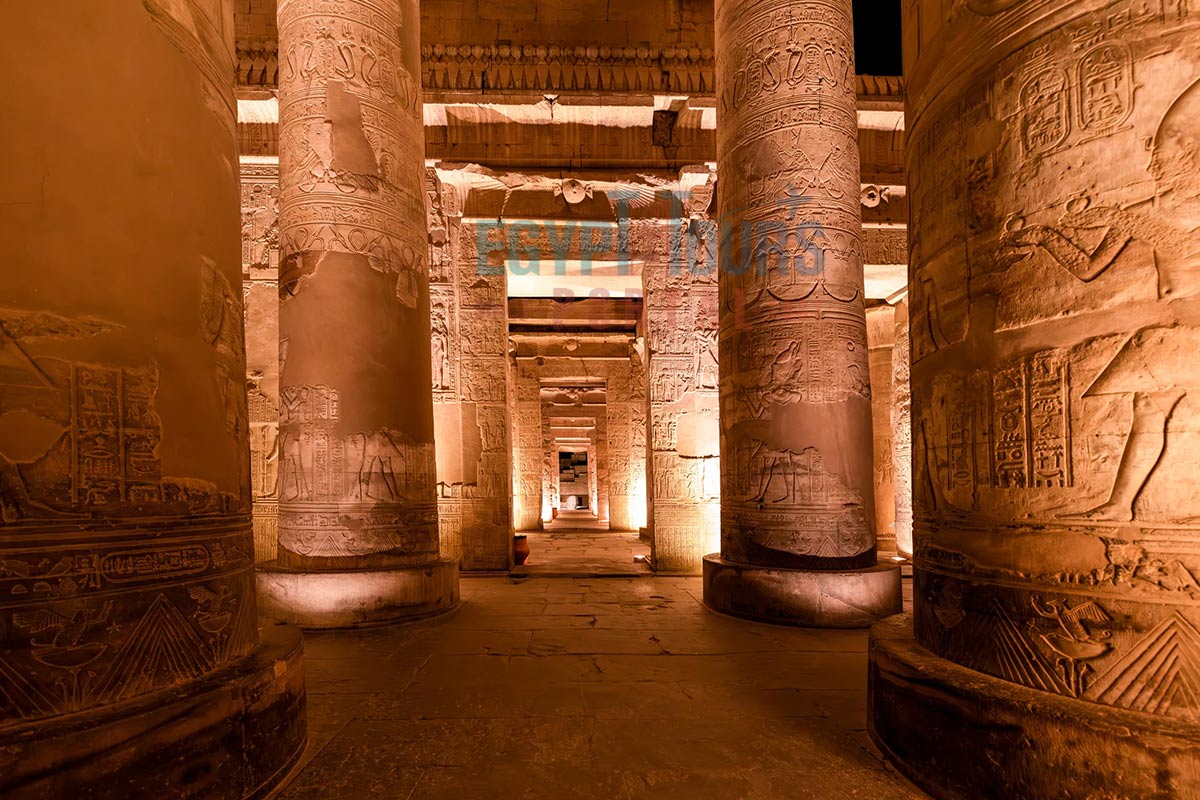
The Temple of Kom Ombo was built for both religious devotion and political legitimacy. On the religious level, it served as a sacred center where the cults of Sobek and Horus the Elder could be maintained through daily offerings, festivals, priestly rituals, and the housing of divine images in their sanctuaries. Because Sobek was associated with the Nile, fertility, strength, and protection, and Horus the Elder with kingship, victory, and order, the temple embodied a balance between natural power and royal authority.
On the political level, the temple helped the Ptolemaic rulers present themselves as legitimate pharaohs by building in the traditional Egyptian style and honoring major local deities. This was especially important because the Ptolemies were of Greek origin and needed to reinforce their rule through Egyptian religious institutions.
By funding, expanding, and decorating temples such as Kom Ombo, they connected themselves to the long line of earlier Egyptian kings and inserted their authority into the sacred order of the land. The temple, therefore, served not only as a place of worship but also as a statement that Ptolemaic rule was divinely sanctioned, culturally rooted, and politically secure.
The Beautiful and Illuminating Decorations of Kom Ombo Temple
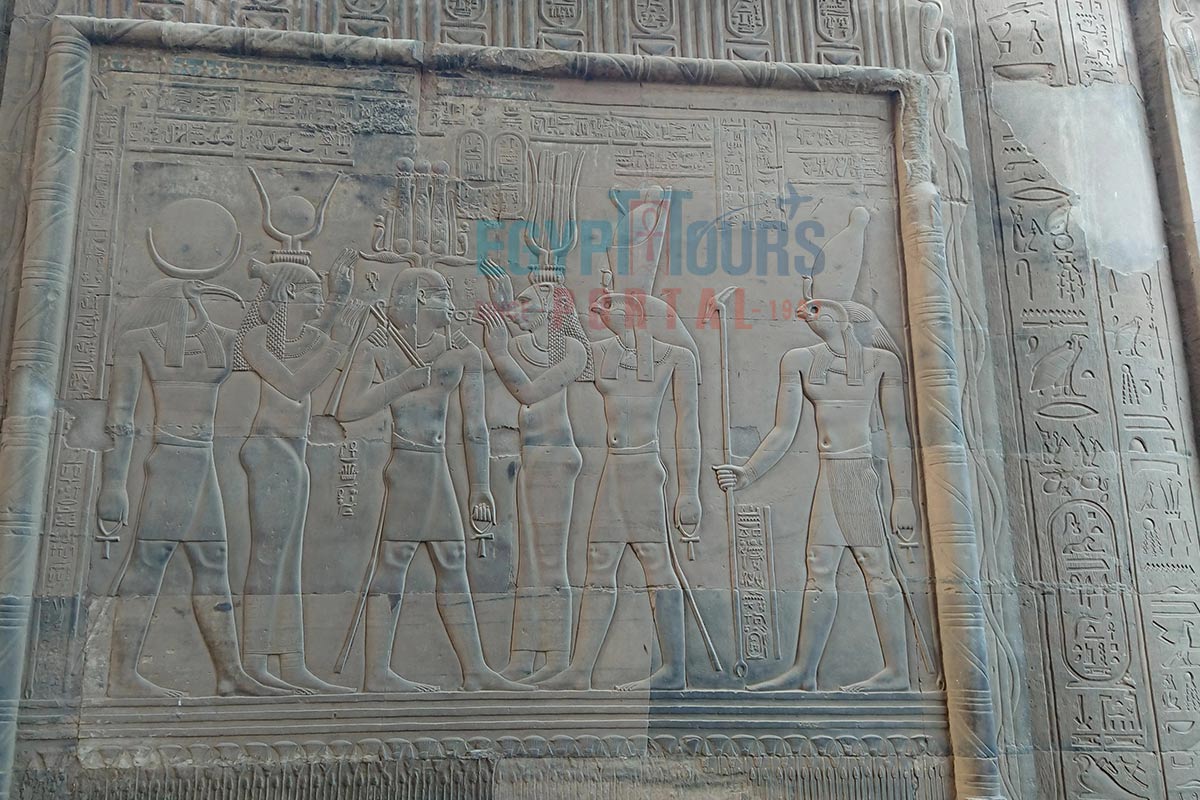
The decorations of Kom Ombo Temple are among its most fascinating features of Ancient Egyptian Art and architecture in ancient Egypt because they preserve not only religious scenes, but also rare insights into medicine, ritual practice, kingship, and temple life during the Ptolemaic and Roman periods. Most of the surviving reliefs were carved between the 2nd century BC and the 1st century BC, especially under rulers such as Ptolemy VI Philometor (180–145 BC), later Ptolemies, and Ptolemy XII Neos Dionysos (80–51 BC), while some additional scenes date to the Roman period, particularly the 2nd century AD.
Like the architecture itself, the decorative program reflects the temple’s dual dedication: scenes on one side honor Sobek and those on the other honor Horus the Elder, with each god shown receiving offerings, blessings, hymns, and sacred rituals from the ruling king. These reliefs were not simply ornamental; they were religious texts in stone, expressing the cosmic role of the gods and the legitimacy of the ruler who served them.
One of the most famous decorative features of Kom Ombo is a carved scene often interpreted as showing a set of surgical or medical instruments, probably dating to the Roman period in the 2nd century AD. This relief has attracted particular attention because it appears to include objects resembling scalpels, forceps, cups, and other tools, suggesting a connection between the temple and healing practices.
The walls also include ritual calendars that list festivals in Ancient Egypt, dates, and cultic ceremonies, helping scholars understand how temple worship was structured through the year. The calendar depicts the numbered days of the month alongside hieroglyphs representing the inundation season, Akhet. On the thirtieth day of the harvest season, the hieroglyph marking the Season of Emergence appears, signaling the conclusion of the harvest period. The following day then marks the beginning of Akhet, the season of inundation.
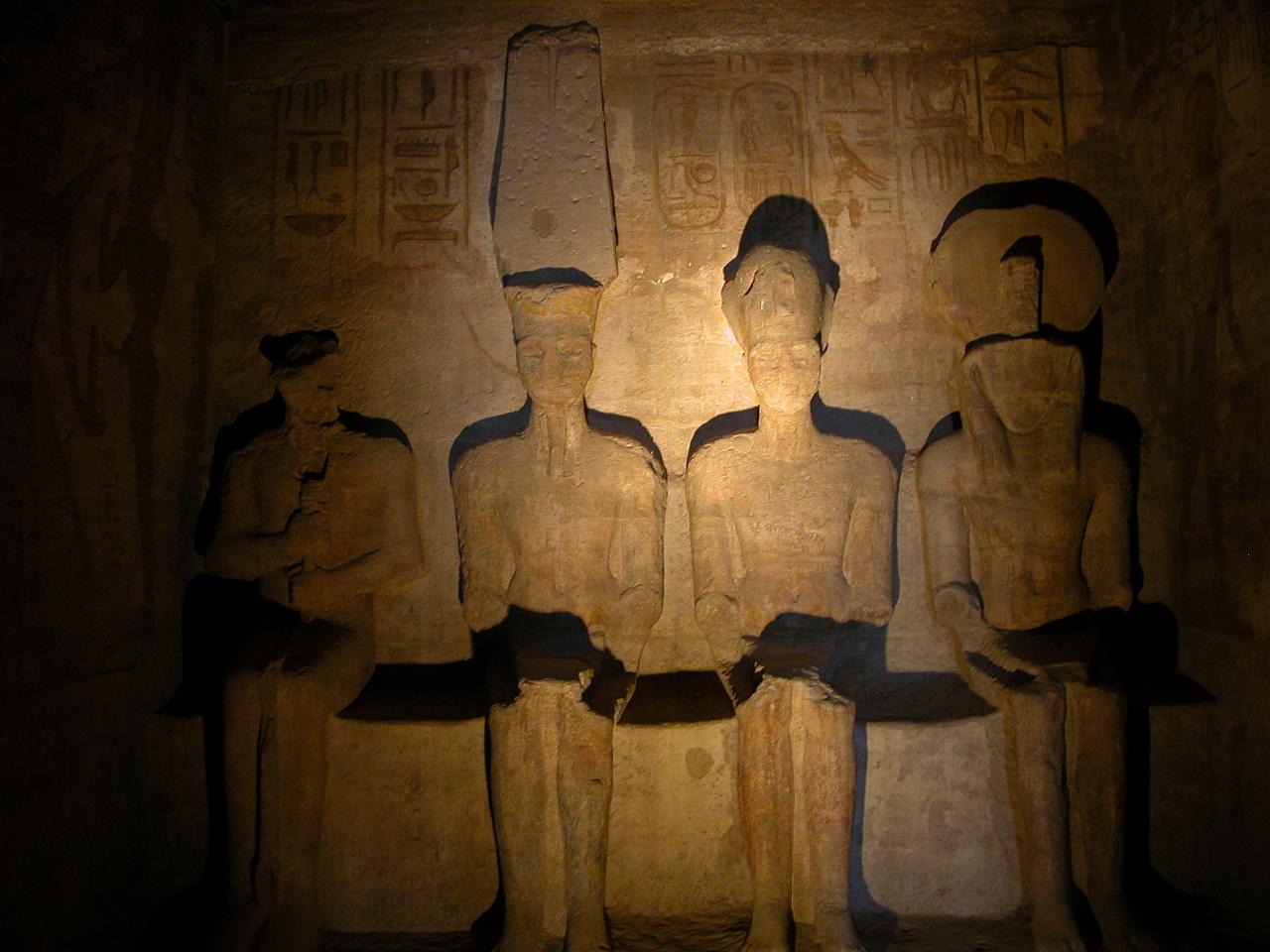
Other reliefs show the king making offerings to the gods, processions, purification rites, and symbolic scenes linking the temple to both local theology and universal Egyptian religious ideas. In the innermost part of the temple, Sobek and Horus appear on their respective sides in deeply symbolic compositions that would have reinforced the sacred balance embodied by the whole building. Altogether, the decorations of Kom Ombo are important not only for their beauty, but because they provide a richly detailed visual archive of religion, kingship, medicine, and ritual life from one of the most culturally complex periods in Egyptian history.
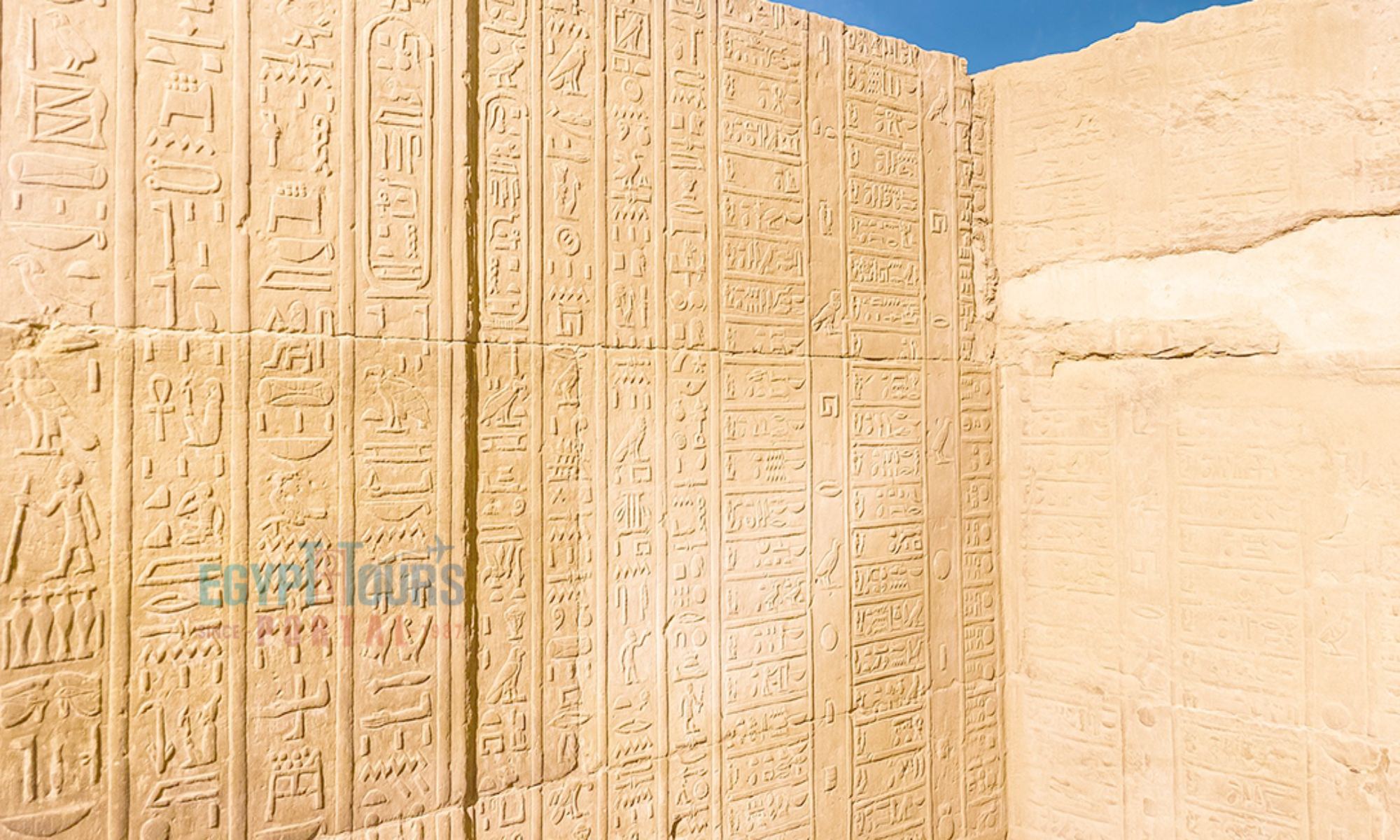
Ancient Egyptian Calendar: Time, Nature, System, & Divine Order
Explore the marvelous brilliance of the ancient Egyptian calendar
Why Is the Temple of Kom Ombo Important?
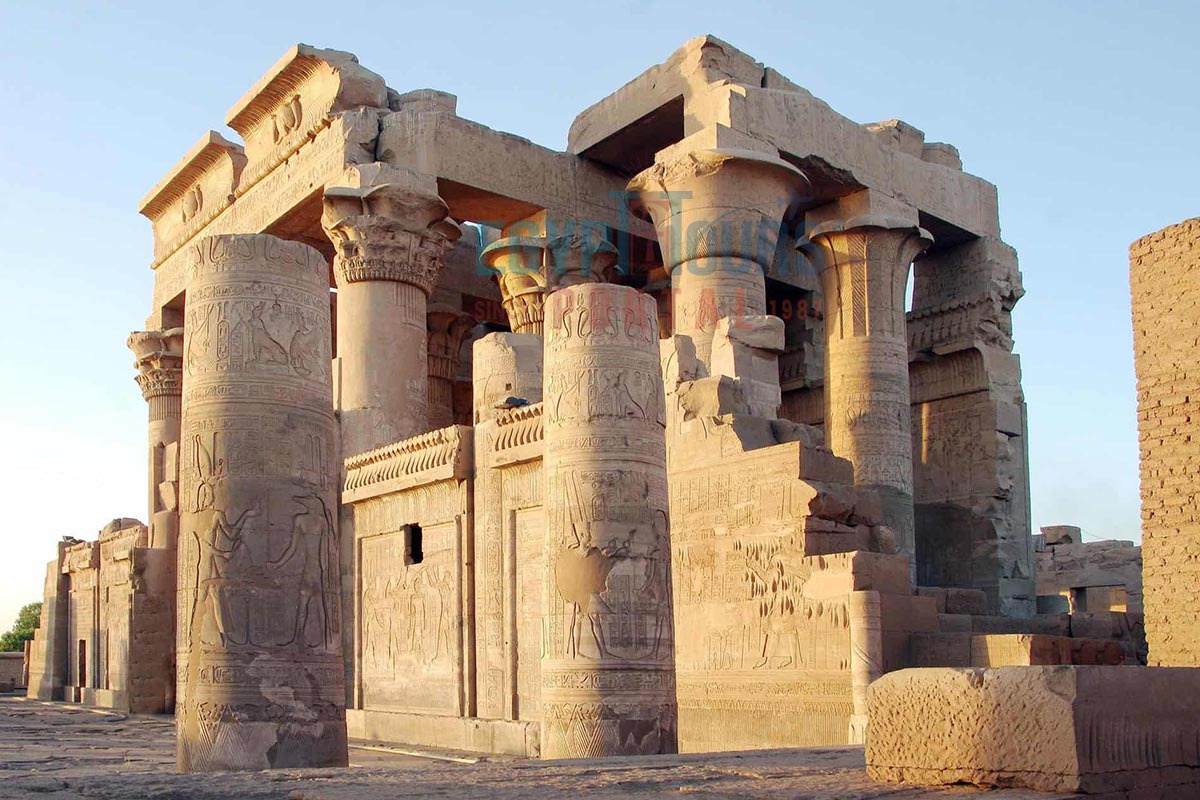
The Temple of Kom Ombo is important because it combines architectural uniqueness, religious symbolism, historical value, and rare documentary evidence in one monument. It is one of the very few temples in Egypt built as a truly double sanctuary, with two equal halves dedicated to two different gods, making it an exceptional example of ancient Egyptian temple design. This alone makes it architecturally important, but its value goes much further.
The temple preserves inscriptions and reliefs that help scholars understand Ptolemaic religious life, local theology, kingship, and temple ritual at a time when Egyptian traditions were interacting with Greek and Roman influences. Its famous medical scenes provide unusual evidence for ancient Egyptian knowledge of healing and ritual practice, while its ritual calendars help reconstruct the religious year.
The temple’s strategic position on the Nile also shows that it functioned as more than a shrine: it was a center of worship, a landmark for travelers, and a significant local institution tied to both the economy and sacred geography of Upper Egypt. In short, Kom Ombo is important because it is not just visually impressive. It is one of the richest surviving sources for understanding how religion, politics, medicine, and art came together in late ancient Egypt.
The One of A Kind Crocodile Museum
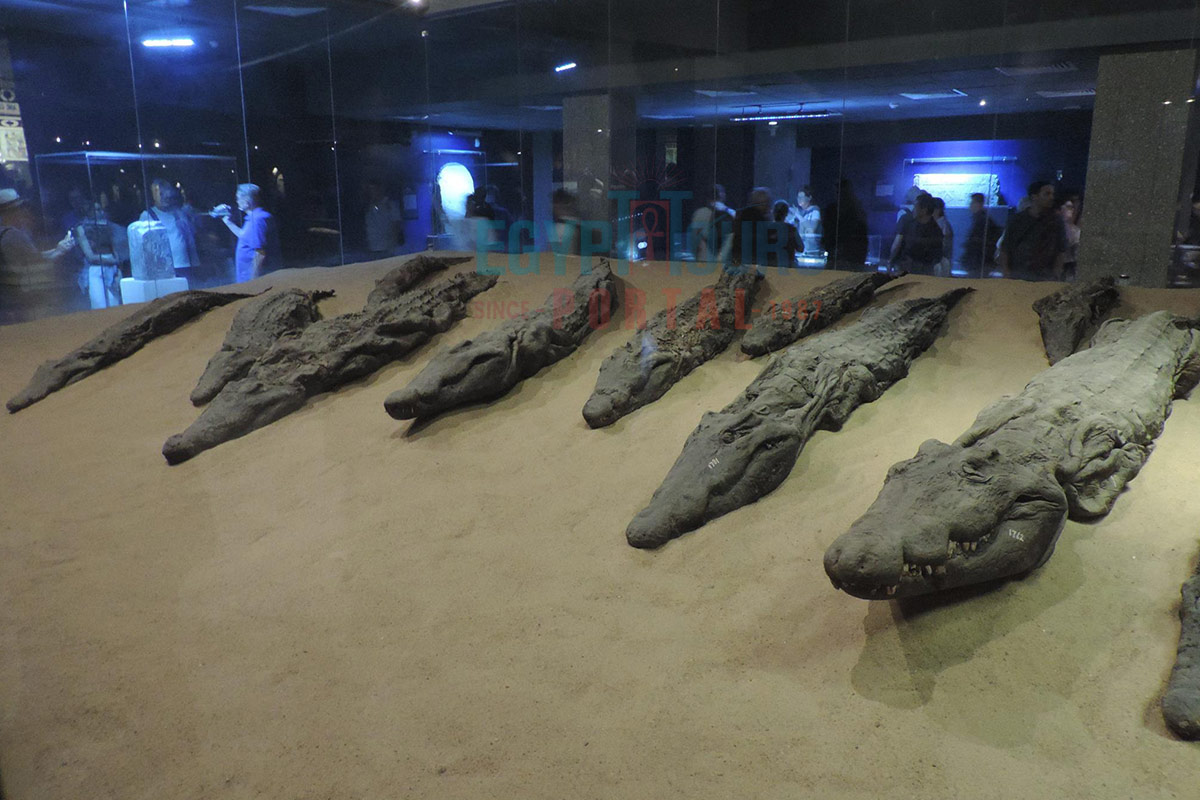
Near the Temple of Kom Ombo is the Crocodile Museum, a modern addition that provides deeper insight into the worship of Sobek. The museum houses more than 300 mummified crocodiles, along with artifacts, statues, and sarcophagi associated with the crocodile cult. These findings demonstrate the deep reverence ancient Egyptians had for Sobek, who was seen as both a protector and a powerful force connected to the Nile’s fertility and danger.
The museum also helps visitors understand how animals played a central role in Egyptian religion, serving as physical representations of divine power. Today, the Crocodile Museum complements the temple visit by offering a tangible connection to the rituals and beliefs that once defined life at Kom Ombo.
Tours to Kom Ombo Temple
Egypt has a great civilization to discover, and the Kom Ombo temple truly deserves a visit. We provide you with a wide variety of Egypt tours mixed with Nile river cruise and tours to other Egypt's most famous attractions, check them and book your favorite vacation.