Customized Tours for Large Groups
Build your trip your way, choose landmarks, pace & 24/7 support.
Upon arrival, you will be greeted by a representative from Egypt Tours Portal, who will assist you through passport formalities, luggage collection, and all arrival procedures. You will then be escorted to a private, air-conditioned vehicle for a comfortable transfer to your hotel.
As evening settles over Cairo, your international journey begins in truly memorable fashion with a Nile dinner cruise. Gliding along the legendary river beneath the glow of city lights, you will enjoy a carefully prepared dinner accompanied by vibrant entertainment, including elegant belly dancing, the mesmerizing Tannoura performance, and traditional folkloric music that brings Egypt’s cultural spirit to life.
At the end of the cruise, you will return to your hotel for a peaceful overnight stay, refreshed and ready to embrace the discoveries that await.
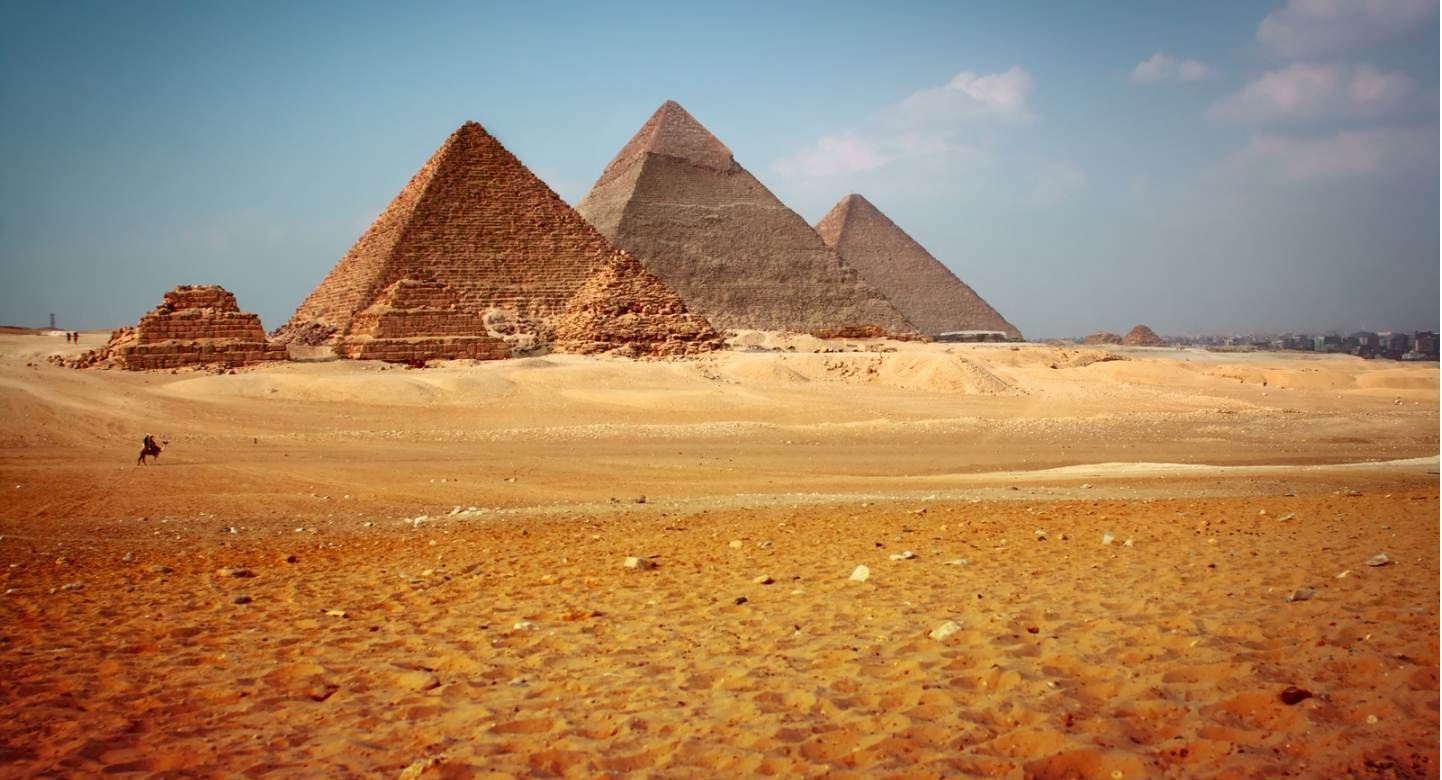
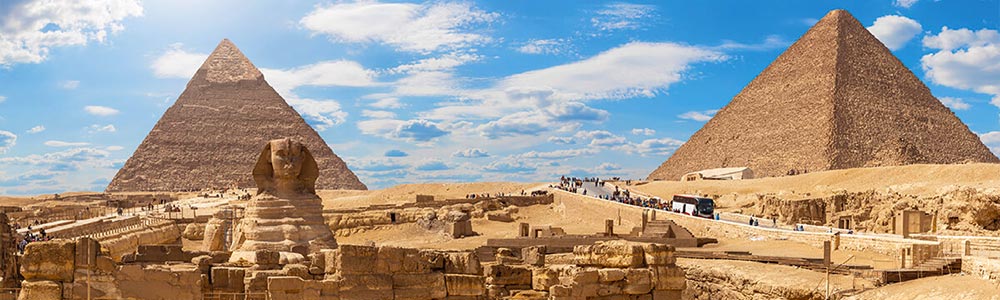
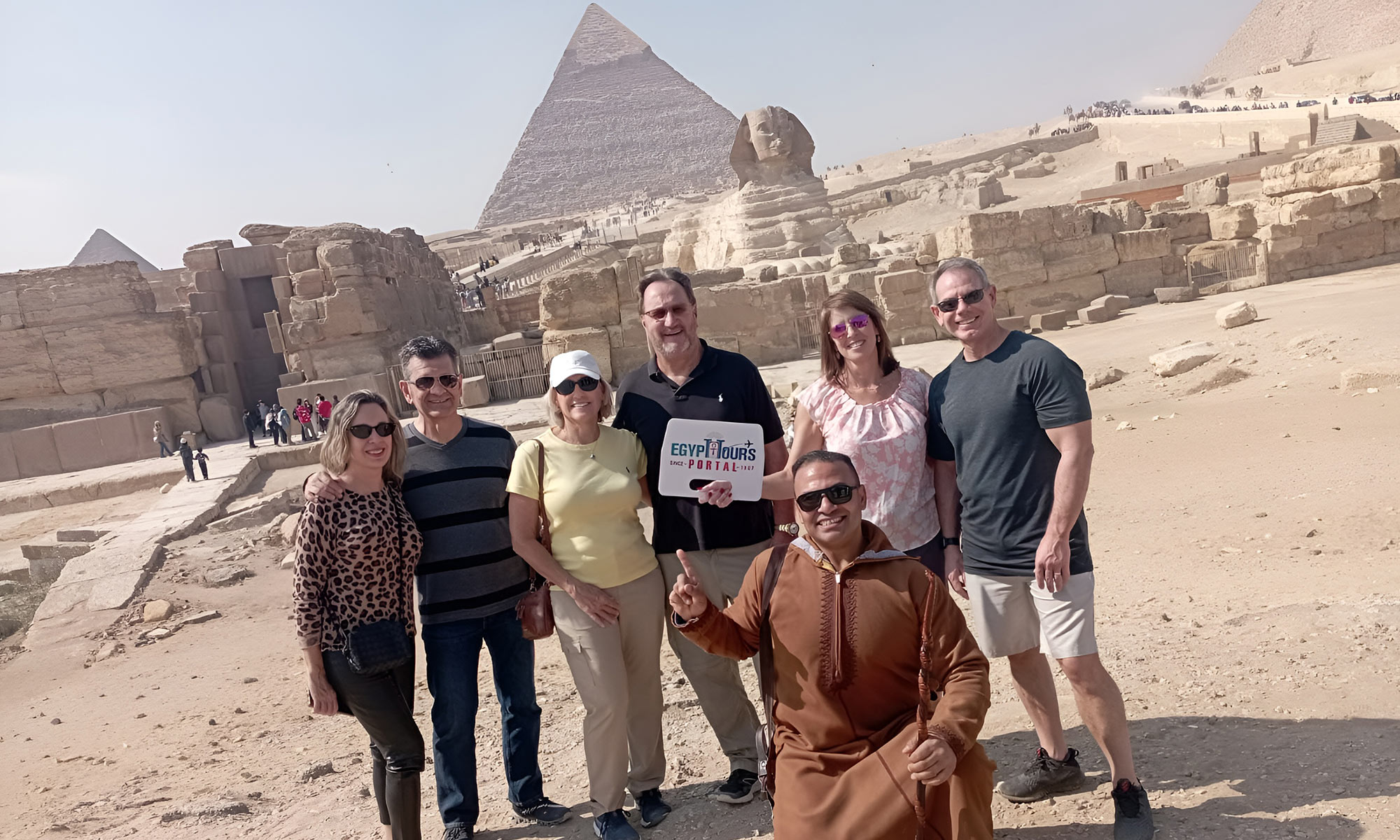
After breakfast, set out with your private Egyptologist to begin an extraordinary encounter with one of humanity’s greatest achievements, the Giza Plateau, home to the last surviving Wonder of the Ancient World.
The grand Giza Pyramids Complex was created by the kings of Egypt’s 4th Dynasty around 2600 BC as a sacred landscape designed to secure eternal life. This monumental ensemble reflects the height of Old Kingdom engineering, theology, and royal ambition.
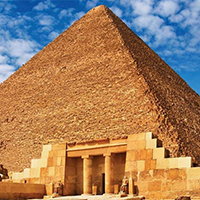
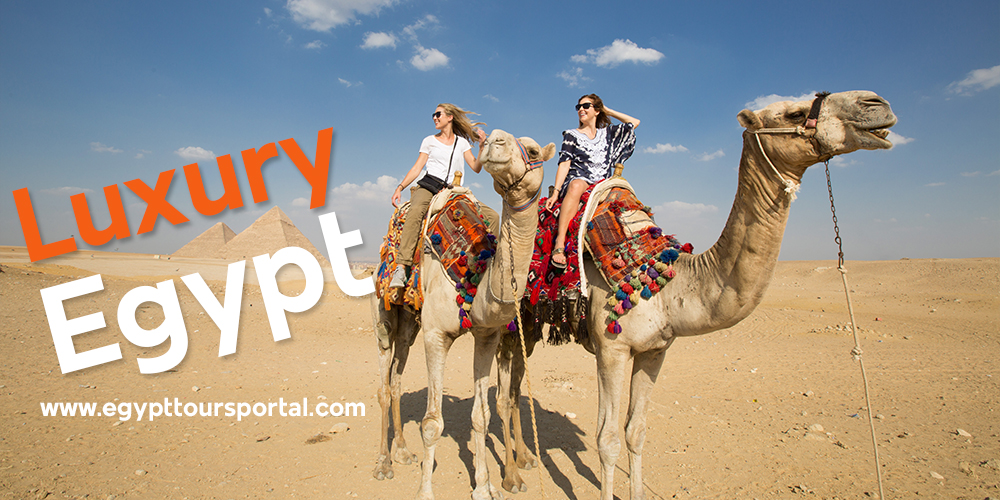
The eternal Great Pyramid of Giza is an immortal creation of wonder that was envisioned by the master architect Hemiunu as the pharaoh’s eternal tomb. Completed around 2570 BC, it once reached 138.5 meters (454.4 ft), making it the tallest structure on Earth for nearly four millennia. Built from approximately 2.6 million limestone blocks weighing a combined six million tons, its precisely planned passages and chambers continue to astonish scholars and engineers alike.
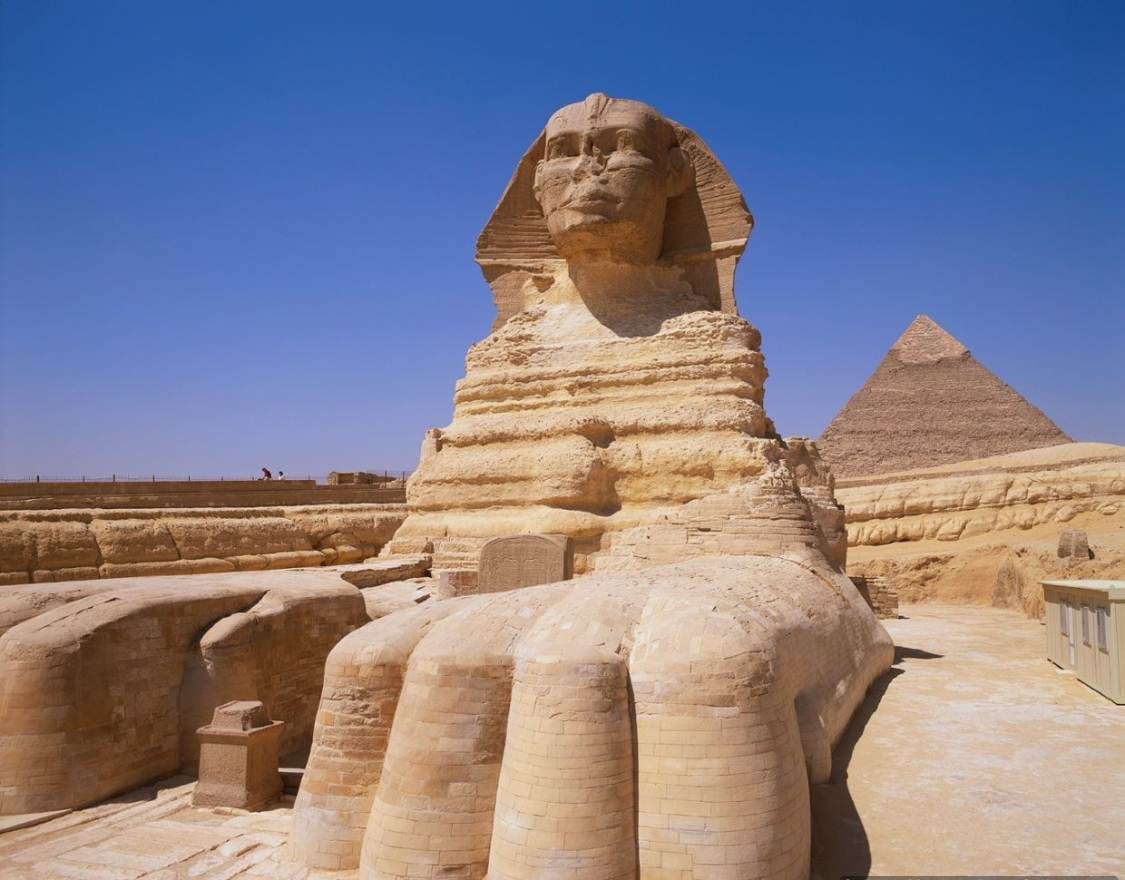
The majestic statue of the Great Sphinx carries the face of King Khafre (2558–2532 BC) atop a lion’s body, embodying royal authority and divine strength. Its enduring power is immortalized by the Dream Stele of Thutmose IV (circa 1407 BC), placed between its paws to recount a vision that linked kingship to the Sphinx’s favor.
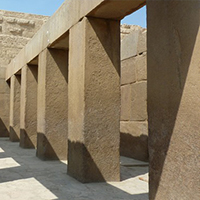
The mythical Valley Temple is an incredible masterpiece of Old Kingdom stonework that played a central role in royal funerary rites. Here, mummification rituals and the sacred Opening of the Mouth ceremony were performed, reflecting the deep spiritual and medical knowledge of ancient Egyptian priests.
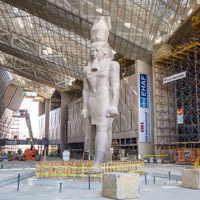
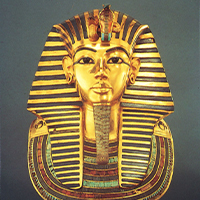
The Grand Egyptian Museum (GEM) is a one billion dollar state-of-the-art marvel that is designed by Heneghan Peng to showcase the rich and diverse heritage of Egypt. Its monumental galleries trace 5,000 years of Egyptian history, featuring highlights such as the Hanging Obelisk, the colossal statue of Ramses II, the statues of Senusret, Merneptah’s Victory Column, and at its core, the most complete display of Tutankhamun’s treasures ever assembled.
After lunch at a refined restaurant offering sweeping views of the pyramids and Nile, continue to Saqqara, where Egypt’s architectural revolution began.
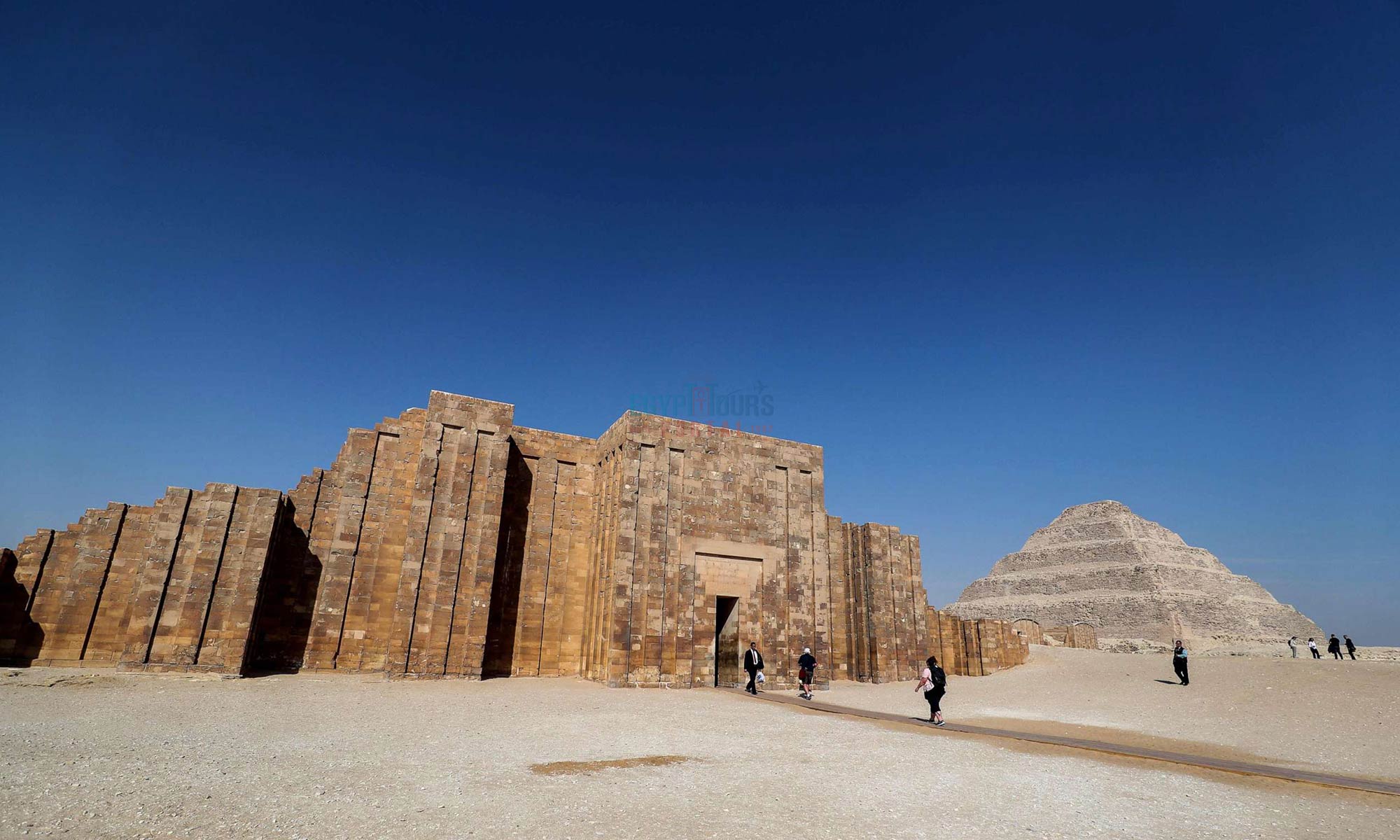
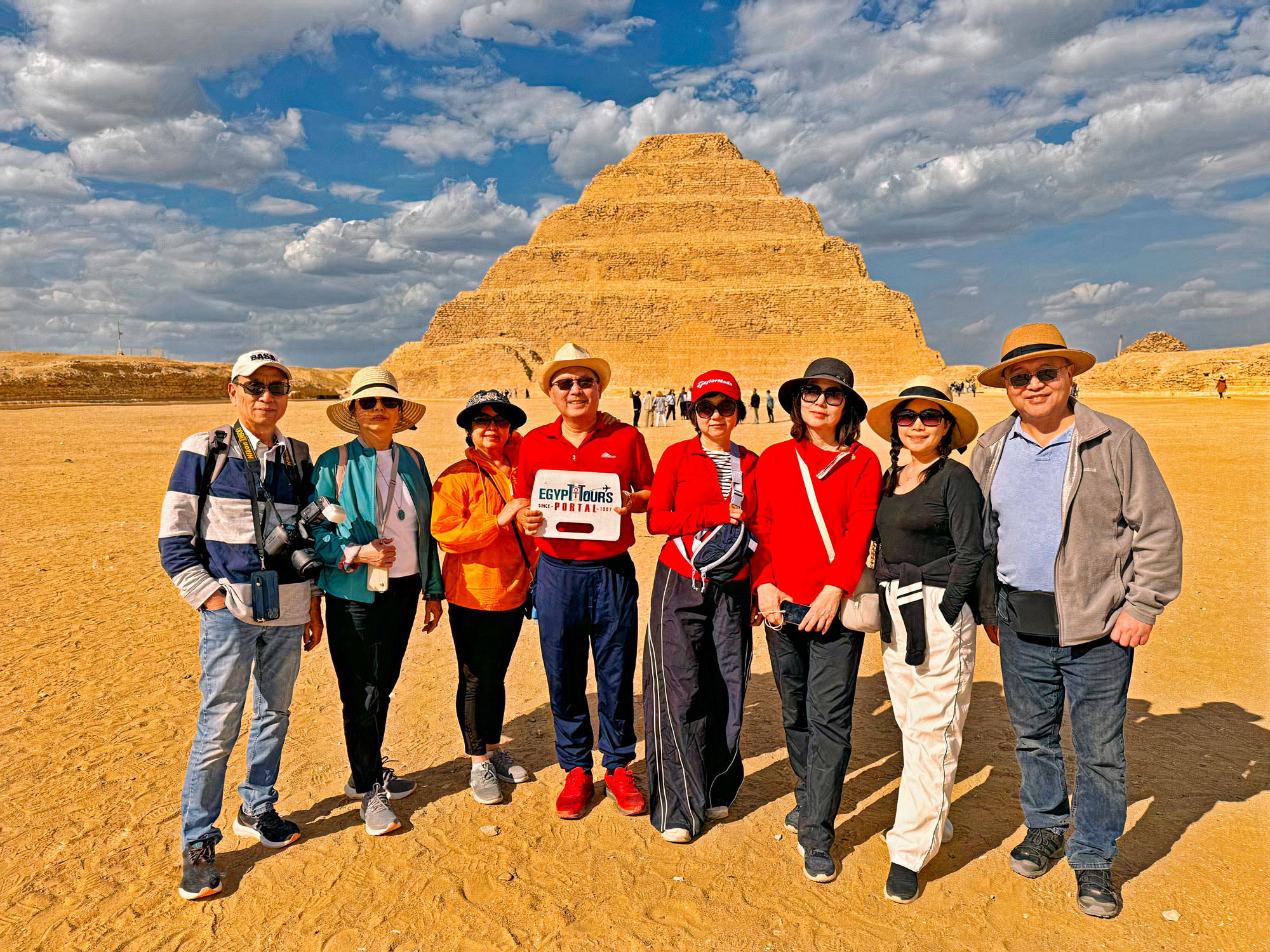
The Saqqara step pyramid is a colossal establishment of divine innovation designed by the legendary Imhotep between 2670–2650 BC, rises in six tiers to a height of 63 meters, marking the world’s first large-scale stone structure and the blueprint for all later pyramids.
At the end of this remarkable day, head to Cairo Airport to catch your flight to Aswan, where our representative will take your hotel in Aswan to spend the night.
After breakfast, checking out, you will start the next chapter of your refined international journey, beginning with Aswan’s most iconic landmarks.
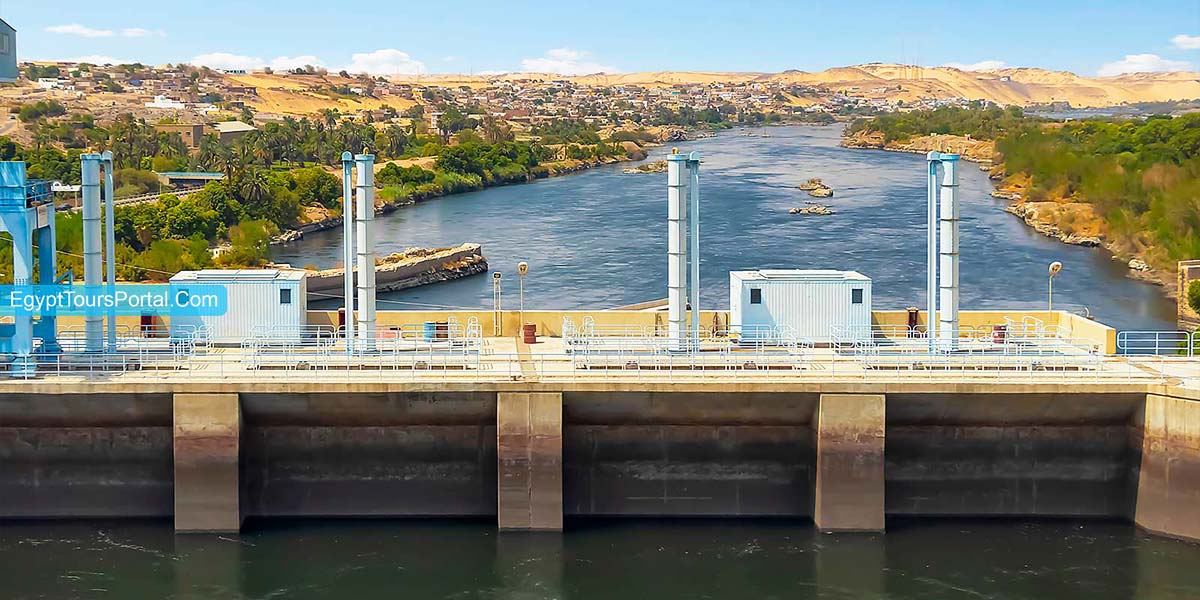
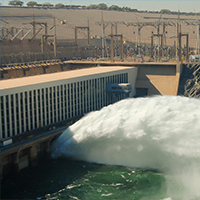
The majestic Aswan High Dam is a majestic landmark achievement of modern Egypt, built during the 1960s and 1970s. It was made to regulate the flow of the Nile and generate hydroelectric power, the dam transformed Egypt’s agriculture, protected the country from floods, and stands as a symbol of national progress and engineering ambition.
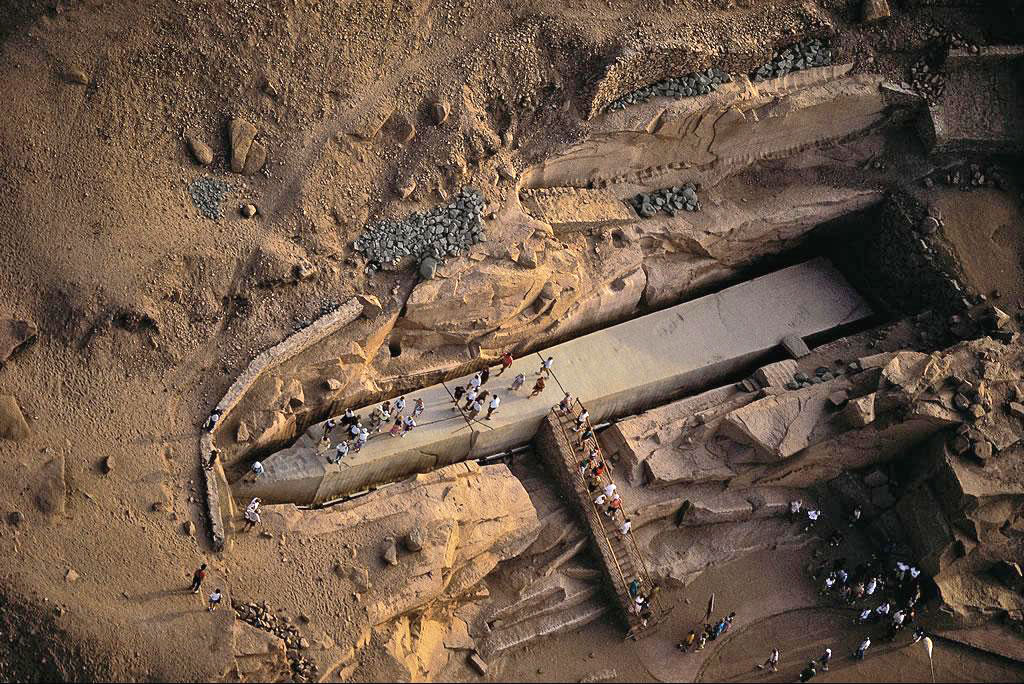
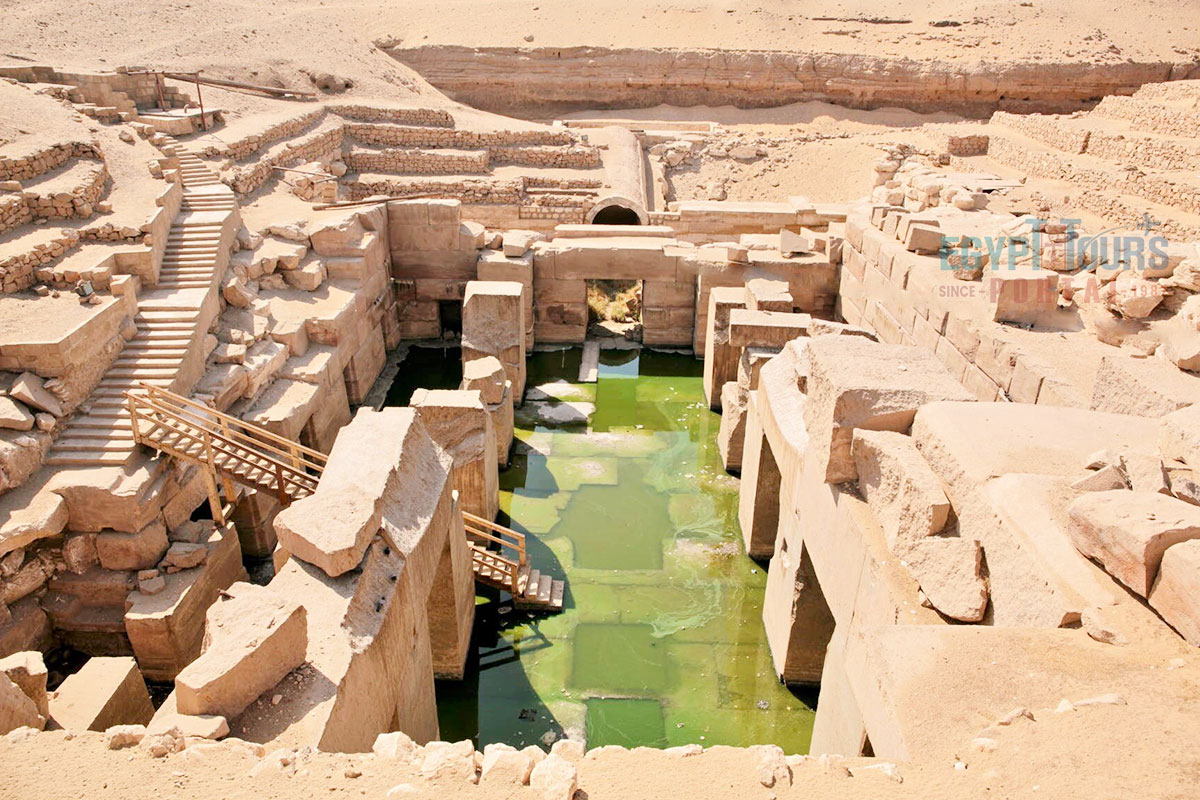
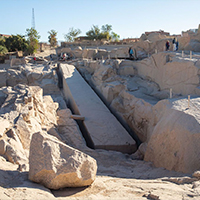
The fascinating Unfinished Obelisk was headed to pierce the skies by a commission during the reign of Queen Hatshepsut (1508–1458 BC). Intended to be the largest obelisk ever carved, it was abandoned when cracks appeared in the granite. It offers a rare, open-air insight into ancient quarrying techniques and the extraordinary craftsmanship of ancient Egyptian stoneworkers.
You will relish in a lavish lunch experience at a distinguished restaurant in Aswan, which is followed by a transfer to your hotel for some well-deserved relaxation.
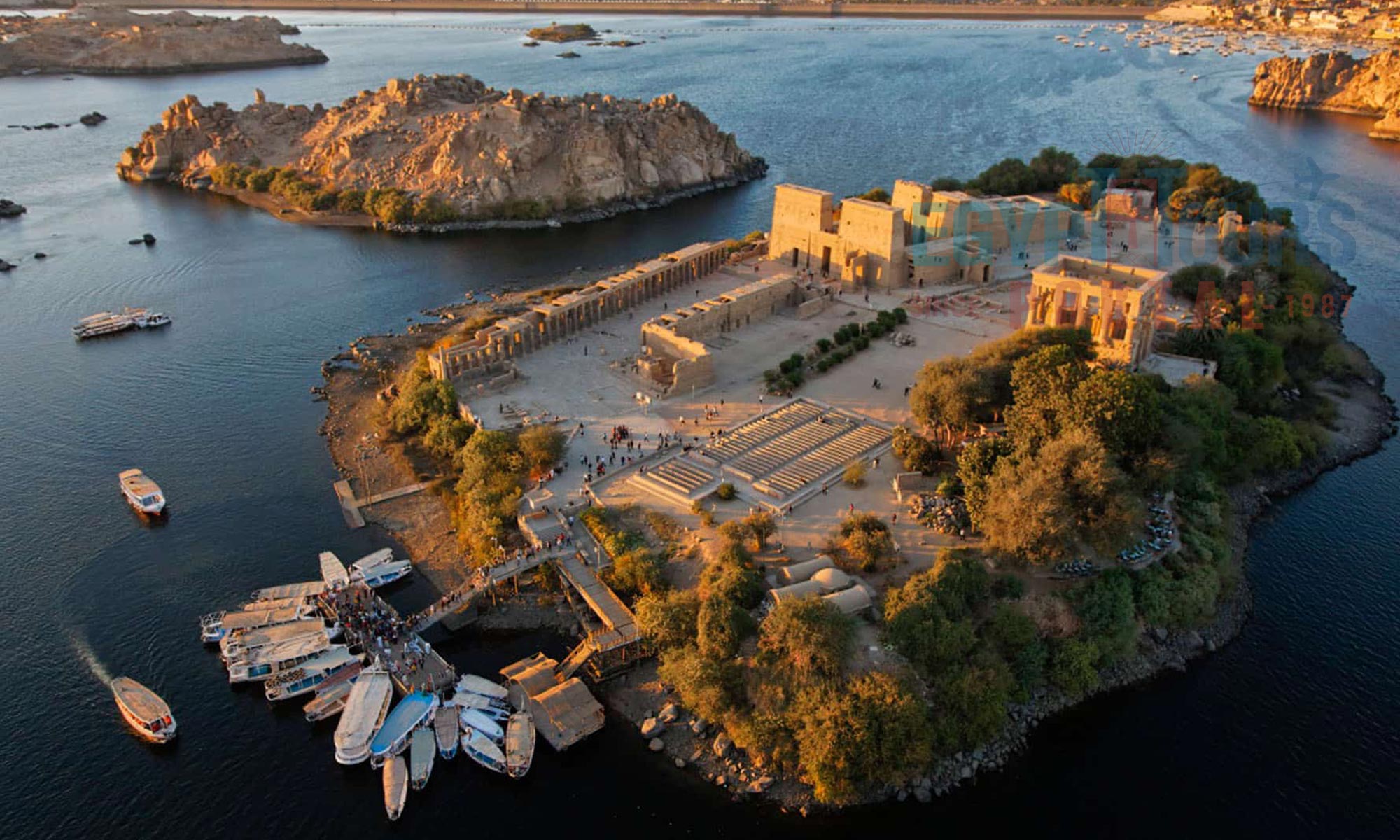
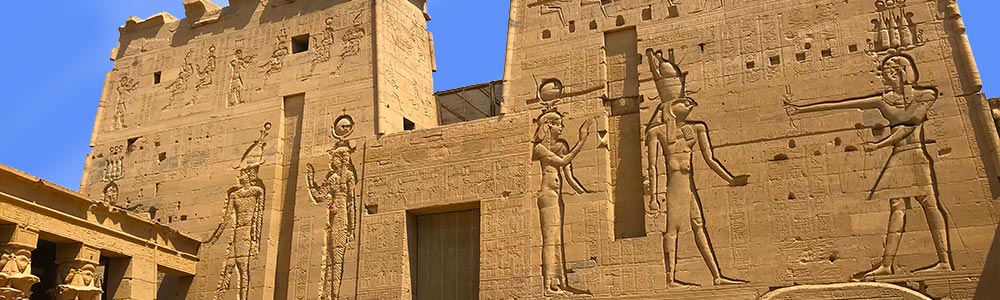
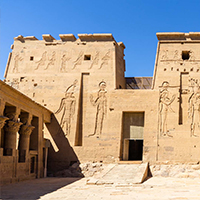
The marvelous Philae temple is a graceful sanctuary dedicated to the goddess Isis and dating mainly to the Ptolemaic period (380–362 BC). Now located on Agilkia Island, the temple is steeped in myth, celebrating Isis’s devotion and her role in reviving Osiris, ruler of the underworld. Its elegant columns and sacred setting create one of Egypt’s most atmospheric temple experiences.
You will head to Luxor and check in your hotel, and spend the overnight.
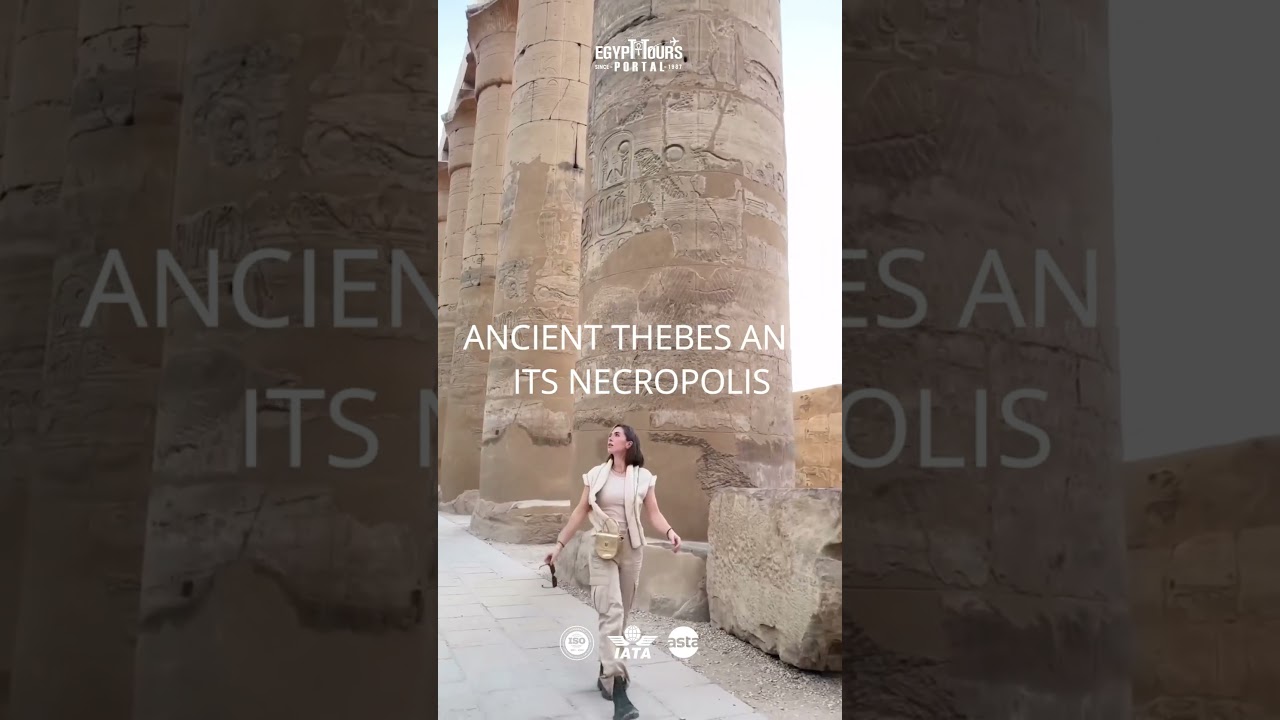
After breakfast, you will begin your grand trip through the timeless monuments of Luxor, once known as ancient Thebes, the spiritual heart of Egypt’s New Kingdom.
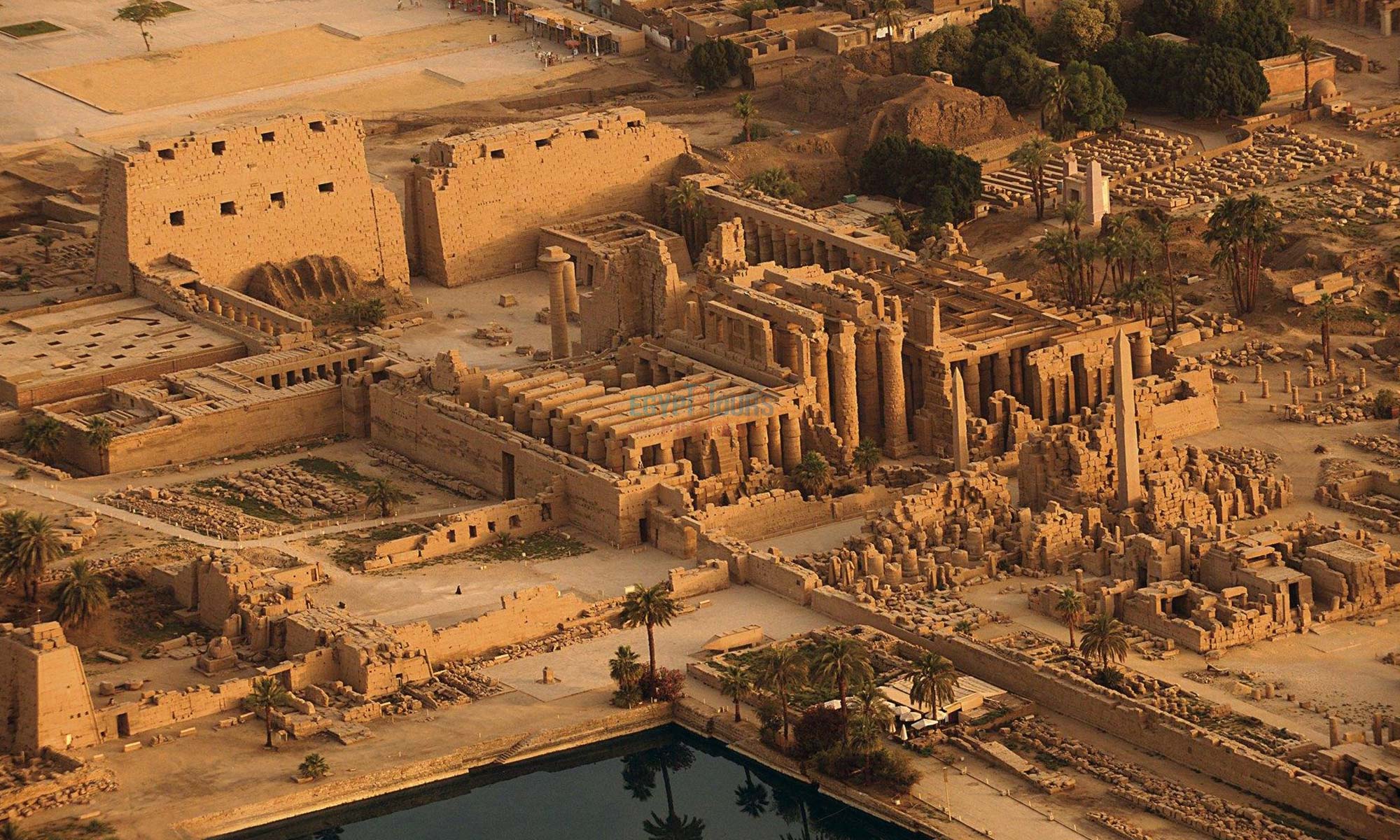
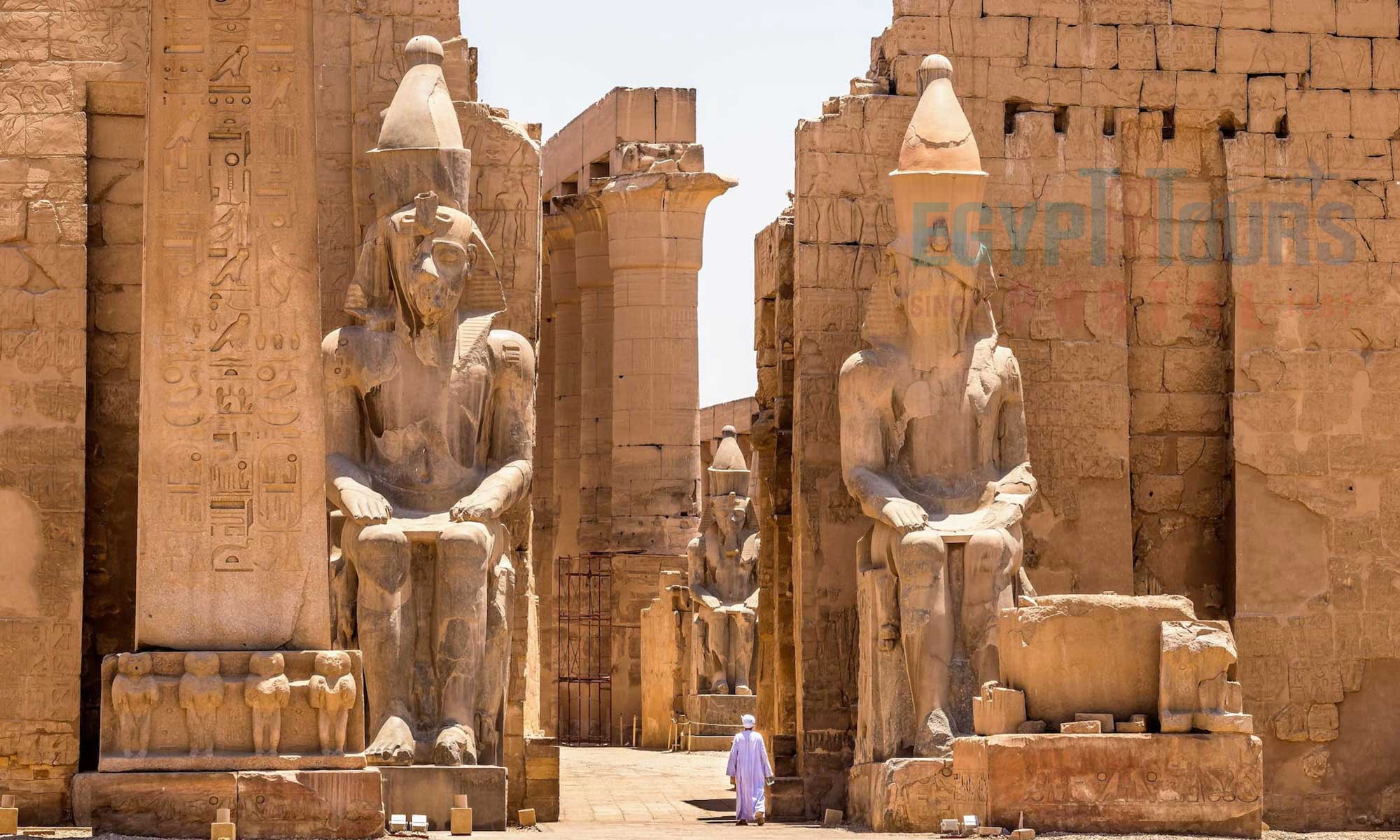
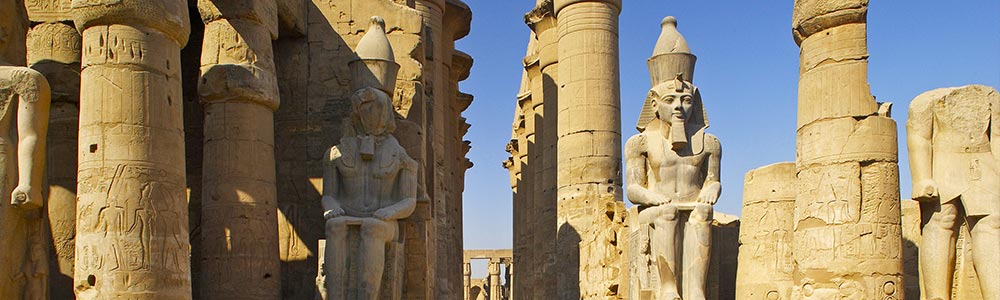
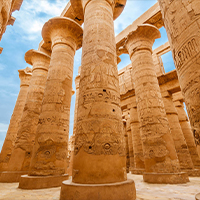
The miraculous Karnak temple Complex is a heavenly marvel that was constructed and expanded over nearly two millennia from around 1971 BC to 20 BC. It was dedicated primarily to the Theban Triad of Amun, Mut, and Khonsu, this sacred precinct reflects the religious devotion and political power of successive dynasties. Highlights include the awe-inspiring Hypostyle Hall with its towering columns, sacred lakes, obelisks, colossal statues, and the legendary Avenue of Sphinxes, which once ceremonially linked Karnak to Luxor Temple.
You will then enjoy a refined lunch at a prominent restaurant in Luxor, followed by a transfer to your hotel for a period of relaxation.
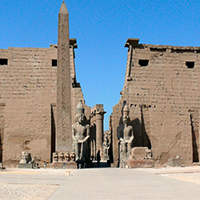
Luxor Temple is an elegant sanctuary of divine allure dating back to around 1400 BC, built mainly by Amenhotep III and later enhanced by Ramses II. Unlike other temples, it was dedicated to royal renewal and the legitimacy of kingship, serving as the stage for major festivals such as the Opet Festival and the coronation rites of pharaohs. Illuminated by history and legend, the temple remains one of Egypt’s most atmospheric monuments.
At the end of the day, return to your hotel to check in and enjoy a peaceful overnight stay, resting after a day immersed in the grandeur of ancient Thebes.
After breakfast, set out with your guide to explore the timeless splendor of ancient Thebes, a landscape filled with monuments that shaped the height of Egypt’s New Kingdom.
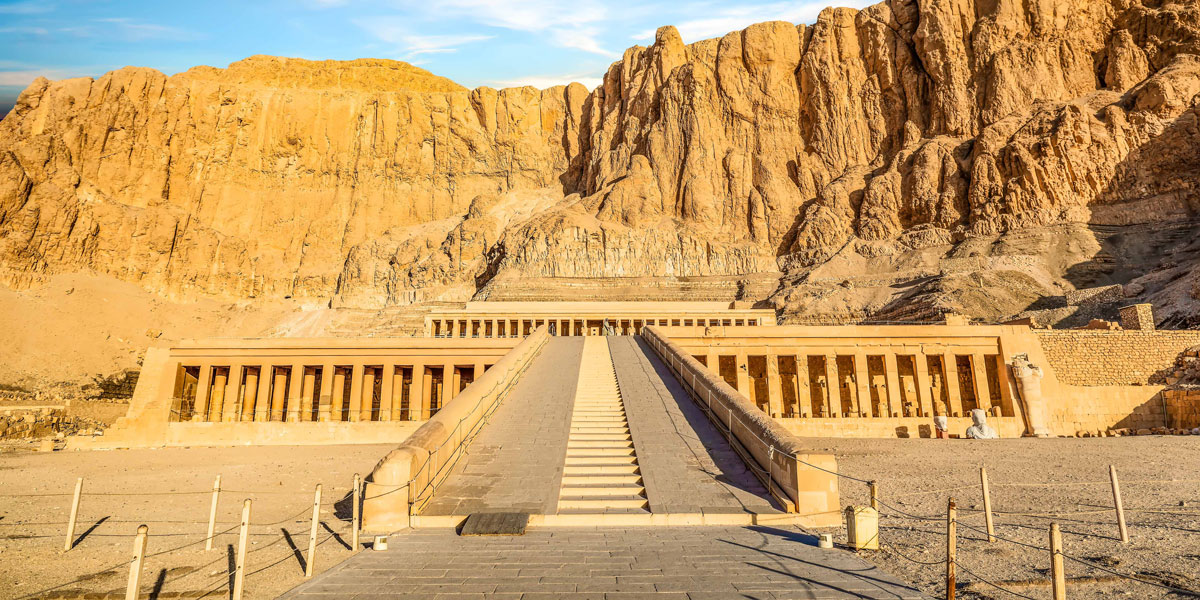
The Immortal Queen Hatshepsut Temple is an architectural piece of divine wonder, dating to around 1479 BC. It was carved harmoniously into the limestone cliffs, the temple reflects classical Egyptian design at its finest and honors the legacy of Queen Hatshepsut, one of Egypt’s most powerful and visionary rulers. Its terraces, colonnades, and reliefs celebrate divine birth, royal authority, and the prosperity of her reign.
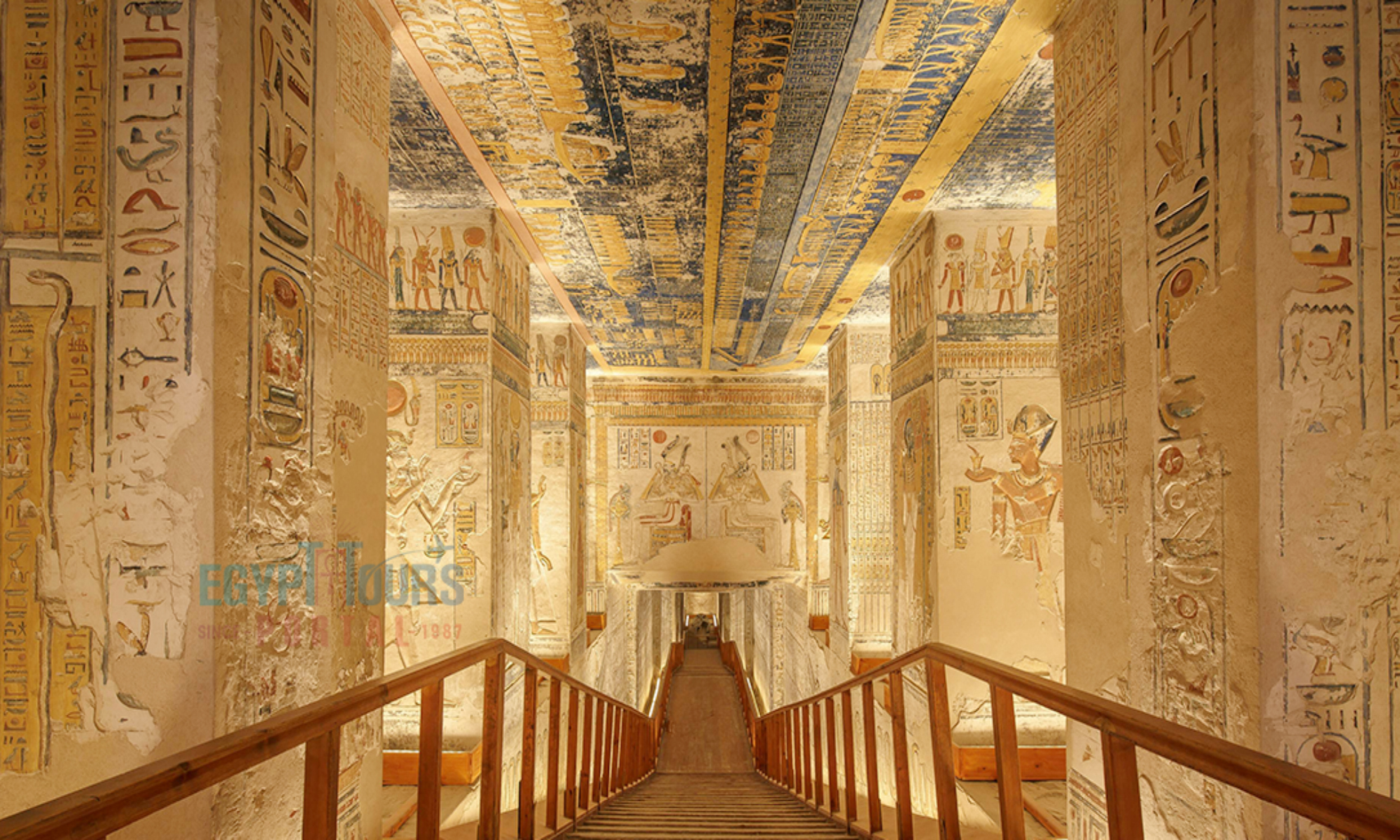
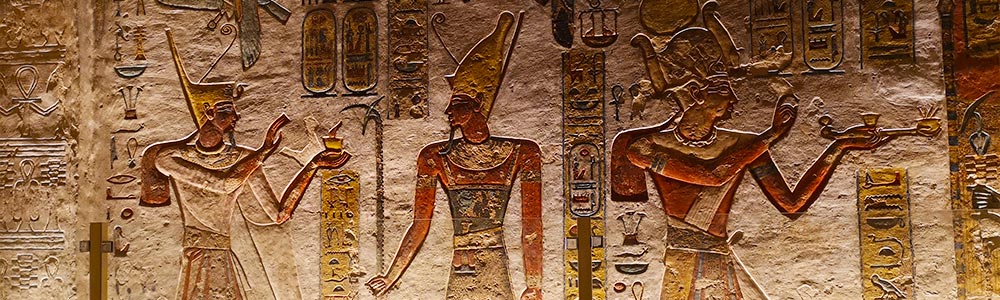
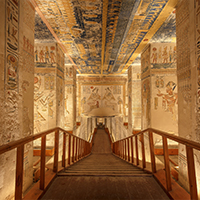
Valley of the Kings is an ethereal sacred burial ground of New Kingdom pharaohs hidden within the Theban hills. It was used between 1570 and 1050 BC, the valley contains 63 richly decorated tombs, including those of Tutankhamun, Seti I, Hatshepsut, and Ramses II. These underground chambers, adorned with funerary texts and cosmic imagery, reveal the ancient Egyptians’ beliefs about the afterlife and the spiritual journey beyond death.
Enjoy a delicious lunch before continuing your journey to:
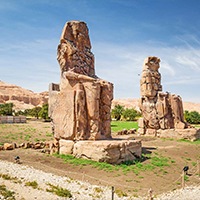
The legendary Colossi of Memnon are two monumental seated statues carved around 1350 BC during the reign of Amenhotep III. It rises 18 meters (60 ft) high; these statues once guarded the entrance to the king’s mortuary temple. Their surfaces bear detailed carvings and over 107 inscriptions left by Roman visitors in Greek and Latin, recounting legends associated with the mythical hero Memnon and adding layers of history to these silent guardians.
At the end of the day, return to your hotel for a comfortable overnight stay, reflecting on the enduring power and artistry of ancient Thebes.
After breakfast at your hotel, you will set out with your guide for a delightful day in Hurghada, where crystal-clear waters and vibrant marine life await. Enjoy an unforgettable snorkeling excursion in the Red Sea, discovering dazzling coral reefs, colorful fish, and rich underwater ecosystems that make this region one of the world’s most celebrated marine environments.
You will enjoy a magical day at leisure in Hurghada, free to explore its stunning natural beauty and discover the city’s many seaside treasures at your own pace, embracing relaxation and adventure in the most enjoyable way.
From Hurghada, you will venture into the vast beauty of the Eastern Desert for an unforgettable adventure. A thrilling quad-bike safari carries you across sweeping sand dunes and rugged terrain, leading to a traditional Bedouin village where you will discover local customs and heritage. As evening falls, enjoy a flavorful barbecue dinner with refreshing soft drinks, surrounded by glowing desert landscapes, dramatic rock formations, and a sky filled with brilliant stars.
After breakfast, you will depart Hurghada and catch your flight to Cairo, where the final chapter of your Egypt exploration unfolds among some of its most meaningful cultural landmarks.
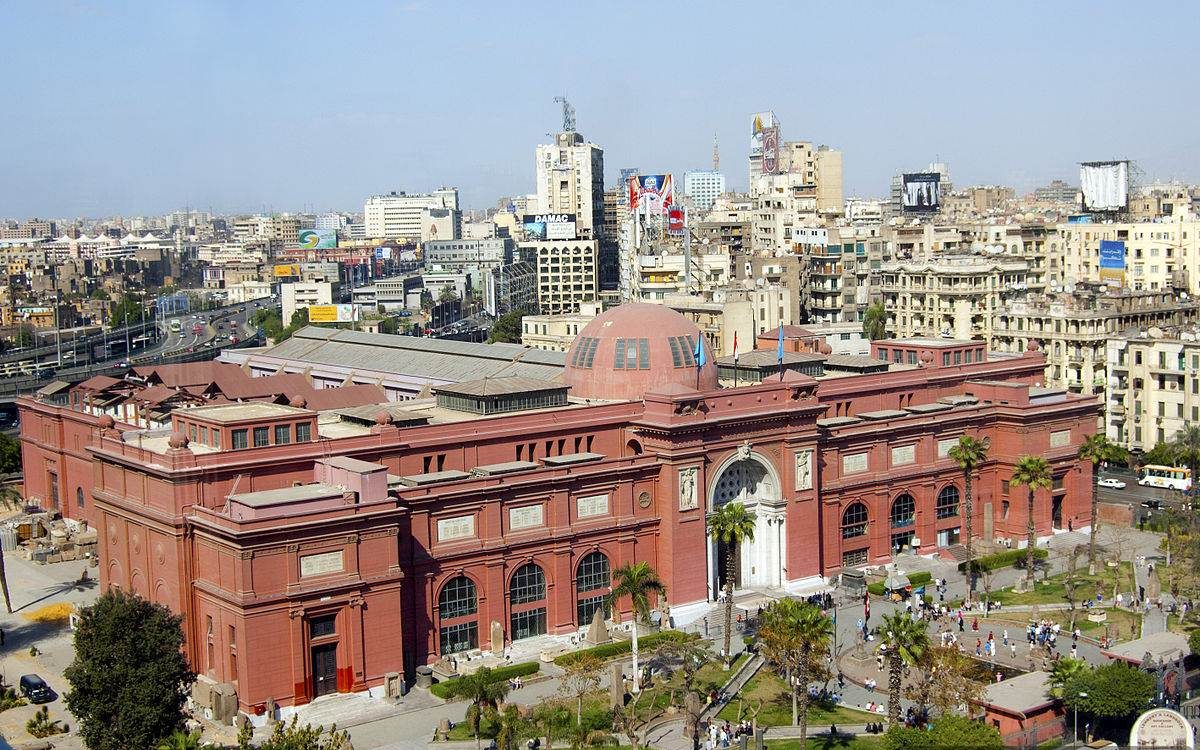
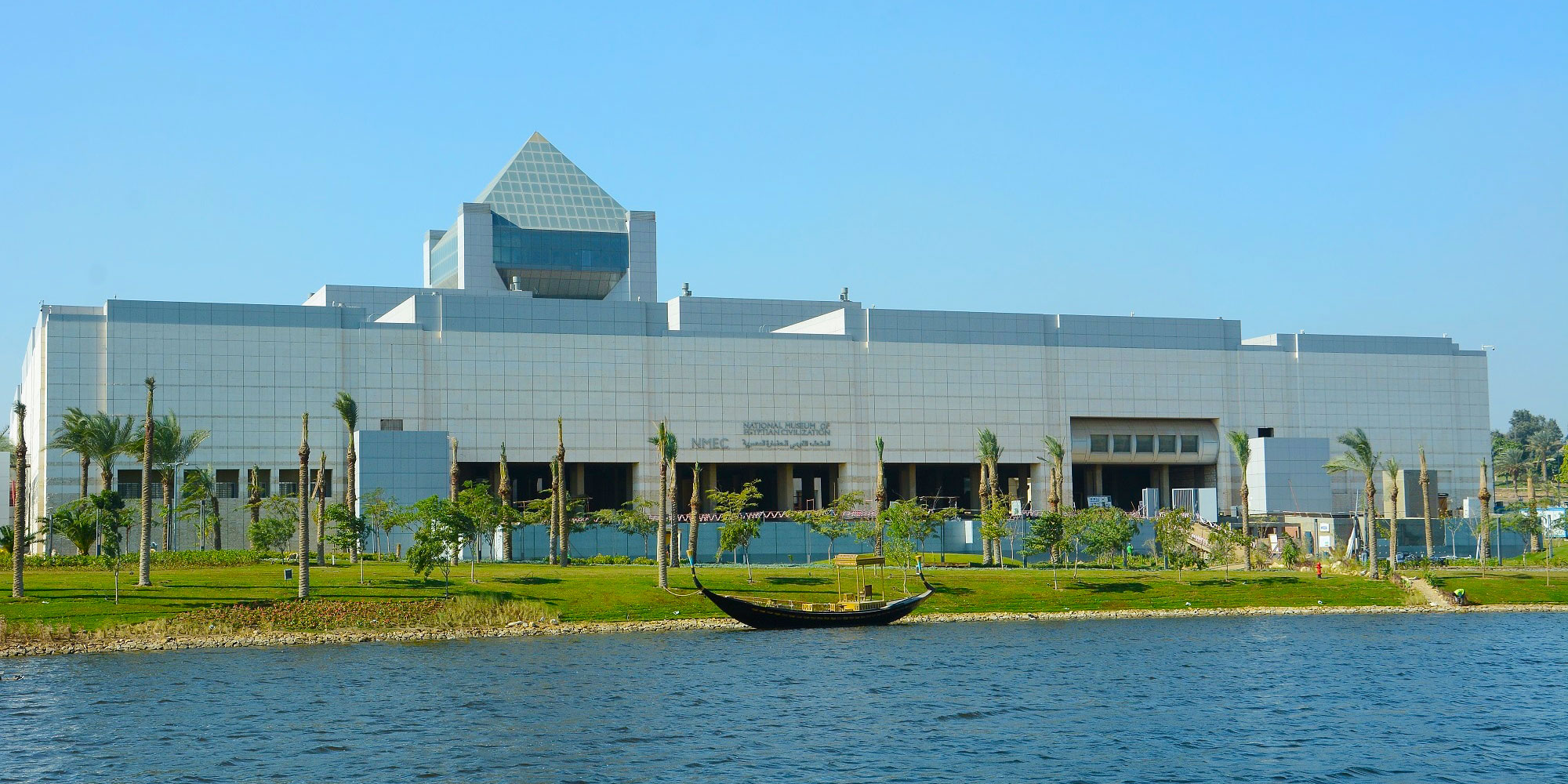
The Egyptian Museum was opened in 1901 in downtown Cairo to uncover the grand treasures of Egypt. This historic institution preserves one of the world’s richest collections of ancient Egyptian artifacts, offering a sweeping overview of royal power, daily life, and religious belief across thousands of years of civilization.
The Amr Ibn Al Aas Mosque is an honorable structure that changed the face of Egypt, founded in 641–642 CE in Fustat (Old Cairo), recognized as Egypt’s first mosque and one of the earliest in Africa. Expanded over centuries by Abbasid, Fatimid, and Mamluk rulers, the mosque reflects the evolution of early Islamic architecture through its open courtyards, arcades, and enduring spiritual presence.
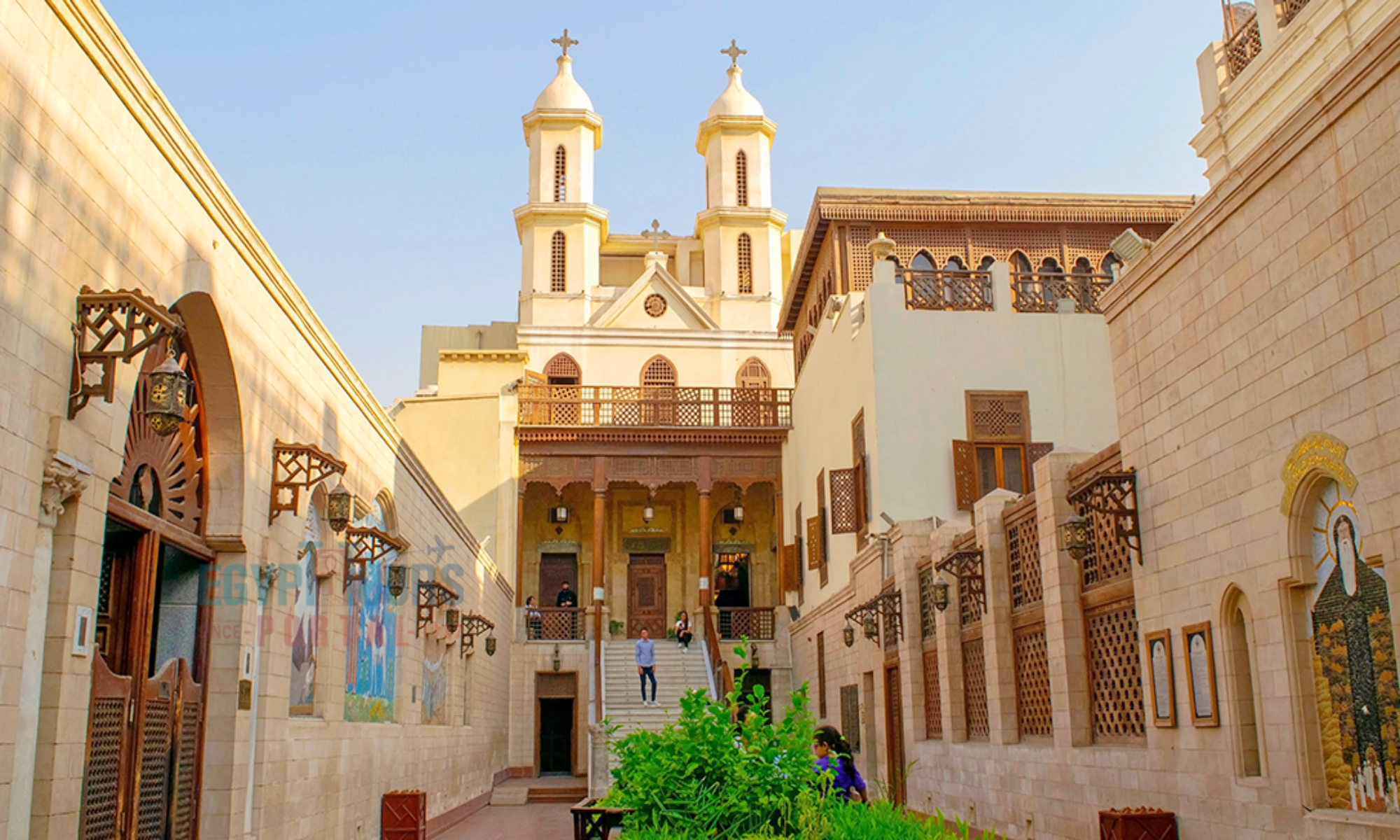
The Church of the Virgin Mary "the Hanging Church" is a captivating establishment of divine force positioned above the southern gate of the Roman Babylon Fortress. With origins between the 7th and 9th centuries, it once served as the seat of the Coptic patriarch. Inside, carved wooden screens, ivory inlay, and treasured icons reflect the legacy of Coptic worship and the tradition of the Holy Family’s journey through Egypt.
The Ben Ezra Synagogue is one of Egypt’s oldest Jewish sites of worship. Converted into a synagogue in 882 CE and restored in the 19th century, it is famed for the Cairo Geniza, a vast collection of medieval manuscripts that transformed historical understanding of Jewish and Mediterranean life.
You will enjoy a tasty meal at a nearby restaurant in Cairo before continuing your journey to:
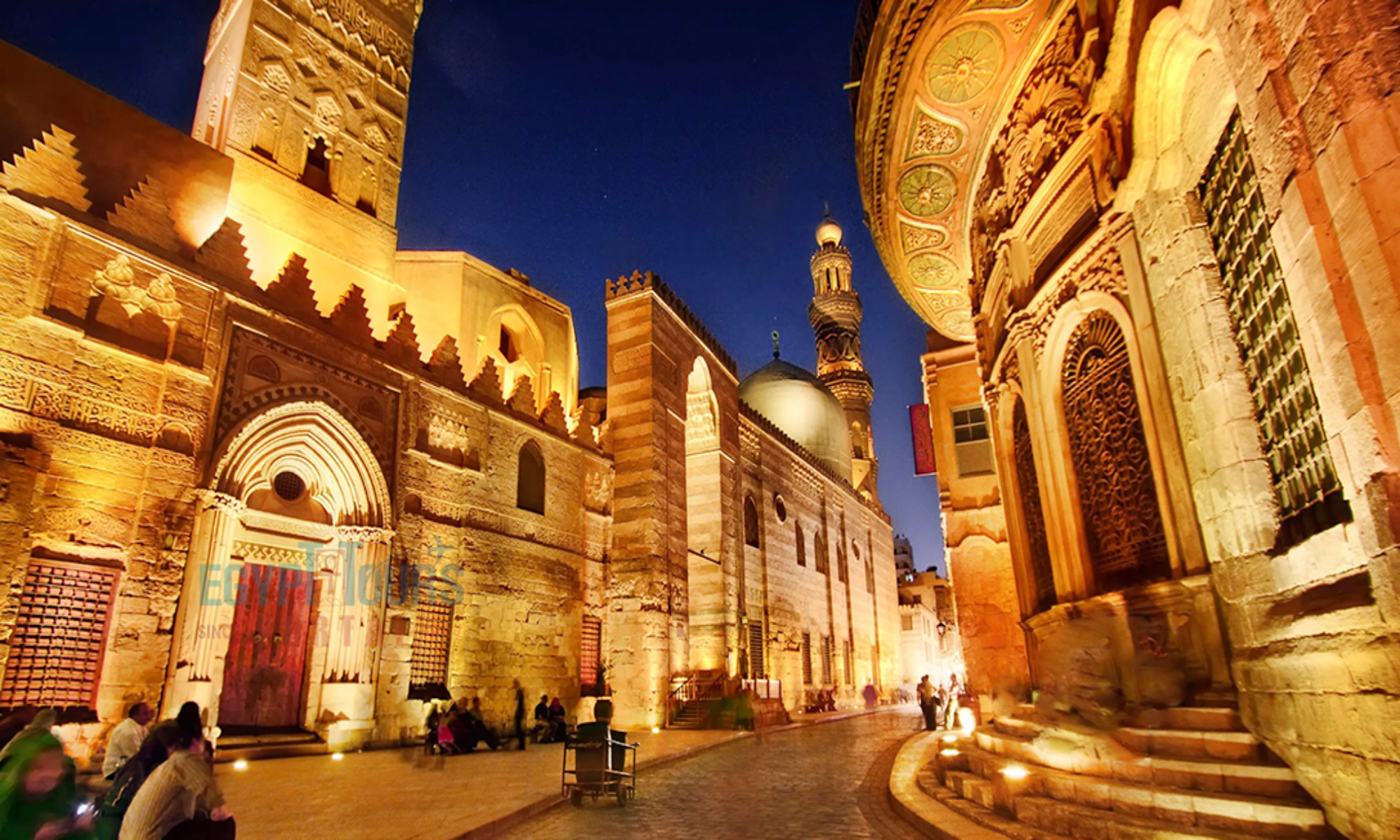
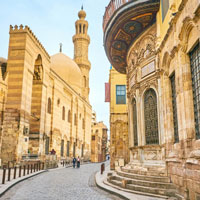
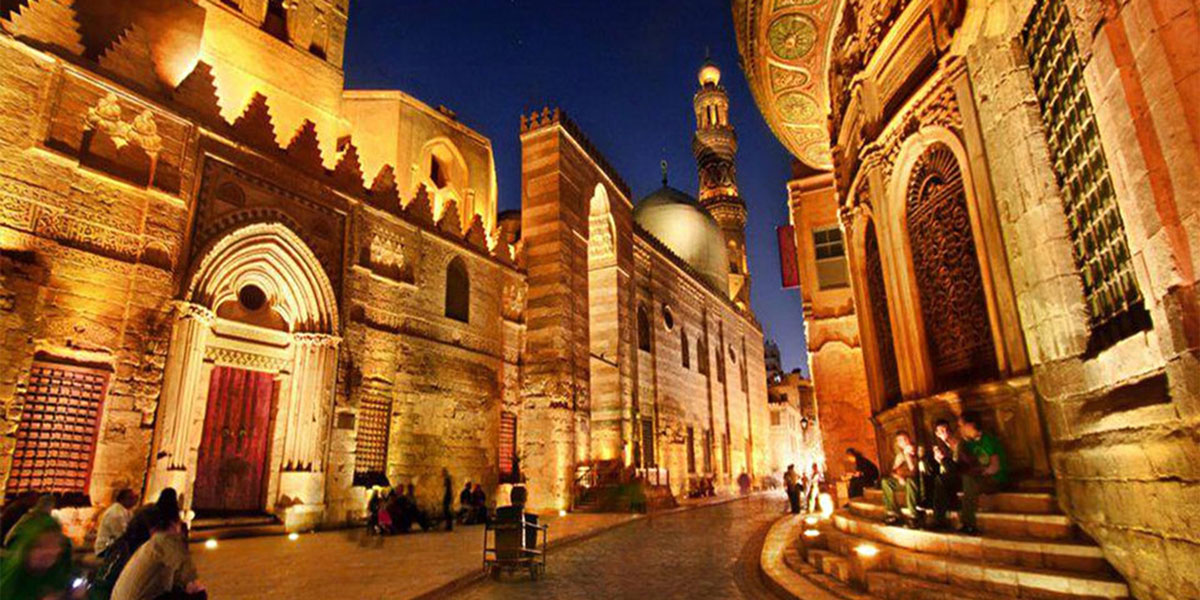
Al Muizz Street has the power to capture your mind with its wealth and beauty, established during the 10th-century Fatimid era, now celebrated as an open-air museum of Islamic architecture. Lined with mosques, palaces, fountains, and historic residences, the street preserves the architectural heartbeat of medieval Cairo.
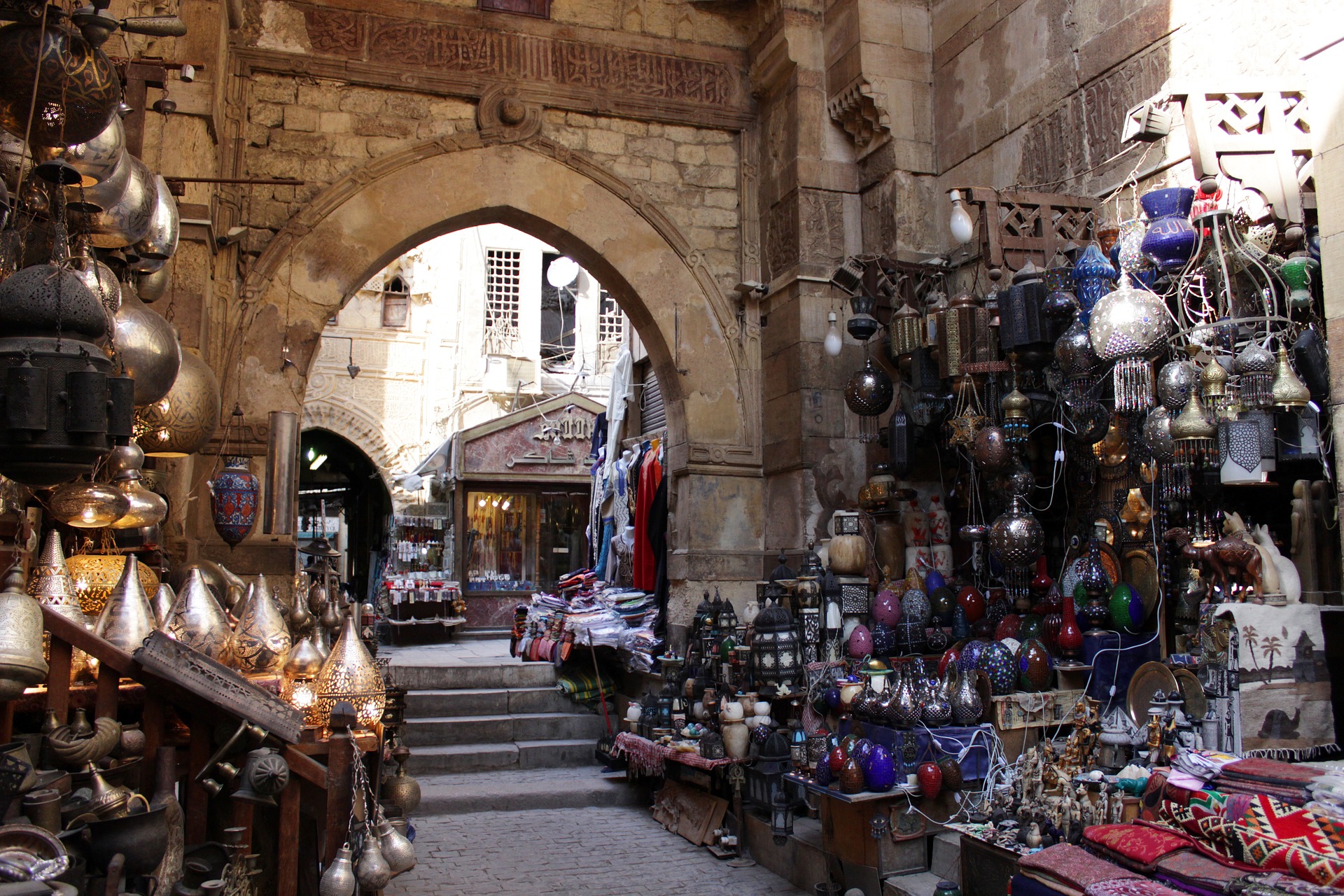
The enchanting Khan El Khalili Bazaar is a shining museum of greatness founded between 1382 and 1389 AD during the Mamluk period. Its winding alleys are filled with handcrafted goods, spices, jewelry, and traditional crafts, capturing centuries of Cairo’s commercial and artistic life.
As evening approaches, you will return to your hotel in Cairo for an overnight stay, reflecting on a day shaped by faith, history, and enduring tradition.
After breakfast and check-out, you will be transferred to Hurghada Airport to board your flight to Cairo, where you will connect onward to Amman. Upon arrival, a dedicated representative will be waiting to welcome you and assist with passport procedures and luggage collection. You will then be escorted to a private, air-conditioned vehicle for a smooth transfer to your hotel in Amman, where you will check in and enjoy a comfortable overnight stay, marking a seamless transition to the next stage of your journey.
You will begin your morning with breakfast at your hotel in Amman, then set out in a private vehicle with your guide to explore some of northern Jordan’s most remarkable historical treasures.
Jerash is a legendary spot that was celebrated as one of the finest surviving Roman cities outside Italy and often called the Pompeii of the East. It is located about 48 km north of Amman, Jerash was founded in the 4th century BC and flourished under Roman rule. Today, this UNESCO World Heritage Site reveals an extraordinary urban landscape of colonnaded streets, temples, baths, theaters, and triumphal arches that vividly reflect the fusion of Greek and Roman civilization.
The Hippodrome for ages gained a reputation as the vibrant center of entertainment in ancient Jerash. It stretches nearly 250 meters and accommodates up to 15,000 spectators. It hosted chariot races and public spectacles. Its well-preserved structure still conveys the excitement of Roman public life, and modern reenactments bring this dynamic past vividly into the present.
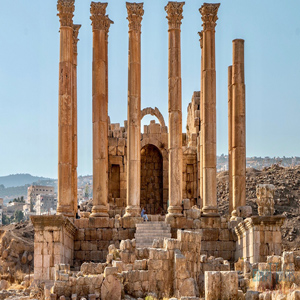
The Temple of Artemis is a mythical monument known to be an architectural masterpiece from the 2nd century AD dedicated to the city’s patron goddess. Towering Corinthian columns and refined stonework testify to Jerash’s wealth and religious importance, making it one of the city’s most commanding and great monuments.
Enjoy a very wonderful lunch before continuing your international trip.
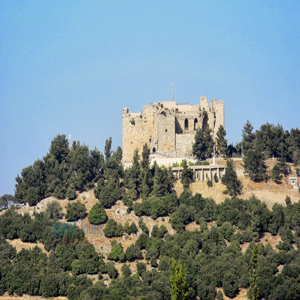
Ajloun is a rich region filled with diverse marvels known for rolling hills, olive groves, and fertile valleys. Here stands Ajloun Castle, built in 1184 AD by Izz al-Din Usama as a strategic fortress to defend against Crusader incursions and protect key trade routes. Nearby, the Ajloun Forest Reserve adds a natural dimension to the experience, rich in wildlife and scenic trails.
The Amman Citadel is a glorious hilltop site with over 5,000 years of continuous occupation. Once home to the Ammonites, Romans, Byzantines, and Umayyads, it features landmarks such as the Temple of Hercules, the Umayyad Palace, and the Jordan Archaeological Museum, which houses artifacts spanning Jordan’s long and diverse history.
After a full day of discovery, return to your hotel in Amman to relax and enjoy an overnight stay, reflecting on a journey shaped by ancient cities, mighty fortresses, and timeless culture.
You will begin your day with breakfast at your Amman hotel, then set off with your private driver and expert guide toward the ancient city of Madaba, a compact yet culturally rich center spanning 39.44 km². Celebrated as the City of Mosaics, Madaba preserves layers of Hellenistic, Roman, Byzantine, and Islamic heritage, making it one of Jordan’s most meaningful historical landscapes.
The Ethereal Greek Orthodox Church of St. George of Madaba is a glorious 19th-century sanctuary renowned for safeguarding the 6th-century Mosaic Map of the Holy Land. Discovered in 1884, this extraordinary artwork is the oldest surviving cartographic representation of biblical Palestine, composed of more than two million tesserae and 157 Greek inscriptions. The map vividly illustrates ancient cities, rivers, and sacred sites such as Jerusalem, Bethlehem, and the Jordan River, offering rare insight into Byzantine geography and early Christian history.
Mount Nebo is a religious phenomenon rising 700 meters (2,300 ft) above sea level. It is revered as the place where Prophet Moses viewed the Promised Land. The summit opens sweeping panoramas across the Jordan Valley, the Dead Sea, and Jerusalem. The site preserves the remains of a 4th-century monastery and a beautifully adorned Byzantine church, enriching its spiritual and archaeological significance.
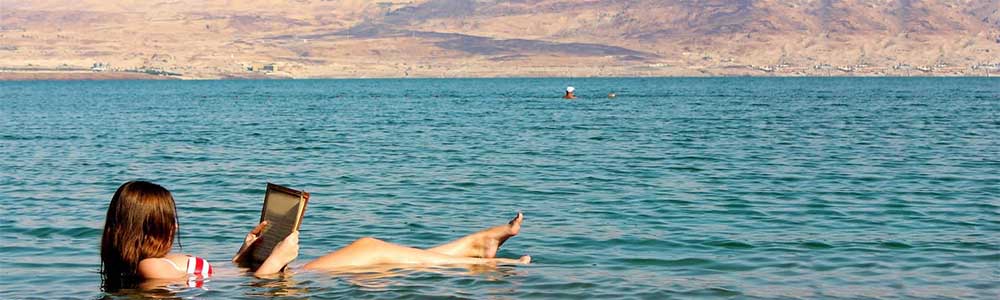
The Dead Sea is one of nature’s most astonishing wonders that has deep roots in history. Resting more than 430 meters (1,412 ft) below sea level, it marks the lowest point on Earth’s land surface and plunges to depths exceeding 300 meters, making it the deepest hypersaline lake in the world. Renowned since antiquity as one of history’s earliest health retreats, its mineral-rich waters and mud were prized for therapeutic uses, while resources such as asphalt and potash played roles in ancient mummification and agriculture. Floating effortlessly upon its dense waters remains an unforgettable experience.
You will have your mouthwatering lunch before restarting your international trip.
You will move to your hotel in Petra to check in and spend the overnight.
You will begin your morning with breakfast at your Petra hotel, then check out and set off with your private driver and expert guide to explore the timeless wonders of this legendary city carved from stone.
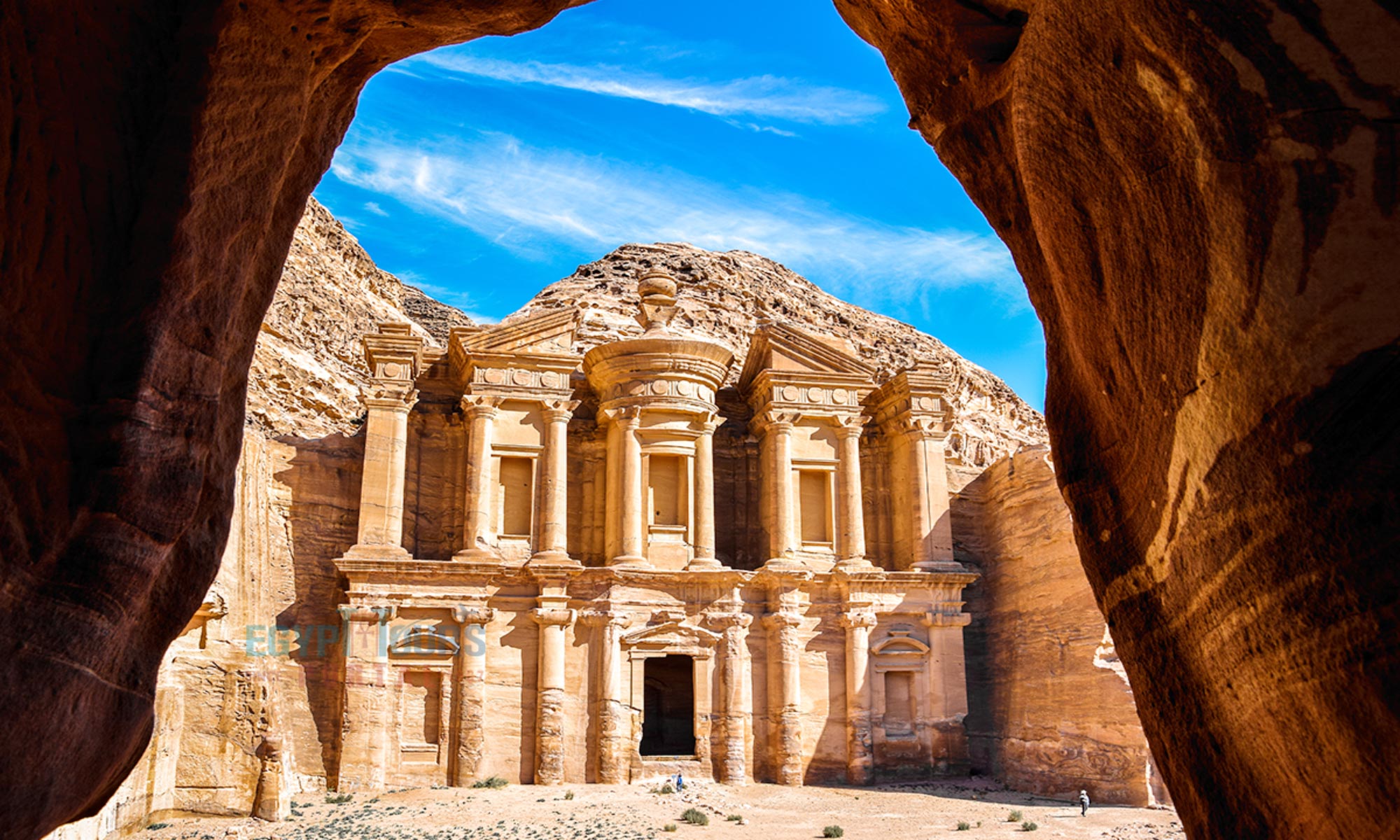
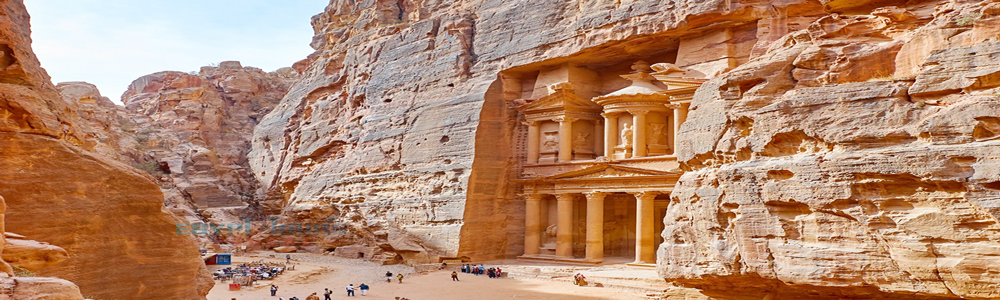
Petra a.k.a the fabled Rose City, rose to prominence as the capital of the Nabataean Kingdom in the 4th century BC. It spans nearly 264 km² (102 sq mi) and rests at an elevation of about 810 meters (2,657 ft), the city unfolds across rose-tinted sandstone cliffs filled with extraordinary monuments, including Al-Khazneh (the Treasury), the Royal Tombs, Qasr al-Bint, the Great Theatre, and Ad Deir (the Monastery). Recognized as a UNESCO World Heritage Site and named one of the New Seven Wonders of the World, Petra stands as one of humanity’s greatest archaeological achievements.
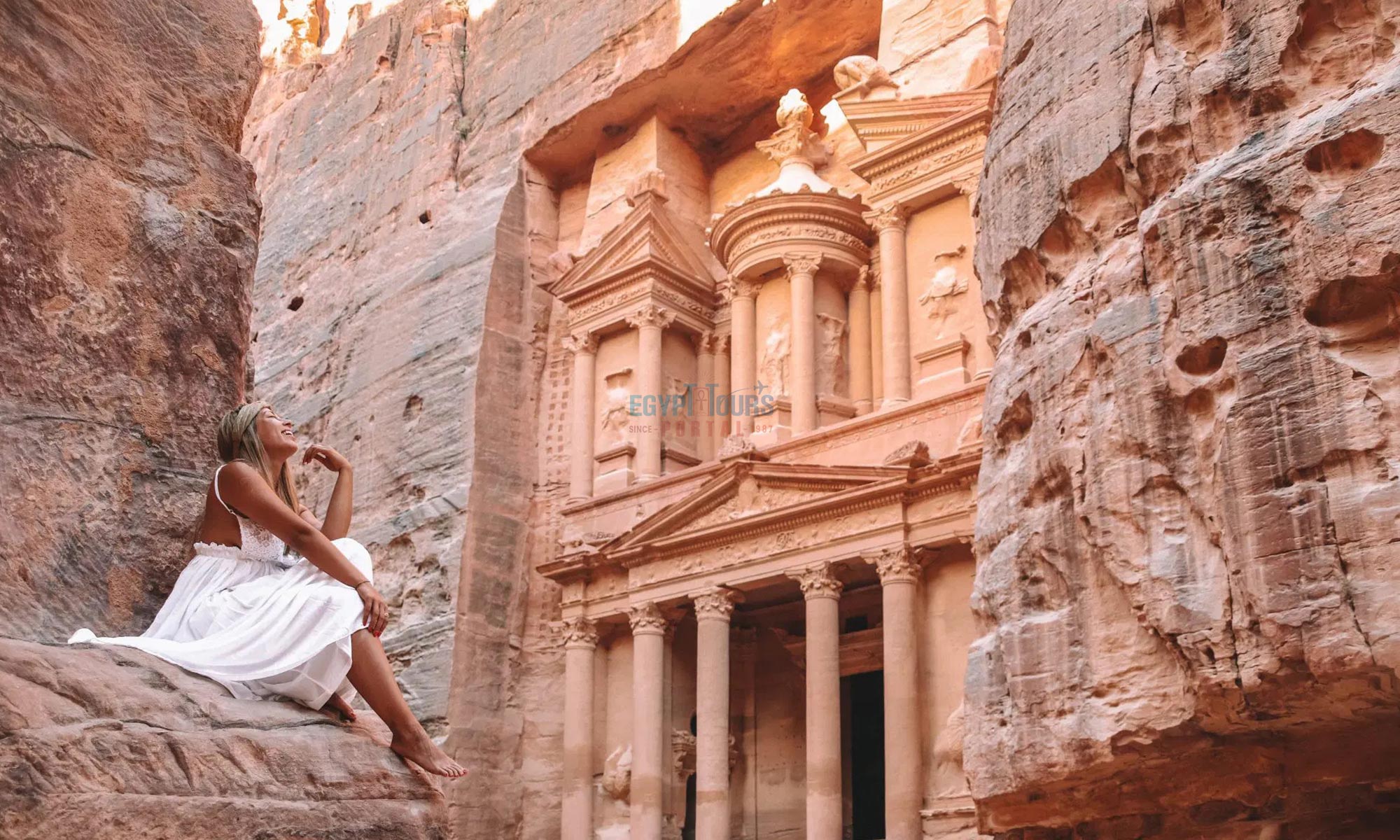
Al Khazneh, or “The Treasury,” is a celestial monument that was carved directly into the rock during the reign of King Aretas IV in the 1st century AD. It is revealed dramatically at the end of the 1.2-km Siq, its finely sculpted façade reflects Nabataean wealth, precision, and artistic brilliance. Its global fame was later amplified through cinematic appearances in Indiana Jones and the Last Crusade and Transformers: Revenge of the Fallen, yet its true power lies in its enduring elegance and mystery.
The Royal Tombs of Petra can be found hidden mysteriously across the eastern cliffs, forming a striking ensemble of monumental mausoleums created during the city’s golden age in the 1st century AD. Among them are the Urn, Silk, Corinthian, and Palace Tombs, each displaying a distinct blend of Nabataean, Hellenistic, and Roman influences. These imposing façades are believed to have served as burial places for Nabataean royalty and elites, offering lasting insight into their artistic vision and reverence for authority.
The Majestic Theatre of Petra grows as a beautiful flower seamlessly from the rock. It was carved by the Nabataeans in the early 1st century AD and later expanded by the Romans after 106 AD, it once accommodated up to 7,000 spectators. Its harmonious fusion of classical design and local craftsmanship reflects Petra’s role as a vibrant cultural crossroads of the ancient world.
Qasr al-Bint is a beautiful archaeological marvel, known to be Petra’s principal temple, stands apart as a rare freestanding structure rather than a rock-cut monument. Constructed between 30 BC and 40 AD and dedicated to Nabataean deities, it has remarkably withstood earthquakes and erosion. Its enduring presence reveals the spiritual depth, architectural skill, and stability of Nabataean civilization.
You will head to Wadi Rum, where you will have your dinner while exploring:
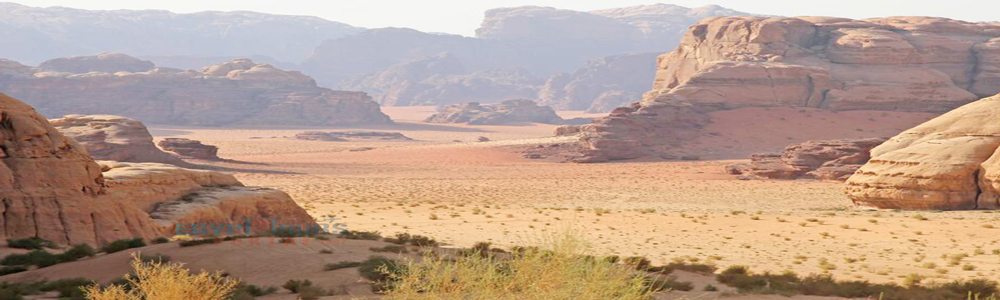
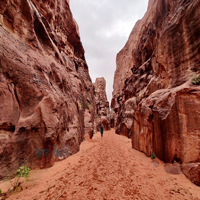
Wadi Rum is an extraordinary natural setting known as the “Valley of the Moon,” that covers approximately 721 km² (278 sq mi) at elevations reaching 1,750 meters (5,740 ft). Its dramatic landscape of crimson sandstone cliffs, sweeping dunes, and granite formations has been home to the Zalabieh Bedouins for generations.
The desert’s otherworldly beauty has inspired filmmakers for decades, serving as the backdrop for productions such as Lawrence of Arabia, The Martian, Star Wars: Rogue One, Aladdin, John Wick 4, and Dune: Part Two. Hidden within its canyons are ancient petroglyphs dating back to the 8th century BC, silently preserving stories of early desert life. If time allows, you may encounter sites such as Lawrence Spring, Khazali Canyon, Um Frouth Rock Bridge, Little Bridge, and Burdah Arch.
As night falls, settle into a traditional Bedouin camp, where silence, starlight, and desert hospitality combine to create an unforgettable overnight experience beneath Jordan’s vast celestial sky.
After your final hotel breakfast, you will check out and be transferred in a private, air-conditioned vehicle to Amman International Airport, with full assistance through departure formalities before flying to Istanbul. Upon arrival, a local representative will welcome you, assist with visa procedures, and arrange your private transfer to the hotel, where you can check in, relax, and prepare for your upcoming exploration of this vibrant historic city.
You will awaken to a refined breakfast at your Istanbul hotel, then meet your private specialist guide for a captivating journey through the city’s most celebrated cultural and historic treasures.
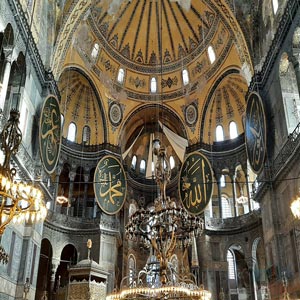
Hagia Sophia rises as a living miracle of faith and engineering, completed in 537 AD and revered across eras as a Byzantine cathedral, an Ottoman mosque, and today a treasured monument. Its soaring dome, luminous mosaics, and sweeping Arabic calligraphy create a rare harmony between Christian and Islamic art, reflecting centuries of spiritual and artistic evolution.
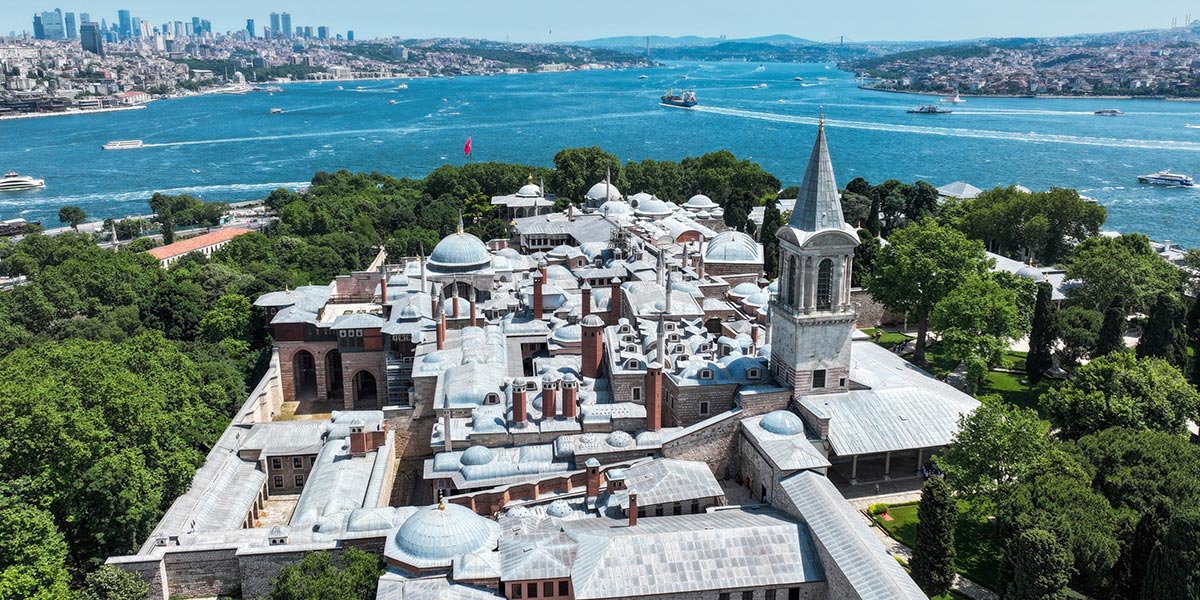
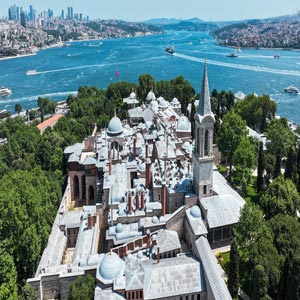
Topkapi Palace is a true embodiment of a world of imperial force, commissioned in the 15th century by Sultan Mehmed II and serving as the seat of Ottoman rule for nearly four centuries. Set above the Bosphorus, its graceful courtyards, ornate pavilions, Imperial Treasury, sacred relics, and secluded Harem reveal the refined power and private life of the empire’s rulers.
After enjoying lunch at an authentic local restaurant, you will continue your exploration with your guide.
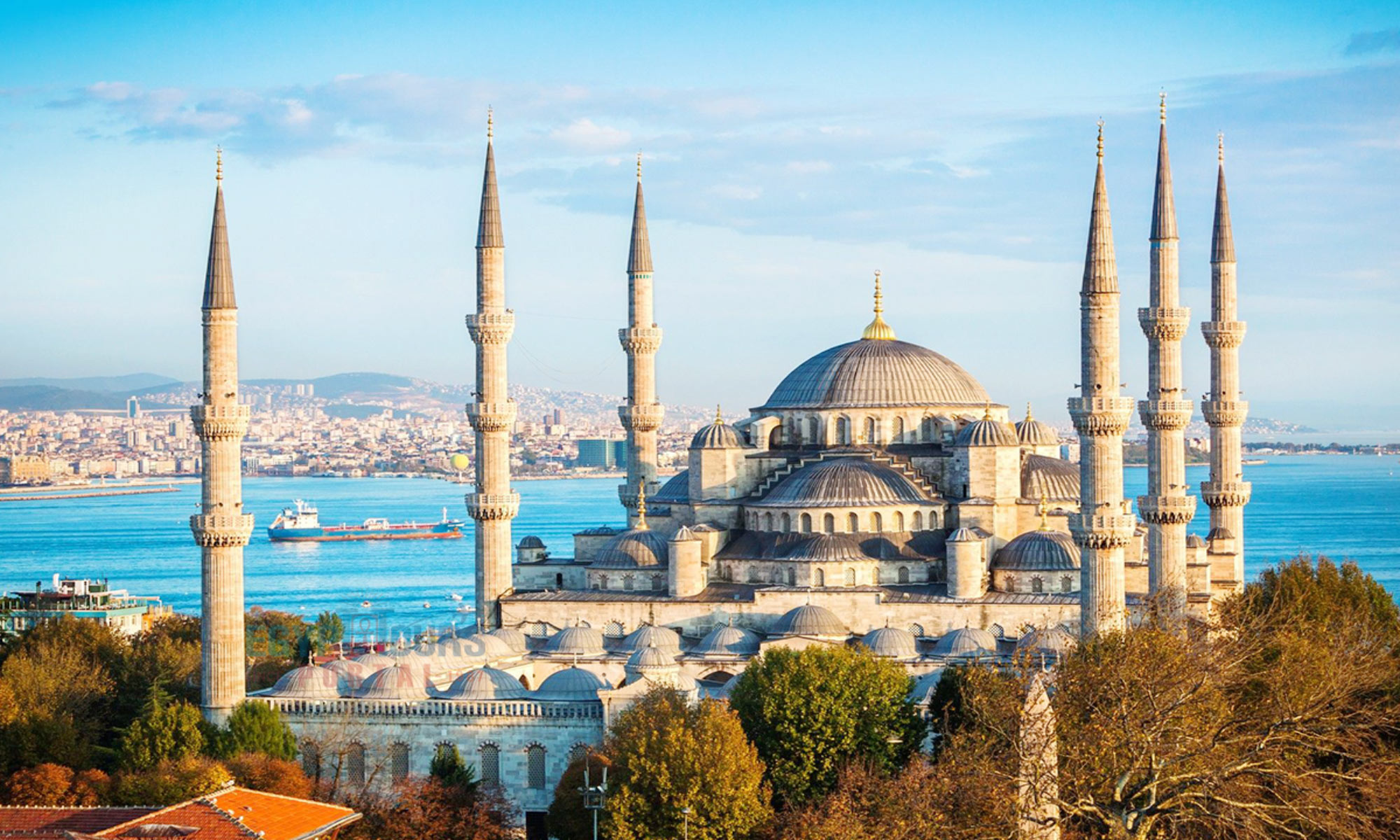
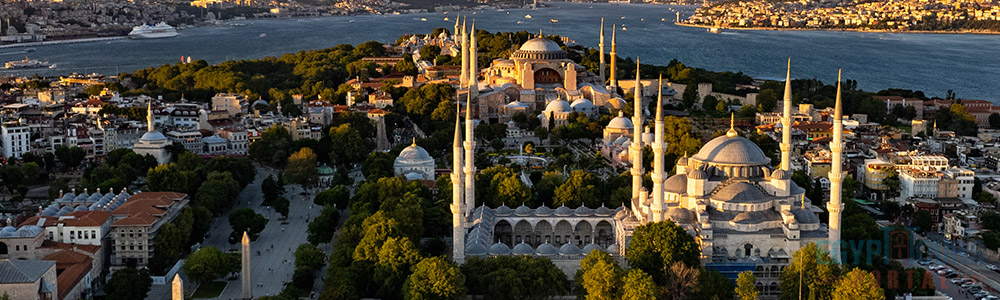
The Blue Mosque enchants with its serene elegance and majesty, completed in 1616 and adorned with thousands of hand-painted Iznik tiles that glow beneath cascading domes. Still an active place of worship and a UNESCO-listed landmark, it stands as a pinnacle of classical Ottoman design.
Hippodrome of Constantinople is a majestic archaeological monument that was founded in 203 AD and later expanded by Constantine the Great, once formed the vibrant heart of Byzantine life. At the current second, monuments such as the Obelisk of Theodosius and the Serpentine Column remain as silent witnesses to imperial ceremonies and chariot races of the past.
The Grand Bazaar is a yellow brick road of a living combination of color and craftsmanship. It was established in 1461, and this vast covered market is among the world’s oldest, where winding lanes overflow with handmade textiles, jewelry, spices, and timeless artistry.
As the day gently closes, you will transfer to the airport for your flight to Antalya. Upon arrival, a local representative will welcome you and escort you to your hotel, where a peaceful overnight stay awaits in preparation for the coastal charm and ancient wonders ahead.
You will start your morning with a delightful breakfast, then meet your private guide at the hotel to set out on a captivating exploration of Antalya’s most enchanting highlights.
Kaleiçi, Antalya’s atmospheric old quarter, is filled with ancient Roman walls, narrow cobbled lanes, and beautifully preserved Ottoman houses. Lined with boutique cafés, artisan shops, and galleries, the district reflects layers of Roman, Byzantine, Seljuk, and Ottoman heritage. Landmarks such as the 13th-century Kesik Minare, the Roman Hıdırlık Tower, and the picturesque marina overlooking the Mediterranean add depth and charm to this historic heart of the city.
Hadrian’s Gate stands as a graceful creation to Roman mastery, erected in 130 AD to honor Emperor Hadrian’s visit to Attaleia. This triple-arched marble gateway, adorned with fluted columns and finely carved details, once formed the ceremonial entrance to the ancient city. Later Seljuk and Ottoman additions enrich its story, making it a striking symbol of Antalya’s layered past.
You will have your lunch at a local restaurant, then get the chance to explore:
The Textile Bazaar is filled with Antalya’s living traditions, where stalls overflow with handwoven carpets, kilims, Turkish towels, embroidered fabrics, spices, leather goods, and artisanal souvenirs. The lively atmosphere and craftsmanship on display offer a genuine taste of local culture.
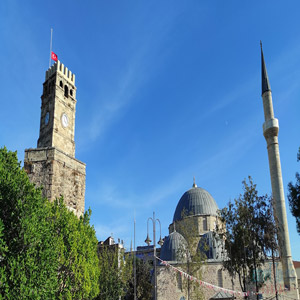
Clock Tower (Saat Kulesi) is a living miracle dating to 1901 and built to commemorate Sultan Abdulhamid II’s 25th year of reign, rising as an enduring Ottoman landmark. Its stone structure and working clock overlook Kaleiçi and the harbor, serving as both a historic symbol and a scenic vantage point.
The Duden Waterfalls provide a refreshing encounter with nature, featuring two dramatic cascades. The Upper Düden Falls flow through a peaceful park of bridges and pathways, while the Lower Düden Falls plunge spectacularly into the Mediterranean Sea, creating one of Antalya’s most breathtaking natural scenes.
At the end of the tour, return to your hotel to spend the overnight stay in Antalya.
After breakfast, set off on a picturesque drive to Pamukkale in a comfortable, air-conditioned vehicle. Upon arrival, meet your knowledgeable guide and begin discovering one of Turkey’s most extraordinary archaeological landscapes, starting with:
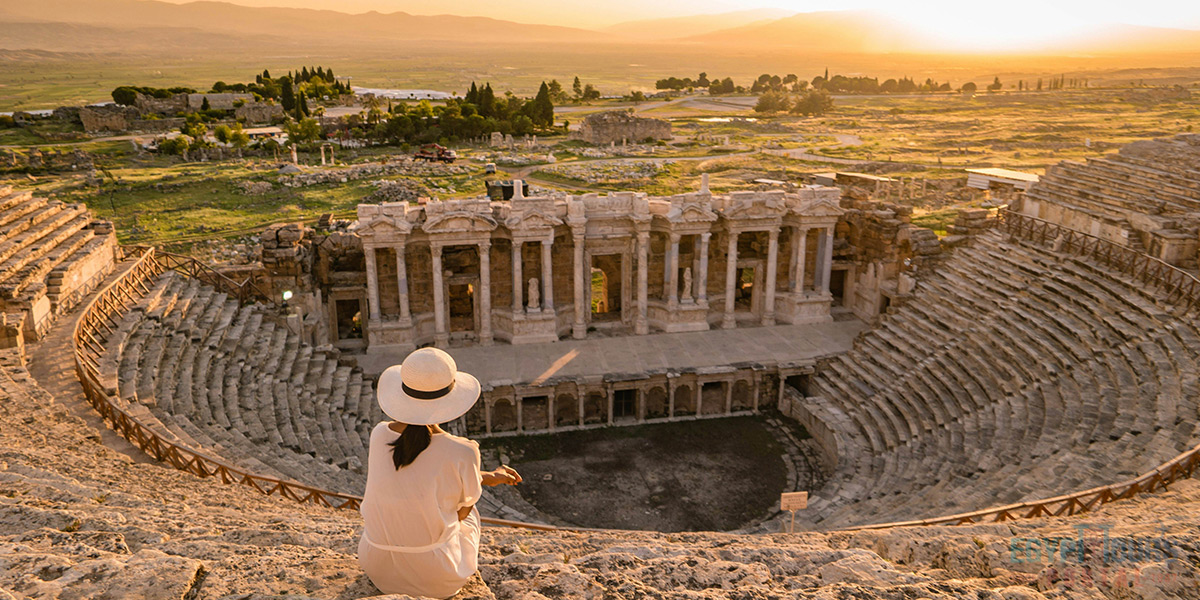
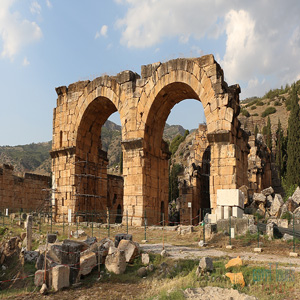
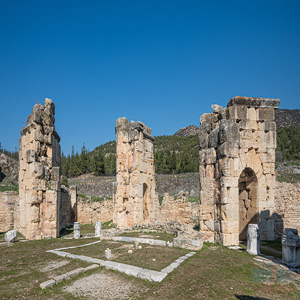
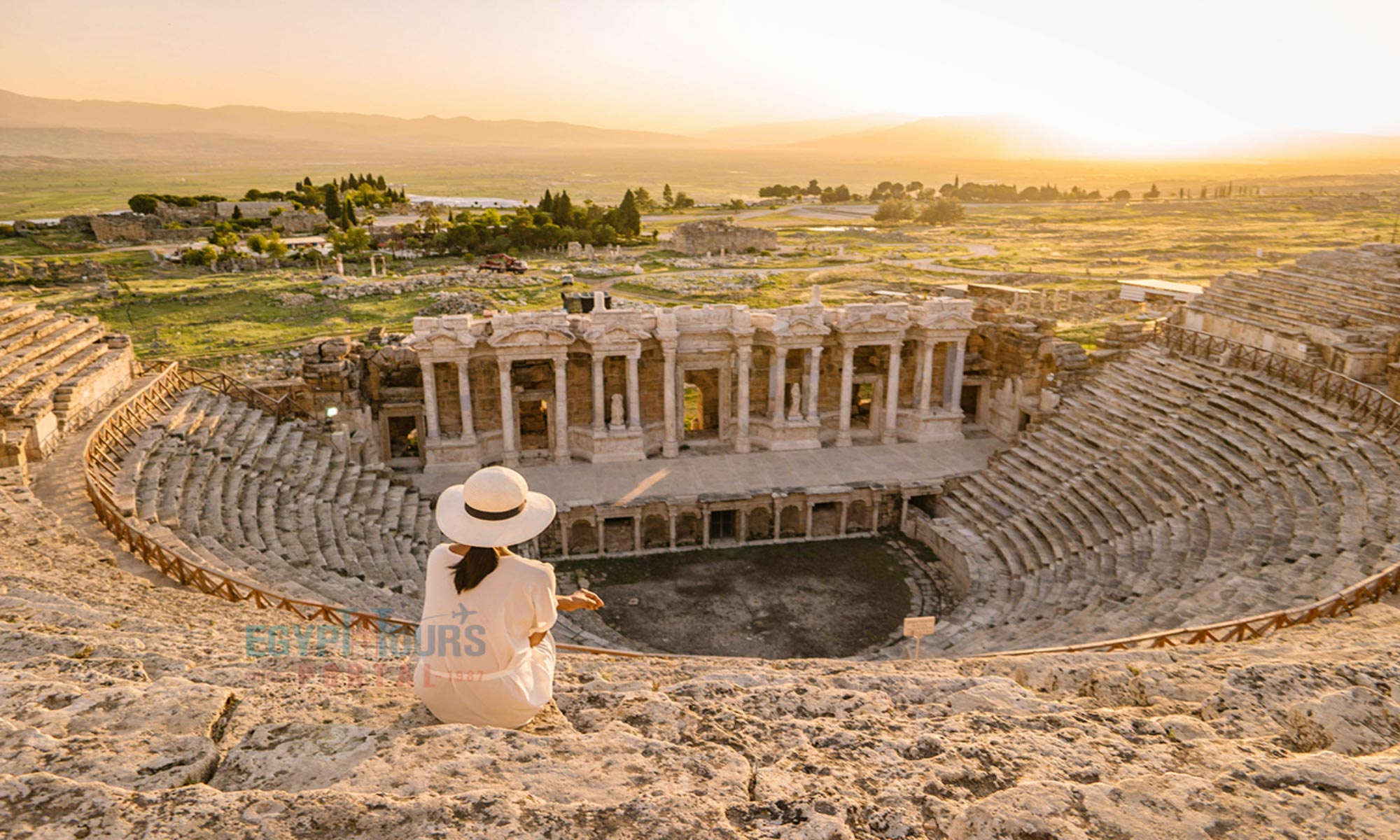
The fascinating Hierapolis is an enchanting structure founded in the 2nd century BC, rose as a celebrated Greco-Roman spa city renowned for its healing thermal waters. Walking through its vast ruins reveals the grandeur of antiquity, from ceremonial gates and ornate fountains to bath complexes and the imposing Roman theater, all reflecting a refined blend of wellness culture and imperial ambition.
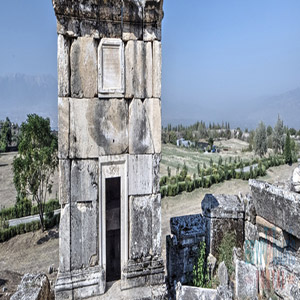
The Necropolis of Hierapolis unfolds as one of the Mediterranean’s largest ancient burial grounds, with more than 1,200 tombs spanning the Hellenistic and Roman eras. Monumental sarcophagi and mausoleums line the landscape, offering powerful insight into the beliefs, social structure, and funerary traditions of the city’s inhabitants.
The Roman Baths of Hierapolis stand as a reminder of Hierapolis’s fame as a center of healing and leisure. It is supplied by natural geothermal springs, these elegant complexes once served both therapeutic and social purposes. Their marble halls, columns, and mosaics reflect the sophistication of Roman daily life.
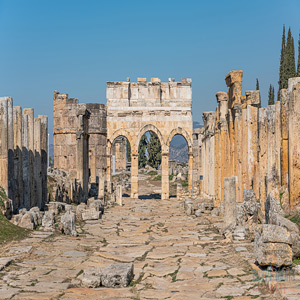
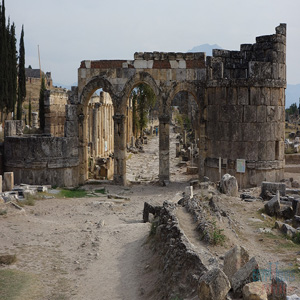
The Domitian Gate is an honorable structure erected in the 1st century AD, marking the ceremonial entrance to the city. Flanked by massive towers and detailed stonework, this triumphal gateway embodies Roman architectural mastery and the sense of awe felt by those who once entered Hierapolis.
After the morning’s exploration, enjoy a delightful lunch at a local restaurant before continuing the journey through the ancient city.
The Frontinus Street is a grand colonnaded avenue stretching nearly 500 meters, once formed the commercial and social artery of Hierapolis. Lined with shops and public buildings, it offers a vivid impression of the city’s vibrant urban life.
The Agora of Hierapolis is a magnificant spectacle built in the 2nd century AD, functioned as the civic heart of the city. Framed by elegant porticoes, this spacious square hosted markets, gatherings, and public discourse, highlighting Hierapolis’s importance as a thriving economic and cultural center.
The Cathedral of Hierapolis is a miraculous establishment dating to the 5th century AD, stands as one of the region’s most significant early Christian basilicas. Its vast layout and traces of decorative mosaics reflect the city’s continued religious prominence during the Byzantine era.
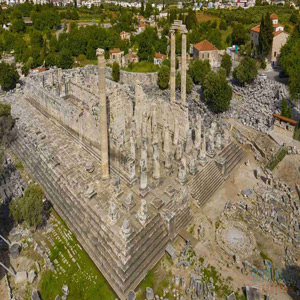
The Temple of Apollo is a shining beacon of greatness among Hierapolis’s most sacred sites and dates back to the Hellenistic period. It is dedicated to the god of prophecy and healing, it was built above a geological fissure believed to emit divine vapors, revealing the deep spiritual traditions that shaped the city.
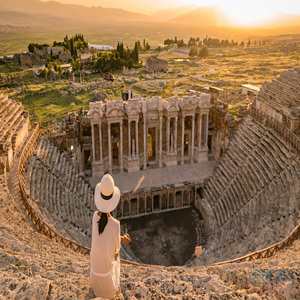
The Theater of Hierapolis is an architectural piece of art constructed in the 1st century AD and later expanded, which could host up to 10,000 spectators. Its well-preserved seating, sculpted stage reliefs, and panoramic views make it one of the most impressive ancient theaters in Anatolia.
The Plutonium has always been shrouded in mystery as a gateway to the underworld and dedicated to Pluto, god of the dead. Known for its lethal vapors, this eerie sanctuary played a central role in ancient rituals and continues to fascinate visitors with its haunting atmosphere.
At the conclusion of this enriching experience, you will be transferred to Denizli Airport for your flight back to Istanbul. Upon arrival, your private driver will escort you to your hotel, where a peaceful overnight stay awaits.
You will start the final day of your 18 Days Cairo, Hurghada, Upper Egypt, Turkey, and Jordan Tour by heading to Istanbul airport to catch your flight.
Feel free to share your thoughts about adding or removing any tours from this itinerary while sending your tour inquiry. We can fully customize it to accommodate your exact requirements and fulfill your needs , check the most faqs regarding tour booking.
We have multiple payment methods in our payment system. Check How to Pay for This Tour
Visa requirements vary depending on your nationality, length of stay, and travel purpose. For the latest information and eligibility details, please visit our Egypt visa guide.
We accept payments via secure online payment links, credit/debit cards, bank transfers, and cash upon arrival when agreed in advance.
For your security, please only complete card payments through our approved secure payment gateway and never share card details via email, WhatsApp, or social media.
Our payment, cancellation, and refund policies vary depending on the tour type, travel dates, services booked, and supplier conditions.
Send request, and one of our travel specialists will contact you with all the details of your tour. You can also review our payment and cancellation policy for additional information.
Services vary by tour package and may include accommodation, transportation, guided tours, airport transfers, domestic flights, entrance fees, and selected meals. Please refer to your tour itinerary for a complete list of included services.
We offer private, customizable journeys tailored to your pace, moving away from the "factory-style" mass-market tours.
Travel with elite, licensed Egyptologists who act as storytellers, not just tour leaders.
24/7 "high-touch" support with a dedicated coordinator for every aspect of your multi-vendor itinerary.
Our "Tailor-Made" planning workflow ensures your trip matches your specific priorities and interests.
We prioritize premium guide quality and vetted, safe hotels to ensure a stress-free environment.
Advanced safety protocols and 24/7 emergency contact for total peace of mind during your adventure.