Summary
- A Nile River cruise is not only a journey along Egypt’s lifeline but also through millennia of history and culture.
- From Luxor’s vast temples to Aswan’s serene beauty, each stop reveals ancient treasures shaped by the river’s seasonal rhythms.
- Winter offers cool, comfortable days perfect for sightseeing; spring brings blossoms and mild warmth with occasional dusty winds; summer’s intense heat delivers quiet sites and lower prices; and autumn provides golden light and balanced weather.
- By aligning travel plans with seasonal conditions, considering temperature, humidity, and UV levels, travelers can craft an experience that blends comfort with discovery, ensuring the Nile reveals its wonders in the most rewarding way.
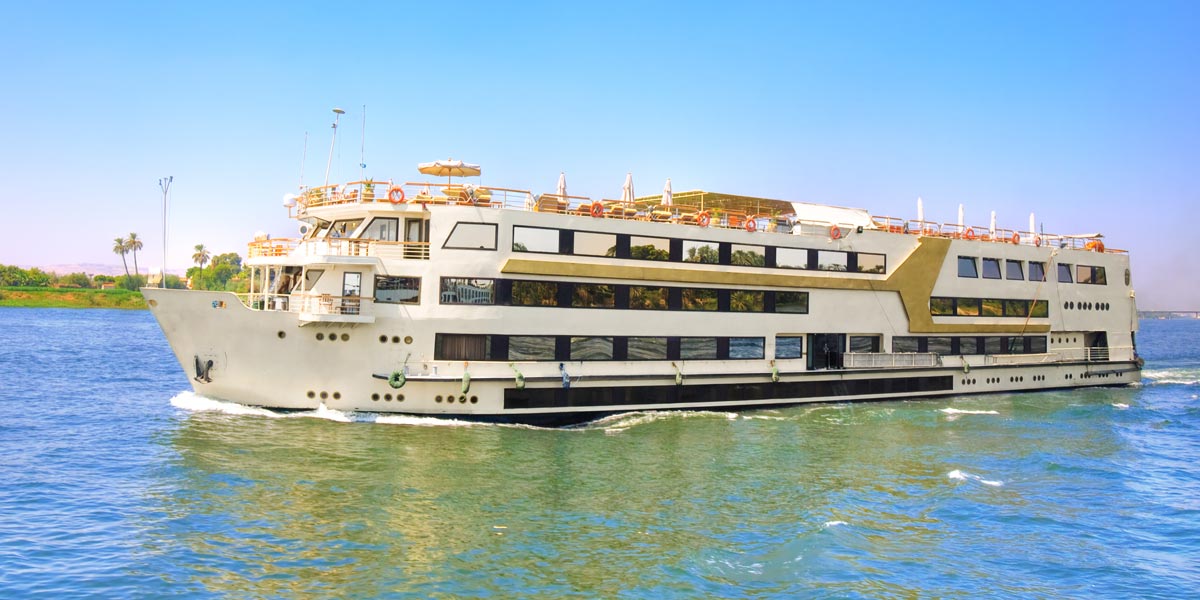
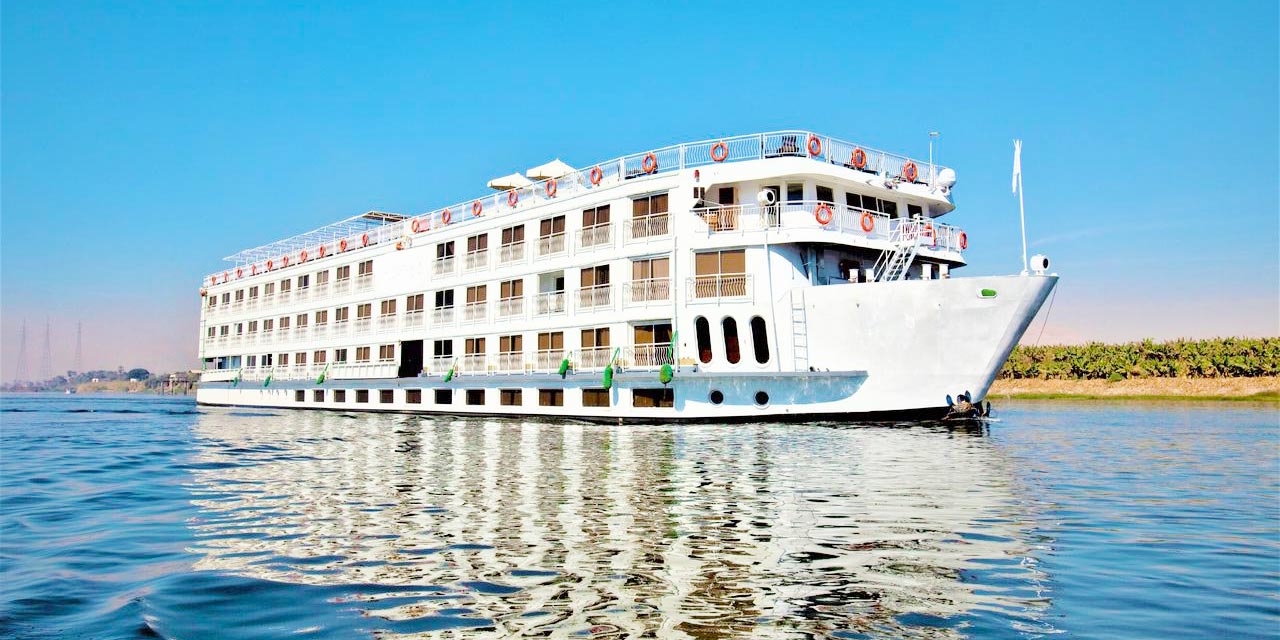
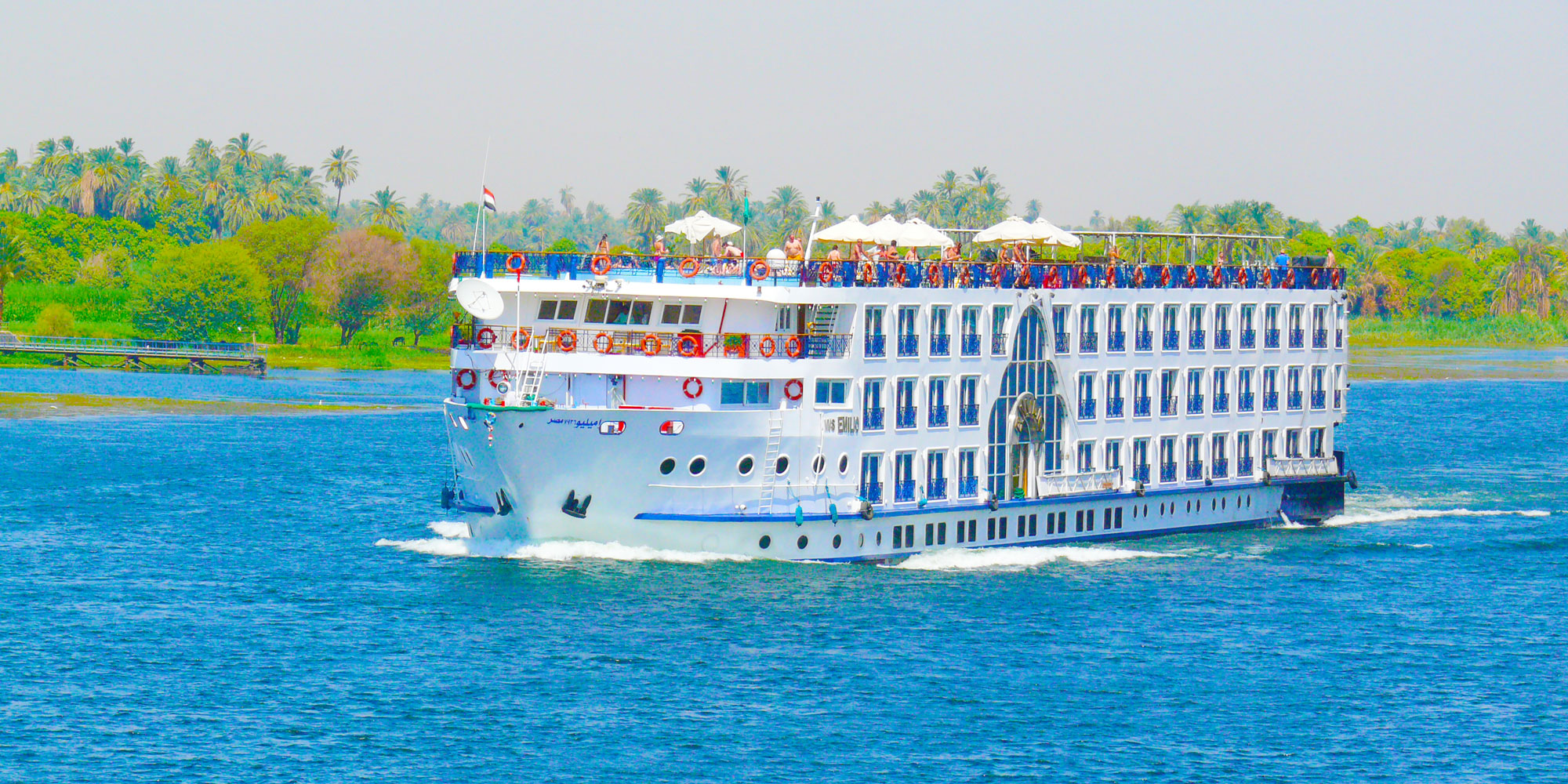
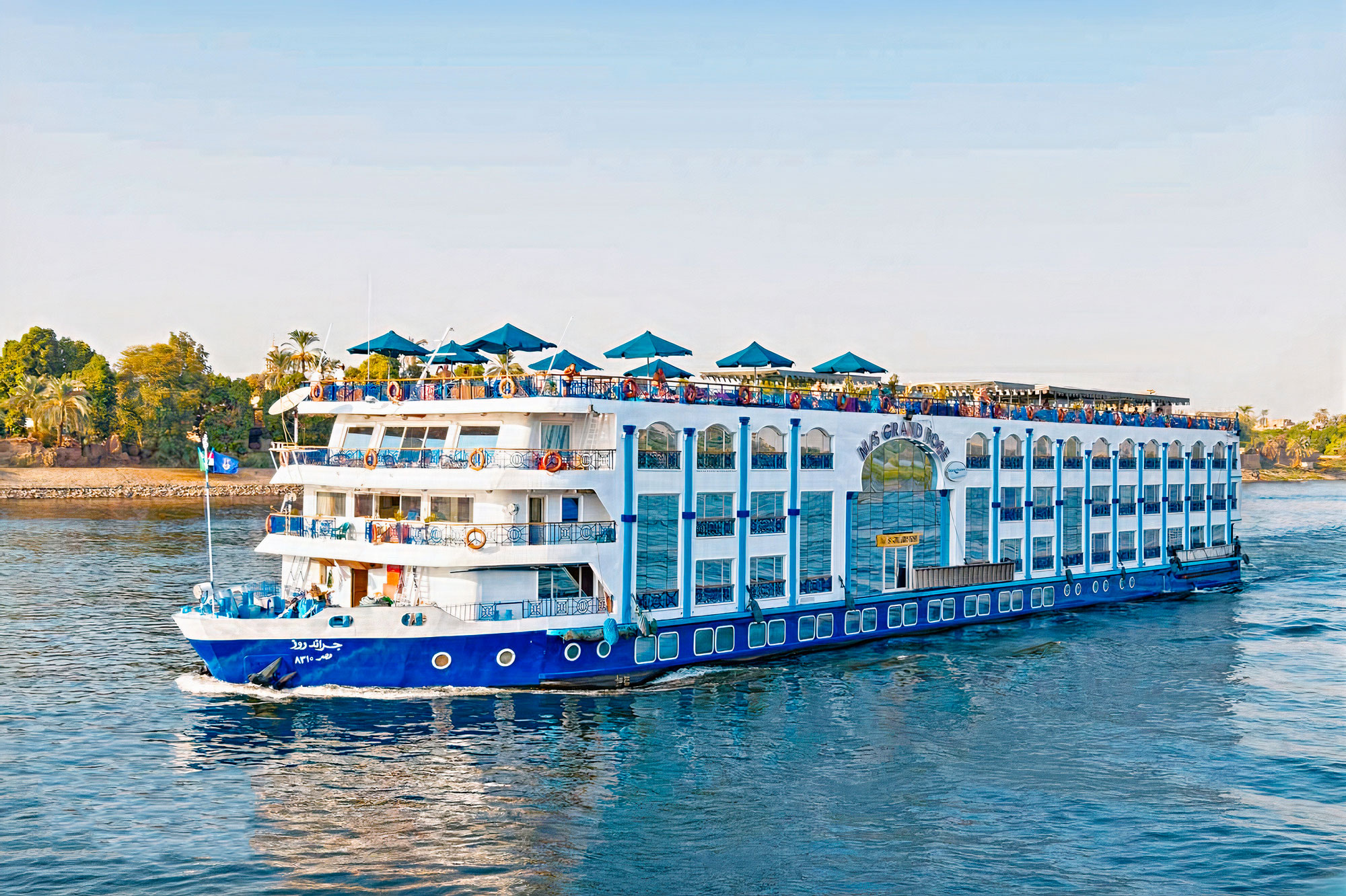
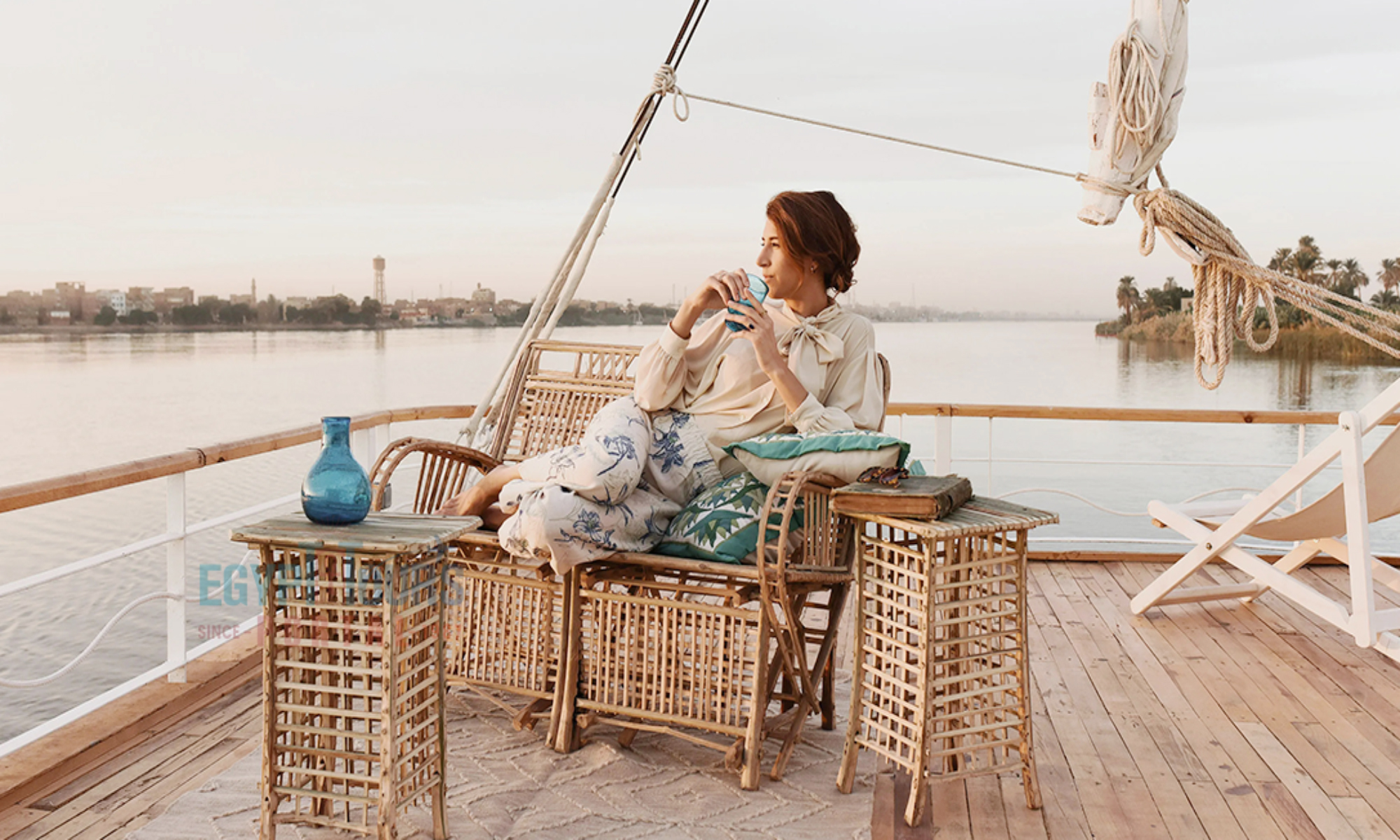
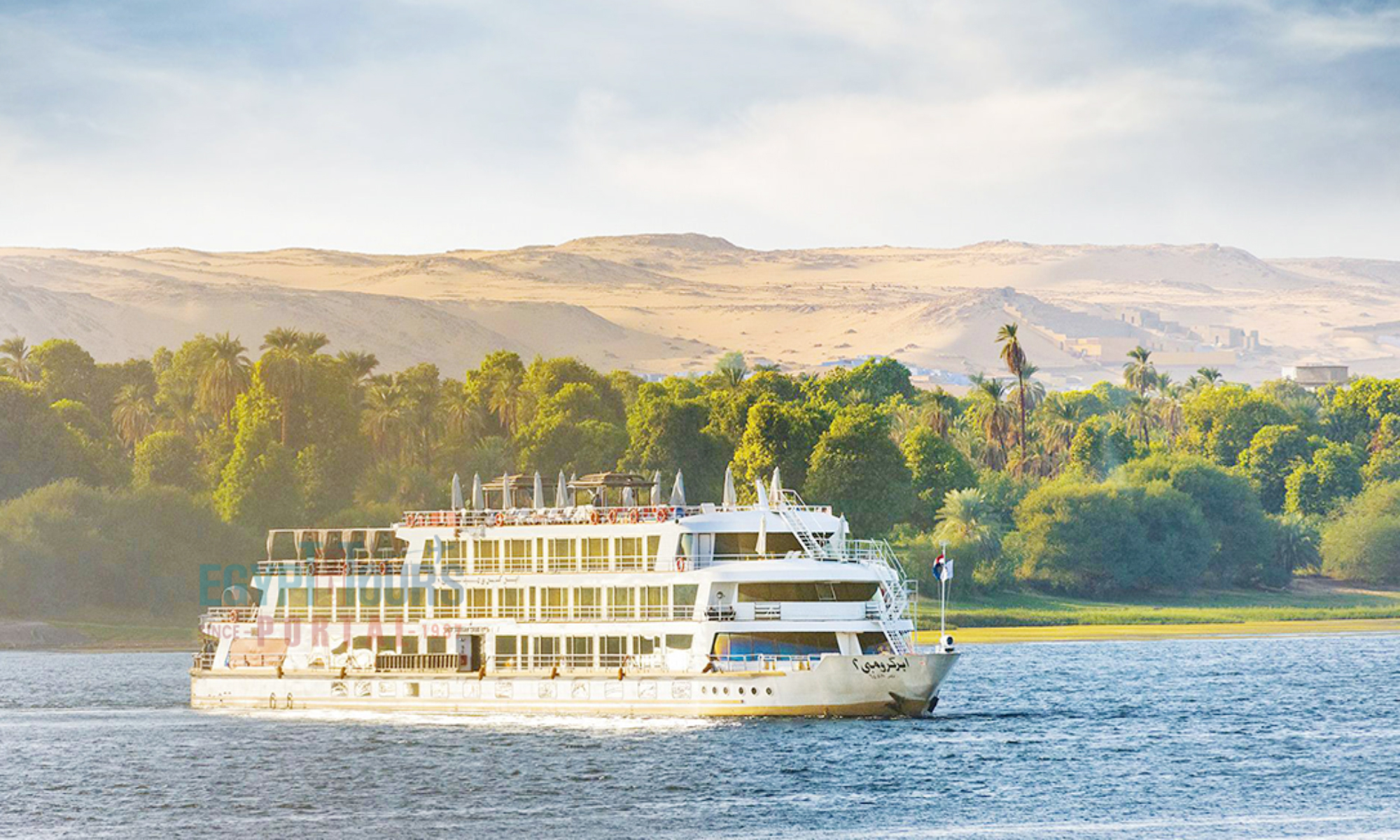
A Nile River cruise is more than just a scenic voyage; it is a passage through thousands of years of history, where every bend in the river reveals temples, tombs, and timeless landscapes. From the bustling city of Luxor to the tranquil shores of Aswan, the Nile is both Egypt’s lifeline and a window into its ancient past. Yet, as captivating as the journey may be, the weather along the Nile can greatly influence the experience.
Choosing the right time of year is essential for ensuring that the climate enhances rather than hinders your trip. Understanding how the seasons shape the environment, from the temperature and humidity to the light and river conditions, allows travelers to plan a cruise that aligns perfectly with their preferences and priorities.
Overview of the Nile Cruise Route
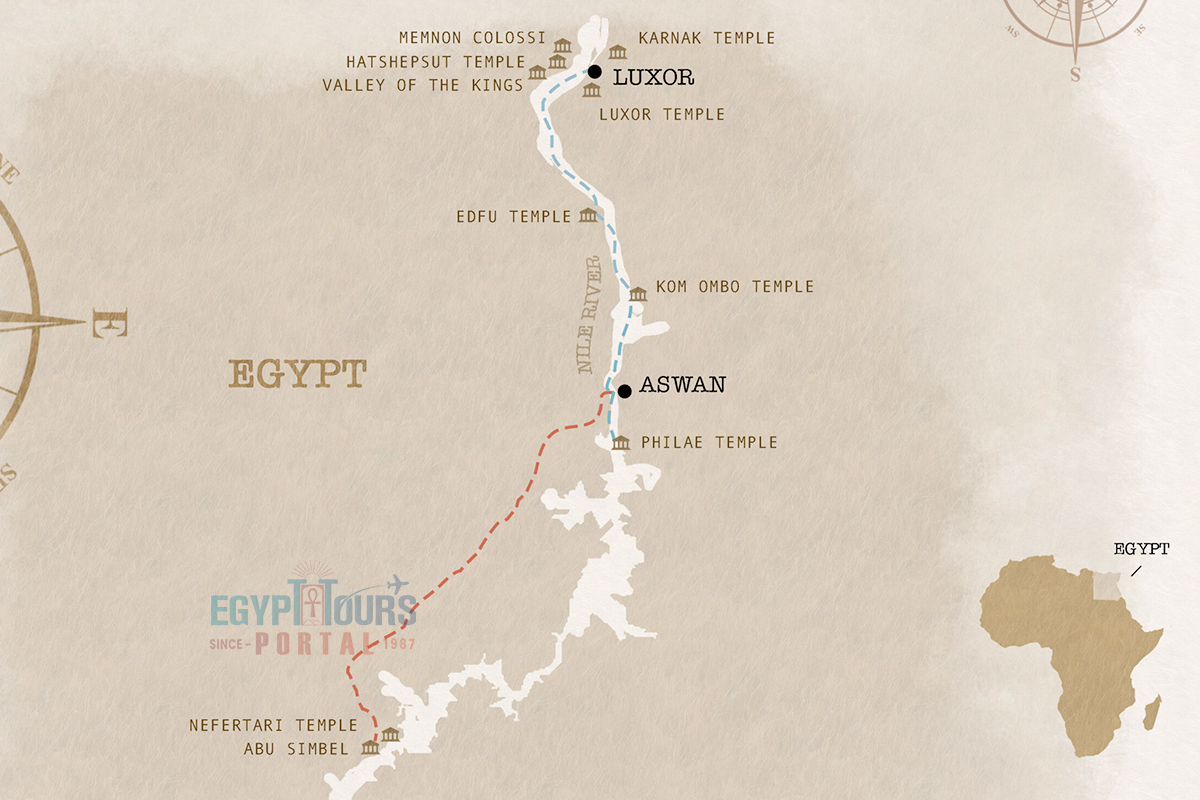
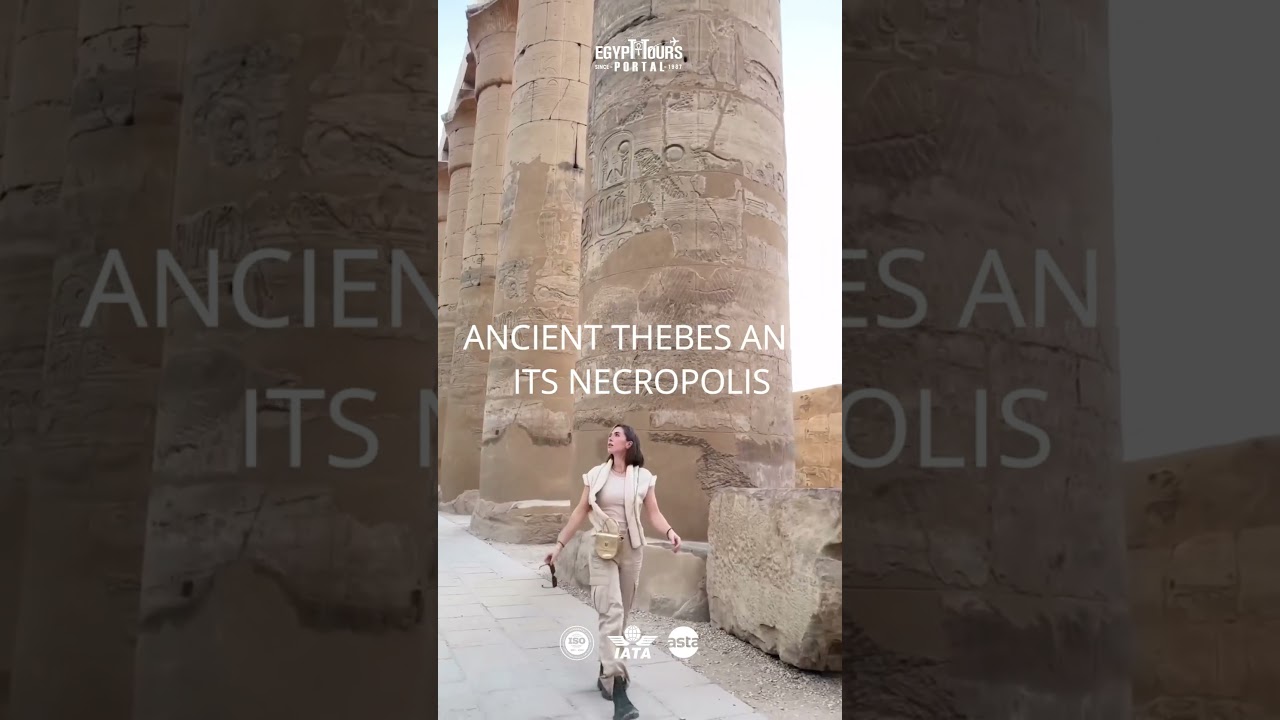
Most Nile River cruises follow a route between Luxor and Aswan, a stretch rich in ancient wonders and stunning scenery. Luxor, often called the “world’s greatest open-air museum,” is home to monumental sites like the Karnak Temple and Luxor Temple, and the Valley of the Kings. Aswan, further south, offers serene beauty, the Philae Temple, and access to the grand Abu Simbel temples.
The 180-kilometer journey between these cities passes through Kom Ombo and Edfu, where riverside temples emerge dramatically from the desert landscape. Although the climate is generally similar along the route, Aswan tends to be slightly warmer than Luxor due to its more southerly location. Some cruises extend beyond this main route to Cairo or Lake Nasser, where subtle shifts in weather patterns may be felt, especially in humidity and temperature.
Detail the Different Seasons Along the Nile and Their Corresponding Weather Conditions
The Nile river experiences four distinct seasons, each offering a unique atmosphere for travelers. Winter, stretching from November to February, brings mild days and cool nights, with daytime temperatures between 15°C and 25°C (59°F – 77°F). This is the peak tourist season, as the weather is perfect for outdoor exploration and sightseeing without the discomfort of extreme heat.
Clear skies create striking backdrops for photography, especially during sunrise and sunset. Spring, from March to May, offers warmer temperatures between 25°C and 35°C (77°F – 95°F) and is known for lush riverbanks and blooming flora. However, the Khamsin winds, which carry desert dust, can occasionally appear in March and April.
Summer, from June to August, is intensely hot, with temperatures often soaring above 40°C (104°F), and while this discourages many visitors, it rewards those who come with quieter sites, fewer crowds, and lower travel costs. Autumn, from late September to October, is considered one of the most pleasant times to cruise, with warm but comfortable days ranging from 25°C to 30°C (77°F – 86°F) and cooler evenings that make evenings on deck especially enjoyable.
While temperature is the most noticeable factor, humidity and UV levels play a key role in comfort. Winter averages 40–50% humidity with a UV index of 4–5, offering very comfortable conditions. Spring has 30–40% humidity and a UV index of 6–8, still comfortable but requiring good sun protection.
Summer drops to 20–30% humidity but has a high UV index of 9–11, making sun safety and hydration essential. Autumn averages 35–45% humidity with a UV index of 5–6, striking a pleasant balance between warmth and comfort.
![Everything About the Weather in Egypt [year]/[year plus=1]](https://www.egypttoursportal.com/images/2019/12/The-Weather-in-Egypt-Egypt-Tours-Portal.jpg)
Everything About the Weather in Egypt 2026/2027
Explore the Unique Climate of Egypt During Your Nile Cruise Trip
Local Insights: How Egyptians Adapt

To experience the Nile like a local, it helps to understand how residents adapt to seasonal changes. In winter, locals enjoy outdoor cafés and evening strolls along the Corniche, often wearing light jackets at night. Spring brings family picnics along the riverbanks and a burst of green as farmers plant seasonal crops.
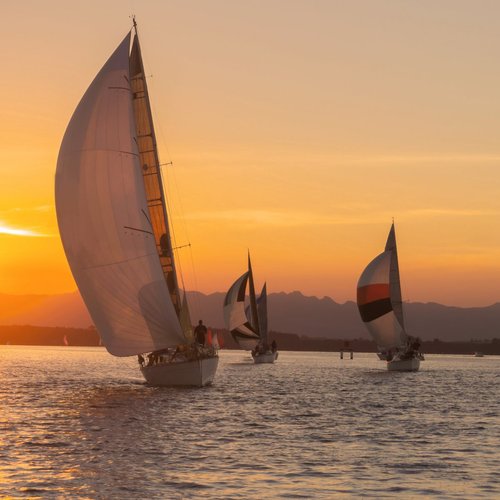
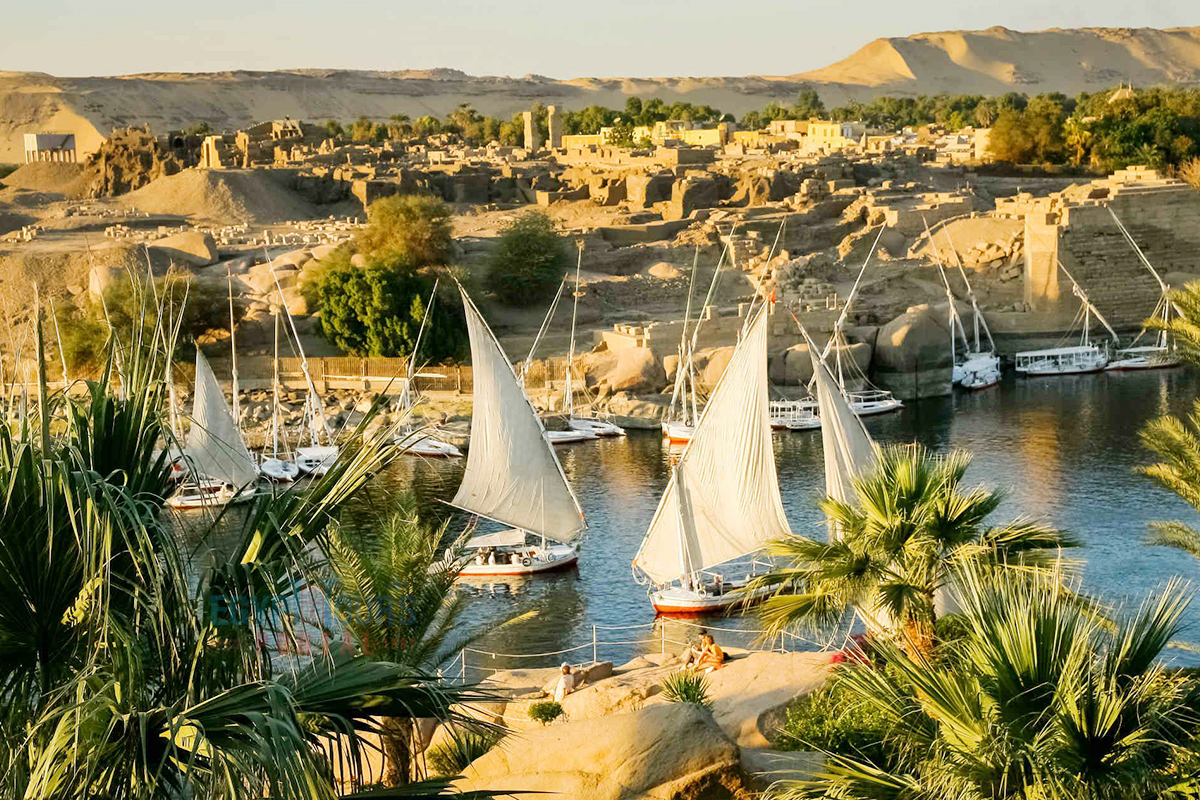
During summer, life slows in the midday heat, with most activities shifting to early mornings and evenings when the air is cooler. Autumn is marked by bustling markets selling seasonal fruits like pomegranates and dates, and the golden light is ideal for leisurely felucca sails.
Best Times to Go on a Nile Cruise

While the Nile can be cruised year-round, most travelers and experts agree that the best time to embark is between October and April, when the temperatures are most comfortable, humidity is low, and the light is ideal for sightseeing and photography. These months provide a balance between pleasant weather and the full accessibility of attractions.
For those seeking quieter experiences and better deals, May and September are considered “shoulder months,” when the heat is noticeable but not oppressive and crowds are thinner than in peak season. Travelers who don’t mind intense heat and want to take advantage of discounted fares might consider June to August, though this requires careful planning to avoid midday sun and to maximize early morning and evening excursions.
![The Best Time for a Nile Cruise Tour [year]/[year plus=1]](https://www.egypttoursportal.com/images/2021/06/The-Best-Time-for-a-Nile-Cruise-Tour-Acmar-Nile-Cruise-Egypt-Tours-Portal.jpg)
The Best Time for a Nile Cruise Tour 2026/2027
Explore the best time to enjoy a Nile cruise in Egypt
What to Expect in Each Season of the Nile River

Winter on the Nile offers a bustling yet magical atmosphere. It is the season of festive events, including Coptic Christmas on January 7, when churches are adorned, and streets fill with celebrations. Days are perfect for exploring temples, while evenings call for light jackets to keep warm on deck. Spring brings renewed life to the Nile Valley, with greenery and blossoms lining the banks.
This is an ideal time for photographers and nature enthusiasts, though the Khamsin winds may occasionally bring dusty skies. Summer transforms the cruise into a more private experience, as the heat keeps visitor numbers low. This is when you can wander through iconic sites like Karnak or Philae almost alone, though careful timing is needed to avoid the scorching midday hours.
Autumn welcomes travelers with a softer sun, making it a comfortable season for both sightseeing and leisurely deckside relaxation. It’s also a time when local festivals, such as Eid al-Adha in certain years, provide cultural depth to the journey.
Impact of Weather on Cruise Activities

The weather not only affects comfort but can also influence the structure of cruise itineraries. In the summer, extreme heat often means that temple visits and guided tours are scheduled at dawn or near sunset, with midday reserved for onboard relaxation or shaded activities. In winter, shorter daylight hours can slightly limit the time available for excursions, but the cooler temperatures make walking through archaeological sites far more enjoyable.
Seasonal lighting also affects photography: winter and autumn provide softer, golden light, while summer delivers sharp, vibrant images under cloudless skies. River conditions remain relatively stable year-round due to dam regulation, but in summer, lower water levels can occasionally affect access to certain remote sites.
What to Pack for Each Season During Your Nile Cruise Trip

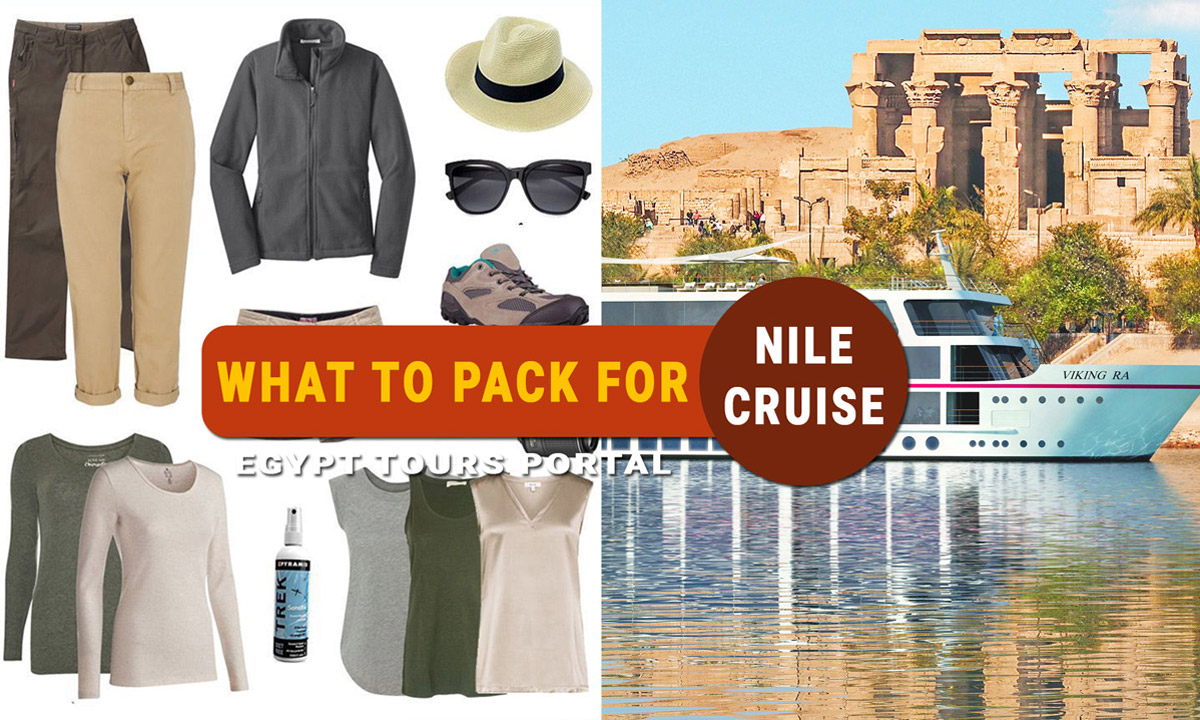
Packing during your nile cruise smartly ensures comfort in any season. In winter, bring light layers, a warm evening jacket, and comfortable walking shoes. Spring calls for breathable clothing, a wide-brimmed hat, sunscreen, and a scarf for occasional dust.
Summer travelers should opt for loose cotton or linen garments, high-SPF sunscreen, and a refillable water bottle. Autumn visitors will find light daytime clothing and a sweater for cool evenings ideal.

What to Pack for a Perfect Egypt Tour
Discover What to Pack During Your Nile Cruise Trip
Tips for Traveling in Different Weather Conditions

Traveling in winter calls for layered clothing, as daytime warmth can quickly give way to chilly evenings. Booking early is essential during this peak season, as cruises and hotels fill quickly. In spring, sun protection is crucial; light, breathable clothing, wide-brimmed hats, and sunscreen will keep you comfortable, while a scarf can shield you from any windborne dust.
Summer travelers should schedule excursions for early morning or late afternoon, stay hydrated, and choose cabins with effective air conditioning. Autumn visitors can pack light, airy clothing for the day and a light sweater for the evenings, enjoying the perfect balance between warmth and comfort without the extremes of other seasons.
Enjoy the Most Majestic Nile Cruise Under the Pleasant Weather of Egypt
The Nile River’s timeless charm is enhanced, or challenged, by its weather, making seasonal awareness an essential part of Egypt tour packages from UK planning. Whether you choose the crisp elegance of winter, the colorful vibrancy of spring, the quiet intensity of summer, or the golden warmth of autumn, each season offers a different way to experience Egypt’s most legendary waterway.
By matching your expectations, budget, and tolerance for heat with the Nile’s seasonal rhythms, you can create a cruise experience that is as comfortable as it is unforgettable. With the right preparation and timing, the Nile cruise will reward you with a journey filled with history, beauty, and memories that will last a lifetime.