Summary
- This article explores the rich culinary experience of a Nile River cruise, where dining is as integral to the experience as sightseeing.
- It details the two main meal plan options, Full Board and All-Inclusive, highlighting their differences, costs, and suitability for various travel styles.
- It compares the quality of food and service on deluxe versus luxury cruises, illustrating how presentation, freshness, and variety differ.
- Readers are introduced to iconic Egyptian dishes such as Koshari, Mahshi, Molokhia, Feteer Meshaltet, and Grilled Nile Perch, alongside Middle Eastern desserts.
- Practical tips cover meal schedules, dress codes, dietary requests, and tipping etiquette.
- The piece emphasizes that a Nile cruise blends history, comfort, and flavor into one unforgettable journey, making each meal a cultural experience.
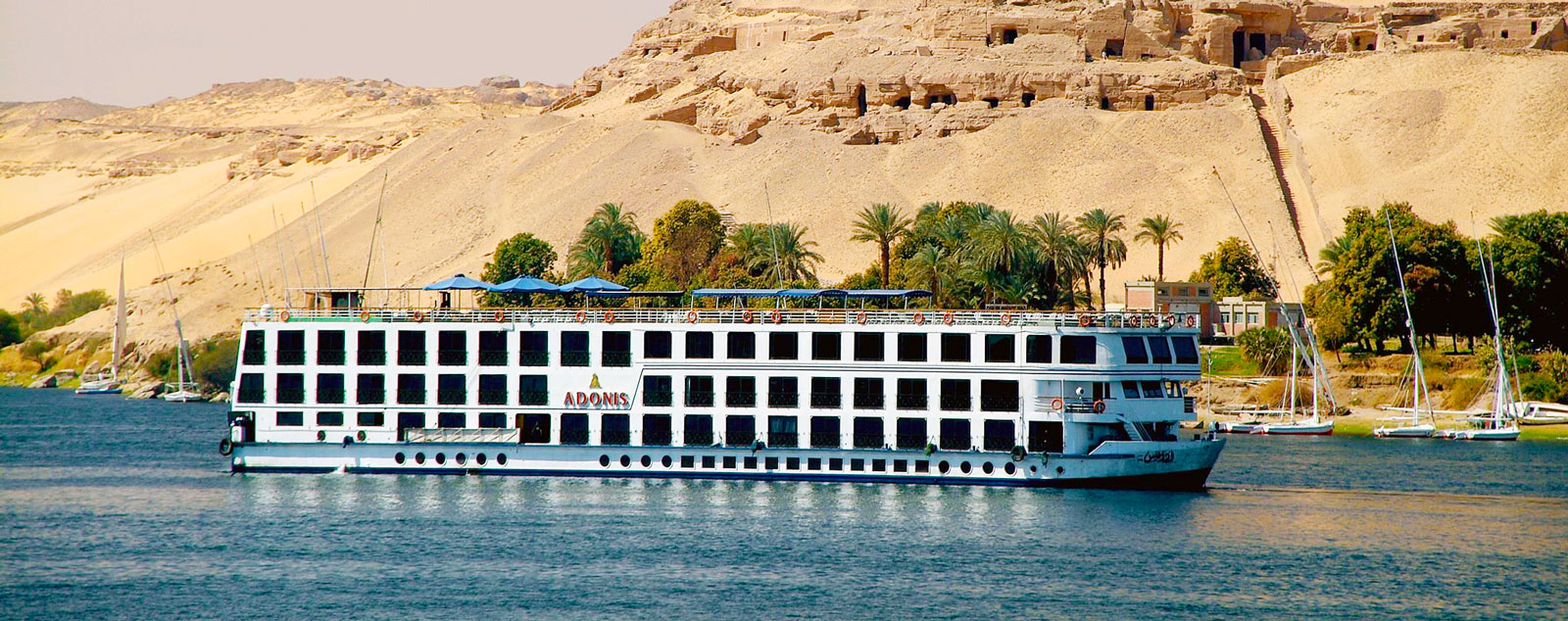
A Nile River cruise is not only about exploring ancient Egyptian temples, drifting past sunlit landscapes, and immersing yourself in Egypt’s captivating history; it is also a journey for the palate. The onboard food and beverage experience is thoughtfully designed to keep guests well-fed, refreshed, and inspired, offering a harmonious mix of international comfort food and authentic Egyptian flavors.
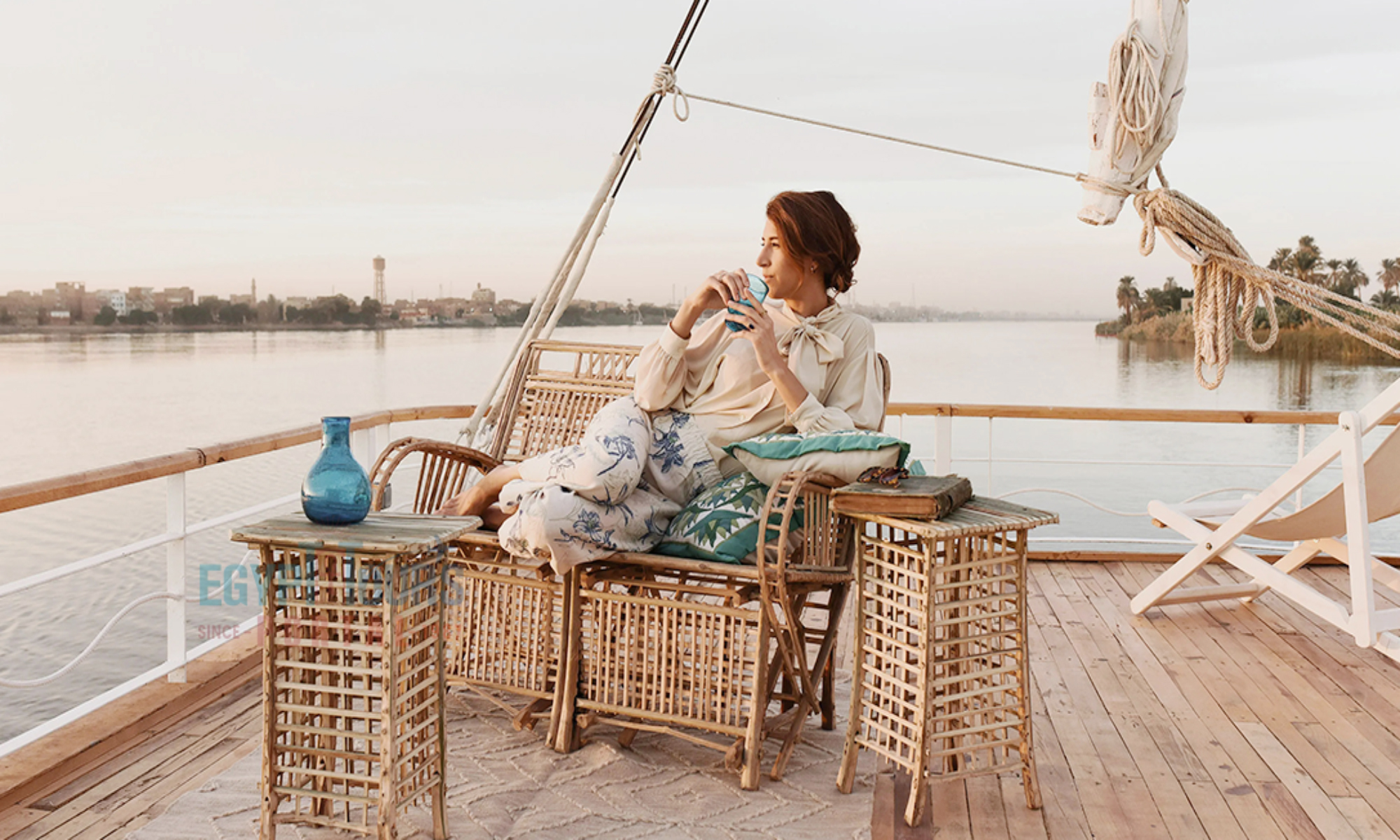
From the aroma of freshly baked bread at sunrise to the taste of slow-cooked tagine enjoyed under the evening sky across the Nile River, dining becomes an integral part of the cruise experience. Understanding the different meal plan options, the variety of dishes served, and the dining customs onboard will help you make the most of every bite and sip during your voyage.
Food & Beverage of the Cruise Based on Options: Full Board vs. All-Inclusive
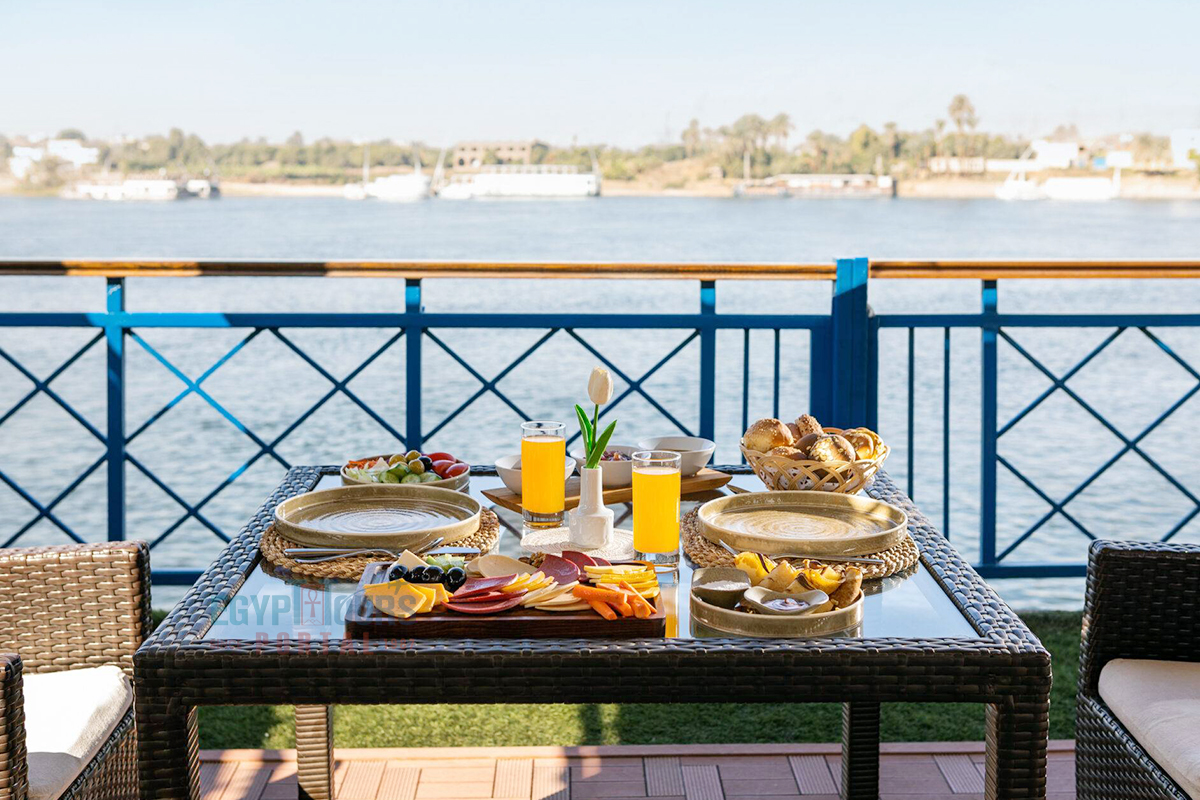
Most Nile cruises operate on one of two main dining packages: Full Board or All-Inclusive. Each offers a different level of convenience, inclusions, and pricing. Choosing the right option depends on your personal preferences, the amount of time you expect to spend onboard versus ashore, and whether you want comprehensive coverage of beverages and snacks.
Full Board is the most common arrangement, including three main meals per day: breakfast, lunch, and dinner, often served as generous buffets. Beverages such as tea, coffee, and juice are usually provided with breakfast, but soft drinks, bottled water, and alcoholic beverages are charged separately throughout the day.
This plan suits travelers who anticipate being away on excursions for much of the day and who do not require unlimited refreshments between meals. For example, if your itinerary is packed with temple visits, museum stops, and city tours, you might only return to the ship for the main meals, making Full Board both practical and cost-efficient.
All-Inclusive offers a more comprehensive experience, covering all meals, snacks, soft drinks, and, in most cases, alcoholic beverages throughout the day. On many luxury cruises, this plan also includes extras such as afternoon tea with pastries, sunset cocktails, and themed dinner events. While it generally comes at a higher upfront cost, All-Inclusive can provide excellent value for guests who enjoy regular refreshments, prefer not to track individual expenses, or plan to spend more leisure time relaxing onboard.
Quality of Food Onboard Deluxe & Luxury Nile Cruises
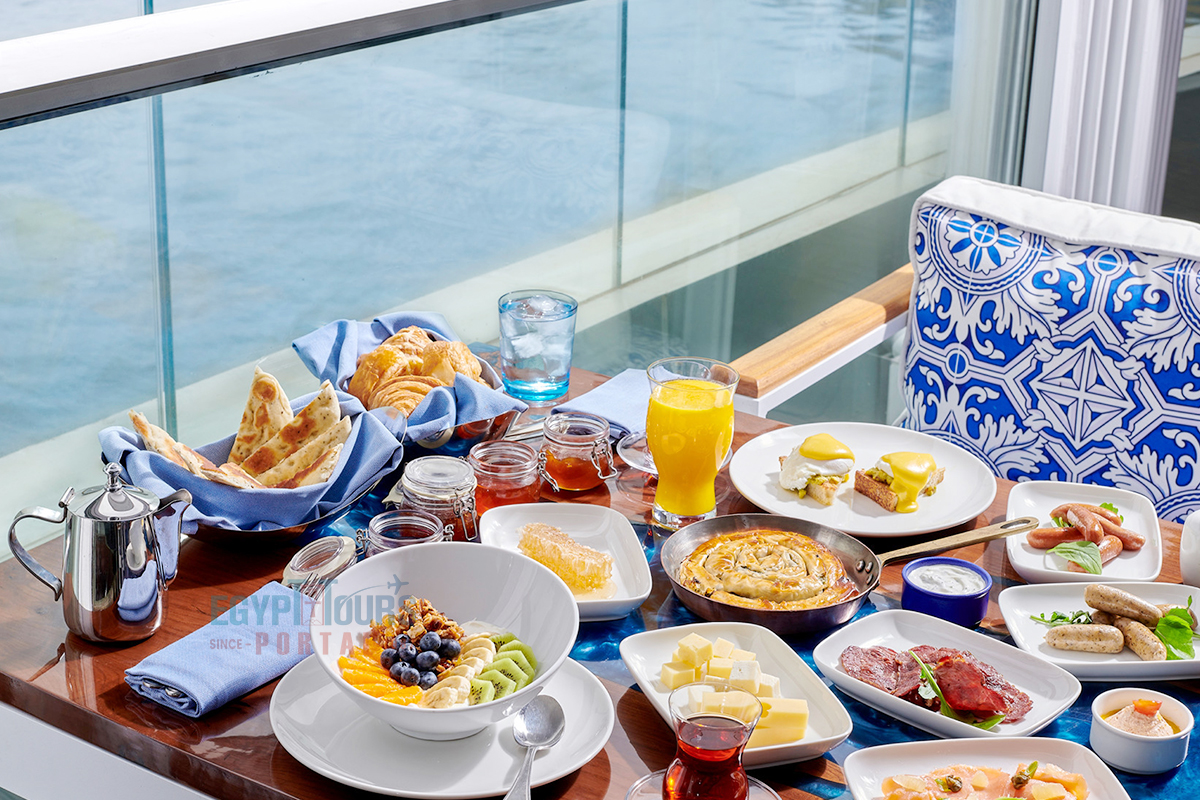
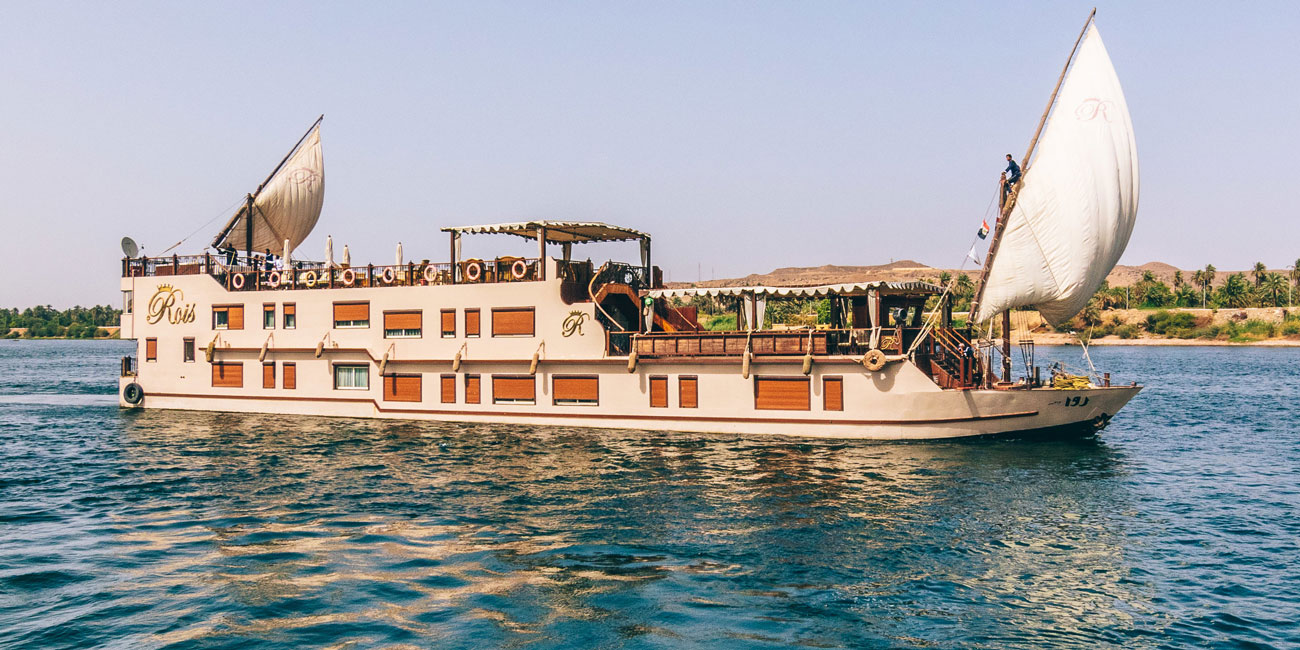
The quality and presentation of food on a Nile cruise often reflect the cruise category. Deluxe cruises provide hearty, well-prepared meals, typically presented as buffet spreads with a balanced mix of international favorites and Egyptian dishes. Expect a good variety of salads, soups, hot main courses, and desserts. While the presentation may be simpler compared to higher-tier ships, the freshness and quality are generally reliable.
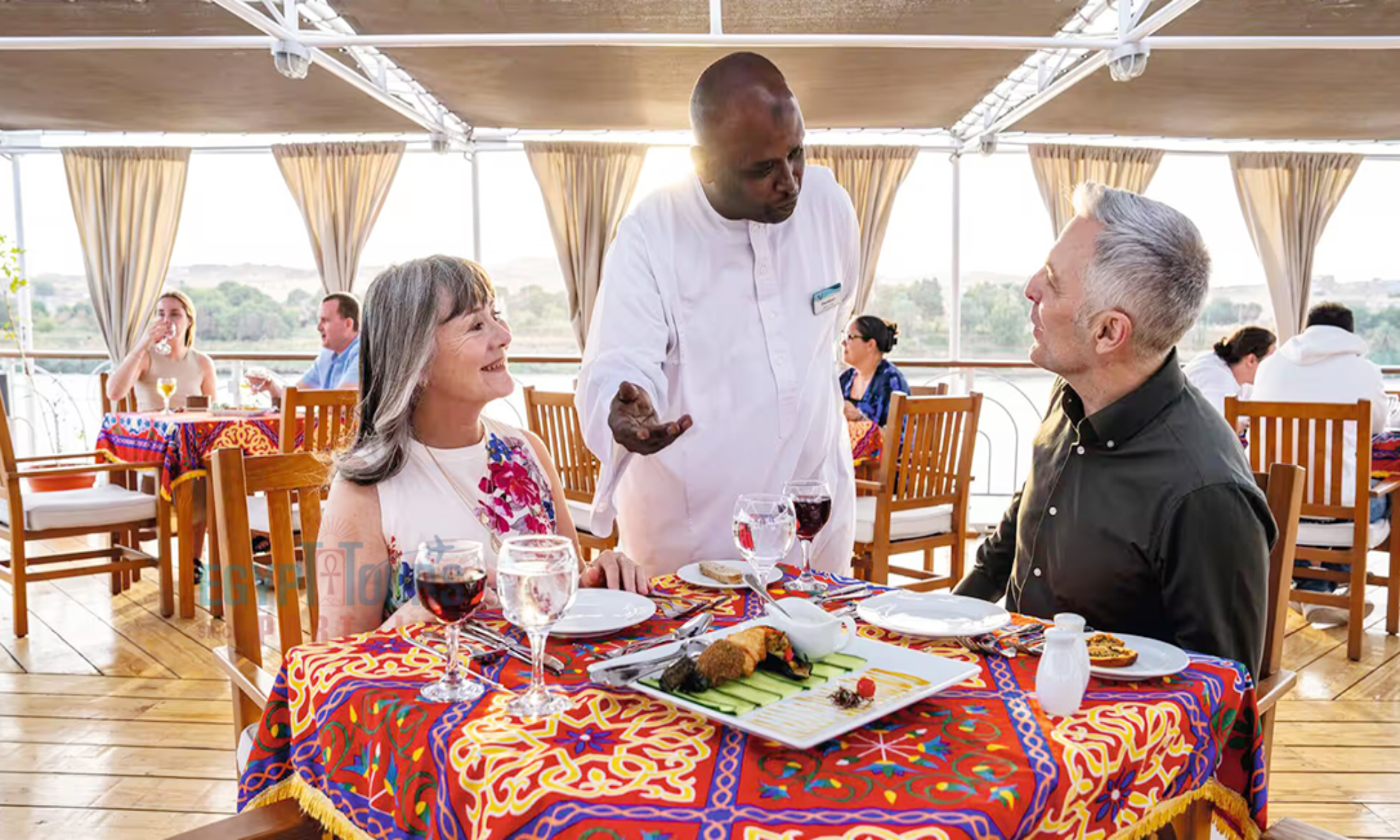
Luxury cruises, on the other hand, elevate the dining experience to gourmet levels. Menus may be à la carte, with multi-course meals prepared to order. Live cooking stations, premium-quality meats, freshly caught seafood, artisan bread, and fine wines are often part of the offering.
Ingredients are usually sourced fresh, and menus change frequently to provide variety. Dining service is also more personalized, with trained staff who can recommend wine pairings or suggest local specialties based on your taste preferences.
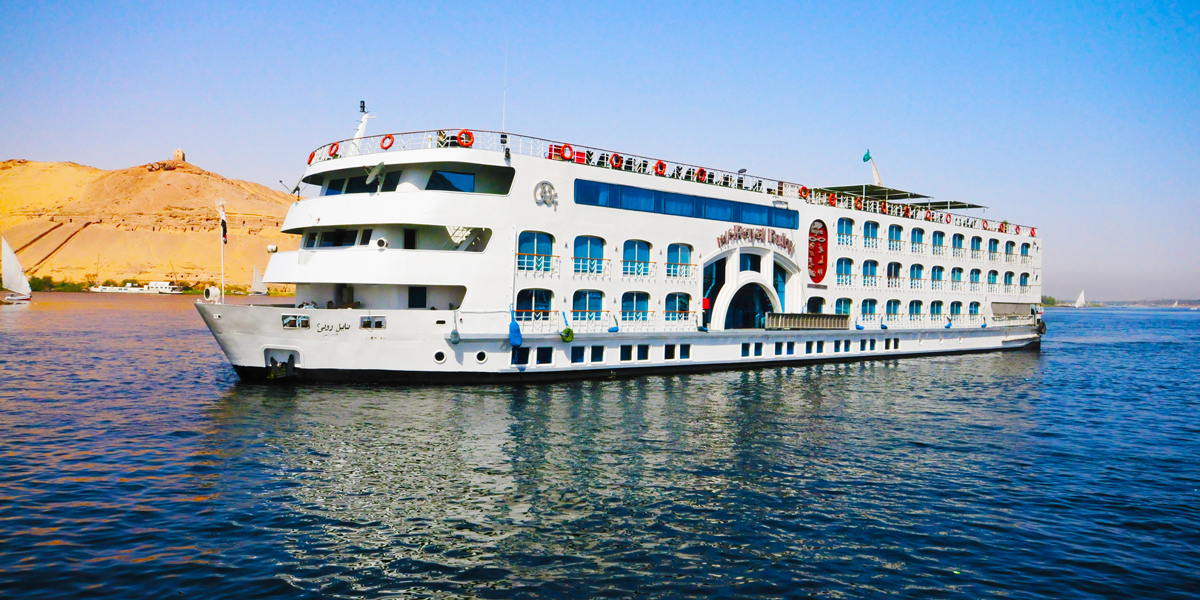
How to Choose the Best Nile Cruise in Egypt
Explore the difference between nile cruises and how to choose the right one
The Most Amazing Egyptian Dishes You Might Try Onboard
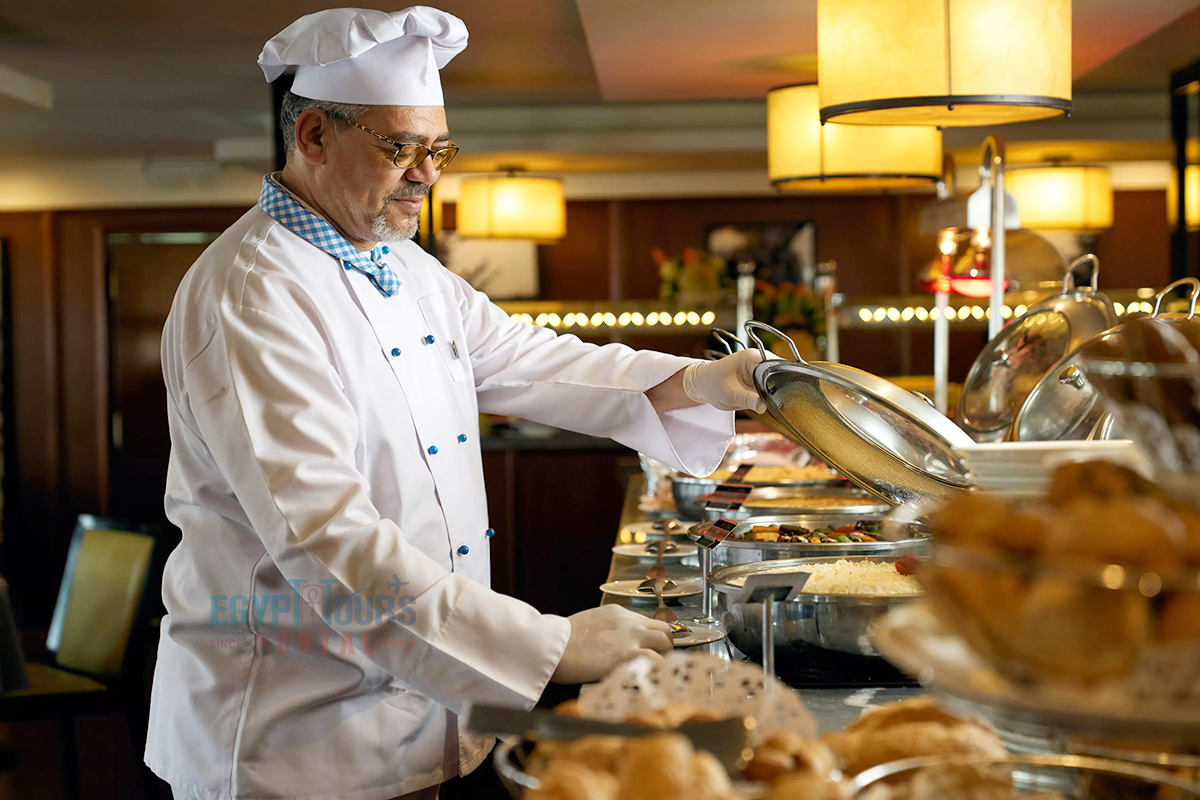
Nile cruises often highlight Egypt’s culinary heritage alongside international cuisine. Among the popular Egyptian dishes you may encounter are Koshari, a satisfying vegetarian combination of rice, lentils, pasta, fried onions, and spiced tomato sauce, often served as a hearty main course. Mahshi features vegetables—such as zucchini, peppers, or vine leaves—stuffed with a fragrant rice and herb mixture, gently simmered in tomato broth.
Molokhia is a distinctive green leafy soup made from jute leaves, flavored with garlic and coriander, typically served with rice or bread and known for its earthy, comforting taste. Feteer Meshaltet is a traditional layered pastry, served plain or with honey, cheese, or jam, and often enjoyed as a treat with tea.
Seafood lovers may be delighted to find Grilled Nile Perch, a tender white fish seasoned with fresh herbs and lemon, served straight from the grill. Dessert selections often include baklava with flaky pastry and nuts, basbousa, a syrup-soaked semolina cake, and um ali, Egypt’s version of bread pudding enriched with milk, nuts, and raisins.
Onboard the Nile cruise, there are also vegetarian, vegan, and Gluten-Free foods, but it's wise to check before booking. These dishes offer an authentic taste of Egyptian hospitality and culinary creativity.
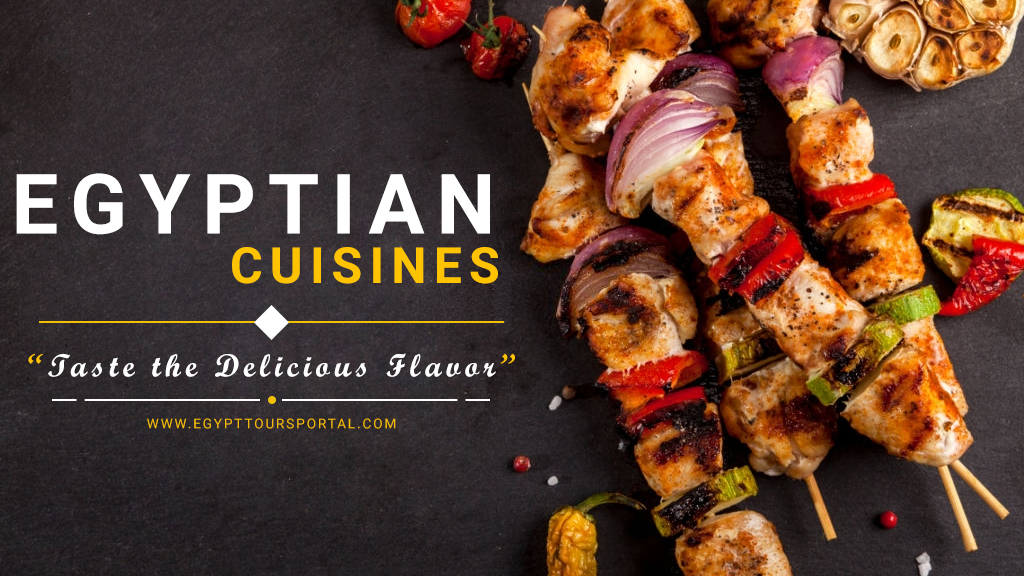
The Top 25 Types of Egyptian Food
Explore the Most Delicious Foods and Cuisines, You Can Enjoy On Your Nile Cruise
Dining Tips for An Epic Nile Cruise Adventure

Understanding the dining culture onboard can enhance your overall experience. Meal times are typically fixed and carefully coordinated with excursion schedules. For example, breakfast might be served as early as 5:30 or 6:00 a.m. to allow passengers to depart for morning tours before the heat sets in. Lunch and dinner are usually served shortly after guests return from sightseeing, ensuring that meals remain a relaxing highlight of the day.
Dress codes vary by cruise line. While casual attire is perfectly acceptable for breakfast and lunch, some ships encourage smart-casual or semi-formal clothing for dinner. On themed evenings, such as the popular Galabeya Party, guests are invited to wear traditional Egyptian attire, adding a cultural and festive element to the evening meal.
Dietary accommodations are generally available but should be arranged in advance. Whether you follow a vegetarian, vegan, gluten-free, or allergy-sensitive diet, informing the cruise line before departure ensures that the kitchen staff can prepare suitable options without compromising flavor or variety.
Tipping customs also vary. Many cruises include a general service charge in the fare, which is shared among the crew, but it is always a thoughtful gesture to offer small, direct tips to waiters, bartenders, or kitchen staff who provide exceptional service during your trip.
Enjoy Every Bite During Your Nile Cruise Experience
Dining on a Nile River cruise combines comfort, culture, and flavor, offering everything from simple local dishes to elaborate multi-course meals with scenic river views. Choosing the right meal plan during your holiday to Egypt, understanding cruise categories, and enjoying both Egyptian specialties and international favorites make the culinary experience as memorable as the journey itself.






![The Best Time for a Nile Cruise Tour [year]/[year plus=1]](https://www.egypttoursportal.com/images/2021/06/The-Best-Time-for-a-Nile-Cruise-Tour-Acmar-Nile-Cruise-Egypt-Tours-Portal.jpg)