
Summary
- Sunrise, sunset, and night each offer distinct lighting for Nile photography, from the Colossi of Memnon's east-facing sunrise silhouette to Luxor Temple's floodlit night views.
- Varying the angle, using bridges, boats, or rooftop terraces, adding foreground elements, and zooming in for detail makes a bigger difference than most camera upgrades.
- A tripod, an ND filter, and the correct white balance setting handle the Nile's most demanding lighting conditions, though Egypt requires a separate permit for professional tripod or lighting setups.
- Drones are effectively banned for tourists under Egyptian law, with confiscation and legal penalties for unauthorized use, making elevated viewpoints and telephoto lenses the practical alternative.
- Luxor, Aswan, and Abu Simbel each offer standout locations, including the Unfinished Obelisk, Elephantine Island, and the twice-yearly Abu Simbel Sun Festival on February 22 and October 22.
The Nile River rewards a camera the way few landscapes do; the same stretch of water can look completely different at dawn, at dusk, and after dark, and the temples lining its banks were built by architects who clearly understood how light moves across stone. A good photograph of the Nile is rarely an accident; it is usually the result of being in the right place at the right time, with the right settings already dialed in.
Everyone will get to learn about the best times of day to shoot, how to vary the angle and composition, the camera settings and gear worth carrying, what to look for when choosing a photography-friendly ship, a handful of additional habits that separate a good shot from an ordinary one, and the specific locations in Luxor, Aswan, and Abu Simbel that consistently produce the best results, along with a quick-reference table for the temples in between. Two practical rules, Egypt's drone restrictions and its tripod and photography permit system, are covered along the way, since both can derail a shoot if they come as a surprise on location.
Discover the Best Timing to Capture the Nile River
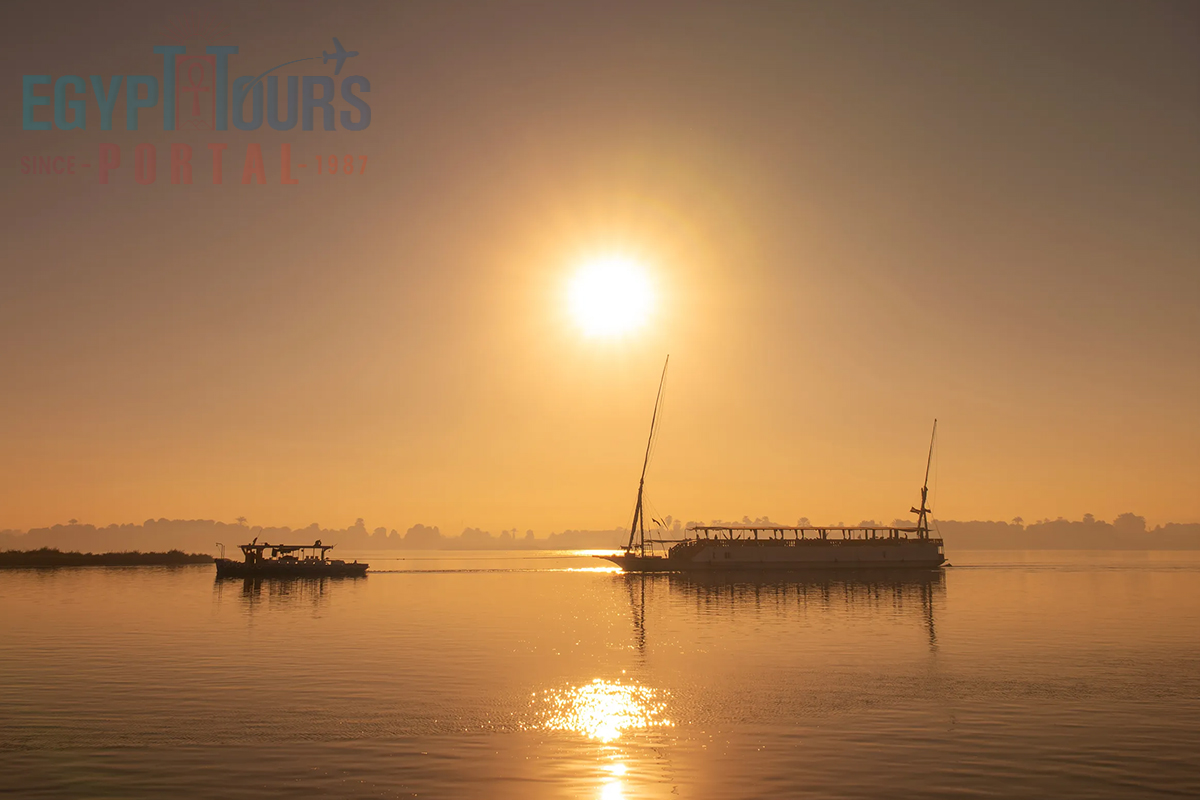
Light changes faster along the Nile than most photographers expect, and timing a shot around it matters more than almost any piece of equipment.
Sunrise
Sunrise in Upper Egypt brings a warm, low-angled light that spreads soft color across the water and the sandstone cliffs of the Theban hills, and it does so with far fewer people in the frame than any other time of day. In winter, sunrise falls closer to 6:30 to 7:00 AM, while in summer it comes earlier, closer to 5:00 to 5:30 AM, so checking the local time before planning a shoot is worth the extra minute.
East-facing subjects catch the first direct light fastest, which is part of why the Colossi of Memnon in Luxor, two 18-meter seated statues that face directly east, are considered one of the best sunrise subjects on the entire river.
Sunset
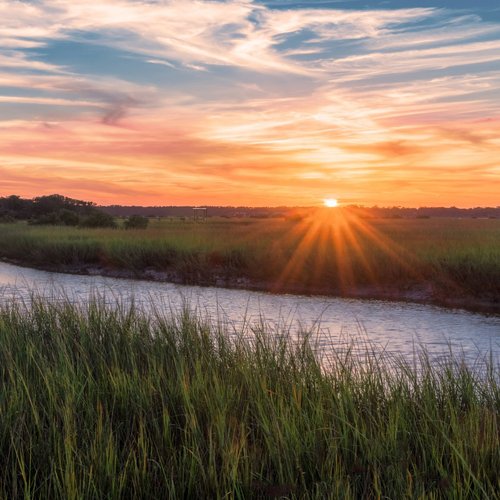
Sunset produces the most dramatic color of the day, with the sky moving through gold, orange, and deep red as the sun drops behind the West Bank's desert hills. Luxor Temple stays open into the evening, which makes it one of the few major sites where a photographer can catch both the sunset sky and the temple's floodlit columns in the same frame.
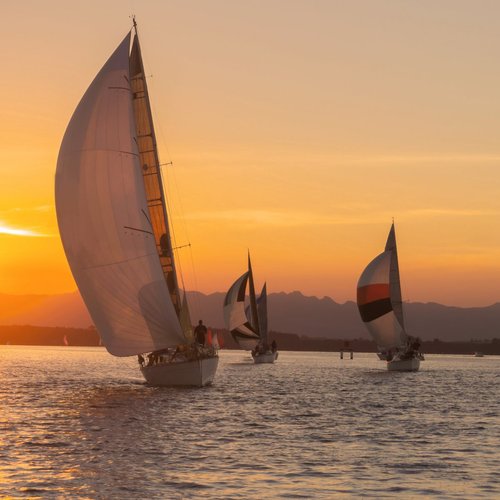
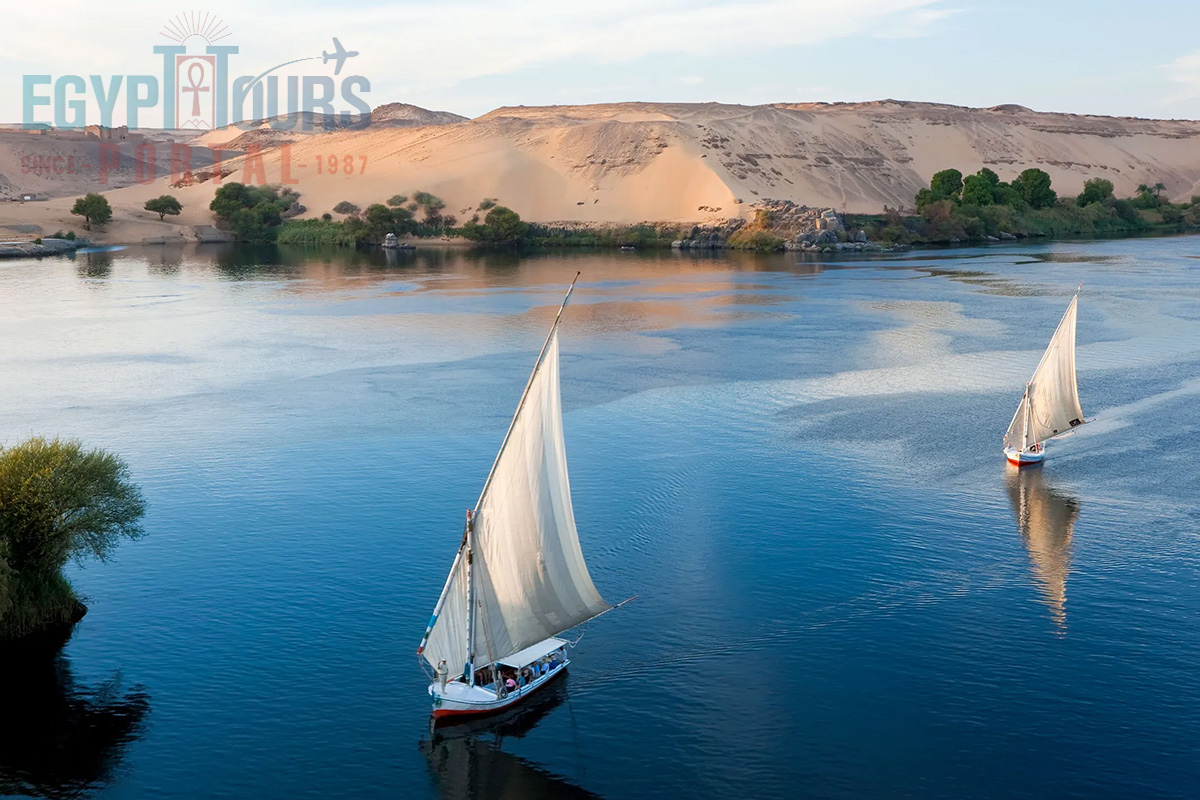
A felucca positioned mid-river roughly twenty minutes before the sun disappears is another reliable option, since the boat's sail and the water's surface both pick up the color without the harsh contrast of a direct midday shot.
The fifteen minutes immediately after the sun drops below the horizon, known as blue hour, is worth staying out for rather than packing up early: the sky shifts to a deep, saturated blue that pairs strikingly with any temple or building lights already switched on, and it is a distinct window from golden hour rather than simply its final minutes.
Night
After dark, Luxor and Karnak temples run sound and light shows that illuminate the columns and statues from ground level, creating strong, colorful contrast against the night sky, and Philae Temple near Aswan runs a similar evening show from its island setting.
City lights along the Luxor and Aswan corniches reflect on the water's surface, producing long, rippling streaks that a slow shutter speed captures far better than a quick handheld shot ever could. Night photography on the Nile depends almost entirely on a stable tripod and a long exposure, covered in more detail in the settings section below.
![The Best Time for a Nile Cruise Tour [year]/[year plus=1]](https://www.egypttoursportal.com/images/2021/06/The-Best-Time-for-a-Nile-Cruise-Tour-Acmar-Nile-Cruise-Egypt-Tours-Portal.jpg)
The Best Time for a Nile Cruise Tour 2026/2027
Discover the ideal time for a Nile cruise with insights on seasonal nuances, budget considerations, and family-friendly options.
Learn of the Best Angle to Shoot the Nile River
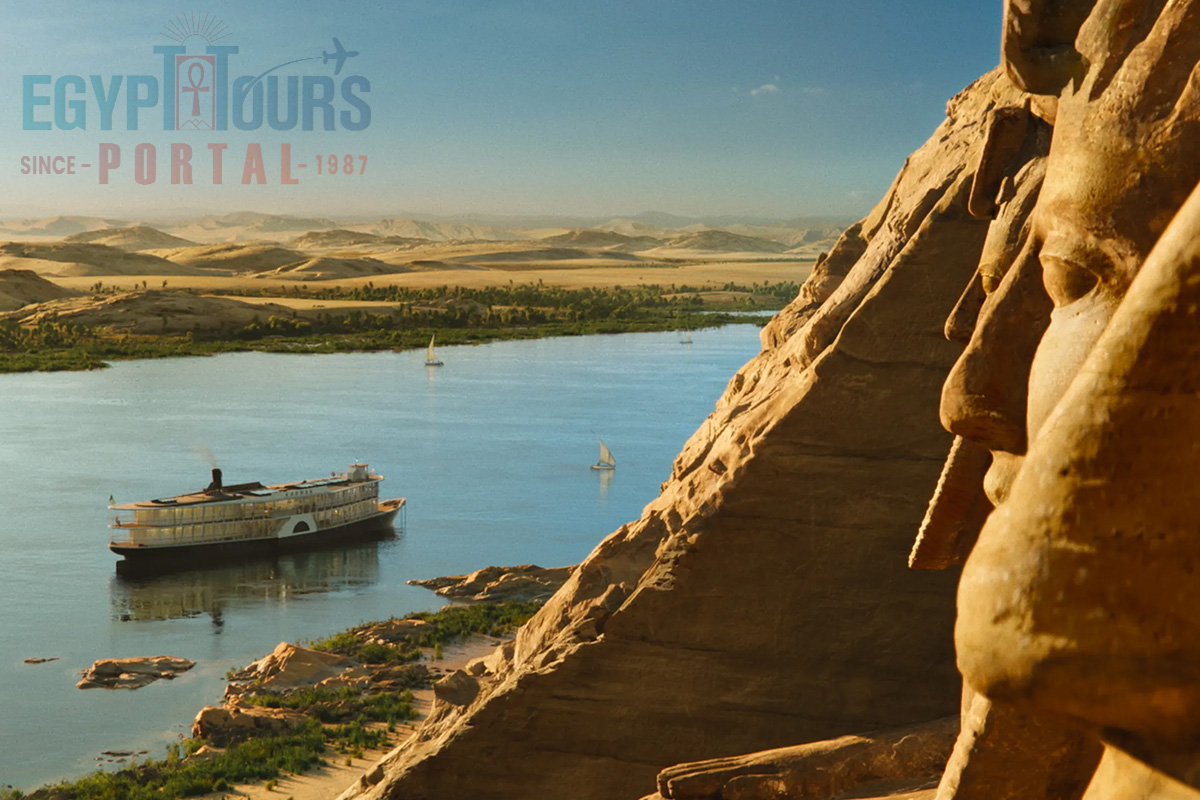
Once timing is set, the angle a shot is taken from does more to separate an ordinary photo from a memorable one than almost any other single choice.
Change the Perspective
The same view from the same ship-deck angle, shot repeatedly across a multi-day cruise, tends to blur together by the time the trip ends. Shooting from a bridge, from inside a moving felucca, or from an elevated rooftop, such as the terrace of a riverside hotel, changes the entire geometry of a photo and is worth actively seeking out rather than defaulting to the sun deck every time. The Old Cataract Hotel terrace in Aswan, overlooking Elephantine Island and the river below, is one of the most famous elevated viewpoints on the entire route for exactly this reason.
Use Foreground Elements
A wide shot of open water alone tends to read as flat, but adding a foreground element, a cluster of papyrus reeds, a moored felucca, a temple column, or a scattering of granite boulders near Aswan's islands, gives the eye a clear entry point and creates a genuine sense of depth between the foreground, the river, and the horizon. This is a simple compositional habit rather than a piece of equipment, and it is one of the fastest ways to improve a Nile photo without changing any camera settings at all.
Zoom In
A zoom or telephoto lens earns its place in a Nile photography kit by capturing what a wide shot misses entirely: a pied kingfisher diving for fish, carved relief detail high on a temple wall, or daily life on the riverbank, a fisherman working a net, laundry drying outside a mud-brick house, from a respectful distance. These close-up details, layered in alongside the wider landscape shots, are often what make a finished photo set feel complete rather than repetitive.
Know All the Right Settings to Take the Most Ideal Shoot
The right gear and camera settings matter most in the low-light conditions that produce the best Nile photography in the first place.
Tripod
A tripod is close to essential for sunrise, sunset, and night shots, where shutter speeds slow down enough that a handheld camera introduces visible blur. It is worth knowing before arrival that Egypt's 2022 photography decree permits personal cameras and standard tripods for individual use in public places at no charge, but larger professional setups and any commercial shoot require a separate permit arranged through the Ministry of Tourism and Antiquities, so a compact travel tripod is the safer choice for a typical visit.
ND Filter
A neutral density (ND) filter reduces the amount of light reaching the sensor without changing color, which allows a wider aperture or a slower shutter speed even in bright daylight. A moderate ND8 filter, which cuts roughly three stops of light, works well for smoothing motion in passing feluccas or rippling water during a midday shot, while a stronger ND1000, cutting about ten stops, allows long daytime exposures of ten seconds or more, useful for rendering the Nile's surface as a soft, glass-like blur.
White Balance
Setting the camera's white balance to Daylight (roughly 5500K) keeps colors accurate during the middle of the day, while switching to Cloudy (closer to 6500-7000K) adds warmth back into a shot during the cooler blue light just after sunset or just before sunrise. Shooting in RAW format, where available, keeps white balance fully adjustable after the fact, which removes much of the pressure to get this setting exactly right in the field.
Choosing a Photography-Friendly Nile Cruise
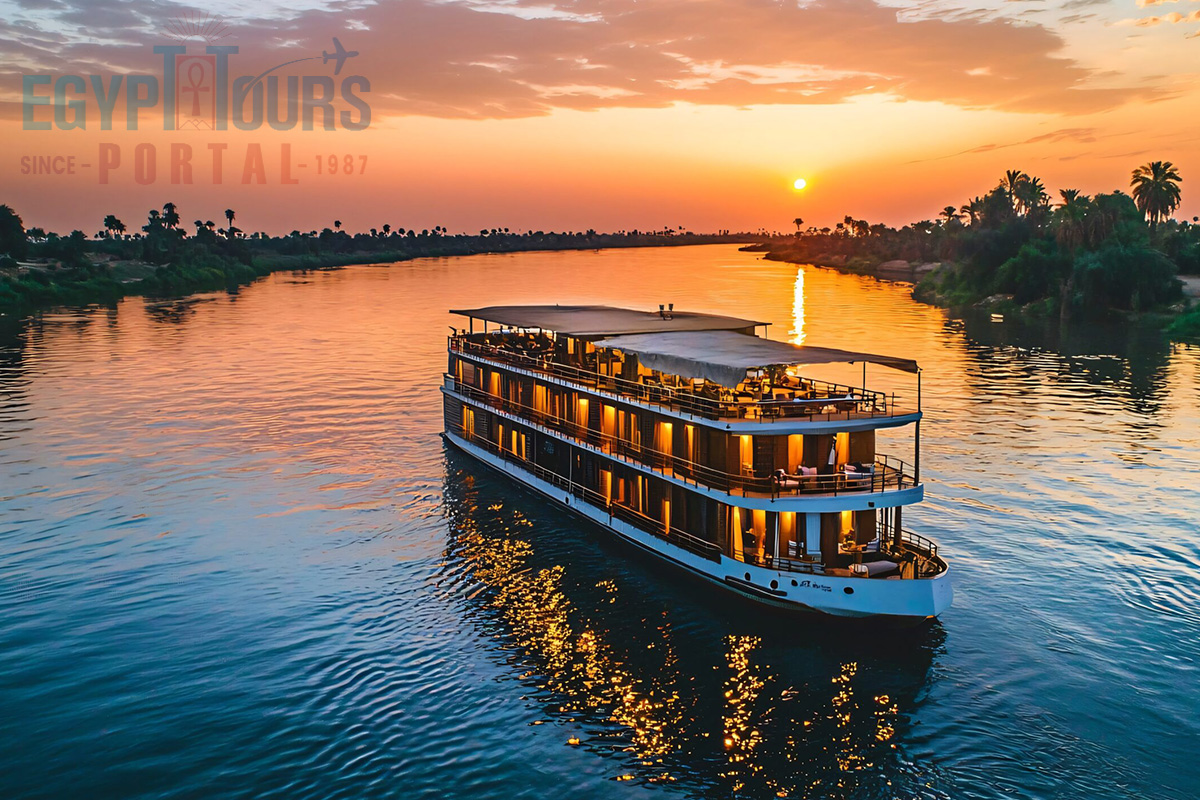
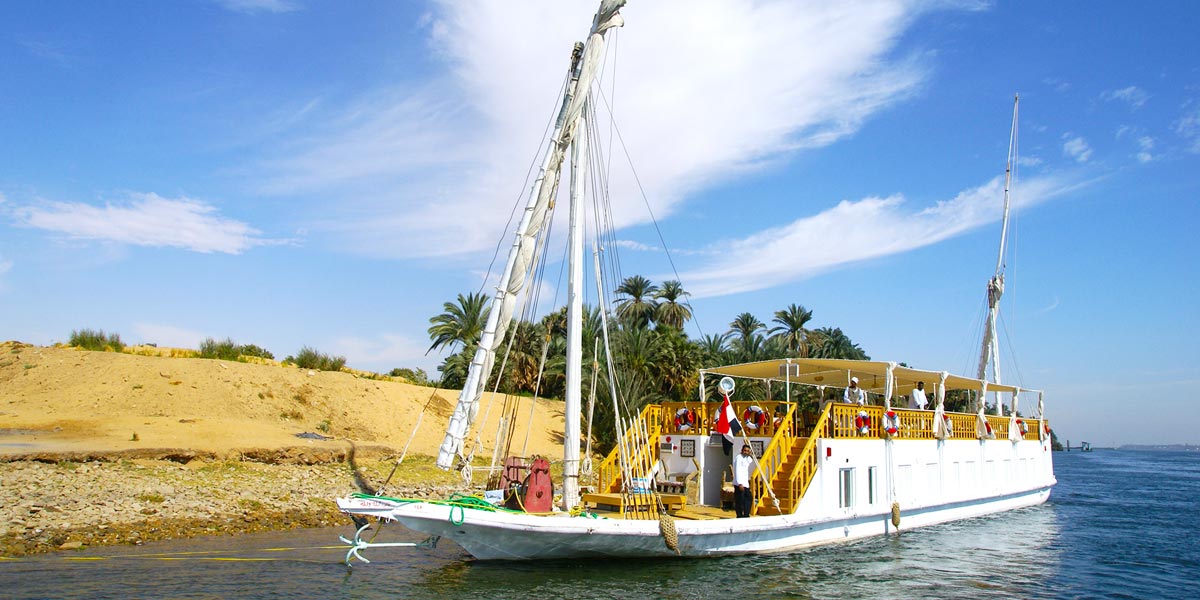
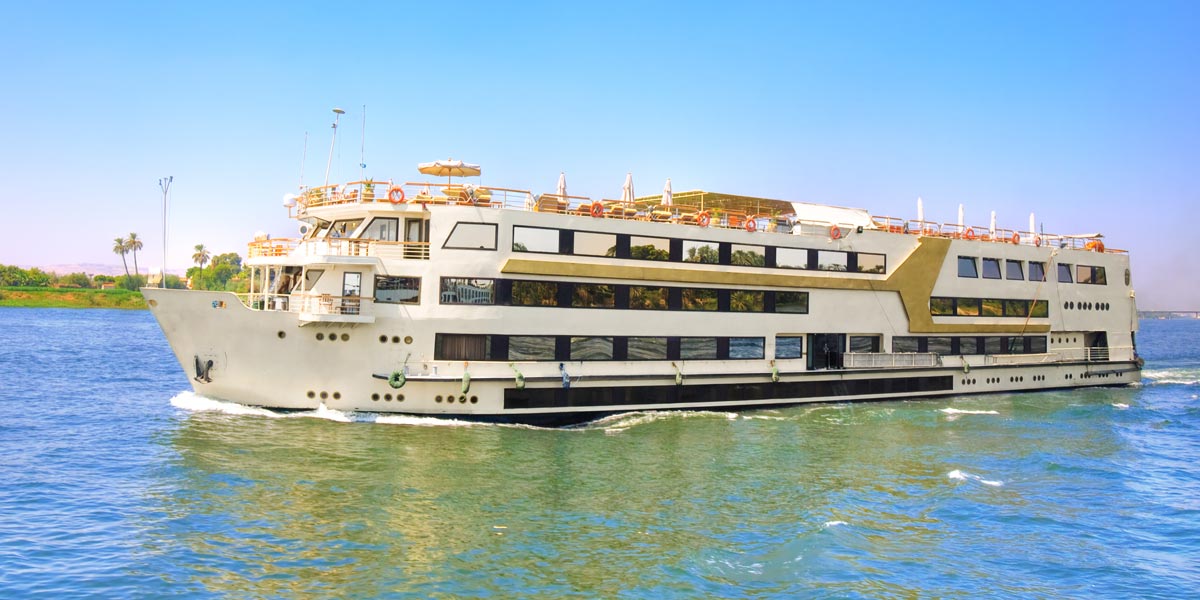
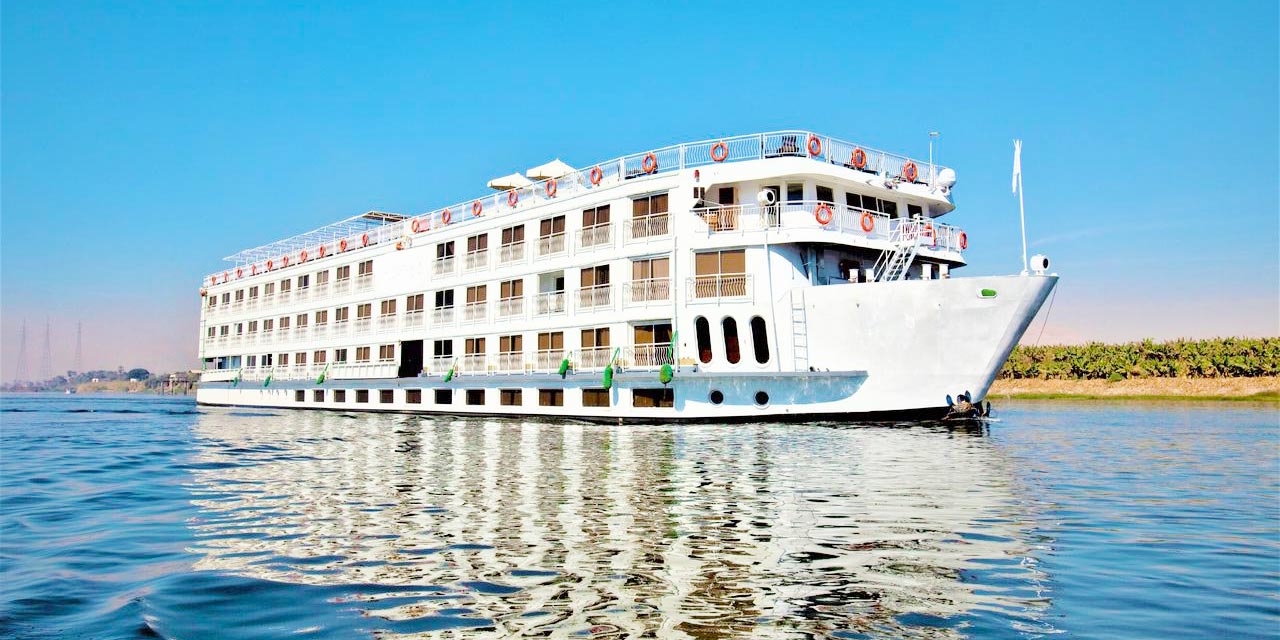
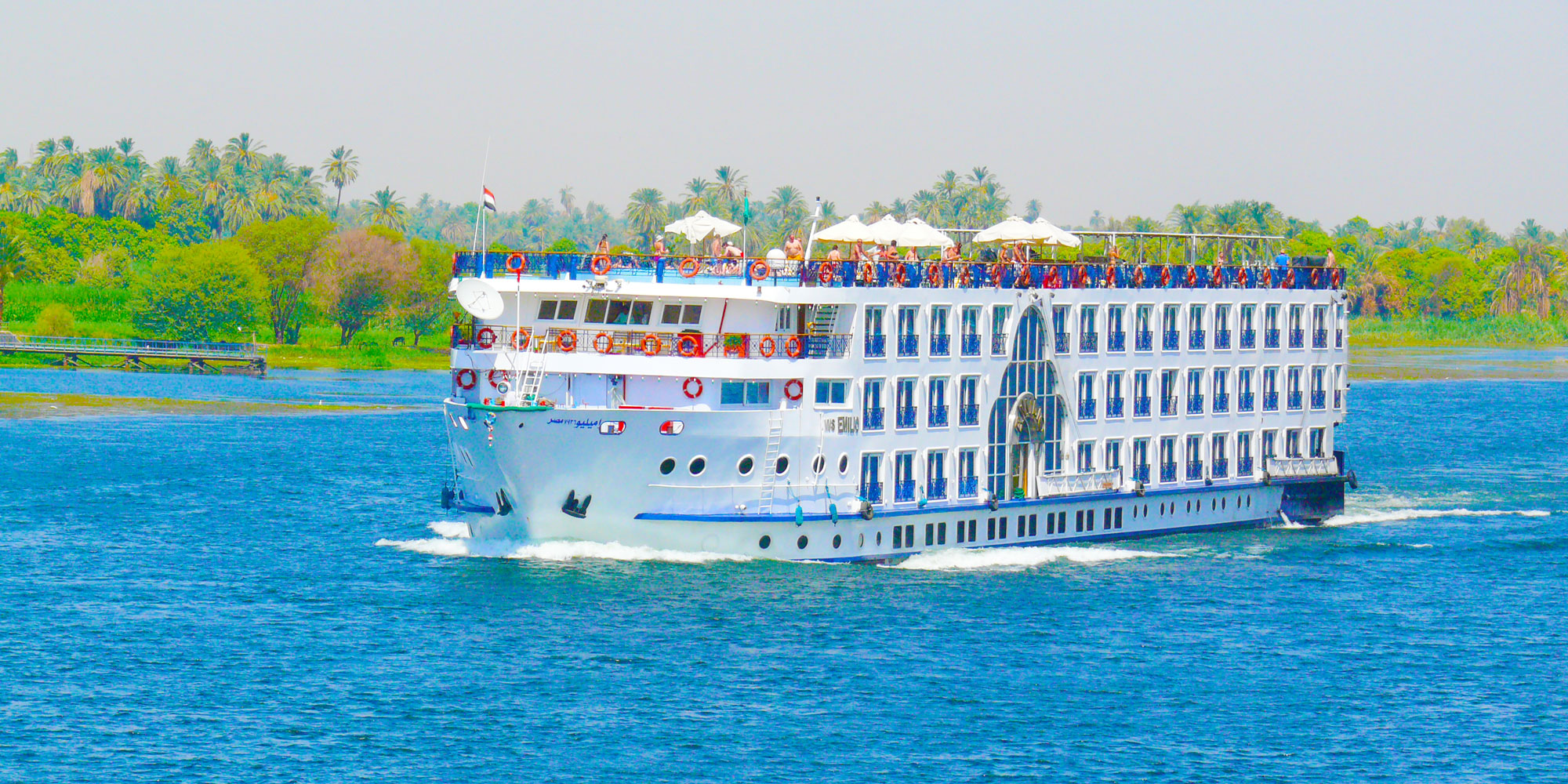
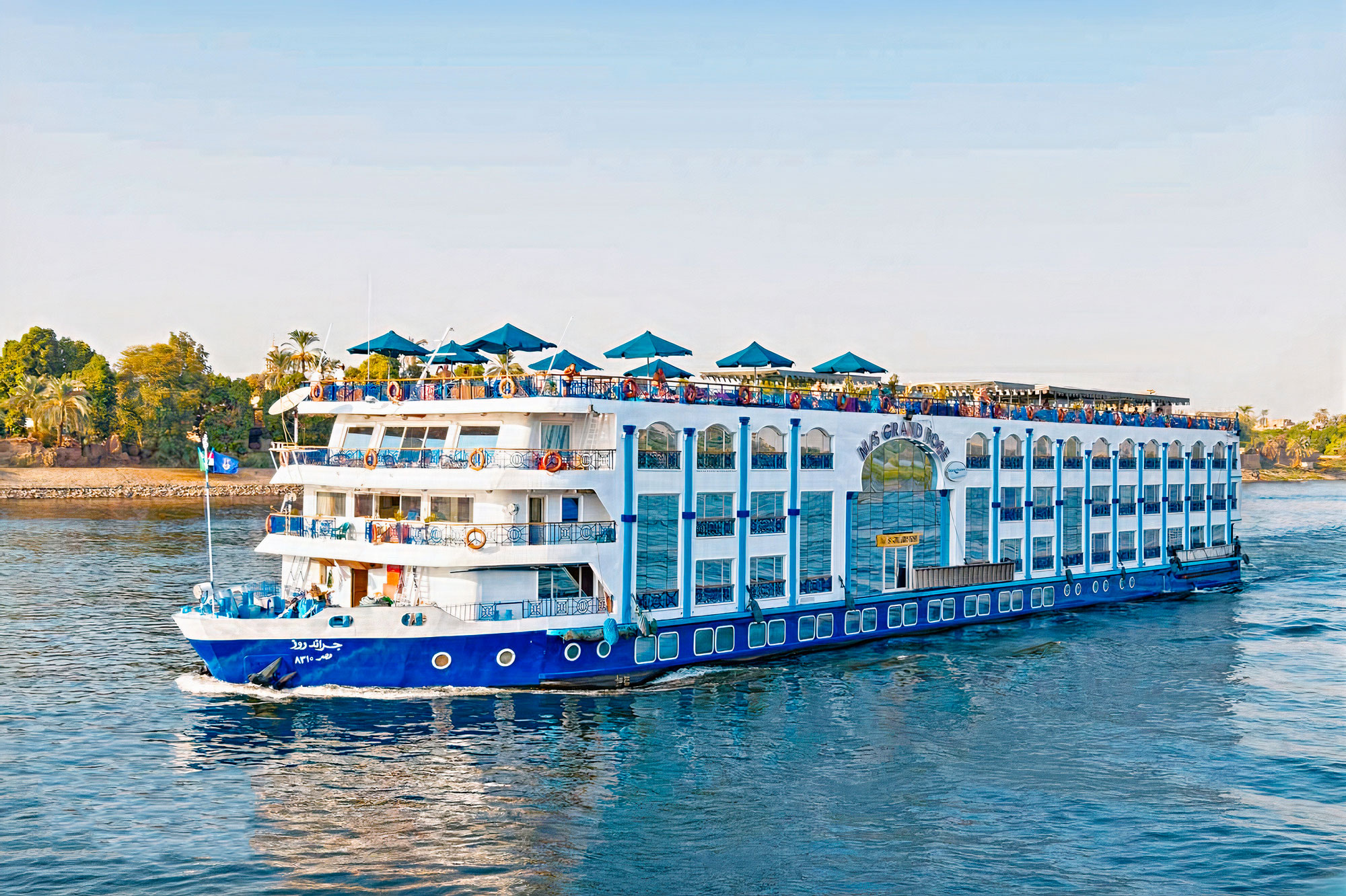
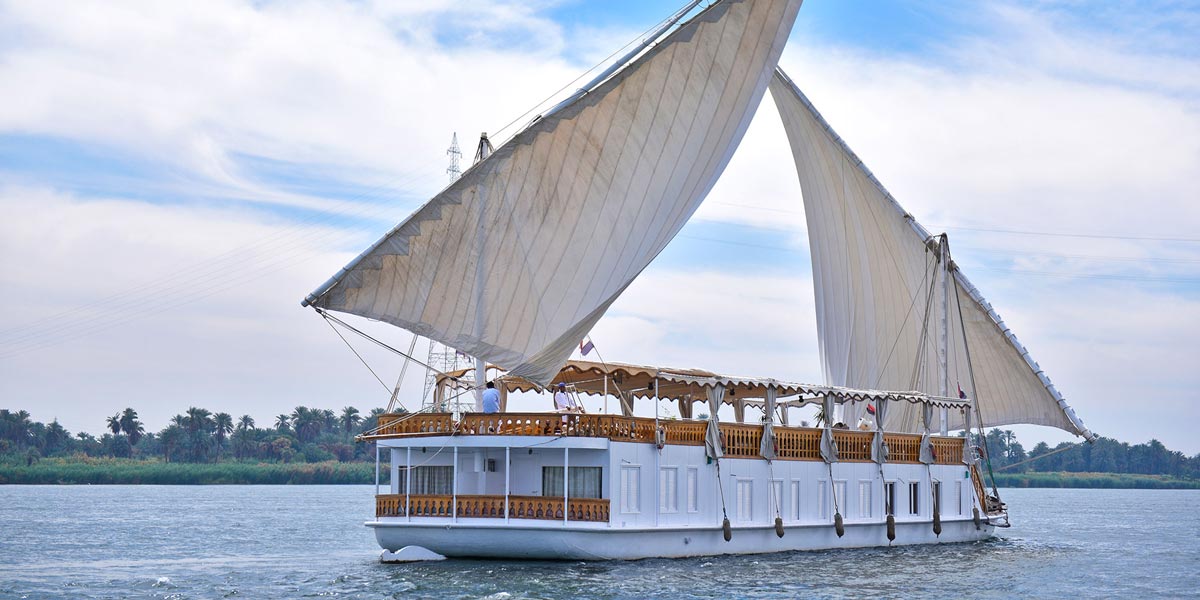
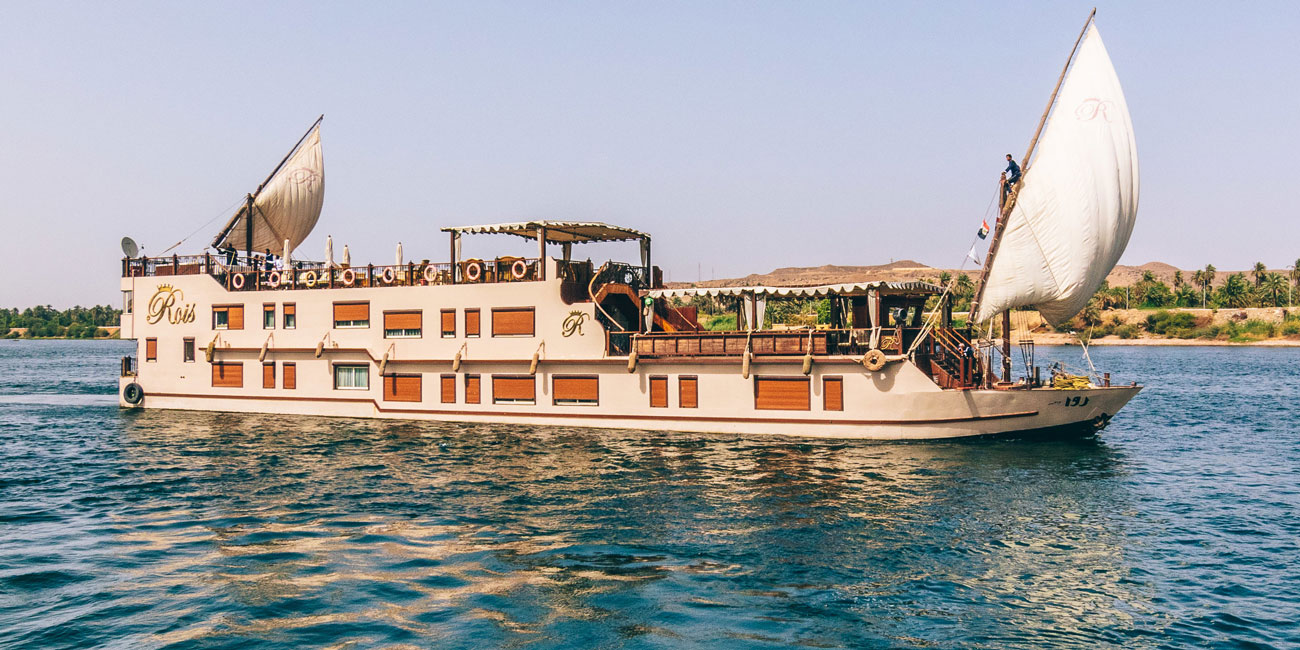
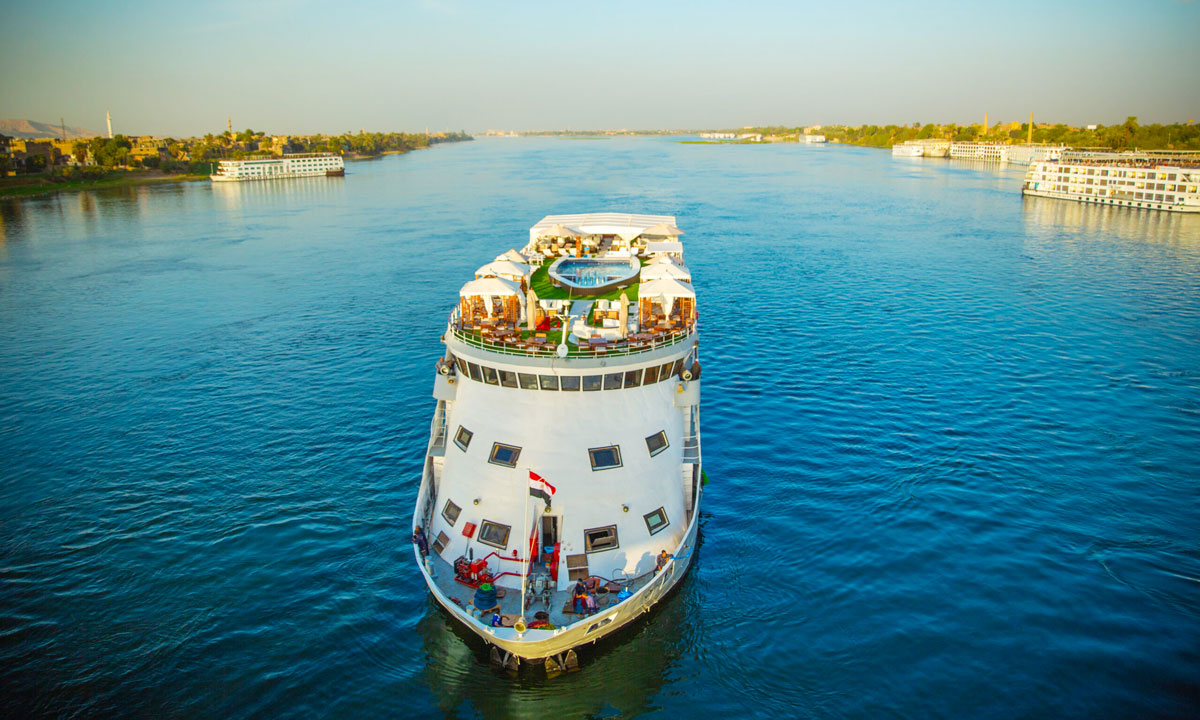
The ship itself shapes how many good shots a trip actually produces, since deck space, passenger count, and the itinerary's flexibility all affect access to the best light. A dahabiya, a smaller traditional sailboat carrying a fraction of a standard ship's passengers, tends to reward photographers more than a large standard vessel: fewer people crowd the sun deck at sunrise, the boat can moor in smaller, quieter spots that bigger ships pass by entirely, and dahabiya itineraries are often more flexible about adjusting departure times around good light.
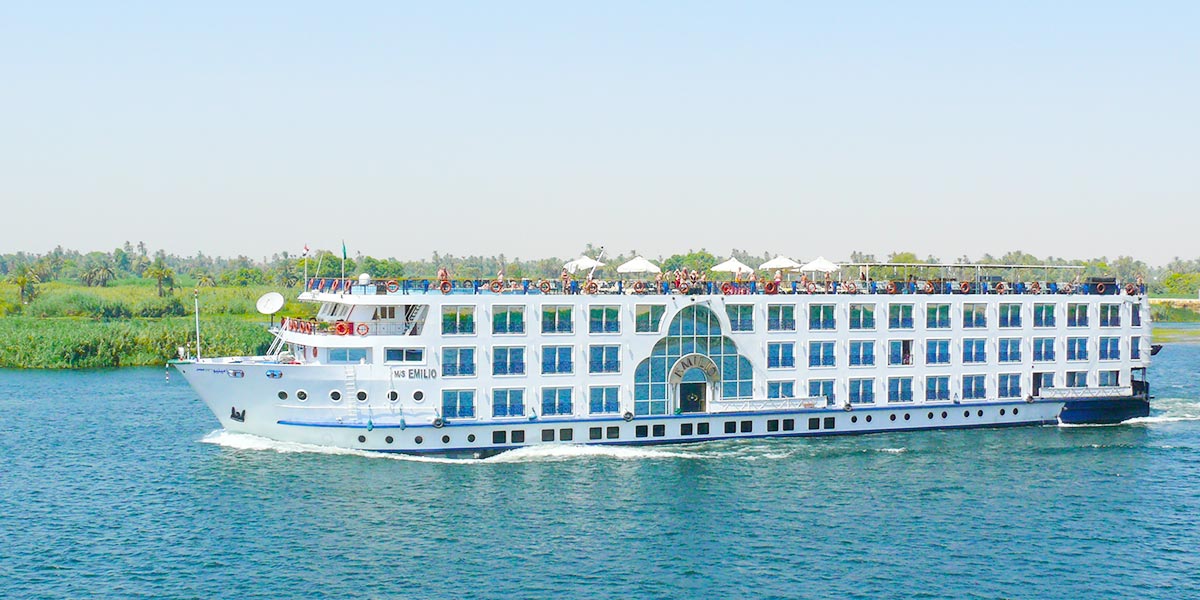
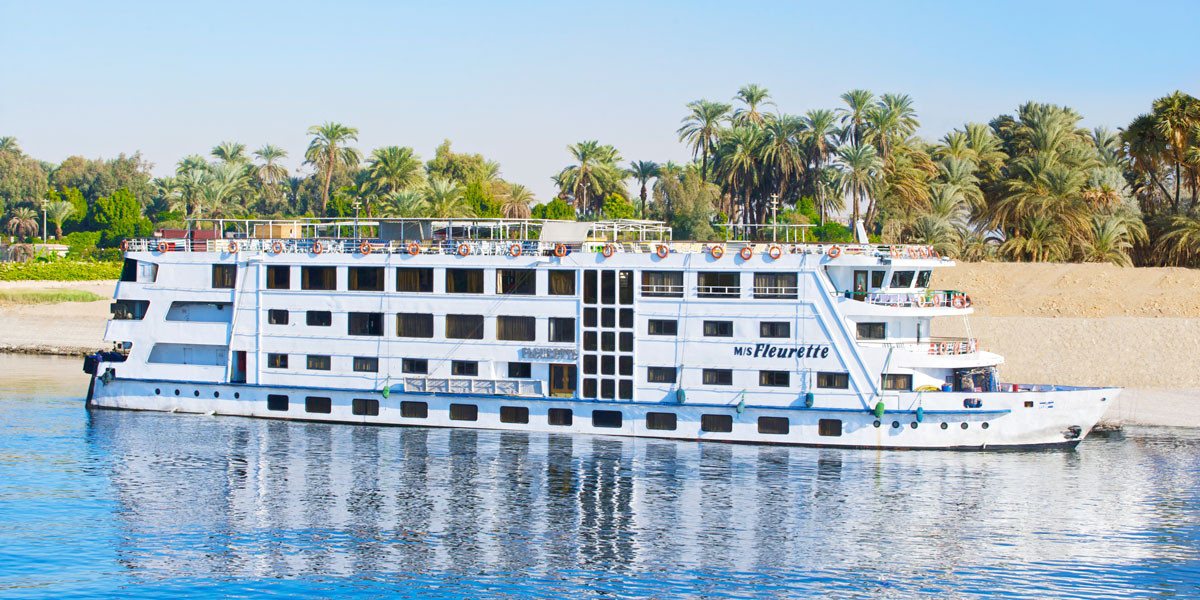
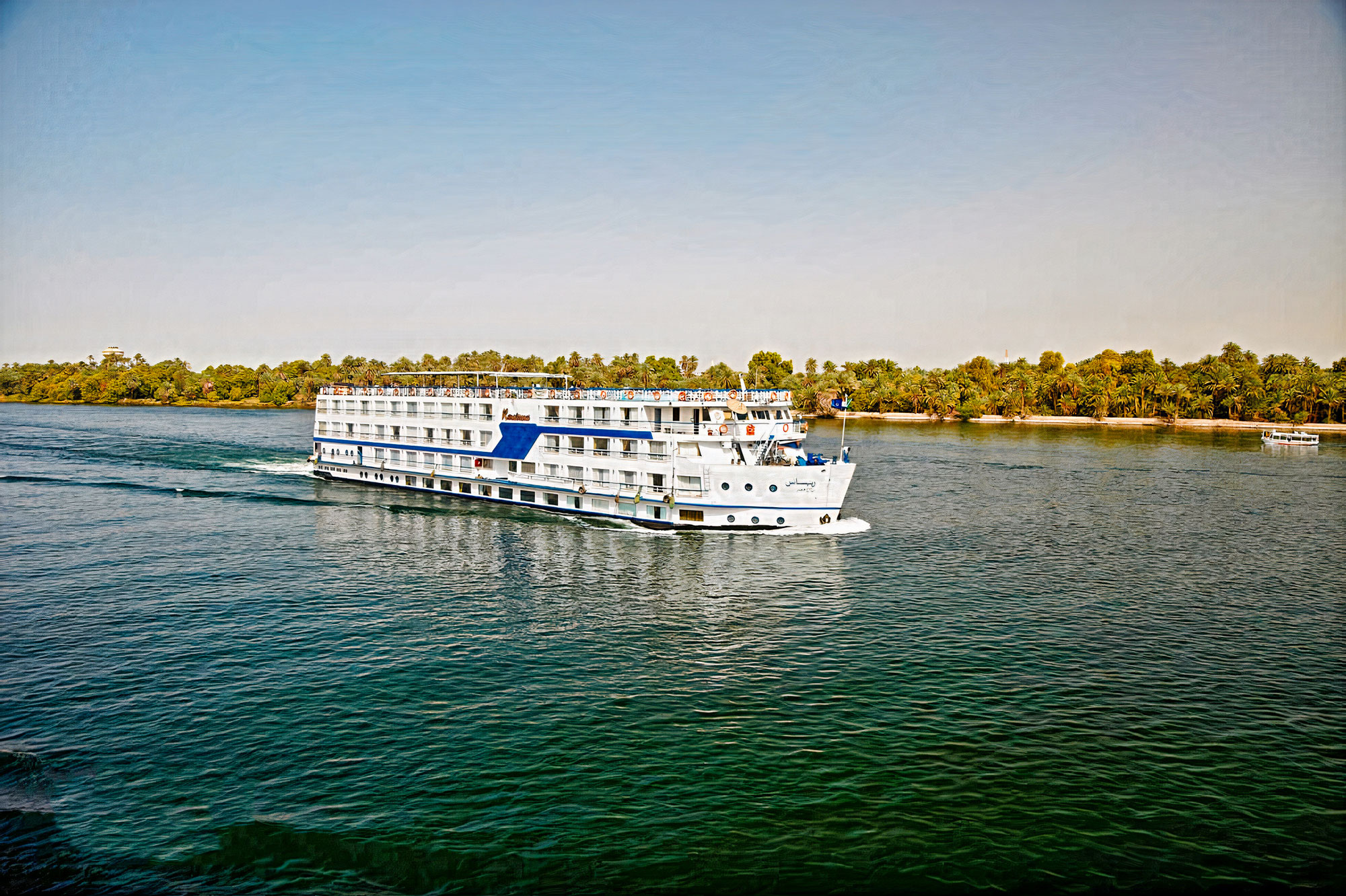
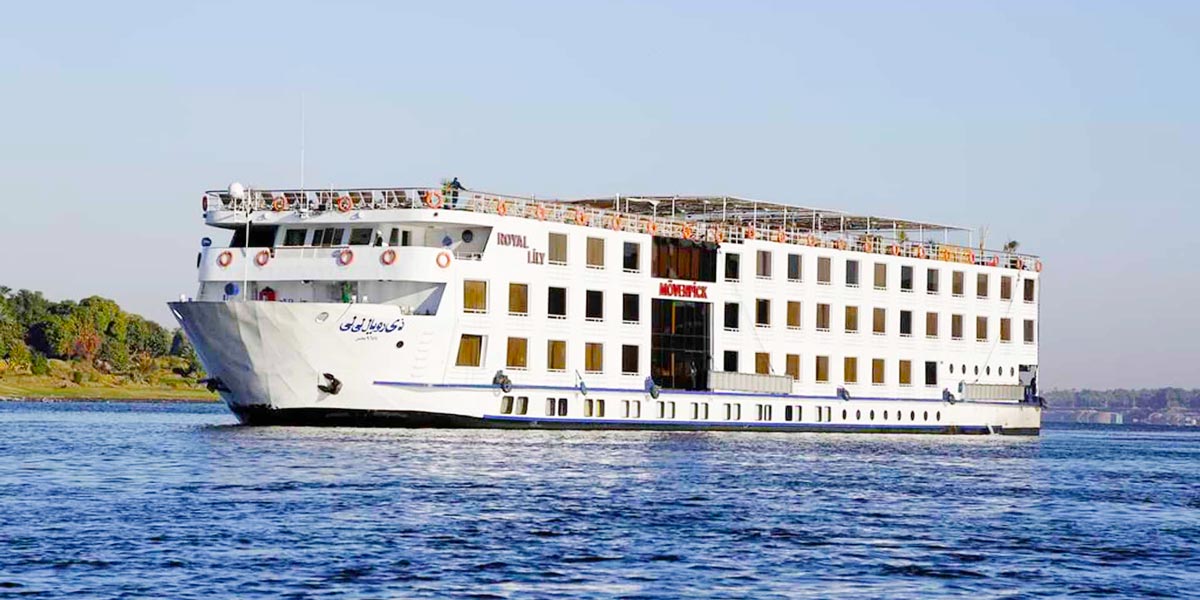
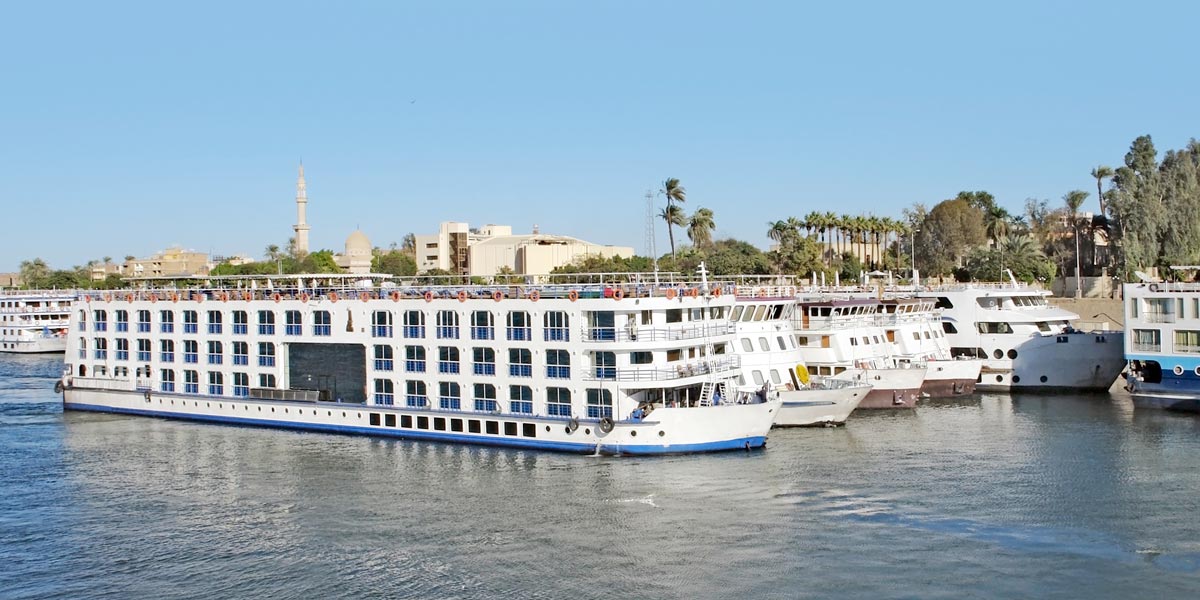
Larger deluxe and luxury ships trade some of that flexibility for a genuinely spacious sun deck, still a real advantage for a wide, unobstructed shot of the river, so the right choice depends on whether flexibility or space matters more for a given trip. Either way, a ship with a full-length, uncluttered sun deck and a willingness to work an early departure around sunrise is worth asking about directly when comparing the types of Nile river cruises available.
The Best Tips for Capturing the Miraculous Beauty of the Nile River
A few habits beyond timing, angle, and settings tend to separate photographers who come home with a strong set of images from those who do not.
Look for Exciting Elements
Keep an eye out for the details that make the Nile feel alive rather than static: a sailing felucca cutting across the frame, a fisherman casting a net from a narrow wooden boat, or river birds such as egrets, herons, and the black-and-white pied kingfisher working the shallows. These moving elements almost always make a composition stronger than the same shot of empty water alone.
Take Pictures of People
A market vendor arranging produce, a felucca captain adjusting a sail, or a guide mid-explanation at a temple adds life and scale to a photo set in a way that landscapes alone cannot. Asking permission first, with a smile and a gesture toward the camera if language is a barrier, is both a matter of courtesy and, in practice, usually results in a better, more natural photo than one taken without acknowledgment.
Be Patient
The best Nile photographs often require waiting, for a cloud to move, for a felucca to sail into frame, for the light to shift from harsh to golden. Returning to a promising spot at a different time of day, rather than settling for the first available shot, is frequently what separates a forgettable photo from one worth printing.
Enjoy Every Single Second
None of the technical detail above matters if the process itself stops being enjoyable. The Nile has been photographed, painted, and described for thousands of years, and treating a shoot as a chance to actually look closely at the river, rather than only to capture it, tends to produce both better photographs and a better trip.
Tips to Enjoy the Most Out of Your Nile Cruise
Here are the top 20 Nile cruise travel tips include what to pack, how to choose, and the best time for a Nile cruise, read more
Notable Locations for Photographing the Nile River
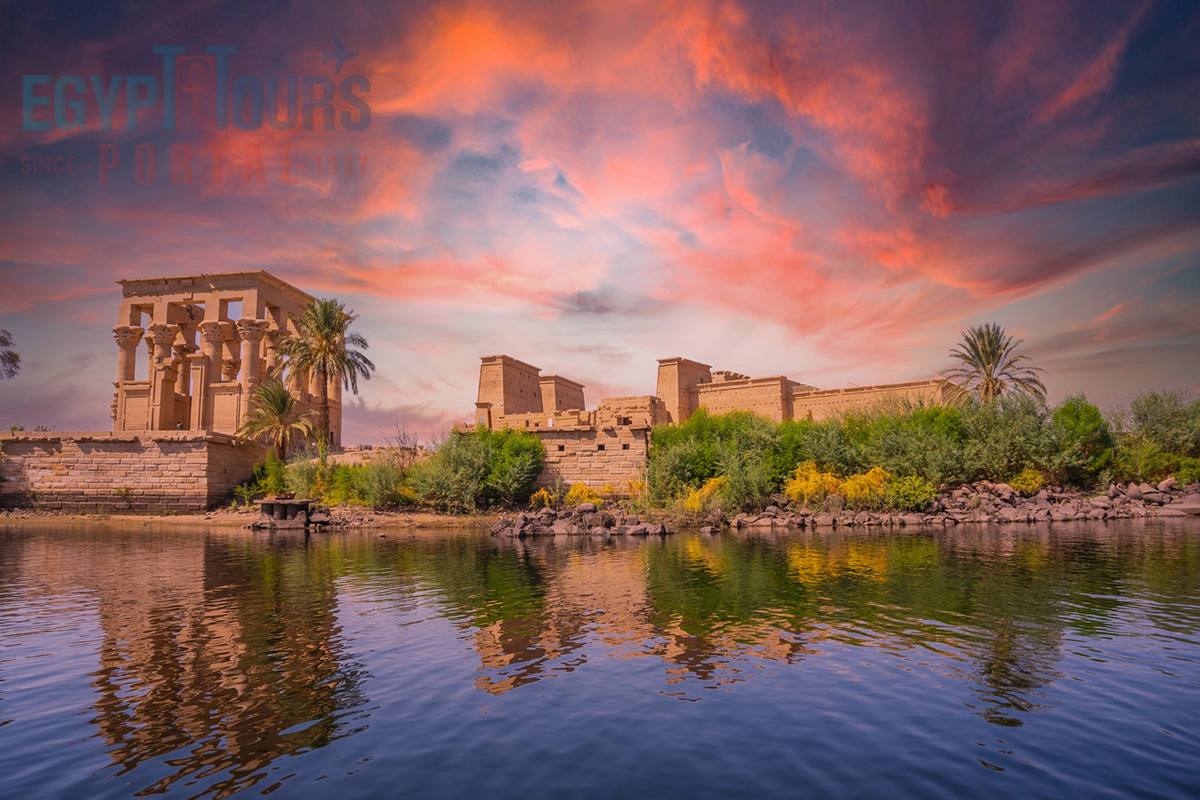
Three stops along the classic Luxor-to-Aswan route consistently produce the strongest results, each for different reasons.
The City of a Hundred Gates, "Luxor"
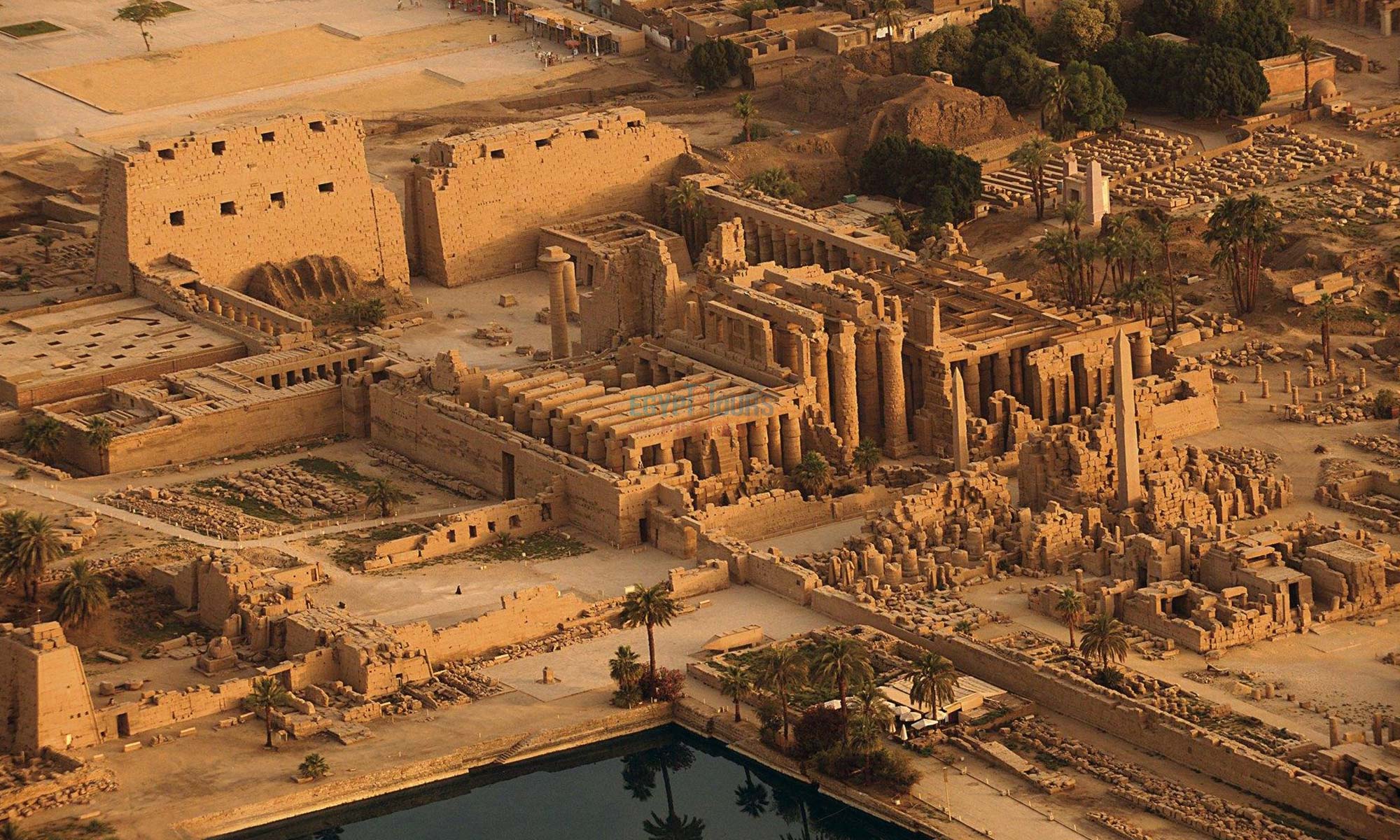
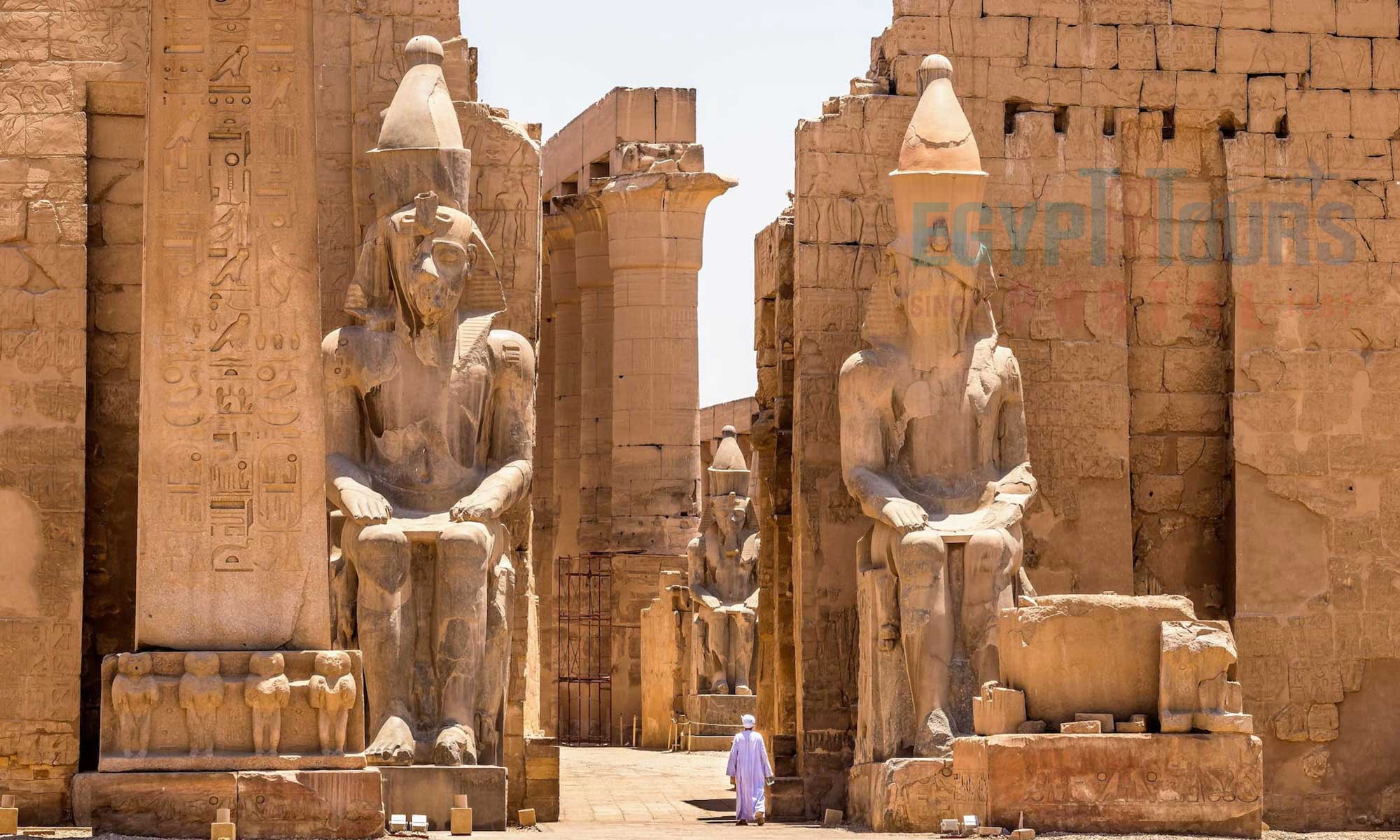
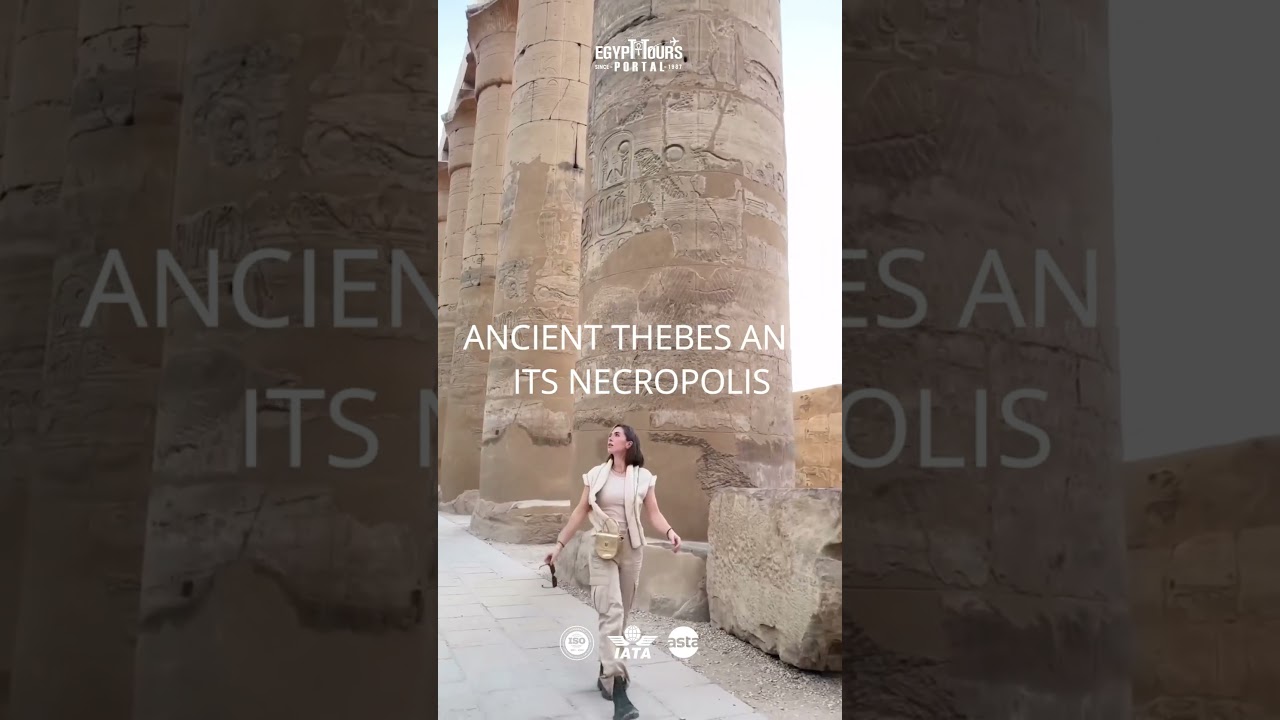
Karnak Temple's Great Hypostyle Hall, with its 134 towering columns, offers dramatic light and shadow play at both sunrise and during its evening sound and light show. The Colossi of Memnon, facing east across open farmland with no admission fee required, are one of the most reliable sunrise silhouettes anywhere on the river, while Luxor Temple's late opening hours make it the best option in the city for combining a sunset sky with floodlit ancient architecture.
The Luxor Corniche along the east bank offers unobstructed views across the water toward the Theban hills, particularly striking around sunset, and a wider comparison of what to see across the city is covered in the guide to Luxor tours.
The Golden City of Aswan
Aswan's granite islands and wide river channels create some of the calmest water on the entire route, ideal for reflection shots. The Unfinished Obelisk, still lying in its ancient quarry after cracking during construction, offers striking texture and scale shots unlike anything else on the itinerary.
Elephantine Island and the surrounding islands are best explored and photographed from a felucca, and an Aswan felucca tour by night adds the city's lights reflecting across the water to the shot list. The terrace of the Old Cataract Hotel remains the single most photographed elevated viewpoint in the city.
The Colossal Marvel of Abu Simbel
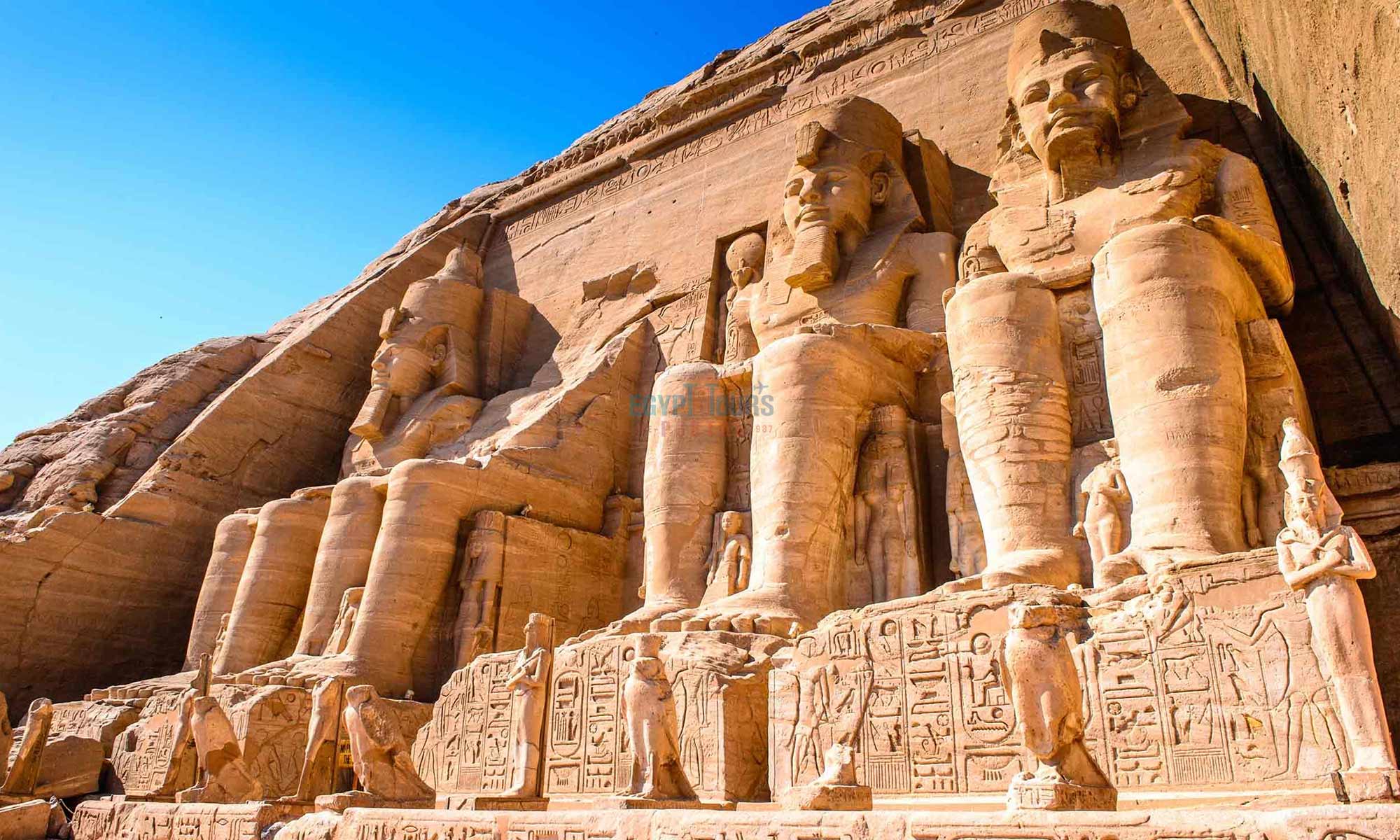
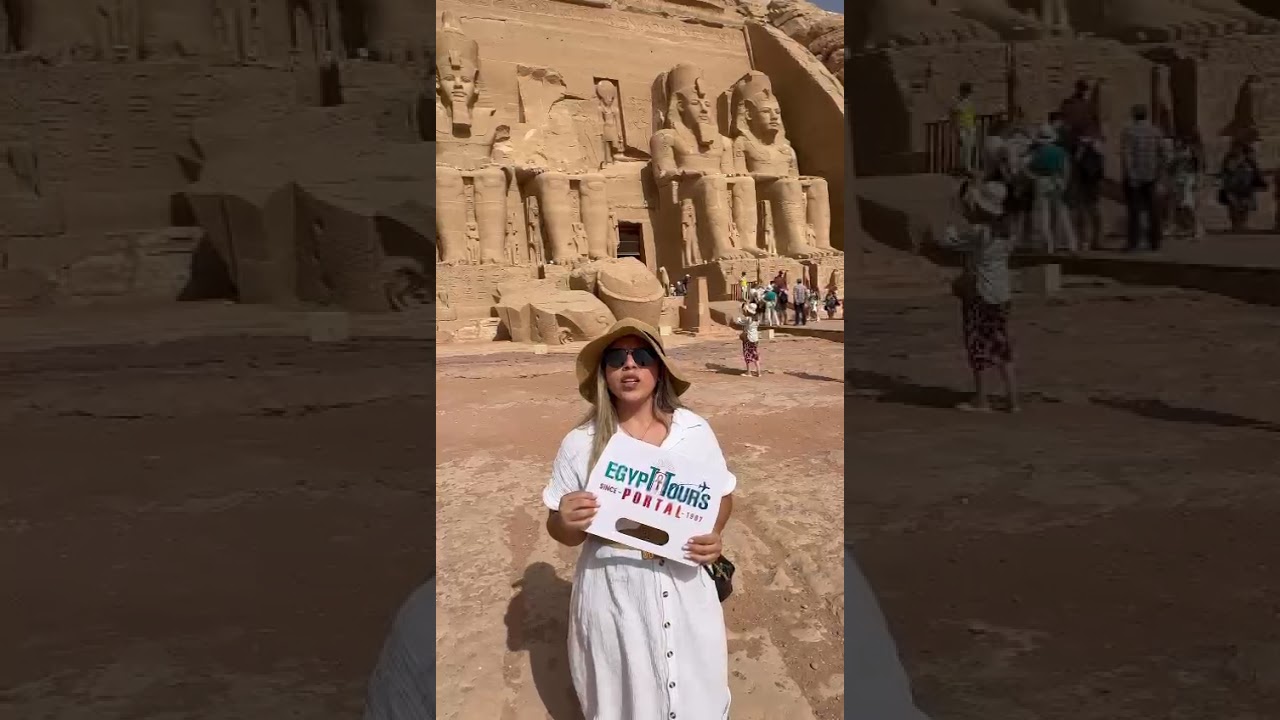
The four seated colossi of Ramesses II carved into the facade at Abu Simbel, each standing roughly 20 meters tall, are most dramatic in the low, direct light of early morning, before the desert heat sets in and while the crowds are still thin.
Twice a year, on February 22 and October 22, the Abu Simbel Sun Festival draws photographers specifically for its solar alignment, when sunlight penetrates the inner sanctuary at dawn and illuminates the statues of Ramesses II, Amun-Ra, and Ra-Horakhty, while the statue of Ptah remains deliberately in shadow, a phenomenon engineered more than 3,200 years ago.
Even outside the festival dates, the temple's position on the shore of Lake Nasser makes the wider landscape, water, sand, and colossal stone facade together worth the extra travel time from Aswan, whether arriving on a day trip to Abu Simbel from Aswan or through one of the wider Abu Simbel tours available from the region.

Best Places to See During Your Nile River Cruise
The Nile River cruise offers scenic views and historical experiences on the banks of the NIle. Here are the best ancient places to see during your Nile cruise.
Quick Reference: Best Time by Site
Beyond the three main stops, several temples between Luxor and Aswan are worth timing deliberately rather than shooting whenever the excursion happens to arrive.
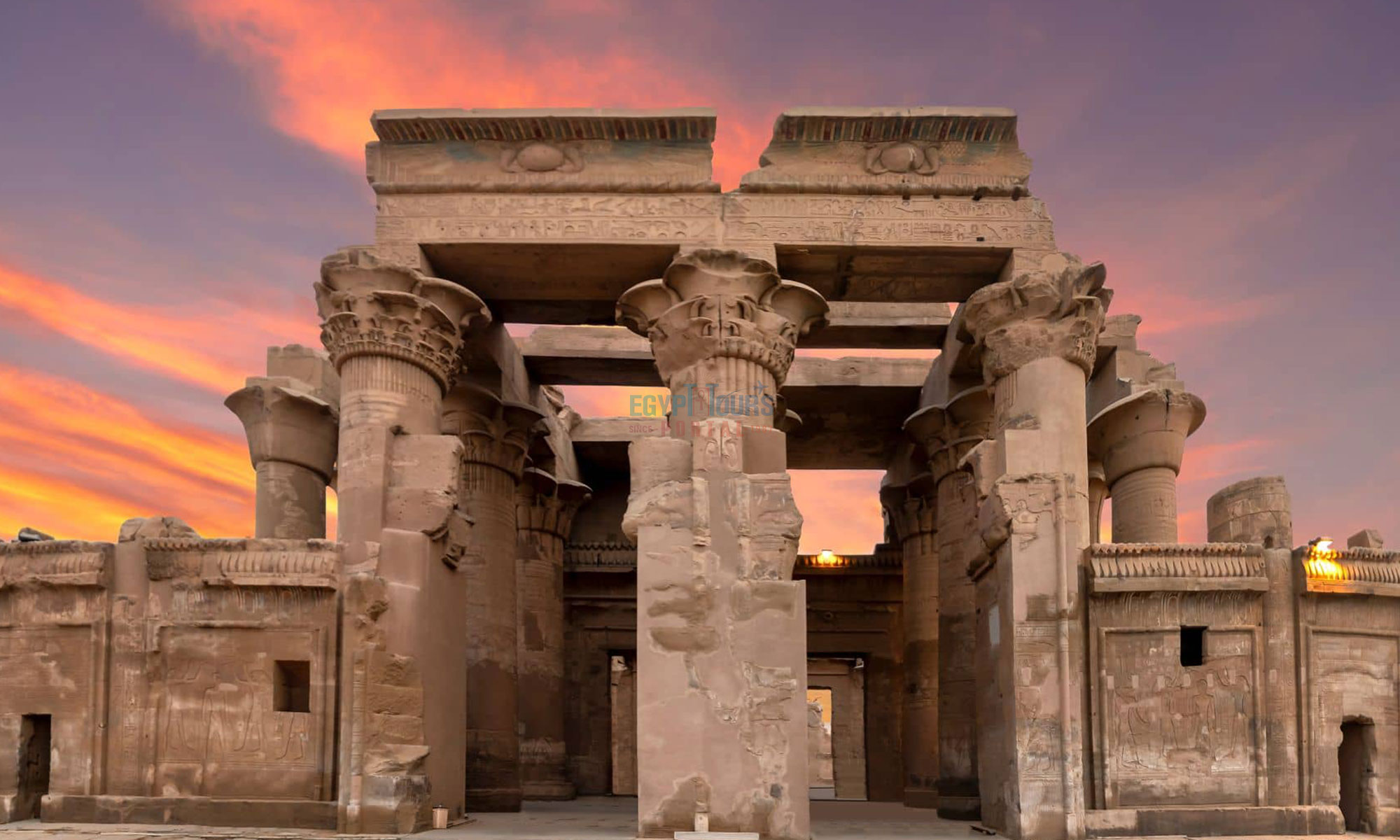
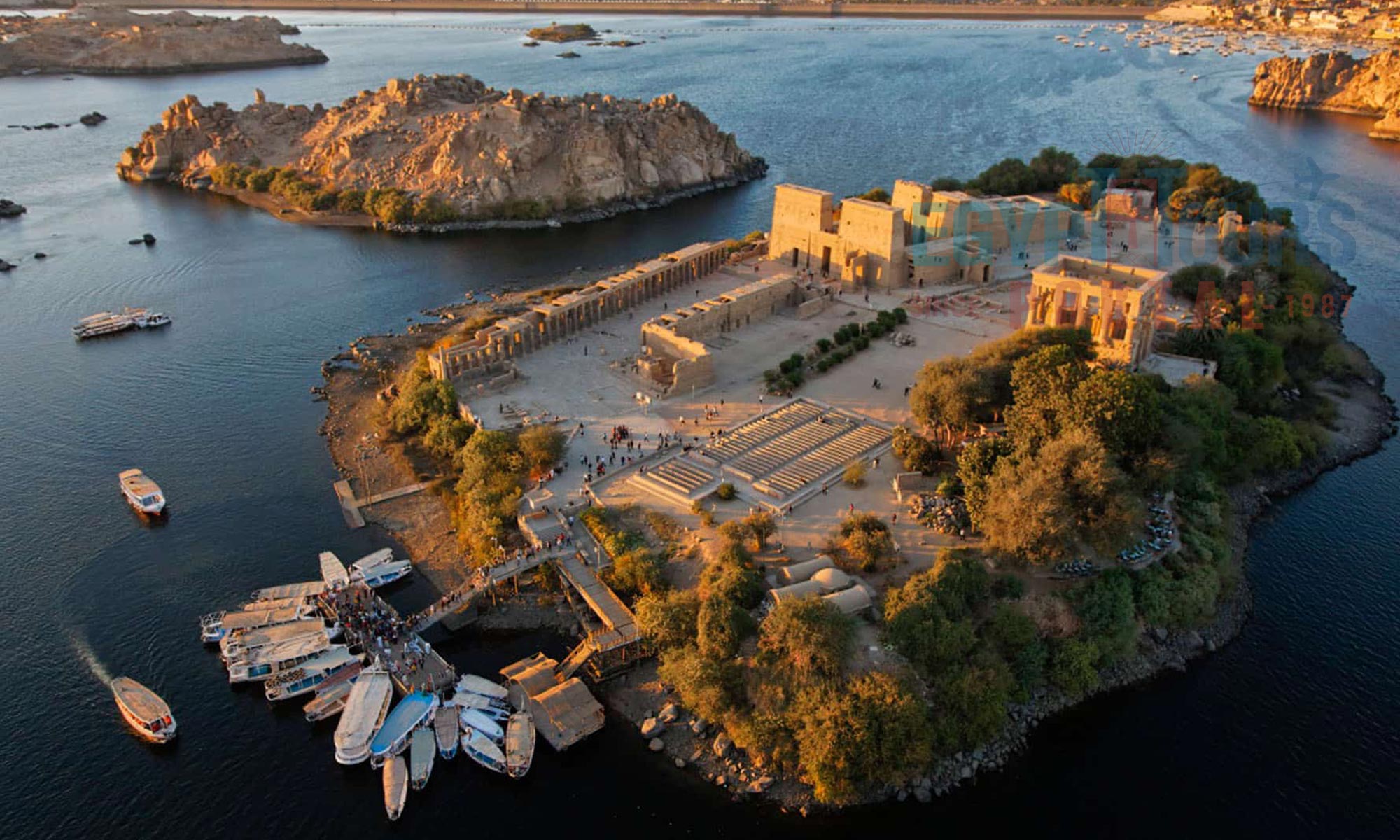
Kom Ombo Temple, built directly on the riverbank, is best photographed at sunset, when its columns catch the same warm light as the water beside them, while Edfu Temple and the Valley of the Kings both suit early morning, before the desert sun turns their pale stone flat and shadowless. Philae Temple, reachable only by boat, works well either in the morning or the late afternoon, and the Aswan riverfront, including the corniche and the felucca-filled channel around Elephantine Island, is at its best at sunset, when the granite islands silhouette against the color.
| Location | Best Time |
|---|---|
| Luxor Temple | Sunrise or blue hour |
| Karnak Temple | Early morning |
| Valley of the Kings | Early morning |
| Edfu Temple | Morning |
| Kom Ombo Temple | Sunset |
| Philae Temple | Morning or late afternoon |
| Aswan riverfront | Sunset |
| Abu Simbel | Early morning (or dawn on Feb 22 / Oct 22 for the Sun Festival) |
Take the Perfect Shot Through the Most Magical Nile Cruise
The Nile does not need much help looking photogenic, but timing, angle, the right settings, and a bit of patience are what turn a snapshot of the river into a photograph worth keeping. Between the temples of Luxor, the granite islands of Aswan, and the dawn alignment at Abu Simbel, the river offers enough variety to fill a memory card several times over on a single trip.
Explore all our Egypt holiday packages and Nile River Cruises to find an itinerary that pairs well with a camera, or see the guide on how to book a Nile cruise for the exact steps to plan the trip.