Summary
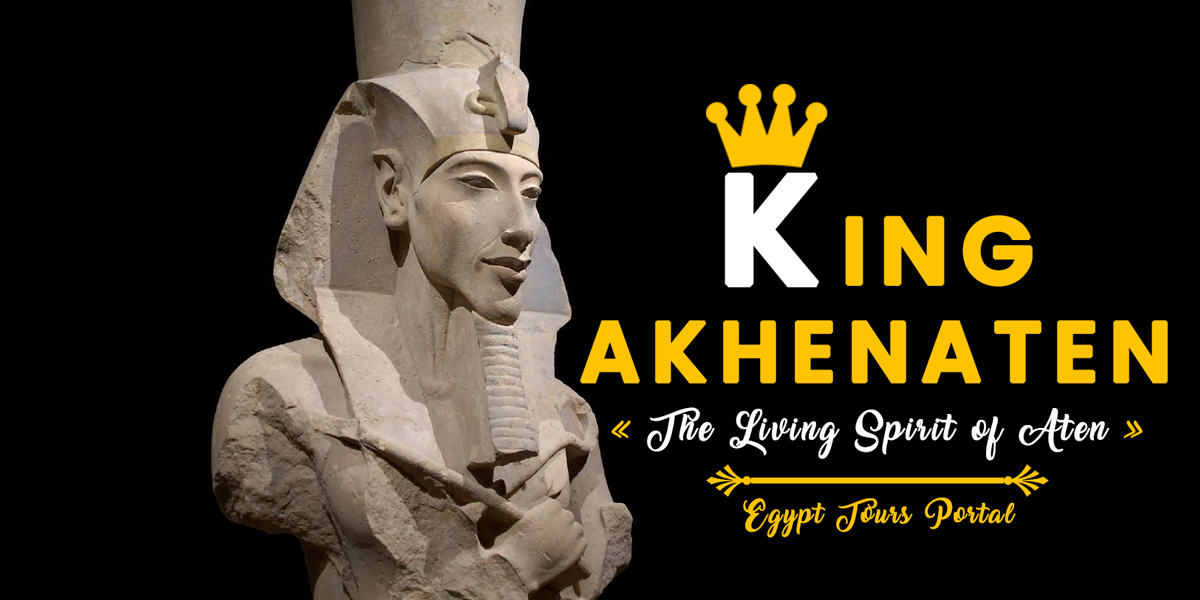
- King Akhenaten, originally named Amenhotep IV, ruled during Egypt’s Eighteenth Dynasty and changed his name to reflect his devotion to Aten, the solar deity.
- He launched one of the most radical religious reforms in ancient Egyptian history by elevating Aten above the traditional gods and weakening the power of Amun’s priesthood.
- Akhenaten founded a new sacred capital called Akhetaten, now known as Amarna, which became the political and religious center of Aten worship.
- His reign transformed Egyptian art through the Amarna style, which showed the royal family with more movement, intimacy, emotion, and symbolic physical features.
- After Akhenaten’s death, Atenism collapsed, Amarna was abandoned, his monuments were dismantled, and his name was erased, yet his legacy remains one of the most fascinating in ancient Egypt.
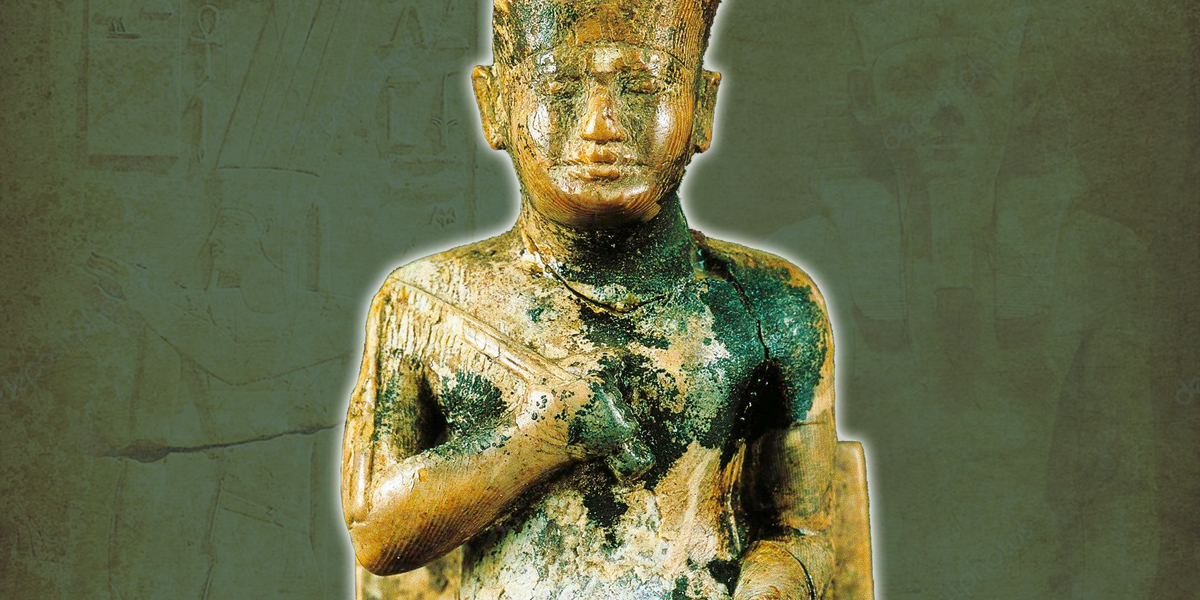
King Akhenaten was one of the most revolutionary, controversial, and mysterious pharaohs in the history of the Ancient Egyptian Civilization, ruling during the Eighteenth Dynasty of the New Kingdom, one of Egypt’s most powerful and artistic periods. Originally born as Amenhotep IV, the son of Pharaoh Amenhotep III and Queen Tiye, he was not initially expected to inherit the throne because his elder brother Thutmose was the crown prince, but after Thutmose’s death, Amenhotep IV became the next heir and later ruled Egypt during the fourteenth century BC, with his reign commonly dated to around 1353–1336 BC or 1351–1334 BC.
Instead of preserving the long-established religious traditions of Egypt, he challenged them by elevating the solar deity Aten above the traditional gods, changing his name to Akhenaten, meaning “Effective for the Aten,” and founding a new sacred capital called Akhetaten, now known as Amarna. Remembered today as the “Heretic King,” Akhenaten weakened the authority of Amun’s powerful priesthood, reshaped royal ideology, transformed Egyptian art into a more expressive and intimate style, and placed himself, Queen Nefertiti, and the royal family at the center of a new religious vision.
His revolution did not survive him; after his death, Egypt restored the worship of Amun and the traditional gods, his city was abandoned, his monuments were dismantled, and his name was erased from official history. Yet the attempt to destroy his memory only made his rediscovery more powerful, and today Akhenaten remains one of ancient Egypt’s most unforgettable figures: a visionary to some, a fanatic to others, a religious reformer, an artistic innovator, a political disruptor, and the pharaoh whose dream of Aten changed Egypt forever.
Explore the Identity and Characteristics of King Akhenaten
Akhenaten was born as Amenhotep, a name meaning “Amun is satisfied.” This name connected him to Amun, the powerful god of Thebes and one of the most important deities in New Kingdom Egypt. At the beginning of his reign, he was known as Amenhotep IV and initially followed many traditional royal customs.
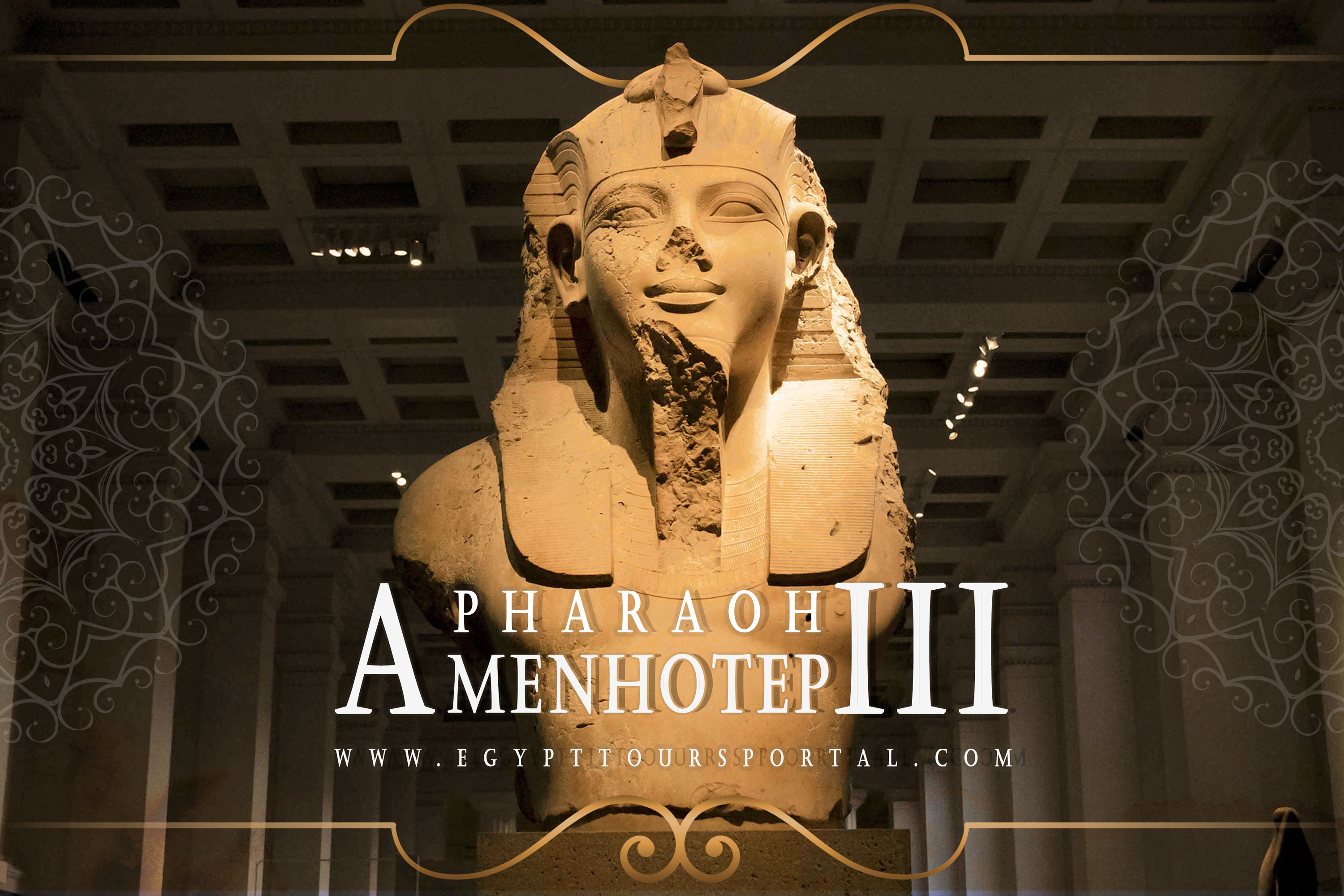
His father, Amenhotep III, ruled over one of Egypt’s most prosperous and internationally respected periods. Egypt controlled great wealth, maintained influence in Nubia and the Near East, and enjoyed diplomatic relationships with major kingdoms, some of which were even enemies of Egypt at some point, such as Mitanni, Babylon, Assyria, and the Hittites. Akhenaten inherited this powerful empire, but he chose to focus much of his royal energy on religious reform, solar theology, artistic innovation, and the elevation of Aten.
During the fifth year of his reign, Amenhotep IV officially changed his name to Akhenaten. This was one of the most symbolic decisions of his rule. By removing the reference to Amun and adopting a name linked to Aten, he publicly declared a new religious direction for Egypt.
Akhenaten’s throne name was Neferkheperure-Waenre, meaning “Beautiful are the Forms of Re, the Unique One of Re.” His royal names reflect the growing importance of solar worship and his desire to present himself as the chosen servant and earthly representative of Aten.
Akhenaten's Religious Revolution and The Rise of Aten Worship
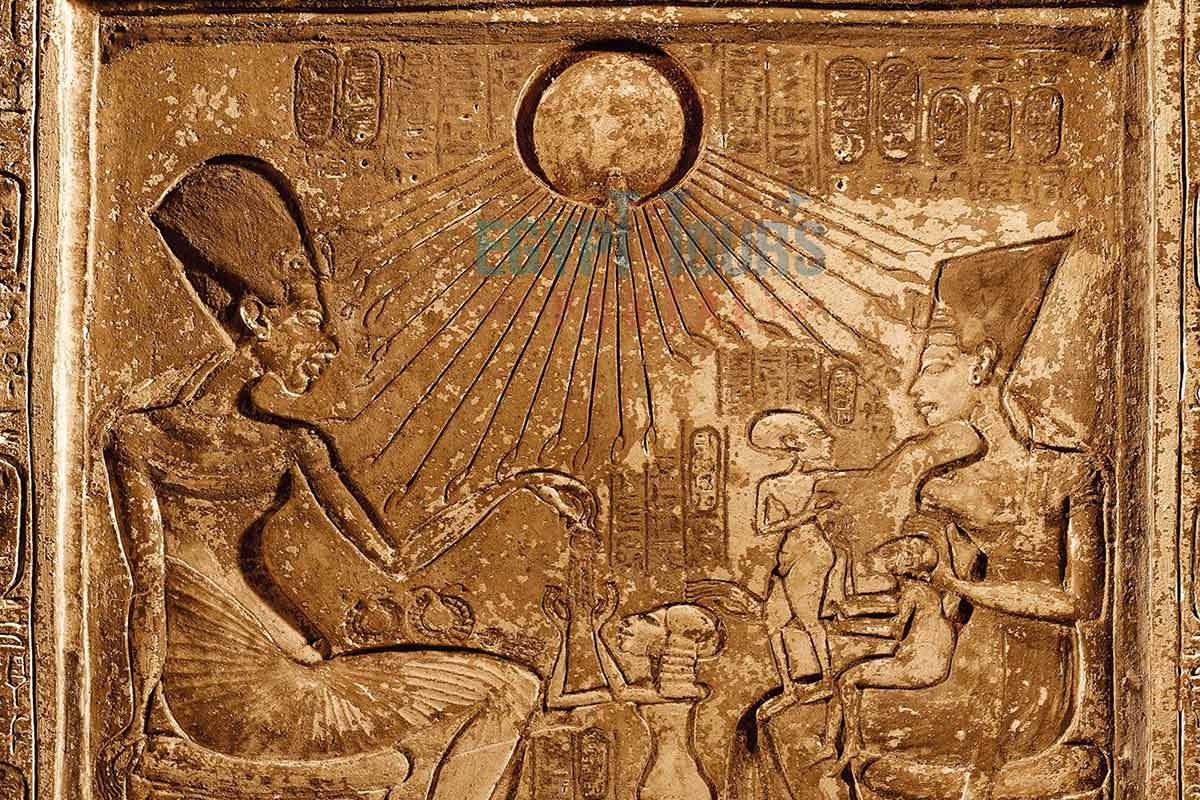
The Aten was represented as the visible disk of the sun, whose rays ended in tiny hands holding the ankh, the symbol of life. Solar worship was not invented by Akhenaten. The sun had been important in Egyptian religion for thousands of years, and Akhenaten’s father, Amenhotep III, had already shown a strong interest in solar theology.
However, Akhenaten transformed Aten worship into something far more radical. He elevated Aten above the traditional Egyptian Gods and eventually attempted to make Aten the only official deity worthy of worship. Egyptologists still debate whether Akhenaten’s religion should be described as monotheism, monolatry, henotheism, or a unique form of solar religion. It is often called monotheistic because Aten was treated as the sole supreme god, but the exact nature of Akhenaten’s belief system remains complex.
In the early years of his reign, Akhenaten did not immediately destroy the traditional religious system. He continued some earlier building projects, and inscriptions still referred to multiple gods. Yet even at this stage, Aten was receiving special royal attention. Temples dedicated to Aten were built in several places, including Thebes, Memphis, Heliopolis, and Nubia.
A major difference between Aten temples and traditional Egyptian temples was their design. Traditional temples were often dark, enclosed spaces where the divine image was hidden deep inside the sanctuary. Aten temples were open to the sky, allowing sunlight to flood the worship area. This reflected the nature of Aten as the visible power of the sun.
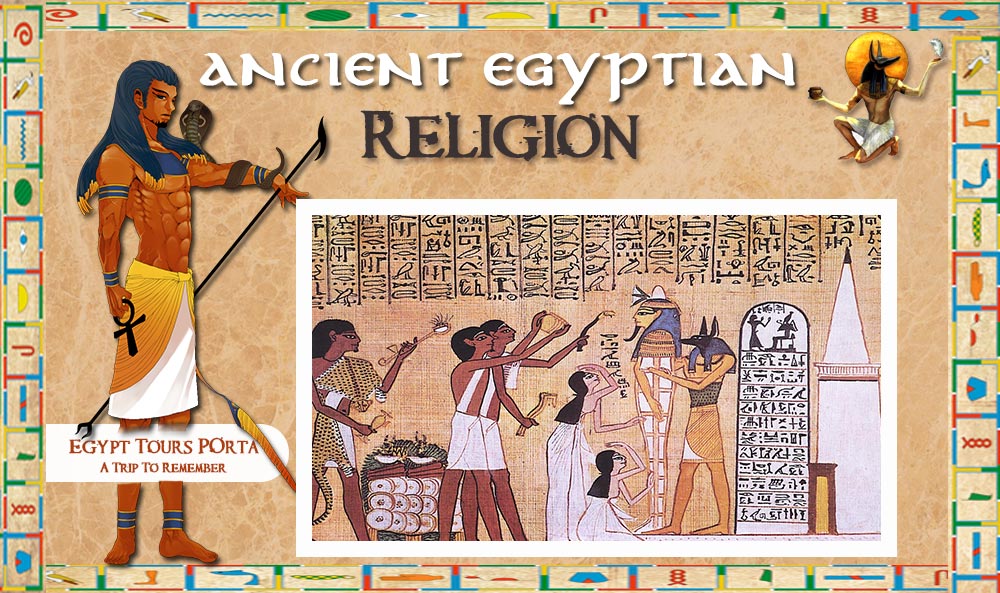
Ancient Egyptian Religion: Gods, Magic, and Afterlife
Learn about all the Glorious Religion of the ancient Egyptian civilization
Akhenaten and the Break with Amun
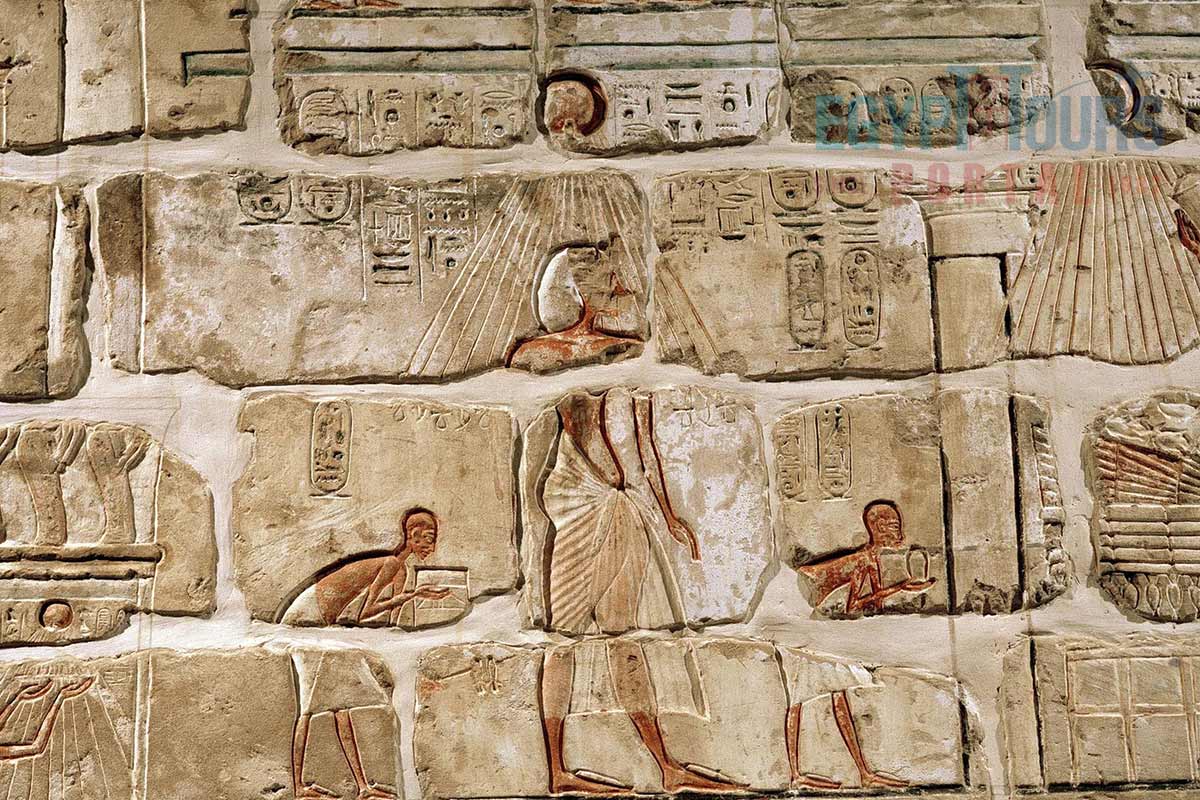
The most powerful religious institution in Egypt before Akhenaten’s reforms was the priesthood of Amun at Thebes. The temples of Amun, especially the Karnak Temple complex, controlled enormous wealth, land, workers, workshops, and influence. The growing power of Amun’s priesthood may have been one reason Akhenaten tried to reduce its authority.
By the fifth year of his reign, Akhenaten began a decisive break with the traditional religious order. He changed his name from Amenhotep IV to Akhenaten, founded a new capital city dedicated to Aten, and began shifting royal attention away from Thebes.
By around the ninth year of his reign, his religious policy became much stricter. The name and images of Amun were erased from monuments across Egypt, and in some cases, even the plural word “gods” was removed from inscriptions. This was an extraordinary act in a civilization that had honored countless gods and goddesses for centuries.
Akhenaten’s reforms were not only religious. They were also political. By weakening the priesthood of Amun, Akhenaten reduced the authority of one of the strongest institutions in Egypt and concentrated religious power around the king, the royal family, and the Aten.
Akhetaten "Amarna": The Sacred Capital of Aten
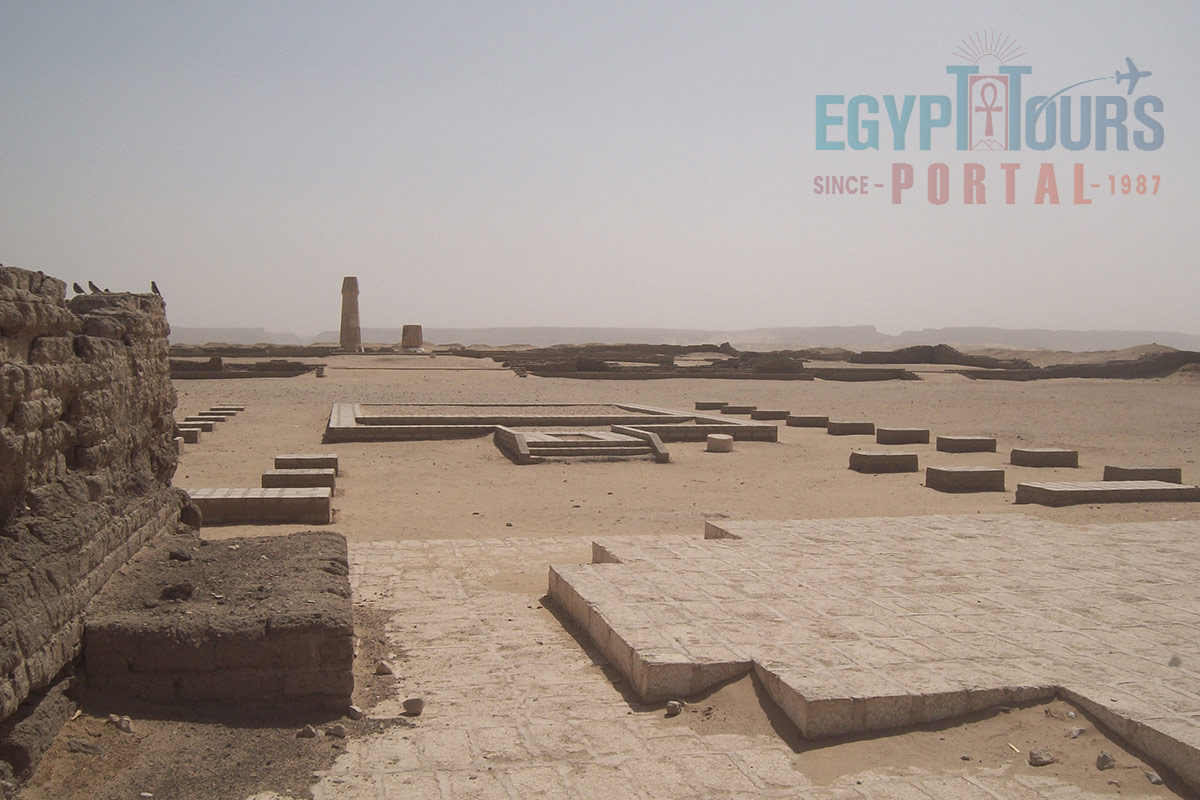
One of Akhenaten’s greatest and most dramatic achievements was the creation of a new capital city called Akhetaten, meaning “Horizon of the Aten.” The site is known today as Amarna. Akhenaten chose a location on the east bank of the Nile River, between Thebes and Memphis. According to inscriptions on boundary stelae, the site had not previously belonged to any god, goddess, ruler, or people, making it a pure and untouched place for Aten. This was extremely important to Akhenaten’s vision because he wanted the city to represent a complete break from the traditional religious centers of Egypt.
Akhetaten was carefully planned and built rapidly. It included the Great Temple of the Aten, the Small Aten Temple, royal palaces, administrative buildings, elite tombs, workers’ areas, roads, records offices, and residential districts. The city was not only a political capital but also the earthly center of Aten worship.
Unlike traditional Egyptian temples, which were dark and enclosed, the temples of Akhetaten were open to the sun. This allowed the rays of Aten to shine directly upon the offering tables and altars. The design of the city expressed Akhenaten’s belief that Aten’s life-giving power came through sunlight and that the king and royal family were the main intermediaries between the god and humanity.
The city was built quickly using smaller standardized stone blocks known as talatat. These blocks were easier to transport and arrange than the larger stones used in earlier monumental construction. This allowed Akhenaten’s builders to create temples and palaces at great speed.
Akhetaten was the physical expression of Akhenaten’s religious revolution. It was a sacred landscape, a royal capital, and a political statement. However, it did not survive long after his death. When Egypt returned to the worship of Amun and the traditional gods, the city was abandoned, and many of its buildings were dismantled. Today, Amarna remains one of the most important archaeological sites for understanding Akhenaten’s religion, art, family, administration, and royal ideology.

Tell El-Amarna
Discover the secrets of Tell El-Amarna, including its history, tombs, and architecture in our comprehensive guide.
Queen Nefertiti, His Daughters, and the Royal Family
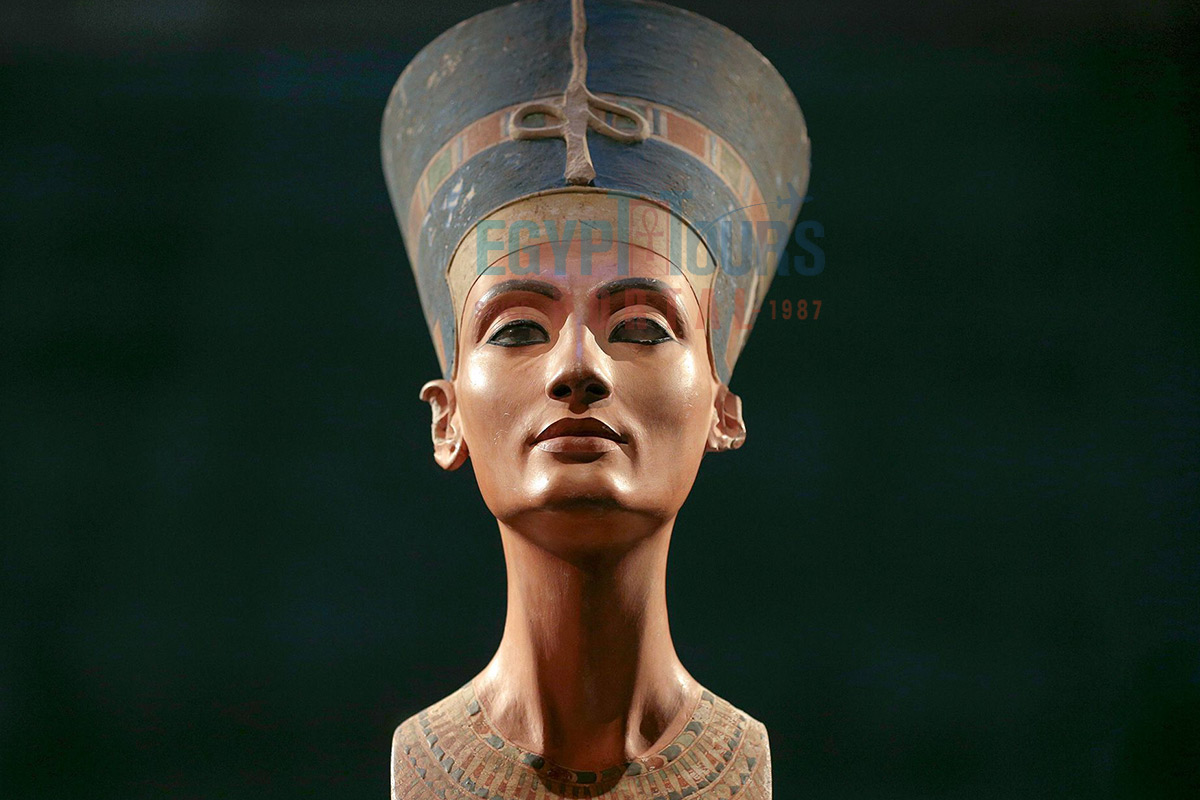
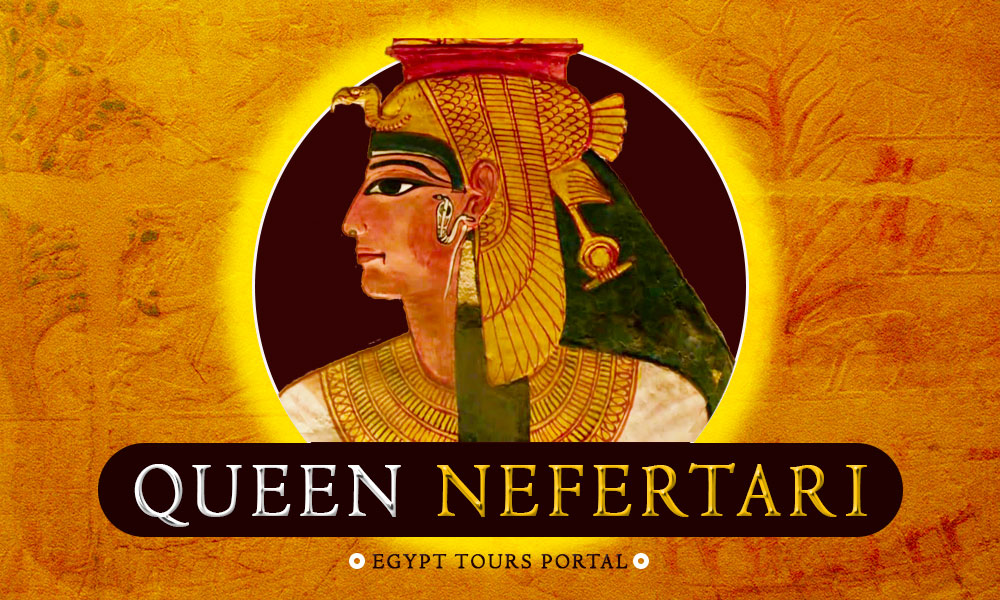
Queen Nefertiti was Akhenaten’s Great Royal Wife and one of the most famous queens in ancient Egyptian history. Her name means “The Beautiful One Has Come,” and her iconic bust, discovered at Amarna, has made her an enduring symbol of ancient Egyptian beauty and elegance.
Nefertiti was not simply a passive royal wife. She played a highly visible role in Akhenaten’s religious and political program. In Amarna art, she appears beside the king worshiping Aten, presenting offerings, riding in chariots, participating in ceremonies, and even performing actions usually reserved for pharaohs, such as smiting enemies. This suggests that she held an extraordinary status during the reign.
Akhenaten and Nefertiti had six known daughters: Meritaten, Meketaten, Ankhesenpaaten, Neferneferuaten Tasherit, Neferneferure, and Setepenre. The royal family was depicted in unusually intimate scenes, showing the king and queen playing with their daughters, kissing them, holding them, and sitting together beneath the rays of Aten.
These family scenes were revolutionary in Egyptian royal art. Earlier pharaohs were usually shown in formal and idealized poses, but Amarna art emphasized movement, affection, and domestic life. These scenes were not casual family portraits in the modern sense; they were religious and political images designed to show the royal family as the earthly recipients of Aten’s life-giving power.
Akhenaten also had other wives or consorts, including Kiya, whose exact role remains debated. Some historians once suggested that Kiya may have been the mother of Tutankhamun, but this is not proven. Genetic evidence indicates that Tutankhamun’s father was the male mummy found in tomb KV55, often identified as Akhenaten, while his mother was the “Younger Lady” mummy from KV35. However, the exact identification of these individuals remains debated among Egyptologists.
Nefertiti: The Powerful Queen Behind Egypt’s Amarna Revolution
Explore Nefertiti’s life, titles, family, Aten revolution, possible reign as pharaoh, iconic bust, mysterious death, tomb, and lasting legacy.
The Famous Son of Akhenaten "Tutankhamun"
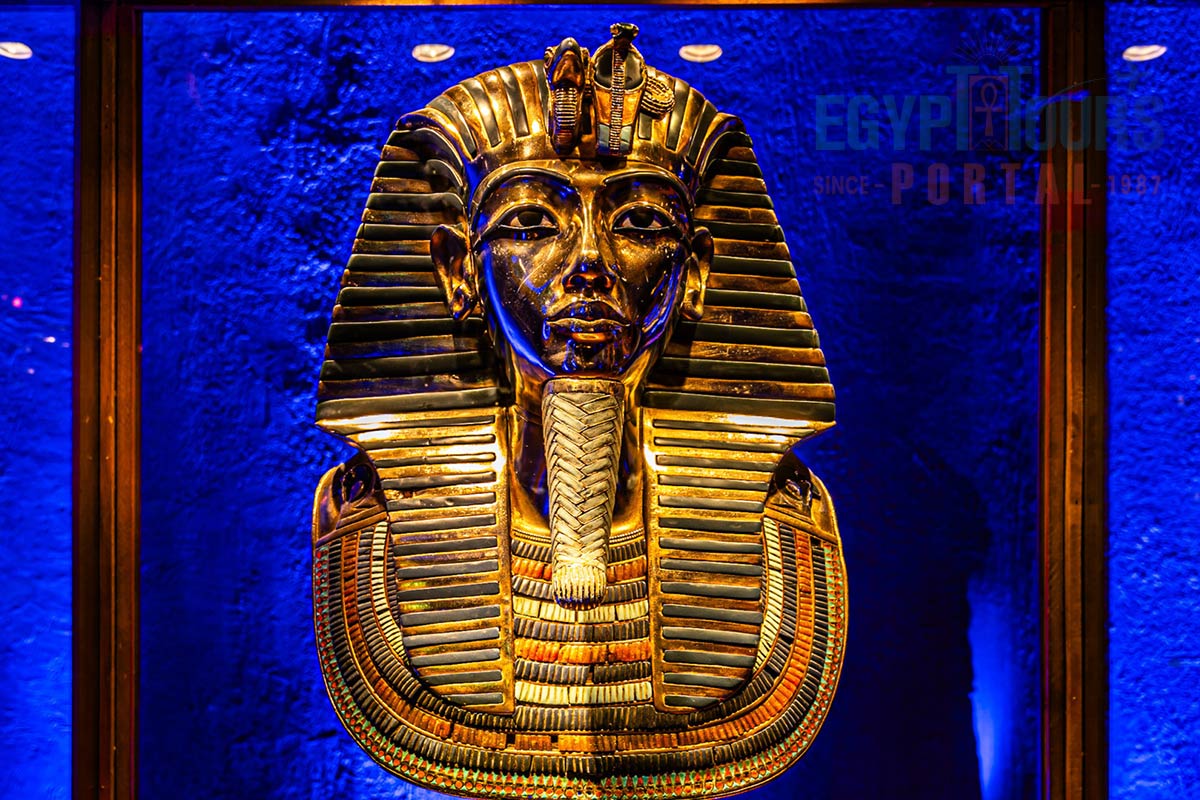
Tutankhamun, originally named Tutankhaten, was closely connected to Akhenaten’s family. Many scholars believe he was Akhenaten’s biological son, although the matter is not completely settled. DNA testing has shown that Tutankhamun’s father was the man buried in tomb KV55. This mummy is often identified as Akhenaten, but some researchers argue that it could instead be Smenkhkare, another mysterious ruler of the Amarna Period.
Tutankhamun later married Ankhesenpaaten, one of Akhenaten and Nefertiti’s daughters. After the fall of Atenism, both changed their names to Tutankhamun and Ankhesenamun, replacing the Aten element with Amun. This name change symbolized the official return to traditional Egyptian religion. Whether as son, son-in-law, or both, Tutankhamun became the young ruler who began reversing Akhenaten’s religious revolution.
Akhenaten’s Enchanting Artistic Revolution
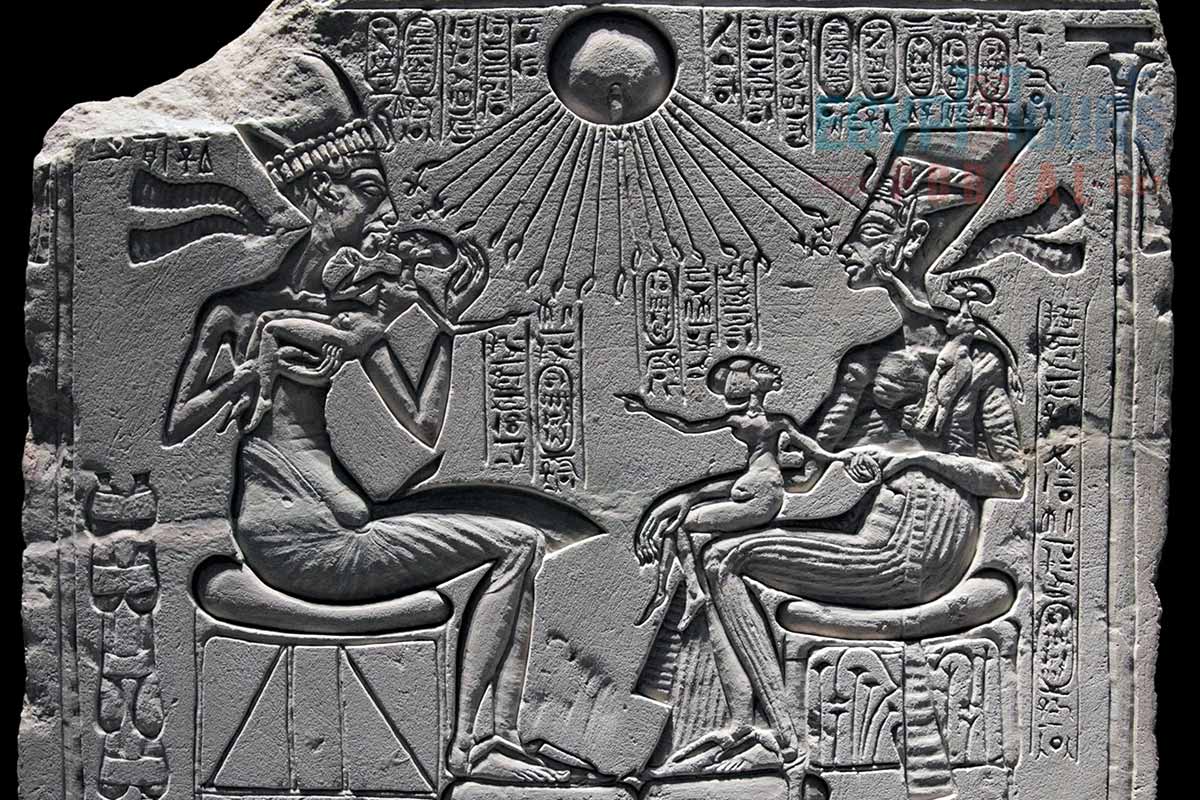
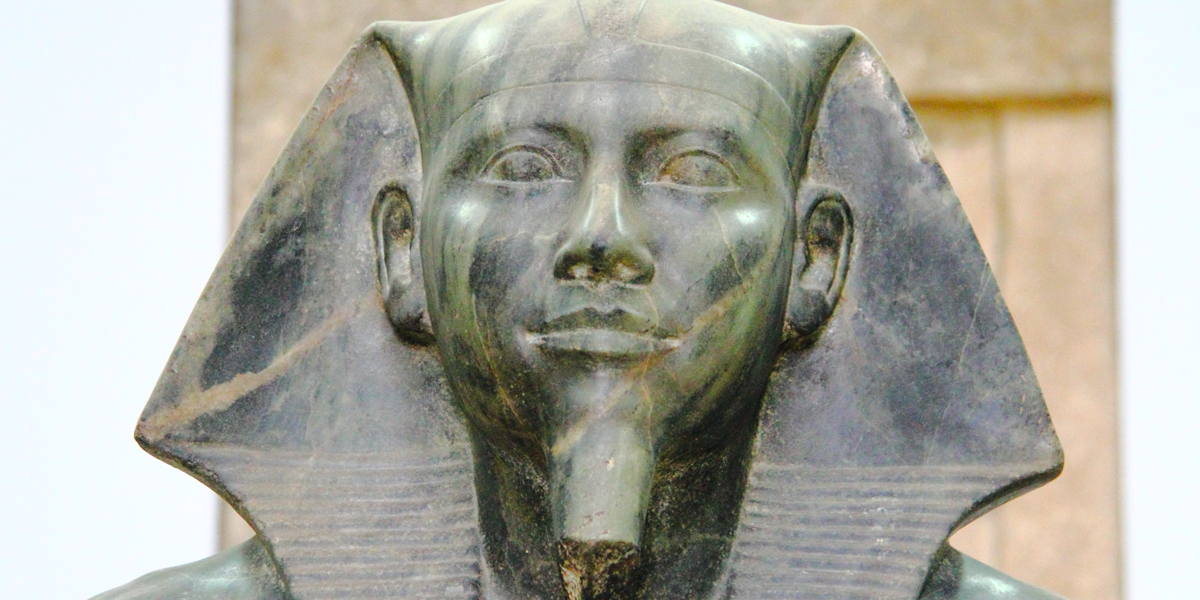
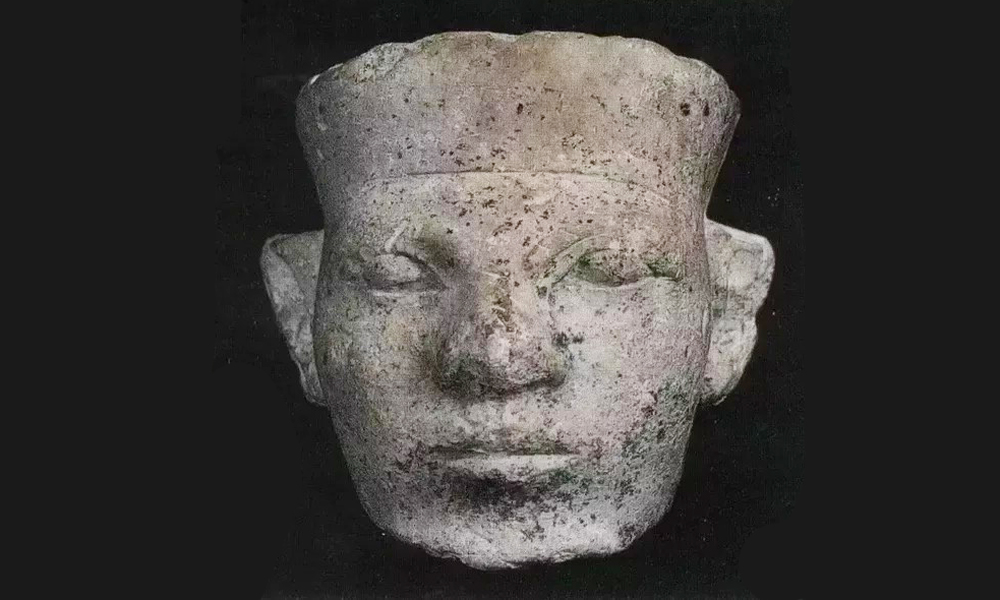
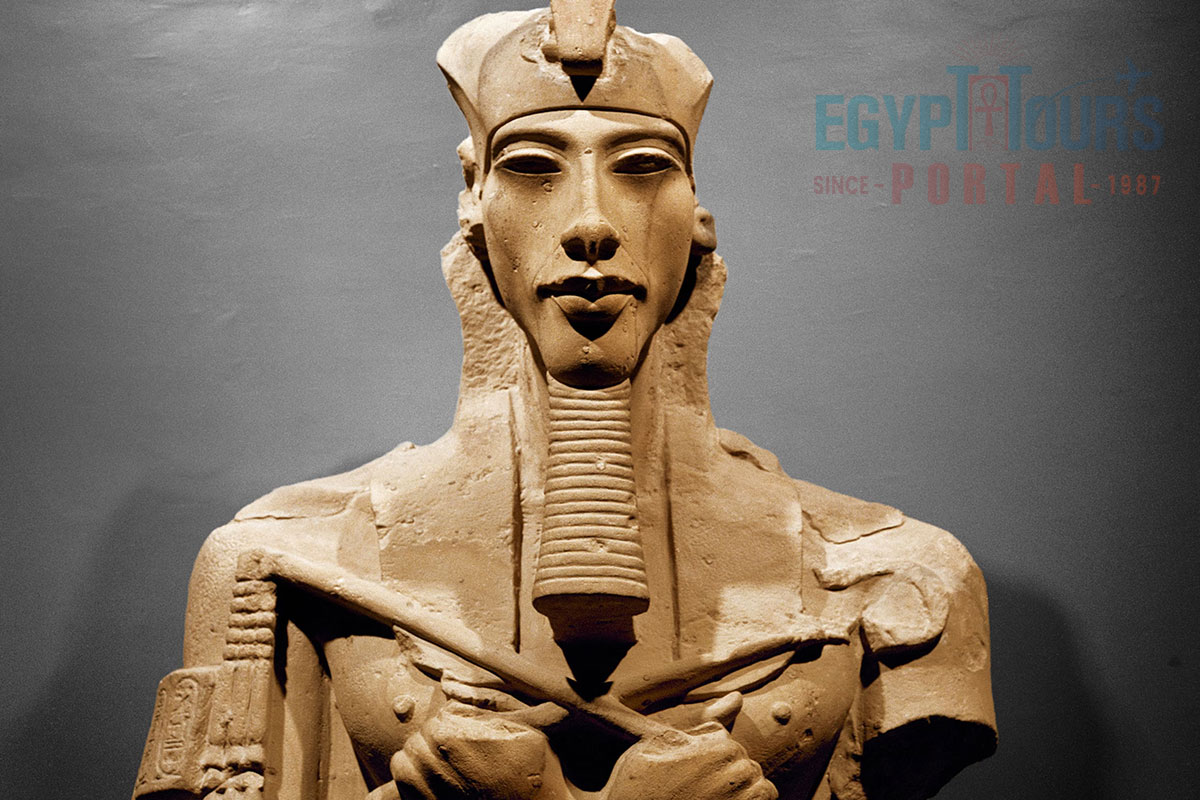
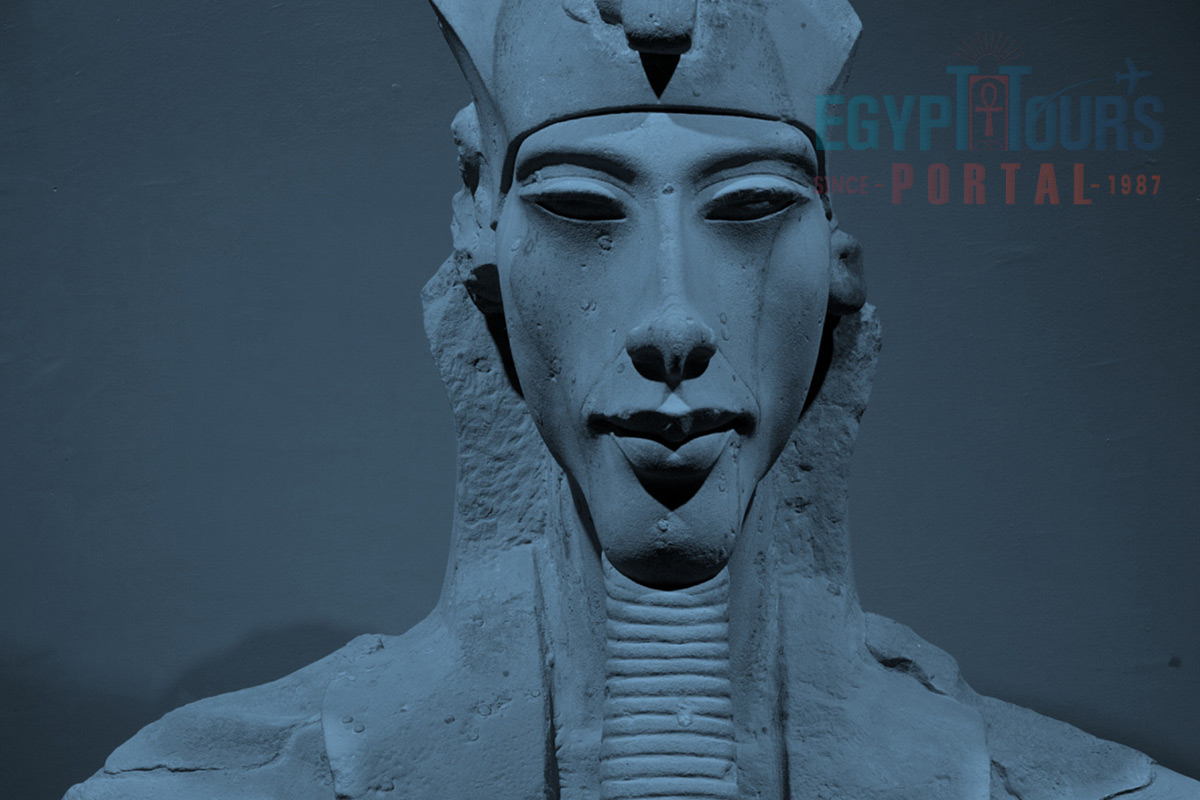
Akhenaten’s reign produced one of the most distinctive artistic styles in ancient Egyptian history. Known as Amarna art, this style broke away from the rigid idealism of earlier royal imagery. Traditional ancient Egyptian art portrayed pharaohs as strong, youthful, athletic, and timeless. Akhenaten, however, was shown with an elongated face, narrow eyes, thick lips, a long neck, a protruding stomach, wide hips, thin arms, and slender legs. Members of the royal family were also shown with elongated heads and exaggerated physical features.
These unusual images led some early scholars to suggest that Akhenaten suffered from a medical condition such as Marfan syndrome, Froehlich syndrome, or another genetic disorder. However, modern research has challenged these theories. DNA studies have not supported the diagnosis of Marfan syndrome, and many Egyptologists now believe that Akhenaten’s unusual appearance was symbolic rather than literal.
The androgynous form of Akhenaten may have represented the creative power of Aten, who was described as both father and mother of all life. By combining masculine and feminine features in the king’s body, Amarna art may have expressed the universal life-giving nature of Aten.
Amarna art also introduced more movement, realism, emotional expression, and natural detail than earlier royal art. Plants, animals, children, servants, and members of the royal family were shown with greater liveliness. The result was a visual style unlike anything Egypt had produced before.
The Great Hymn to the Aten
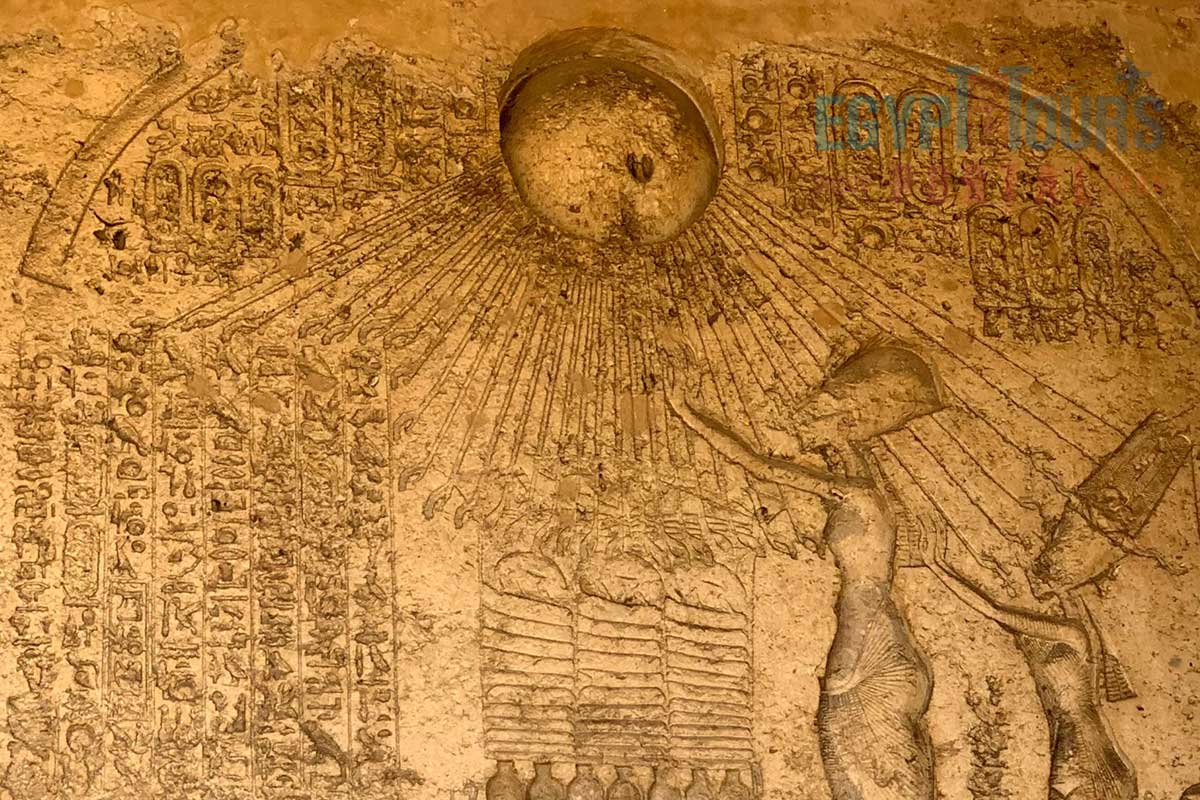
One of the most important ancient Egyptian religious texts associated with Akhenaten is the Great Hymn to the Aten. It was found in the tomb of Ay at Amarna and is often considered the clearest expression of Akhenaten’s theology. The hymn praises Aten as the creator of the world, the source of light, life, movement, fertility, and order. It describes how the world falls into darkness and danger when the sun sets, then comes alive again when Aten rises.
The hymn presents Aten as a universal god who cares not only for Egypt but for all lands, peoples, animals, plants, and natural forces. It also emphasizes Akhenaten’s unique role as the only one who truly understands Aten. This idea was central to Akhenaten’s religion. Ordinary people did not approach Aten directly in the same way they approached traditional gods. Instead, Akhenaten and the royal family stood between Aten and humanity. The king became the sole interpreter and chief worshiper of the god.
Foreign Policy During Akhenaten’s Reign
Akhenaten inherited a vast and influential empire. Egypt controlled Nubia to the south and held influence over parts of Canaan, Syria, Palestine, and Phoenicia. His reign coincided with major changes in the international balance of power, especially the rise of the Hittite Empire.
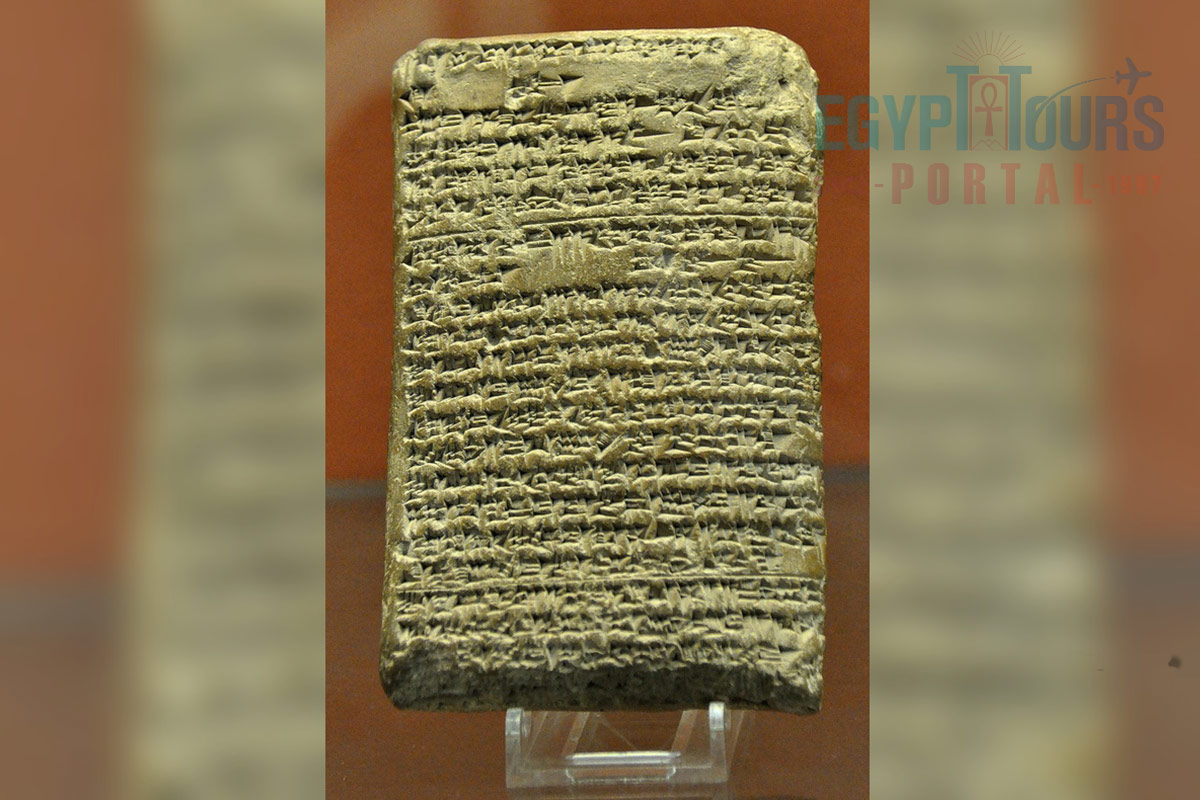
For many years, Akhenaten was criticized as a ruler who neglected foreign affairs because he was too absorbed in his religious reforms. This view was based largely on the Amarna Letters, a collection of diplomatic clay tablets discovered at Amarna. These letters include messages from foreign kings and vassal rulers asking Egypt for support, troops, gold, or diplomatic attention.
Some letters describe instability in Canaan and Syria, while others reveal the growing power of the Hittites and the weakening of Egypt’s allies, especially Mitanni. One of the most famous correspondents was Rib-Hadda of Byblos, who repeatedly begged Akhenaten for help against local enemies.
However, modern interpretations are more balanced. The Amarna Letters do not prove that Akhenaten completely ignored foreign policy. They show that Egypt was still communicating with vassals, sending instructions, and in some cases dispatching troops. Akhenaten appears to have preserved much of Egypt’s core influence in Canaan and along the Phoenician coast, although Egypt did lose some territory and influence in northern Syria, especially around Amurru.
One military campaign is known with certainty during his reign: an expedition in Nubia led by the Viceroy of Kush to suppress rebellion or unrest. Some scholars also suggest possible military activity in the Levant, but the evidence remains debated. Akhenaten’s foreign policy was therefore not a total failure, but Egypt’s international position did become more vulnerable during his reign, especially as the Hittites expanded their power.
The Later Years of Pharaoh Akhenaten
The final years of Akhenaten’s reign are poorly documented and remain one of the most debated periods in Egyptian history. Around year twelve of his reign, a major royal reception took place at Akhetaten. The royal family appeared with tribute from foreign lands, including Nubia, Syria, Libya, and other regions. This event may have represented the peak of Akhenaten’s reign and the public celebration of his new religious and political order.
After this point, the evidence becomes less clear. Several members of the royal family disappear from the record, including some of Akhenaten’s daughters. Some scholars believe that a plague or epidemic may have affected Egypt and the wider Near East during these years, possibly contributing to deaths within the royal family.
There is also debate about whether Akhenaten ruled with a co-regent near the end of his reign. Possible co-regents include Smenkhkare and Nefertiti, who may have ruled under the name Neferneferuaten. The exact sequence of rulers after Akhenaten remains one of the great puzzles of the Amarna Period.
When Did King Akhenaten Die?
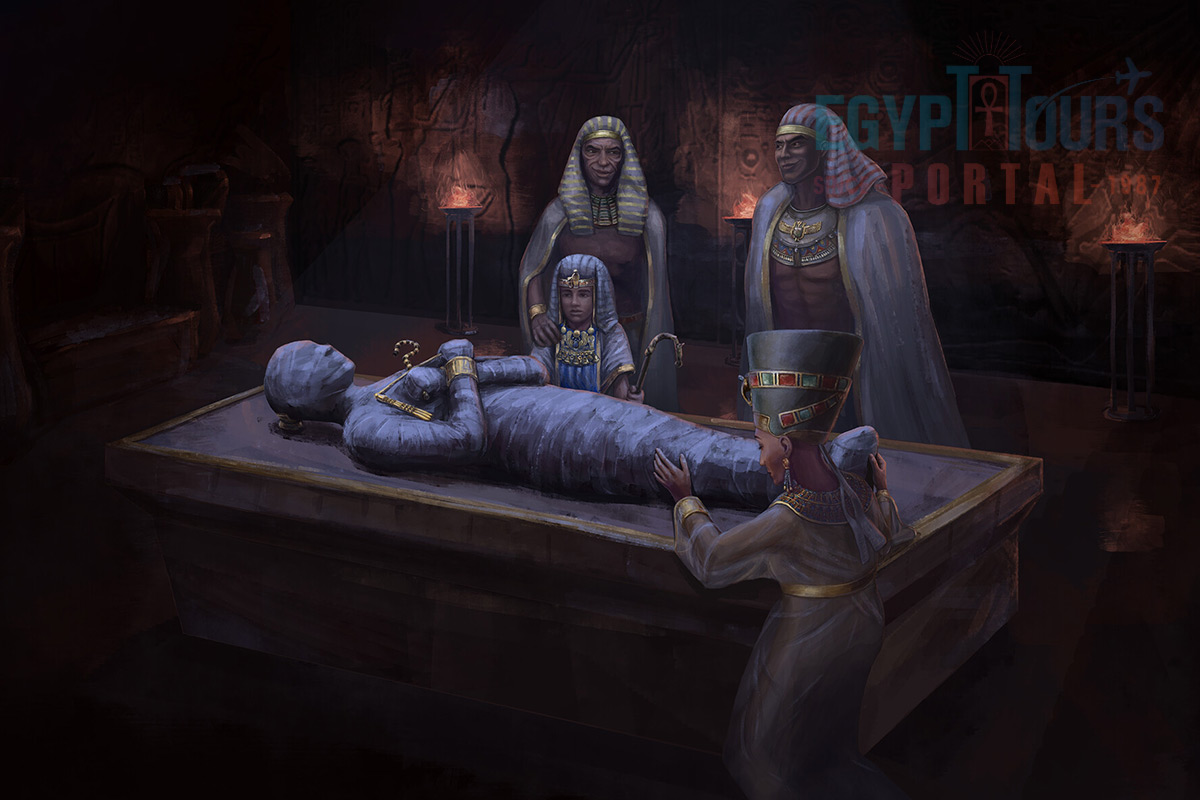
Akhenaten died in the seventeenth year of his reign, around 1336 or 1334 BC, depending on the chronology used. He was probably about thirty-eight years old. He was originally buried in the royal tomb at Amarna, in the eastern cliffs beyond his new city. This tomb had been prepared for him according to his own instructions, and parts of his sarcophagus were later discovered there.
After Akhetaten was abandoned, Akhenaten’s body was likely moved from Amarna to the Valley of the Kings near Thebes. The mummy found in tomb KV55 may be Akhenaten, although this identification remains disputed. The tomb was later desecrated, probably during the Ramesside period, when Akhenaten’s memory was being actively condemned. The exact cause of Akhenaten’s death is unknown. There is no reliable evidence that he was murdered or died from a clearly identifiable disease.
The Tomb of Akhenaten: The Lost Burial of the Heretic King
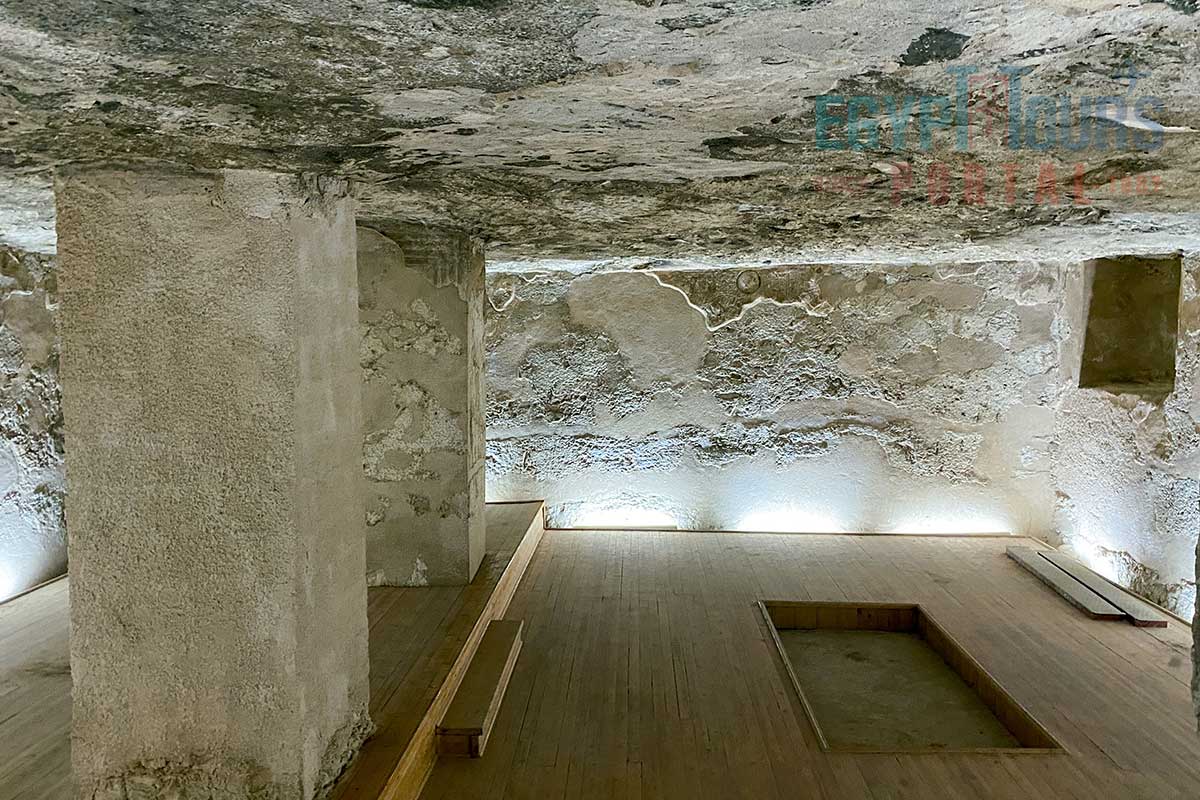
Akhenaten was originally buried in the Royal Tomb at Amarna, in the eastern cliffs beyond his new capital city of Akhetaten. This tomb was prepared according to his own instructions and was intended to serve as his eternal resting place within the sacred landscape of Aten.
The royal tomb at Amarna contained burial chambers for Akhenaten and probably for other members of his family, including royal daughters who died during his reign. Unlike the traditional tombs in the Valley of the Kings, Akhenaten’s tomb belonged to the religious and political world he had created at Amarna. It was part of his attempt to build a complete sacred order centered on Aten.
After Akhenaten’s death, however, the situation changed quickly. Akhetaten was abandoned, the royal family returned to traditional religious centers, and Egypt began restoring the worship of Amun and the old gods. Akhenaten’s burial was disturbed, his sarcophagus was broken, and his remains were probably moved away from Amarna.
Tomb KV55 in the Valley of the Kings may have served as a later reburial place for Akhenaten or another royal figure from the Amarna Period. The damaged condition of the coffin and burial equipment reflects the later campaign to erase Akhenaten’s memory. For this reason, Akhenaten’s tomb is not only a burial place but also a symbol of the rise and fall of his religious revolution.
The Mummy of Akhenaten: The Mystery of KV55
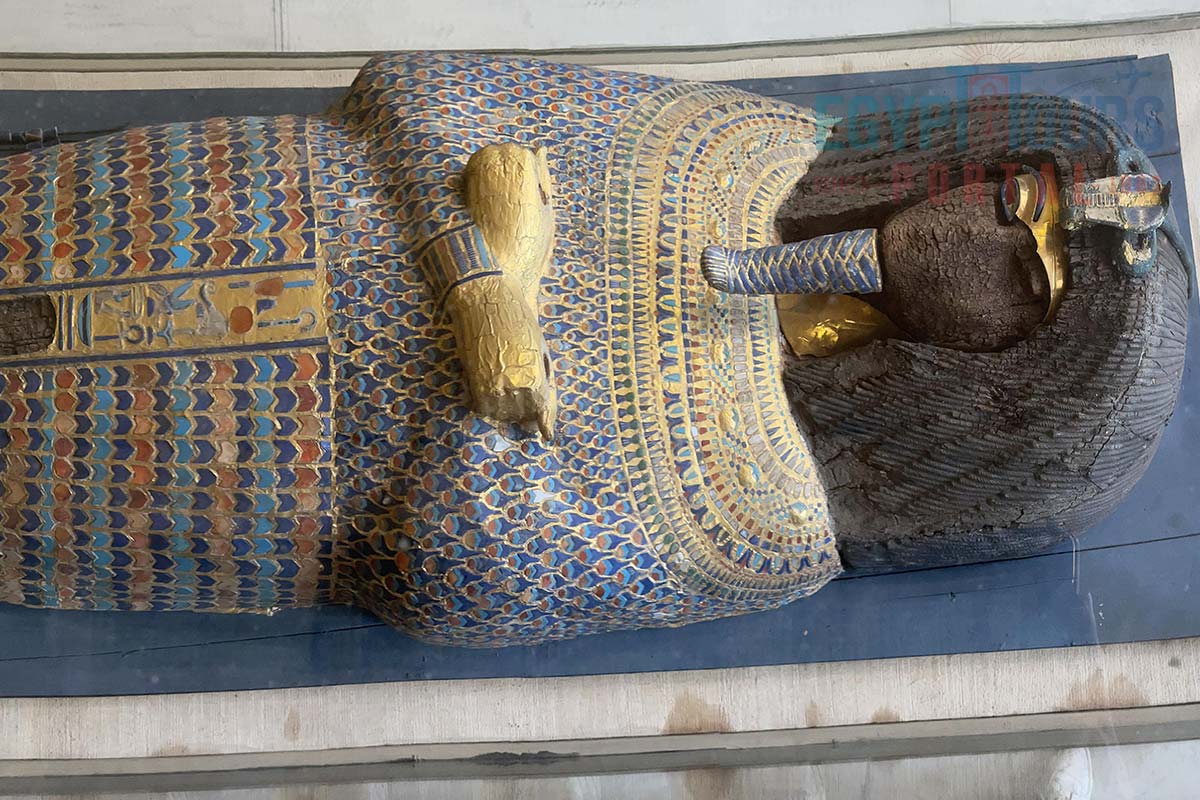
The mummy of Akhenaten remains one of the most debated mysteries of the Amarna Period. In 1907, a royal mummy was discovered in tomb KV55 in the Valley of the Kings by Edward R. Ayrton. Many scholars have suggested that this mummy could belong to Akhenaten, but the identification remains uncertain.
Modern genetic studies have shown that the man buried in KV55 was the father of Tutankhamun, which supports the possibility that the mummy may be Akhenaten. However, some Egyptologists believe the KV55 mummy could instead belong to Smenkhkare, another mysterious ruler associated with the final years of the Amarna Period.
The poor condition of the mummy, the damaged coffin, and the deliberate desecration of the burial make the question even more complicated. The burial equipment appears to have been altered, names were erased, and the tomb itself was left in a disturbed state. These details reflect the hostility that later Egyptians directed toward Akhenaten and the Amarna royal family.
Because of these uncertainties, the KV55 mummy is best described as “possibly Akhenaten” rather than certainly Akhenaten. The mystery continues to attract Egyptologists because identifying the mummy would help clarify the family relationships, succession problems, and political events at the end of the Eighteenth Dynasty.
The Inevitable Fall of Atenism
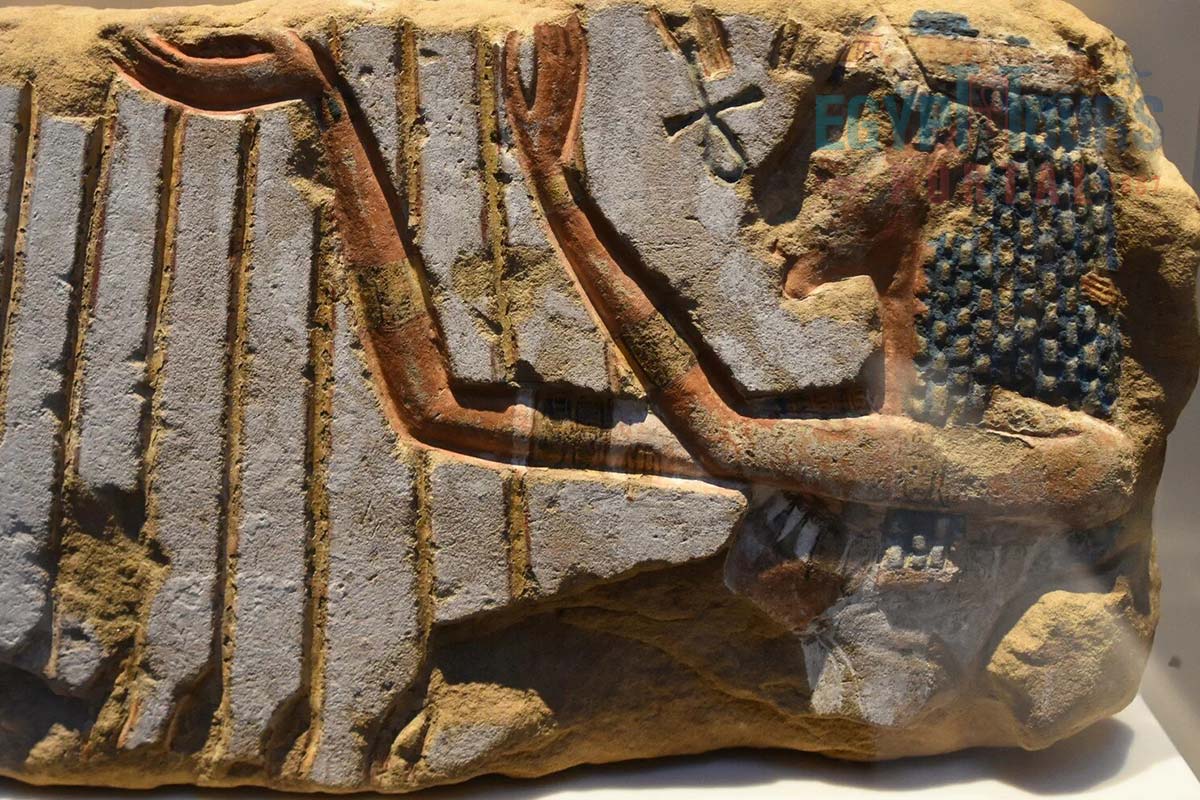
After Akhenaten’s death, his religious system quickly lost power. Atenism may have continued briefly under his immediate successors, possibly Smenkhkare and Neferneferuaten. However, under Tutankhaten, the restoration of traditional religion began. Tutankhaten changed his name to Tutankhamun, and his wife Ankhesenpaaten became Ankhesenamun.
The young king’s Restoration Stela describes how temples had fallen into ruin and how the gods had been neglected. It presents Tutankhamun as the ruler who restored Egypt’s ancient customs, rebuilt temples, renewed divine images, and returned the country to the religious order of earlier times.
Under Ay and especially Horemheb, the rejection of Akhenaten became more aggressive. Aten temples were dismantled, and their talatat blocks were reused in later buildings. Akhetaten was abandoned, and Akhenaten’s name was erased from official king lists. Later rulers referred to him not as a legitimate pharaoh but as “the enemy” or “the criminal of Akhetaten.” His memory was deliberately suppressed, and for centuries, he disappeared from Egyptian historical tradition.
Discover the Legendary Legacy of Akhenaten
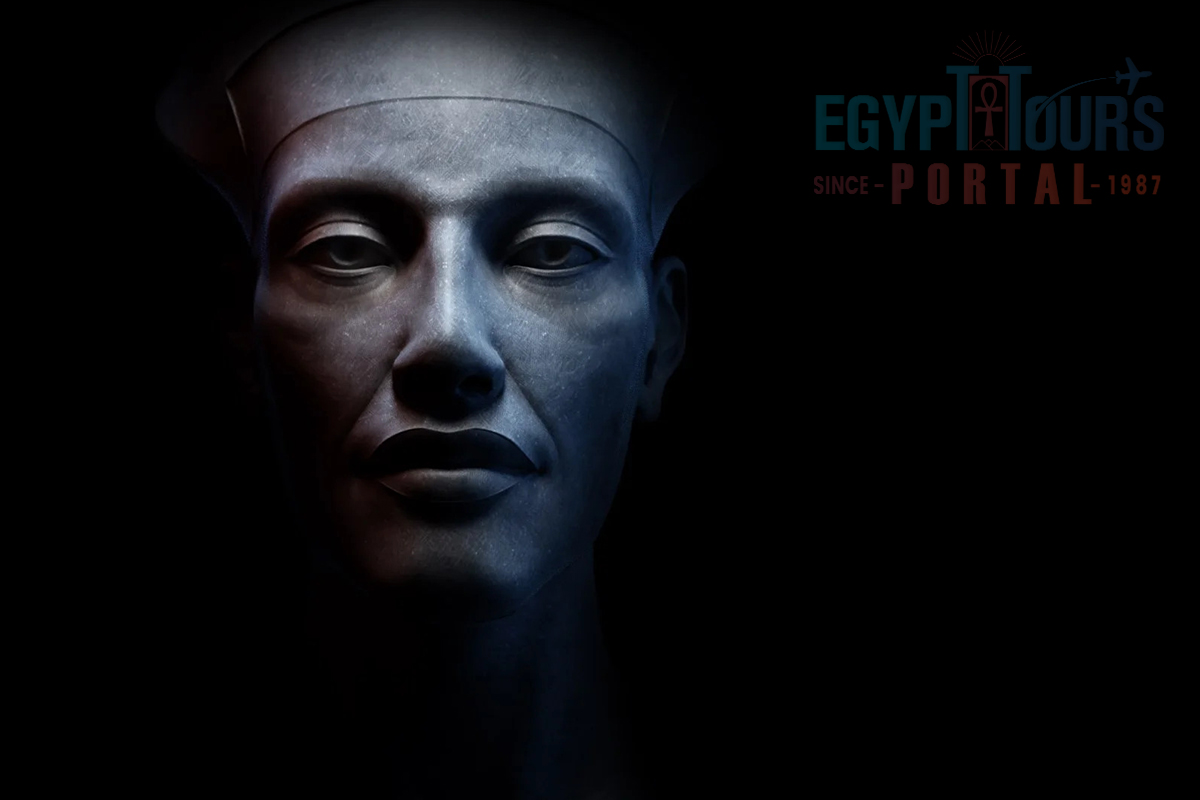
Akhenaten’s legacy is one of the most complex in ancient Egyptian history. To later Egyptians, he was a dangerous heretic who had offended the gods, disrupted the temples, and damaged the divine order of the kingdom. To modern scholars and the public, he is one of the most fascinating rulers of the ancient world.
His religious reforms failed, but they left a deep mark on Egyptian history. His reign forced later rulers to redefine the relationship between the pharaoh, the gods, and the people. Some scholars believe that after the Amarna Period, ordinary Egyptians developed a more direct and personal relationship with their gods, partly because Akhenaten’s system had disrupted the older religious structure.
His artistic revolution also had a lasting impact. Although later artists returned to more traditional styles, the Amarna Period remains one of the most creative and emotionally expressive moments in Egyptian art. Akhenaten’s language reforms, religious hymns, royal ideology, and unique city at Amarna continue to provide Egyptologists with some of the richest evidence for the New Kingdom's ancient Egyptian society, politics, art, and religion.
He has also inspired endless speculation. Some writers have compared his Aten religion with later monotheistic faiths, while others have linked him to Moses or early biblical traditions. These theories remain controversial and are not supported by clear historical evidence, but they show how strongly Akhenaten continues to capture the imagination.
Explore the Golden Marvels of Thebes with our Grand Egypt Tours
Egypt has a great civilization and environment suitable for discovery, which makes it one of the most famous tourist countries around the world. So if you wish to take in Ancient Egypt's beauty and greatness in Cairo, Luxor, and Aswan, you can check out our Nile River cruise and Egypt Tours and book your favorite travel experience.