Summary
- Ancient Egyptian sarcophagi were seen as sacred burial containers meant to protect the body and soul in the afterlife.
- Evolved from simple rectangular forms in the Old Kingdom to decorated human-shaped designs later.
- Closely tied to Egyptian religious beliefs about resurrection and eternal life.
- Often part of a layered burial system with mummification, inner coffins, and outer stone casings.
- Decorated with funerary texts, sacred symbols, and gods like Osiris for guidance and protection.
- Made from materials such as wood, granite, and gold depending on status and wealth.
- Reflected both artistic skill and the social rank of the deceased.
- Common symbolic elements included scarabs, false doors, and painted rebirth scenes.
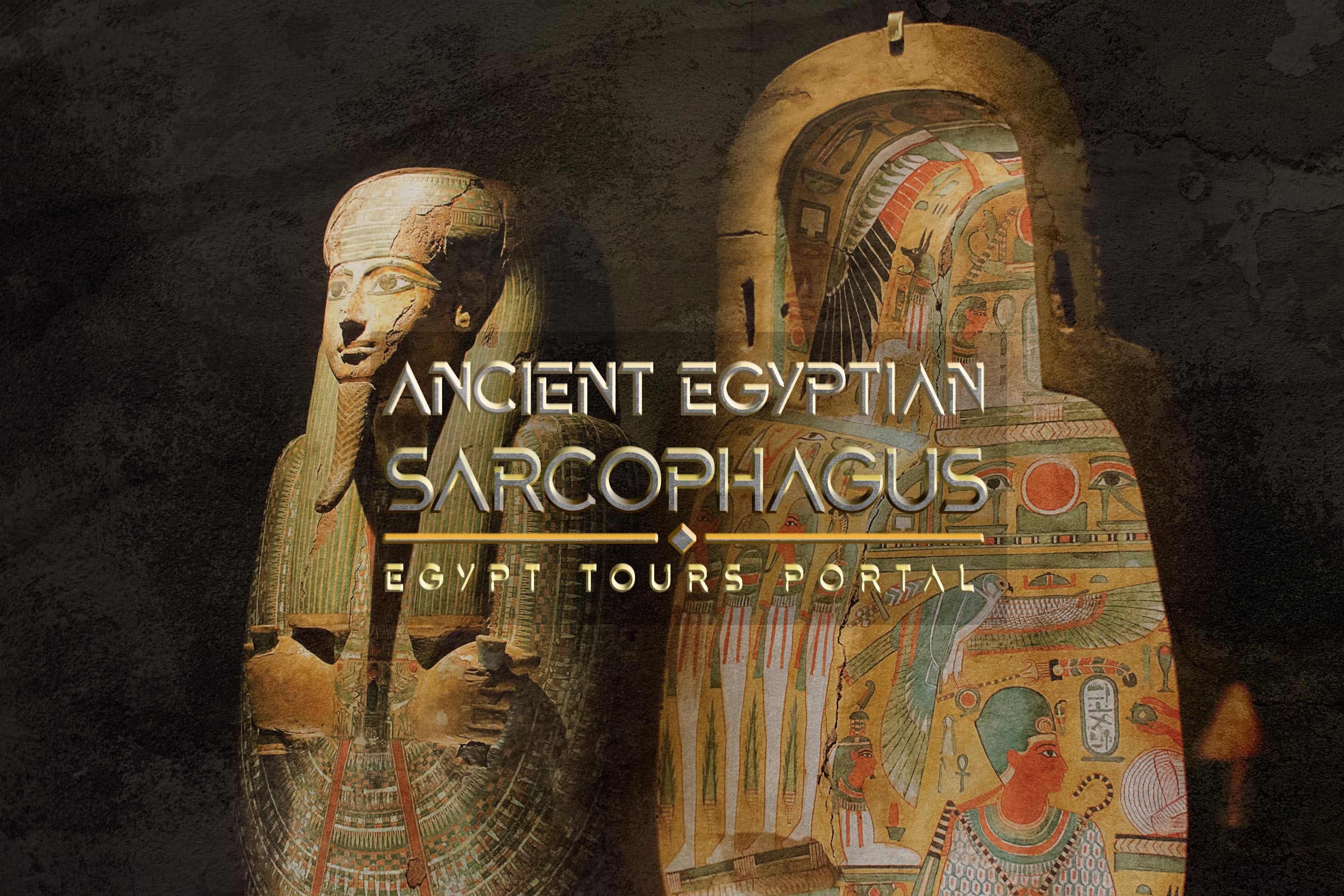
The ancient Egyptian sarcophagus is a magical vessel constructed to stop the flow of time and protect the physical and spiritual aspects of the Egyptian mummies to the heights degree. The Ancient Egyptians had a strong belief in the afterlife, awakening after death, and that death is nothing but moving to an advanced level of existence and awareness.
The ancient Egyptian coffin and sarcophagus were to preserve the bodies in the best manner after performing the mummification process. The ancient Egyptian coffins held a great creation of artistry filled with incredible writings and enchanting, colorful carvings to help the dead make their way to the afterlife.
Explore The Thrilling Facts of the Ancient Egyptian Sarcophagus

Ancient Egyptian sarcophagi were far more than stone burial boxes. In elite burials, the mummy was often placed first in one or more wooden coffins, then enclosed in an outer wooden case or a stone sarcophagus. The Metropolitan Museum of Art notes that some Egyptian stone sarcophagi were shaped to imitate wooden coffins, including examples with vaulted lids and bases formed like wooden battens.
The ancient Egyptian religion was the main drive behind the creation of ancient Egyptian coffins and sarcophagis. They worked hard to transform the bodies into mummies through the mummification process, as the body had to be preserved so the spirit known as "AKH" could enter the afterlife. The body was placed within a case box that is located between the mummy and the coffin, then placed in the sarcophagus, and then placed in the tomb. To offer the highest level of protection, all the mummies were placed in coffins, which were considered to be a key element in the burial assemblage. All these mummies can be seen today across many of the great museums found all over Egypt.
Some of the earliest stone sarcophagi are associated with Egypt’s 3rd Dynasty, around 2686–2613 BCE, when royal burial practices became more monumental. Over time, burial containers evolved from rectangular forms into anthropoid, human-shaped coffins that visually linked the deceased with divine rebirth, especially with Osiris.
Egyptian sarcophagi and coffins were commonly inscribed or painted with protective texts, divine figures, and symbolic images. Middle Kingdom coffins, for example, could carry spells from the Coffin Texts, while later coffins often displayed deities such as Osiris, Isis, Anubis, Thoth, and the Sons of Horus. Many examples also include painted “Horus eyes” and false-door motifs associated with protection and the passage into the next world.
Their materials varied according to wealth and status. Wood was widely used, while stone sarcophagi signaled permanence and prestige. Royal burials could include richly decorated gilded coffins, the most famous example being Tutankhamun’s burial equipment, which included a quartzite sarcophagus and nested coffins.
Learn About The Majestic History of Ancient Egyptian Sarcophagi

The oldest sarcophagi in existence were used by pharaohs of the 3rd dynasty who reigned from about 2686 to 2613 BCE. The ancient coffins were considered to be the eternal and immortal dwelling of the dead. During the old kingdom of Egypt (2686 -2181 BC), rectangular coffins were built to resemble their amazing residences. The coffin’s shape showcases where the deceased rested and that they received offerings from their families.
Funerary texts, such as the coffin texts, were written on the interior of coffins by the common people during the beginning and end of the middle kingdom of Egypt (2040 – 1782 BC). The coffin texts were spells used to help the deceased reach and prosper in the afterlife. The nature of the afterlife was in constant change plus the dead themselves were considered to be a manifestation of Osiris, the god of the dead. The shape of the sarcophagus was replaced by an anthropoid shape, which has a massive pair of wings known as the decoration style of Rishi, which is associated with the goddesses Isis and Nephthys, who brought Osiris back from the dead to become the ruler of the Underworld.
Early examples of Ancient Egyptian Sarcophagi contained a collar, wig, and Osiride face, plus the body was painted with the color white, and the bands were filled with texts, crossing over the lid, then leading all the way to the coffin case. The bands of the coffin represent the mummy bandages that are associated with Osiris, the mummified ruler of the underworld.
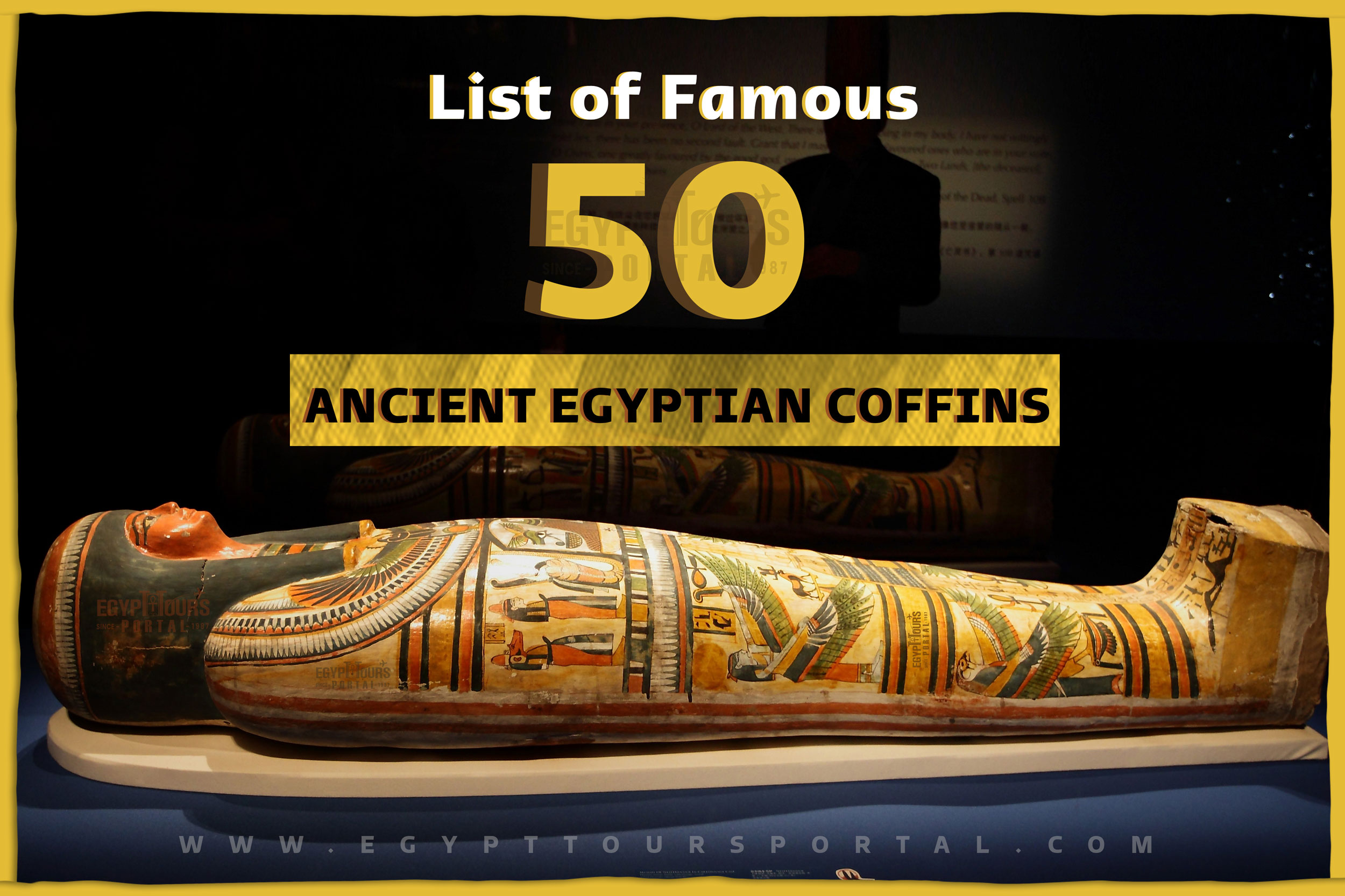
List of Famous 50 Ancient Egyptian Coffins with Photos
Explore 50 famous Ancient Egyptian coffins with informative facts and captivating photos of each ancient Egyptian coffin in this article. Click now!
At the end of the 18th dynasty, the white background was replaced with black, which aligns with elements of Osiride of rebirth and fertility. During the Ramesside era, all the features of the anthropoid remained, and a yellow background was used to reflect the solar elements of ancient Egyptian religion, plus the spells used were taken directly from the Book of the Dead. After the end of the New Kingdom (1570 – 1050 BC), the decoration became simple due to the level of economic distress.
In the 25th dynasty, many famous decorative themes such as the "Embalming of Osiris" and the "Weighing of the Heart". In the Greco-Roman period (332 BC -395 AD), the coffins were adorned with an incredible Hellenic feature, which represents a huge shift in the construction and decoration of coffins. DNA analysis was used on the Ancient Egyptian Sarcophagus, which showcases great facts about the history and culture of certain time periods.
The Beautiful Design of the Ancient Egyptian Sarcophagus
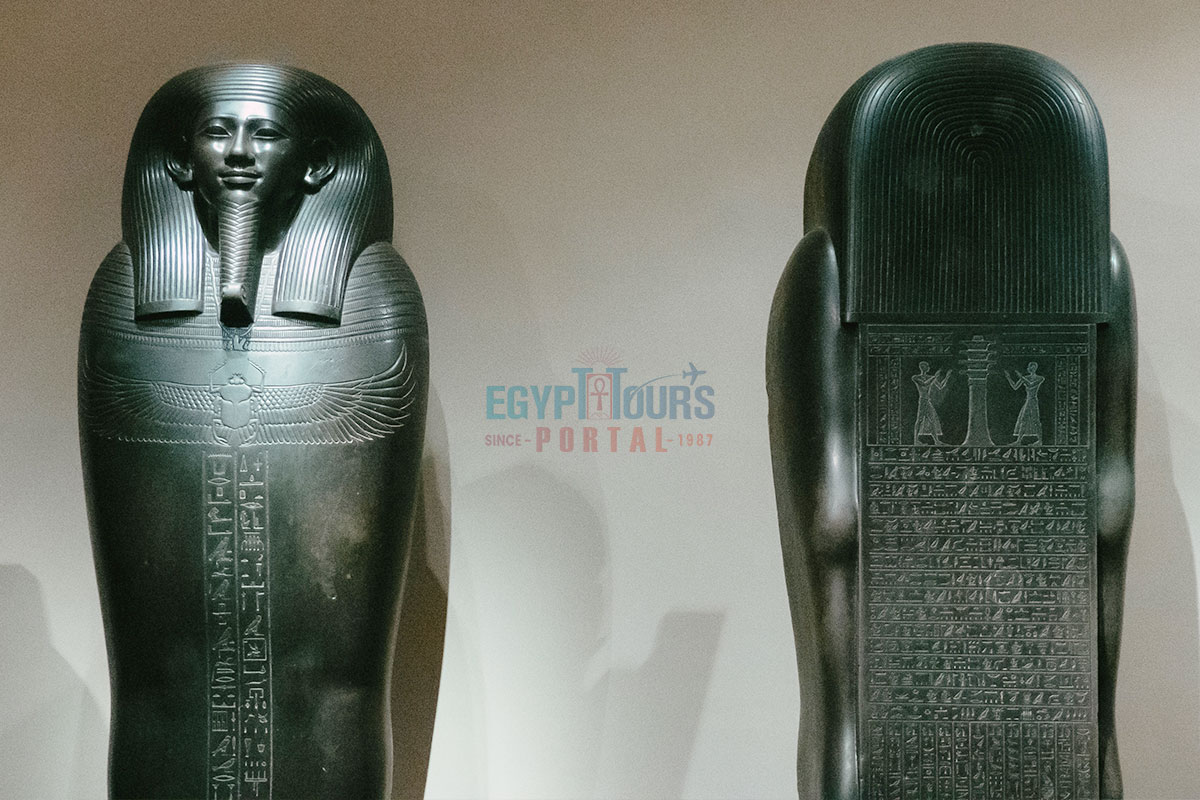
Egyptian sarcophagus design changed dramatically over time. Early examples were often rectangular, architectural, and box-like, echoing the appearance of shrines or houses. Later coffins increasingly took on anthropoid form, meaning they were shaped like the human body and face of the deceased. This shift reflected a stronger emphasis on personal identity and divine transformation after death. Designs could also be layered. A burial might include an outer rectangular case, an inner anthropoid coffin, and sometimes further nested containers. This nesting system added physical protection and ritual significance, especially for high-status individuals.
Lids and bases were carefully planned as part of the visual message. Some Middle Kingdom stone sarcophagi had vaulted lids and bases shaped as though they were wooden coffins, showing how stone craftsmen borrowed older wooden forms. The exterior could be organized into decorative registers filled with hieroglyphic, deities, protective symbols, and geometric framing.
The Mythical Symbolism and Iconography of Ancient Egyptian Sarcophagi
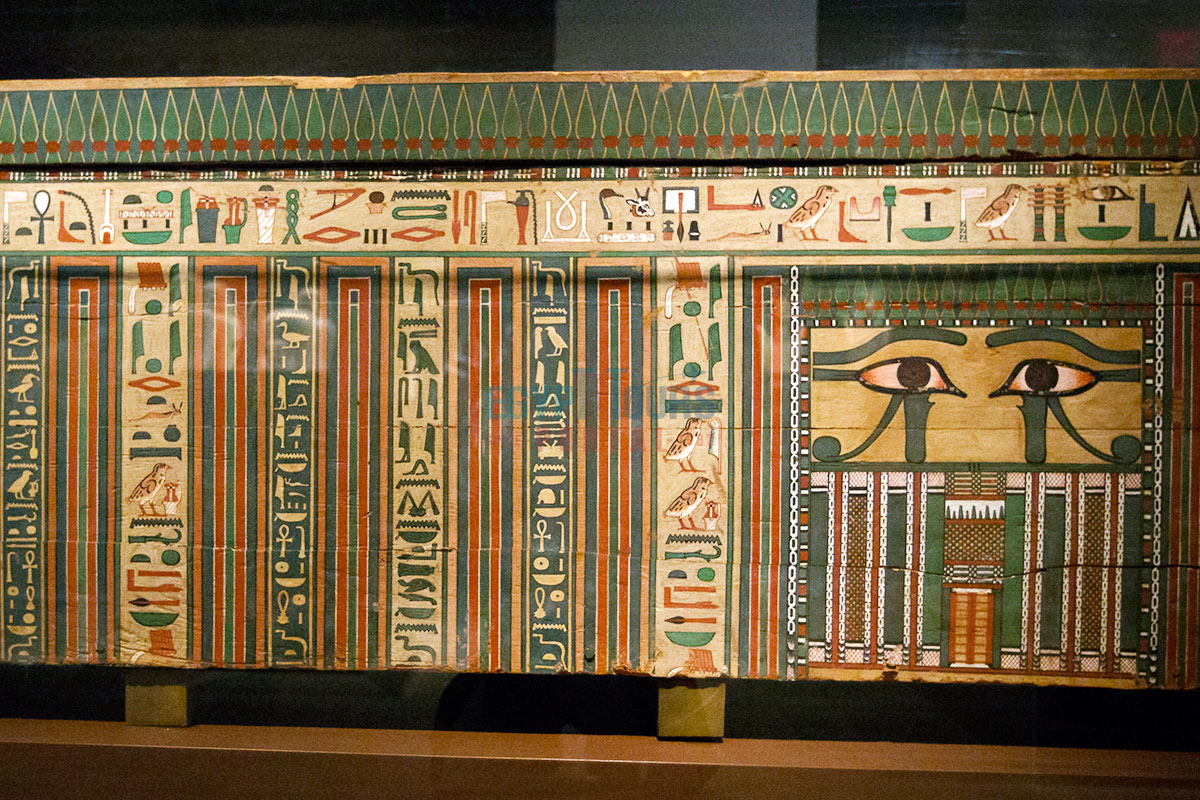
The symbolism of Egyptian sarcophagi was rooted in protection, rebirth, and divine identity. Anthropoid coffins did not merely resemble the deceased for portrait purposes; they also expressed the hope that the dead person would gain the good fortune of Osiris, ruler of the underworld and model of resurrection. The British Museum specifically notes that the coffin shape could allude to the divine status the occupant hoped to achieve after death.
Most of the Sarcophagi were made out of wood, metal, pottery, or stone. Gold and silver were used to decorate the coffin. The ancient Egyptians believed that remembering one’s name would ensure their entry to the afterlife; that’s why the sarcophagus was included with the name of the deceased. It also included a record of their accomplishments. In the old kingdom, the coffins were not decorated, and later on, simple offering formulas were put on across a Wadjet and the false door, which is painted to offer assistance from the hidden realm, plus a list of food offerings.
The image of a scarab was found across all the coffins, which is a sign of rebirth. Images of gods and sacred beings covered many coffins and sarcophagi. British Museum examples show the ancient gods of Egypt, including Osiris, Isis, Anubis, Thoth, Nut, and the Sons of Horus, appeared while other coffins present Ptah-Sokar-Osiris on the interior. These divine figures were not decorative filler; they formed a protective visual theology around the whole entire mummified body.
Divine ancient Egyptian texts were equally important. Middle Kingdom coffins could carry spells from the Coffin Texts, while later examples drew on funerary compositions such as the Book of the Dead. These inscriptions guided, defended, and ritually empowered the deceased. Other recurring ancient Egyptian symbols and elements during that era included Horus eyes, false doors, solar symbols, djed-pillars, collars, and scarab imagery. Together, these motifs created a sacred map of regeneration, sight, movement, stability, and rebirth.
Ancient Egyptian mummy masks were considered to represent the strength of the mummy’s spirit, plus guard the soul of the mummy from evil spirits during their time in the afterworld. The exterior of the sarcophagi was carved to resemble the face and body of the mummy. One of the most famous ancient Egyptian Sarcophagus is found at the golden tomb of Tutankhamun in the Valley of the Kings.
The Masterful Craftsmanship of the Ancient Egyptian Sarcophagus
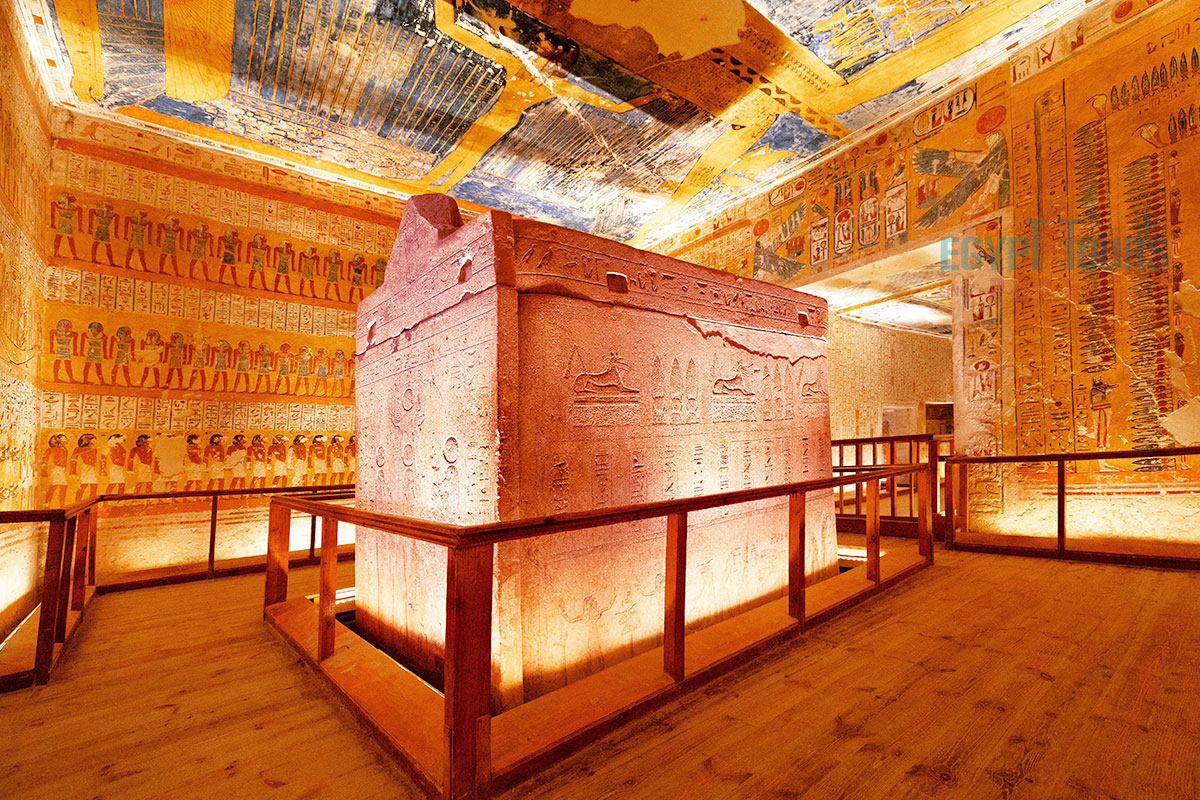
Ancient Egyptian Craftsmen combined carpentry, stoneworking, plastering, painting, inlay, and inscription when it came to crafting Egyptian sarcophagi. Wooden coffins were constructed from fitted planks, then coated, painted, and inscribed. Stone sarcophagi demanded even greater skill, as artisans had to quarry, carve, hollow, smooth, and decorate heavy blocks of limestone, granite, or quartzite with accuracy and symbolic precision.
The British Museum’s painted coffins reveal how lifelike effects were achieved through polychrome surfaces and inlaid eyes and brows. In one example, the face and hands were colored differently according to gender conventions, and the inlaid features gave the coffin a vivid, almost living presence.
Royal burial equipment represents the height of this craftsmanship. Tutankhamun’s burial assemblage famously included richly worked nested coffins and a stone sarcophagus, showing how elite workshops combined precious materials, iconography, and technical mastery to create funerary art of exceptional complexity.
Observe the Ancient Egyptian Painted Sarcophagus
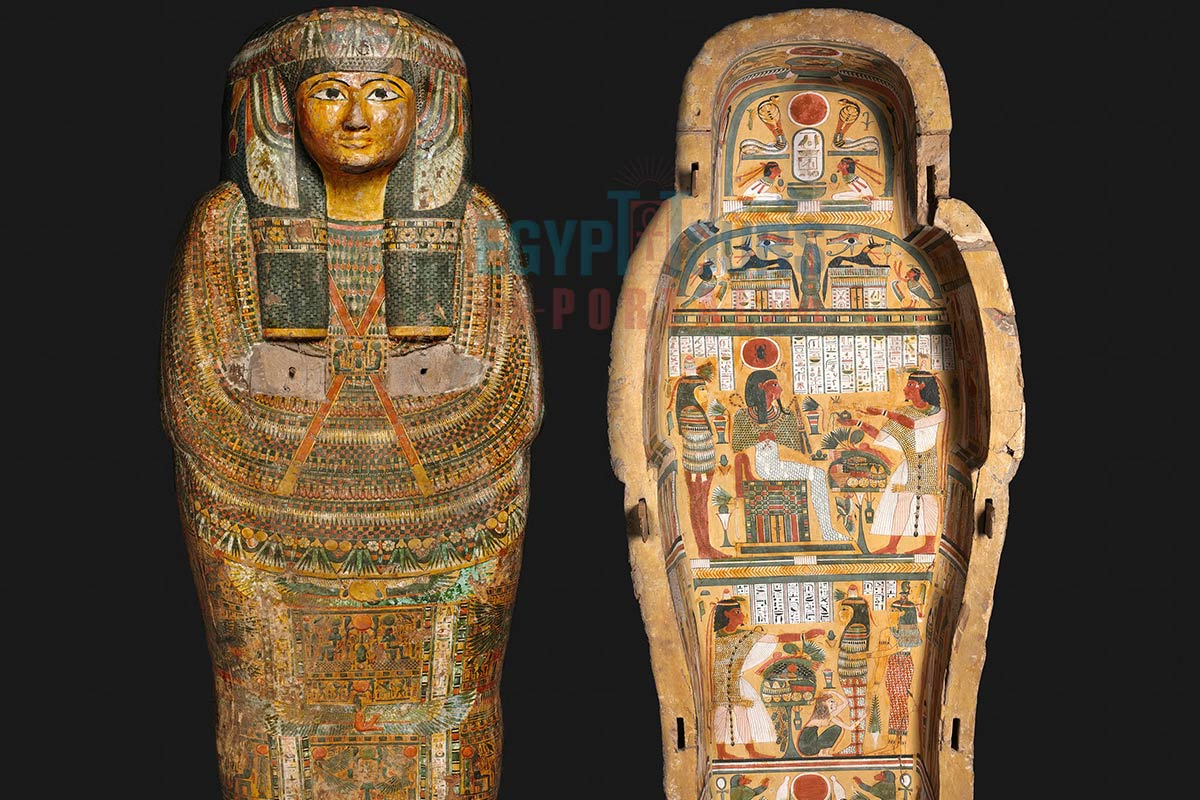
The phrase “painted sarcophagus” is often used broadly, though in Egypt, many of the most elaborately painted burial containers were wooden coffins rather than stone sarcophagi in the strict sense. These painted surfaces were central to Egyptian funerary art. They transformed the coffin into a protective image-field of color, text, and divine presence.
Painted coffins could feature bright yellows, blues, reds, blacks, and whites, along with hieroglyphic bands, protective deities, winged motifs, and symbolic panels. The British Museum and the Met both preserve examples where painted inscriptions, divine beings, Horus eyes, and false-door imagery are integrated into the overall design.
Paint was not only decorative. In ancient Egyptian visual culture, colors carried meaning. Black could evoke fertility and rebirth, while solar and divine associations could be expressed through gold and yellow tones. Painted coffins, therefore, worked as ritual objects as much as artworks.
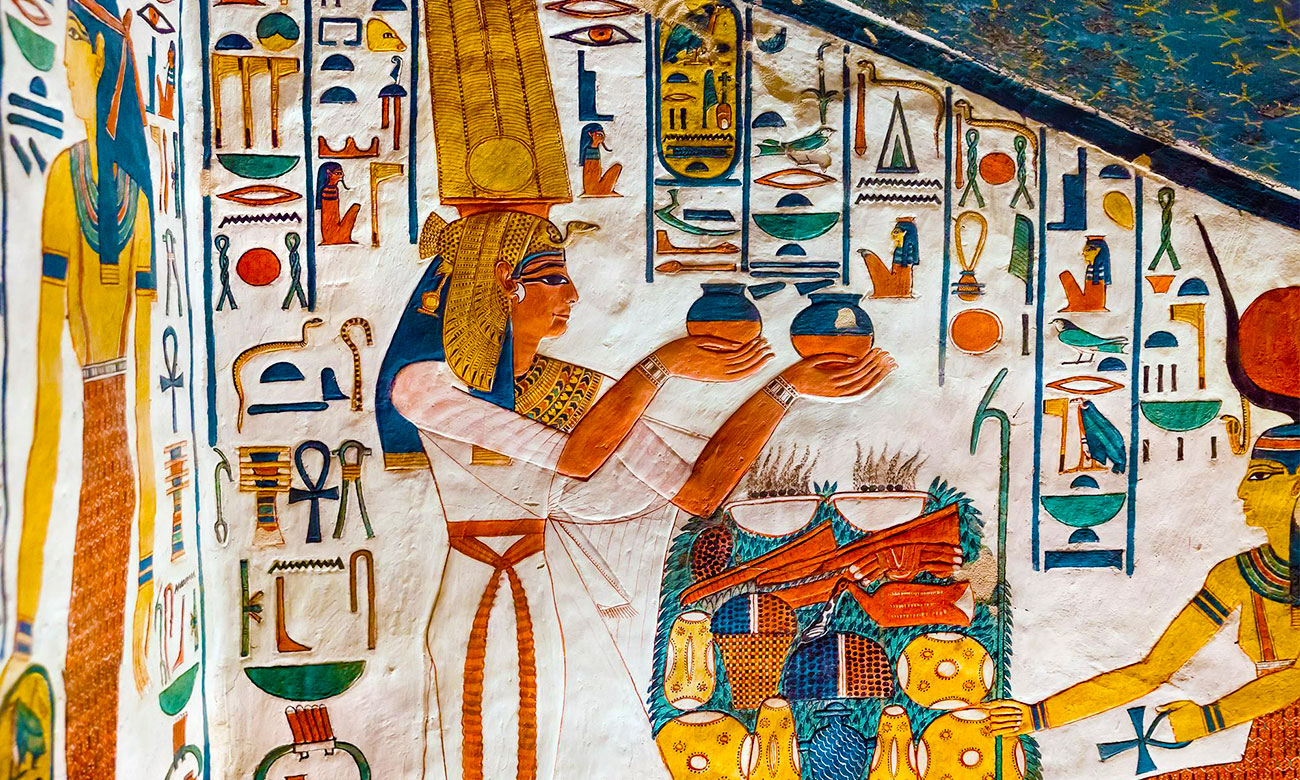
Ancient Egyptian Art
Discover epic facts about the Artistic Imagination and Mastery of the Ancient Egyptians.
Discover the Connection Between the Mummies & Ancient Egyptian Sarcophagi
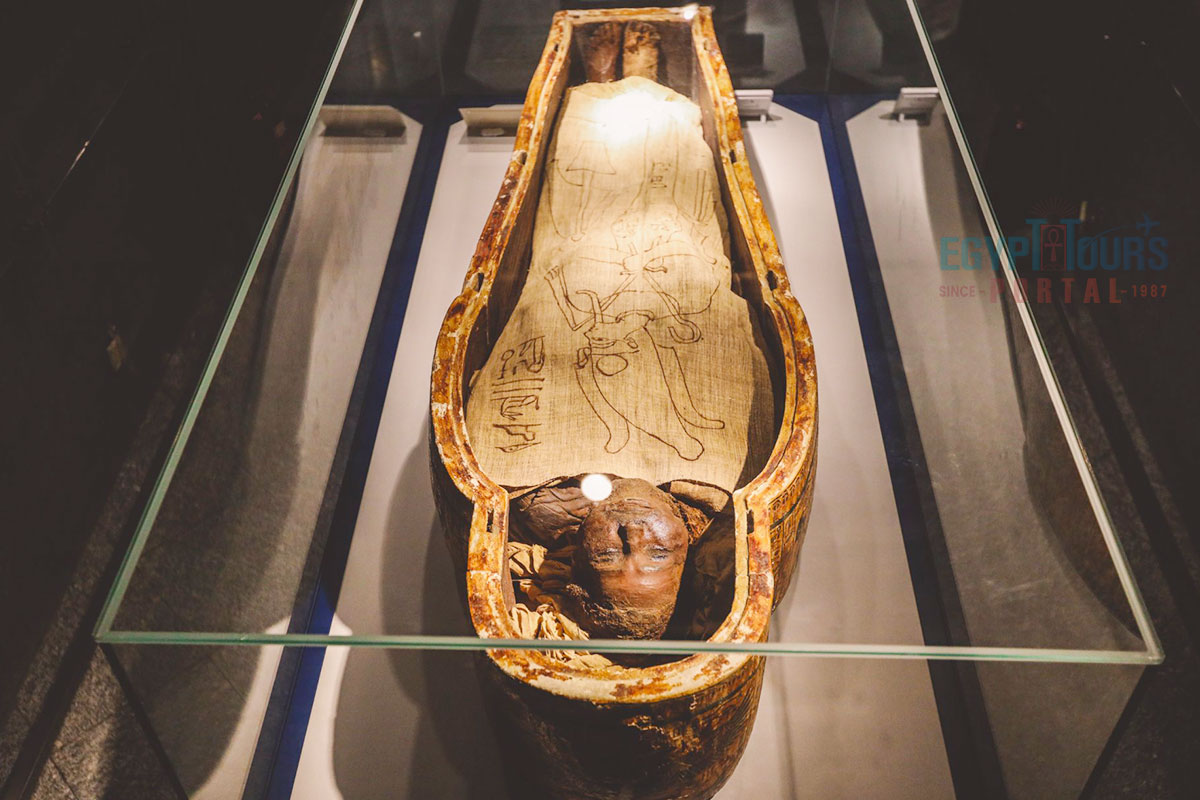
An ancient Egyptian mummy sarcophagus was the outer protective container used in a burial assemblage built around the mummified body. In many high-status burials, the mummy was wrapped, placed inside an inner coffin, then enclosed in one or more larger coffins or a stone sarcophagus before being deposited in the tomb.
This layered structure had religious and practical value. It protected the body physically while also surrounding it with sacred texts from the Book of the Dead and the Coffin texts, and divine iconography intended to aid resurrection. Middle Kingdom coffins with Coffin Text spells and later decorated coffins linked the mummy directly with the afterlife journey.
For Egyptians, preserving the mummy was essential because the body remained central to identity in the next world. The coffin and sarcophagus, therefore, acted as both shield and sacred shell, preserving the deceased in a form suitable for eternal renewal.
How the Pharaohs Fitted in the Ancient Egyptian Sarcophagus
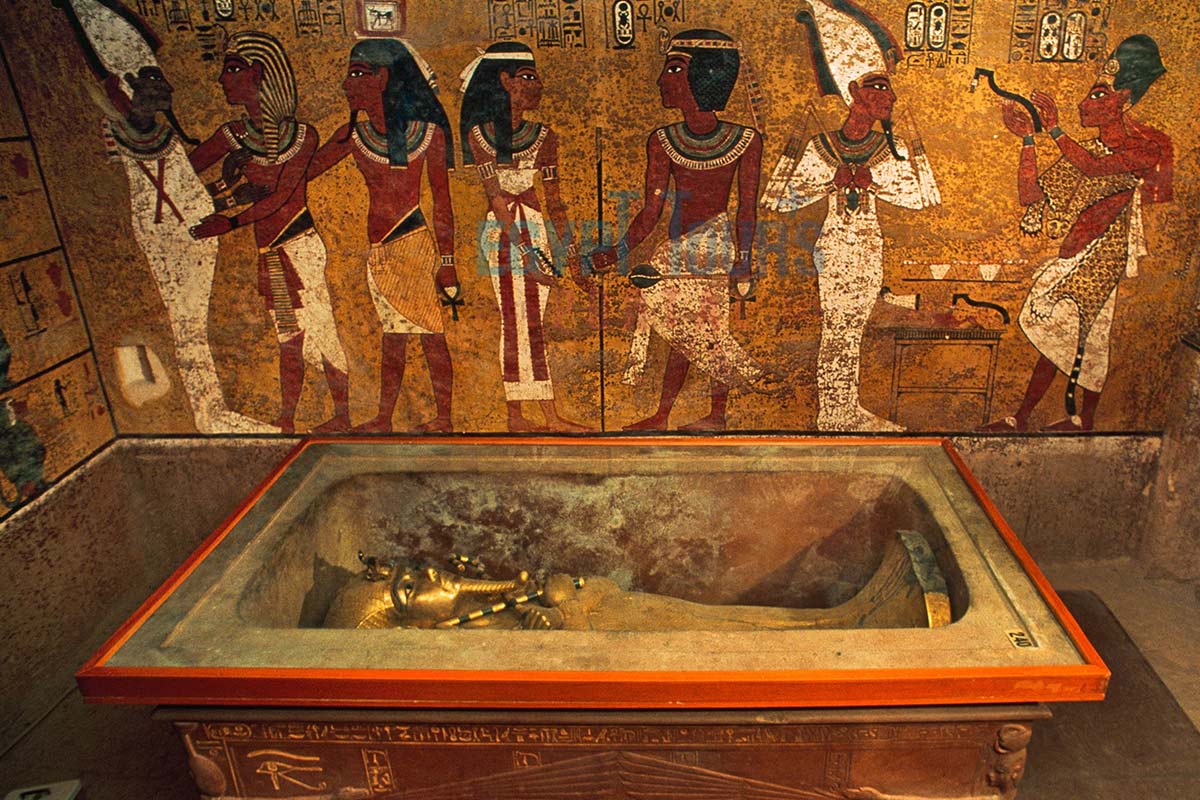
The pharaoh’s sarcophagus was the most prestigious form of funerary container in ancient Egypt. It was designed not only to protect the king’s body but also to proclaim his divine status. Royal sarcophagi were often made from stone and placed in the burial chamber at the core of the tomb, with the royal mummy enclosed within nested coffins.
Tutankhamun, one of the most famous pharaohs, provides the best-known example. His burial included a quartzite sarcophagus and nested coffins, including an innermost gold coffin, all richly decorated to emphasize kingship, protection, and rebirth. This combination of stone, gold, and sacred imagery illustrates how pharaonic burials turned the sarcophagus into a statement of eternal monarchy.
Earlier royal traditions also shaped later forms. The earliest stone sarcophagi are linked to 3rd Dynasty rulers, when Egyptian kingship and monumental burial architecture were becoming more elaborate. Over time, royal sarcophagi helped define the visual language of immortality for the rest of Egyptian elite culture.
The Continuous Discovery of the Ancient Egyptian Sarcophagus
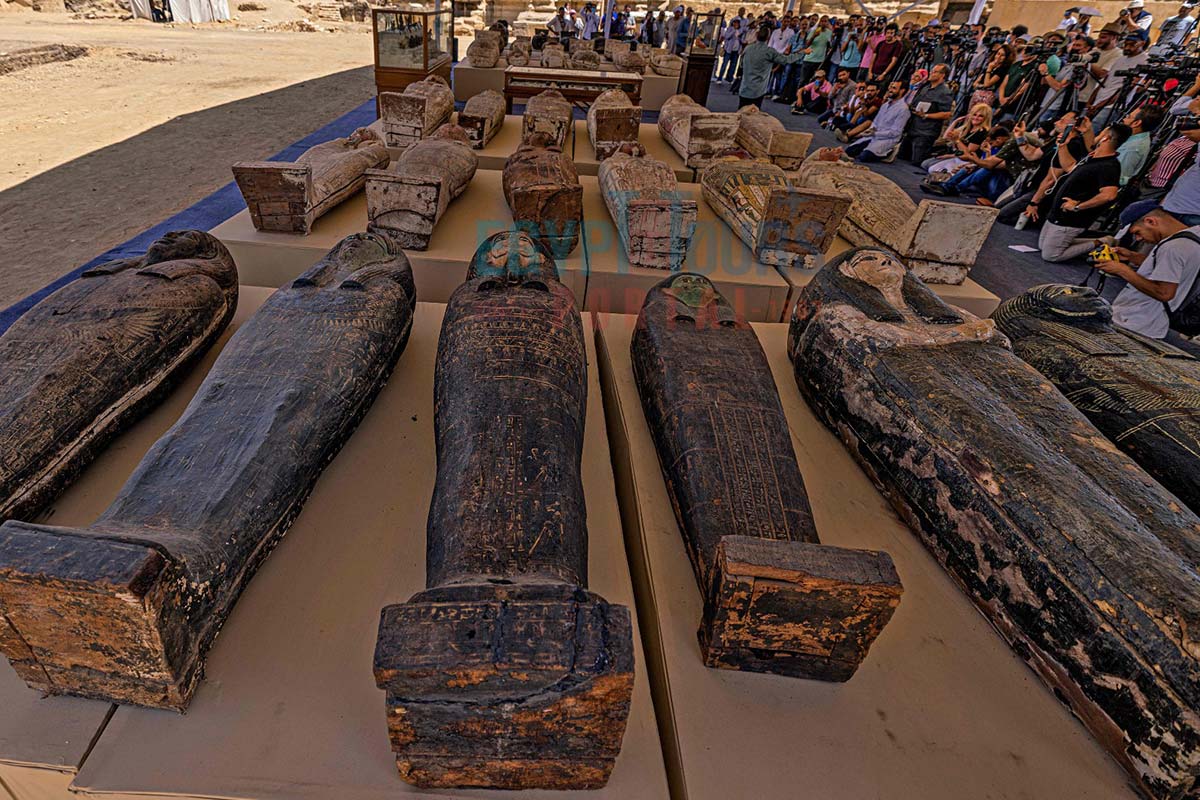
Ancient Egyptian sarcophagus discoveries continue to reshape what we know about burial customs, workshop practices, and social history. In recent years, Saqqara has produced some of the most important finds. Egypt’s Ministry of Tourism and Antiquities announced discoveries there that included more than 13 intact sealed coffins in an 11-meter shaft, then 59 colored sealed coffins, and later 250 closed painted wooden coffins containing mummies and a papyrus with chapters from the Book of the Dead.
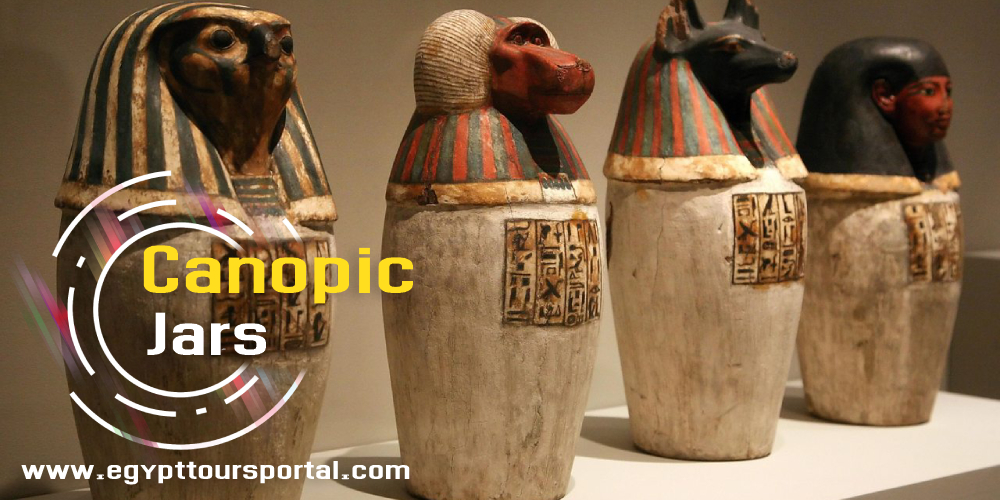
The same official source also reported sealed stone coffins and decorated wooden coffins in the Sacred Animal Necropolis at Saqqara, along with ushabtis, canopic jars, and divine figures. Such discoveries are valuable because many coffins were found sealed, preserving context that is often lost through tomb robbing or reuse.
Another famous modern case is the massive black granite sarcophagus found by chance in Alexandria in 2018. Egypt’s State Information Service reported that the closed sarcophagus was discovered during soil investigations at a construction site, drawing wide public attention because it was found intact.
These discoveries matter because sarcophagi preserve names, titles, artistic styles, artifacts, and burial texts. Every newly opened or documented example adds evidence about religion, identity, and craft traditions across different periods of Egyptian history.
Witness the Ethereal Ancient Egyptian Sarcophagus with Our Grand Trips
Ancient Egyptian sarcophagi are shells that protect the essence of ancient Egyptian who seek to cross the boundaries of reality. Experience the wonder of ancient Egypt with our majestic Nile river cruise and our incredible variety of epic Egypt tours.