



Summary
- Sharm El Sheikh is a major Red Sea resort city at the southern tip of Sinai, known as the “City of Peace” and a global tourism hub.
- The city evolved from a small Bedouin fishing village into one of Egypt’s top destinations after Sinai returned to Egypt in 1982.
- Its natural beauty combines Red Sea coral reefs, desert mountains, protected areas, clear waters, and world-famous diving sites.
- Top attractions include Ras Mohammed, Nabq Protectorate, Tiran reefs, Naama Bay, SOHO Square, Old Market, Mount Sinai, and St. Catherine’s Monastery.
- Sharm offers luxury resorts, beaches, nightlife, desert safaris, snorkeling, diving, cultural sites, strong tourist security, and year-round warm weather.
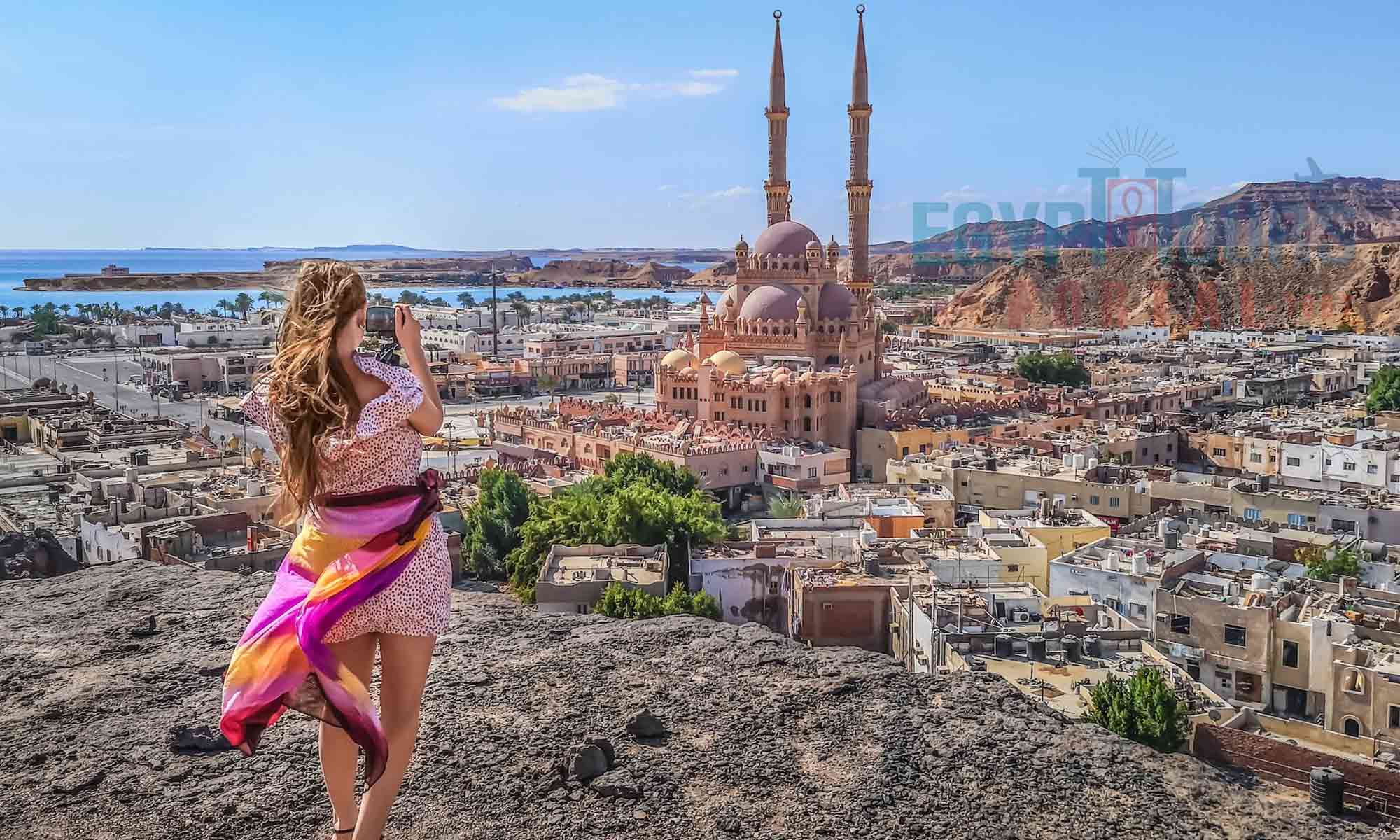
Sharm el-Sheikh is the closest thing you could have to paradise on earth, as it holds all the elements that make it truly one of the most ideal travel destinations in the world. It is a place of true divinity and bliss, filled with the sight of spectacular attractions that make every single moment light up with wonder and magic. The Significance of the city of sharm of Sheikh is without compare are everyone can witness and enjoy a meeting point of different worlds, where nature, culture, and international significance converge into a single, unforgettable experience. Its power of transformation across the ages makes it a place worthy of visiting and exploring.
Discover the Meaning Behind the Name "Sharm El Sheikh"
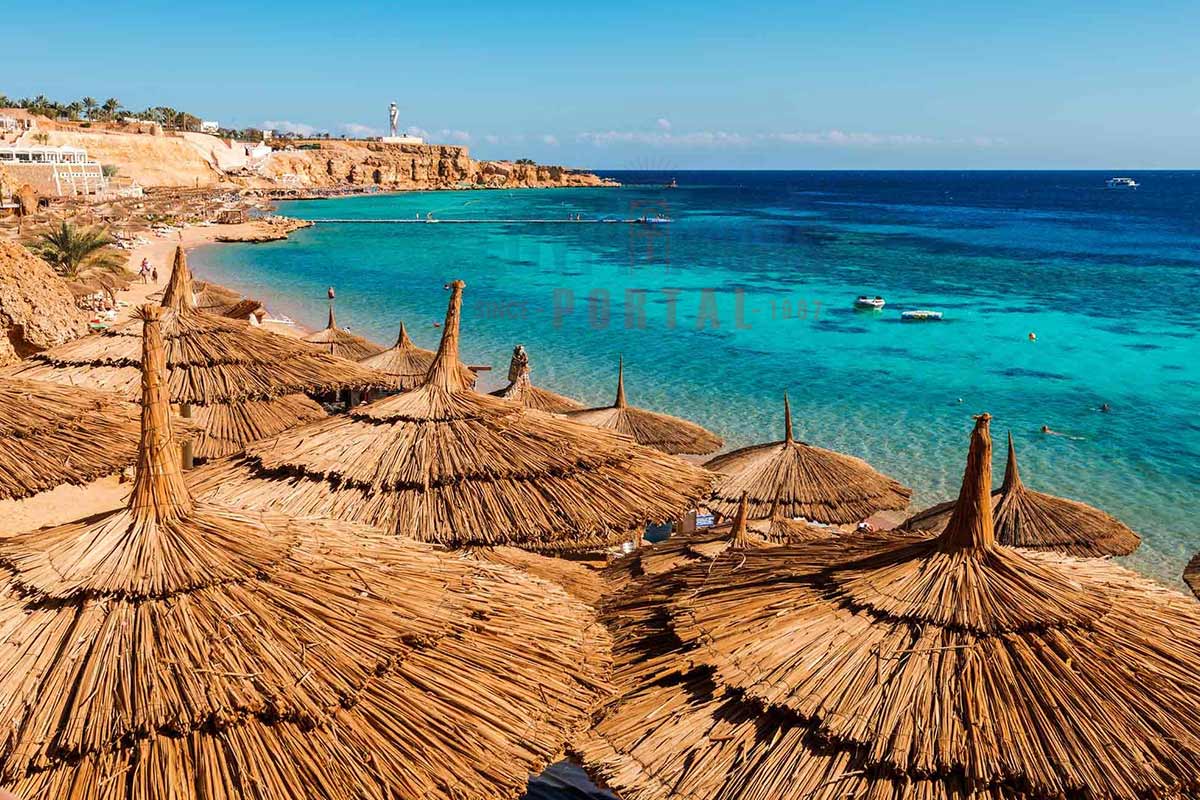
The name Sharm El Sheikh originates from the Arabic phrase “Šarm aš-Šaykh”, meaning “Bay of the Sheikh,” a reference to its coastal geography and tribal history. Over time, it has also become widely known as the “City of Peace,” a title earned due to the large number of international summits, diplomatic negotiations, and global conferences held there. Among locals and frequent visitors, the city is simply called “Sharm,” reflecting both familiarity and its central role in Egypt’s modern tourism identity.
Location, Map, and How to Get Around the Magical Resort of Sharm El Sheikh
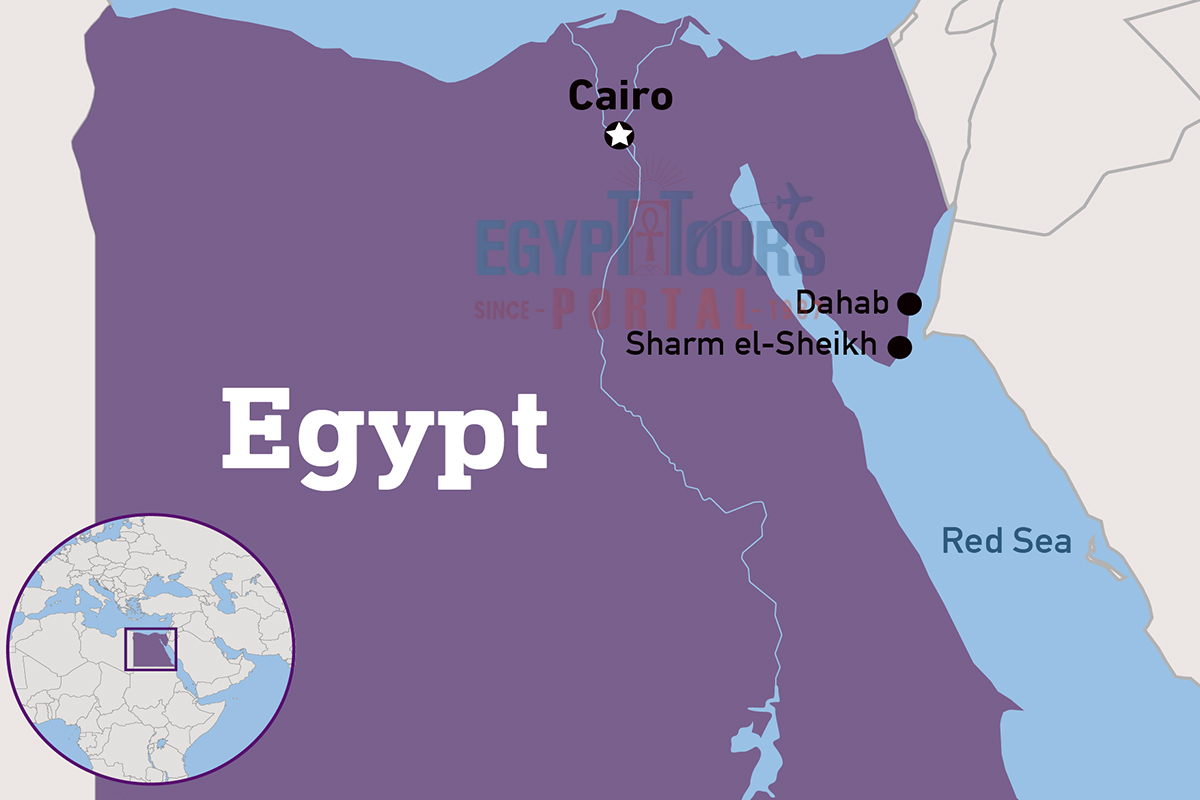
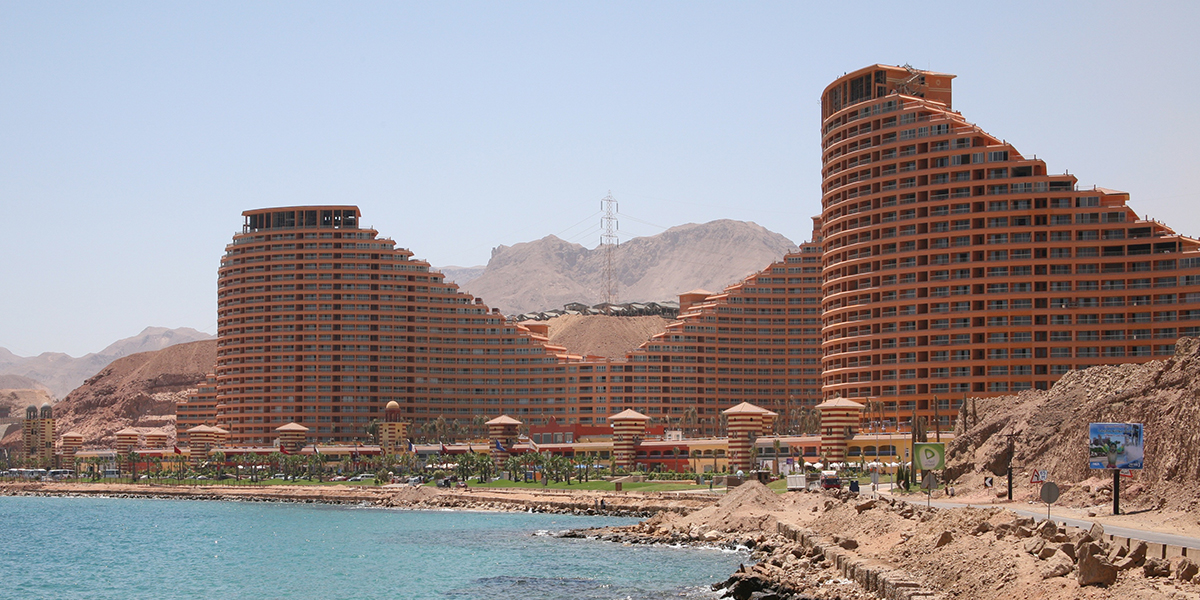
Sharm El Sheikh is strategically positioned at the southern tip of the Sinai Peninsula, where the waters of the Red Sea meet the entrance to the Gulf of Aqaba. This location places the city at a crucial maritime crossroads near the Straits of Tiran, a key shipping route that connects the Red Sea to the broader Indian Ocean trade network. Geographically, it lies in Asia, yet it functions as one of Egypt’s most important international gateways.
The city is served by Sharm El Sheikh International Airport, one of Egypt’s busiest airports and the primary entry point for millions of international tourists each year. Internally, transportation is shaped by its tourism-driven design. While taxis and private transfers dominate visitor mobility, the city also operates a network of microbuses for local transport, along with organized hotel shuttles. Its urban layout is divided into major zones such as Naama Bay, Nabq, Hadaba, and Sharm El Maya, each functioning almost as a self-contained hub, which allows visitors to move between leisure, accommodation, and entertainment areas with relative ease.
Learn about the Rich History of Sharm El Sheikh
Sharm el-Sheikh’s transformation is one of the most remarkable urban evolutions in modern Egypt. Until the mid-20th century, it was little more than a small fishing village inhabited by Bedouin communities, with minimal infrastructure and population. Its strategic location overlooking the Straits of Tiran quickly brought it into geopolitical focus, particularly during the Suez Crisis, when it was occupied and then returned to Egypt. Its importance intensified again during the Six-Day War, after which it remained under the occupation control until 1982, when the Sinai Peninsula was fully returned to Egypt following the 1979 peace treaty.
After its return, Egypt launched an ambitious development strategy to transform Sharm El Sheikh into a global tourism destination. Throughout the 1980s and 1990s, large-scale investments were made in infrastructure, hospitality, and urban planning. What was once a remote outpost rapidly evolved into a modern resort city, with the number of hotels increasing dramatically and tourism becoming the backbone of its economy. By the early 21st century, Sharm el-Sheikh had become one of the most recognized resort destinations in the Middle East.
Explore the Magical Geography of Sharm El Sheikh
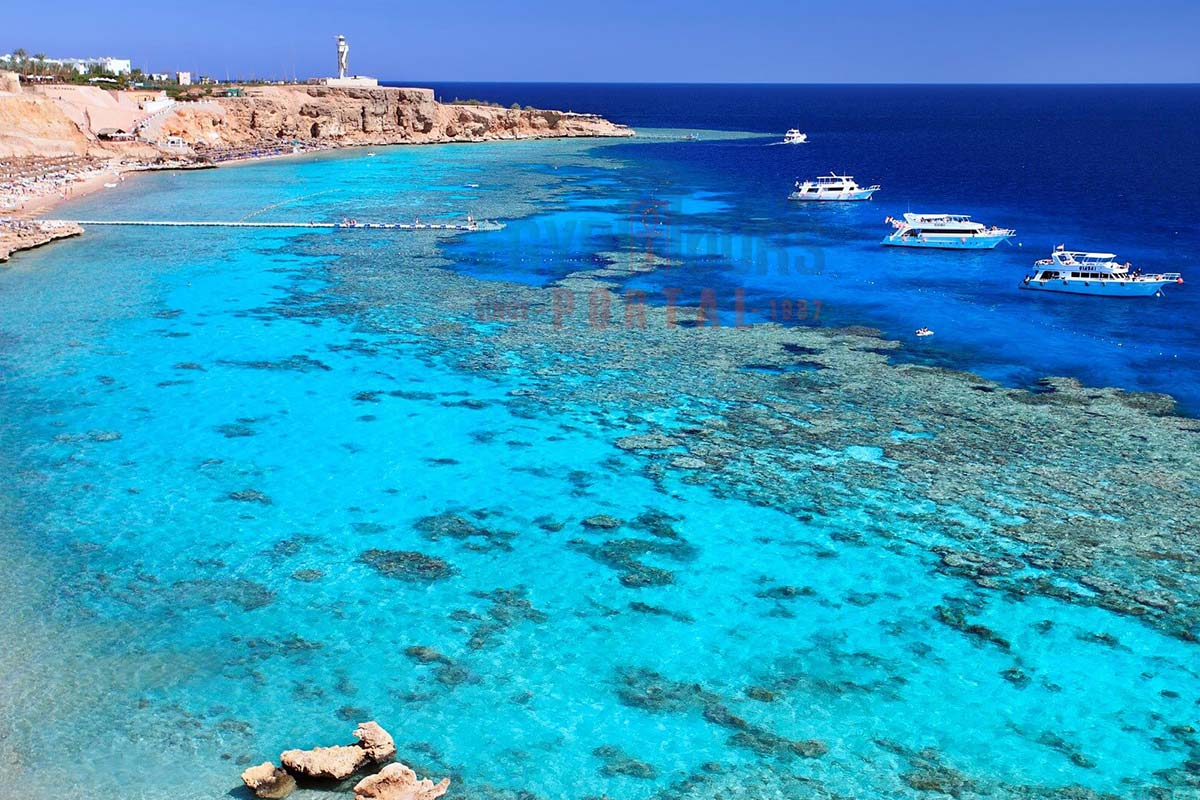
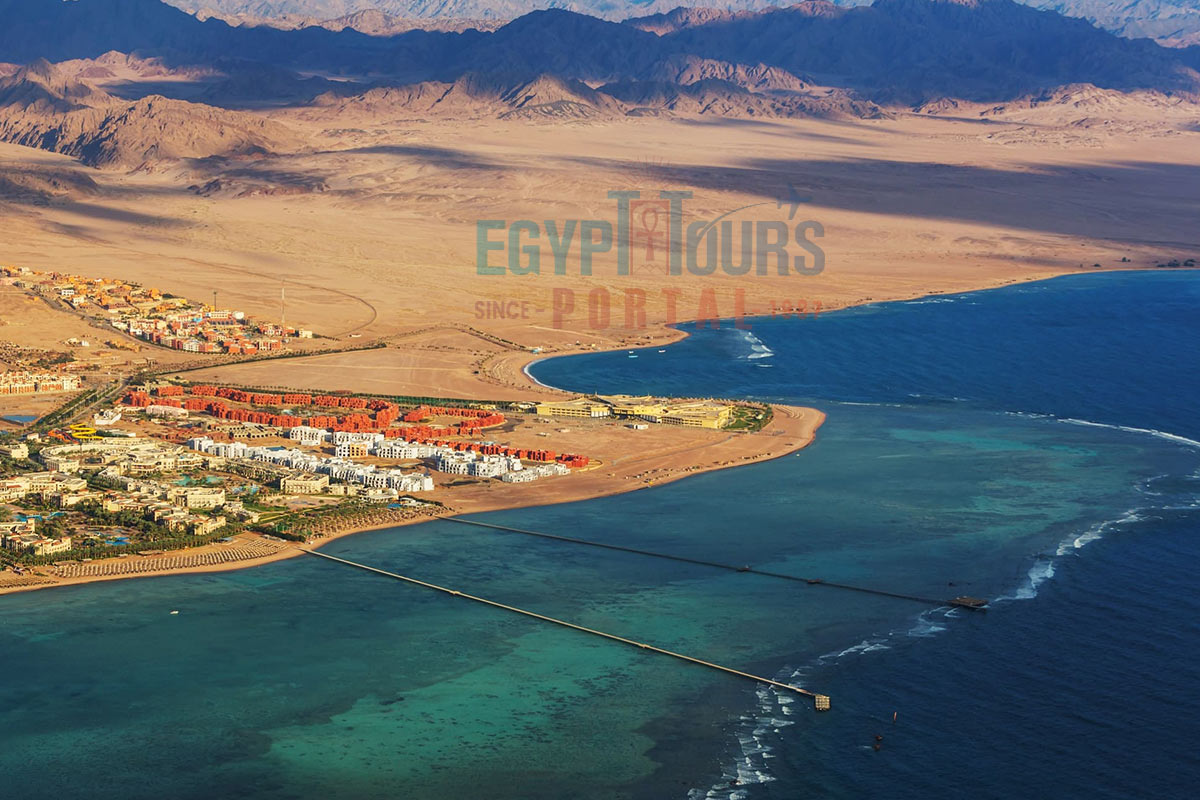
The geography of Sharm El Sheikh is one of its most defining and visually striking features. The city sits on a rocky promontory surrounded by desert mountains and bordered by the Red Sea, creating a dramatic contrast between arid landscapes and vibrant marine ecosystems. This rare combination of desert, sea, and coral reef systems makes it one of the most ecologically diverse coastal regions in Egypt.
The waters surrounding the city are among the clearest in the world, with visibility often exceeding 30 meters, making them ideal for diving and marine observation. The nearby Ras Muhammad National Park is a globally recognized protected area, where the meeting of the Gulf of Aqaba and the Gulf of Suez creates strong currents that support a rich biodiversity of coral reefs and marine life. The region contains hundreds of coral species and over a thousand fish species, making it one of the most biologically significant marine environments in the Red Sea.
The Grand Significance and Importance of Sharm El Sheikh
Sharm El Sheikh is not only a tourism hub but also a city of geopolitical and global significance. Its location near major maritime routes gives it strategic value, while its stability and infrastructure have made it a preferred location for international diplomacy. It has hosted numerous high-level meetings and summits, including global economic forums and the COP27, which positioned Egypt at the center of global climate discussions.
The city’s designation as the “City of Peace” reflects its role as a neutral and secure venue for dialogue, particularly in the Middle East. It has hosted negotiations related to regional conflicts, international cooperation, and economic development, reinforcing its dual identity as both a leisure destination and a diplomatic center.
The Incredible Tropical Weather of Sharm El Sheikh
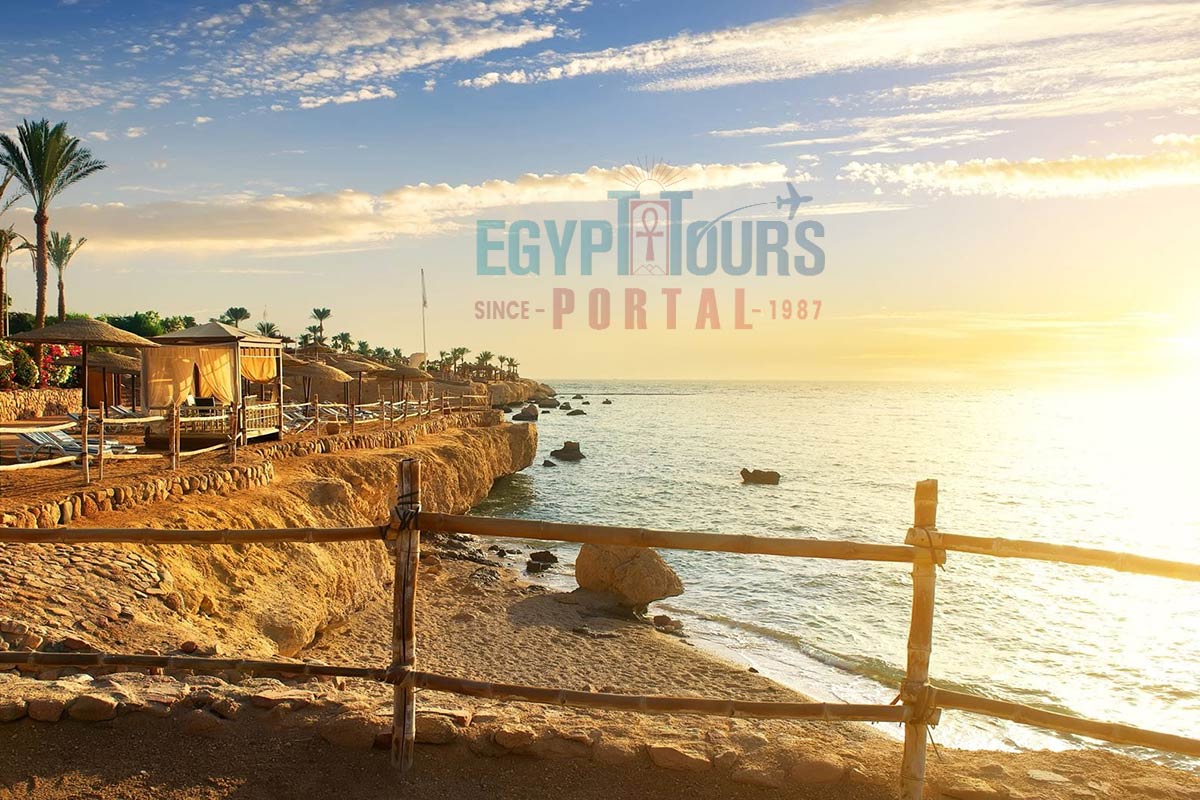
Sharm El Sheikh enjoys a hot desert climate, characterized by long, dry summers and mild winters. Temperatures typically range from around 18°C in winter evenings to over 37°C in summer months, with extremely low rainfall throughout the year. This stable climate makes it one of Egypt’s most reliable year-round destinations for tourism.
One of its most important climatic advantages is the warm temperature of the Red Sea, which ranges between approximately 21°C and 28°C annually. This allows for continuous diving, snorkeling, and water activities regardless of season, giving Sharm a competitive advantage over many seasonal beach destinations.
The Beautiful Attractions of Sharm El Sheikh
Sharm El Sheikh’s attractions are what make it more than a beach resort; they turn it into a complete destination where the Red Sea, Sinai desert, Bedouin heritage, modern entertainment, and ancient Egyptian culture meet in one place. The most unique attractions found in or near Sharm El Sheikh include the following:
The Enchanting Habitat of Ras Mohammed
Ras Muhammad National Park is Sharm El Sheikh’s most iconic natural attraction and one of the finest marine parks in the world. Located at the southern tip of Sinai where the Gulf of Aqaba meets the Gulf of Suez, it is famous for crystal-clear waters, dramatic coral walls, mangroves, a saltwater lake, and exceptional marine biodiversity. Divers and snorkelers visit sites like Shark Reef and Yolanda Reef to see colorful corals, reef fish, rays, turtles, moray eels, and sometimes larger pelagic species.
The Natural Gem of Nabq Protectorate
Nabq Protectorate is a protected natural area north of Sharm El Sheikh, known for its rare combination of desert, mountains, mangroves, coral reefs, and wildlife. It is especially important for birdlife and coastal ecosystems, making it ideal for nature lovers who want a quieter experience away from the resort crowds. Its landscapes show the wild side of Sinai, where the sea and desert meet in a beautifully untouched setting.
The Glorious Straits of Tiran
The Straits of Tiran are among the Red Sea’s most famous diving areas, located at the entrance of the Gulf of Aqaba. The area is known for strong currents, excellent visibility, and four legendary reefs: Jackson, Woodhouse, Thomas, and Gordon. These reefs attract experienced divers because of their deep walls, coral gardens, colorful fish, and chances to spot larger marine life in the right season.
The Incredible Dive Wreck of SS Thistlegorm
The SS Thistlegorm is one of the world’s most famous wreck dives and a must for advanced divers visiting Sharm El Sheikh. This British cargo ship was sunk during World War II in 1941 and still contains wartime cargo such as motorcycles, trucks, weapons, and railway equipment. Its historical value and underwater atmosphere make it more than a dive site; it feels like exploring a frozen moment from modern history beneath the Red Sea.
The Entertaining City Resort of Dahab
Dahab is a relaxed coastal town north of Sharm El Sheikh, known for its laid-back atmosphere, beach cafés, diving centers, and water sports. Unlike Sharm’s luxury resort style, Dahab has a more bohemian and local feel, making it popular with backpackers, divers, and travelers who enjoy a slower pace. It is also a gateway to famous diving spots, desert excursions, and Sinai mountain landscapes.
The Mysterious Blue Hole
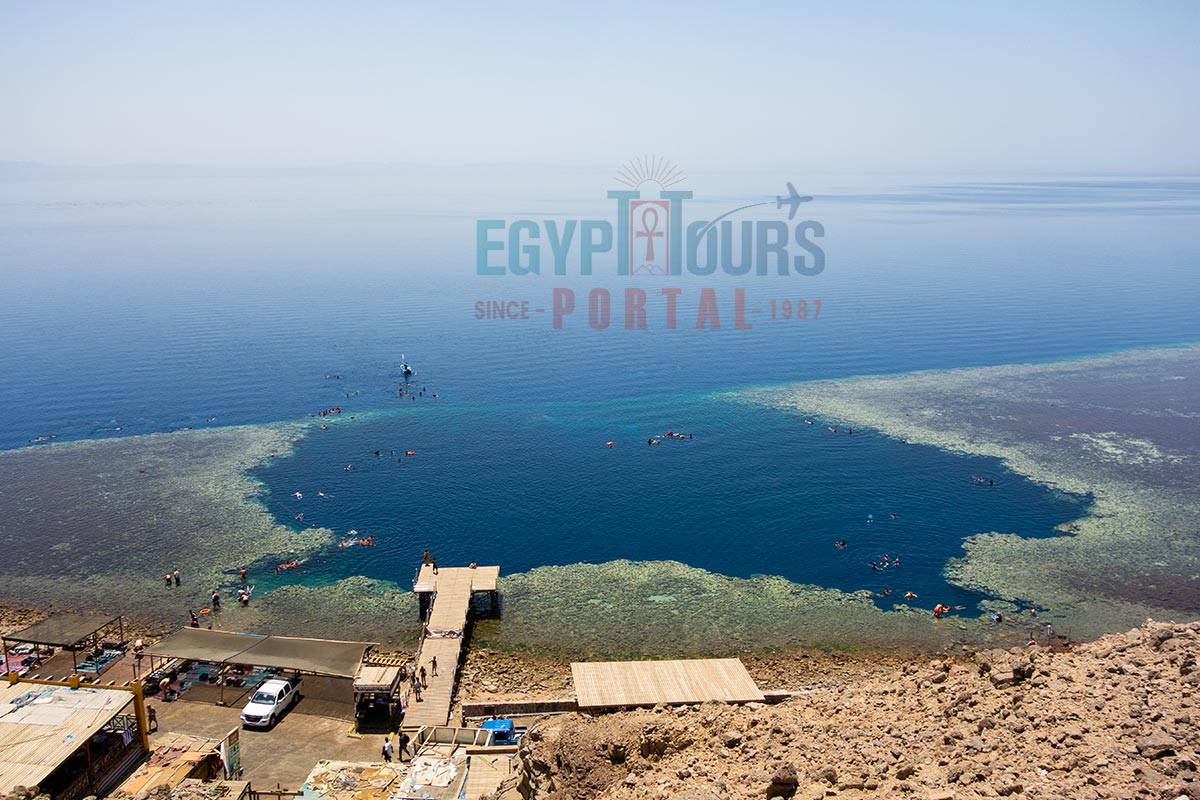
The Blue Hole near Dahab is one of the most famous diving sites in the world, known for its dramatic depth, coral formations, and intense blue water. It reaches over 100 meters deep and attracts experienced divers looking for a challenging underwater adventure. While beautiful, it is also considered a serious dive site that requires skill, caution, and professional guidance.
The Magnificant Ras Um Sid
Ras Um Sid is one of the best snorkeling and diving areas close to Sharm El Sheikh. It is famous for its coral wall, clear water, and easy access from the shore, making it suitable for both beginners and experienced snorkelers. The area is especially loved for its colorful reef life, calm setting, and beautiful views over the Red Sea.
The Captivating Shark’s Bay
Shark’s Bay is a stylish resort area known for luxury hotels, clear waters, and excellent snorkeling opportunities. It offers a quieter and more refined atmosphere than Naama Bay, while still being close to major entertainment areas such as SOHO Square. The bay is ideal for visitors who want beach relaxation, resort comfort, and easy access to coral reefs.
The One of a Kind Colored Canyon
The Colored Canyon is one of Sinai’s most striking desert attractions, located north of Sharm El Sheikh. It is famous for narrow rock passages and layered sandstone formations colored by natural minerals in shades of red, yellow, orange, and purple. Hiking through the canyon offers a completely different experience from the coast and is especially rewarding for photography, adventure, and desert scenery lovers.
The Legendary Mount Sinai
Mount Sinai is one of the most spiritually significant mountains in the world, traditionally associated with Prophet Moses receiving the Ten Commandments. Many visitors climb the mountain before dawn to watch the sunrise from the summit, when the desert peaks glow in shades of gold and orange. The hike is both physical and spiritual, offering one of the most memorable experiences in South Sinai.
The Holy Saint Catherine’s Monastery
Saint Catherine’s Monastery stands at the foot of Mount Sinai and was built in the 6th century AD during the reign of Byzantine Emperor Justinian. It is one of the oldest continuously functioning Christian monasteries in the world and holds deep importance for Christianity, Islam, and Judaism. The monastery is famous for its ancient manuscripts, icons, religious heritage, and its association with the biblical Burning Bush.
The Amazing Naama Bay
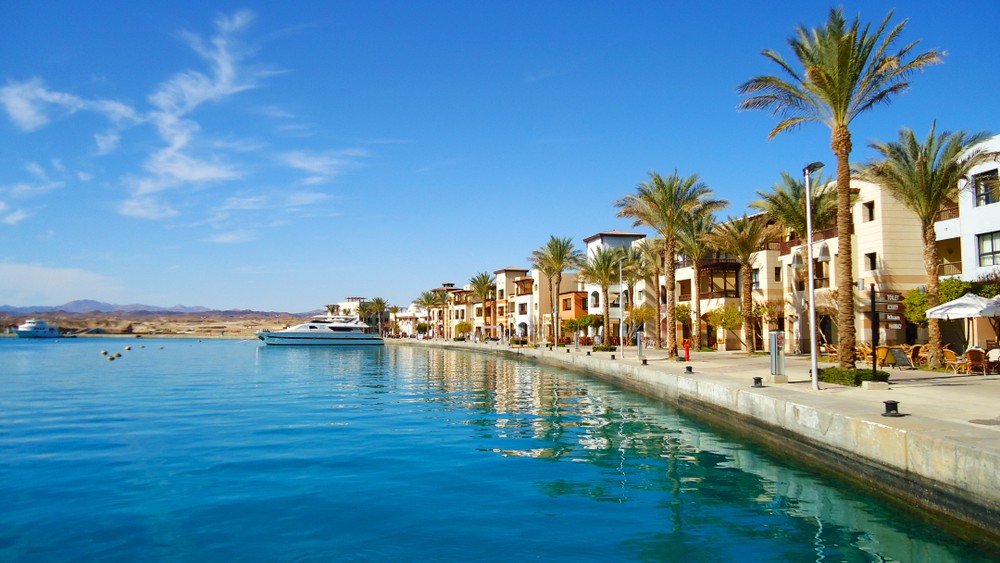
Naama Bay is the lively heart of Sharm El Sheikh and one of the city’s most popular tourist areas. It is known for its beach promenade, restaurants, cafés, hotels, diving centers, shops, and nightlife. By day, visitors enjoy the beach and water activities; by night, the area becomes a vibrant social hub filled with lights, music, and entertainment.
The Epic SOHO Square
SOHO Square is a modern entertainment complex offering a polished and family-friendly side of Sharm El Sheikh. It features restaurants, cafés, shops, live performances, fountains, ice skating, and evening entertainment. Its clean design and international atmosphere make it ideal for families, couples, and visitors looking for a relaxed night out.
The Rich Old Market Sharm El Maya
The Old Market, also known as Sharm El Maya, offers one of the best traditional shopping and cultural experiences in the city. It is filled with spices, perfumes, souvenirs, handmade crafts, Arabic lamps, engraved woodwork, textiles, and local products. Compared with the resort zones, it feels more authentic and gives visitors a better sense of local Egyptian and Sinai market life.
The Blessed El Sahaba Mosque
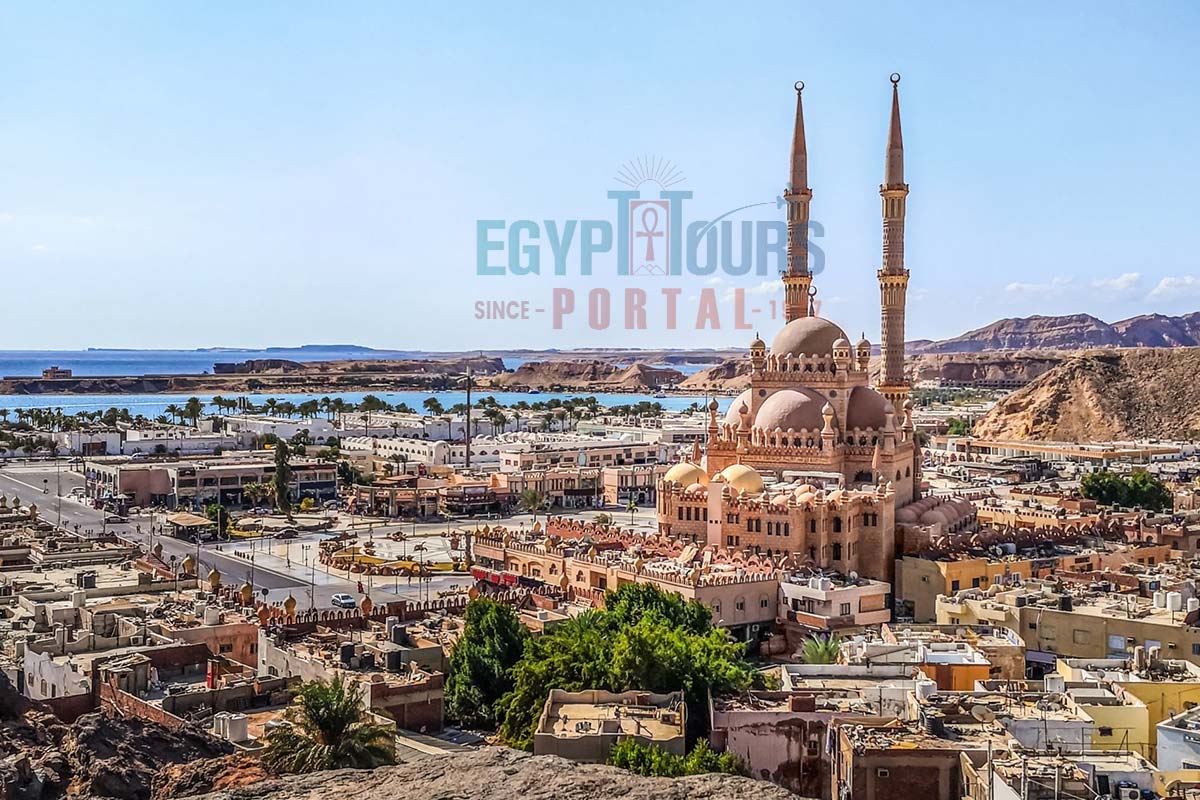
El Sahaba Mosque is one of Sharm El Sheikh’s most impressive architectural landmarks, located near the Old Market. Its design combines Ottoman, Fatimid, and Mamluk-inspired elements, creating a dramatic and elegant modern Islamic structure. With its tall minarets, detailed decoration, and beautiful evening lighting, it has become one of the most photographed places in the city.
The Majestic Sharm El Sheikh Museum
Sharm El Sheikh Museum adds an important cultural dimension to a city mostly known for beaches and diving. It displays artifacts that tell the story of Egyptian civilization from ancient times to later historical periods, helping visitors connect Sharm with Egypt’s wider heritage. The museum is especially valuable for travelers who want to balance leisure with history and cultural understanding.
The Diverse Rich Culture of Sharm El Sheikh
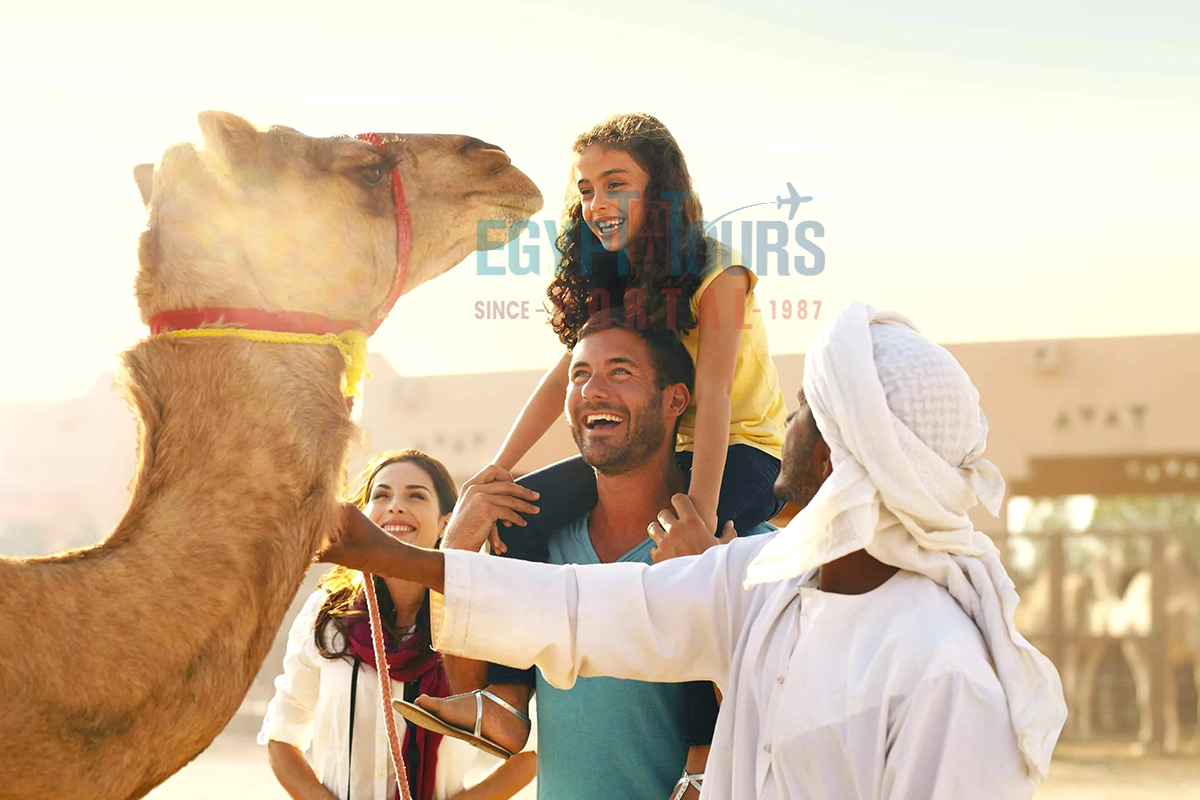
Although Sharm El Sheikh is a modern, tourism-oriented city, it maintains a strong connection to the cultural traditions of the Sinai Peninsula. Bedouin heritage continues to influence local identity, particularly in desert regions where traditional lifestyles, crafts, and hospitality practices remain intact.
Cultural expression in Sharm is a blend of local and global influences. The city hosts a variety of festivals and celebrations, including Islamic and Coptic holidays, as well as national events. Music, dance, and live performances are integral to its cultural scene, reflecting both Egyptian traditions and international entertainment trends.
The Impactful Tourism of Sharm El Sheikh
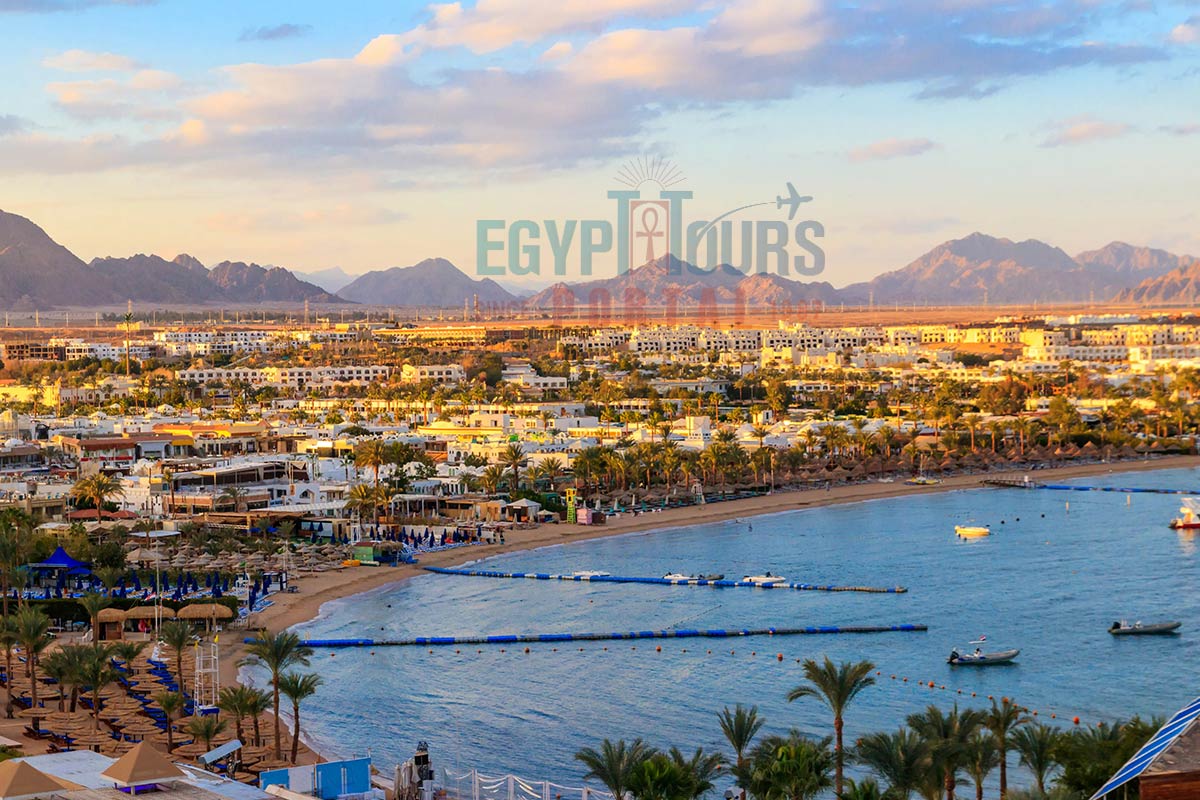
Tourism is the driving force behind Sharm El Sheikh’s economy. The city attracts millions of visitors annually, with estimates exceeding 10 million tourists in recent years. Its appeal lies in its diversity, offering luxury resorts, adventure activities, cultural experiences, and natural exploration within a single destination.
The city’s rapid growth is reflected in its development statistics. The number of resorts expanded from just a few in the early 1980s to dozens within two decades, while guest nights increased dramatically, highlighting the scale of its tourism expansion. Its proximity to European markets and its favorable climate have further strengthened its position as a leading global destination.
Witness Why Sharm El Sheikh is Safe
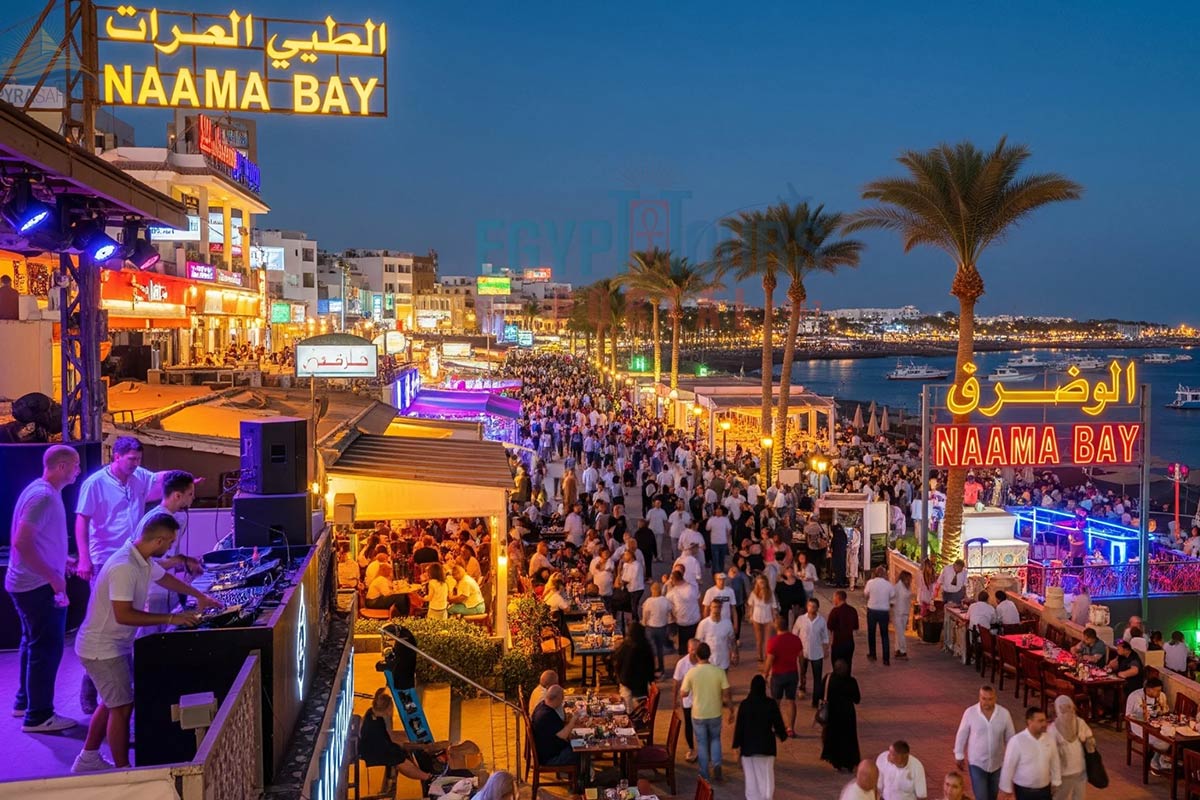
Sharm El Sheikh is generally considered safe for tourists, especially within its main resort areas. The city is one of Egypt’s most controlled and protected destinations. Because it’s a major international tourism hub, security is strong and visible, there are checkpoints on roads, controlled entry points into hotel zones, and a consistent security presence around resorts, the airport, and popular areas like Naama Bay and SOHO Square. Hotels themselves also have their own private security measures.
Tourist zones are well-maintained and designed specifically for international visitors, which makes moving around relatively easy and comfortable. Violent crime is very rare in these areas, and most visits are trouble-free. Like any destination, minor issues such as overcharging or persistent vendors can happen, but they are more about inconvenience than safety.
The Sinai Peninsula has had security concerns in the past, but Sharm El Sheikh is geographically and operationally separated from those areas, with strict controls in place to protect the city. This is why international conferences, including events like COP27, are held there.
In simple terms, if you stay within the main tourist zones, use trusted transportation, and follow basic travel precautions, Sharm El Sheikh is a safe and well-managed destination for travelers.
Hotels, Beaches, and Resorts of Sharm El Sheikh
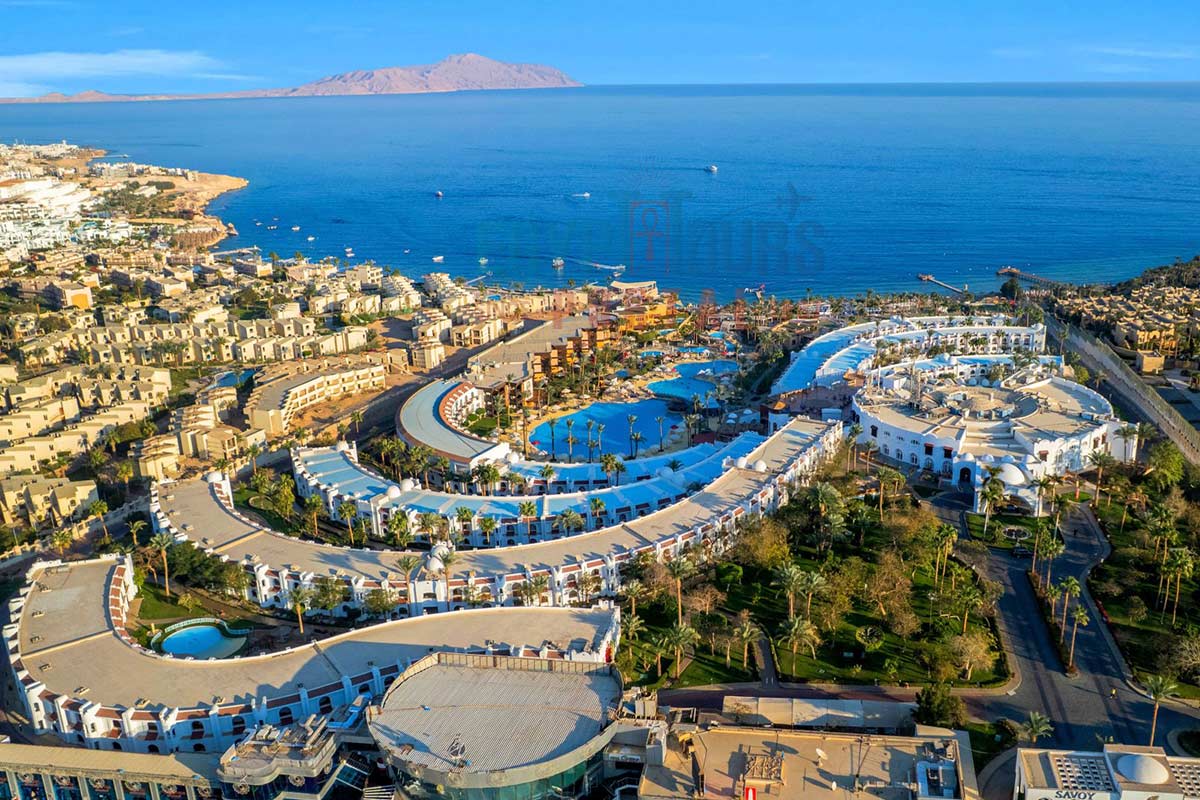
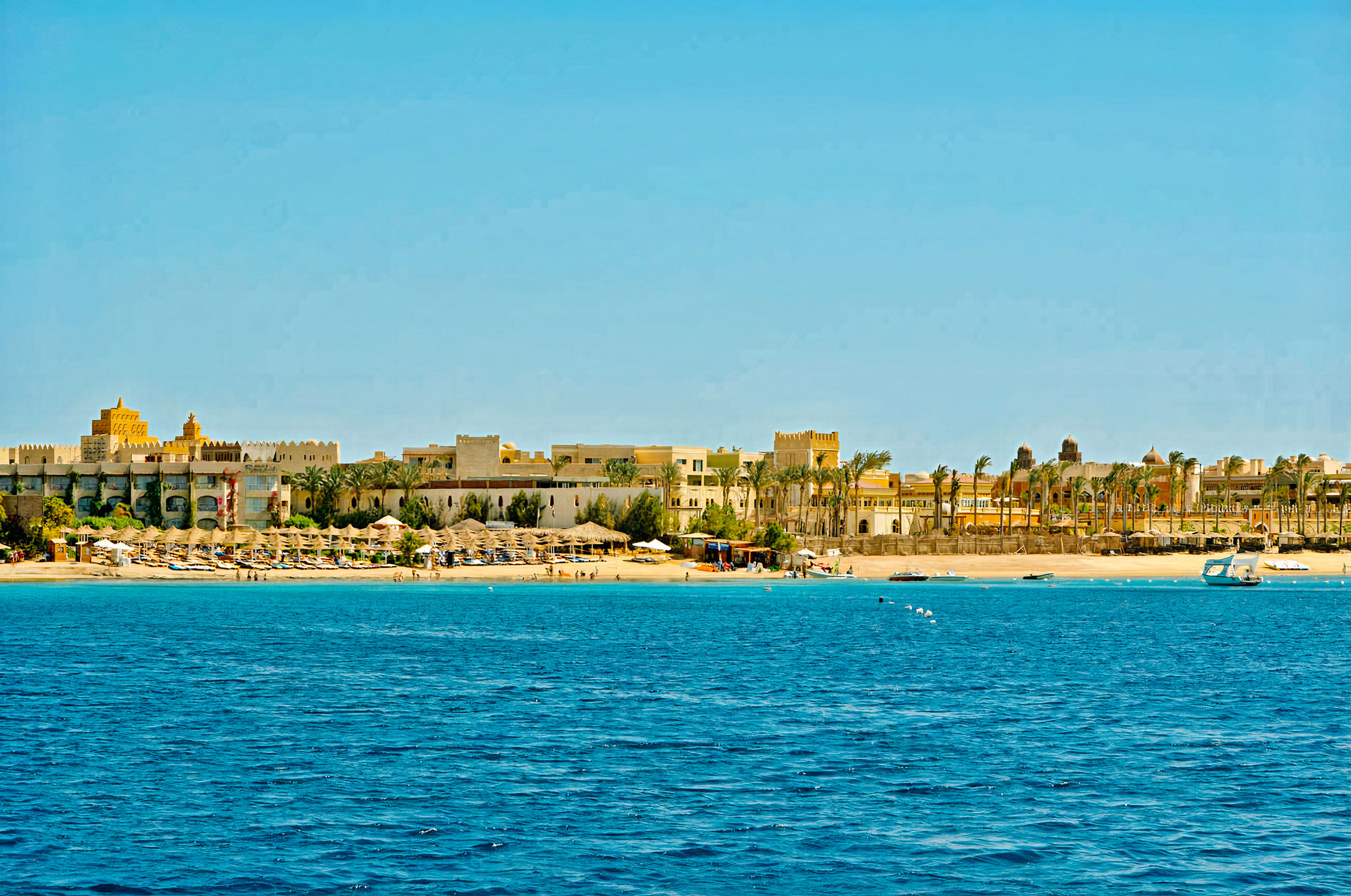
Sharm El Sheikh is renowned for its extensive range of accommodations, from high-end luxury resorts to all-inclusive hotels. International brands such as Hilton, Marriott, Four Seasons, Accor, and many more operate in the city, offering world-class services and facilities.
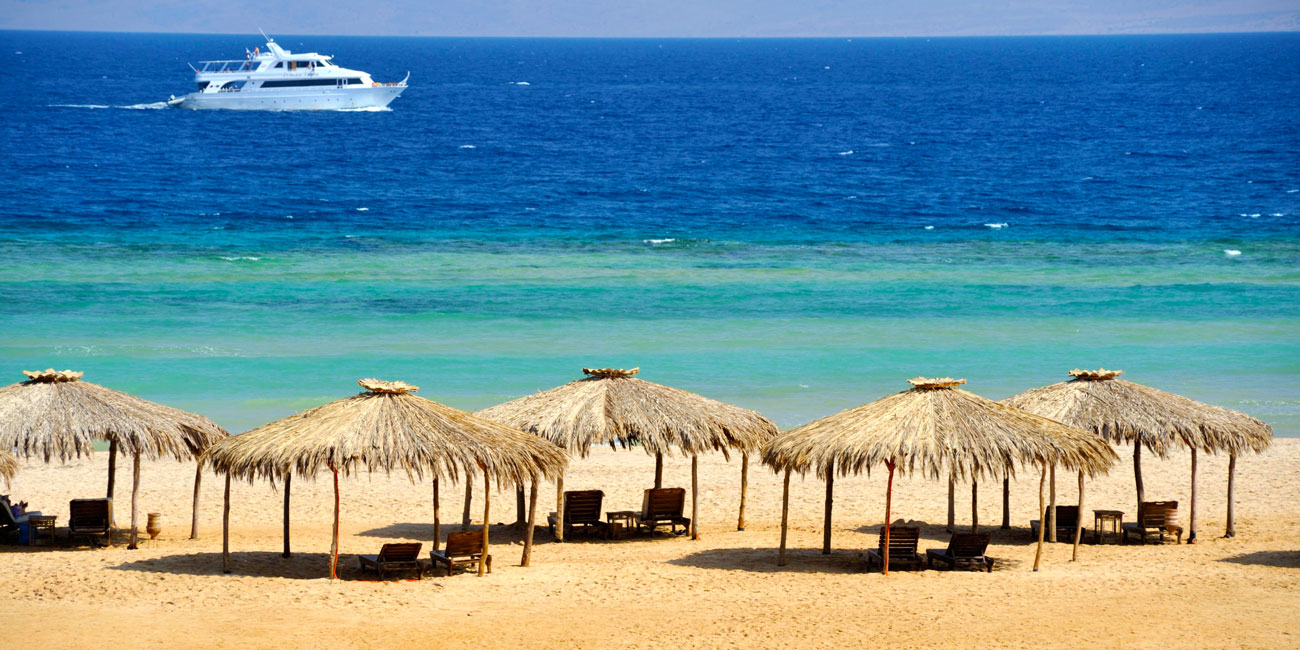
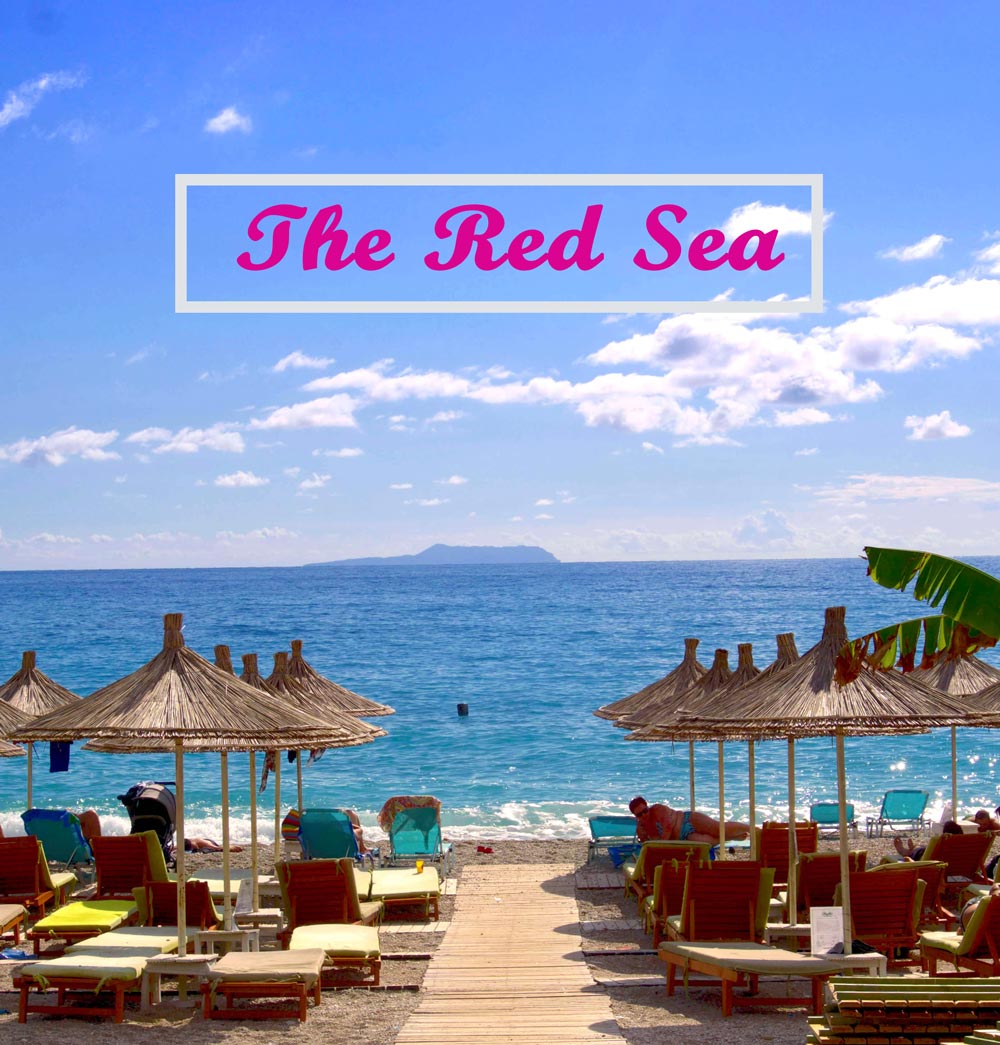
The beaches are among the city’s most valuable assets. Unlike many sandy coastlines, Sharm’s beaches often provide direct access to coral reefs, allowing visitors to snorkel or dive just meters from the shore. Areas such as Nabq Bay, Shark’s Bay, and Ras Um Sid offer varied coastal experiences, from calm, shallow water to deeper reef systems rich in marine life.
Comprehend All the Things to Do in Sharm El Sheikh
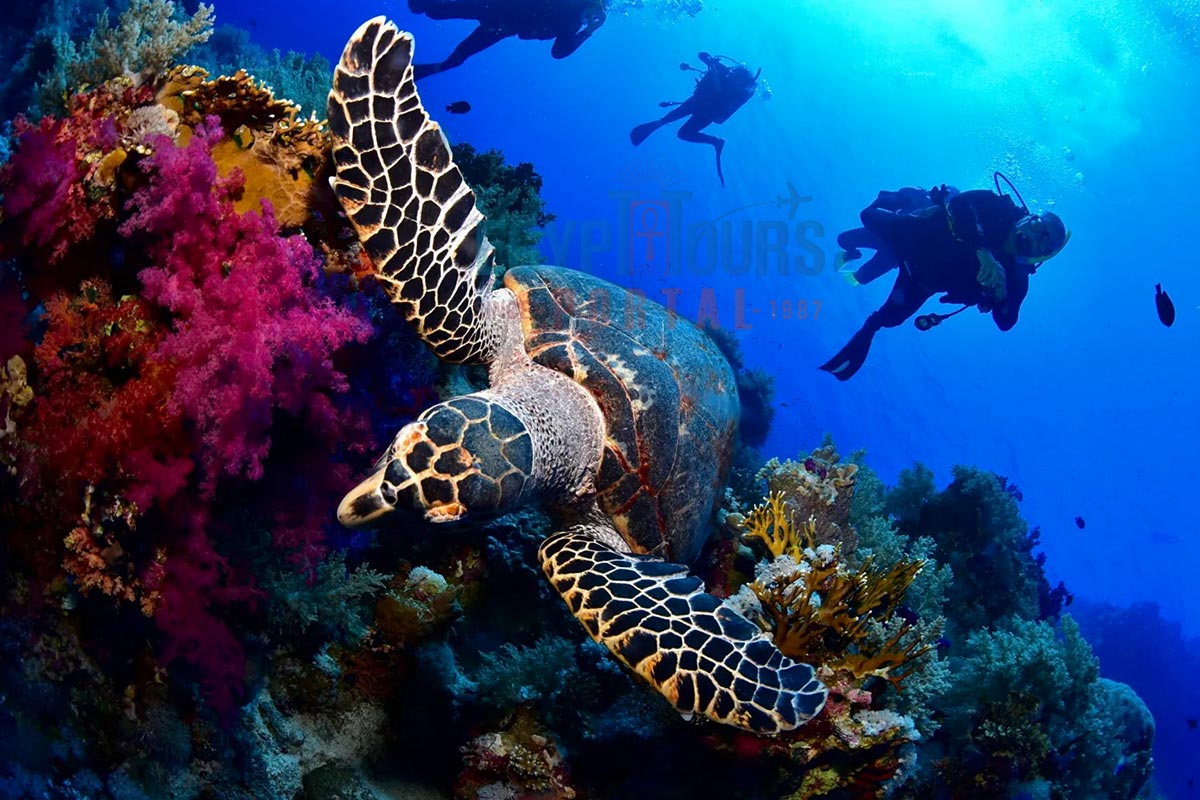
Sharm El Sheikh offers a wide spectrum of activities that cater to different types of travelers. Water sports dominate, particularly scuba diving and snorkeling, which are considered among the best in the world due to the clarity and biodiversity of the Red Sea. There are many famous locations for diving in Sharm, like Jolanda Reef, Jackson Reef, Thomas Reef, and many other resorts. The reefs of Ras Muhammad and Tiran Island are especially popular for their underwater landscapes and marine species.
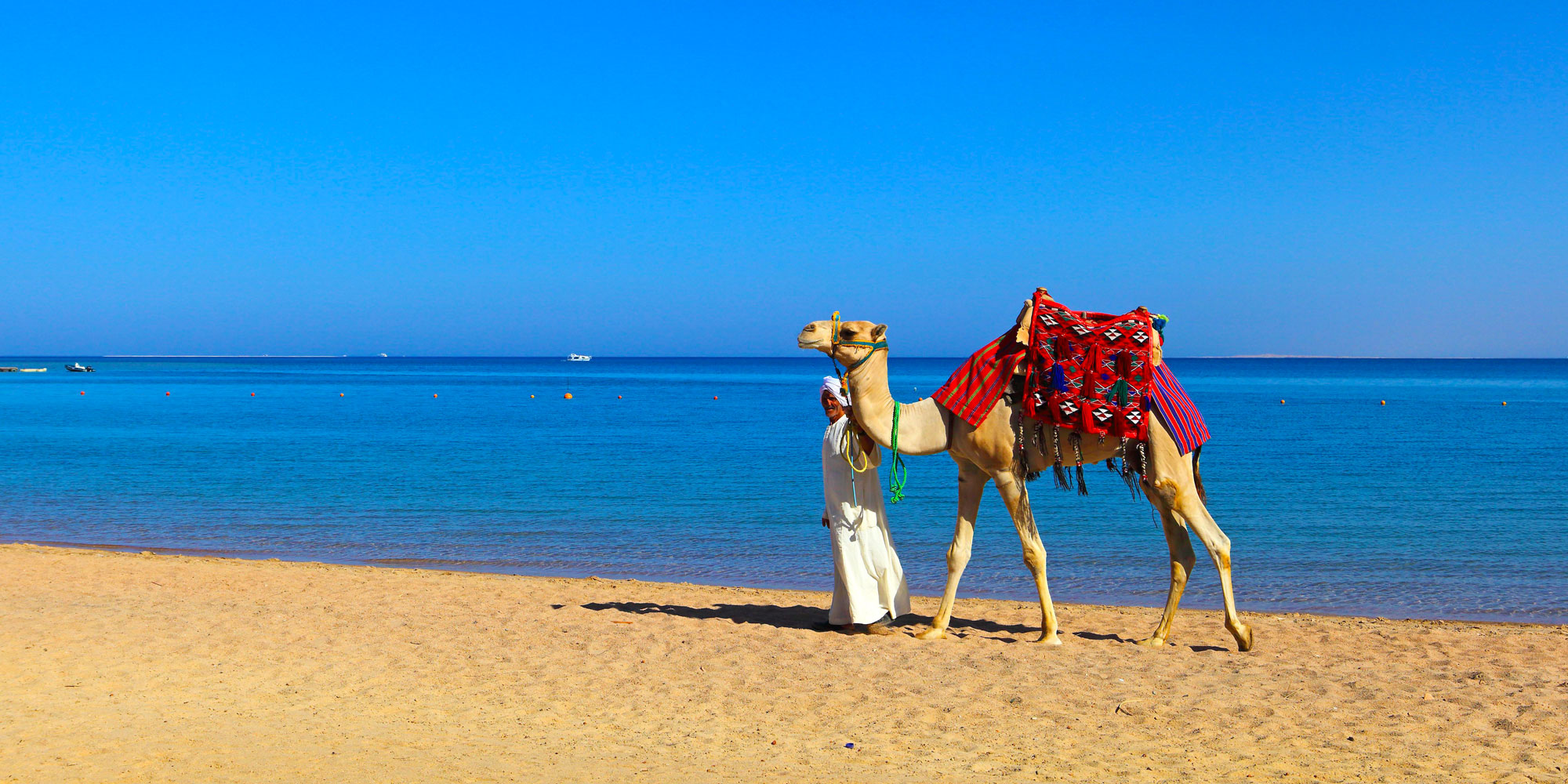
Beyond the sea, the desert provides equally compelling experiences. Visitors can take part in safari excursions, camel rides, and overnight Bedouin camps, where they can experience traditional hospitality and observe the desert sky. Other activities include parasailing, windsurfing, boating, and quad biking, as well as cultural excursions to nearby historical sites.
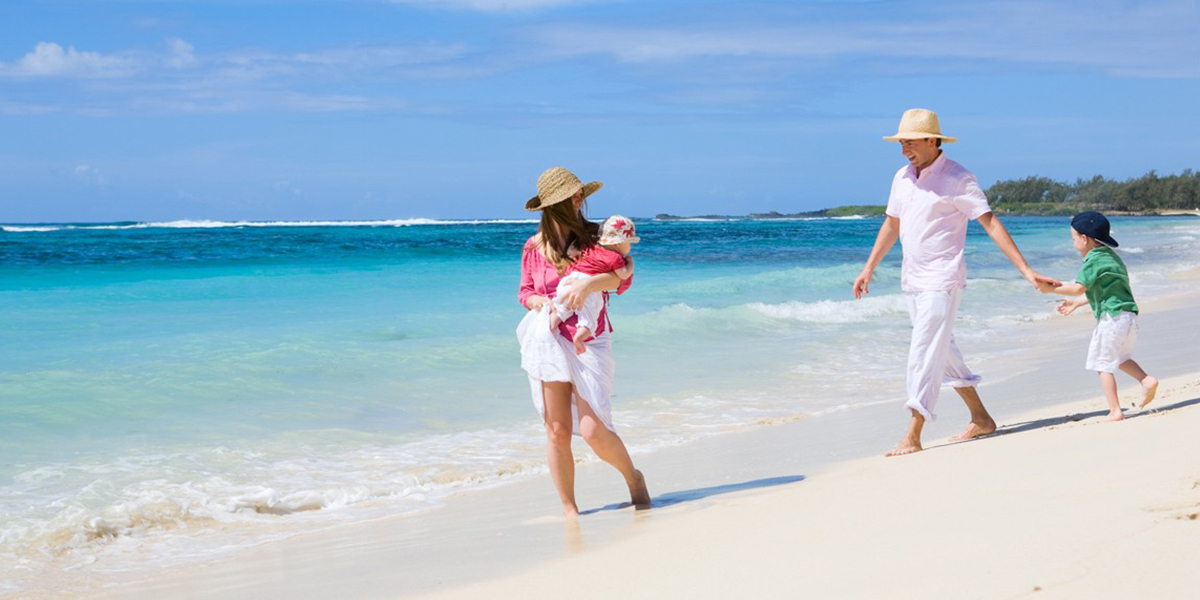
Things to Do in Sharm El Sheikh With Outdoor Activities
Enjoy best 25 things to do in Sharm El Sheikh with outdoor activities such as visiting Cairo, Luxor, and Aswan cities. Read more!!!
Experience the Treasures of the Red Sea With Sharm El Sheikh Tours
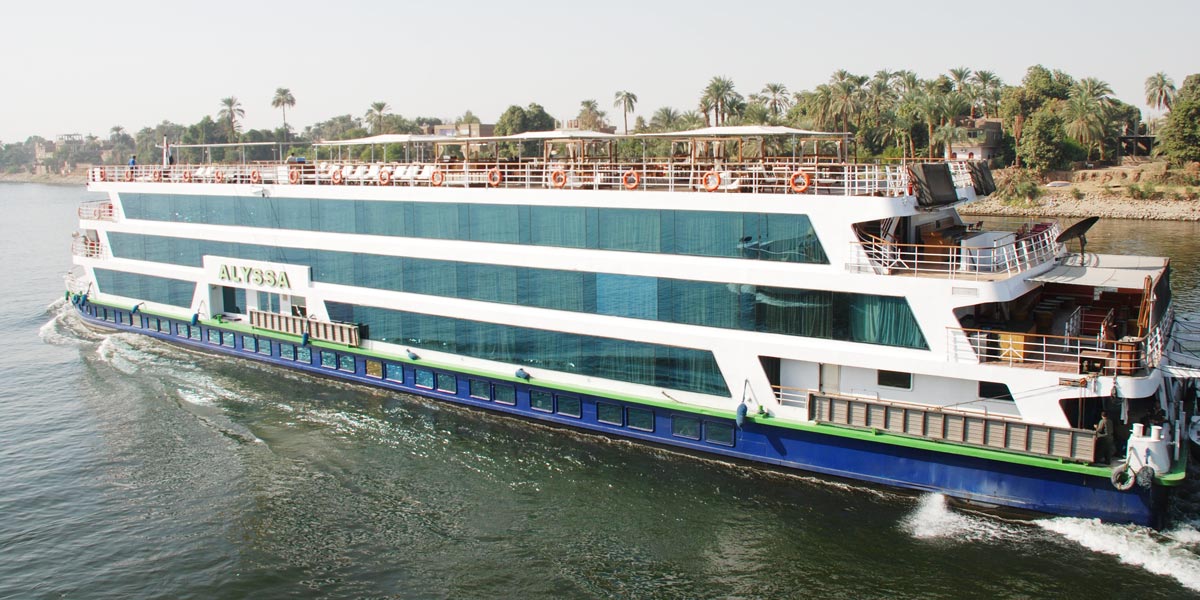
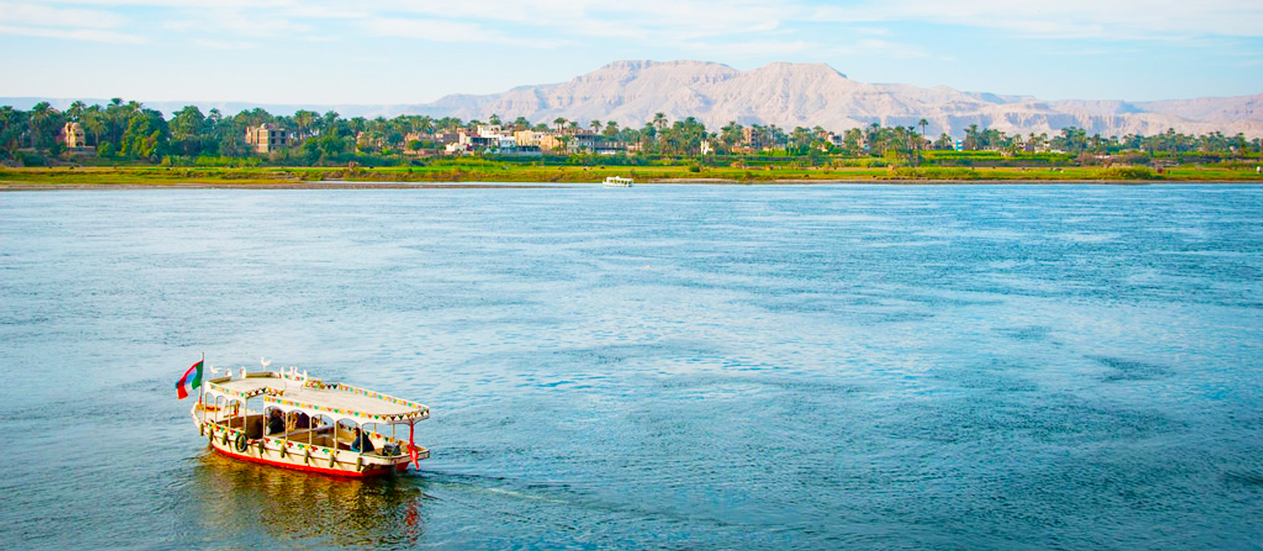
If you are in Sharm El Sheikh and prefer to enjoy other wonderful activities, then you can check our Sharm El Sheikh excursions and choose the most suitable one of our Egypt vacation packages and Nile river cruises to spend the trip you deserve.































Leave a Comment