Whatsapp Me
We’re nominated for Egypt’s Leading Travel Agency 2026 – Your vote matters! Vote Now
Egypt Tours Portal
Egyptian Mythology

Ancient Egyptian Mythical Creatures and Monsters of Legend Explained

This article unveils the rich mythology of ancient Egypt through its legendary creatures and monsters. From soul-devouring beasts like Ammit and Apep, to sacred symbols of rebirth like Bennu and Khepri, these mythical beings embodied powerful cosmic forces and the balance between life and death. Often depicted as hybrids, combining traits of lions, crocodiles, serpents, and hawks, they reflected Egypt’s spiritual beliefs and natural surroundings. The stories also explore figures like El Naddaha, a haunting Nile siren, and the enigmatic Set animal, blending myth with daily life and moral lessons. These creatures played vital roles in religion, funerary practices, and royal identity, leaving a profound legacy in ancient Egyptian culture and influencing myths around the world.

ETP TEAM
Written by ETP TEAM
Published Apr 23, 2025 Updated Apr 26, 2025 22 min read

Ancient Egyptian Mythical Creatures and Monsters of Legend Explained

Summary

  • This article explores the fascinating world of mythical creatures and monsters in ancient Egyptian mythology.
  • From fearsome beings like Ammit and Apep, who devoured souls and battled gods, to sacred symbols like Bennu, the phoenix-like bird of creation, and Khepri, the scarab of rebirth, each creature represented cosmic forces, divine will, and the dual nature of life and death.
  • Many were hybrid animals blending lion, crocodile, hawk, or serpent traits, reflecting Egypt’s spiritual and environmental landscape.
  • Everyone will discover creatures that guarded the underworld, punished the wicked, and guided the sun across the sky.
  • Legends like El Naddaha, the Nile’s siren, or the enigmatic Set animal also show how myth blended with daily life and moral lessons.
  • These beings were central to Egyptian religion, funerary practices, and royal symbolism, leaving a lasting legacy in both history and global mythologies.

The ancient Egyptian mythical creatures and monsters were the products of the vivid and complex imagination of the ancient Egyptians, who sought to explain the meaning behind the forces that governed them and their surroundings. Ancient Egyptian mythology is filled with many gods and goddesses who are each responsible for an aspect of reality, like the seasonal flooding, the cyclic pattern of the sun & stars, the coming of death, the birth of life, chaos, harmony, and many more. Each idea transformed into a celestial being to took the shape of a physical object.

The unique environment of Egypt, which was composed of the fertile Nile River delta, which was surrounded by desert and arid lands, which was populated by epic fringe groups of nomads and raiders. These groups and the ancient Egyptian animals of the desert, which were believed to form the outer realms and the harmony & balance of the ancient Egyptian people and their society, played a dual key role in shaping the narrative of most of the mythological monsters and creatures. In this article, we will uncover the most legendary Ancient Egyptian Mythical Creatures and Monsters, which are:

Aani – The Sacred Baboon of Thoth and Divine Judgment
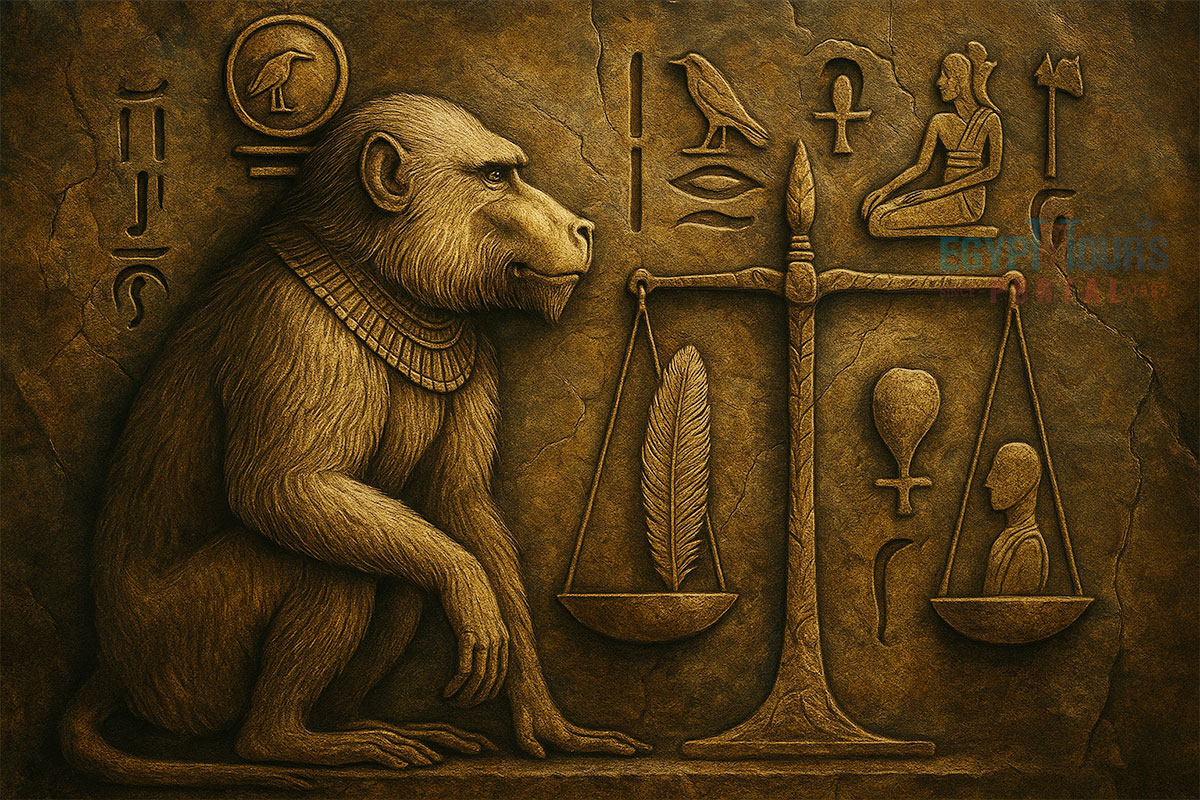
Aani - Egypt Tours Portal

The Cynocephalus Baboon, known as Aani, held special reverence in the ancient Egyptian religion and the total belief system as it was associated with the deity Thoth. The term "Aani" referred to the dog-headed ape and was employed to depict the sacred connection between this creature and the god Thoth. The Book of the Dead of Ani was a highly important funerary text that offered the needed instructions and spells to guide the deceased through the afterlife and provide the soul with the skills to conquer many trials and challenges to arrive at the realm of Osiris to achieve eternal life.  

The Egyptian hieroglyph for "baboon" is represented as jꜥnꜥ. This hieroglyphic word, found in existing literature on approximately forty occasions, directly denotes the baboon species itself. Numerous Ancient Egyptian gods were linked to the baboon in various ways or could manifest with baboon-like attributes. Among these deities were:

  • Hapy was a guardian of the canopic jar that held the lungs post-embalming.
  • Khonsu was a deity referenced as the "eater of hearts" in the Pyramid Texts.
  • Thoth was a god associated with reason and writing. 

An 18th Dynasty text states, "And thus came into existence the Baboon of Thoth." The depiction of these animals through iconography did not signify that the ancient Egyptians perceived them as divine beings themselves. Instead, these animals were utilized as icons or sizable hieroglyphs to symbolize specific gods.

Abtu – The Celestial Fish of the West and Guide of Ra

Abtu - Egypt Tours Portal

Abtu is known as both the designation for a revered fish and the name of the city of Abydos, where Osiris and early Egyptian rulers found their resting place. Abtu's name also graced the city of Abydos, a sacred place of burial for revered figures such as Osiris and early rulers of Egypt. The fusion of these meanings and associations highlights Abtu's intricate significance within Egyptian astronomy, cosmology, and symbolism. The term "Abtu" originally conveyed the concept of the western or westerly direction.

This interpretation evolved to represent the location where the sun's daily journey through the sky concludes, marking the point of the sun's daily demise and passage into the shadowy underworld, particularly pertinent in ancient Egyptian beliefs. Many believe that the Abtu was a type of edible species of tilapia which was used as a holistic ingredient for many medicines

Within the realm of myth, Abtu was recognized as an attendant to the celestial boat of Ra, accompanying it on its celestial voyage across the sky at the break of dawn. This portrayal emphasized Abtu's role as a key element in the cycle of the sun's passage and its subsequent rejuvenation. The mythical stories of Abtu and Anet were responsible for guiding the royal solar barge to the sun god Ra and also were responsible for the reconnaissance and protection for the barge as they sailed in front of the ship through the primordial waters of the Nun which battling Apep.

Abtu was responsible for alerting the gods on the solar boat of the arrival of the monsters of darkness, while Anet was tasked with the defense of the vessel itself. It was seen as a sacred fish that can be traced back to the words of "A Hymn of Praise to Ra When He Rises in the Eastern Part of Heaven," which implores, "Let me behold the Abtu Fish at his season."

Abtu was referred to as the direction of the west, which was known to be the ultimate direction of Ra. Moreover, the goddess Isis assumed the form of Abtu, perhaps bestowing upon the creature its sacred significance. In the city of Oxyrhynchus, Isis was known as the 'Abtu, Great Fish of the Abyss. The veneration of the fish extended its influence across various regions of Egypt. 

Ammit – The Devourer of Souls and Guardian of Moral Truth

Ammit - Egypt Tour Portal

Ammit was known as the "Devourer of the Dead" or "Swallower of the Dead," who was an ancient Egyptian mythical creature that can be seen as an ancient Egyptian version of a chimera. This fearsome being possessed the forequarters of a lion, a hippopotamus's hindquarters, and a crocodile's head, symbolizing the most formidable "man-eating" animals known to the ancient Egyptians. In different versions of the Book of the Dead, Ammit was portrayed with a crocodile head, a dog body, and other combinations.

In Egyptian religion, Ammit held a significant role in the funerary ritual known as the Judgment of the Dead. The term "Ammit" translates to "devourer of the dead," emphasizing its role in the afterlife. This creature was not worshiped like other deities but was rather feared and considered a guardian demon. Its unique appearance, combining the traits of three deadly predators, was intended to be recognizable to the deceased souls it encountered in the afterlife. 

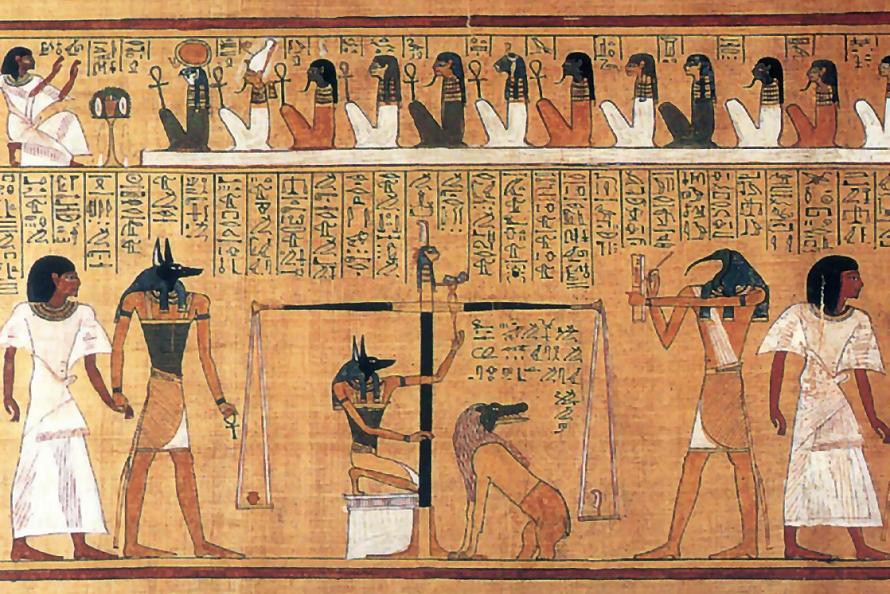
Ammit played a pivotal role during the Judgment of the Dead in the Hall of Truth, as in this process, the heart of the deceased was weighed against the feather of Ma'at, symbolizing truth and balance. If the heart was lighter than the feather, the deceased was considered pure and granted passage to the afterlife. However, if the heart were heavier, Ammit would consume it, leading to the soul's eternal unrest and second death.

Ammit's imagery evolved, with depictions showing variations in its appearance. Its presence near the scales of judgment symbolized the crucial moment of reckoning for the deceased. Ammit's role was to serve as a stark reminder of the consequences of a life lived without adherence to the principles of truth and balance. Through its representation in funerary texts and various examples of ancient Egyptian art, Ammit underscored the importance of leading a just and virtuous life to secure a favorable judgment in the afterlife.

Apep – The Serpent of Chaos and Eternal Enemy of Ra
Appep - Egypt Tours Portal

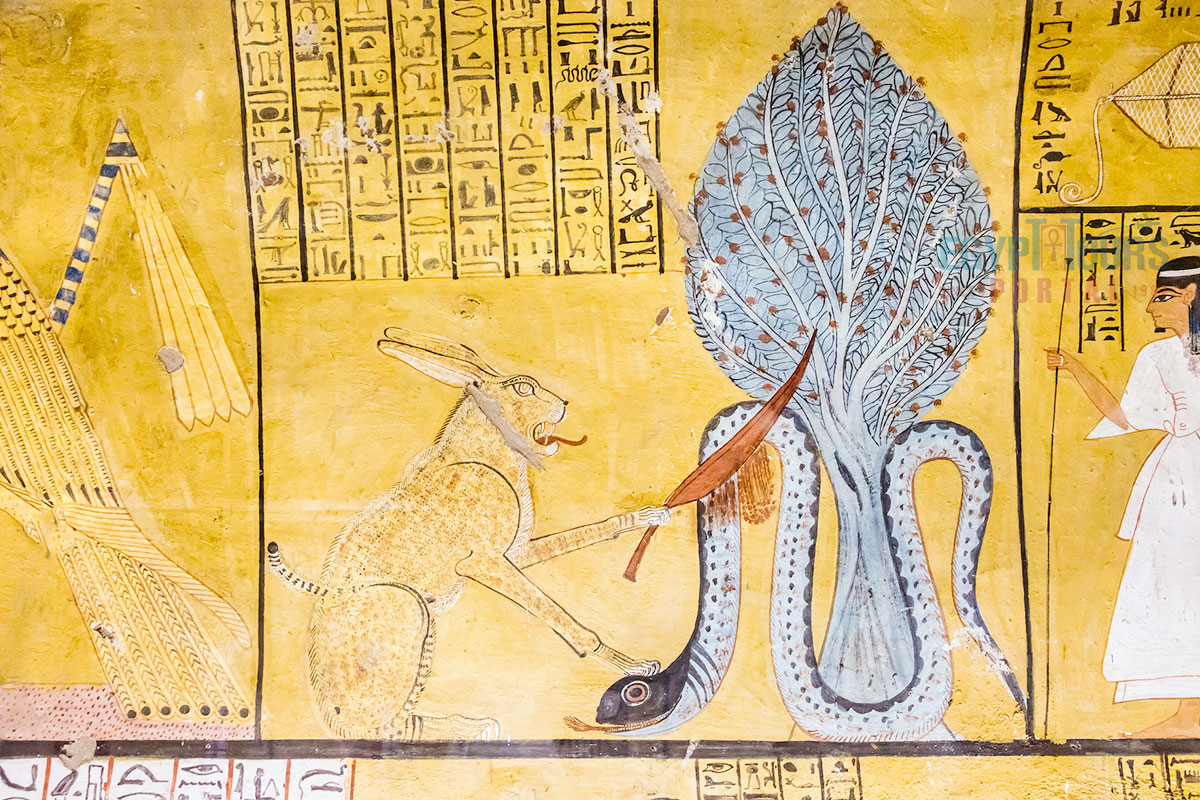
Apep, also known as Apepi or Apophis, was a prominent deity in ancient Egyptian mythology symbolizing darkness and disorder. Apep stood in opposition to light and Ma'at, which represented order and truth, and became arch-nemesis through the history of ancient Egyptian religion and mythology. This colossal serpent was considered the enemy of Ra, the solar deity and bringer of light.

Apep's depictions included a giant evil serpent, often associated with chaos, disorder, and malevolence. Apep's significance highlighted the eternal struggle between order and chaos in Egyptian cosmology, with Ra's triumph over Apep reinforcing the importance of maintaining cosmic harmony and truth.

Apep's origin myths varied, but he was typically believed to have existed from the primordial waters of Nu, embodying the chaos that predates creation. Apep engaged in battles with Ra, the sun god, depicted in various locations such as the underworld and the horizon. Ra's victory over Apep was essential for the continuation of order in the world. Rituals and prayers performed by Egyptian priests and worshippers aimed to protect Ra and maintain cosmic balance. Many believe that Apep was conceived from the umbilical cord of Ra at the time of his birth, which symbolizes their eternal struggle as the ultimate representation between light and darkness.

During the 14th dynasty (1725 – 1650 BC), Apep was honored and ever worshiped as a dark entity, but in the New Kingdom (1570 – 1050 BC), Apep was pained as a gigantic demon snake that became a dark adversary of the bright god Ra. Apep's worship involved rituals to banish chaos, such as the creation and burning of an effigy representing Apep. The "Books of Overthrowing Apep" provided instructions for these rituals, which included symbolic acts like spitting on, mutilating, and burning the effigy. The dead were also protected from Apep, as they were buried with spells to counter his influence and ensure a safe passage to the afterlife.

Bennu – The Phoenix of Creation and Symbol of Rebirth
Bennu - Egypt Tours Portal

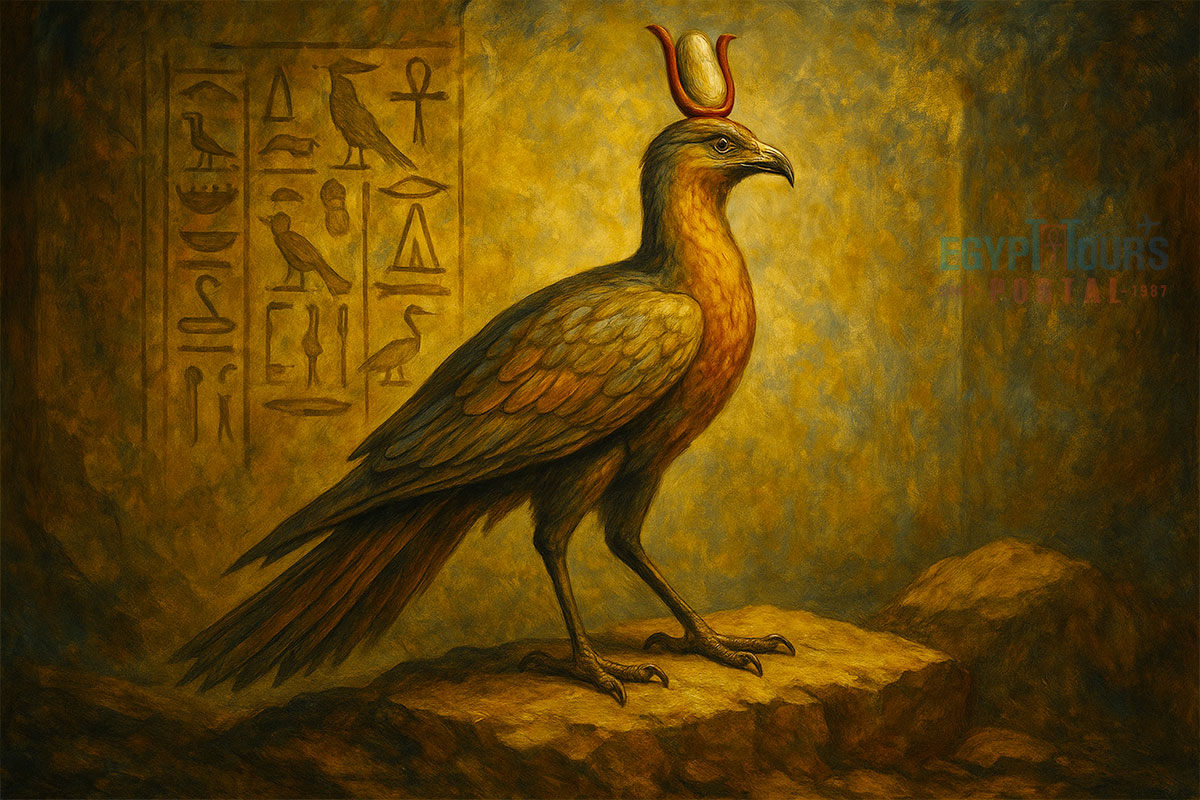
Bennu was an ancient Egyptian deity, was closely tied to the concepts of the Sun, creation, and rebirth. This deity is considered a potential precursor to the phoenix legends of Greek mythology. In Egyptian mythology, Bennu was believed to be self-created and played a role in the world's creation. It was associated with Ra, the Sun god, and Atum, embodying creative forces. The word bennu is derived from an ancient Egyptian verb “Wbn,” which means “to rise” or “to shine.”

Bennu was depicted as a giant serpent or, in New Kingdom artwork, as a large grey heron wearing a royal double crown known as Atef Pschent. It was often shown perched on a benben stone or a willow tree, symbolizing its connection to Ra and Osiris, respectively. Bennu's titles included "He Who Came Into Being by Himself" and "Lord of Jubilees," emphasizing its cyclical nature akin to the sun's renewal. Bennu's significance was further highlighted by its resemblance to a giant heron species discovered in the United Arab Emirates, potentially serving as the inspiration for its depiction. This heron, known as the Bennu heron, shared many attributes with the deity. 

The connection between Bennu and the Greek phoenix is evident. Greek historian Herodotus described the phoenix as a bird with a similar lifespan, resurrection, and association with the sun, closely resembling Bennu's attributes. While the Greek phoenix's fiery rebirth is a later development, the potential link between "Bennu" and "phoenix" suggests a shared mythological origin.

Bennu's origin can be traced to the creation myth from the golden city of Heliopolis, where the Bennu rose from the dark primordial waters of Nun, then the bird made the call for the creation of the world. In other legends, Bennu represents the soul of Ra that united with Atun to make an incredible life force, which created the world.

Although Bennu's rebirth and sun symbolism parallel the phoenix's attributes, Egyptian sources do not explicitly mention Bennu's death. This connection provides insight into the cross-cultural exchange of mythological concepts and the enduring appeal of themes related to creation, renewal, and the sun across different civilizations.

El Naddaha – The Enchantress of the Nile and Voice of Doom
El Naddaha - Egypt Tours Portal

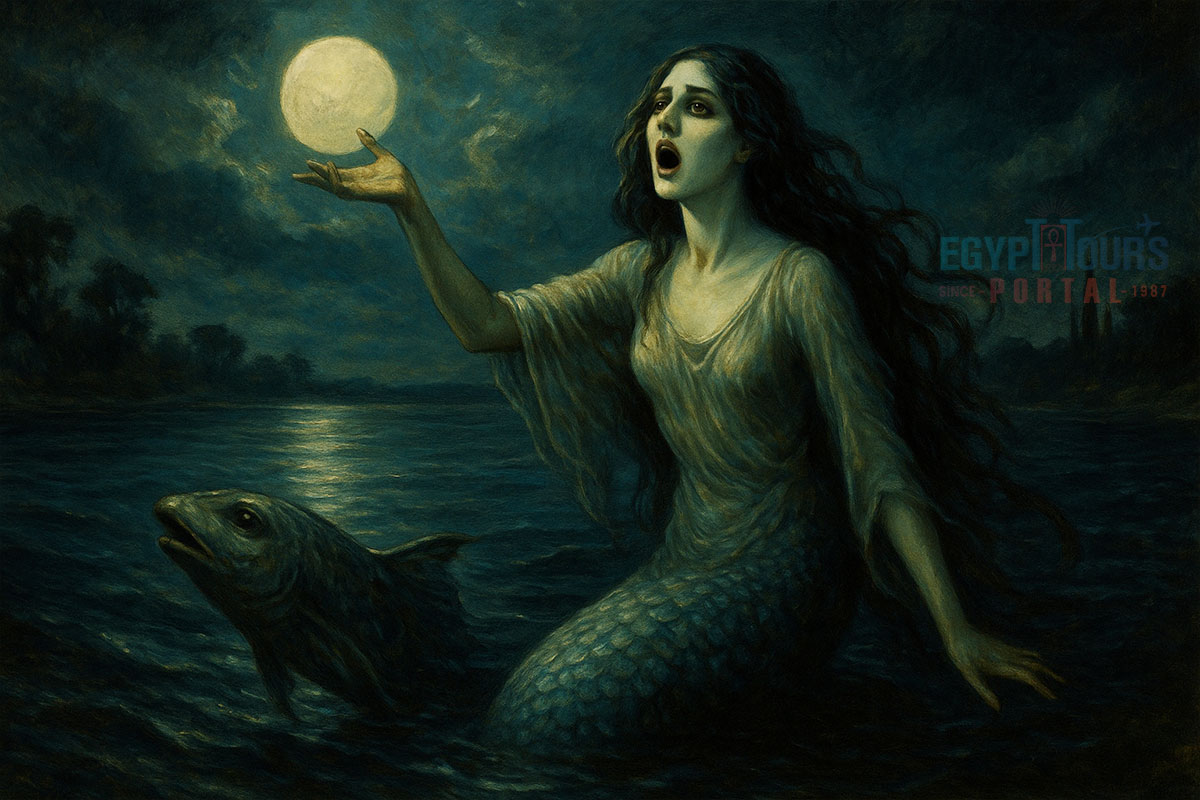
En-Naddāha is like a mixture between the little mermaid and the Greek siren (Celtic Banshee) that took the shape of an Egyptian legend dating to more than 5000 years about a female spirit, resembling a naiad, that lures men to the Nile, potentially leading to their demise. This tale is most prevalent in rural areas of both Lower and Upper Egypt, near the Nile and its waterways. The legend is less widespread in urban regions today but remains known among the youth and persists in rural communities.

The story involves En-Naddaha, who is a captivating mermaid woman who unexpectedly appears to men near the Nile or its canals at night. One man becomes entranced and obeys her hypnotic voice, while his companion tries to rescue him. The unaffected man eventually snaps the entranced man out of his spell, and they flee, still hearing her echoing voice. En-Naddaha's beauty is described as a tall and slender spirit, often wearing a semi-transparent dress.

She sometimes calls men from their homes along the riverbanks, and those called are believed to be doomed, potentially drowned in the Nile. Although there are no recorded instances of men being devoured by her, the legend suggests that she may consume or drag her victims into the water. The legend also includes a belief that preventing the called man from reaching En-Naddaha may result in the preventer being the next target.

Griffin – The Fiery Tearer and Guardian of Royal Power
Griffin - Egypt Tours Portal

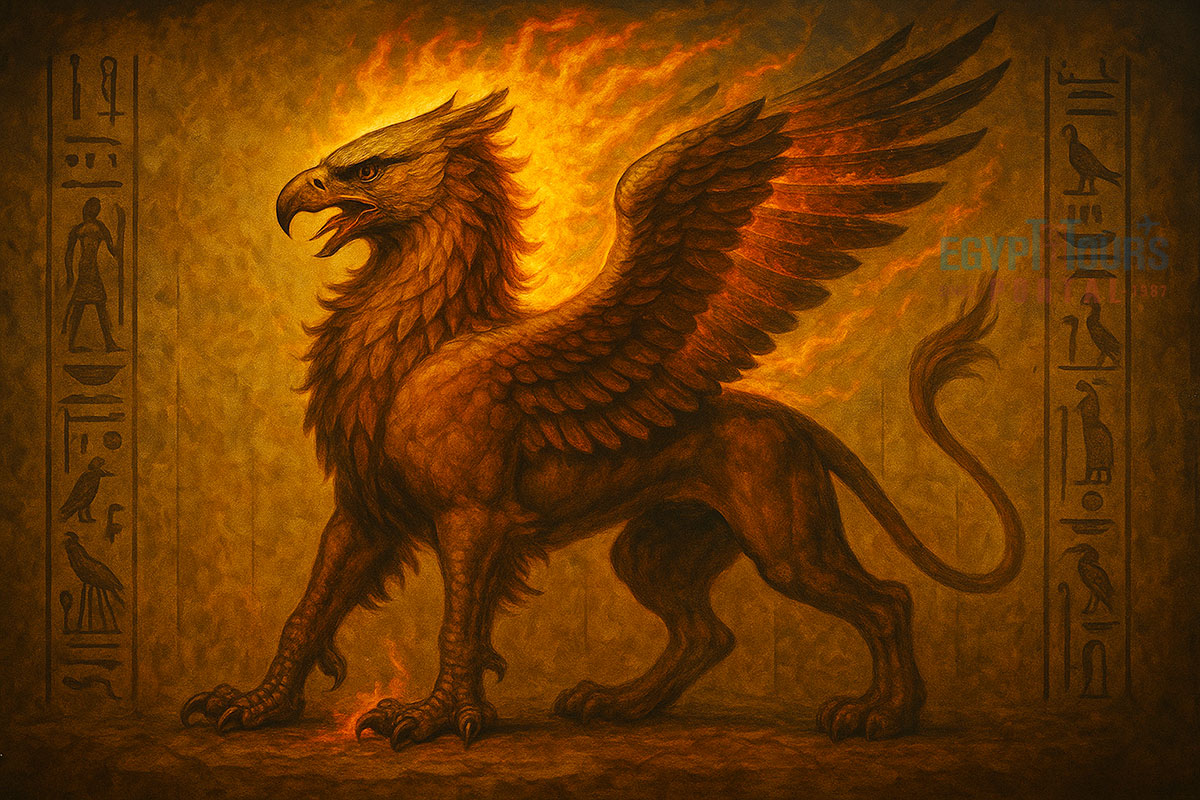
The griffin is one of the most recognized mythical creatures in the world that can be seen in various ancient civilizations and cultures like Egypt, Persia, Assyria, and Greece. Griffin was highly symbolic in Egyptian society without really having any story behind it, like the rest of the creatures. It was attributed a descriptive name meaning "Tearer[-in-pieces]," as seen inscribed on a griffin depiction discovered in a tomb at Deir El Bersha. Another name signifying "fiery one" has been found at Beni Hasan.

The term "Tearer" isn't exclusively linked to the griffin, which has also been used for the god Osiris in other contexts. Depictions of griffin-like creatures were depicted as having a beaked head and four legs that can be traced back to Ancient Egyptian art before 3000 BC.

The earliest known representation of a griffin-like entity in Egypt can be found on a relief carving on Hierakonpolis’s cosmetic palette, often referred to as the "Two Dog Palette," dating back all the way to the Early Dynastic Period (3300–3100 BC), also the tomb of Mereret which date to the 19th century BC hold Egyptian griffins depicated across the walls trampling enemies beneath their feet’s by the pharaoh himself.

Hieracosphinx – The Hawk-Headed Sphinx and Form of Horus the Elder

Hieracosphinx - Egypt Tours Portal

The hieracosphinx is a mythical creature located in both Egyptian sculpture and European heraldry. It was a common representation of the god Haroeris, also known as "Horus the Elder." The term "Hieracosphinx" originates from the Greek words which combine Hawk and Sphinx. The Hieracosphinx is described as featuring the body of a lion and the head of a hawk. The name was invented and coined by the Greek historian Herodotus for the hawk-headed sphinx, which distinguished them from the ram-headed sphinx, which he referred to as the Criosphinx.  

Medjed – The Sacred Elephantfish of Osiris’ Myth

Medjed - Egypt Tours Portal

Medjed was a type of elephantfish revered in the rich ancient Egyptian religion and particularly venerated in the region of Oxyrhynchus. Within the Osiris Myth, held that these fish consumed the severed genitalia of the god Osiris, who had been dismembered and scattered by his evil brother Set, according to the myth of Isis and Osiris. The settlement of Per-Medjed in Upper Egypt took its name from these creatures.

They are now more commonly recognized by their Greek designation, Oxyrhynchus, which means "sharp-nosed," which corresponds to the Egyptian portrayal of the fish. In their role as sacred animals, they often appear adorned with horned sun discs. Certain figurines even include loops for wearing them as pendant amulets. The freshwater elephant fish, which are one of the subfamilies of Mormyrinae that are sizable inhabitants of the Nile's freshwater, are characterized by their unique downturned snouts. 

The depiction of the Oxyrhynchus fish, featuring wall paintings, bronze figurines, or wooden coffins shaped like fish with downturned snouts and horned sun-disc crowns reminiscent of those worn by the goddess Hathor of joy and pleasure, bears a resemblance to members of the Mormyrus genus.

Serpopard – The Serpent-Leopard Hybrid of Chaos

Serpopard - Egypt Tours Portal

The serpopard is a mythical creature found in ancient Egyptian and Mesopotamian art (3500–3000 BC), characterized by its combination of a leopard's body and a serpent's long neck and head, which was dubbed the harbinger of Chaos. The term "serpopard" is a modern creation, blending "serpent" and "leopard," which makes it one of the most unique mythological creatures that is depicted on cosmetic palettes from Predynastic Egypt and cylinder seals from Mesopotamia, often with intertwined necks.

In Egyptian art, it may symbolize chaos beyond Egypt's borders, subdued by the king, while in Mesopotamian art, they are portrayed in pairs, reflecting natural vitality. The creature's appearance leans more towards a long-necked lioness rather than a serpent, with no serpent-specific features. The exaggerated necks may serve artistic purposes. Lionesses, significant in Egyptian religion, likely represented protection and royalty. Similar fantastical creatures appear in other cultures, too.

Babi – The Bloodthirsty Baboon God of the Afterlife

Babi - Egypt Tours Portal

Babi was a mythical ancient Egyptian creature that exhibited attributes of evil demonic deities. Many scholars view Babi, meaning chief of the baboons," "bull of the baboon," as a glorification of the Hamadryas baboon during Ancient Egyptian civilization. Ancient Egyptians perceived baboons as violent and aggressive creatures, leading to Babi's portrayal as a bloodthirsty creation feasting on the organs and entrails of the dead.

Similar to Ammit, some texts depict Babi by fiery lakes, consuming the sinful souls of the departed. Symbolically, baboons' notable high libidos associated Babi with virility for the deceased. This connection led to phallic symbolism in an ancient funerary text spell, ensuring the enjoyment of a relationship in the afterlife. Babi's distinct attributes linked him to the chaotic forces of Set, an occasionally adversarial Egyptian god.

Set Animal (Sha) – The Totemic Beast of Chaos and Storms

Set - Egypt Tours Portal

The Set animal, also known as the sha, was a totemic creature associated with the ancient Egyptian god Set of chaos and evil. It is often referred to as the Typhonian animal due to its connection with the Greek monster Typhon. While not recognizable as any specific real animal, it held significant symbolism in ancient Egyptian culture and religion. Scholars believe it existed solely in the realm of Egyptian imagination and was not an actual creature. The Set animal is depicted as a slender canid resembling a greyhound or jackal.

It has distinctive features, including a stiff, often forked tail that stands upright or at an angle, erect square or triangular ears, and a long nose with a slight downward curve. Its color is typically black, though it may also be reddish. Depictions of the Set animal appear in Egyptian art from Naqada III to the New Kingdom, spanning about two thousand years. It is found on various artifacts, including the Scorpion Macehead, serekhs of kings like Seth-Peribsen and Khasekhemwy, and even in royal cartouches of later pharaohs.

The god Set himself was often portrayed with a head resembling the Set animal, and the sha's features were used in hieroglyphs to represent concepts related to chaos, violence, and storms. The Set animal's exact identity has been the subject of debate, with various proposals ranging from a jackal or Saluki (a domesticated dog breed) to more speculative suggestions like an African wild dog, pig, antelope, giraffe, donkey, fennec fox, long, round snout, or aardvark.

Some believe the set animal represented a giraffe, but the scholars believed to had differentiated between the hybrid creature and giraffes. Over time, Set's reputation diminished, especially with the rise of the Osiris cult, and depictions of the Set animal became less common, which is a sign of the eternal victory of good over evil. The sha's association with Set, as well as its unique characteristics, makes it a distinctive and intriguing symbol in ancient Egyptian art and culture.

Khepri – The Scarab God of the Rising Sun and Transformation

khepri - Egypt Tours Portal
Khepri - Egypt Tours Portal

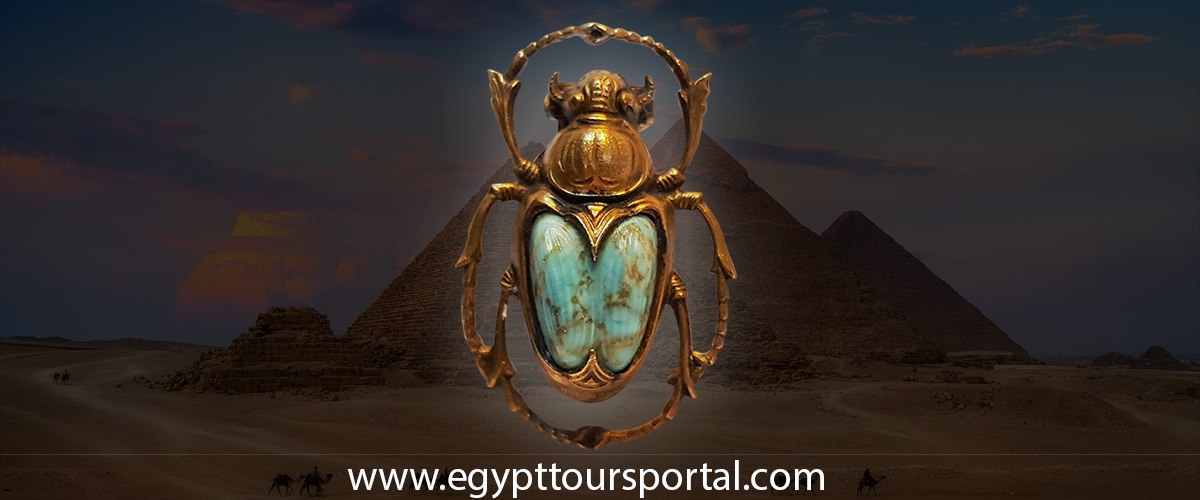
Associated with the scarab beetle, also known as the dung beetle, Khepri stood as a unique figure within Egyptian mythology. Portrayed typically as a human body with the head of a beetle in ancient Egyptian funerary scrolls, Khepri's veneration carried a symbolic essence, representing the divine forces steering the sun's celestial journey across the heavens.

This link stemmed from the scarab beetle's behavior of rolling balls of dung across the arid desert landscape. From within these dung balls, young beetles emerged, hatching from eggs laid by their progenitors. This phenomenon is intertwined with the Egyptian term "kheper," conveying concepts of transformation and creation.

Furthermore, Khepri assumed a subordinate role in comparison to the esteemed solar deity Ra, occasionally melding into Ra's facets. Notably, Khepri personified the morning sun, while Ra emanated as the radiant midday sun. Fascinatingly, the ancient Egyptians also bestowed upon Khepri the status of a god of rebirth, considering beetles as entities that seemingly materialized from nothingness yet possessed the power to perpetuate their lineage.
Sep 11, 2019

Egyptian Scarab Beetle

Learn about the Scarab Beetle of the ancient Egyptian civilization

Ouroboros – The Eternal Serpent of Rebirth and Cosmic Cycles

Ouroboros - Egypt Tours Portal

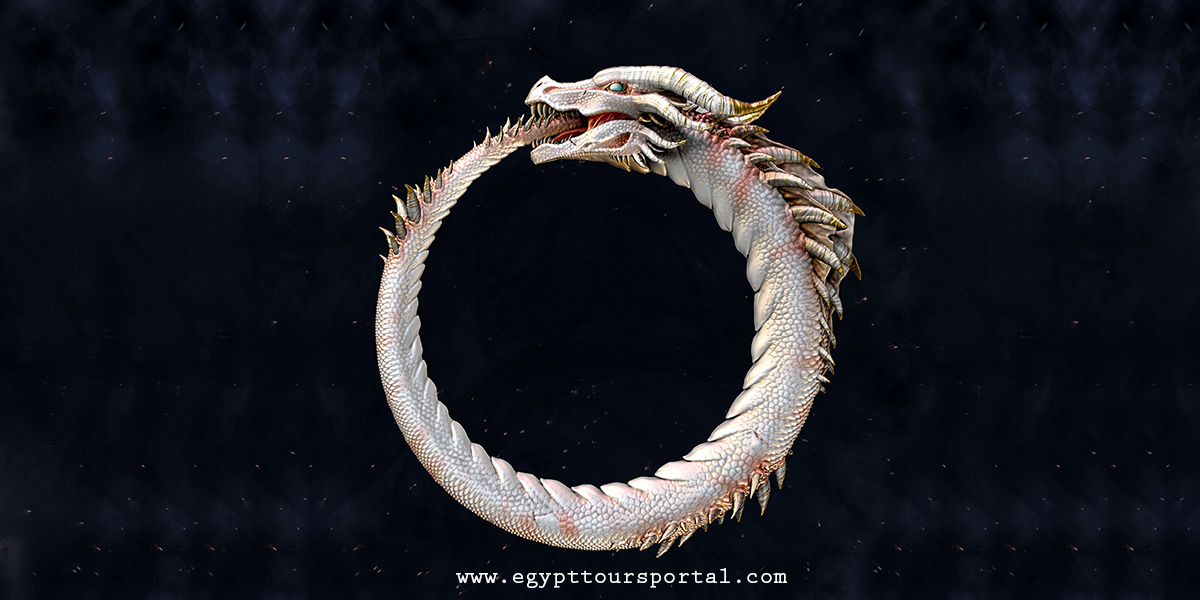
The ouroboros is a very famous ancient symbol that portrays a creature of a serpent or dragon eating its tail. It has roots in Egyptian and Greek traditions, later becoming a symbol in Gnosticism, Hermeticism, and alchemy. In some instances, certain snakes, like rat snakes, have been observed attempting to consume themselves.

The term "ouroboros" comes from Greek words for "tail" and "eating." This symbol is often interpreted as representing eternal renewal, the cycle of life, death, and rebirth, with the shedding of the snake's skin representing the transmigration of souls. It also holds fertility symbolism in certain religions, with the tail as a phallic symbol and the mouth as a womb-like symbol.

In ancient Egypt, the ouroboros motif appears in the Enigmatic Book of the Netherworld, a funerary text in Tutankhamun's tomb. It depicts a serpent encircling a figure's head and feet, representing the cyclical nature of time and periodic renewal. The symbol is associated with disorder surrounding the orderly world and persisted through Egyptian and Roman times, often found on magical talismans. The Latin commentator Servius recognized its Egyptian origins and noted its representation of the cyclical nature of the year.

Sphinx – The Divine Guardian of Wisdom and Royal Tombs
Sphinx - Egypt Tours Portal

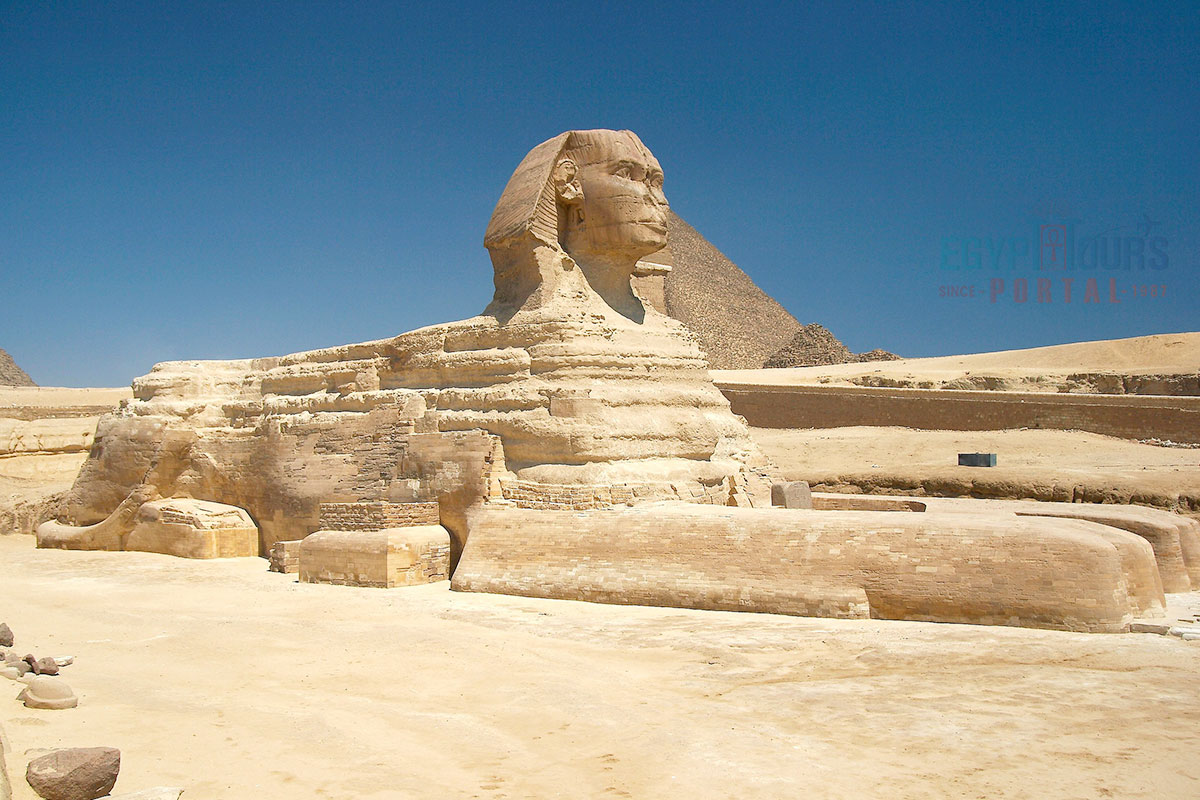
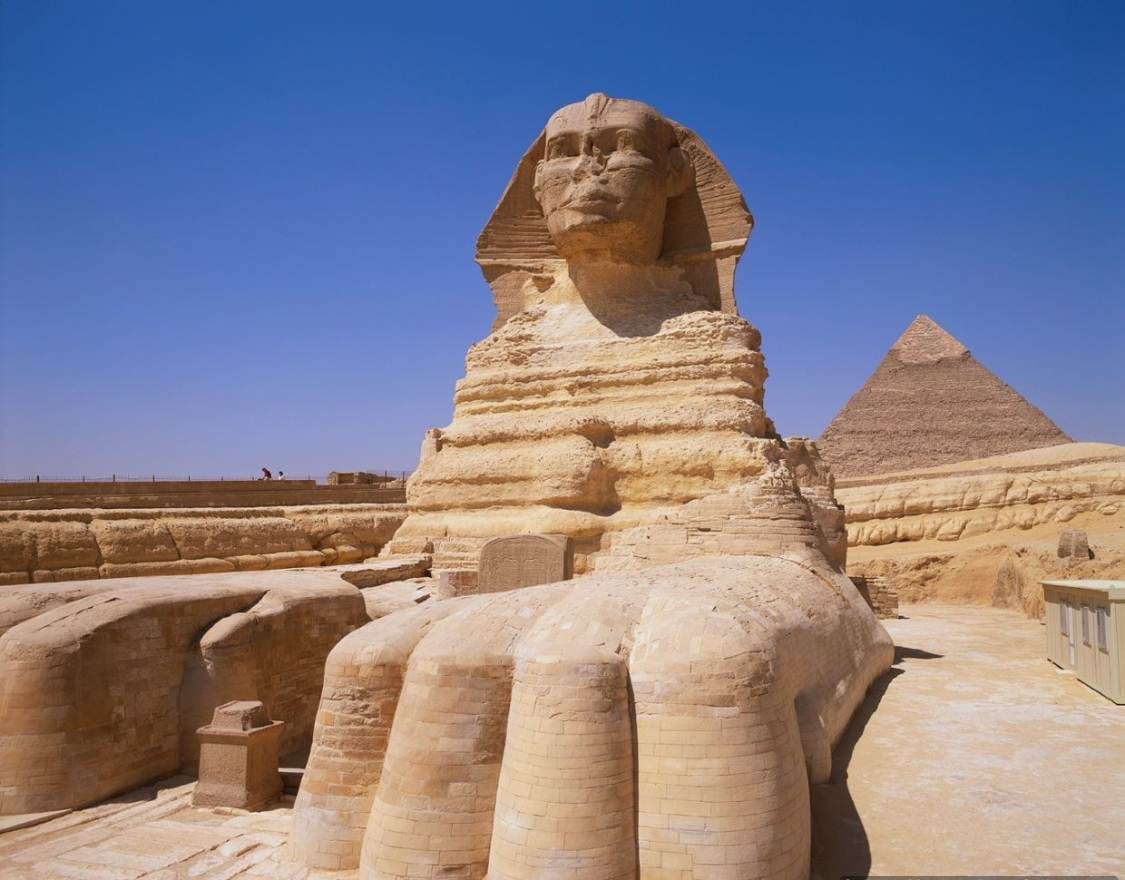
The Sphinx, the teller of stories and the spreader of dreams, is often linked with ancient Egypt, but is more of a symbolic representation than an individual mythical creature in Egyptian belief. It has been found in various cultures beyond Egypt, including Turkey and Greece. Egyptian Sphinxes had a lion's body and a human, falcon, or ram head, symbolizing protection for sanctuaries and pyramids and representing both the Pharaoh and Ra's divine power.

In contrast, Greek Sphinxes, offspring of the serpent Typhon, are usually seen as treasure-guarding monsters, differing from their Egyptian counterparts with wings and snake-like tails. All sphinxes share the common role of guarding treasures or wisdom and challenging travelers with riddles before allowing passage.

The Sphinx of Giza’s construction date is uncertain, but it's believed to resemble Pharaoh Khafre and dates back to around 2600-2500 BC. Some claim it's older due to water erosion evidence, but this idea lacks support. Other sphinxes include those with pharaoh heads, such as Hatshepsut's granite likeness now in the Metropolitan Museum of Art, and the alabaster Sphinx of Memphis.

Sphinxes of Egypt were guardians, often associated with sun deities like Sekhmet. They lined avenues and stairs at temples and tombs, symbolizing protection. The Great Sphinx is an iconic emblem of Egypt, appearing on stamps, coins, and official documents. In 2023, a limestone sphinx resembling Roman Emperor Claudius was discovered at Dendera Temple Complex.
Nov 19, 2017

The Great Sphinx

Discover all the sphinxes of the ancient Egyptian civilization

Uraeus – The Rearing Cobra of Royal Protection and Power

Uraeus - Egypt Tours Portal

The Uraeus, also known as the Ouraeus, means the rearing cobra, which is a stylized representation of an Egyptian cobra, symbolizing sovereignty, deity, and divine authority in ancient Egypt. It is associated with the goddess Wadjet, often depicted as a cobra, who was a protector of Lower Egypt and the Nile River. The Uraeus was worn by pharaohs either as a head ornament with Wadjet's body atop their heads or as a crown encircling their heads, signifying protection and reinforcing their authority, which explains why it was seen with the majority of ancient Egyptian Pharaohs encircling their Pschent or Double Crown.

The Uraeus played a role in the crowns worn by pharaohs and was an important emblem during the unification of Egypt around 3200 BC by Menes or Narmer, representing both Wadjet and Nekhbet, patron goddesses of different regions. As Egypt's pharaohs were seen as manifestations of the sun god Ra, the Uraeus was believed to spit fire on enemies from the goddess's fiery eye, further protecting the rulers. The Golden Uraeus of Senusret II, made of solid gold with intricate gemstone inlays, is one of the most notable examples.

The Uraeus was also used as a hieroglyph and adorned various artifacts, including statuary, jewelry, and buildings. In Egyptian art, the Uraeus was sometimes depicted as part of the Blue Crown worn by pharaohs, particularly in combat scenes, emphasizing its protective role. The concept of the Uraeus may have influenced the depiction of seraphim in later Abrahamic religious traditions.
Jun 24, 2018

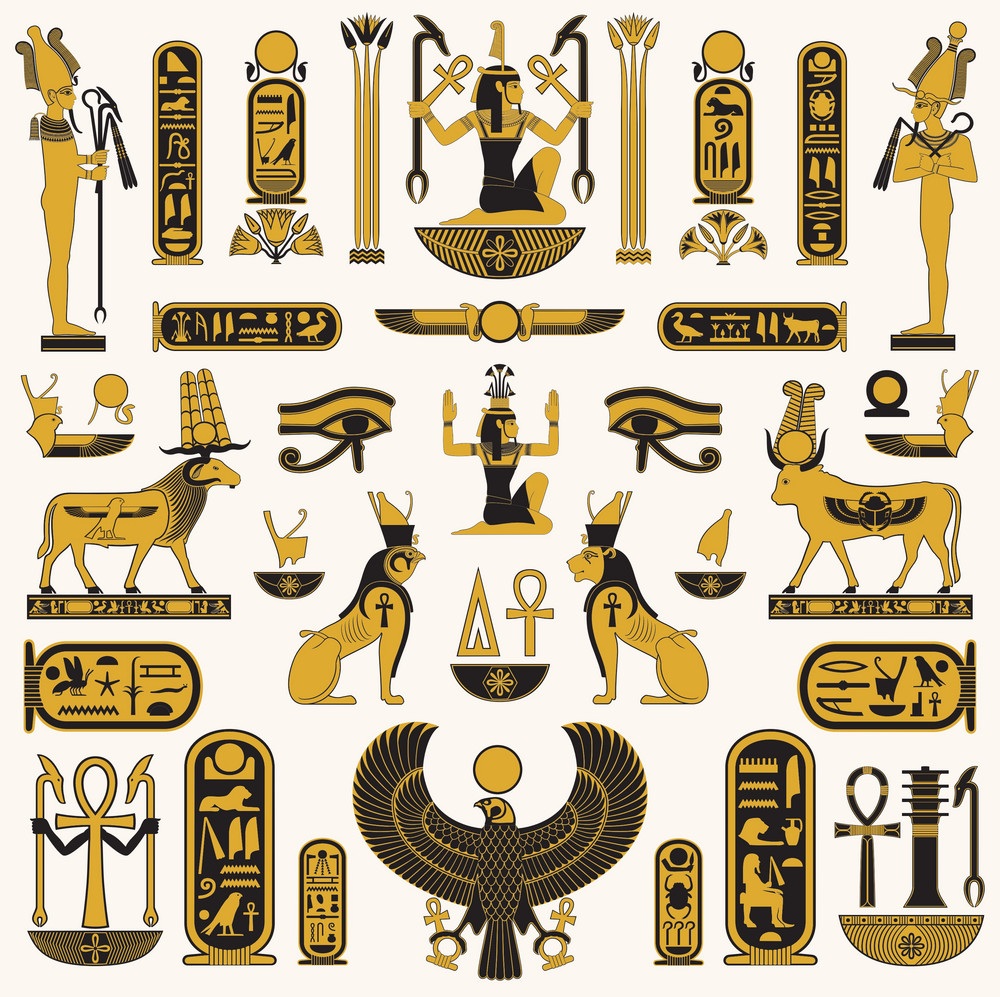
60 Famous Ancient Egyptian Symbols (Meanings & Facts)

Discover all the incredible symbols of the ancient Egyptian civilization

Witness the Mythical Embodiments of the Ancient Egyptian Civilization

The Ancient Egyptian Mythical Creatures and Monsters can be seen as the embodiment of the powerful unknown forces that once controlled their fate that with mysterious forces that were seen on various works of art on walls, amulets, and statues.

Each one of these creatures holds meaning behind it that tells the story of how the ancient Egyptians sought to understand their universe and navigated across their environment and even harnessed the powers of these legendary manifestations. Use every single moment by shedding light on the magical wonders of Egypt with our incredible Egypt Tours and marvelous Nile cruises

ETP TEAM

Egypt Tours Portal is dedicated to preserving and sharing the rich history, culture, and mysteries of ancient Egypt, helping travelers and history enthusiasts explore Egypt’s most iconic destinations and monuments. The team consists of experienced Egyptologists, archaeologists, historians, travelers, content creators, marketers, consultants, and explorers with 5–20 years of expertise in their respective fields.

The website provides accurate, regularly updated information developed by qualified experts and supported by trusted sources to ensure reliability and educational value. Drawing on more than 39 years of industry knowledge and resources, Egypt Tours Portal offers a wide range of travel services, including Egypt tours, Nile cruises, day tours, shore excursions and multi-country tours. Their services have earned positive reviews from travelers, recognition through awards, and mentions by respected news outlets and travel blogs, delivering both educational and memorable travel experiences across Egypt.

Leave a Comment

Don't Just See Egypt. Experience It.

From private sunrise viewings at Giza to dining with local families in Aswan, unlock an extraordinary journey crafted entirely around your pacing and desires.

Private Certified Egyptologists Handpicked Heritage Stays 100% Tailor-Made Pacing Zero Hidden Service Fees
Explore Egypt Tours
Pick Your Journey

Related Tours to This Article

4 Days Cairo Tour Packages
IATA-Egypt-Tours-Portal

4 Days Cairo Tour Packages

Great journey in Egypt for 4 days Cairo tour Packages joining a private tour guide to visit Giza Pyramids complex, Coptic & Islamic landmarks in old Cairo.
Cairo – Giza
4 Days / 3 Nights Classic Tour
4 Days Cairo and Alexandria Itinerary
IATA-Egypt-Tours-Portal

4 Days Cairo and Alexandria Itinerary

Book a private 4-day itinerary to explore Cairo and Alexandria's famous monuments, with stays in 5-star hotels. Secure your spot now!
Cairo / Giza / Alexandria
4 Days / 3 Nights Classic Tour
5 Days Cairo and Alexandria Tour Package
IATA-Egypt-Tours-Portal

5 Days Cairo and Alexandria Tour Package

Enjoy a 5-day Cairo and Alexandria tour with Giza Pyramids, Old Cairo, Alexandria Library, Qaitbay Citadel, Pompey's Pillar, hotels, guide and transfers.
Cairo / Giza / Alexandria
5 Days / 4 Nights Classic Tour
5 Days Cairo & Luxor Tour Package
IATA-Egypt-Tours-Portal

5 Days Cairo & Luxor Tour Package

Experience the Pyramids, Cairo, and Luxor with a private guide on our 5-day tour package. Book now for an unforgettable Cairo and Luxor adventure!
Cairo / Luxor
5 Days / 4 Nights Classic Tour
6 Days Cairo, Luxor & Aswan Holiday
IATA-Egypt-Tours-Portal

6 Days Cairo, Luxor & Aswan Holiday

Enjoy 6 Days Cairo, Luxor & Aswan tour package-joining a private tour guide to visit the most famous tourist attraction in Cairo, Luxor & Aswan. Book Now!
Cairo / Giza / Aswan / Luxor
6 Days / 5 Nights Classic Tour
6 Days Cairo and Nile Cruise Package
IATA-Egypt-Tours-Portal

6 Days Cairo and Nile Cruise Package

Exceptional 6 days Cairo and Nile Cruise package to visit Cairo & Pyramids, then Nile cruise Aswan to Luxor to visit ancient temples and tombs, Book Now!!!
Cairo / Aswan / Kom Ombo / Edfu / Luxor
6 Days / 5 Nights Classic Tour
7 Days Cairo and Hurghada Holiday
IATA-Egypt-Tours-Portal

7 Days Cairo and Hurghada Holiday

Join the 7-day Cairo and Hurghada holiday for a journey through Cairo's ancient attractions and a relaxing stay by the Red Sea in Hurghada.
Cairo – Giza – Hurghada
7 Days / 6 Nights Classic Tour
7 Days Cairo, Luxor & Hurghada Holiday
IATA-Egypt-Tours-Portal

7 Days Cairo, Luxor & Hurghada Holiday

Enjoy a 7-day Egypt tour to Cairo, Luxor, and Hurghada with Giza Pyramids, Karnak, Valley of the Kings, Hatshepsut Temple, Red Sea snorkeling & expert guides.
Cairo – Giza – Luxor – Hurghada
7 Days / 6 Nights Classic Tour
8 Days Cairo Nile Cruise and Hurghada Tour
IATA-Egypt-Tours-Portal

8 Days Cairo Nile Cruise and Hurghada Tour

Eight-day tour combining Cairo, a Nile cruise visiting Luxor & Aswan, and a relaxing stay in Hurghada to explore the Red Sea.
Cairo / Giza / Aswan / Kom Ombo / Edfu / Luxor / Hurghada
8 Days / 7 Nights Classic Tour
9 Days Cairo, Luxor & Hurghada Tour Package
IATA-Egypt-Tours-Portal

9 Days Cairo, Luxor & Hurghada Tour Package

Enjoy 8 nights / 9 days Cairo, Luxor & Hurghada tour package to visit ancient Egypt monuments in Cairo & Luxor, then move to Hurghada. Book now!!!
Cairo / Giza / Luxor / Hurghada
9 Days / 8 Nights Classic Tour
9 Days Alexandria, Cairo & Sharm El Sheikh Holiday
IATA-Egypt-Tours-Portal

9 Days Alexandria, Cairo & Sharm El Sheikh Holiday

Explore Alexandria, Cairo & Sharm El Sheikh in 9 days, with iconic sights in Cairo & Alexandria, and Red Sea adventures in Sharm El Sheikh.
Cairo / Giza / Alexandria / Sharm El Sheikh
9 Days / 8 Nights Budget Tour
10 Days Egypt Tour Cairo, Nile Cruise & Hurghada
IATA-Egypt-Tours-Portal

10 Days Egypt Tour Cairo, Nile Cruise & Hurghada

Join our 10-day tour of Egypt, featuring a visit to Cairo, a Nile cruise through Luxor and Aswan & a relaxing stay in Hurghada. Secure your booking today!
Cairo / Giza / Aswan / Kom Ombo / Edfu / Luxor / Hurghada
10 Days / 9 Nights Classic Tour
12 Days Hurghada, Cairo & Nile Cruise Holiday Packages
IATA-Egypt-Tours-Portal

12 Days Hurghada, Cairo & Nile Cruise Holiday Packages

Enjoy 12 Days Egypt tours to Cairo, Nile Cruise & Hurghada to visit the most famous attractions in Egypt. joining a private tour guide. Book Now!
Cairo / Giza / Aswan / Kom Ombo / Edfu / Luxor / Hurghada
12 Days / 11 Nights Classic Tour
13 Days Alexandria, Cairo and Nile Cruise Holidays
IATA-Egypt-Tours-Portal

13 Days Alexandria, Cairo and Nile Cruise Holidays

Enjoy 13 days Cairo and Nile cruise holidays in addition to visiting Alexandria sightseeing, then move to enjoy Red Sea holidays in Hurghada. Book Now!
Cairo / Giza / Aswan / Abu Simbel / Kom Ombo / Edfu / Luxor / Hurghada / Alexandria
13 Days / 12 Nights Classic Tour
15 Days Marvelous Tour Package in Egypt
IATA-Egypt-Tours-Portal

15 Days Marvelous Tour Package in Egypt

Book a 15-day tour of Egypt today to explore the renowned landmarks in top tourist destinations, then cap it off with a relaxing holiday at Hurghada.
Cairo/Giza/Aswan/Abu Simbel/Kom Ombo/Edfu/Luxor/Hurghada/Alexandria
15 Days / 14 Nights Classic Tour
Keep Exploring

What to Read Next

Dive deeper into this topic. Discover more insights, expert advice, and inspiration in our recommended articles.

Wed, 04 Jun 2025

ETP Team

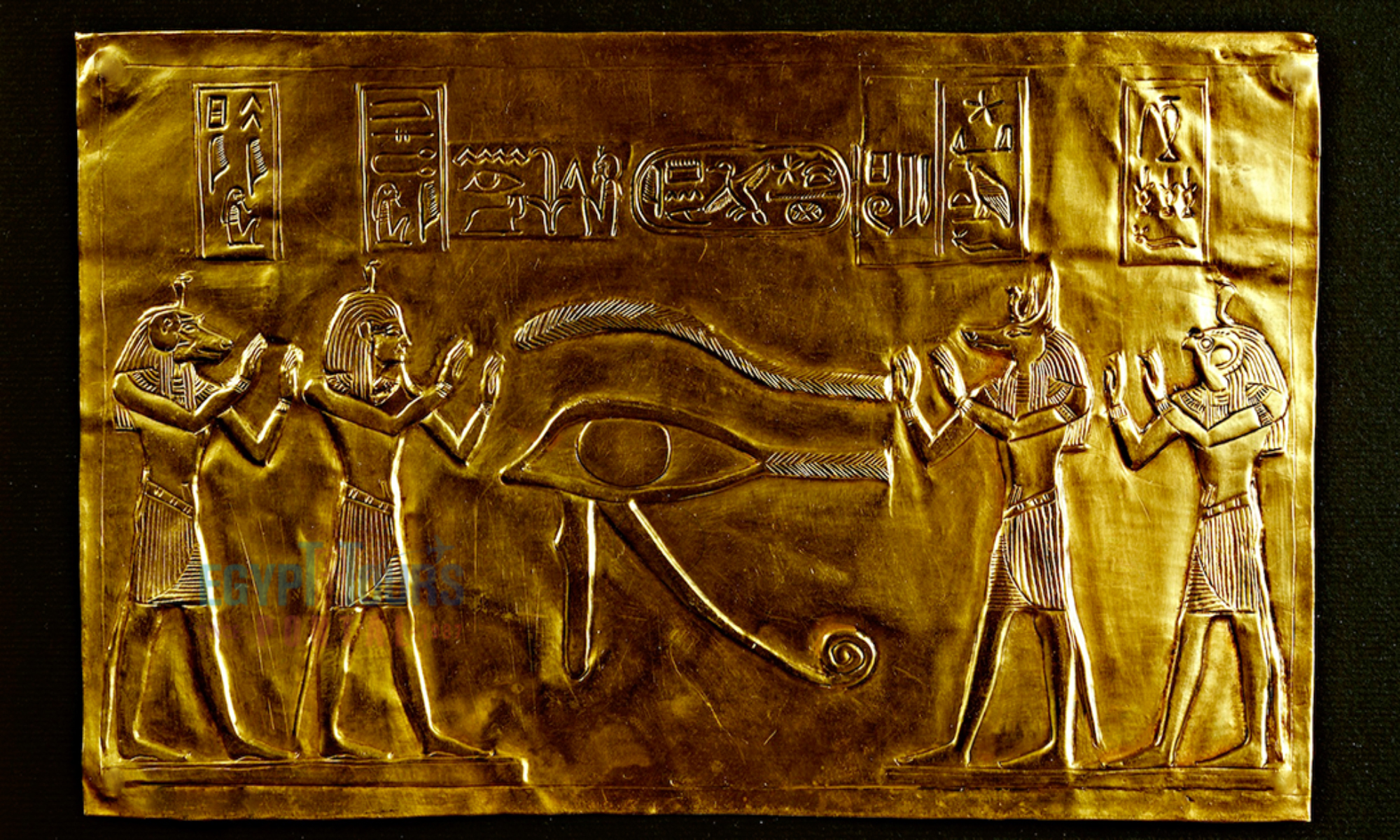
Eye of Horus Unveiled: Myth, Meaning, and Magic of Wadjet

Explore the Eye of Horus, an ancient Egyptian symbol of healing, protection, rebirth, and divine power, deeply rooted in myth, magic, and sacred rituals.

Wed, 27 Mar 2024

ETP Team

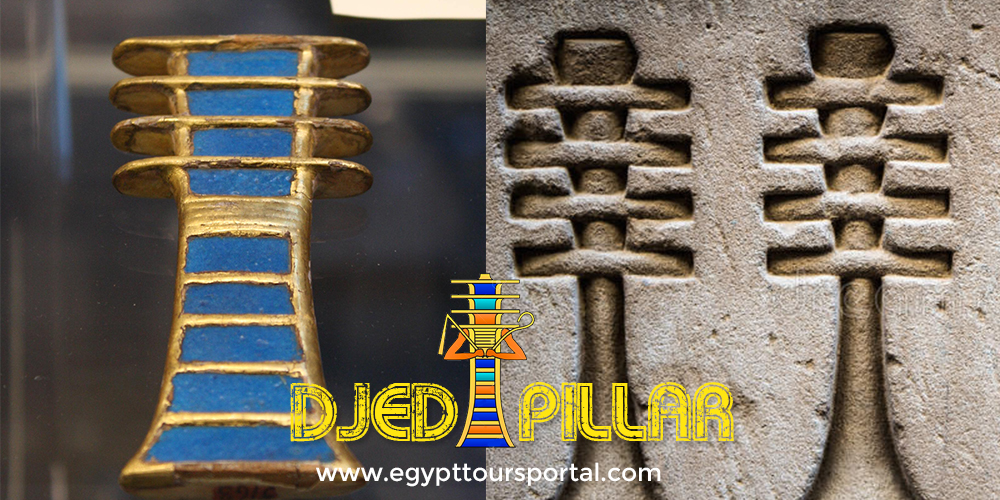
The Djed Pillar

The Djed pillar is one of the most famous symbols in ancient Egypt and was a symbol of stability, permanence, and immutability.

Sat, 31 May 2025

ETP Team

Was Scepter: Symbol of Power, Chaos, & Divine Authority

The Was Scepter is a symbol of power and an emblem of authority, it is associated with wealth and happiness, read about the Was Scepter.

Thu, 18 Apr 2024

ETP Team

Egyptian Scarab Beetle

The Egyptian Scarab Beetle was featured in Egyptian art, iconography and ancient Egyptian religion, read about The Egyptian Scarab Beetle

Wed, 28 Feb 2024

ETP Team

The Ouroboros Symbol

The Ouroboros symbol is one of the oldest ancient Egyptian symbols in history. The symbol was assimilated into several beliefs and cultures

Wed, 03 Jul 2024

ETP Team

The Pharaoh’s Curse

Delve into the Pharaoh's Curse and uncover the factual events of Lord Carnarvon’s death and King Tut’s tomb’s legendary curses.
Tue, 20 May 2025

ETP Team

Top 100 Ancient Egyptian Gods & Goddesses (Names & Facts)

Explore the top 100 ancient Egyptian gods and goddesses, Egyptian deities. Learn more about the names & powers of Egyptian gods & goddesses.
Tue, 20 May 2025

ETP Team

Egyptian Mythology Creation Story

Explore Egypt’s creation myths and the roles of gods like Ra, Amun, and Osiris in shaping the cosmos, offering deep insights into life, death, and the universe.
Tue, 27 May 2025

ETP Team

The Egyptian Mythology Story of Osiris

Discover the story of Egyptian mythology god Osiris, explore the hidden secrets of Egyptian mythology, know more about Egyptians civilization

Tue, 27 May 2025

ETP Team

Afterlife and Judgment in Ancient Egypt

Read about ancient Egyptian mythology afterlife and Judgment to discover the Egyptians' perspectives on the afterlife. Engage with history.

Sun, 05 Jul 2026

ETP Team

60 Famous Ancient Egyptian Symbols (Meanings & Facts)

Explore our comprehensive guide on the famous 60 ancient Egyptian symbols and their meanings. Learn more about the symbols of ancient Egypt!

Wed, 09 Jul 2025

ETP Team

Book of the Dead: Spells for the Ancient Egypt’s Afterlife

Uncover the secrets of Egypt’s Book of the Dead, magical spells, rituals, & beliefs that guided souls through judgment to eternal life in the afterlife.

Tue, 20 May 2025

ETP Team

The Eye of Ra and the Eye of Horus: Ancient Symbols of Power, Protection, and Wrath

Discover the Eye of Horus and the Eye of Ra, ancient Egyptian symbols of power, protection, and healing, shaping mythology, religion, and science for millennia.

Sat, 26 Apr 2025

ETP Team

Ancient Egyptian Mythical Creatures and Monsters of Legend Explained

Uncover the powerful stories of ancient Egyptian mythical creatures that symbolized chaos, rebirth, and divine power in one of history’s greatest civilizations.

Tue, 20 May 2025

ETP Team

Ancient Egyptian Magic: The Divine Force That Shaped Life, Death, and the Cosmos

Explore the power of witchcraft and magic in Ancient Egypt from healing and protection to death rituals, divination, amulets, and the cosmic force of Heka.

Book With Confidence

Why Travel With Egypt Tours Portal

The "Boutique" Advantage

01

We offer private, customizable journeys tailored to your pace, moving away from the "factory-style" mass-market tours.

Gold-Standard Guides

02

Travel with elite, licensed Egyptologists who act as storytellers, not just tour leaders.

Seamless Logistics

03

24/7 "high-touch" support with a dedicated coordinator for every aspect of your multi-vendor itinerary.

2026/04/egypt-tours-portal-clients-at-giza-pyramids.jpg
04

True Customization

Our "Tailor-Made" planning workflow ensures your trip matches your specific priorities and interests.

05

Luxury & Comfort

We prioritize premium guide quality and vetted, safe hotels to ensure a stress-free environment.

06

Protection & Security

Advanced safety protocols and 24/7 emergency contact for total peace of mind during your adventure.

Book With Confidence.

Book your trip with peace of mind knowing every detail is handled with care.

Enjoy flexible options, secure payments, and dedicated support to make your journey smooth and worry-free from start to finish.

Read Our Confidence Policy

Pay Monthly

Split your total trip cost into easy monthly installments, making it more flexible and affordable for your budget.

Fast Booking

Complete your booking in just a few simple steps with a quick and streamlined process designed to save you time.

24/7 Support

Our dedicated support team is available around the clock to assist you before, during, and after your trip.

Rated 5 Stars

Highly rated by thousands of travelers for quality service, reliable experiences, and unforgettable journeys.

Pay Monthly

Split your total trip cost into easy monthly installments, making it more flexible and affordable for your budget.

Fast Booking

Complete your booking in just a few simple steps with a quick and streamlined process designed to save you time.

24/7 Support

Our dedicated support team is available around the clock to assist you before, during, and after your trip.

Rated 5 Stars

Highly rated by thousands of travelers for quality service, reliable experiences, and unforgettable journeys.

Traveler Video Reviews

Inside The Experience: Watch Authentic Traveler Stories Before Booking

Clients Feedback
https://dynamic-media-cdn.tripadvisor.com/media/photo-o/12/04/24/3e/rk-w.jpg
Erin W
Kiawah Island, South Carolina

"We had a great experience touring Aswan, Edfu, and Luxor with Mahmoud. I would highly recommend him as a guide. He adapted to our needs (2 teenagers) and kept everything interesting. He was always prompt, professional, and easy to communicate with. He was also very prompt answering questions via WhatsApp"

Read More
https://dynamic-media-cdn.tripadvisor.com/media/photo-o/1a/f6/f1/79/default-avatar-2020-21.jpg
Estelle V

"We would like to share our wonderful experience with Egypt Tours Portal. From the very first quote to our final airport drop-off, we were impressed by the professionalism, organization, and excellent communication from Walaa and the entire team. Our tour guides in both Luxor (“Habibi” was the best!) and Cairo were incredibly knowledgeable, helpful, and passionate about sharing Egypt’s history and treasures with us. We especially appreciated how thoughtfully the itinerary was planned — allowing us time to rest in the afternoons, scheduling visits during the cooler hours, and remaining flexible to accommodate our needs. Everything was smooth, well-organized, and made our trip truly memorable. We wholeheartedly recommend Egypt Tours Portal to anyone looking to discover the incredible history, culture, and wonders Egypt has to offer."

Read More
https://dynamic-media-cdn.tripadvisor.com/media/photo-o/1a/f6/e7/3d/default-avatar-2020-55.jpg
Tim K

"We had an outstanding time touring Luxor with our guide, Essra. She was knowledgeable, professional, and incredibly kind throughout the entire experience. Her explanations of Karnak Temple, Luxor Temple, the Valley of the Kings, Hatshepsut Temple, and the Colossi of Memnon brought Egypt's history to life. What really set her apart was her thoughtfulness. She made sure we stayed comfortable in the heat, surprising us with water and refreshments. She also took us to an excellent local restaurant that we never would have found on our own. Her attention to detail, genuine care, and passion for sharing Egypt made this one of the highlights of our trip. We highly recommend her to anyone visiting Luxor. On another note, the drivers we had each day were great. So professional, always on time and personable."

Read More
https://dynamic-media-cdn.tripadvisor.com/media/photo-o/1a/f6/e2/a7/default-avatar-2020-44.jpg
Will S
Bluff Park, Alabama

"We had a great vacation. Omar Haridi did our Nile Cruise and Zizi did our Cairo tour. They were amazing and very knowledgeable."

Read More
https://dynamic-media-cdn.tripadvisor.com/media/photo-o/1a/f6/ed/00/default-avatar-2020-4.jpg
Mira F

"The best experience of my lifetime! Nour, the tour guide was absolutely amazing! Went over and beyond thinking about every little thing. I had a mishap and Egypt Air overbooked my flight and bumped me to a later flight causing me to miss an entire day of activities. Nour made sure I got to do every single thing I missed that first day. But that’s not all: his knowledge of old Egypt is unparalleled, he truly brings Egypt (Aswan Luxor) alive. I’ve traveled all over the world and met many tour guides: Nour stands apart from all of them. He’s also considerate, caring and genuinely wants his guests to enjoy the trip and learn the most about the incredible history of Egypt. He’s also funny and genuinely great to be around. Please, do yourself a favor when booking a trip in Upper Egypt and ask for Nour. Hands down the best guide ever!"

Read More
https://dynamic-media-cdn.tripadvisor.com/media/photo-o/1a/f6/f6/0d/default-avatar-2020-34.jpg
Paul B
Hook, United Kingdom

"Excellent guide Mr Mohamed Osman, who was incredibly knowledgeable and very informative. Couldn't ask for more. Food on day 1 was ok, but much better at lunch on day 2. Hotel was excellent. Also our driver was excellent. All in all a great experience. Would highly recommend."

Read More
https://dynamic-media-cdn.tripadvisor.com/media/photo-o/1a/f6/eb/6d/default-avatar-2020-19.jpg
Marianna A

"Our experience in Egypt, especially in Luxor and Aswan, was truly unforgettable, and a huge part of that was thanks to our incredible guide Omar. We cannot recommend him highly enough. From the moment we met him, it was clear that he was exceptionally knowledgeable, professional, and deeply passionate about Egyptian history and culture. What made our tour extraordinary was that our guide is not only a master’s in Egyptology but is also currently pursuing a PhD in Egyptology. His depth of knowledge was absolutely remarkable. He is also very creative and artistic. Every temple, tomb, monument, and historical site came alive through his explanations. He did not simply recite facts, he explained the historical context, symbolism, religious beliefs, architecture, and fascinating stories behind everything we saw. It truly felt like we were traveling through ancient Egypt with a real scholar and expert by our side. He brought ancient Egyptian history to life by assigning us the roles of Egyptian gods and legendary heroes. Through these interactive mini-plays, we were able to experience, understand, and truly connect with the stories he shared. In Luxor, visiting Karnak Temple, Luxor Temple, the Valley of the Kings, and Hatshepsut Temple became an unforgettable educational and emotional experience because of the way he explained the history in such an engaging and easy-to-understand manner. In Aswan, his insights about Philae Temple, Nubian history, and ancient Egyptian civilization added so much depth to our trip. He answered every question thoughtfully and with incredible detail, and you could genuinely feel his passion for Egyptology. Beyond his academic expertise, he was one of the kindest and most caring people we met during our travels. He constantly made sure we were comfortable, safe, hydrated, and enjoying ourselves. He was patient, attentive, organized, and always willing to help with anything we needed. His warm personality and kindness made us feel welcomed not just as tourists, but as friends. He also paced the tours perfectly, allowing us enough time to truly appreciate each site without ever feeling rushed. His professionalism, friendliness, and genuine care created a relaxed and enjoyable atmosphere throughout the trip. Thanks to him, our visit to Egypt became far more than a vacation. It became an unforgettable journey into history and culture. If you are planning to visit Luxor, Aswan, or anywhere in Egypt, choosing this guide will be one of the best decisions you can make. He is truly exceptional, and we feel incredibly lucky to have had him as our guide. Thank you again for such an amazing experience. We will never forget it. Marianna and Khris"

Read More
https://dynamic-media-cdn.tripadvisor.com/media/photo-o/1a/f6/f0/d5/default-avatar-2020-17.jpg
James H

"This has been a tour agency and guides I can’t wait to give a glowing review to and to recommend to friends and family. Both Riham and Walid were happy to help coordinate excursions and share a wealth of knowledge. 10/10 experience"

Read More
https://dynamic-media-cdn.tripadvisor.com/media/photo-o/1a/f6/ec/a2/default-avatar-2020-3.jpg
H D

"We had a wonderful experience with the 5 day cruise. The price is wry reasonable. The best part is that the visits are done in very small numbers with a guide. It is almost like having a private guide. The food was good with lots of variety and all the staff members are very friendly and helpful. Omar Haradi, our guide was very knowledgeable and very generous with his time and with sharing his knowledge."

Read More
https://dynamic-media-cdn.tripadvisor.com/media/photo-o/1a/f6/f2/59/default-avatar-2020-24.jpg
Marlina
West Palm Beach, Florida

"We just returned home from an incredible trip to Egypt, and we cannot say enough good things about Egypt Tours. From the moment we booked our trip until the day we flew home, their communication, organization, and attention to detail were outstanding. Our adventure began in Cairo, where we were warmly welcomed at the airport by our guide, Abdulrahman Mosbah. He immediately made us feel comfortable and at ease, and our Nile River sunset cruise was the perfect introduction to Egypt. Abdul’s warm personality and infectious enthusiasm made our first day both fun and memorable. The following day, we toured with Reda Elgendy, who brought the pyramids to life with fascinating stories and historical insights. Seeing the Grand Egyptian Museum (GEM) was truly breathtaking and a highlight of our time in Cairo. In Aswan, we were greeted at the airport by Ahmed Haggag, who guided us over the next two days. Ahmed was incredibly knowledgeable, thorough in his explanations, and always kept us entertained with his great sense of humor. We learned so much while enjoying every moment of our time with him. Our final stop was Luxor, where we met Ghada Kamel. Saving the best for last, Ghada was absolutely exceptional. Her passion for Egypt’s history and culture made our visits to the temples and the Valley of the Kings unforgettable. She was engaging, informative, and truly outstanding. This trip exceeded all of our expectations. Not only did we experience some of the world’s most amazing historical sites, but each of our guides also shared valuable insights into Egyptian culture and daily life. We returned home with wonderful memories, a deeper appreciation for Egypt, and gratitude for the amazing team at Egypt Tours. We highly recommend Egypt Tours to anyone planning a trip to Egypt. It was truly the trip of a lifetime!"

Read More
https://dynamic-media-cdn.tripadvisor.com/media/photo-o/1a/f6/de/5a/default-avatar-2020-36.jpg
Alejandro M

"We loved it, great experience and treatment. Our guide Noah had great knowledge of the subject. Thank you very much."

Read More
https://dynamic-media-cdn.tripadvisor.com/media/photo-o/1a/f6/f0/d5/default-avatar-2020-17.jpg
Jeff T

"Our trip in May 2026 was fantastic! We saw all the major wonders of Egypt! Our incredibly knowledgeable guide Walid Ahmed met us at the hotel and was great at explaining all the particular uniqueness of each tomb and temple, inserting background myths and stories, keeping our tour on track, taking and sharing so many pictures so we could be in them as a couple and helping us navigate local customs. We strongly recommend Egypt, the tour and Walid!"

Read More
https://dynamic-media-cdn.tripadvisor.com/media/photo-o/1a/f6/e7/3d/default-avatar-2020-55.jpg
Joe P

"We had a wonderful week long vacation in Egypt, split between Cairo and Luxor. The tour was very professionally run with excellent communication starting weeks before our arrival and then nearly daily while in Egypt. A highlight was our English-speaking guide in Luxor, Walid Ahmed, who was extremely knowledgeable and exceptionally kind. The tour was flexible and accommodating, allowing last minute special detours and restaurant choices. Overall, it was one of the best vacations of our life."

Read More
https://dynamic-media-cdn.tripadvisor.com/media/photo-o/1a/f6/f1/79/default-avatar-2020-21.jpg
Damien B

"We had Ahmed Refaat as our family guide in Cairo, and he truly made our trip to Egypt unforgettable. His positive attitude, passion for Egypt’s history and culture, and incredible patience made all the difference throughout our stay in Cairo. Ahmed brought every site to life with fascinating explanations and was always attentive to our needs, making the experience enjoyable for both adults and children. We especially recommend him for visits to Saqqara and the Grand Egyptian Museum (GEM), where his deep knowledge and enthusiasm greatly enhanced our understanding and appreciation of these extraordinary places. Without any hesitation, we highly recommend Ahmed Refaat to anyone visiting Egypt. Thank you again for helping create such wonderful memories for our family!"

Read More
https://dynamic-media-cdn.tripadvisor.com/media/photo-o/1a/f6/ef/73/default-avatar-2020-13.jpg
Departure20554993605

"Knowledgeable guide, clean vehicle, interesting stories about the sites. Tour guide: Muhmmed Abd El-aal was very nice to be in the company of, dry attentive and honest."

Read More
HELP CENTER

Frequently Asked Questions

Ancient Egypt had various mythical creatures in its mythology, which were sometimes good and sometimes evil. These creatures were often depicted in art, literature, and religious texts, and they played significant roles in the cultural and religious beliefs of the ancient Egyptians that affected their lives daily.
One of the most powerful and fearsome Egyptian monsters is the serpent-like creature known as Apep or Apophis enemy of the light that represented chaos, darkness, and destruction. It was often depicted as a massive serpent or dragon-like creature and was believed to be an adversary of the sun god Ra. The ancient Egyptians saw Apep as an arch-enemy of Ma'at and a force that threatened to devour Ra and plunge the world into eternal darkness.
Many animals were considered sacred in Egyptian mythology, which held special significance in religious practices and symbolism. Five of these sacred animals are: Scarab Beetle or the Scarabaeus sacer was associated with the sun god Ra and was a symbol of transformation, regeneration, and rebirth. Many amulets of the Scarab were found worn by most of the ancient Egyptians, which offered great protection and deep meaning. Cats, Catus the Felis catus, were highly revered and associated with the goddess Bastet, who represented home, fertility, and protection. Many women held statues of the cat goddess, and many amulets were worn by them to ensure the safety of their homes and families. Falcons were particularly the peregrine falcon, were associated with the sky falcon god of the sky and air, Horu, who symbolized kingship, protection, and the sky. Falcon was seen in the presence of many kings, as seen across all the artworks and statues. Ibis or the Threskiornithidae was linked to the god Thoth, who represented wisdom, knowledge, writing, and lunar cycles, and the Cow or Ibis was associated with Hathor, the goddess of Joy and pleasure. Crocodile or the Crocodylus niloticus was associated with the god Sobe, the source of the Nile, who symbolized strength, power, and fertility, especially related to the Nile River.
The legendary monster, the Great Sphinx of Giza, had the body of a lion and the head of the Pharaoh Khufu, who is one of the most iconic and recognizable mythical creatures in Egyptian culture. It was associated with various deities and represented wisdom, protection, and guardianship. Many believe the ancient Egyptians worshipped the sphinx for many ages for its great mystery and mythical power.
The Egyptian god who gives the breath of life to all living creatures is Atum. Atum is often depicted as a creator deity, and in some versions of Egyptian mythology, he is believed to have brought forth the first gods and the world by breathing and speaking.
Mythical monsters, such as Apep and the chaos serpent, played a significant role in Egyptian creation myths. They represented the forces of chaos and disorder that the gods and cosmic order had to battle against to establish and maintain harmony in the world, which was known as Maat. The struggle between these mythical monsters and the gods was often depicted as a central theme in creation narratives, symbolizing the ongoing battle between order and chaos.
Snakes held complex symbolism in Egyptian mythology. While some snakes, like Apep, represented chaos and destruction, others were associated with protection, healing, and rebirth. The Uraeus, on the other hand, was a stylized cobra symbol which was often worn on the crowns of pharaohs and deities as a symbol of sovereignty and divine authority. Snakes were also linked to the goddess Wadjet and were considered protective symbols.
Yes, besides Apep (Apophis), other mythical creatures were associated with chaos and destruction in Egyptian mythology. One such creature is the serpent-demon Ammut (also spelled Ammit or Ahemait). Ammut was depicted as a hybrid creature with the body of a crocodile, the front legs of a lion, and the hindquarters of a hippopotamus. It was believed to devour the hearts of souls judged unworthy in the afterlife during the weighing of the heart ceremony. This act would result in the soul's ultimate destruction, highlighting Ammut's role in the process of cosmic judgment and the maintenance of cosmic order.
The entire country of Egypt deserve to be explored with its every heavenly detail but there are places that must be seen before any other such as the breathtaking Hurghada's red sea, The wonders of Cairo the pyramids of Giza, the great sphinx, the Egyptian Museum, Khan El Khalili Bazaar, the wonders of Luxor like Valley of the Kings, Karnak & Hatshepsut temple and the wonders of Aswan such as Abu Simbel temples, Philea temple, Unfinished obelisk and The Wonders of Alexandria like Qaitbat Citadel, Pompey's Pillar and Alexandria Library. Read more about the best places to visit in Egypt.
If you want to apply for a Visa On Arrival that lasts for 30 days then you should be one of the eligible countries, have a valid passport with at least 6 months remaining and pay 25$ USD in cash, as for the E-Visa for 30 day you should have a valid passport for at least 8 months, complete the online application, pay the e-visa fee then print the e-visa to later be presented to the airport border guard. You could also be one of the lucky ones who can obtain a free visa for 90 days. Read more about Egypt travel visa.
Egypt has a variety of delicious cuisines but we recommend "Ful & Ta'meya (Fava Beans and Falafel)", Mulukhiya, "Koshary", a traditional Egyptian pasta dish, and Kebab & Kofta, the Egyptian traditional meat dish. Read more about Top Traditional Egyptian Food.
The best time to travel to Egypt is during the winter from September to April, as the climate becomes a little tropical, accompanied by a magical atmosphere of warm weather with a winter breeze. You will be notified in the week of your trip if the Climate is unsafe and if any changes have been made. Read more about Best Time to Visit Egypt.
You should pack everything you could ever need in a small bag so you can move easily between your destinations. Read more about What to Pack for Your Egypt Tour.
We have been creating the finest vacations for more than 20 years around the most majestic destinations in Egypt. Our staff consists of the best operators, guides and drivers who dedicate all of their time & effort to make you have the perfect vacation. All of our tours are customized by Travel, Financial & Time consultants to fit your every possible need during your vacation. It doesn't go without saying that your safety and comfort are our main priority and all of our resources will be directed to provide the finest atmosphere until you return home.
You will feel safe in Egypt as the current atmosphere of the country is quite peaceful after the government took powerful measures like restructuring the entire tourist police to include all the important and tourist attractions in Egypt. Read more about is it safe to travel to Egypt.
Wear whatever feels right and comfortable. It is advised to wear something light and comfortable footwear like a closed-toe shoe to sustain the terrain of Egypt. Put on sun block during your time in Egypt in the summer to protect yourself from the sun.
The best activity is by far boarding a Nile Cruise between Luxor and Aswan or Vise Versa. Witness the beauty of Egypt from a hot balloon or a plane and try all the delicious Egyptian cuisines and drinks plus shopping in old Cairo. Explore the allure and wonders of the red sea in the magical city resorts of Egypt like Hurghada and many more by diving and snorkeling in the marine life or Hurghada. Behold the mesmerizing western desert by a safari trip under the heavenly Egyptian skies.
There are a lot of public holidays in Egypt, too many to count, either religious or nation, the most important festivals are the holy month of Ramadan, which ends with Eid Al Fitr, Christmas, and New Year's Eve. Read more about festivals & publich holidays in Egypt.
Egypt is considered to be one of the most liberal Islamic countries but it has become a little bit conservative in the last couple of decades so it is advised to avoid showing your chest, shoulders or legs below the knees.
Arabic is the official language and Most Egyptians, who live in the cities, speak or understand English or at least some English words or phrases. Fewer Egyptians can speak French, Italian, Spanish, and German. Professional tour guides, who work in the tourism sector, are equipped to handle visitors who cannot speak Arabic and they will speak enough English and other languages to fulfill the needs of all our clients.
The fastest way is a car, of course, a taxi. If you are in Cairo ride a white taxi to move faster or you could board the fastest way of transportation in Egypt metro if the roads are in rush hour.
The temperature in Egypt ranges from 37c to 14 c. Summer in Egypt is somehow hot but sometimes it becomes cold at night and winter is cool and mild. The average of low temperatures vary from 9.5 °C in the wintertime to 23 °C in the summertime and the average high temperatures vary from 17 °C in the wintertime to 32 °C in the summertime. The temperature is moderate all along the coasts.
It is the home of everything a traveler might be looking for from amazing historical sites dating to more than 4000 years to enchanting city resorts & beaches. You will live the vacation you deserve as Egypt has everything you could possibly imagine.
Our Partners

Partners Who Share Our Vision of Quality Travel

Partner Logo
Partner Logo
Partner Logo
Partner Logo
Partner Logo
Partner Logo
Partner Logo
Partner Logo
Partner Logo
Partner Logo