Summary
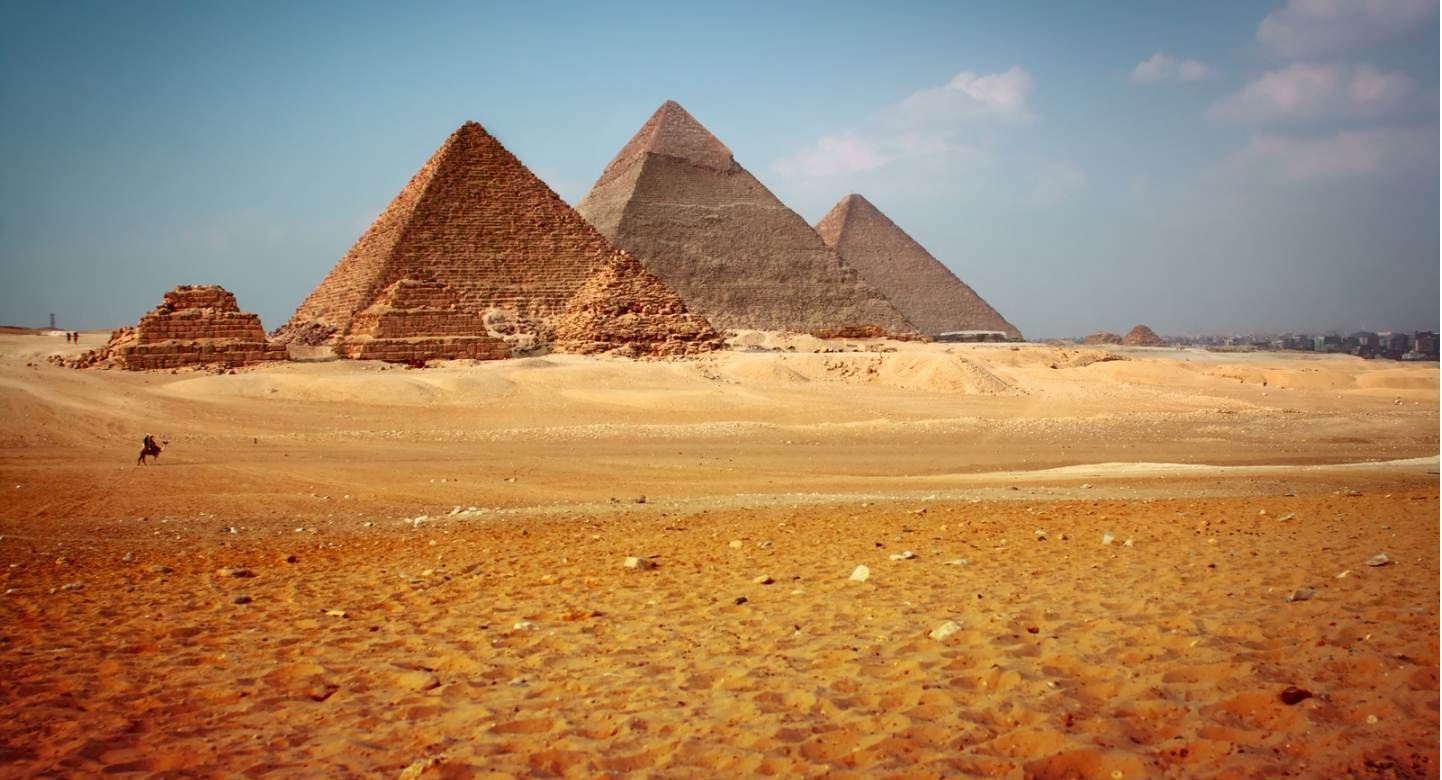
- The Giza Pyramids Complex is one of the world’s greatest archaeological sites, featuring the pyramids of Khufu, Khafre, and Menkaure, the Great Sphinx, temples, causeways, and cemeteries.
- Built during Egypt’s Old Kingdom in the Fourth Dynasty, the complex served as a vast royal funerary landscape designed to protect the pharaohs and support their journey to the afterlife.
- The pyramids demonstrate extraordinary engineering, astronomy, and surveying skills, with precise alignment to the cardinal directions and highly advanced construction methods.
- Archaeological discoveries prove the pyramids were built by skilled workers, not slaves, who lived in organized settlements with access to food, medical care, and proper burial.
- The site continues to fascinate scholars and visitors because of its hidden chambers, underground features, new discoveries, and enduring mysteries about its construction, symbolism, and purpose.
The Giza Pyramids Complex, a.k.a the Giza Plateau, is a symbol that sheds some light on the ultimate level of human innovation and unbreakable will. This article's main purpose is to offer everyone all the information and facts about the great Giza pyramids complex. This article was written by a group of very knowledgeable, professional, and skilled individuals of tour operators, tour guides, and travel consultants who have decades of experience. No monument on earth can reflect the true definition of the word glory more than the majestic Giza Plateau. The ancient Pharaohs preserved the pyramids as a magical ladder leading to the heavens to take their rightful place next to the gods.
The complex became a true symbol of ancient Egyptian civilization, showcasing all the elements that made this land the source of innovation in every aspect of human life. The Giza necropolis is known to be a heavenly royal burial ground for the kings of ancient Egypt. The Giza Necropolis holds the three great pyramid complexes of Giza, the Sphinx, the noble workers' village, which contains several small industrial complexes, and several cemeteries. Also within the complex are smaller “queen pyramids”, the village pyramids, and many causeways.
The complex contains the last remaining monument of the seven wonders of the ancient world, the Great Pyramid of Khufu, next to two other pyramids, each impressive in its unique manner and representing the level of political and economic stability, plus unimaginable knowledge and skill in the art of construction and architecture.
The Grand History of The Giza Pyramids Complex
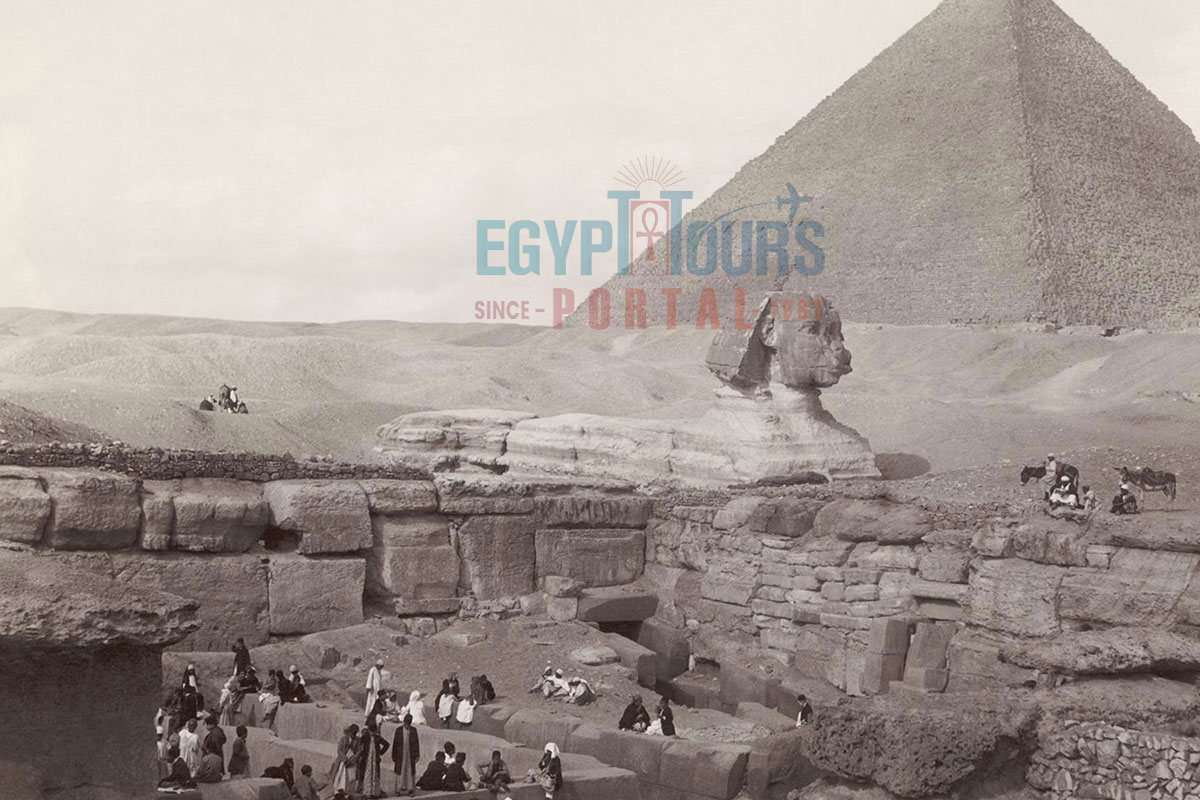
The Giza Pyramids Complex stands as one of the oldest and most enduring testimonies to human civilization, reflecting not only the ambition of the pharaohs but also the advanced knowledge, planning, and societal structure of ancient Egypt. The history of the Giza Pyramids Complex dates back to the height of Egypt's old kingdom (2686 – 2181 BC) during the 4th dynasty (2613 – 2493 BC), a period marked by strong centralized power, economic stability, and remarkable architectural innovation. The complex was developed as a royal necropolis for three successive pharaohs, Khufu, Khafre, and Menkaure, each of whom constructed a pyramid along with a full funerary complex that included temples, causeways, and subsidiary tombs. The Pyramid Fields of Memphis and its Necropolis became part of the UNESCO World Heritage Site in 1979 AD
The Khufu pyramid, the earliest and largest, set a new standard in scale and precision, followed by Khafre’s pyramid, which is associated with the Great Sphinx, and Menkaure’s smaller but still significant monument. These structures were not built in isolation but formed part of a carefully planned sacred landscape designed to reflect religious beliefs about the afterlife, where the pharaoh’s soul would ascend to the heavens and join the gods.
Over time, the site expanded to include cemeteries for royal family members, officials, and workers, as well as a fully functioning workers’ village that reveals a highly organized labor system rather than slave-based construction. Even after the Old Kingdom, Giza remained an important cultural and religious site, with continued activity during later periods of ancient Egyptian history. They gained widespread recognition during the Hellenistic period, when the Great Pyramid was included by Antipater of Sidon among the Seven Wonders of the Ancient World. Today, it remains the oldest of these wonders and the only one that has survived to the present day.
Location of the Magnificant Giza Pyramids Complex
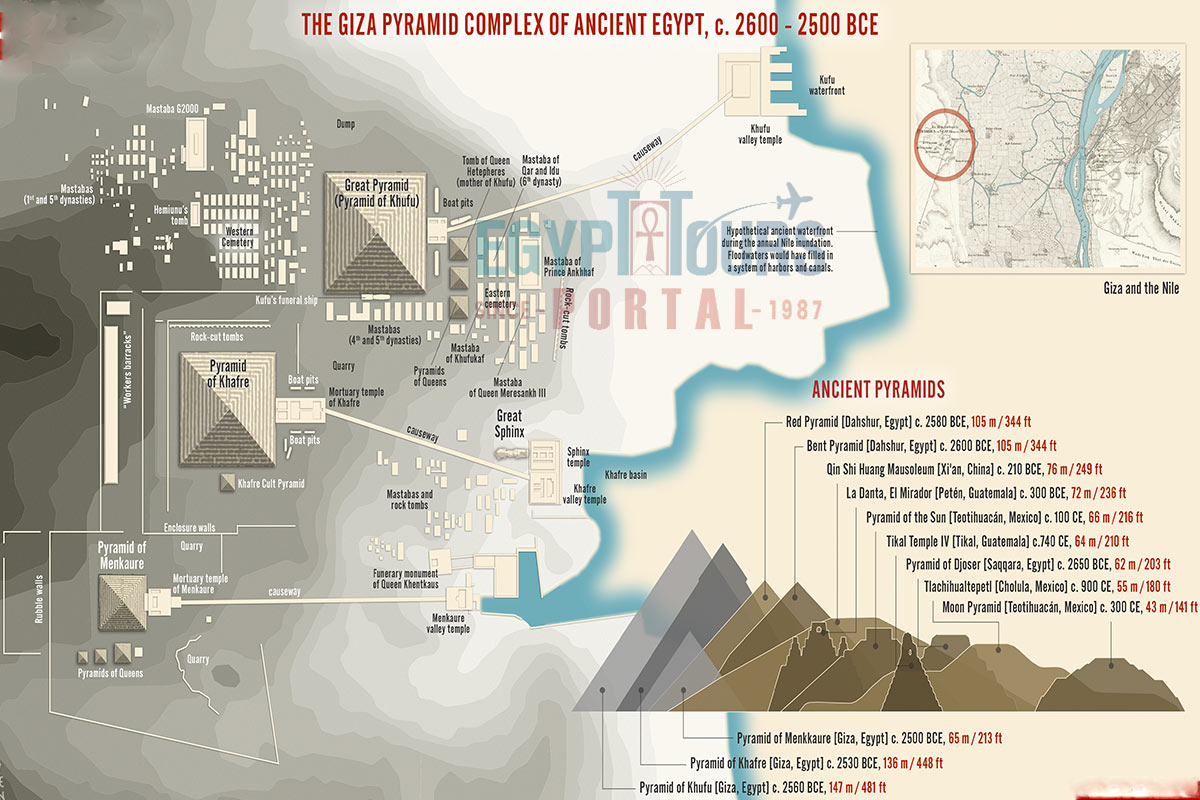
The Giza Pyramids Complex is strategically located on the Giza Plateau, a rocky desert plateau on the western bank of the Nile River, just outside modern-day Cairo. It lies approximately 9 kilometers (5.6 miles) west of the Nile and about 13 kilometers (8 miles) southwest of Cairo’s city center, placing it at the boundary between fertile agricultural land and the vast Western Desert.
This location was deliberately chosen by the ancient Egyptians, as the west bank of the Nile was symbolically associated with death and the afterlife, where the sun sets, making it the ideal setting for royal burial sites. In terms of geology, the plateau provided a stable limestone bedrock foundation, essential for supporting the immense weight of the pyramids, while also supplying much of the building material directly from the site.
The complex has an area of 16,203.36 ha (162.0336 km2; 62.5615 sq mi), which forms the northernmost part of the broader Memphis necropolis, which extends southward to include Saqqara and Dahshur, reflecting its connection to Egypt’s ancient capital, Memphis. Its proximity to the Nile was equally important, as it allowed for the transport of massive stone blocks via boats and canals, integrating the construction process with the natural landscape. This carefully selected location demonstrates the ancient Egyptians’ deep understanding of geography, engineering, and religious symbolism, combining practicality with spiritual meaning in one of the most iconic settings in the world.
The Purpose of The Giza Pyramids Complex
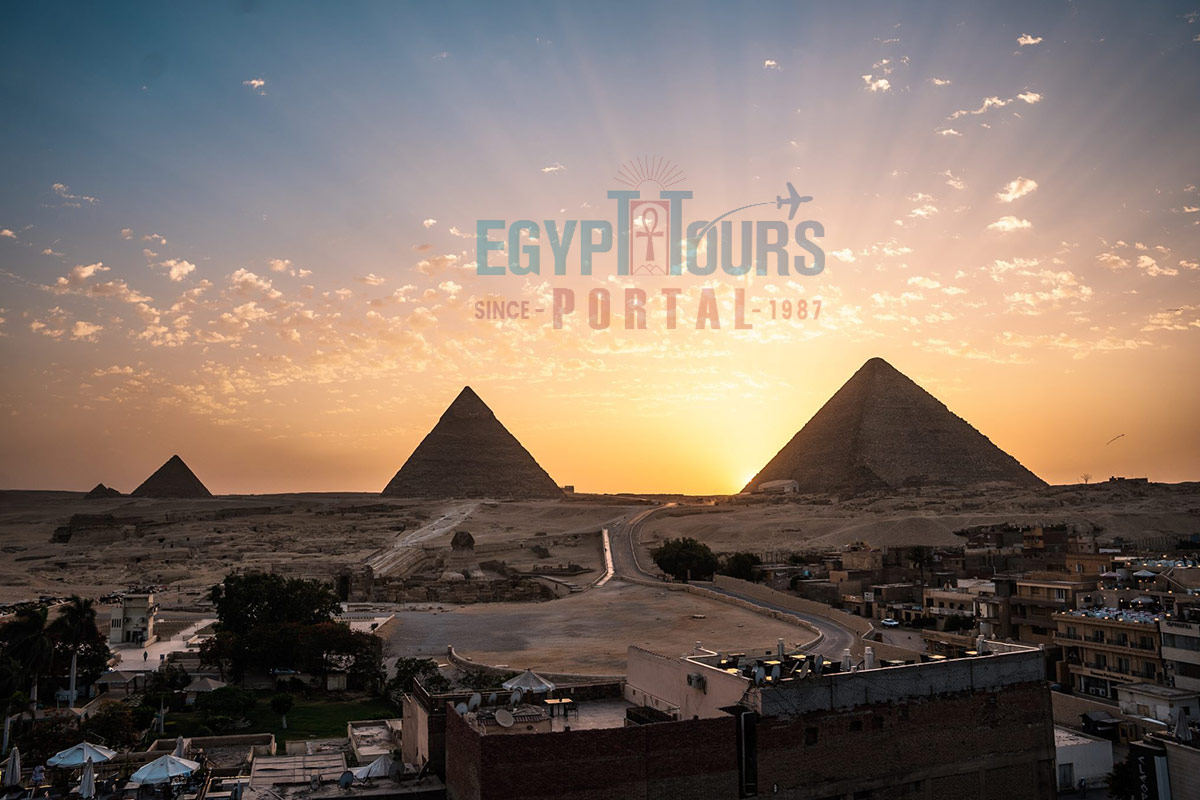
The Giza Pyramids Complex was created as a royal funerary landscape rooted in the religious, political, and cosmological beliefs of ancient Egypt, with the primary purpose of securing the eternal life of the pharaohs. Each pyramid served as a monumental tomb for a king after death, who was Khufu, Khafre, and Menkaure, and was designed to protect the mummified body and preserve the ruler’s identity for the afterlife. Yet the complex was far more than a burial site, as it also included mortuary temples, valley temples, causeways, and satellite pyramids, all of which played essential roles in the rituals intended to sustain the pharaoh’s spirit, or “ka,” after death.
Egypt's pyramids themselves carried profound symbolic meaning, representing both the primordial mound of creation and the rays of the sun, thereby linking the deceased king to the sun god Ra and supporting his ascent to the heavens. Their precise alignment with the cardinal directions, along with possible astronomical associations, further reflects the ancient Egyptian desire to connect royal burial with the cosmic order. At the same time, the sheer scale and precision of these monuments expressed the pharaoh’s divine status and absolute authority, reinforcing political power and unity throughout the kingdom.
In this way, the Giza Pyramids Complex functioned as both a sacred burial ground and a carefully designed spiritual and political statement, ensuring the king’s transformation into an eternal, god-like being while displaying the brilliance and sophistication of ancient Egyptian civilization.
The Majestic Layout of The Giza Pyramids Complex
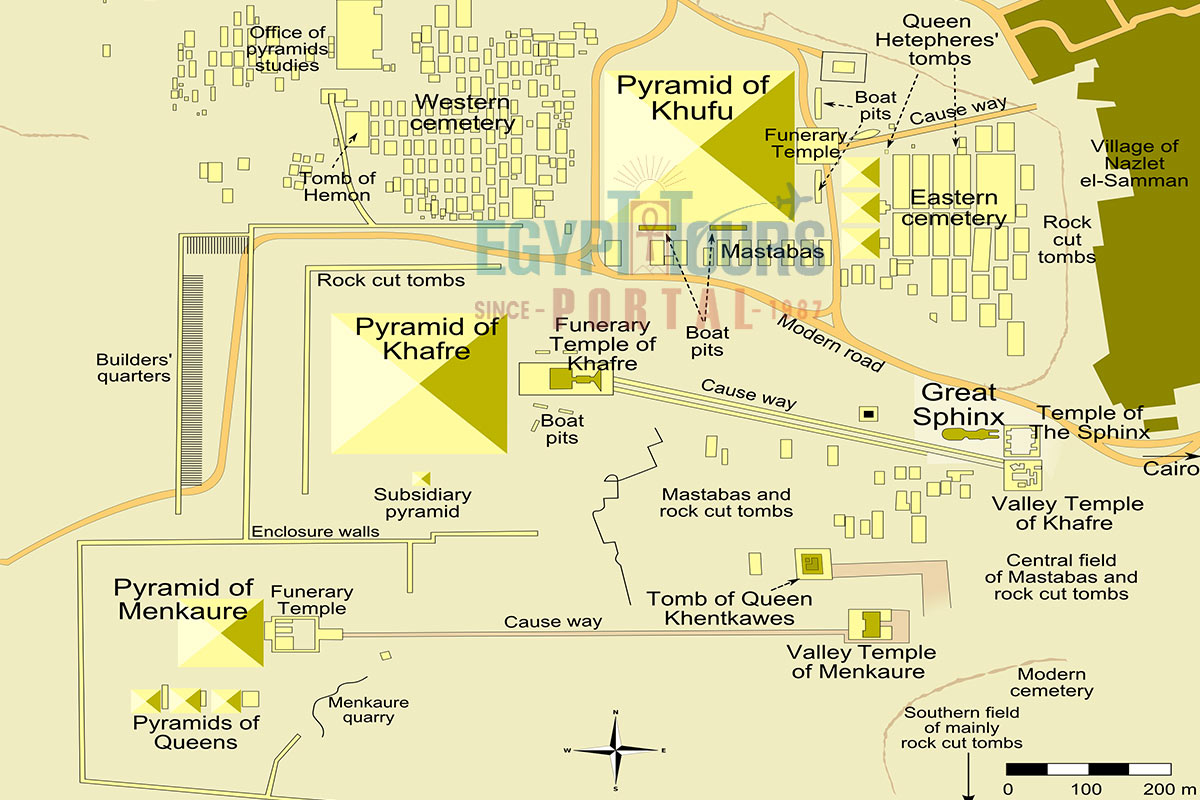
The layout of the Giza Pyramids Complex reflects a highly organized and symbolic design that combines architectural precision with religious meaning across a vast necropolis covering about 16,203.36 hectares (62.5615 square miles). At its heart stand the three great pyramids of Khufu, Khafre, and Menkaure, each serving as the center of its own funerary complex that included a mortuary temple on the eastern side, a valley temple near the edge of the Nile floodplain, and a causeway linking the two.
Surrounding these main monuments are several queens’ pyramids, smaller satellite pyramids, and extensive mastaba cemeteries arranged for royal family members, wives, children, nobles, and high officials. On the eastern side of Khafre’s pyramid stands the Great Sphinx, a monumental guardian figure that further reinforces the sacred and ceremonial character of the site.
The entire complex is aligned with remarkable accuracy to the cardinal directions, showing the advanced surveying abilities of the ancient Egyptians, while some scholars have also connected the arrangement of the three main pyramids to the Orion constellation correlation theory. The complex was further supported by a large surrounding wall and a nearby workers’ village, dating to the middle of the Fourth Dynasty (2520–2472 BC), along with workshops, storage areas, and administrative facilities that sustained both construction and ritual activity.
Although the pyramids were later targeted by tomb robbers, resulting in damaged interiors, missing treasures, and the loss of royal remains, the overall arrangement still reveals that the Giza Pyramids Complex was never a random collection of monuments, but a deliberately planned ceremonial, funerary, and symbolic landscape where ancient Egyptian architecture, kingship, and cosmic beliefs were seamlessly united.
The Ethereal Astronomy of the Giza Pyramids Complex
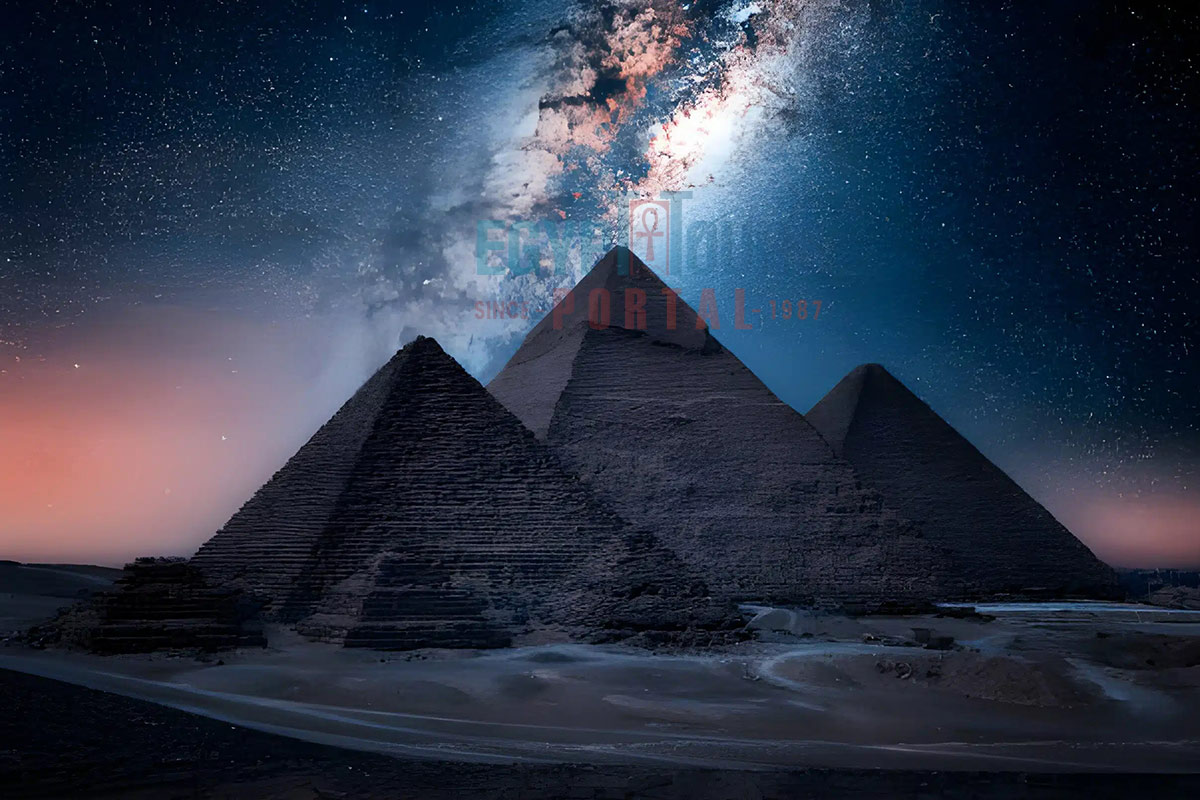
The astronomy of the Giza Pyramids Complex reflects the ancient Egyptians’ advanced understanding of the sky and its deep connection to their religious beliefs and royal ideology. The pyramids are aligned with extraordinary precision to the cardinal directions: north, south, east, and west, with only a minimal margin of error, demonstrating sophisticated surveying techniques likely based on observations of the sun and stars. This alignment was not merely practical but symbolic, linking the monuments to the concept of cosmic order, or “Ma’at,” which governed both the universe and Egyptian society.
One of the most discussed theories is the possible correlation between the three main pyramids and the three stars of Orion’s Belt, which were associated with the god Osiris, the ruler of the afterlife. According to this interpretation, the layout of the pyramids may have been designed to mirror the heavens, reinforcing the idea that the pharaoh would join the gods after death. Additionally, the internal shafts within the Great Pyramid, often called “star shafts,” appear to align with specific celestial bodies, including stars in Orion and the constellation associated with the circumpolar “imperishable stars,” which never set below the horizon and symbolized eternal life.
Solar alignment also played a key role, as the pyramids’ shape itself may represent the rays of the sun, linking the king to the sun god Ra and his daily journey across the sky. Together, these astronomical features reveal that the Giza Pyramids Complex was designed not only as a physical burial site but as a cosmic structure, integrating architecture with the movements of the heavens to ensure the pharaoh’s eternal existence among the divine.

Ancient Egyptian Astronomy: Mapping the Heavens Along the Nile
Discover ancient Egypt's celestial wisdom—monument alignments, a 365-day calendar, and the deep ties between astronomy, religion, agriculture, and governance.
The Genius Construction of The Giza Pyramids Plateau
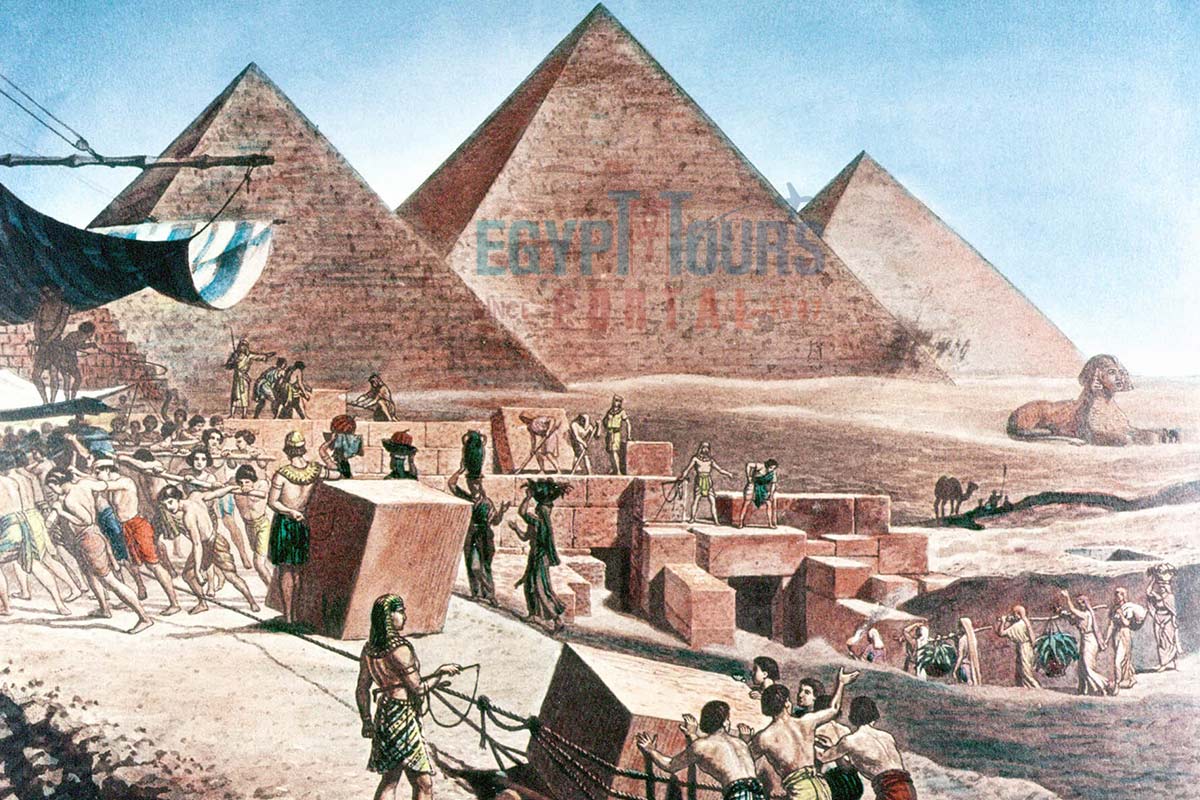
How the pyramids were built is a very important and complex question as the construction of the Giza Pyramids Complex remains one of the most studied engineering achievements in ancient history, and although no single theory explains every stage with complete certainty, most explanations agree that the pyramids were built by quarrying massive stone blocks, transporting them to the site, and dragging, lifting, and setting them into position with remarkable precision. Here are the steps of how the pyramids of Giza came to be, step by step:
Site Selection and Foundation Preparation
The builders first selected a stable area of flat limestone bedrock rather than loose sand, creating a secure foundation for monuments of enormous weight. After carefully surveying the site, they laid the first courses of stone and continued building upward in horizontal levels, one layer above another, ensuring long-term stability and structural accuracy.
Quarrying and Building Materials
The majority of the limestone used in the pyramids was quarried directly on the Giza Plateau, while the fine white casing limestone came from Tura and granite for chambers and structural elements came from Aswan. This shows that the project depended on both local quarrying and long-distance transport, reflecting the advanced logistical capacity of the ancient Egyptian state. There is also a theory that states limestone recycling took place where the ancient Egyptians
Transporting the Stone Blocks
Evidence from the Wadi el-Jarf papyri, especially the diary of the inspector Merer, indicates that high-quality limestone was transported by boat along the Nile and through a canal or basin system linked to Giza, after which the blocks were hauled across land to the construction area. One of the most widely accepted transport theories suggests that workers placed the stones on wooden sledges and dragged them across wet sand, reducing friction and making the transfer easier.
Theories of Raising the Stones
As for raising the stones to higher levels, scholars have proposed several methods, including straight external ramps, encircling ramps, zigzag ramps, and spiral ramps, all of which would have allowed blocks to be pulled upward as the pyramid rose. Another influential theory argues for an internal ramp system, in which stones were moved through a passage built inside the pyramid’s outer shell, while some researchers also suggest that levers were used in the upper stages, where large ramps may have become impractical.
There is also the spiral ramp theory, which suggests that instead of building enormous ramps outside the pyramid, of which no clear archaeological evidence has ever been found, the ancient Egyptians may have used an internal spiral ramp built within the pyramid’s structure itself. This hidden ramp would have allowed workers to gradually move the heavy limestone blocks upward from the inside, offering a more efficient and controlled construction process while explaining the absence of ramp remains around the site. The theory also connects to the function of internal features like the Grand Gallery, proposing it may have been used as part of a lifting or counterweight system. Supported by modern scans revealing unexplained voids within the pyramid, this idea provides a logical explanation for the pyramid’s incredible precision and engineering, although it remains a debated hypothesis among scholars rather than a confirmed fact.
These theories are not necessarily contradictory, and many Egyptologists believe that different techniques may have been used at different phases of construction and for different types of stone.
Tools and Stone Working Techniques
For the softer limestone, workers likely used copper tools to cut and shape the blocks, while harder granite was worked using abrasive sands and rough stone powders, with copper tools assisting in the finishing process. These methods demonstrate a practical and highly skilled approach to working with materials of very different hardness.
Precision and Exterior Finishing
To maintain the pyramid’s symmetry, the exterior casing stones had to be cut to uniform dimensions and carefully trimmed so that they fit together with exceptional precision, creating a smooth outer surface of polished limestone. Most of this outer casing was later removed in the Middle Ages for building projects in Cairo, which explains why only limited traces survive today.
Time, Labor, and Workforce Estimates
Debate has long surrounded the time and labor required for construction. The Greek historian Herodotus claimed the Great Pyramid took 20 years and 100,000 workers laboring in three-month shifts, while modern historians more commonly estimate that the project lasted about 20 to 27 years and involved roughly 20,000 to 30,000 year-round workers and craftsmen who had houses, medical care, and were paid regularly for their work.
Altogether, the evidence shows that the pyramids were not the result of mystery or lost technology, but of careful planning, evolving construction methods, strong administration, skilled labor, and highly efficient logistics refined through generations of pyramid building before Giza.
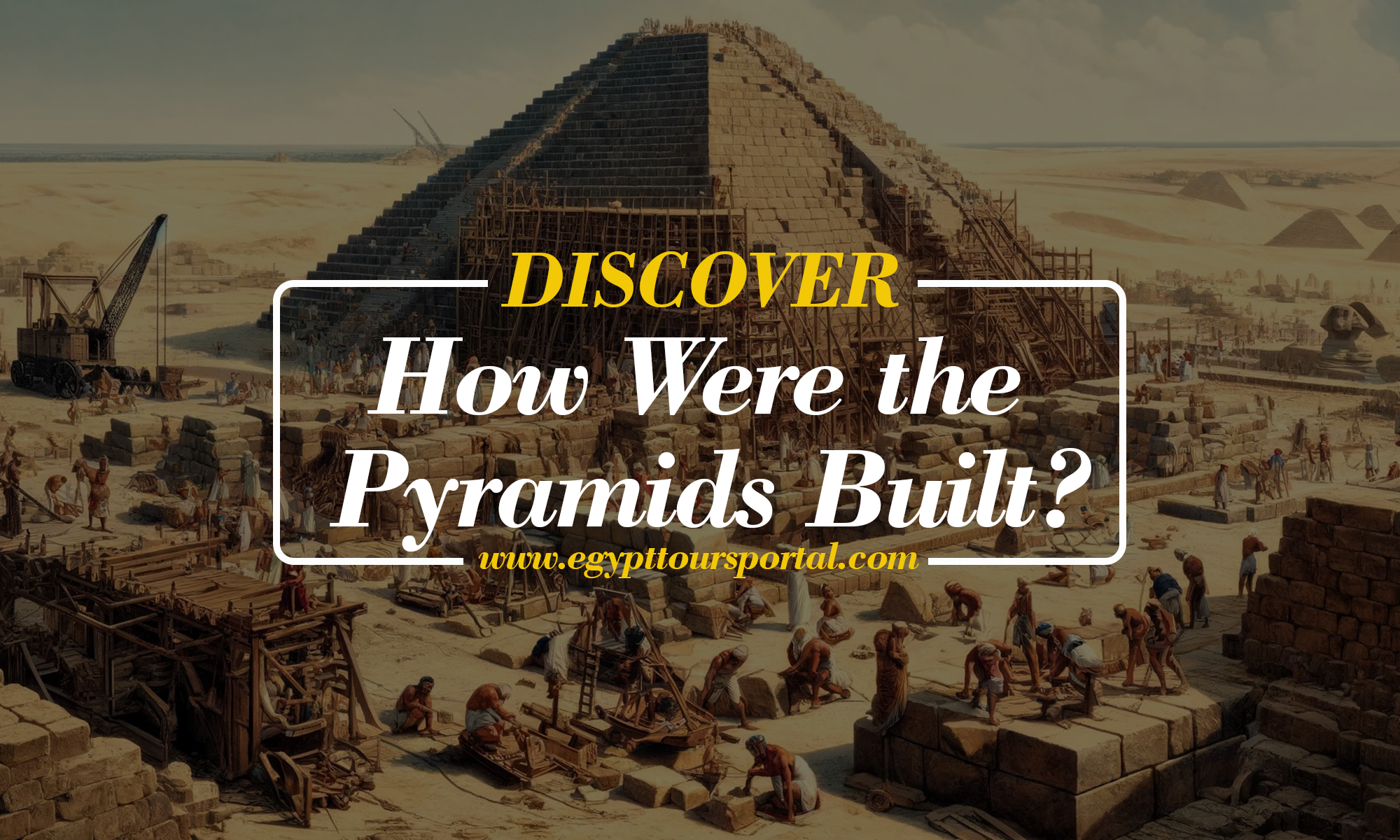
How Were the Pyramids Built?
Solved, how the Pyramids were built, explore the top information about this question, read more about the workforce, architecture, and more..
What is inside the Great Pyramids of Giza
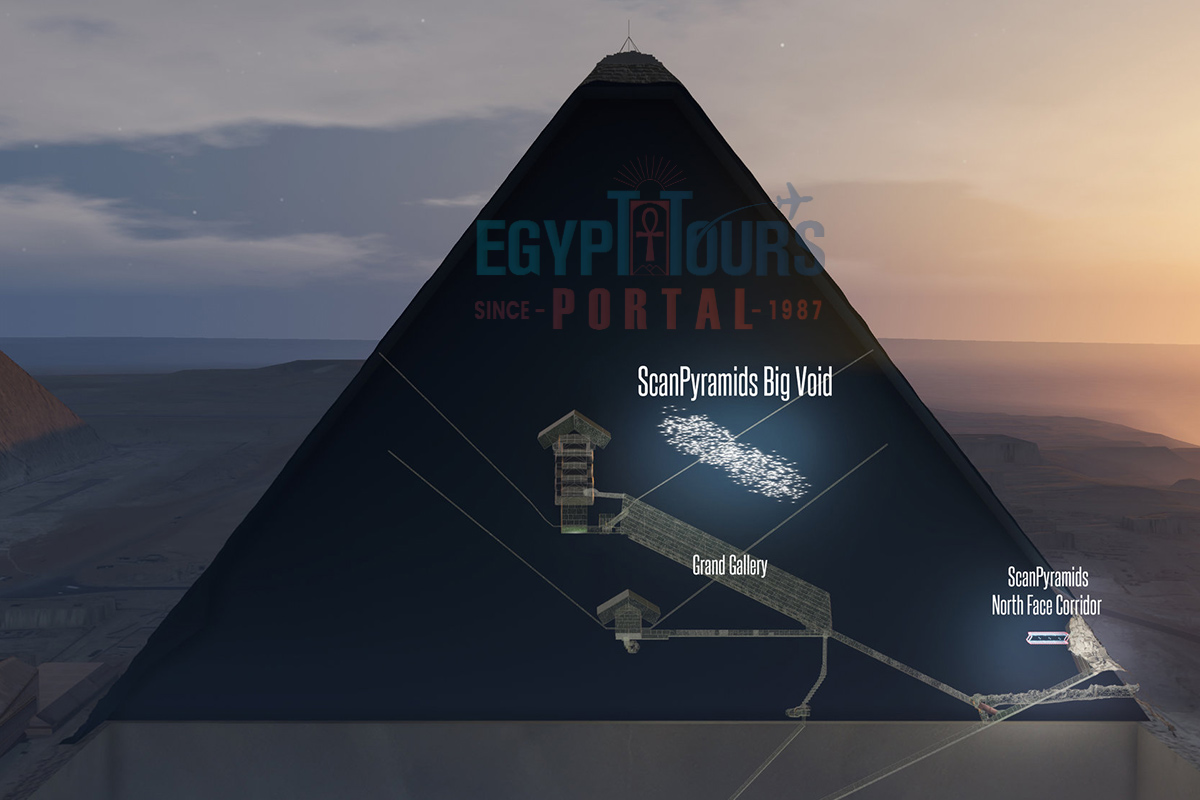
The interior of the pyramids, particularly the Great Pyramid of Khufu, reveals a sophisticated and carefully planned architectural design. Inside, there are several key chambers and passageways, including the Grand Gallery, a long ascending corridor built with corbelled stone blocks; the King’s Chamber, constructed from massive granite blocks and containing a large sarcophagus; and the Queen’s Chamber, whose exact purpose remains uncertain but may have had symbolic or ritual significance. Beneath the pyramid lies the Subterranean Chamber, carved directly into the bedrock and left unfinished, adding to the mystery of these structures. Narrow shafts, sometimes referred to as “air shafts” or “star shafts,” extend from the chambers and may have had symbolic connections to the stars and the afterlife. Overall, the interior layout reflects both advanced engineering and deep religious meaning, designed to facilitate the pharaoh’s journey to eternity.
How Many Pyramids Are in the Giza Pyramids Complex
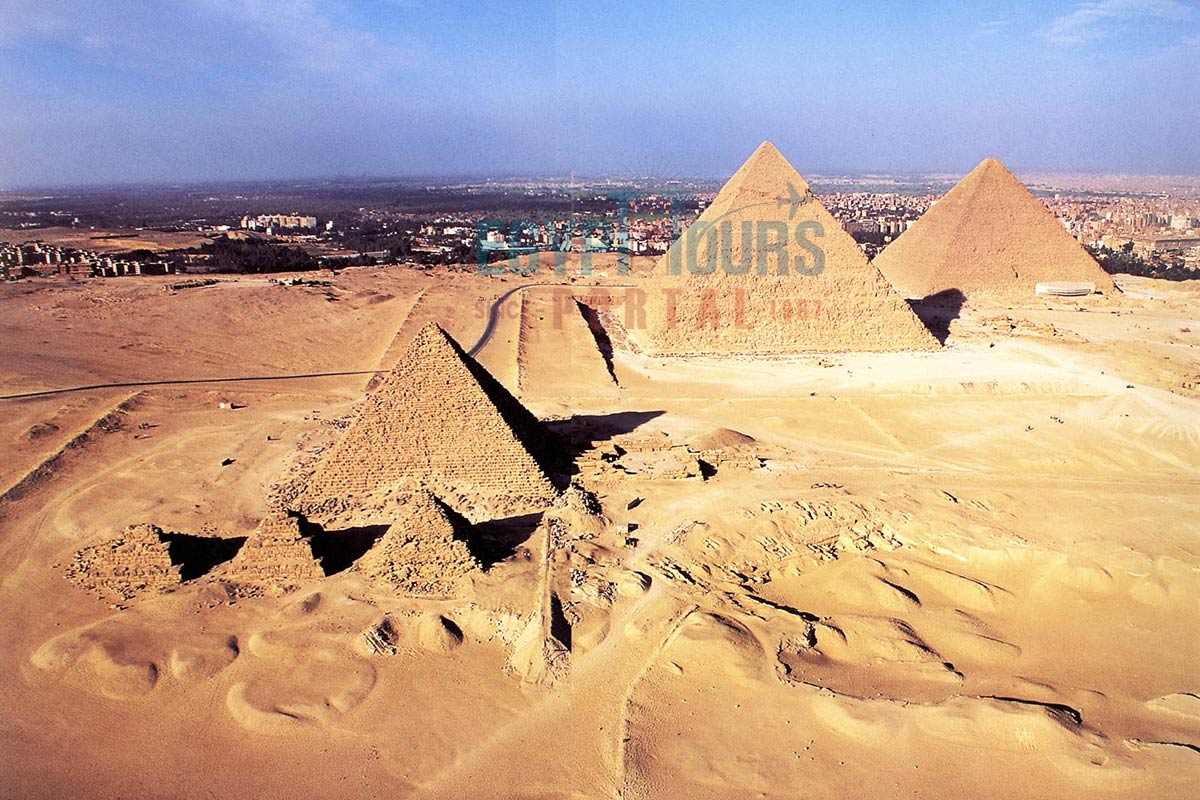
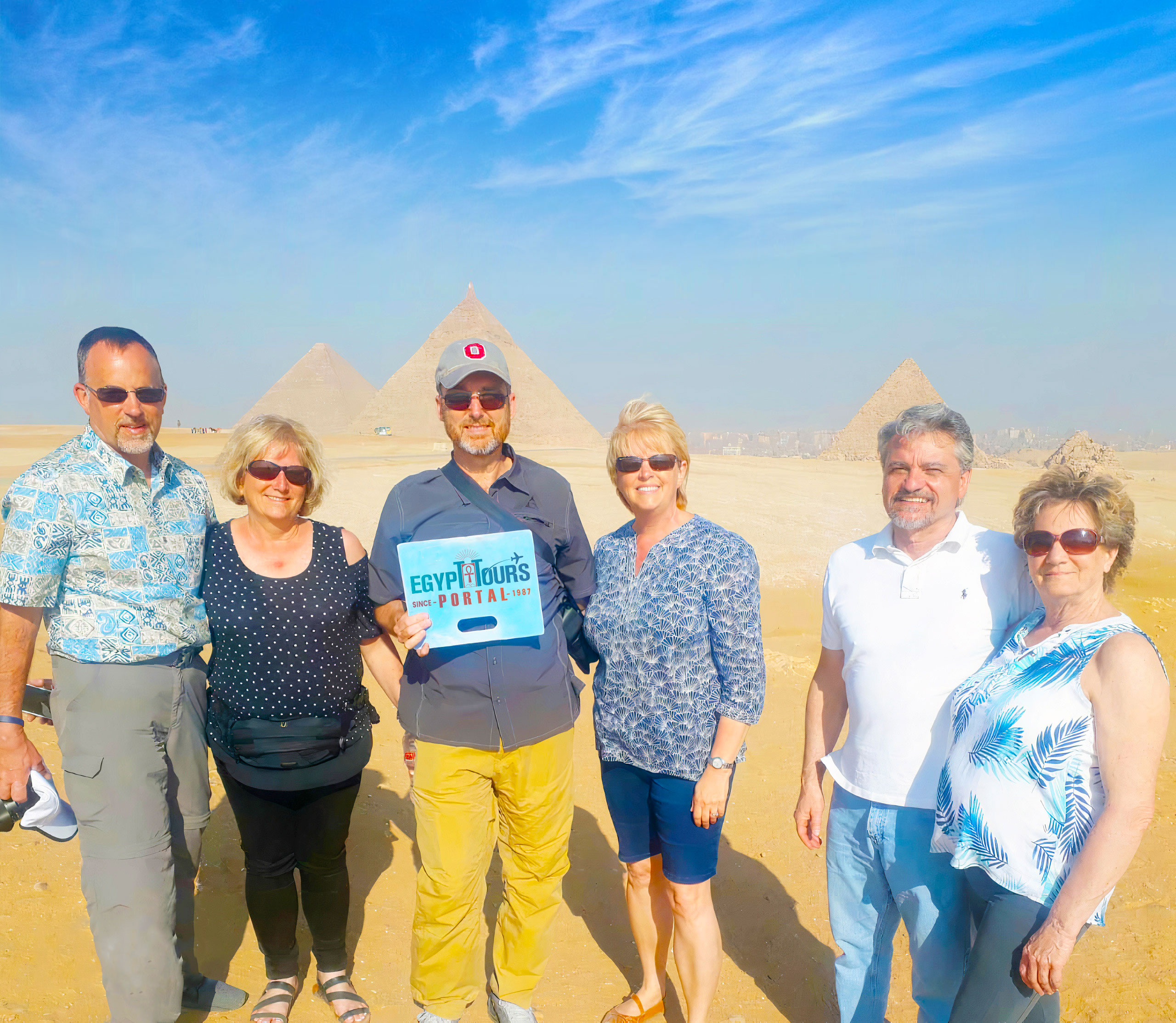
The Giza Pyramids Complex contains three main pyramids, those of Khufu, Khafre, and Menkaure, which are the most prominent and largest structures on the site. However, when considering the entire complex, there are more than 10 pyramids in total, including several queens’ pyramids and smaller satellite pyramids built for royal family members and ceremonial purposes. In addition to these pyramids, the site also includes temples, causeways, mastaba tombs, and other structures, making it a vast and interconnected funerary landscape rather than just a group of three monuments. The most famous constructions that make the Giza plateau incredibly famous include the following:
The Great Pyramid of King Khufu
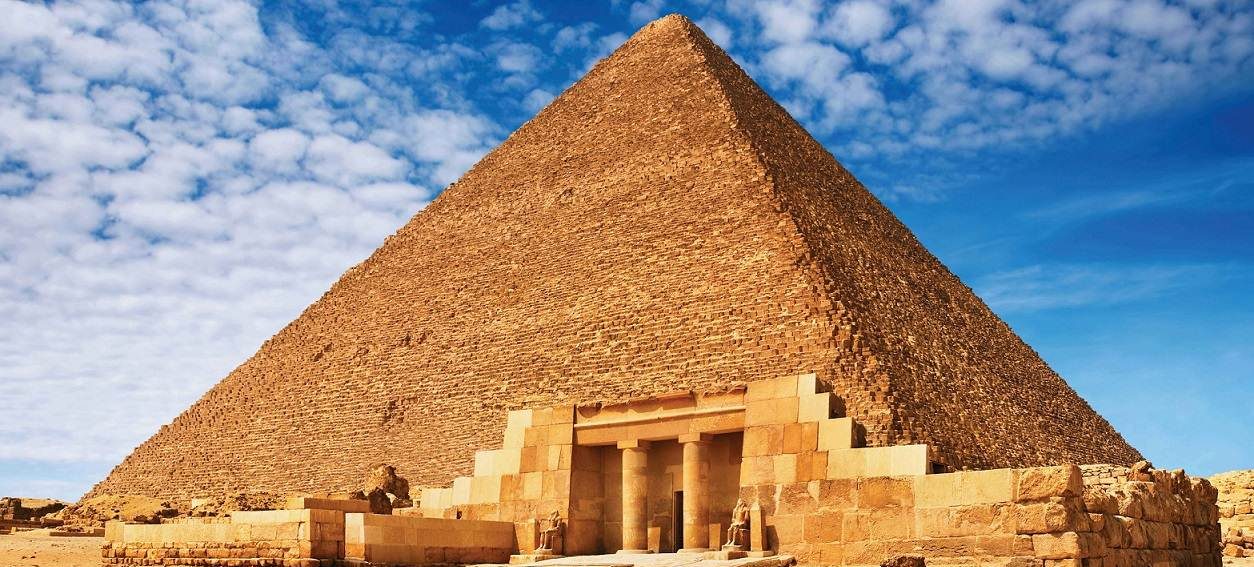
The Great Pyramid of King Khufu is the most legendary monument in the Giza Pyramids Complex and the only surviving wonder of the Seven Wonders of the Ancient World. It came to be during the Old Kingdom of ancient Egypt, around 2580–2560 BC, it served as the royal tomb of Pharaoh Khufu, who is also known by his Greek name, Cheops. For nearly 3,800 years, it remained the tallest man-made structure on Earth, originally rising to about 146.6 meters (481 feet) before the loss of its outer casing and apex reduced its height slightly. This alone reflects the extraordinary ambition and technical ability of the ancient Egyptians, who created a monument of such scale and precision that it still inspires admiration today.
The pyramid was built using approximately 2.3 million limestone blocks, with the average block weighing around 2.5 tons, although some granite blocks used in the internal chambers weighed far more. Its total mass is often estimated at roughly 5.75 million tons, making it one of the heaviest and most ambitious stone structures ever built. The sides of the pyramid rise at an angle of about 51°52′ and are aligned with astonishing accuracy to the four cardinal directions, showing the Egyptians’ advanced knowledge of geometry, surveying, and astronomy. The monument is traditionally associated with Hemiunu, Khufu’s vizier and chief architect, who is believed to have overseen its design and execution during one of the most prosperous phases of the Old Kingdom.
The interior of the Great Pyramid is equally remarkable. Rather than being a solid stone mass with a simple burial space, it contains a sophisticated internal layout that includes the King’s Chamber, built of granite, the Queen’s Chamber, and the magnificent Grand Gallery, a long corbelled passage that remains one of the most impressive architectural achievements of the ancient world. These chambers and passageways reveal that the pyramid was not only a royal tomb but also a carefully engineered monument shaped by religious symbolism and architectural intelligence. Another important discovery associated with Khufu’s pyramid is the solar boat, a dismantled ceremonial vessel buried near the monument, likely intended to carry the king with the sun god in the afterlife. This remarkable artifact further highlights the religious and cosmic significance of the pyramid beyond its funerary purpose.
The Majestic Pyramid of King Khafre
The Pyramid of King Khafre is the second-largest pyramid in Egypt and the central monument of Khafre’s funerary complex at Giza. Built during the Fourth Dynasty, likely around 2540 BC, it was constructed for Pharaoh Khafre, the son of Khufu, who sought to establish his own eternal monument within the same sacred necropolis. Known by the Greek name Chephren, Khafre’s pyramid rises to about 136.4 meters (448 feet) and stands on a base measuring approximately 215.5 meters (706 feet) on each side. Although it is actually smaller than Khufu’s pyramid, it often appears taller because it was built on slightly higher ground and retains a steeper visual profile.
One of the most distinctive features of Khafre’s pyramid is the surviving section of its original smooth limestone casing stones near the summit. These remnants offer a rare glimpse of how the pyramids once looked when their outer surfaces were fully polished and reflected sunlight brilliantly across the plateau. The pyramid’s slope, about 51°50’24”, is very close to that of Khufu’s monument, reinforcing the continuity in royal pyramid design during the Fourth Dynasty. Like the Great Pyramid, Khafre’s structure was built primarily from limestone and formed the centerpiece of a larger funerary complex that included a mortuary temple, a causeway, and a valley temple.
Khafre’s pyramid is also closely associated with one of the most iconic monuments in the world: the Great Sphinx. Positioned near his complex, the Sphinx is widely believed to represent Khafre himself, combining the body of a lion with the head of a king to symbolize strength, wisdom, and royal authority. This connection gives Khafre’s pyramid complex a particularly dramatic presence, blending monumental architecture with powerful royal symbolism. Together, the pyramid and the Sphinx express not only the king’s desire for eternal remembrance but also the divine image of kingship in ancient Egypt.
The Marvelous Pyramid of King Menkaure
The Pyramid of King Menkaure is the smallest of the three main pyramids at Giza, yet it remains an essential part of the complex and a significant monument in its own right. Built for Pharaoh Menkaure, the sixth ruler of the Fourth Dynasty, around 2510 BC, it served the same funerary purpose as the pyramids of his predecessors while reflecting a slightly different scale and building approach. The pyramid originally stood at about 61 meters (204 feet) high and was built on a base measuring approximately 108.5 meters on each side, with an incline of about 51°20′25″.
Although smaller than the pyramids of Khufu and Khafre, Menkaure’s pyramid is notable for its materials and design. It was constructed mainly of limestone, but parts of its lower exterior were faced with red granite, giving it a richer and more visually striking appearance. Granite was also used in important internal sections, emphasizing both durability and royal prestige. This combination of limestone and granite makes Menkaure’s monument architecturally distinctive within the Giza complex. The pyramid was part of a complete royal funerary arrangement that included subsidiary pyramids, temples, and ceremonial spaces, showing that even the smallest of the three main pyramids remained part of a grand religious and architectural tradition.
Menkaure’s pyramid may appear modest in comparison with the vast scale of Khufu’s monument, but its importance lies in what it reveals about the evolution of pyramid construction during the later Fourth Dynasty. It reflects continuity in royal burial traditions while also suggesting shifts in available resources, priorities, and monumental scale. As such, it completes the trio of great royal pyramids that define the skyline of Giza and preserve the memory of one of ancient Egypt’s most remarkable dynasties.
The Golden Guardian of the Sphinx
The Great Sphinx of Giza is one of the most mysterious and iconic monuments of ancient Egypt. Dating to the Old Kingdom, most likely the reign of Pharaoh Khafre during the Fourth Dynasty, it was carved directly from a massive natural outcrop of limestone on the Giza Plateau. In ancient times, it was known as Hor-em-Akhet, meaning “Horus of the Horizon,” a name that reflects its solar and royal significance. With the body of a lion and the head of a king, the Sphinx symbolized the union of strength, intelligence, and divine kingship, projecting the pharaoh’s power across both earth and eternity.
The monument measures approximately 73 meters (240 feet) long, 19 meters (62 feet) wide, and about 20 meters (66 feet) high, making it one of the largest and oldest monumental sculptures in the world. Its face is widely believed to portray Khafre, although this continues to be discussed among scholars. Positioned near Khafre’s pyramid complex, the Sphinx served not only as an artistic masterpiece but also as a guardian figure standing watch over the sacred necropolis. Its placement and orientation suggest a connection to solar worship, royal ideology, and the protective symbolism that shaped the wider Giza landscape.
Despite centuries of study, the Sphinx continues to inspire questions about its original appearance, religious role, and symbolic meaning. Over time, it was buried by desert sand more than once, and later pharaohs restored and reinterpreted it, showing that the Sphinx remained important long after the Fourth Dynasty had passed. This lasting reverence, combined with its colossal scale and enigmatic presence, is one reason the Great Sphinx remains one of the most fascinating monuments in all of ancient Egyptian civilization.
The Golden Workers’ Village of the Giza Plateau
The Workers’ Village of Giza is one of the most important discoveries connected to the Giza Pyramids Complex because it provides direct evidence about the people who actually built and supported the construction of the pyramids. Dating mainly to the middle of the Fourth Dynasty (c. 2520–2472 BC), this settlement was located to the southeast of the Khafre and Menkaure complexes and functioned as a major operational center for the workforce. It housed large numbers of laborers and skilled workers, including quarrymen, masons, carpenters, metalworkers, haulers, administrators, and support staff, all of whom contributed to the construction and maintenance of the royal monuments over many years.
Archaeological evidence from the village has transformed the modern understanding of pyramid building. Rather than confirming older myths about enslaved labor, the remains strongly indicate that the workers were organized, provisioned, and valued members of a state-run workforce. Excavations have revealed communal sleeping quarters, bakeries, breweries, kitchens, storage facilities, workshops, and administrative spaces, showing that the settlement was carefully planned to support large-scale labor activity. Food remains, including evidence of bread, beef, and fish, suggest that workers were regularly fed and maintained, while nearby cemeteries and tombs indicate that many were buried with respect near the monuments they helped create. This strongly supports the view that they were paid or provisioned workers, not disposable slaves.
The village also offers insight into everyday life in Old Kingdom Egypt. Artistic and archaeological remains connected to the broader Giza area preserve scenes of farming, animal husbandry, fishing, fowling, carpentry, metalwork, religious rituals, and burial practices, helping historians reconstruct the social and economic world that surrounded pyramid construction. The Workers’ Village therefore, stands as more than a support site; it is essential historical proof that the pyramids were the result of organization, skill, logistics, and a highly structured labor system, making it one of the most revealing parts of the entire Giza Pyramids Complex.
Giza Pyramids Complex Aerial View
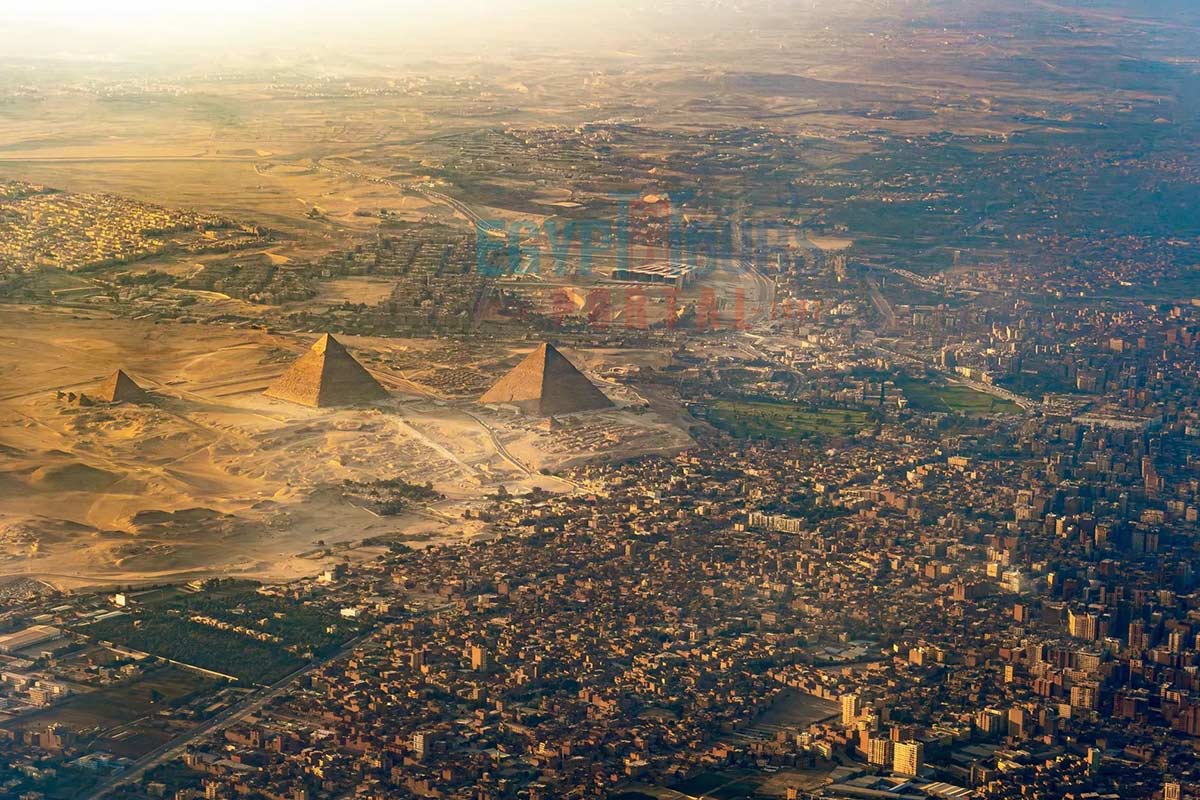
An aerial view of the Giza Pyramids Complex reveals a remarkably precise and intentional layout that reflects both advanced engineering and deep symbolic meaning. From above, the three main pyramids of Khufu, Khafre, and Menkaure appear carefully aligned along the cardinal directions, with their sides oriented almost perfectly to true north, south, east, and west. This level of accuracy demonstrates the ancient Egyptians’ sophisticated knowledge of astronomy and surveying techniques. The pyramids are not randomly placed; each is part of a larger funerary complex connected by causeways that link the pyramids to their respective valley temples near the Nile floodplain, highlighting the importance of the river in construction and ritual processes.
Some researchers have proposed that the spatial arrangement of the three pyramids mirrors the pattern of Orion’s Belt, associating the site with the god Osiris, although this theory remains debated. The aerial perspective also reveals the extensive surrounding features, including queens’ pyramids, mastaba cemeteries, and the Great Sphinx, showing that Giza was designed as a vast, integrated sacred landscape rather than a simple grouping of monuments.
What's Under the Giza Pyramids Complex
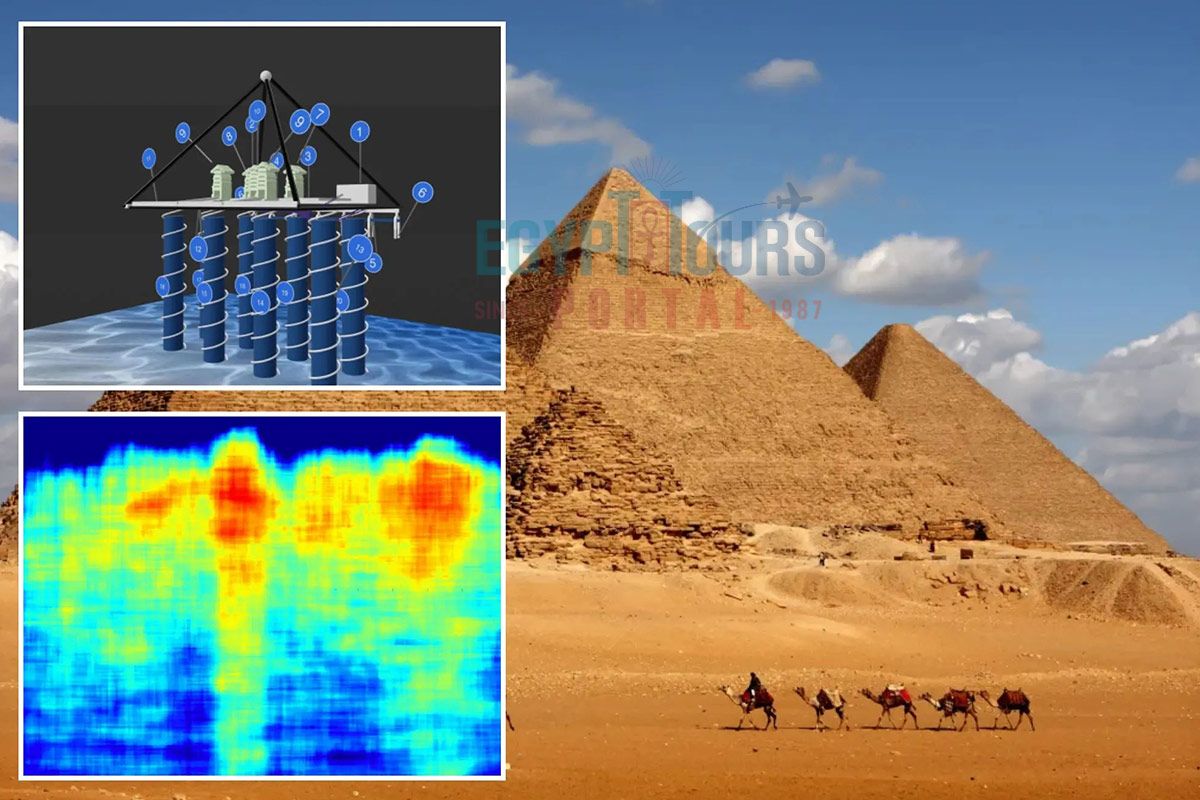
Beneath the Giza pyramids lies a complex and still partially unexplored network of subterranean chambers, shafts, and tunnels that adds another dimension to the Giza Plateau. The most well-known underground feature is the Subterranean Chamber beneath the Great Pyramid, carved directly into the bedrock and left unfinished, raising questions about its intended purpose.
Nearby, the Osiris Shaft consists of multiple vertical levels descending into the ground, ending in a water-filled chamber that may have had ritual significance. In recent years, modern technologies such as muon scanning have led to major discoveries, including the detection of a large hidden cavity known as the “Big Void” above the Grand Gallery inside the Great Pyramid. This discovery, one of the most important in centuries, suggests that significant internal spaces remain unexplored.
A recent study by researchers from the University of Pisa and the University of Strathclyde has sparked major debate by claiming to detect a vast underground complex beneath the Giza pyramids using Synthetic Aperture Radar tomography, including deep vertical shafts, spiral pathways, large cubic chambers, and interconnected multi-level structures extending under the pyramids of Khufu, Khafre, and Menkaure.
If true, the discovery could significantly reshape traditional views of the pyramids as Fourth Dynasty royal tombs and fuel wider theories about additional ceremonial or functional purposes. However, the claims have been met with strong skepticism from experts, especially because some specialists argue that current radar methods cannot reliably image such extreme depths, and the study has not yet been peer reviewed or independently verified. The researchers are calling for future excavations and further investigation, but until stronger evidence is produced and the findings undergo scientific scrutiny, the alleged underground network remains an intriguing but unconfirmed possibility.
The Epic Pillars of the Pyramids of Giza
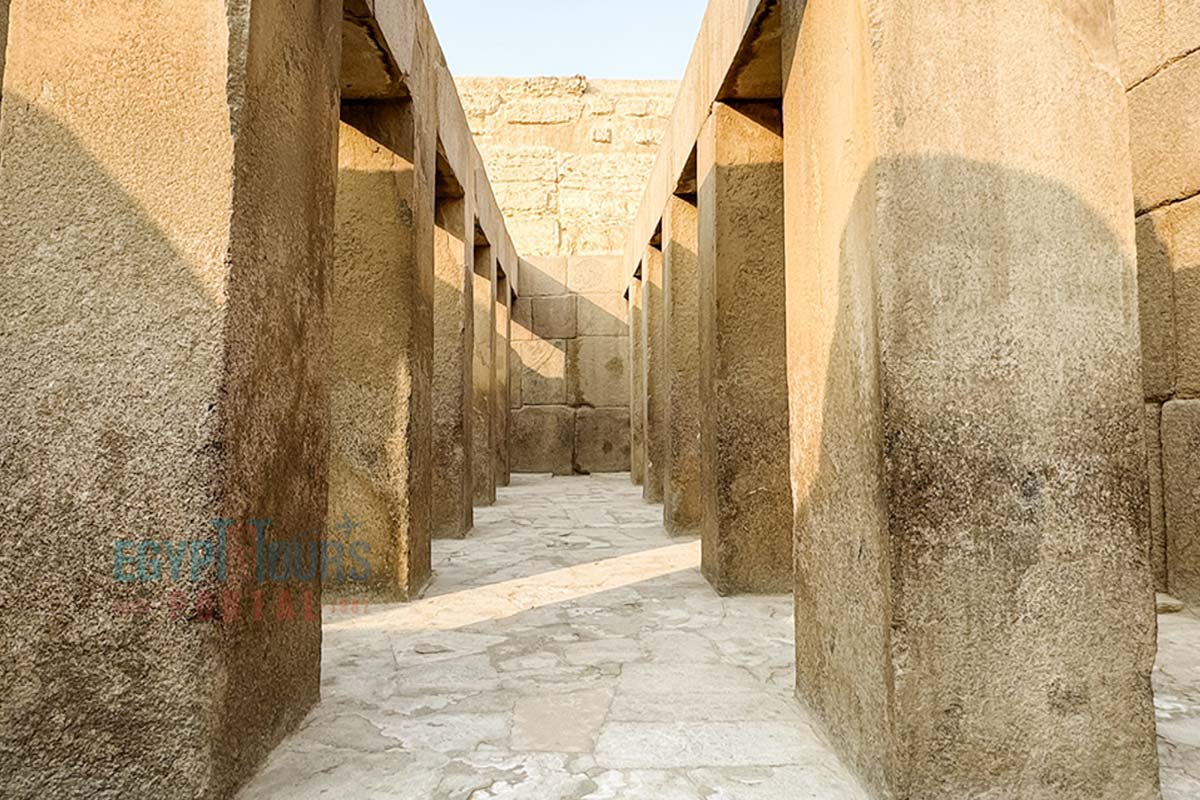
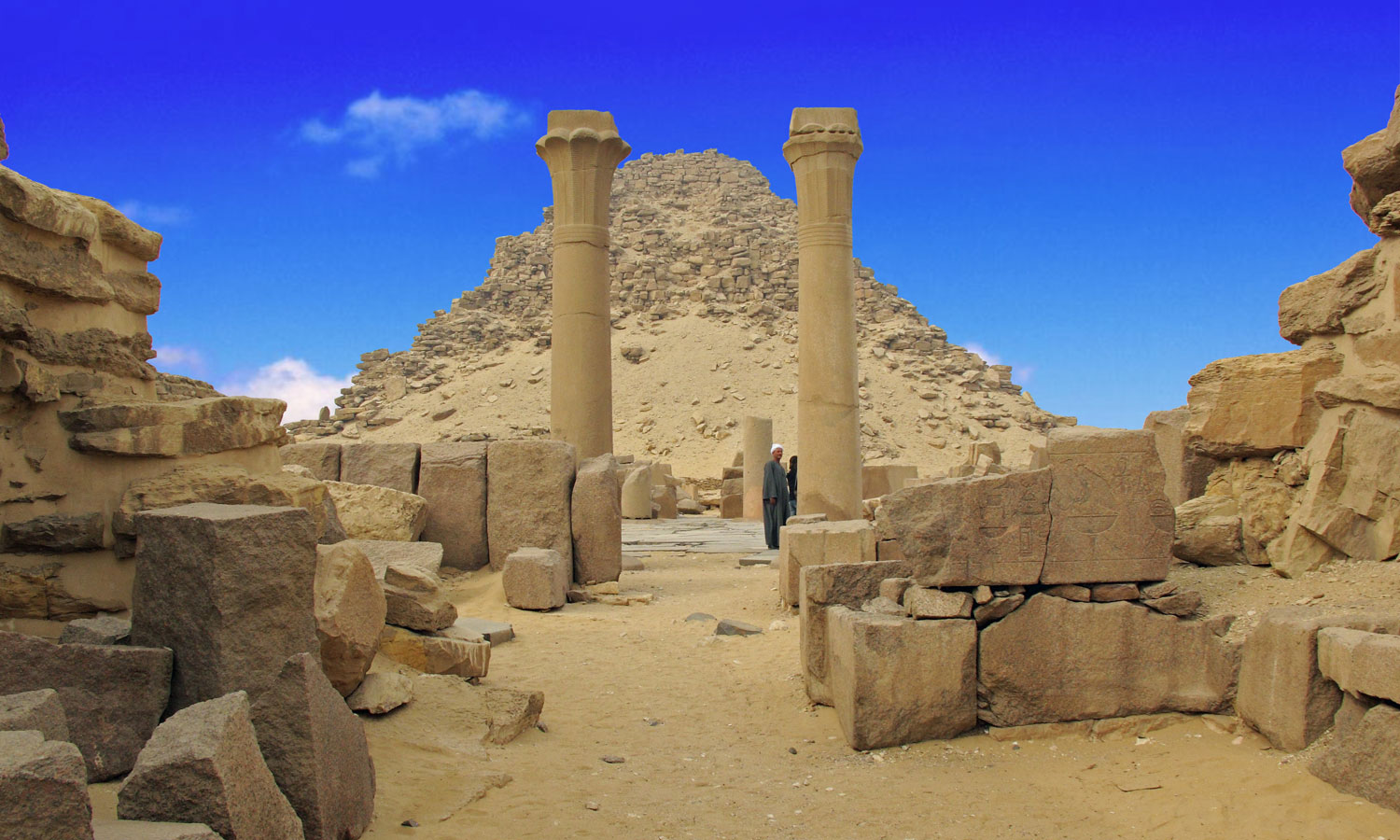
Unlike many ancient Egyptian temples, the pyramids themselves do not rely on traditional pillars or columns for structural support, as their massive stone blocks and geometric form provide inherent stability. Instead, internal structural solutions such as corbelled ceilings, particularly in areas like the Grand Gallery, were used to distribute weight and prevent collapse.
However, pillars played an important role in the associated ancient Egyptian temple Complexes surrounding the pyramids, especially in the valley temples and mortuary temples, where large stone columns supported roofs and created ceremonial halls for religious rituals. These pillars were often made from limestone or granite and were carefully carved to reflect both structural function and symbolic meaning. Their presence in the surrounding architecture highlights the adaptability of ancient Egyptian building techniques, where different structural systems were used depending on the purpose of the space, whether for burial, ceremony, or public ritual.
Pyramids of Giza Complex Facts
- The Giza Pyramids Complex is one of the most important archaeological sites in the world and a remarkable example of ancient Egyptian engineering and civilization.
- The site includes three main pyramids, six or more queens’ pyramids, smaller satellite pyramids, temples, causeways, mastaba tombs, and a fully organized workers’ settlement.
- The complex was designed as a vast and integrated funerary landscape, not just a group of monumental tombs.
- The pyramids are aligned with extraordinary precision to the cardinal directions: north, south, east, and west.
- This precise alignment reflects advanced knowledge of astronomy, geometry, and surveying.
- The Great Pyramid of Khufu contains an impressive internal structure, including the Grand Gallery, King’s Chamber, Queen’s Chamber, and Subterranean Chamber.
- The narrow shafts inside the Great Pyramid may have been connected to specific stars or constellations, suggesting an astronomical or spiritual purpose.
- The pyramids were originally covered in smooth white limestone casing stones that reflected sunlight brilliantly.
- When newly built, the pyramids would have appeared smooth, polished, and shining across the desert horizon.
- The complex is guarded by the Great Sphinx, one of the largest and most iconic monumental statues in the world.
- Archaeological evidence shows that the pyramids were built by skilled workers, not slaves.
- These workers lived in organized settlements and had access to food, medical care, and proper burial.
- The pyramids were built as both royal tombs and sacred gateways to support the pharaoh’s journey to the afterlife.
- Their design reflects the deep religious beliefs and cosmic symbolism of ancient Egypt.
- Modern technology has revealed new mysteries, including the discovery of the “Big Void” inside the Great Pyramid.
- The “Big Void” is a hidden cavity that continues to raise questions about the pyramid’s design and purpose.
- The site is part of the UNESCO World Heritage Site of Memphis and its Necropolis.
- Even after more than 4,500 years, the Giza Pyramids Complex remains one of the greatest engineering achievements in human history. It continues to attract millions of visitors, inspire researchers, and preserve unresolved mysteries about its construction, symbolism, and hidden spaces.
Explore the Marvelous Pyramids Tours of Egypt
The immortal Egypt civilization is filled with a lot of breathtaking and important historical sagas and wonders, so don’t miss the chance to witness and discover the hidden world of the Giza Pyramids Complex. Check our Egypt tours, which mixed by Nile river cruise to enjoy a lifetime journey to the land of Pharaohs.