
Summary
- The most preventable Nile cruise mistakes involve booking the wrong ship, an unrenovated vessel, or a cabin near the noisy engine room.
- Dress conservatively in cotton or linen with covered shoulders and knees, and sail between October and April to avoid Luxor and Aswan's 41°C summer peaks.
- Never drink tap water, even to brush teeth, and avoid street food and swimming in the Nile, which carries a schistosomiasis risk.
- Photography rules vary by site and by tomb, so ask the guide first, and always ask permission before photographing local people.
- Keep jewelry and cash low-key, use the cabin safe, and follow local customs, from modest dress to patient, friendly bargaining.
A Nile cruise glides past temples, tombs, and riverside villages that have watched the same current move north for thousands of years, and most of what can go wrong on board has nothing to do with the ancient sites themselves. It has to do with small, avoidable choices made before and during the trip: the wrong cabin, the wrong bottle of water, the wrong outfit for a temple gate. Things to avoid on a Nile cruise tend to repeat across traveler reviews and expert advice for a reason, and knowing them in advance turns a good trip into an effortless one.
This guide walks through the many mistakes that come up most often when planning a Nile River cruise, from booking pitfalls to sun exposure to local etiquette, followed by a set of additional habits that make the whole experience warmer and easier. Read it before departure, and very little will catch a traveler off guard once the ship pulls away from the dock.
Common Nile Cruise Mistakes at a Glance

| Mistake | Why It Matters | Do This Instead |
|---|---|---|
| Booking an unsuitable or unrenovated cruise | Old vessels bring noise, poor food, and outdated cabins | Check the ship's renovation year and recent reviews before booking |
| Wearing offensive or revealing clothing | Many temples and mosques restrict entry for bare shoulders or knees | Pack cotton or linen with sleeves and knee-length hems |
| Sailing June through August | Luxor and Aswan regularly hit 41°C (106°F) in peak summer | Sail October through April, ideally around November |
| Booking a cabin near the engine | Vibration and noise disrupt sleep on the lower and rear decks | Request a mid-ship or upper-deck cabin |
| Drinking tap water | Egyptian tap water is not treated to international drinking standards | Stick to sealed bottled water, even for brushing teeth |
| Eating from street vendors | Inconsistent food safety standards raise the risk of traveler's stomach | Eat on board or at reputable, well-reviewed restaurants |
| Skipping sun protection | Egypt's dry desert heat masks dehydration and sunburn | Apply sunscreen each morning and carry water throughout the day |
| Swimming in the Nile | The parasite that causes schistosomiasis lives in Nile freshwater | Enjoy the river from the deck or a supervised felucca sail instead |
| Photographing without asking | Tombs and local people carry separate, often stricter rules | Ask before photographing people; check each site's camera policy |
| Displaying jewelry or large cash | Draws unwanted attention in crowded markets and at sites | Carry small bills, leave valuables in the cabin safe |
| Neglecting personal property | Cabins and shore excursions both carry a small risk of loss | Use the safe, keep bags zipped, and stay with the group |
| Ignoring local customs | Egypt is a majority-Muslim country with its own social rhythms | Dress modestly, ask before photographing, and follow the guide's lead |
Avoid the Inappropriate Nile River Cruises

Not every Nile cruise ship suits every traveler, and booking blind is the first mistake many make. Ships range from simple three-star vessels to five-star and ultra-luxury liners, alongside smaller sail-powered dahabiyas that carry a fraction of the passengers. Choosing a category that does not match the trip's budget, pace, or group size sets the wrong tone for the entire journey.
Booking through a large global travel portal rather than a specialist Egyptian operator can also mean less flexibility if an itinerary needs to shift. It is worth checking a ship's renovation year directly, since a vessel that has not been refurbished in a decade or more often comes with tired cabins, inconsistent food, and outdated air conditioning. Recent traveler reviews are the fastest way to catch this before paying a deposit, and the types of Nile river cruises guide breaks down which category fits which kind of traveler.
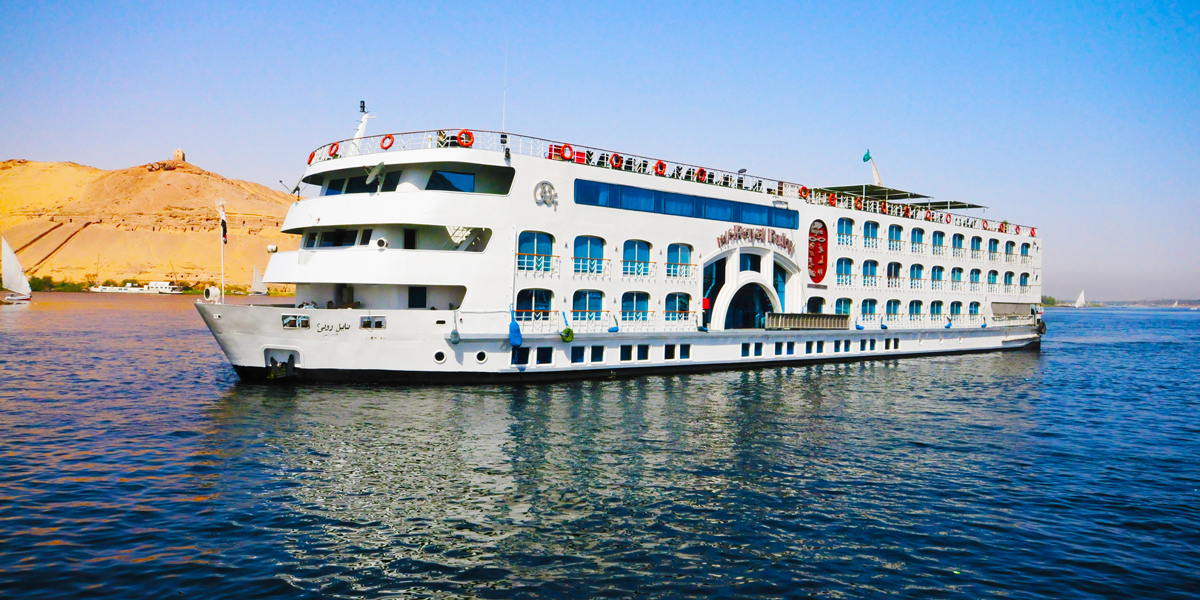
How to Choose the Best Nile Cruise in Egypt
Explore How to Choose the Best Nile Cruise During Your Time in Egypt
Avoid Offensive Clothing on Nile Cruises

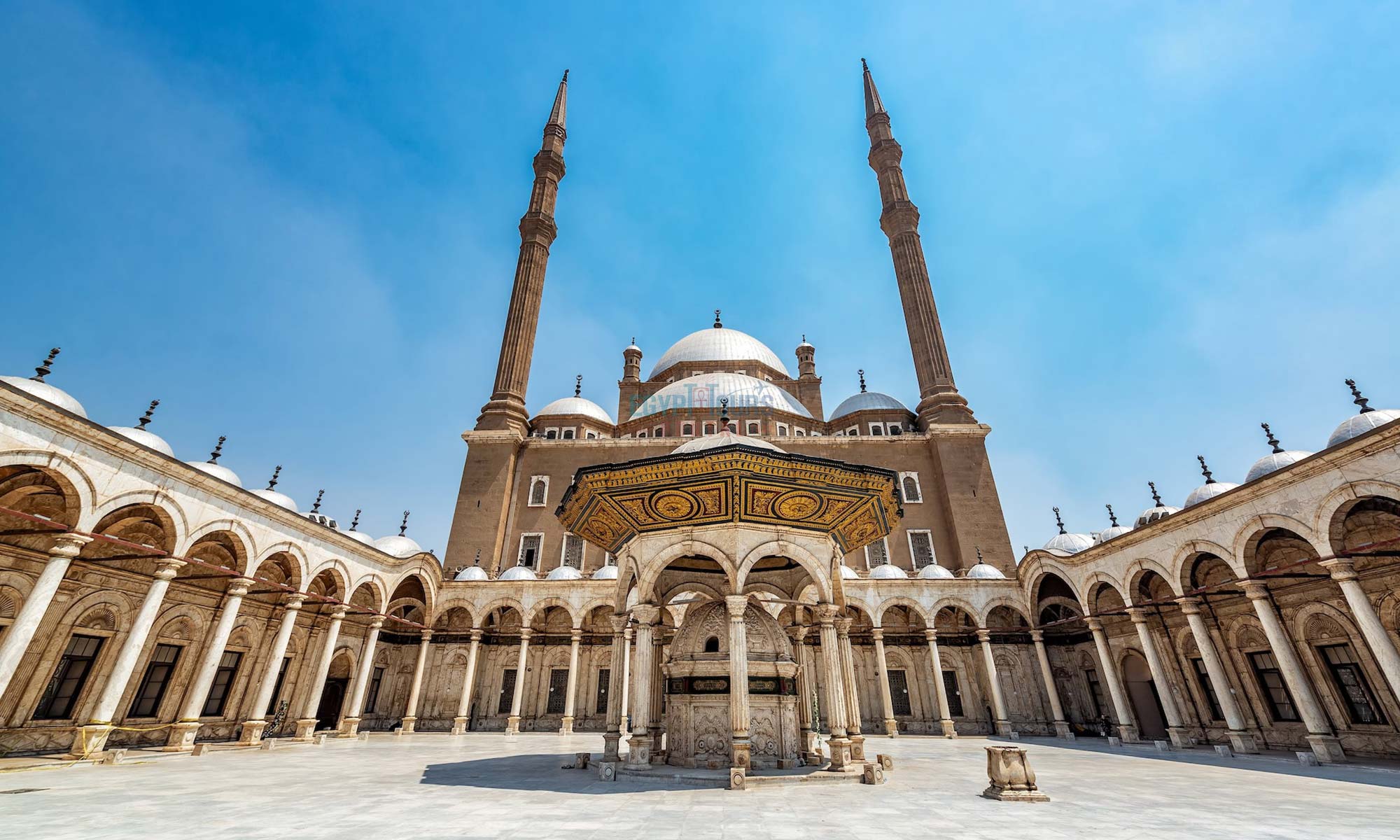
Egypt is a conservative, majority-Muslim country, and clothing that feels ordinary at a beach resort can read as disrespectful at a temple or mosque. Sleeveless tops, short shorts, and low necklines are generally fine in a hotel pool area but are discouraged, and sometimes outright refused, at religious and archaeological sites.
The safer approach is loose, knee-length or longer bottoms with sleeves that cover the shoulders, in breathable cotton or linen rather than heat-trapping synthetics. Light colors such as white, beige, and pale blue reflect the sun rather than absorbing it. For a mosque visit specifically, long pants, covered arms, closed-toe shoes, and a headscarf for women are expected, so packing one lightweight scarf solves this in advance. The essential trip information guide lists a full packing checklist built around this dress code.
Avoid Booking a Nile Cruise During the Hot Climate

Luxor and Aswan are two of the hottest cities in Egypt, and booking a cruise in the wrong month turns temple visits into an endurance test. Luxor regularly reaches 41°C (106°F) in June, its hottest month, while Aswan peaks similarly in July. Both cities cool to a more manageable 23°C (73°F) in January, the coldest month for each.
The most comfortable sailing window runs from October through April, with many travelers and operators naming mid-November as the sweet spot for pleasant daytime temperatures and clear skies. Winter days between December and February typically sit between 20°C and 25°C (68°F to 77°F), ideal for walking through open-air sites like Karnak Temple without retreating to shade every few minutes. The weather in Egypt guide has month-by-month detail for travelers weighing this decision against price and crowd levels.
Avoid Staying Overnight Near the Nile Cruise's Engine

Cabin location rarely appears on a booking form's highlights, yet it shapes how well a traveler sleeps for the length of the cruise. Cabins toward the stern, closest to the engine room, pick up vibration and low mechanical noise, especially once the ship gets underway at night between ports. Cabins on the lowest deck, near or below the waterline, add a second downside: obstructed or partial views of the riverbank scenery that make a Nile cruise worth taking in the first place.
Requesting a mid-ship cabin on one of the upper decks avoids both problems at once, trading a small amount of extra cost for a quieter, brighter room. This is worth raising directly with the booking agent rather than assuming any cabin on the ship offers the same experience.
Avoid Drinking From Tap Water During Your Nile Cruise Trip

Egyptian tap water is treated to local standards that do not match what most international travelers' stomachs are used to, and it is not considered safe for drinking, even in small amounts. This extends to a detail travelers often miss: brushing teeth with tap water carries the same risk as drinking a glass of it.
Bottled water is inexpensive and widely available on board, in cabins, and at every stop along the itinerary, so there is little reason to take the risk. Sipping water steadily throughout the day, rather than only during meals, also helps offset how quickly the dry desert air pulls moisture from the body.
Avoid Eating Food From Street Vendors During Your Nile Cruise Trip

Street food is a genuine part of Egyptian daily life, but the food safety standards behind a roadside cart rarely match those of a ship's kitchen or an established restaurant. Undercooked meat, water used in food preparation, and inconsistent refrigeration are the usual causes of the traveler's stomach upset that can derail several days of a short cruise itinerary.
Meals included on board, along with restaurants that appear in recent, credible traveler reviews, carry far less risk. This is not a blanket warning against Egyptian cuisine, since dishes like koshari, ful medames, and molokhia are worth seeking out; it is a matter of choosing where they are prepared.
Avoid Exposure to the Sun for Long Periods During Your Nile Cruise Trip

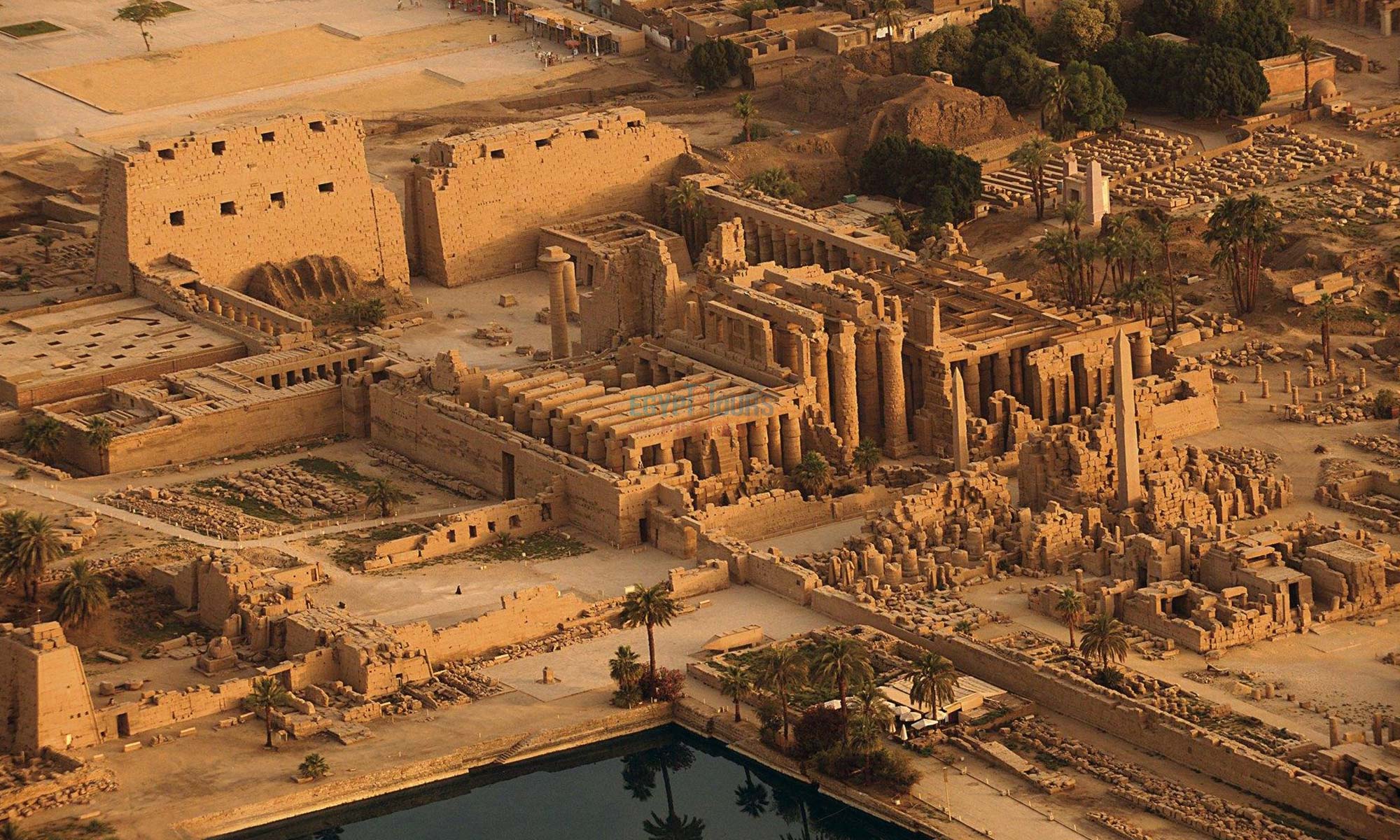
Egypt's heat is dry rather than humid, which makes it feel deceptively manageable right up until dehydration or sunburn sets in. Temple complexes like Karnak and the Valley of the Kings involve long stretches of walking across open, shadeless stone, often in the late morning when the sun sits highest.
Sunscreen applied first thing in the morning, not reapplied after skin has already turned pink, is the single most effective habit here, paired with a hat that will actually stay on in the wind off the river. Dehydration tends to announce itself quietly, through a mild headache, fatigue, or irritability rather than obvious thirst, so drinking water before and during excursions matters more than trying to catch up afterward. Ducking into shade during a guide's commentary is not a sign of weakness; it is simply good judgment in a place used to worse.
Avoid Swimming in the Nile River

However inviting the river looks from the deck at sunset, swimming in it carries a real health risk: schistosomiasis, also known as bilharzia, a disease caused by parasitic worms that live part of their life cycle in freshwater snails found throughout the Nile system. The parasite can penetrate skin during contact with infected water, and early symptoms often show up simply as a rash or itchy skin, which makes it easy to dismiss until more serious complications follow. The CDC lists more than 200 million people affected worldwide, with children in endemic regions most at risk.
The safest way to enjoy the Nile is from above its surface, whether that means the ship's sundeck, a hotel pool, or a felucca ride with an experienced captain who keeps the sail on the water rather than swimmers in it.
Avoid Photography Without Permission

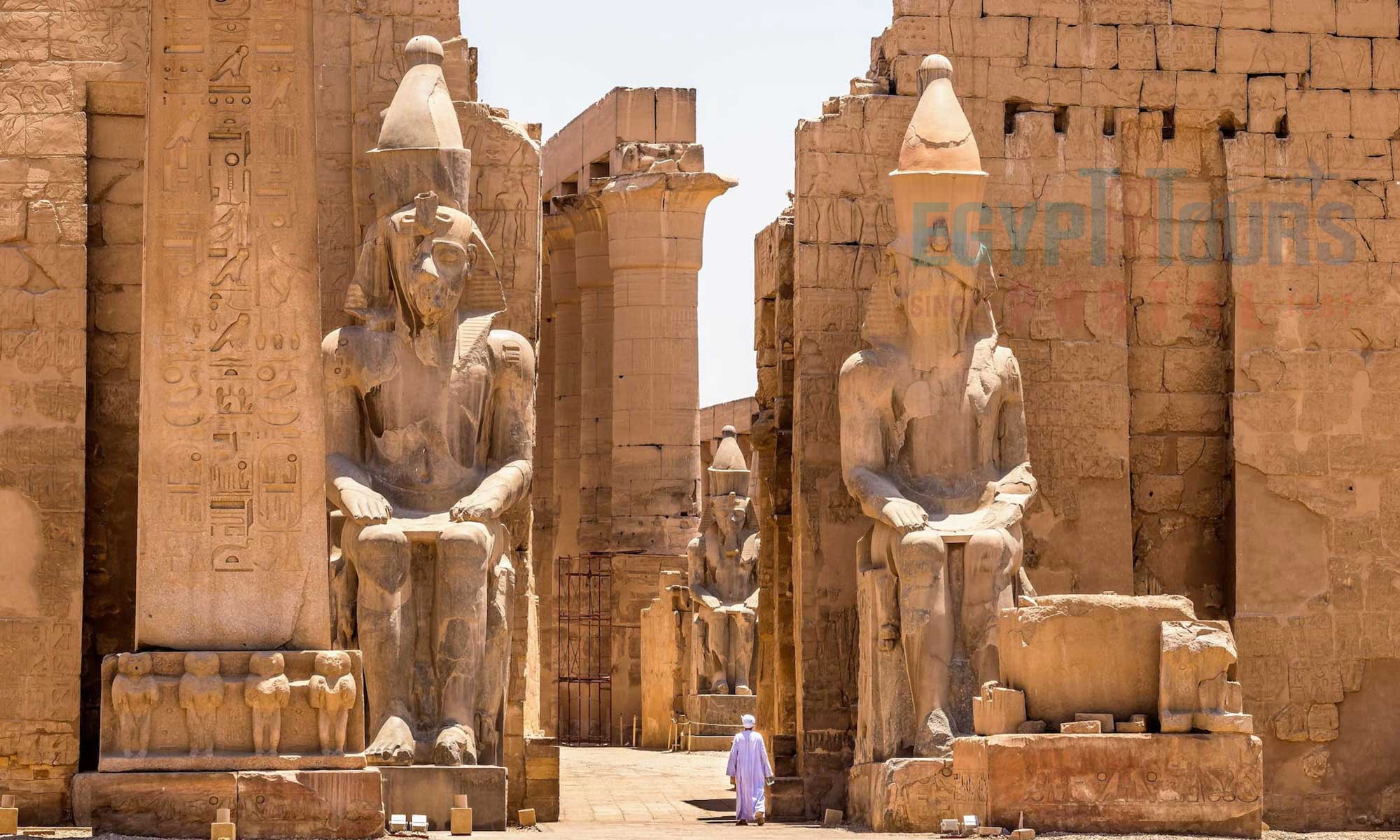
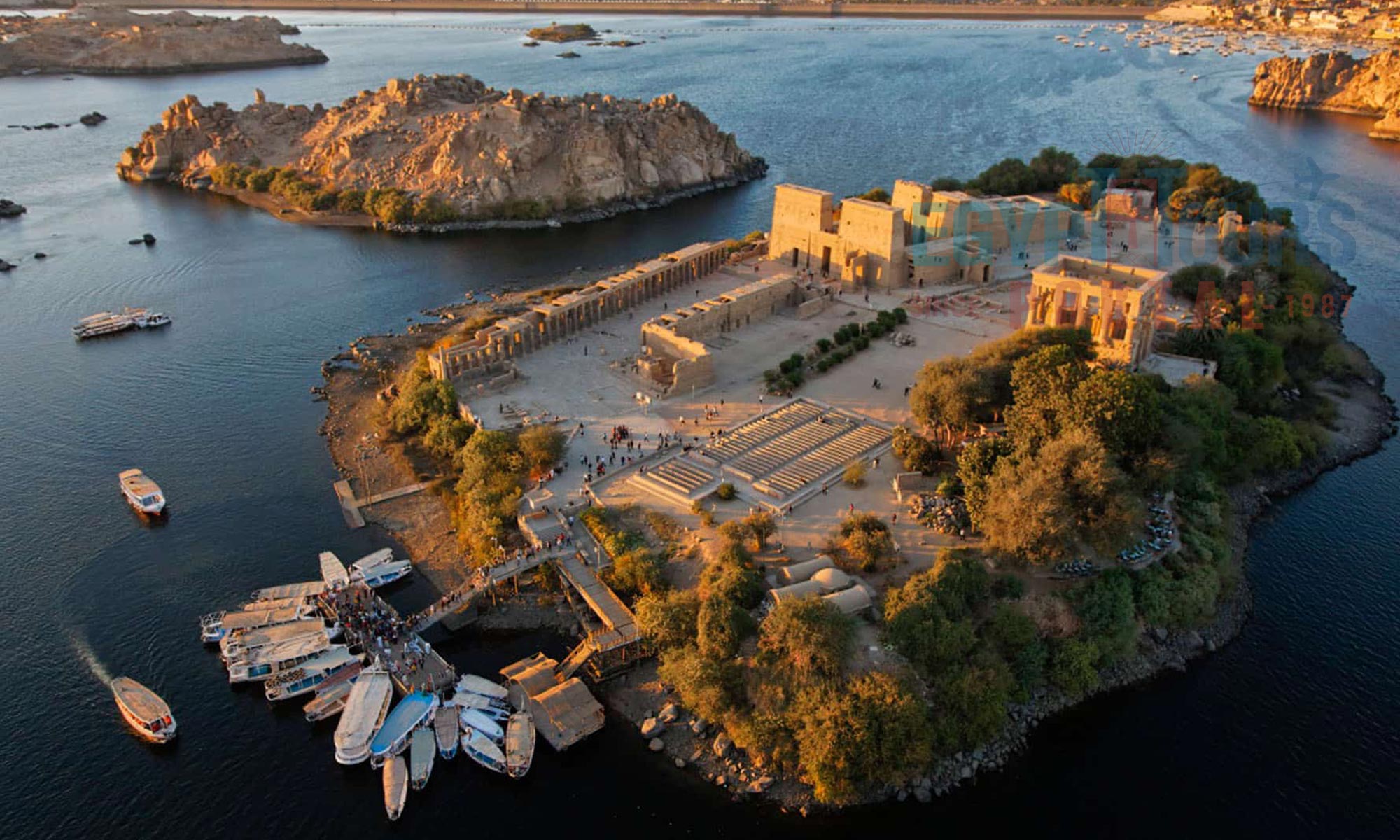
Photography rules on a Nile cruise itinerary are not one-size-fits-all, and assuming otherwise leads to awkward moments at security checkpoints or with local residents. Open-air sites such as Karnak, Luxor Temple, Philae, and Abu Simbel are generally photography-friendly outdoors, but flash photography is prohibited in nearly every interior chamber, since the light can damage centuries-old pigment on tomb and temple walls.
Tombs in the Valley of the Kings and Valley of the Queens are the trickiest, since rules vary by individual tomb: some allow limited personal photography, some require a separate permit, and some prohibit cameras entirely. The safer habit is to check with the Egyptologist guide before raising a camera inside any tomb, and to always ask permission before photographing local people, who are not part of the scenery even when they happen to be dressed strikingly for a photograph.
Avoid Showing Jewelry or Large Amounts of Cash

Egypt's tourist sites are generally safe, but crowded markets, busy docks, and the Esna Lock passage, where local vendors sometimes approach cruise ships directly, are places where flashing an expensive watch or a thick stack of cash draws exactly the wrong kind of attention. This is less about crime rates, which remain low for tourists, and more about avoiding situations that turn a relaxed shopping stop into a pressured one.
Carrying small bills in a front pocket or a cross-body bag, rather than a single large denomination pulled out in public, keeps transactions quick and low-key. Valuable jewelry is better left at home entirely or stored in the ship's cabin safe when not being worn.
Avoid Neglecting Your Personal Property During Your Nile Cruise Trip

A cabin safe exists for a reason, and skipping it in favor of leaving passports, cash, or electronics in an open bag is one of the more preventable regrets travelers report after a cruise. Shore excursions carry their own version of the same risk: a daypack left unzipped in a crowded temple courtyard, or a phone set down on a felucca bench, is easy to lose track of amid the scenery.
A short daily habit covers most of this: lock the cabin safe before disembarking each morning, keep bags zipped and worn in front in crowds, and do a quick pocket check before reboarding the bus or the ship after every stop.
Avoid Lack of Respect for Local Customs and Traditions

Egypt's culture carries centuries of tradition into daily life, and a traveler who treats local customs as background scenery rather than something to engage with respectfully tends to have a flatter experience overall, alongside the occasional real friction. This covers dress at religious sites, modest behavior in public, and awareness that Egypt is a predominantly Muslim country where alcohol, physical affection, and loud behavior in public spaces are viewed differently than they might be at home.
Following the guide's lead at each site, dressing appropriately without needing a reminder, and greeting people with basic courtesy go further than any packing list toward a warm reception. The do's and don'ts of Egypt guide covers this ground in more depth for travelers who want a fuller picture before departure.
![The Best Egypt Travel Tips [year]](https://www.egypttoursportal.com/images/2018/03/Egypt-Travel-Tips-Egypt-Tours-Portal-1.jpg)
The Best Egypt Travel Tips 2026
Will you travel to Egypt? Here are the best Egypt travel tips for 2026 which will give you important hints that you will need to know.
Additional Tips During Your Epic Nile Cruise Trip

A handful of smaller habits round out the list above and make the days between temple visits noticeably easier.
Learn Some Basic Arabic Words
A few words go a long way toward warmer interactions with crew, guides, and vendors. Shukran means "thank you," while la, shukran politely declines a persistent vendor without causing offense. Min fadlak (to a man) or min fadlik (to a woman) means "please," and kam da? asks "how much is this?", useful the moment bargaining starts. None of this requires fluency; even a mispronounced attempt is usually met with a smile.
Be Aware of the Local Culture
Egypt runs on a slower, more relationship-driven rhythm than many Western itineraries assume. Friday is the main day of prayer and rest; shops and sites may adjust their hours around it, and greetings often take a moment longer than travelers expect before getting to business. Reading a short cultural primer before departure smooths over the small surprises that otherwise eat into a short trip.
Be Prepared to Bargain
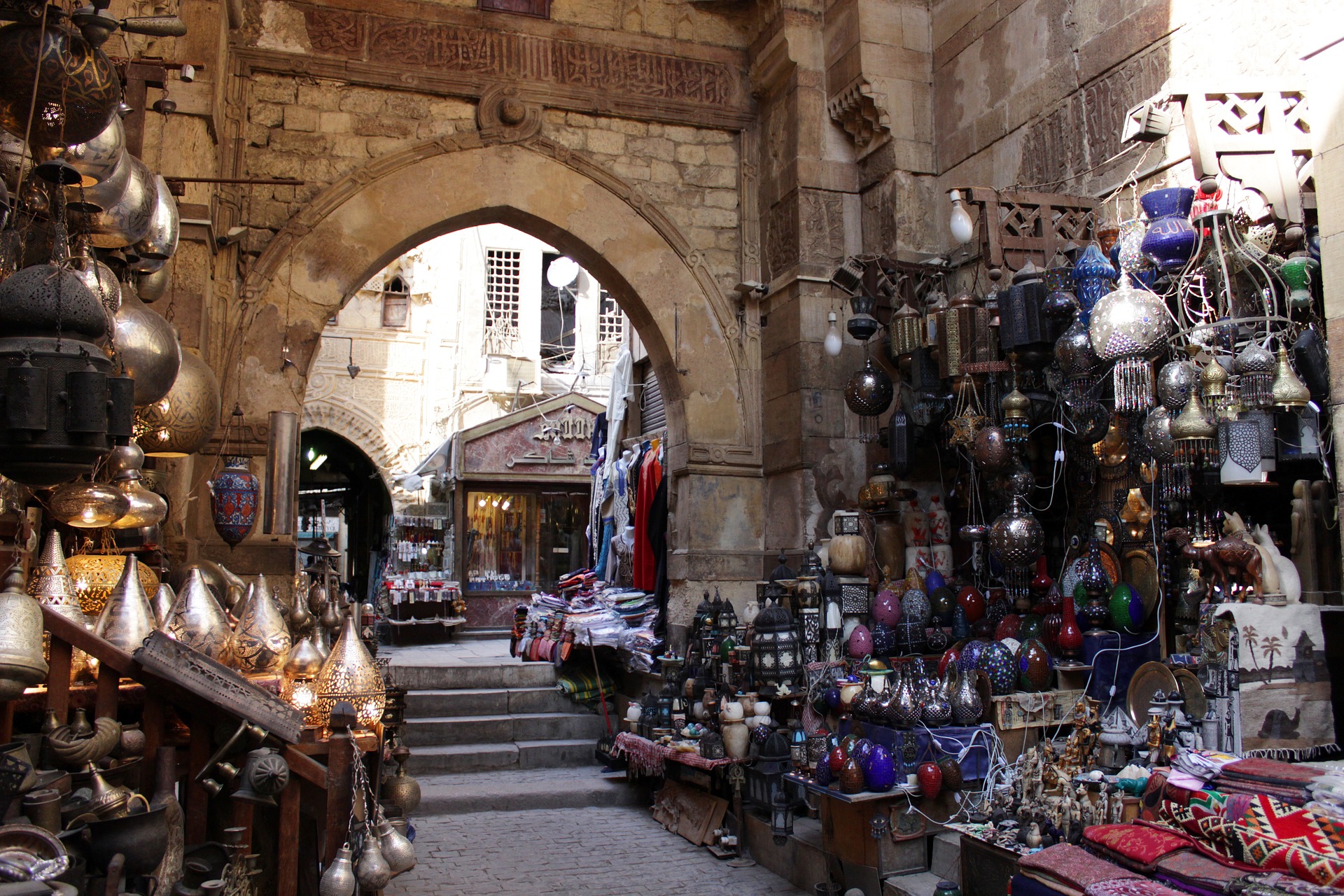
Fixed prices are the exception rather than the rule in markets near cruise docks and temple exits. Vendors typically expect an opening offer well below the asking price, and a relaxed back-and-forth, rather than a rushed or irritated one, usually lands on a fair number for both sides. Walking away calmly is often what closes a deal, since a vendor will frequently call out a better price rather than lose the sale entirely.
Be Patient
Boarding, disembarking, security screening at sites, and group excursions all move at a different pace in Egypt than a tightly scheduled Western itinerary might expect. Building in extra time mentally, rather than treating every delay as a problem, keeps the day pleasant rather than stressful, especially during the midday heat when everyone, guides included, naturally slows down.
Enjoy Your Experience
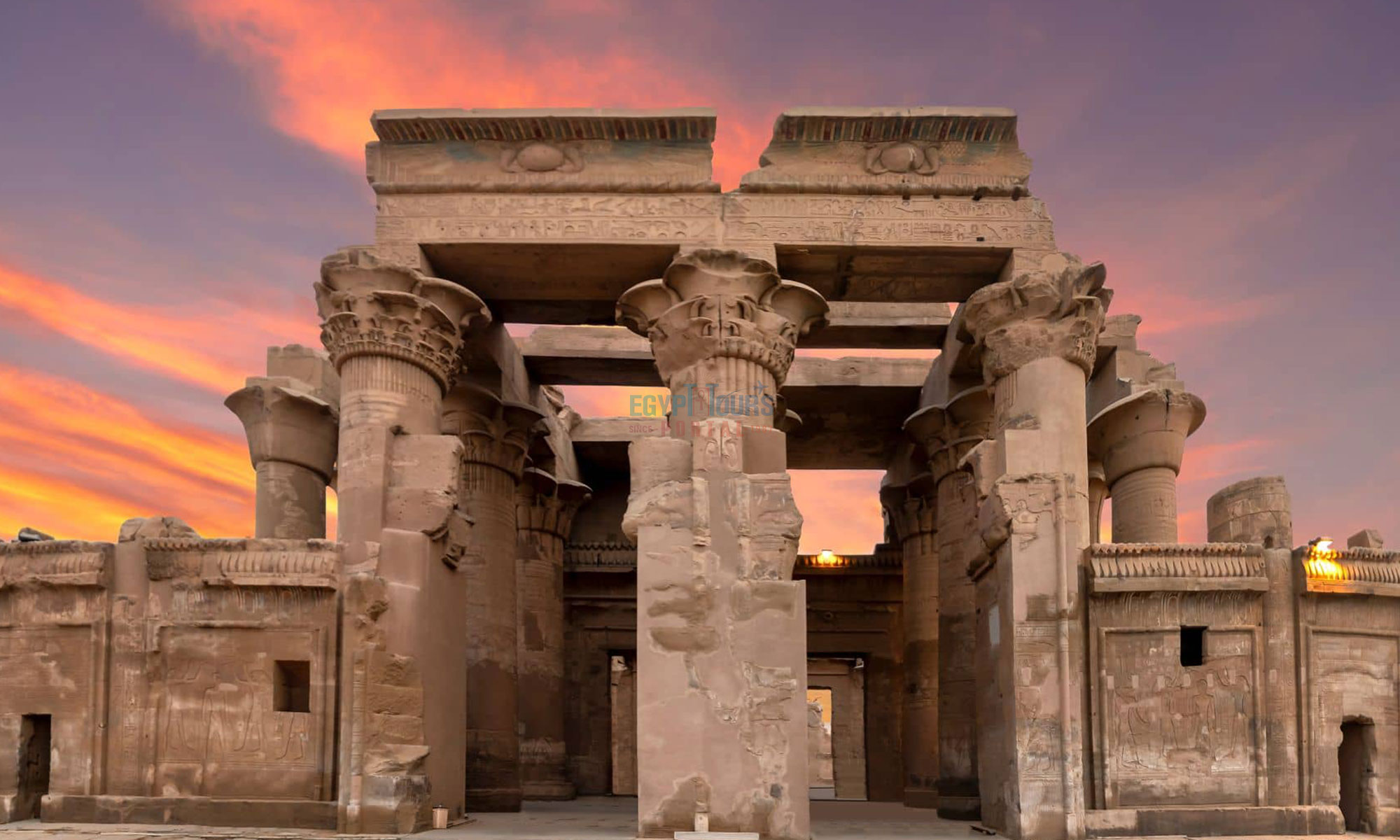
None of the mistakes above should overshadow the point of the trip. A Nile cruise remains one of the most rewarding ways to experience Egypt, gliding past Kom Ombo and Edfu, and the riverside villages between Luxor and Aswan while temples that have stood for thousands of years pass by the deck rail. The preparation above exists to protect that experience, not to complicate it.
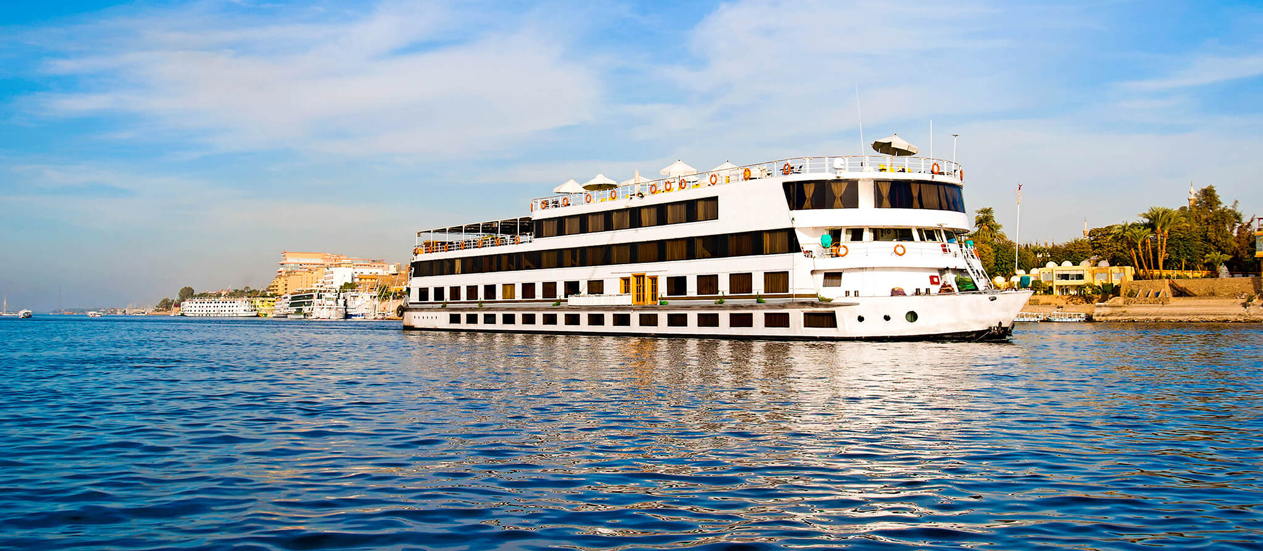
Nile Cruise Travel Guide
Read more and discover interesting information bout the Nile river cruises through our Nile cruise travel guide - Egypt Tours Portal.
Enjoy a Flawless Nile Cruise Trip Filled With Fun and Wonder
A Nile cruise rewards travelers who arrive prepared rather than travelers who arrive lucky, and every mistake in this guide has a simple, low-effort fix once it is known in advance. Pack the right clothing, choose the right season and cabin, respect the water and the sun in equal measure, and the river will do the rest, carrying its passengers past monuments that have outlasted empires and will still be standing long after the trip ends.
Ready to book a cruise that explores all the marvels of Egypt then choose one of our magical holidays to Egypt, Nile River Cruises, or luxury Nile cruises for well-reviewed, recently renovated ships, or pair the sailing with more of the country on a combined Hurghada and Nile cruise, and set sail knowing exactly what to expect.