Whatsapp Me
We’re nominated for Egypt’s Leading Travel Agency 2026 – Your vote matters! Vote Now
Egypt Tours Portal
Egypt Civilization

Ancient Egyptian Politics and the Power Behind the Throne

Delve into the political structure of ancient Egypt, where the Pharaoh ruled as a divine leader supported by a sophisticated bureaucracy. Explore the concept of ma'at, the guiding principle of order and justice, and its profound influence on governance and future civilizations.

ETP TEAM
Written by ETP TEAM
Published Dec 03, 2024 Updated May 03, 2025 20 min read

Ancient Egyptian Politics and the Power Behind the Throne

Summary

  • The Pharaoh was both a political and divine leader, responsible for maintaining cosmic order (ma'at) and serving as the intermediary between the gods and humans.
  • A complex bureaucracy, including viziers, scribes, and local officials, supported the Pharaoh and ensured effective governance across Egypt's vast territories.
  • The political system evolved from highly centralized power during the Old Kingdom to more decentralized periods, followed by the reassertion of centralized authority during the Middle and New Kingdoms.
  • The military and religion played key roles in sustaining the Pharaoh’s rule.
  • Monumental architecture and art were used to legitimize and reinforce their divine authority.
  • Women, such as queens and regents, held significant political power, helping maintain stability and influence during key periods. Egypt had a sophisticated legal system, with laws often reflecting the divine will of the Pharaoh.
  • Egypt employed strategies like marriage alliances and treaties to maintain political power and regional influence.
  • The political structure of ancient Egypt, with its centralized administration, divine kingship, and monumental expressions of power, influenced future civilizations and governance systems.

The politics of ancient Egypt played a role in every aspect of the society, which included religion, culture, and art, creating one of history’s most enduring and influential civilizations. Rooted in a theocratic monarchy, the governance of Egypt revolved around the Pharaoh, who was both a political leader and a divine figure, embodying the will of the gods.

This centralized authority was supported by an intricate bureaucracy of viziers, scribes, and regional officials, enabling the efficient administration of vast territories and complex societal needs. From the unification of Upper and Lower Egypt under King Narmer around c. 3150 BCE to its annexation by Rome in 30 BCE, Egypt’s political systems evolved to address challenges of stability, expansion, and diplomacy.

The political philosophy of Ma'at symbolizes truth, order, and justice, which guided the kingdom’s rulers, ensuring a balance between centralized power and regional authority. This unique blend of divine kingship, bureaucratic sophistication, and cultural ideals not only sustained Egypt for over three millennia but also left a profound legacy on subsequent civilizations.

The Structure of Ancient Egyptian Politics: Pharaohs, Viziers, and Bureaucracy
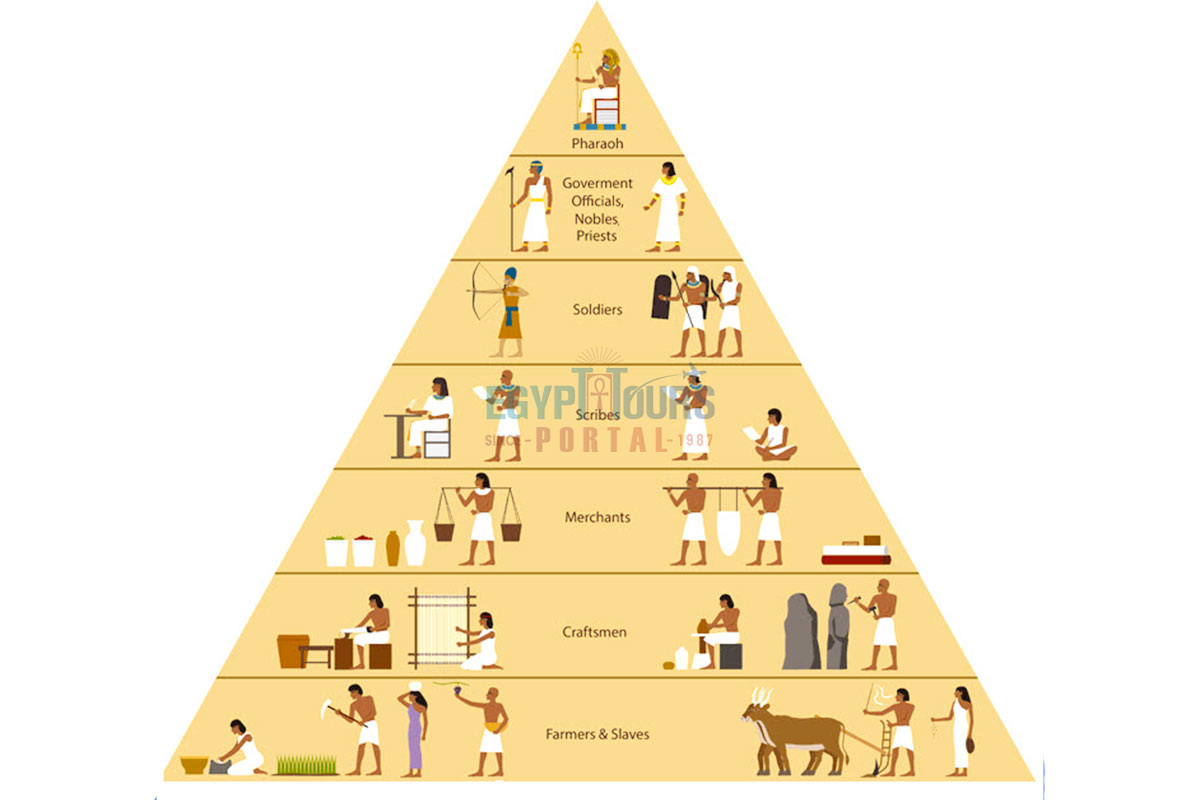
Ancient Egyptian Social Structure - Egypt Tours Portal

The political structure of ancient Egypt was an intricate and highly organized hierarchy that allowed one of history's most enduring civilizations to flourish for over 3,000 years. At its summit was the Pharaoh, who wielded absolute power as both a political and divine ruler. Supporting this apex were viziers, scribes, and a network of officials who managed Egypt's vast territories and complex administration. This political system was established around c. 3150 BCE with King Narmer's Unification Battle of Upper and Lower Egypt, and continued, with periodic reforms, until the Roman annexation in 30 BCE.

The bureaucracy was the lifeblood of this system, overseeing taxation, trade, agriculture, law enforcement, and monumental construction. The kingdom was divided into nomes, or provinces, each governed by a nomarch. This system provided local oversight while ensuring the central government maintained overall control. During the Old Kingdom (c. 2613–2181 BCE), this framework facilitated monumental achievements like the construction of the Great Pyramid of Giza. In later periods, such as the New Kingdom of Egypt (c. 1550–1070 BCE), it enabled large-scale projects like the temples at Karnak and Abu Simbel.

To maintain cohesion, the bureaucracy relied on a system of checks and balances. Scribes documented all activities, from tax collections to royal decrees, providing an early form of accountability. The centralized structure was flexible enough to adapt to Egypt’s needs over millennia, balancing local governance with centralized power.

The Divine Role of the Pharaoh in Ancient Egyptian Government

Pharaoh Of Ancient Egypt -  Egypt Tours Portal
Pharaoh Of Ancient Egypt - Egypt Tours Portal

The Pharaoh was the heart of ancient Egyptian politics, embodying both ultimate political authority and divine will. As the "Lord of the Two Lands," the Pharaoh unified Upper and Lower Egypt, maintaining ma’at (order, truth, and justice) as a sacred duty. This divine kingship was rooted in the belief that the Pharaoh was the earthly incarnation of Horus and the son of Ra, the sun god of the main Ancient Egyptian Gods, which legitimized their absolute control. Pharaohs enacted laws, commanded armies, directed economic policies, and oversaw religious activities.

Their responsibilities extended to commissioning monumental examples of architecture in ancient Egypt, such as Pyramids, Temples, and statues, to display their power and piety. For instance, King Narmer (c. 3150 BCE) is credited with unifying Egypt and establishing the foundational aspects of the political system. Similarly, Ramesses II (r. 1279–1213 BCE) expanded Egypt’s empire, engaged in the famous Battle of Kadesh, and commissioned grandiose projects like Abu Simbel Temple to assert his dominance.

Coronation ceremonies marked the beginning of a Pharaoh's reign, symbolizing their divine mandate. Rituals such as the "Offering of Ma’at" underscored their role as the guarantor of cosmic balance. Sed festivals, held periodically, rejuvenated their authority and reinforced their divine status among the people. The Pharaoh’s dual role as king and high priest ensured their involvement in all aspects of governance, from military campaigns to agricultural policies.

Viziers and Officials: The Backbone of Ancient Egyptian Administration

Ancient Egyptian Vizier -  Egypt Tours Portal
Ancient Egyptian Vizier - Egypt Tours Portal

Beneath the Pharaoh stood the vizier of ancient Egypt, or “tjaty,” who acted as the chief administrator of Egypt. Often compared to a modern-day prime minister, the vizier ensured that the Pharaoh's decrees were carried out across the kingdom. The position of vizier was formalized during the Old Kingdom and reached new levels of complexity during the New Kingdom when two viziers were often appointed—one for Upper Egypt and one for Lower Egypt—to manage the kingdom’s vast expanse.

The vizier’s responsibilities were extensive, encompassing taxation, public works, the judiciary, and temple management. They supervised an army of scribes, who kept meticulous records of agricultural yields, tax payments, and resource distribution. For example, Imhotep, the vizier of King Djoser (r. 2670–2640 BCE), was an administrative genius and an architect credited with designing the Step Pyramid at Saqqara. His contributions exemplify vizier's multifaceted role in supporting the Pharaoh’s divine and practical responsibilities.

During the reign of Senusret I (c. 1971–1926 BCE), the vizier oversaw the construction of the Karnak Temple, coordinating labor, resources, and logistics. This was no small feat, as projects of such scale required the cooperation of multiple nomes, careful planning, and efficient communication. Other high-ranking officials, including treasurers, military generals, and overseers, played crucial roles in the administration. Local governance was delegated to nomarchs, who reported to the vizier but had significant autonomy in managing their regions.

This system of layered administration ensured that the Pharaoh’s authority extended to every corner of the kingdom while allowing regional officials to address local needs. Scribes, the backbone of the bureaucracy, recorded everything from legal proceedings to agricultural inventories. These records facilitated efficient governance and provided insights into daily life in ancient Egypt, highlighting the importance of administrative roles in sustaining one of history’s greatest civilizations.

Ancient Egyptian Political Systems: Centralized Power vs. Regional Authority

Ancient Egyptian Political System - Egypt Tours Portal

Ancient Egypt’s political landscape shifted between periods of centralized authority and regional decentralization, influenced by internal dynamics and external pressures. The Old Kingdom (c. 2613–2181 BCE) was characterized by a highly centralized bureaucracy, with the Pharaoh at its apex, exerting absolute control. This era saw the construction of monumental projects like the pyramids, demonstrating the central government's ability to mobilize resources across vast territories. The vizier, acting as the Pharaoh’s chief administrator, ensured policies were implemented uniformly across the nomes (provinces), while scribes meticulously recorded agricultural output, taxes, and trade activities.

However, during the First Intermediate Period (c. 2181–2040 BCE), the collapse of centralized power led to significant autonomy for regional governors, or nomarchs. These local rulers wielded control over their territories, collecting taxes, maintaining militias, and even building their temples. The weakened central authority led to fragmentation and internal conflict, with the nomarchs often vying for supremacy.

The Middle Kingdom of Egypt (c. 2040–1782 BCE) restored centralized governance under leaders like Mentuhotep II, who reunited Egypt, and Amenemhat I, who restructured administration to curb regional power. Amenemhat I moved the capital to Itj-tawy and created Egypt’s first standing army to ensure loyalty directly to the throne. The dual administration system, with officials for both Upper and Lower Egypt, further strengthened control. Trade expanded during this period, bolstering the economy and reinforcing central authority.

The New Kingdom (c. 1550–1070 BCE) saw Pharaohs like Tuthmosis III and Ramesses II reasserting centralized power through military conquests and diplomatic alliances. These rulers expanded Egypt’s borders, establishing it as a dominant empire. However, by the Third Intermediate Period (c. 1070–664 BCE), the balance of power shifted again. Regional rulers, particularly the High Priests of Amun at Thebes, gained substantial authority, challenging the central government and leading to a fragmented state.

The Powerful Influence of Religion on Ancient Egyptian Politics

Ancient Egyptian Religion and Politics - Egypt Tours Portal

Religion was deeply intertwined with Egyptian politics, shaping the structure of governance and legitimizing the Pharaoh’s rule. The Pharaoh was considered both a political leader and a divine figure, embodying the will of the gods. This divine kingship was symbolized by rituals such as the "Offering of Ma’at," where the Pharaoh demonstrated their commitment to maintaining cosmic balance.

Temples served as religious, economic, and administrative hubs, controlling vast estates and employing thousands of workers. The priesthood, particularly the cult of Amun, held immense power, influencing policies and accumulating wealth. During the New Kingdom, Karnak Temple became a symbol of this religious-political synergy. However, this balance was disrupted during Akhenaten’s reign (1353–1336 BCE), when he introduced monotheism centered on Aten. Akhenaten’s reforms weakened the Amun priesthood but destabilized traditional governance, contributing to economic decline and unrest.

By the reign of Horemheb (1320–1295 BCE), traditional religious practices were restored, reaffirming the connection between political authority and divine legitimacy. Despite this, the growing power of the priesthood during the Third Intermediate Period diluted centralized control, exemplifying the complex relationship between religion and politics.
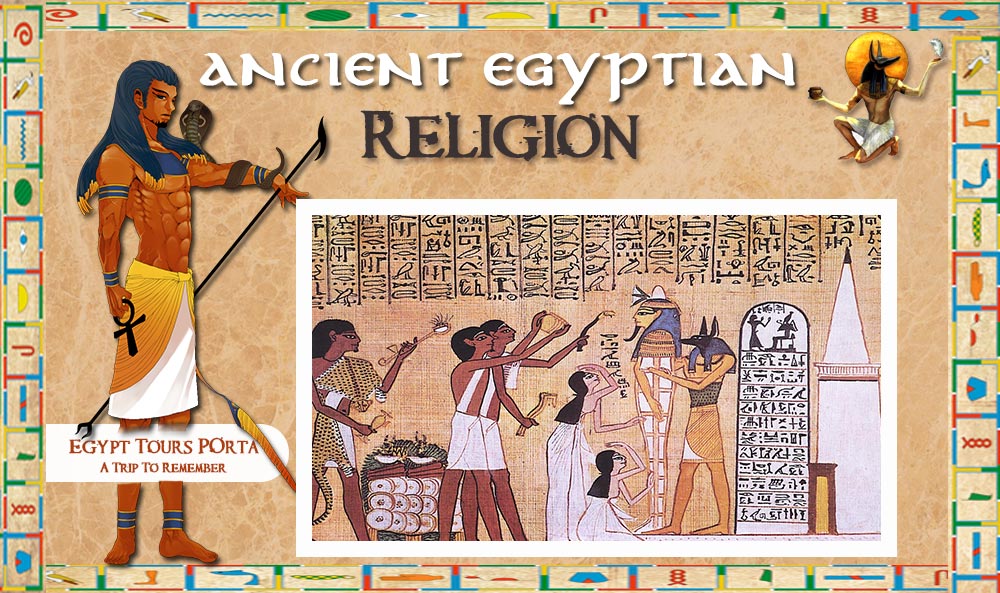
Feb 25, 2019

Ancient Egyptian Religion: Gods, Magic, and Afterlife

Explore more magnificent details about the rituals, beliefs, and customs of the religion of the ancient Egyptians.

Military Power and Politics Witin the Pharaoh’s Army in Ancient Egypt

Ancient Egyptian Army - Egypt Tours Portal

The military played a pivotal role in securing Egypt’s borders, expanding its territory, and maintaining internal stability. During the Old Kingdom, the military was composed mainly of conscripts raised by regional governors. However, the Middle Kingdom introduced the concept of a standing army under direct royal control, strengthening centralized power.

Tuthmosis III (r. 1479–1425 BCE) transformed the military into a professional force, leading campaigns into Nubia and the Levant, establishing Egypt as a dominant empire. His victory at the Battle of Megiddo (c. 1457 BCE) showcased Egypt’s military prowess and secured vital trade routes. Ramesses II’s engagement at the Battle of Kadesh (c. 1274 BCE) against the Hittites culminated in the world’s first known peace treaty, highlighting the military’s role in diplomacy and statecraft.

During the New Kingdom, specialized units like the Nubian Medjay served as elite guards and border patrols, while innovations such as chariots and composite bows enhanced the army’s effectiveness. Military campaigns not only ensured political stability but also brought immense wealth through tribute and trade.

Political Dynasties and Succession: How Pharaohs Maintained Power
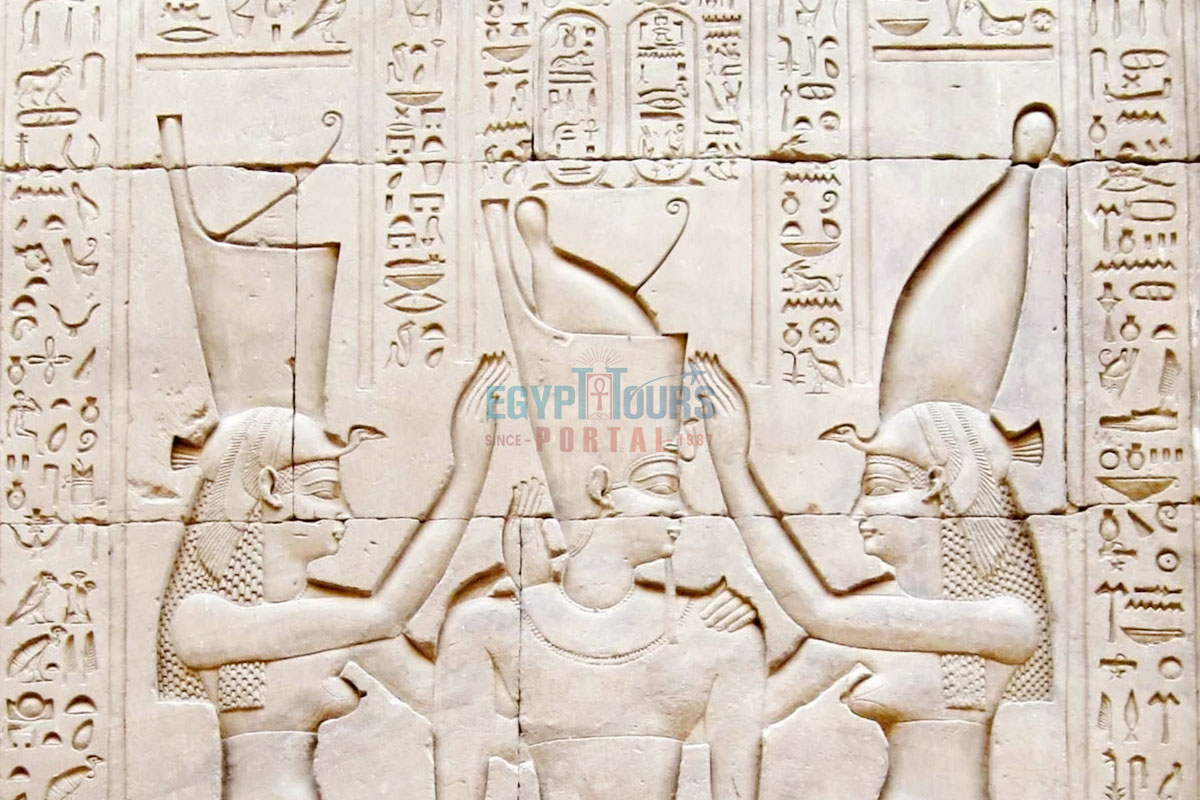
Ancinet Egyptian Political Succession - Egypt Tours Portal
Ancient Egyptian Political Succession - Egypt Tours Portal

Succession in ancient Egypt was a critical factor in maintaining political stability. Dynastic continuity was upheld through royal lineage, often reinforced by strategic marriages within the family or with foreign royalty. The concept of divine kingship meant that the legitimacy of a Pharaoh was tied to their ability to uphold ma’at and their perceived connection to the gods.

Queen Hatshepsut (r. 1479–1458 BCE) assumed the throne as a female Pharaoh, skillfully navigating patriarchal norms to secure her position. Her reign demonstrated the flexibility of the system, allowing for adaptation during times of uncertainty. Conversely, the First Intermediate Period exemplifies the chaos that ensued when succession was contested, with regional rulers asserting independence in the absence of a strong central figure.

The New Kingdom’s Ramesside Period saw elaborate succession planning, with Pharaohs often grooming multiple heirs. Despite this, incidents like the harem conspiracy against Ramesses III (r. 1186–1155 BCE) illustrate the vulnerabilities of dynastic rule.

Political Reforms in the Governance of Ancient Egypt
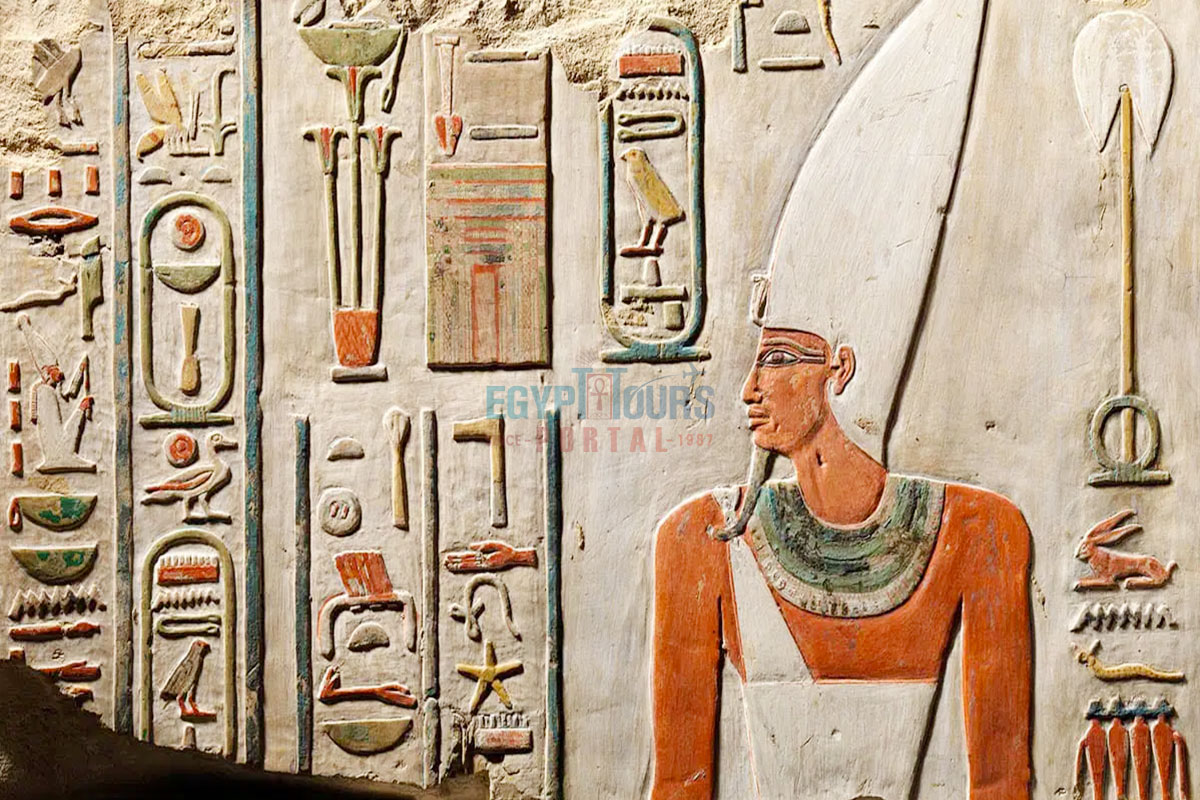
Political Reforms in Ancient Egypt -  Egypt Tours Portal
Political Reforms in Ancient Egypt - Egypt Tours Portal

Reforms were often implemented in response to crises or to consolidate power. Amenemhat I’s establishment of a standing army and relocation of the capital during the Middle Kingdom are prime examples of administrative innovation to restore central authority. The biannual cattle census, introduced during the Old Kingdom, standardized resource management and taxation, ensuring efficient governance.

Akhenaten’s religious reforms during the New Kingdom marked a dramatic shift, concentrating religious and political authority around Aten. While intended to curb the Amun priesthood’s power, these changes destabilized the economy and weakened diplomatic ties. Horemheb’s subsequent reign focused on reversing these disruptions, reinstating traditional practices, and reinforcing bureaucratic efficiency. These reforms illustrate how Egypt’s political system evolved to address internal and external challenges while preserving its foundational principles.

The Influential Role of Women in Ancient Egyptian Politics

The Role of Women in Ancient Egyptian Politics -  Egypt Tours Portal
The Role of Women in Ancient Egyptian Politics - Egypt Tours Portal

Women in ancient Egyptian politics held significant influence, particularly as queens, regents, consorts, and occasionally Pharaohs, defying societal norms often imposed on women in other ancient civilizations. Royal women contributed to political stability, governance, diplomacy, and religious leadership, leaving an enduring legacy in Egypt’s history. Queens, such as Ahmose-Nefertari (c. 1570–1530 BCE) and Tiye (c. 1398–1338 BCE), played vital roles in governance.

They advised their husbands, managed state affairs, and corresponded with foreign leaders, while also acting as regents for young heirs. Ahmose-Nefertari was deified after her death, reflecting the close relationship between royal women and Egypt’s political-religious system. Hatshepsut (r. 1479–1458 BCE), one of the most prominent female Pharaohs, wielded supreme authority, emphasizing her divine legitimacy. Her reign was marked by economic prosperity, political stability, and monumental achievements like the mortuary temple at Deir el-Bahri.

Despite later efforts to erase her legacy, her impact on Egyptian politics remains significant. Cleopatra VII (r. 51–30 BCE), Egypt’s last Pharaoh, exemplified political acumen, forging alliances with Julius Caesar and Mark Antony to safeguard Egypt’s sovereignty amidst Roman expansion. Her intelligence and diplomacy highlight the strategic roles women played in statecraft.

Royal women also served as diplomats, using marriage and alliances to maintain peace and secure borders. For example, Amenhotep III’s marriage to Mitanni princesses strengthened diplomatic ties. Additionally, women in religious roles, such as “God’s Wives of Amun,” wielded economic and administrative power by managing temple estates, further enhancing their political significance.

Deification elevated women’s political status, as seen with Ahmose-Nefertari and Nefertari, wife of Ramesses II, who were worshiped as divine intermediaries. Such integration into Egypt’s religious framework amplified their influence. Women acted as stabilizing forces, ensuring smooth transitions of power and upholding governance. Their contributions in diplomacy, administration, and religion demonstrated that political authority in Egypt was not solely a male domain, securing their place as integral to Egypt’s enduring legacy.

Ancient Egyptian Political Propaganda in Monuments and Art

Ancient Egyptian Political Art -  Egypt Tours Portal
Ancient Egyptian Political Art - Egypt Tours Portal

Monuments and art in ancient Egypt served as powerful tools of political propaganda, reinforcing the authority of Pharaohs and promoting state ideology. Pharaohs commissioned grand structures of Ancient Egyptian Architecture to symbolize their divine connection and political power. The Great Pyramids of Giza (c. 2580–2560 BCE) are prime examples of how architecture immortalized Pharaohs as divine rulers. Similarly, temples like Abu Simbel, constructed by Ramesses II (r. 1279–1213 BCE), not only showcased military victories but also emphasized the Pharaoh’s piety and ability to maintain cosmic order.

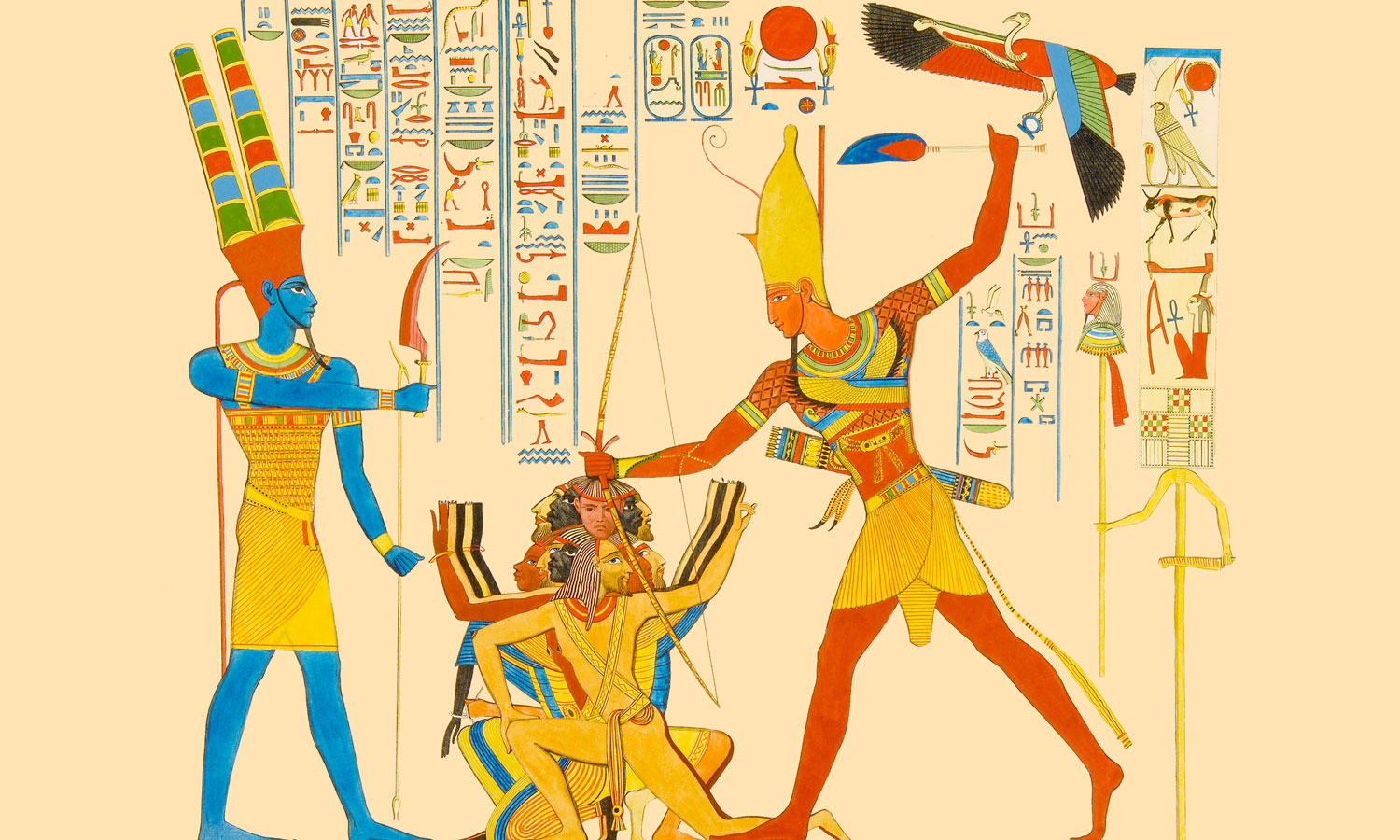
Reliefs and inscriptions played a central role in communicating political messages. For instance, temple walls often depicted the Pharaoh smiting enemies or offering tribute to gods, symbolizing their role as both a protector and intermediary with the divine. Artworks such as the Narmer Palette (c. 3150 BCE) celebrated King Narmer's unification of Egypt, blending historical events with symbolic imagery to legitimize his rule.
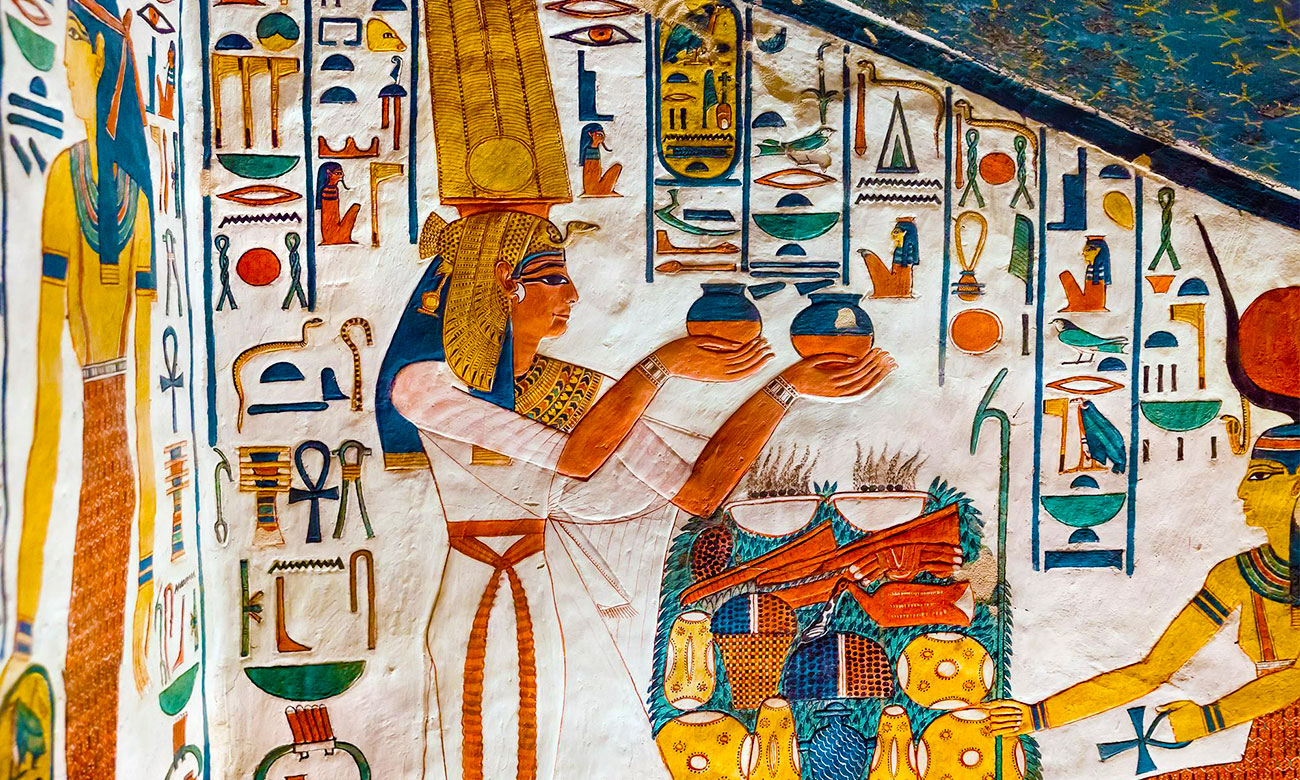
Apr 12, 2021

Ancient Egyptian Art

Explore more fascinating facts about the beauty and meaning behind ancient Egyptian Art.

Even everyday items, like stelae, were used to convey royal decrees and victories. The victory stela of Merneptah (c. 1208 BCE) highlighted his triumphs over foreign powers, further asserting his strength and divine favor. Monuments and art ensured the Pharaoh's legacy endured while also subtly reminding subjects of their ruler’s divine authority and the importance of loyalty to the state.

Law and Justice in Ancient Egypt Where the Pharaoh Acted as Chief Judge

Pharaoh the cheif Justice of Ancient Egypt -  Egypt Tours Portal
Pharaoh, the Chief Justice of Ancient Egypt - Egypt Tours Portal

The Pharaoh was the highest authority in the judicial system, embodying ma’at. As the chief judge, the Pharaoh’s primary duty was to ensure harmony within the kingdom by resolving disputes, issuing decrees, and upholding laws aligned with ma’at. The Pharaoh delegated much of the legal work to viziers, who acted as chief administrators and supervised local courts, but all major legal decisions ultimately traced back to the Pharaoh.

The legal system was well-organized, with courts operating at different levels. Local disputes were typically handled by village elders, while complex cases were escalated to the vizier or the Pharaoh. Legal proceedings were often documented, as seen in the famous Wilbour Papyrus (c. 1140 BCE), which detailed land ownership disputes.

Ancient Egyptian law emphasized restorative justice rather than punishment. Property disputes, theft, and family conflicts were resolved through negotiation and compensation rather than severe penalties. However, crimes against the state, like rebellion or temple robbery, were punished harshly to deter challenges to the Pharaoh's authority.

The Pharaoh’s role in justice extended to religious matters, as they acted as intermediaries between gods and humans. Ceremonies like the "Offering of Ma’at" reaffirmed the Pharaoh’s responsibility to uphold order, ensuring stability across both the divine and human realms.

The Political Legacy of Ancient Egypt And Influence on Future Governments

The Political Legacy of Ancient Egypt Influence on Future Governments - Egypt Tours Portal
The Political Legacy of Ancient Egypt's Influence on Future Governments - Egypt Tours Portal

The political systems of ancient Egypt profoundly influenced subsequent civilizations, laying the groundwork for centralized governance and the concept of divine kingship. The idea of rulers deriving their authority from the gods resonated in later cultures, such as the divine-right monarchies of medieval Europe and the emperor cults of Rome.

Egypt’s sophisticated bureaucracy set a standard for governance, particularly in record-keeping, taxation, and legal administration. Scribes meticulously documented state affairs, an innovation that influenced administrative practices in Mesopotamia, Greece, and Rome. The notion of regional governors, like Egypt’s nomarchs, parallels systems in later empires, such as Roman provinces and Persian satrapies.

Monumental architecture as a tool of political propaganda also became a hallmark of subsequent civilizations. The Romans borrowed heavily from Egyptian monumental design, as seen in obelisks transported to Rome, while Greek historians admired Egypt’s temples and pyramids for their grandeur and symbolism.

Even Egypt’s concept of ma’at, emphasizing balance and justice, shaped early philosophical ideas about governance, influencing Greek and later Enlightenment thought. Egypt’s legacy as one of history’s most enduring political systems continues to inspire both scholars and governments in understanding statecraft and societal organization.

The Fruitful Diplomacy and Foreign Relations in Ancient Egypt
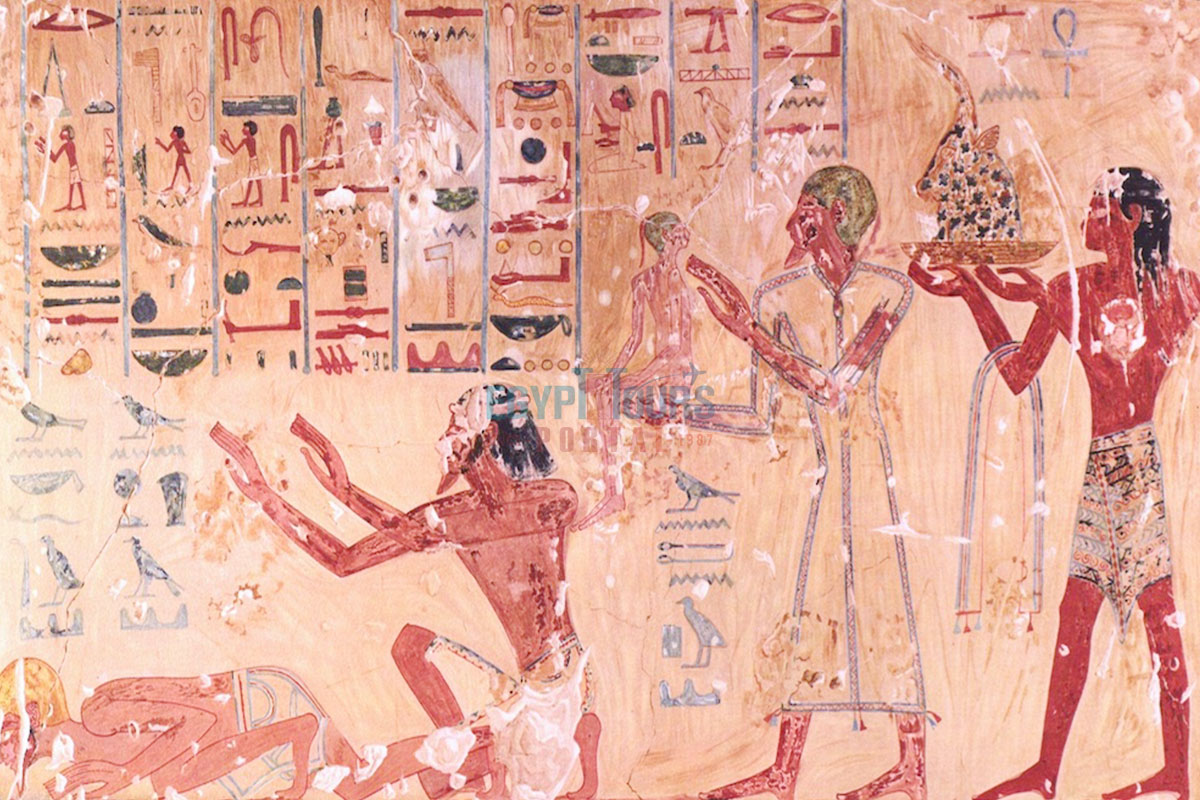
Diplomacy and Foreign Relations in Ancient Egypt - Egypt Tours Portal

Diplomacy was a cornerstone of Egypt’s foreign policy, allowing it to maintain power and influence in the ancient world. Pharaohs employed treaties, trade, and marriage alliances to strengthen relationships with neighboring states. The earliest known peace treaty, signed after the Battle of Kadesh (c. 1274 BCE) between Ramesses II and the Hittites, exemplifies Egypt’s diplomatic sophistication.

Egypt established trade networks with regions like Nubia, Punt, and the Levant, importing valuable resources such as gold, incense, and cedar wood. The Amarna Letters (14th century BCE) provide a glimpse into diplomatic correspondence between Pharaohs like Akhenaten and rulers of Mitanni, Babylon, and Assyria, revealing the complexities of maintaining alliances and managing conflicts.

Royal marriages were another strategic tool, often used to solidify alliances. For example, Amenhotep III married a Mitanni princess to secure peace and strengthen ties with the region. However, Egypt also demonstrated military force when diplomacy failed, as seen in campaigns against the Nubians and Hyksos.

By balancing diplomacy with military power, Egypt maintained its dominance for millennia, establishing itself as a key player in the ancient Near East. Its diplomatic strategies laid the groundwork for international relations, influencing subsequent empires in managing foreign affairs and fostering alliances.

Ancient Egyptian Political Philosophy: The Concept of Ma’at and Governance
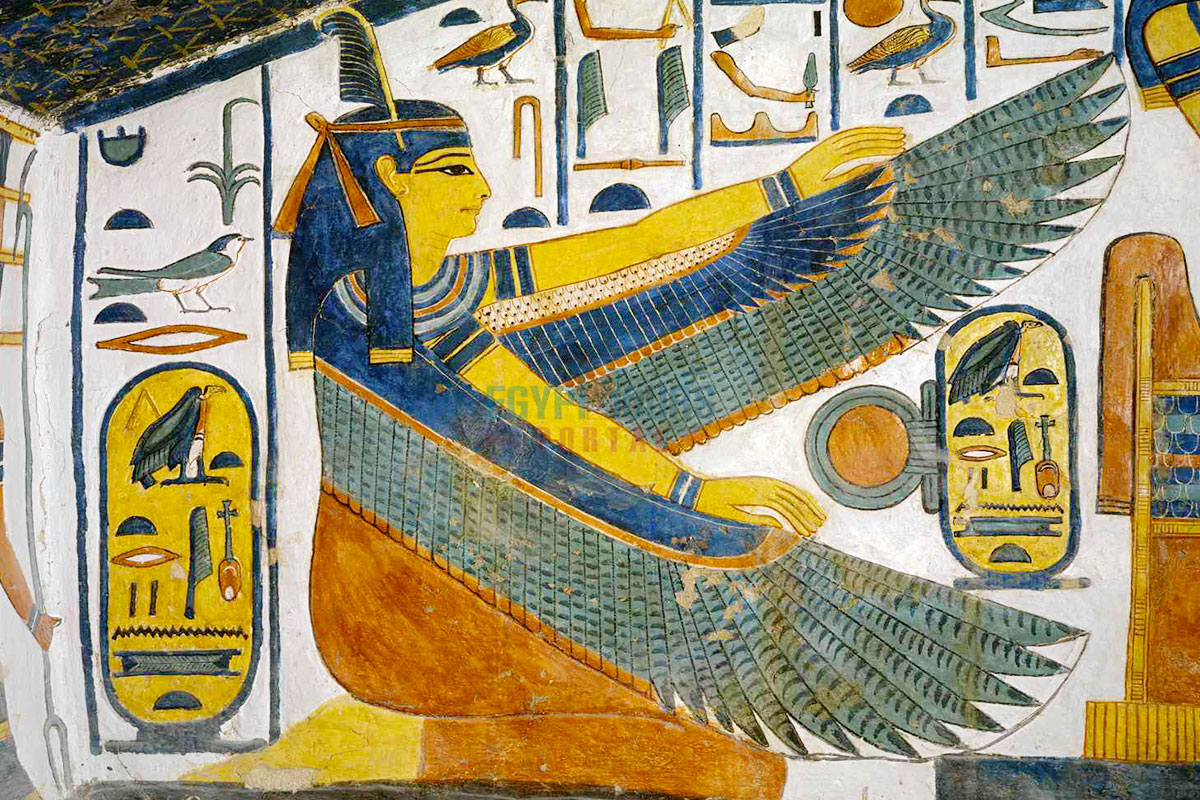
Maat - Egypt Tours Portal

Ma’at, the principle of cosmic order, truth, and justice, was the foundation of Egyptian governance. Pharaohs were seen as the embodiment of ma’at, tasked with ensuring harmony between the divine and earthly realms. This philosophy influenced lawmaking, taxation, and foreign policy, creating a moral framework that sustained Egypt for millennia.

The presentation of Ma’at during rituals symbolized the Pharaoh’s commitment to this principle. Administrative practices, such as the equitable distribution of resources and the resolution of legal disputes, were rooted in the pursuit of ma’at. This concept not only stabilized internal governance but also shaped Egypt’s interactions with neighboring states, reinforcing its reputation as a beacon of order and prosperity.

The Decline of Ancient Egyptian Politics: Factors That Led to Political Instability

The Decline of Ancient Egyptian Politics -  Egypt Tours Portal
The Decline of Ancient Egyptian Politics - Egypt Tours Portal

The decline of ancient Egyptian politics resulted from a combination of internal and external factors that disrupted its centralized governance. Periods of fragmentation, such as the First (c. 2181–2040 BCE) and Second (c. 1782–1570 BCE) Intermediate Periods, were marked by weak central authority, with regional nomarchs gaining autonomy and often clashing for control.

Economic challenges further exacerbated political instability. During the Late Period (c. 664–332 BCE), heavy taxation, declining agricultural productivity, and corruption weakened the state’s ability to maintain its infrastructure and fund military campaigns. Additionally, the growing power of the priesthood, particularly the High Priests of Amun, rivaled the authority of Pharaohs, as seen during the Third Intermediate Period (c. 1070–664 BCE).

Foreign invasions were a major factor in Egypt’s decline. The Hyksos introduced new military technology during their occupation in the Second Intermediate Period, while later invasions by the Assyrians (671 BCE), Persians (525 BCE), and eventually Alexander the Great (331 BCE) eroded Egyptian sovereignty. Cleopatra VII’s defeat in 30 BCE marked the end of Pharaonic rule and Egypt’s transition into a Roman province.

Political instability was also fueled by weak succession planning and internal power struggles, as seen during the New Kingdom’s Ramesside Period. Despite efforts to restore order, Egypt’s political structure ultimately could not withstand the pressures of external conquest and internal division. 

Witness the Political System of Ancient Egypt With Our Egypt Trips

Ancient Egypt’s political systems were highly organized, allowing the civilization to thrive for over three thousand years. The integration of divine kingship with a sophisticated bureaucracy enabled effective governance across vast territories. The Pharaoh’s dual role as a political leader and divine figure provided stability, while the intricate administration ensured the implementation of policies.

The legacy of Egypt’s political philosophy, including the concept of ma'at, and its diplomatic strategies, continues to influence modern political systems. The combination of centralized power, regional governance, and religious integration laid the groundwork for future empires and governmental structures. The political system led to the creation of many great constructions and artifacts, which can be explored through all our magical Egypt Tour Packages and Nile River Cruises that can shed light on the greatness of this eternal civilization.

ETP TEAM

Leave a Comment

Don't Just See Egypt. Experience It.

From private sunrise viewings at Giza to dining with local families in Aswan, unlock an extraordinary journey crafted entirely around your pacing and desires.

Private Certified Egyptologists Handpicked Heritage Stays 100% Tailor-Made Pacing Zero Hidden Service Fees
Explore Egypt Tours
Pick Your Journey

Related Tours to This Article

4 Days Cairo Tour Packages
IATA-Egypt-Tours-Portal

4 Days Cairo Tour Packages

Great journey in Egypt for 4 days Cairo tour Packages joining a private tour guide to visit Giza Pyramids complex, Coptic & Islamic landmarks in old Cairo.
Cairo – Giza
4 Days / 3 Nights Classic Tour
4 Days Cairo and Alexandria Itinerary
IATA-Egypt-Tours-Portal

4 Days Cairo and Alexandria Itinerary

Venture on a private 4-day exploration of Cairo and Alexandria, including famous monuments and accommodation in 5-star hotels. Book now!
Cairo / Giza / Alexandria
4 Days / 3 Nights Classic Tour
5 Days Cairo and Alexandria Tour Package
IATA-Egypt-Tours-Portal

5 Days Cairo and Alexandria Tour Package

Enjoy a 5-day Cairo and Alexandria tour with Giza Pyramids, Old Cairo, Alexandria Library, Qaitbay Citadel, Pompey's Pillar, hotels, guide and transfers.
Cairo / Giza / Alexandria
5 Days / 4 Nights Classic Tour
5 Days Cairo & Luxor Tour Package
IATA-Egypt-Tours-Portal

5 Days Cairo & Luxor Tour Package

Experience the Pyramids, Cairo, and Luxor on our 5-day tour package with a private guide. Book now to explore Cairo and Luxor in just 5 days!
Cairo / Luxor
5 Days / 4 Nights Classic Tour
6 Days Cairo, Luxor & Aswan Holiday
IATA-Egypt-Tours-Portal

6 Days Cairo, Luxor & Aswan Holiday

Enjoy 6 Days Cairo, Luxor & Aswan tour package-joining a private tour guide to visit the most famous tourist attraction in Cairo, Luxor & Aswan. Book Now!
Cairo / Giza / Aswan / Luxor
6 Days / 5 Nights Classic Tour
6 Days Cairo and Nile Cruise Package
IATA-Egypt-Tours-Portal

6 Days Cairo and Nile Cruise Package

Exceptional 6 days Cairo and Nile Cruise package to visit Cairo & Pyramids, then Nile cruise Aswan to Luxor to visit ancient temples and tombs, Book Now!!!
Cairo / Aswan / Kom Ombo / Edfu / Luxor
6 Days / 5 Nights Classic Tour
7 Days Cairo and Hurghada Holiday
IATA-Egypt-Tours-Portal

7 Days Cairo and Hurghada Holiday

Book the 7-day Cairo and Hurghada holiday for a perfect blend of historical tours in Cairo and beach relaxation in Hurghada.
Cairo – Giza – Hurghada
7 Days / 6 Nights Classic Tour
7 Days Cairo, Luxor & Hurghada Holiday
IATA-Egypt-Tours-Portal

7 Days Cairo, Luxor & Hurghada Holiday

Enjoy a 7-day Egypt tour to Cairo, Luxor, and Hurghada with Giza Pyramids, Karnak, Valley of the Kings, Hatshepsut Temple, Red Sea snorkeling & expert guides.
Cairo – Giza – Luxor – Hurghada
7 Days / 6 Nights Classic Tour
8 Days Cairo Nile Cruise and Hurghada Tour
IATA-Egypt-Tours-Portal

8 Days Cairo Nile Cruise and Hurghada Tour

An 8-day itinerary featuring historic tours of Cairo, a Nile cruise through Luxor and Aswan, and a relaxing stay at Hurghada's Red Sea beaches.
Cairo / Giza / Aswan / Kom Ombo / Edfu / Luxor / Hurghada
8 Days / 7 Nights Classic Tour
9 Days Cairo, Luxor & Hurghada Tour Package
IATA-Egypt-Tours-Portal

9 Days Cairo, Luxor & Hurghada Tour Package

Enjoy 8 nights / 9 days Cairo, Luxor & Hurghada tour package to visit ancient Egypt monuments in Cairo & Luxor, then move to Hurghada. Book now!!!
Cairo / Giza / Luxor / Hurghada
9 Days / 8 Nights Classic Tour
9 Days Alexandria, Cairo & Sharm El Sheikh Holiday
IATA-Egypt-Tours-Portal

9 Days Alexandria, Cairo & Sharm El Sheikh Holiday

Explore Alexandria, Cairo & Sharm El Sheikh in 9 days, with iconic sights in Cairo & Alexandria, and Red Sea adventures in Sharm El Sheikh.
Cairo / Giza / Alexandria / Sharm El Sheikh
9 Days / 8 Nights Budget Tour
10 Days Egypt Tour Cairo, Nile Cruise & Hurghada
IATA-Egypt-Tours-Portal

10 Days Egypt Tour Cairo, Nile Cruise & Hurghada

Explore Cairo's iconic landmarks, sail the Nile to Luxor and Aswan, and chill in Hurghada on this 10-day Egypt adventure. Book your trip now!
Cairo / Giza / Aswan / Kom Ombo / Edfu / Luxor / Hurghada
10 Days / 9 Nights Classic Tour
12 Days Hurghada, Cairo & Nile Cruise Holiday Packages
IATA-Egypt-Tours-Portal

12 Days Hurghada, Cairo & Nile Cruise Holiday Packages

Enjoy 12 Days Egypt tours to Cairo, Nile Cruise & Hurghada to visit the most famous attractions in Egypt. joining a private tour guide. Book Now!
Cairo / Giza / Aswan / Kom Ombo / Edfu / Luxor / Hurghada
12 Days / 11 Nights Classic Tour
13 Days Alexandria, Cairo and Nile Cruise Holidays
IATA-Egypt-Tours-Portal

13 Days Alexandria, Cairo and Nile Cruise Holidays

Enjoy 13 days Cairo and Nile cruise holidays in addition to visiting Alexandria sightseeing, then move to enjoy Red Sea holidays in Hurghada. Book Now!
Cairo / Giza / Aswan / Abu Simbel / Kom Ombo / Edfu / Luxor / Hurghada / Alexandria
13 Days / 12 Nights Classic Tour
15 Days Marvelous Tour Package in Egypt
IATA-Egypt-Tours-Portal

15 Days Marvelous Tour Package in Egypt

Lock in your 15-day Egypt itinerary now, exploring famed landmarks in the most visited cities, followed by a relaxing getaway in Hurghada on the Red Sea.
Cairo/Giza/Aswan/Abu Simbel/Kom Ombo/Edfu/Luxor/Hurghada/Alexandria
15 Days / 14 Nights Classic Tour
Keep Exploring

What to Read Next

Dive deeper into this topic. Discover more insights, expert advice, and inspiration in our recommended articles.
Ancient Egyptian Medicine: The Sacred Science and Origins of Healing Practices
Tue, 06 Aug 2019

Ancient Egyptian Medicine: The Sacred Science and Origins of Healing Practices

Discover how ancient Egyptian doctors blended magic, surgery, and herbal remedies to treat disease, shaping the foundation of modern medicine.

Ancient Egyptian Mathematics: The Foundation of Geometry and Engineering
Wed, 07 Aug 2019

Ancient Egyptian Mathematics: The Foundation of Geometry and Engineering

Explore how Ancient Egyptian mathematics shaped civilization through geometry, fractions, and engineering marvels like pyramids, using advanced calculations.

Ancient Egyptian Food and Drinks: What Did They Eat and How?
Thu, 08 Aug 2019

Ancient Egyptian Food and Drinks: What Did They Eat and How?

Explore ancient Egyptian food recipes & drinks like bread and beer, meats, vegetables, and fruits, plus the diet of commoners and royalty, and cooking methods.

Ancient Egyptian Entertainment: Sports, Music, and Games
Thu, 08 Aug 2019

Ancient Egyptian Entertainment: Sports, Music, and Games

Discover how Ancient Egyptians celebrated life through sports, music, dance, games, and festivals, blending joy with faith in daily and sacred traditions.

Ancient Egyptian Economy: Planning Mastery & Resource Management
Sat, 10 Aug 2019

Ancient Egyptian Economy: Planning Mastery & Resource Management

Discover how ancient Egypt’s detailed bureaucracy and the Nile fueled one of history’s greatest economies, blending agriculture, trade, and cultural wealth.

Ancient Egyptian Craftsmen: The Skilled Artisans Behind the Immortal Milestones of Egypt
Sat, 10 Aug 2019

Ancient Egyptian Craftsmen: The Skilled Artisans Behind the Immortal Milestones of Egypt

Discover the legacy of ancient Egyptian craftsmen, stone masons, jewelers, potters, and more, whose artistry shaped Egypt’s cultural and spiritual identity.

Ancient Egyptian Calendar: Time, Nature, System, & Divine Order
Sat, 10 Aug 2019

Ancient Egyptian Calendar: Time, Nature, System, & Divine Order

Explore how the ancient Egyptian calendar used stars, Nile floods, and myth to guide farming, rituals, and daily life for over 5,000 years of civilization.
Ancient Egyptian Coins: Symbols of Power, Wealth, and Culture
Wed, 21 Aug 2019

Ancient Egyptian Coins: Symbols of Power, Wealth, and Culture

Discover the history of Ancient Egyptian coins, from barter and metal weights to Ptolemaic minting, Roman influence, and the symbolism behind their design.

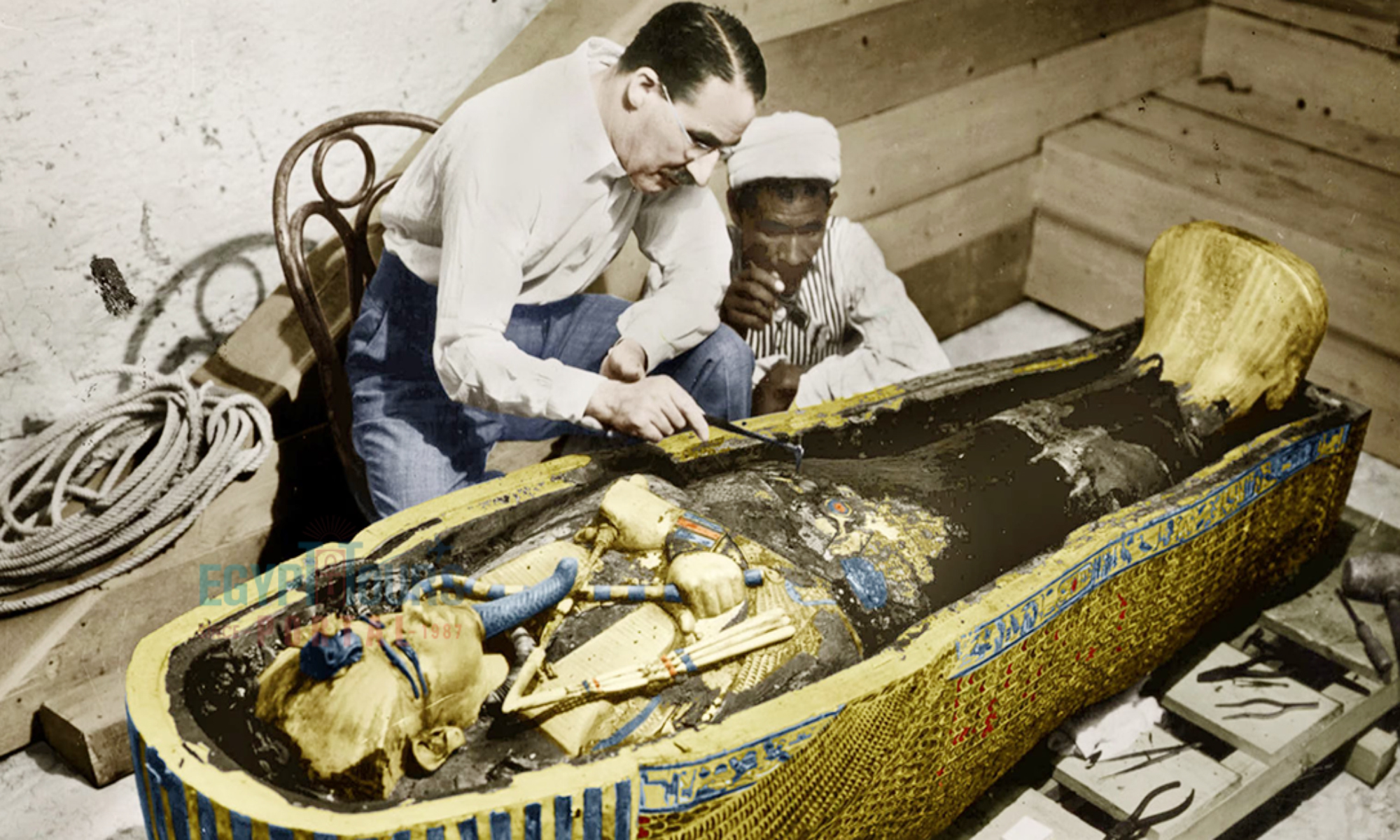
Discover the Life-Changing Discovery of Tutankhamun Tomb
Mon, 09 Sep 2019

Discover the Life-Changing Discovery of Tutankhamun Tomb

Discovery of Tut’s tomb by Howard Carter in 1922 stunned the world, reshaping Egyptology and igniting global fixation with ancient Egypt & the Pharaoh's curse.

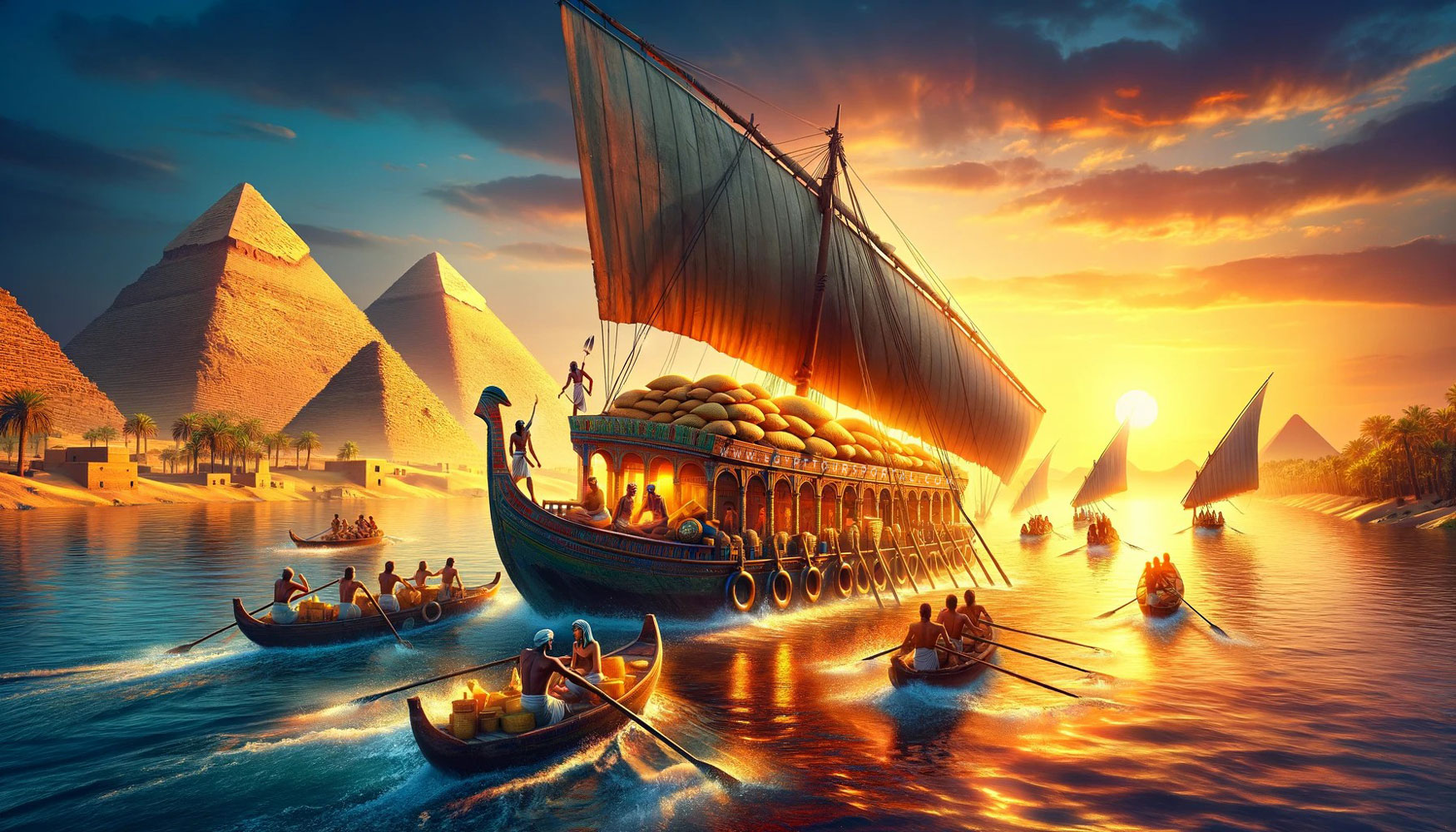
Ancient Egyptian Trade
Mon, 26 Oct 2020

Ancient Egyptian Trade

Explore the ancient Egyptian trade history, goods, routes, trading partners, ships, cultural impact, and fascinating facts in this comprehensive article.

Thebes: The Eternal Capital of Ancient Egypt
Thu, 04 Jul 2019

Thebes: The Eternal Capital of Ancient Egypt

Explore Thebes, Egypt’s grand capital of the New Kingdom; home to Karnak, Luxor, the Valley of the Kings, and the grand legacy of ancient Egyptian civilization.
Ancient Egyptian Art
Mon, 12 Apr 2021

Ancient Egyptian Art

Explore Ancient Egyptian Art history, colors, hieroglyphics, literature, paintings, sculptures, styles, papyrus, tombs, animals, martial art, and facts.

Crime & Punishment in Ancient Egypt
Sat, 17 Apr 2021

Crime & Punishment in Ancient Egypt

Punishment was one of the fundamental elements of the life of Egyptians. Read more about crime & punishment in ancient Egypt.

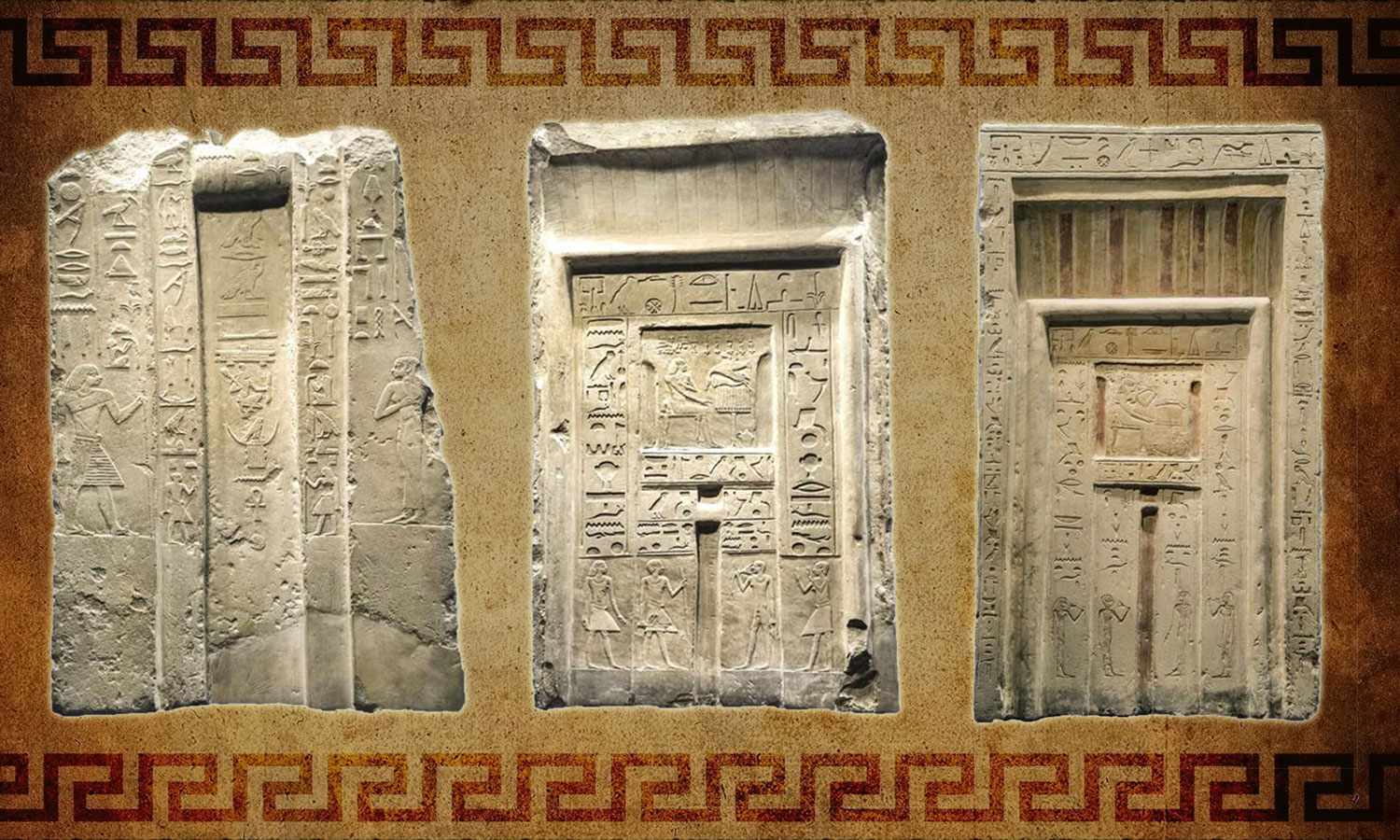
False Doors In Ancient Egypt
Wed, 21 Apr 2021

False Doors In Ancient Egypt

Dive into the history of False Doors in Ancient Egypt: Uncover their evolution, inscriptions, religious meaning, and interesting facts!

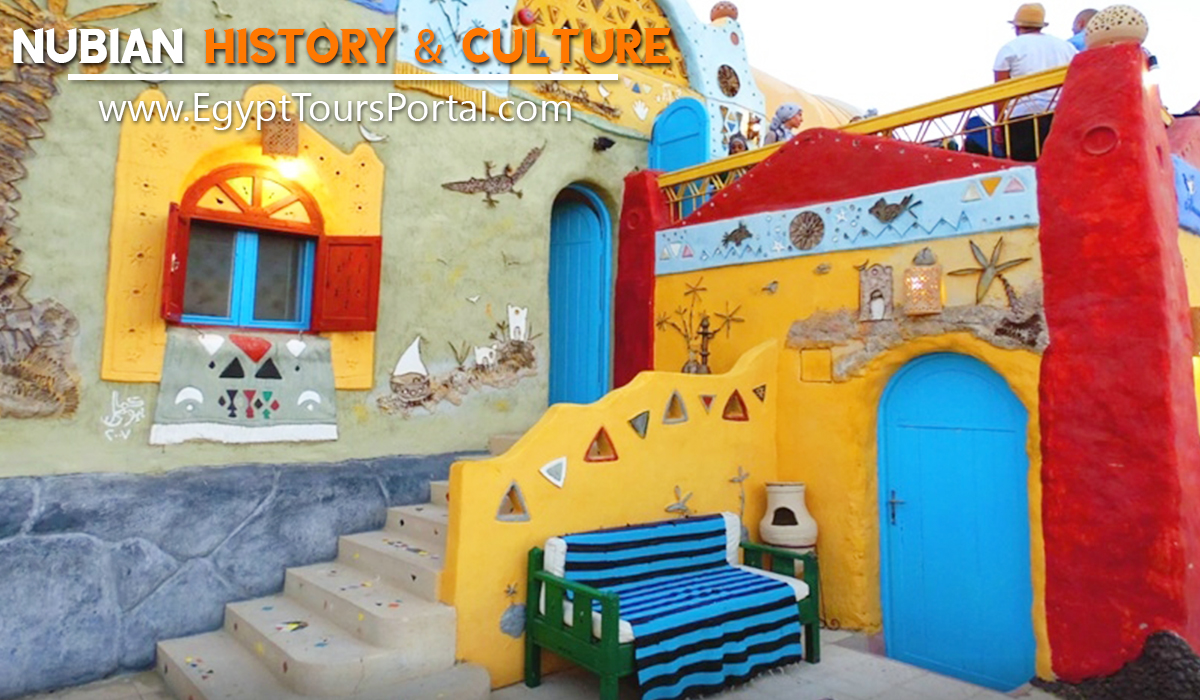
Ancient Nubia: The Culture That Shaped Egypt’s South
Mon, 24 Jun 2019

Ancient Nubia: The Culture That Shaped Egypt’s South

Explore the rich heritage of Nubian culture in Egypt, from ancient kingdoms and temples to language, crafts, and vibrant traditions still alive today.

Book With Confidence

Why Travel With Egypt Tours Portal

The "Boutique" Advantage

01

We offer private, customizable journeys tailored to your pace, moving away from the "factory-style" mass-market tours.

Gold-Standard Guides

02

Travel with elite, licensed Egyptologists who act as storytellers, not just tour leaders.

Seamless Logistics

03

24/7 "high-touch" support with a dedicated coordinator for every aspect of your multi-vendor itinerary.

2026/04/egypt-tours-portal-clients-at-giza-pyramids.jpg
04

True Customization

Our "Tailor-Made" planning workflow ensures your trip matches your specific priorities and interests.

05

Luxury & Comfort

We prioritize premium guide quality and vetted, safe hotels to ensure a stress-free environment.

06

Protection & Security

Advanced safety protocols and 24/7 emergency contact for total peace of mind during your adventure.

Book With Confidence.

Book your trip with peace of mind knowing every detail is handled with care.

Enjoy flexible options, secure payments, and dedicated support to make your journey smooth and worry-free from start to finish.

Read Our Confidence Policy

Pay Monthly

Split your total trip cost into easy monthly installments, making it more flexible and affordable for your budget.

Fast Booking

Complete your booking in just a few simple steps with a quick and streamlined process designed to save you time.

24/7 Support

Our dedicated support team is available around the clock to assist you before, during, and after your trip.

Rated 5 Stars

Highly rated by thousands of travelers for quality service, reliable experiences, and unforgettable journeys.

Pay Monthly

Split your total trip cost into easy monthly installments, making it more flexible and affordable for your budget.

Fast Booking

Complete your booking in just a few simple steps with a quick and streamlined process designed to save you time.

24/7 Support

Our dedicated support team is available around the clock to assist you before, during, and after your trip.

Rated 5 Stars

Highly rated by thousands of travelers for quality service, reliable experiences, and unforgettable journeys.

Traveler Video Reviews

Inside The Experience: Watch Authentic Traveler Stories Before Booking

Clients Feedback
https://dynamic-media-cdn.tripadvisor.com/media/photo-o/12/04/24/3e/rk-w.jpg
Erin W
Kiawah Island, South Carolina

"We had a great experience touring Aswan, Edfu, and Luxor with Mahmoud. I would highly recommend him as a guide. He adapted to our needs (2 teenagers) and kept everything interesting. He was always prompt, professional, and easy to communicate with. He was also very prompt answering questions via WhatsApp"

Read More
https://dynamic-media-cdn.tripadvisor.com/media/photo-o/1a/f6/f1/79/default-avatar-2020-21.jpg
Estelle V

"We would like to share our wonderful experience with Egypt Tours Portal. From the very first quote to our final airport drop-off, we were impressed by the professionalism, organization, and excellent communication from Walaa and the entire team. Our tour guides in both Luxor (“Habibi” was the best!) and Cairo were incredibly knowledgeable, helpful, and passionate about sharing Egypt’s history and treasures with us. We especially appreciated how thoughtfully the itinerary was planned — allowing us time to rest in the afternoons, scheduling visits during the cooler hours, and remaining flexible to accommodate our needs. Everything was smooth, well-organized, and made our trip truly memorable. We wholeheartedly recommend Egypt Tours Portal to anyone looking to discover the incredible history, culture, and wonders Egypt has to offer."

Read More
https://dynamic-media-cdn.tripadvisor.com/media/photo-o/1a/f6/e7/3d/default-avatar-2020-55.jpg
Tim K

"We had an outstanding time touring Luxor with our guide, Essra. She was knowledgeable, professional, and incredibly kind throughout the entire experience. Her explanations of Karnak Temple, Luxor Temple, the Valley of the Kings, Hatshepsut Temple, and the Colossi of Memnon brought Egypt's history to life. What really set her apart was her thoughtfulness. She made sure we stayed comfortable in the heat, surprising us with water and refreshments. She also took us to an excellent local restaurant that we never would have found on our own. Her attention to detail, genuine care, and passion for sharing Egypt made this one of the highlights of our trip. We highly recommend her to anyone visiting Luxor. On another note, the drivers we had each day were great. So professional, always on time and personable."

Read More
https://dynamic-media-cdn.tripadvisor.com/media/photo-o/1a/f6/e2/a7/default-avatar-2020-44.jpg
Will S
Bluff Park, Alabama

"We had a great vacation. Omar Haridi did our Nile Cruise and Zizi did our Cairo tour. They were amazing and very knowledgeable."
Read More
https://dynamic-media-cdn.tripadvisor.com/media/photo-o/1a/f6/ed/00/default-avatar-2020-4.jpg
Mira F

"The best experience of my lifetime! Nour, the tour guide was absolutely amazing! Went over and beyond thinking about every little thing. I had a mishap and Egypt Air overbooked my flight and bumped me to a later flight causing me to miss an entire day of activities. Nour made sure I got to do every single thing I missed that first day. But that’s not all: his knowledge of old Egypt is unparalleled, he truly brings Egypt (Aswan Luxor) alive. I’ve traveled all over the world and met many tour guides: Nour stands apart from all of them. He’s also considerate, caring and genuinely wants his guests to enjoy the trip and learn the most about the incredible history of Egypt. He’s also funny and genuinely great to be around. Please, do yourself a favor when booking a trip in Upper Egypt and ask for Nour. Hands down the best guide ever!"

Read More
https://dynamic-media-cdn.tripadvisor.com/media/photo-o/1a/f6/f6/0d/default-avatar-2020-34.jpg
Paul B
Hook, United Kingdom

"Excellent guide Mr Mohamed Osman, who was incredibly knowledgeable and very informative. Couldn't ask for more. Food on day 1 was ok, but much better at lunch on day 2. Hotel was excellent. Also our driver was excellent. All in all a great experience. Would highly recommend."

Read More
https://dynamic-media-cdn.tripadvisor.com/media/photo-o/1a/f6/eb/6d/default-avatar-2020-19.jpg
Marianna A

"Our experience in Egypt, especially in Luxor and Aswan, was truly unforgettable, and a huge part of that was thanks to our incredible guide Omar. We cannot recommend him highly enough. From the moment we met him, it was clear that he was exceptionally knowledgeable, professional, and deeply passionate about Egyptian history and culture. What made our tour extraordinary was that our guide is not only a master’s in Egyptology but is also currently pursuing a PhD in Egyptology. His depth of knowledge was absolutely remarkable. He is also very creative and artistic. Every temple, tomb, monument, and historical site came alive through his explanations. He did not simply recite facts, he explained the historical context, symbolism, religious beliefs, architecture, and fascinating stories behind everything we saw. It truly felt like we were traveling through ancient Egypt with a real scholar and expert by our side. He brought ancient Egyptian history to life by assigning us the roles of Egyptian gods and legendary heroes. Through these interactive mini-plays, we were able to experience, understand, and truly connect with the stories he shared. In Luxor, visiting Karnak Temple, Luxor Temple, the Valley of the Kings, and Hatshepsut Temple became an unforgettable educational and emotional experience because of the way he explained the history in such an engaging and easy-to-understand manner. In Aswan, his insights about Philae Temple, Nubian history, and ancient Egyptian civilization added so much depth to our trip. He answered every question thoughtfully and with incredible detail, and you could genuinely feel his passion for Egyptology. Beyond his academic expertise, he was one of the kindest and most caring people we met during our travels. He constantly made sure we were comfortable, safe, hydrated, and enjoying ourselves. He was patient, attentive, organized, and always willing to help with anything we needed. His warm personality and kindness made us feel welcomed not just as tourists, but as friends. He also paced the tours perfectly, allowing us enough time to truly appreciate each site without ever feeling rushed. His professionalism, friendliness, and genuine care created a relaxed and enjoyable atmosphere throughout the trip. Thanks to him, our visit to Egypt became far more than a vacation. It became an unforgettable journey into history and culture. If you are planning to visit Luxor, Aswan, or anywhere in Egypt, choosing this guide will be one of the best decisions you can make. He is truly exceptional, and we feel incredibly lucky to have had him as our guide. Thank you again for such an amazing experience. We will never forget it. Marianna and Khris"

Read More
https://dynamic-media-cdn.tripadvisor.com/media/photo-o/1a/f6/f0/d5/default-avatar-2020-17.jpg
James H

"This has been a tour agency and guides I can’t wait to give a glowing review to and to recommend to friends and family. Both Riham and Walid were happy to help coordinate excursions and share a wealth of knowledge. 10/10 experience"

Read More
https://dynamic-media-cdn.tripadvisor.com/media/photo-o/1a/f6/ec/a2/default-avatar-2020-3.jpg
H D

"We had a wonderful experience with the 5 day cruise. The price is wry reasonable. The best part is that the visits are done in very small numbers with a guide. It is almost like having a private guide. The food was good with lots of variety and all the staff members are very friendly and helpful. Omar Haradi, our guide was very knowledgeable and very generous with his time and with sharing his knowledge."

Read More
https://dynamic-media-cdn.tripadvisor.com/media/photo-o/1a/f6/f2/59/default-avatar-2020-24.jpg
Marlina
West Palm Beach, Florida

"We just returned home from an incredible trip to Egypt, and we cannot say enough good things about Egypt Tours. From the moment we booked our trip until the day we flew home, their communication, organization, and attention to detail were outstanding. Our adventure began in Cairo, where we were warmly welcomed at the airport by our guide, Abdulrahman Mosbah. He immediately made us feel comfortable and at ease, and our Nile River sunset cruise was the perfect introduction to Egypt. Abdul’s warm personality and infectious enthusiasm made our first day both fun and memorable. The following day, we toured with Reda Elgendy, who brought the pyramids to life with fascinating stories and historical insights. Seeing the Grand Egyptian Museum (GEM) was truly breathtaking and a highlight of our time in Cairo. In Aswan, we were greeted at the airport by Ahmed Haggag, who guided us over the next two days. Ahmed was incredibly knowledgeable, thorough in his explanations, and always kept us entertained with his great sense of humor. We learned so much while enjoying every moment of our time with him. Our final stop was Luxor, where we met Ghada Kamel. Saving the best for last, Ghada was absolutely exceptional. Her passion for Egypt’s history and culture made our visits to the temples and the Valley of the Kings unforgettable. She was engaging, informative, and truly outstanding. This trip exceeded all of our expectations. Not only did we experience some of the world’s most amazing historical sites, but each of our guides also shared valuable insights into Egyptian culture and daily life. We returned home with wonderful memories, a deeper appreciation for Egypt, and gratitude for the amazing team at Egypt Tours. We highly recommend Egypt Tours to anyone planning a trip to Egypt. It was truly the trip of a lifetime!"

Read More
https://dynamic-media-cdn.tripadvisor.com/media/photo-o/1a/f6/de/5a/default-avatar-2020-36.jpg
Alejandro M

"We loved it, great experience and treatment. Our guide Noah had great knowledge of the subject. Thank you very much."

Read More
https://dynamic-media-cdn.tripadvisor.com/media/photo-o/1a/f6/f0/d5/default-avatar-2020-17.jpg
Jeff T

"Our trip in May 2026 was fantastic! We saw all the major wonders of Egypt! Our incredibly knowledgeable guide Walid Ahmed met us at the hotel and was great at explaining all the particular uniqueness of each tomb and temple, inserting background myths and stories, keeping our tour on track, taking and sharing so many pictures so we could be in them as a couple and helping us navigate local customs. We strongly recommend Egypt, the tour and Walid!"

Read More
https://dynamic-media-cdn.tripadvisor.com/media/photo-o/1a/f6/e7/3d/default-avatar-2020-55.jpg
Joe P

"We had a wonderful week long vacation in Egypt, split between Cairo and Luxor. The tour was very professionally run with excellent communication starting weeks before our arrival and then nearly daily while in Egypt. A highlight was our English-speaking guide in Luxor, Walid Ahmed, who was extremely knowledgeable and exceptionally kind. The tour was flexible and accommodating, allowing last minute special detours and restaurant choices. Overall, it was one of the best vacations of our life."

Read More
https://dynamic-media-cdn.tripadvisor.com/media/photo-o/1a/f6/f1/79/default-avatar-2020-21.jpg
Damien B

"We had Ahmed Refaat as our family guide in Cairo, and he truly made our trip to Egypt unforgettable. His positive attitude, passion for Egypt’s history and culture, and incredible patience made all the difference throughout our stay in Cairo. Ahmed brought every site to life with fascinating explanations and was always attentive to our needs, making the experience enjoyable for both adults and children. We especially recommend him for visits to Saqqara and the Grand Egyptian Museum (GEM), where his deep knowledge and enthusiasm greatly enhanced our understanding and appreciation of these extraordinary places. Without any hesitation, we highly recommend Ahmed Refaat to anyone visiting Egypt. Thank you again for helping create such wonderful memories for our family!"

Read More
https://dynamic-media-cdn.tripadvisor.com/media/photo-o/1a/f6/ef/73/default-avatar-2020-13.jpg
Departure20554993605

"Knowledgeable guide, clean vehicle, interesting stories about the sites. Tour guide: Muhmmed Abd El-aal was very nice to be in the company of, dry attentive and honest."

Read More
HELP CENTER

Frequently Asked Questions

The Pharaoh was considered a divine ruler, acting as the political, religious, and military leader of Ancient Egypt.
Religion played a central role, with Pharaohs regarded as gods on Earth, ensuring harmony between the people and the deities.
Ancient Egypt's political system was a centralized monarchy with a hierarchical bureaucracy including viziers, governors, and scribes.
A combination of centralized power, religious authority, and a structured bureaucracy helped maintain stability.
Yes, the legal system was based on the principles of Ma'at (truth, balance, and order), with laws enforced by officials and judged by the Pharaoh or their delegates.
Military campaigns were crucial for securing borders, expanding territory, and projecting the Pharaoh's power and divine authority.
While political power was concentrated among the elite, commoners were often conscripted for public works and military service, indirectly supporting governance.
Yes, some women, like Hatshepsut and Cleopatra, held significant political power as Pharaohs or influential consorts.
Factors like internal strife, weak leadership, economic challenges, and foreign invasions contributed to the decline of Ancient Egyptian political power.
The entire country of Egypt deserve to be explored with its every heavenly detail but there are places that must be seen before any other such as the breathtaking Hurghada's red sea, The wonders of Cairo the pyramids of Giza, the great sphinx, the Egyptian Museum, Khan El Khalili Bazaar, the wonders of Luxor like Valley of the Kings, Karnak & Hatshepsut temple and the wonders of Aswan such as Abu Simbel temples, Philea temple, Unfinished obelisk and The Wonders of Alexandria like Qaitbat Citadel, Pompey's Pillar and Alexandria Library. Read more about the best places to visit in Egypt.
If you want to apply for a Visa On Arrival that lasts for 30 days then you should be one of the eligible countries, have a valid passport with at least 6 months remaining and pay 25$ USD in cash, as for the E-Visa for 30 day you should have a valid passport for at least 8 months, complete the online application, pay the e-visa fee then print the e-visa to later be presented to the airport border guard. You could also be one of the lucky ones who can obtain a free visa for 90 days. Read more about Egypt travel visa.
Egypt has a variety of delicious cuisines but we recommend "Ful & Ta'meya (Fava Beans and Falafel)", Mulukhiya, "Koshary", a traditional Egyptian pasta dish, and Kebab & Kofta, the Egyptian traditional meat dish. Read more about Top Traditional Egyptian Food.
The best time to travel to Egypt is during the winter from September to April, as the climate becomes a little tropical, accompanied by a magical atmosphere of warm weather with a winter breeze. You will be notified in the week of your trip if the Climate is unsafe and if any changes have been made. Read more about Best Time to Visit Egypt.
You should pack everything you could ever need in a small bag so you can move easily between your destinations. Read more about What to Pack for Your Egypt Tour.
We have been creating the finest vacations for more than 20 years around the most majestic destinations in Egypt. Our staff consists of the best operators, guides and drivers who dedicate all of their time & effort to make you have the perfect vacation. All of our tours are customized by Travel, Financial & Time consultants to fit your every possible need during your vacation. It doesn't go without saying that your safety and comfort are our main priority and all of our resources will be directed to provide the finest atmosphere until you return home.
You will feel safe in Egypt as the current atmosphere of the country is quite peaceful after the government took powerful measures like restructuring the entire tourist police to include all the important and tourist attractions in Egypt. Read more about is it safe to travel to Egypt.
Wear whatever feels right and comfortable. It is advised to wear something light and comfortable footwear like a closed-toe shoe to sustain the terrain of Egypt. Put on sun block during your time in Egypt in the summer to protect yourself from the sun.

The best activity is by far boarding a Nile Cruise between Luxor and Aswan or Vise Versa. Witness the beauty of Egypt from a hot balloon or a plane and try all the delicious Egyptian cuisines and drinks plus shopping in old Cairo. Explore the allure and wonders of the red sea in the magical city resorts of Egypt like Hurghada and many more by diving and snorkeling in the marine life or Hurghada. Behold the mesmerizing western desert by a safari trip under the heavenly Egyptian skies.
There are a lot of public holidays in Egypt, too many to count, either religious or nation, the most important festivals are the holy month of Ramadan, which ends with Eid Al Fitr, Christmas, and New Year's Eve. Read more about festivals & publich holidays in Egypt.
Egypt is considered to be one of the most liberal Islamic countries but it has become a little bit conservative in the last couple of decades so it is advised to avoid showing your chest, shoulders or legs below the knees.
Arabic is the official language and Most Egyptians, who live in the cities, speak or understand English or at least some English words or phrases. Fewer Egyptians can speak French, Italian, Spanish, and German. Professional tour guides, who work in the tourism sector, are equipped to handle visitors who cannot speak Arabic and they will speak enough English and other languages to fulfill the needs of all our clients.
The fastest way is a car, of course, a taxi. If you are in Cairo ride a white taxi to move faster or you could board the fastest way of transportation in Egypt metro if the roads are in rush hour.
The temperature in Egypt ranges from 37c to 14 c. Summer in Egypt is somehow hot but sometimes it becomes cold at night and winter is cool and mild. The average of low temperatures vary from 9.5 °C in the wintertime to 23 °C in the summertime and the average high temperatures vary from 17 °C in the wintertime to 32 °C in the summertime. The temperature is moderate all along the coasts.
It is the home of everything a traveler might be looking for from amazing historical sites dating to more than 4000 years to enchanting city resorts & beaches. You will live the vacation you deserve as Egypt has everything you could possibly imagine.
Our Partners

Partners Who Share Our Vision of Quality Travel

Partner Logo
Partner Logo
Partner Logo
Partner Logo
Partner Logo
Partner Logo
Partner Logo
Partner Logo
Partner Logo
Partner Logo