
Summary
- Luxor and Aswan's markets offer eleven standout souvenir categories, from pharaonic replicas and cartouche pendants to spices, coffee, and dates.
- Genuine papyrus can be told from banana-leaf fakes by a simple bend test, and it runs $15-50 for a standard hand-painted piece.
- Gold jewelry is priced by the daily gold rate plus a negotiable workmanship fee, with 18-karat (750) and 21-karat (875) hallmarks worth checking before buying.
- Kilims, shisha pipes, galabeyas, arabesque boxes, and brass fanoos lamps each have clear quality tells, hand-blown glass, tight weaving, irregular embroidery stitching, that separate well-made pieces from mass-produced ones.
- Bargaining, small Egyptian pound cash, and buying from workshops rather than tour-bus-adjacent stalls make the shopping itself as smooth as the cruise around it.
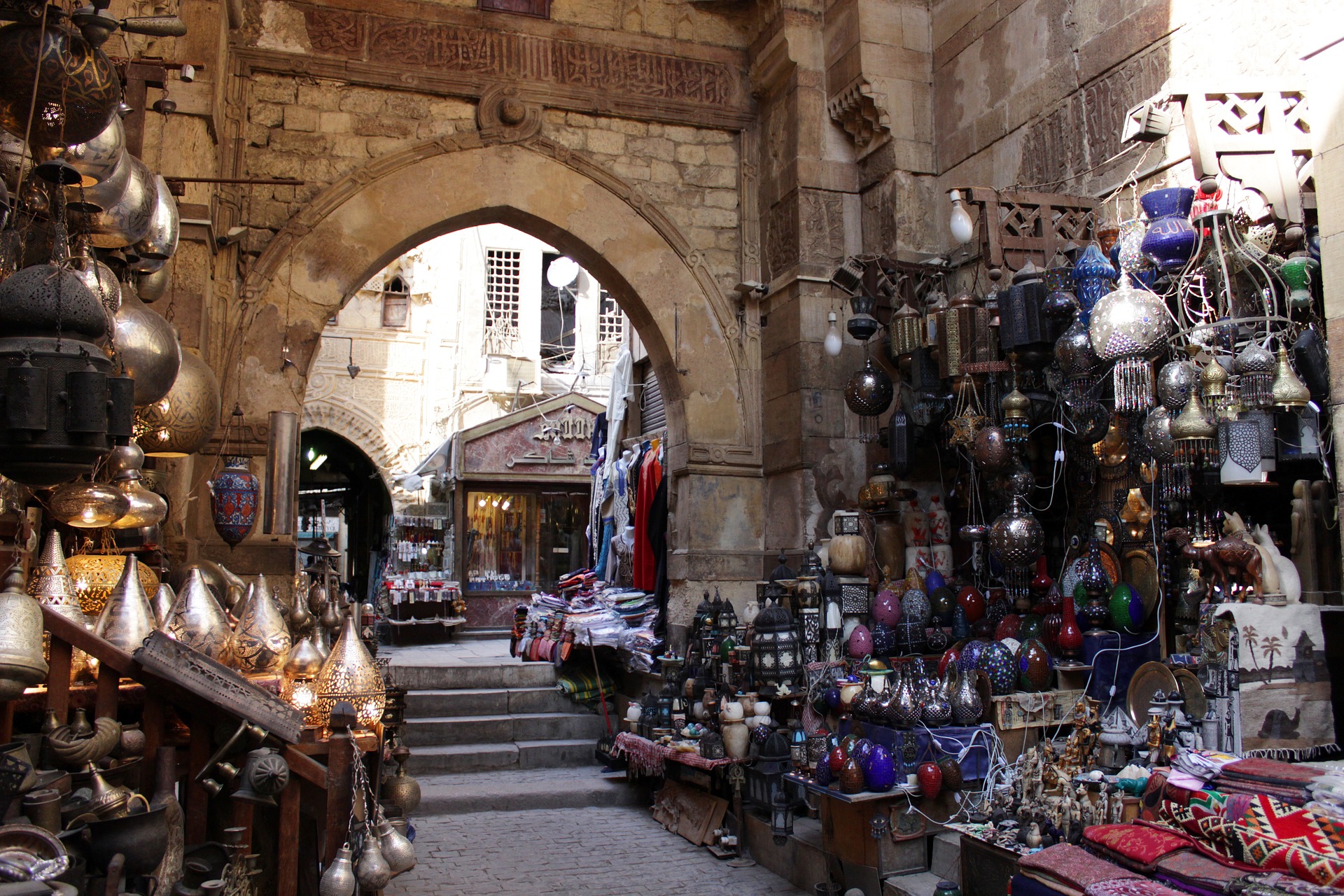
Shopping along the Nile River is like picking beautiful memories, filled with the culture and beauty of what makes Upper Egypt the place to be. Luxor and Aswan both sit beside centuries-old souks that supply everything from hand-painted papyrus to hammered brass, and a cruise's daily rhythm, morning temples, afternoon free time, evening mooring by a town center, leaves genuine room to browse without cutting into sightseeing.
Everyone on their Egypt tour will get to discover eleven categories of souvenirs worth looking for on a Nile cruise, what each one is made of, what it should reasonably cost, and how to tell a well-made piece from a rushed one, followed by a set of practical tips for bargaining and packing everything home safely. Here they are:
Pharaonic Replicas
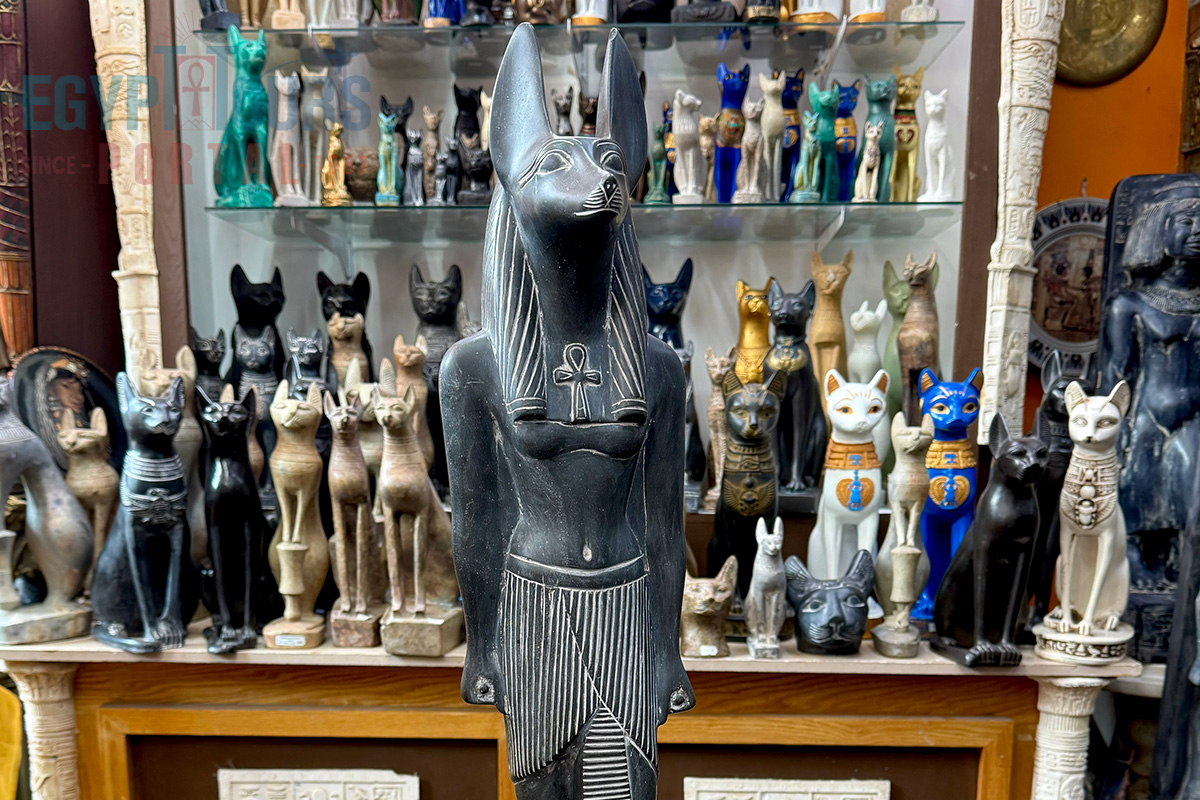
Miniature reproductions of Egypt's most recognizable monuments and figures, Pharaonic replicas range from small resin busts of Nefertiti or Tutankhamun to detailed statuettes of ancient Egyptian gods such as Anubis and Horus, often finished to resemble stone, bronze, or gold.
Quality varies enormously: genuine alabaster and stone pieces carry real weight and a faint natural grain, while mass-produced resin copies feel notably light and uniformly smooth. Small resin pieces typically run $5 to $15, while a well-carved alabaster or stone replica of decent size runs closer to $20 to $80, in line with the alabaster carvings sold throughout Luxor's workshops.
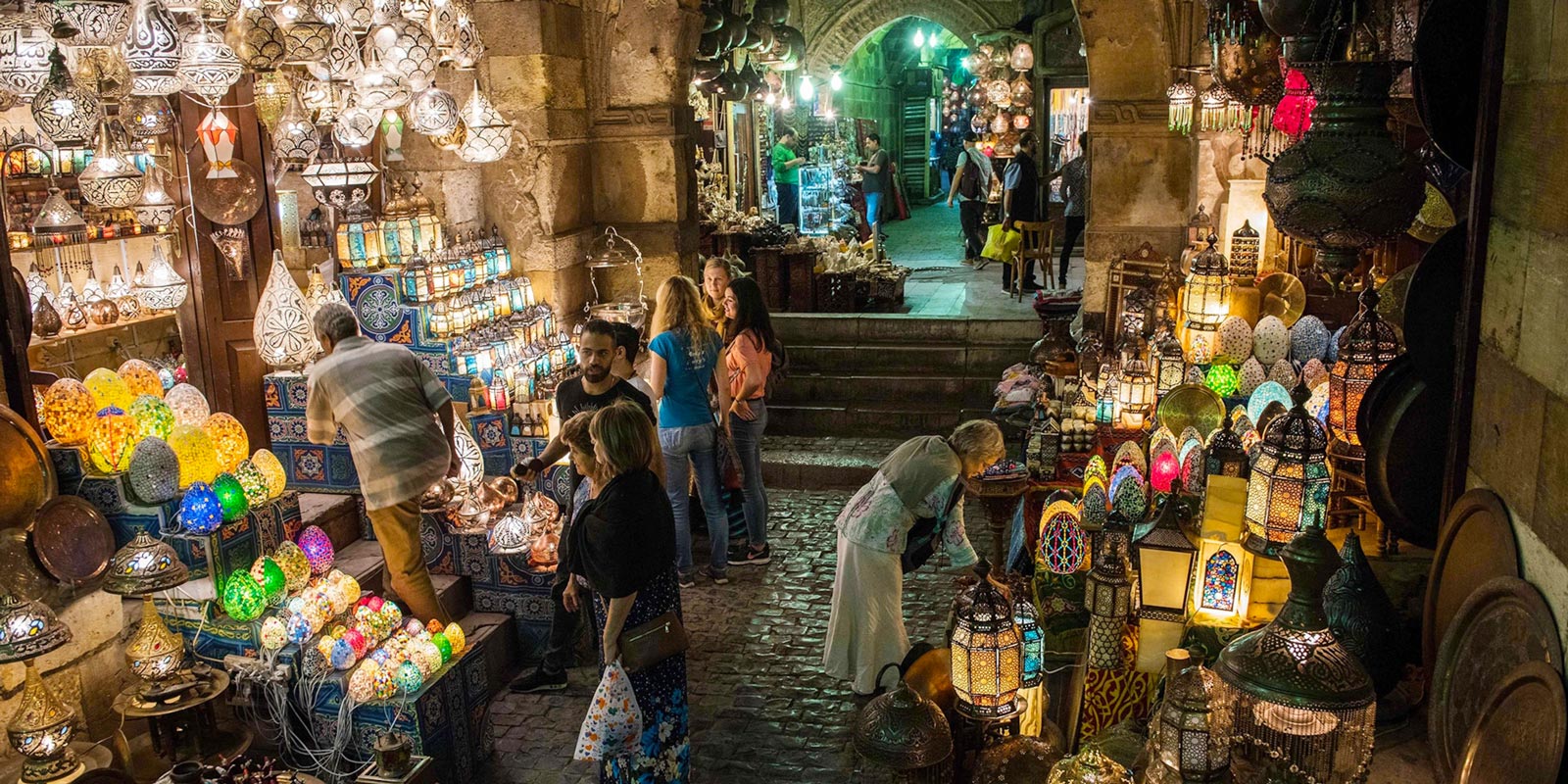
10 Traditional Souvenirs to Buy in Egypt
Here is a list of the most common traditional souvenirs to buy in Egypt to keep your travel memories alive. Read more
Cartouche
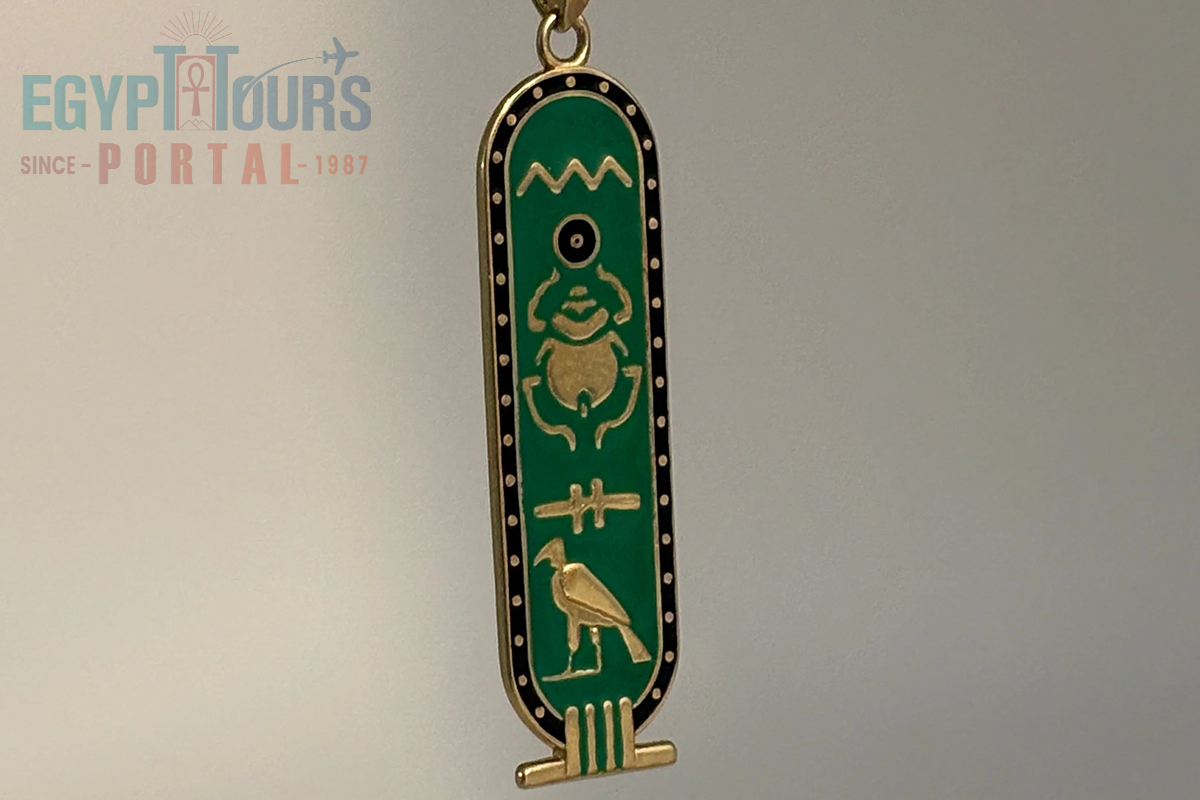
A cartouche is an oval frame enclosing a name spelled out in hieroglyphic symbols, a format borrowed directly from the way ancient Egyptian royalty had their own names inscribed on temple walls and sarcophagi.
Modern cartouche pendants are typically sold in silver or gold, occasionally with the hieroglyphs picked out in a contrasting metal, and can be engraved to order with a visitor's own name while they wait, usually within the hour.
Prices for a cartouche pendant generally run $25 to $60 depending on metal and size, and confirming the hieroglyphic spelling with the jeweler before the piece is finished avoids an inaccurate translation.
Papyrus
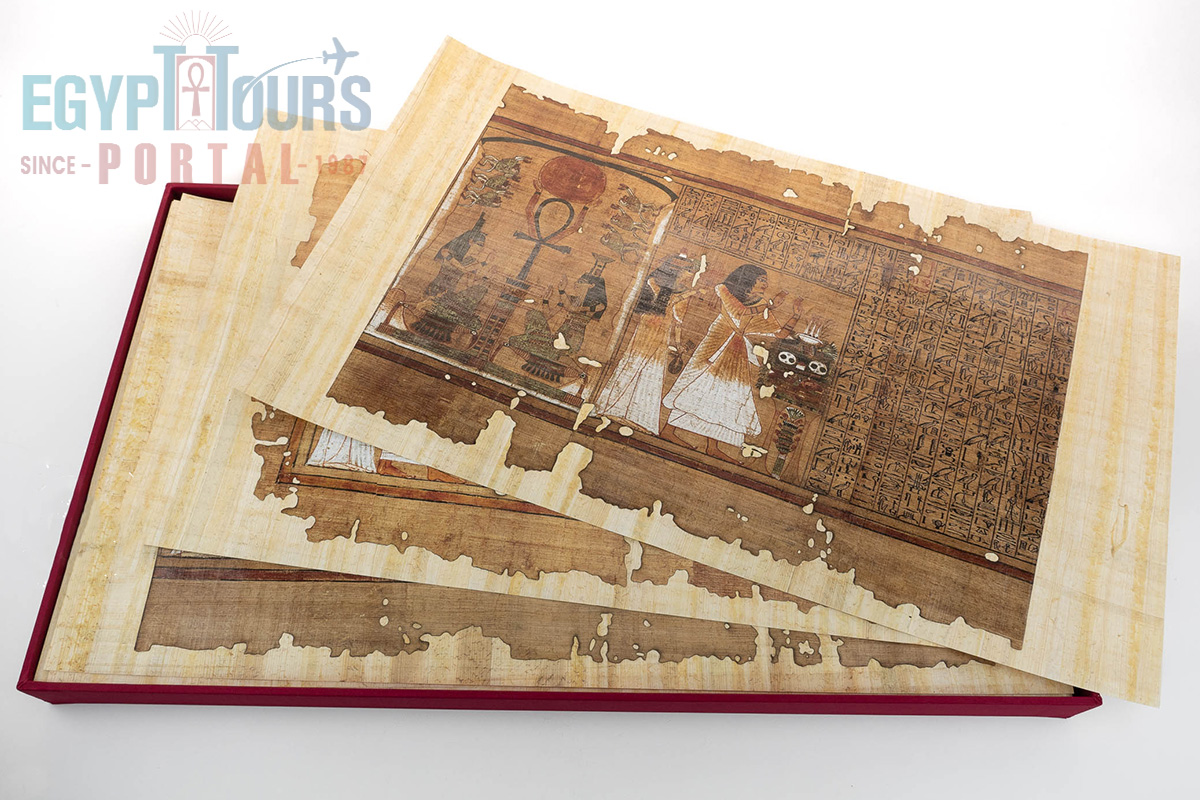
Papyrus art, painted scenes copied from tomb walls and temple reliefs onto sheets made from the papyrus reed, remains one of Egypt's most recognizable souvenirs and also one of its most commonly faked. Genuine papyrus bends without creasing or cracking and shows a visible crosshatch pattern of layered plant fibers when held up to light, while the common banana-leaf imitation cracks when flexed and feels either unnaturally smooth or stiff.
A standard hand-painted piece runs $15 to $50 depending on size and detail, and buying directly from a papyrus institute or a shop attached to a workshop, rather than a street vendor offering suspiciously cheap prices, is the more reliable route to the genuine article.
Egyptian Jewelry
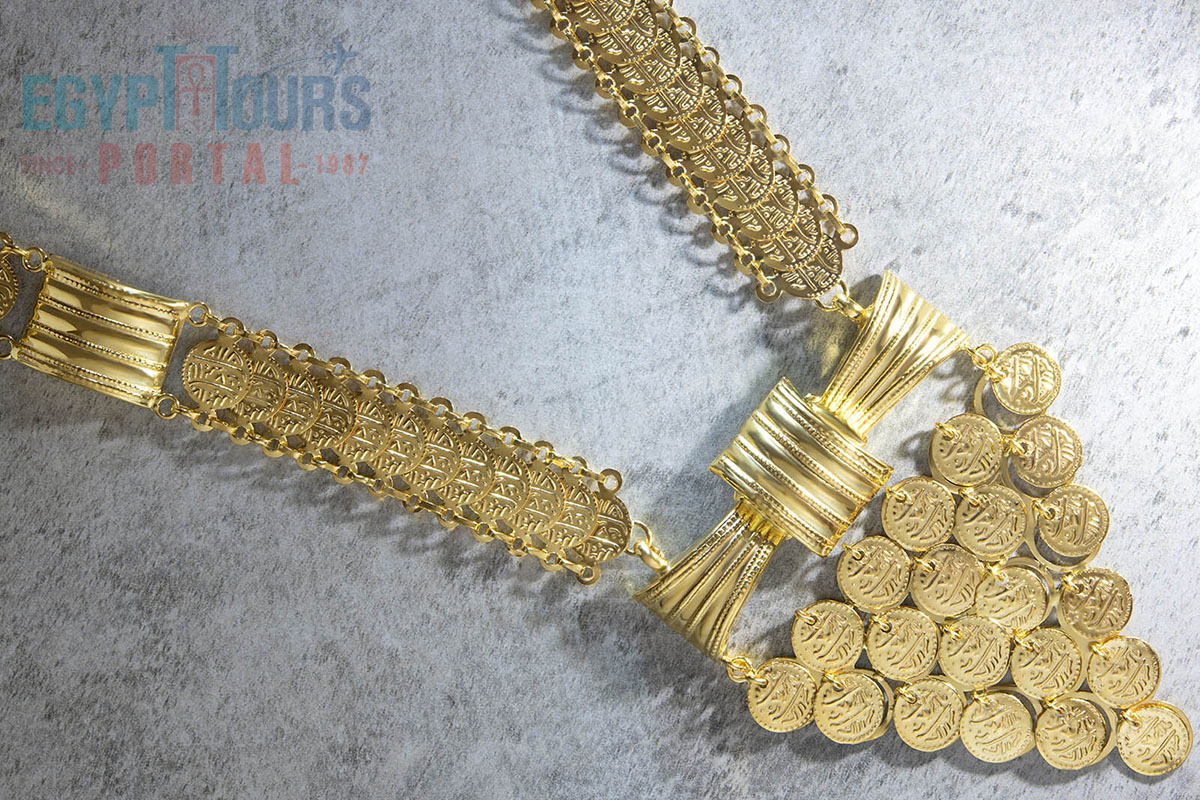
Beyond cartouche pendants, Egypt's gold and silver souks sell a wide range of jewelry featuring motifs such as the scarab beetle, a symbol of rebirth, and the Eye of Horus, associated with protection. Egyptian gold is most commonly sold in 18-karat and 21-karat purities, each stamped with a small hallmark, 750 for 18-karat and 875 for 21-karat, that is worth checking with a jeweler's loupe before buying.
Pricing follows the daily international gold rate per gram plus a separate workmanship fee that varies by design complexity, and that workmanship fee, rather than the gold price itself, is the part genuinely open to negotiation. Buying from a licensed jeweler in Luxor or Aswan's gold district, rather than an informal street stall, is the safer route for anything beyond a small silver piece.
Egyptian Kilim & Rugs
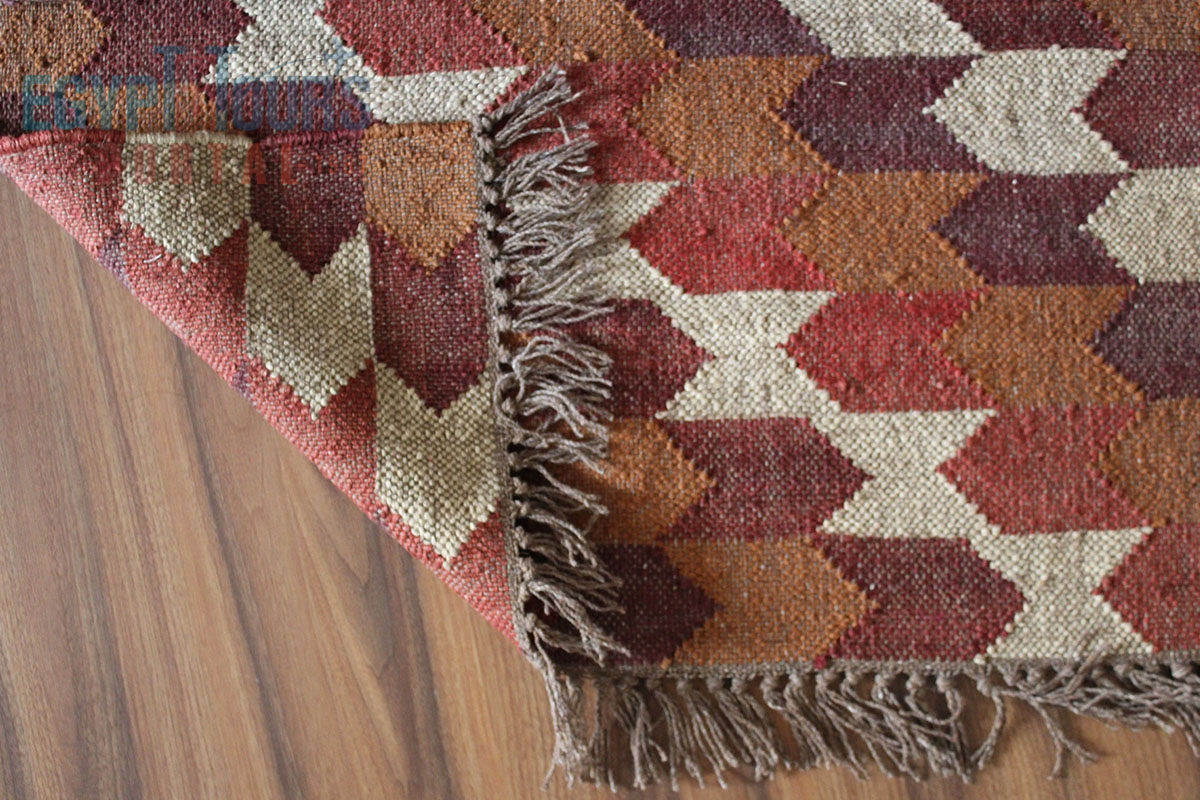
Handwoven kilim rugs and carpets, flat-woven rather than knotted or piled, come from a long tradition of Bedouin and Nubian weaving found throughout Upper Egypt, with Nubian pieces typically favoring bold geometric patterns in deep blues, terracotta, and saffron, a craft closely tied to the villages covered in the guide to Nubian village tours near Aswan.
Prices scale steeply with size and knot density: a small kilim runs roughly $40 to $80, a medium rug $100 to $300, and a large, finely woven carpet $400 or more. Checking the reverse side for consistent, tight weaving is a reasonably reliable way to judge quality without specialist knowledge, and a shop willing to explain its sourcing is generally a better sign than one that cannot.
Egyptian Shisha Pipes
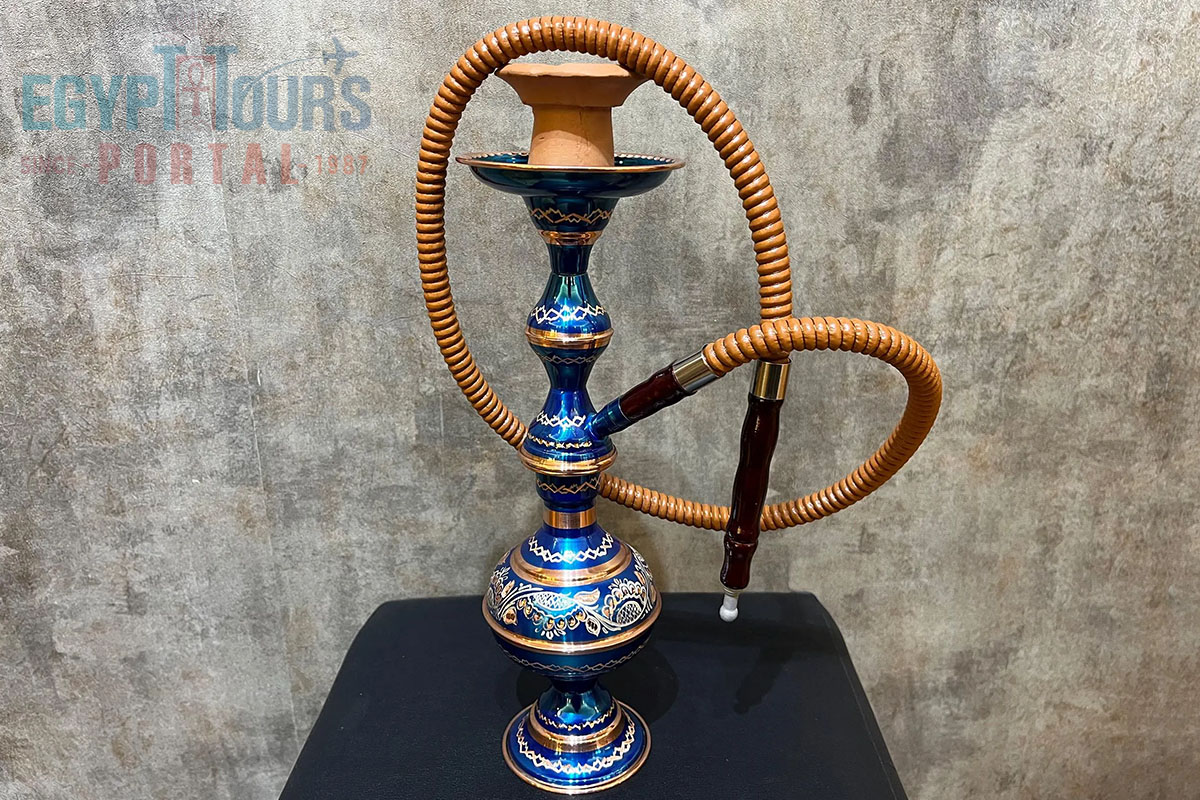
A shisha pipe, the water pipe used for smoking flavored tobacco, makes a distinctive and fully functional souvenir, sold in a wide range from small decorative pieces to full smoking sets with hoses and charcoal trays.
Hand-blown glass bases, identifiable by slight imperfections and small trapped bubbles, generally indicate a better-made piece than a machine-molded plastic base finished to imitate glass. Small decorative shishas run roughly $15 to $35, functional mid-range pieces $40 to $90, and premium full sets $100 to $300.
Airlines vary in their rules on glass and pressurized items in checked luggage, so confirming the carrier's policy before buying a larger set avoids a problem at the airport.
Traditional Egyptian Clothing
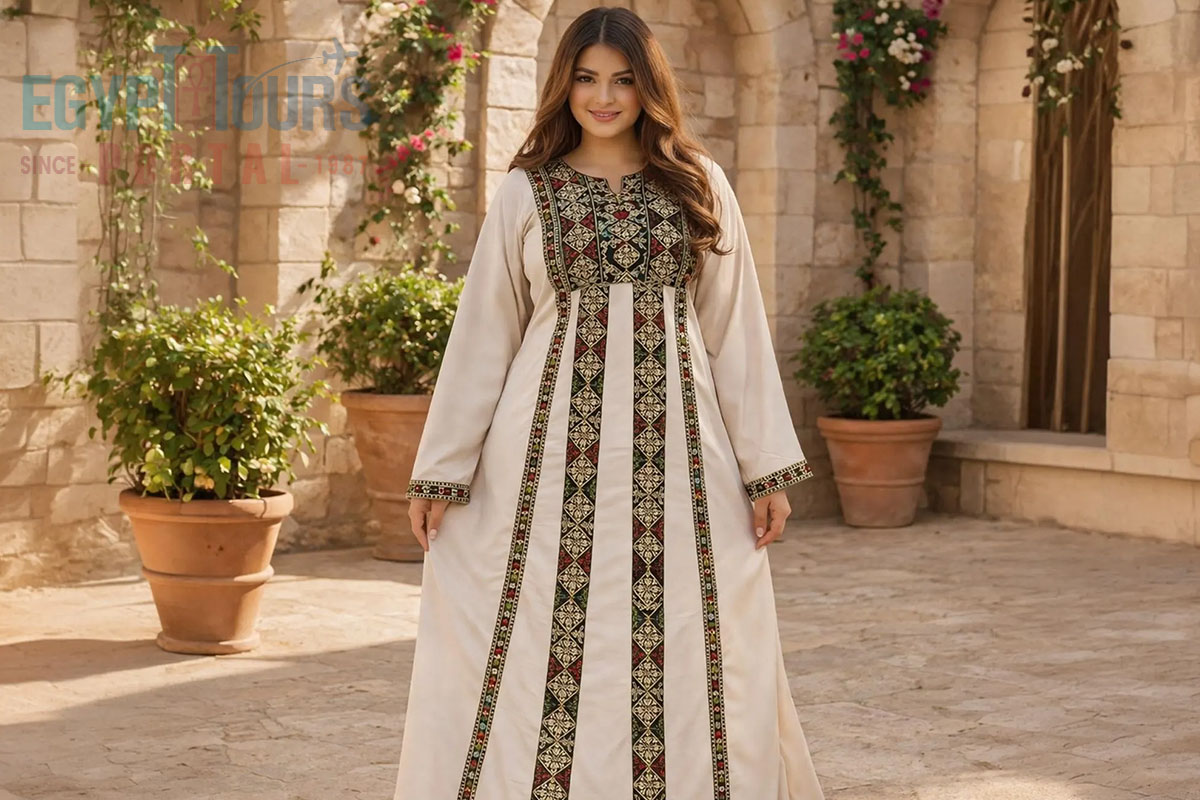
The galabeya, a loose, ankle-length robe worn across Egypt, is sold everywhere from simple cotton versions to heavily embroidered pieces associated with Nubian tailoring traditions. Cotton is the more comfortable choice in Egypt's climate and breathes considerably better than the cheaper polyester blends also sold alongside it, and hand embroidery is usually identifiable by slightly irregular thread anchoring visible on the reverse side of the fabric.
Plain cotton galabeyas run roughly $15 to $40, embroidered versions $45 to $90, and detailed Nubian-embroidered pieces $80 to $200. A galabeya also happens to be the standard dress for a ship's Galabeya party evening, making it one of the few souvenirs likely to be worn again before the cruise even ends.
Islamic Egyptian Arabesque-Style Boxes
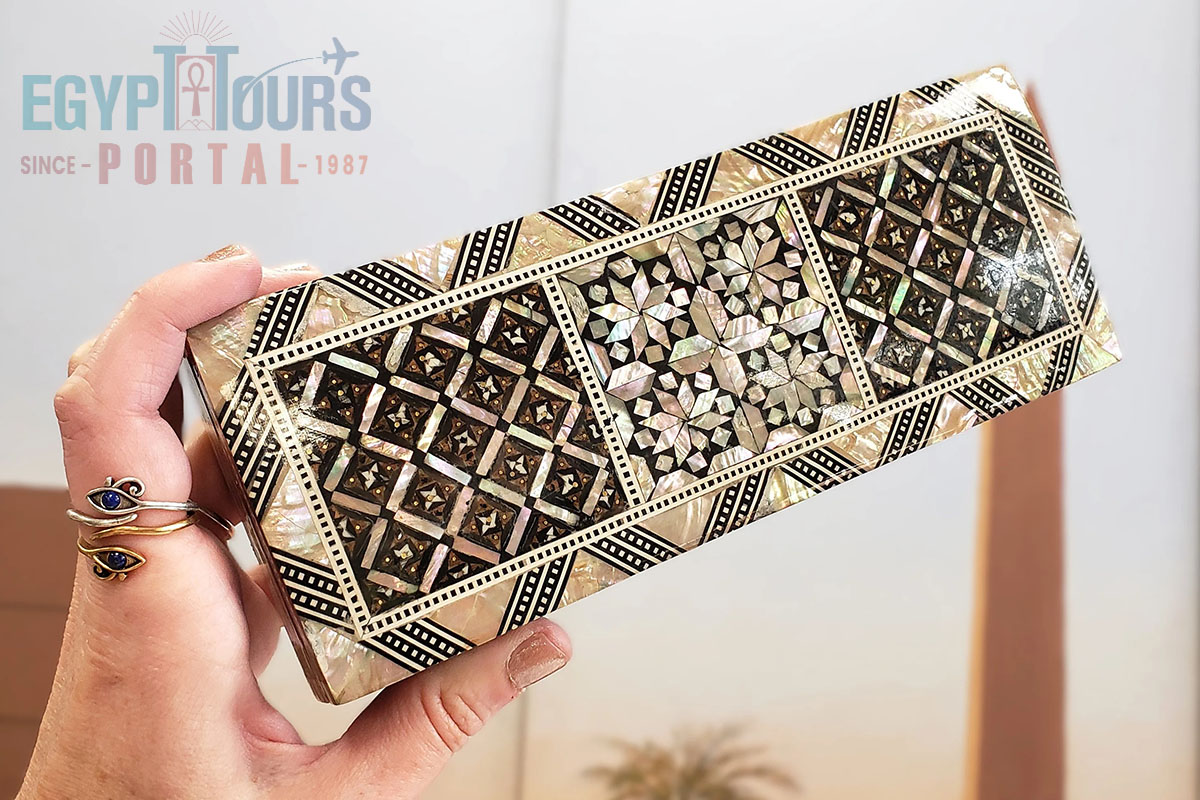
Small wooden boxes inlaid with mother-of-pearl in geometric arabesque patterns, a craft tradition connected to Islamic Cairo's woodworking guilds, make for a compact and distinctly Egyptian souvenir.
The inlay work is applied by hand piece by piece, and a well-made box shows tight, even joins between the pearl fragments and the surrounding wood rather than visible gaps or glue lines. Small trinket boxes generally run $15 to $40, while larger jewelry boxes with more detailed inlay run $40 to $120 depending on size and craftsmanship.
Egyptian Fanoos Lamps & Brass Lamps
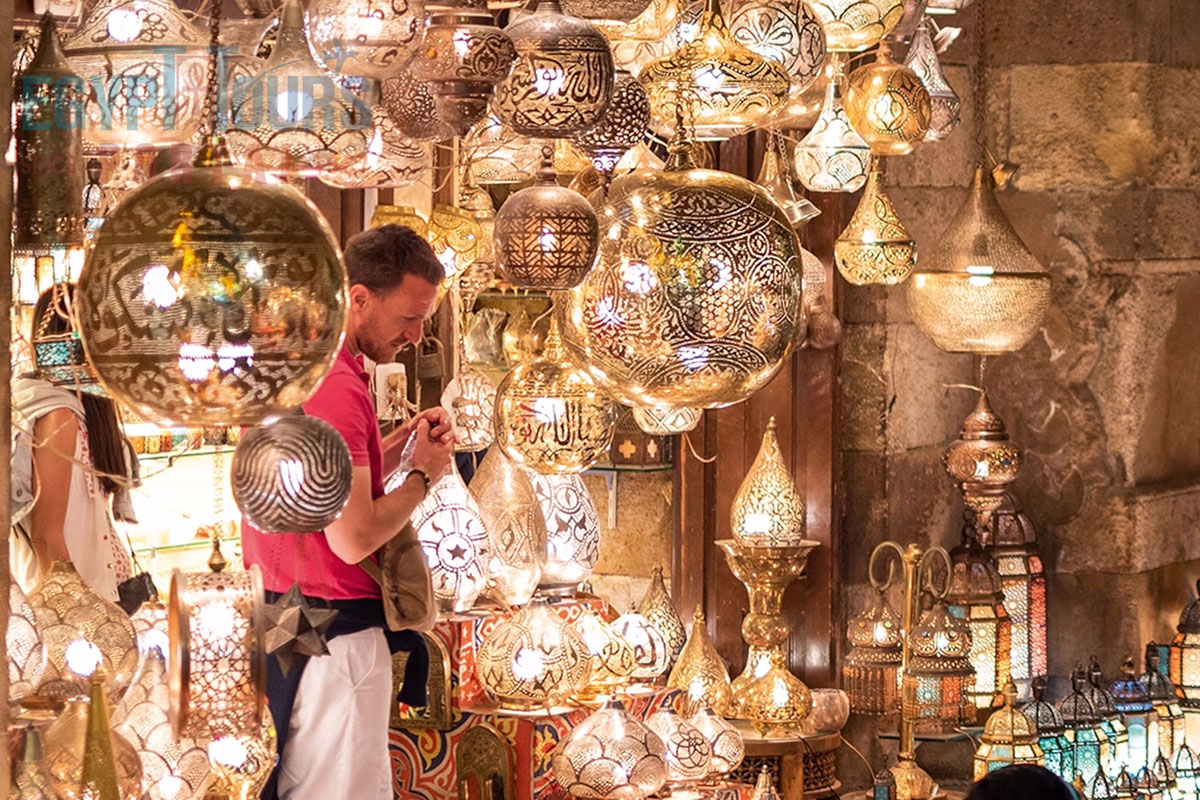
The fanous, Egypt's traditional lantern, traces its origin to the year 969 CE, when Cairo's residents are said to have lit candles enclosed in palm and animal skin to guide the Fatimid caliph al-Mu'izz li-Din Allah into the city after dark, a tradition later expanded citywide under Caliph al-Hakim bi-Amr Allah.
Modern versions range from small tin-and-colored-glass lanterns to larger cast brass hanging lamps with pierced geometric or floral patterns that cast intricate shadows when lit. Small decorative lanterns generally run $15 to $60, and larger brass pieces, including trays and hanging lamps, run $40 to $150. Beyond decoration, a brass lantern doubles easily as a candle holder once home, giving it a practical life well past the trip itself.
Home-Grown Egyptian Spices
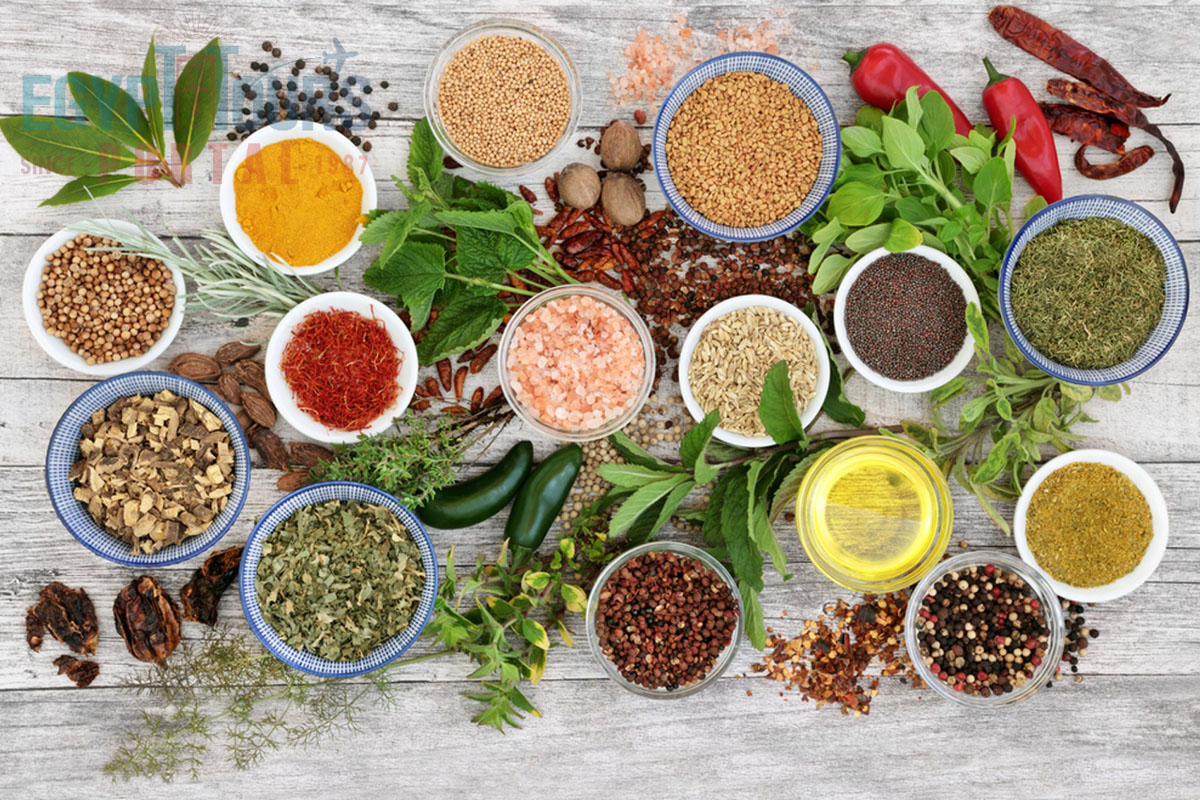
Both Luxor's and Aswan's markets carry an extensive range of Egyptian spices, sold loose by weight from open sacks and generally far cheaper than pre-packaged equivalents sold to tourists elsewhere. Egyptian cumin, notably smokier and earthier than the Indian or Turkish varieties most travelers are used to, is one of the standout buys, alongside dukkah, a toasted blend of nuts, seeds, and spices eaten with bread and olive oil.
A small mixed spice selection generally costs $3 to $15, and 100 grams of good cumin runs roughly $2 to $8. Karkade, the deep red hibiscus tea popular throughout Egypt served hot or cold, is a natural companion purchase and generally costs $3 to $6 for a 250-gram bag.
Original Egyptian Coffee
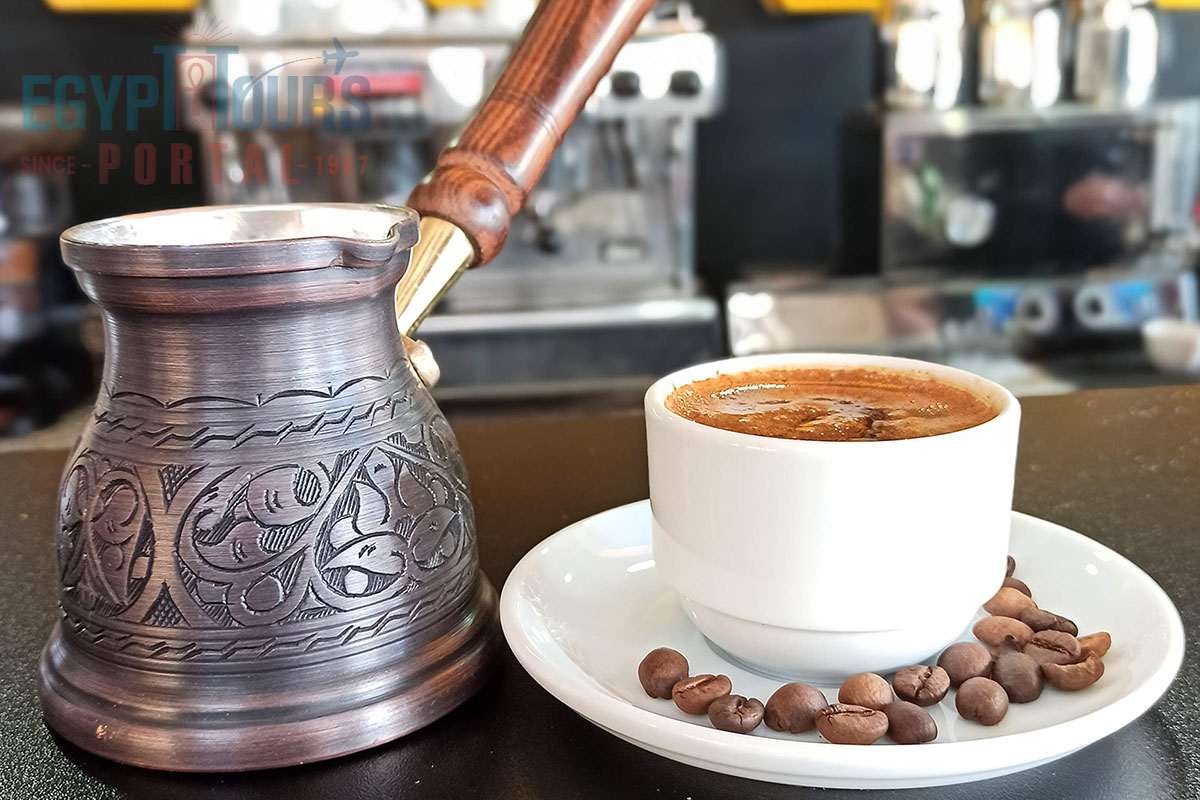
Egyptian coffee is typically prepared Turkish-style, finely ground and simmered with the grounds still in the cup, often spiced with cardamom and served in small cups with a layer of foam on top rather than filtered clean.
Bags of ground Egyptian coffee, frequently pre-mixed with cardamom, are sold throughout Luxor and Aswan's markets alongside El Arosa, one of Egypt's most widely sold loose-leaf black tea brands, both making practical, lightweight souvenirs. A bag of either generally costs $2 to $5, making coffee one of the more affordable and genuinely useful purchases on this list.
Pure Egyptian Dates
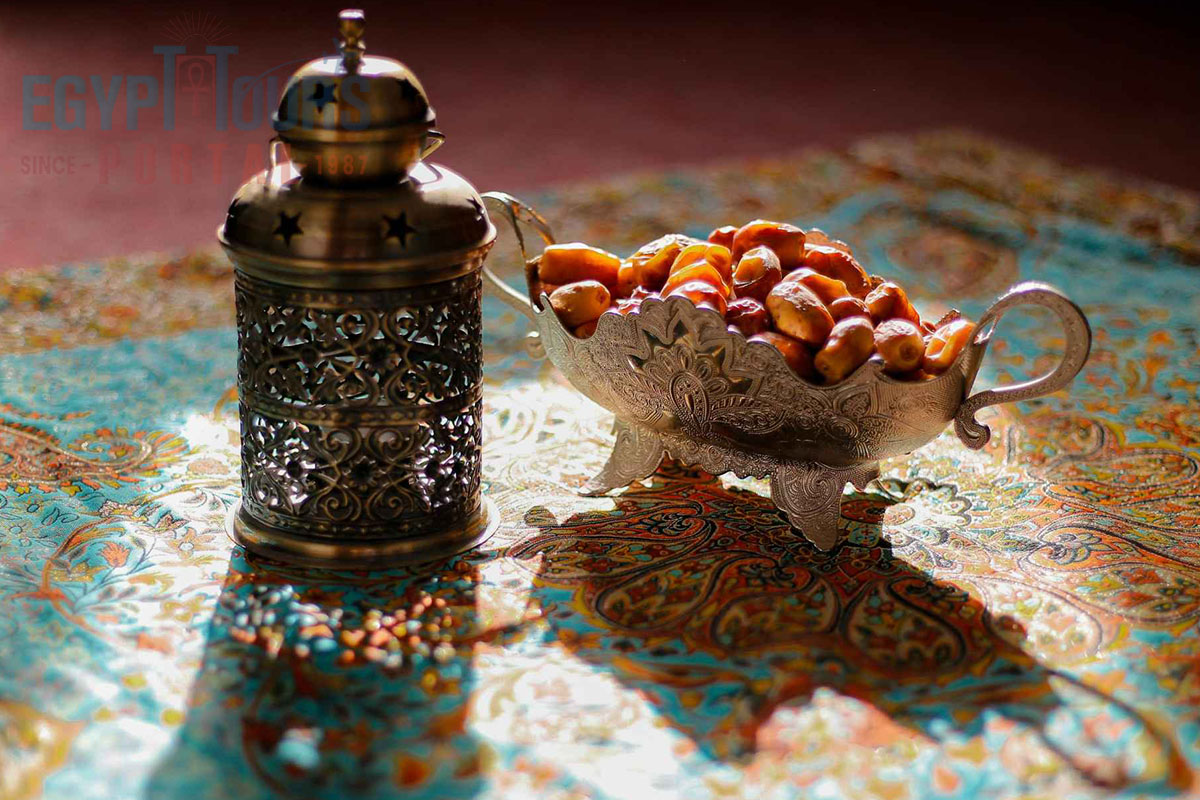
Egypt's date harvest runs roughly from September through November, meaning a cruise timed within that window can coincide directly with fresh dates appearing in local markets. Medjool and Deglet Noor dates from Upper Egypt are considered among the finest varieties available, prized for a naturally sweet, almost honeyed flavor that needs no added sugar or syrup.
A packaged selection of good-quality dates typically costs $5 to $20 depending on variety and weight, and buying from a market stall with visible turnover, rather than a display that looks like it has sat untouched, is a reasonable way to judge freshness.
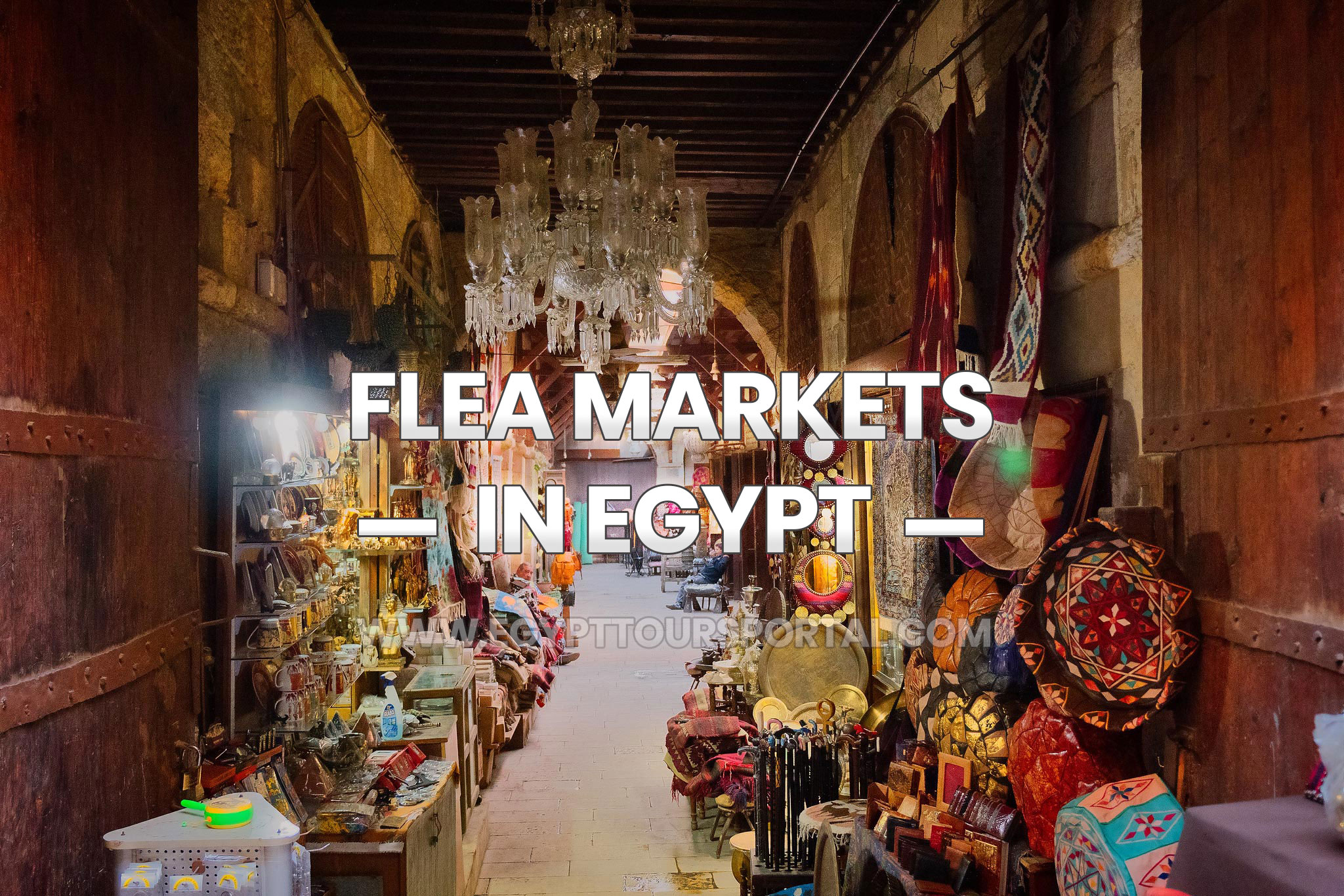
Best Flea Markets in Egypt
Flea markets in Egypt are a popular feature of Egypt culture. Here are the famous 6 flea markets in Egypt. Read more!!!
Tips to Consider When Buying Things on Your Nile Cruise
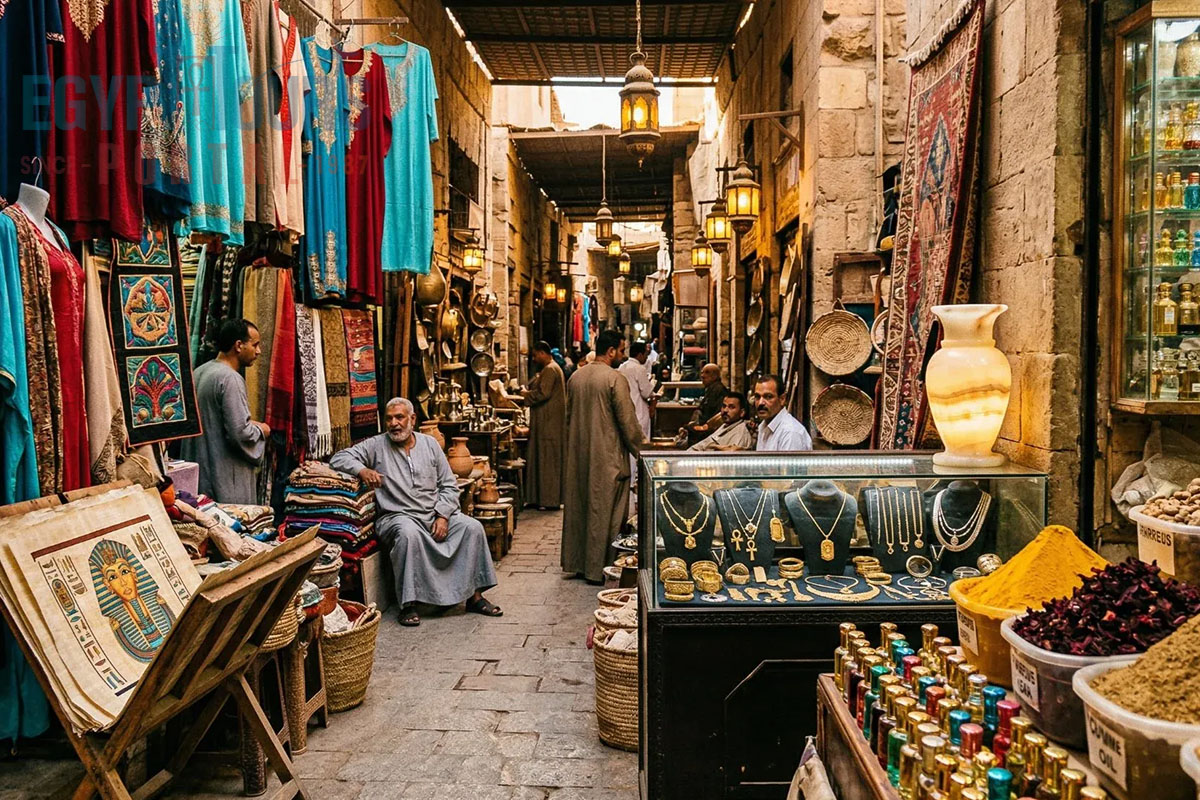
Bargaining is expected in nearly every souk transaction described above, and starting at roughly a third to half of the initial asking price, then working toward a middle ground with good humor, is standard practice rather than an insult to the seller.
Carrying small Egyptian pound notes makes transactions considerably smoother than relying on larger notes or cards, since change is not always readily available at smaller stalls; the guide to tipping in Egypt covers the closely related etiquette of handling cash for informal payments.
Buying from a shop attached to a known workshop or cooperative, rather than the first stall encountered near a tour bus parking area, generally yields both better prices and more reliably genuine goods, a point echoed throughout the wider Nile cruise travel guide.
Finally, keeping receipts for anything higher in value, particularly gold jewelry or larger rugs, is worth doing both for customs purposes and as a record of what was actually agreed at purchase, a detail also covered in the wider essential trip information guide. The wider guide to shopping in Egypt covers the country's best-known bazaars in more detail, useful background before stepping off the ship in either city.
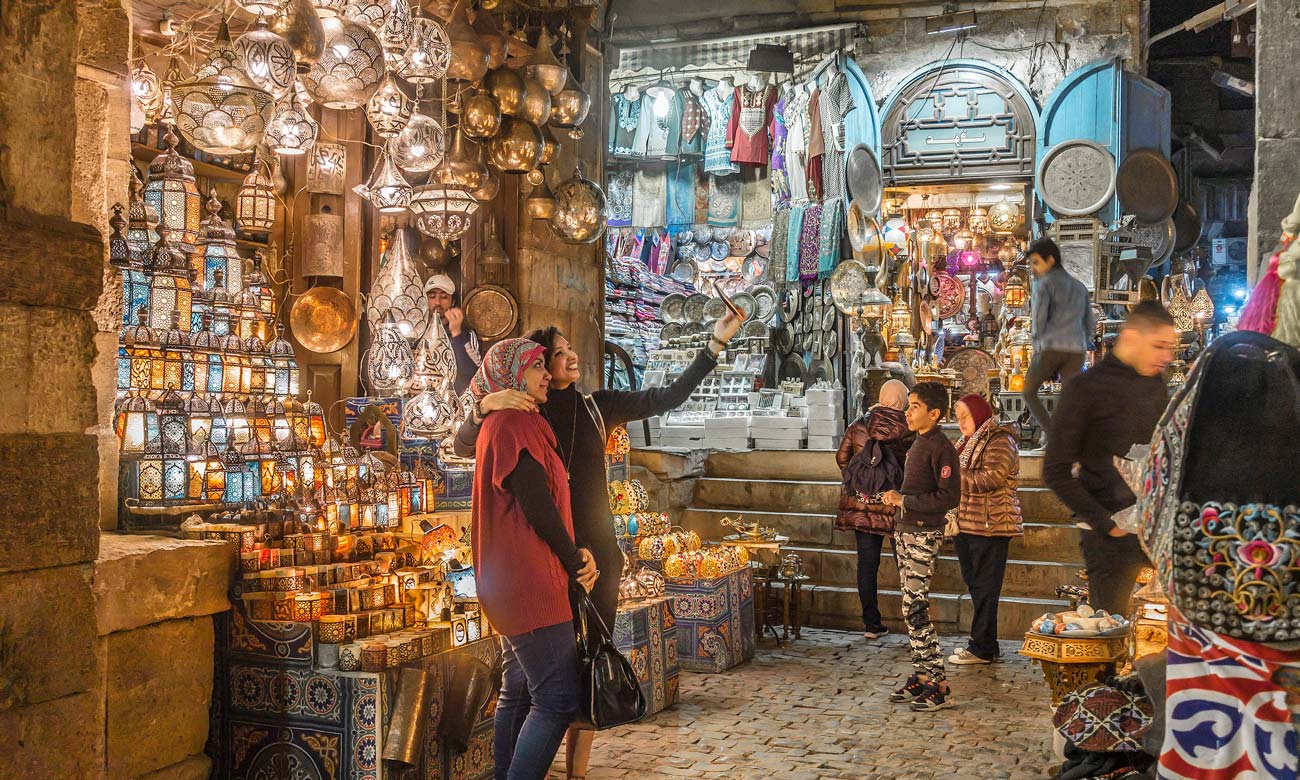
Shopping In Egypt
Shopping in Egypt is like being in a dream, check the famous bazaars & souks in Egypt. Read more about shopping in Egypt and what you can buy
Take A Piece of Egypt Home Through Our Magical Nile Cruises
None of this requires expert knowledge, mostly a general sense of what a fair price looks like and enough patience to bargain without rushing the exchange. A cartouche with a name spelled correctly, a genuine piece of papyrus, and a small bag of good cumin cover most of what makes for a satisfying haul from a Nile cruise, and the rest tends to follow naturally from a bit of curiosity in each market along the way.
Choose your favorite Nile River Cruises, including high luxury Nile cruises with onboard boutiques of their own, to compare ships and itineraries, or see the guide on how to book a Nile cruise for the exact steps to reserve a cabin.