Summary
- Khan el-Khalili is one of the world’s oldest markets, established in 1382 CE during the Mamluk period, and has remained active for over 600 years.
- It began as a caravanserai for international merchants and evolved into a vast commercial district linking trade routes between Africa, Asia, and the Mediterranean.
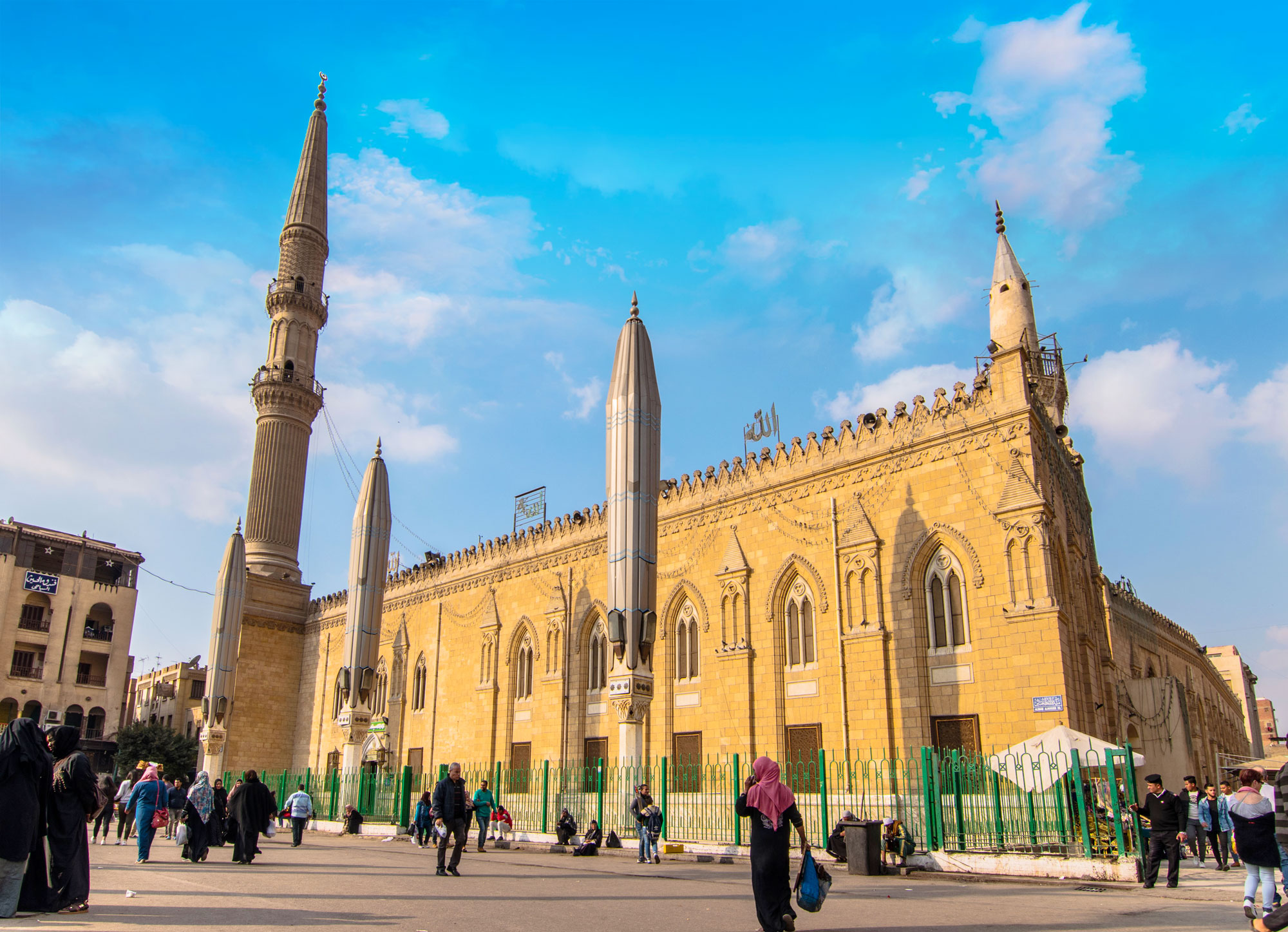
- Located in Islamic Cairo, near major landmarks like Al-Azhar Mosque (970 CE) and Al-Hussein Mosque, it sits at the historical center of religion, education, and trade.
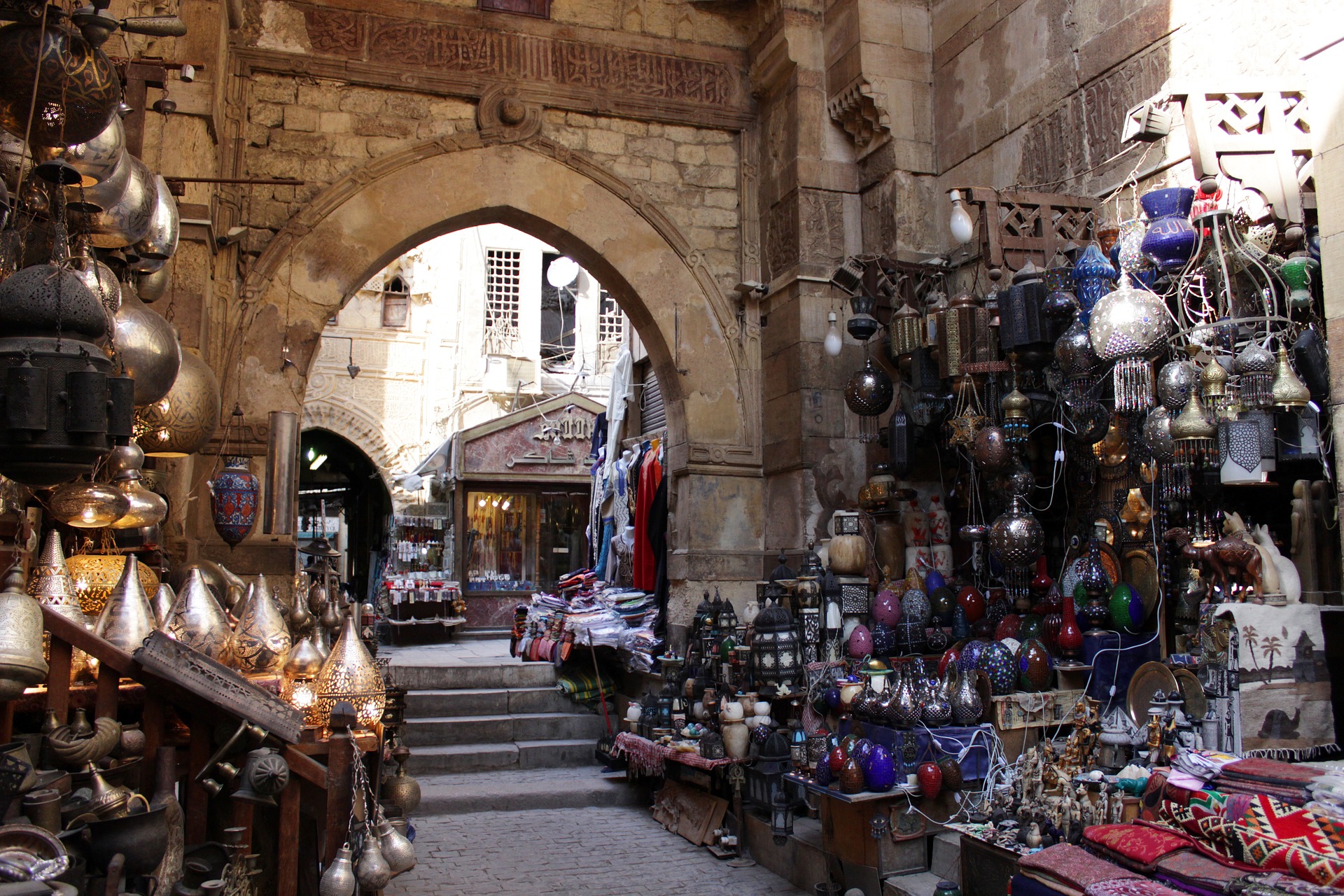
- The bazaar features Mamluk and Ottoman architecture, a maze-like layout, and specialized sections selling jewelry, spices, textiles, crafts, and traditional products.
- Today, it remains a living cultural hub, known for its crafts, café culture (including El-Fishawy since 1773), bargaining traditions, and its status as part of the UNESCO Historic Cairo site (1979).
Khan El-Khalili Bazaar is a legendary place where the past and present coexist, offering travelers from all over the world a rare opportunity to experience Cairo’s historical identity in an active, living environment. The Khan el-Khalili over the centuries became one of the most significant marketplaces in the world, located in the heart of Islamic Cairo, where every shopping experience will have a different feel.
It became known as more than just a traditional bazaar, but a living cultural and commercial hub that has been continuously active for over six centuries. The Bazaar holds traces from the trade culture of Africa, Asia, and the Mediterranean across its dense network of alleys, shops, workshops, and cafés, transforming into a vibrant district where commerce, culture, and daily life intersect, thus making it an attraction that can't be missed.
Explore the Majestic Location Of The Golden Khan El Khalili Bazaar
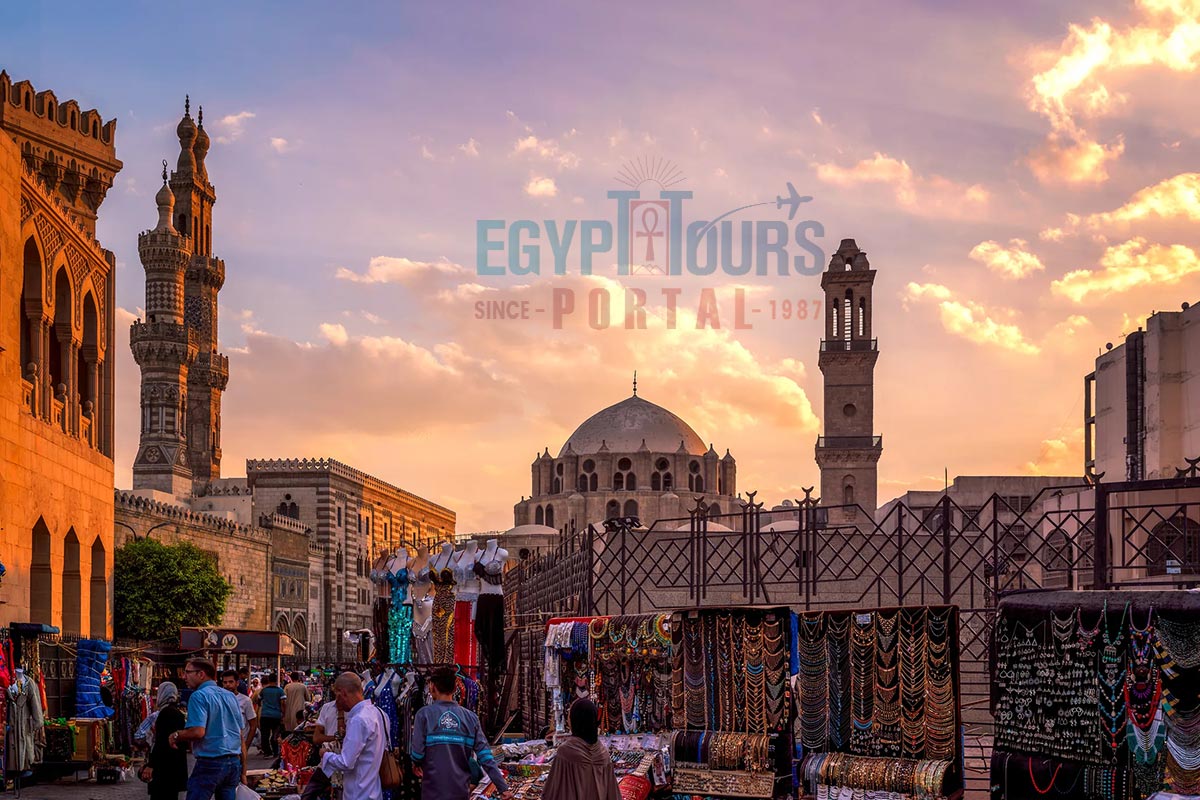
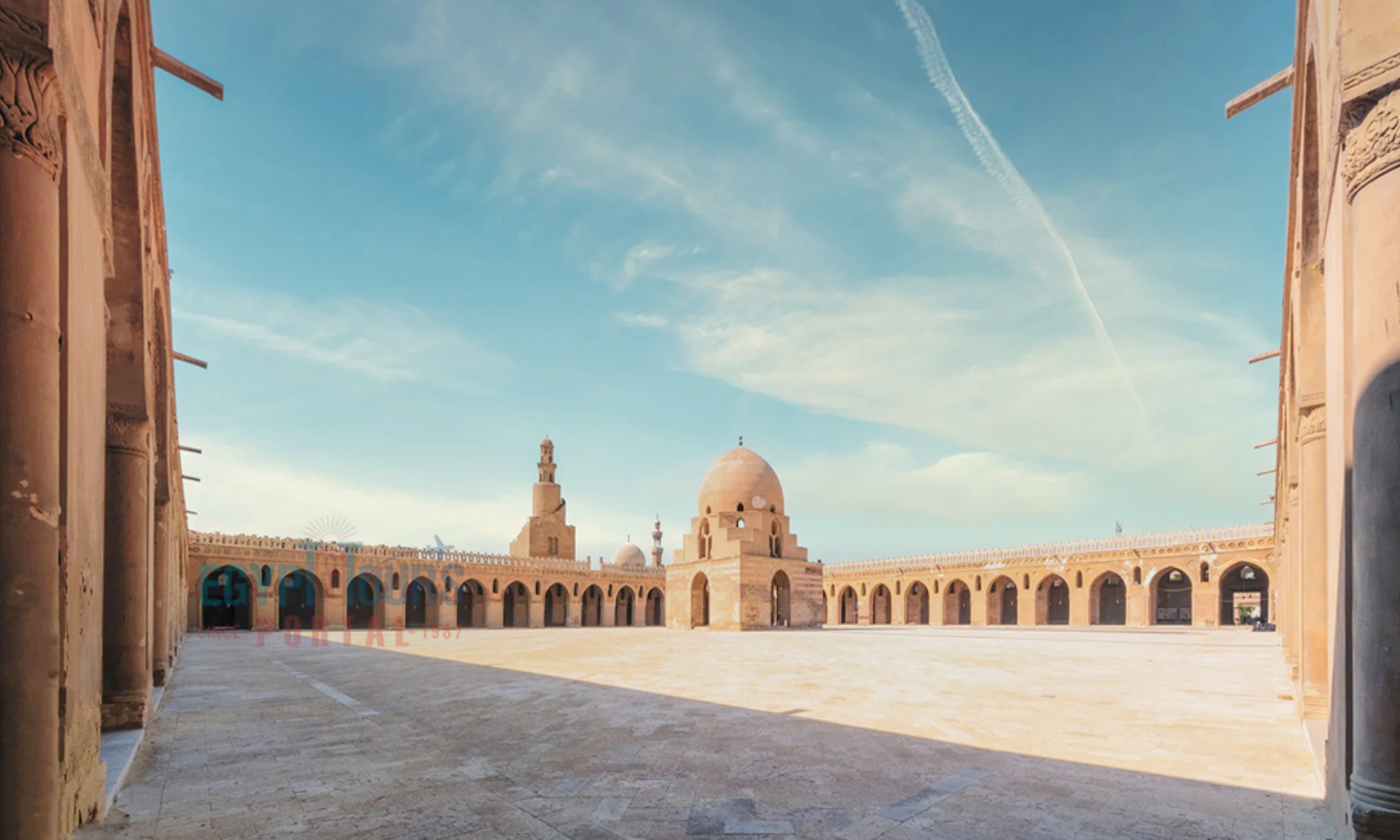
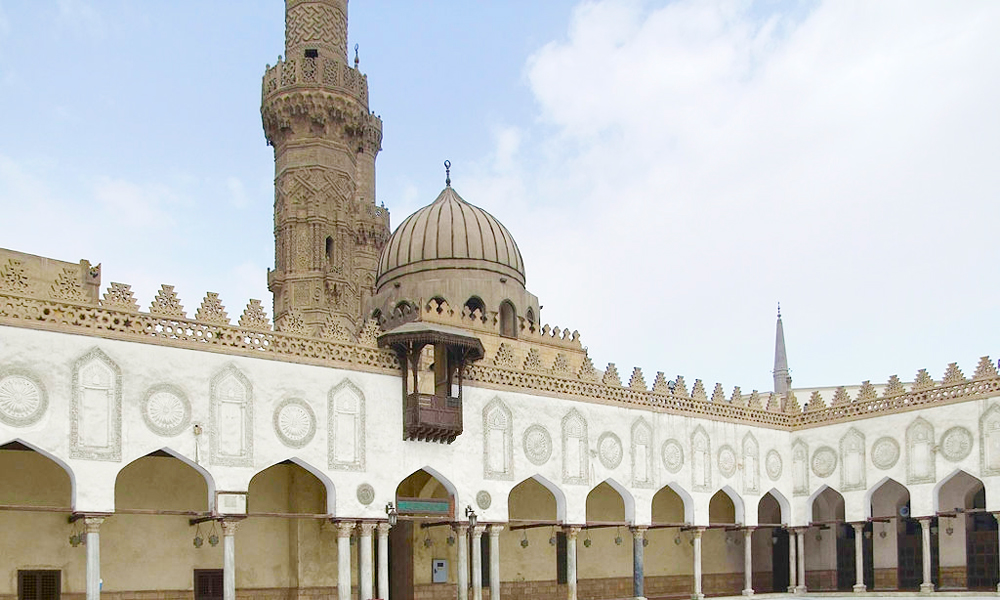
Khan El-Khalili is strategically located in Islamic Cairo, deep in its core, one of the most historically rich districts in Egypt. It lies close to some of the most important religious and architectural landmarks in the city, including Al-Azhar Mosque, founded in 970 CE, and Al-Hussein Mosque, one of the most revered Islamic sites in Egypt. It is incredibly easy to get to if you find yourself anywhere near Cairo.
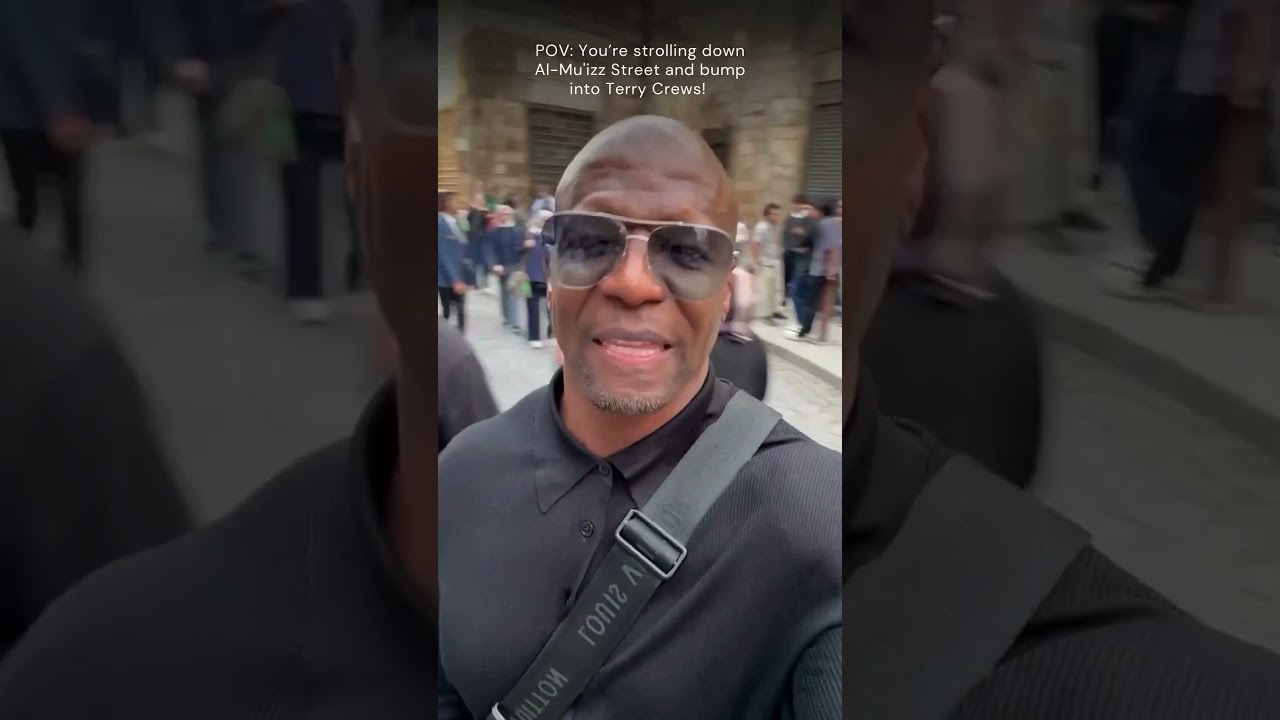
It is also connected to Al-Muizz Street, which contains one of the highest concentrations of medieval Islamic architecture in the world. This location was historically ideal because it placed the market at the intersection of religious, educational, and commercial life, ensuring a constant flow of people and goods. Today, its central position continues to make it one of Cairo’s most accessible and visited destinations.
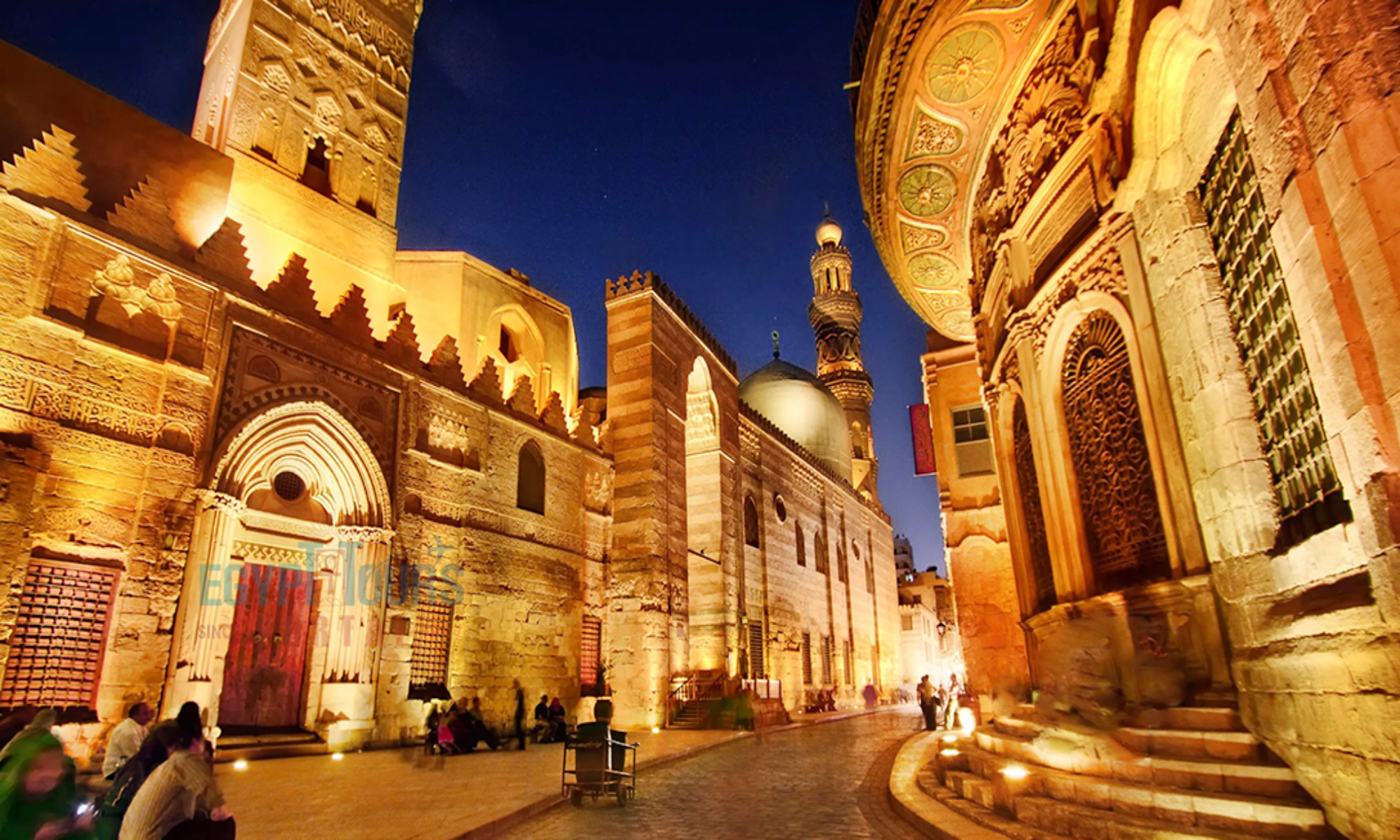
The Islamic Heritage Milestone of Muizz Street in Cairo
Explore the Honorable Muizz Street of Golden Minarets
Educate Yourself on the Grand History of Khan El-Khalili
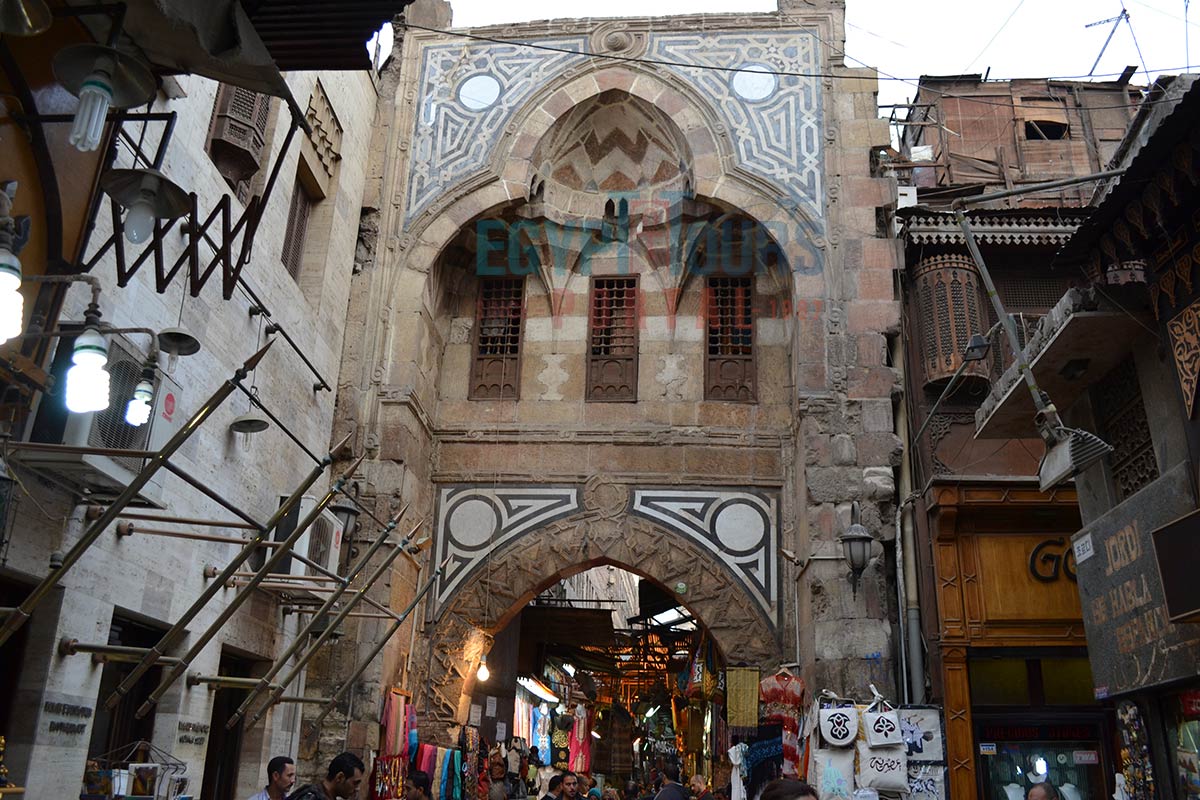
Khan El-Khalili’s history is closely connected to Cairo’s rise as a major political, religious, and commercial center of the Islamic world. The site originally formed part of the Fatimid royal city, founded in 969 CE, occupying the southern end of the eastern Fatimid palace complex and the Turbat az-Za'faraan, the mausoleum of the Fatimid caliphs. Cairo remained largely restricted to the ruling elite until 1171, when Saladin ended the Fatimid Caliphate and opened the city to broader urban and commercial growth. As the nearby city of Fustat declined, Cairo became Egypt’s main trade center, especially along what is now Al-Muizz Street.
Khan El-Khalili itself was formally established between 1382 and 1389 CE during the Mamluk era, when Jaharkas al-Khalili, an emir serving Sultan Barquq, demolished the old Fatimid mausoleum and built a large khan, or caravanserai, which gave the district its name and transformed it into one of Cairo’s main mercantile quarters. Over the following centuries, the area expanded with more khans, wikalas, souqs, and commercial buildings, becoming a major center for foreign merchants, luxury goods, spices, precious stones, and regional trade, especially during the late Mamluk and early Ottoman periods. In the early 16th century, Sultan al-Ghuri reshaped the district through major redevelopment, including demolition, rebuilding, new gates, and a more organized market layout.
After the Ottoman conquest in 1517, Khan El-Khalili remained commercially important and became closely associated with Turkish merchants, while additional wikalas and restorations supported its role in Cairo’s economy. By the late 18th century, the district contained dozens of khans and wikalas, showing its great size and economic importance.
Although parts of the surrounding area were altered by 19th- and 20th-century urban development, including the opening of Al-Muski Street and new residential-commercial blocks, the bazaar itself preserved its historic identity. Khan El Lhalili Bazaar became part of the Historic Cairo UNESCO World Heritage Site in 1979, recognizing its outstanding universal value. Today, after more than 640 years, Khan El-Khalili remains a living marketplace, a center of traditional craftsmanship, and one of the strongest surviving expressions of Cairo’s long commercial history.
Discover the Captivating Architecture of Khan El-Khalili
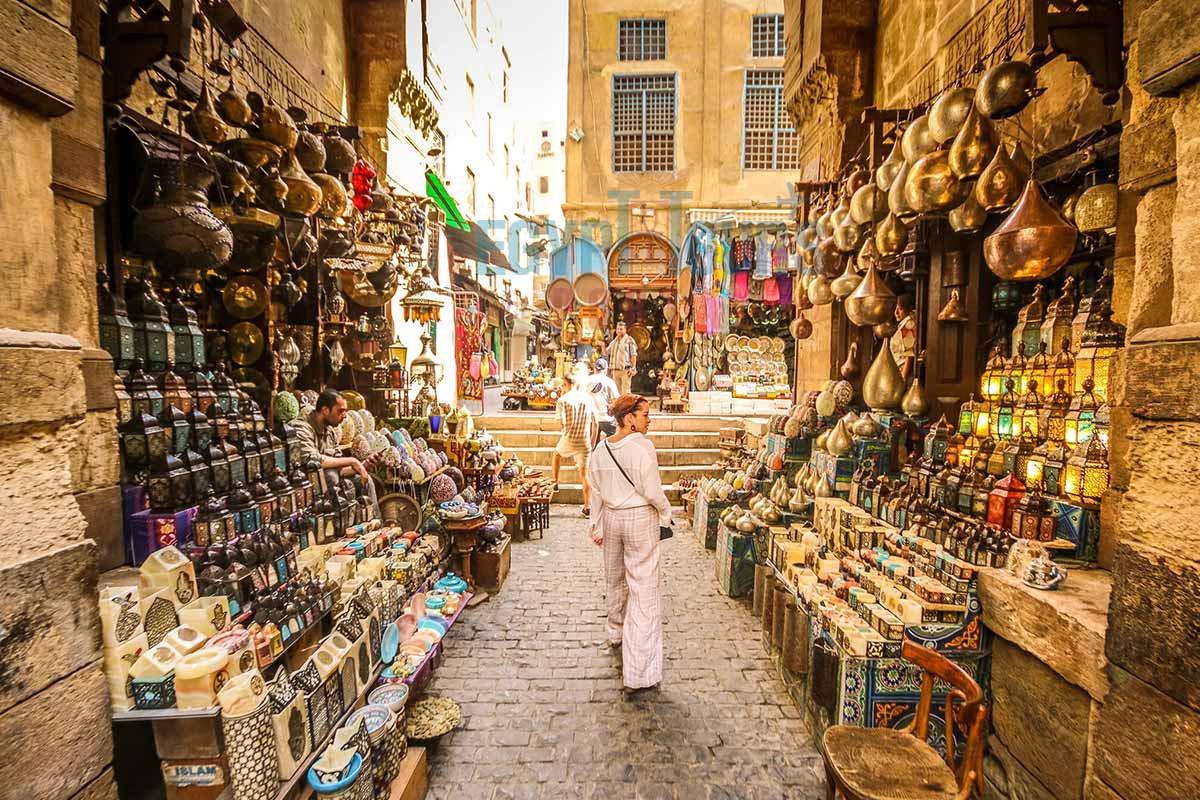
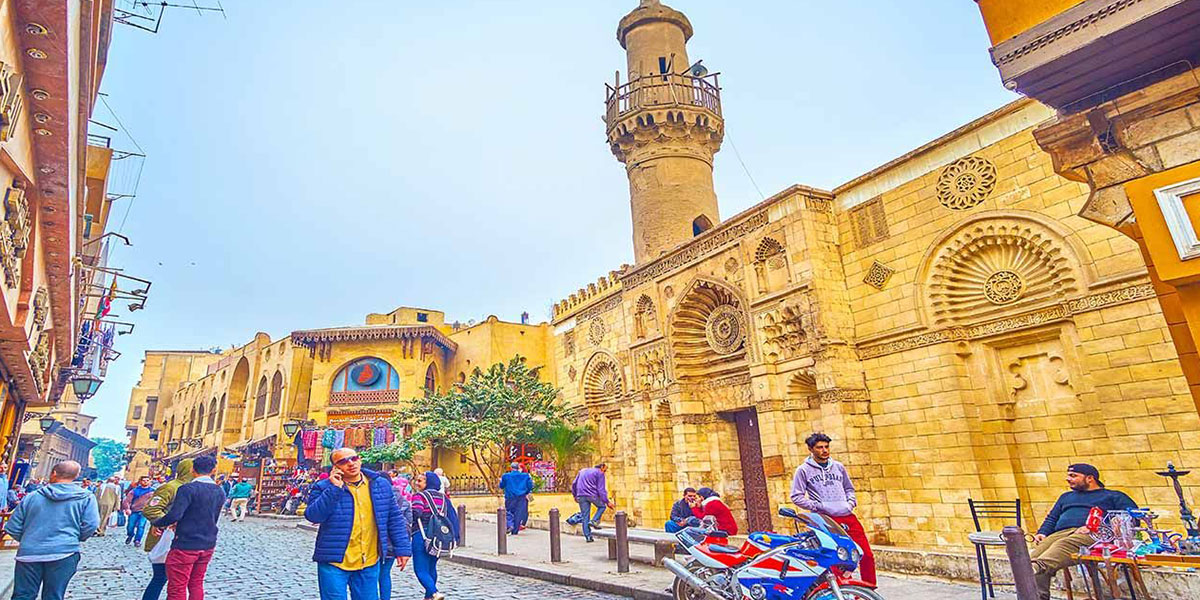
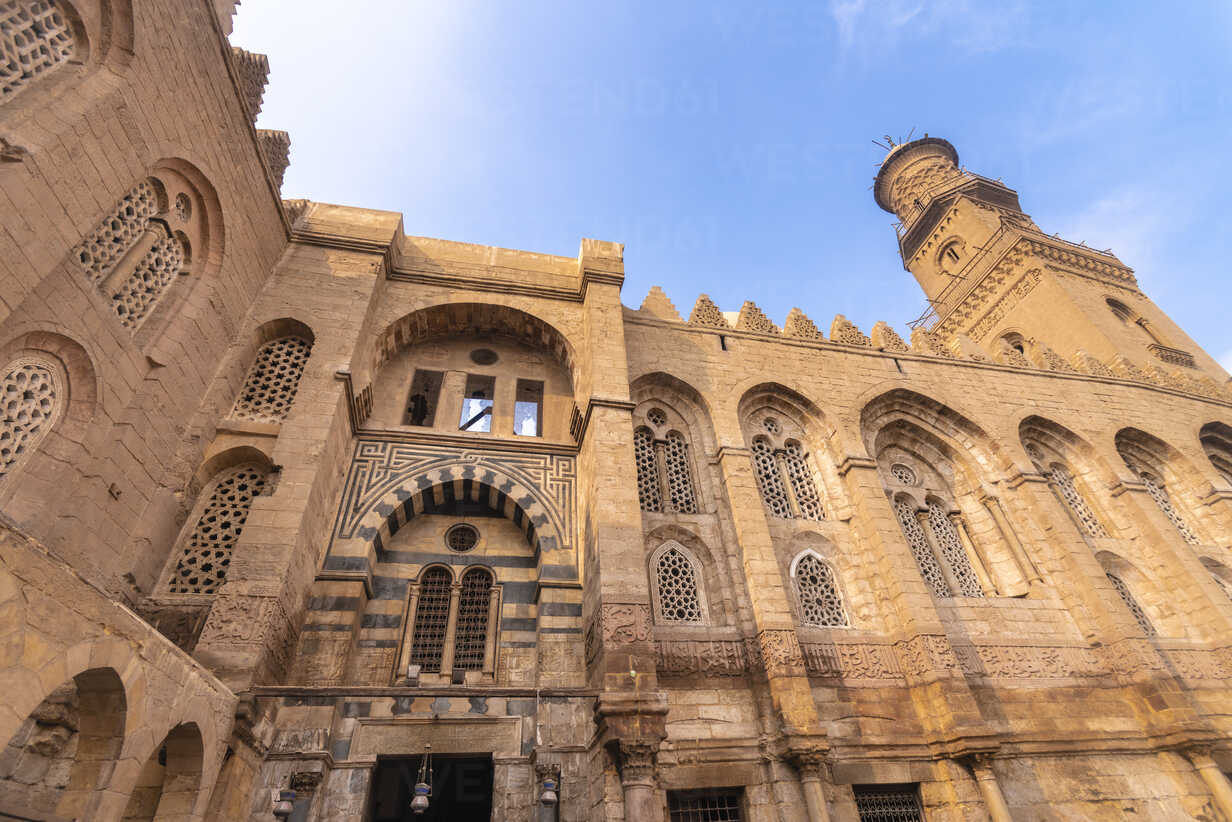
The architecture of Khan El-Khalili reflects centuries of urban development, combining Mamluk, Ottoman, and later Islamic architectural styles. The market is characterized by its narrow, winding alleys, historic stone buildings, and traditional design elements such as mashrabiya wooden screens, ornate doorways, and arched passageways.
Many structures were originally built as caravanserais (khans or wikalas), with central courtyards used for storage, trade, and accommodation. Over time, these spaces were adapted into shops and workshops, creating the dense and layered environment seen today. The architecture is not only functional but also decorative, with intricate geometric patterns and craftsmanship that reflect the artistic traditions of Islamic Cairo.
The Genius Layout Map and Urban Structure of Khan El Khalili Bazaar
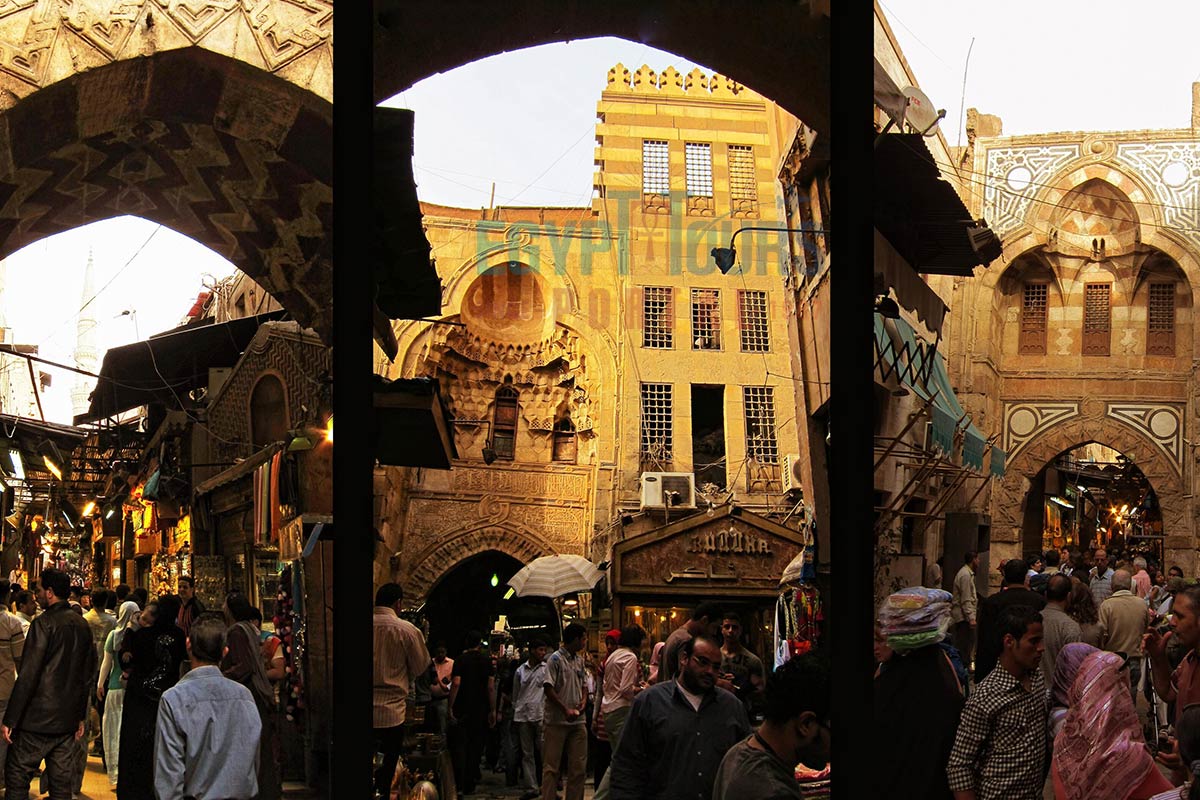
The layout of Khan El-Khalili developed organically over centuries, resulting in a maze-like network of interconnected streets and alleys. Each section of the bazaar traditionally specialized in specific types of goods, creating distinct zones for jewelry, spices, textiles, and other products. This organization reflects the traditional Islamic market system, where economic activities were grouped by trade while still remaining flexible and interconnected.
Hidden courtyards, narrow passageways, and overlapping commercial spaces create a sense of discovery, making navigation through the bazaar both challenging and rewarding. This complex layout contributes to its unique atmosphere and reinforces its identity as a living historical environment rather than a planned modern market.
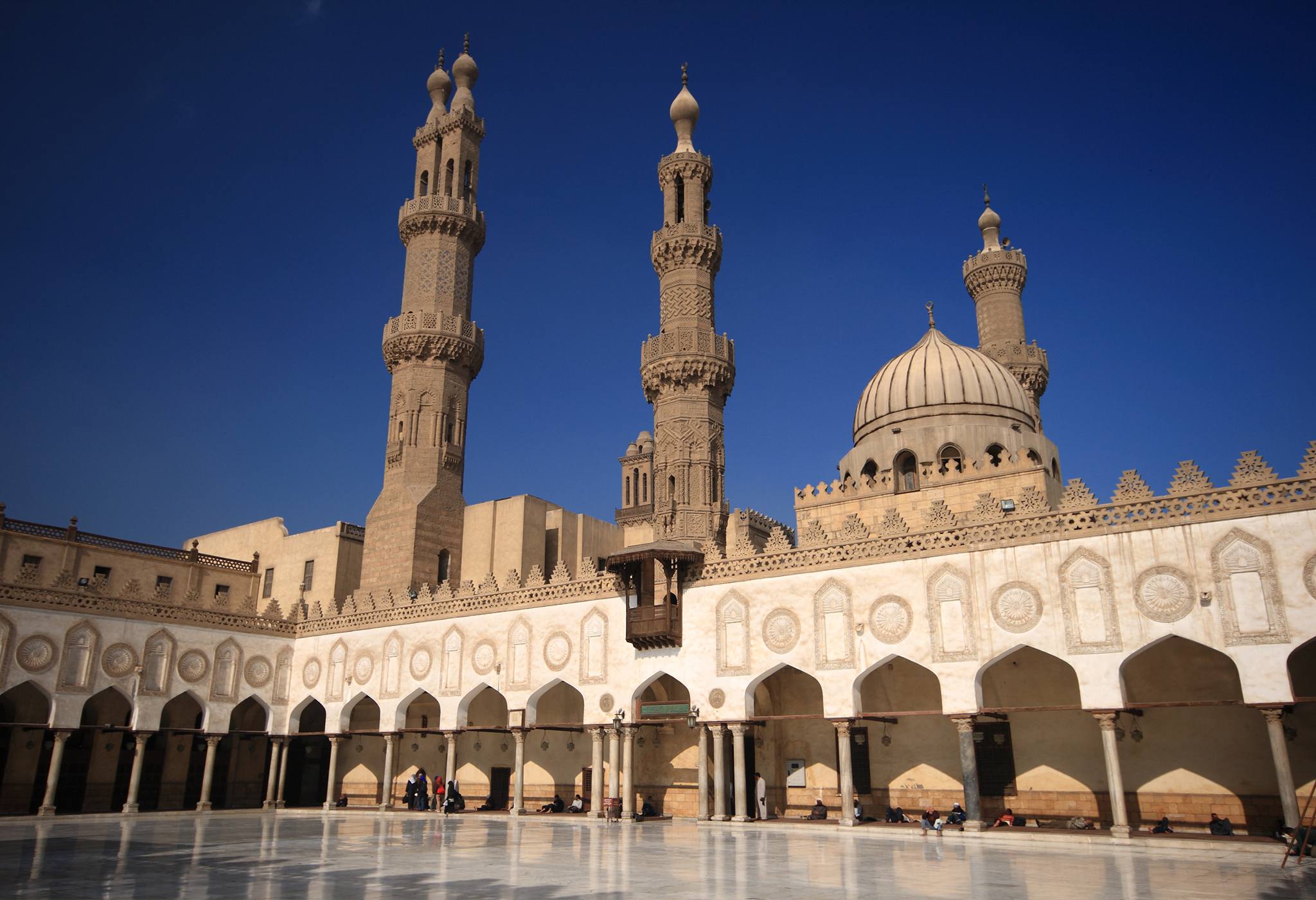
Islamic Landmarks in Egypt
Discover the Golden Attractions of Islamic Cairo
What to Buy in The Blessed Khan El-Khalili Market
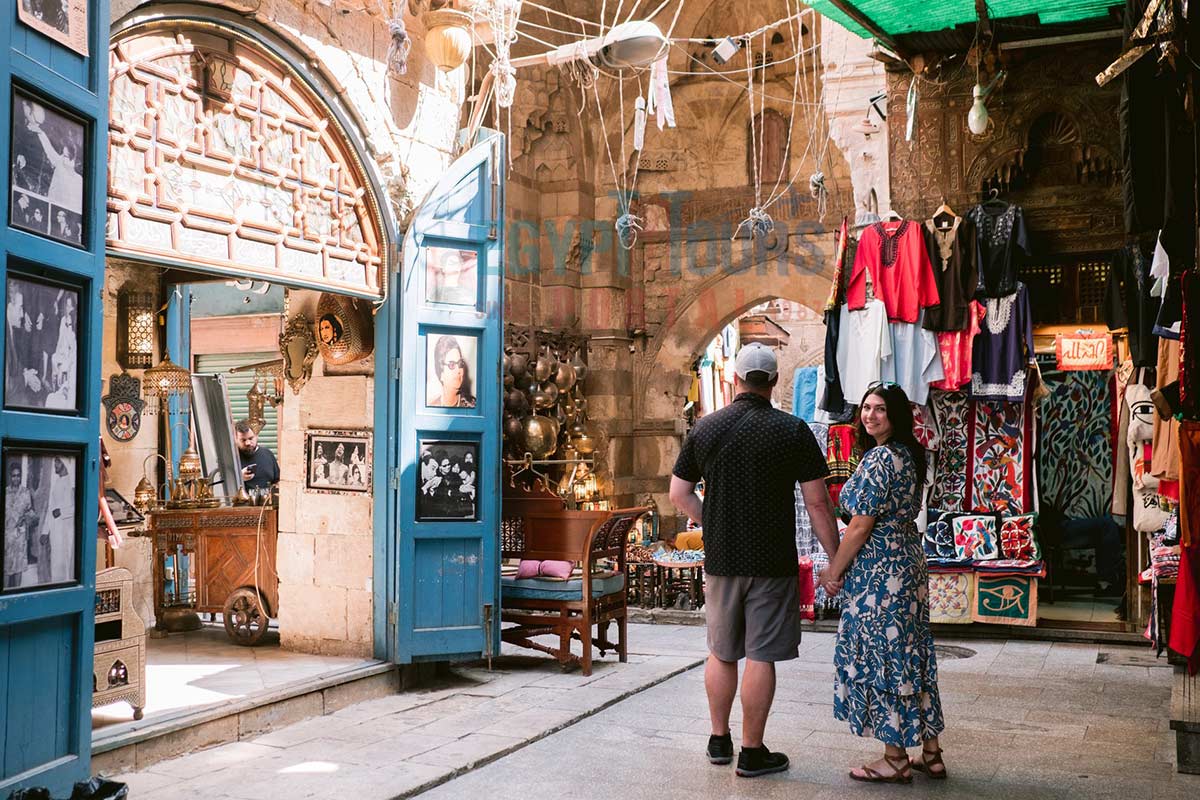
Shopping in Khan El-Khalili is an interactive cultural experience rather than a simple transaction. Khan El-Khalili is renowned for its authentic handmade crafts, which continue to be produced by local artisans using traditional techniques passed down through generations. This explains why it offers one of the richest shopping experiences in Egypt, filled with traditional crafts, cultural items, and authentic souvenirs that reflect thousands of years of history.
The bazaar is especially known for traditional Egyptian items that come in the shape of handmade jewelry, including gold and silver pieces featuring ancient Egyptian symbols such as the ankh, scarab, and cartouche, which can often be personalized with your name in hieroglyphics, making them both meaningful and unique keepsakes.
Another must-buy is papyrus art, one of Egypt’s most iconic souvenirs, where hand-painted scenes of gods, pharaohs, and hieroglyphics are created on traditional papyrus sheets, offering a direct connection to ancient Egyptian civilization.
You will also find beautifully crafted alabaster statues and stone carvings, often depicting deities, pyramids, or pharaonic figures, which have been produced in Egypt since ancient times and remain a symbol of its artistic heritage.
The market is equally famous for its spices, perfumes, and essential oils, including hibiscus (karkade), incense, and traditional fragrance blends that date back to ancient Egyptian perfumery traditions. For something practical and luxurious, Egyptian cotton products such as scarves, garments, and linens are highly valued worldwide for their softness and durability.
In addition, visitors can explore handwoven textiles, carpets, and traditional clothing like galabiyas, as well as decorative items such as lanterns, ceramics, and wooden crafts, all reflecting local craftsmanship and cultural identity. Smaller souvenirs like sand bottles, miniature statues, and scarab amulets, which historically symbolized protection and rebirth in ancient Egyptian belief, are also widely available and easy to carry home.
Bargaining is a deeply rooted tradition, where prices are negotiated through friendly conversation. Visitors are expected to engage in this process, often starting at a lower price and gradually reaching an agreement. This practice reflects the social nature of the market, where relationships and communication play an important role in commerce. Overall, what makes shopping in Khan el-Khalili special is not just the variety of items, but the authenticity behind them. Each product represents a piece of Egypt’s history, artistry, and living tradition.
Enjoy your Time in Historic Cafes and the Social Life of Khan El Khalili Bazaar
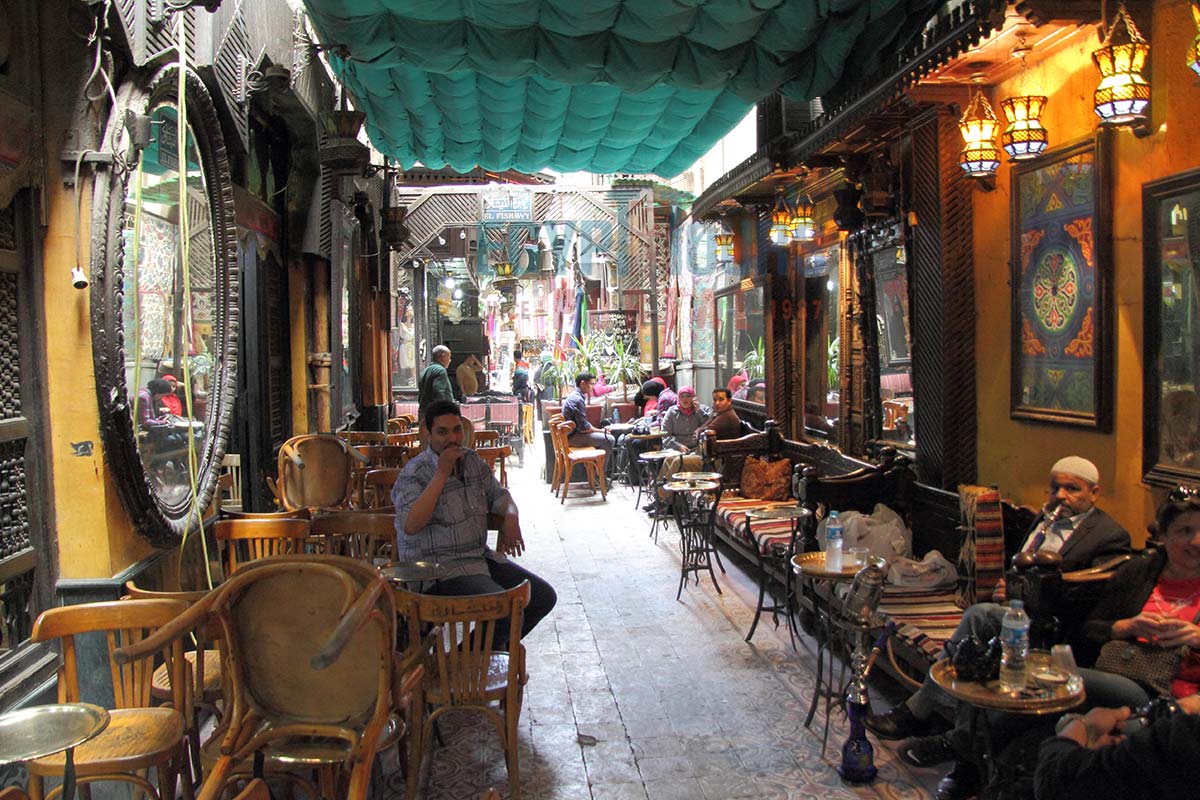
The café culture of Khan El-Khalili is an essential part of its identity. Historic establishments such as El-Fishawy Café, operating since 1773, serve as gathering places where locals and visitors can relax and socialize. These cafés are known for serving traditional drinks such as Turkish coffee, Egyptian tea, and herbal infusions, often accompanied by shisha. Beyond food and drink, they function as cultural spaces where conversations, games, and social interactions take place, reflecting the communal spirit of Cairo.
Explore all the Amazing Things to Do in Khan El-Khalili
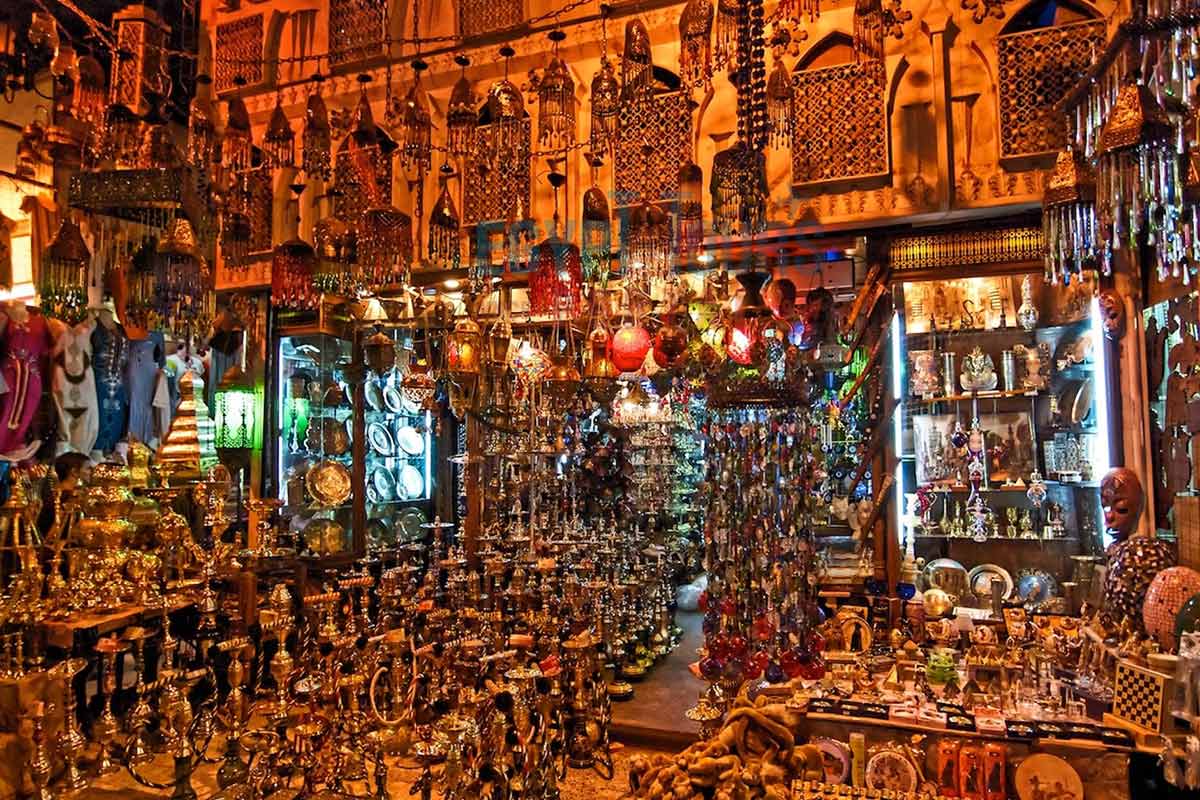
A visit to Khan El-Khalili offers a wide range of experiences, from exploring its historic alleys and discovering traditional crafts to enjoying local cuisine and café culture. Visitors can interact with artisans, observe traditional manufacturing processes, and capture the vibrant atmosphere through photography.
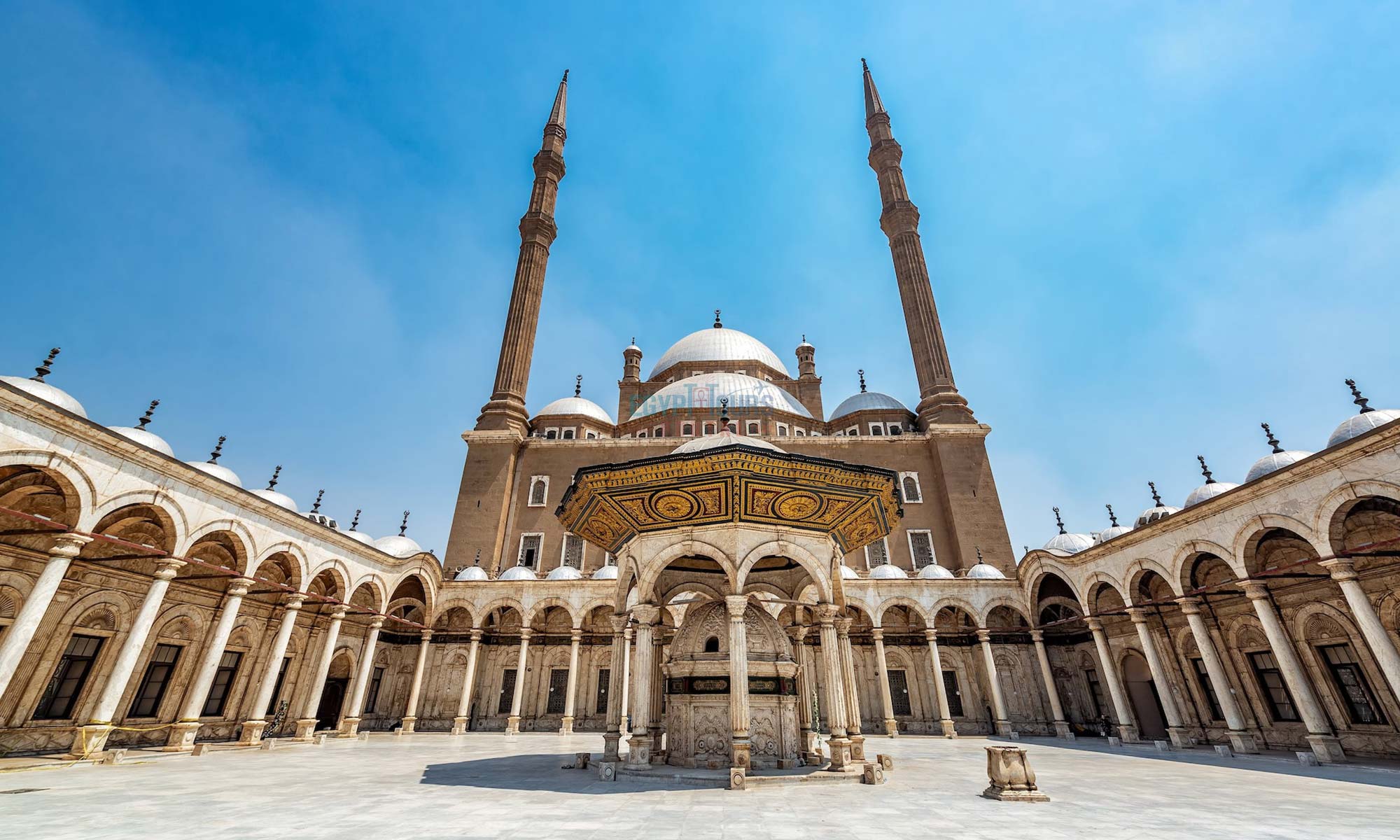
The bazaar is surrounded by some of Cairo’s most important historical landmarks, which everyone can visit, including Al-Azhar Mosque, Al-Hussein Mosque, Al-Muizz Street, the Museum of Islamic Art, and Bab Zuweila. These sites can be explored together as part of a broader journey through Islamic Cairo, offering a deeper understanding of the city’s architectural and cultural heritage. The market’s dynamic environment ensures that each visit offers something new, whether it is a hidden shop, a unique product, or a cultural interaction.
Learn about the Best Time to Visit and Practical Information of Khan El-Khalili
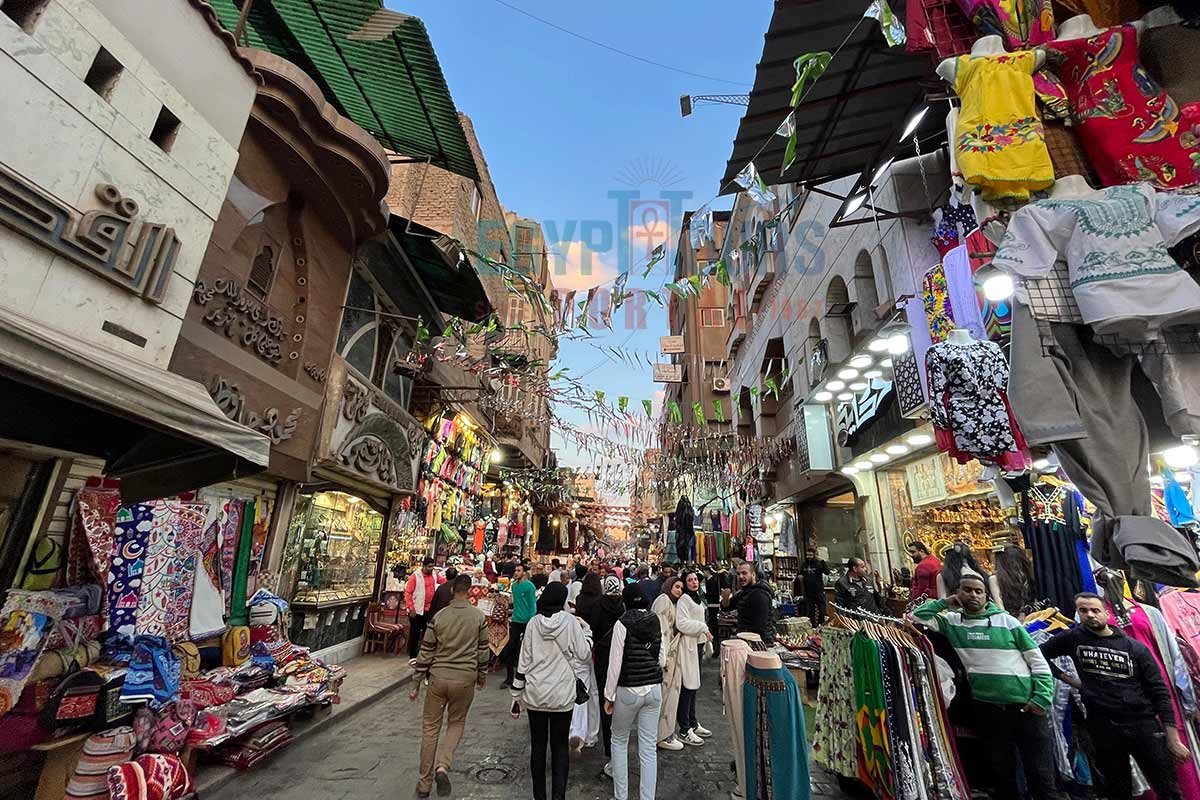
Khan El-Khalili is typically open daily from 9:00 AM to 9:00 PM, with free entry to all areas. The best time to visit is early morning, when the market is quieter, or late afternoon and evening, when the atmosphere becomes more lively. The cooler months from October to April provide the most comfortable weather for exploring the area. Visitors are advised to wear comfortable shoes, stay aware of their surroundings, and respect local customs, especially when visiting nearby religious sites.
Cast Your Eyes on This Living Cultural Landmark with Our Epic Tours
Khan El-Khalili stands as one of the most enduring symbols of Cairo’s history and identity. With over 600 years of continuous activity, it remains a place where commerce, culture, and community life converge. Unlike many historical sites, it is not frozen in time but continues to evolve while preserving its traditions. So if you are already in Cairo and want to visit Khan el-Khalili, then you can check our Cairo day tours. Or if you are planning to visit Egypt, then you can check our Egypt vacations and Nile river cruise to choose your dream vacation.